1/34
33 Fabulous Home Gym Ideas That Make Working Out a Joy
This article explores a comprehensive range of design concepts for creating inspiring and functional home gyms, moving beyond the traditional perception of workout spaces as sterile or unappealing. It emphasizes that a thoughtfully designed home gym can significantly enhance motivation and enjoyment of exercise. The discussion features insights from architects and interior designers, alongside examples from Architectural Digest home tours, offering practical advice and creative solutions for various home gym needs.
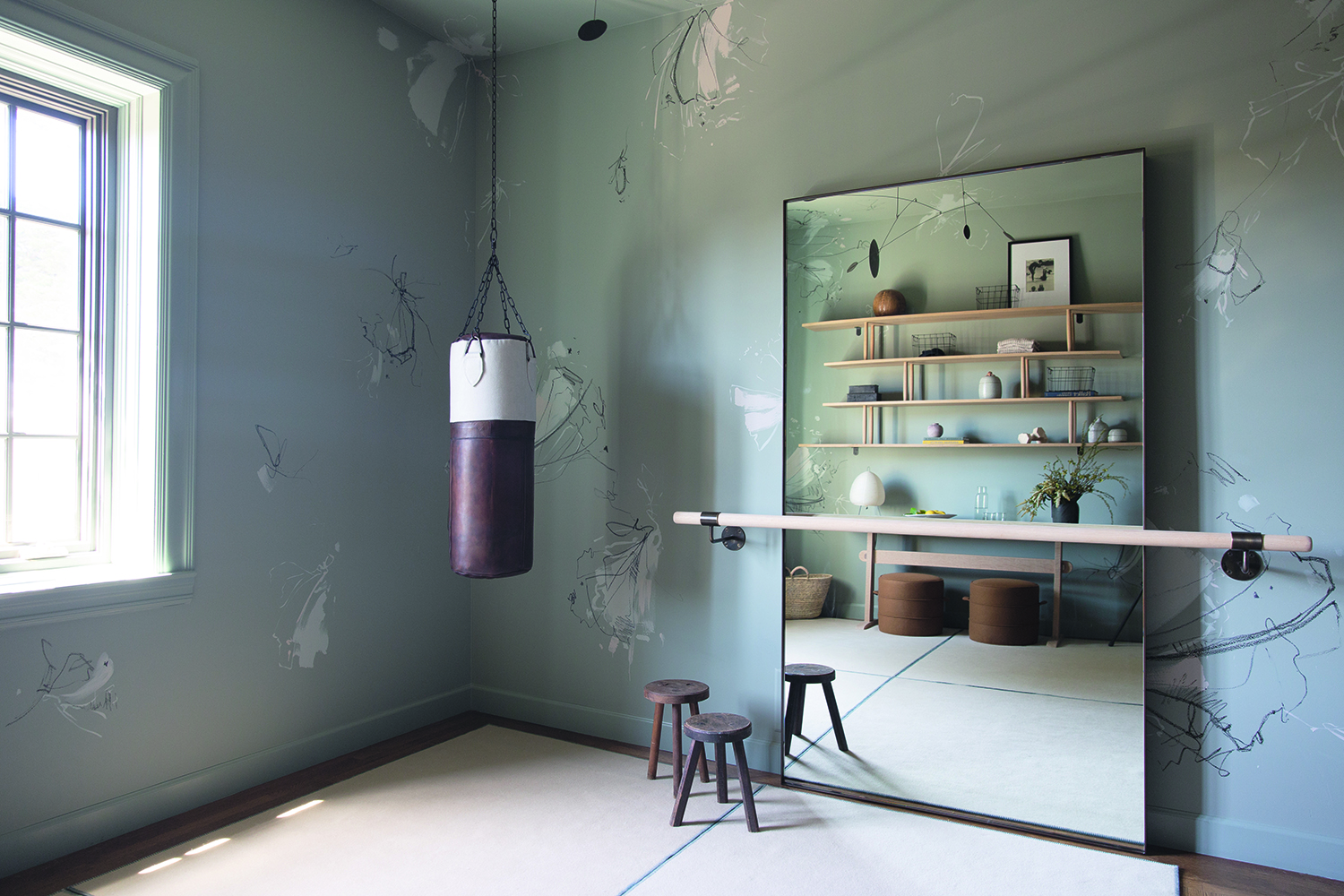
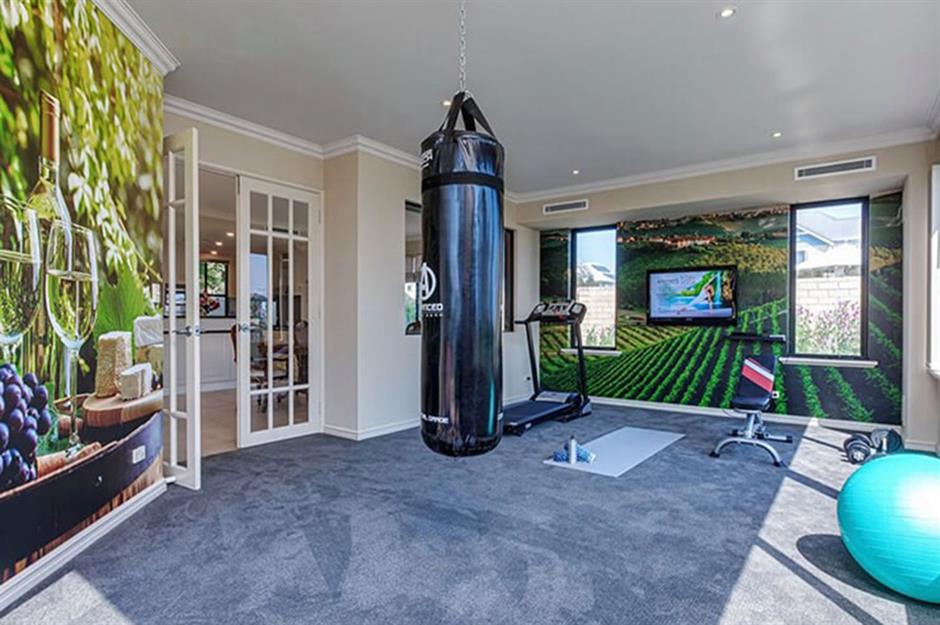
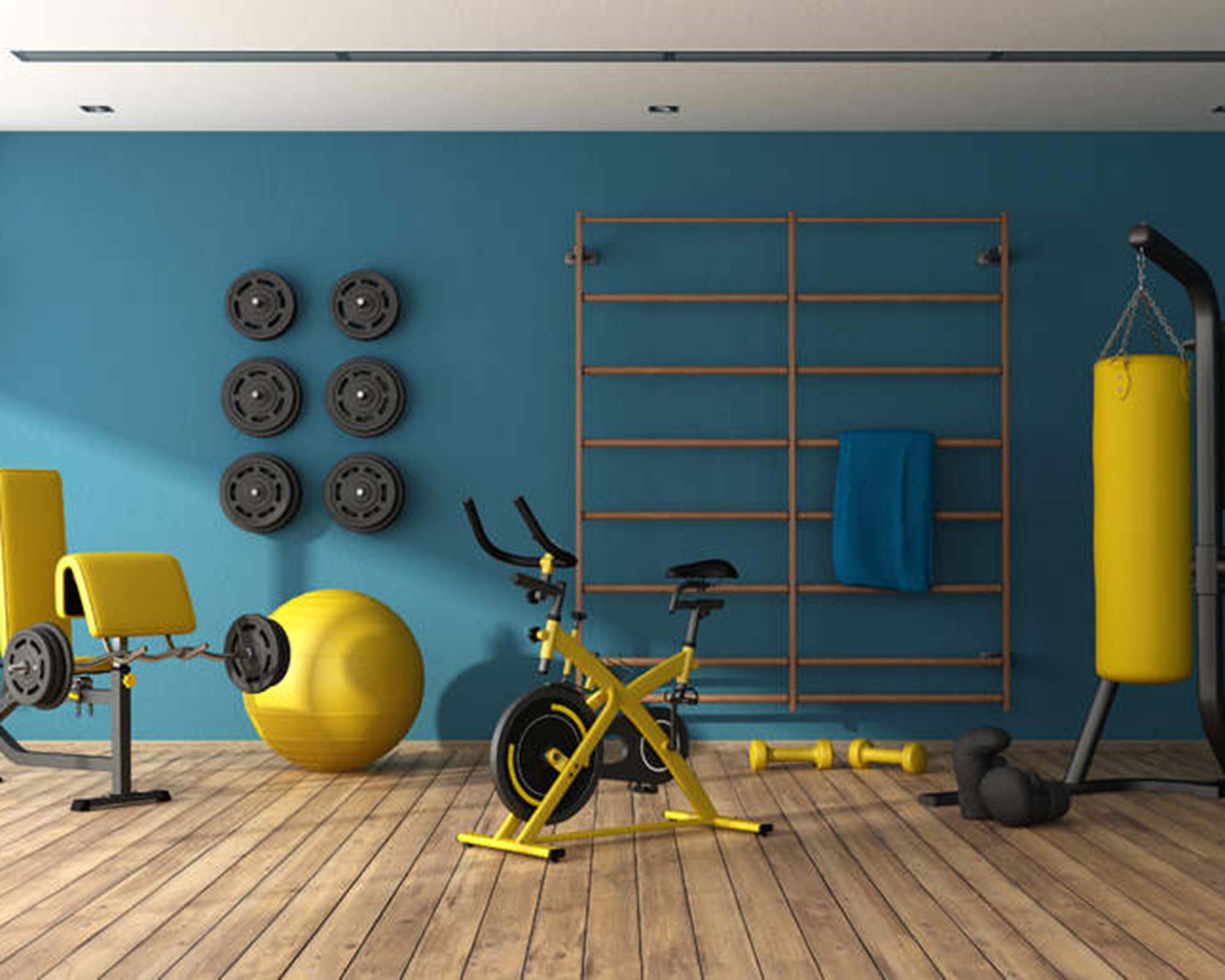
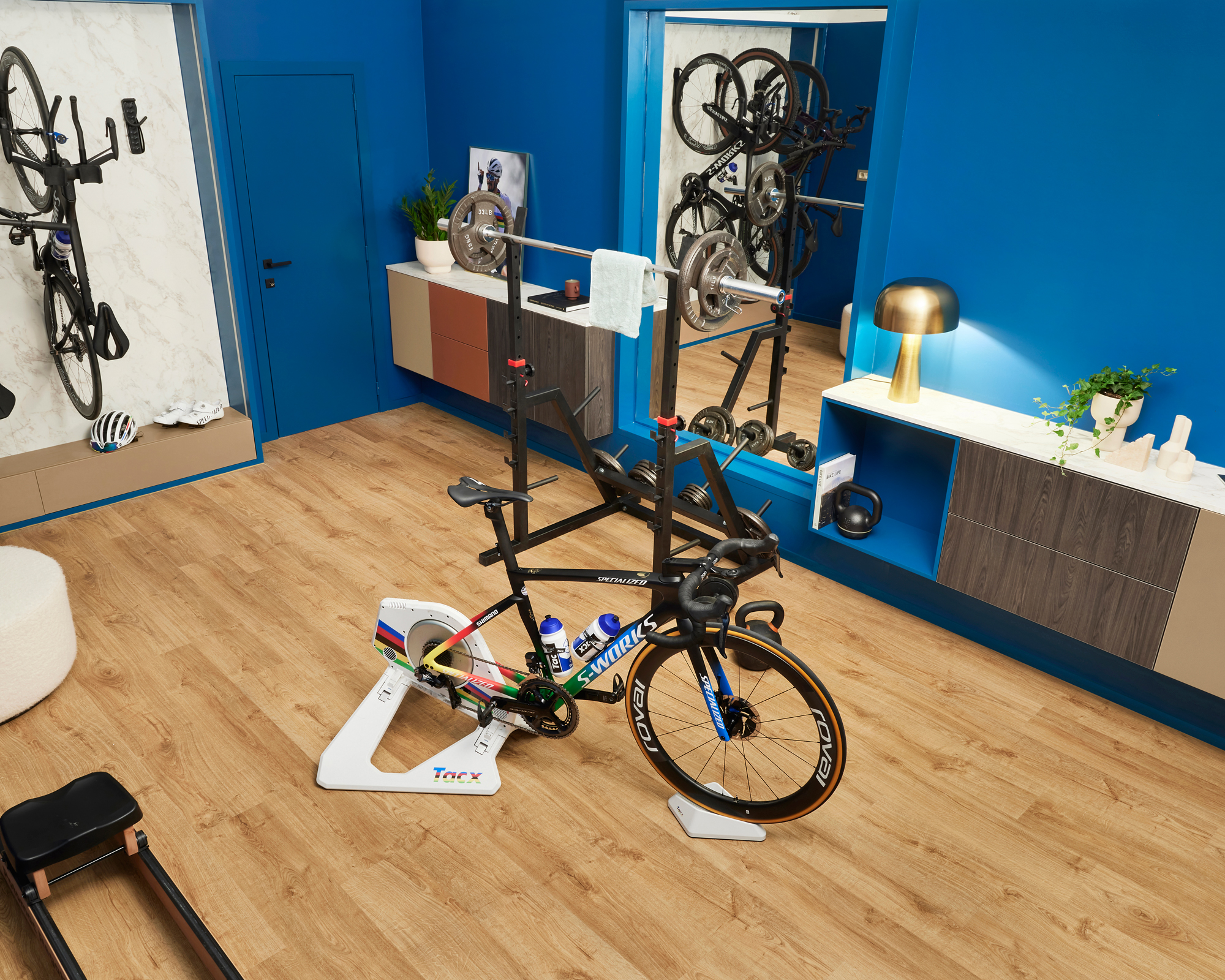
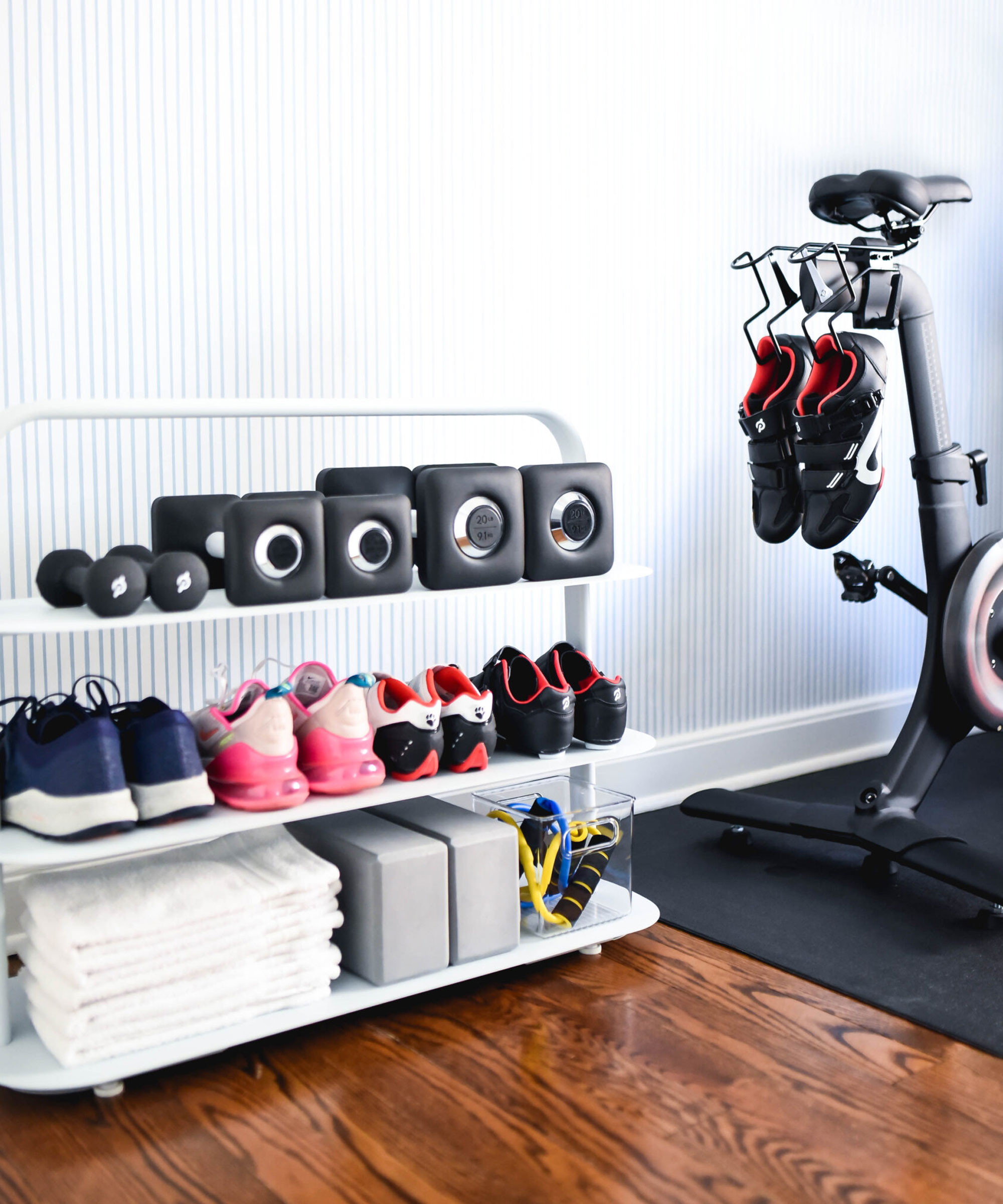
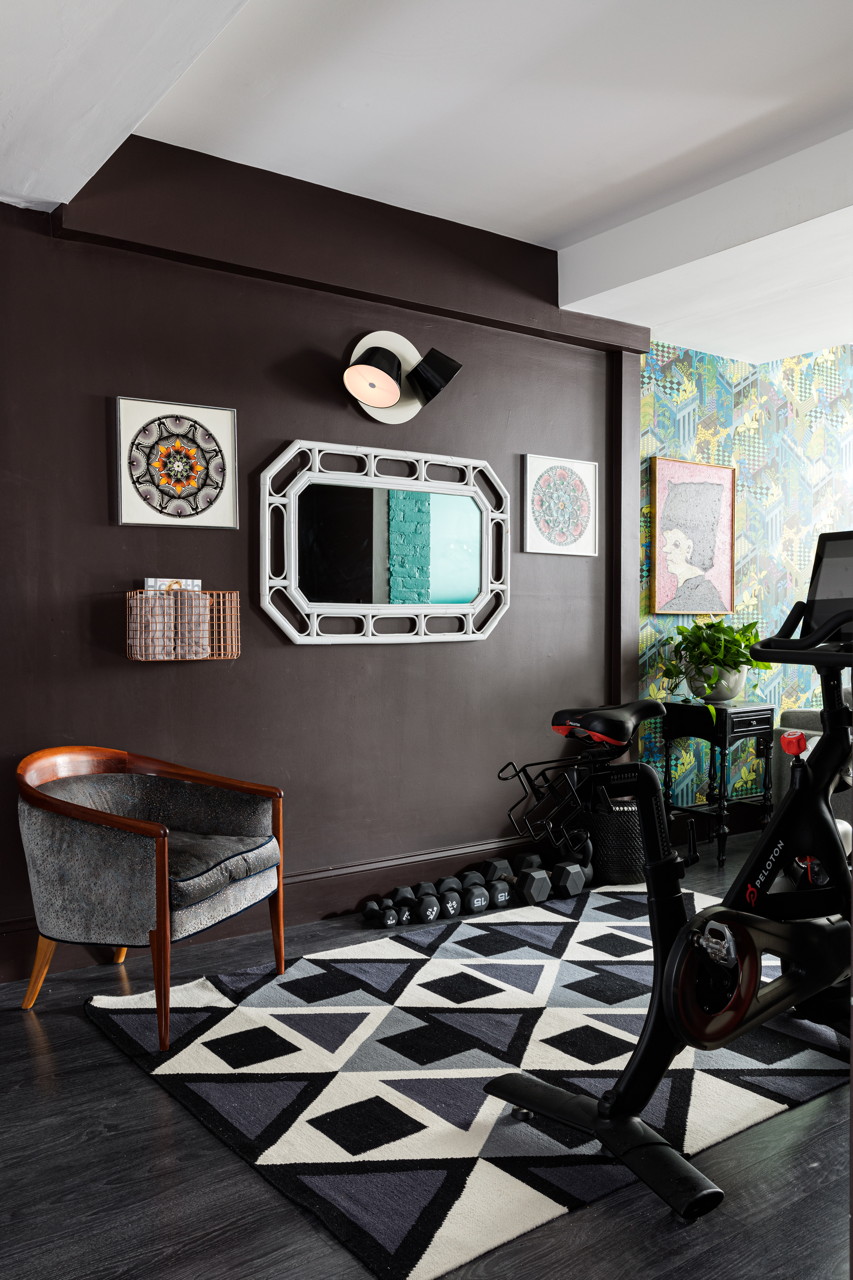
The article begins by asserting that the aesthetic of a home gym is more crucial than commonly thought, citing architect Karen Lantz, who states that intentional design fosters a positive emotional connection to the space, increasing the likelihood of its use. To achieve this, the article suggests aligning gym design with personal fitness goals and prioritizing functionality. It then delves into specific design strategies, starting with the effective use of color palettes, such as a clean black-and-white scheme with functional storage from SISSY+MARLEY Interiors, or vibrant, kaleidoscopic wallpaper chosen by Kishani Perera to energize the space. Custom murals, as seen in a Courtney Bishop Design project, are presented as a way to break the gym stereotype, incorporating natural motifs and dynamic lines to create a meditative yet kinetic environment.
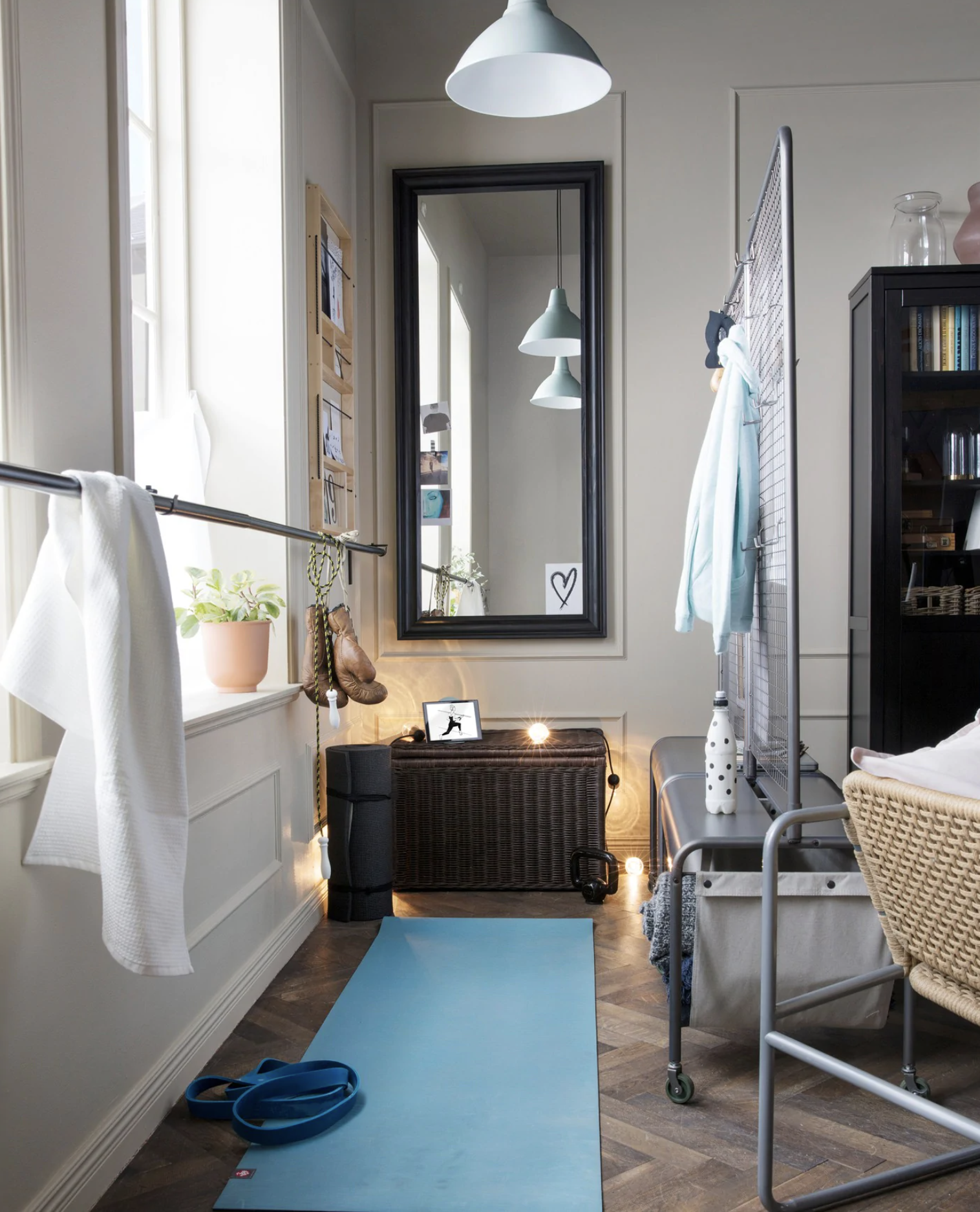
For those who prefer outdoor workouts, the article highlights the concept of covered outdoor gyms, exemplified by Olson Kundig's design featuring natural wood panels and black steel beams that blend with the surrounding landscape. It also stresses the importance of integrating the home gym with the rest of the living space by including regular decor items that match the home's style, as demonstrated in a yoga studio by Christine Markatos Design. Smart storage solutions, such as sliding doors to conceal equipment, are recommended to maximize space and multifunctionality, allowing rooms to serve dual purposes without clutter.
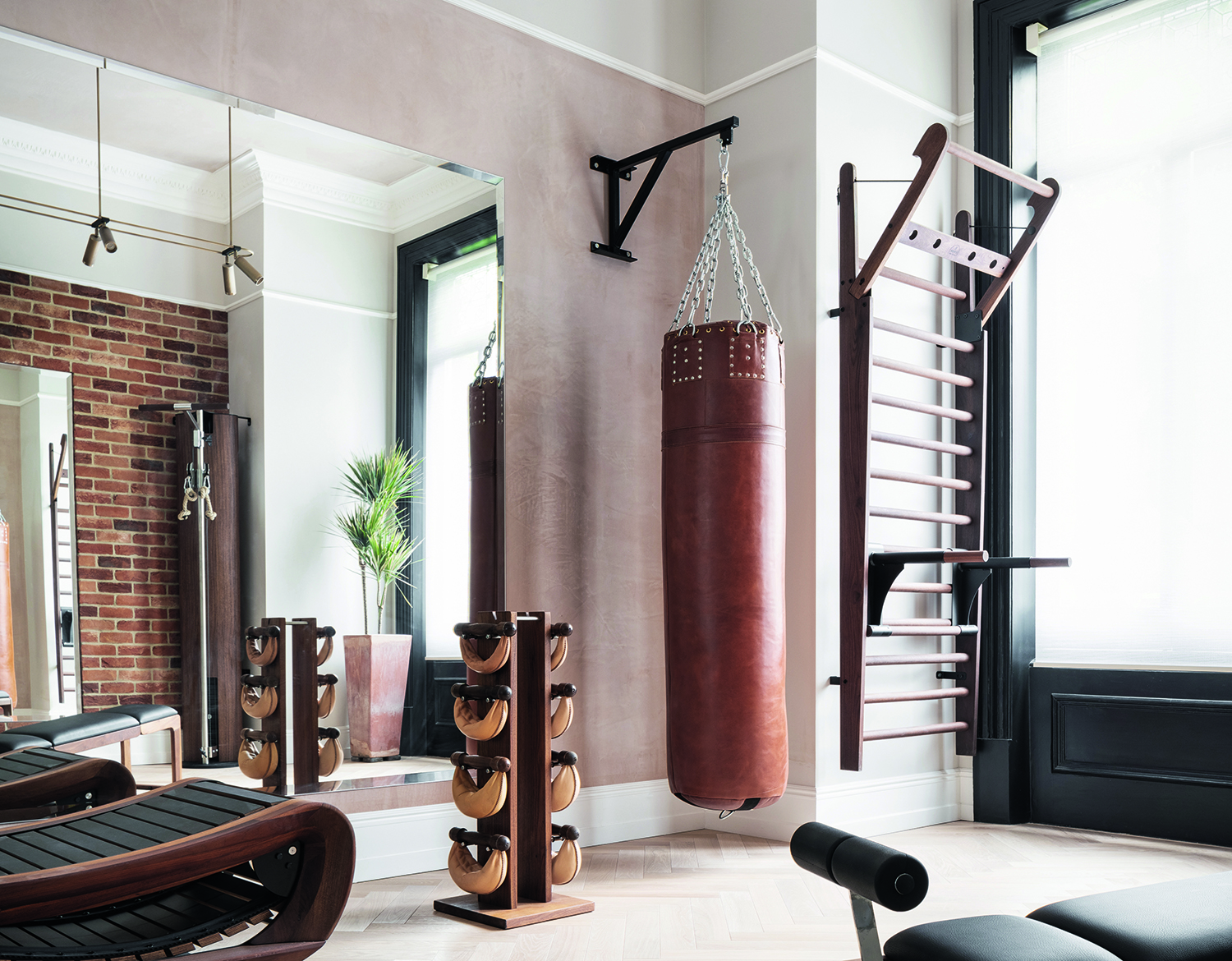
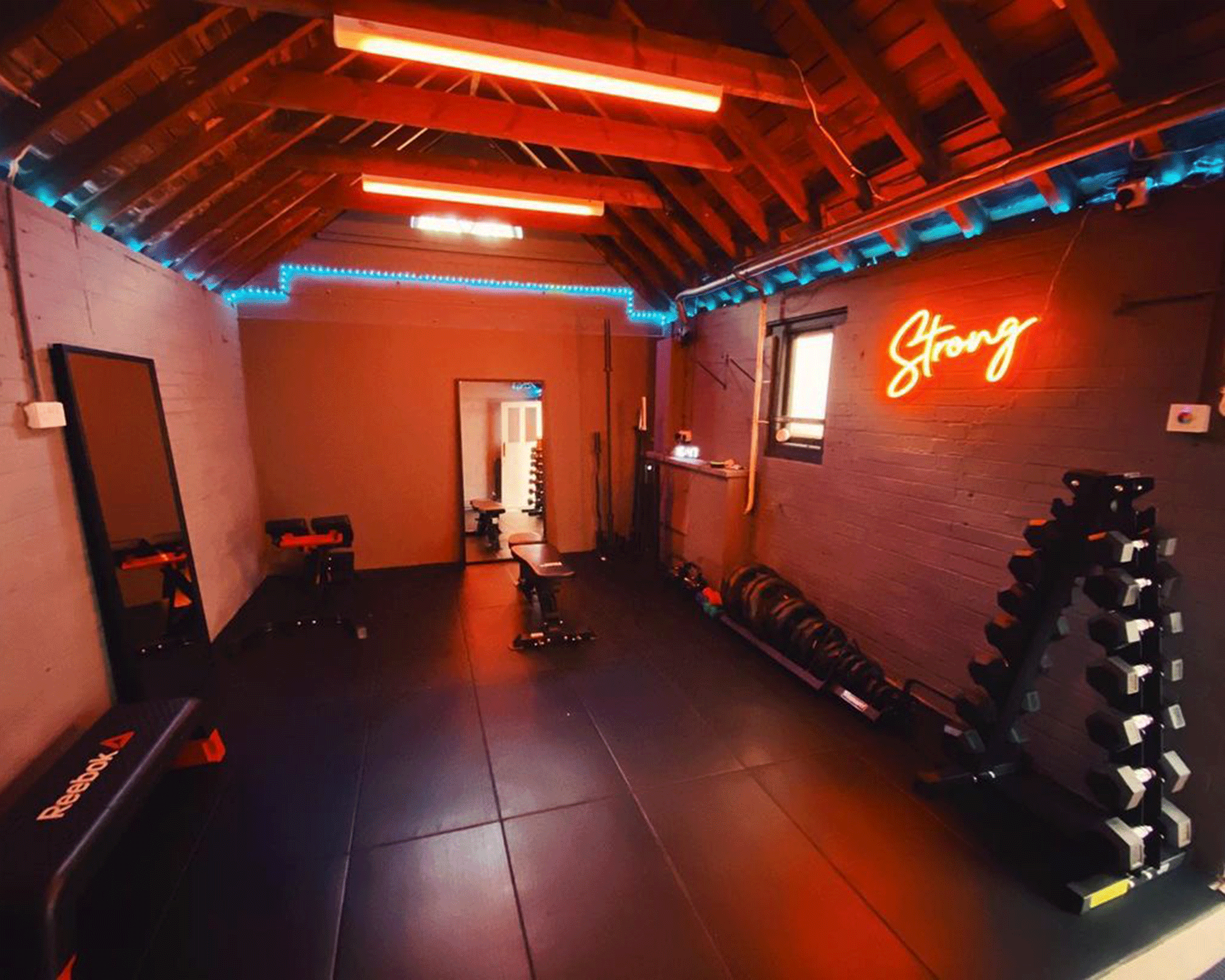
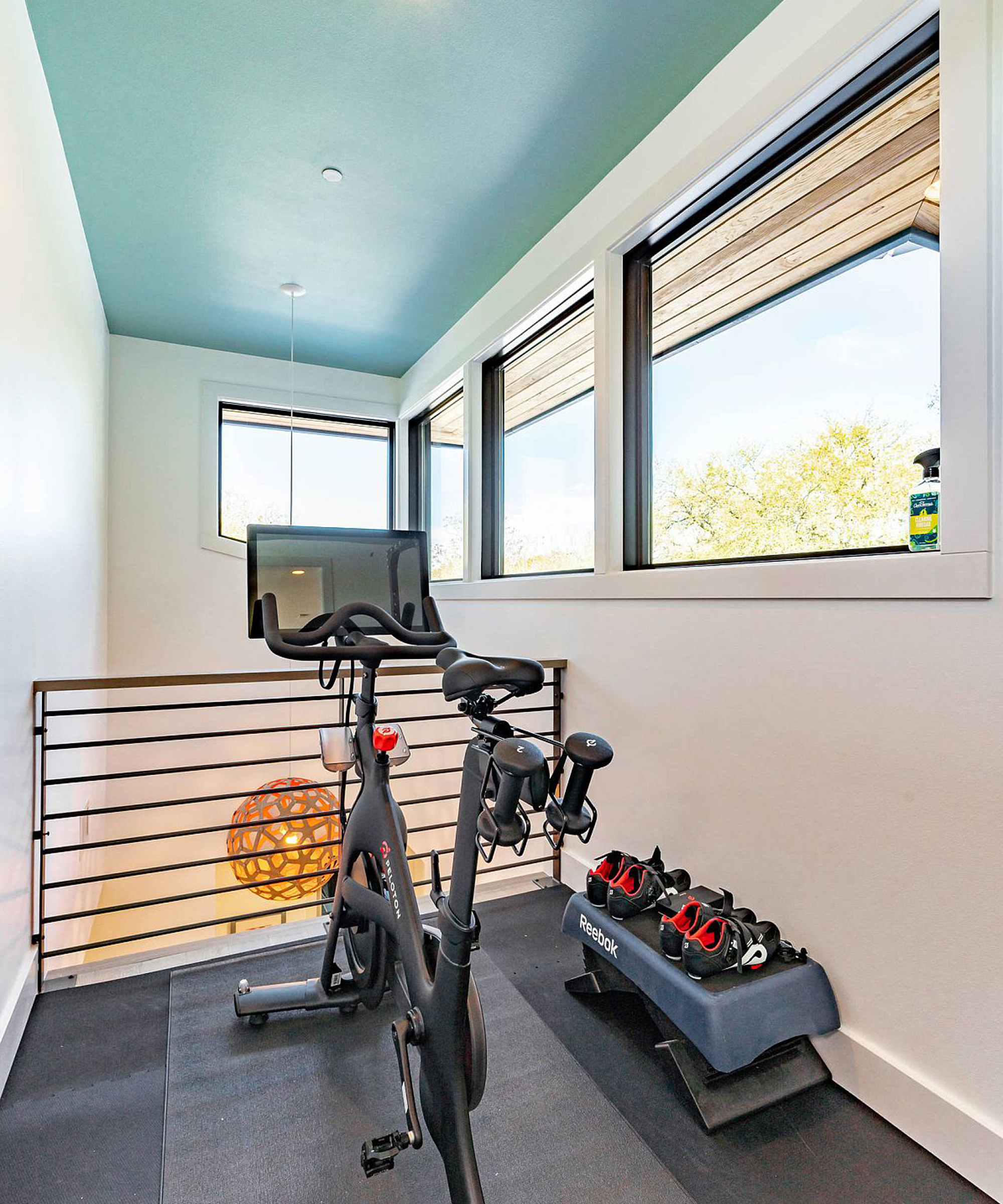
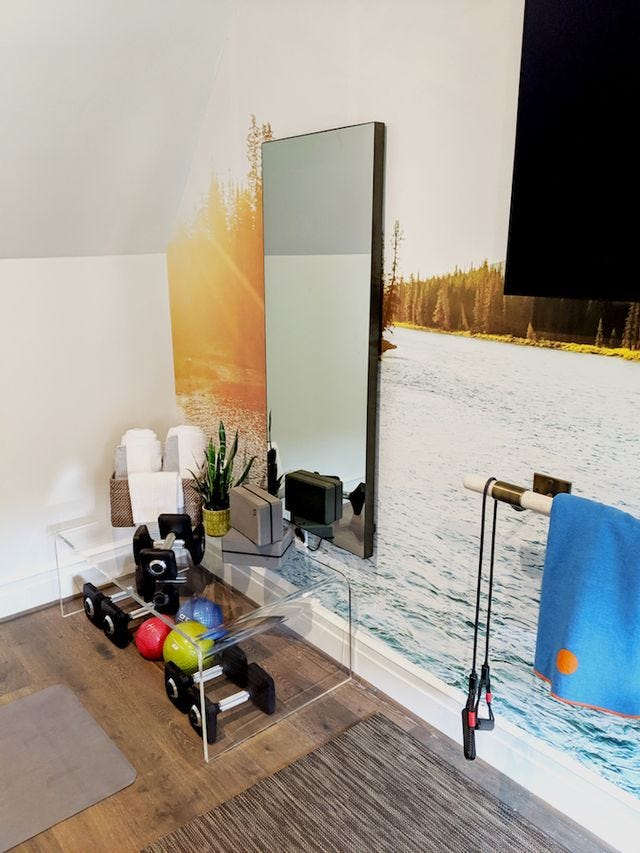
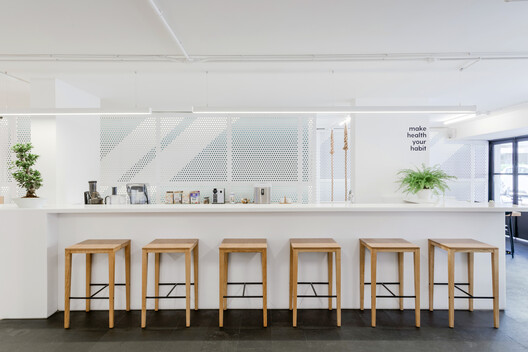
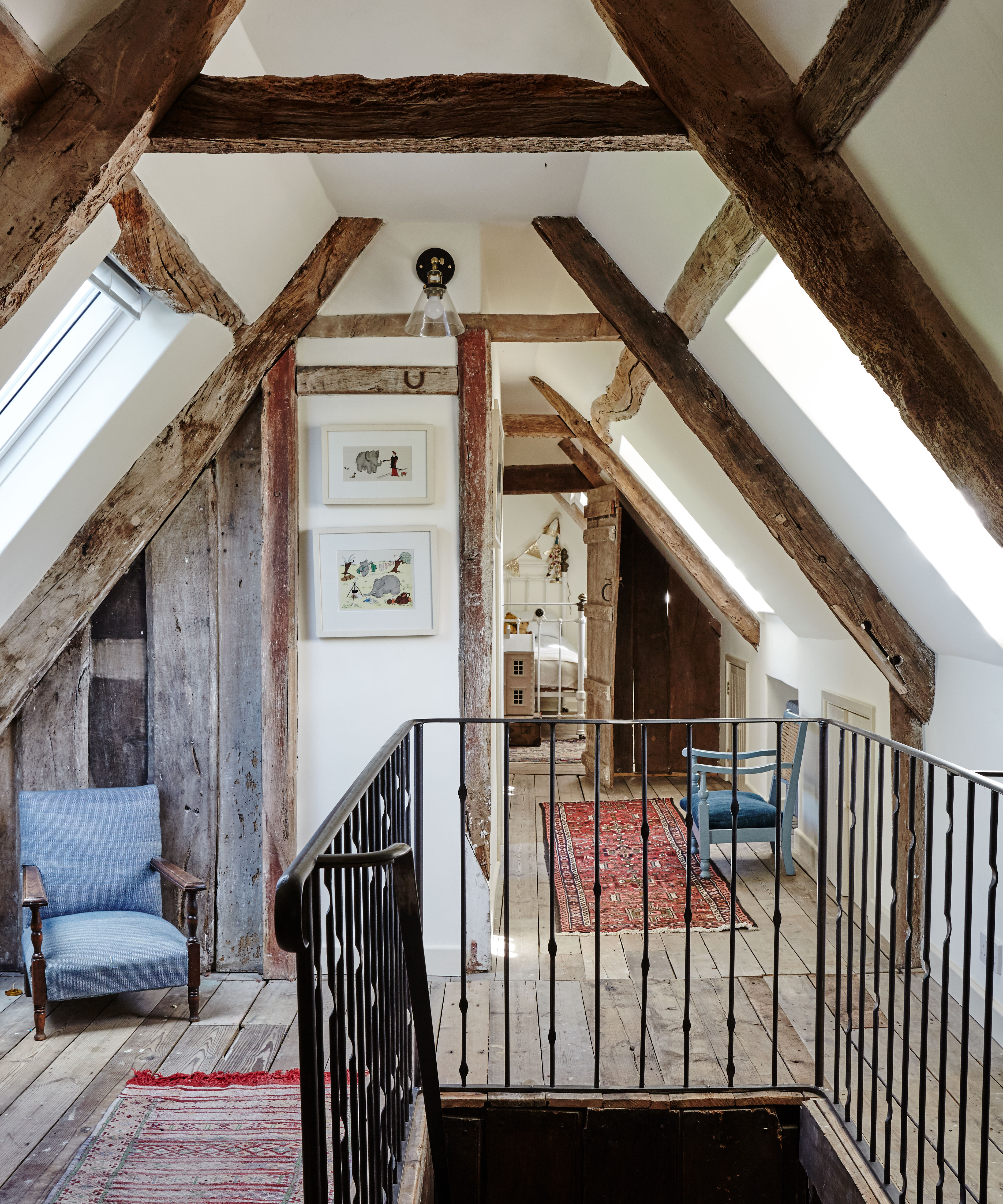
Further design ideas include adding a refreshment station, utilizing underused spaces like attics for light workouts, and incorporating mood-boosting elements such as yellow paint on ceilings to create a sense of 'faux sunshine.' For a more robust aesthetic, the article suggests embracing industrial elements like brick facades and chain-link fences, as seen in a New Age Interiors design. The importance of negative space around equipment is underlined by Lauren Lerner of Living with Lolo, ensuring safe and unrestricted movement.
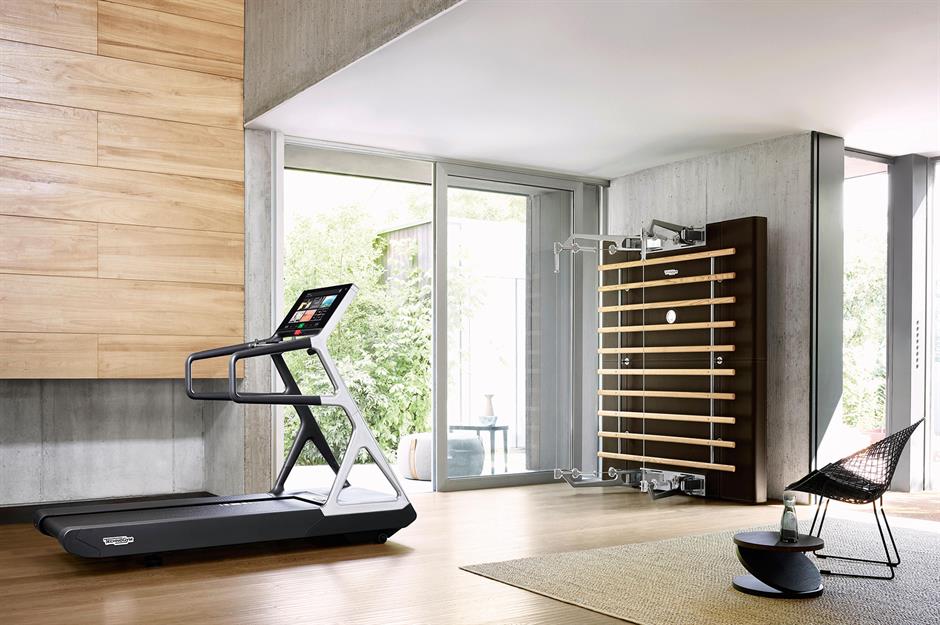
Lighting is identified as a critical design component, with designer Liz Potarazu advocating for ambient lighting like sconces for early morning workouts. For multi-functional spaces, a split plan using low walls can delineate areas without completely isolating them, allowing for both work and exercise. Integrating the gym into the main living area with glass walls can promote usage and create an 'adult zen' retreat, as shown in an I-Kanda Architects design. Soundproofing is also discussed as a practical consideration, with Marguerite Rodgers suggesting decorative fabric to absorb noise.
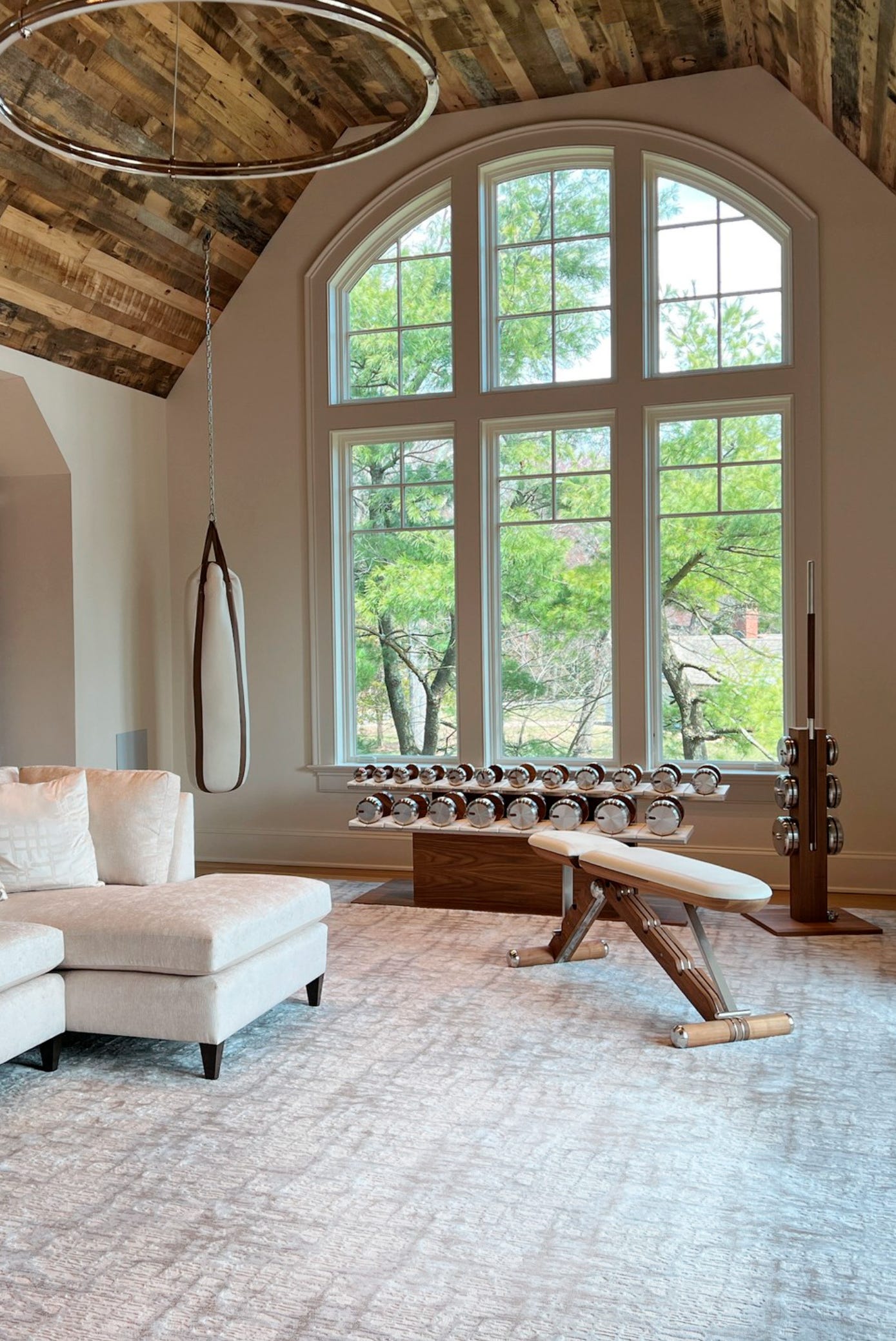
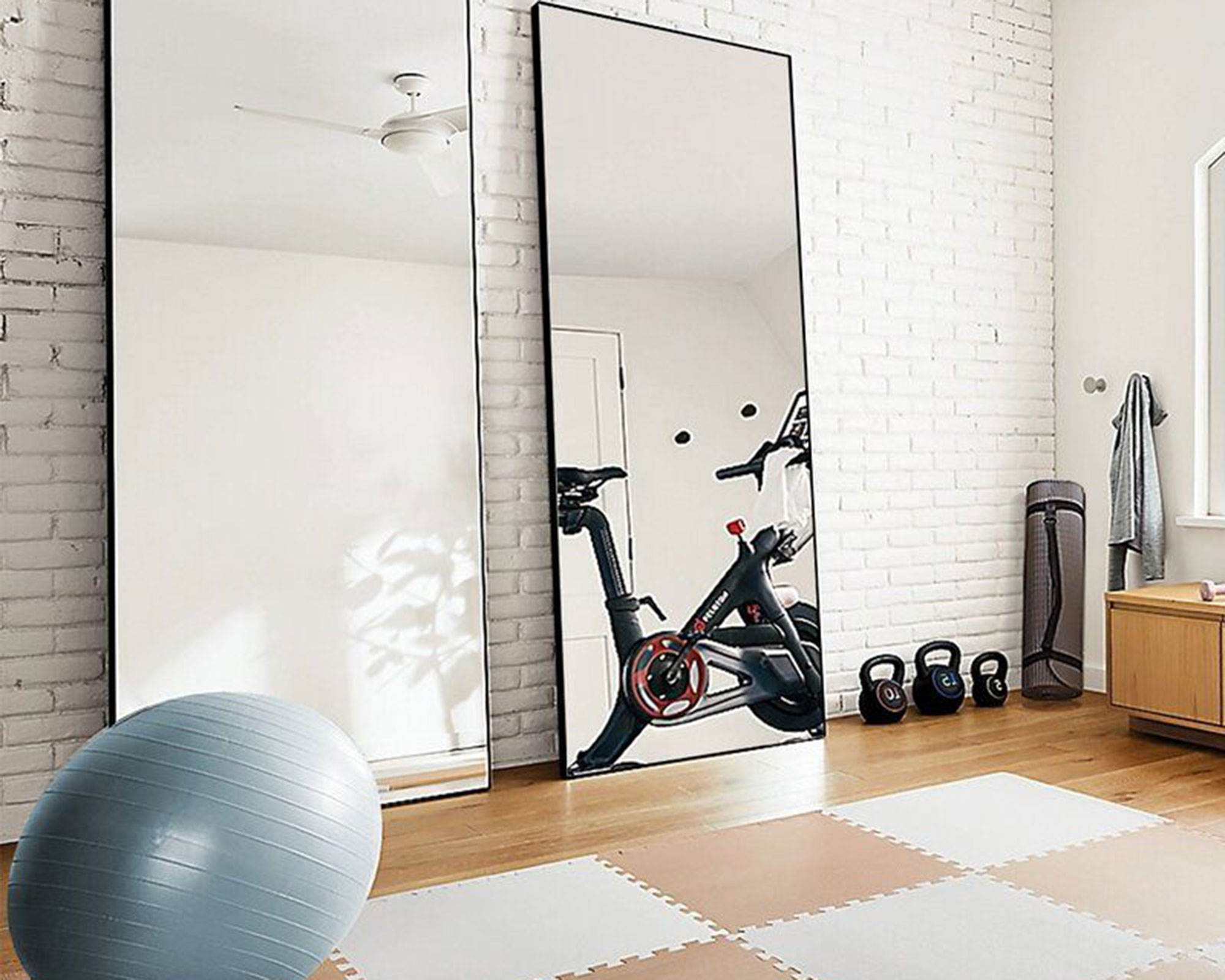
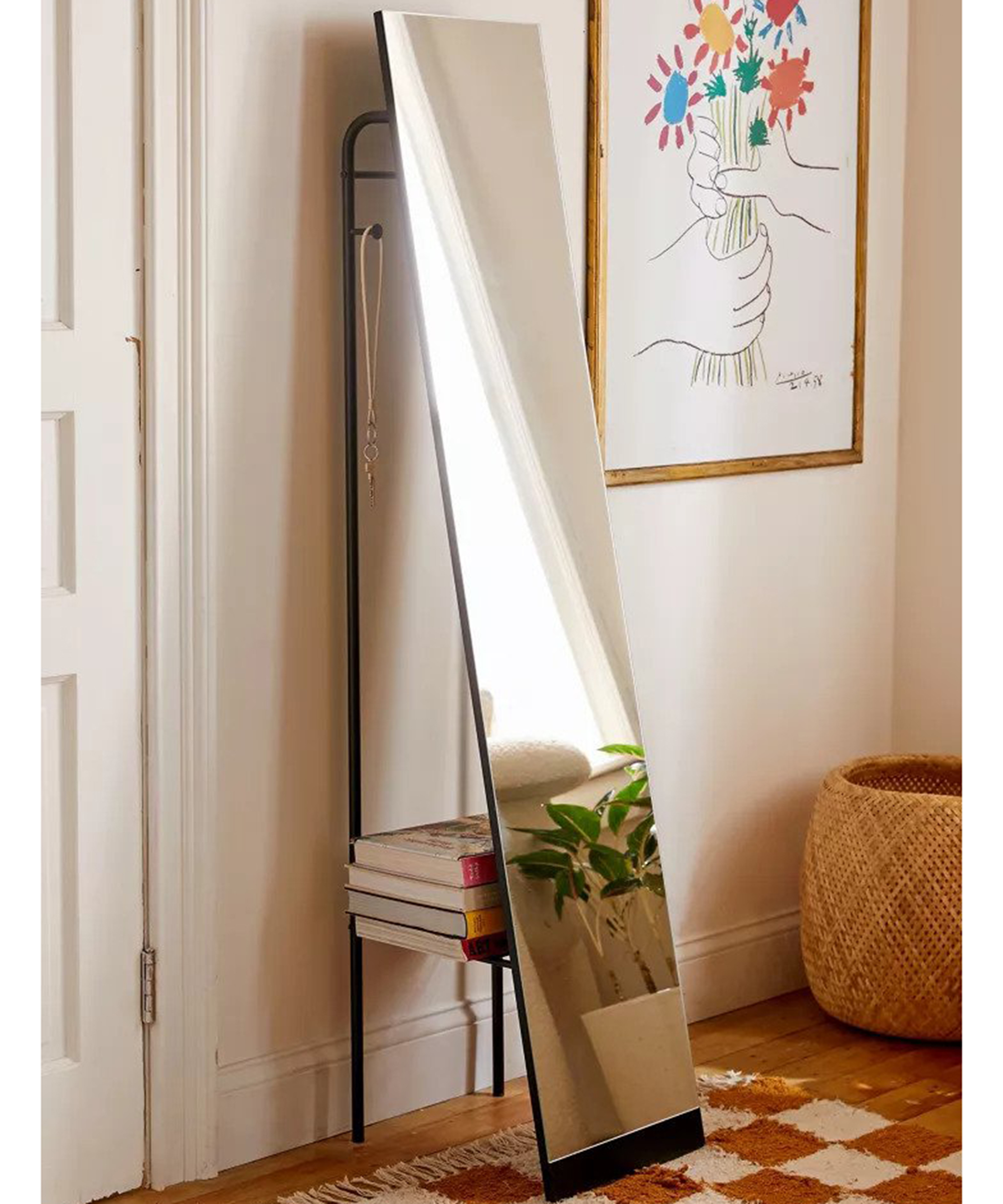
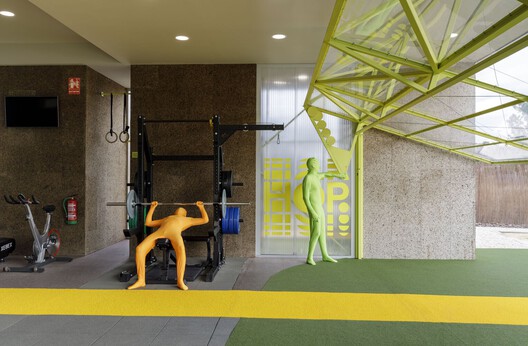
The article also covers aesthetic enhancements, such as investing in mirrors and art to personalize the space and maximize light, and adding turf for a playful, multi-sport area. Utilizing outdoor spaces in warm climates for equipment like Pelotons and punching bags is presented as an appealing option. For luxury, the addition of a sports court, even a half-court indoors, is suggested. Shelving is highlighted as a crucial element for organizing accessories, preventing clutter. Repurposing existing living spaces, like a Berkeley Arts and Crafts home's sleeping porch converted to a gym, encourages working with a space's existing features.
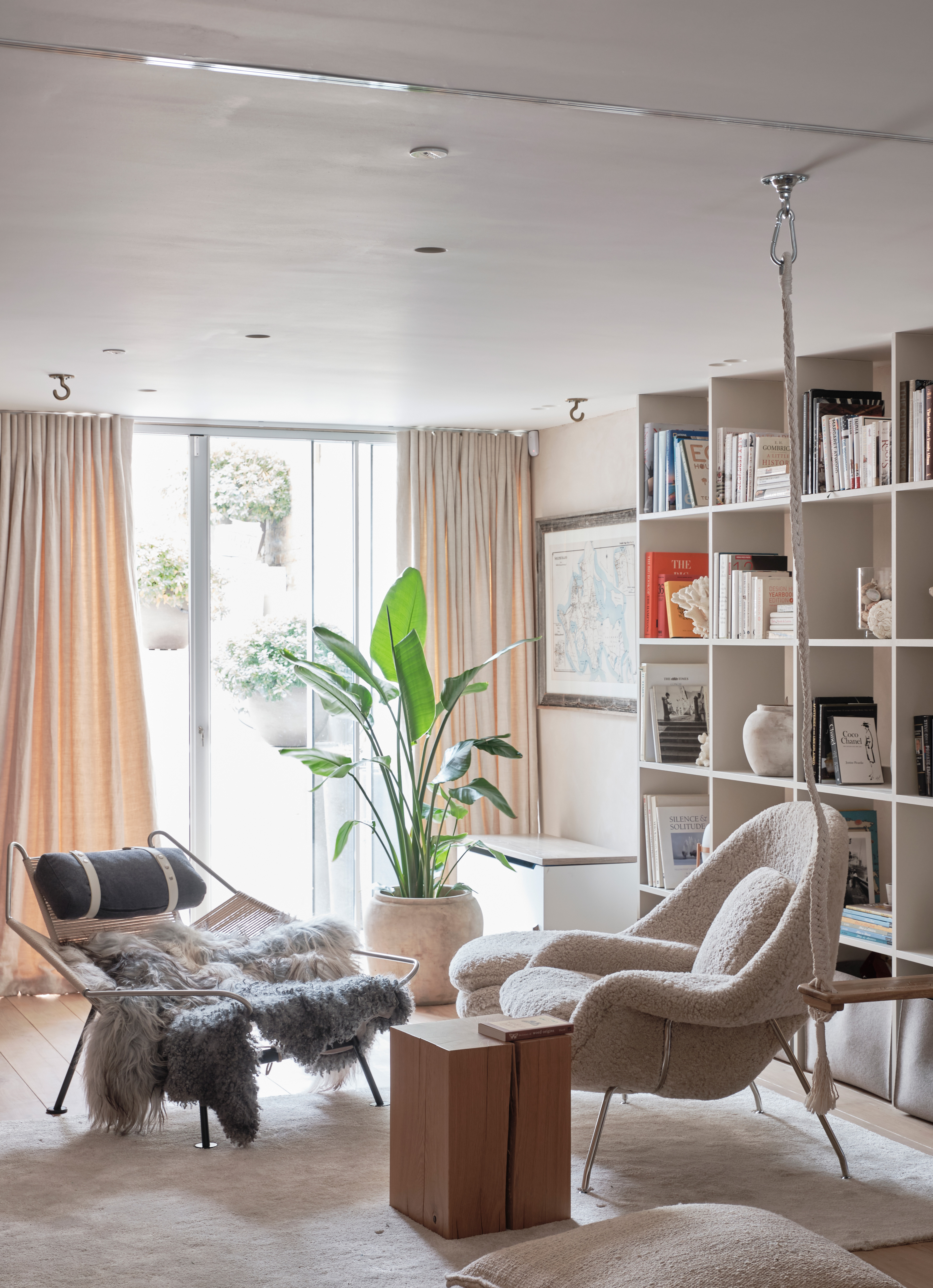
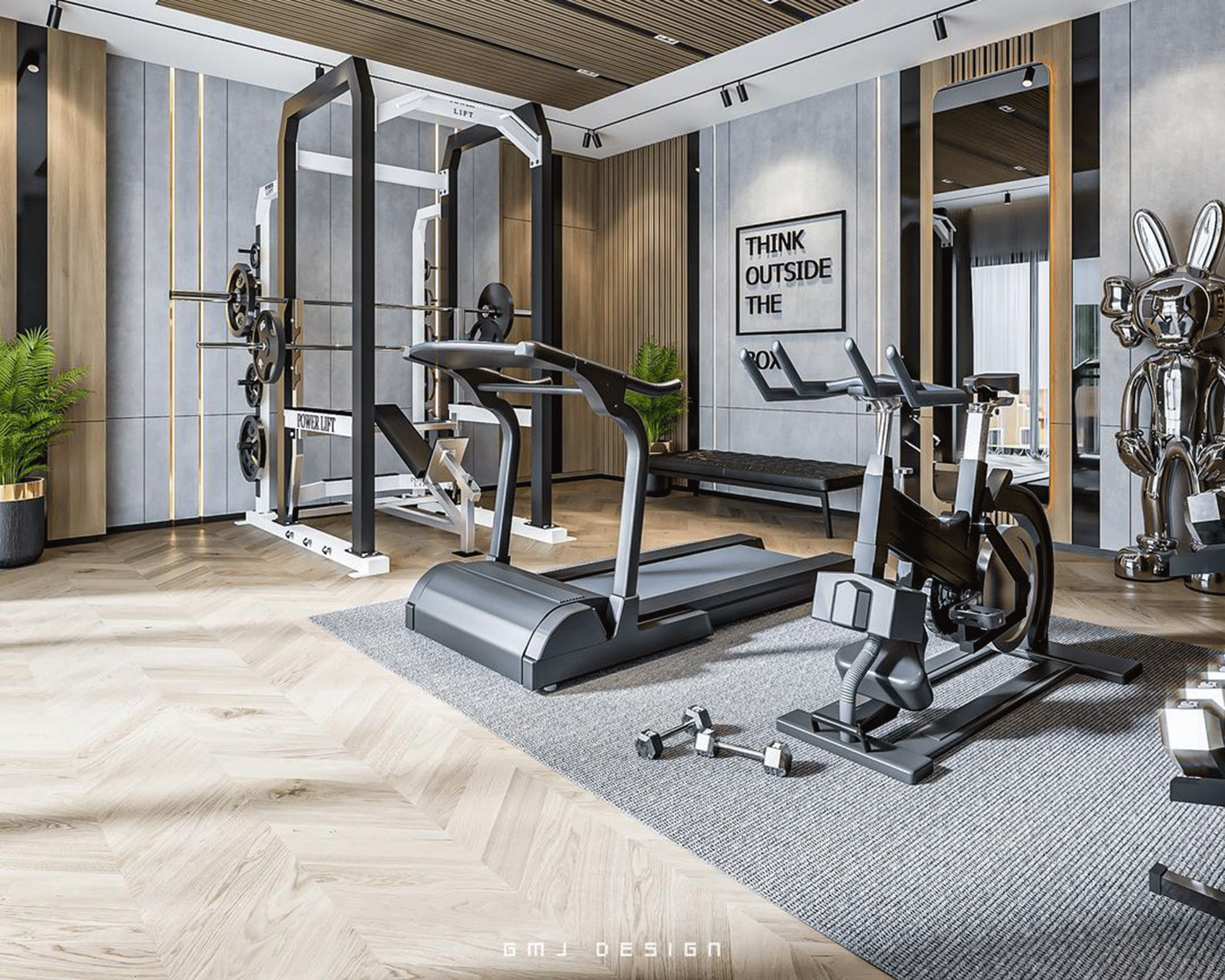
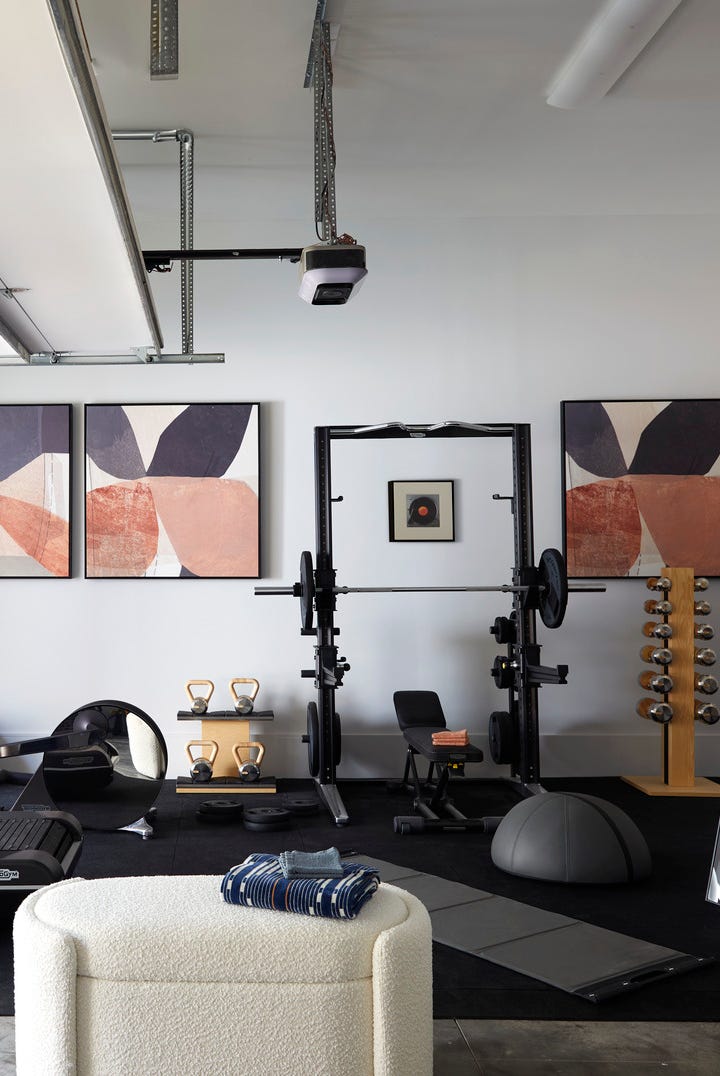
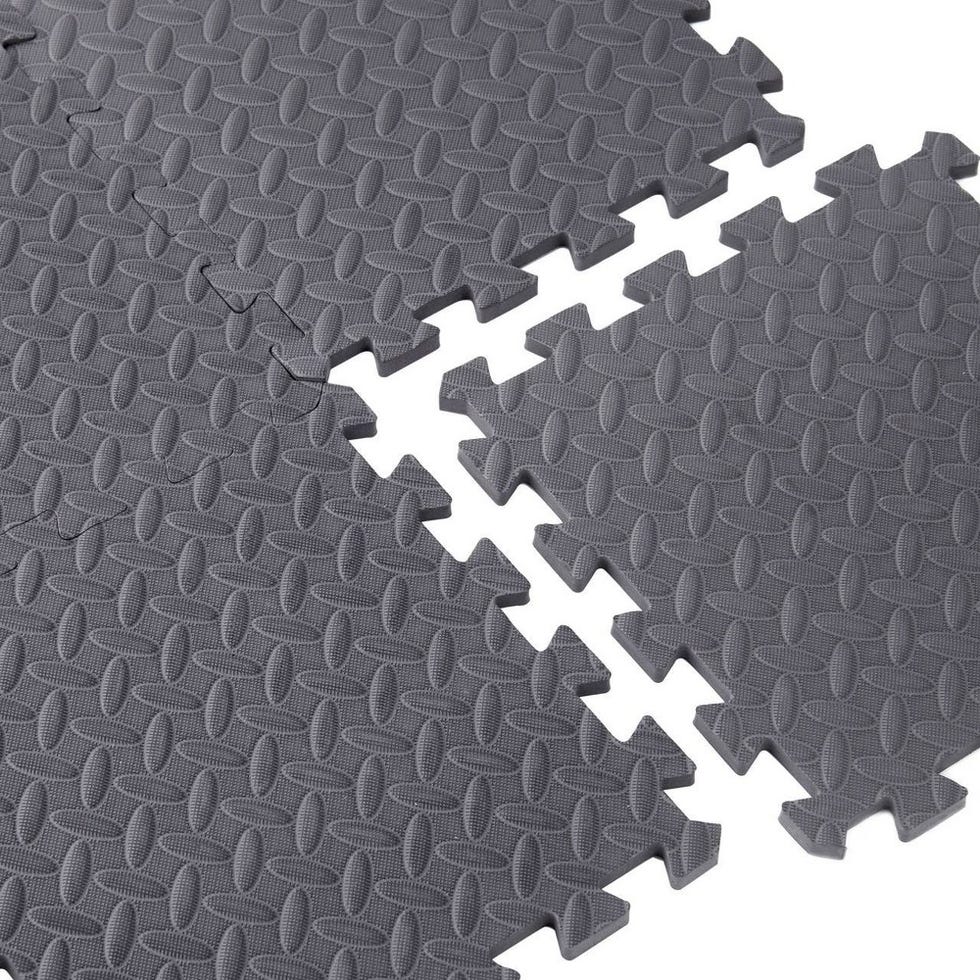
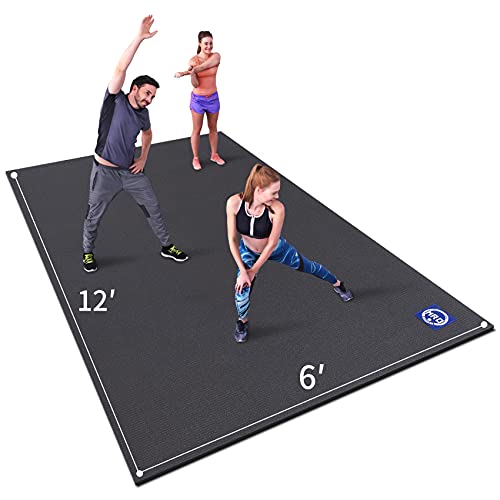
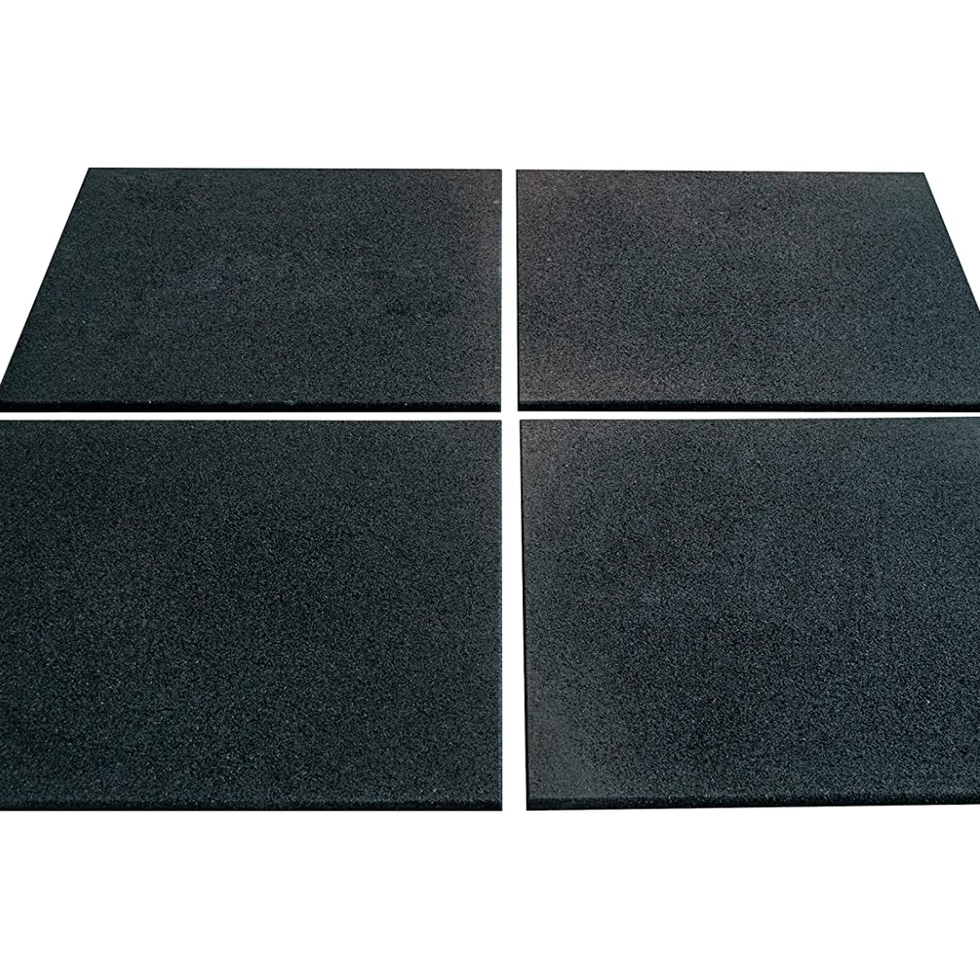
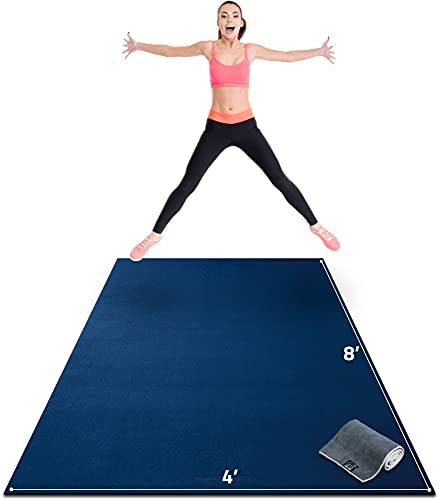
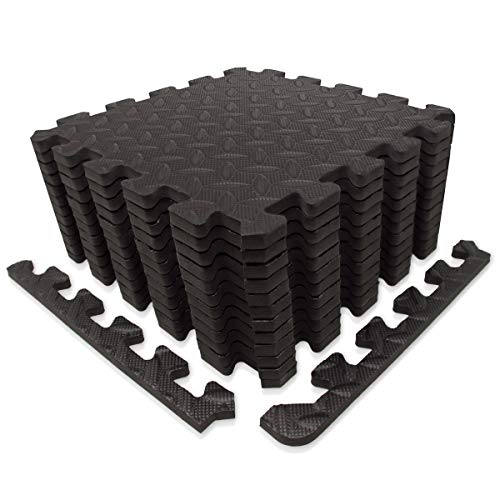
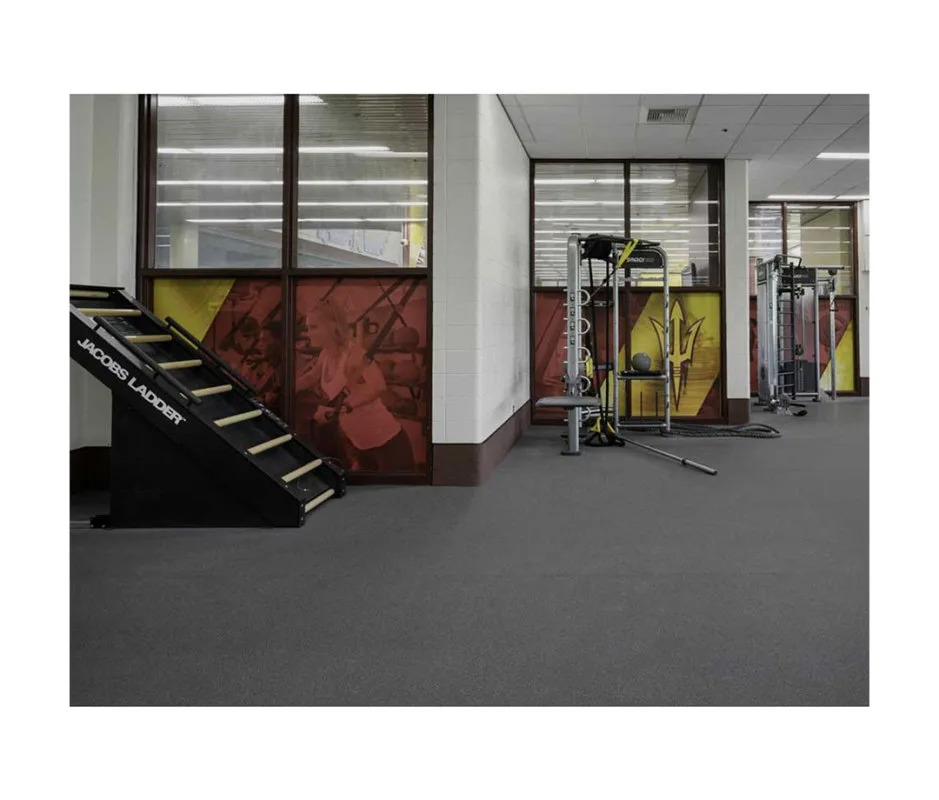
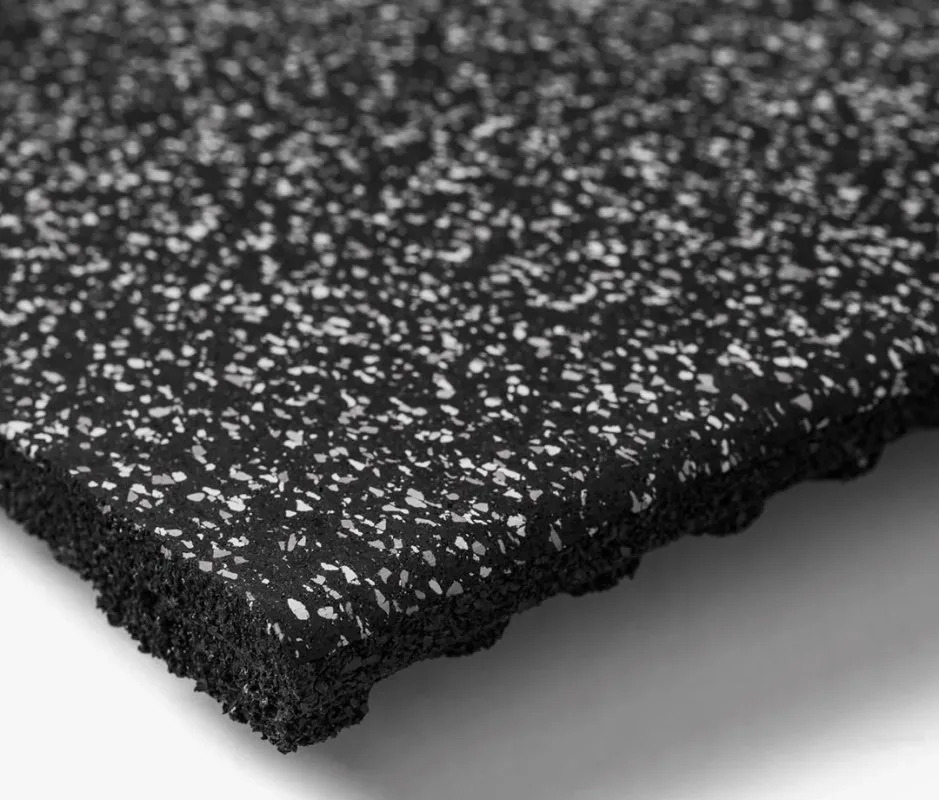
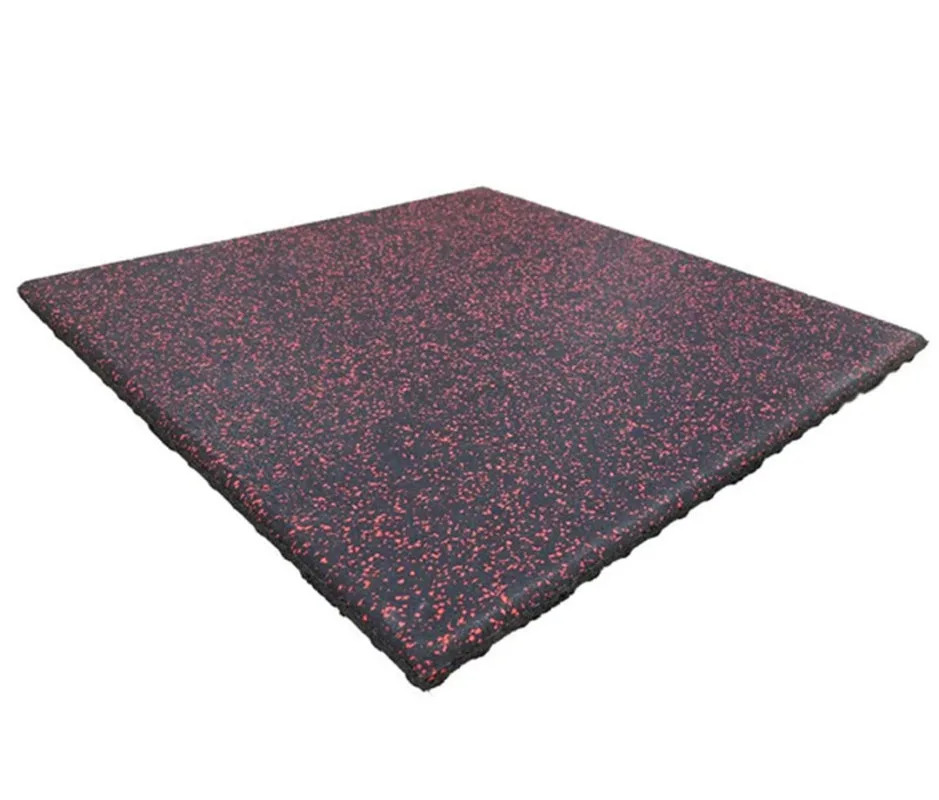
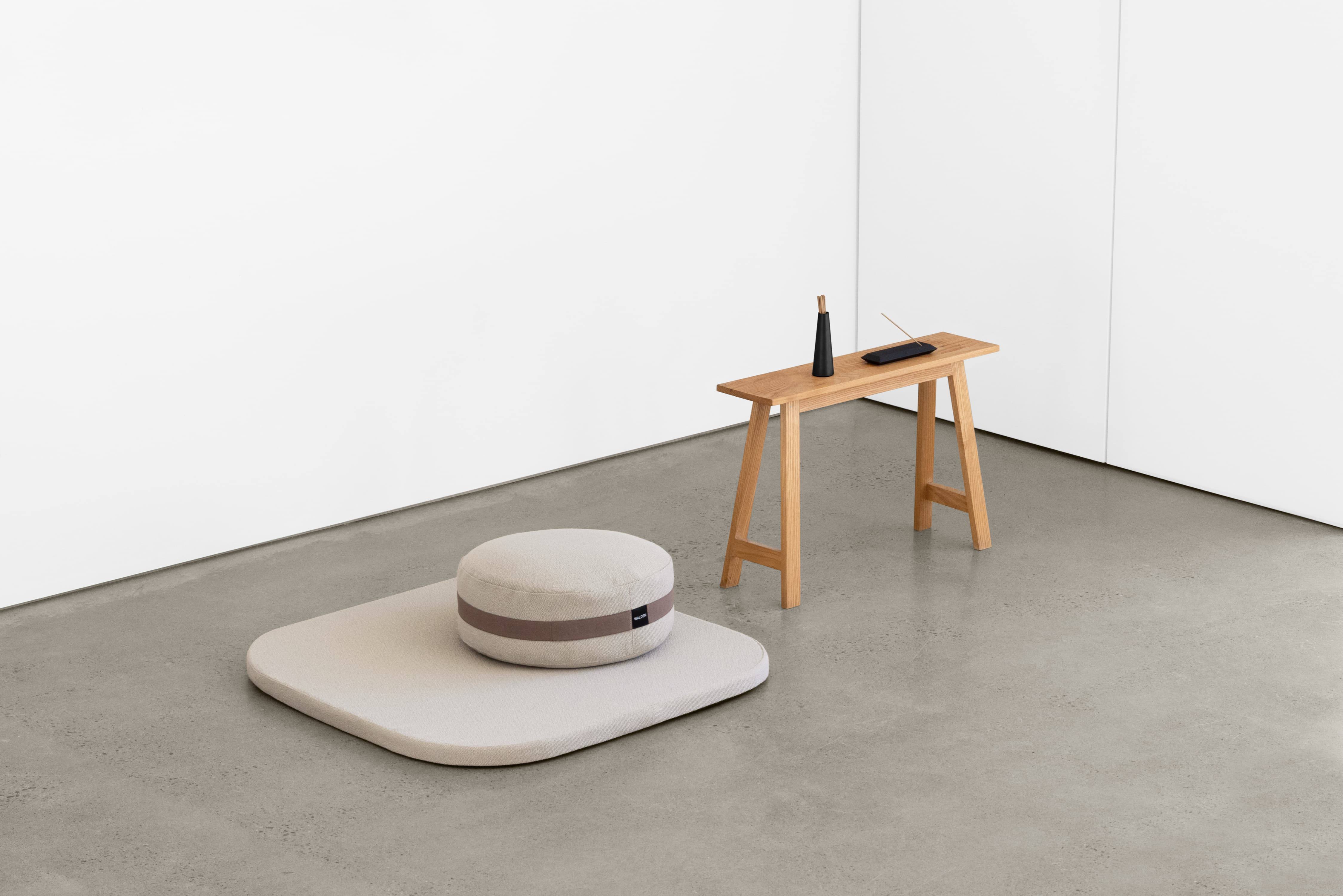
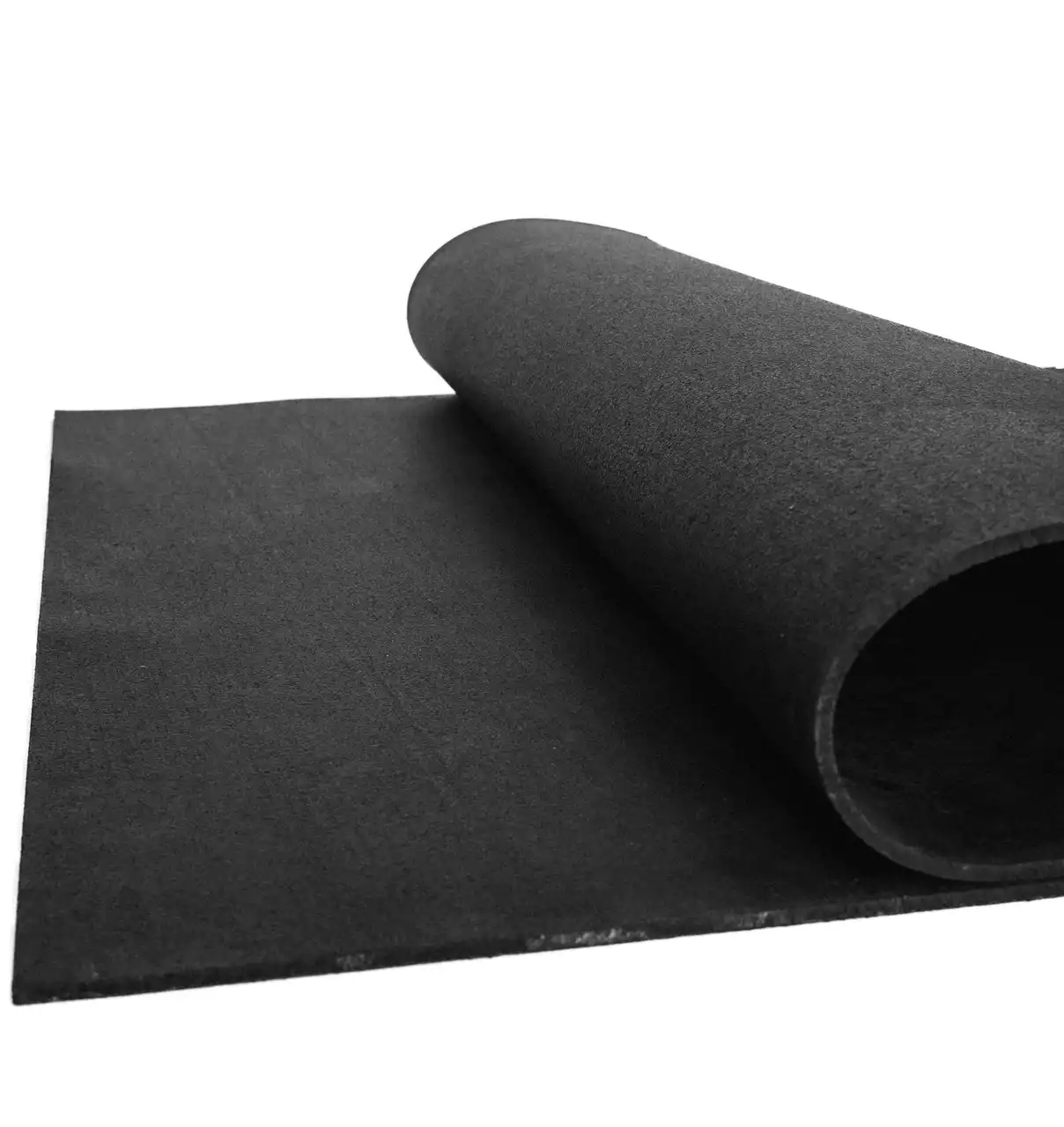
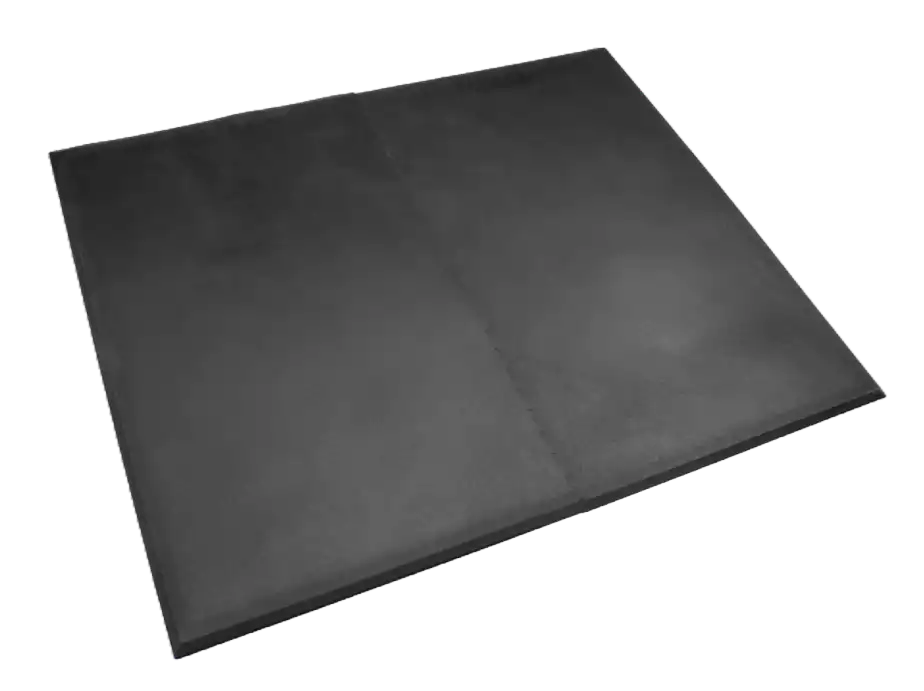
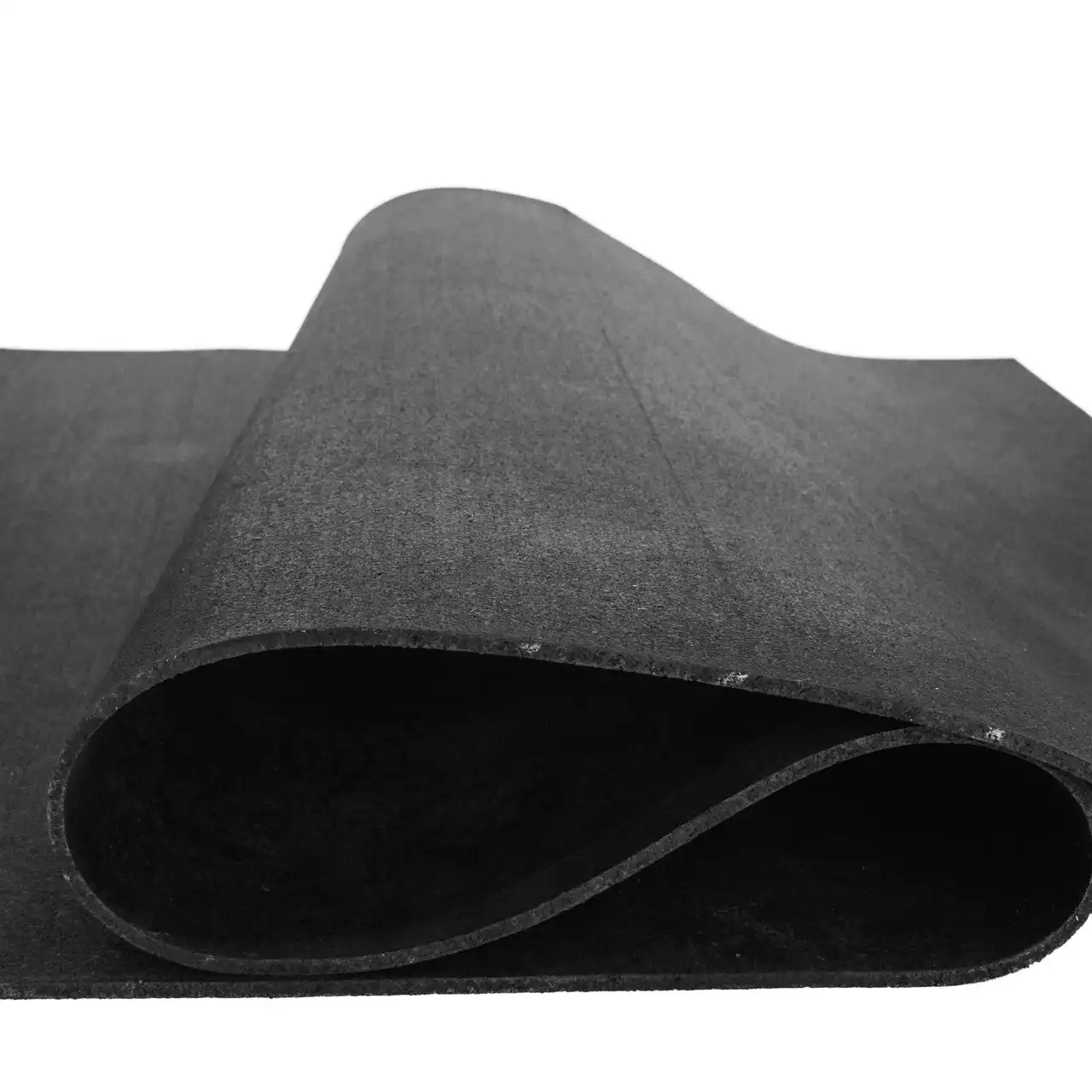
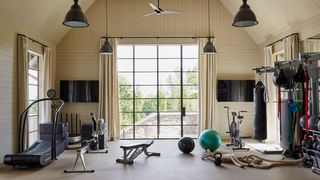
Entertainment integration, such as multiple TVs, is recommended to enhance the workout experience. Displaying motivational items, like Elton John's gold records, is encouraged to personalize the space. Maintaining a consistent design theme with the rest of the house ensures aesthetic cohesion. Centering equipment towards natural light sources is advised for an energizing environment. Practical considerations like rubber flooring for traction and damage prevention, and colored flooring for a personalized touch, are also discussed. Breaking up large spaces into distinct workout zones, as seen in Giselle Bundchen and Tom Brady’s home, helps manage diverse equipment. Seating is suggested as an often-overlooked element for rest and recovery. For small spaces, the advice is to keep it simple, focusing on essential equipment and vertical artwork. Offering open, minimalist spaces for activities like yoga, as in Laura Santos’s townhouse, creates a serene environment. Dramatic flair can be added via ceiling and floor treatments, such as a tented ceiling, to avoid cluttering walls. Finally, adding a ceiling fan is presented as a practical way to ensure airflow and comfort.
The frequently asked questions section reinforces the importance of good dimmable lighting, ample power outlets, and speakers. It advises tailoring the space to the workout type, whether it’s a tranquil yoga studio with plants and candles or a high-energy zone with bold art and vibrant wallpaper. For small gyms, simplicity and strategic placement of one key equipment piece or flexible open space are recommended. To achieve a luxurious look, the abstract outlines focusing on negative space, rich paint colors with mixed finishes, and accent walls or customized felt tiles for aesthetics and acoustics.
#HomeGymDesign #InteriorDesign #WorkoutSpace #HomeDecoration #FitnessMotivation #FunctionalDesign #CreativeStorage #LightingDesign #WellnessSpace #HomeGymDesign #InteriorDesign #WorkoutSpace #HomeDecoration #FitnessMotivation #FunctionalDesign #CreativeStorage #LightingDesign #WellnessSpace
0 comment in total
 No comments yet
You may also like
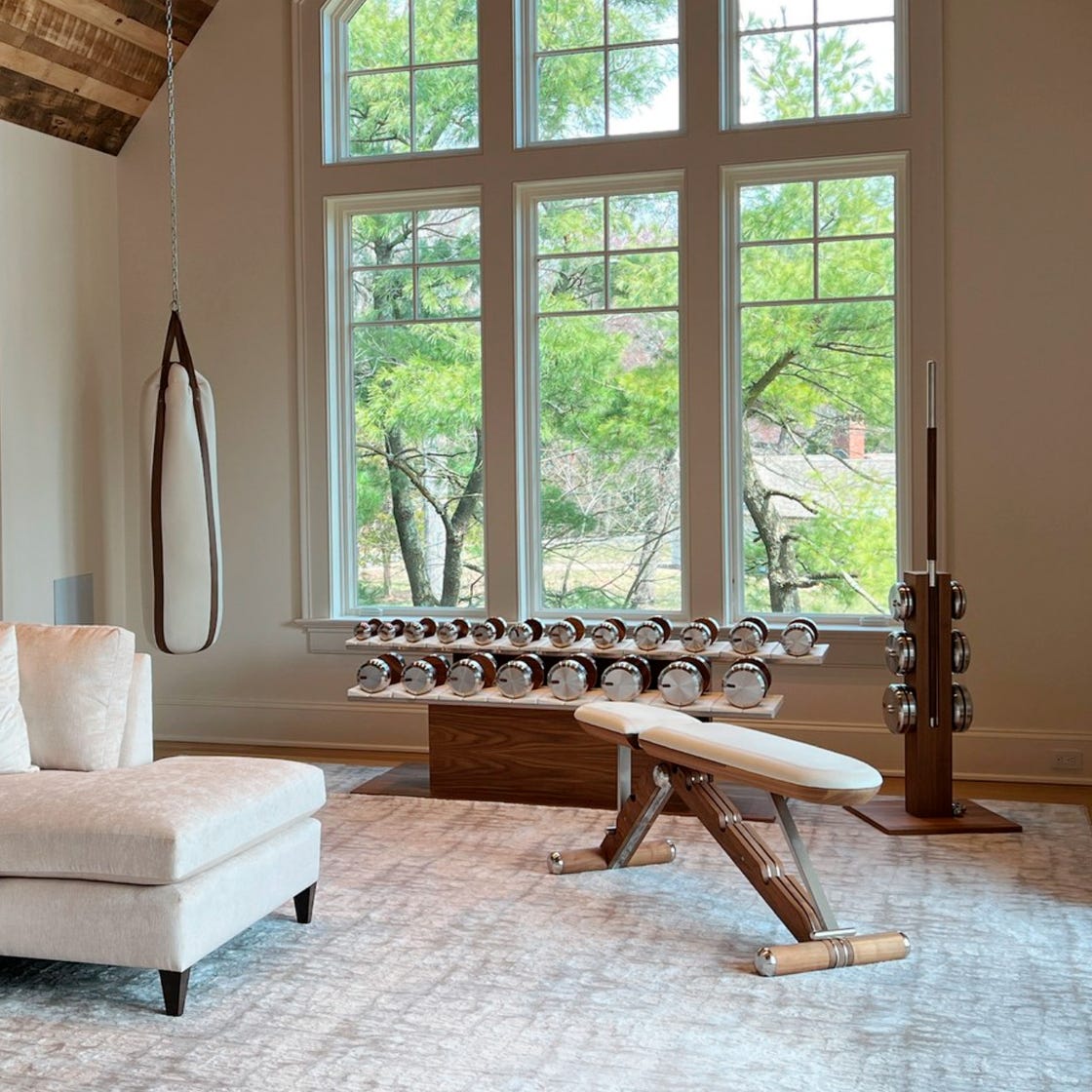
Home gym ideas that will make you look forward to your workout

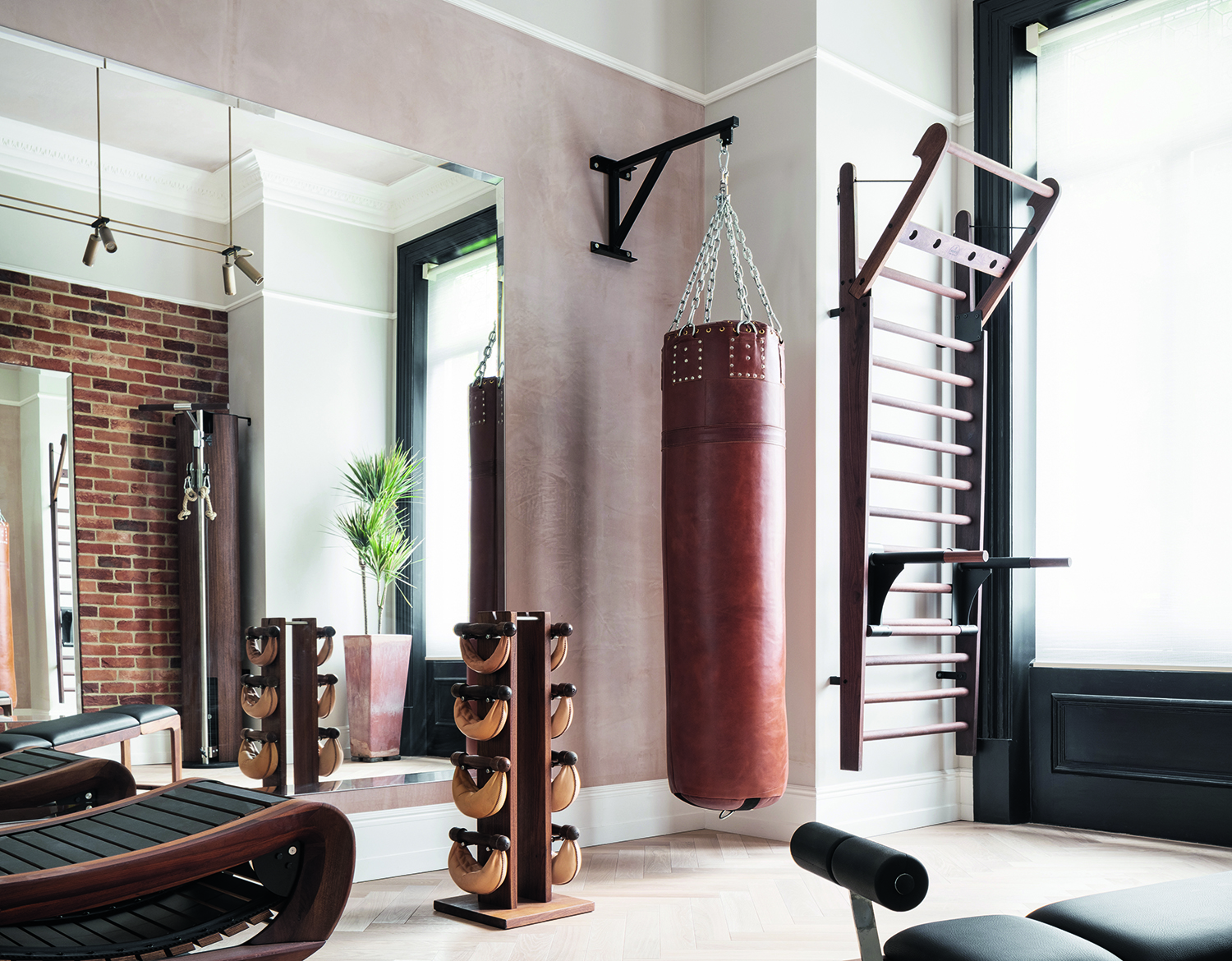
These Designer-Approved Home Gyms Prove How Stylish Wellness Spaces Can Be
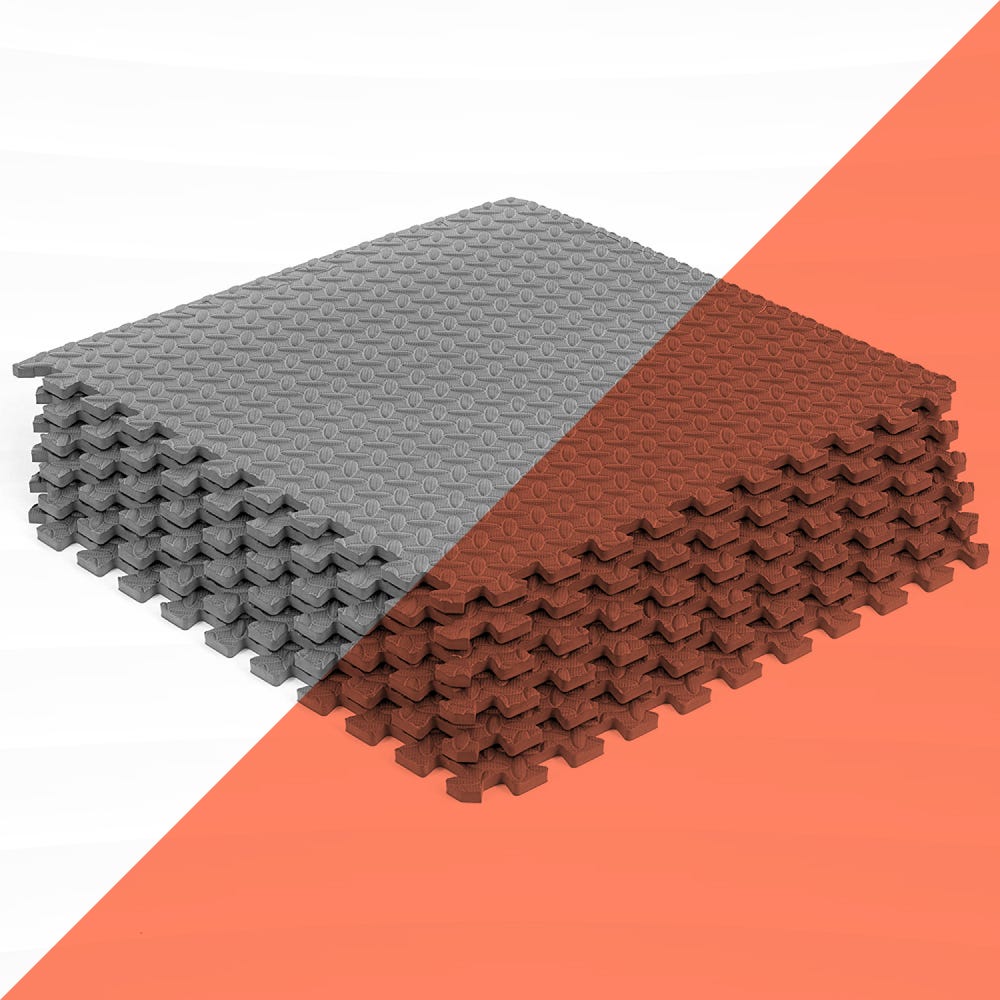
The 7 Best Home Gym Flooring Options for Every Exercise Routine

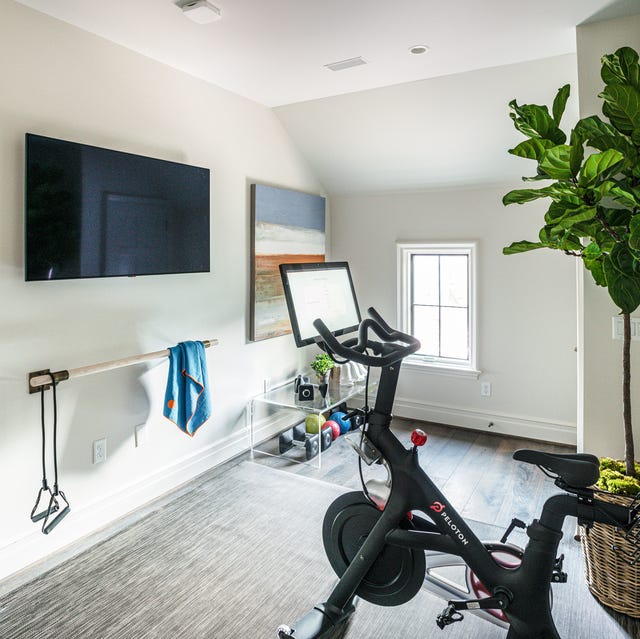
How to Create a Yoga Studio in Your House
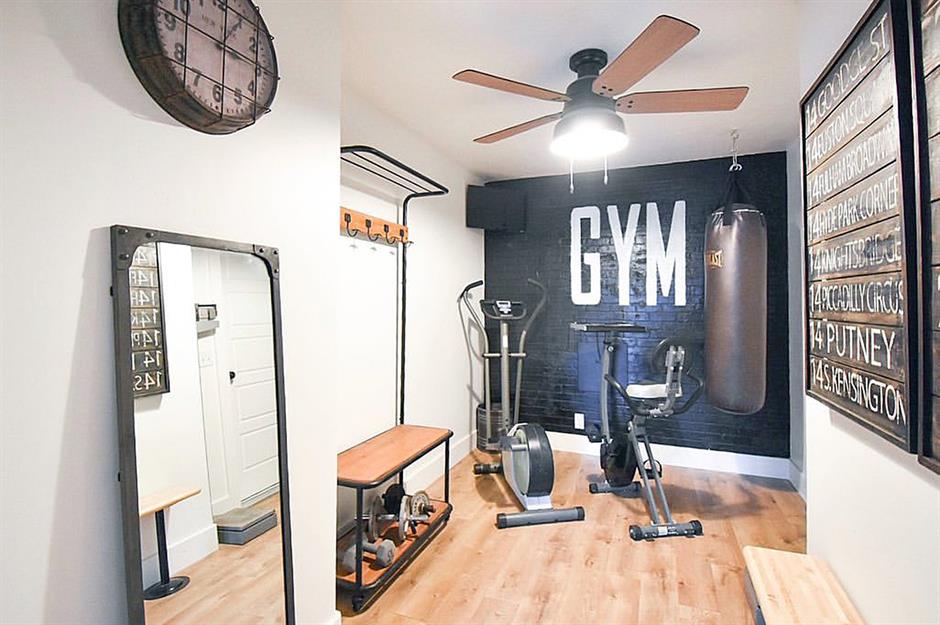
30 real workout rooms to inspire your home gym décor | loveproperty.com

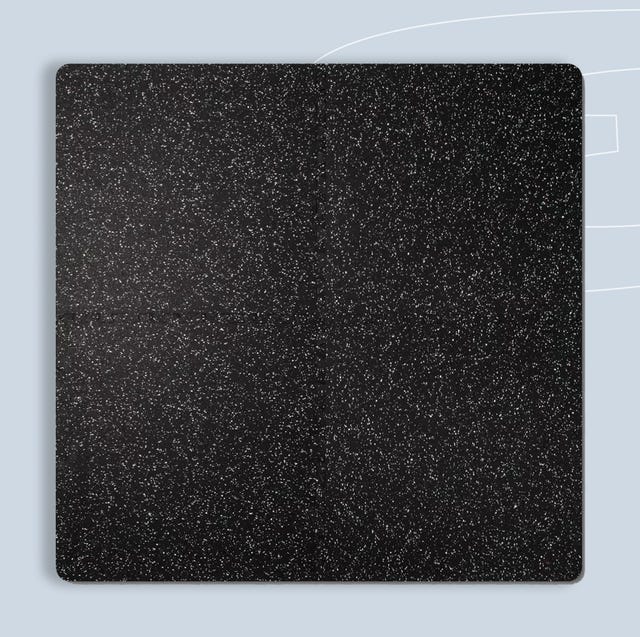
10 Gym Floors That'll Change The Way You Workout At Home

This minimalist at-home gym blends calming colors and natural light

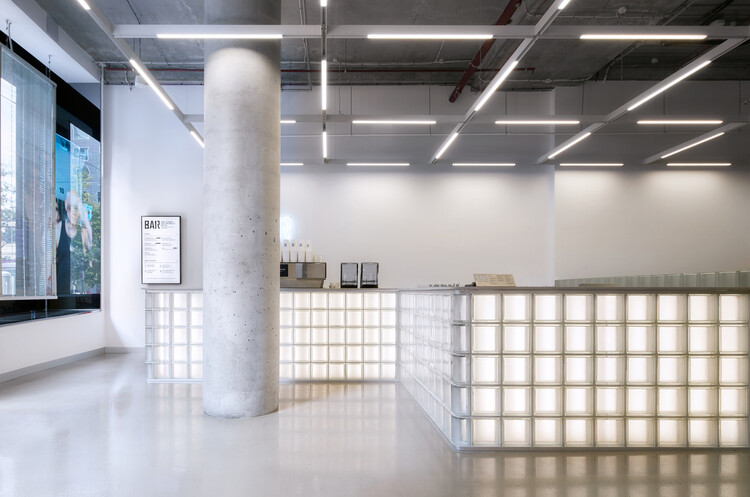
The Gym-Bar Hybrid: Interiors That Integrate Sports and Healthy Habits Through Architecture

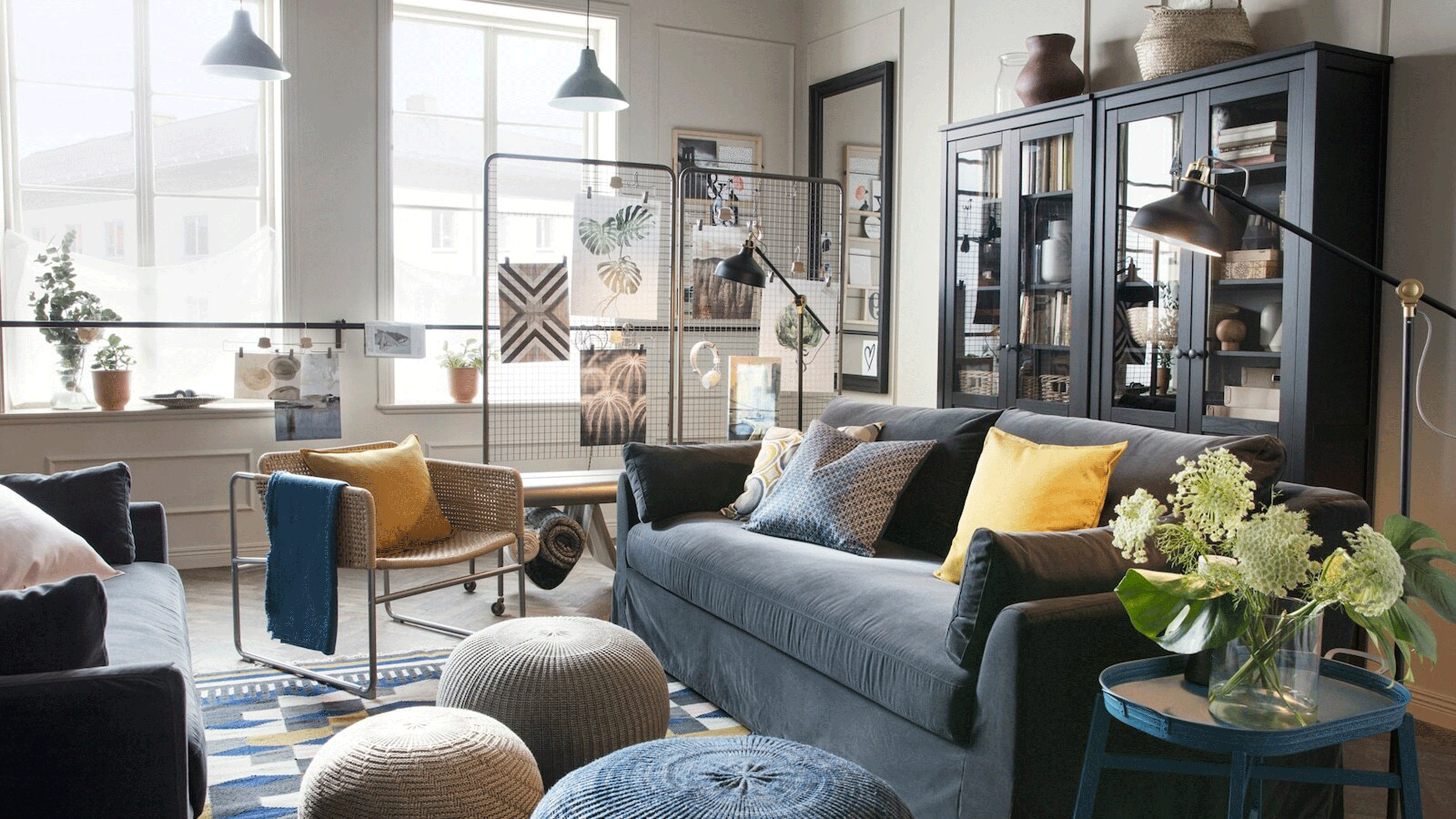
Home gym ideas – 15 set up designs to get your sweat on in style

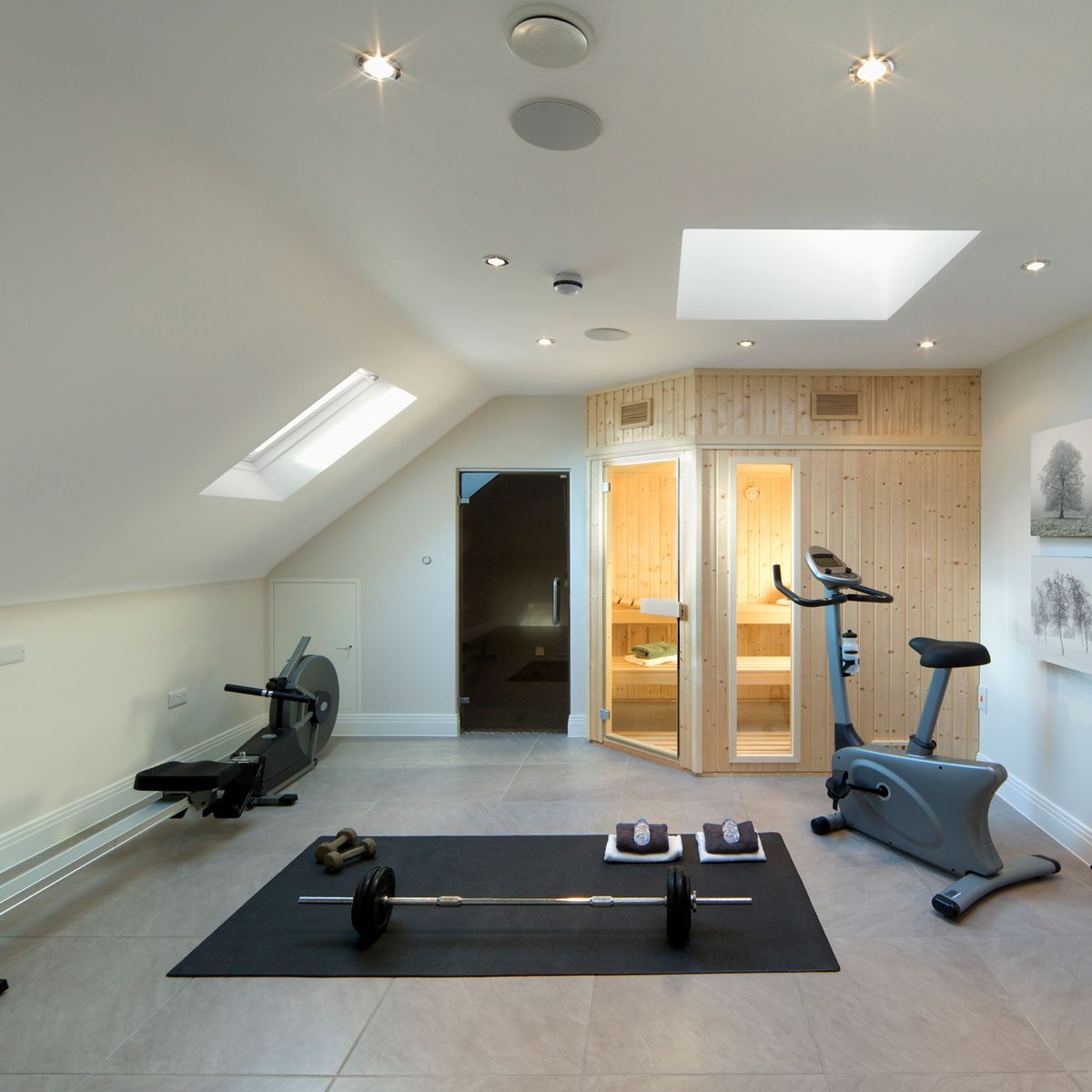
The 5 Best Home Gym Flooring Ideas


Best Gym Flooring Options to Build the Home Gym of Your Dreams

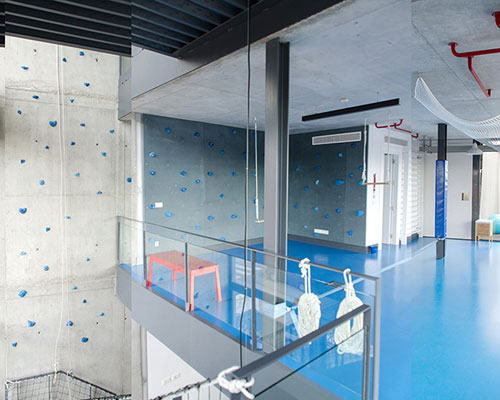
playoffice inserts children's indoor climbing gym into home
16 Inspiring Home Gym Ideas That Will Motivate You to Get Moving

Home gym mirror ideas – 10 fun designs to monitor your form and flexibility
23 home office ideas that will kick your mind into gear

The Best Home Gym Flooring Options of 2024
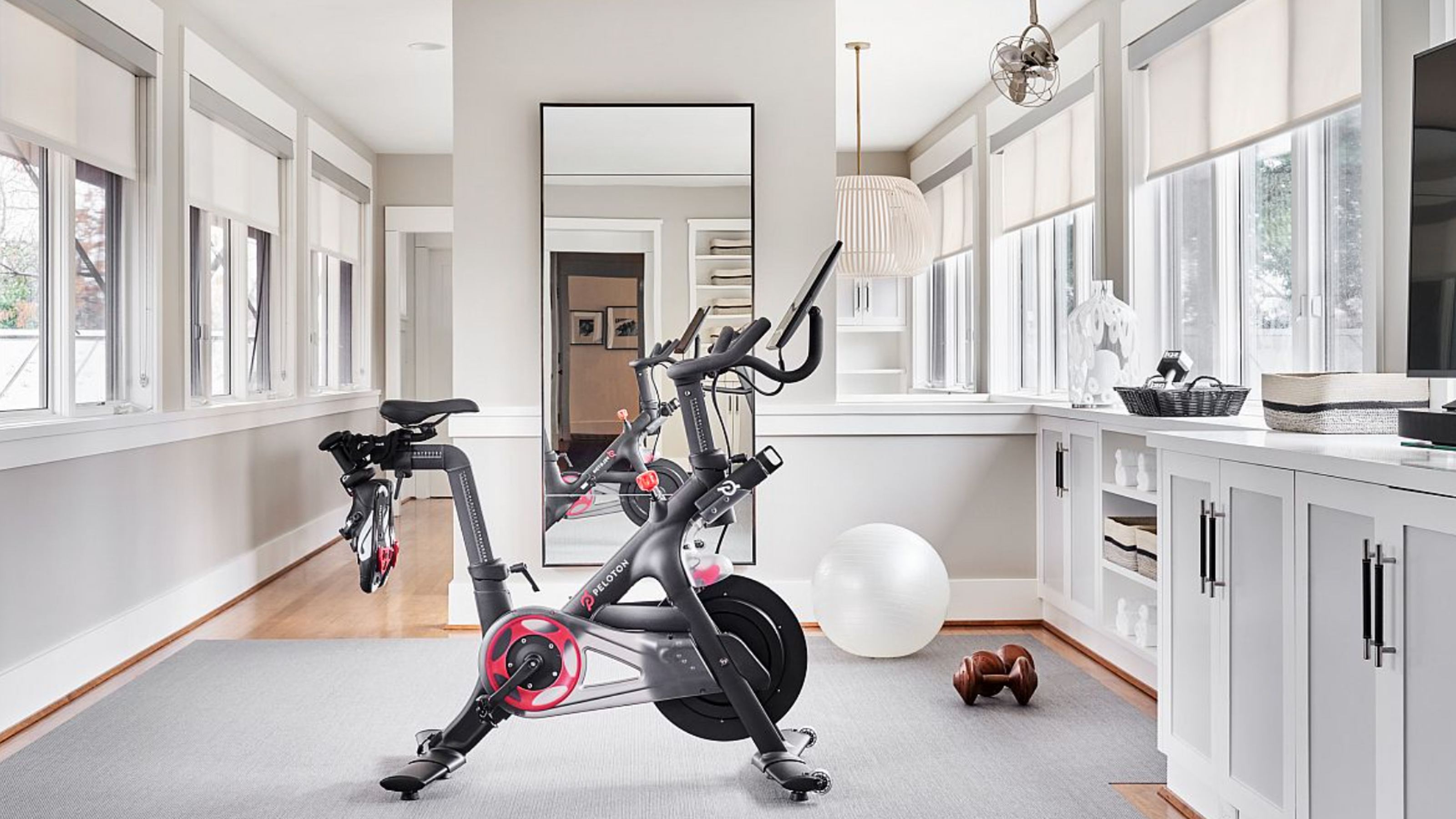
10 small home gym ideas to transform the tiniest of spaces into workout opportunities
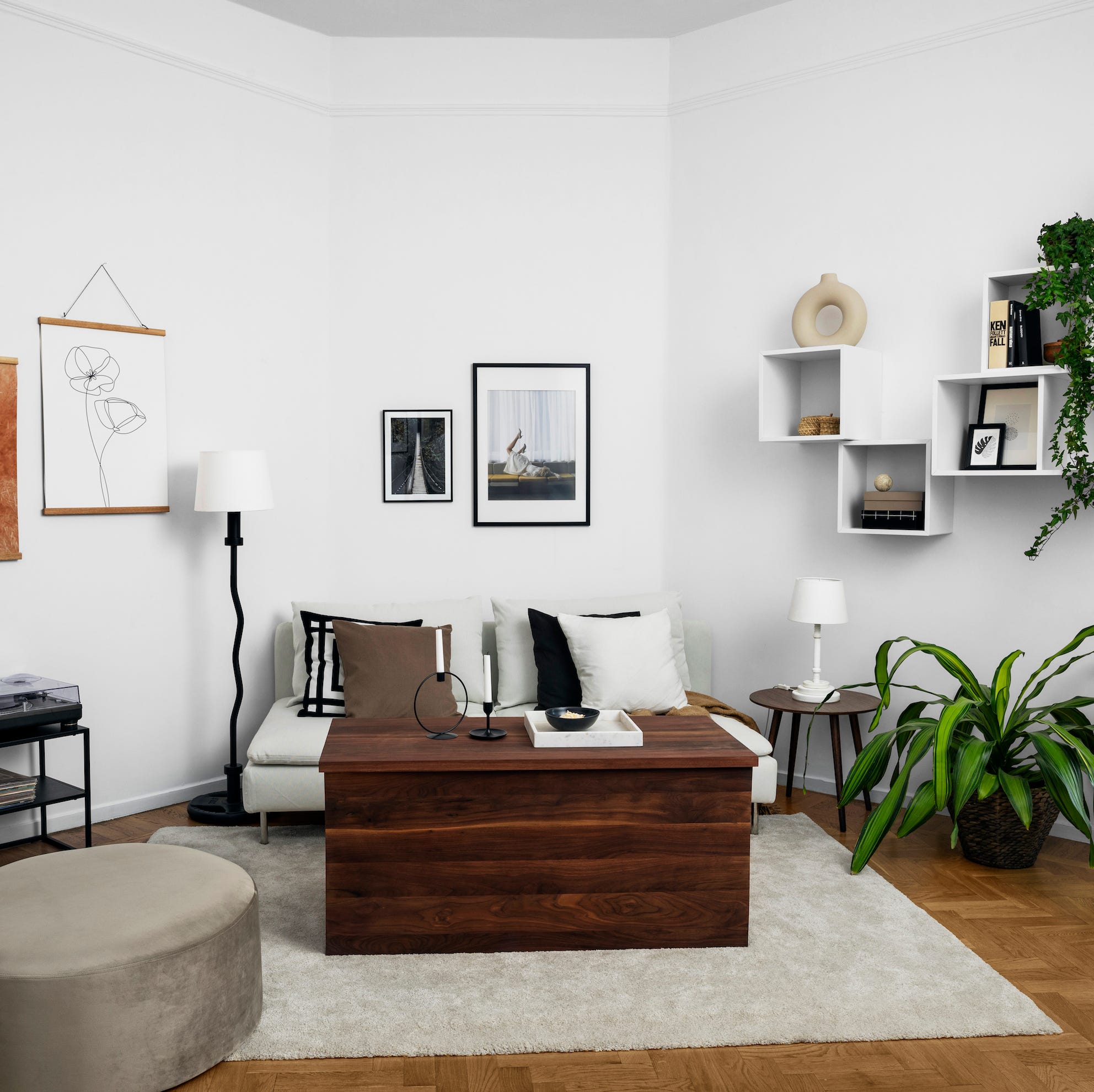
The Hidden Gym: can you spot the gym equipment that doubles up as stylish furniture?

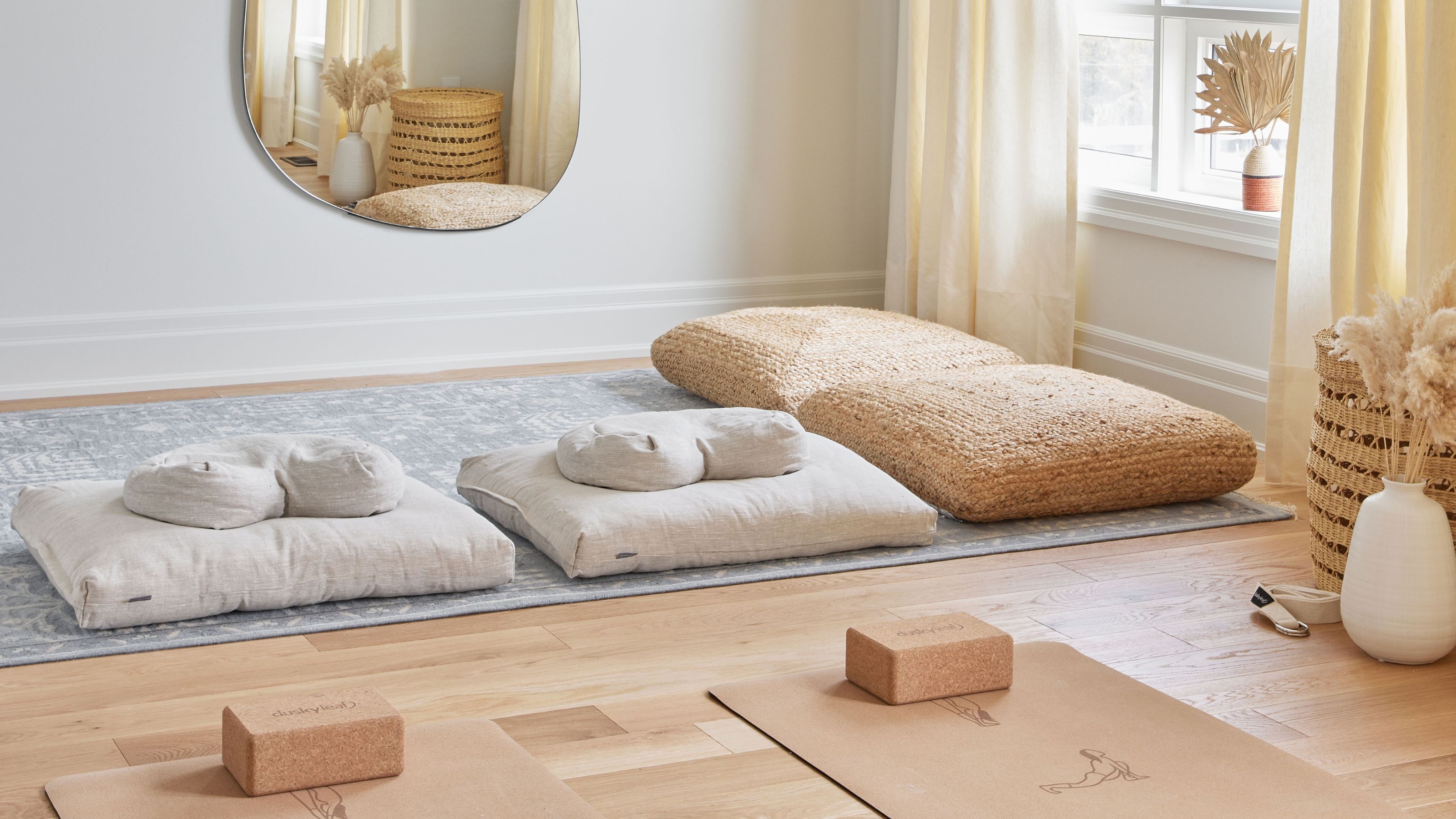
Forget a Home Gym, What You Need Is a "Wellness Room" — The Trend for Carving Out Space for Daily Rituals


Jennifer Garner's on-trend home gym demonstrates the benefits of multi-purpose spaces