1/19
The Gym-Bar Hybrid: Interiors That Integrate Sports and Healthy Habits Through Architecture
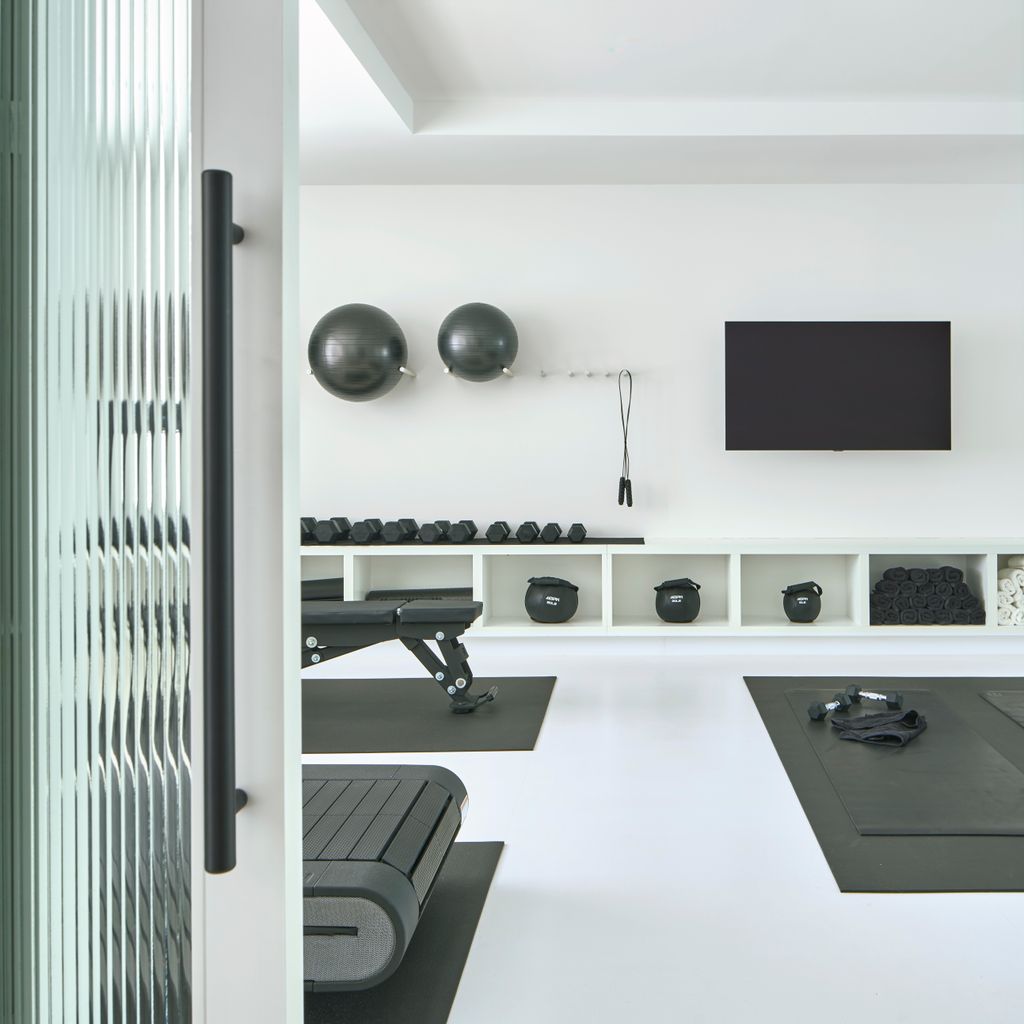
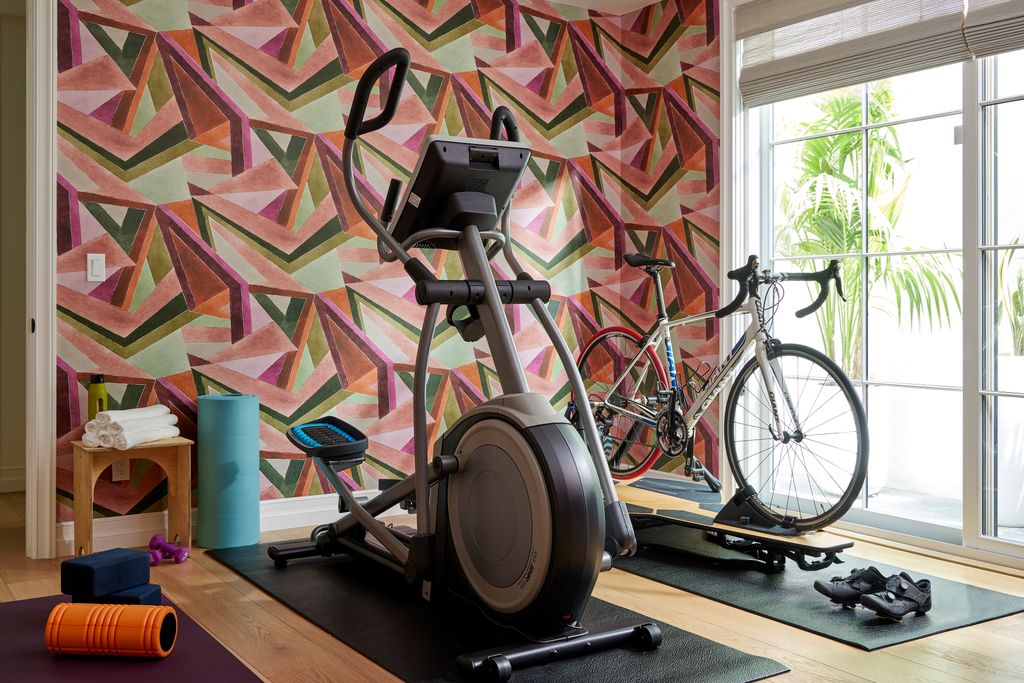
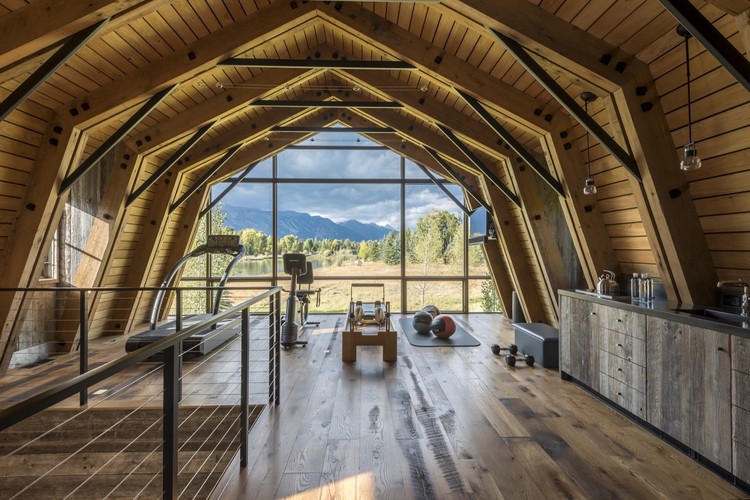
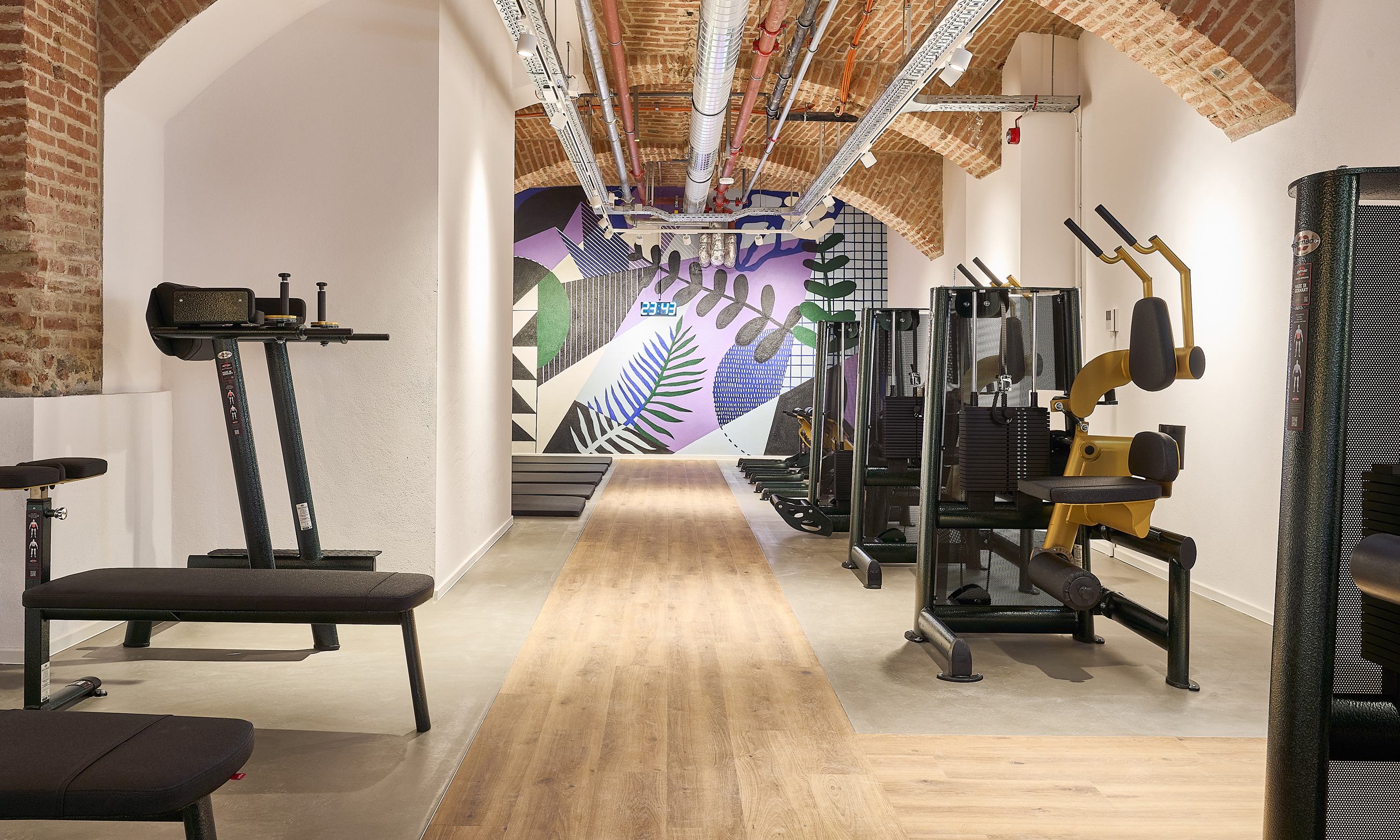
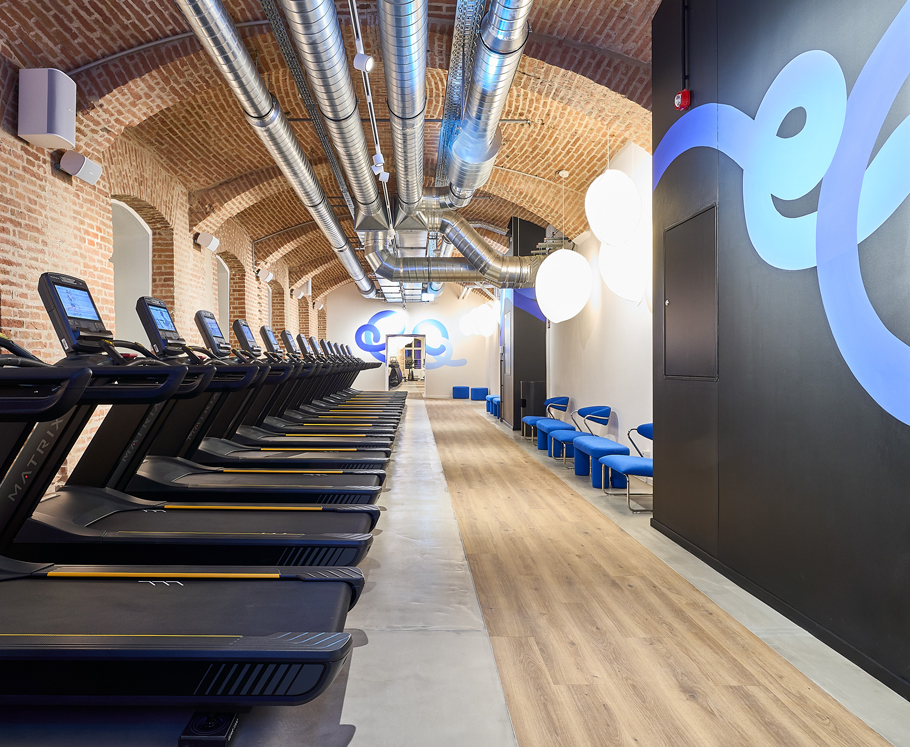
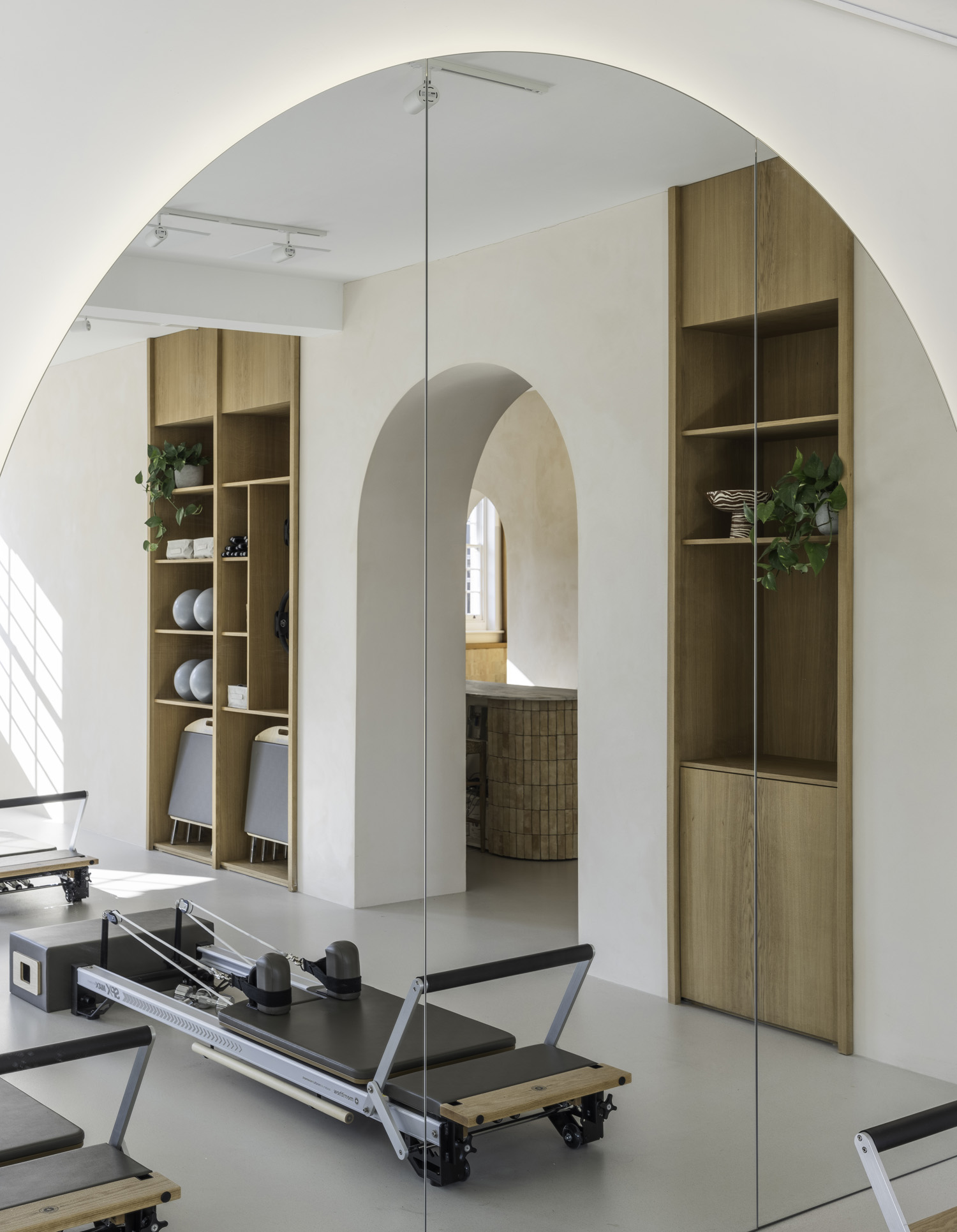
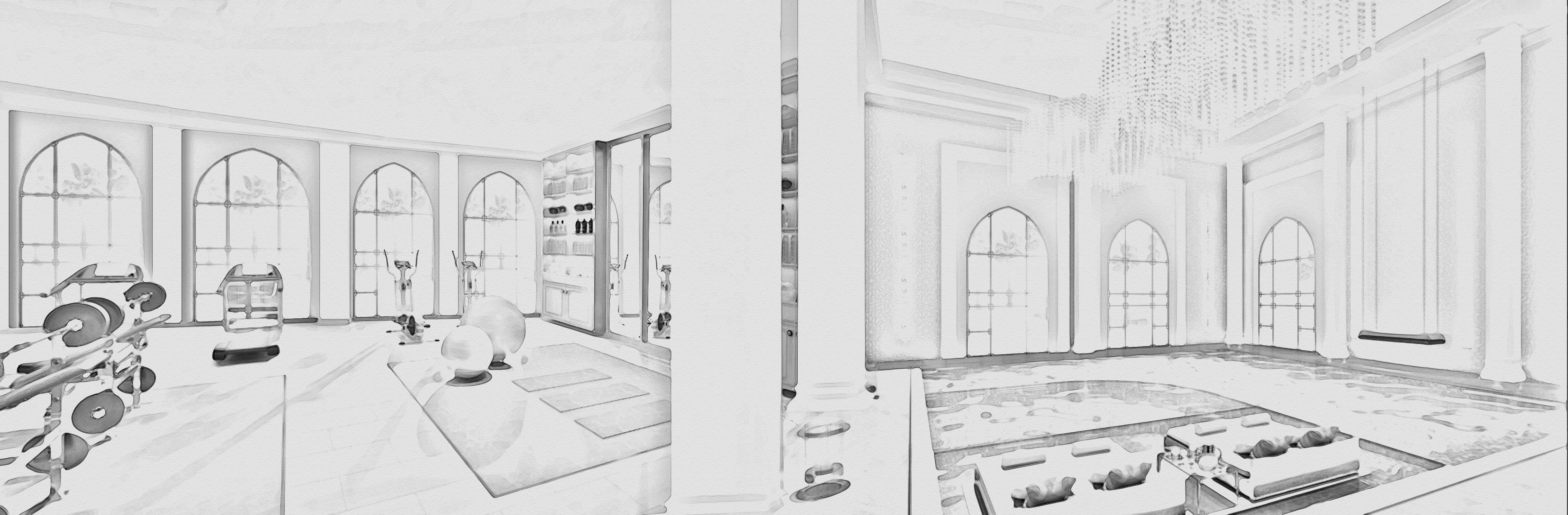
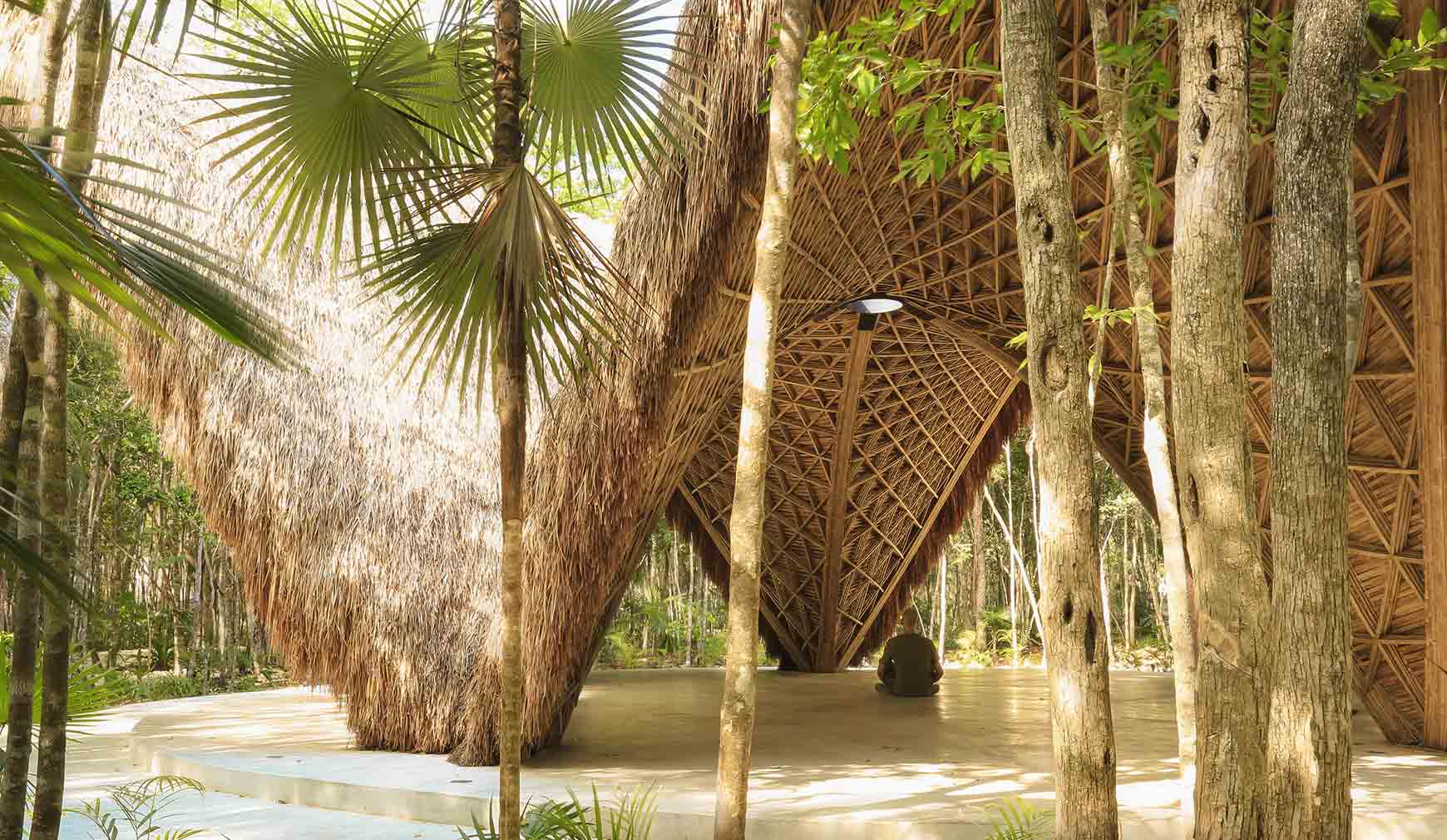
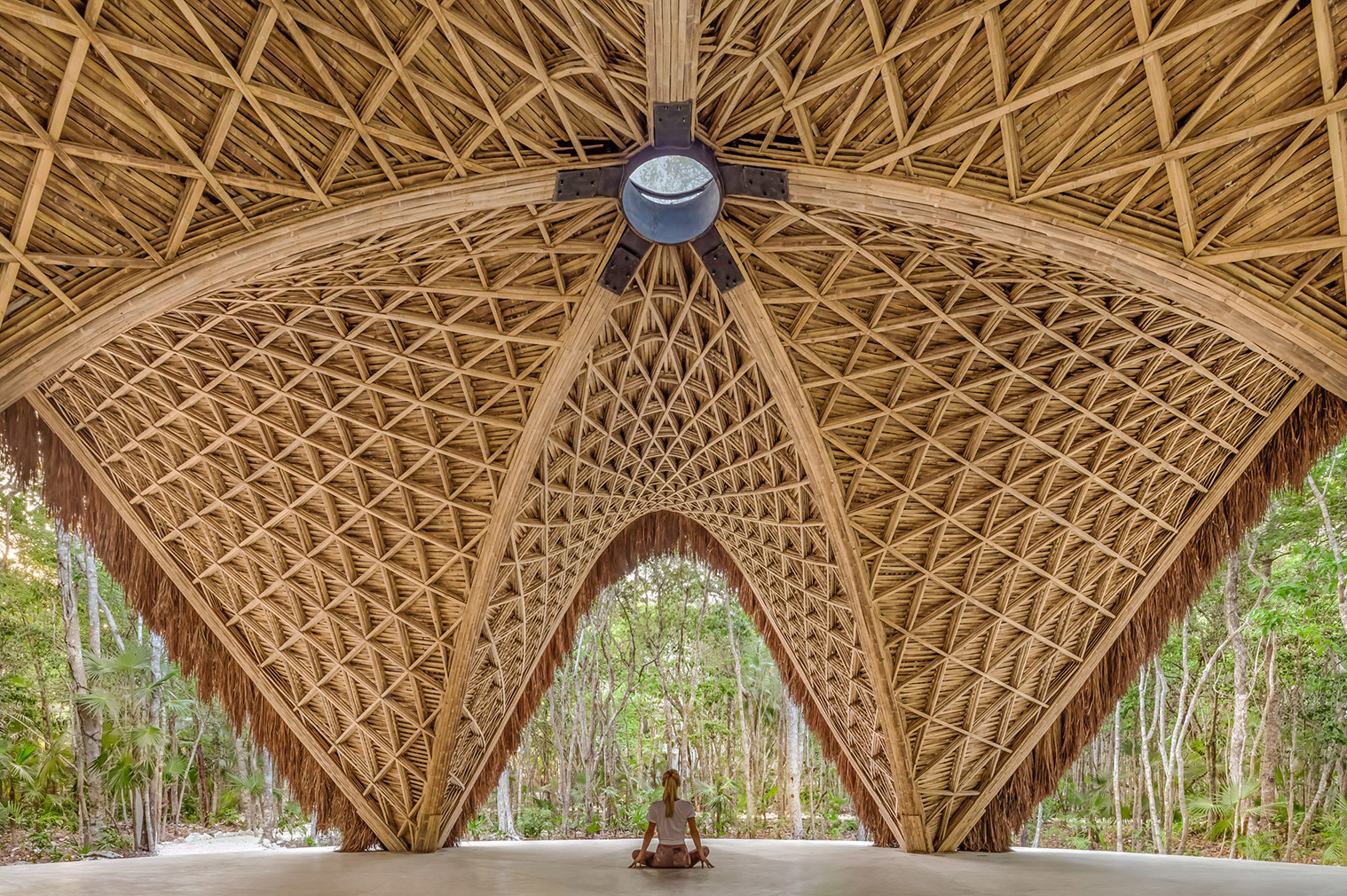
The field of contemporary architecture is continually exploring innovative approaches to the interior design of sports facilities and wellness spaces. This exploration focuses on incorporating diverse uses, installations, and materialities to attract broader audiences, cultivate novel spatial experiences, and foster the simultaneous engagement in various activities. While each sport necessitates specific architectural considerations, such as the distinct requirements for climbing training facilities, architects and designers are increasingly dedicated to crafting environments that transcend mere physical exercise. These spaces aim to offer a holistic psychological experience, fostering a profound connection between mind and body through physical renewal, relaxation, and social interaction.
Adèle Winteridge, founding director of Foolscap, highlights the psychological journey individuals undertake before, during, and after physical activity. She notes that the initial phase, upon entering a gym, involves maintaining a public persona, which sets the stage for the subsequent exercise experience. Beyond the well-documented physiological benefits of regular physical activity, including enhanced self-confidence and overall well-being, its efficacy in alleviating psychological ailments such as depression, stress, and anxiety is also widely recognized. The architectural interventions discussed in this context aim to amplify these psychological advantages by creating spaces that cater to both physical and mental rejuvenation.
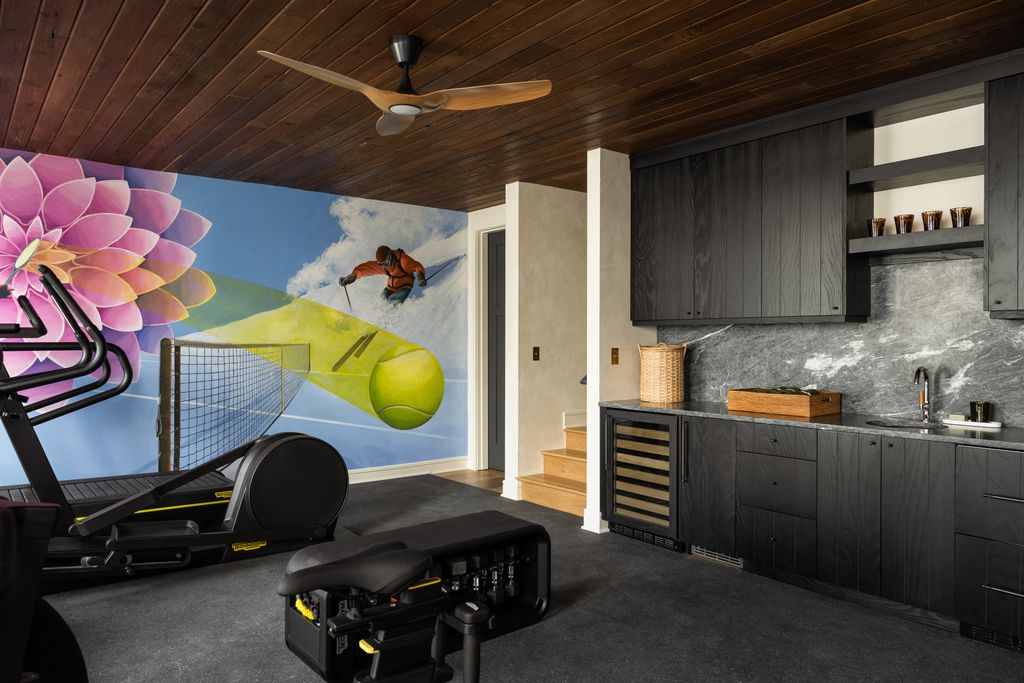
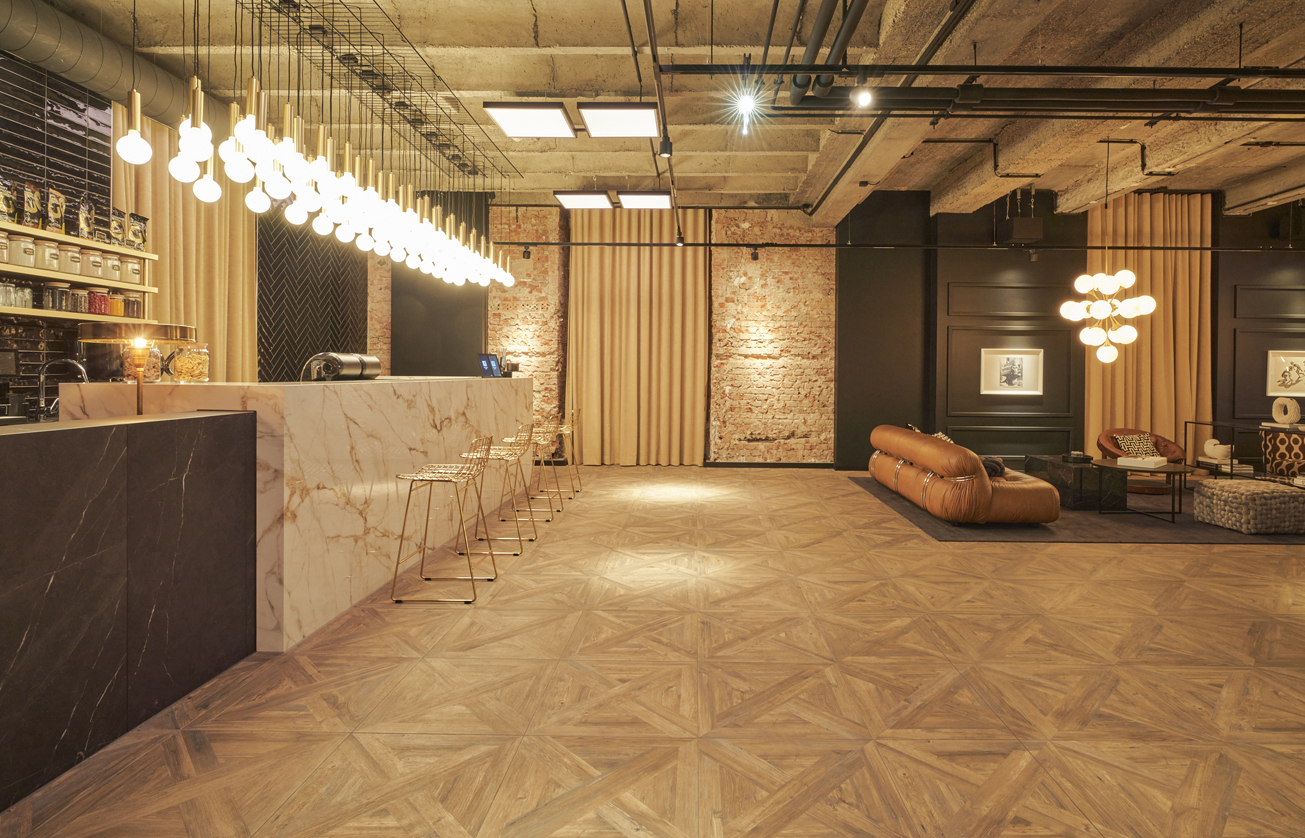
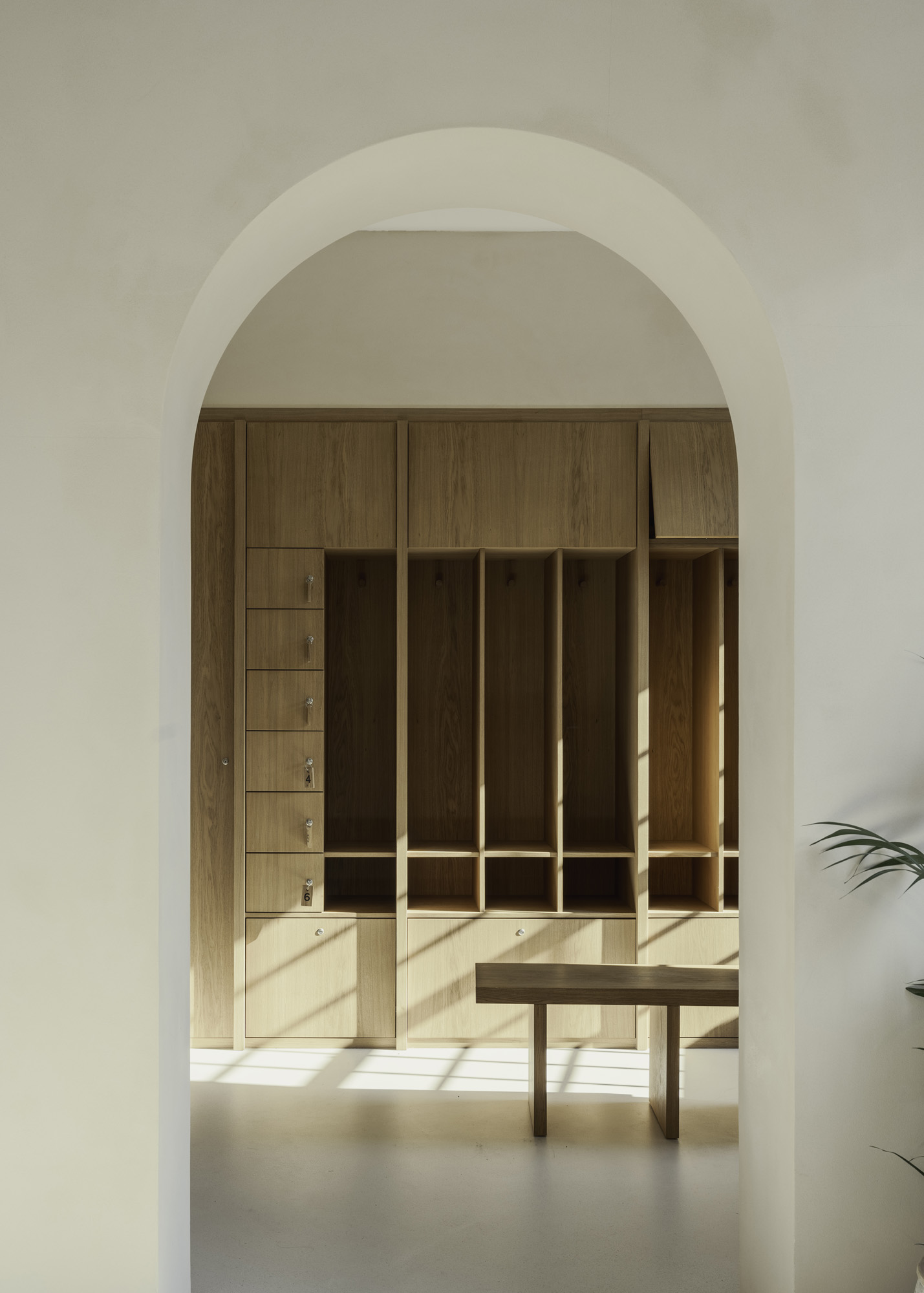
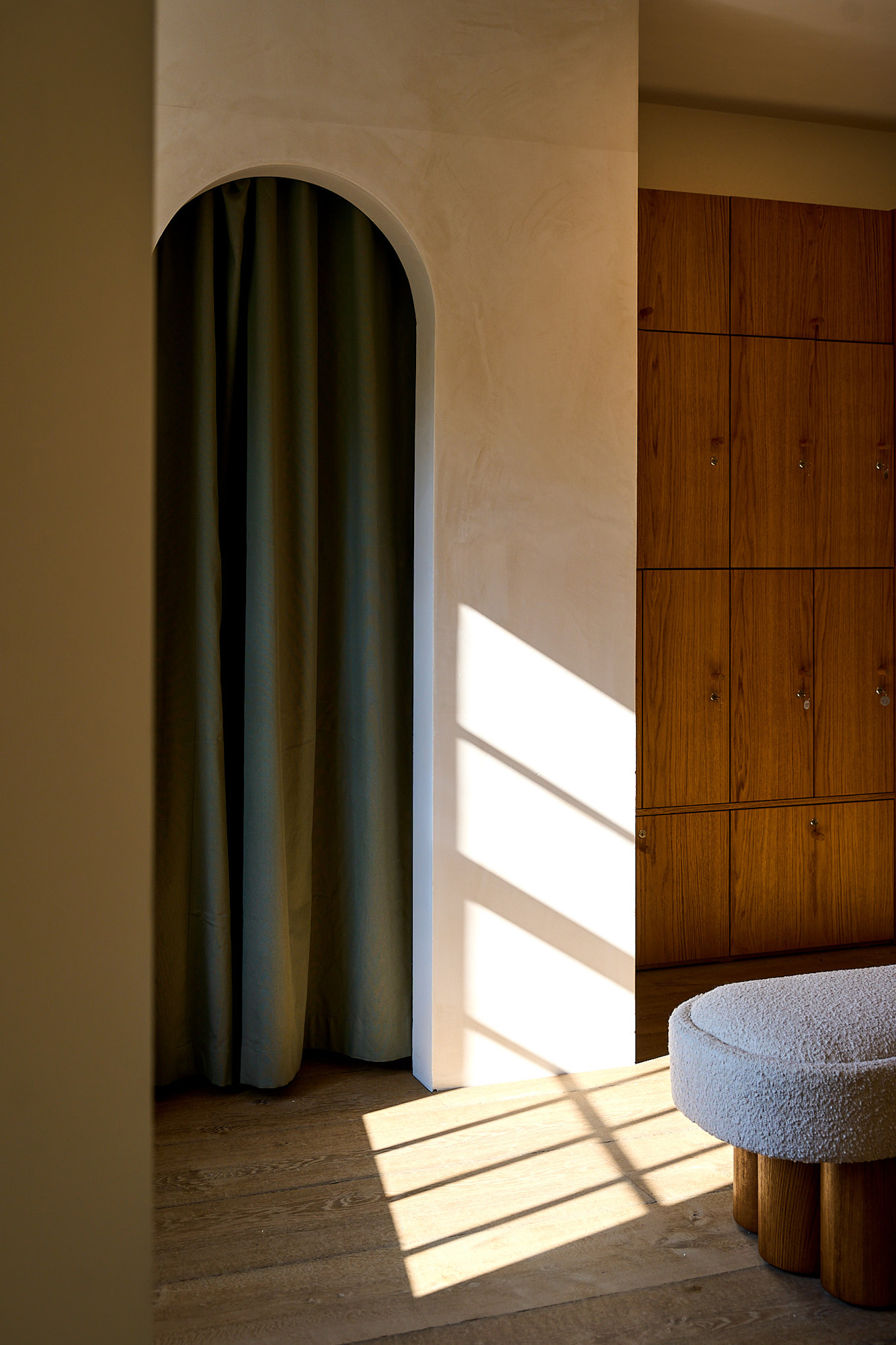
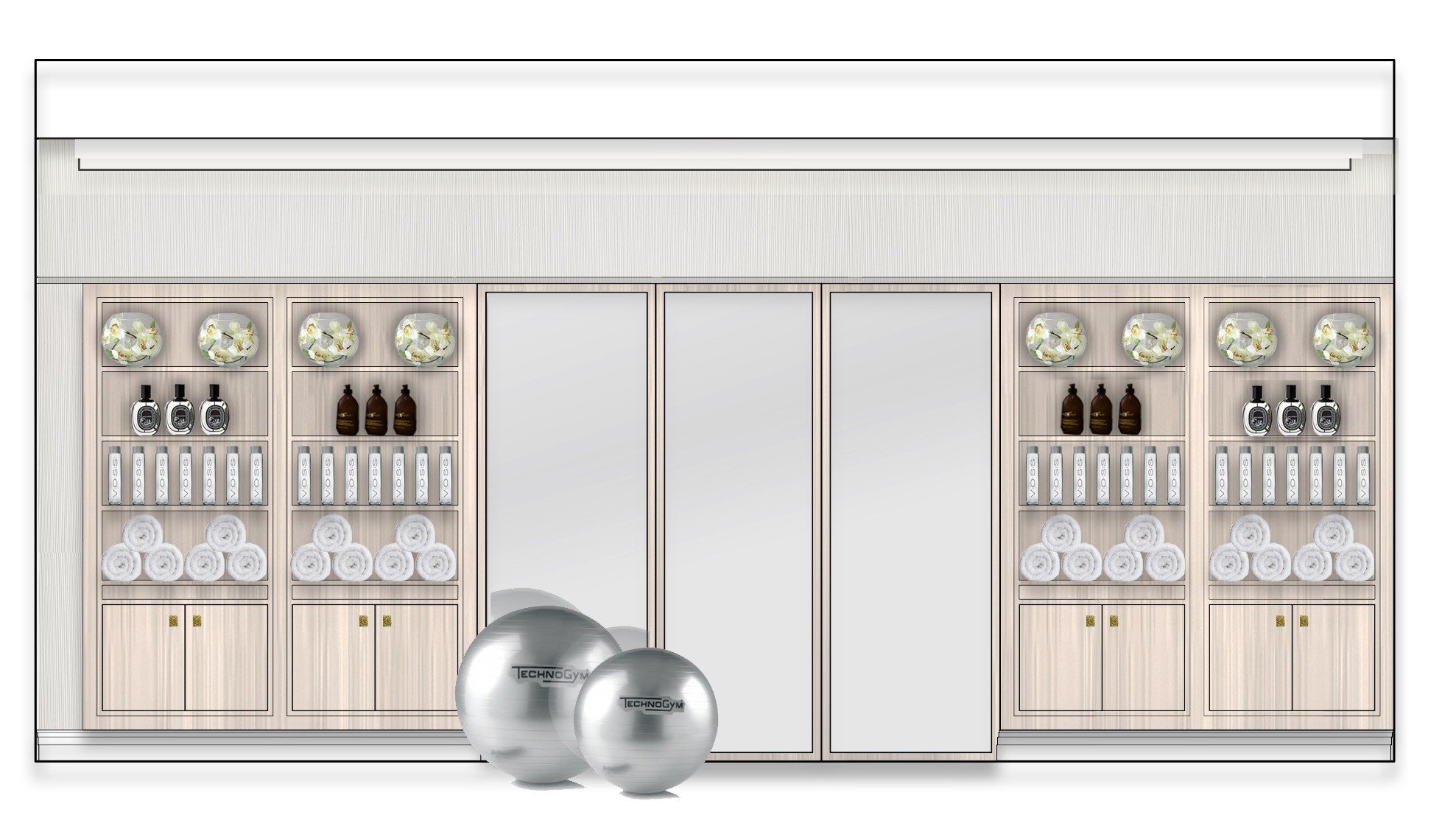
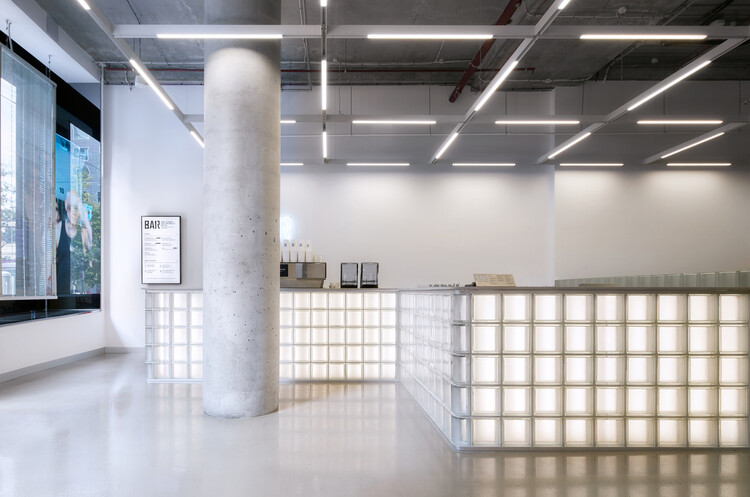
This trend involves the integration of social and relaxation zones, such as bars or cafes, within athletic facilities. These hybrid spaces acknowledge the human desire for community and post-exercise recovery, moving beyond the traditional, purely functional gym model. The design choices, including material selection, lighting, and spatial arrangement, are critical in shaping the atmosphere and influencing user experience. For instance, the use of natural materials, comfortable seating, and strategic acoustic treatments can transform a utilitarian gym into a welcoming hub for both intense workouts and casual social interactions. Such designs consider the entire user journey, from arrival and warm-up to strenuous activity, cool-down, and social engagement.
The evolution of sports and wellness architecture reflects a broader societal shift towards a more integrated understanding of health, where physical fitness is intertwined with mental well-being and social connection. The hybrid gym-bar model exemplifies this by offering a comprehensive environment that supports various aspects of a healthy lifestyle. These interiors are not just about providing equipment for exercise; they are meticulously designed to foster a sense of belonging, encourage sustained engagement in healthy habits, and provide spaces for relaxation and community building. The architectural solutions aim to blur the lines between physical exertion and social enjoyment, thereby making healthy living more accessible and appealing to a wider demographic. The careful consideration of spatial flow, aesthetic appeal, and functional versatility are paramount in achieving these interconnected objectives.
#InteriorDesign #SportsArchitecture #Wellness #HealthyDesign #GymBarHybrid #FoolscapStudio #KevinVeenhuizenArchitects #BalbekBureau #RabihGehaArchitects #InteriorDesign #SportsArchitecture #Wellness #HealthyDesign #GymBarHybrid #FoolscapStudio #KevinVeenhuizenArchitects #BalbekBureau #RabihGehaArchitects
0 comment in total
 No comments yet
You may also like
33 Fabulous Home Gym Ideas That Make Working Out a Joy

DIFFERENT BY DESIGN
Ottagono Packs a Full Workout into a Luminous Octagonal Column

This minimalist at-home gym blends calming colors and natural light

These Designer-Approved Home Gyms Prove How Stylish Wellness Spaces Can Be
Home gym ideas – 15 set up designs to get your sweat on in style


Jennifer Garner's on-trend home gym demonstrates the benefits of multi-purpose spaces

playoffice inserts children's indoor climbing gym into home
30 real workout rooms to inspire your home gym décor | loveproperty.com

16 Inspiring Home Gym Ideas That Will Motivate You to Get Moving

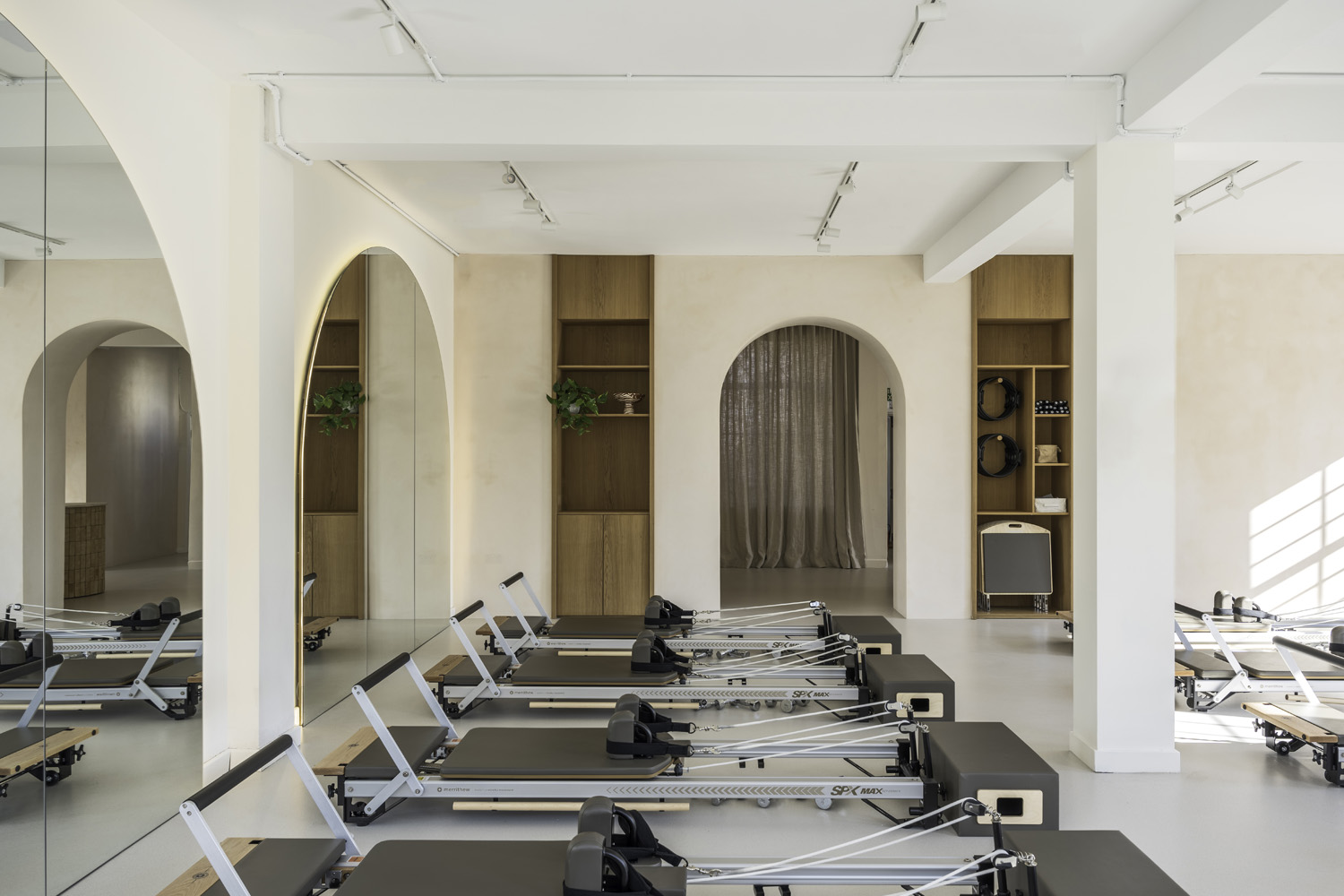
At this Pilates studio in East London, discover an infrared sauna and a mother-of-pearl resin floor

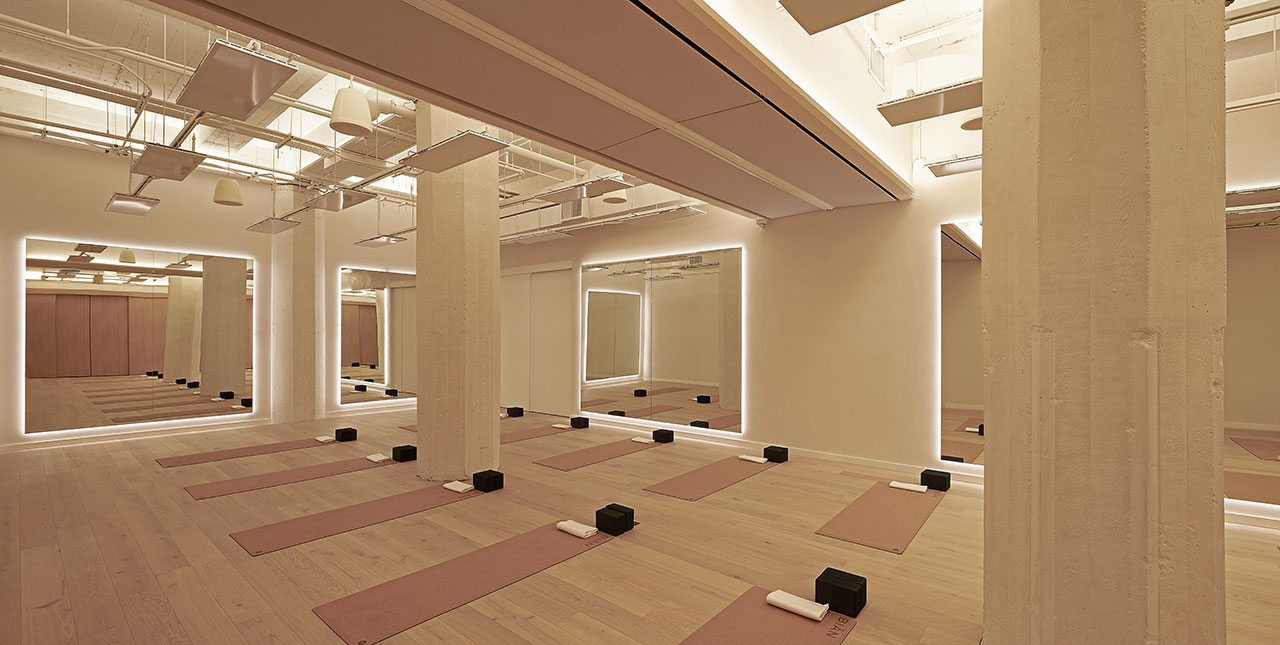
BIÂN Celebrates 3 Years of Industrial Zen Design by STUDIO K

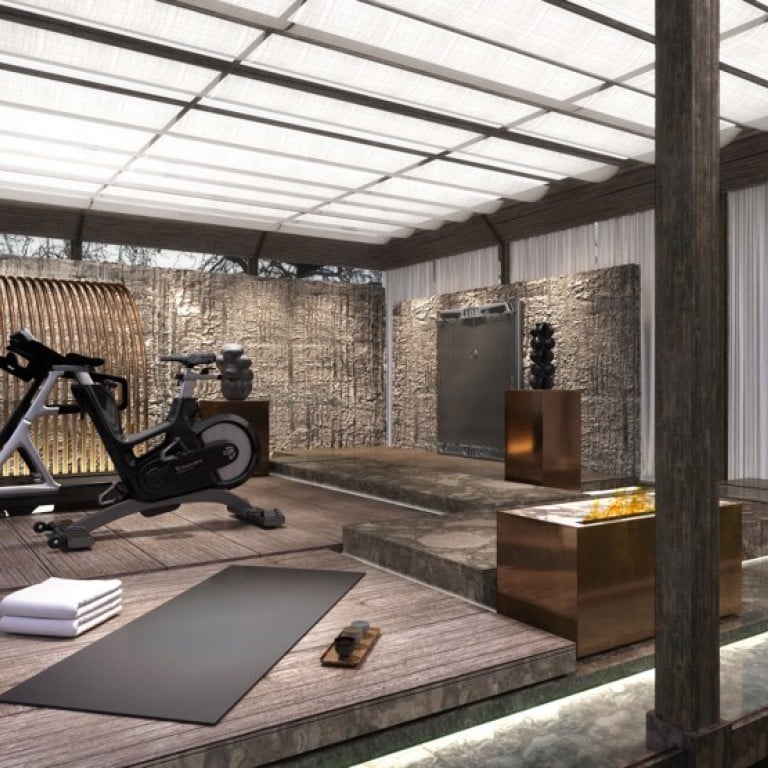
This ultimate dream gym will cost you HK$3.3 million

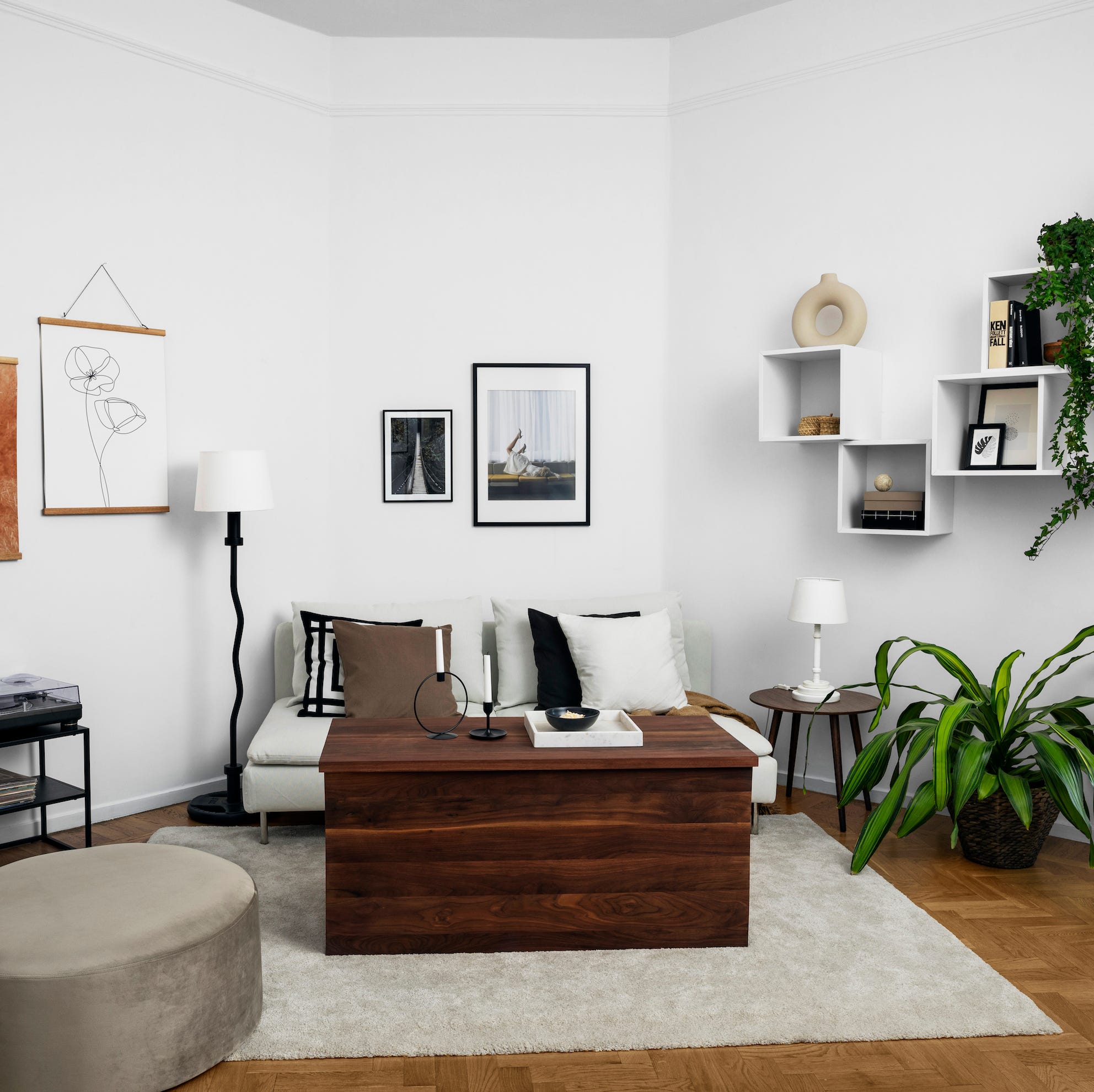
The Hidden Gym: can you spot the gym equipment that doubles up as stylish furniture?

Luxurious state-of-the-art gym takes fitness and relaxation to new levels
These yoga studios set a new standard for calming design

Spaces for Wellness: Integrating Fitness into Everyday Environments
Home gym ideas that will make you look forward to your workout

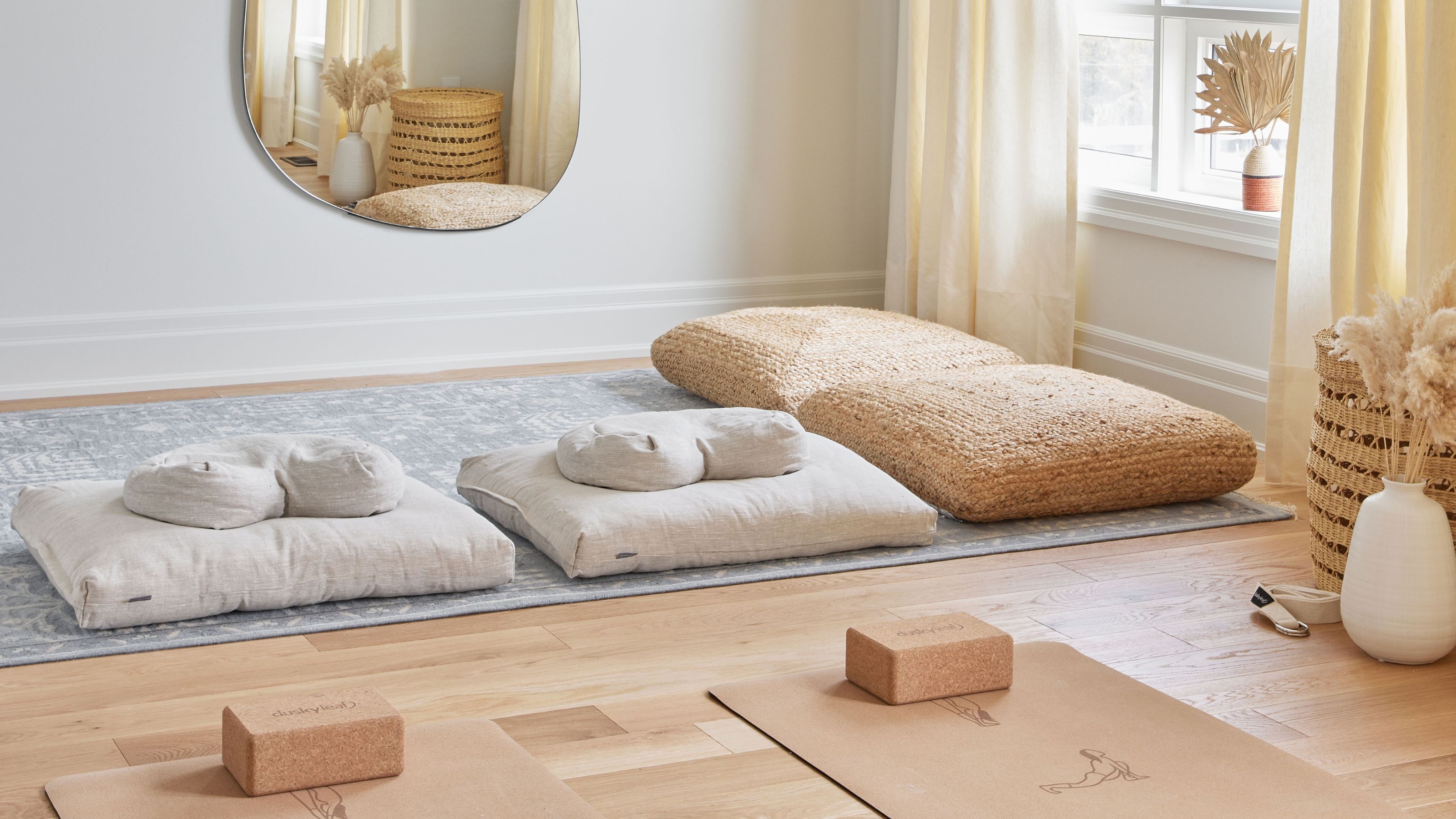
Forget a Home Gym, What You Need Is a "Wellness Room" — The Trend for Carving Out Space for Daily Rituals

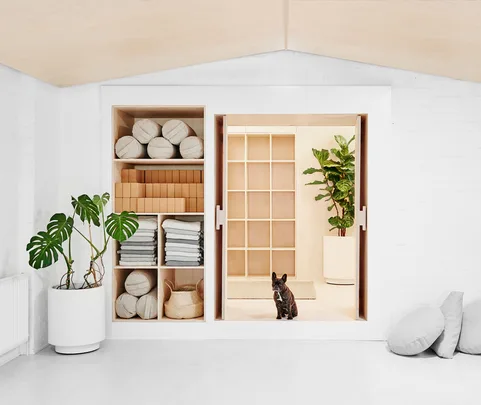
9 yoga studios that achieve design nirvana