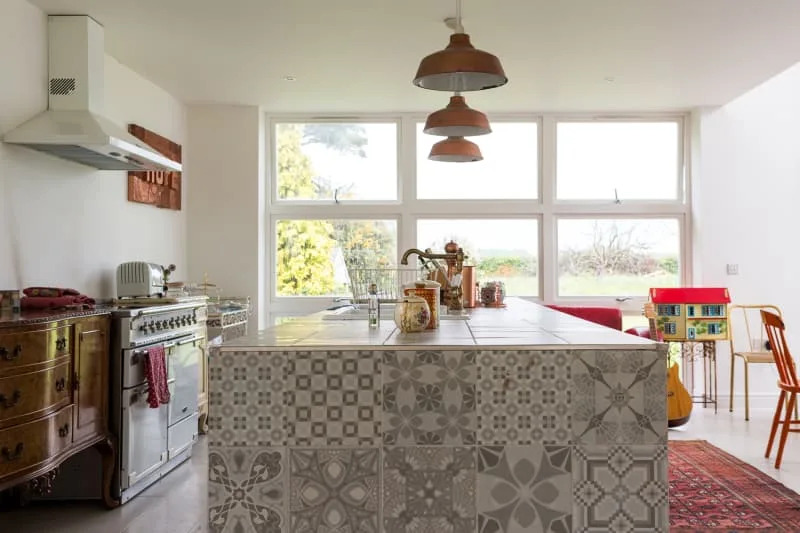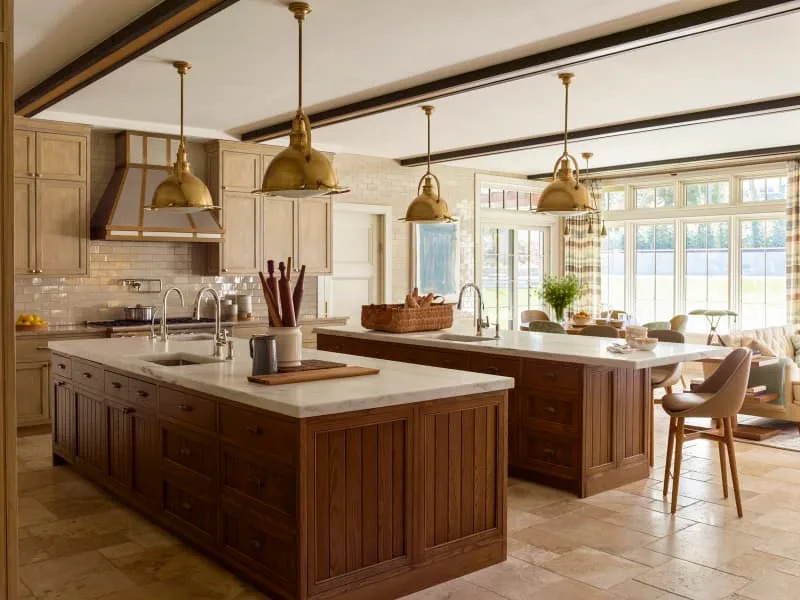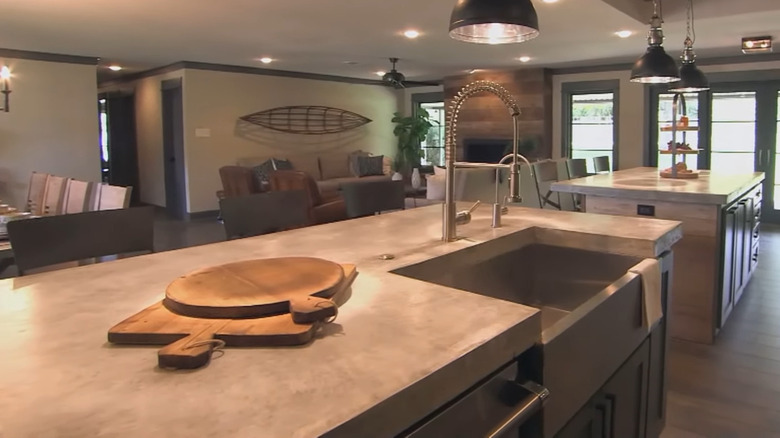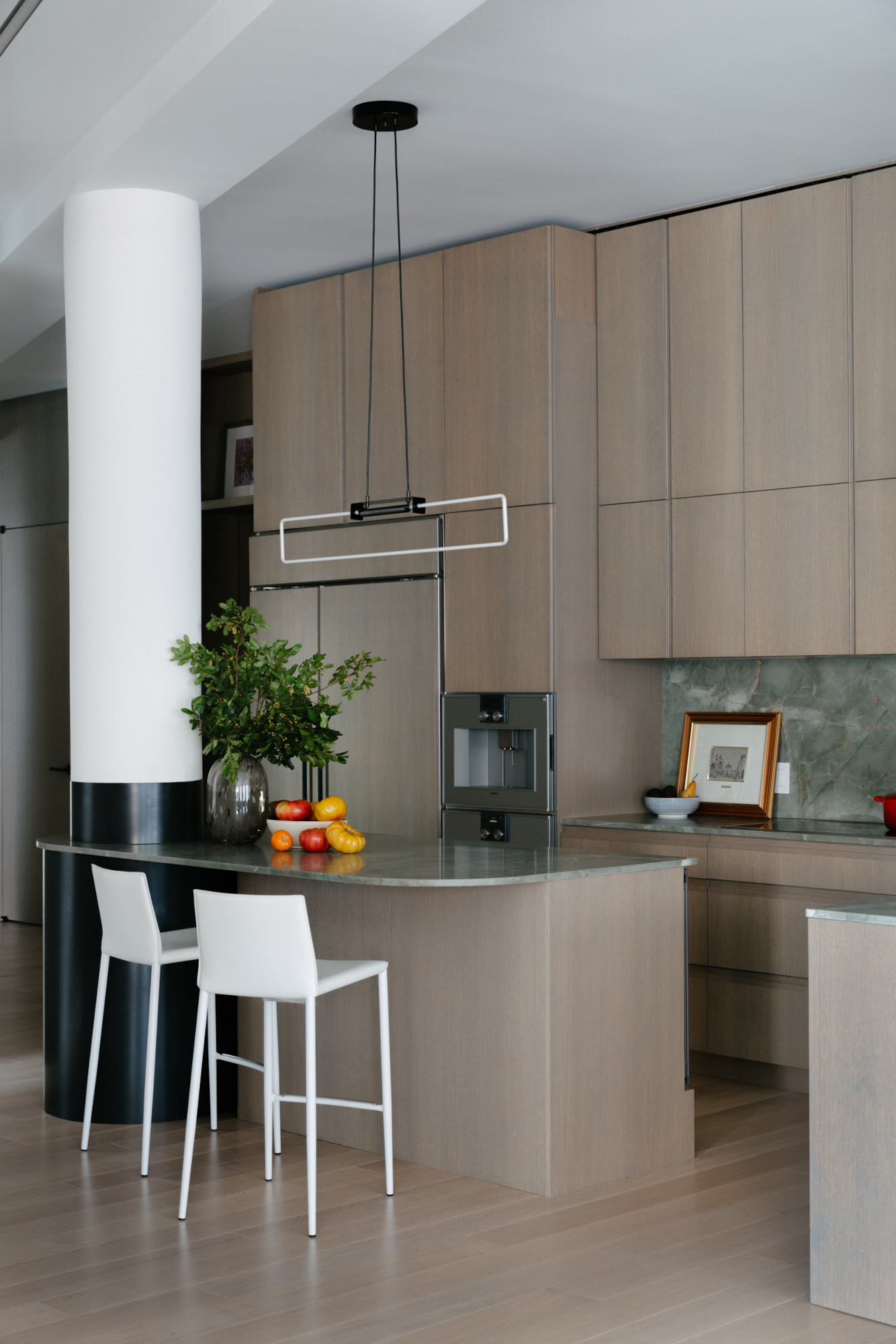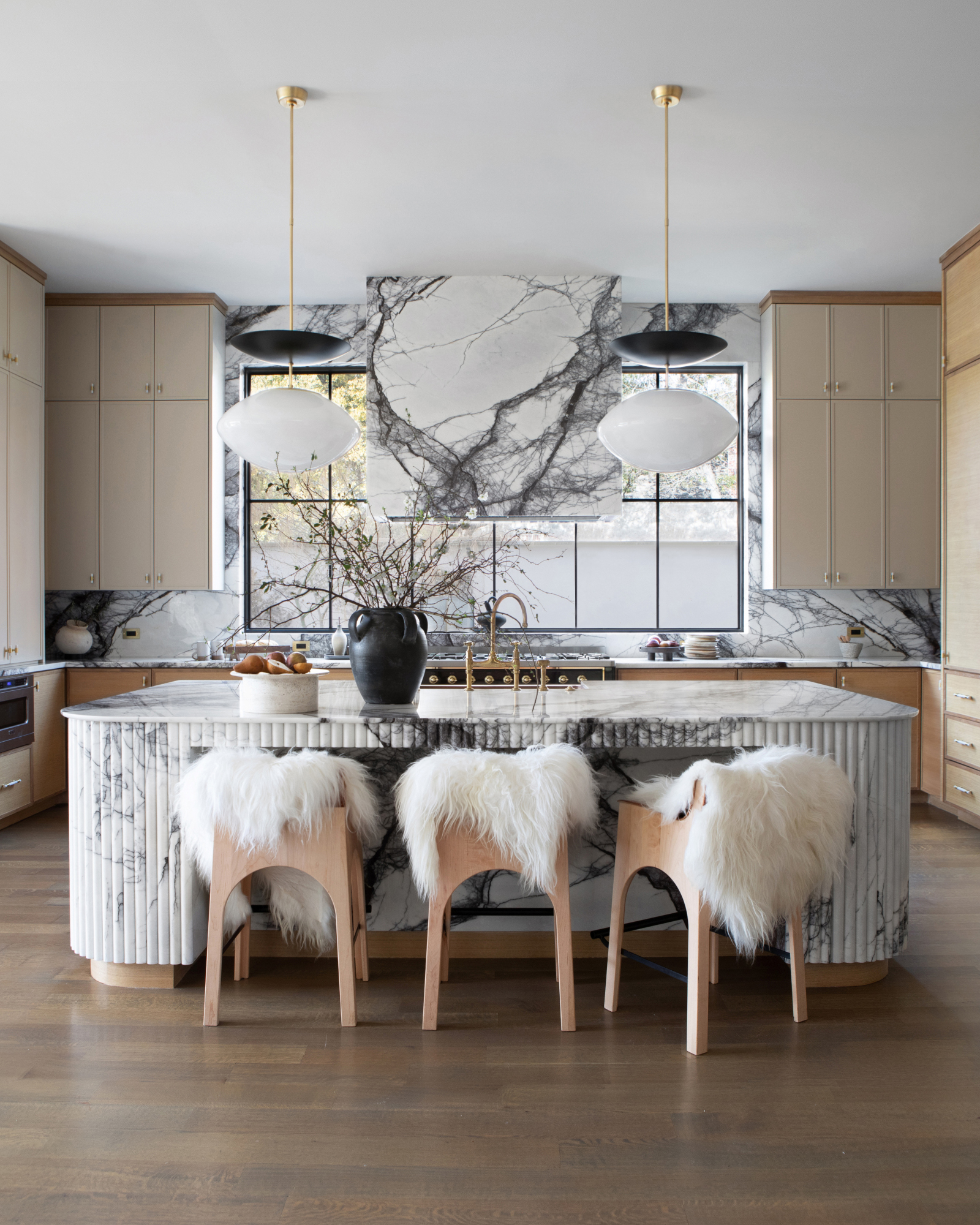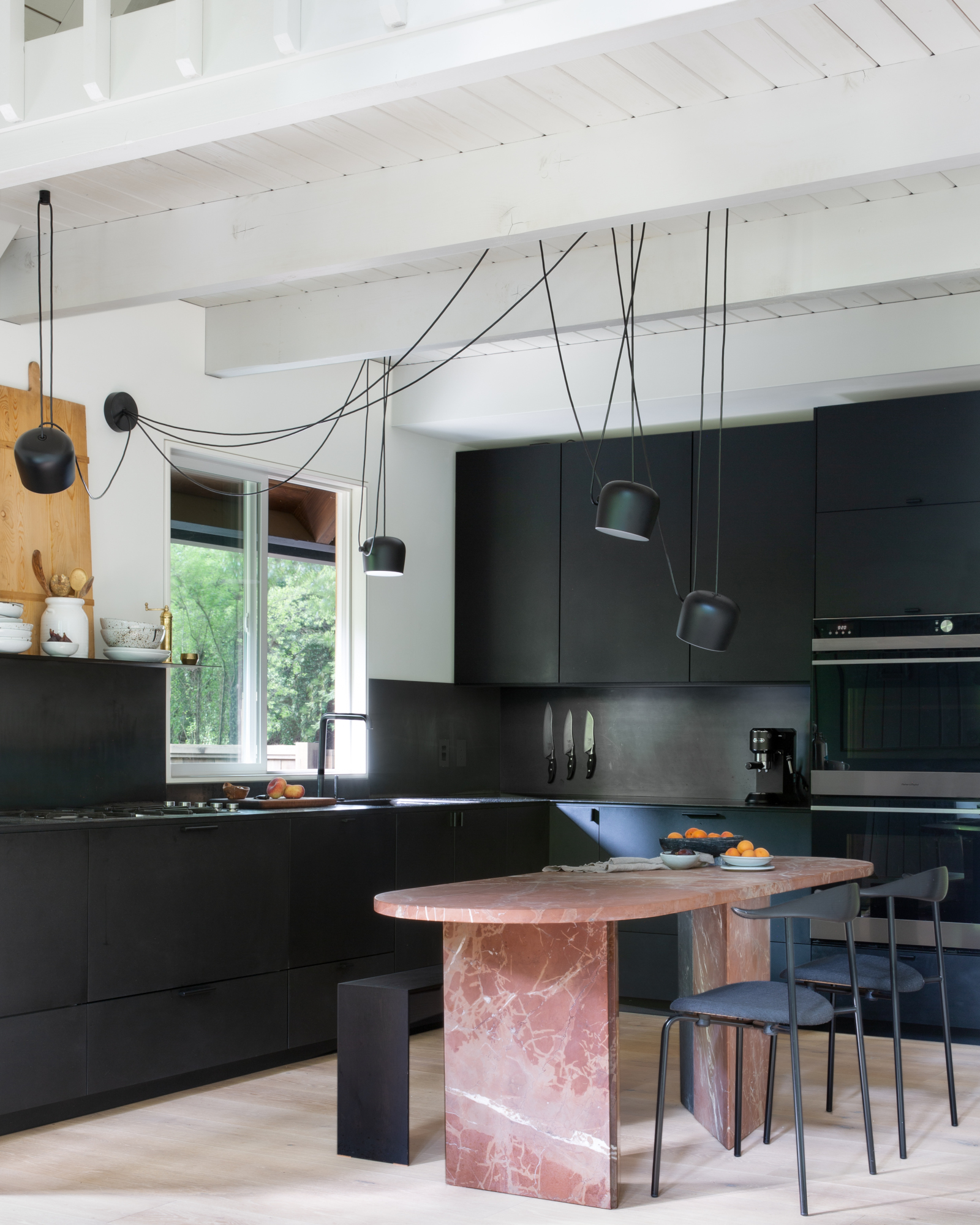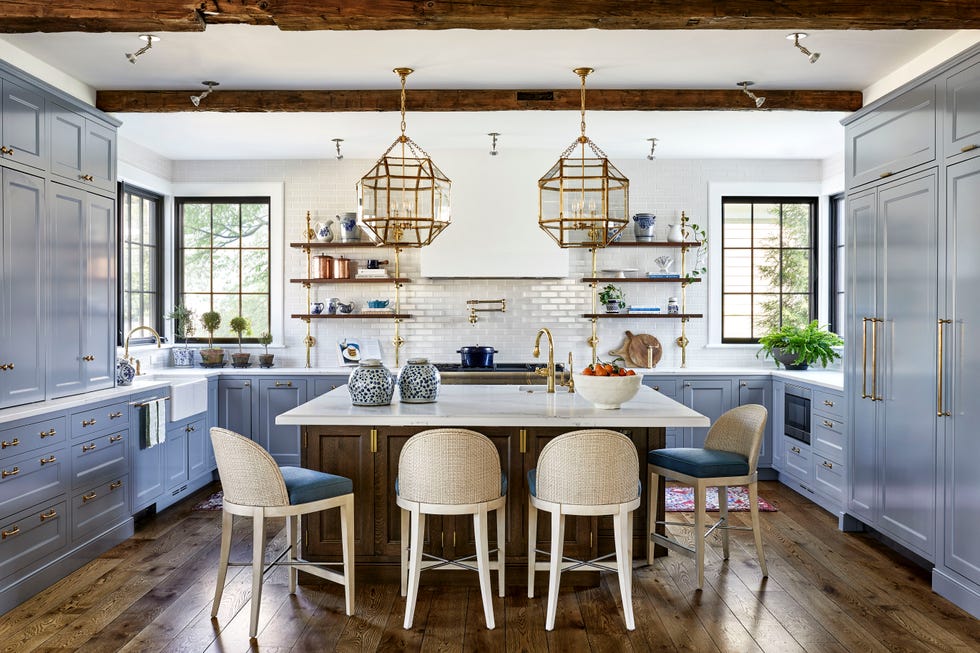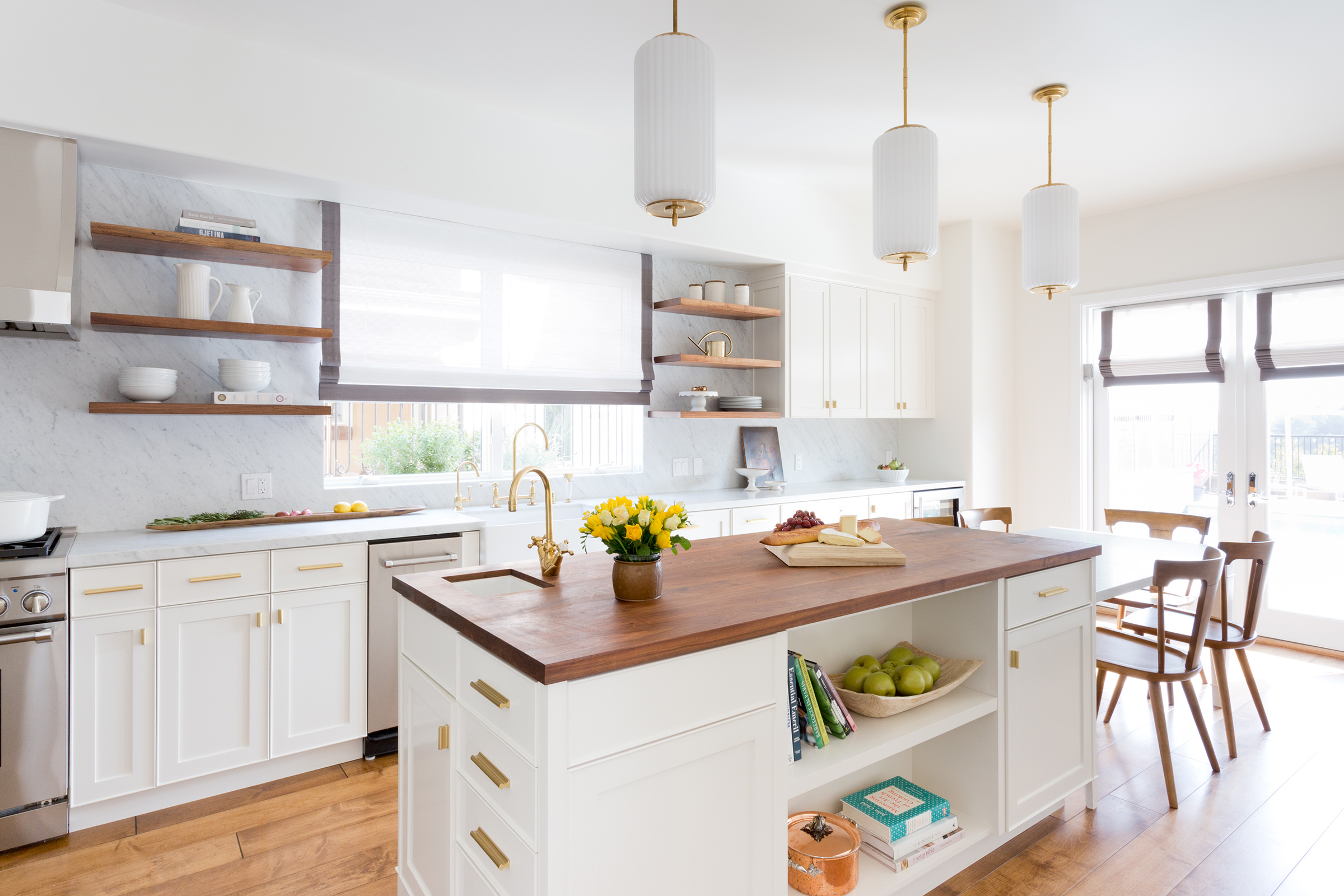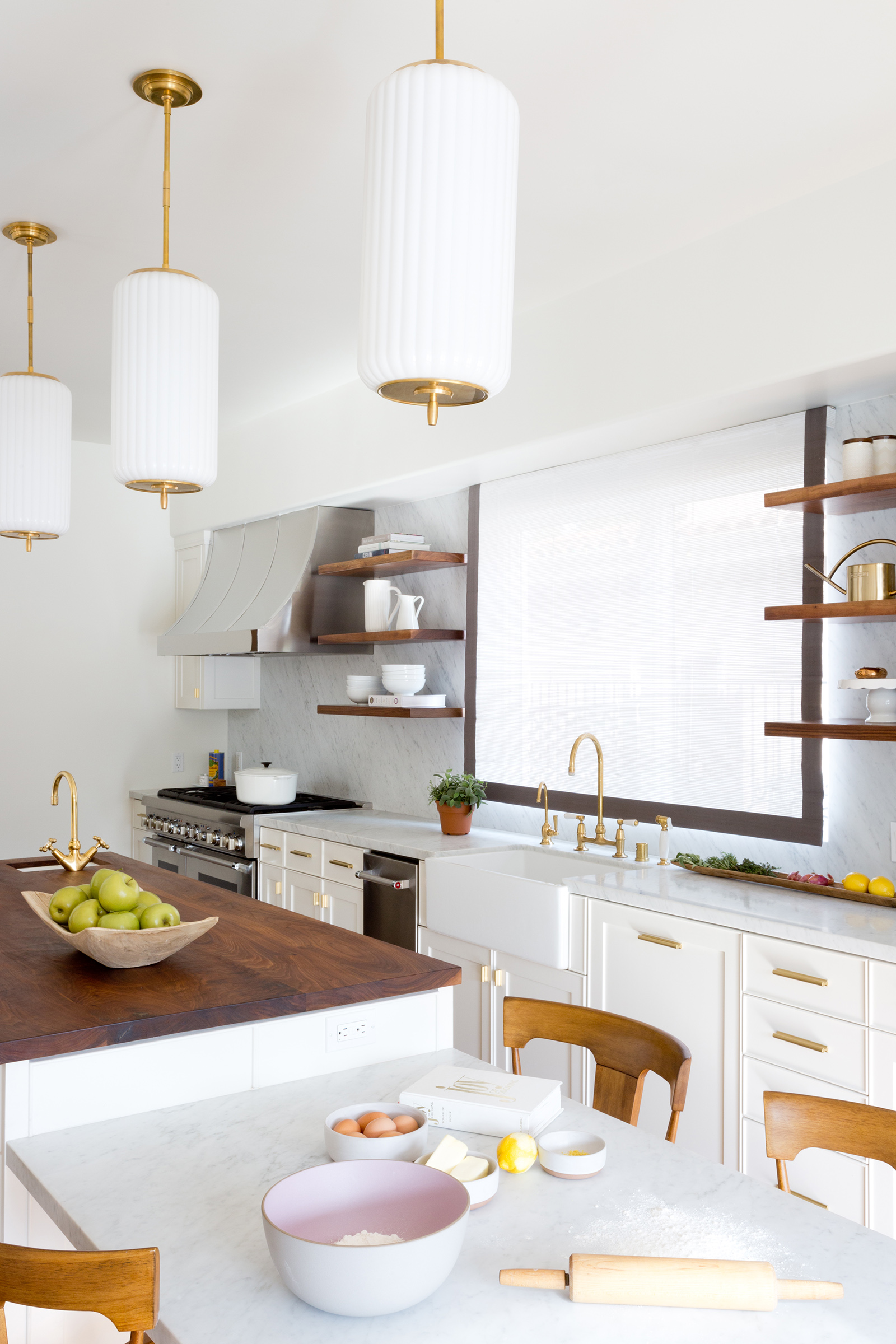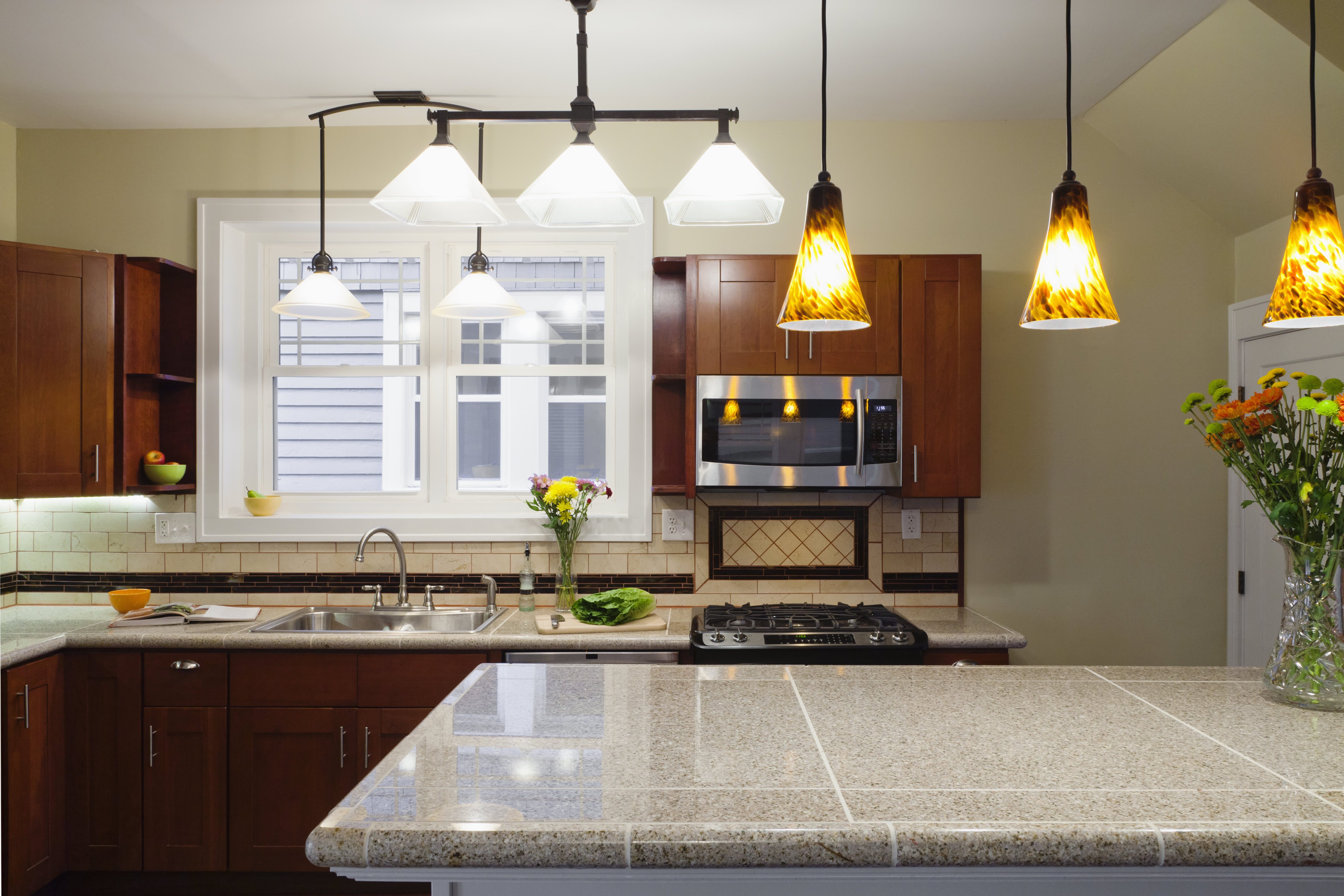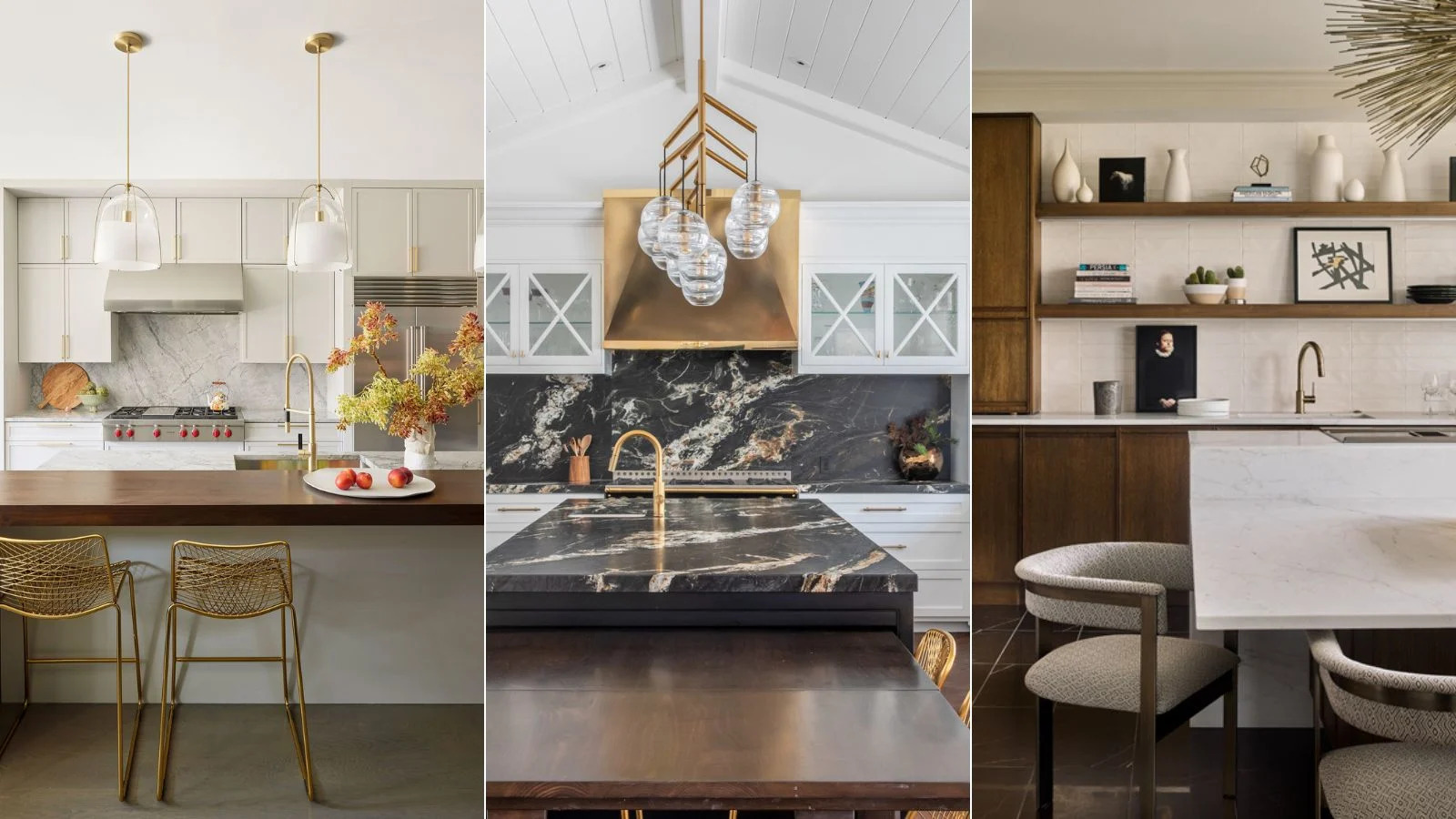
Two-tier kitchen islands are the future – 9 reasons why designers want you to invest now
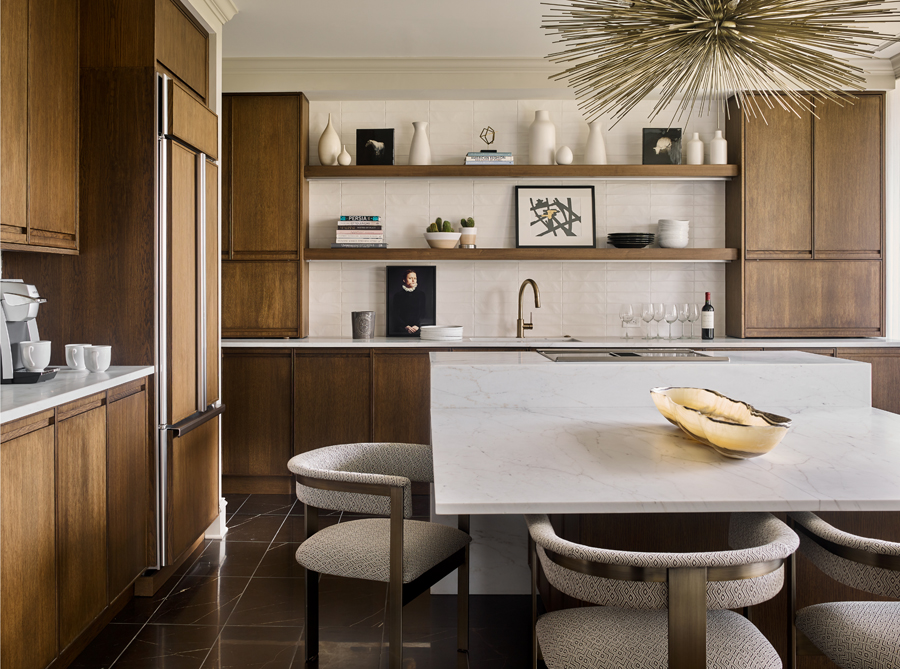
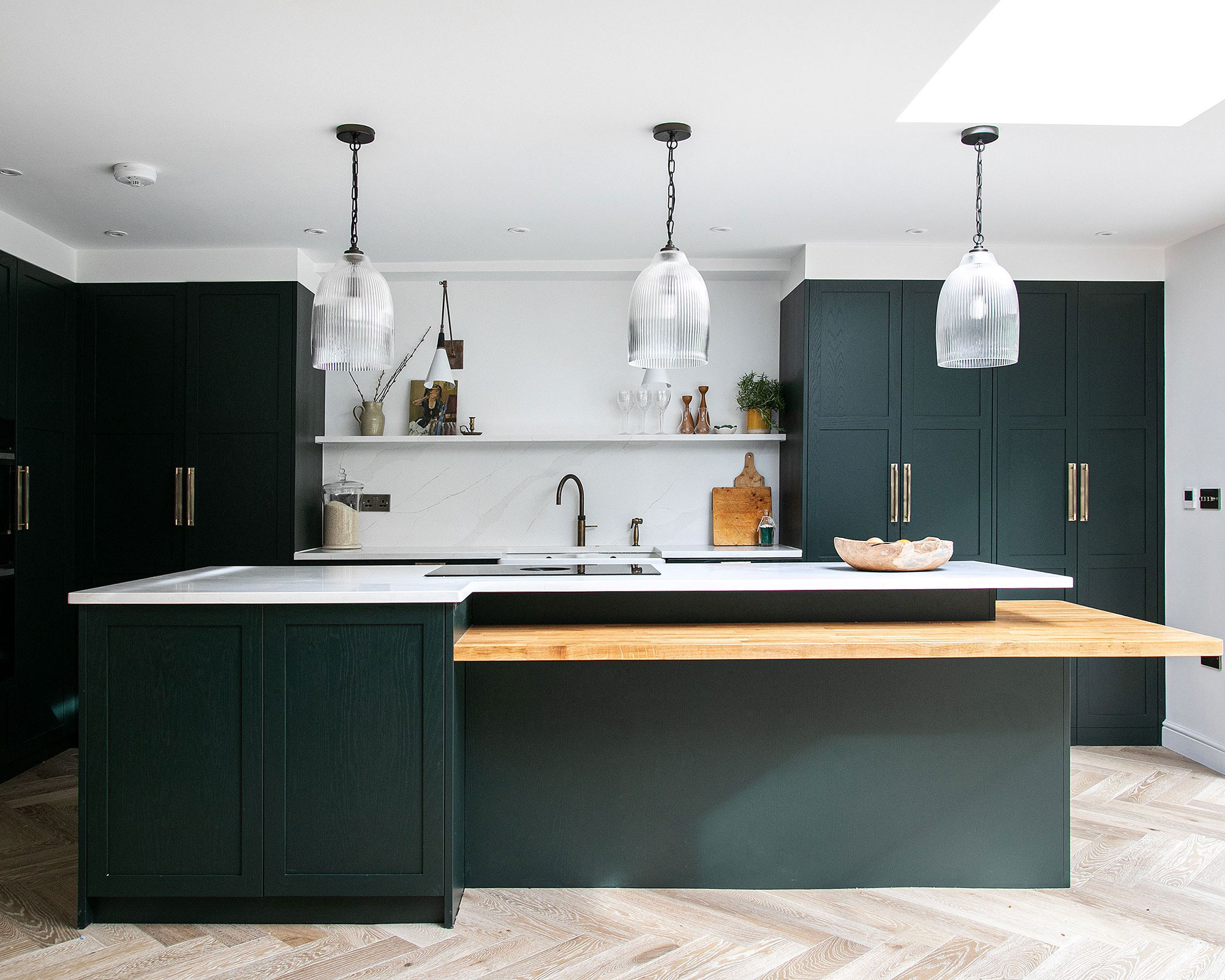
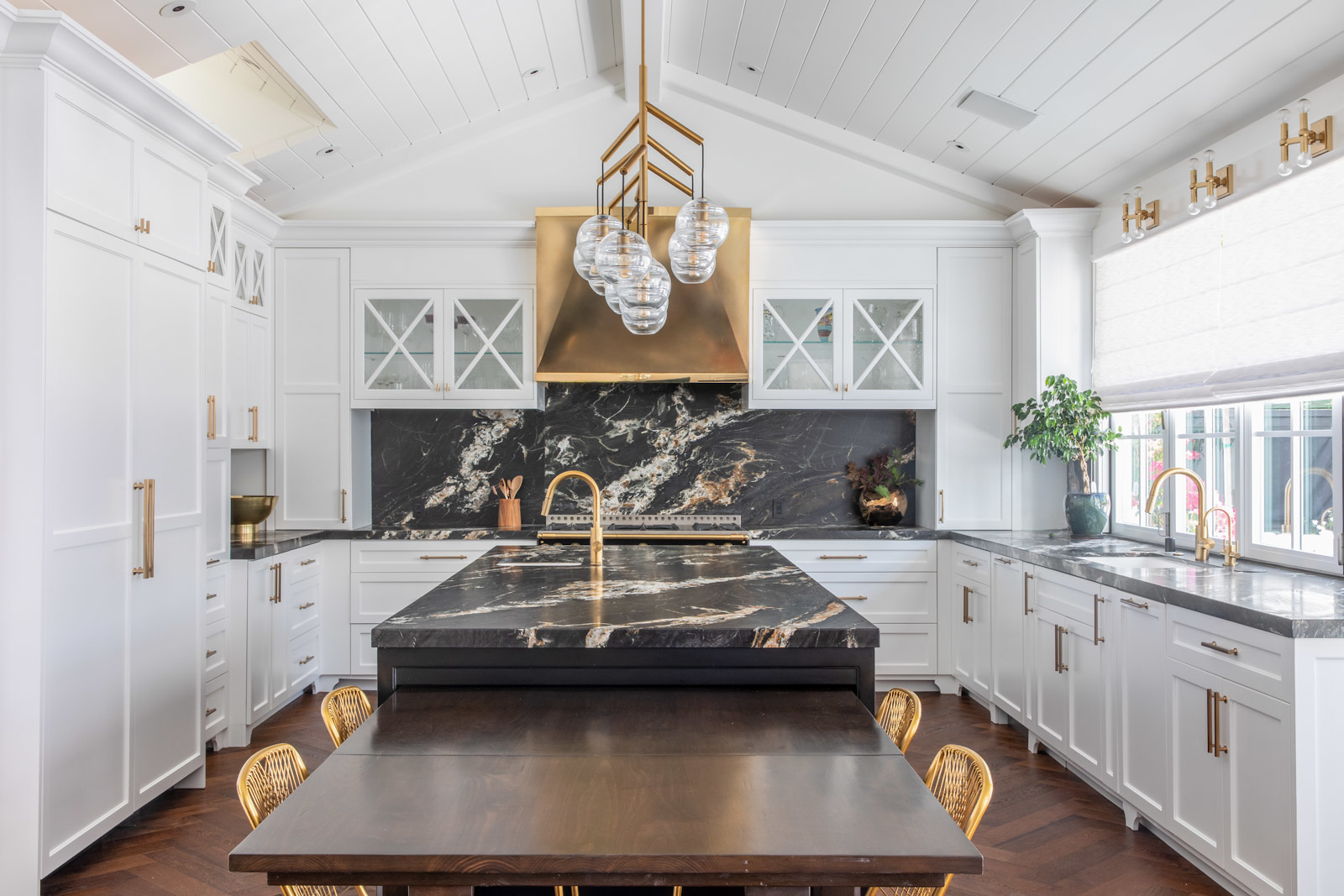
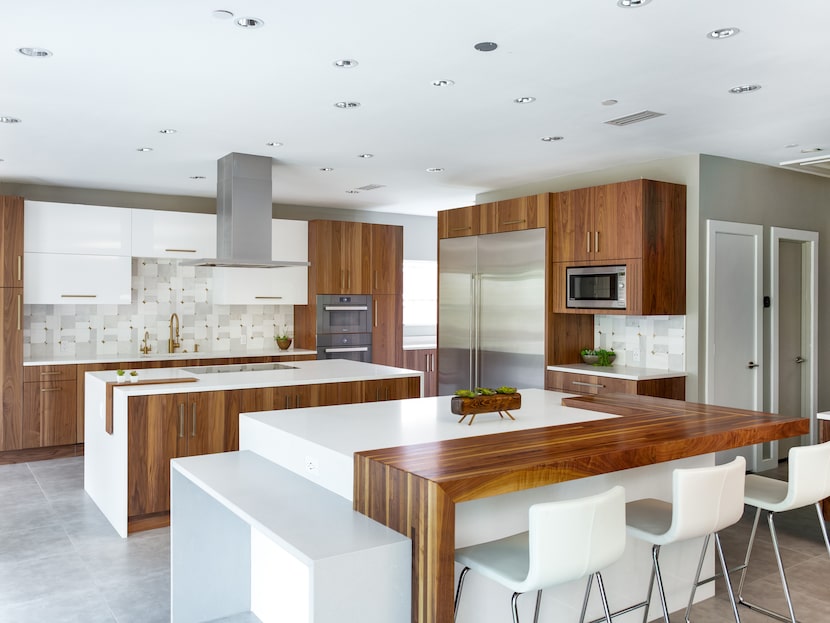
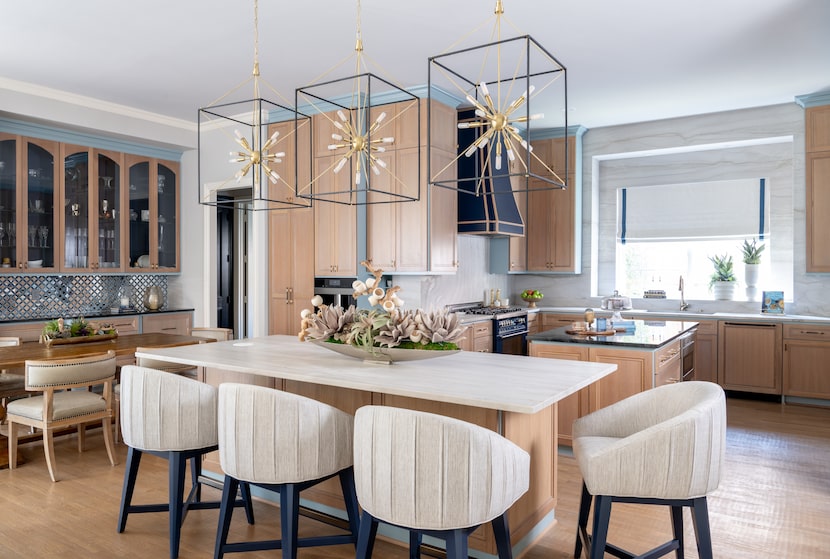
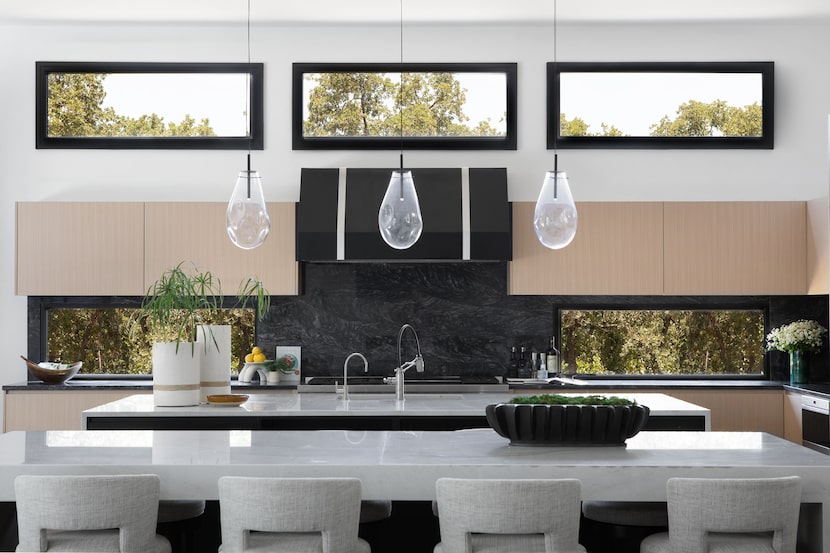
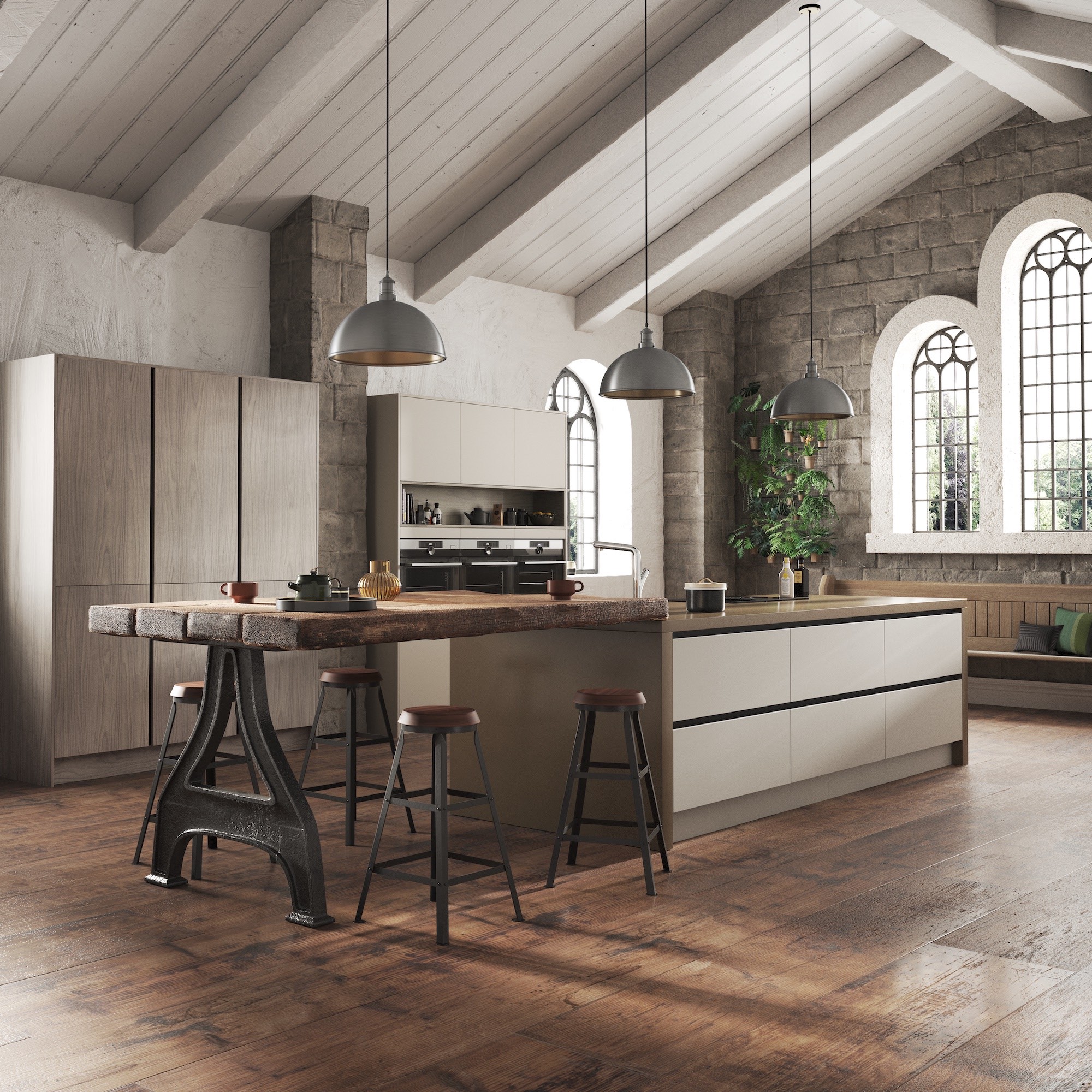
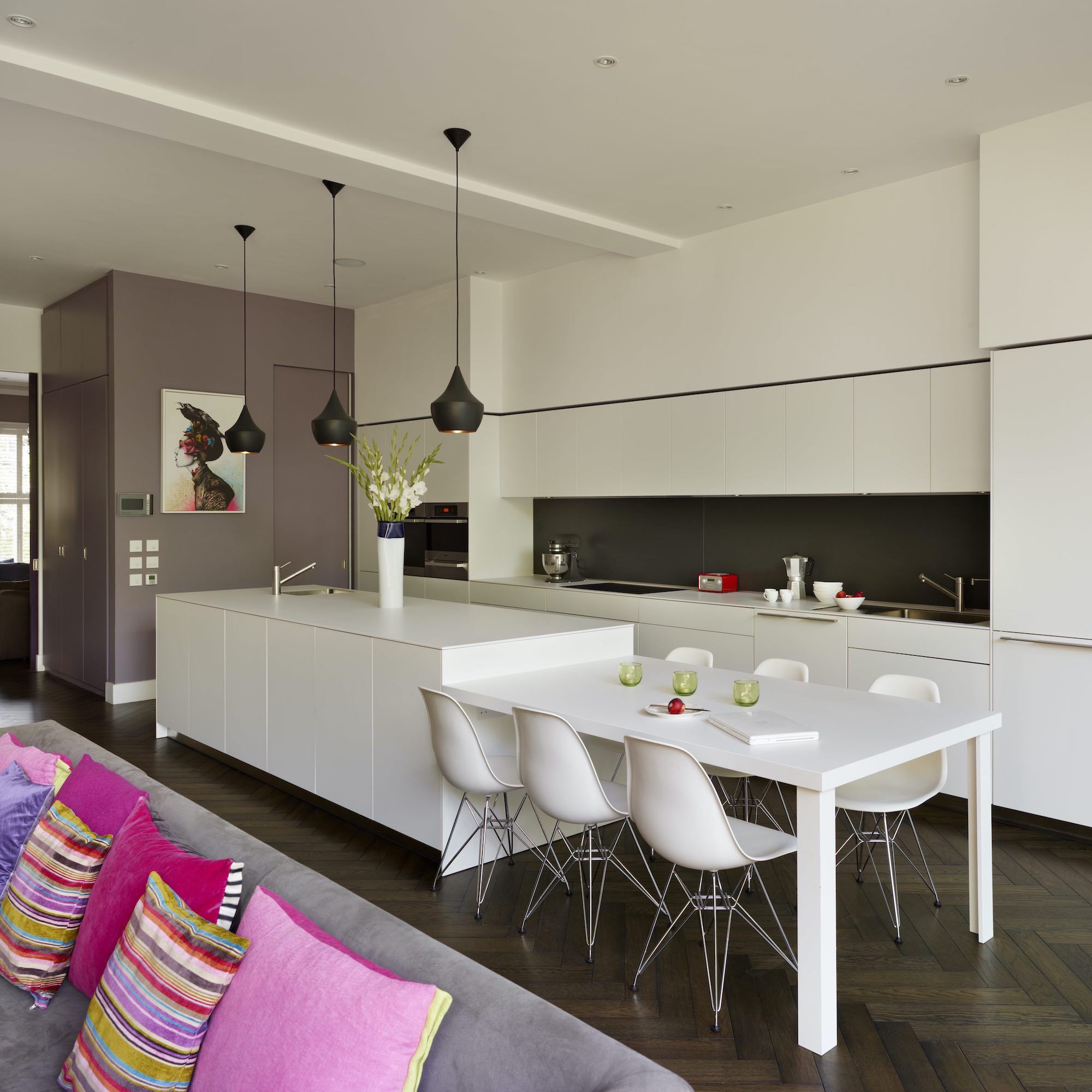
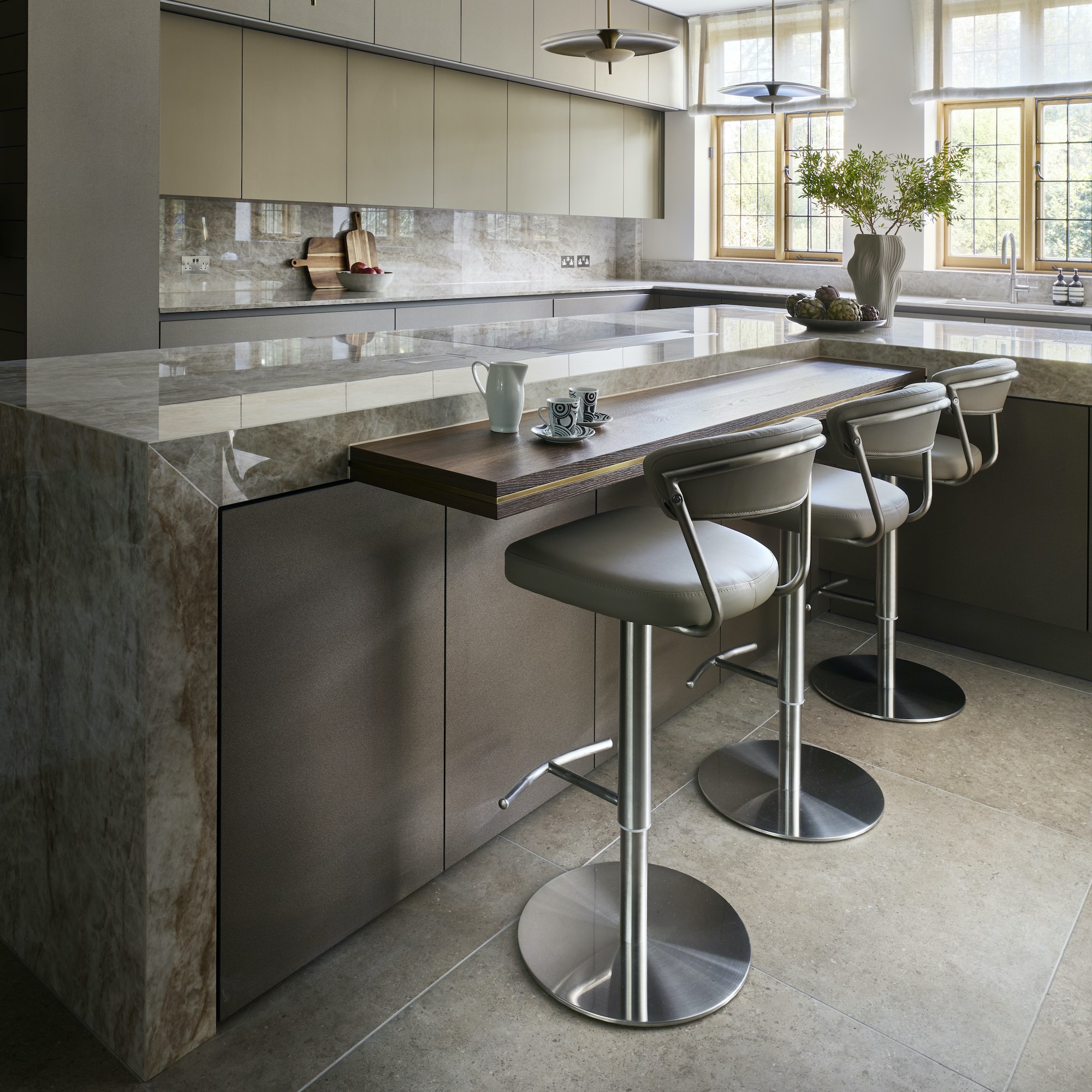
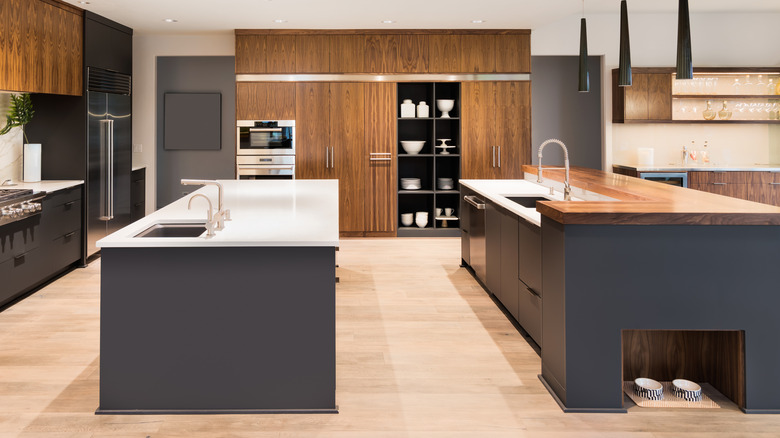
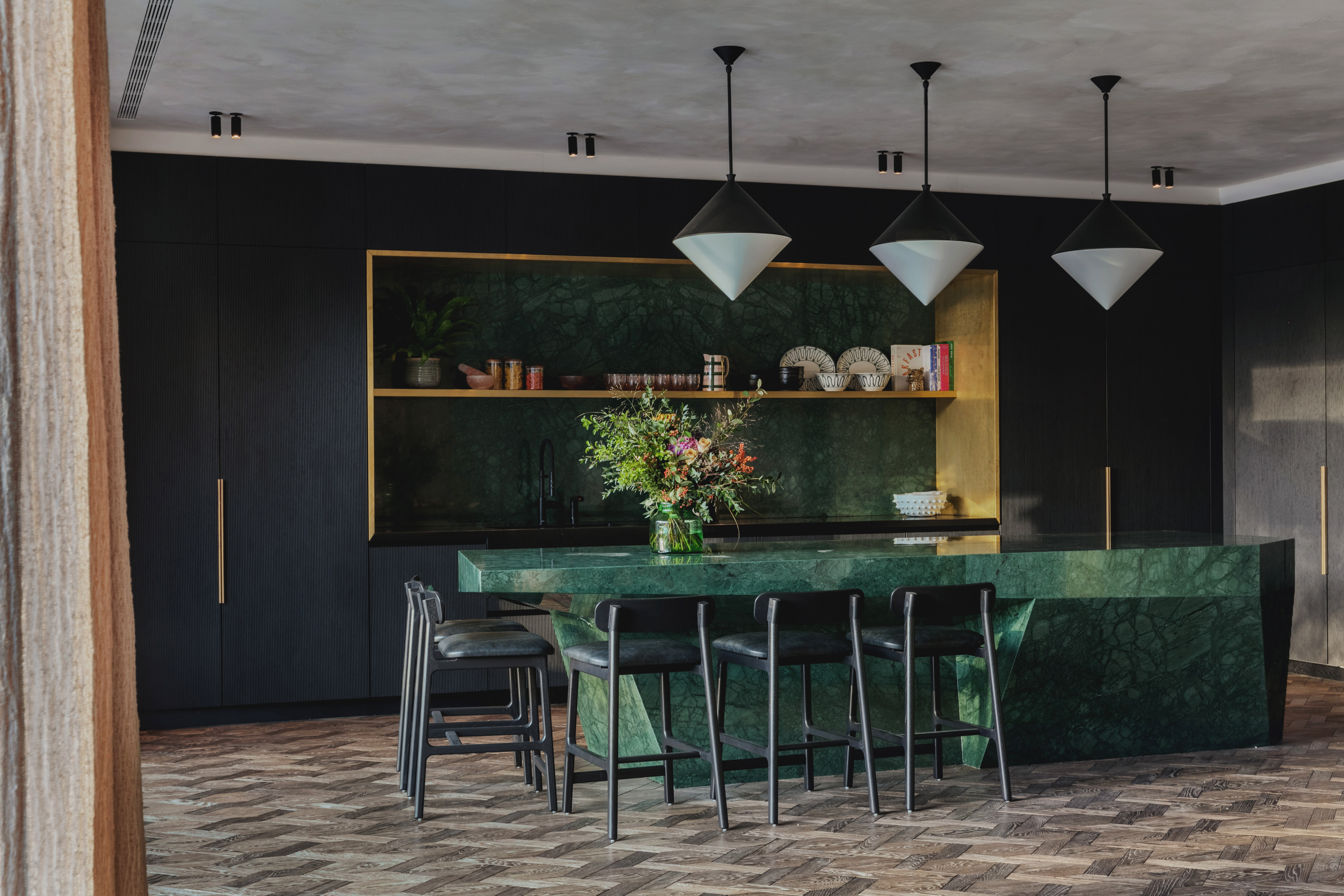
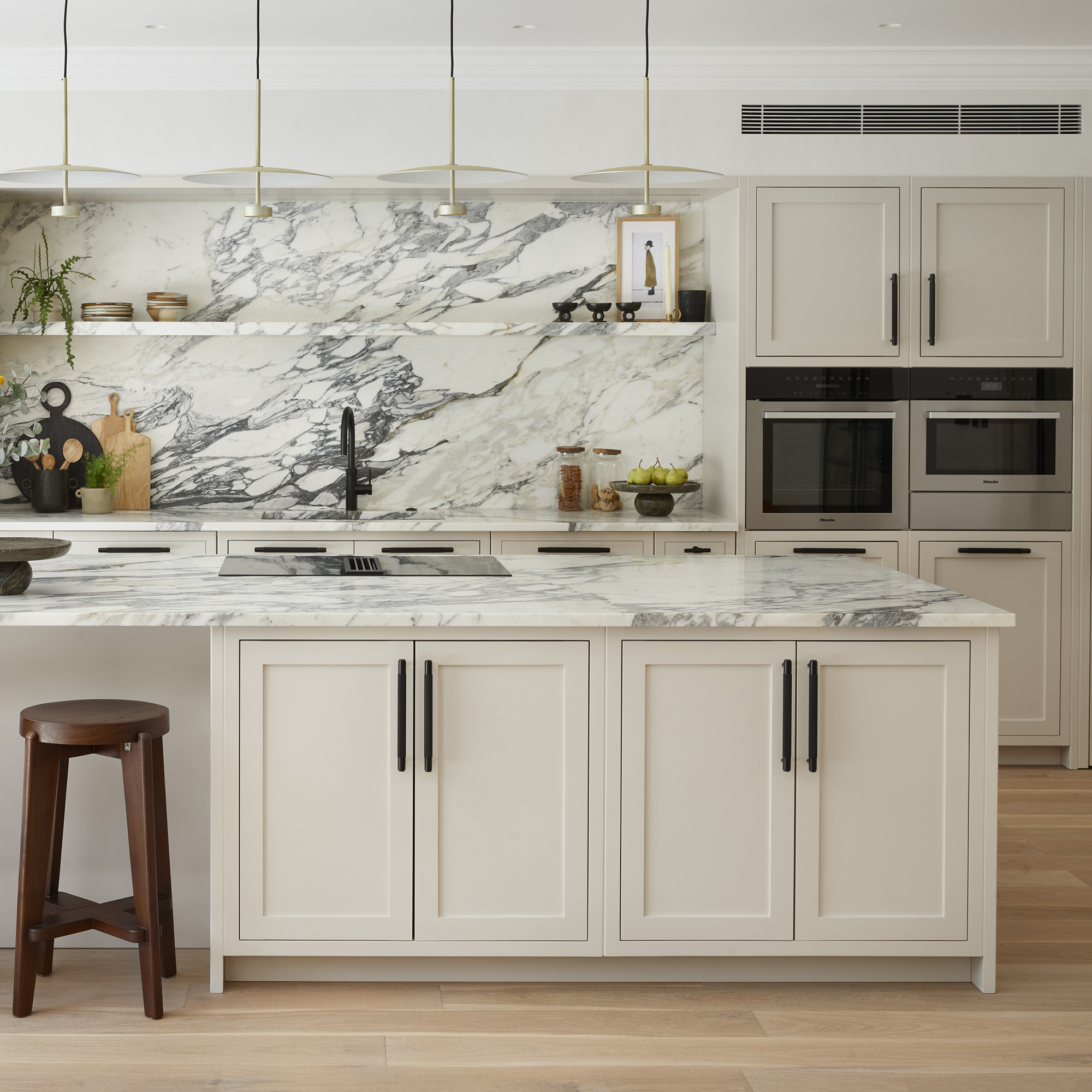
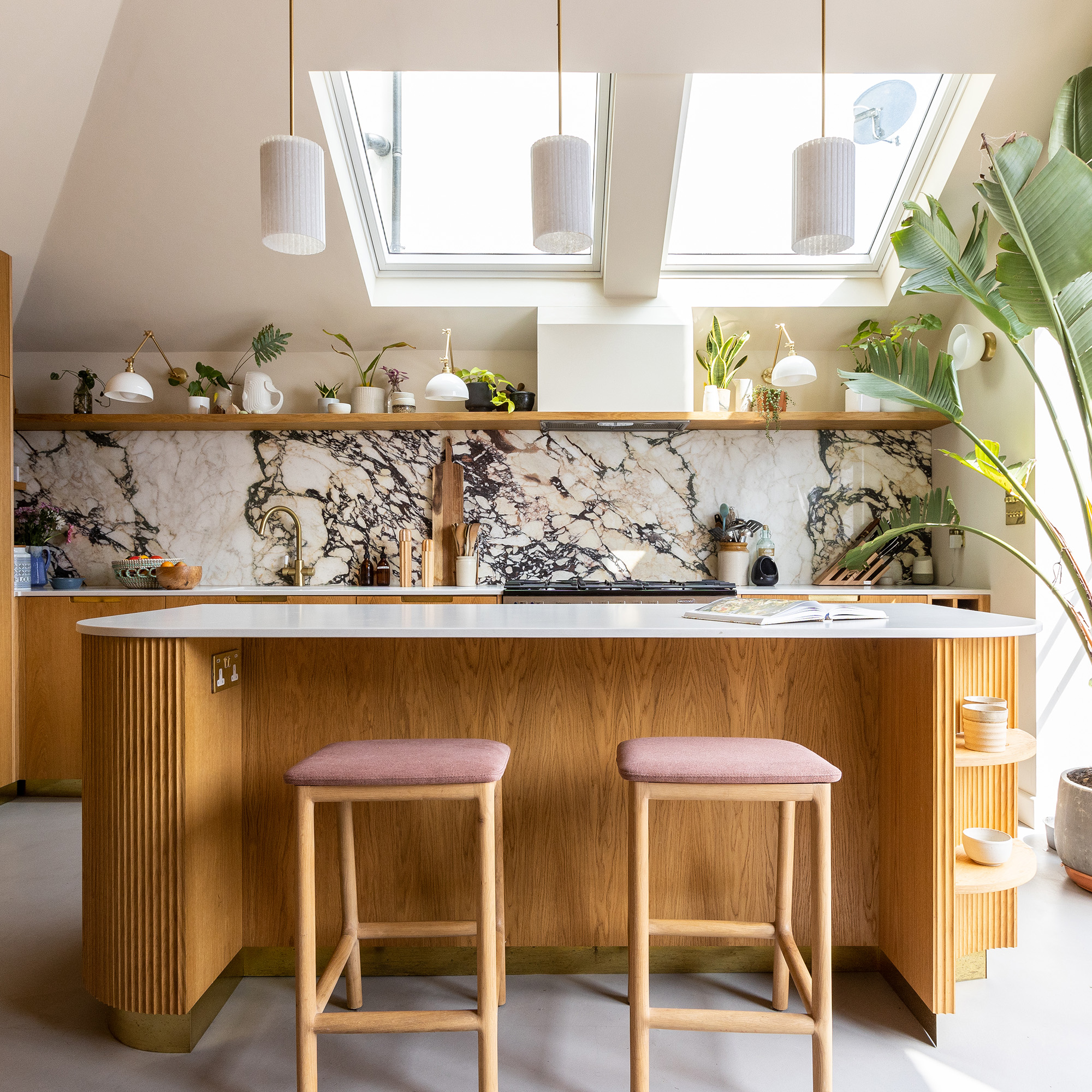
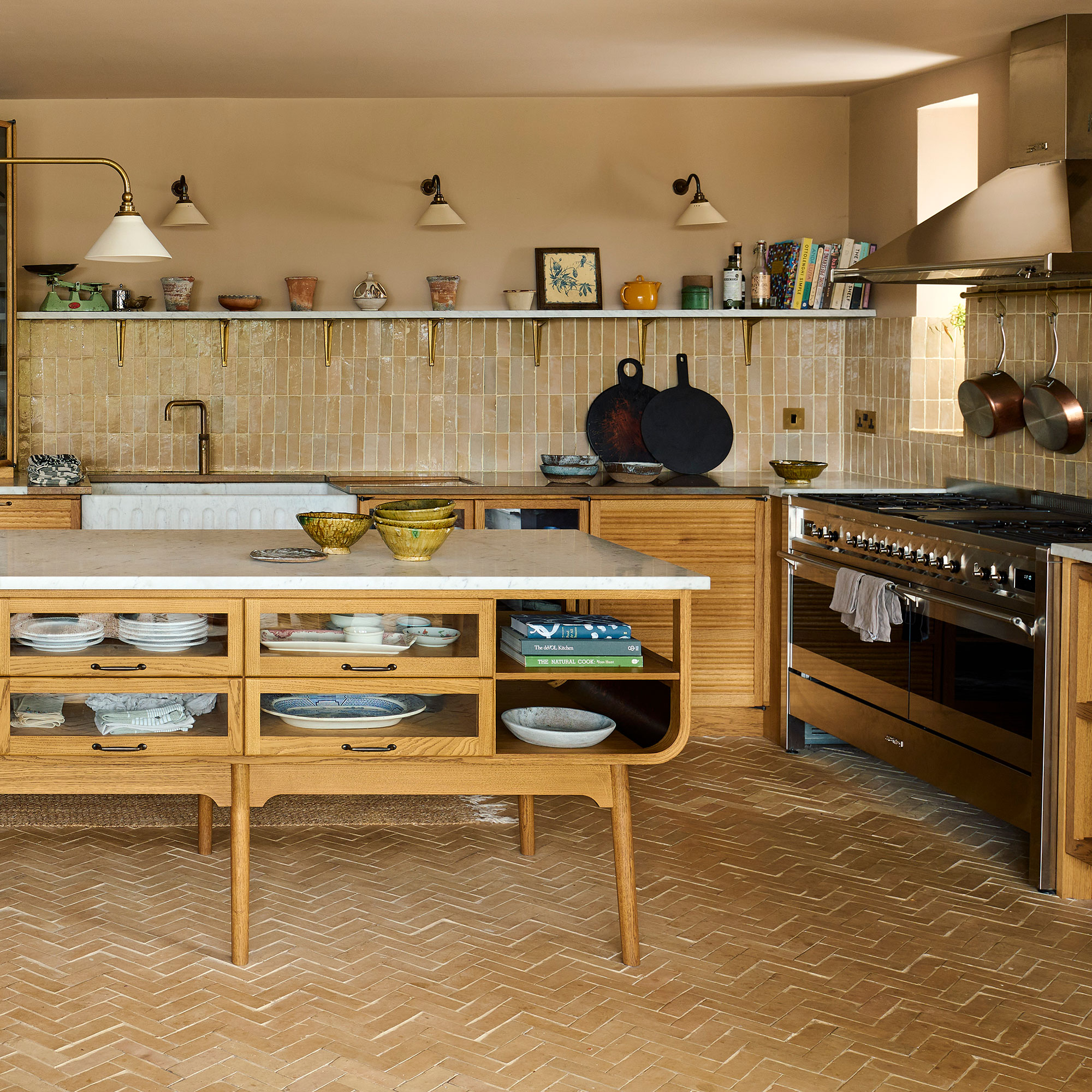
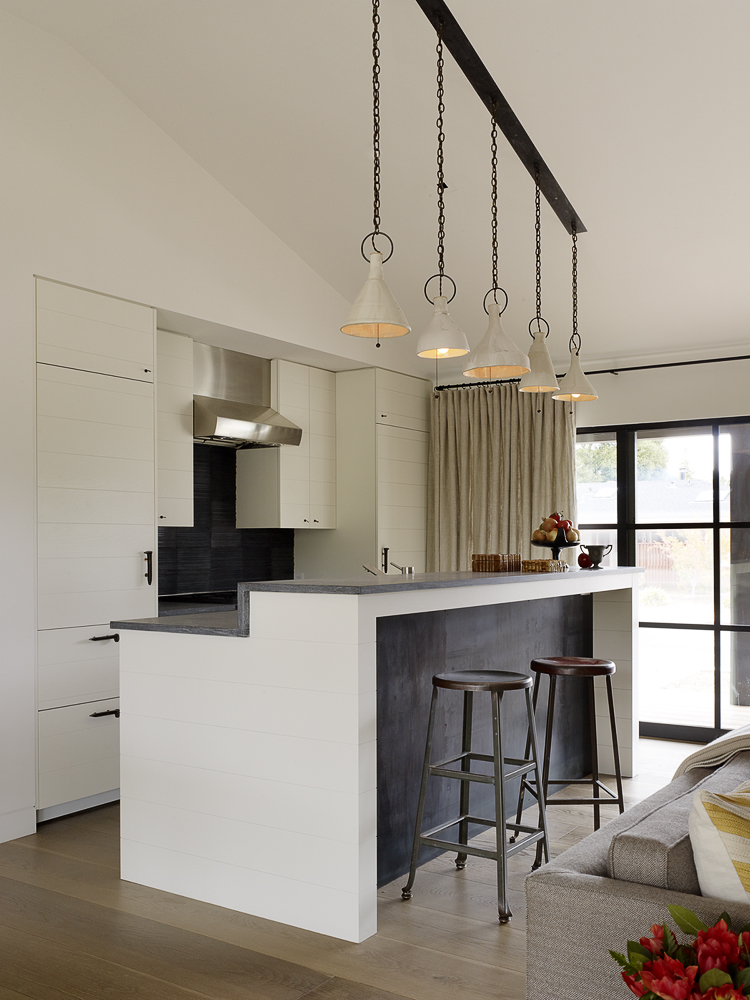
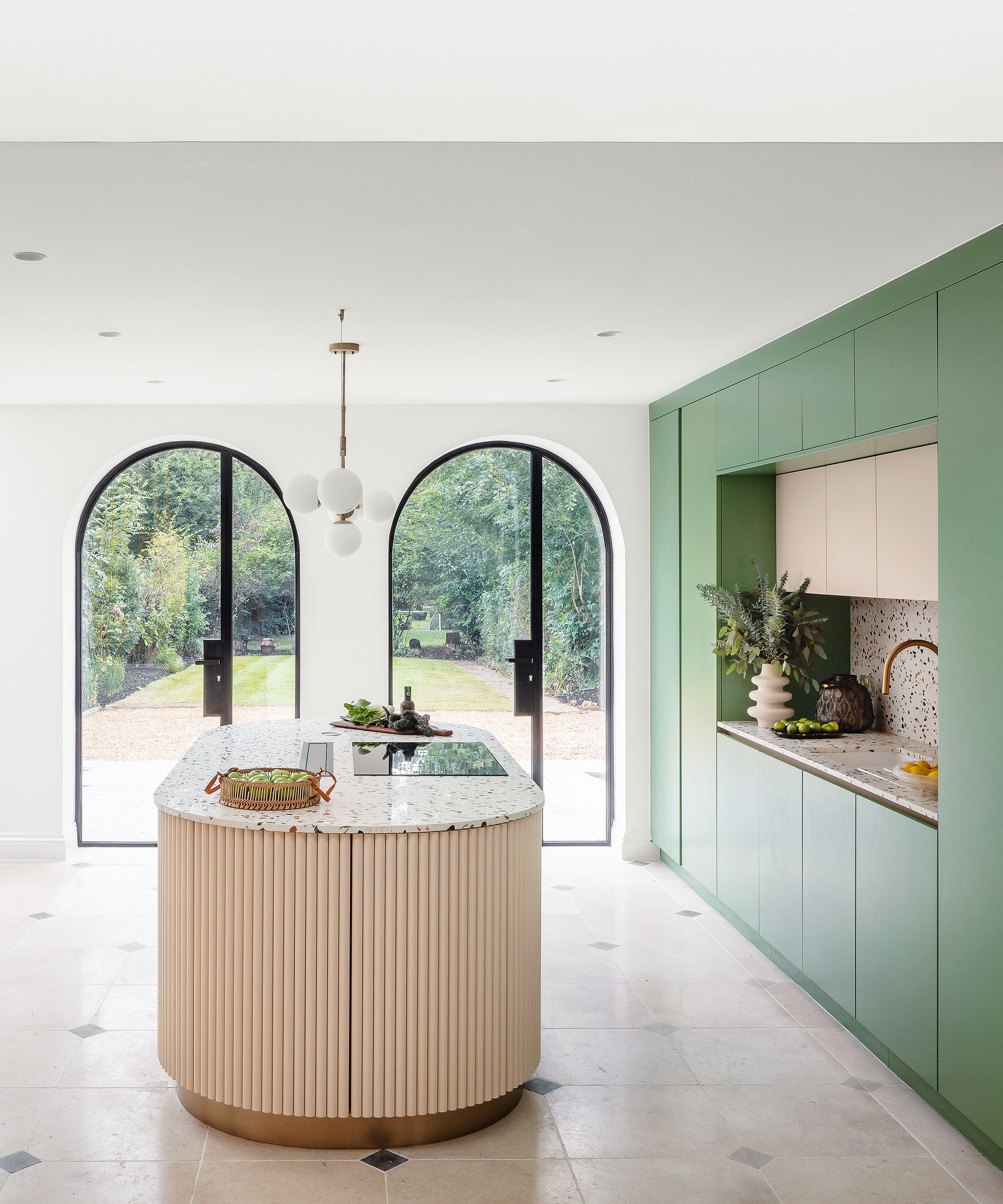
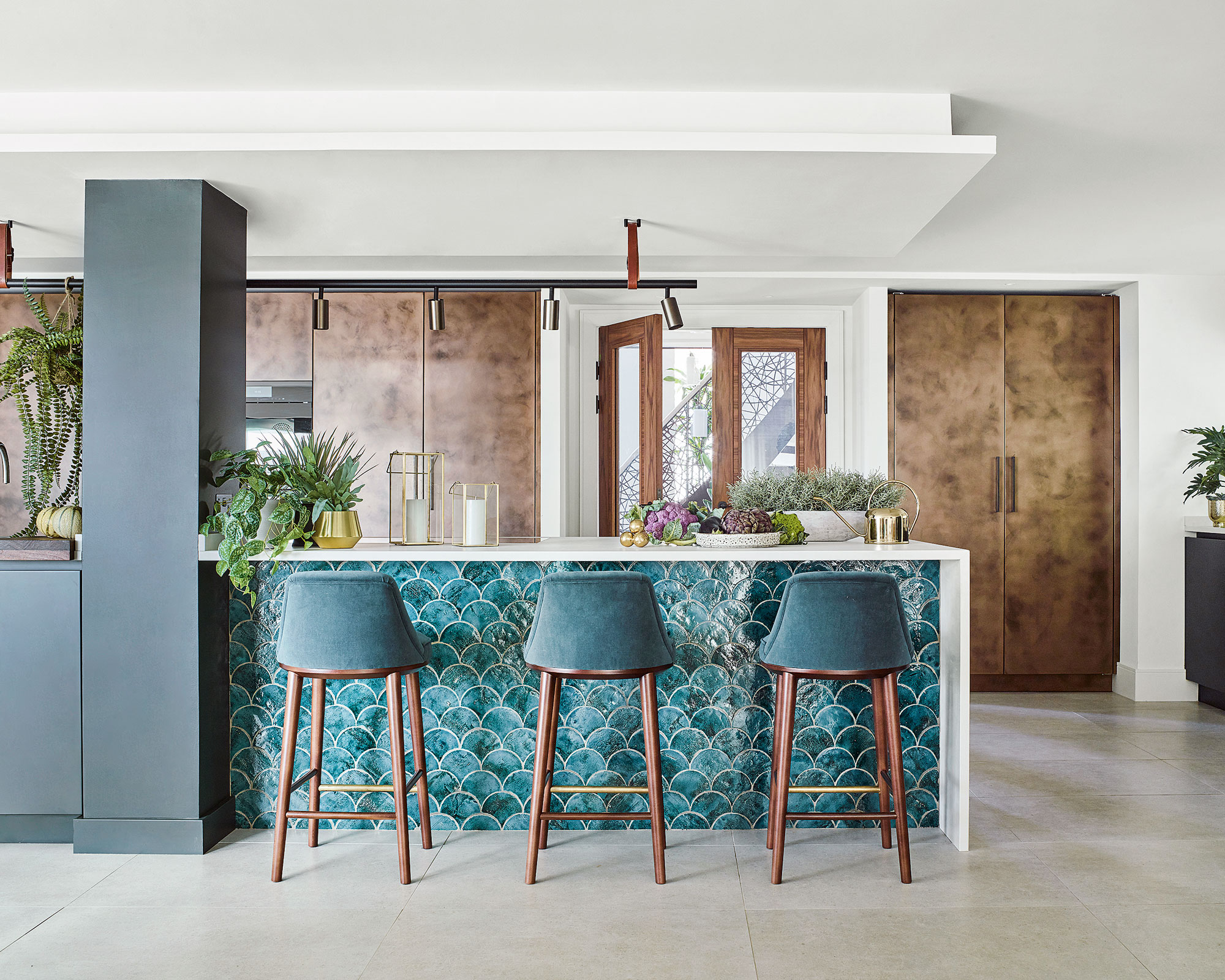
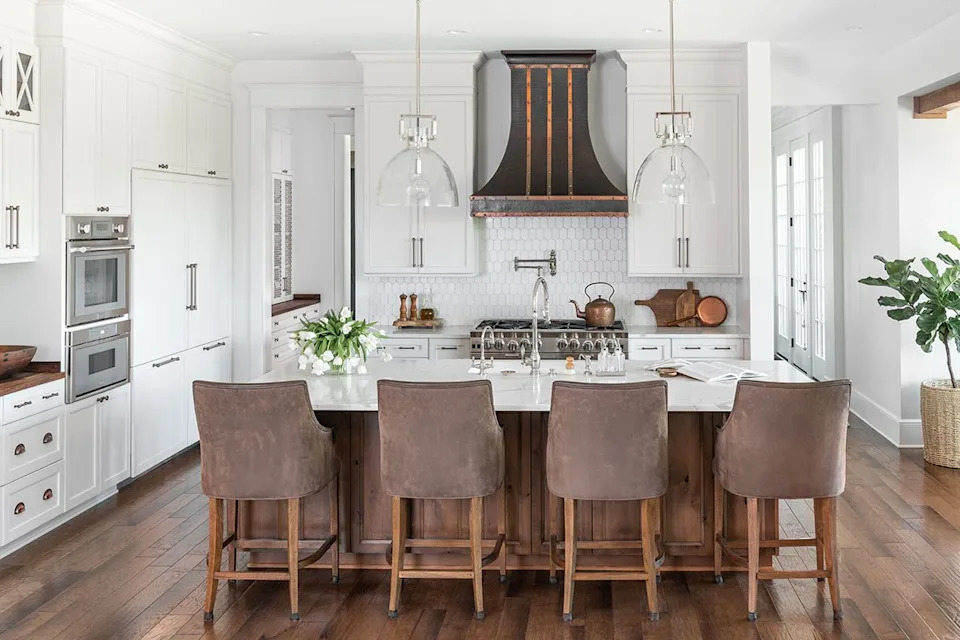
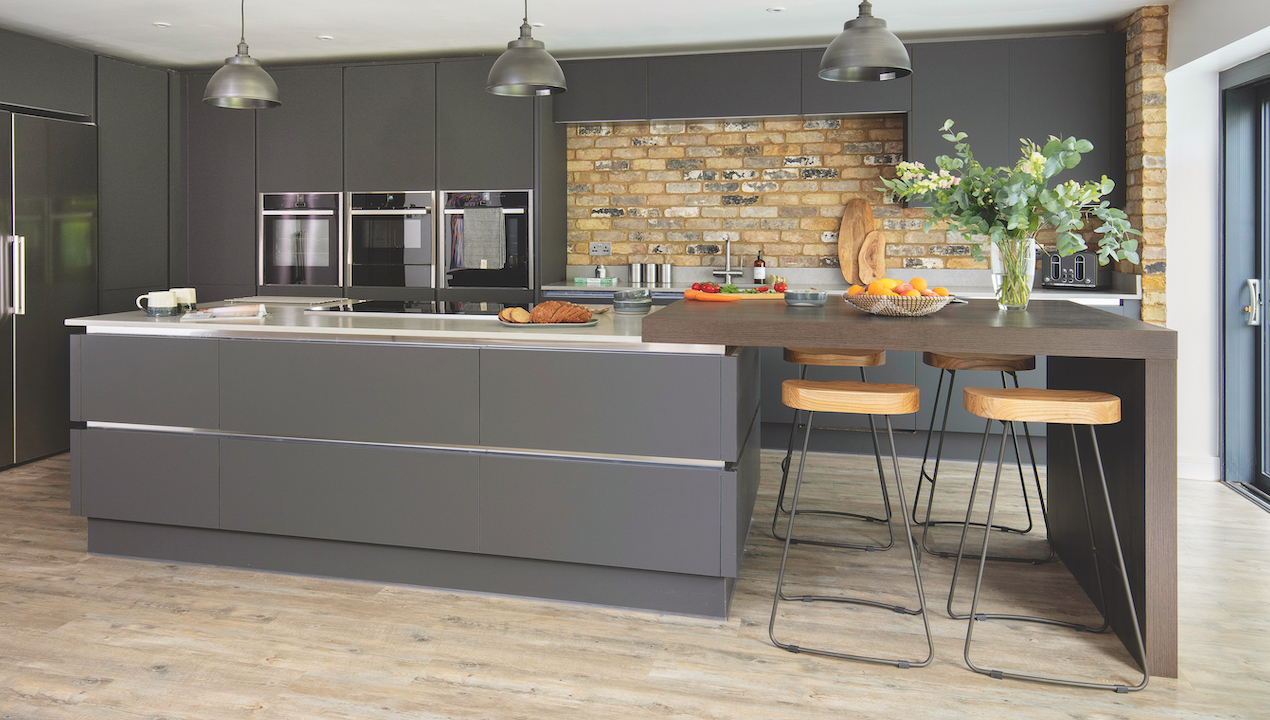
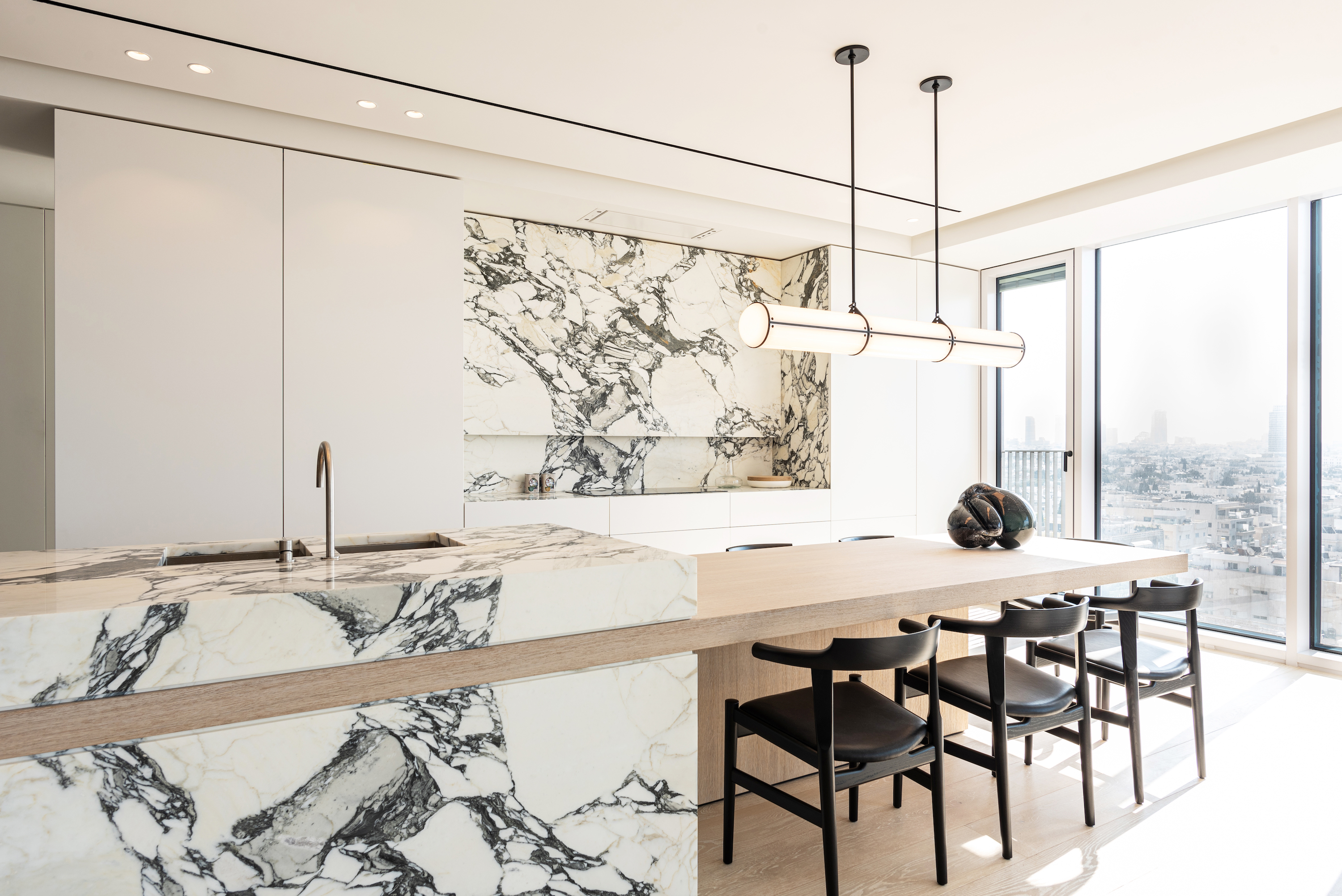
Two-tier kitchen islands are emerging as a significant trend in kitchen design, offering a versatile and aesthetically pleasing solution for modern homes. These split-level islands effectively combine multiple functions into a single unit, addressing both practical and social needs within the kitchen space. The primary benefit of a two-tier island lies in its ability to separate functional zones, typically distinguishing a lower work surface from a raised breakfast bar or serving area. This demarcation creates a clear division between meal preparation and dining, allowing for a more organized and efficient kitchen. While the lower level can be dedicated to chopping, mixing, and other cooking tasks, the elevated section provides a comfortable and inviting space for family and guests to gather without interfering with the chef’s workflow.
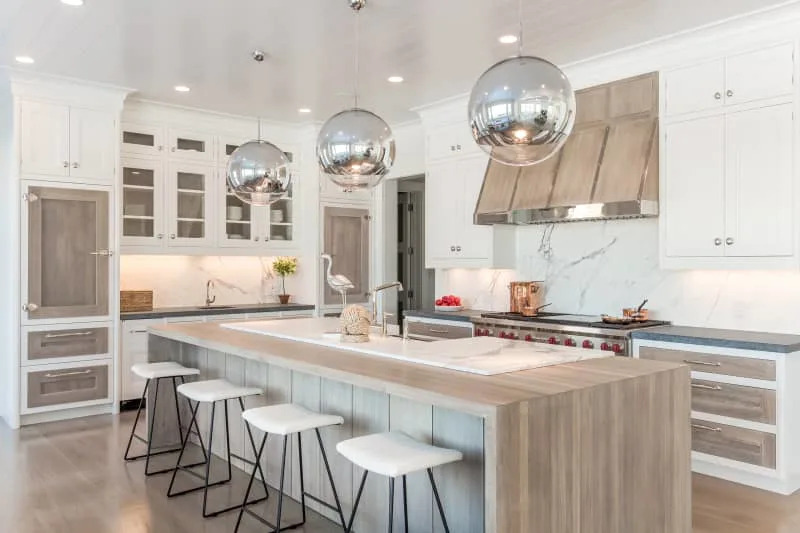
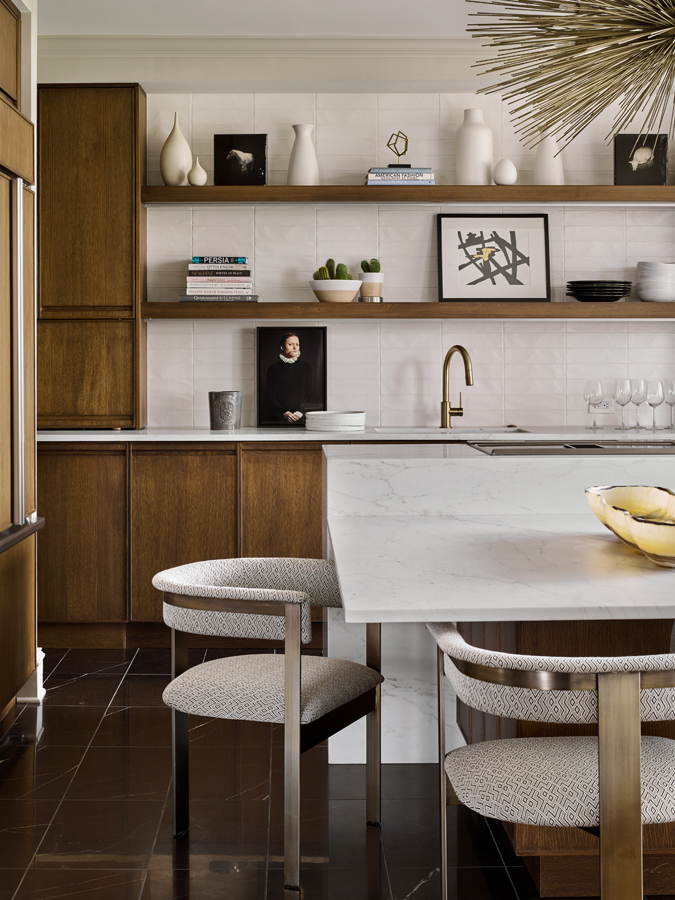
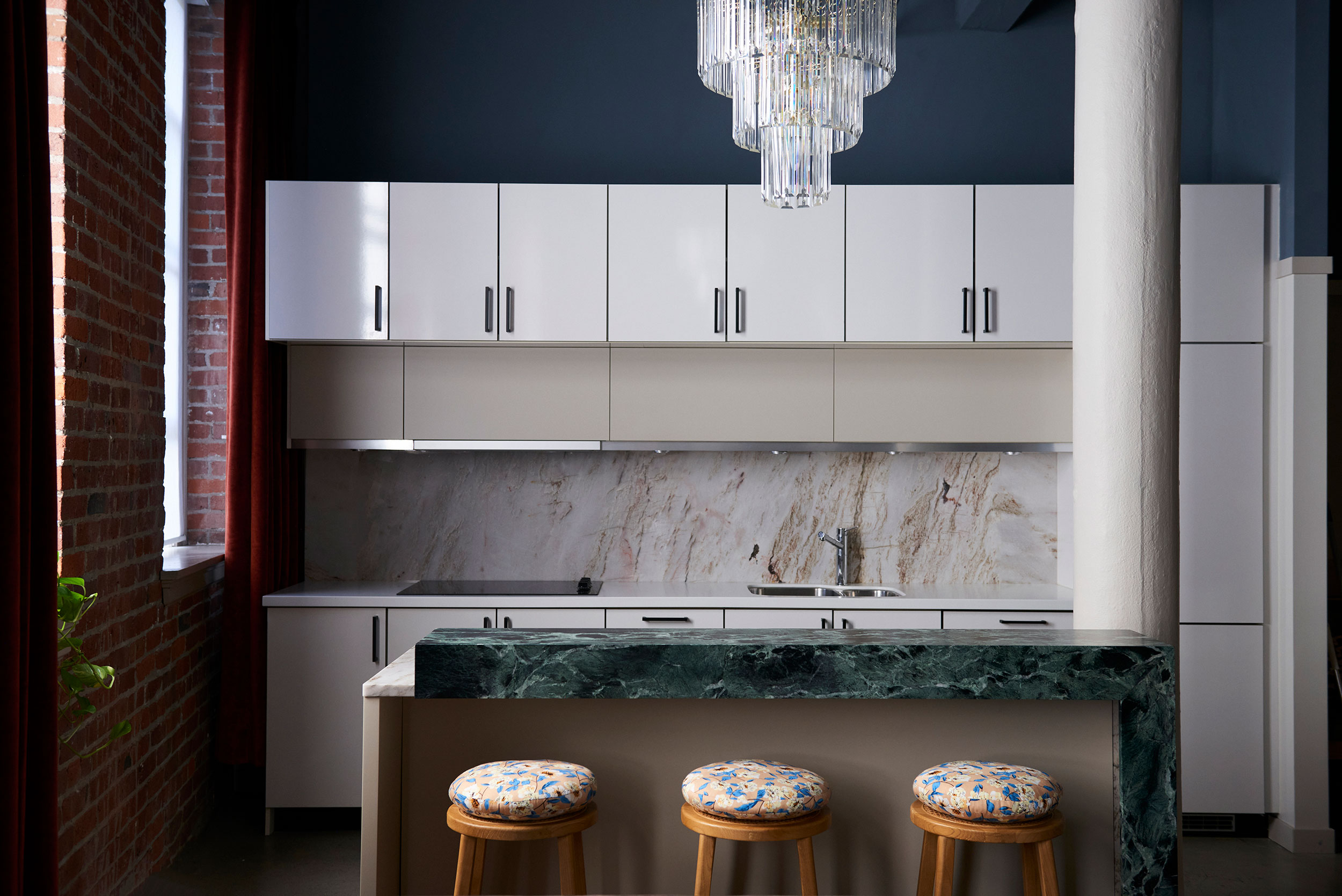
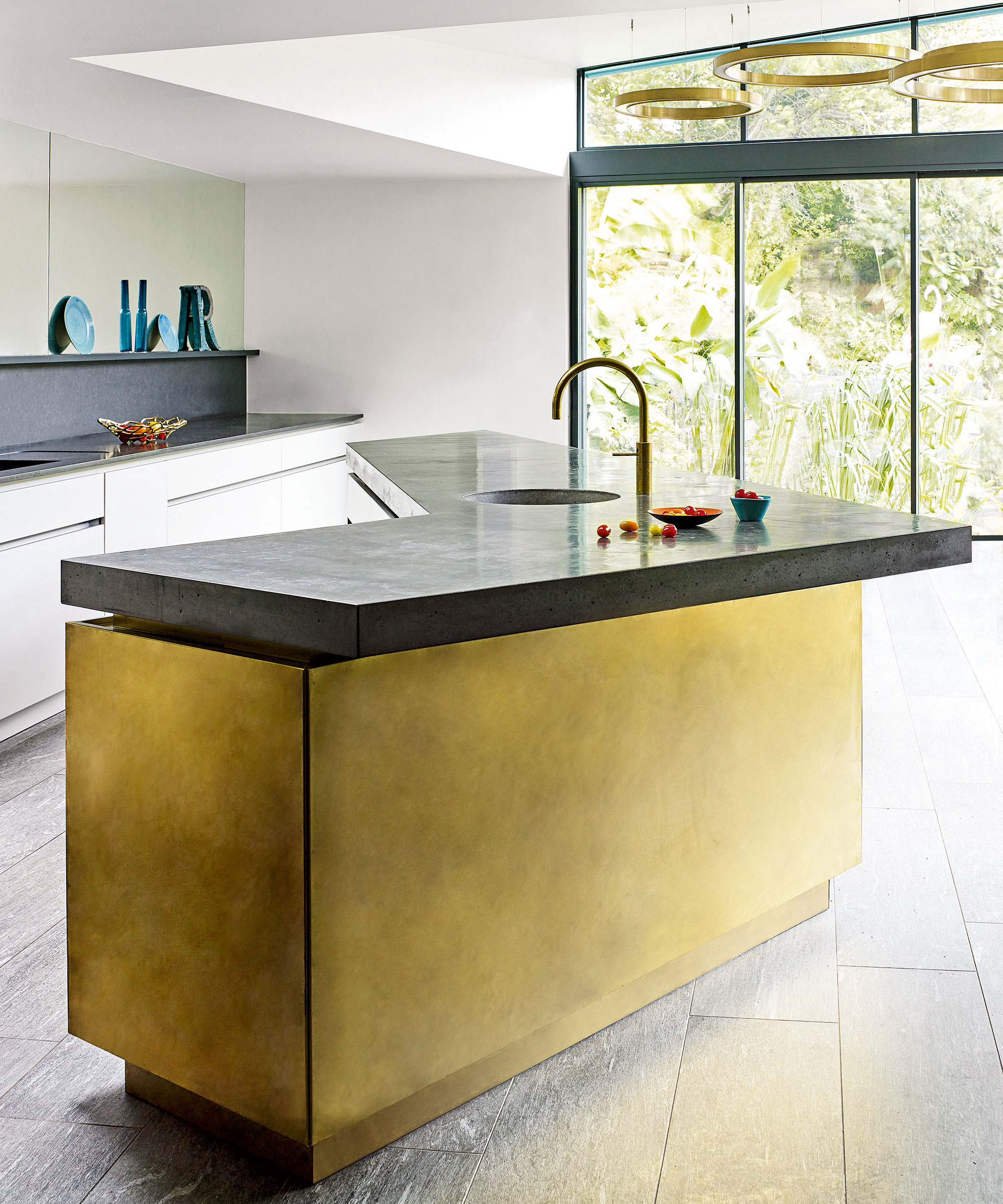
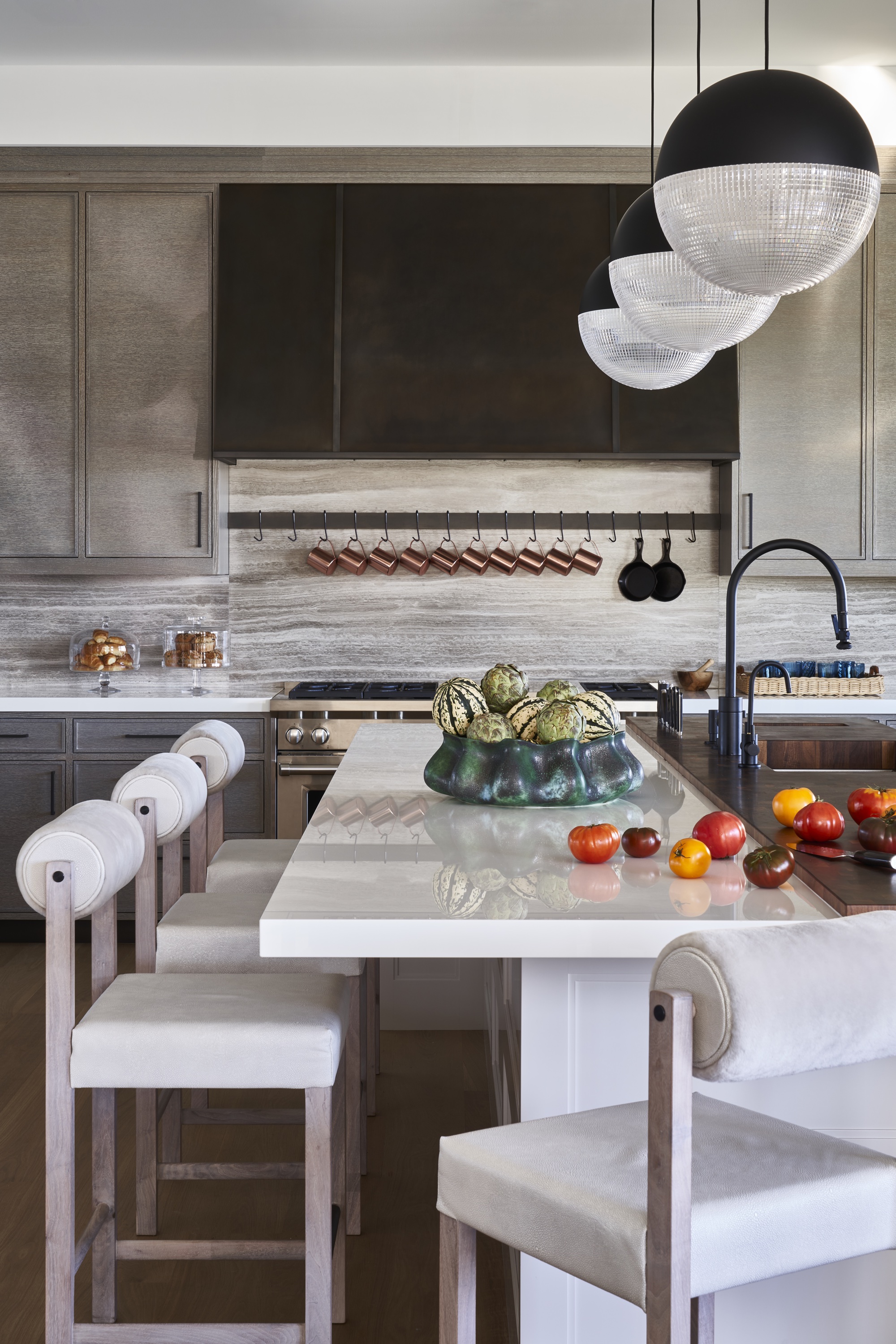
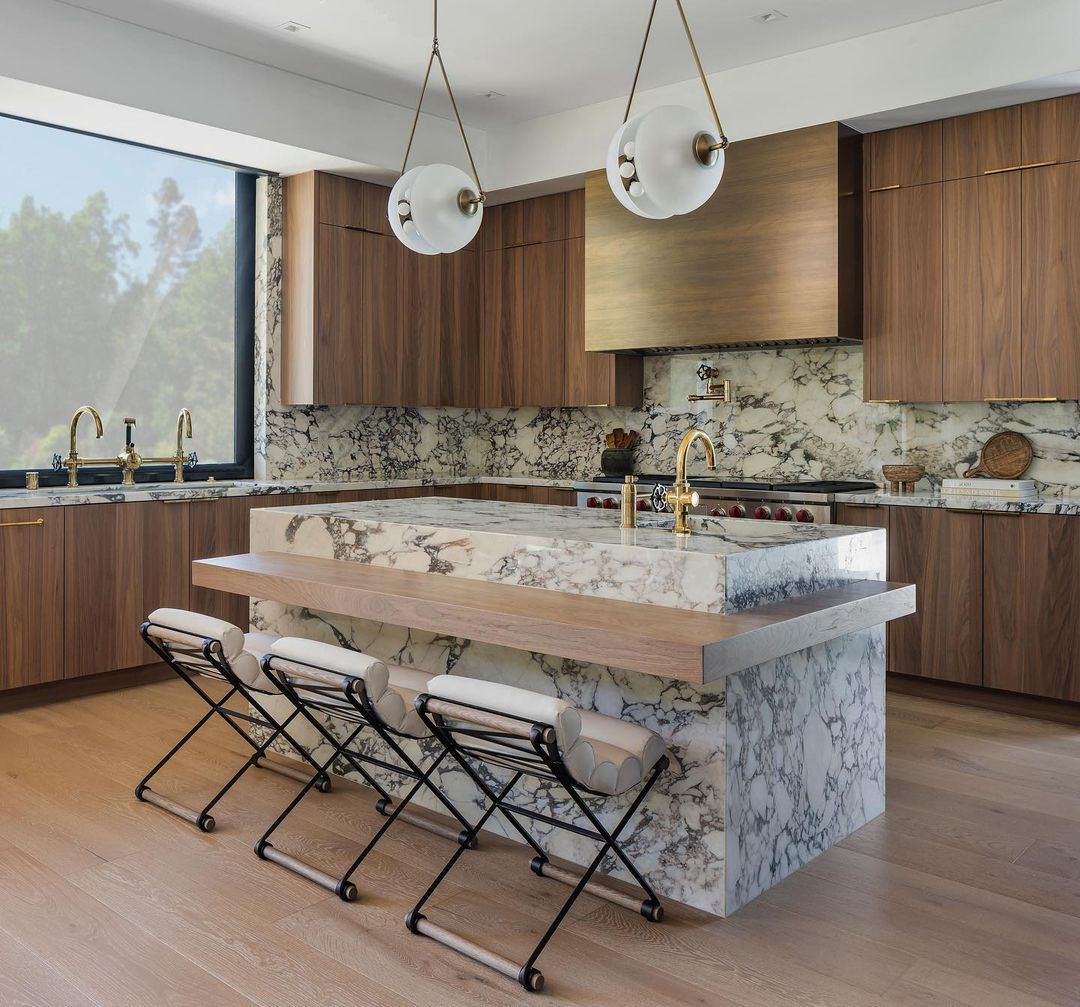
From a design perspective, two-tier islands offer extensive customization options. They can be integrated into various kitchen styles, from contemporary to traditional, by adapting materials, finishes, and colors. The height difference in the tiers can be subtle or pronounced, depending on the desired aesthetic and functionality. For instance, a taller upper tier can effectively conceal clutter on the main work surface, maintaining a neat appearance in an open-plan living area. Conversely, a slightly raised bar can foster a more interactive environment, encouraging conversation between those cooking and those relaxing. The choice of materials, such as a granite countertop for the lower tier and a contrasting wood or quartz for the upper, can further enhance the visual appeal and define the different zones.
Beyond aesthetics, the ergonomic advantages of two-tier islands are noteworthy. The varying heights can cater to different activities and users. A standard counter height for the lower tier is ideal for food preparation, while a higher bar stool-friendly tier is perfect for casual dining, remote work, or entertaining. This multi-level approach reduces strain from prolonged standing or bending, making the kitchen more comfortable and accessible for everyone. Additionally, these islands can incorporate a range of hidden features, such as integrated charging stations for electronic devices, pop-up power outlets, and built-in storage solutions like shelving or drawers, further maximizing their utility.
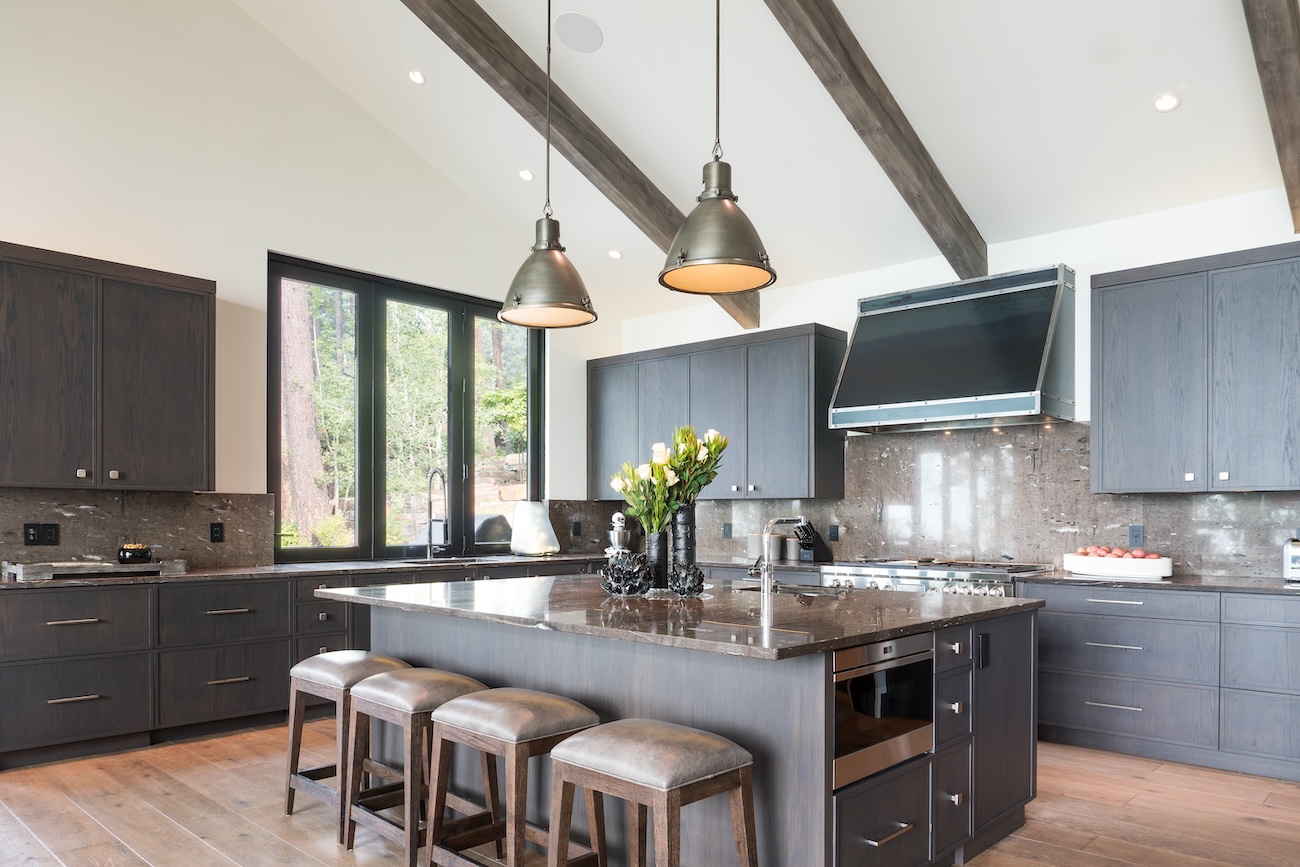
The increased surface area provided by a two-tier island is another significant advantage. The dual levels offer ample room for meal prep, serving, dining, and even as a dedicated workspace. This expanded capacity is particularly beneficial in busy households or for those who frequently entertain. The division of space can also help manage kitchen traffic, directing guests to the higher, less active zone while keeping the cooking area clear. Furthermore, the design inherently provides additional storage opportunities underneath both tiers, which can be customized with cabinets, open shelving, or wine racks, addressing common kitchen storage challenges.
Investing in a two-tier kitchen island is seen by designers as a forward-thinking choice due to its adaptability and enduring appeal. The trend toward multi-functional and open-concept living spaces makes these islands highly relevant, as they seamlessly blend different aspects of daily life—cooking, eating, socializing, and working—into a cohesive and stylish unit. Their ability to cater to diverse needs and preferences, combined with their strong visual impact, positions them as a valuable and practical addition to any modern kitchen, enhancing both functionality and home value.
#KitchenDesign #HomeInterior #KitchenIslands #TwoTierDesign #FunctionalKitchen #ModernLiving #HomeImprovement #ErgonomicDesign #CustomKitchen #KitchenDesign #HomeInterior #KitchenIslands #TwoTierDesign #FunctionalKitchen #ModernLiving #HomeImprovement #ErgonomicDesign #CustomKitchen
共0条评论
 暂无评论
暂无评论你可能还喜欢
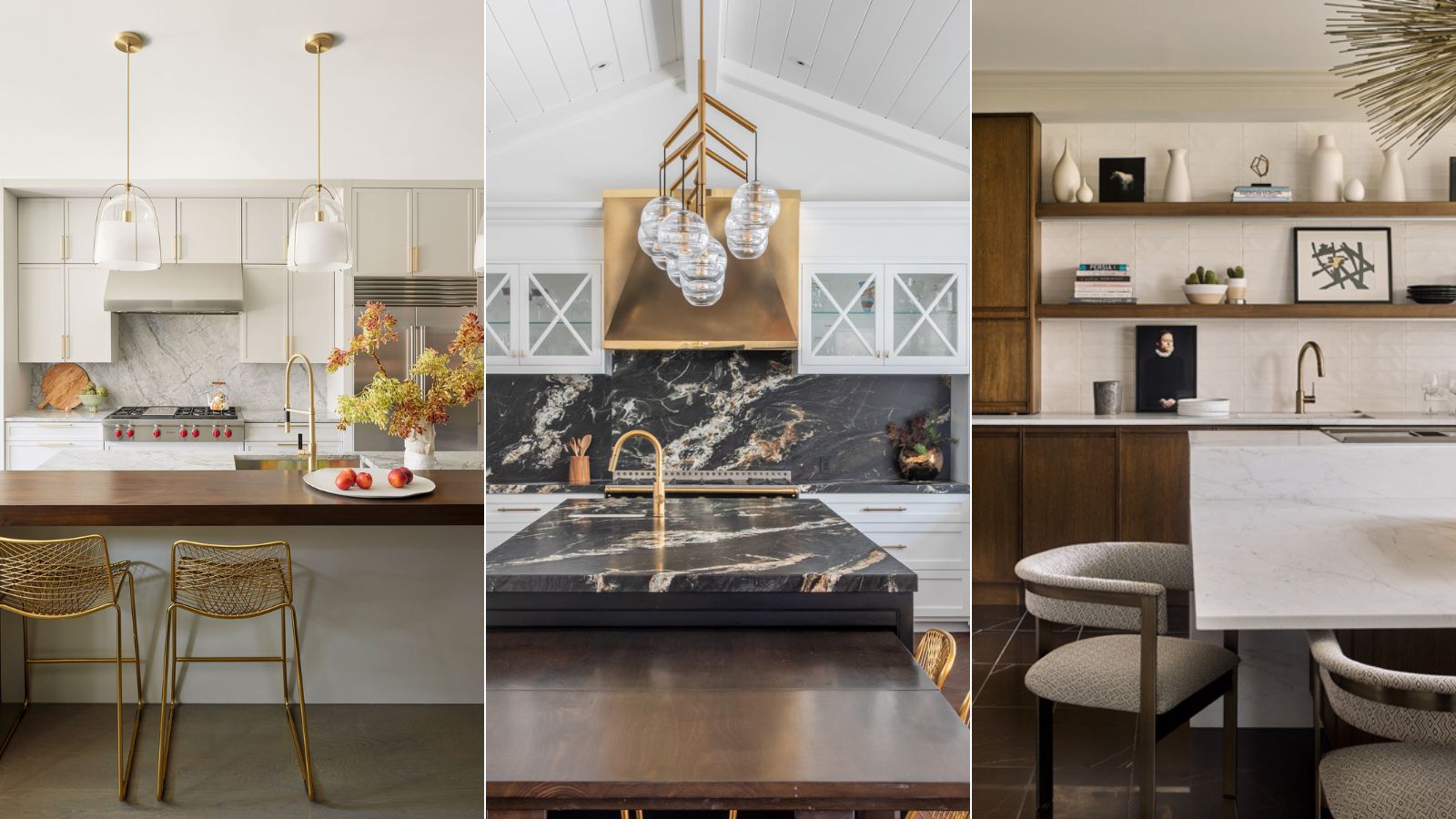
Two-tier kitchen islands are the future – 9 reasons why designers want you to invest now

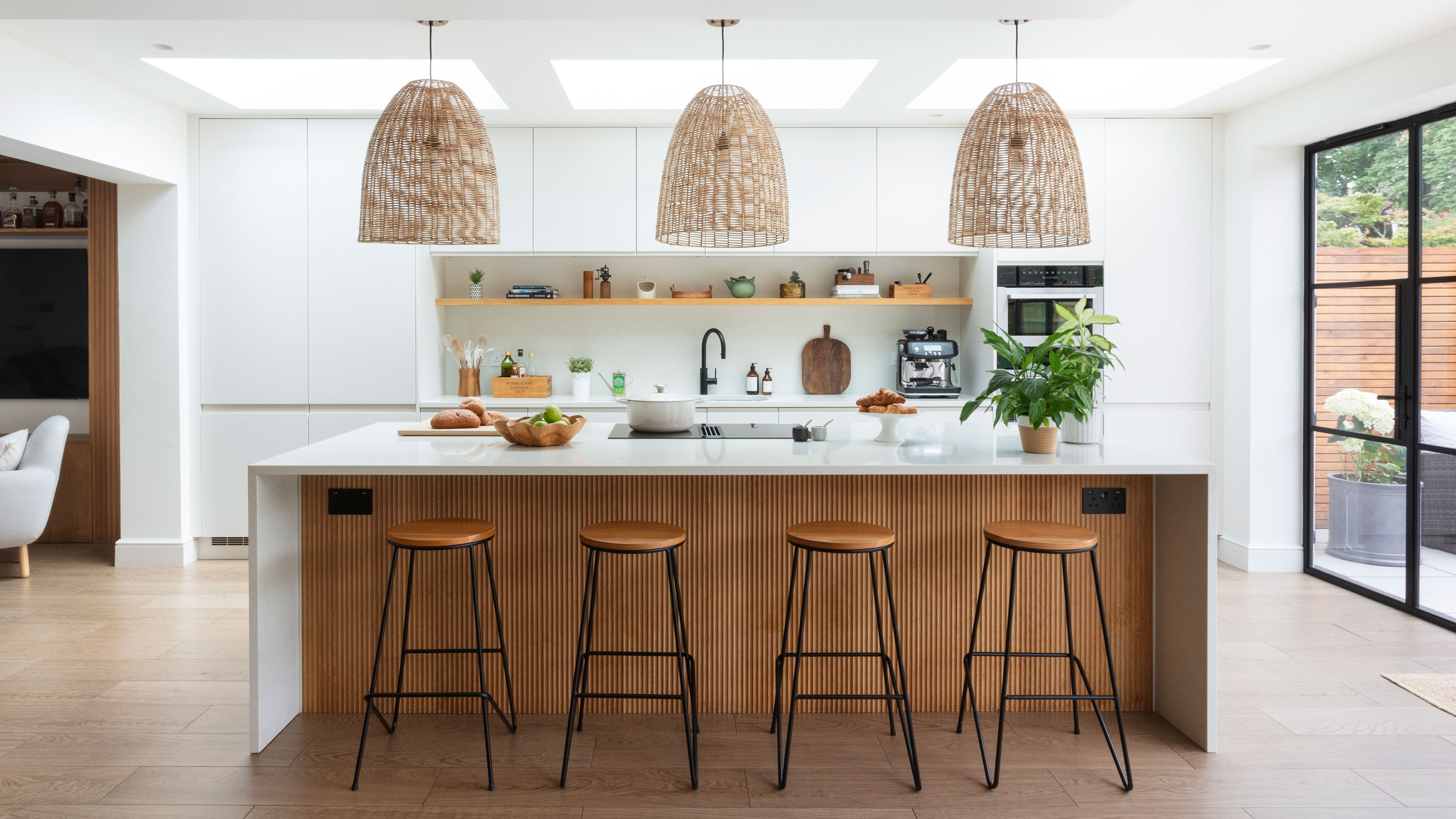
The kitchen island trends dominating 2025 - the liveable looks we predict will become new classics
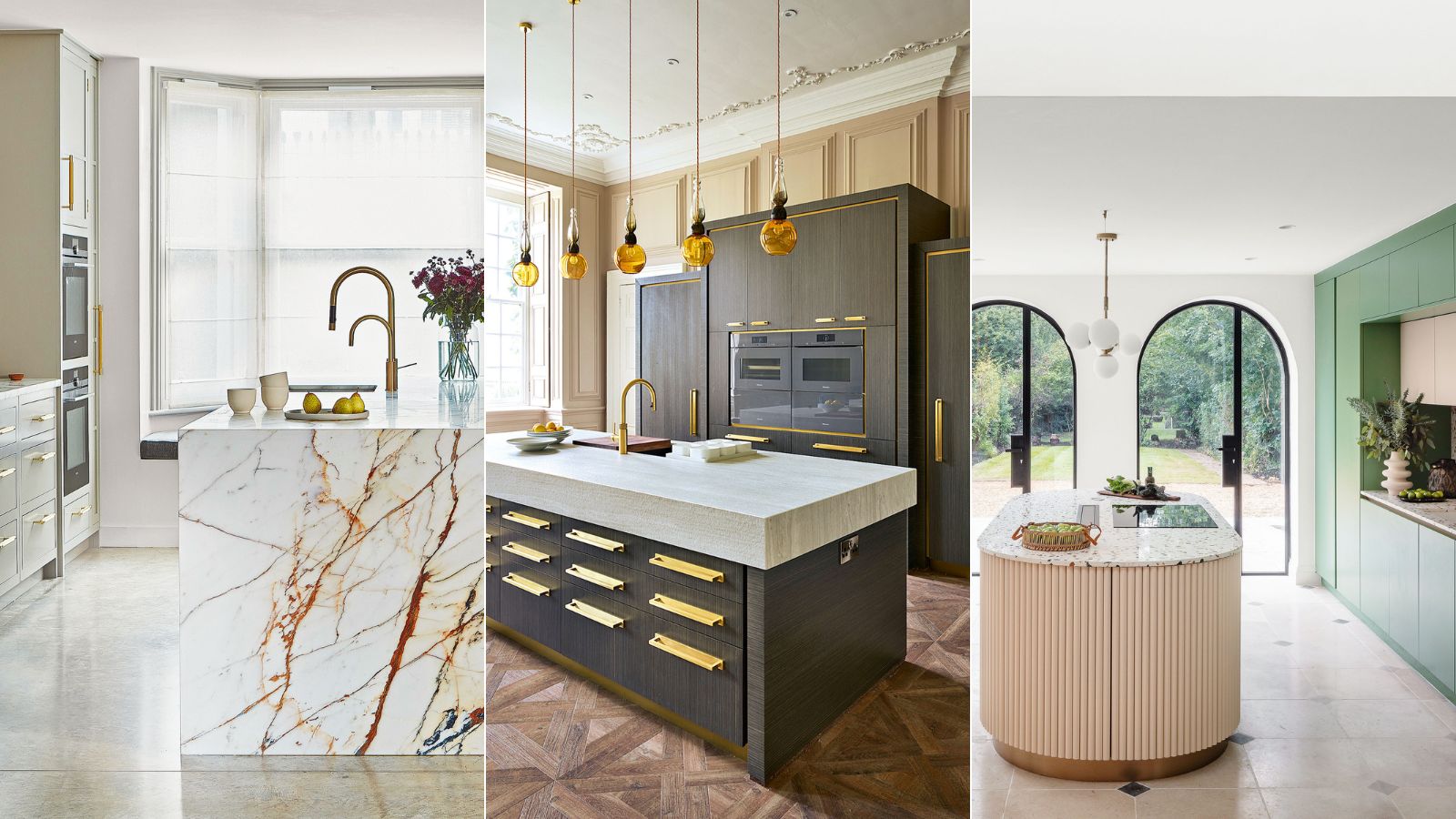
Kitchen island trends 2023 – 9 new looks for your kitchen's focal point that marry style and functionality
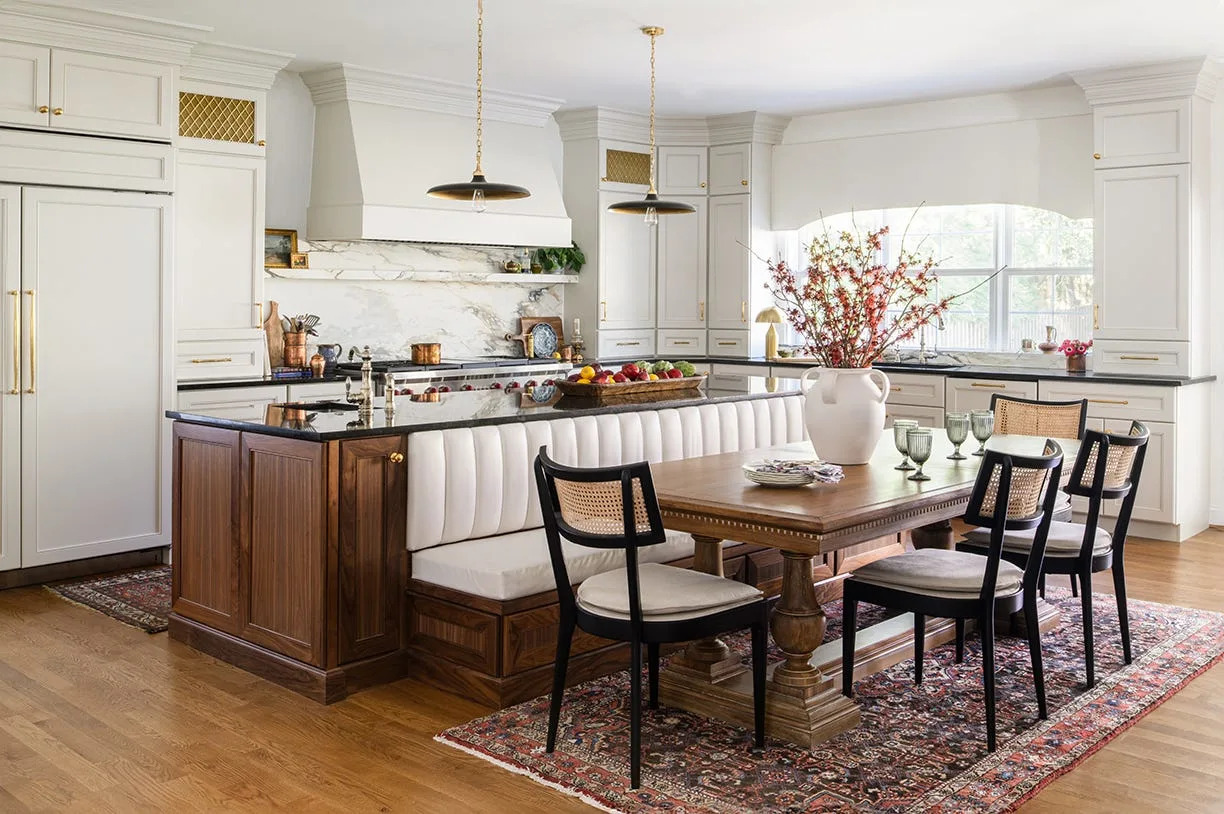
Design Experts Agree: This Kitchen Style Is Making a Major Comeback
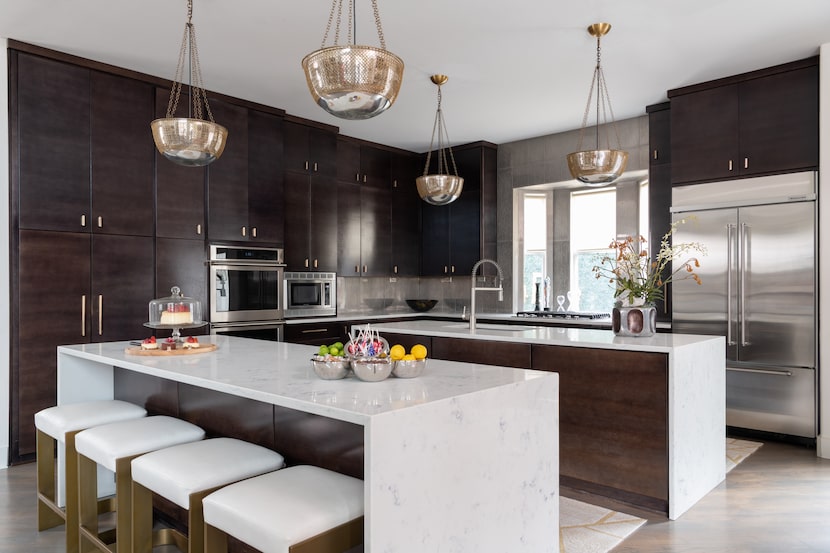
Get a second helping of style and functionality with double kitchen islands

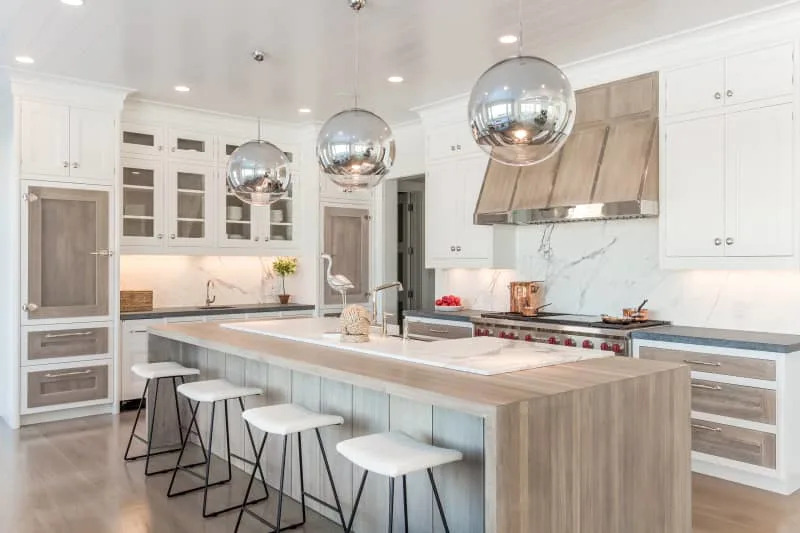
3 Kitchen Island Trends That Interior Designers Love (and 2 to Skip)
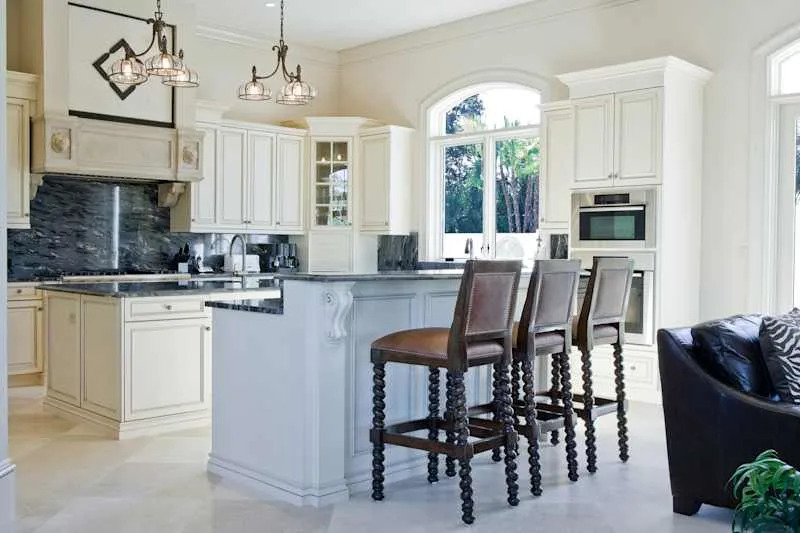
This ’90s Kitchen Island Trend Is Being Replaced with Something Far More Practical

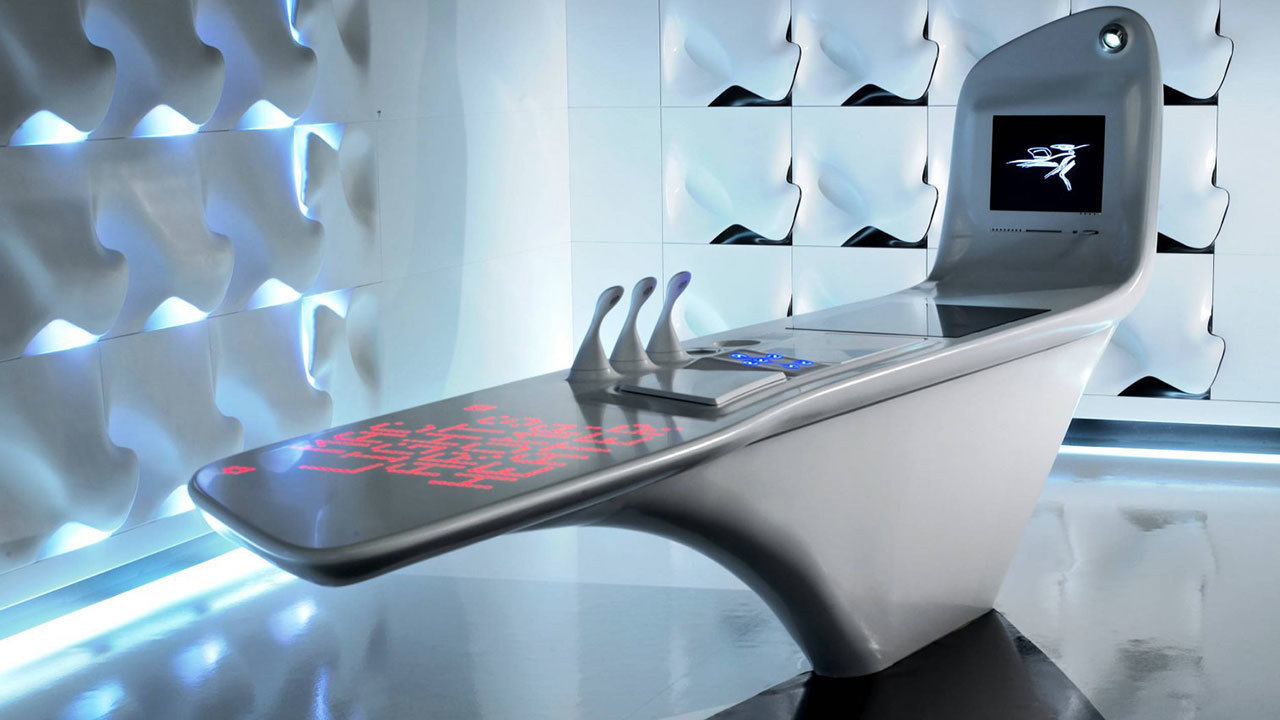
Futuristic Kitchen Islands
Split-level kitchen island ideas – 10 ways to make a practical two-tier design work for you

A Unique Island Feature Is The Star Of This Fixer Upper Kitchen Renovation
4 Hot Kitchen Trends: Mixed Up and Multifunctional
Kitchen Trends 2025: these design ideas merge sleek design and utilitarian attitude

HGTV's Rock The Block Gets Behind A Kitchen Trend Taking Over 2024
10 incredible split-level kitchen islands that prove this design trend is the best way to have it all

Kitchen island trends – 8 shapes, materials and finishes designers are choosing for elevated spaces
What's the best material for split-level kitchen islands? Designers on getting this luxe decor trend exactly right
13 Trending Kitchen Islands That You'll See in All the Coolest Schemes Next Year
One of 2024's Biggest Kitchen Trends Is Herringbone Flooring


Meet the Next Wave of Design Stars Changing the Way We Look at Our Kitchens

5 Kitchen Island Trends That Are on Their Way Out, According to Real Estate Experts