1/10
Split-level kitchen island ideas – 10 ways to make a practical two-tier design work for you
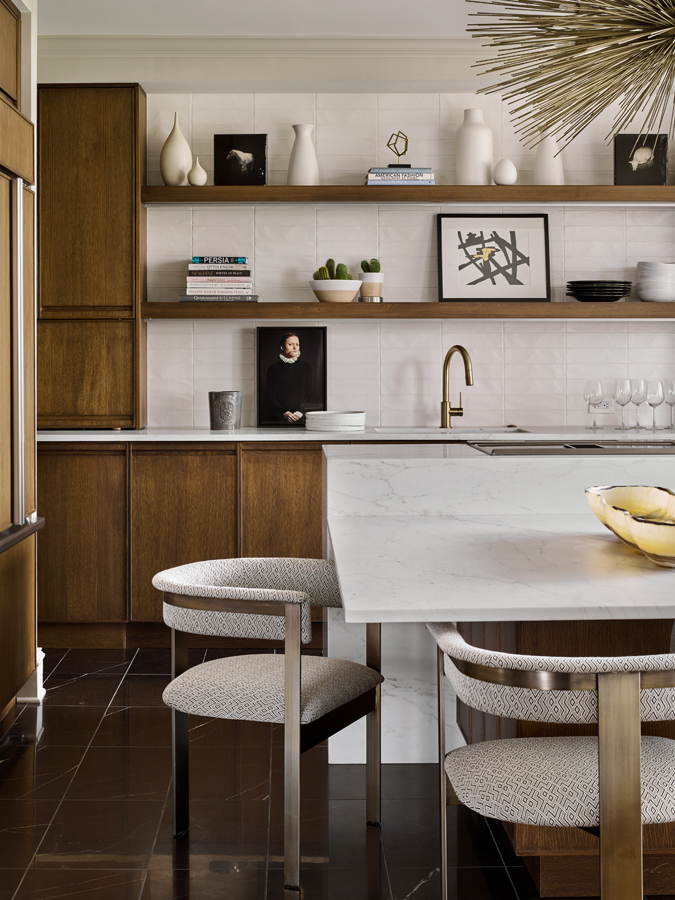
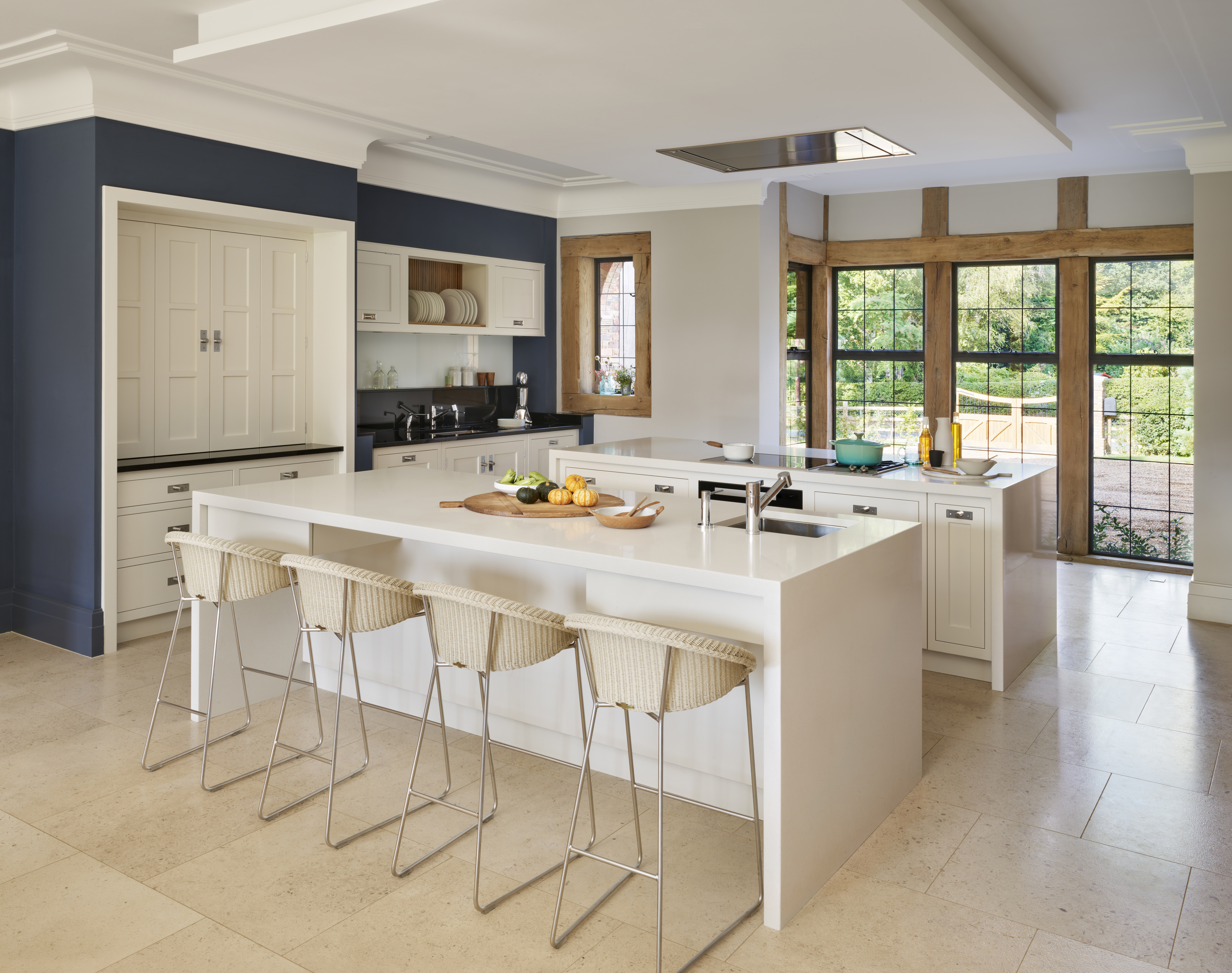
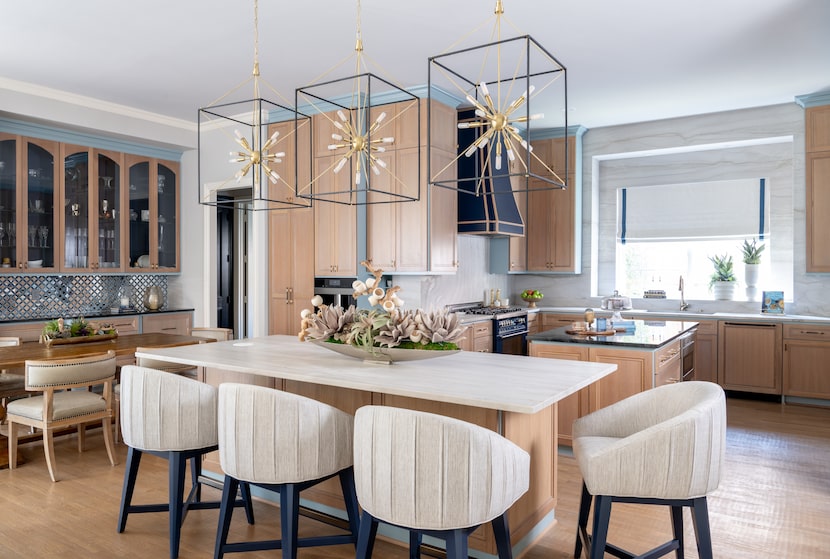
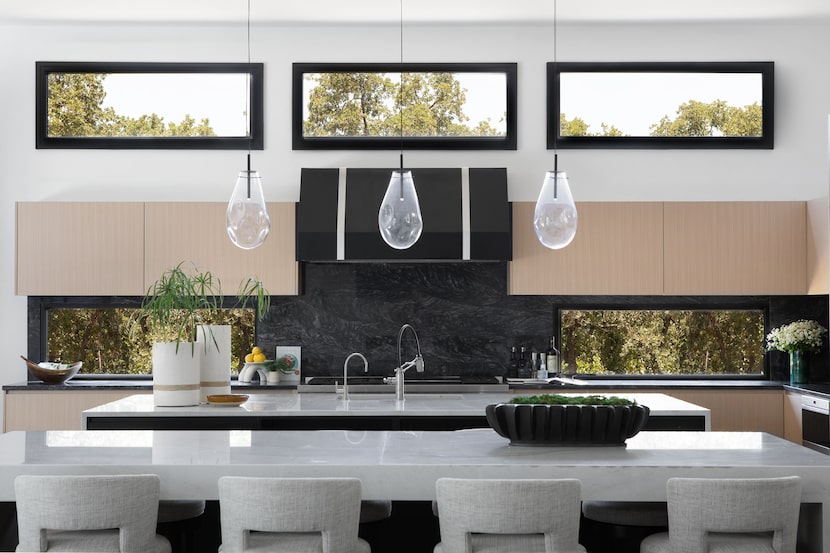
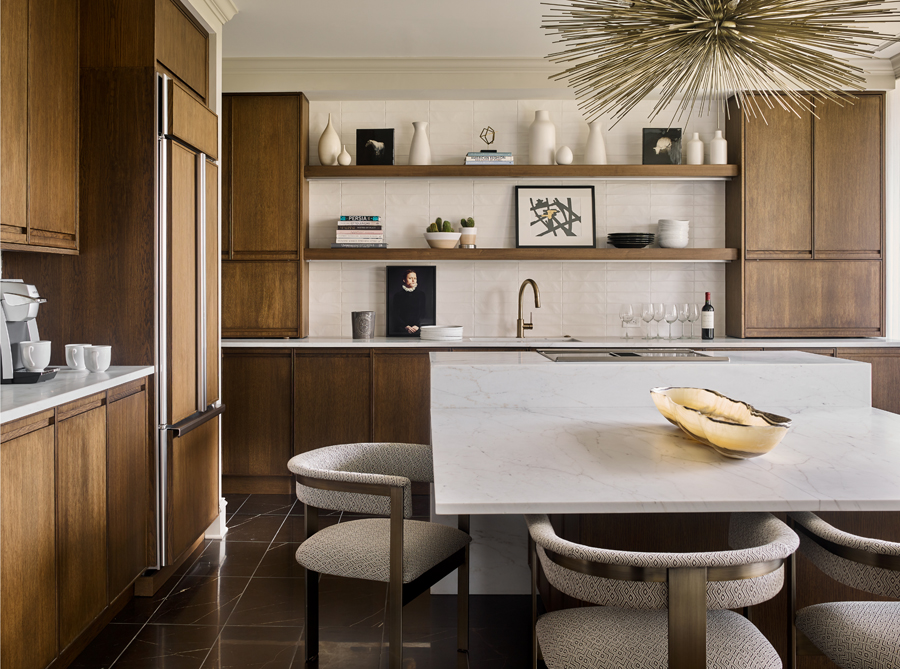
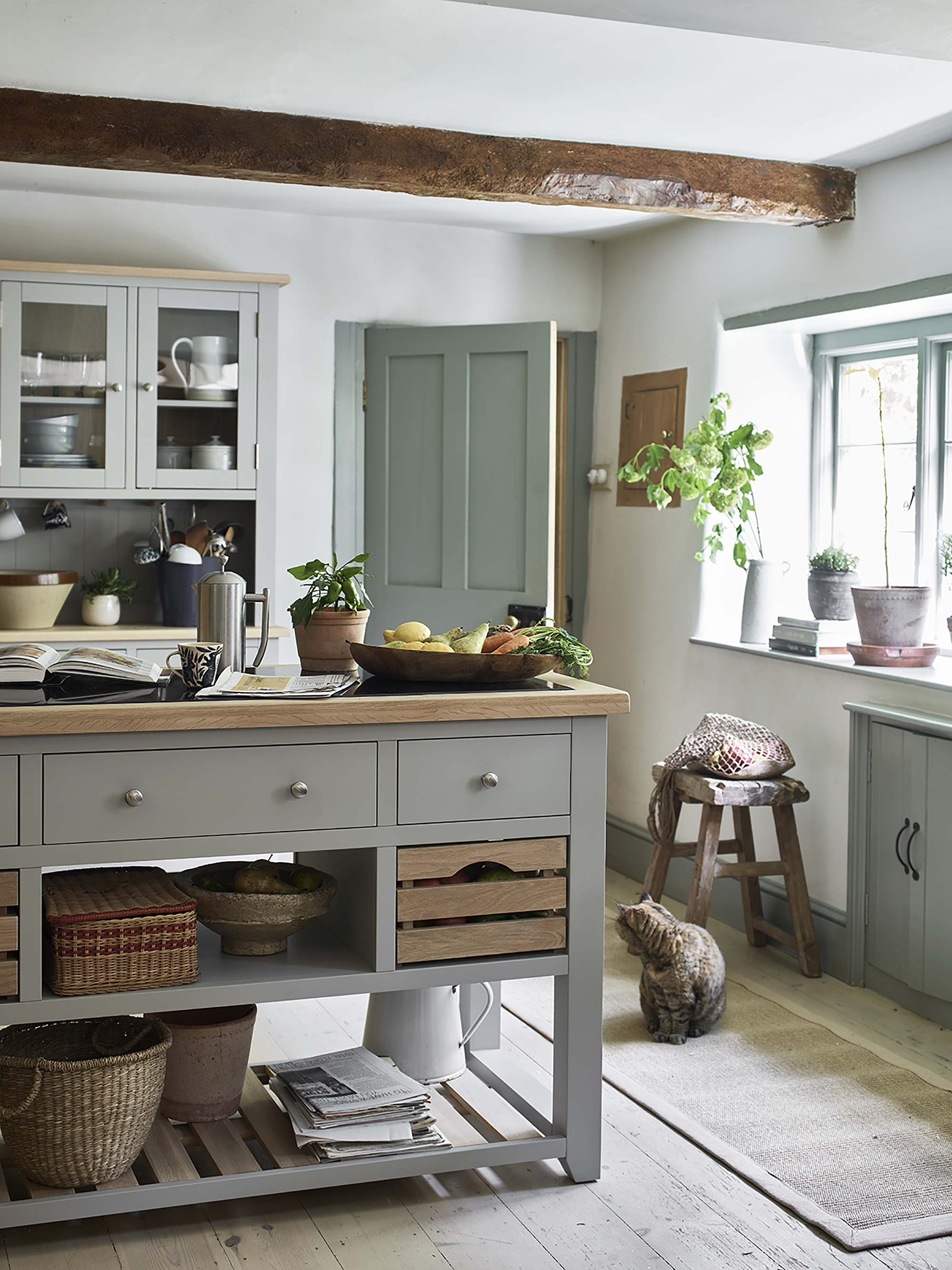
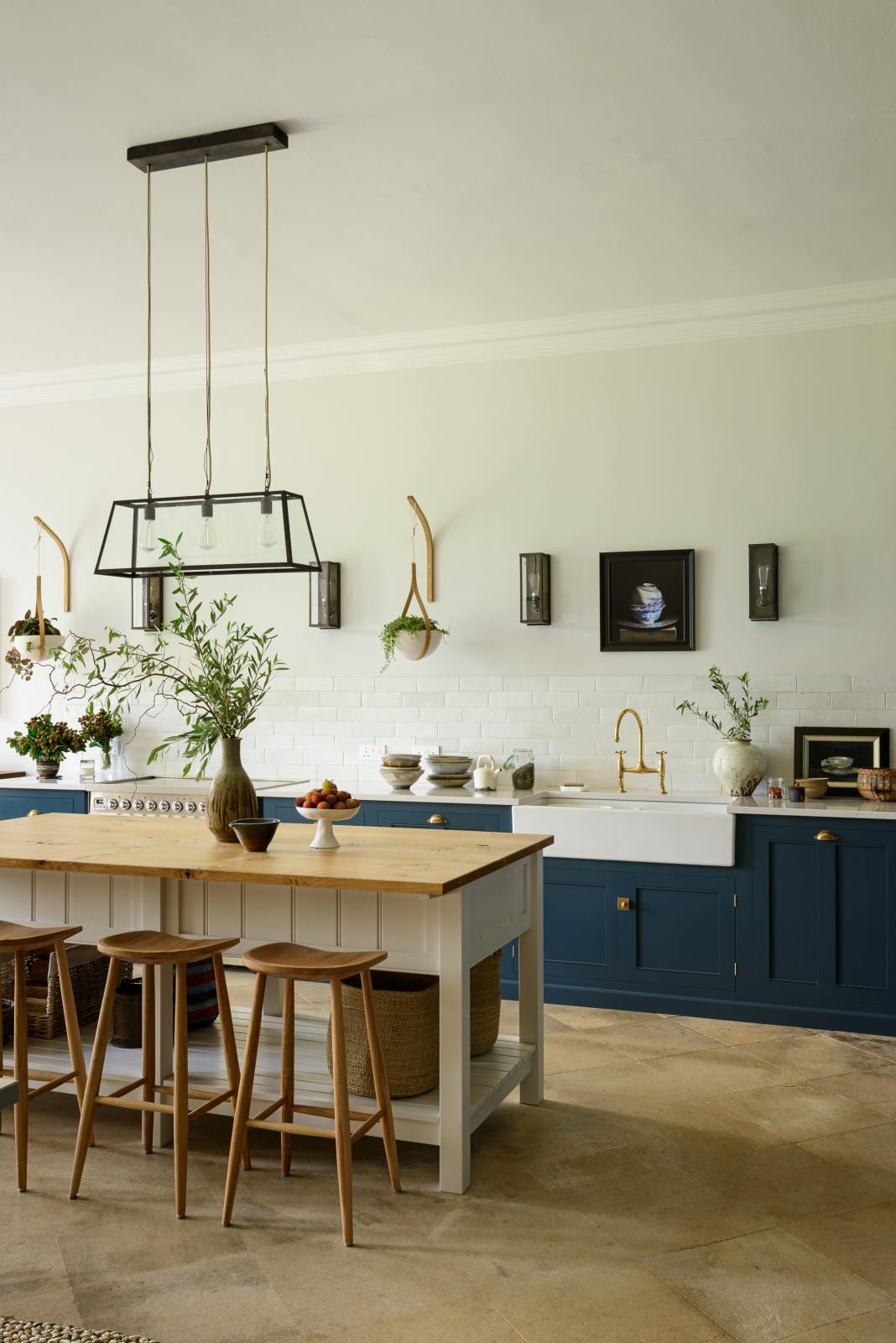
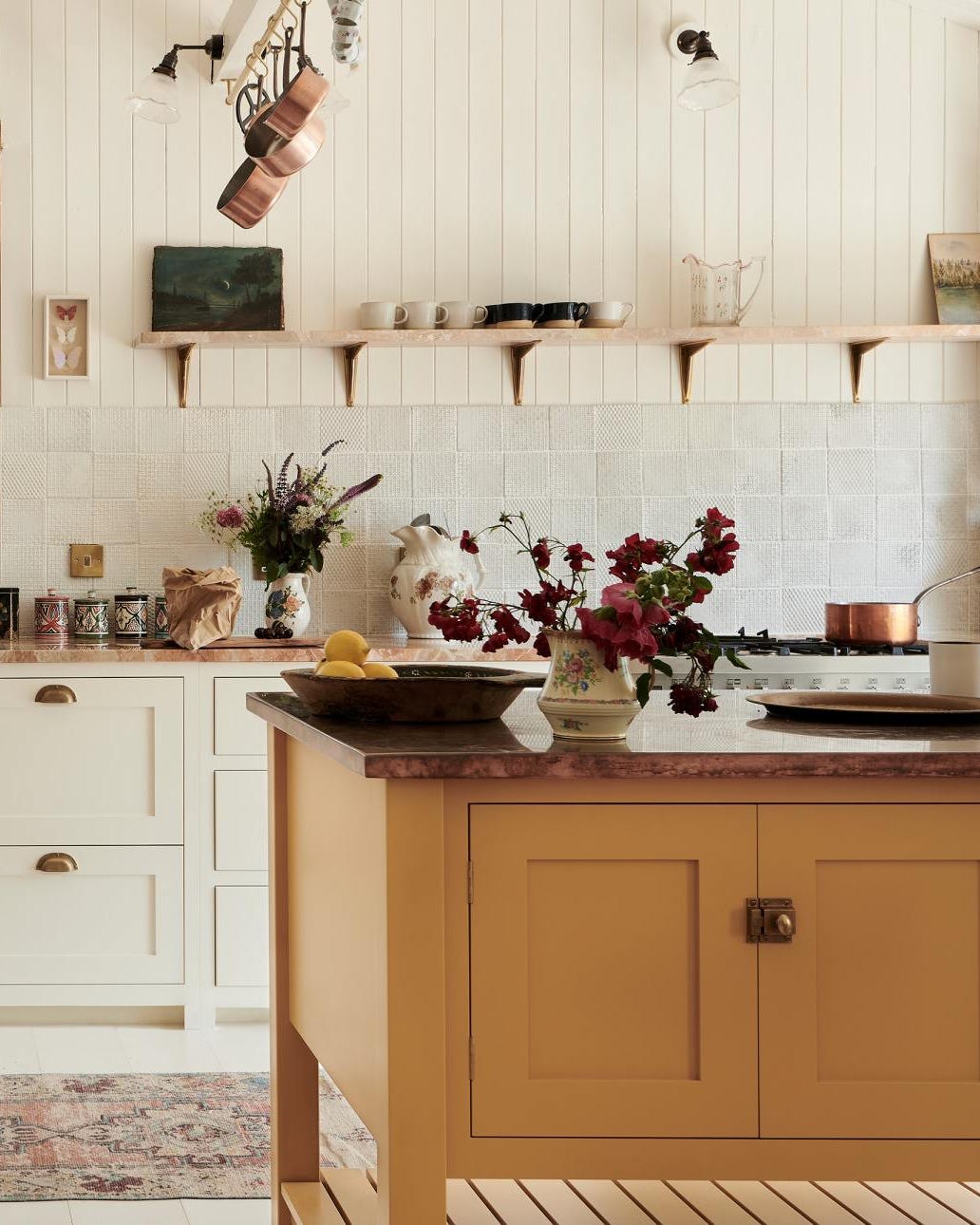
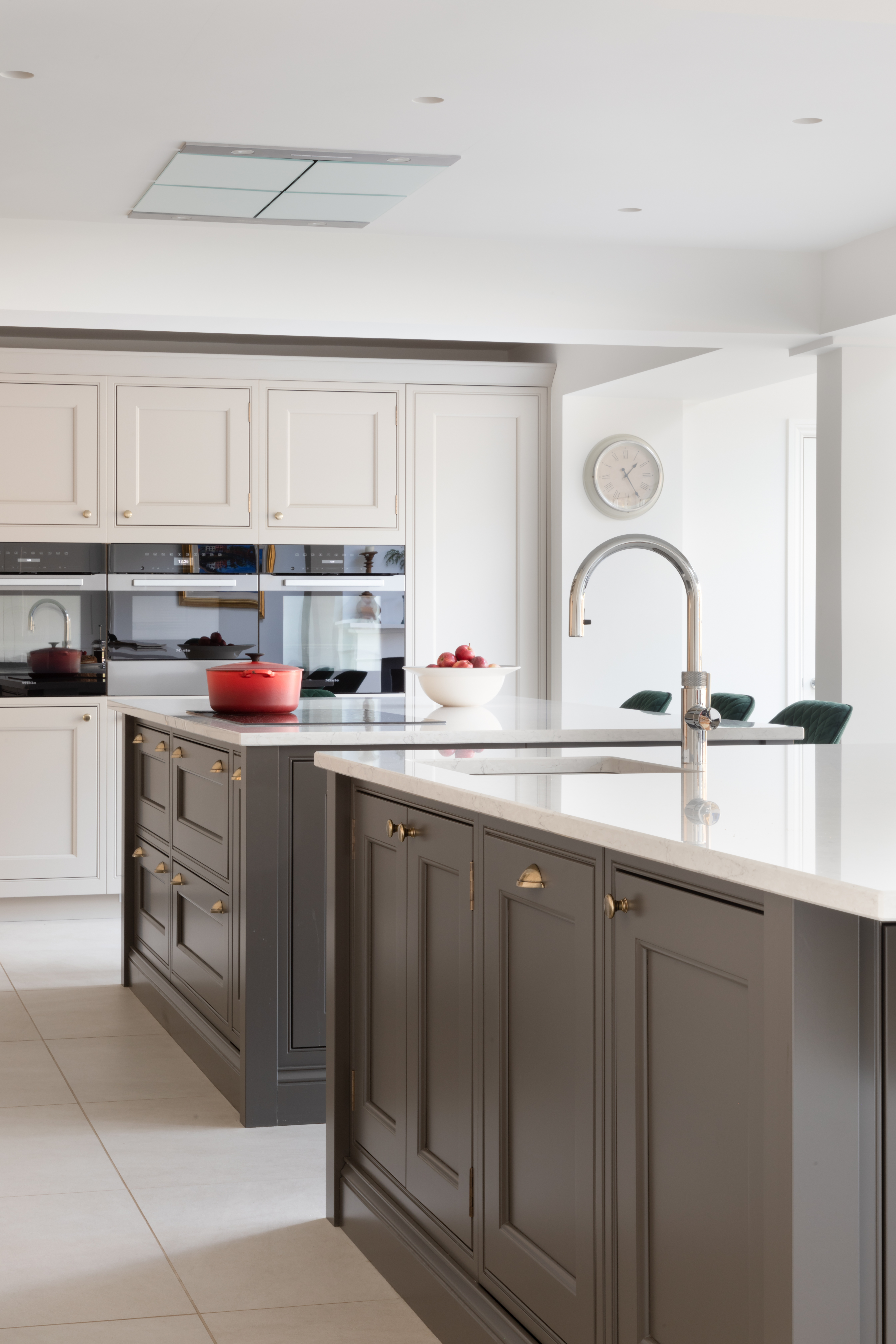
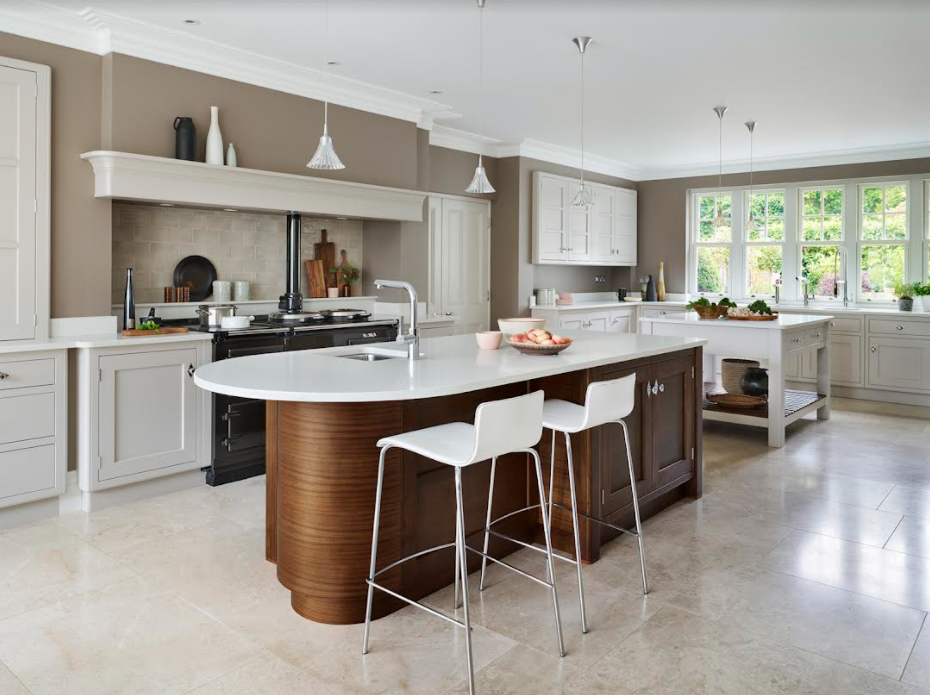
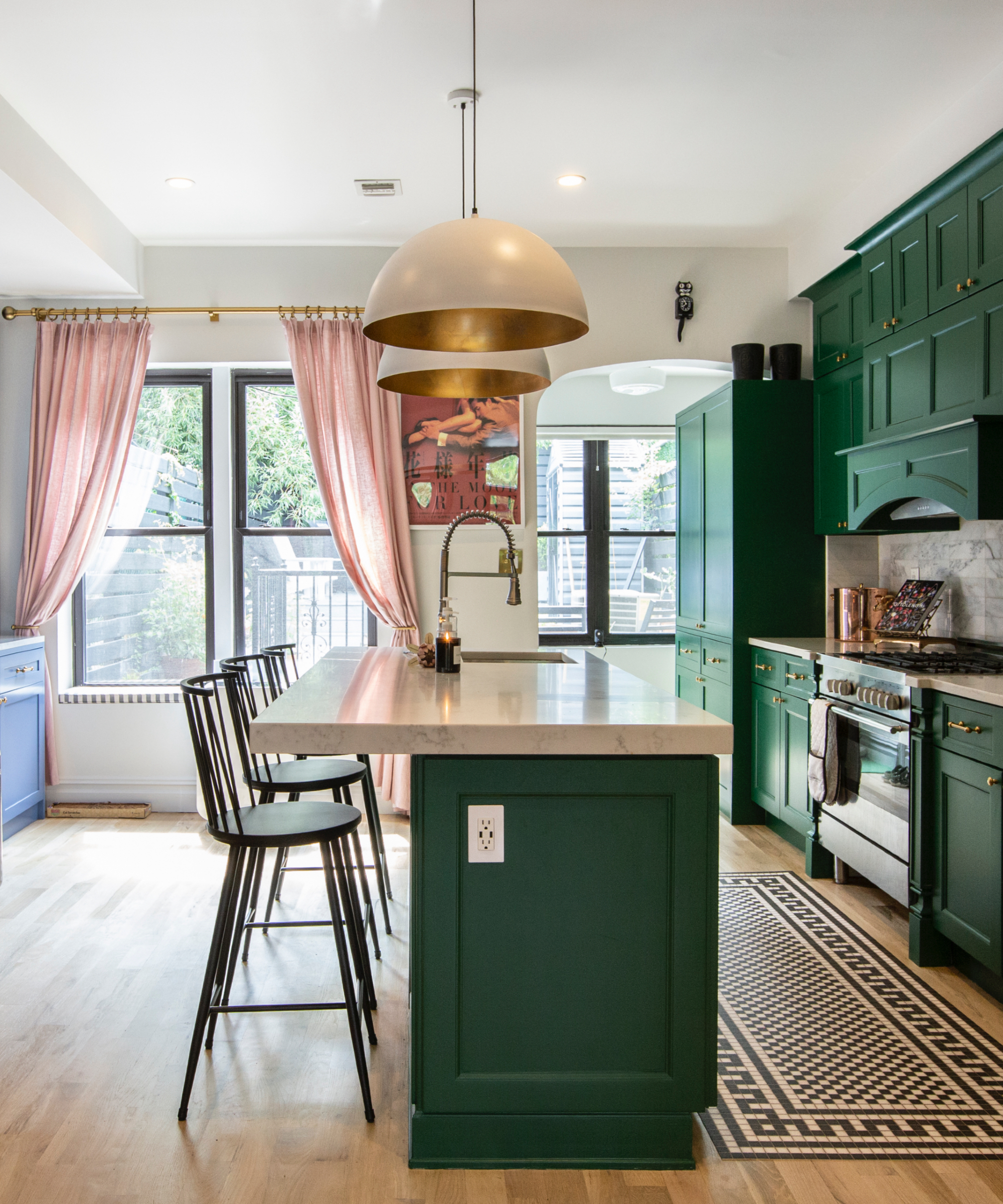
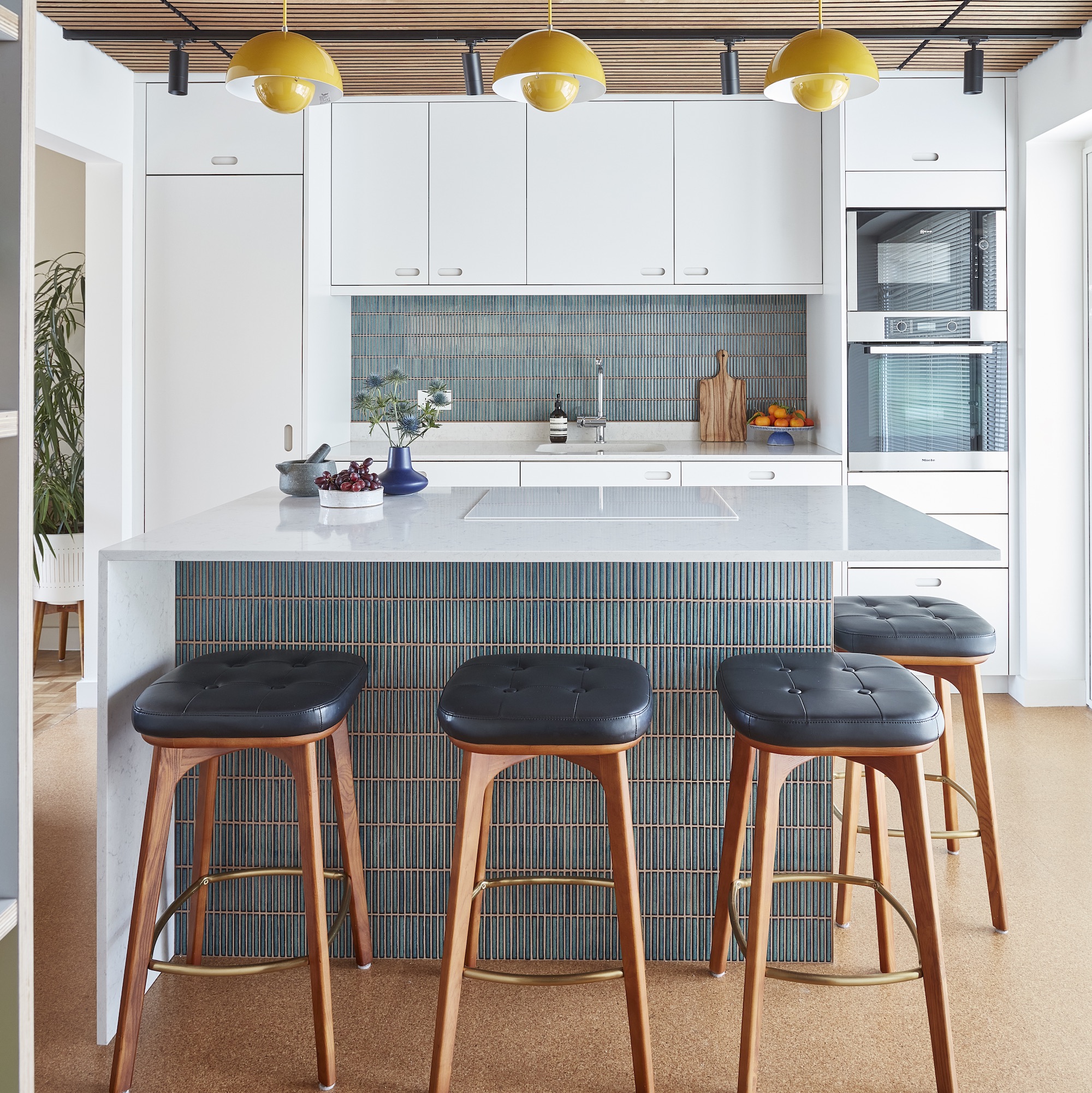
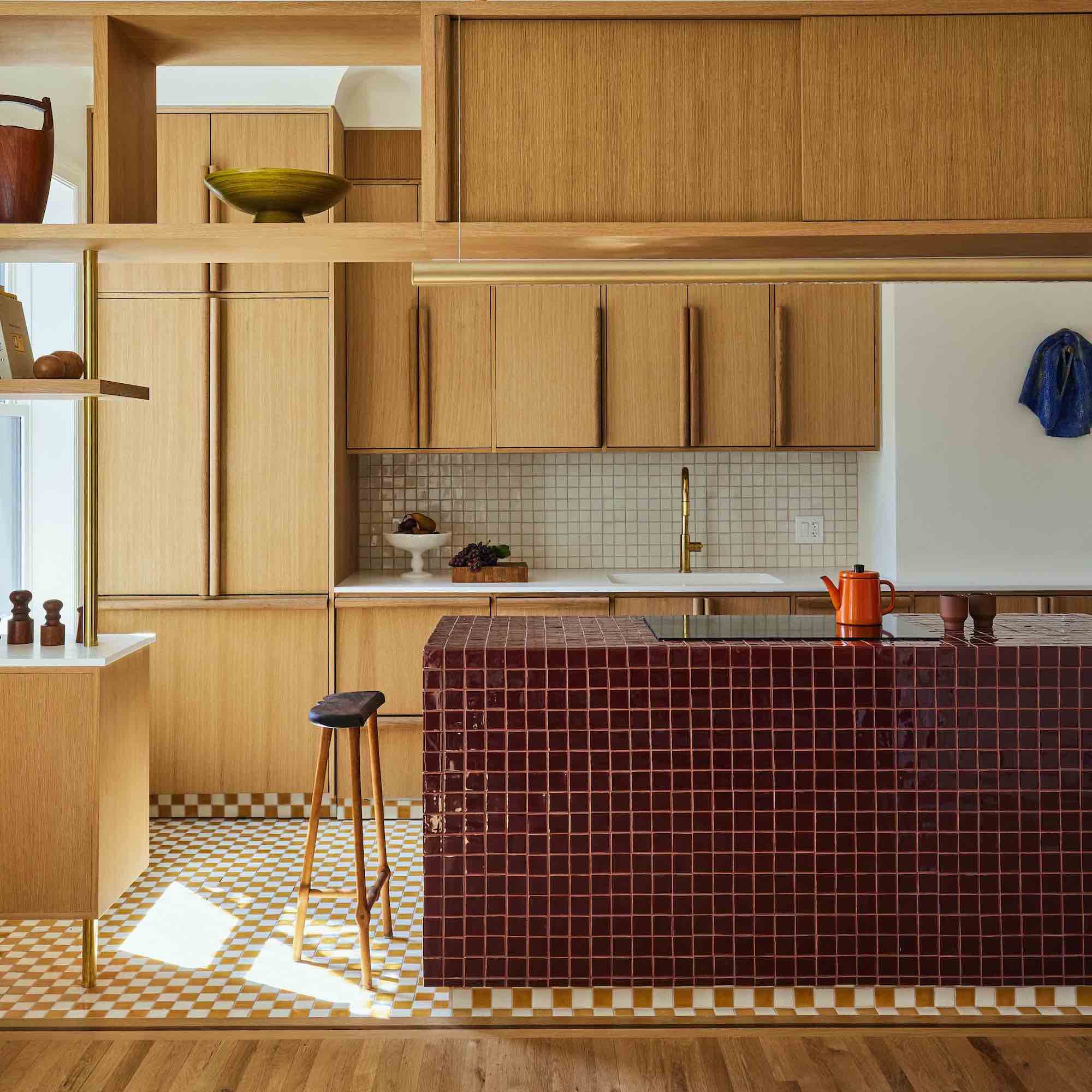
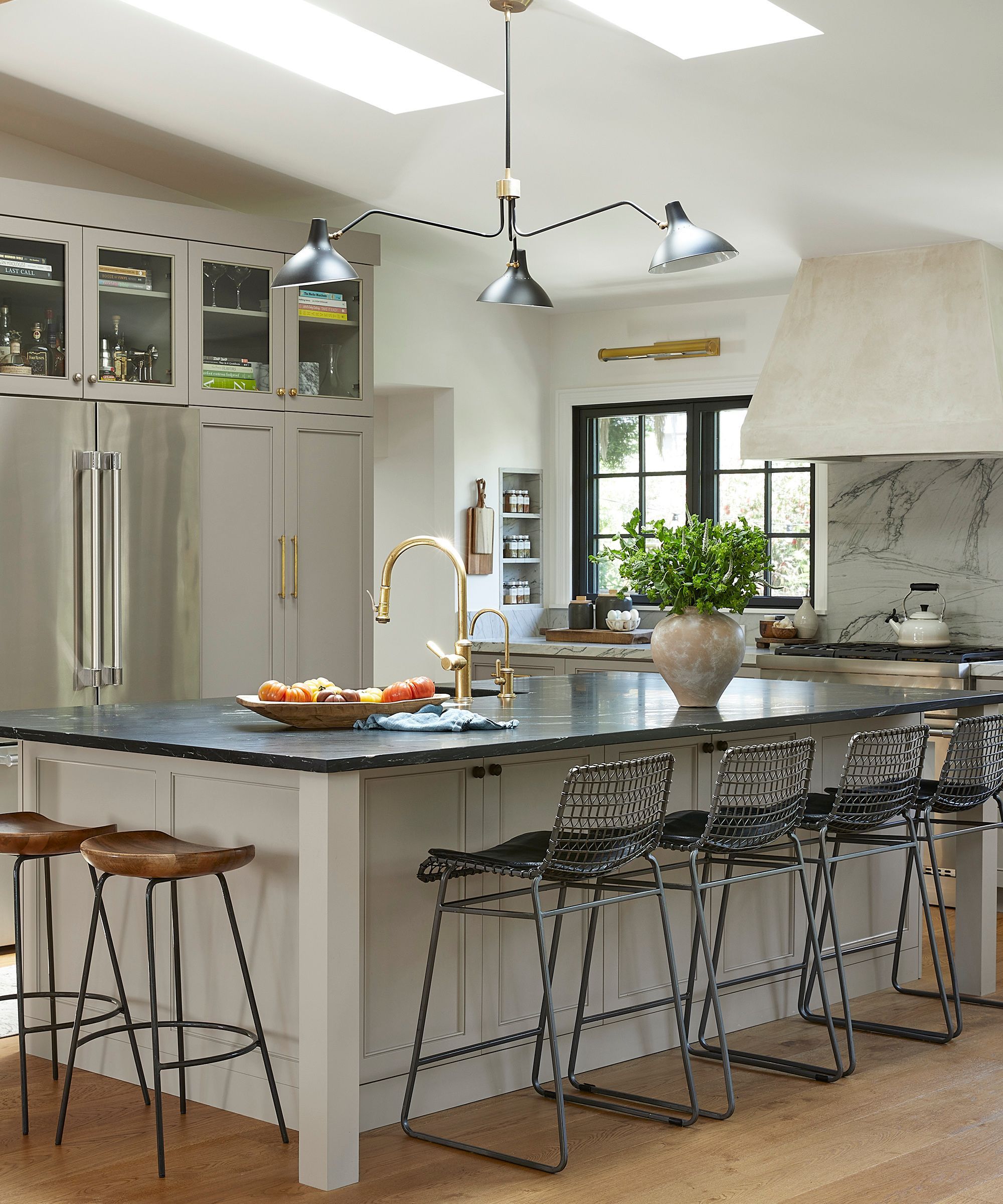
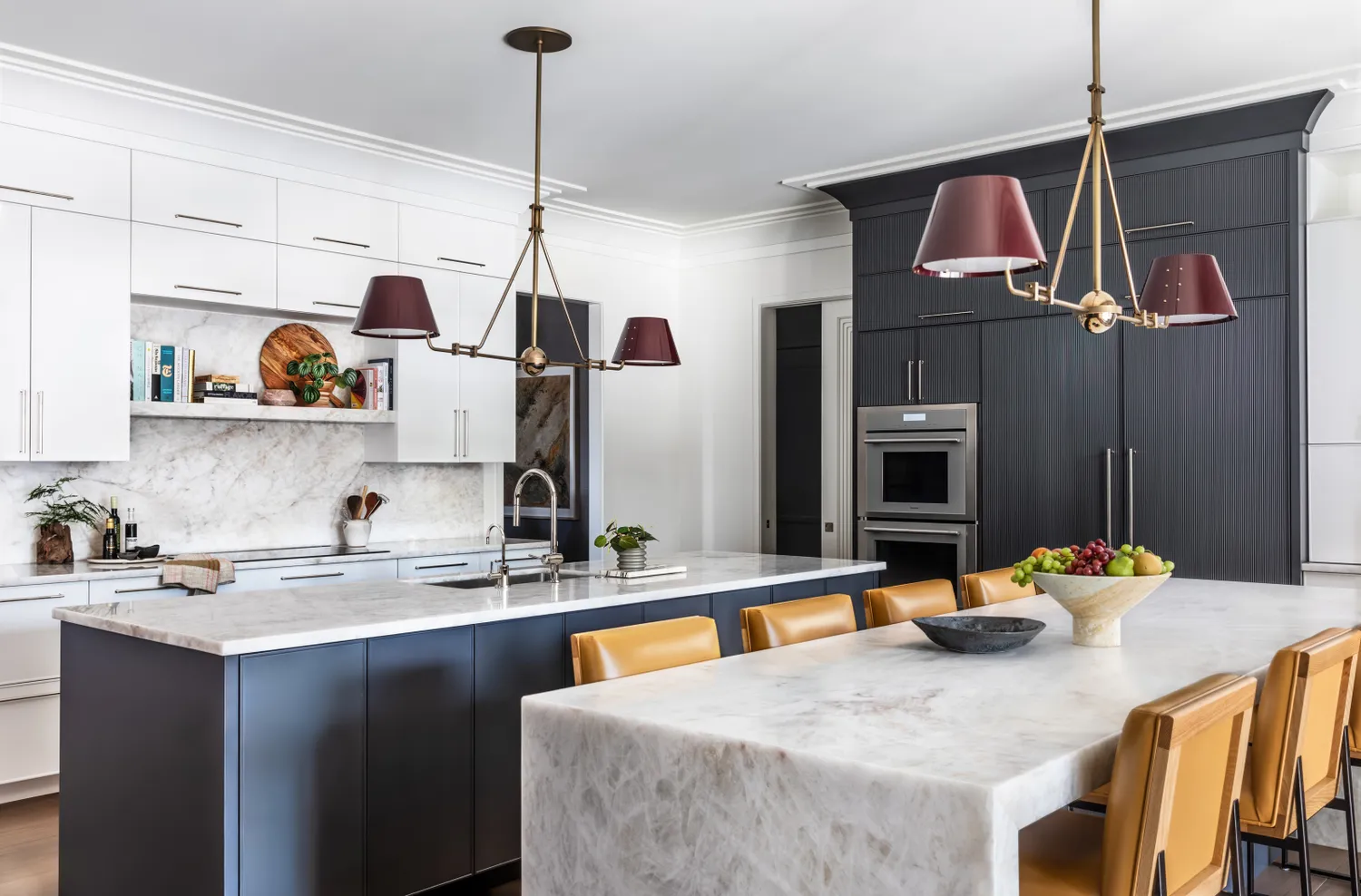
The article explores the concept of split-level kitchen islands, also known as multilevel or tiered islands, presenting them as a versatile and stylish alternative to traditional single-level designs. These islands offer an opportunity to enhance kitchen aesthetics and functionality by incorporating different heights and materials. The author highlights that a split-level design can be particularly beneficial for kitchen-diners where space for a separate dining table is limited. A lower dining level provides a more comfortable seating position, mimicking a table without occupying as much floor space as freestanding furniture. Conversely, a raised breakfast bar is suitable for quick meals and coffee breaks.
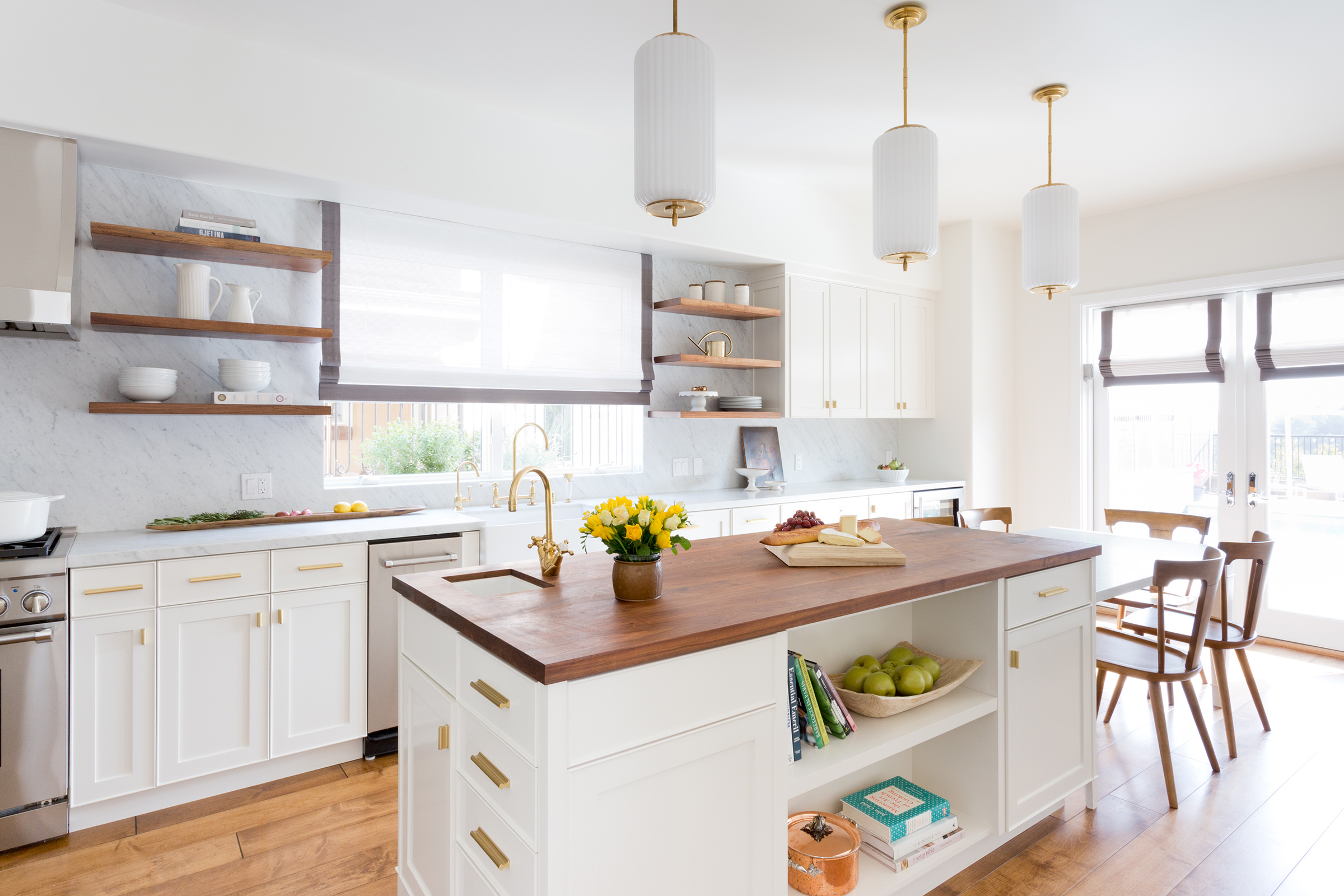
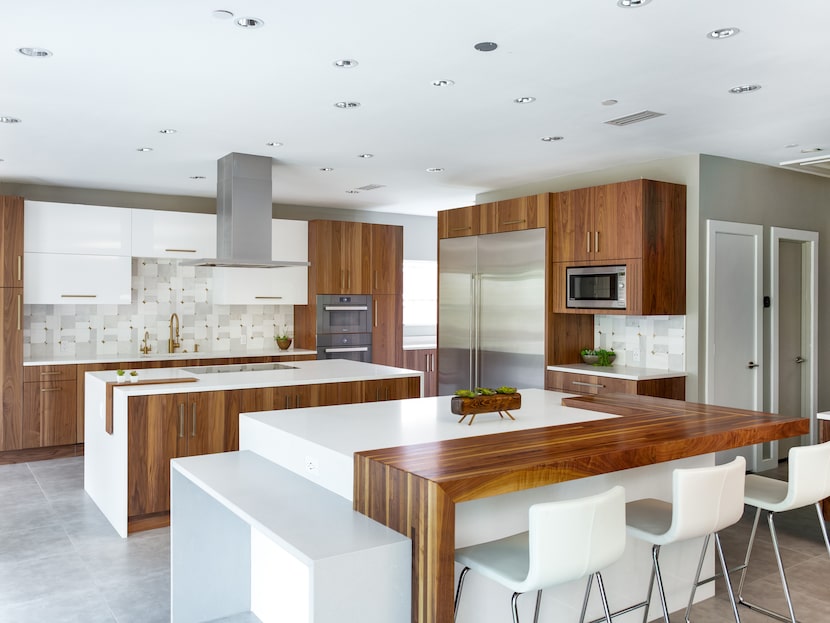
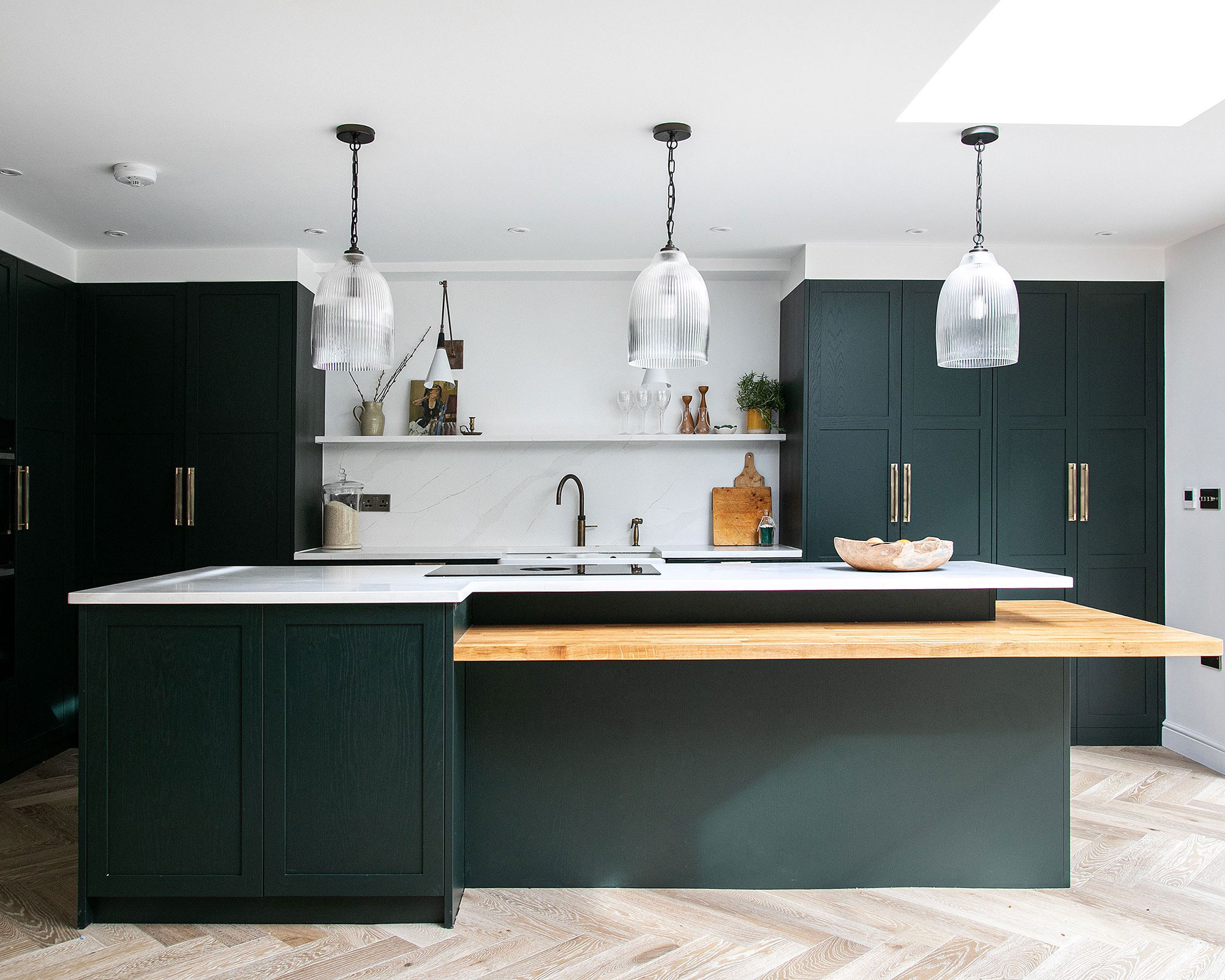
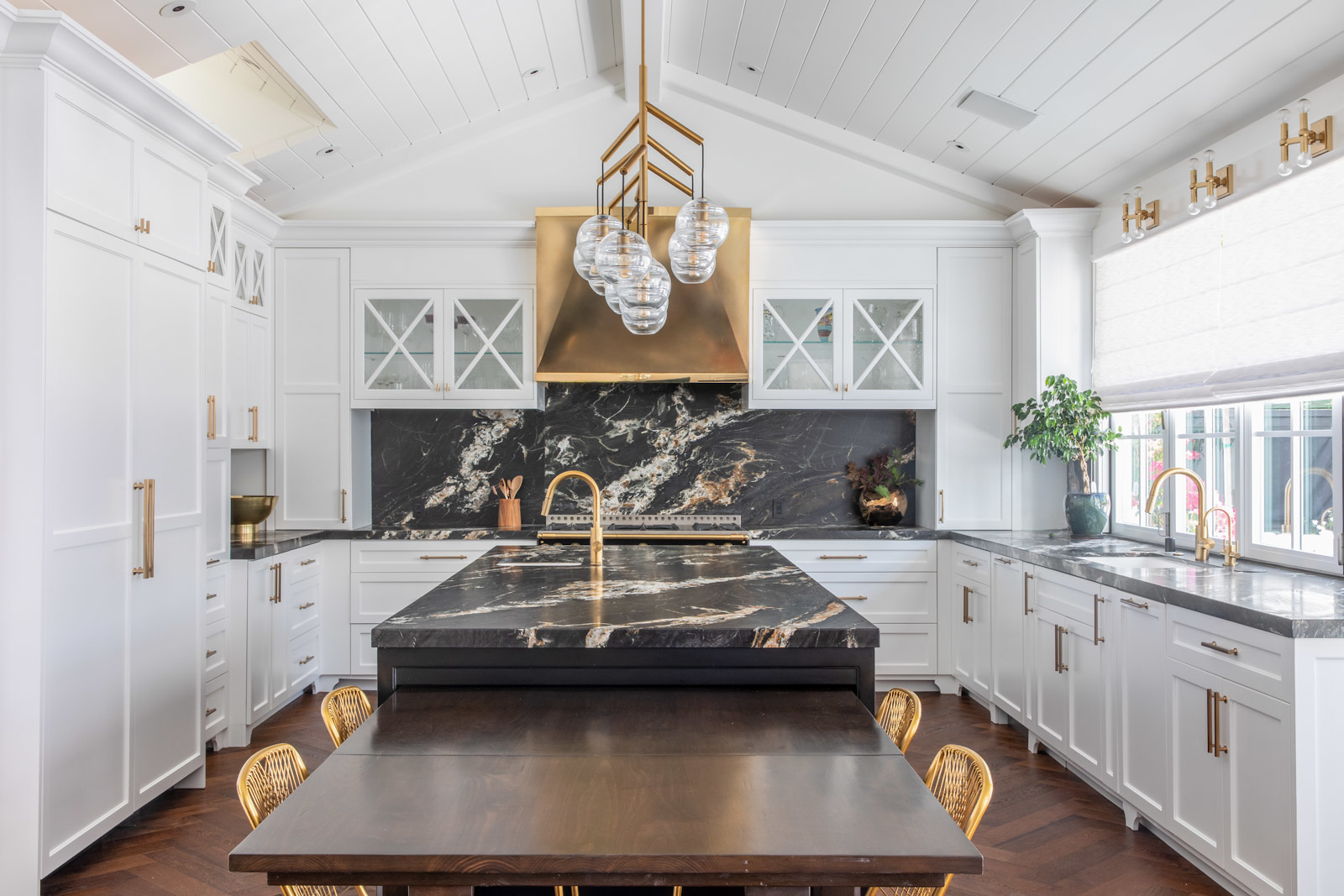
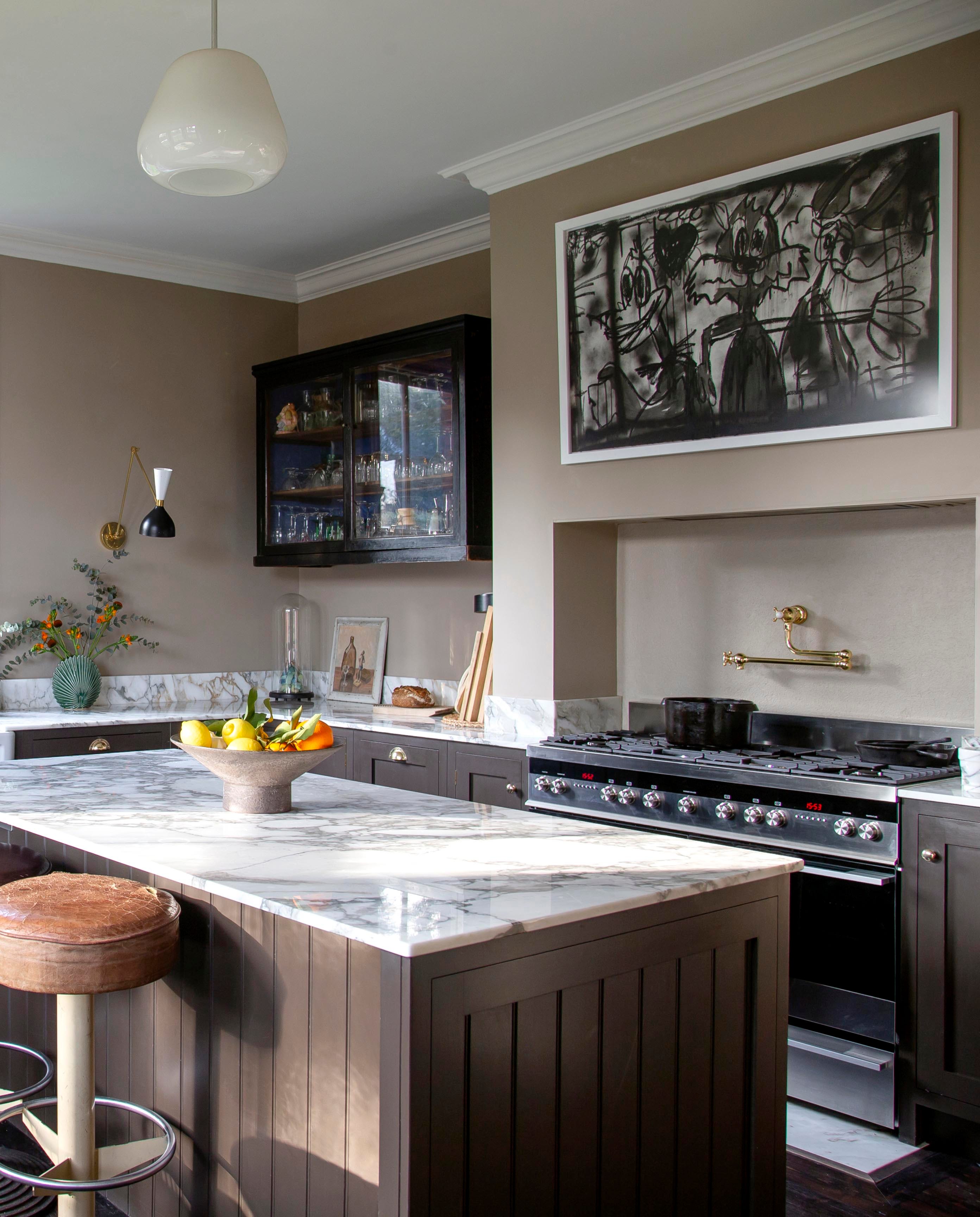
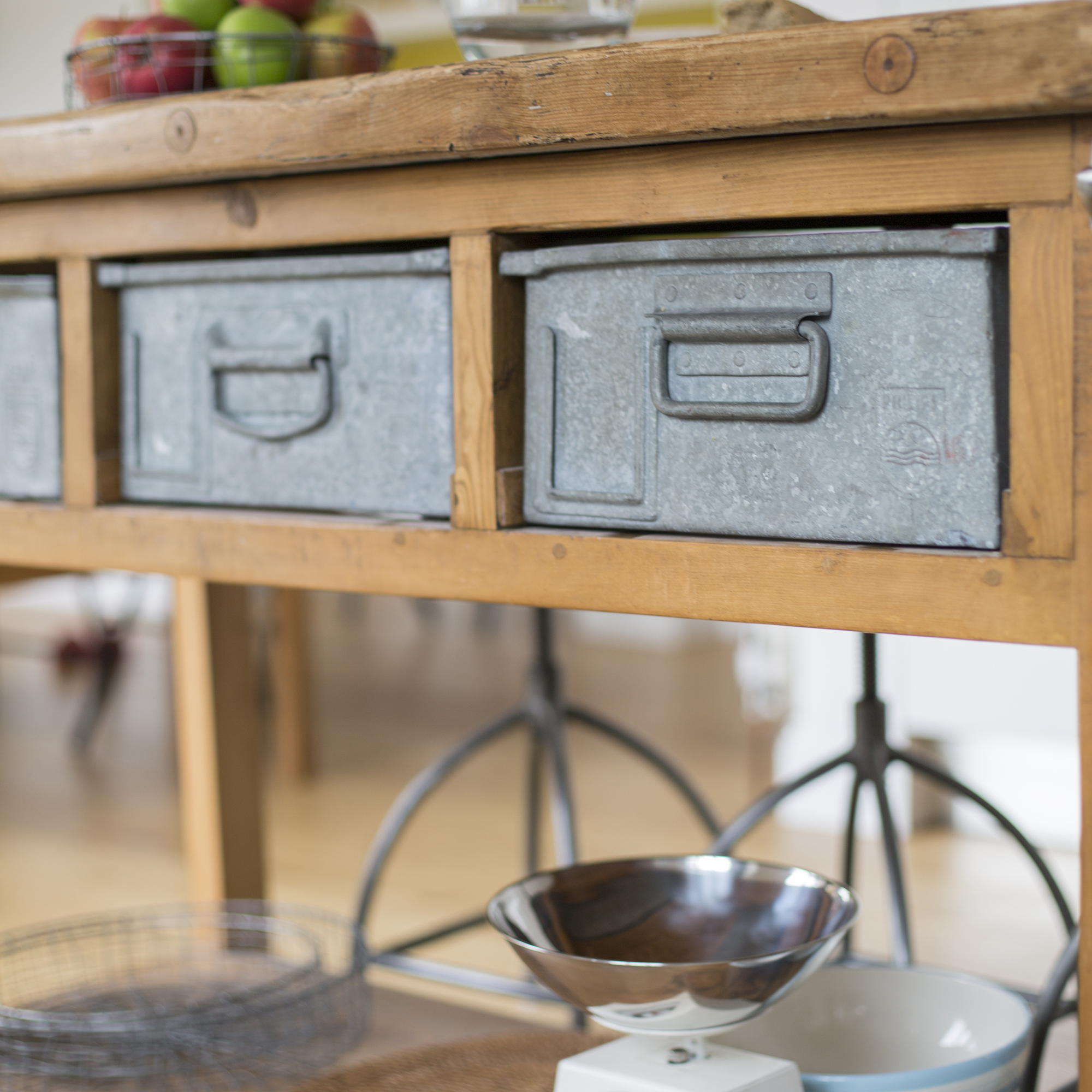
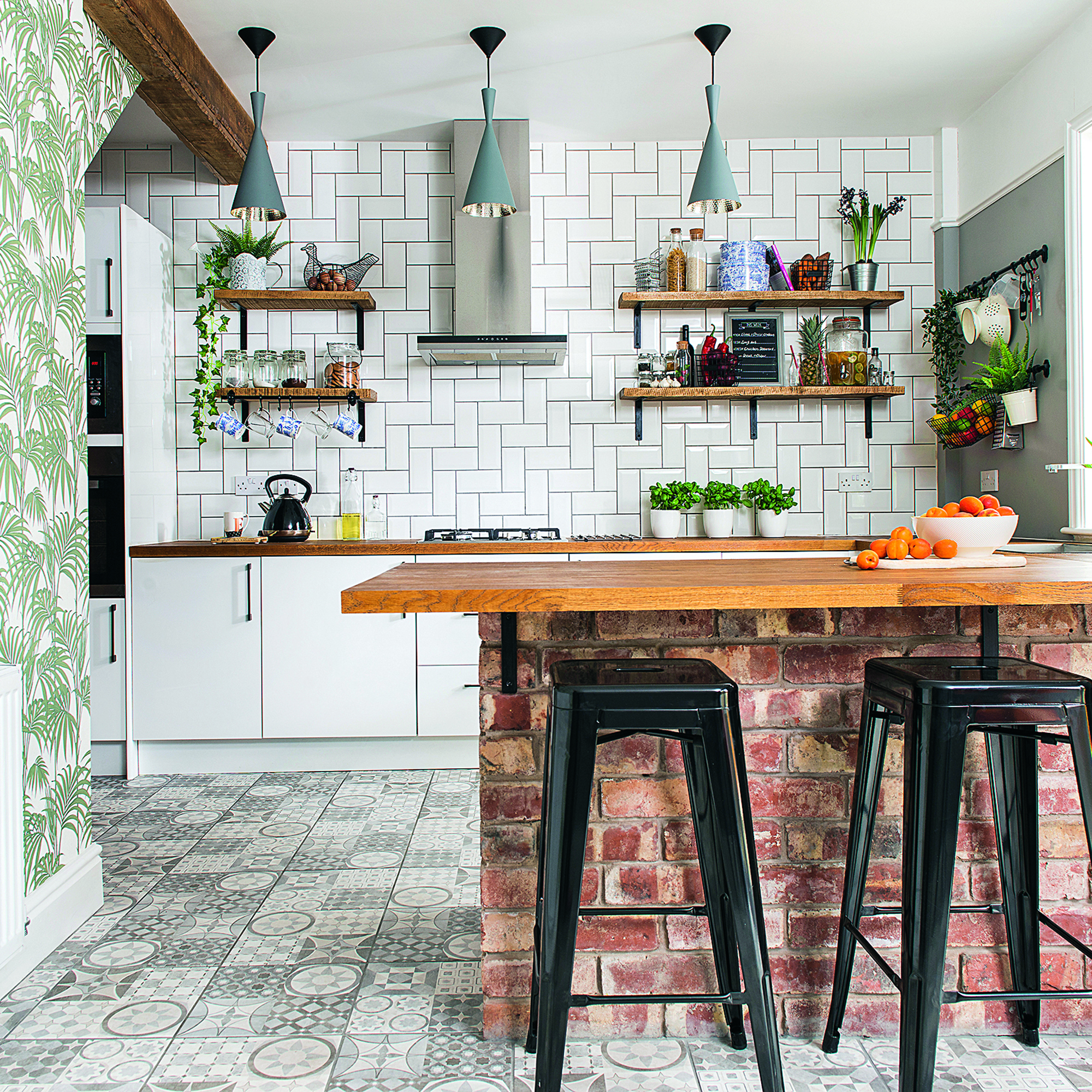
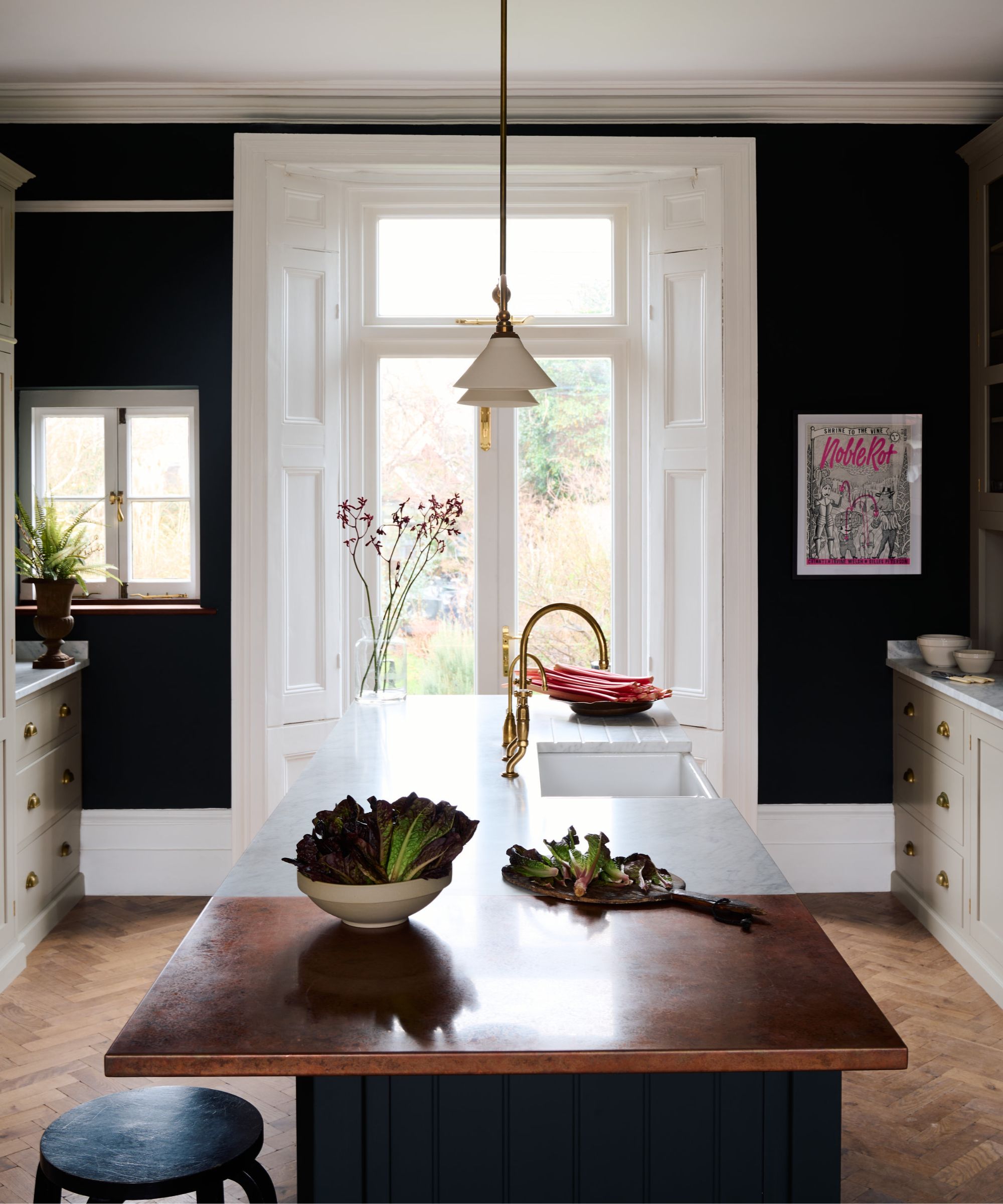
The article provides ten distinct ideas for implementing split-level kitchen islands. One suggestion is to use vintage or reclaimed materials for the worktop on the elevated section, which adds unique character and supports sustainable design practices. It is recommended to reserve these reclaimed surfaces for dining or breakfast bar use, while opting for durable, non-porous materials like quartz or laminate for the cooking area. Another idea focuses on comfort, suggesting an island design that transitions into a full-height dining table, providing ample legroom, unlike traditional breakfast bars. This design necessitates careful planning for kitchen layout to ensure smooth traffic flow around the elongated island.
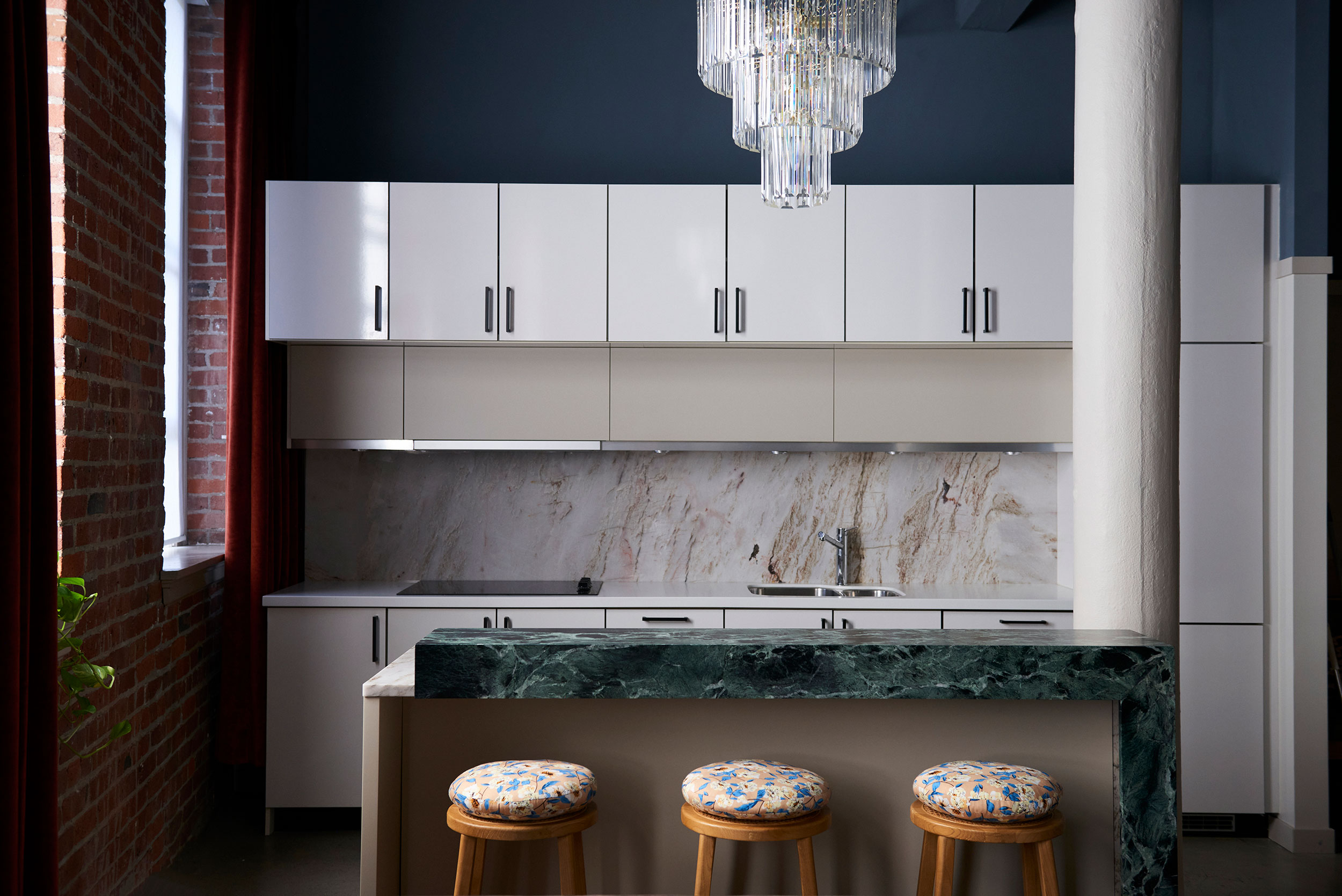
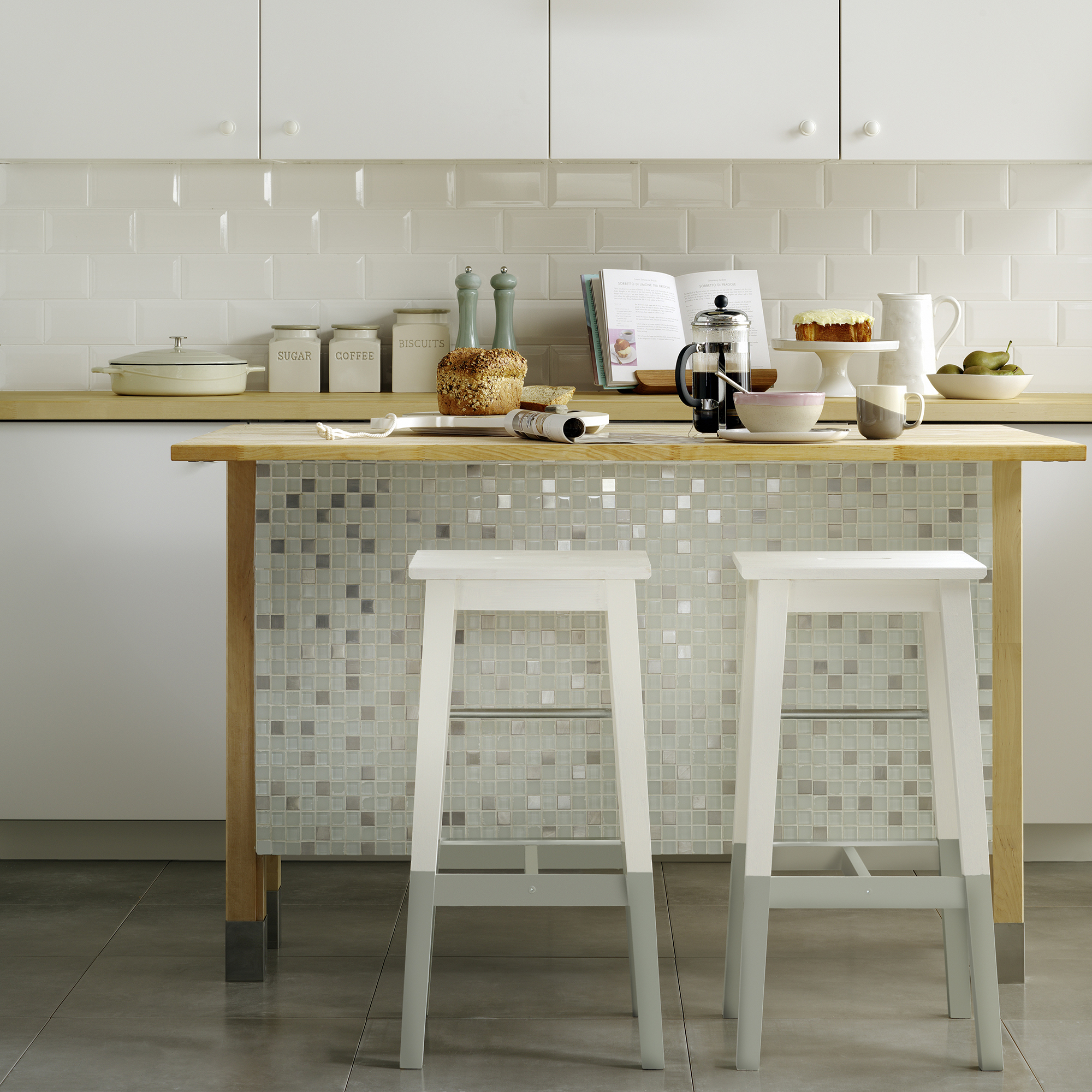
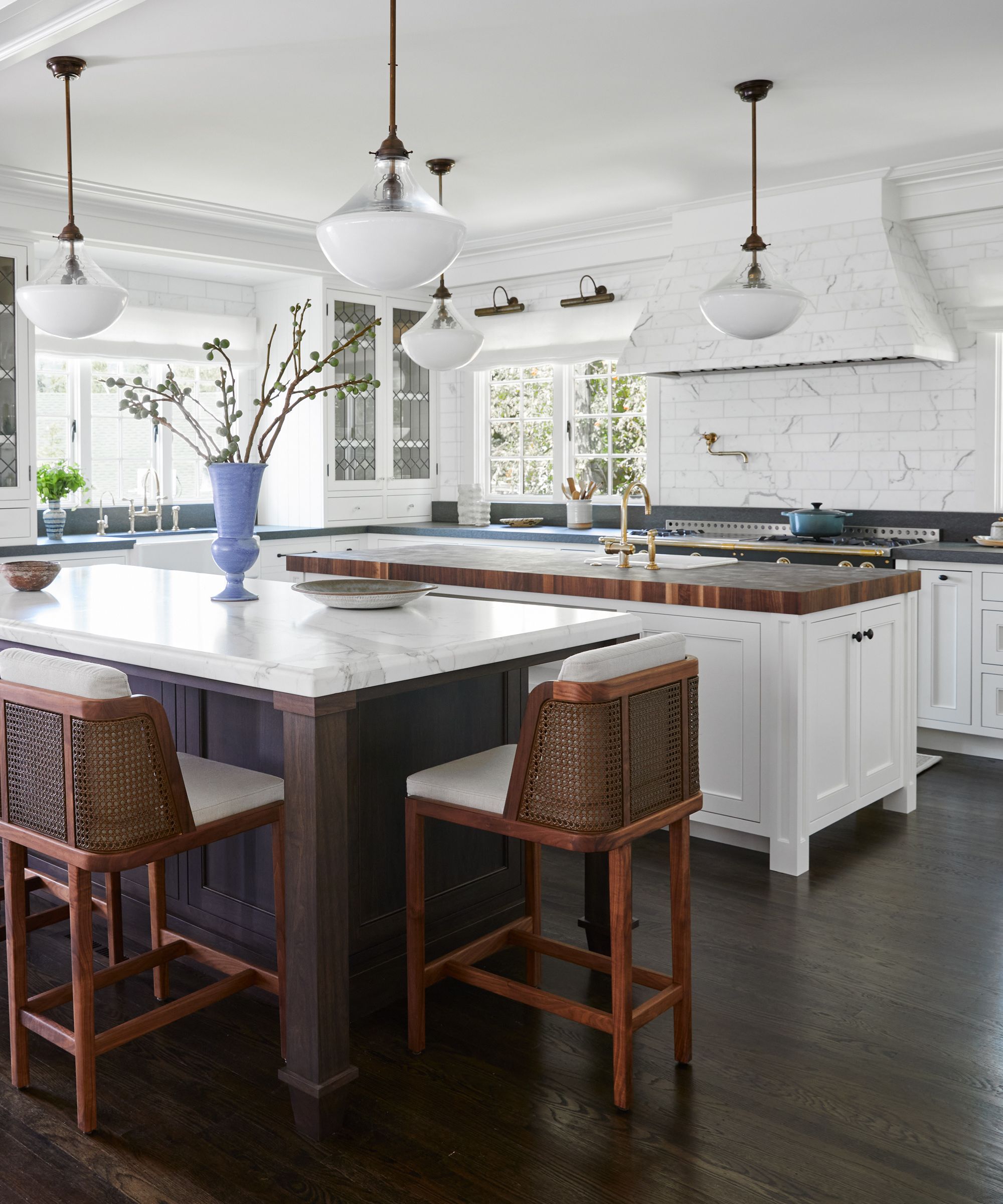
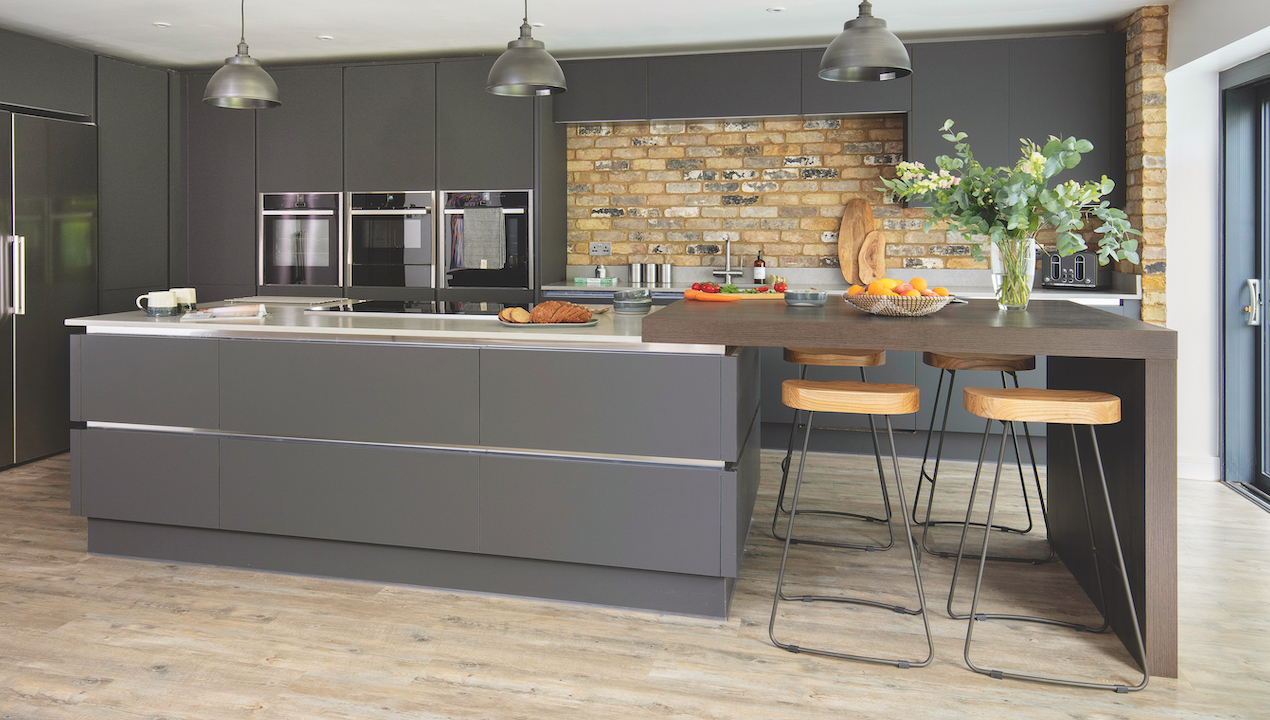
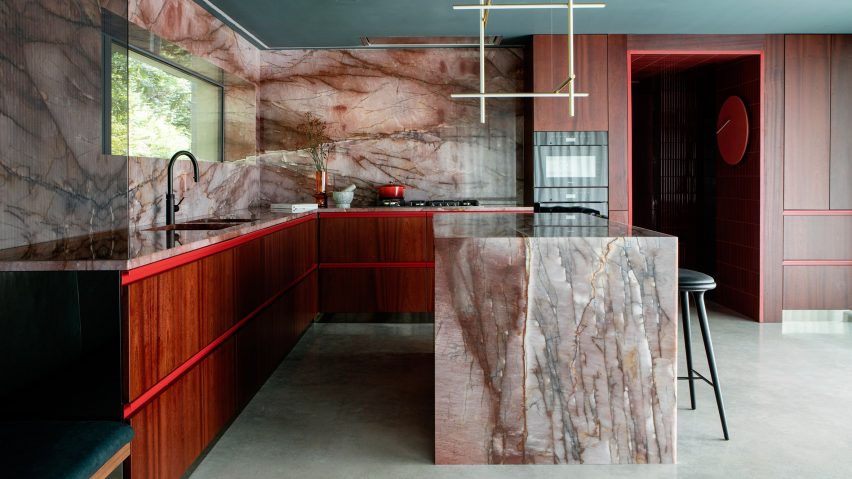
Switching surfaces is highlighted as a key advantage of two-tier islands. This approach allows for the incorporation of different worktop materials, addressing the challenge of seamless transitions between varied surfaces. Practical considerations include using a highly durable worktop for food preparation and reserving more aesthetically driven materials for dining or socializing areas. A wooden worktop, for instance, can be gentler on crockery and quieter during entertaining. The article also introduces the concept of a cantilever bar, which creates additional seating without obstructing visual lines, supported by structural steel framing within the island.
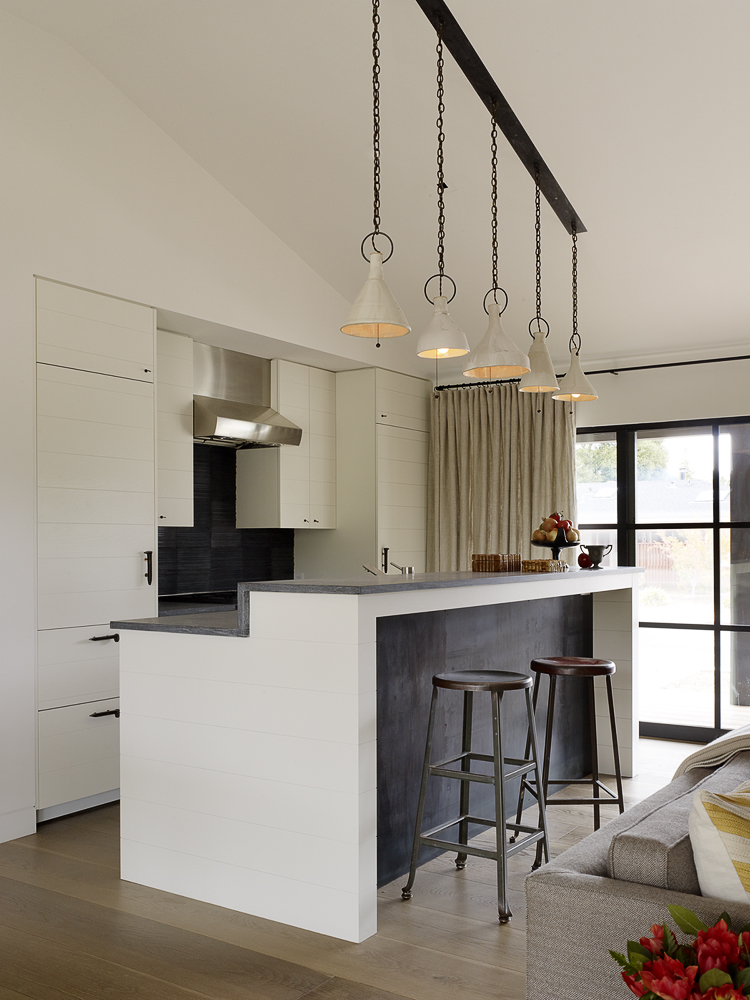
Safety is a primary concern for families, and a split-level breakfast bar can help keep children away from hot hobs and sharp utensils. The wrap-around lower level can provide a safe and comfortable seating area for multi-generational use. Varying the width of the island's tiers is another design strategy, with a wider lower dining area for comfort and a narrower higher section to improve maneuverability within the kitchen. A more dramatic change in levels, such as a raised bar on legs, can add visual interest and create distinct zones for cooking and socializing, ideal for buffet-style entertaining. For such designs, selecting the appropriate bar stool height is crucial to ensure comfort and proper leg clearance.
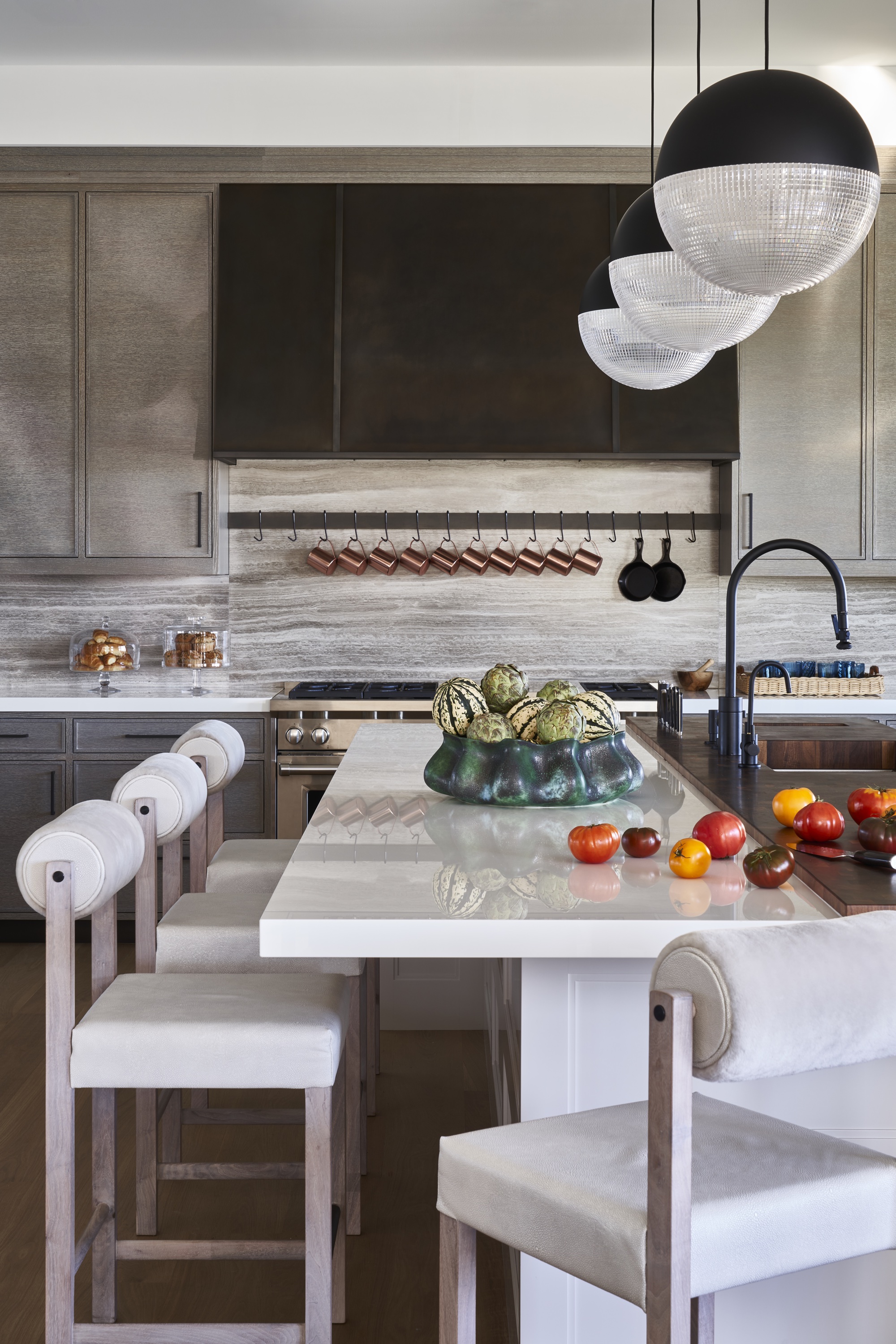
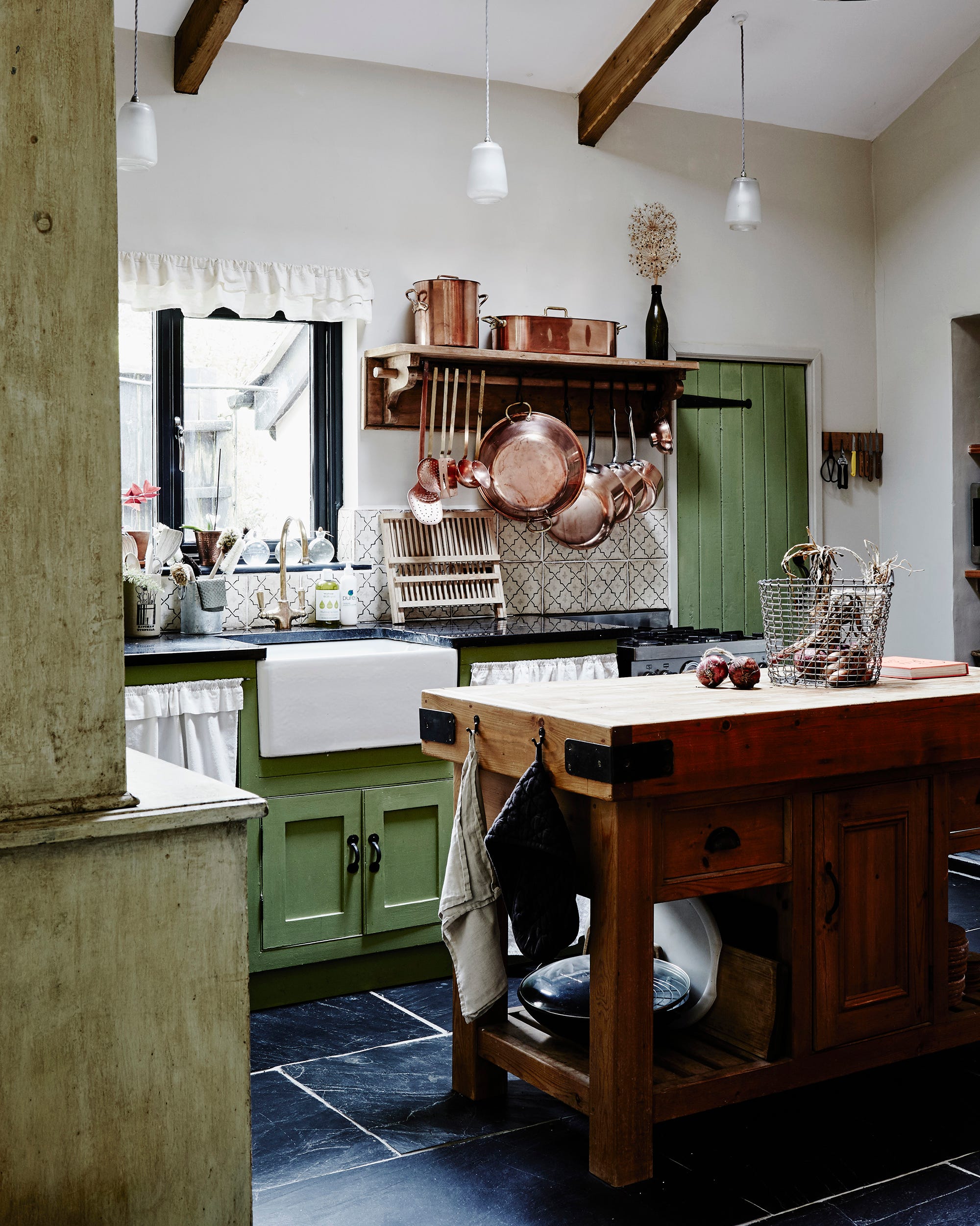
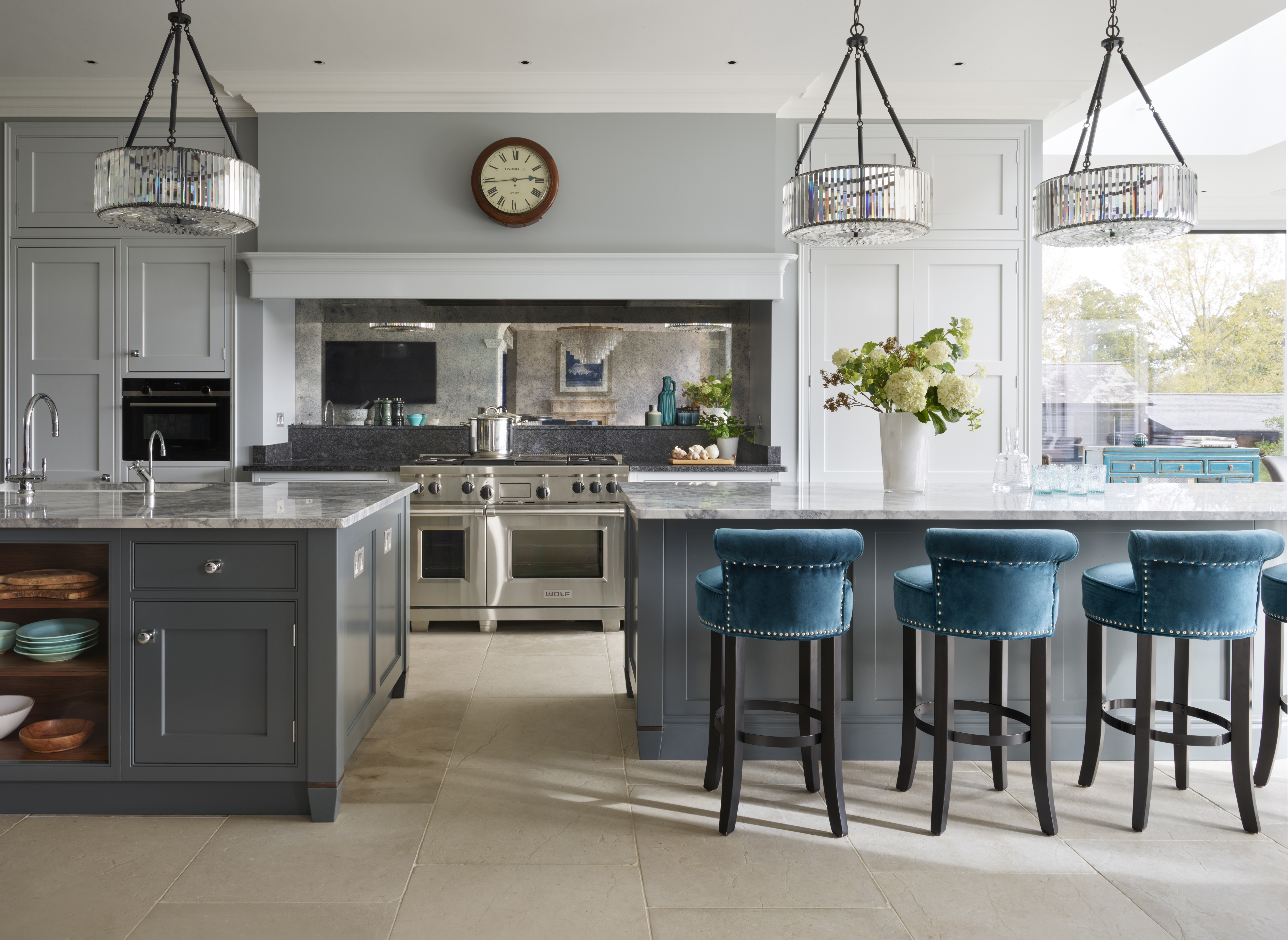
Extending the depth of one of the island's tiers can create a more spacious dining area, accommodating activities like crafting or homework for children while cooking. This also helps reduce wear and tear from foot traffic. Integrating a chunky butcher's block into the island introduces additional functionality and visual interest, clearly zoning the lower kitchen workspace from a more informal social area. Finally, applying split-level principles to U-shaped island designs can break up the visual monotony of large pieces, enhancing social interaction and allowing for material variations. The article concludes by clarifying that two-tier islands remain a popular and functional choice, offering advantages in design and utility over single-tier islands, particularly for those who desire distinct functional zones within their kitchen space.
#KitchenDesign #KitchenIsland #HomeInteriors #InteriorDesign #SpaceOptimization #SustainableDesign #KitchenRenovation #MultiFunctionalFurniture #KitchenDesign #KitchenIsland #HomeInteriors #InteriorDesign #SpaceOptimization #SustainableDesign #KitchenRenovation #MultiFunctionalFurniture
0 comment in total
 No comments yet
You may also like
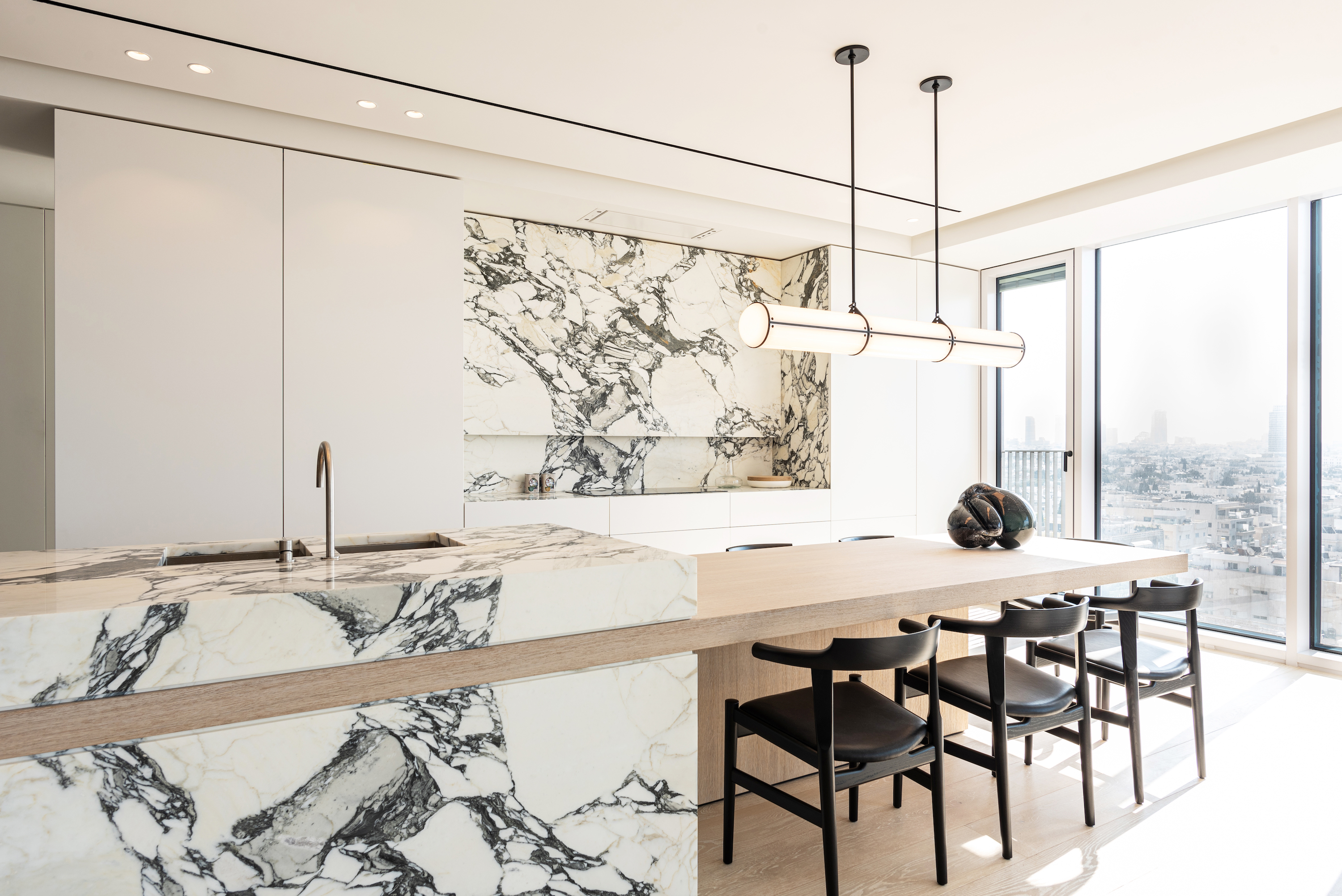
10 incredible split-level kitchen islands that prove this design trend is the best way to have it all

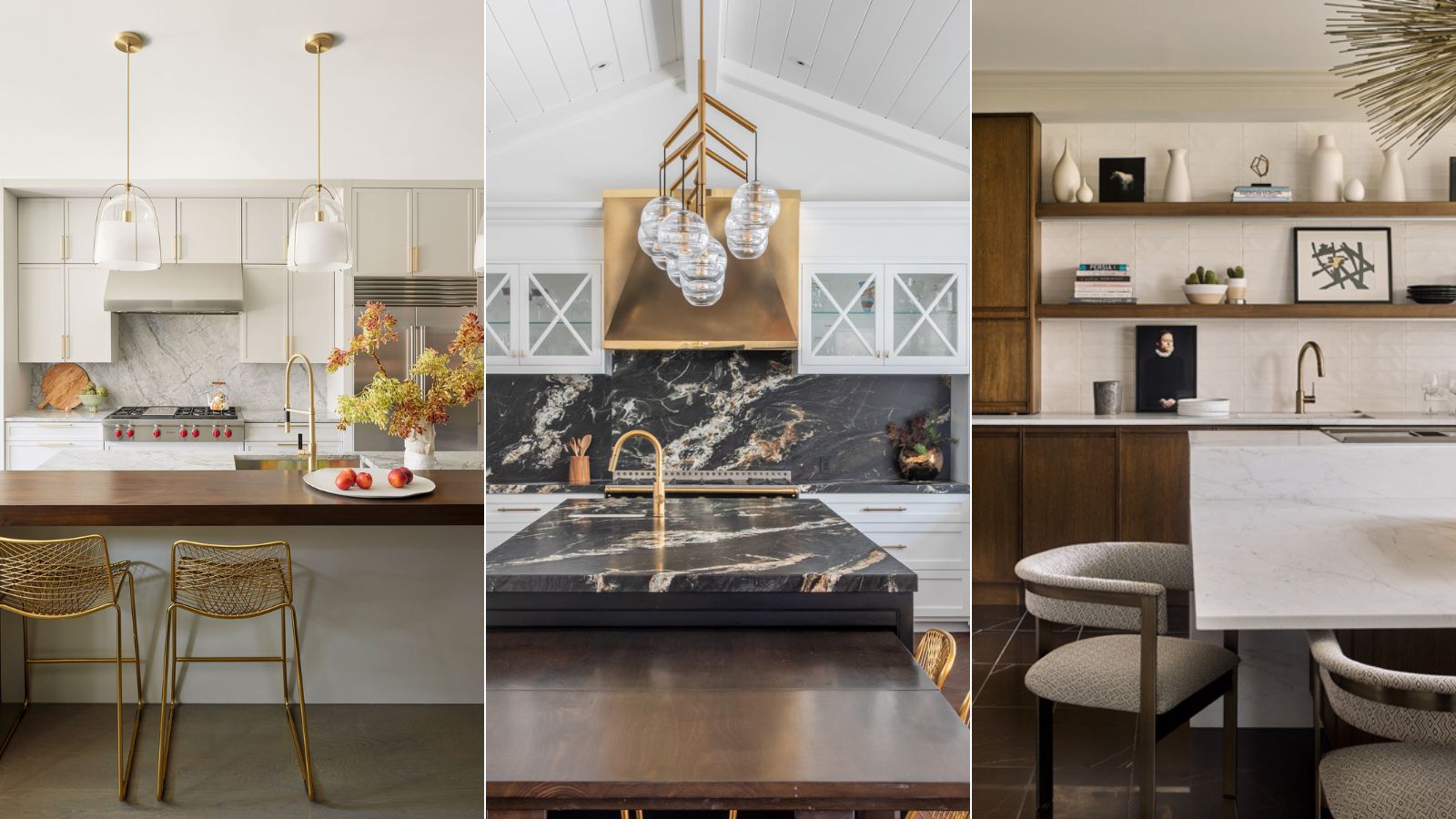
Two-tier kitchen islands are the future – 9 reasons why designers want you to invest now

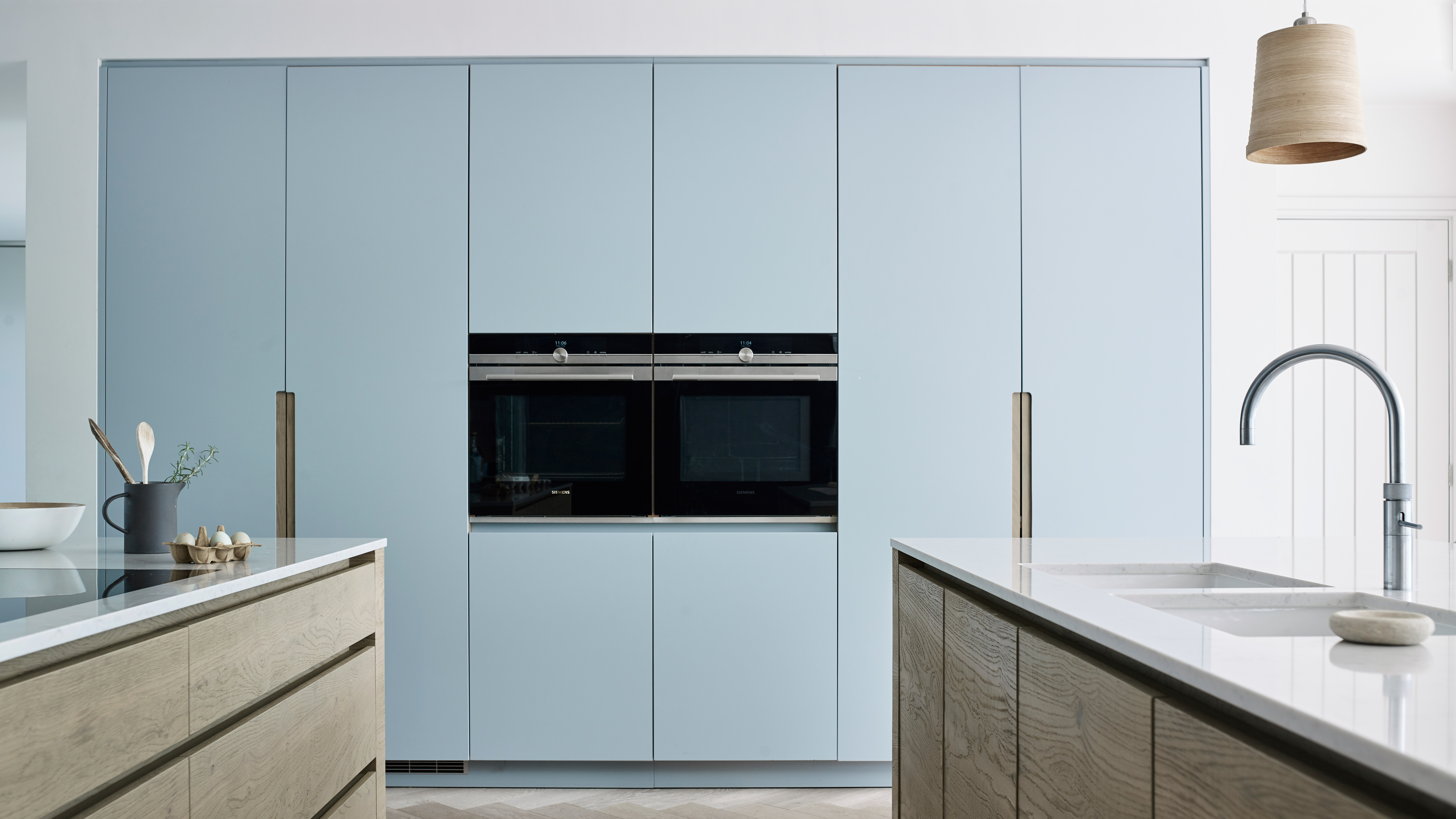
Double kitchen islands – 7 luxurious ways to make your kitchen work even harder
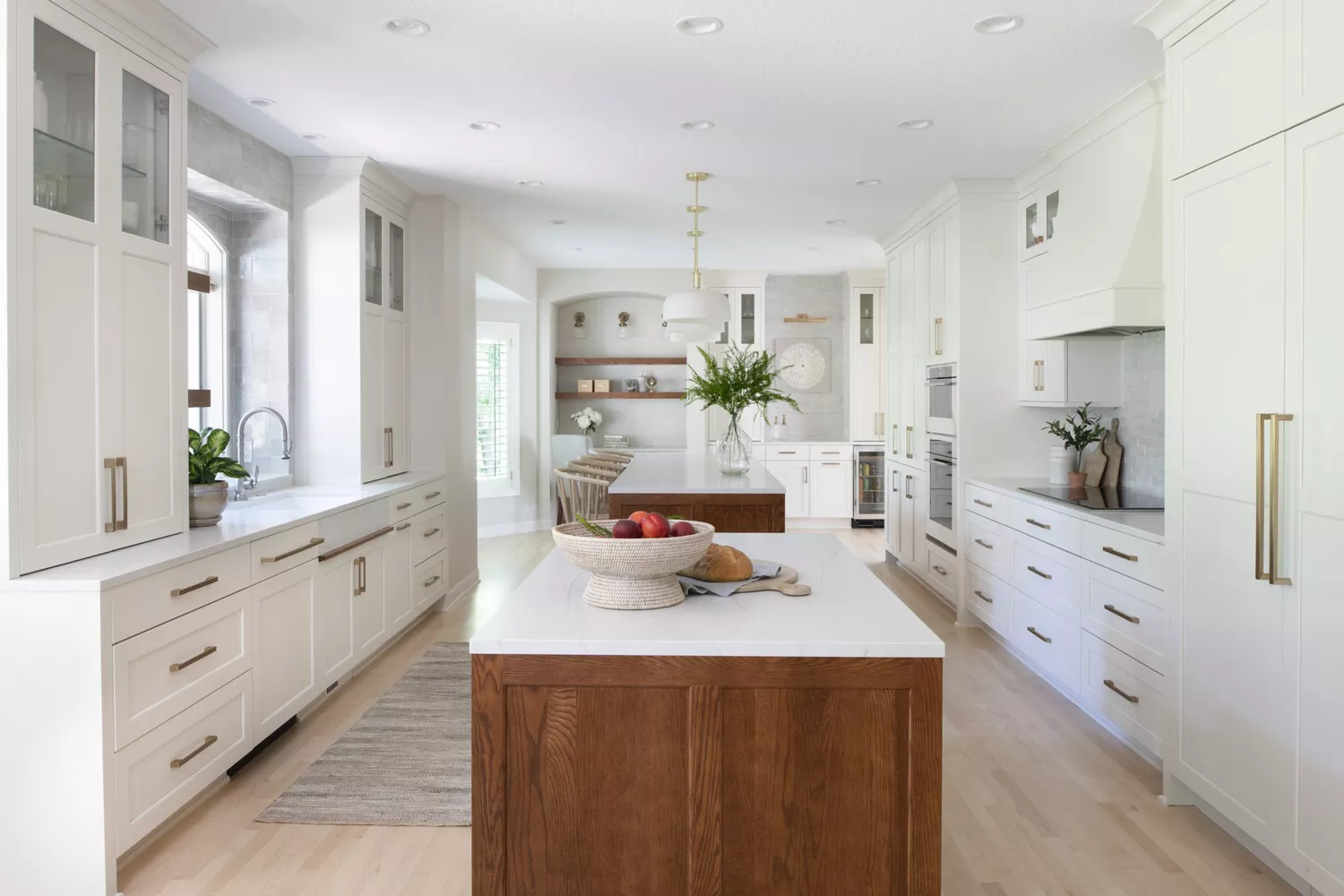
20 Double Island Kitchens We're Adding to Our Dream Home

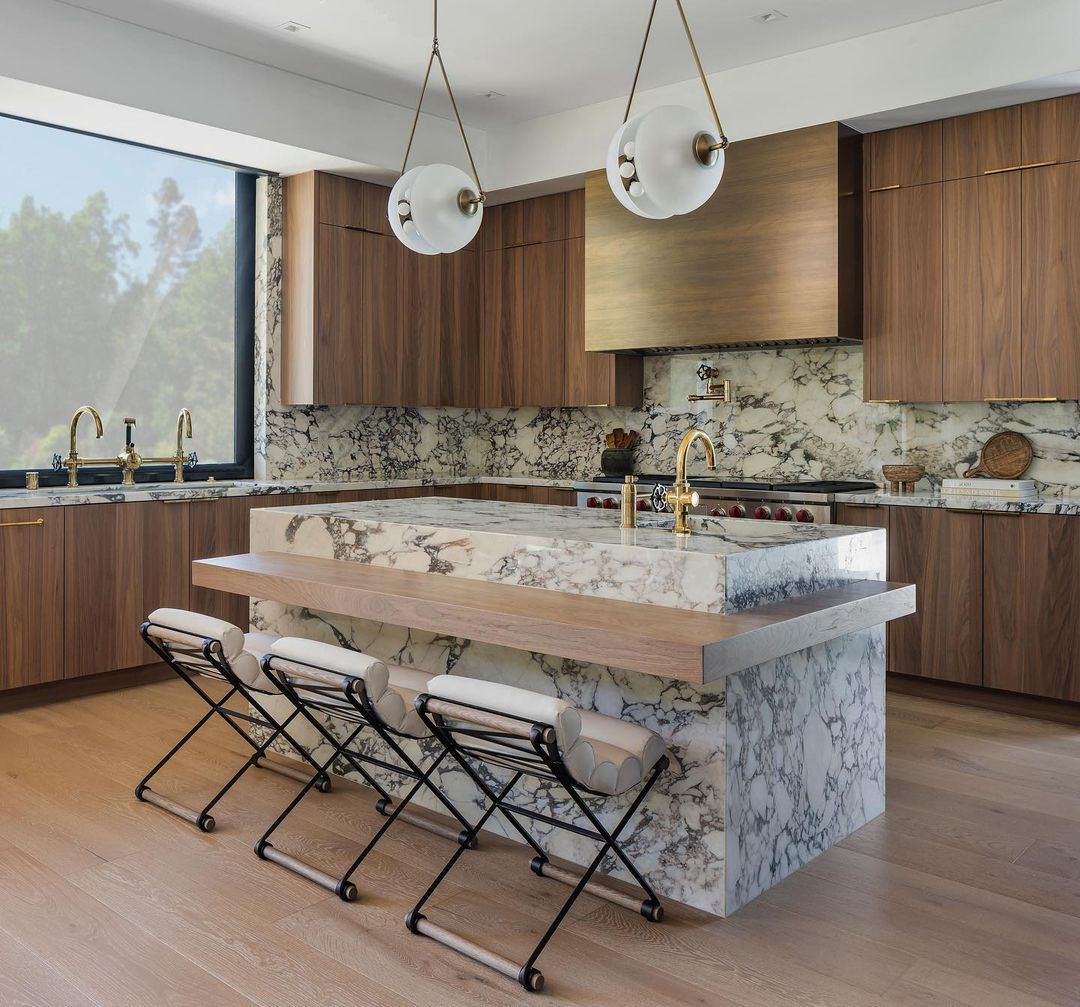
What's the best material for split-level kitchen islands? Designers on getting this luxe decor trend exactly right
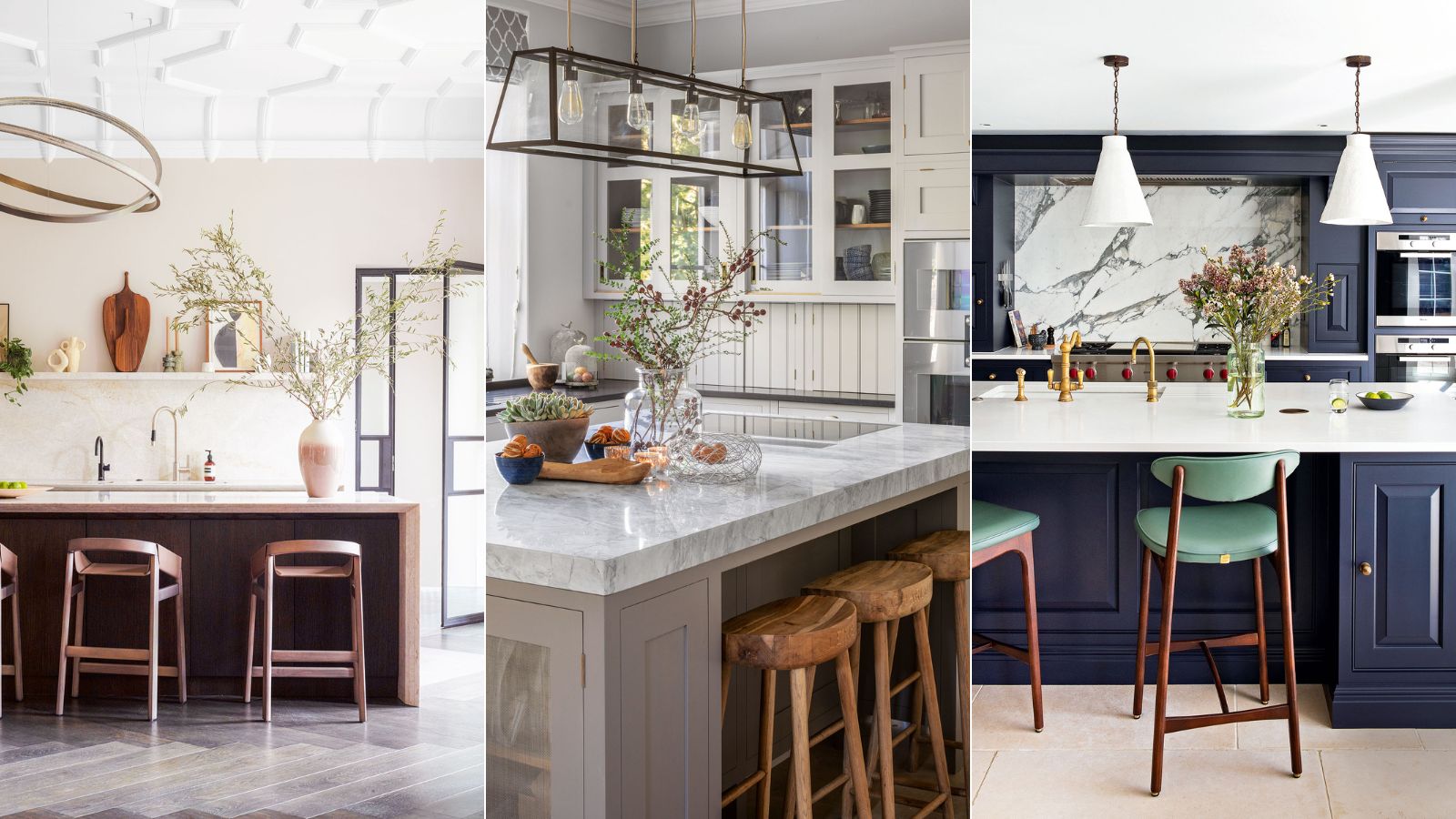
Kitchen island styling ideas – 10 ways to make a practical space look beautiful
7 Double Island Kitchen Ideas That Make Cooking and Hosting Feel Effortless
Ten striking kitchen islands designed to stand out

Double island kitchens – 10 ideas for more counter and storage space
Double island kitchens – 10 ideas for more counter and storage space

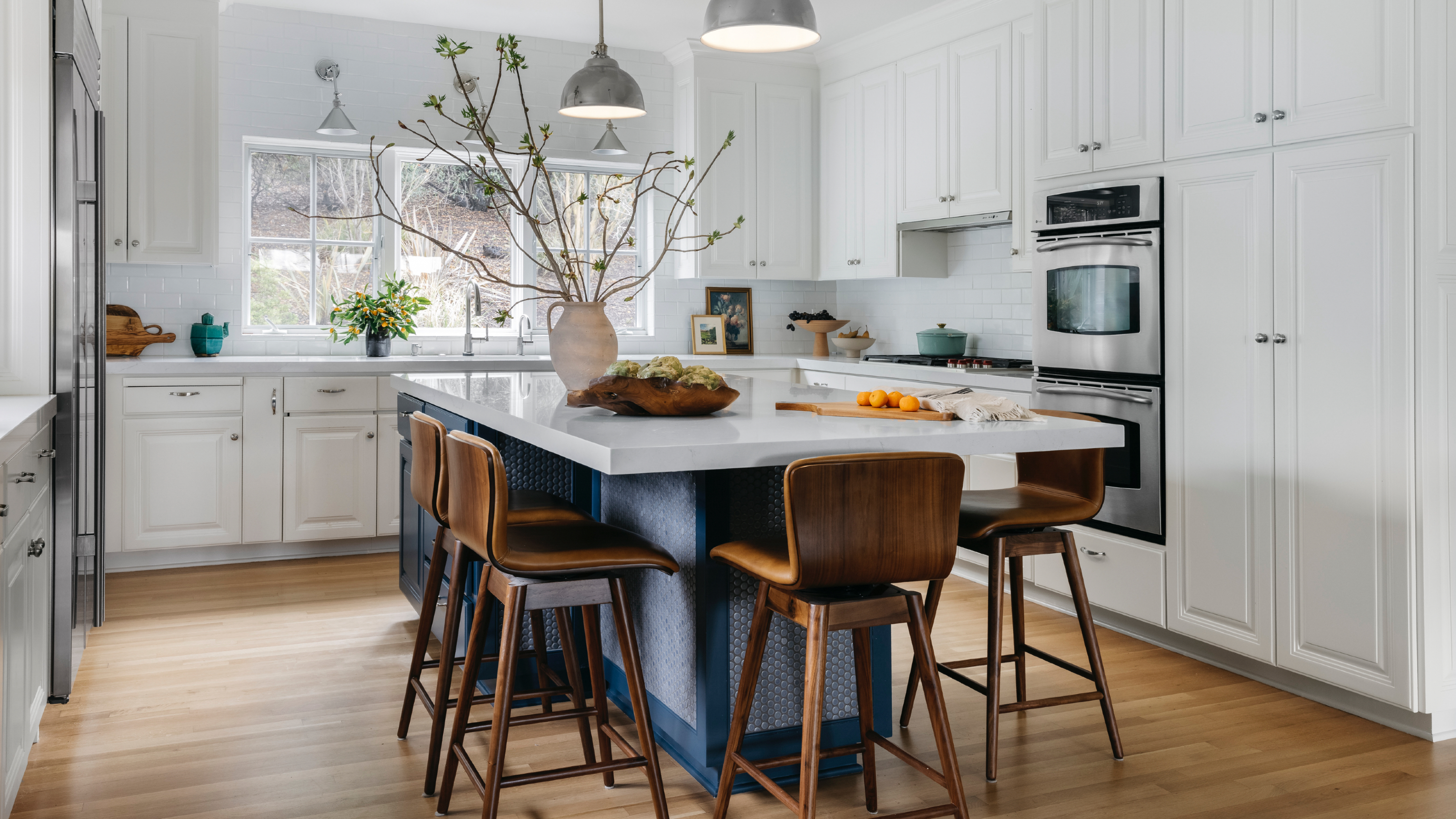
Kitchen island makeover ideas – 10 nifty ways to update this key space

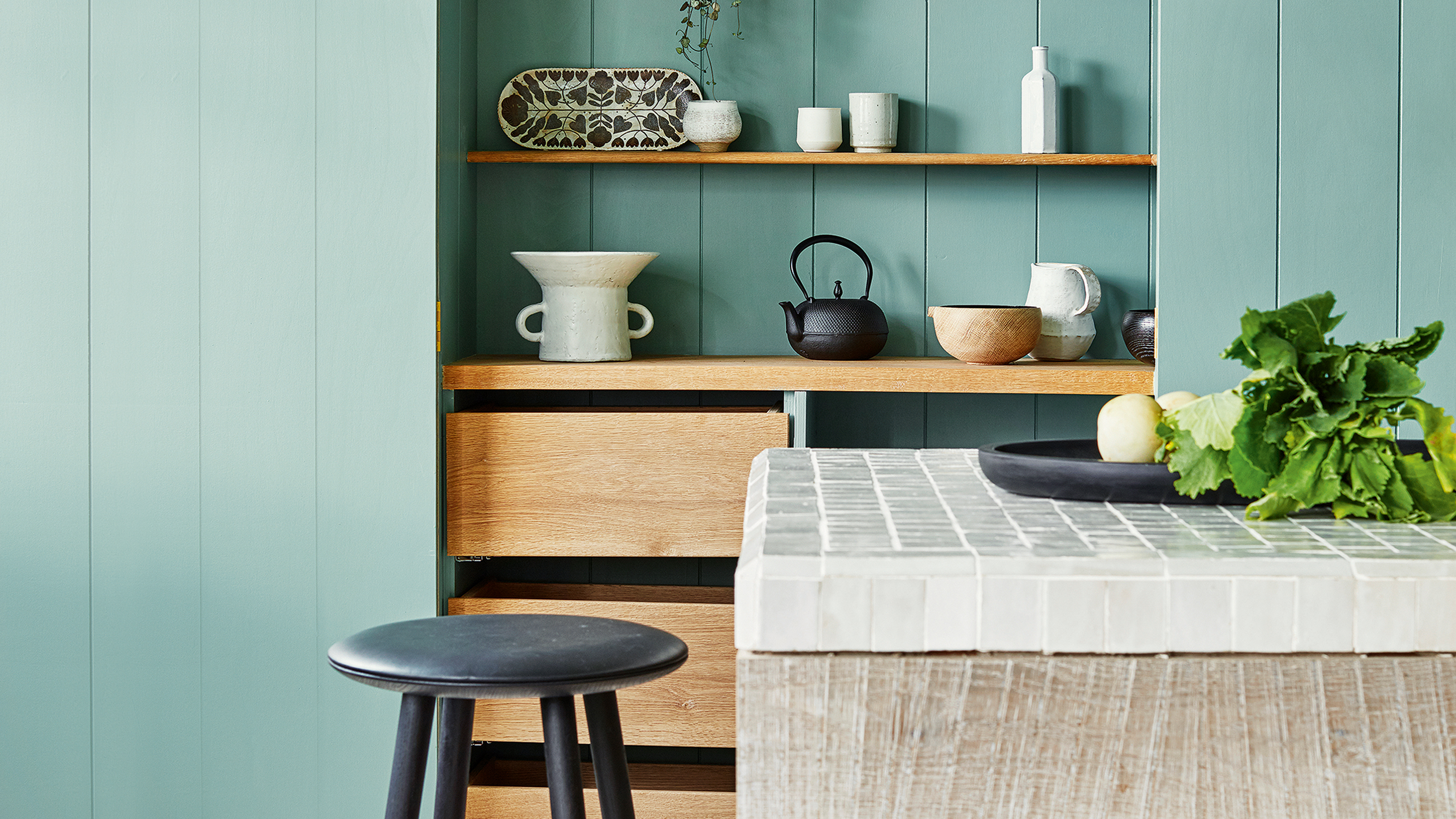
Tiled kitchen island ideas – discover how to do island tiles with style
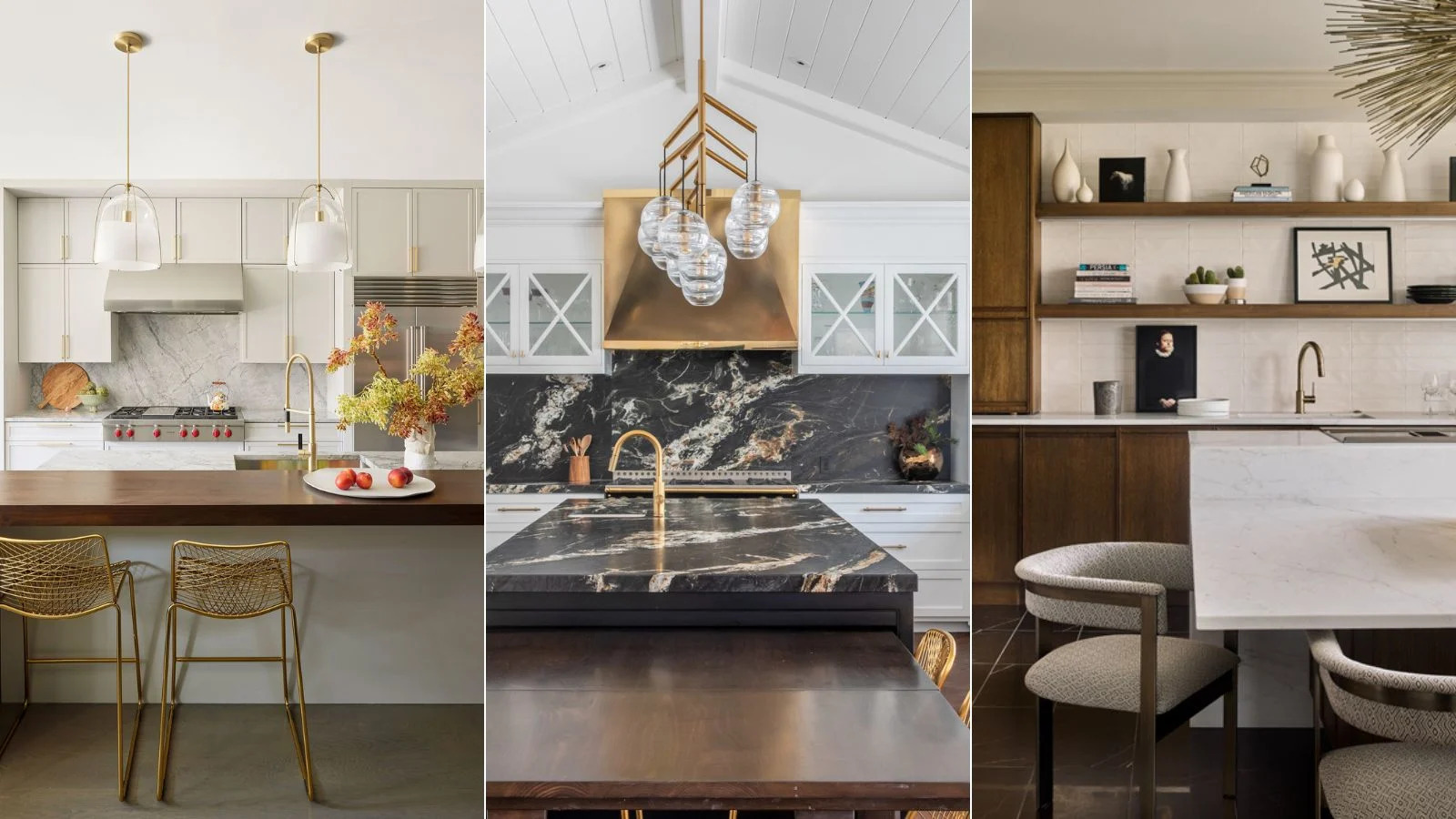
Two-tier kitchen islands are the future – 9 reasons why designers want you to invest now
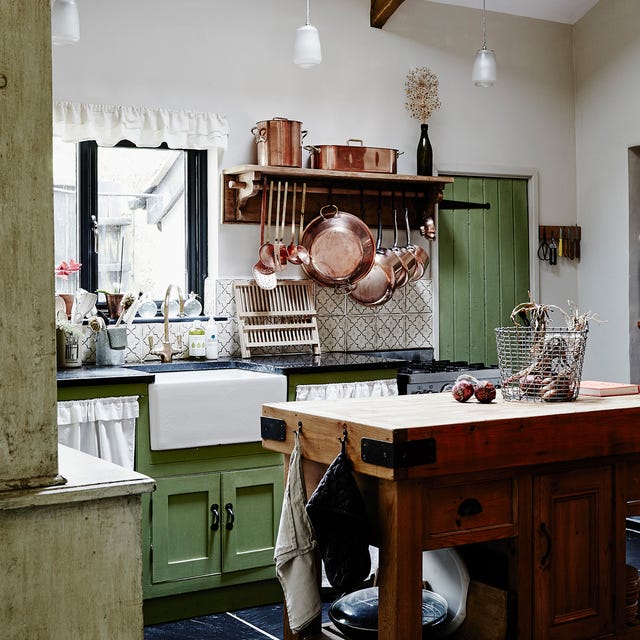
The best kitchen island ideas for a sophisticated and functional feature
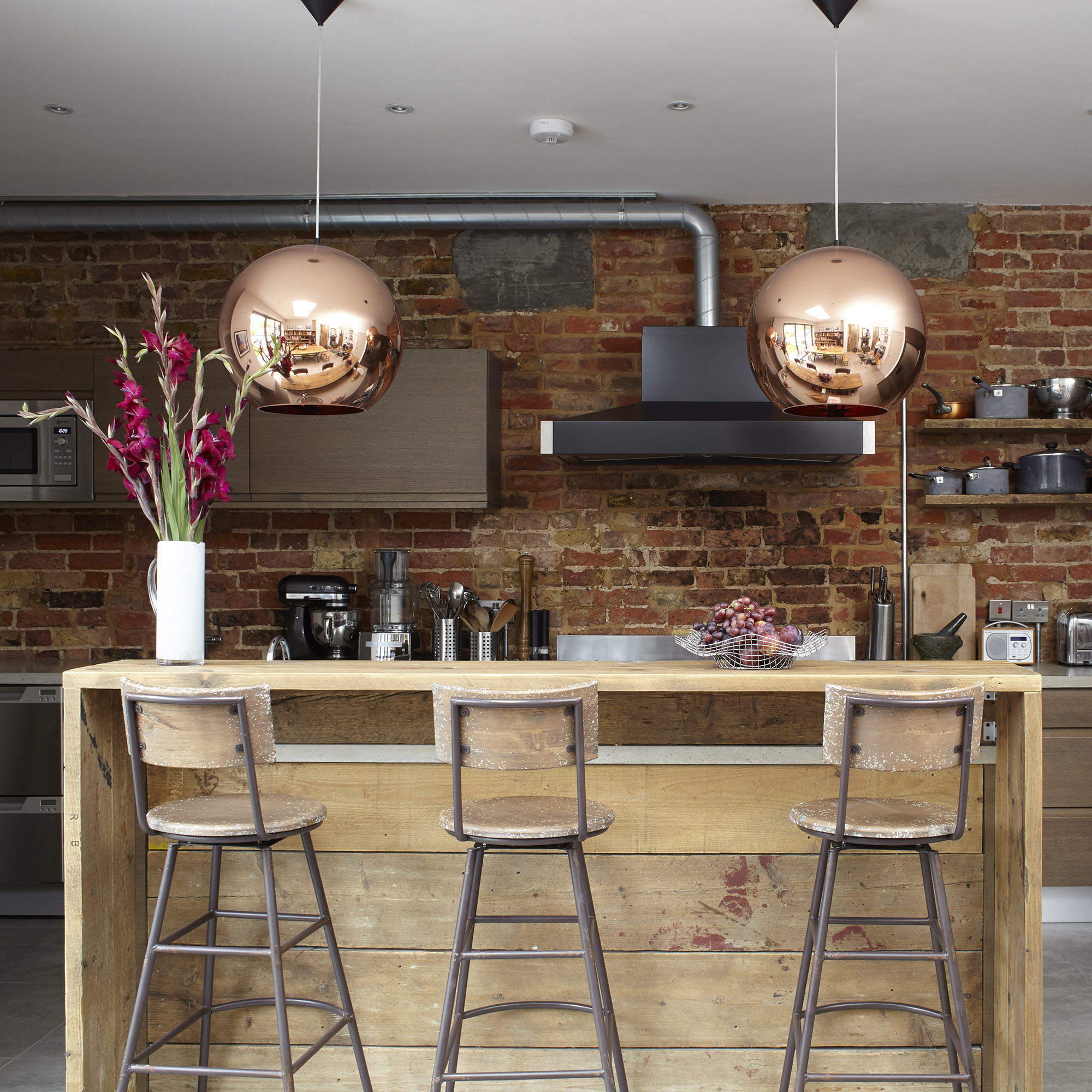
11 genius DIY kitchen island ideas and upcycling tips
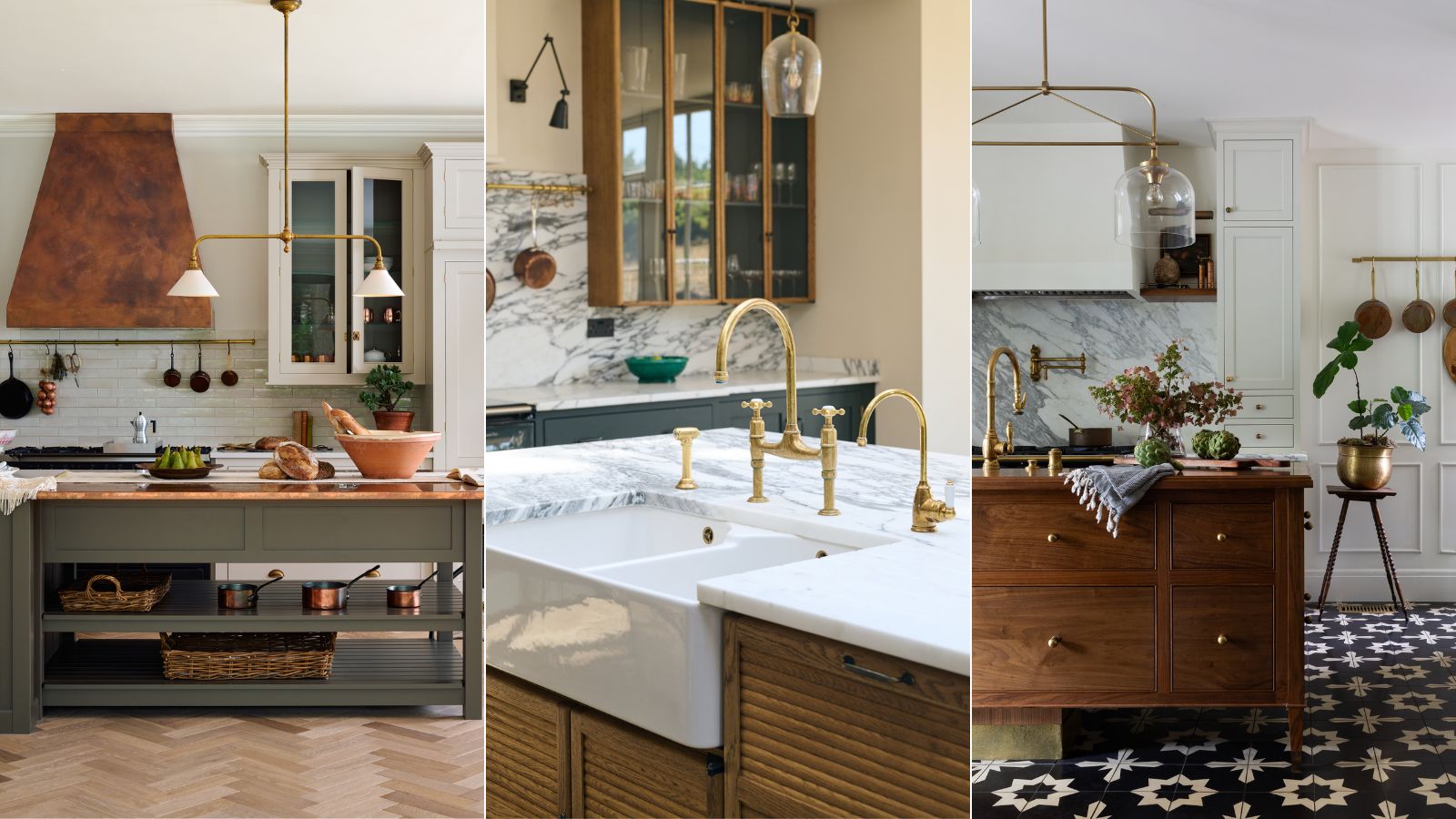
7 successful kitchen island layout ideas experts swear by
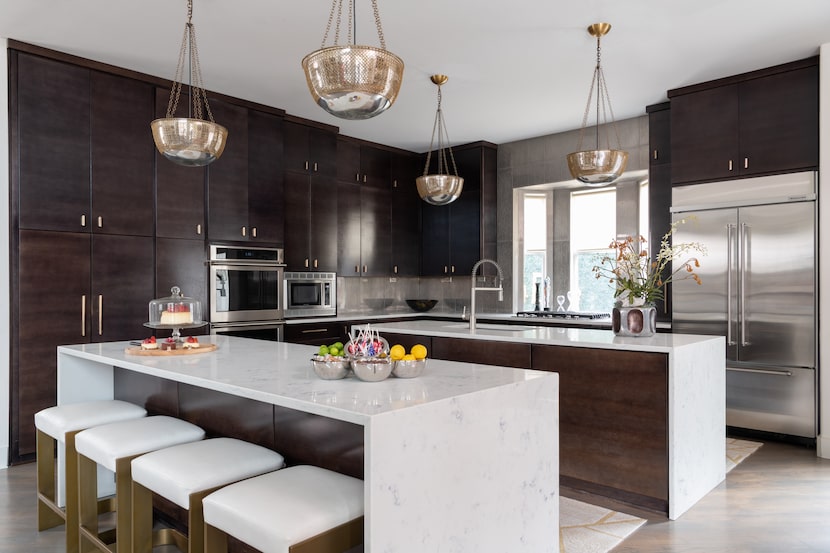
Get a second helping of style and functionality with double kitchen islands

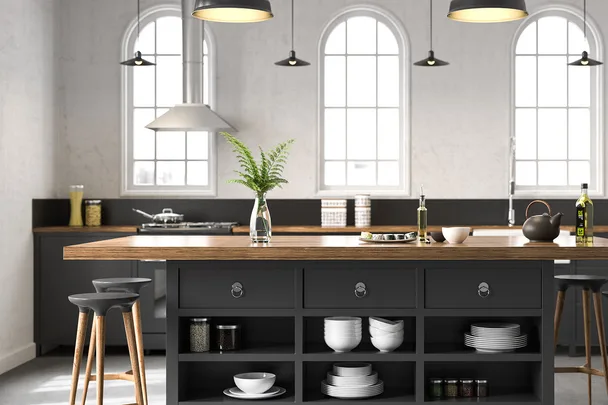
10 inspiring kitchen island design ideas

Kitchen island design: The design tips you should know

Kitchen island ideas – 37 ways to create a fabulous and functional feature