1/11
Industrial interior design - how to get it right
Industrial interior design is a style that emphasizes displaying building materials typically hidden, such as cracked concrete, ducting, or unshaded lightbulbs. This approach celebrates practicality, embraces imperfections, and values signs of wear and tear. It can range from a rugged, unfinished warehouse aesthetic to a softer, cozier feel with added textiles and color. The style has become a staple in interior design, even appearing in spaces not originally industrial. This article explores the origins of industrial design, its core characteristics, and how experts define it.
Industrial design in residential interiors involves using materials and details traditionally found in factories and warehouses, often featuring raw, less polished materials. It's characterized by exposing the internal structure and construction materials of a building, creating large, open-plan spaces with an unfinished yet cohesive feel. Modern industrial style extends this to buildings that weren't originally industrial, showcasing architectural details. The style glorifies function over form, making normally hidden features into conscious design choices and elevating the functionality of a space to an aesthetic level. This concept suggests a transparency where nothing is concealed, celebrating the underlying work and design.
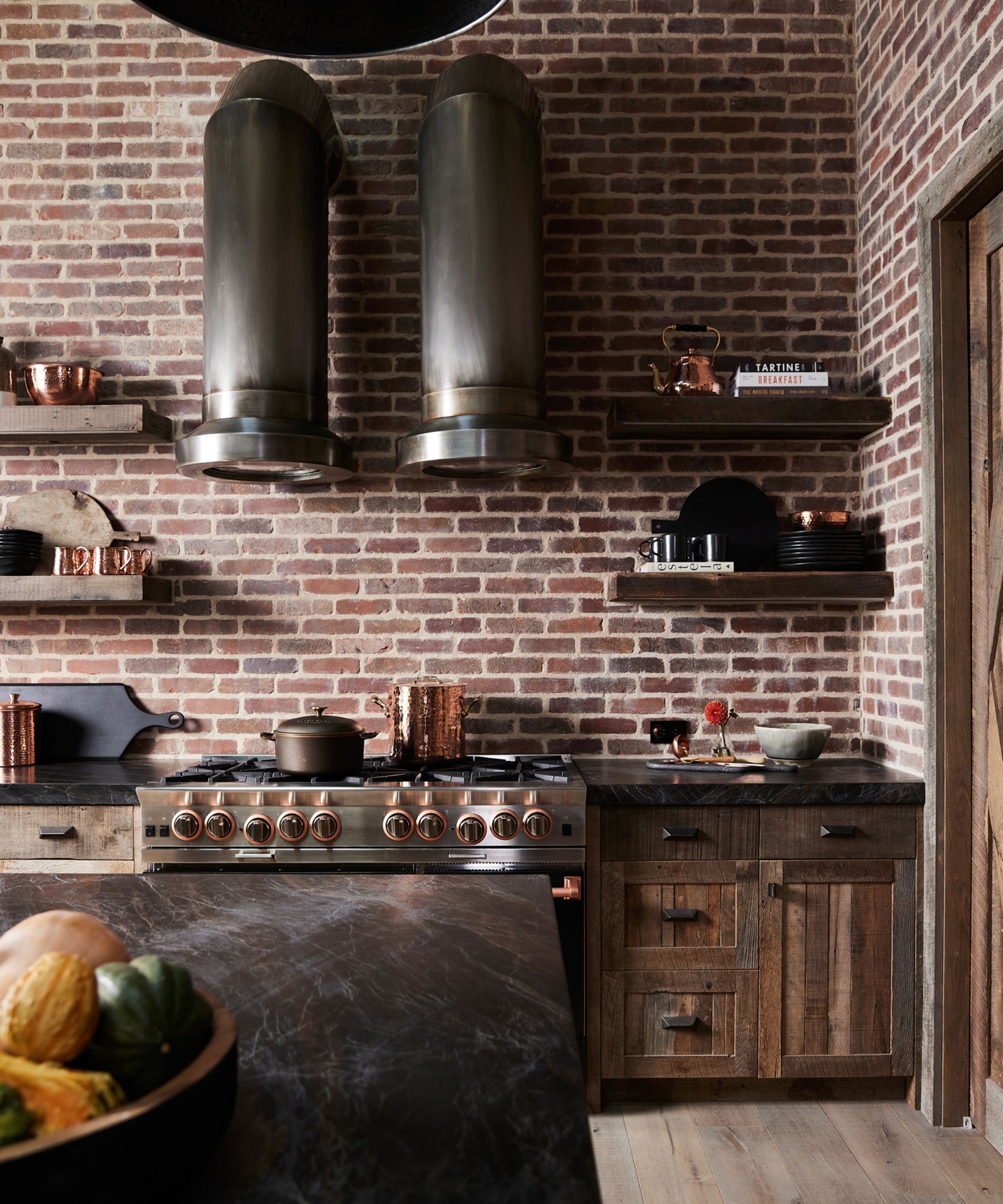
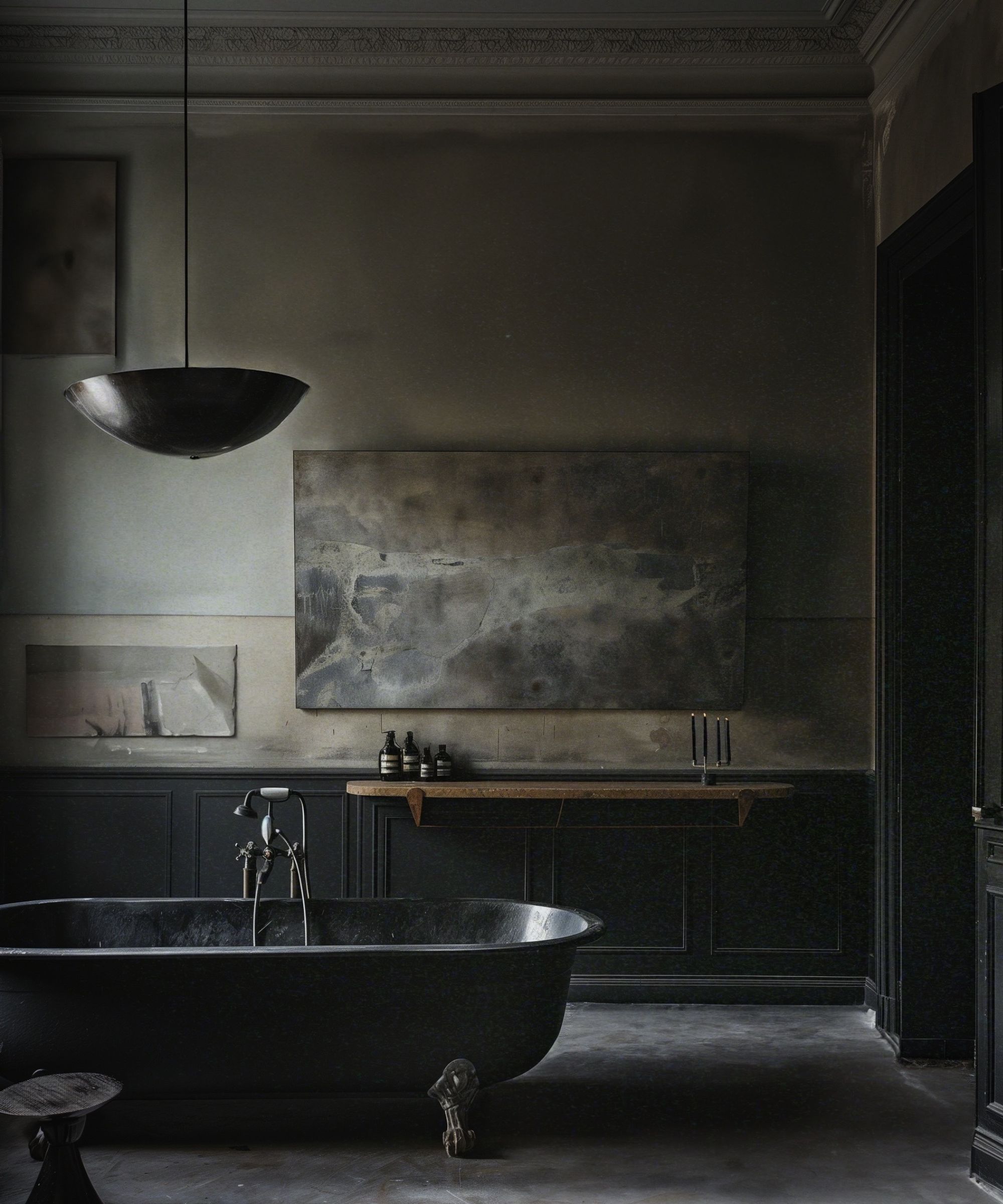
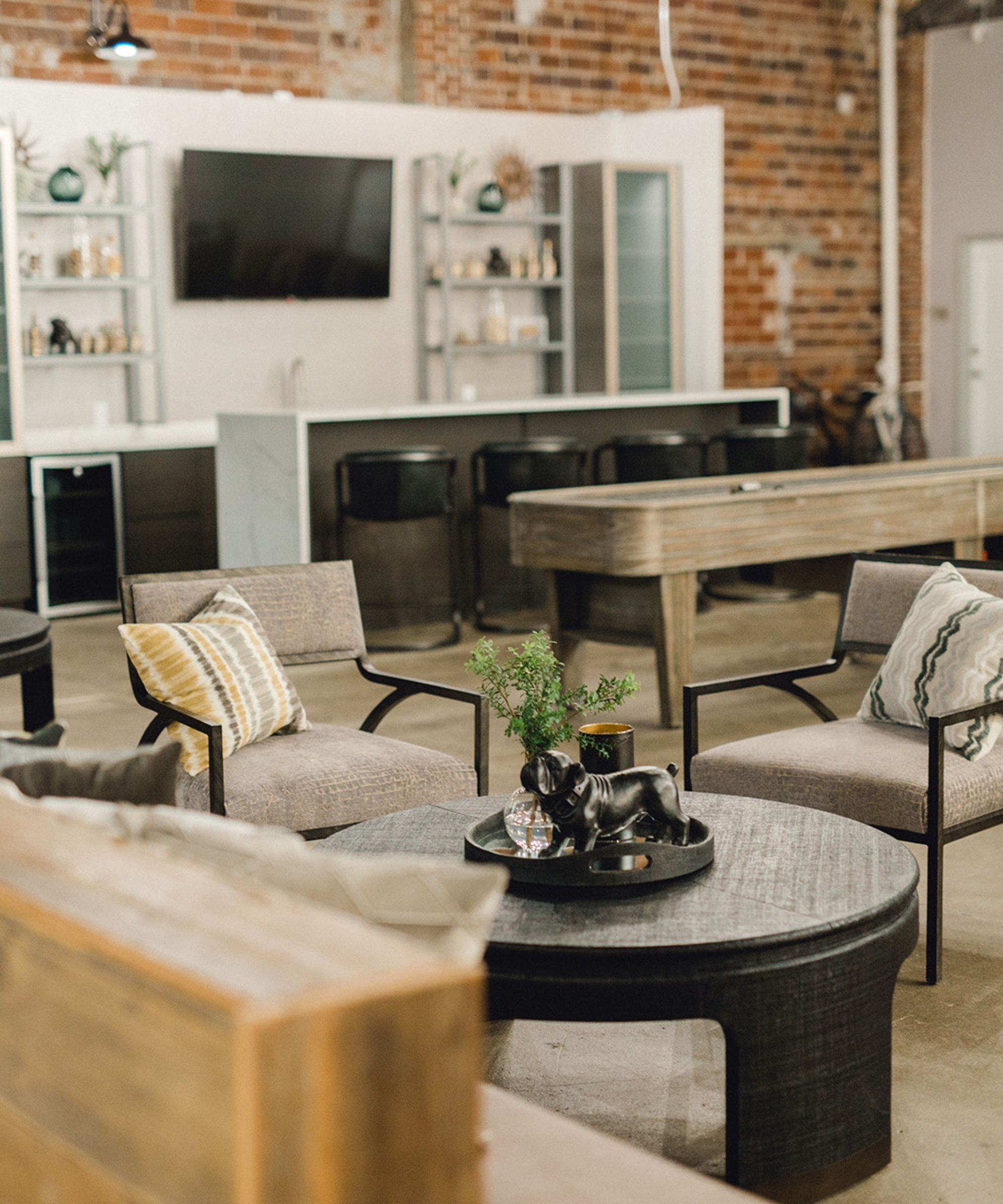
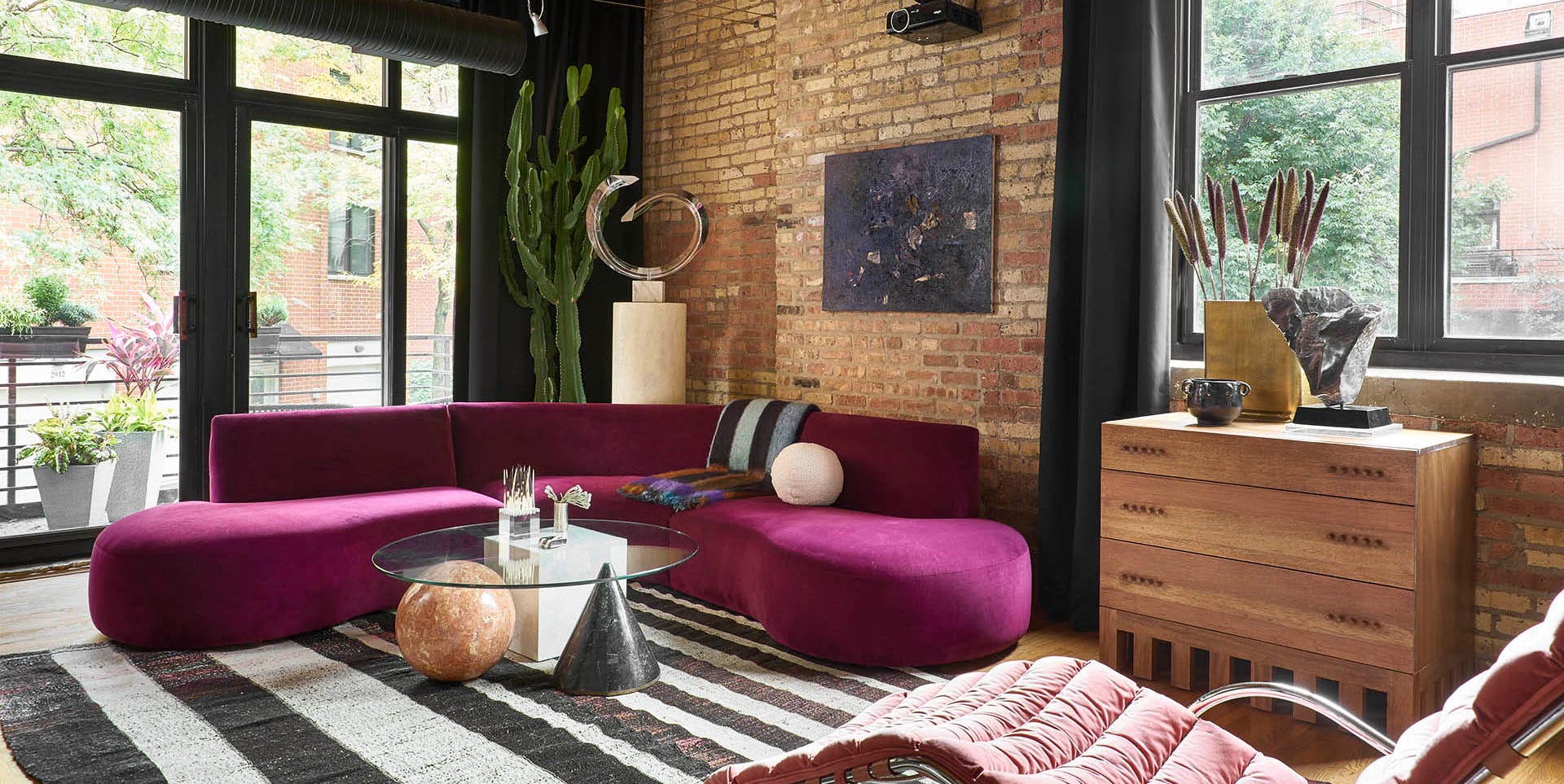
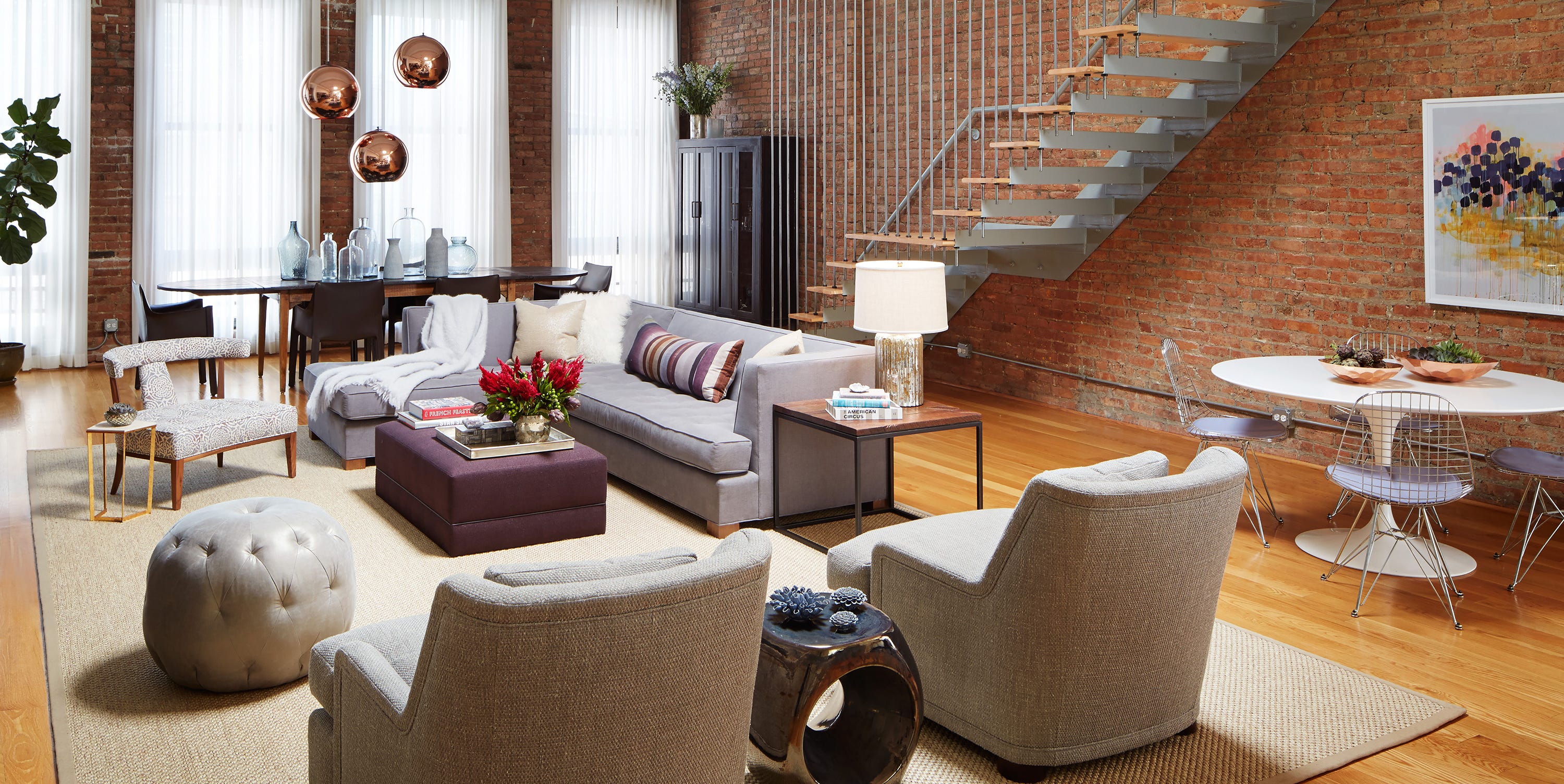
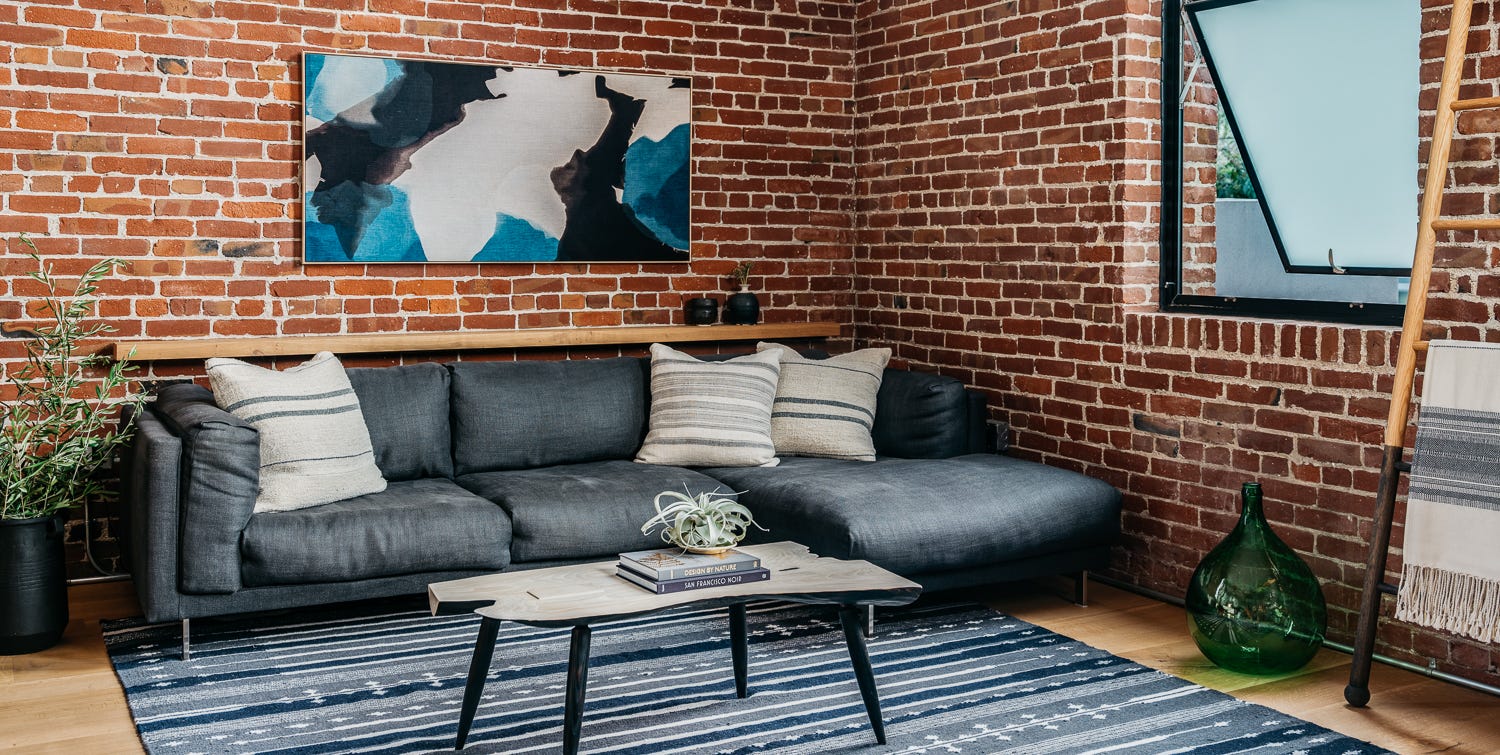
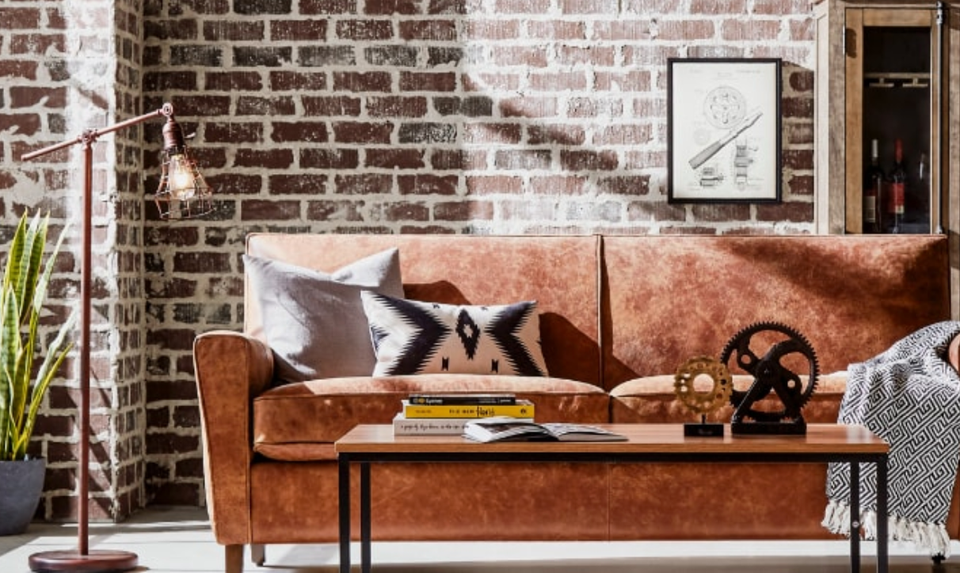
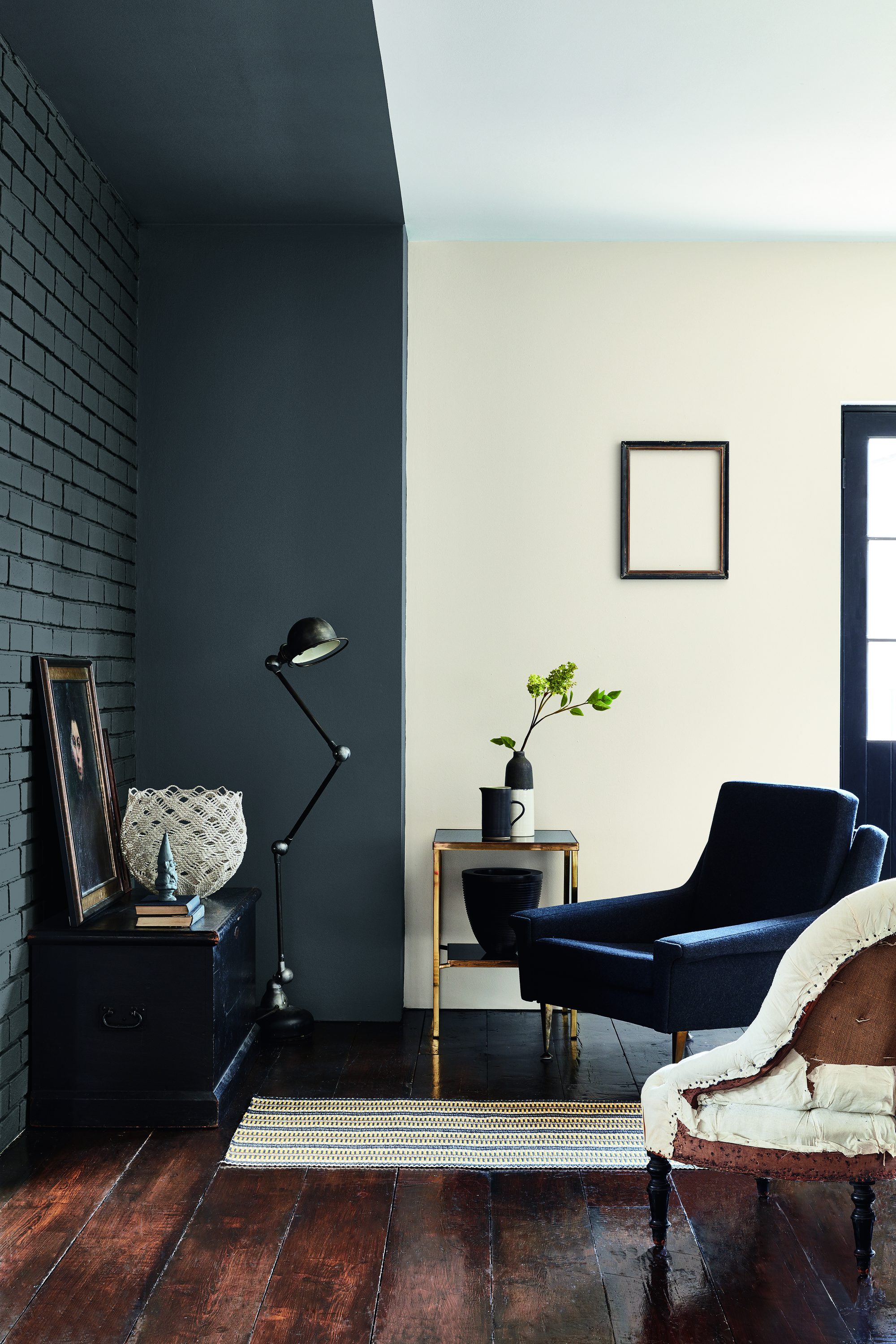
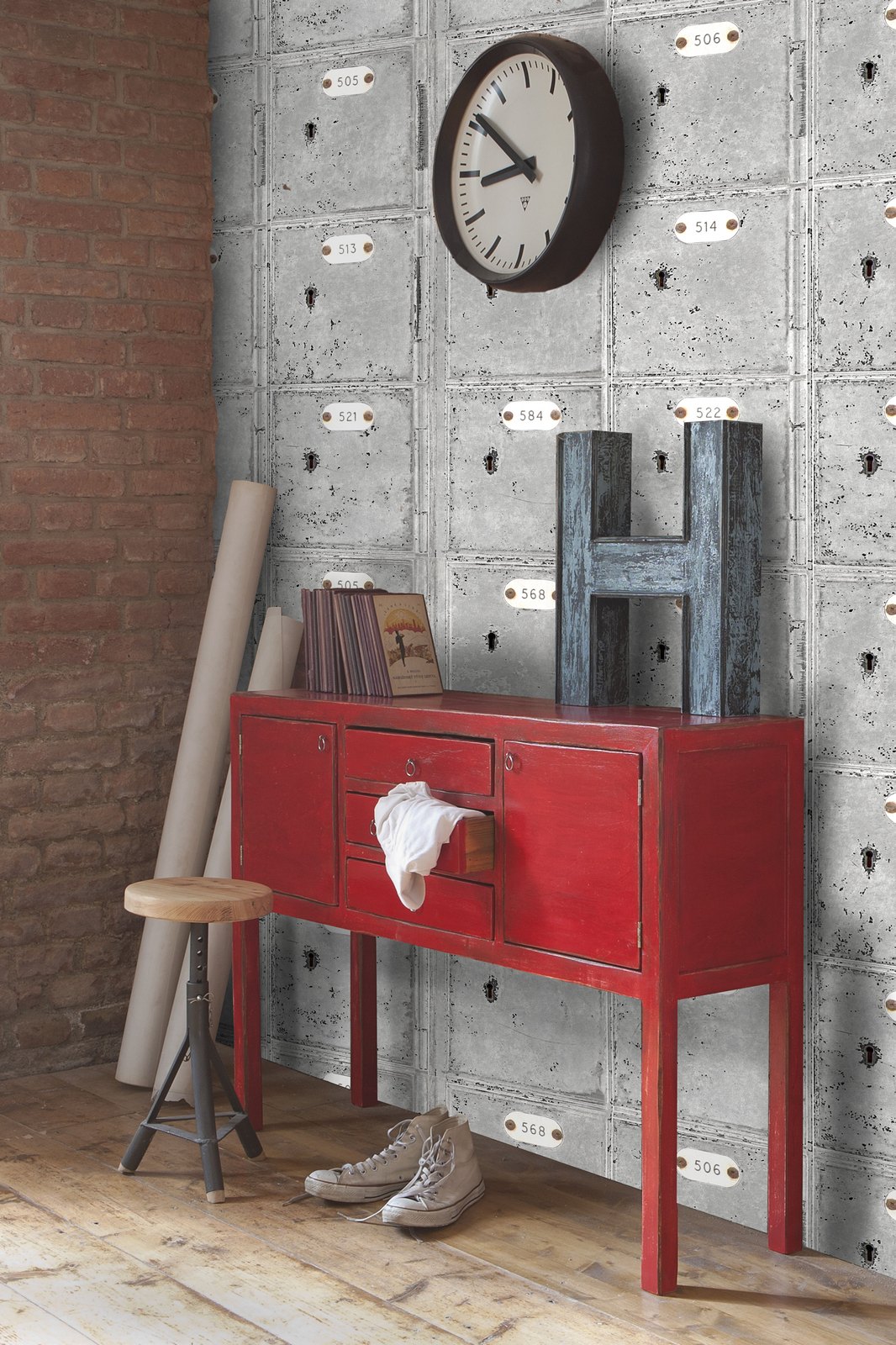
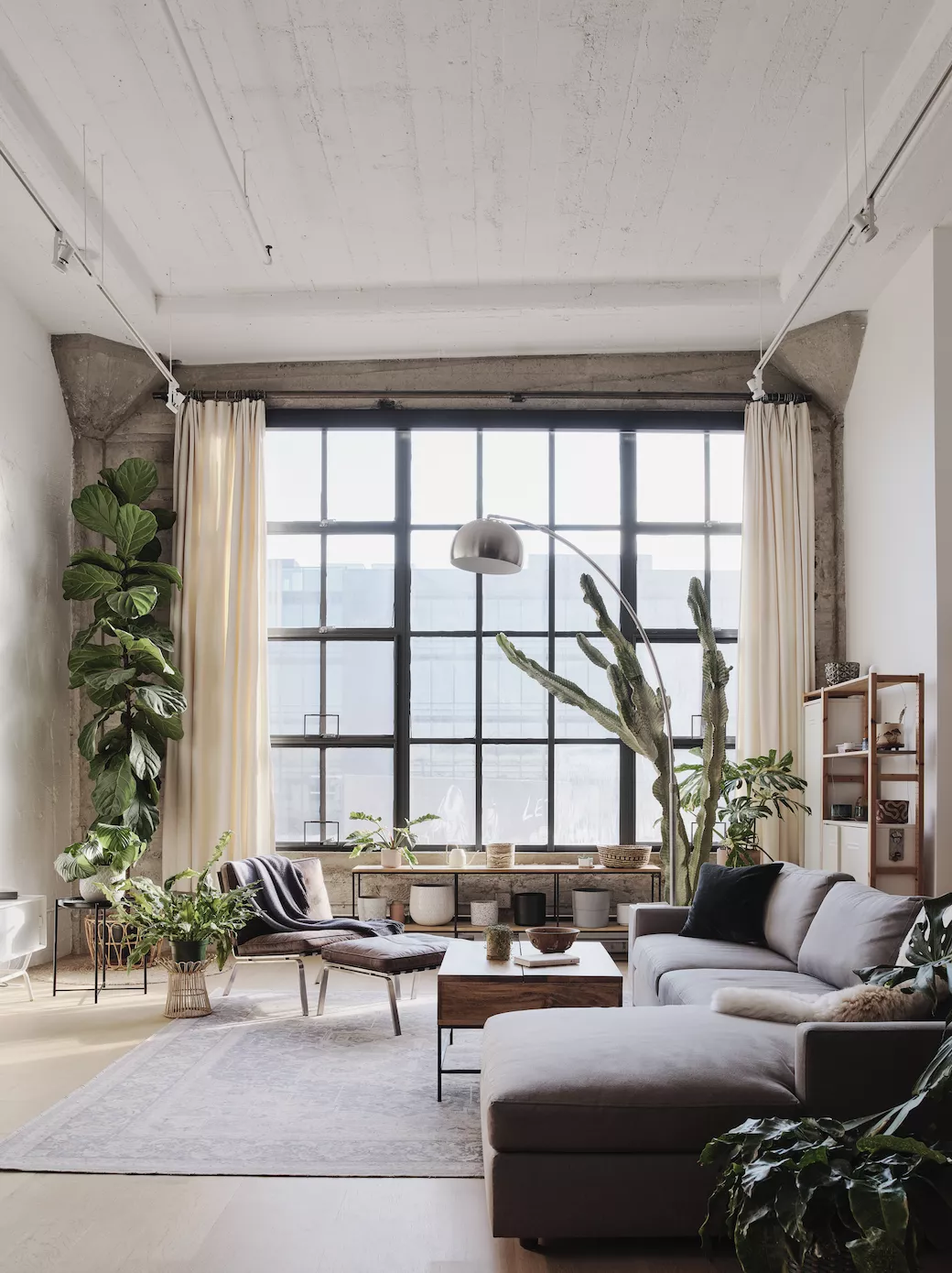
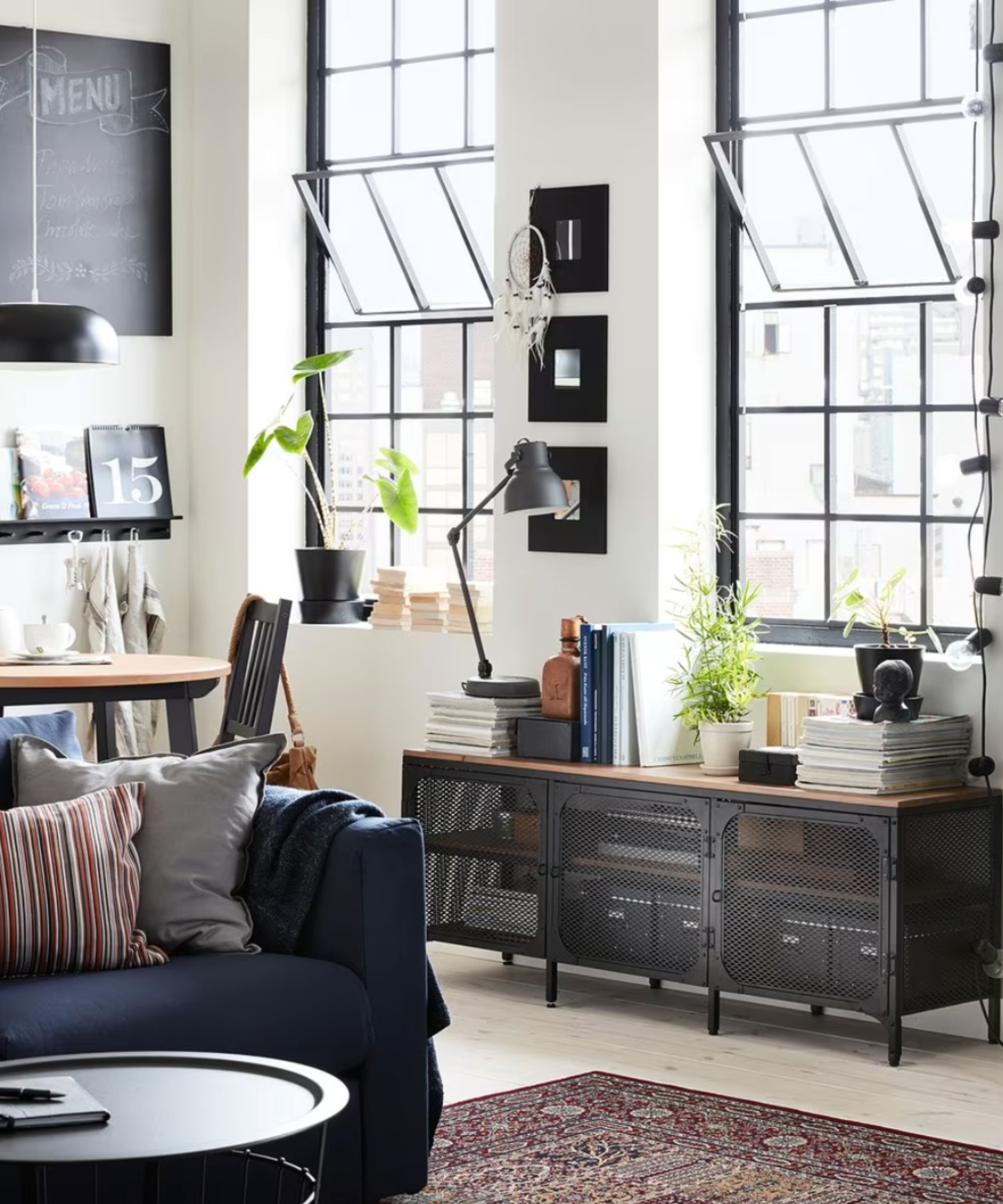
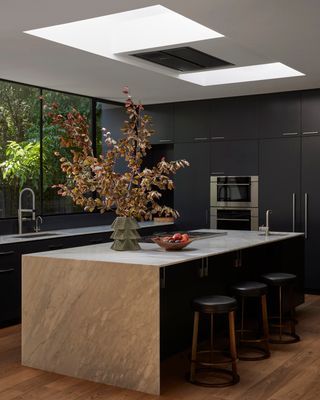
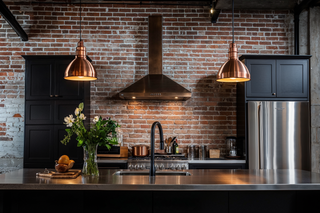
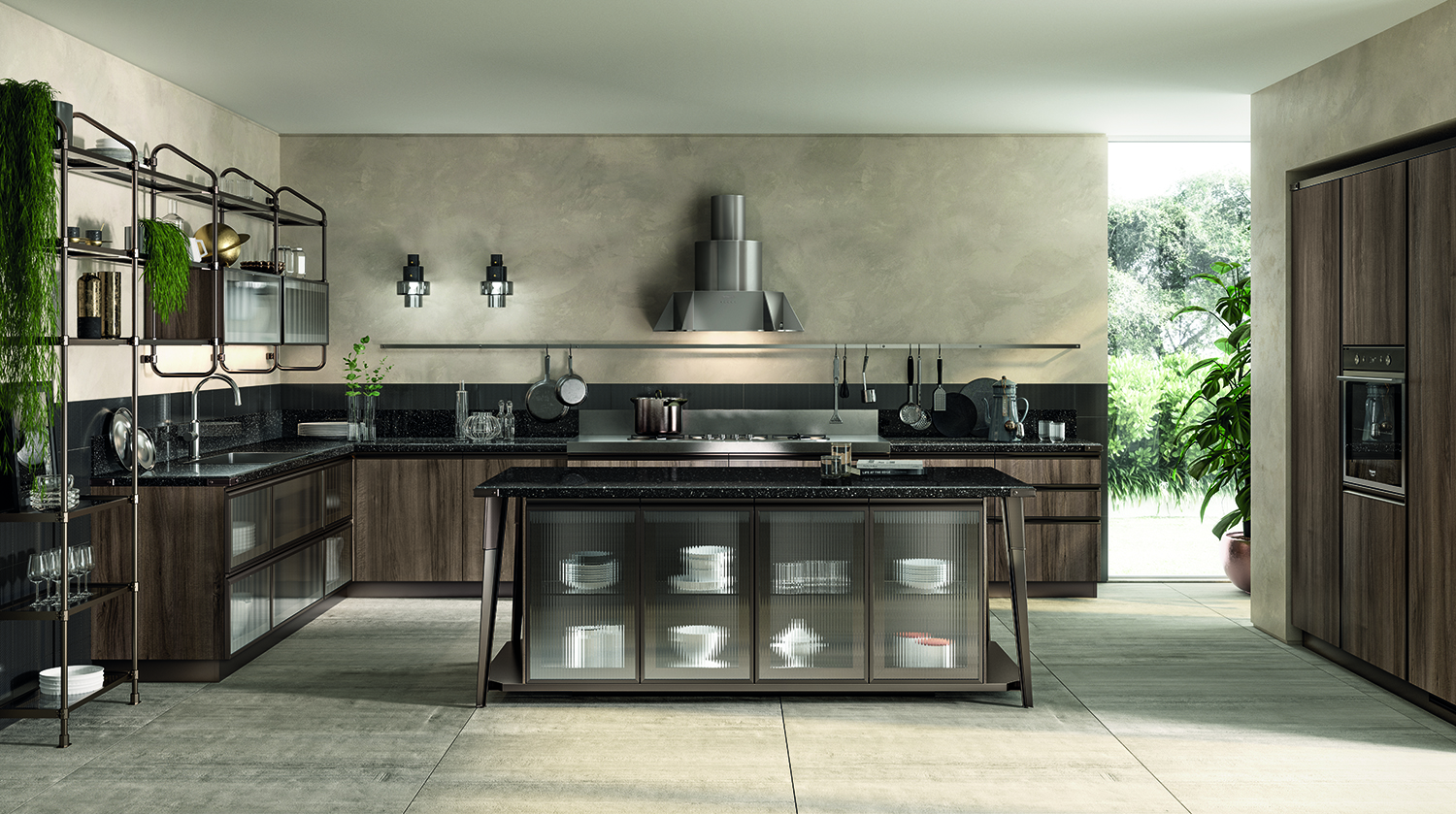
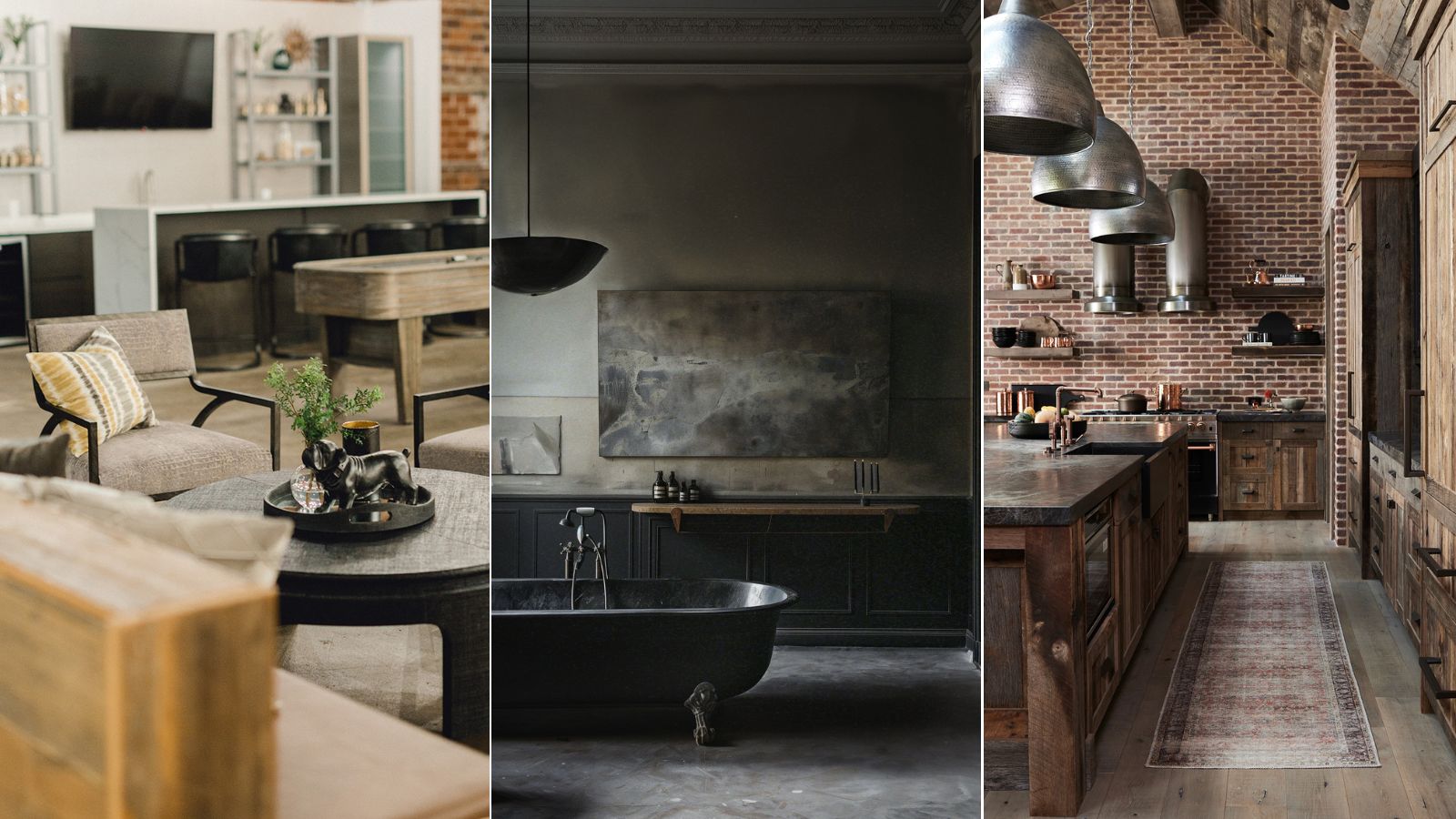
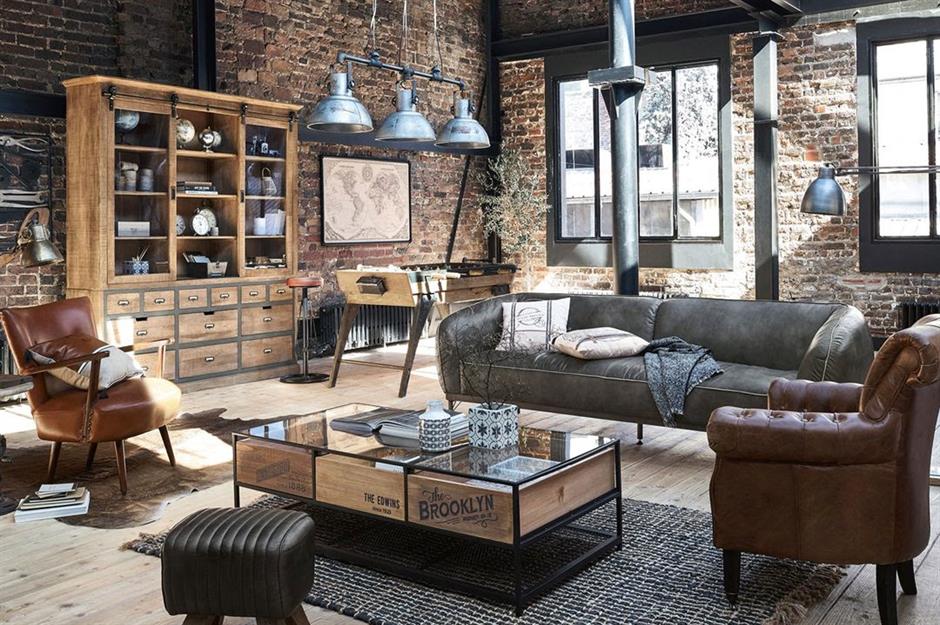
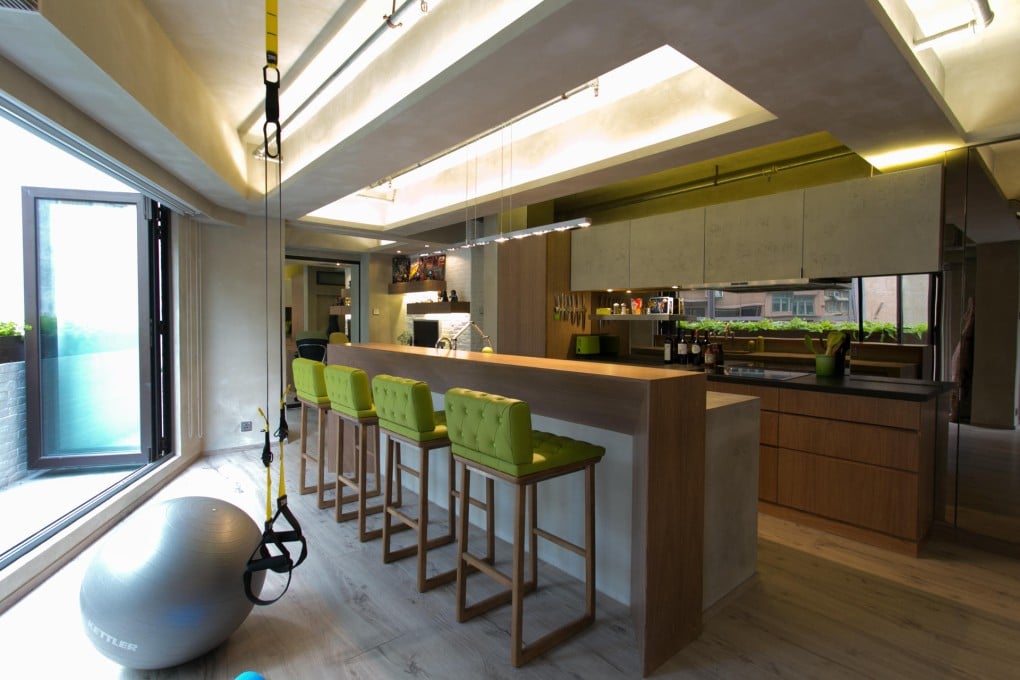
Visually, industrial interior design combines modern slickness with rustic charm, offering an organic, lived-in feel. It is associated with large warehouses, dark lofts, and materials like metal, brick, concrete, and wood. There is a focus on the functionality of spaces and objects, maintaining a pared-back yet bold look with raw and clean backdrops accessorized by color and character through smaller details. This style blends old-world charm with modern simplicity, creating an unrefined and incomplete appearance with visible structural elements such as exposed brick walls, steel beams, and concrete floors. The contrast between smooth metal and grainy wood creates a beautiful combination. Furniture is typically low-profile and simplistic, enhancing the perception of high ceilings and ample space. Windows often feature black metal frames without soft treatments. Flooring is usually concrete, wood, or vinyl, chosen for ease of maintenance. The color scheme draws from building elements, incorporating neutral greys, whites, browns, and blacks, alongside burnt orange from exposed bricks, contributing to a bohemian feel.
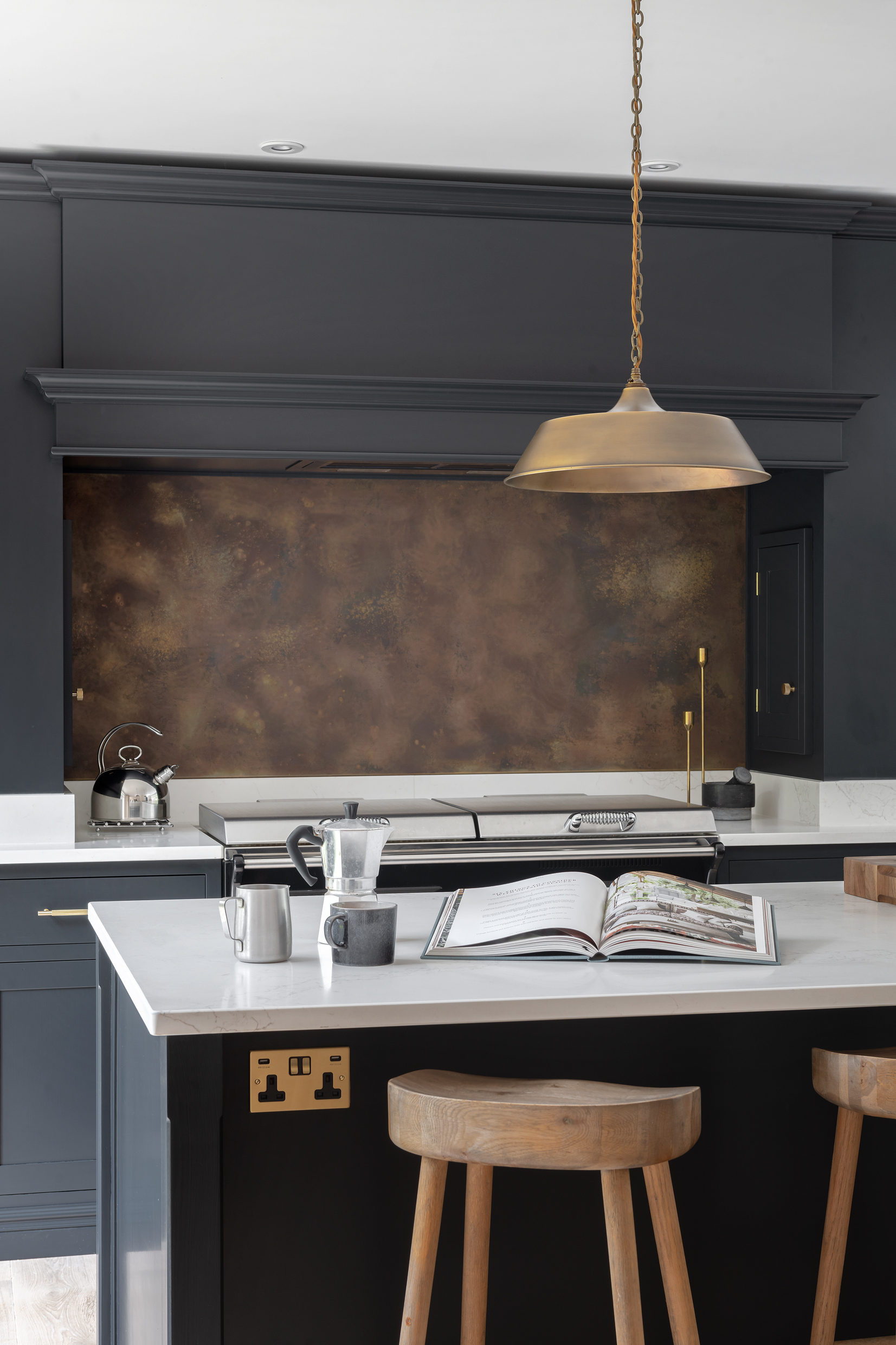
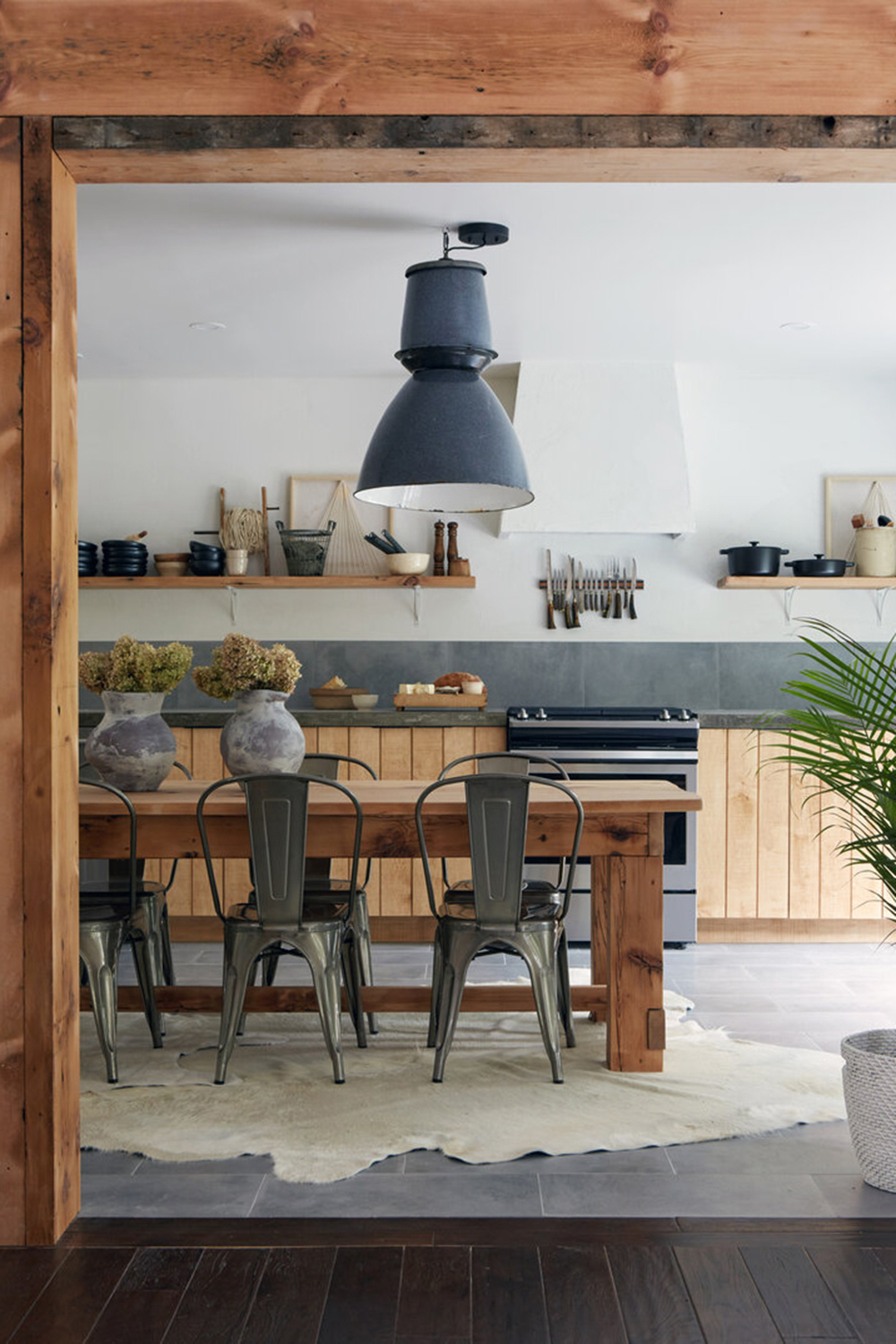
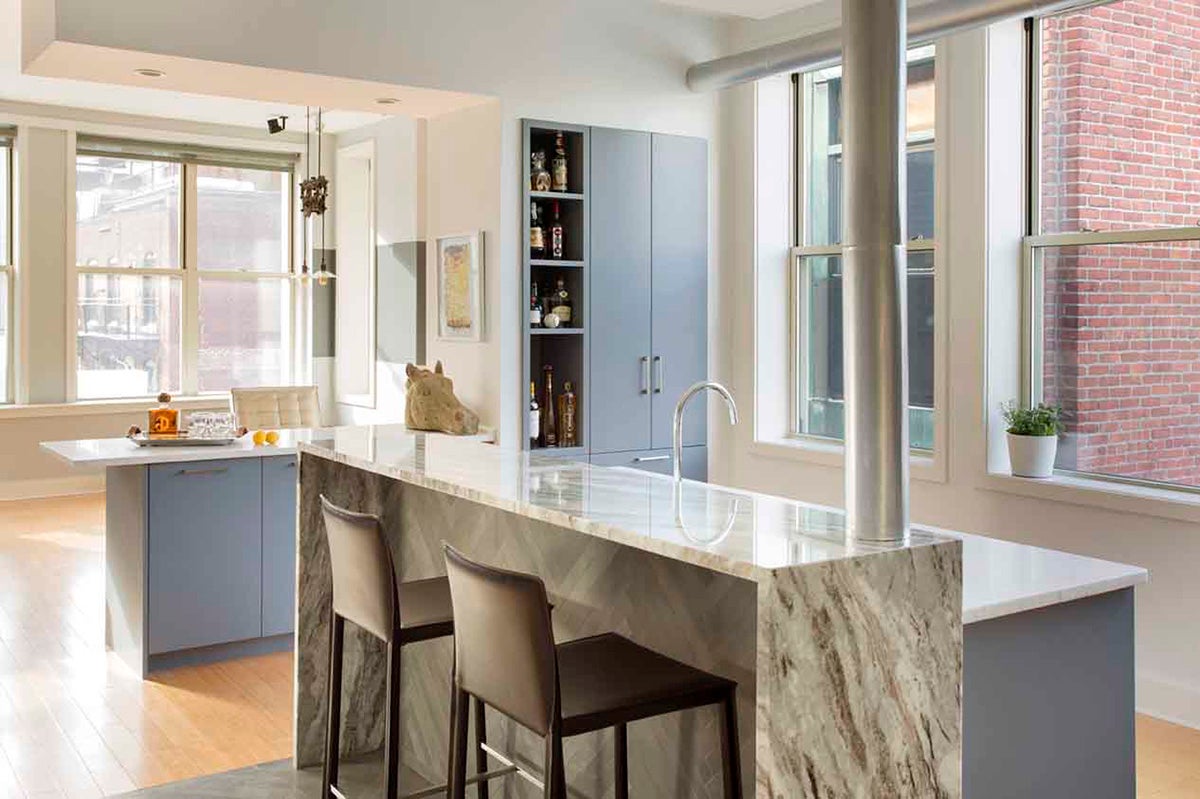
Key materials in industrial interiors include concrete, used for floors, walls, ceilings, worktops, and accessories, with cracks and stains adding to its authenticity. Exposed structural beams, whether metal or wood, contribute to a factory-like feel, and can be left aged, restored, or painted. Ducts and vents, usually hidden, become decorative elements, often stretching across spaces. Exposed brick walls are central to the style, adding earthy tones and rugged textures. Reclaimed wood, characterized by its ruggedness, dents, and signs of age, is valued for flooring, furniture, and worktops, with markings telling a story. Metal, in various finishes from stainless steel to aged and tarnished, is versatile, influencing the room's mood from slick modern to practical and historic.
The industrial aesthetic emerged from the conversion of 19th and 20th-century commercial factories and warehouses into residential spaces, particularly in New York City lofts. Artists in the 1950s, seeking large, light-filled environments, began transforming these utilitarian buildings into live-work spaces. This trend, initially born out of necessity, saw artists and then designers embrace raw elements like rough bricks, exposed metals, and pipework, leading to an honest and authentic look with clean lines and open spaces. Mainstream architects and designers adopted the style in the 1980s and 90s, appearing in various commercial settings. The style's affordability and adaptability for creative inhabitants on a budget also contributed to its rise. From 2010 onwards, industrial-style furniture and features like exposed brickwork became highly sought after, continuing the demand for open-plan, warehouse-inspired living.
Industrial spaces typically create an edgy and raw atmosphere. Modern industrial design has evolved to incorporate curves and softness, balancing sharp details with humanizing elements. The style aims for a simple and minimal look while building interest. Its no-nonsense, functional approach, clean lines, reclaimed furniture, and neutral palette, layered with wood, metal, and exposed brick, create a spacious feel with character, suitable for open-plan or smaller rooms. It promotes a feeling of spaciousness and is often paired with a minimal decorating approach, fostering a calm atmosphere. Avoiding clutter is crucial, emphasizing ample storage. The focus remains on materials and natural light, advocating for minimal window treatments and a palette of muted, natural tones like matt blacks, deep browns, soft greys, and off-whites, balanced by varied textures. The clean lines and statement elements blend seamlessly with other styles, offering a layered and considered living environment with opportunities for customization.
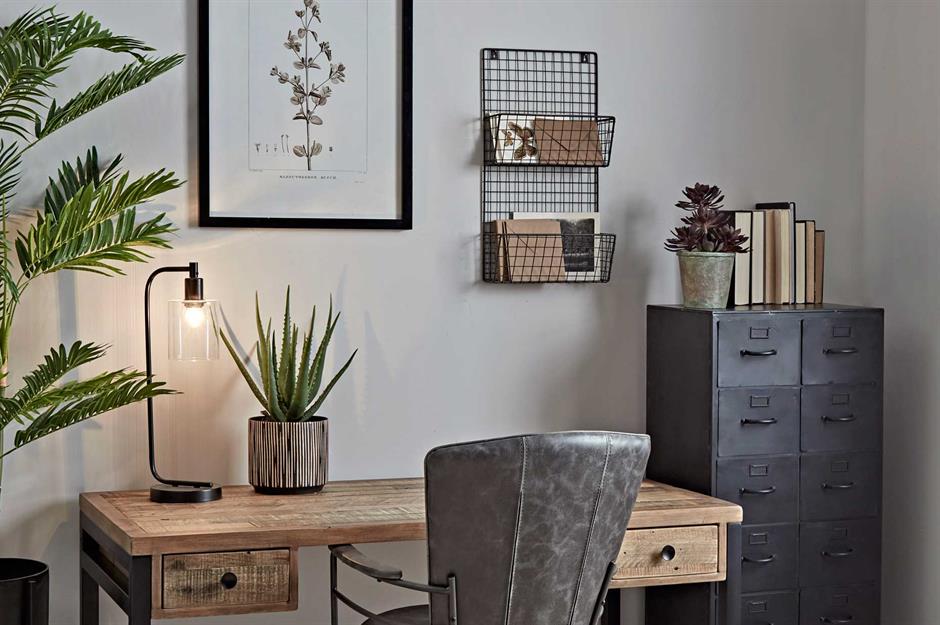
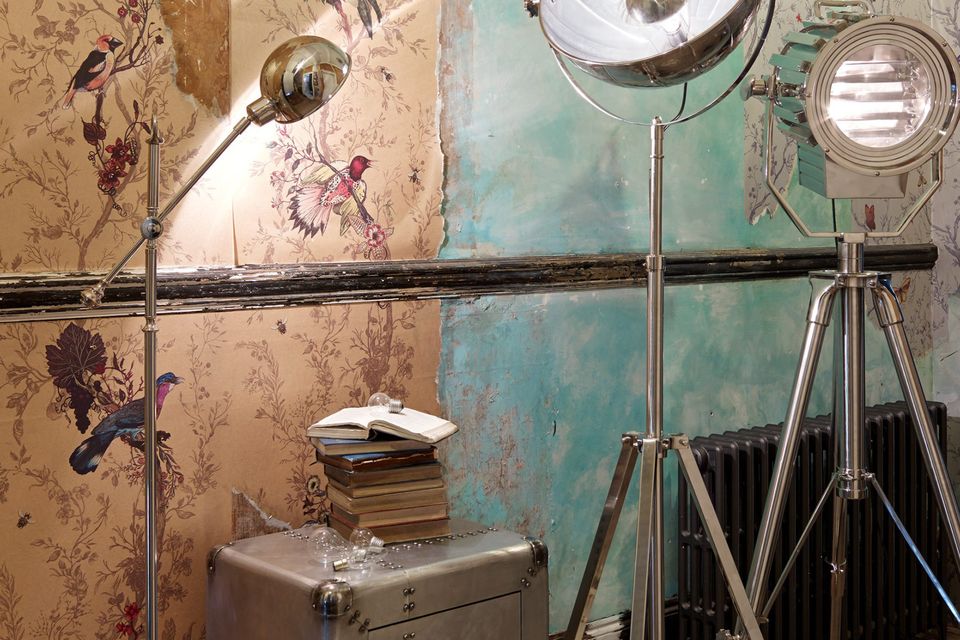
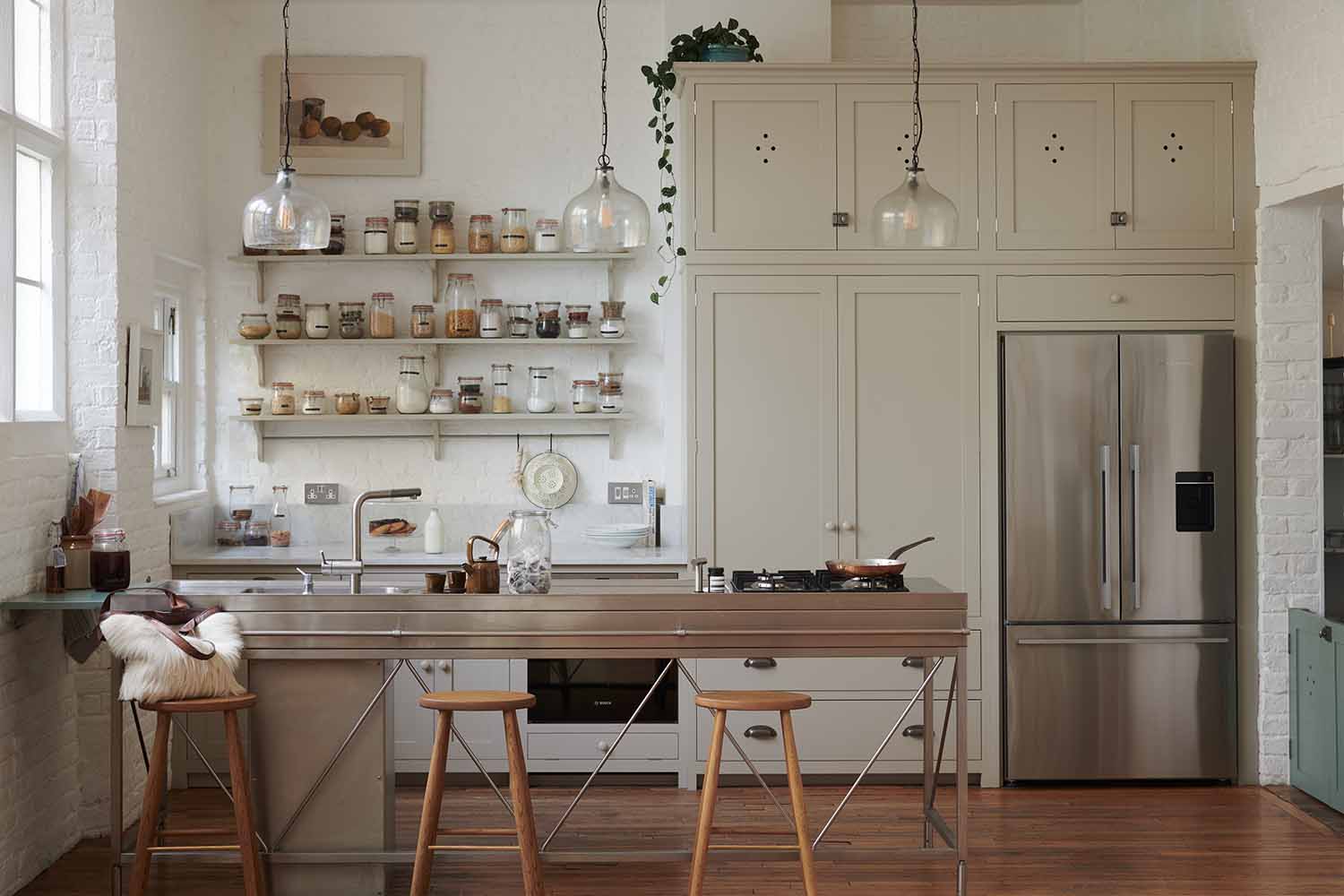
To achieve an industrial look without living in a converted warehouse, key themes include 'raw,' 'exposed,' and 'unfinished.' A neutral, toned-down color palette is recommended, with occasional splashes of black or dark grey. Walls should be left bare, layouts open, and functional materials like metal, timber, bricks, and tiles from the industrial era utilized. Incorporating elements of weathered wood, exposed metal, stripped floors, distressed leather, linen, and caged metal light fittings with bare bulbs helps create a relaxed industrial feel. Metal elements like shelves, bar stools, or coffee tables are essential. Keeping the space clutter-free ensures furniture and decorative elements are both functional and aesthetically valuable. Exposed brick walls are iconic, but steel beams and tin tiles also contribute to the warehouse atmosphere. Materials such as stainless steel, concrete, or resin, along with metal and leather furniture, are key. For new builds or extensions, exposed steel supports, track lighting, poured concrete floors, and exposed timber joists or brick walls can be incorporated.
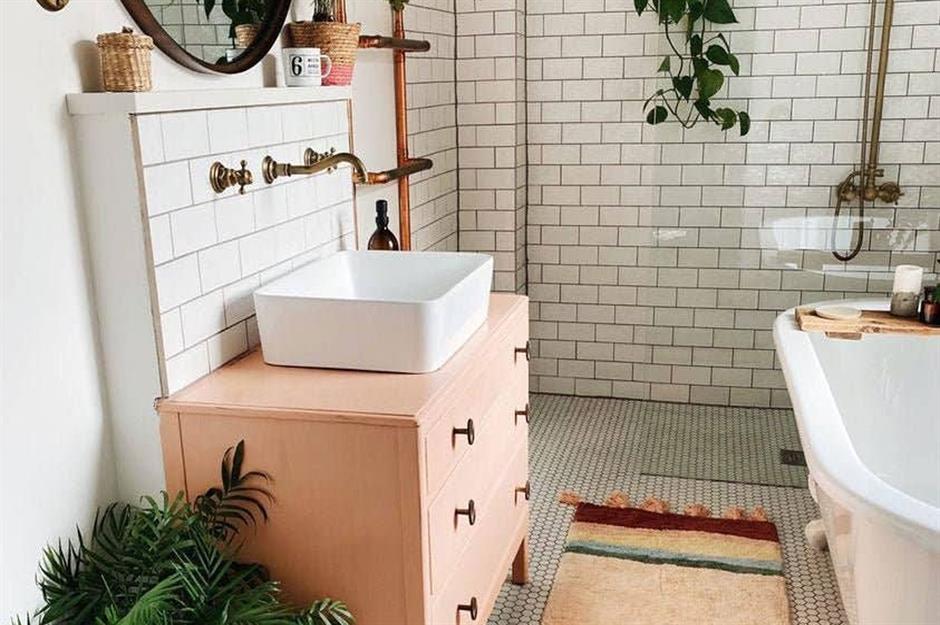
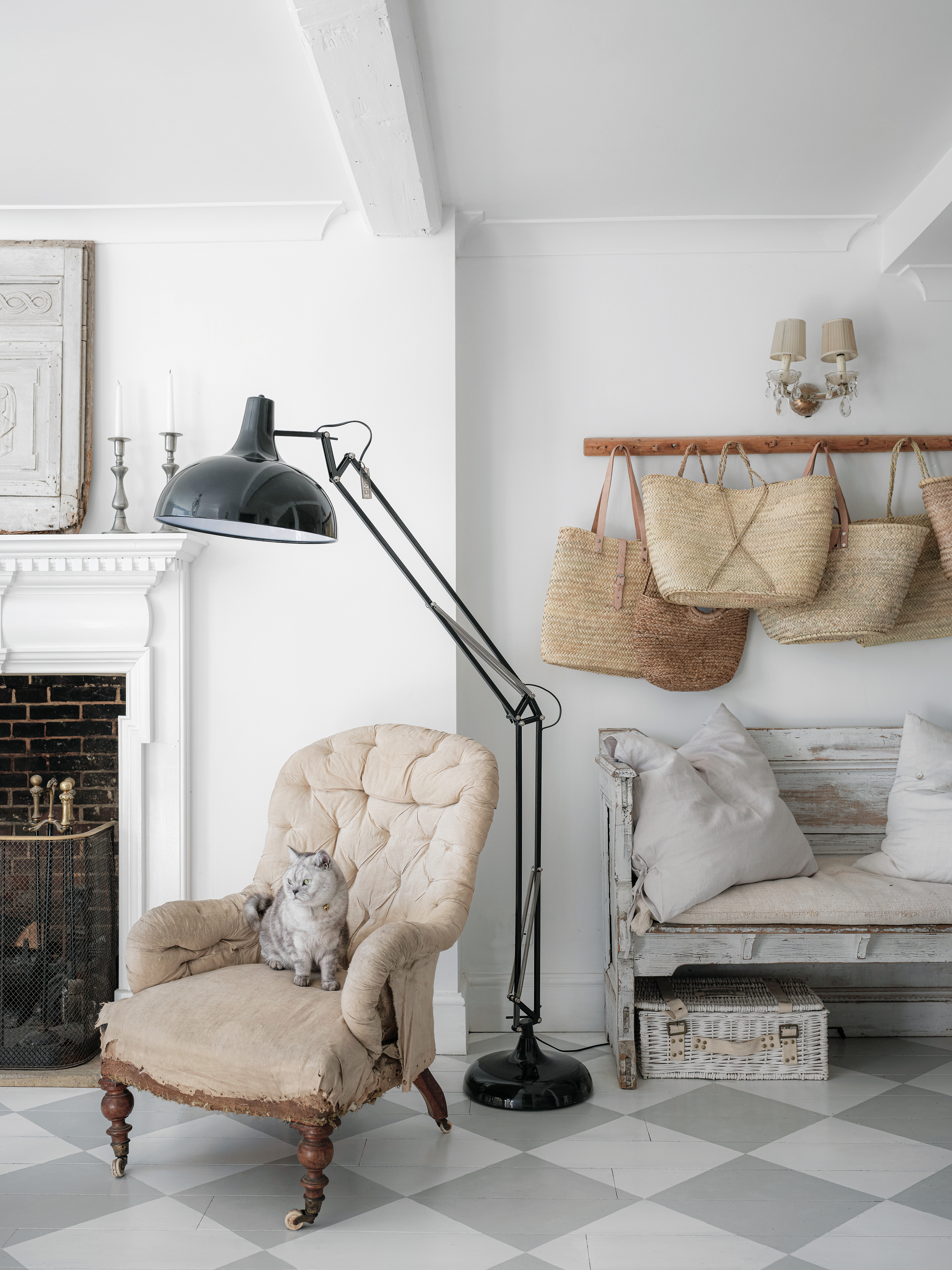
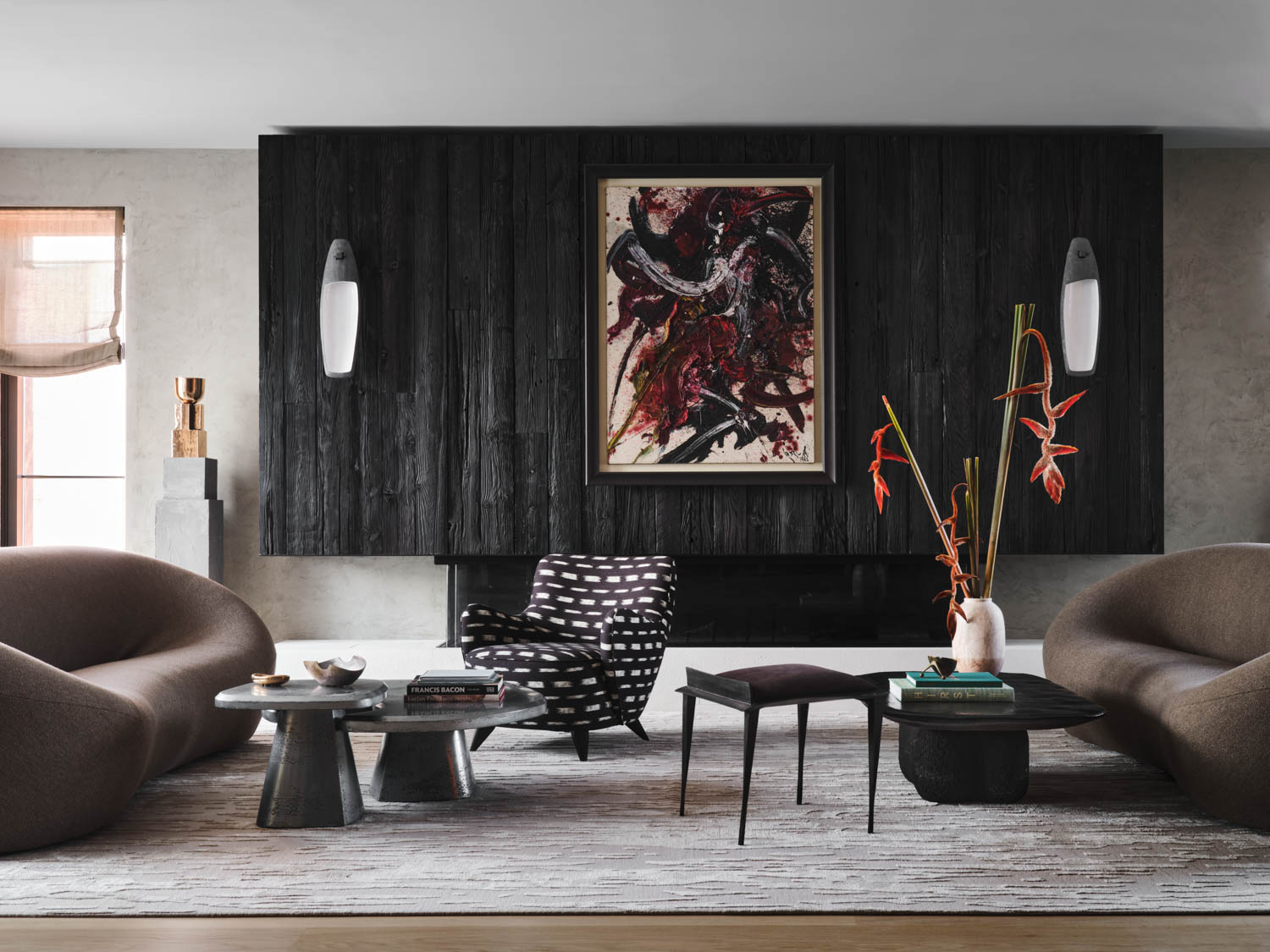
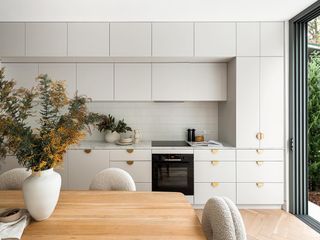
Industrial style has evolved by blending with other interior design styles due to its flexibility. It integrates well with Scandinavian and Japandi styles, sharing traits like neutral tones, mixed textures, and functionality. This evolution allows for fresh elements and more individual, eclectic spaces. Designers have softened the stark appearance of early industrial interiors, moving towards warmer and more elegant looks while enhancing space qualities. It is increasingly used in residential settings, often mixed with softer materials and refined elements for comfort. This eclectic approach allows individuals to infuse their distinctive style, combining industrial elements with vintage furniture, delicate accessories, or Mid-Century lighting, using contrasting textures and materials to create impactful interiors. Today, the focus has shifted from rusty and rough to premium, luxurious, and high-quality materials that ensure longevity.
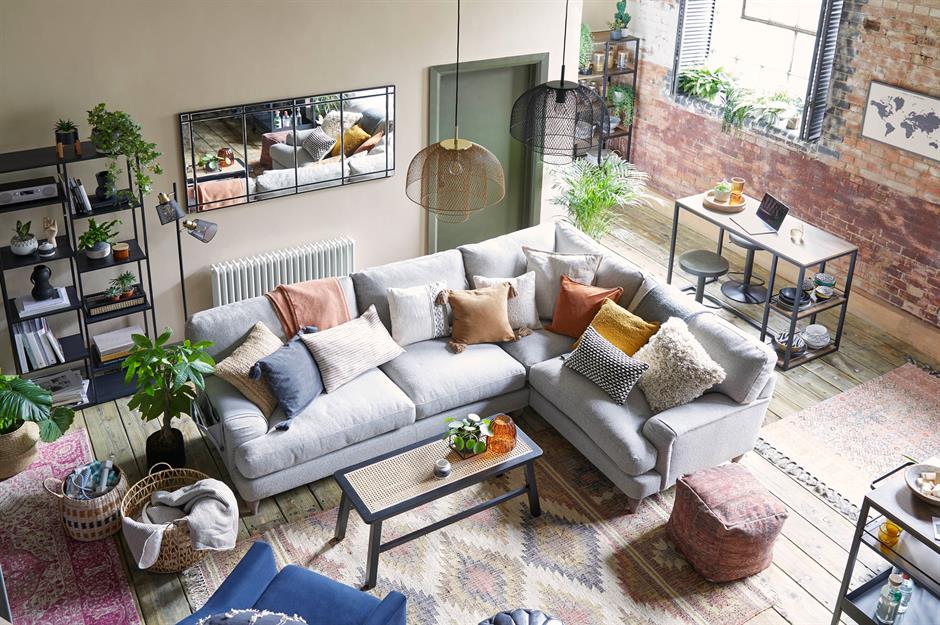
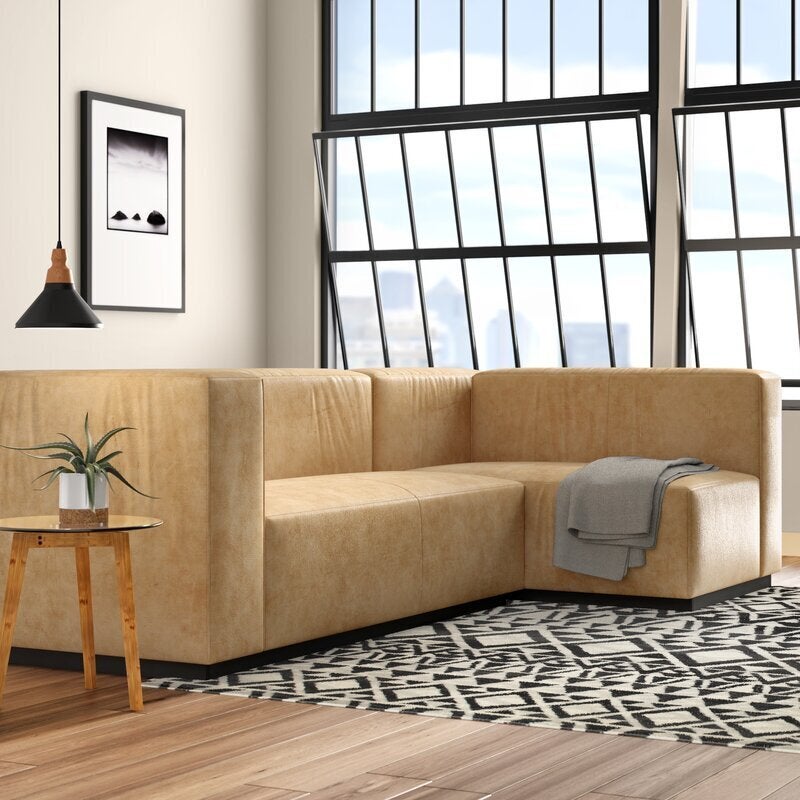
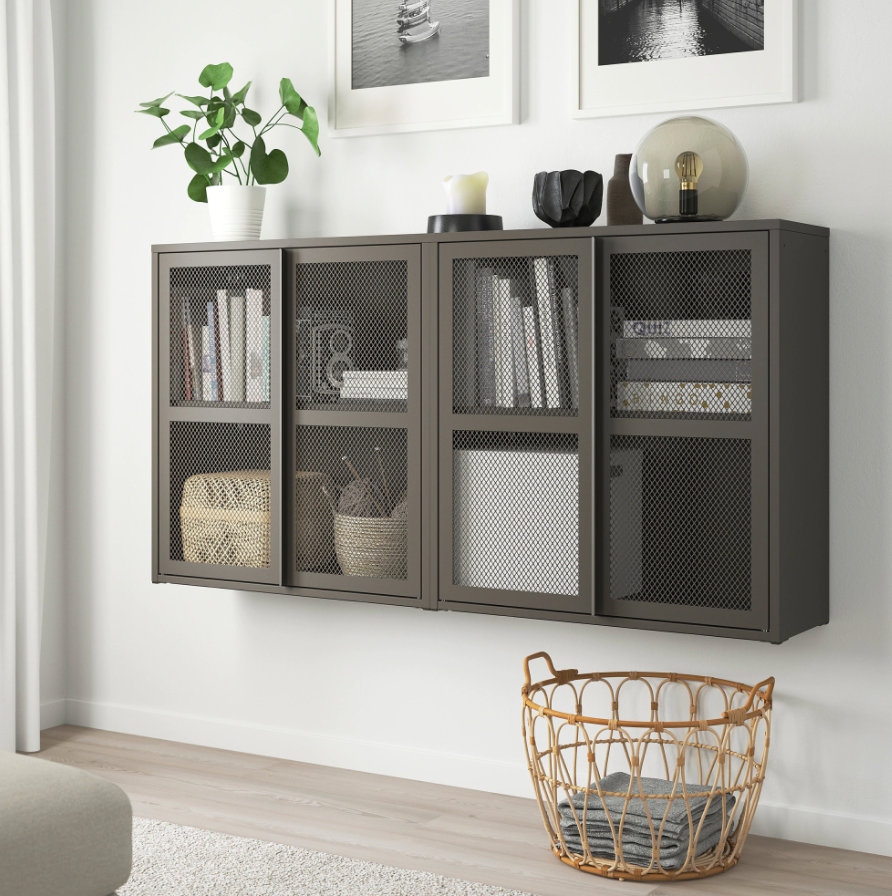
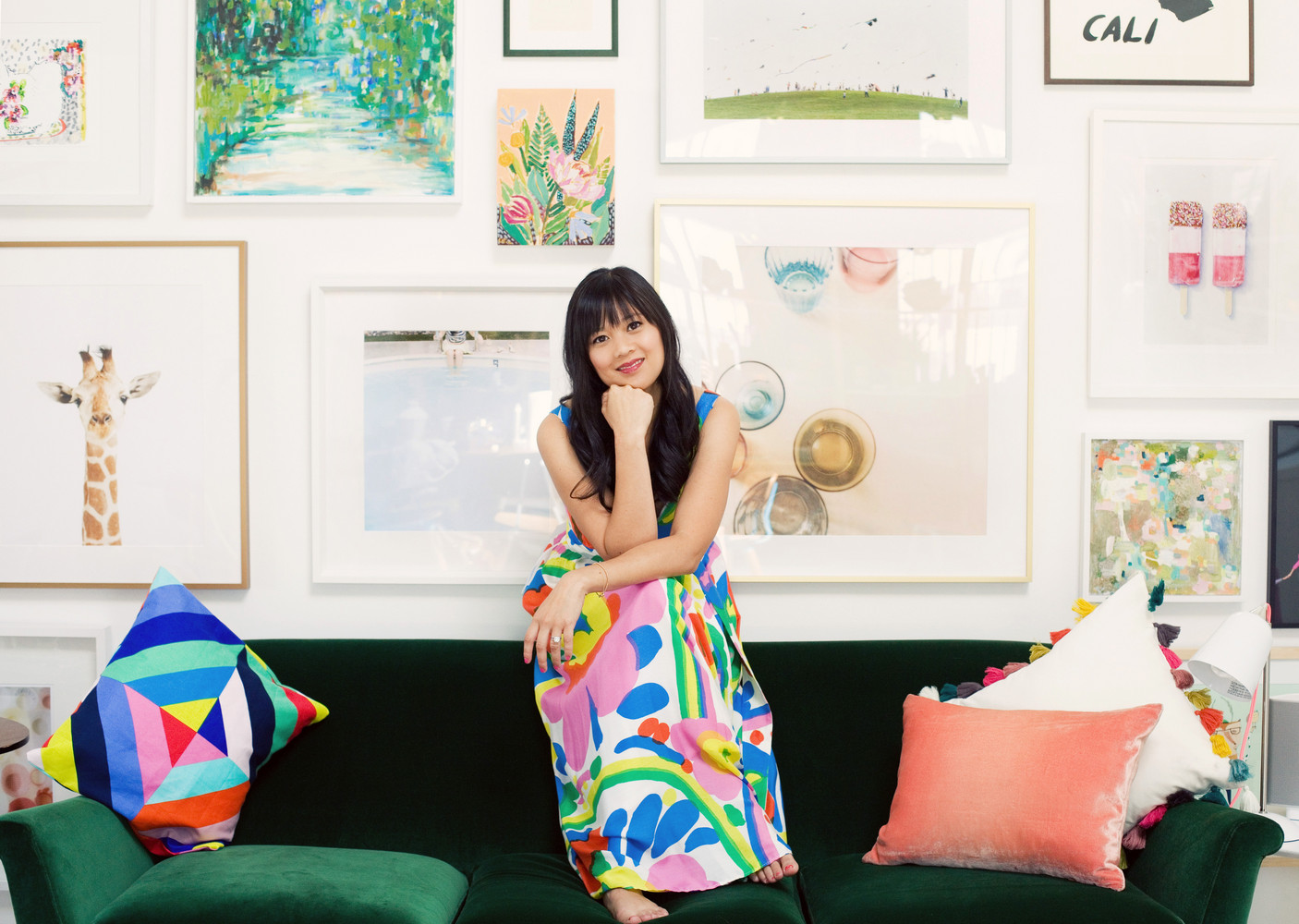
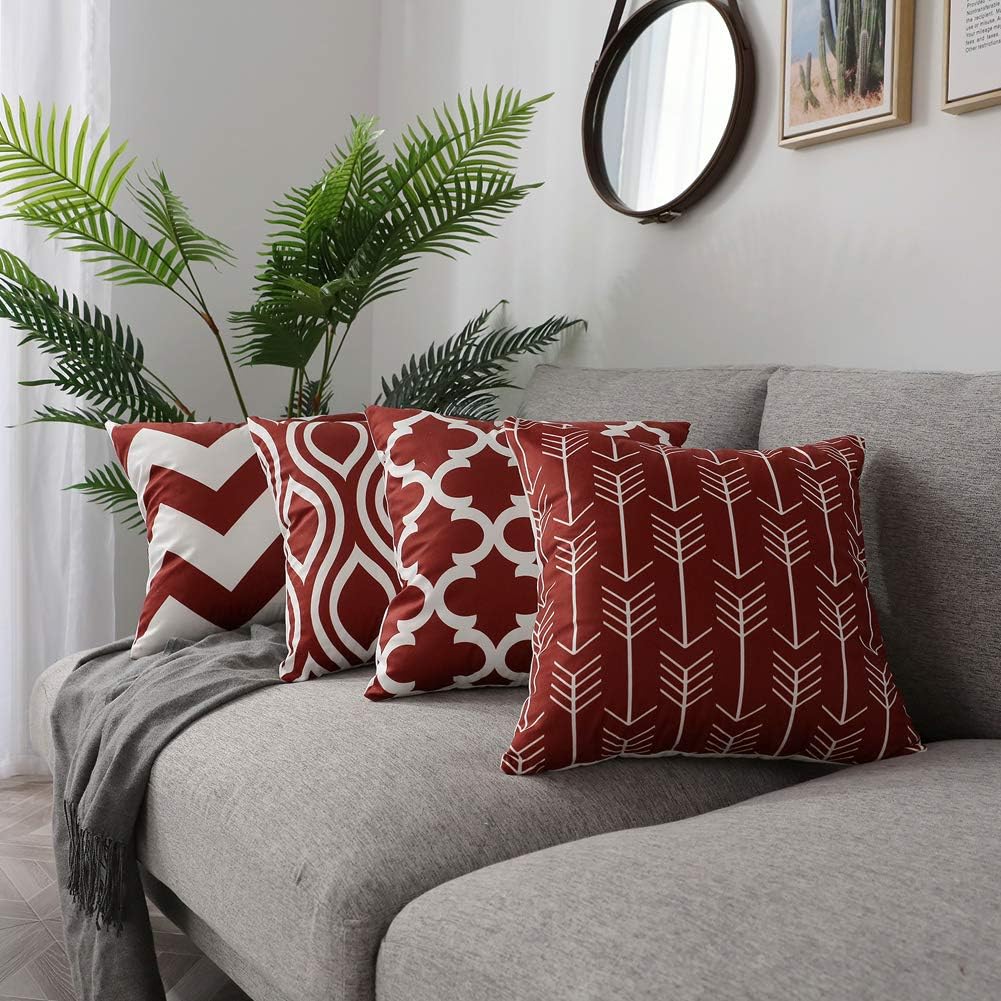
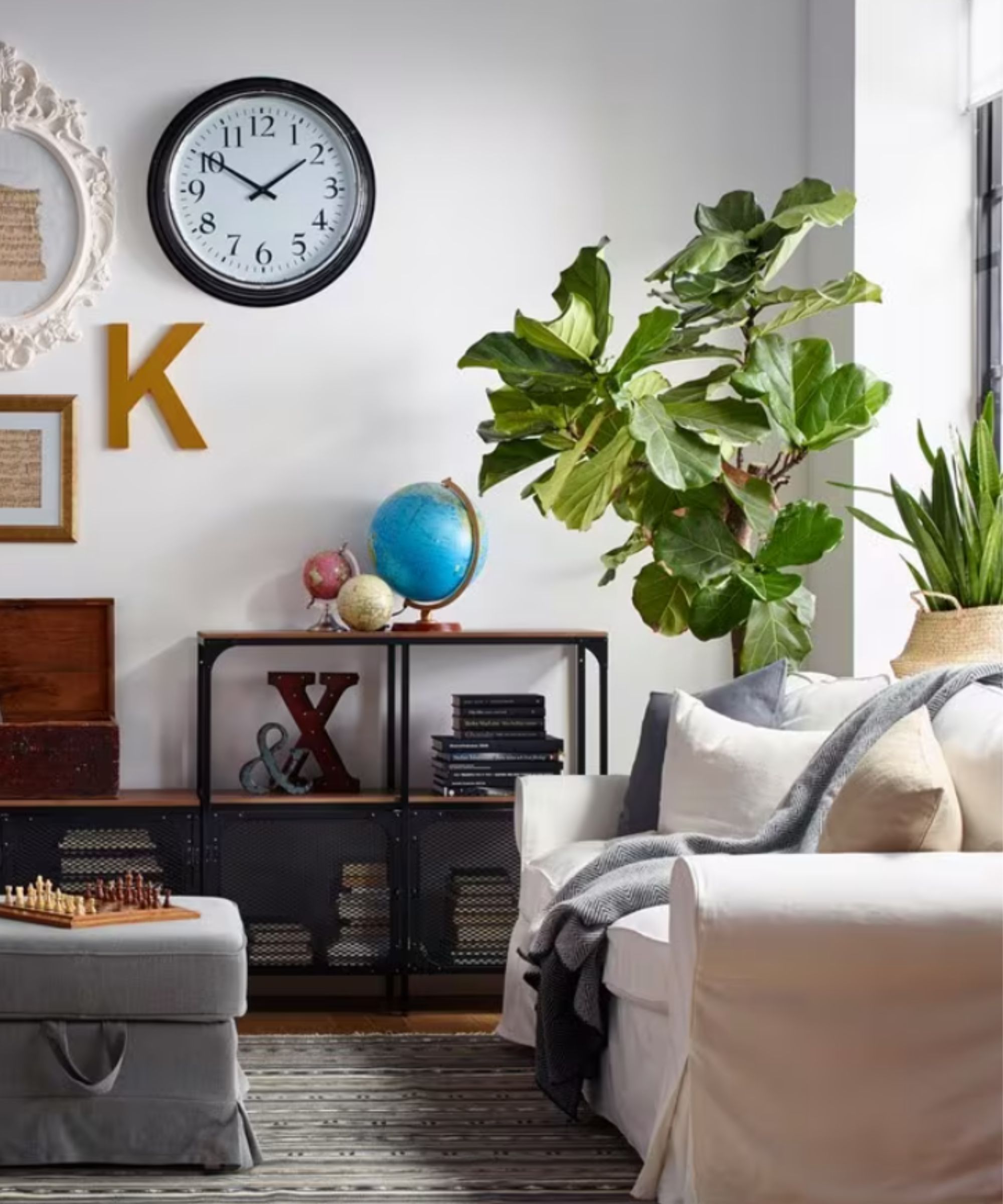
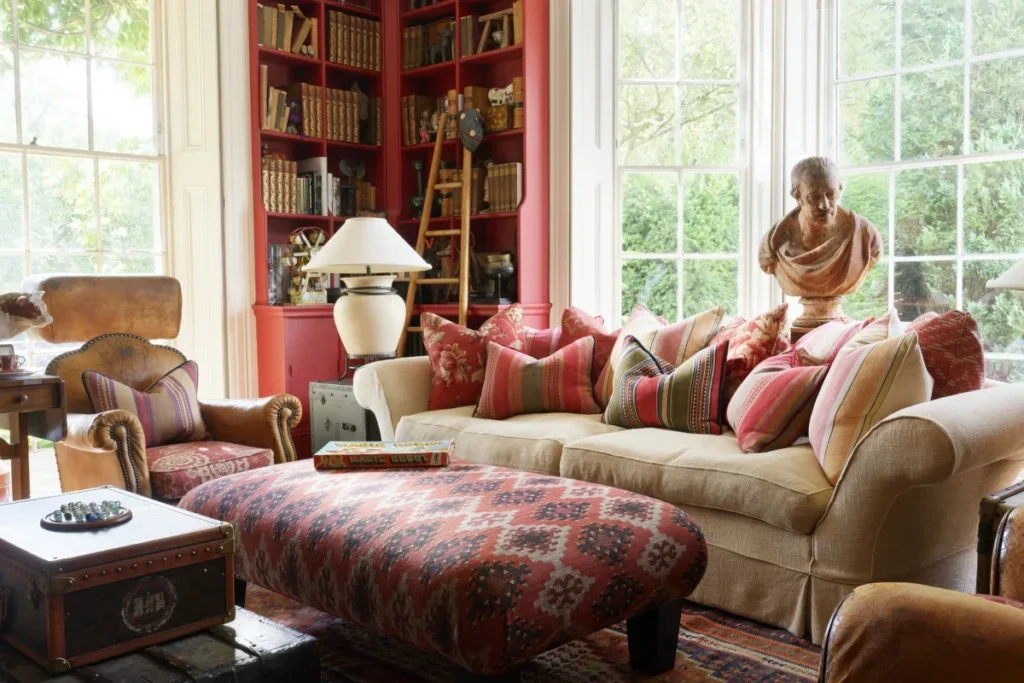
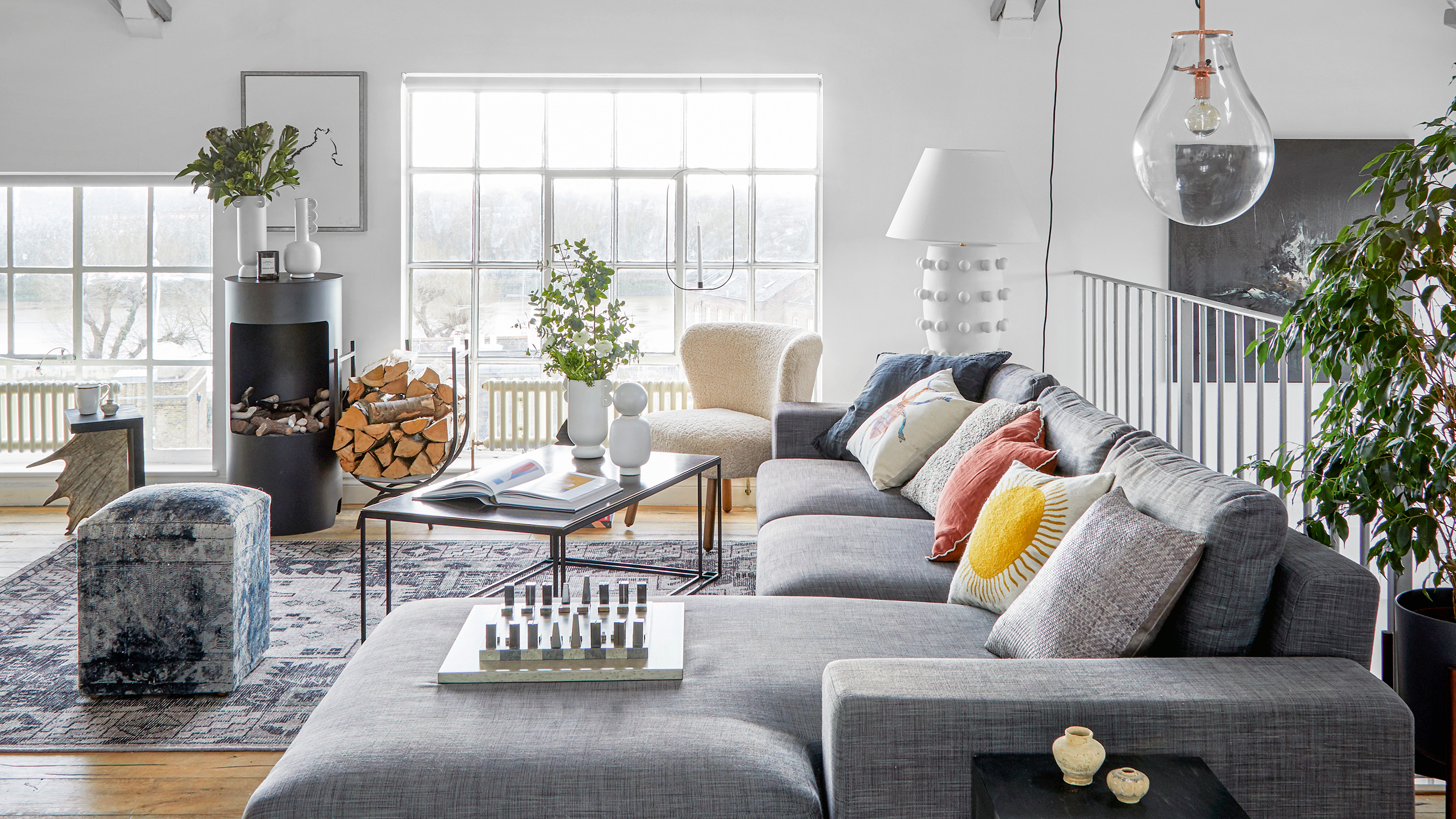
Softening the industrial look can be achieved through soft furnishings and splashes of color, such as statement rugs and cushions. Large rugs, art, and statement lighting create focal points in open-plan schemes, preventing emptiness. Combining industrial elements with other trends, like comfortable sofas and vintage rugs, adds contrast and warmth. Bold wall art introduces color and coziness. Soft furnishings in bright colors or a chandelier add personality, and roller blinds in natural fabrics soften metal-framed windows. Incorporating plants on metal cabinets or varied foliage on sideboards creates a gentle, tumbling effect, softening hard lines. Strategic lighting is crucial; varying light types, creating pockets of illumination, and using dimmer switches can instantly change the atmosphere and add warmth. Industrial design, despite its origins, remains current and adaptable, constantly evolving to fit modern needs, blending with other styles while retaining its core elements of simplicity, functionality, and worn qualities. It is considered a timeless aesthetic that continues to adapt and flourish.
#IndustrialDesign #InteriorDesign #HomeDecor #ArchitecturalStyle #RawMaterials #ExposedElements #LoftStyle #DesignTrends #ModernIndustrial #IndustrialDesign #InteriorDesign #HomeDecor #ArchitecturalStyle #RawMaterials #ExposedElements #LoftStyle #DesignTrends #ModernIndustrial
共0条评论
 暂无评论
暂无评论你可能还喜欢
Industrial-style interiors are trending – here's how to get the sleek and stylish look

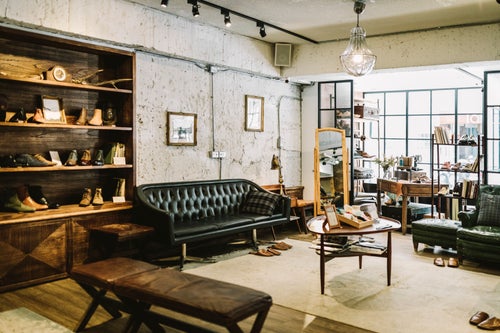
The Best Stores To Buy Industrial Furniture And Decor Online
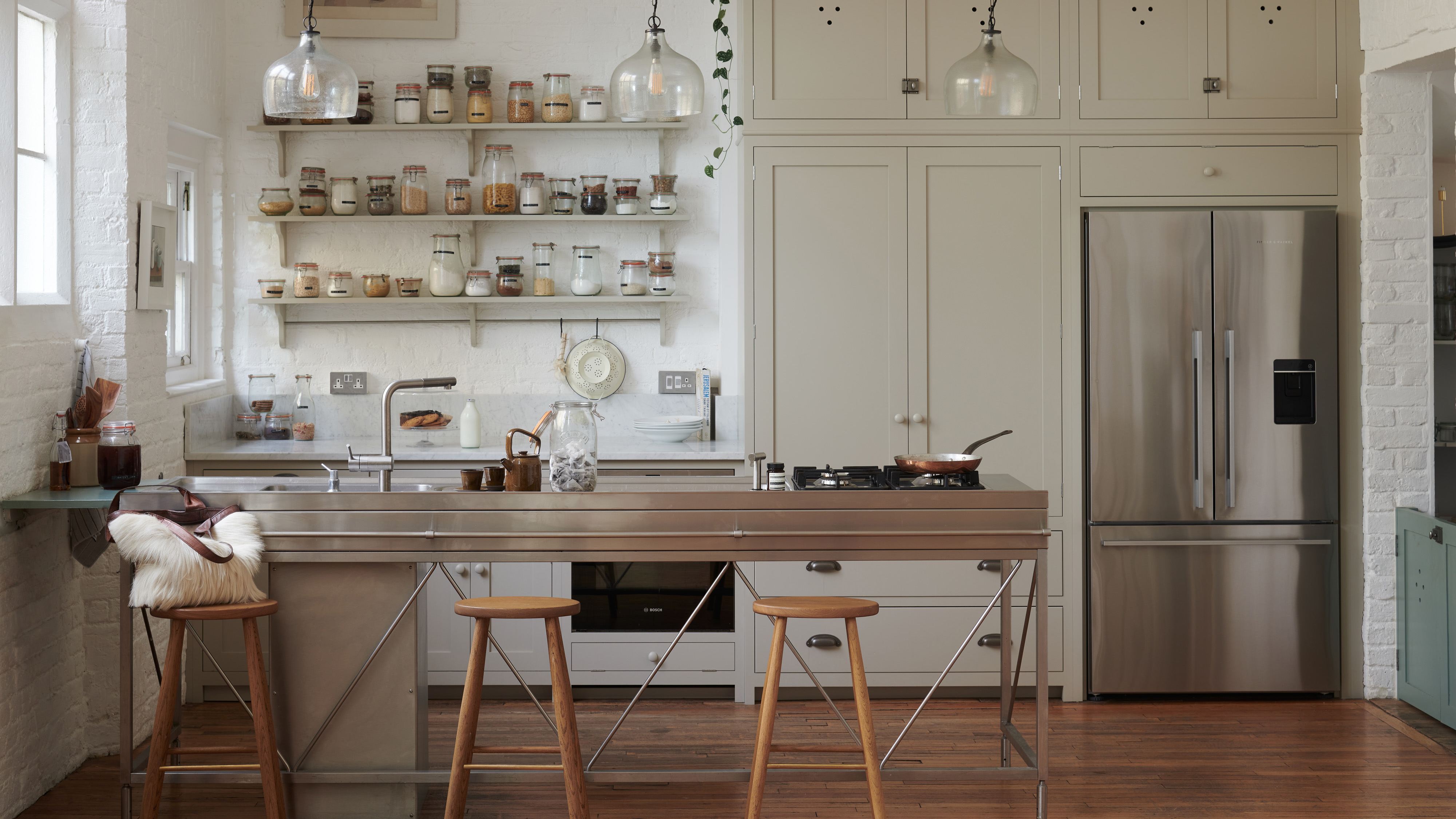
Industrial kitchen ideas – how to incorporate the edgy trend into livable spaces

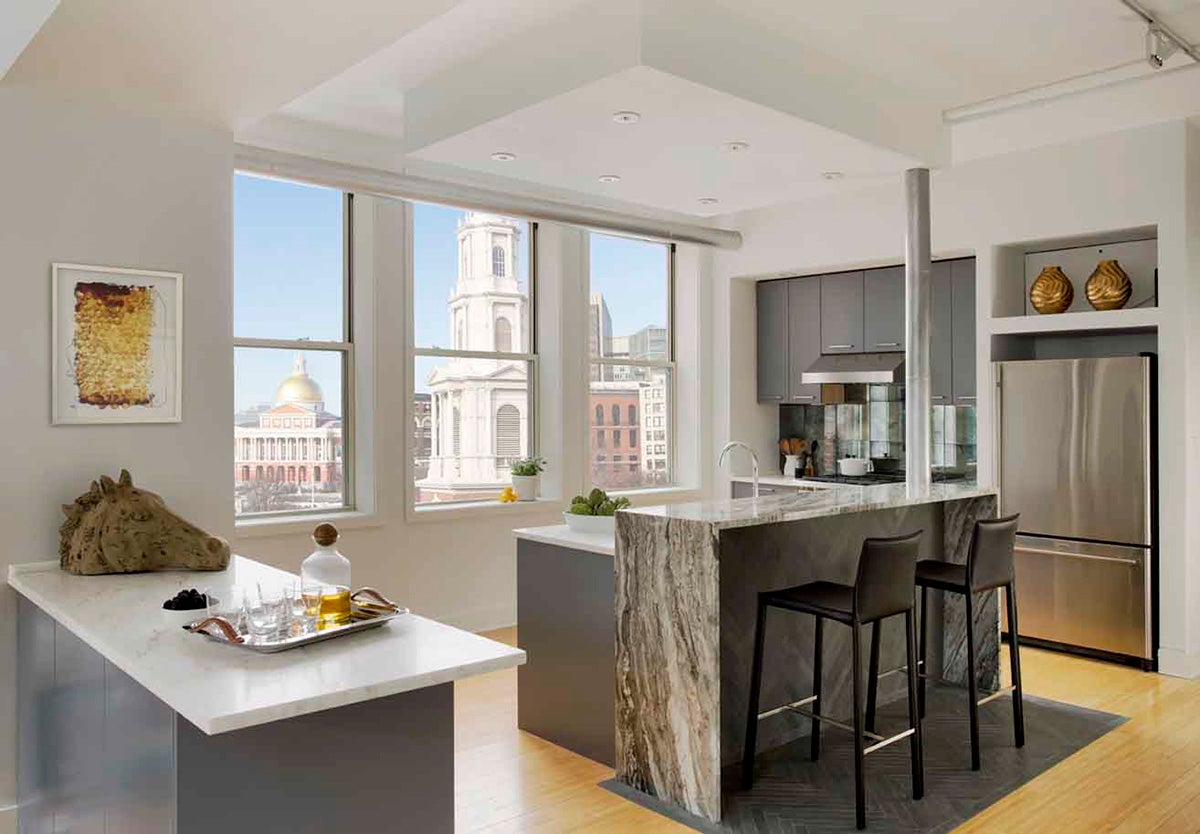
Spaces: A Pipe Dream

Industrial Design Gives Any Space An Artful Edge

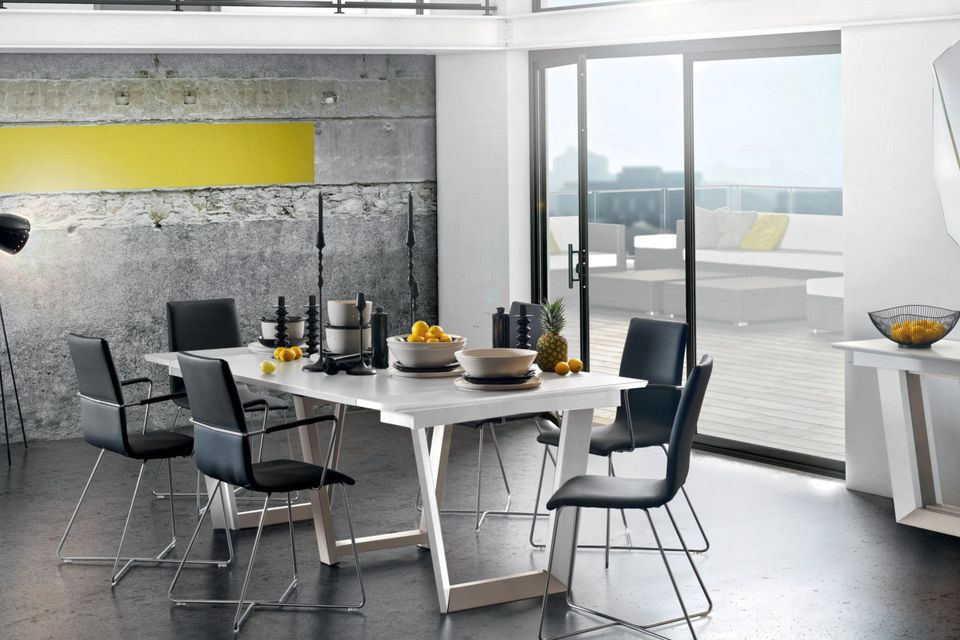
Interiors: 'Exposed beams, concrete floors and raw steel becoming firm favourites'
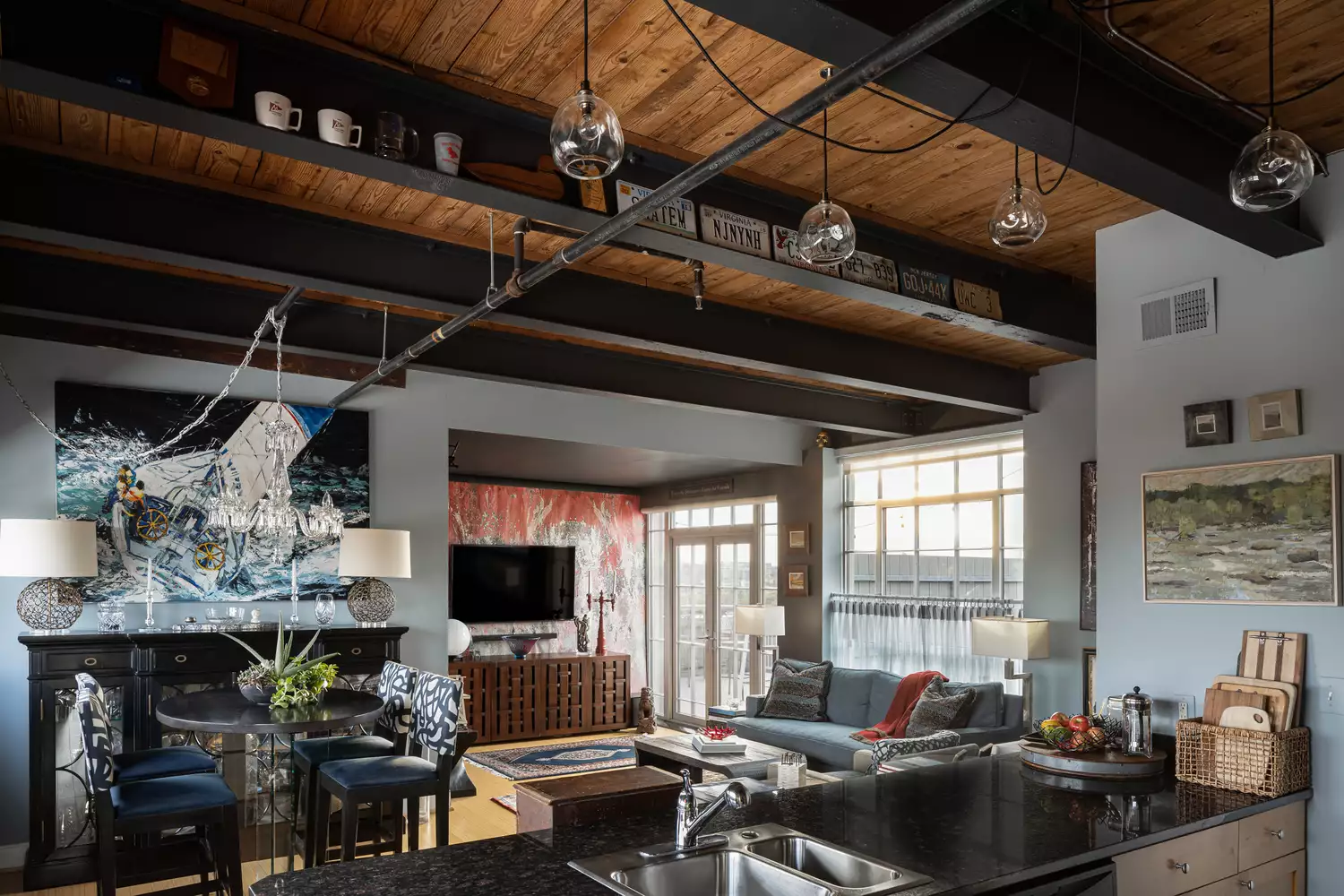
47 Industrial Living Room Ideas to Bring a City Loft to Your Home

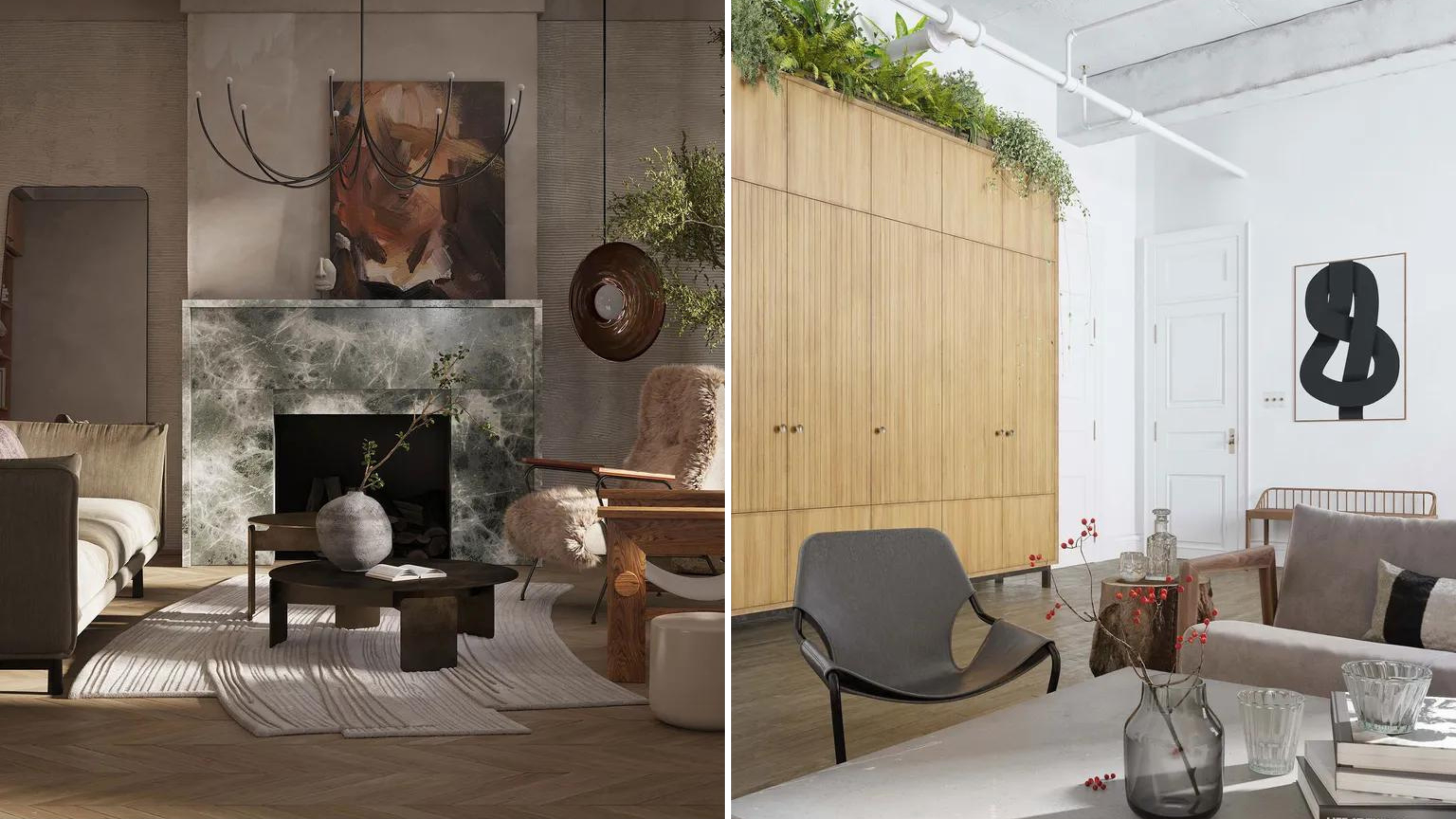
6 industrial small living room ideas that bring all the cool, lofty vibes

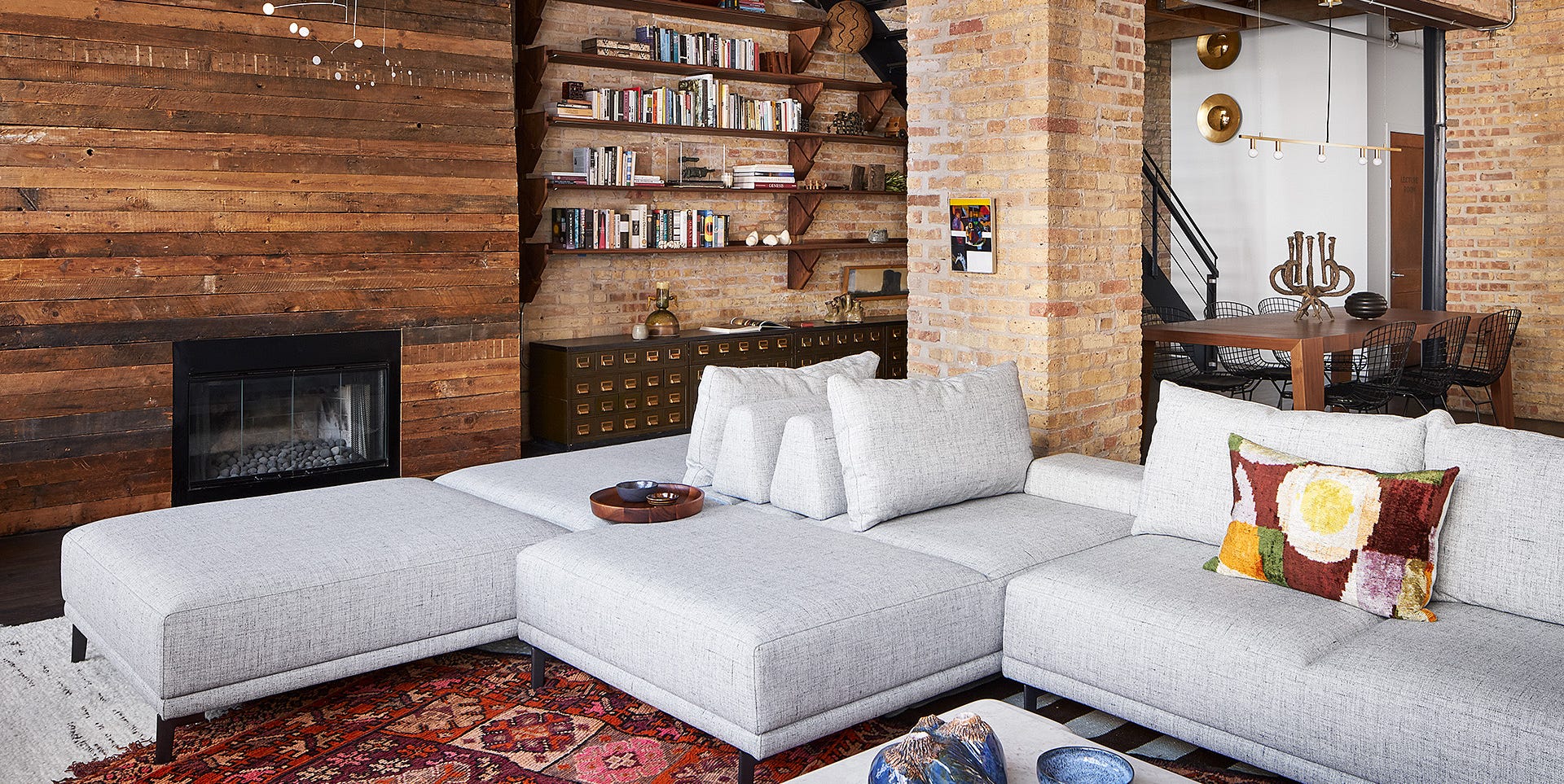
Here's How to Add Warmth to Industrial-Style Design

10 industrial interior design ideas to inspire


How do you organize your sample library?

What is an industrial kitchen? Who needs it? Here are 16 design ideas to copy

Industrial Interior Design: Understanding the Key Elements

Read This If You Want To Be an Interior Designer

Interior Designer
The best interior designers
Industrial decorating ideas for every room | loveproperty.com
Industrial living room ideas – 12 stylish spaces that show how this trend is done
How This Designer Fashions Interiors To Stand The Test Of Time
Industrial style meant hard work for Hong Kong flat owner