Home appliance experts uncover the little-thought-of upgrade that could slash your utility costs: 'You can save over $800'
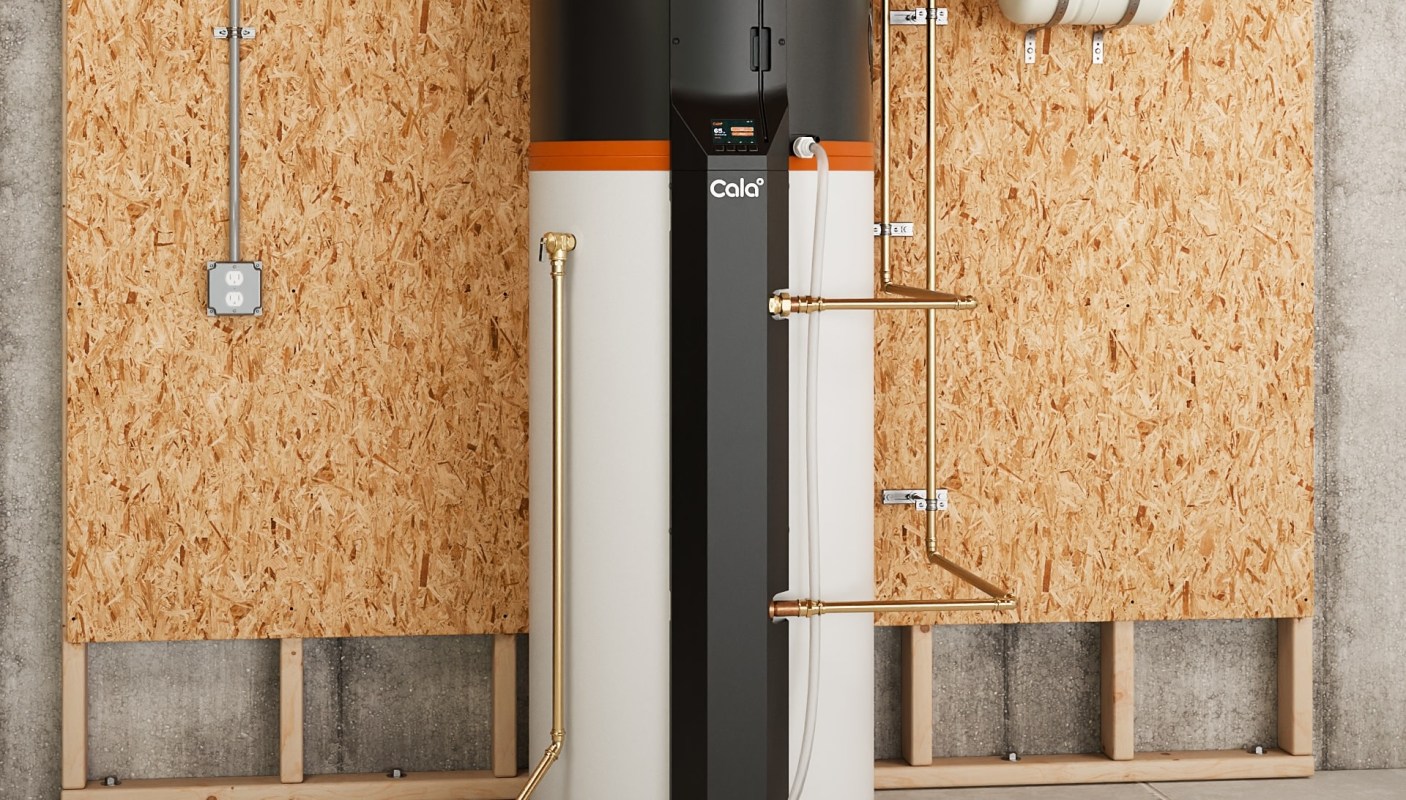
Heat pump water heaters offer a significant upgrade over traditional electric water heaters, providing substantial savings on utility bills and environmental benefits. Unlike conventional electric water heaters that directly generate heat, heat pump models extract heat from the ambient air to warm the water in the tank, making them considerably more energy-efficient. According to ENERGY STAR data cited by This Old House, a 40-gallon electric water heater typically costs $400 annually to operate, whereas a 40-gallon hybrid (heat pump) water heater costs only $104 per year. This difference translates to potential savings exceeding $800 over three years.
Financial incentives further enhance the appeal of these systems. The Inflation Reduction Act allows homeowners to claim a 30% tax credit, up to $2,000, for the purchase and installation of a qualified heat pump water heater. When combined with various state and local rebates, the total financial benefits can be even greater. However, the article notes that proposed policy changes could jeopardize these incentives in the future, suggesting that homeowners interested in upgrading should consider acting sooner rather than later to maximize their savings.
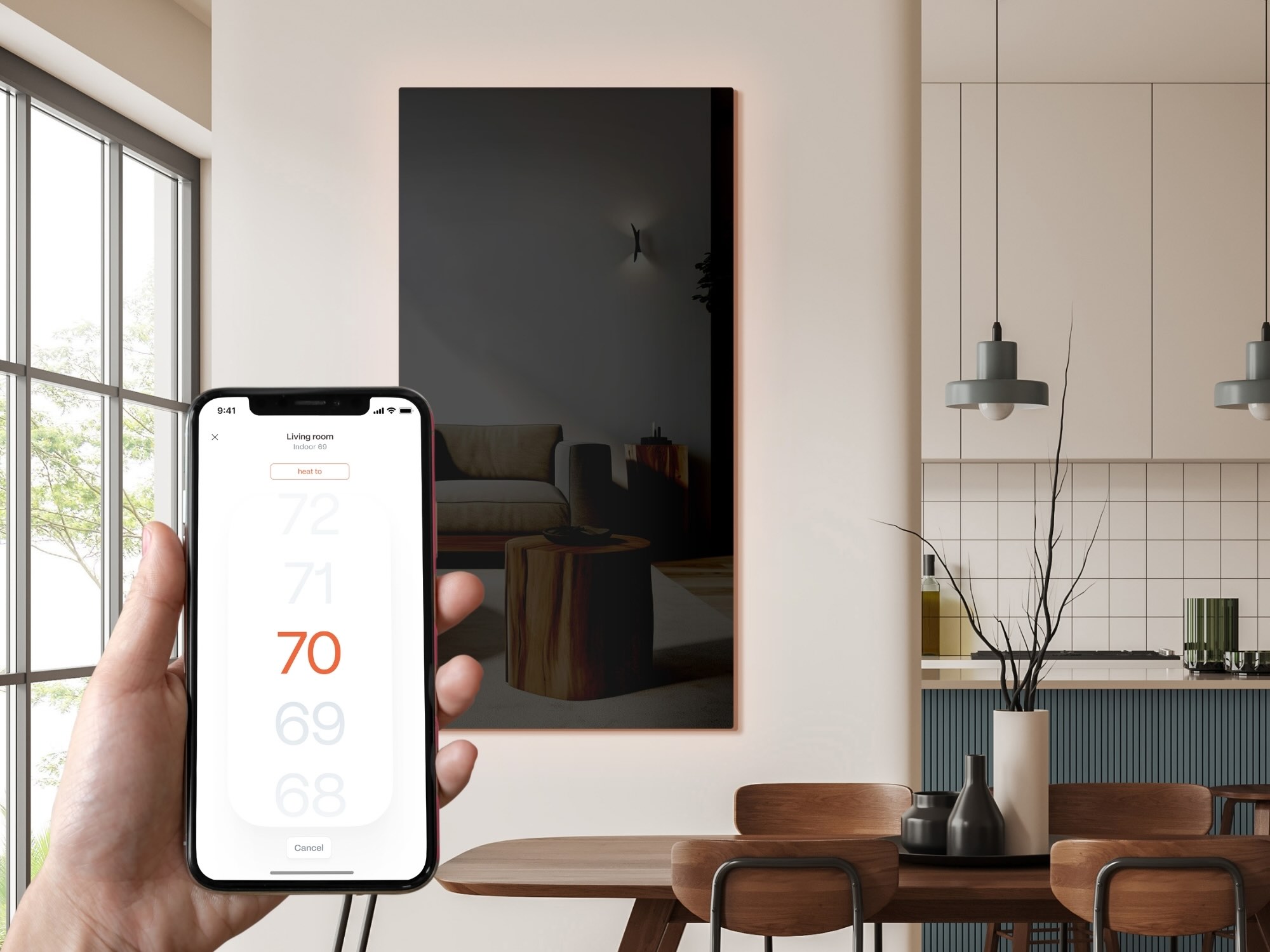
Beyond the immediate financial advantages, heat pump water heaters contribute to environmental sustainability. Their reduced energy consumption leads to a decrease in the emission of heat-trapping pollutants, which are a contributing factor to extreme weather events and rising utility costs. Companies like Cala are innovating in this space with smart heat pump water heaters designed to optimize energy use and user comfort. These intelligent systems adapt heating schedules based on household needs, further reducing energy bills without compromising convenience or access to hot water.
Installation of heat pump water heaters is generally straightforward but requires specific conditions, such as adequate space and proper drainage. They are typically installed in areas like basements, garages, or utility rooms that offer at least 1,000 cubic feet of air volume. While the initial investment for installation can range from $2,750 to $3,500, the long-term savings on energy and available incentives largely offset these upfront costs. The significant difference in annual operating expenses—$400 for traditional electric versus $104 for heat pump models—highlights the economic rationale behind adopting this more energy-efficient technology.
#HeatPumps #WaterHeaters #EnergyEfficiency #UtilityCosts #HomeUpgrade #InflationReductionAct #TaxCredit #CalaSystems #GreenHome #HeatPumps #WaterHeaters #EnergyEfficiency #UtilityCosts #HomeUpgrade #InflationReductionAct #TaxCredit #CalaSystems #GreenHome
共0条评论
 暂无评论
暂无评论你可能还喜欢

This Small Upgrade Can Lower Your Electricity Bills

50 Super Simple Ways to Save on Energy Costs

£14 heating trick has kept my house warm and thermostat lower as energy bills set to rise
Your window fan is facing the wrong direction. Or not. Here's how to tell and save money.

Buy One, Get One Free: Increase Your Home’s Energy Efficiency With This Simple Upgrade
Homeowners Are Revealing The One Budget-Friendly Upgrade That Continues To Make The Biggest Difference

Upgrade your heating system to reduce bills and energy usage

11 Ways To Upgrade Your Home for Under $100
Warm Up Your Space & Lower Your Bills With This Energy-Efficient Home Swap

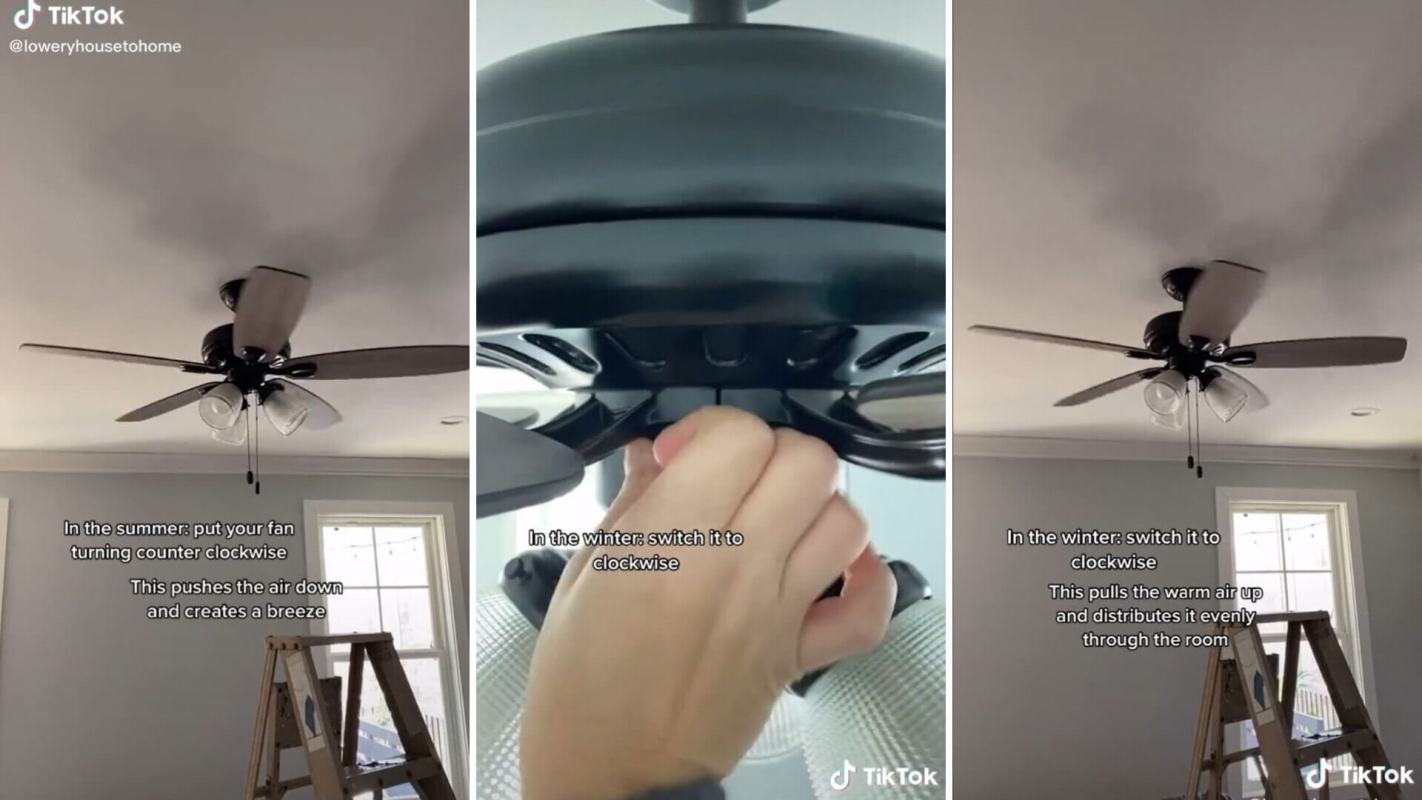
TikToker shares how flipping a tiny switch on your ceiling fan can save you tons of money on your power bill
![Homeowner shares personal utility costs one year after swapping their gas boiler for a heat pump: 'Hope that [this] is helpful for someone'](https://gstatic.ideal.house/news/images/5791e9b0f91d49288ec66c1fc4ccecd4.jpg)
Homeowner shares personal utility costs one year after swapping their gas boiler for a heat pump: 'Hope that [this] is helpful for someone'

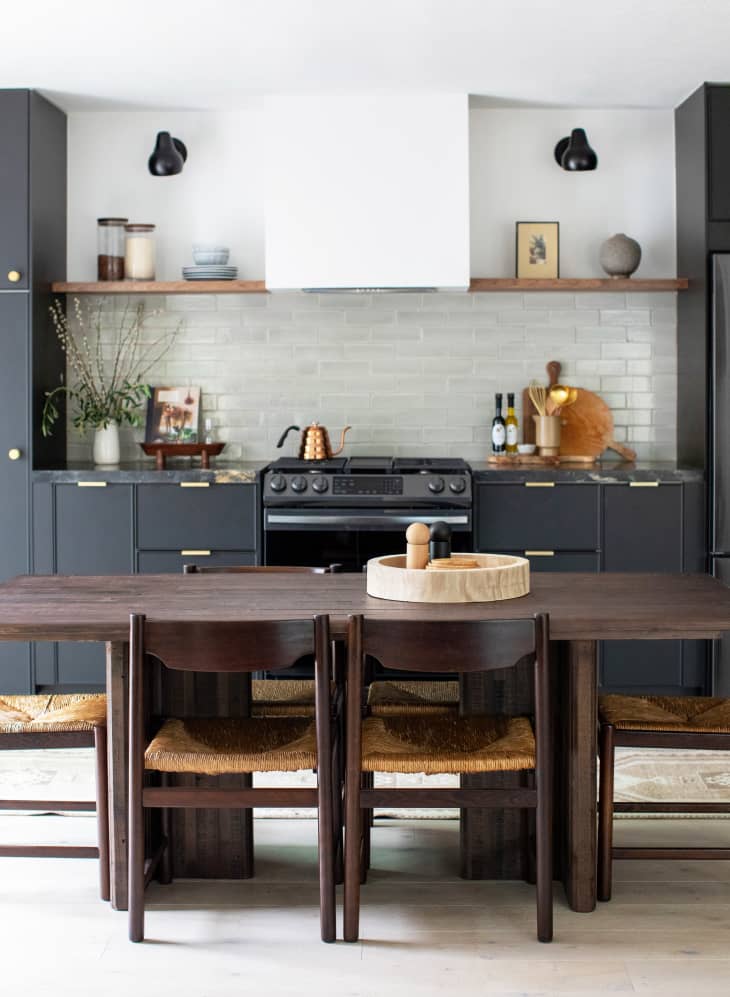
This Smart Kitchen Layout Trick Might Save You Space — and Thousands of Dollars!— in the Long Run
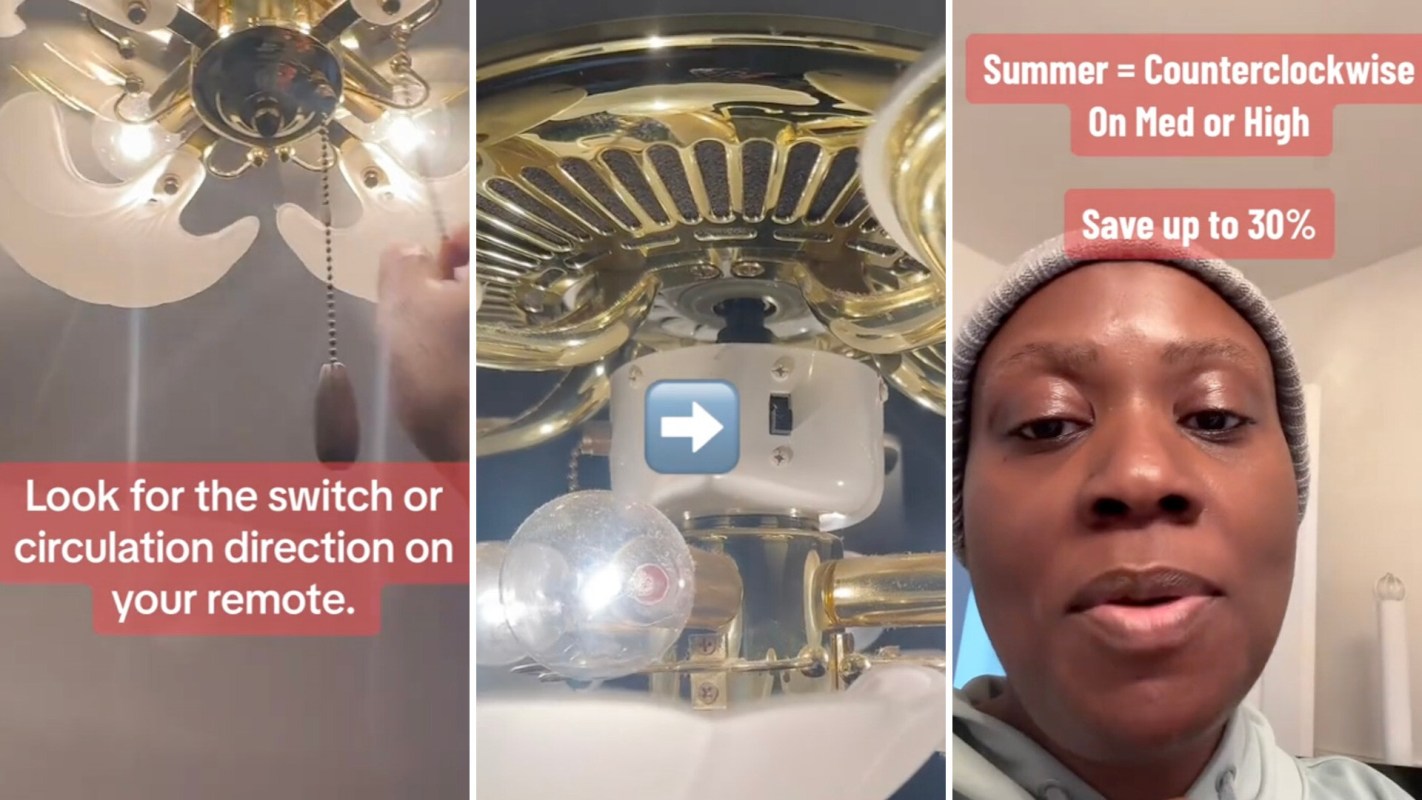
Homeowner demonstrates how simple ceiling fan adjustment saved them up to 30% on energy bills: 'This is new to me'
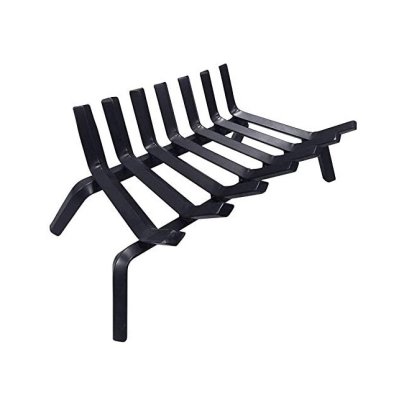
Increase Your Fireplace’s Efficiency With This Simple Upgrade
18 energy saving ideas

This Easy Upgrade Will Transform Your Kitchen


13 instant changes to reduce your electricity bills

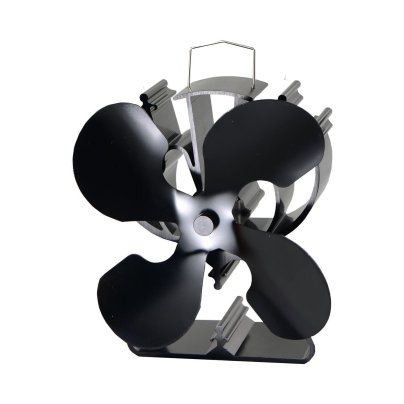
This Simple Add-On Can Increase Your Wood Stove’s Efficiency
One Decision Saved This Homeowner $9,000 on Her Kitchen Transformation


HVAC Pros Say This One Fall Task Can Make Your Home Feel So Much Warmer (and It's So Easy!)