1/5
9 CONTROVERSIAL Decor Choices Designers Secretly Wish You’d Stop Making
This article delves into nine common decor choices that interior designers frequently identify as 'pet peeves' or 'mistakes,' offering insights on how to refine one's living space. It emphasizes that while personal taste is paramount, these tips can help individuals who value professional opinions in design.
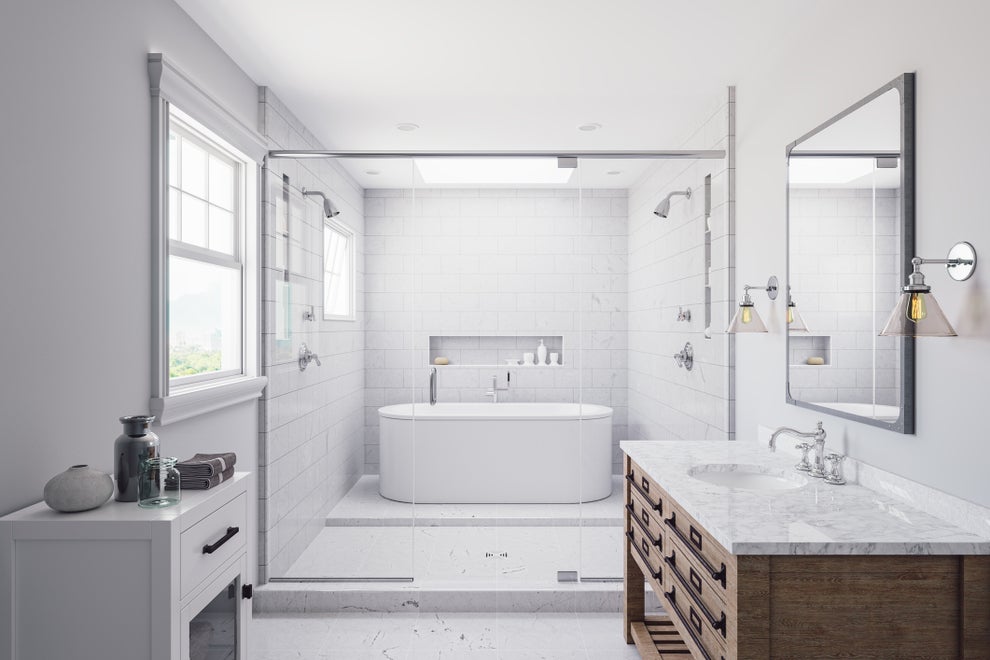
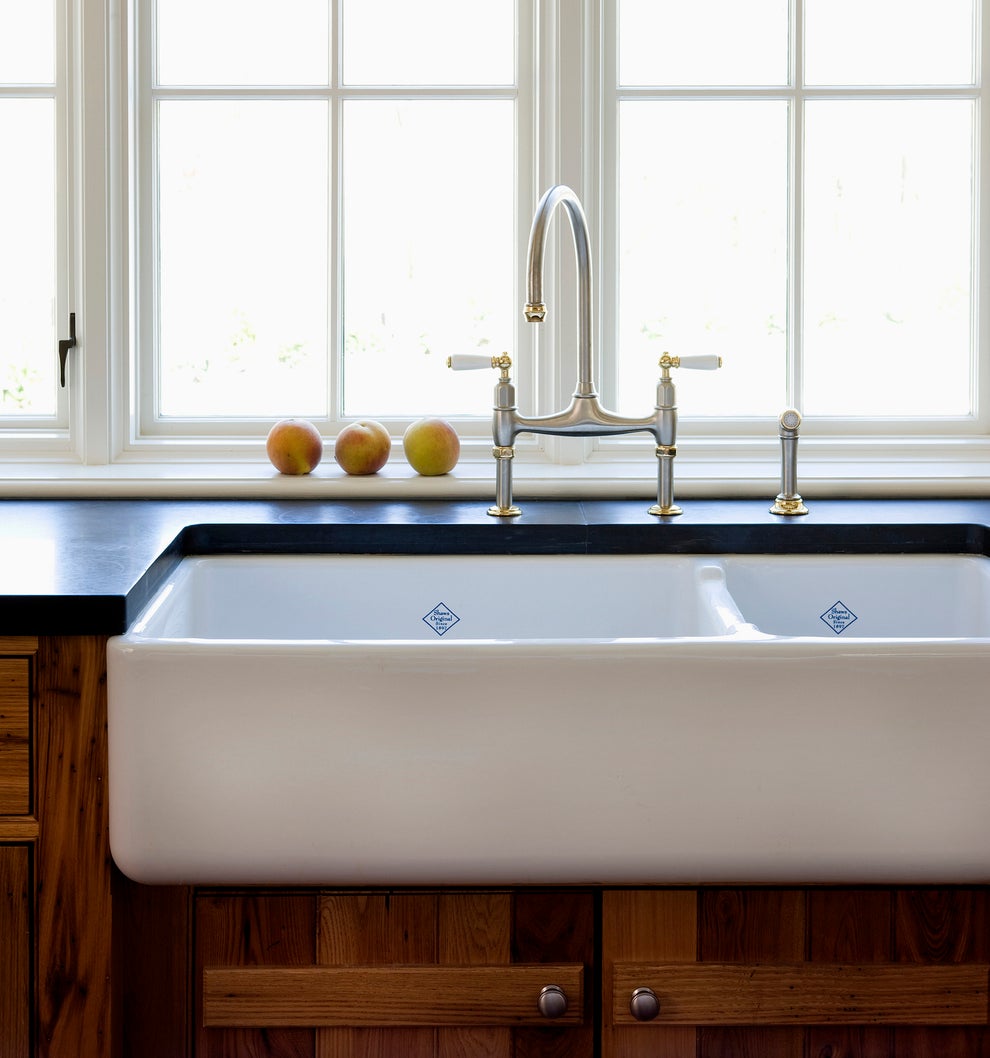
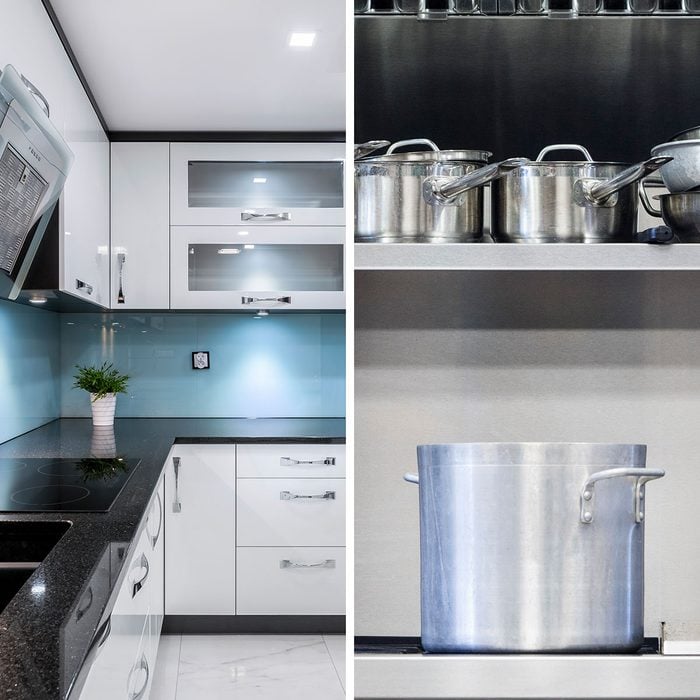
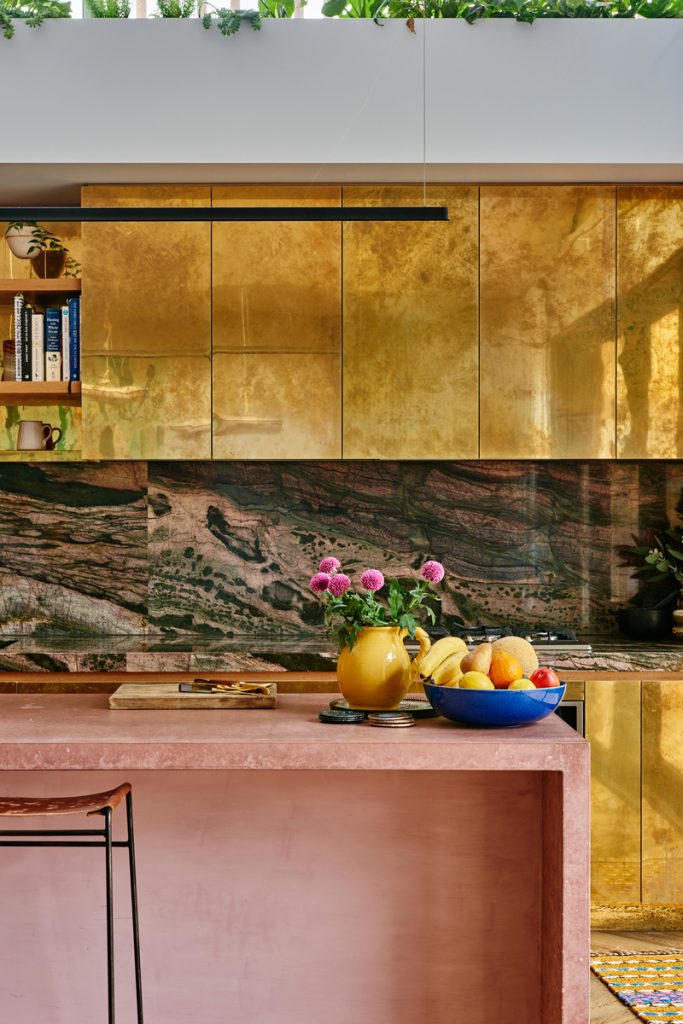
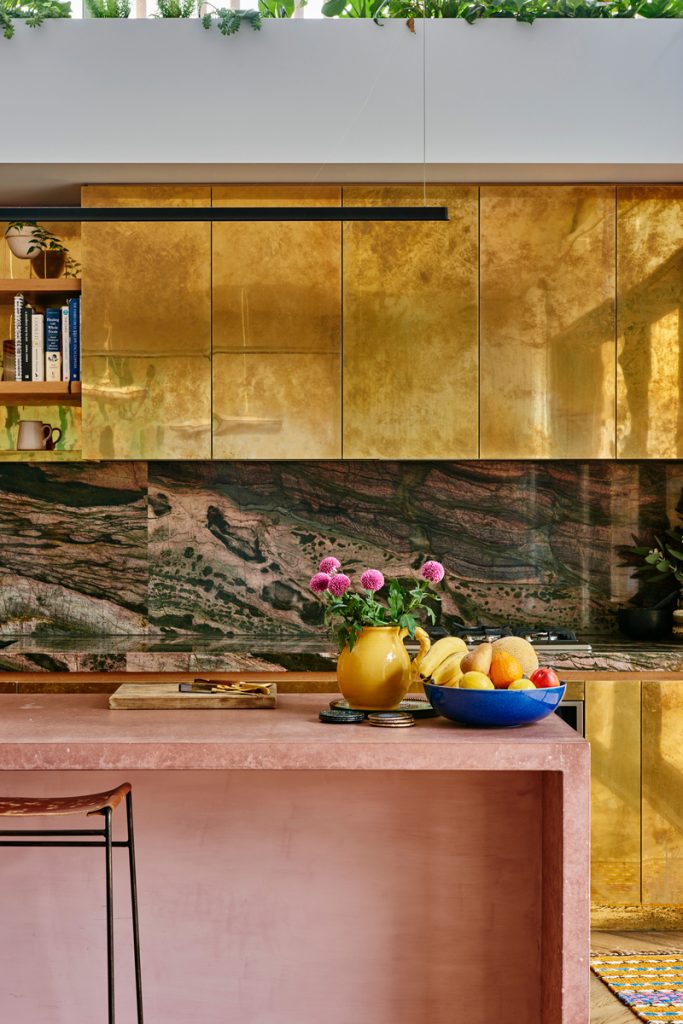
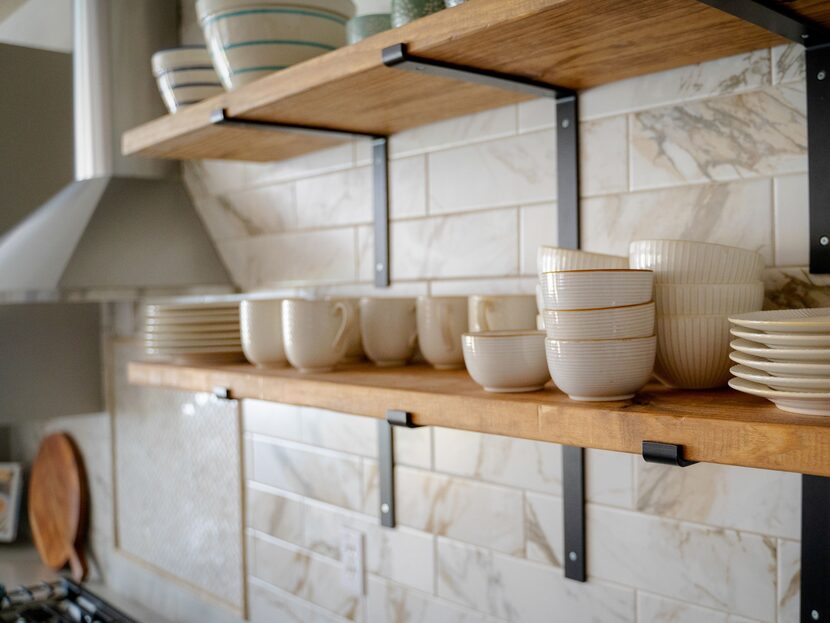
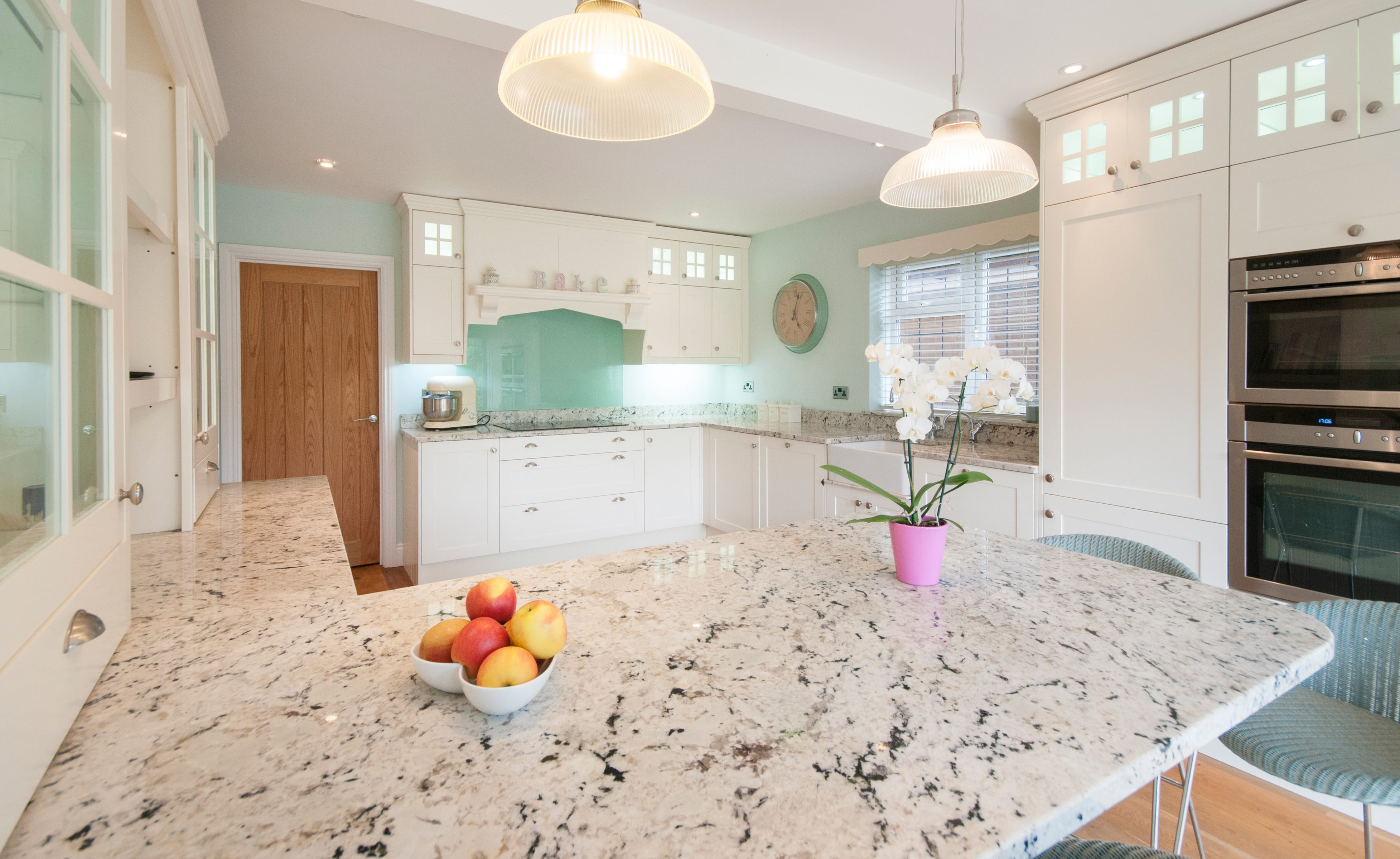
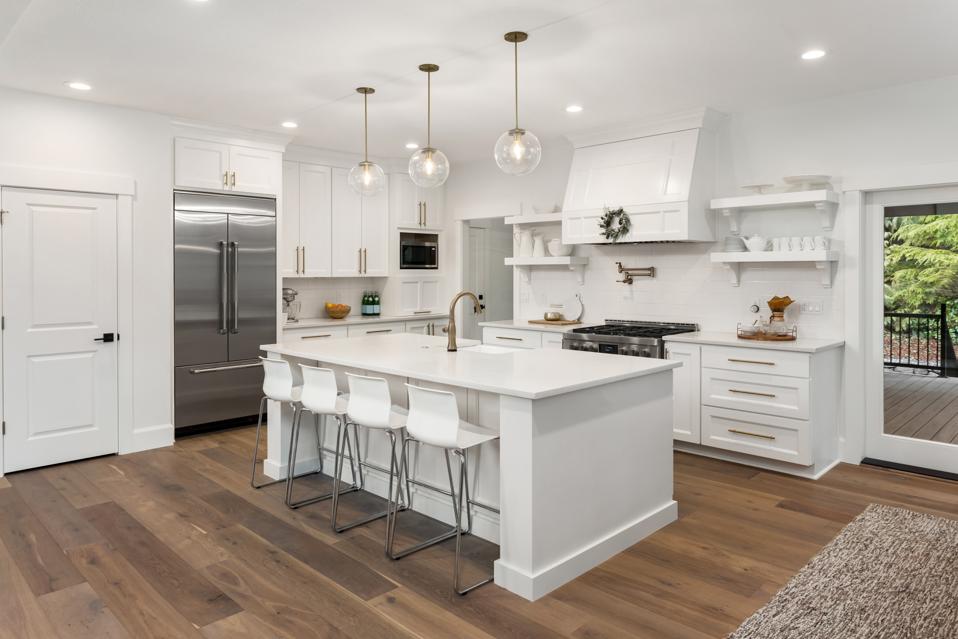
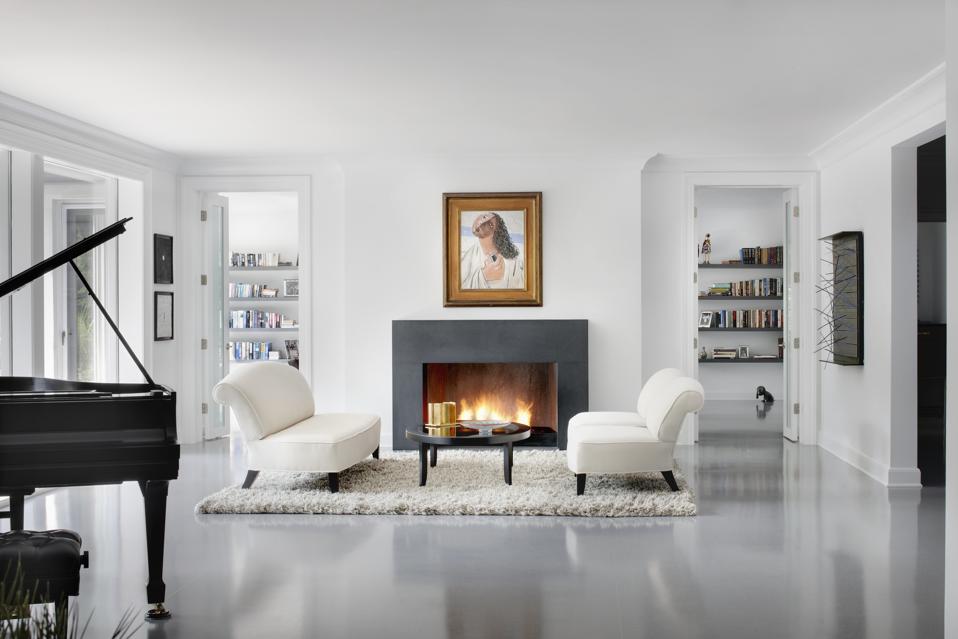
The first mistake highlighted is the use of all-white kitchen cabinets. Designer Anita Yokota argues that while once popular, they can make a space feel sterile and lack visual rhythm. She advocates for layered neutrals, incorporating creamy whites, wood shelving, natural stone with movement, and a mix of matte and reflective finishes to create a warmer, more emotionally safe kitchen environment.
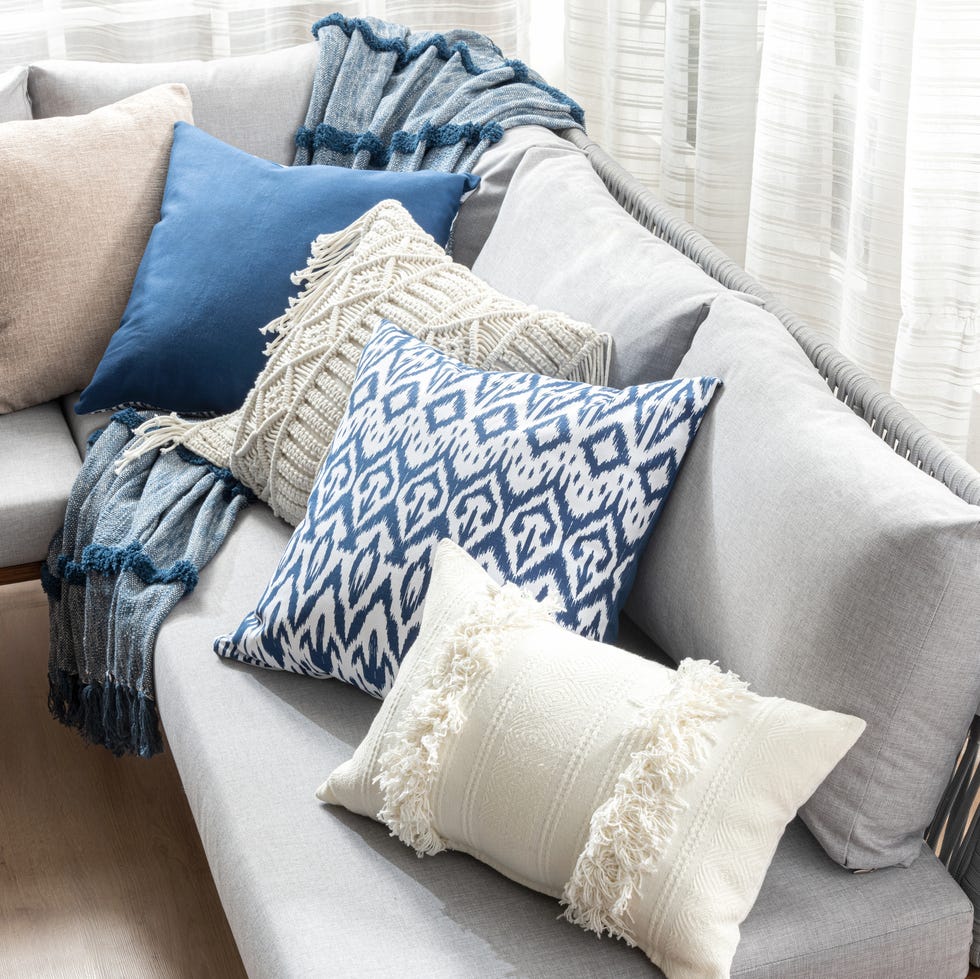
The second point addresses an abundance of cheaply made items. Caroline Kopp, founder of Caroline Kopp Interior Design, suggests that too many low-quality pieces can make an entire space appear inexpensive. She advises saving up for well-made, beautiful items, even recommending thrift stores for finding pieces crafted from real materials rather than plastic, cardboard, or Styrofoam.
The third common error is incorporating too many trends. Purvi Padia, founder of House of Revelry and Purvi Padia Interiors, cautions against making a home a slave to current fads. She stresses that homes should reflect an individual's personality through a collection of beloved items and a compilation of different styles, ensuring authenticity and timelessness.
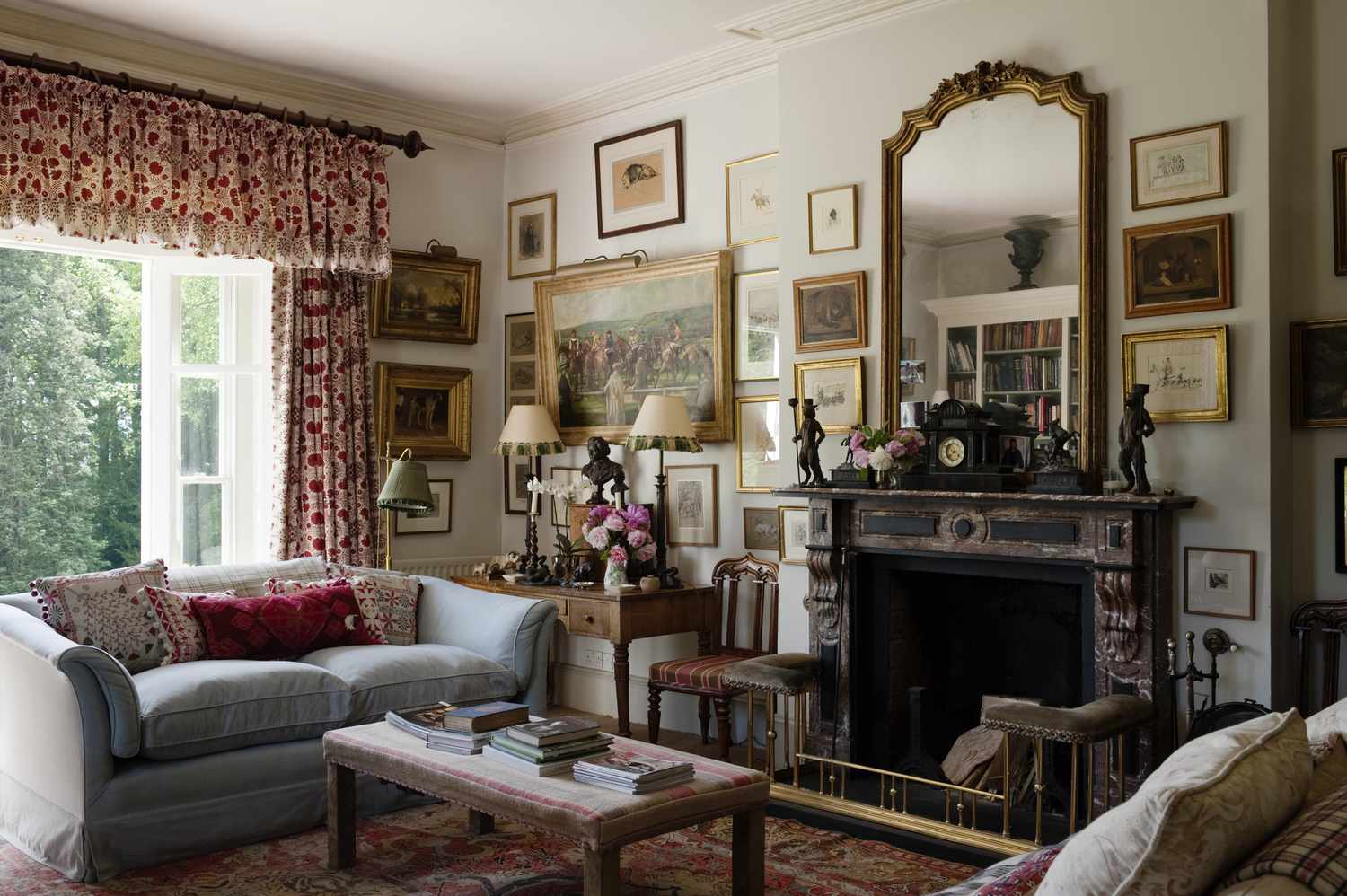
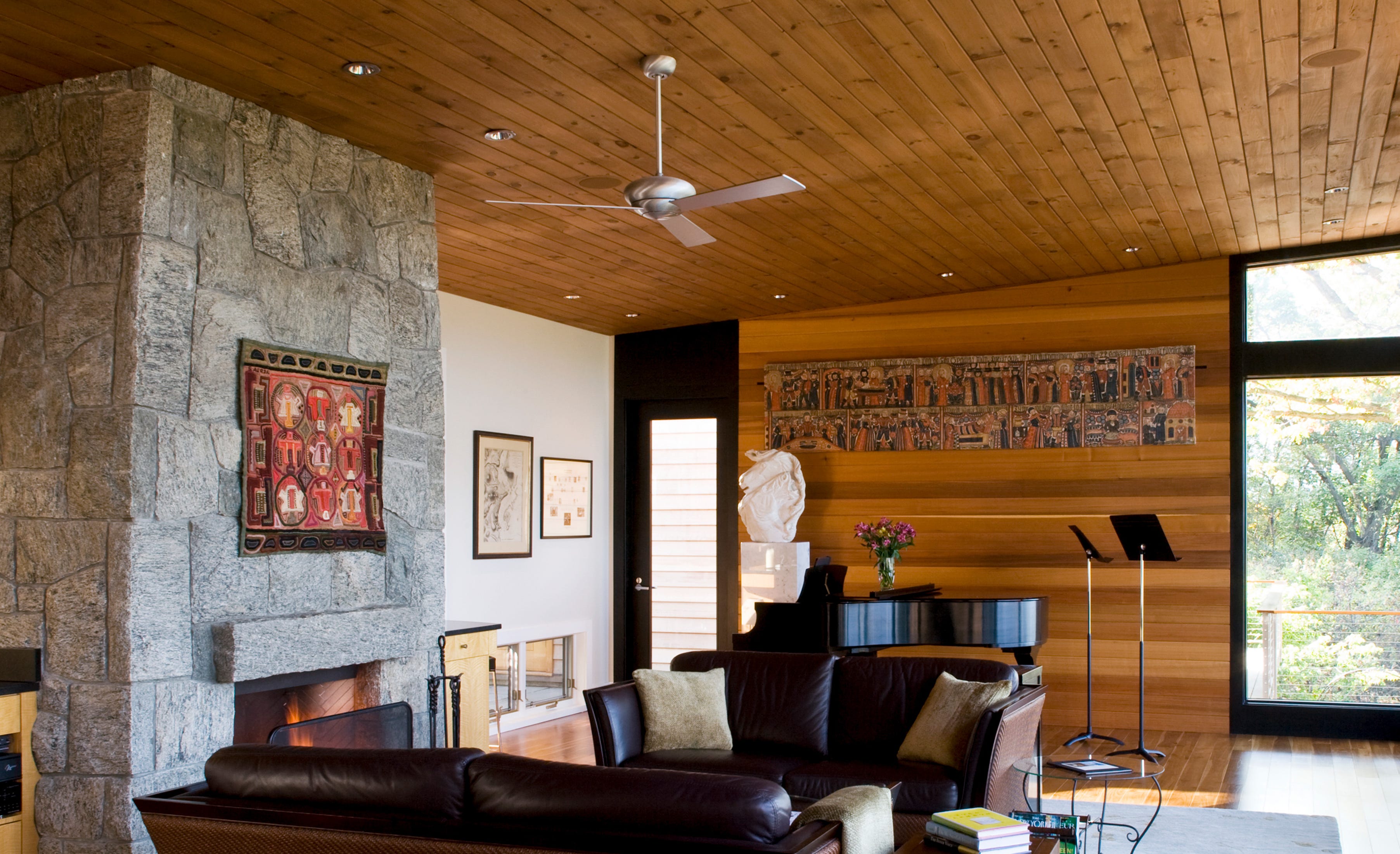
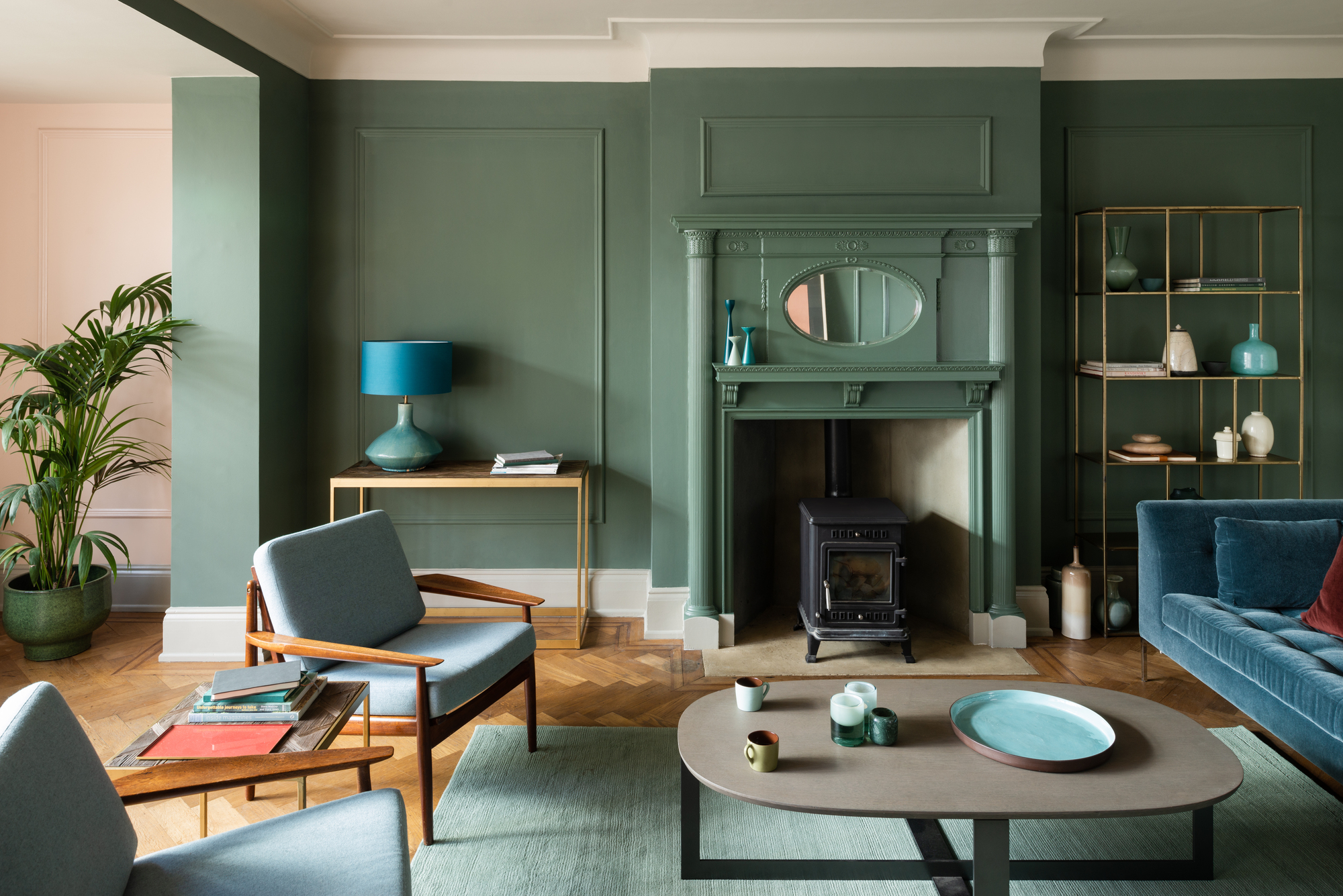
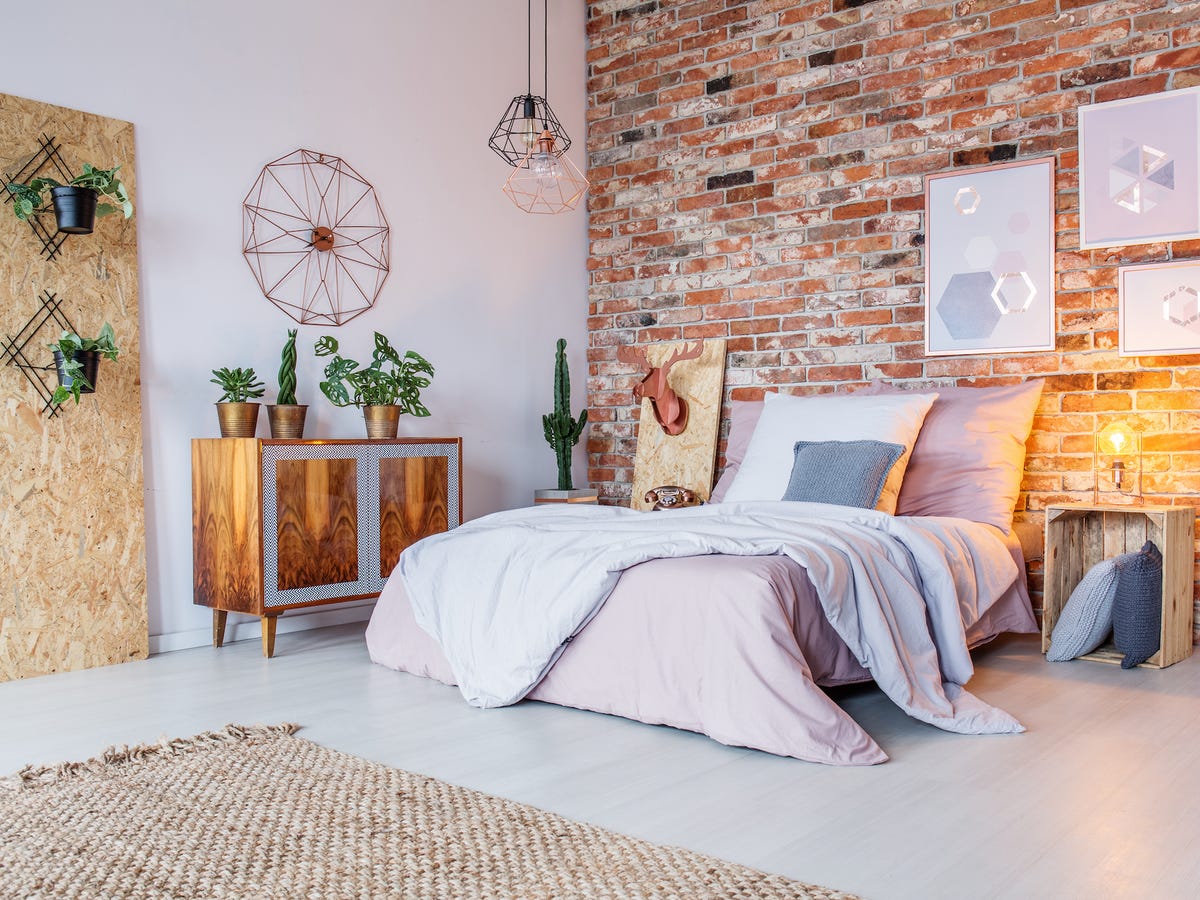
Buying all furniture from the same store is identified as the fourth mistake. Yokota explains that this can flatten a home's energy and prevent it from evolving organically. She encourages mixing eras, materials, and finishes, pairing heirloom pieces with new ones to create a dynamic and supportive living space that reflects the owner's journey.
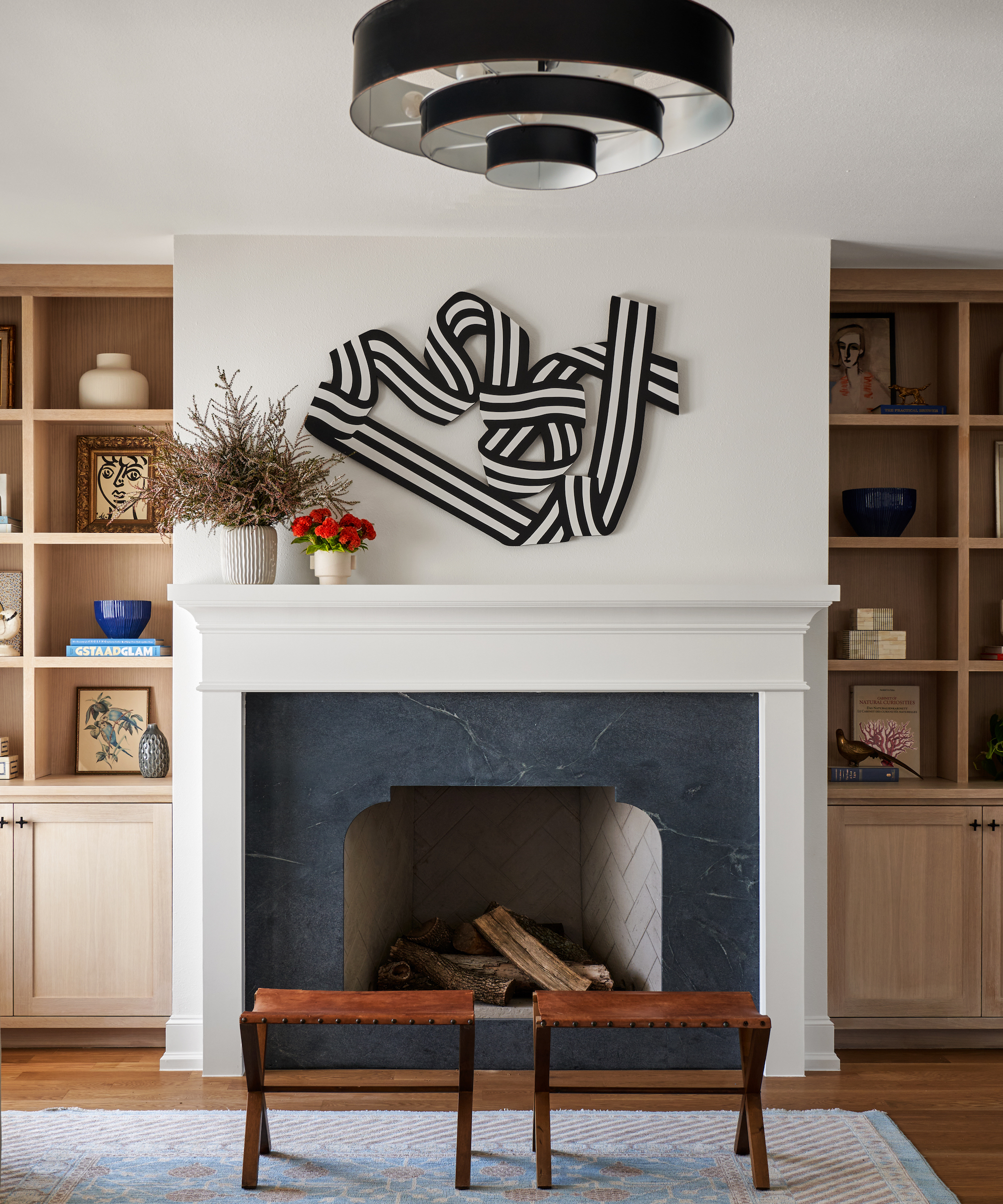
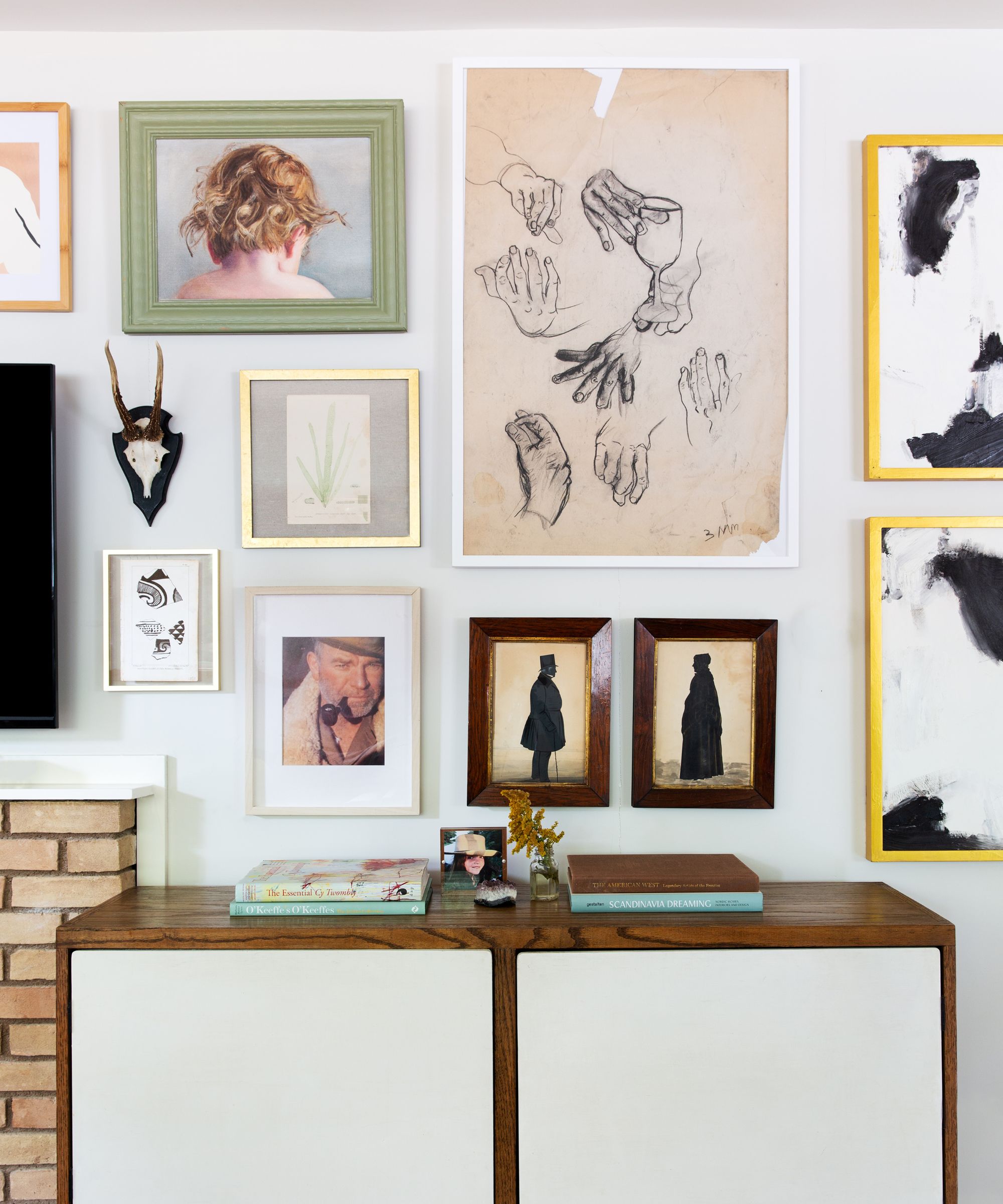
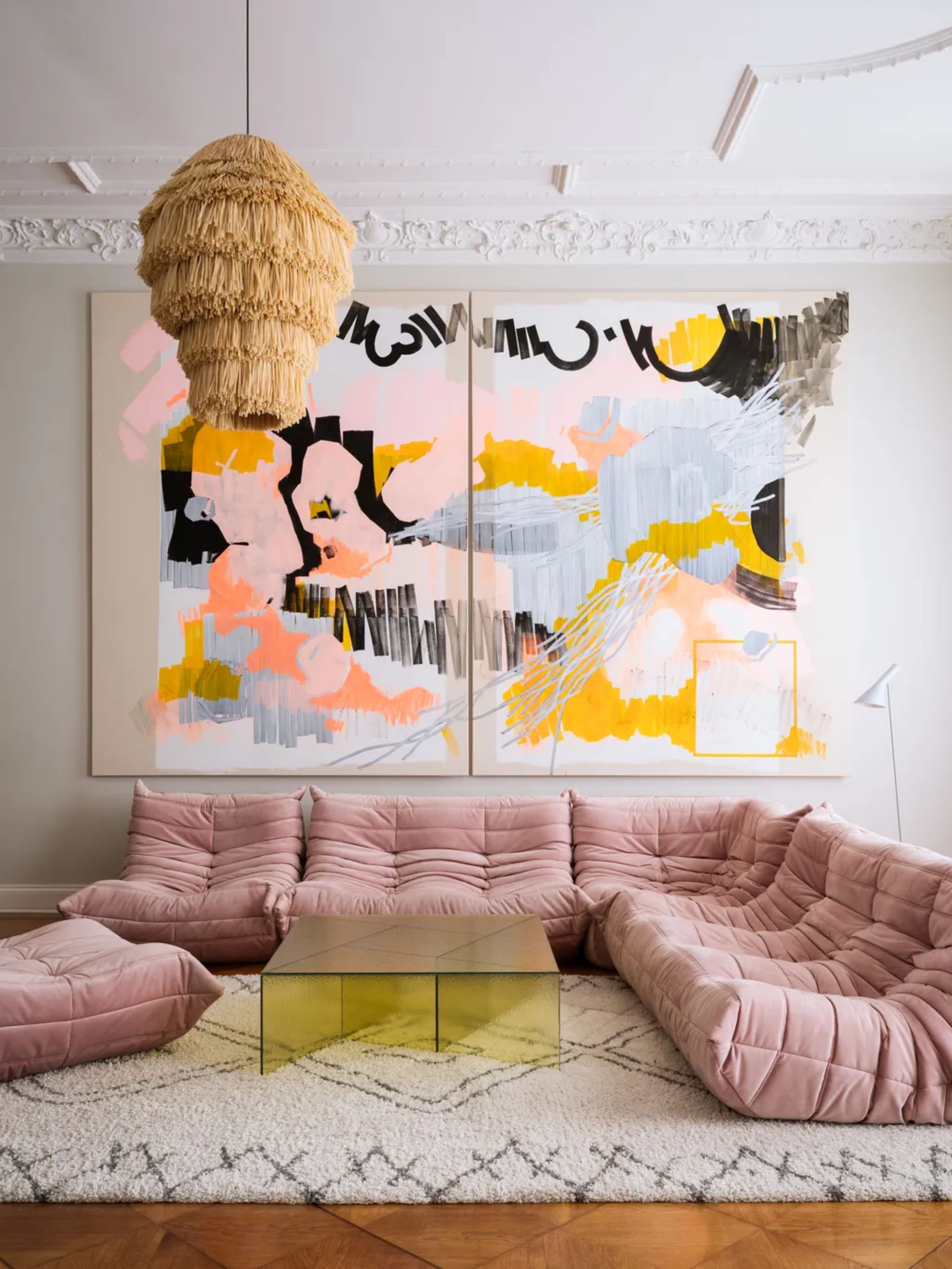
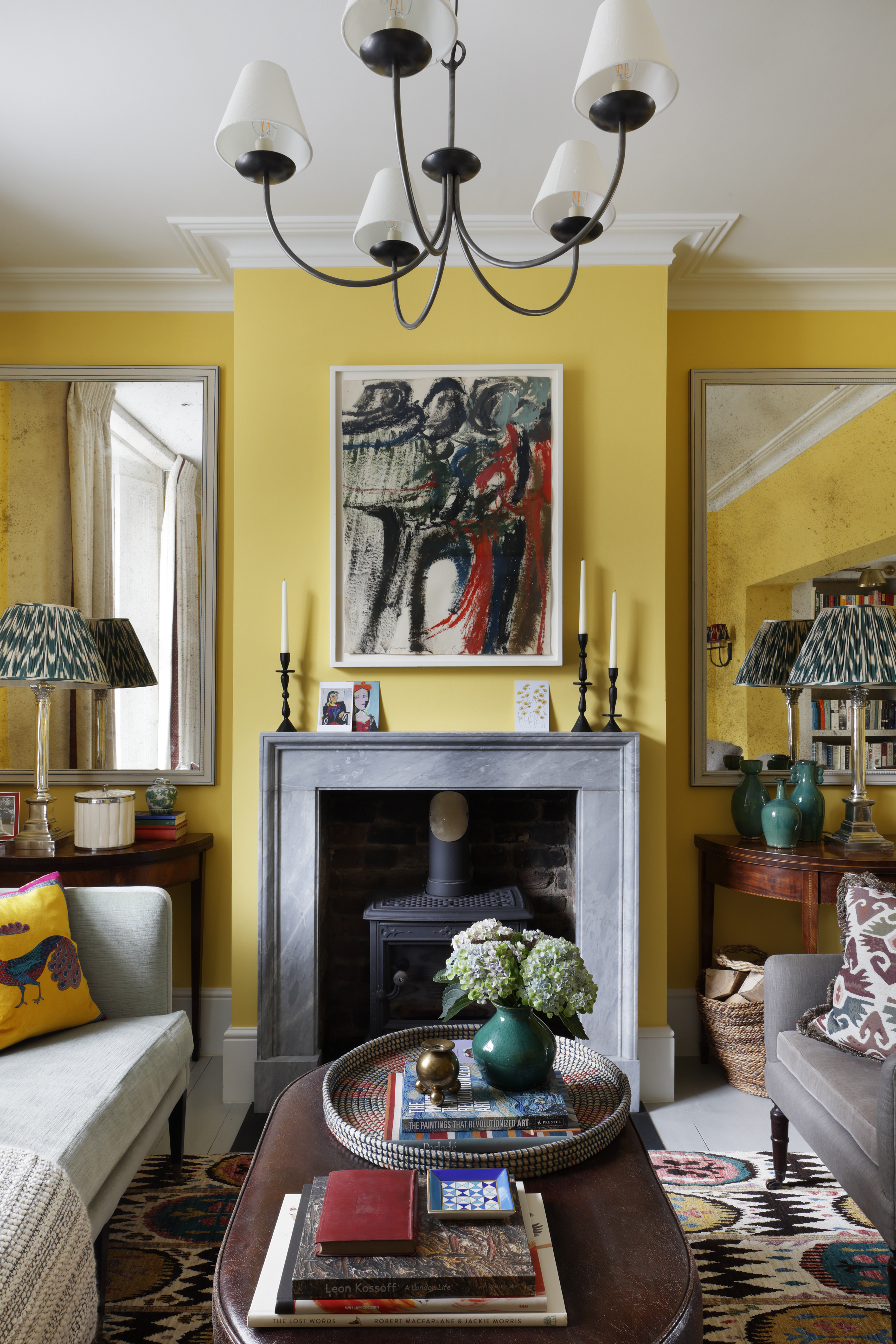
Wrongly-scaled artwork is the fifth issue. Kopp provides guidelines for hanging art, recommending that pieces be placed at eye level. She also advises against hanging small artwork on large walls, suggesting that smaller pieces should be displayed on appropriately sized walls where they can stand out.
The sixth mistake involves overlooking accessories. Padia recommends dedicating at least 10 percent of a design budget to accessories. She warns that even with high-quality furnishings, a lack of thoughtful accessories can make a space feel incomplete or 'flat.'
Literal themes are the seventh decor choice designers wish people would avoid. Kopp emphasizes that themes should be sophisticated and nuanced, rather than overt or repetitive with motifs. She suggests using high-quality, antique items to subtly convey a theme, avoiding mass-produced decor.
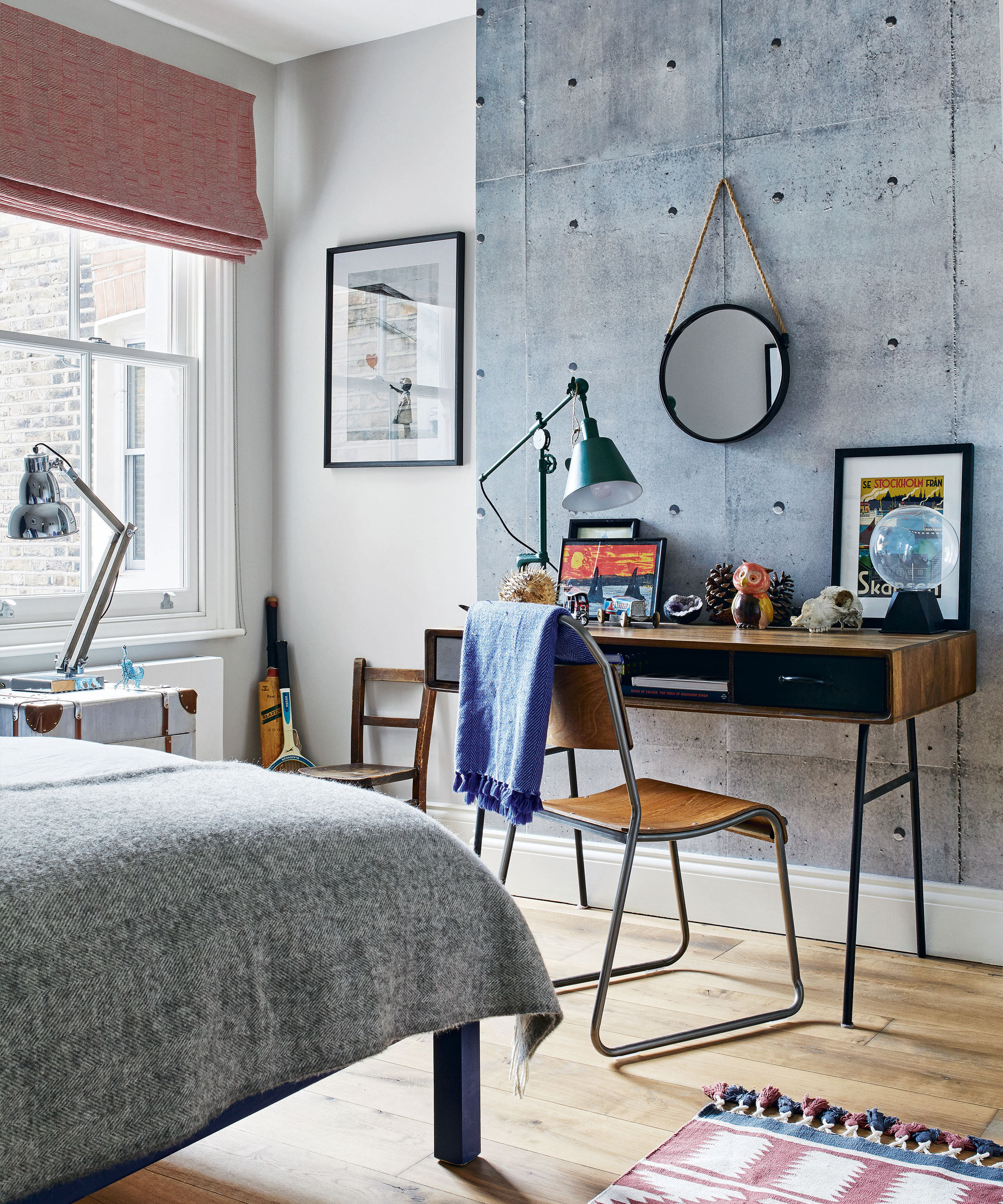
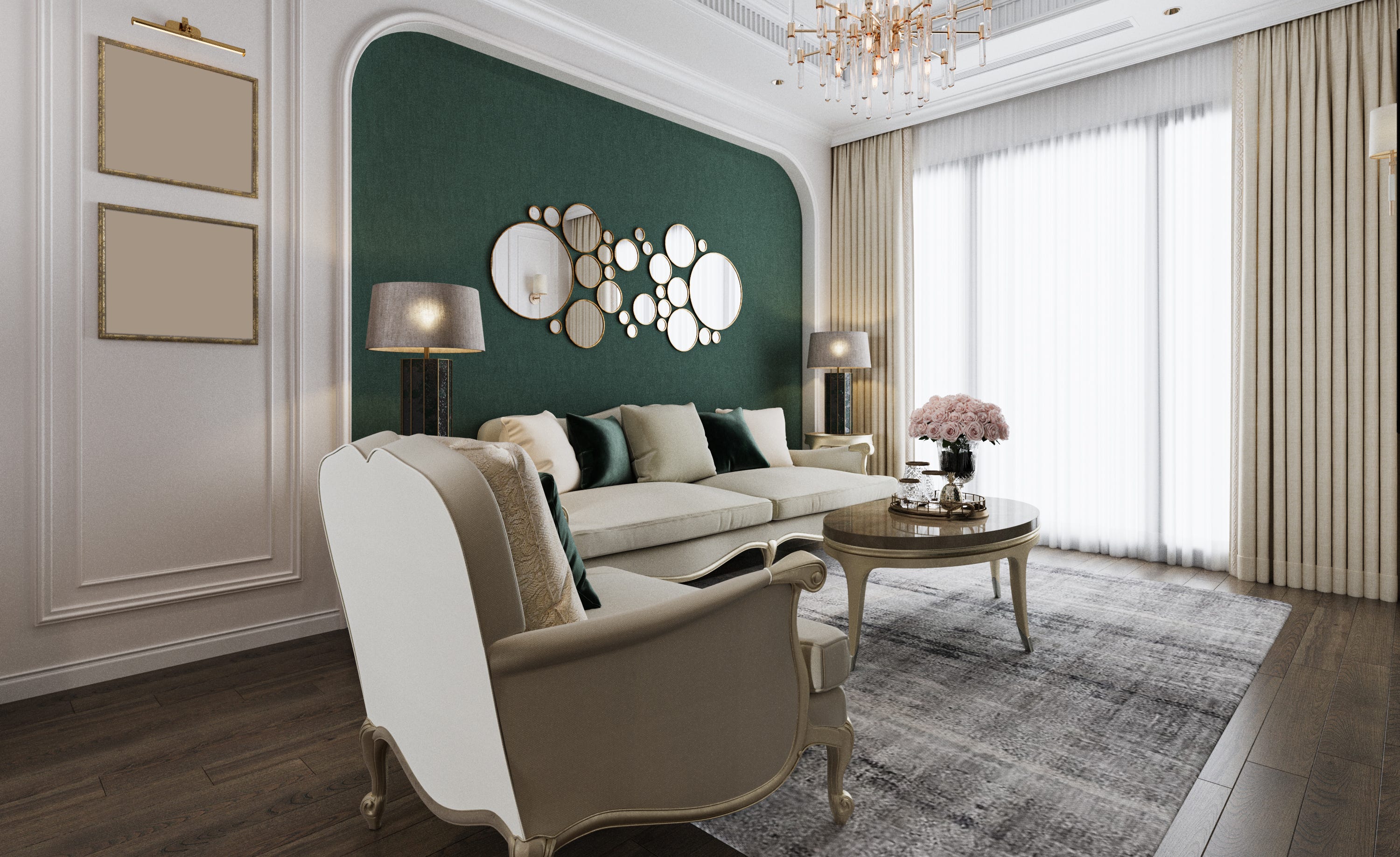
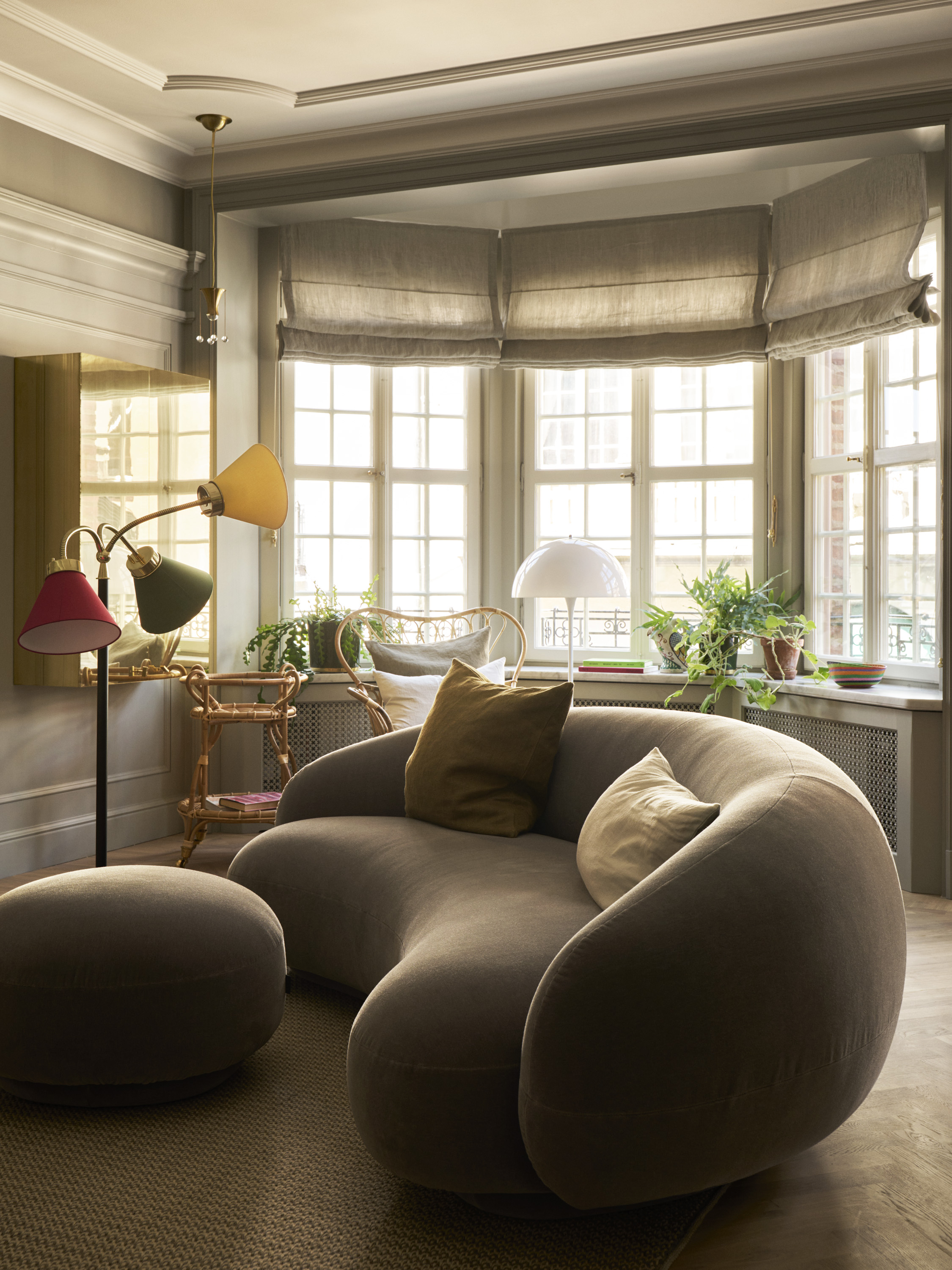
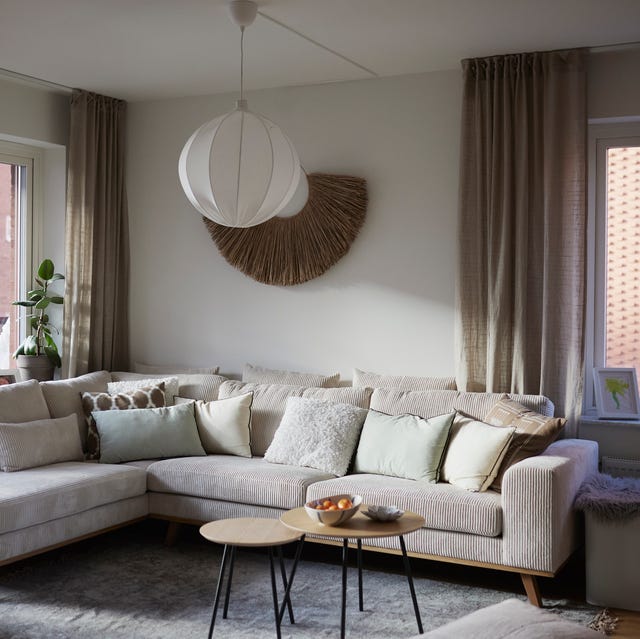
Overhead-only lighting is the eighth mistake, according to Yokota. She explains that it can make a space feel dull and unnatural. Layered lighting, including lamps, sconces, pendants, and candles, is recommended to create gentle shadows, movement, and a more relaxing atmosphere.
Finally, the ninth mistake is decorating solely with resale value in mind. Kopp acknowledges the concern for future home value but advises against letting it stifle personal expression. She encourages homeowners to embrace decor that truly resonates with them, asserting that homes should reflect personality rather than being designed out of fear of impacting resale.
#InteriorDesign #HomeDecor #DesignTips #DecorMistakes #KitchenDesign #FurnitureSelection #ArtworkPlacement #HomeAccessories #LightingDesign #InteriorDesign #HomeDecor #DesignTips #DecorMistakes #KitchenDesign #FurnitureSelection #ArtworkPlacement #HomeAccessories #LightingDesign
共0条评论
 暂无评论
暂无评论你可能还喜欢
5 things designers say you should never put on a mantel

8 Backsplashes to Avoid, According to Interior Designers

The 10 Biggest Interior Design No Nos According to Decorators

6 Popular Design Choices Designers Would Never Put in Their Own Homes

The #1 Home Trend You Should Avoid, According to Designers

12 bedroom trends interior designers wish would disappear
5 Stuffy Living Room Decor Choices You Need to Stop Making, According to Designers
7 cheap and tacky interior design errors rich people never make — ban these aesthetic atrocities from your home
8 Tacky Home Trends That Designers Say Are TRAGICALLY Dead
14 Controversial Things Interior Designers Would Never Have in Their Homes

I Asked Interior Designers to Share the Worst Decorating Trends They've Seen on Social Media

4 Outdated Colors Designers say you Should Steer Clear of When Decorating a Living Room

7 Home Décor Trends Designers Say Are a Waste of Money
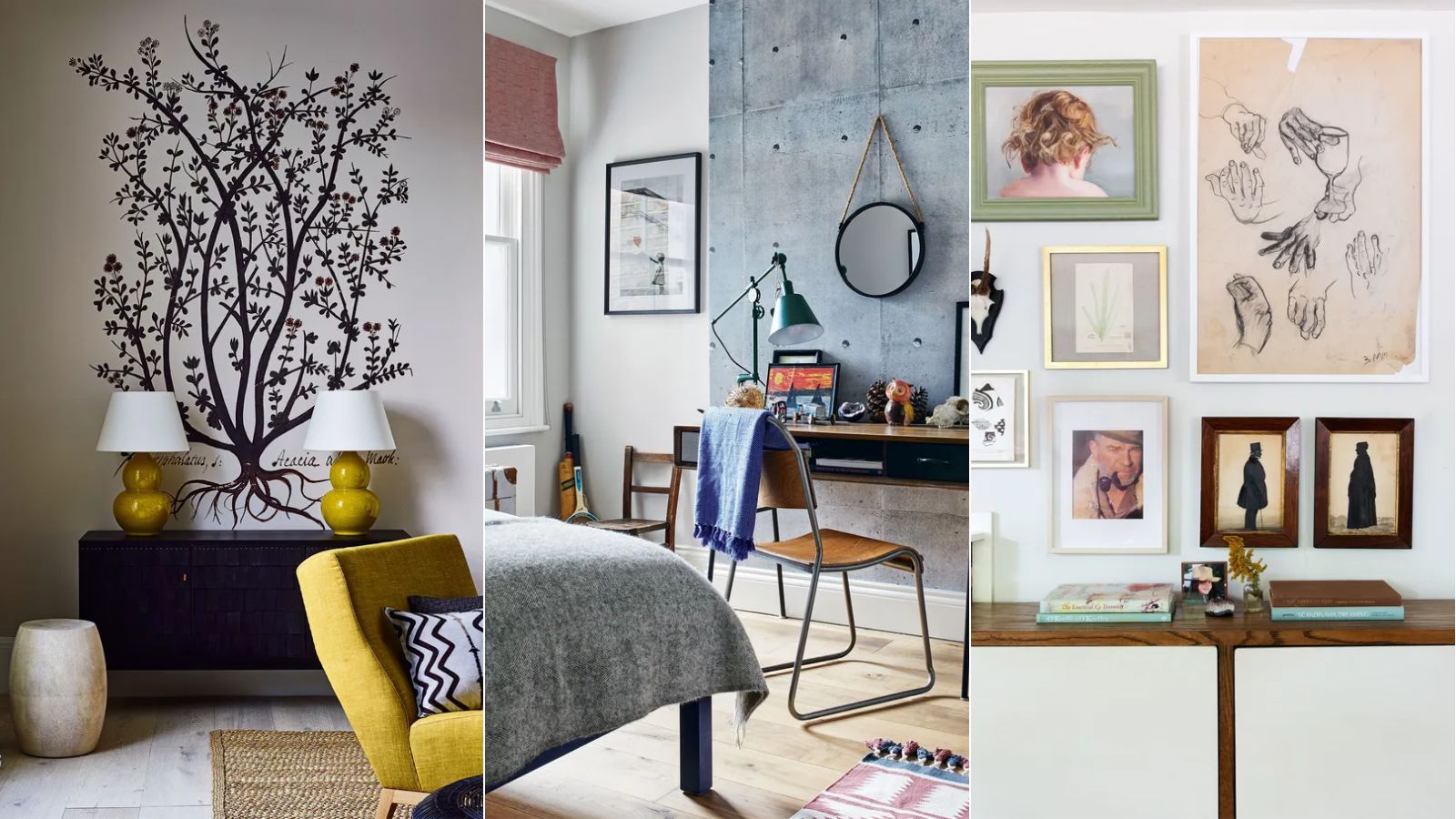
5 outdated wall decor trends designers warn to avoid – plus what we should be doing instead
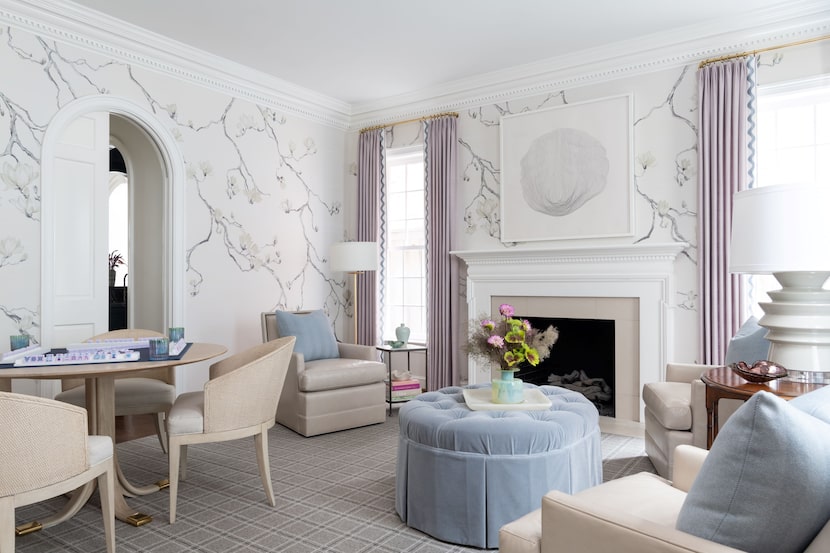
7 home design trends to skip (and what to do instead)

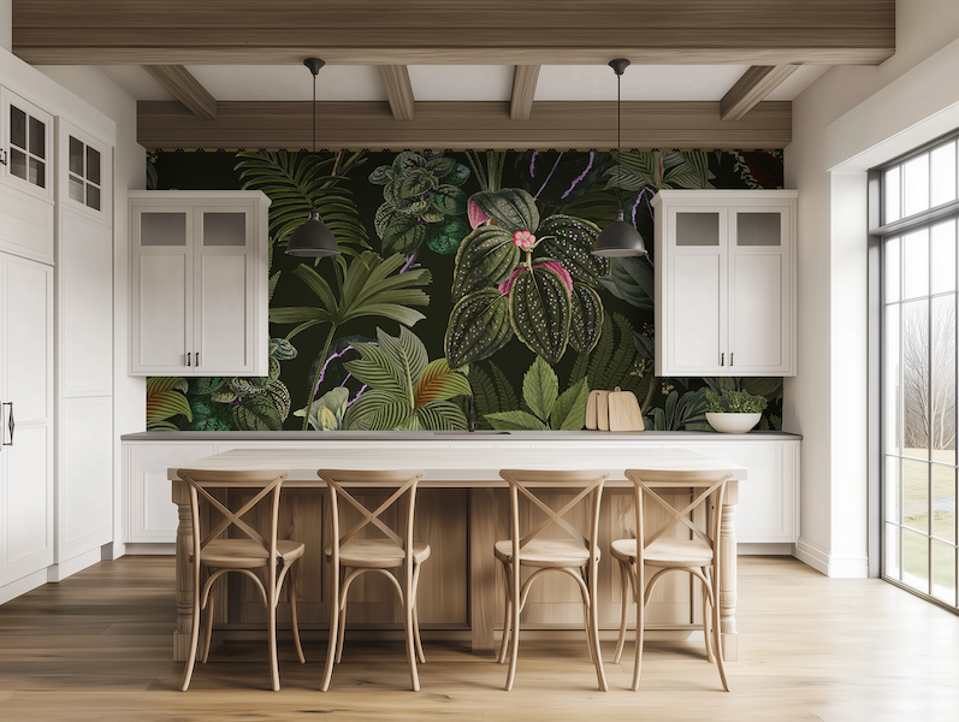
7 Design Mistakes Interior Designers Always Notice

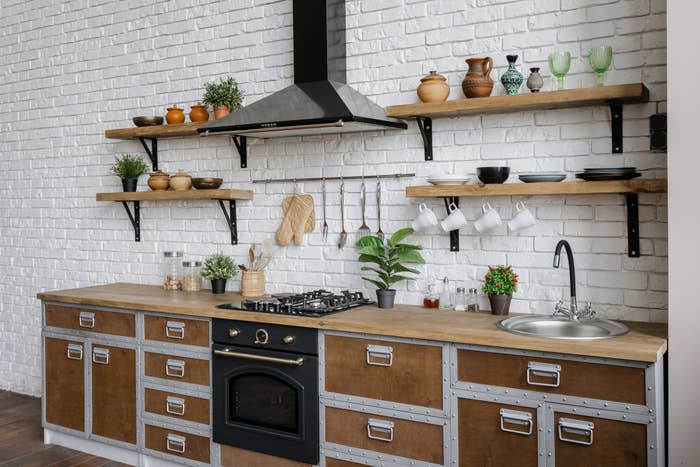
"Frankly, It's Tacky": People Are Revealing Common Interior Design Trends They Can't Stand

From the Wrong Rug Size to Too-Short Curtains, Interior Designers Share Their Biggest Pet Peeves
12 Client Asks That Absolutely TRIGGER Designers
17 popular trends interior designers wish would disappear