1/6
Tile as Door Molding and 4 Other Aha Moments From Copenhagen’s Design Festival
The annual 3 Days of Design festival in Copenhagen showcased innovative and unconventional applications of materials and products, moving beyond traditional uses to present novel design solutions. The event, attended by design professionals and enthusiasts, highlighted emerging trends and creative reinterpretations in interior design and architecture. Five particular applications stood out for their ingenuity and potential impact on future design practices.
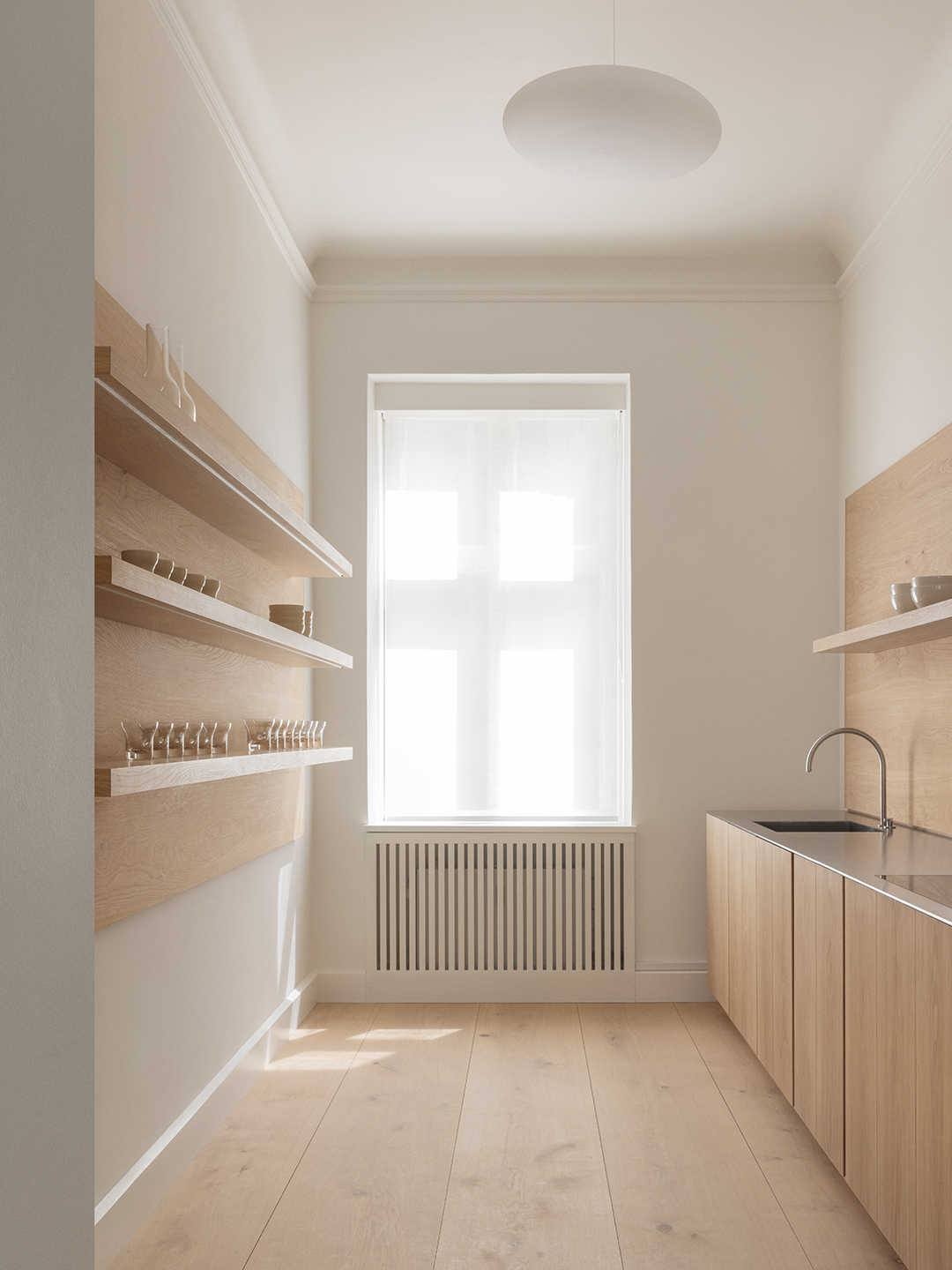
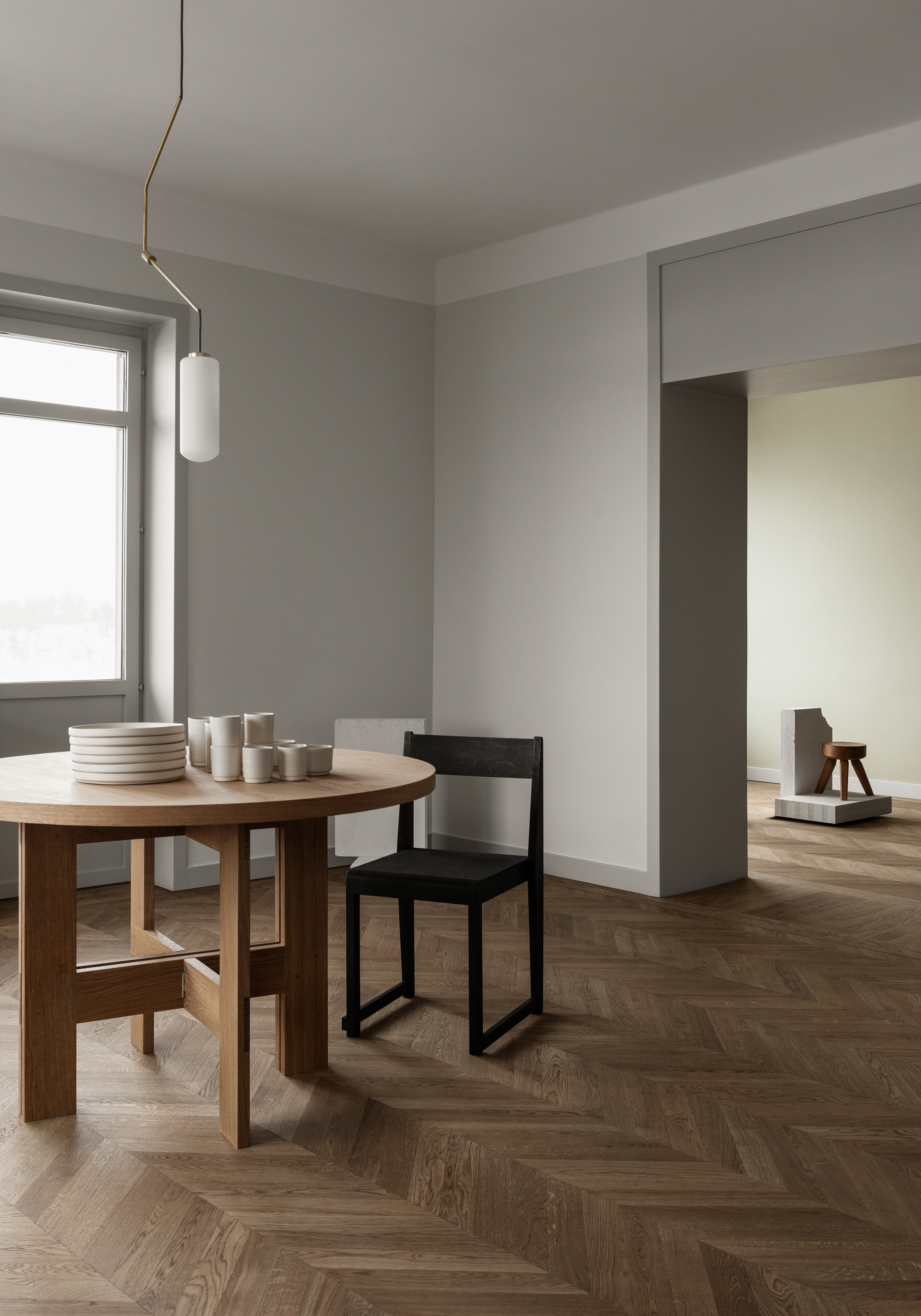
One notable innovation was cabinetry crafted from flooring material, specifically Dinesen Layers Oak, used in the Garde Hvalsøe Layer cabinetry within the new Dinesen apartment designed by John Pawson. The kitchen cabinetry revealed an internal solid reinforcement made from floorboards turned sideways, demonstrating a clever reuse of materials and offering a unique aesthetic. The design also featured a simple steel worktop, drawing inspiration from Pawson's own kitchen, which underscores the functional and minimalist approach often seen in Scandinavian design.
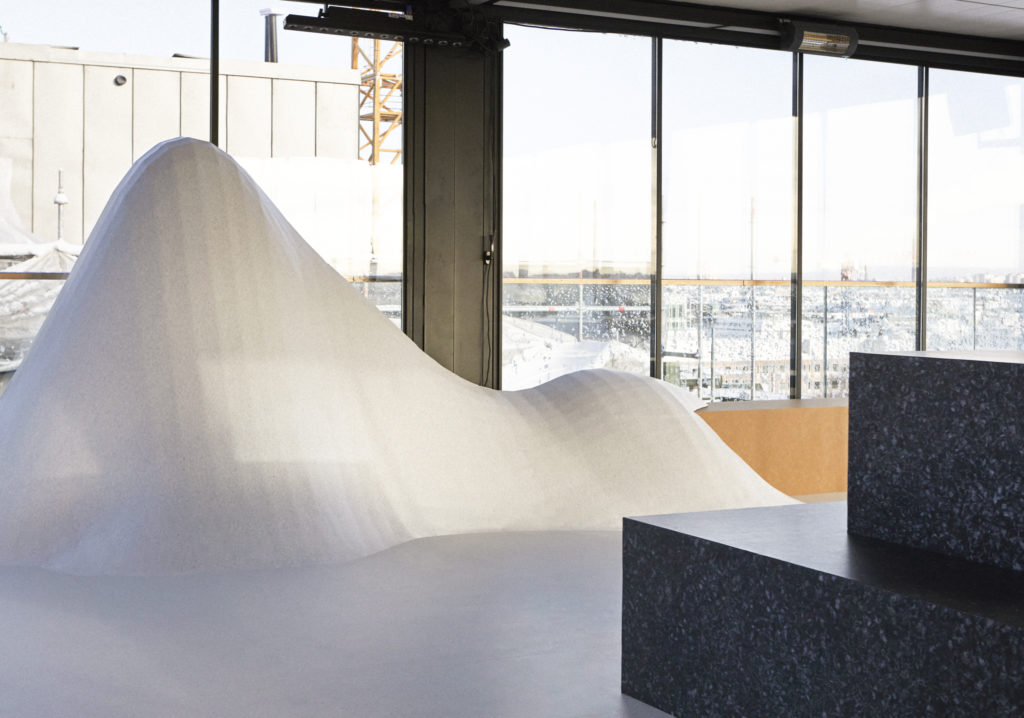
Another significant development was the creation of acoustic panels using eelgrass by the Danish manufacturer Søuld. Traditionally used for thatched roofs, eelgrass is now being repurposed into environmentally friendly acoustic solutions. This material offers multiple benefits, including thermal and moisture absorption, natural renewability, resistance to fire and mold, and carbon storage capabilities. Søuld's expansion into the North American market through a partnership with Spinneybeck indicates a growing interest in sustainable and plant-based design materials.
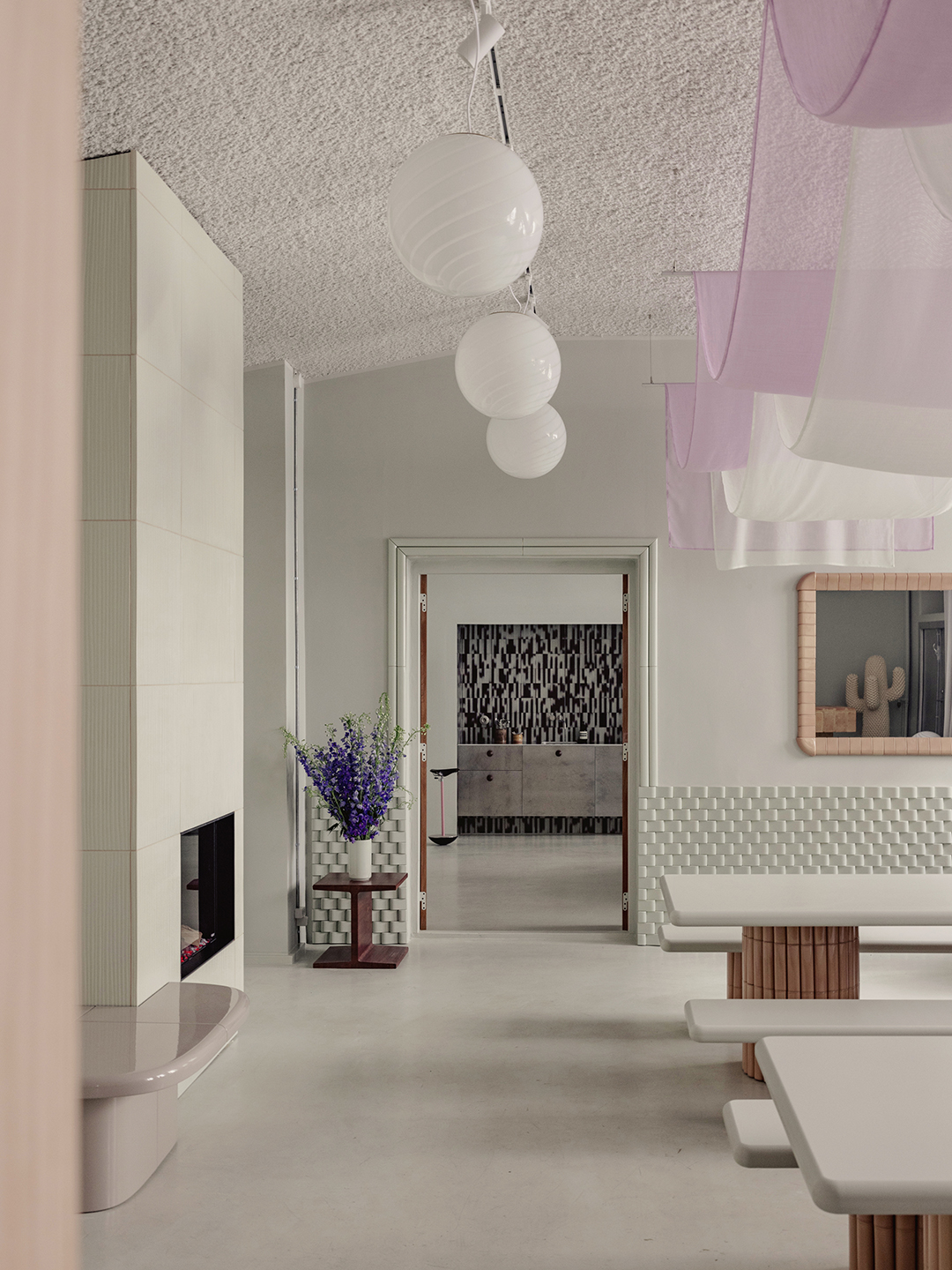
The festival also featured creative applications of tile, such as its use as door molding by Kaufmann Keramik in collaboration with Studio Force Majeure. The studio showcased several styles by German designer Sebastian Herkner, including ceramic benches and various tile shapes utilized in unconventional ways. Specifically, the Acqua tiles were applied as mirror edges and wall adornments, Sahel tiles formed room dividers, and Soap tiles served as decorative elements for table legs. The most striking application involved using the Soap tile shape around a doorframe, presenting an elegant and distinct alternative to traditional wallpaper or wood trim.
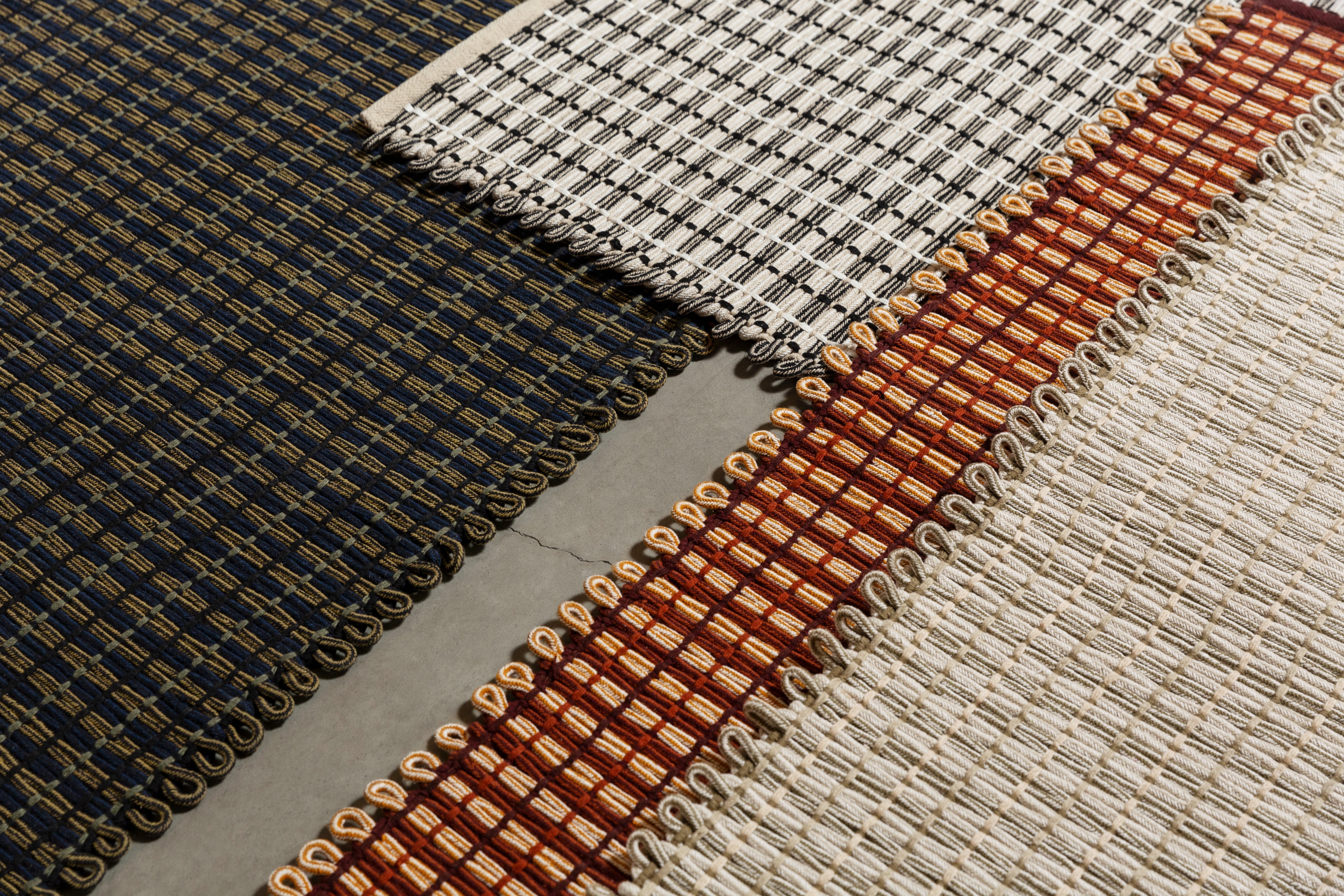
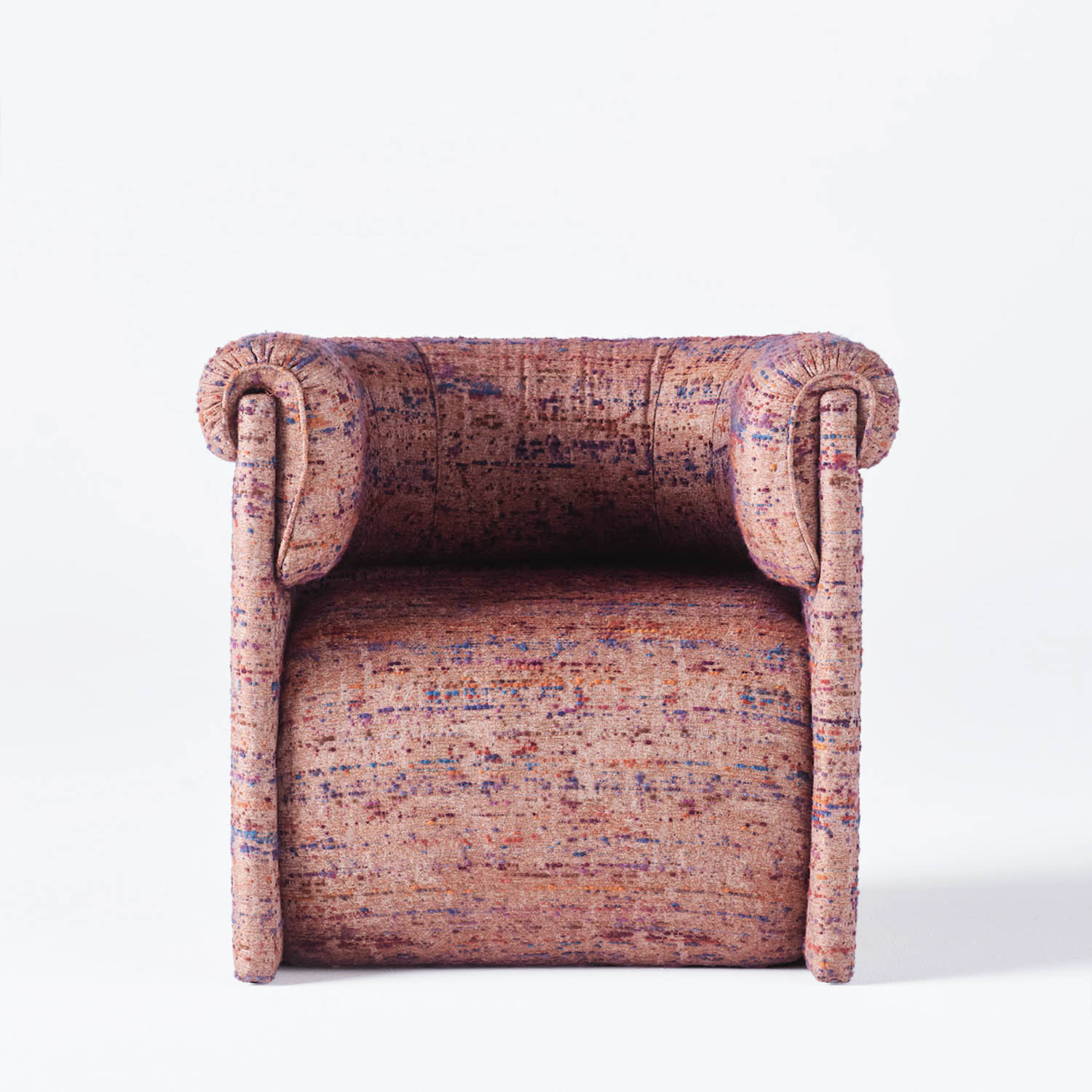
Furthermore, the ReThink exhibition by Kvadrat presented upholstery made from 100% ocean-bound plastic waste. This initiative, part of Kvadrat's sixth Design Projects iteration, emphasized sustainability and circular resources. The Octopoda, featuring interiors-applicable Sport upholstery designed by Patricia Urquiola, demonstrated a breakthrough in eco-friendly textiles. This recycled polyester fabric, woven entirely from plastic collected off the coastlines and remote islands of Thailand, proves that sustainable materials can be both visually appealing and comfortable to the touch, challenging perceptions of recycled materials.
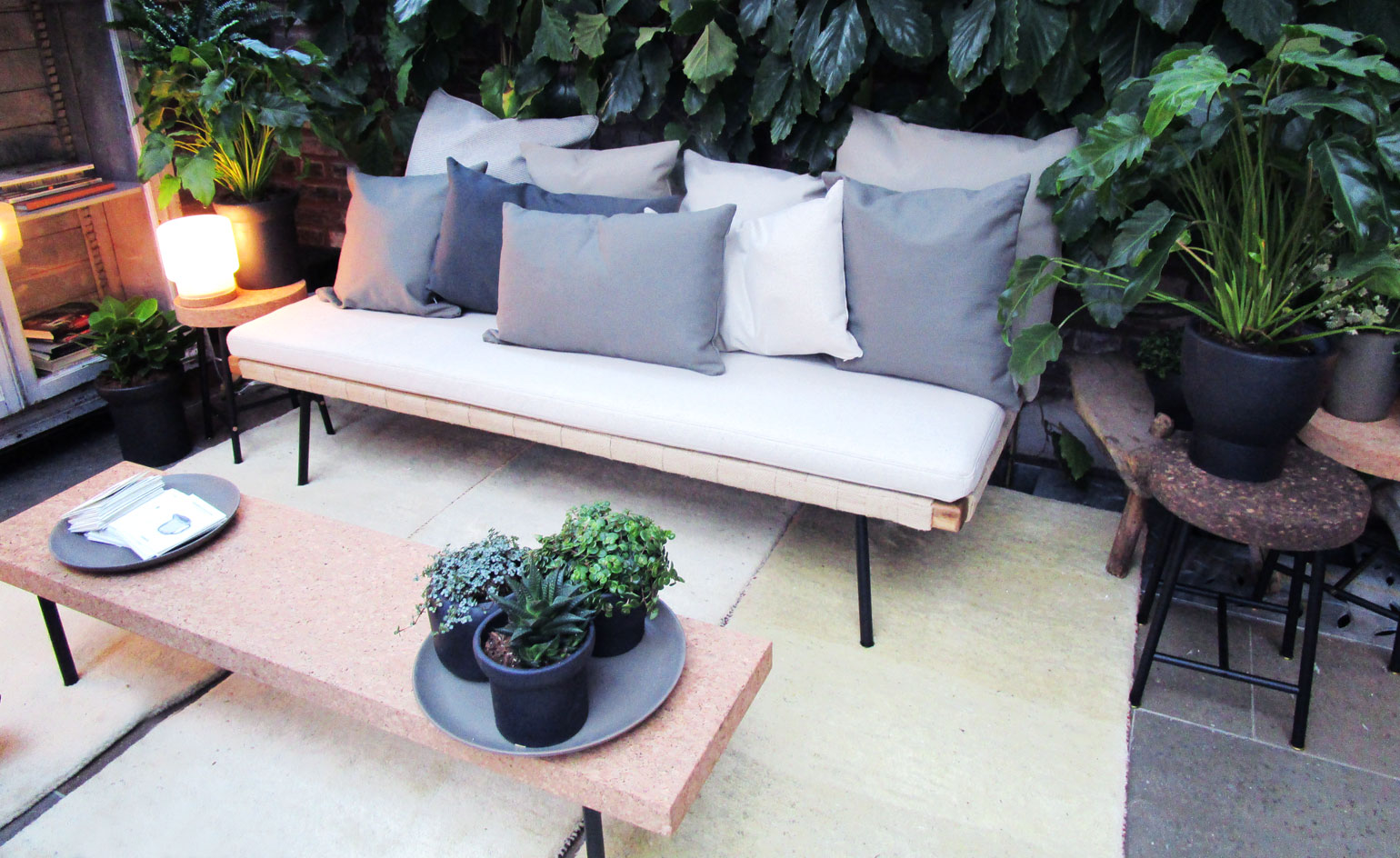
Finally, a cement planter with self-growing capabilities was showcased at "A Calm Place," a small-group furniture exhibition by Objective Studies. This exhibition aimed to connect Danish home culture, characterized by its emphasis on nature and natural materials, with innovative design. The cement planter represents a forward-thinking approach to integrating natural growth and sustainable materials into everyday objects, suggesting a future where products can evolve and adapt over time.
#CopenhagenDesignFestival #SustainableDesign #MaterialInnovation #InteriorDesignTrends #ArchitecturalDesign #EcoFriendlyMaterials #RecycledMaterials #ScandinavianDesign #DesignExhibition #CopenhagenDesignFestival #SustainableDesign #MaterialInnovation #InteriorDesignTrends #ArchitecturalDesign #EcoFriendlyMaterials #RecycledMaterials #ScandinavianDesign #DesignExhibition
Toplam 0 yorum
 Henüz yorum yok
Bu da beğenebilirsiniz
Tile as Door Molding and 4 Other Aha Moments From Copenhagen’s Design Festival

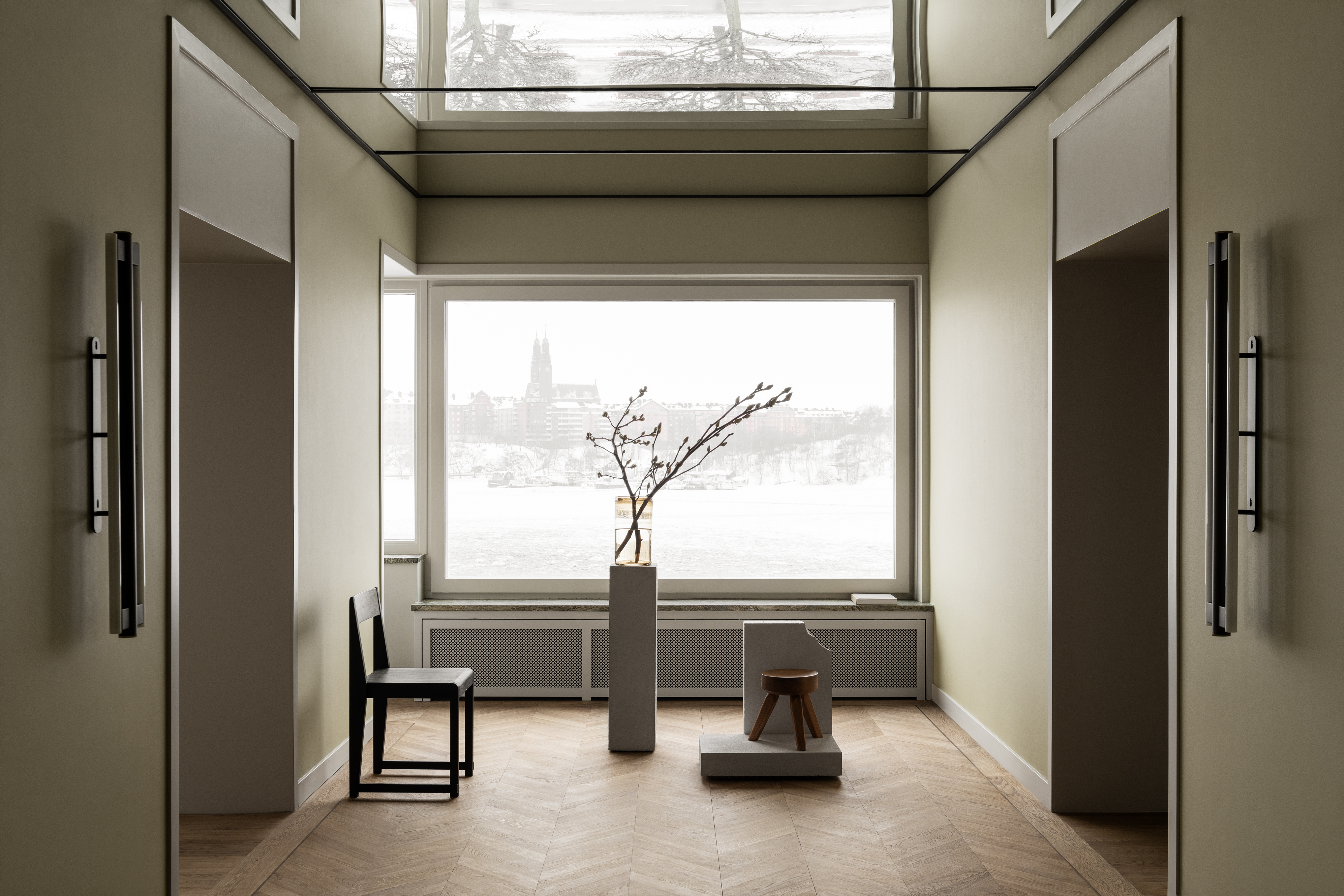
Stockholm Design Week reframes Swedish heritage, sustainability and village life

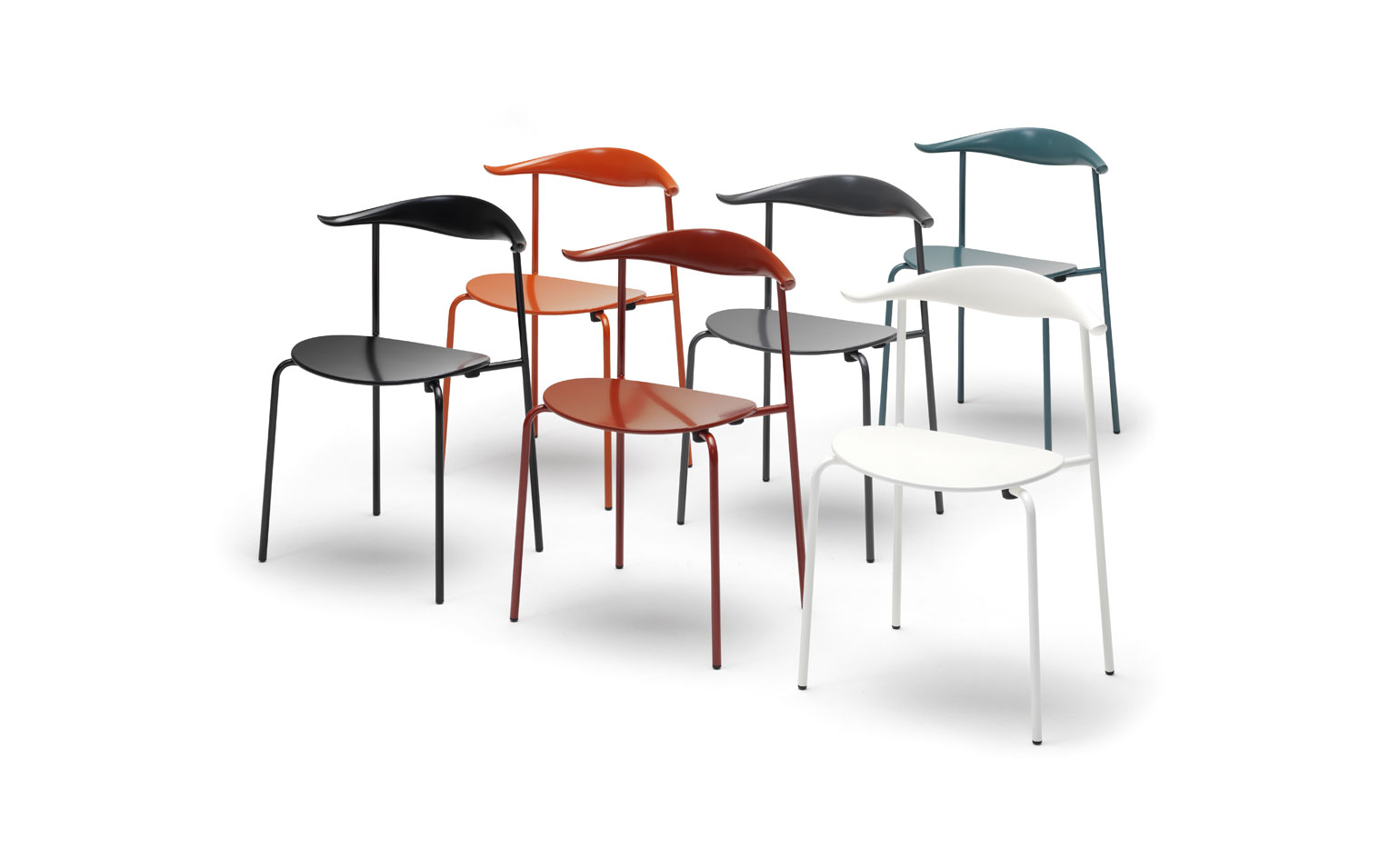
Bright young stars: the 2015 Stockholm Furniture Fair adds new luminaries to its abundant roster
On Design | Those Fabulous Finns
5 Copenhagen-Based Creatives Pushing the Boundaries of Danish Design

Core77 2011 Year in Review: Fine Furniture, Brilliant Lighting and Design from Around the World


Tiles take inspiration from fashion
11 Highlights From Stockholm Design Week 2025

Bolon installation by Jean Nouvel: a Q&A with the architect
Try This Key Decor Item To Give Your Home That Signature Scandinavian Style

Add These Installations To Your Milan Design Week Itinerary

A Tale of Two Materials: Innesti Vases

Tile design uses optical illusion to slow people down
Our unmissable highlights at London Design Festival 2025

Knowing the Ropes Explores the Textile Through a New Lens
Art or design? Johannes Budde blurs the lines with LITE

Aesop store interior references Louisiana Museum of Modern Art

My whistle-stop tour of Copenhagen reaffirmed these 5 Danish design lessons in cool and cozy design

Postcard from Helsinki Design Week 2024

A Guide to Uniting Popular Imagery and Architectural Design