
1/5
Aesop store interior references Louisiana Museum of Modern Art
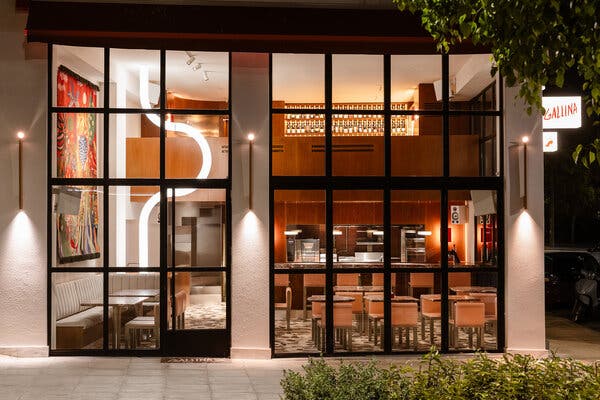
The Aesop store in Copenhagen's old town, situated on Kronprinsensgade, features an interior design that draws inspiration from the Louisiana Museum of Modern Art. The store's aesthetic is characterized by its neutral hues and a deliberate absence of "unnecessary flourishes," designed by Aesop's in-house team to harmonize with its urban setting. The design philosophy behind the store aimed to create a space that complements its environment rather than dominating it, embodying a sense of understated elegance.
A key influence for the store's interior is the Louisiana Museum of Modern Art, located 35 kilometers north of Copenhagen. Completed in 1958, the museum is renowned for its humble and horizontal architectural form, which utilizes materials such as bricks, wood, and white paint. The Aesop store replicates this understated approach through its long, low-ceilinged rectangular room. A distinctive circular space at the rear of the store houses a curved, brick-clad basin, echoing the museum's design principles. Marianne Lardilleux, Aesop’s head of store design, noted that the museum's design as a home for Danish modern art, emphasizing humility in materials and a direct approach, heavily influenced their concept for the store.
The materials selected for the Copenhagen store are central to its design identity. Danish red brick tiles, laid by local stonemasons in a radiating pattern, cover the floor, replacing the original painted concrete screed. This choice of brickwork is a nod to various Copenhagen landmarks and contributes to the store's warm and inviting atmosphere. Stained oak timber is extensively used for the sleek geometric shelving units that line one wall, providing a gallery-like display for Aesop's products. The same oak material extends to the slatted ceiling, which is dramatically interrupted by an oversized, backlit circular opening positioned directly above the brick-clad basin, featuring aged brass elements. A smooth timber door, concealed behind a sandy-colored curtain, leads to the back-of-house area, further emphasizing the focus on material warmth and simple design.
Aesop's approach to store design is characterized by its sensitivity to local context. Since the opening of its first store in St Kilda, Melbourne, in 2003, the brand has consistently developed unique interiors that reflect their specific locations. This commitment to contextual design ensures that each Aesop store offers a distinct experience, inspired by the cultural and architectural heritage of its surroundings. Examples include a Paris store by Jakob Sprenger, which incorporated 1920s plaster medallions, and a Los Angeles location designed by Odami, featuring minty green interiors. These projects, alongside the Copenhagen store, highlight Aesop's strategy of integrating local design elements and materials to create bespoke retail environments worldwide.
#Aesop #RetailDesign #Copenhagen #InteriorDesign #ArchitecturalInfluence #DanishModernArt #Brickwork #OakTimber #Aesop #RetailDesign #Copenhagen #InteriorDesign #ArchitecturalInfluence #DanishModernArt #Brickwork #OakTimber
0 comment in total
 No comments yet
You may also like
Lina’s Interiors – Serving the Delta for Over Sixty Years

Where to Buy Cool Kitchen Art for Every Vibe

OBSESSED: Everything We Can't Stop Talking About This Week
The Best New Home Design Shops in Los Angeles

Southwest Florida's Most Stylish New Home Shops 2025
Nakhla Brand Store / Yasmina Makram

Living in Style: Five Centuries of Interior Design from the Collection of Drawings and Prints
Nanjing Jingjian Lawyer Museum / Inch Condensation Architectural Design

Quirky Home Decor Ideas, Inspired by the Bell Museum

Where Southern Interior Designers Love to Shop
Where San Francisco’s top interior designers really shop for furniture
The best design and furniture stores in LA, mapped
A Bar in Amalfi Coast Colors, Paloma Wool’s New Store, and More Design Finds
Modern Home Decor Takes Centerstage at a New York Pop-Up from Maiden Home

How to transform your home with art
Inside the Private Suites of New York City’s Iconic Frick Collection

9 Acclaimed Interior Designers Share Their Most Memorable Tales of Discovery and Disappointment

Top Home Decor Stores in Nashville

How a Former N.F.L. Player Started Designing Sculptural Furniture (Published 2024)

Great Collections