1/10
The Best Air Quality Monitors for Testing Your Air Indoors and Out
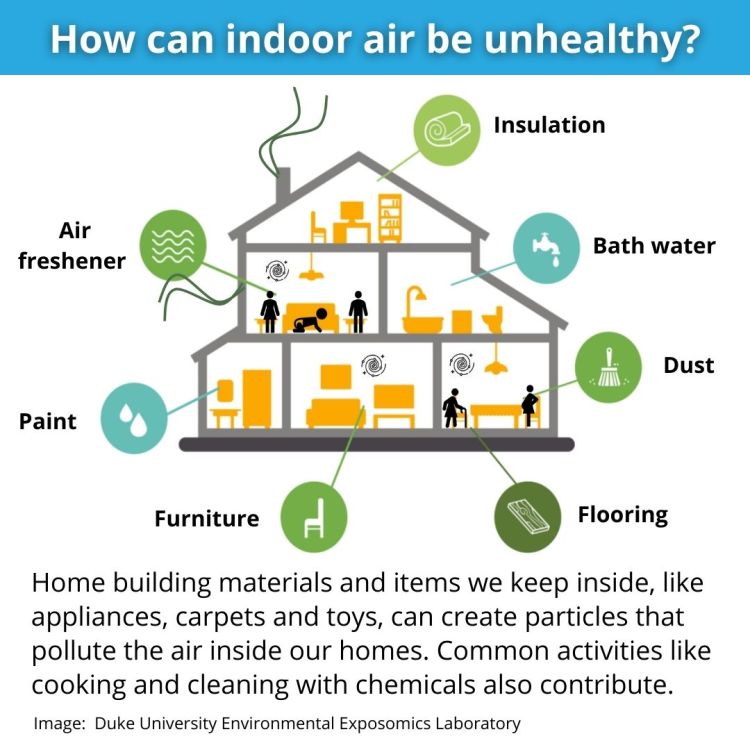
Indoor air quality has become an increasingly important health concern, particularly due to the silent and often odorless nature of air pollution, which can significantly impact health over time. Monitoring indoor air quality can reveal harmful particulate matter (PM2.5), carbon dioxide (CO2), volatile organic compounds (VOCs), and even radon, all of which contribute to various health issues such as respiratory diseases, heart problems, and cognitive impairment. This article evaluates ten different indoor and outdoor air quality monitors, highlighting their features, pros, and cons to help consumers make informed decisions.
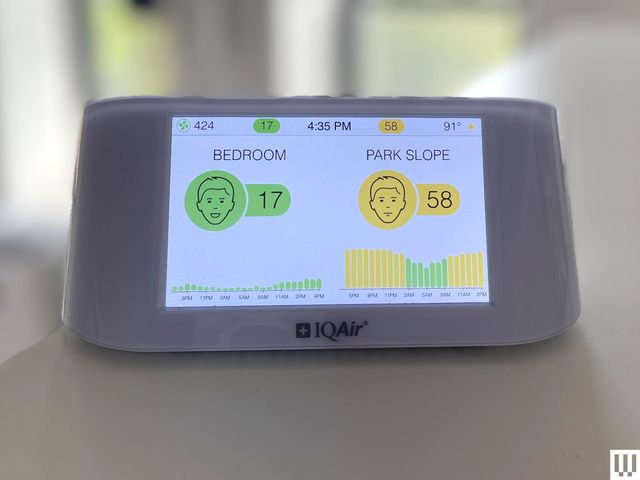
Leading the selection as the best overall is the IQAir AirVisual Pro Indoor Monitor, priced at $330. This device is praised for its clear 5-inch LCD display, which provides both indoor and outdoor air quality data through intuitive visual graphics, including a boy’s face that changes expression and background color based on the AQI. It measures PM2.5 and CO2, along with temperature and humidity, and retains data for a year. While it lacks a crowdsourced AQI map, its visual clarity and dual indoor/outdoor readings are significant advantages.
For those seeking an indoor-outdoor option, the PurpleAir Zen, available for $299, is recommended. Larger than some counterparts, it uses the EPA AQI color scale for easy interpretation and withstands various outdoor elements. A key feature is its ability to link to PurpleAir's crowdsourced Real-Time Air Quality Map, allowing users to contribute to and view broader air quality data. Although it currently lacks a dedicated app, the website provides comprehensive data and community engagement opportunities. Similarly, the IQAir Outdoor Air Quality Monitor, priced at $300, is designed for external mounting and provides real-time outdoor data. When paired with an IQAir AirVisual Pro, it offers side-by-side indoor and outdoor readings on the Pro's screen. However, it involves a rigorous registration process to contribute to IQAir's app-based map and requires specific mounting conditions for optimal airflow.
The Airthings View Plus, costing $330, stands out for its dedicated radon sensor, in addition to measuring PM2.5, CO2, VOCs, temperature, humidity, and air pressure. Its minimalist design and easy-to-use app are positives, but it requires continuous internet connectivity and a calibration period for some sensors. A unique interaction involves waving a hand to activate its display and indicator light. The PurpleAir Touch Indoor Air Quality Monitor, at $209, is celebrated for its simple, decorative design and clear color-coded LED ring, which indicates PM2.5 levels. It also connects to PurpleAir’s crowdsourced map, though the map's inclusion of both indoor and outdoor data can be confusing for some users.
Budget-friendly options include the GoveeLife Smart Air Quality Monitor ($40) and the Ikea Vindykstra Air Quality Sensor ($60). The GoveeLife model offers an easy-to-use app, can pair with Govee air purifiers, and displays PM2.5, temperature, and humidity, albeit with less sensitivity than pricier alternatives. The Ikea Vindykstra, compact and capable, monitors PM2.5, temperature, humidity, and VOCs, and can integrate with Ikea’s smart home ecosystem, though its display can be challenging to read. The Awair Element ($146) provides a composite score based on PM2.5, VOCs, CO2, temperature, and humidity, using a unique algorithm, which some users might find confusing compared to standard AQI. Lastly, the Qingping Air Quality Monitor ($150) and its lighter version, the Qingping Lite Air Quality Monitor ($76), cater to specific needs. The Pro version offers comprehensive monitoring for a desk setting, but its display can be hard to read without close proximity. The Lite, with its portable, ring-box size, clear OLED display, and 6.5-hour battery life, is ideal for travel and measures PM10, PM2.5, CO2, temperature, and humidity, making it a convenient device for on-the-go air quality awareness.
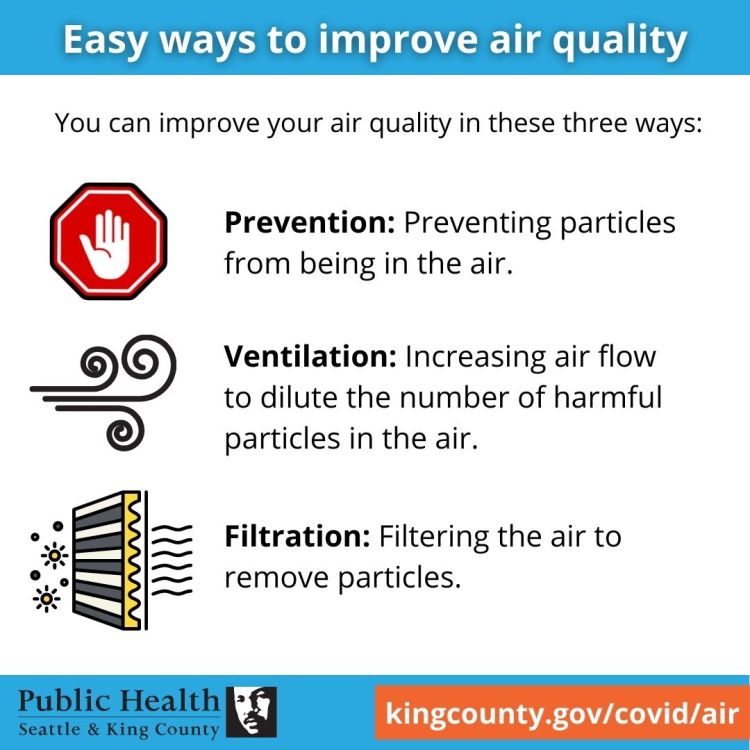
Testing involved both an older Brooklyn apartment with a gas stove and a Maine cabin with an electric stove, confirming that cooking is a significant source of indoor air pollution. Air quality monitors are crucial for verifying air purifier effectiveness and proactively addressing air quality issues. Users are advised to place monitors at "breathing zone height" (3-6 feet off the floor) for accurate readings. While consumer-grade monitors may not match professional accuracy, they provide valuable insights, encouraging behavioral changes like using exhaust fans and air purifiers to improve indoor air quality and, consequently, overall health.
#AirQualityMonitors #HomeGadgets #IndoorAirQuality #OutdoorAirQuality #PM25 #VOCs #RadonDetection #SmartHome #HealthMonitoring #AirQualityMonitors #HomeGadgets #IndoorAirQuality #OutdoorAirQuality #PM25 #VOCs #RadonDetection #SmartHome #HealthMonitoring
Toplam 0 yorum
 Henüz yorum yok
Bu da beğenebilirsiniz
We Tested Dozens of Air Fresheners to Find the Best Ones for Your Home


How to improve air quality at home - it’s the big health issue nobody’s talking about

5 mistakes you're making that are compromising your home's air quality – and how to fix it like a HVAC pro

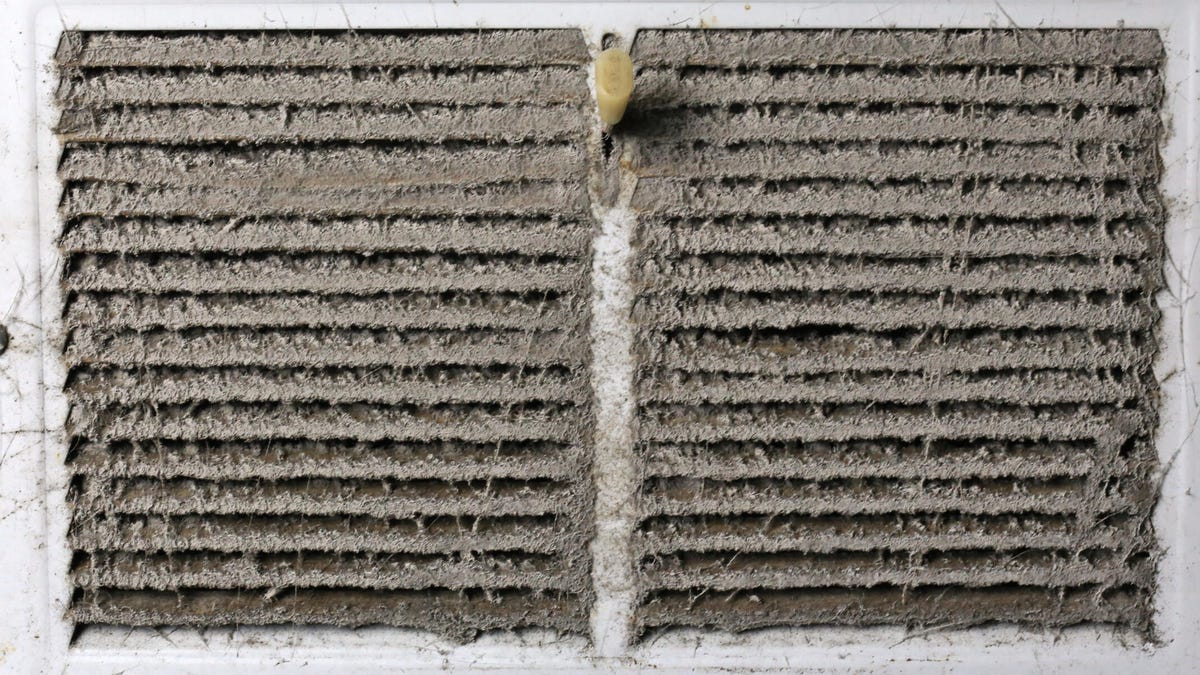
How to improve indoor air quality

How to Get Better Indoor Air Quality | Wirecutter

How to improve indoor air quality at home
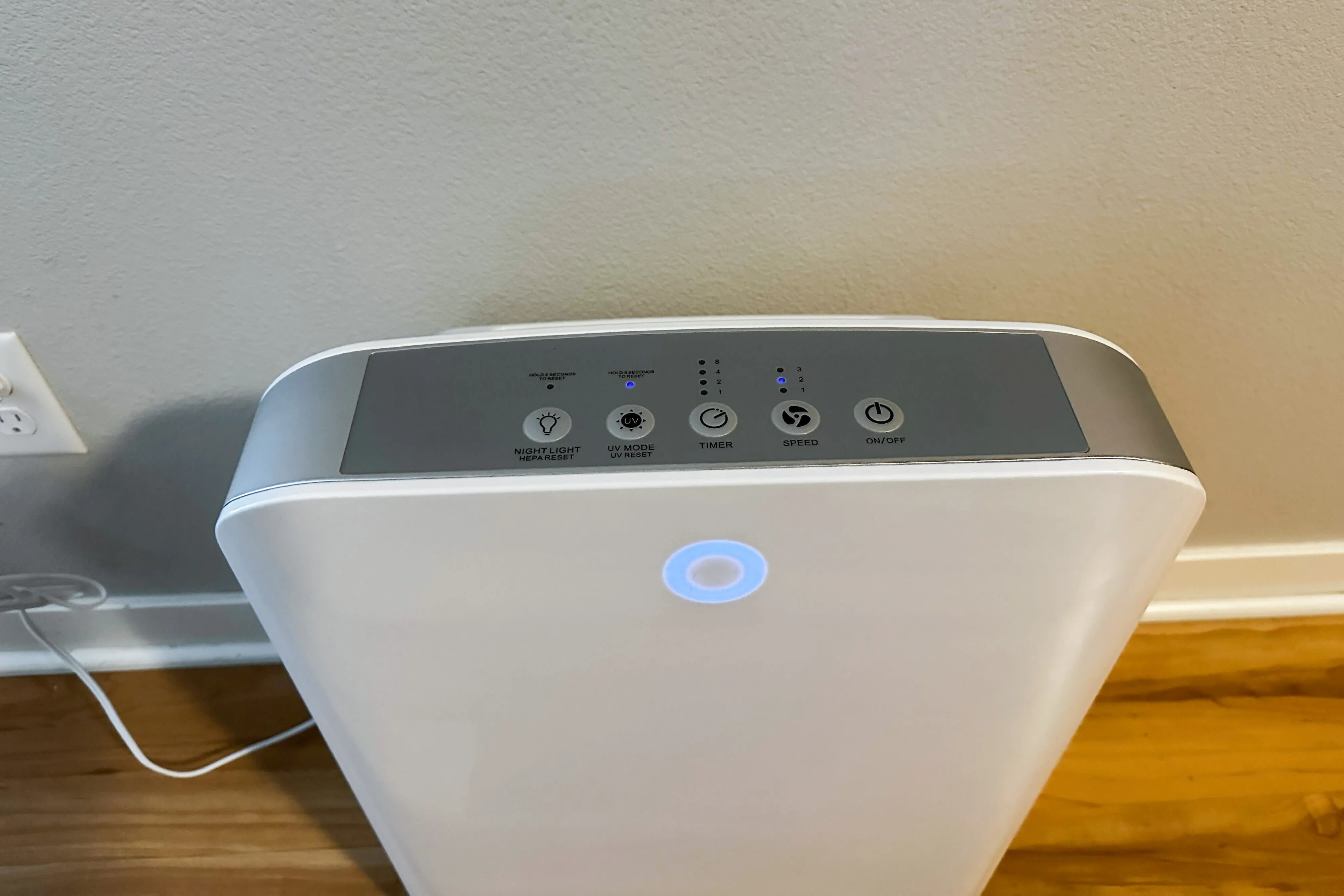
The Best Air Purifiers that Remove Smoke & Other Pollutants from Your Home

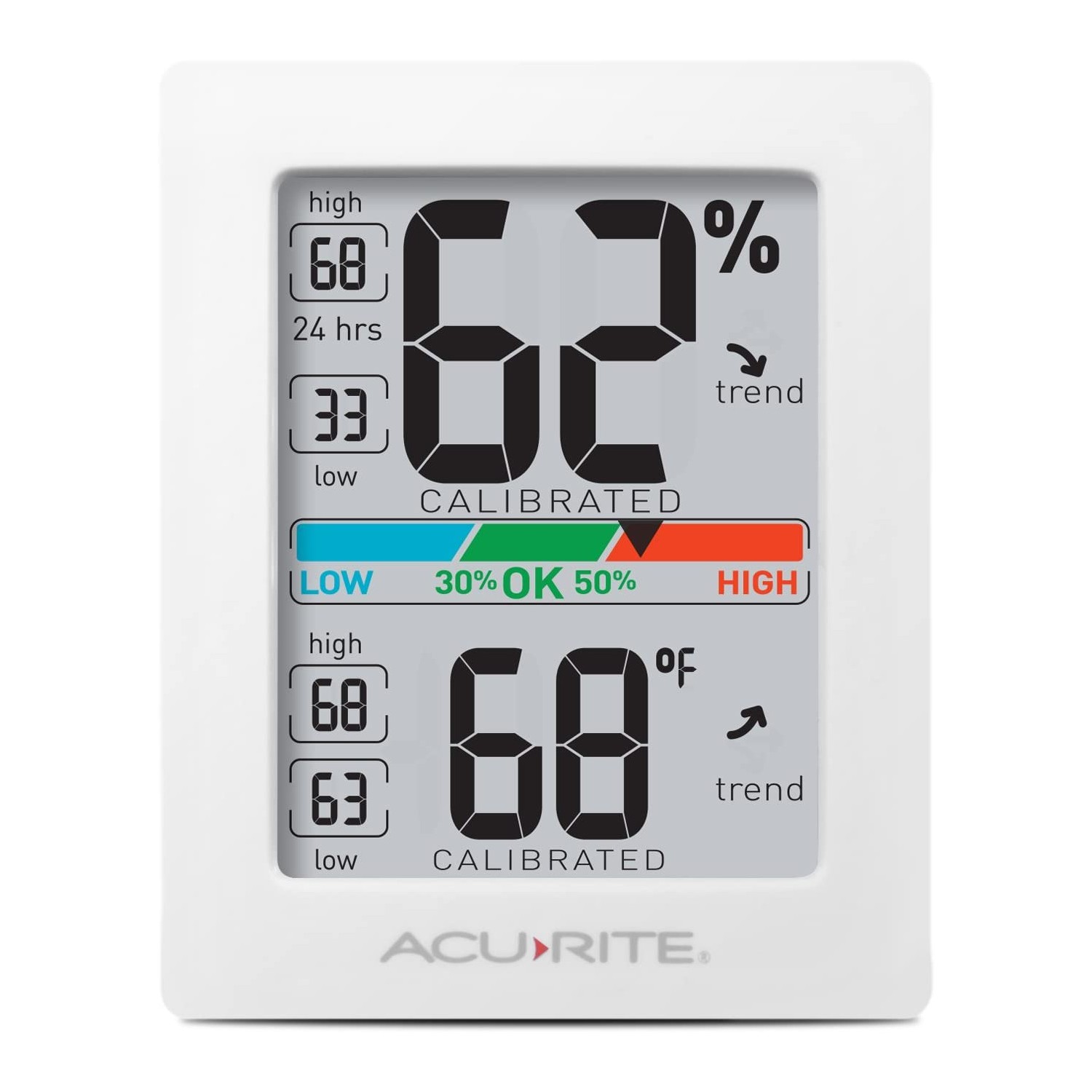
We Researched 30 Indoor Thermometers, But We Like These 10 the Best


15 Design Products for Improving Indoor Air Quality at Home

Stressed About Kitchen Pollution? A Window Fan Is a Cheap Fix.

Our buildings are making us sick
12 air purifying plants to help clean the air in your home

Breathe right — we tested 40 air purifiers to find the best to combat allergens, pet dander, and pollution
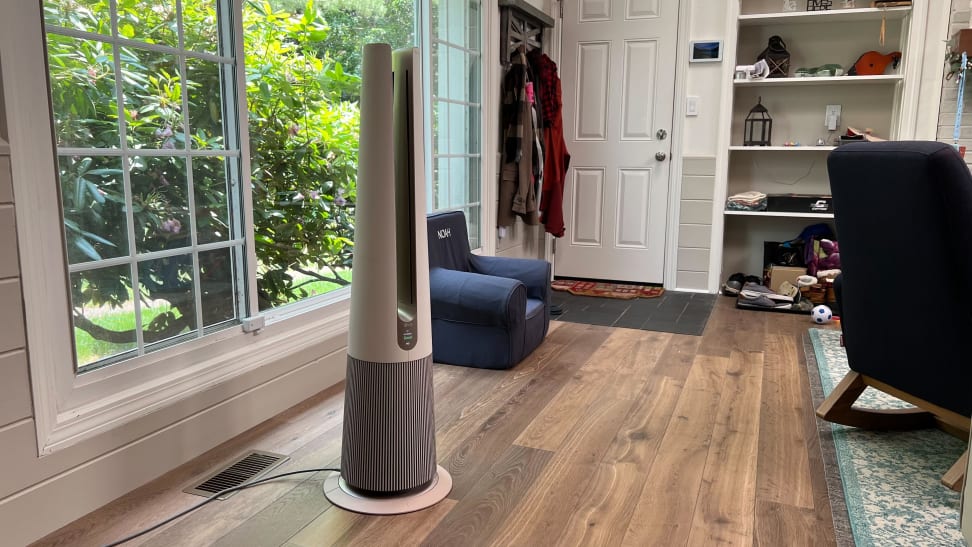
Is your air purifier in the best spot? Follow these rules

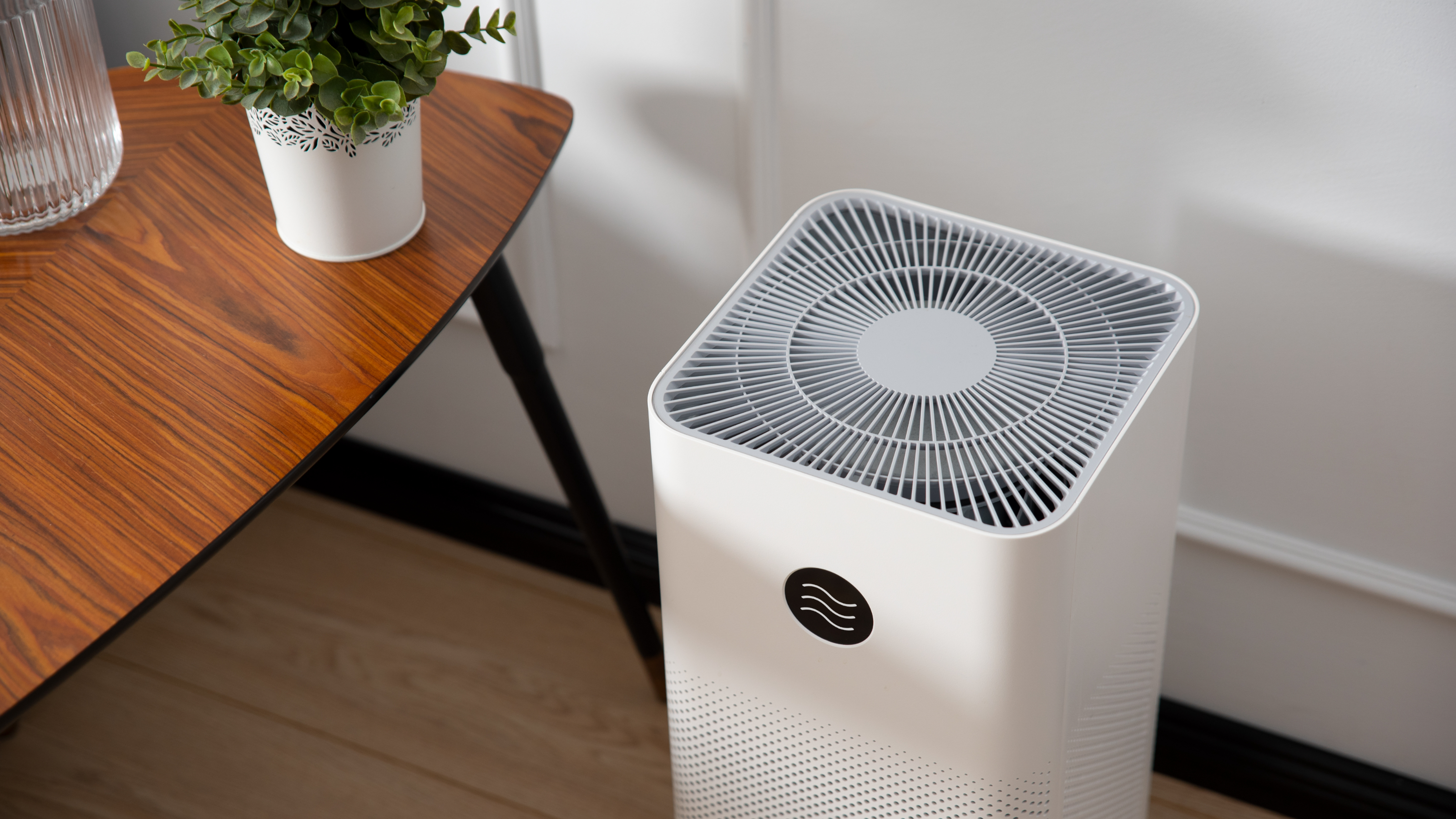
Are air purifiers better on the floor or a desk?

This Headboard Cleans the Air Near You as You Sleep
The Best Air Purifiers of 2025, Tested and Reviewed by Our Experts
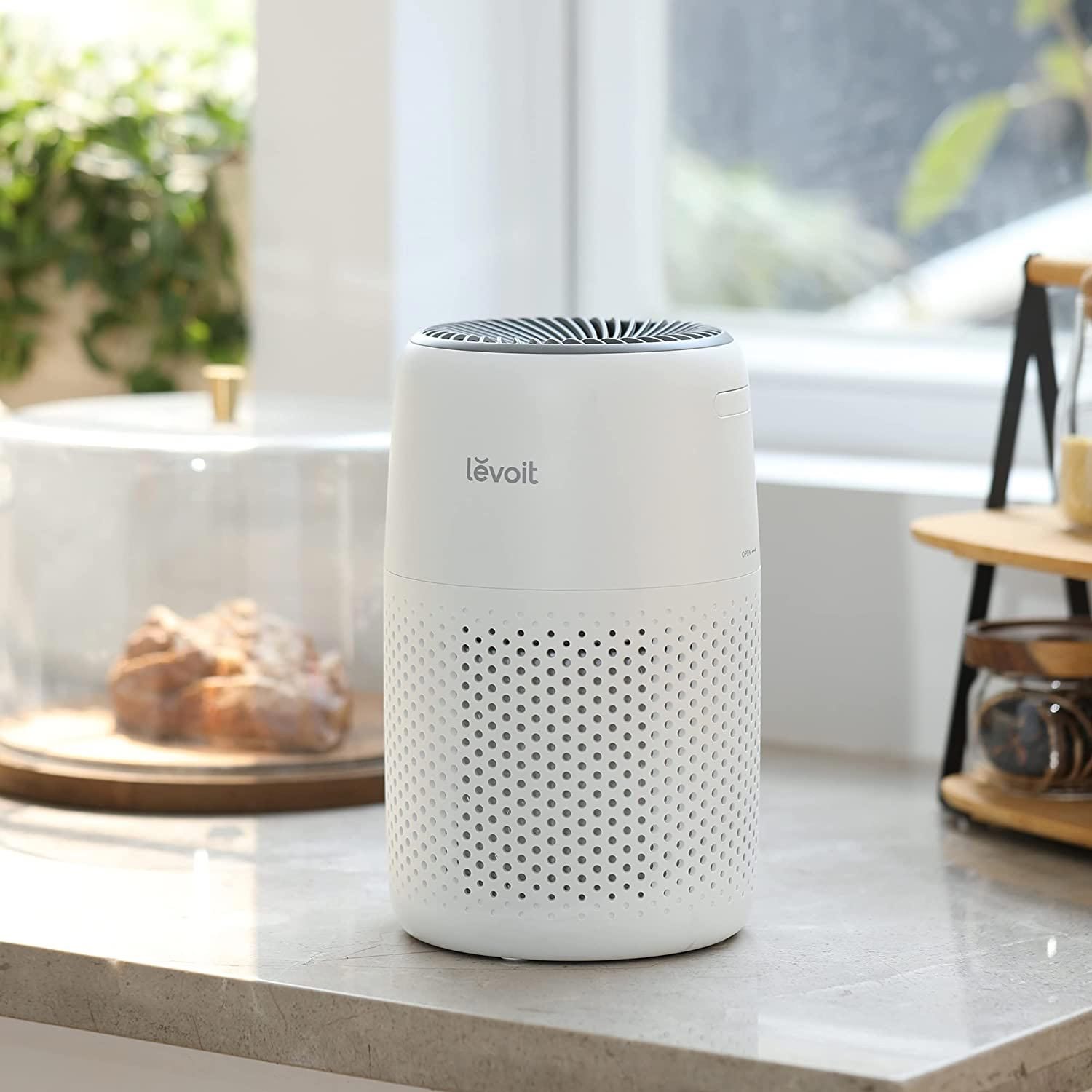
The 10 Best Air Purifiers for a Basement to Remove Dust, Allergens and Odors


The 3 Features That Earned This Chic Air Purifier a Spot on My Nightstand

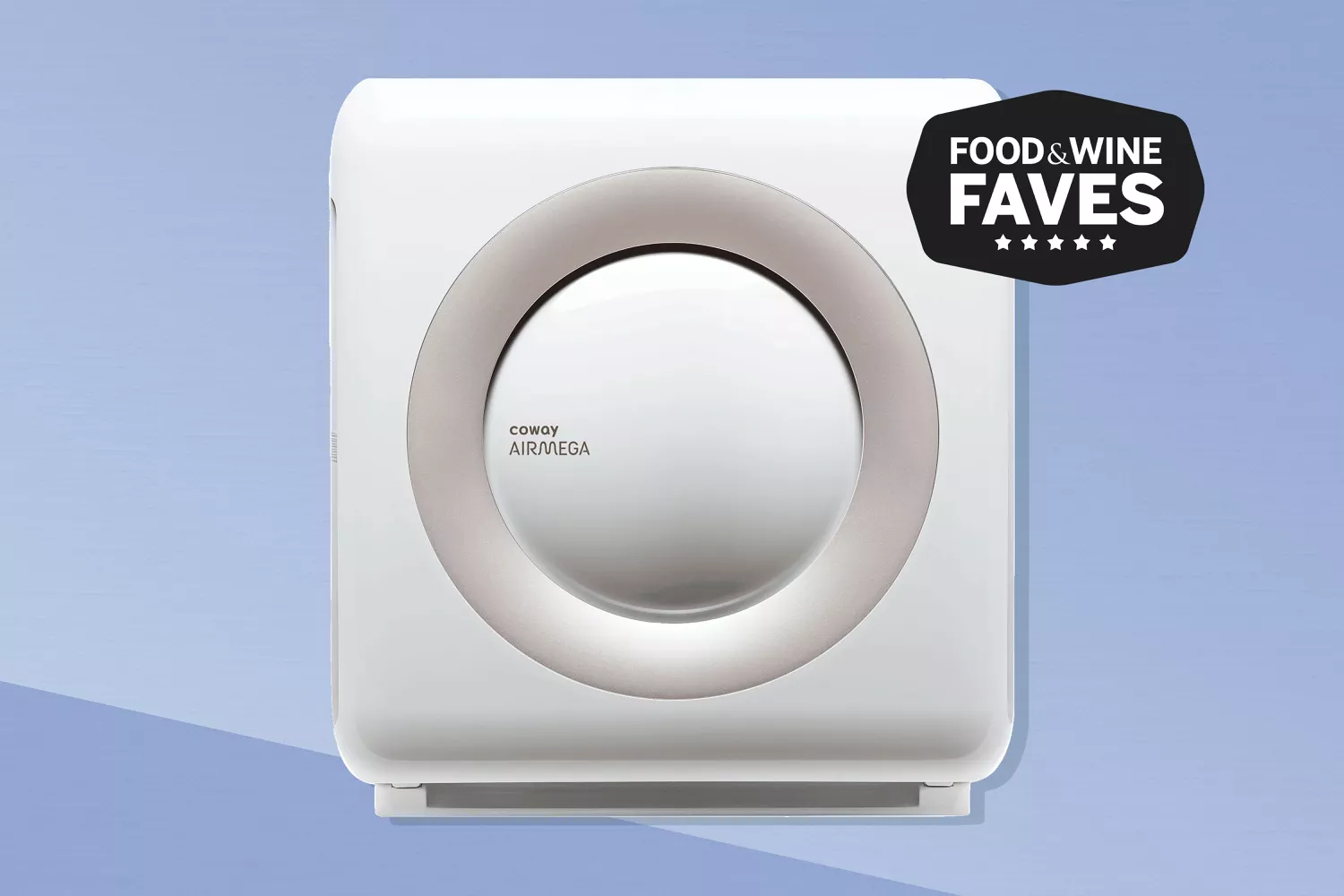
We’ve Been Testing Air Purifiers for Years — These Are the Ones We Keep in Our Kitchens