Simple Ways to Improve the Indoor Air Quality of Your Home
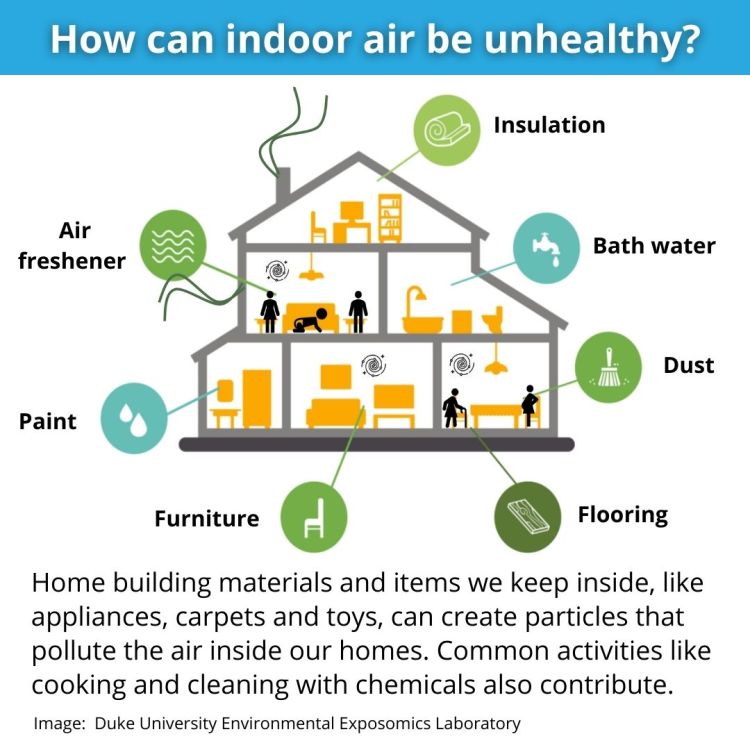
Indoor air quality is a significant concern for homeowners, as indoor air can be up to five times more polluted than outdoor air, according to the Environmental Protection Agency (EPA). Long-term exposure to common indoor pollutants like mold, mildew, smoke, and dust has been linked to various health issues, including asthma, respiratory diseases, heart disease, and cancer. However, by implementing several straightforward measures, residents can effectively enhance the air quality within their homes.
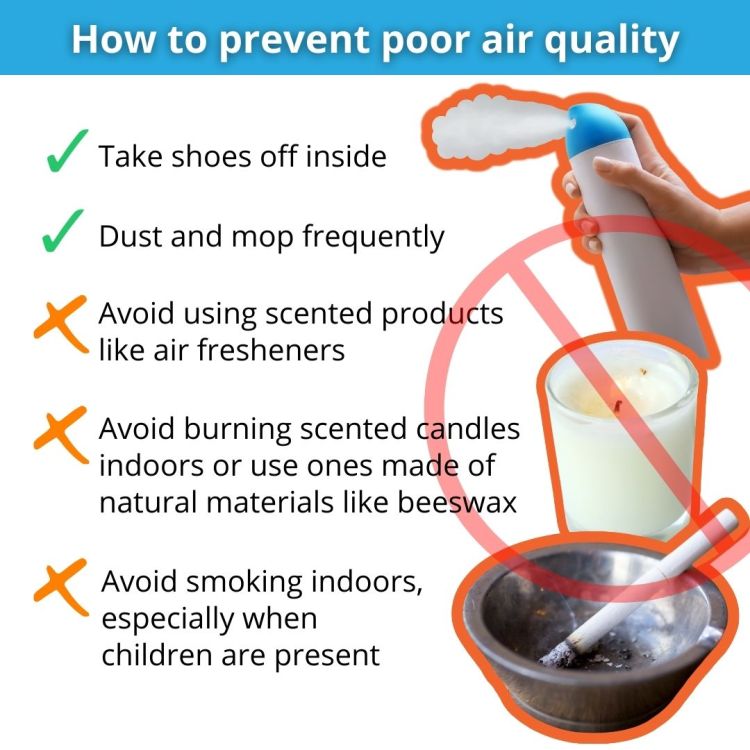
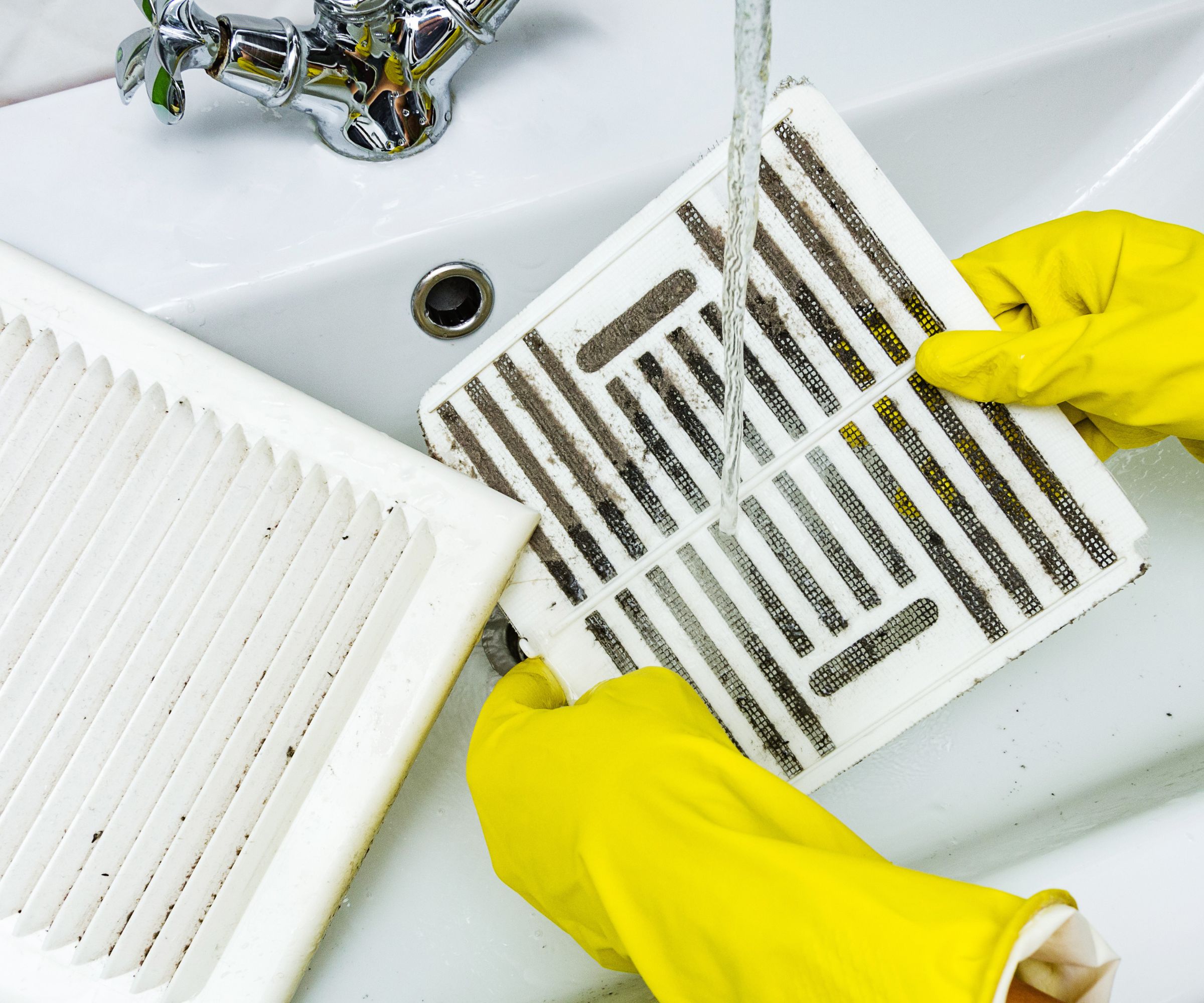
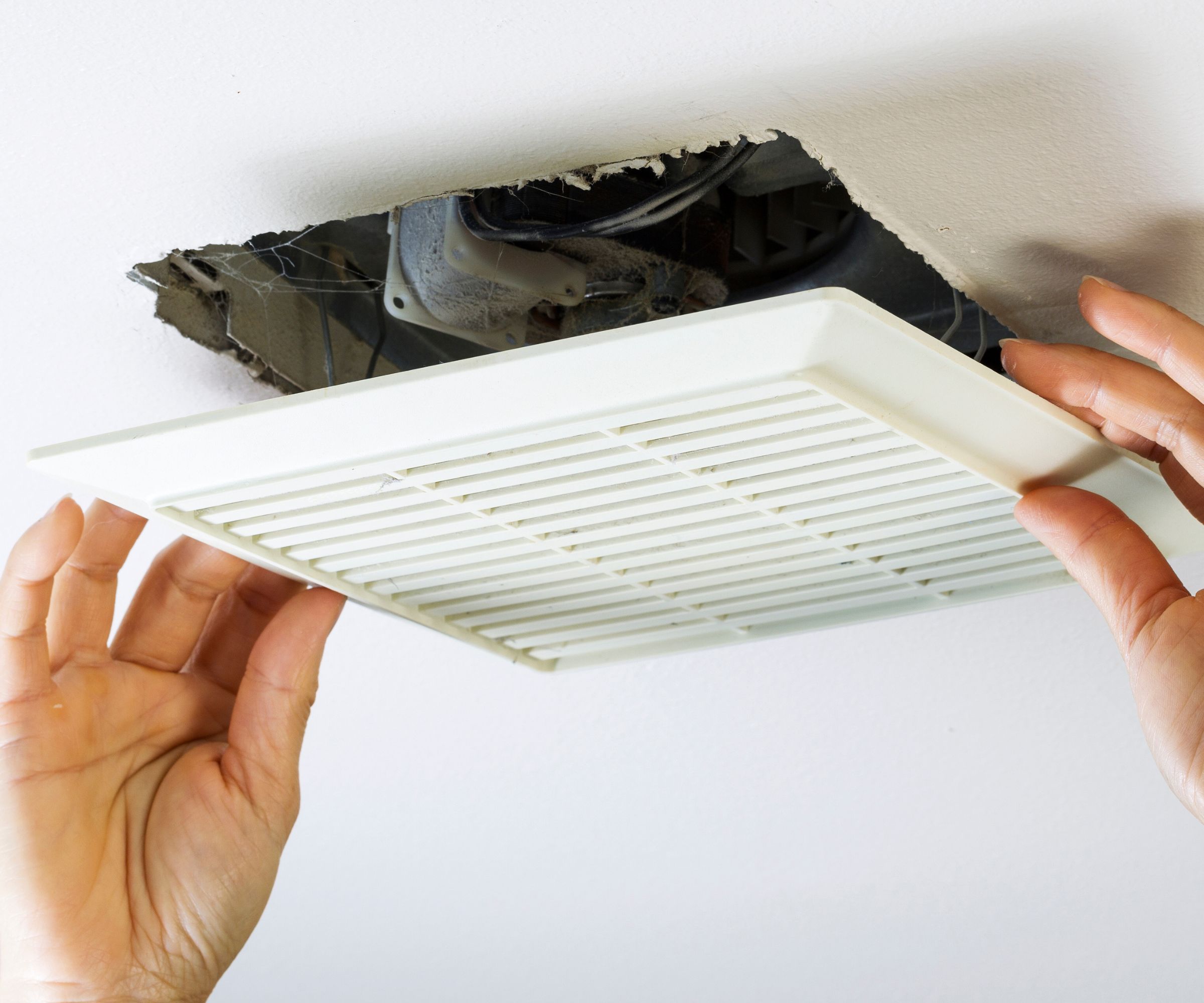
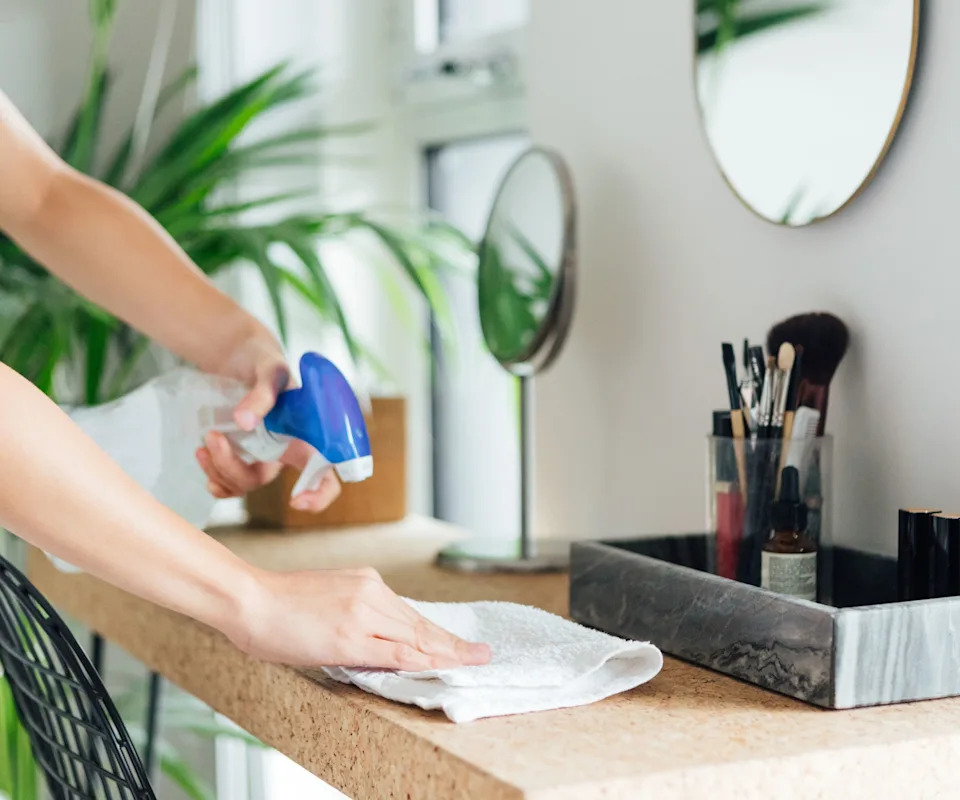
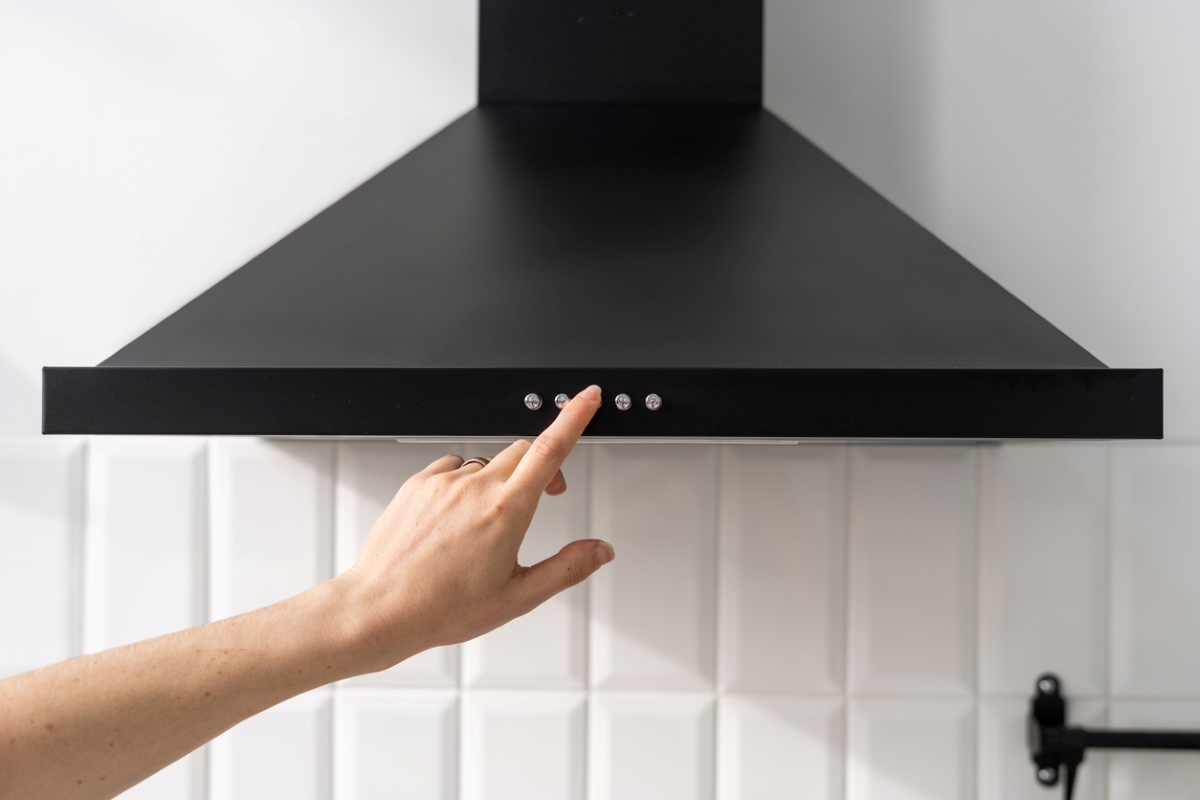
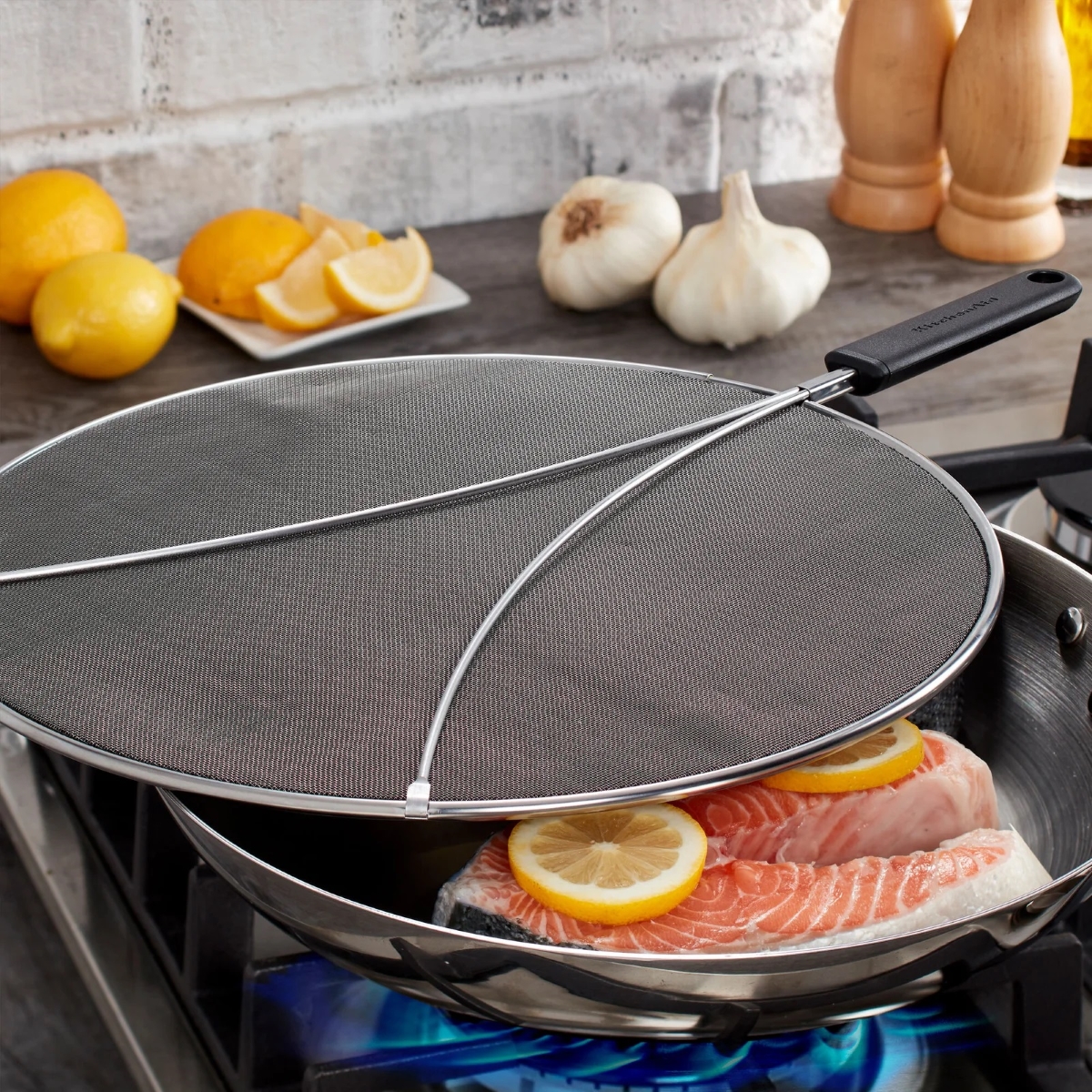
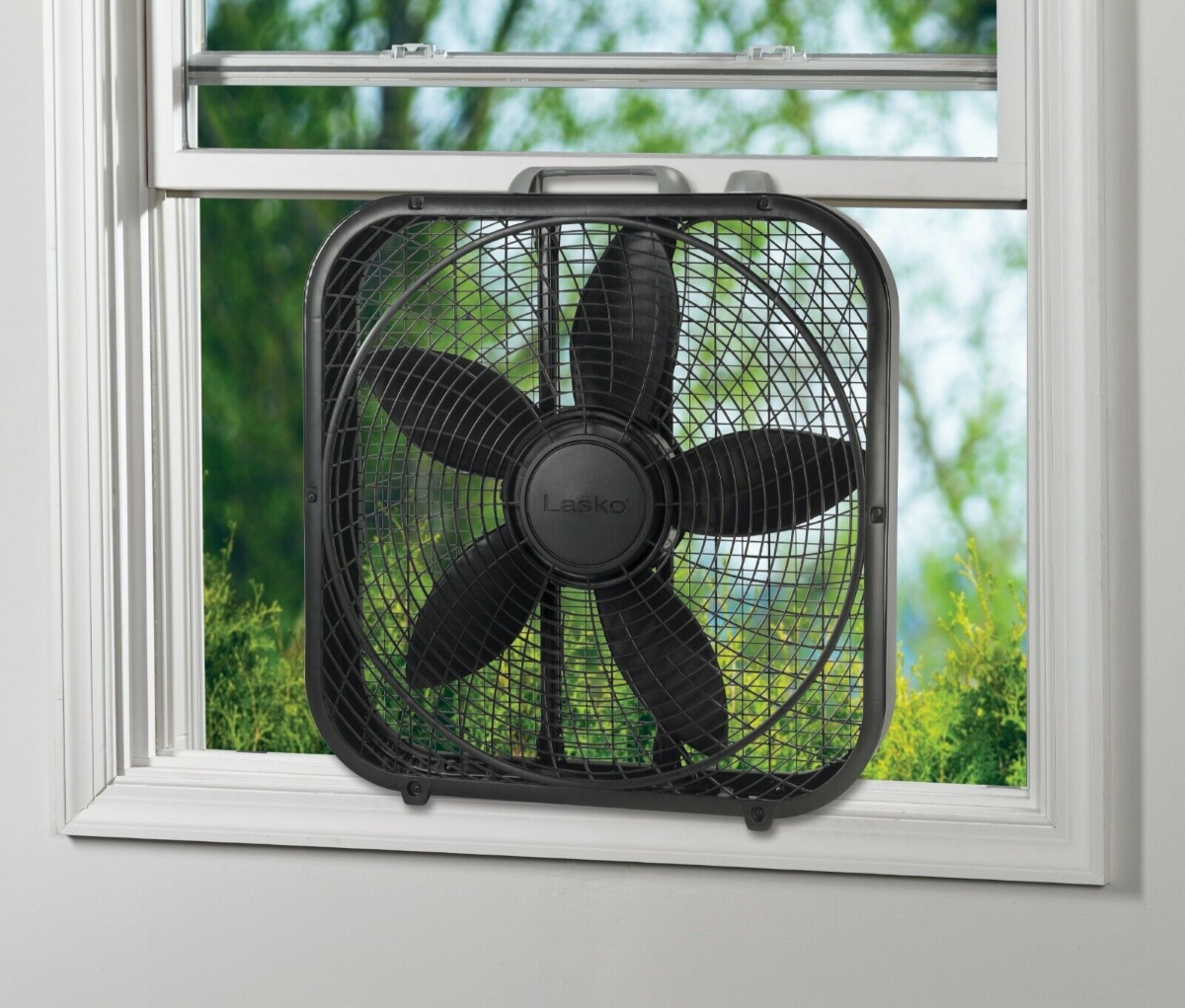
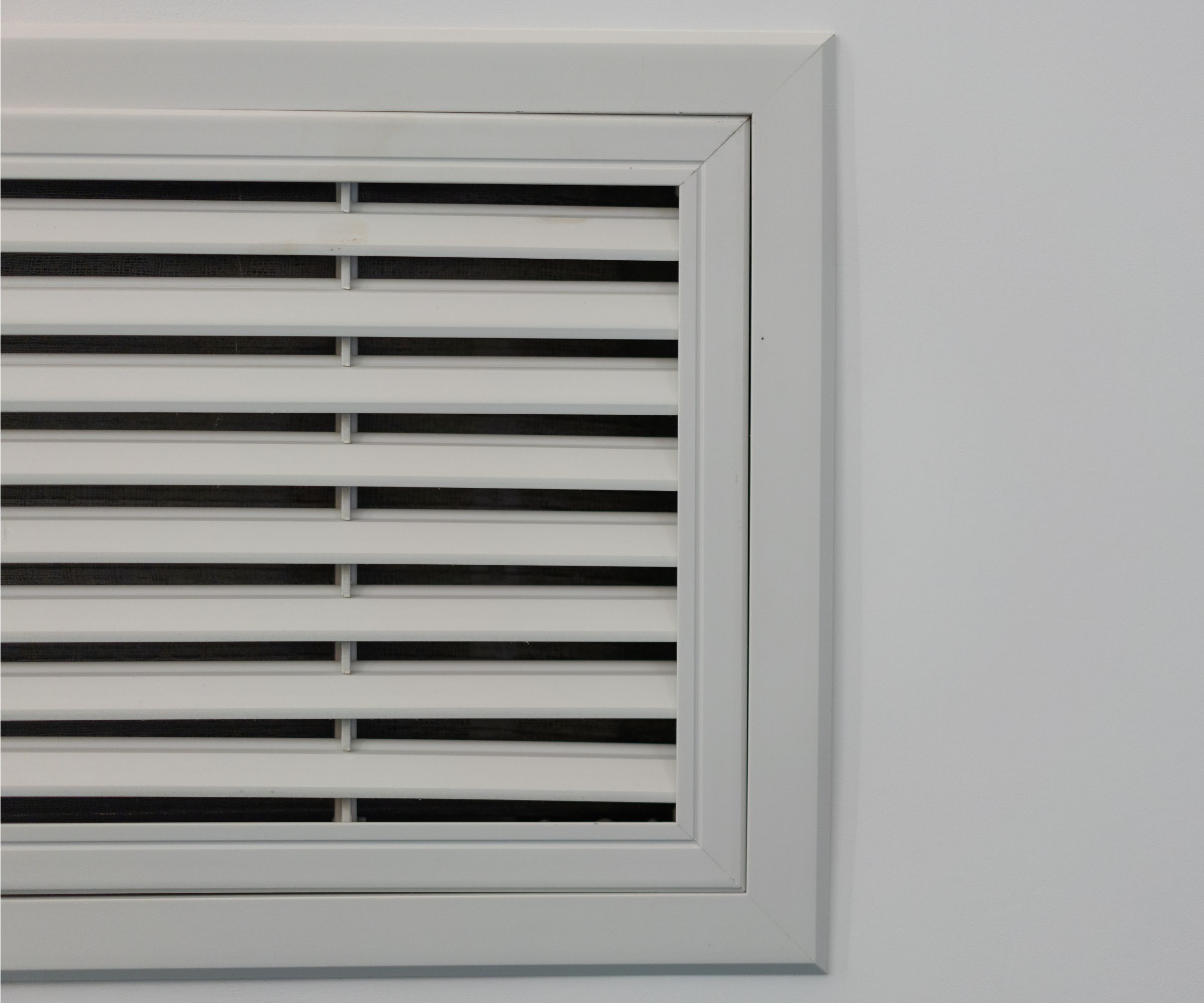
The initial step involves recognizing the indicators of poor indoor air quality, which include persistent cooking odors, fogged windows and mirrors, damp rooms or laundry, strong chemical smells from cleaning products, and the presence of mold. Once these issues are identified, actions can be taken to mitigate the sources of pollution. Regular dusting and vacuuming are crucial for controlling dust, pet dander, and other airborne debris. Additionally, using dust mite-proof covers on bedding and washing linens weekly in hot water can significantly reduce allergen levels. Proper ventilation in bathrooms is also essential; running the exhaust fan during and after showering helps prevent mold and mildew growth by removing excess moisture. Similarly, using a range hood or opening windows while cooking and cleaning with household chemicals can vent pollutants and harsh fumes.
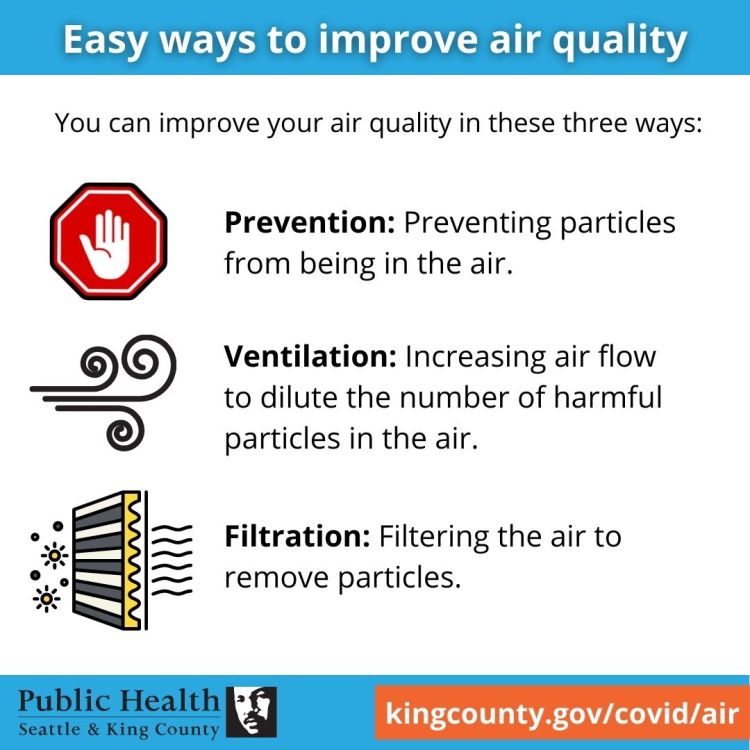
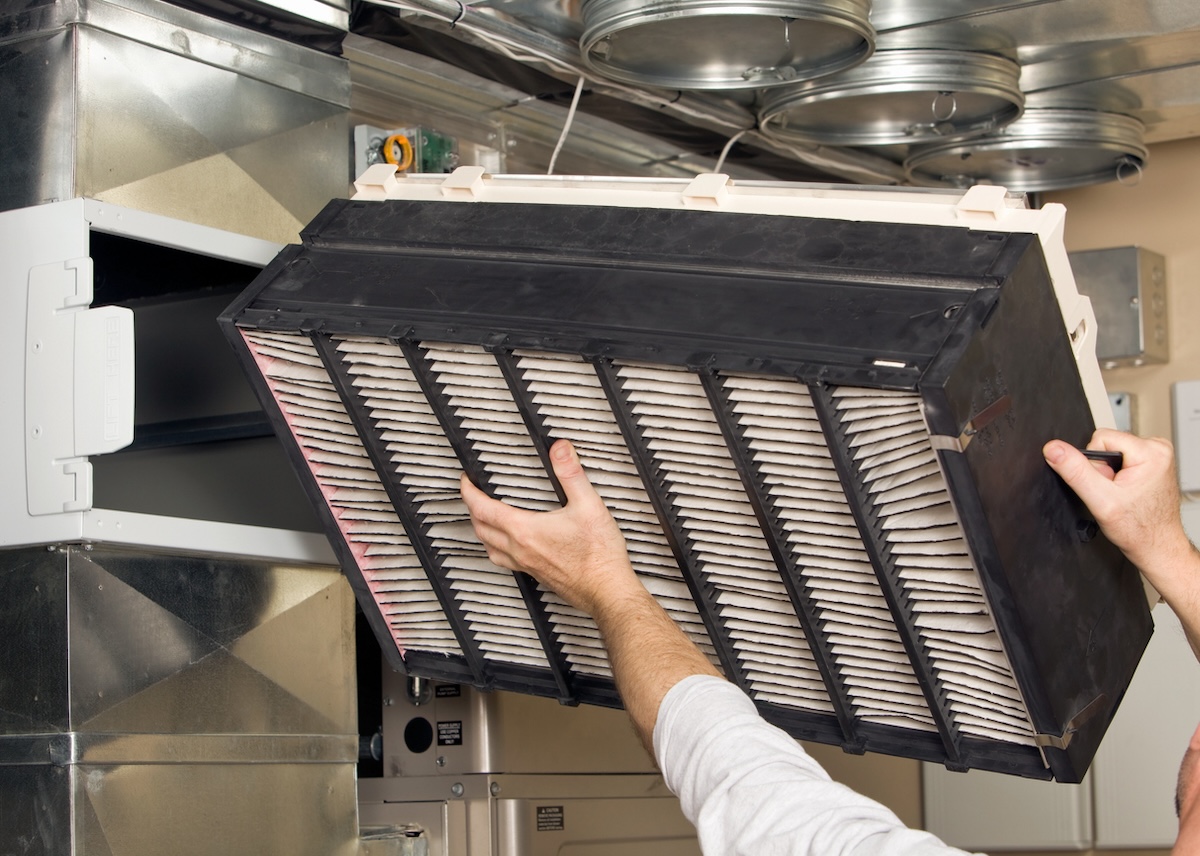
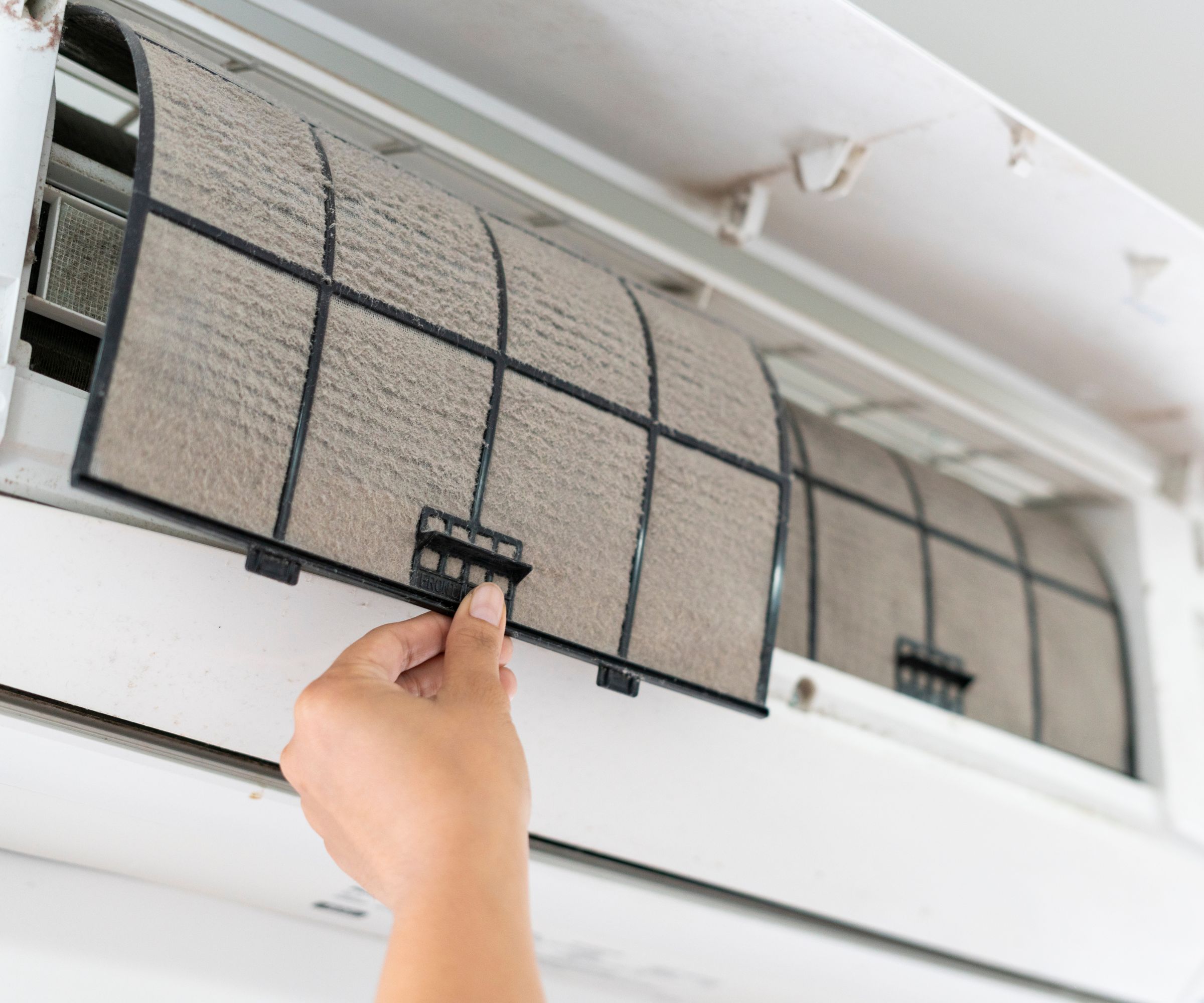
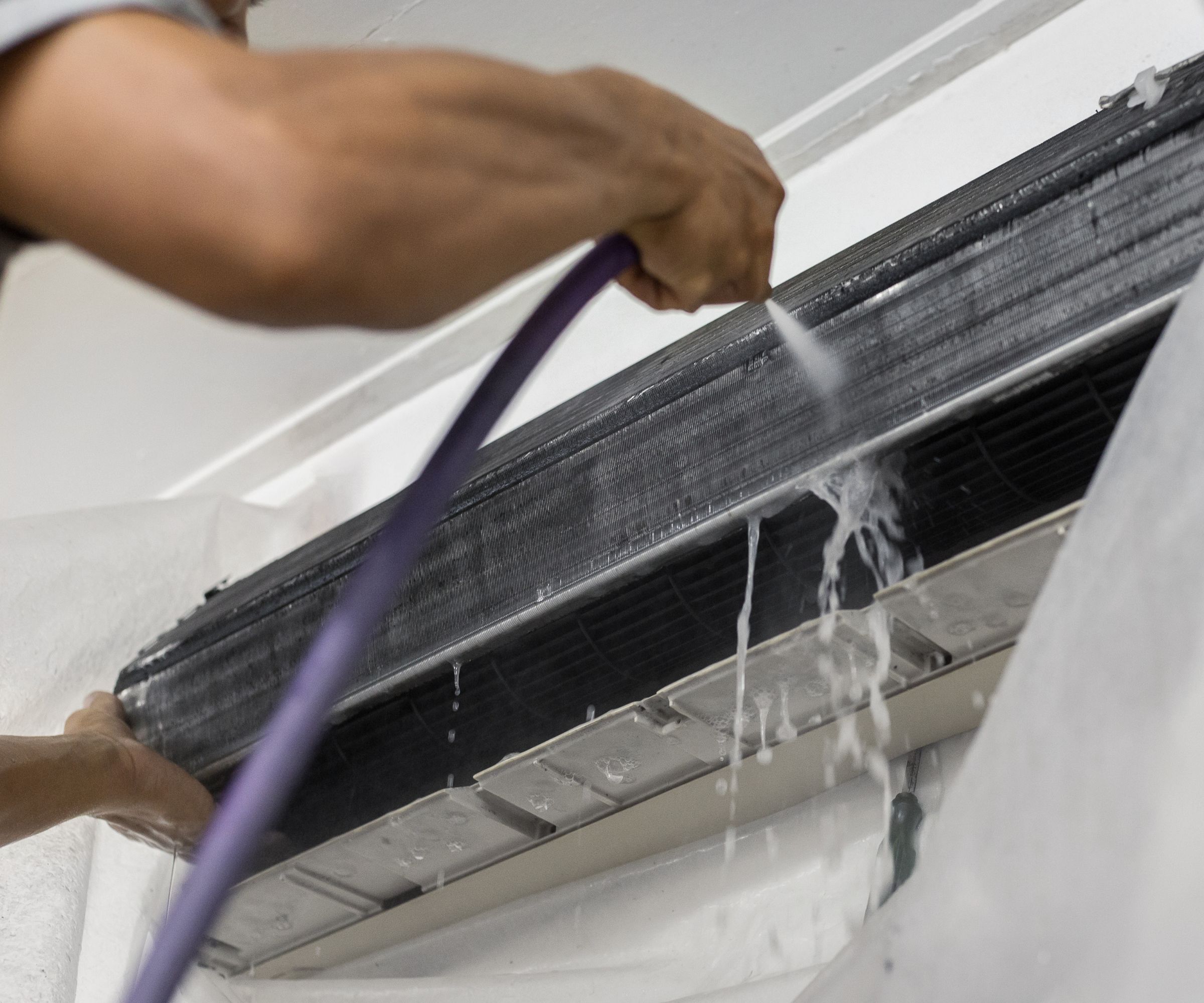
Beyond these daily practices, certain household machines play a vital role in maintaining indoor air quality. Air conditioners, while primarily cooling, also remove moisture from the air. Regular servicing by an HVAC professional is necessary to clean coils and prevent mold accumulation. Air filters, particularly high-efficiency particulate air (HEPA) filters, are effective at removing irritants like mold spores, pet dander, and soot. It's important to select filters that do not produce ozone, which can be an irritant, and to replace or clean them according to manufacturer guidelines. Placing filters in furnaces and running the system's fan, even when heating is off, ensures continuous air filtration throughout the home.
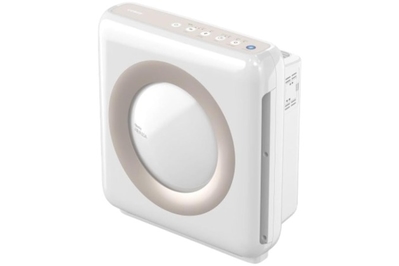
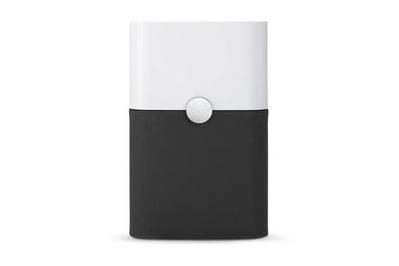
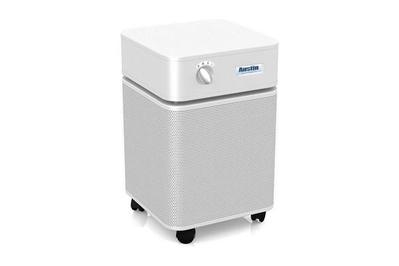
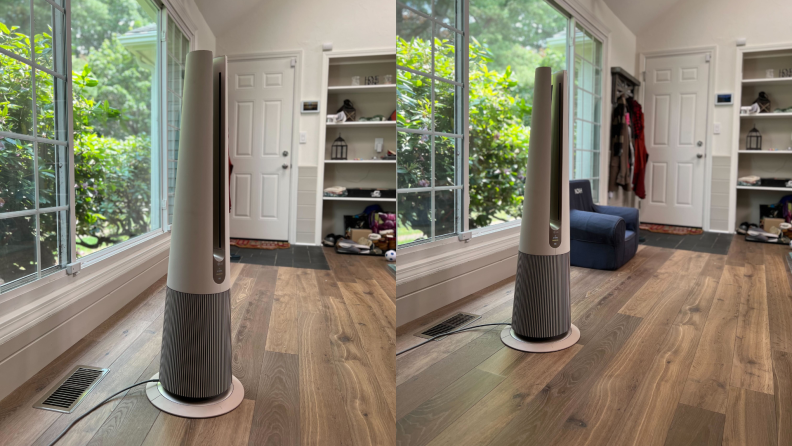
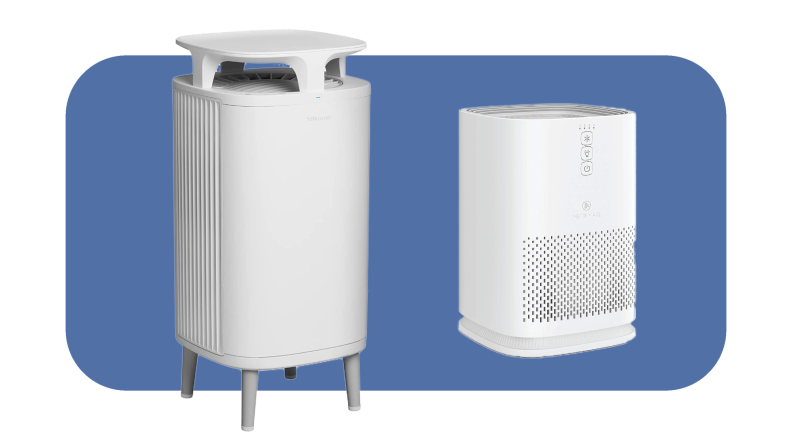
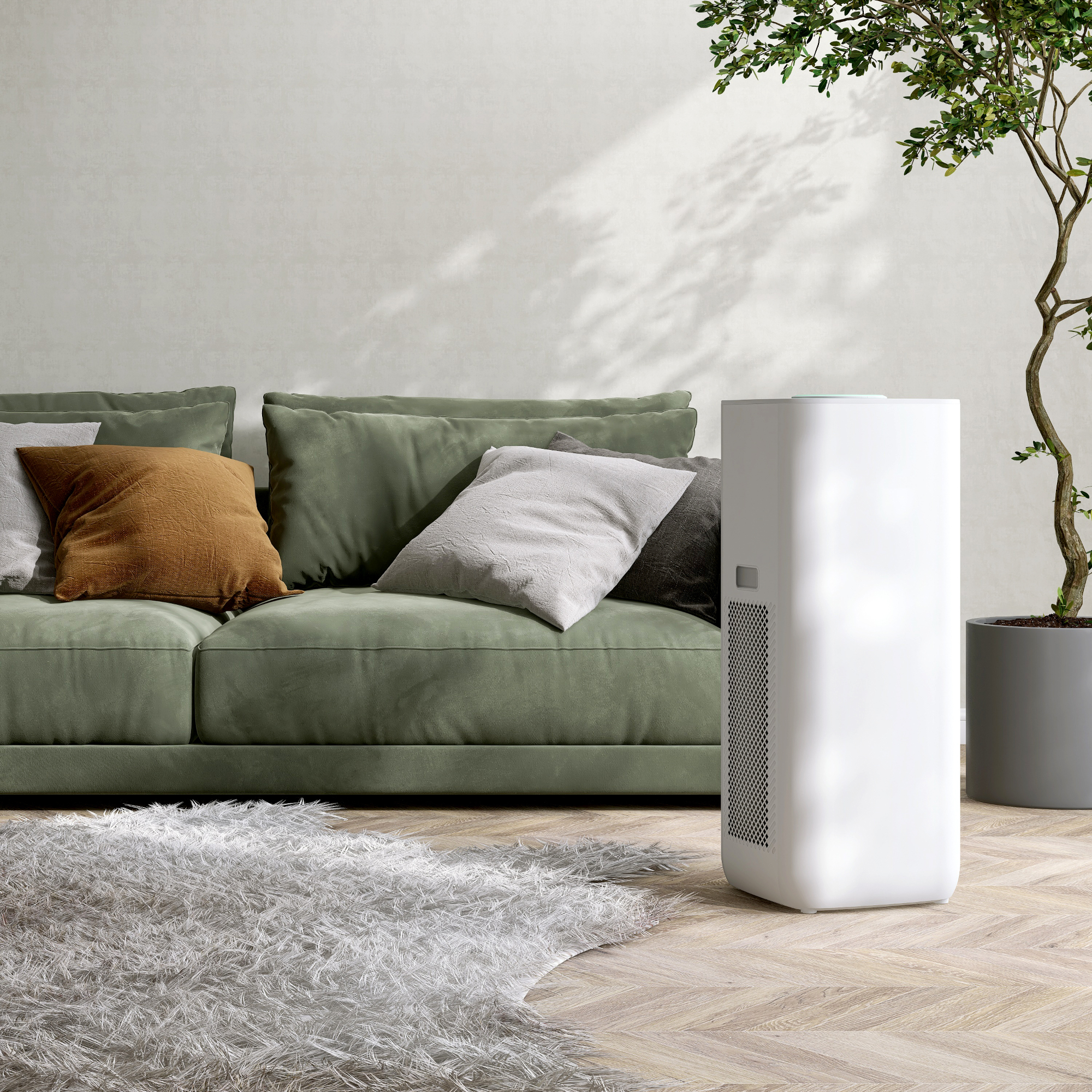
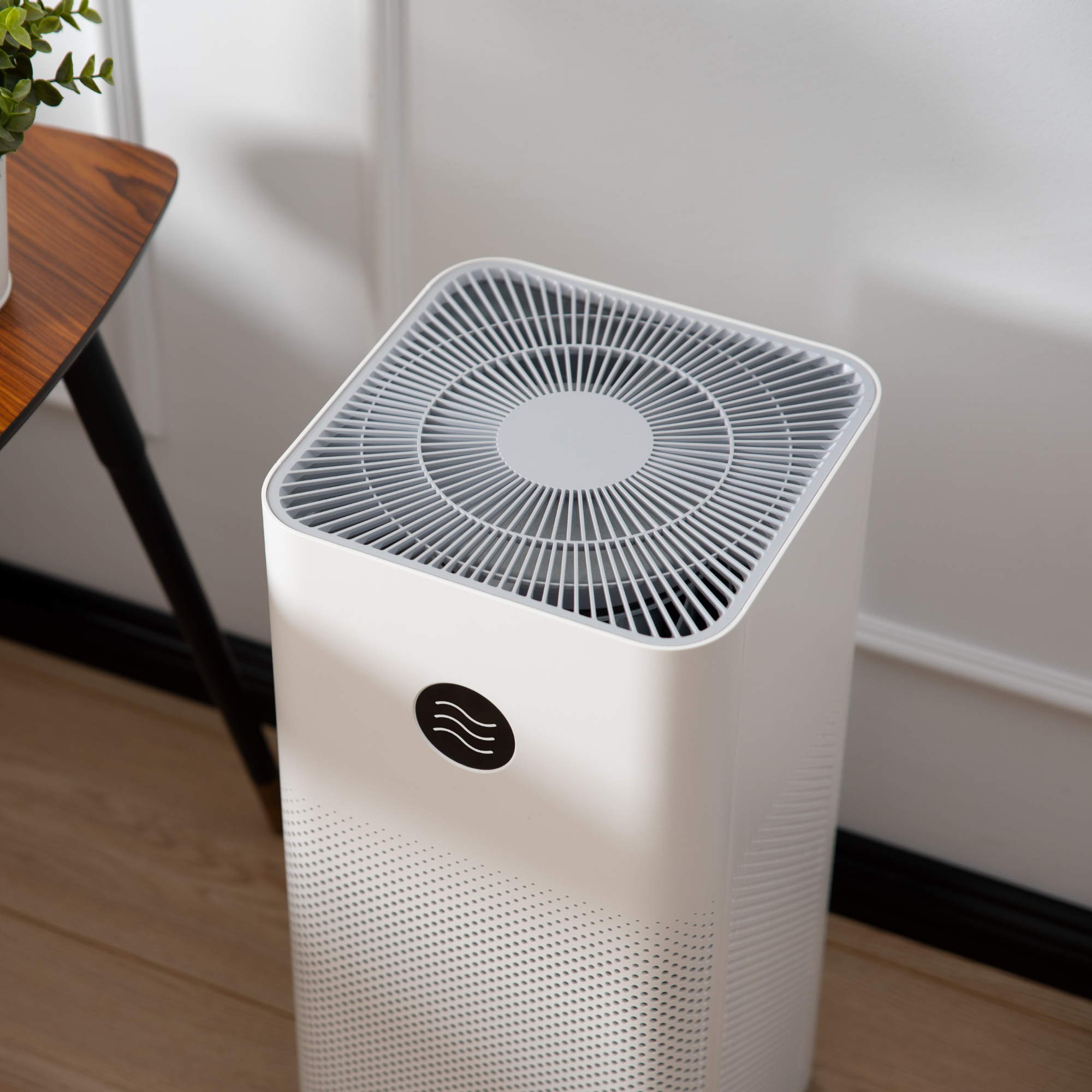
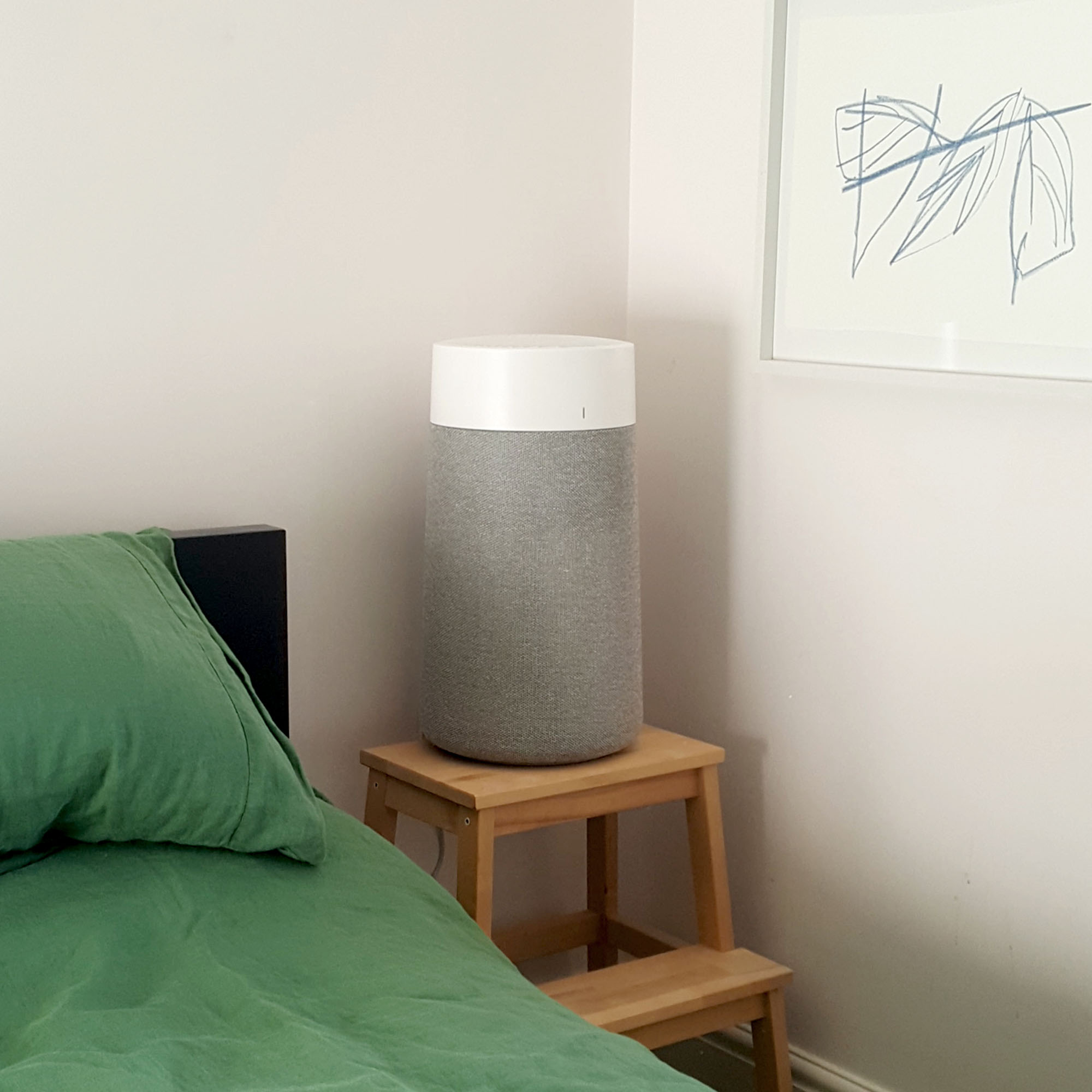
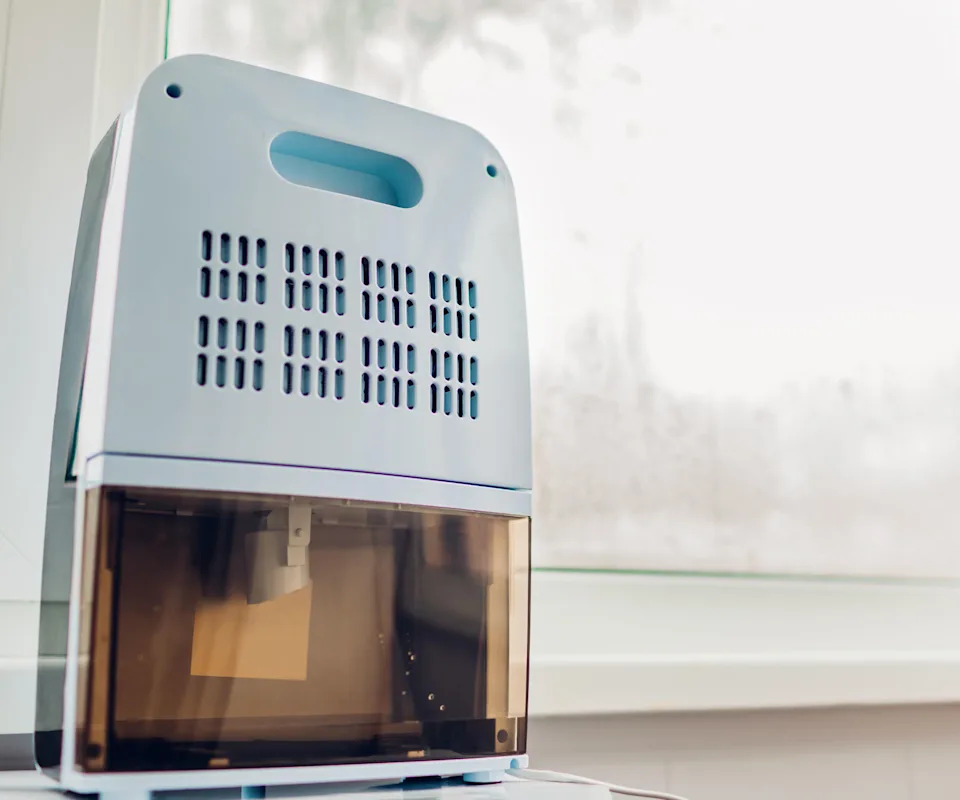
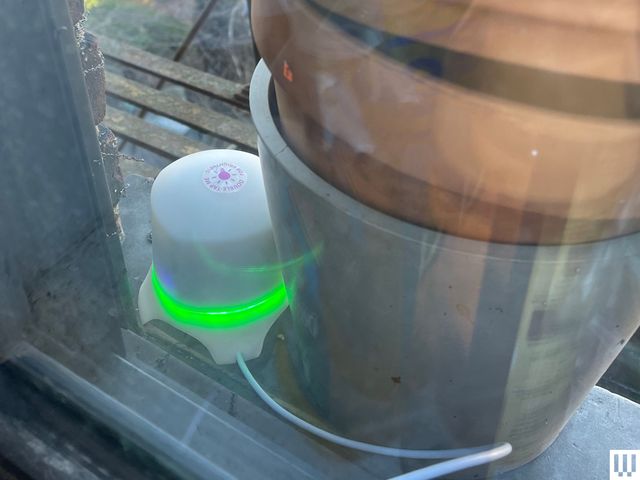
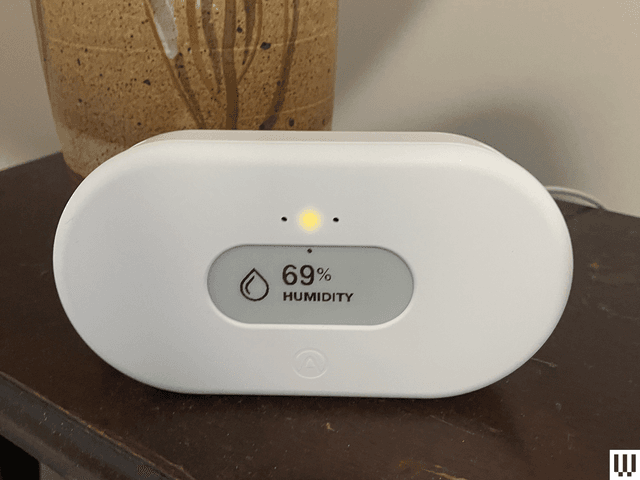
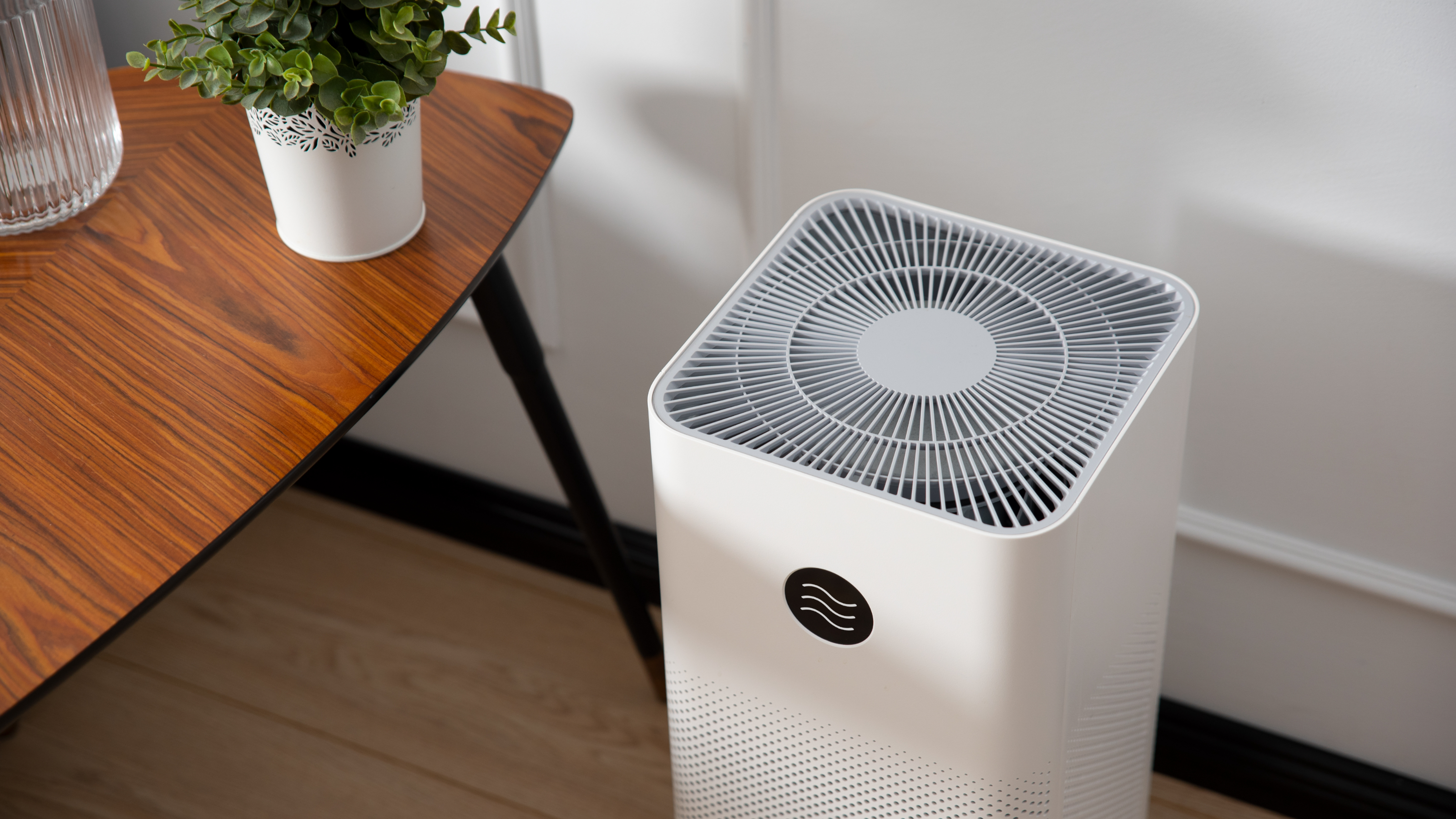
Air purifiers, similar to filters, sanitize the air by capturing contaminants and odors, often utilizing fans and sometimes UV light to kill airborne pathogens. These devices are most effective in smaller, enclosed rooms, though larger units are available for bigger spaces. As with filters, it is critical to choose ozone-free purifiers and to regularly clean or replace their filters. Humidifiers address low humidity levels, which can be indicated by static electricity. Whole-house evaporative humidifiers integrated with the furnace are generally more effective than stand-alone units. However, humidifiers require diligent cleaning to prevent them from dispersing bacteria and mold into the air. Maintaining indoor humidity between 30% and 50% is optimal, as both excessively high and low humidity can foster pollutant growth and compromise human immune systems. Digital humidity meters can help monitor these levels, ensuring a healthier living environment.
#indoorAirQuality #homeImprovement #airPollution #ventilation #airFilters #humidifiers #cleaning #moldPrevention #healthyHome #indoorAirQuality #homeImprovement #airPollution #ventilation #airFilters #humidifiers #cleaning #moldPrevention #healthyHome
Toplam 0 yorum
 Henüz yorum yok
Bu da beğenebilirsiniz
How to improve indoor air quality at home

5 mistakes you're making that are compromising your home's air quality – and how to fix it like a HVAC pro


5 Easy Ways to Improve Kitchen Ventilation

HVAC and Indoor-Air Quality

How to Get Better Indoor Air Quality | Wirecutter
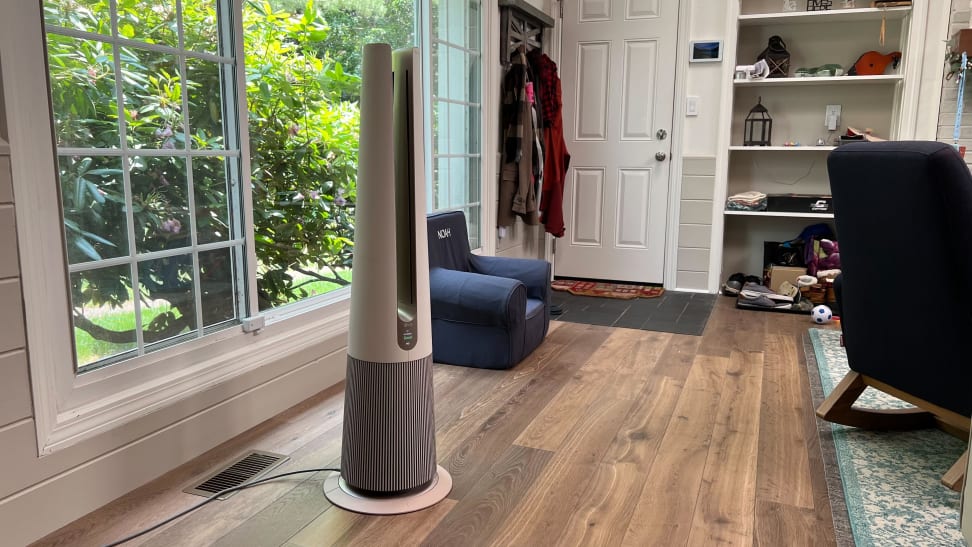
Is your air purifier in the best spot? Follow these rules

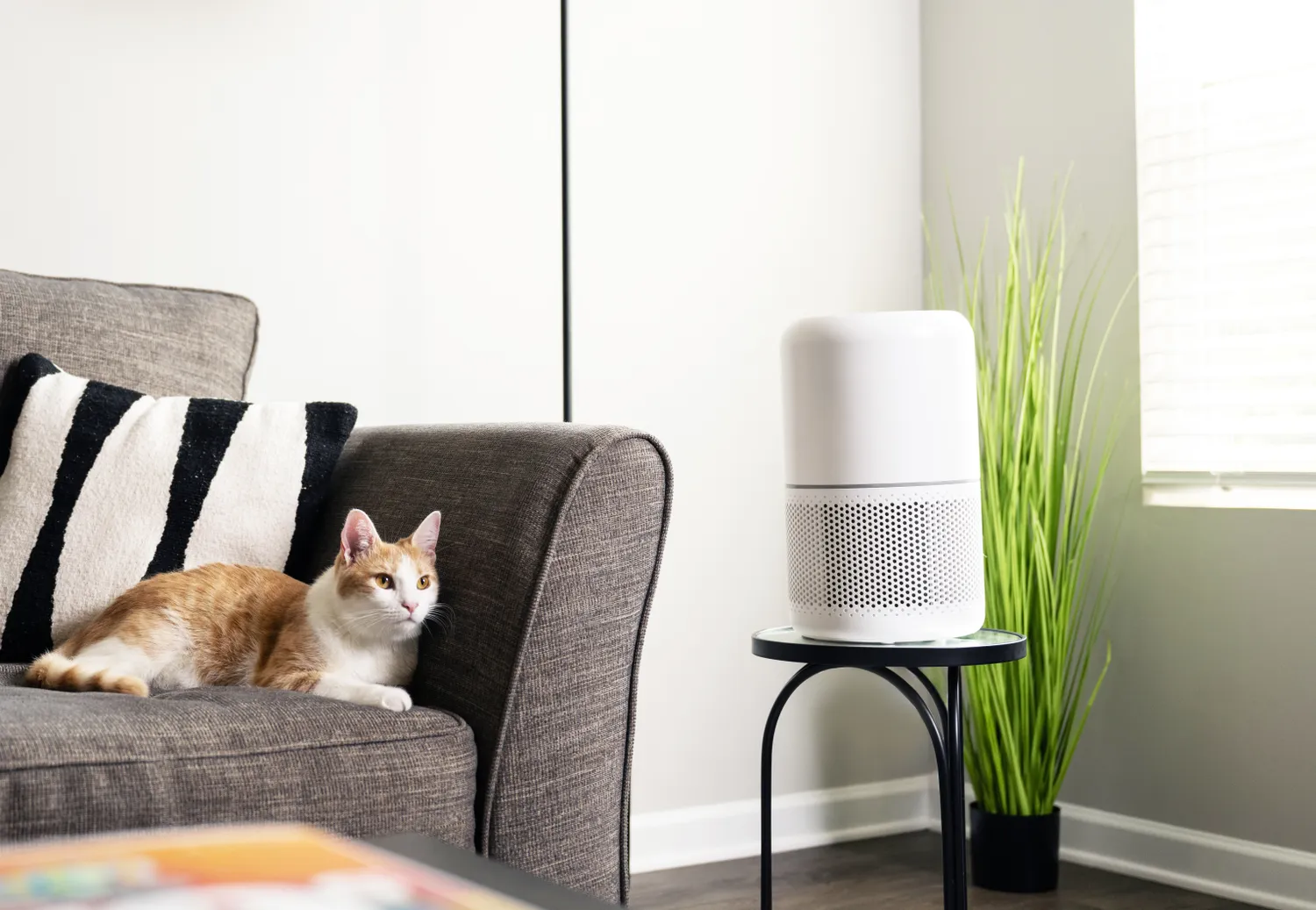
8 Simple Ways to Improve Indoor Air Quality This Winter

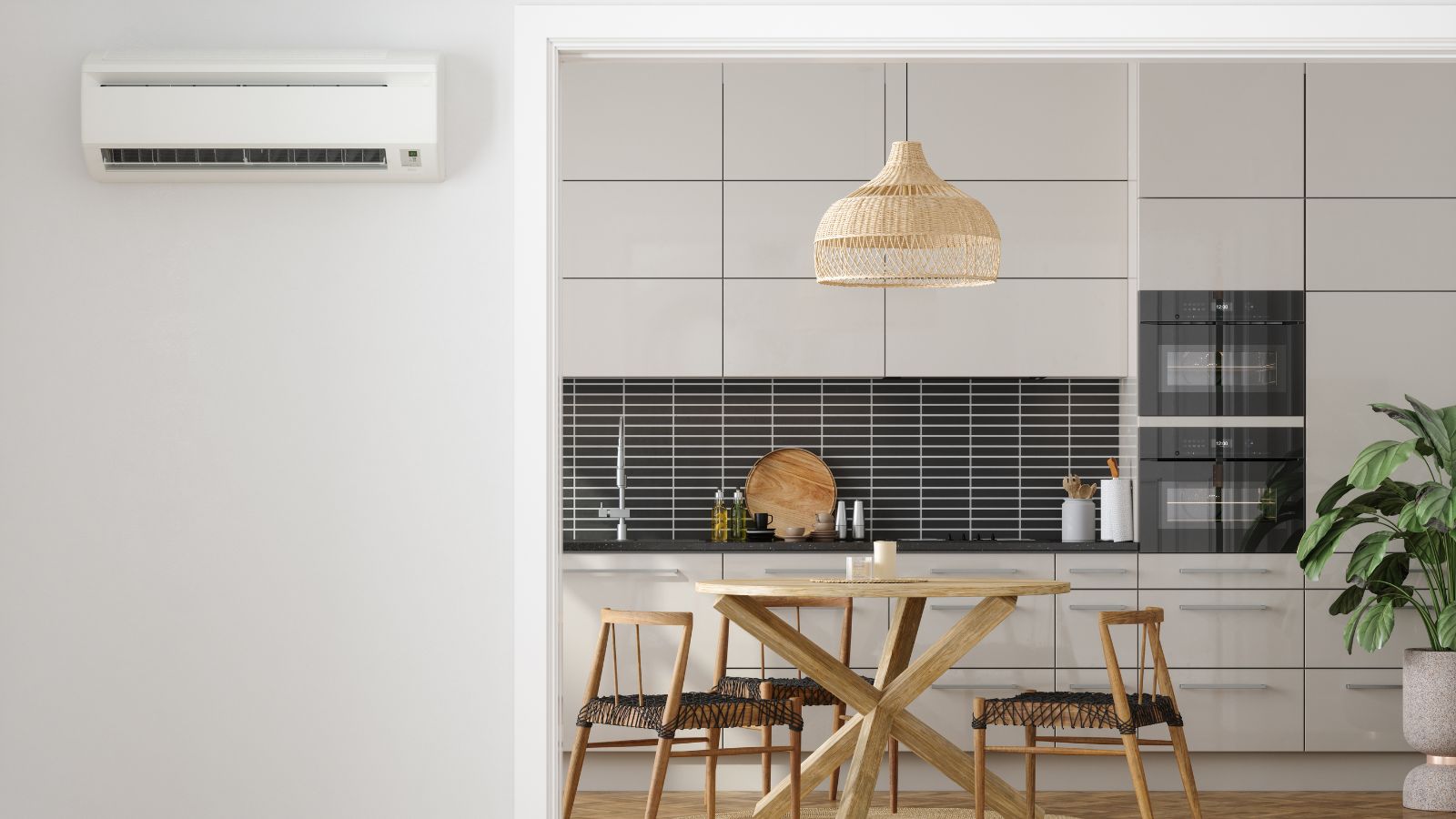
How to clean your HVAC system – 6 expert tips to make this essential task DIY-friendly
15 Design Products for Improving Indoor Air Quality at Home

How to Improve Indoor Air Quality | Wirecutter

Create a Healthier, Safer Home With These Smart Indoor Projects
The Best Air Quality Monitors for Testing Your Air Indoors and Out
How to improve indoor air quality

Are air purifiers better on the floor or a desk?
How to clean vent covers and how often to do it - TODAY

We Tested Dozens of Air Fresheners to Find the Best Ones for Your Home


How to improve air quality at home - it’s the big health issue nobody’s talking about
How to get rid of musty basement smells – 6 ways to combat odors and their causes

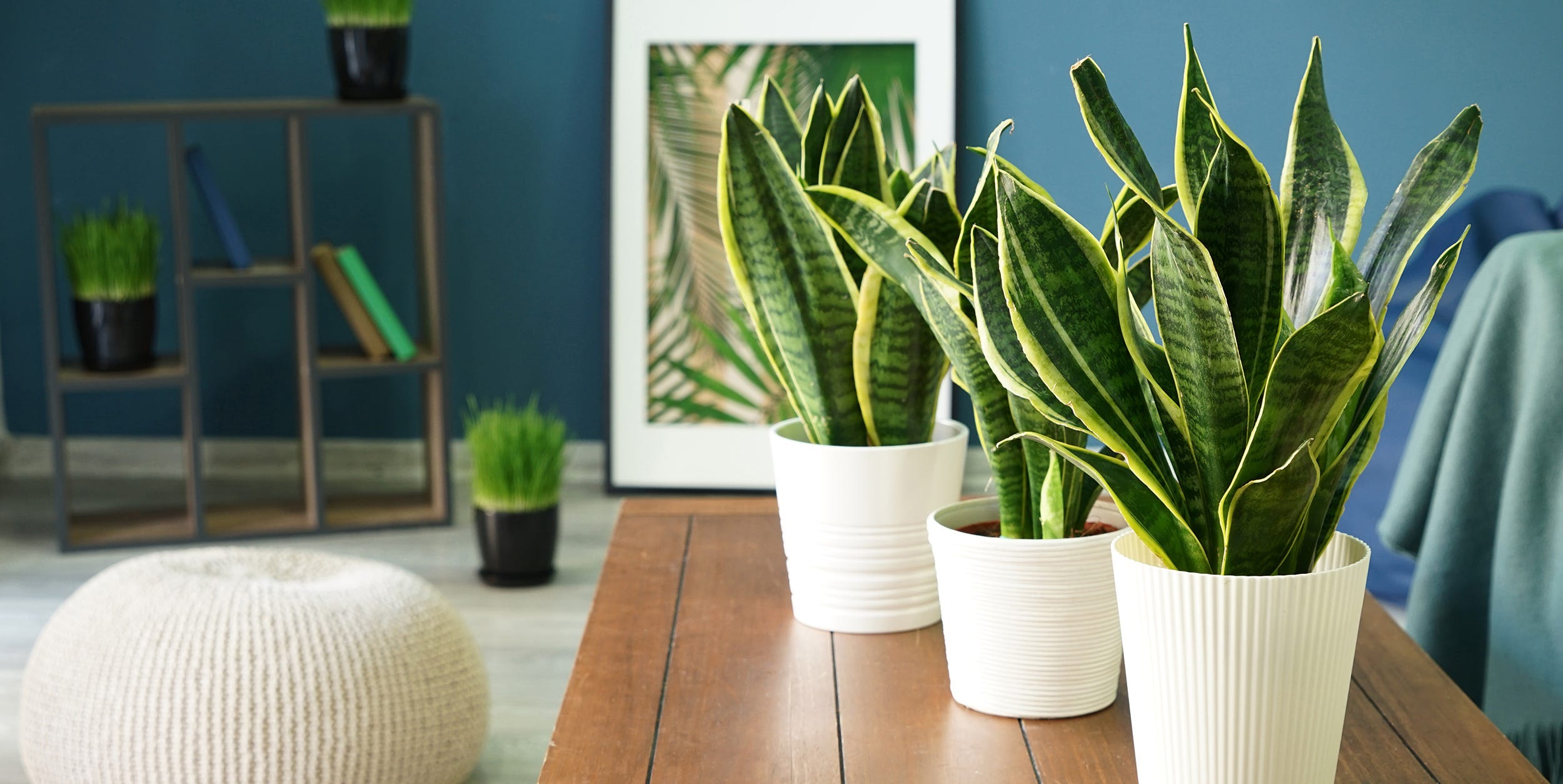
12 air purifying plants to help clean the air in your home

Stressed About Kitchen Pollution? A Window Fan Is a Cheap Fix.