1/4
How to Create a Living Wall to Maximize Your Outdoor Space
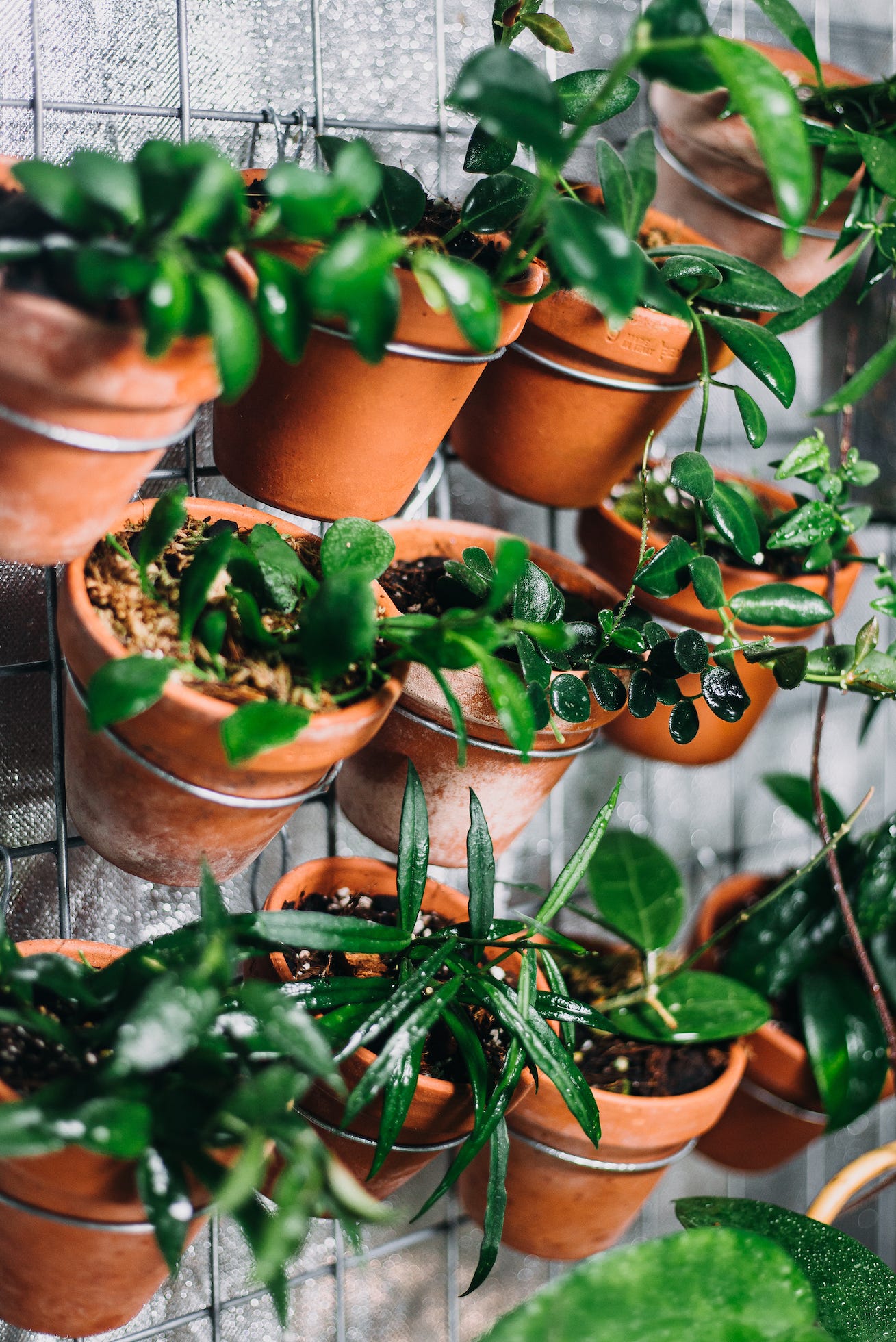
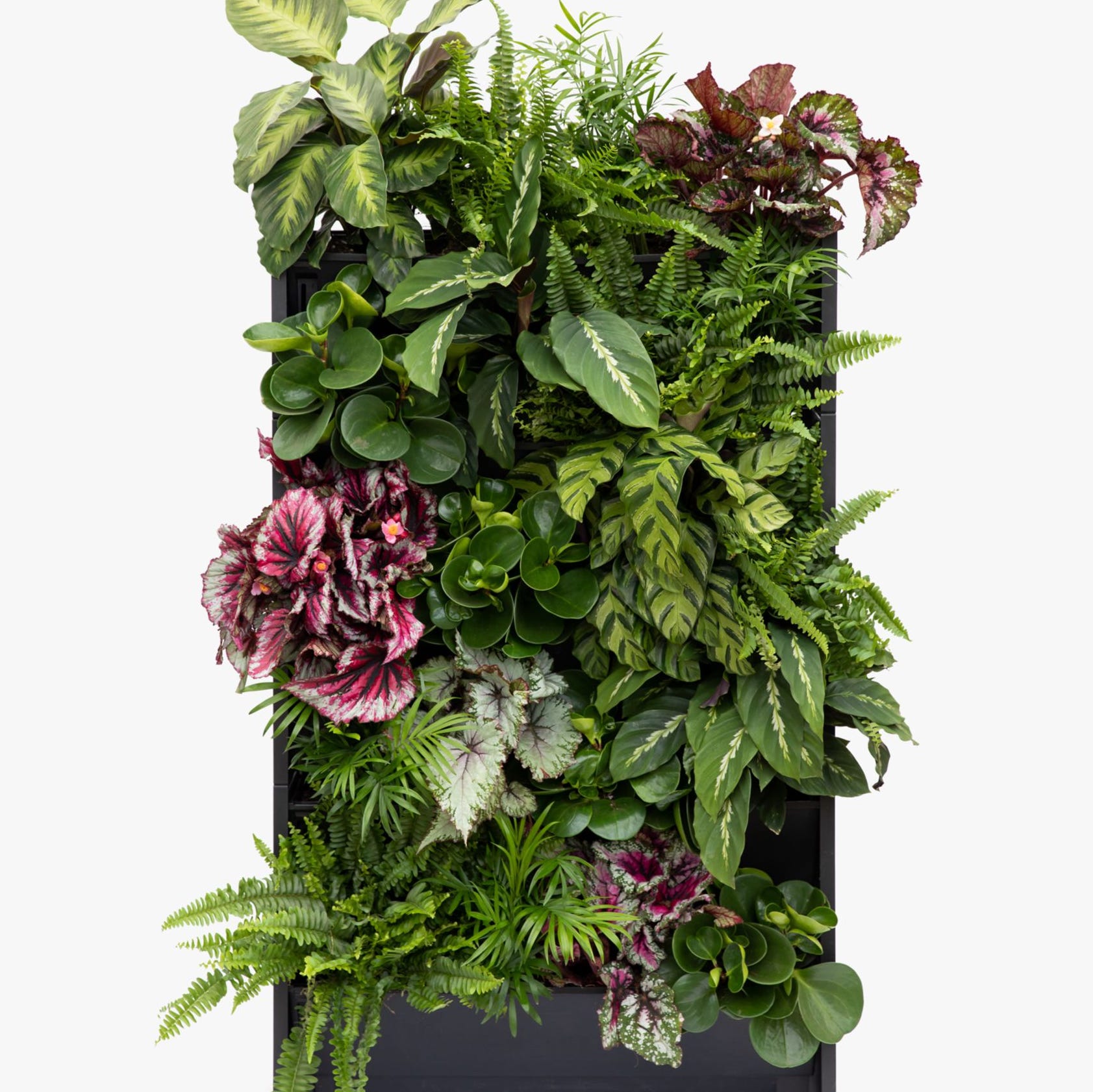
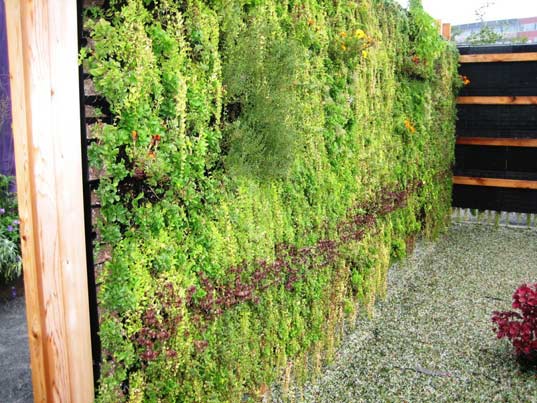
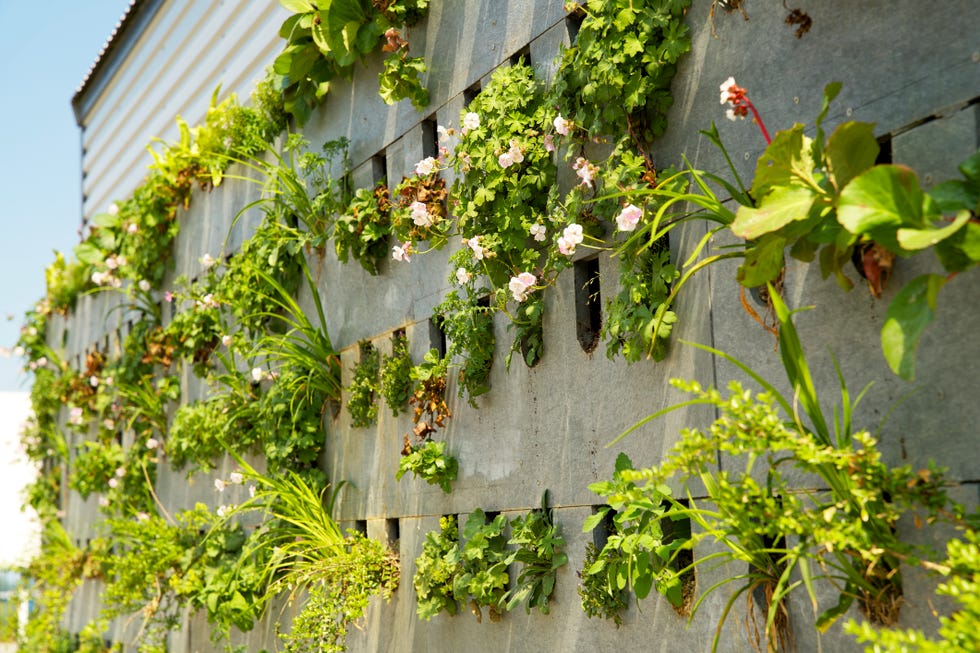
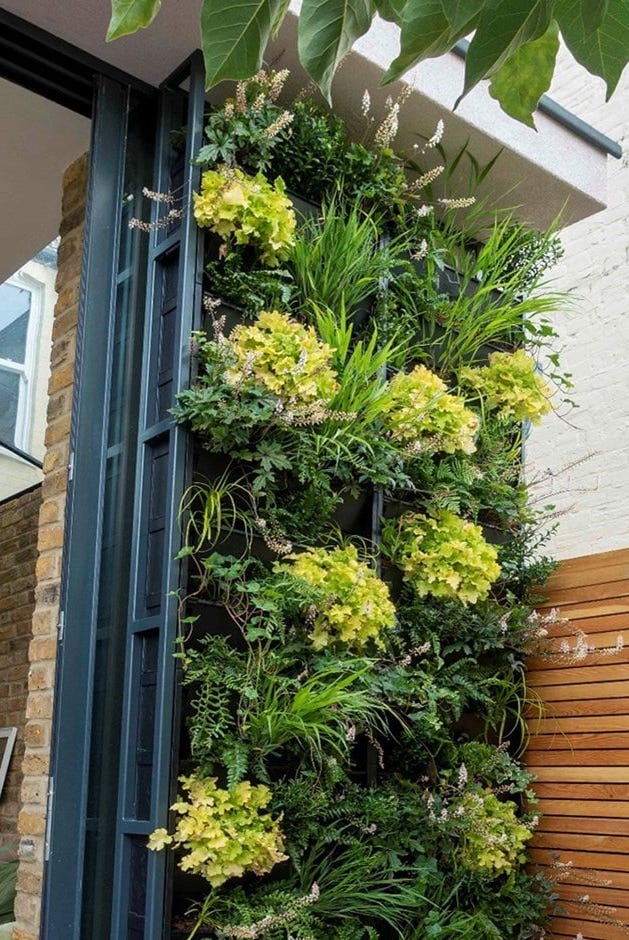
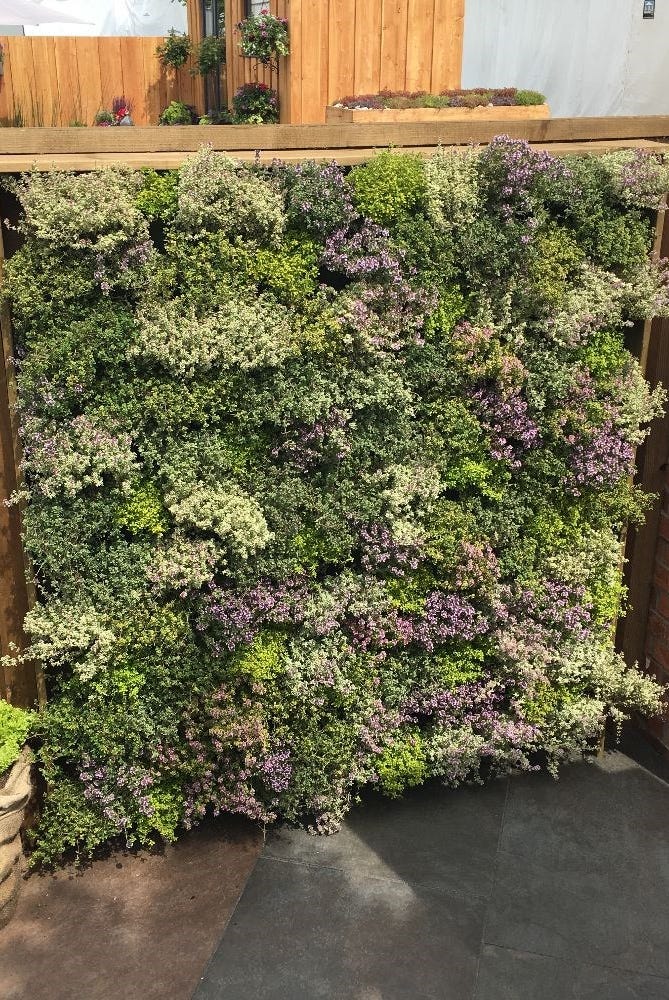
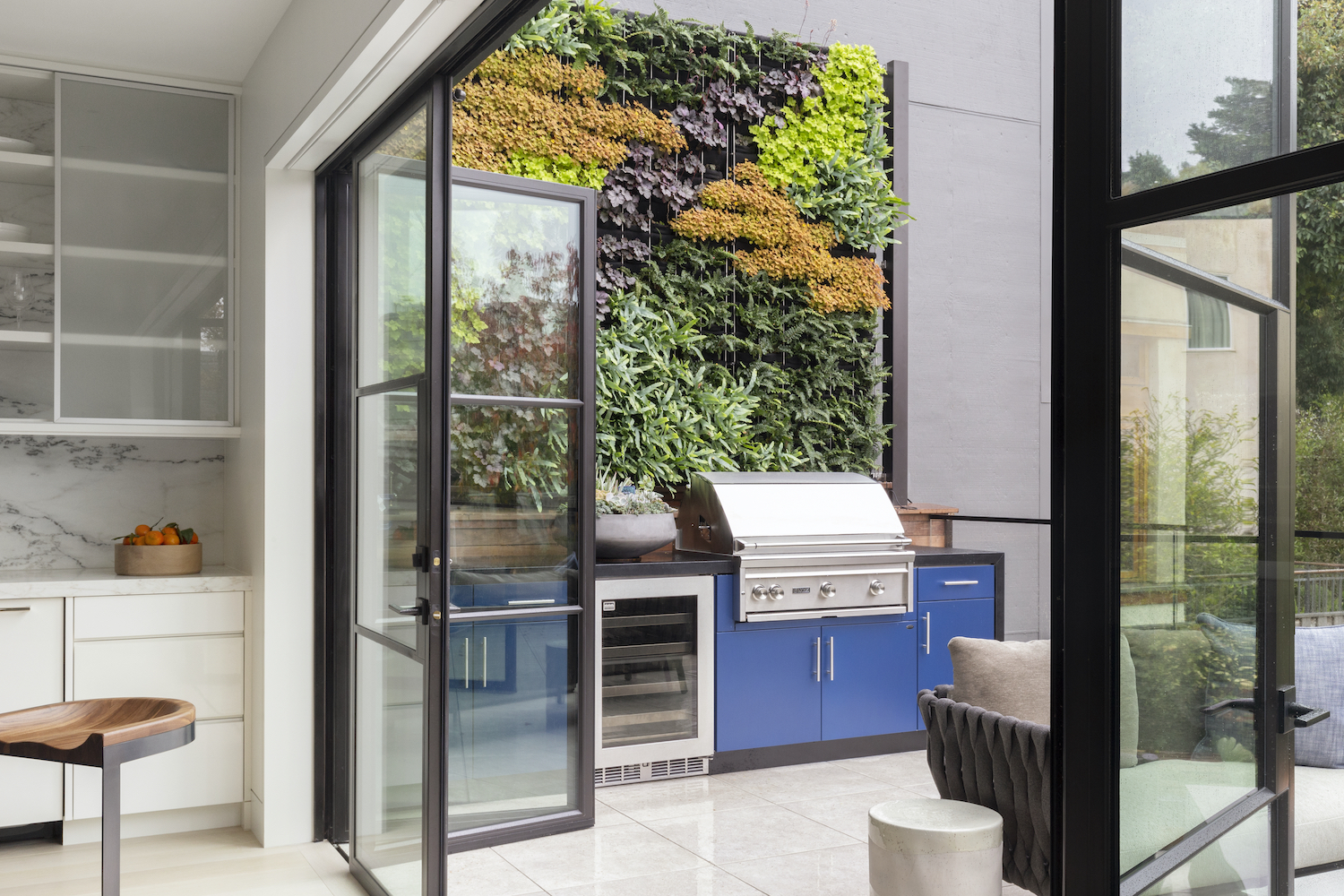
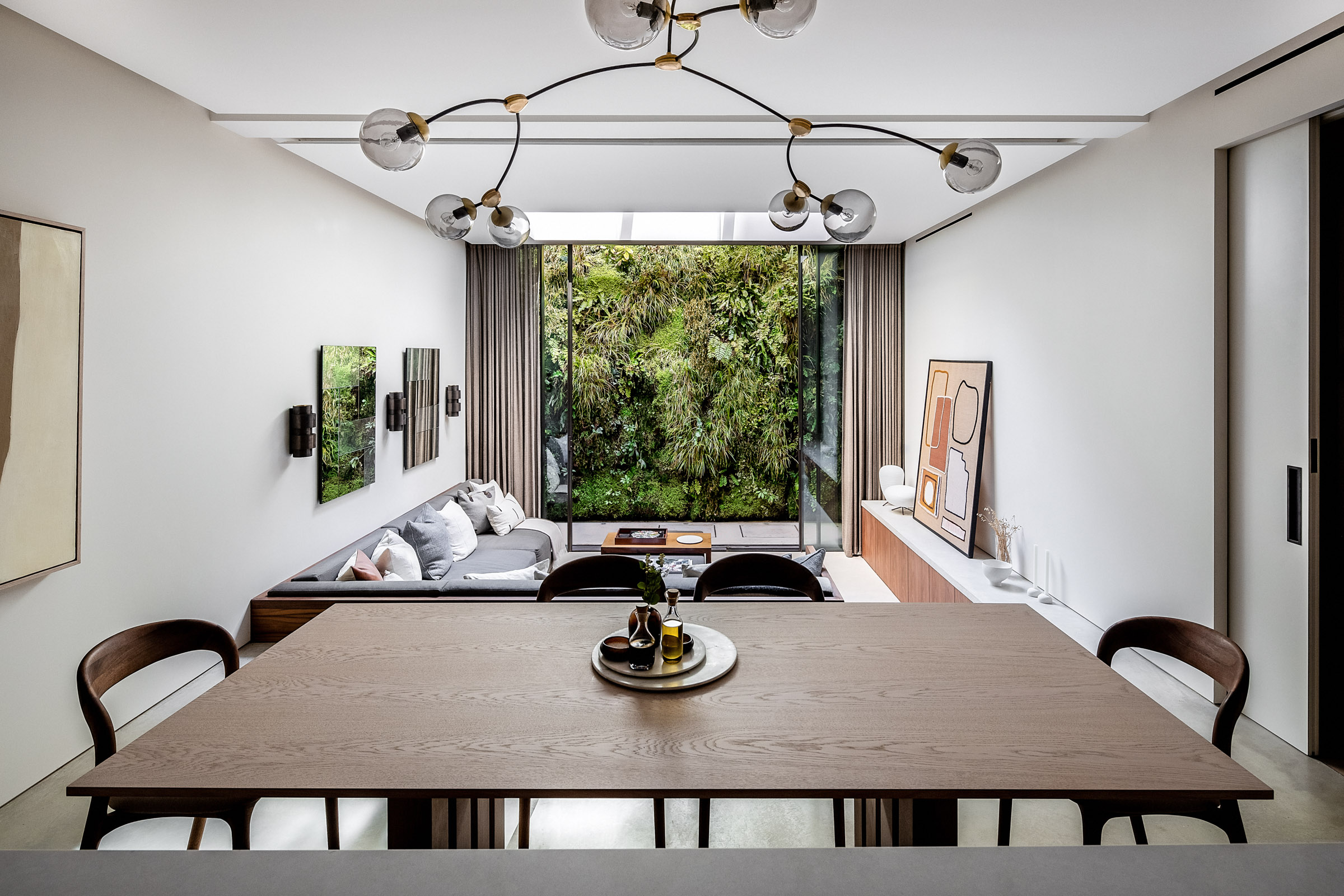
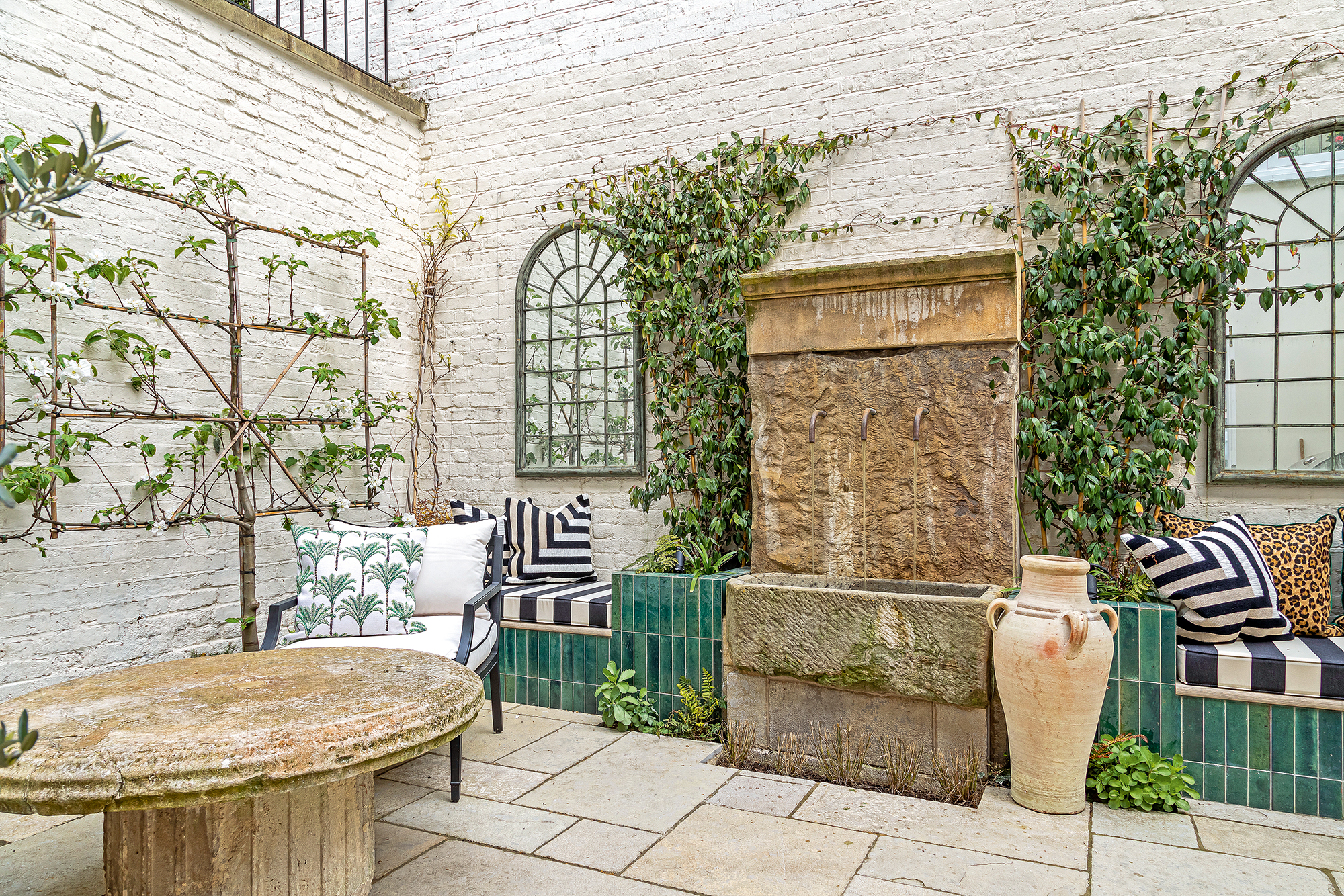
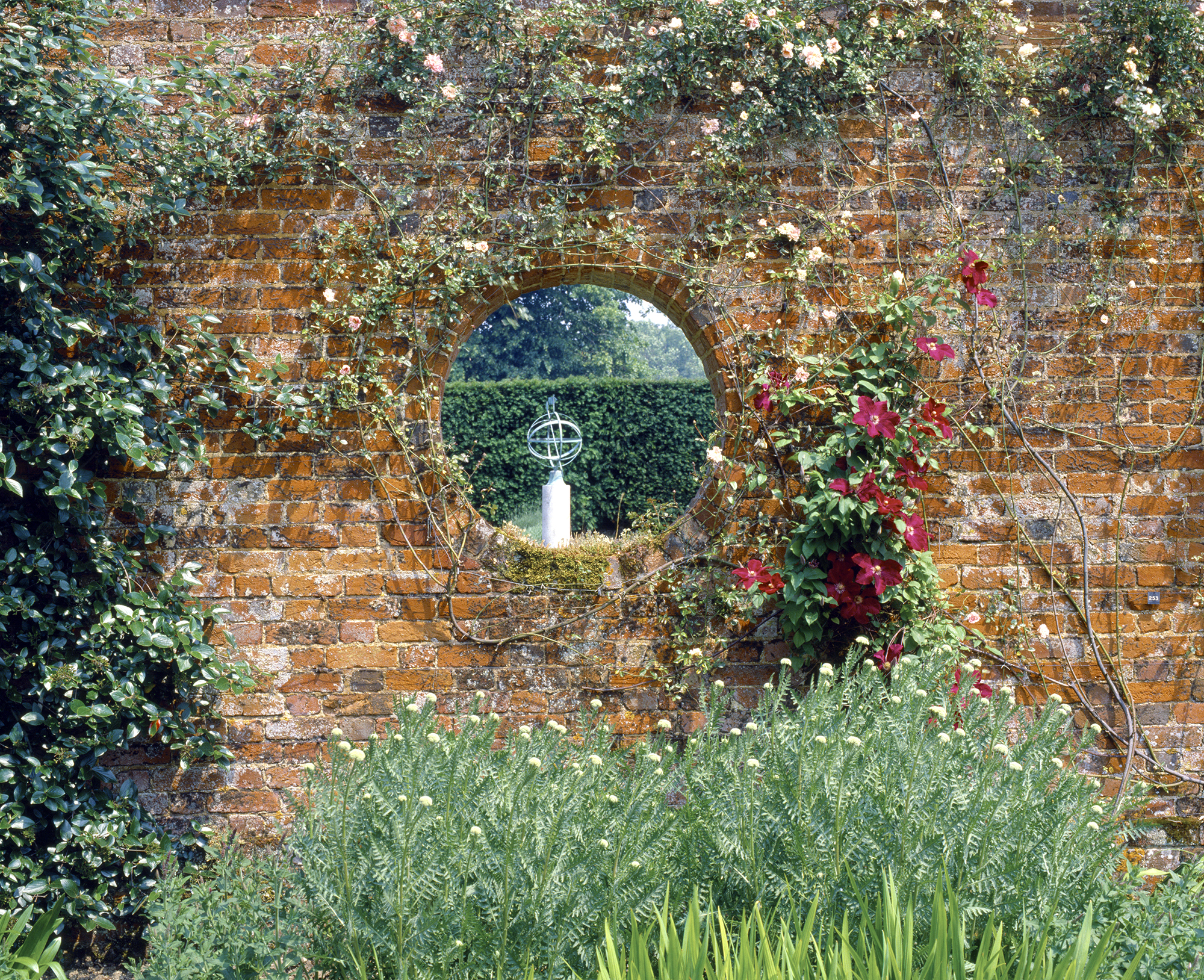
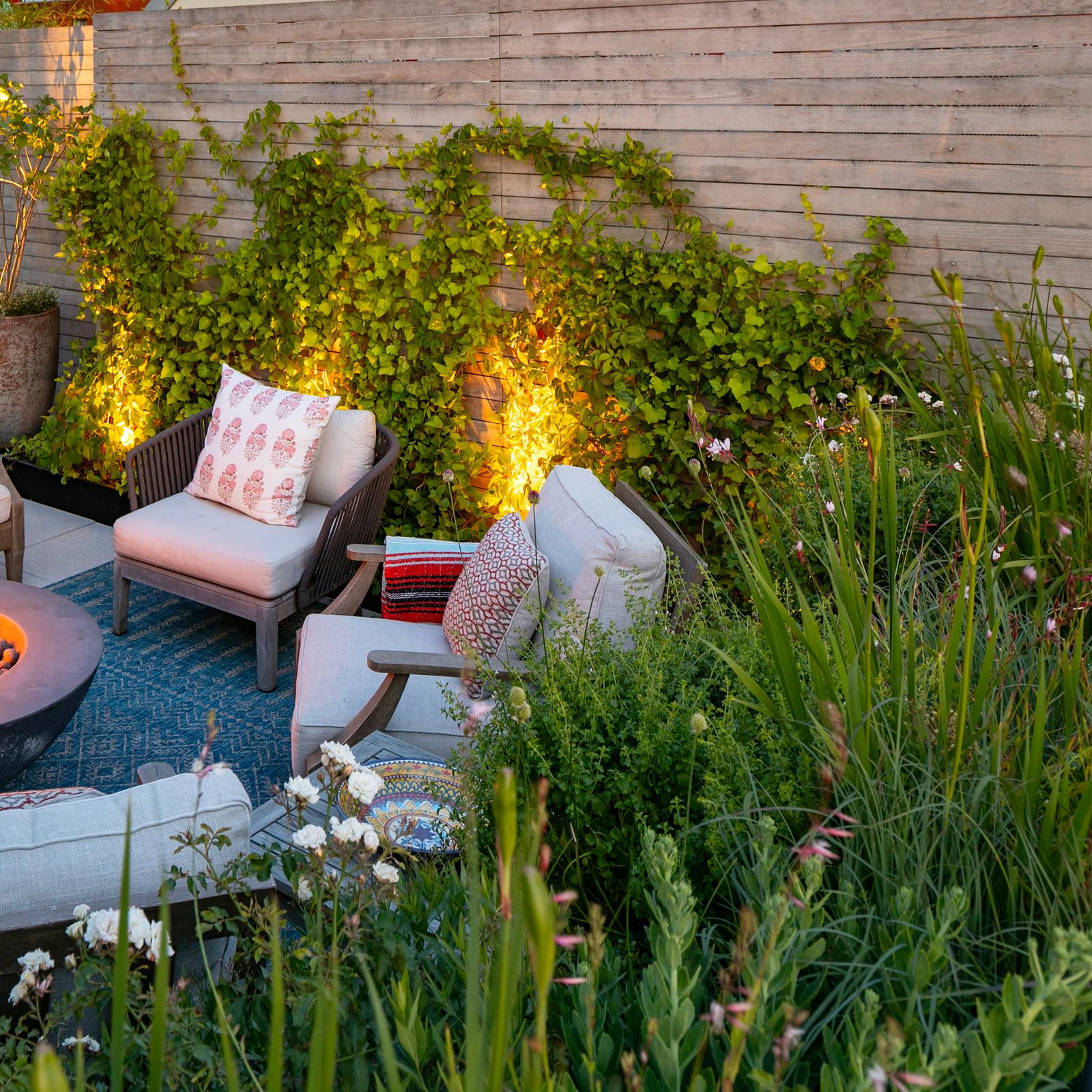
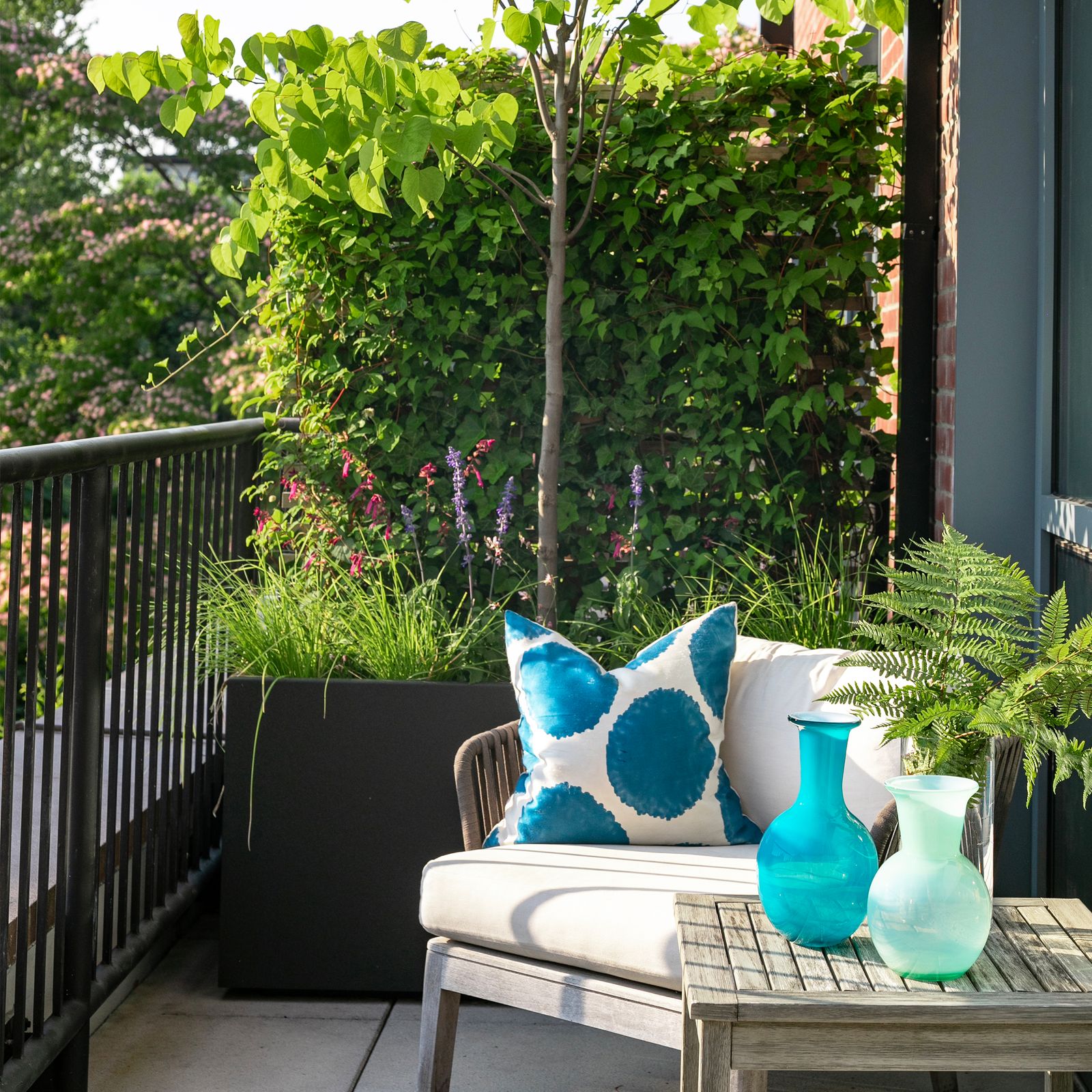
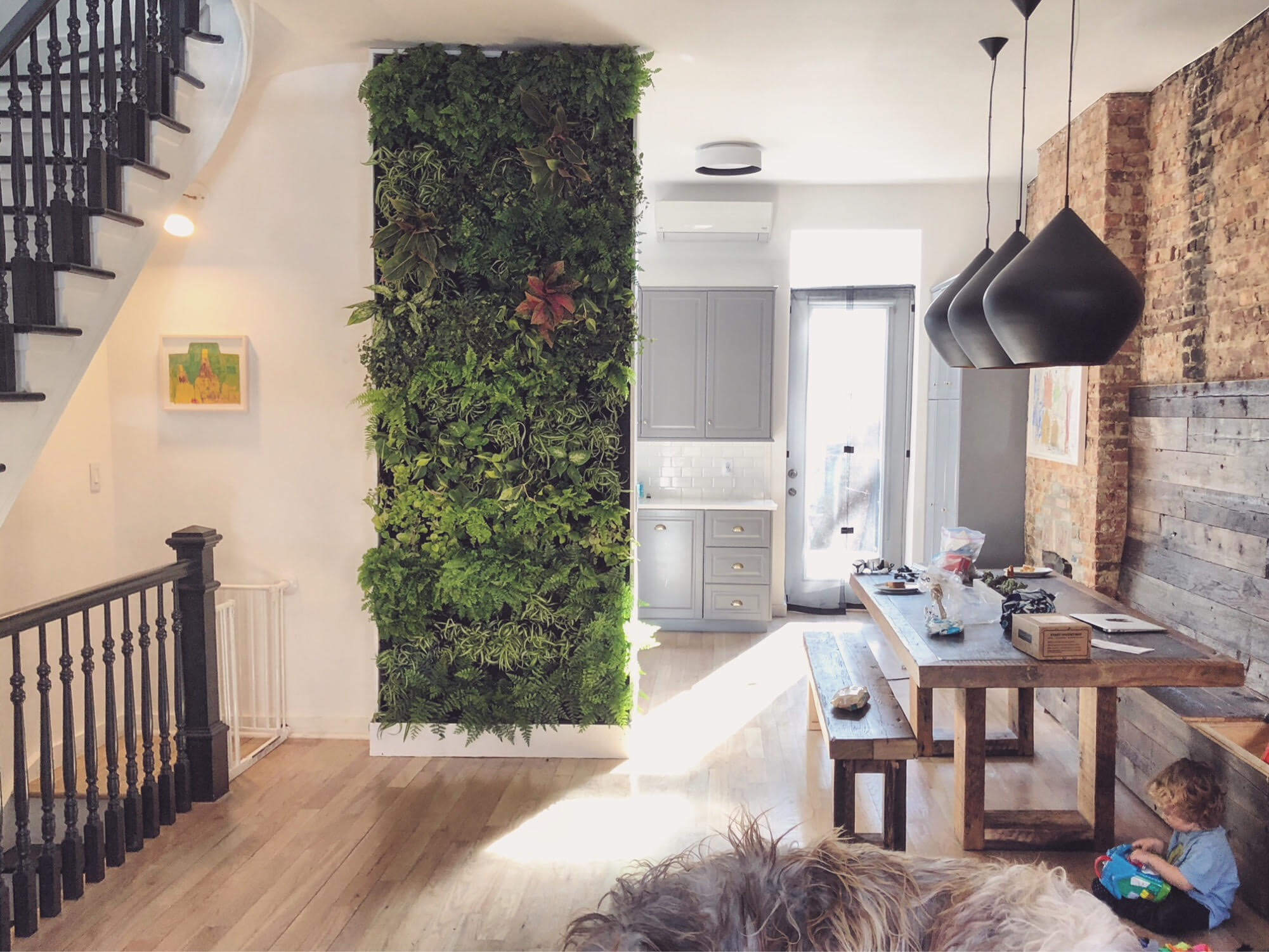
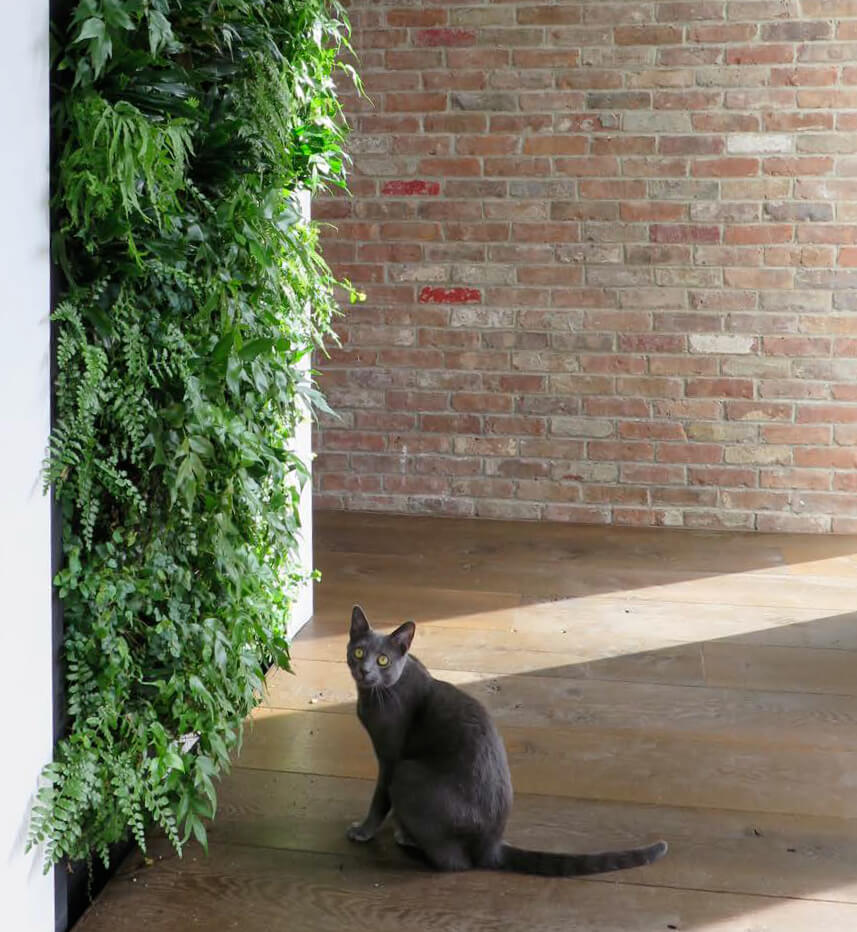
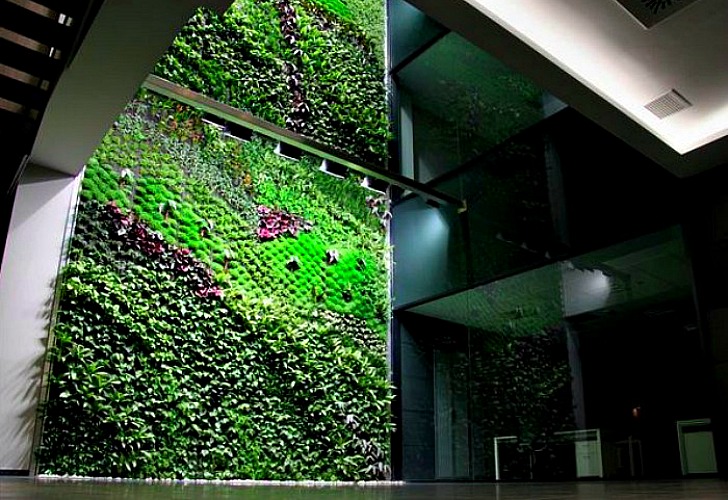
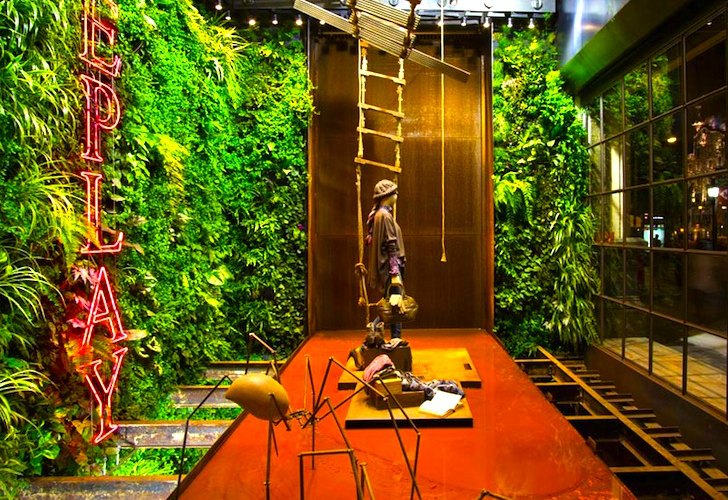
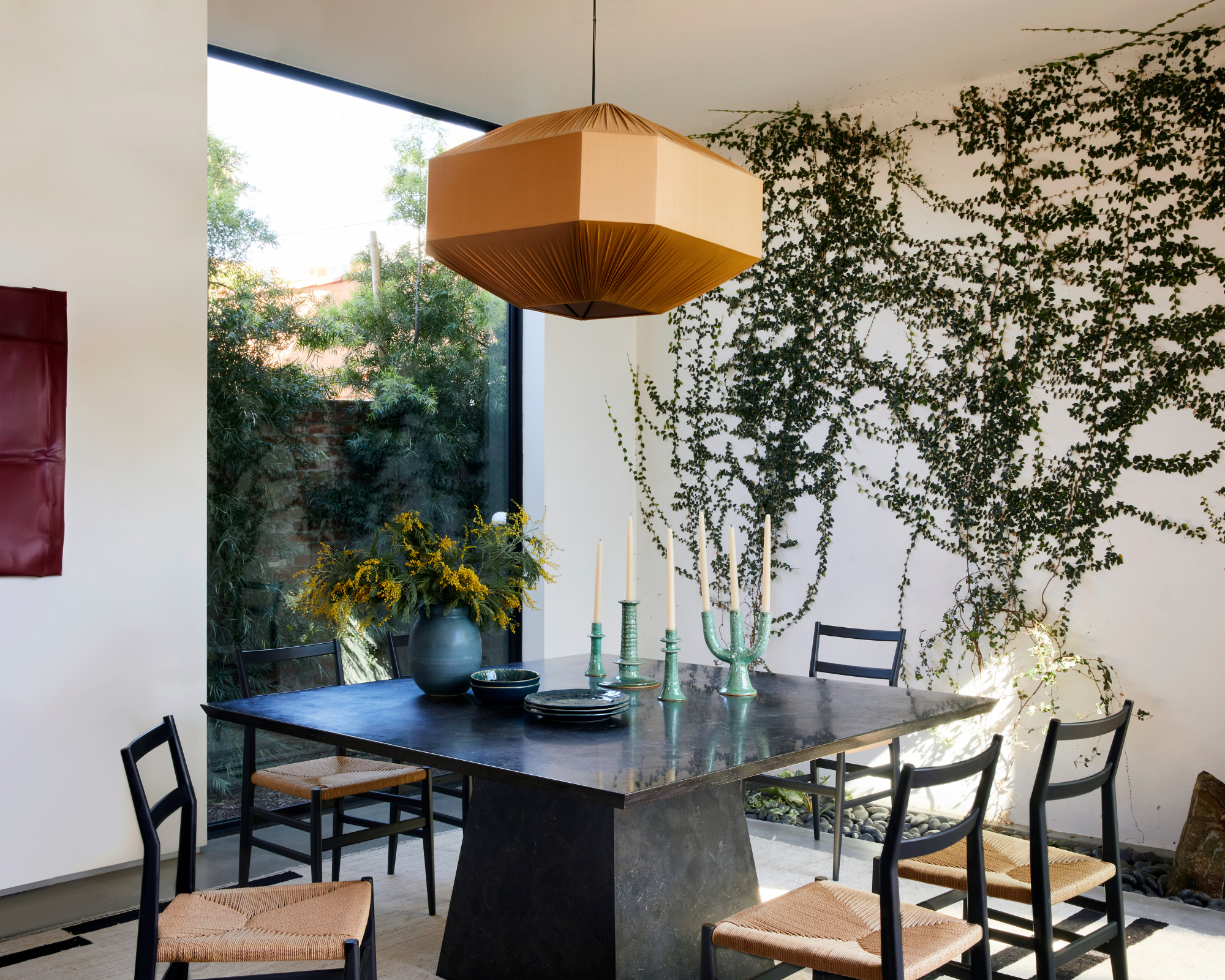
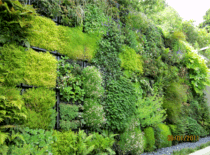
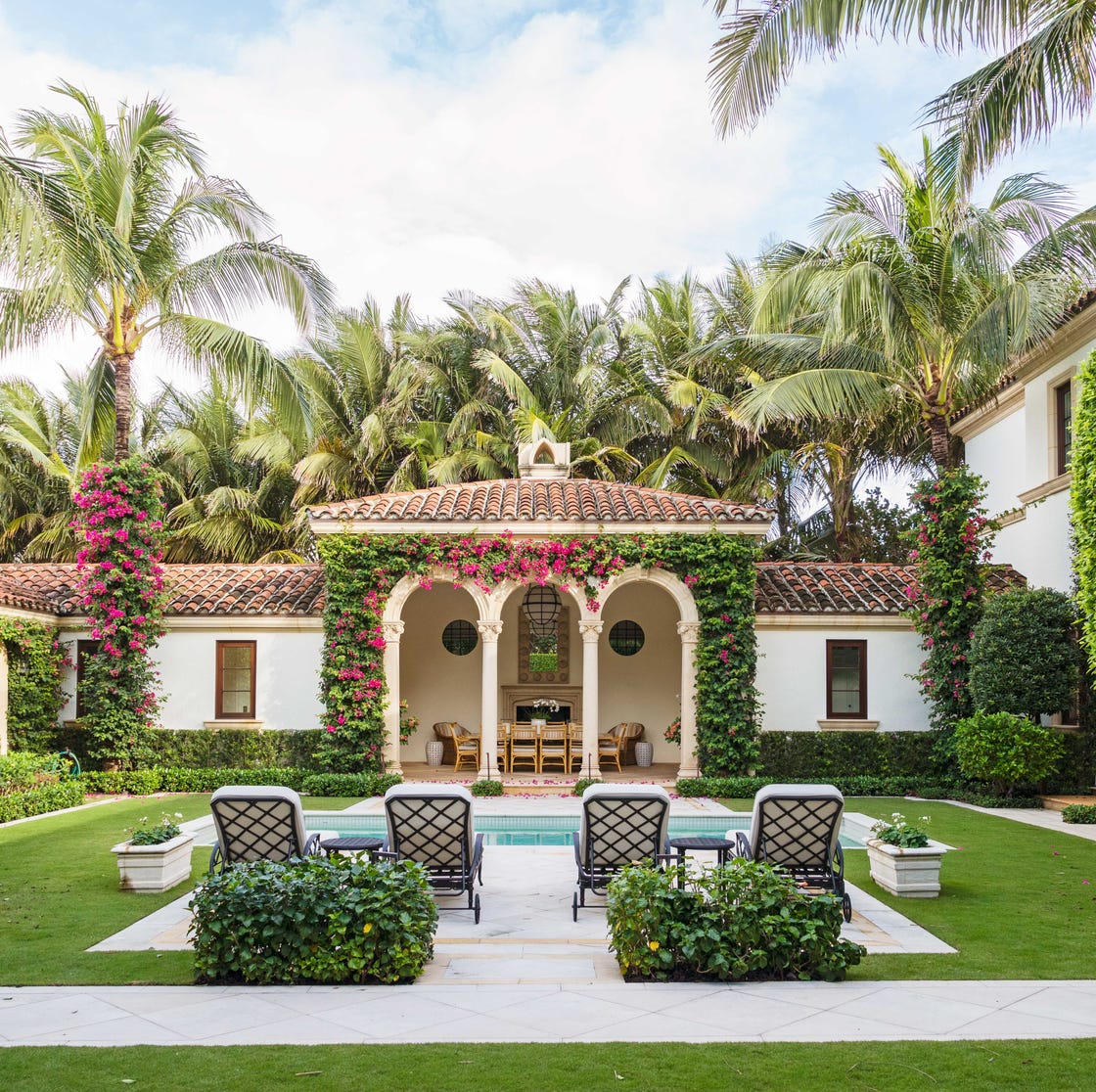
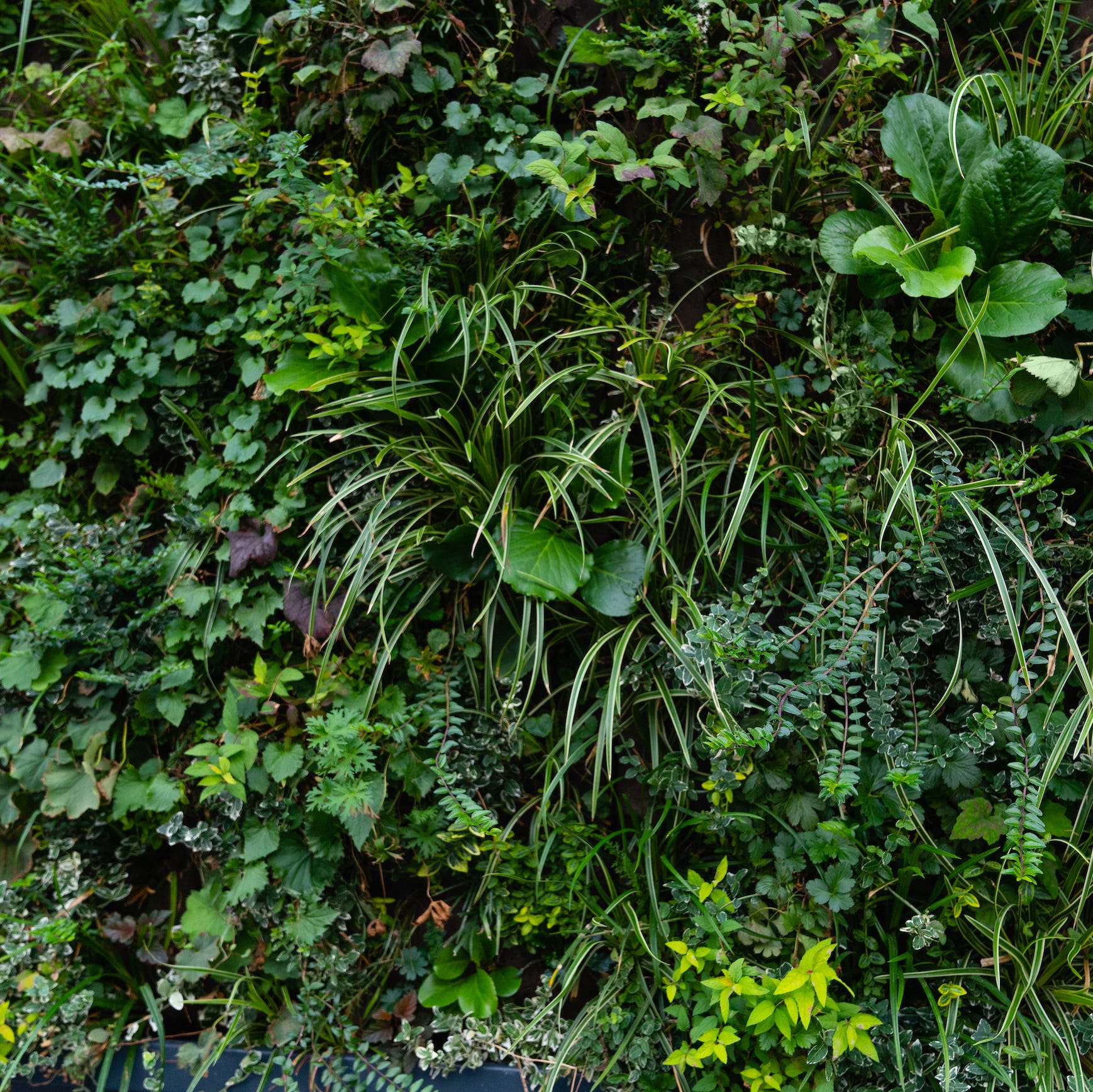
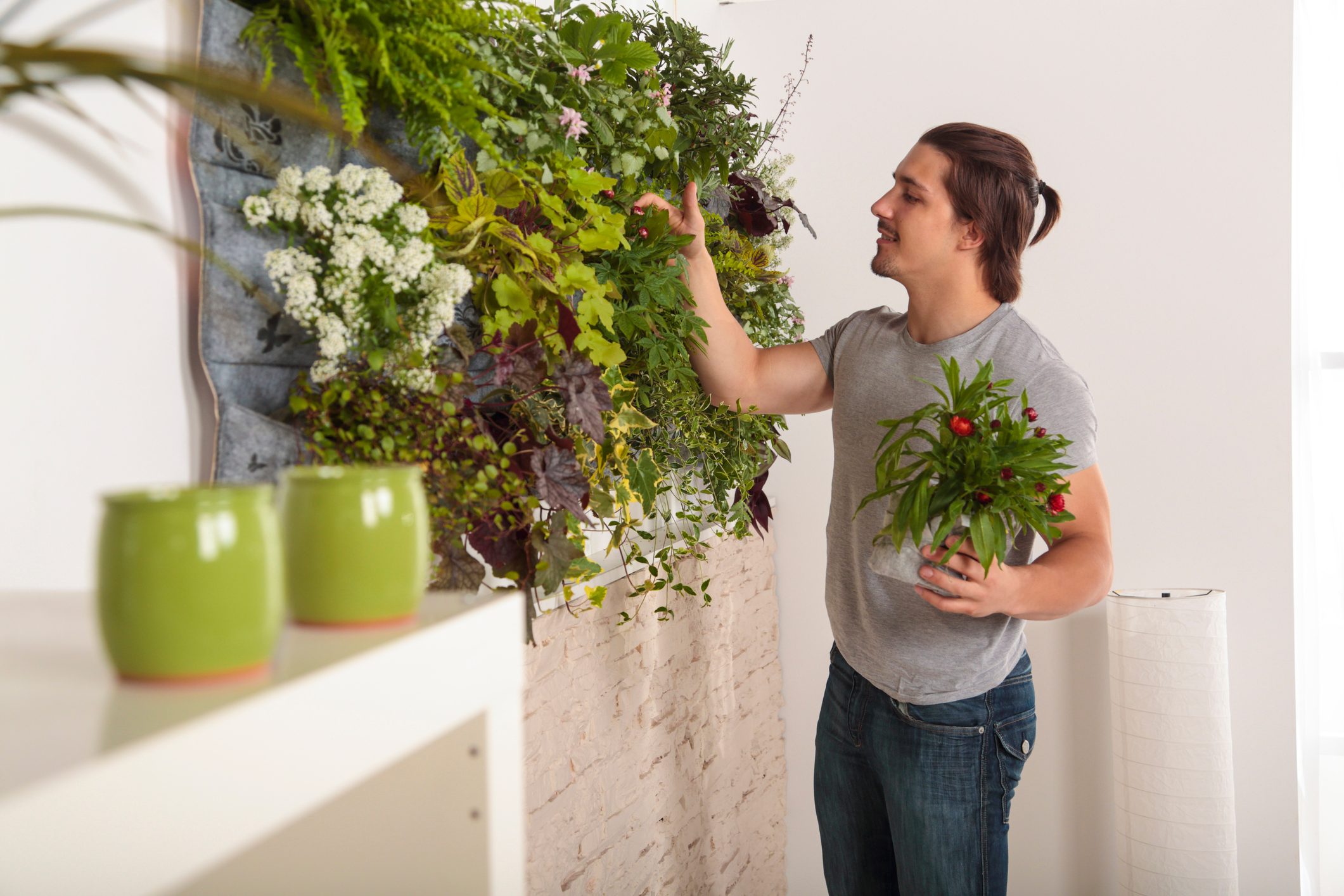
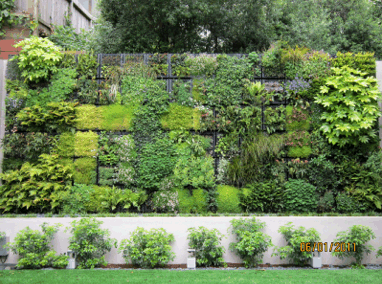
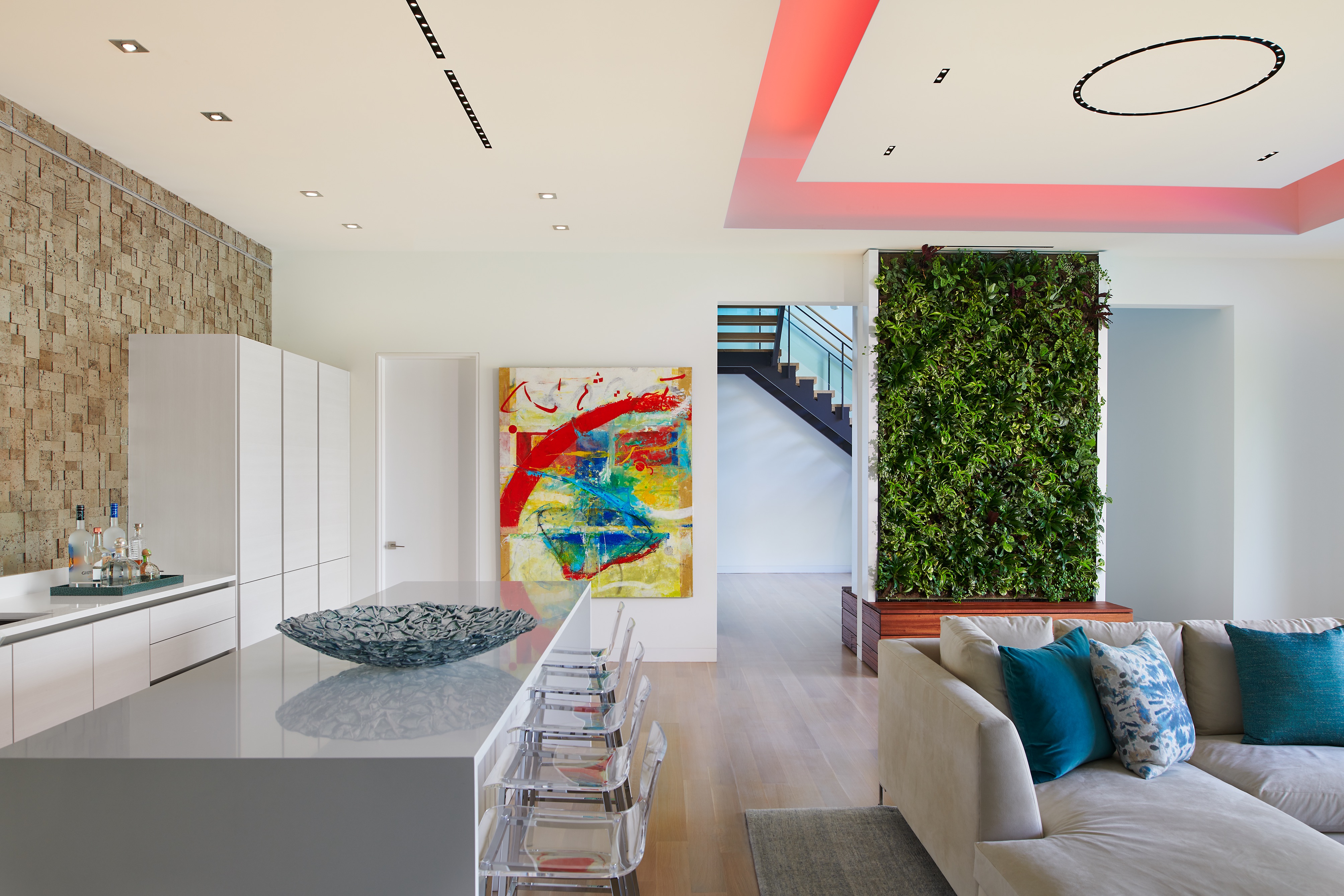
Living walls, also known as vertical gardens or plant walls, are an effective way to enhance the visual appeal of a home by seamlessly integrating indoor and outdoor spaces, contributing to a more serene and biophilic environment. Landscape architect Meg Whitmer notes that these plant walls create a feeling of being in a garden, providing fresher air and acting as dynamic works of art. The diverse textures and colors of various leaves, ranging from curly to heart-shaped and bold tropical to delicate fronds, allow for artistic arrangements on a vertical canvas, akin to paintbrush strokes on a painting. Whitmer first encountered a large exterior living wall at the Salvador Dali Museum in St. Petersburg, Florida, describing it as an elaborate sketch made of live plants.
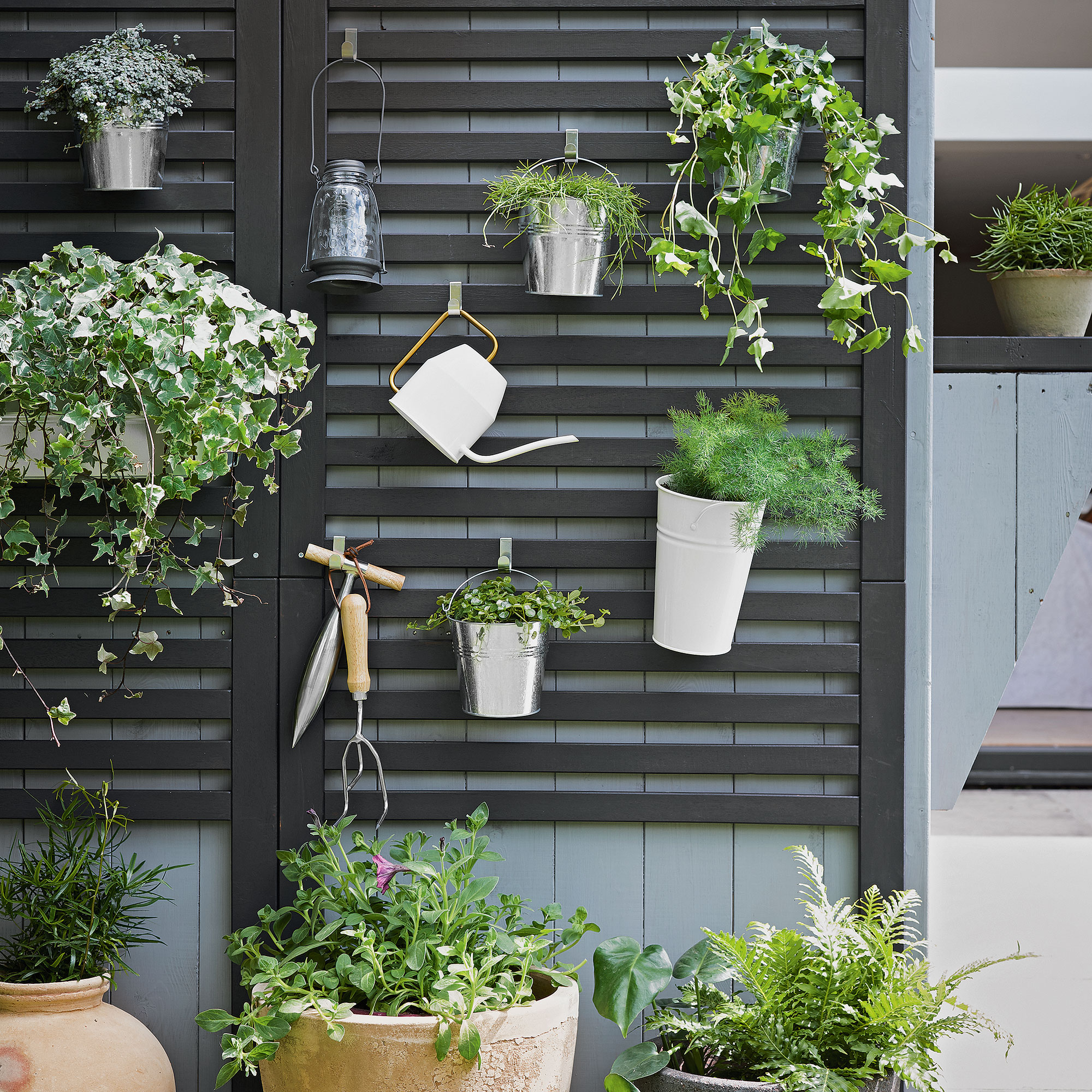
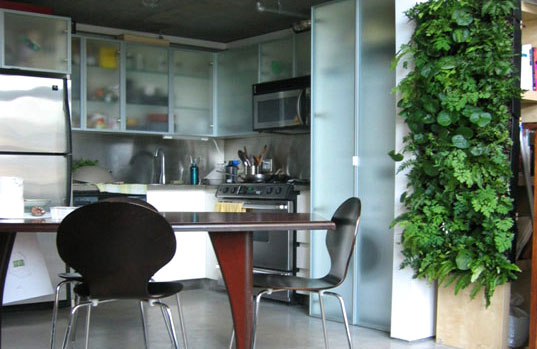
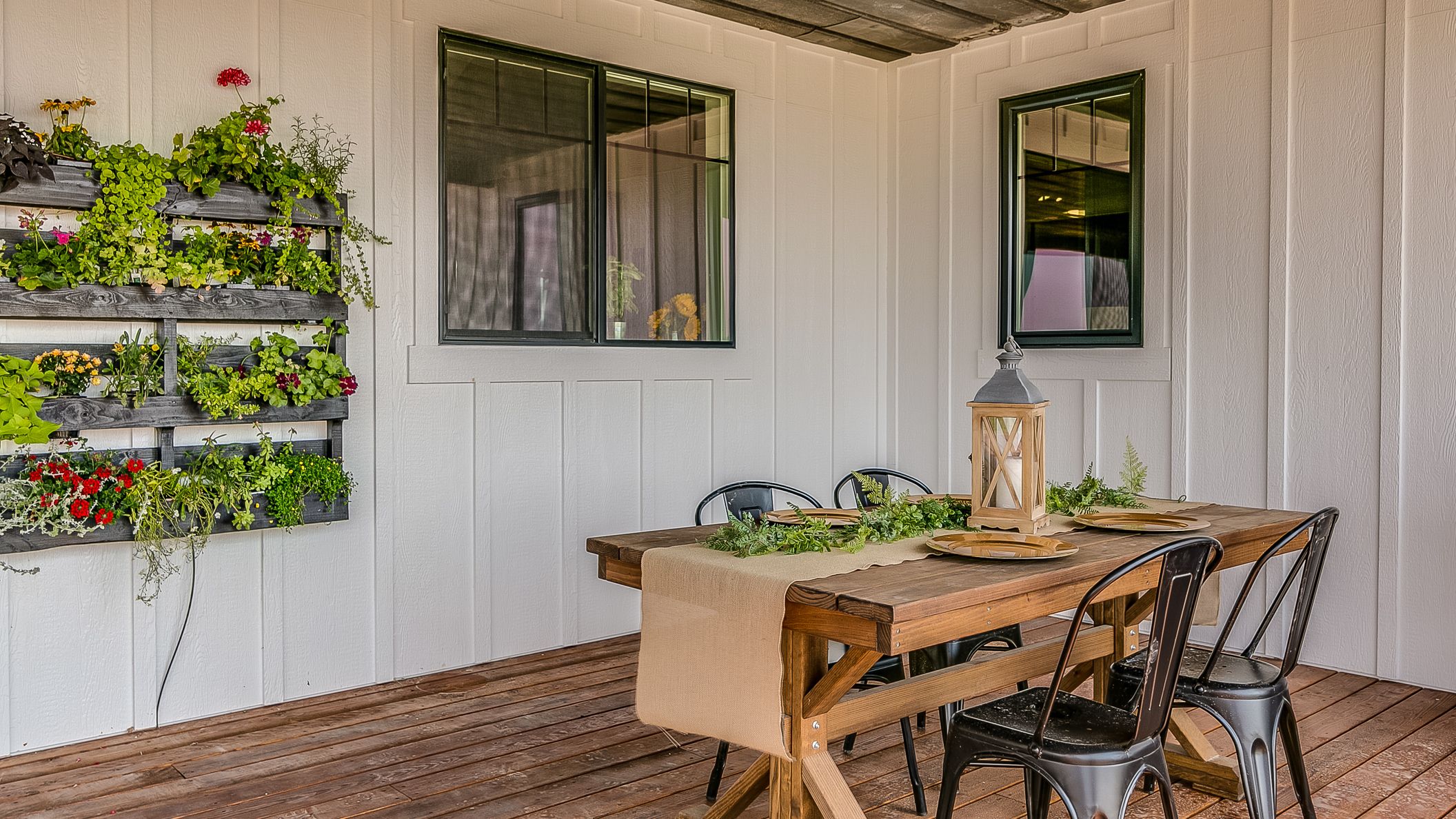
While living walls offer aesthetic and environmental benefits, they are not necessarily easier to maintain than traditional gardens, simply presenting different considerations due to their compressed nature. The primary factor in designing a living plant wall is location. Dave MacKenzie, general manager of LiveWall, a company specializing in green architecture, advises clients to consider their motivation, whether it's aesthetics, space-saving in urban environments, growing herbs, sound dampening, or improving air quality. He emphasizes that plant walls are versatile and can be installed on various surfaces, both indoors and outdoors. Adequate lighting is crucial for plant health, though natural light can be supplemented with artificial sources. A key consideration for location is maintenance accessibility; for instance, a wall in a stairwell might pose challenges for watering and pruning.
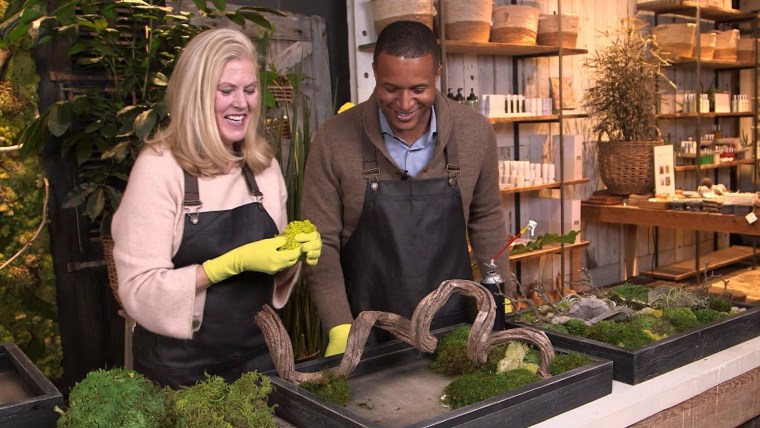
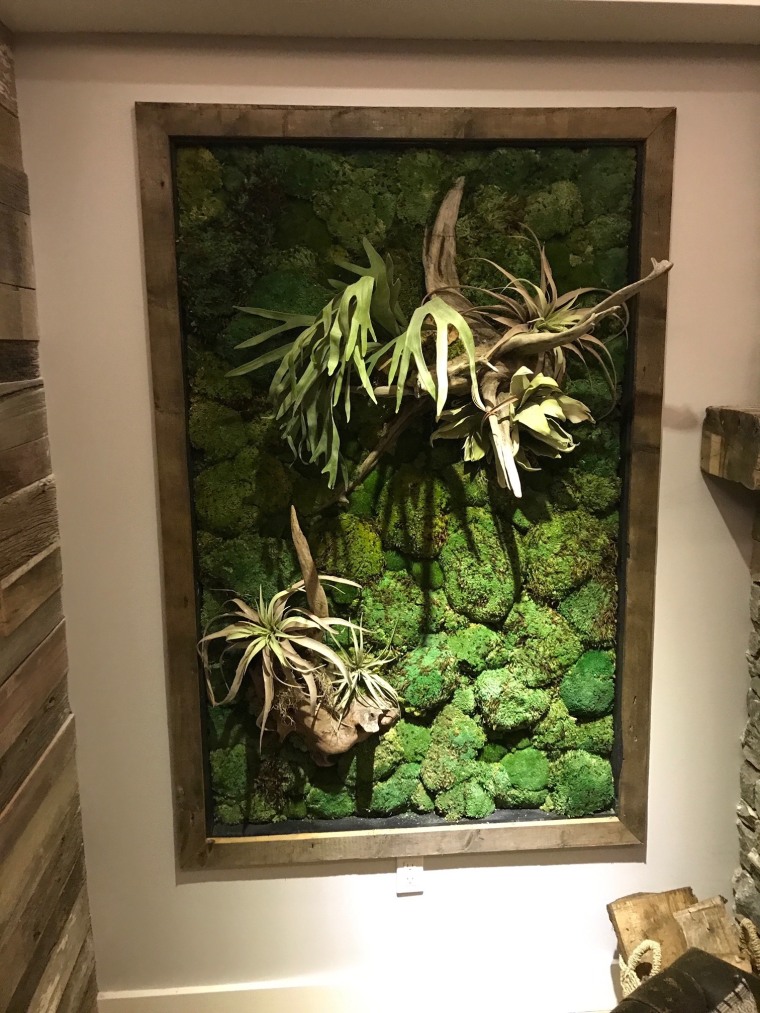
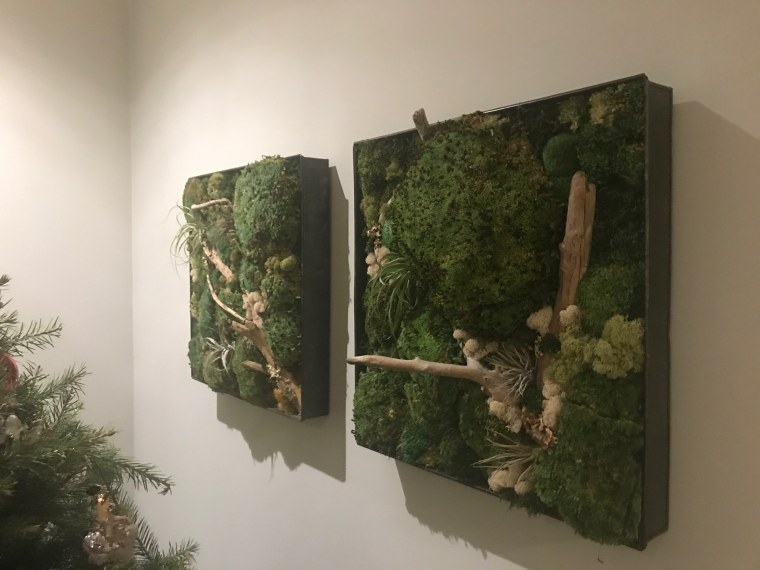
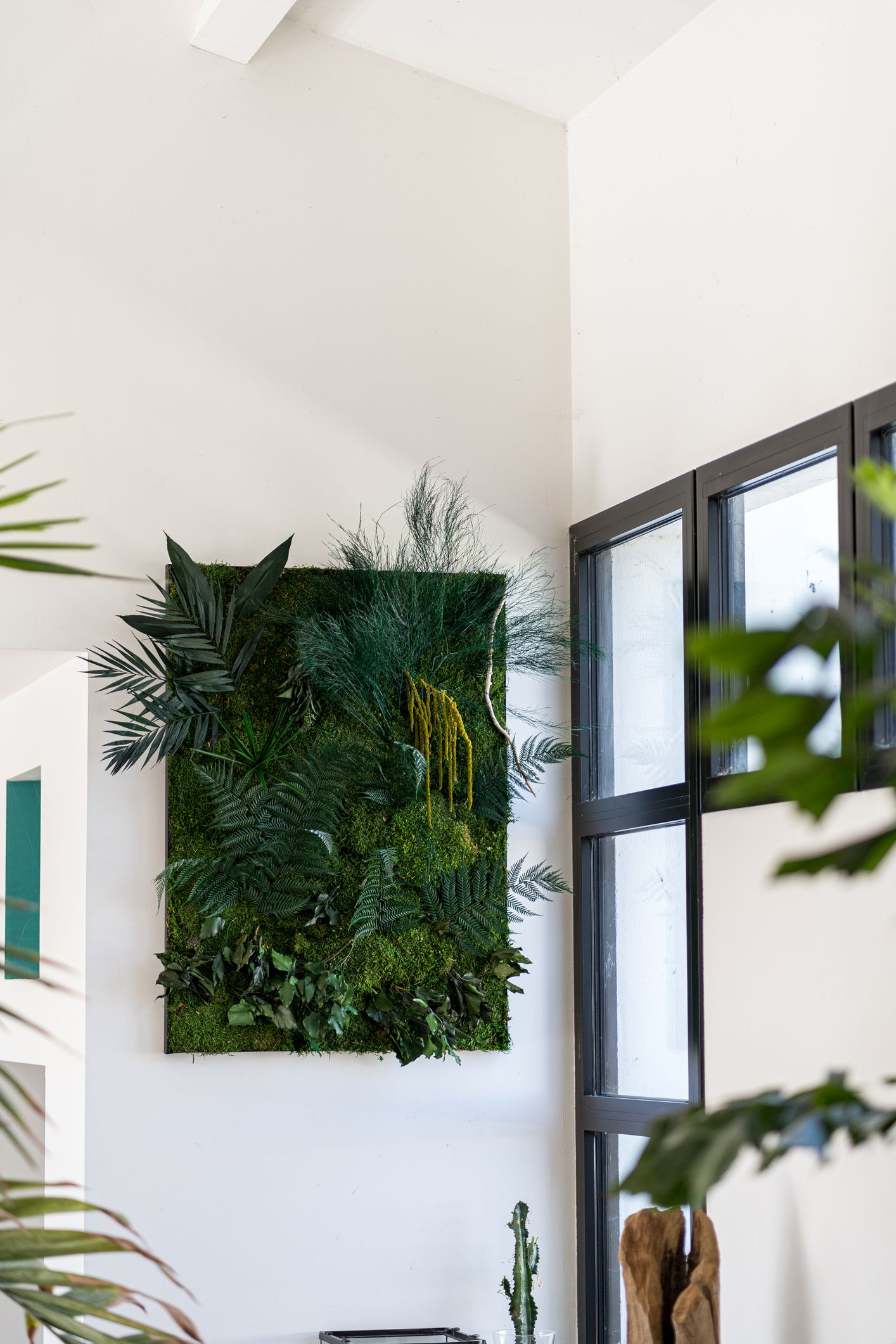
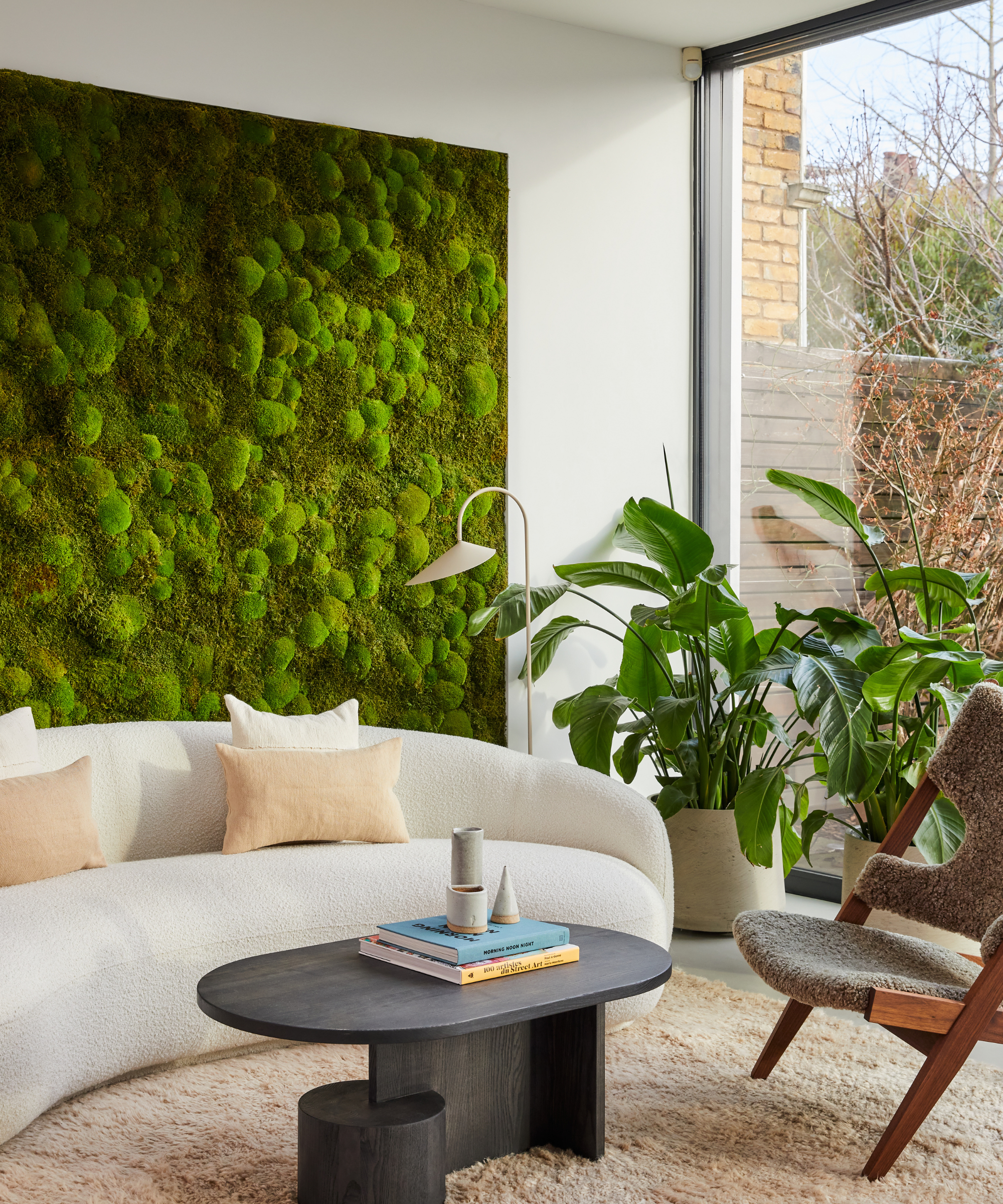
Selecting appropriate plants is another critical aspect. LiveWall, which transitioned from a nursery to green architecture, has developed a plant selection process focused on resilient and long-lasting species, primarily tropical plants for interior walls, known for their low-moisture needs and ease of care. MacKenzie's team categorizes plants based on their light and moisture requirements, stressing the importance of grouping plants with compatible needs to avoid issues. An alternative to live plants, especially in challenging environments, is preserved moss walls. Whitmer recounted a project in Tampa where accessibility and maintenance concerns led to the use of preserved moss walls from Ambius. These walls, treated with non-toxic glycerol and natural food dyes, require minimal maintenance and no natural light, offering a stunning, multi-dimensional artistic display with varied greens and textures.
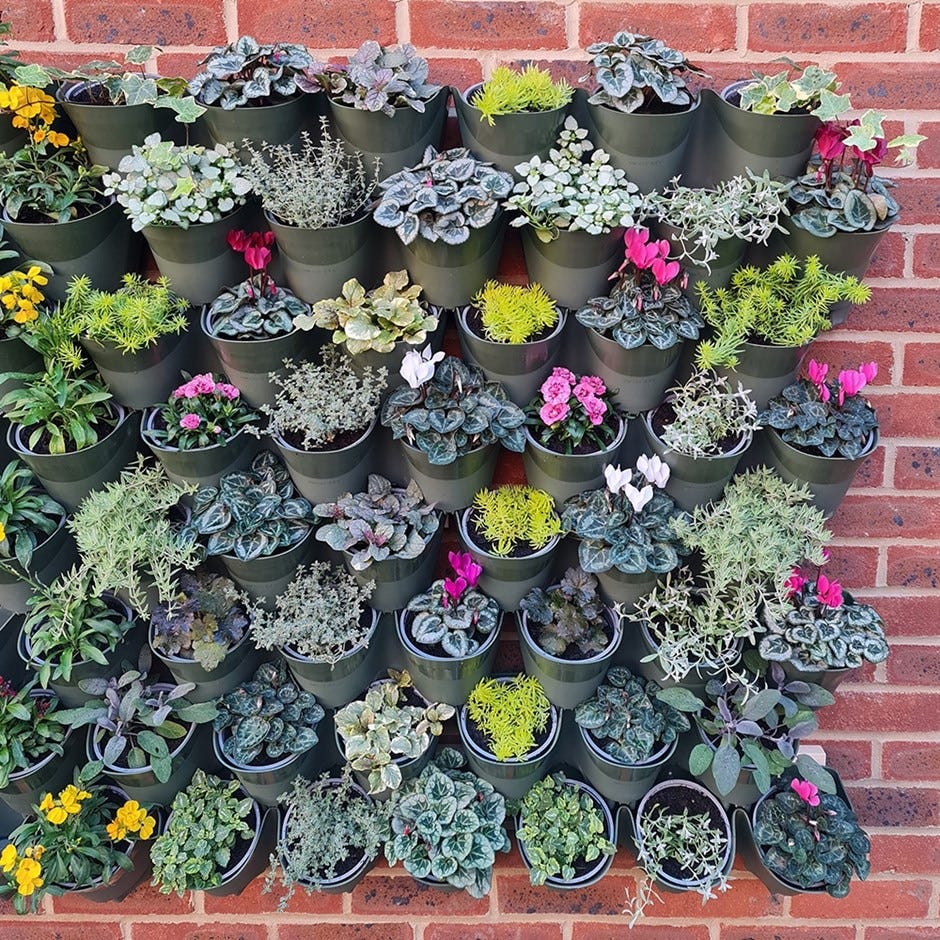
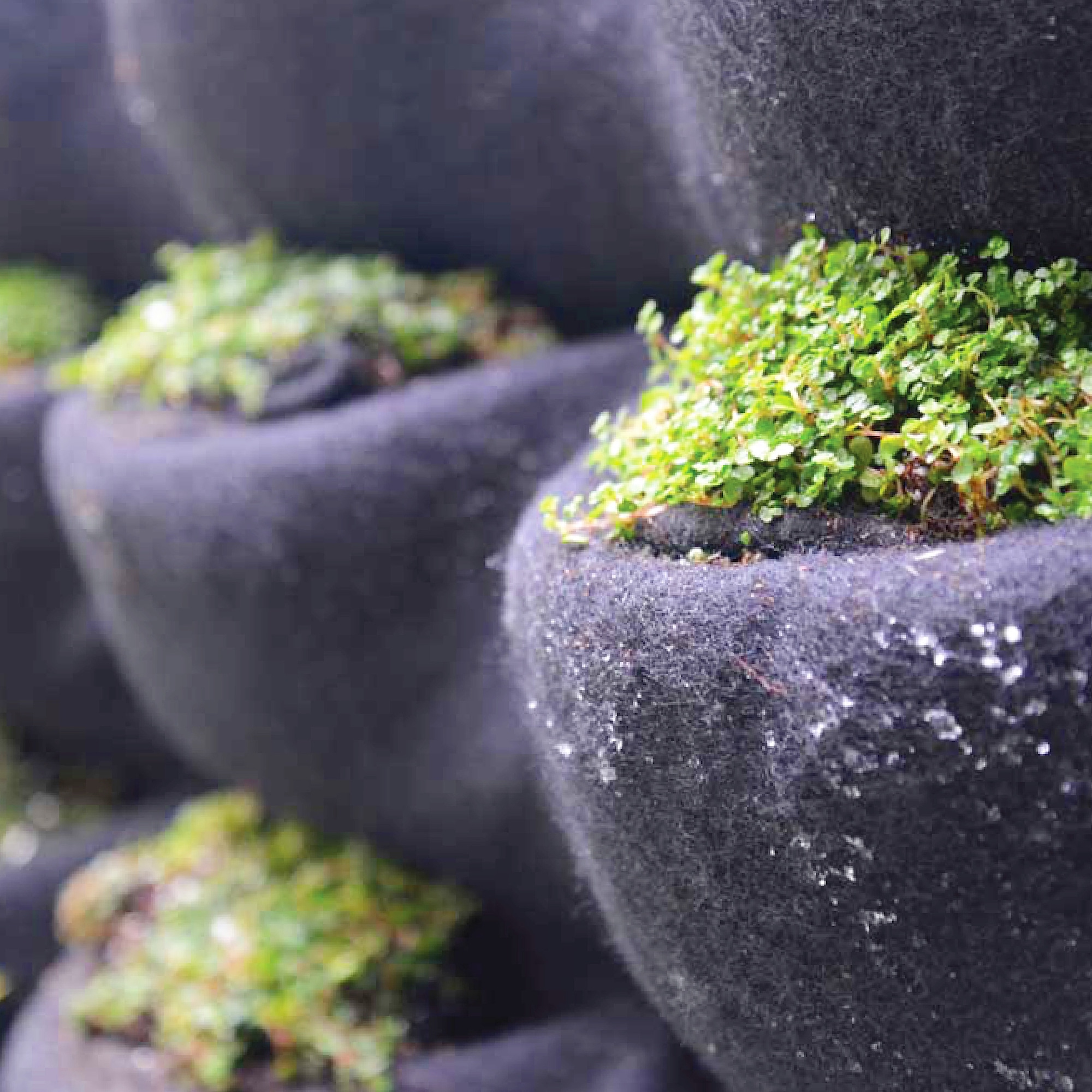
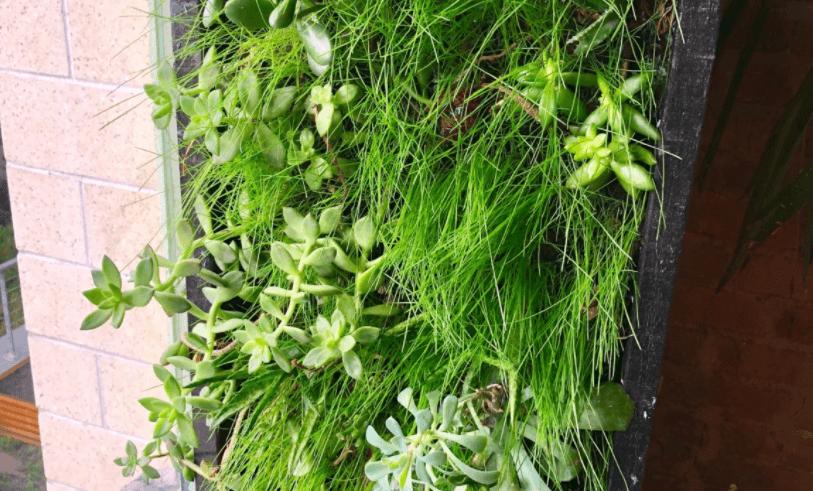
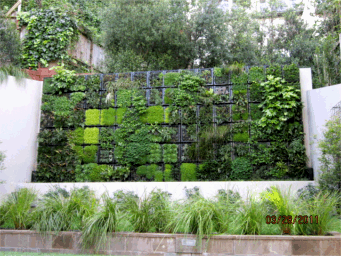
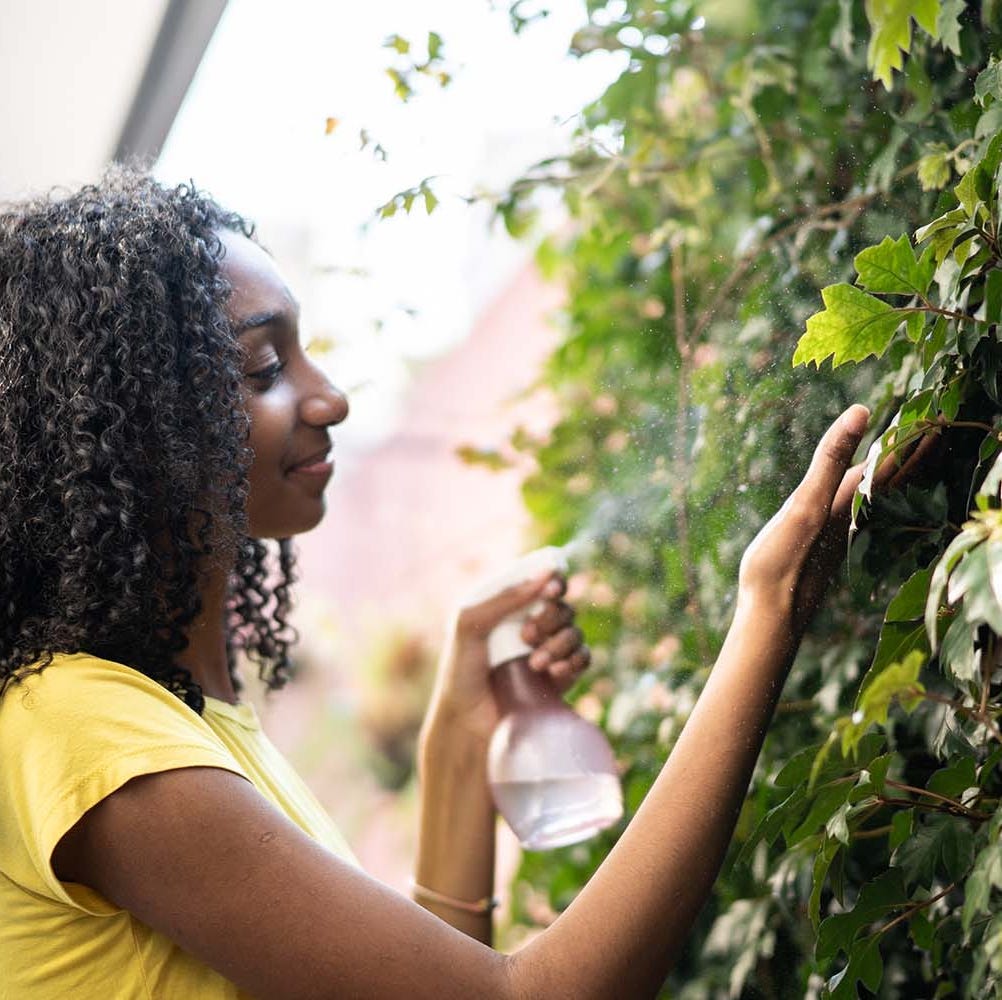
Structurally, living walls typically comprise a grid of self-contained panned planters with a water reservoir and growing medium. The support system includes tracks, mounting racks, and vertical and horizontal rails for the planter boxes. MacKenzie notes that some designs expose the planters, while others aim to conceal them entirely with foliage. Whitmer highlights that, unlike Xeriscaping, living walls demand consistent care, comparing it to caring for a pet or a traditional garden. This commitment to watering and feeding is essential for the plants to thrive and provide their intended rewards.
#LivingWall #VerticalGarden #PlantCare #HomeDecor #OutdoorSpace #BiophilicDesign #GardenDesign #IndoorPlants #PlantSelection #LivingWall #VerticalGarden #PlantCare #HomeDecor #OutdoorSpace #BiophilicDesign #GardenDesign #IndoorPlants #PlantSelection
Toplam 0 yorum
 Henüz yorum yok
Bu da beğenebilirsiniz
How to make a living wall that brings the outdoors in
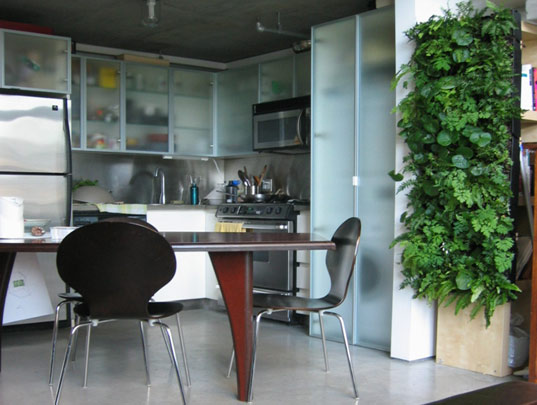
ELT EASY GREEN LIVING WALLS

Top tips to create a feature wall

7 Secrets For Maximizing Your Outdoor Space, According To Designers
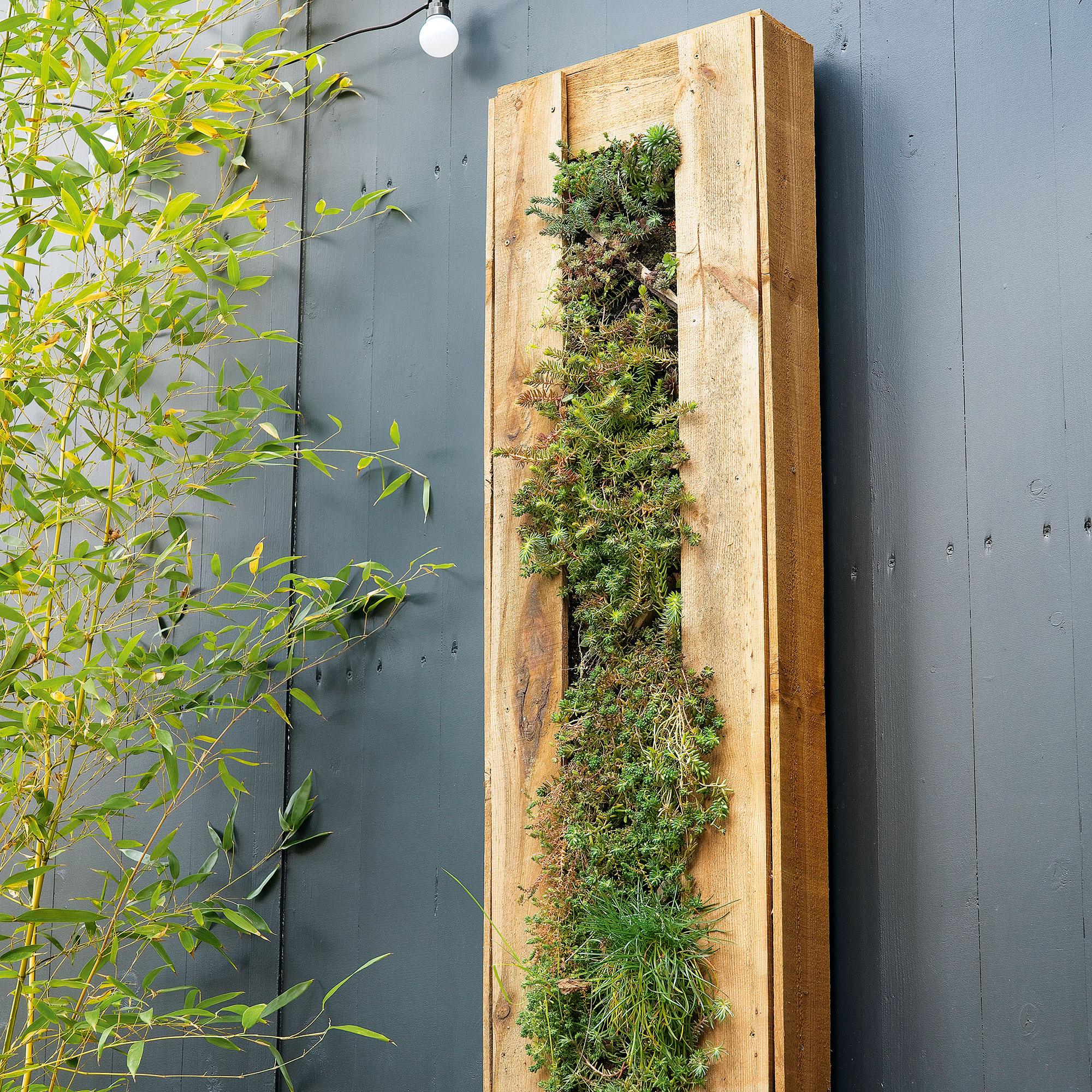
Living wall ideas to create a stylish vertical garden in your space
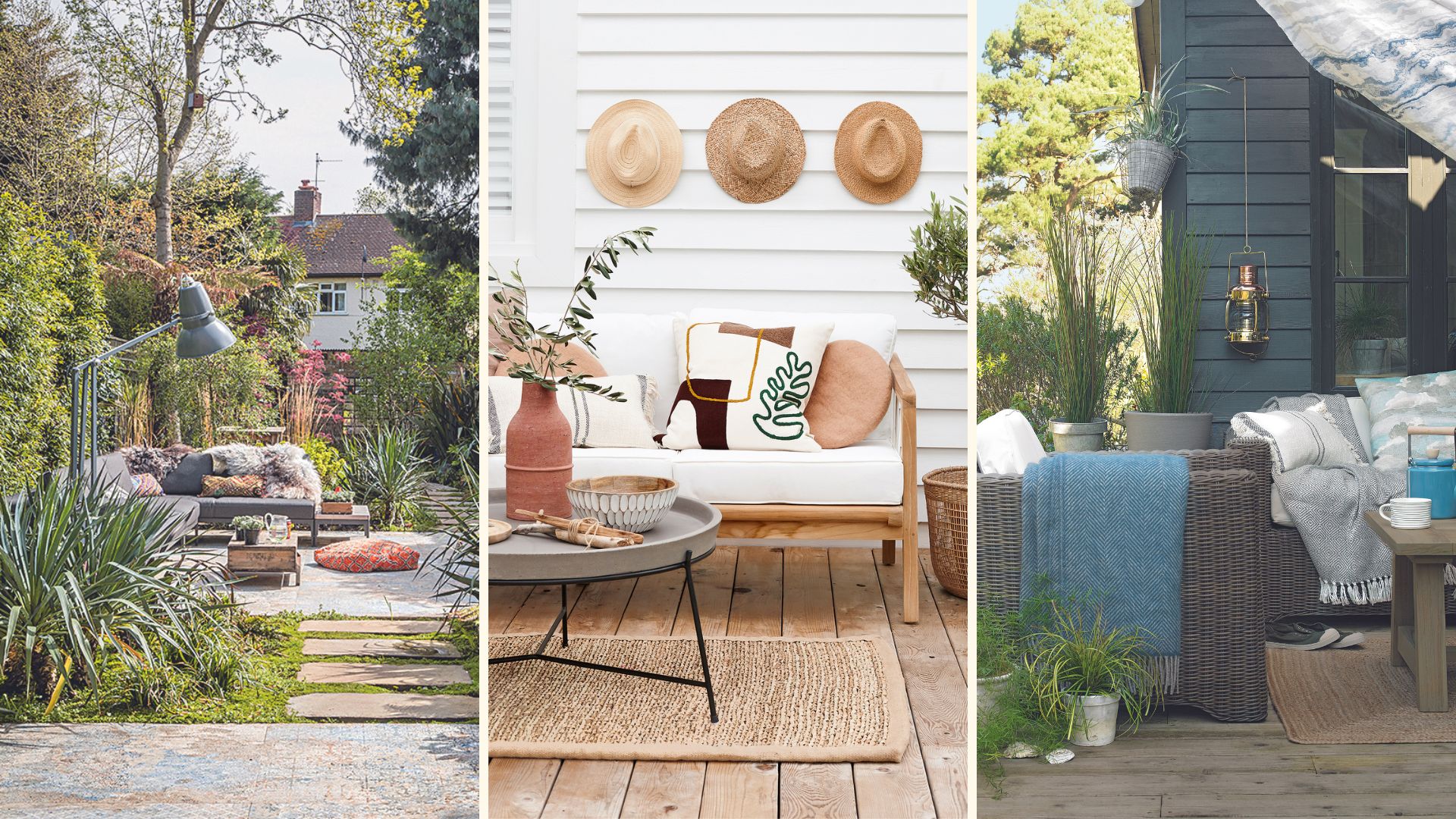
Outdoor living room ideas: 15 ways to maximise any outdoor space

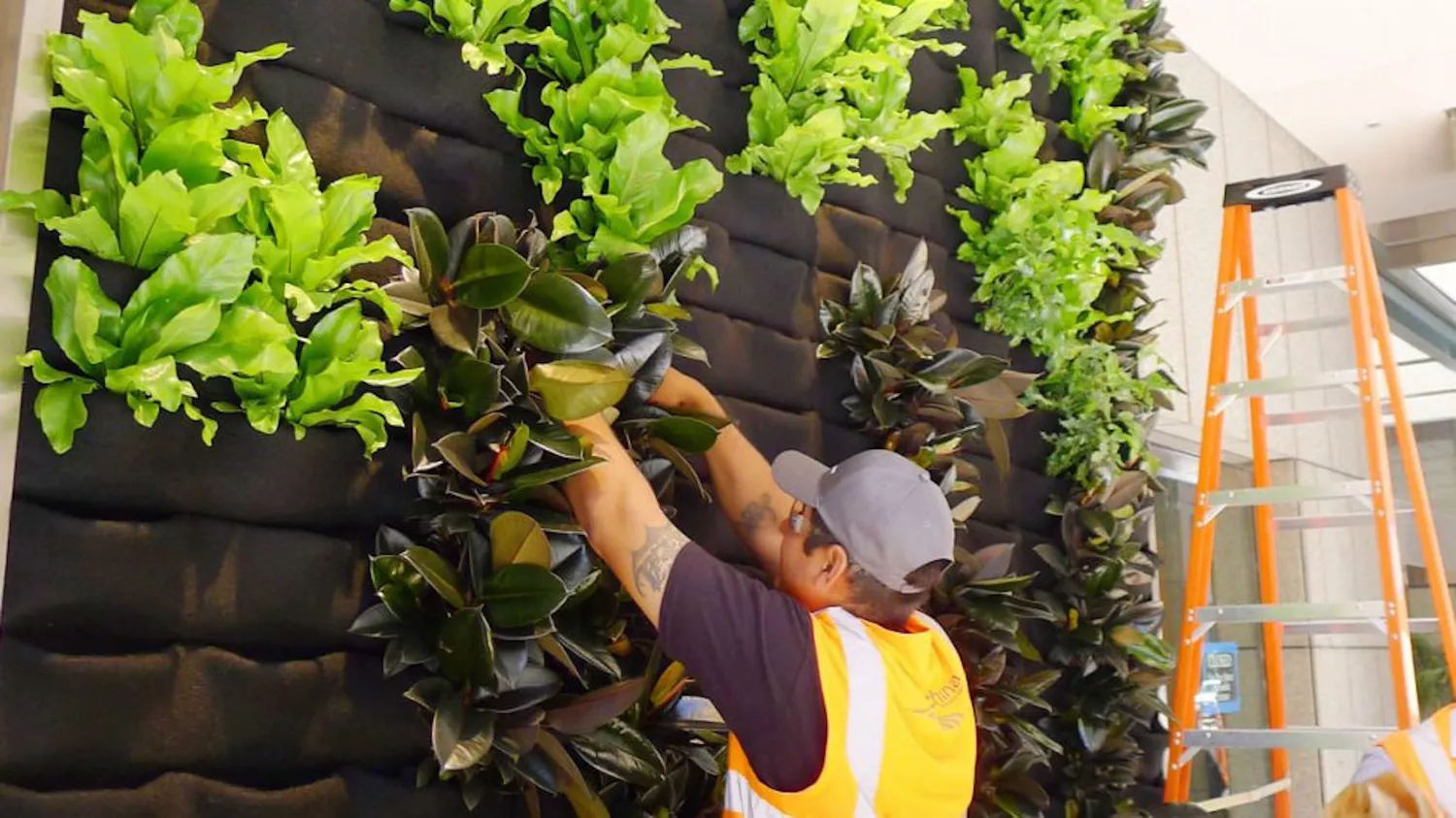
Easy-To-Install Living Wall System Uses Felt Pockets for Plants
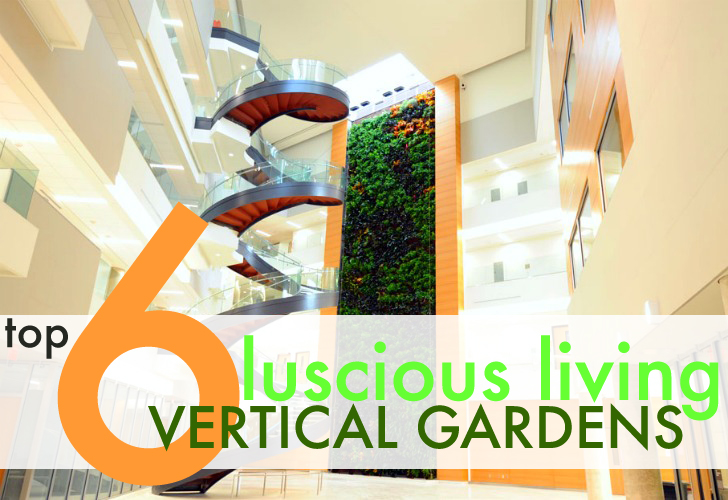
6 Luscious Living Vertical Gardens That Bring A Breath Of Fresh Air Indoors
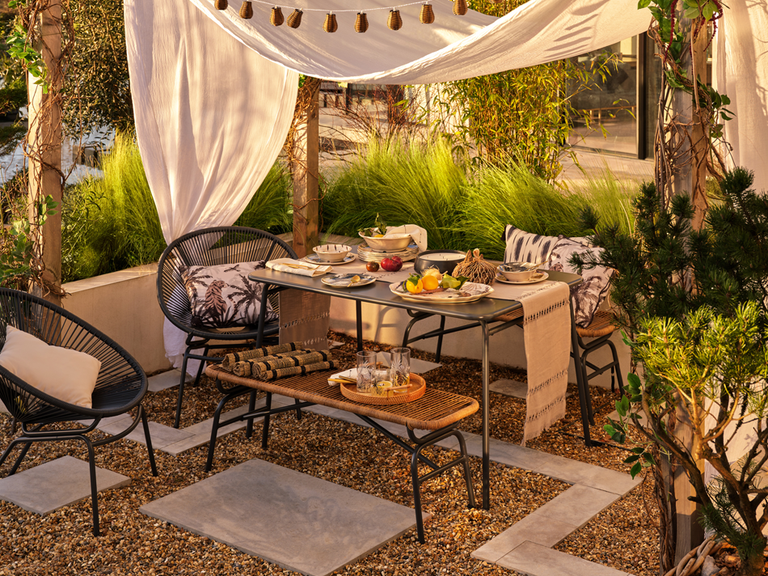
Experts explain how to create extra living space outdoors

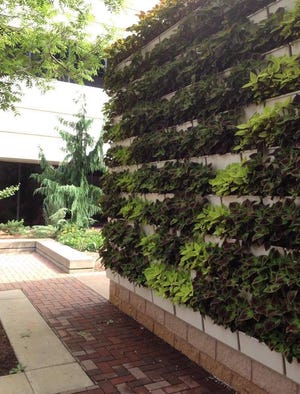
Linda Cobb: Gardens get fresh looks by planting living walls
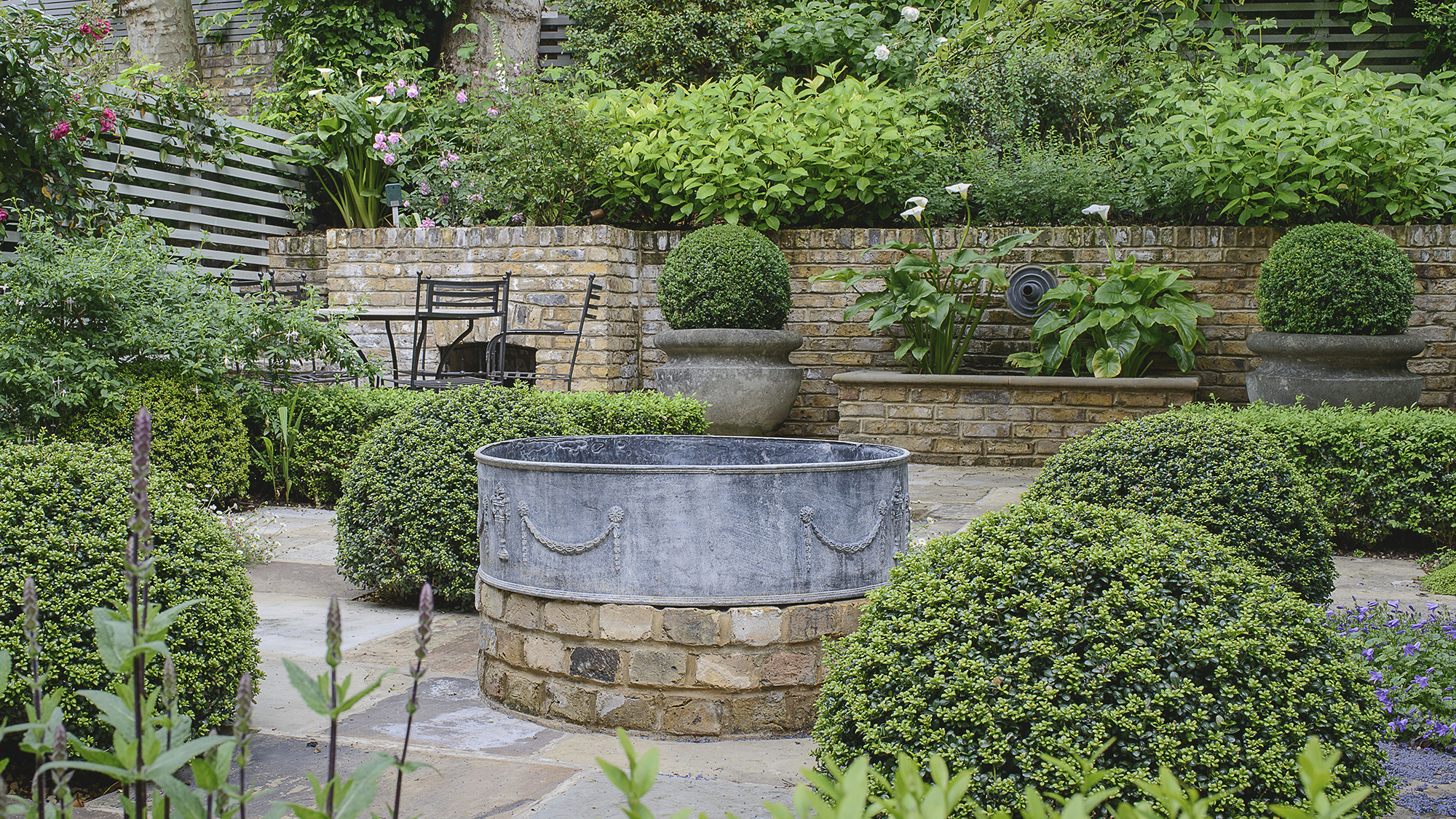
Garden wall ideas – 16 inspiring ways to define your boundaries

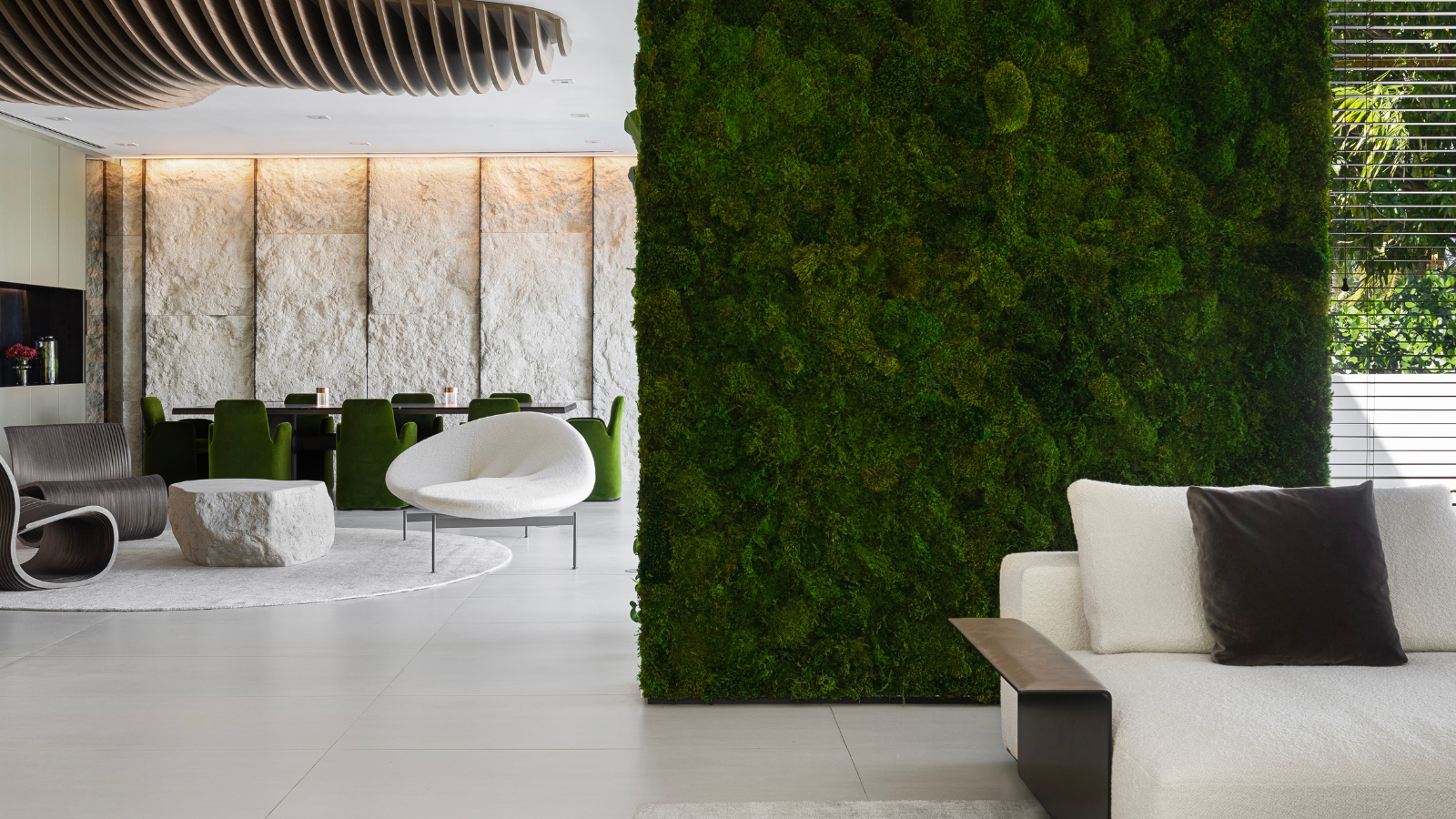
9 Genius Ways to Do Living Walls in 2025 That Take This Idea in a Style-Forward Direction

Homeowner’s Guide To Living Walls

How to create a plant wall in your garden

15 Vertical Garden Ideas, From Living Walls to Botanical Libraries

San Francisco Residential Living Wall

How to create an indoor plant wall for your home

19 vertical garden ideas - landscape experts show how plants thrive in small spaces inside and outside the home


Living Green Walls of Plants Refresh Brooklyn Homes
Maximize limited space with vertical gardens