1/8
Can you add an island to an existing kitchen? Yes, but these are the 3 considerations to be aware of
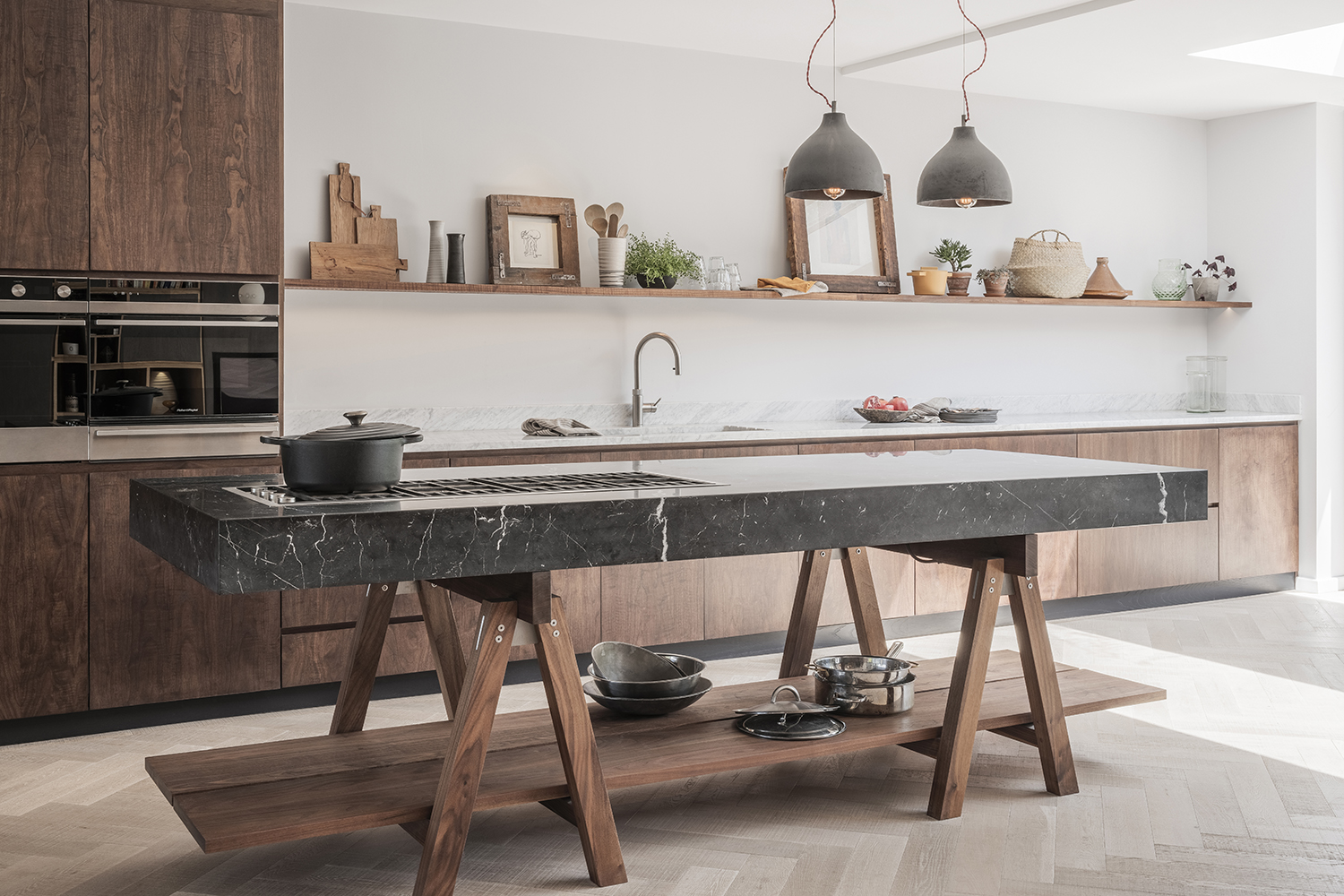
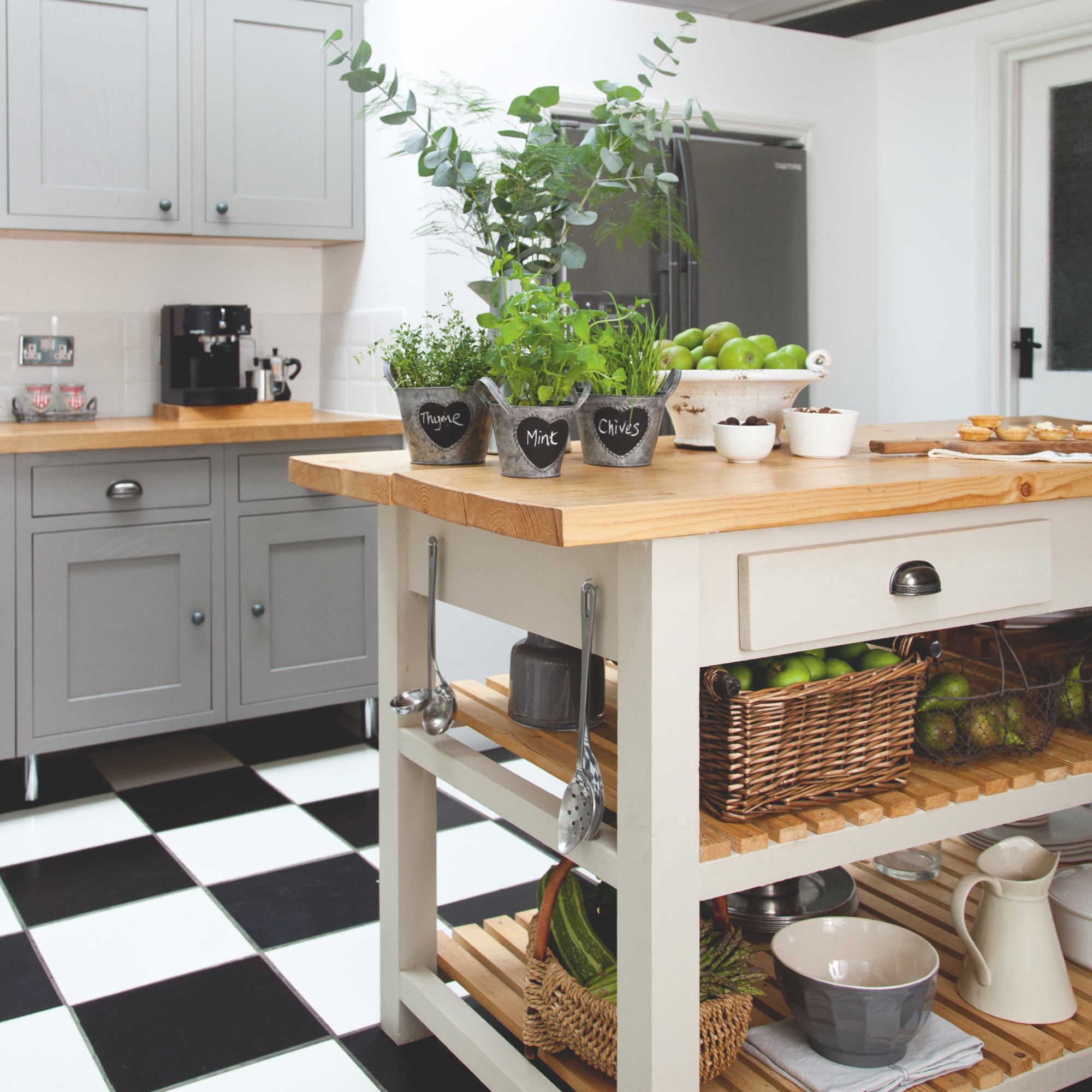
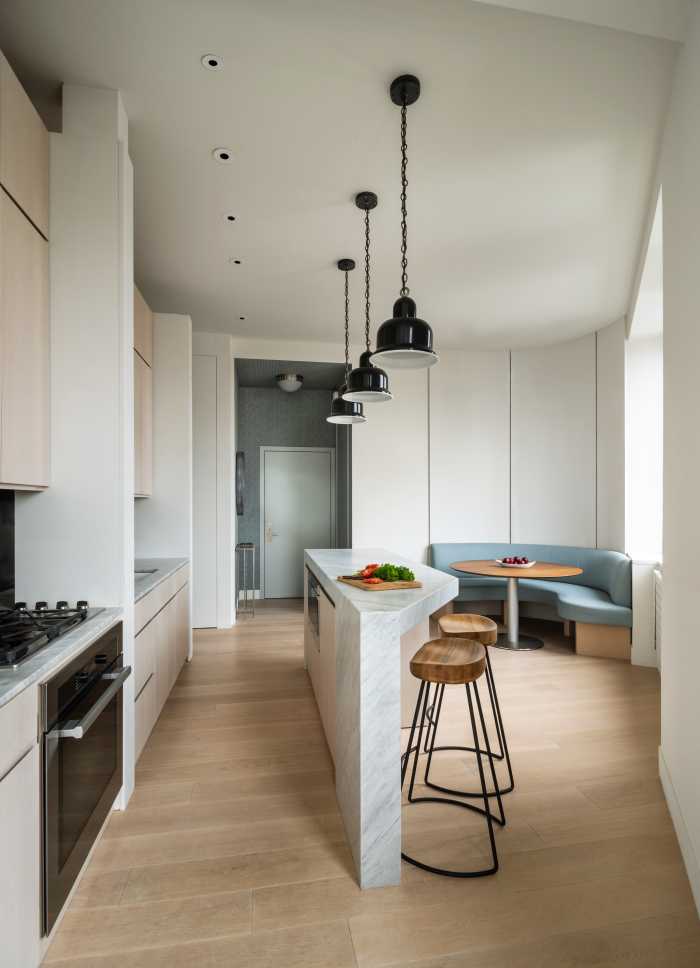
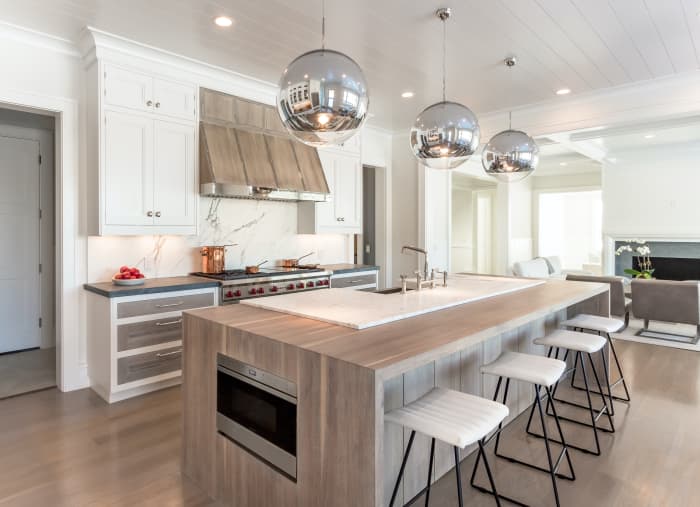
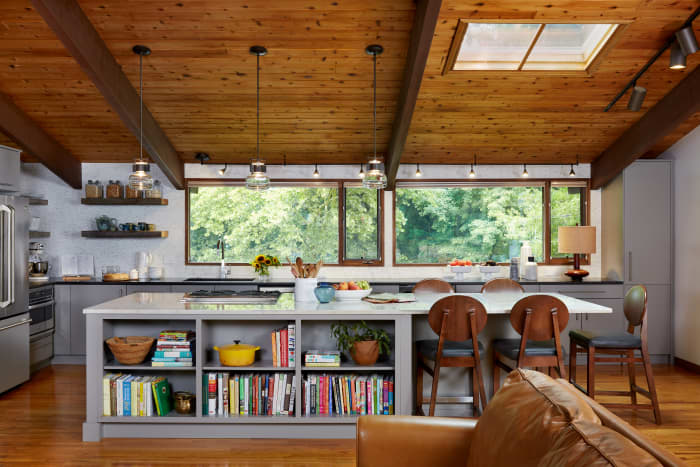
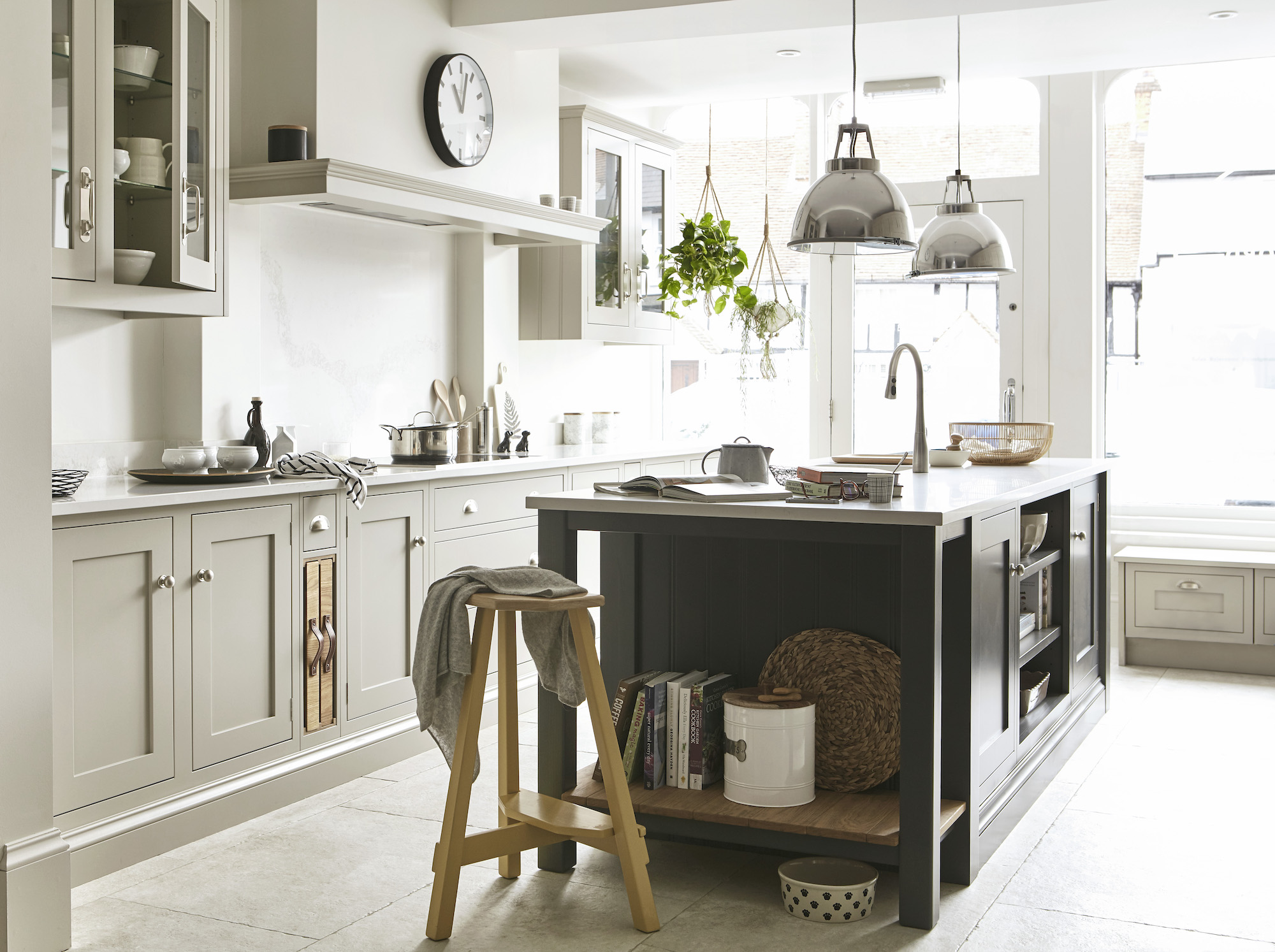
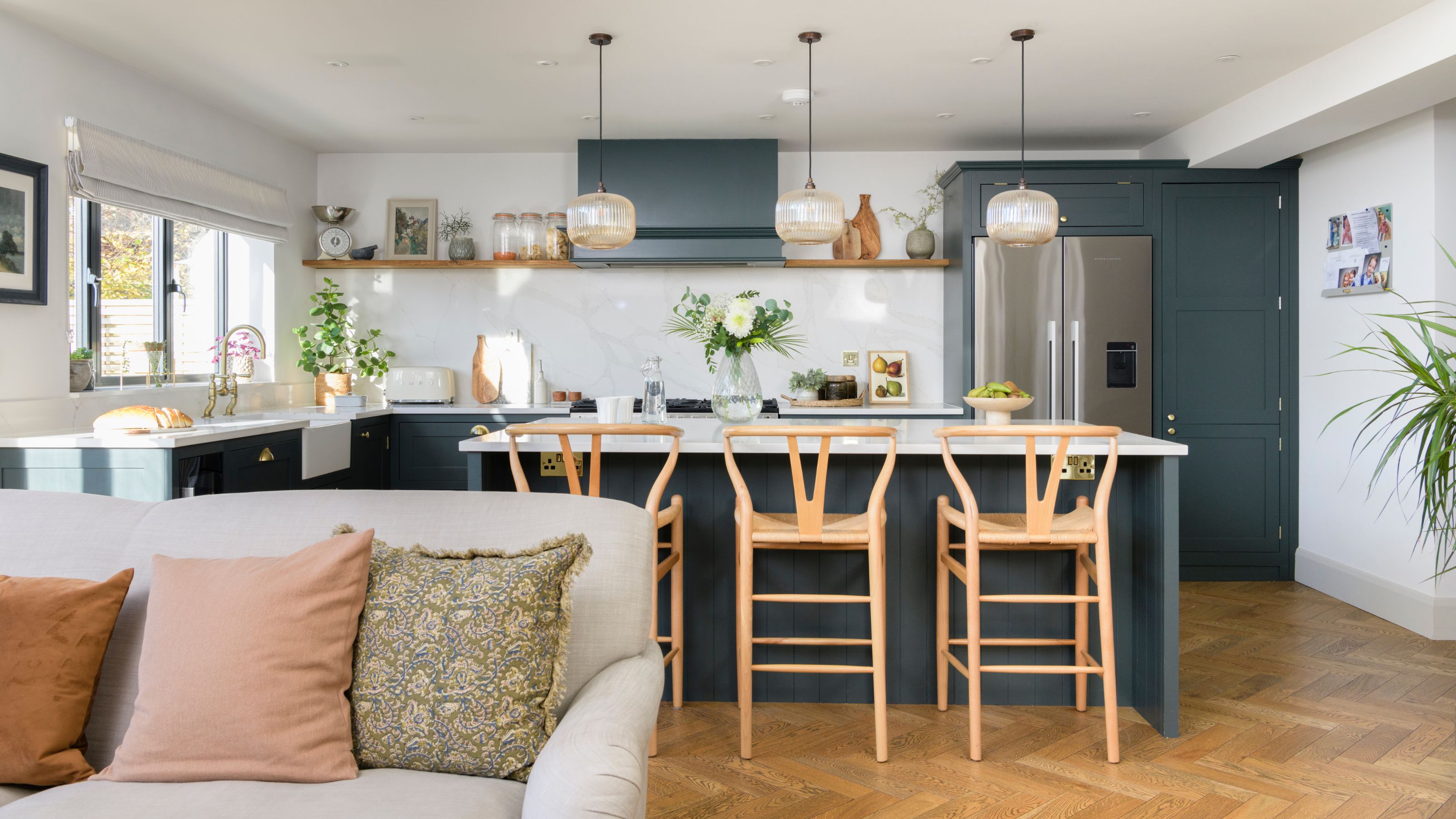
The article addresses the common question of whether a kitchen island can be added to an existing kitchen, moving beyond the misconception that islands are only for initial kitchen designs. It emphasizes that incorporating a kitchen island retrospectively is indeed possible and can significantly enhance a kitchen's functionality, storage, and social appeal. The piece highlights that while adding an island is feasible, careful planning is crucial to ensure it integrates seamlessly with the existing space and does not appear as an afterthought. Expert insights are provided, stressing the importance of visual integration, considering everything from proportions and cabinetry to hardware.
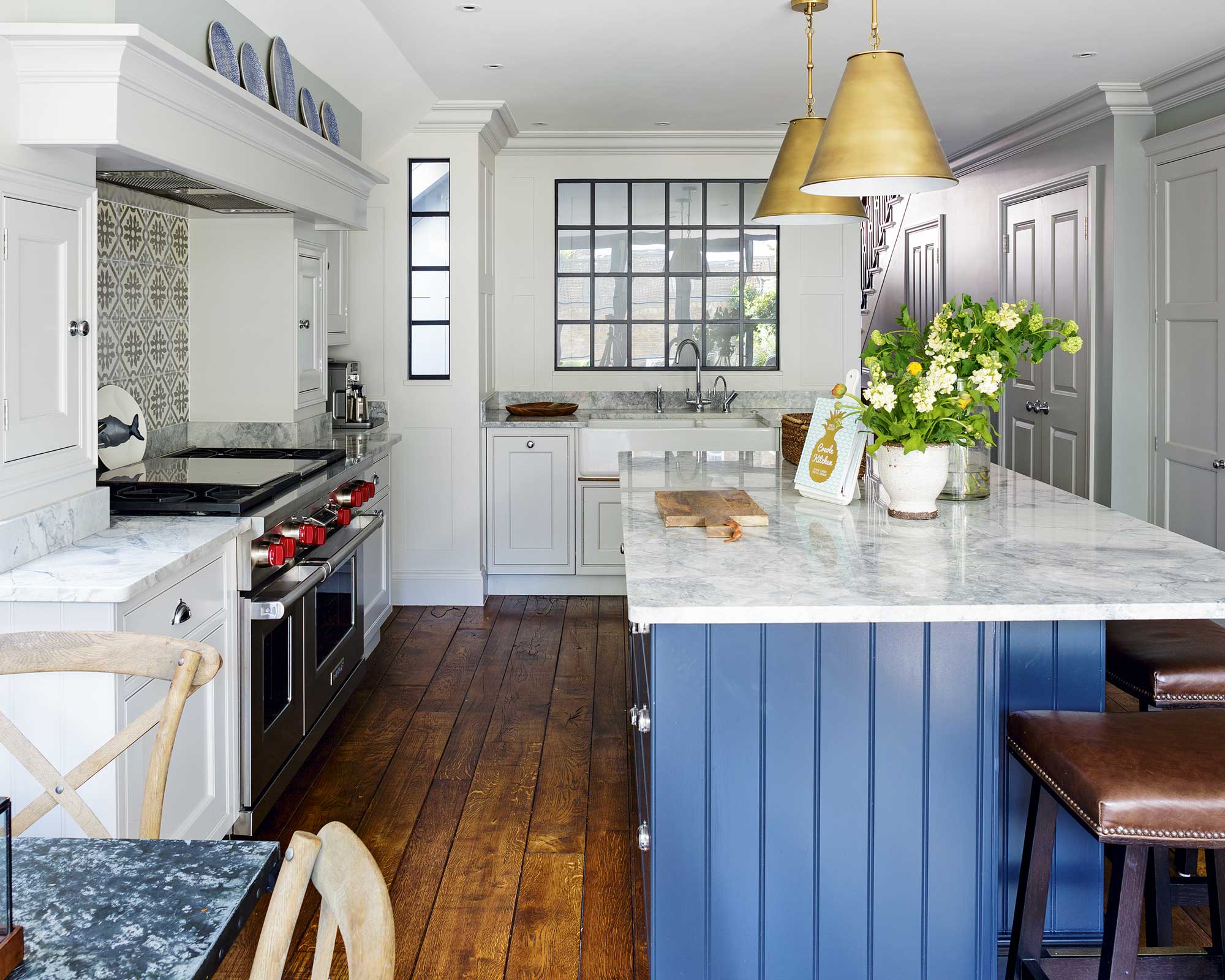
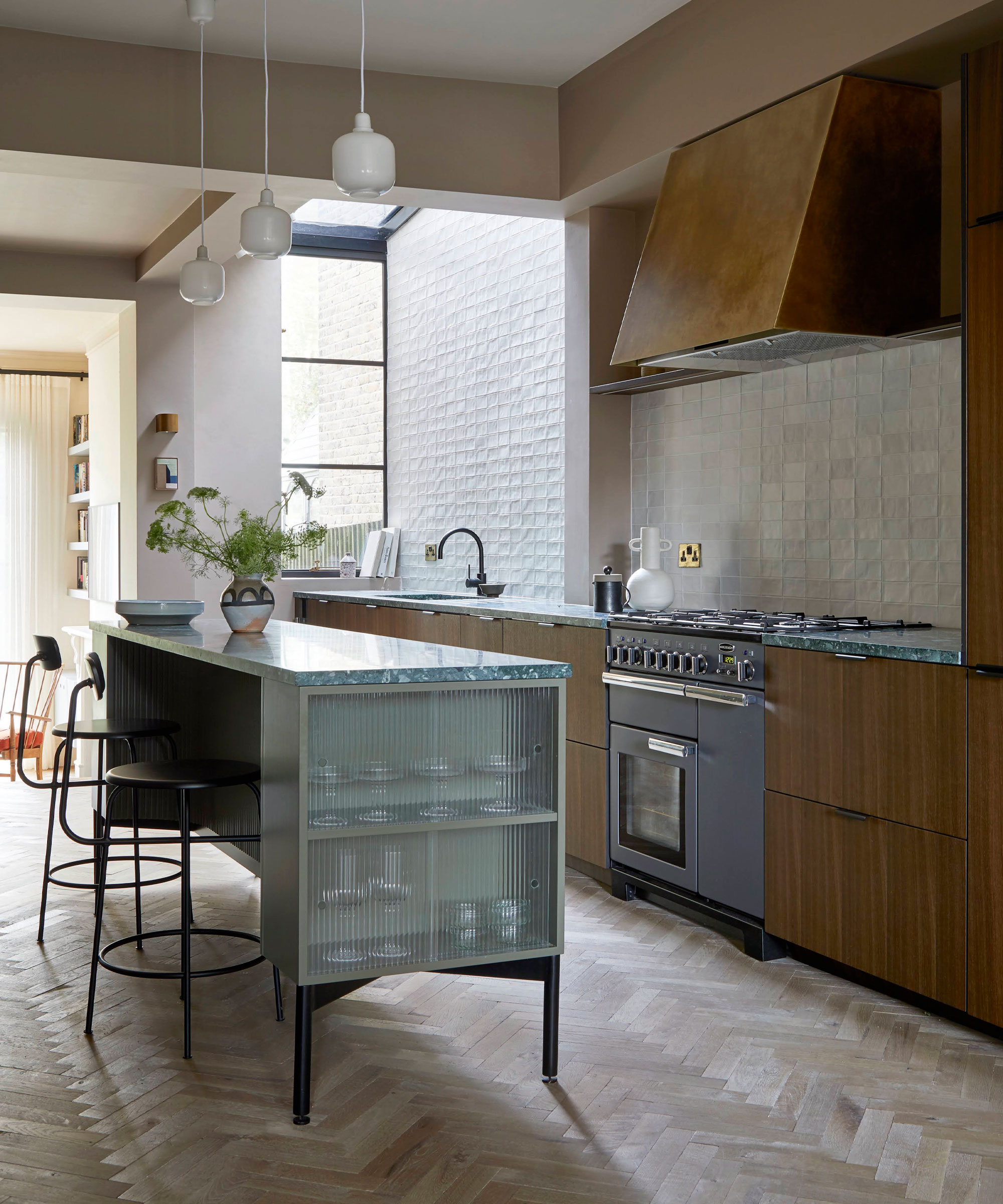
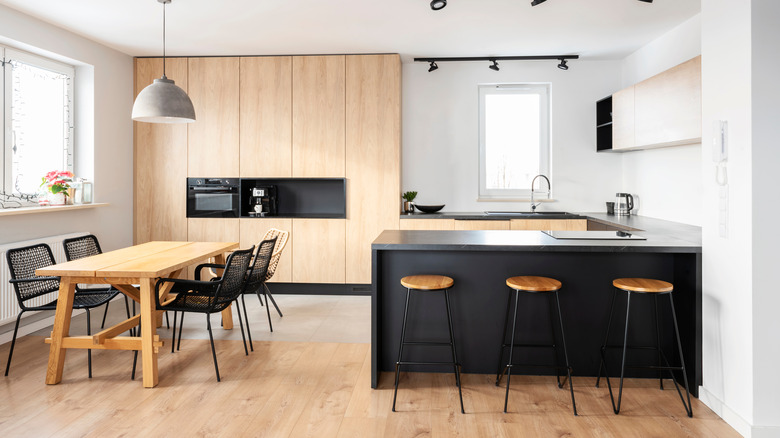
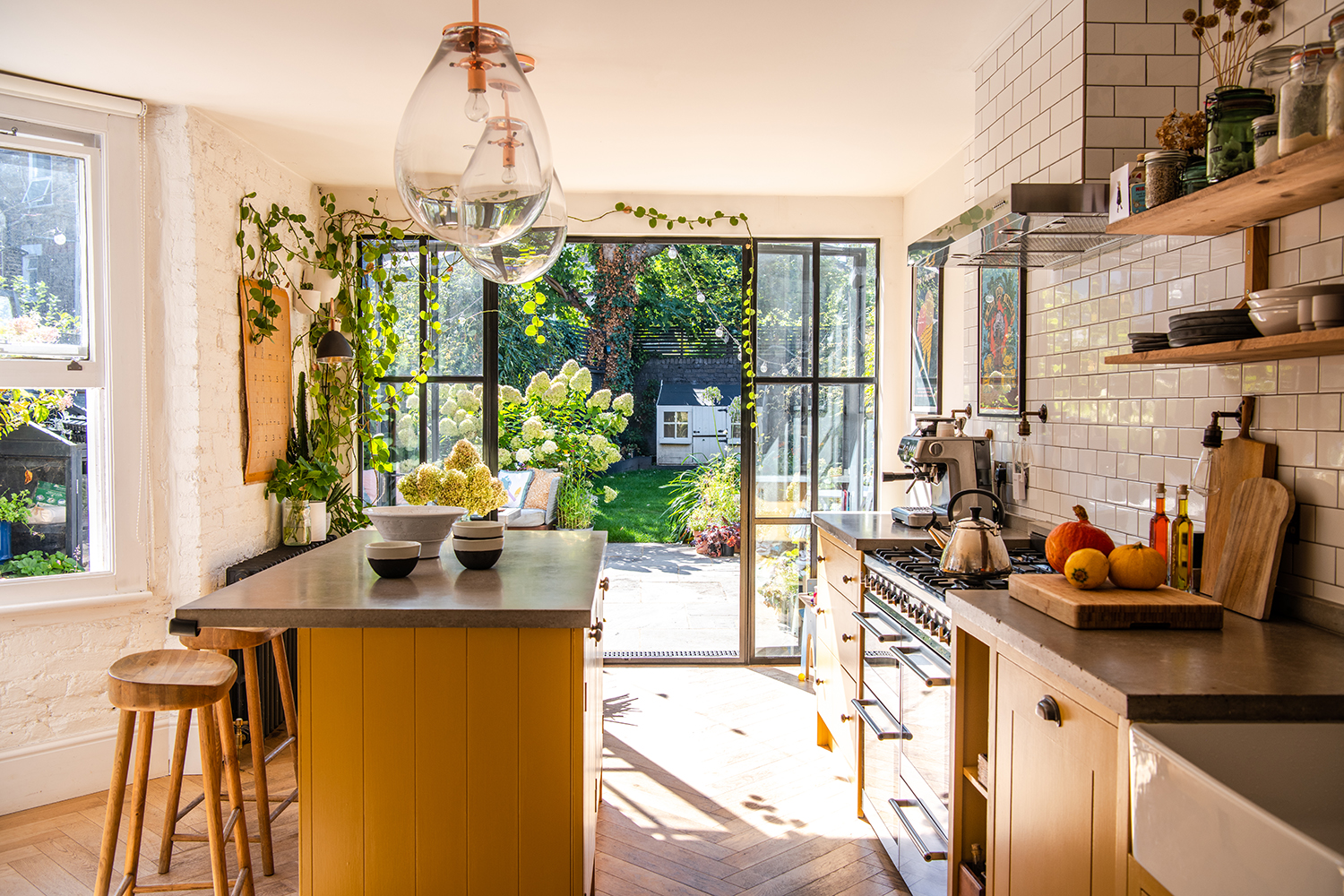
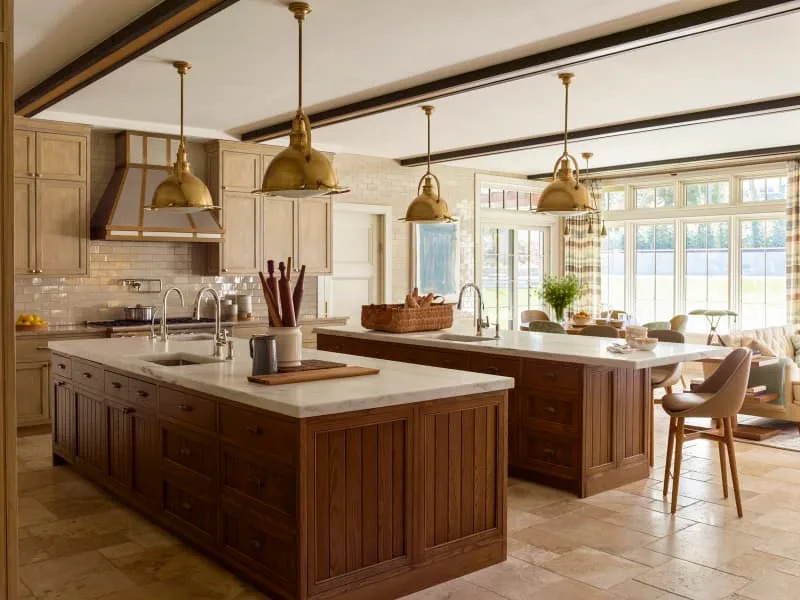
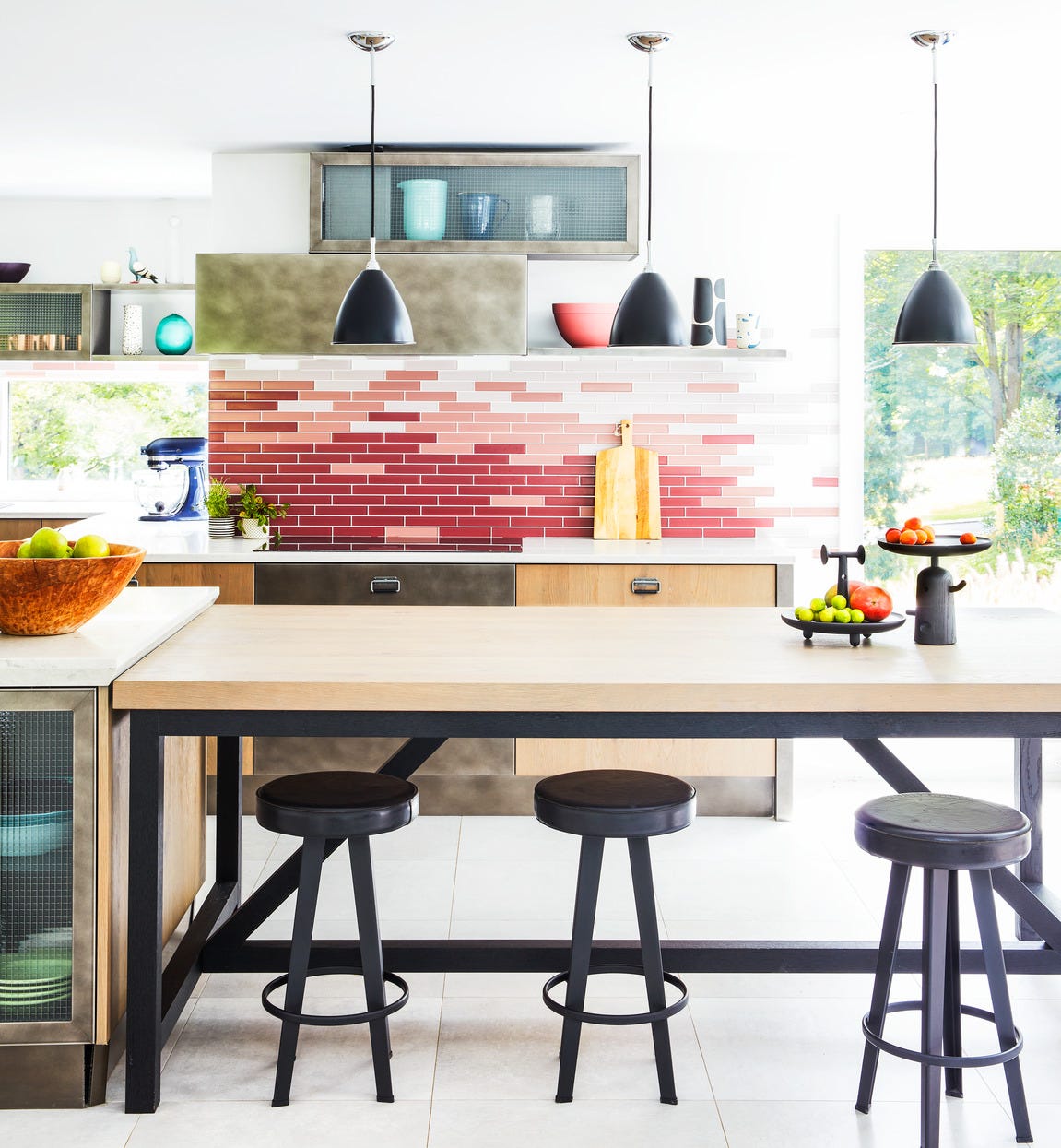
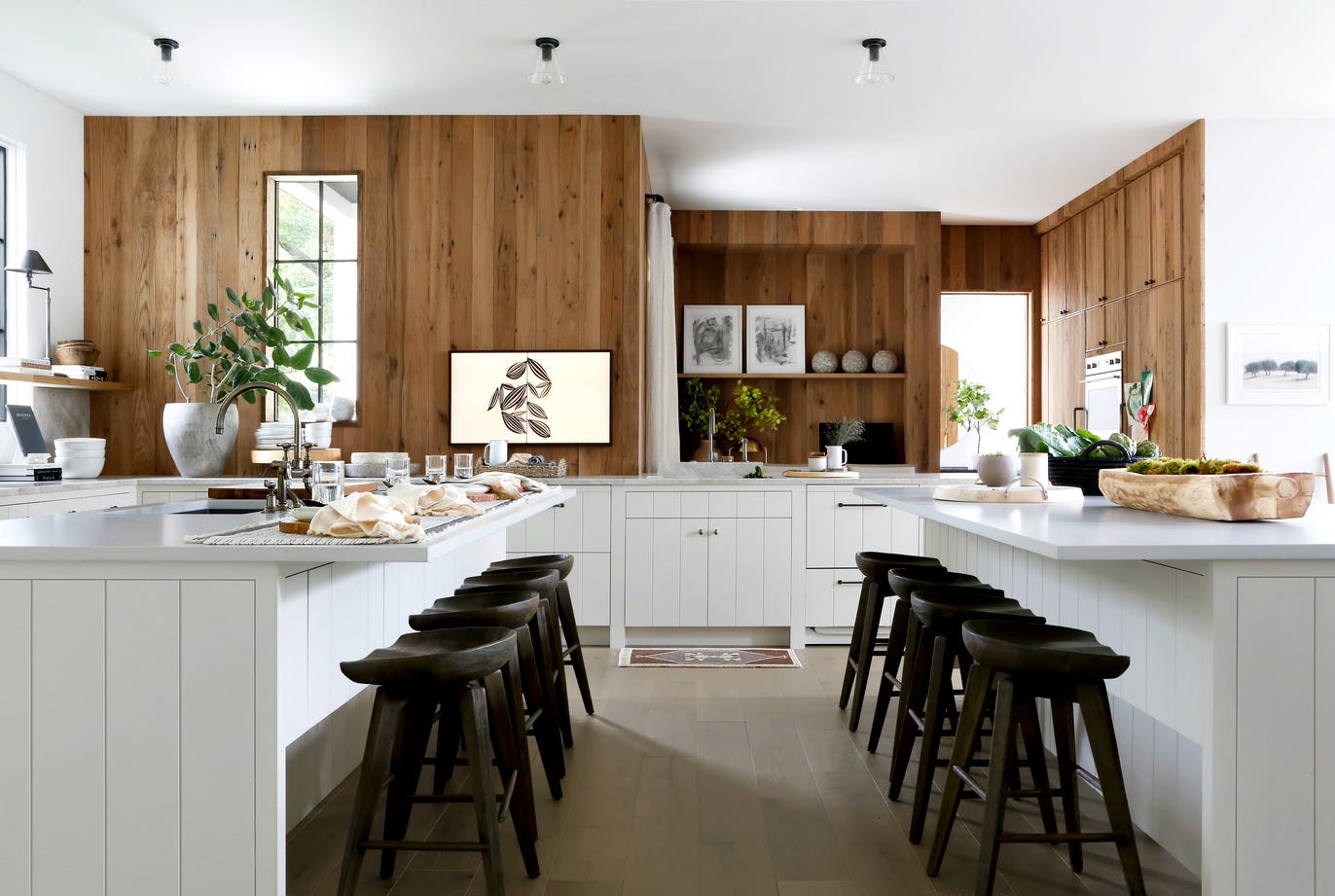
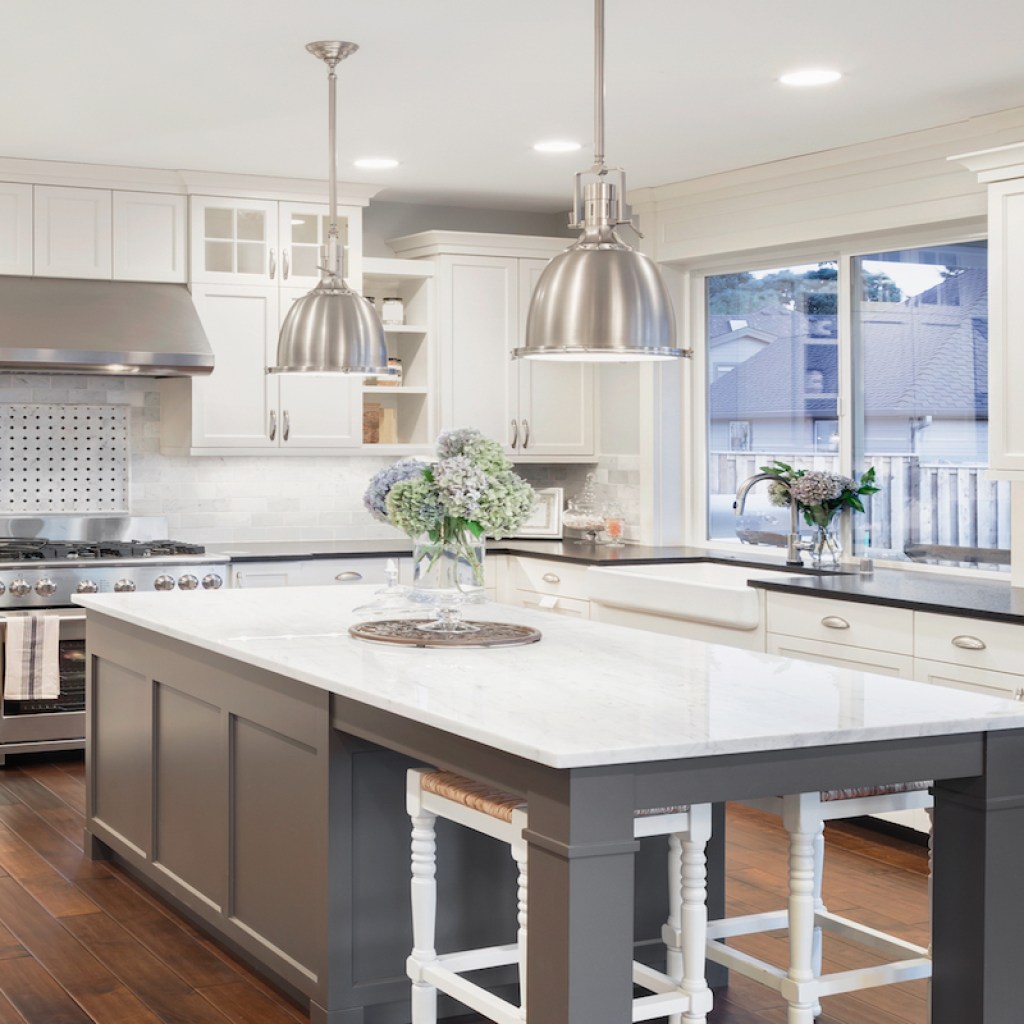
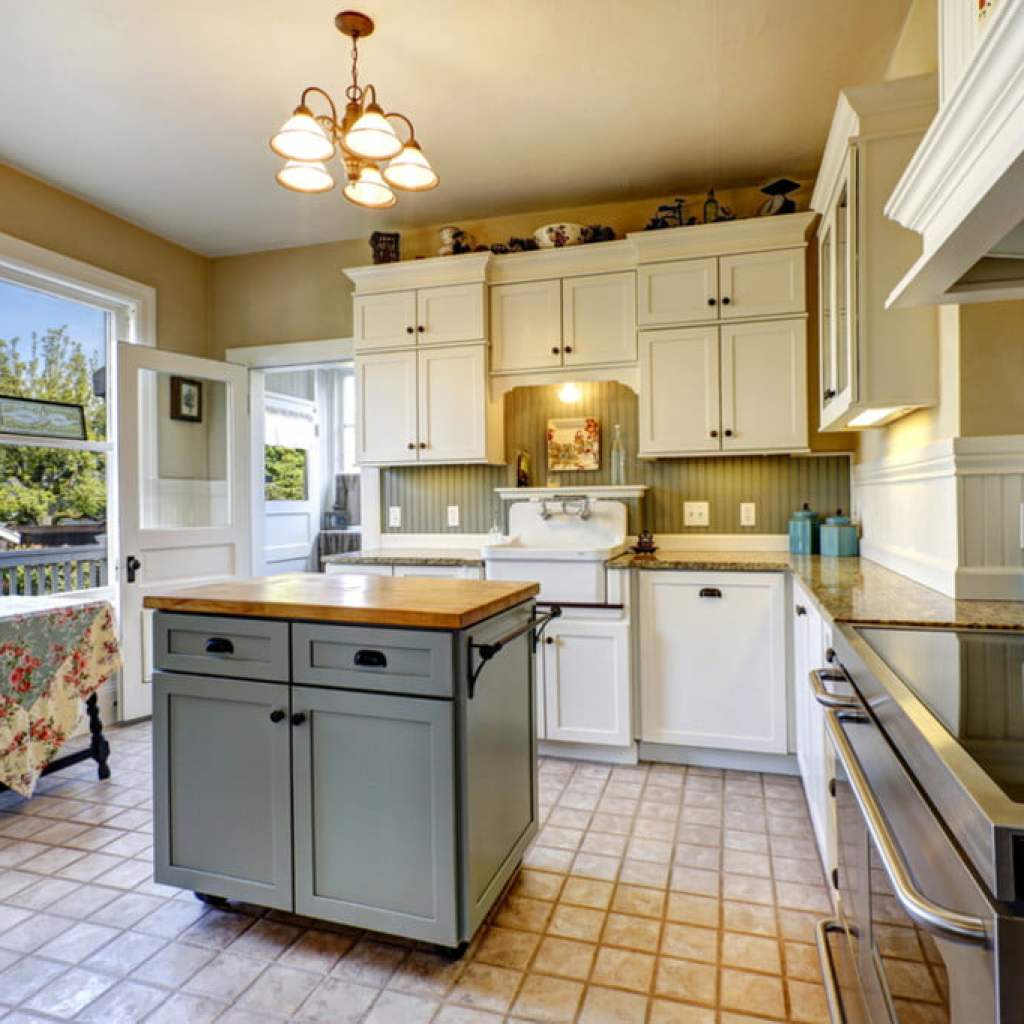
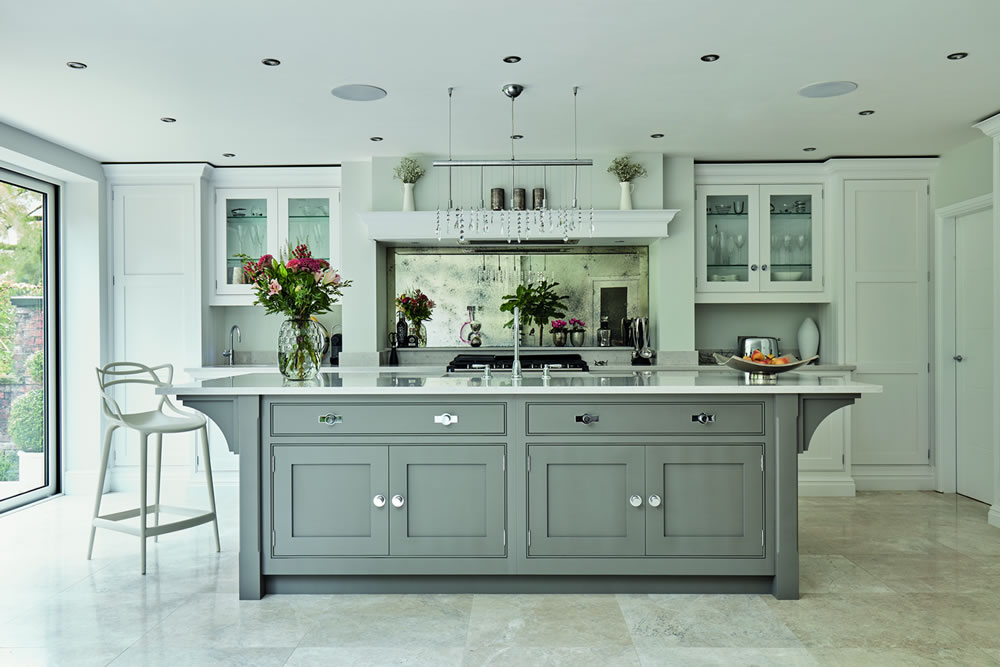
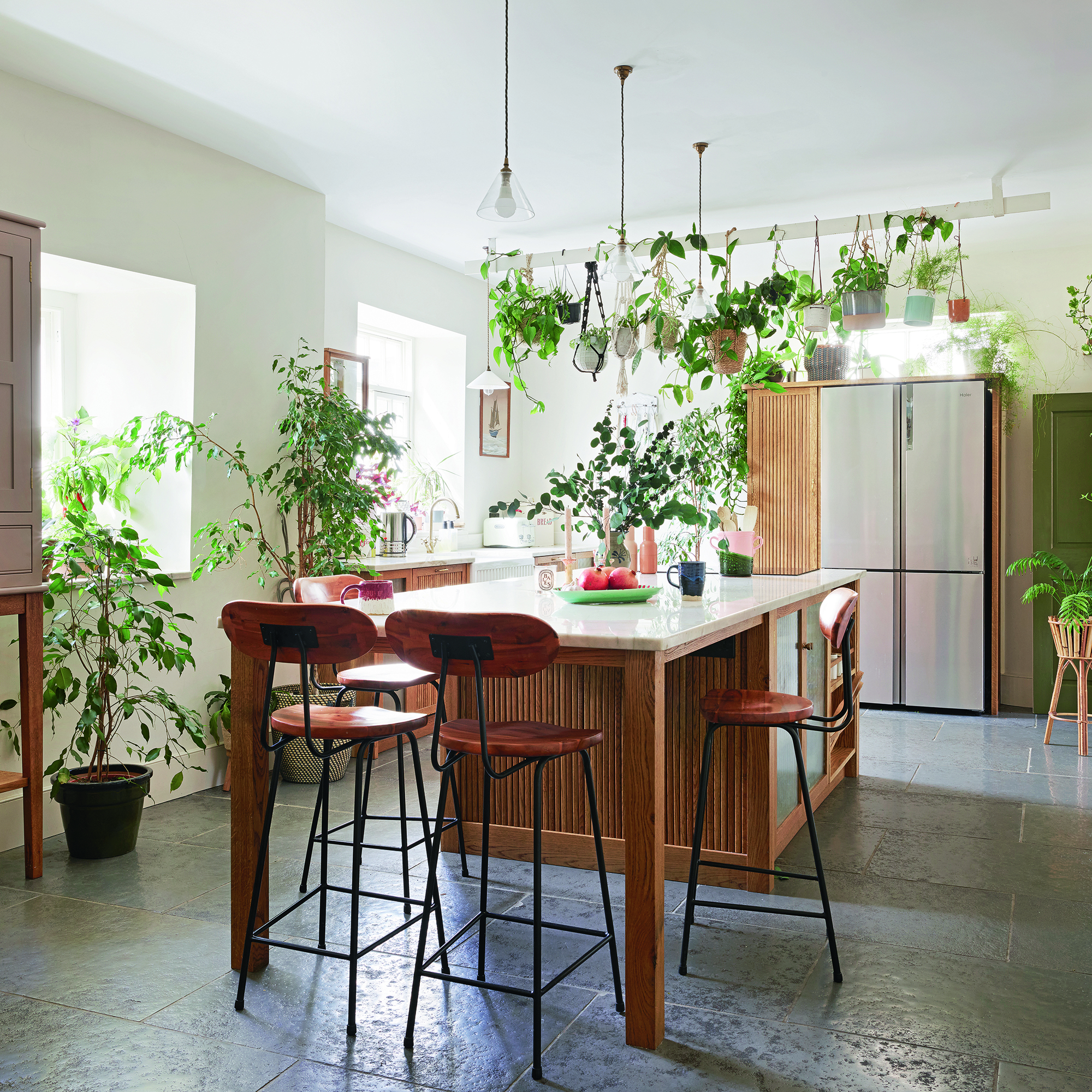
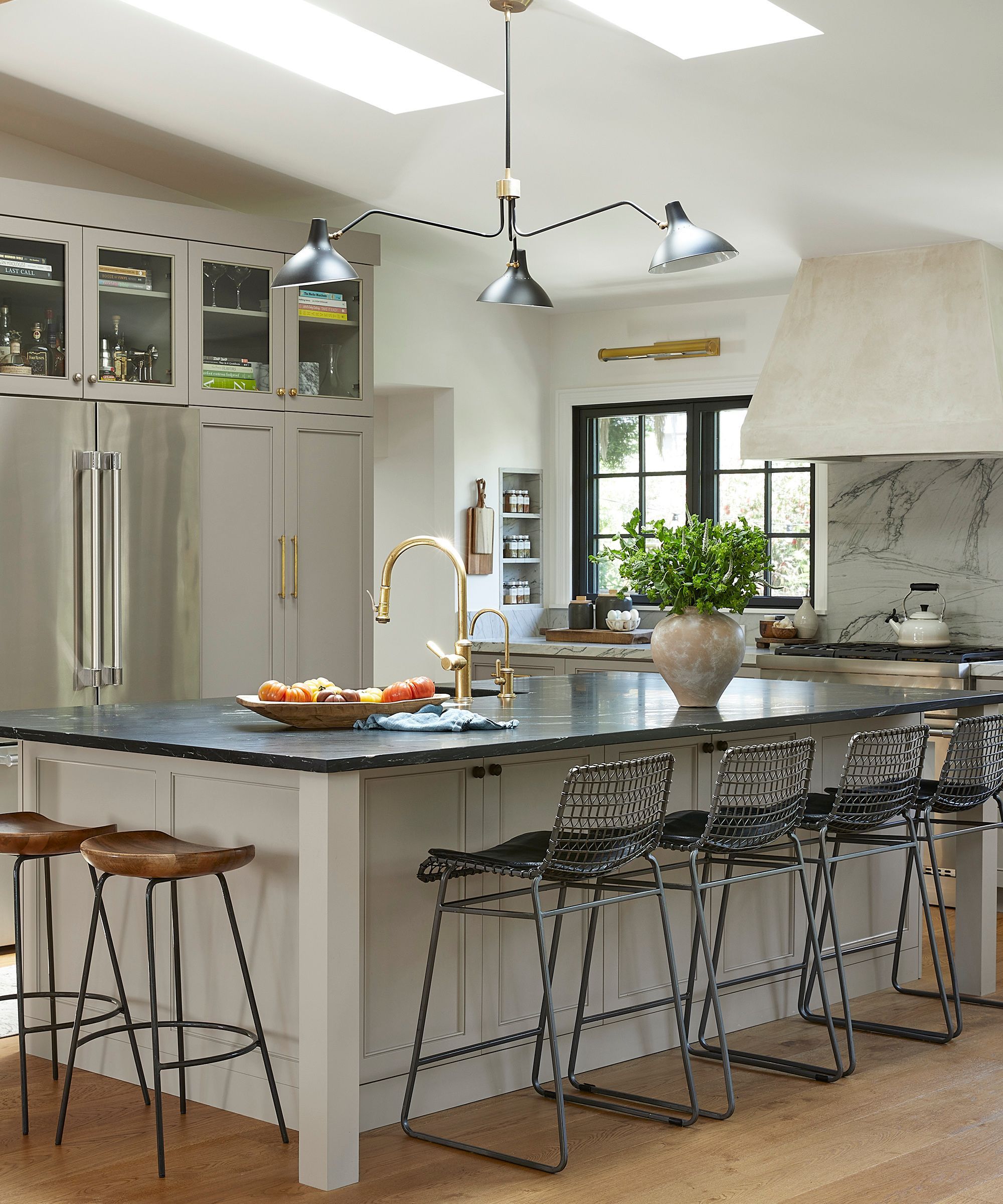
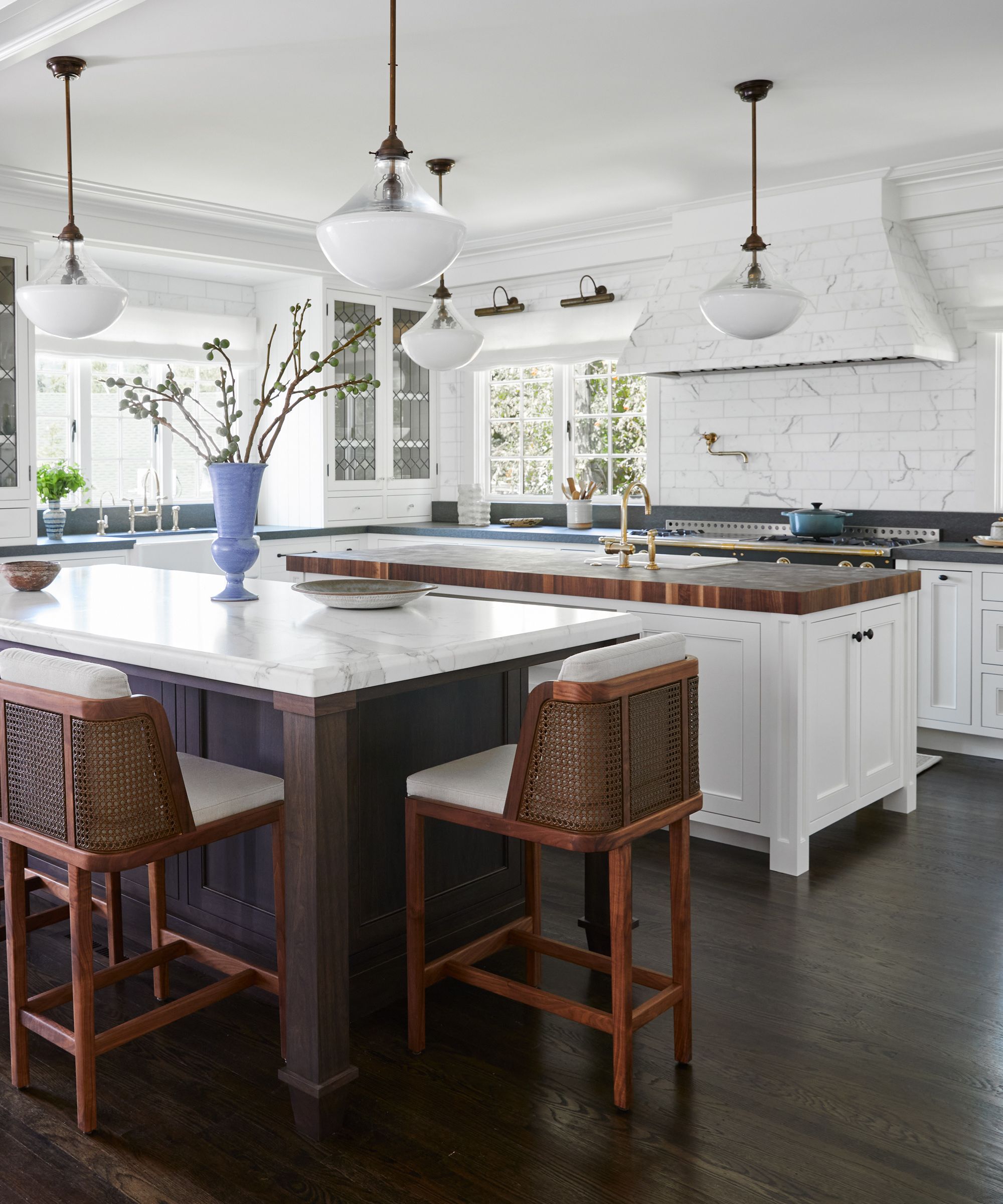
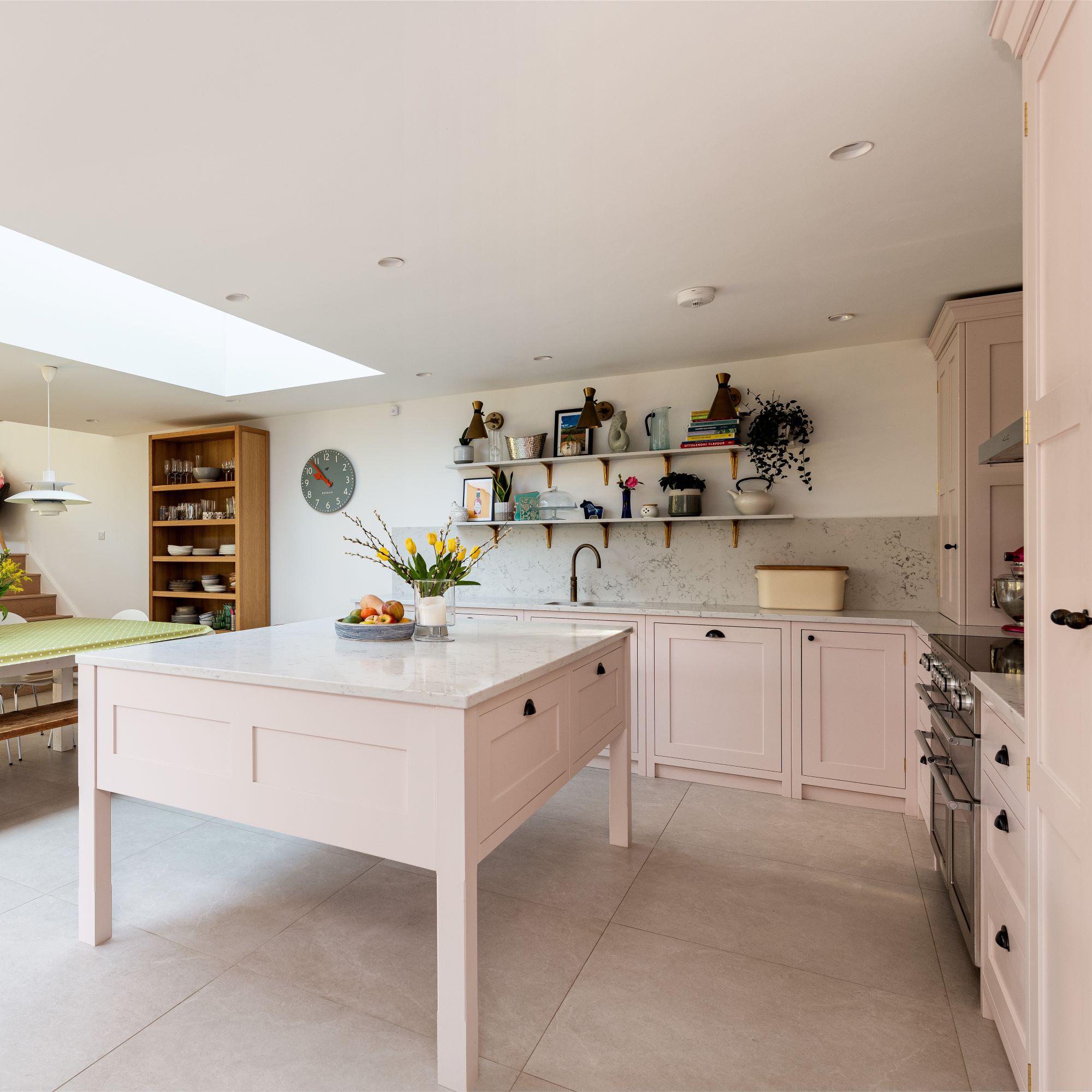
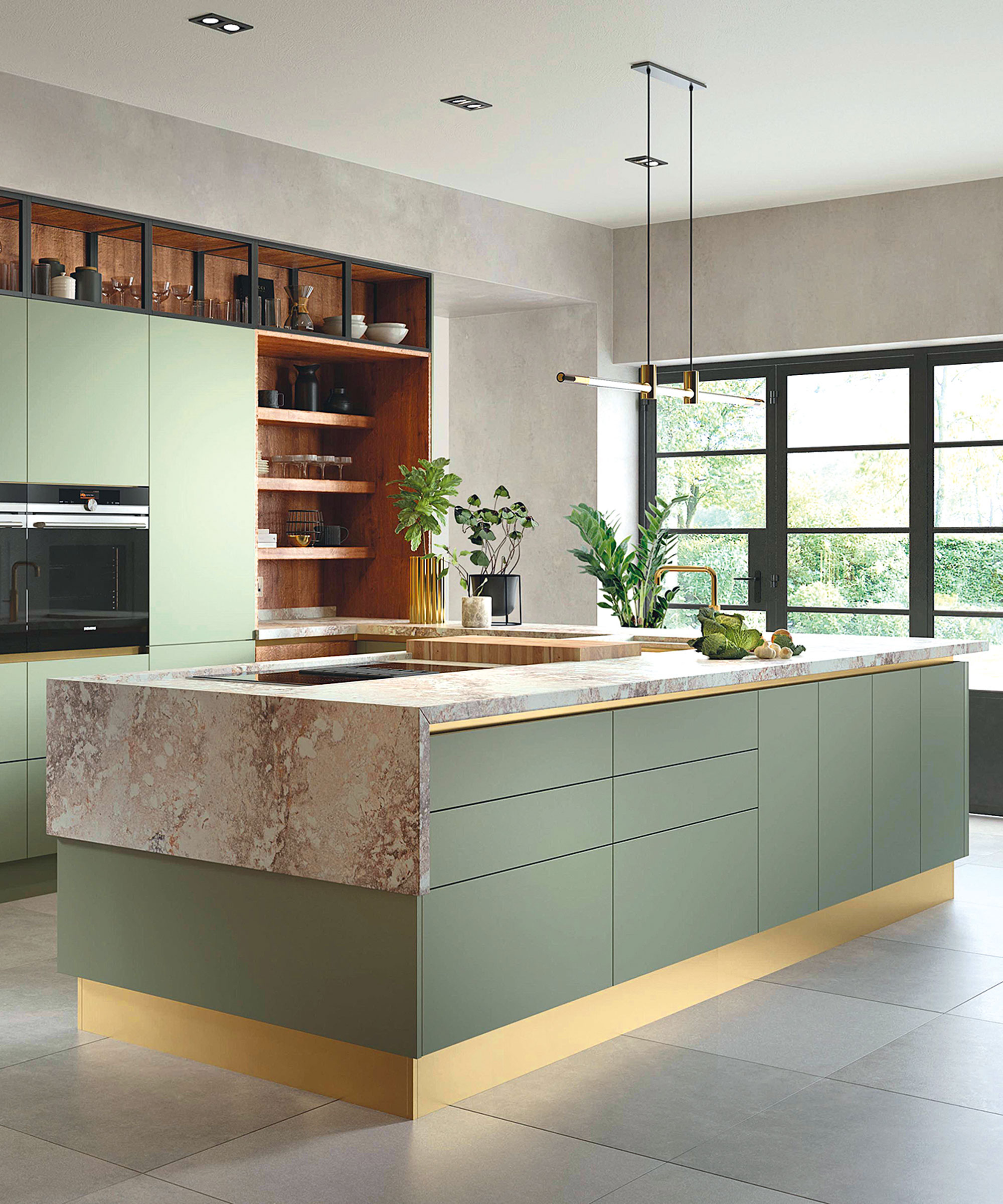
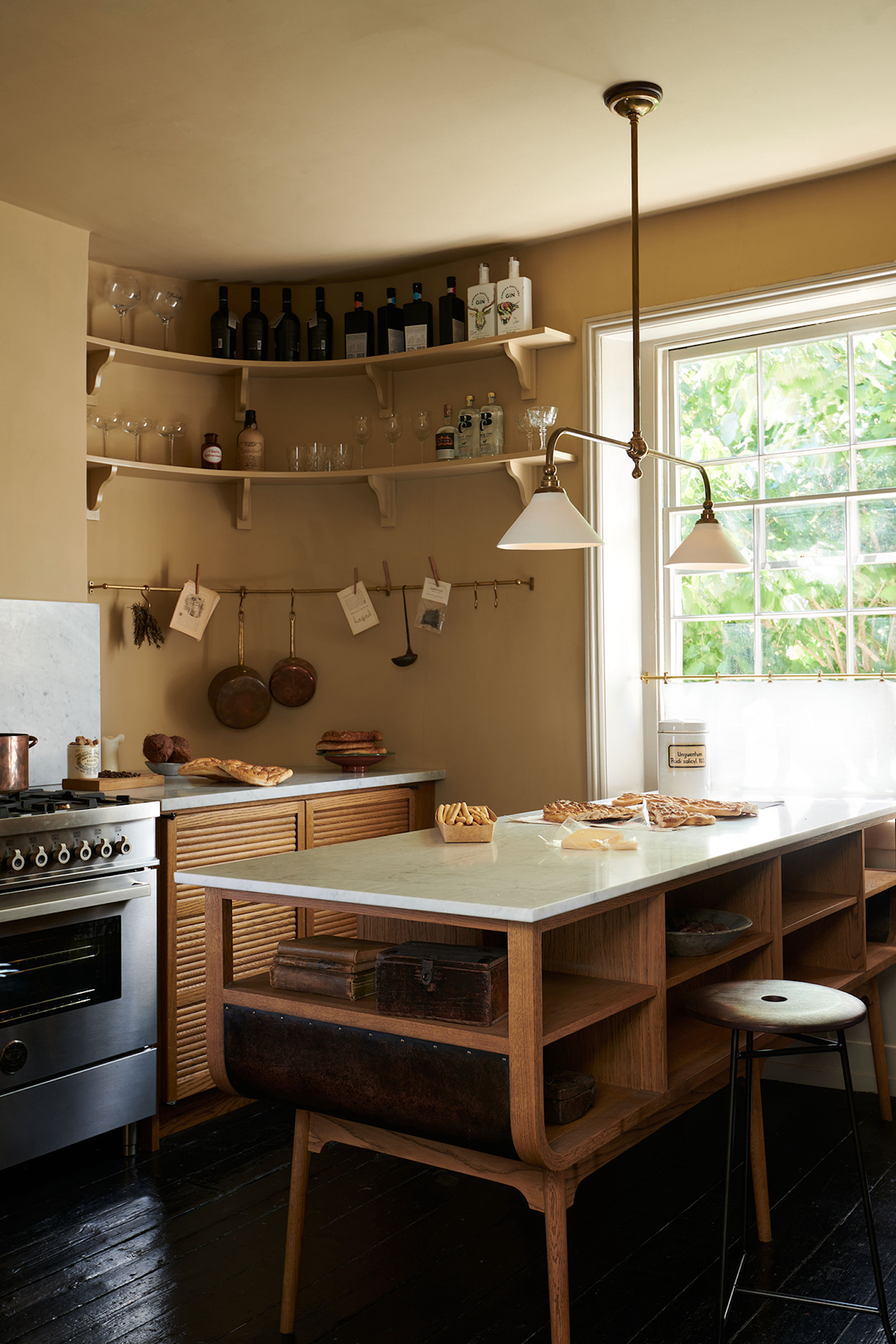
The first critical consideration for adding a kitchen island is ensuring adequate space. The article advises that a minimum of one meter, and ideally 1.2 meters, of clearance should be maintained on all sides of the island to allow for comfortable movement. This spatial assessment is paramount, as a poorly placed island can hinder flow and usability rather than improve it. The function of the island is also a key factor; whether it's intended for additional prep space, seating, storage, or housing appliances like a sink or hob, these functions will dictate the layout and any necessary electrical or plumbing work.
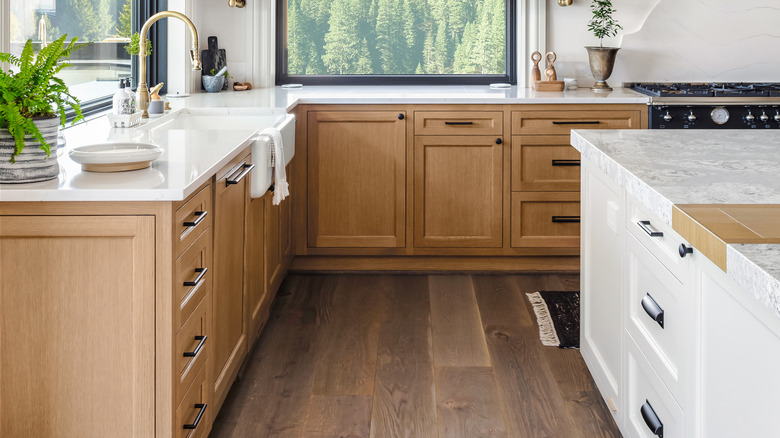
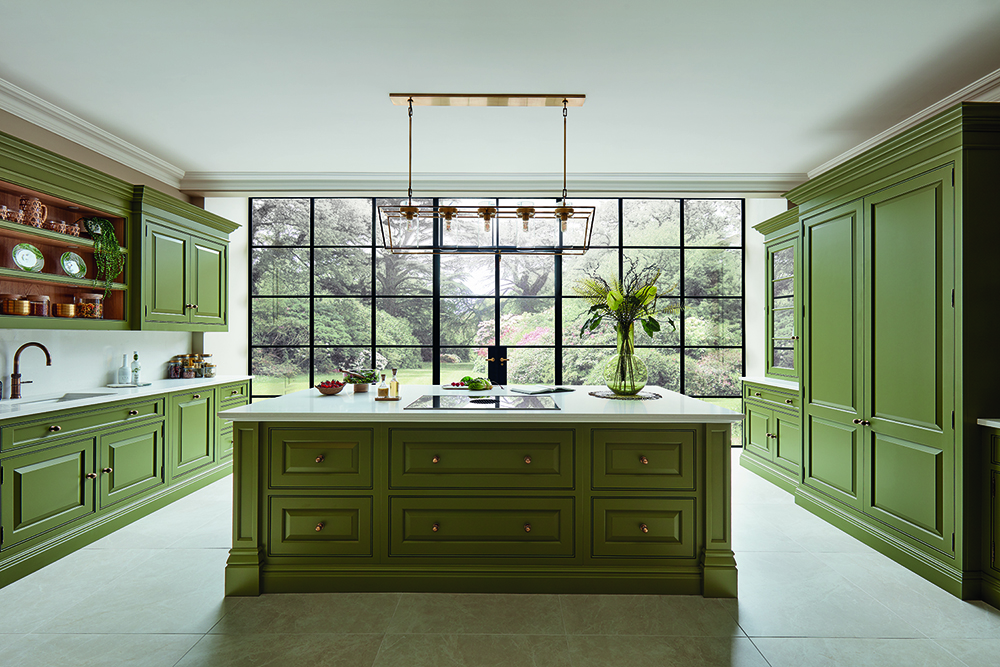
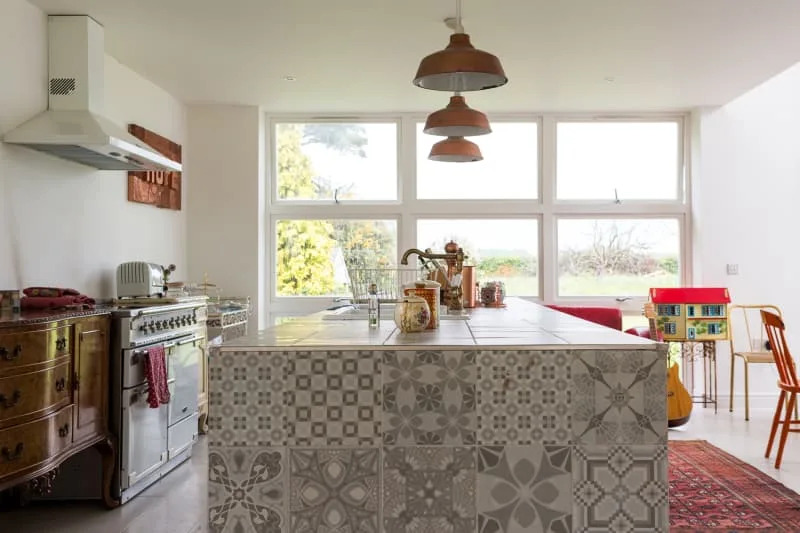
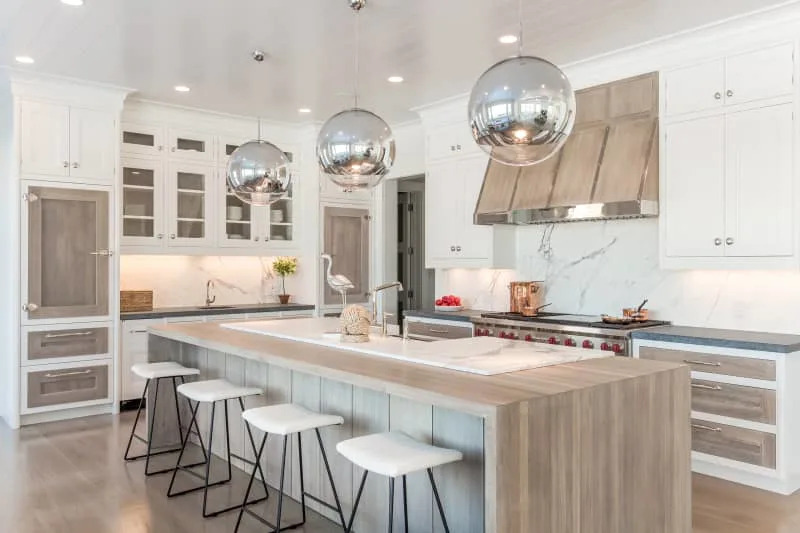
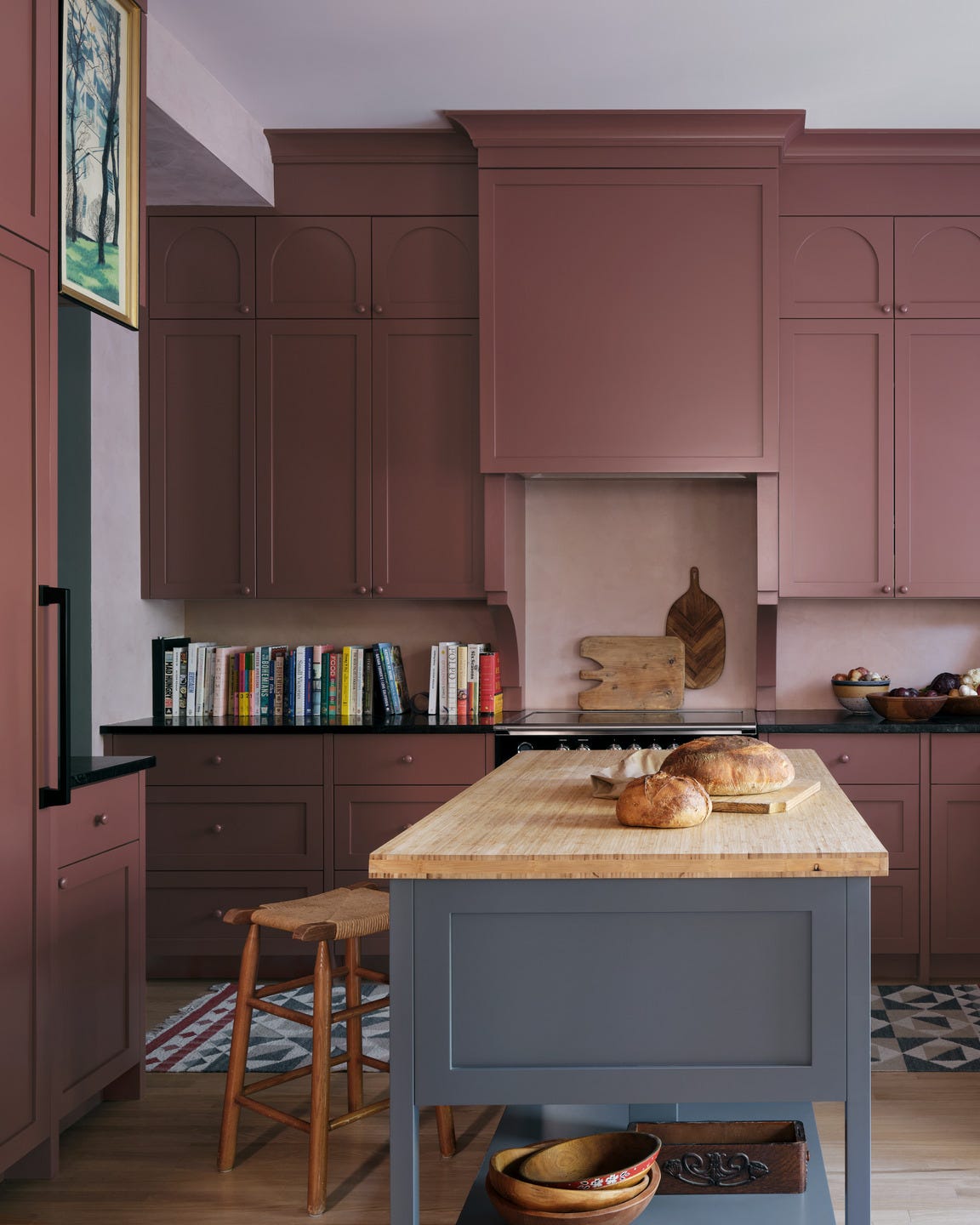
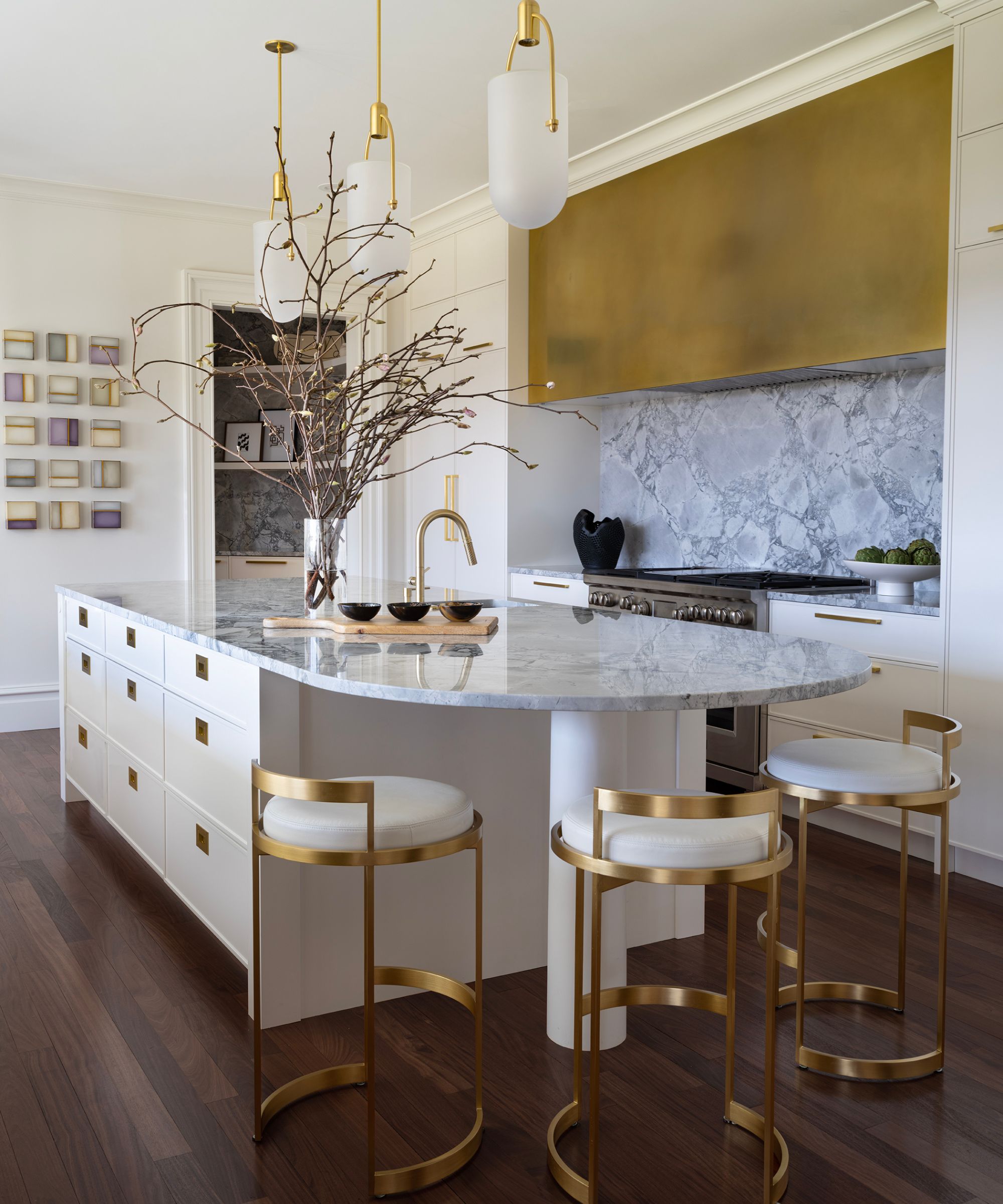
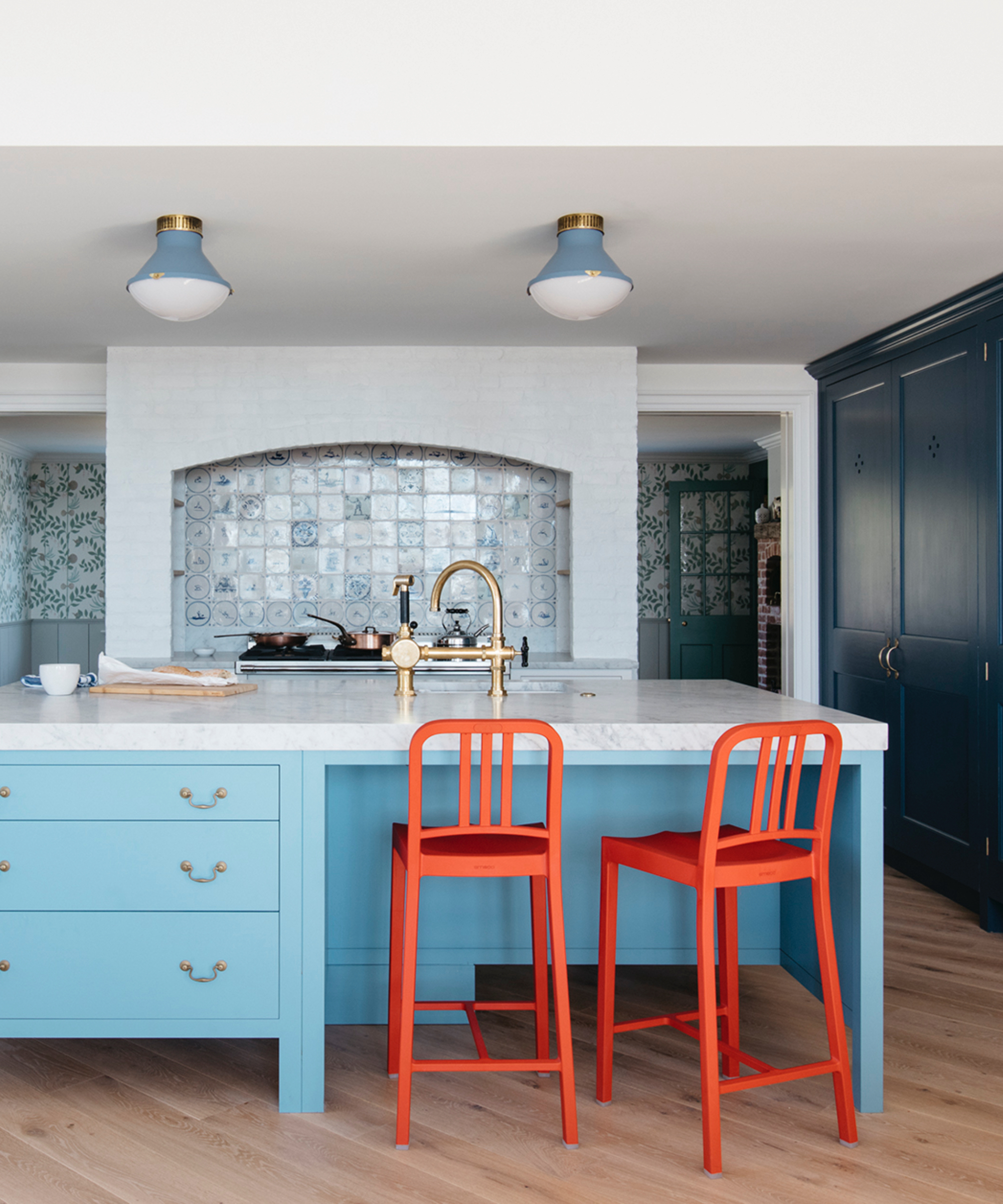
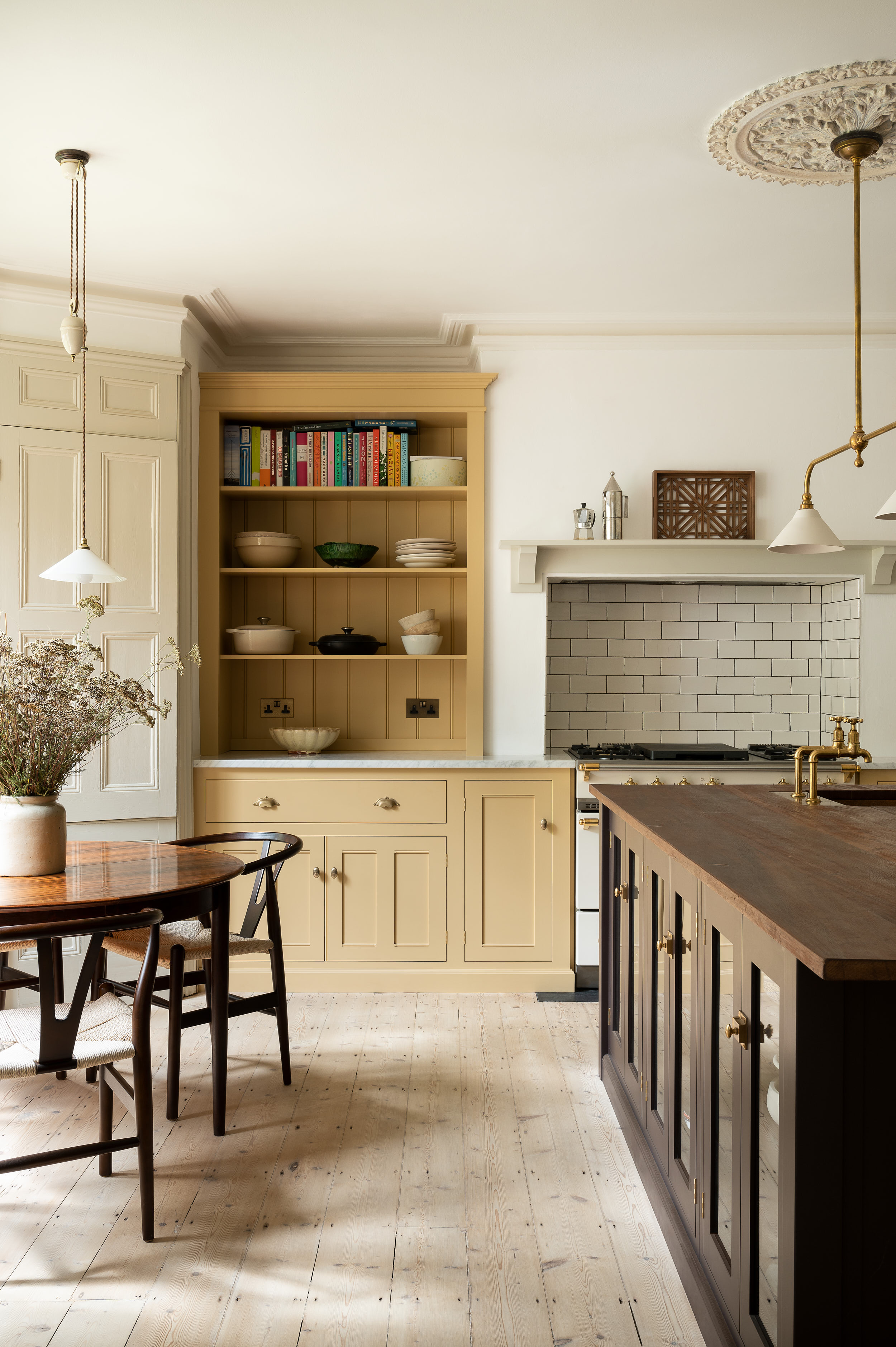
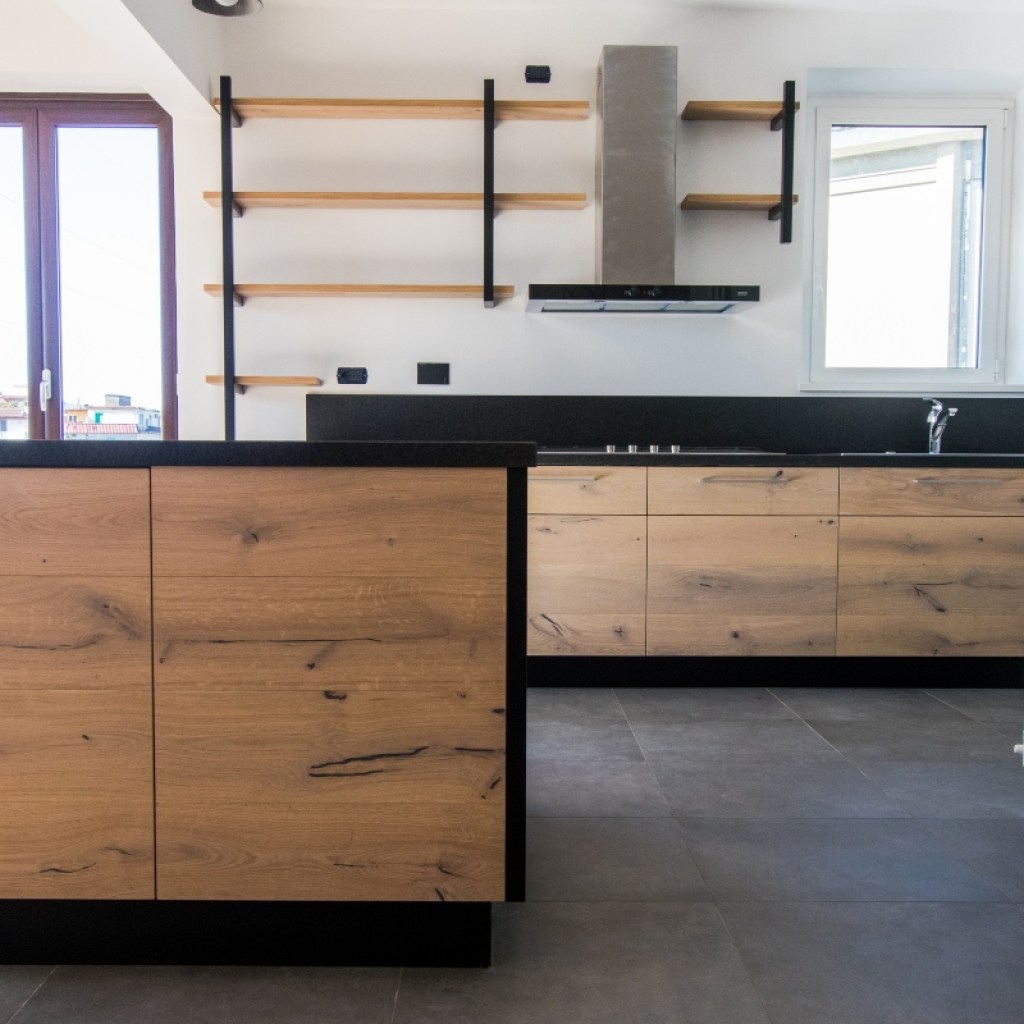
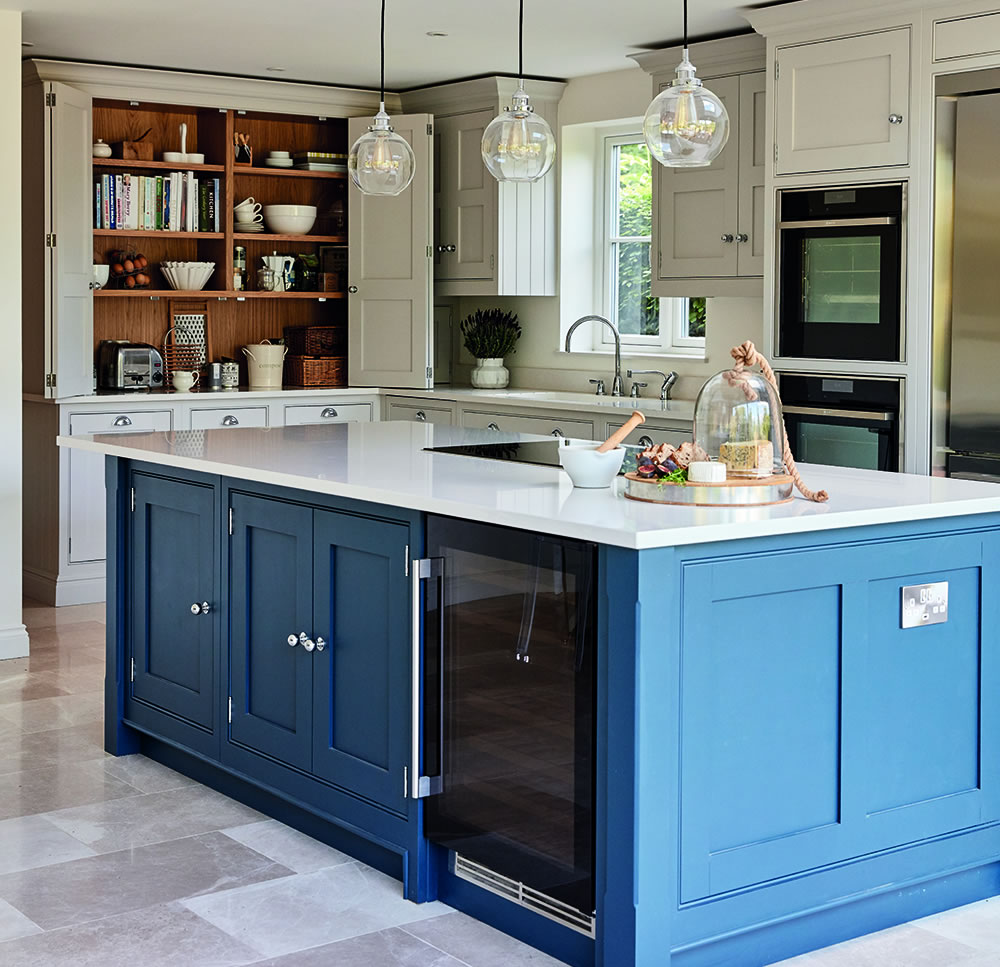
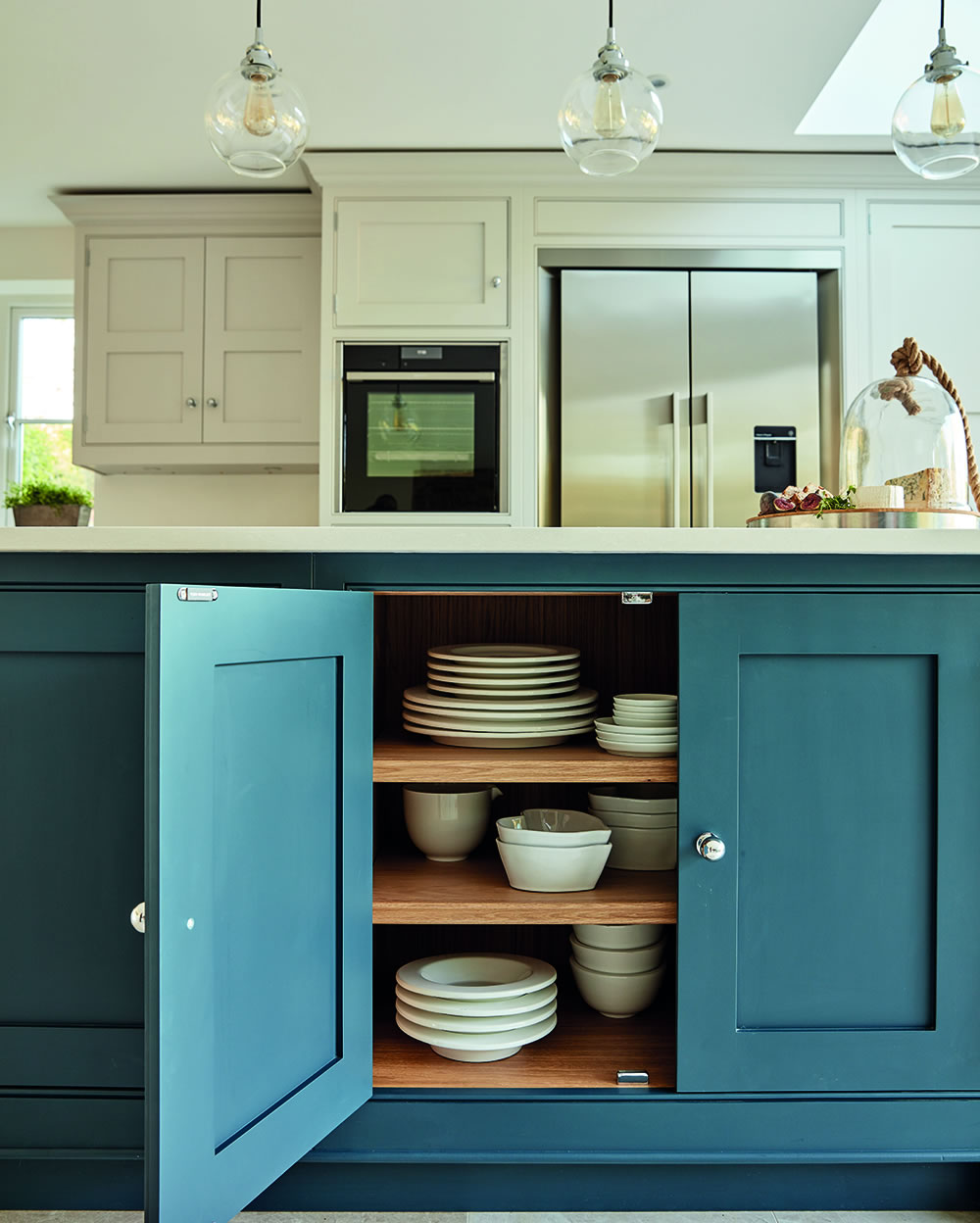
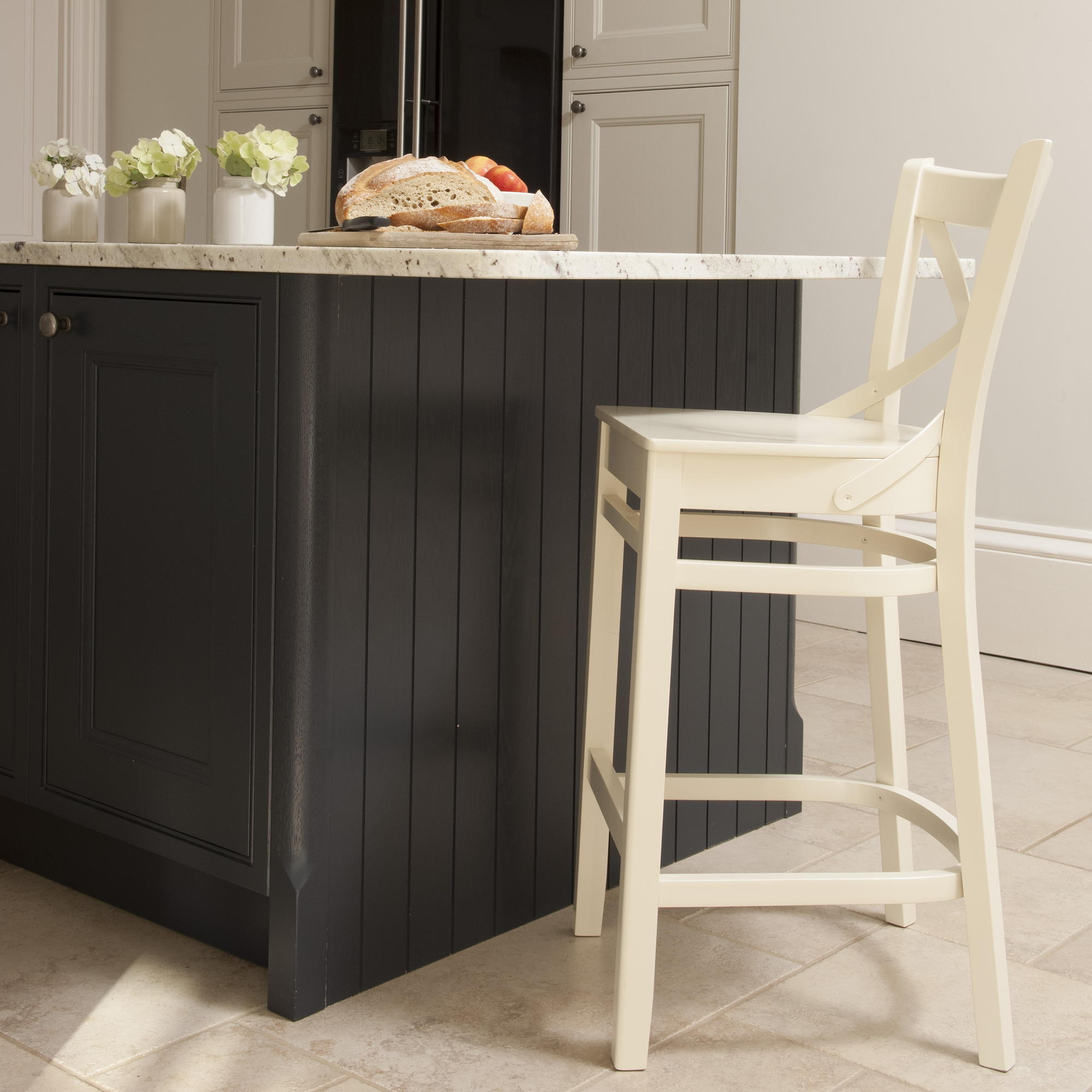
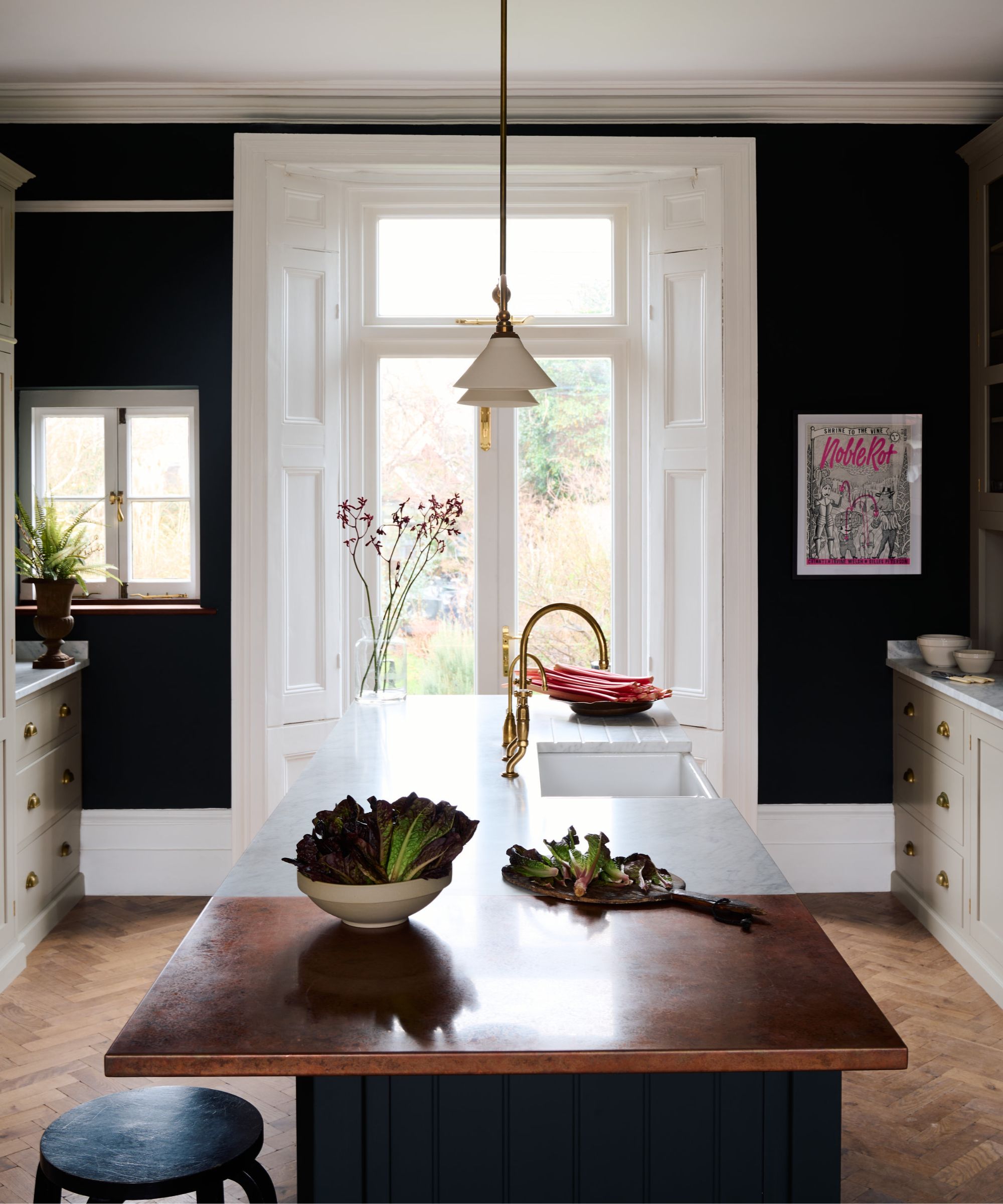
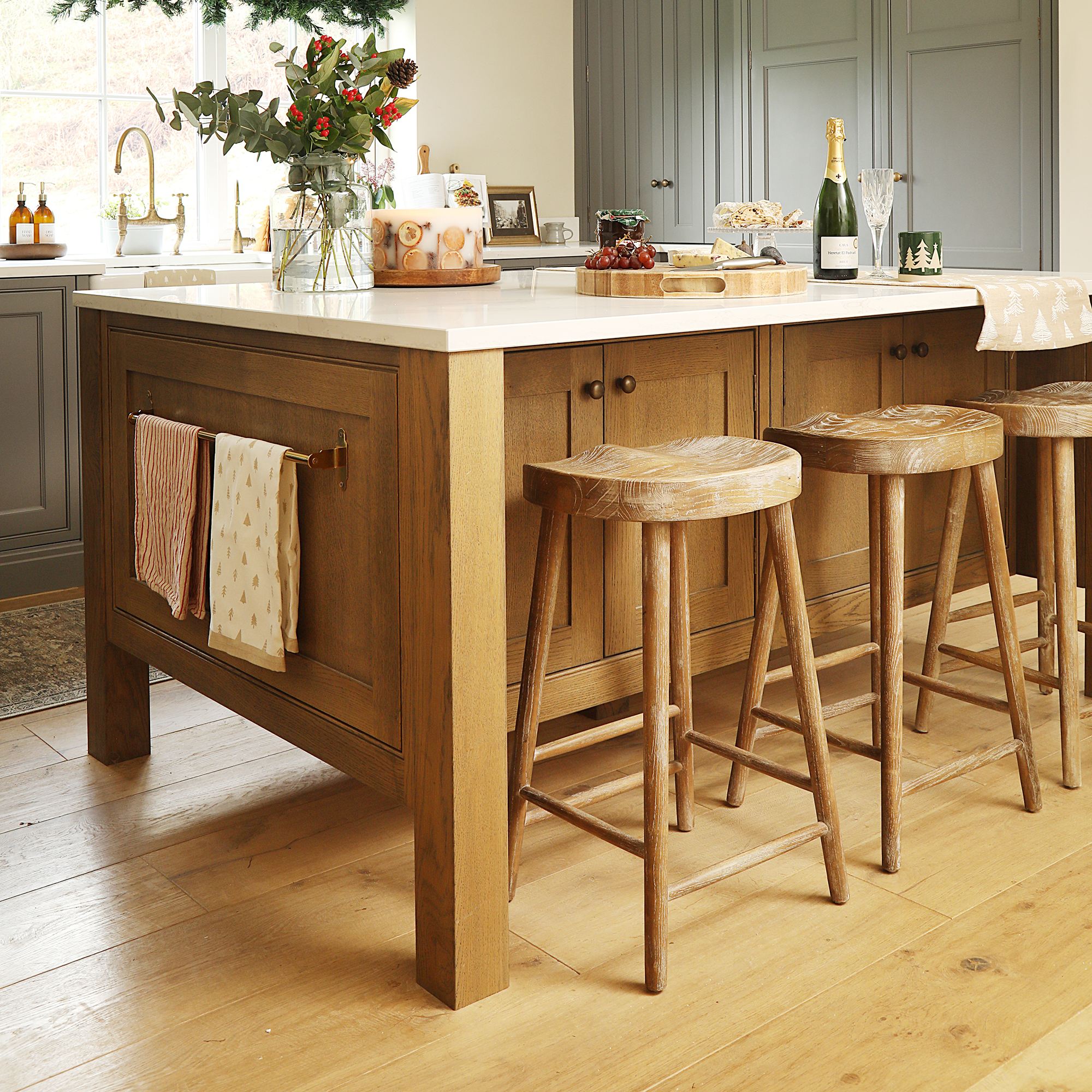
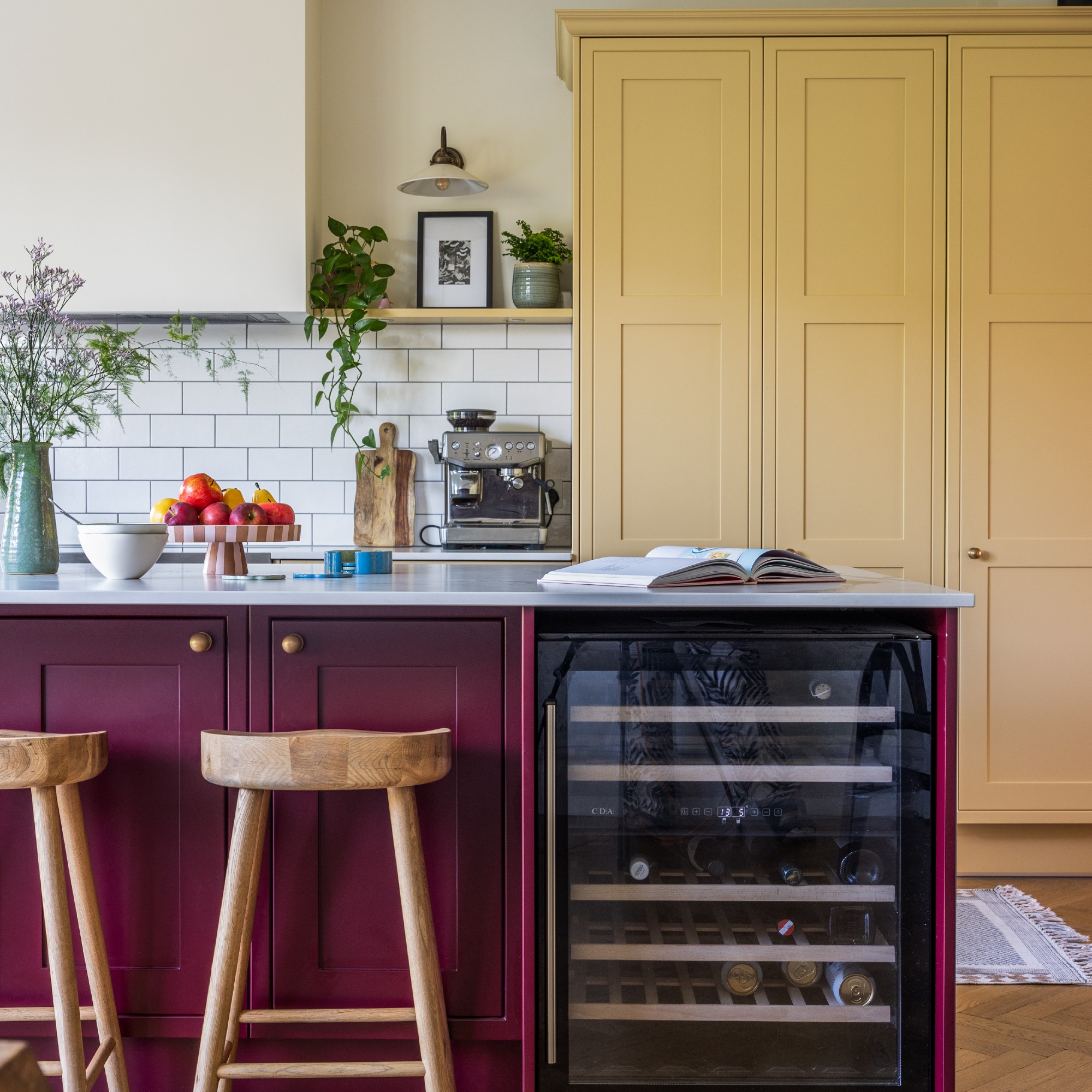
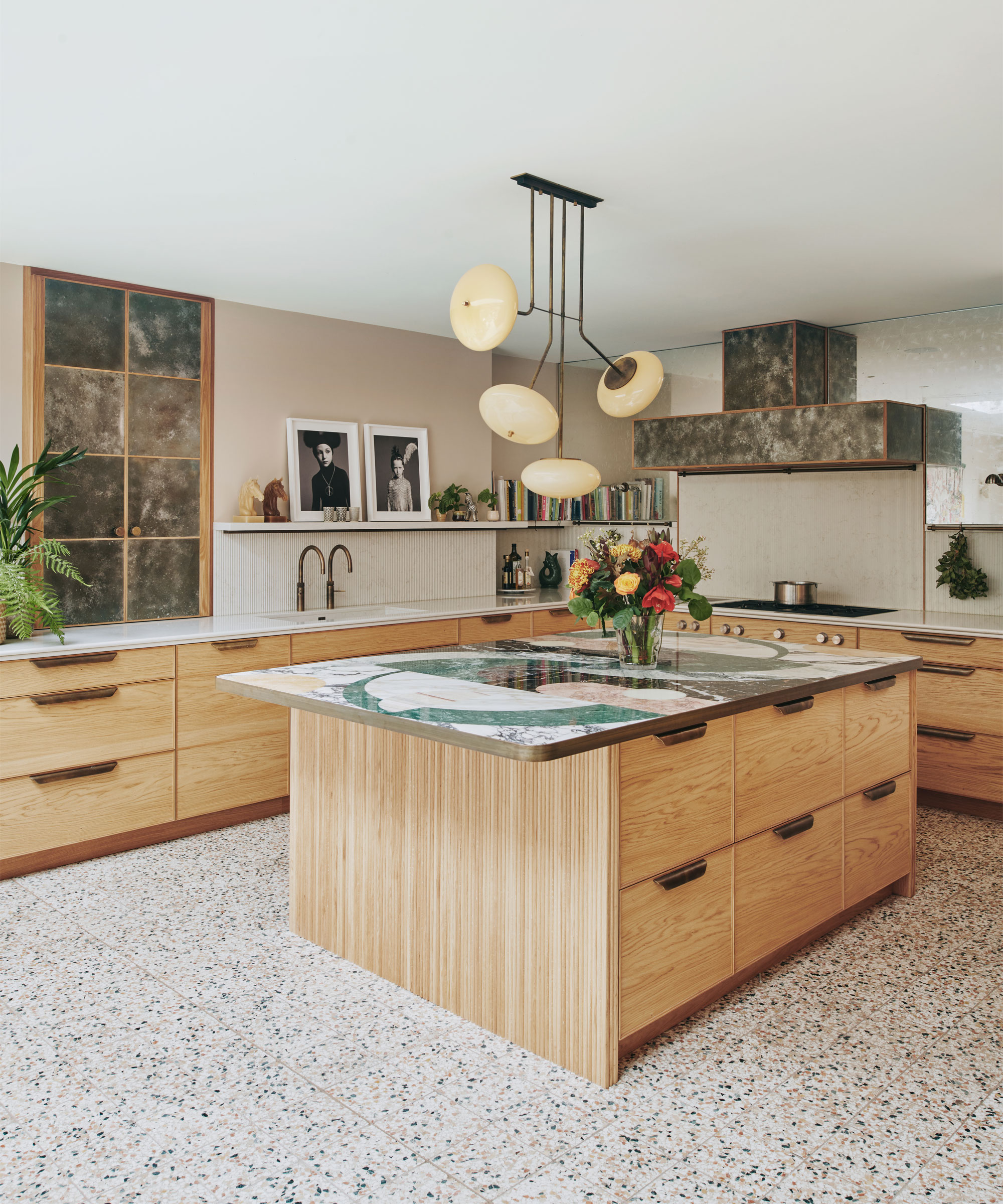
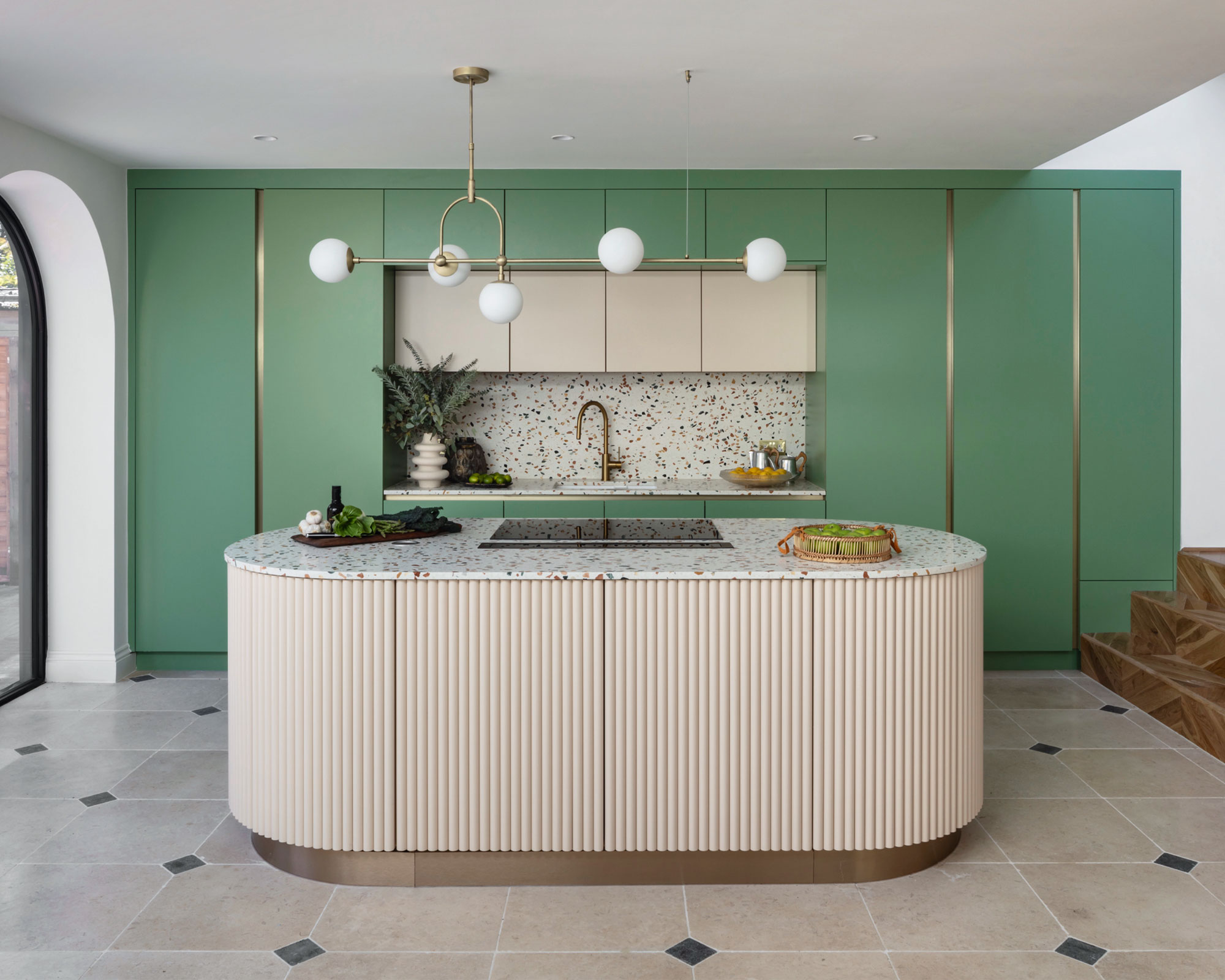
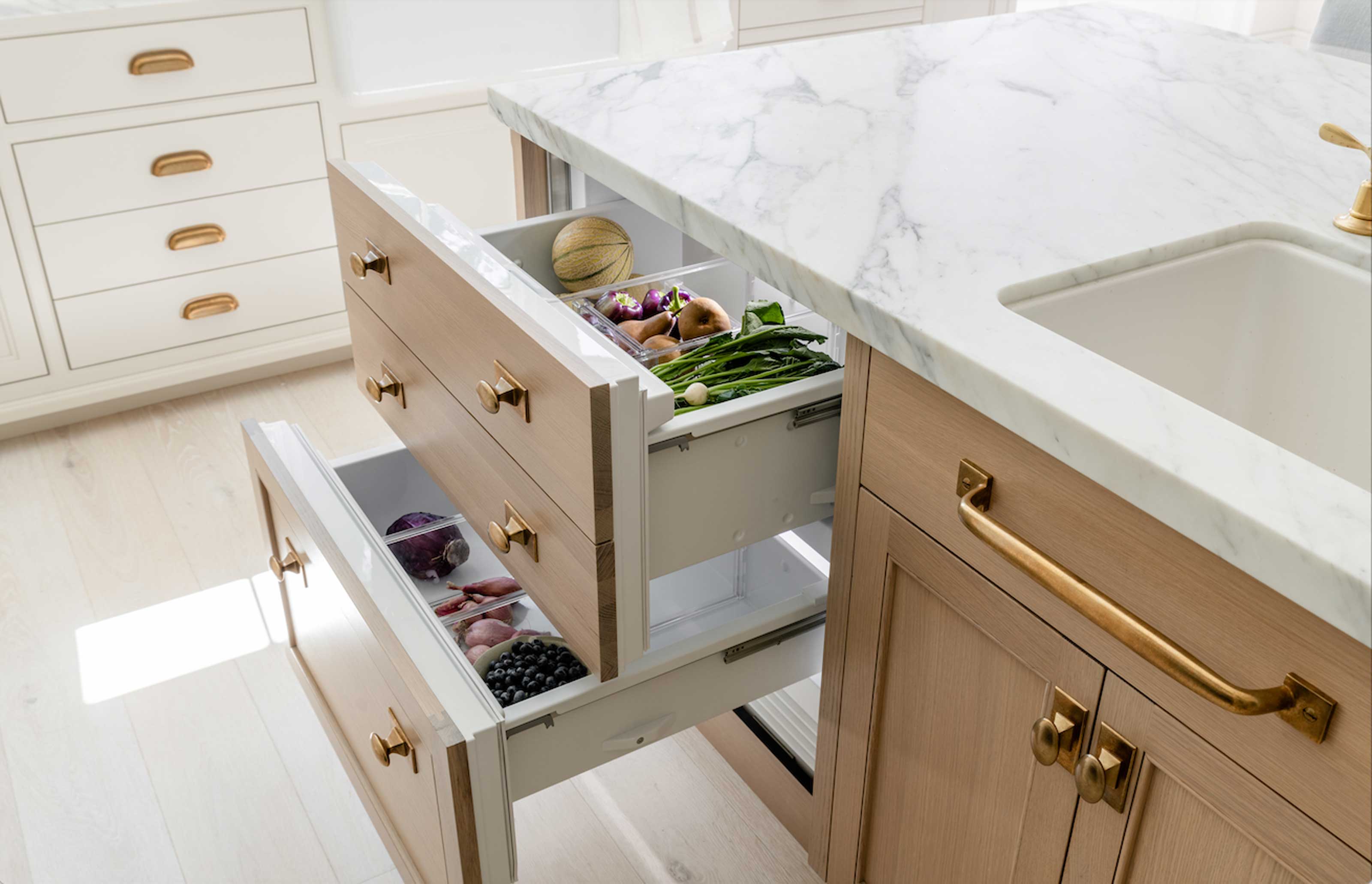
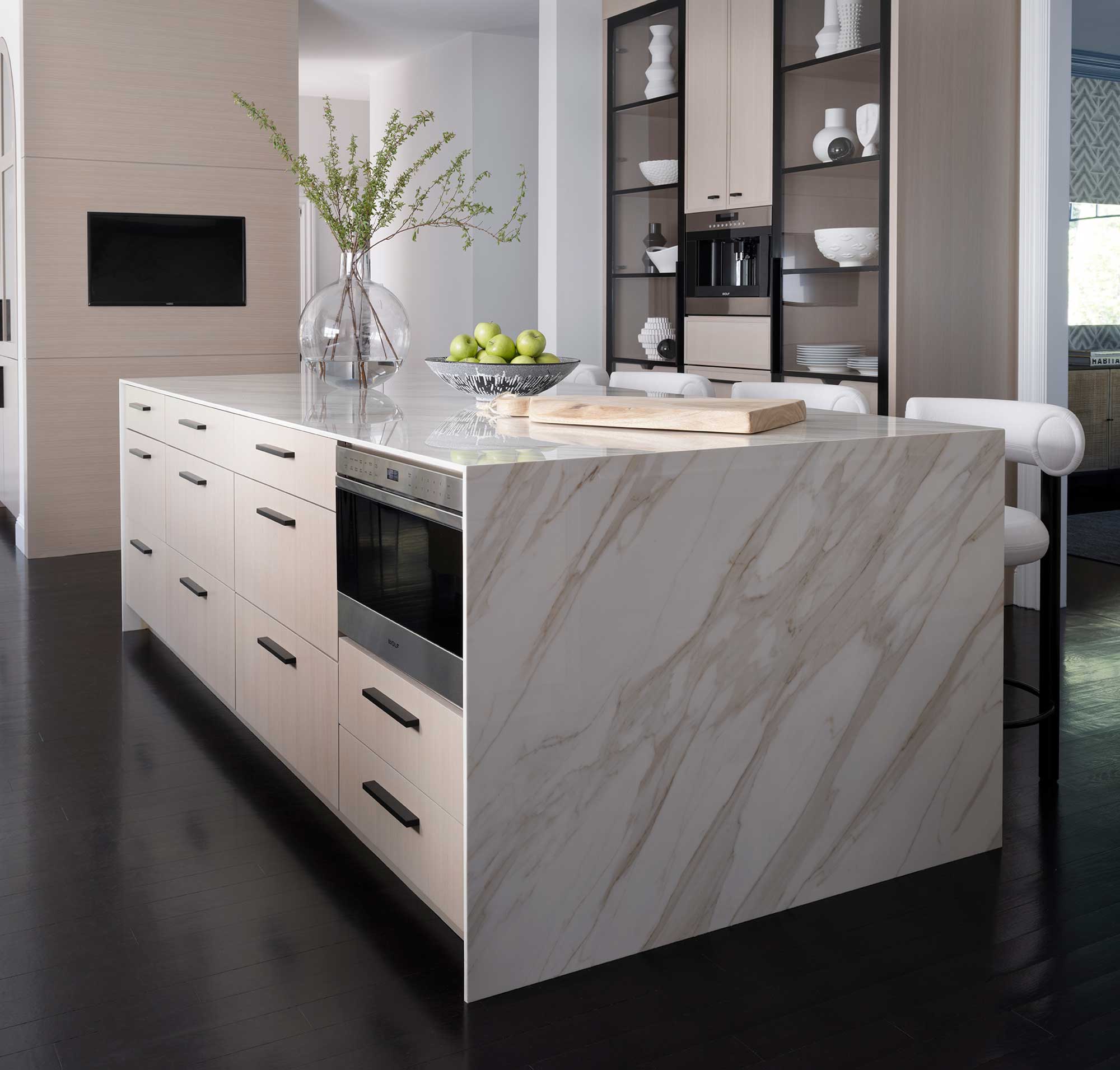
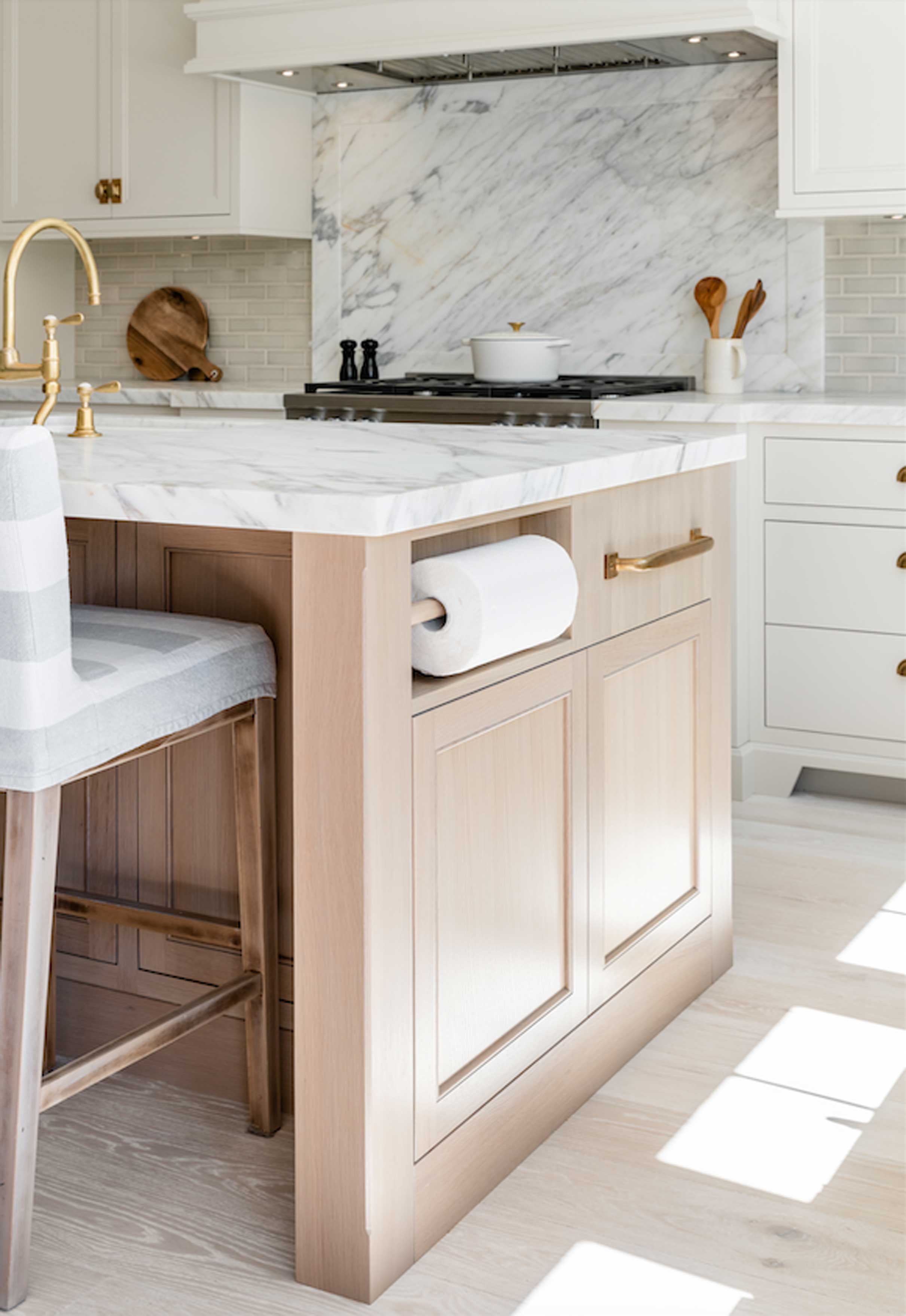
Secondly, aesthetic matching is presented as a vital aspect. Unless a deliberate contrast is desired, the new island should harmonize with the existing kitchen's design. This involves aligning materials, finishes, and proportions with the current scheme. While choosing a different color for the island can be a popular design choice, the style of doors and hardware should ideally match or complement the rest of the kitchen to achieve balance and ensure the island enhances rather than disrupts the overall aesthetic. The experts suggest that even if different handles are chosen for contrast, they should still sit in harmony with the kitchen's existing elements.
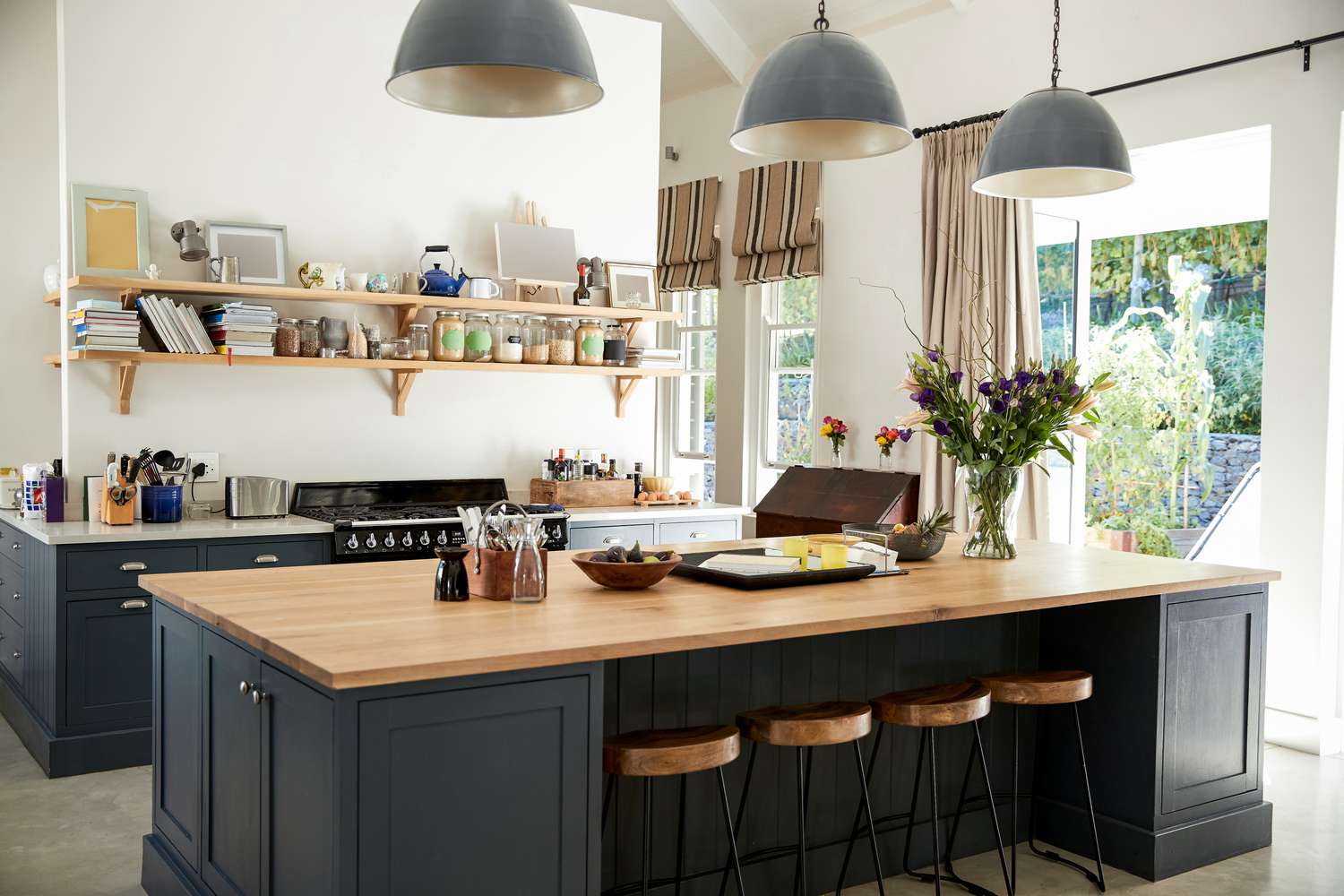
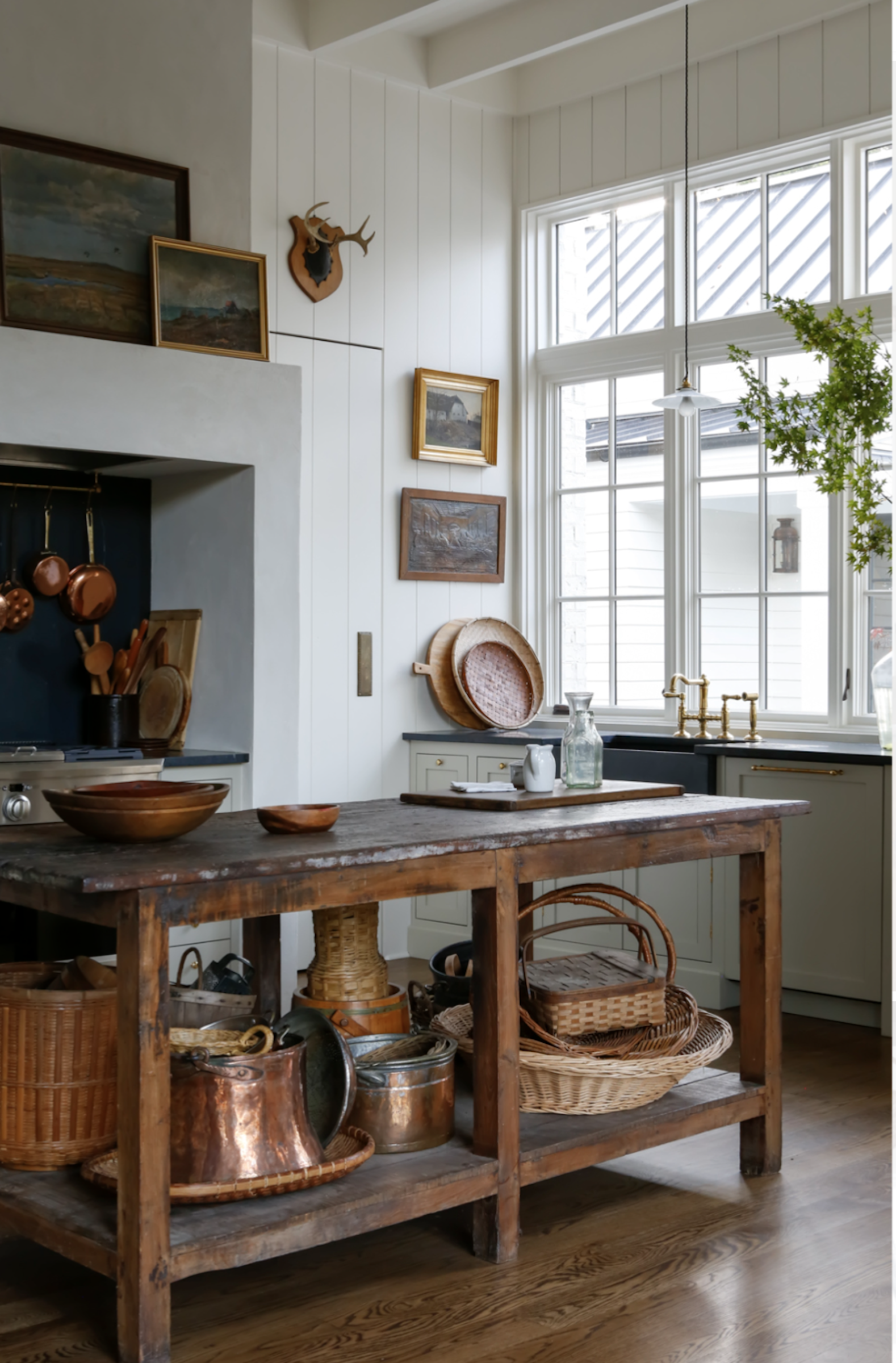
The third consideration revolves around technicalities. The article points out that beyond stylistic choices, practical elements such as uneven floors or underfloor heating need to be taken into account before installation. These technical aspects can impact the feasibility and complexity of adding a built-in island. While a freestanding kitchen island offers a simpler solution, a built-in option may require consulting plumbers and electricians to address appliance placement and other structural or utility considerations. The overarching advice is not to force an island into a space where it doesn't fit, as this would ultimately be detrimental to the kitchen's functionality and appearance. The article concludes by listing several freestanding kitchen island options, suggesting that regardless of the choice between freestanding or built-in, an island can significantly enhance a kitchen's utility.
#KitchenDesign #KitchenIsland #HomeImprovement #InteriorDesign #KitchenRenovation #SpacePlanning #HomeDecoration #DesignTips #KitchenDesign #KitchenIsland #HomeImprovement #InteriorDesign #KitchenRenovation #SpacePlanning #HomeDecoration #DesignTips
Toplam 0 yorum
 Henüz yorum yok
Bu da beğenebilirsiniz

5 things to consider when adding a kitchen island, according to interior designer Emily Henderson

How to Add More Seating to Your Kitchen Island

Kitchen island ideas on a budget – clever ways to add in this must-have feature
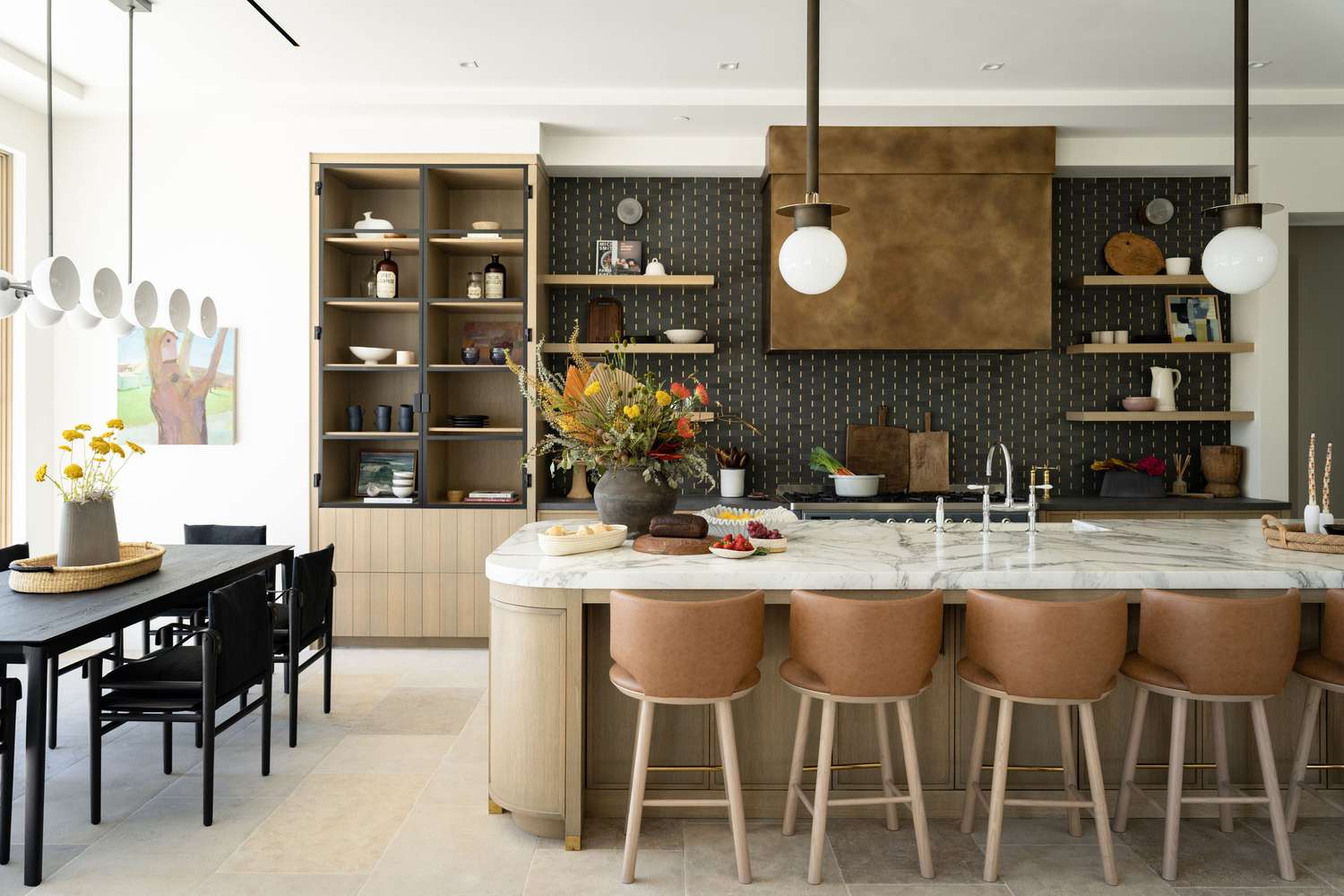
We Asked Designers If Kitchen Islands Are Still Worth It, and Their Answer Surprised Us

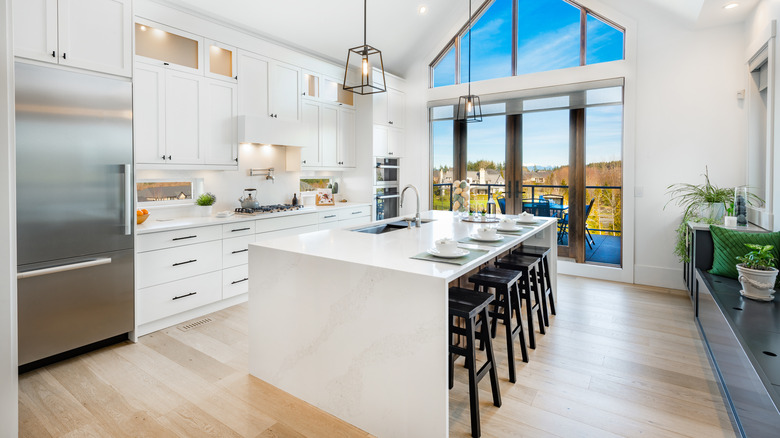
5 Mistakes You Should Avoid When Adding An Island To Your Kitchen
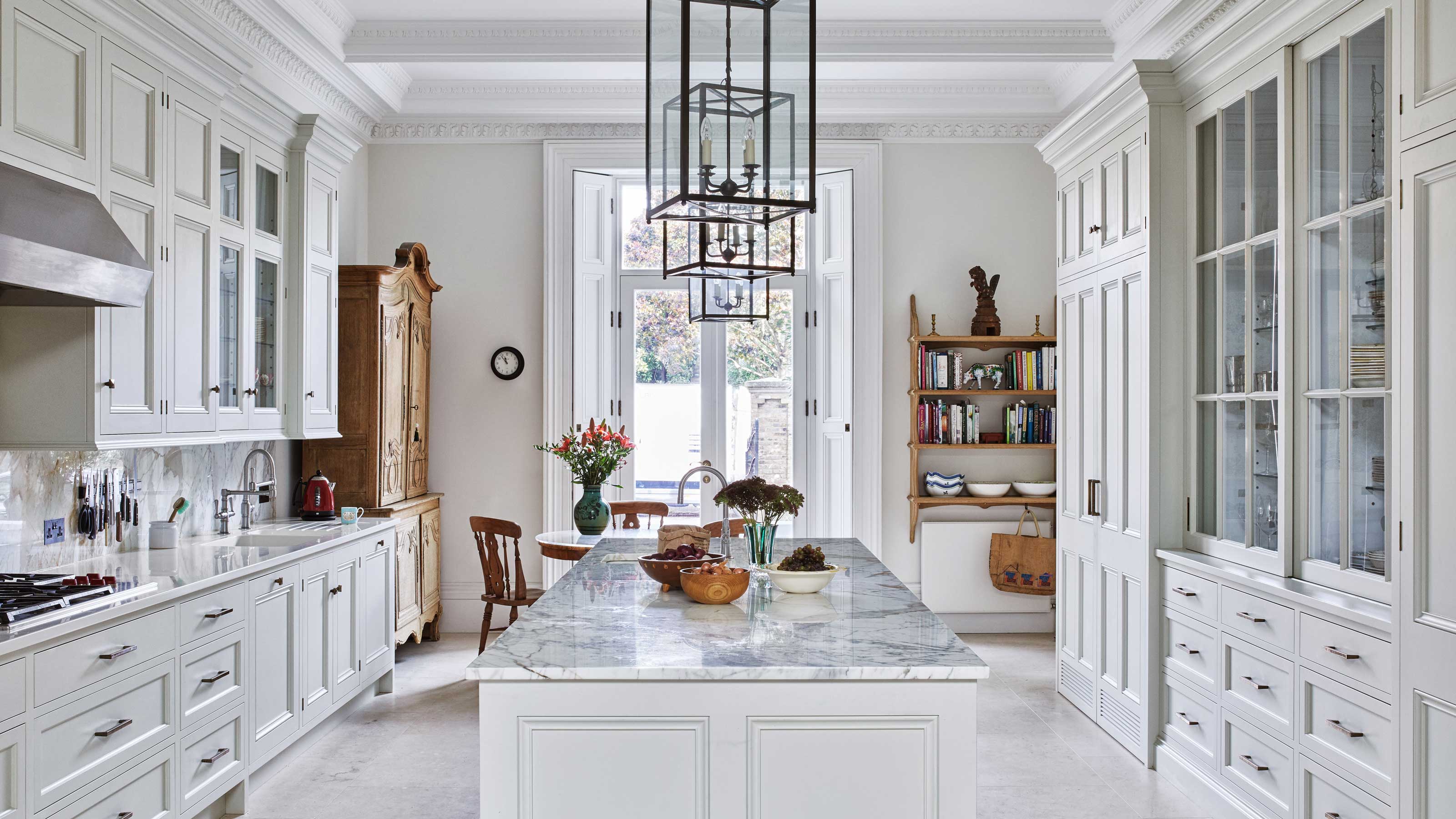
Do you need a kitchen island? Designers weigh in on are they an essential or are islands becoming outdated
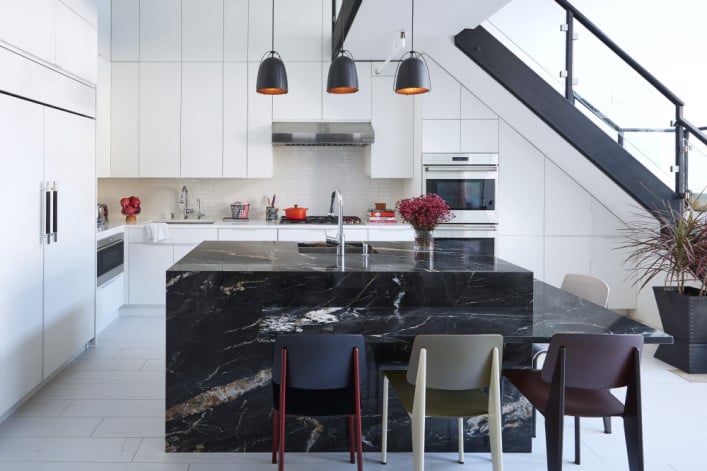
Renovating or adding a kitchen island to your NYC apartment? Here's a checklist
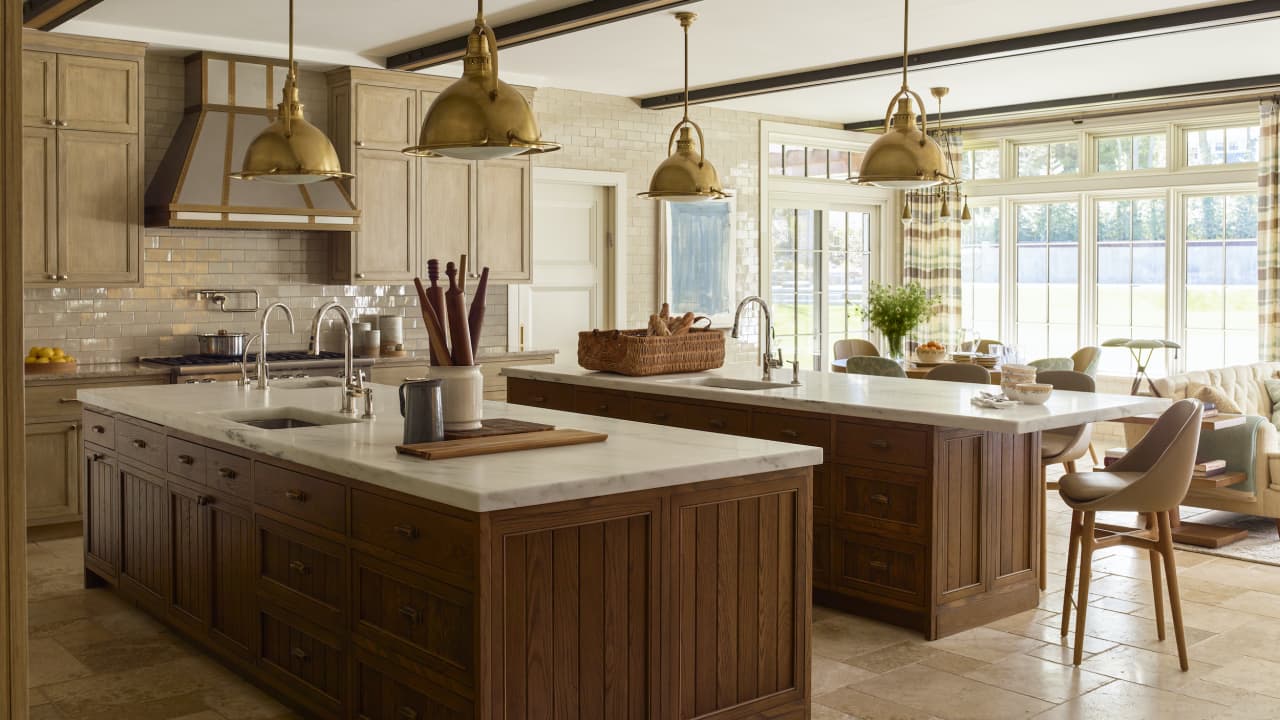
Four Ways to Reimagine the Kitchen Island

Kitchen island layout ideas – what to consider when incorporating your dream island

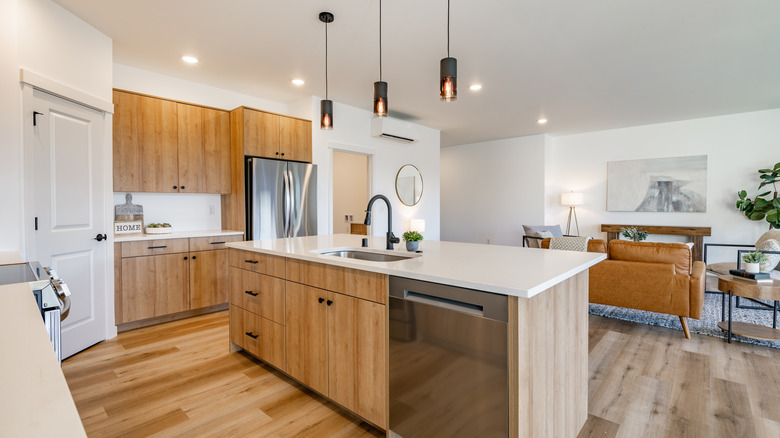
This Kitchen Island Upgrade Instantly Adds Tons Of Value To Your Home

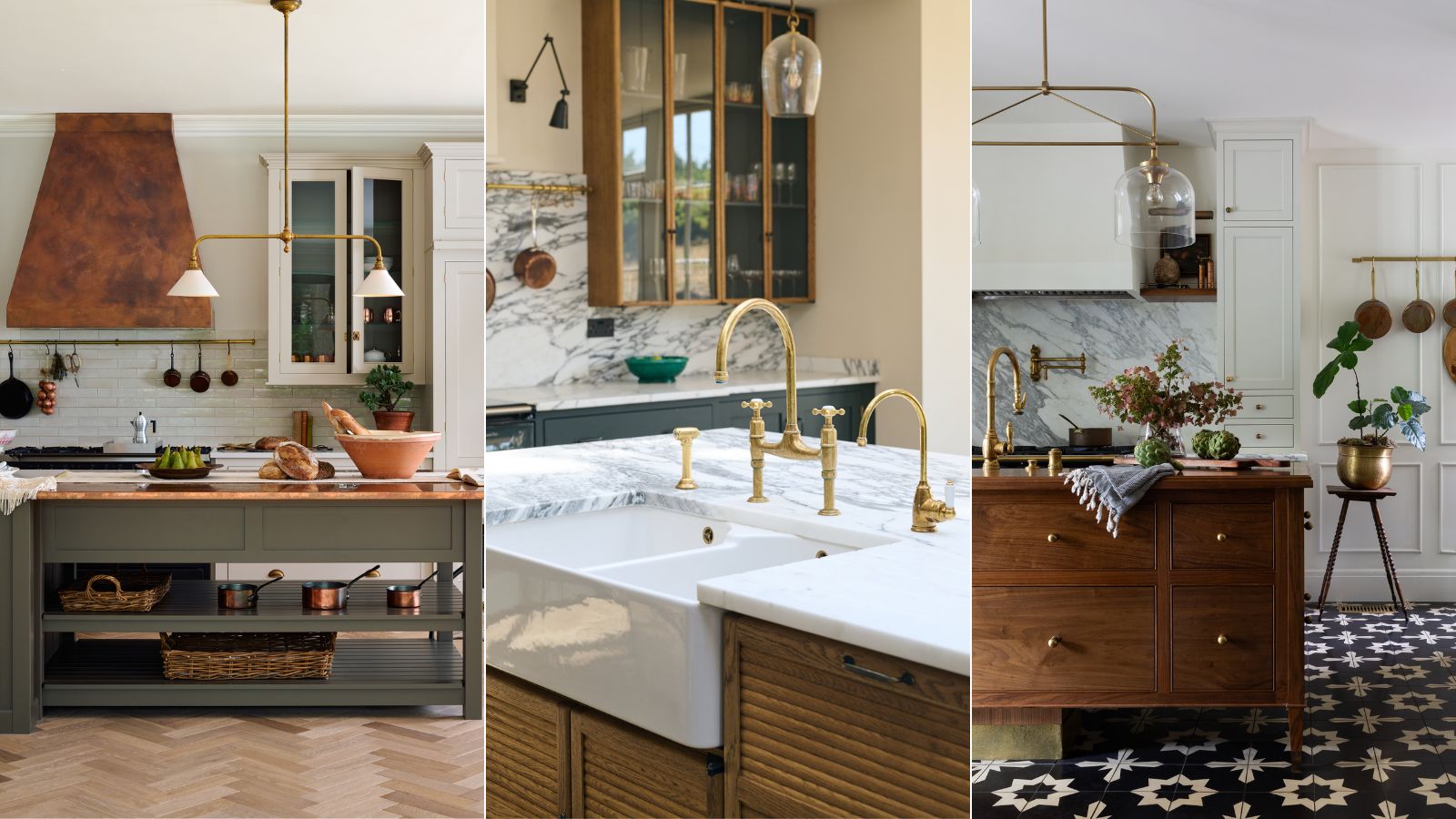
7 successful kitchen island layout ideas experts swear by
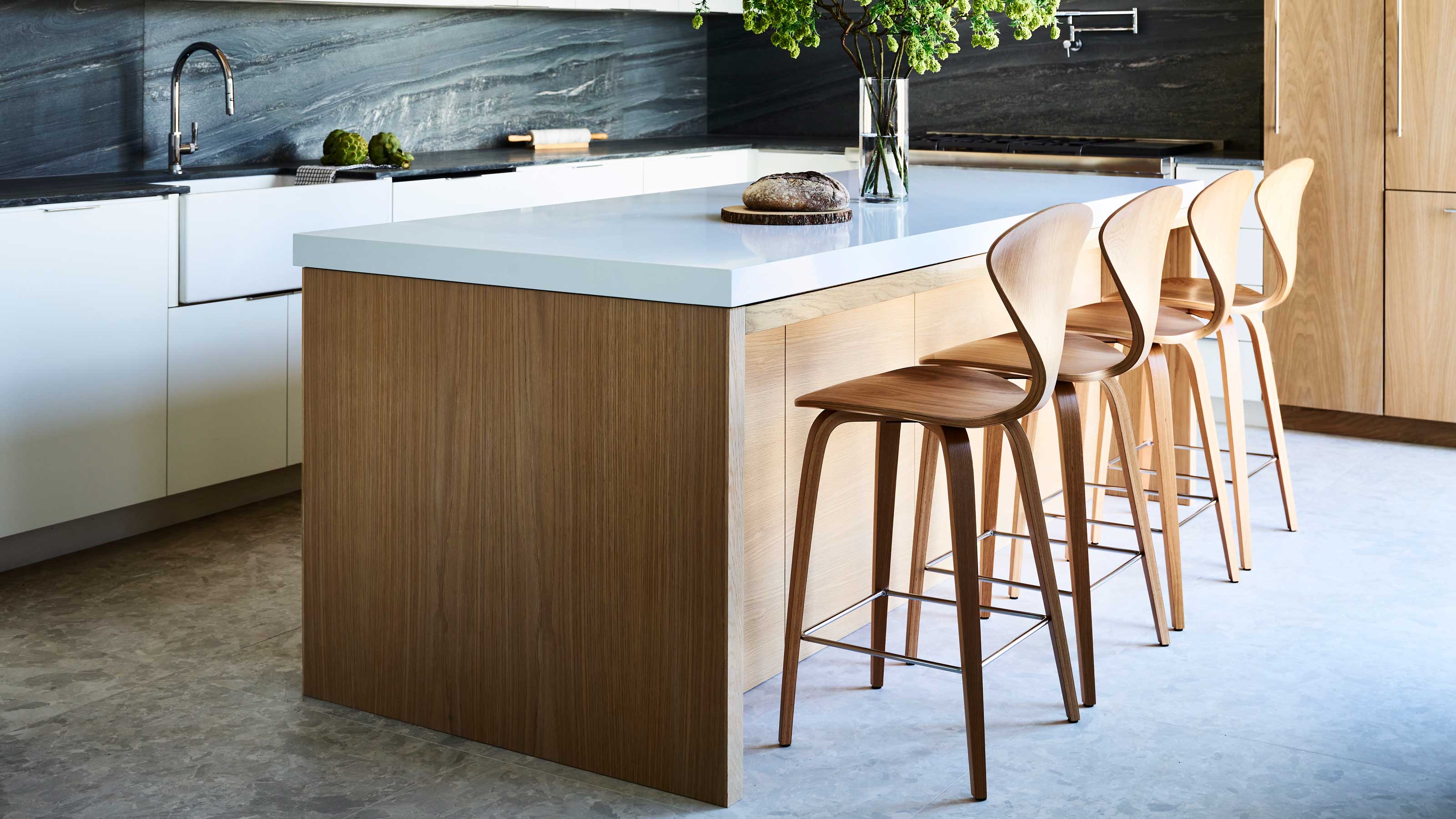
5 genius 'extras' to include on your kitchen island – the new game-changers for how you use your kitchen everyday
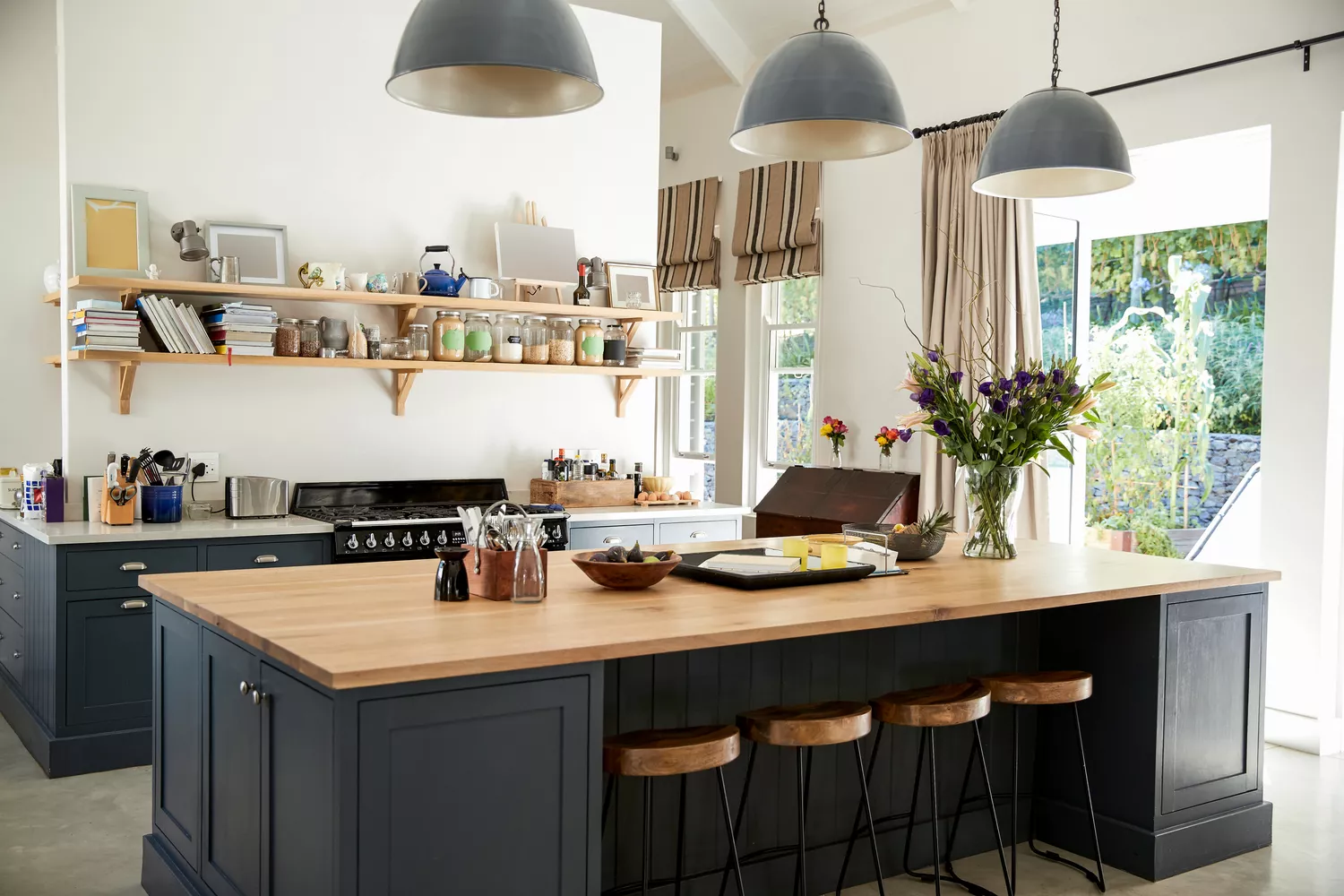
Everything You Need to Know About Adding a Kitchen Island to Your Home
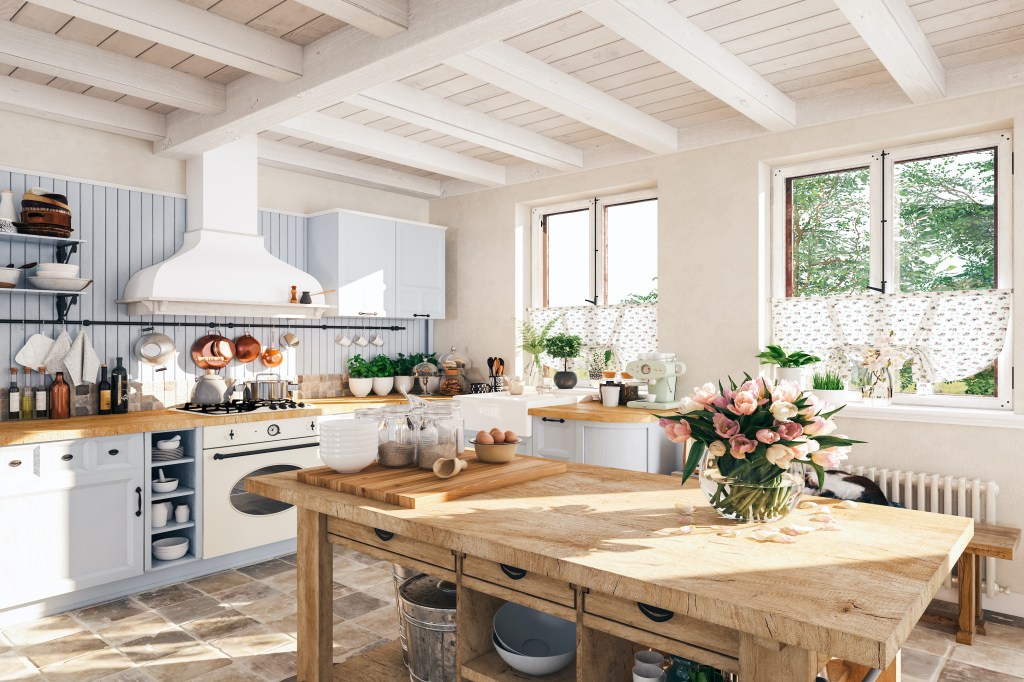
The best kitchen island ideas for a captivating (and functional) prep space
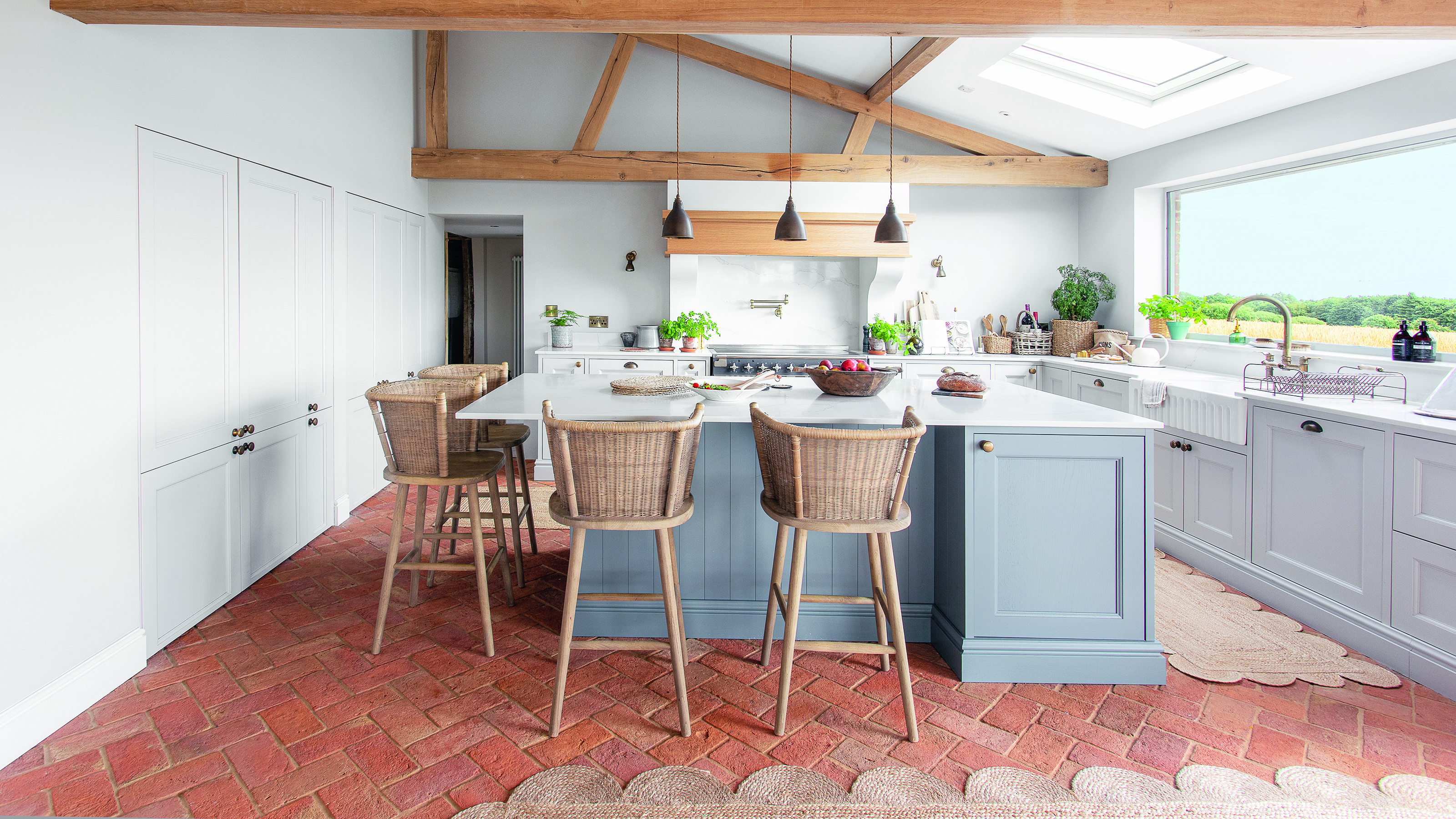
25 kitchen island ideas to make it the most used, and most stylish, area of your cooking space
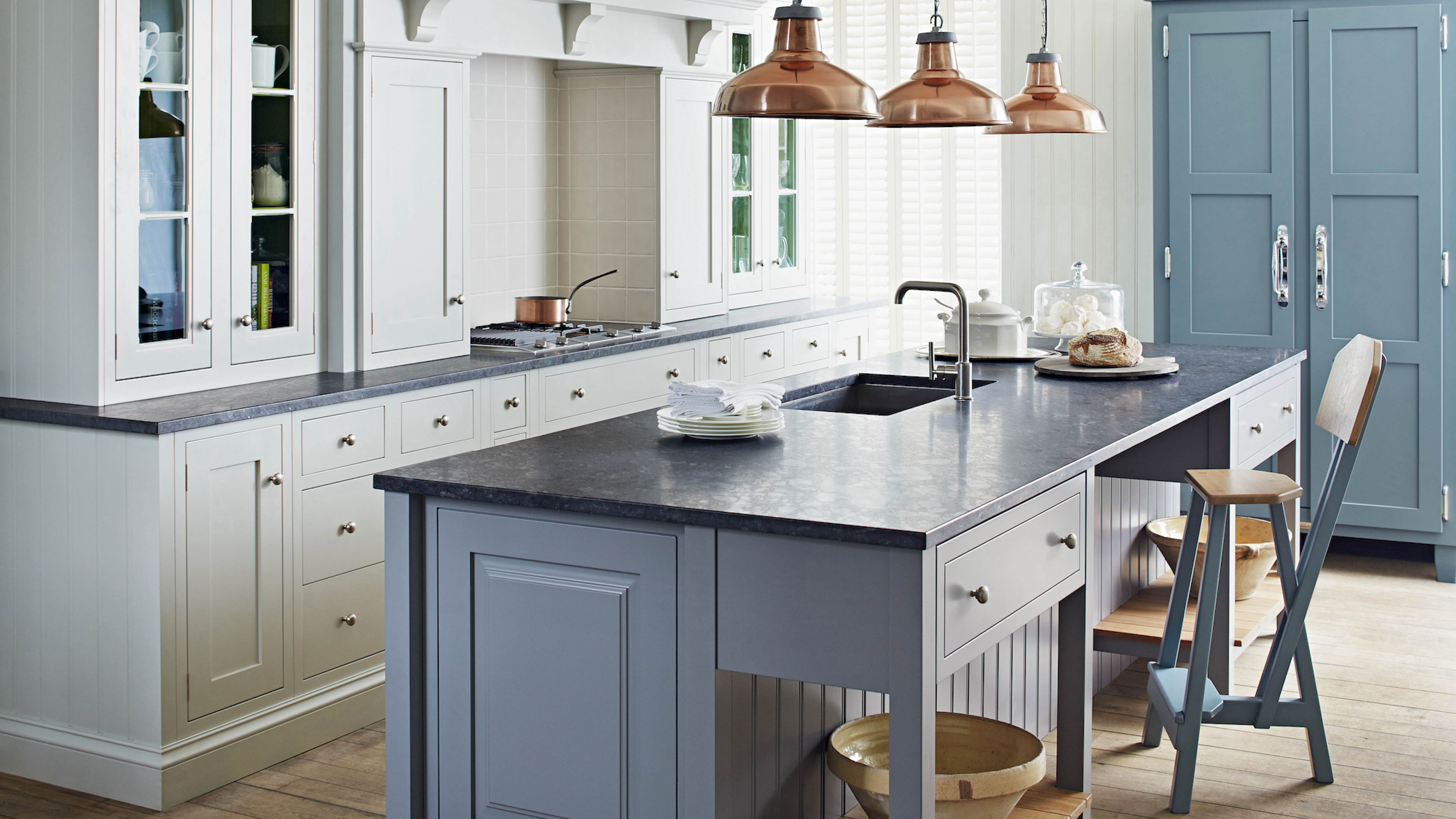
Farmhouse kitchen island ideas – 20 workstations with rural flavor
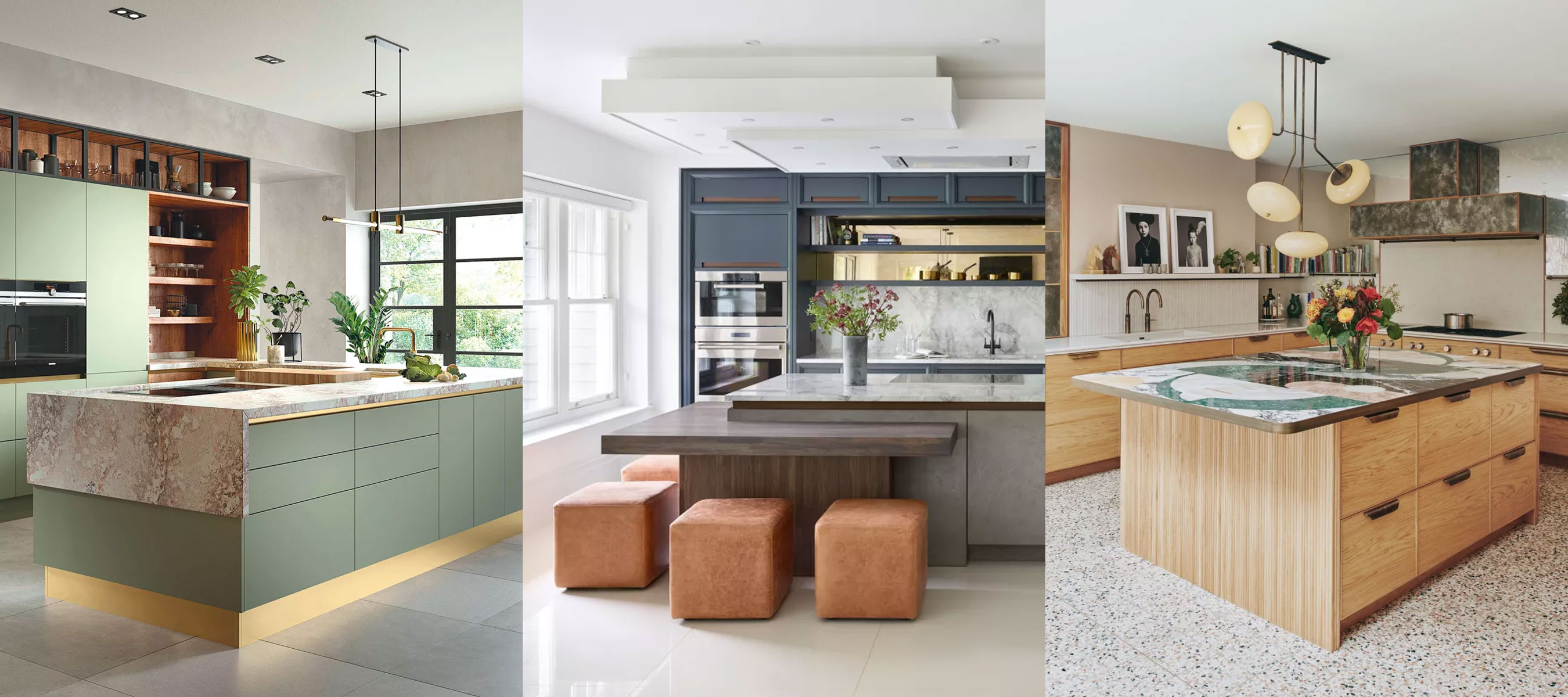
3 Kitchen Island Trends That Interior Designers Love (and 2 to Skip)

Kitchen island design: The design tips you should know

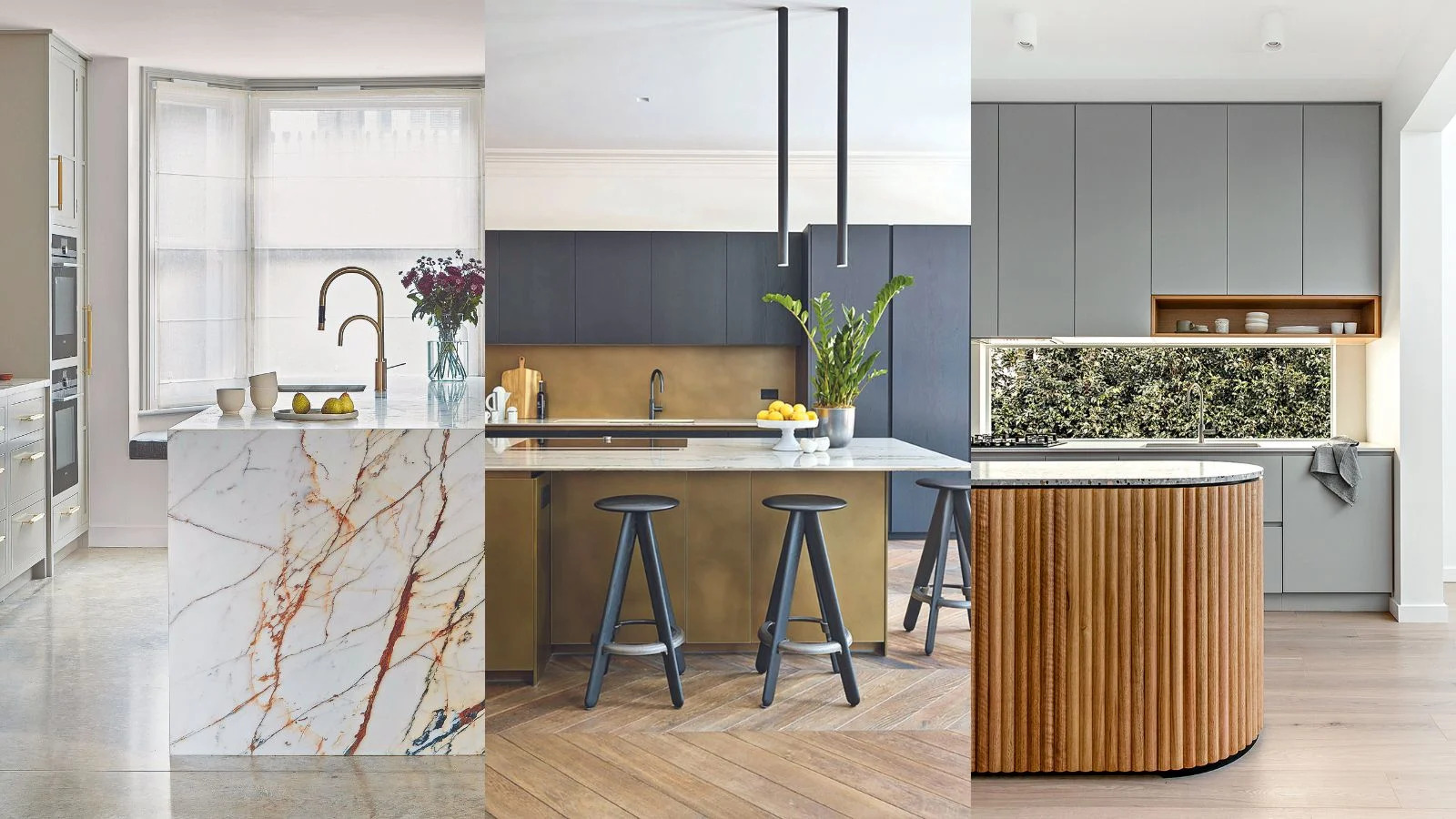
Are kitchen islands outdated? Kitchen experts reveal how these perfectly practical designs will never be passé
Kitchen island ideas – 37 ways to create a fabulous and functional feature