1/3
Interior Designers Are Rethinking the Classic Subway Tile
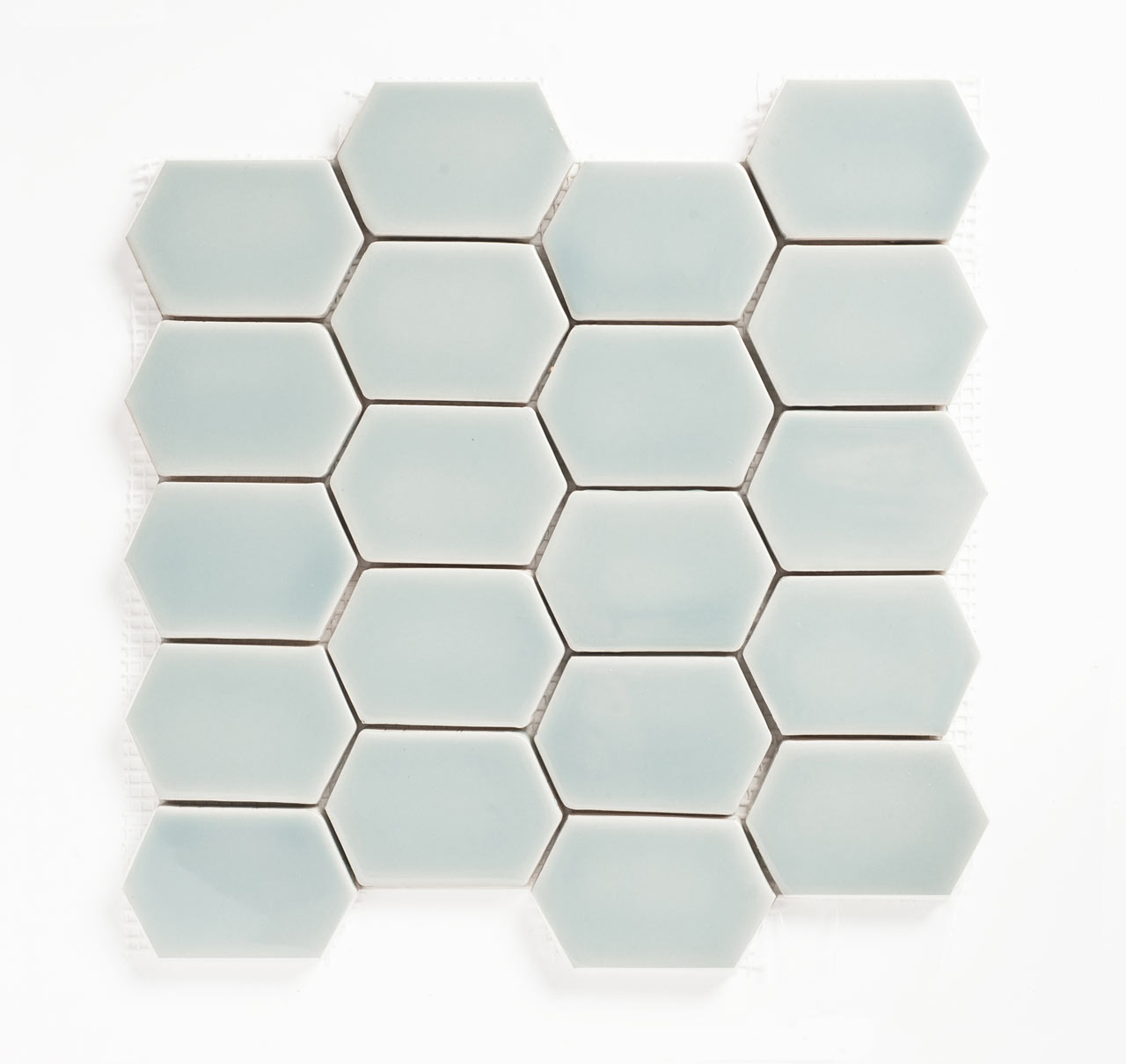
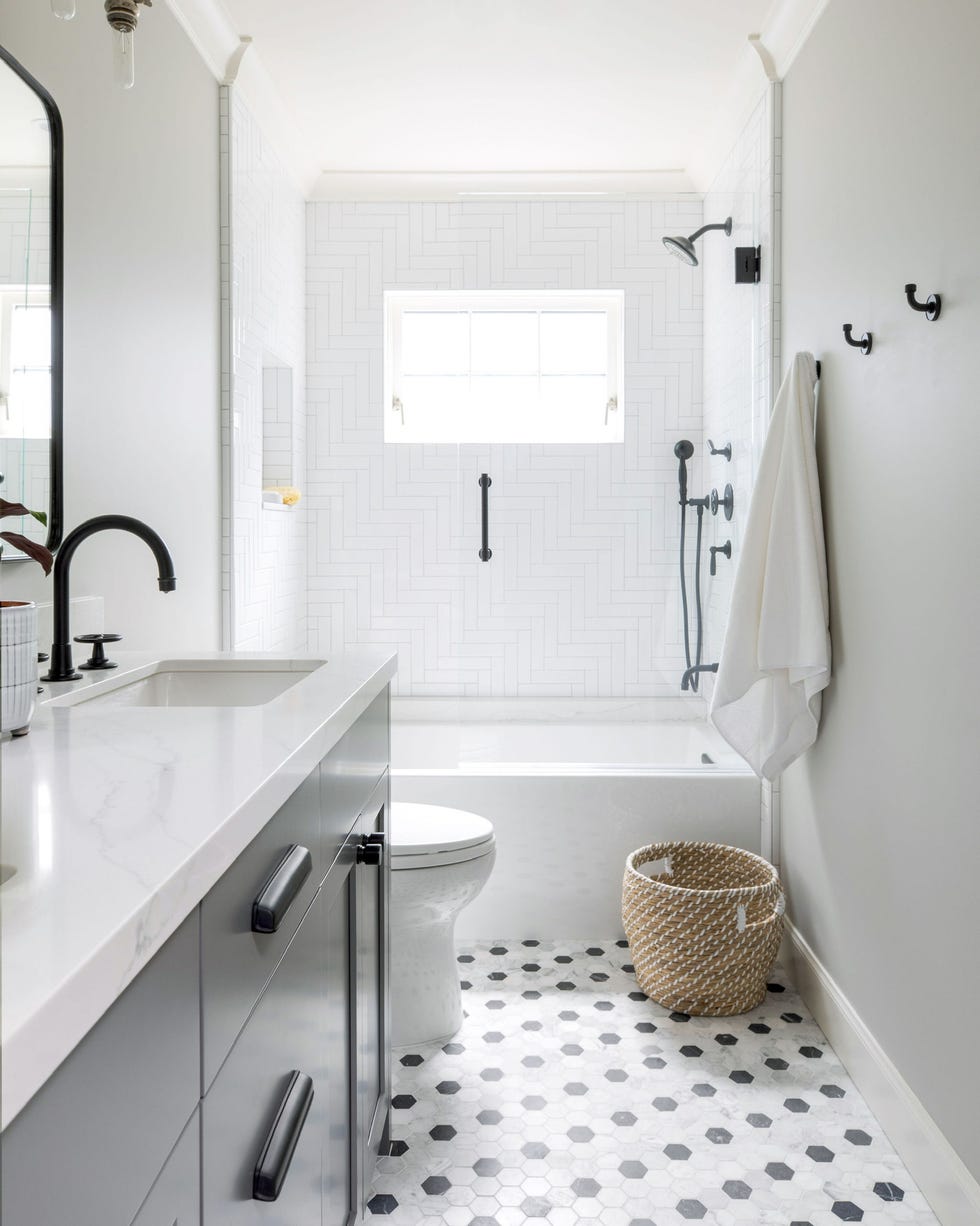
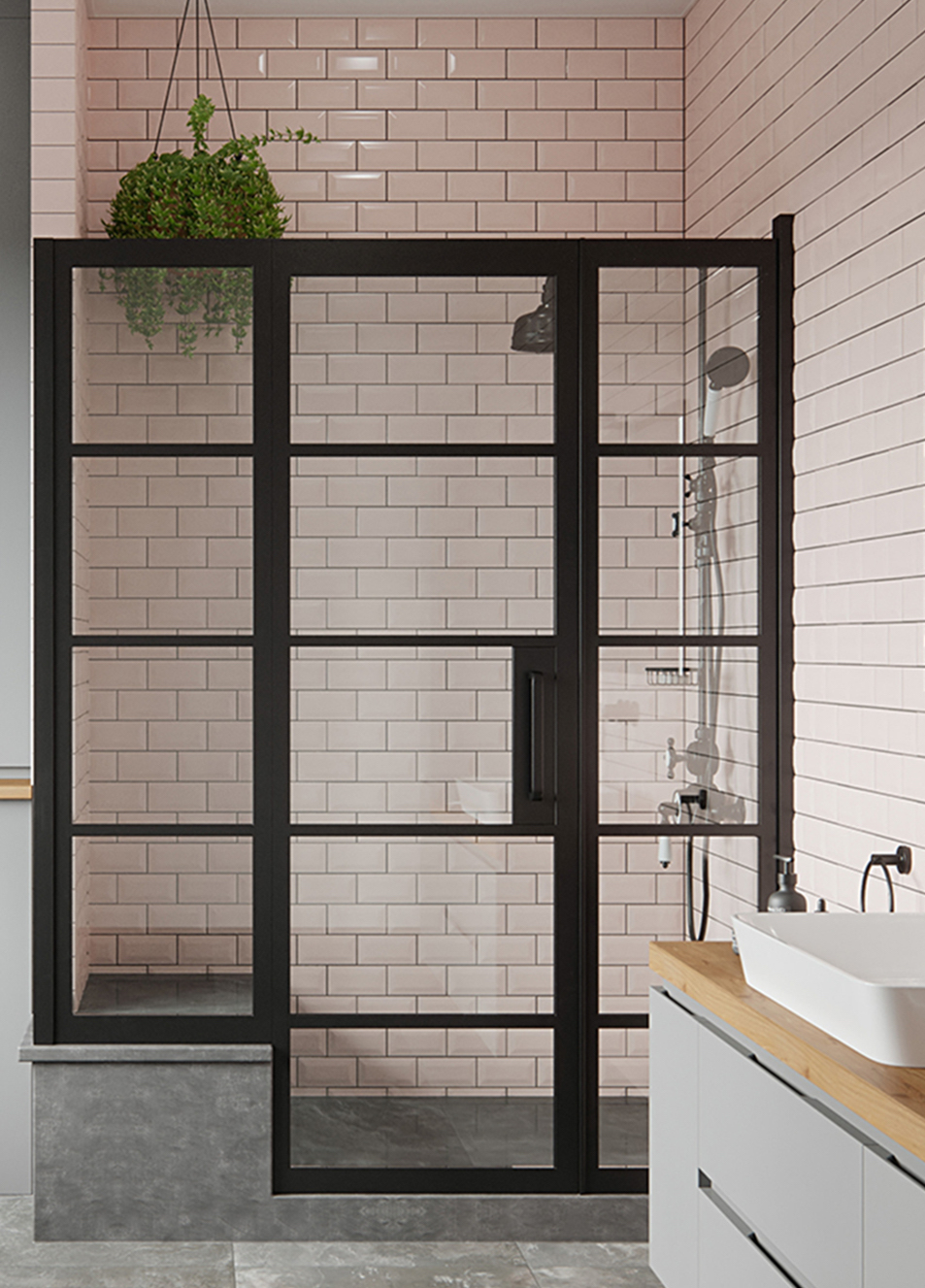
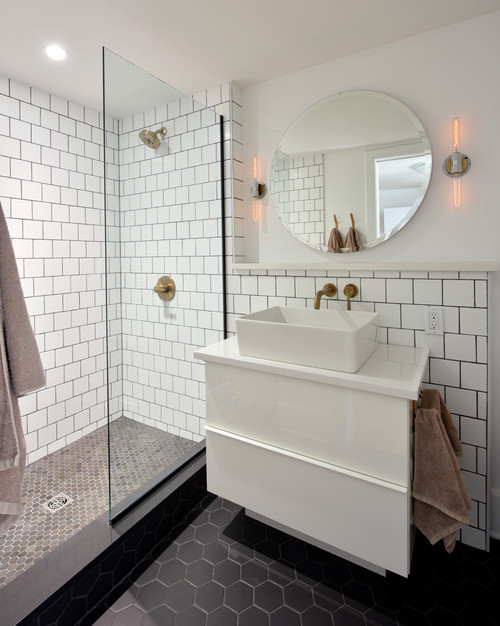
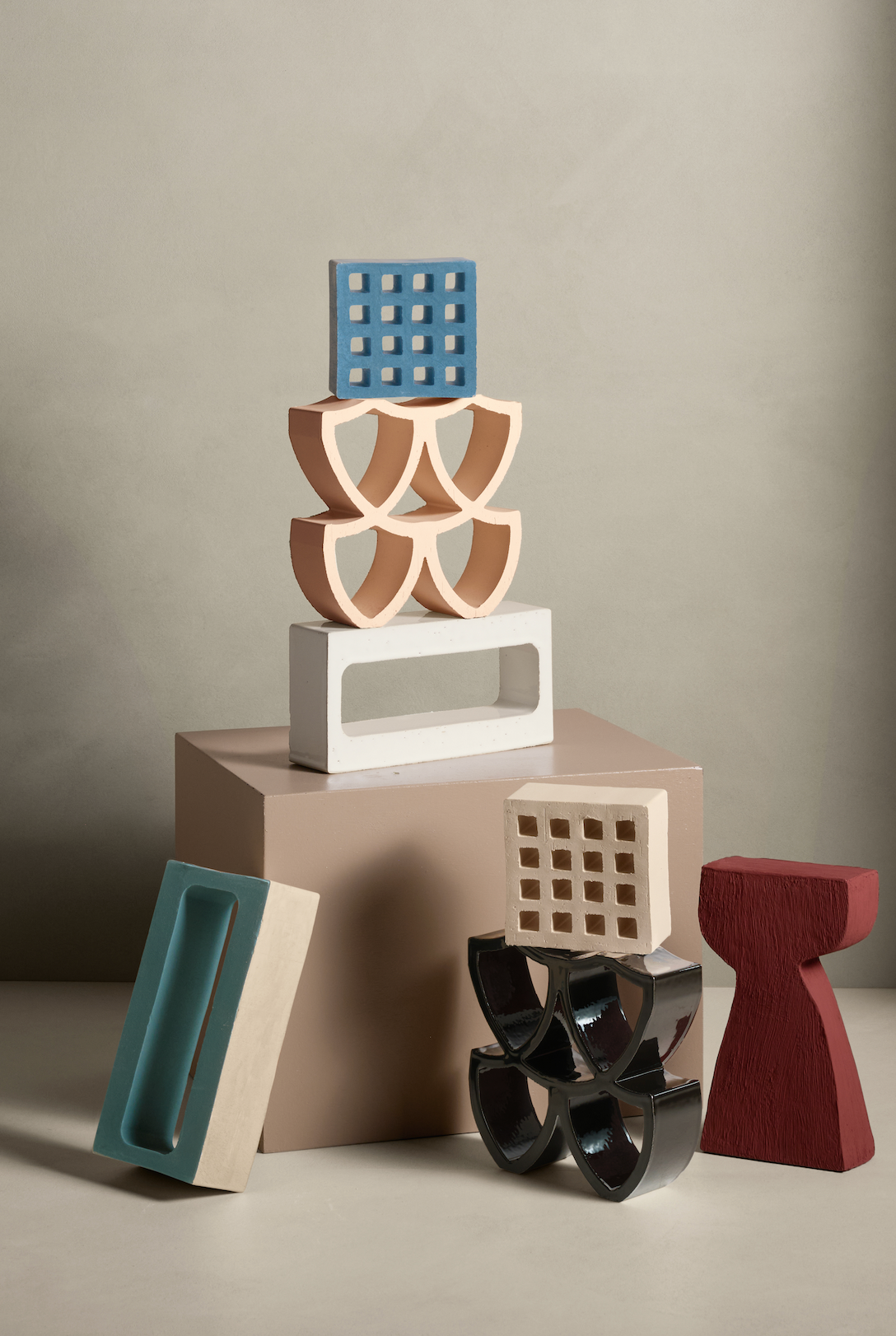
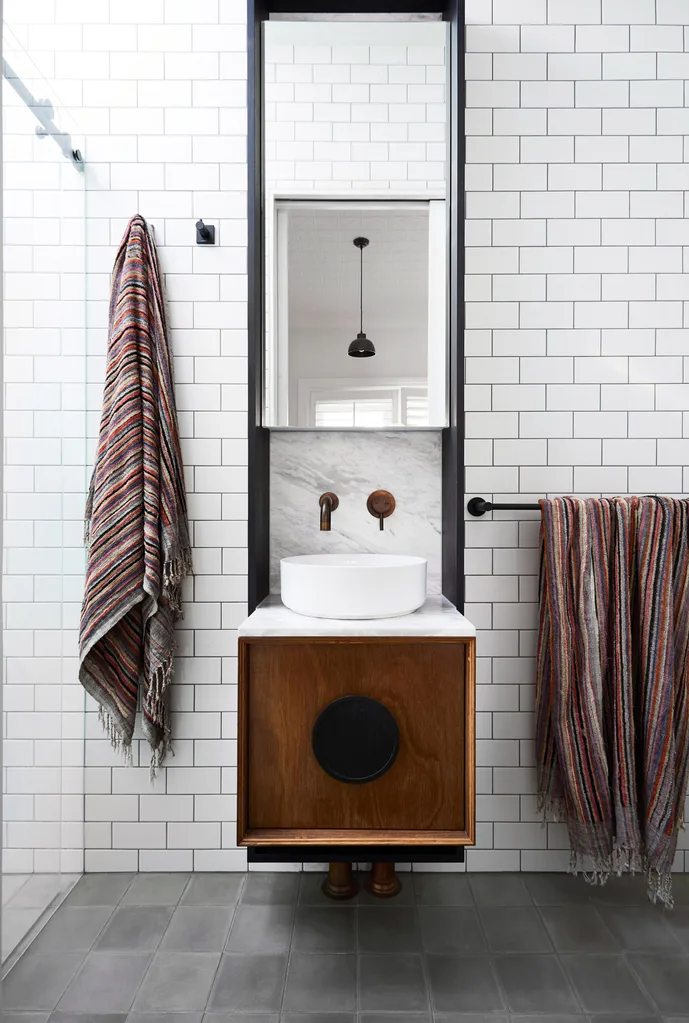
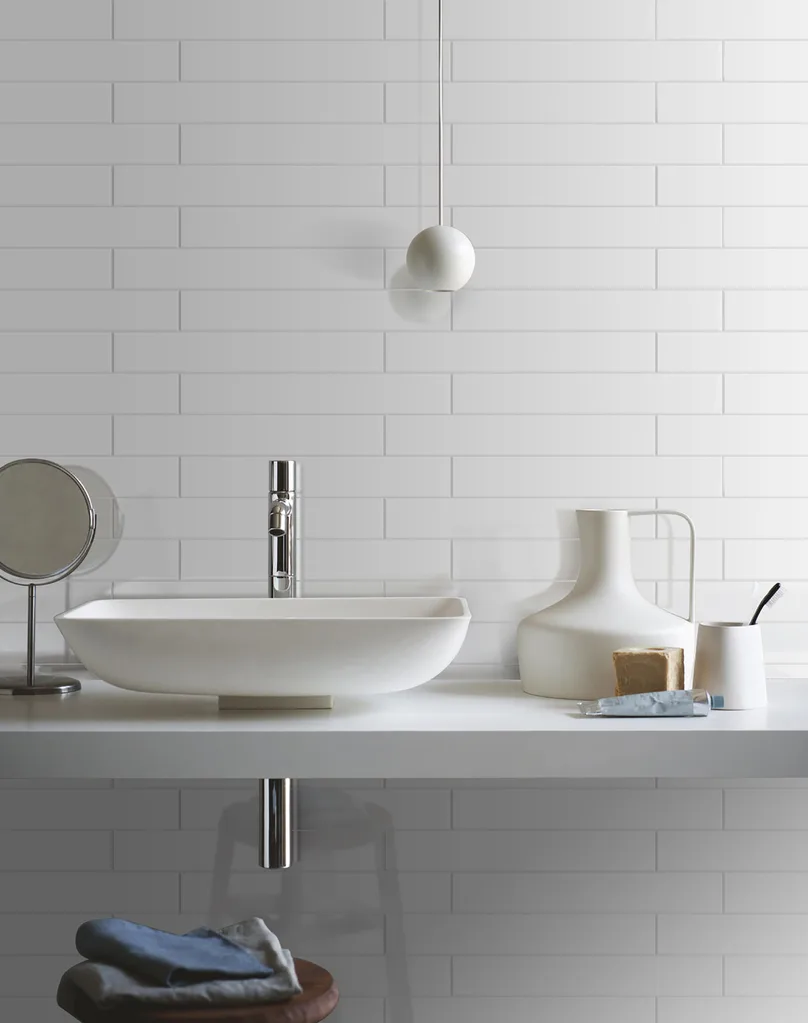
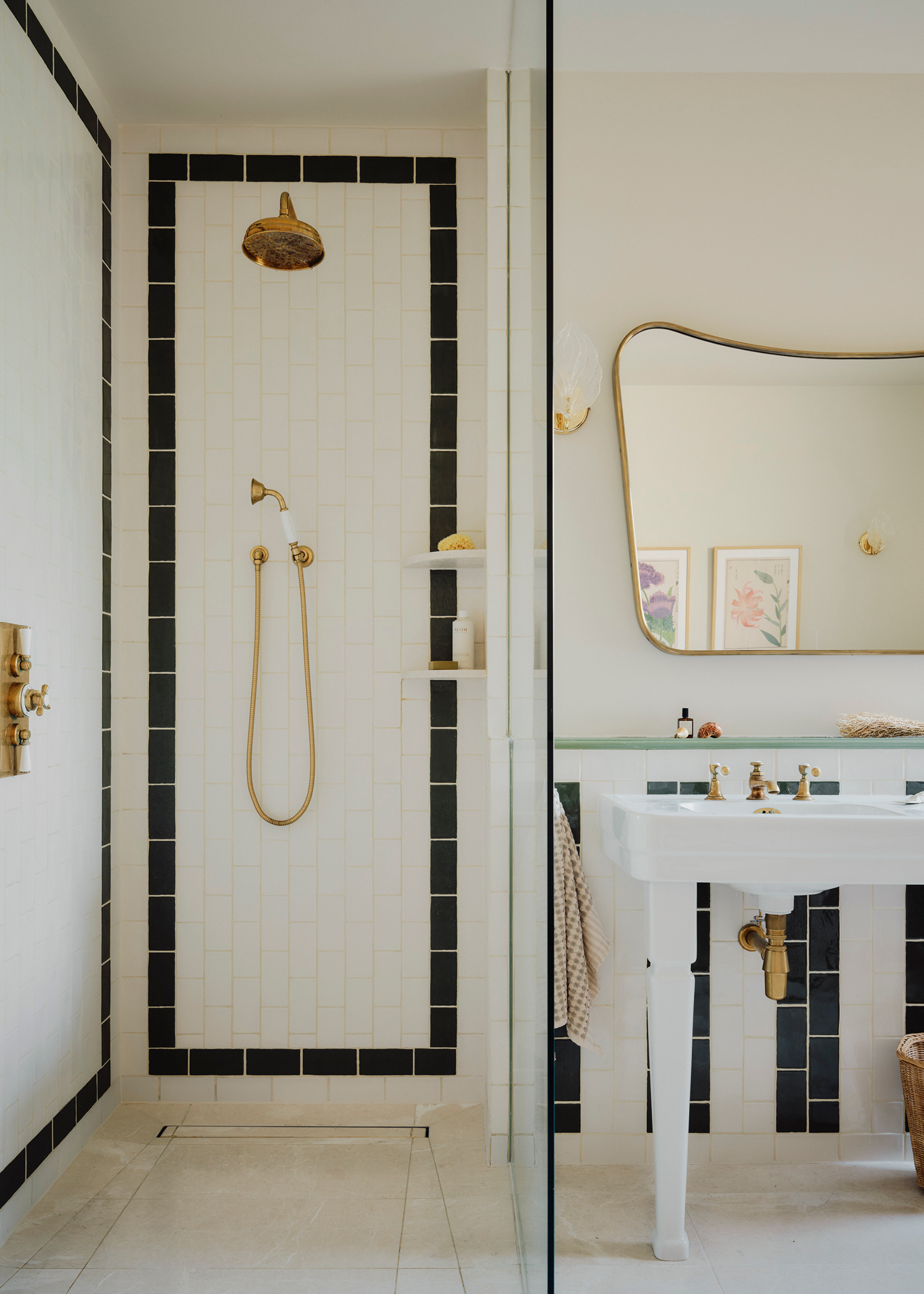
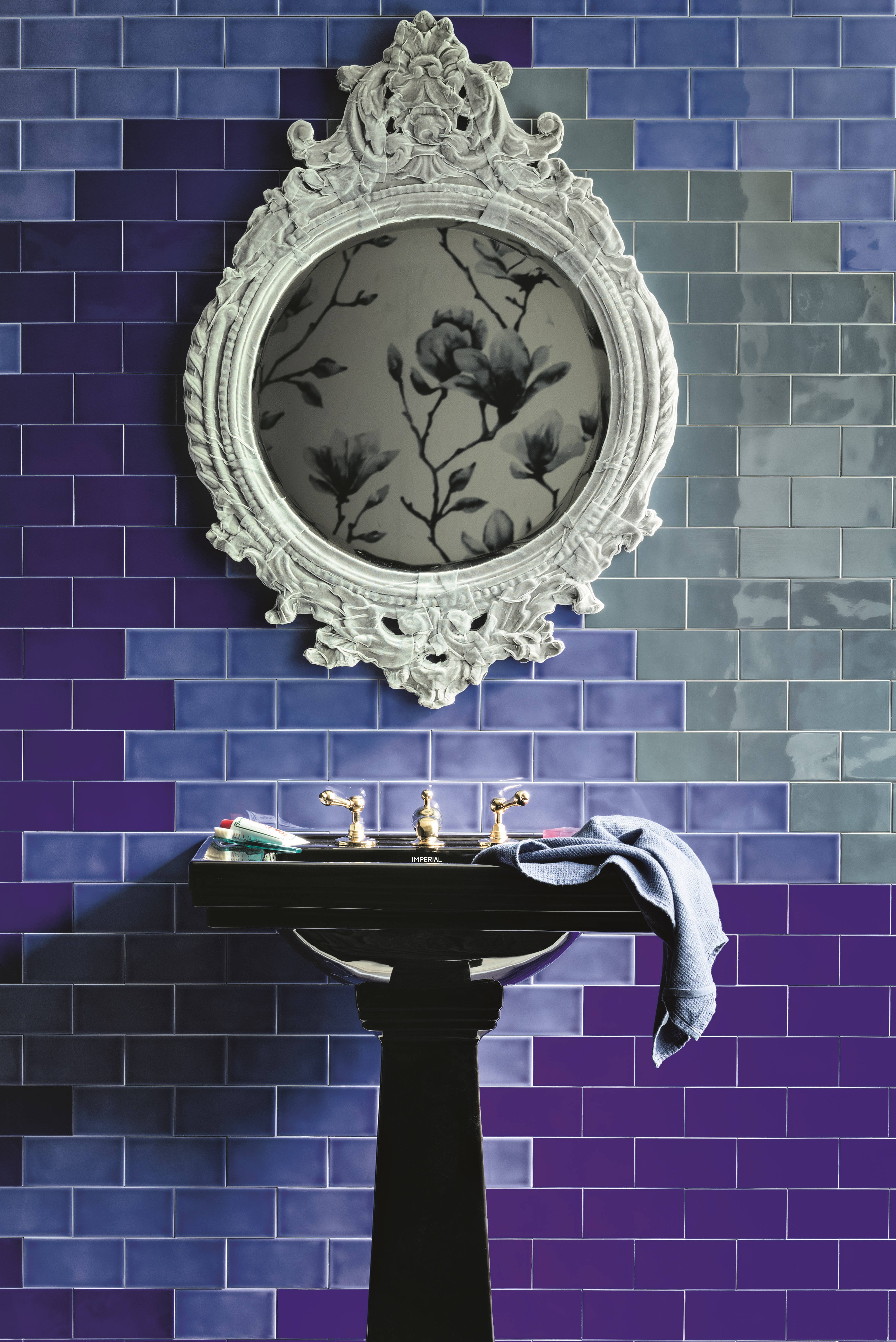
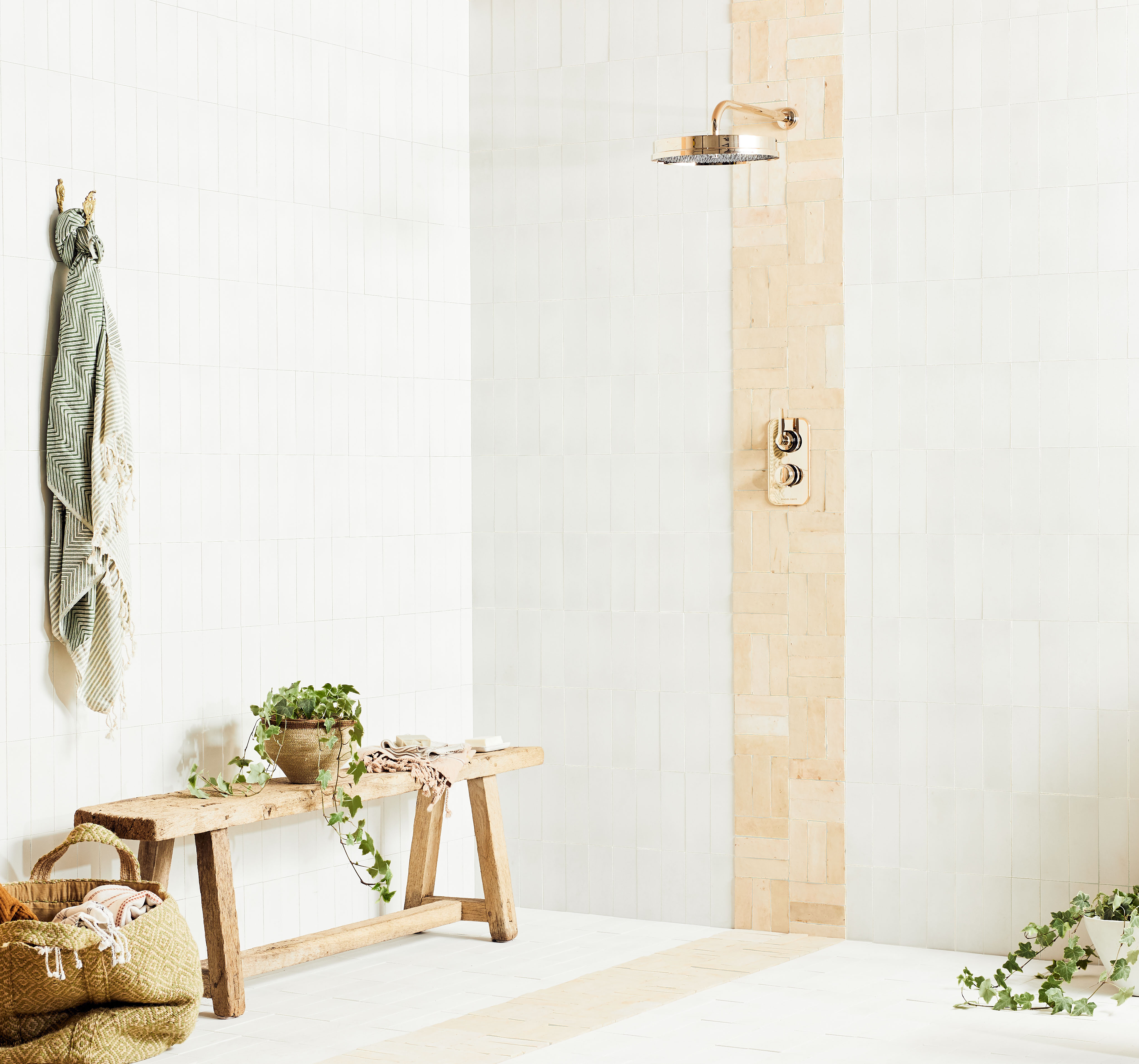
Subway tile, a design element both timeless and contemporary, has been a staple in interior design for over a century, tracing its origins back to the first New York City subway station in 1904. Architects George Lewis Heins and Christopher Grant Lafarge specifically created the 3-by-6-inch rectangular tile for this purpose. Its enduring popularity in homes, particularly in bathrooms and kitchens, stems from its affordability, practicality, and minimalist aesthetic. While the classic white subway tile remains a valid choice, interior designers are now exploring alternatives that expand upon its fundamental appeal.
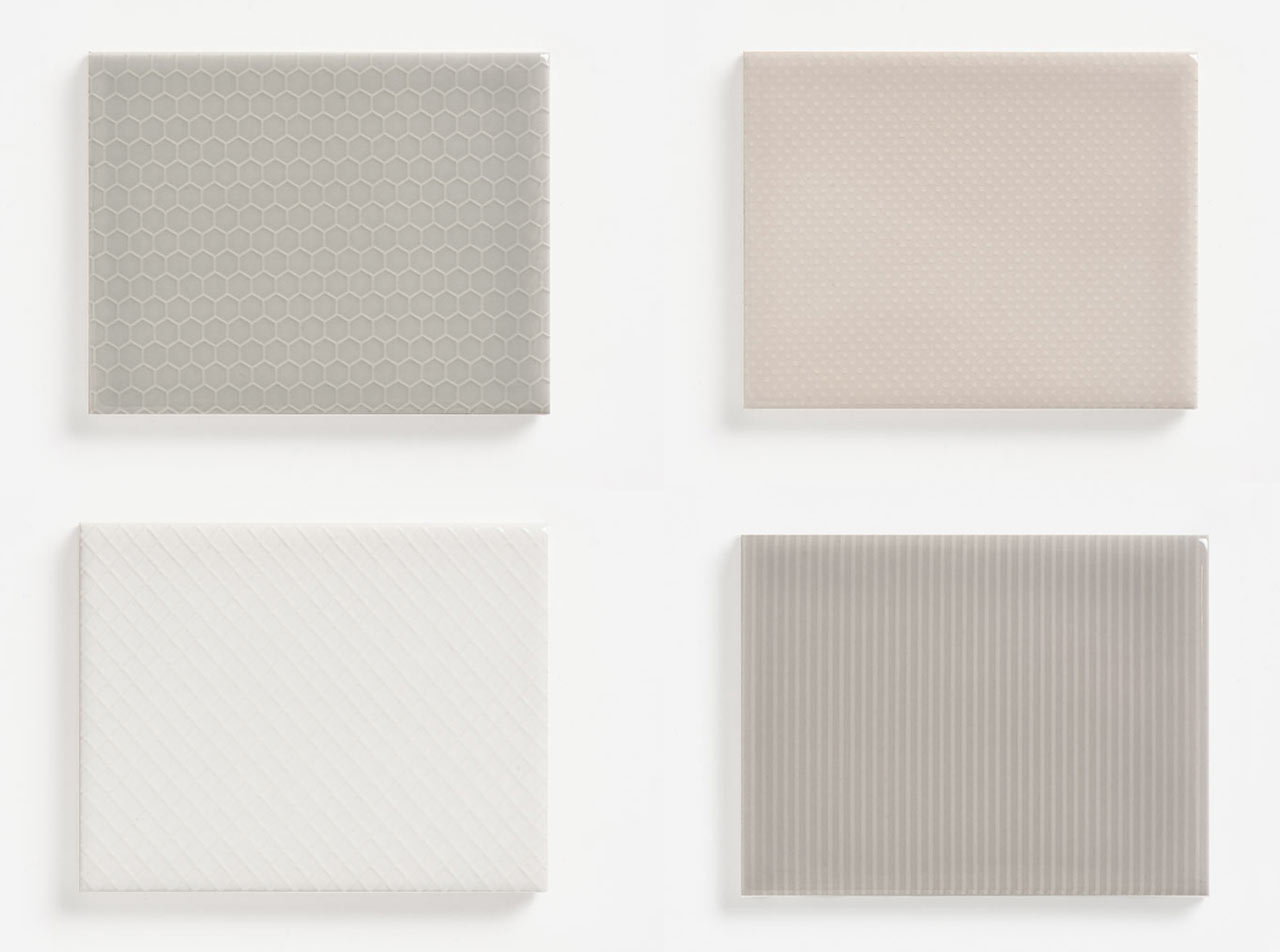
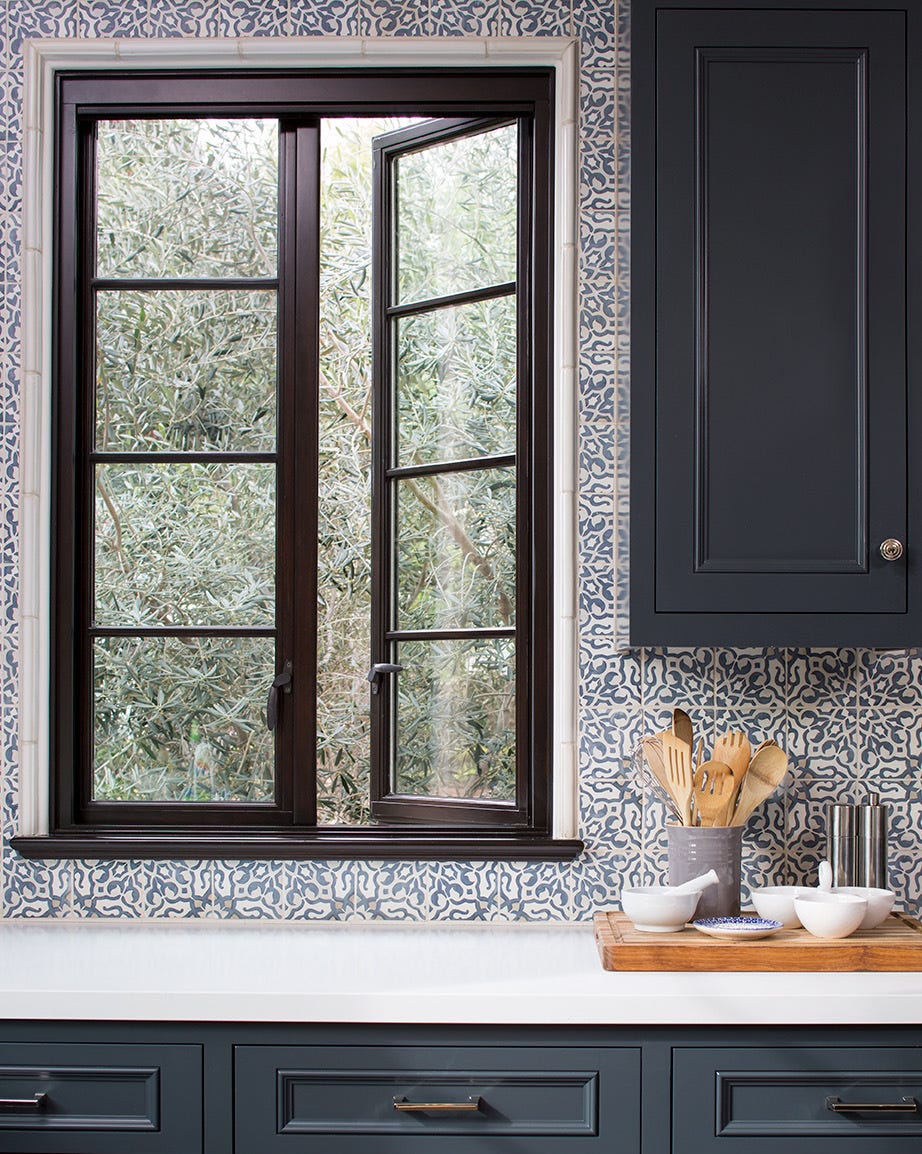
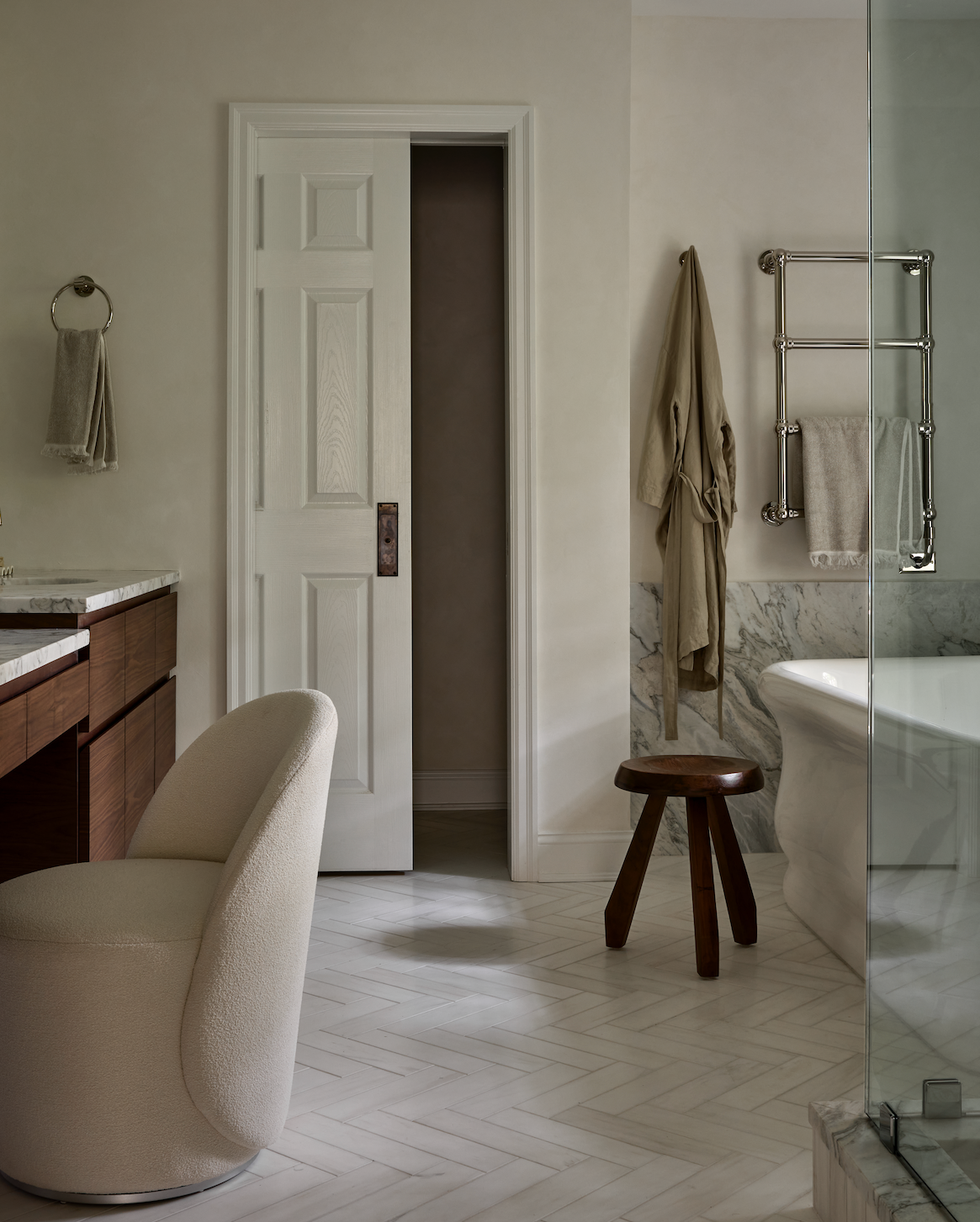
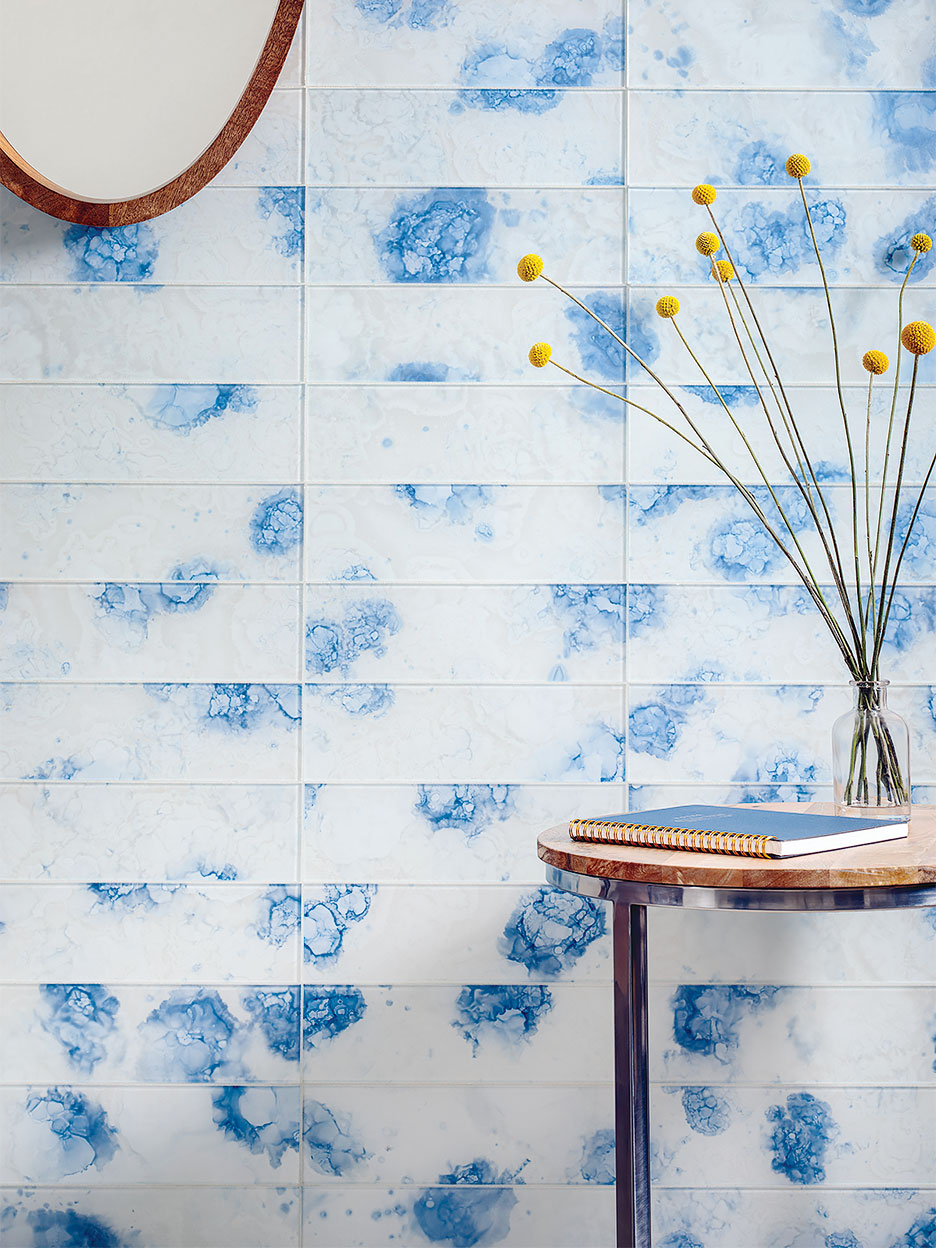
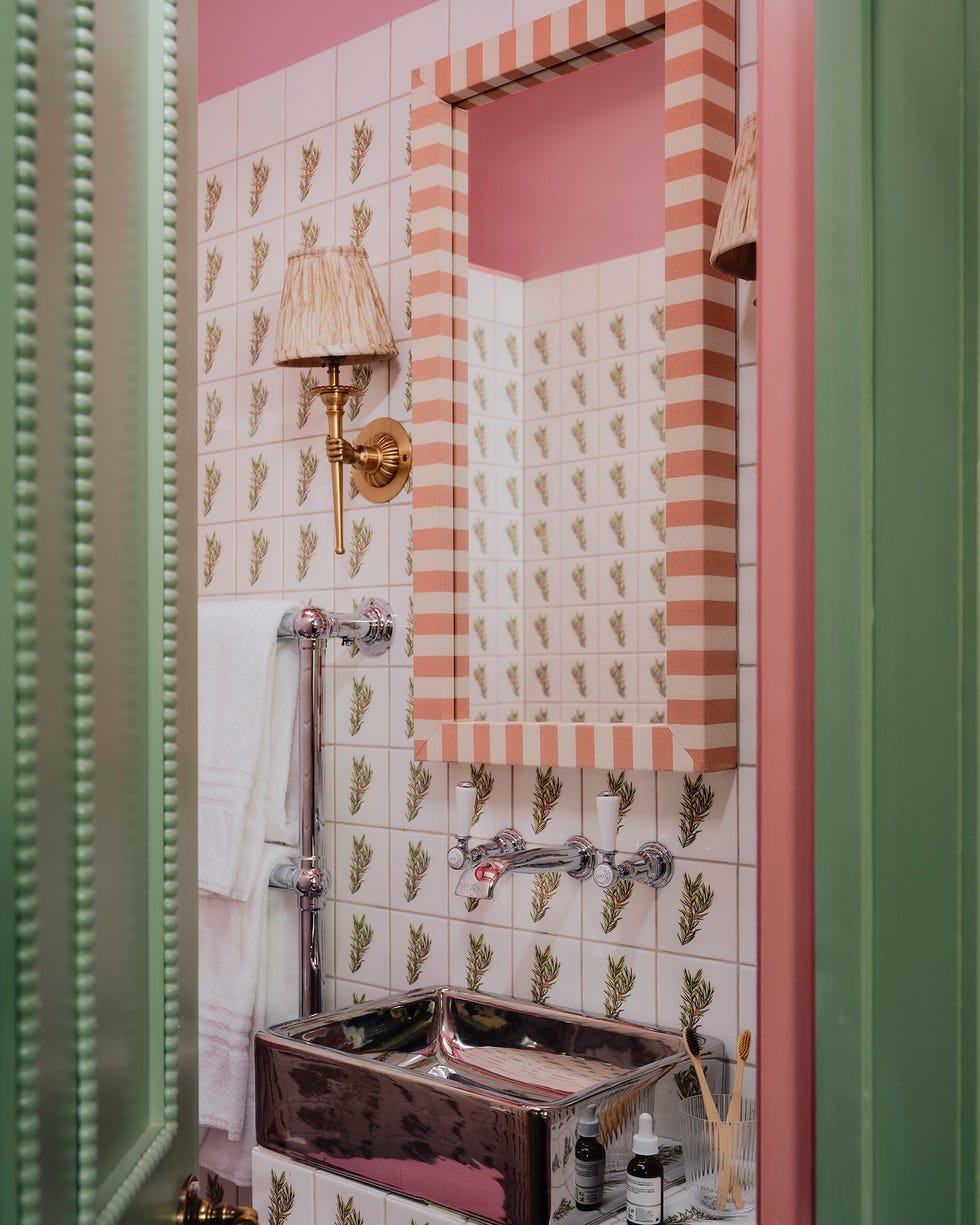
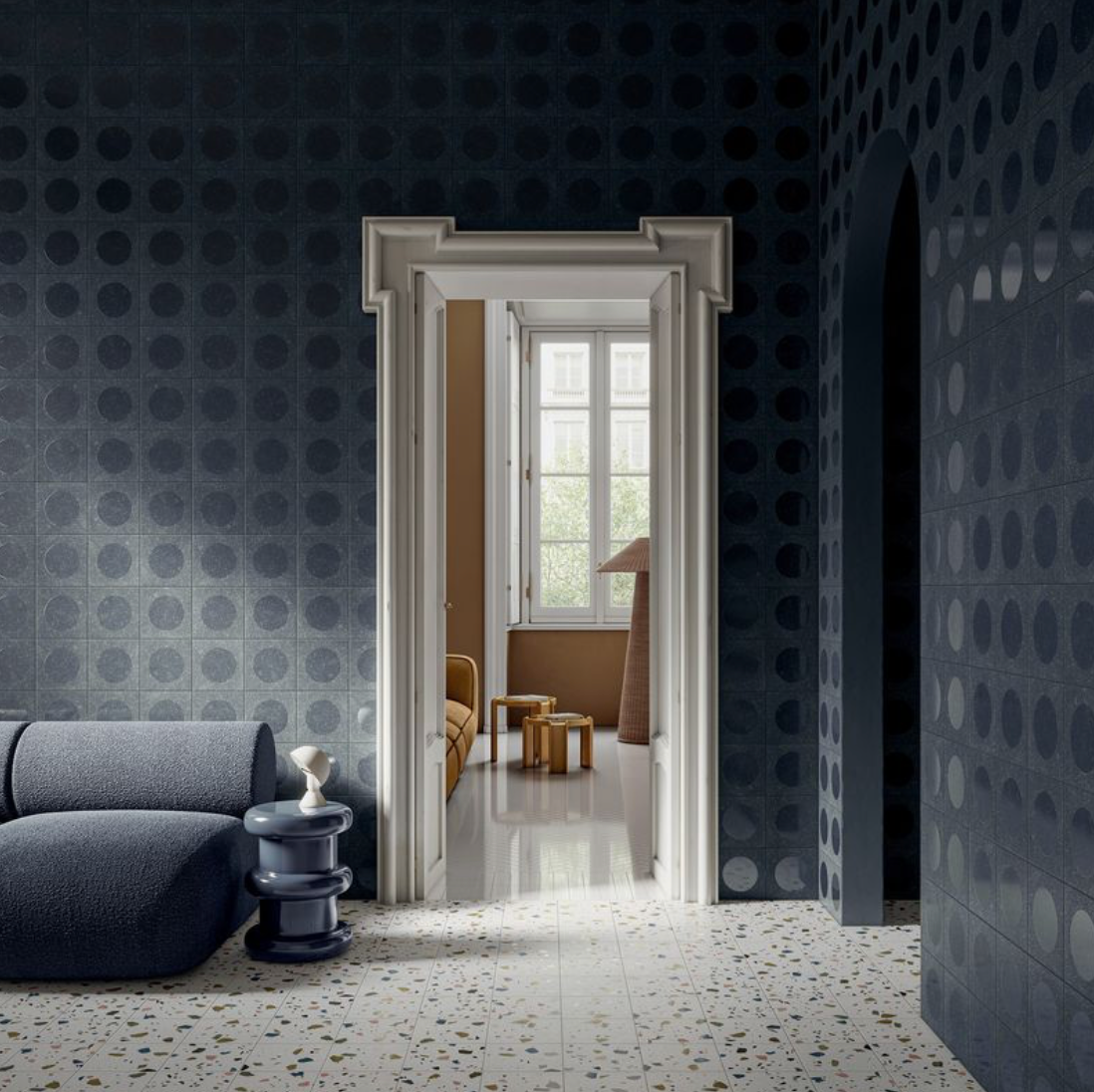
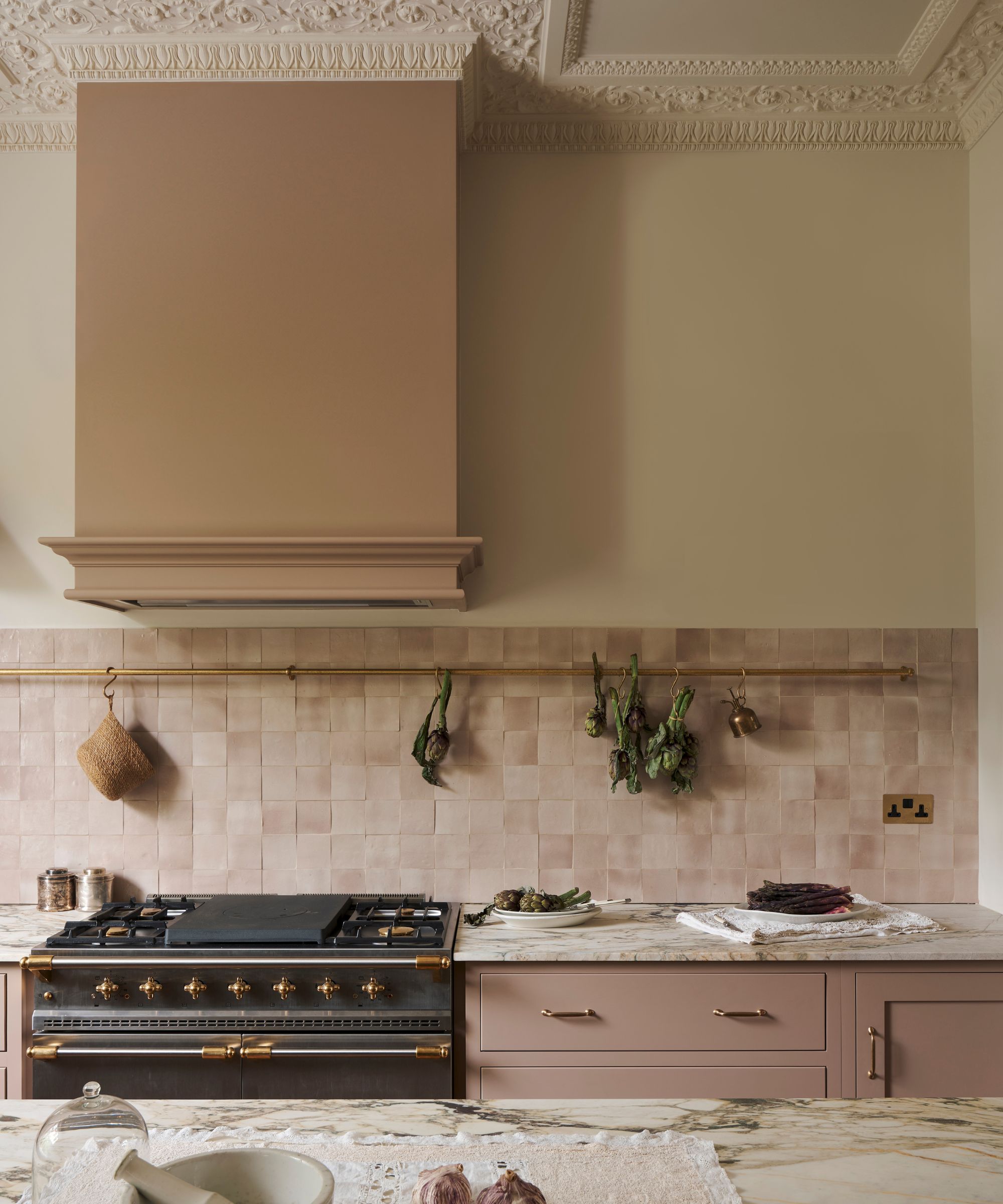
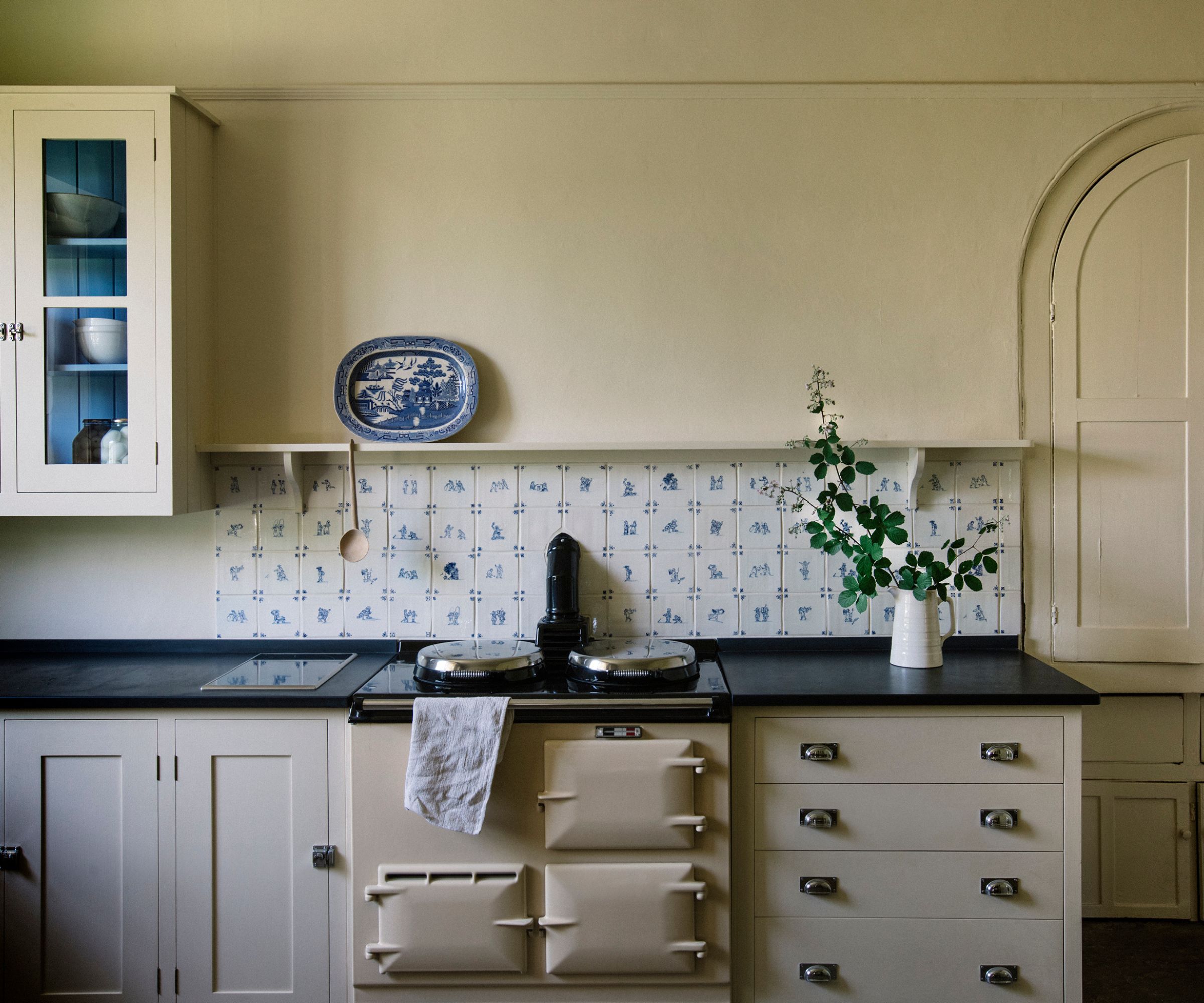
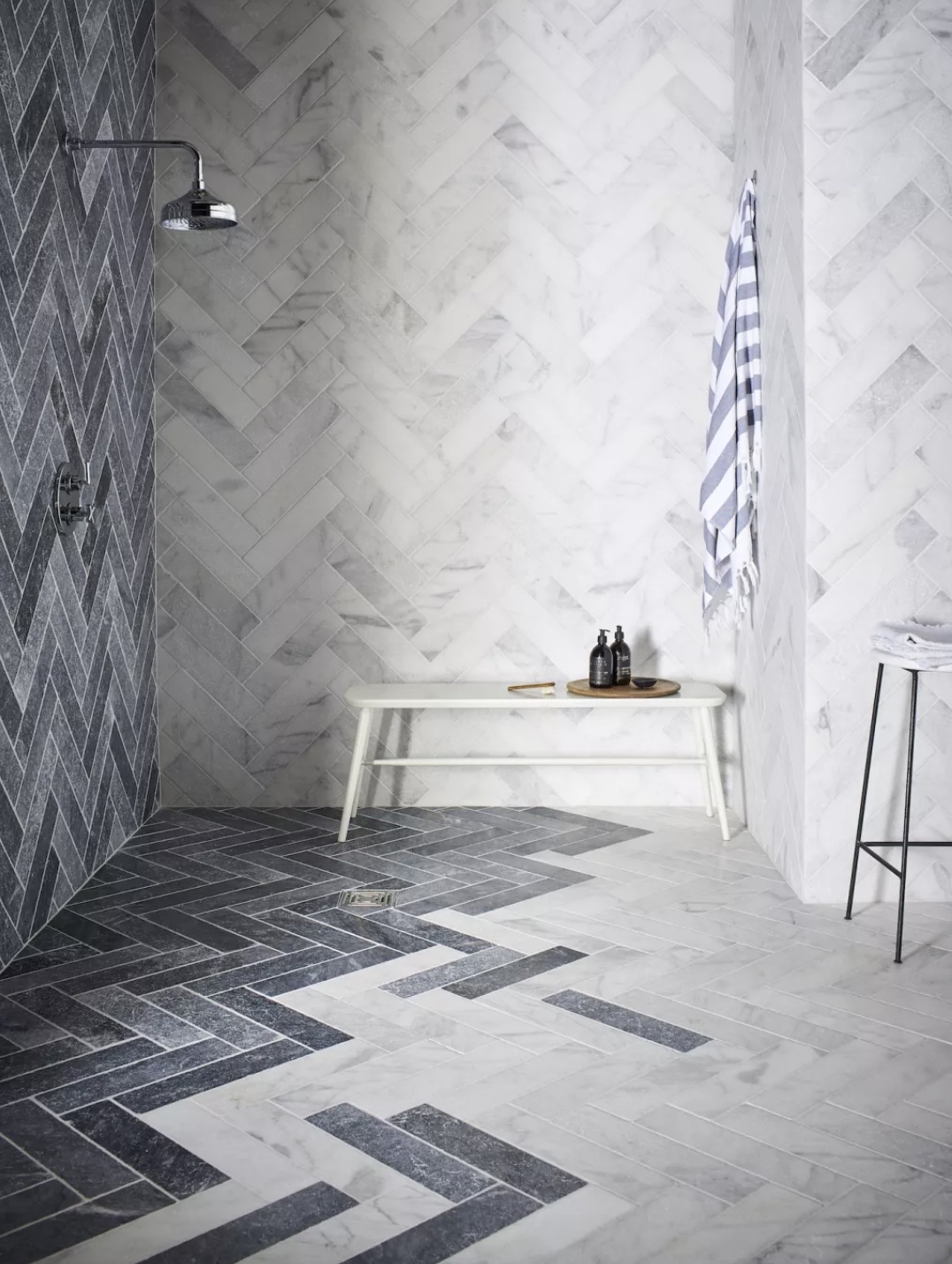
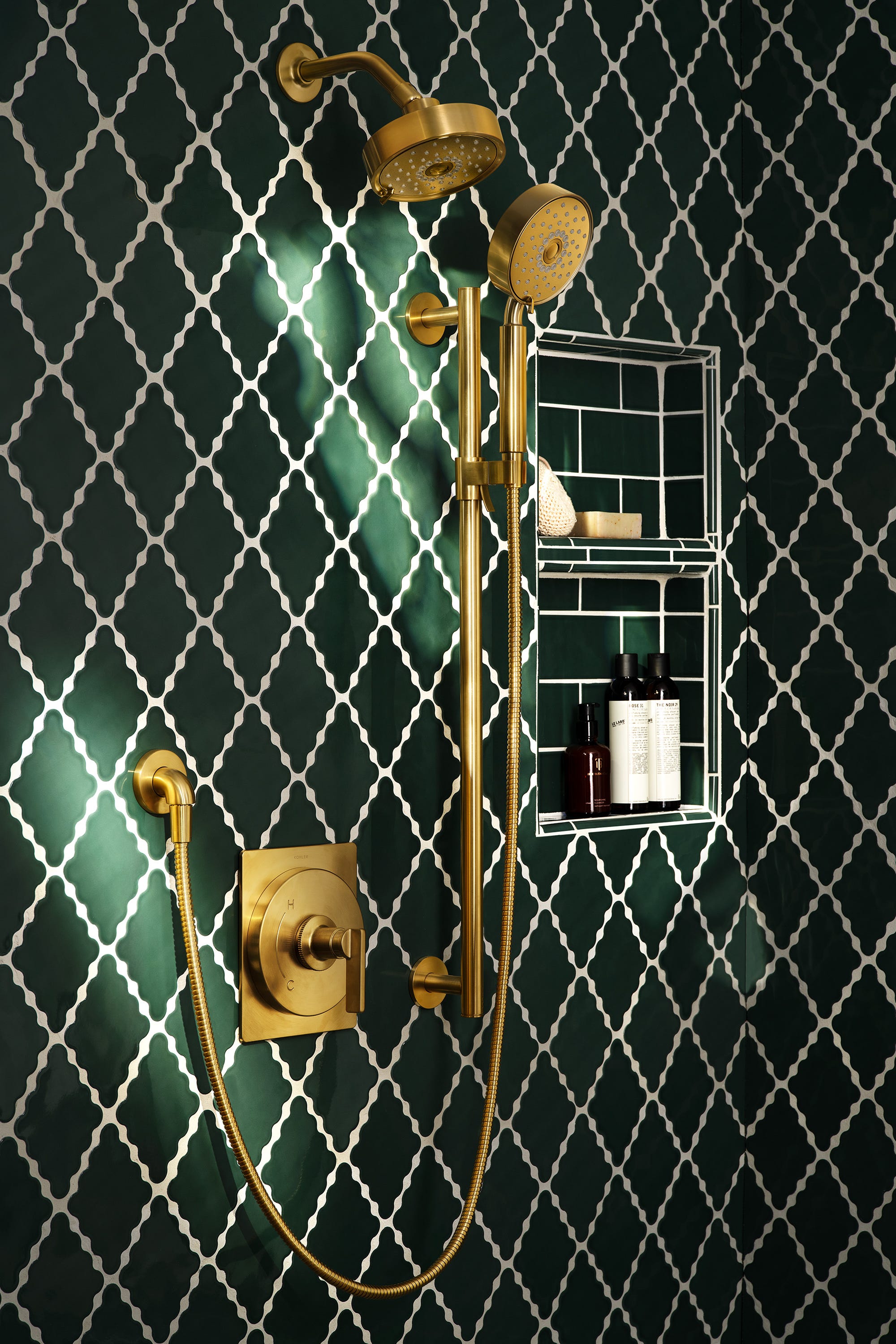
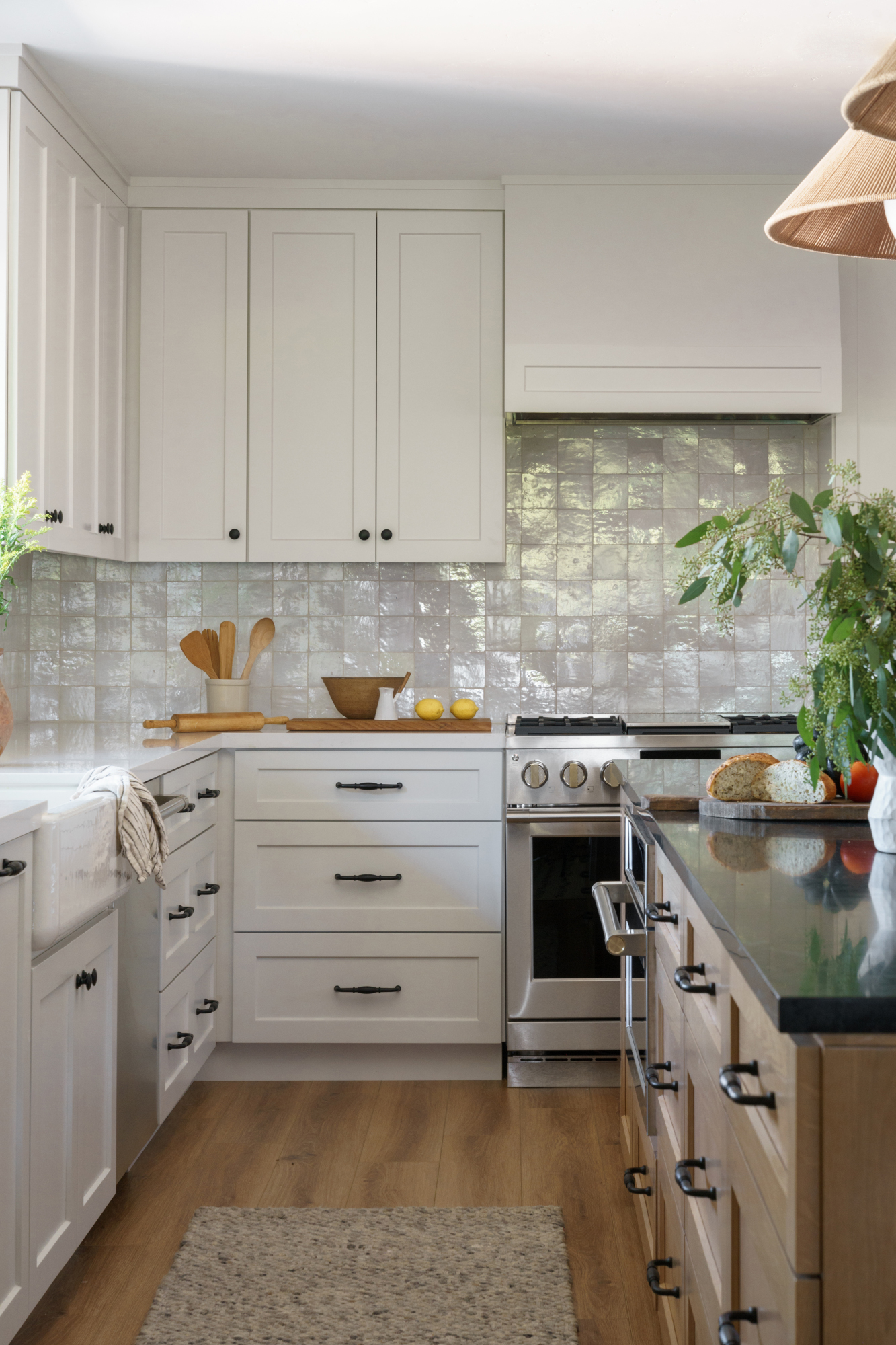
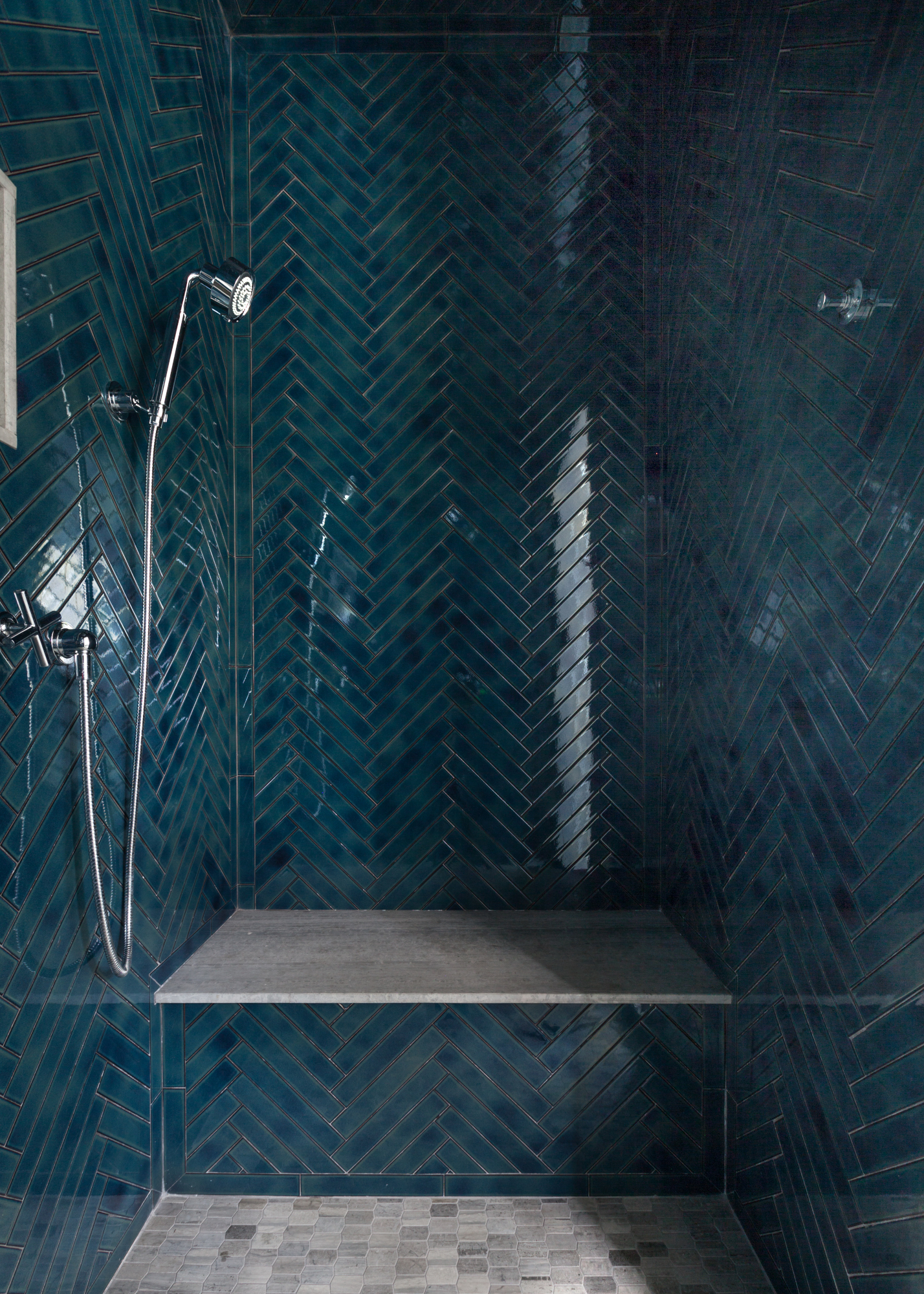
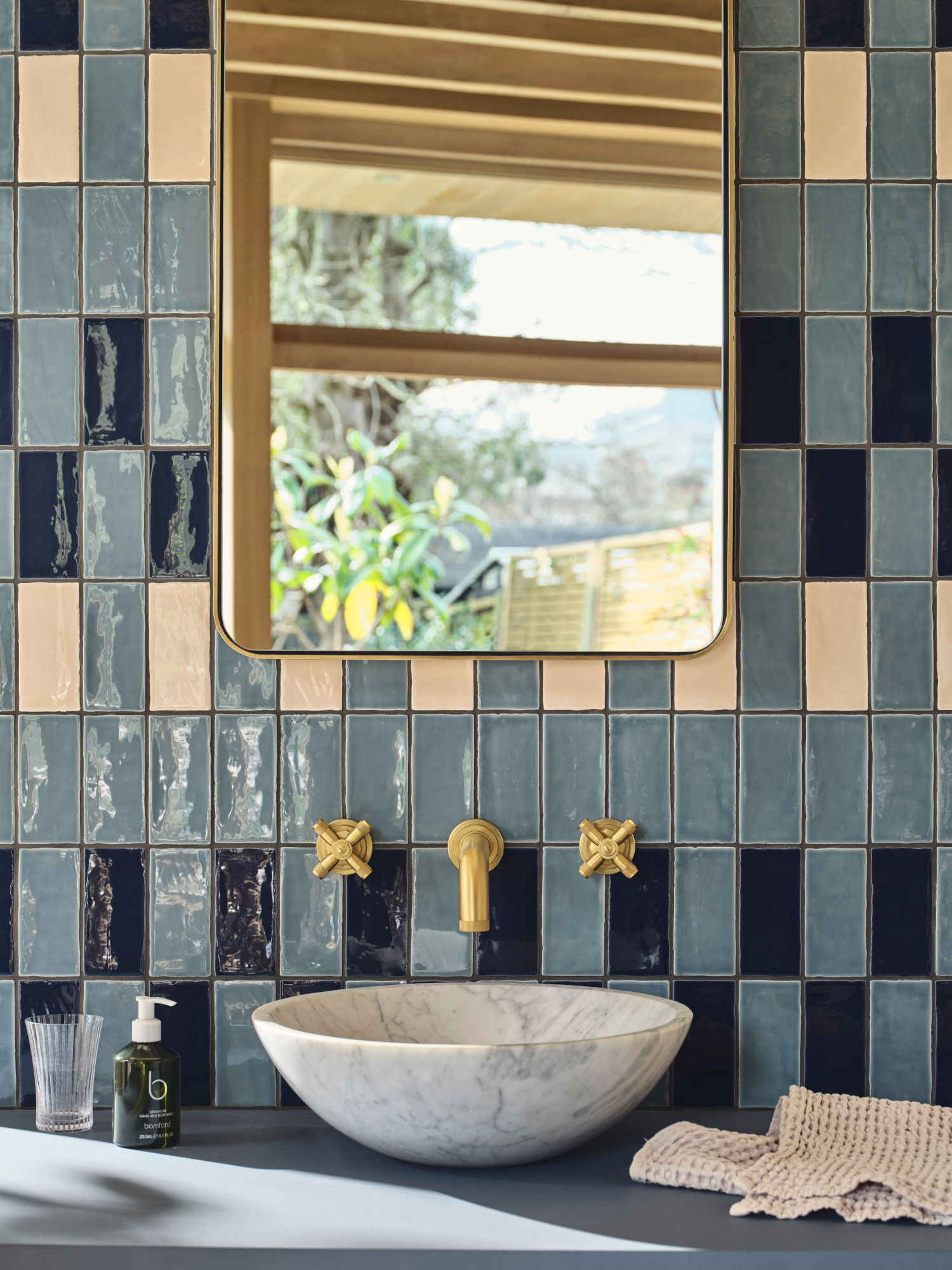
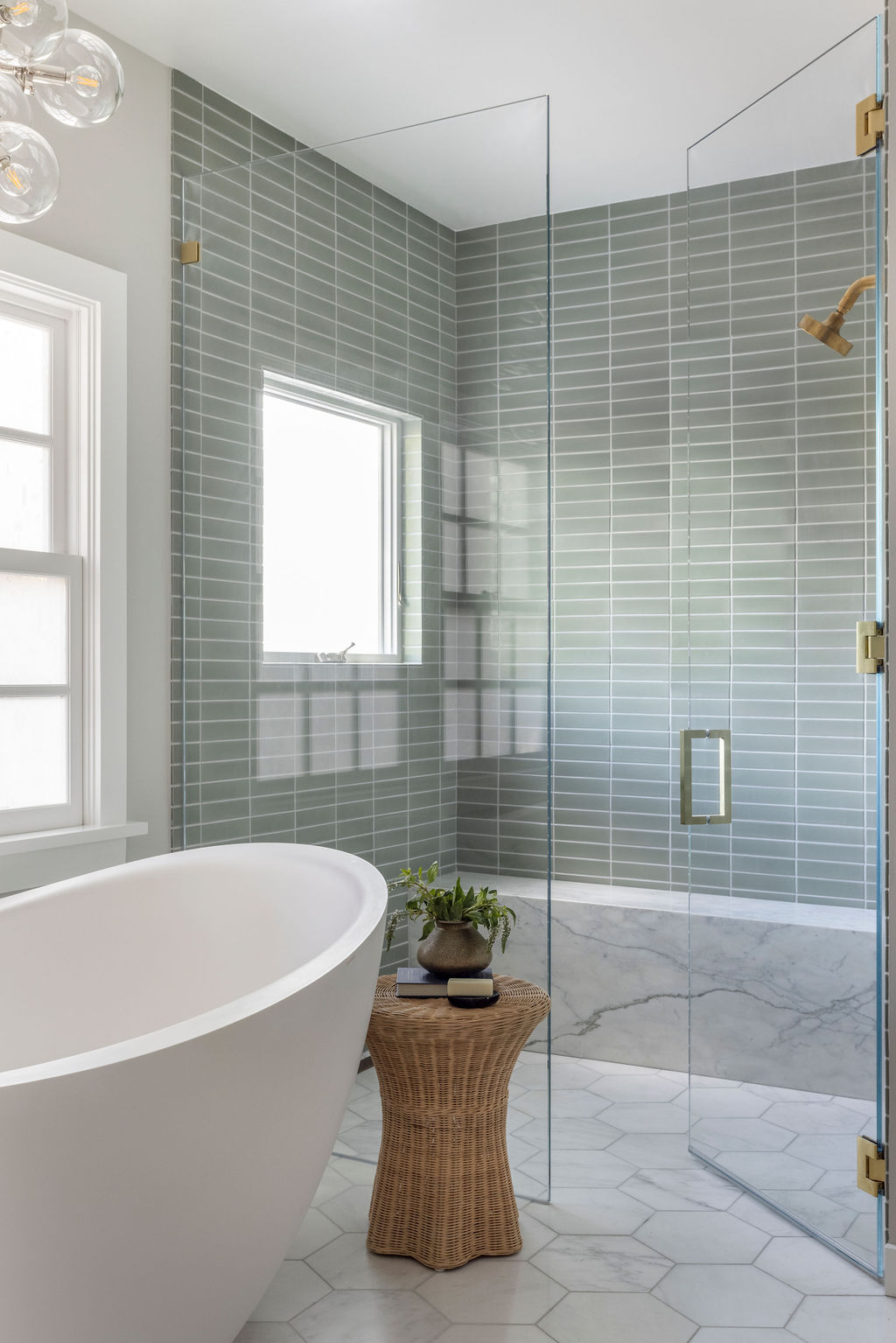
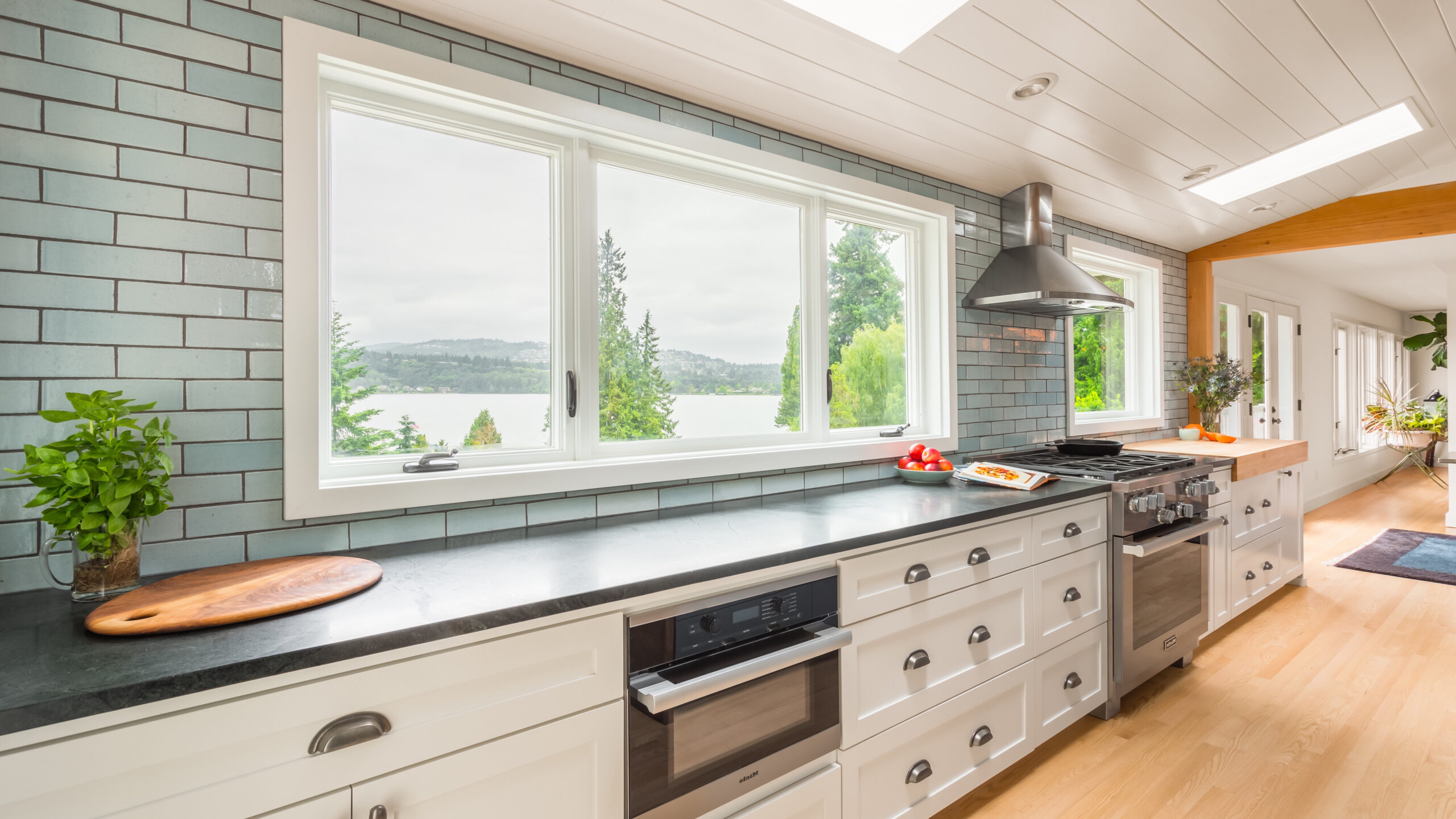
Laura Helveston of Belong Economy emphasizes the importance of style restraint even when design possibilities are vast, noting that simple ceramics like subway tile can become outstanding when pattern is incorporated. She highlights six alternative options that maintain the essence of subway tile while introducing new textures, colors, and materials. These alternatives include stone tiles, such as Bianco Carrara Polished Marble Tile, which offers a sophisticated look and can be arranged in patterns like vertical herringbone for added elegance. Hand-painted tiles, exemplified by Mayan Blue Tile from Fireclay Tile, provide deep heritage and artisan quality through their hand-glazed crackle finish, ideal for creating striking kitchen backsplashes when paired with white cabinets and brushed gold hardware.
Glass tiles, like the Loft Ash Gray Frosted Glass Tile, offer a masculine interpretation of a delicate material. These are recommended for minimalist master bathroom vanities, set in a stacked brick pattern and complemented by brass fixtures and concrete basin sinks to enhance a modern aesthetic. Cork tiles, specifically Stick Bricks from Sustainable Materials, introduce a sustainable and natural element. They are suggested for adding natural vibes to rooms, such as a Hollywood Regency-inspired dining room, when combined with lush tropical foliage and vibrant velvet chair cushions.
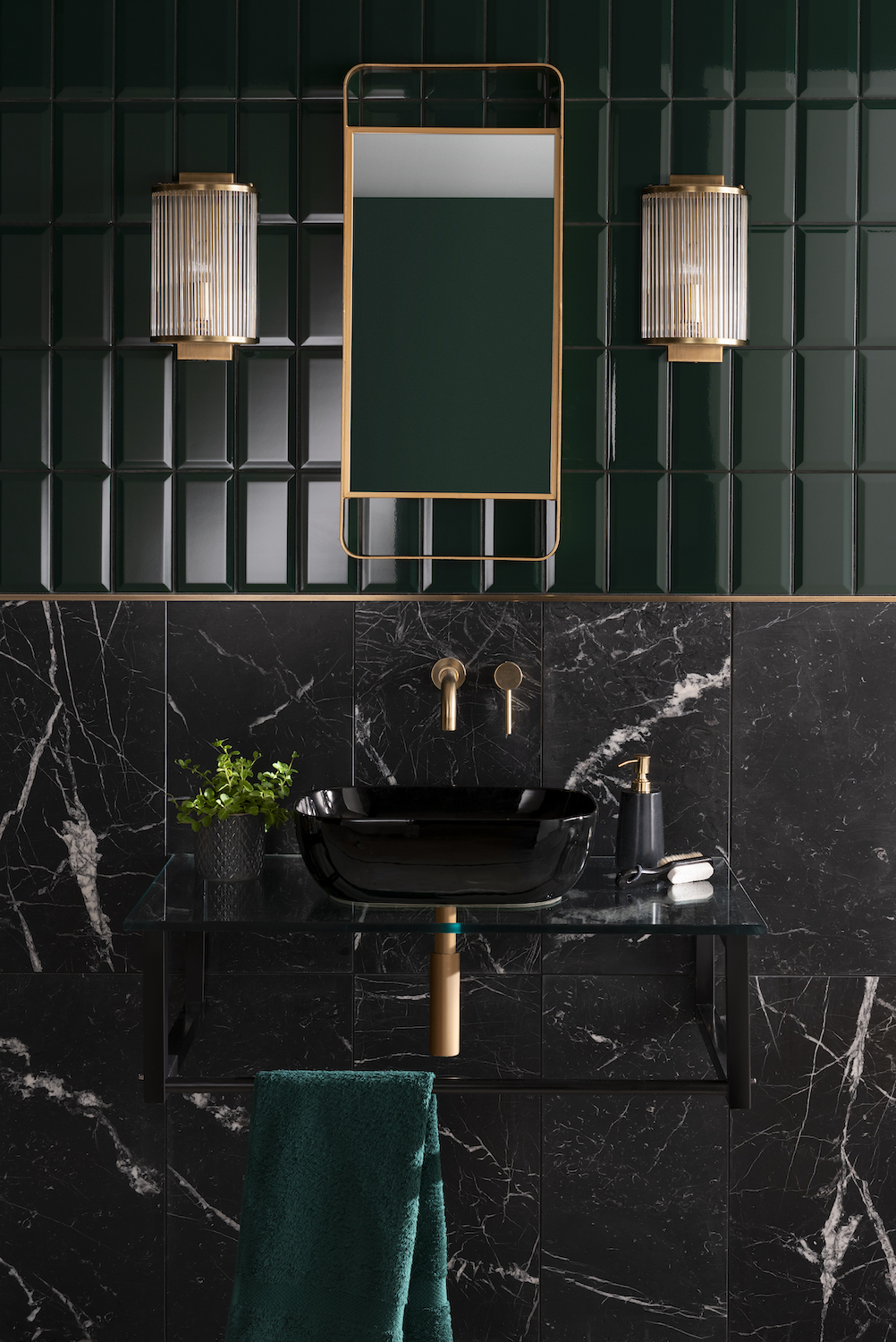
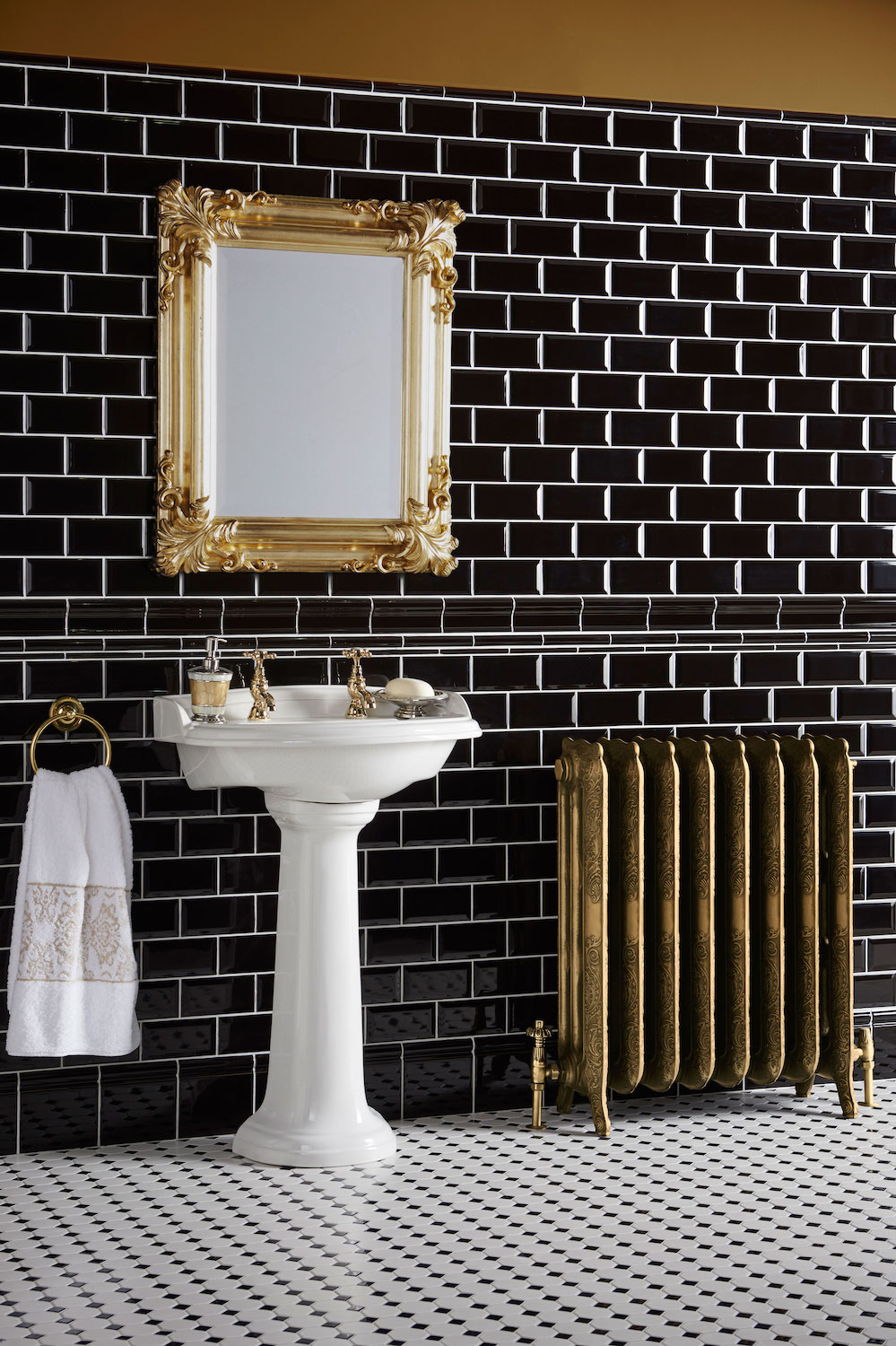
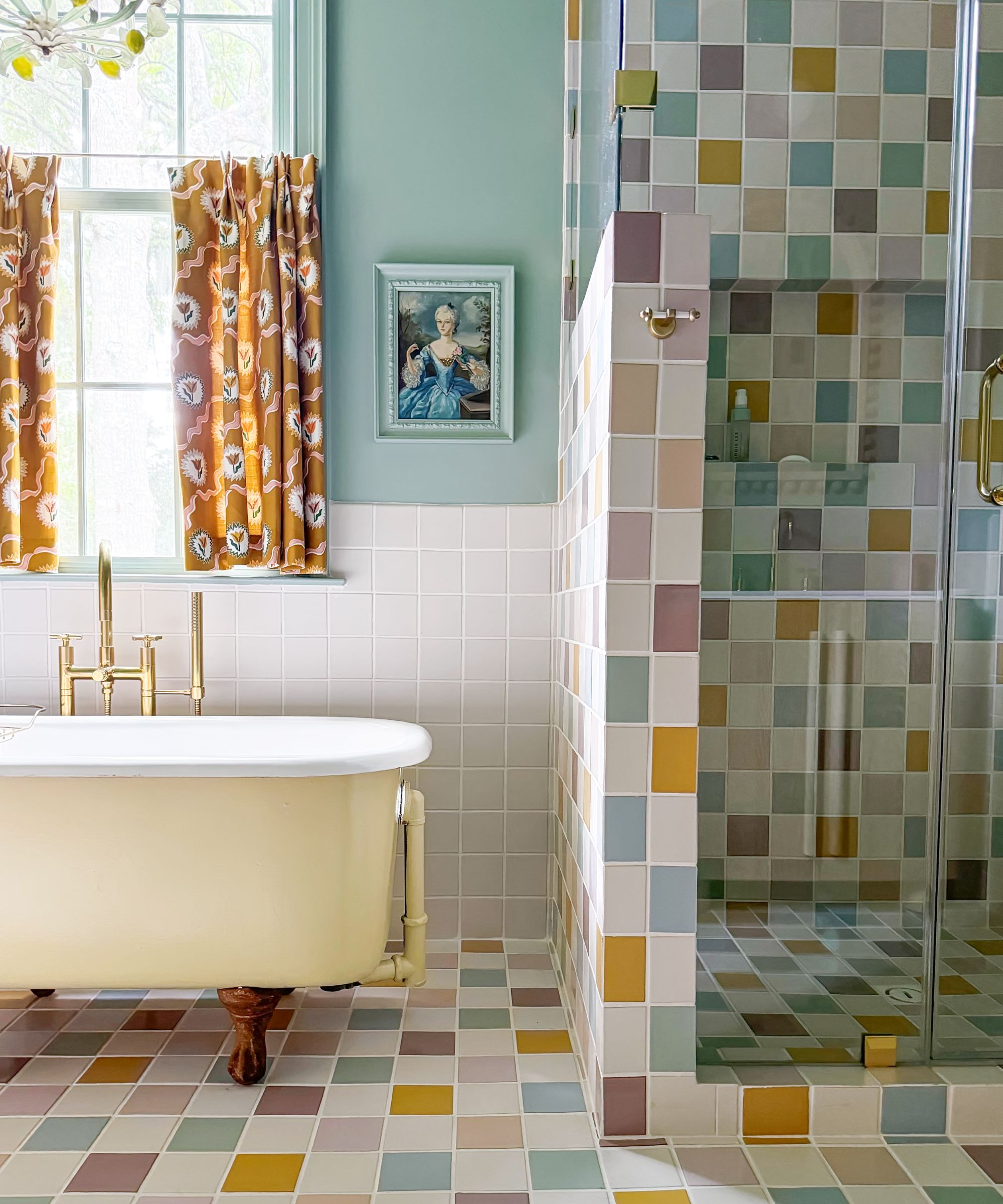
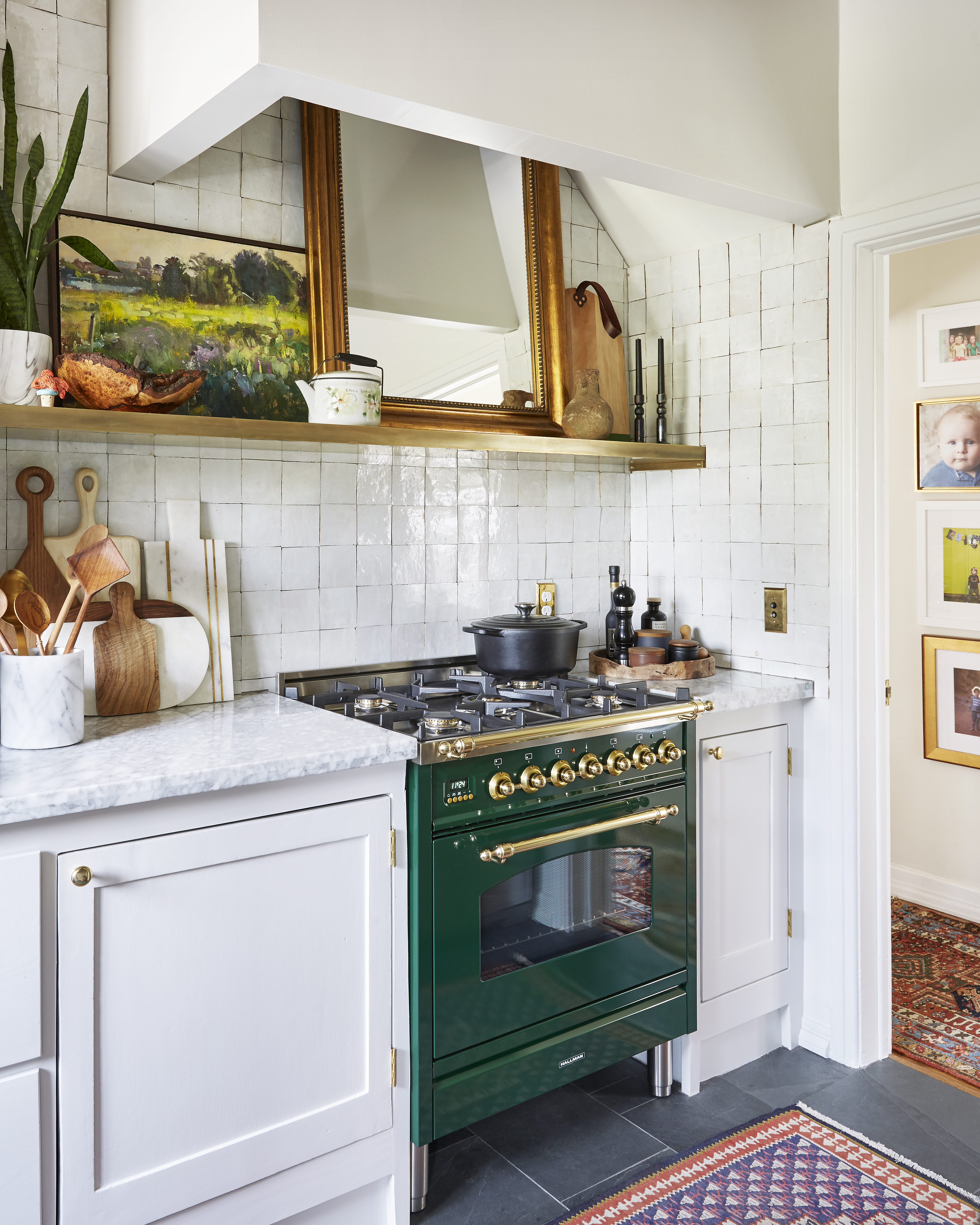
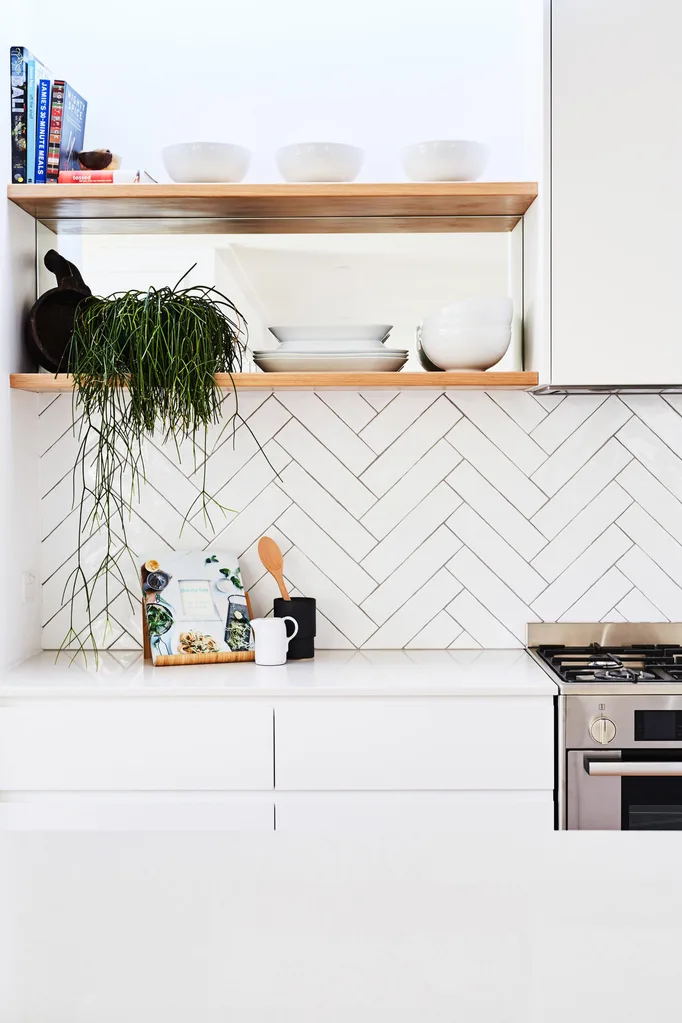
Vintage options also present a unique way to rethink subway tile. Green Beveled Edge Rectangular Tile Sets, for instance, can serve as a focal point above a cooktop, surrounded by glossy white subway tile and rustic wood base cabinets. Reclaimed white subway tiles from the 1920s offer an authentic historical feel, perfectly suited for a vintage bathroom setting with a clawfoot tub and a saturated Persian rug. These suggestions demonstrate that while the classic subway tile remains iconic, there are numerous ways to innovate and personalize this versatile design element, extending its relevance and appeal in contemporary interiors.
#SubwayTile #InteriorDesign #HomeDecoration #TileAlternatives #DesignTrends #KitchenDesign #BathroomDesign #ArchitecturalHistory #MaterialInnovation #SubwayTile #InteriorDesign #HomeDecoration #TileAlternatives #DesignTrends #KitchenDesign #BathroomDesign #ArchitecturalHistory #MaterialInnovation
Toplam 0 yorum
 Henüz yorum yok
Bu da beğenebilirsiniz
Tactile Subway Tiles: An Updated Spin on a Design Classic

Designers Are Ditching "Flat Painted Walls" for THIS Unexpected Trend

12 subway tile patterns to try

Watch Out Subway Tile, Herringbone Might Be the Coolest New Tile Trend

Is White Subway Tile Boring, or a Bona Fide Classic?
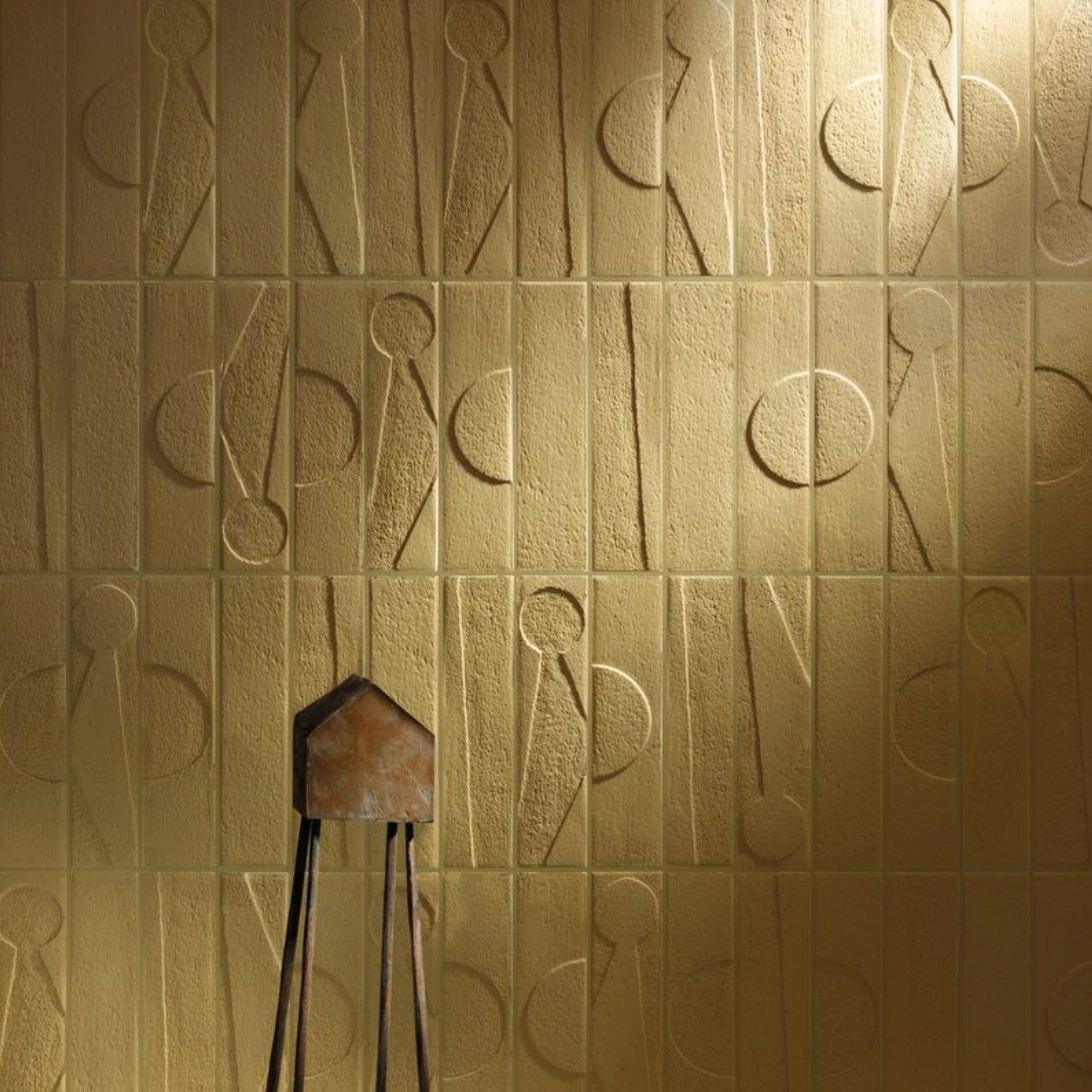
The New Tile Trend Causing a Scene This Season

Tiles take inspiration from fashion
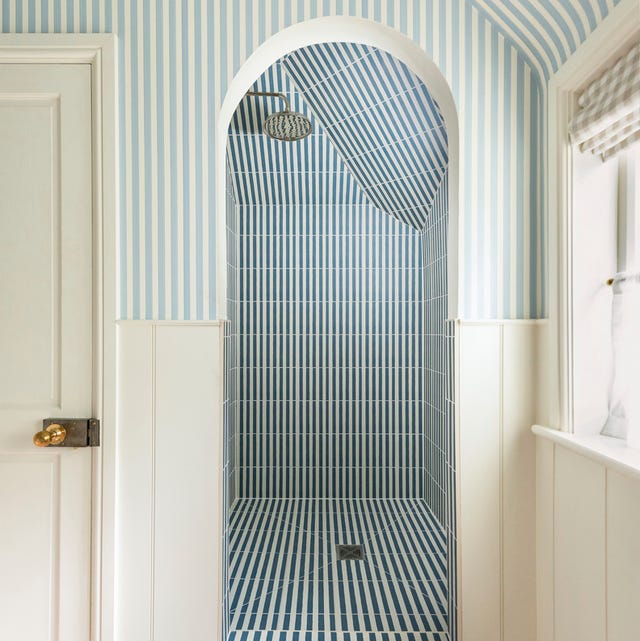
Tile Is BACK—and More Creative and Fun Than Ever, According to Experts
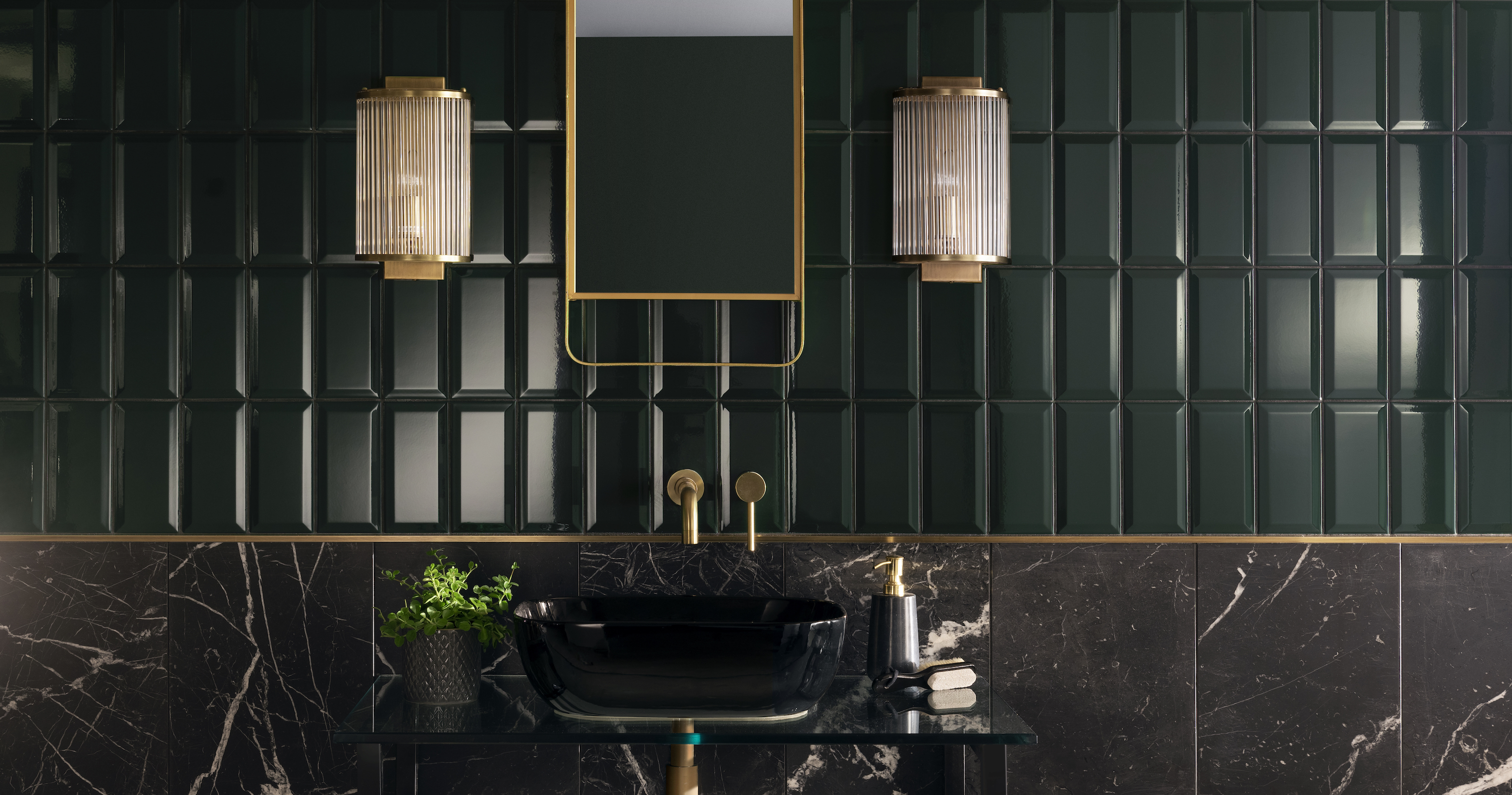
Bathroom subway tile ideas - designers are updating this classic decor style

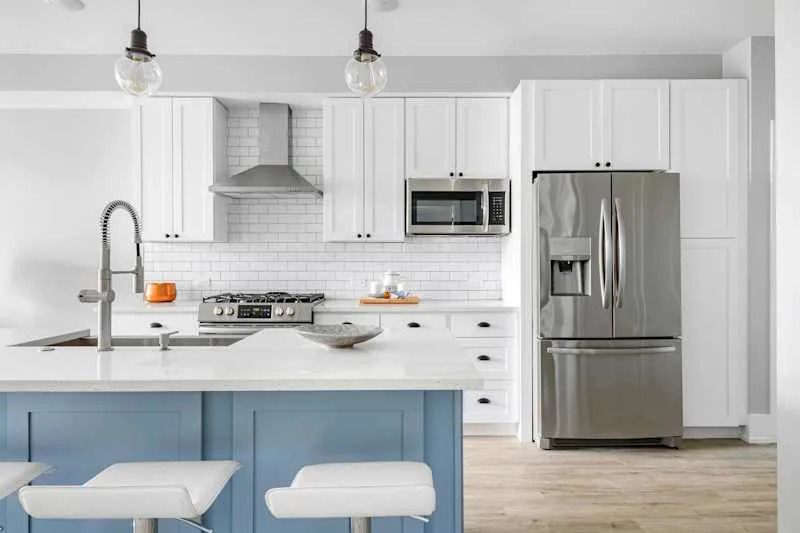
I Asked Designers What They Really Think About Subway Tile, and They Said the Same Thing

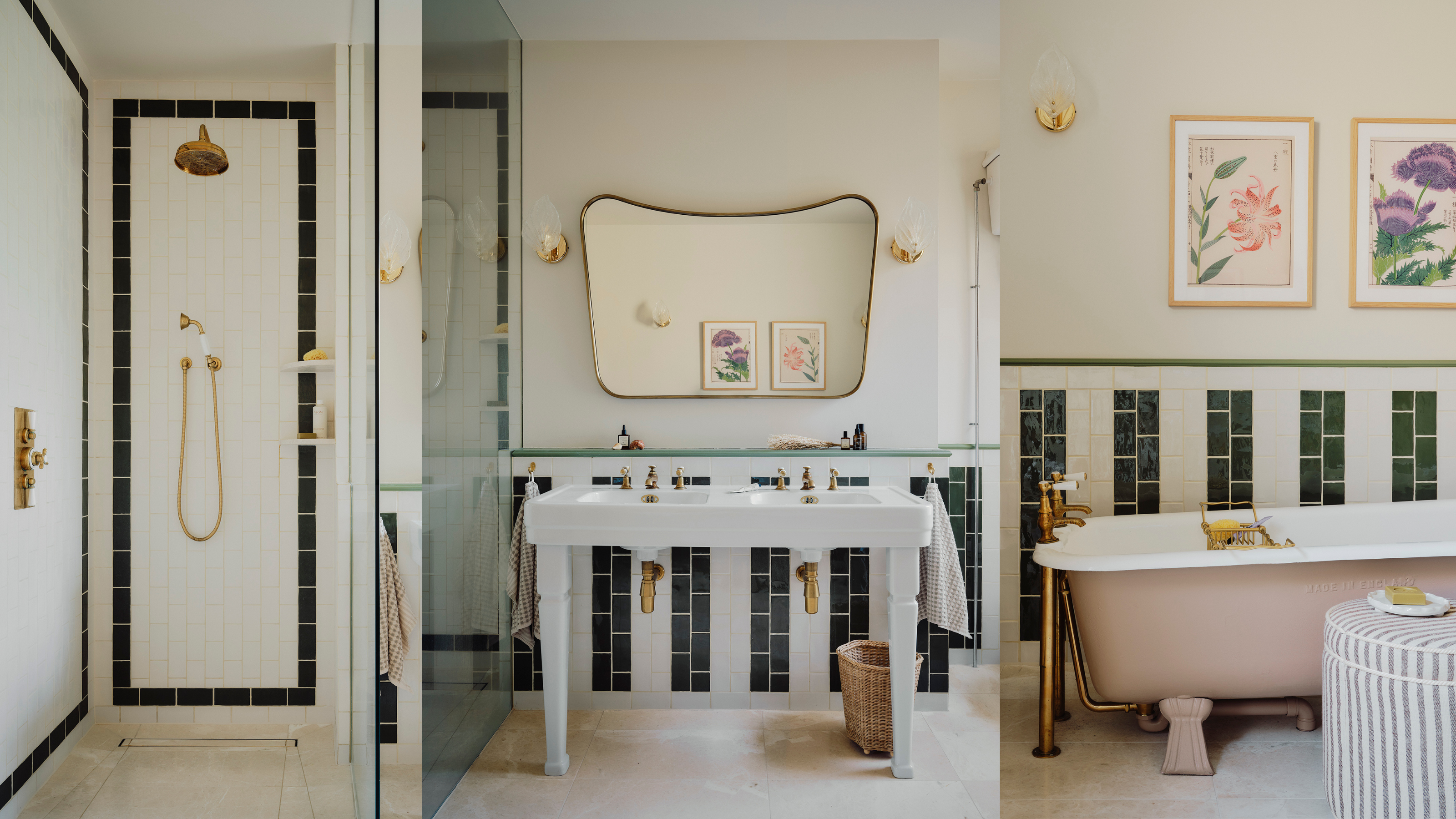
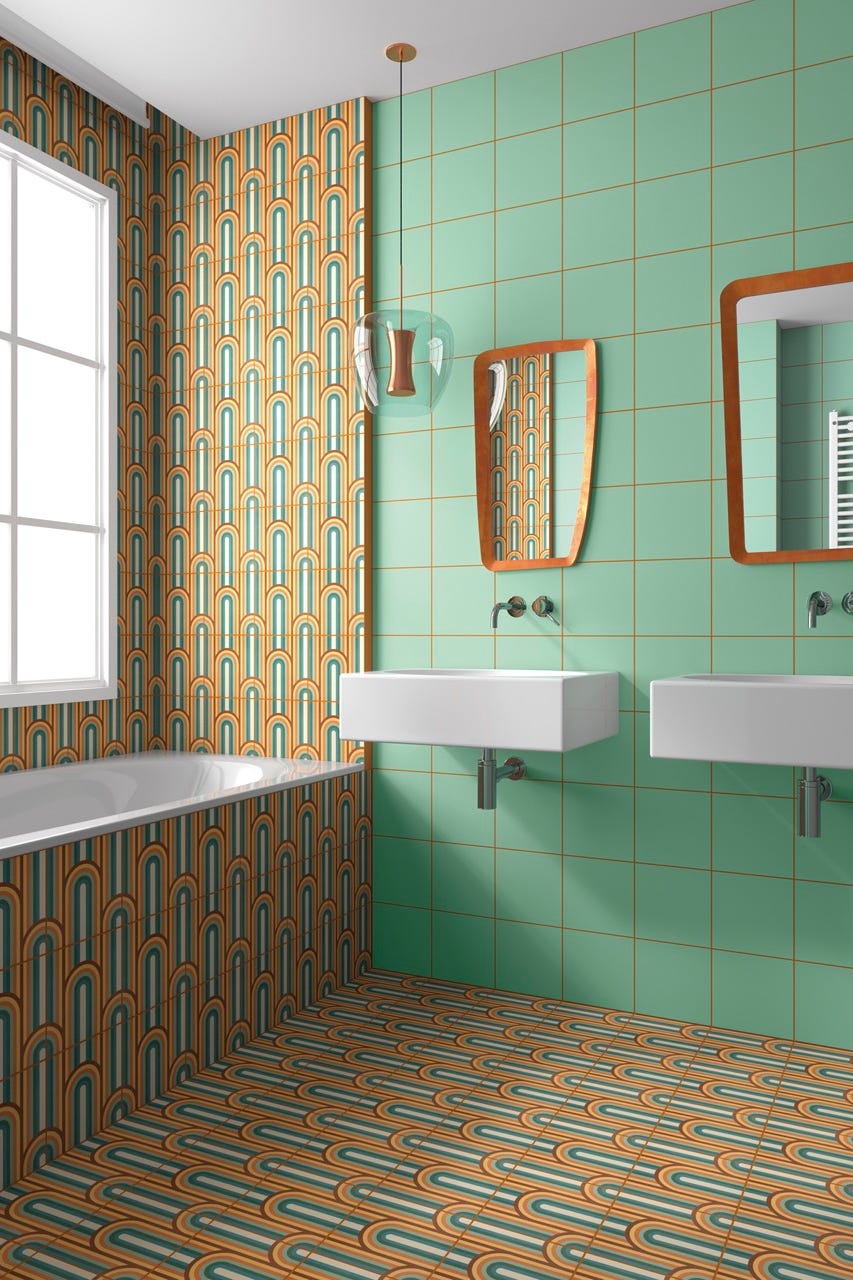
Striped Tile Layouts Are Trending in Bathrooms — It's an Easy Way to Make Simple Tiles Look Amazing
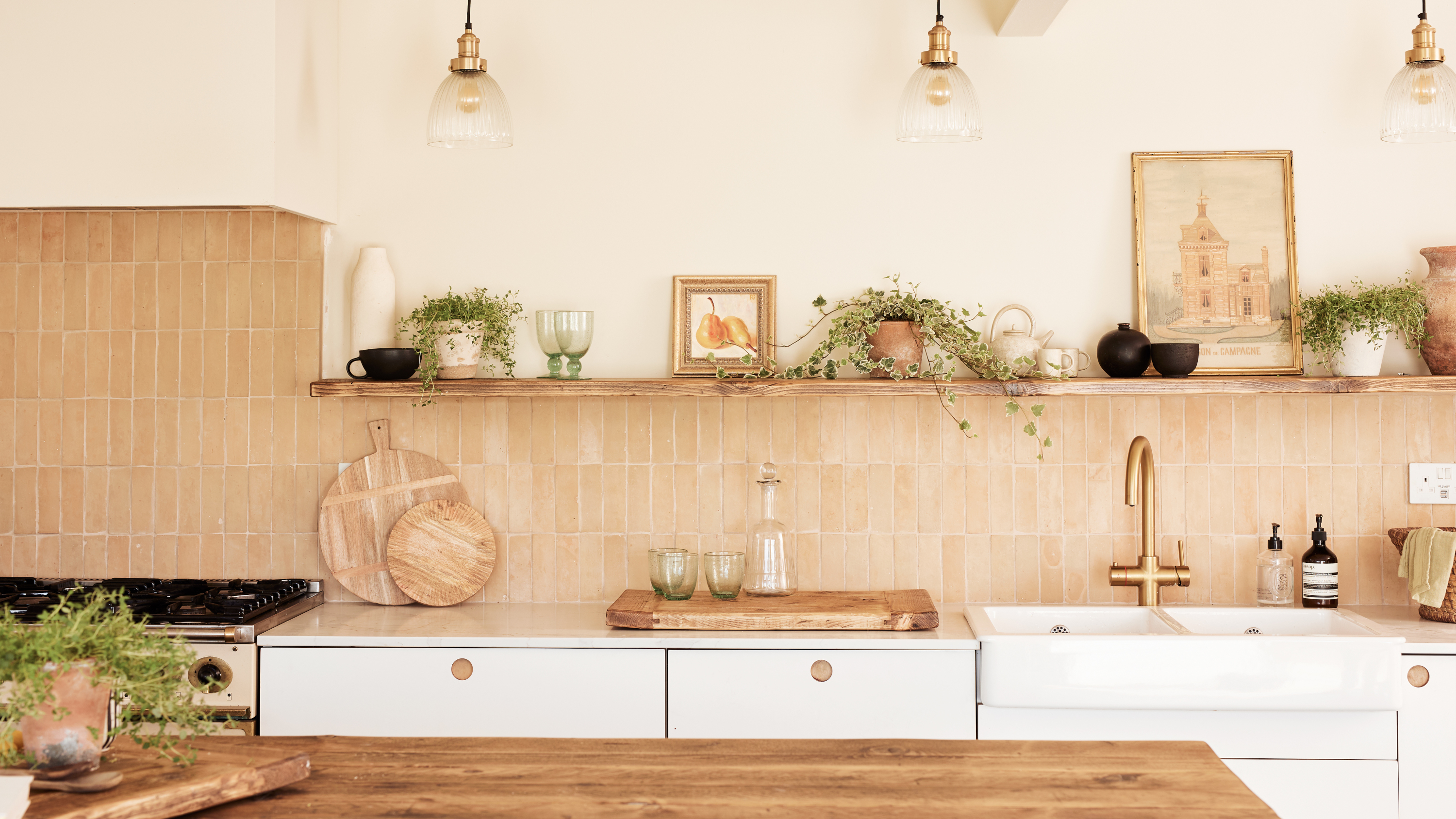
6 Outdated Tile Choices That Interior Designers Aren't Using Anymore — And What They Say to Try Instead
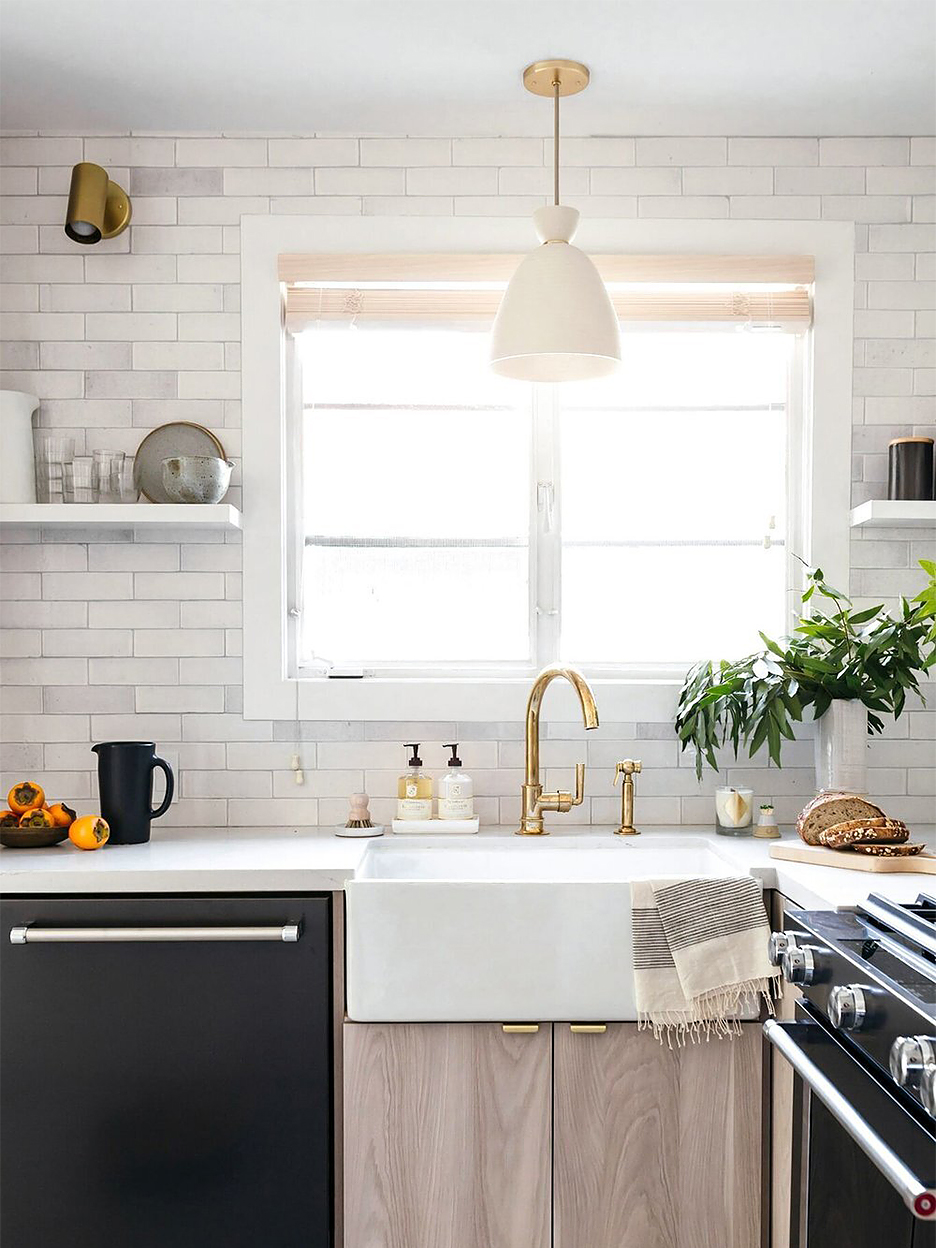
Cure Your White Subway Tile Fatigue With These Artful Rectangles
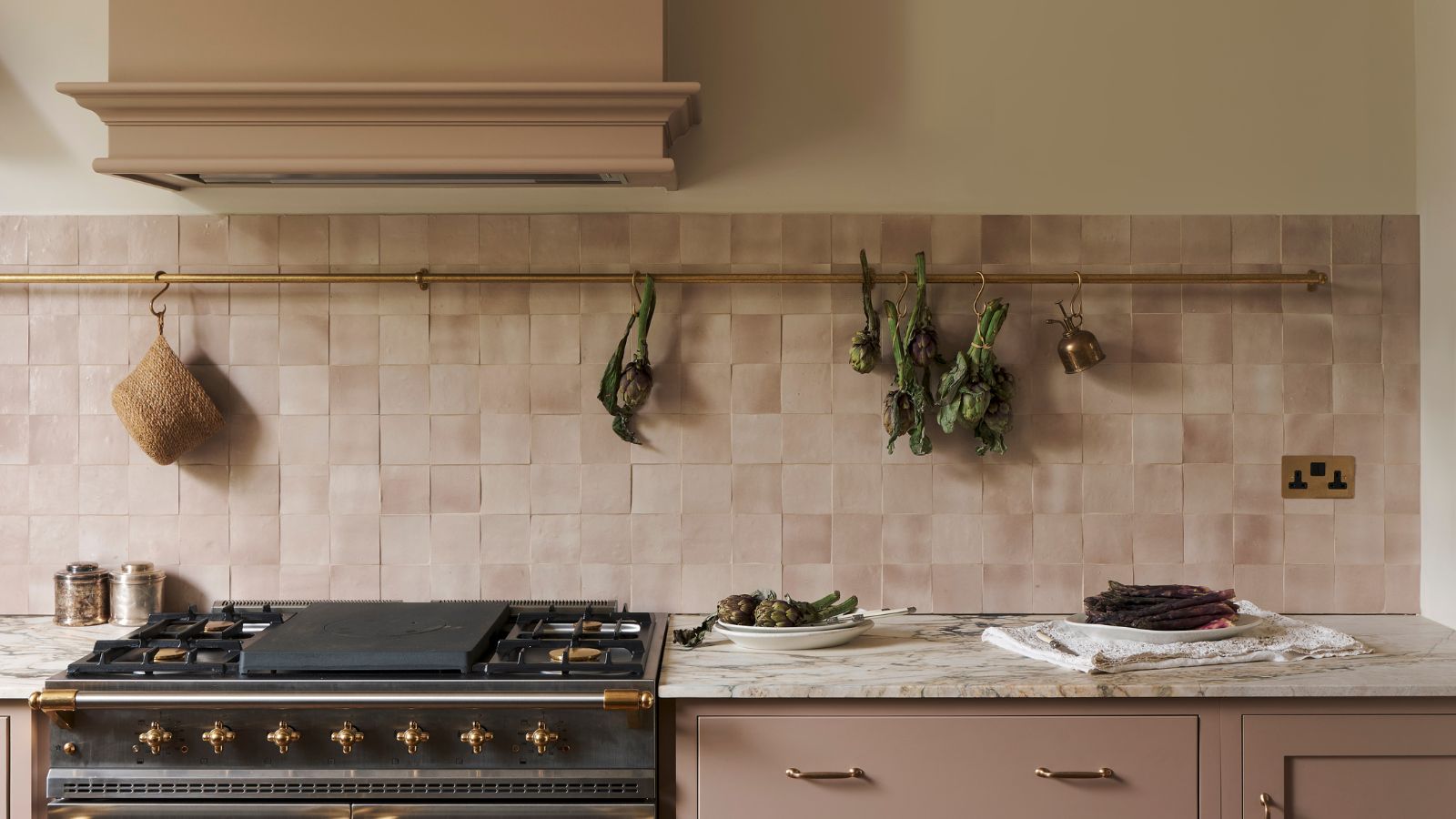
Goodbye subway tiles, every stylish kitchen and bathroom has replaced rectangles with squares – I am on board, as are many interior designers
This Surprising NEW Trend Is Replacing Accent Walls
Don't just settle for white gloss! These expert tips for styling metro tiles will guarantee compliments from guests
Subway Tile Is Leaving the Station: 8 New Looks for the Kitchen, Bathroom, and Beyond
What Comes After Subway Tile? We Asked 5 Designers

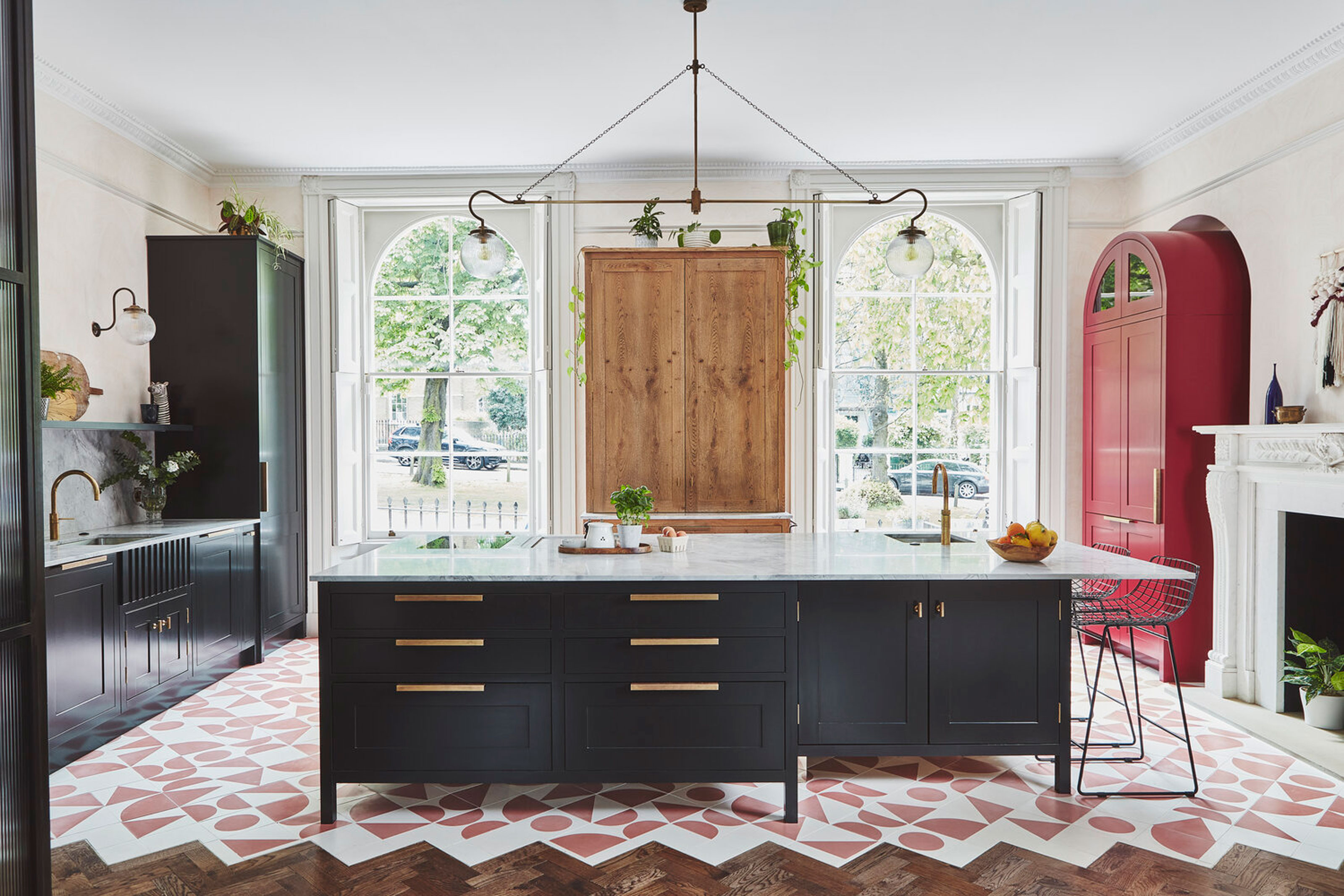
Hold everything - these 11 flooring transitions are reinventing decor, zoning spaces and looking incredibly luxe
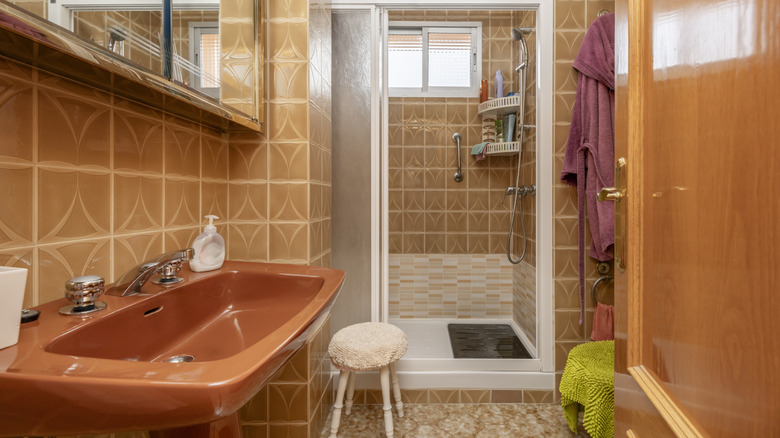
The Decades Old Tile Trend That Is Popping Back Up In Bathrooms