1/10
Is White Subway Tile Boring, or a Bona Fide Classic?
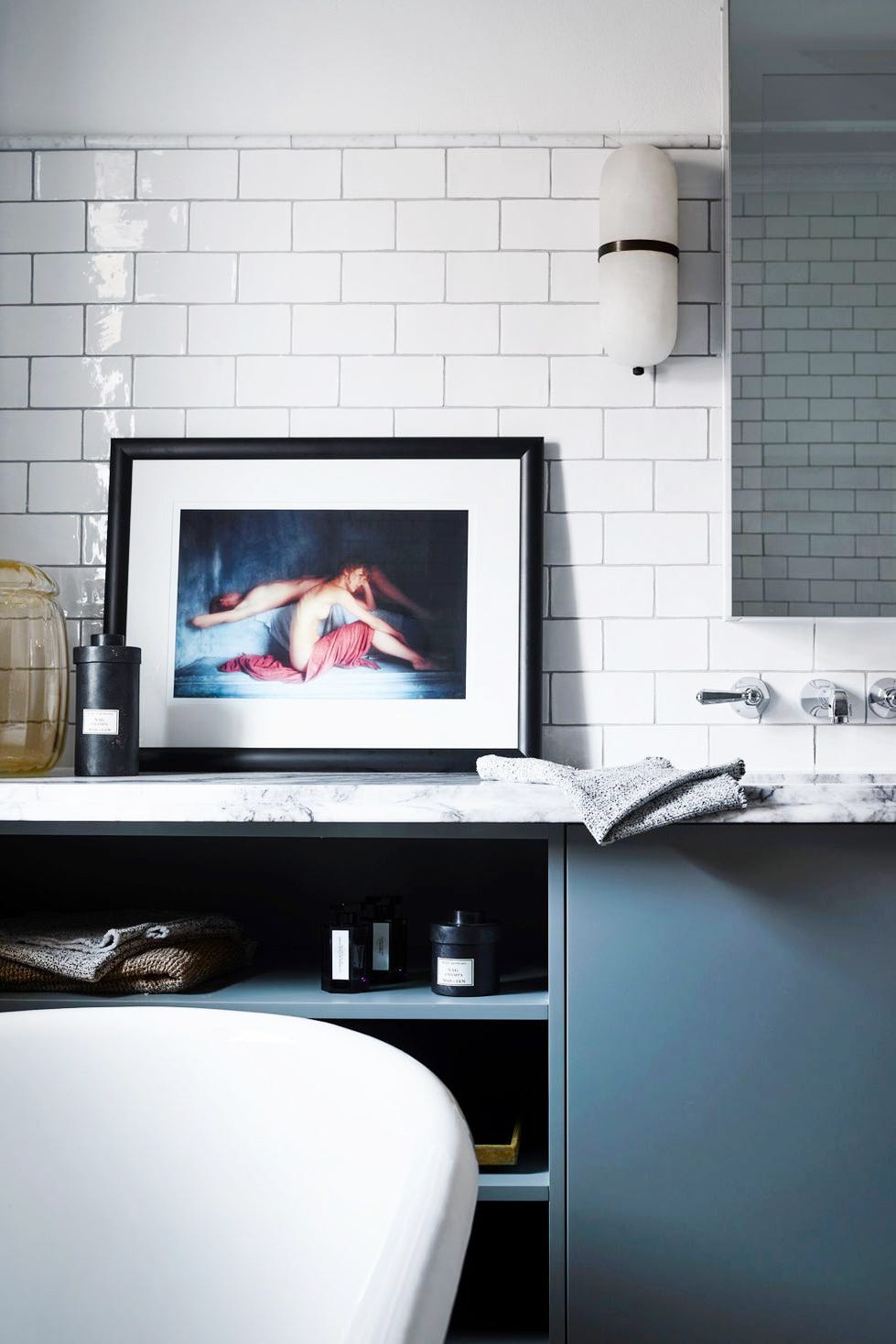
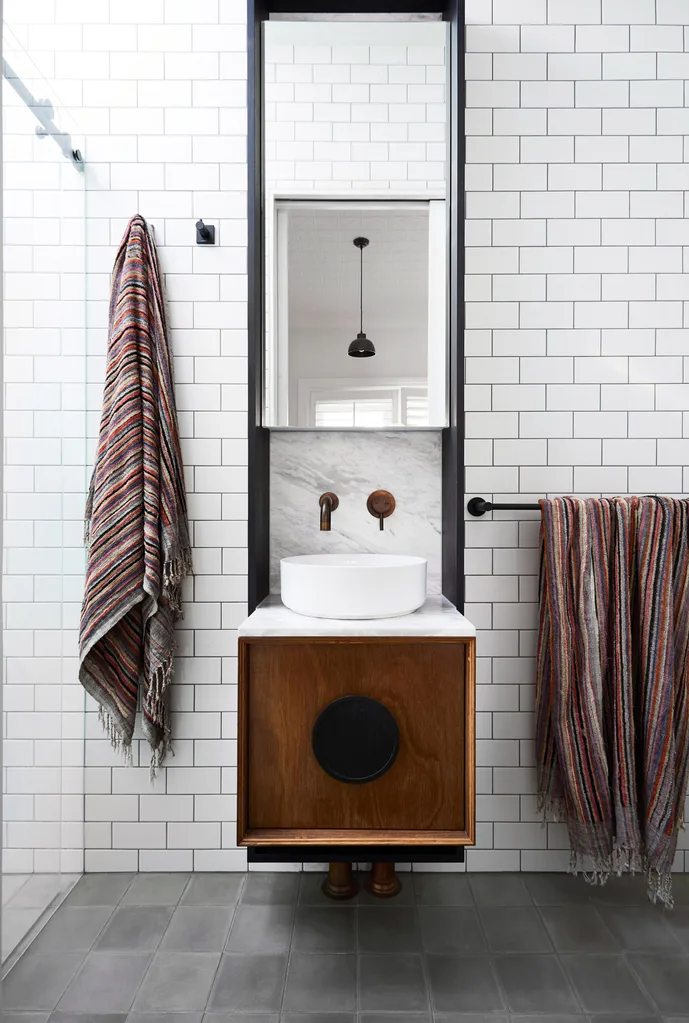
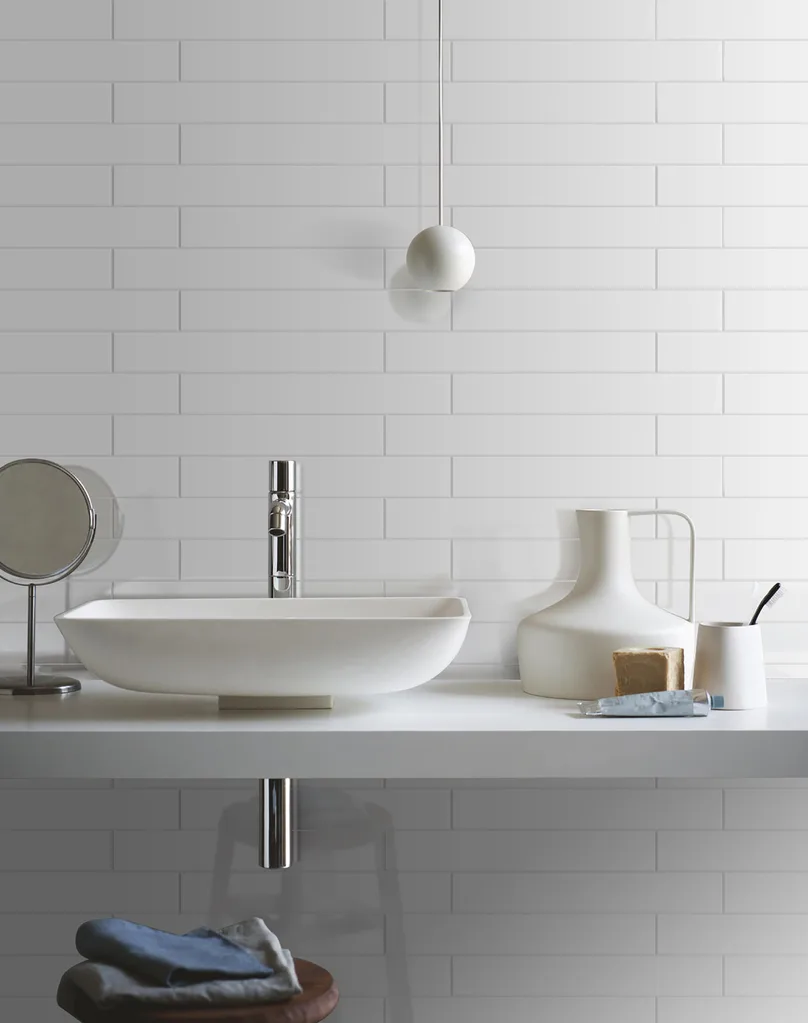
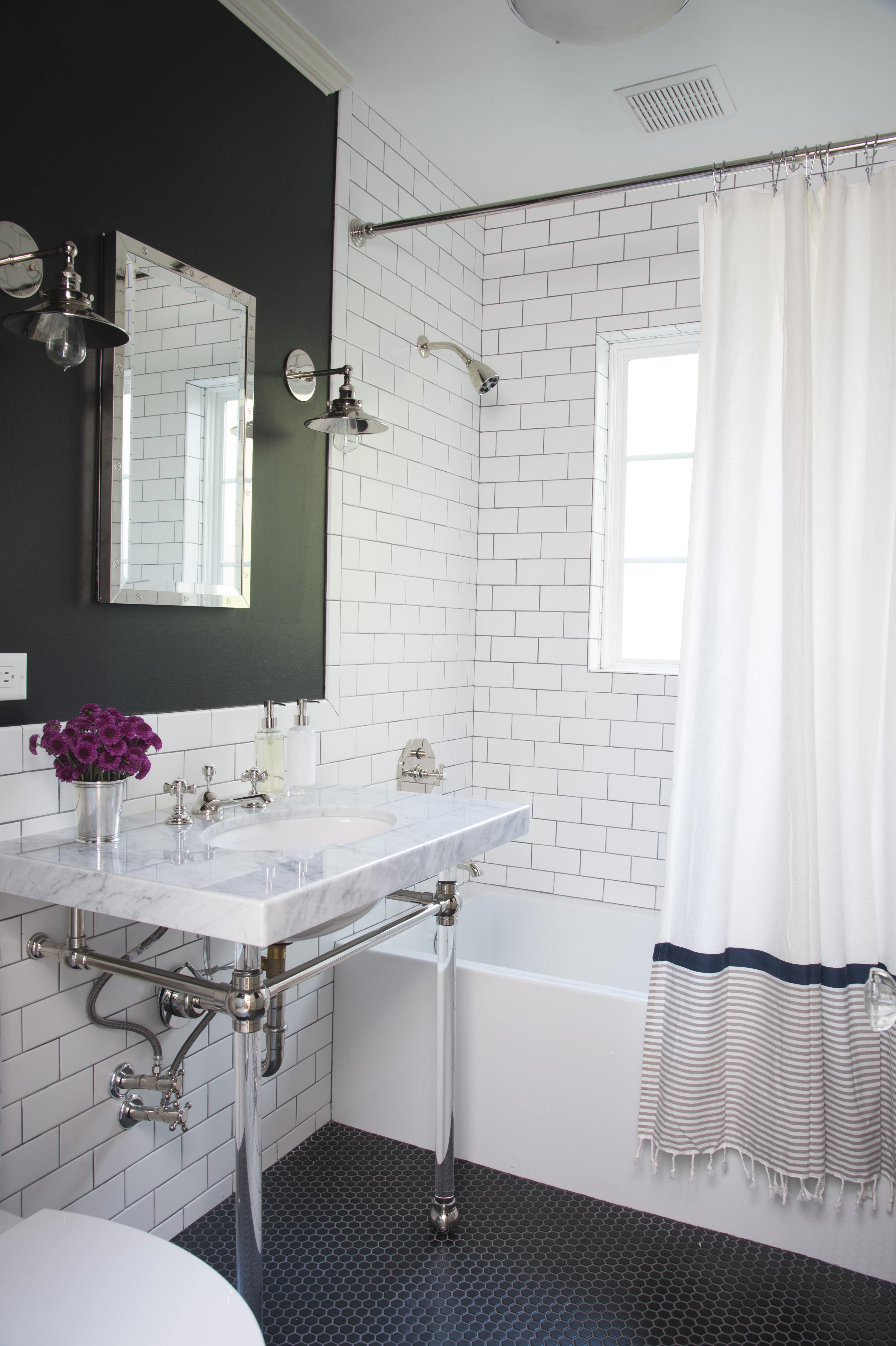
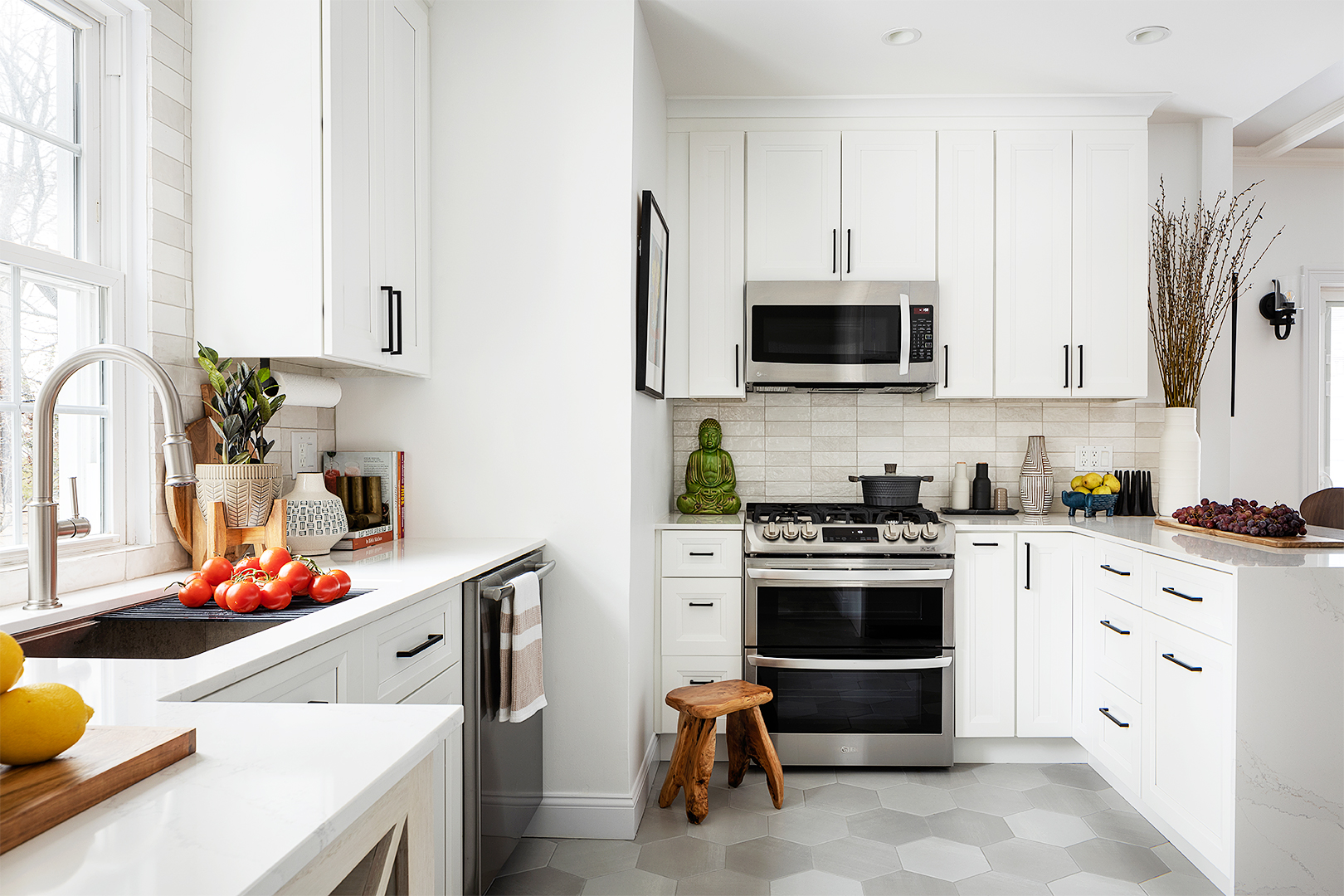
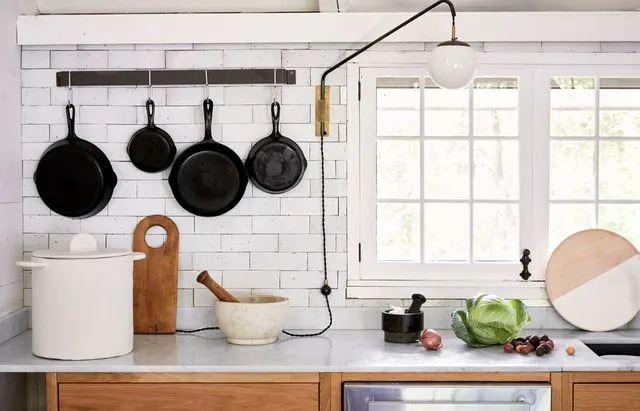
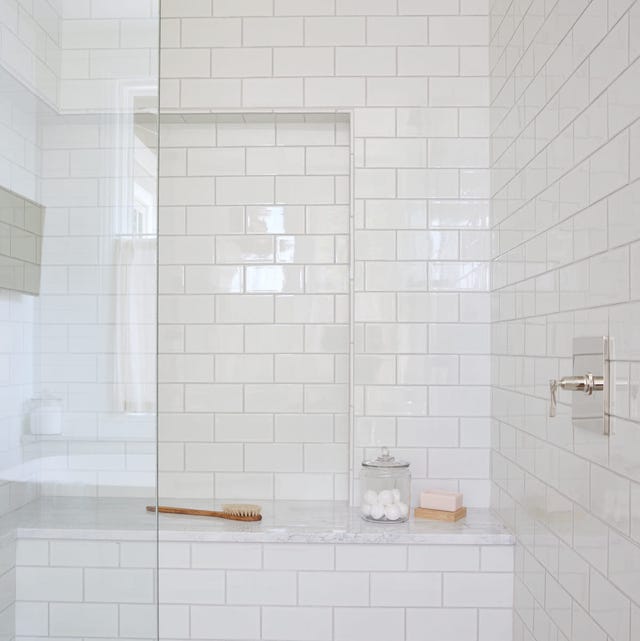
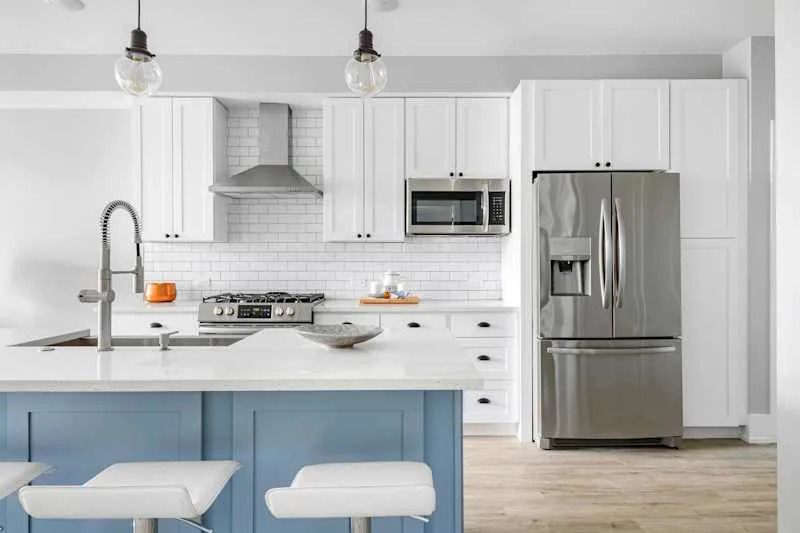
Subway tile, characterized by its iconic 3x6 inch rectangular shape, originated in 1904 for New York City's first subway stations, designed by George C. Heins and Christopher Grant La Farge. Its initial appeal stemmed from its durability, ease of cleaning, and budget-friendly nature, making it ideal for high-traffic, utilitarian spaces. These same qualities quickly propelled it into mainstream home design, establishing it as a go-to choice for kitchens and bathrooms for over a century. The article explores whether white subway tile maintains its status as a timeless design element or if its widespread use signals a need for new trends.
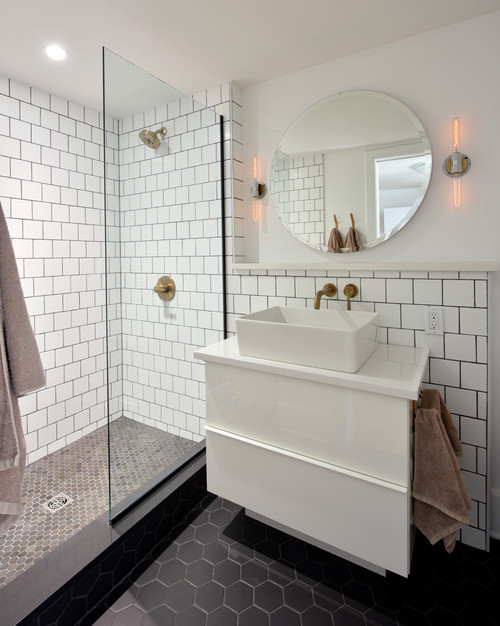
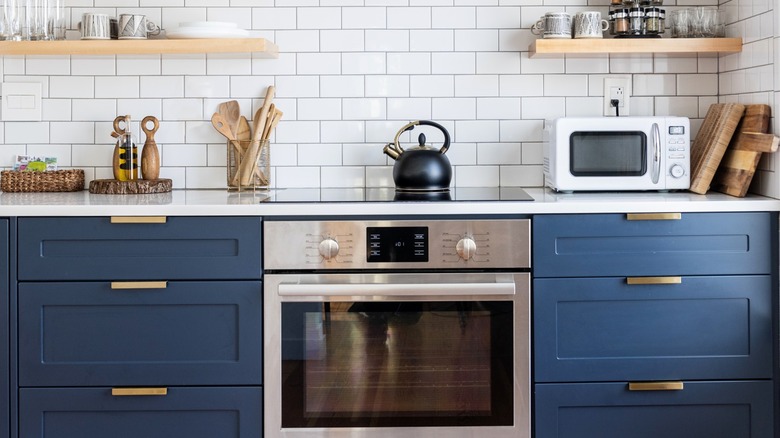
Designers hold differing views on the enduring appeal of white subway tile. Ashley Macuga of Collected Interiors emphasizes its classic status, largely due to its affordability, making it a practical choice for homeowners, particularly in secondary spaces like children's and guest bathrooms. Shannon Eddings of Shannon Eddings Interiors echoes this sentiment, highlighting its ease of maintenance, which appeals to clients with busy lifestyles and families. Both designers appreciate its versatility, noting that various trim options can personalize its appearance.
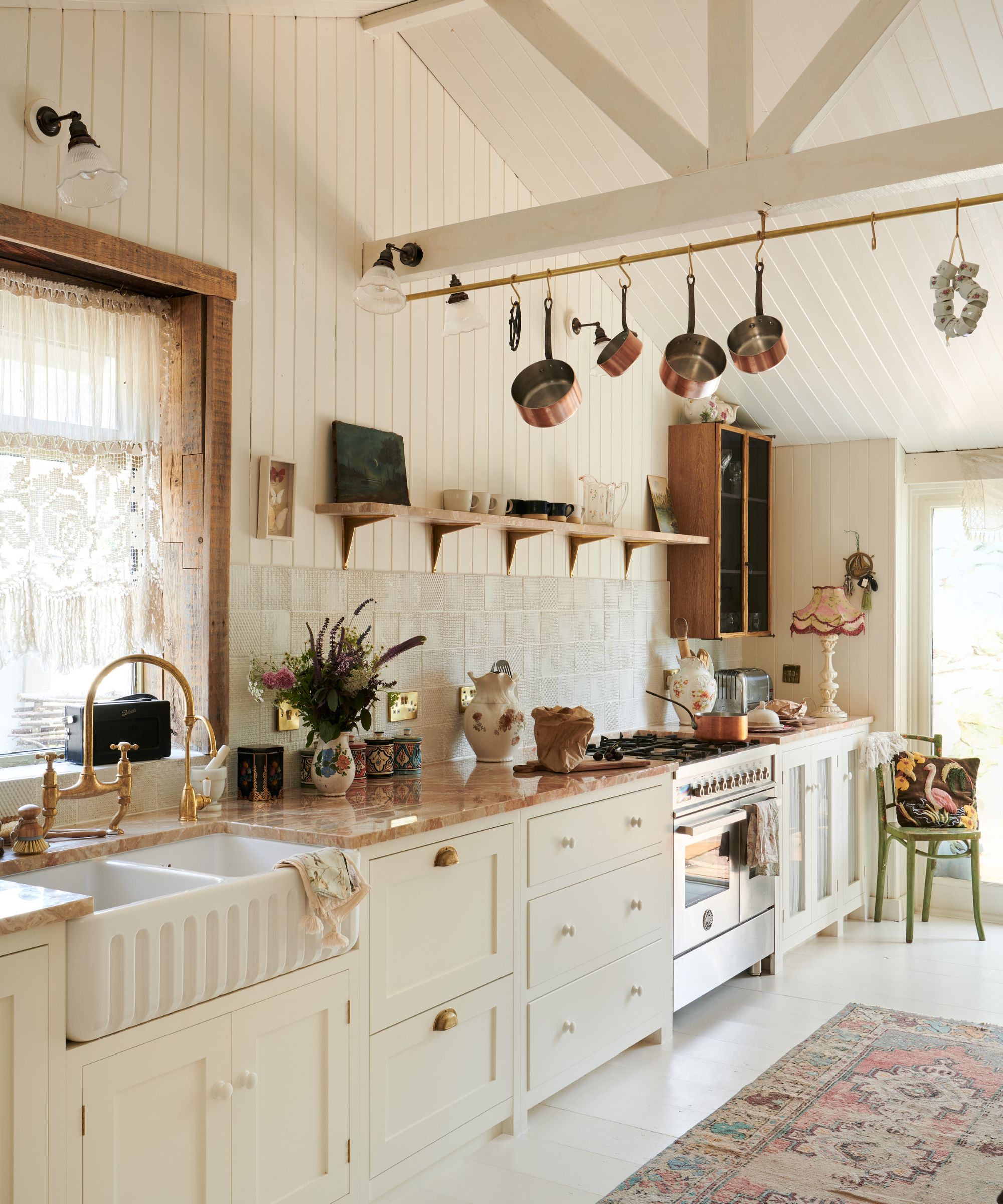
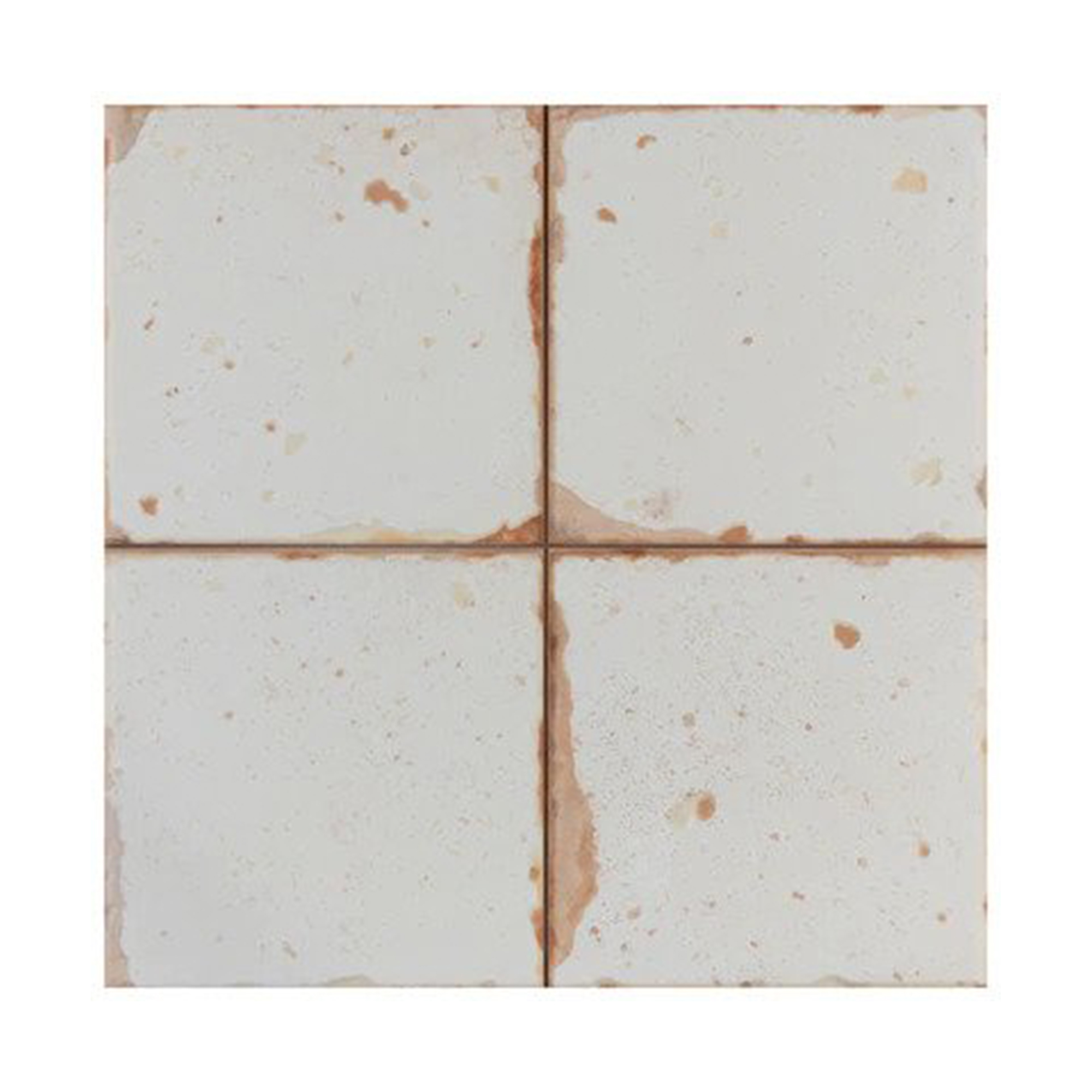
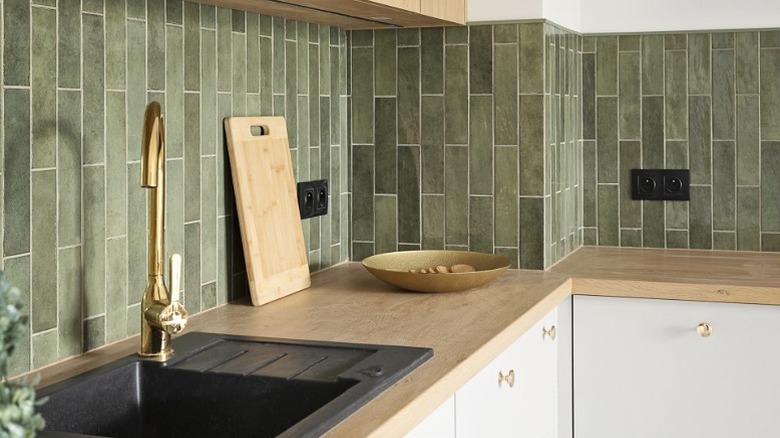
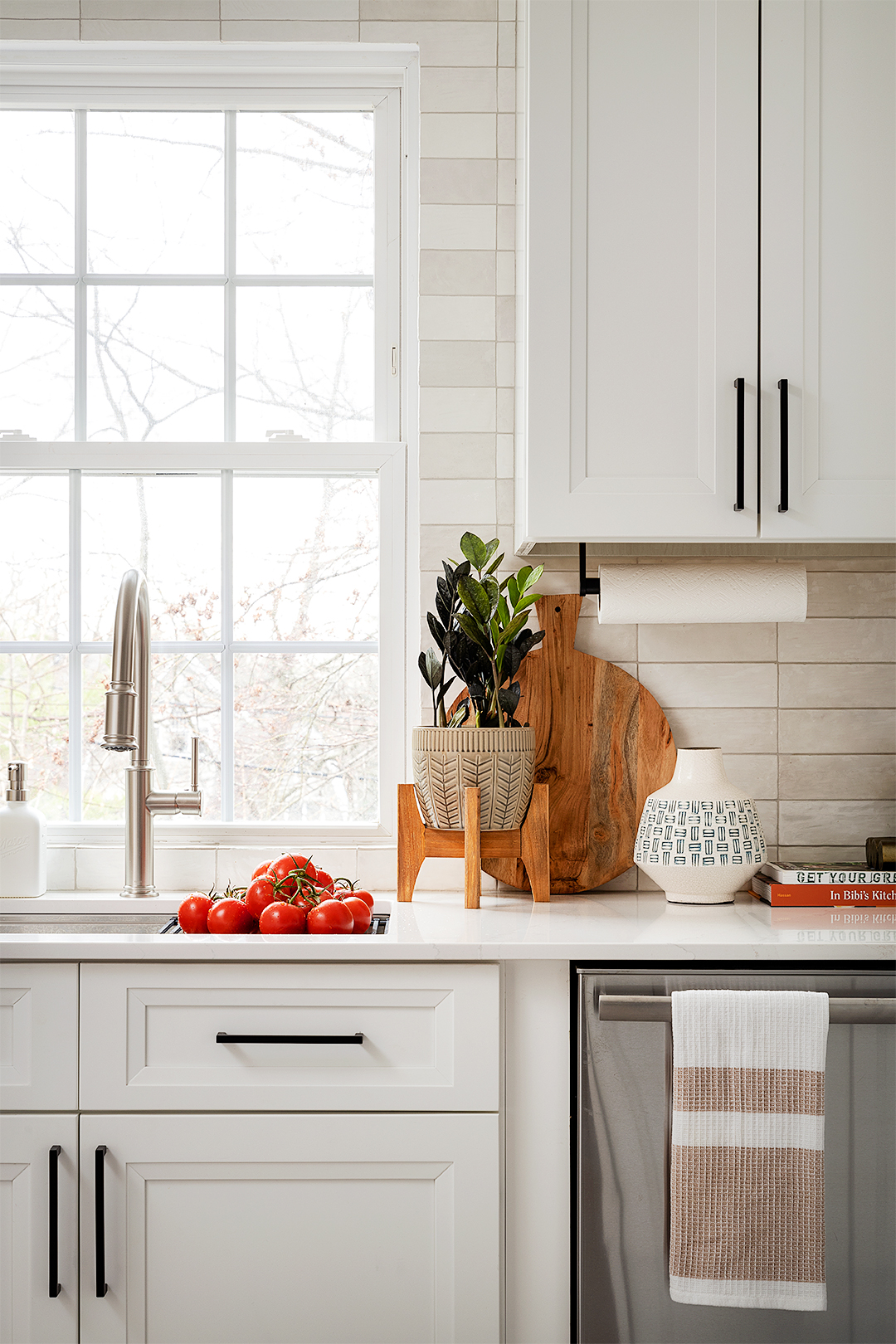
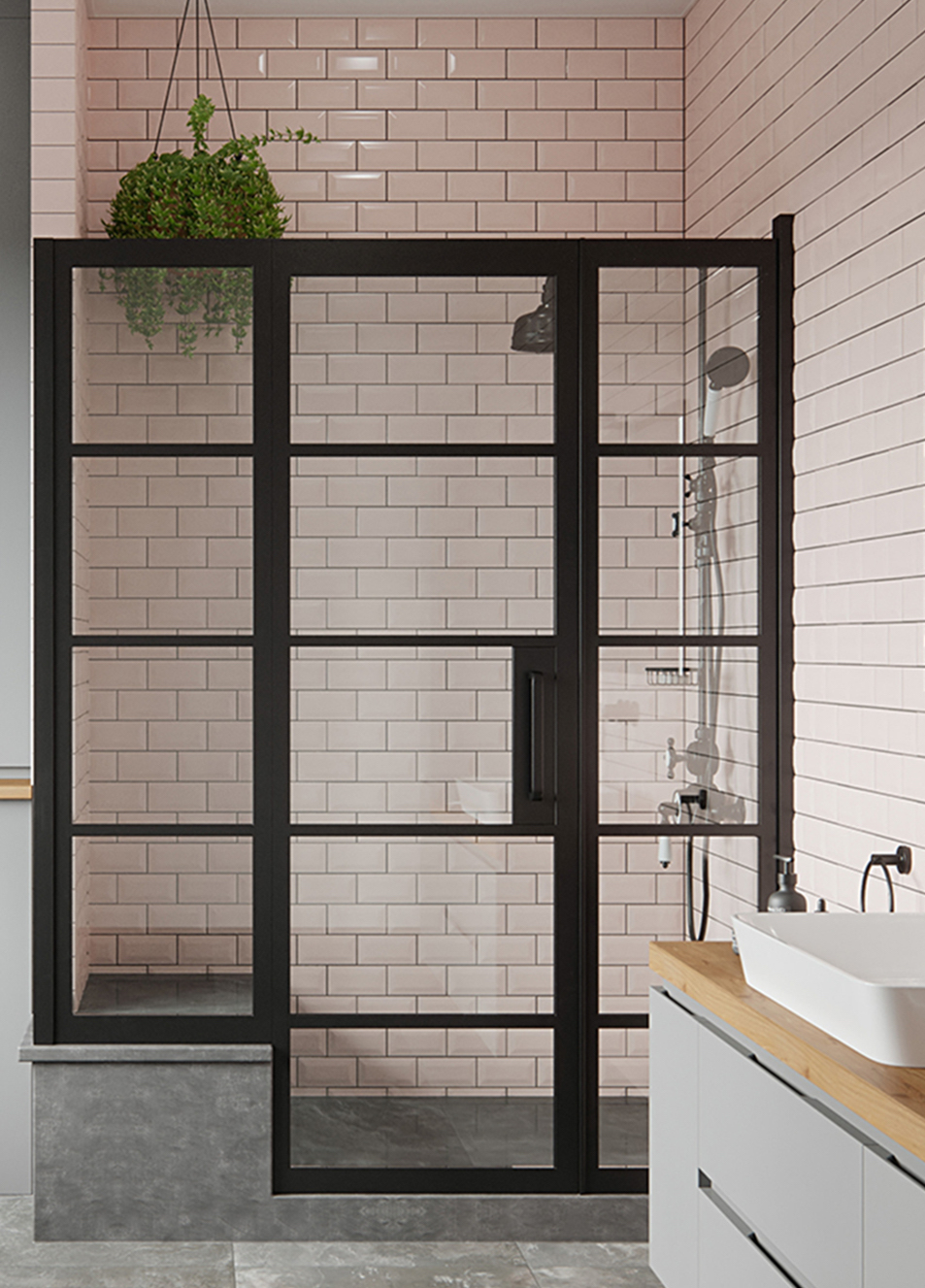
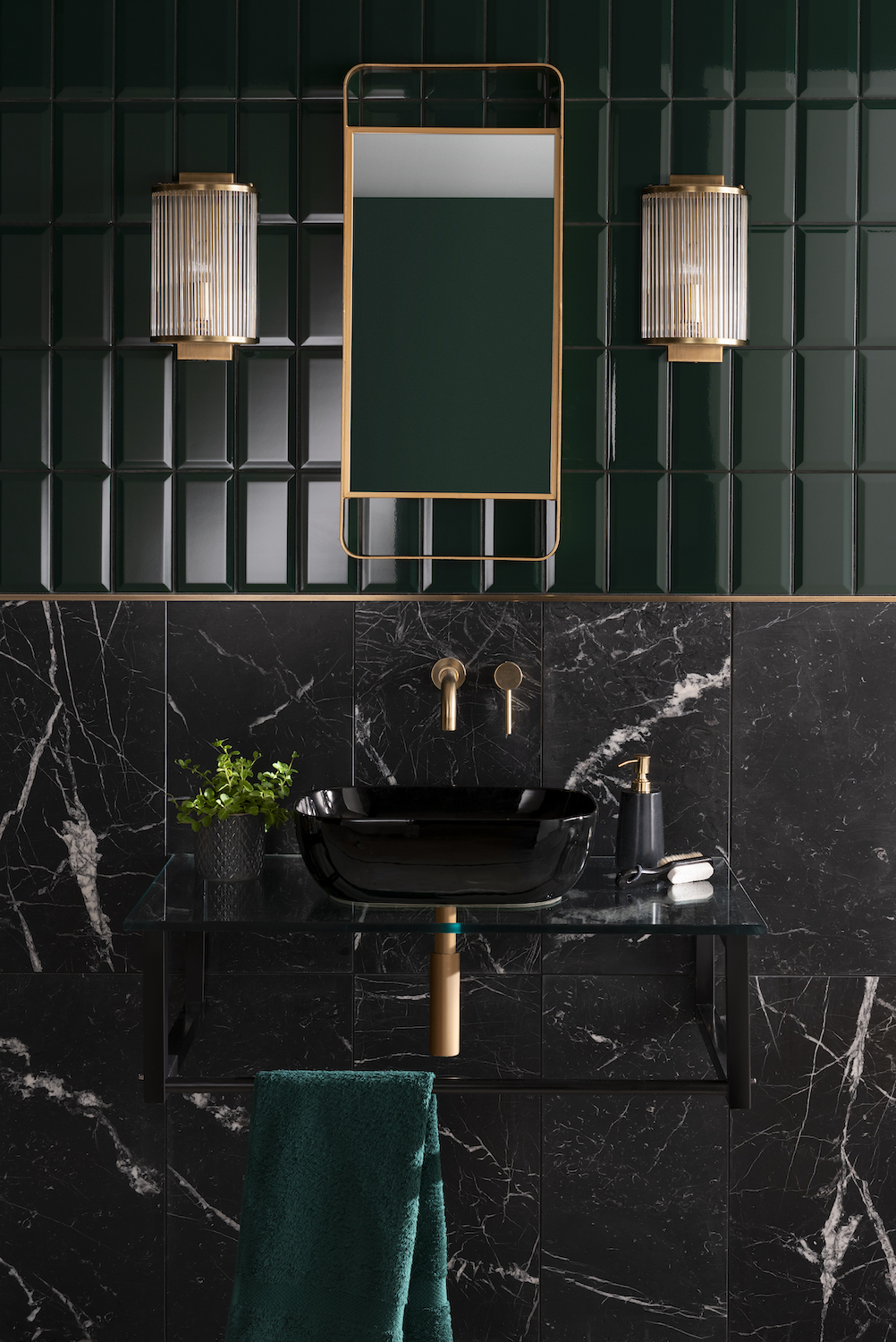
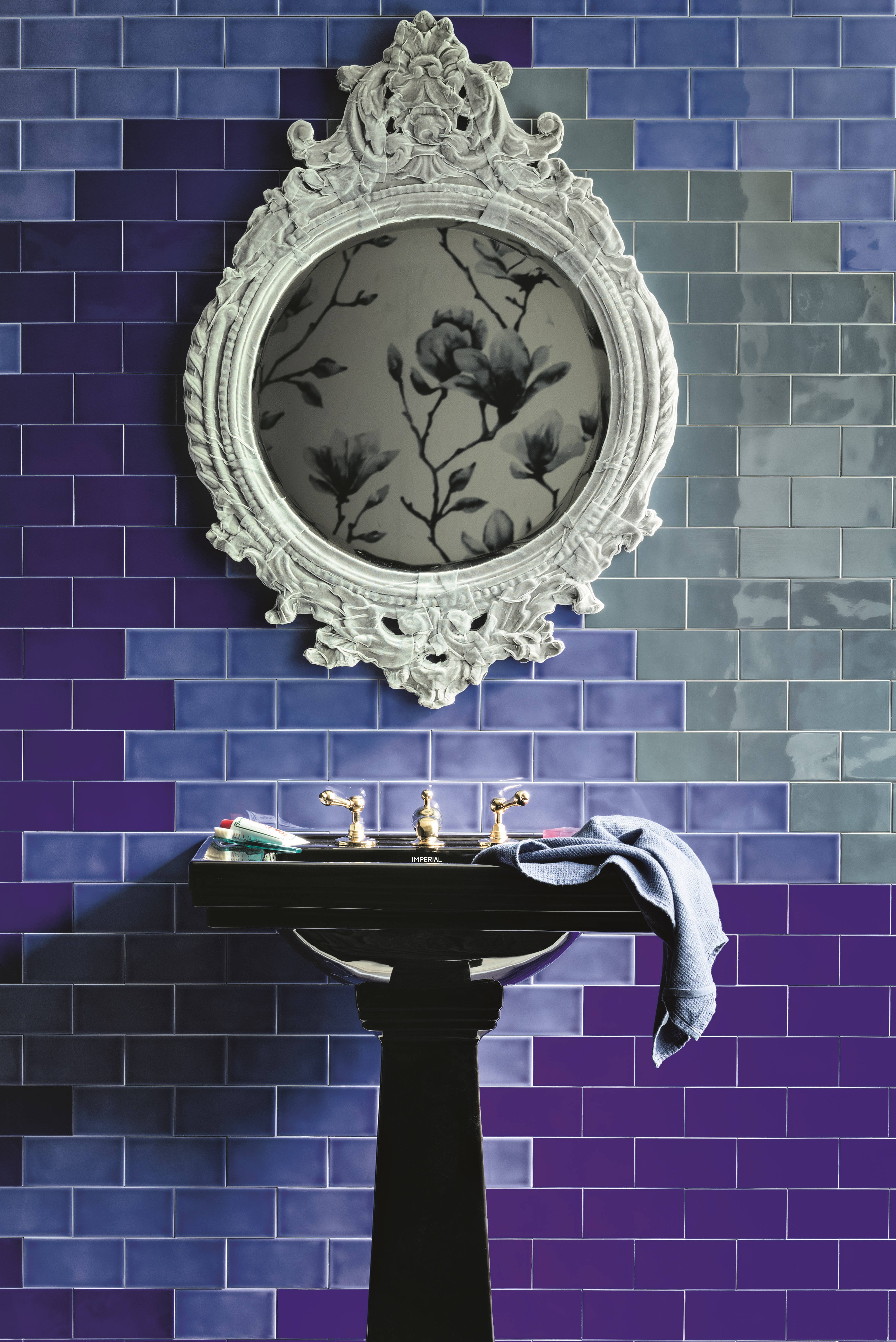
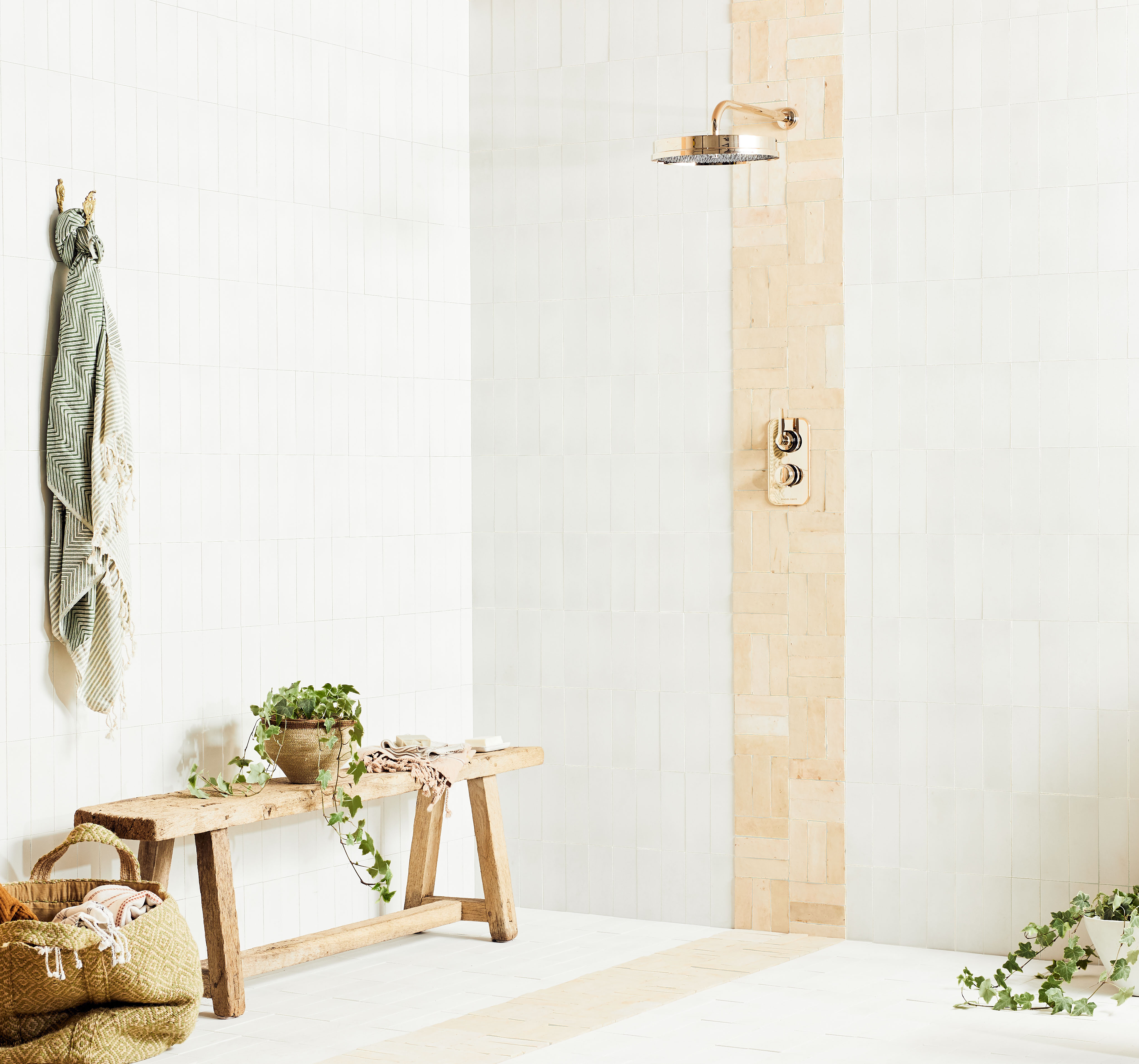
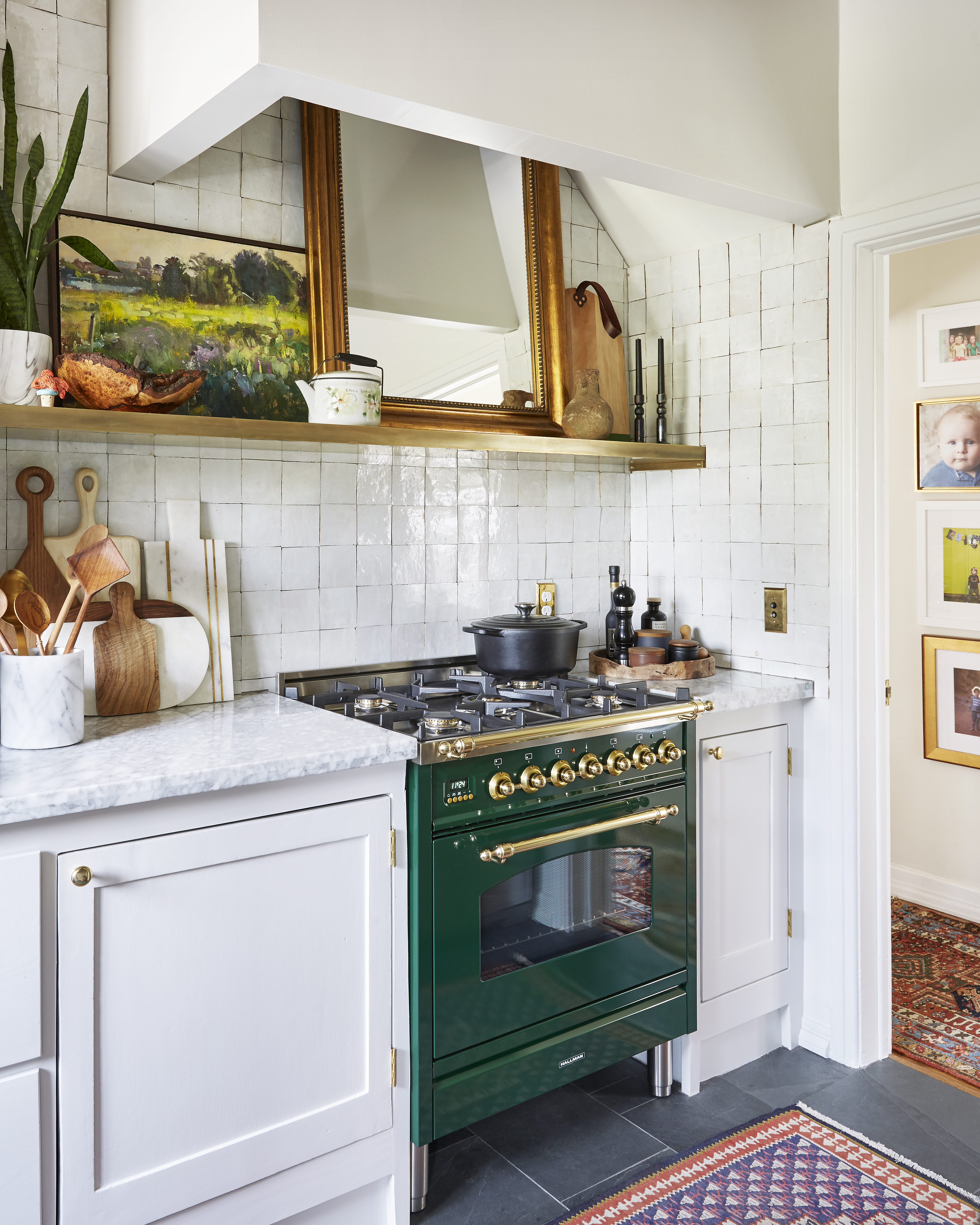
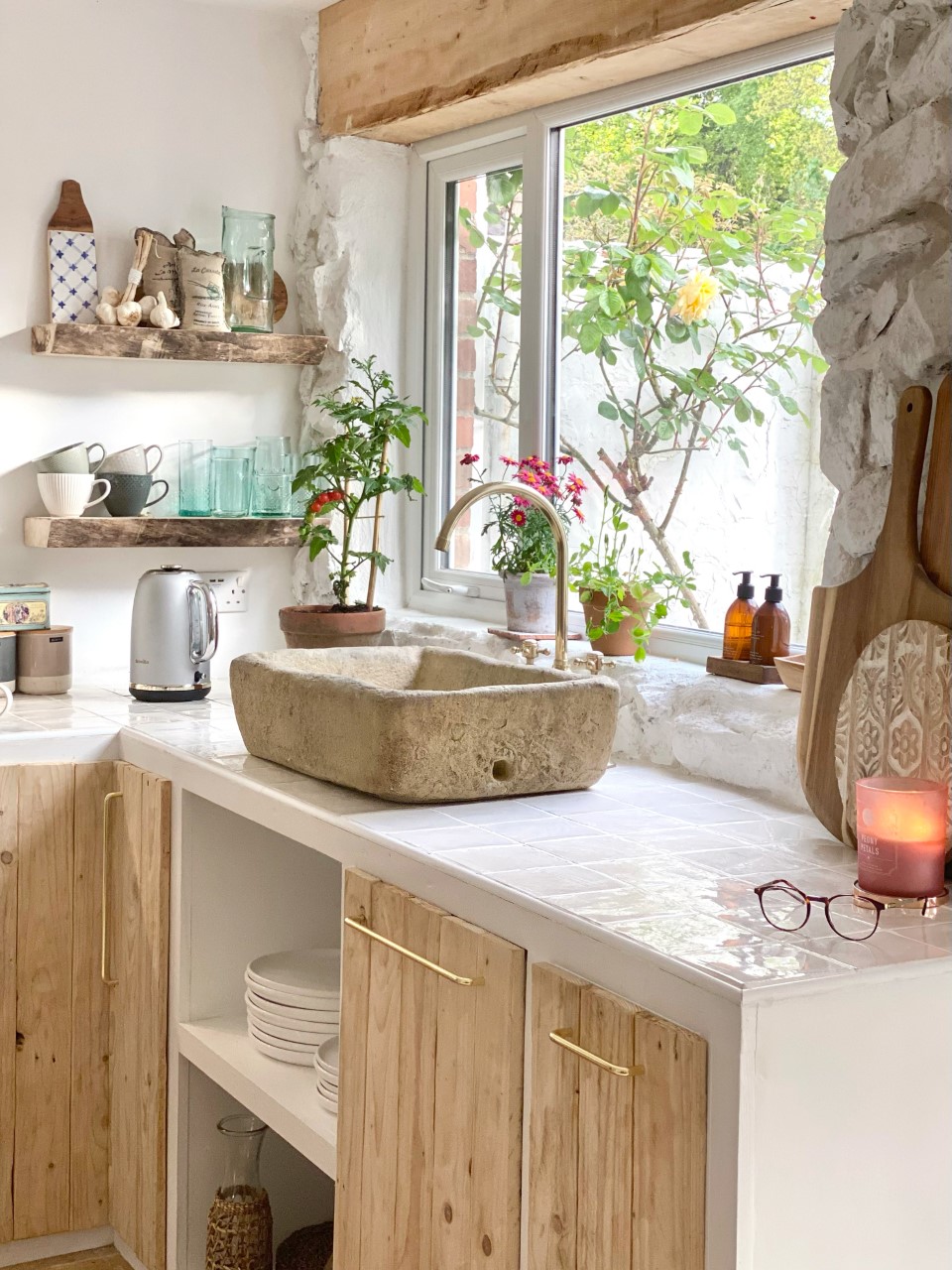
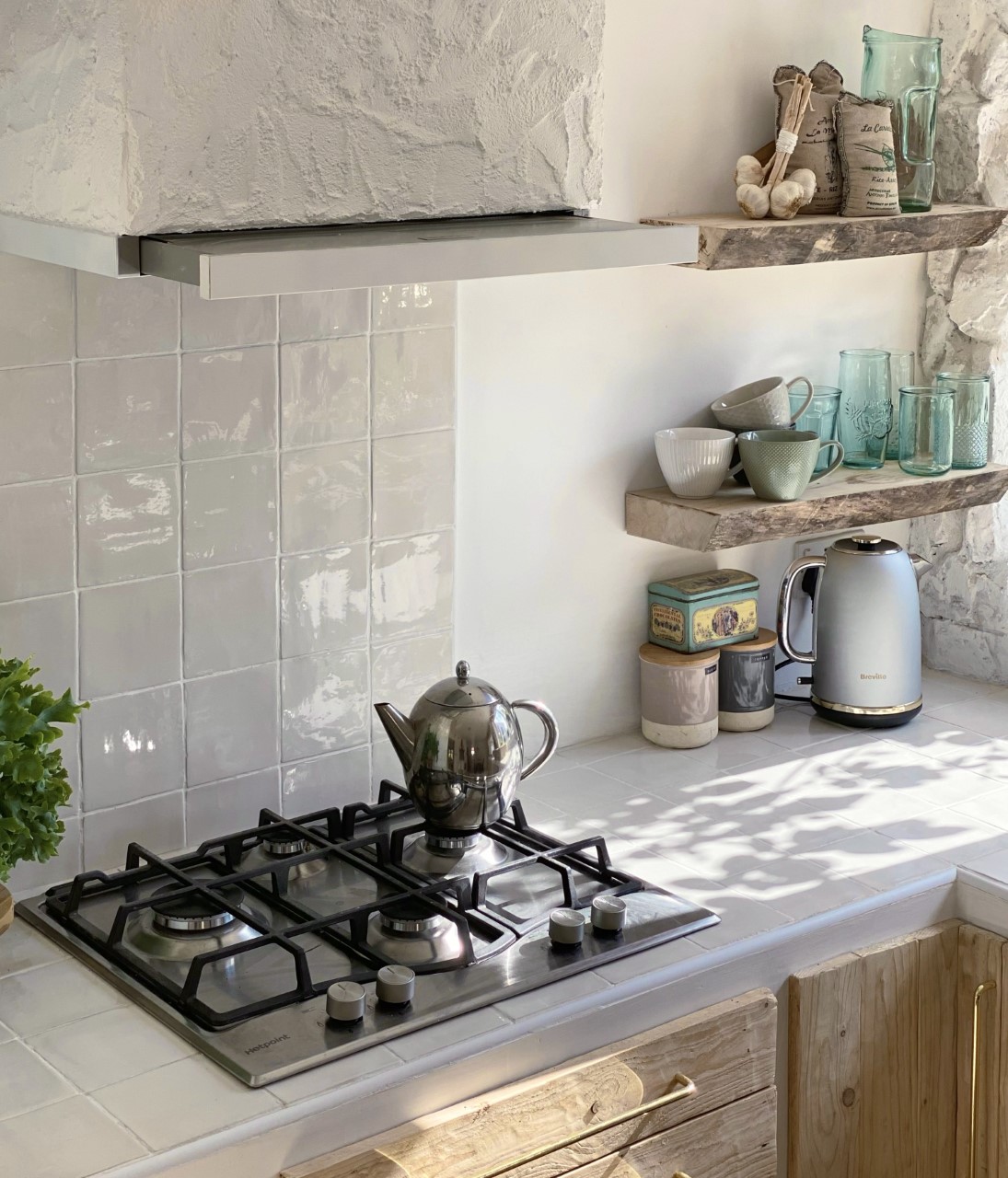
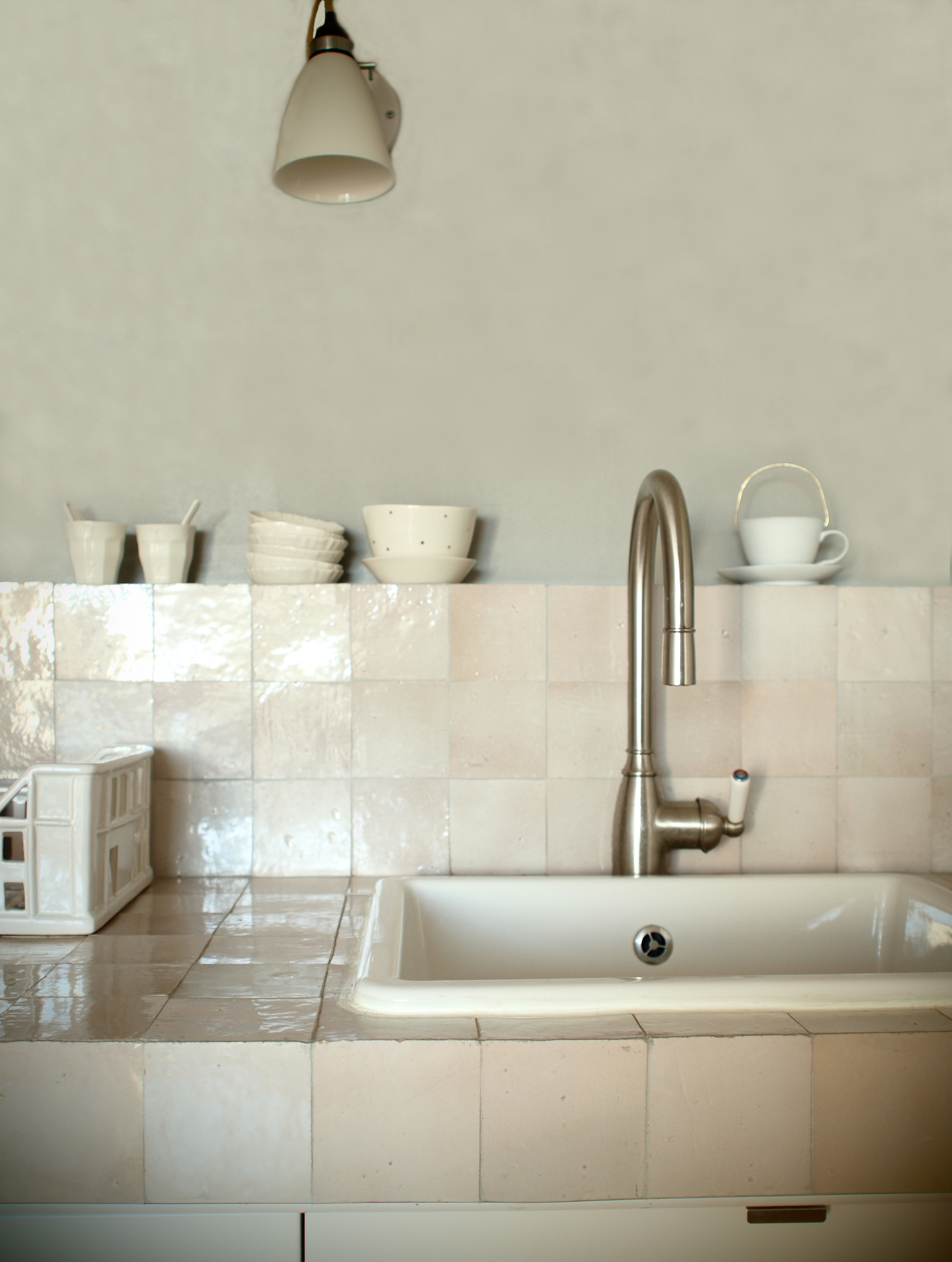
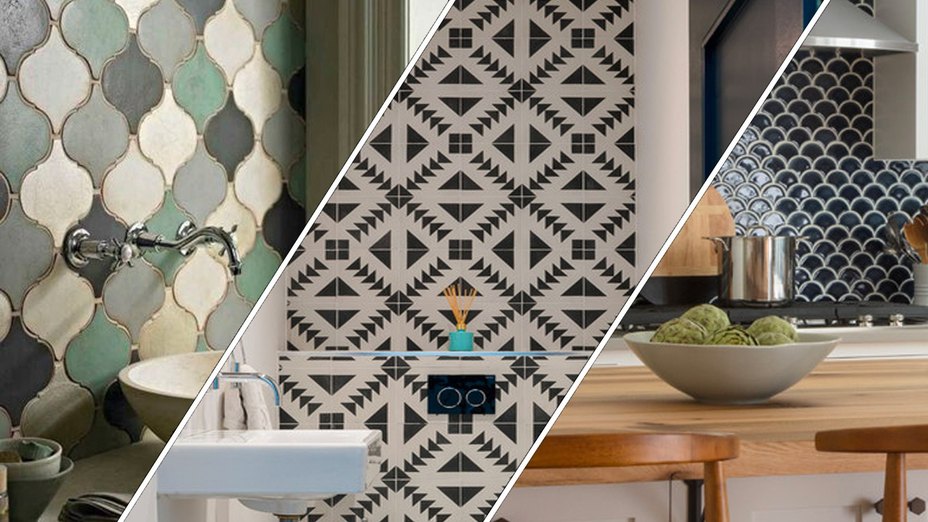
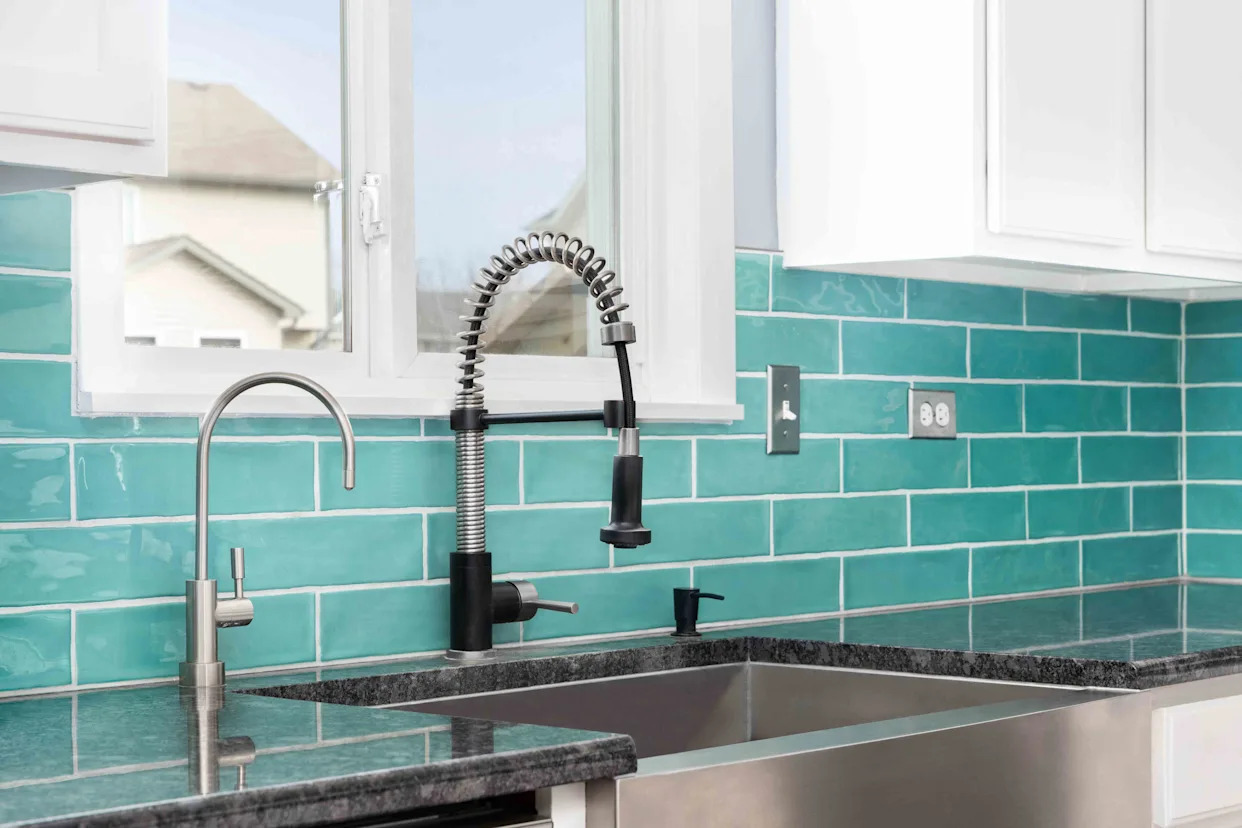
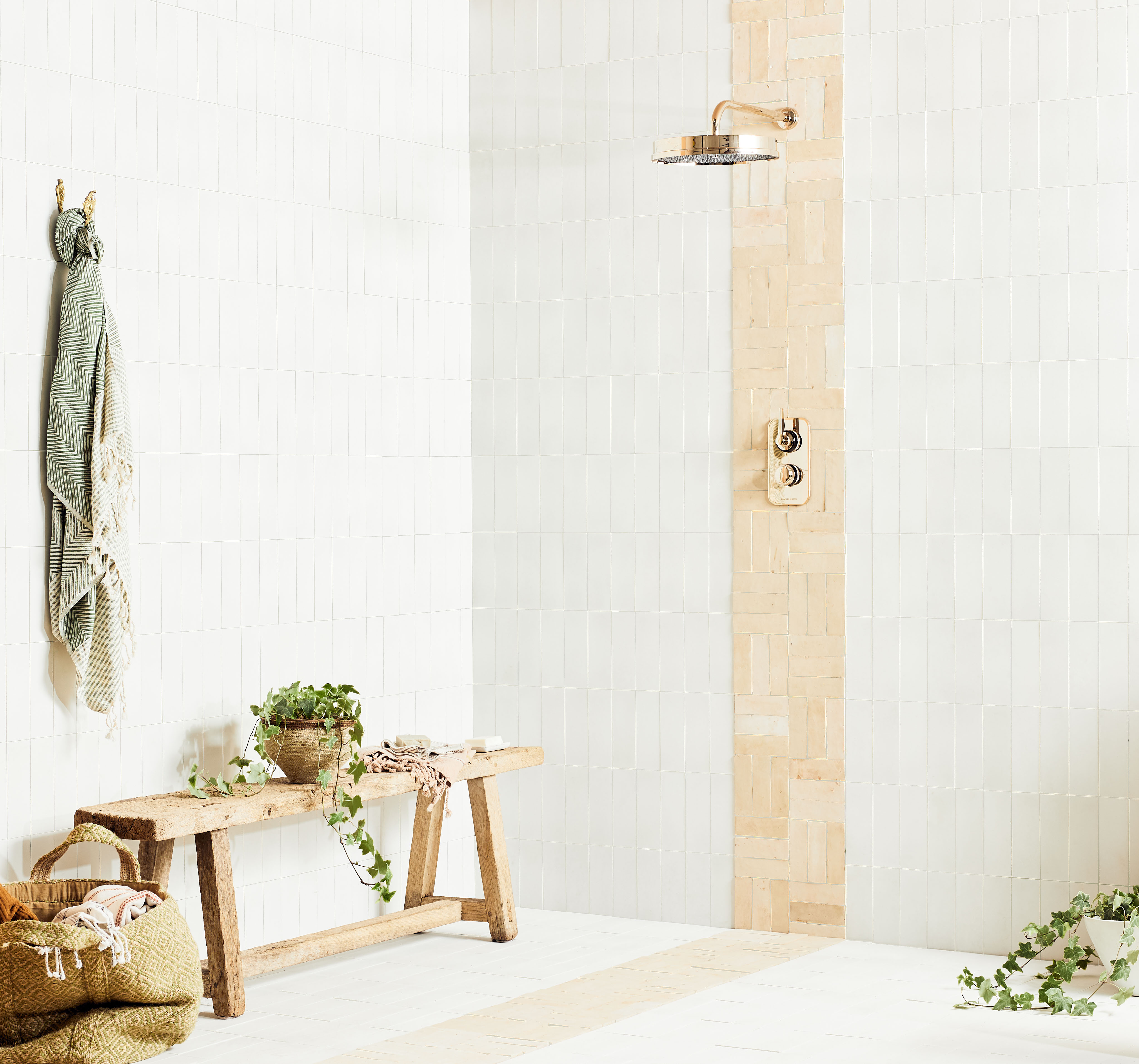
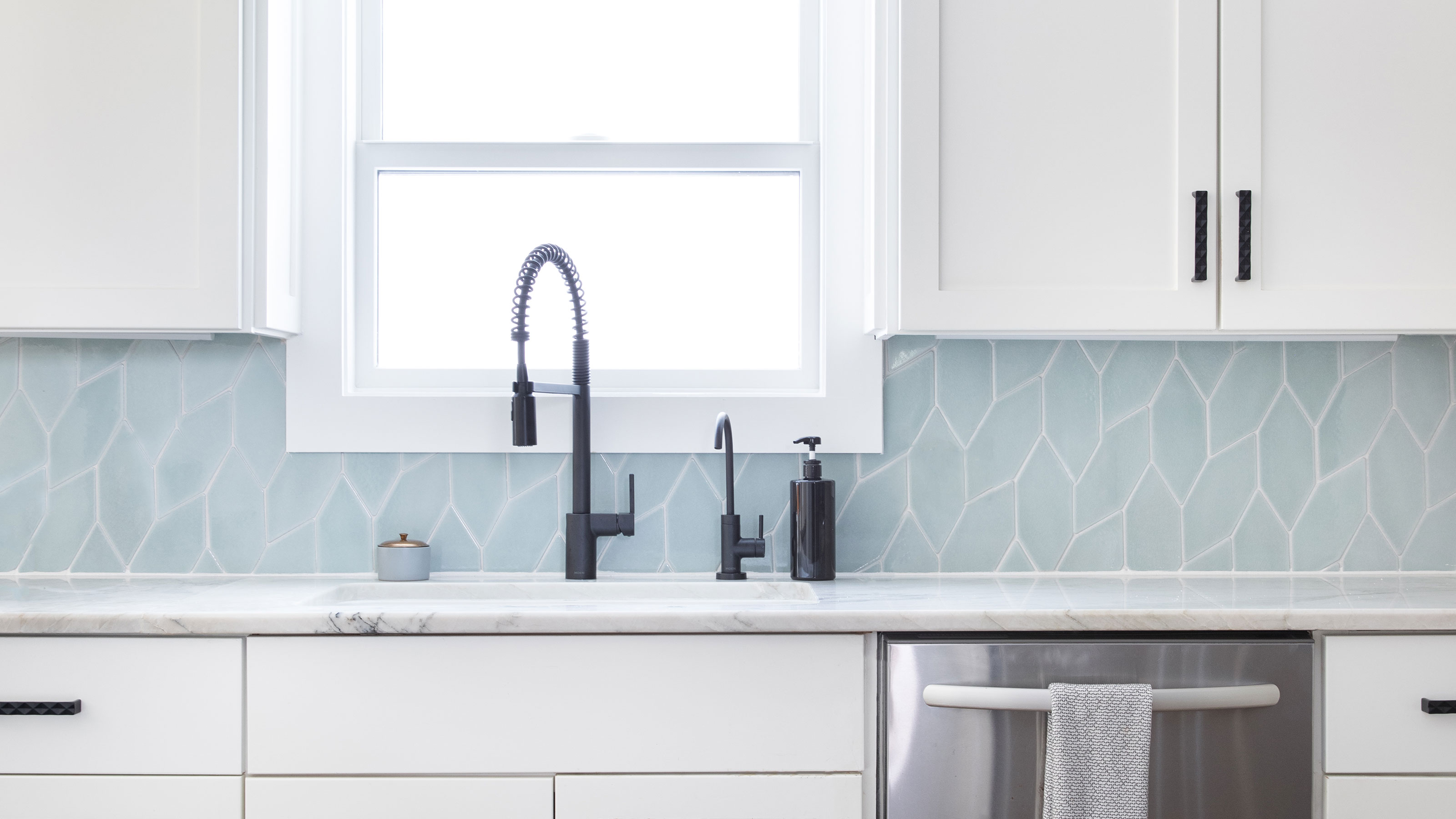
Conversely, some designers believe white subway tile has become overused and lacks distinctiveness. Caren Rideau, founder of the Kitchen Design Group, suggests moving beyond white, advocating for the incorporation of color. She views tile as an opportunity to introduce vibrancy and character, even if it means choosing a solid-colored tile in blue, green, or pink. Eddings also acknowledges that the tile's ubiquity, especially in flipped and spec homes, can make it feel commonplace. As an alternative, her firm often utilizes zellige tile or fired clay tile with interesting glazes to bring a more unique aesthetic to projects.
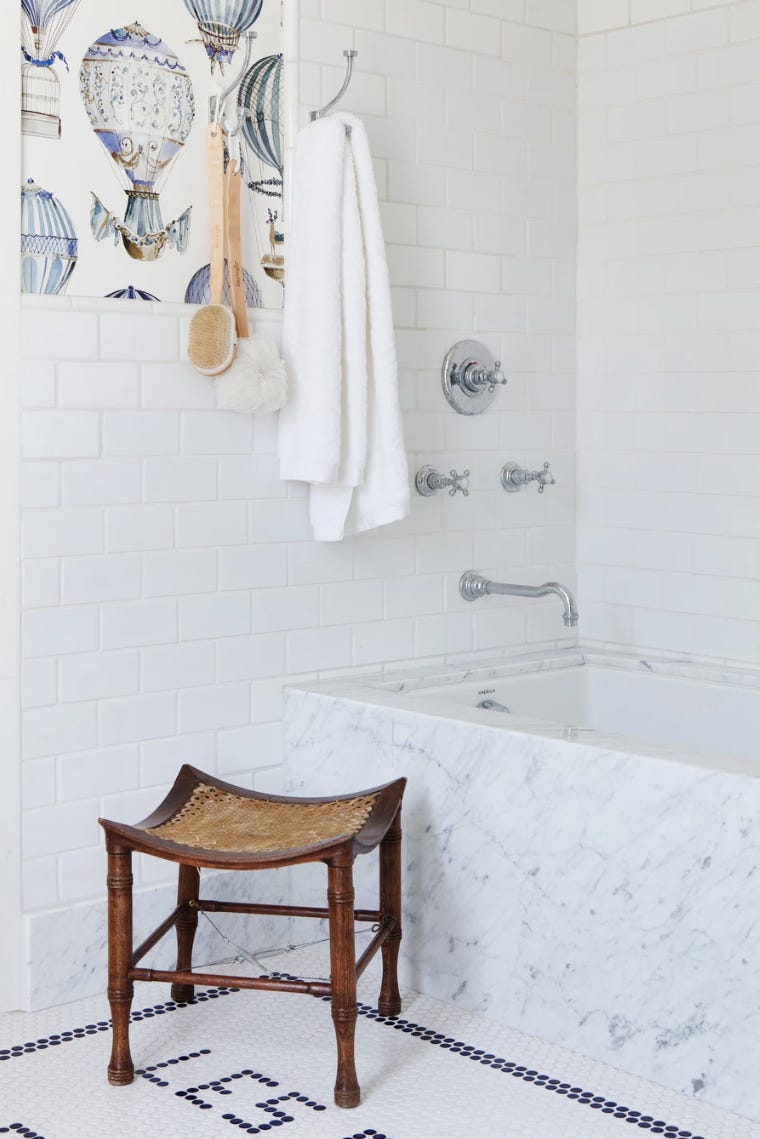
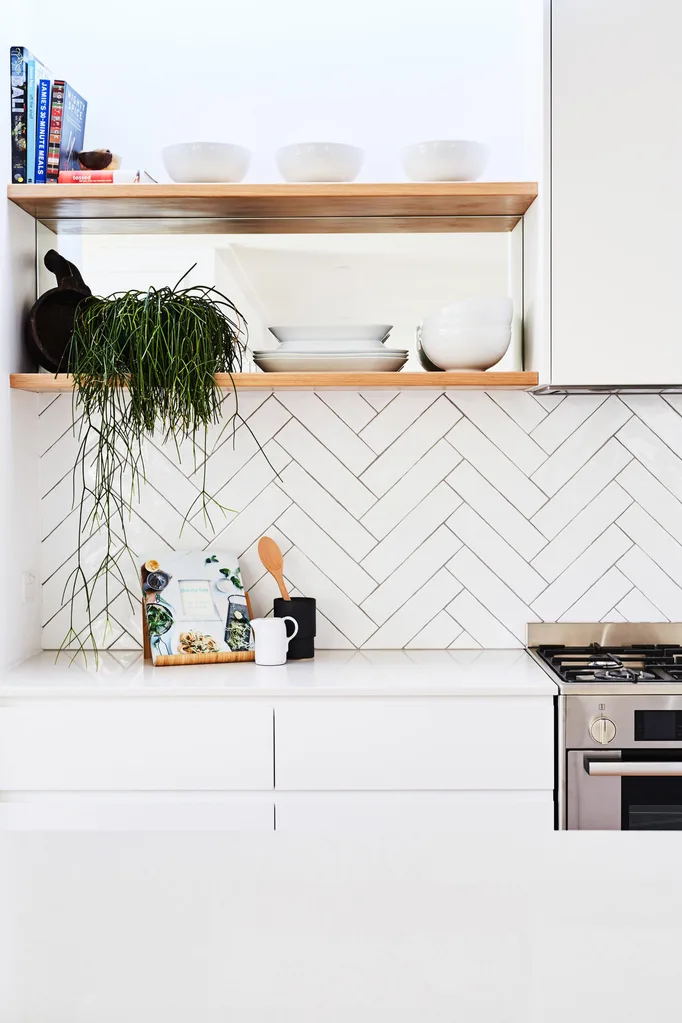
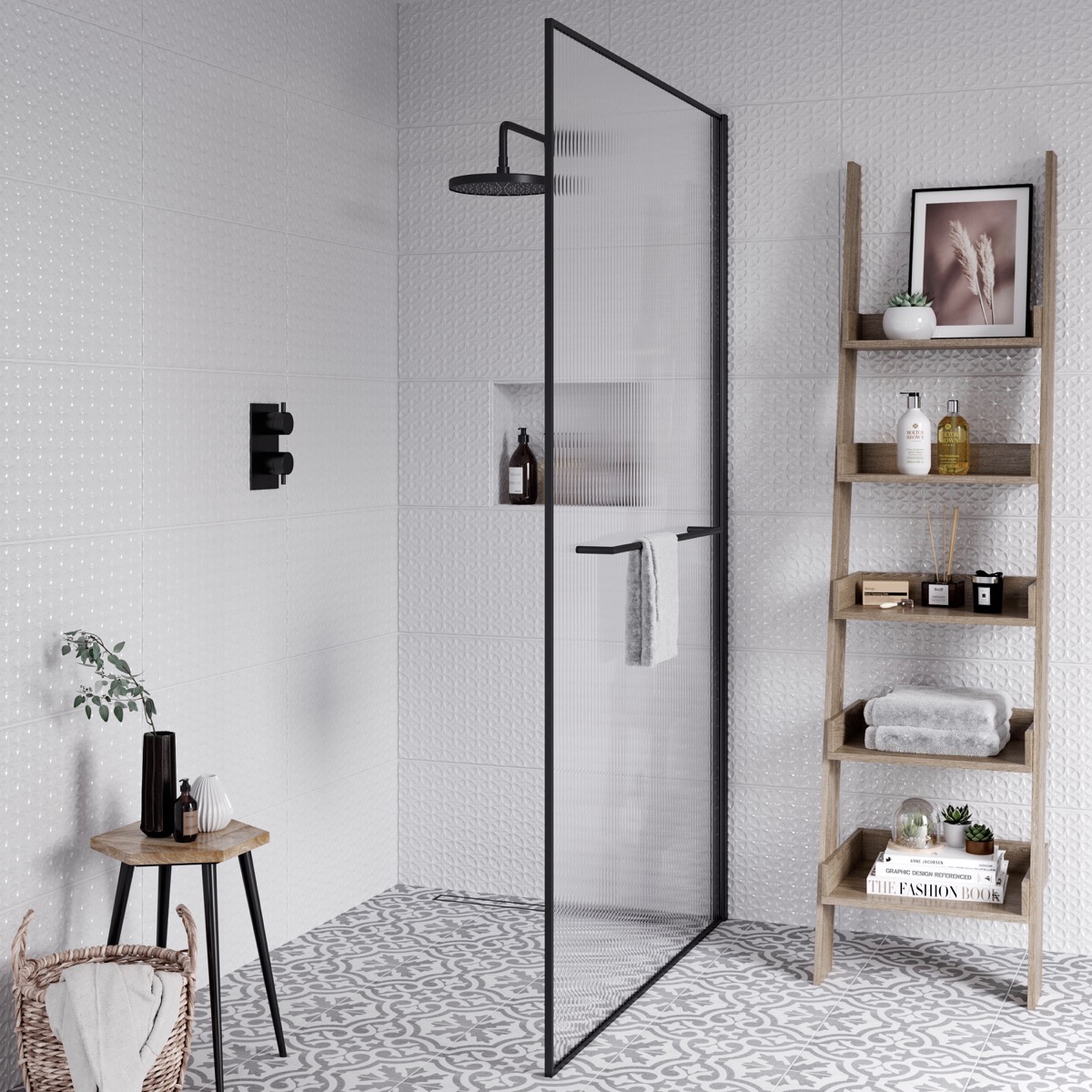

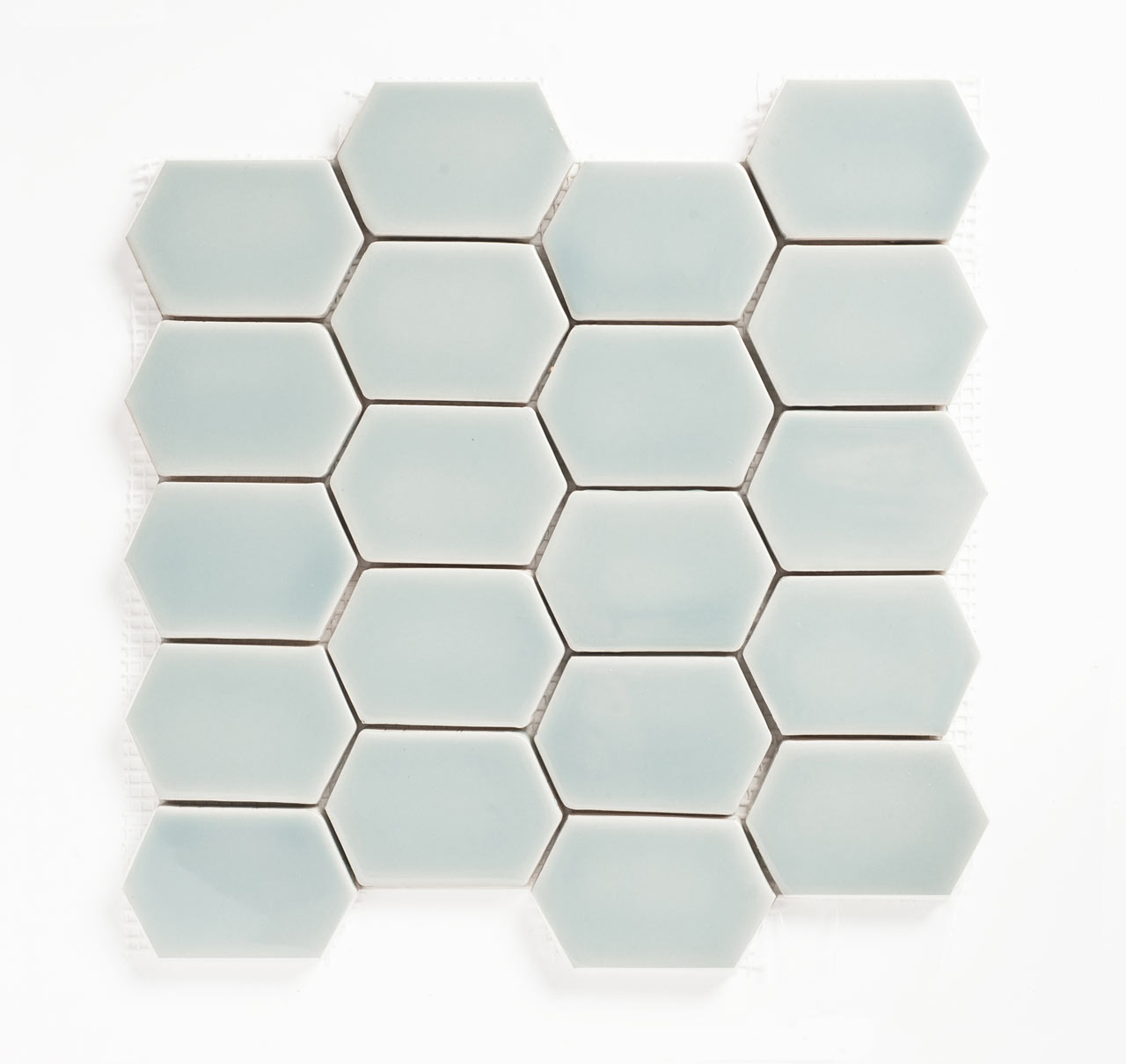
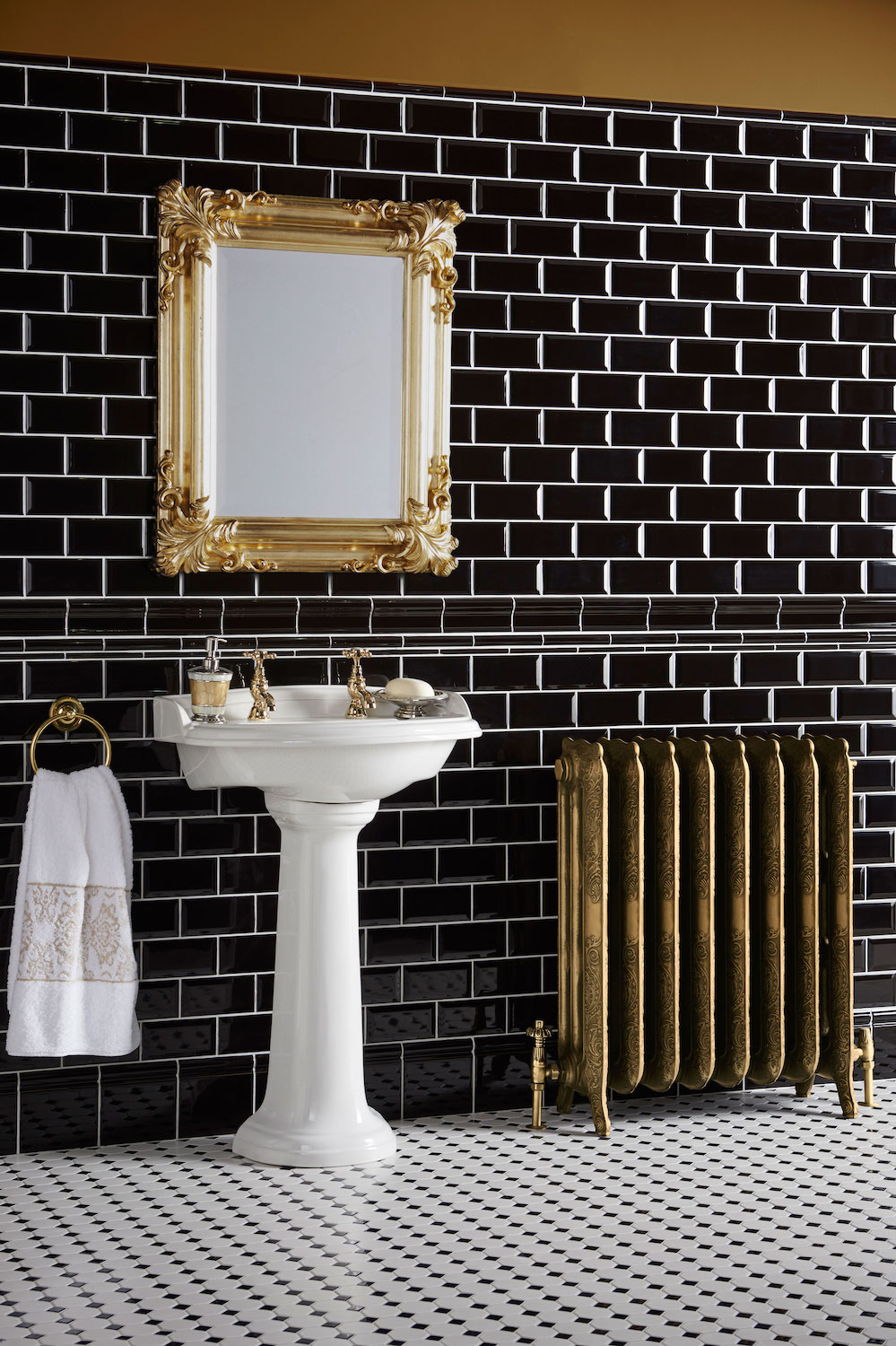
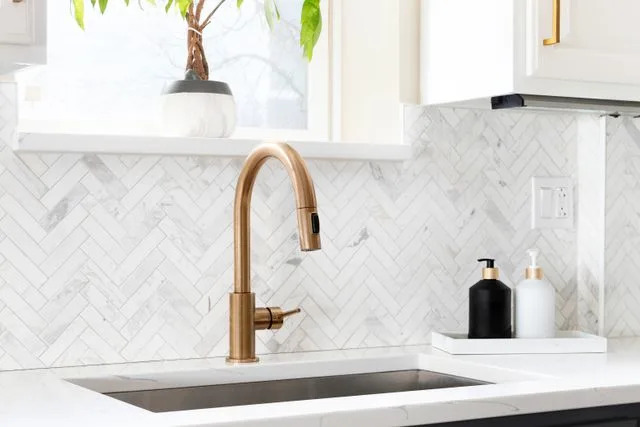
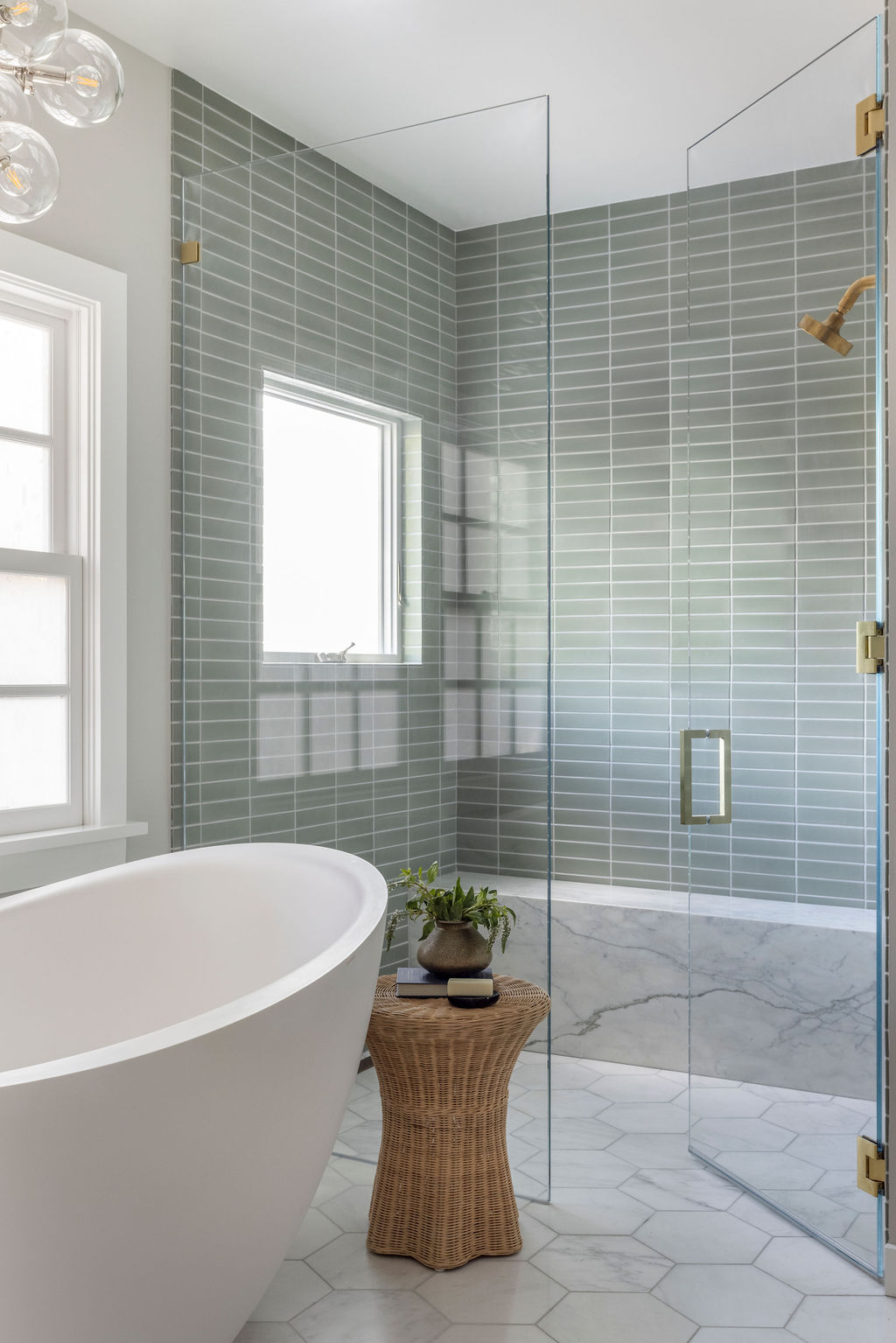
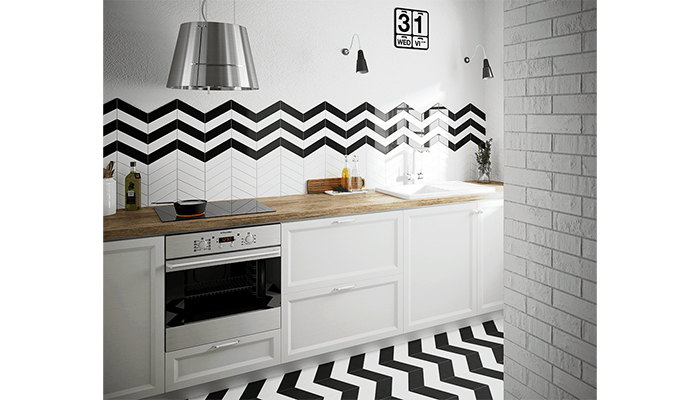
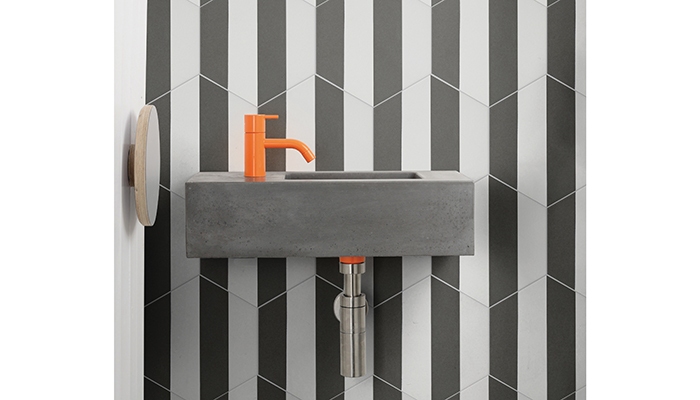
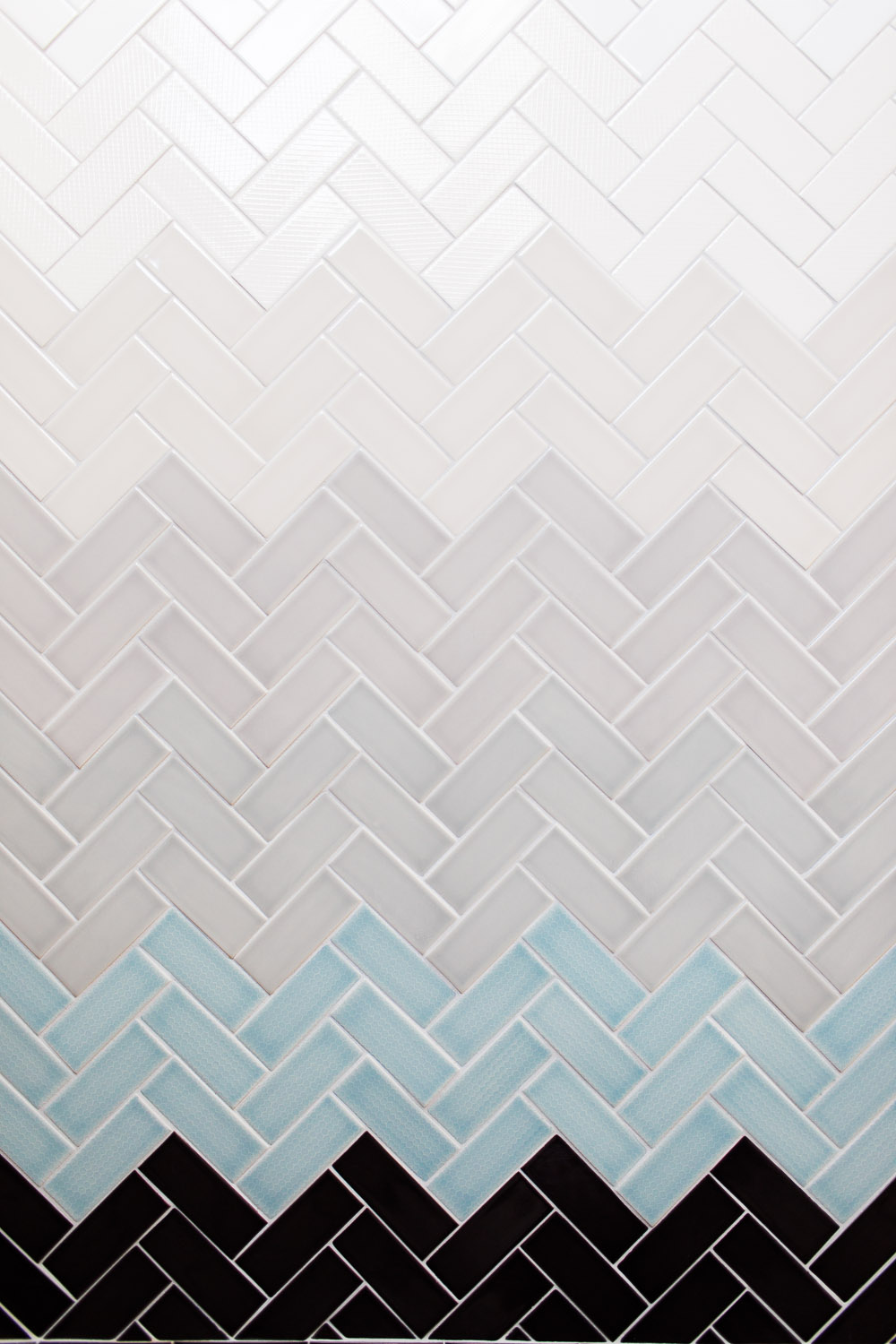
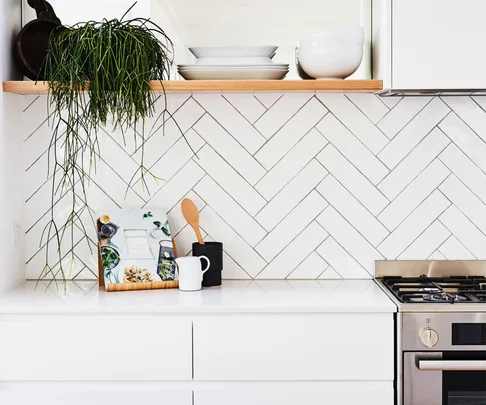
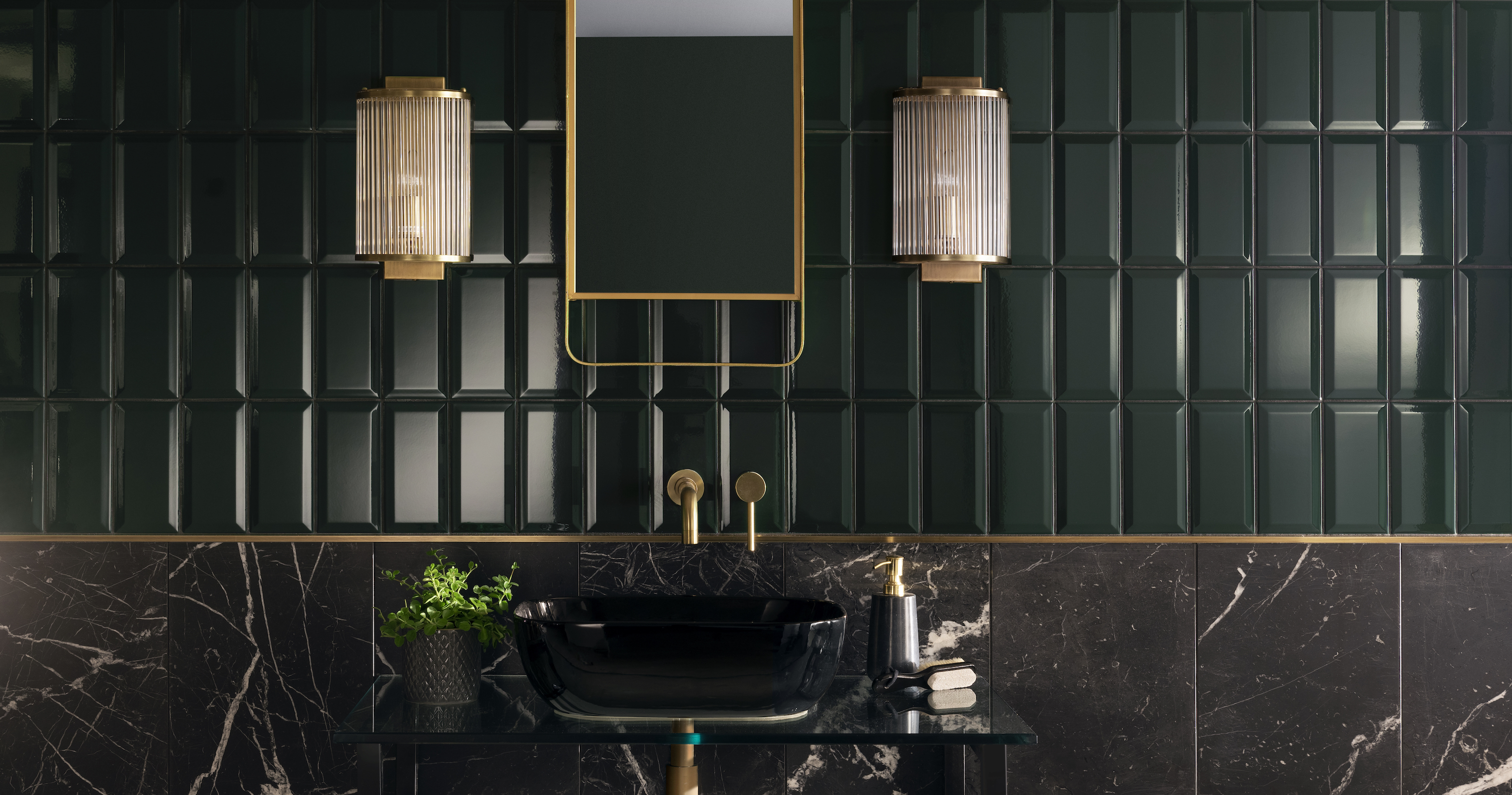
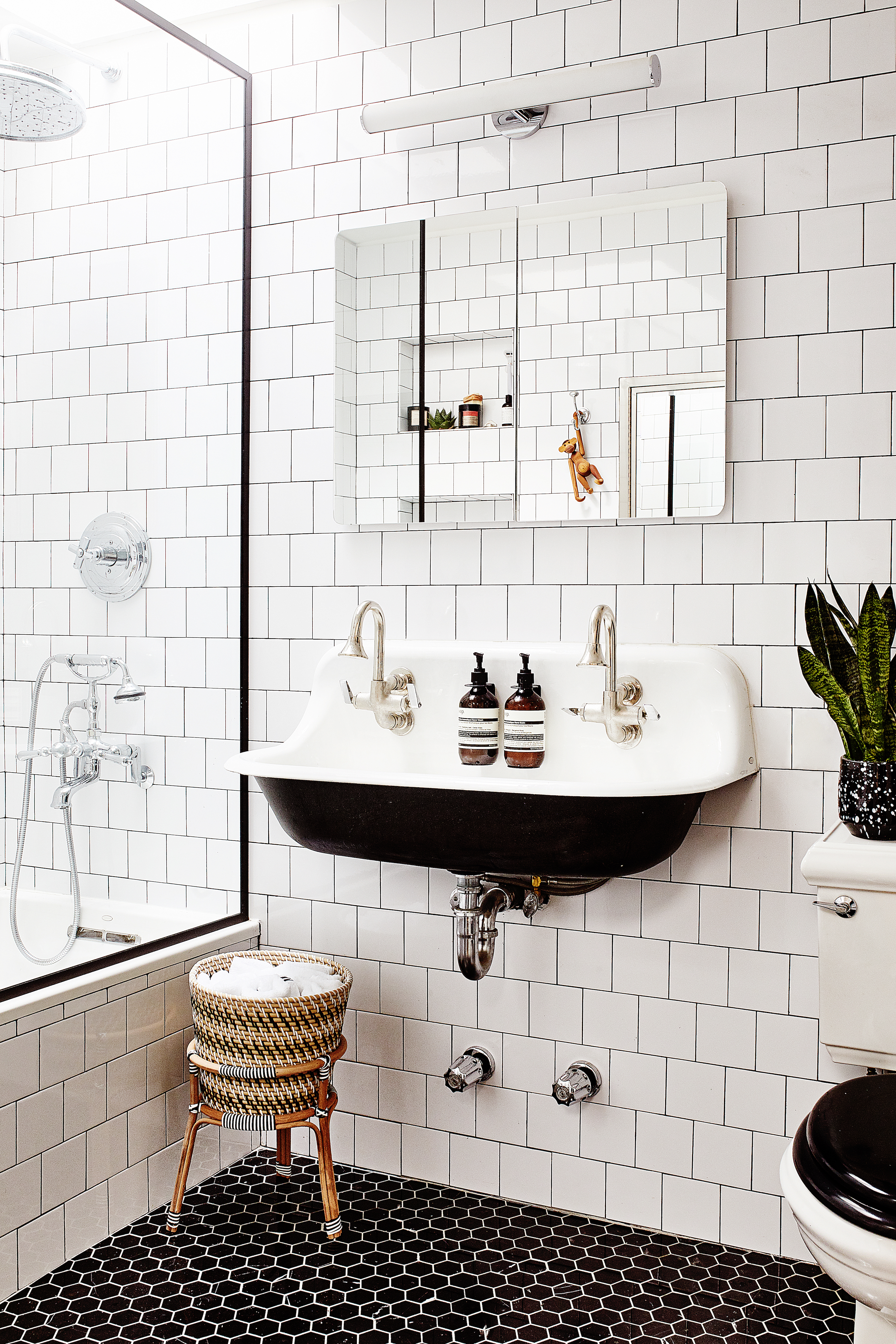
Despite potential overuse, designers offer creative strategies to refresh white subway tile and maintain its relevance. Melissa Urdang Bodie of Melissa + Miller Interiors suggests experimenting with installation patterns, such as stacking tiles vertically to add visual interest and a sense of height. Eddings recommends pairing subway tile with marble trim for a touch of glamor or colored trim for a playful effect. Tile manufacturers are also contributing to its evolution by producing new lengths and shapes, such as the 2x8 inch size, which allows for more modern patterns like straight herringbone or basketweave. Additionally, opting for subway tiles in various colors, from subtle ombres and marble effects to bold hues, can personalize the design. Next Wave designer Hilary Matt incorporates white subway tiles when appropriate but often explores non-white colors or unusual laying patterns. She also favors oversized slab tiles for a clean and luxurious look.
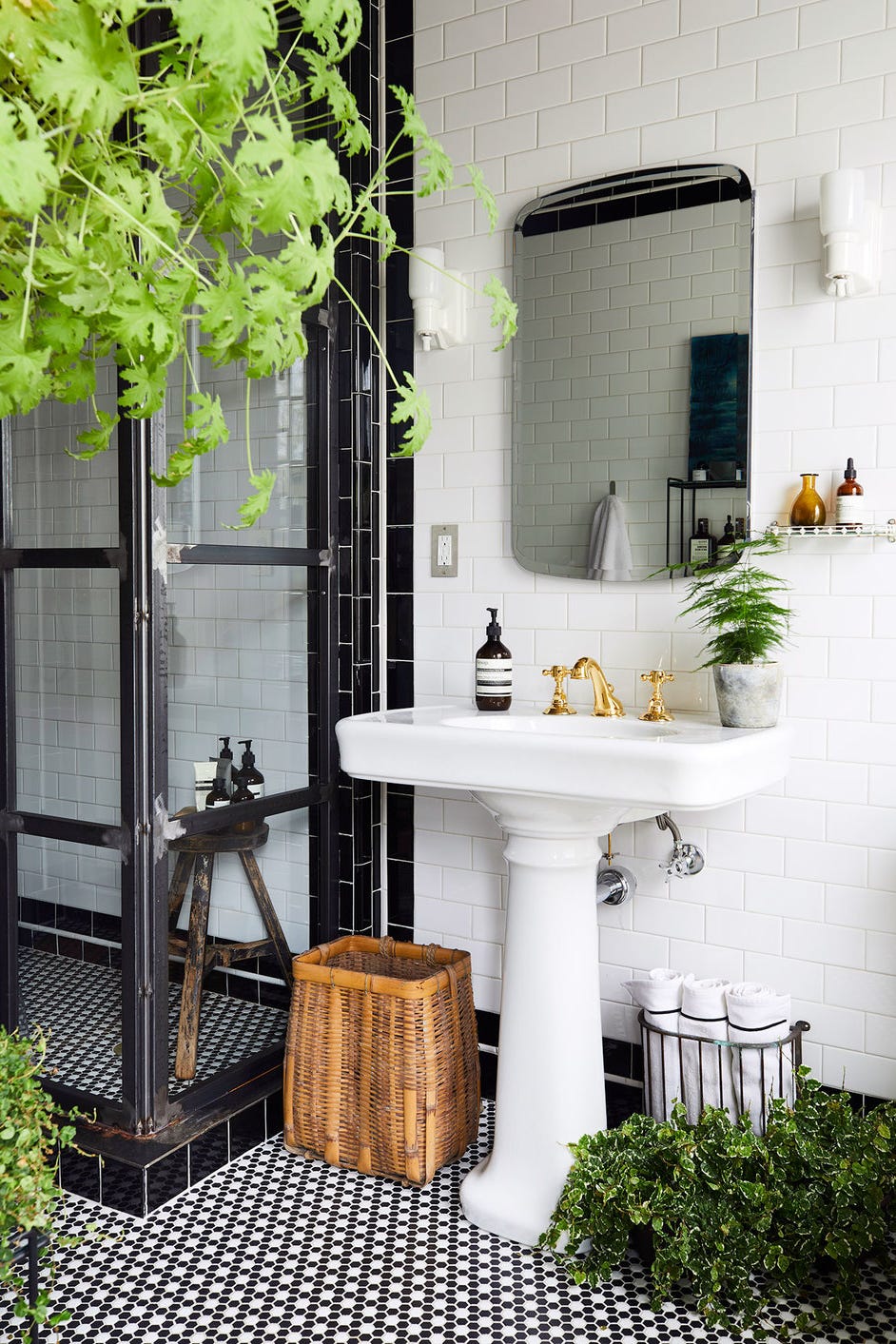
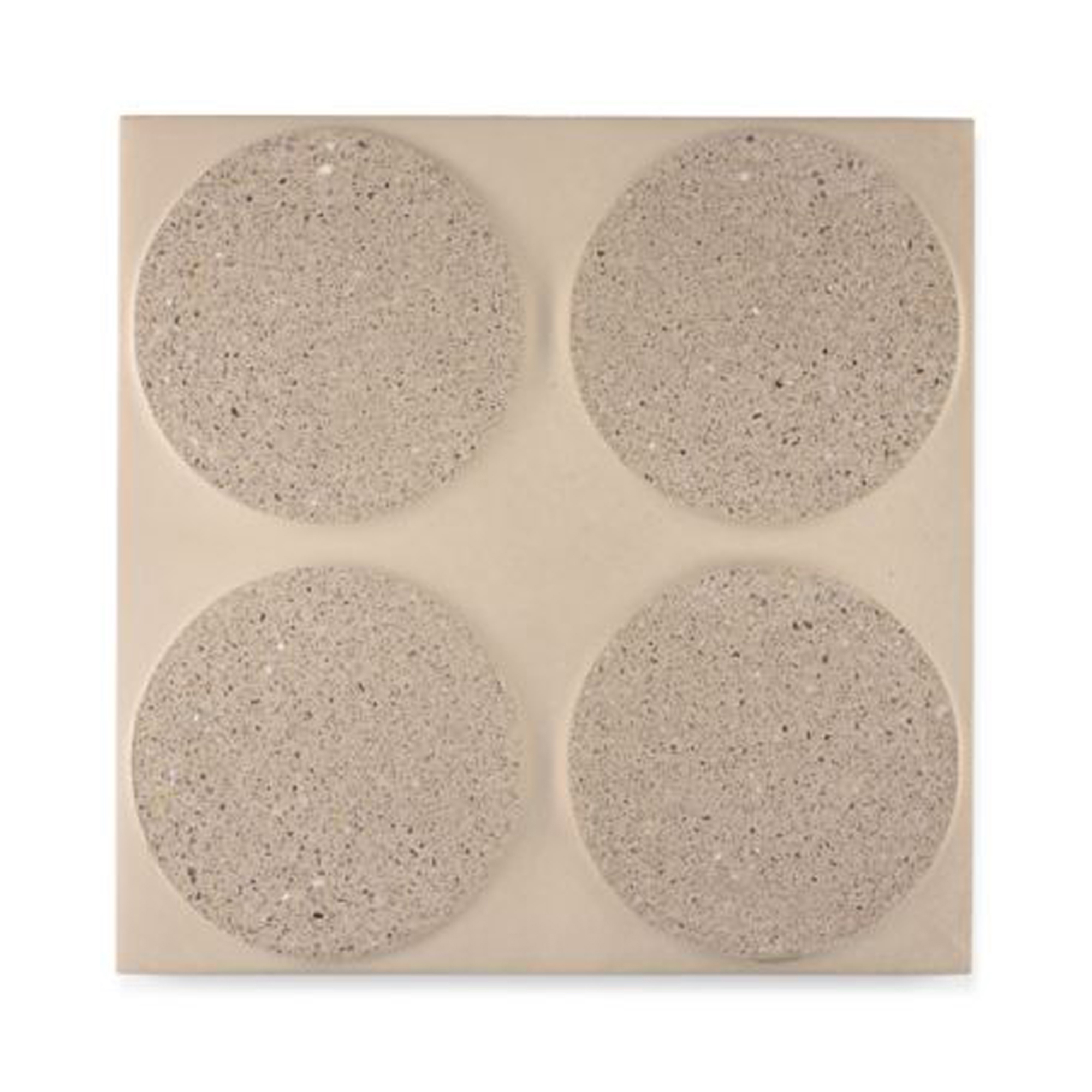
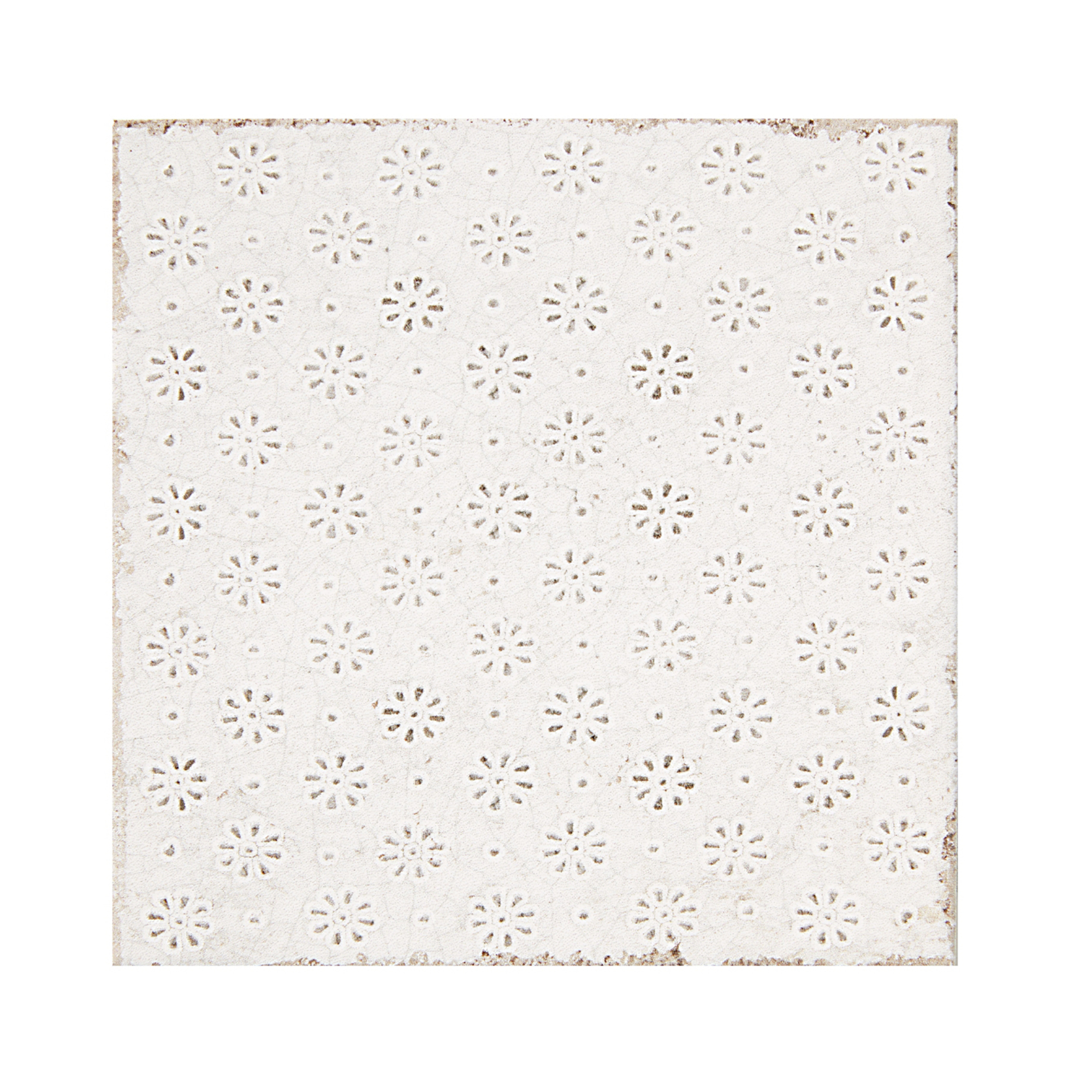
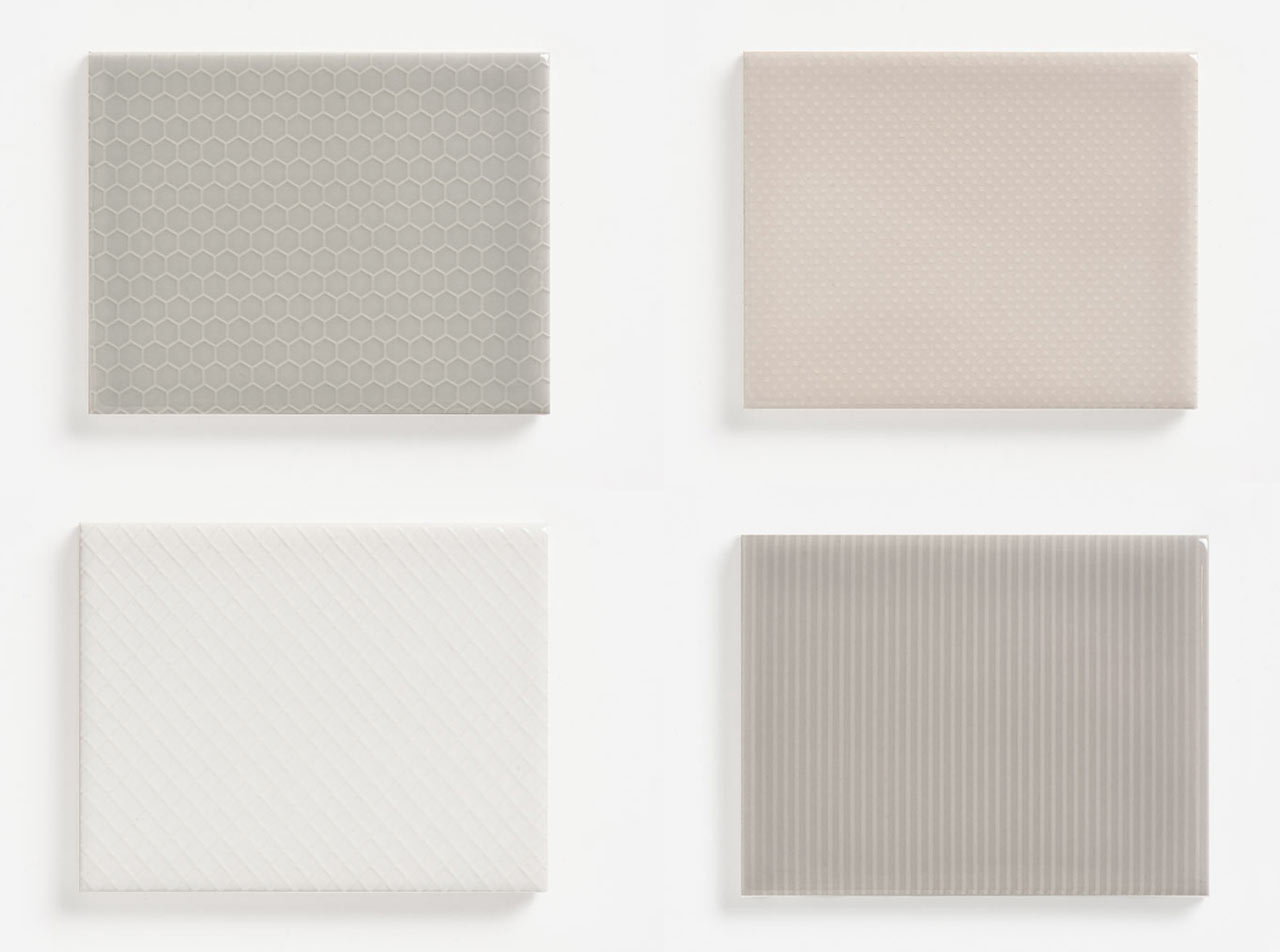
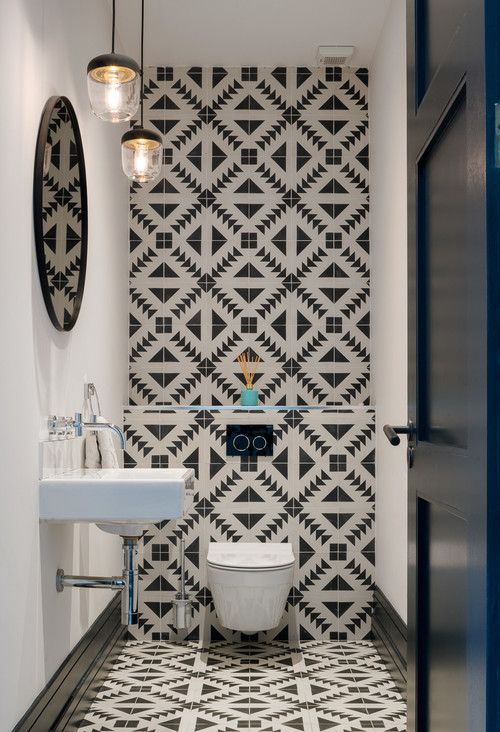
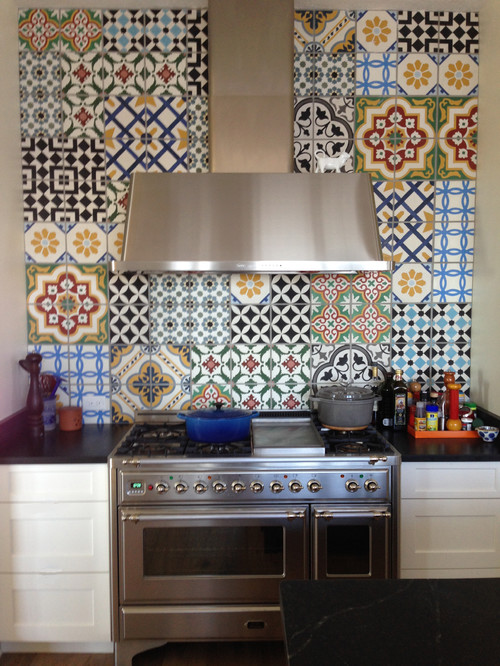
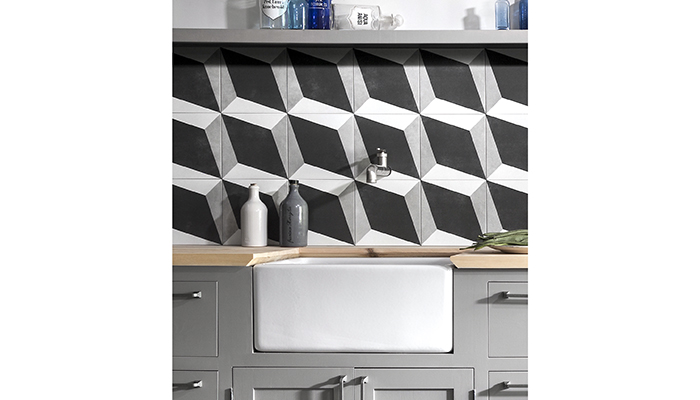
Looking ahead, designers predict a shift towards more distinctive and customized tile options. Avery Cox of Avery Cox Design, while appreciating classic subway tile, also incorporates mosaics and penny tiles. For a truly unique touch, she recommends hand-painted or marbled tiles from specialized suppliers like Balineum, noting a growing trend towards artisanal and custom elements in design. For DIY enthusiasts, Eddings suggests using different sizes of subway tiles to create custom patterns like stripes or checkerboards, offering an affordable yet personalized approach. Rideau points to the increasing popularity of textured neutral tiles, such as zellige, which add depth and character without relying on specific colors. The consensus among designers is that while subway tile remains a classic, the future of tile design lies in embracing creativity, color, unique textures, and diverse installation methods, moving beyond the standard white and encouraging bolder choices.
#SubwayTile #HomeDesignTrends #KitchenDesign #BathroomDesign #InteriorDesign #TileTrends #DesignTips #HomeRenovation #ModernHome #SubwayTile #HomeDesignTrends #KitchenDesign #BathroomDesign #InteriorDesign #TileTrends #DesignTips #HomeRenovation #ModernHome
0 comment in total
 No comments yet
You may also like
24 Designer Bathrooms That Prove Subway Tiles Are Here to Stay

White shower tile ideas – 10 takes on this clean, classic choice

Is white actually out of style? Interior designers weigh in on this classic color for 2025 decorating
Tile Style

Are white walls still on trend? Designers weigh in on whether this classic shade is on the out
Tactile Subway Tiles: An Updated Spin on a Design Classic

I Asked Designers What They Really Think About Subway Tile, and They Said the Same Thing

Subway Tile Is Leaving the Station: 8 New Looks for the Kitchen, Bathroom, and Beyond
12 subway tile patterns to try

Is This Once Trendy Tile Design Making Your Kitchen Look Outdated?

5 Outdated Kitchen Tile Trends to Retire, According to Interior Designers
Tile trends: Using pattern and contrast to create daring designs
This Unexpected Grout Color Is Better Than White for Subway Tile, Designers Say

It Took Two to Spice Up the White Subway Tile in This Kitchen
Don't just settle for white gloss! These expert tips for styling metro tiles will guarantee compliments from guests

The tile countertop trend is back – but is it a mistake you'll come to regret?
12 subway tile alternatives for a fresh backsplash

Bathroom subway tile ideas - designers are updating this classic decor style
What Comes After Subway Tile? We Asked 5 Designers

This Common Tile Trend Always Screams "Tacky," According to Designers