1/9
White shower tile ideas – 10 takes on this clean, classic choice
White shower tiles are a popular choice for bathrooms due to their fresh appearance, ability to enhance natural light, and timeless style. This article explores the versatility of white shower tiles, offering ten distinct ideas to incorporate them into various bathroom designs, from traditional to contemporary. The key to maximizing their potential lies in considering aspects such as tile format, size, finish (gloss or matte), texture, shade of white, and material, alongside the color of the grout.
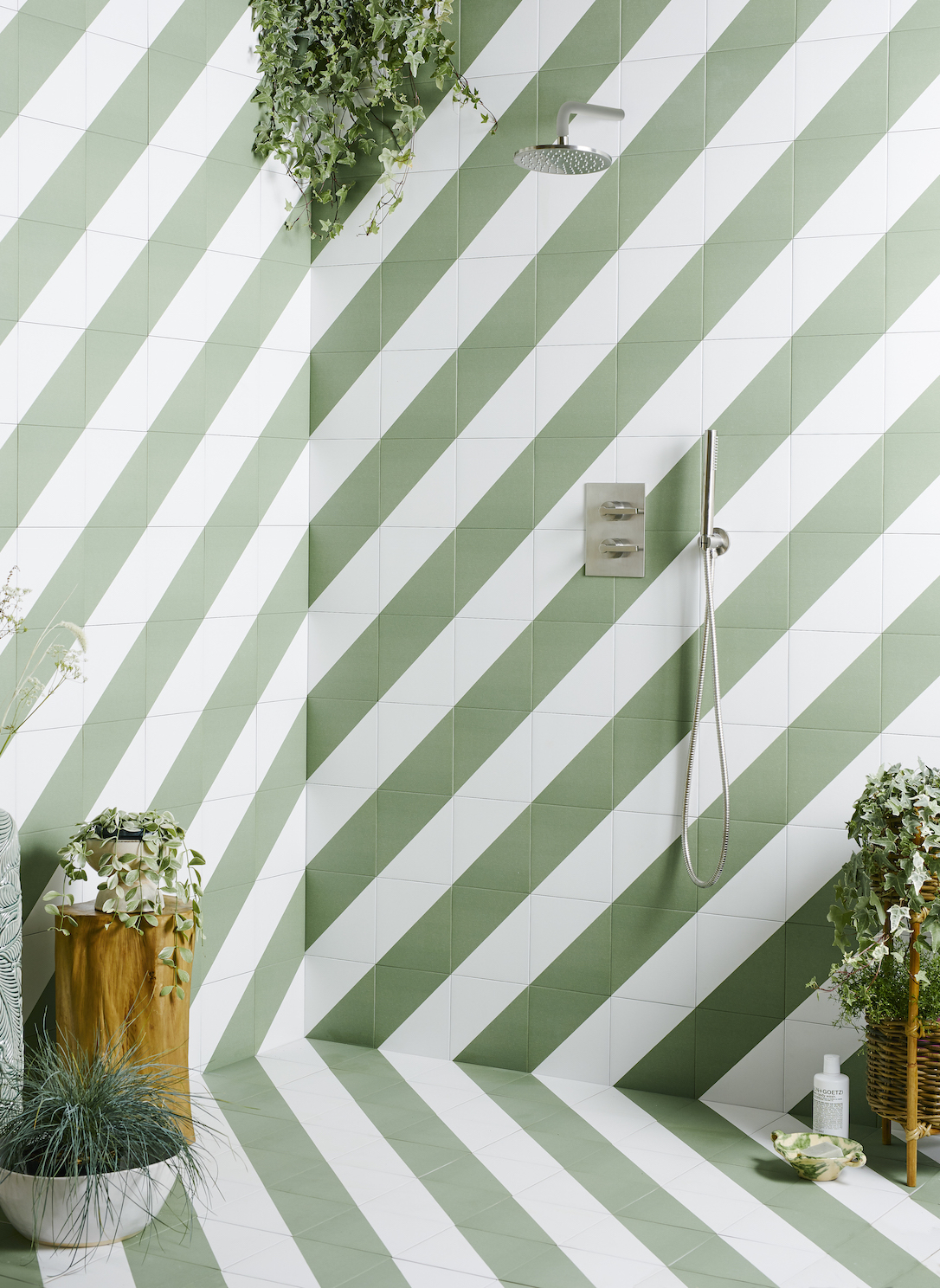
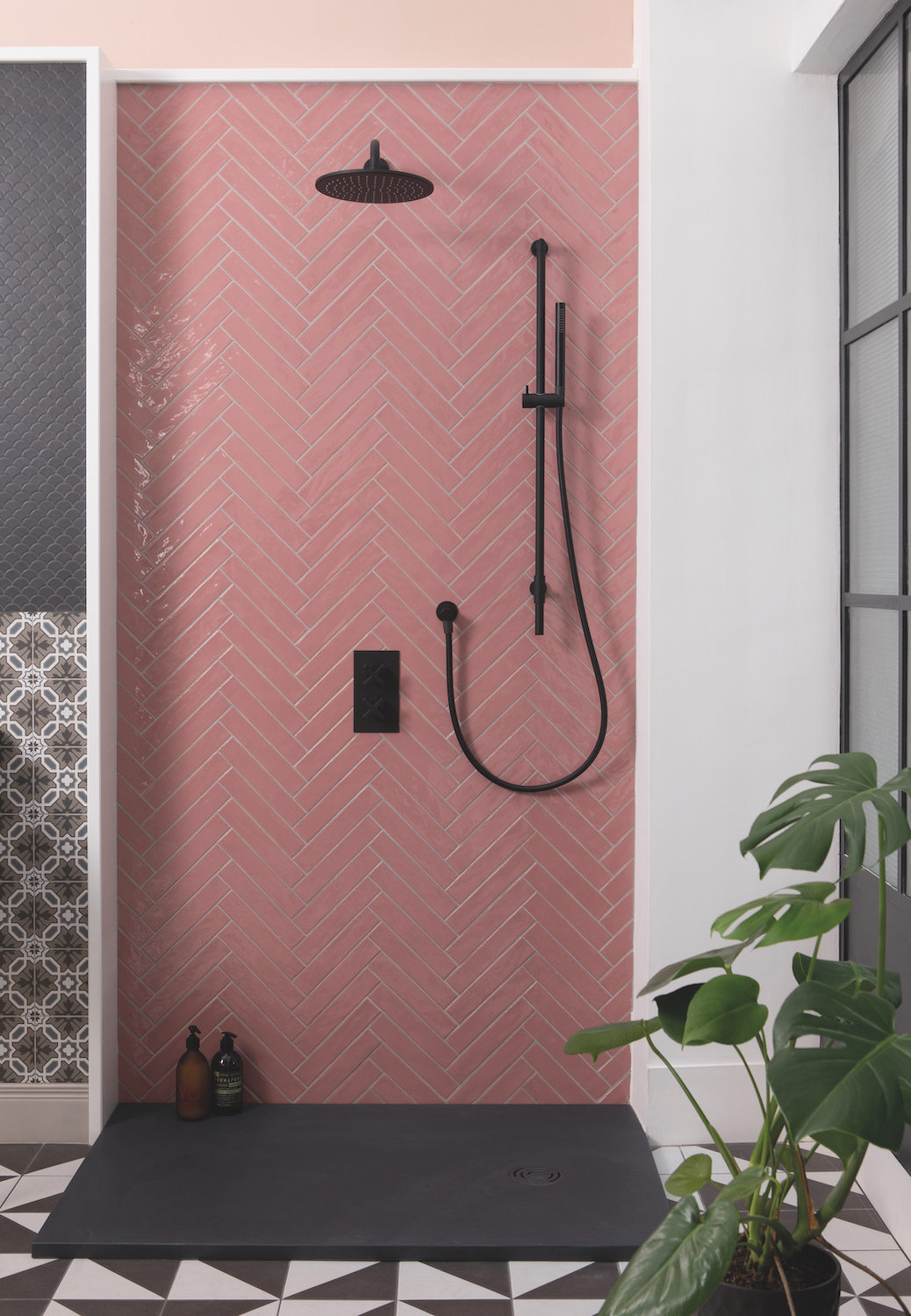
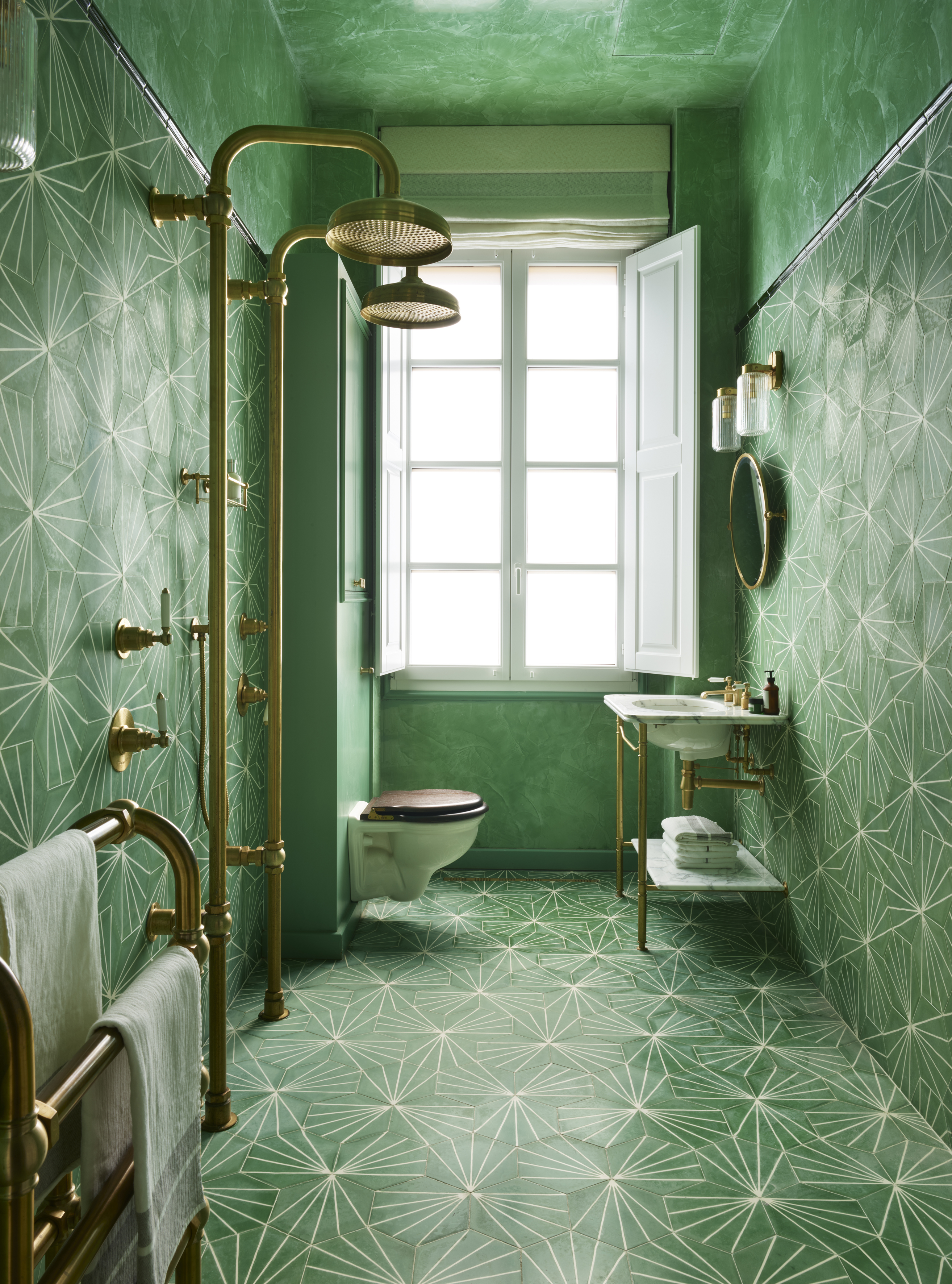
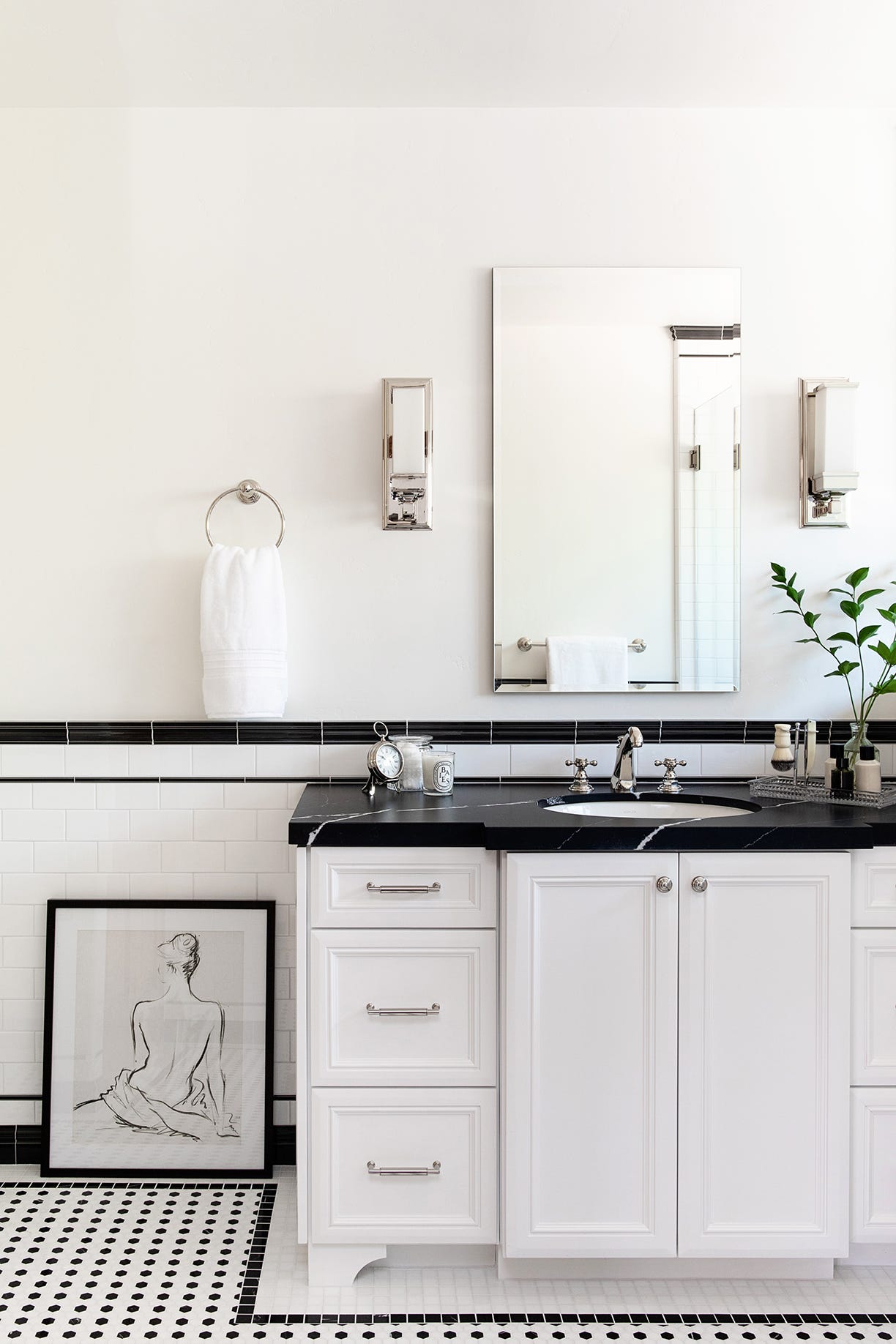
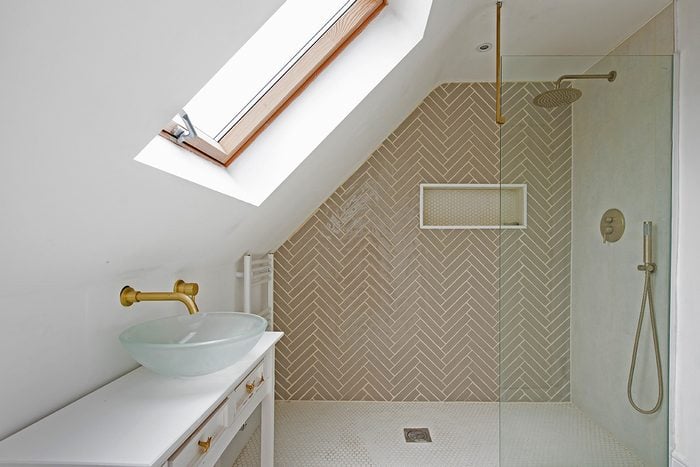
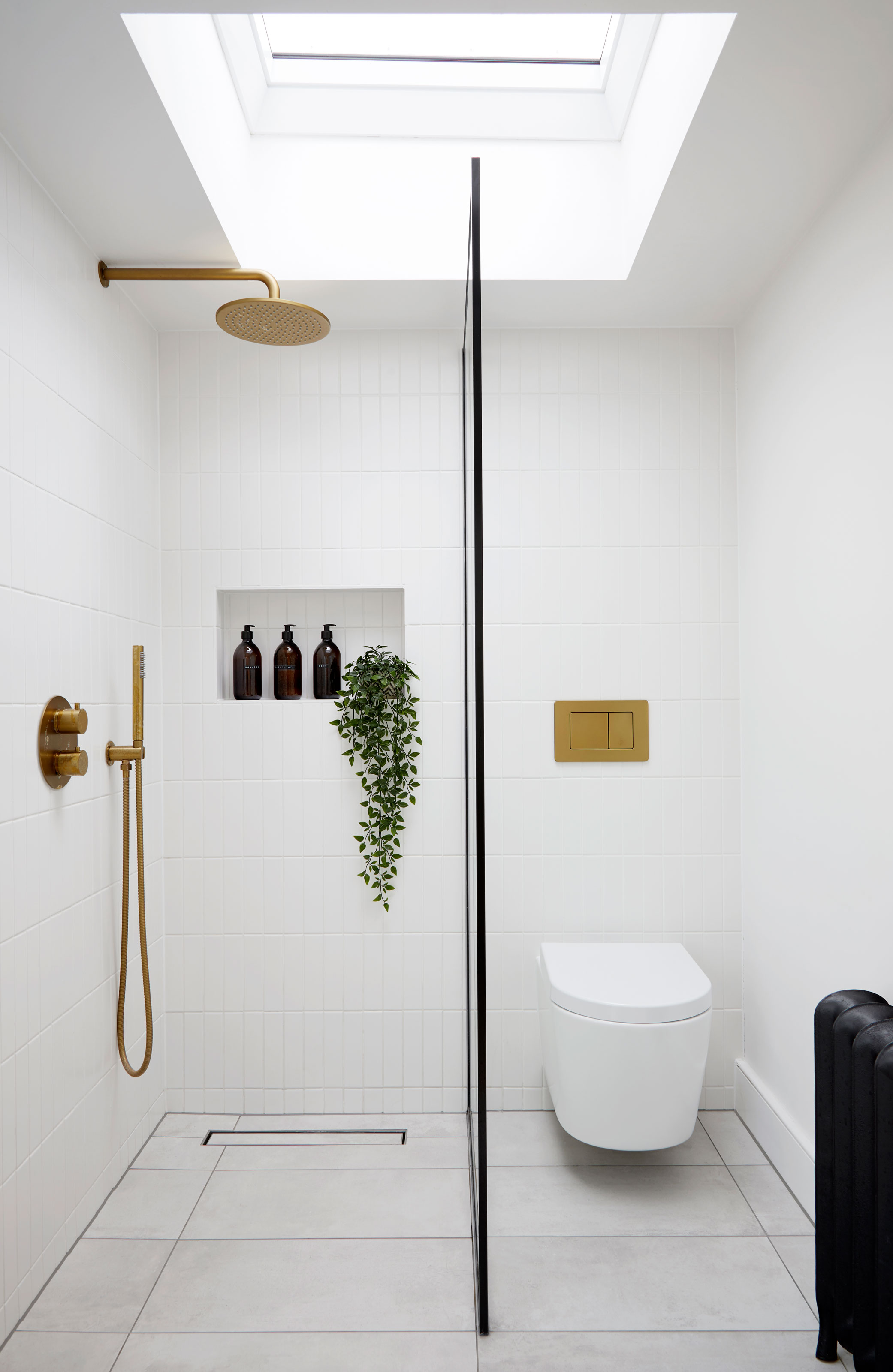
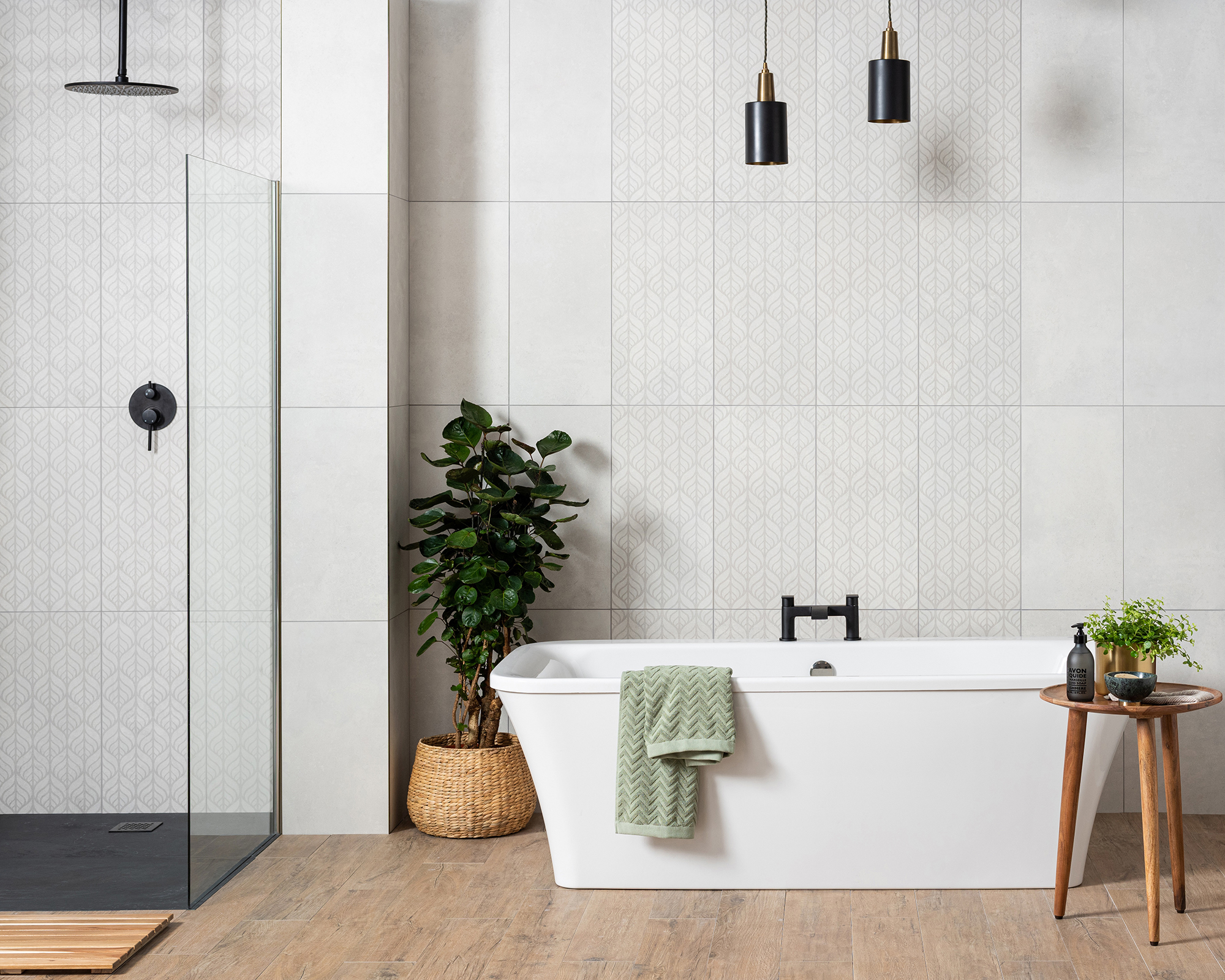
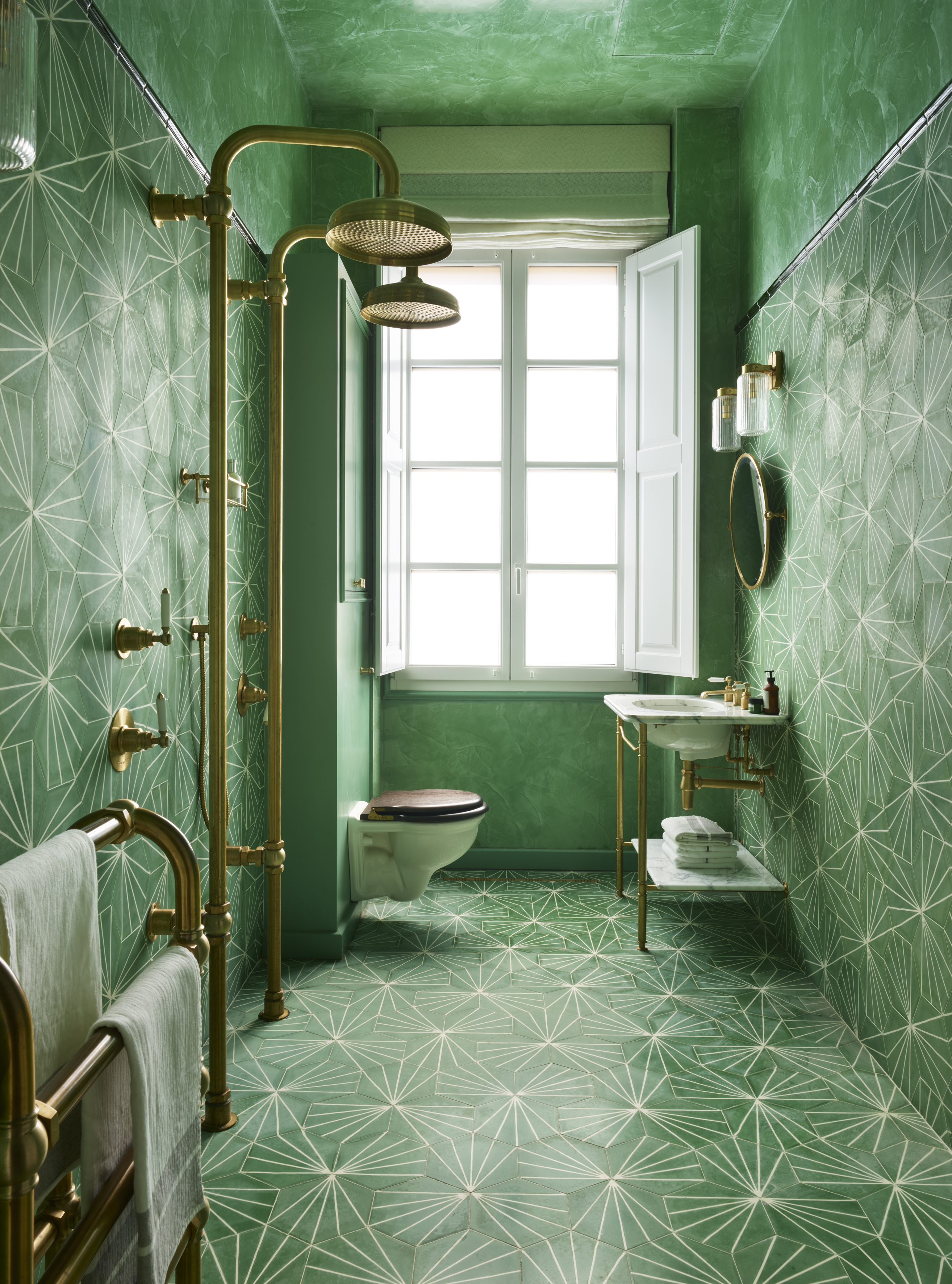
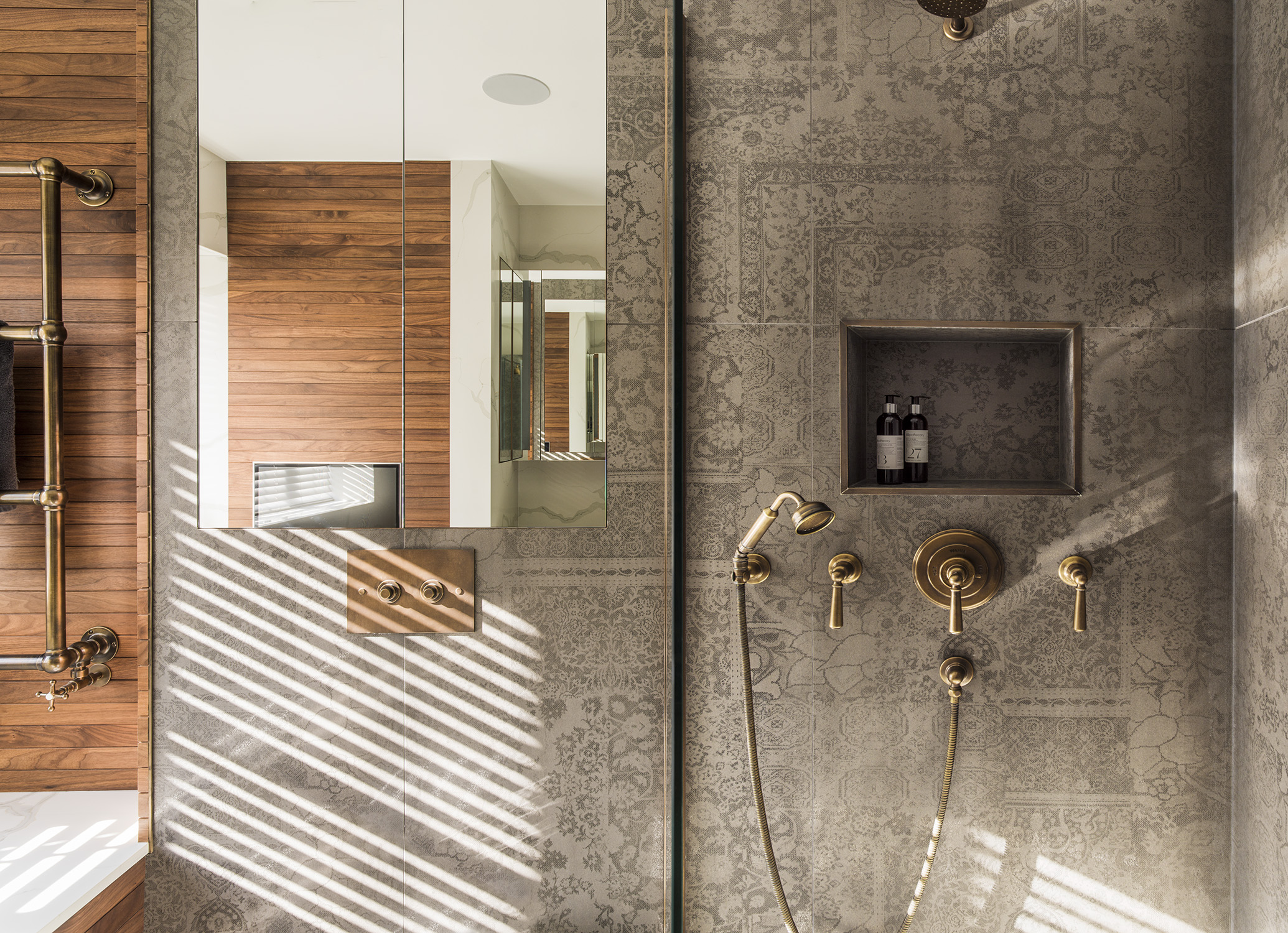
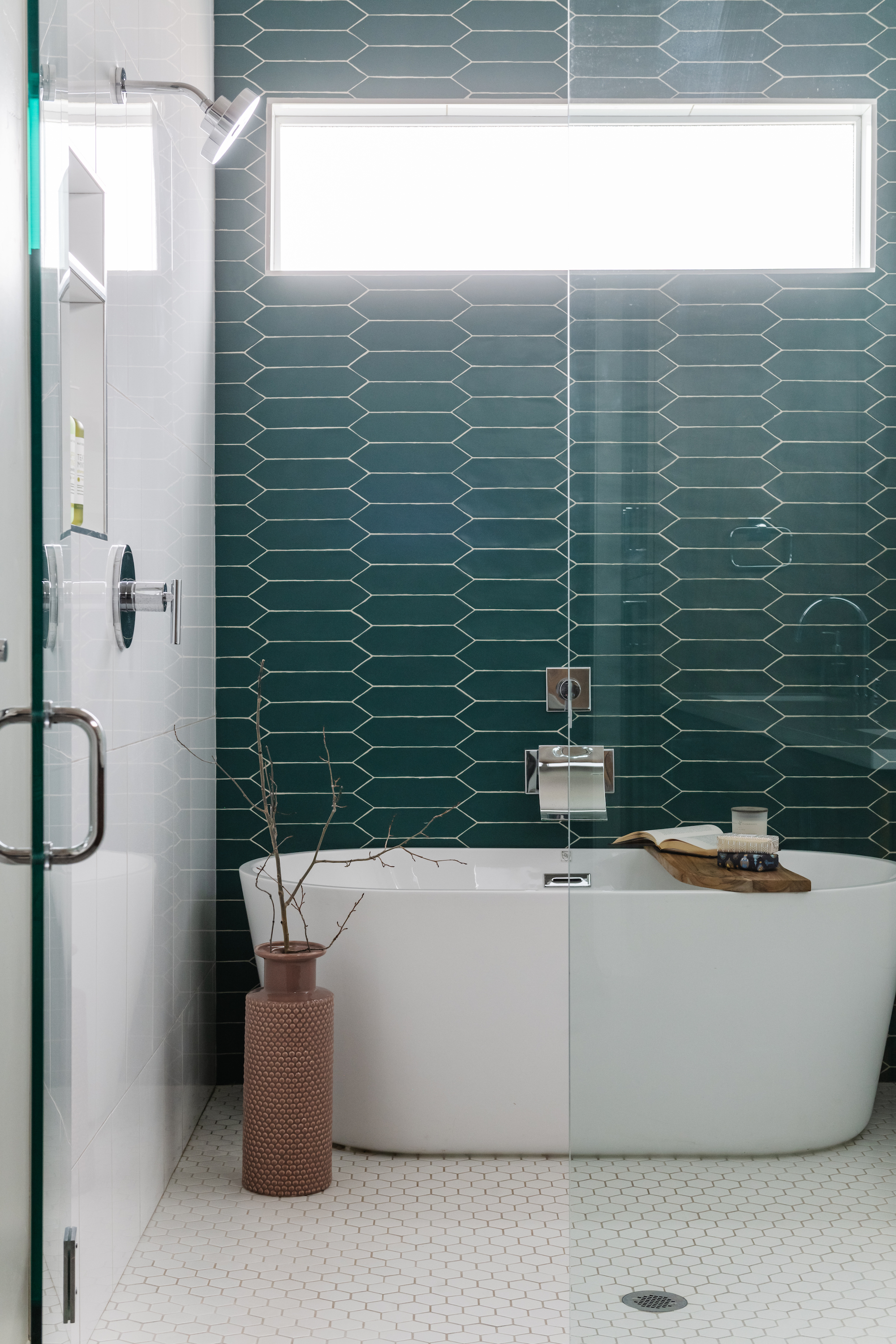
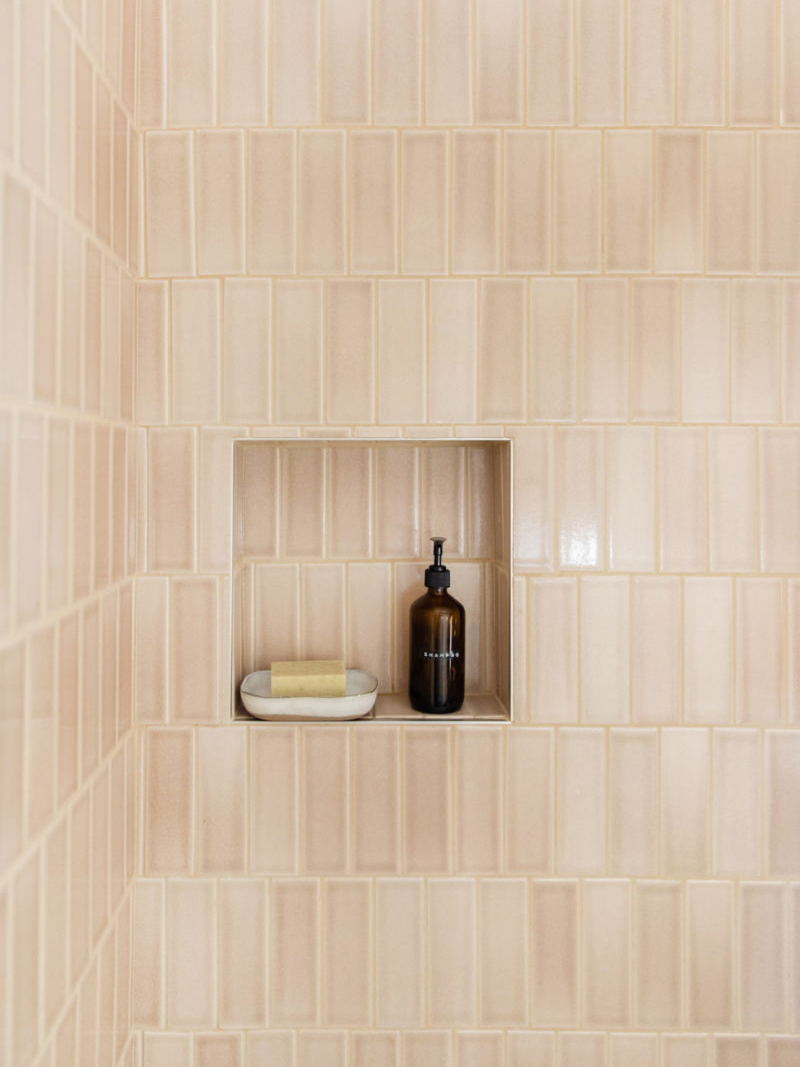
One approach is to use white tiles to create intricate patterns, effectively zoning the shower area. For instance, traditional 12x12 white tiles can be cut and arranged in brick joint or herringbone patterns to add sophistication. Mixing different sizes of the same tile can also give the illusion of varied materials, contributing to a subtle yet visually rich space. Another method involves introducing texture to white tiles, especially when paired with patterned floor tiles in wet rooms. Textured white tiles prevent the shower from becoming an overlooked element, instead harmonizing with other design details.
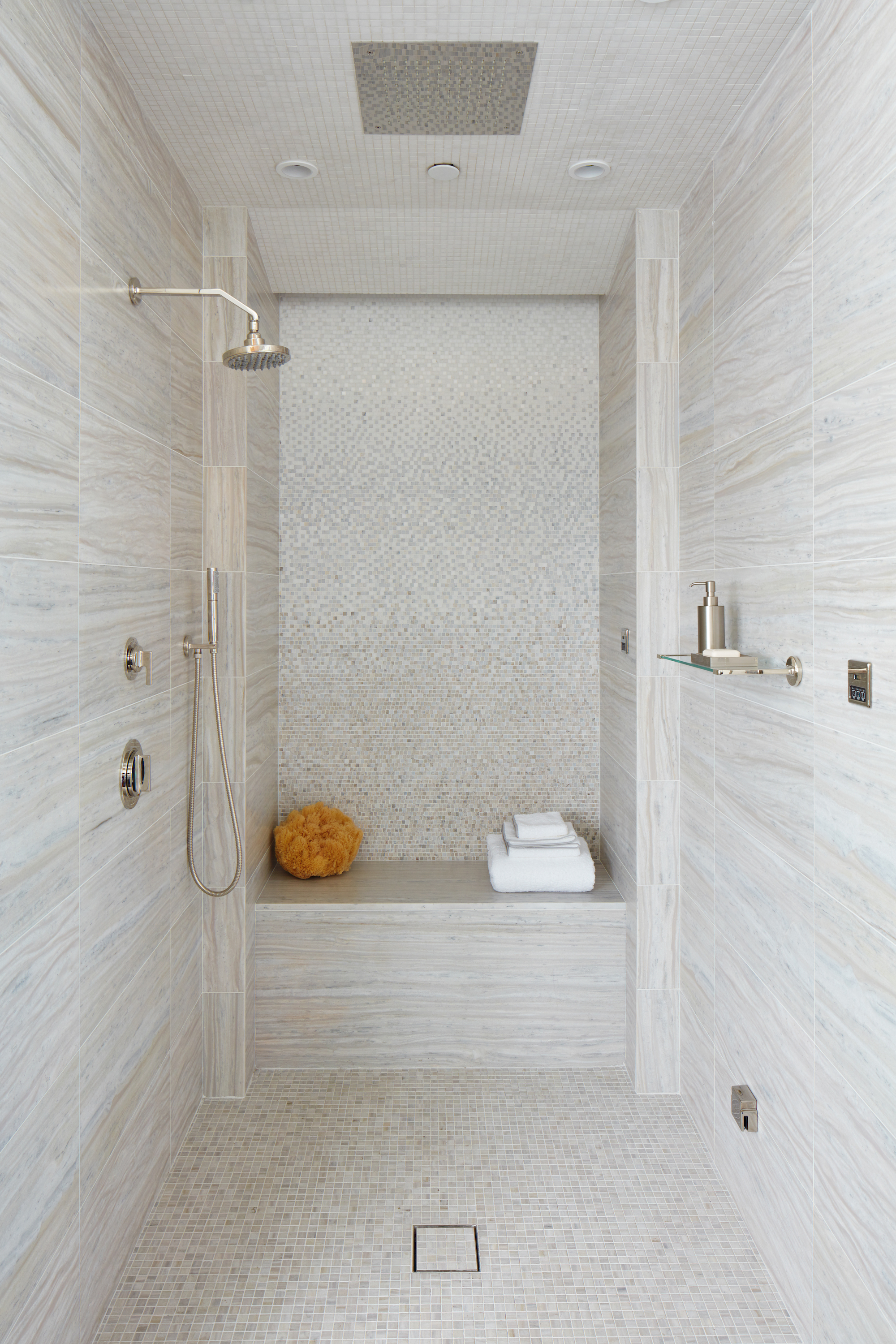
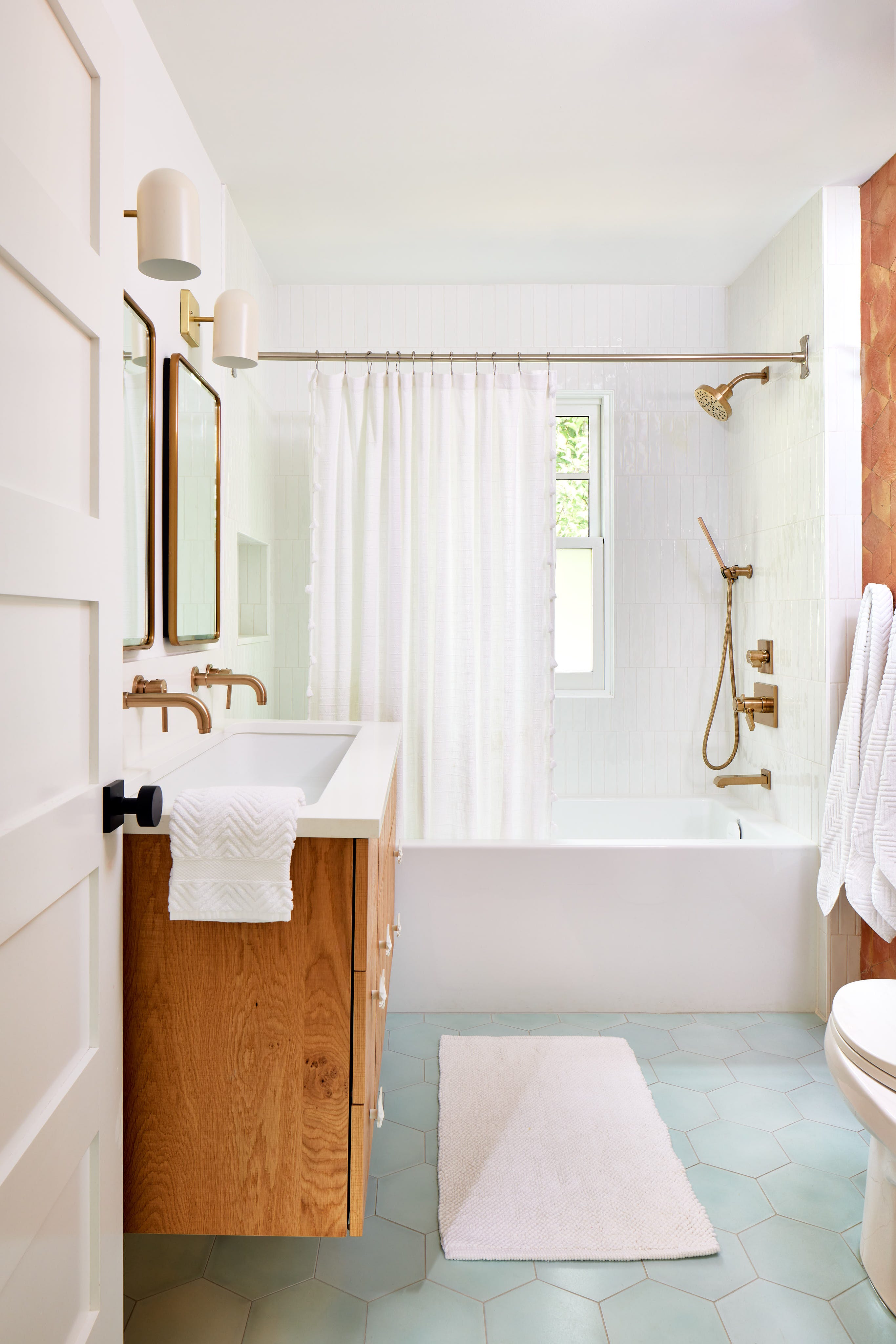
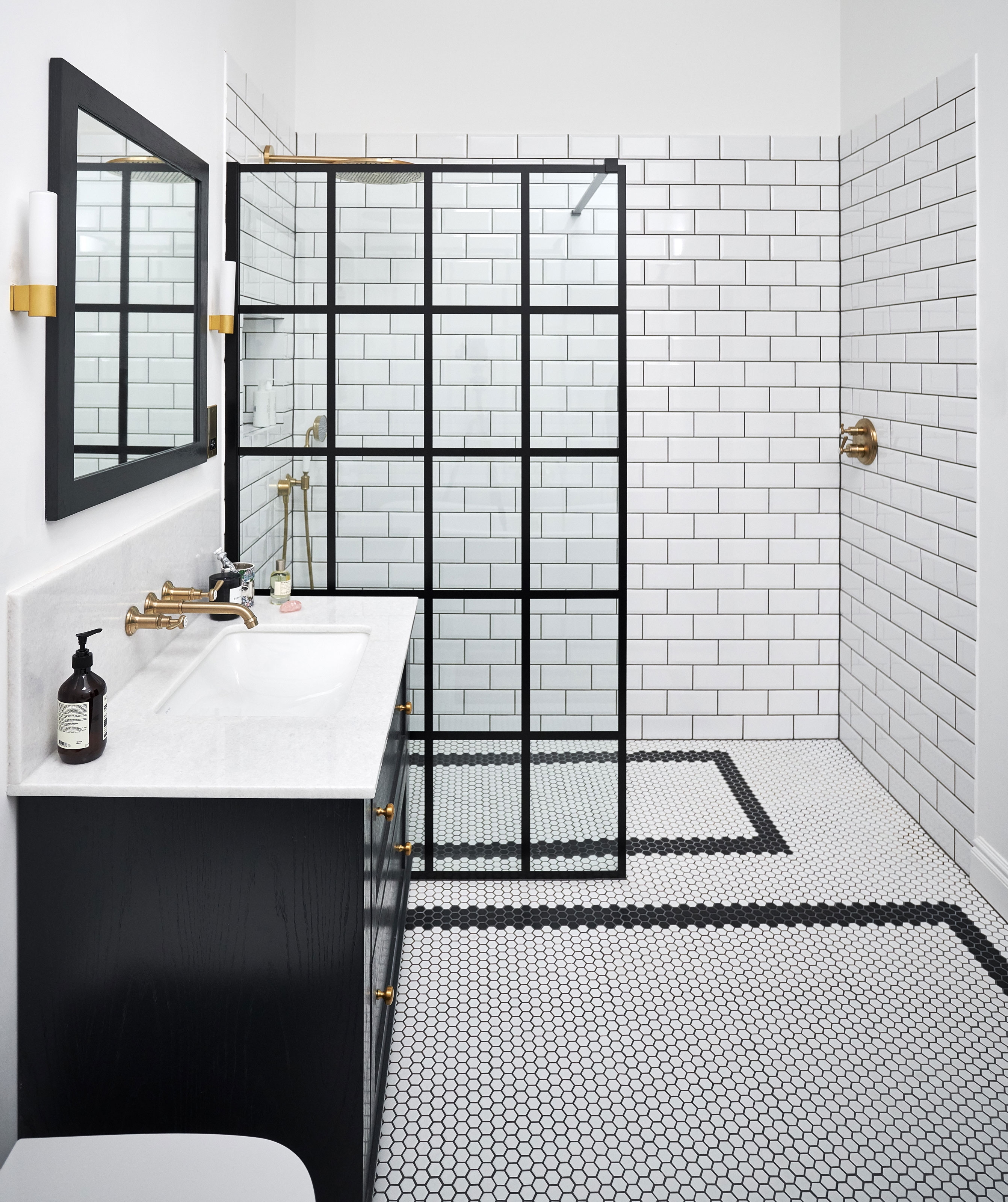
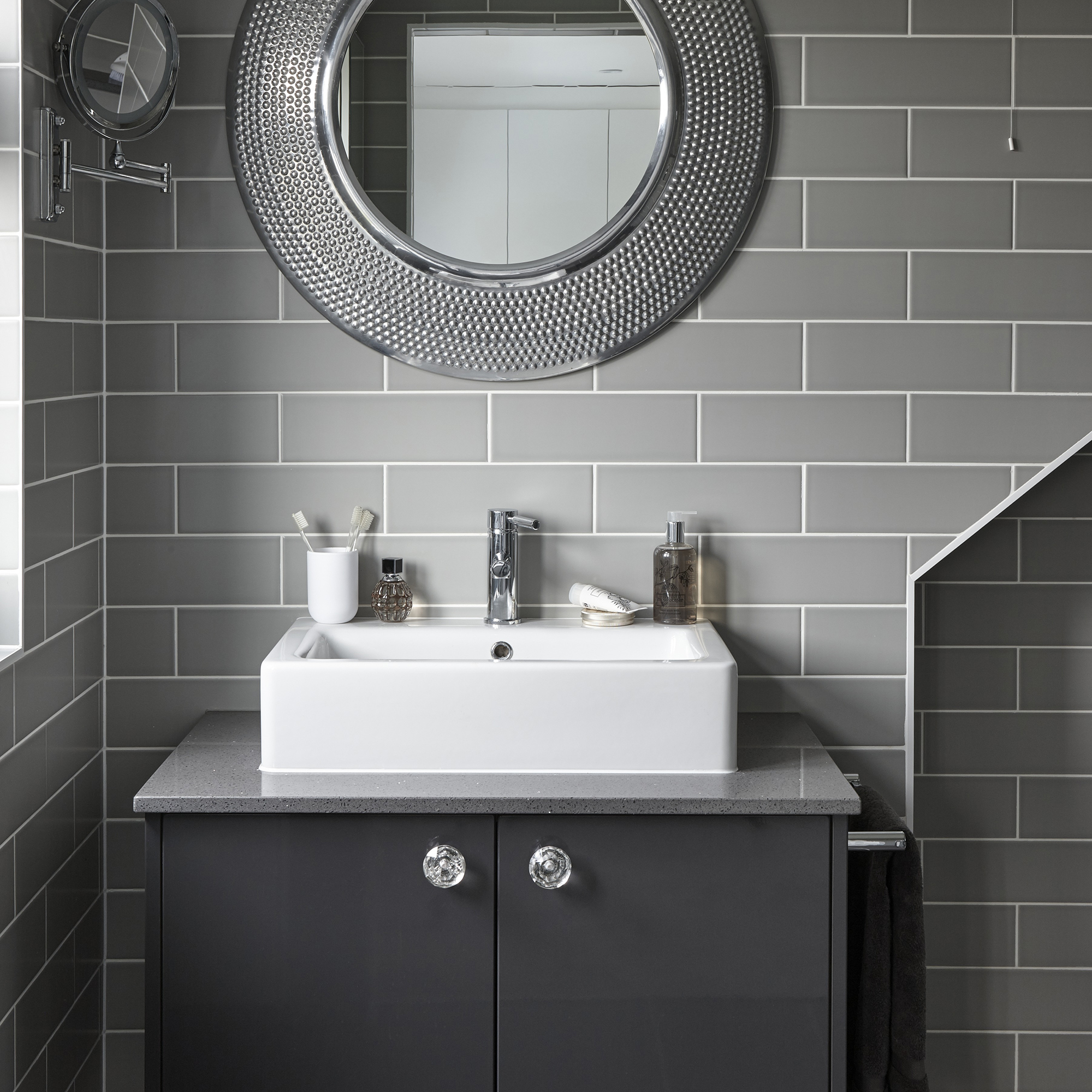
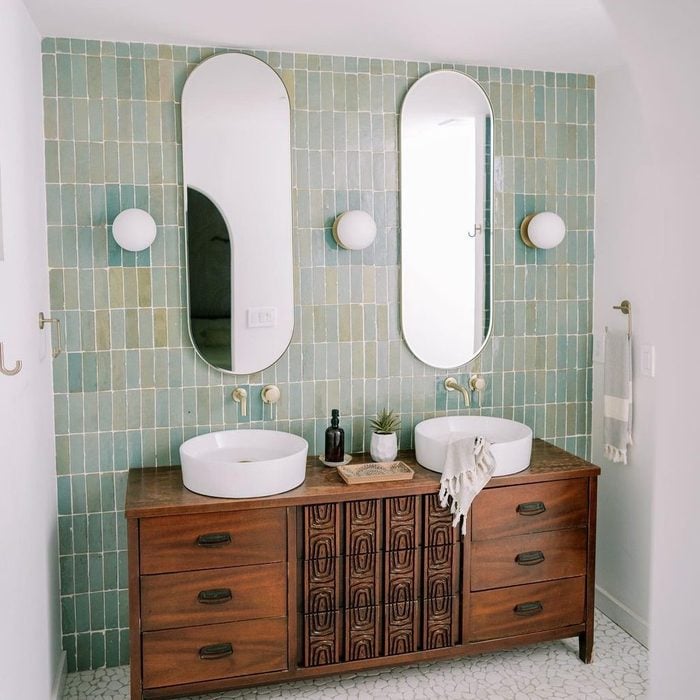
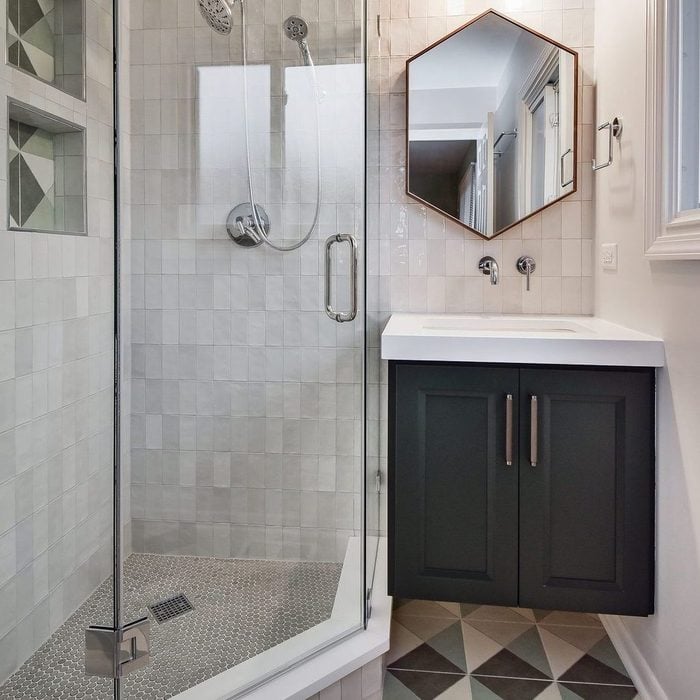
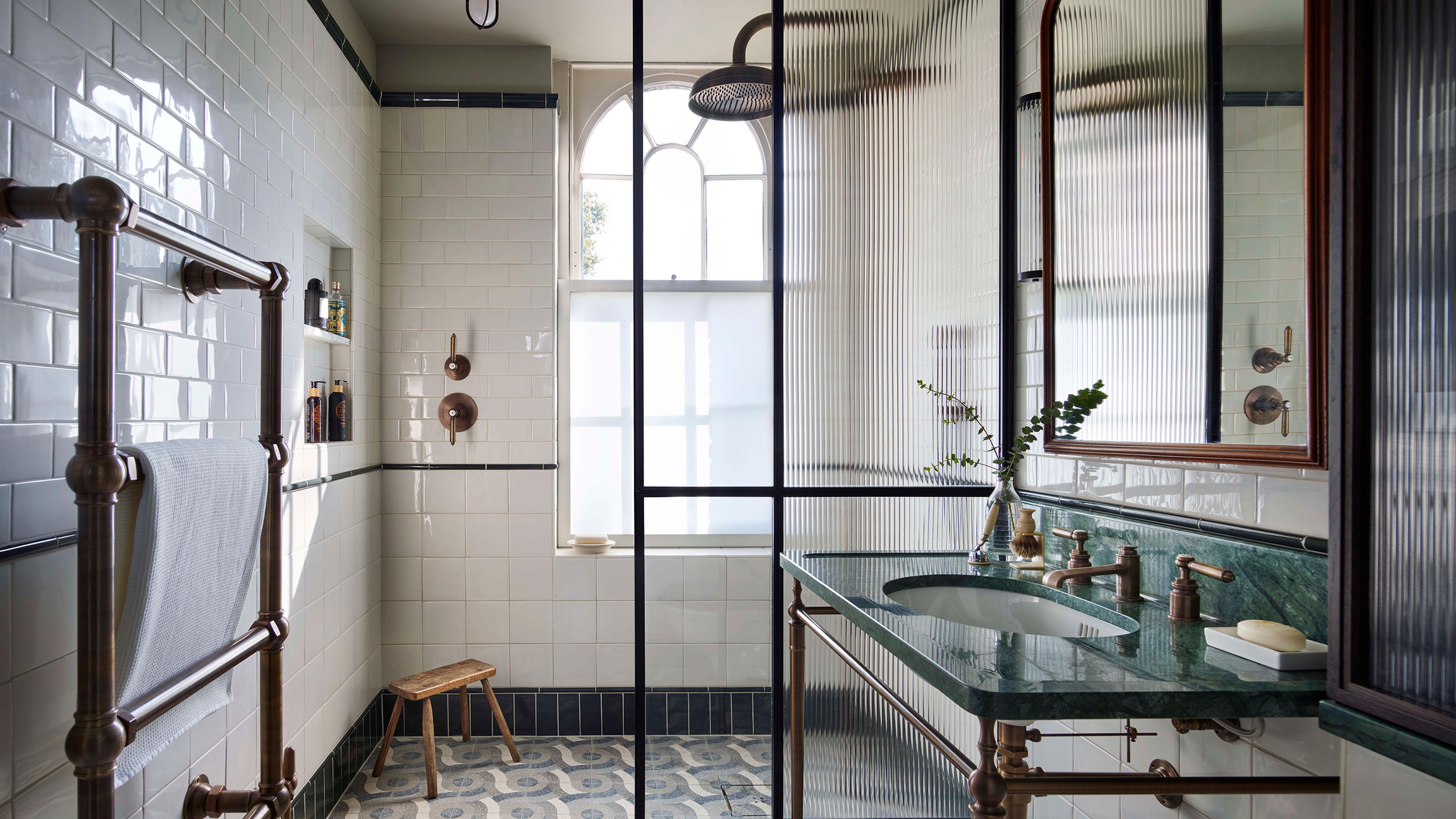
For an organic or relaxed aesthetic, combining various tones of white tiles can soften the overall look while maintaining a fresh and neutral feel. Subway tiles, a classic choice, offer enduring style and functionality, capable of transforming a small bathroom to appear more spacious. Their timeless appeal ensures they remain relevant over the years. Elevating the design further, one can combine matte and gloss finishes of the same white tile to add depth and visual interest without overwhelming the space. This technique is particularly effective for elements like shower benches.
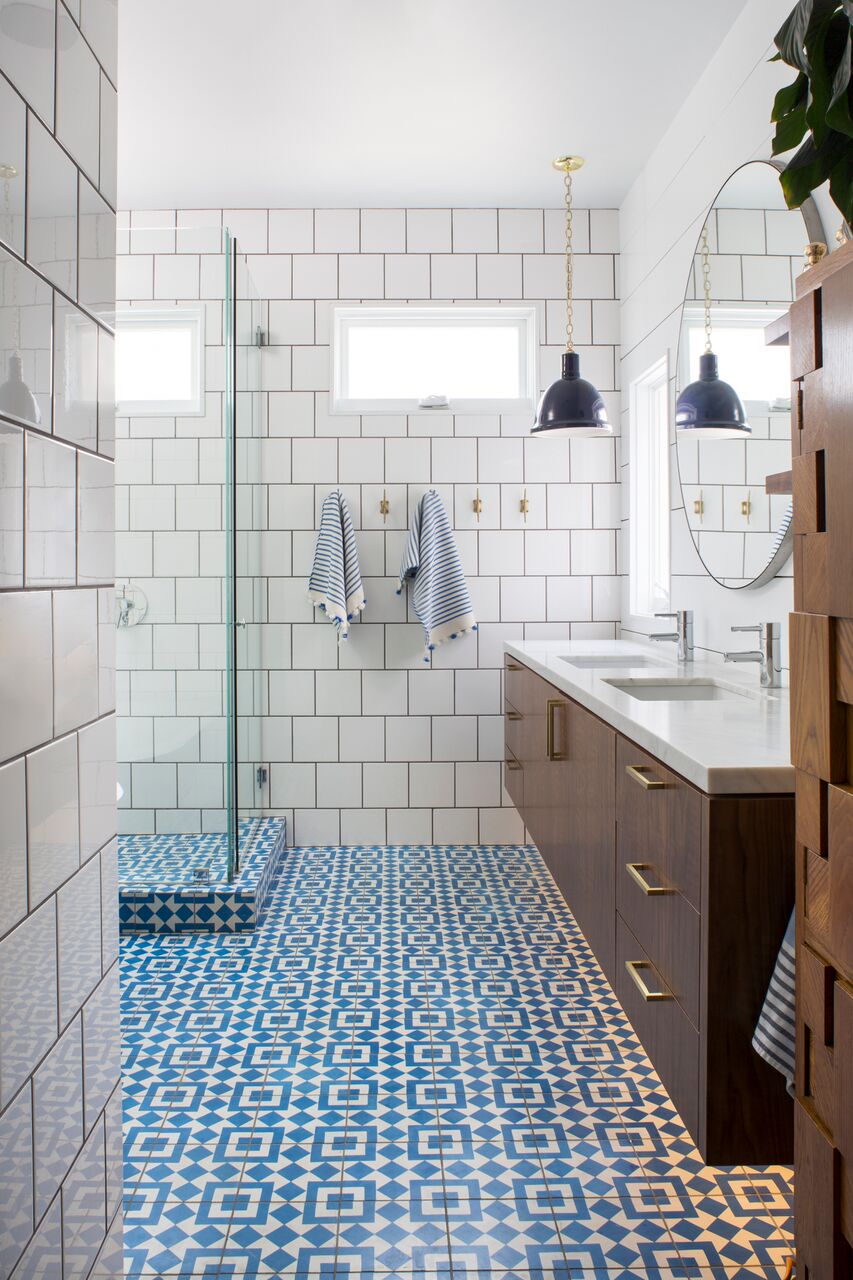
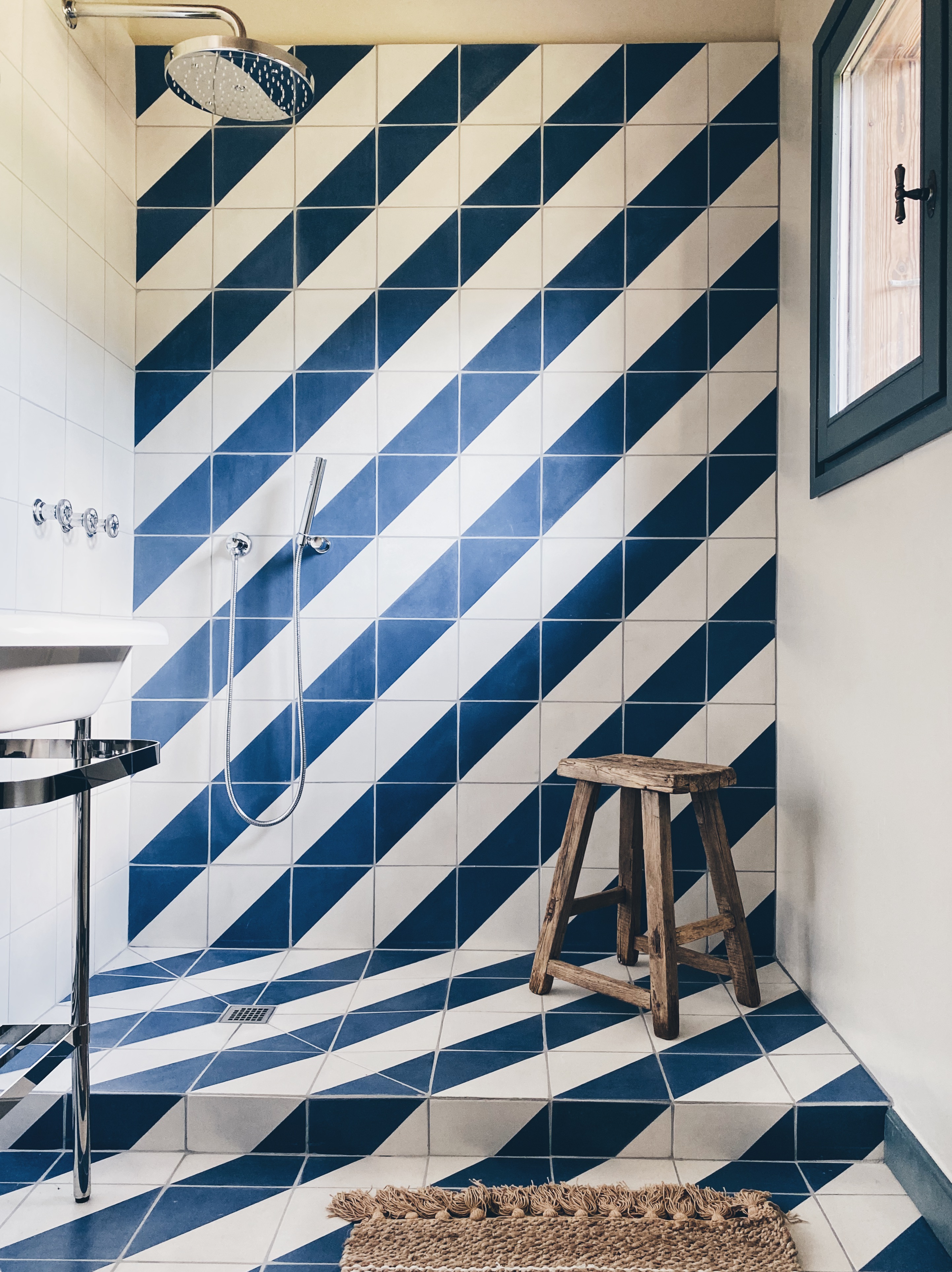
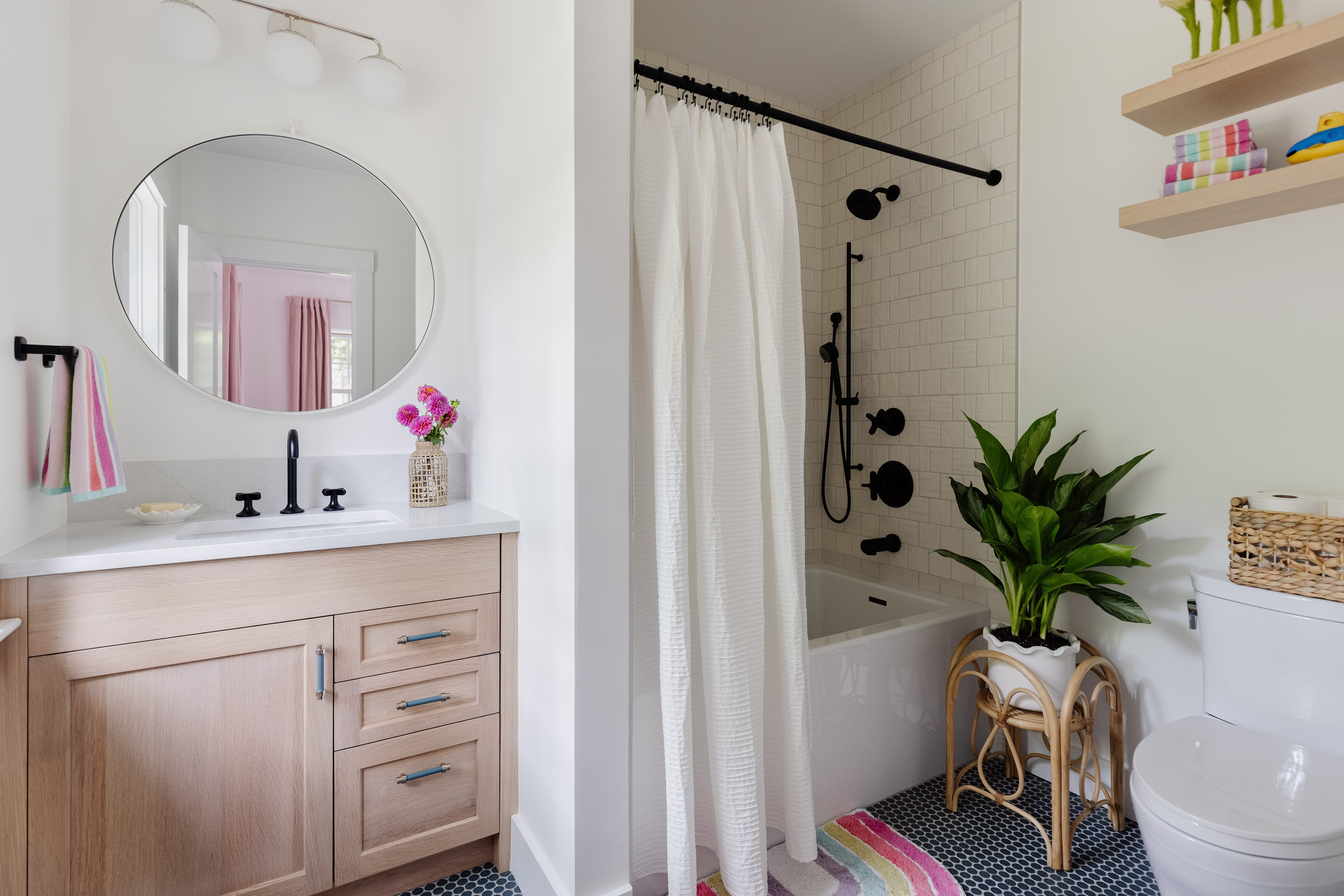
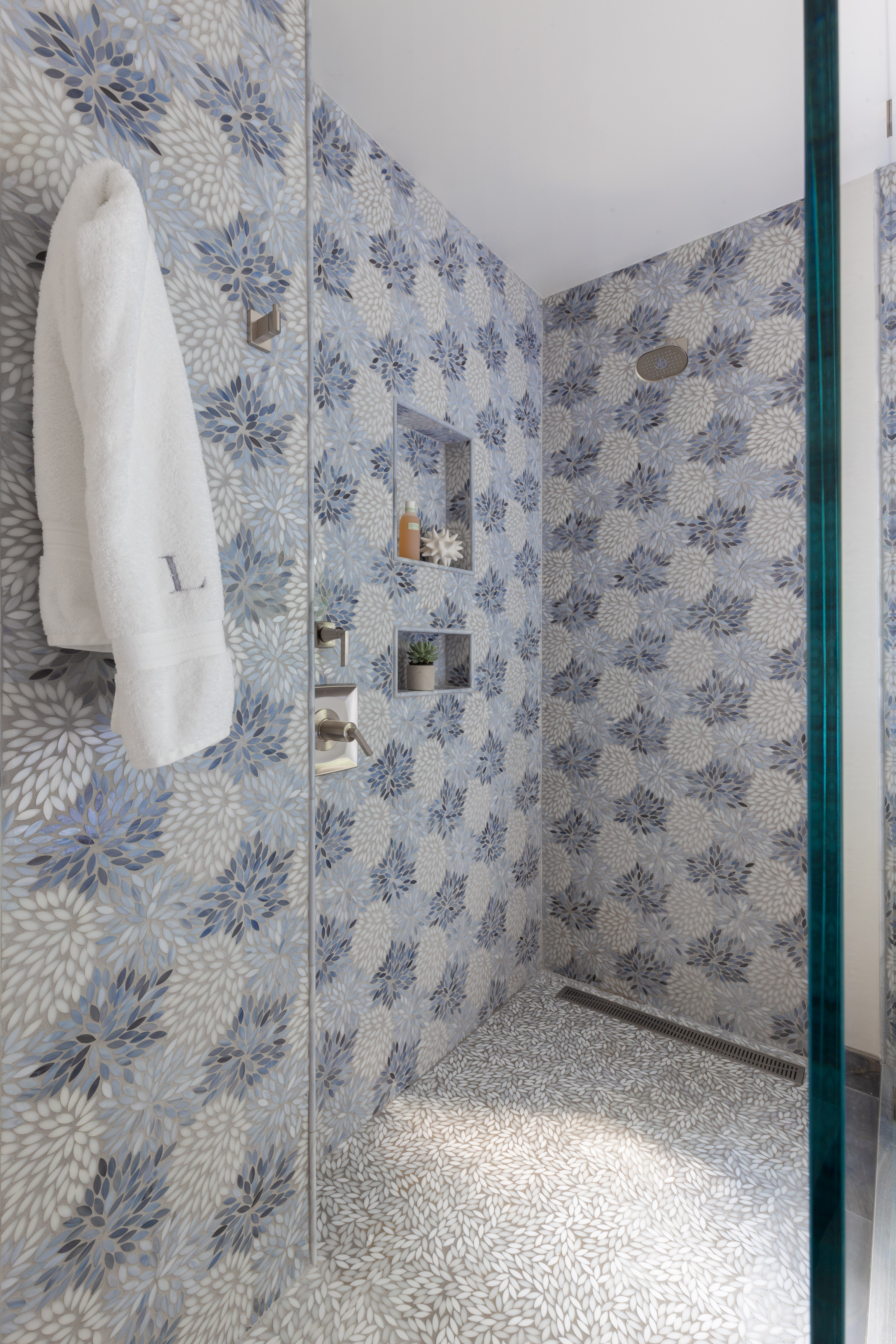
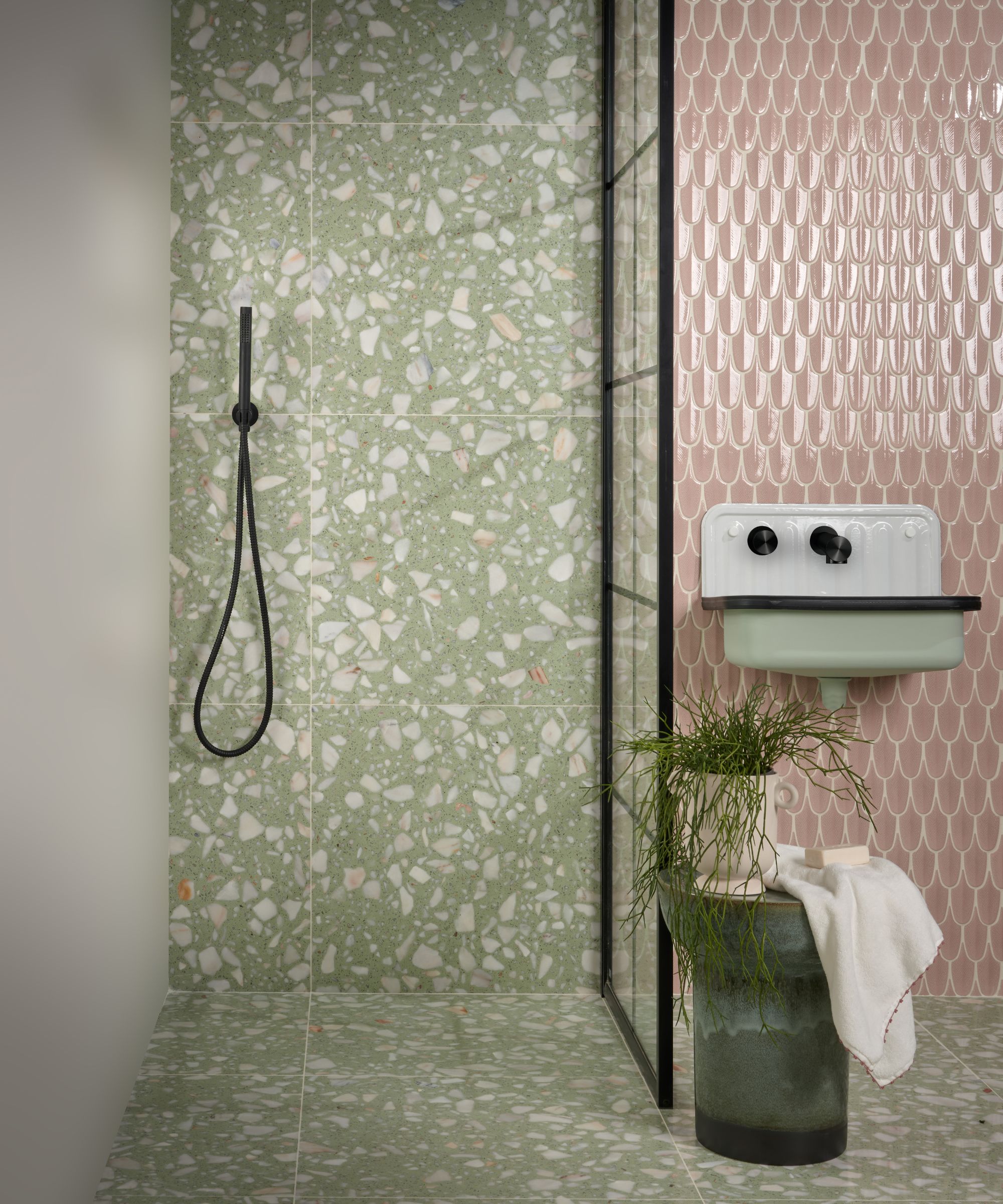
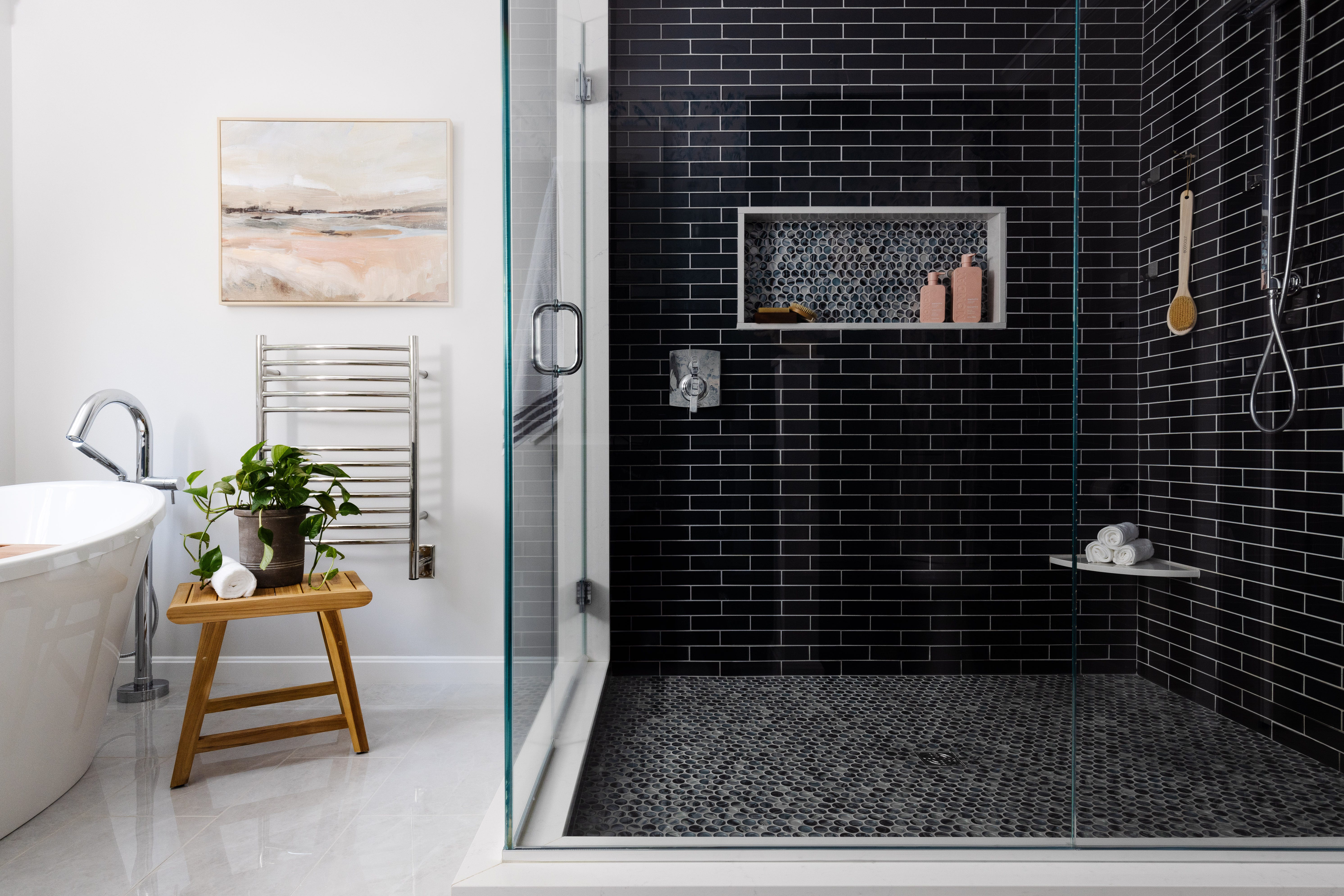
Introducing curves with fish scale (scallop or mermaid) tiles can provide a soft contrast to angular bathroom elements. These decorative tiles can also highlight shower storage solutions, such as niches, and can be arranged in multiple orientations to create unique patterns. A contemporary look can be achieved by pairing white shower wall tiles with a bold, contrasting color for the floor tiles, allowing the white walls and metallic hardware to stand out. Grout color plays a crucial role in the tile's final appearance; dark grout emphasizes tile shape, while white or off-white grout creates a more continuous, blended surface.
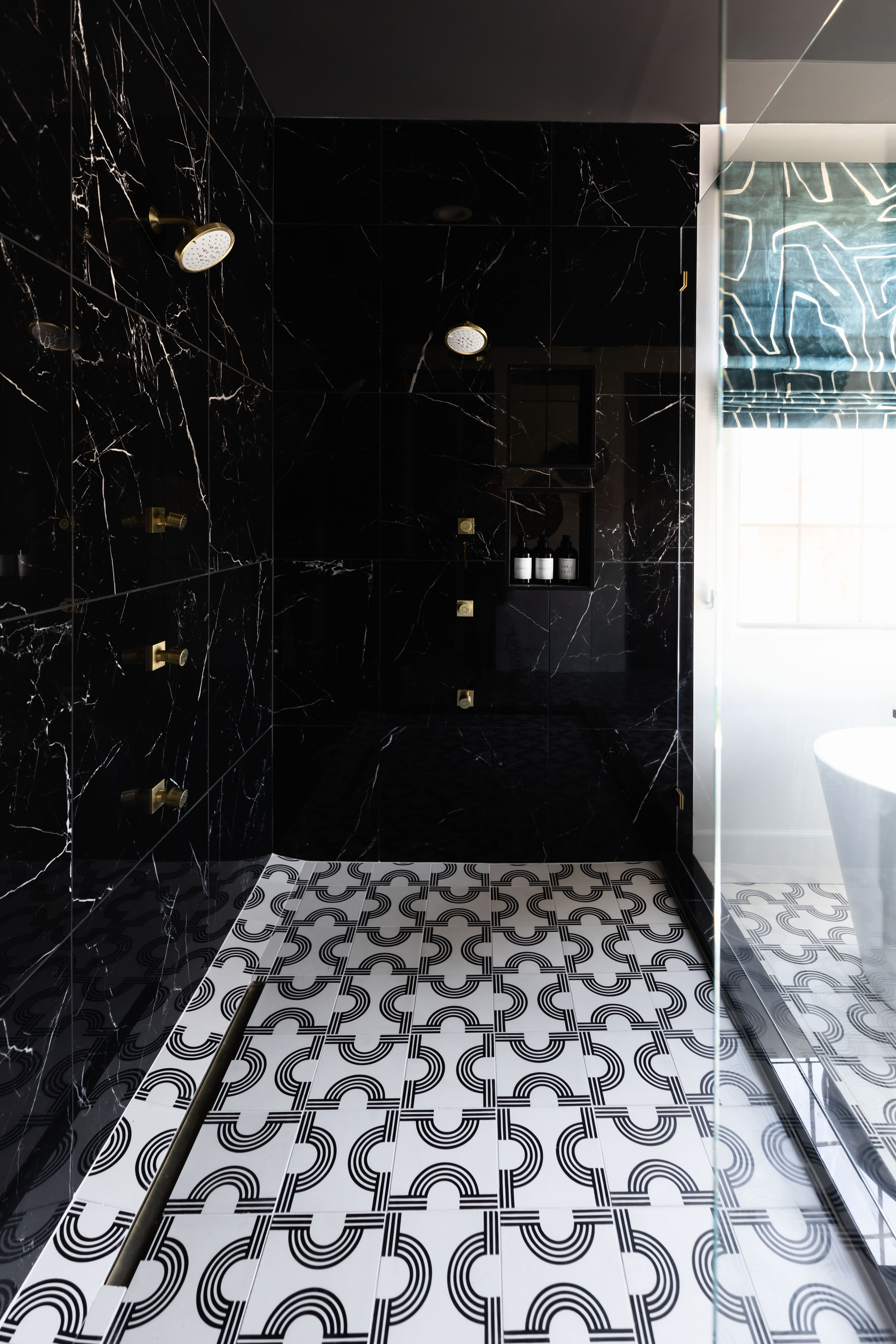
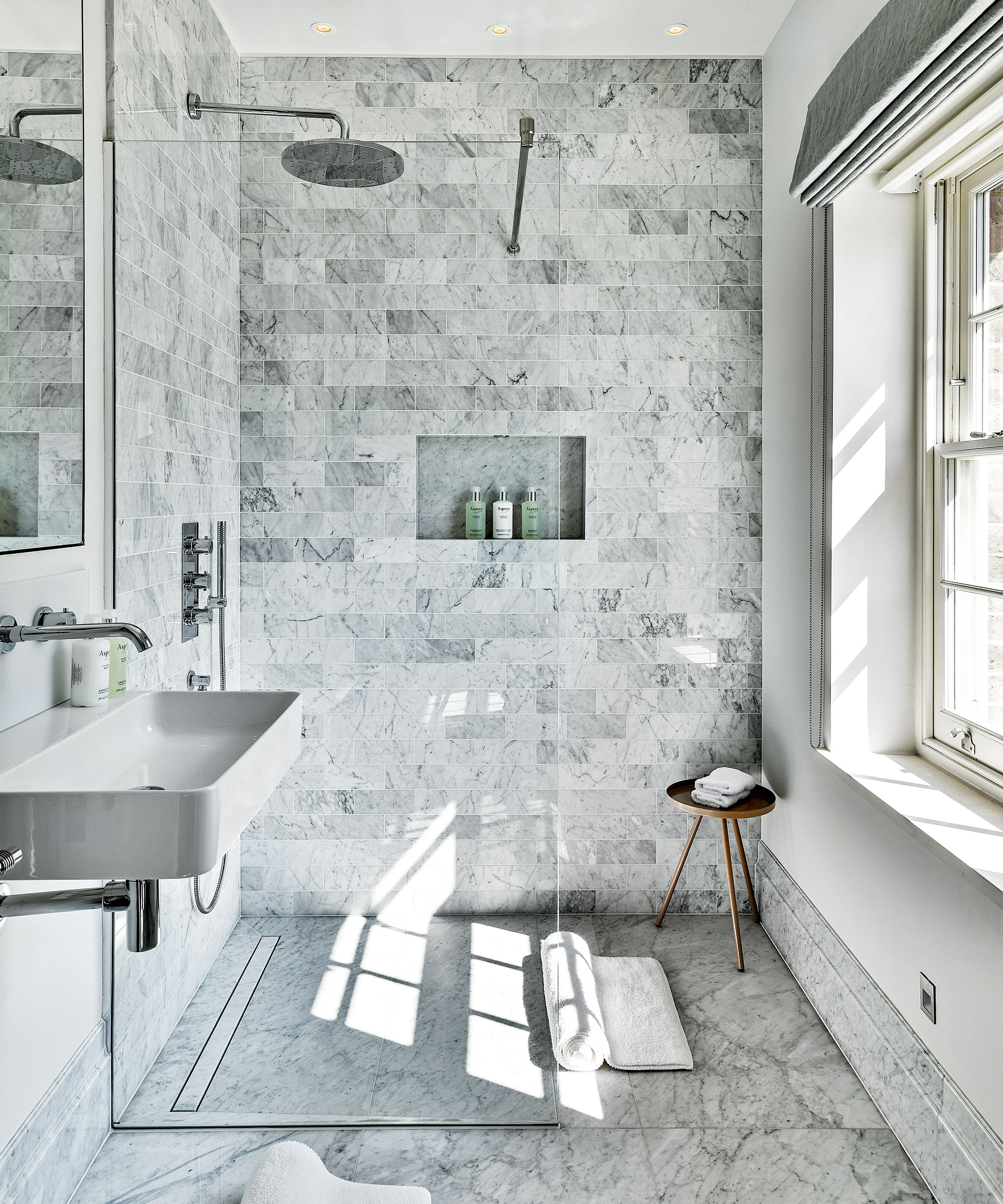

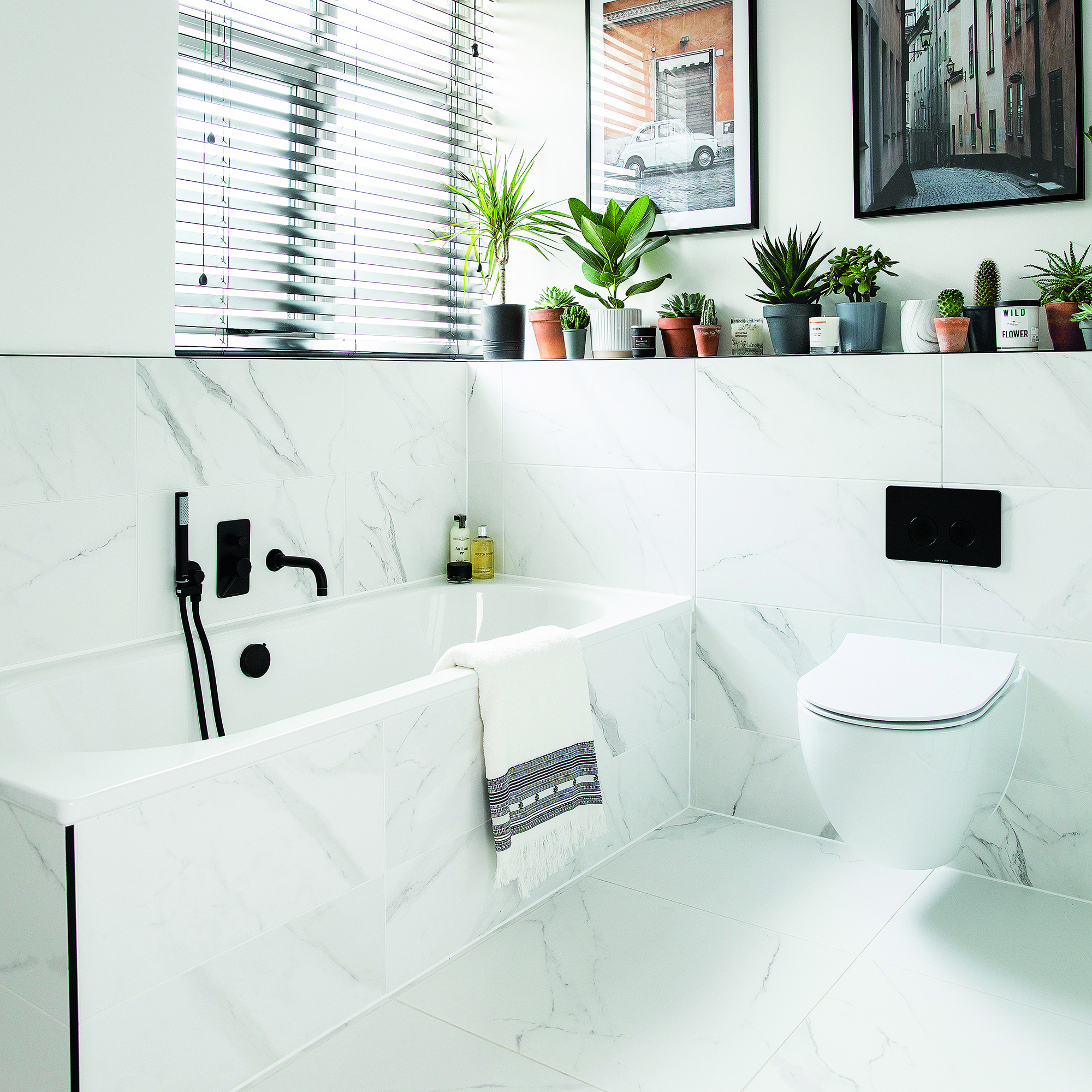
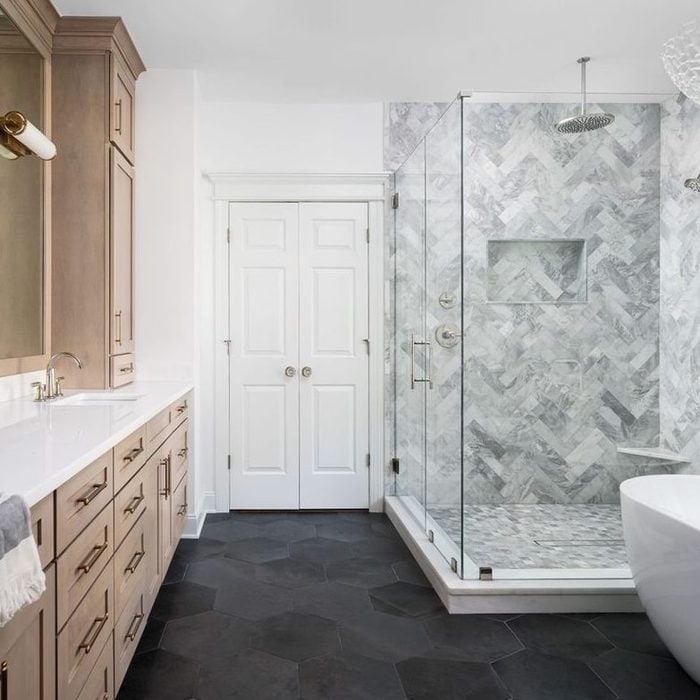
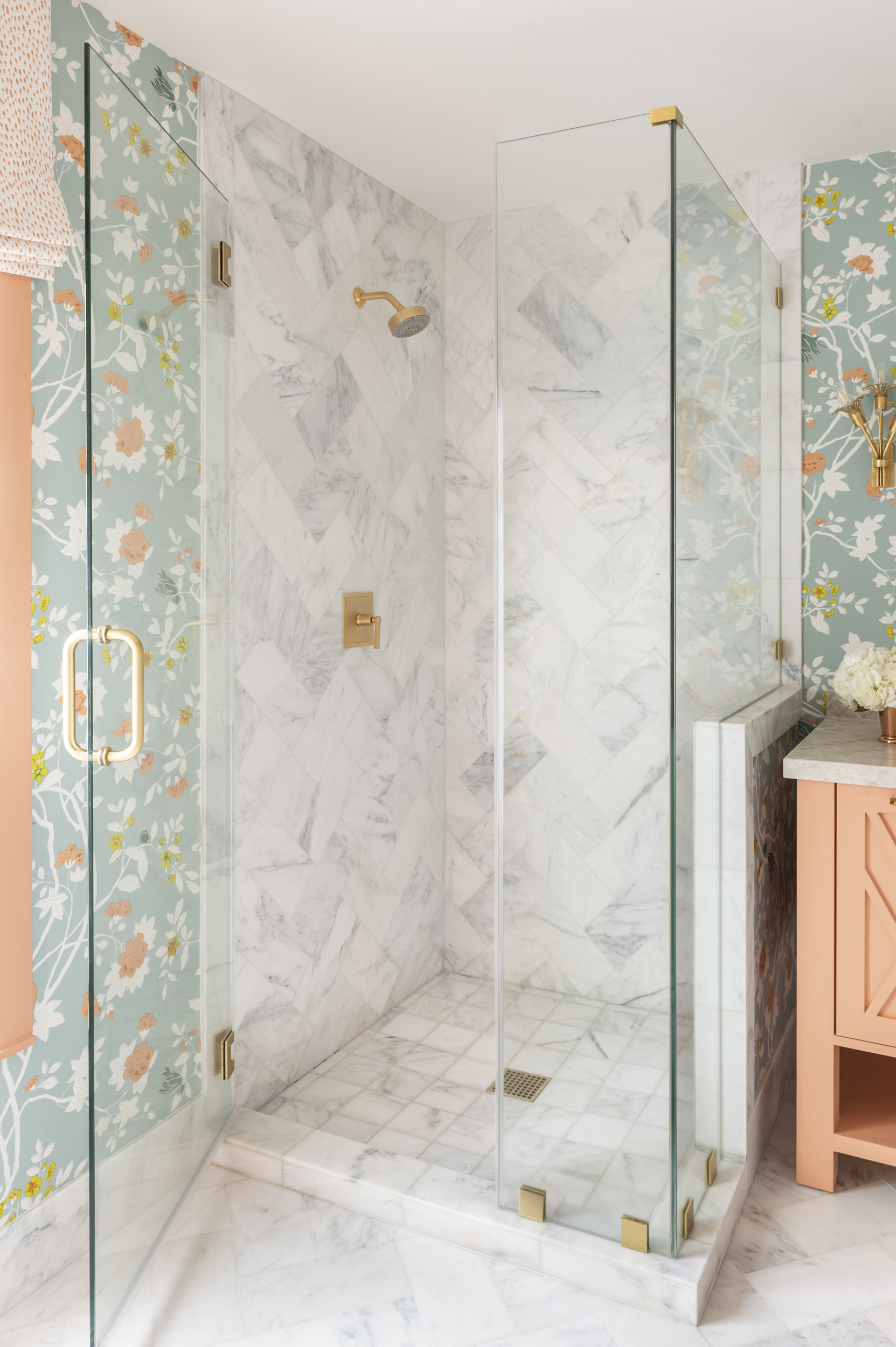
For a touch of opulence, marble tiles maintain the benefits of white tiles—light reflection, cleanliness, and freshness—while adding a luxurious feel with their natural veining. Alternatively, porcelain tiles can mimic marble's aesthetic with less maintenance. Finally, thoughtful detailing, such as using different laying patterns for the upper and lower sections of the shower, can transform white tiles from a uniform background into an engaging design feature. For example, a herringbone pattern below paired with a contemporary pattern above adds energy and visual flow.
Regarding maintenance, white shower tiles require regular cleaning to prevent soap scum and limescale, similar to any other tile color. The porosity of grout, not the tile color, is the primary factor contributing to mold growth, underscoring the importance of proper grout cleaning. Industry trends indicate a growing preference for organic and natural styles, with larger format tiles gaining popularity due to fewer grout lines, offering a sleek and modern appearance.
#WhiteShowerTiles #BathroomDesign #TileTrends #InteriorDecor #HomeRenovation #GroutColor #TexturedTiles #SubwayTile #MarbleTiles #WhiteShowerTiles #BathroomDesign #TileTrends #InteriorDecor #HomeRenovation #GroutColor #TexturedTiles #SubwayTile #MarbleTiles
0 comment in total
 No comments yet
You may also like
Shower floor tile ideas – 10 looks, layouts and colors for an inspiring space
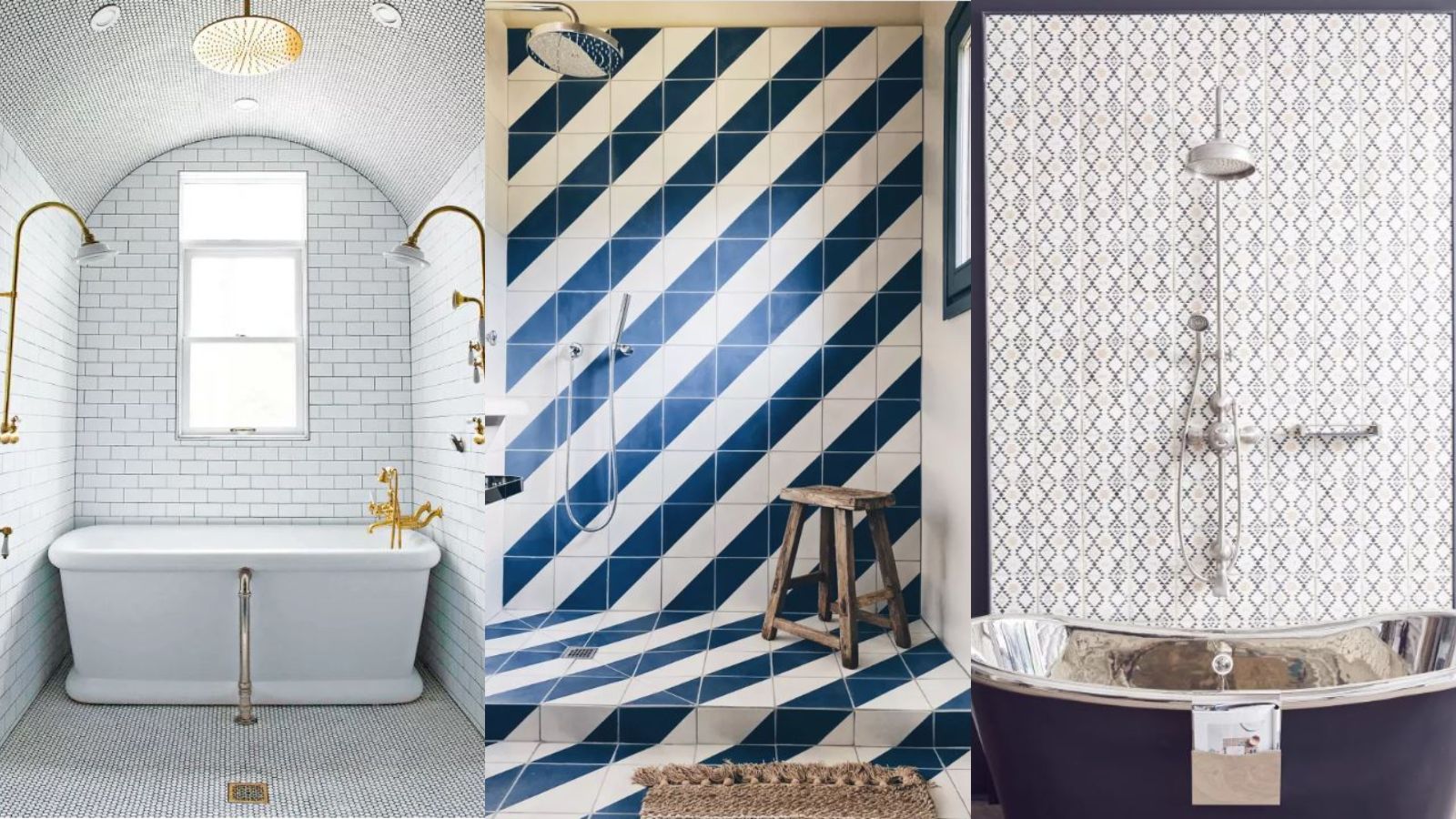
Shower tile ideas – 20 ways to create impact and interest
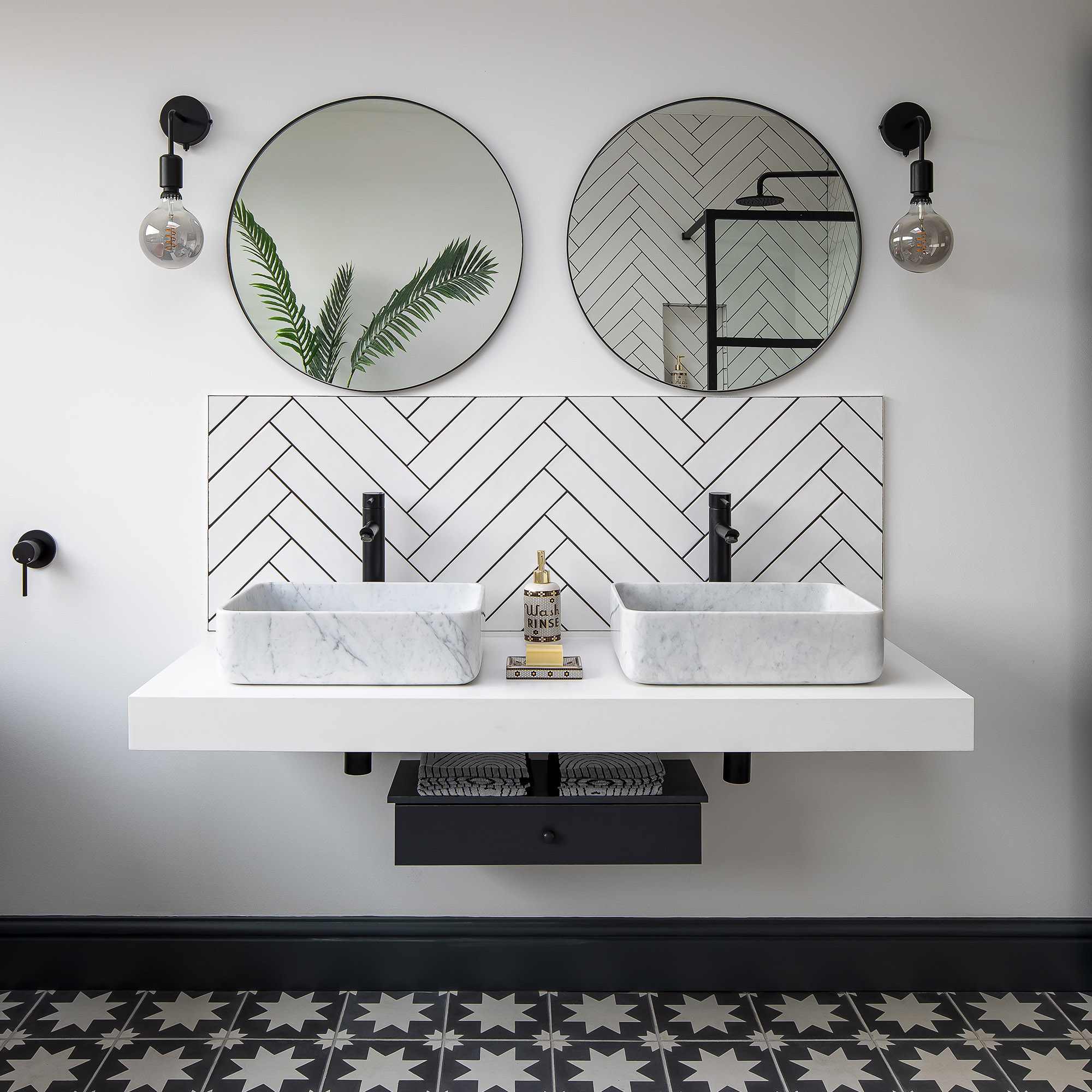
10 modern bathroom tile ideas to inspire your next project
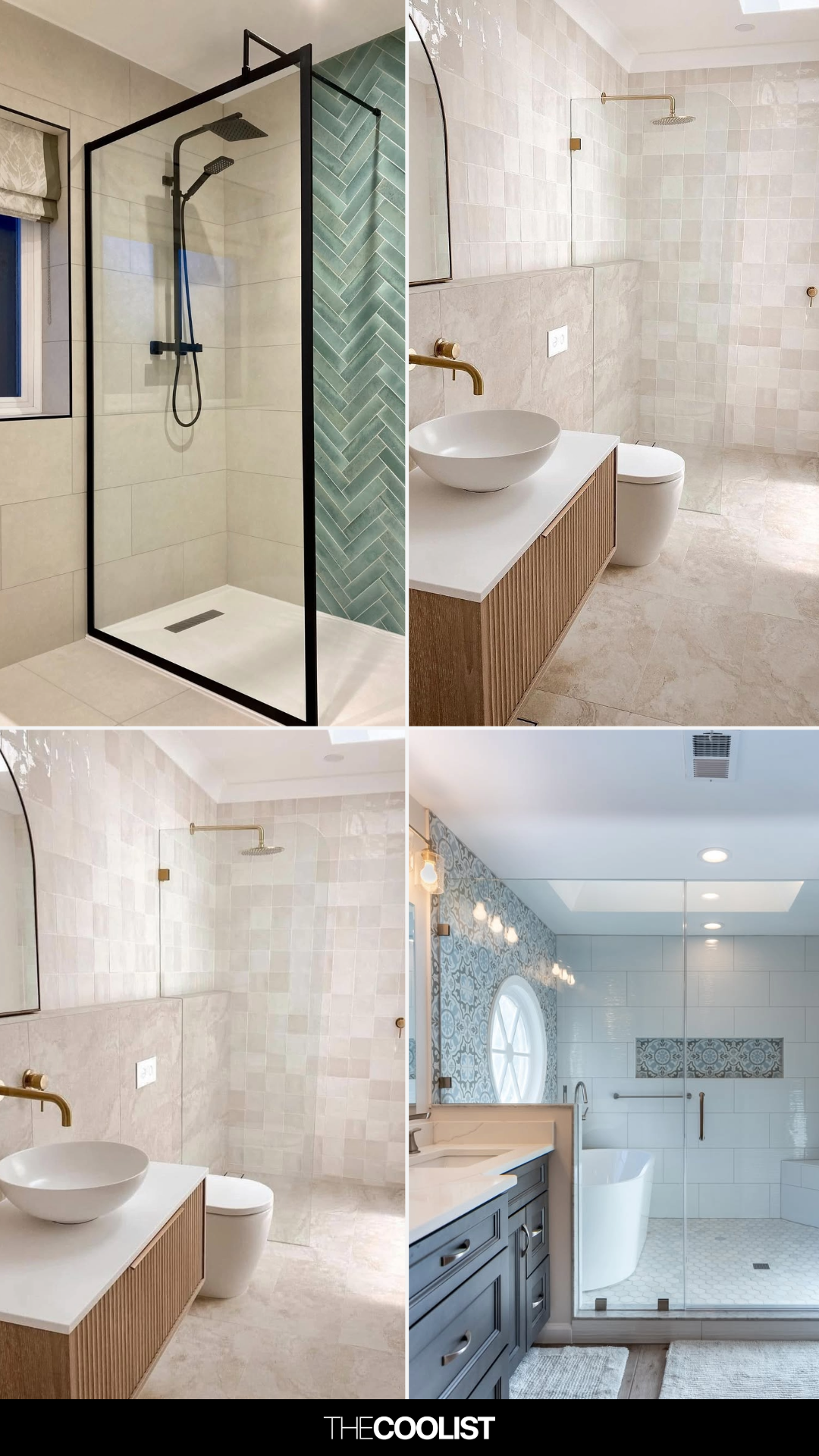
30 Shower Tile Ideas That Make Your Bathroom Look Fresh and Modern Without a Full Renovation

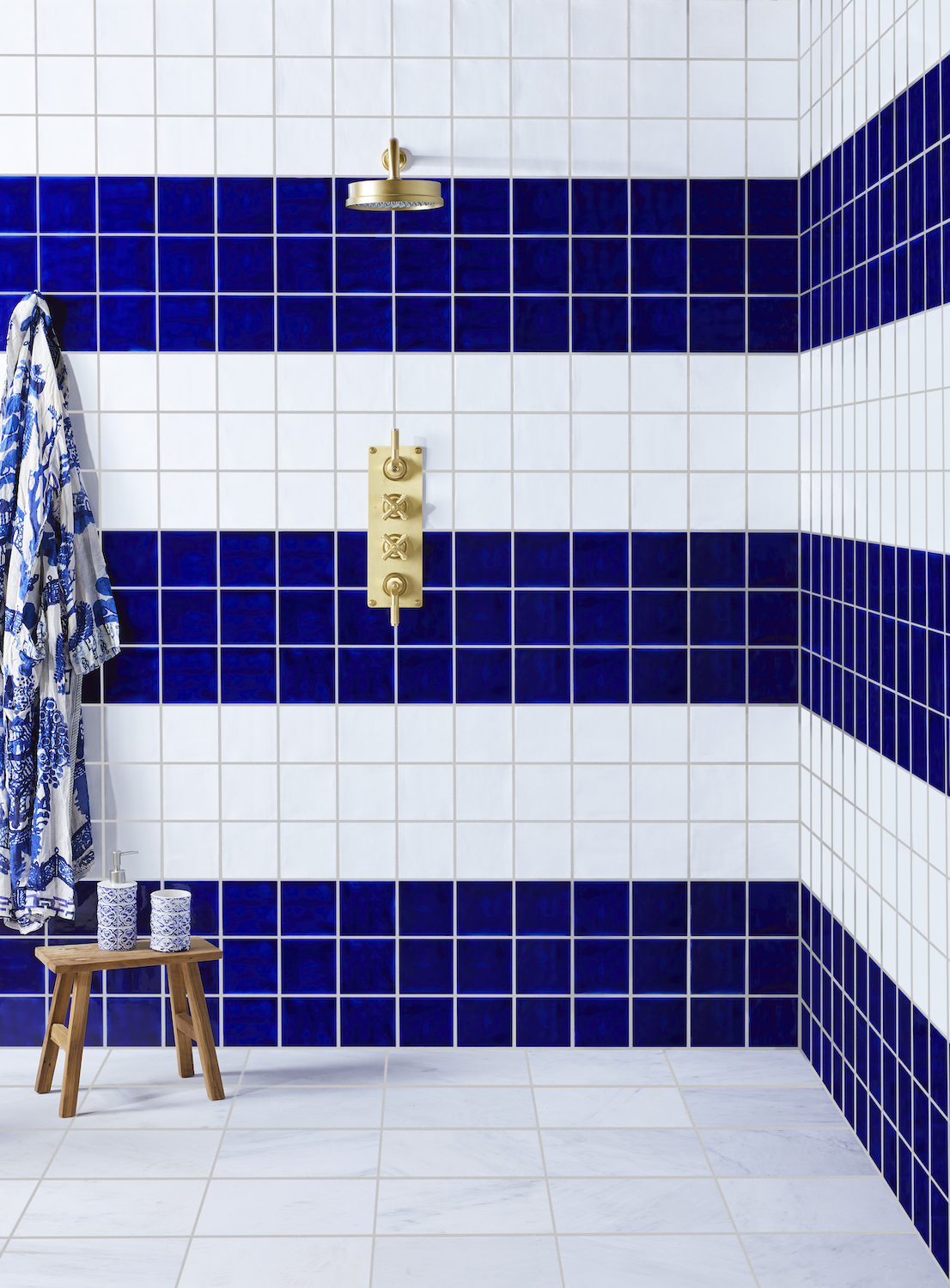
10 shower tile ideas - designers explain how to play with color, pattern, texture and scale

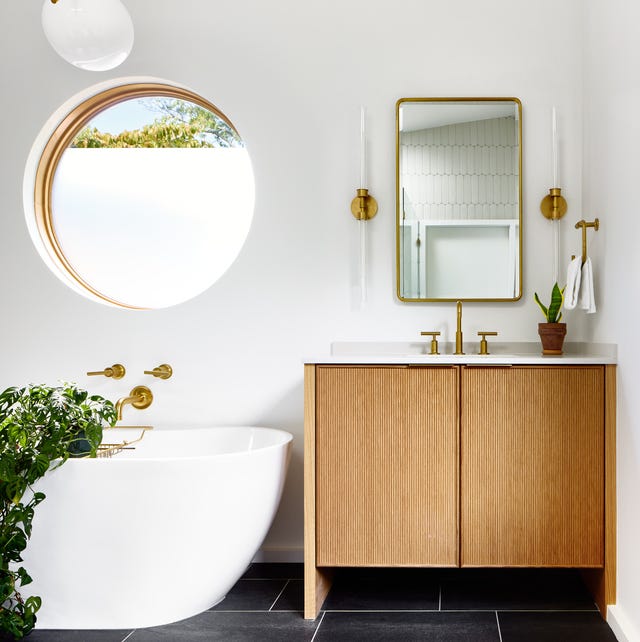
30 White Bathroom Ideas That Are Bright and Beautiful

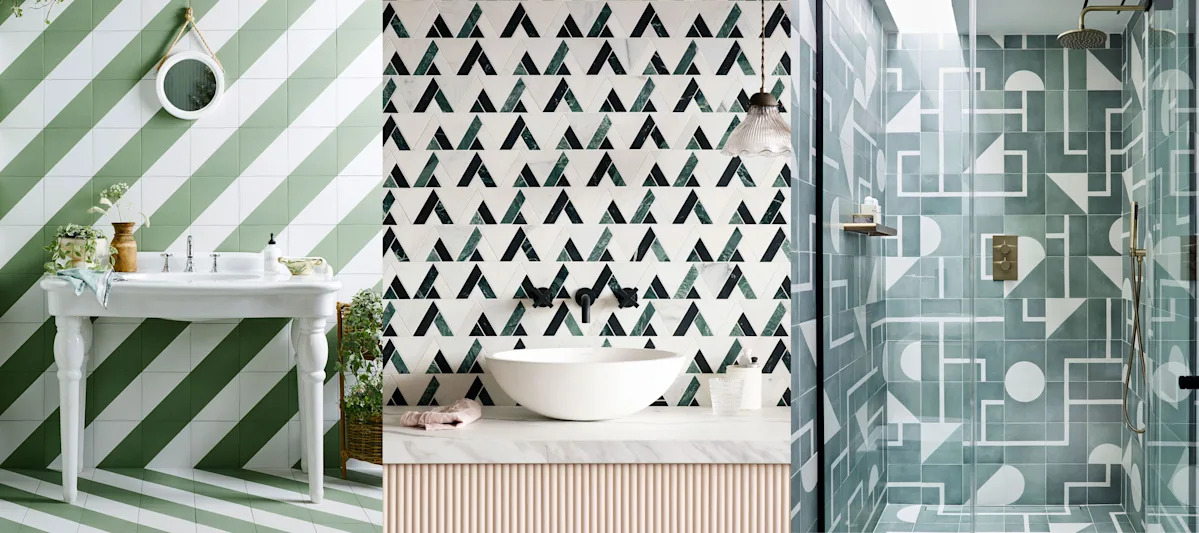
Beautiful bathroom tile ideas
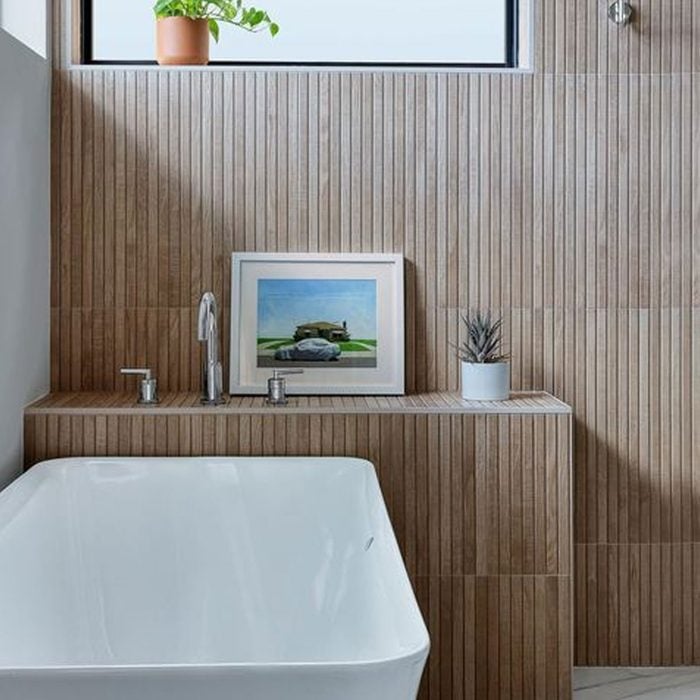
10 Bathroom Tile Trends That We Love

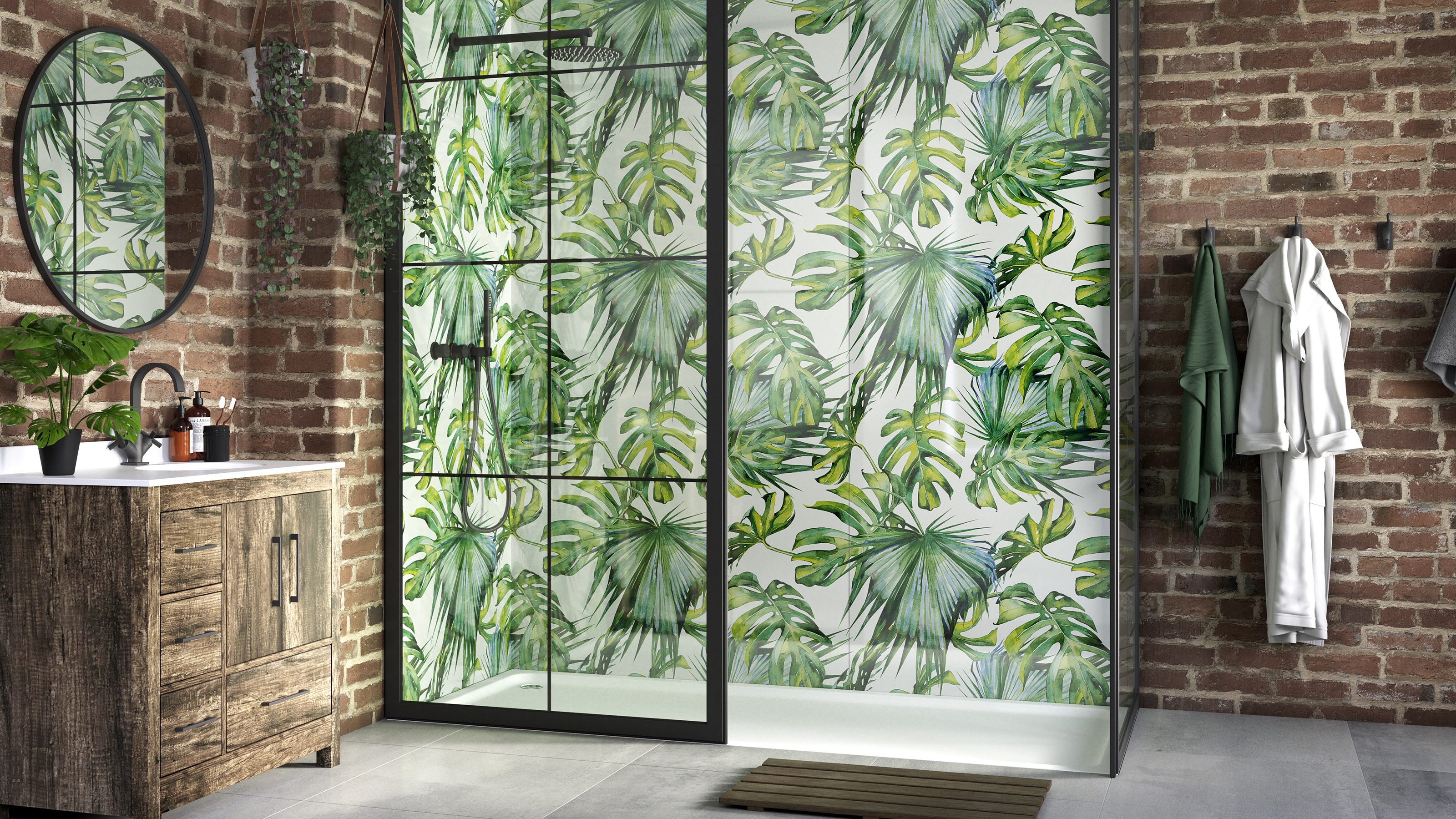
Shower tile ideas: 19 designs for cubicles and walk-ins with wow-factor

Upgrade Your Shower With These 8 Gorgeous Tile Design Ideas
Should your shower tiles match the rest of your bathroom?
Treat Your Shower Wall as a Mural, and 14 More Bathroom Tile Ideas That Make a Splash
20 Shower Tile Ideas to Inspire Your Bathroom Remodel
13 shower floor tile ideas – from color and layout to picking the right size
27 White Bathrooms That Showcase Crisp, Timeless Style
5 Experts Share Their Favorite Tile for a Knockout Shower
Bathroom wall tile ideas – 10 inspiring looks for your space
White bathroom ideas: 11 decor schemes to inspire a light, airy washroom

Small bathroom shower tile ideas – 10 looks that enhance a compact space
21 bathroom tile design ideas, from trendy to timeless