1/11
Bathroom wall tile ideas – 10 inspiring looks for your space
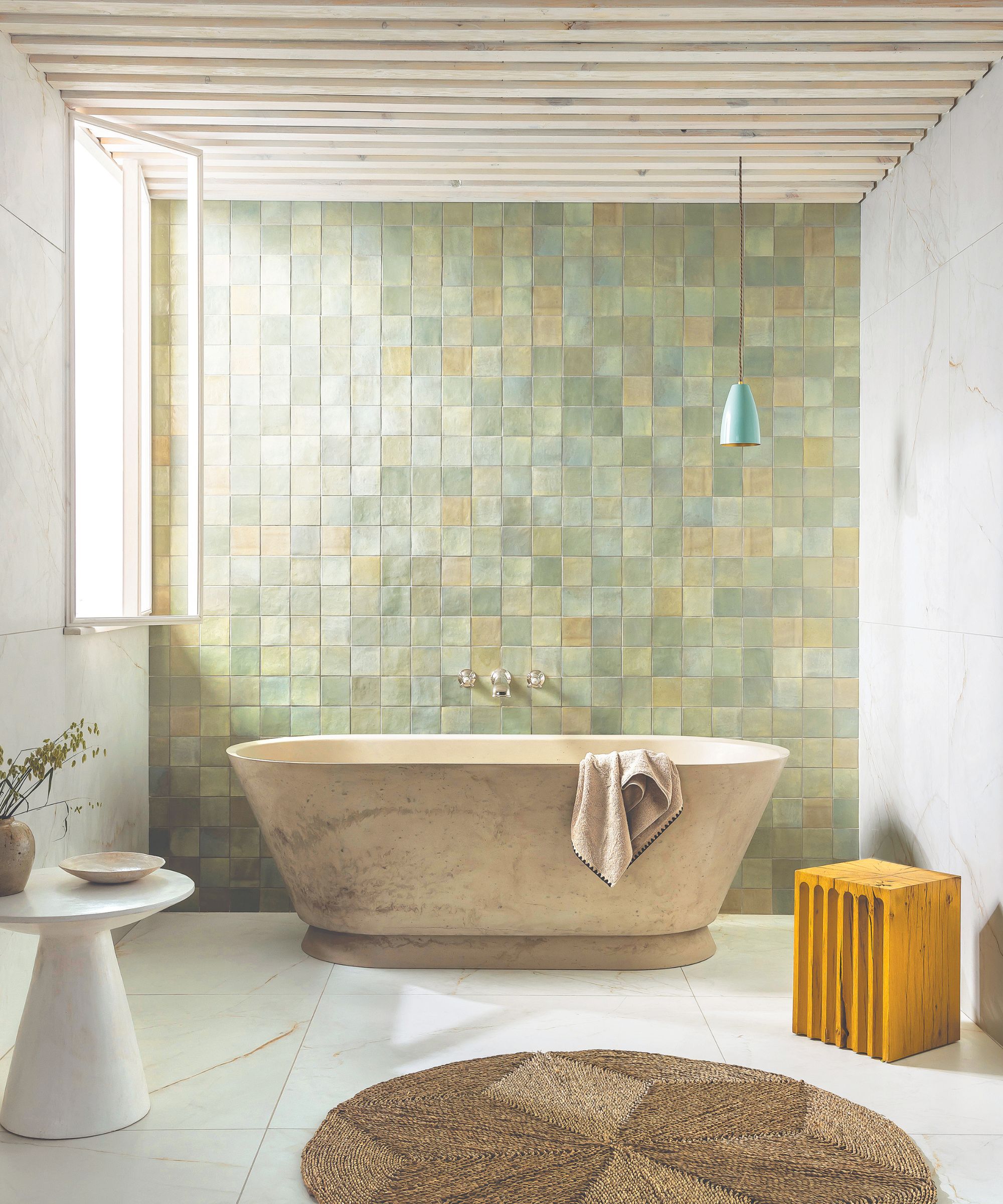
Selecting bathroom wall tiles is a significant aspect of any bathroom design project, balancing aesthetic appeal with practical considerations. Wall tiles serve as a durable, water-resistant, and easily maintainable surface solution for various bathroom types, including en-suites, shower rooms, and wet rooms. Beyond their functional benefits, tiles are instrumental in introducing personality to a space, acting as decorative elements and tools for zoning different areas. When chosen thoughtfully for scale and shape, bathroom tiles can also create an illusion of increased space in smaller bathrooms.
The market offers an extensive range of wall tiles in diverse materials, colors, and shapes, allowing for countless design possibilities. Even simple white tiles can achieve varied decorative effects depending on their configuration. However, the abundance of choices can make the selection process daunting, especially since tiles are a semi-permanent fixture, making changes difficult once installed. Experts advise prioritizing timeless designs to ensure longevity and satisfaction. Joel Fry, a designer at West One Bathrooms, emphasizes that due to the fixed nature of tiles and sanitaryware, design decisions should aim for lasting appeal. Damla Turgut, founder of Otto Tiles & Design, highlights the importance of balancing aesthetics and practicality, noting that the chosen finish should align with the area of installation and the desired look.
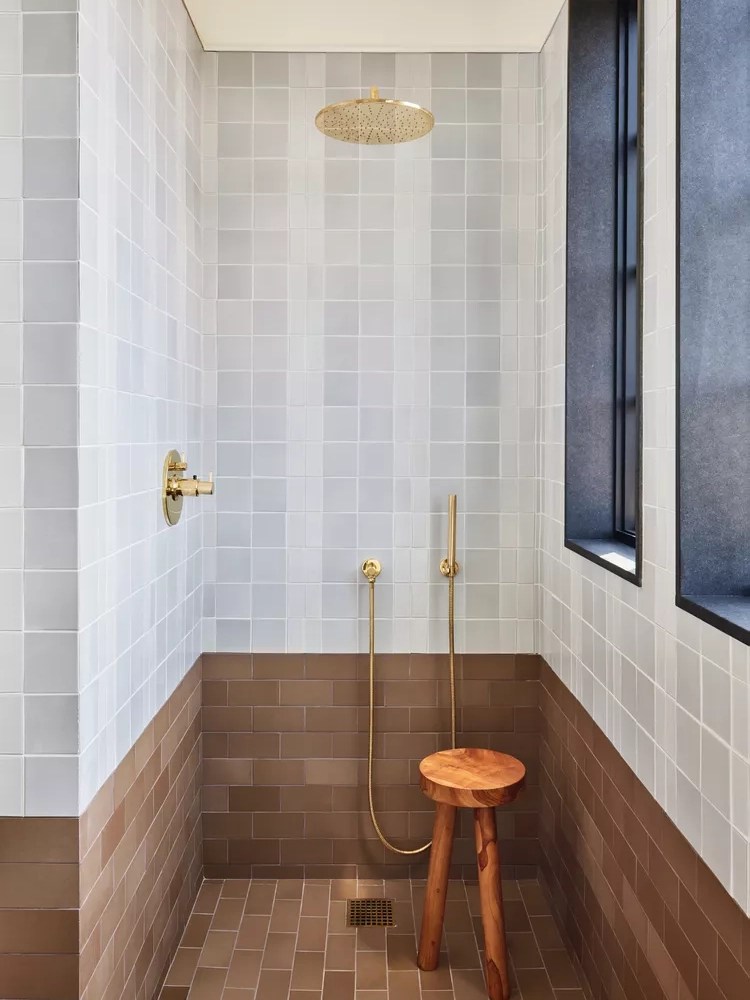
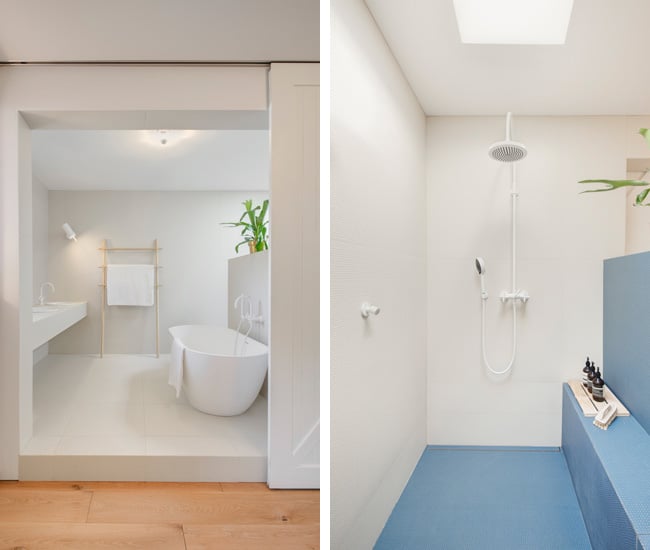
Surface needs also vary across different bathroom zones. Shower enclosures typically require tiling from floor to ceiling, while other areas might only need tiling up to dado level. The size of the bathroom is another critical factor. In spacious master bathrooms, using tiles of varying shapes and scales can help define separate zones and break up the area. Conversely, for small bathrooms or wet rooms, using the same tile throughout can create a more expansive feel.
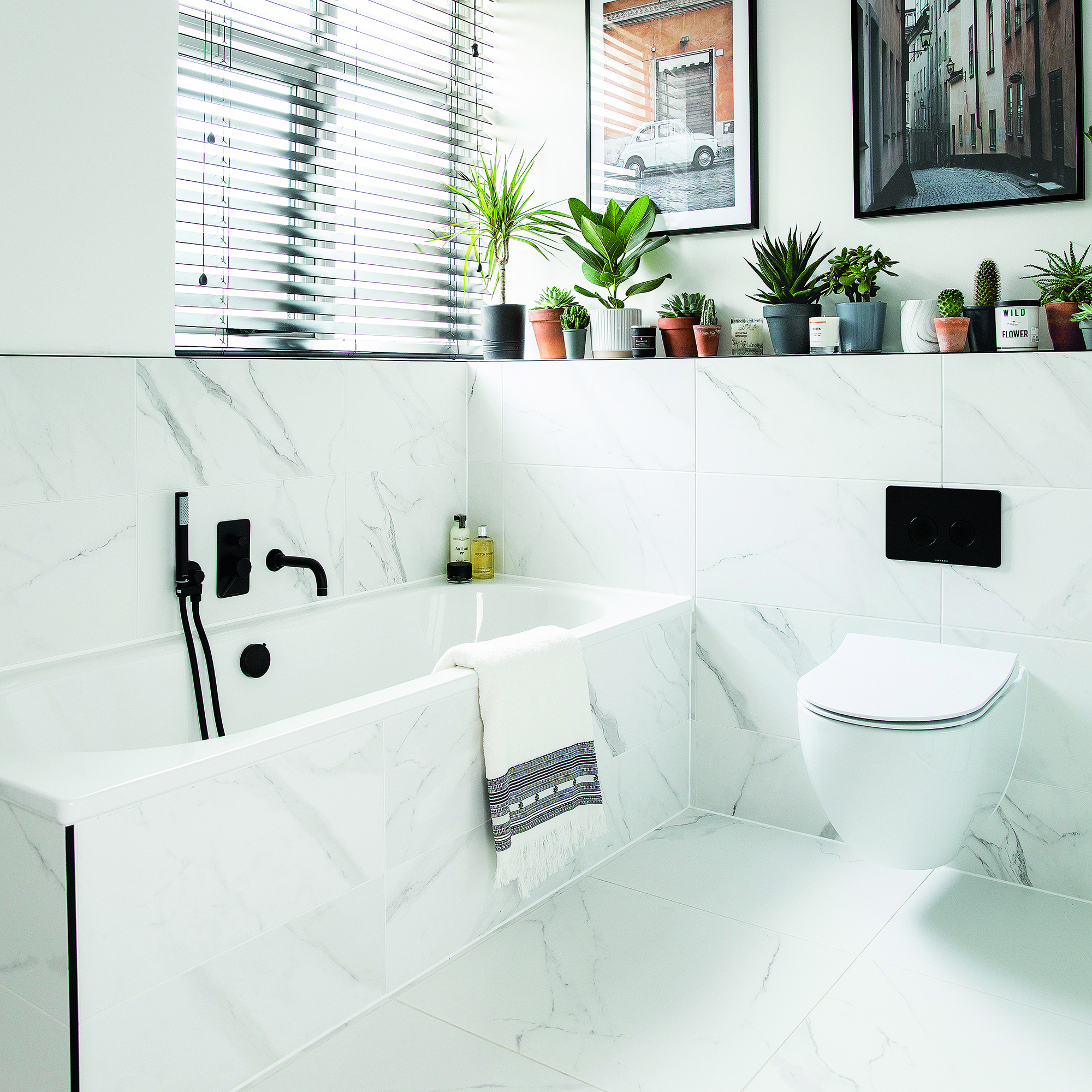
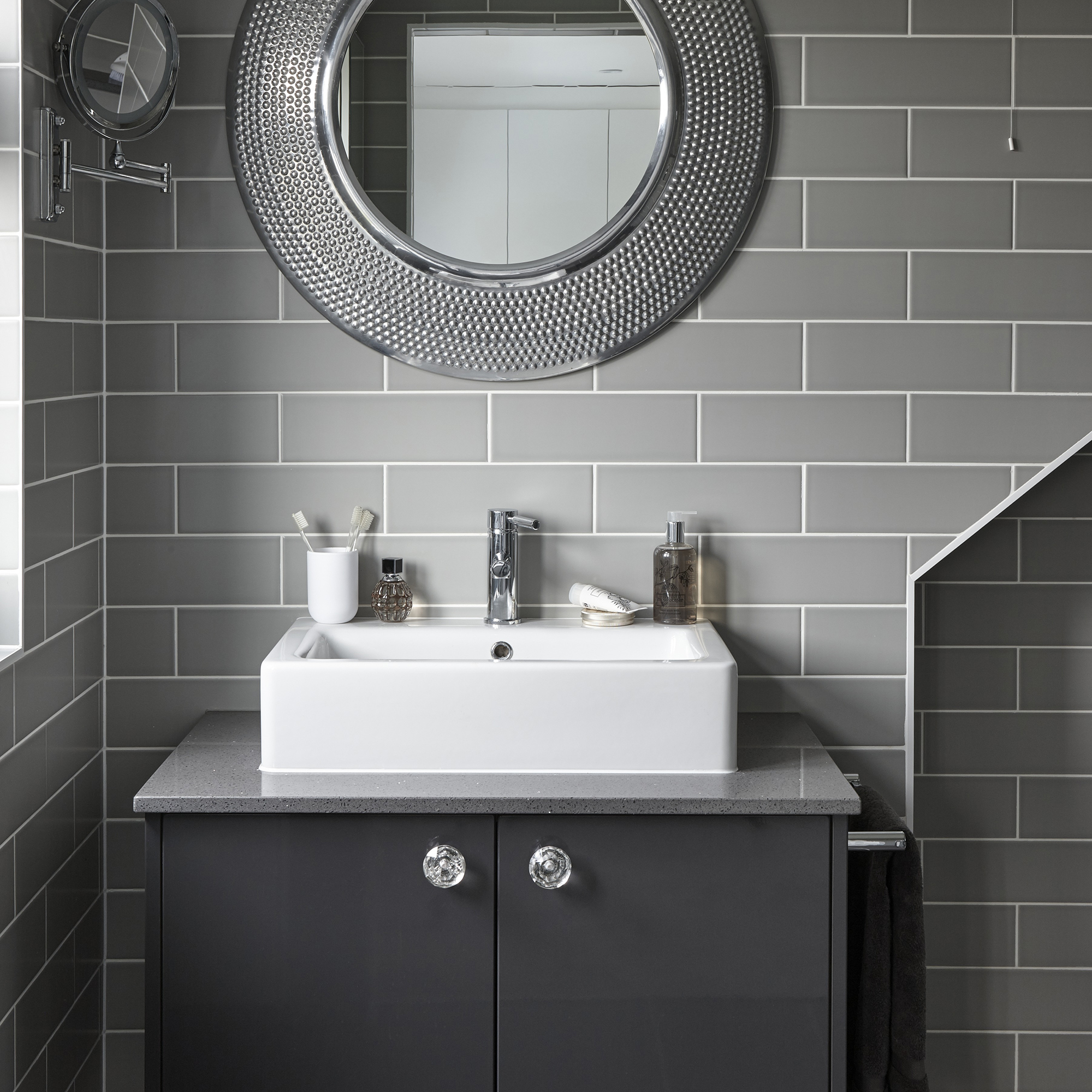
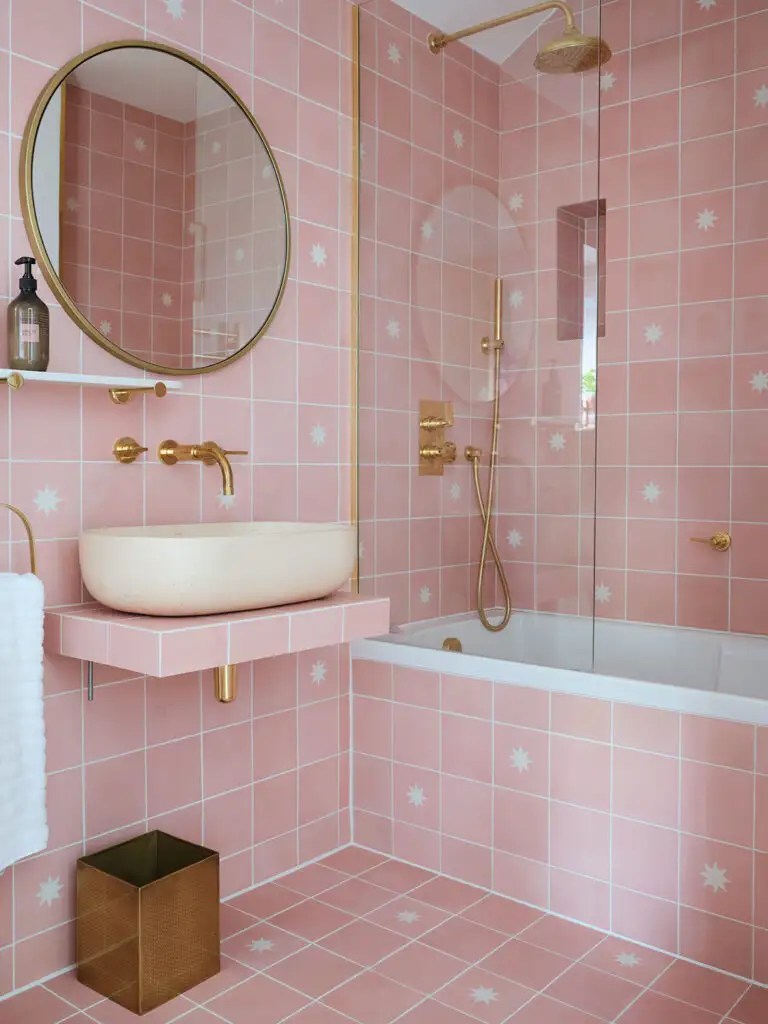
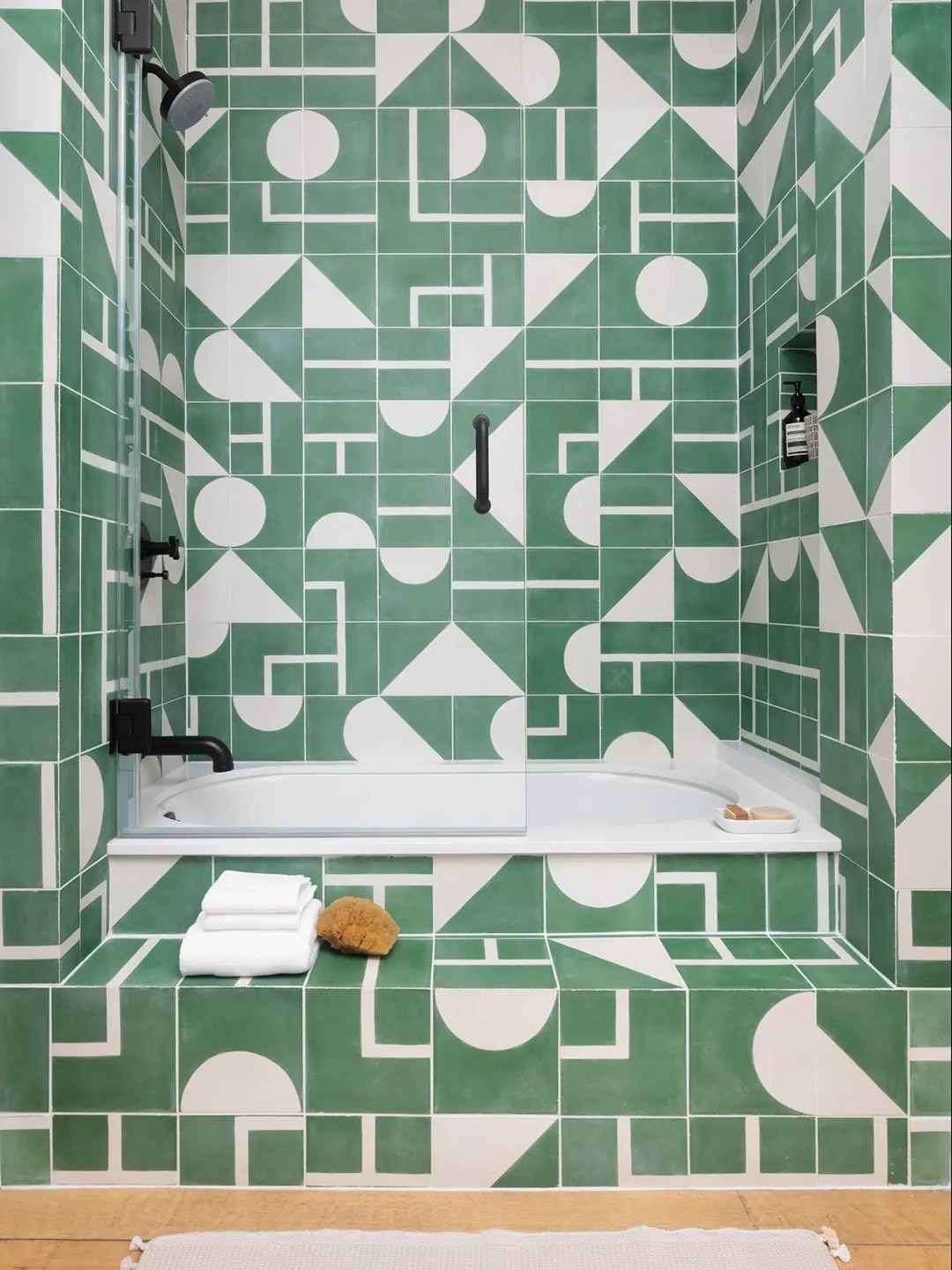
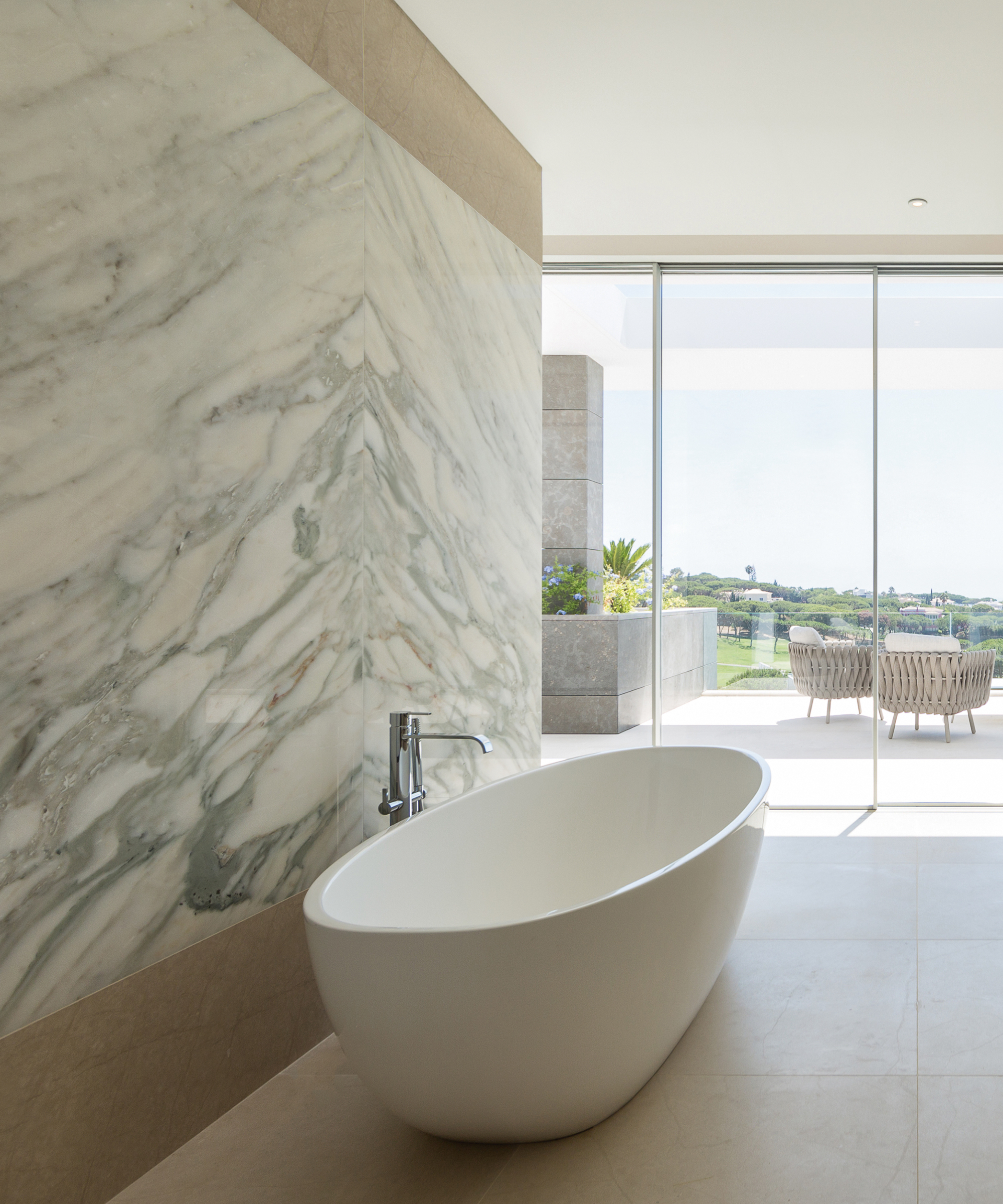
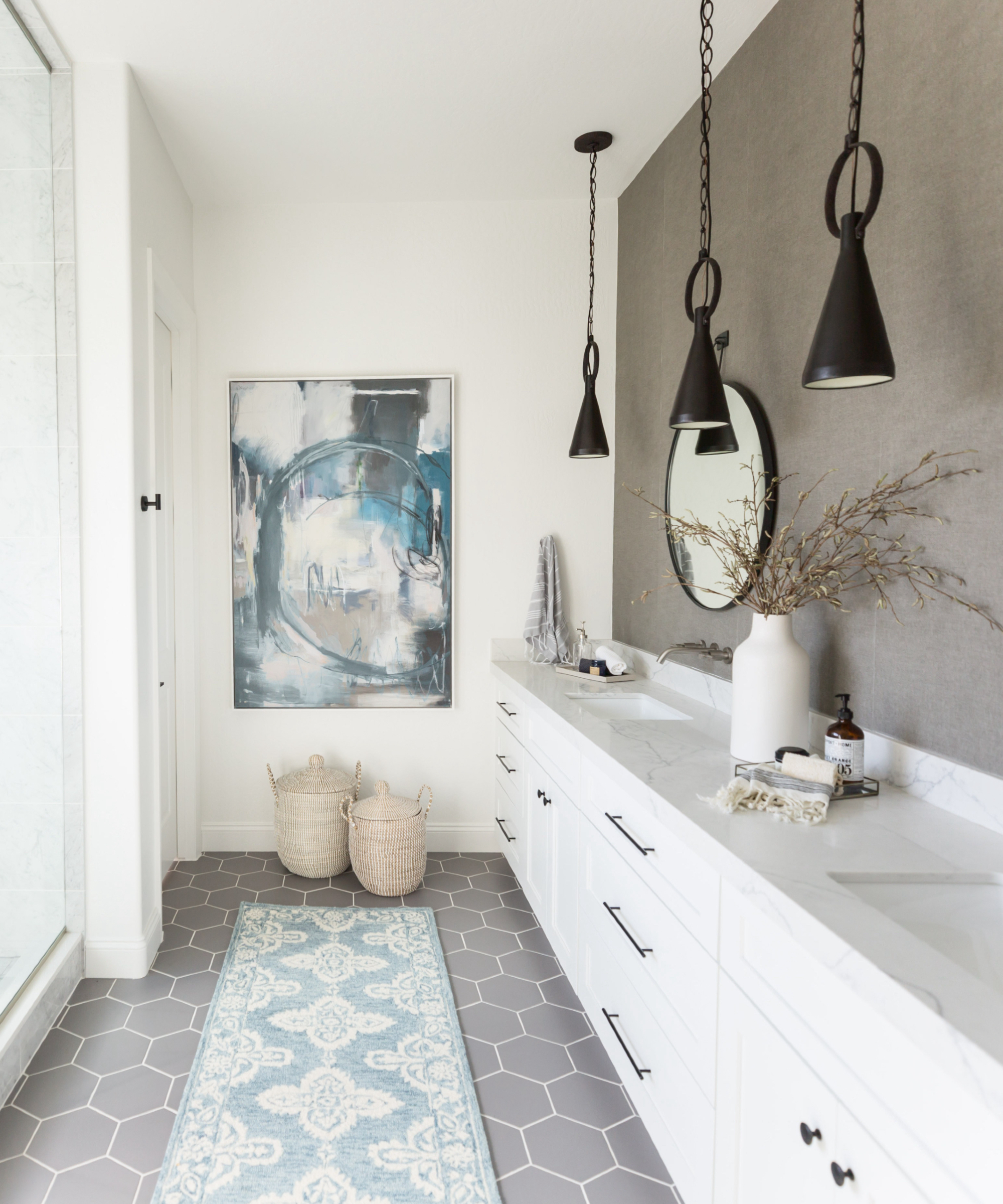
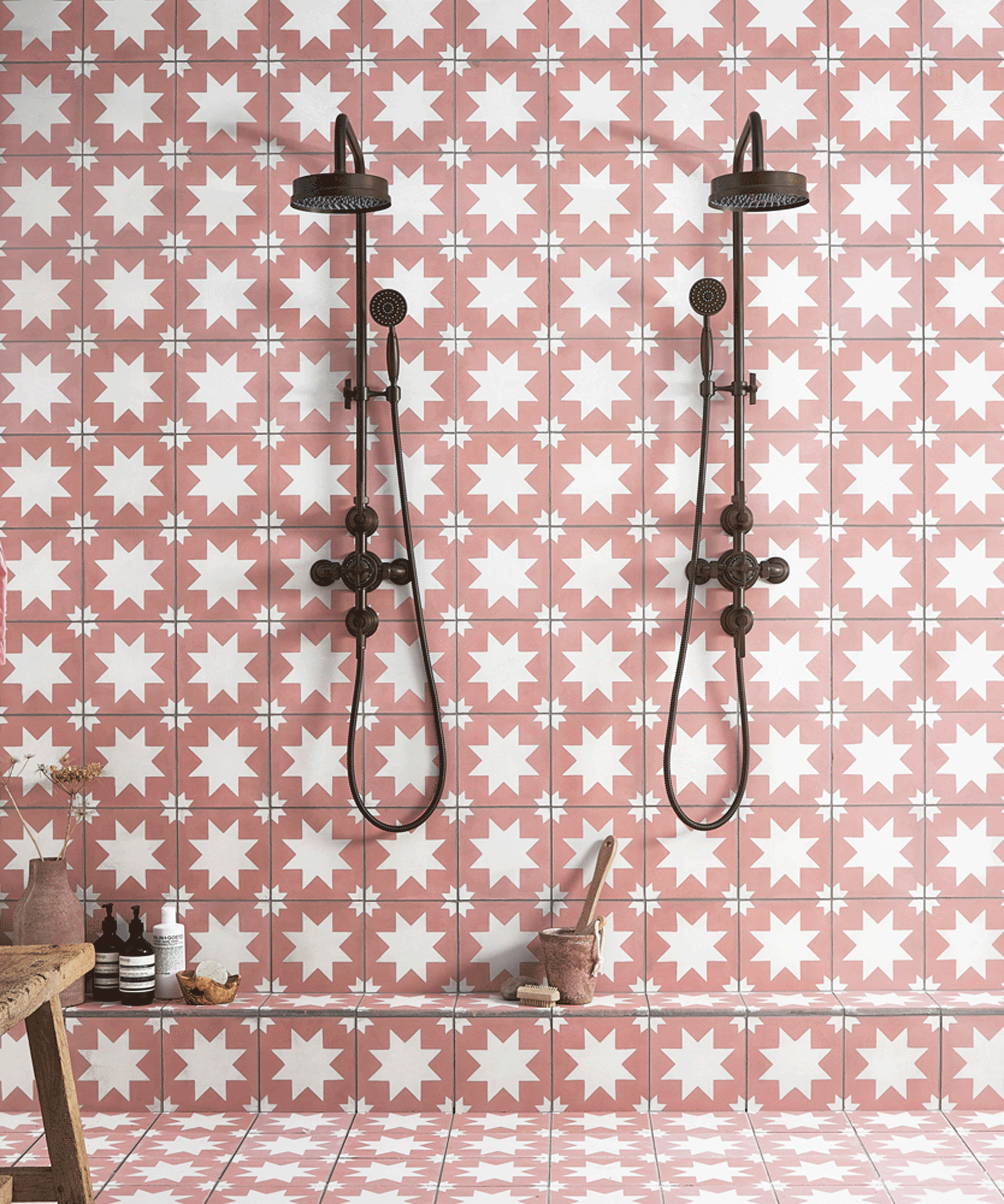
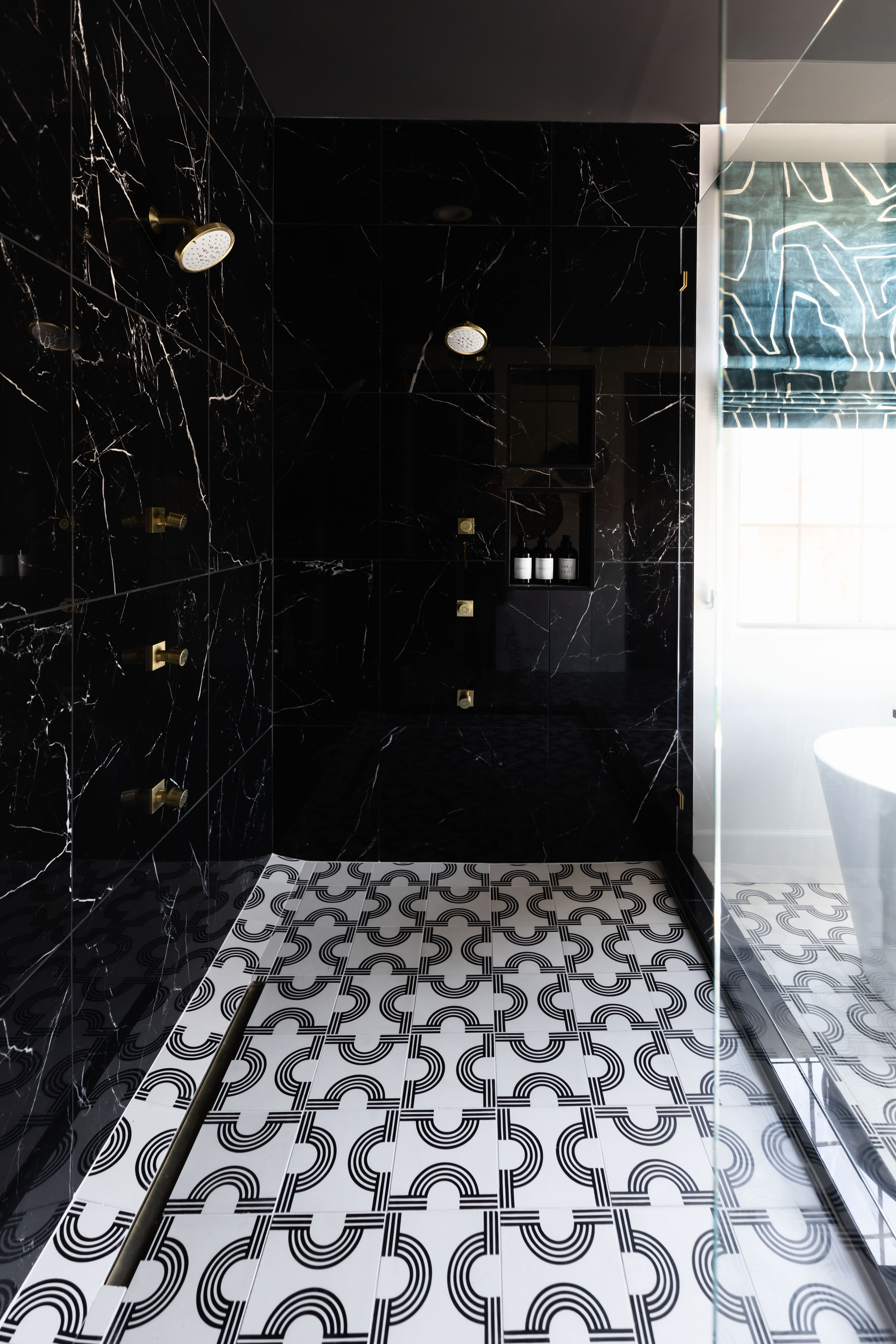
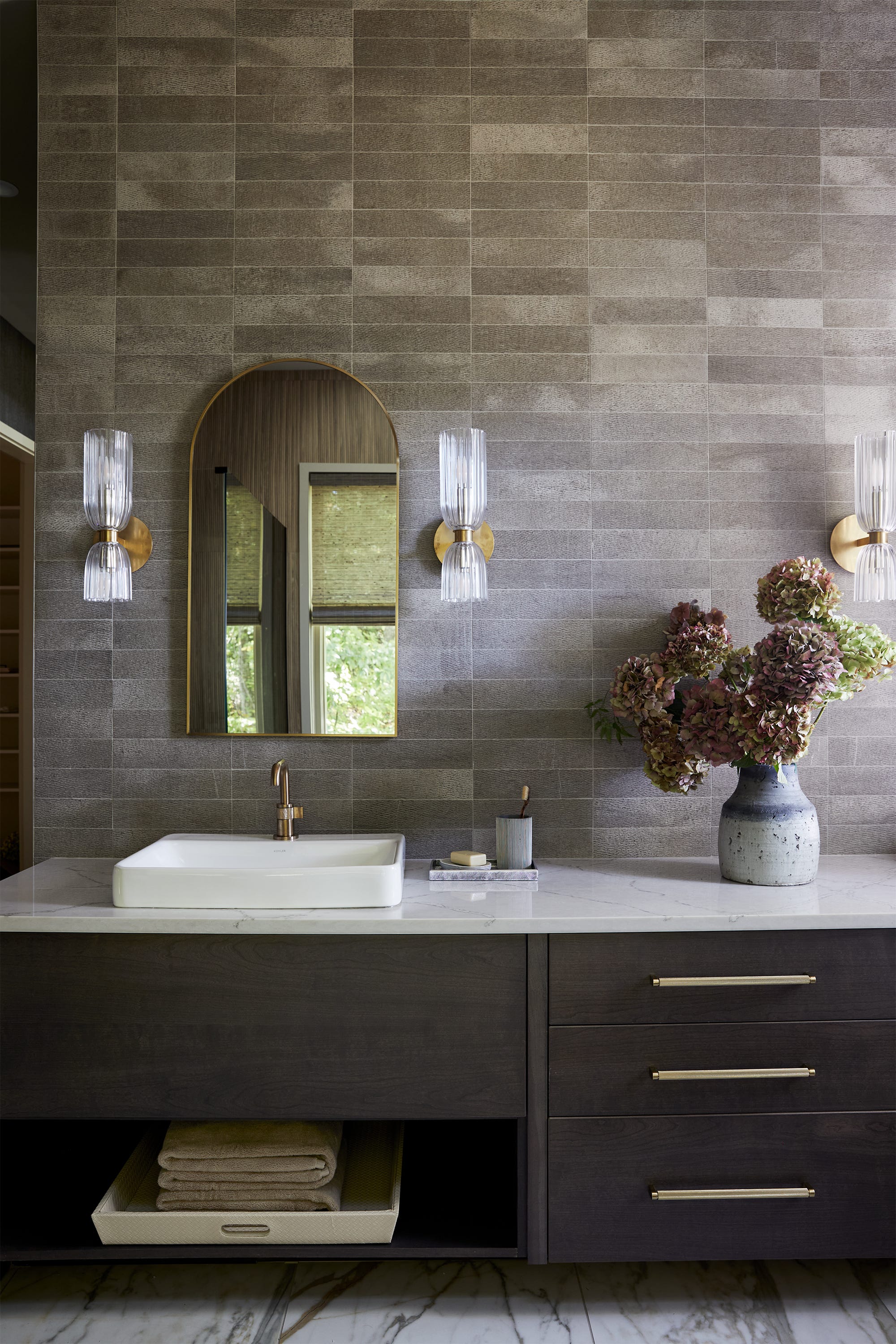
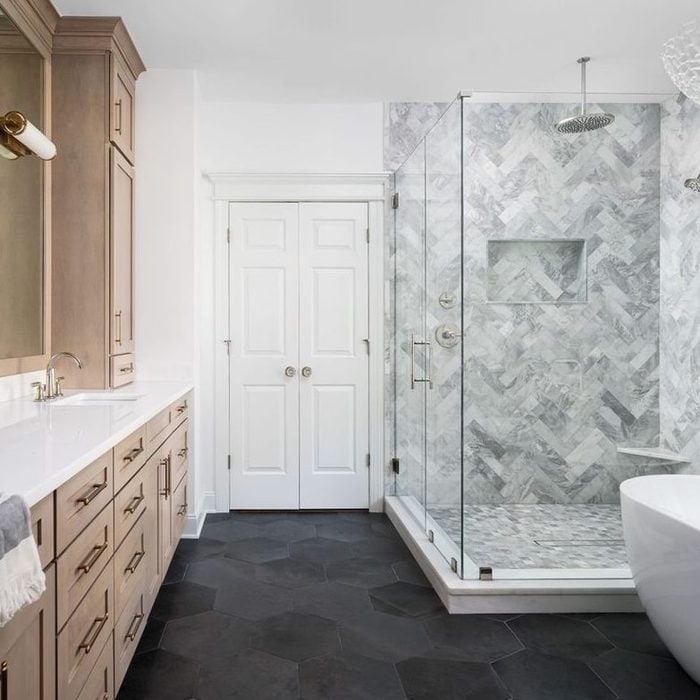
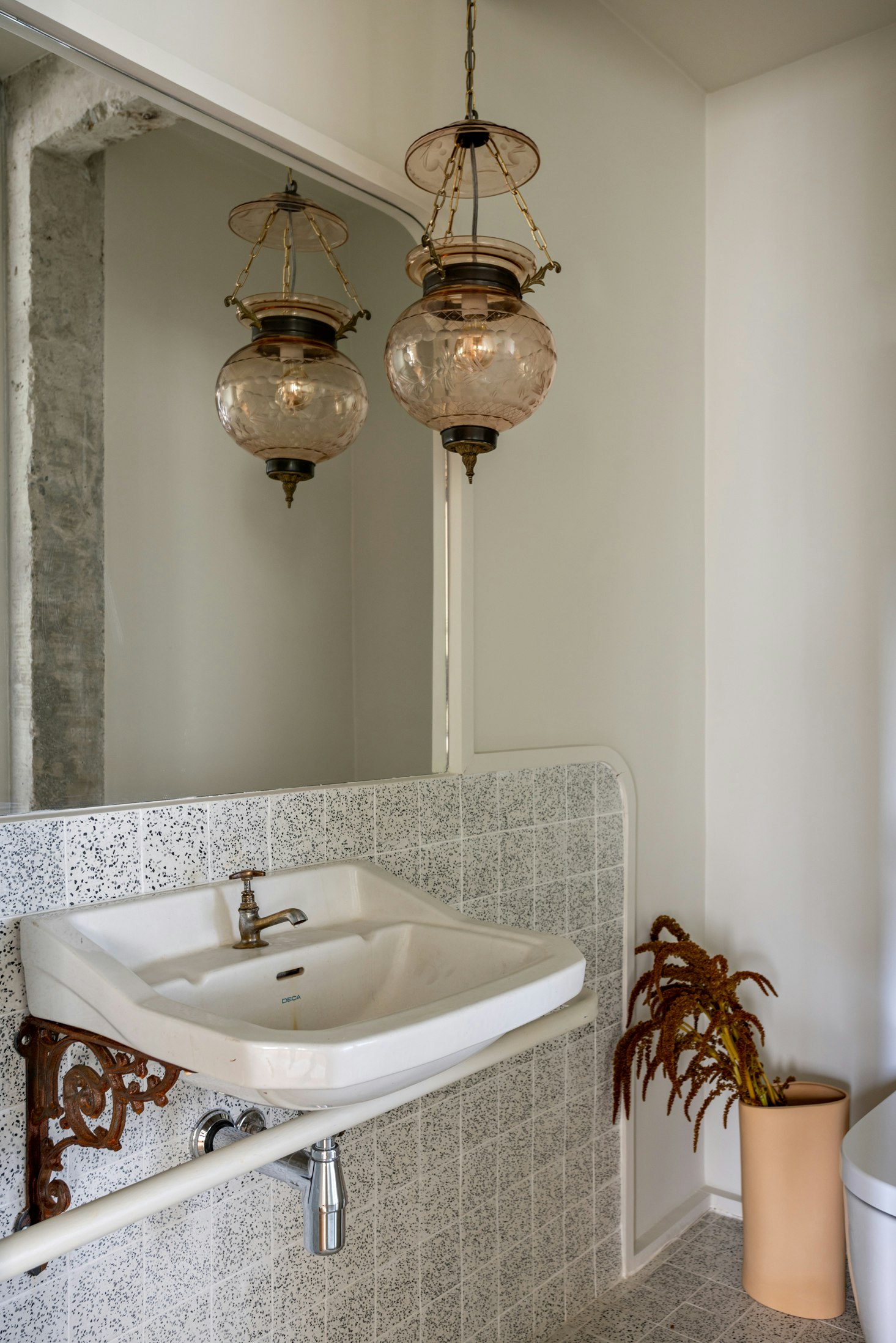
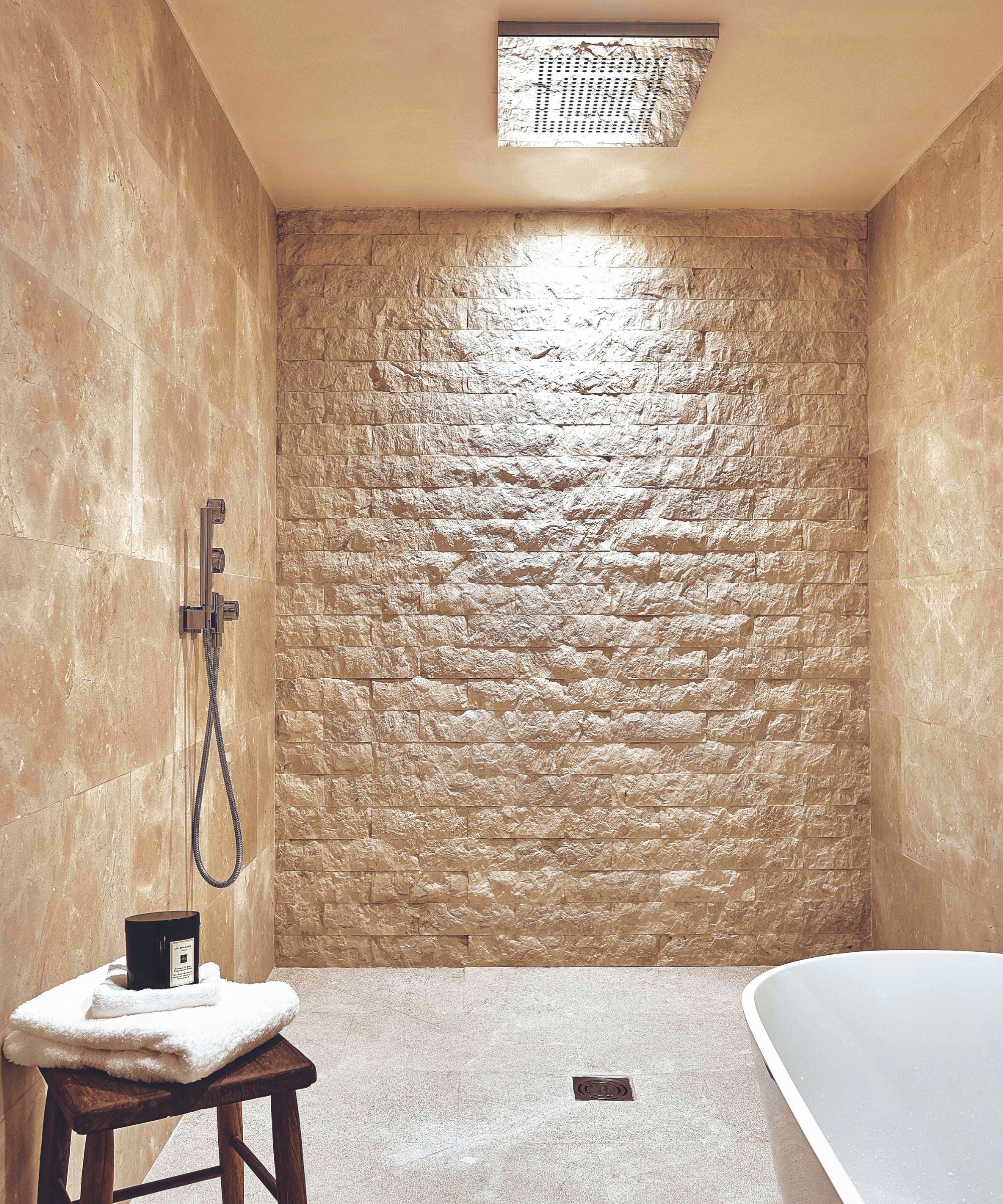
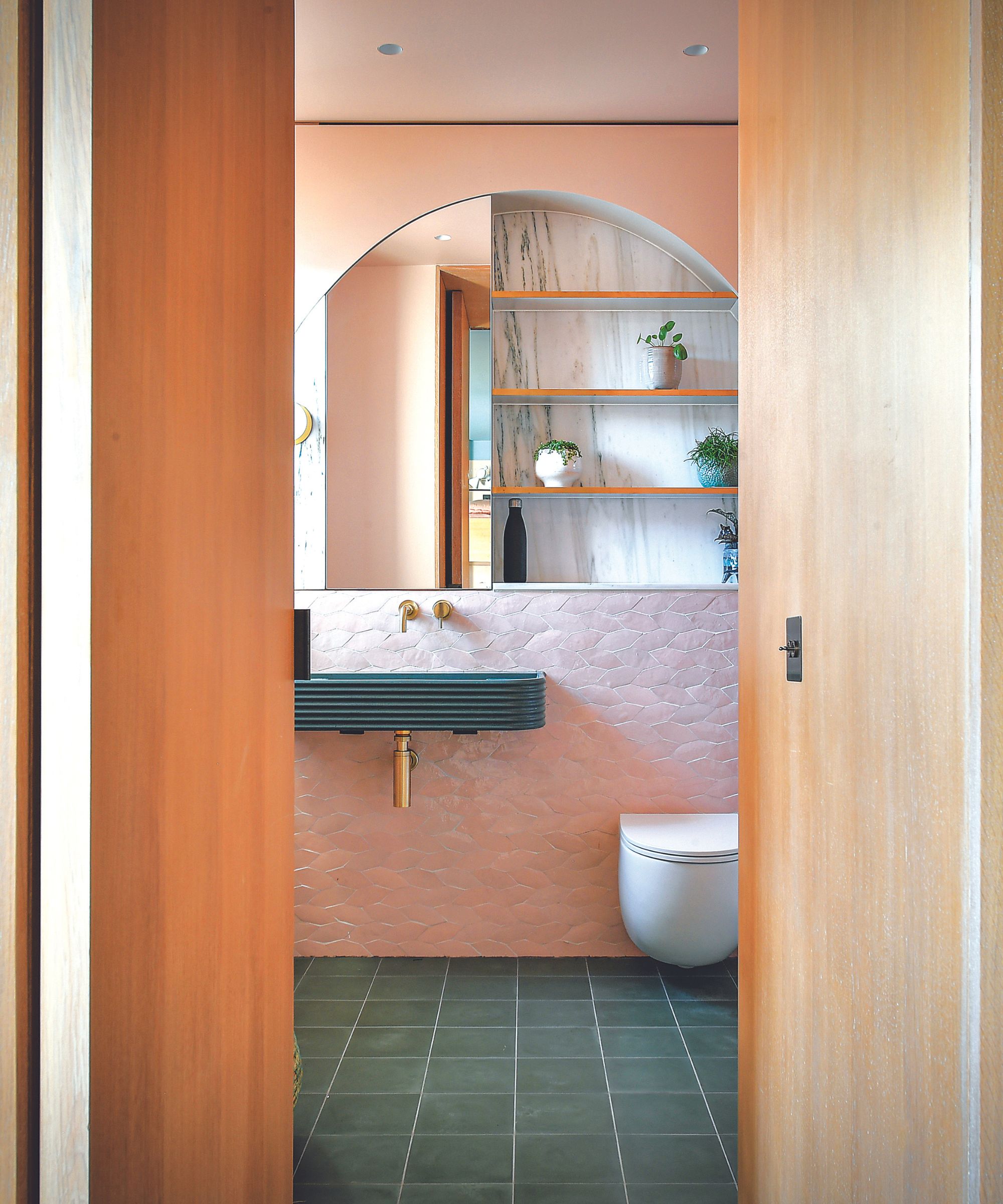
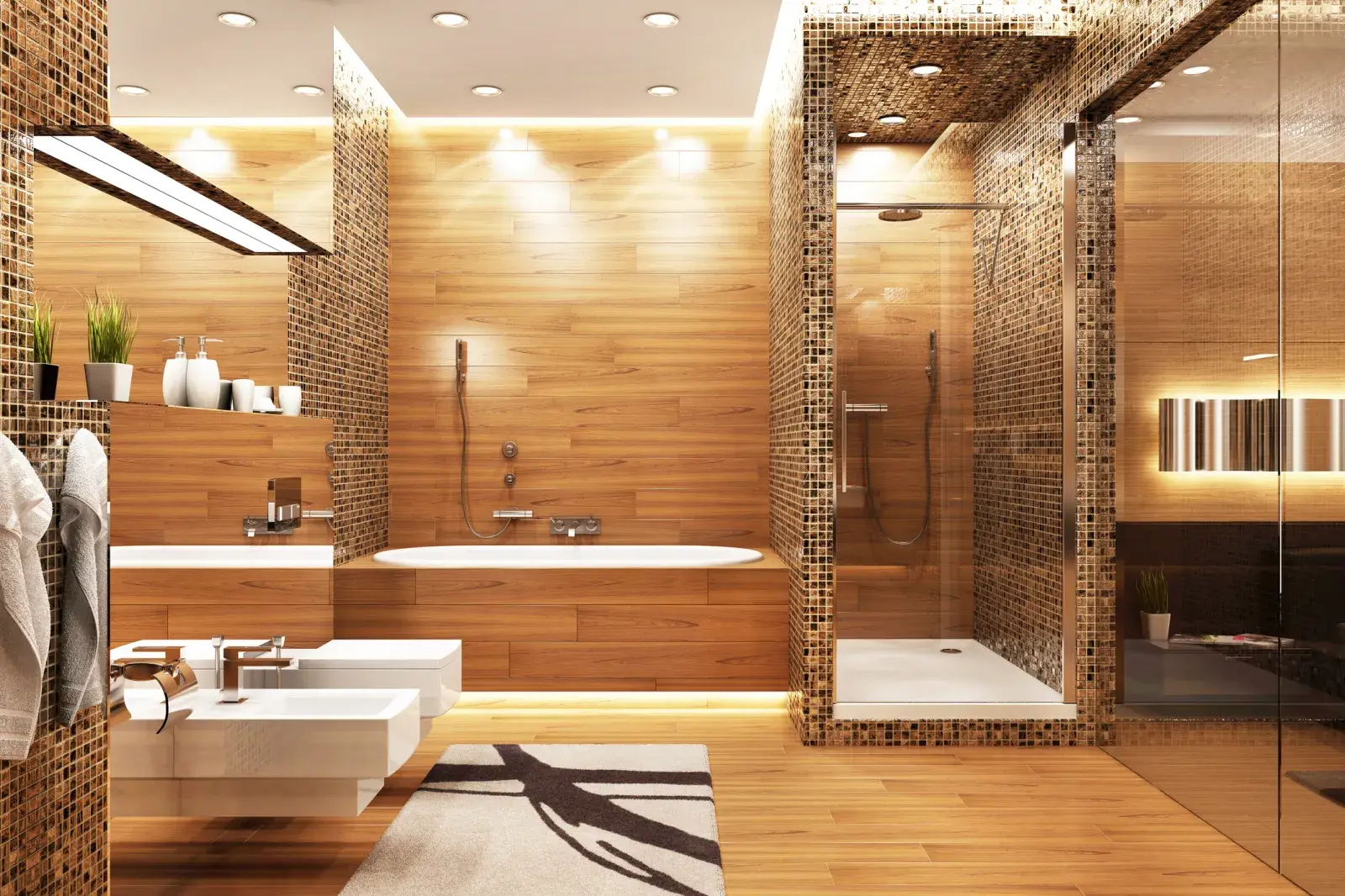
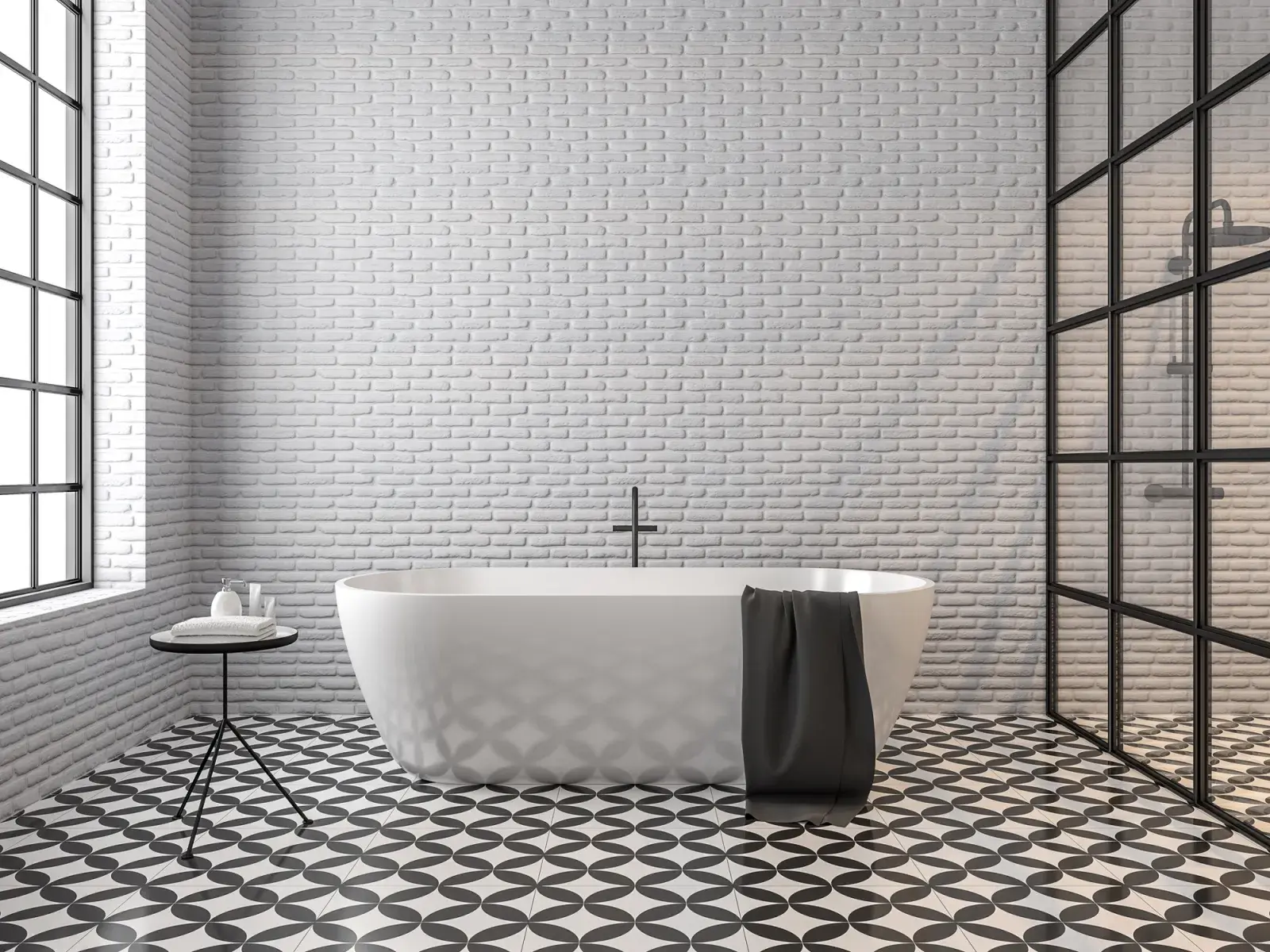
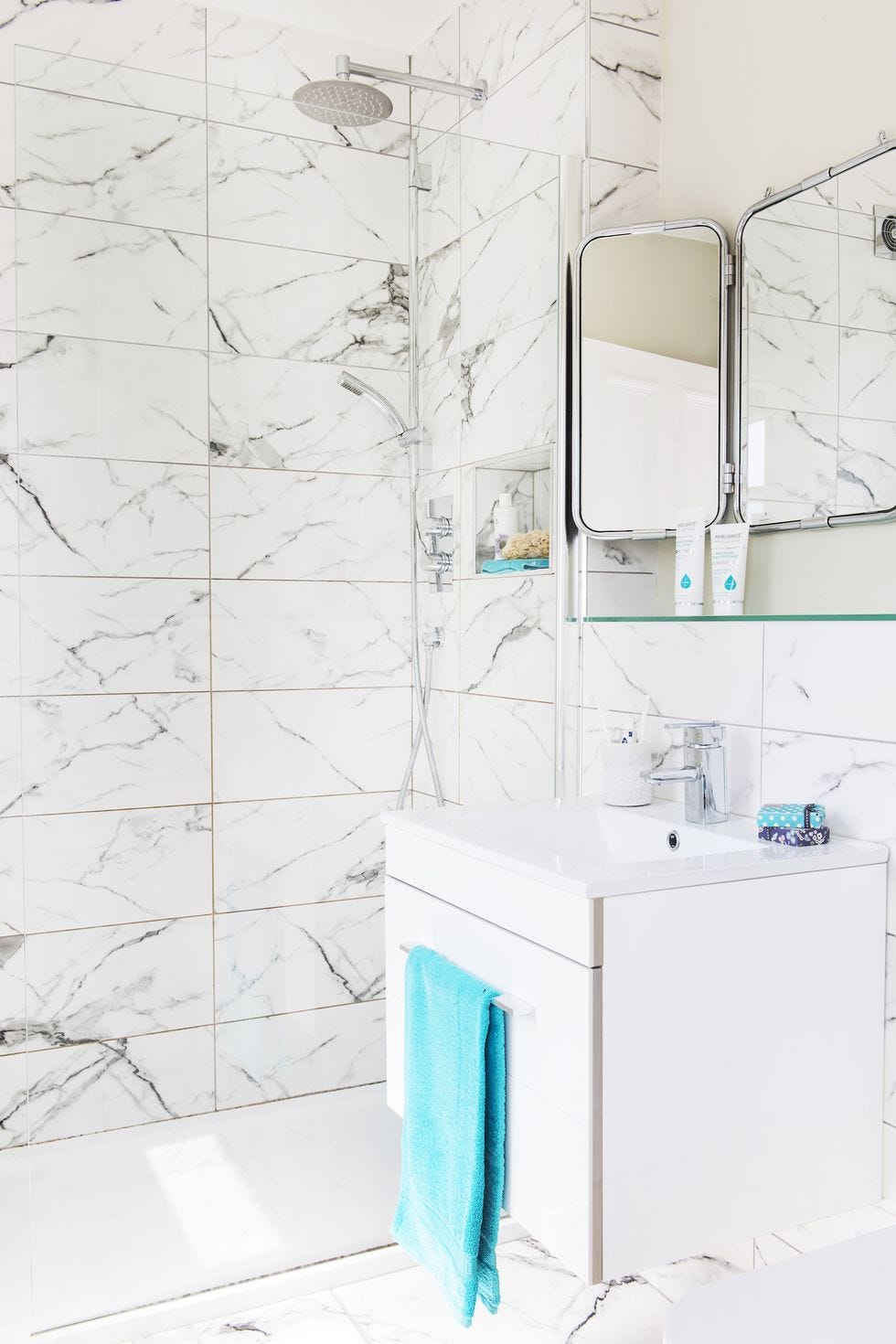
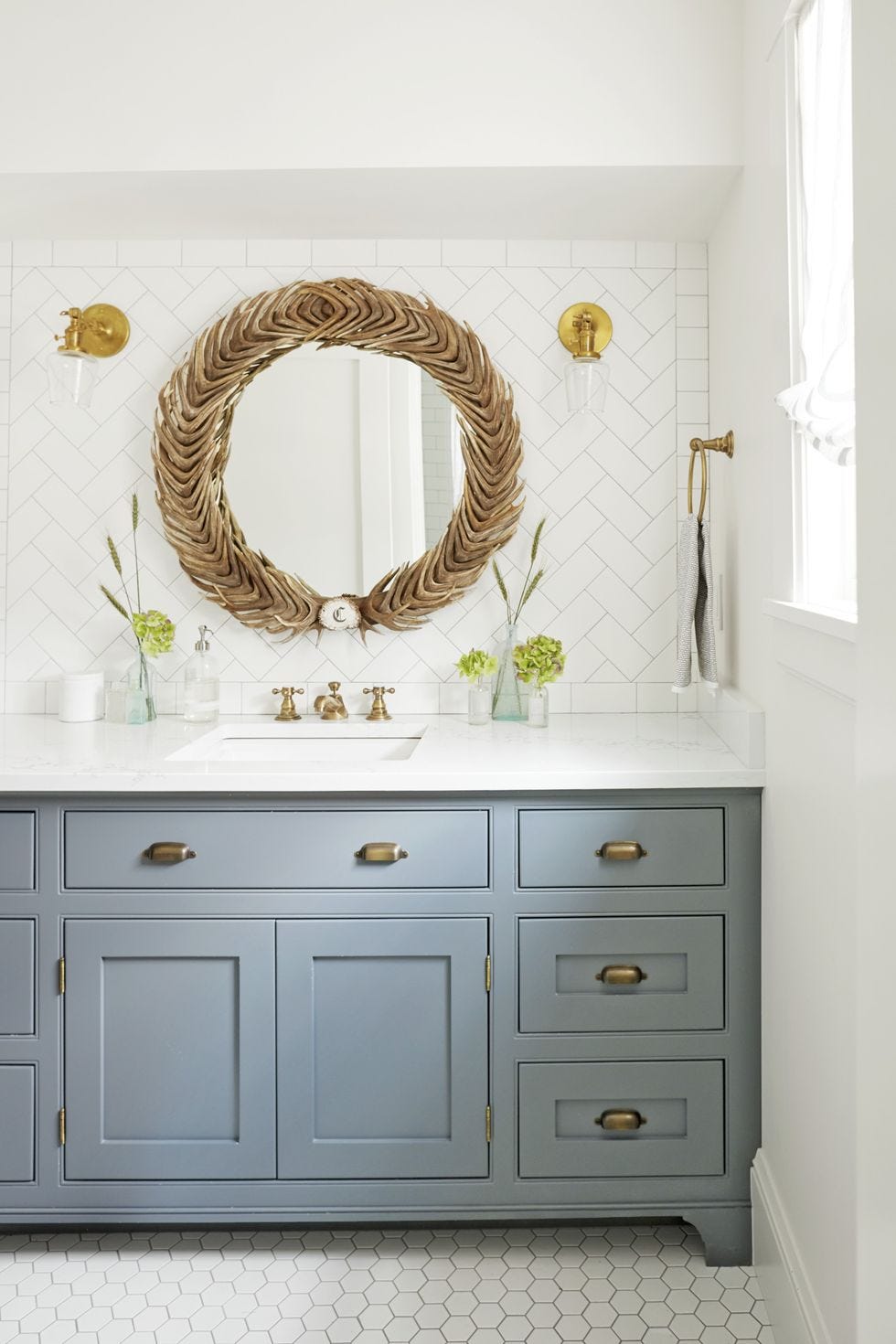
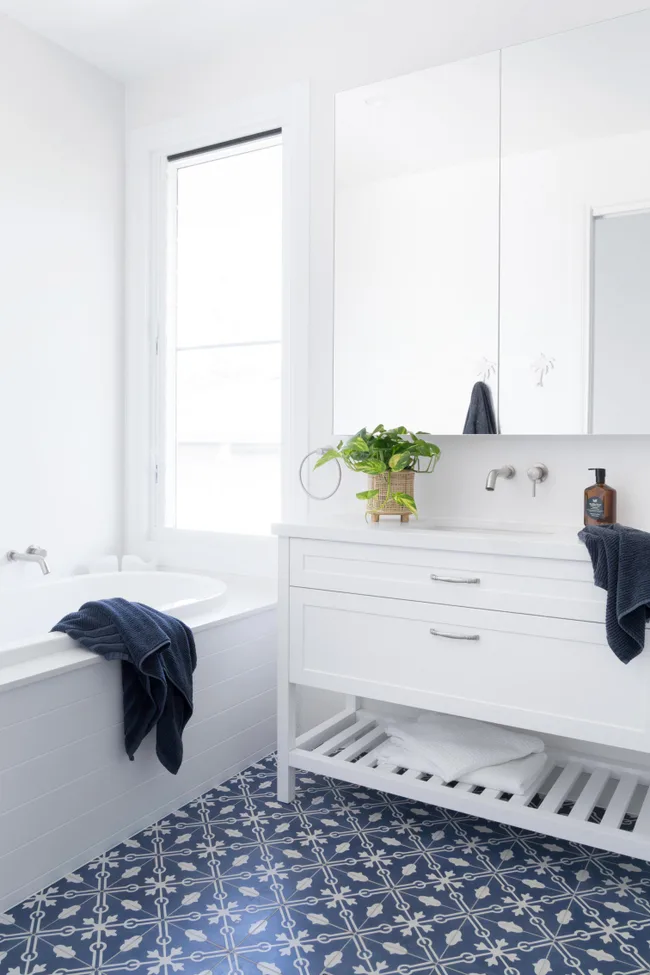
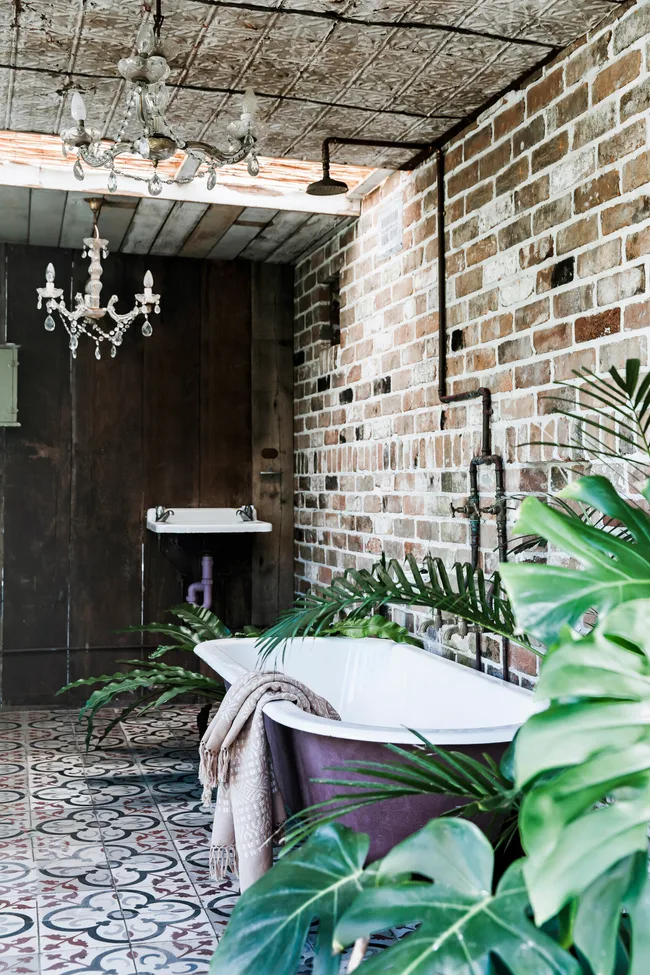
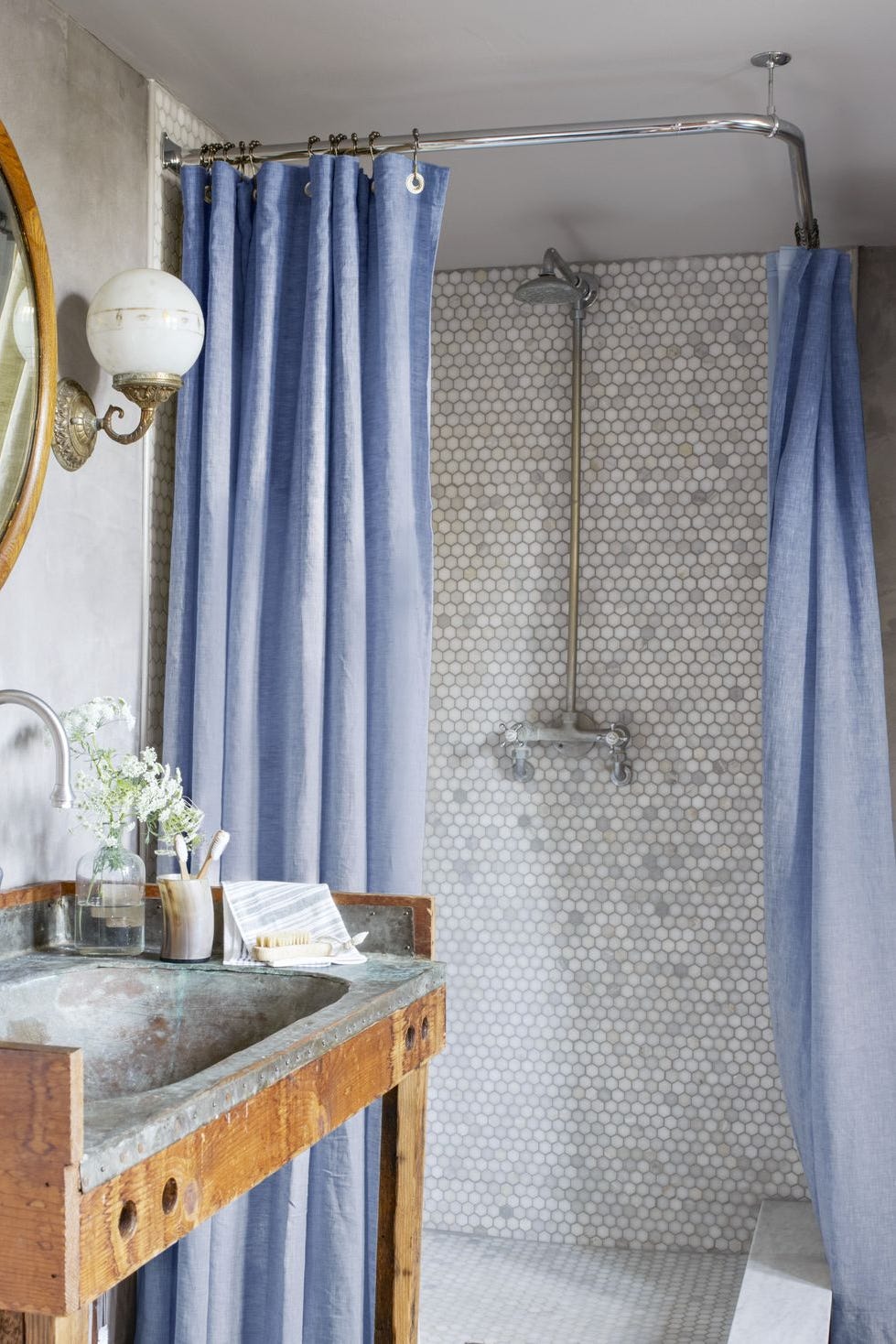
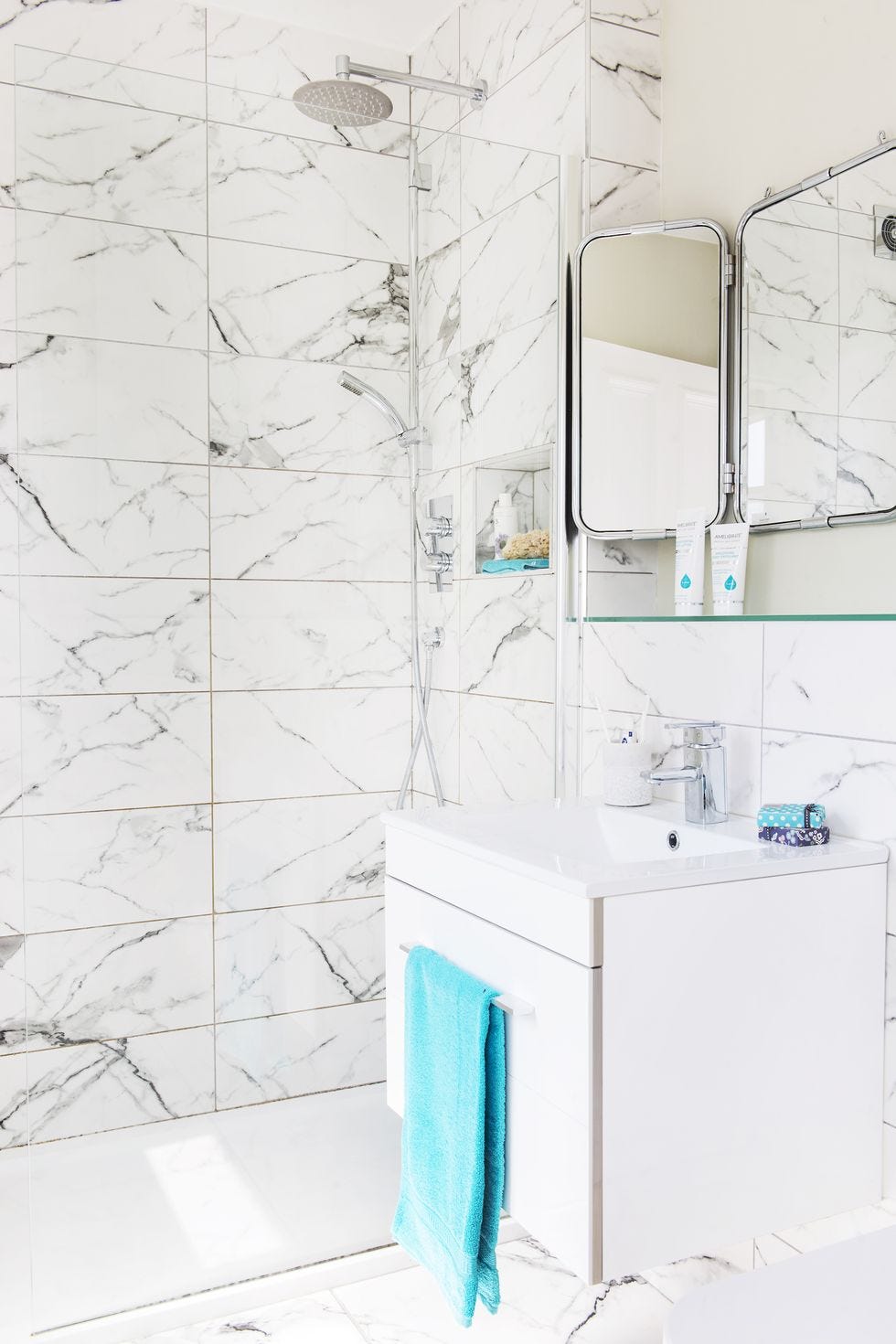
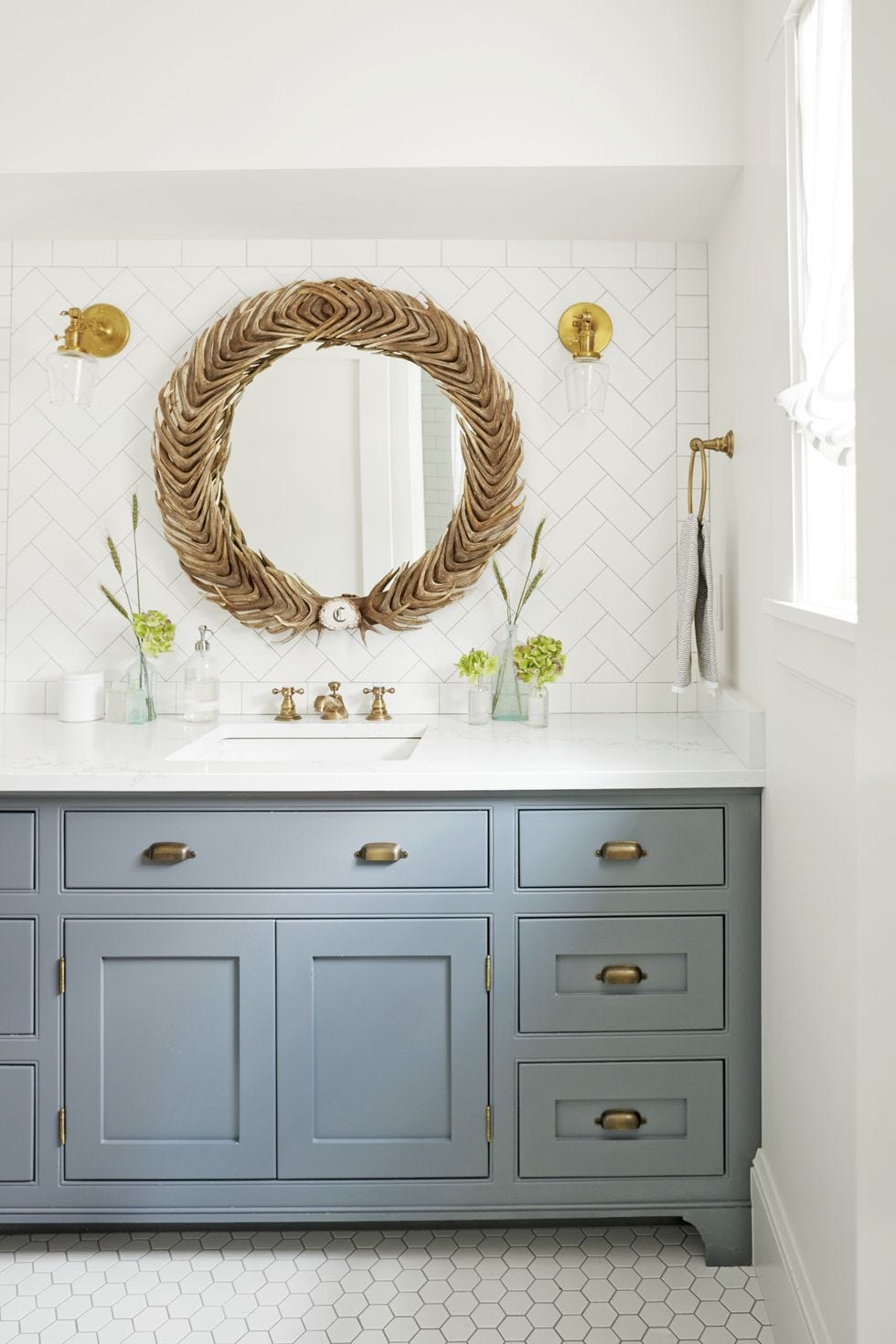
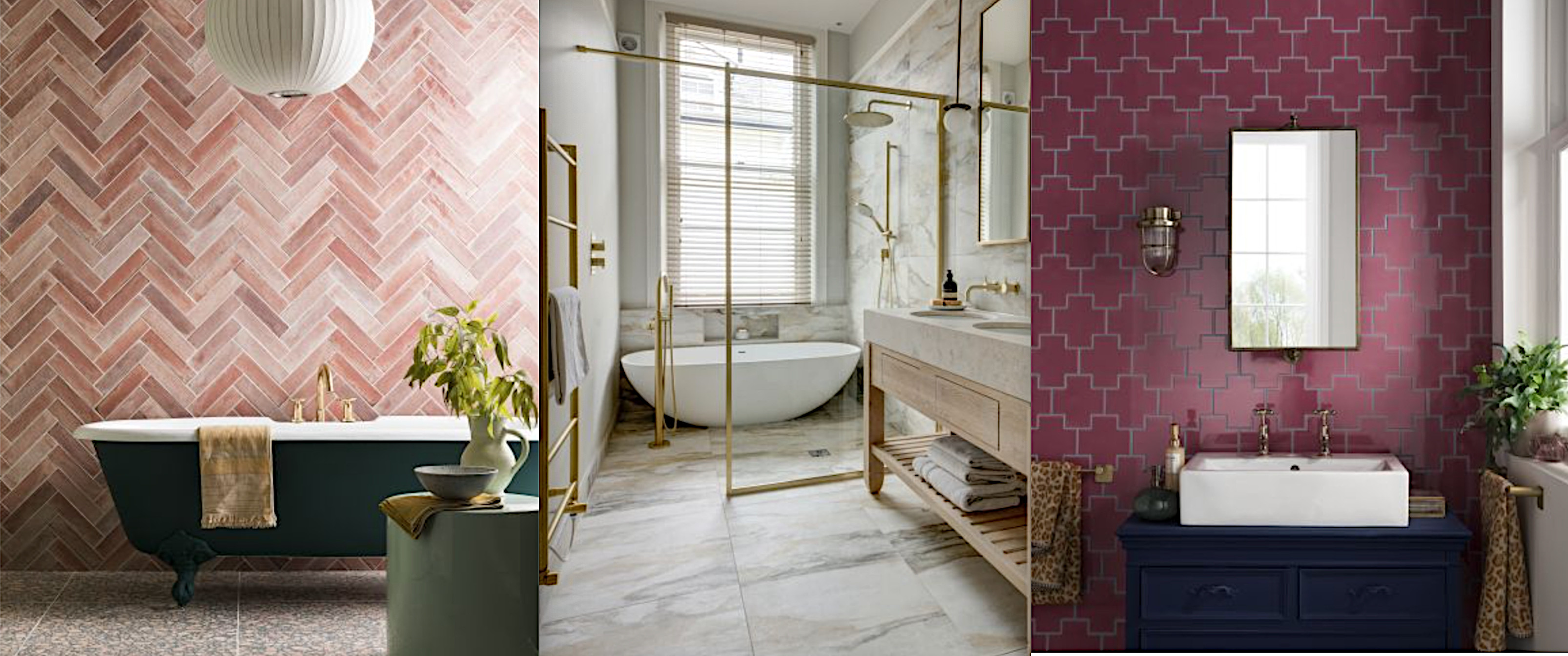
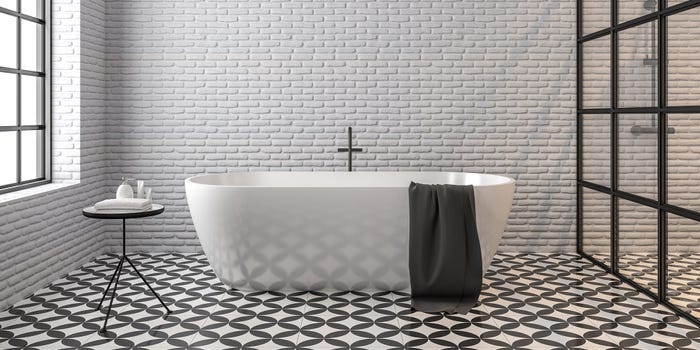
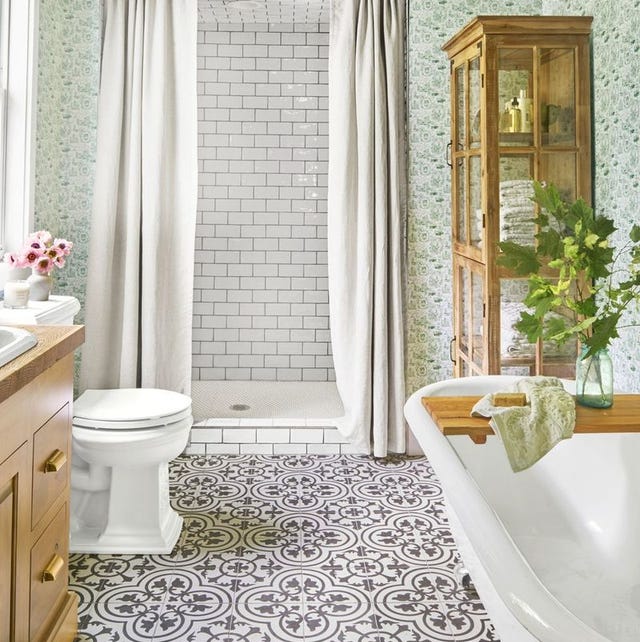
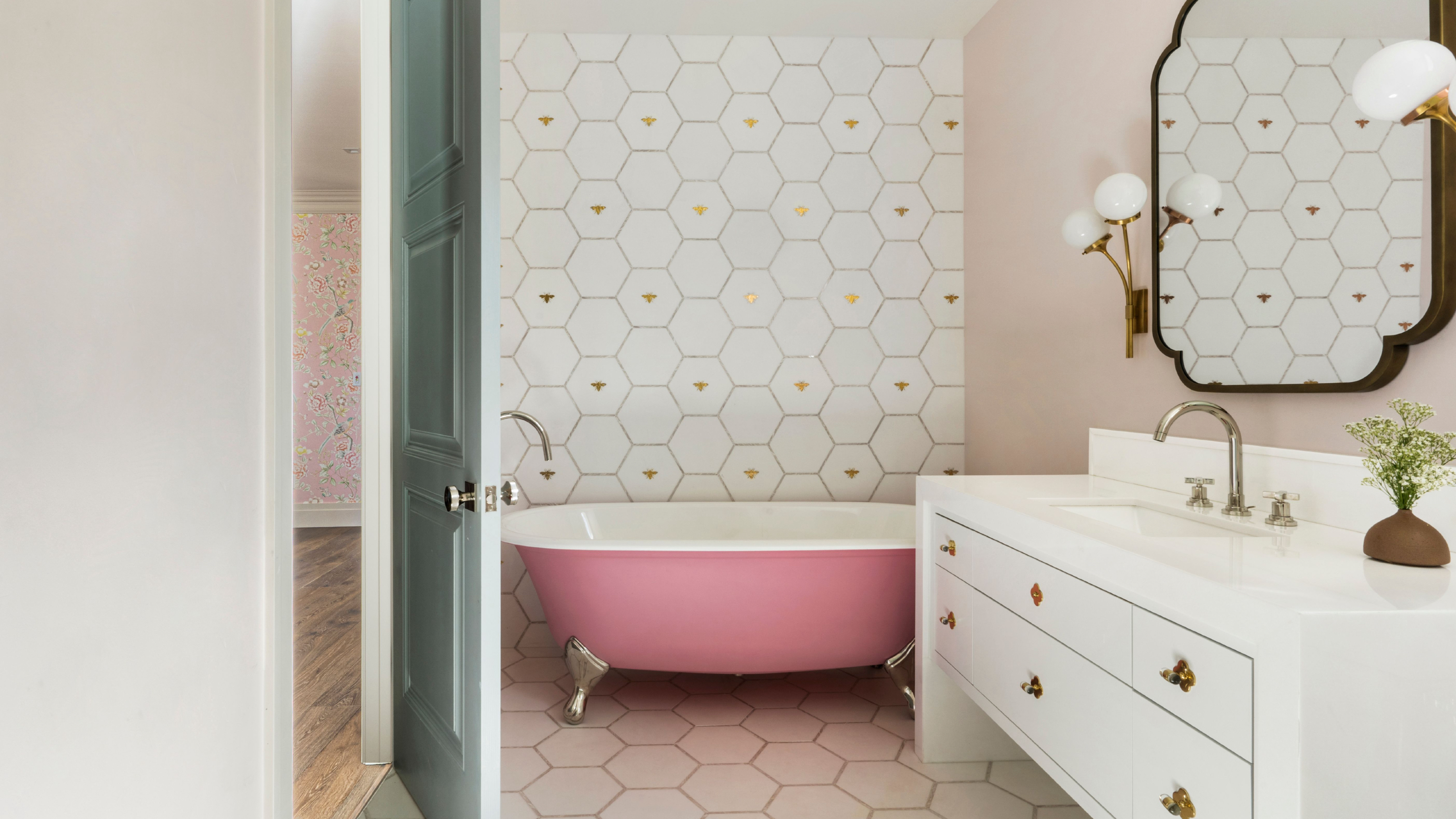
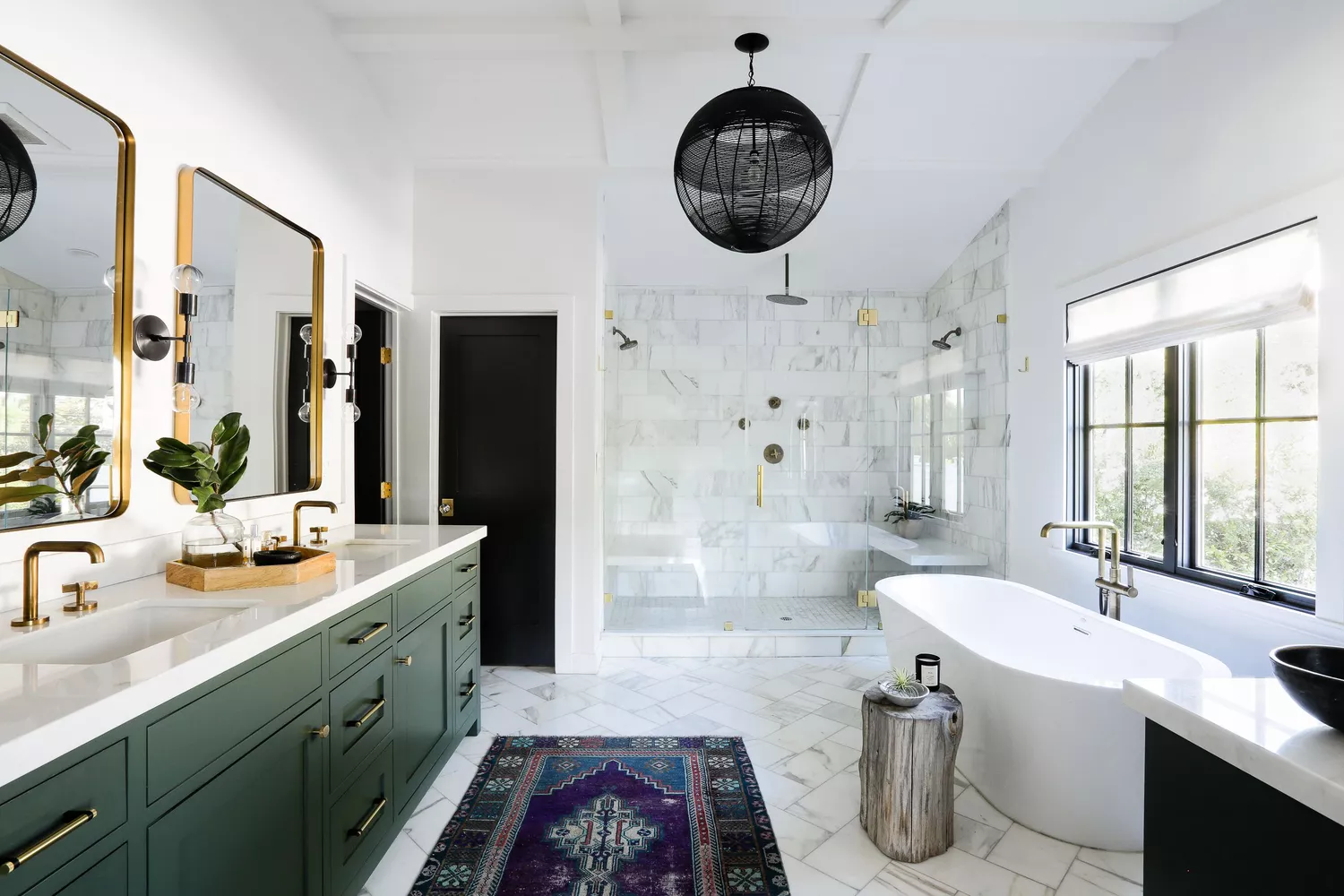
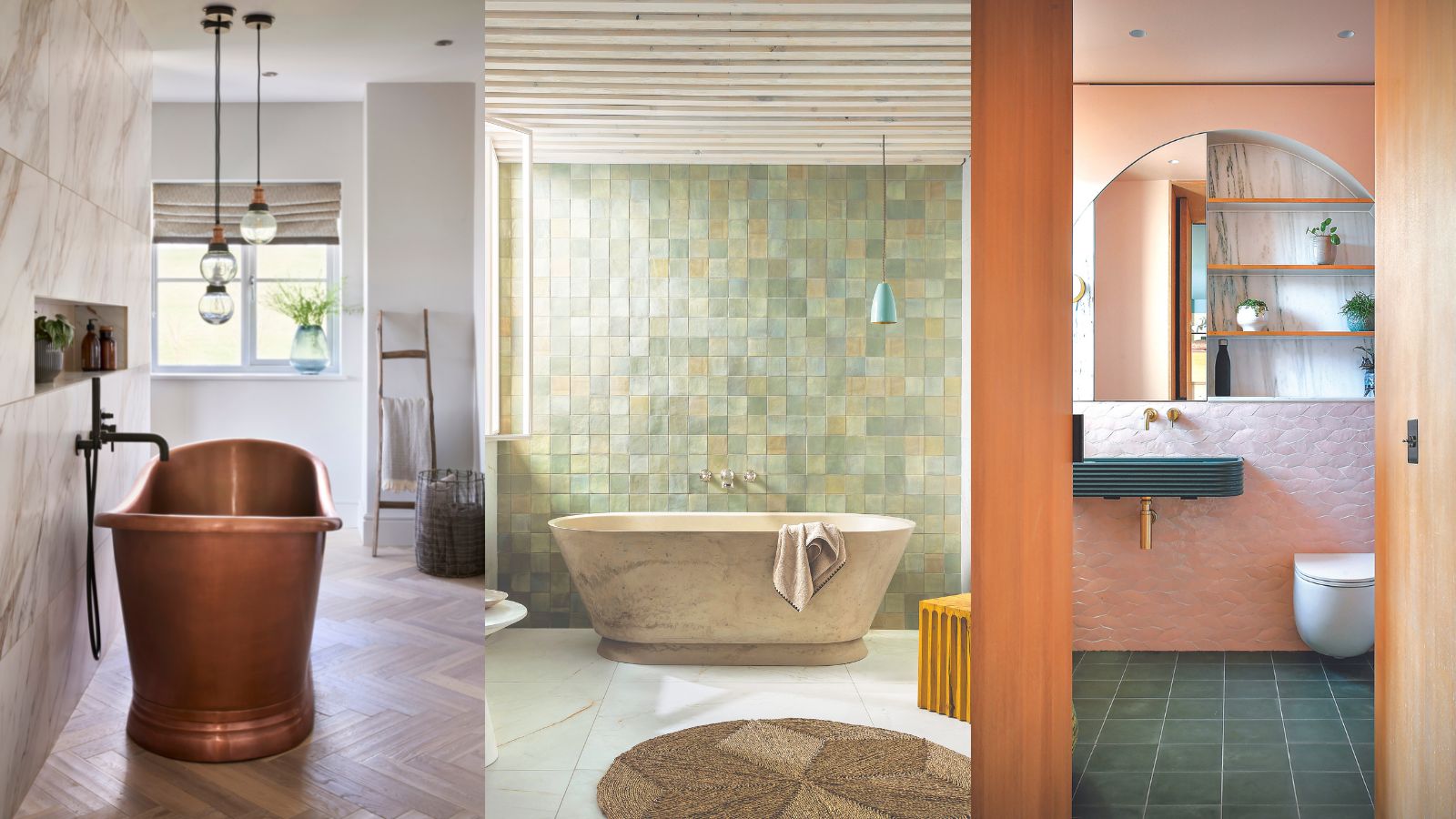
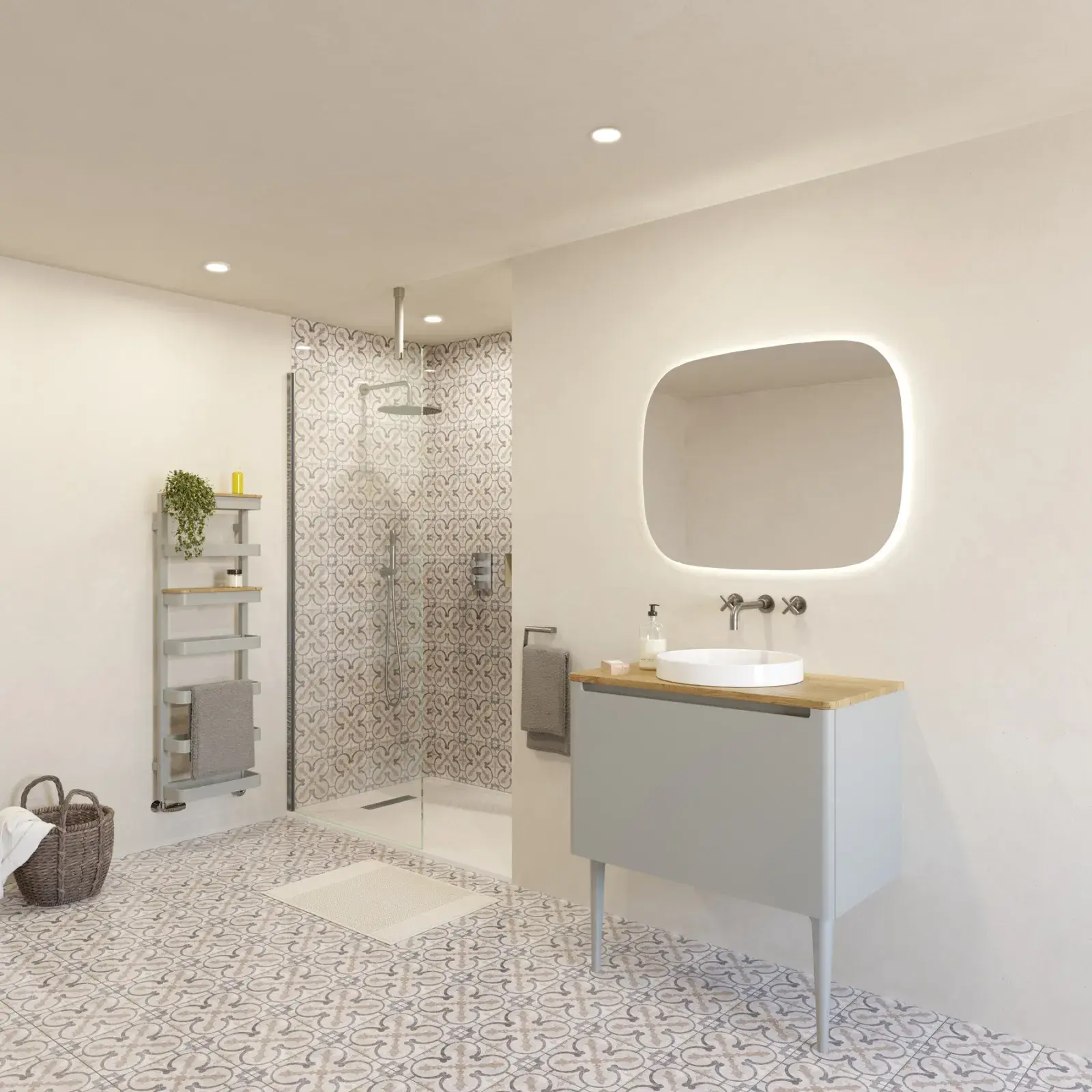
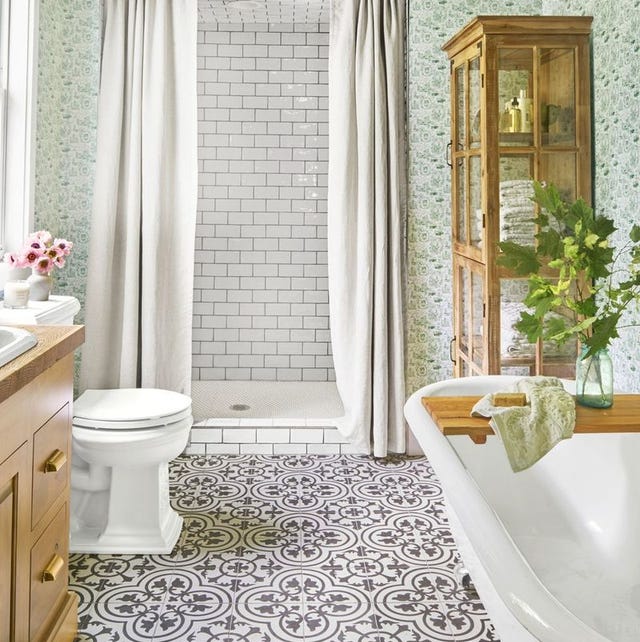
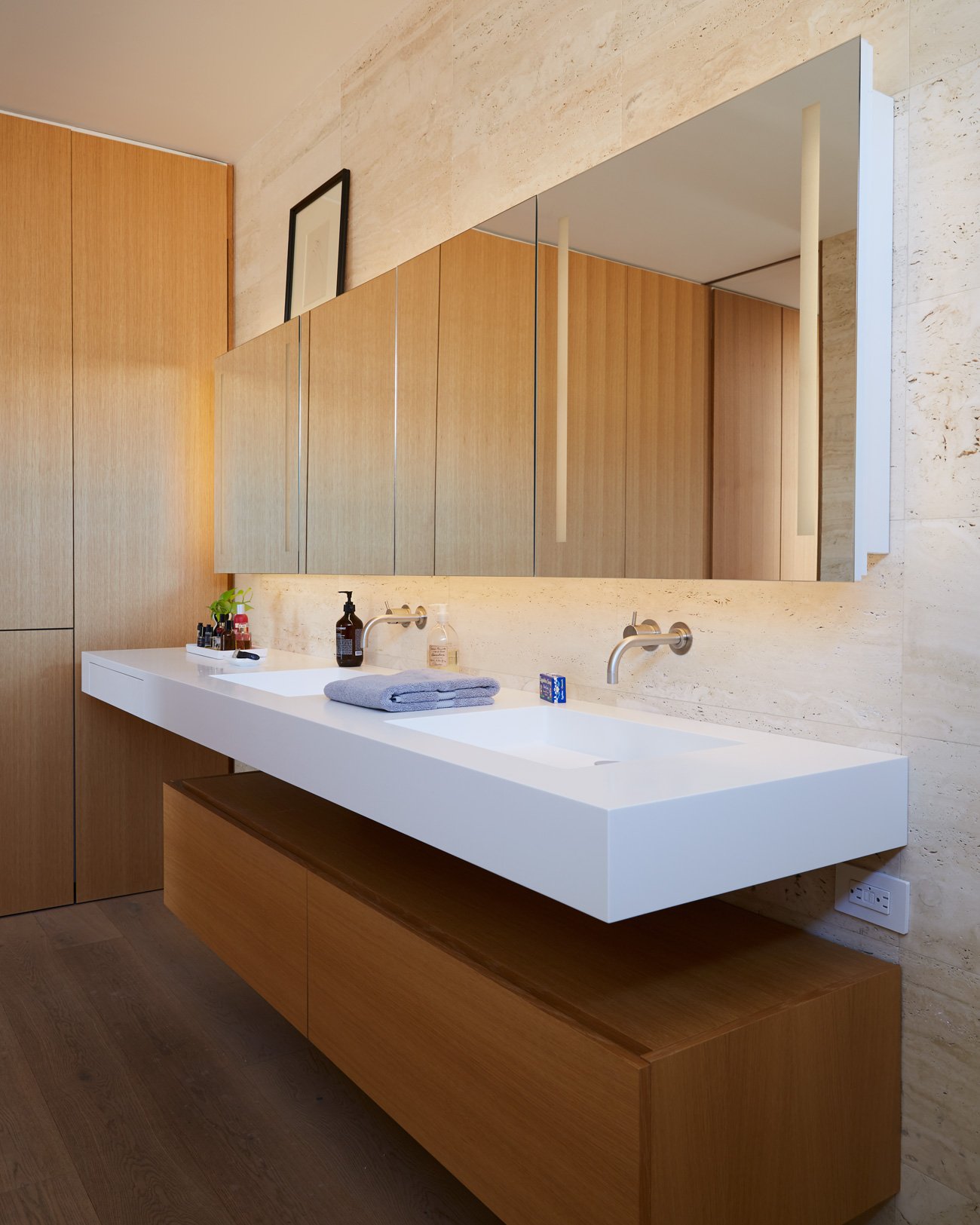
The article explores ten specific wall tile ideas. First, marble tiles are presented as a means to achieve a luxurious, spa-like atmosphere, offering natural veining and timeless elegance. Small rectangular marble tiles are ideal for shower areas in small bathrooms, while larger square floor tiles ensure easier cleaning. For a cohesive and spacious look, covering both walls and floors with the same marble or terrazzo tiles is suggested. Second, subway tiles, a popular Victorian-era style, are highlighted for their versatility, allowing for traditional brick patterns or contemporary vertical arrangements. Third, a patchwork feature wall with colorful, patterned encaustic tiles can serve as an effective distraction from the size of a small bathroom, adding a bold statement. Fourth, herringbone tiles can draw the eye upwards, making a statement in bathrooms with high ceilings. Fifth, marble mosaics, particularly in scallop shapes, introduce delicate texture and a shimmering effect, with advice to use light grout for a seamless finish. Sixth, vibrant and uniquely shaped tiles, such as hot pink cliq tiles, are encouraged to add character and luxury, challenging the conventional wisdom of using only light colors in small bathrooms.
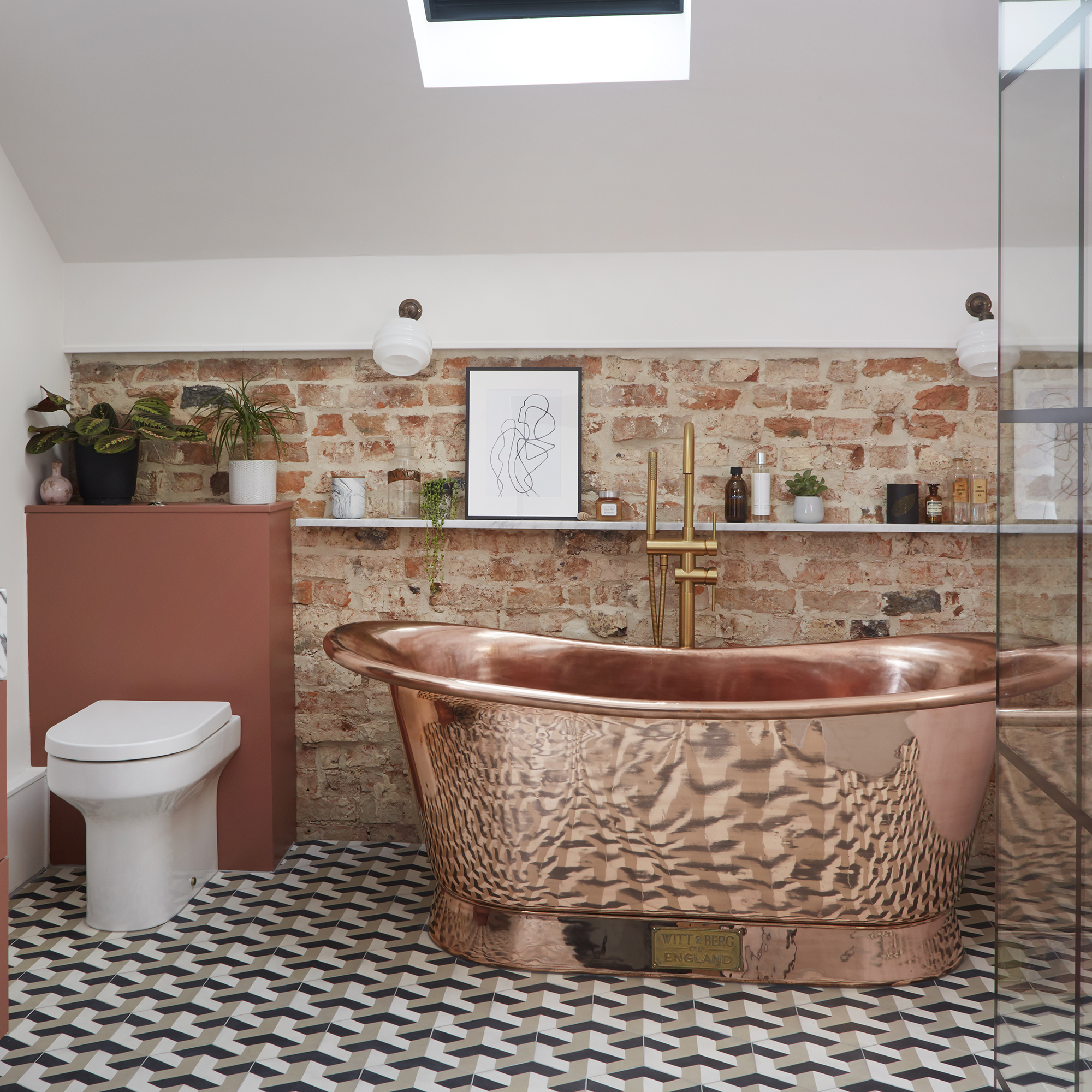
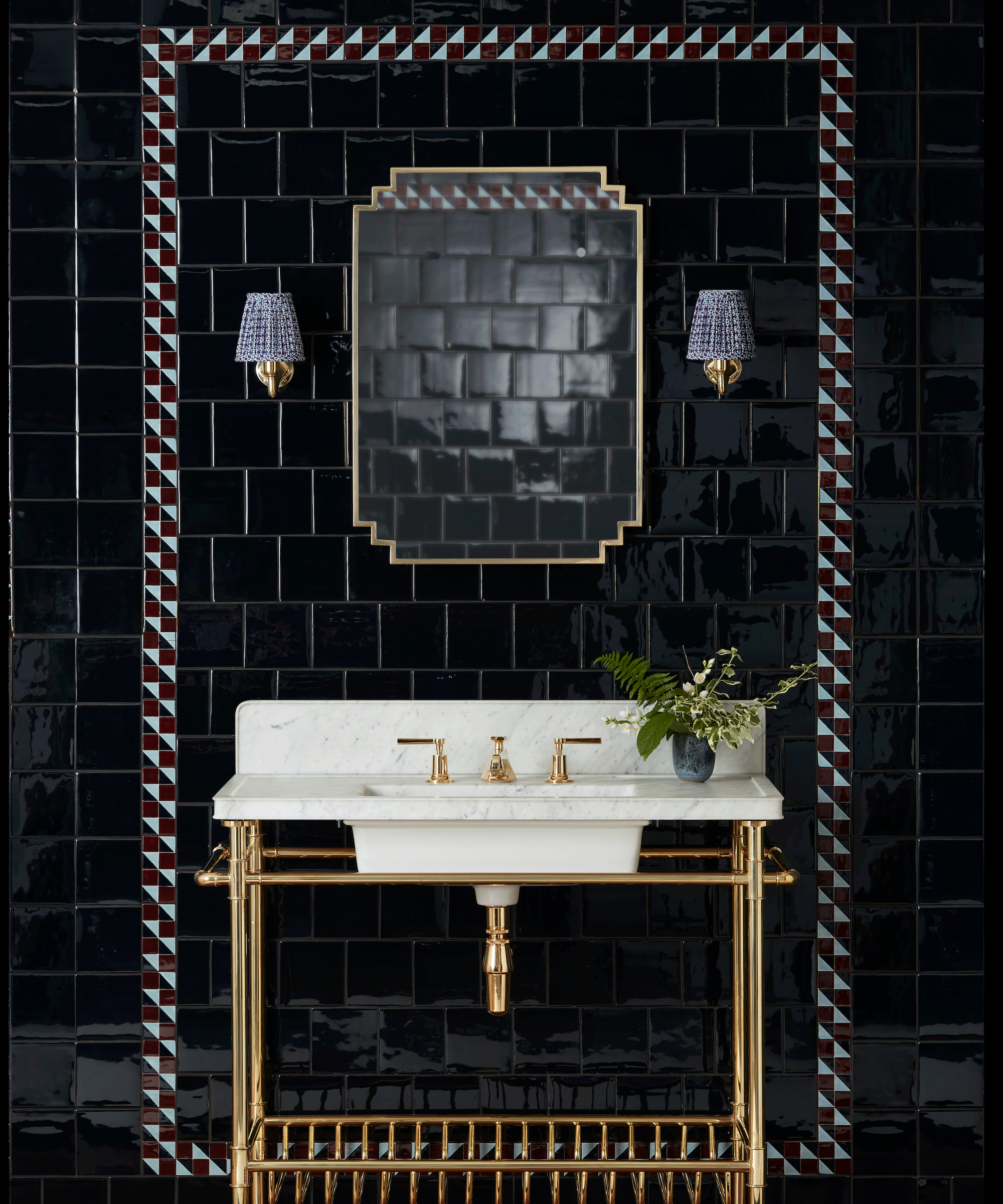
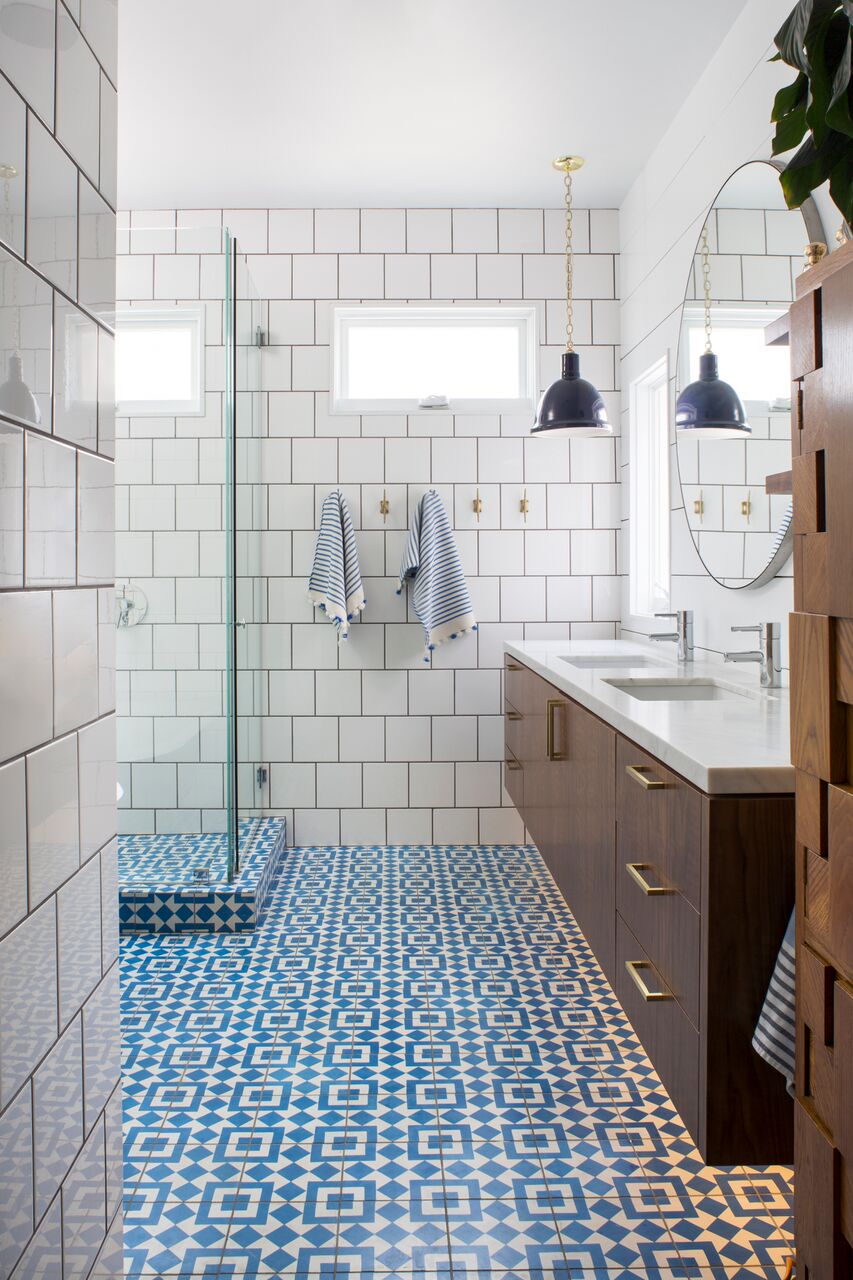
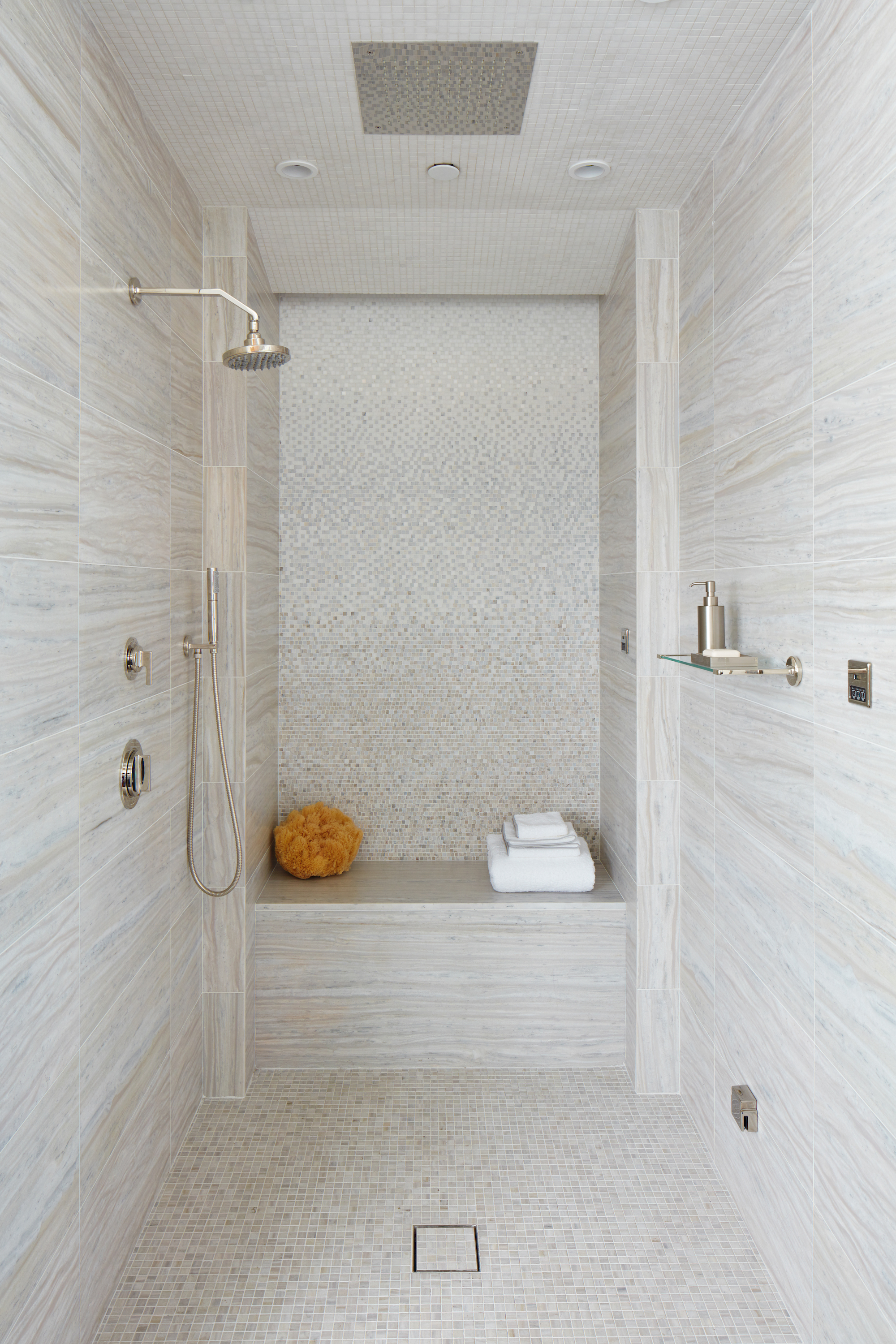
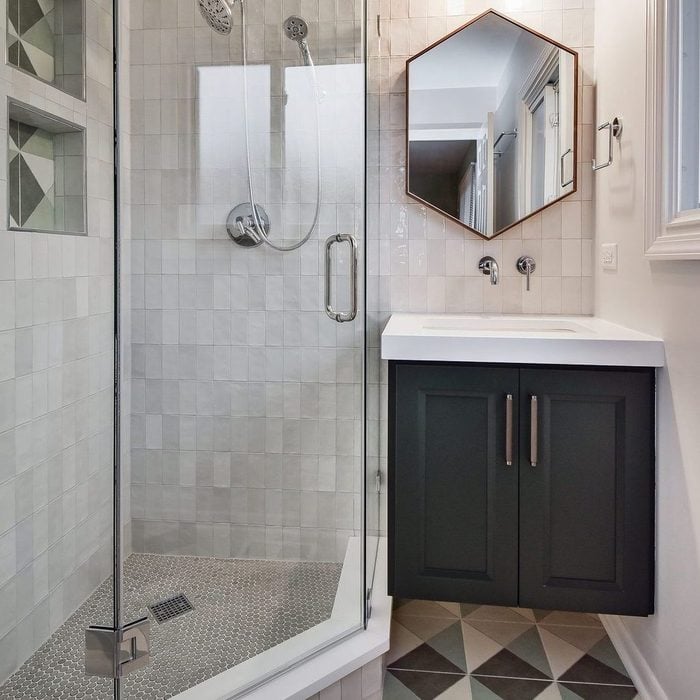
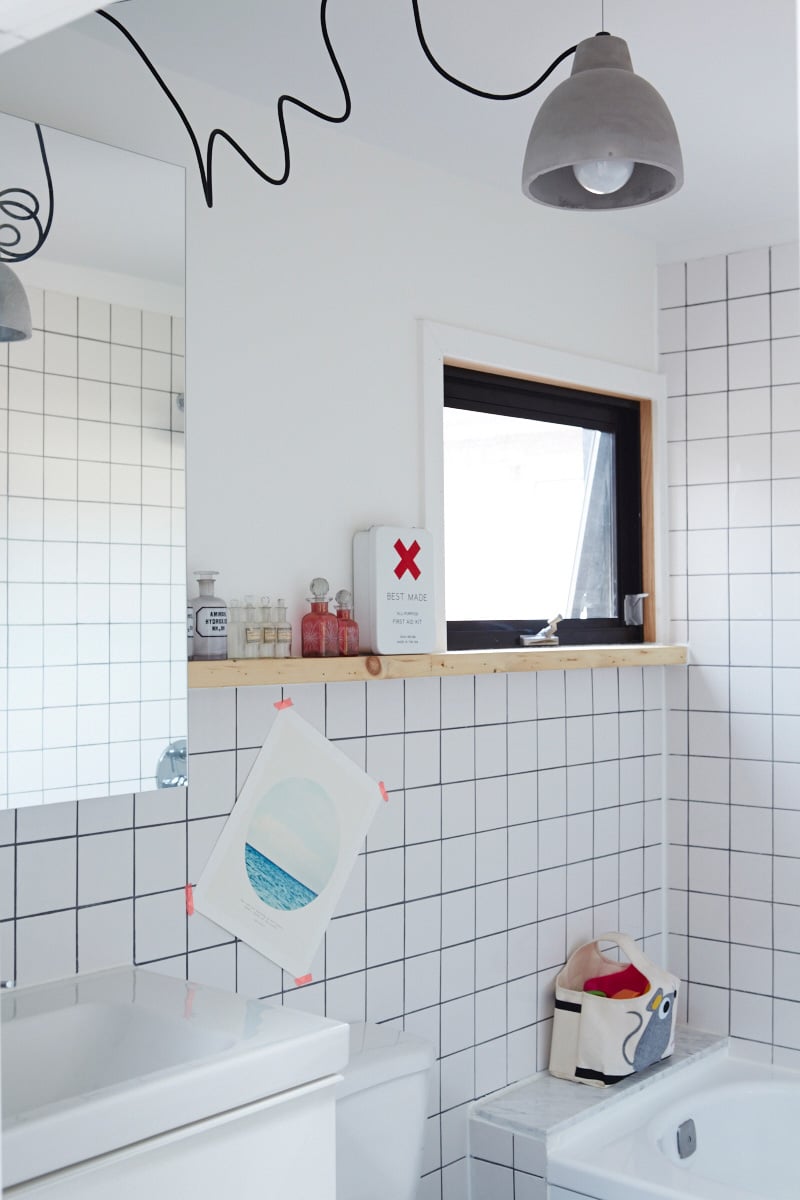
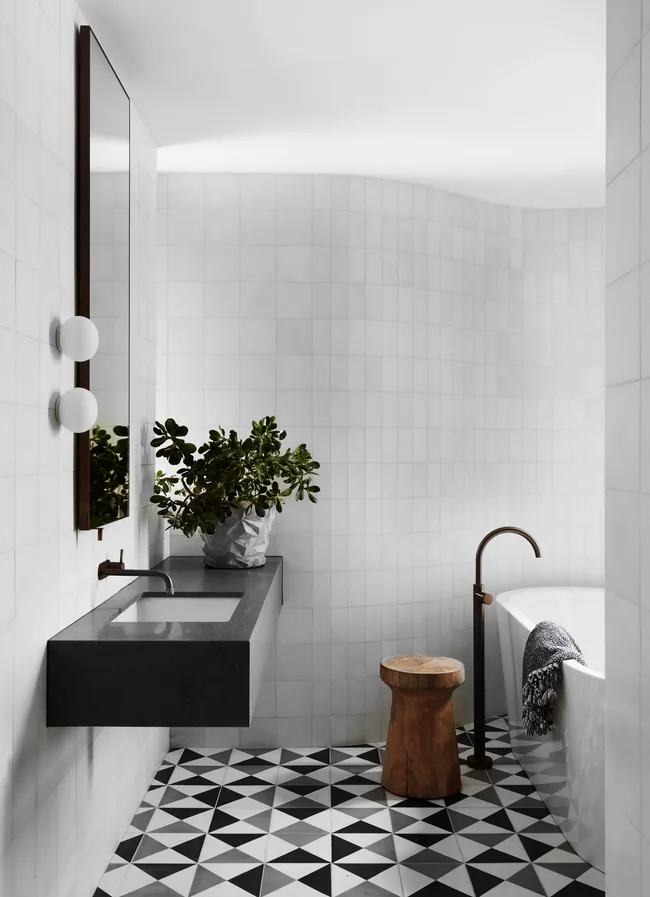
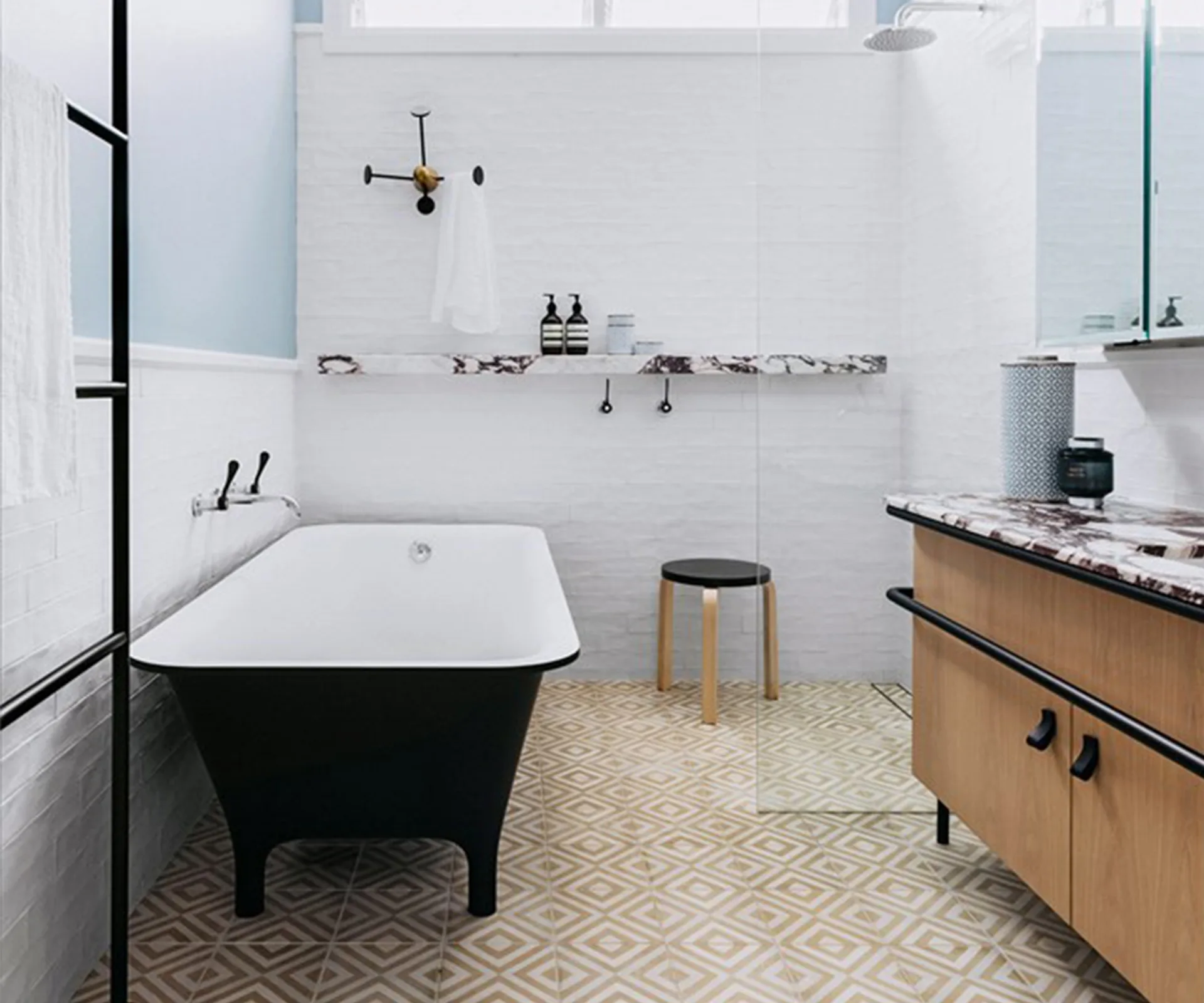
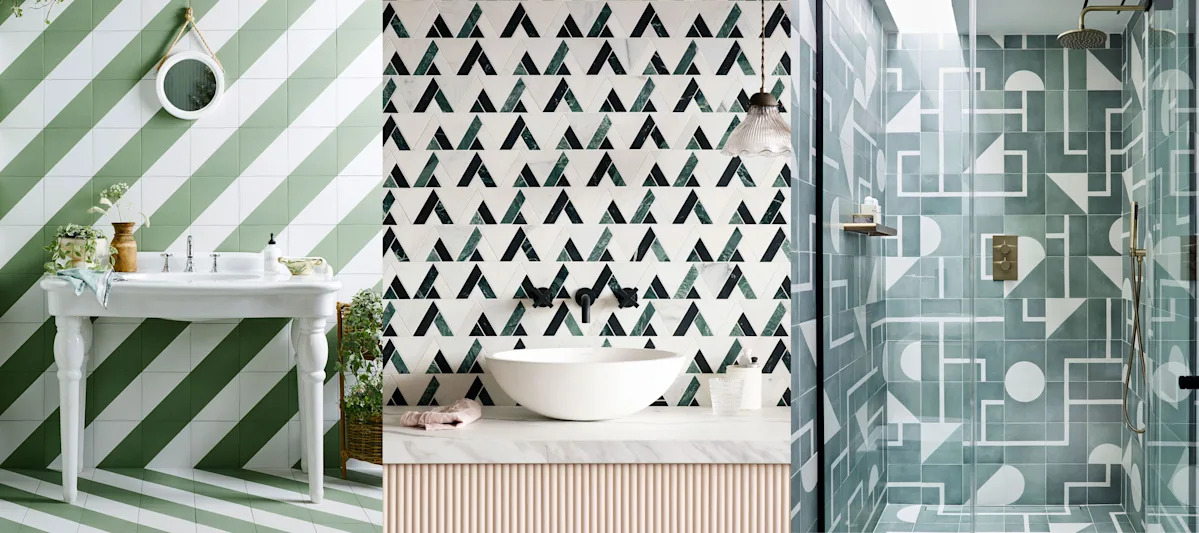
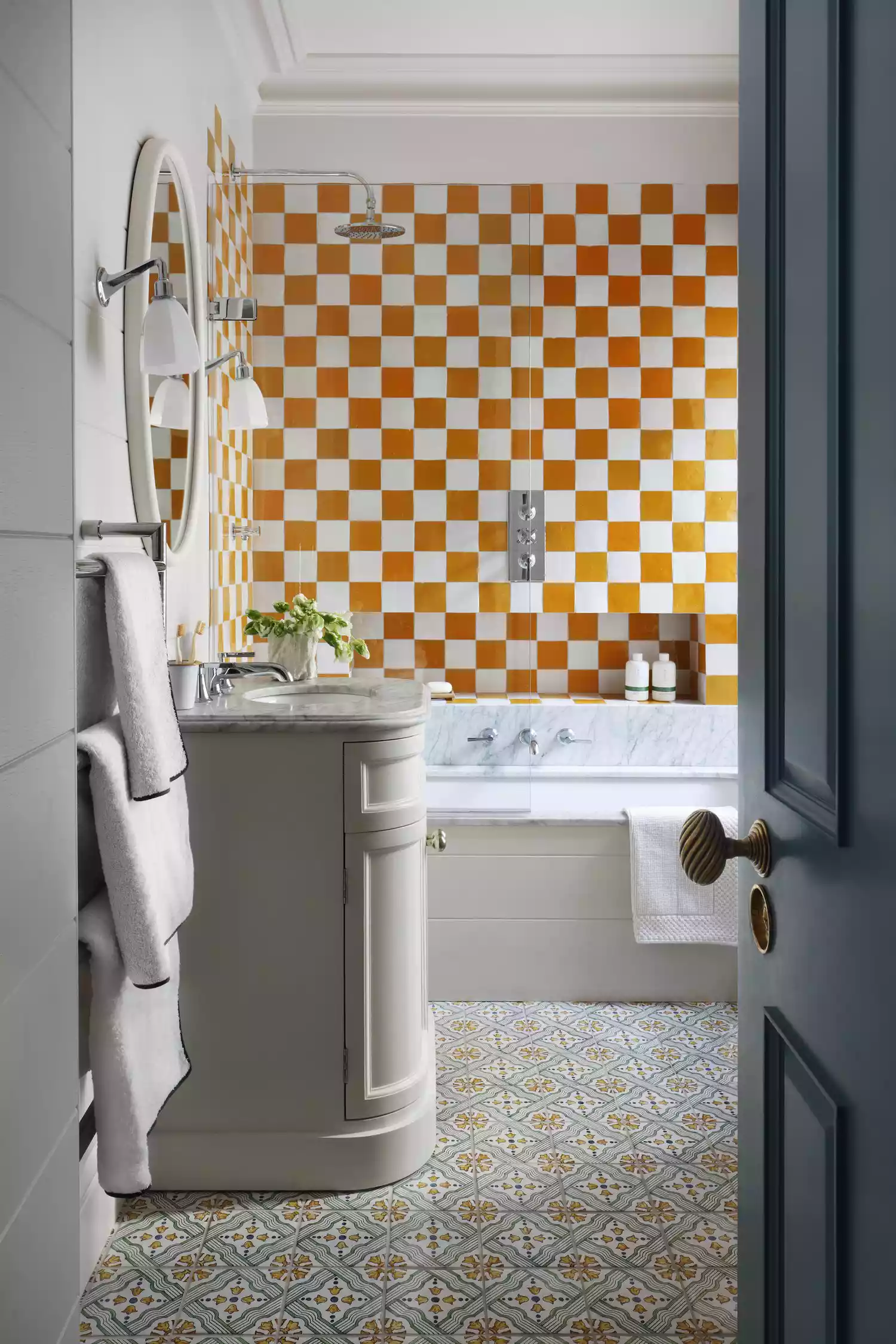
Seventh, durable marble-look porcelain tiles are recommended as a practical and cost-effective alternative to natural marble, offering similar aesthetic appeal with easier installation and maintenance. Eighth, glossy white tiles are presented as a classic choice, emphasizing that they can be far from boring when combined with decorative elements like patterned floor tiles or contrasting brassware. Ninth, large-scale onyx tiles are suggested for a dramatic impact, capturing the beautiful veining of authentic onyx with the practicality of porcelain. Finally, striking geometric tiles are proposed for shower rooms in small bathrooms, introducing fun and surprise to often-overlooked spaces, with a suggestion to soften the scheme with warm paint colors on adjacent walls.
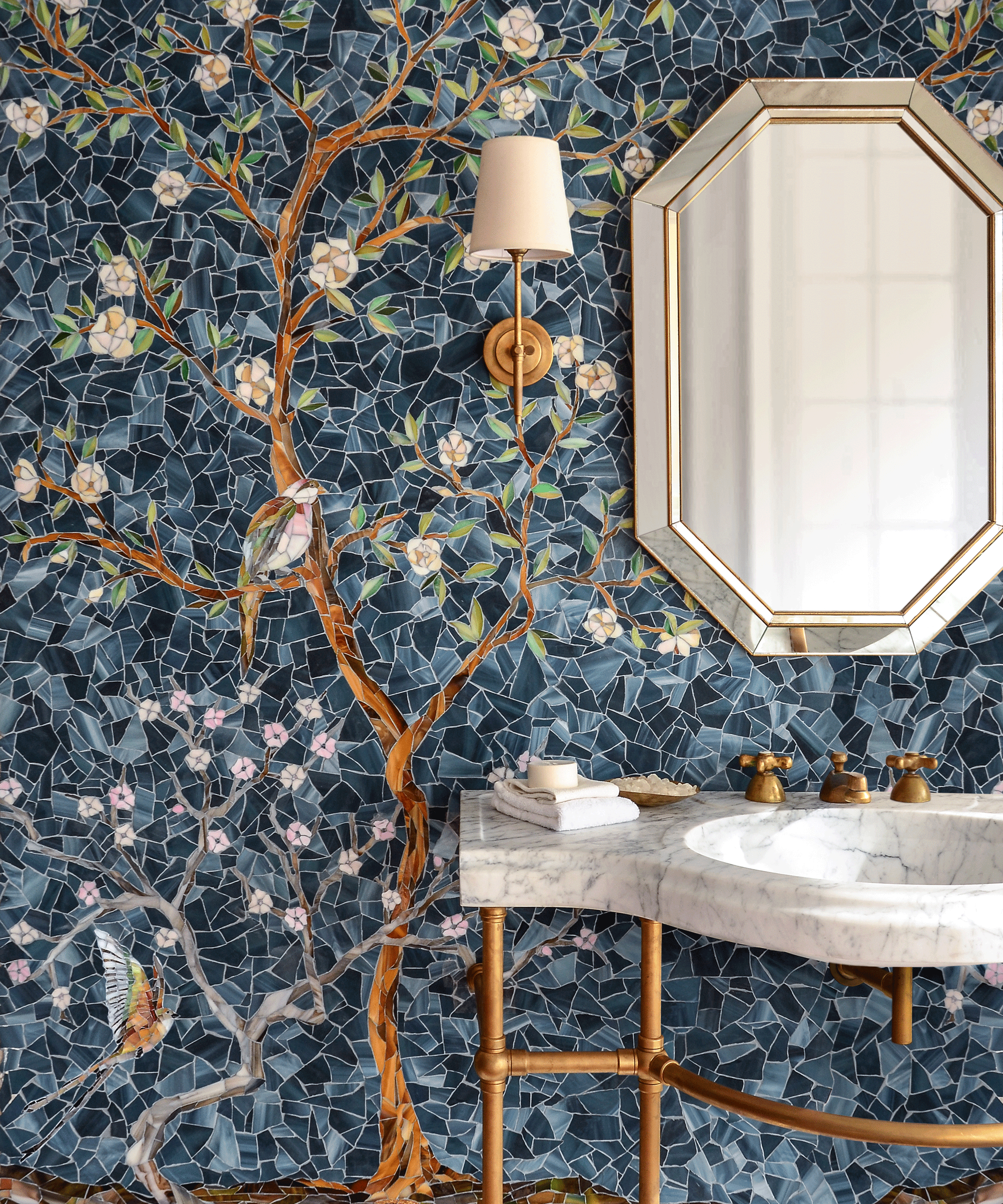
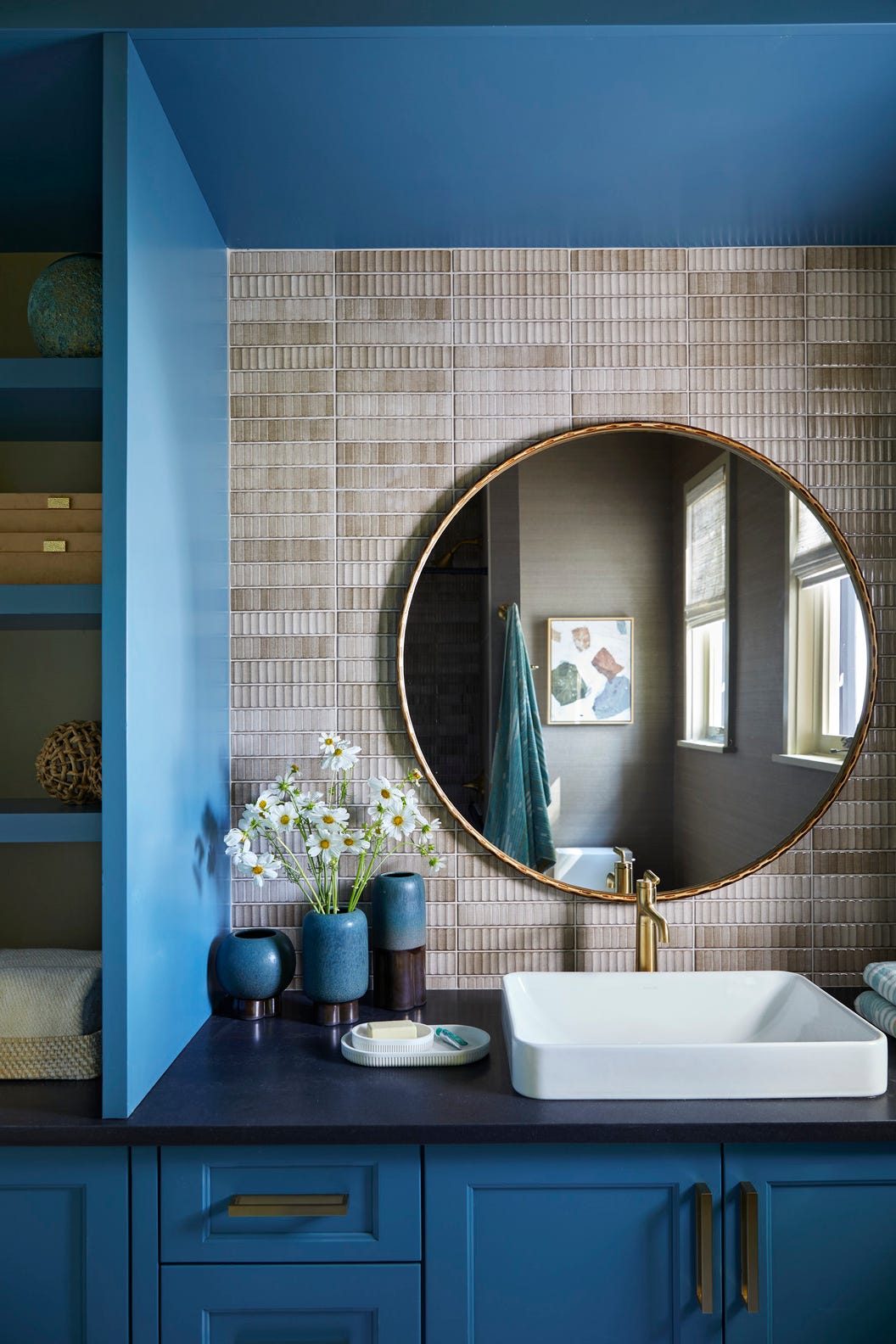
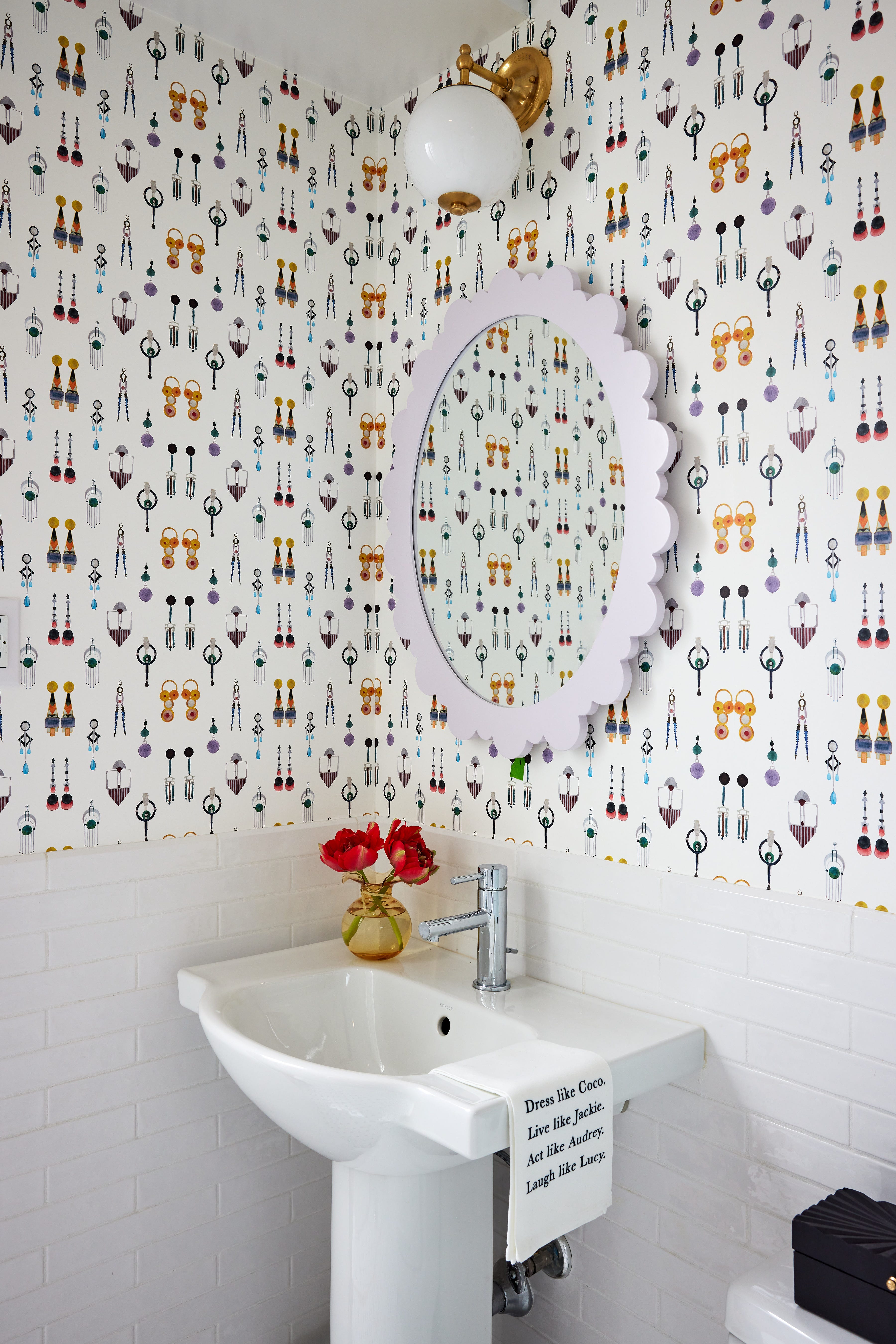
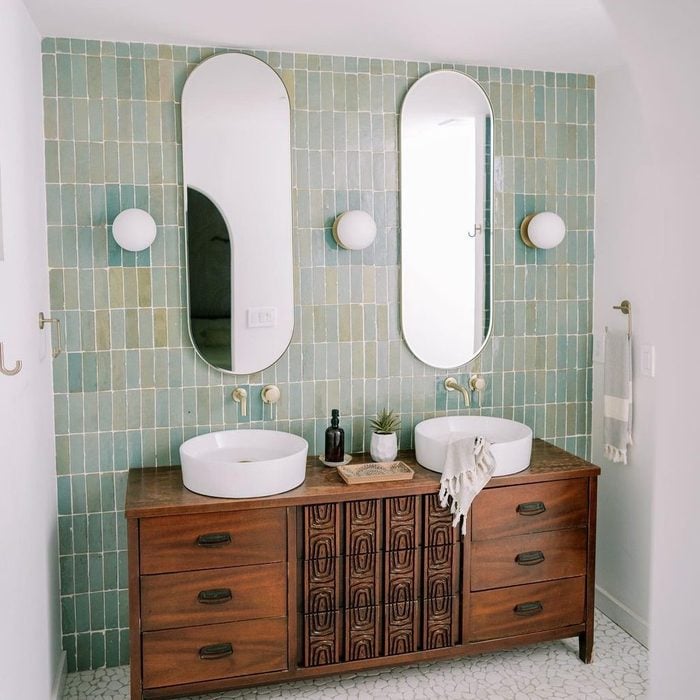
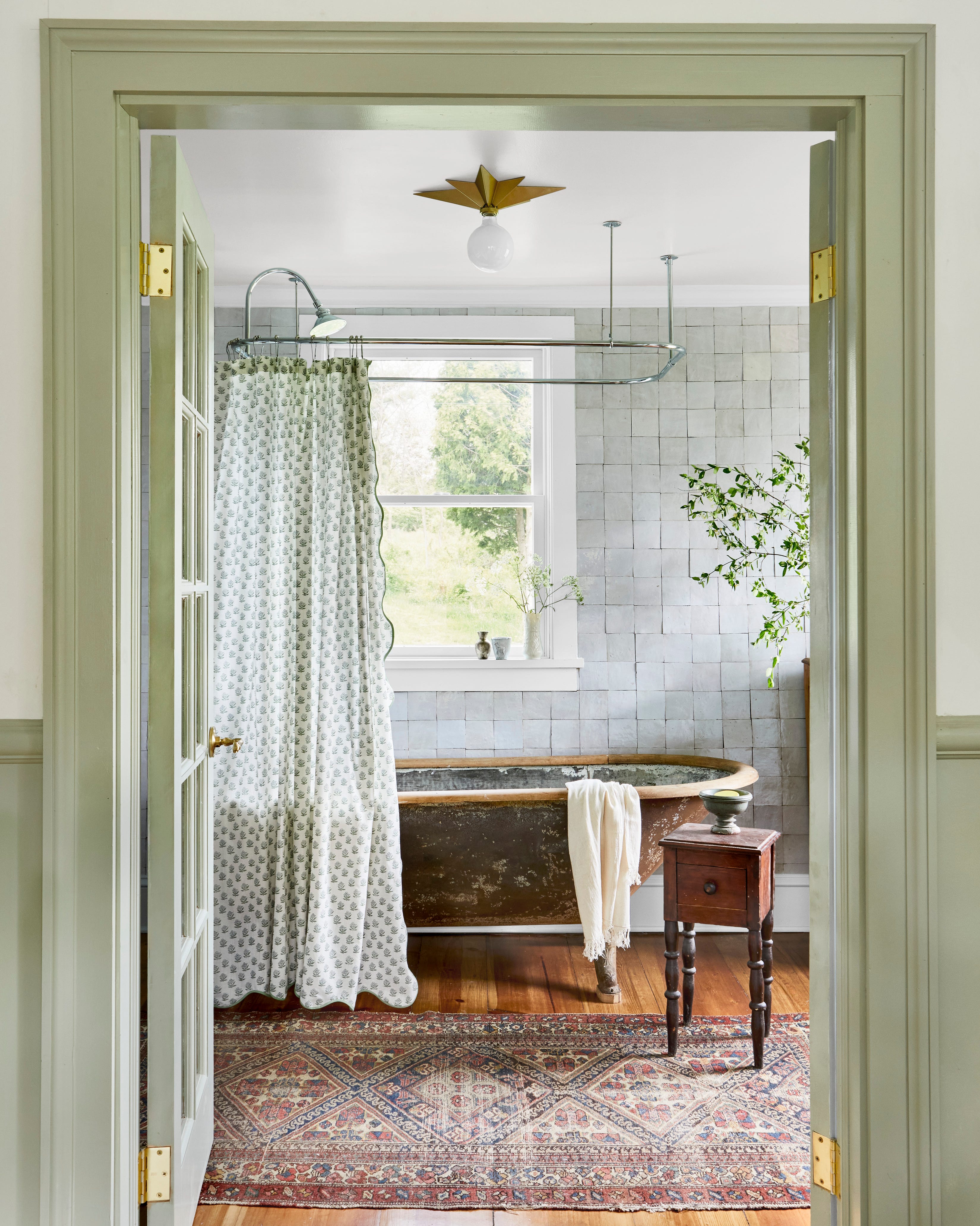
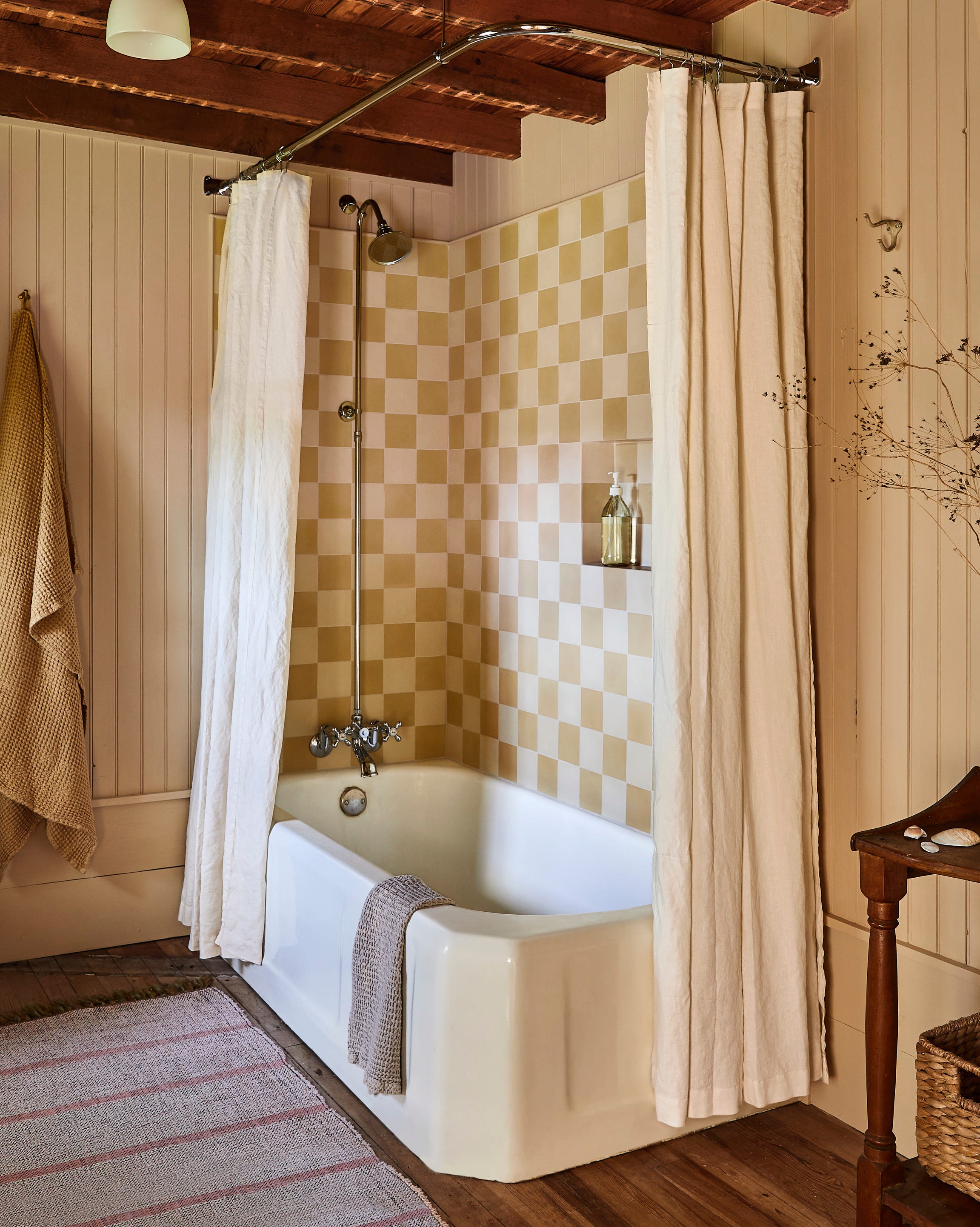
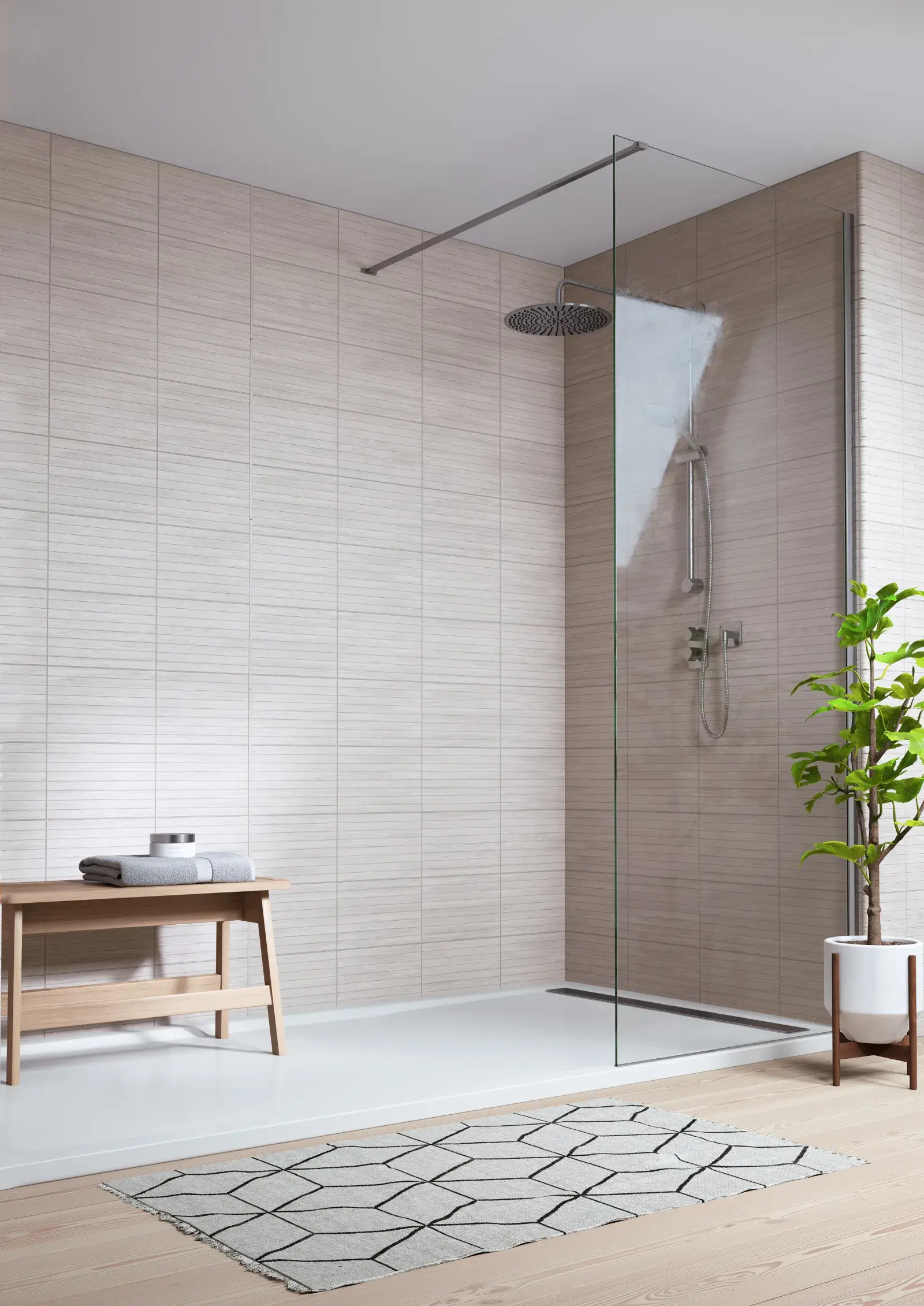
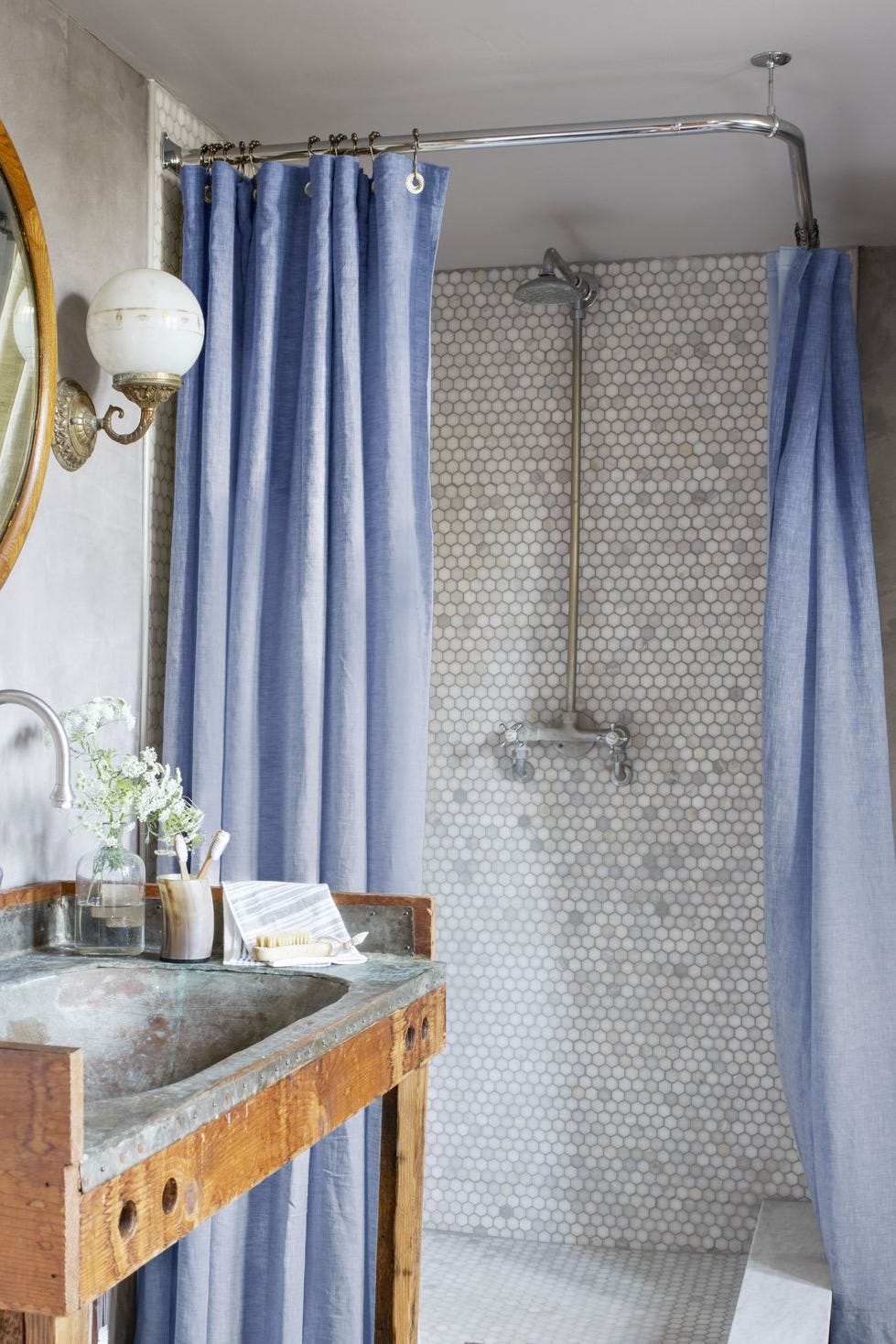
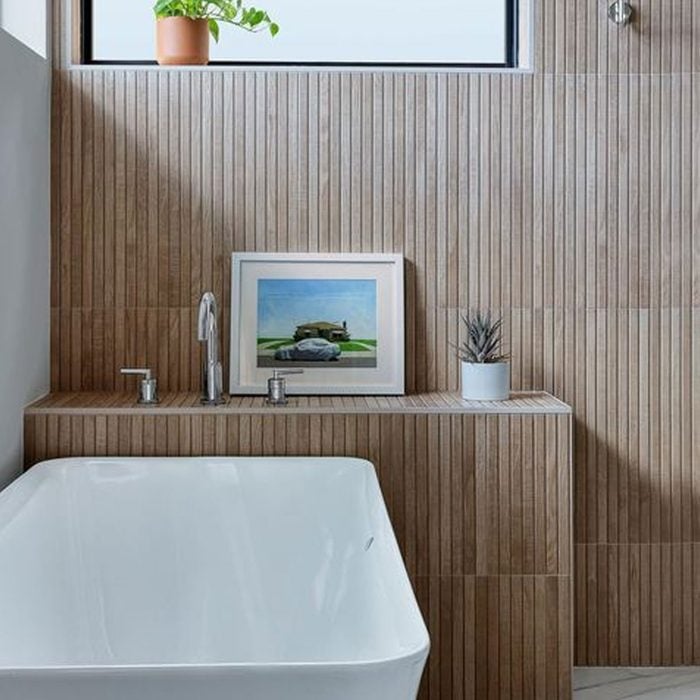
Choosing the best tiles involves considering the specific area of use, desired aesthetic, and material properties. Porcelain tiles are generally suitable for both walls and floors, while ceramic tiles are better suited for walls, particularly glazed and hand-painted varieties. Cement or encaustic tiles offer stronger, crisper colors. For shower enclosures, slip-resistant tiles are advised, and patterned or decorative tiles can create a focal point. While timeless and simple designs remain popular for main bathrooms, there's a growing trend towards incorporating color and unique textures in smaller spaces like powder rooms or shower areas. Fragmented tile designs are also gaining traction for their intriguing visual appeal. For small bathrooms, shaped tiles like subway, herringbone, fish scale, hex, and diamond patterns are recommended to add color, pattern, and interest without overwhelming the space, with narrow horizontal subway or herringbone tiles particularly effective for a fresh, modern look.
#BathroomDesign #WallTiles #InteriorDesign #TileSelection #SmallBathroomIdeas #MarbleTiles #SubwayTiles #GeometricTiles #PorcelainTiles #BathroomDesign #WallTiles #InteriorDesign #TileSelection #SmallBathroomIdeas #MarbleTiles #SubwayTiles #GeometricTiles #PorcelainTiles
0 comment in total
 No comments yet
You may also like
10 modern bathroom tile ideas to inspire your next project
Shower floor tile ideas – 10 looks, layouts and colors for an inspiring space
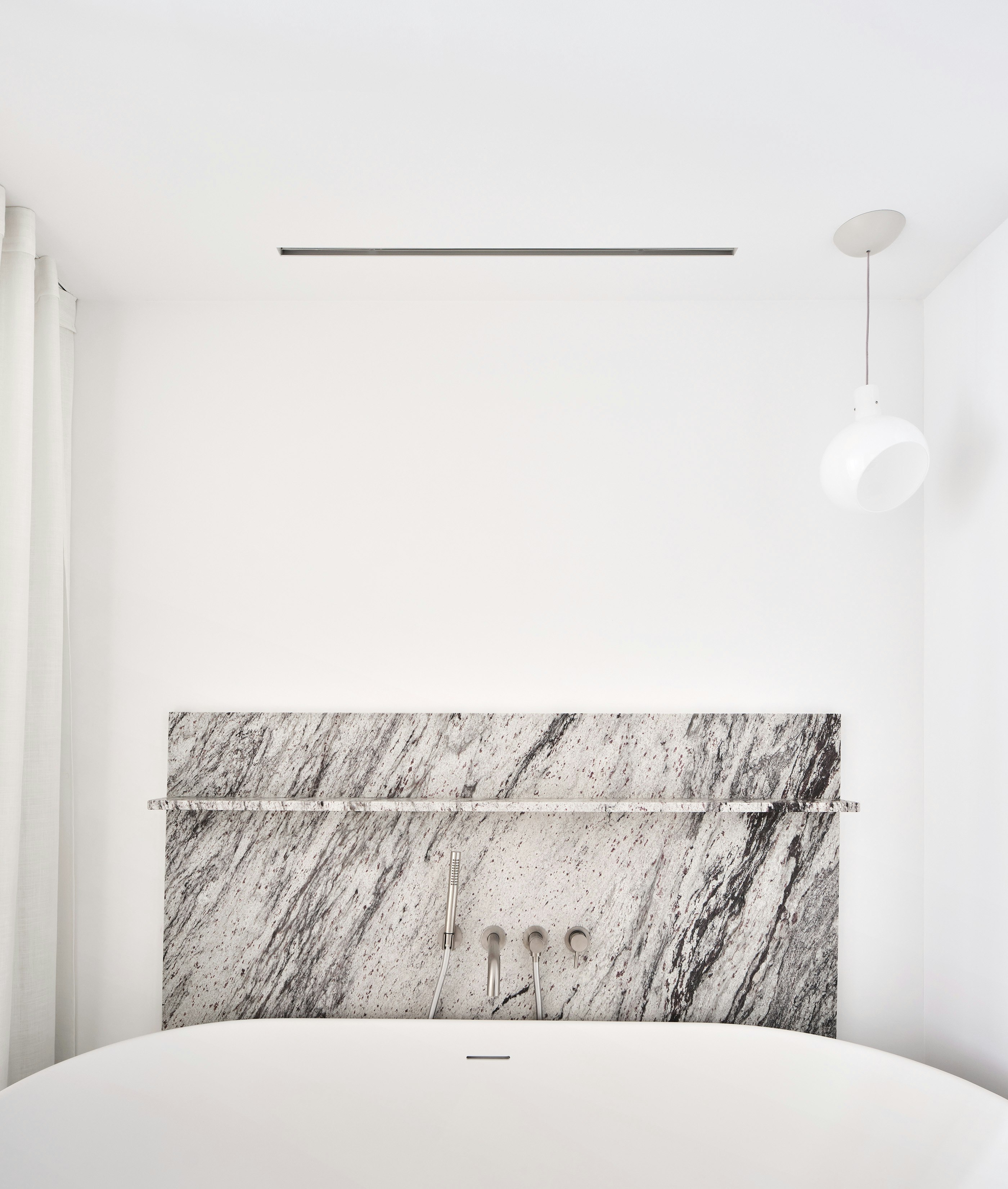
17 Modern Bathroom Wall Ideas

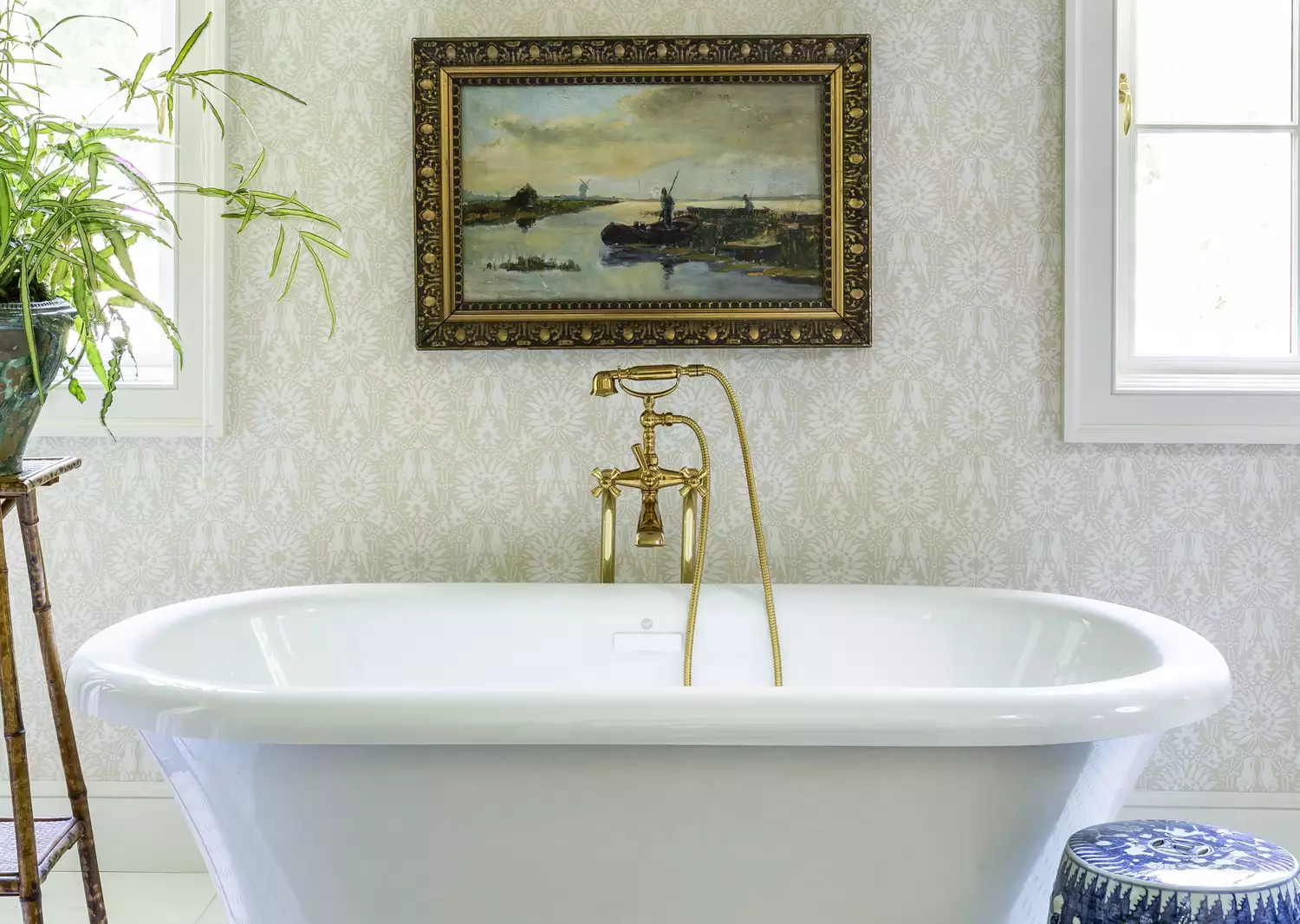
21 Beautiful Ways to Decorate Your Bathroom Walls, From Vintage Art to Statement Mirrors
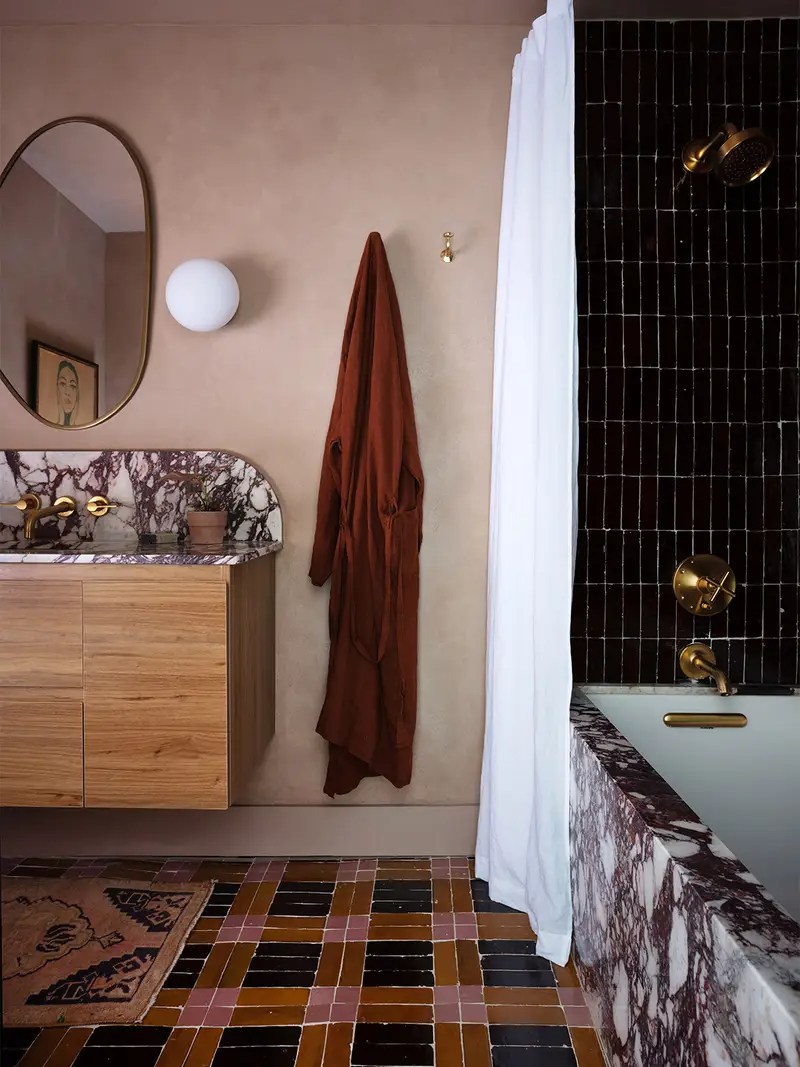
Treat Your Shower Wall as a Mural, and 14 More Bathroom Tile Ideas That Make a Splash
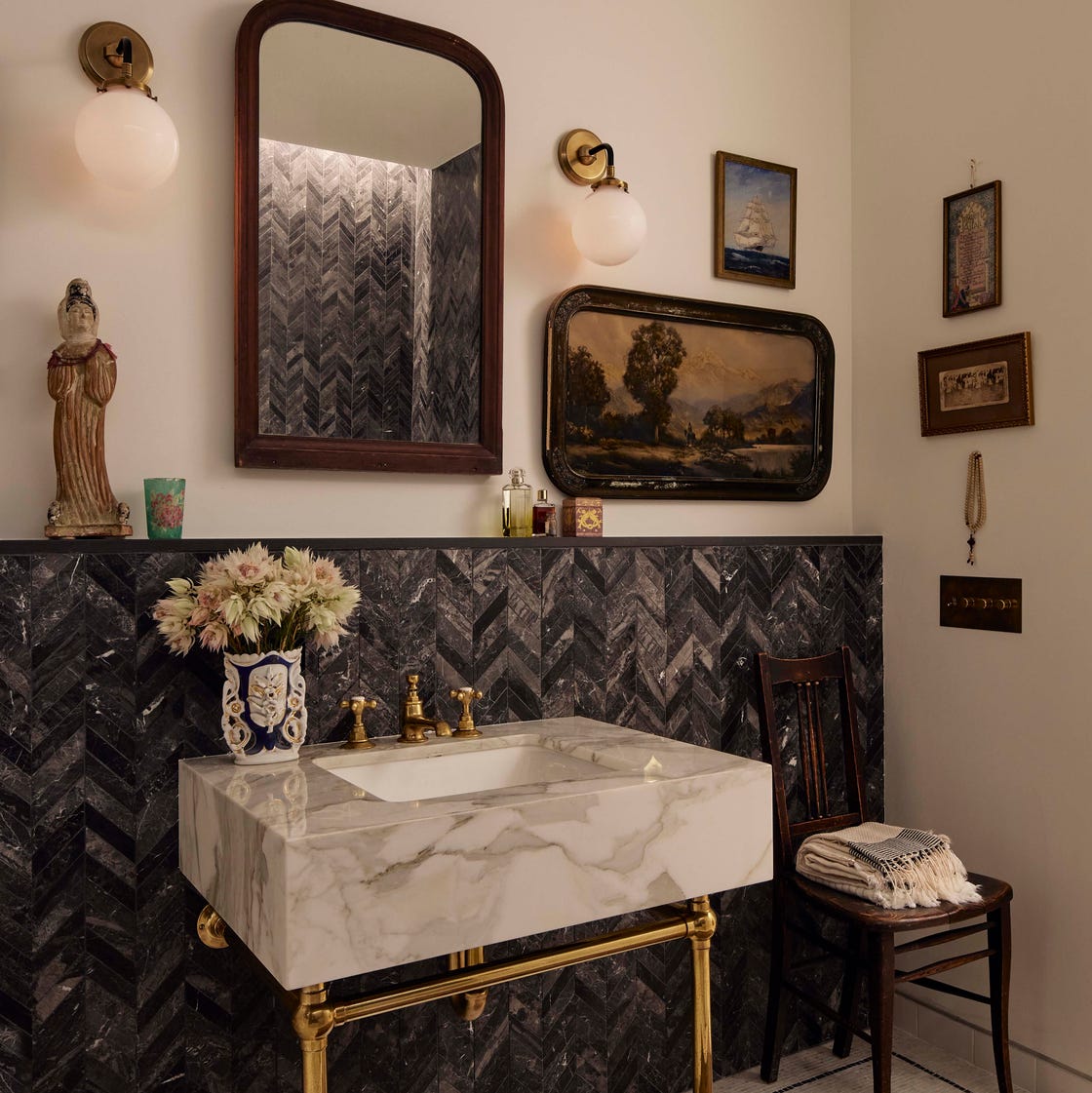
70 Beautiful Bathroom Tile Ideas That Will ELEVATE Your Space

21 bathroom tile design ideas, from trendy to timeless
20 Bathroom Tile Ideas That Make a Major Design Statement

10 bathroom accent wall ideas – perk yours up with paint, tiles or wallpaper

20 Shower Tile Ideas to Inspire Your Bathroom Remodel
Textured bathroom wall ideas – 10 ways to create interest with imaginative treatments
14 bold ideas for using patterned tiles in your bathroom

Beautiful bathroom tile ideas
10 Bathroom Tile Trends That We Love

Bathroom Wall Decor Ideas to Transform Your Home

These Bathroom Tile Ideas Make a Major Design Statement
Bathroom wall ideas – 10 fresh ways to breathe life into your bathroom walls

These Beautiful Bathroom Tile Ideas Will Make You Want to Renovate
10 Bathroom Design Ideas from Inspiring Homes

71 Bathroom Tile Ideas to Upgrade Your Space