1/5
Don't just settle for white gloss! These expert tips for styling metro tiles will guarantee compliments from guests
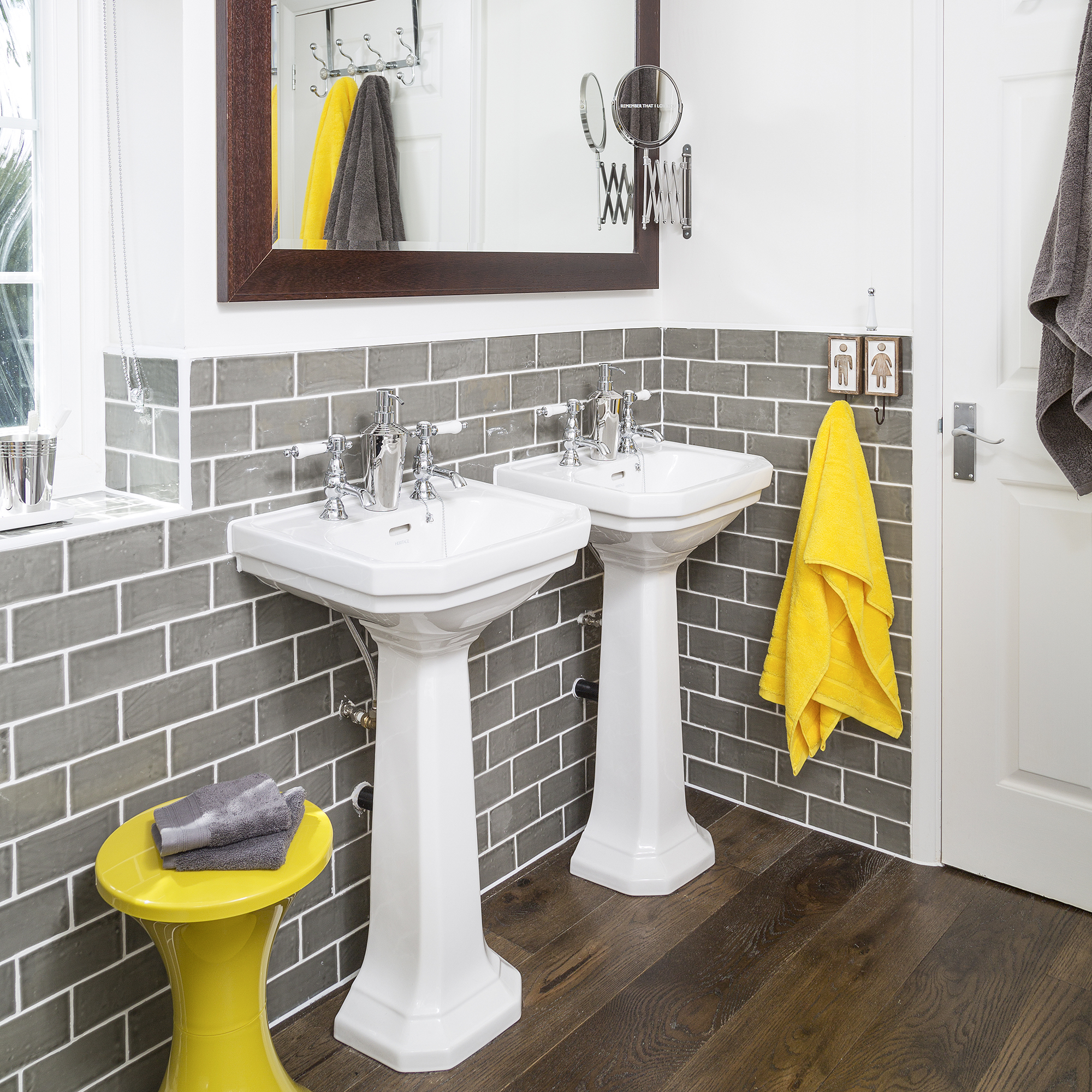
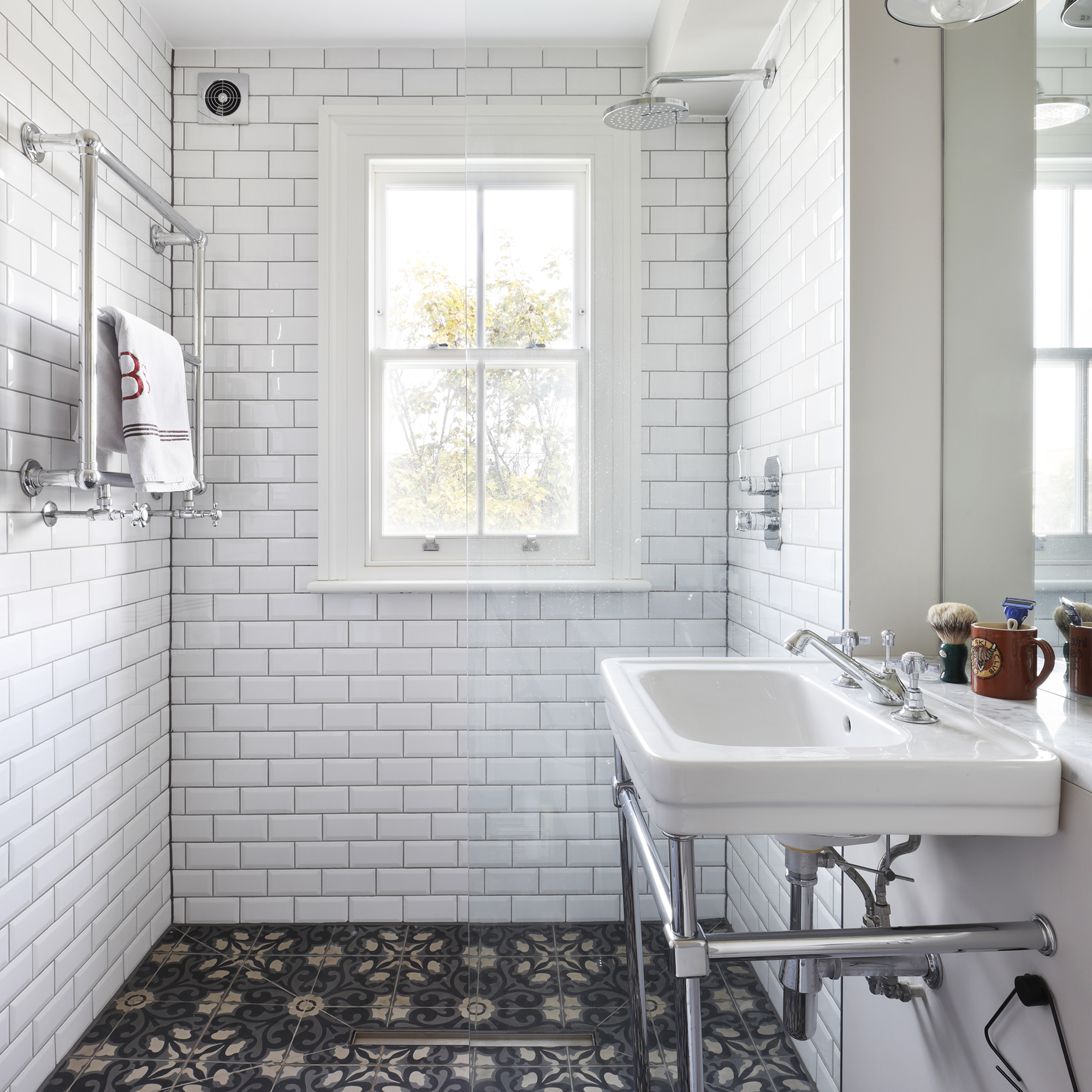
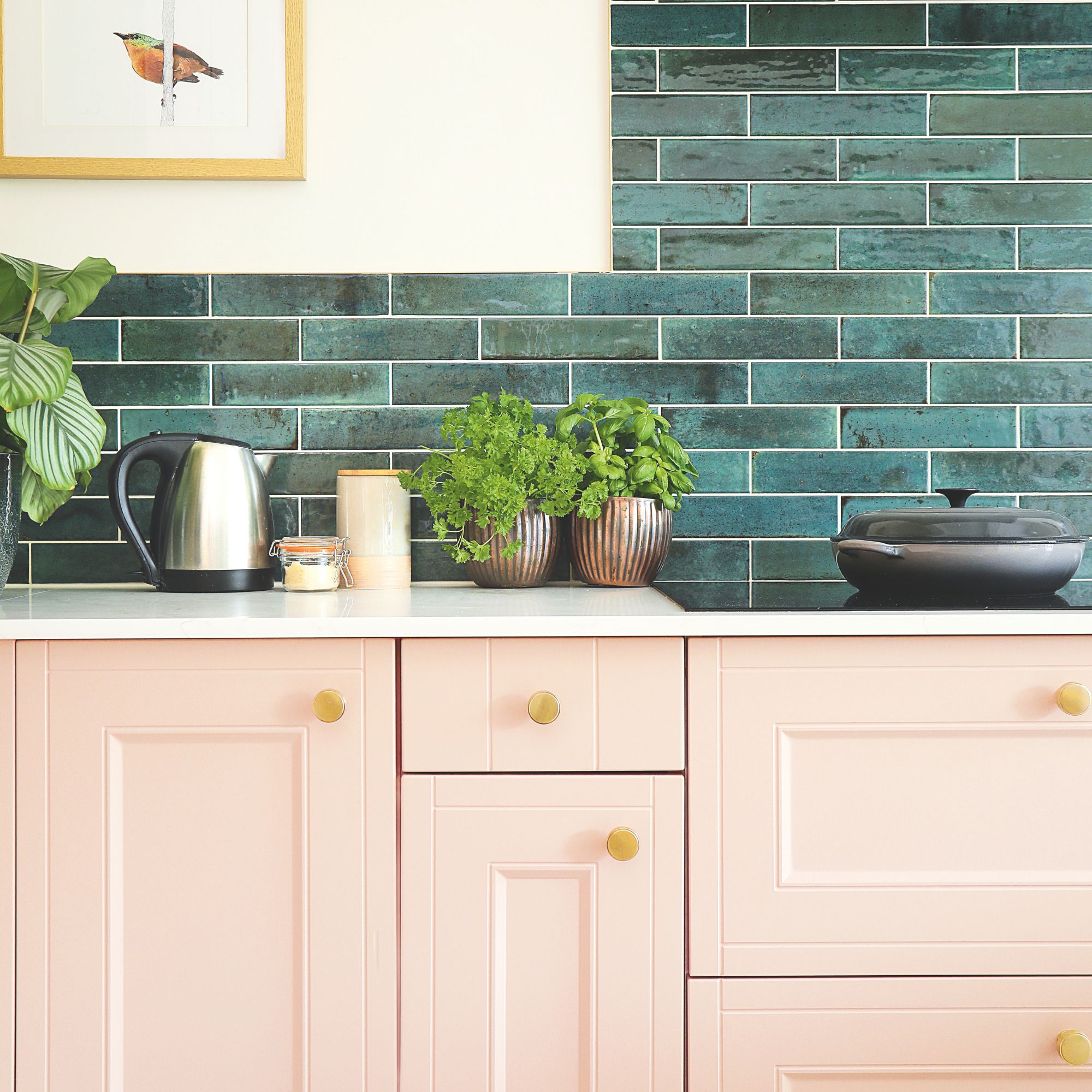
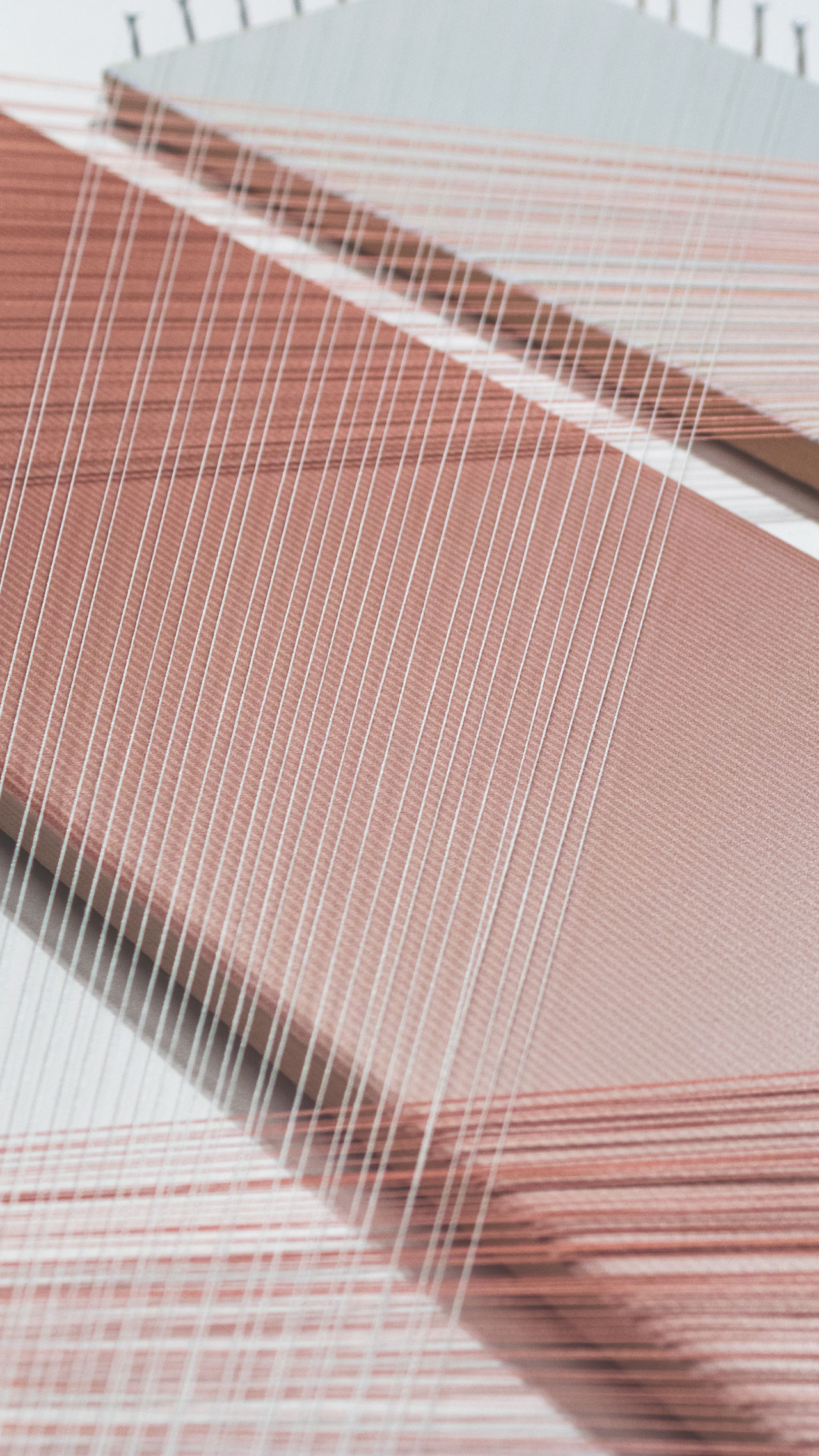
Metro tiles, also known as subway tiles, have long been a classic and versatile choice for kitchens and bathrooms since their initial use. While the common perception of metro tiles often defaults to a standard white glossy brick layout, the market now offers a wide array of options to move beyond this traditional aesthetic. The increasing interest among designers and homeowners in exploring diverse colors, textures, and patterns signifies a shift from the conventional. Expert opinions highlight the extensive versatility of metro tiles, offering numerous variations for creating intriguing tile designs that can transform a space.
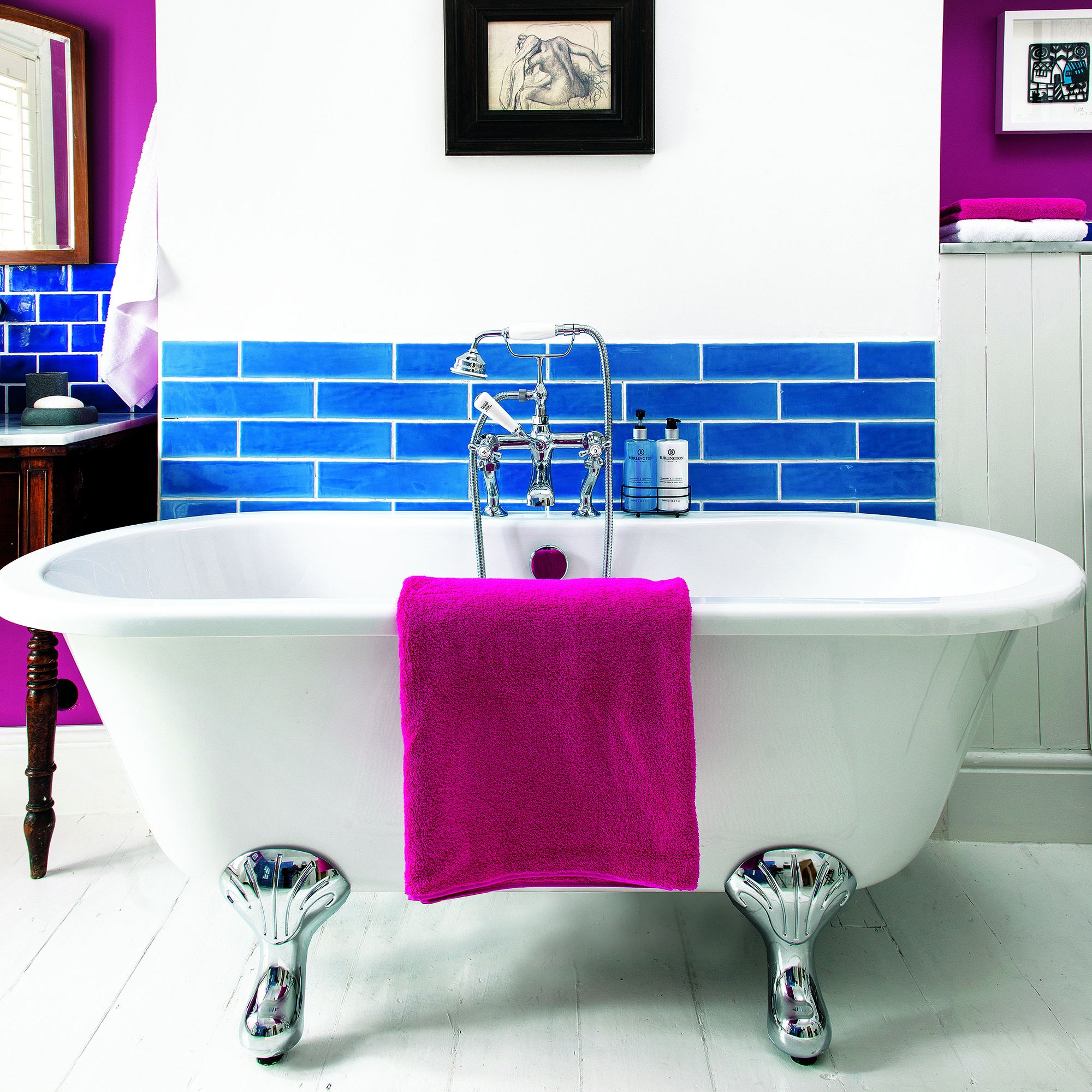
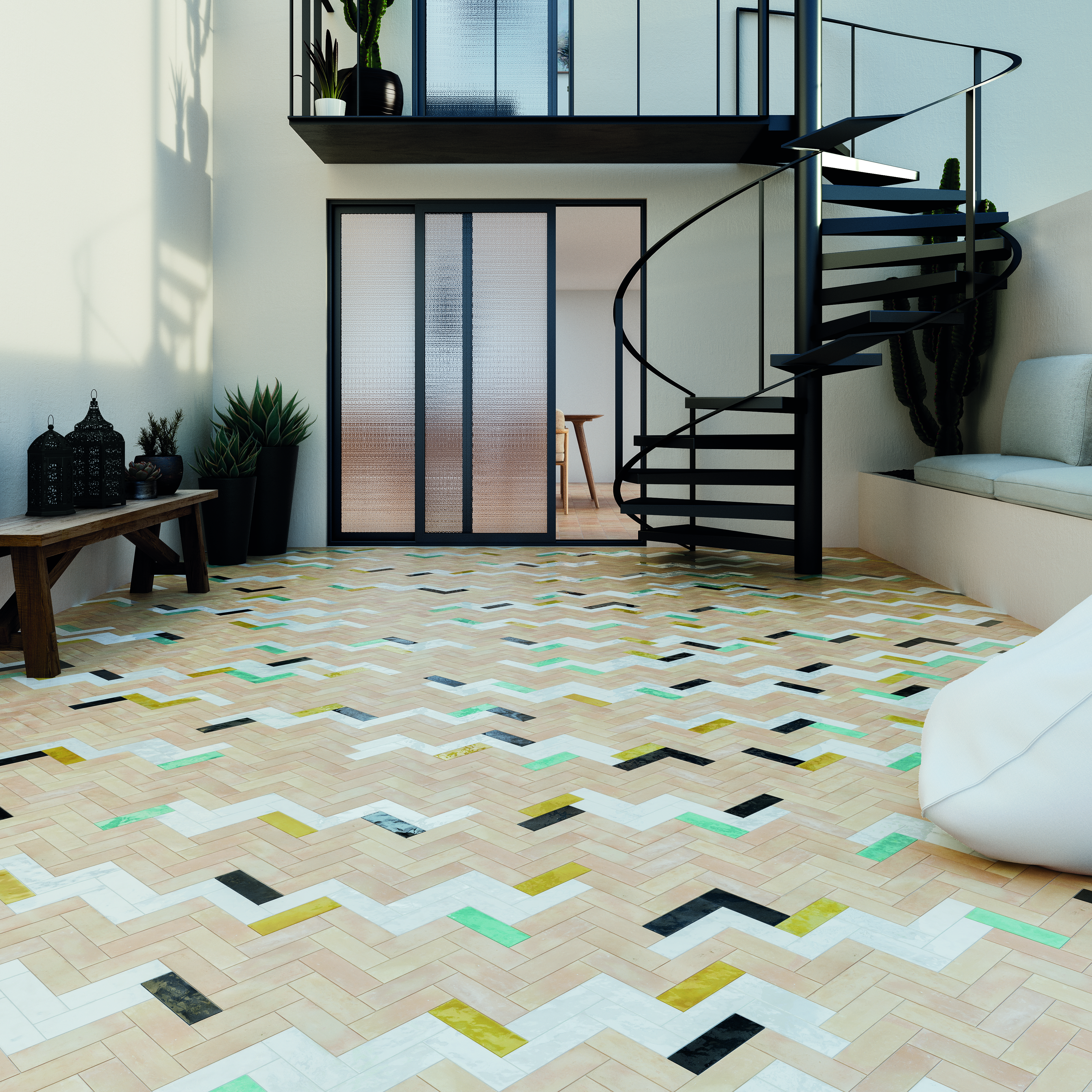
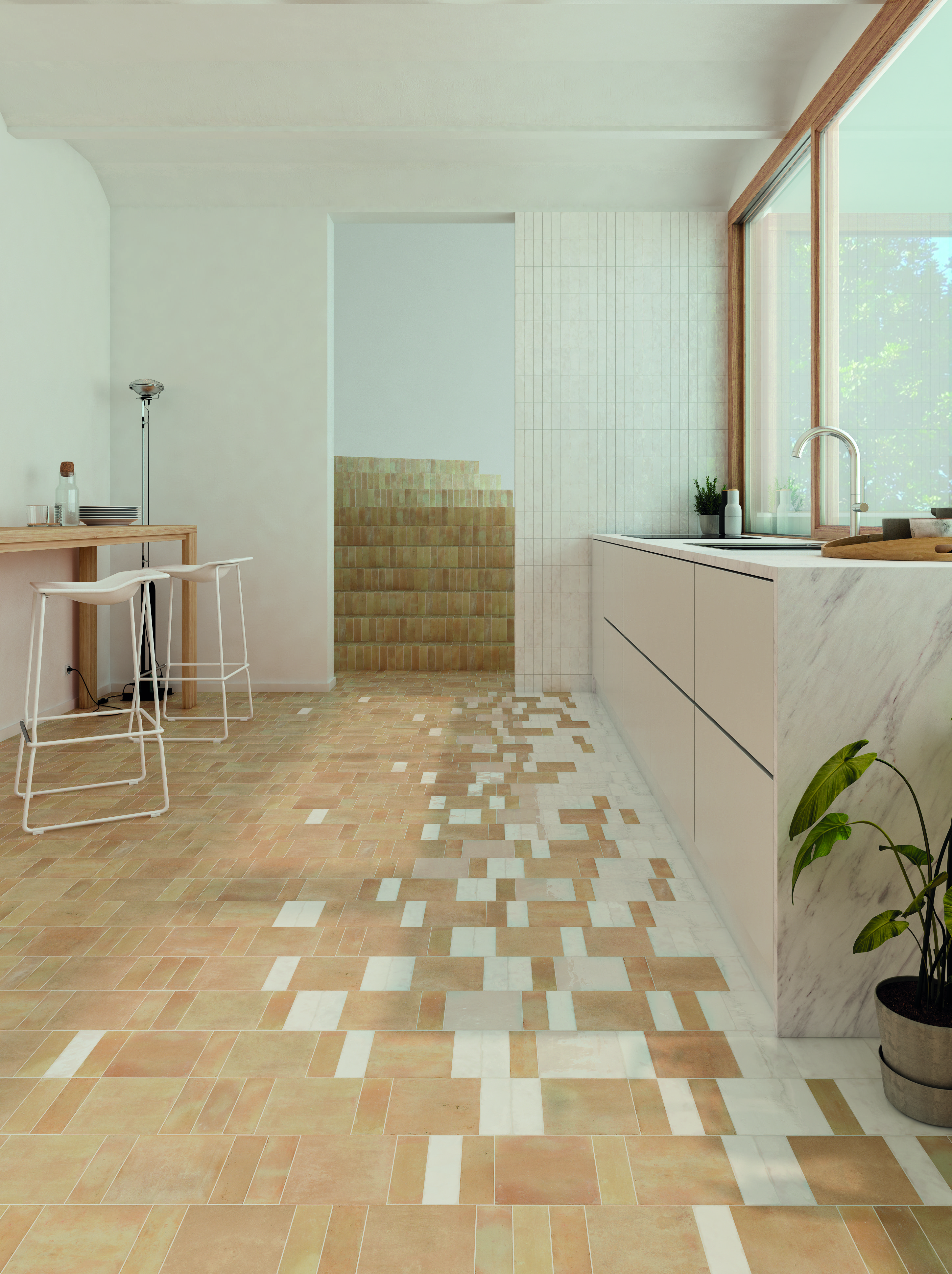
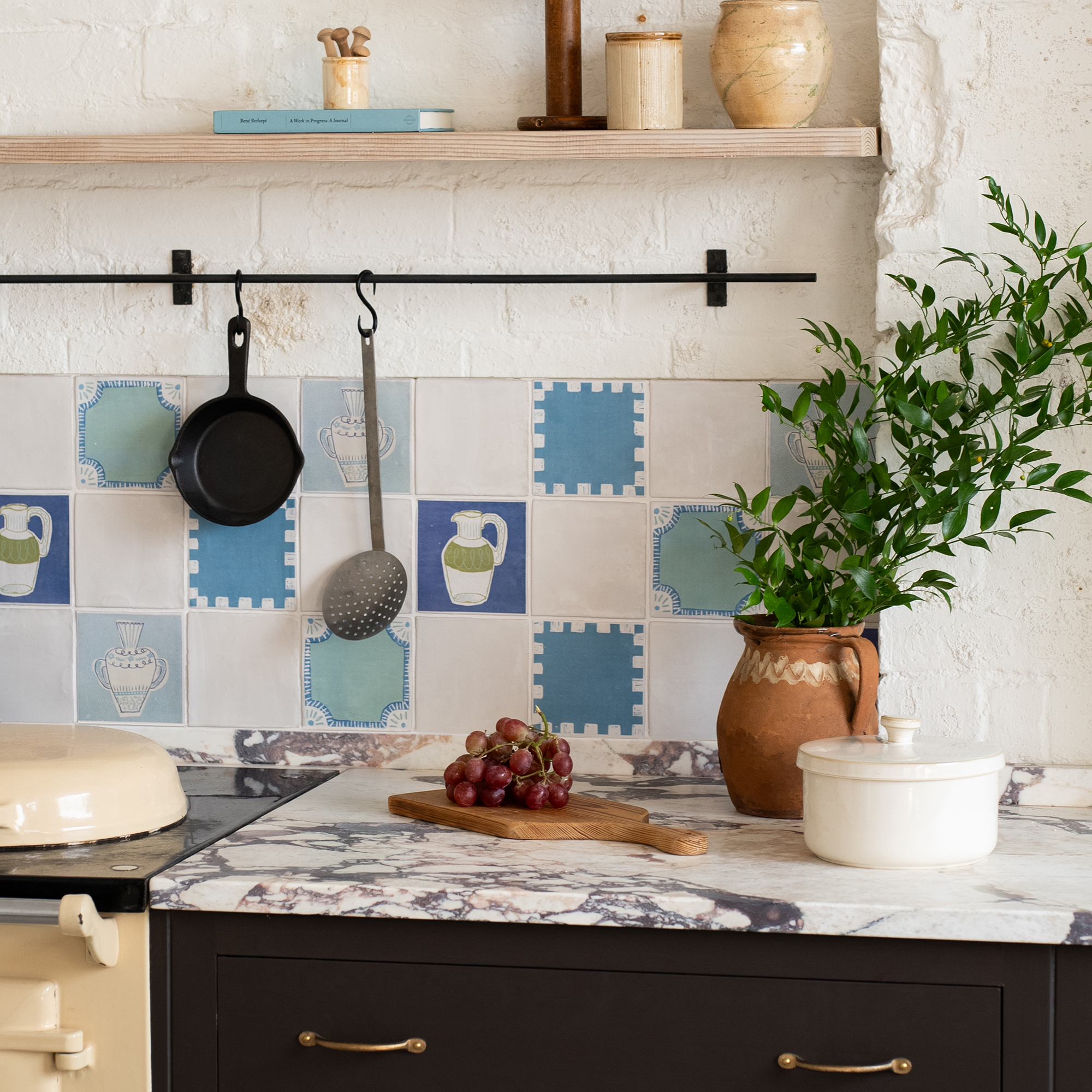
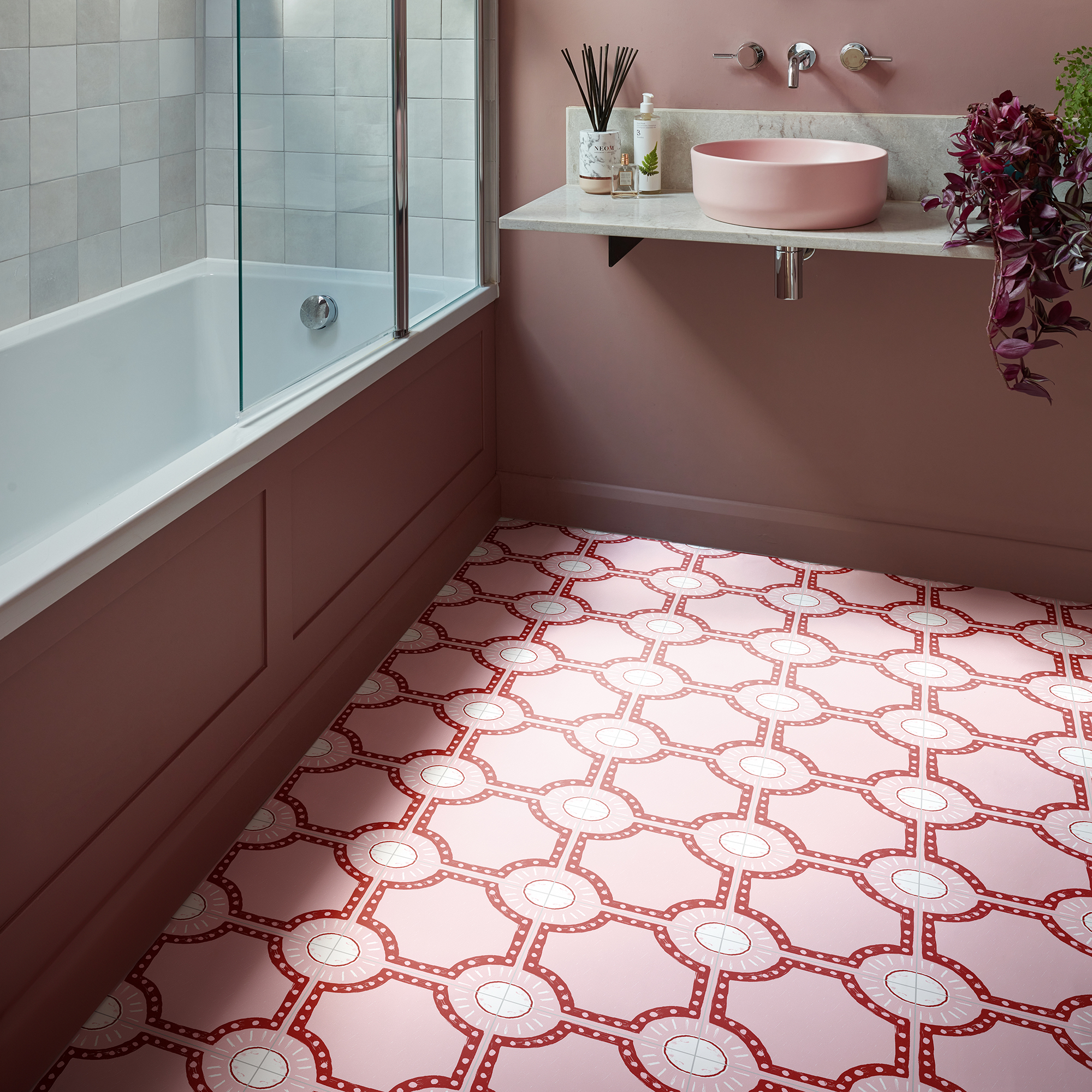
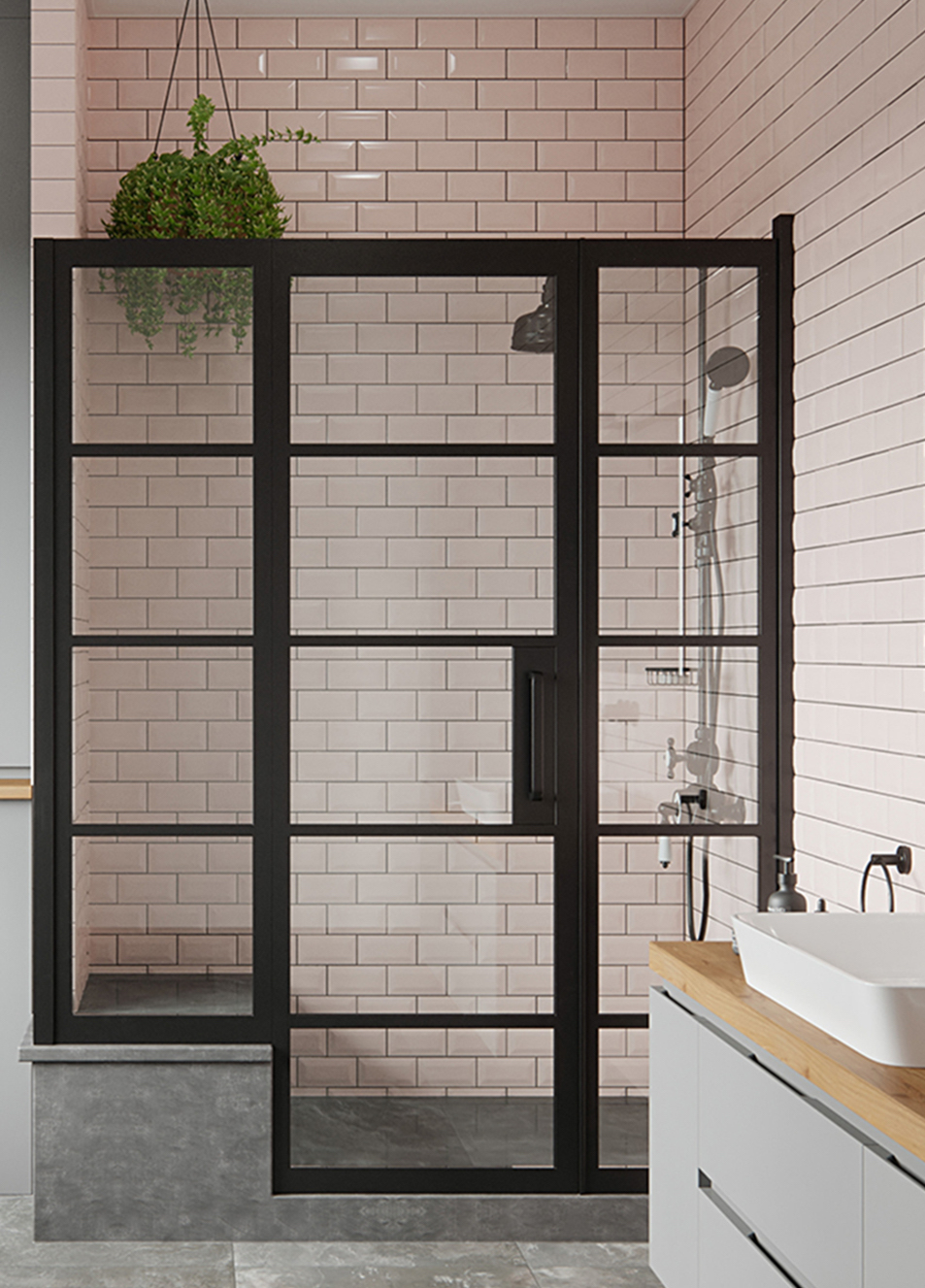
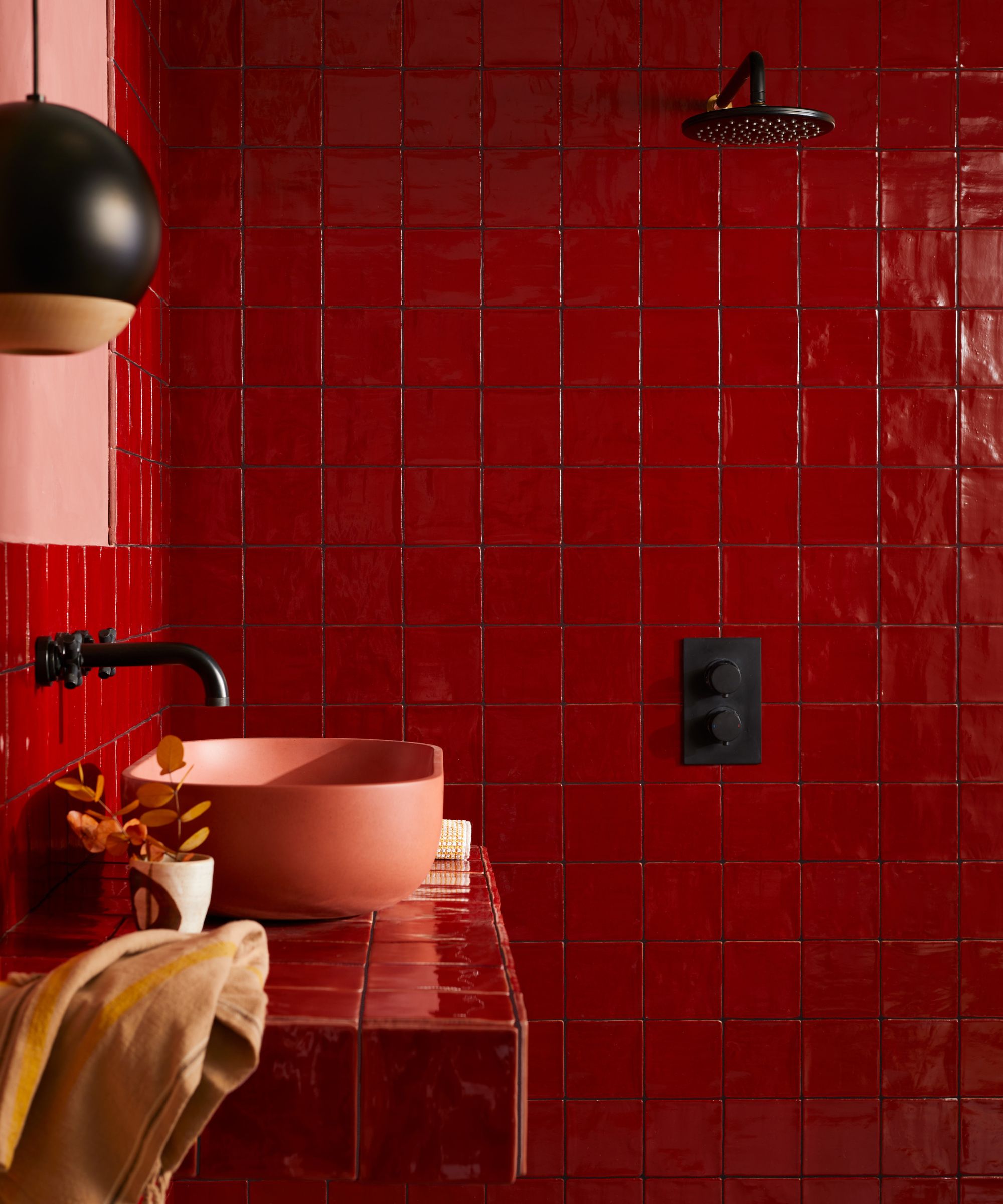
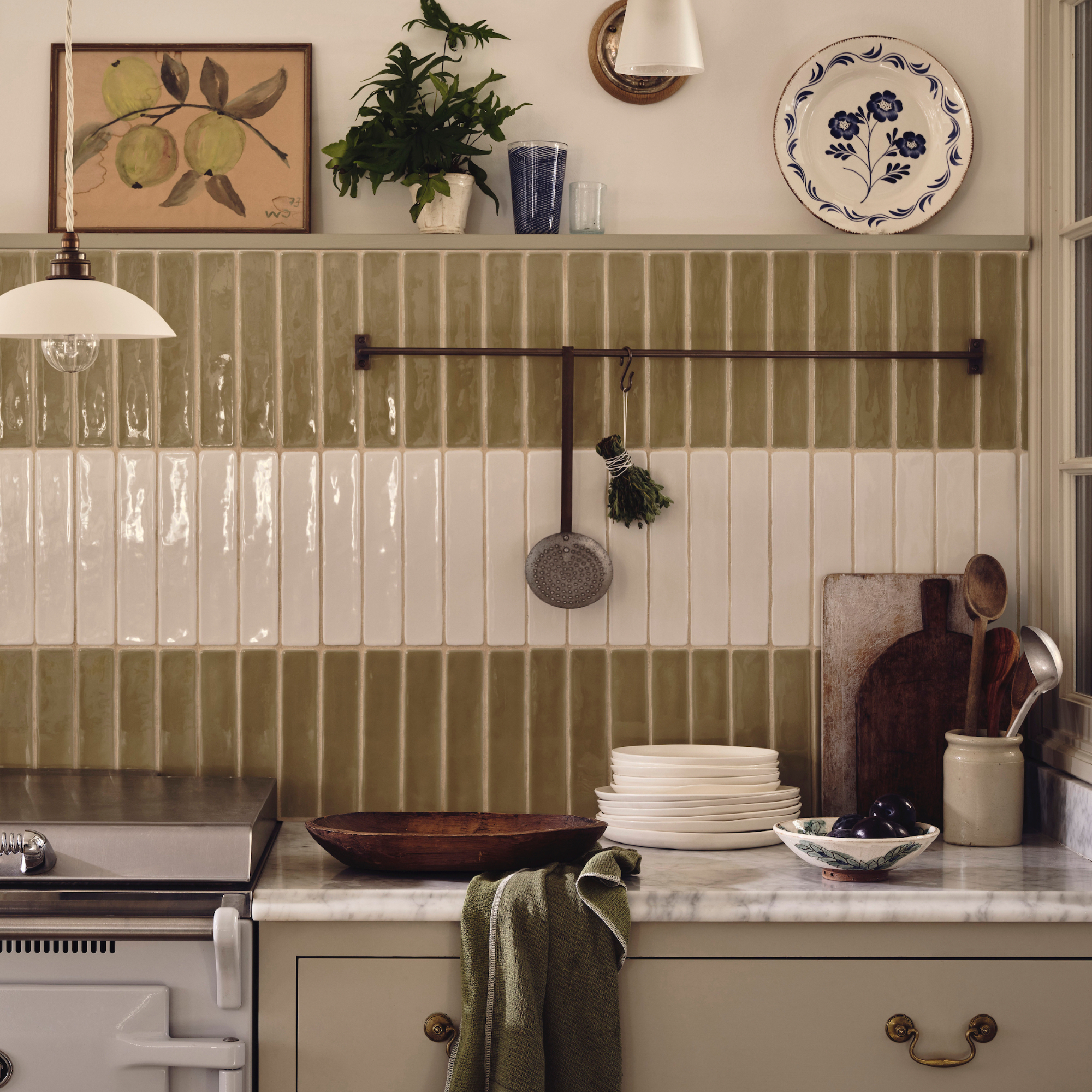
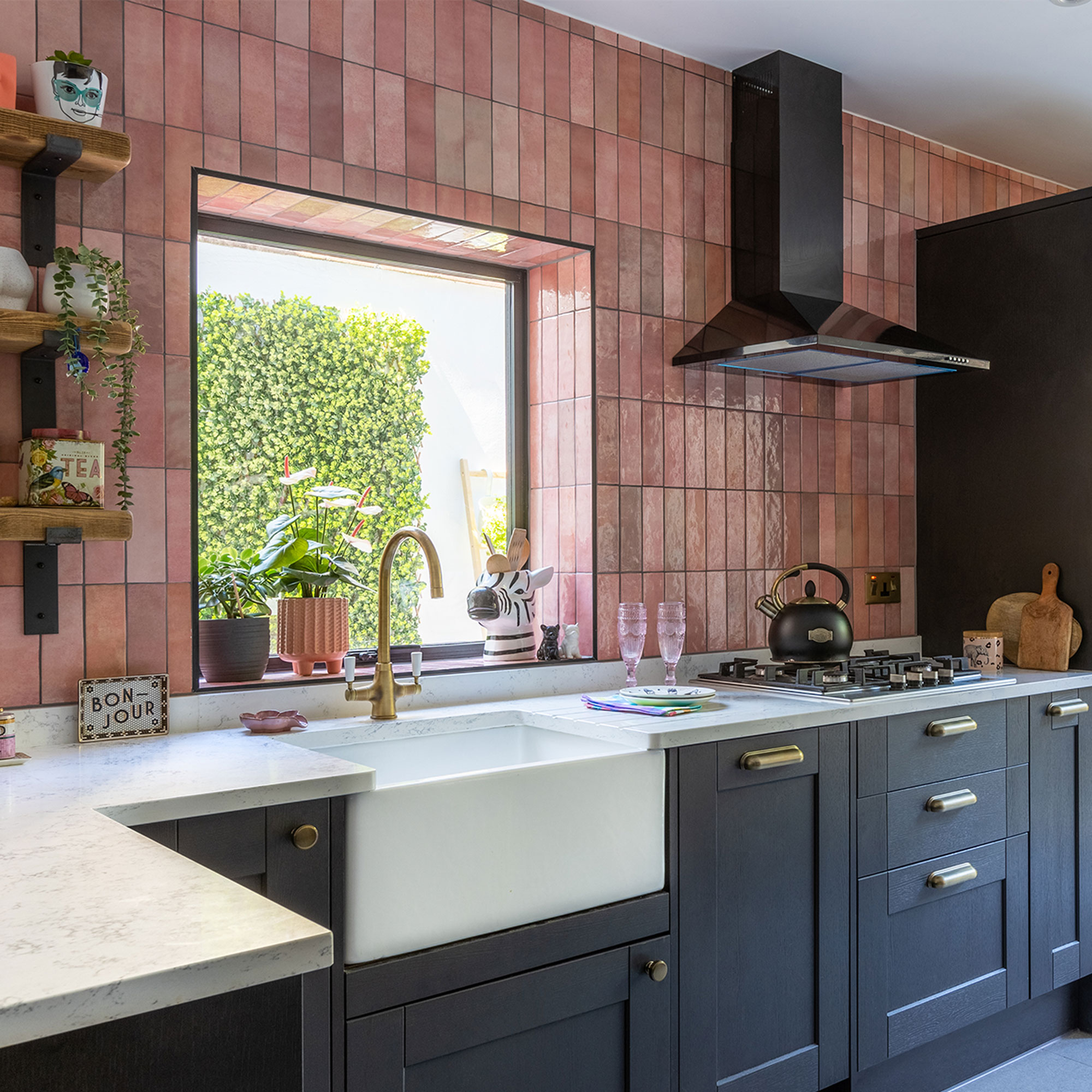
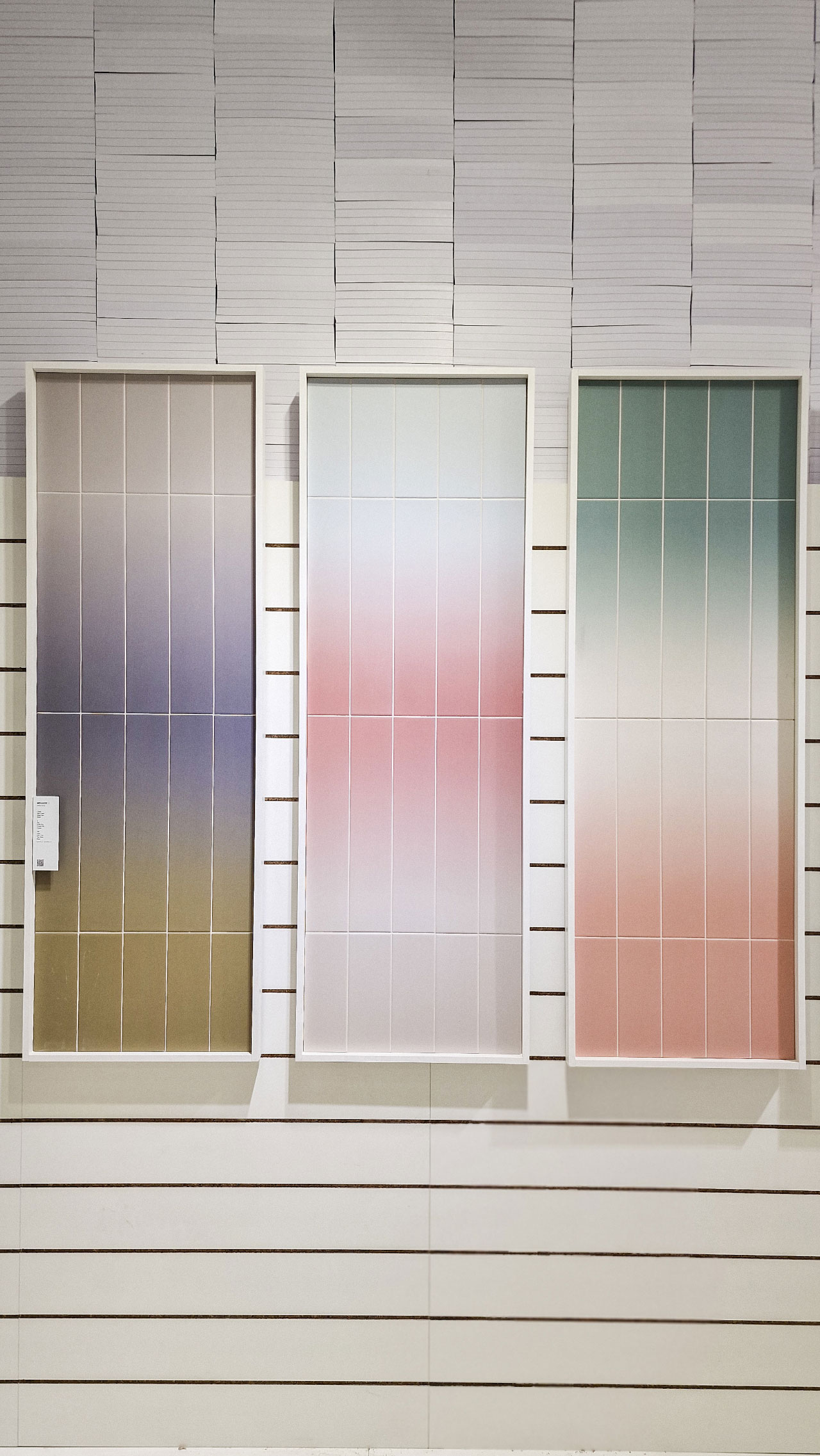
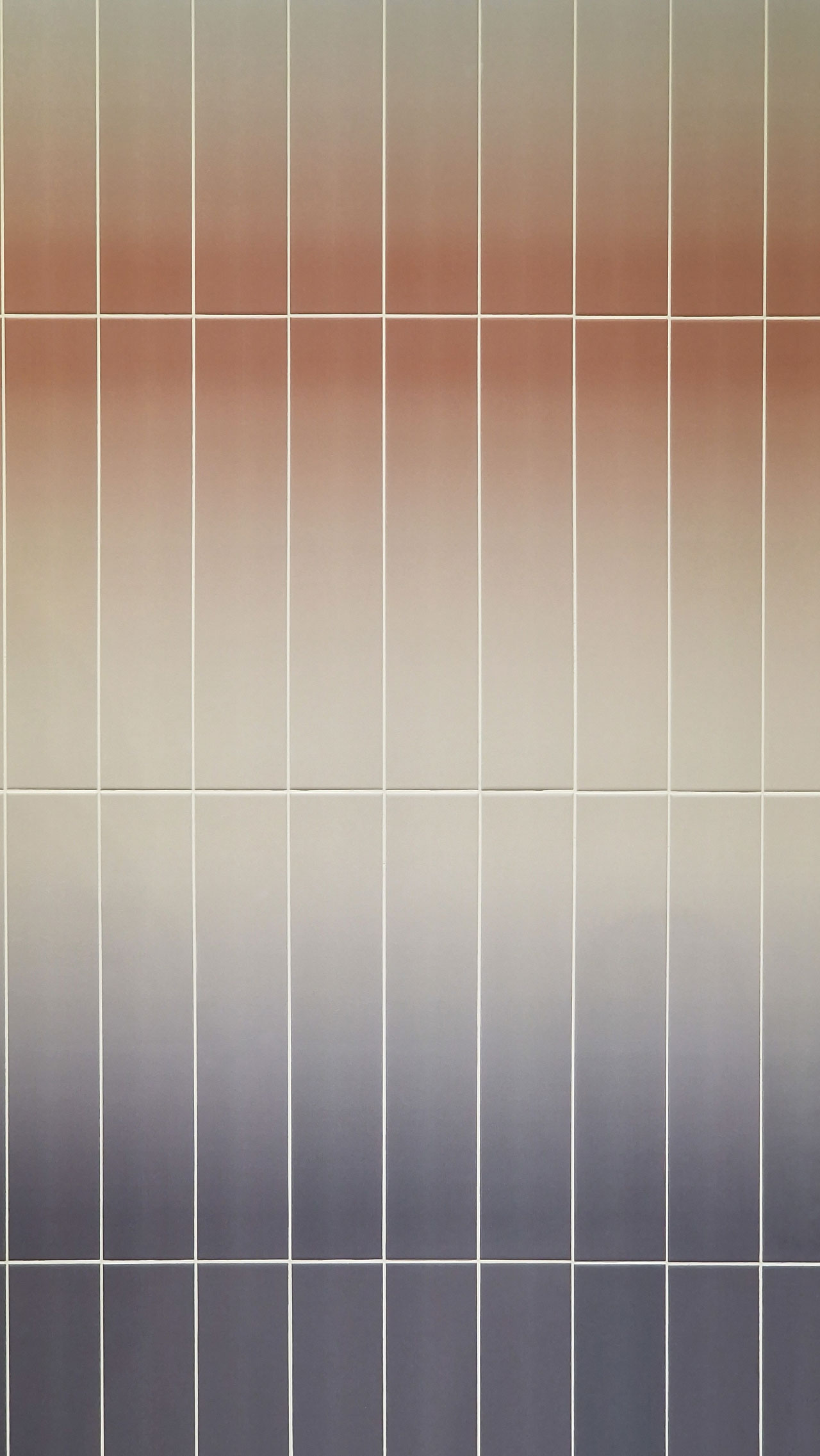
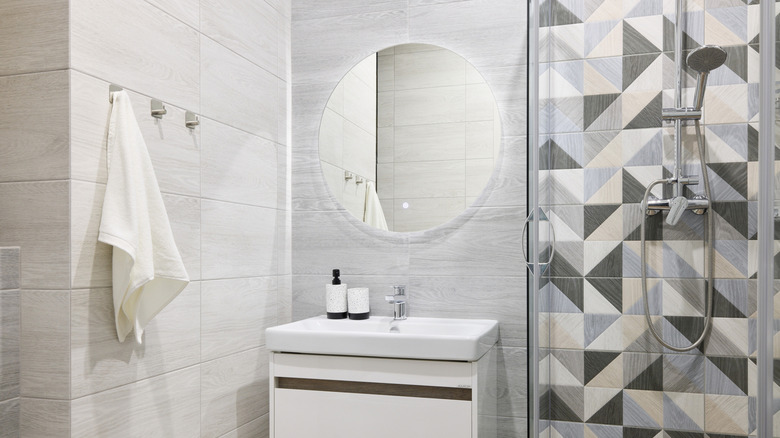
To elevate the design impact of metro tiles, several strategies can be employed. One of the most straightforward methods involves playing with color. Instead of a single tile color, integrating multiple hues allows for the creation of bold stripes, unexpected patterns, and two-tone effects. For instance, horizontal stripes can be used for kitchen backsplashes, while vertical stripes can serve as a focal point. Alternating colors in a standard layout or creating zigzags, especially with a herringbone configuration, can add dynamic visual interest. Color blocking with a basket weave pattern is another creative approach to introduce personality and uniqueness to the tiled surface.
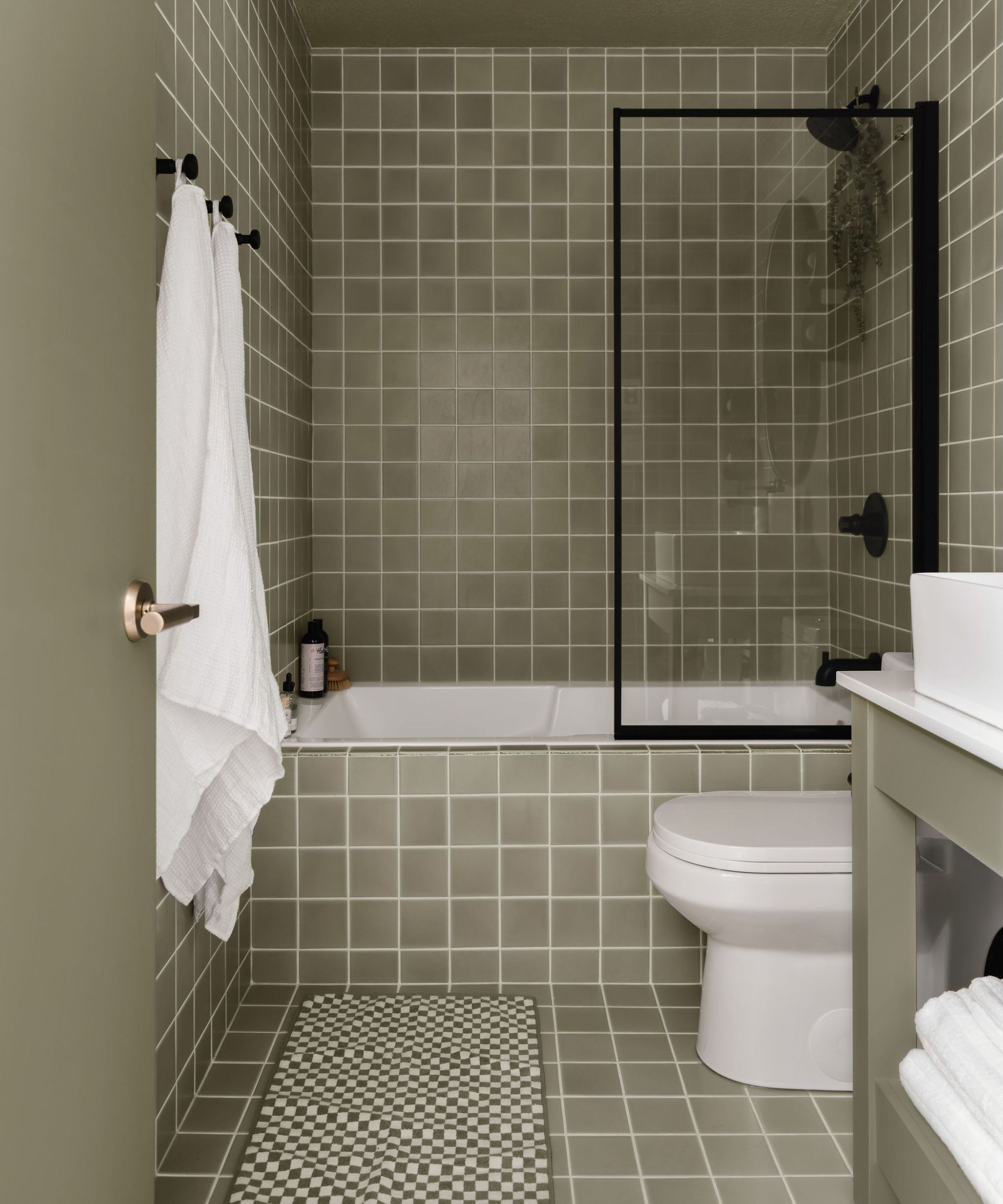
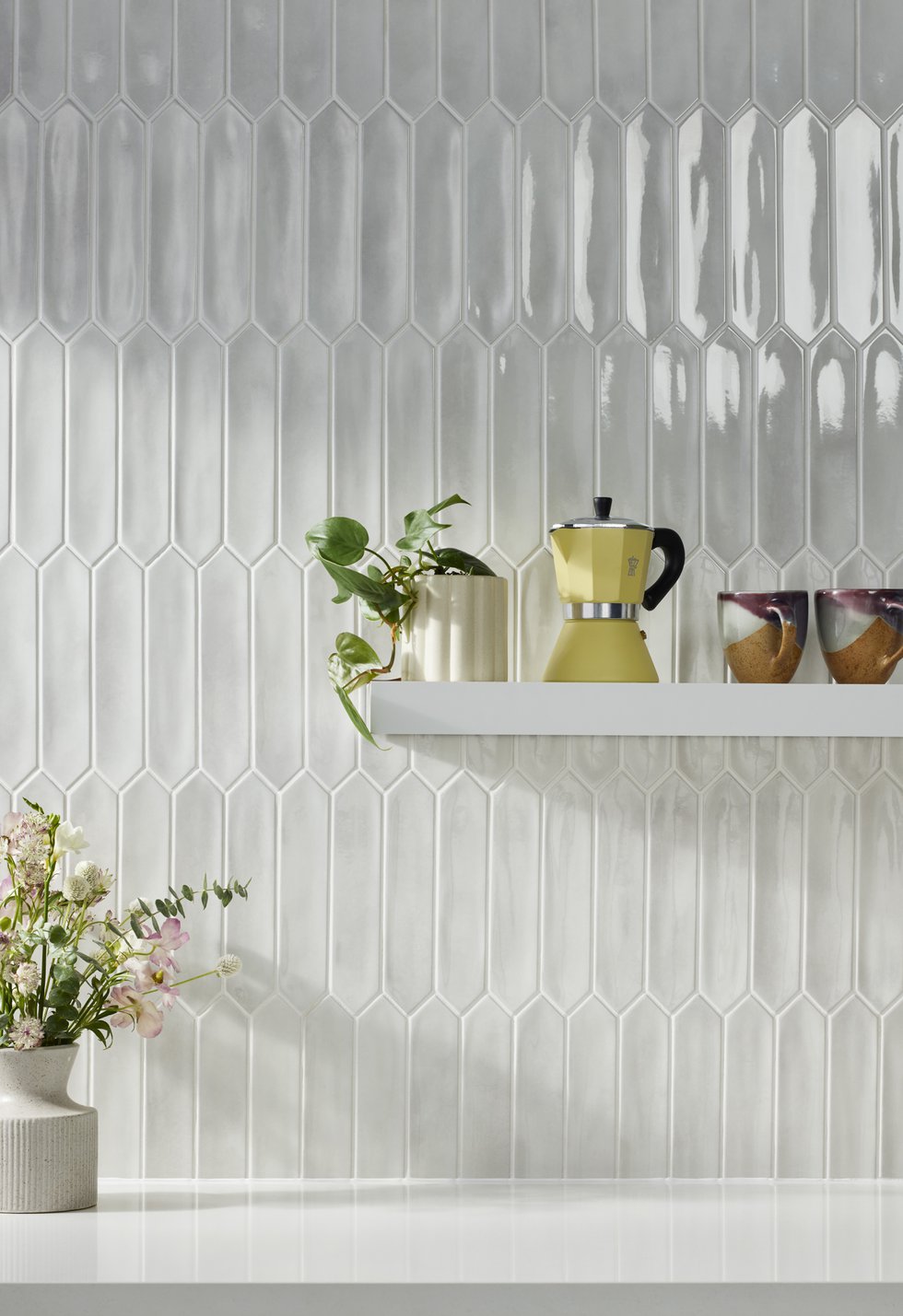
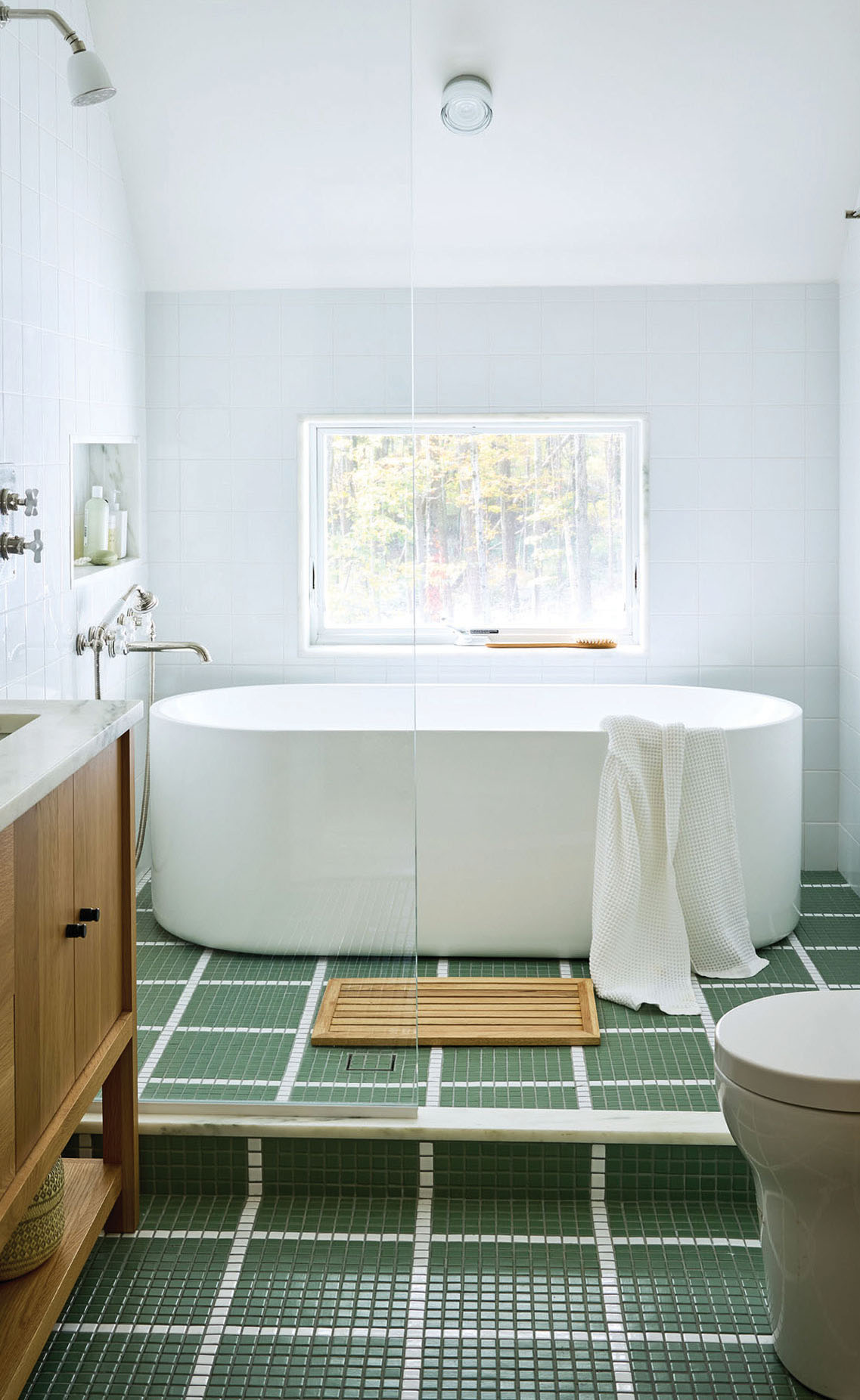
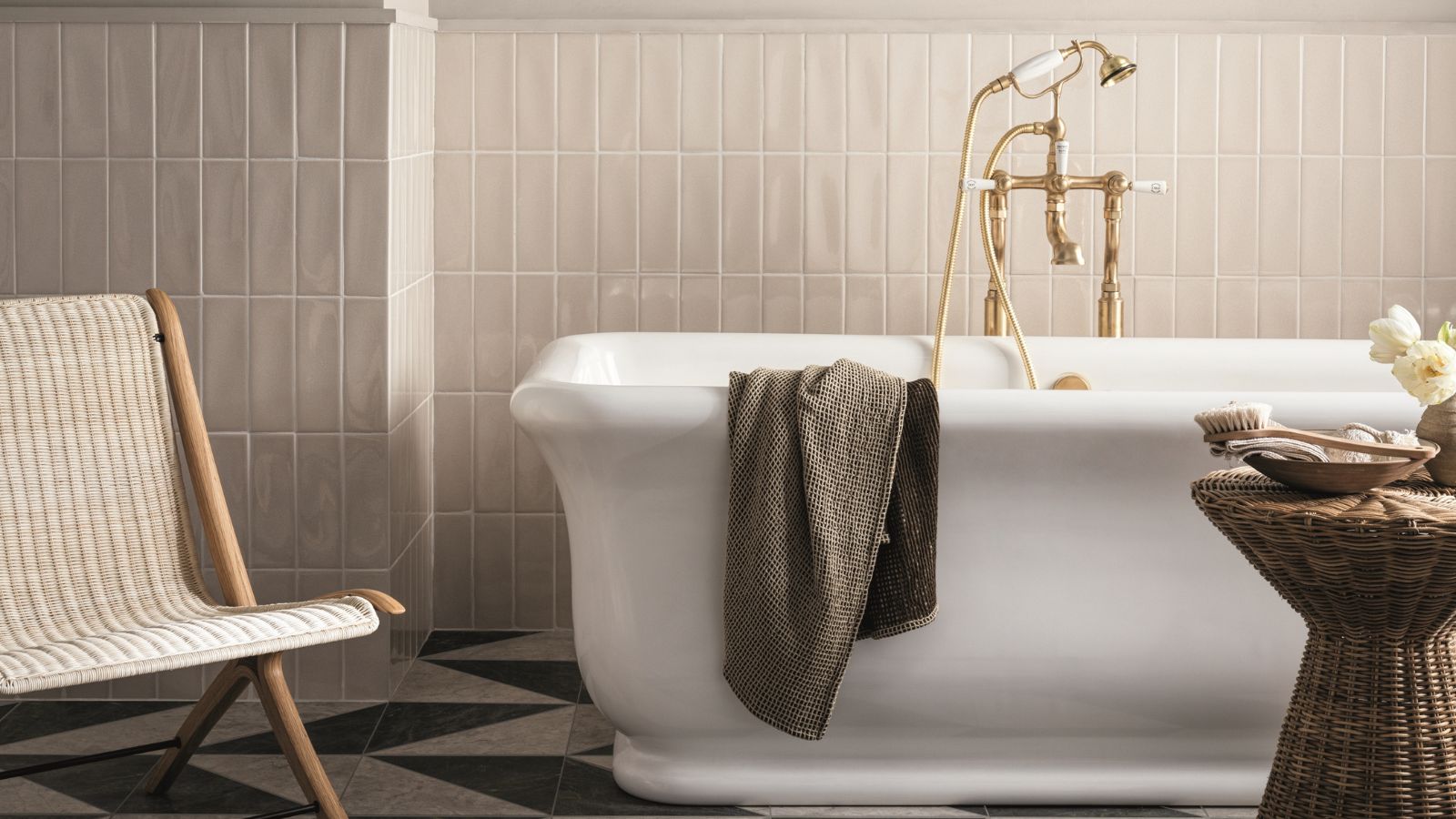
Experimenting with the size of metro tiles offers another avenue for design innovation. While the original subway tiles were typically 3x6 inches, there is no strict rule dictating these dimensions. Slimmer variations have gained popularity, providing a more elegant appearance and the ability to visually heighten spaces when installed vertically. Modifying the scale of tiles can impart a contemporary edge to traditional formations. Furthermore, oversized grouting can emphasize the tile size and contribute to a distinctive look. The color of the grout itself can also be varied to create contrast or a seamless blend, playing a crucial role in the overall aesthetic.
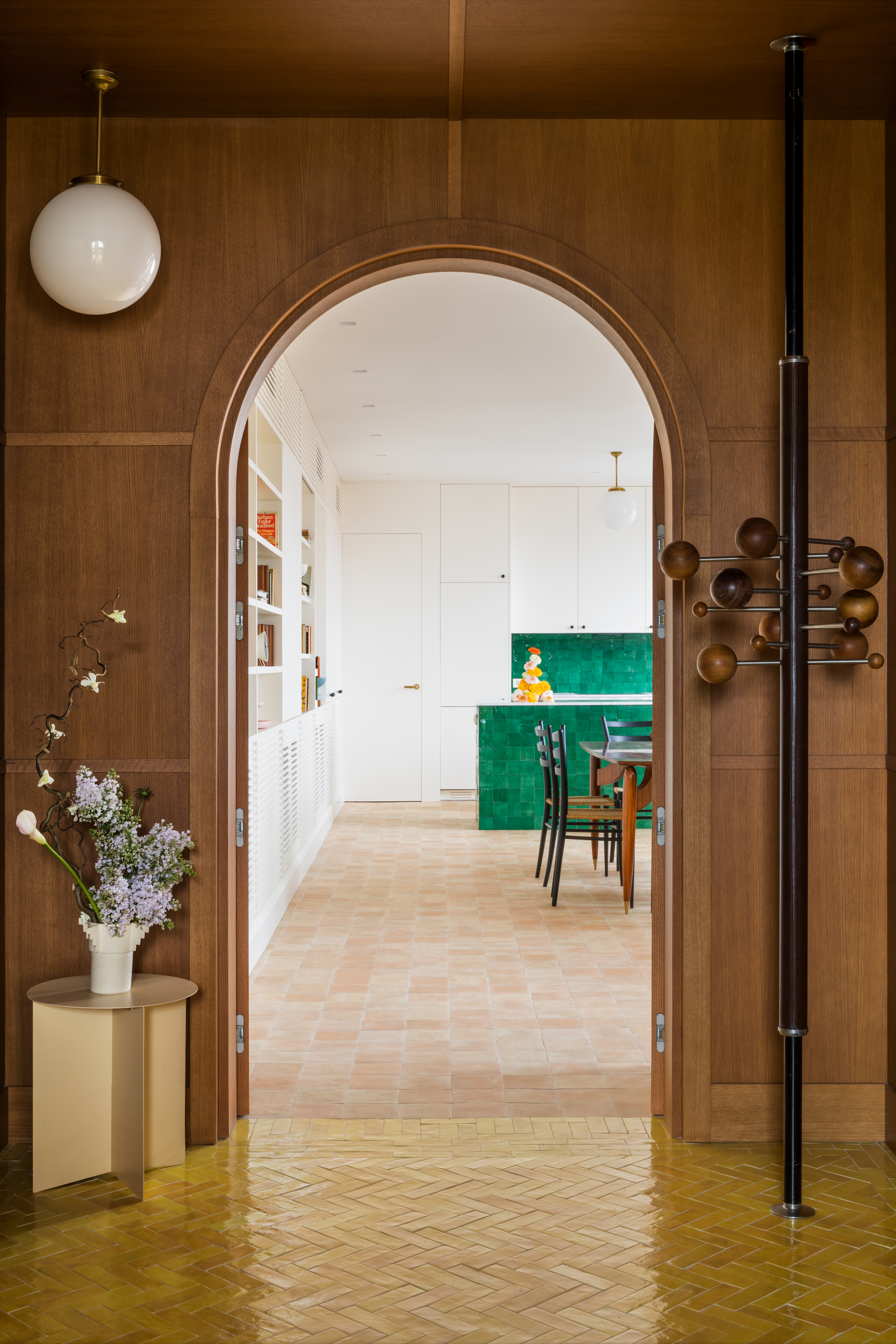
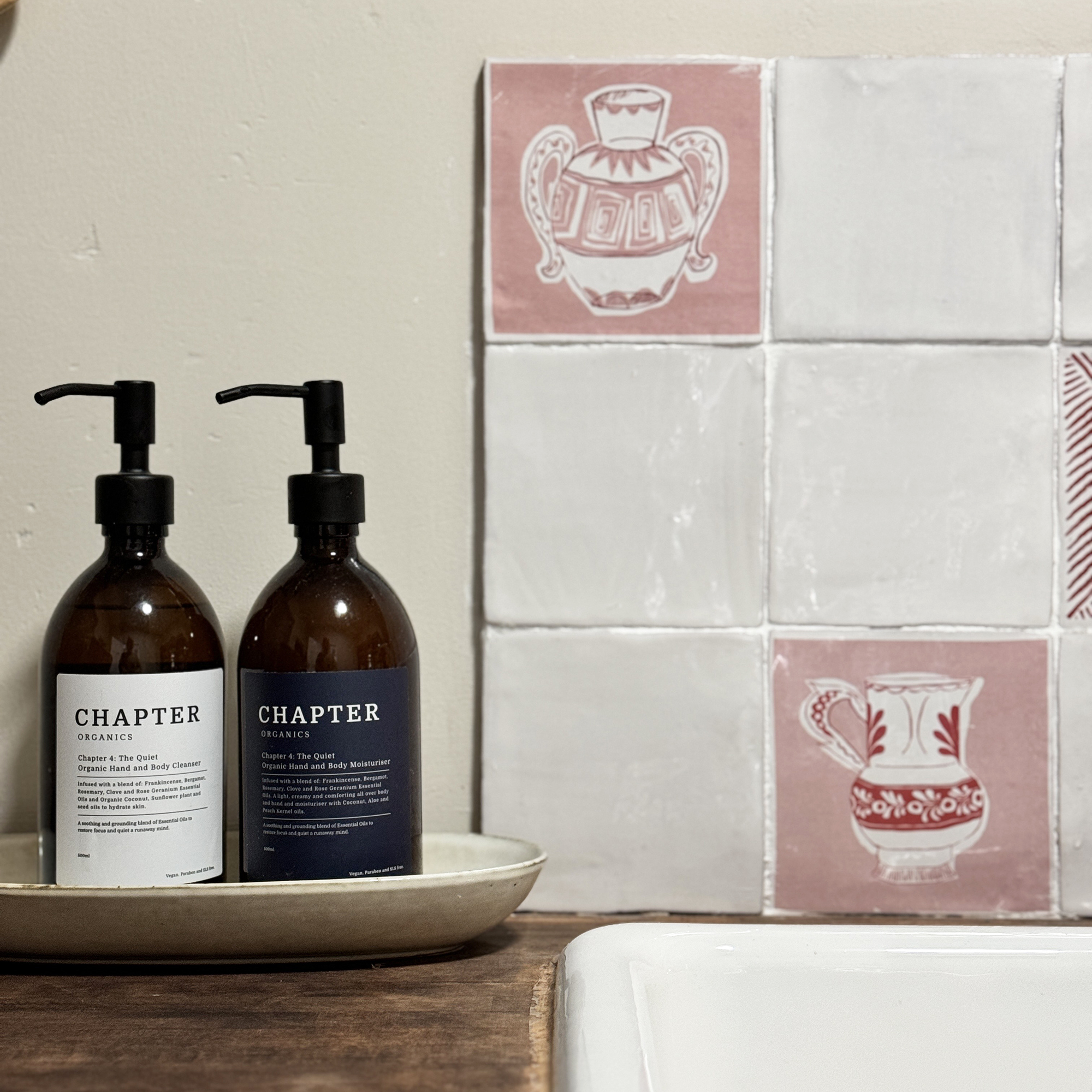
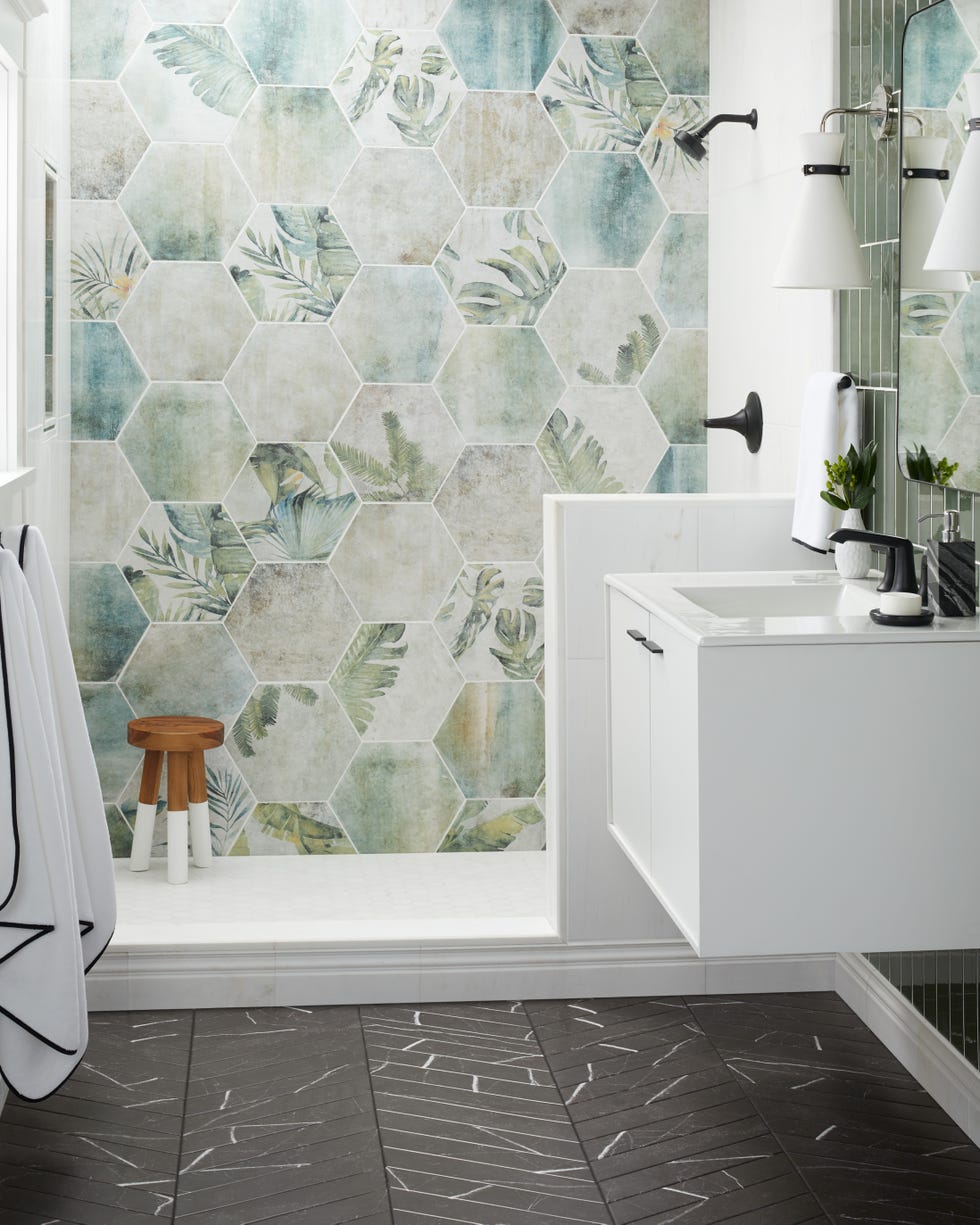
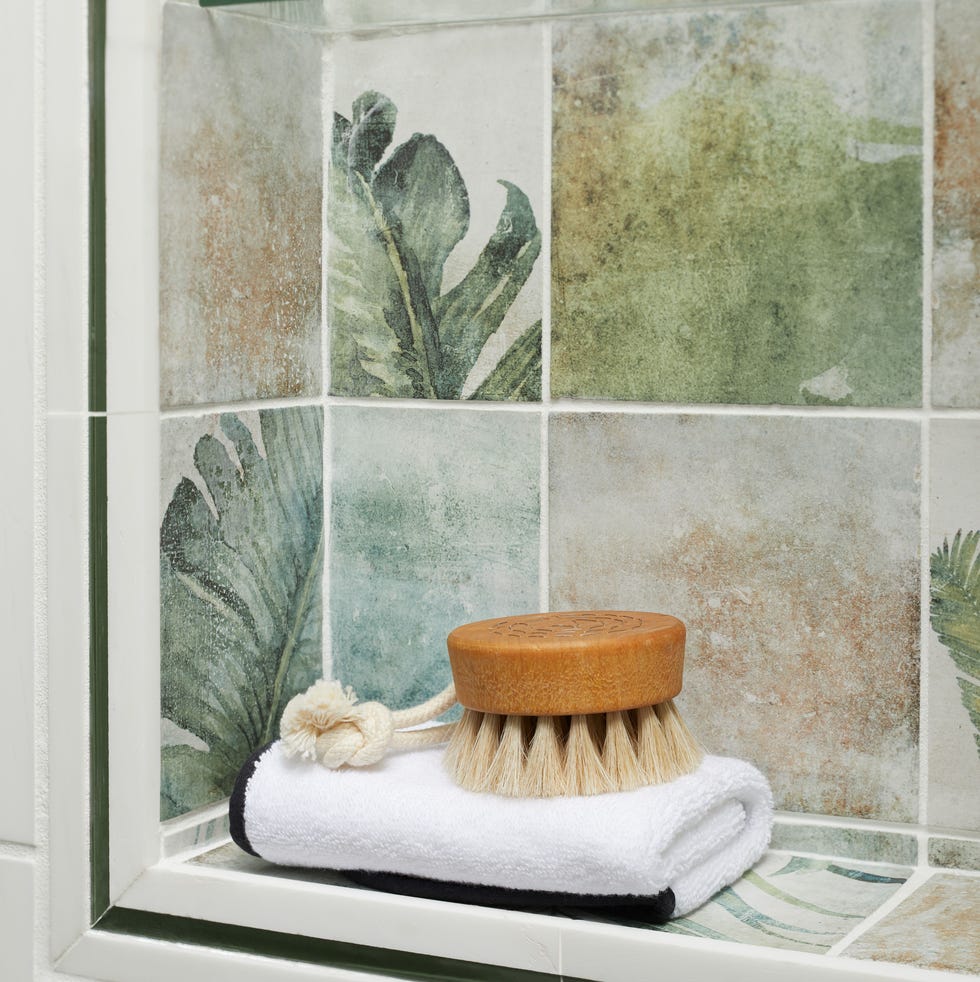
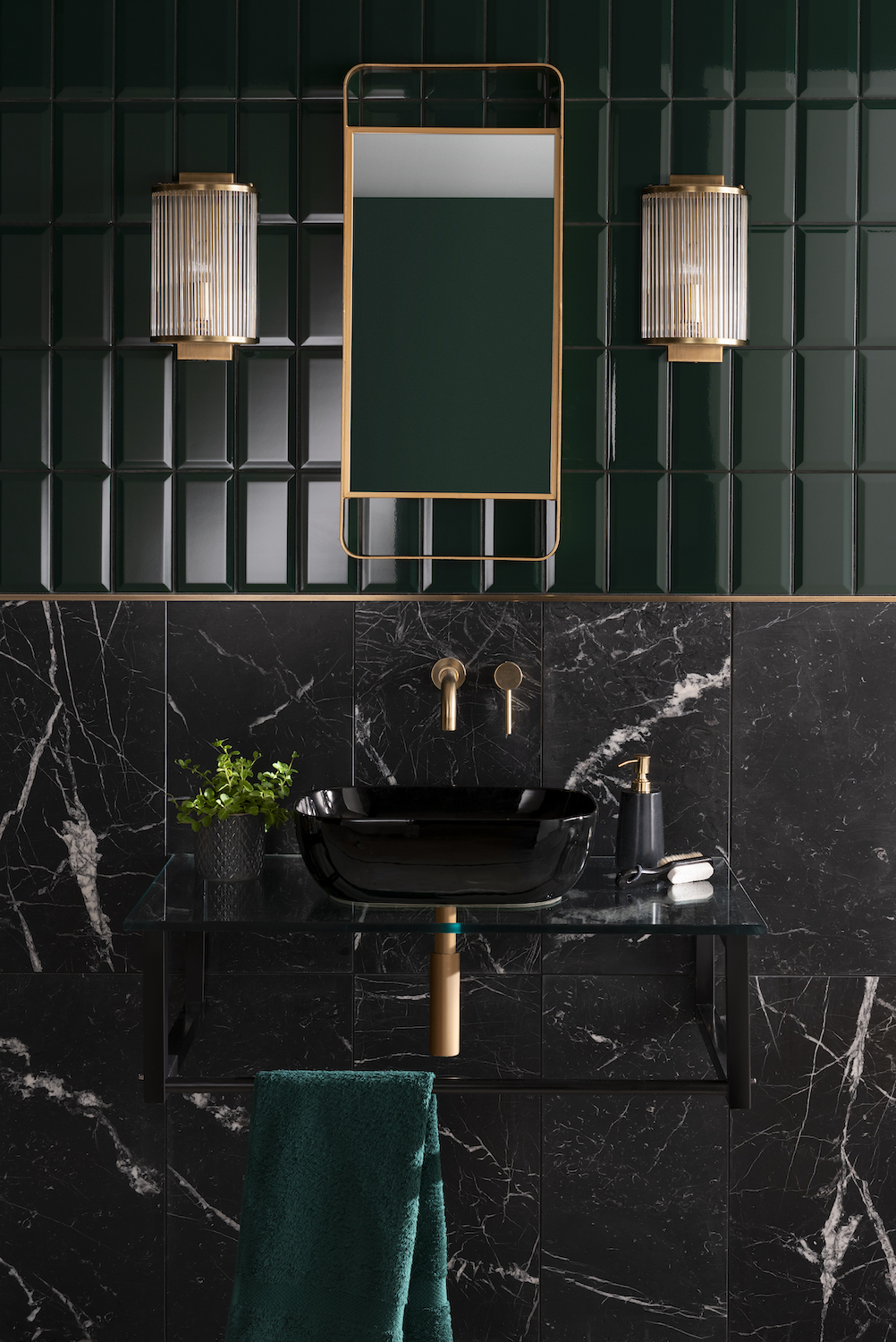
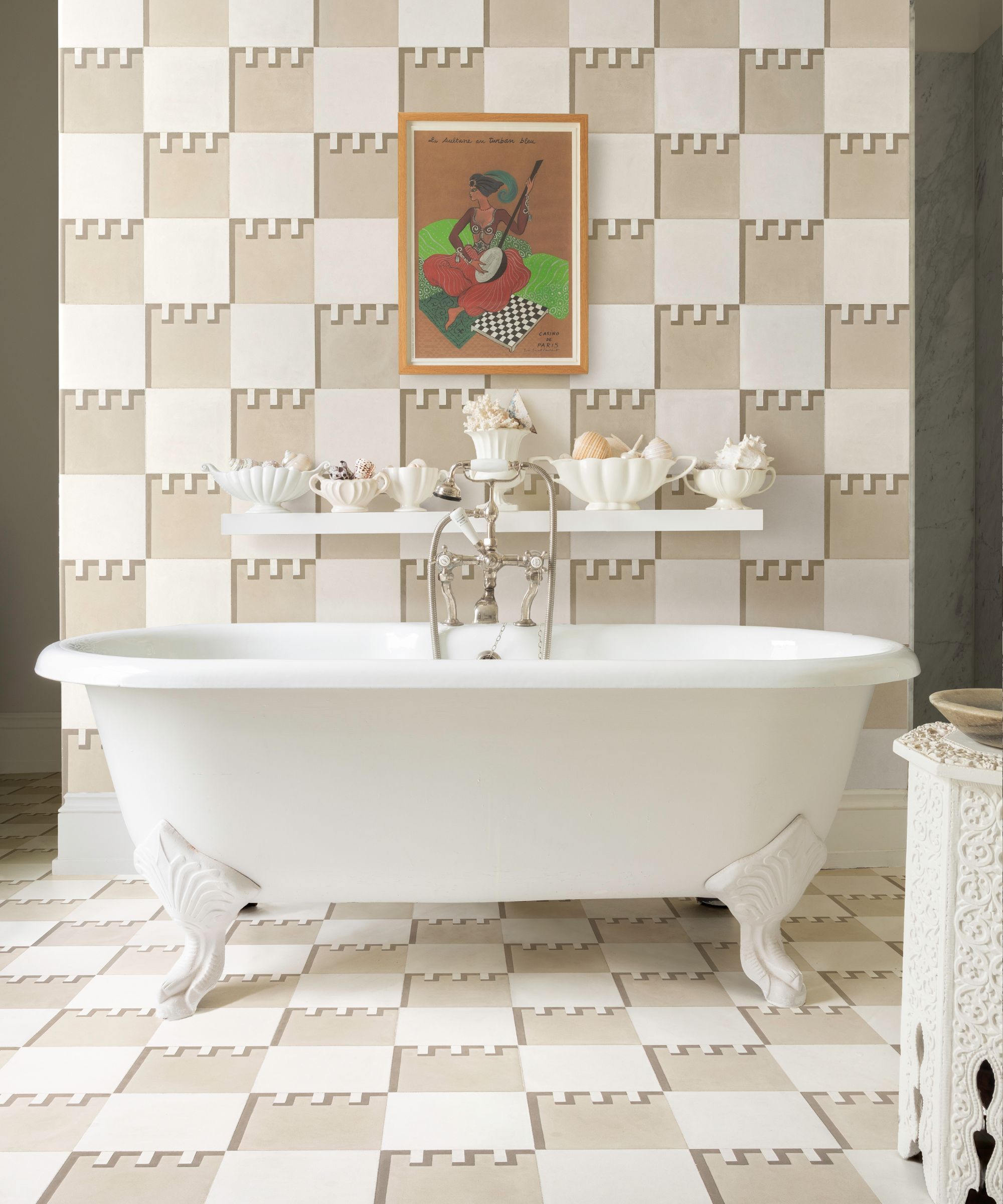
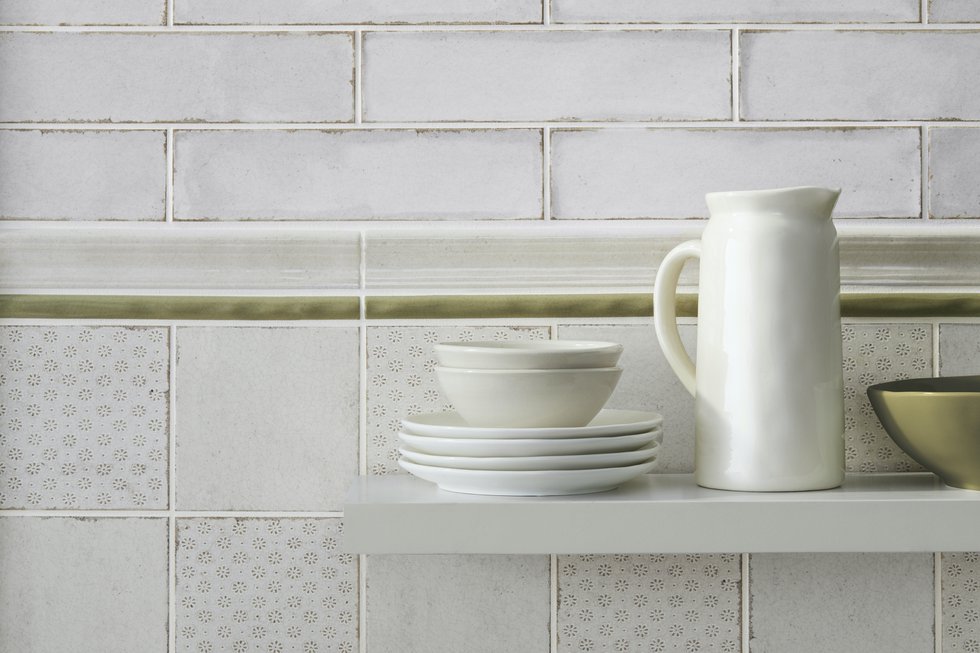
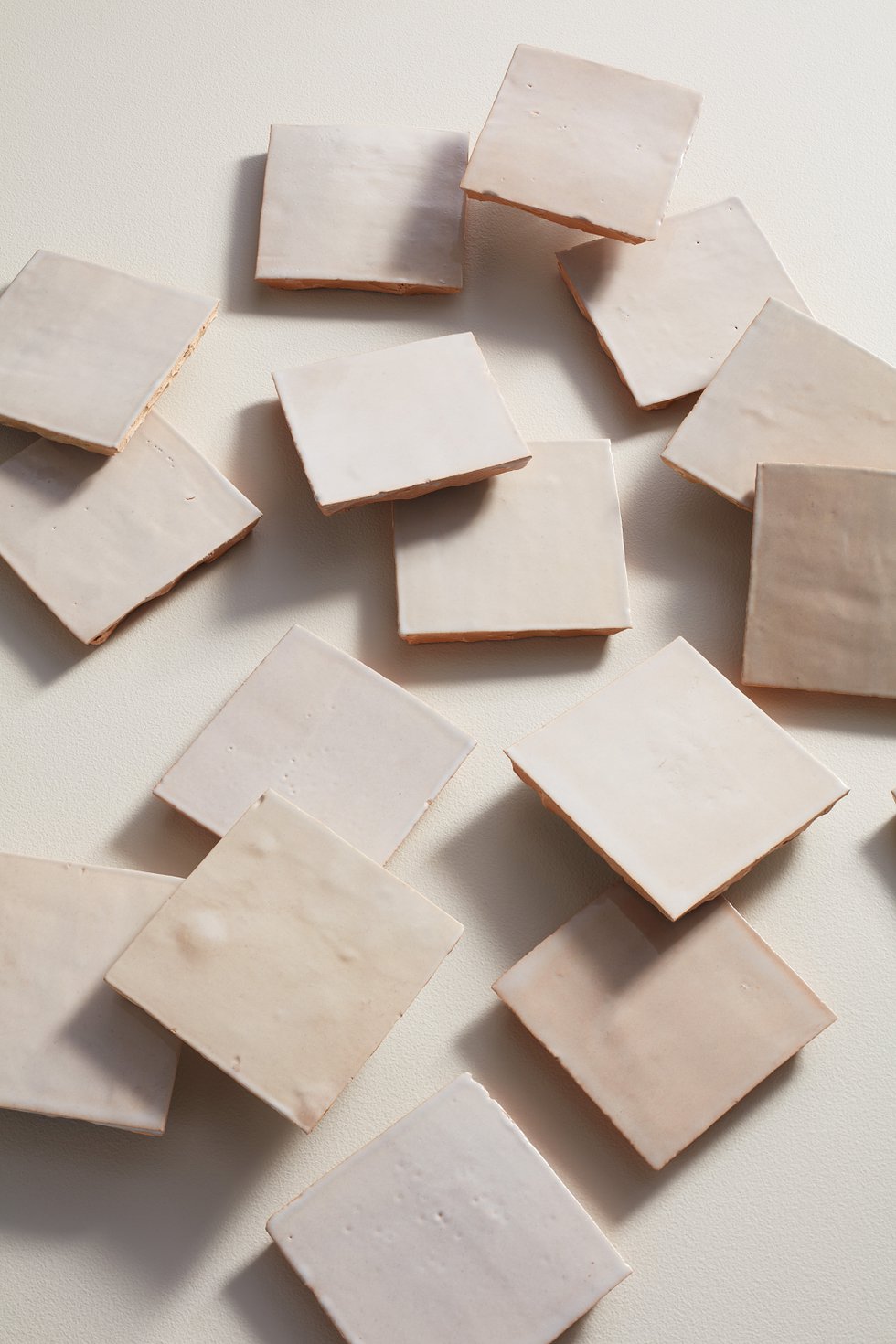
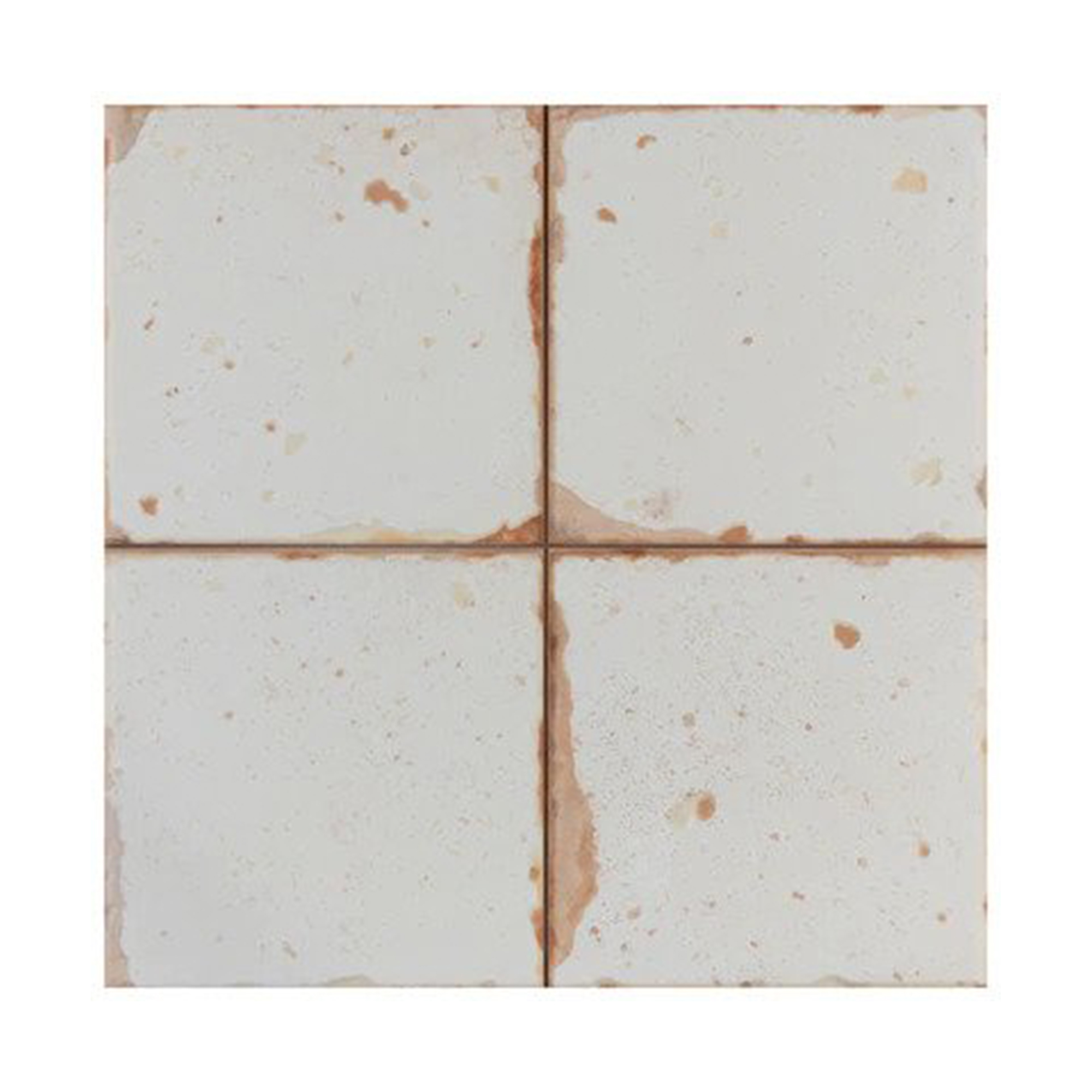
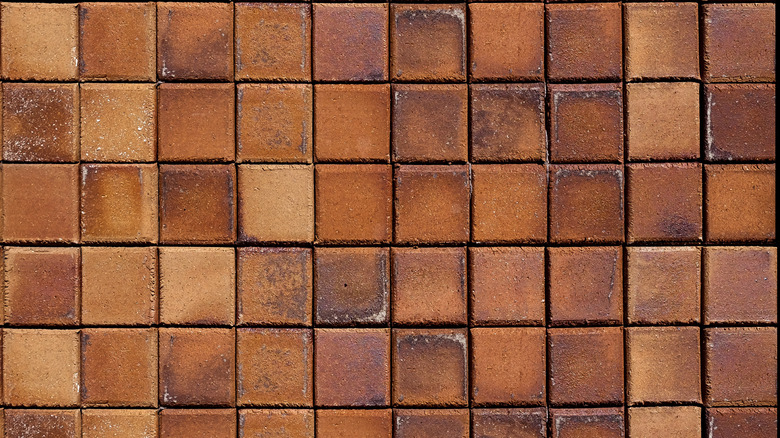
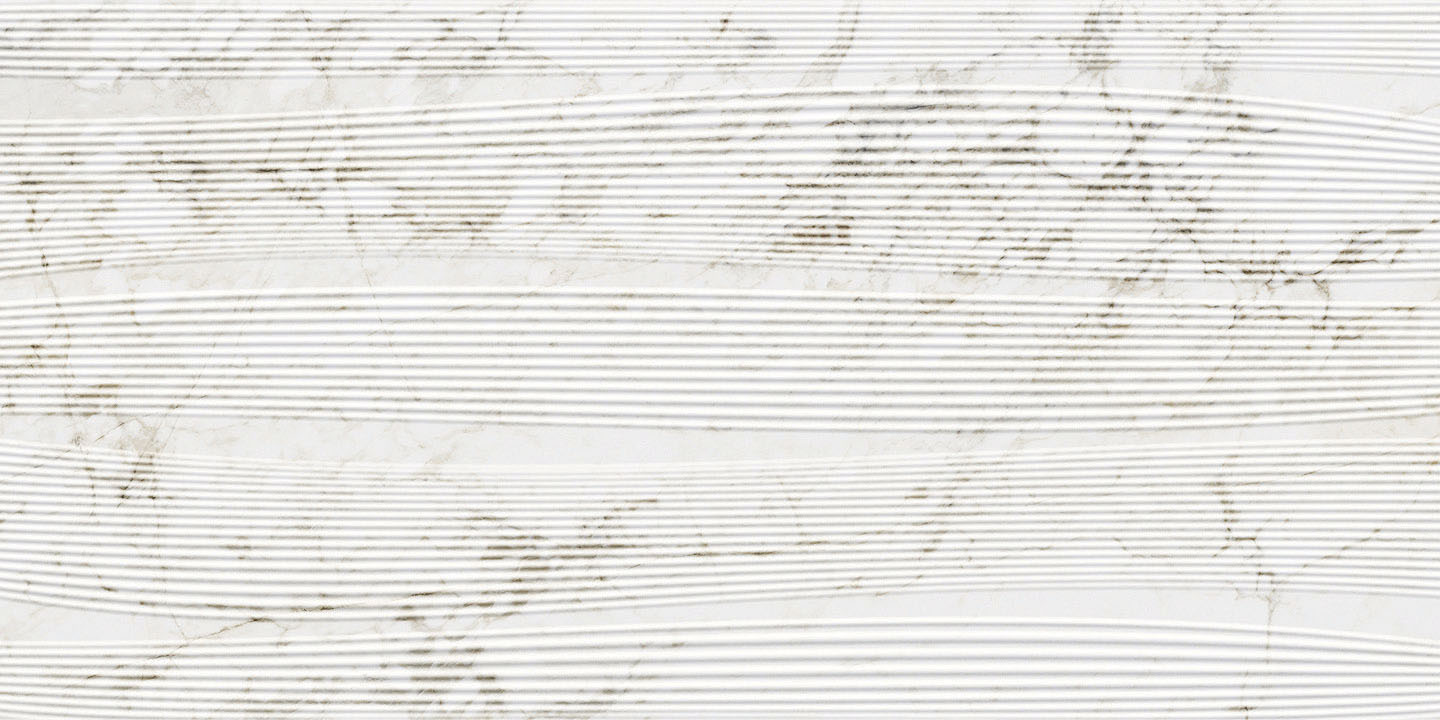
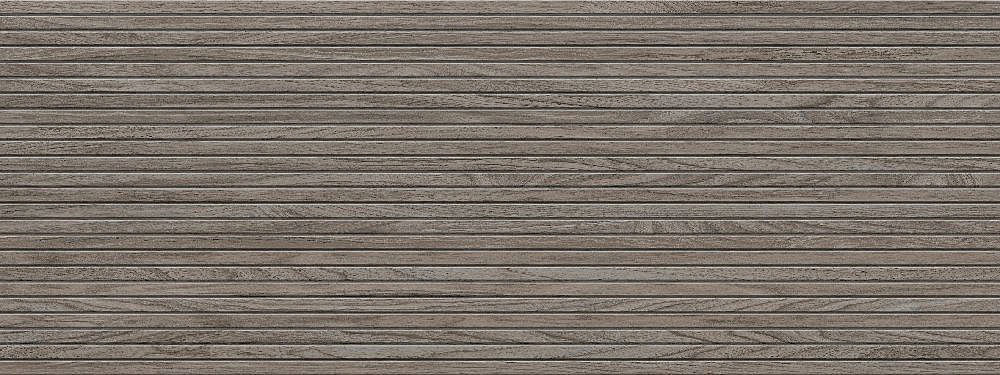
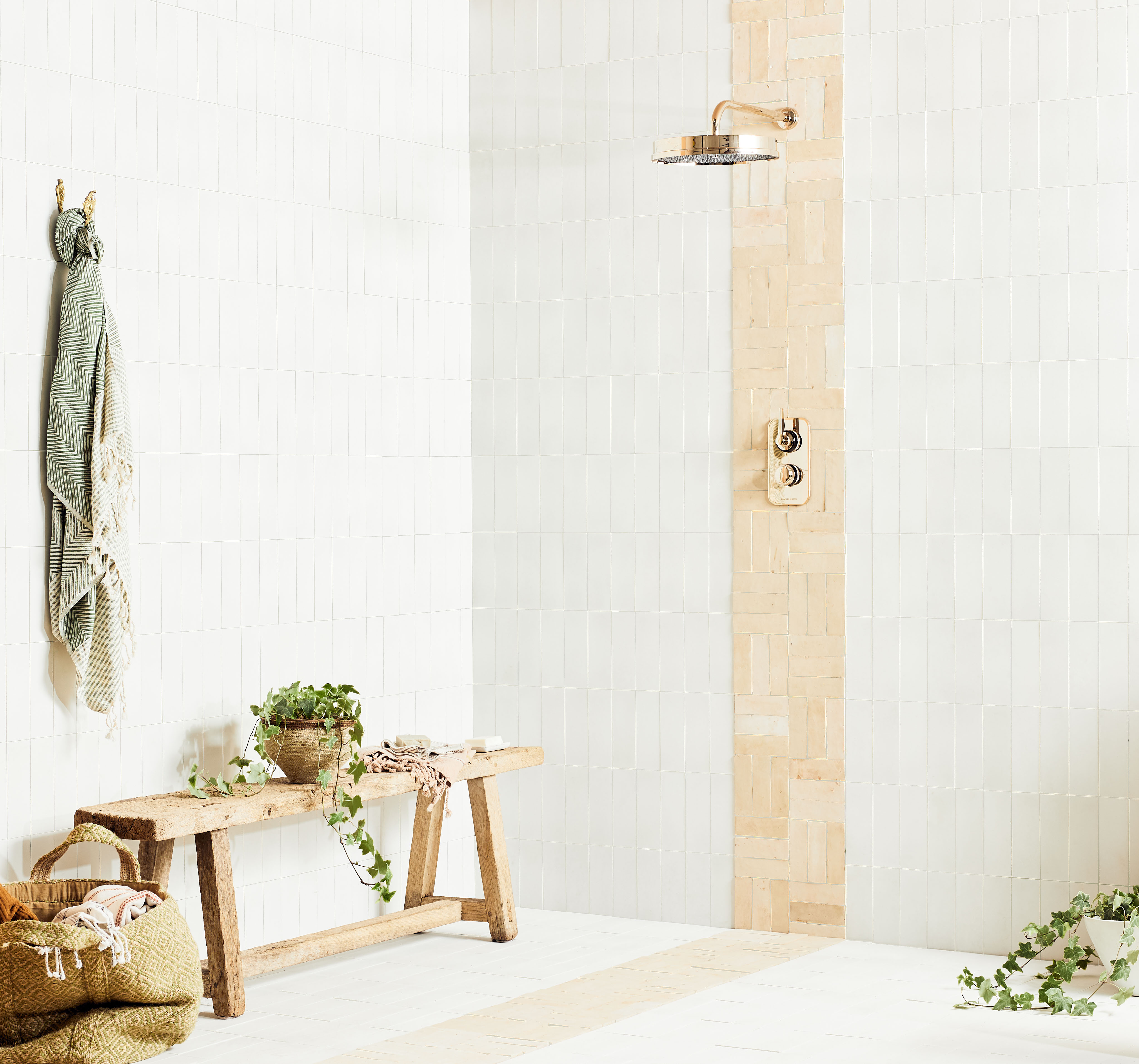
The finish of metro tiles significantly influences their final look, moving beyond the default glossy option. While glossy finishes are common for their practical benefits, such as ease of cleaning, they can sometimes appear unoriginal. Metro tiles are now available in a range of finishes, including matte, unglazed, terracotta, brick, stone, and marble. Each finish offers the potential to create a different atmosphere, from modern and sophisticated to rustic and earthy. The artisanal zellige style, characterized by handcrafted Moroccan clay tiles with natural variations in coloration and texture, is a prevailing trend that adds a dimensional and rustic feel. These tiles are available in both shiny and matte varieties. Combining glazed, encaustic, or marble finishes can introduce subtle variations and an artistic touch, ensuring a unique and captivating tiled wall.
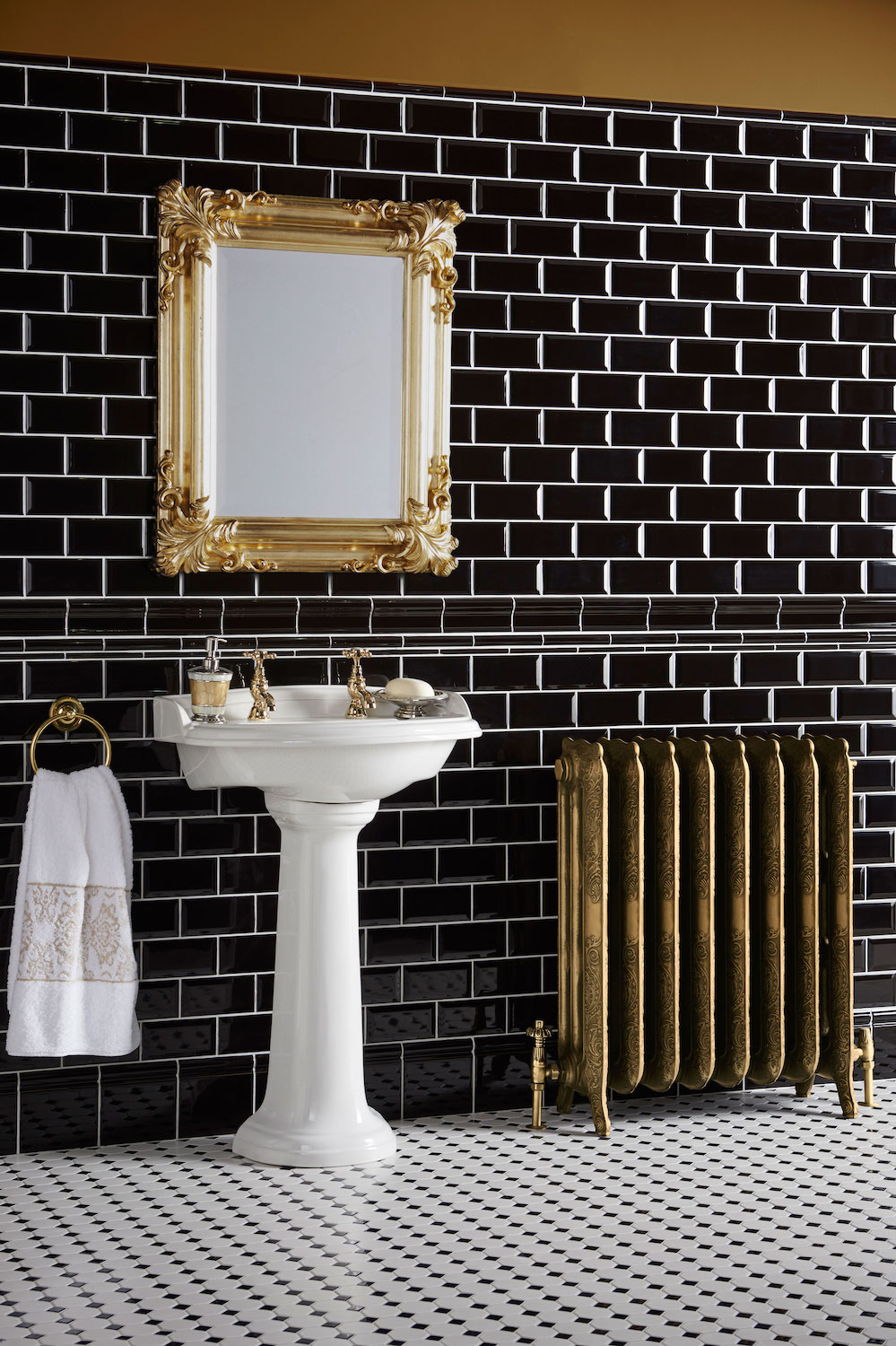
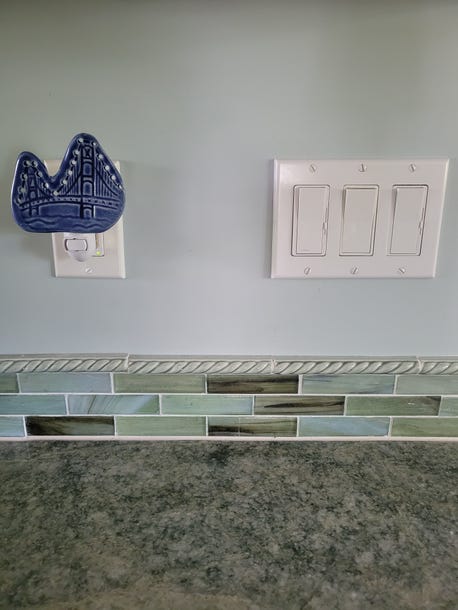
Regarding grout, it is often an overlooked but essential component of the metro tile design. A 1/8-inch grout line provides a classic appearance, while a 1/16-inch line offers a cleaner, more modern look. The choice of grout line size, color, and even an oversized grouting approach can be intentionally incorporated into the design to achieve a desired effect. The staggered grout joint, a traditional aspect of metro tiles, highlights the regularity and repetition of the tile shape. By thoughtfully considering color, size, finish, and grout, metro tiles can be transformed from a conventional choice into an intriguing design element that elicits compliments.
#MetroTiles #SubwayTiles #TileDesign #KitchenTiles #BathroomTiles #InteriorDesign #HomeDecor #TileFinishes #GroutStyling #MetroTiles #SubwayTiles #TileDesign #KitchenTiles #BathroomTiles #InteriorDesign #HomeDecor #TileFinishes #GroutStyling
0 comment in total
 No comments yet
You may also like
Metro tile bathroom ideas – get on board with these 10 inspiring looks
Bathroom subway tile ideas - designers are updating this classic decor style
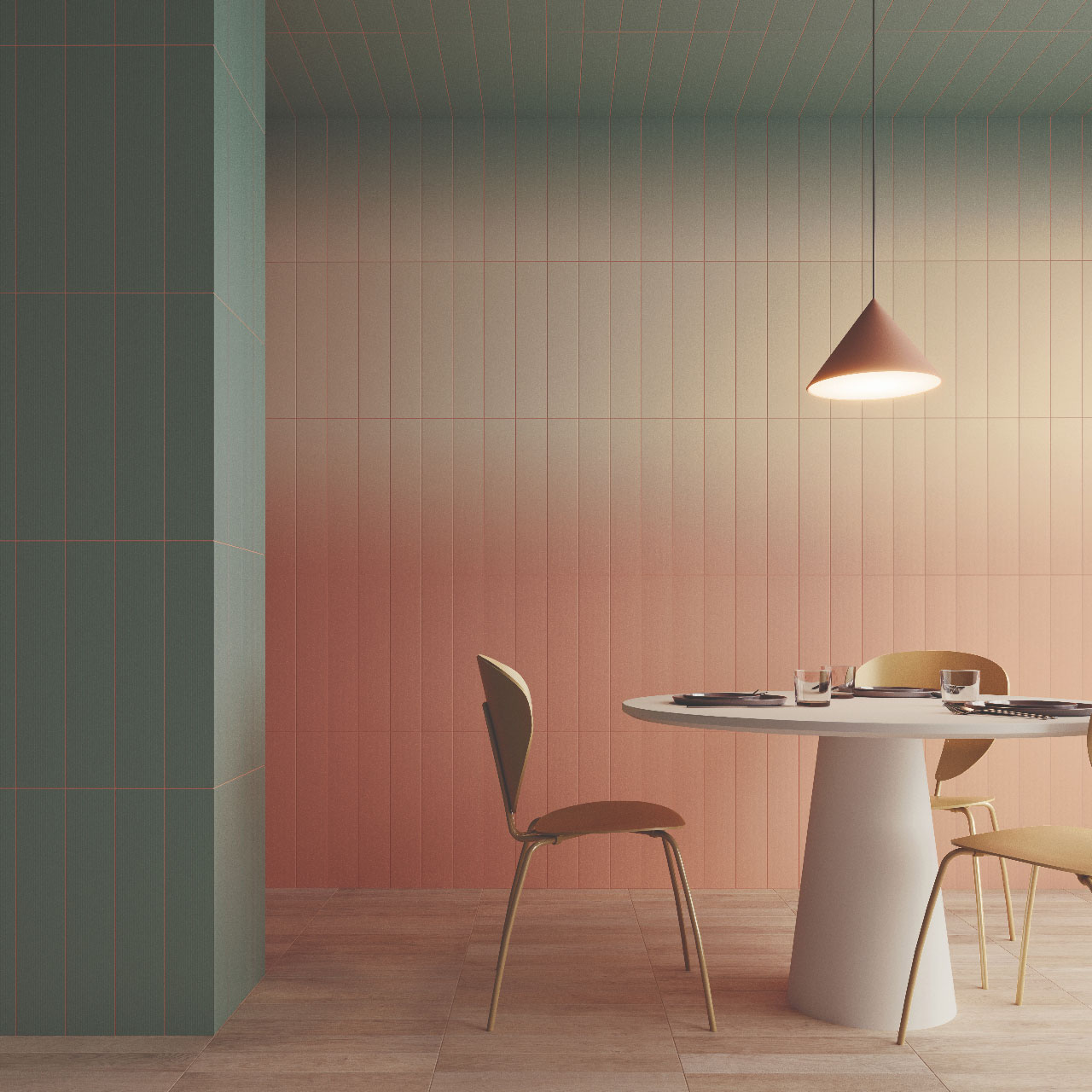
The Melange Tile Collection Showcases Artistic Ombré Effects

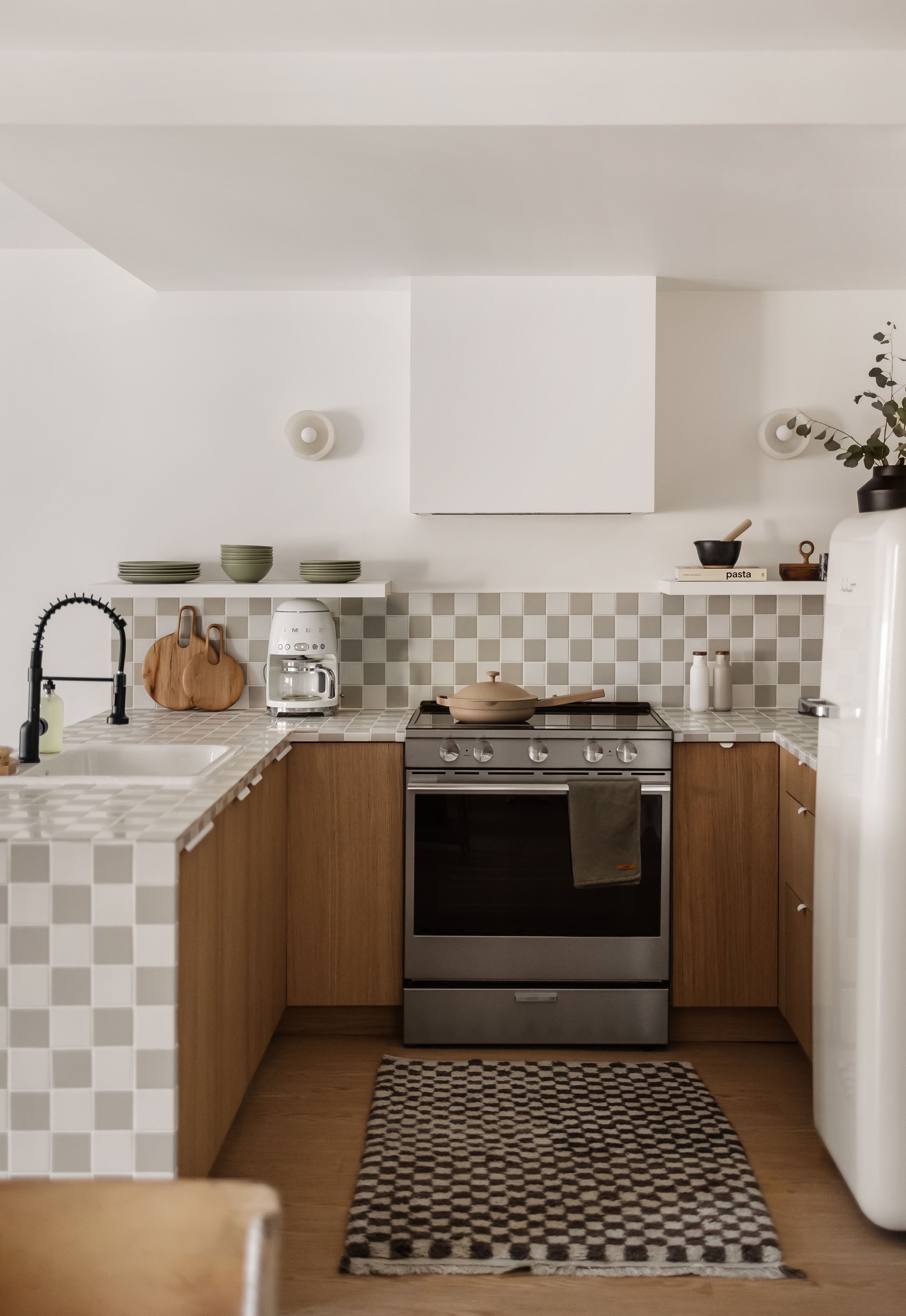
Tiled Countertops Add a Solid Dose of Personality: Here's How to Style Them

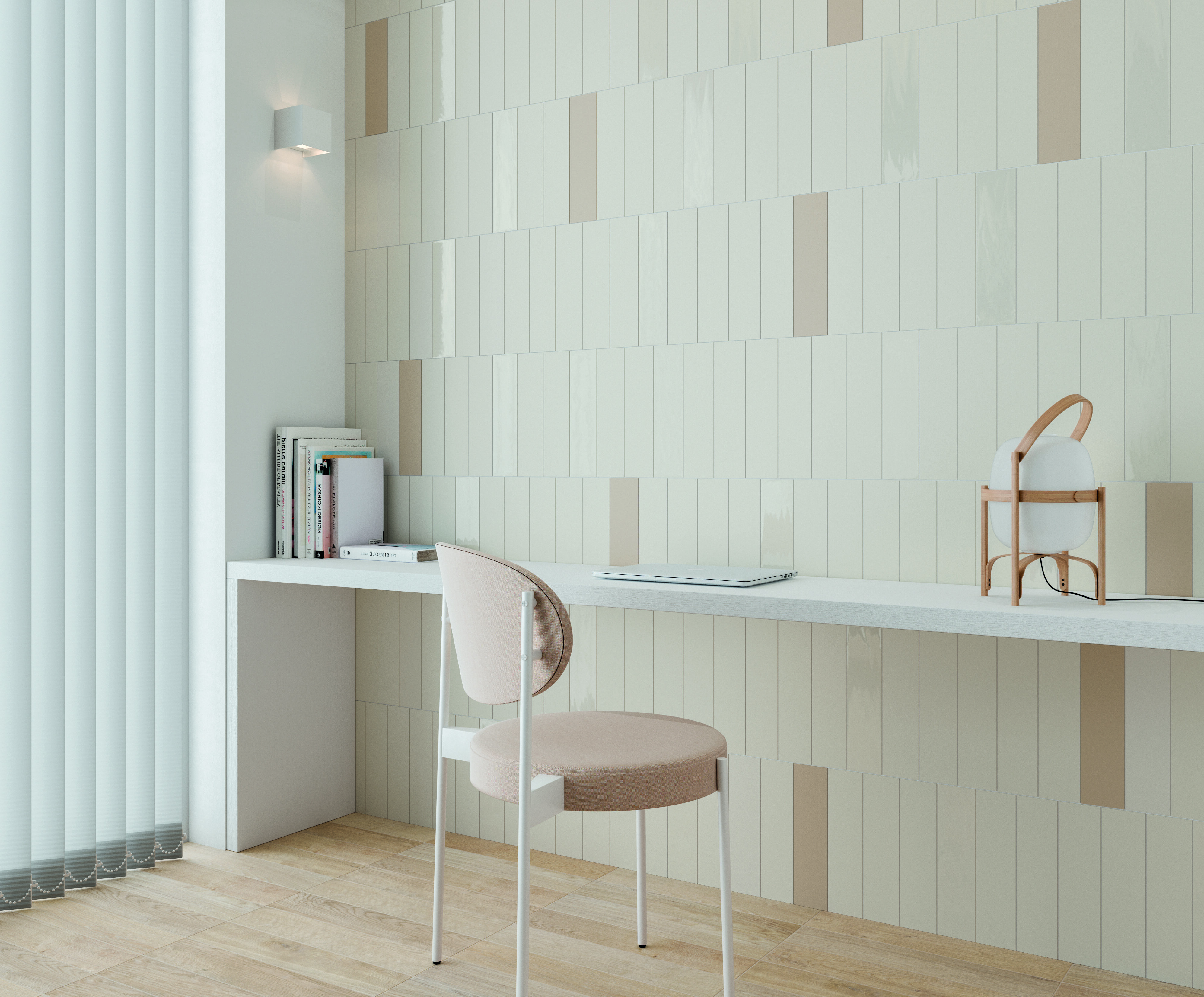
Designers love this beautiful new tile trend for mixing gloss and matte together – here's how to get it right
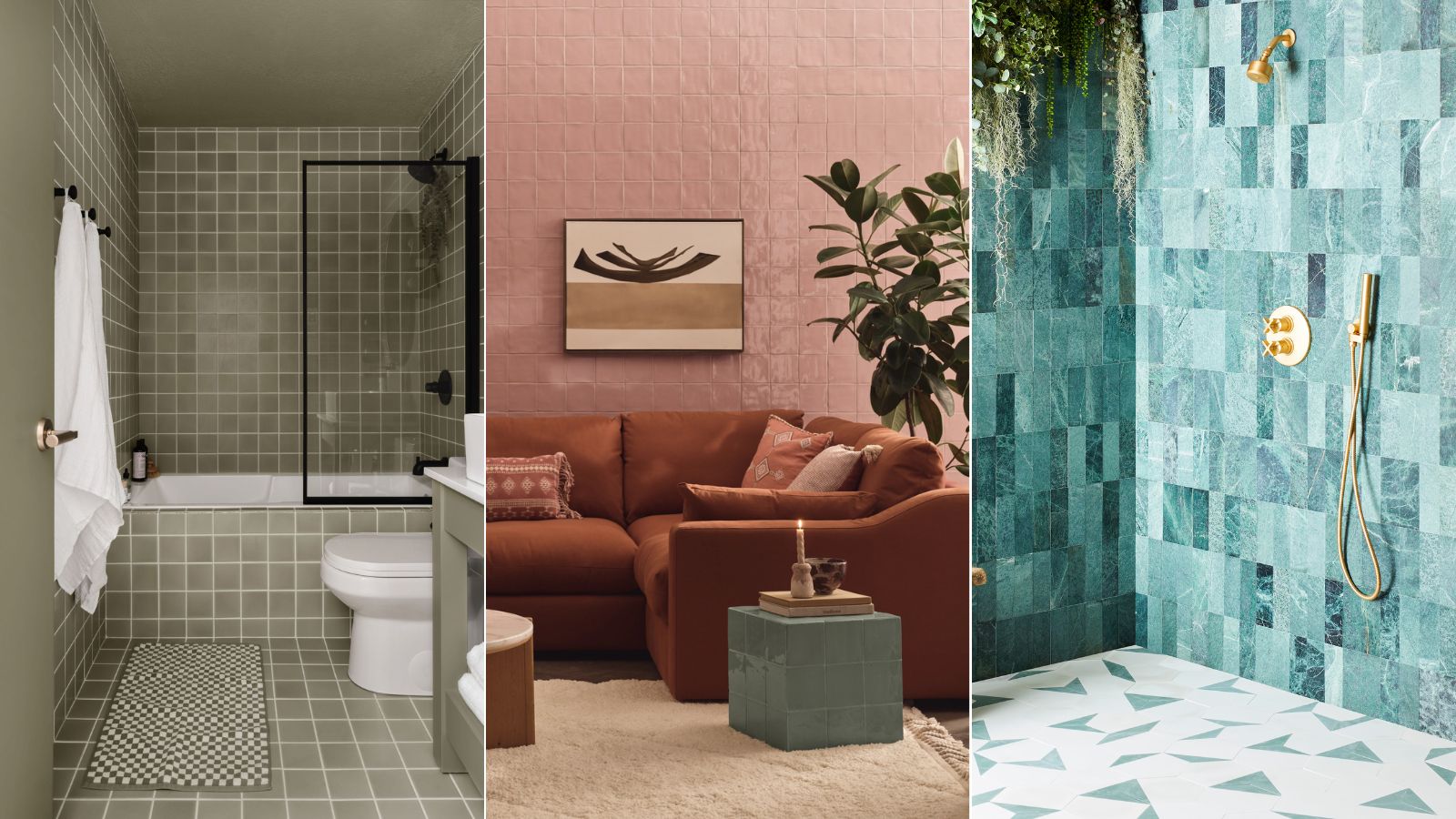
Tile drenching is the unexpected way to add a sense of luxury to your home – here's how to nail the trend

You Can Make Your Walls Look Like a Metro Station’s Ceiling

10 Tile Trends You'll Be Seeing More Of In 2026

Hand-painted tiles are the ultimate kitsch design feature - here's how to make them feel trendy
Tasteful tile style for the home
Homestyle: Terrific tiles
3 Tile Styles to Incorporate Into Your Westchester Home

These Are the 9 Tile Trends You Need to Know for 2025
Tile Style: Four Ways to Dress Up Your Home
12 subway tile alternatives for a fresh backsplash

Tile patterns: 15 smart designs to add style to every room
6 Elegant Tile Trends to Inspire a Home Refresh
Is it over for metro tiles in the kitchen? I'm not saying they're out of style, but these spin-off trends are taking over in 2026
What’s making your bathroom tiles look cheap? 7 things to look out for, according to experts
This Unexpected Grout Color Is Better Than White for Subway Tile, Designers Say