1/5
Striped Tile Layouts Are Trending in Bathrooms — It's an Easy Way to Make Simple Tiles Look Amazing
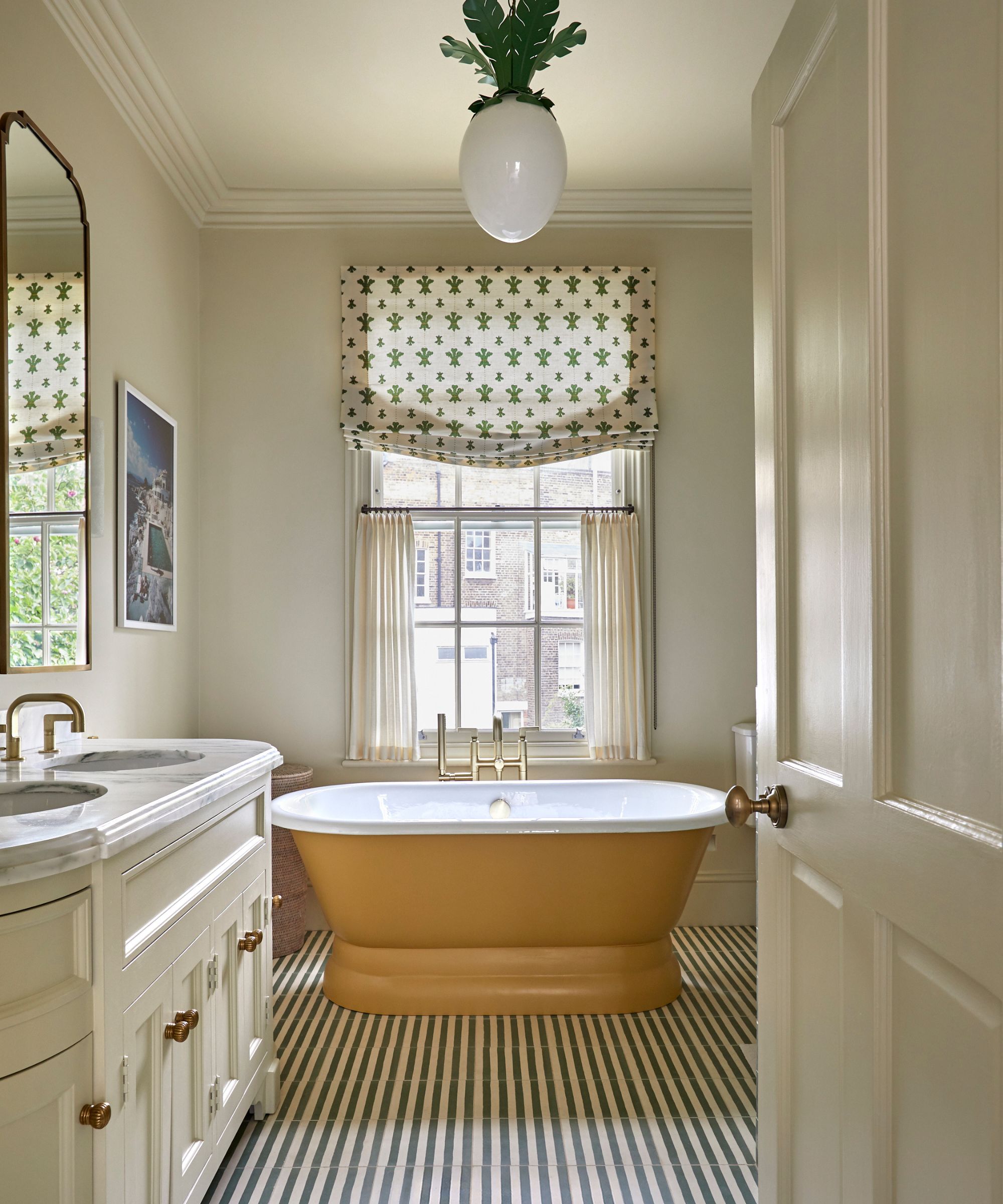
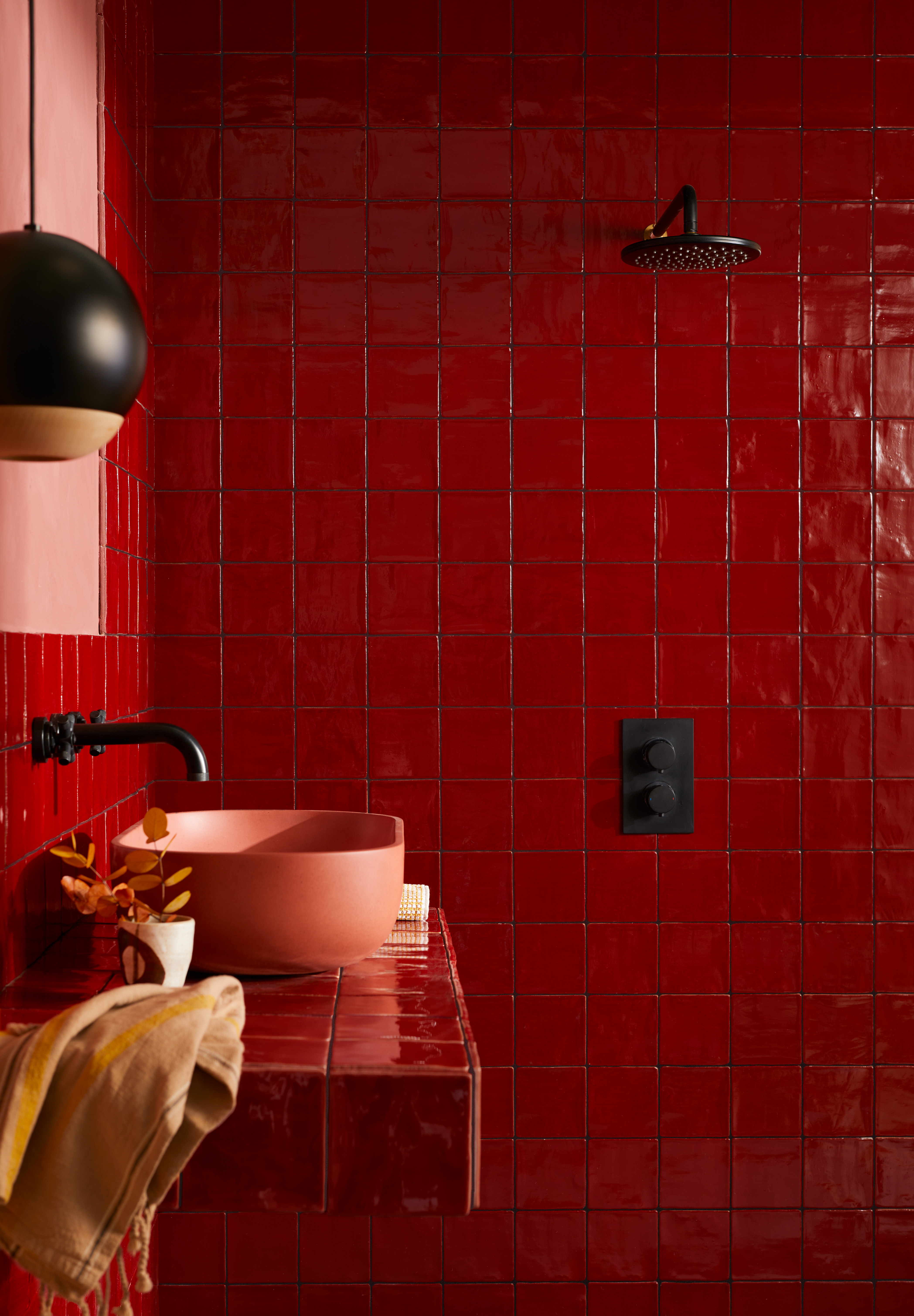
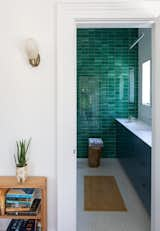
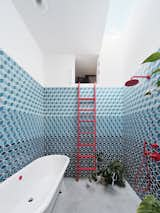
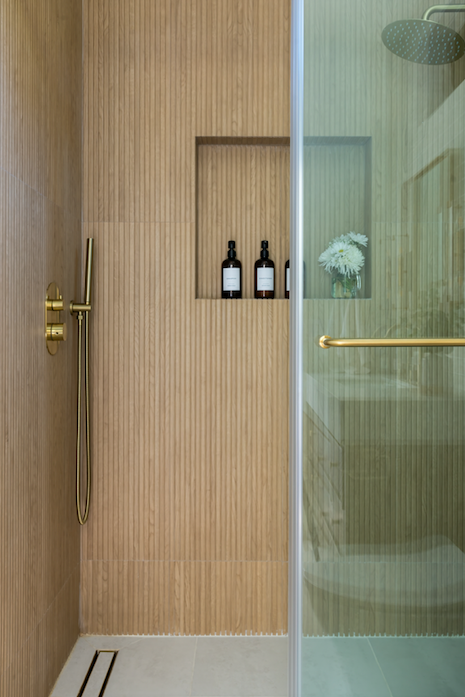
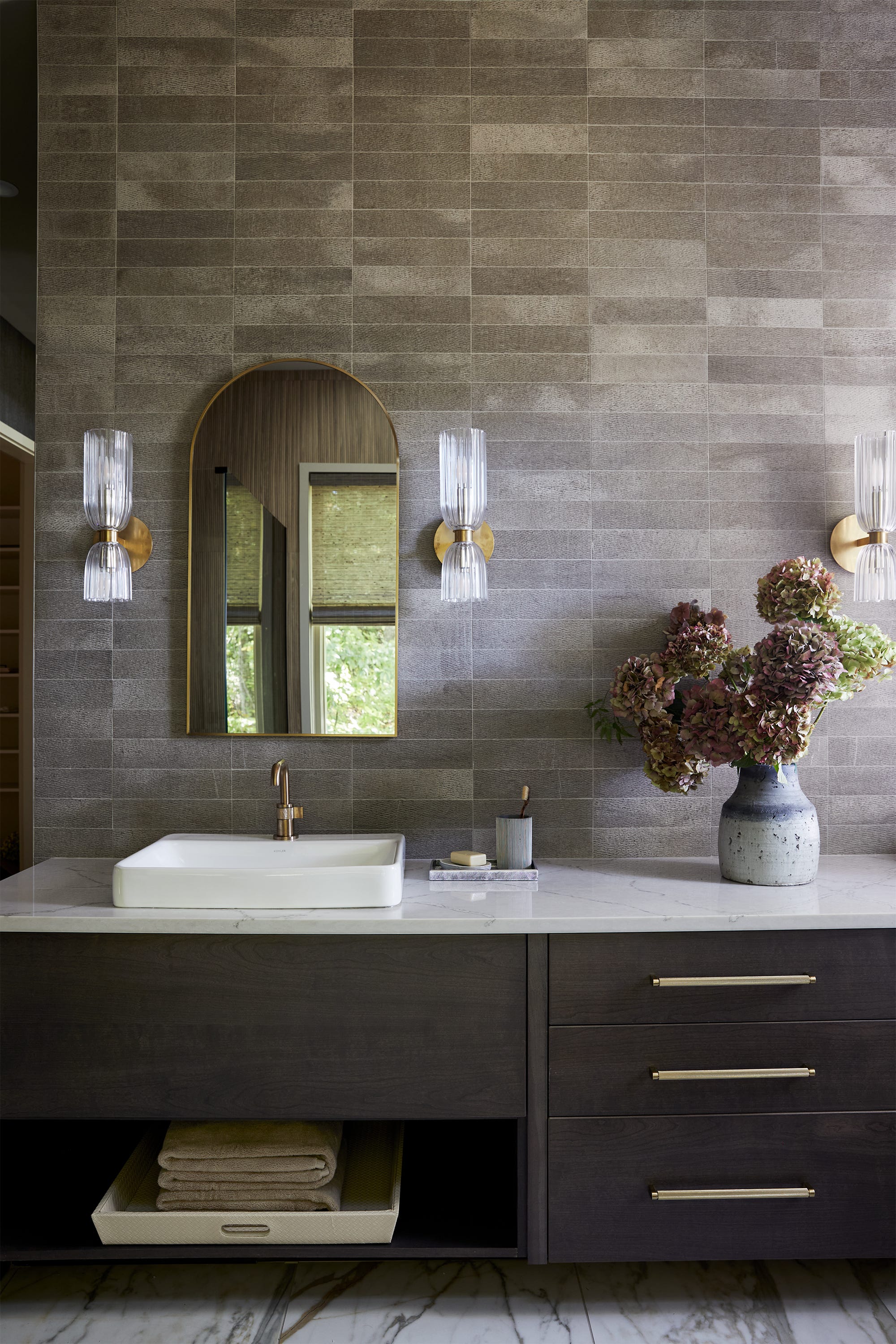
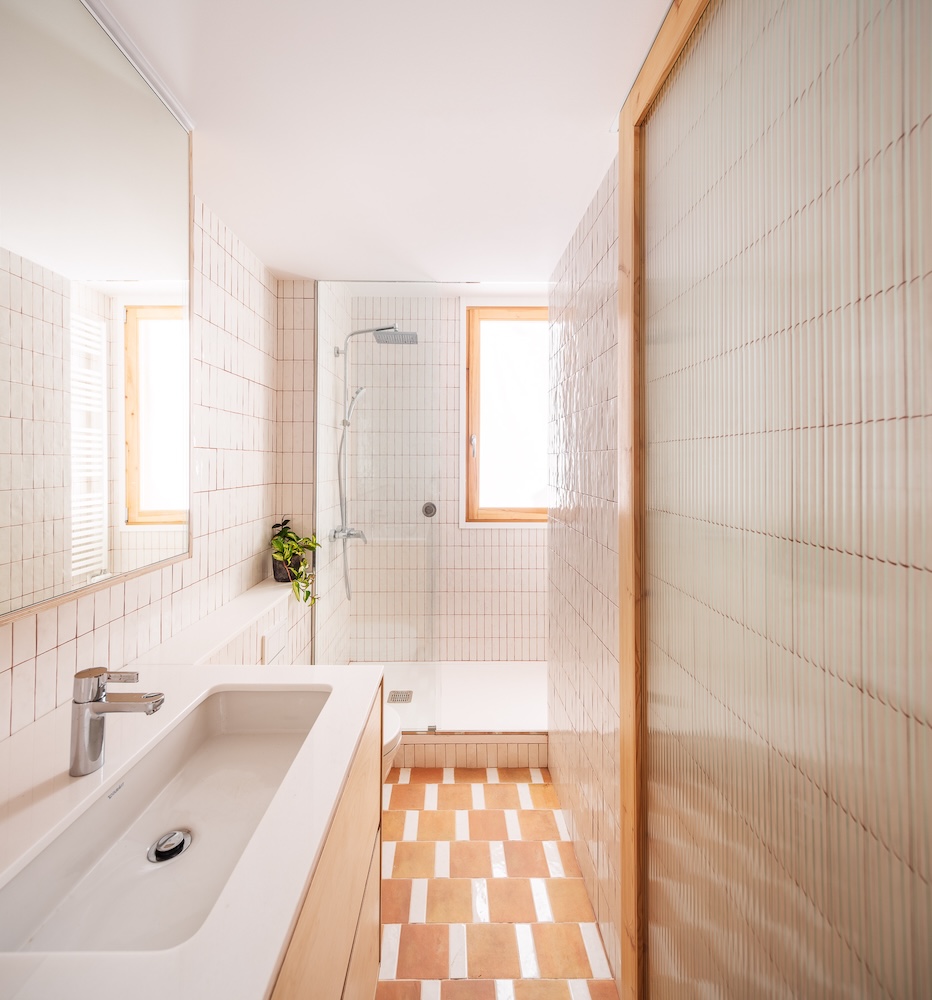
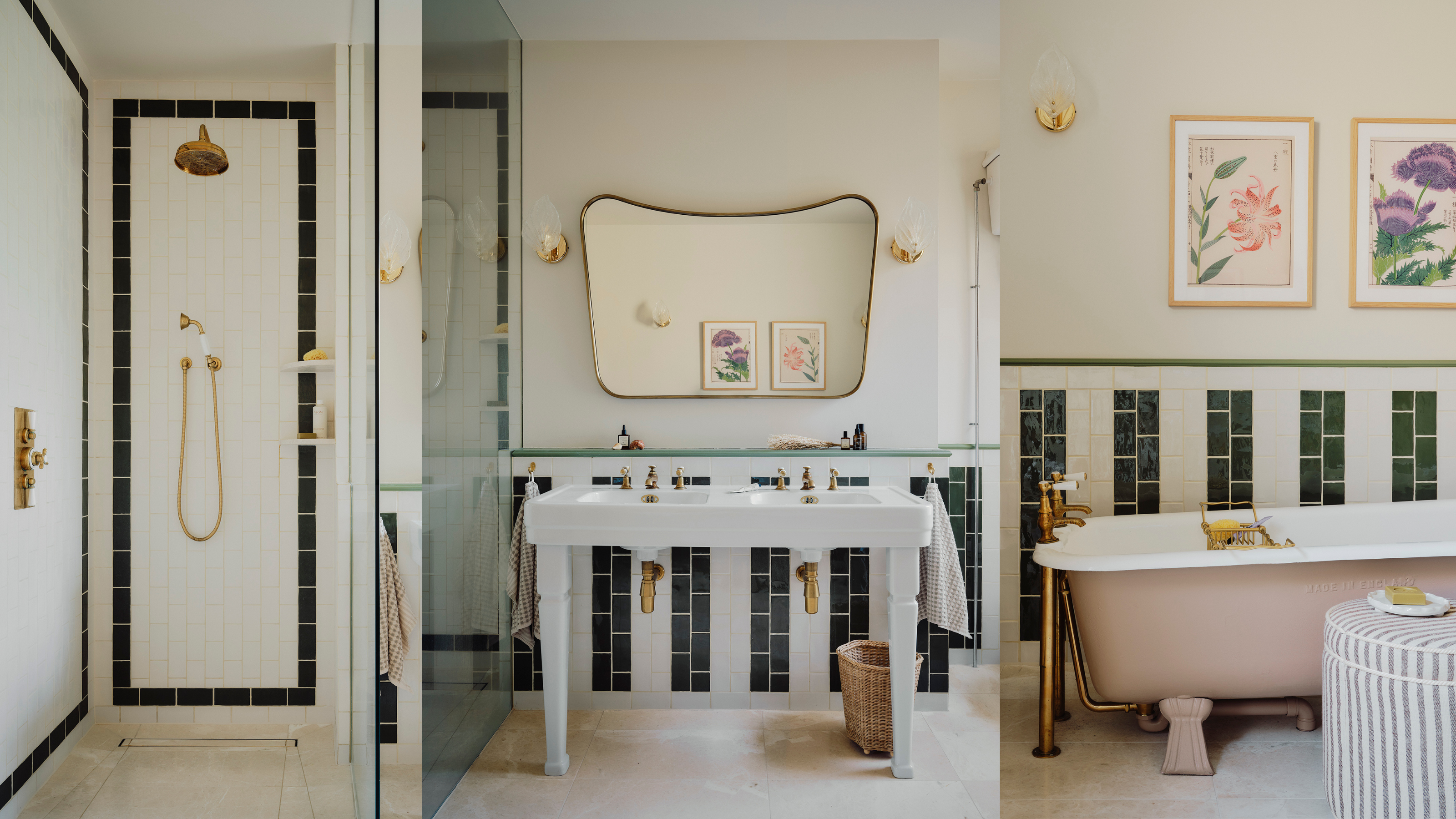

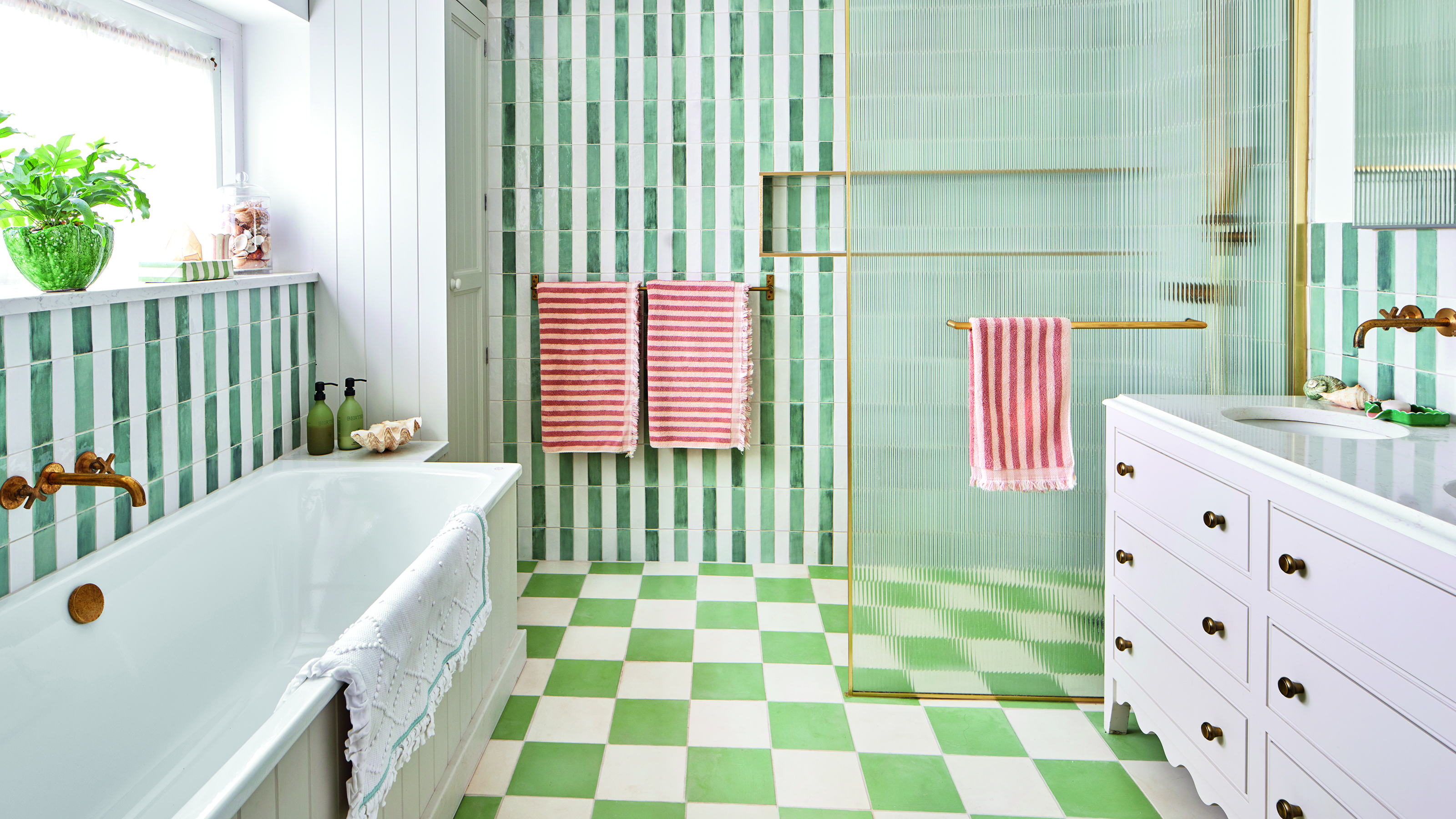
Striped tile layouts are gaining significant traction in bathroom design, presenting a refreshed approach to incorporating a classic pattern into modern interiors. While stripes are a timeless fashion staple, their application in home design has often been underutilized. This emerging trend, however, suggests a renewed interest in leveraging stripes to create visually dynamic and engaging spaces, particularly in bathrooms.
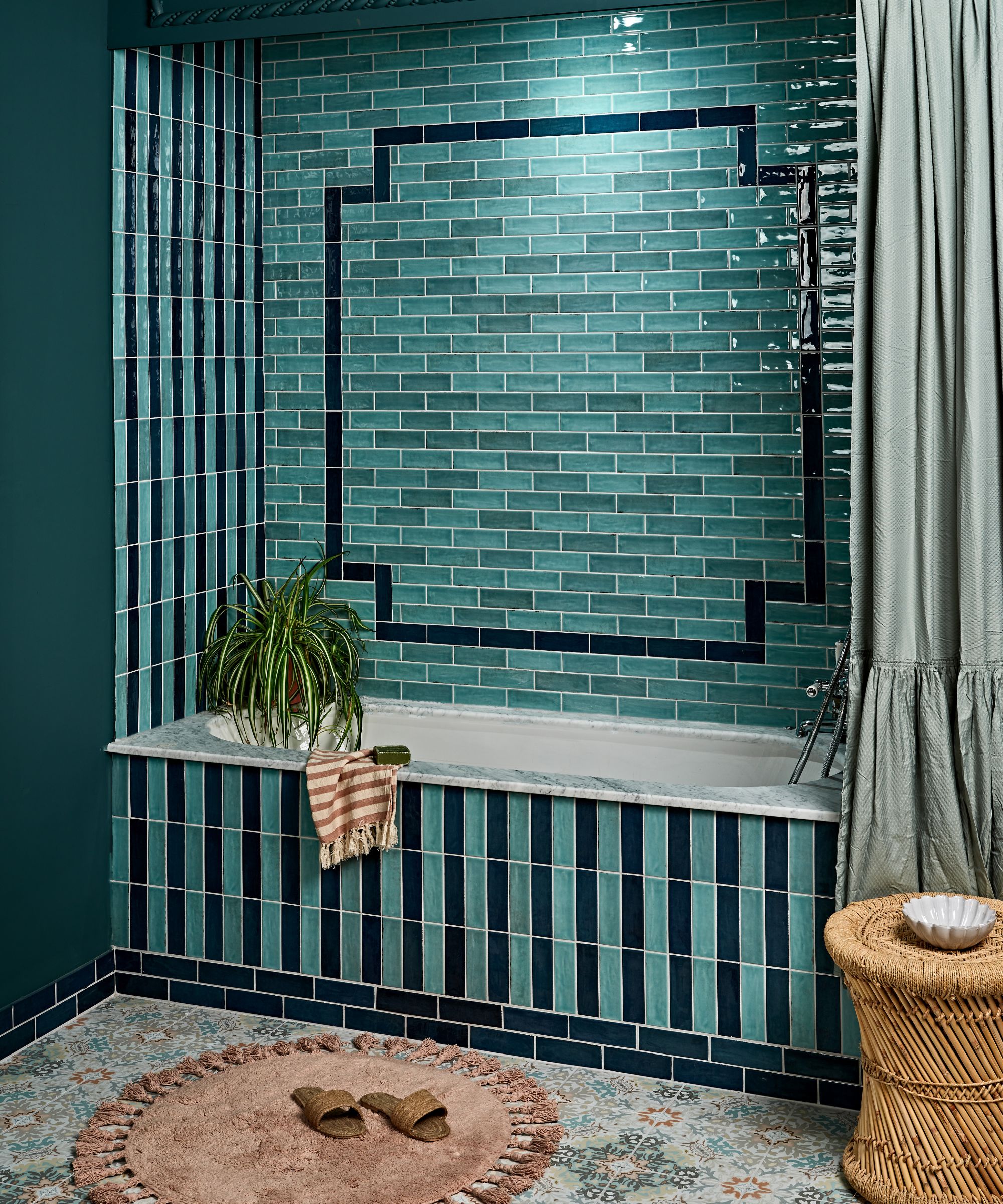
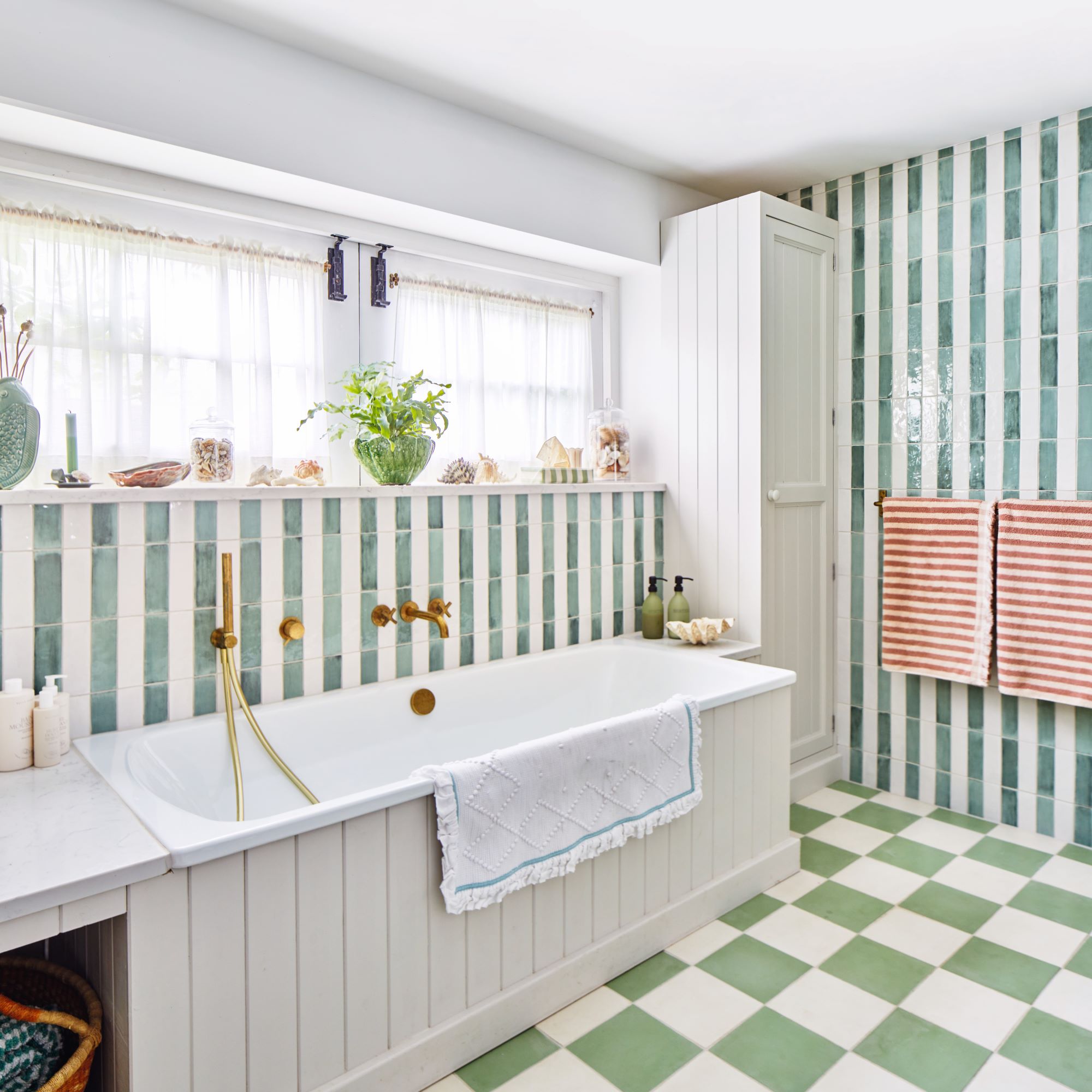
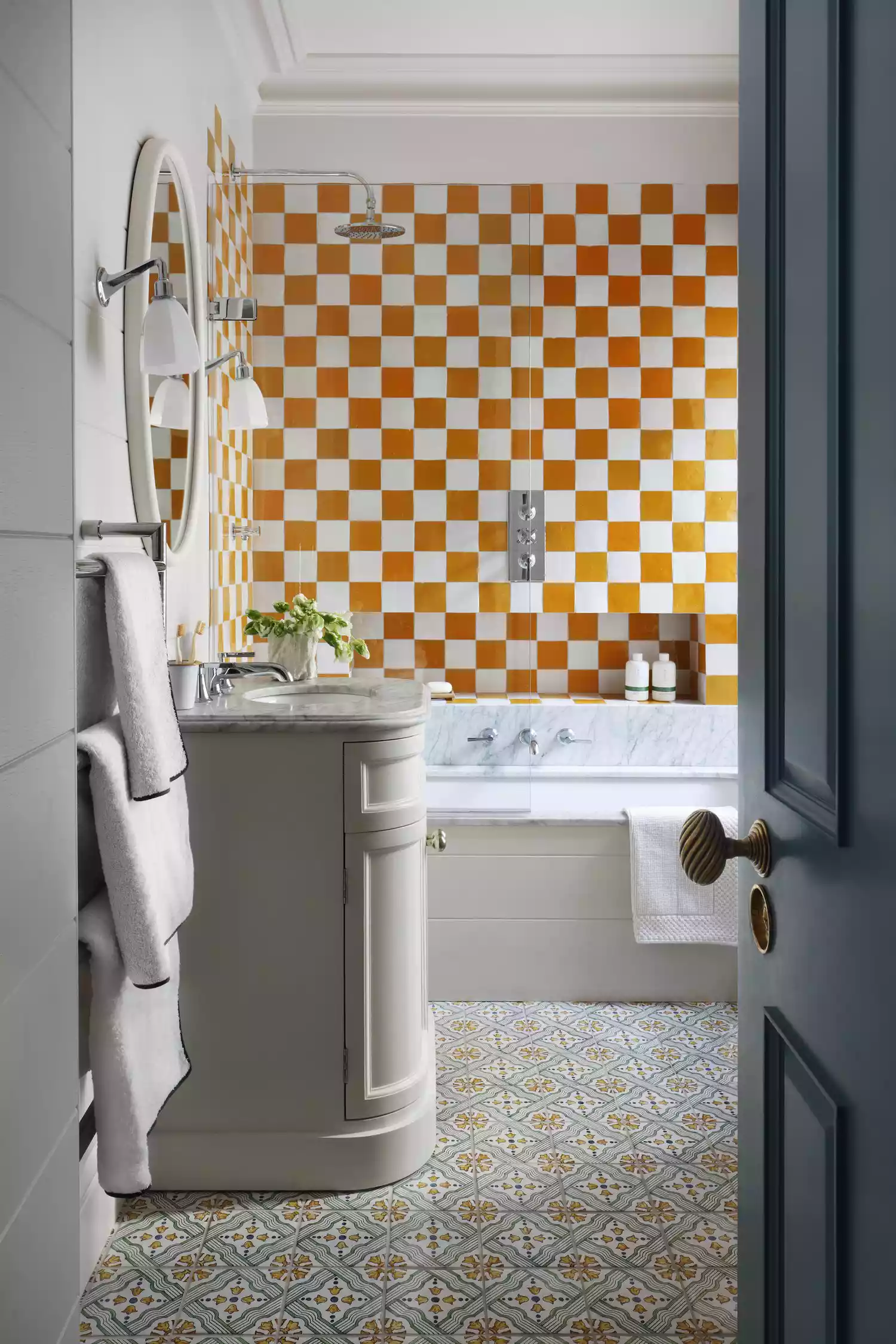
Experts highlight several reasons for the growing popularity of striped tiling. One primary appeal is the inherent sense of fun and dynamism that stripes introduce. Designers note that both vertical and horizontal stripes can inject energy and visual interest, especially in bathrooms and kitchens, where opportunities for playful design elements are often embraced. This aesthetic evokes a sense of nostalgia, reminiscent of classic motifs like circus tents, seaside deckchairs, and summer attire, thereby contributing a positive and joyful atmosphere through their two-tone impact. Furthermore, this style offers a minimalist yet impactful take on the 'dopamine decor' trend, appealing to those who desire a cheerful interior without overwhelming the space. The director at Quorn Stone describes stripes in interiors as a 'modern neutral,' providing sufficient visual intrigue while maintaining a classic character.
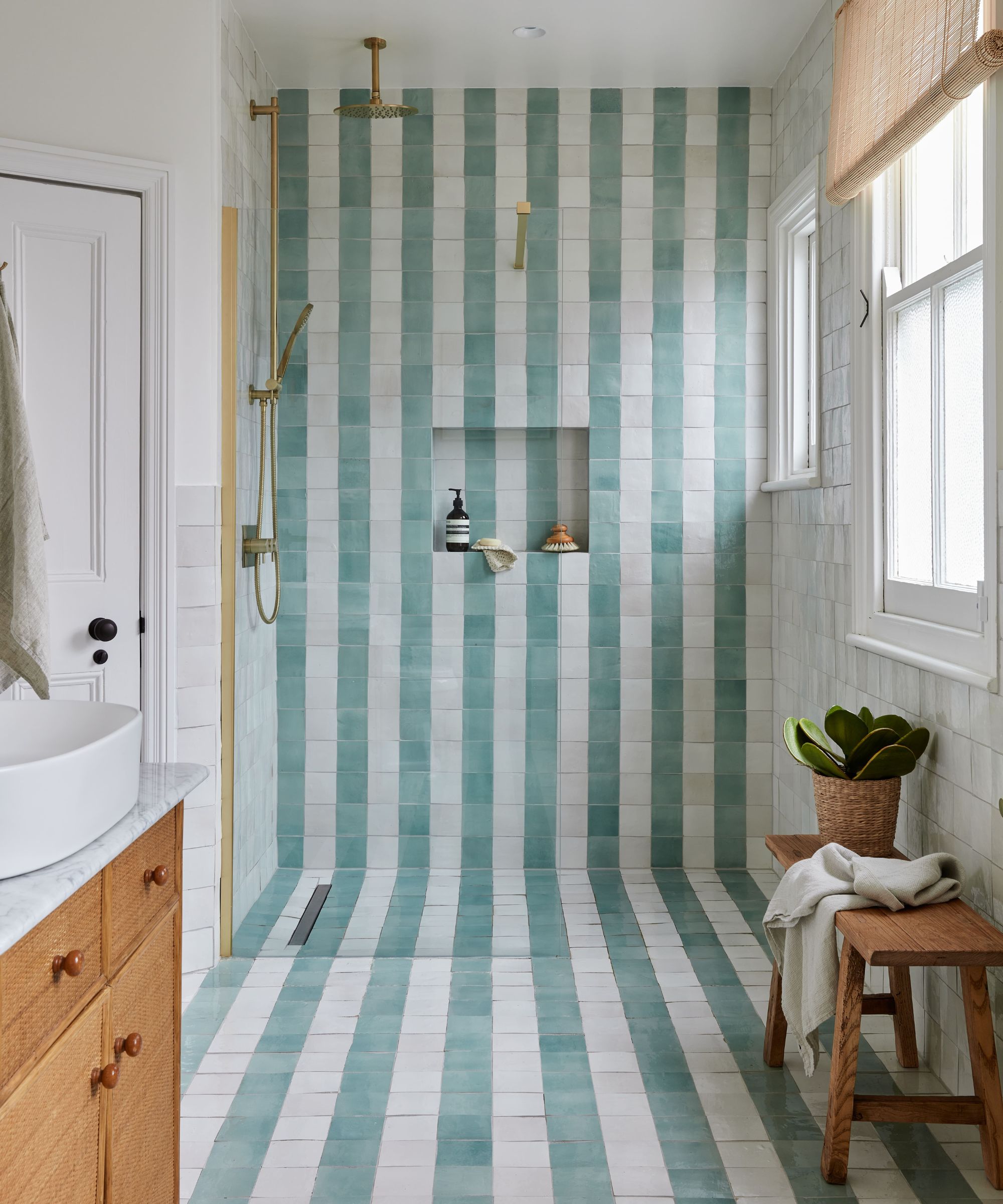
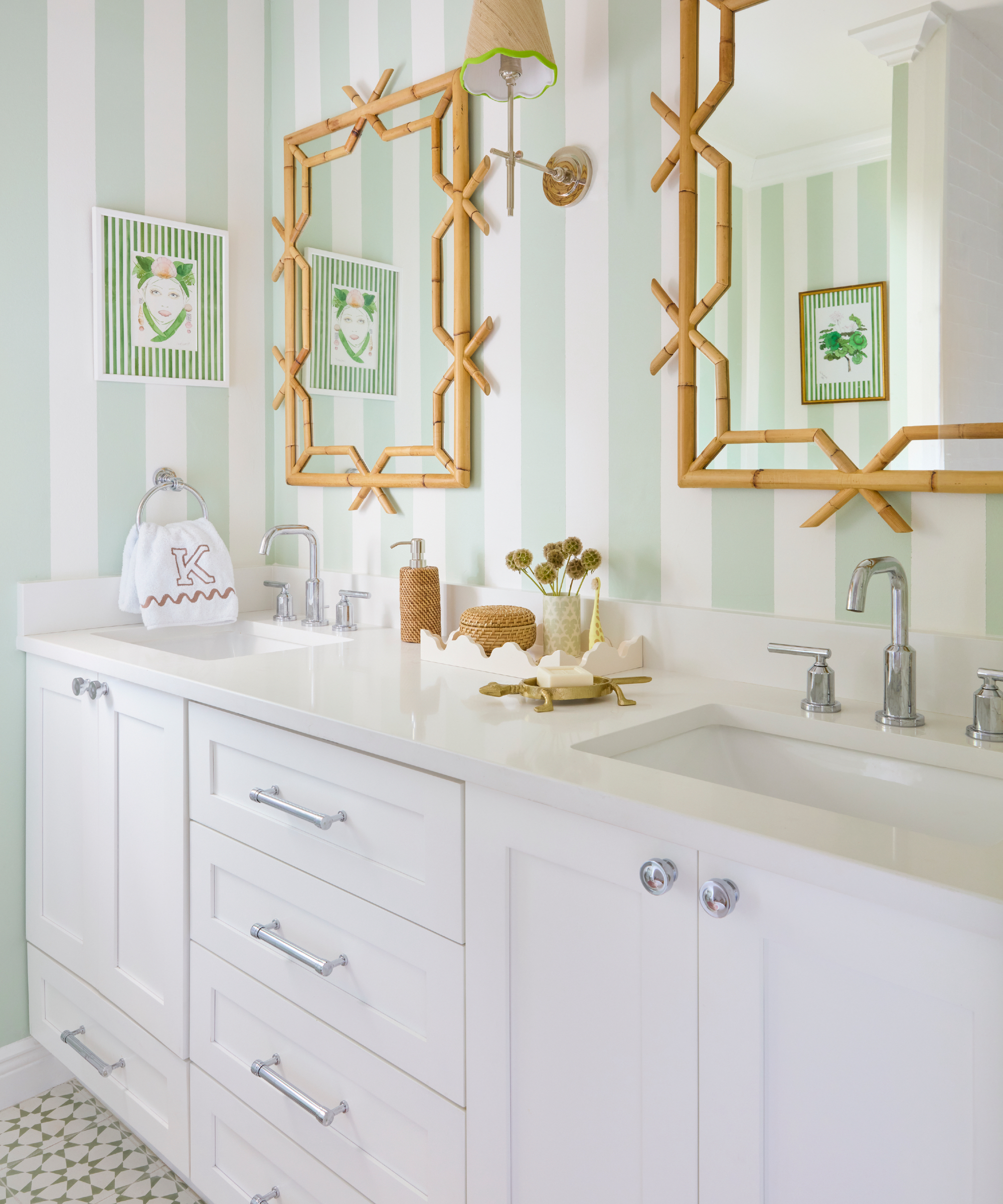
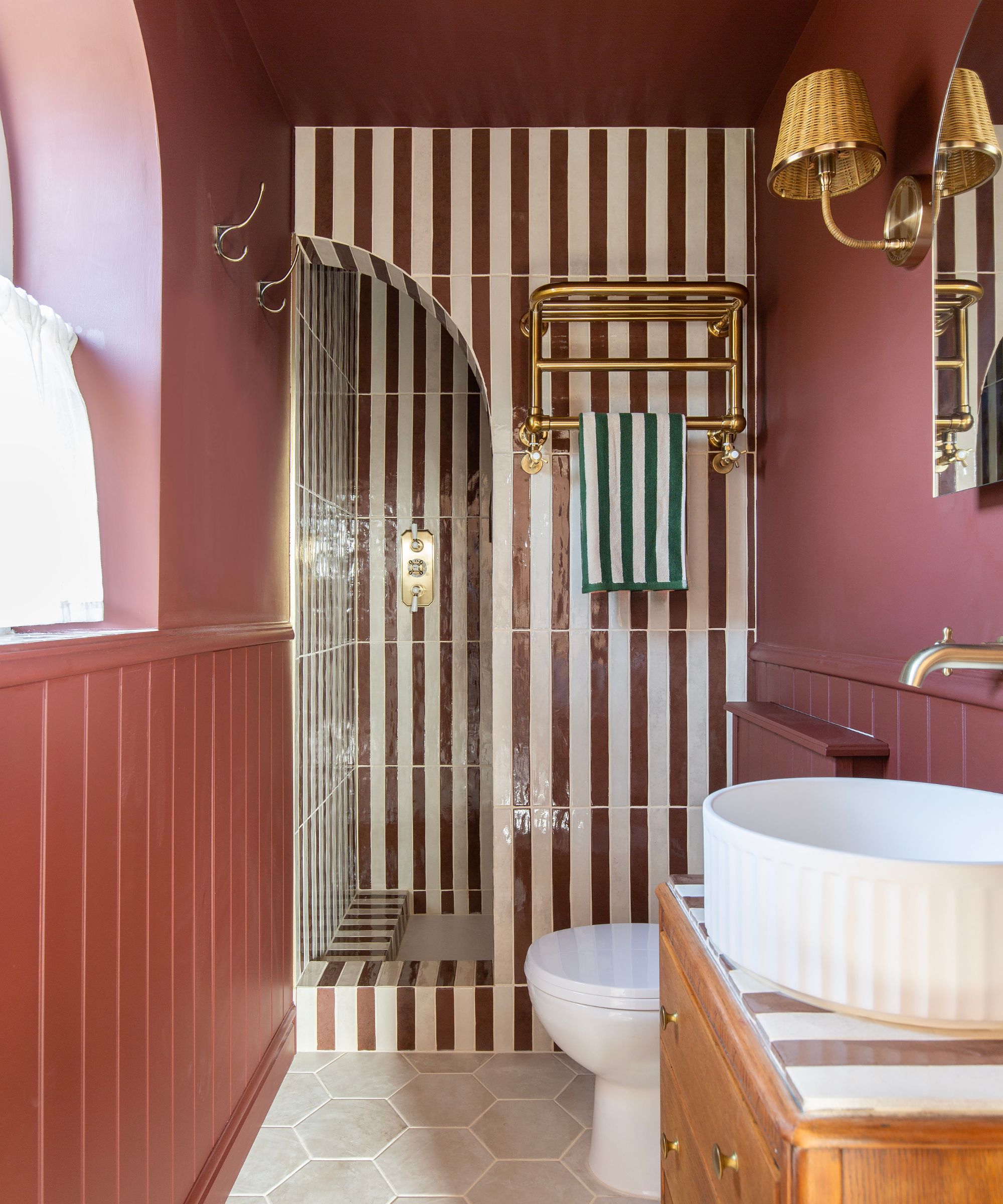
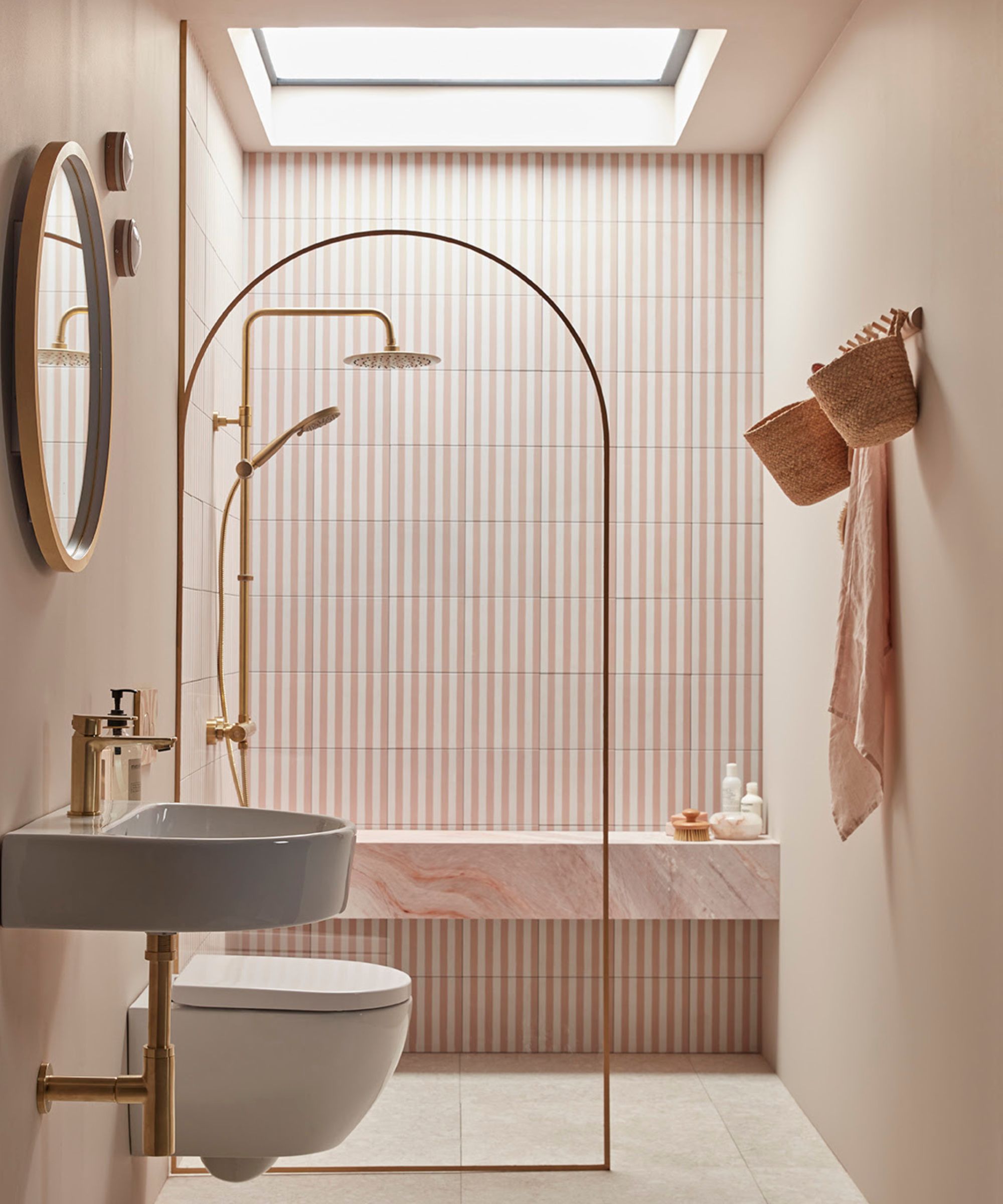
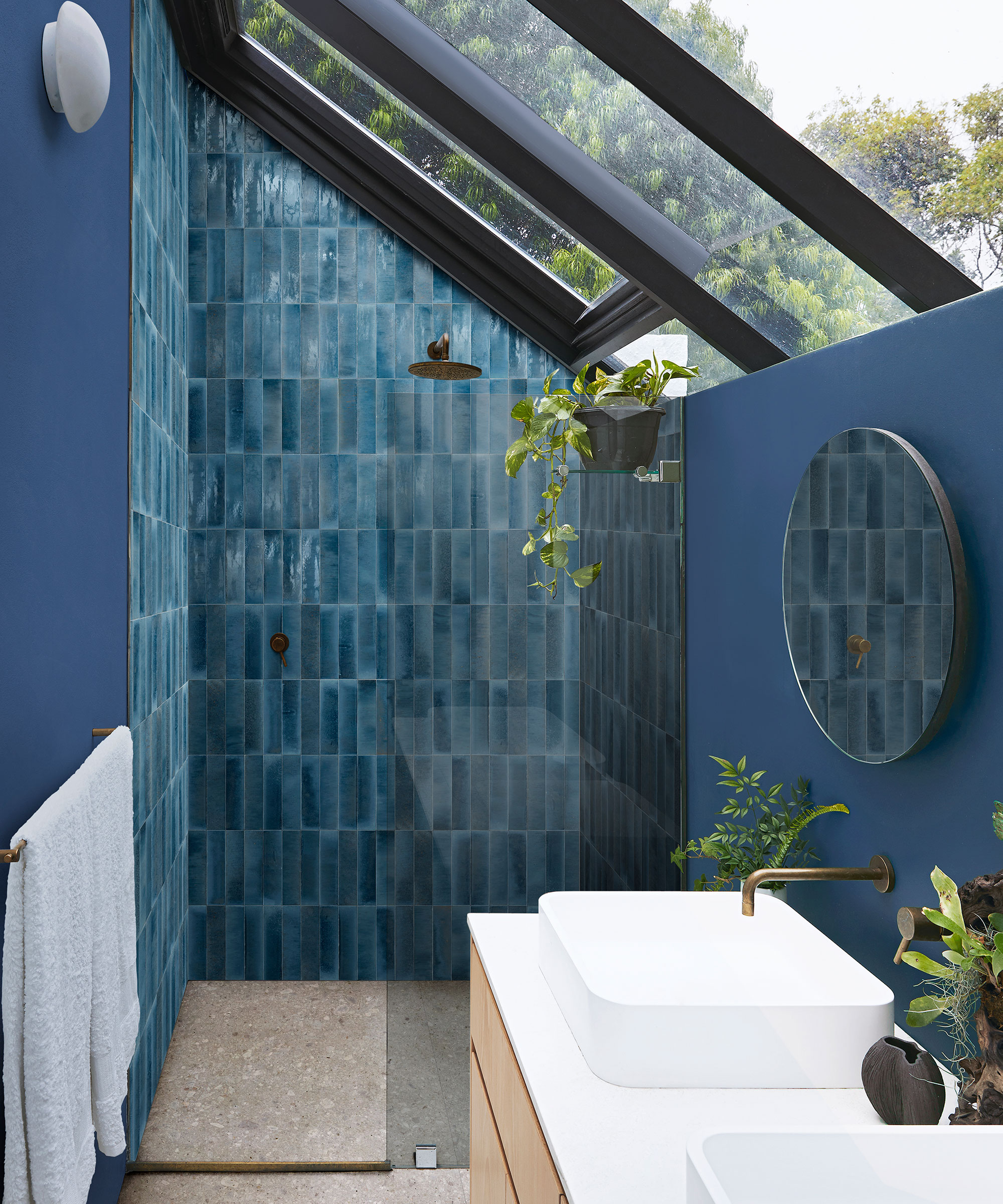
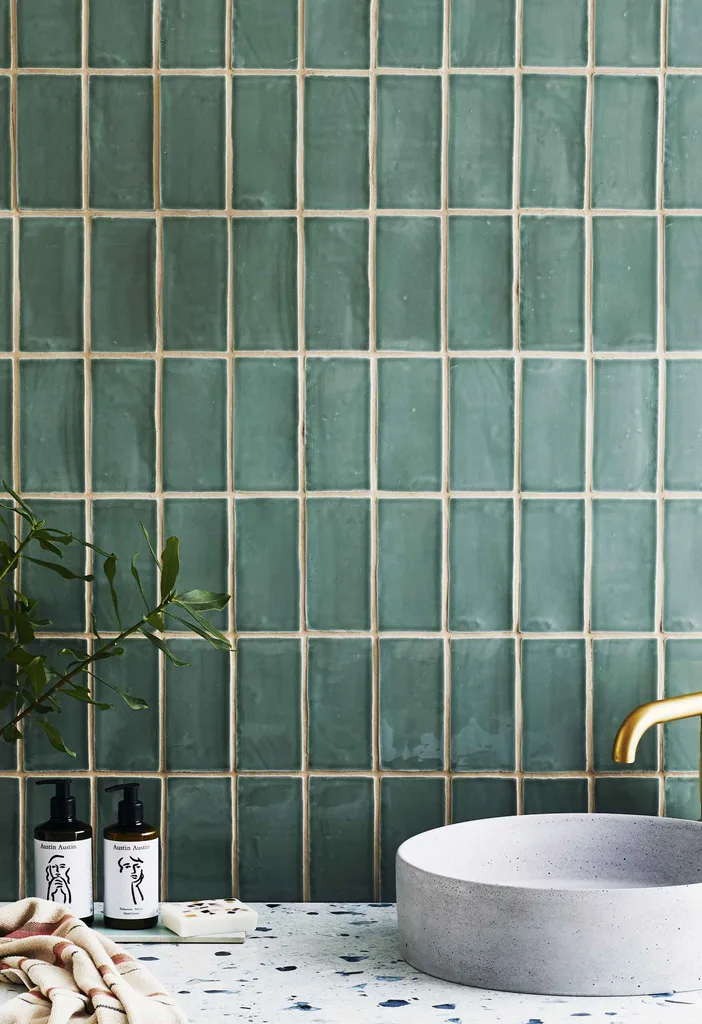
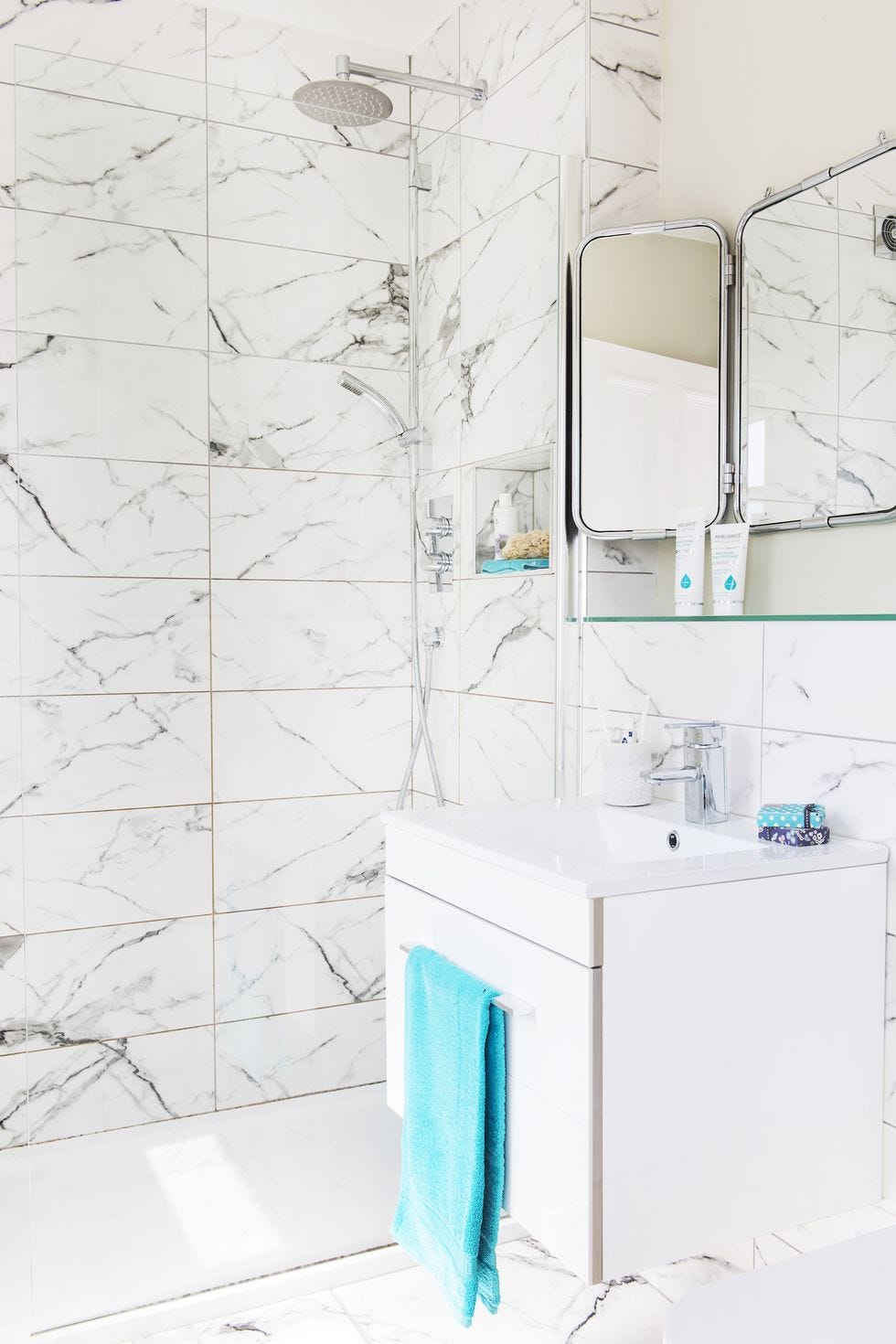
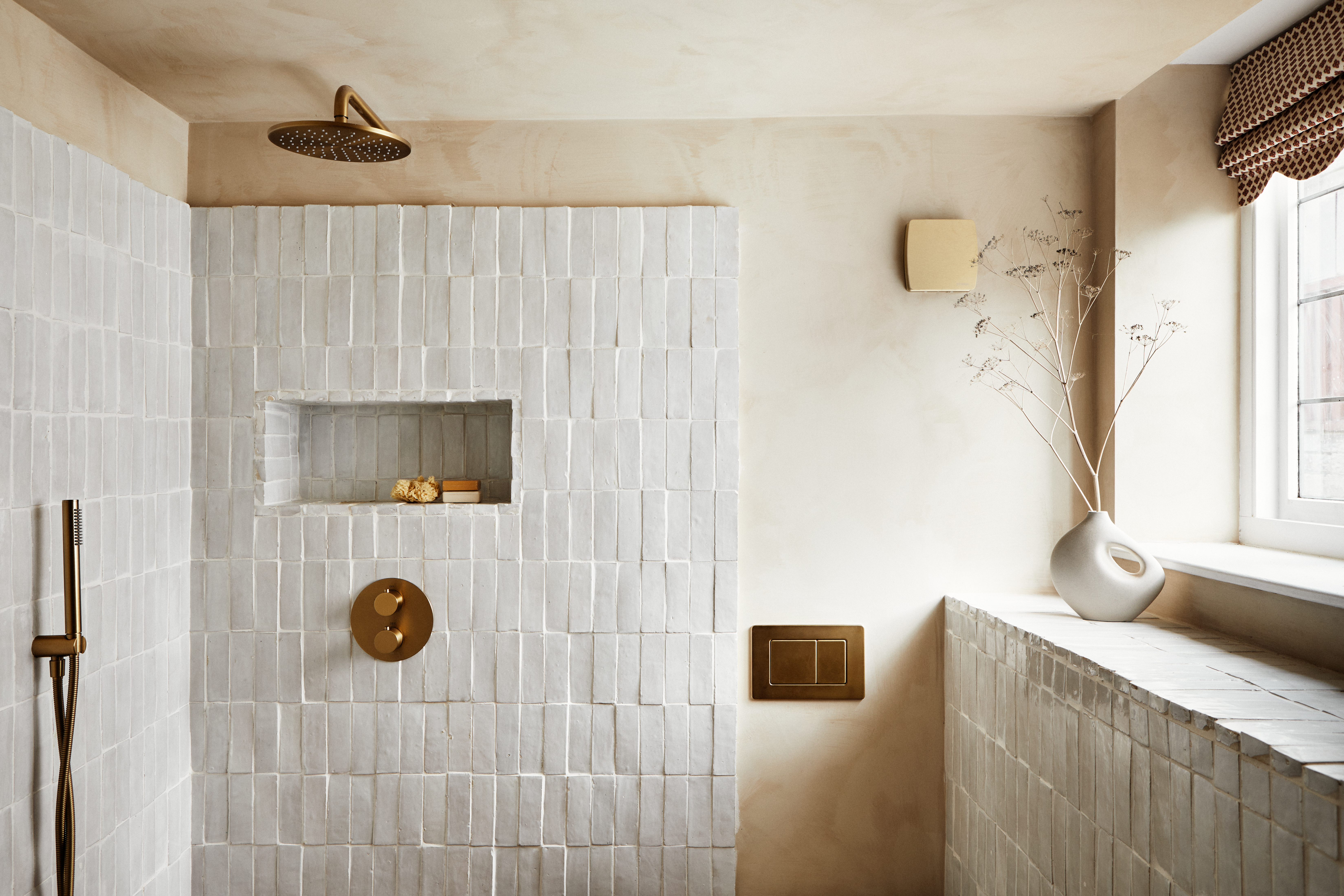
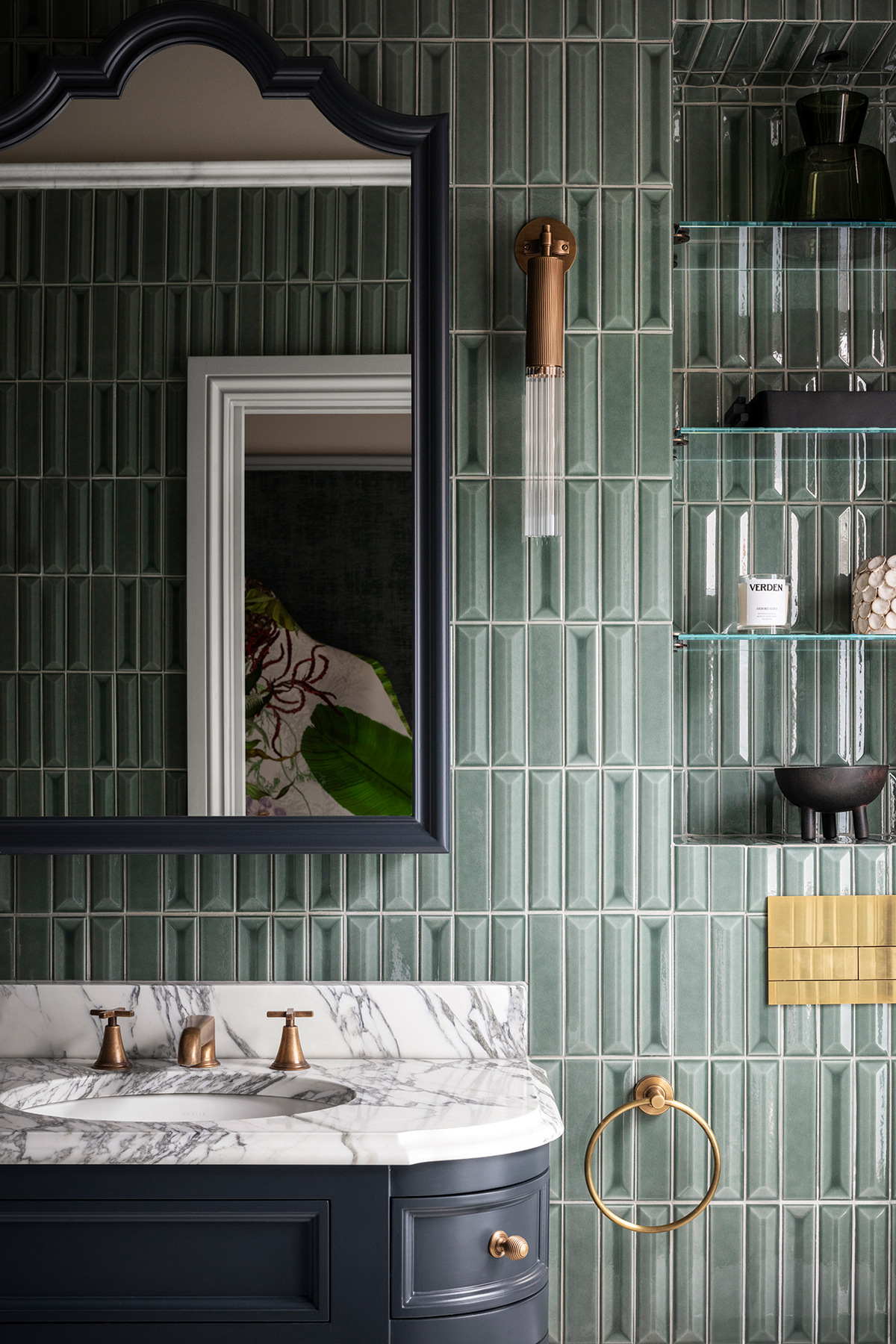
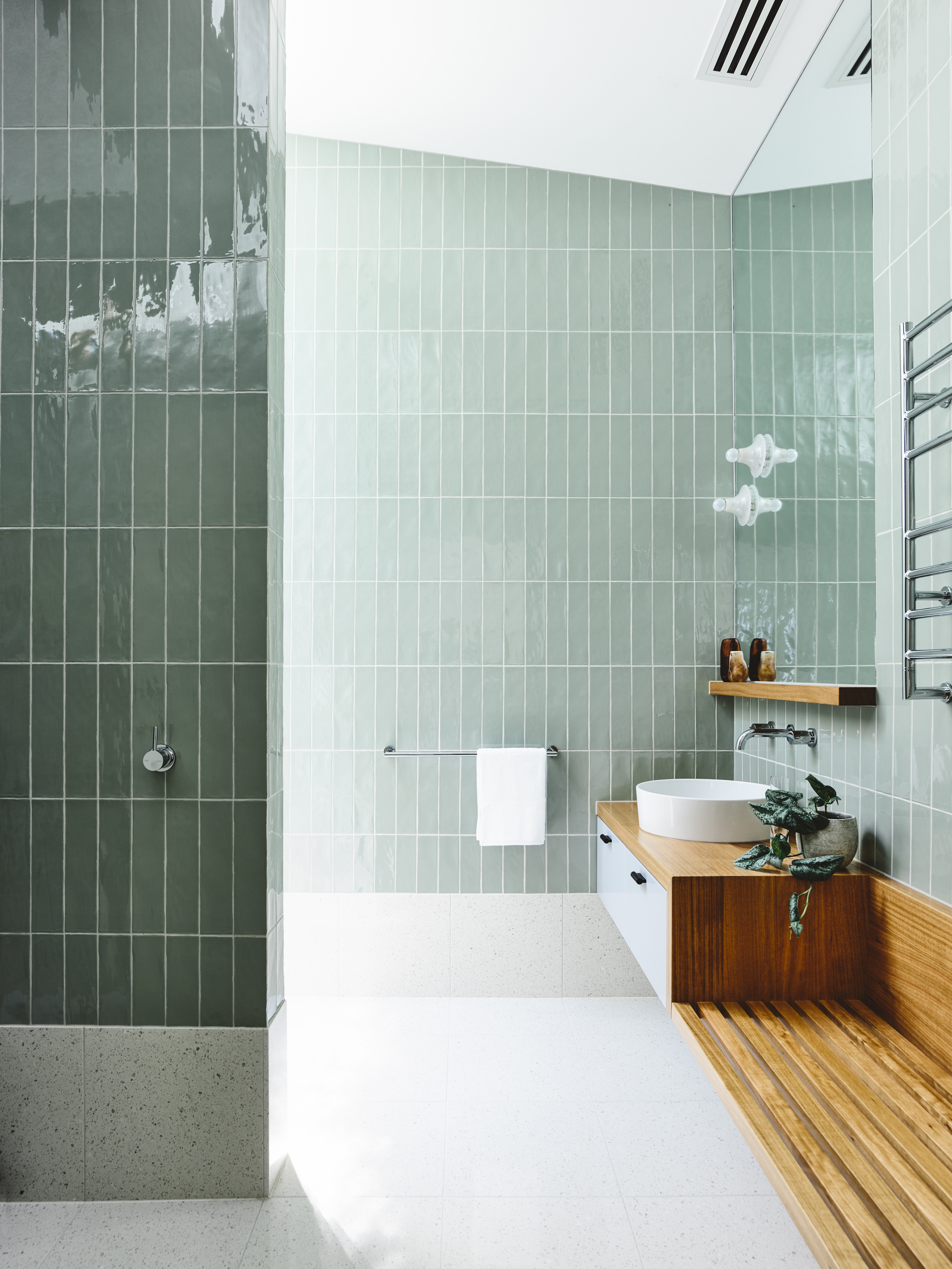
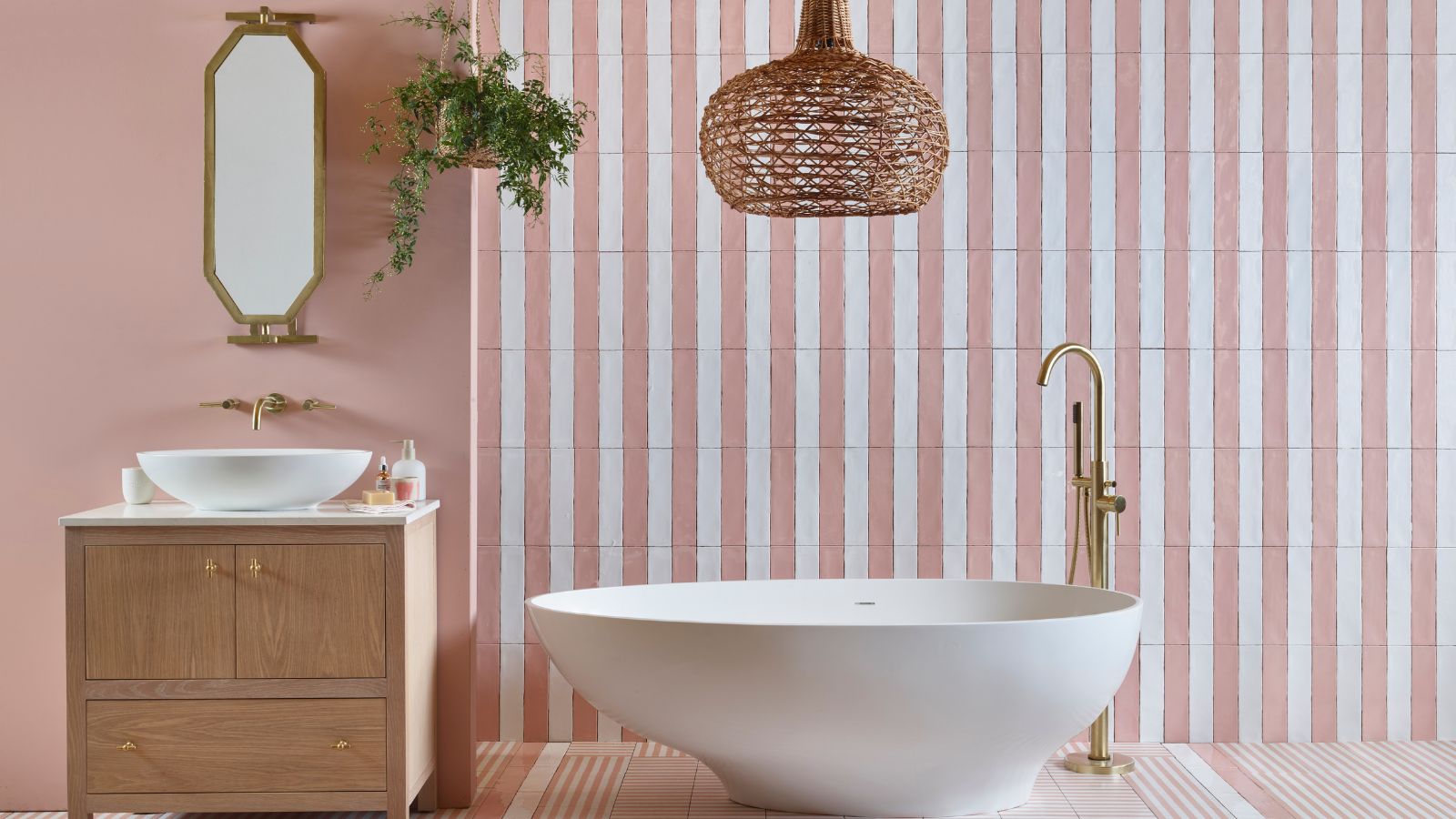
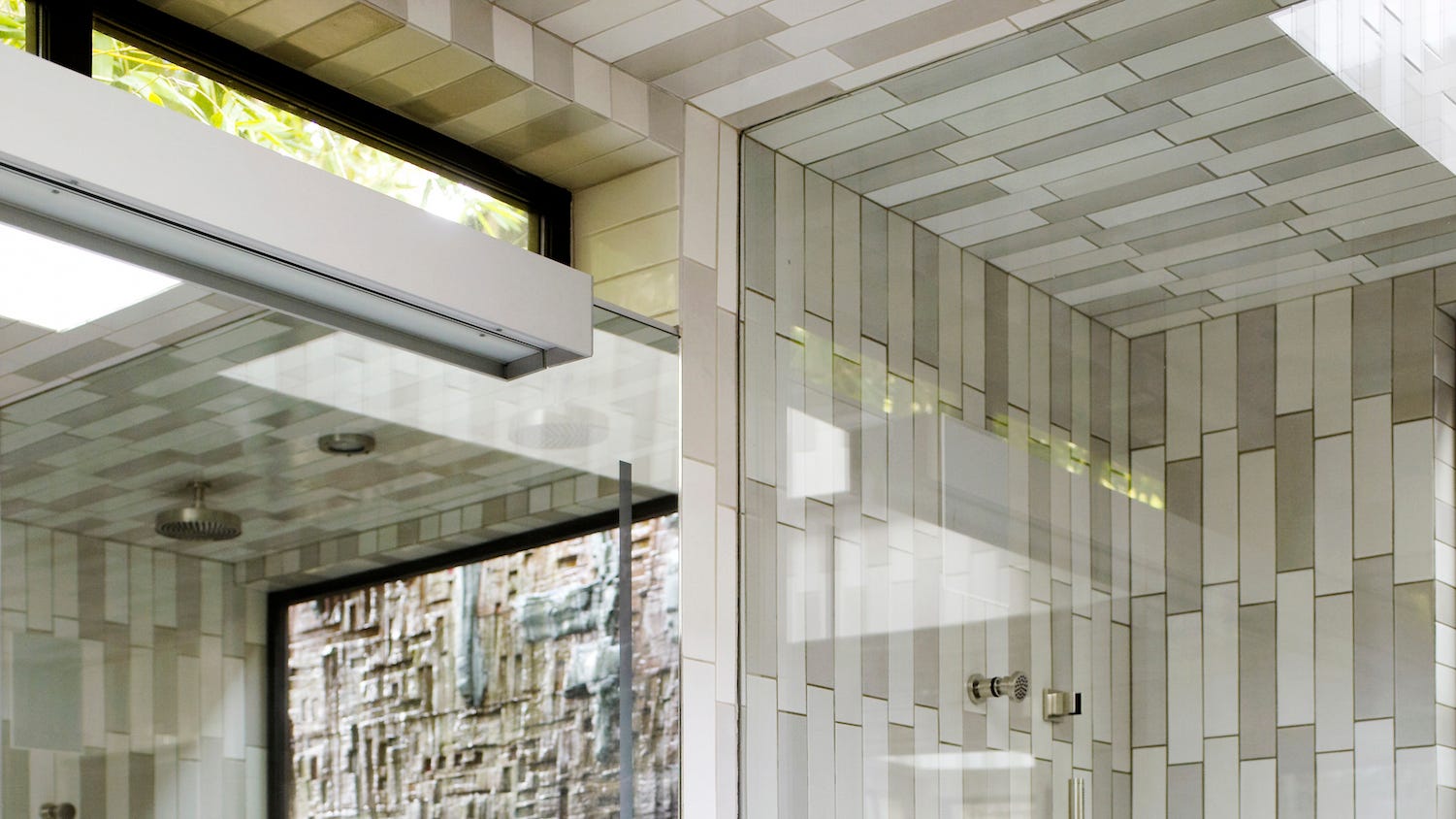
A significant advantage of employing striped tiles is their ability to manipulate spatial perception. Depending on their orientation, stripes can visually alter the proportions of a room. Horizontal stripes tend to make a space appear wider and more expansive, while vertical stripes draw the eye upward, creating an illusion of increased height and drama. This characteristic makes striped tiling a practical solution for smaller bathrooms, where designers often seek to maximize the perceived space. The layout can also impart a sense of direction and rhythm, with contrasting tiles amplifying the visual impact and contributing to a modern aesthetic.
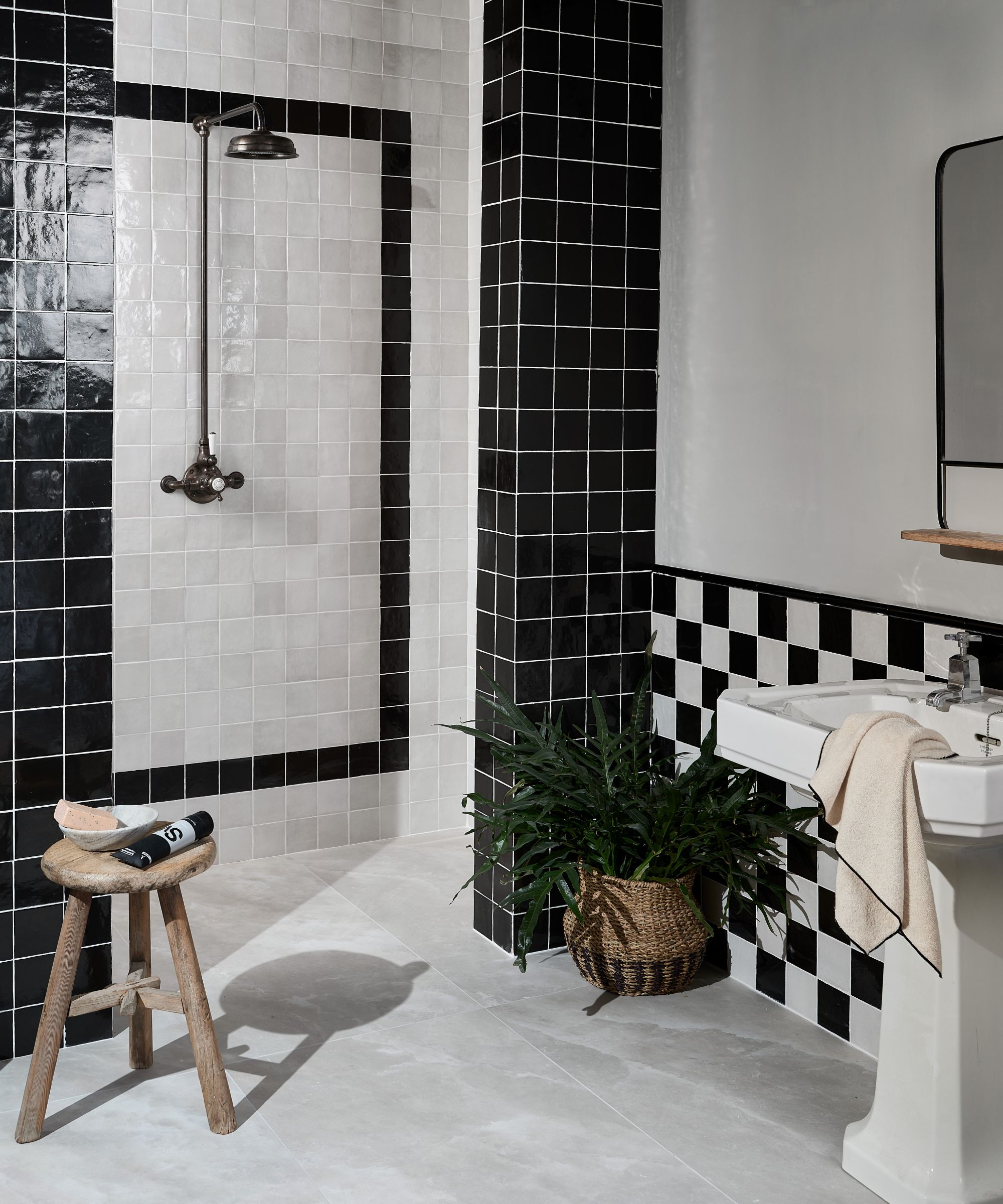
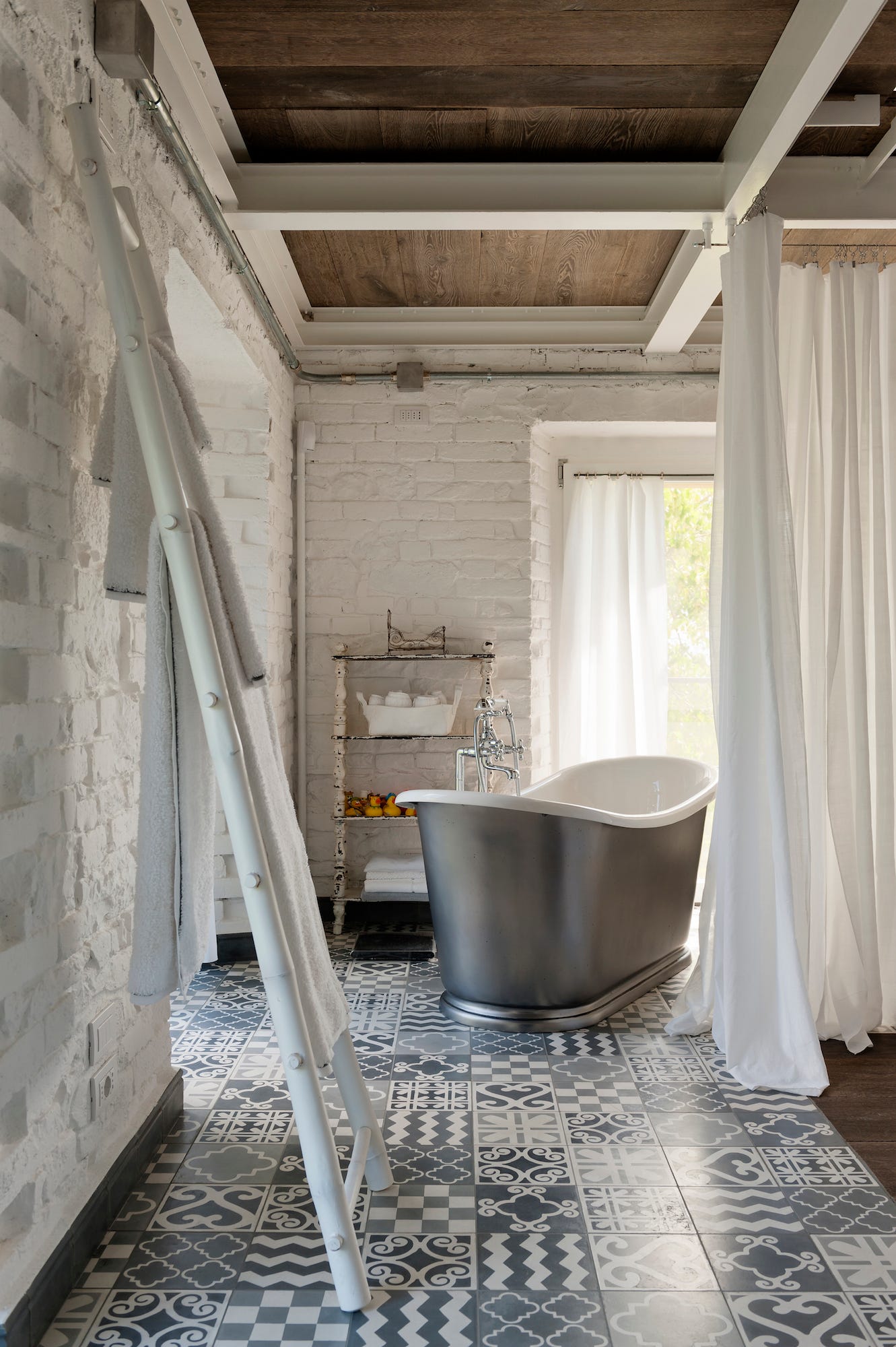
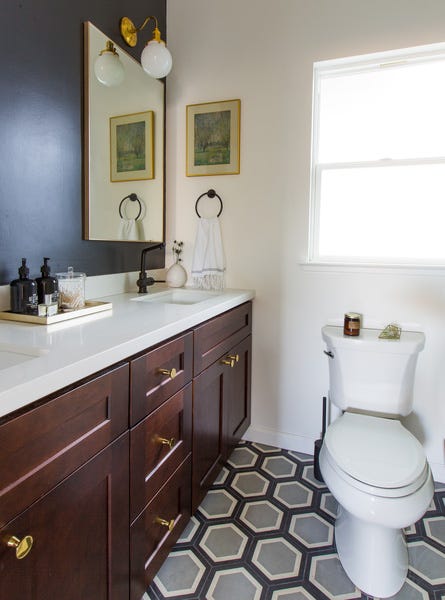
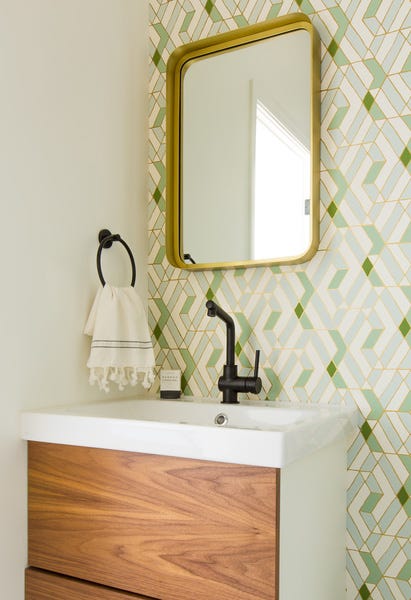
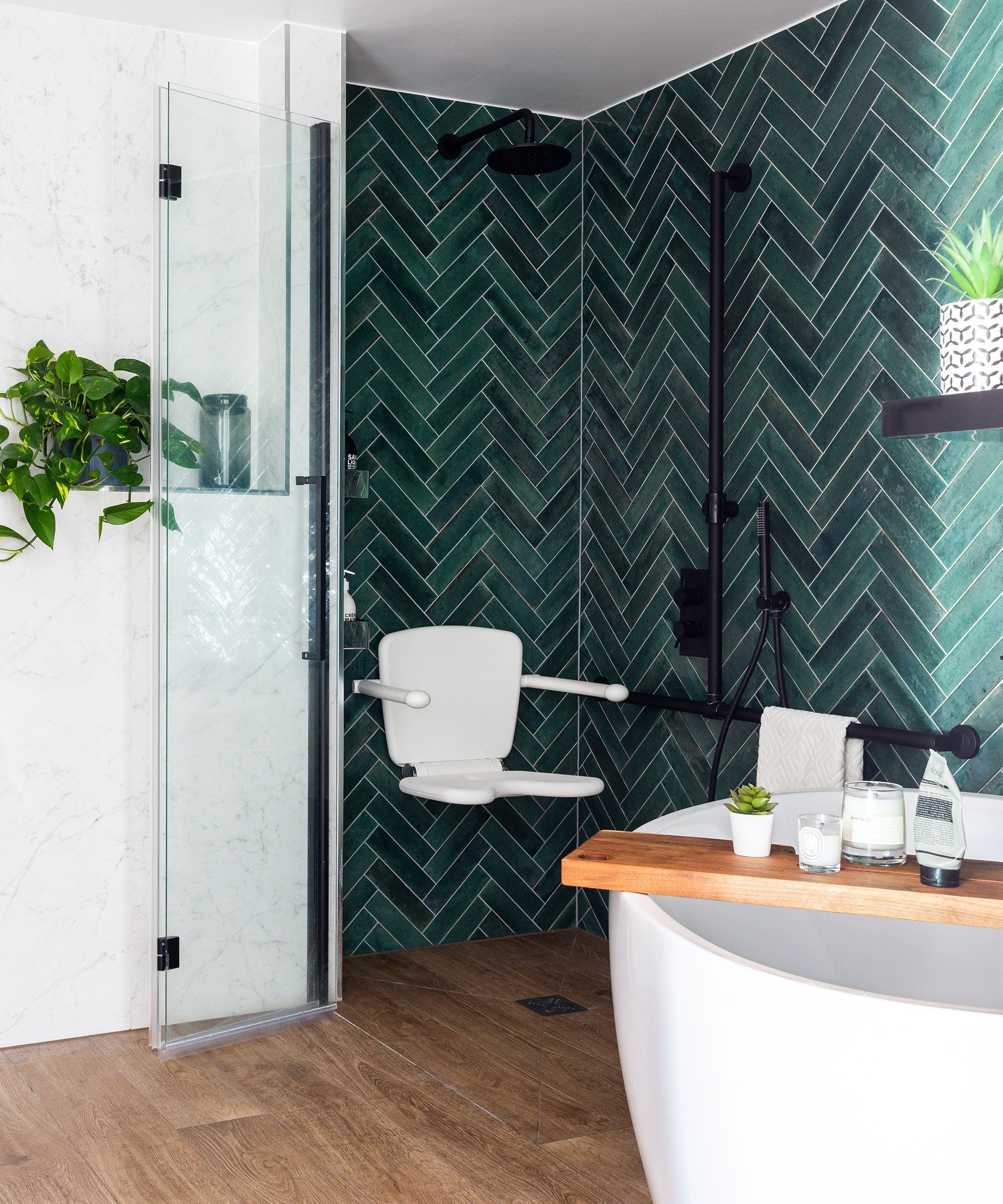
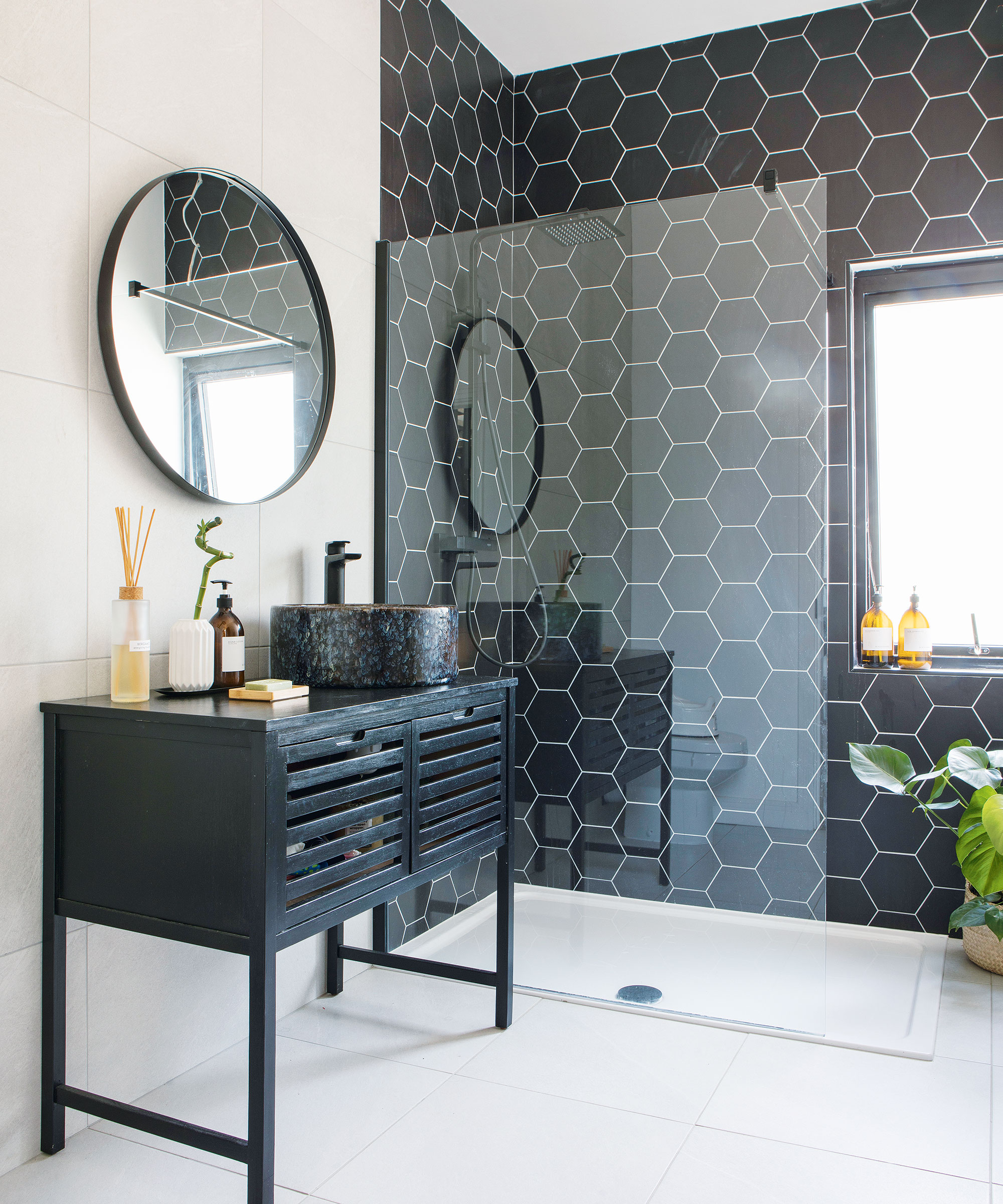
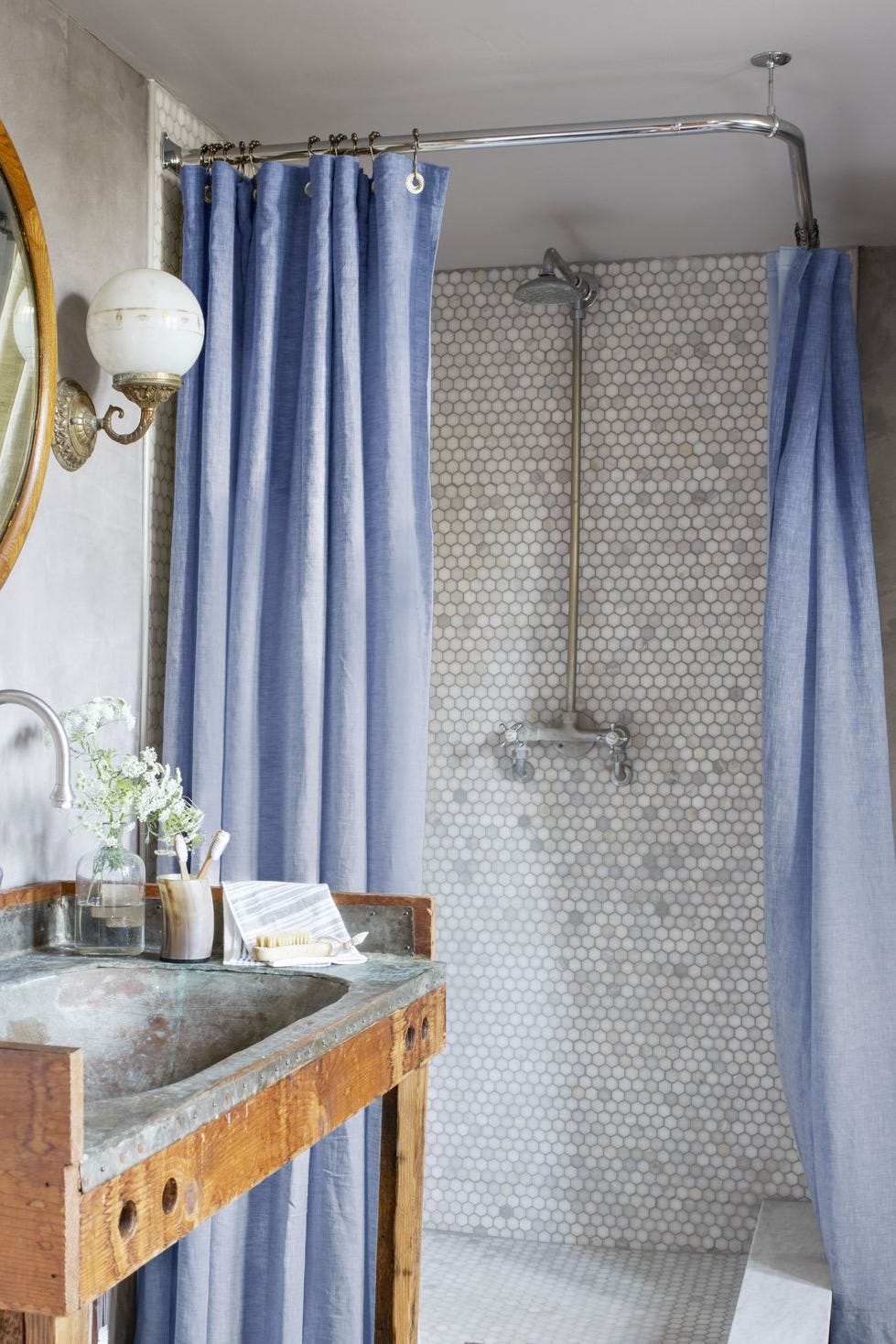
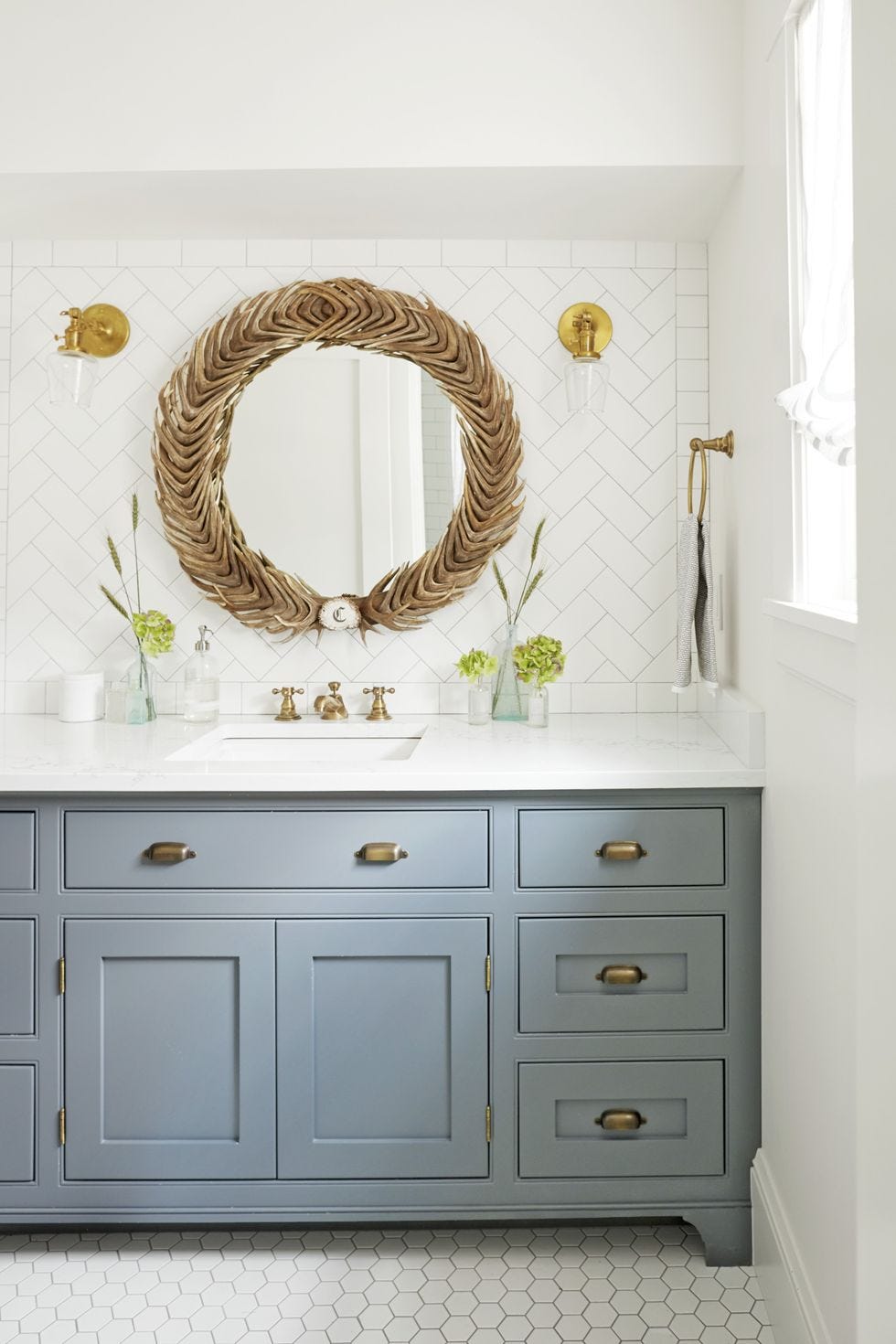
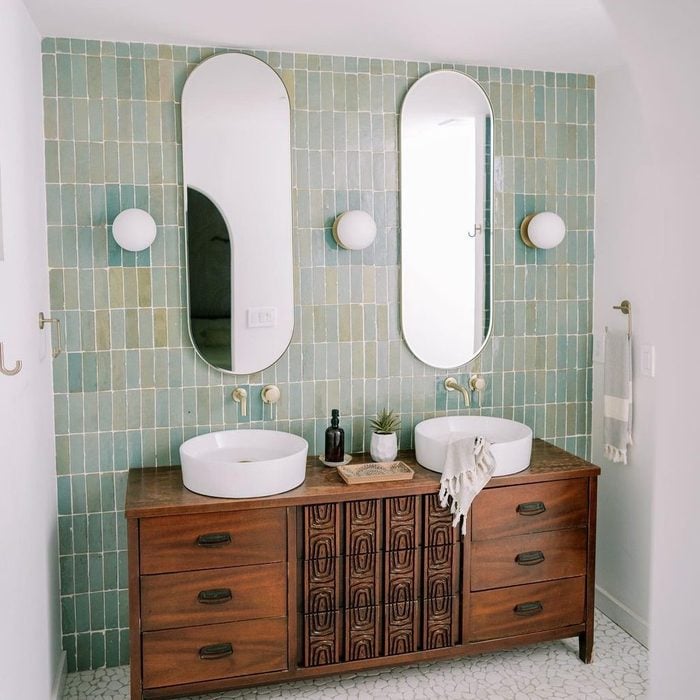
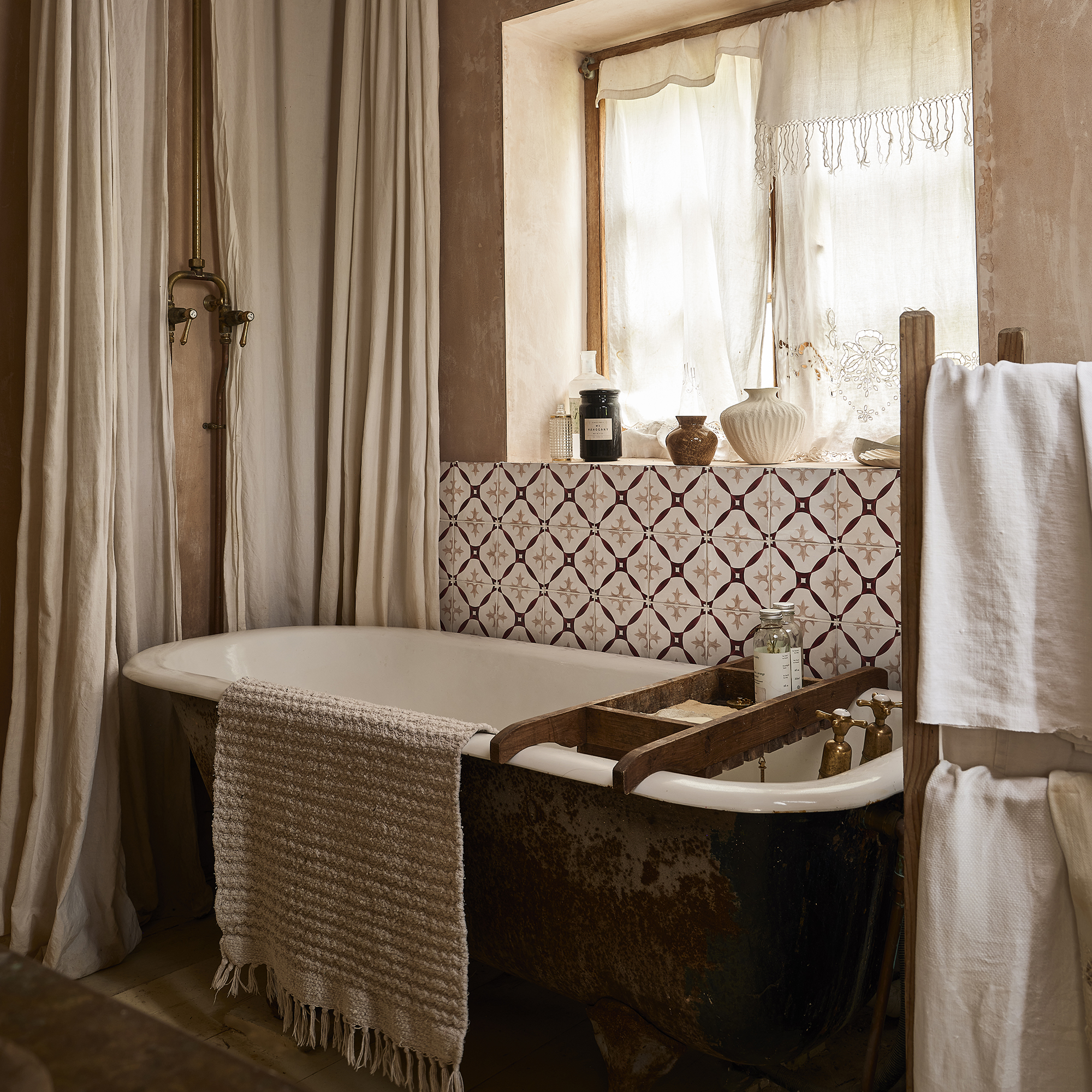
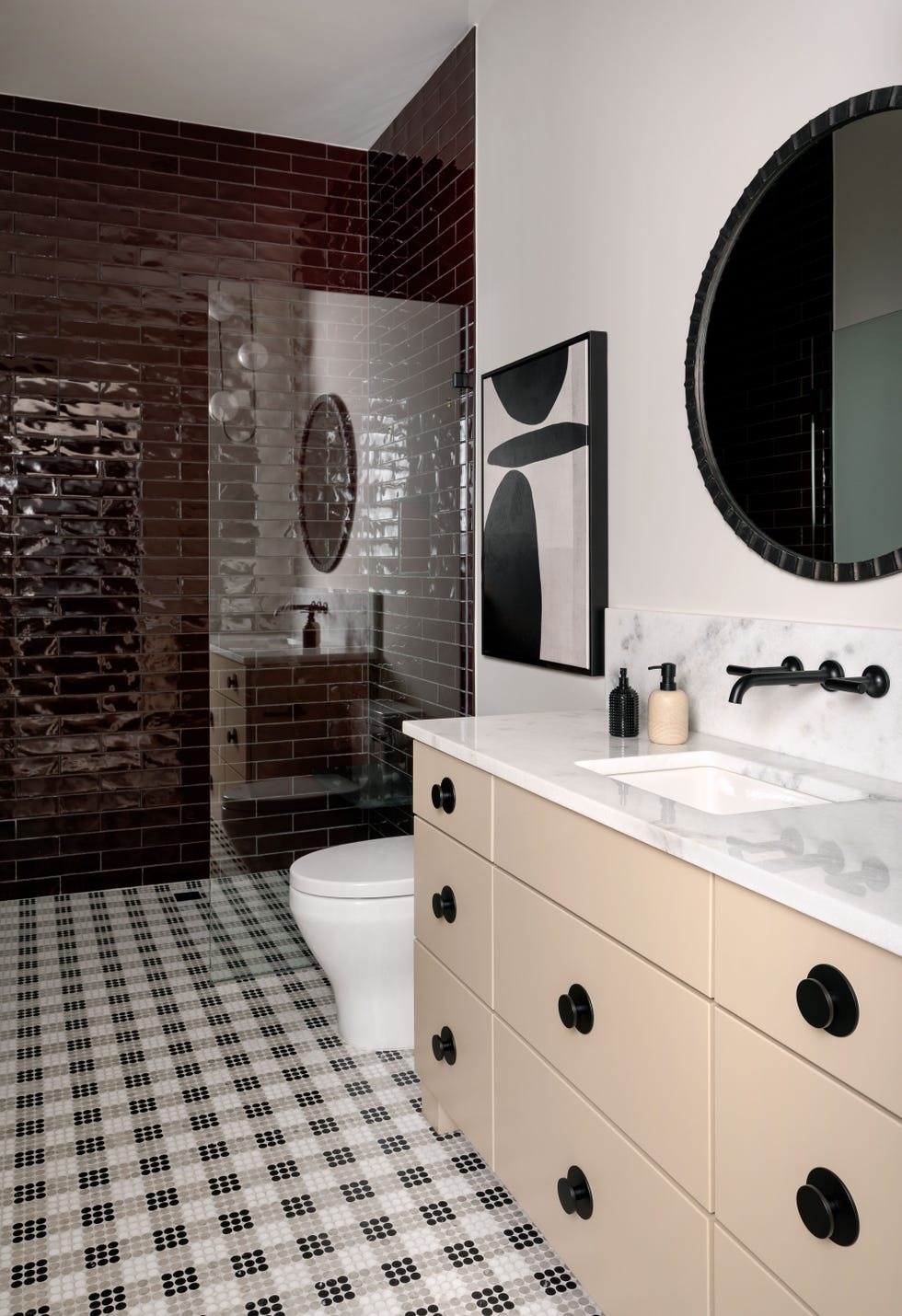
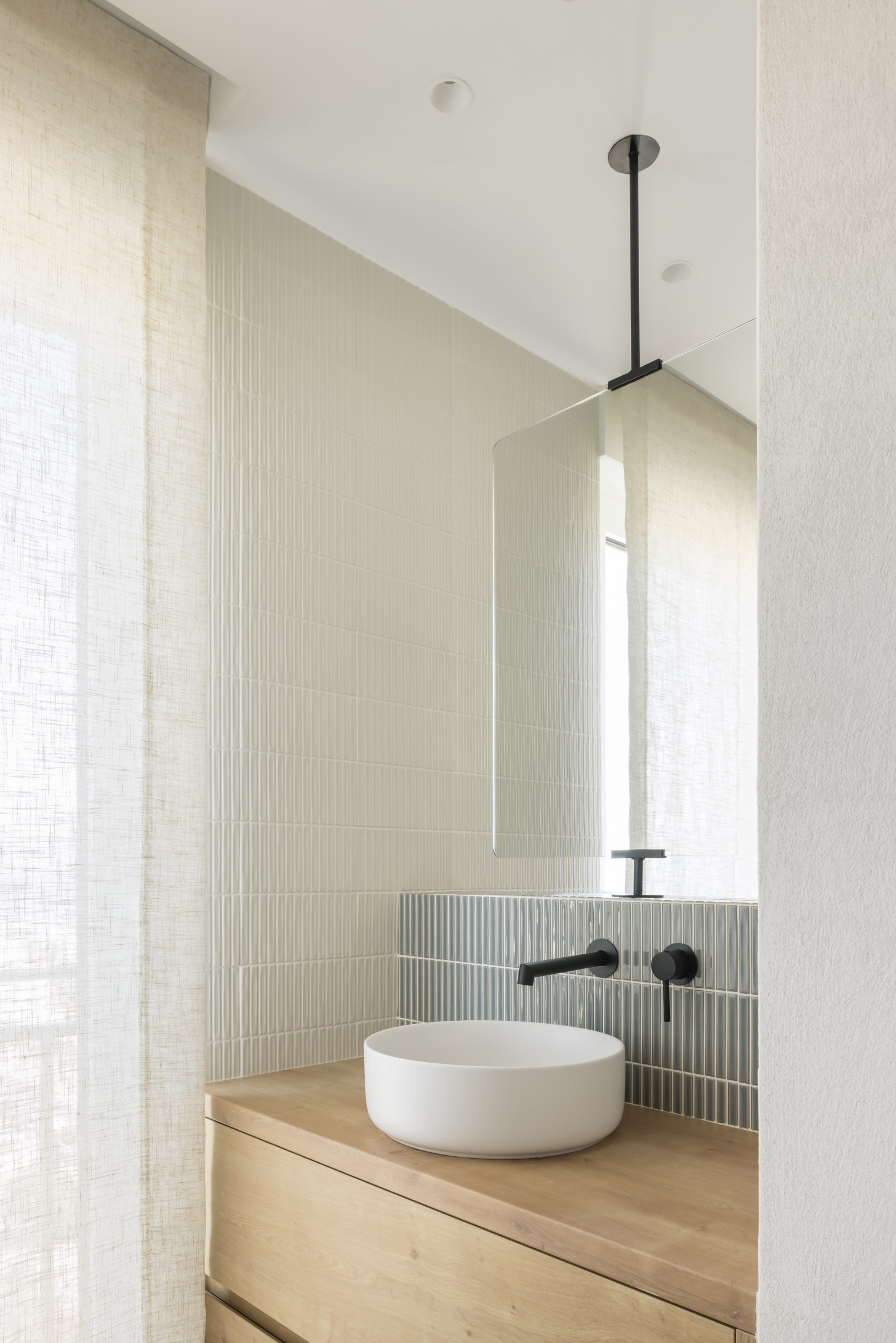
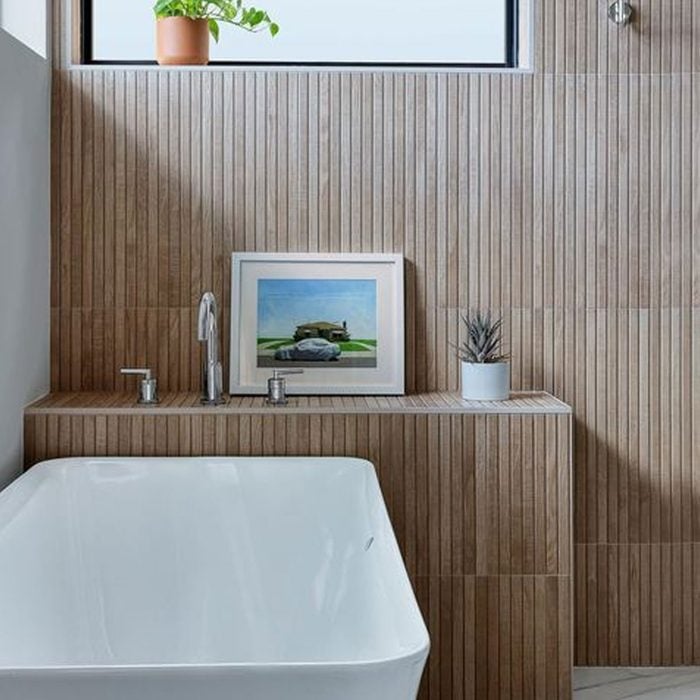
Styling striped tiles effectively involves balancing their strong visual presence with other elements in the room. Designers recommend keeping the surrounding decor simple to allow the pattern to be the focal point. This approach might include incorporating bare plaster walls, brass fittings, or a rustic timber bench. A natural color palette featuring limewash walls, brushed metals, and timber joinery can help ground the space, preventing the stripes from feeling too busy. For a more striking effect, pairing stripes with clean-lined fixtures and matte finishes can lend an architectural feel. Experimenting with mixed stripe directions, contrasting grout colors, and curved shapes can further soften the overall look. While striped walls often take center stage, some designs extend stripes across both walls and floors for a comprehensive decorative statement.
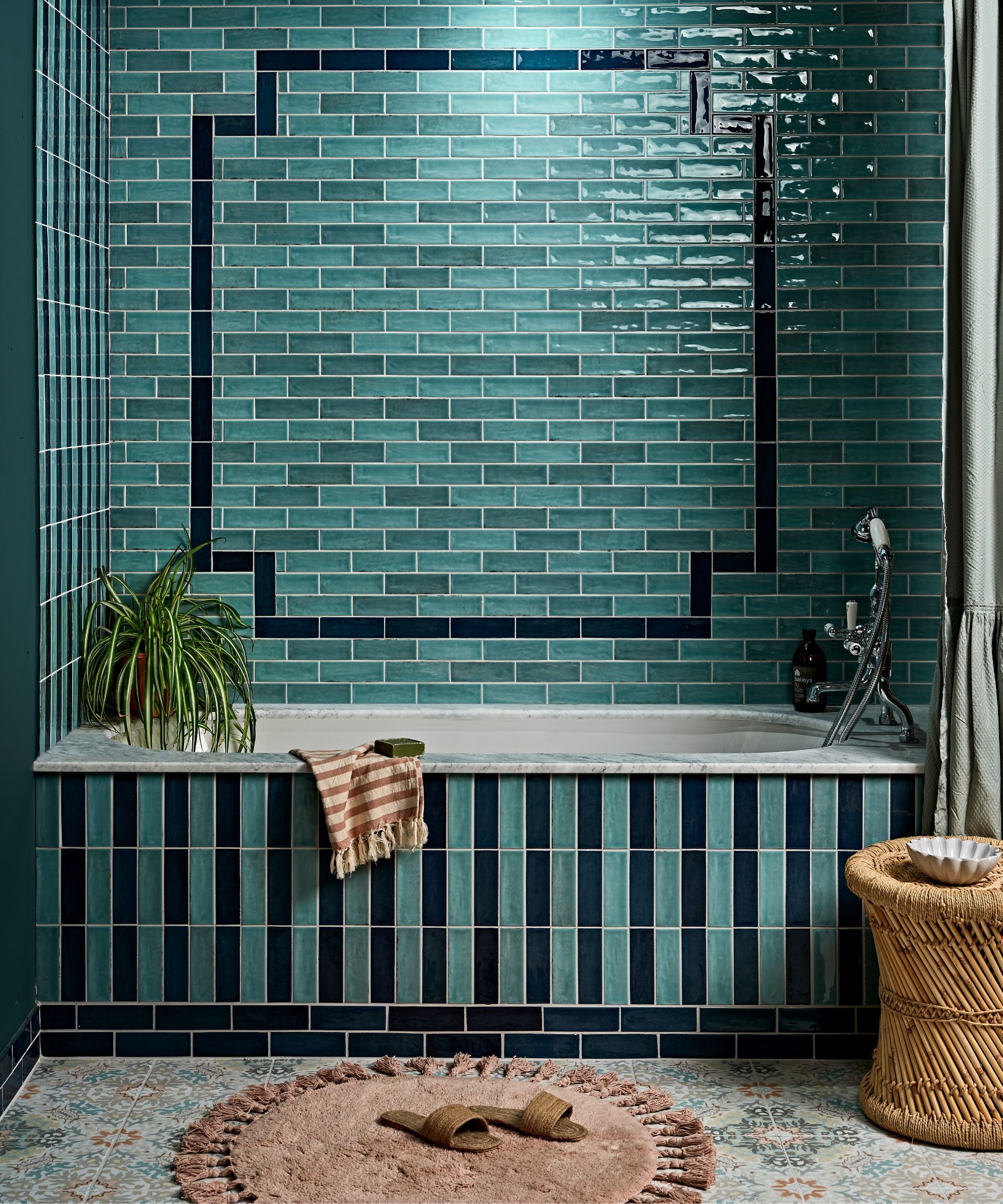
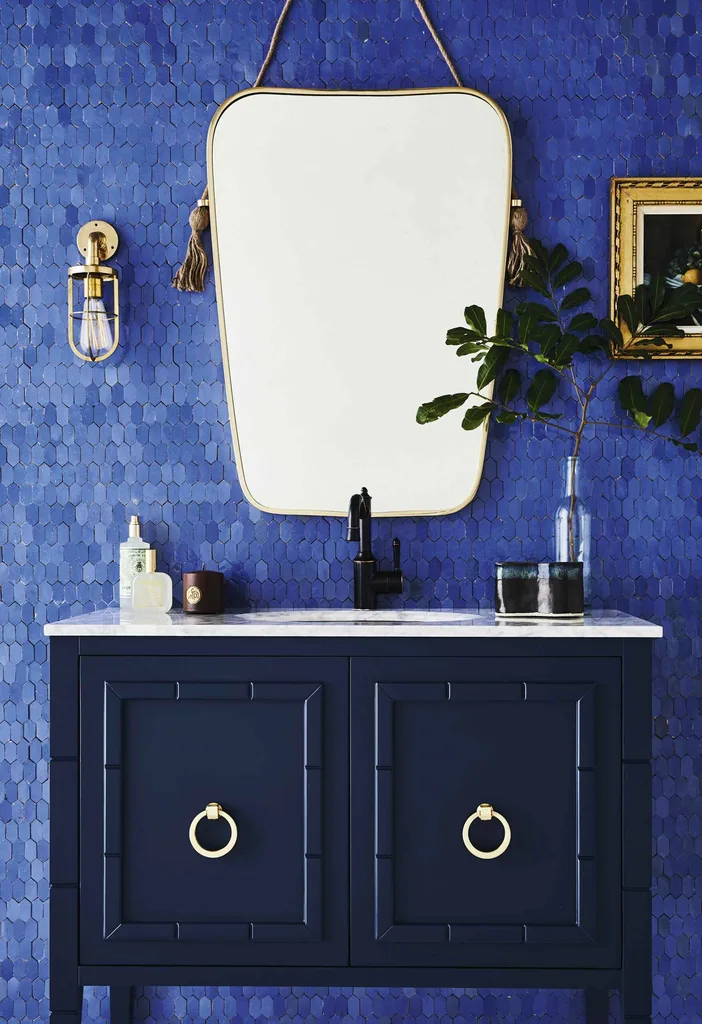
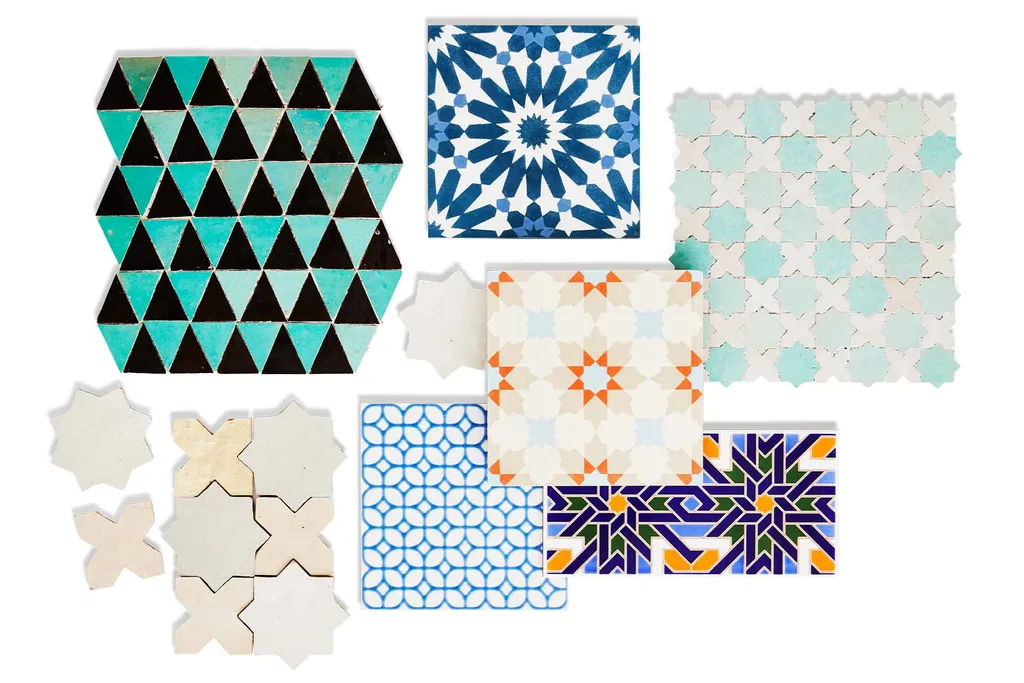
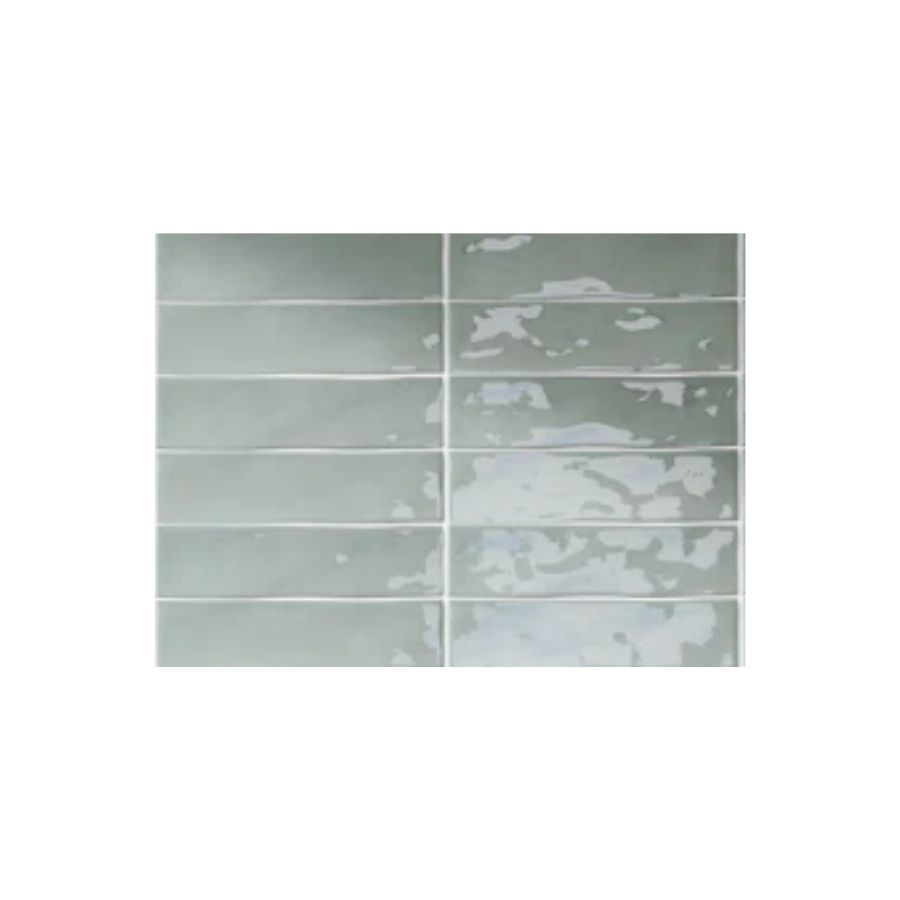
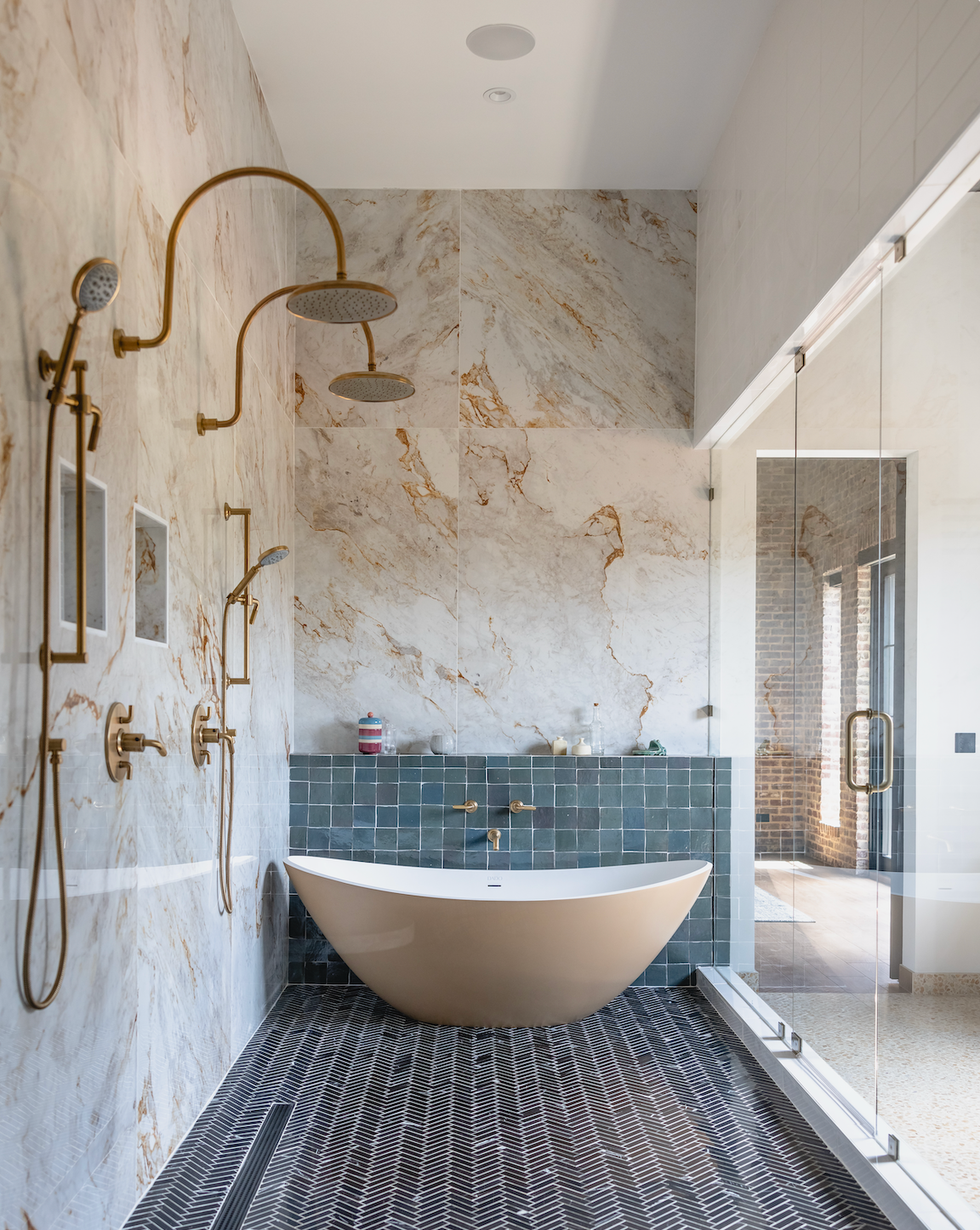
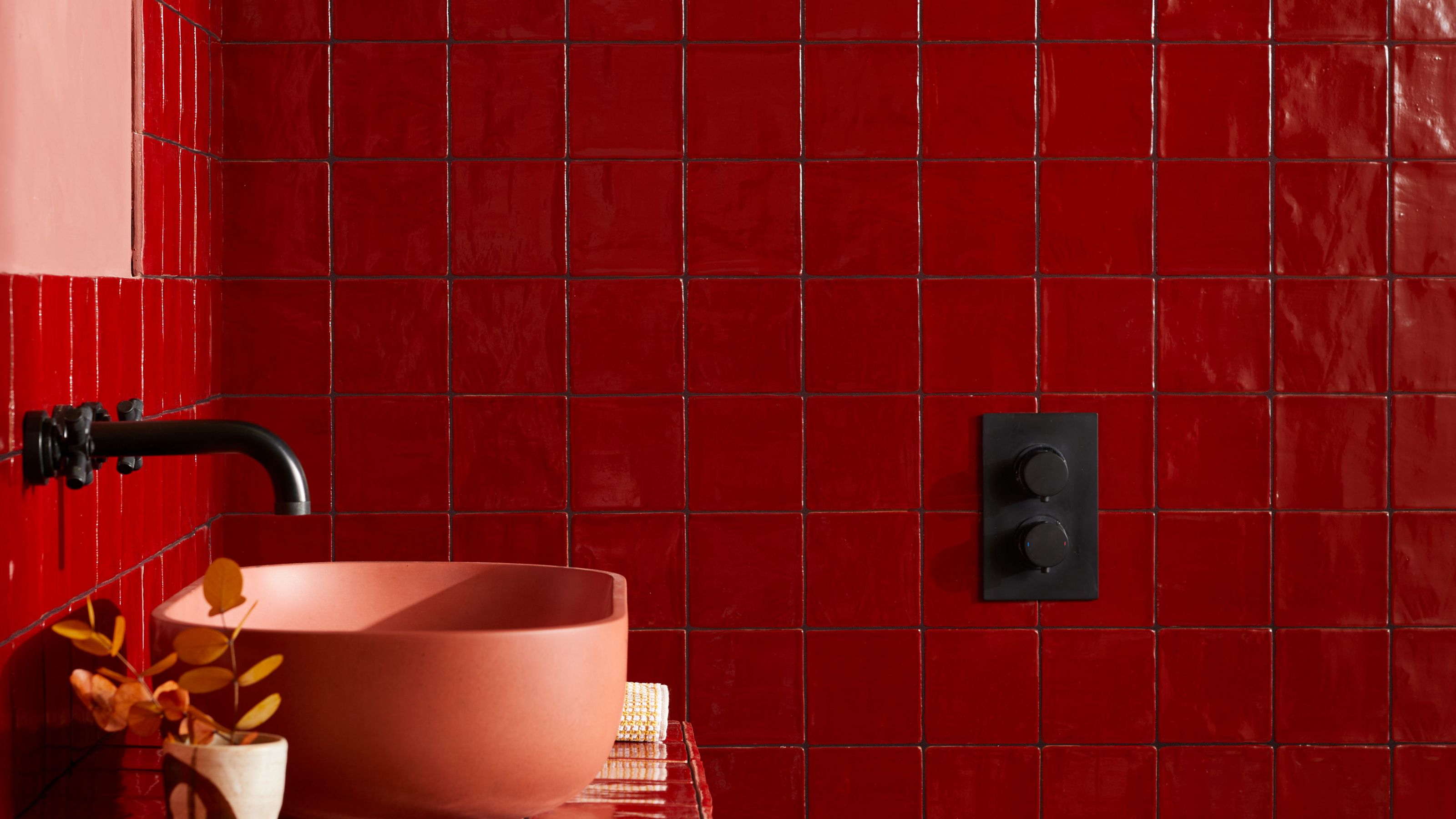
Regarding tile selection, glazed ceramic or small porcelain squares with a glossy finish are often favored due to their reflective qualities, which can enhance the illusion of expanded space and add texture. The choice of colors plays a crucial role in the overall effect. High-contrast colors create a dramatic look, while subtle tonal variations can produce a softer, equally beautiful outcome. For materials, zellige, bejmat, or cement tiles are recommended for their handmade nature and subtle variations, which add depth and character, in contrast to the potentially flat appearance of factory-made ceramics. A critical rule for successful striped tiling is to use two different tiles of identical size, ideally with the same finish.
However, striped tiles are not universally suitable for every area. In very small spaces, such as low-ceilinged powder rooms, an abundance of stripes can be overwhelming, making a single tone or decorative elements like curtains or abstract floor designs a better choice. Similarly, stripes may lose their impact in excessively large, open-plan rooms where there is already significant visual activity, potentially making the space feel busy. In period properties, stripes should be used cautiously and intentionally, ensuring they complement any existing contemporary elements rather than clashing with traditional detailing.
#BathroomDesign #TileTrends #StripedTiles #InteriorDesign #HomeDecor #ModernDesign #NostalgicDecor #SpatialIllusion #DopamineDecor #BathroomDesign #TileTrends #StripedTiles #InteriorDesign #HomeDecor #ModernDesign #NostalgicDecor #SpatialIllusion #DopamineDecor
0 comment in total
 No comments yet
You may also like
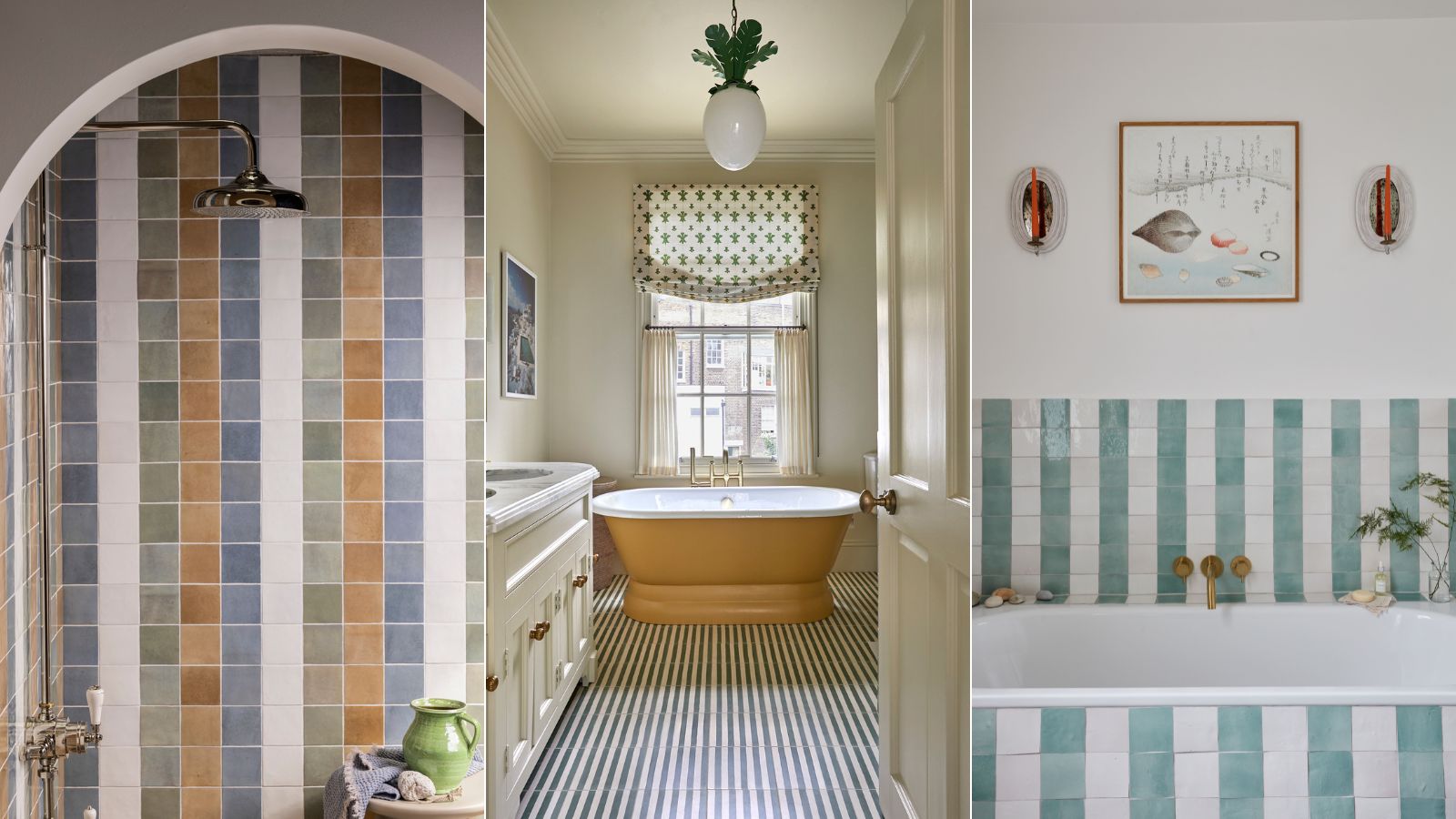
Yes, stripe tile layouts are trending – but are they timeless enough to commit to in your bathroom? We asked designers
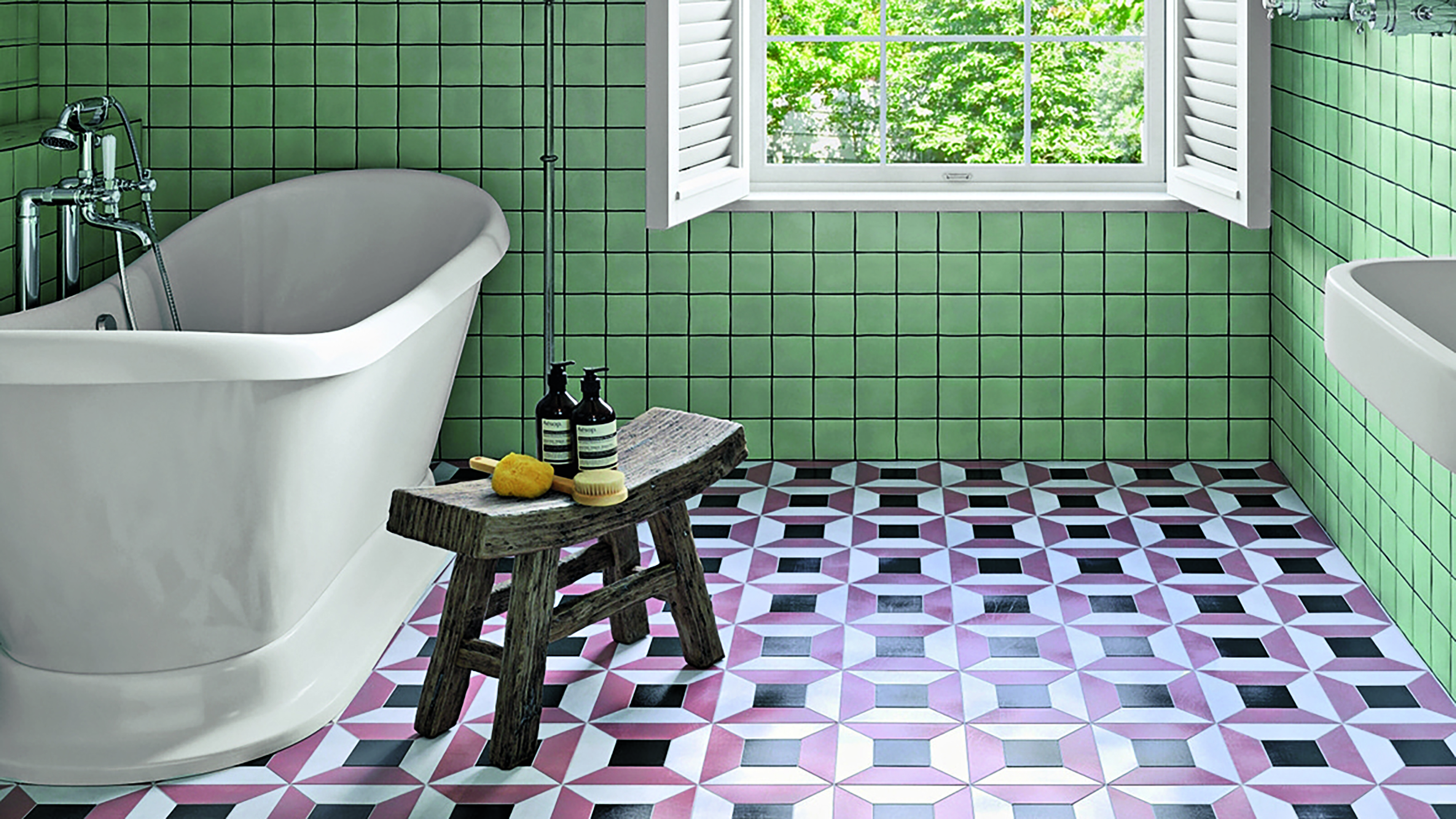
24 bathroom tile ideas to add impact and transform your space
These 21 Funky Bathrooms Make the Case for Ditching Subway Tiles

Beautiful bathroom tile ideas
5 on-trend ways to bring stripe decor into your bathroom

5 tile trends that are taking over the bathroom

Iridescent Tiles Are the Disco Balls of Bathroom Design
Refreshing THIS Design Feature Can Completely Transform Your Bathroom

7 designer-approved tile layout trends to try in 2024 to give your space a lift
These Bathroom Tile Trends Will Be Everywhere in 2025, According to Interior Designers
Bathroom Tile Trends 2025 — What All the Best Dressed Bathroom Walls Are Wearing
5 Trendy Ways to Add More Color to the Bathroom
71 Bathroom Tile Ideas to Upgrade Your Space

20 Bathroom Tile Ideas That Make a Major Design Statement

10 Bathroom Tile Trends That We Love

The "Stark Spa" Feel Is Out—Here Are 12 Bathroom Tile Trends That'll Define 2025

8 Bathroom Tile Trends To Keep A Close Eye On This Year
8 Types of Tile Shapes to Consider For Your Next Bathroom Reno — Number 4 Is Our Favorite Pick for 2025
The bathroom tile trends to watch for 2025 — 7 inspiring new looks to have on your radar
The Gorgeous Bathroom Tile Trend That Is Extra Large And Sure To Make A Statement