1/6
Garden railings and gates – everything you need to know, including whether you need planning permission
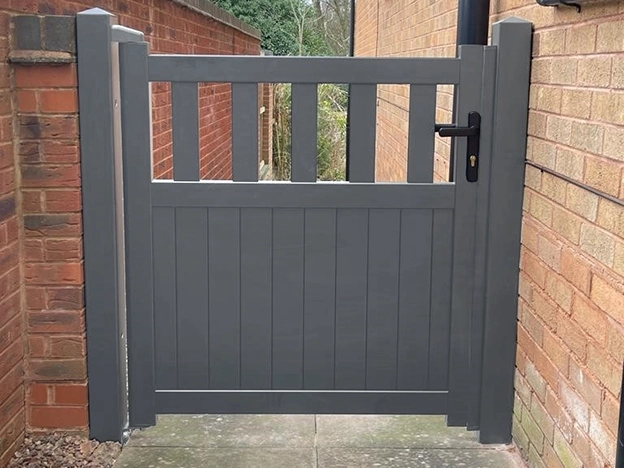
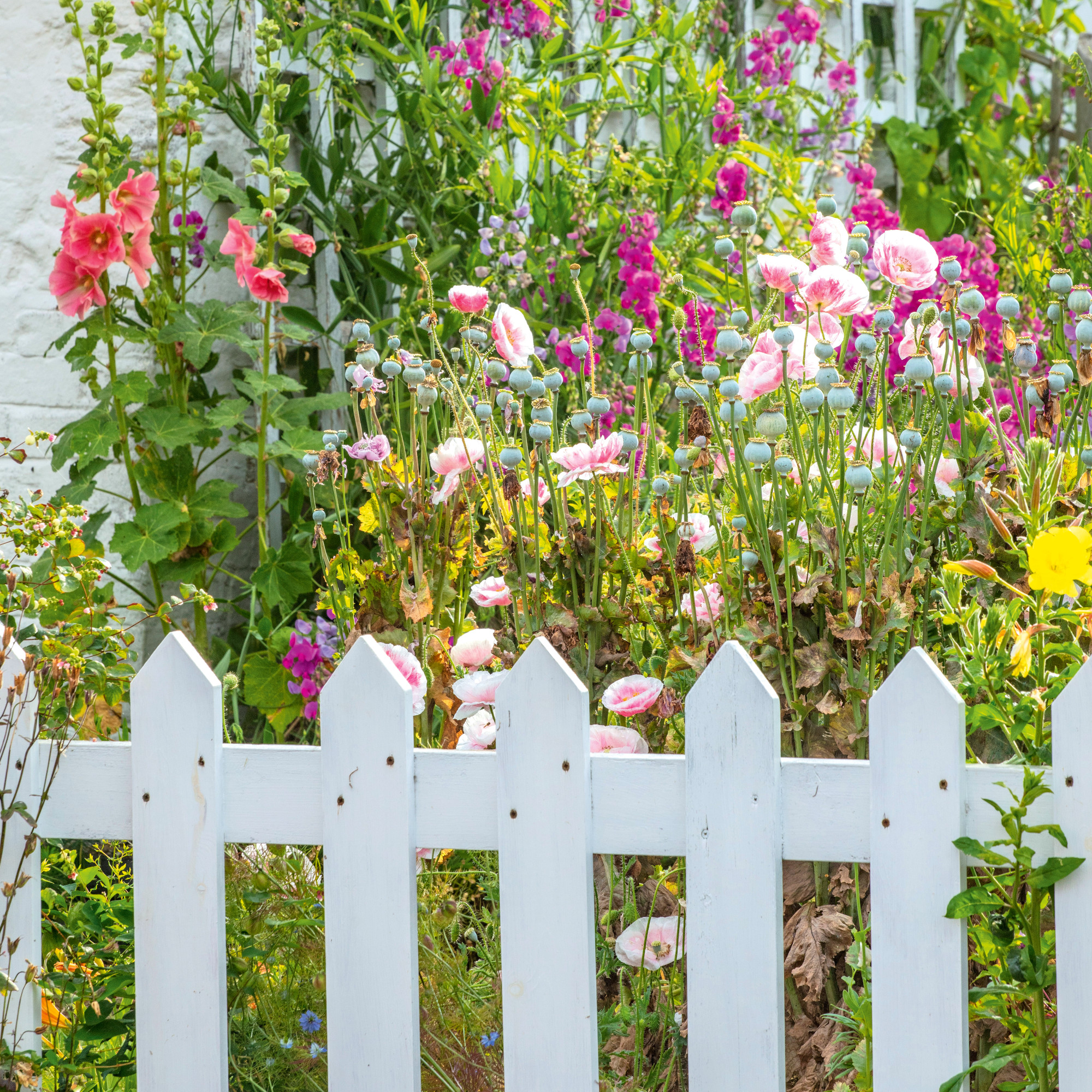
Metal railings and gates are a key feature in defining the aesthetic of a garden, especially a front garden, with designs dating back to the 15th century. Wrought iron remains a popular choice, though modern alternatives like steel and aluminum are also prevalent. Many original railings and gates were lost during the 1940s due to the war effort, making restoration or replication of these historical elements increasingly popular. This article provides essential information for homeowners considering installing or restoring garden railings and gates.
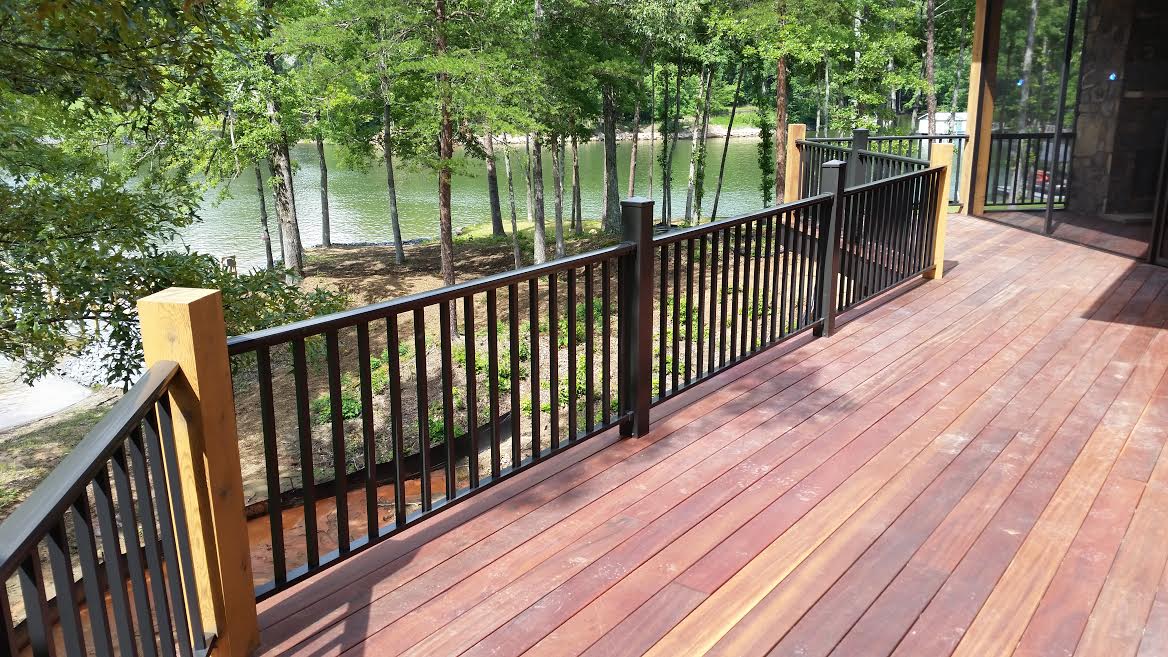
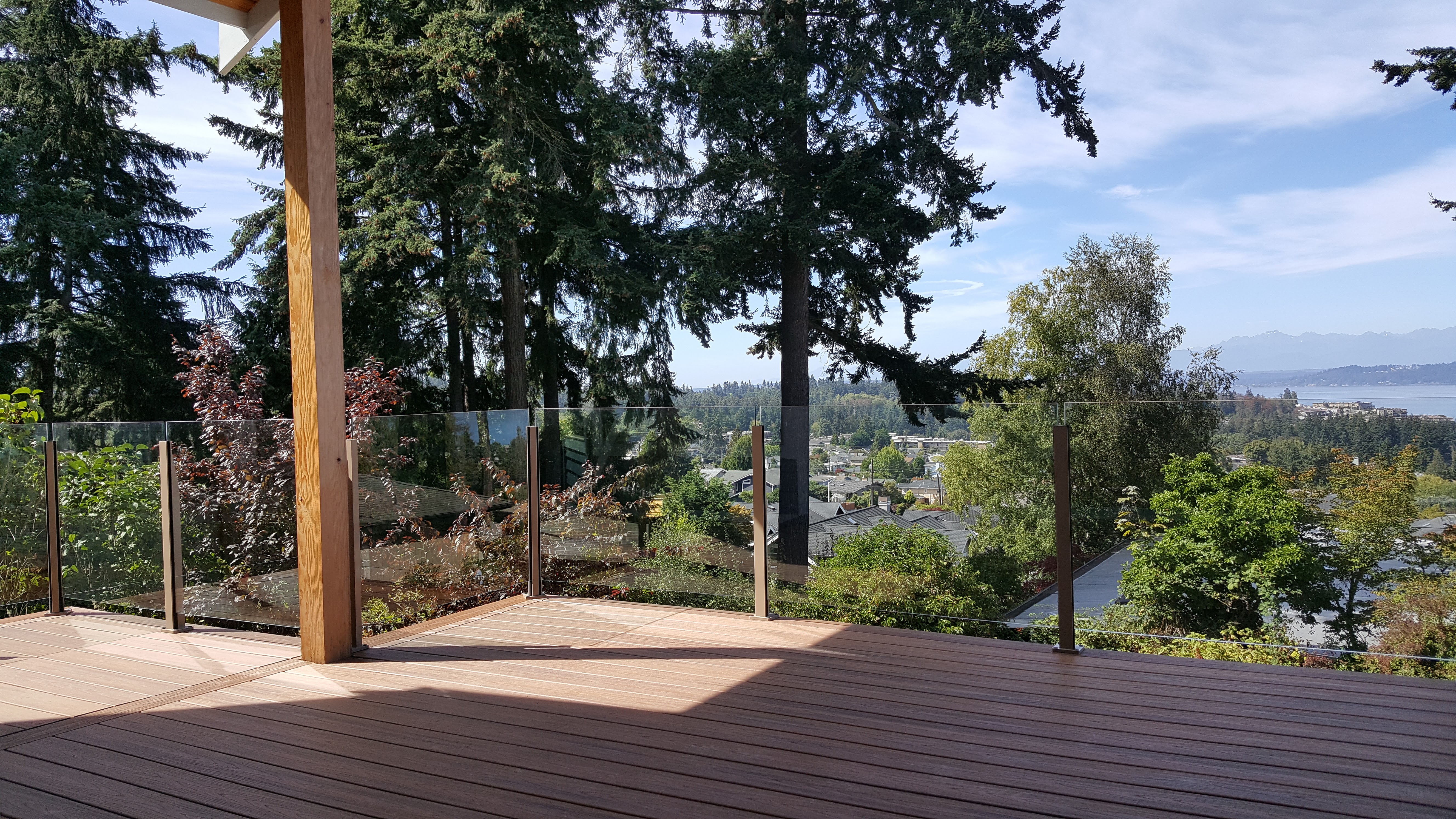
Restoring original railings and gates is a viable option, with specialized companies offering services ranging from basic cleaning and minor repairs to full refurbishment. When damage is too extensive for restoration, these experts can create exact replicas using recycled metals by taking molds of the originals. Height is a critical consideration for new installations. Building regulations require railings guarding areas with a drop of over 600mm to be a minimum of 1100mm high, and gaps must not allow a 100mm sphere to pass through, ensuring safety for children and animals.
Planning permission may be required, depending on the height and location of the railings and gates. Railings within three meters of a road edge are restricted to a maximum height of one meter, while those in other locations can be up to two meters high. Additional restrictions might apply to listed properties or those within conservation areas, necessitating consultation with the Local Planning Authority. Regarding material choice, wrought iron offers an ornamental finish but requires regular maintenance to prevent rust and decay due to exposure to water and air. Steel is stronger and more naturally resistant to corrosion, making it suitable for contemporary designs, but a protective layer is still recommended for longevity. Aluminum provides a modern look, is relatively maintenance-free, and resistant to rust, cracking, or peeling, making it an easily recyclable option.
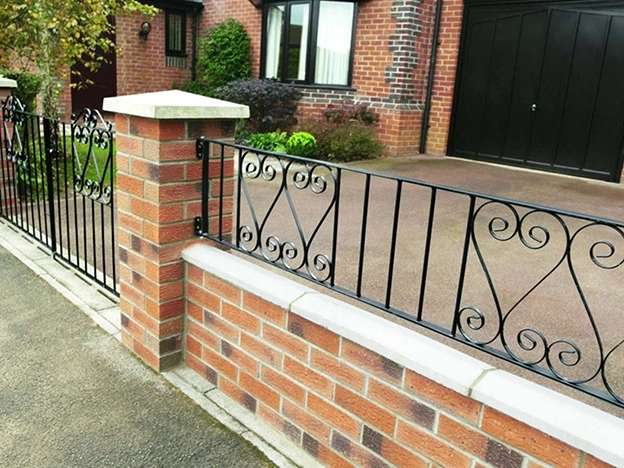
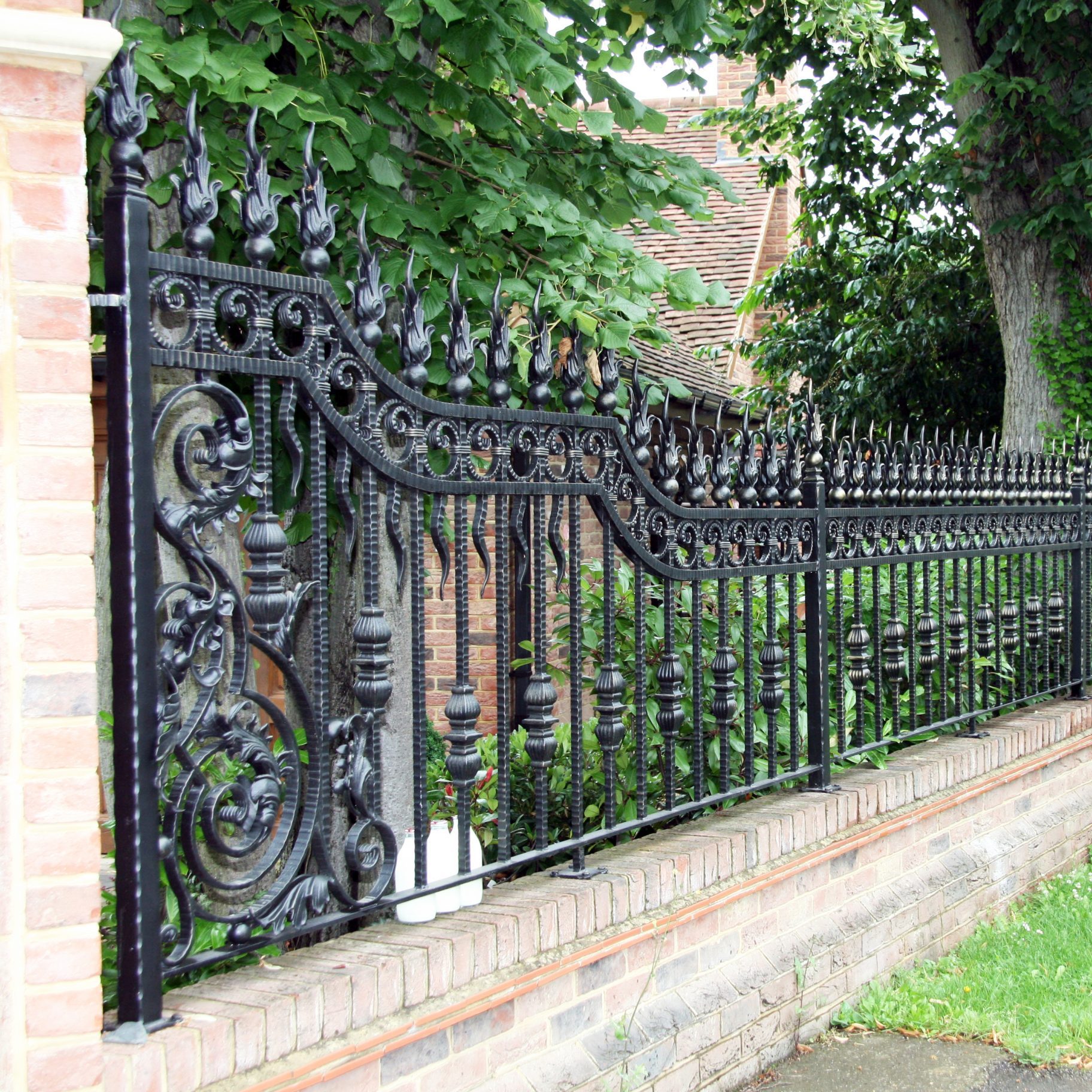
Style options for railings and gates vary by architectural period. Georgian homes typically feature simple spiked or pointed tops, while Victorian properties often boast more ornate designs with elaborate railheads, twisted bars, and Gothic rosette detailing. Homeowners can seek inspiration from local architecture, old photographs, or salvage yards for authentic components. Different finishes, such as galvanizing for a rustic look or various paint shades for a sleek finish, can further customize the appearance. Opting for a bespoke service is often recommended, as it ensures accurate measurements and a secure, smart finish, which can be more cost-effective than adjusting generic sizes.
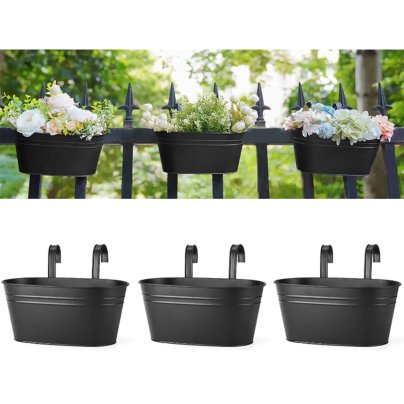
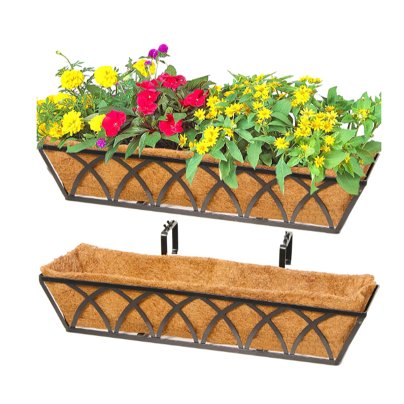
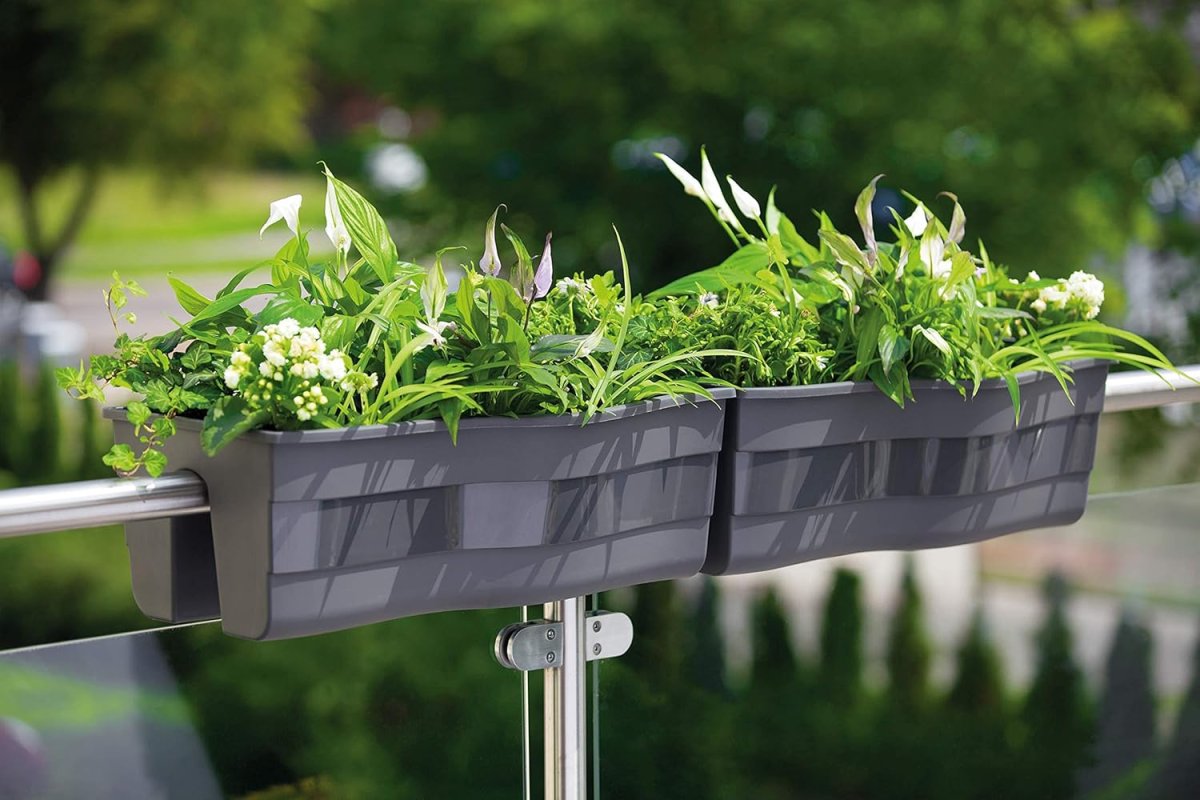
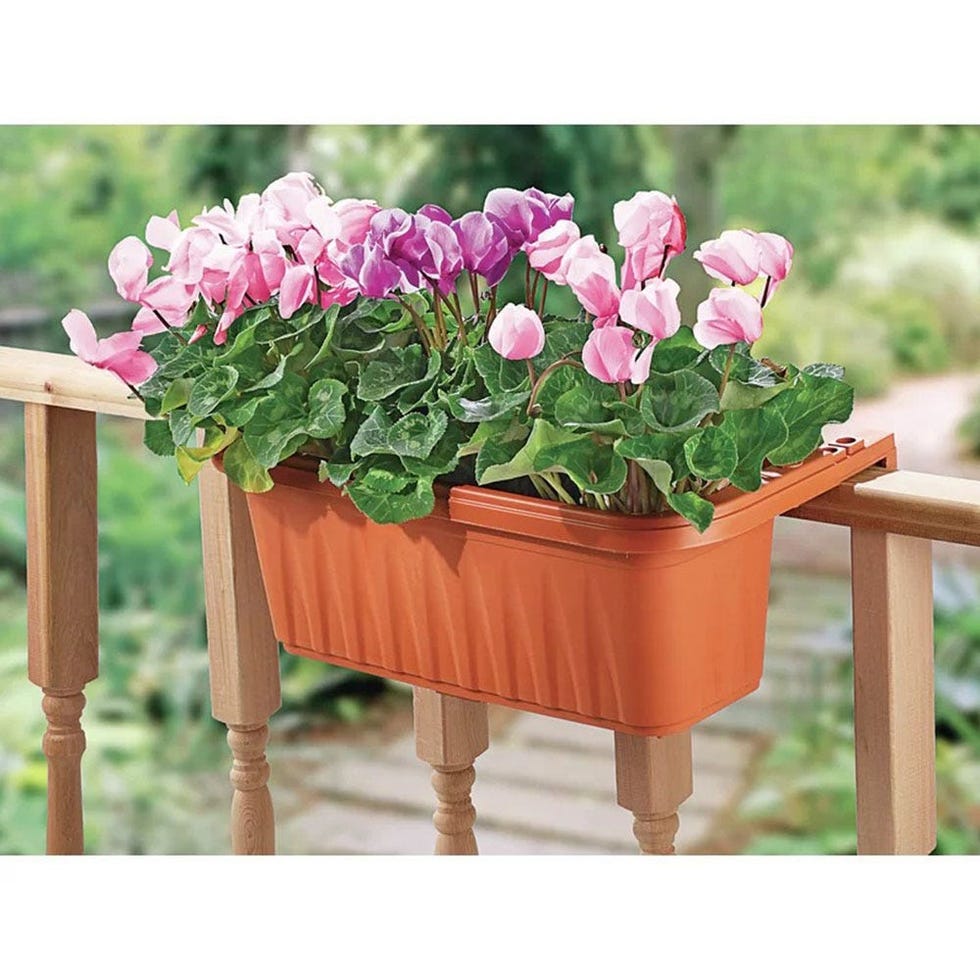
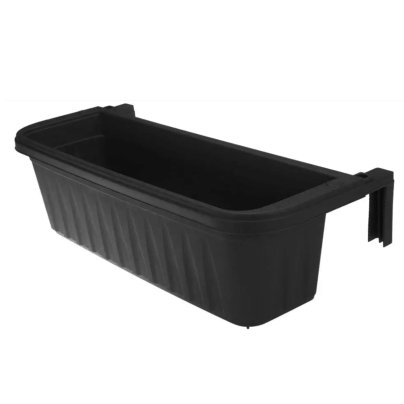
Post-installation maintenance primarily involves preventing rust, which is often caused by chips in the finish or overgrown plants. Using hanging planters and regularly pruning plants to avoid contact with the metal can help. Annual cleaning with a steel brush and a sugar soap solution helps remove rust, moss, and grime. Security is another important aspect. While ornamental, metal gates can have vulnerabilities if intruders can reach locks. Electronic locking systems, especially when paired with manual latches, and features like intercoms and security keypads, enhance safety. Higher gates and pointed railheads act as deterrents, though suitability should be assessed if small children or pets are present. Consulting with the gate supplier can help modify designs for optimal practicality and safety.
#GardenRailings #GardenGates #HomeImprovement #ExteriorDesign #PlanningPermission #MetalWork #HomeSecurity #GardenDesign #ArchitecturalStyles #GardenRailings #GardenGates #HomeImprovement #ExteriorDesign #PlanningPermission #MetalWork #HomeSecurity #GardenDesign #ArchitecturalStyles
Toplam 0 yorum
 Henüz yorum yok
Bu da beğenebilirsiniz
Garden Gates & Railings

Custom Railing Ideas


Interna-Rail® KLEAR Aluminum Railing from Hollaender


Handyman Hints: Your deck's railings need to be to code
This Simple Upgrade Will Turn Your Deck or Balcony into a Garden Oasis


Do you need planning permission for a garden room?
Deck Code Guidelines for Guardrails and Stairway Railings

Do I need planning permission for a pergola? Experts say it all depends on these 3 things
These Railing Planters Are Perfect for Accenting for Your Deck or Balcony

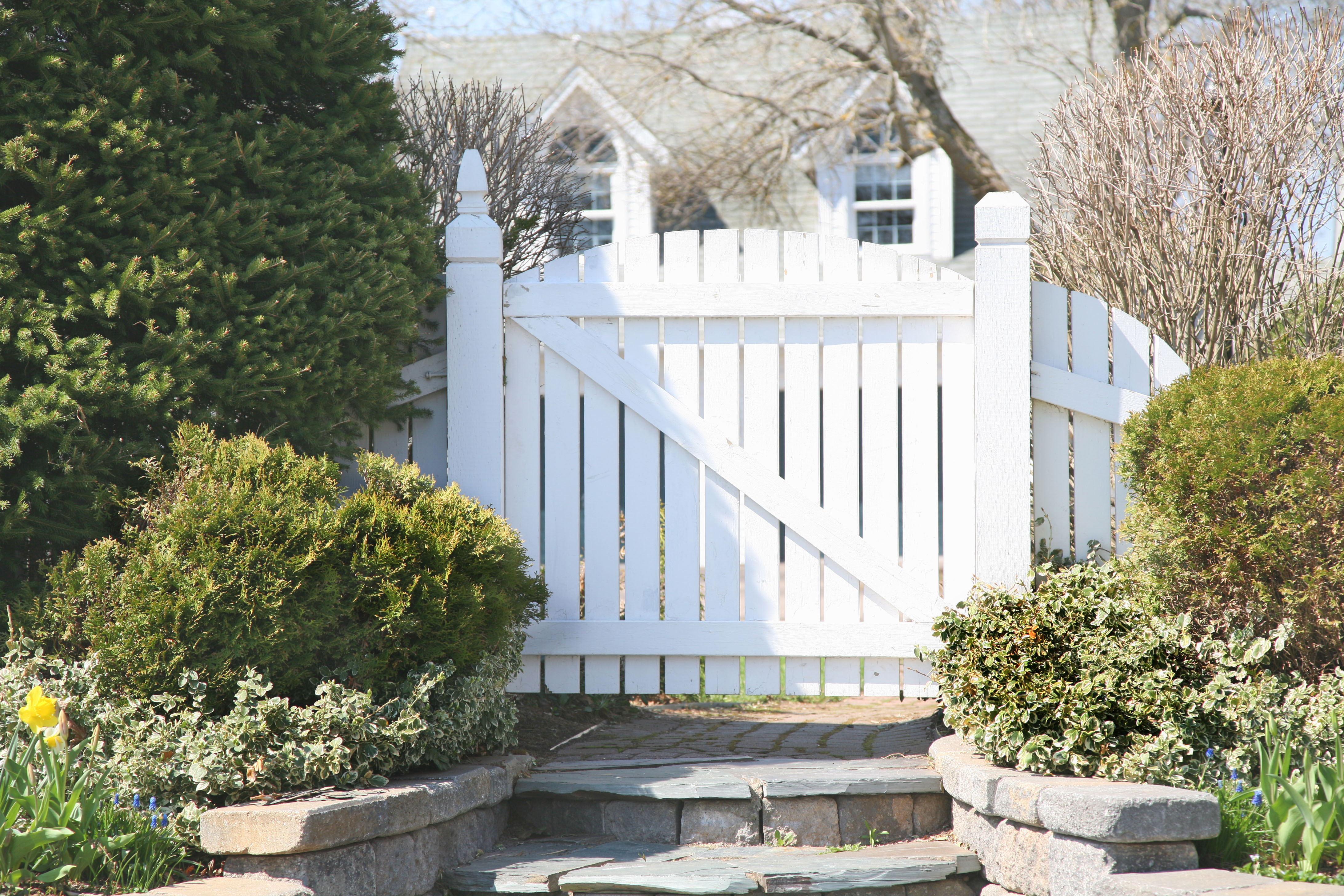
How to build a fence gate – top tips from the experts

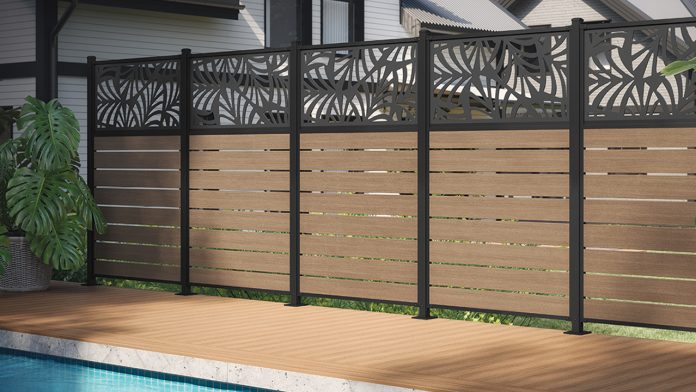
In Depth: Deck Railings & Accessories

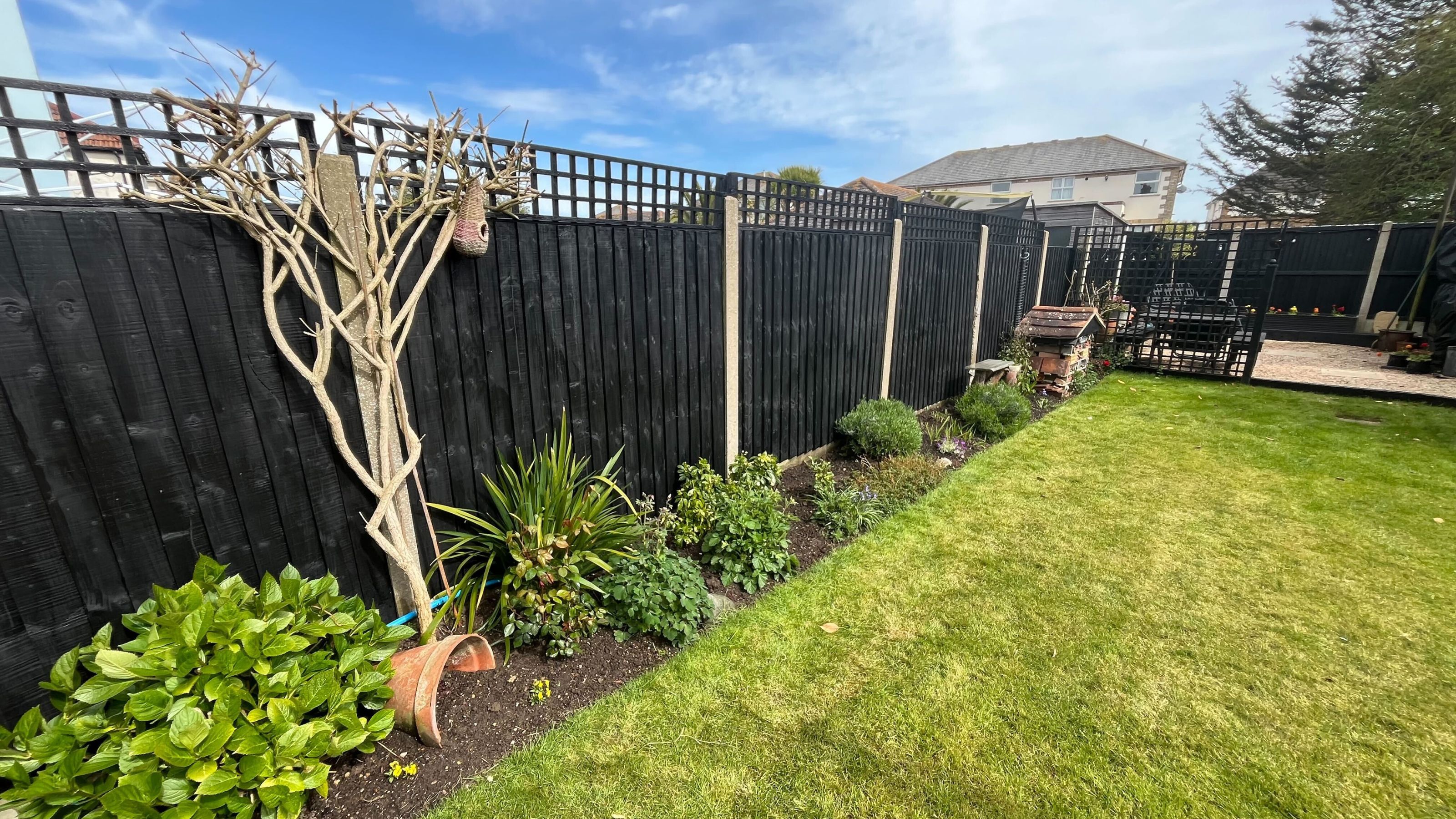
Garden fence ideas – 29 ways to refresh and revamp your panels

Garden Gate Hinges

Garden Fence Panels

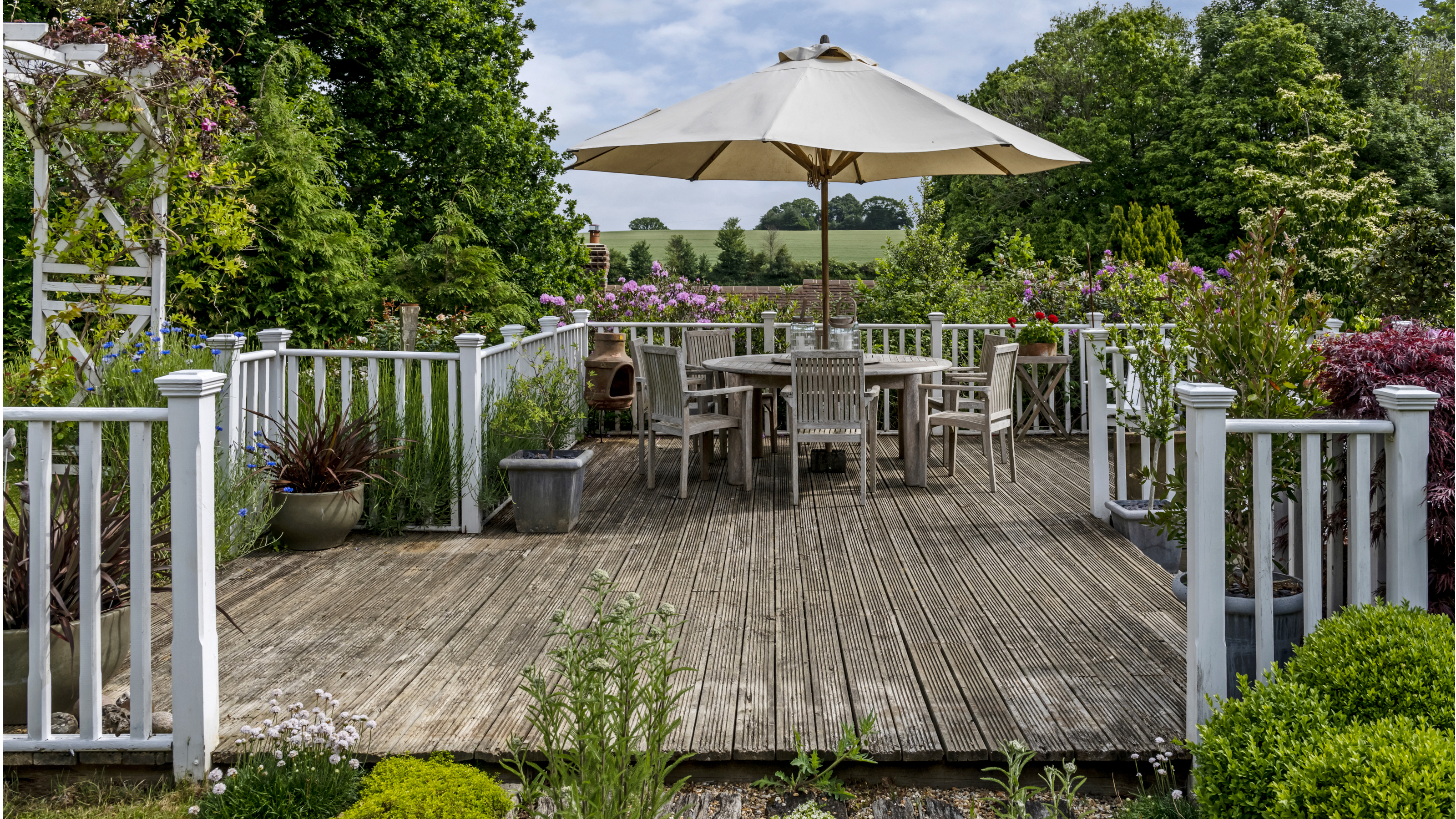
Deck railing ideas - 16 designs to give your decking a stylish and functional surround
Garden screening ideas: 13 ways to create privacy in your garden

Hollaender Catalog
Deck Railing Fasteners
16 deck railing ideas to spice up your porch or patio


Wooden Garden Gates