Your Section-by-Section Guide to Storing Foods in the Fridge, From the Upper Shelves to the Crisper Drawers
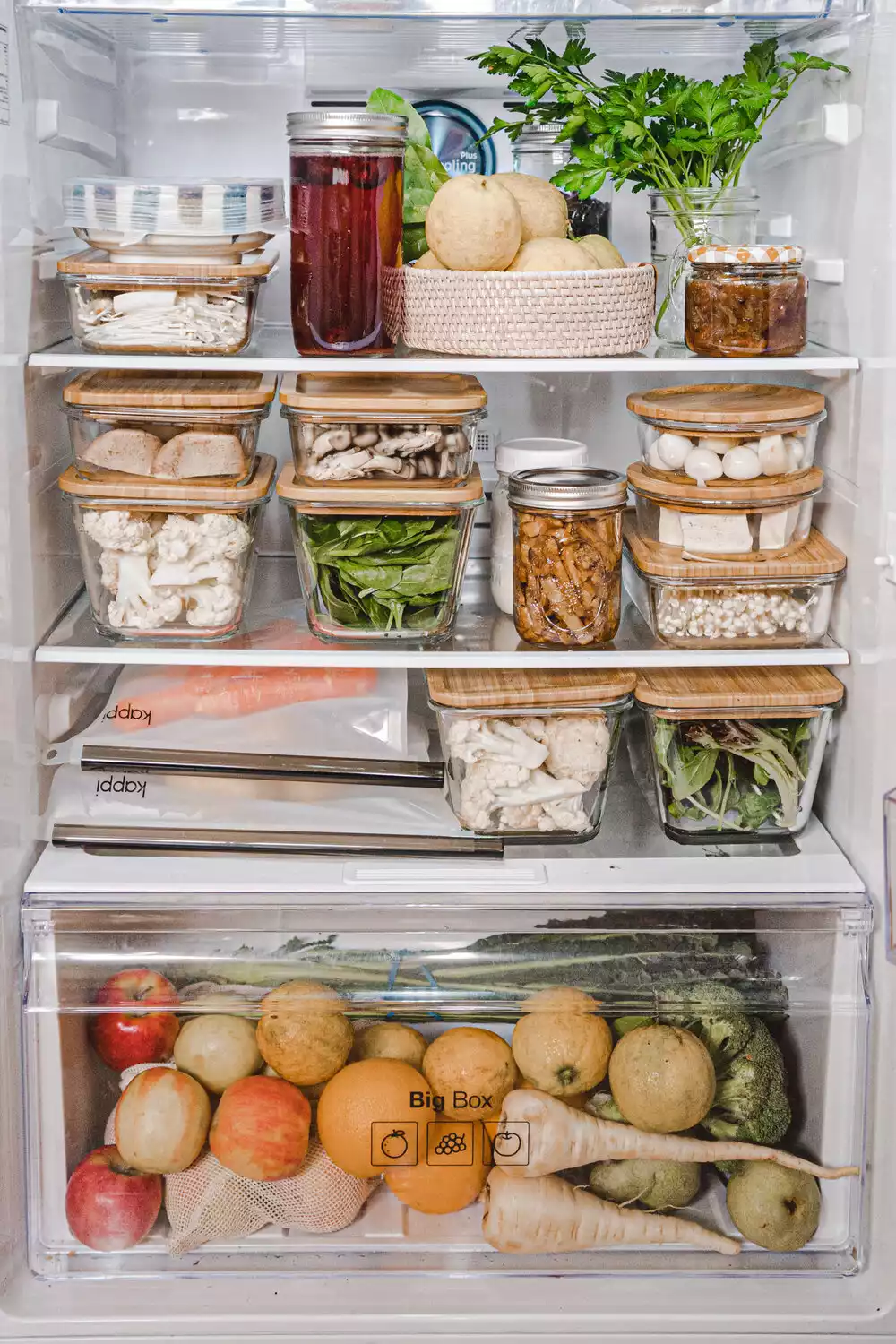
Proper refrigerator organization is crucial not only for easy inventory management but also for prolonging food freshness and preventing cross-contamination. Establishing a safe internal temperature of 40 degrees Fahrenheit or below is the first essential step, as this range effectively slows down bacterial growth. Digital fridge thermometers can assist in maintaining this optimal temperature by providing real-time readings.
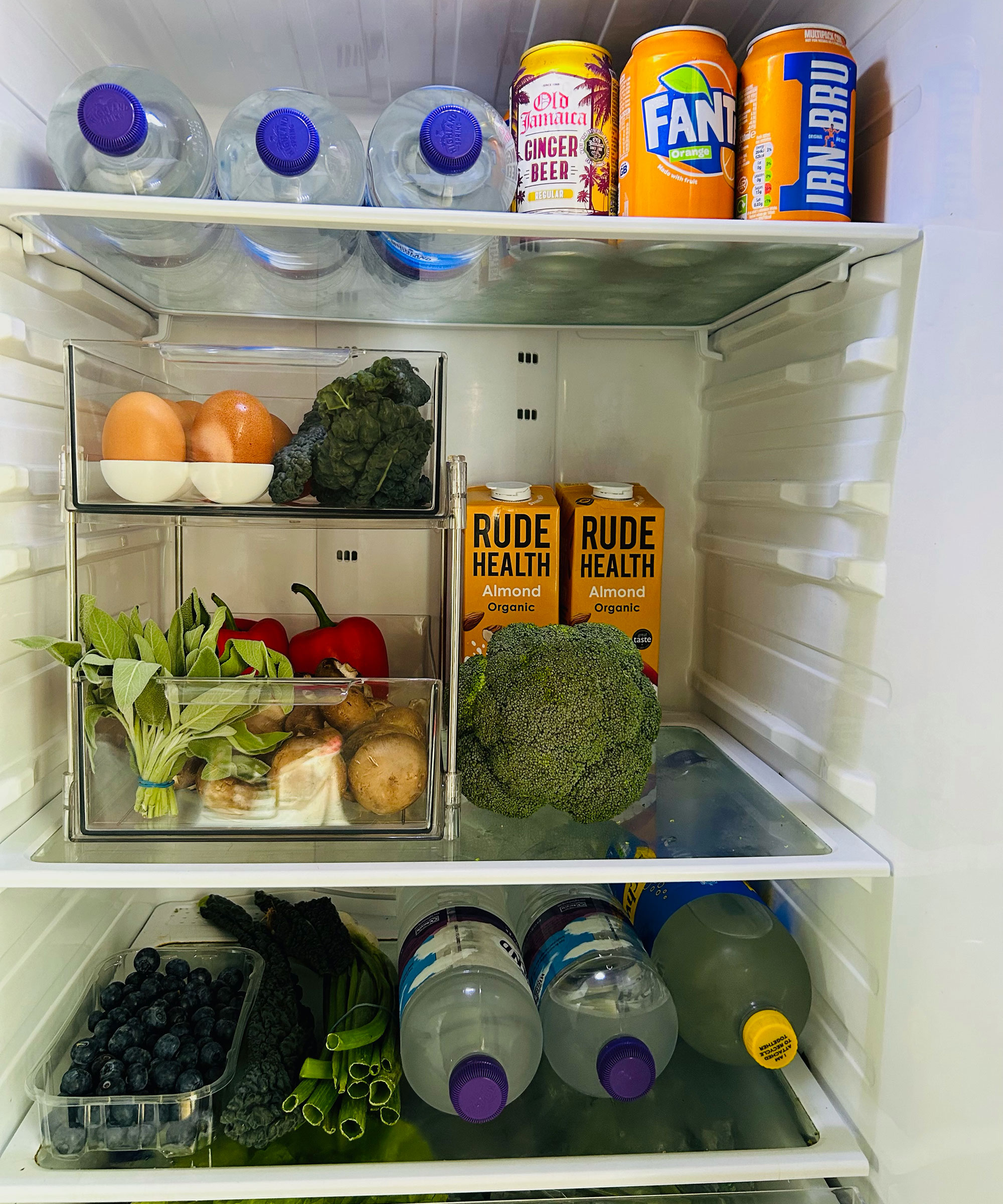
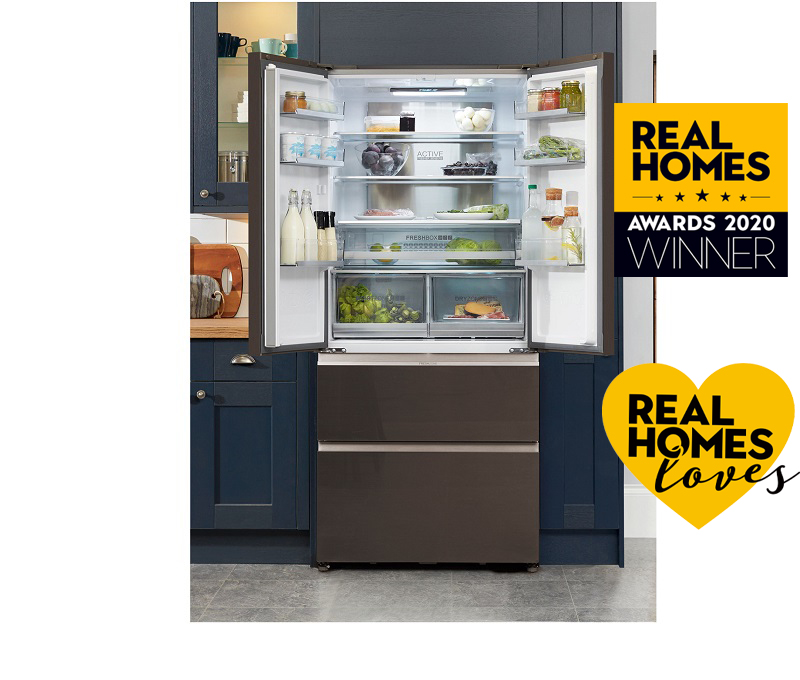
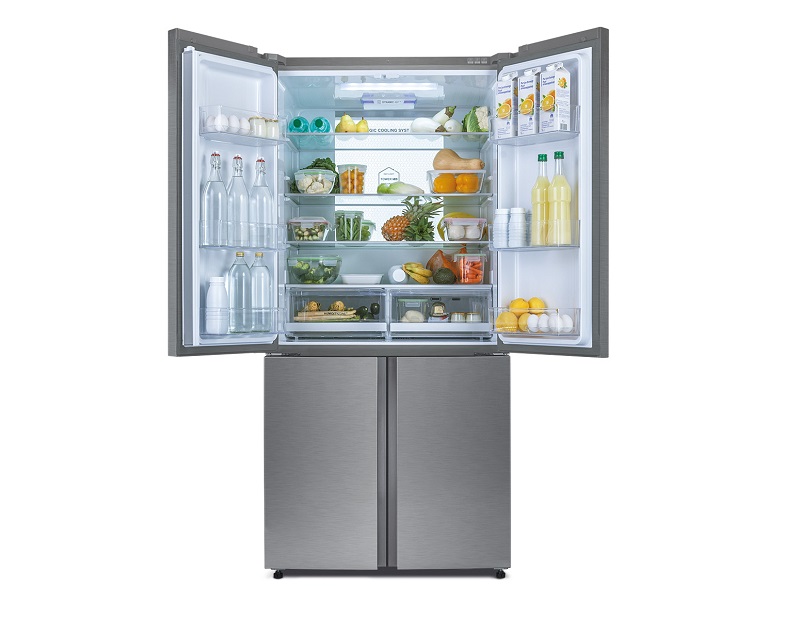
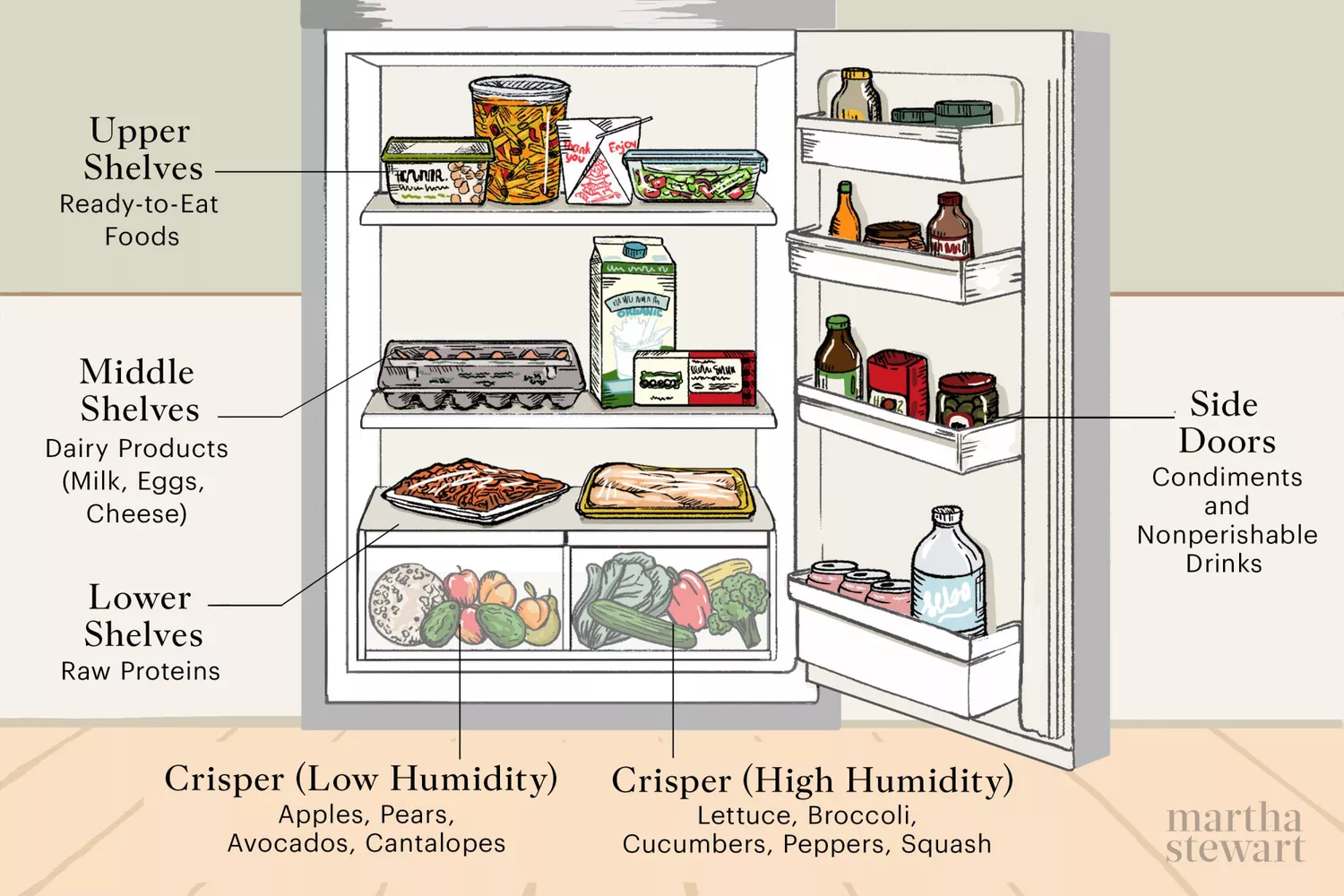
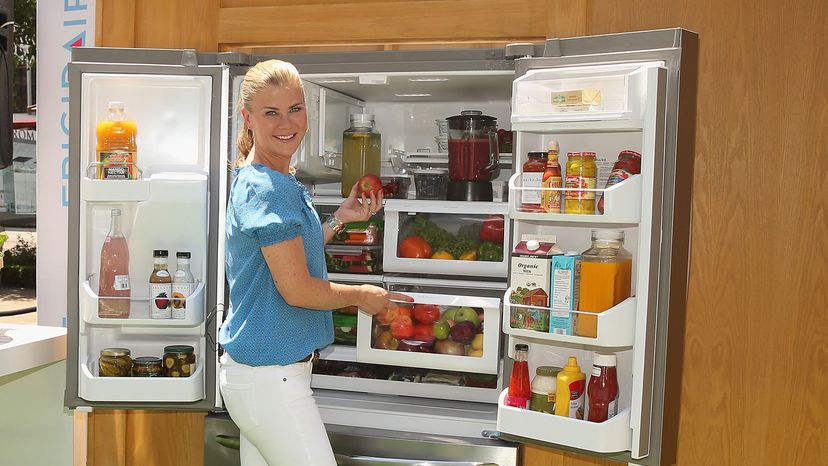
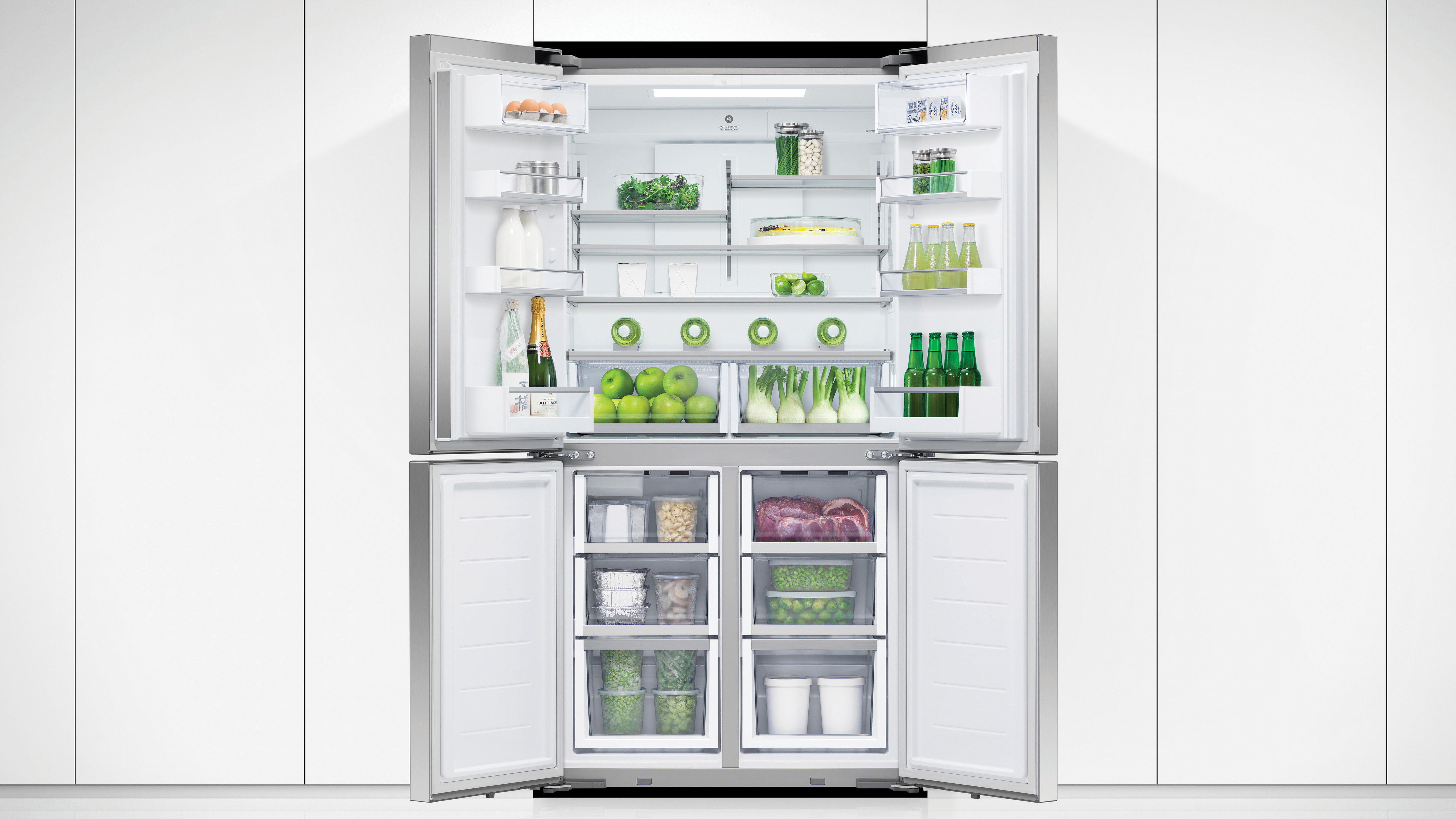
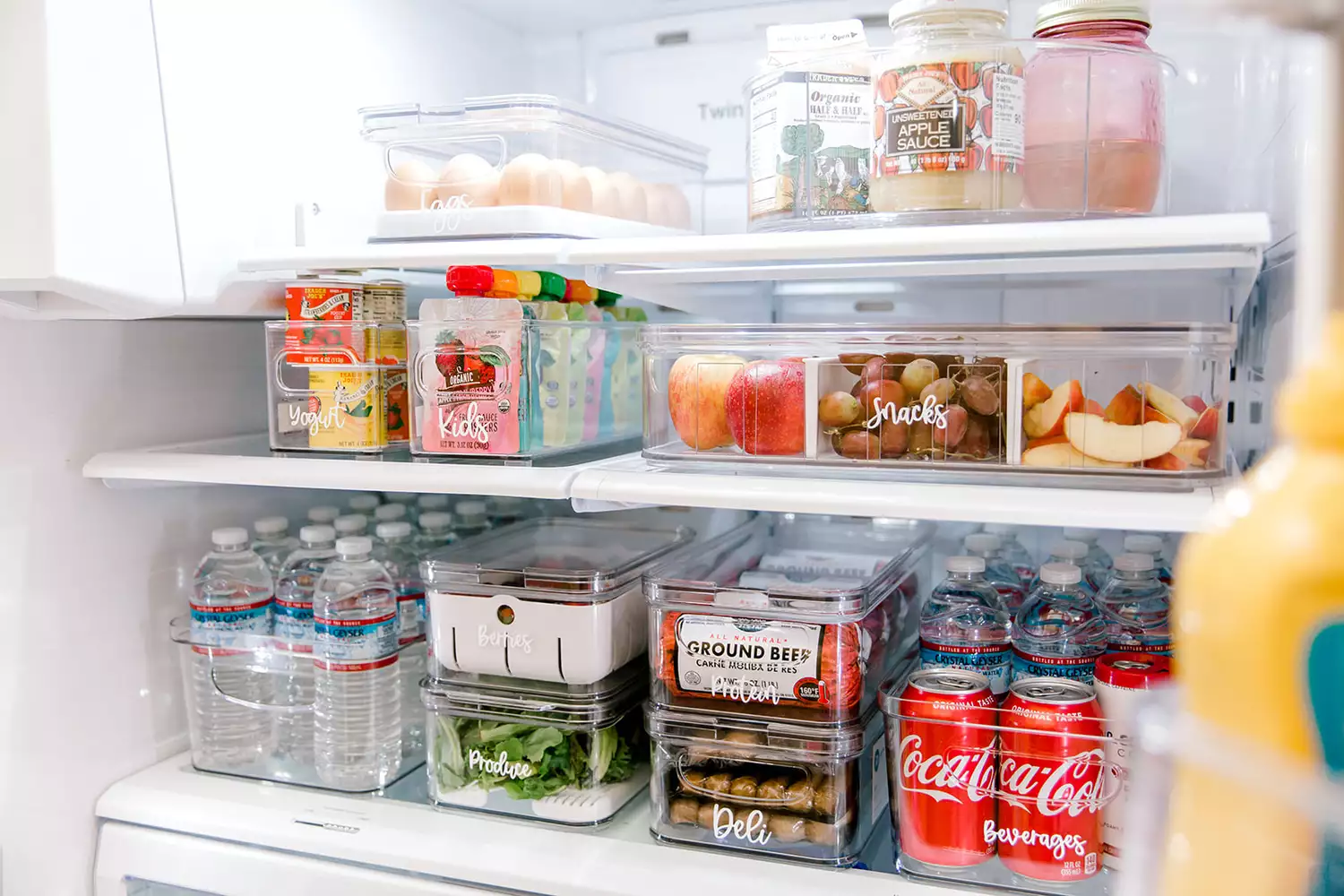
Once the refrigerator temperature is set, understanding where to store different food items becomes paramount. The upper shelves are ideally suited for ready-to-eat foods and leftovers, such as dips, cooked meals, pizza, coleslaw, and potato salad, as these items are intended for direct consumption without further cooking. This placement ensures easy access and reduces the risk of contamination from raw foods.
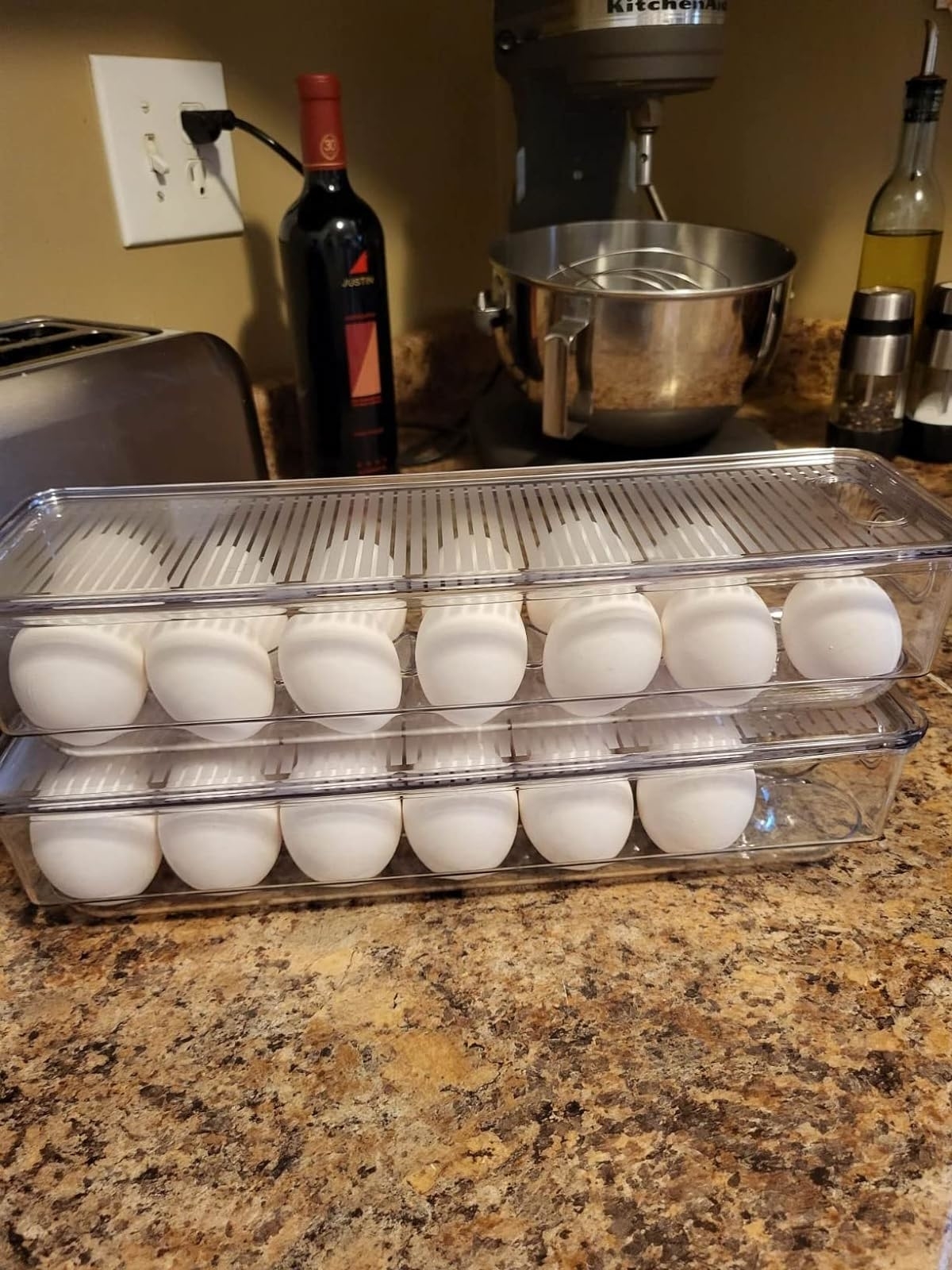
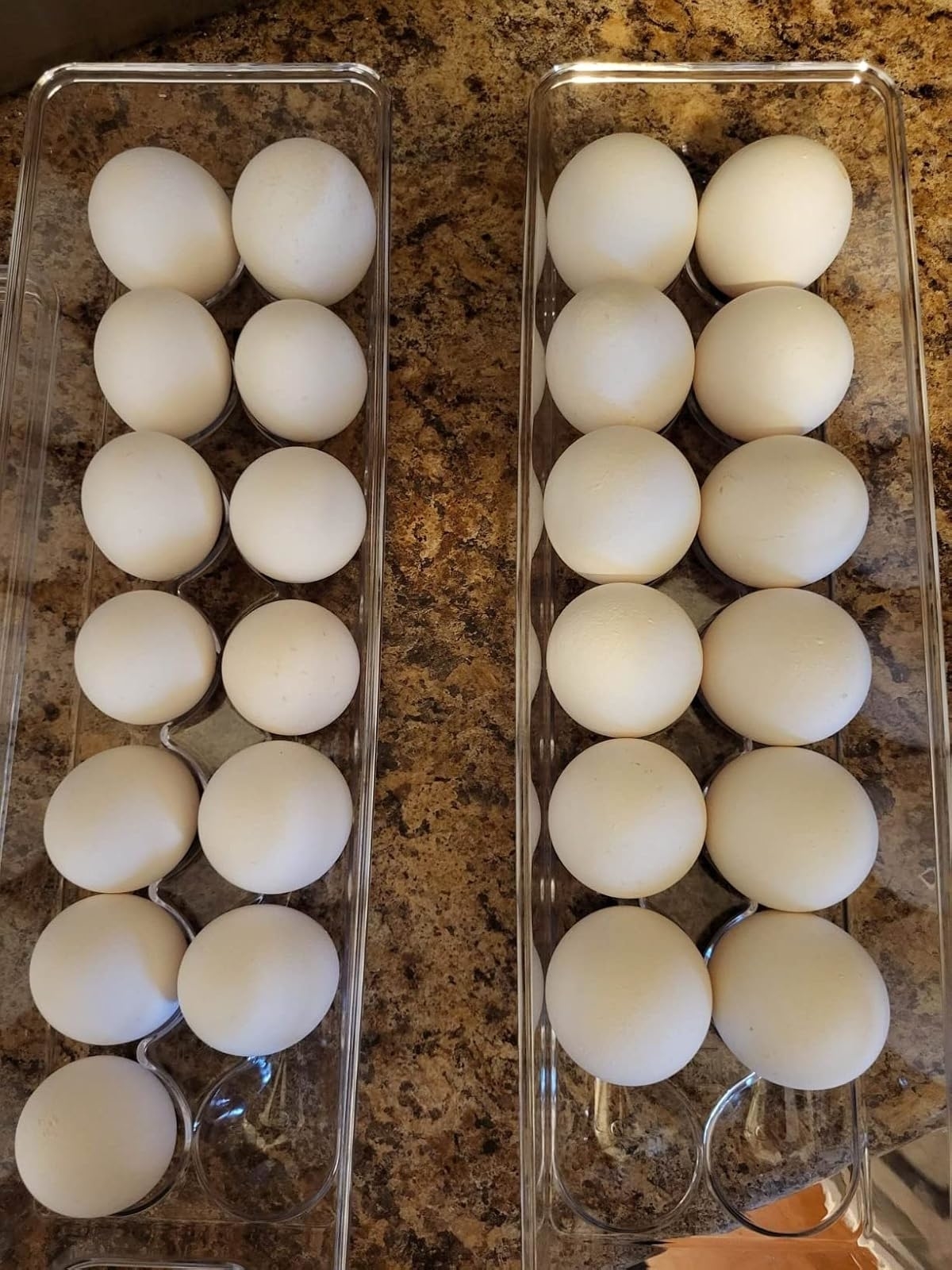
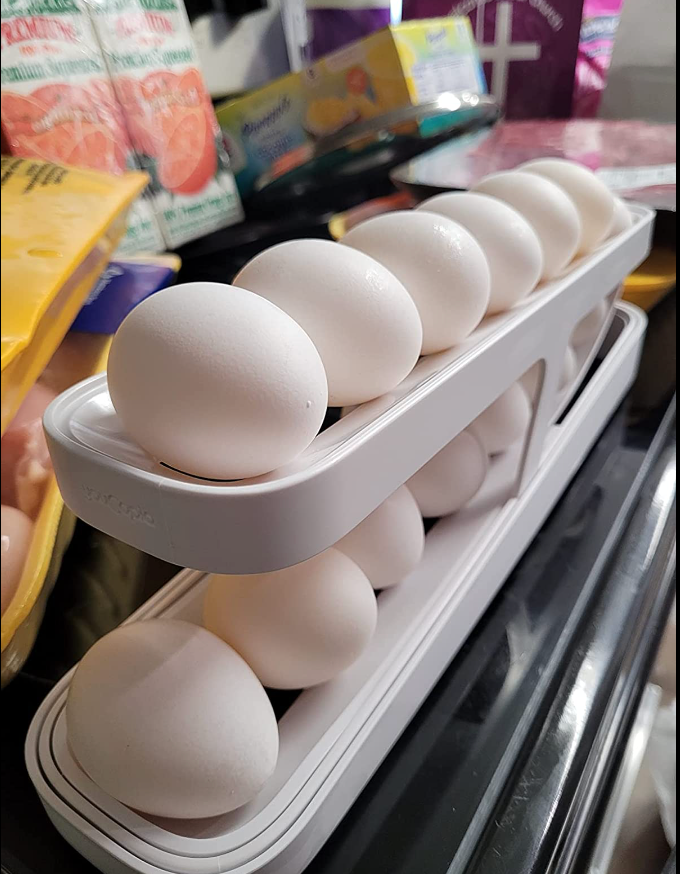
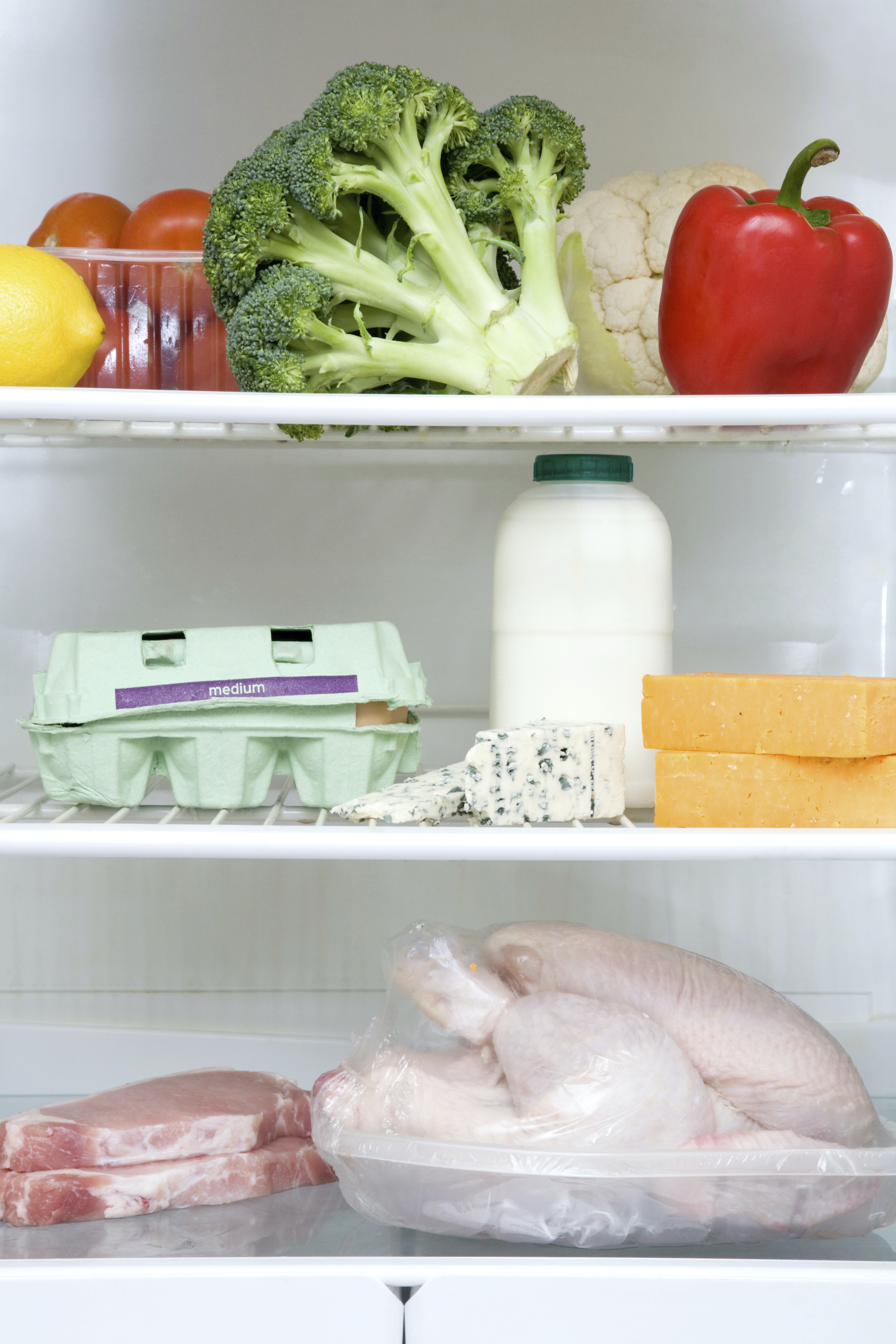
The middle shelves of the refrigerator are consistently the coldest section, making them perfect for storing dairy products like milk, eggs, and cheese. This cold environment helps inhibit the growth of spoilage-causing organisms and pathogenic bacteria, which can lead to food deterioration and illness.
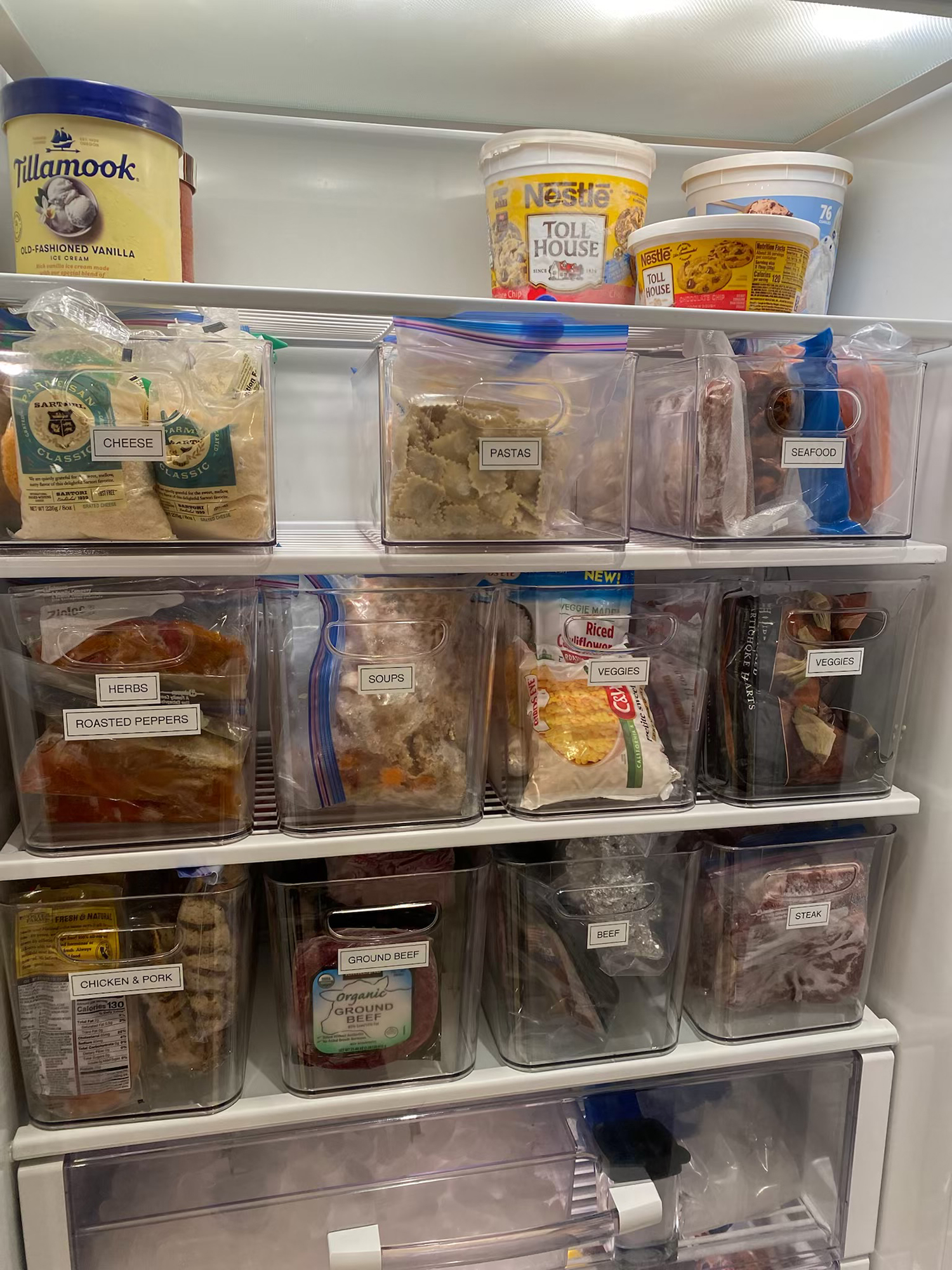
Similarly, the lower shelves maintain a consistent cold temperature. This area is designated for raw meats, poultry, and fish. Storing these items on the bottom shelves prevents their juices from dripping onto other foods, significantly reducing the risk of cross-contamination, especially for foods that will not be cooked at high temperatures.
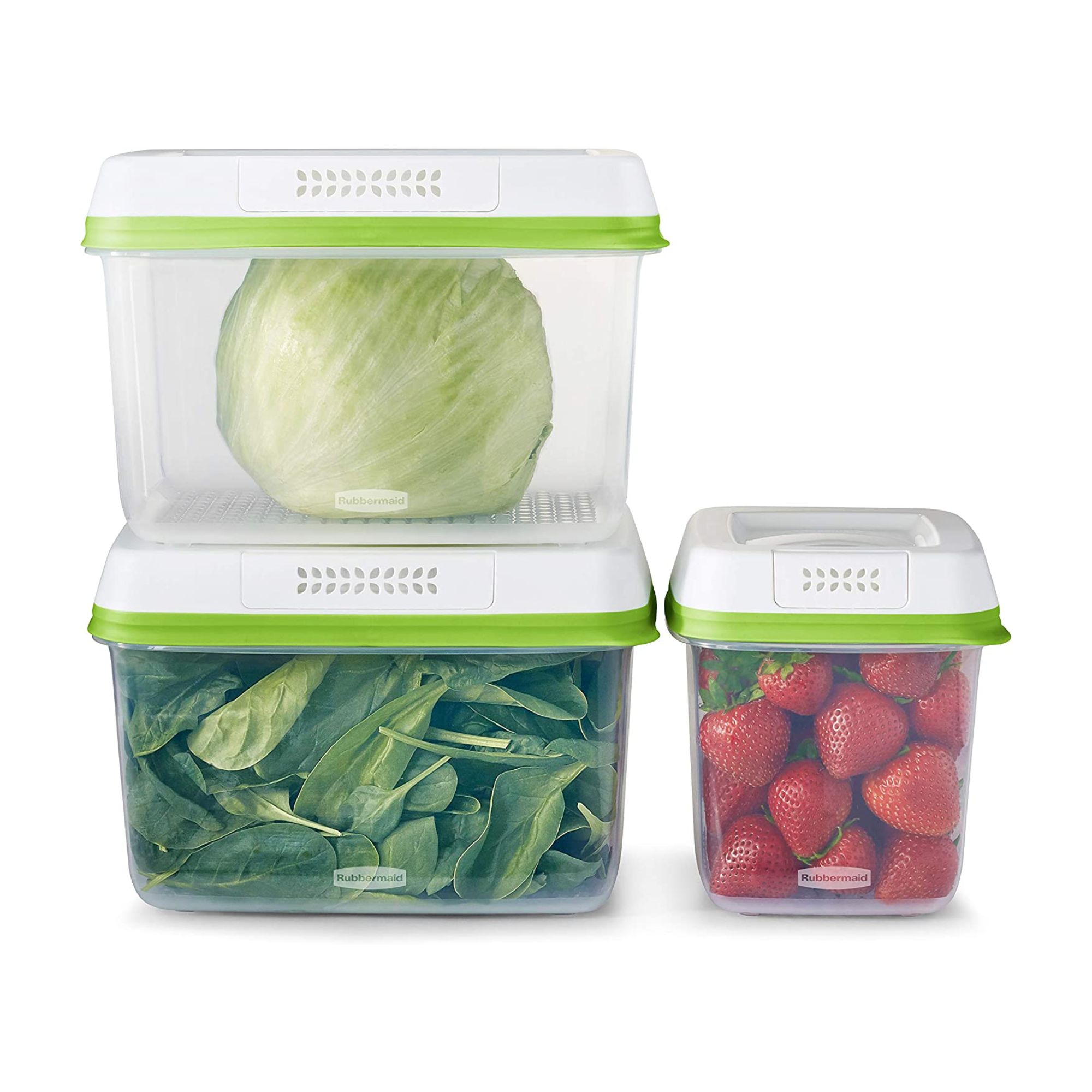
Crisper drawers are specifically designed for fruits and vegetables, offering controlled humidity levels to extend their freshness. Modern refrigerators often feature two types of crisper drawers: low humidity and high humidity. Low humidity drawers are suitable for fruits and vegetables that produce high levels of ethylene gas, such as cantaloupes, peaches, avocados, kiwis, papayas, apples, and pears. The airflow in these drawers helps to dissipate ethylene, slowing down the ripening process.
Conversely, high humidity drawers are meant for produce sensitive to ethylene, including strawberries, broccoli, lettuce, peppers, cucumbers, squash, and sweet potatoes. These drawers are sealed to prevent moisture loss, thereby keeping these items fresher for longer. If a refrigerator lacks distinct low and high humidity settings, it is advisable to store high ethylene-producing produce separately from ethylene-sensitive items to prevent premature spoilage.
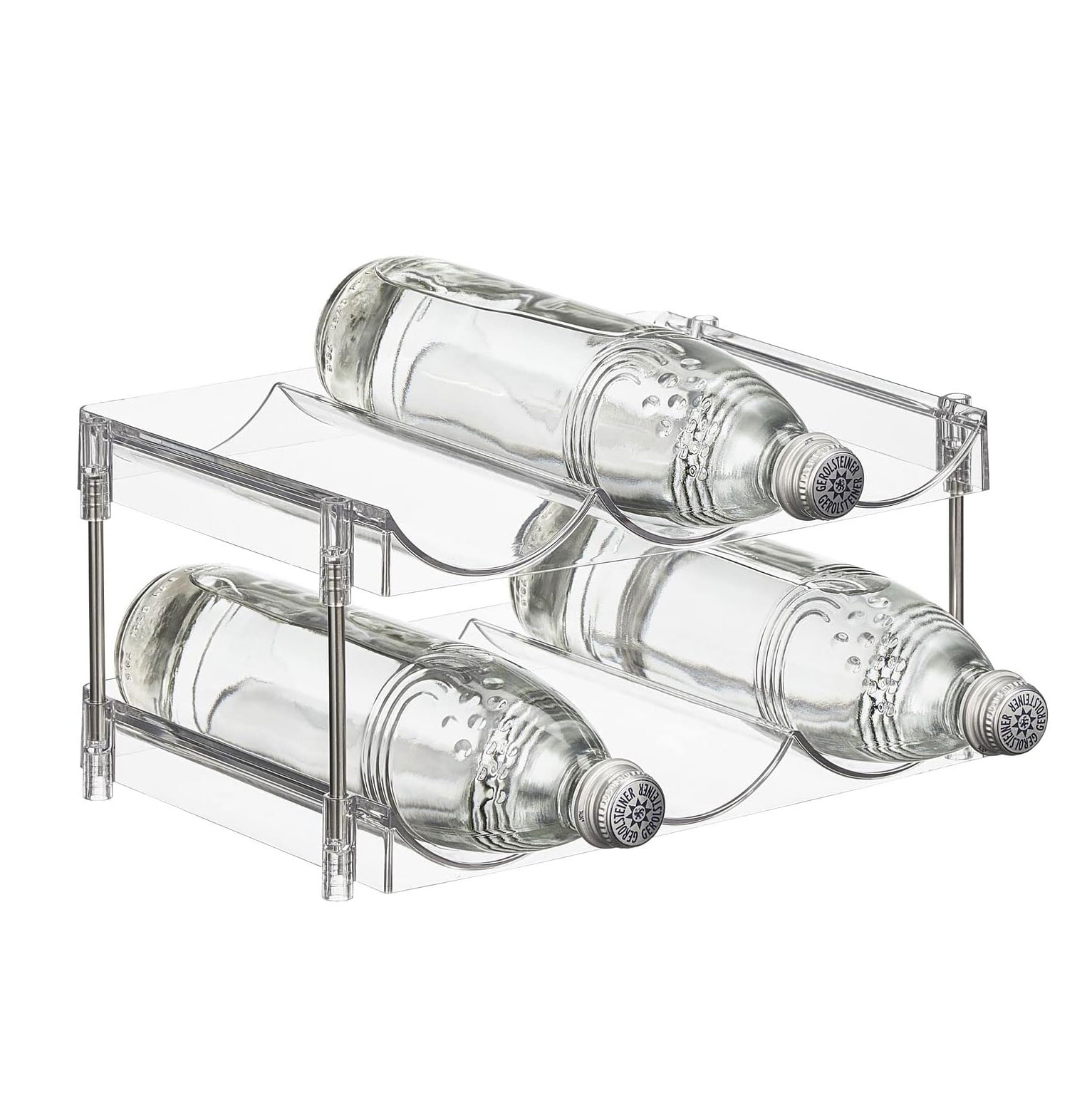
The warmest section of the refrigerator is typically the door shelves, making them suitable for items that can withstand temperature fluctuations without spoiling quickly. This includes condiments like ketchup, mustard, mayonnaise, and salad dressings, as well as nonperishable beverages such as bottled water and soda. By following these section-by-section storage guidelines, consumers can maximize food longevity and maintain a safe and organized refrigerator.
#RefrigeratorOrganization #FoodStorage #FoodSafety #KitchenOrganization #HealthyEating #HomeManagement #ProduceStorage #DairyStorage #MeatStorage #RefrigeratorOrganization #FoodStorage #FoodSafety #KitchenOrganization #HealthyEating #HomeManagement #ProduceStorage #DairyStorage #MeatStorage
0 ความคิดเห็นรวม
 ยังไม่มีความคิดเห็น
คุณอาจจะชอบอีกด้วย
How to (Finally) Manage All of the Expiration Dates in Your Kitchen
Kickstart your kitchen decluttering with the kitchen storage containers reviewers are raving about


14 Best Refrigerators of 2026 | Reviews by Wirecutter

7 Items You Should Never Store In Kitchen Cabinets
6 Things You Should NEVER Keep In Your Pantry, According To Pro Organizers & Chefs
11 things you should never store in a pantry, according to experts

13 Items You Should Remove from Your Pantry Right Now

The 6 Best Food Storage Containers
27 Food Storage Organizers So Good, You’ll Think Your Kitchen Had A Reality Show Makeover

How to organize your fridge, with tips from chefs
Top tips for organising a pantry – all the expert advice and tricks you need
Pros warn never to keep these 8 things in your pantry
Fridge Organization 101: A Shelf by Shelf Guide
11 Best Food Storage Containers That Help Keep Your Food Fresh

5 Items in Your Pantry to Throw Away Right Now, and What to Buy Instead


5 Glass Fridge Door Organization Lessons From Kris Jenner


I rate this Nate Berkus fridge organizer five stars for its ability to control the chaos in my home – it's simply the best

14 Best Refrigerators of 2025 | Reviews by Wirecutter
These fridge freezers are for all your food storage woes

18 Refrigerator Organization Ideas You Have to Try