Why You Shouldn't Use a Steam Mop on Wood Floors
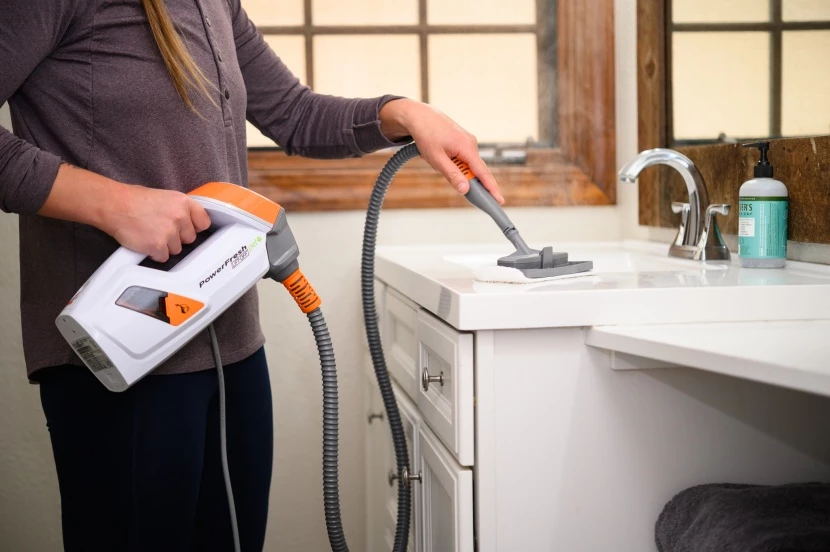
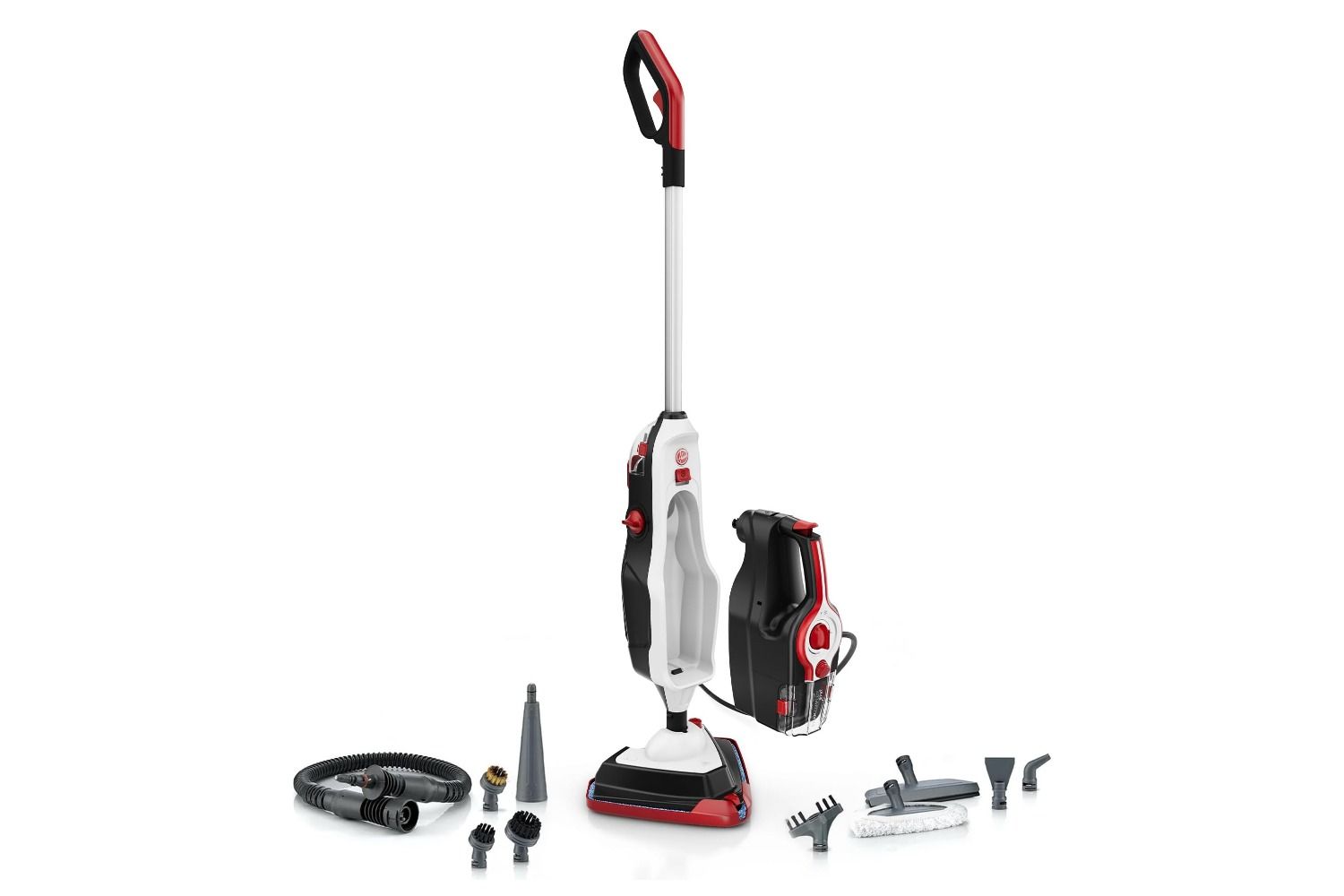
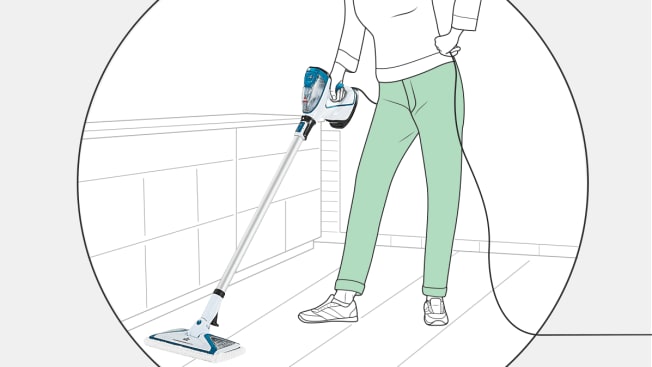
Steam mops, while appearing to be effective deep-cleaning tools due to their ability to loosen stubborn spots without manual wringing, carry significant risks when used on certain flooring types. Larry Ciufo, a test engineer at Consumer Reports, warns that despite the common perception that hot water is safe for many surfaces, improper use can lead to considerable damage. This article highlights the critical considerations before using a steam mop, particularly concerning wood floors, disinfection capabilities, and appropriate water reservoir contents, while also featuring top-performing models identified in Consumer Reports' tests.
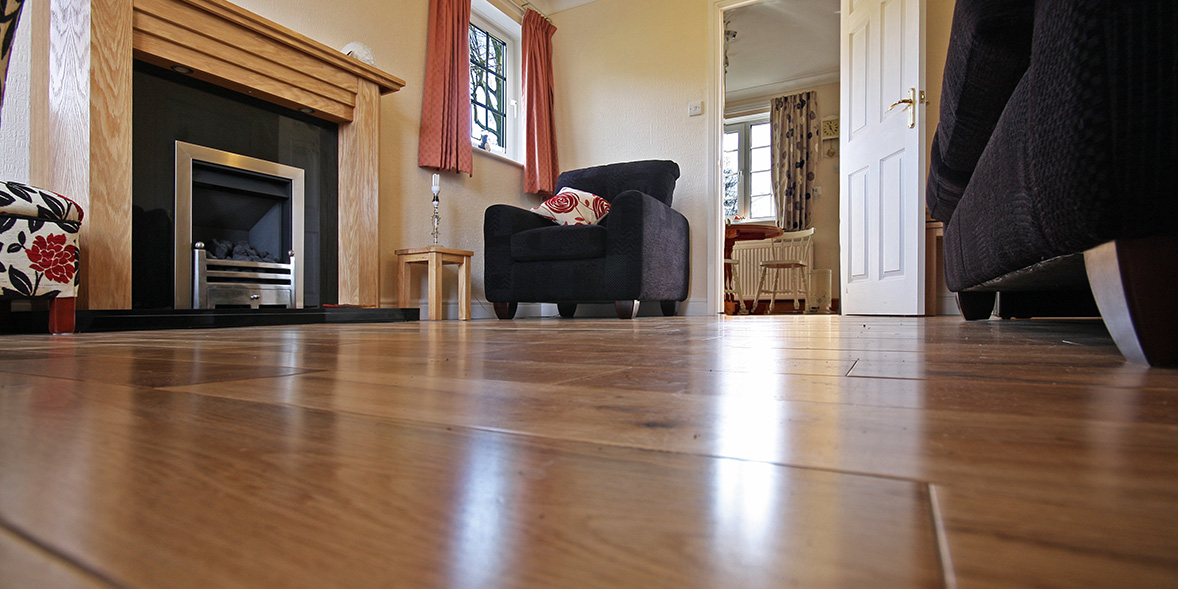
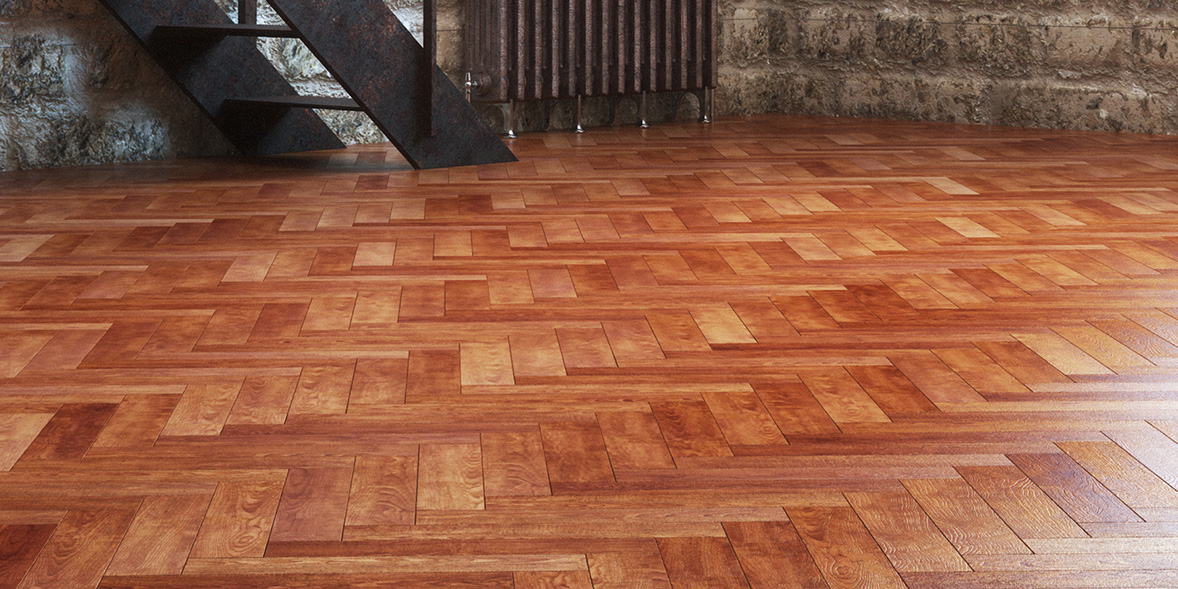
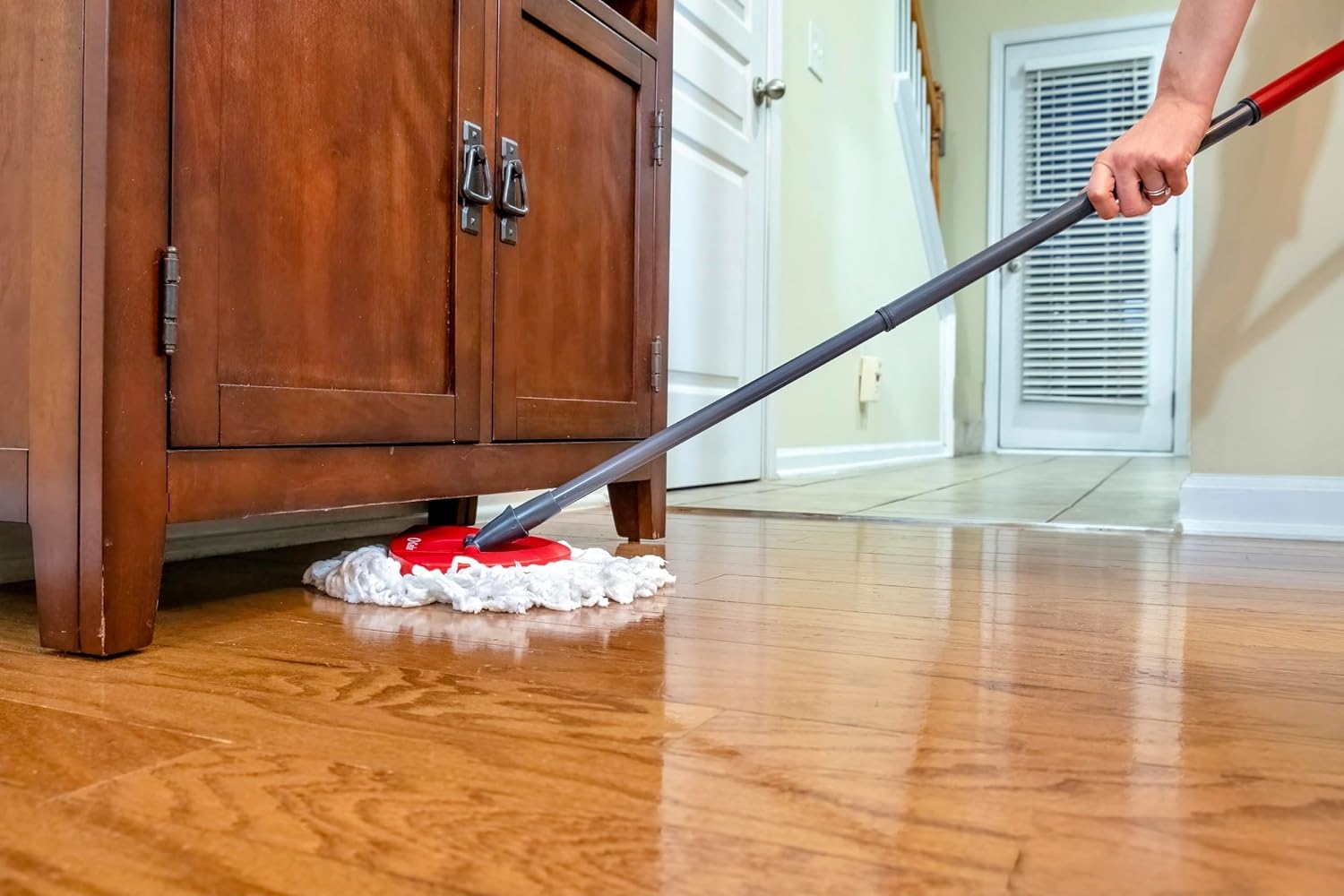
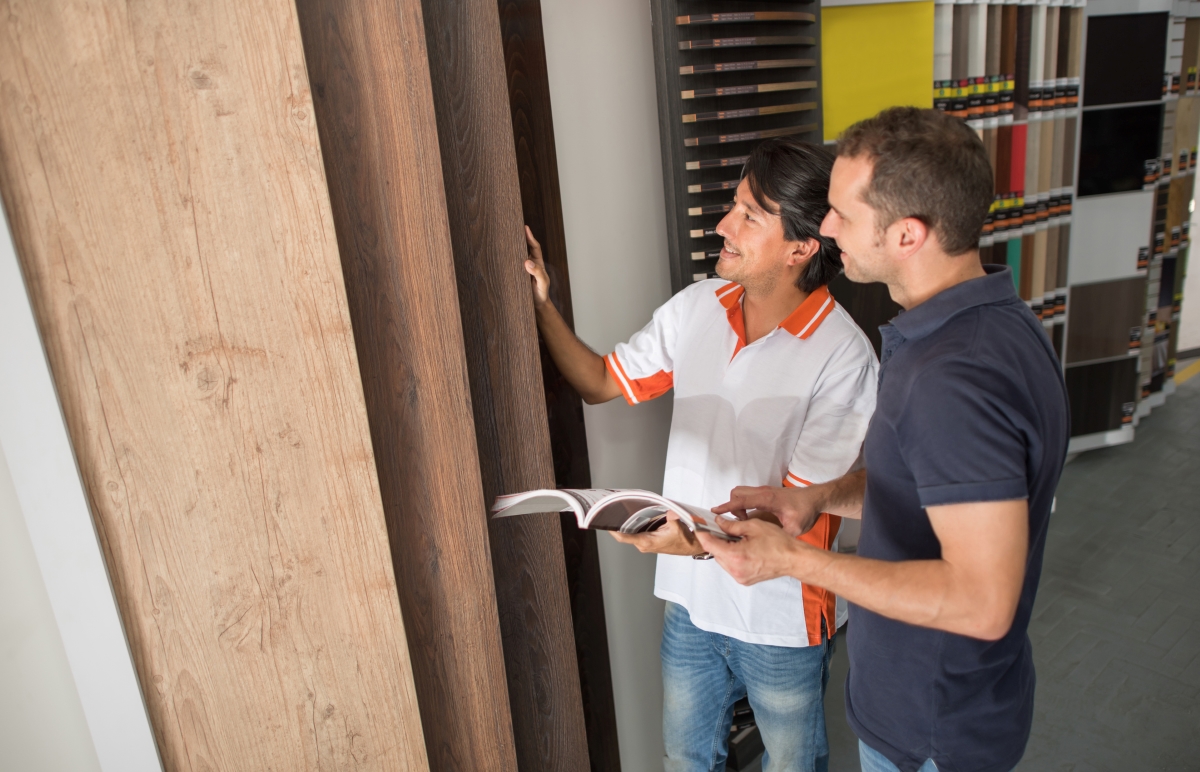
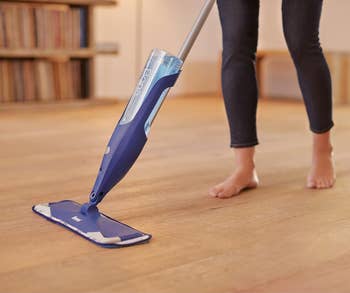
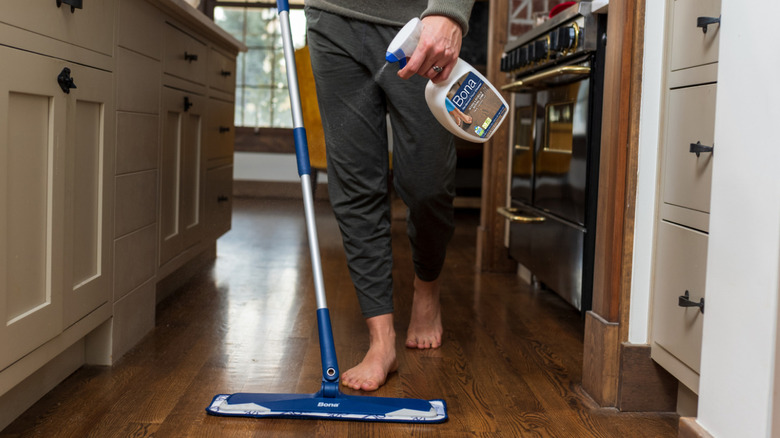
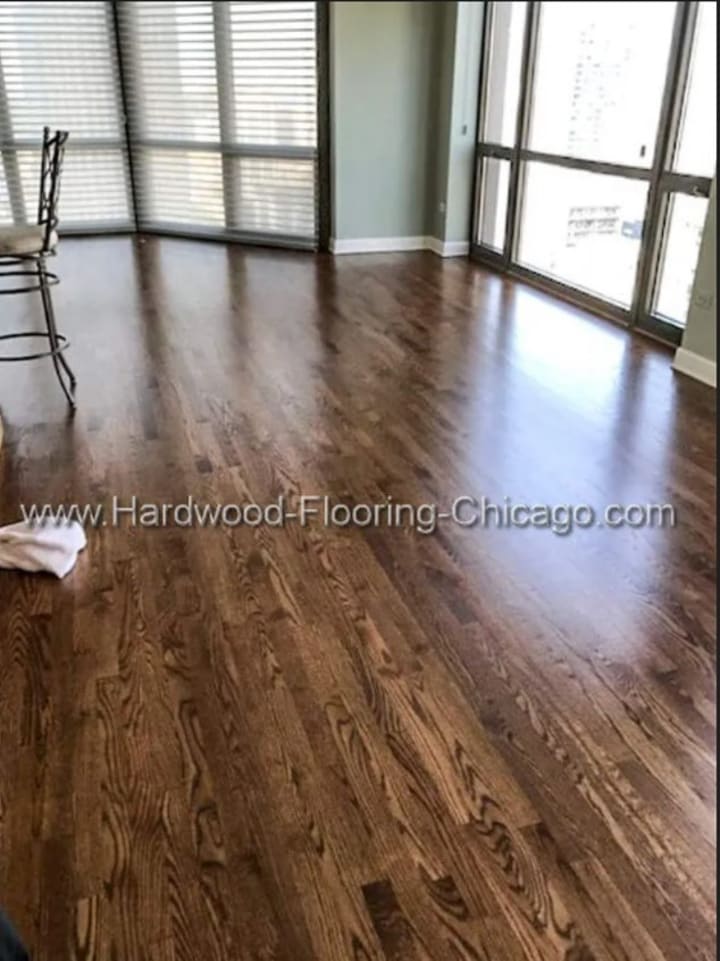
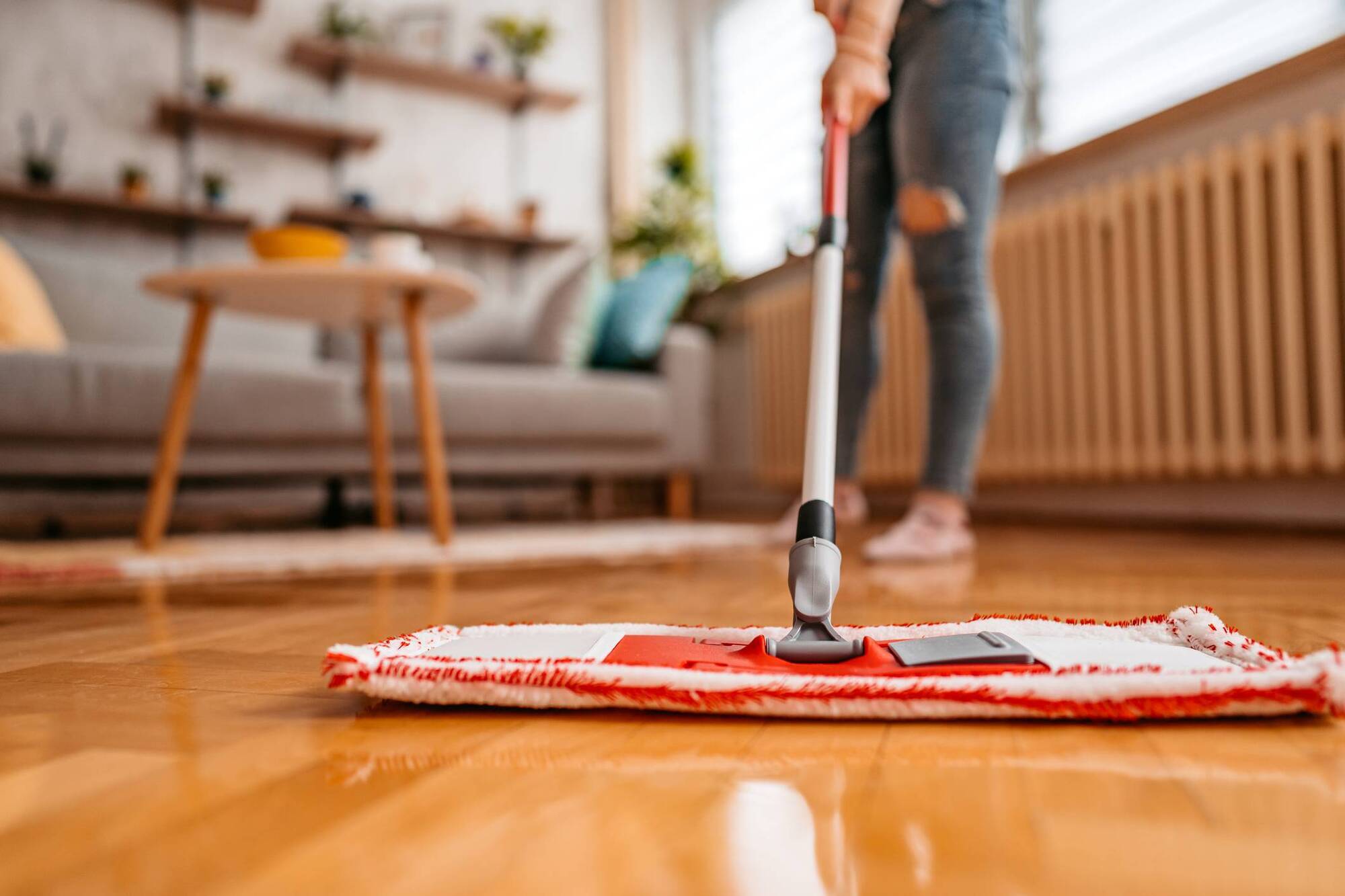
Experts strongly advise against using steam mops on hardwood, engineered wood, or bamboo floors. Steve Stocki, manager of marketing and merchandising at Lumber Liquidators, explains that the combination of drastic temperature changes and moisture can cause wood to warp. Even when manufacturers suggest steam mops for sealed hardwood floors, Stocki cautions that moisture can still penetrate the joints between boards, leading to damage. For surface-sealed wood, Consumer Reports recommends dry cleaning methods like brooming, dust mopping, or vacuuming, followed by a damp—not wet—mop. For wood flooring with a surface-penetrating sealer, a damp cloth is preferable to a mop.
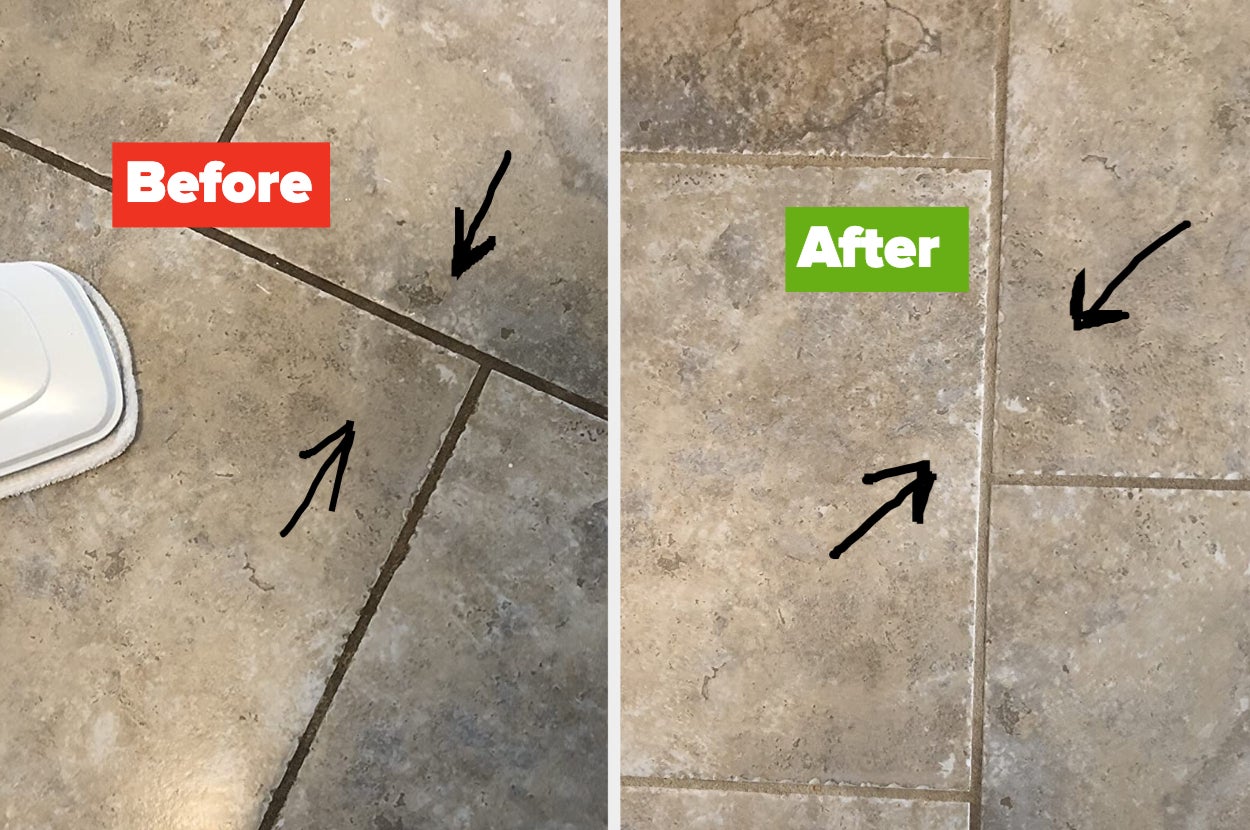
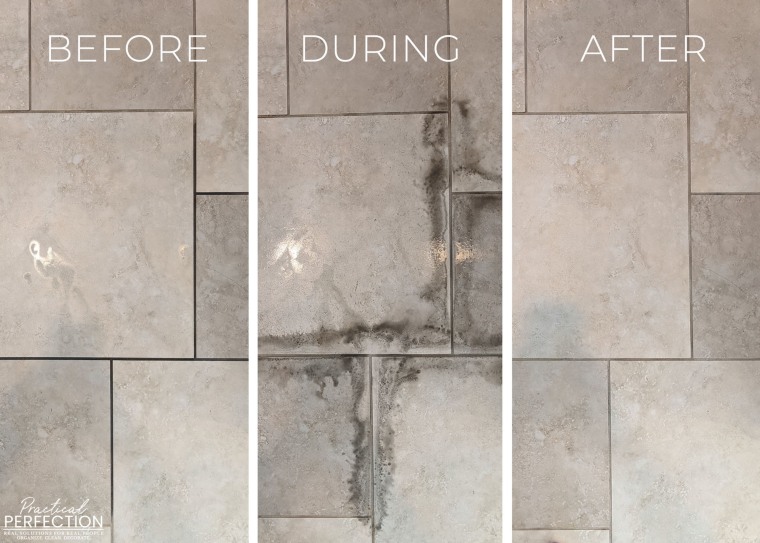
Caution is also necessary for other non-wood flooring types. Stocki advises against using steam mops on laminate, which is made of fiberboard, as the heat can damage its plastic surface. Similarly, linoleum, composed of wood particles and linseed oil, is porous and vulnerable to moisture, making steam cleaning unsuitable; a damp mop or cloth is recommended instead. Ceramic and porcelain tiles, though non-porous themselves, pose a risk to grout, which can be damaged by hot water that may loosen or alter its chemical composition. Therefore, the frequency of steam mopping on tiled surfaces should be limited. Regular cleaning of ceramic and porcelain tiles is best done with a sponge mop, warm water, and a pH-neutral solution, avoiding harsh chemicals like ammonia or petroleum that can damage tiles and grout, potentially voiding warranties. For grout stains, a solution of half a cup of bleach per gallon of water applied with a grout brush is suggested.
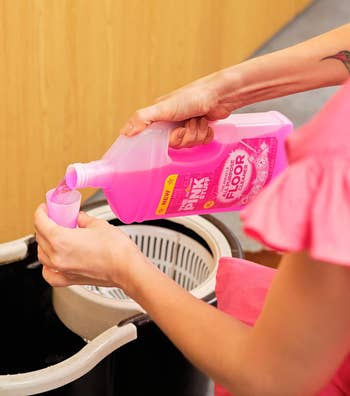
Conversely, most vinyl floors are generally safe for steam mops, though it is crucial to consult the steam mop's manual, as vinyl's plastic composition and wood particle backing can still be susceptible to heat damage. A critical point emphasized is the content of the steam mop's water reservoir. Chemicals in cleaning solutions can harm the device by building up on the flash heater or boiler, impeding steam production, and potentially invalidating the warranty, according to Trisha Rasch of Bissell. Furthermore, tap water is unsuitable due to mineral deposits that can accumulate on heating coils, leading to damage. Distilled water is recommended, mirroring the practice for certain irons.
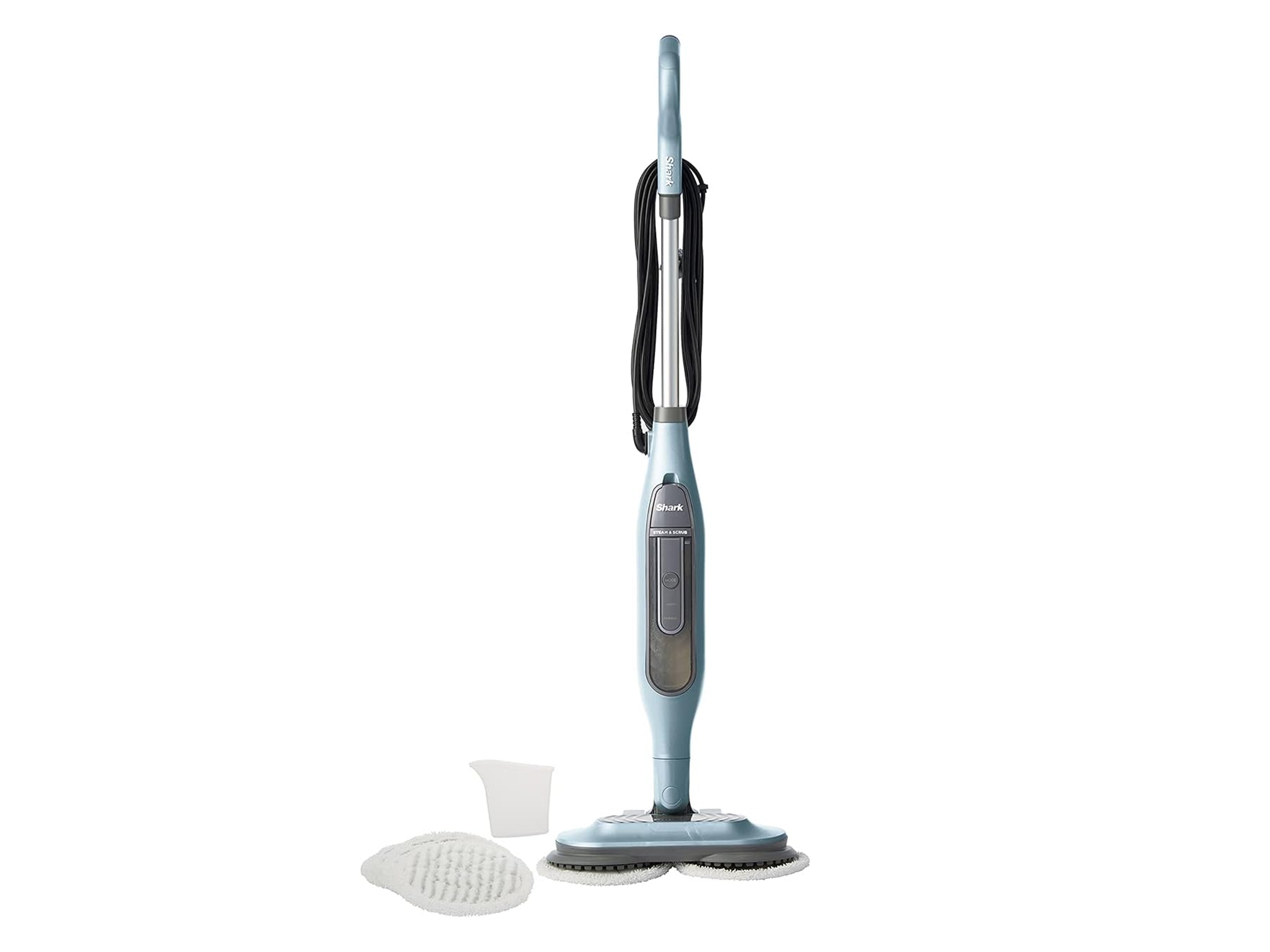
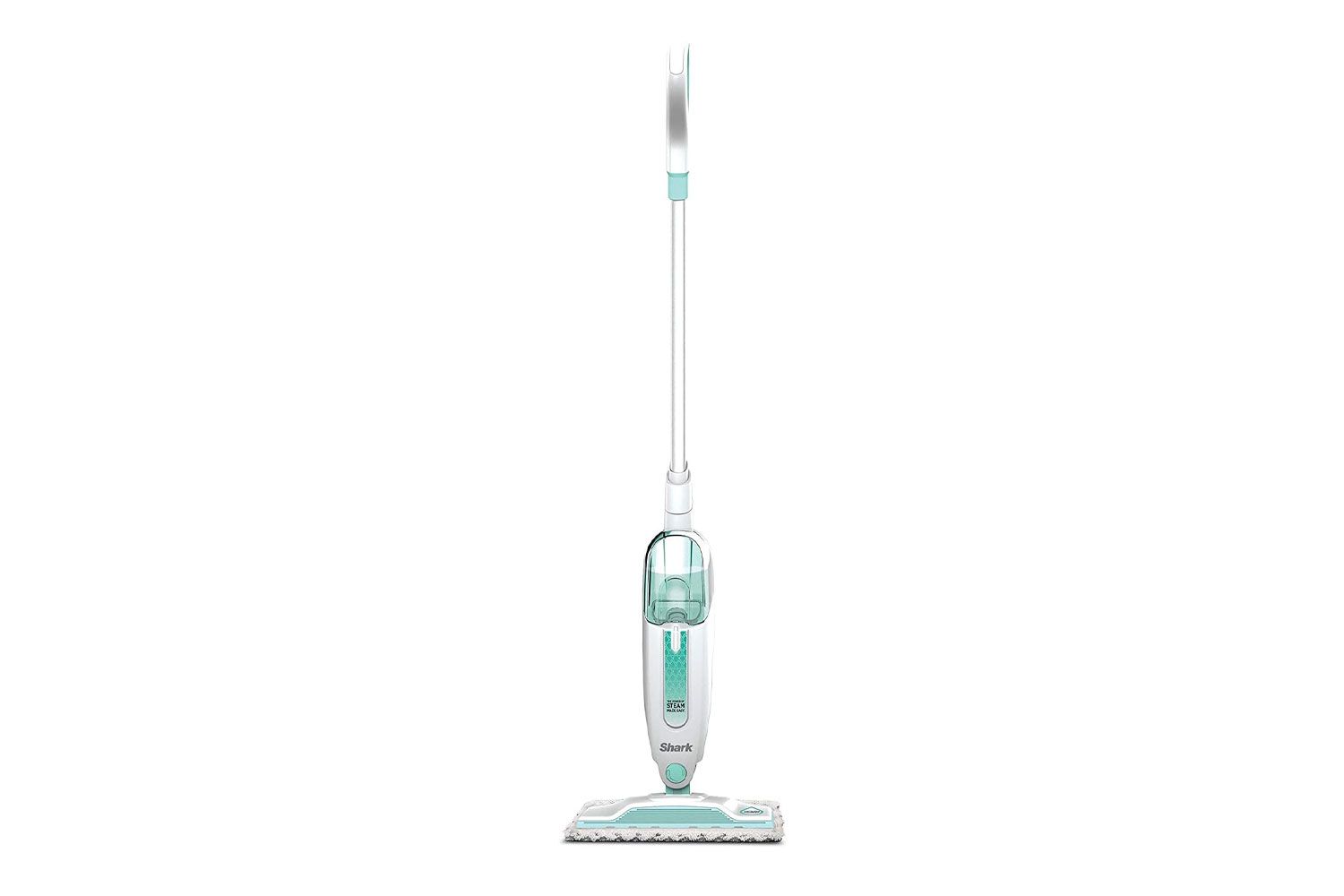
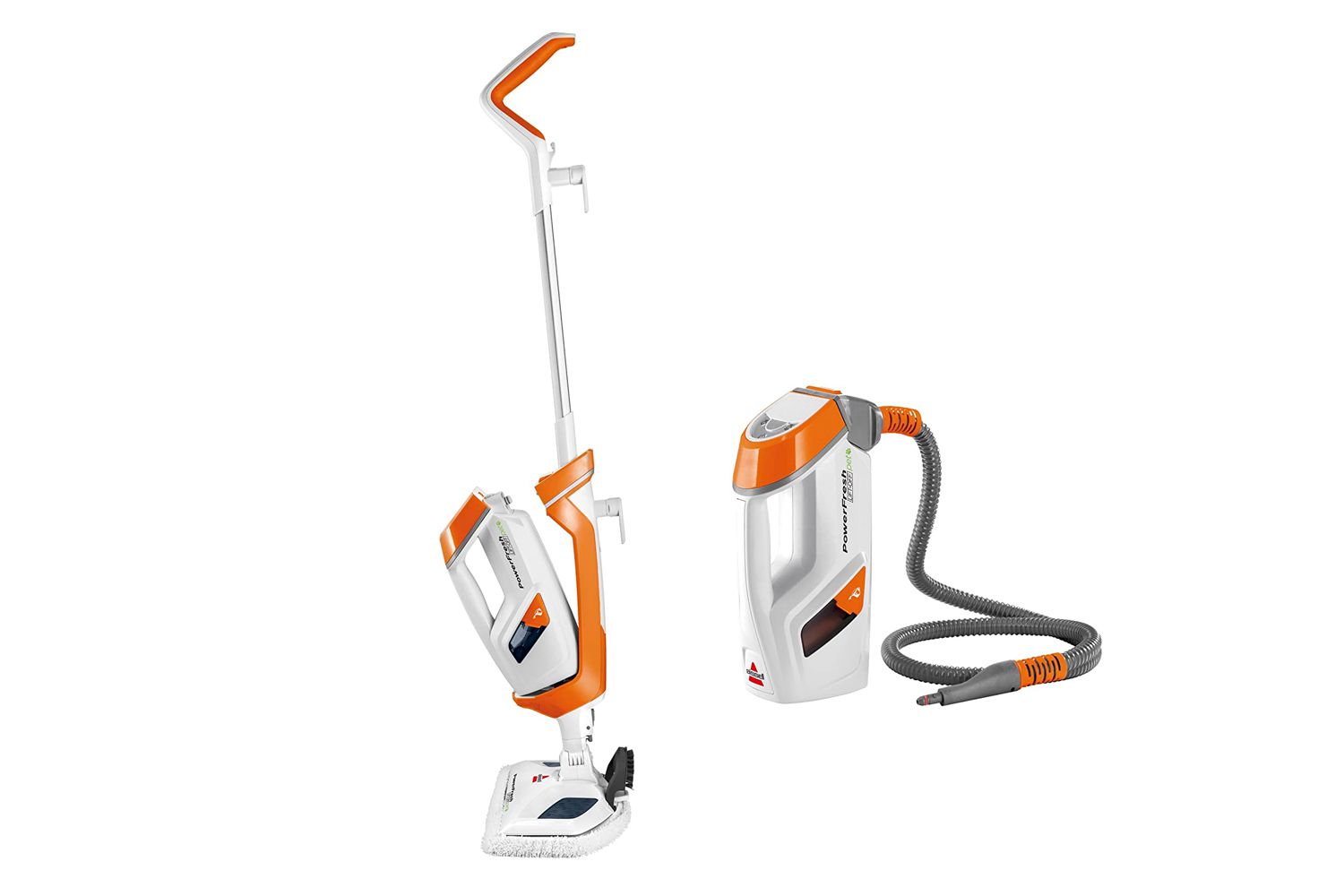
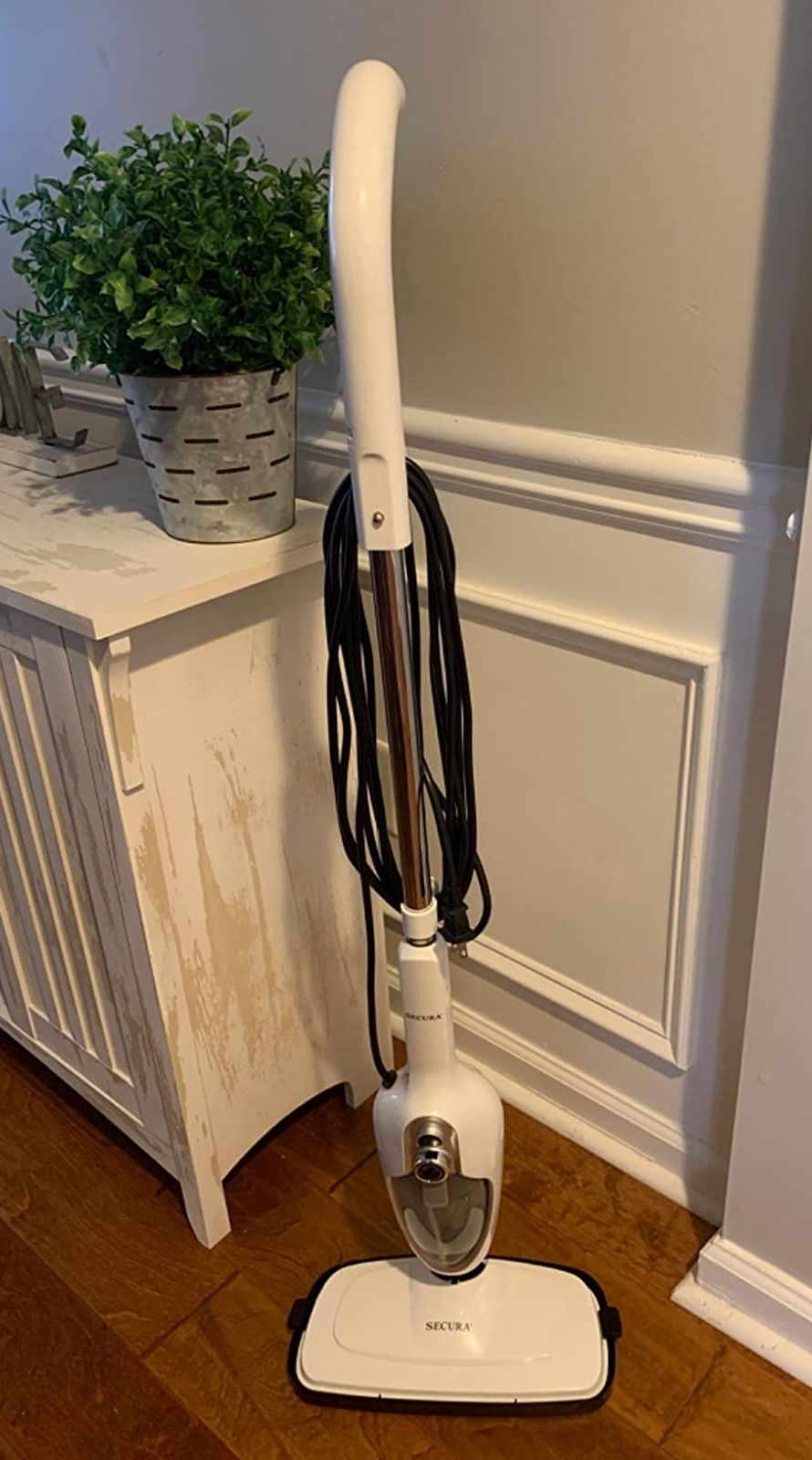
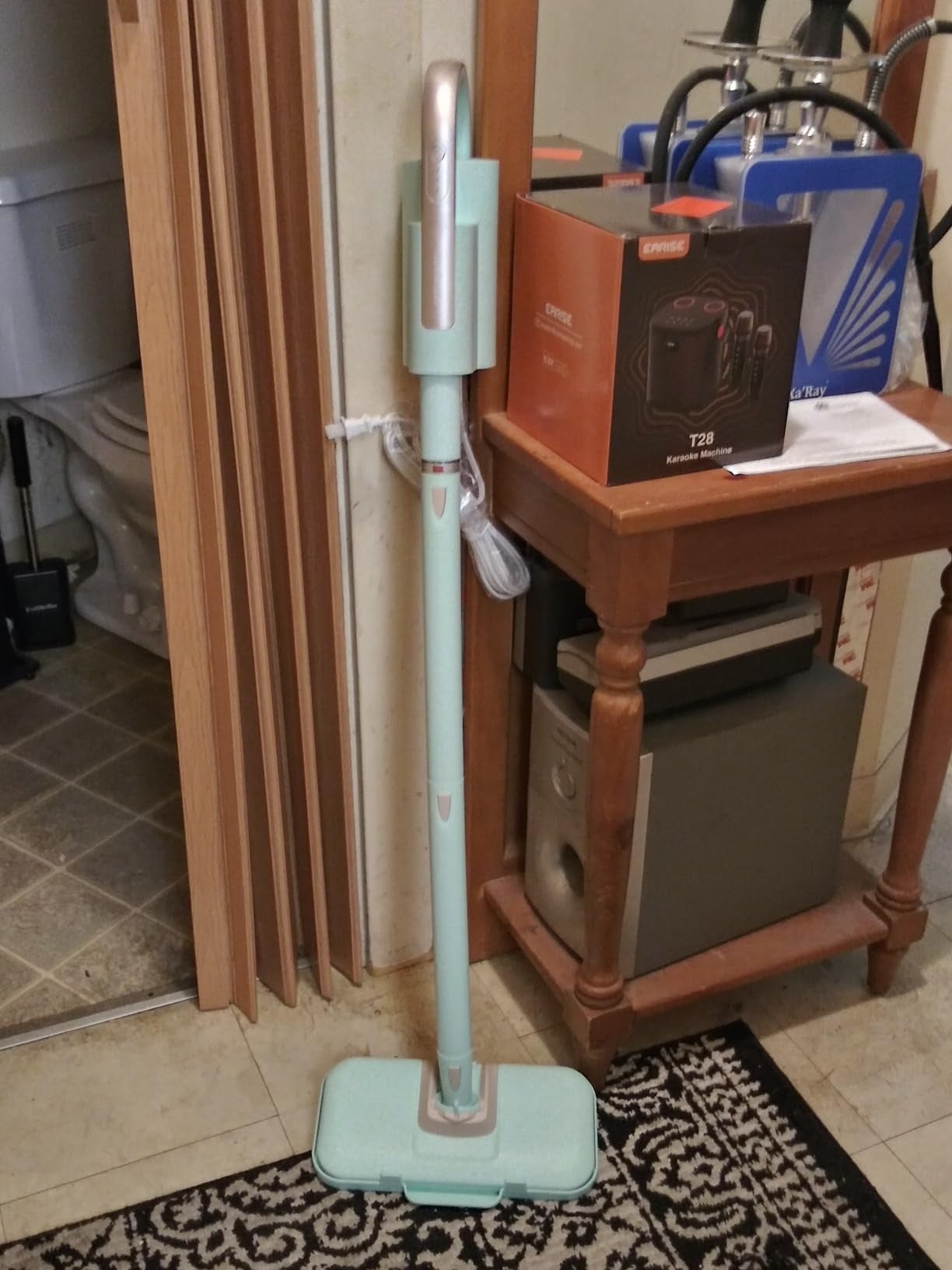
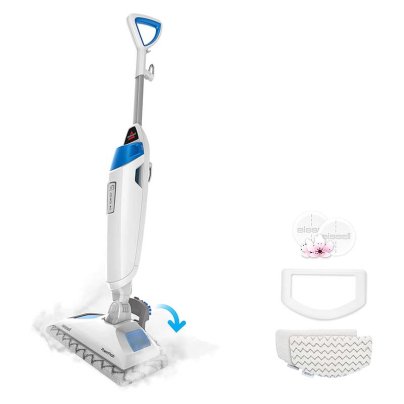
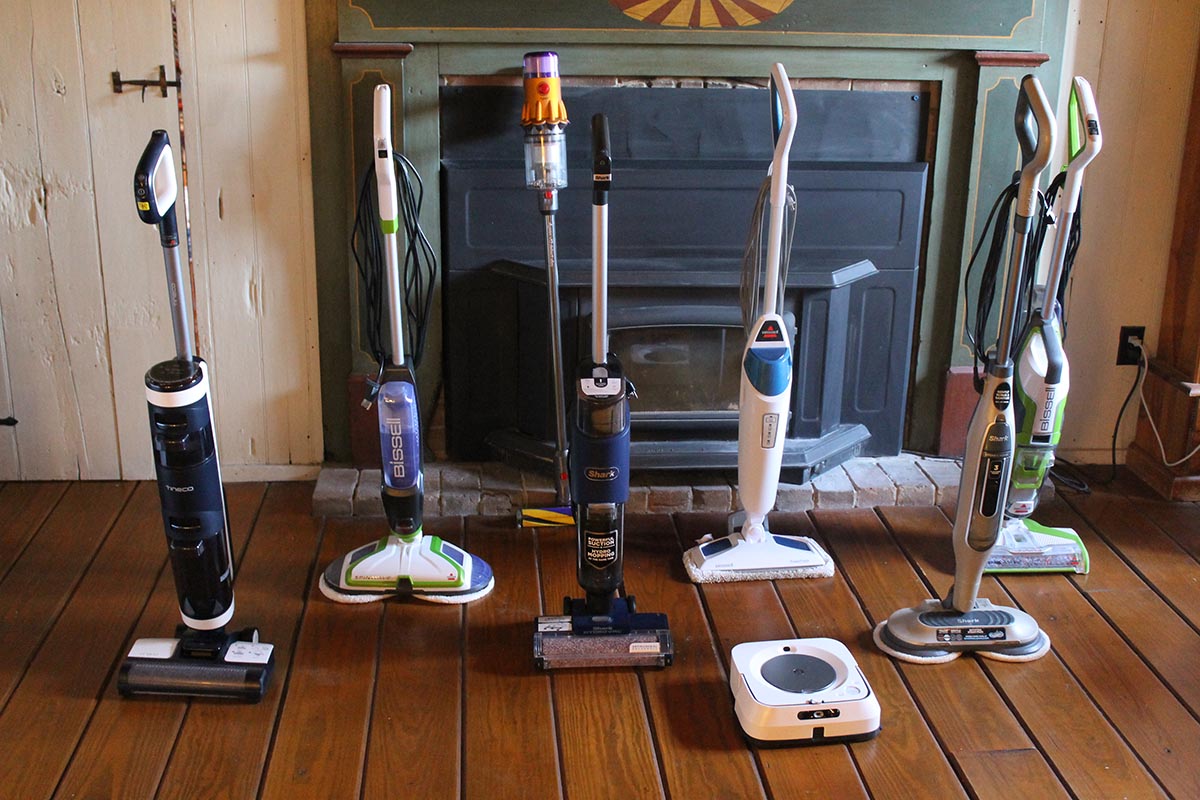
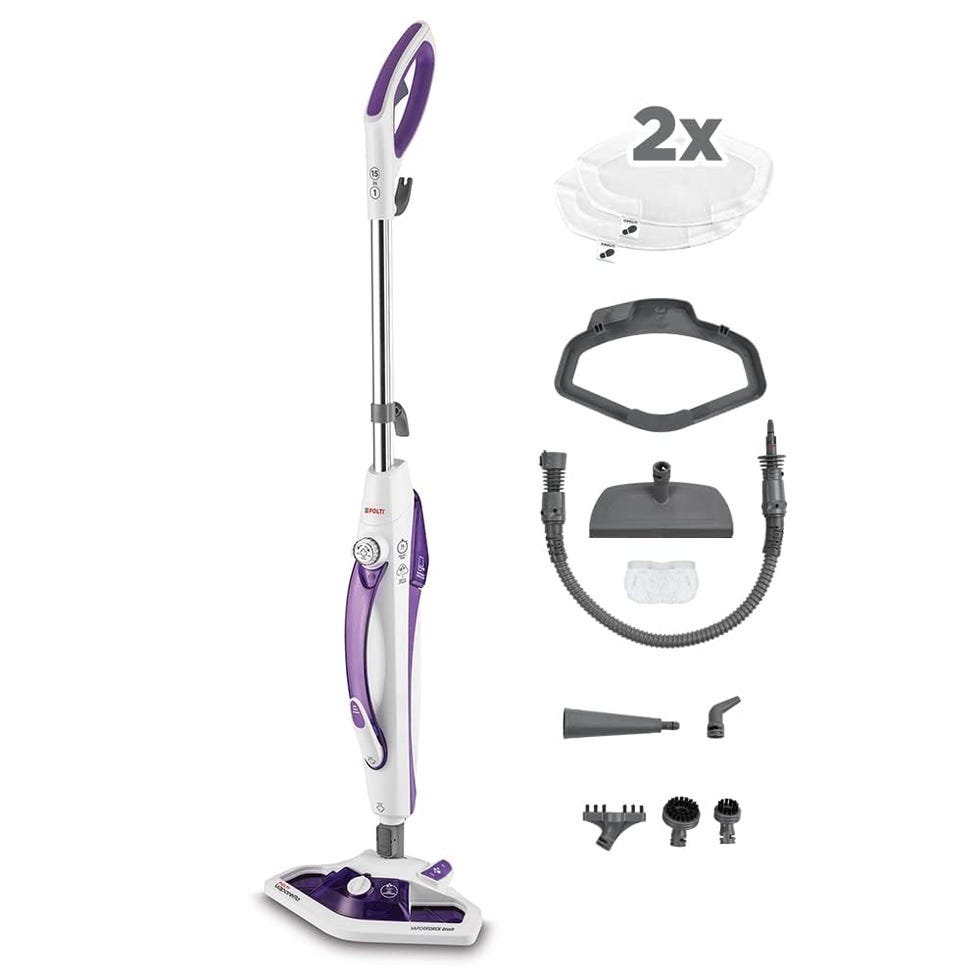
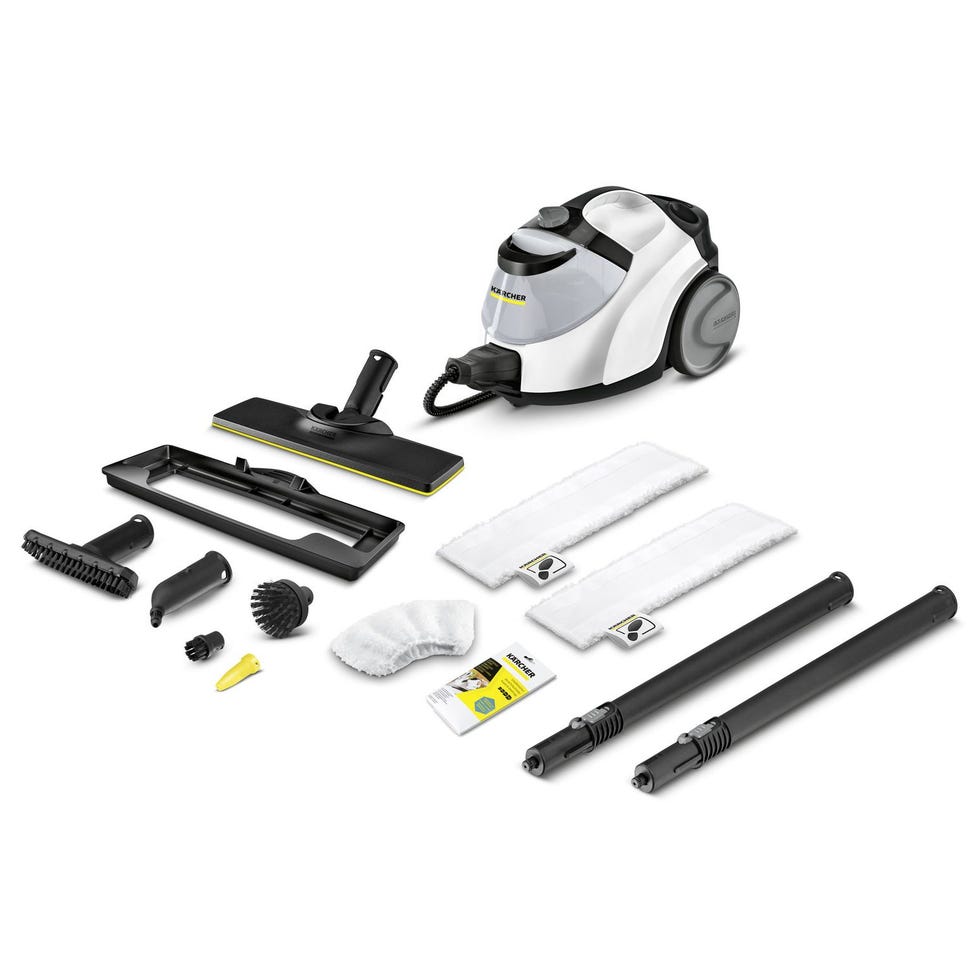
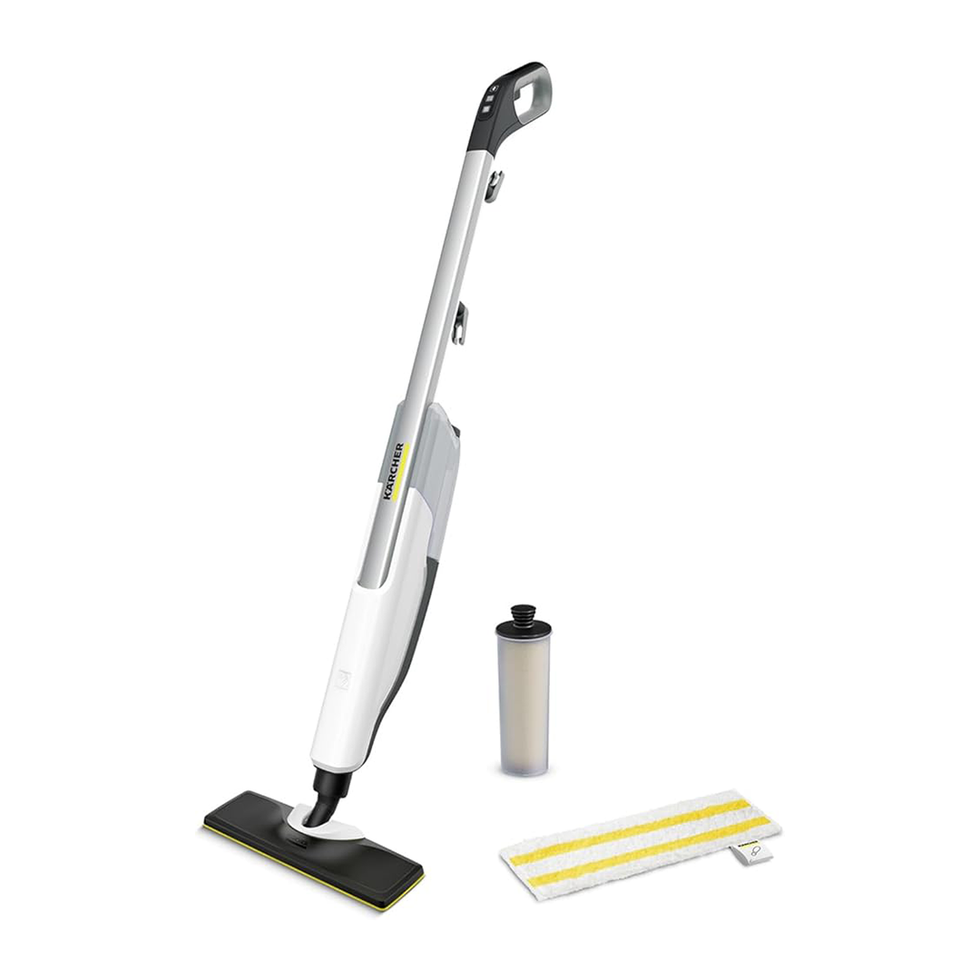
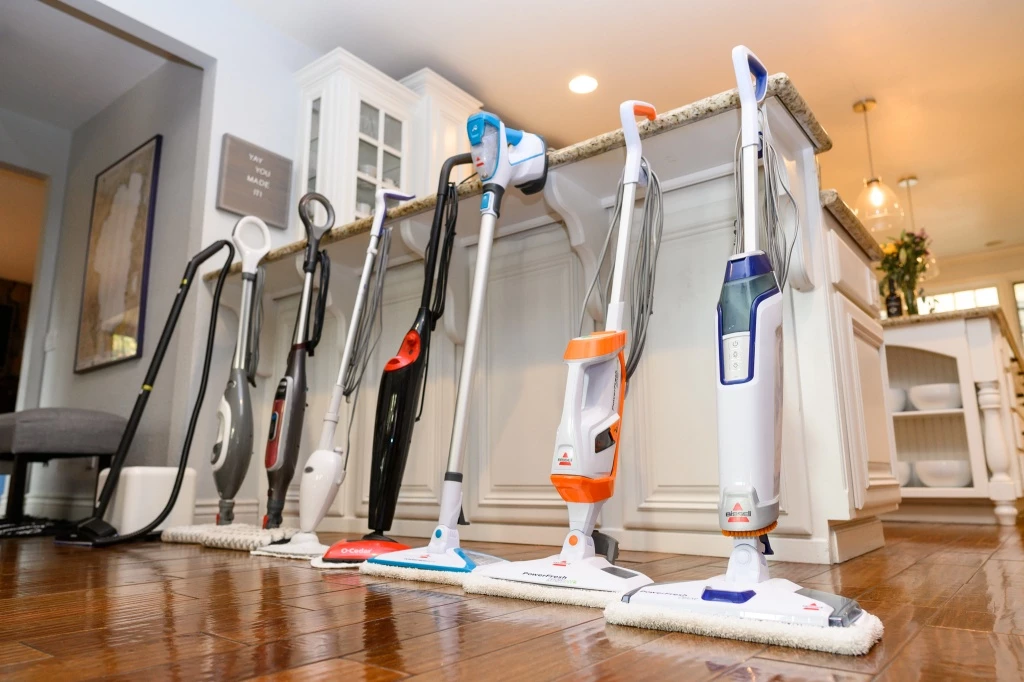
The article also references top-performing steam mop models that excel in removing tough stains like ketchup, mustard, and jam during testing. These include models like the Aspiron Professional AS-CA044, Shark Steam & Scrub S8201, and Reliable Steamboy Pro 300CU, among others, providing consumers with options that have been evaluated for performance, excluding models not explicitly listed. Overall, while steam mops offer cleaning advantages, understanding their limitations and proper usage, especially regarding flooring materials and water types, is essential to prevent damage and ensure effective cleaning.
#SteamMops #FloorCleaning #HomeMaintenance #WoodFloors #TileCleaning #VinylFloors #CleaningTips #ApplianceCare #ConsumerReports #SteamMops #FloorCleaning #HomeMaintenance #WoodFloors #TileCleaning #VinylFloors #CleaningTips #ApplianceCare #ConsumerReports
0 ความคิดเห็นรวม
 ยังไม่มีความคิดเห็น
คุณอาจจะชอบอีกด้วย
5 surfaces you shouldn't use a steam cleaner on
After 24 Hours of Hands-On Testing, These Are Our 5 Best Mops for Keeping Wood Floors Spotless

23 Floor Steamers That Are ~Disgustingly~ Good At What They Do

The 5 Best Mops To Safely Clean Your Laminate Floors
The Best Steam Mops

Best steam cleaners and mops: IH tried and tested

Home: How to clean wood flooring without causing damage

14 best steam cleaners for keeping your floors gleaming

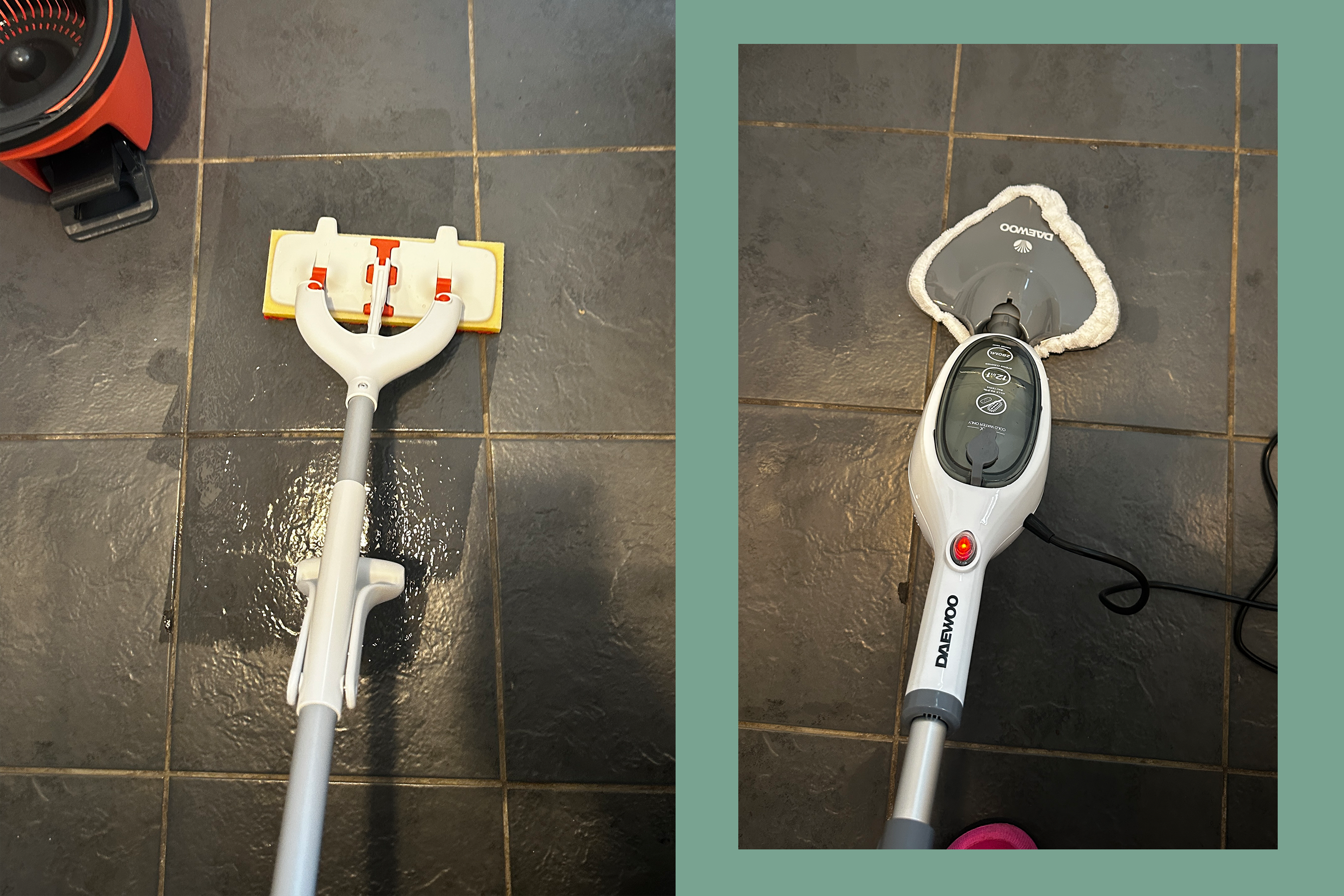
Best floor mops for sparkling results, tried and tested

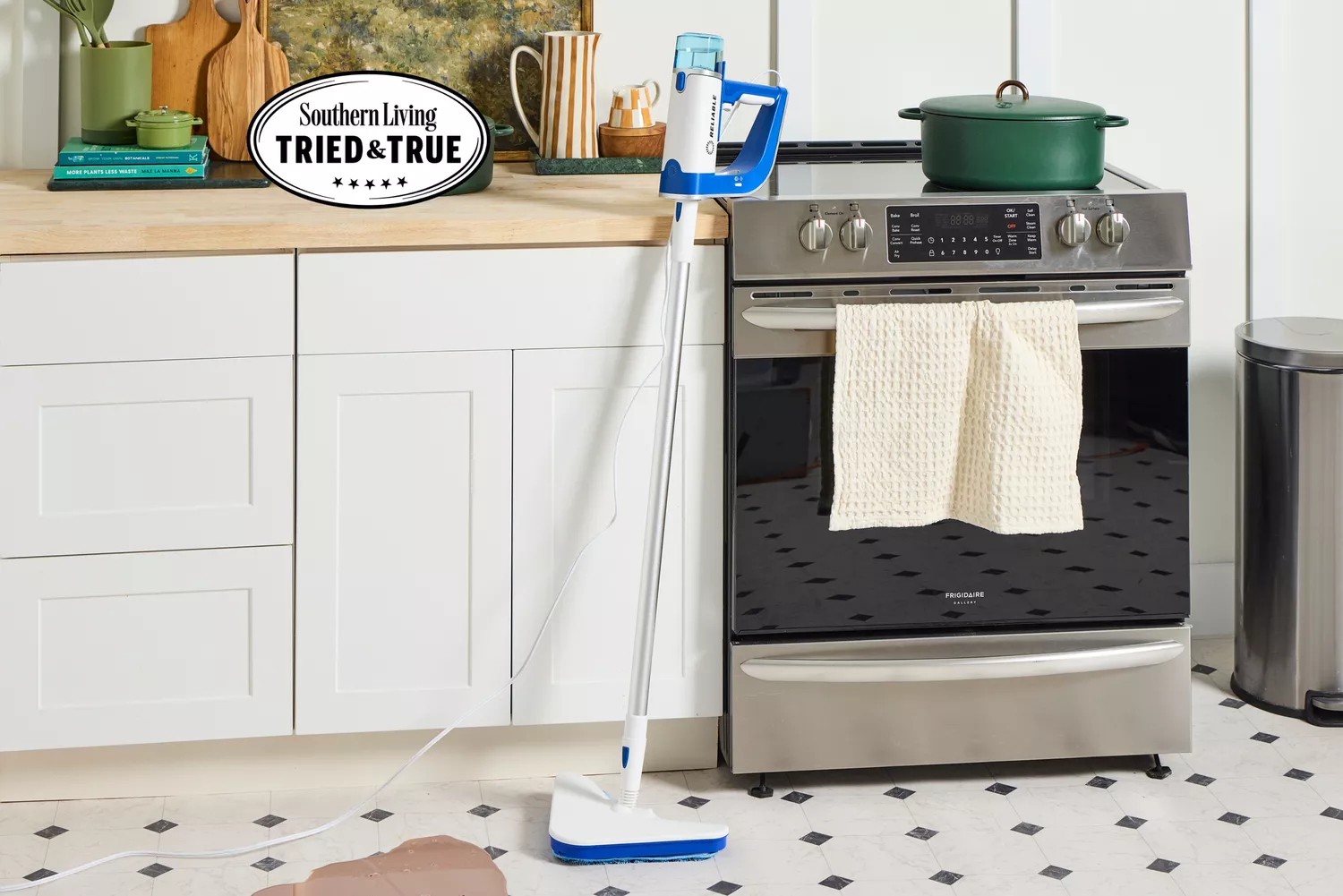
We Tested 27 Steam Mops—And These 4 Are The Best For Cleaning Tile Floors
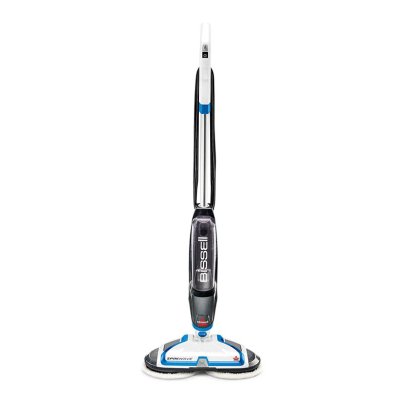
After 20 Hours of Testing, the Best Hardwood Floor Cleaner Machines Made Our Floors Look Like New
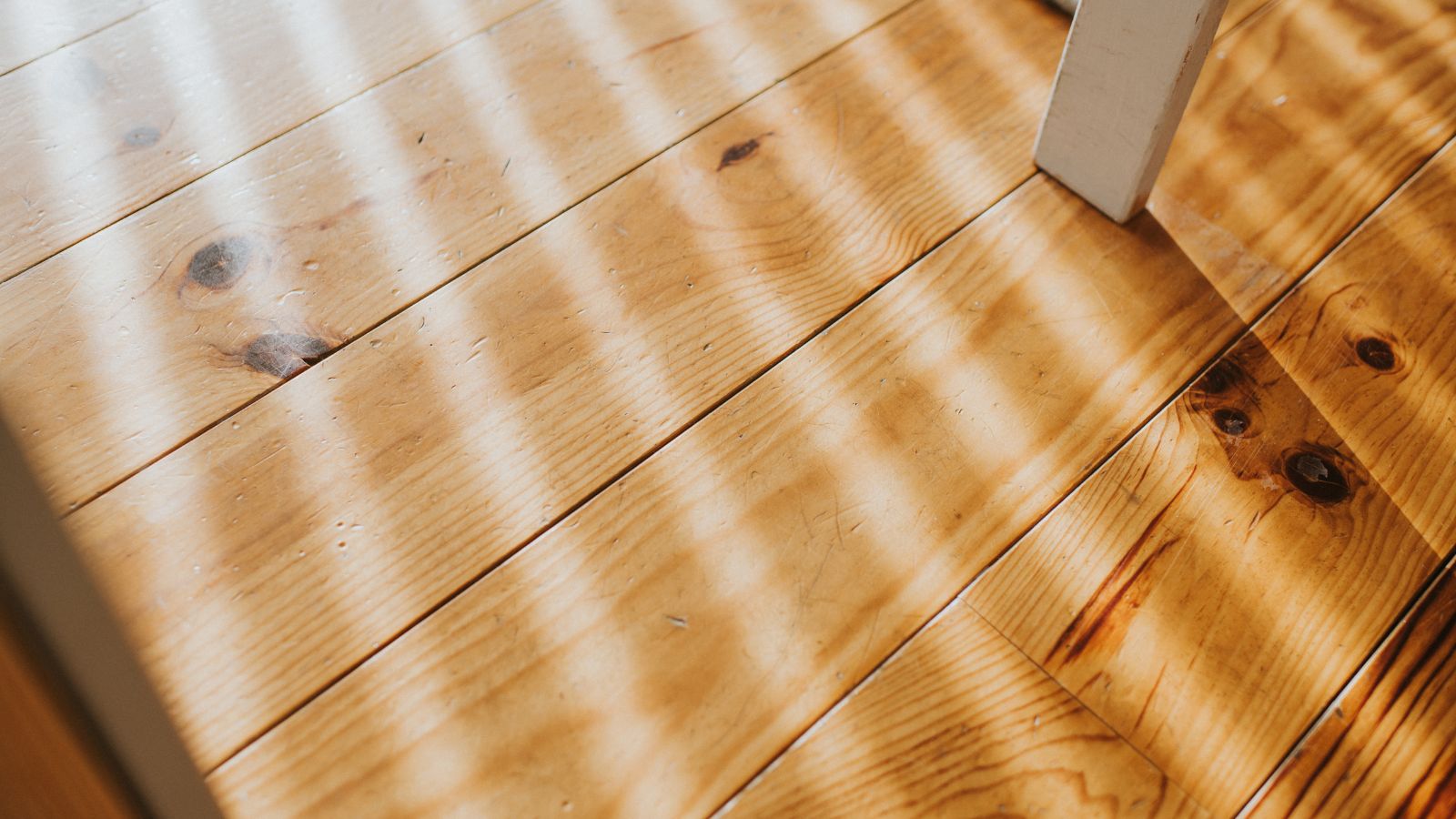
Tired of tiptoeing? These 5 methods for fixing creaking wooden floors are approved by the pros

6 Things You Should Never Use to Clean Wood Floors (Unless You Want to Ruin Them)

Don't use hardwood flooring in a bathroom without reading this expert advice for long-lasting boards

How to use a steam cleaner on rugs, upholstery and more

10 Top Hardwood Floor Cleaners To Keep Them Looking Like New

We Tested 97 Steam Mops—These 5 Are the Best for Sanitizing Floors

11 Reasons Hardwood Flooring Might Not Be Right for Your Home

27 Of The Best Hardwood Floor Cleaners If You Want Spotless, Shiny Results

6 Common Mistakes When Choosing Hardwood Flooring