1/3
What Size Dehumidifier Do I Need?
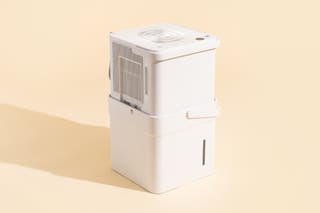
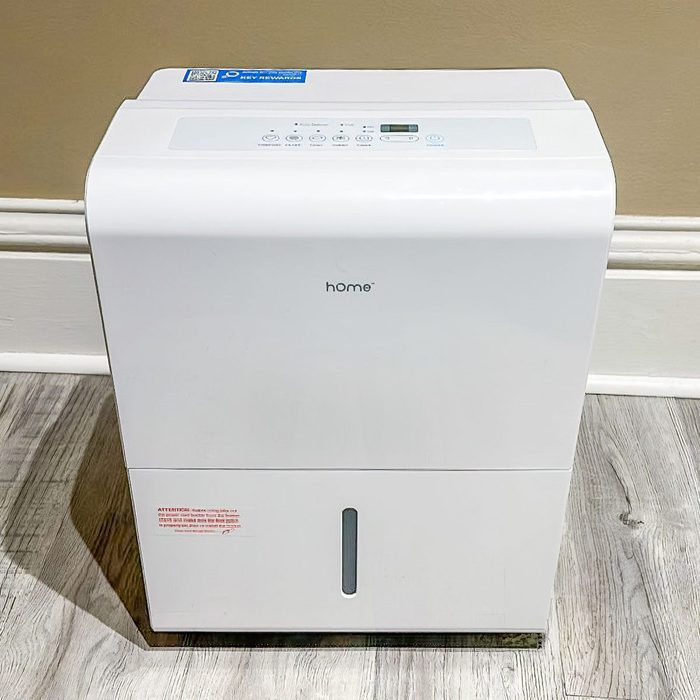
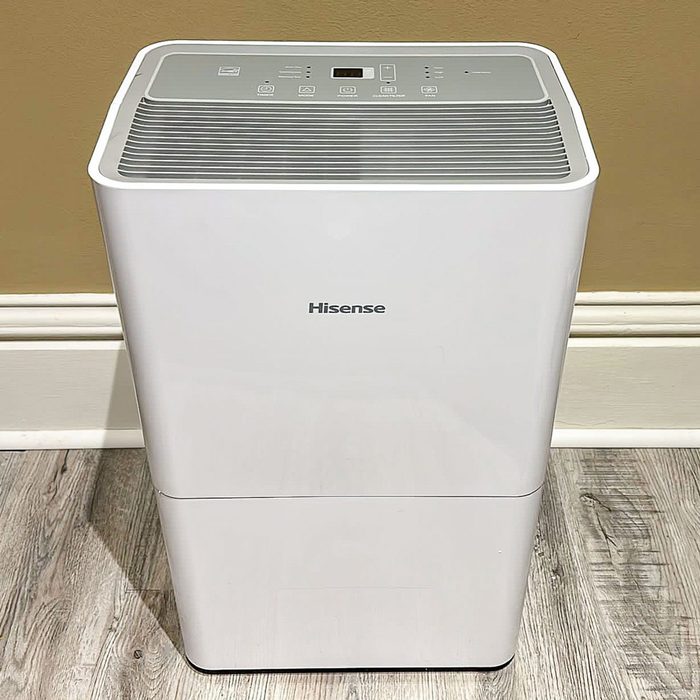
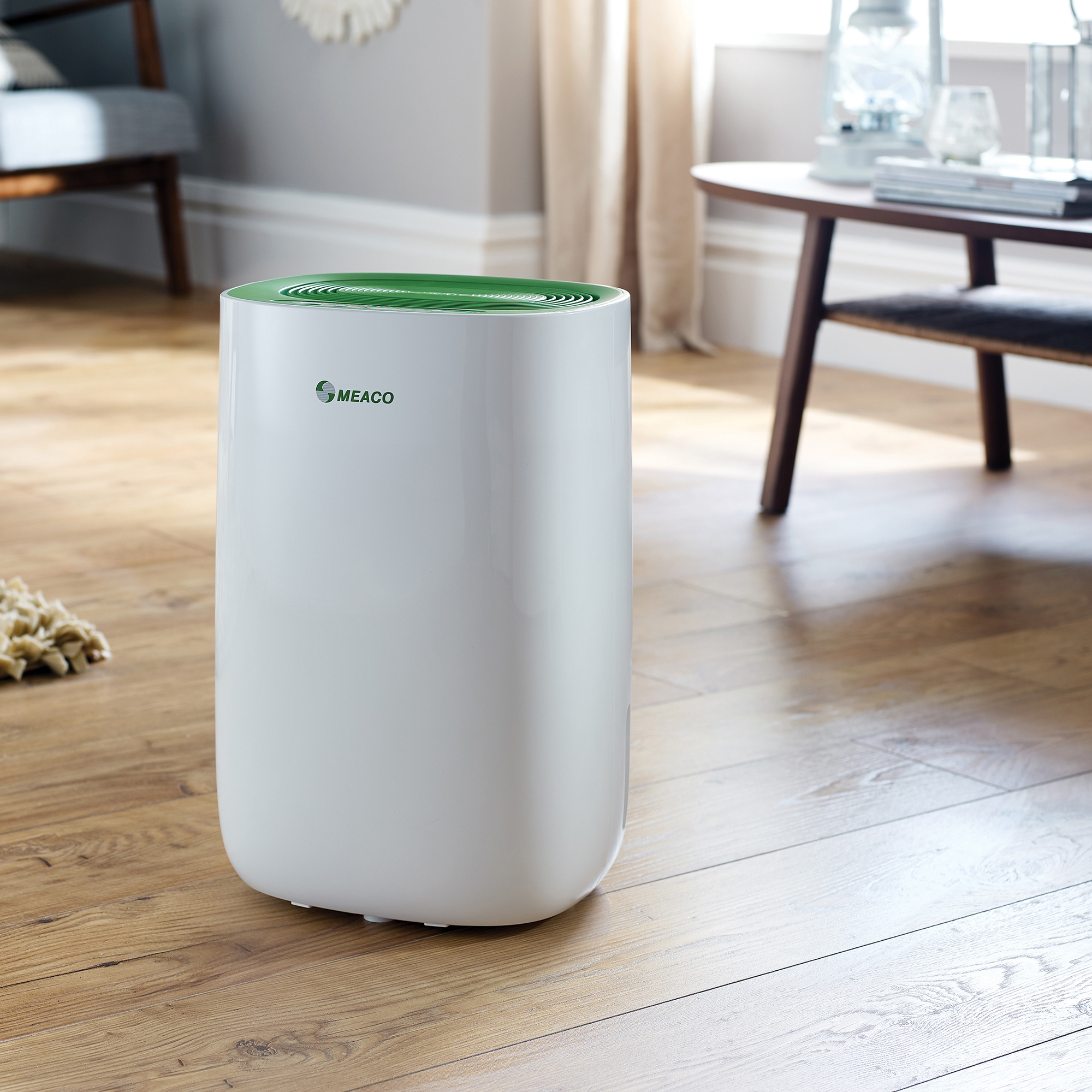
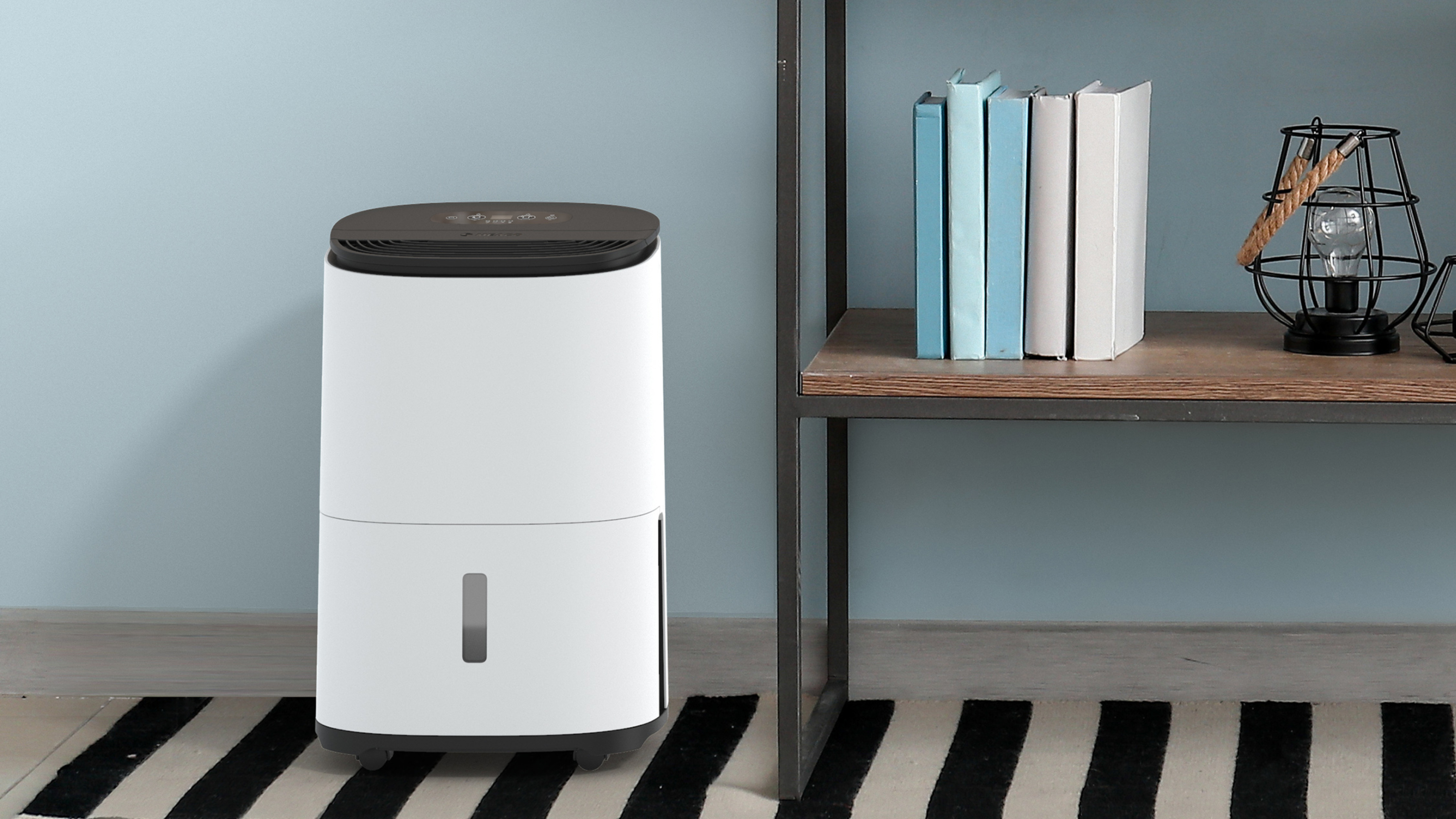
Excess humidity in a home can lead to several problems, including musty odors, warped wood, peeling paint, and the growth of mold and mildew. These issues not only affect the structural integrity and aesthetic appeal of a home but can also have significant health implications, ranging from mild symptoms like stuffy noses and wheezing to more severe conditions such as asthma development in children. Dehumidifiers offer a solution by reducing excess moisture, making the air easier to breathe and mitigating the spread of mold, mildew, and dust mites. Experts, including HVAC technician Josh Mitchell and Dan Mingle of Sanders & Johnson Heating & Cooling, emphasize the importance of addressing high humidity to improve indoor air quality and overall well-being.
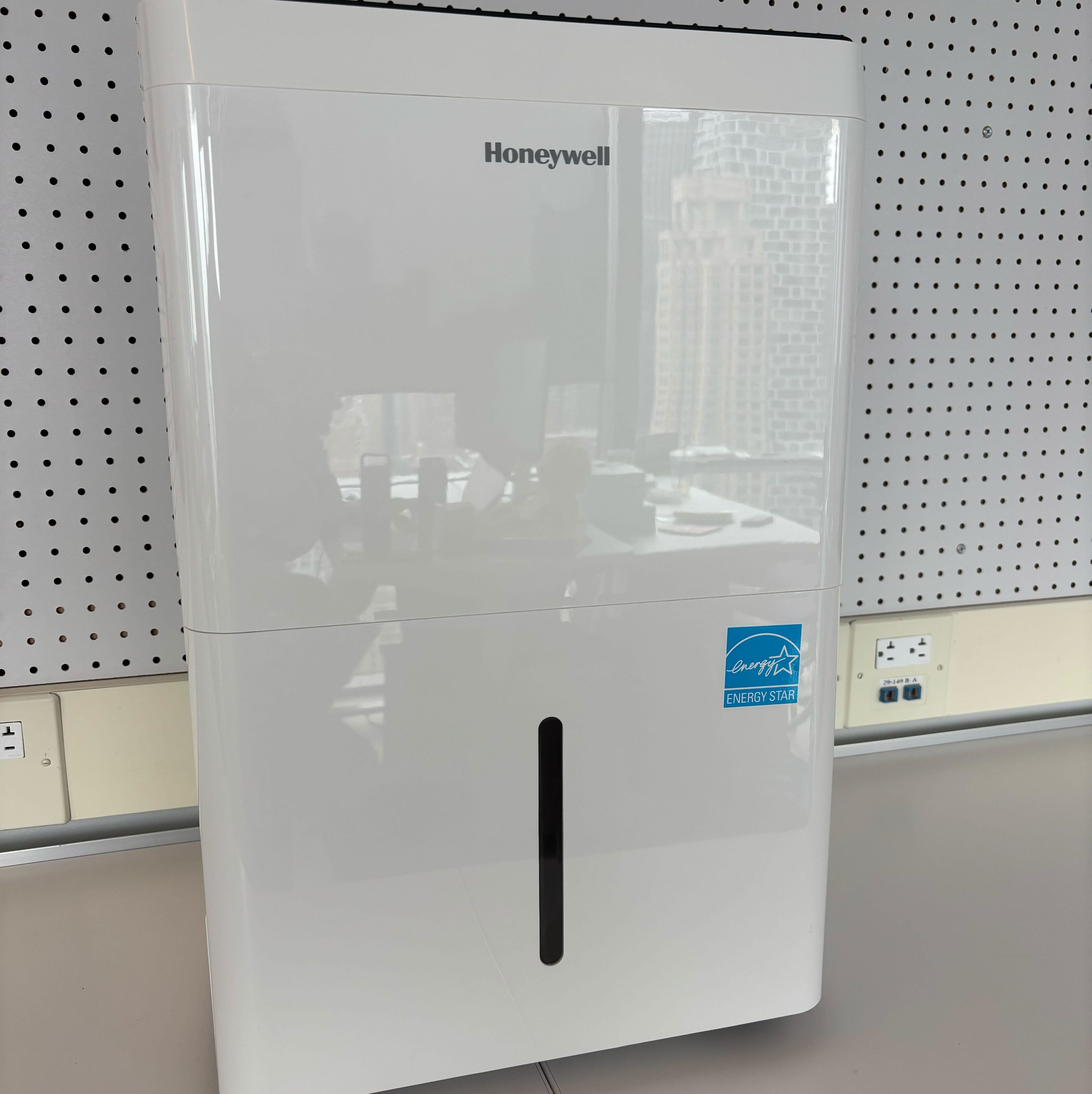
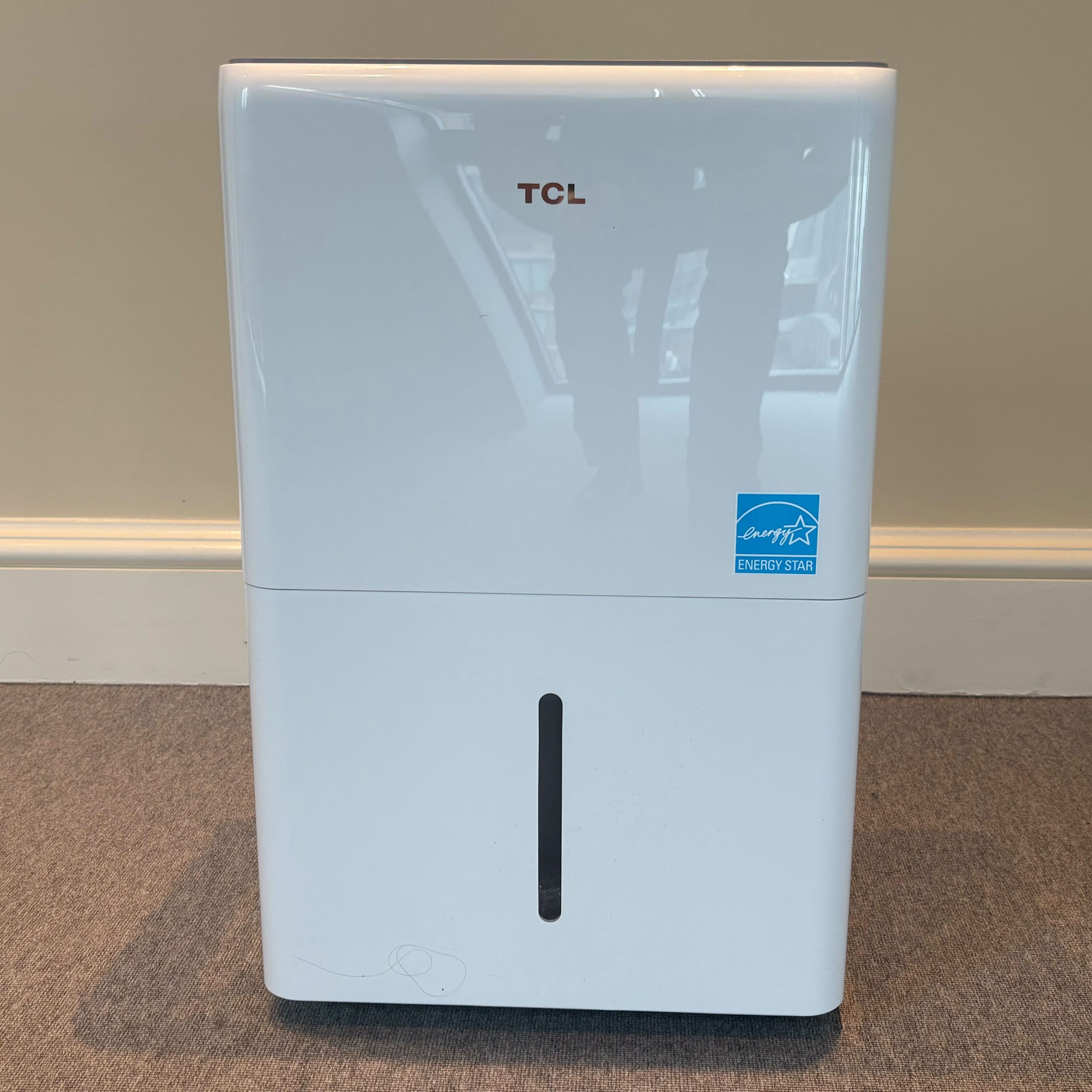
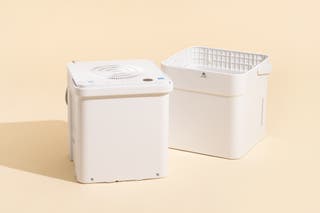
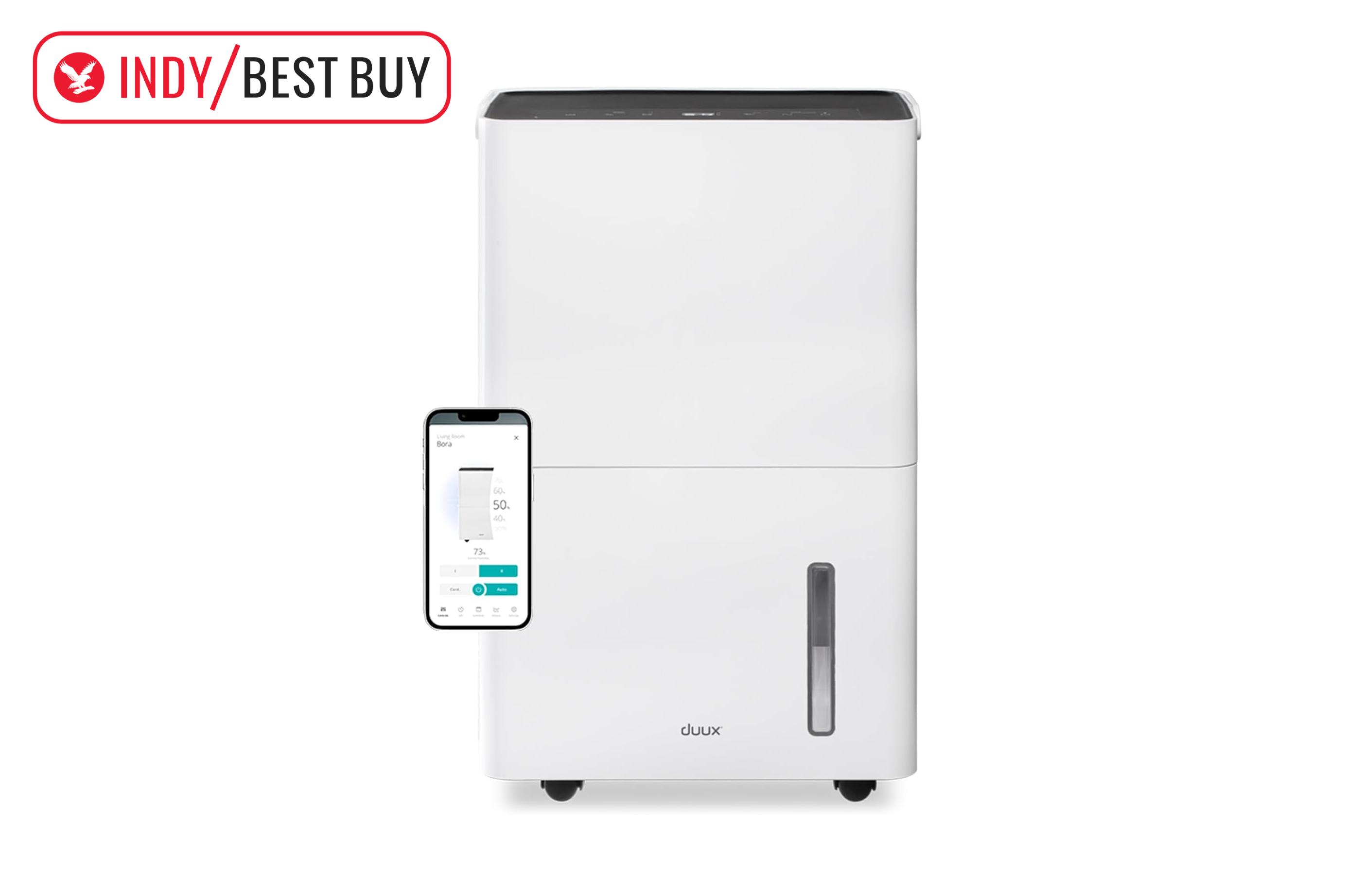
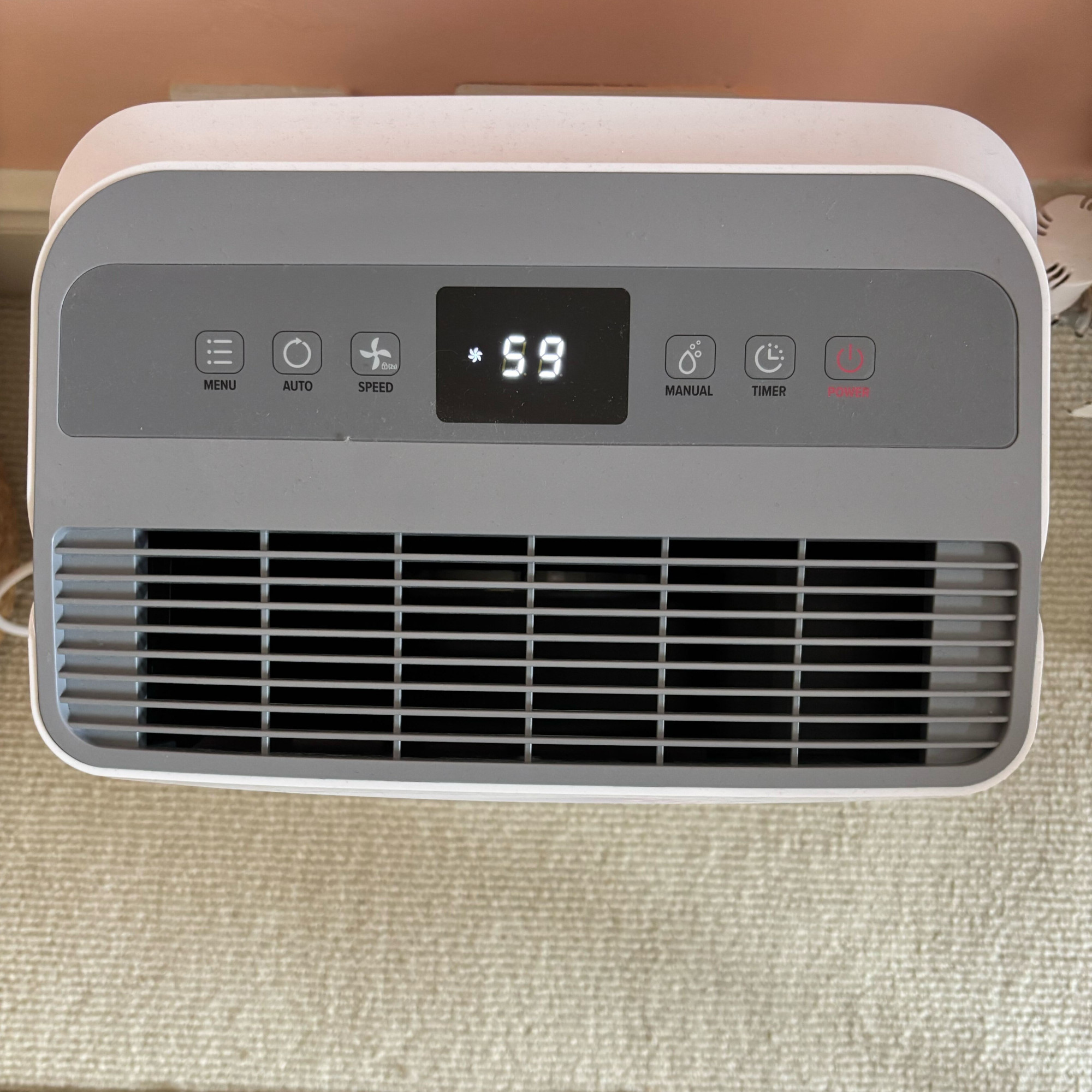
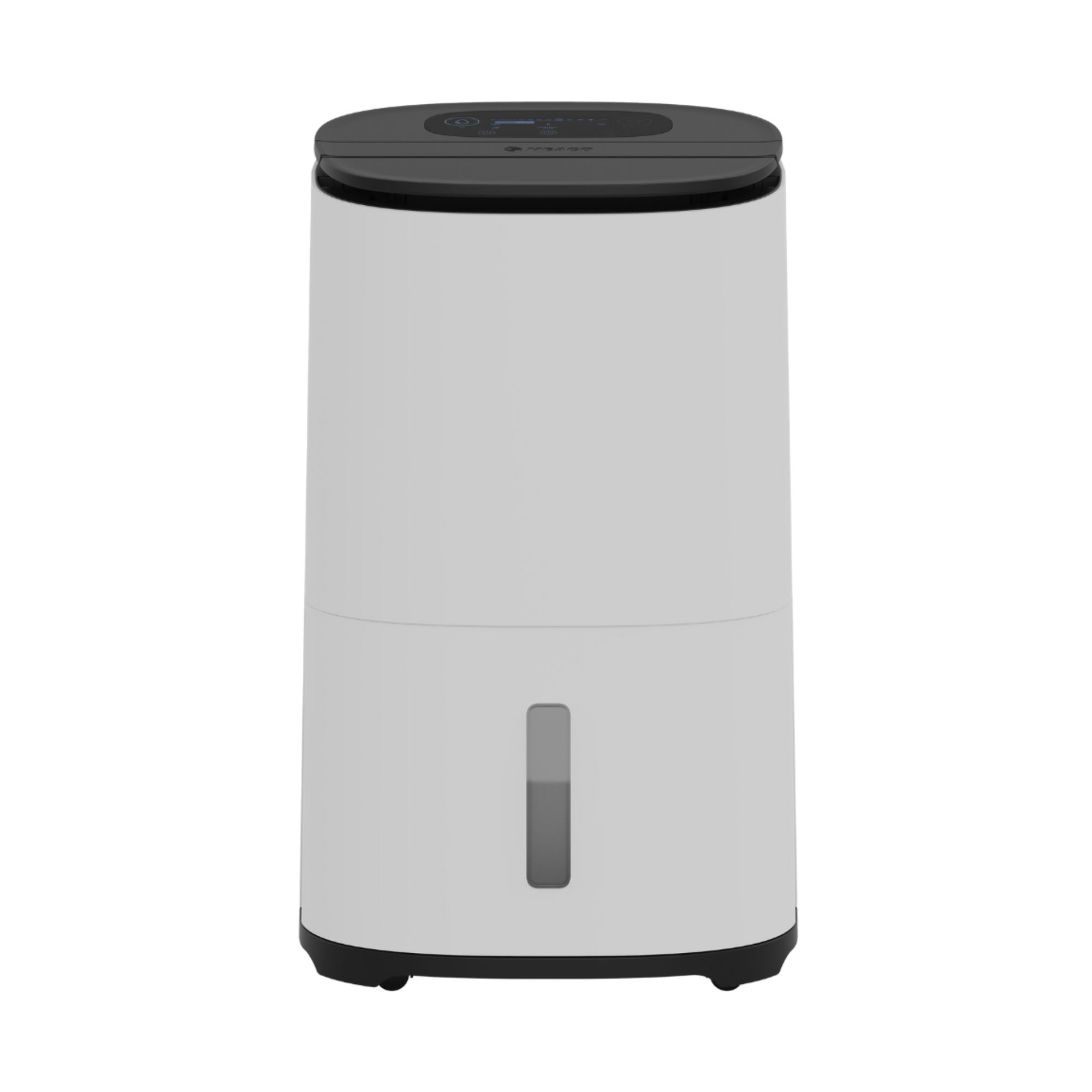
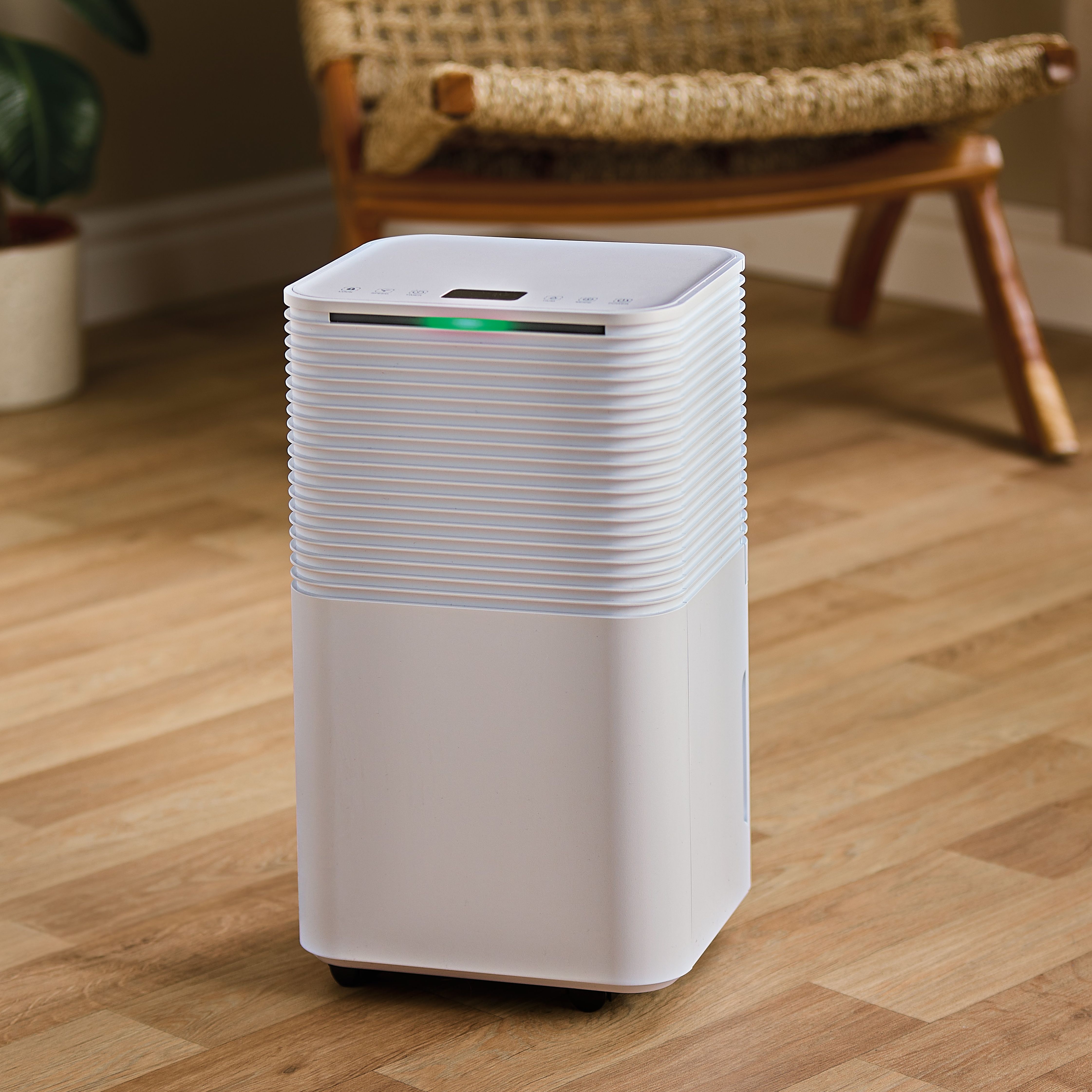
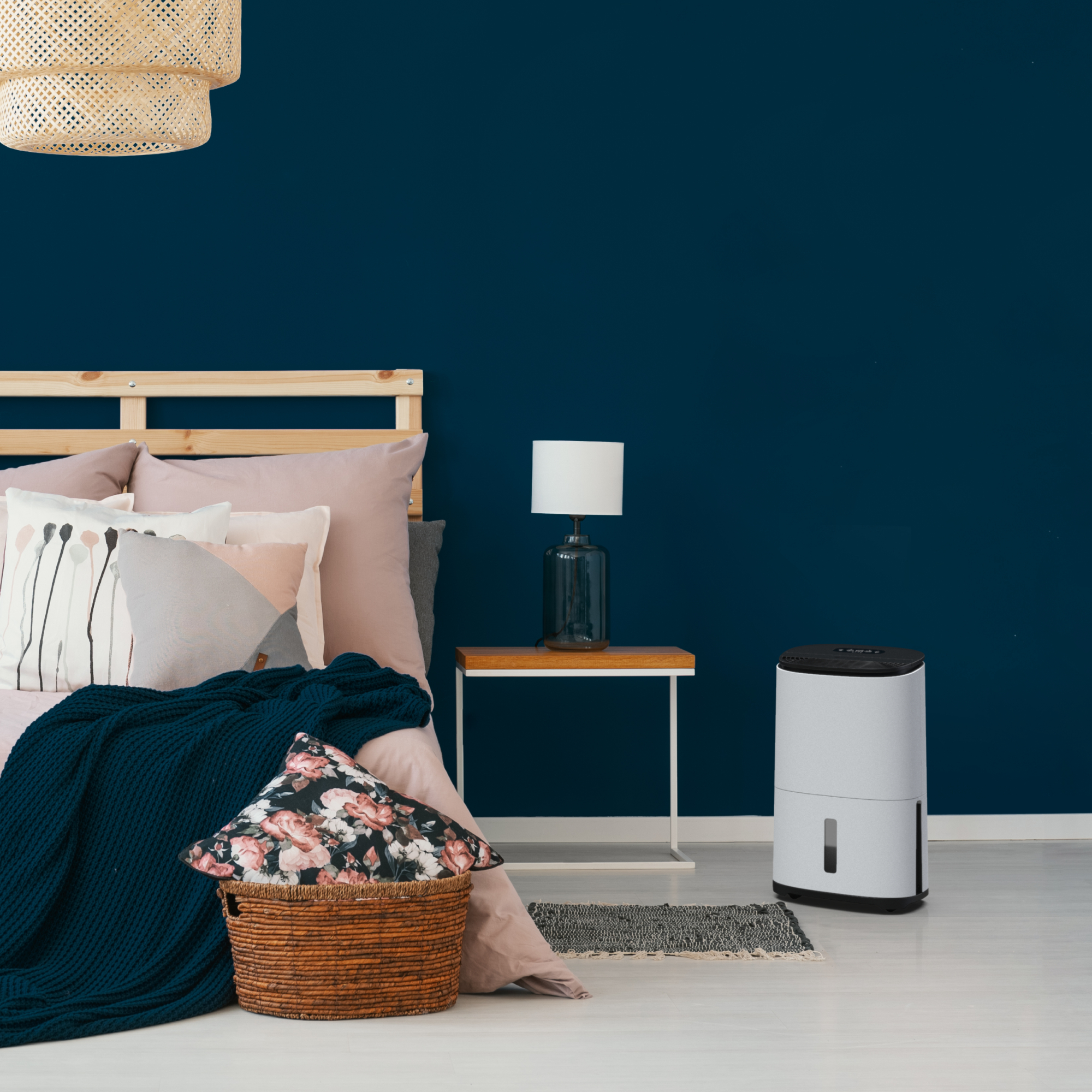
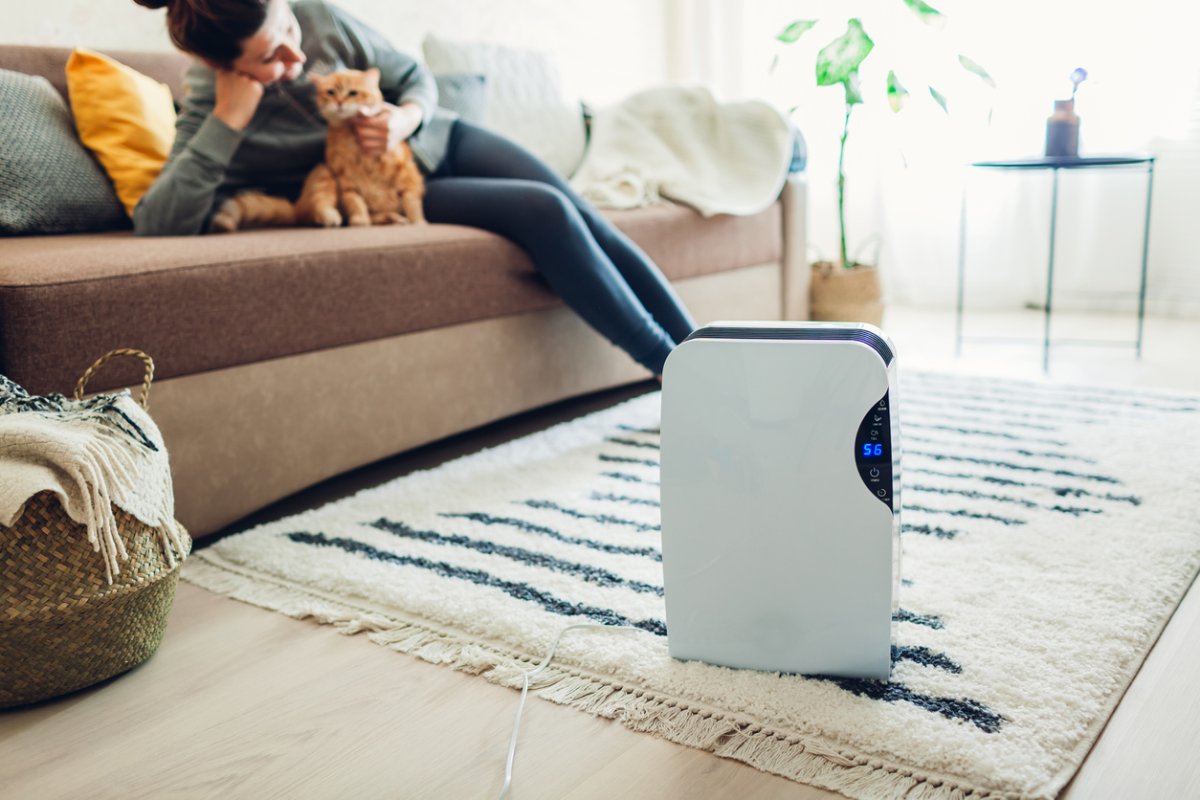
Dehumidifiers operate by drawing moist air over a cold metal coil, causing the moisture to condense into water, which is then collected or drained. The filtered, drier air is then reheated and returned to the room. Modern dehumidifiers come with advanced features such as built-in hygrometers, auto shut-off mechanisms, continuous drainage options, digital humidity readouts, and Wi-Fi connectivity, enhancing user convenience and energy efficiency. Energy Star-rated models are particularly recommended for their lower energy consumption and reduced greenhouse gas emissions.
Determining whether a home needs a dehumidifier involves observing signs like fogging windows, condensation on surfaces, and musty smells. Using a humidity gauge or hygrometer can provide precise readings of indoor humidity levels. An ideal indoor humidity range is between 30 and 50 percent; levels exceeding this suggest the need for a dehumidifier. The scope of the humidity problem—whether it's isolated to a single area like a basement or affects the entire house—dictates the type of dehumidifier required. Whole-house dehumidifiers integrate with HVAC systems and are suitable for larger homes, offering comprehensive humidity control. Portable dehumidifiers, on the other hand, are more affordable and user-friendly for addressing localized humidity issues.
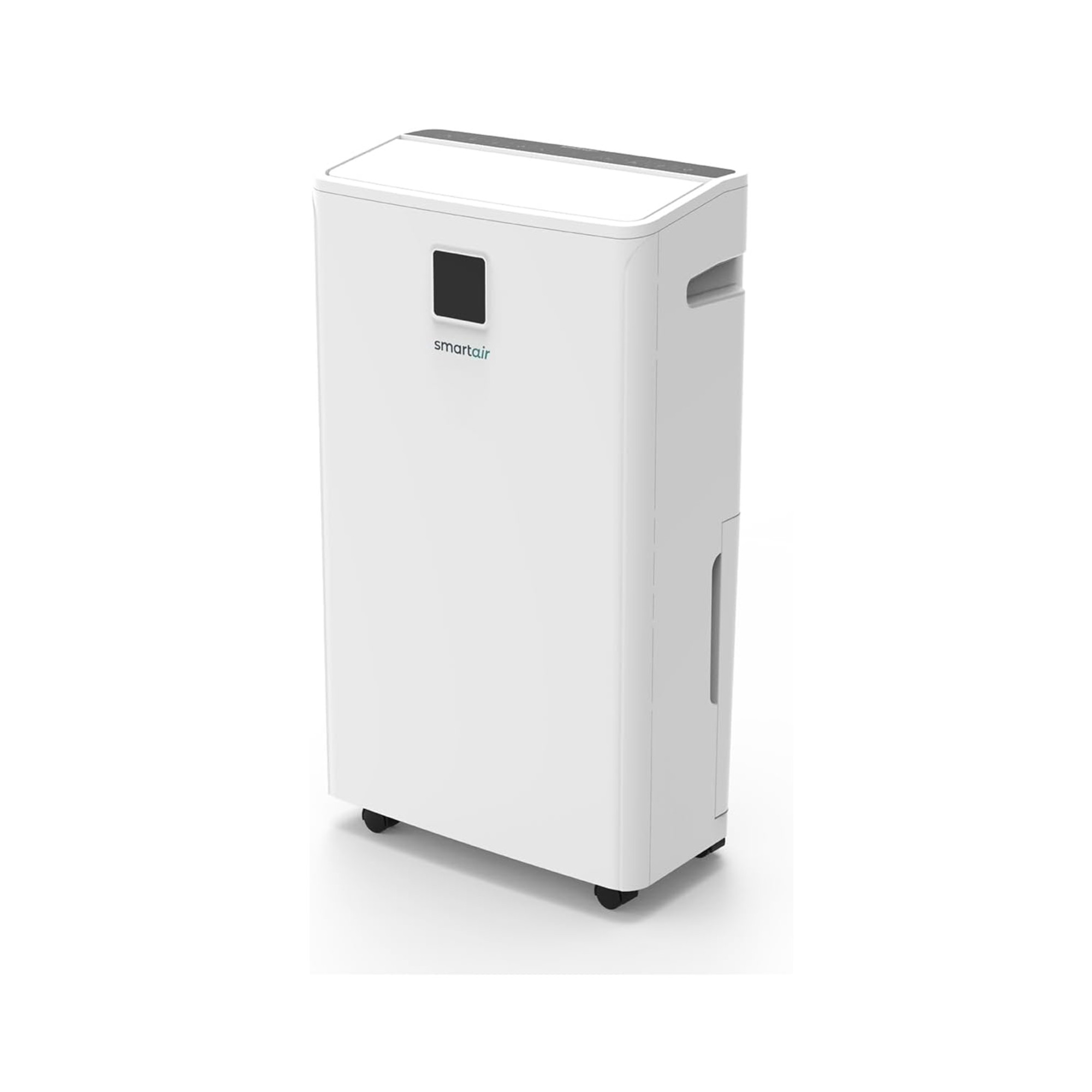
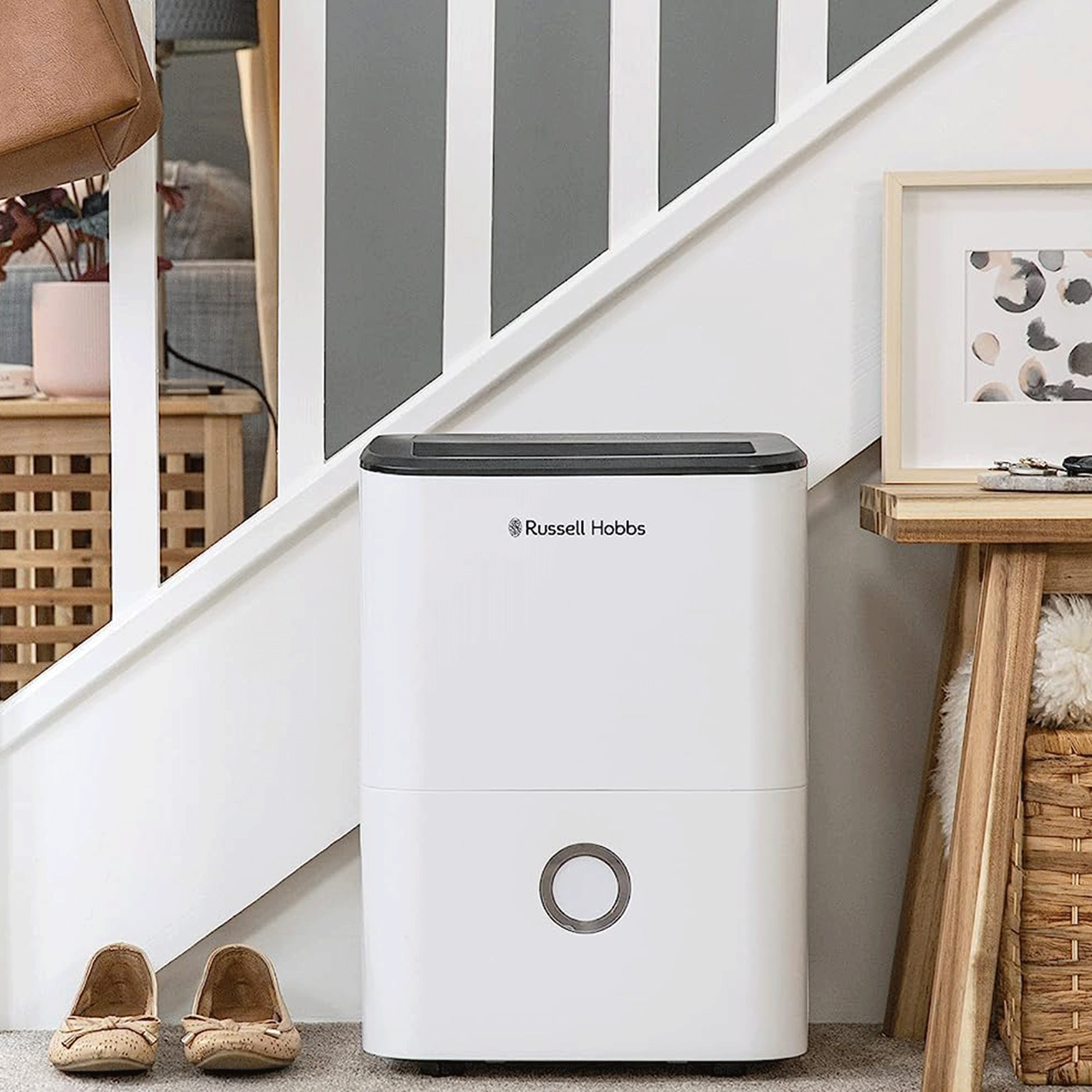
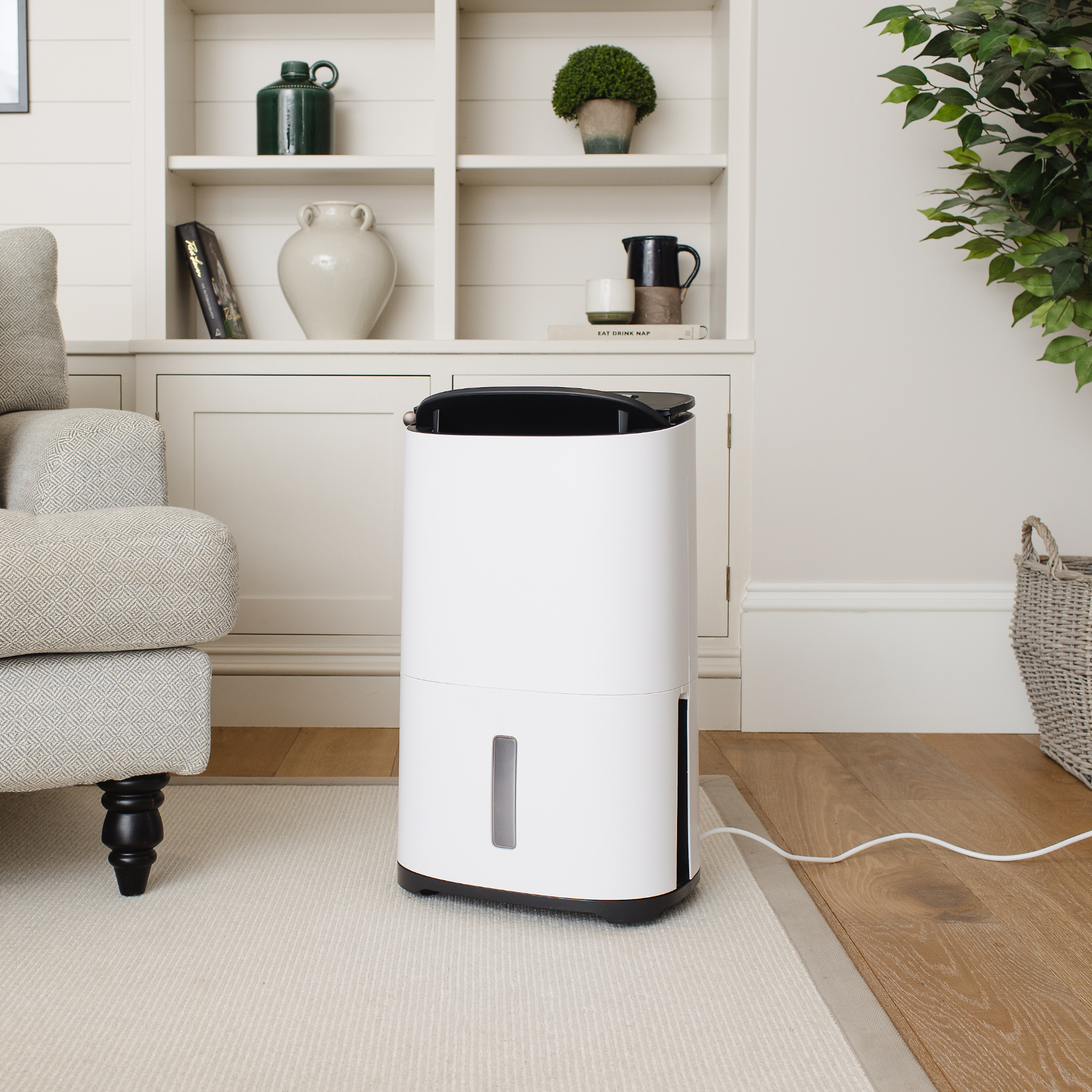
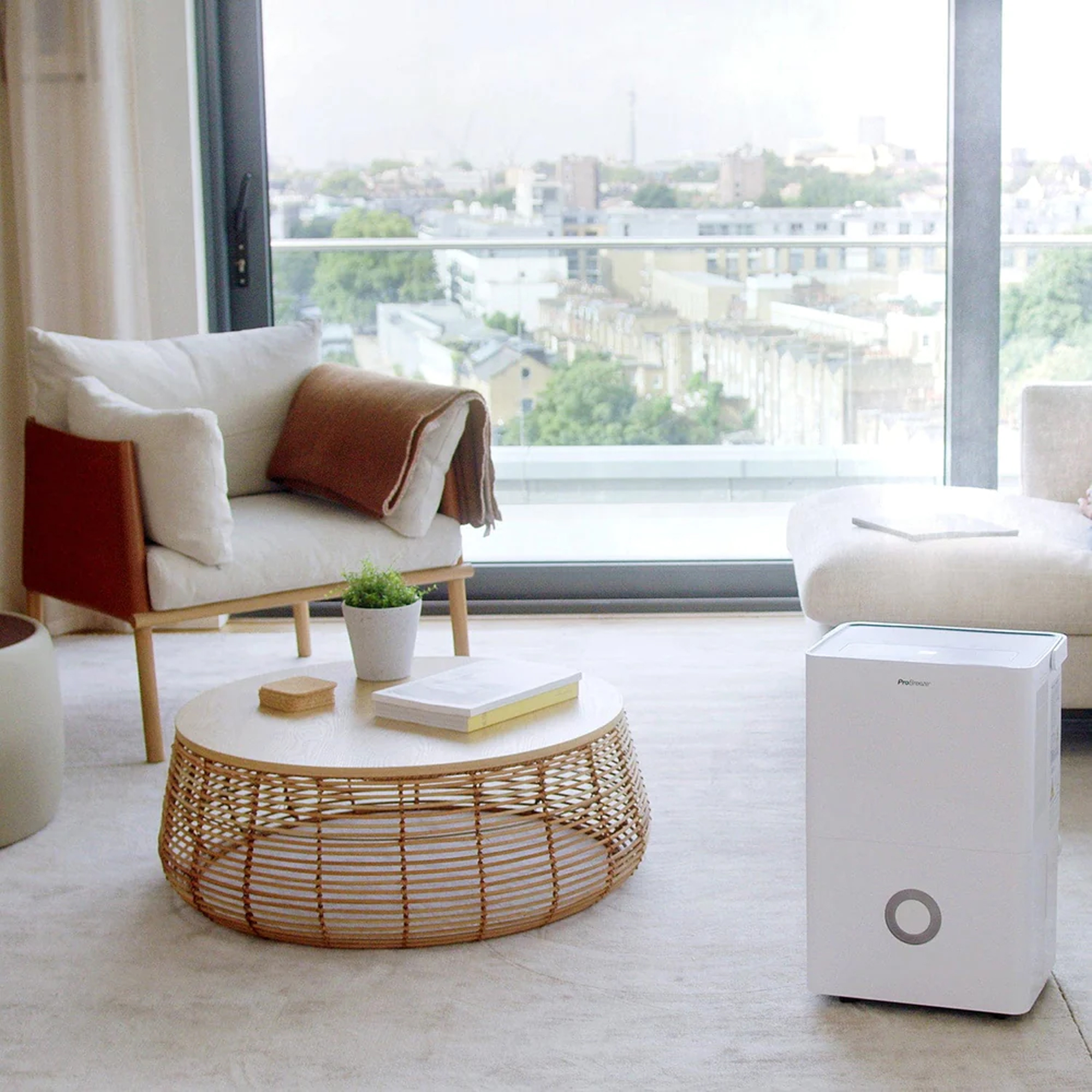
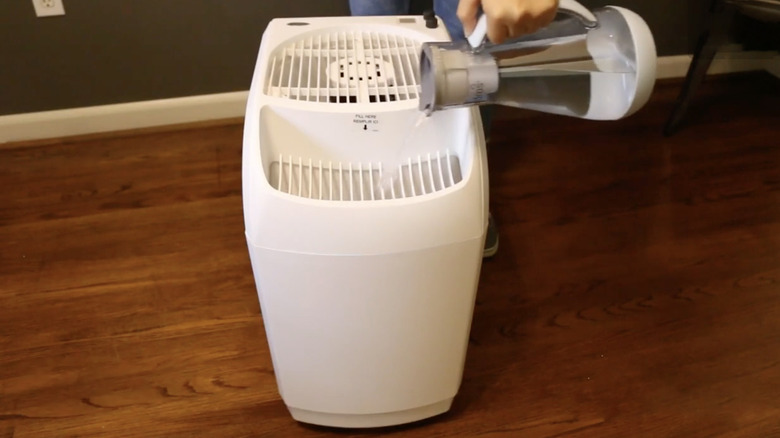
Choosing the right size dehumidifier is crucial for effective moisture removal. For a 500-square-foot space with average humidity, a 10-pint capacity unit is recommended, with an additional 4 pints for every 500 square feet thereafter. For particularly damp areas like basements, a larger capacity of 12 pints for 500 square feet, plus 5 pints for every additional 500 square feet, is advisable. Other factors to consider when purchasing a dehumidifier include the home's square footage, the number of occupants, the quantity and size of windows and doors, and the presence of moisture-generating areas like bathrooms and laundry facilities. While dehumidifiers offer benefits like improved air quality and protection against mold, they also come with considerations such as increased electricity bills and the need for regular maintenance, including emptying water tanks, cleaning the unit, and replacing air filters. It is generally not necessary to run a dehumidifier continuously, as excessively dry air can lead to health problems; most units should be emptied about twice a day, depending on usage and humidity levels.
#Dehumidifier #HomeHumidity #MoldPrevention #IndoorAirQuality #HomeMaintenance #HVACTechnology #EnergyEfficiency #ApplianceSelection #HomeHealth #Dehumidifier #HomeHumidity #MoldPrevention #IndoorAirQuality #HomeMaintenance #HVACTechnology #EnergyEfficiency #ApplianceSelection #HomeHealth
0 ความคิดเห็นรวม
 ยังไม่มีความคิดเห็น
คุณอาจจะชอบอีกด้วย
I've Tested Dehumidifiers for 25 Years: These Are the Most Reliable

These simple mistakes could be why your dehumidifier isn't working properly – and here's how to avoid them
We Tested the Best Humidifiers and Our Top Pick Covers the Largest Square Footage We've Seen
How to protect your home from damp, moisture and mould
The 3 Best Dehumidifiers of 2025 | Reviews by Wirecutter

The 4 simple tricks that stopped condensation from forming on my bedroom windows – I no longer have to wipe my windows down every morning
We've Tested 68 Humidifiers—These Are the Best Options To Get You Through a Dry Winter

Elechomes HTJ-2119 Ultrasonic Humidifier review

Best dehumidifiers 2025, tried and tested for tackling damp

The best humidifier we found does everything right: It’s low-maintenance and easy to clean, and it humidifies the air quickly and (almost) silently. It’s also one of the very few ultrasonic humidifiers we’ve tested that can stop themselves before they turn your roo
Aldi is selling the ultimate dream team for drying laundry quickly in winter – grab them while you can
The Best Humidifiers | Lab Tested & Ranked

You can stop worrying about damp in your home thanks to this budget appliance
Can a dehumidifier dry out damp walls? Expert tips you need to know to drive out unwanted moisture this winter
These are the best humidifiers for your home, tried and tested by the GHI

How to stop damp in a bedroom - 10 foolproof ways to keep mould at bay
The 9 Best Dehumidifiers for Basements to Get Ahead of Moisture Issues

Major Humidifier Brands Ranked Worst To Best
Amazon Drops Humidifiers to Clearance Prices for Last-Minute Shoppers – Top Deals from Dreo, Levoit & More
Tapping into a dryer vent for heating