Tapping into a dryer vent for heating
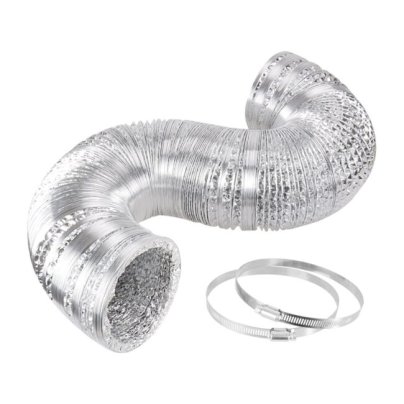
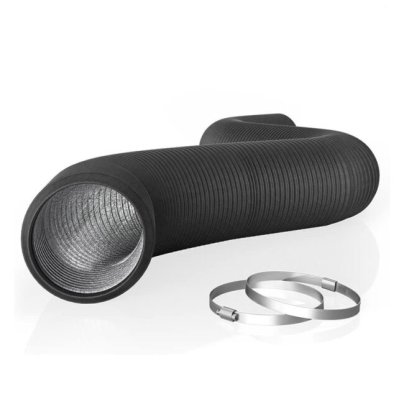
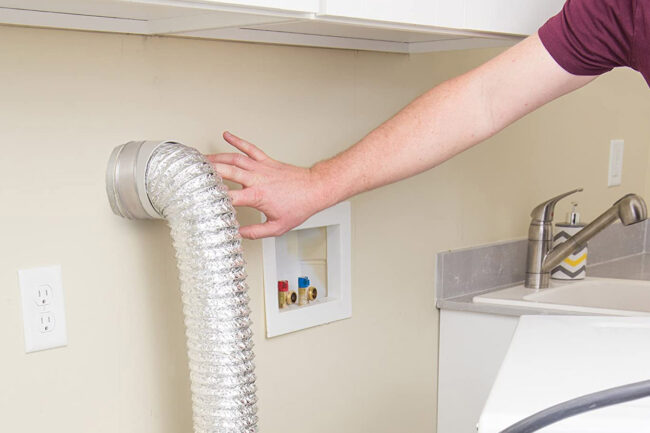
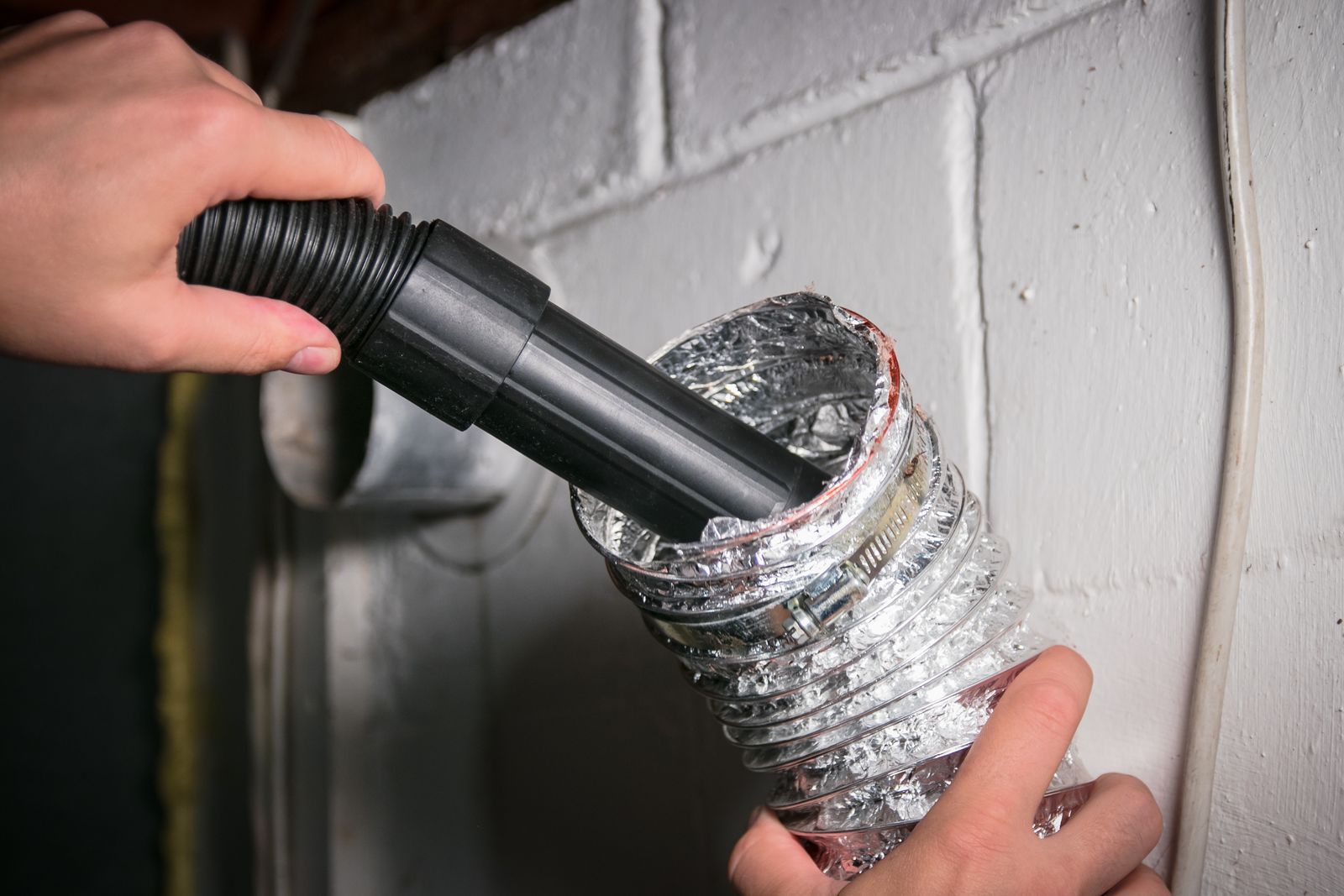
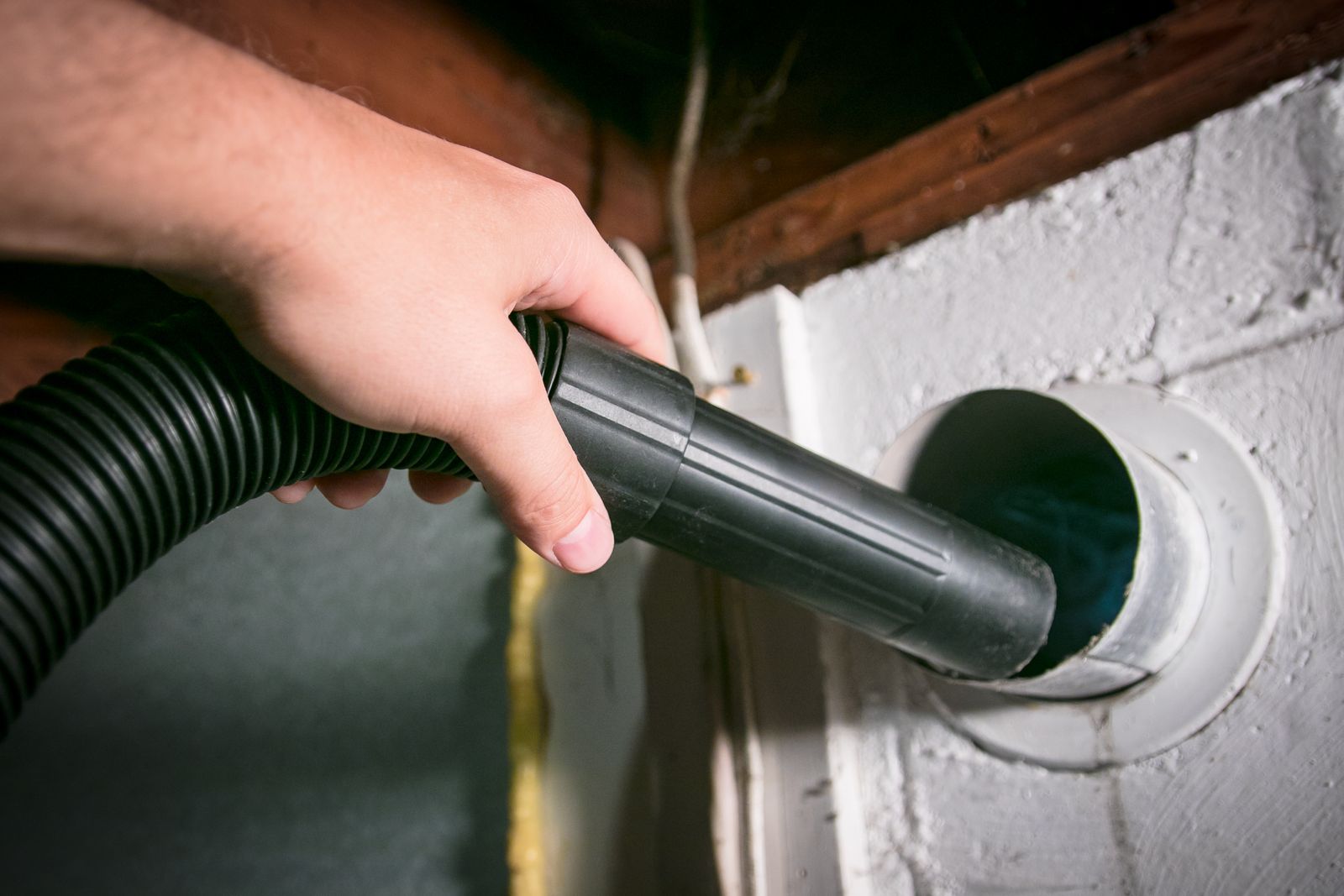
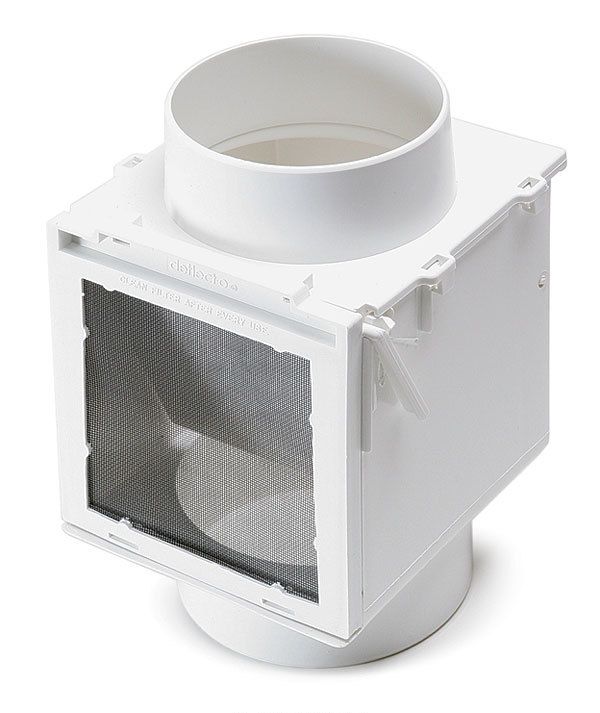
The practice of redirecting warm dryer exhaust air into a home during winter months is often considered for its apparent heating benefits, but this strategy presents significant drawbacks concerning indoor air quality and moisture management. While the concept aims to capture "free" heat, the warm air expelled from a dryer is also laden with moisture and, potentially, lint and dust particles.
Introducing this highly humid air directly into a home, especially into areas like basements with cooler surfaces, significantly increases the risk of condensation. Condensation can lead to the proliferation of mold and other moisture-related problems, undermining the perceived benefit of additional warmth. Even if some added humidity might seem desirable in dry winter conditions, the concentrated and uncontrolled release of moisture from a dryer can create unhealthy indoor environments and structural issues.
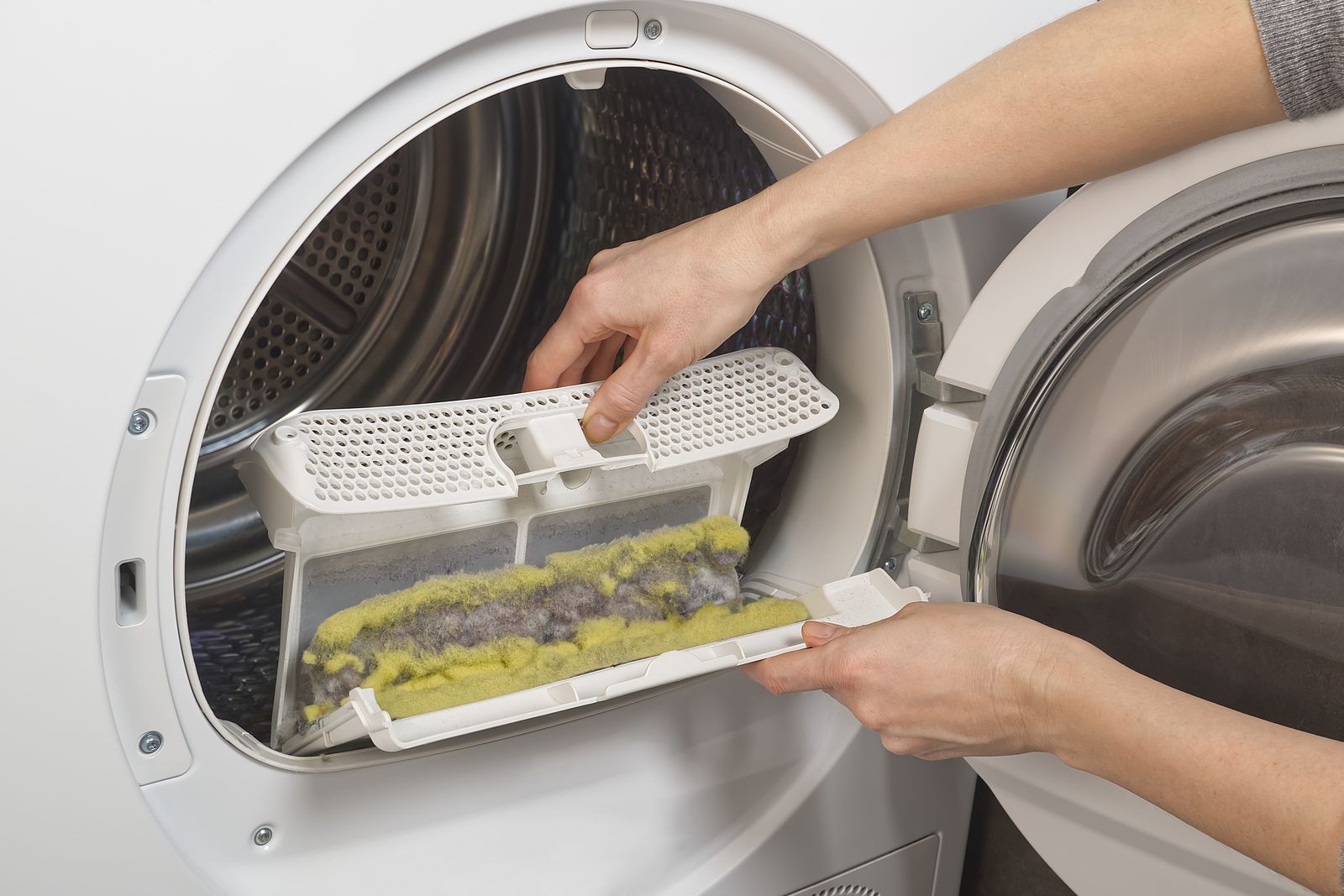
Beyond moisture concerns, the effectiveness of filtration systems in these in-line devices for dryer vents is often questionable. If these systems fail to adequately capture lint and dust, these fine particles can be dispersed throughout the immediate vicinity, leading to accumulation on surfaces and potentially impacting respiratory health. Therefore, homeowners considering such a setup must evaluate the design and efficiency of the filtration to prevent the release of airborne particulates.
From an energy perspective, the heating benefits derived from dryer exhaust are often minimal. Assuming a dryer exhausts approximately 150 cubic feet per minute (cfm) of air at 160°F and operates for about three hours weekly, the monetary value of the heat recovered is less than $1 compared to conventional furnace heating. Even with more frequent laundry cycles or higher utility costs, the energy savings are unlikely to be substantial enough to offset the potential risks associated with moisture and dust. Consequently, while the idea of reusing waste heat is appealing, the practical implications for indoor air quality and the limited energy gains make it an unfavorable strategy for residential heating.
#DryerVent #HomeHeating #IndoorAirQuality #MoistureControl #EnergyEfficiency #HomeMaintenance #HVAC #ApplianceVentilation #DryerVent #HomeHeating #IndoorAirQuality #MoistureControl #EnergyEfficiency #HomeMaintenance #HVAC #ApplianceVentilation
0 comment in total
 No comments yet
You may also like
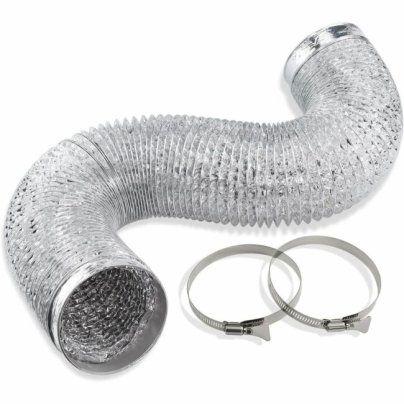
The Best Dryer Vent Hoses for Tight Spaces

Heated Towel Radiators

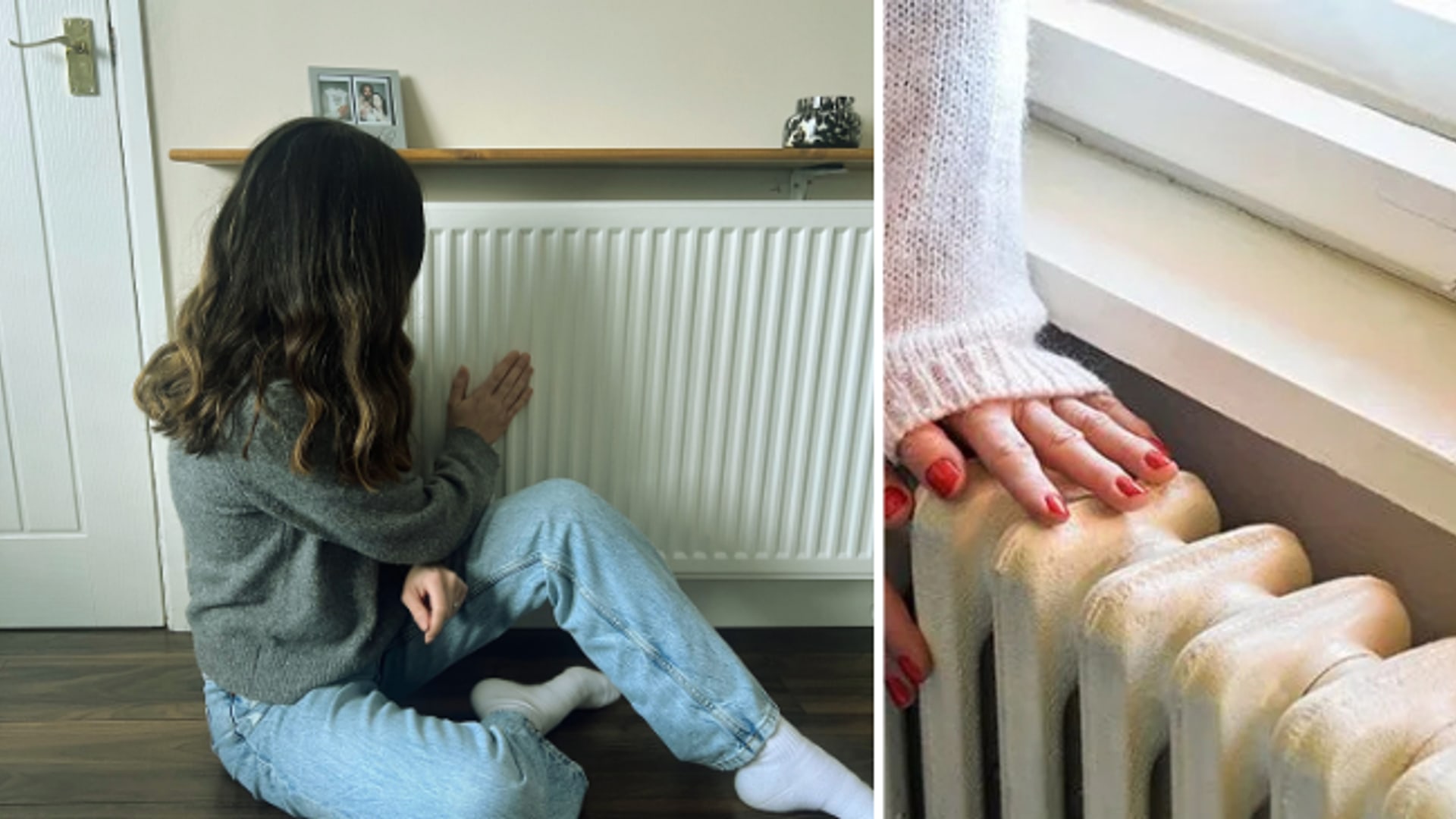
Discover the lesser-known hack to power up your struggling radiators

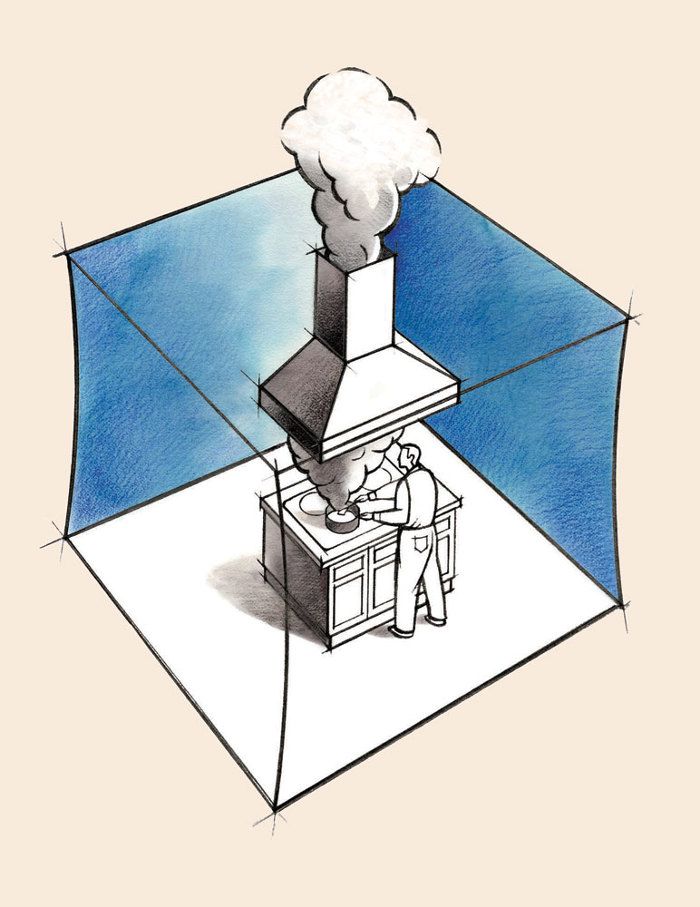
Prevent a Powerful Range Hood From Backdrafting Your Furnace

How to Clean a Dryer Vent in 7 Simple Steps

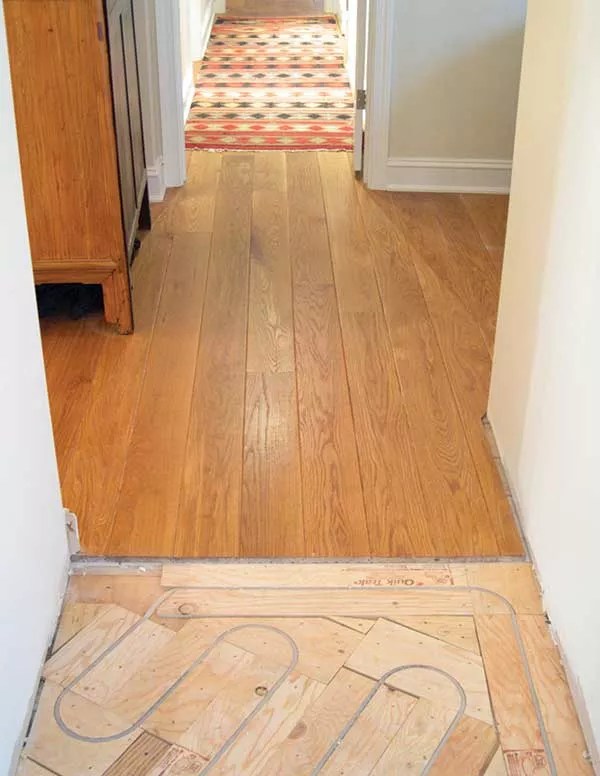
Radiant Heating

Infrared saunas: Sweating it out — in a dry heat


This home heating habit could be ruining your sofa

Take the Chill Off with an Electric Fireplace
'Dunelm's £40 incredibly cosy heated throw has kept me from turning on the heating'

Best electric blankets and heated throws to keep you warm and toasty, tried and tested


The must-have items to get you through winter

Foggy bathroom mirror? Plug in your hair dryer!

Is your radiator not heating up? Why it happens and how to fix the problem asap
Radiators


The Best Electric Fireplace Inserts for Any Home
6 common mistakes people make when buying a heated clothes airer – and how to avoid them
Cozy Up Your Home With an Electric Fireplace Insert

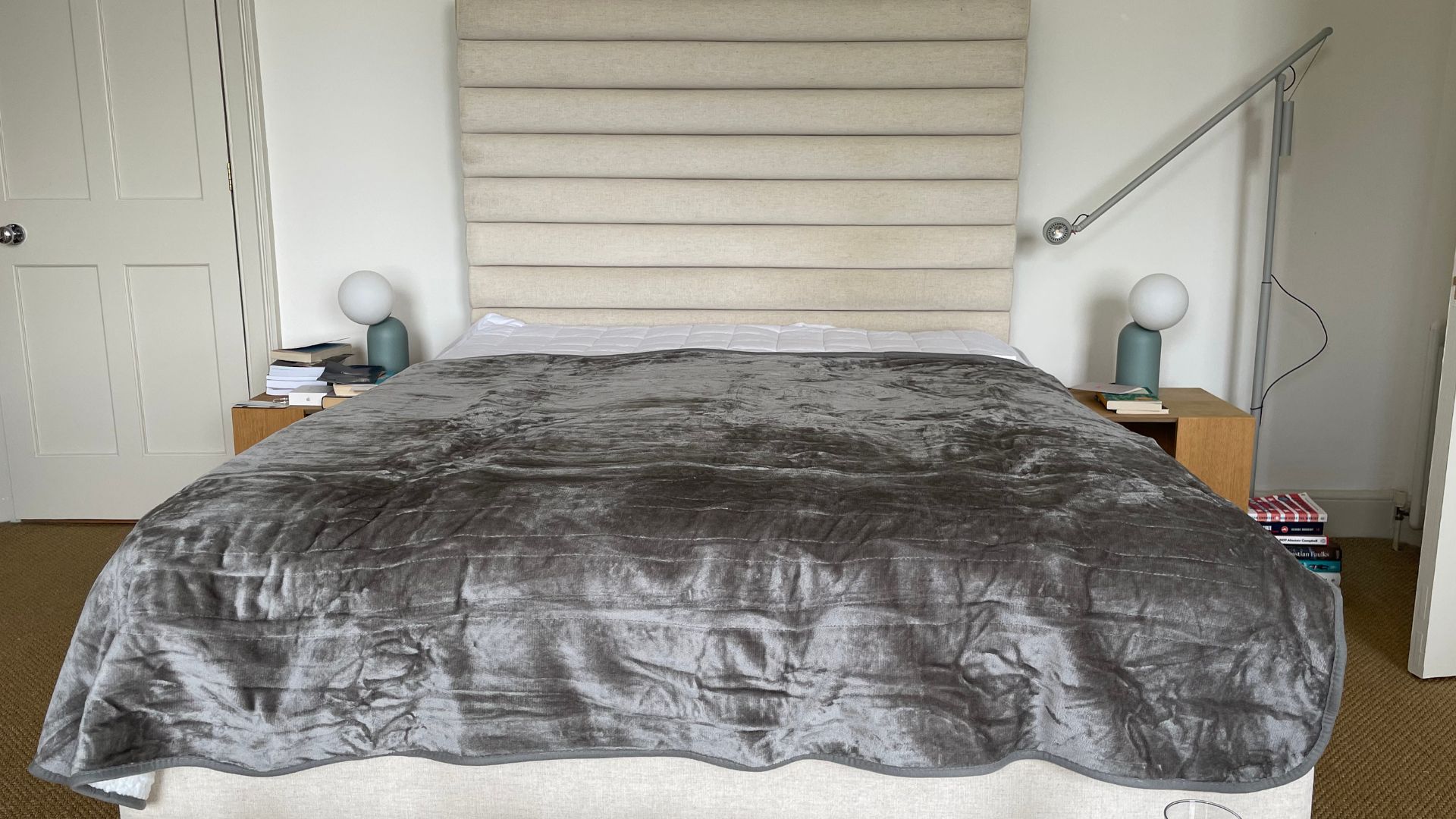
You can't buy big hugs, but the Dreams Fleece Heated Throw is just as good

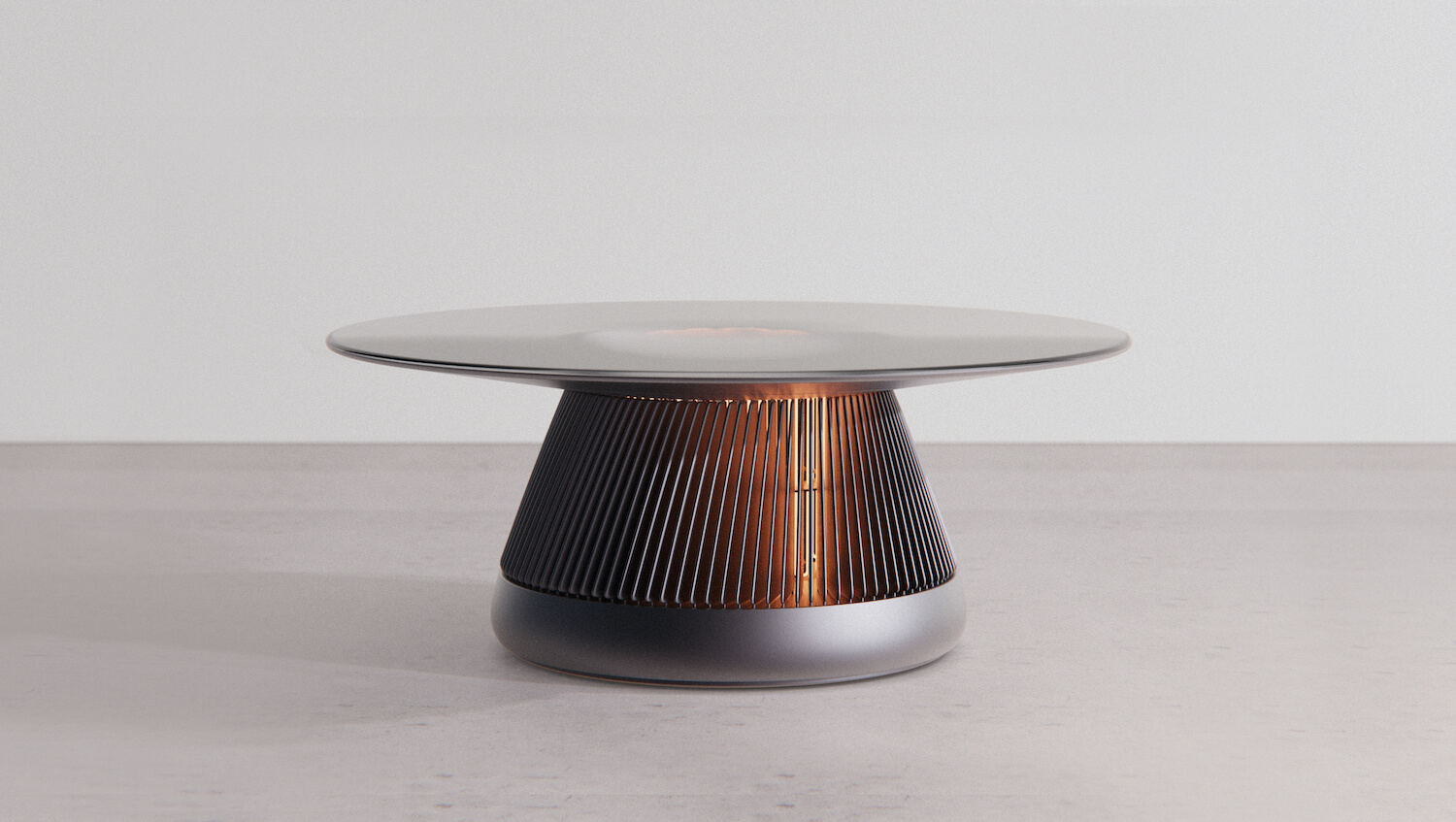
The Hearth electric heater puts a twist on the act of building a fire