Thinking the Biophilic Way: Five Ways to Interact with Nature in Design
Biophilic design extends beyond interior aesthetics to encompass a holistic approach to integrating nature into built environments, fostering a deeper connection between humans and the natural world. This concept is increasingly vital in various scales of design, from individual architectural details to large-scale urban planning, recognizing nature's significant contribution to quality of place and human well-being. This article outlines five key approaches to implement biophilic design, moving from the micro to the macro.
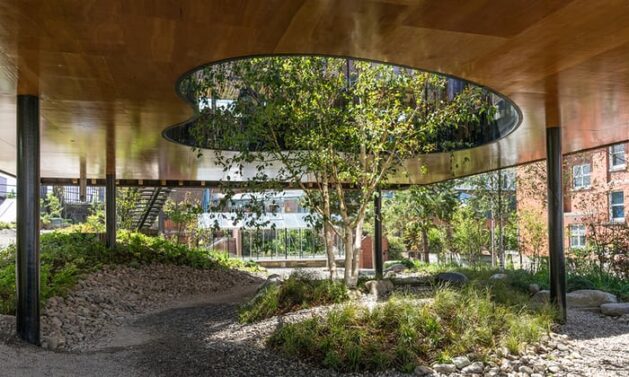
Firstly, at the most local level, design considerations can accommodate wildlife through features such as bee bricks, bat boxes, and bug hotels. These small-scale interventions, often mandated by planning conditions, collectively contribute to supporting native and at-risk species. Integrating these elements creatively within a design, such as through eave details for nesting birds or canopied areas for small ground animals, can seamlessly blend ecological functionality with architectural aesthetics. This approach highlights that even minor additions can have a considerable positive impact on biodiversity.
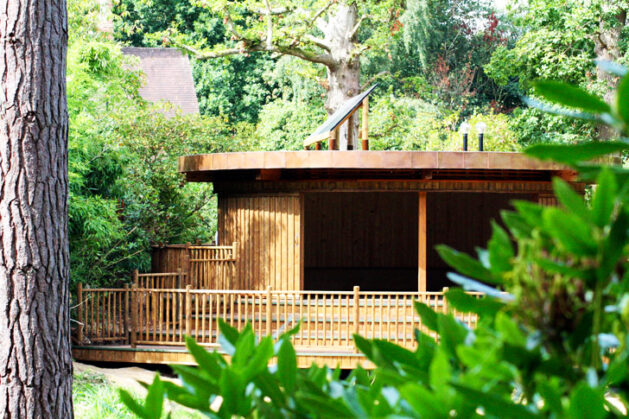
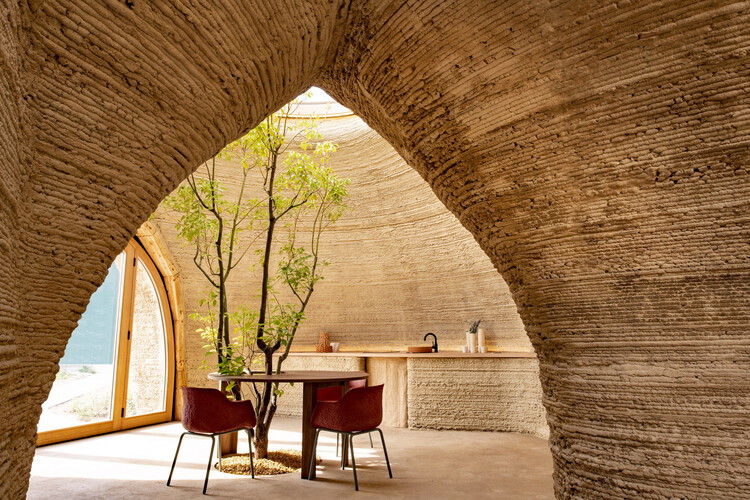
Secondly, biophilic design can embrace nature holistically by exploring innovative living solutions. The rise of garden offices during the pandemic, and the subsequent popularity of live-work pods, demonstrates a growing desire for stronger connections to nature in daily life. These off-grid pods, often providing access to communal amenities, represent an affordable and nature-centric alternative to traditional living. Such pioneering concepts prioritize a continuous interaction with the natural environment and aim to educate occupants about sustainable living practices through their very design.
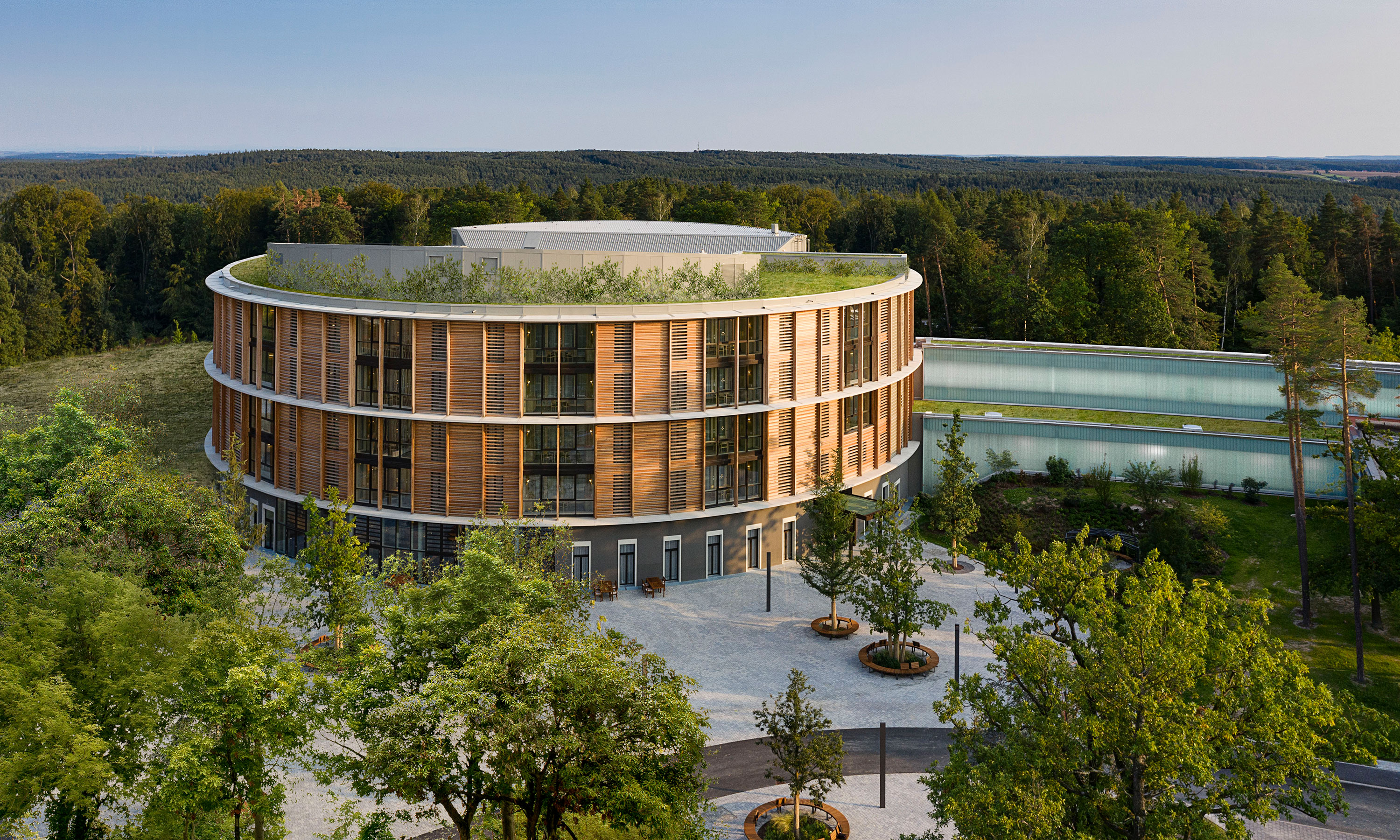
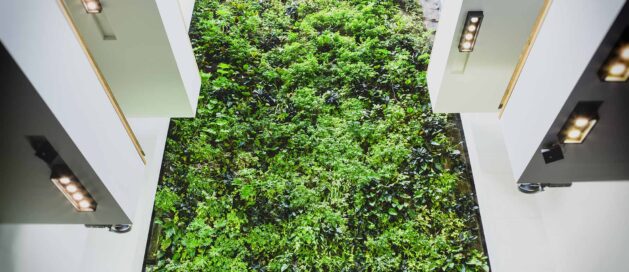
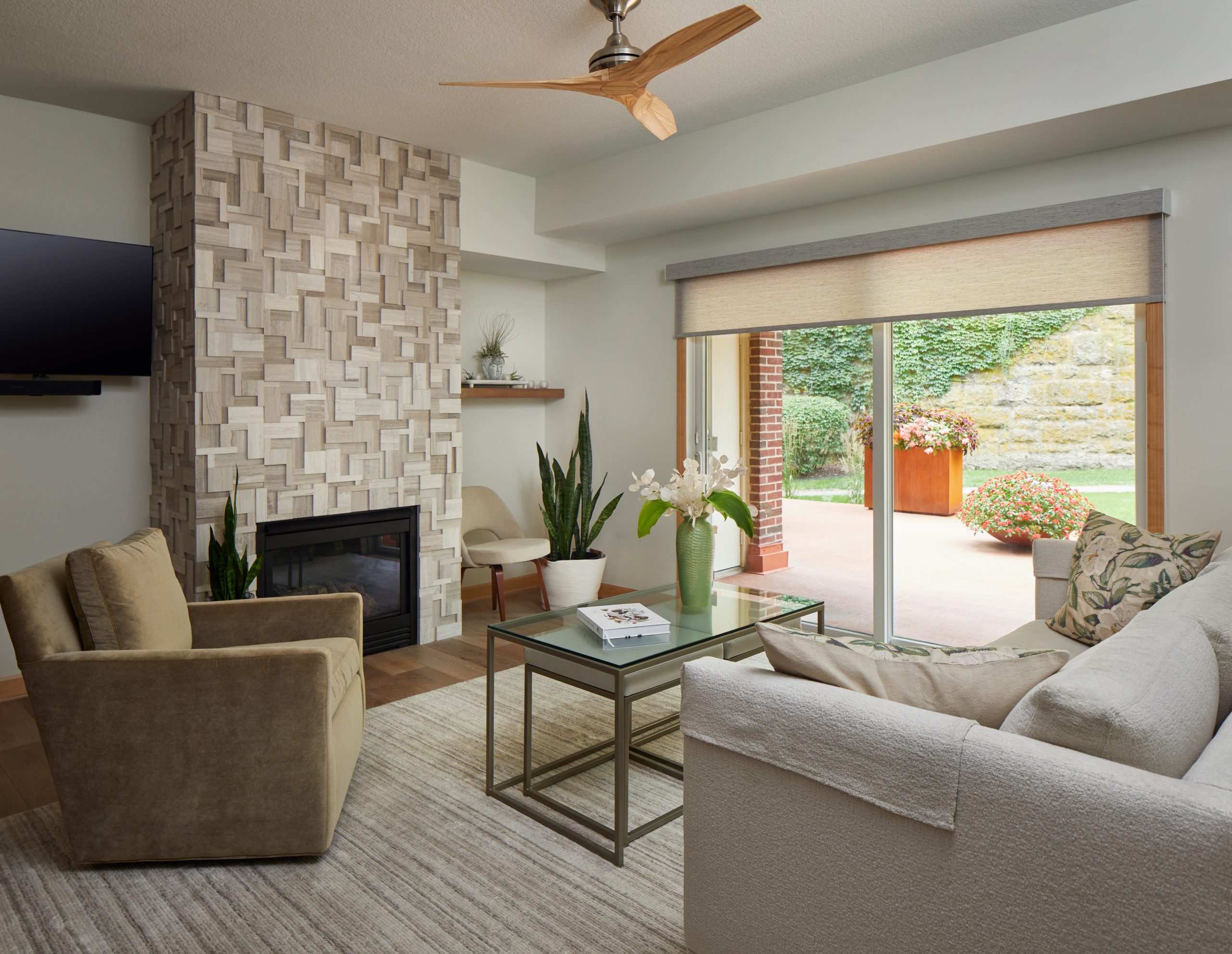
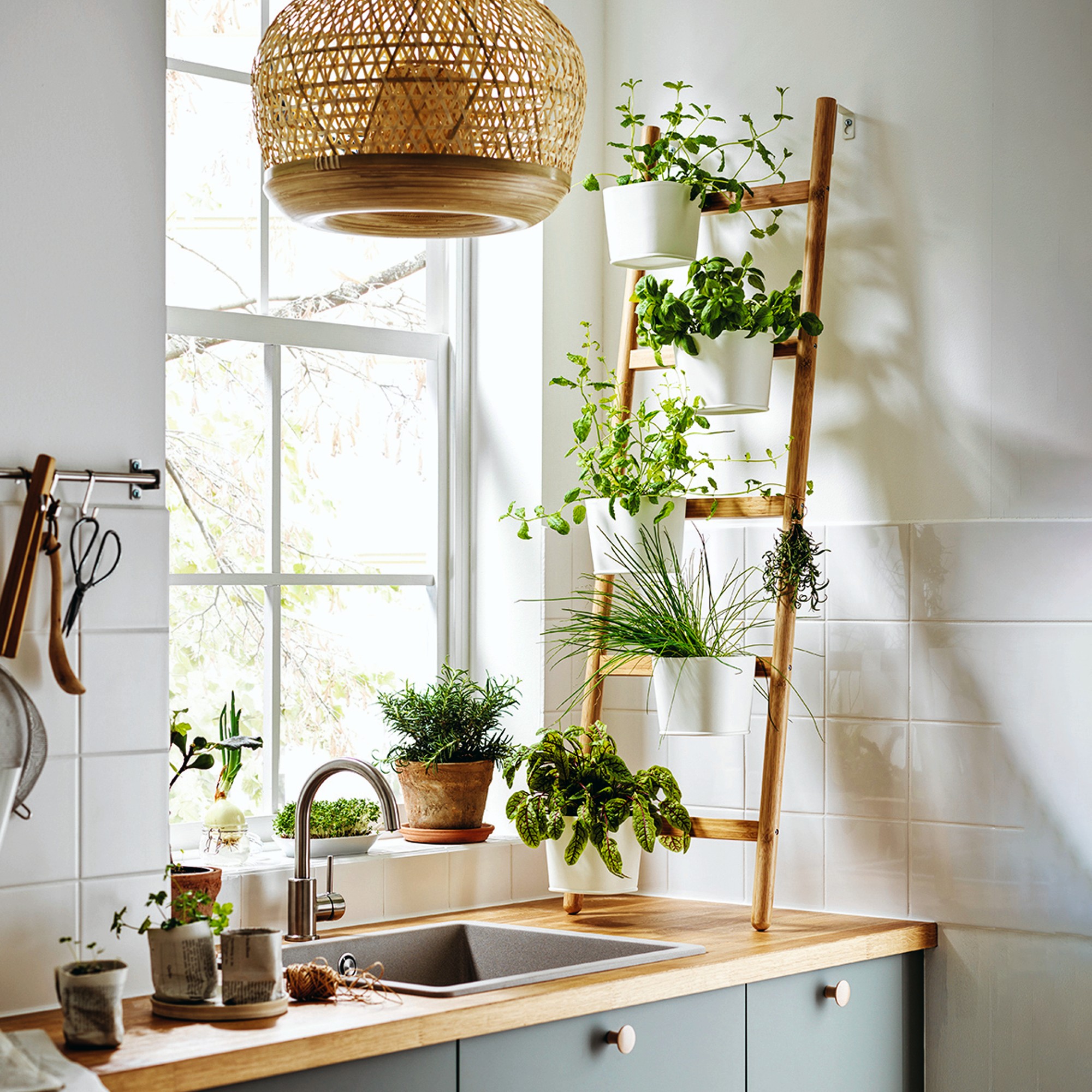
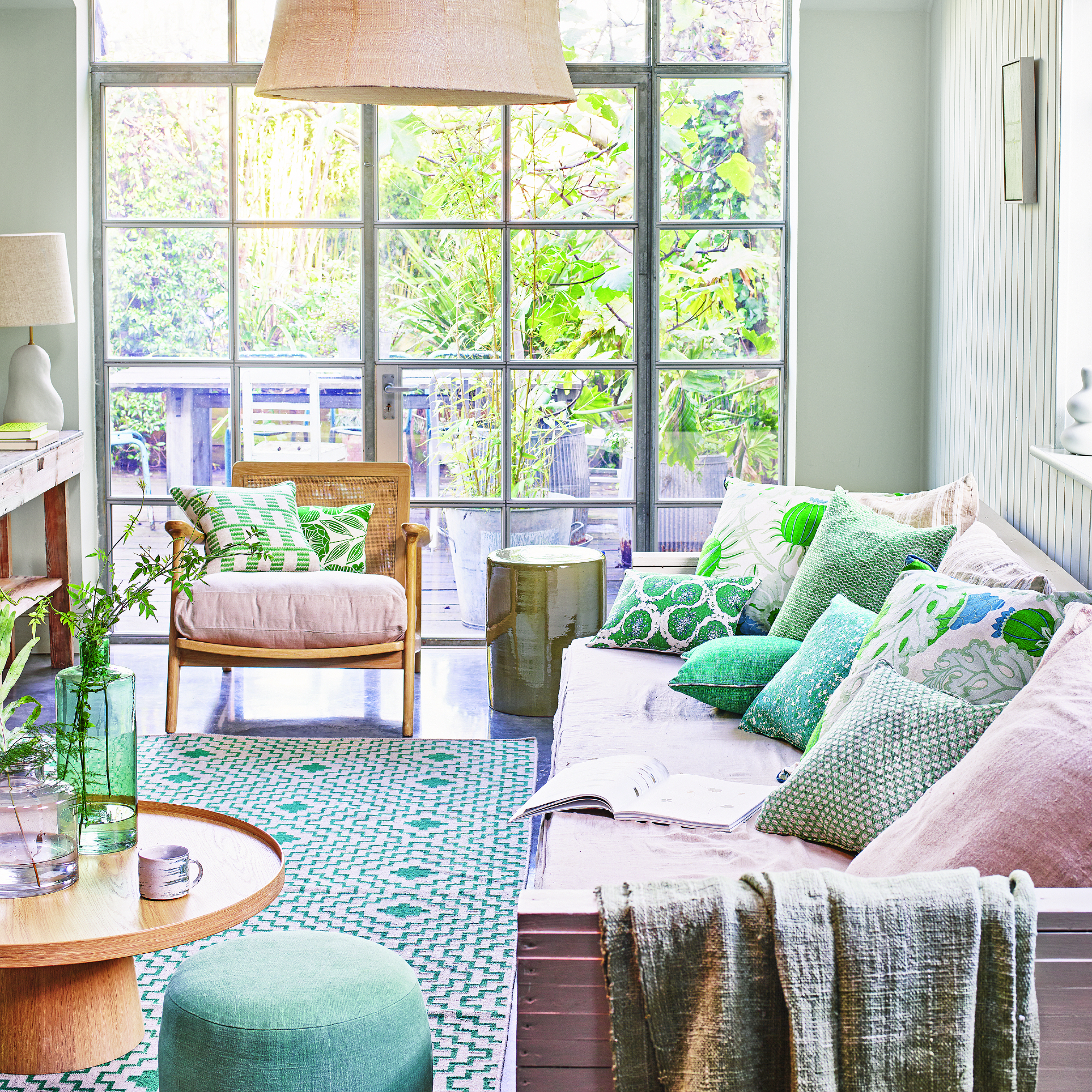
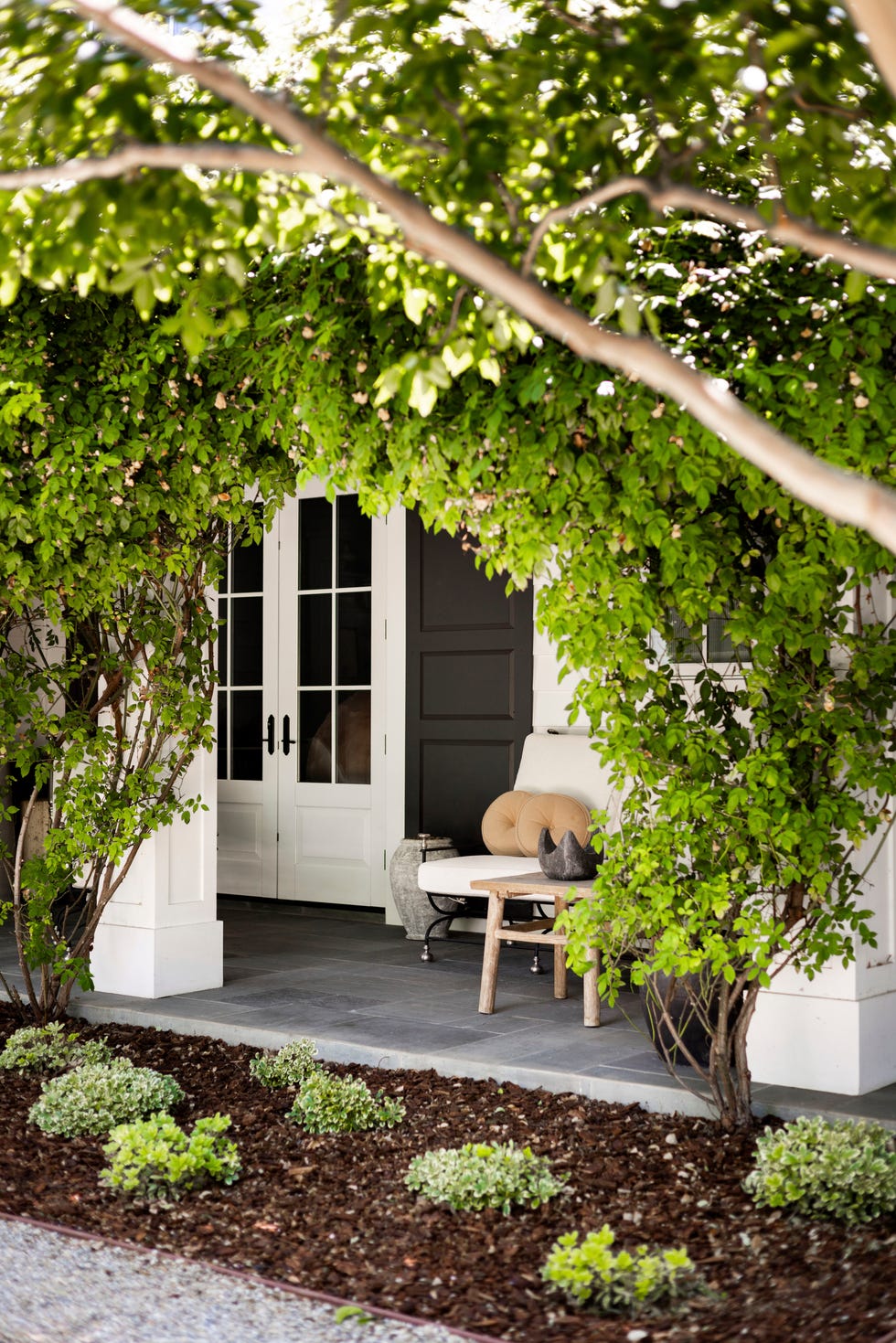
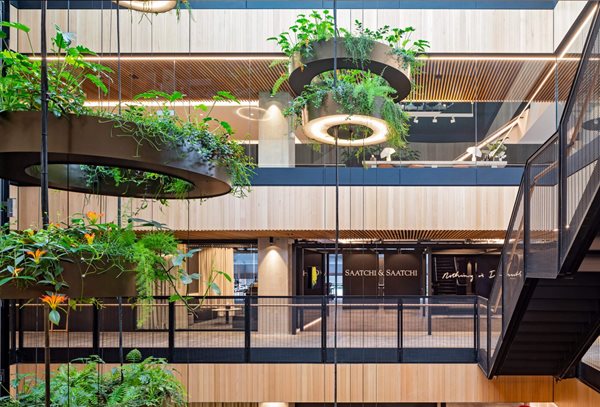
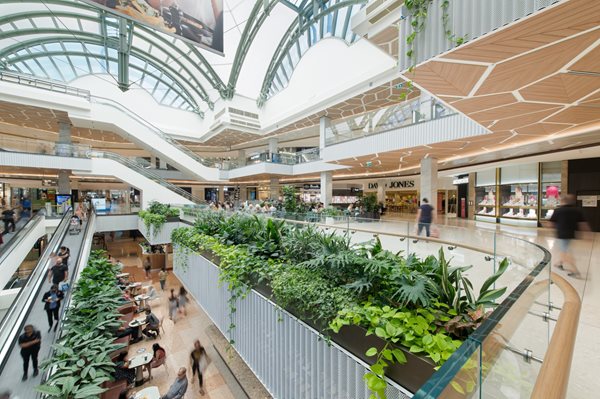
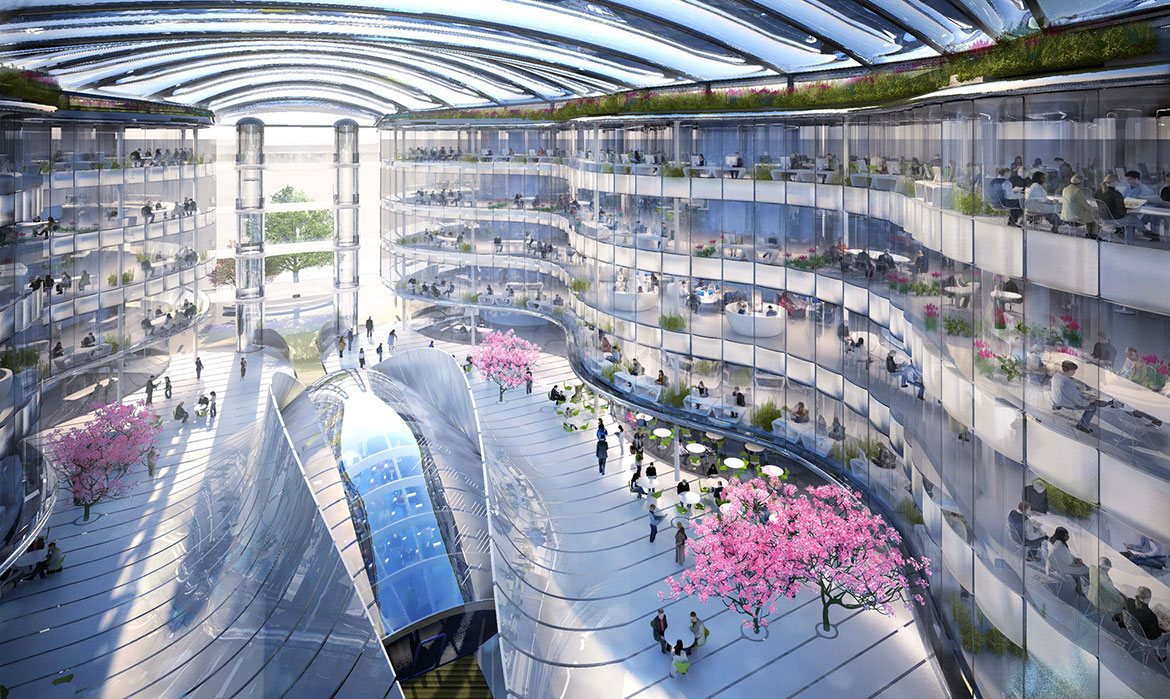
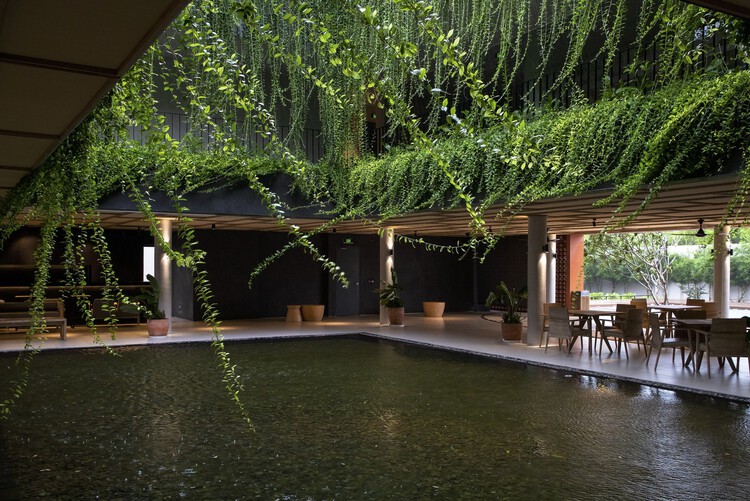
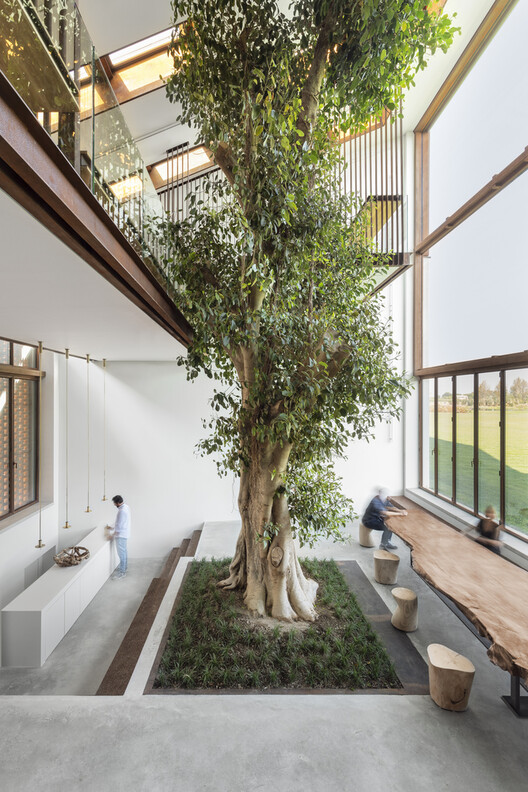
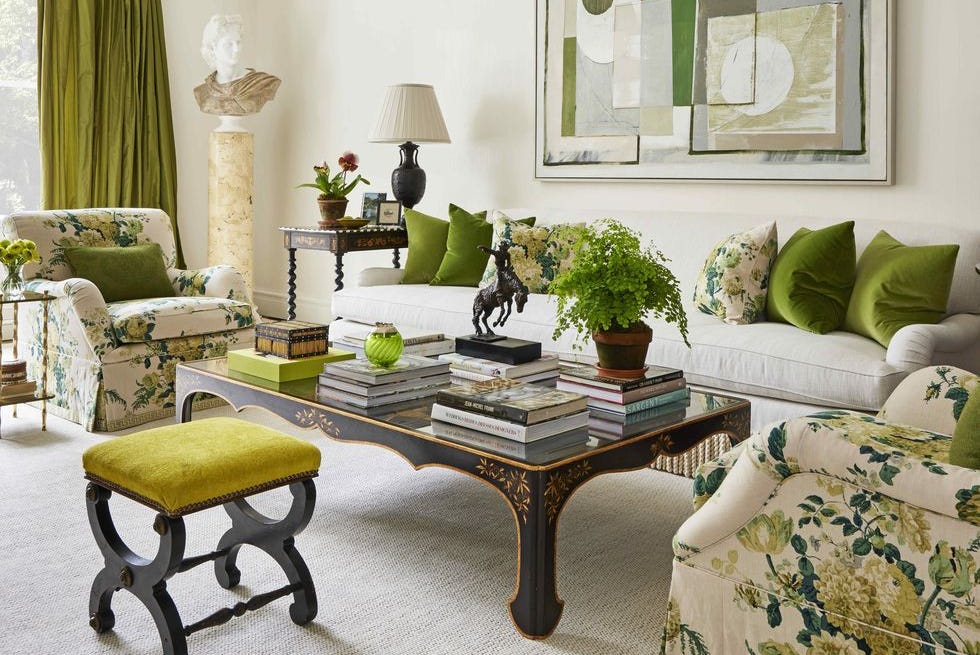
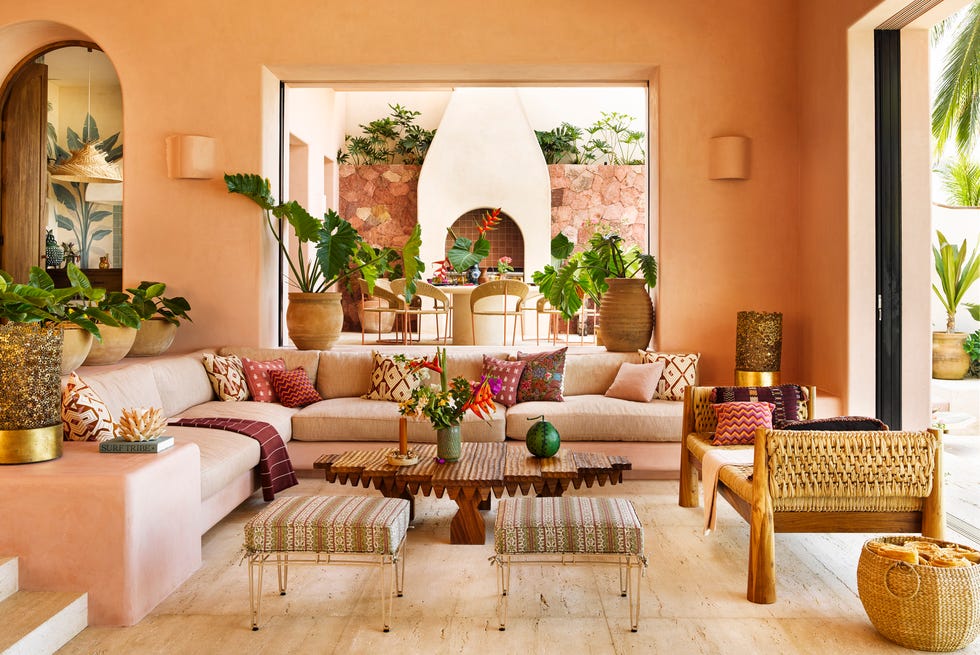
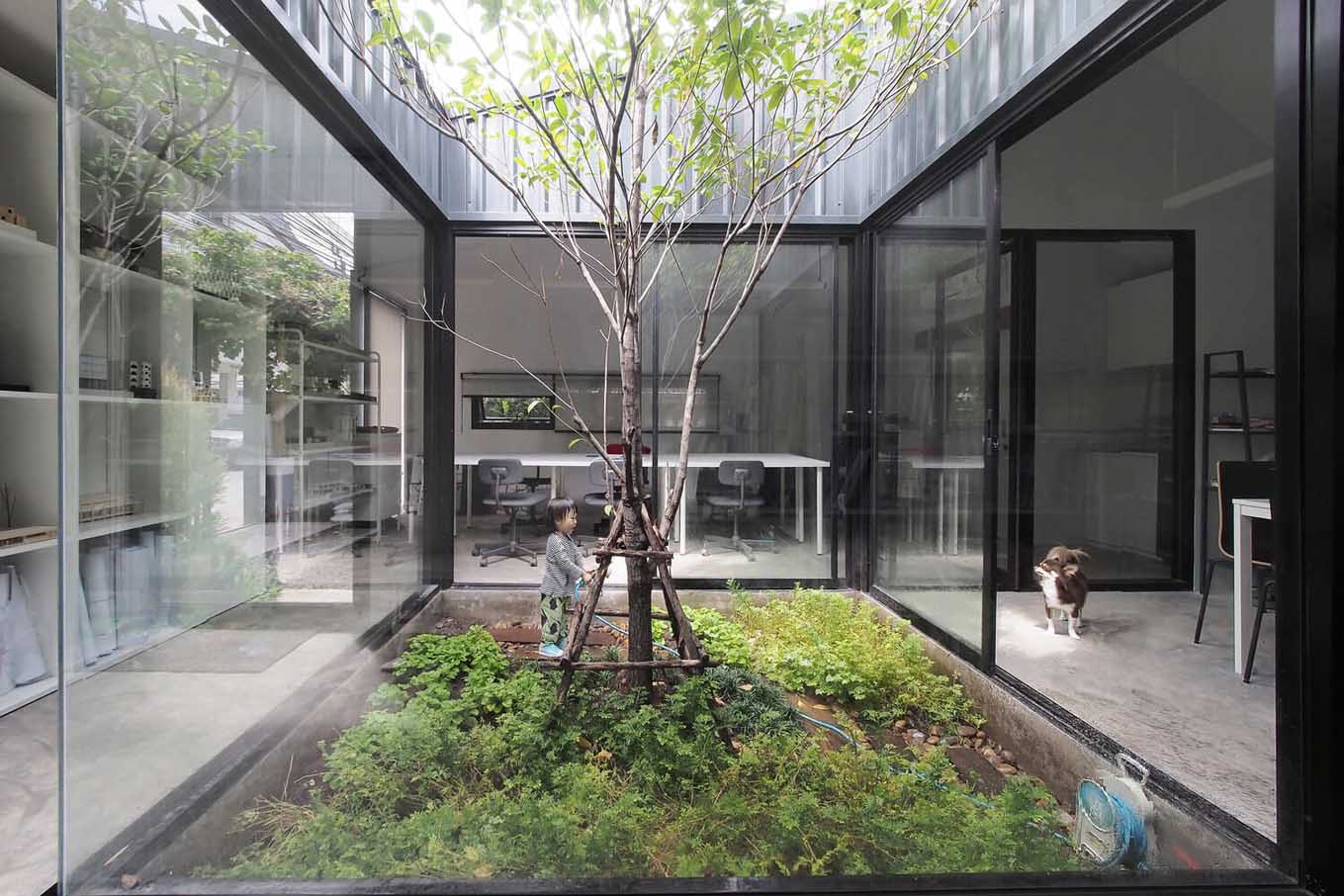
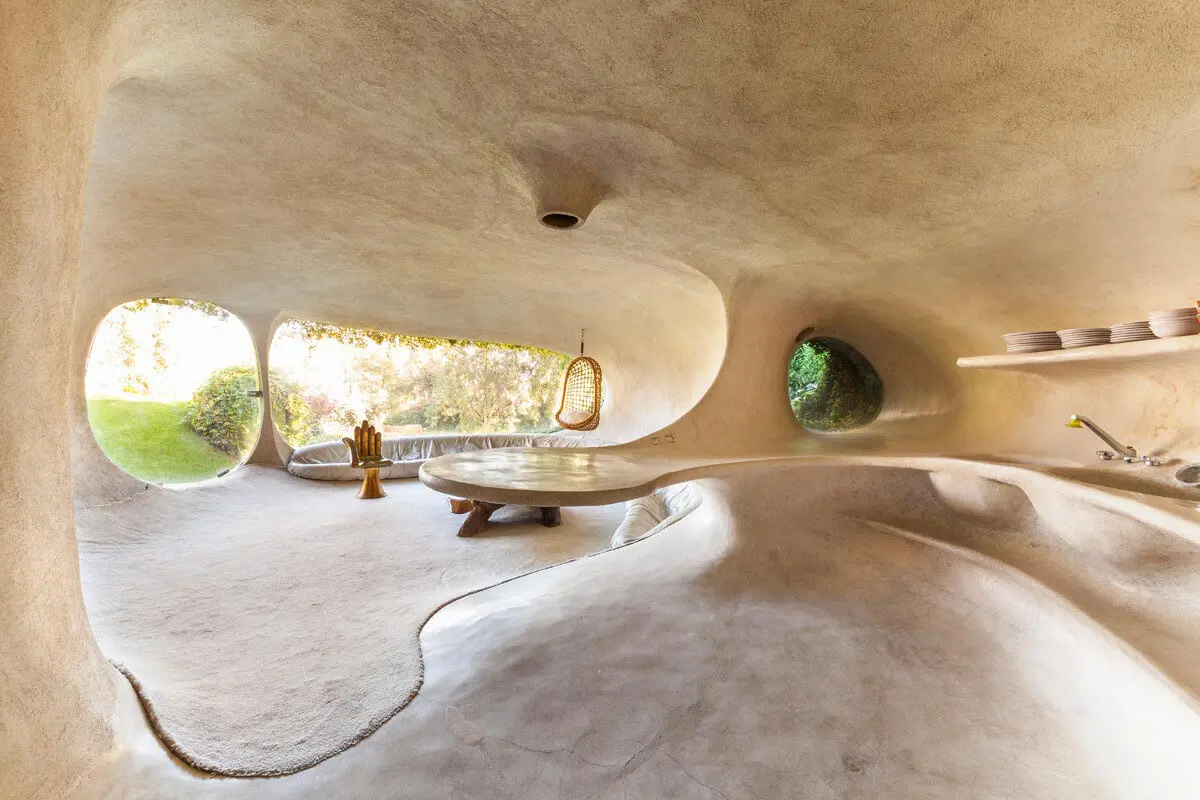
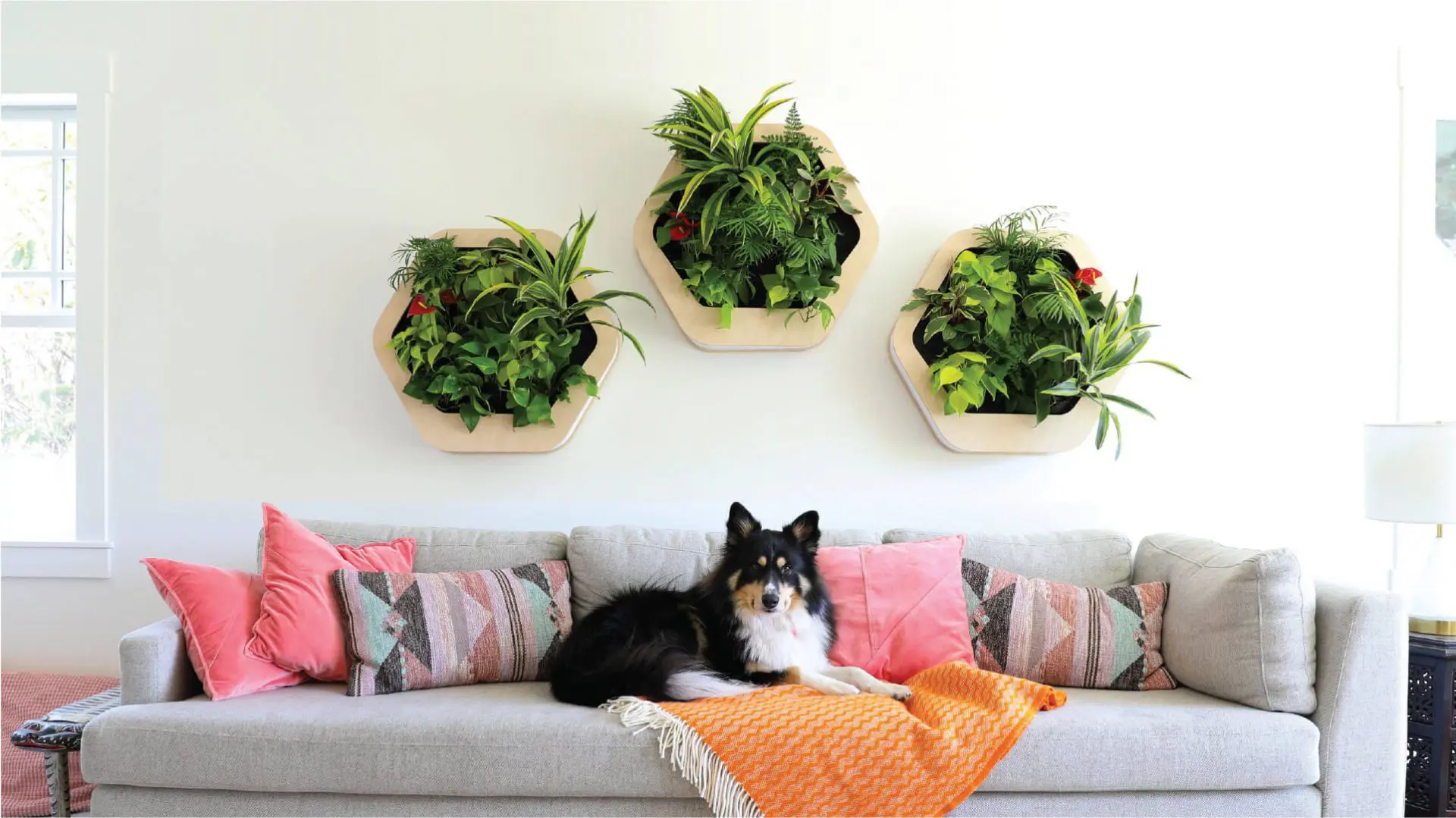
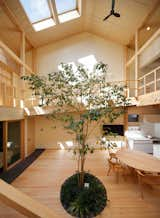
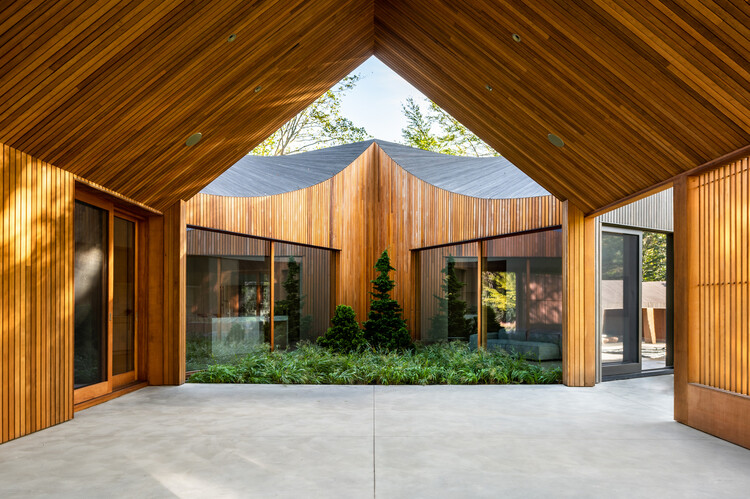
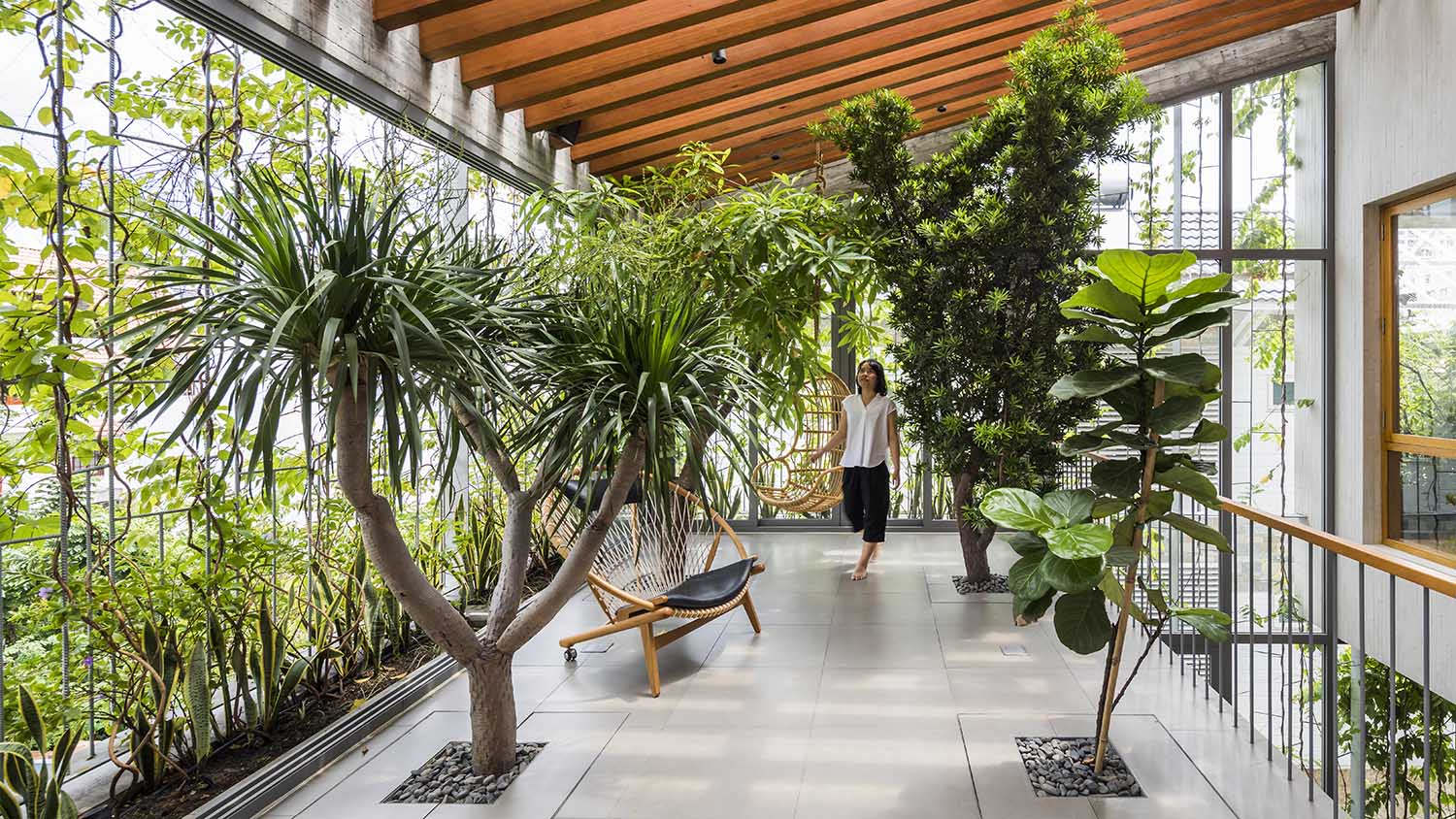
Thirdly, a common application of biophilic design involves bringing nature indoors through specific architectural techniques. This includes ensuring easy access between indoor and outdoor spaces, selecting natural materials, and incorporating natural elements like water features. Maximizing natural daylight within buildings not only enhances environmental credentials by reducing energy consumption but also significantly improves the mental well-being of occupants. An example cited is a mental health facility designed with green roofs, internal watercourses, and extensive natural light, creating a calming and restorative environment.
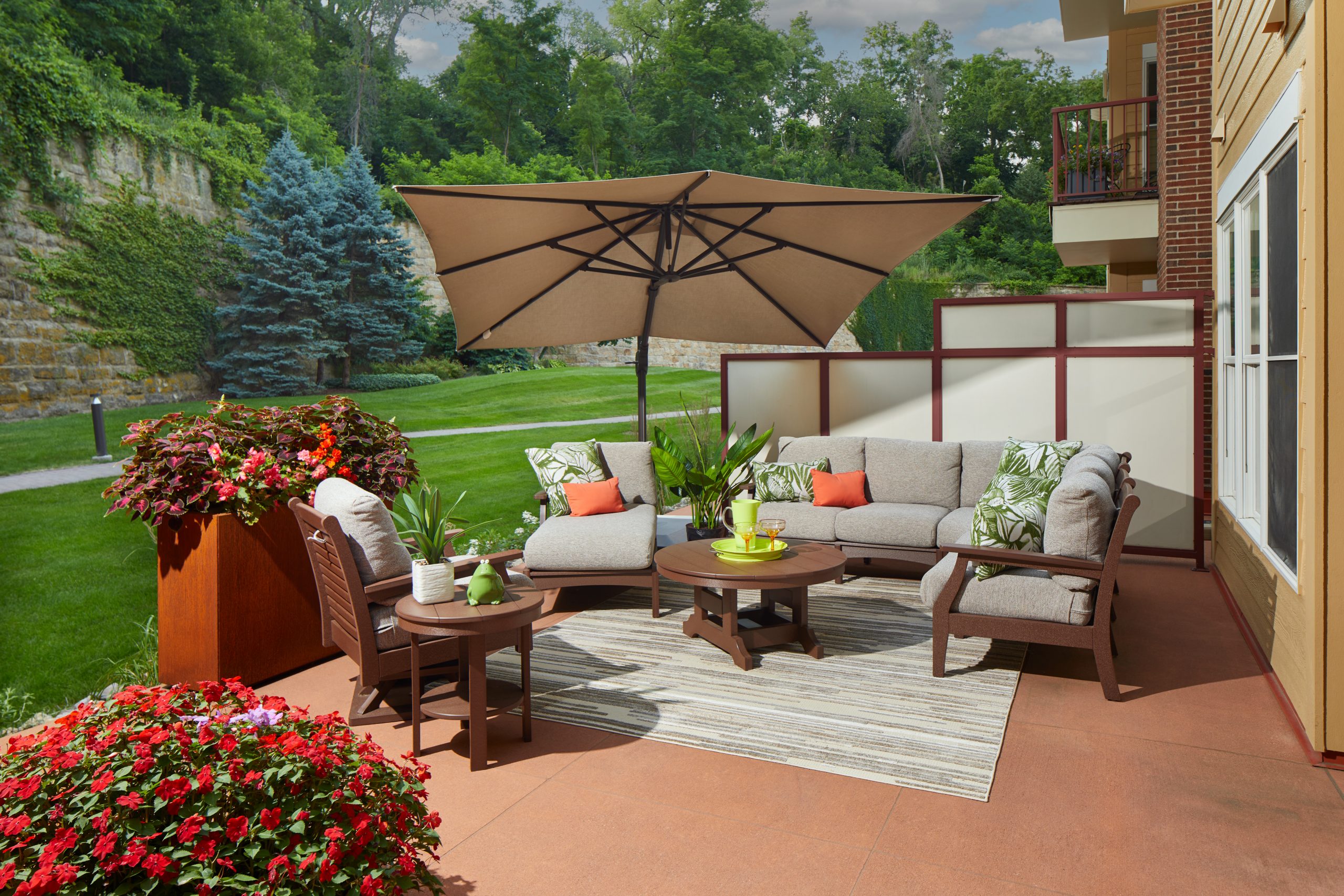
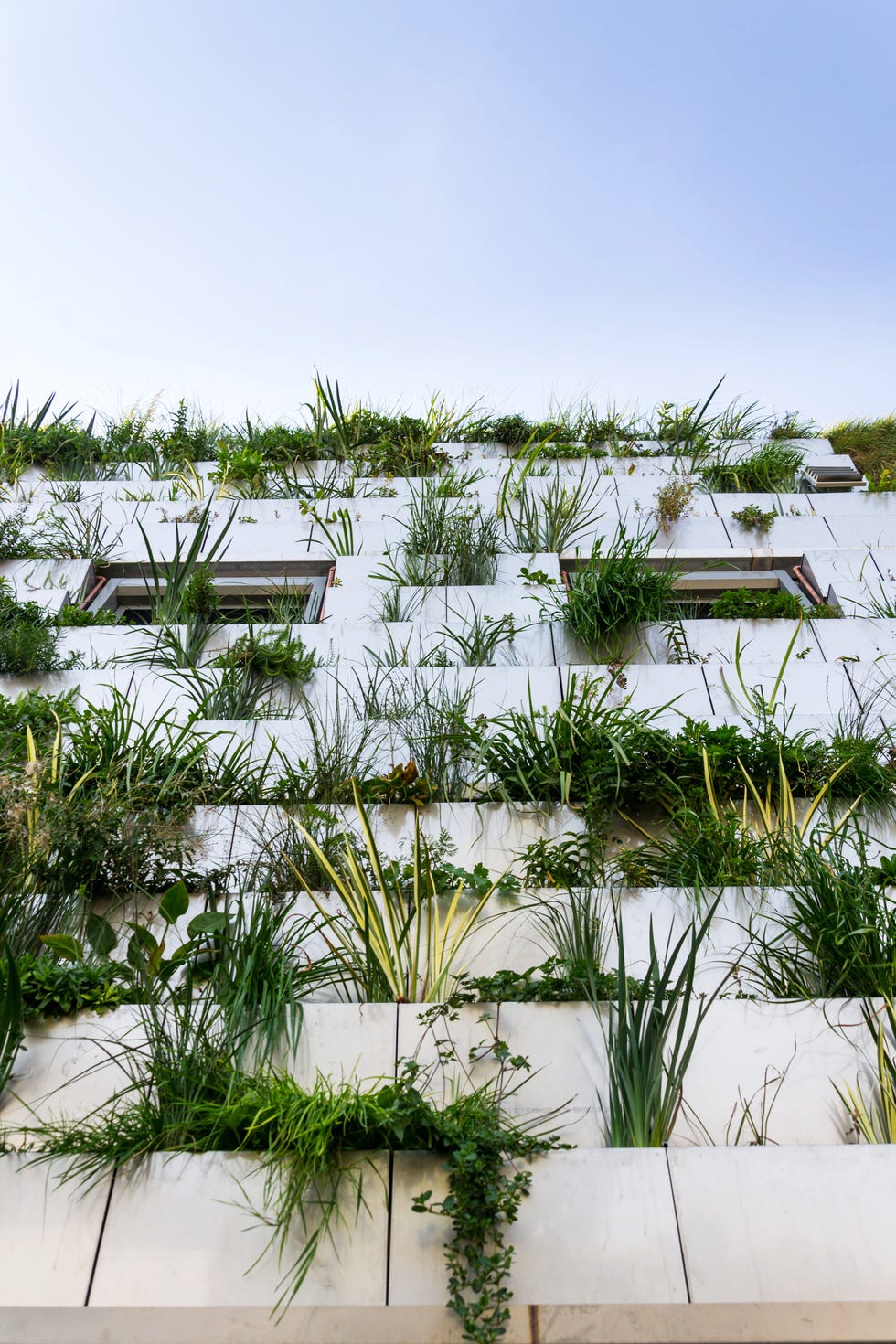
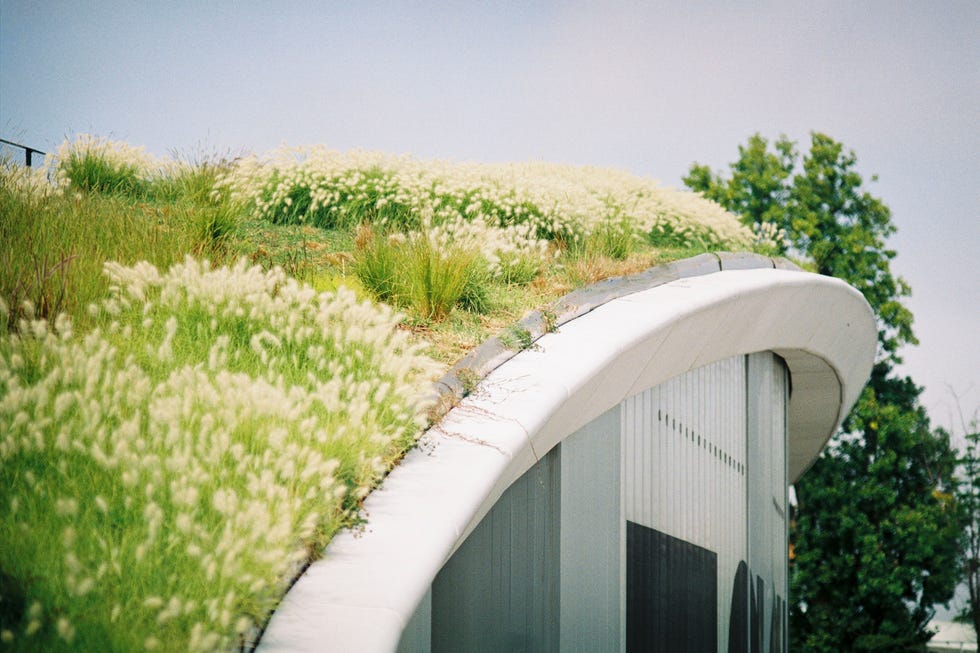
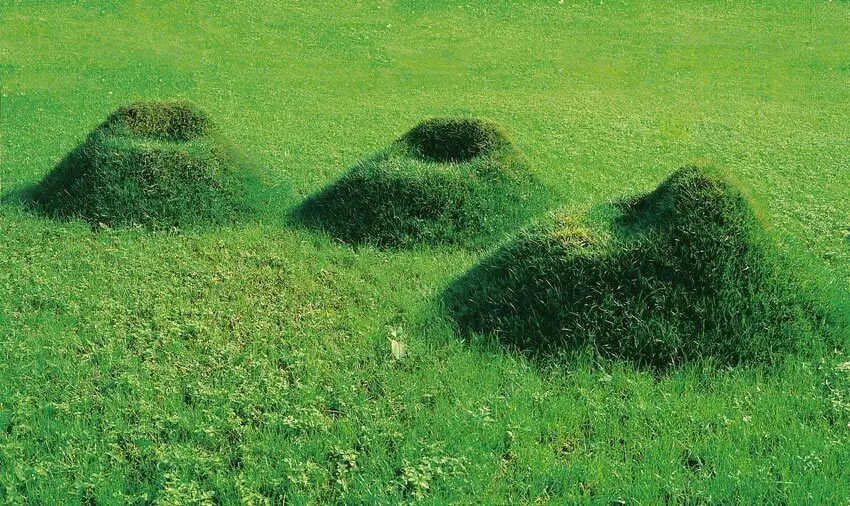
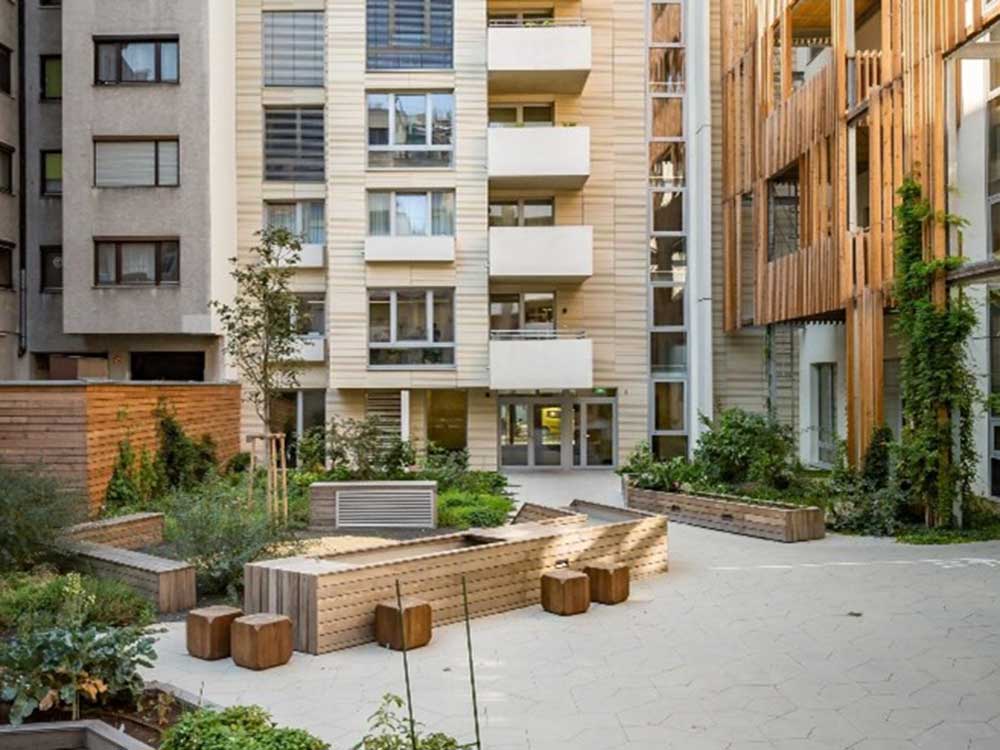
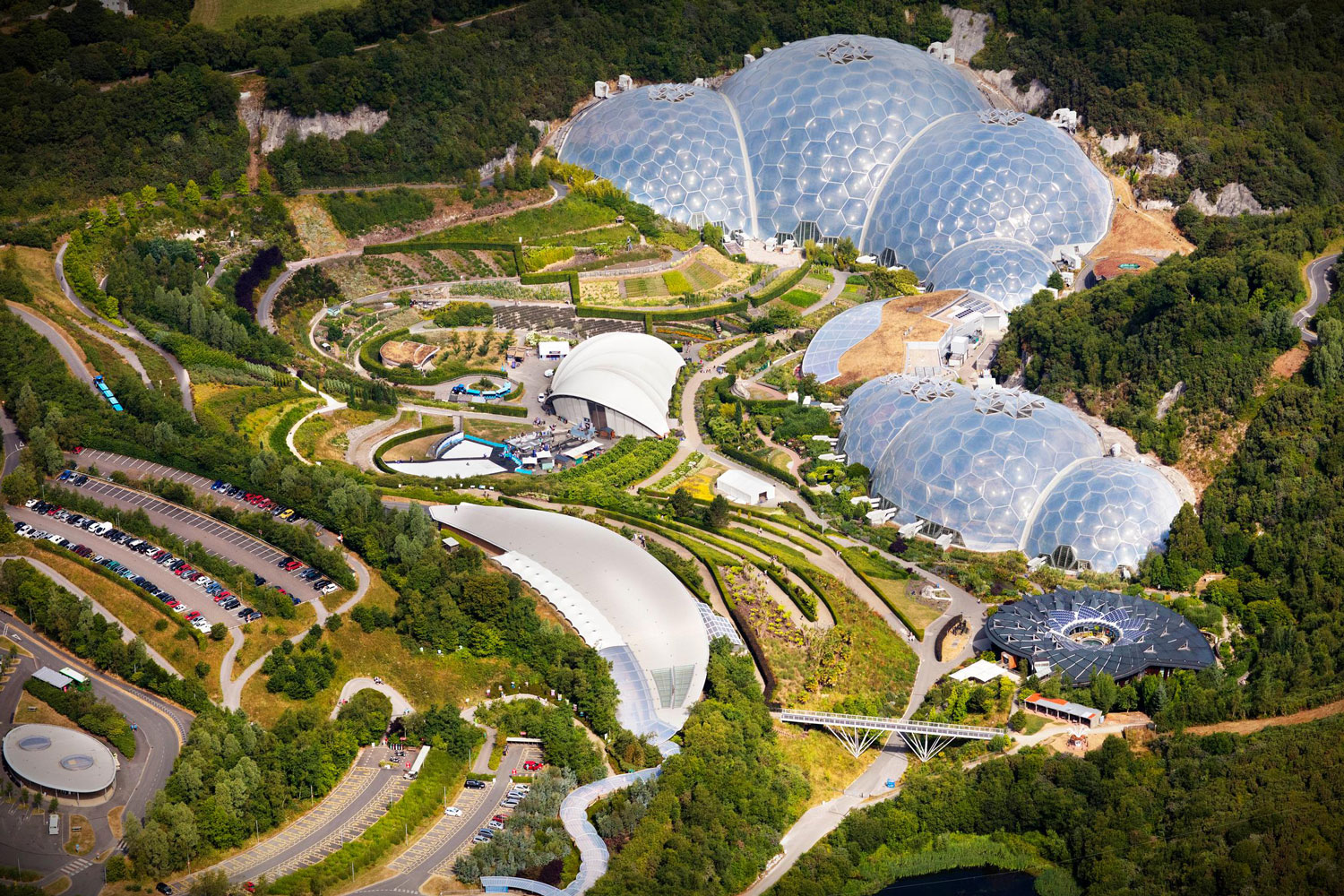
Fourthly, at a larger site-specific scale, biophilic design can be applied across entire developments, whether industrial, residential, or commercial. Implementing landscape features such as green roofs, wildflower meadows, and sustainable drainage channels boosts a site's biodiversity and encourages interaction with nature. By carefully selecting building materials that align with the natural surroundings, a cohesive scheme can be created that maximizes every opportunity for natural engagement, enhancing the ecological value and user experience of the site.
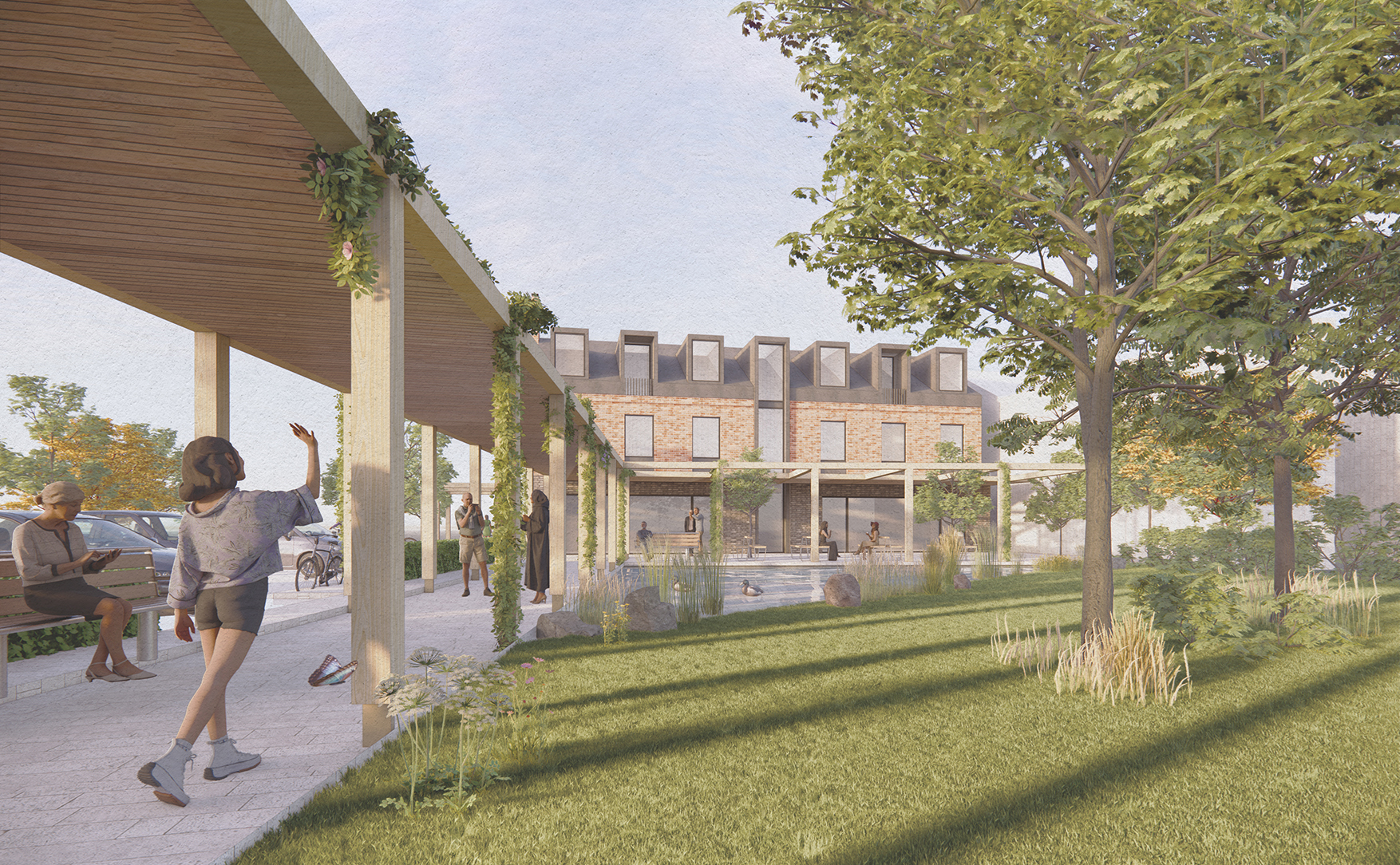
Finally, biophilic principles are crucial in master planning for strategic housing sites and urban extensions. This involves a landscape-led approach that considers existing natural assets, public footpaths, and pedestrian movement patterns. Working with environmental specialists, designers can identify and preserve natural watercourses and landscape features to benefit the wider population, not just the residents of new developments. A focus on minimizing the carbon footprint of masterplans while maximizing design elements that decrease it, along with achieving measurable biodiversity net gain, ensures the creation of quality open spaces that promote health and well-being and contribute positively to the environment at a regional scale. This comprehensive approach to integrating nature at every scale ultimately enhances the quality of places and the lives of people within them.
#BiophilicDesign #SustainableArchitecture #UrbanPlanning #NatureIntegration #EnvironmentalDesign #Biodiversity #Wellbeing #ArchitecturalDesign #LandscapeArchitecture #BiophilicDesign #SustainableArchitecture #UrbanPlanning #NatureIntegration #EnvironmentalDesign #Biodiversity #Wellbeing #ArchitecturalDesign #LandscapeArchitecture
0 ความคิดเห็นรวม
 ยังไม่มีความคิดเห็น
คุณอาจจะชอบอีกด้วย
Focus on Biophilia: Nature-Inspired Design Strengthens People!

What is Biophilic Design? This Nature-Based Interiors Trend Promises Wellness
From Fringe Idea to Mainstream Imperative: The Future of Design Depends on Biomimicry

These 10 Biophilic Design Ideas Will Transform Your Home Into a Natural Oasis
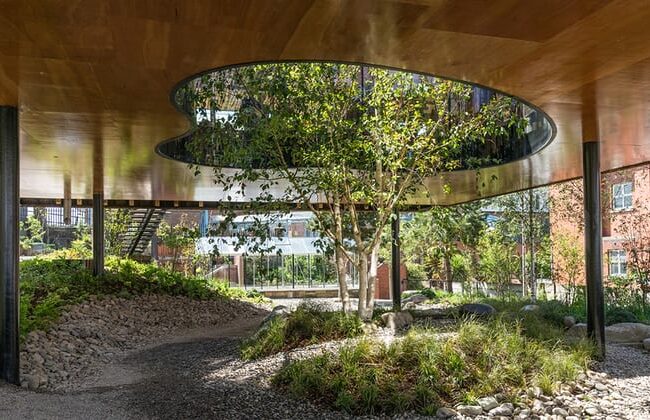
Designing with nature: Why Biophilic Design?

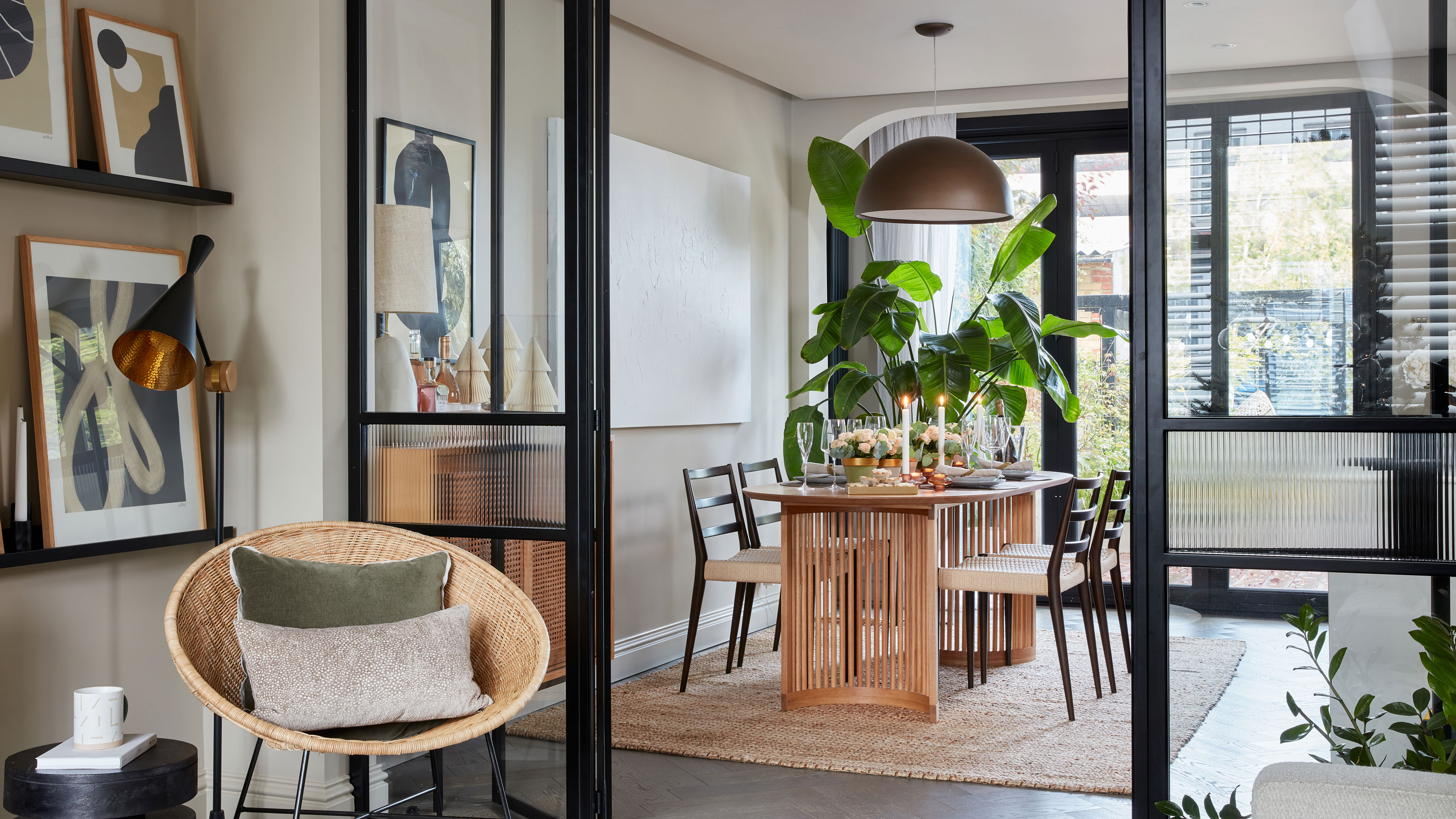
Biophilic design ideas - clever ways to bring nature into your home for a calming space
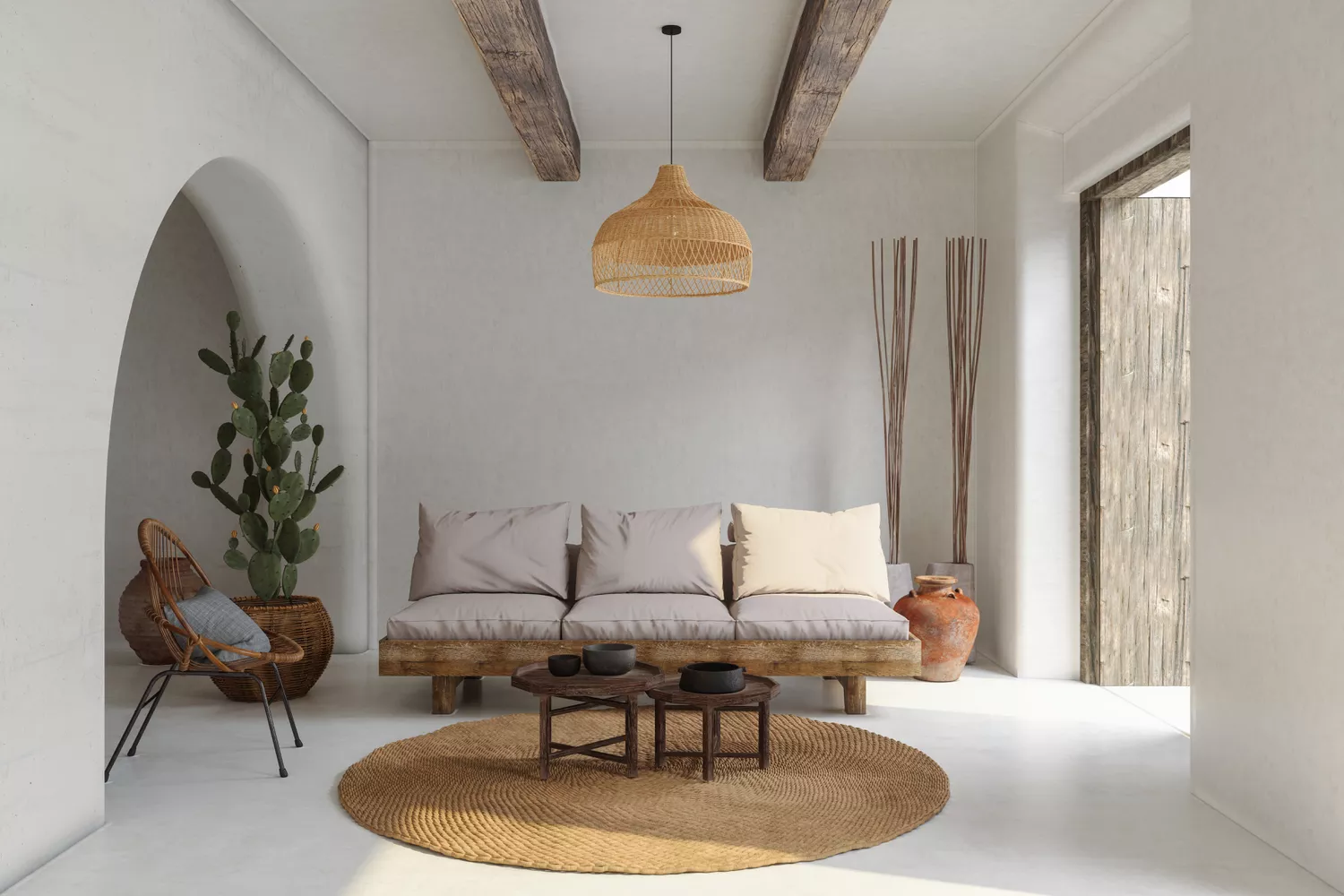
Biophilic Design Is About Connecting With Nature—Here's How to Utilize the Décor Trend In Your Home

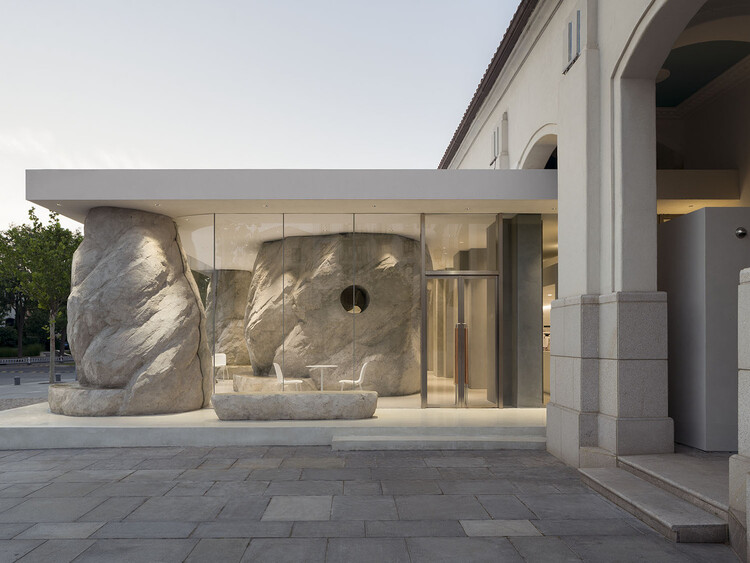
Biophilic Architecture without Plants: Invisible Design for Wellbeing

Nature-Inspired Design: Biomimicry in Architecture

Reimagining Care Through Nature: The Case for Biophilic Design

Biophilic Interiors: 21 Projects that Blend Architecture with Nature
Biophilic Design Guide – Kellert’s principles and the benefits of nature

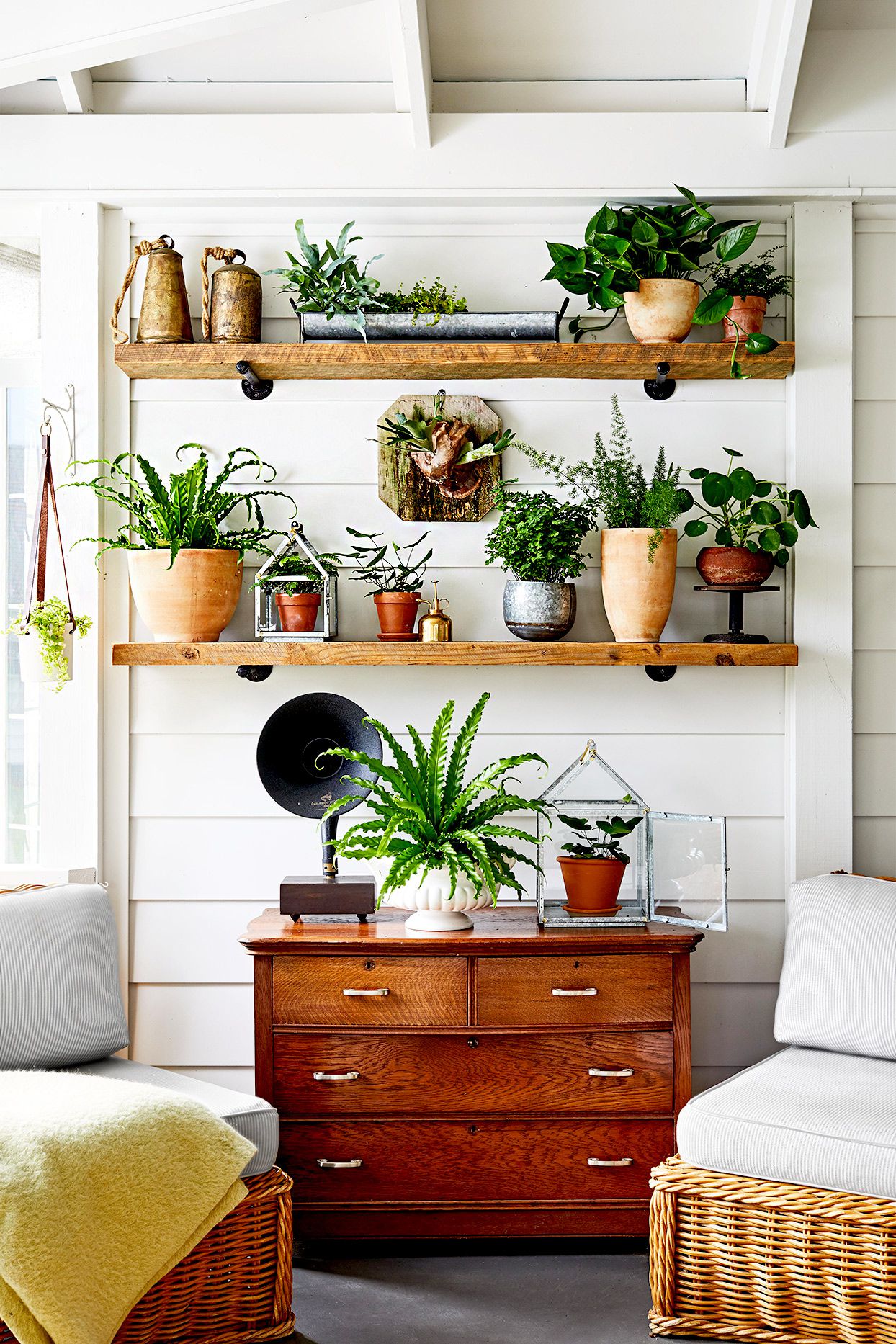
What Is Biophilic Design? 5 Ways to Incorporate This Style

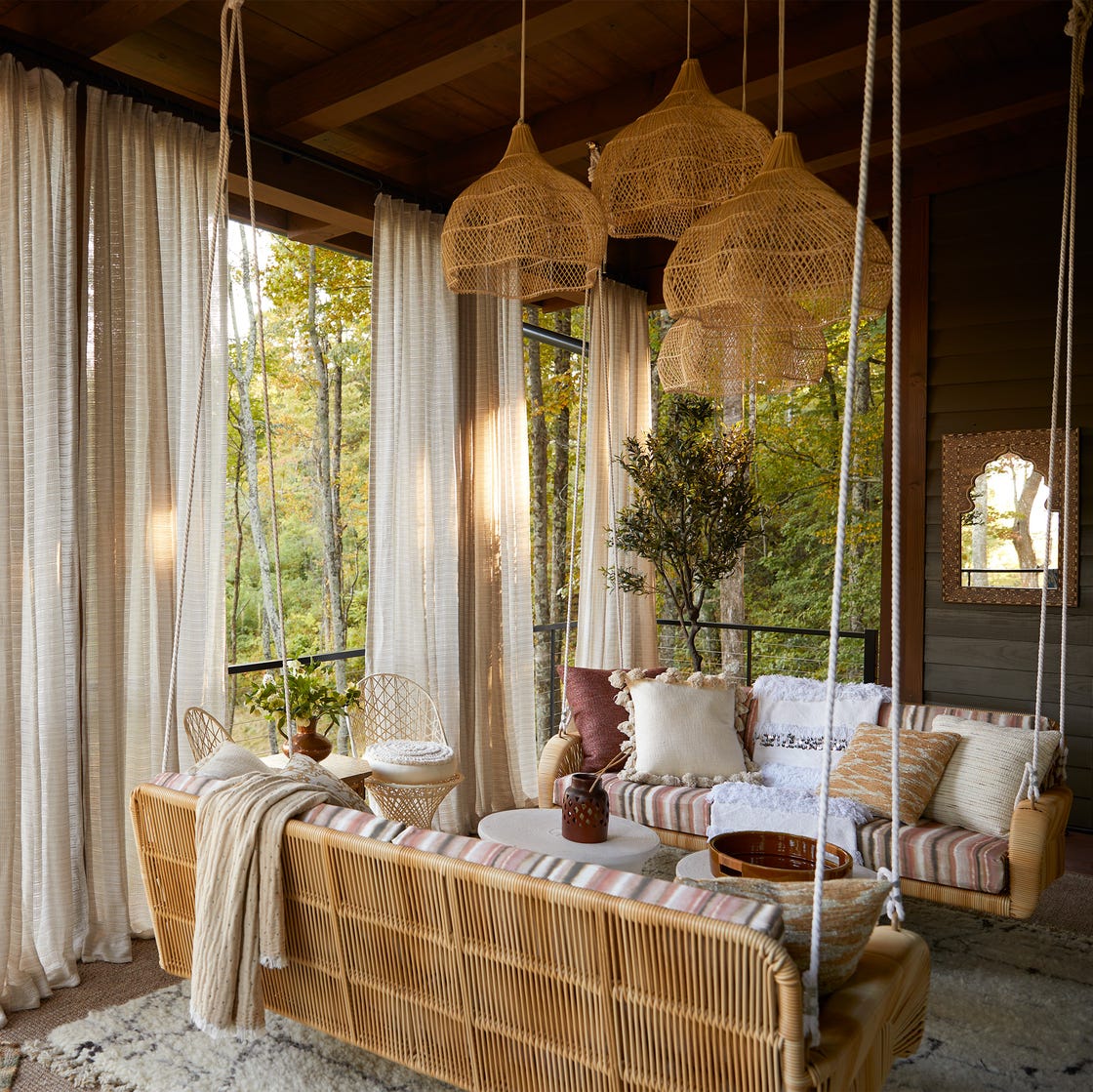
Biophilic Design Is the Signature Style of Plant Lovers Everywhere

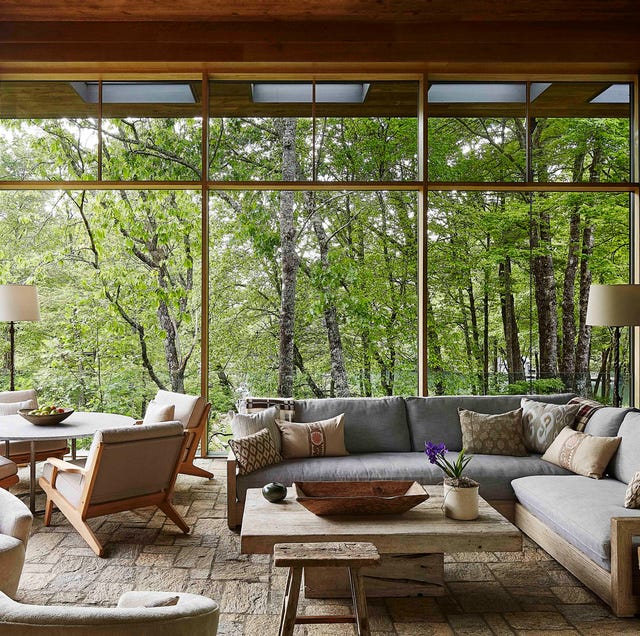
Want Your Home to Feel Happier and Calmer? It's Time to Consider Biophilic Design

20 Nature-Loving Homes Where Biophilia Thrives

The Best of Biophilic Design: Bringing Nature Indoors

Why biophilic design is more than just a trend
8 applications of different biophilic design concepts

Biophilic facades in sustainable building design