1/7
These Master Tips Will Help You Avoid Choosing The Wrong Type Of Paint
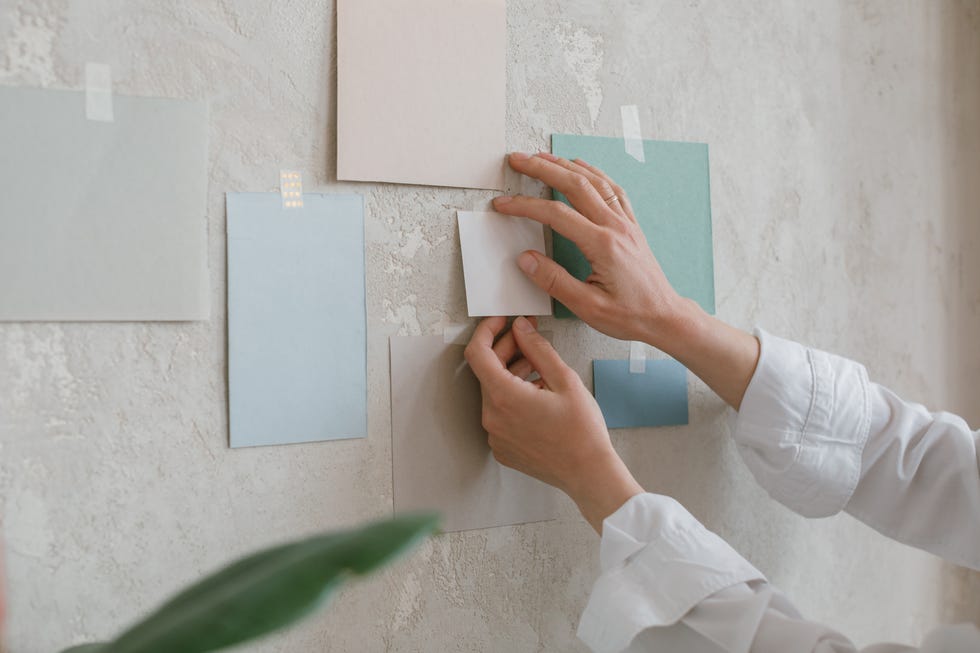
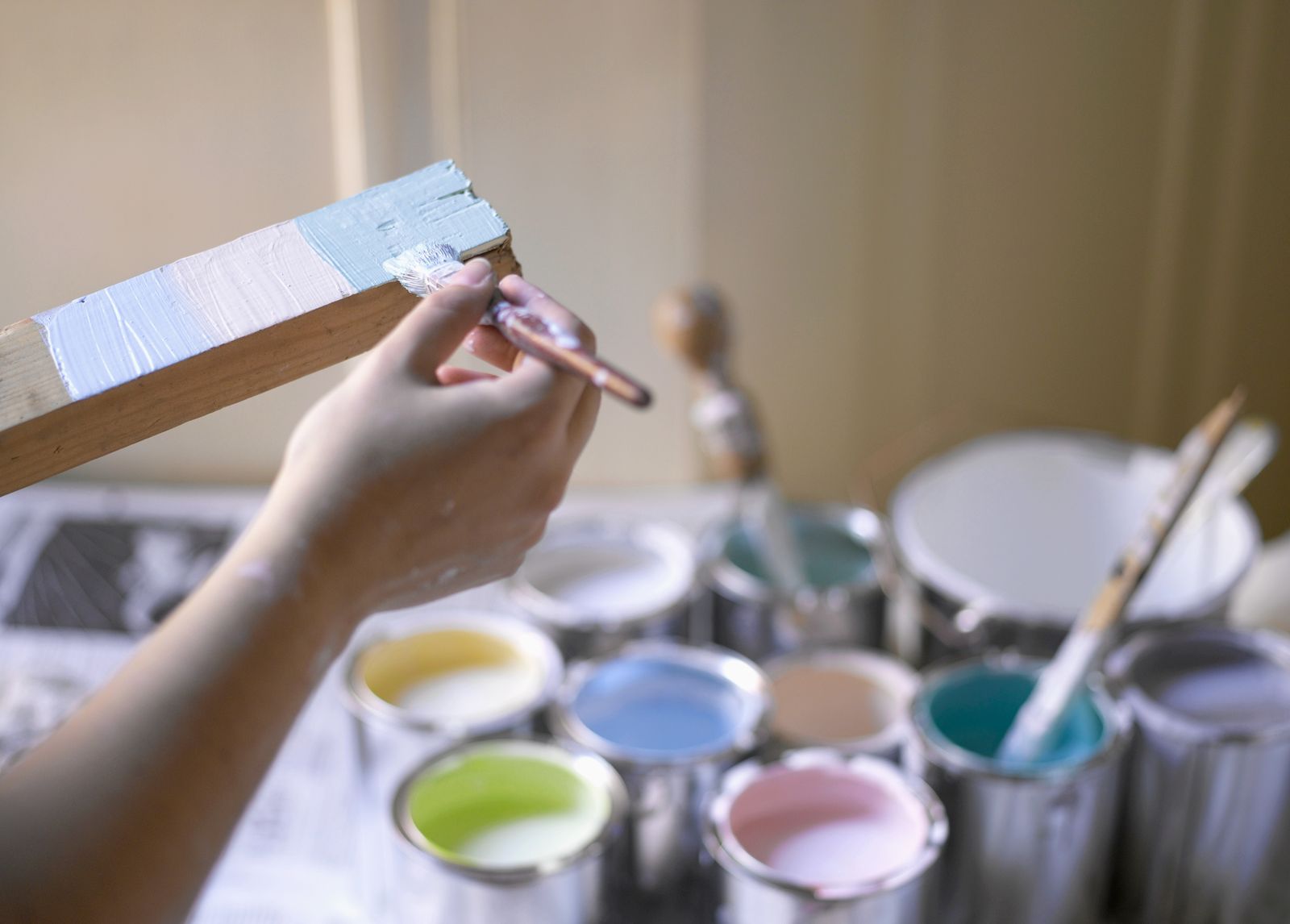
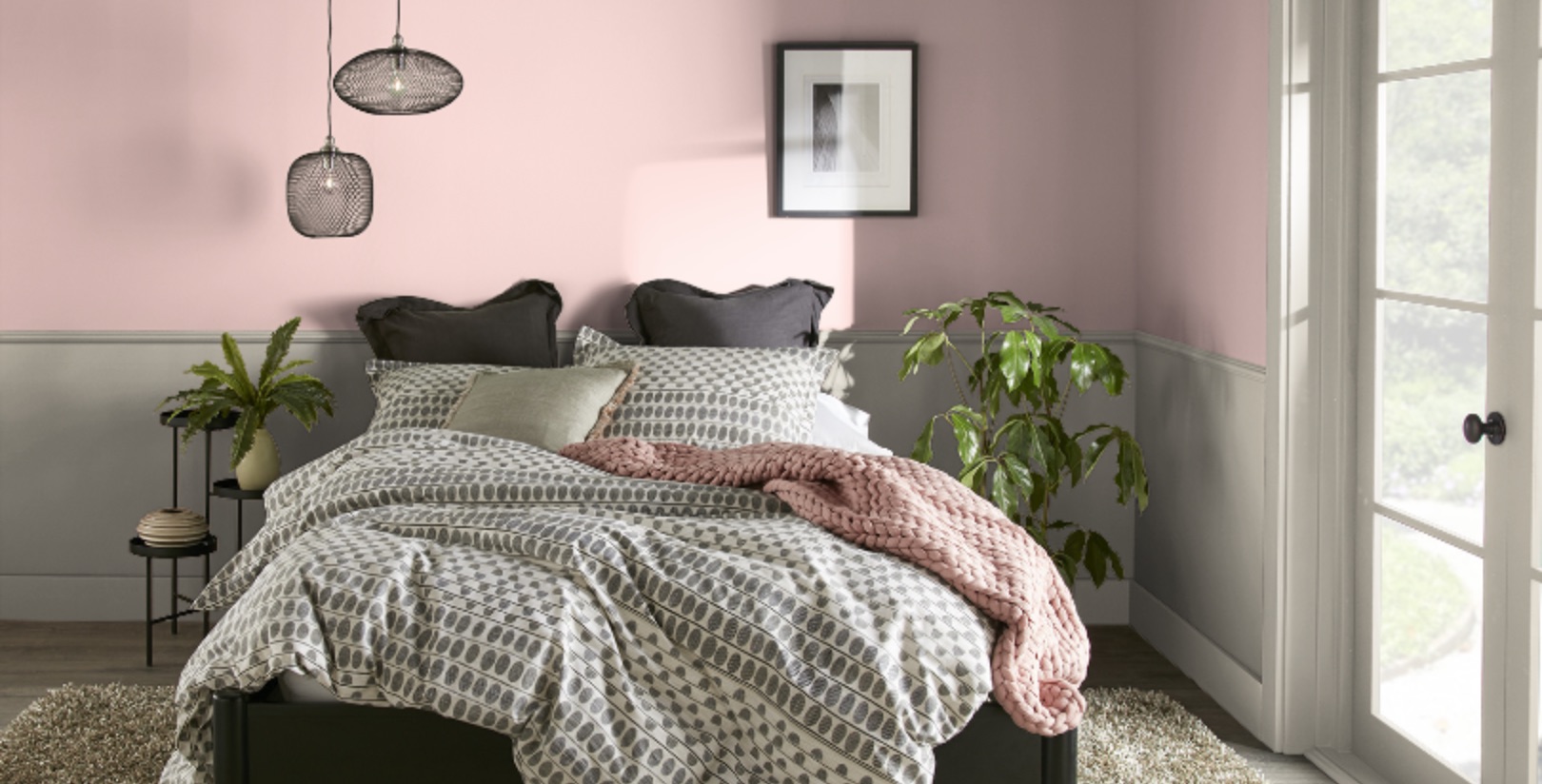
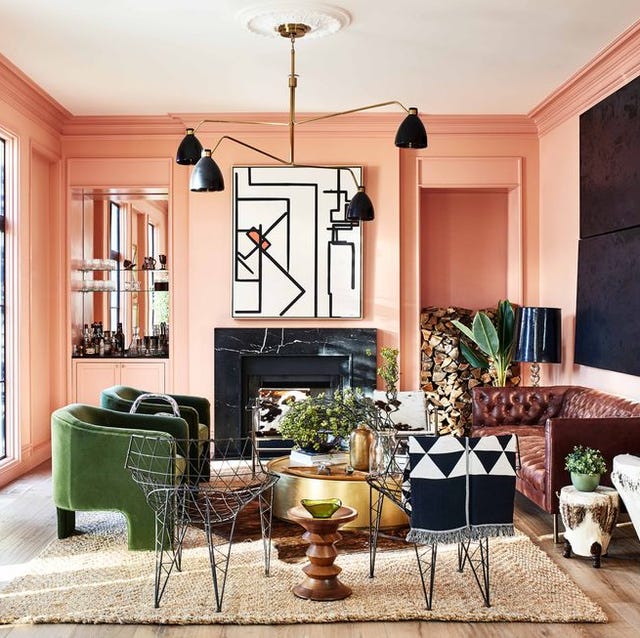
Choosing the right paint for a home renovation project involves considering several factors beyond just color, including the room's location, its intended use, size, and the desired aesthetic. Paint expert Sarabeth Asaff South of Fixr emphasizes the importance of testing paint samples, suggesting the use of poster board rather than directly on walls. This allows for observing the paint's appearance under various lighting conditions throughout the day and with existing furnishings, eliminating guesswork and preventing costly mistakes.
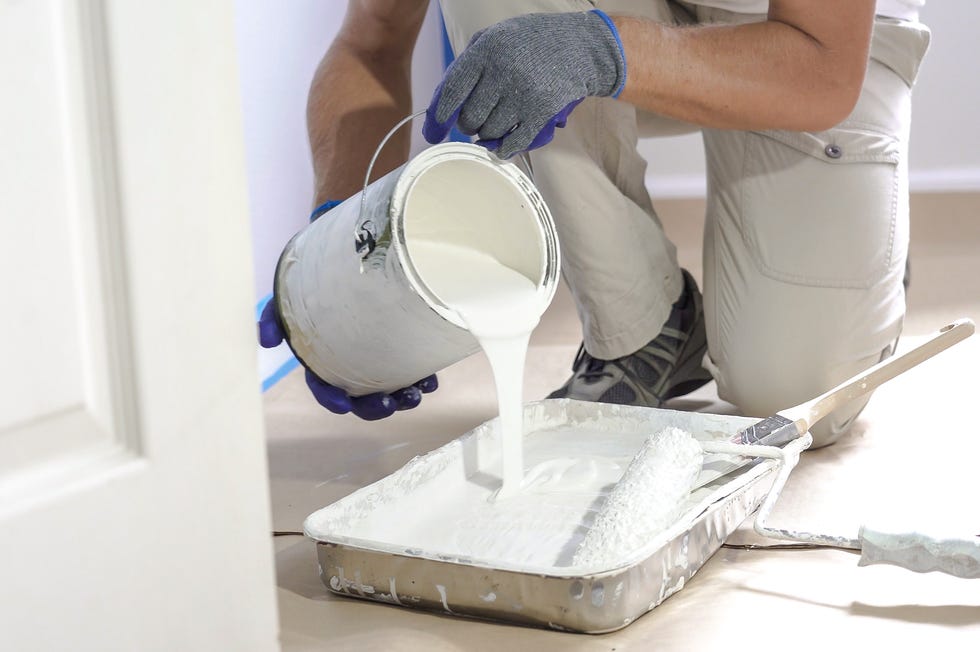
The article categorizes paints into water-based and oil-based types, detailing their respective advantages and disadvantages. Water-based paints are prevalent due to their ease of use, low VOCs, quick drying time, and easy cleanup with water. They offer an elastic, flexible finish resistant to cracking and maintain stable color without yellowing or fading. However, they may not be as vivid or long-wearing as oil-based paints and can delaminate if dampened. If transitioning from an oil-based surface, Sherwin-Williams advises washing, sanding, and ensuring the surface is clean, dry, and dull to prevent peeling. Innovations like "waterborne enamels" or "waterborne alkyds" offer oil-based paint characteristics with water-based benefits.
Oil-based paints are known for their high durability and rich finish, suitable for almost all surfaces, including high-moisture areas like bathrooms and kitchens. They boast an attractive gloss, good leveling properties for a smooth finish, and a longer drying time that allows for corrections. The main drawbacks include strong fumes due to VOCs, requiring solvents like turpentine for cleanup, and a messier application process.
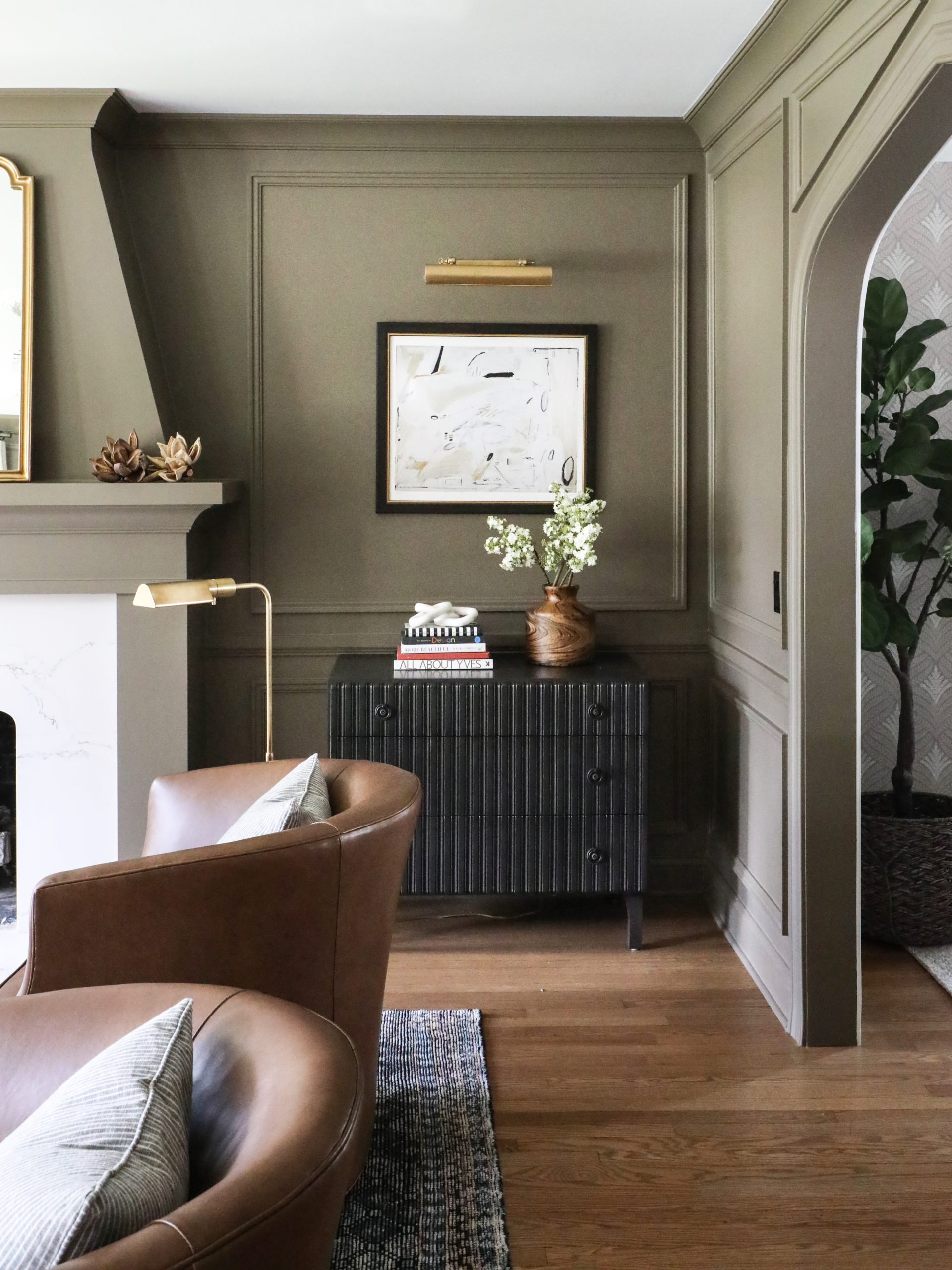
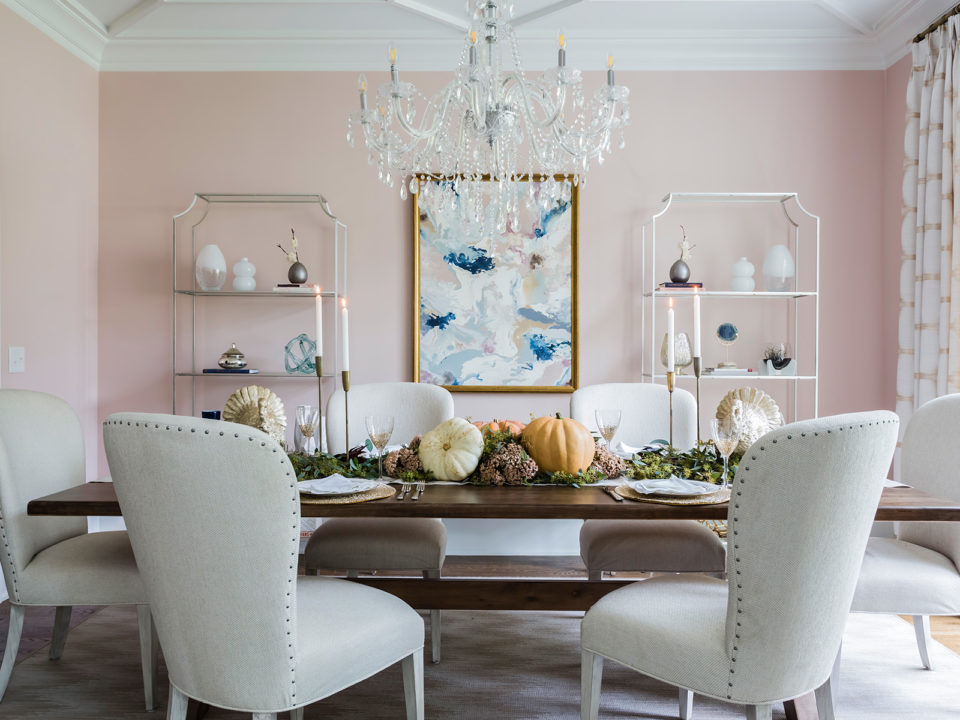
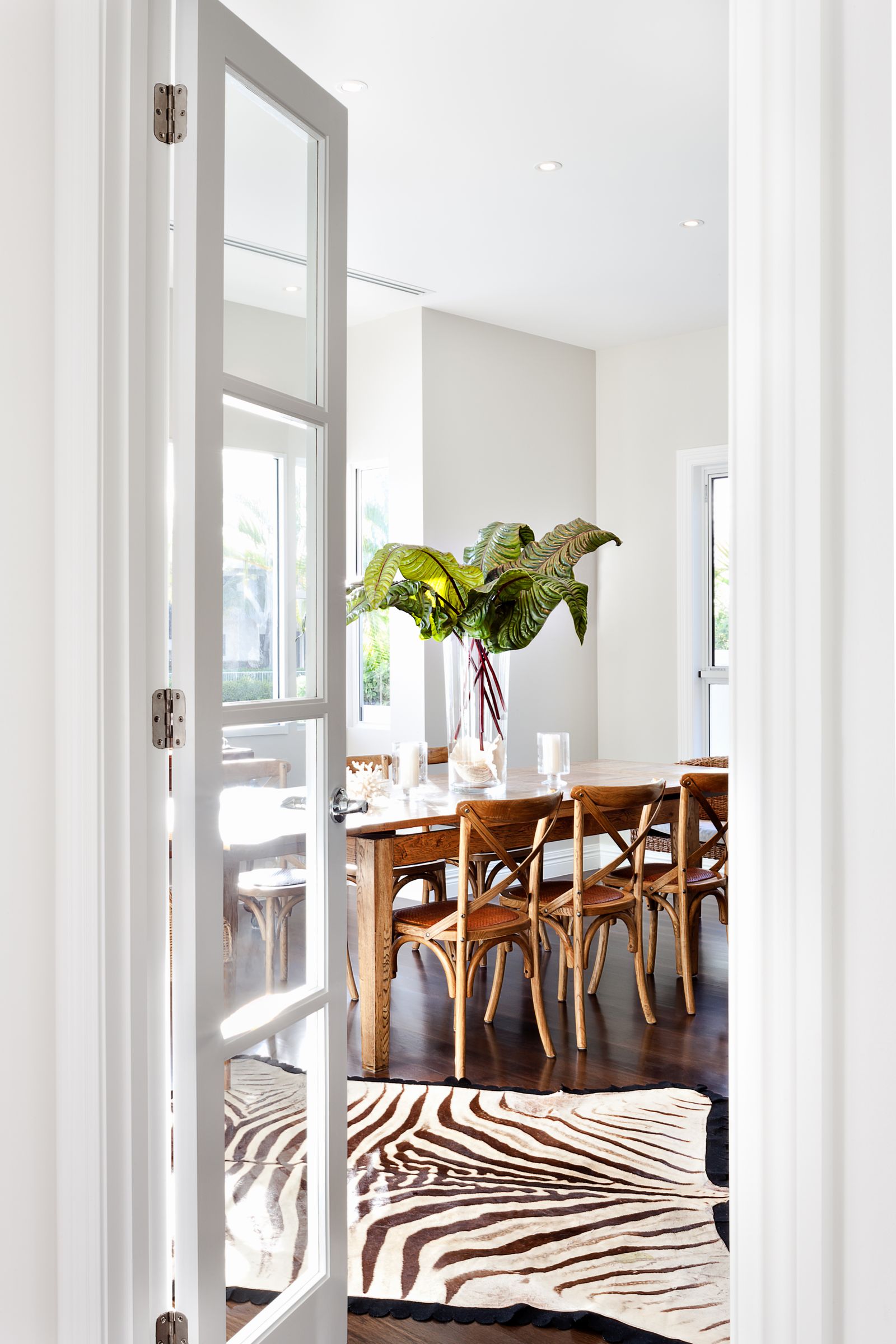
Paint finishes, or sheens, also play a critical role in a room's character and durability. Matte paint, the least reflective, has a velvety texture, effectively hides wall imperfections, and offers deep color saturation, though it can be challenging to clean. Eggshell and satin finishes, slightly glossier than matte, provide improved durability and are ideal for demanding environments like kitchens and bathrooms where easy cleaning is desired without a high-gloss look. Semi-gloss and gloss paints are the most reflective and durable, excellent for kitchens, doors, trim, and accent walls, enduring frequent cleaning. However, their high reflectivity can highlight wall imperfections.
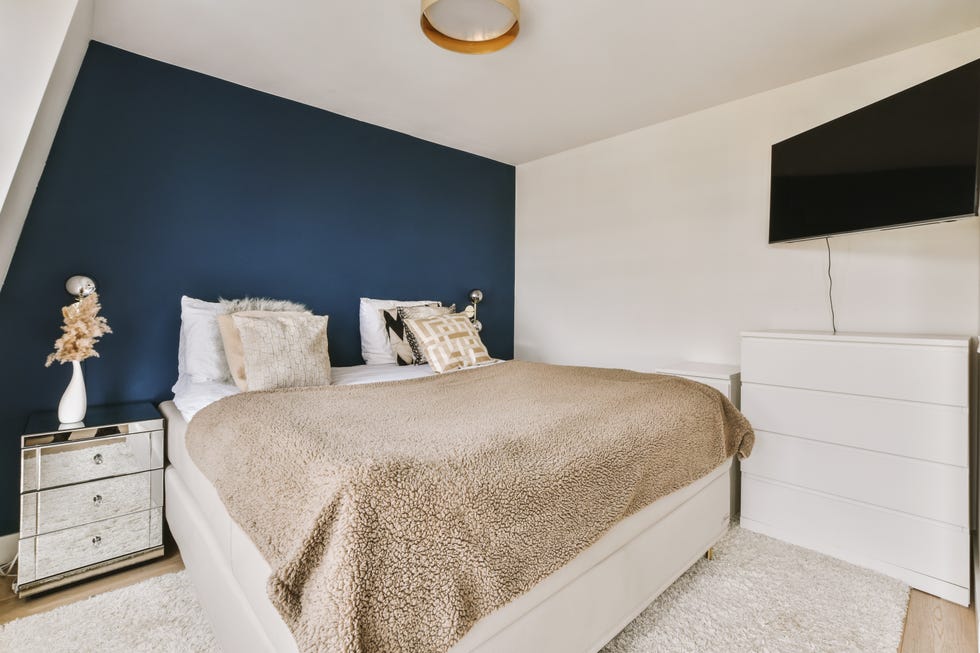
Sue Kim, a color trend specialist at Valspar, recommends experimenting with a gloss accent wall against matte walls to create visual impact, noting that matte sheens evoke a calm atmosphere while gloss adds energy. Darker colors naturally have a higher sheen due to increased colorants, suggesting a lower sheen choice for rich hues. For smaller rooms with limited natural light, Kim advises satin finishes to reflect light and enhance color, and eggshell for covering imperfections and resisting scuffs. The article concludes by emphasizing that the quality of painting tools significantly impacts the final result, recommending high-quality rollers, brushes, or even spray painting as alternatives to traditional methods.
#PaintSelection #HomeRenovation #InteriorDesign #PaintFinishes #WaterBasedPaint #OilBasedPaint #DIYHome #PaintSelection #HomeRenovation #InteriorDesign #PaintFinishes #WaterBasedPaint #OilBasedPaint #DIYHome
0 ความคิดเห็นรวม
 ยังไม่มีความคิดเห็น
คุณอาจจะชอบอีกด้วย
An A-List Designer’s Secrets To Picking Perfect Paint Colors

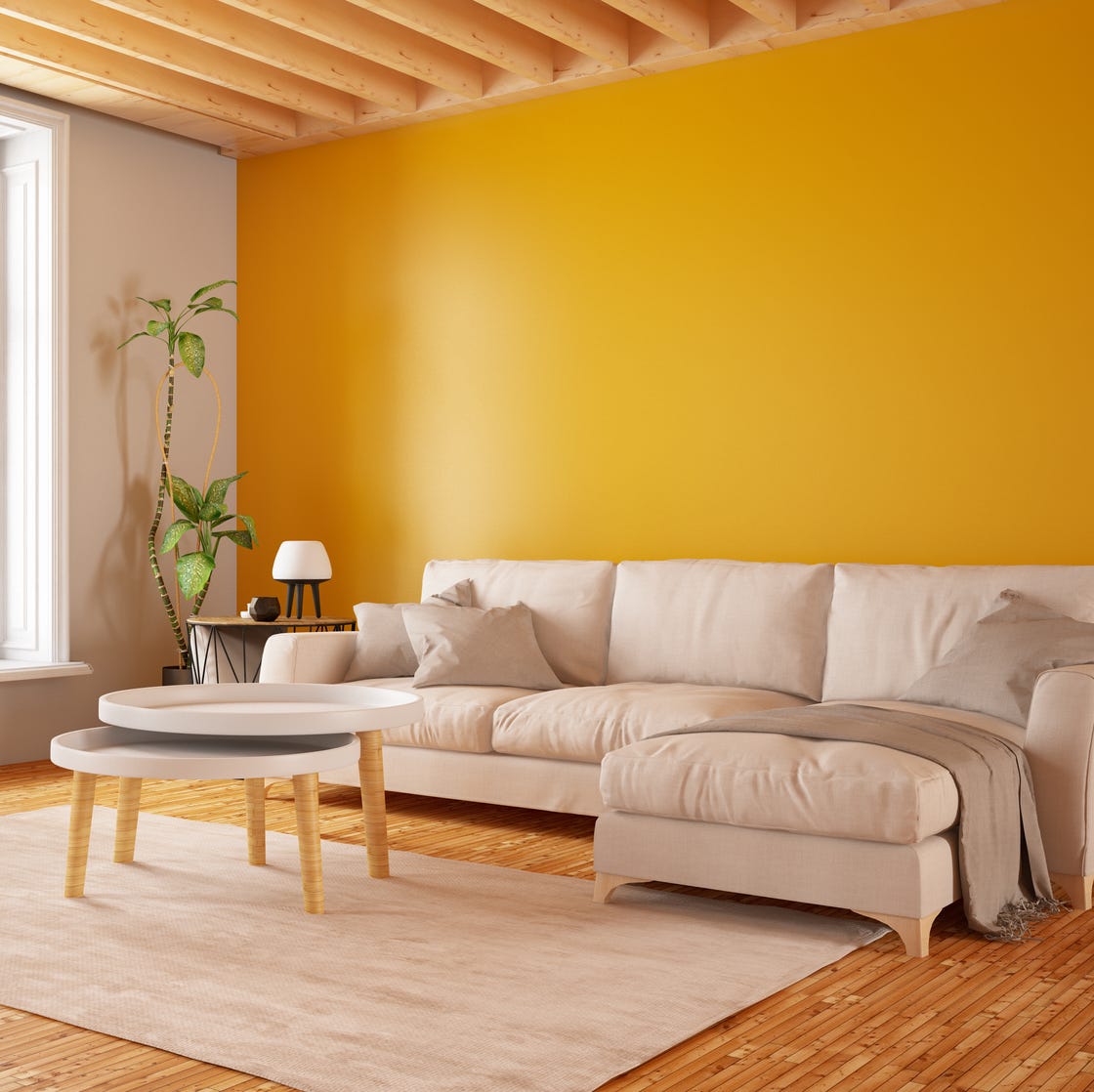
7 Paint Mistakes That Make Designers Instantly Cringe When They Walk Into Someone's Home

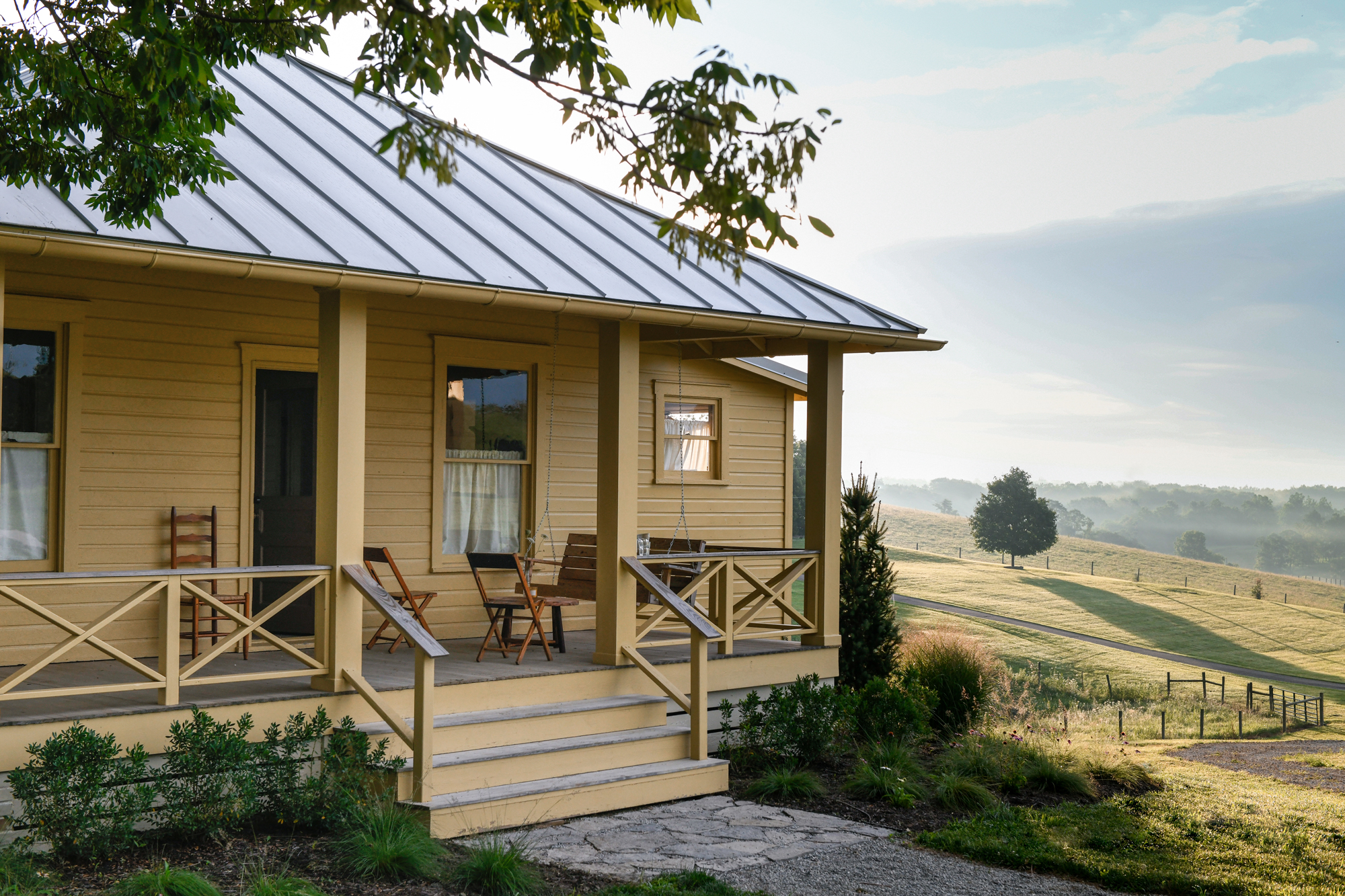
7 rules designers always follow to find the best exterior paint for your home

to choose paint colors.
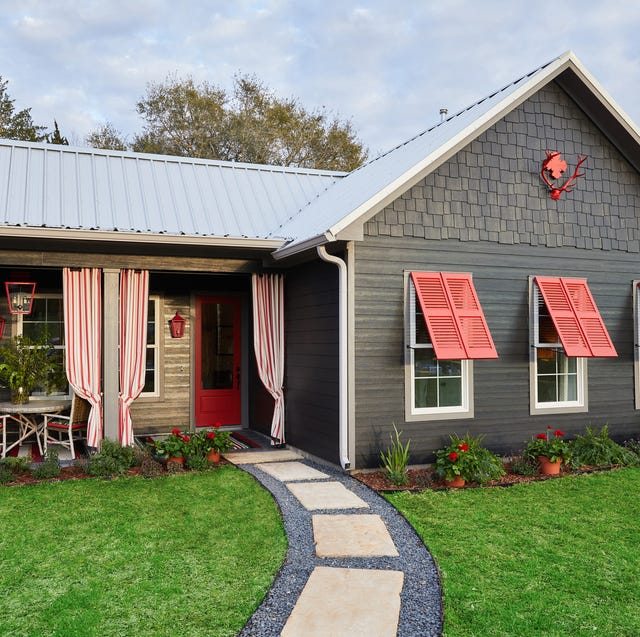
Here's What Colorists Want You to Know About Picking House Paint
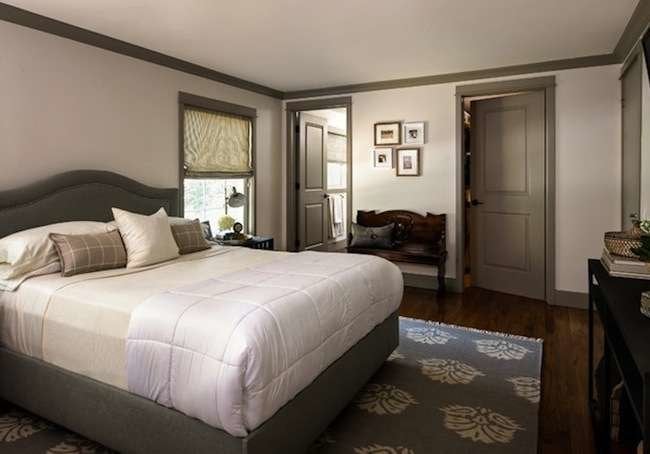
If This, Then That: Your Guide to Pairing Paint Colors

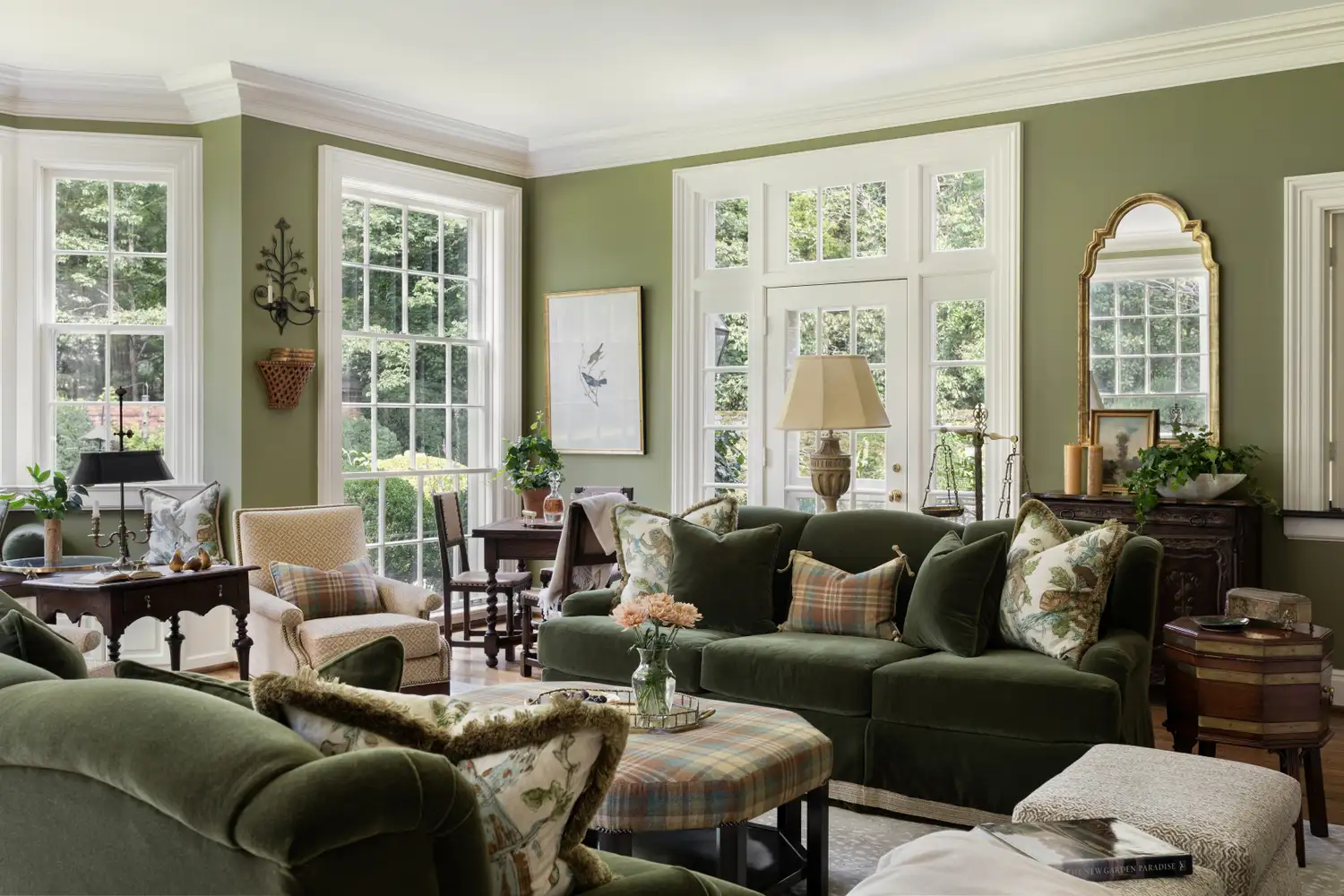
5 Secrets To Picking Paint Colors Like A Designer
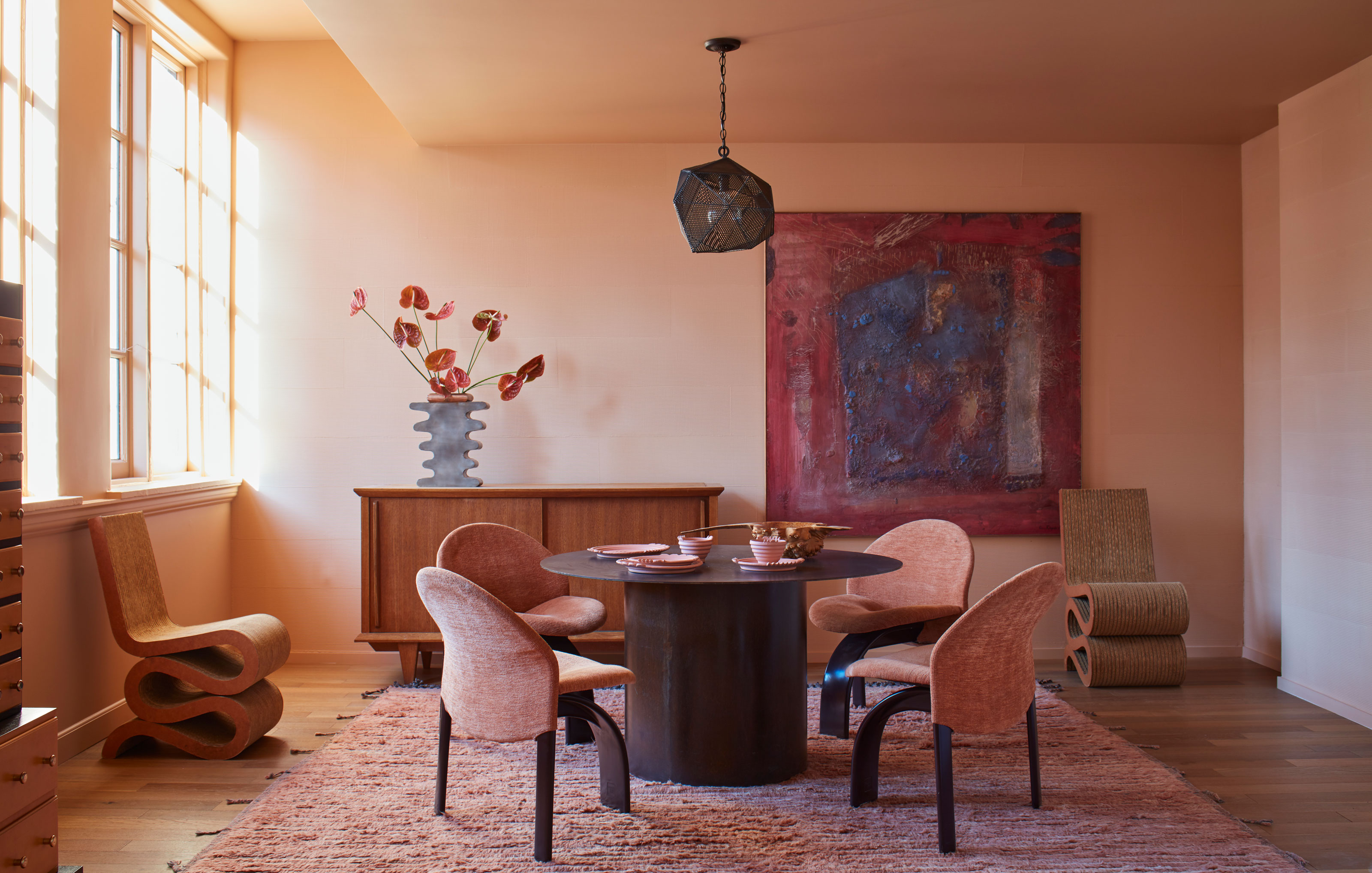
Paint color ideas for every room – experts explain the best choices for different spaces

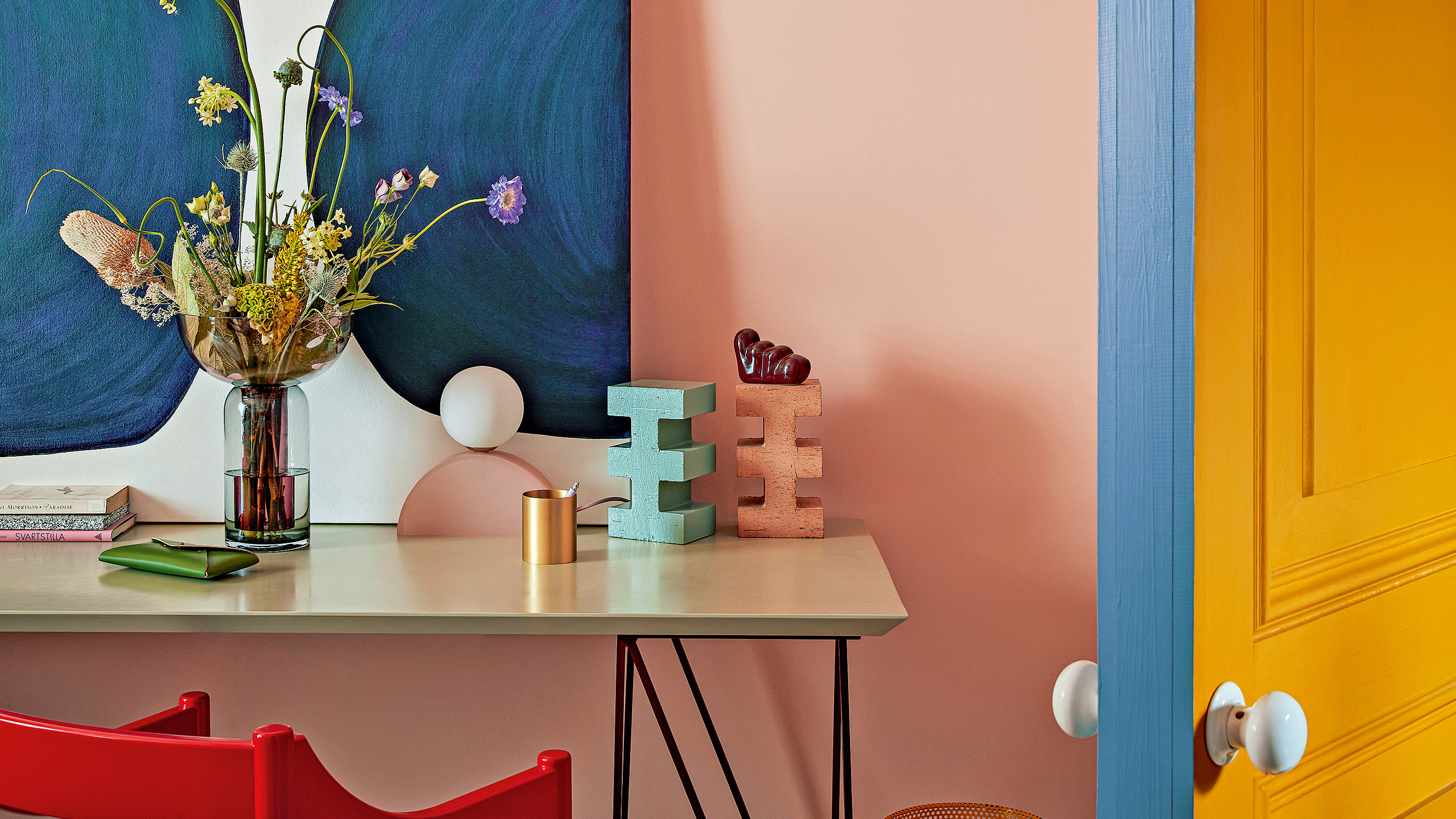
Paint finishes explained – an expert guide to choosing the perfect type of paint for your projects
Can't Choose a Paint Color? Here Are 7 Hacks Interior Designers Swear By

Tips for adding the hottest paint colors to your decor

When Your Client Cares About Paint as Much as Furniture, You Go Big With Opposing Colors

Never Regret a Paint Color Again—Avoid These 6 Common Mistakes

3 Things To Consider When Painting With Bold Colors
How to Pick the Best Paint Colors for Every Space in Your Home

8 Paint Mistakes That Make Your House Look Dingy (and How to Fix Them)
5 colors to avoid painting a landing – and the secret to choosing the right shades
6 painting mistakes that are making your walls look 'dirtier' – and what you should be doing instead
Interior Paint: A Guide to Buying the Best Paints for Your Home

Choose The Best Paint Then The Color | Interior Paint Reviews