1/5
The Truths About Buying and Living in an Old House
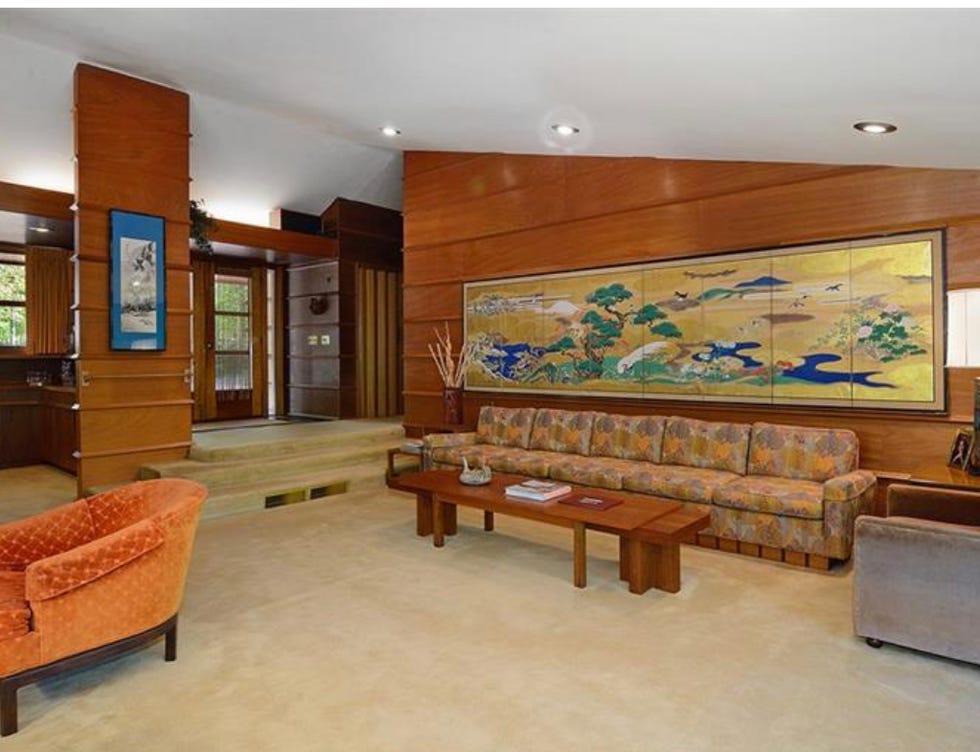
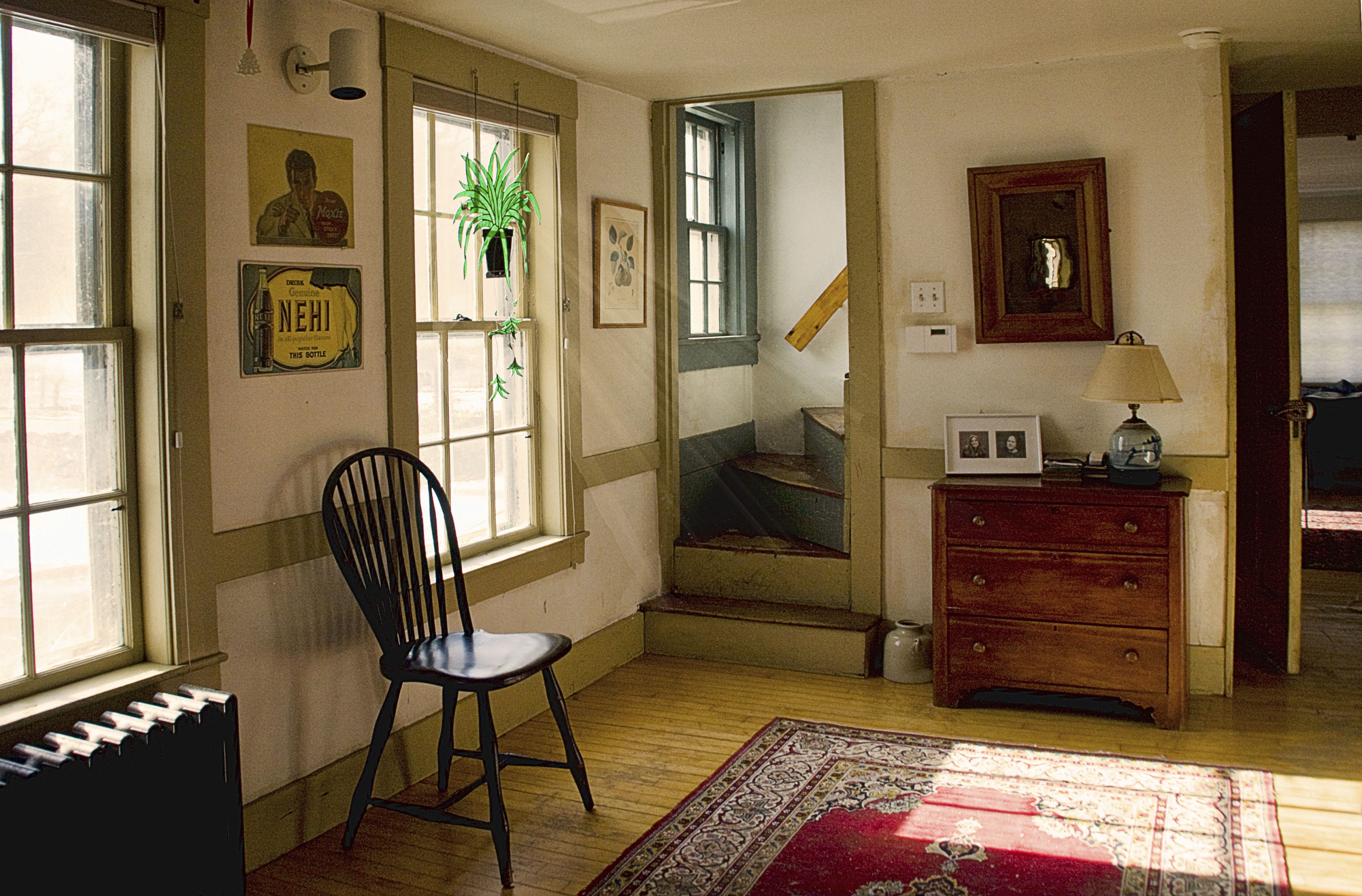
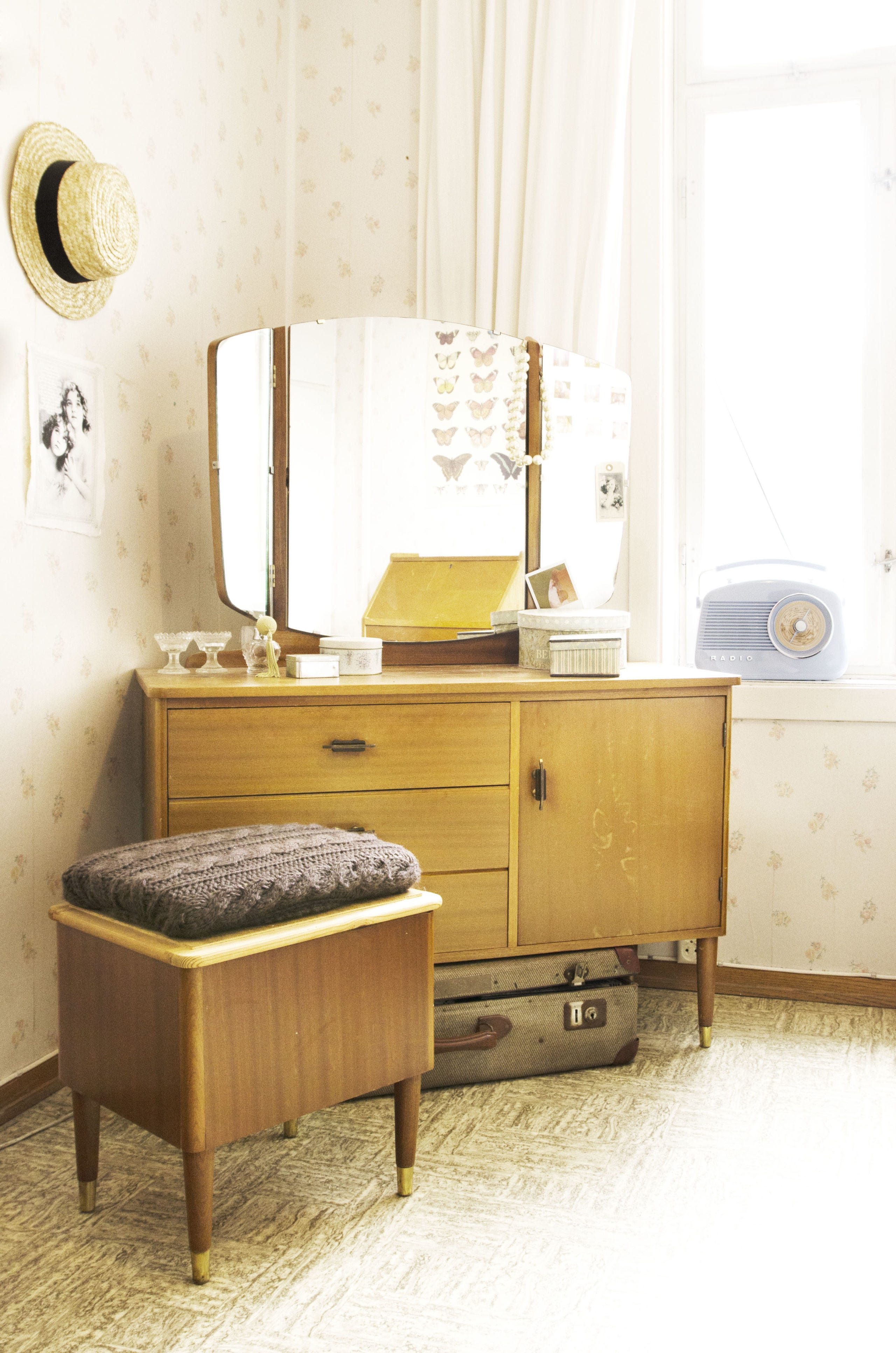
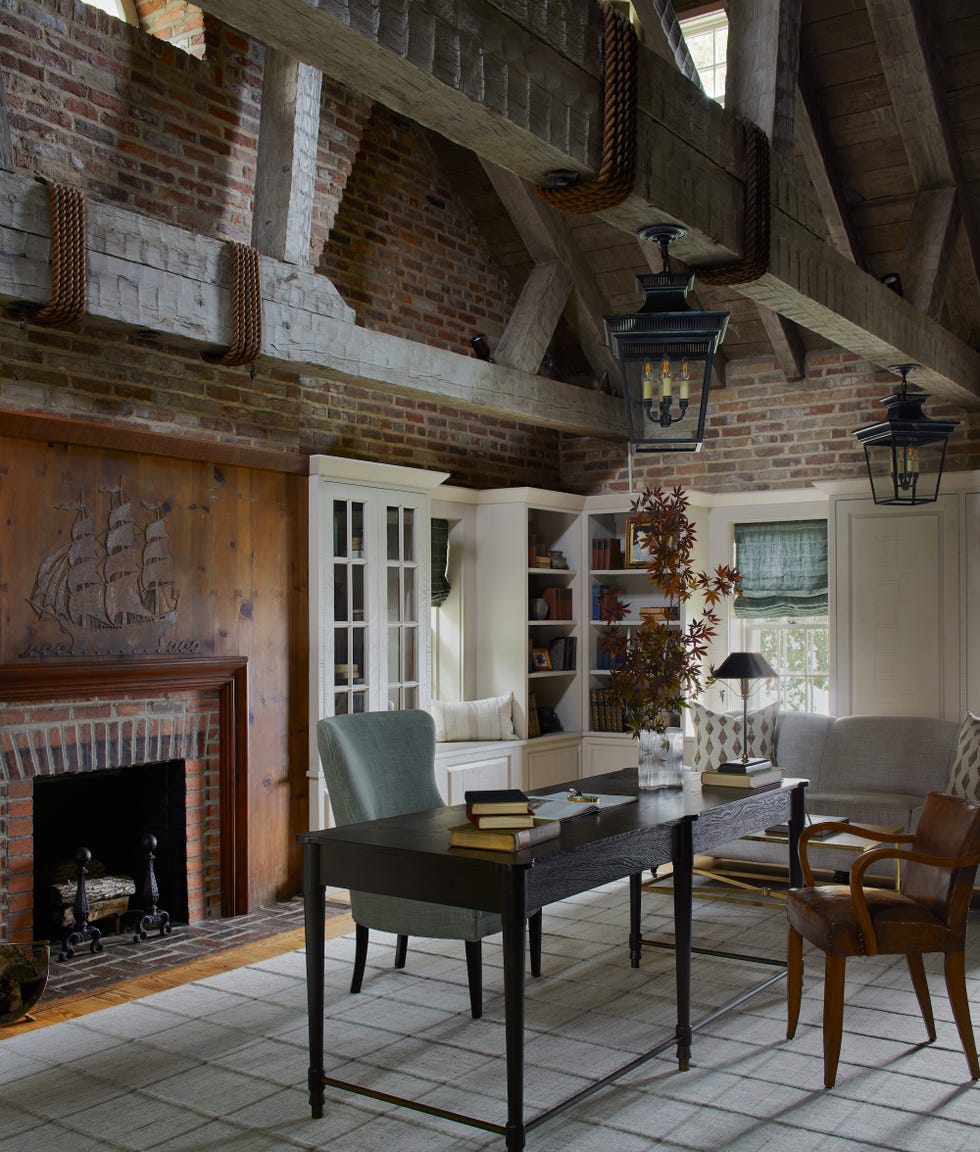
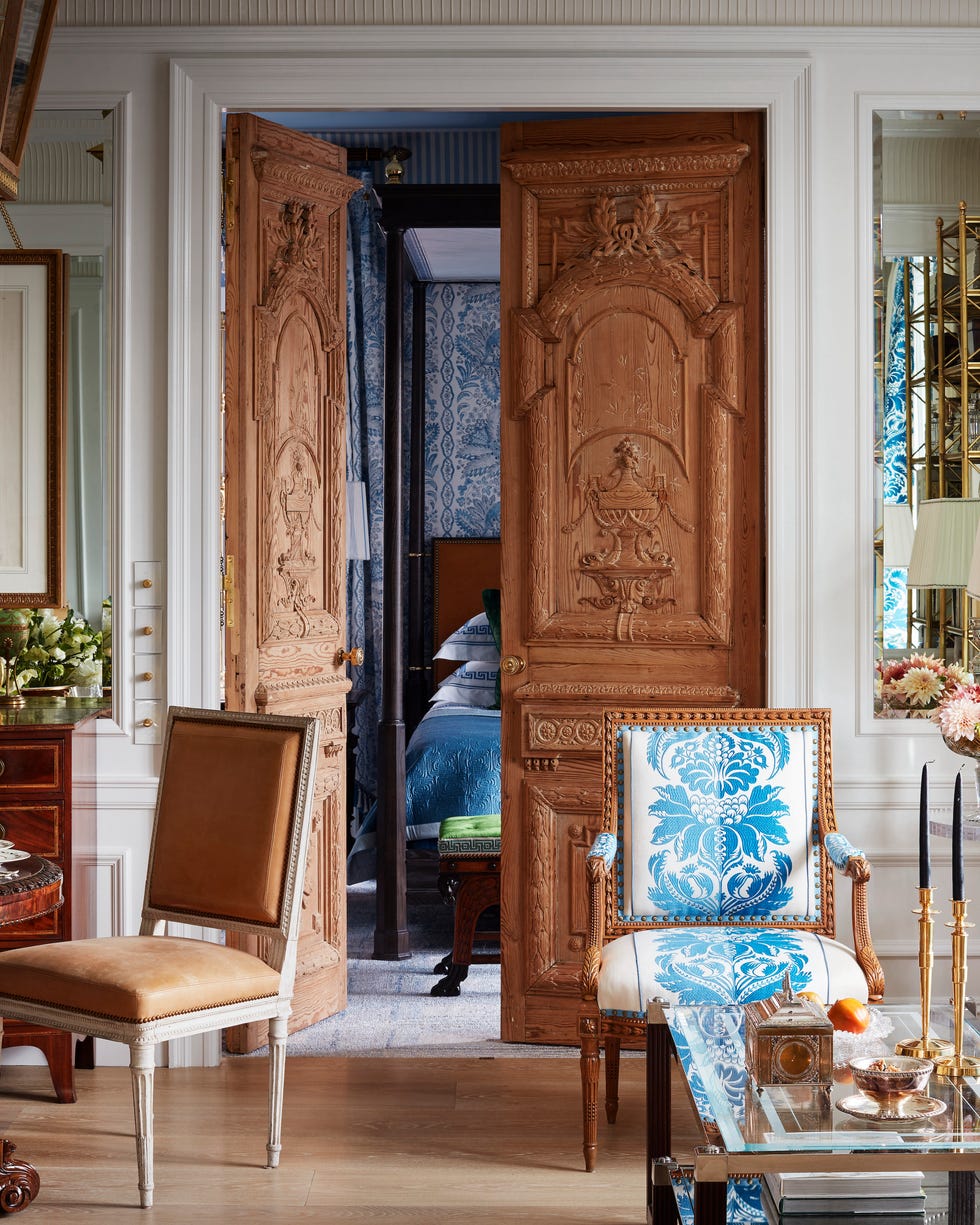
As the housing market experiences a cooling trend and prices begin to recede, opportunities are emerging for prospective buyers seeking more affordable options. Among these, older homes present a unique proposition, blending challenges associated with aging infrastructure and vintage utilities with the distinct advantages of owning a property with historical character and superior construction materials. Unlike modern, often uniform new builds, old homes offer charm, architectural diversity, and a tangible connection to the past. While these attributes make older properties appealing, potential buyers should thoroughly understand the inherent challenges and prepare for them.
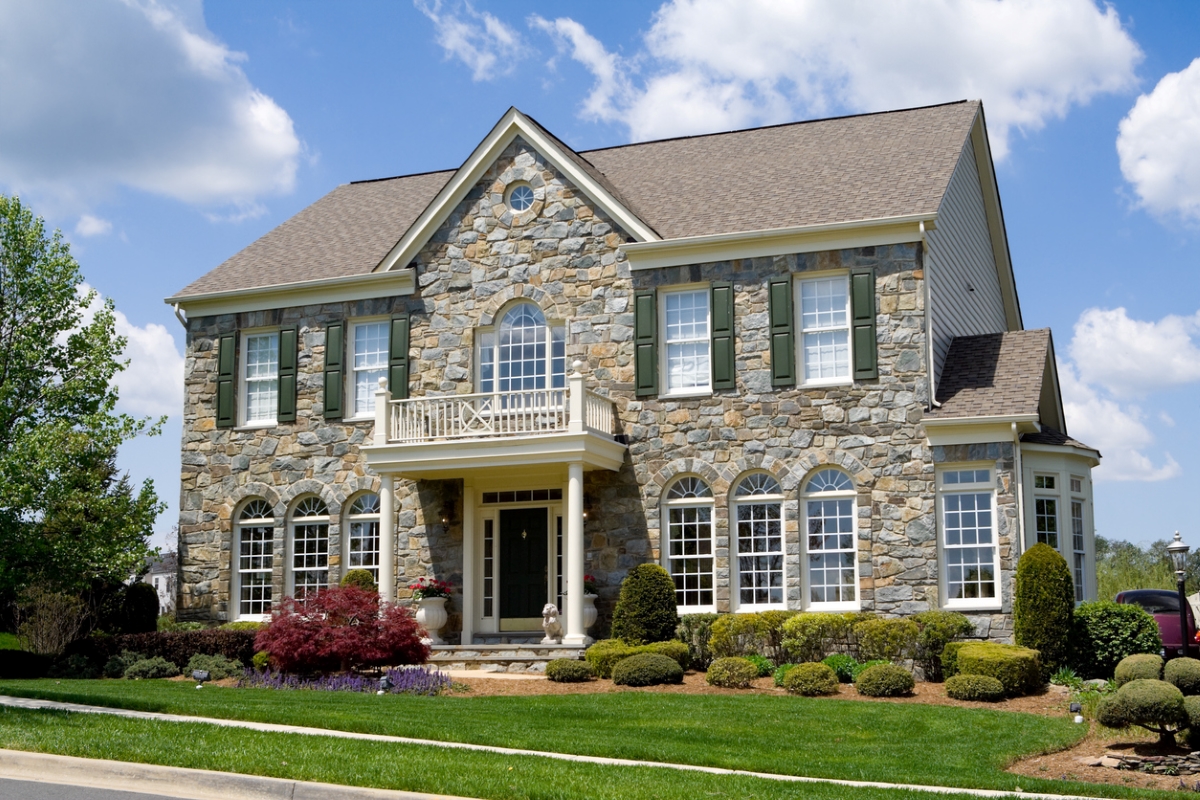
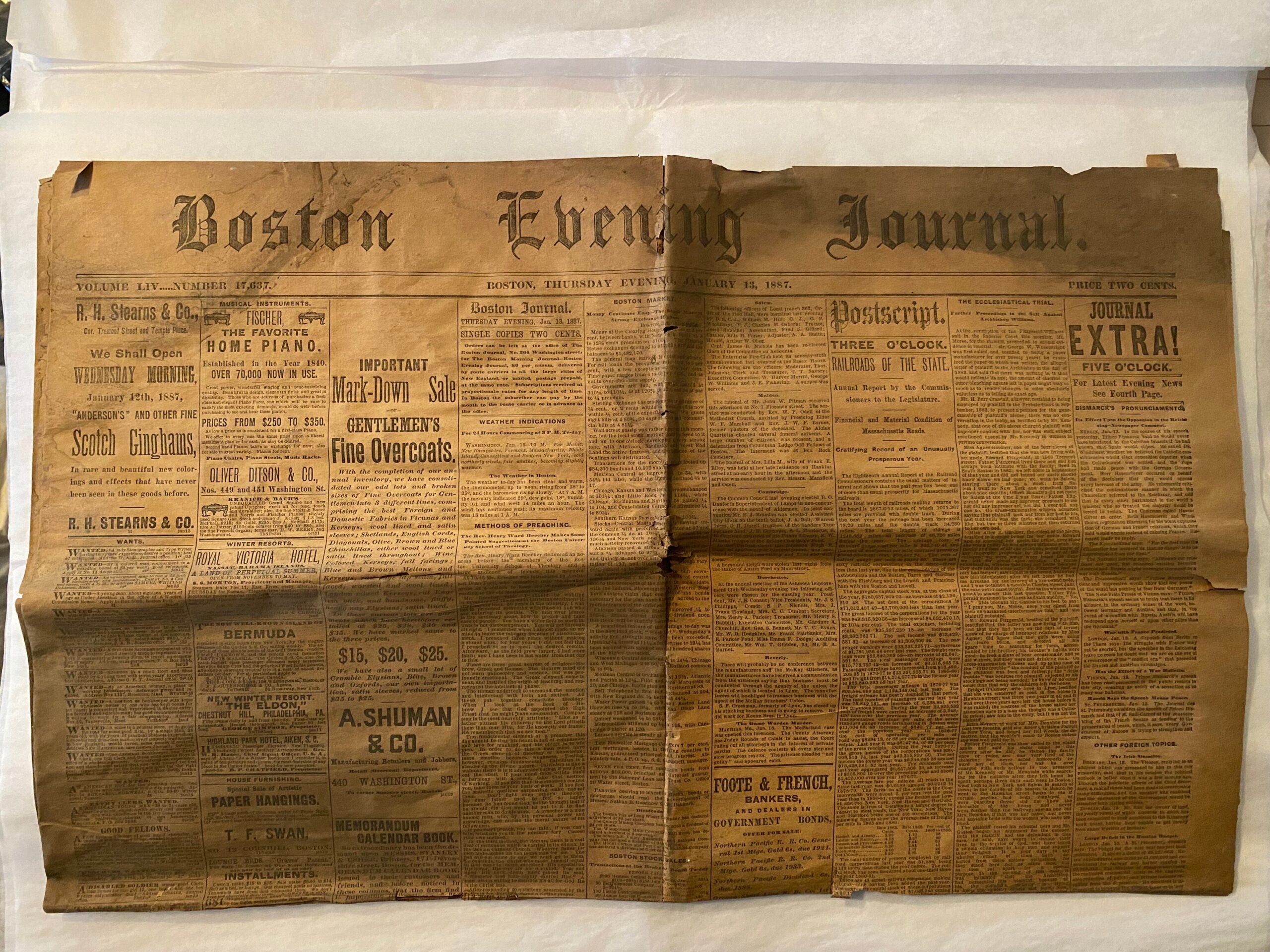
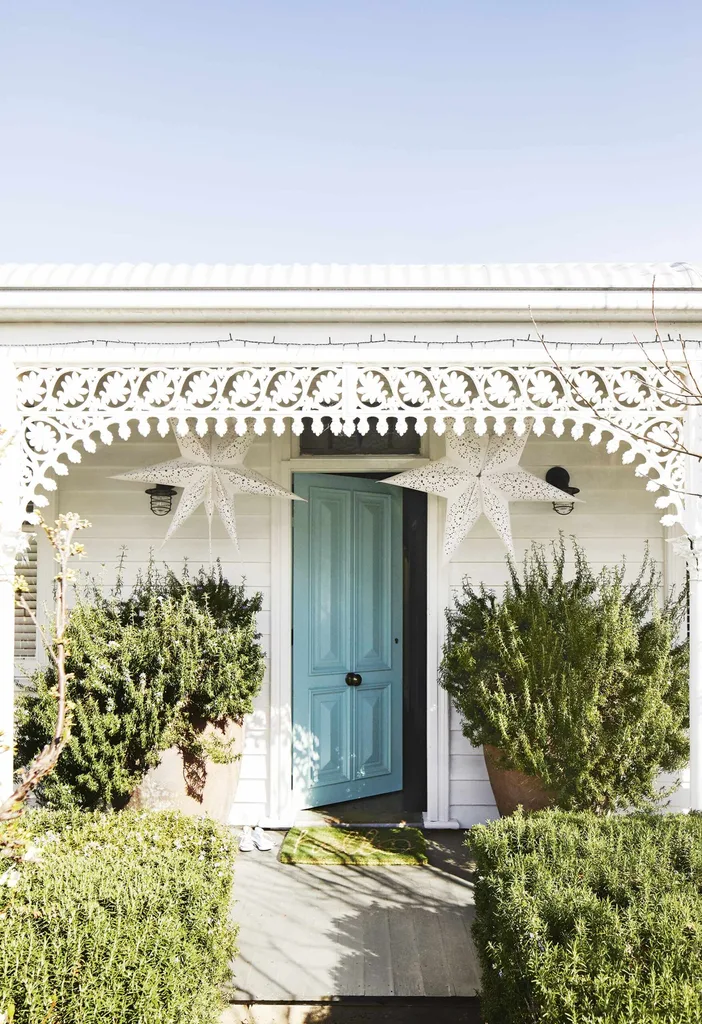
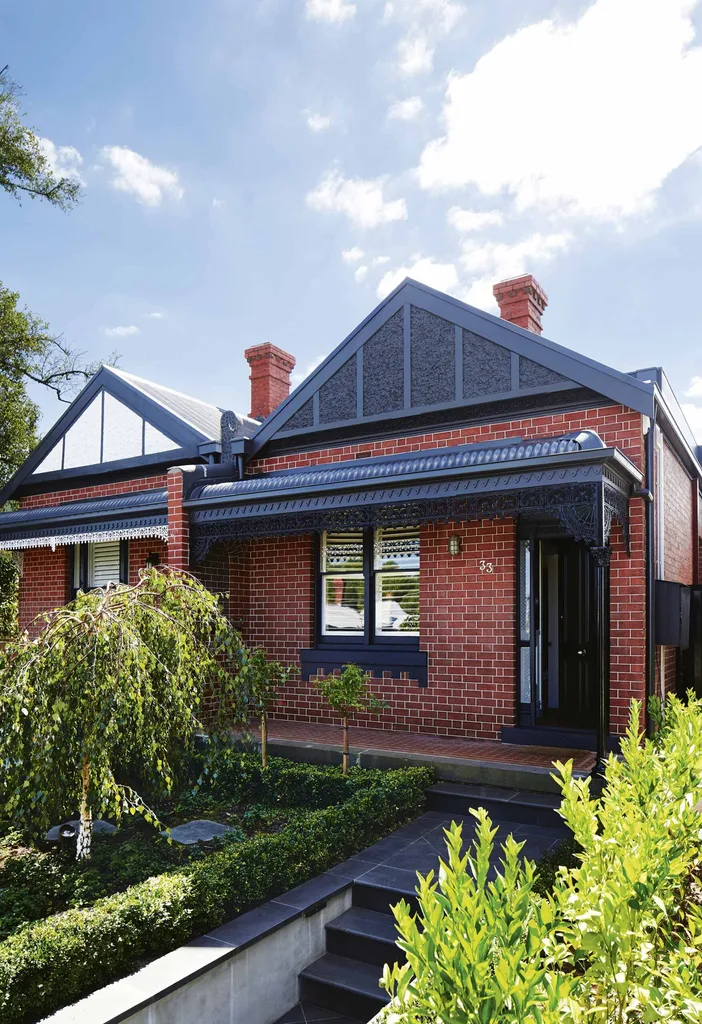
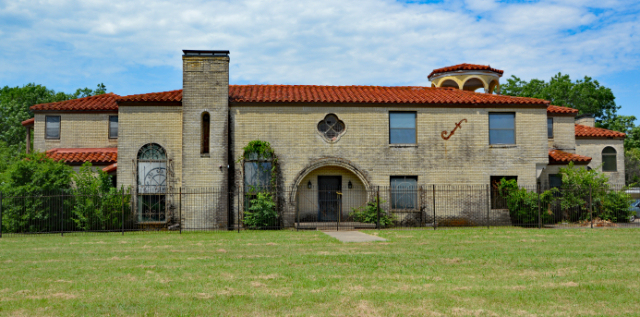
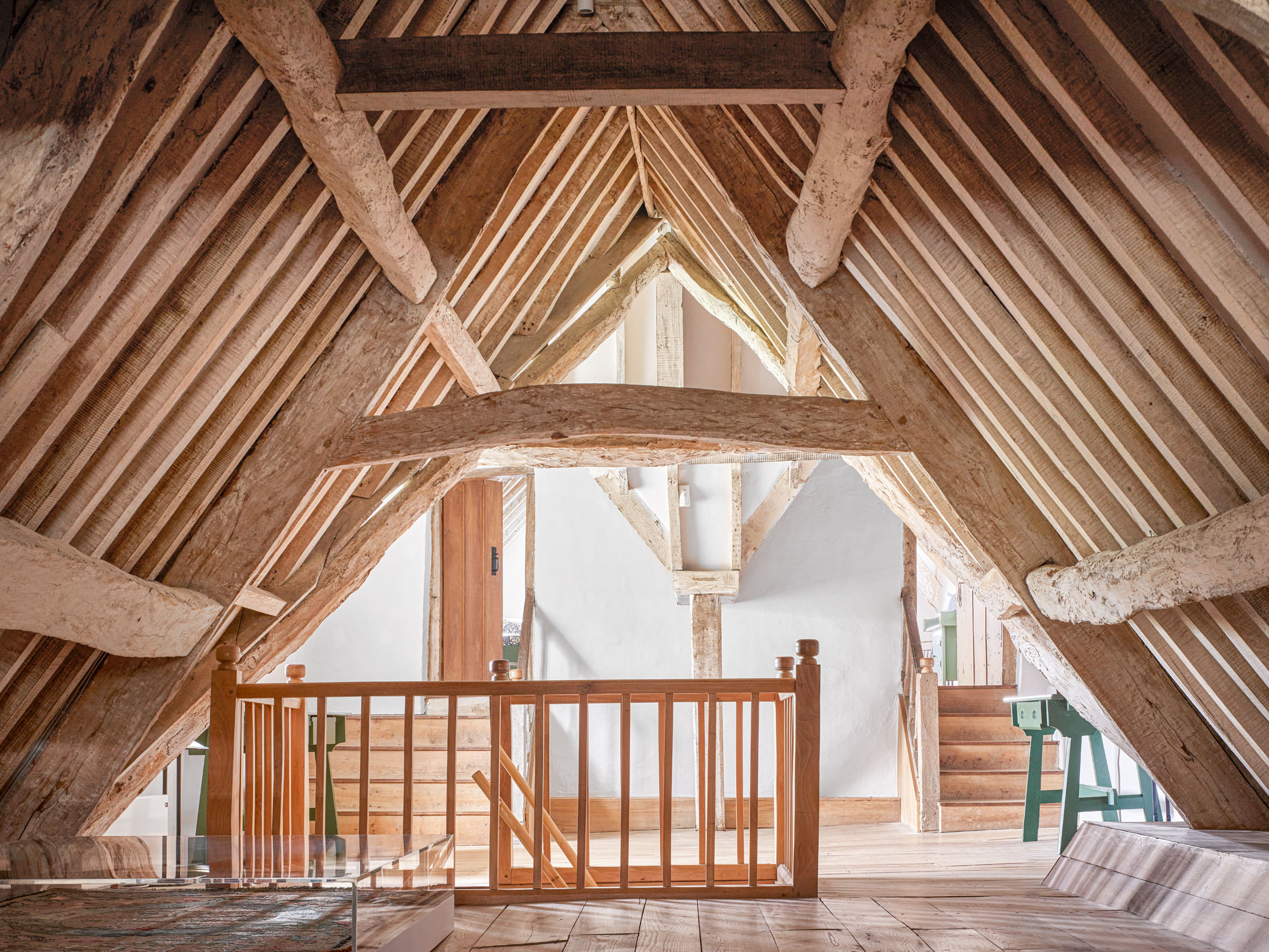
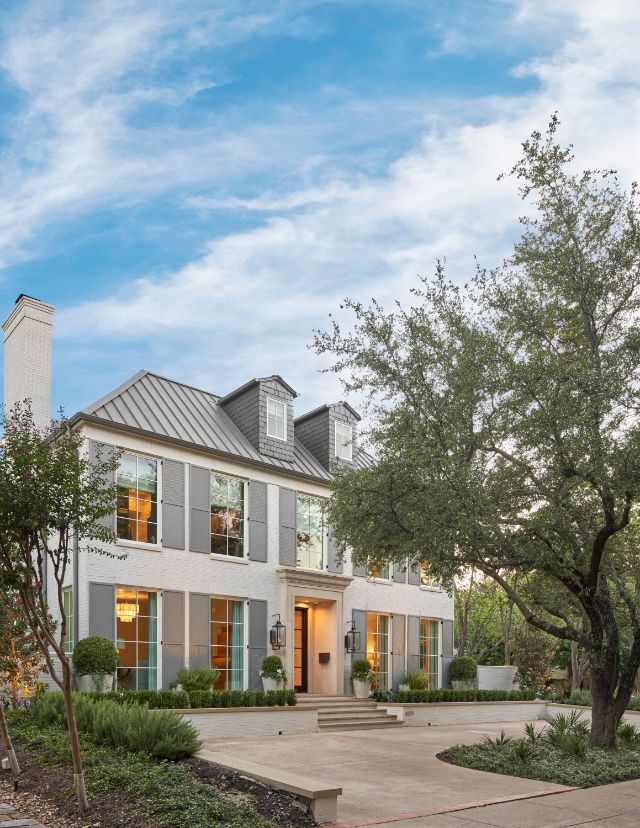
Defining an "old home" involves several classifications: vintage (20-99 years old), antique (100+ years old), and historic. A home achieves historic status by meeting the criteria of the National Register of Historic Places, often due to its association with significant historical events or persons, or its architectural value. In some regions, homes as young as 50 years old can be deemed historic. Beyond age, architectural styles like Colonial, Tudor, and Victorian frequently define older homes, each carrying unique characteristics and historical significance.
Financially, older homes often offer significant upfront savings compared to new construction. The rising costs of materials and labor have widened this gap, with new builds potentially costing 30 percent more than similarly sized older homes in comparable locations. While older homes typically require a greater financial commitment for post-purchase improvements and repairs, these investments often contribute to the property's long-term value, with an average return on investment for home improvements around 70 percent. This initial saving allows buyers to allocate funds toward necessary renovations, personalizing the home while enhancing its value.
The current market conditions, characterized by rising mortgage rates and a subsequent decrease in buyer activity, are leading to an increase in available housing inventory and a projected decline in home prices. This environment creates a favorable opportunity for those willing to consider an older home that may require restoration or updates.
Finding an old home requires a more specialized search than new construction. Traditional real estate agents in specific areas can assist, but online resources like OldHouses.com and Circa offer extensive listings of vintage and antique properties. These platforms allow users to filter searches by age, location, and architectural style, simplifying the process of finding unique older homes.
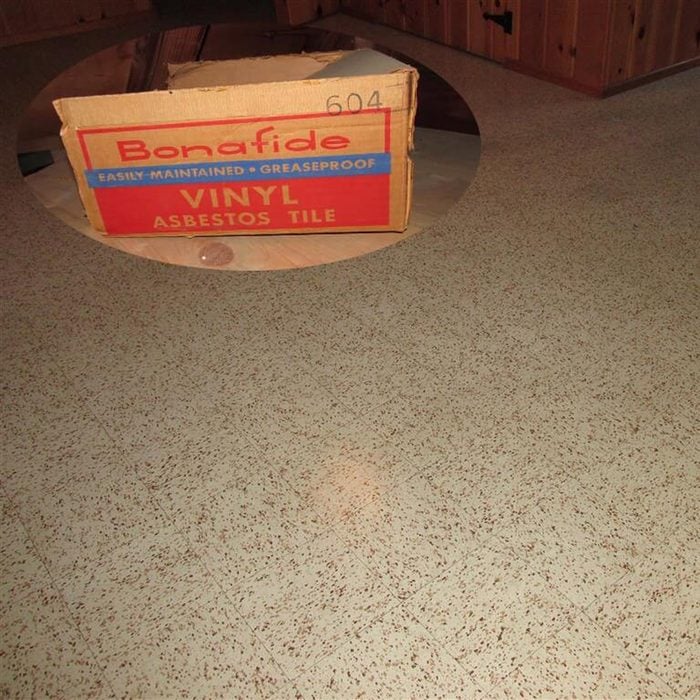
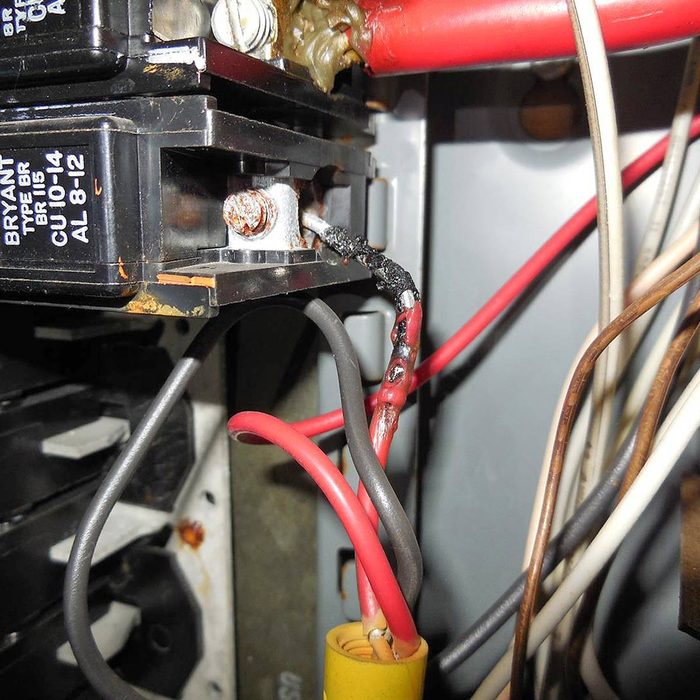
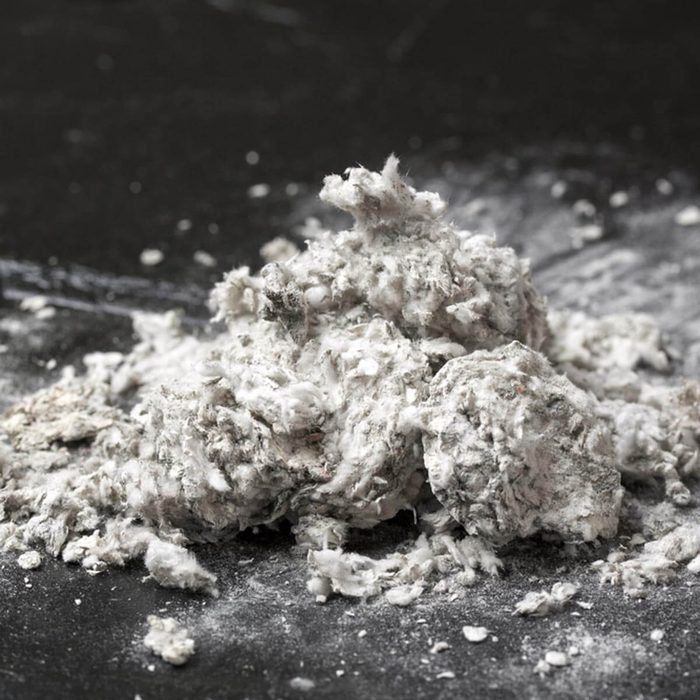
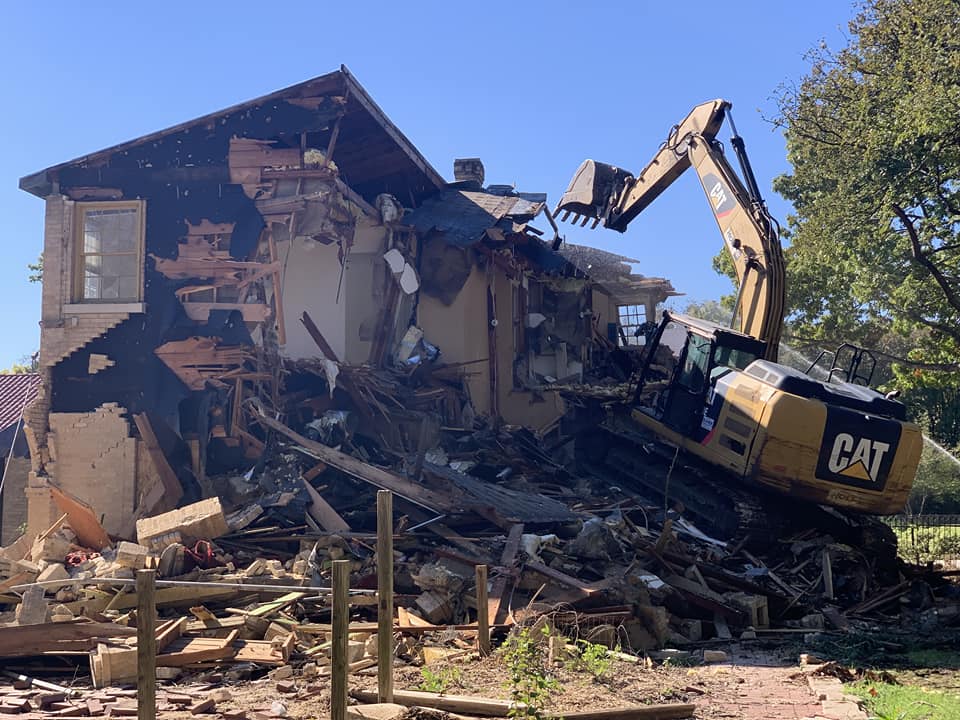
However, prospective buyers must exercise caution and conduct thorough due diligence. Older homes can harbor serious issues, including hazardous materials like asbestos and lead paint, structural problems with foundations, outdated electrical systems, and plumbing or roofing defects. Energy inefficiency and floor plans that don't align with modern lifestyles are also common. Extensive renovations for antique homes can cost between $100 to $400 per square foot. Engaging professional inspectors is crucial to identify major issues before purchase, potentially allowing buyers to negotiate repairs or a reduced price. Despite these potential drawbacks, many older homes were constructed with durable materials and methods, often requiring targeted repairs rather than complete overhauls.
Owners of old homes should establish a dedicated savings account for ongoing maintenance and unexpected repairs. A common recommendation is to set aside 1-2 percent of the home's purchase price annually. Additionally, investing in a home protection plan or a reputable home warranty can mitigate the financial impact of appliance and system repairs.
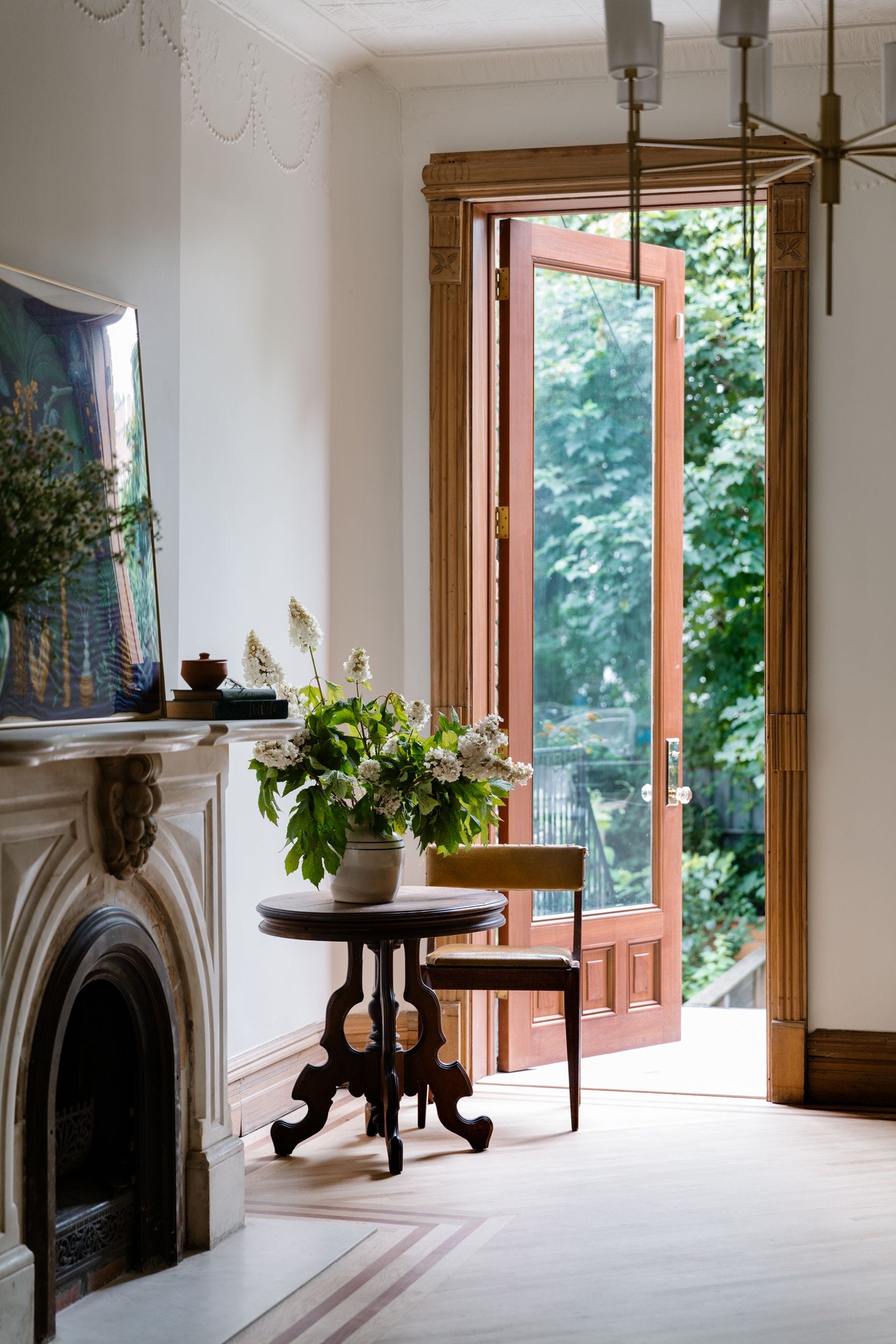
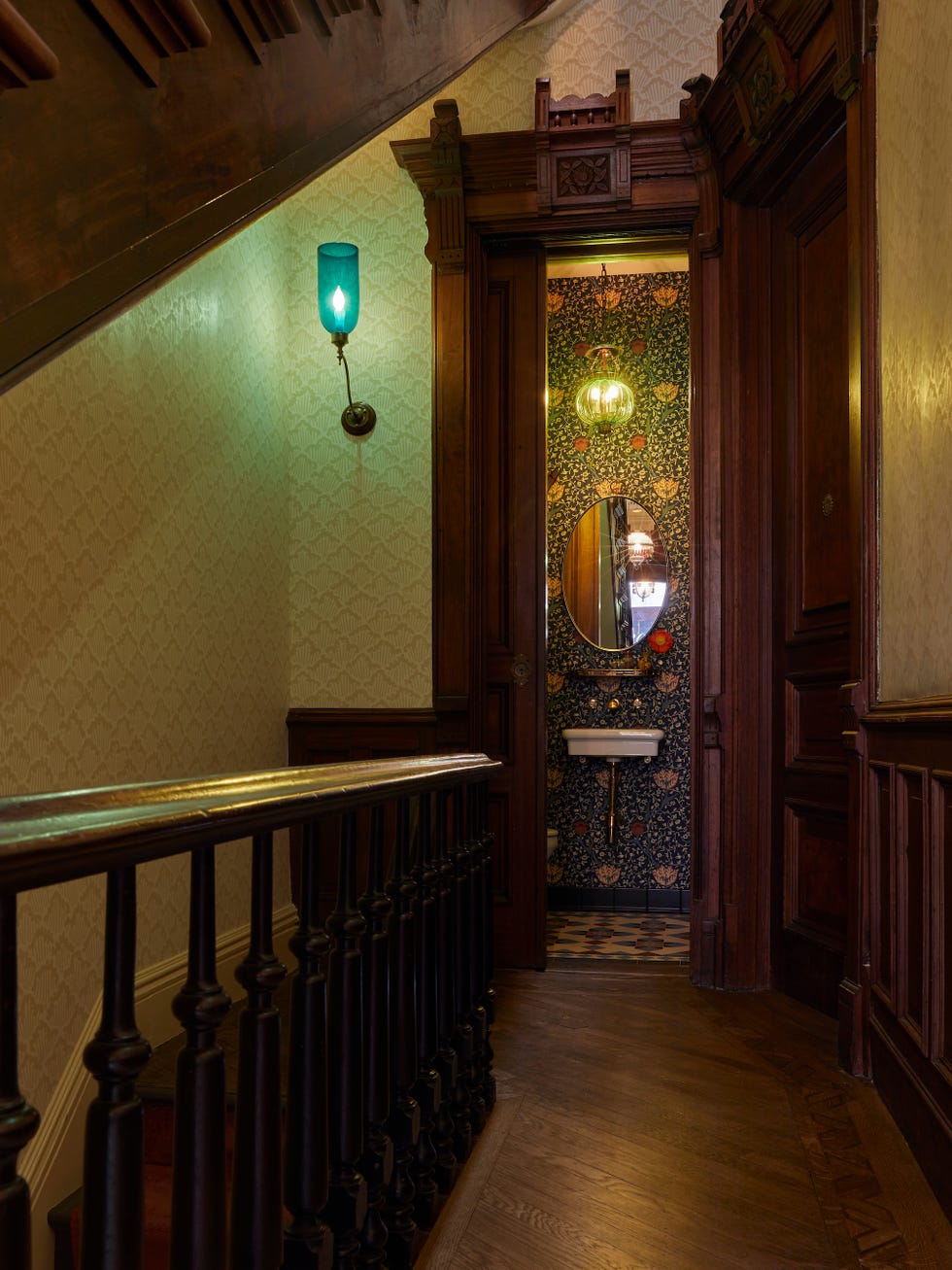
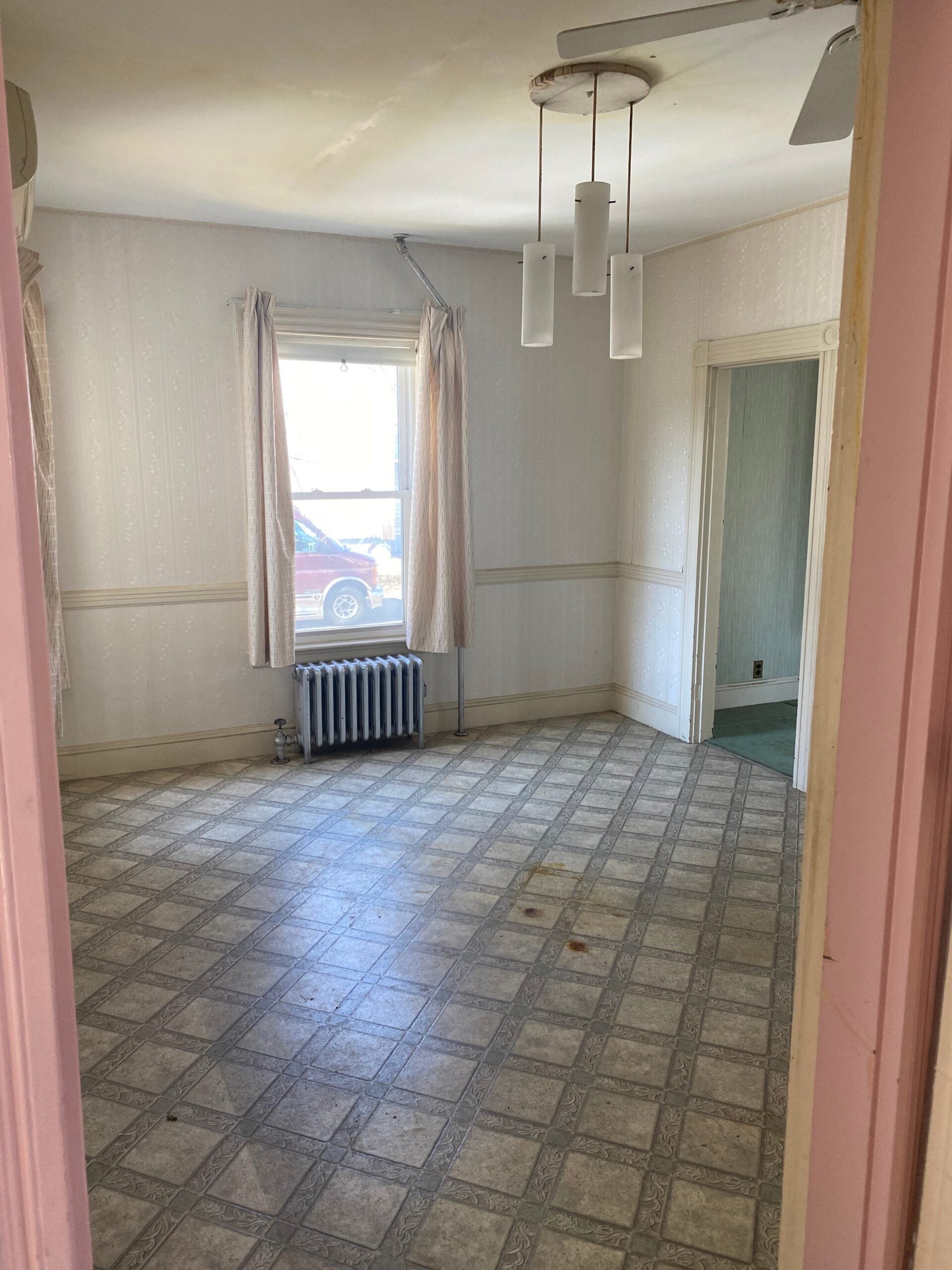
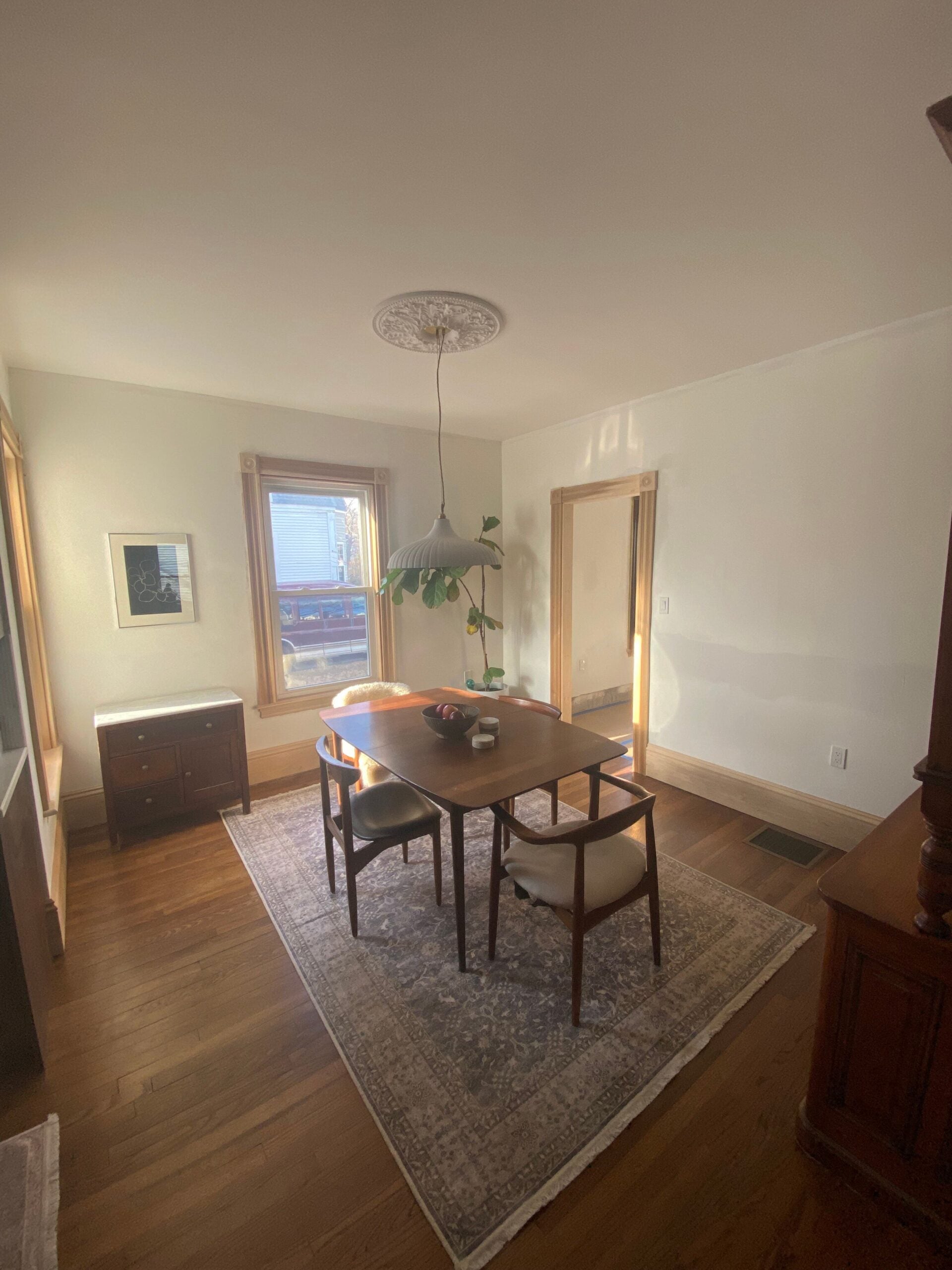
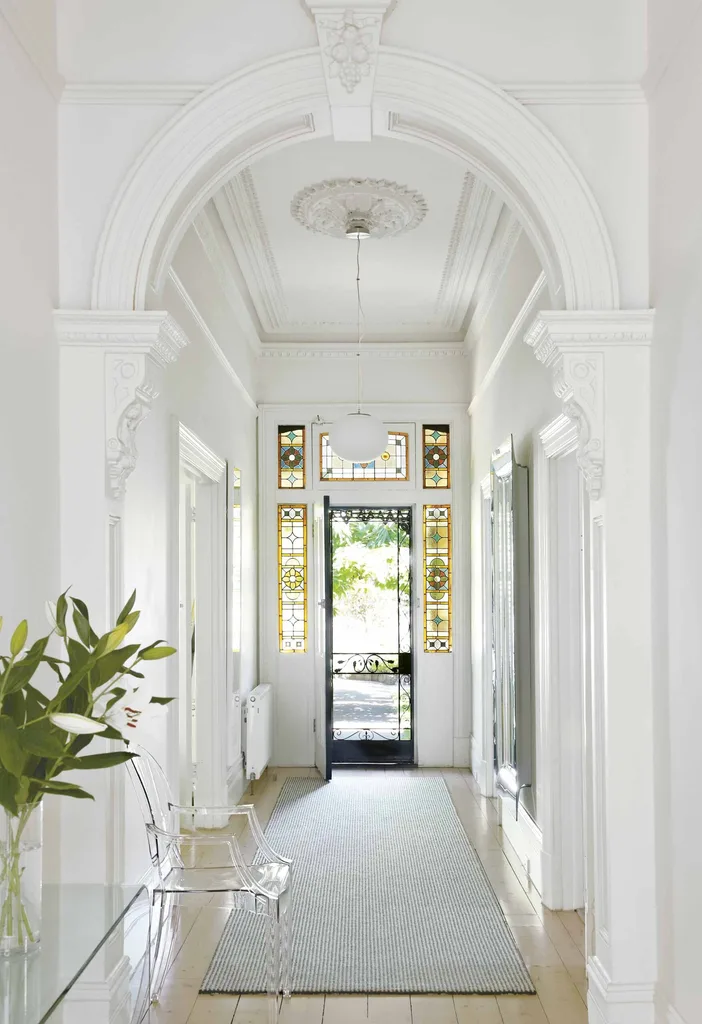
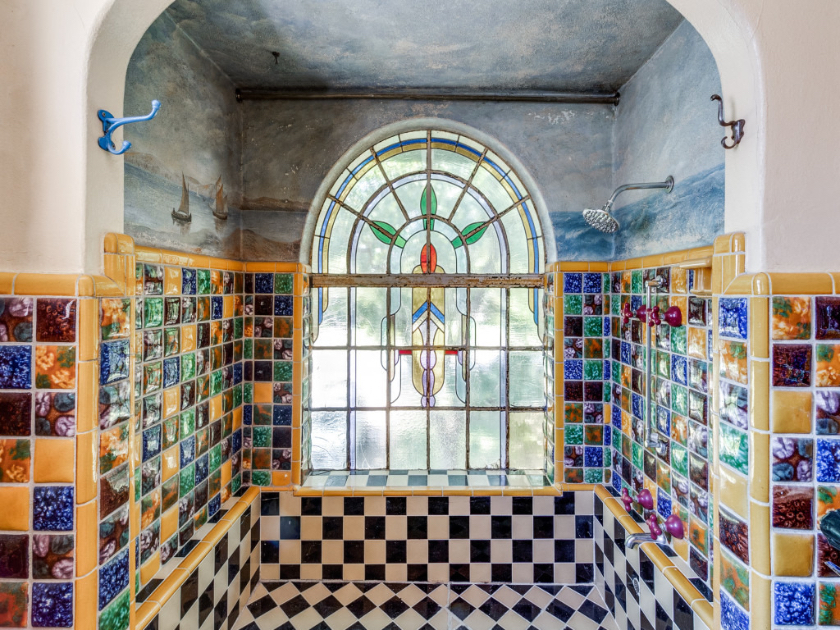
Beyond challenges, old homes often hide delightful surprises, from literal treasures like cash or jewelry found in walls to architectural gems such as hardwood floors beneath carpets, transom windows, or hidden fireplaces. These discoveries add to the unique character and appeal of owning an older property.
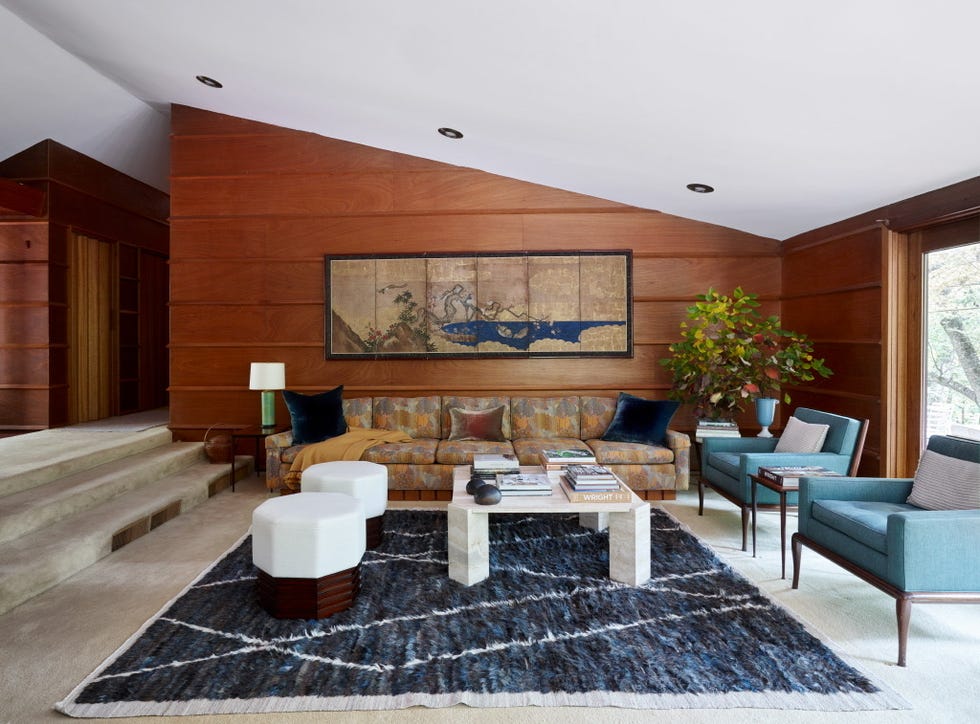
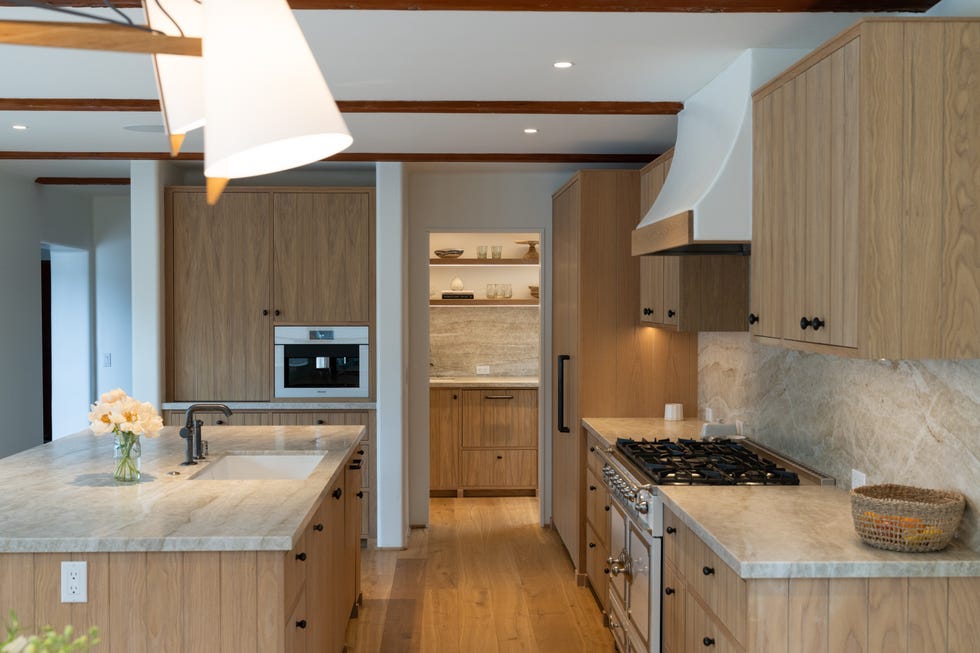
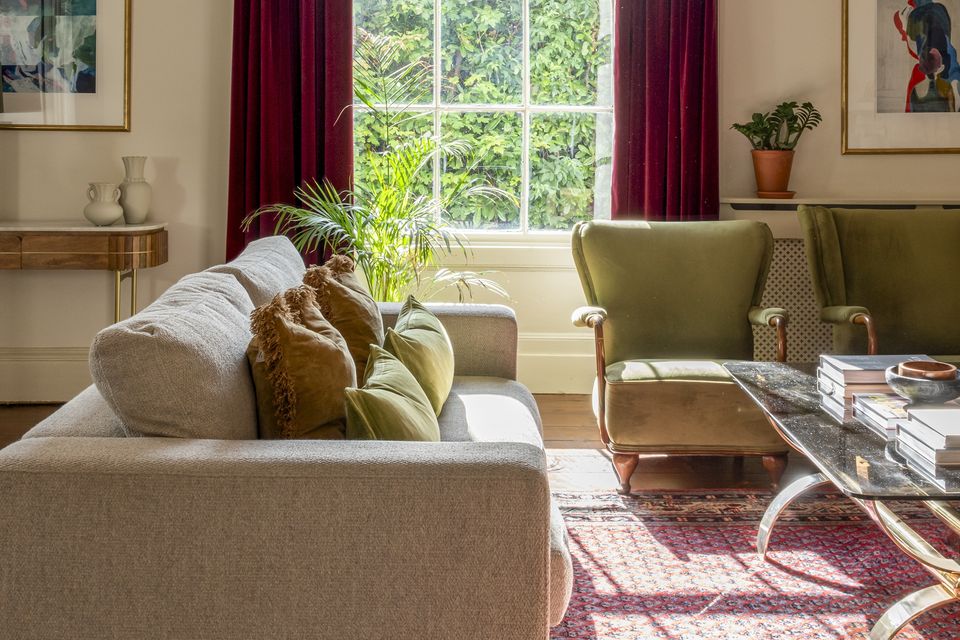
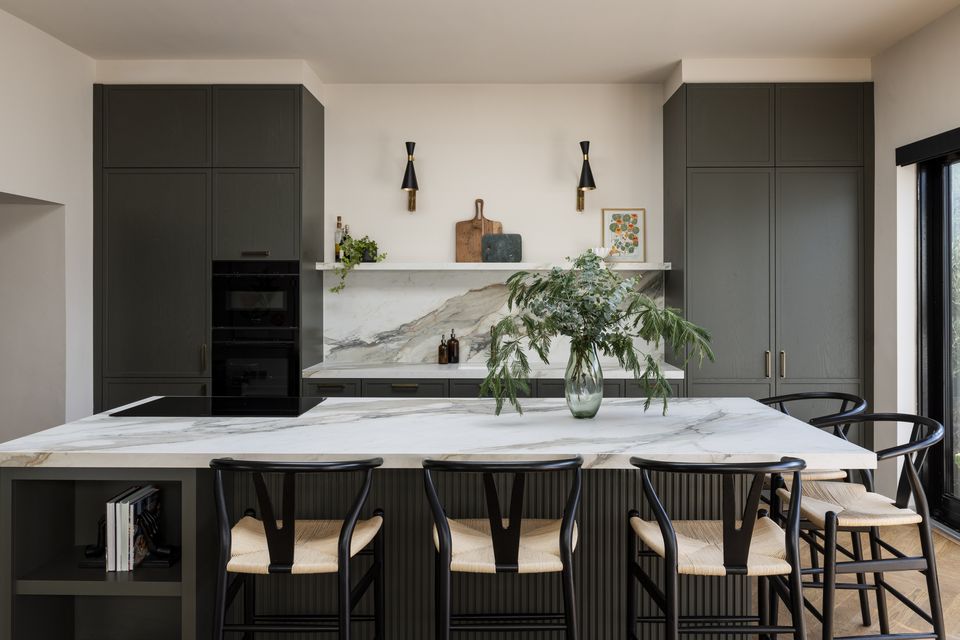
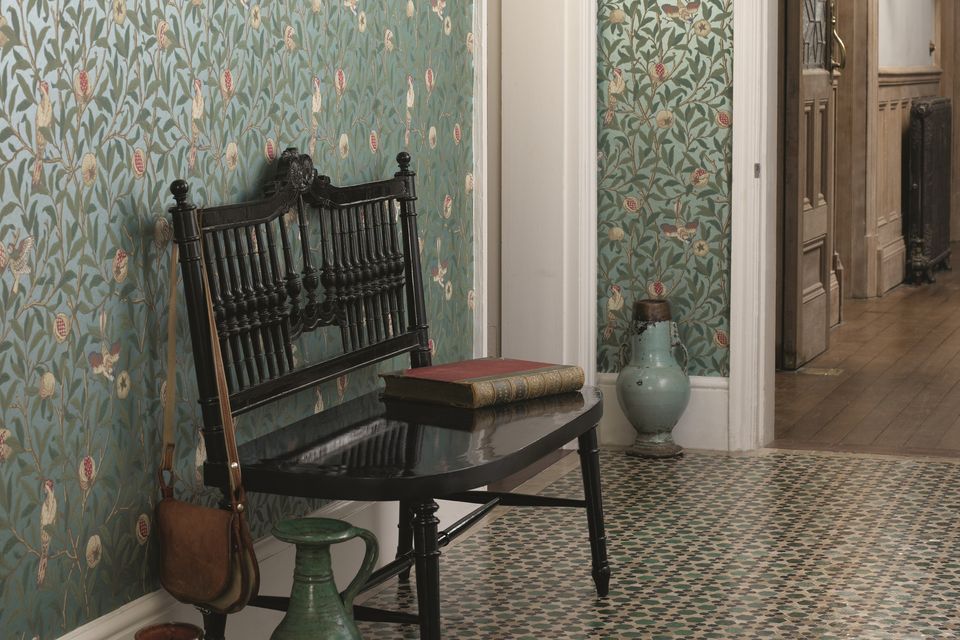
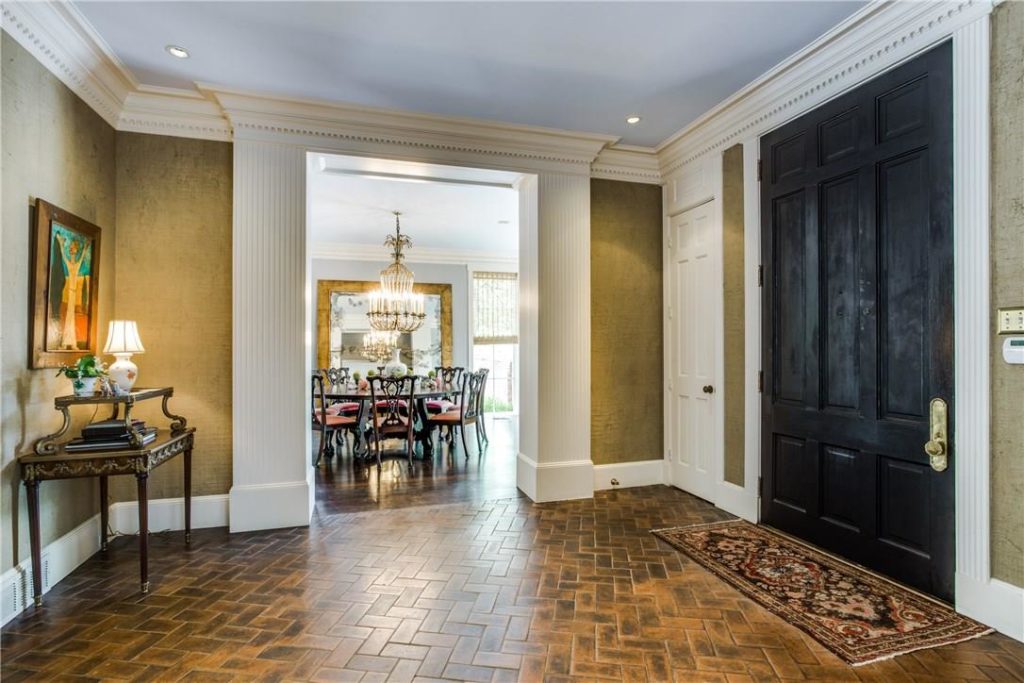
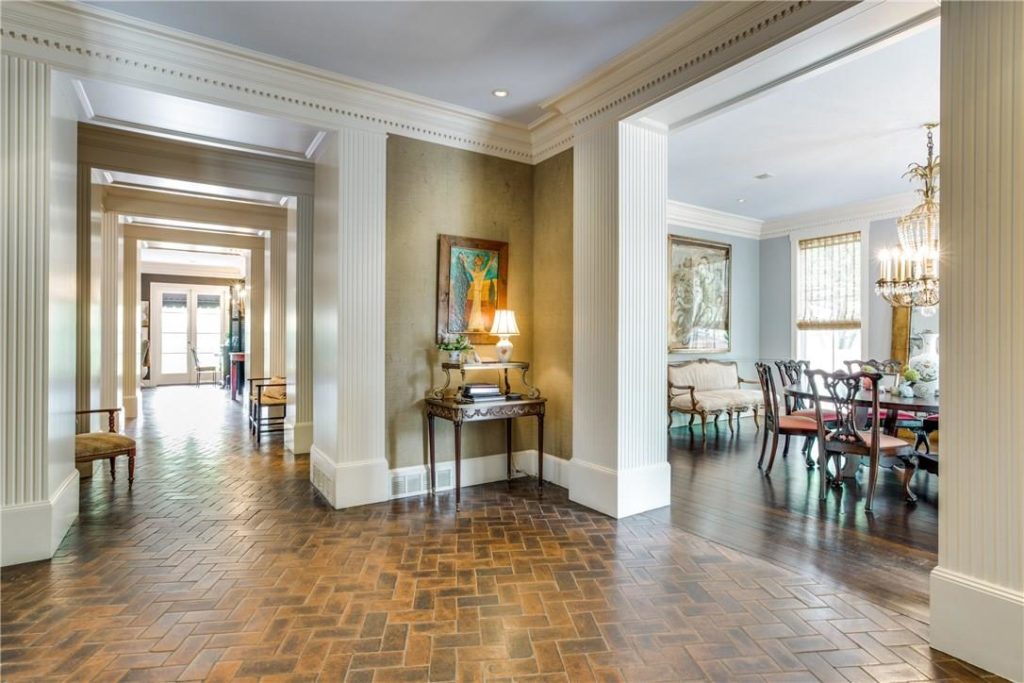
Upon acquiring an old home, owners have various approaches to renovation. They can choose to restore the home to its original historical period using authentic materials and period-appropriate designs. Alternatively, they can remodel it to incorporate modern amenities and open floor plans while preserving some of its vintage charm. A third option is to redecorate, infusing the space with personal style through contemporary finishes, unique hardware, vibrant paint colors, or eclectic decor, creating a unique contrast against the traditional backdrop. Understanding the home's history, energy efficiency, and potential for modernization is key to making informed renovation decisions.
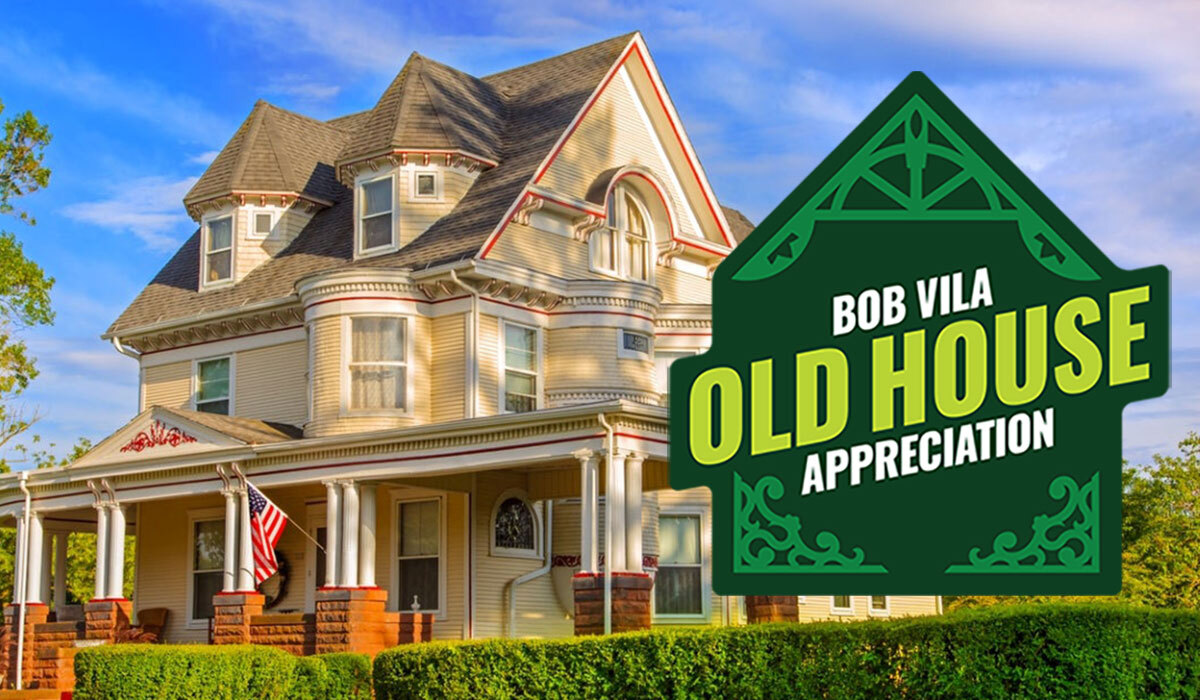
Drawing inspiration from various architectural styles and successful restoration projects can aid in envisioning the potential of an old home. Websites like BobVila.com feature examples of Victorian, Tudor, and Colonial homes, offering insights into restoration and design. Experiencing an older property firsthand by staying in an Airbnb or historic bed and breakfast can provide valuable perspective. Ultimately, while owning an old home demands preparedness and patience, it offers a rewarding opportunity to develop new skills, find continuous inspiration, and preserve a piece of architectural heritage.
#OldHomes #HomeBuying #RealEstate #HomeRenovation #HomeMaintenance #HistoricHomes #ArchitecturalStyles #HomeImprovement #PropertyInvestment #OldHomes #HomeBuying #RealEstate #HomeRenovation #HomeMaintenance #HistoricHomes #ArchitecturalStyles #HomeImprovement #PropertyInvestment
0 ความคิดเห็นรวม
 ยังไม่มีความคิดเห็น
คุณอาจจะชอบอีกด้วย
Guide to Buying Older Homes by Decade
Common Older Home Problems

When restoring historic homes, what’s old is new again


At Home with Marni Jameson: How to update older homes without messing them up
Here's What Nobody Tells You About Buying and Renovating a Historic Home

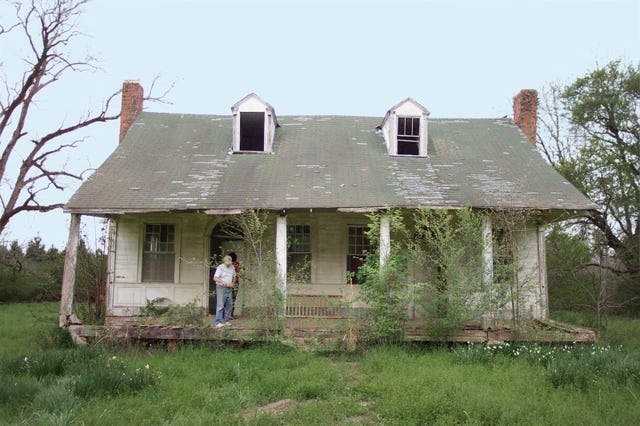
5 Common Mistakes Homeowners Make When Restoring Old Houses

Property Brothers’ Tips for Older Homeowners | Members Only

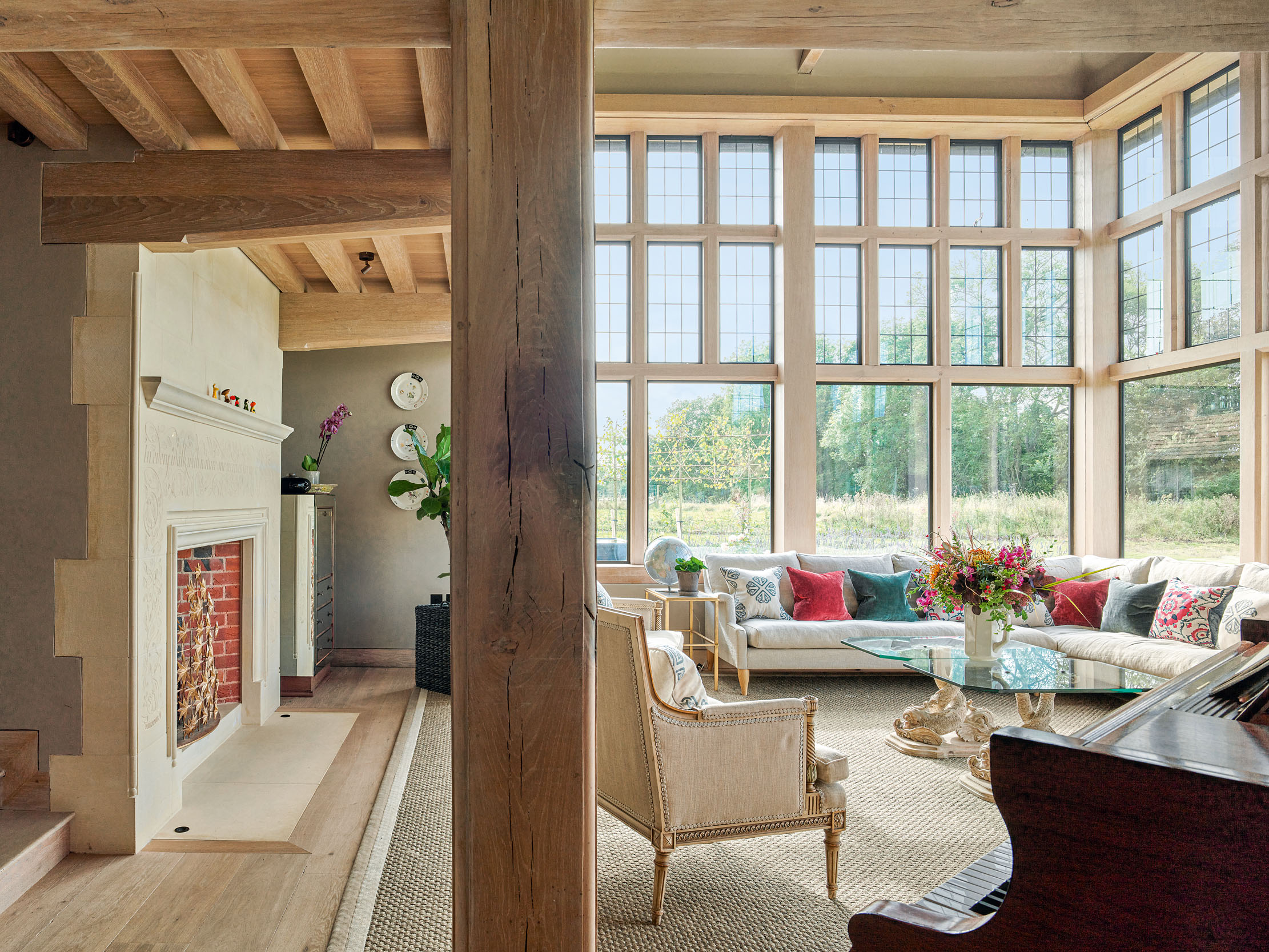
10 things I wish I'd known about doing up old houses before I started, by Country Life's interiors guru Giles Kime
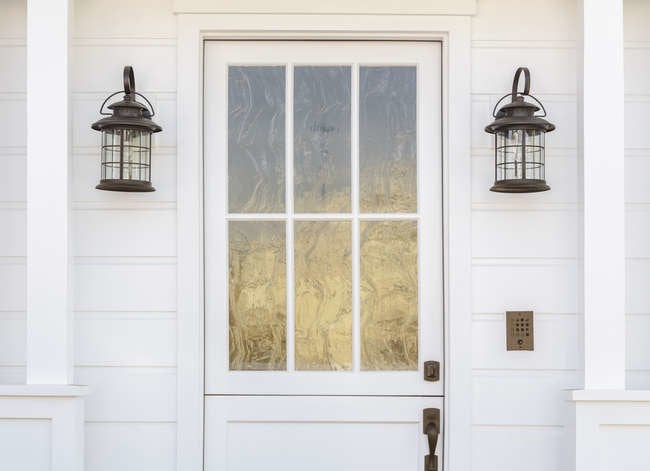
15 Old House Features We Were Wrong to Abandon
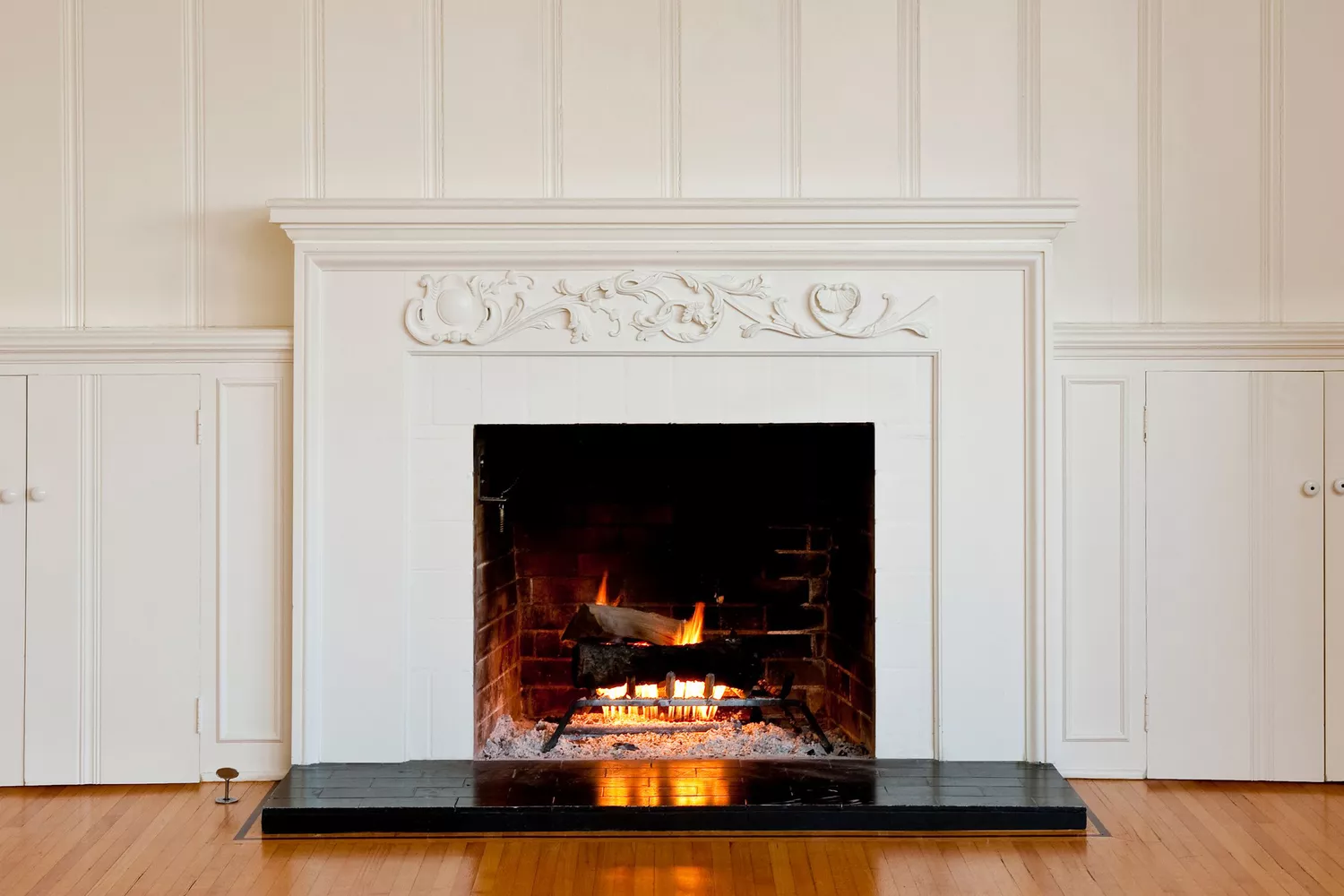
How to Update an Older Home While Honoring Its History

7 tips for restoring heritage homes to their former glory


You Can Teach an Old House Transitional Tricks With The Right Builder

Owning an Old House: Charming Love Affair or Expensive Money Pit?
7 Things You Should Always Preserve or Try to Save in an Old Home, According to Designers

Dallas Preservation Experts on How to Keep Your Historic Home and Why It Matters
6 things you should look past when viewing a property, according to real estate experts and interior designers

How to Keep Your Old Home From Becoming a Money Pit
Top tips for renovating old homes: Whether restoring or modernising, clever design is key

20 Things Home Buyers Will Hate About Your House

How home staging can help you sell your house faster & for more