1/2
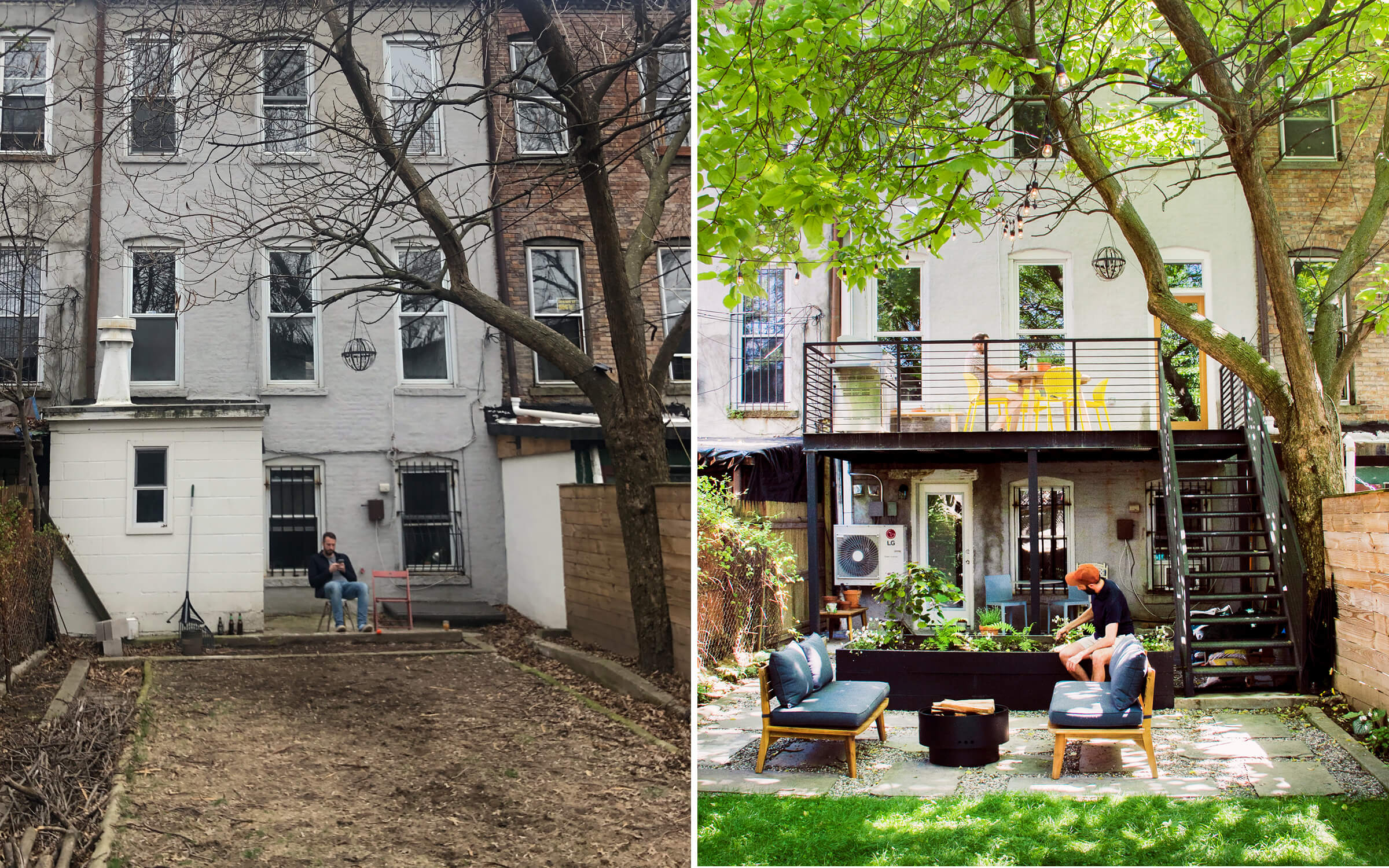
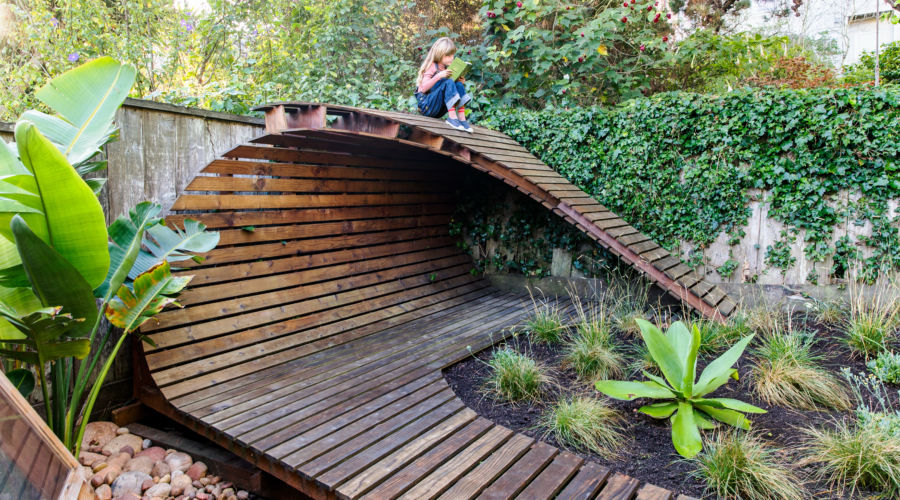
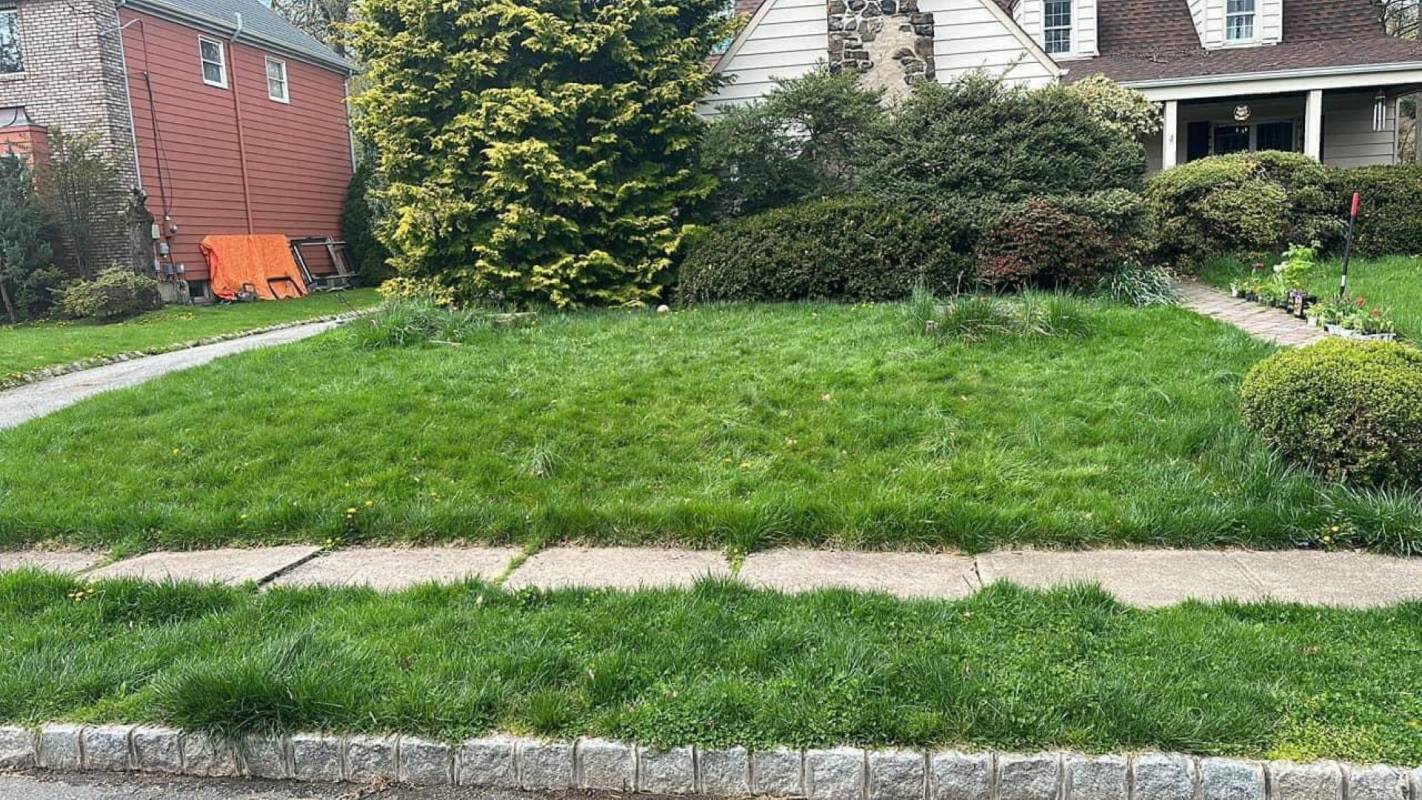
Proud homeowner shares before-and-after transformation photos of impressive backyard design: 'That looks incredible'
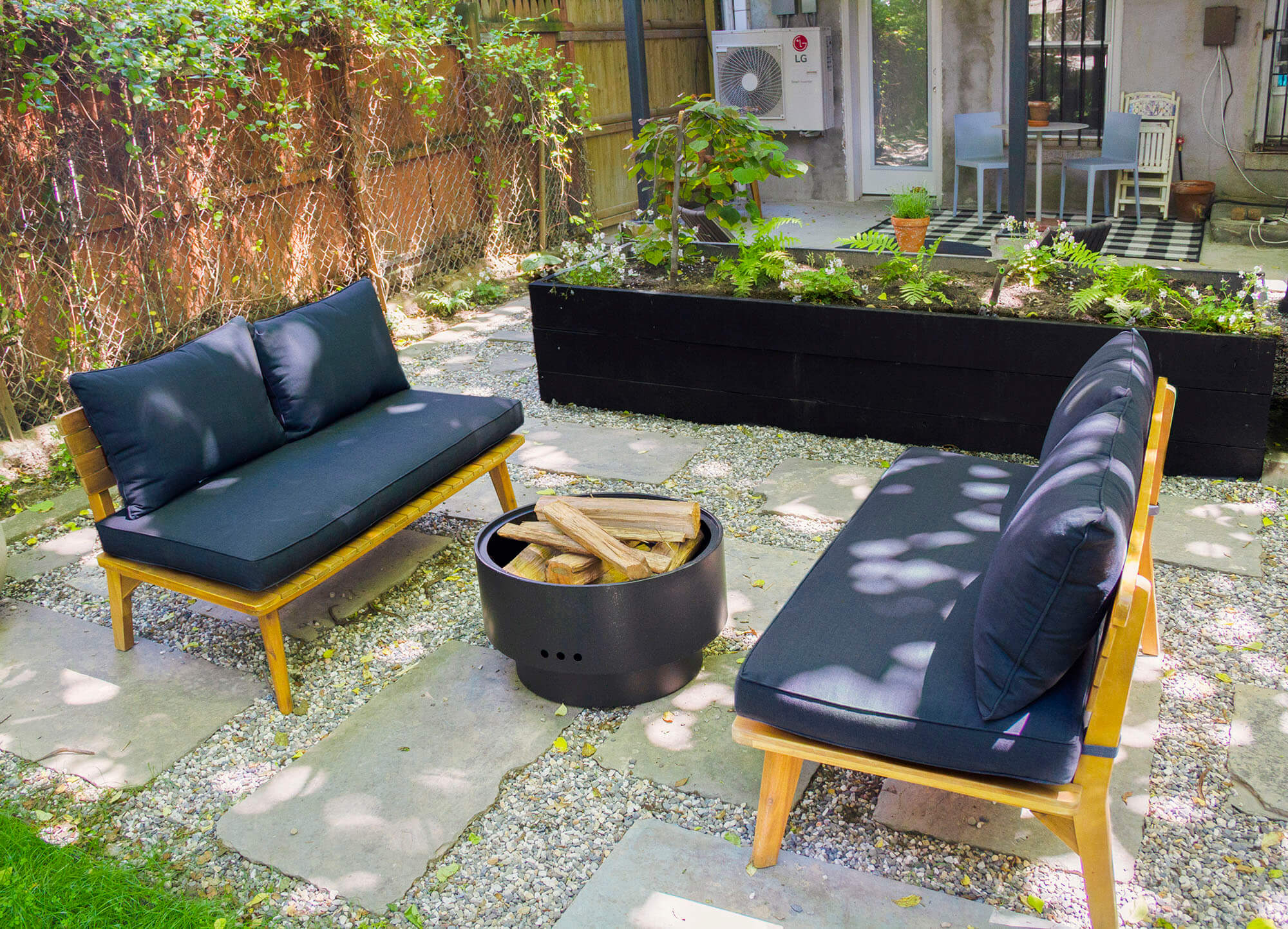
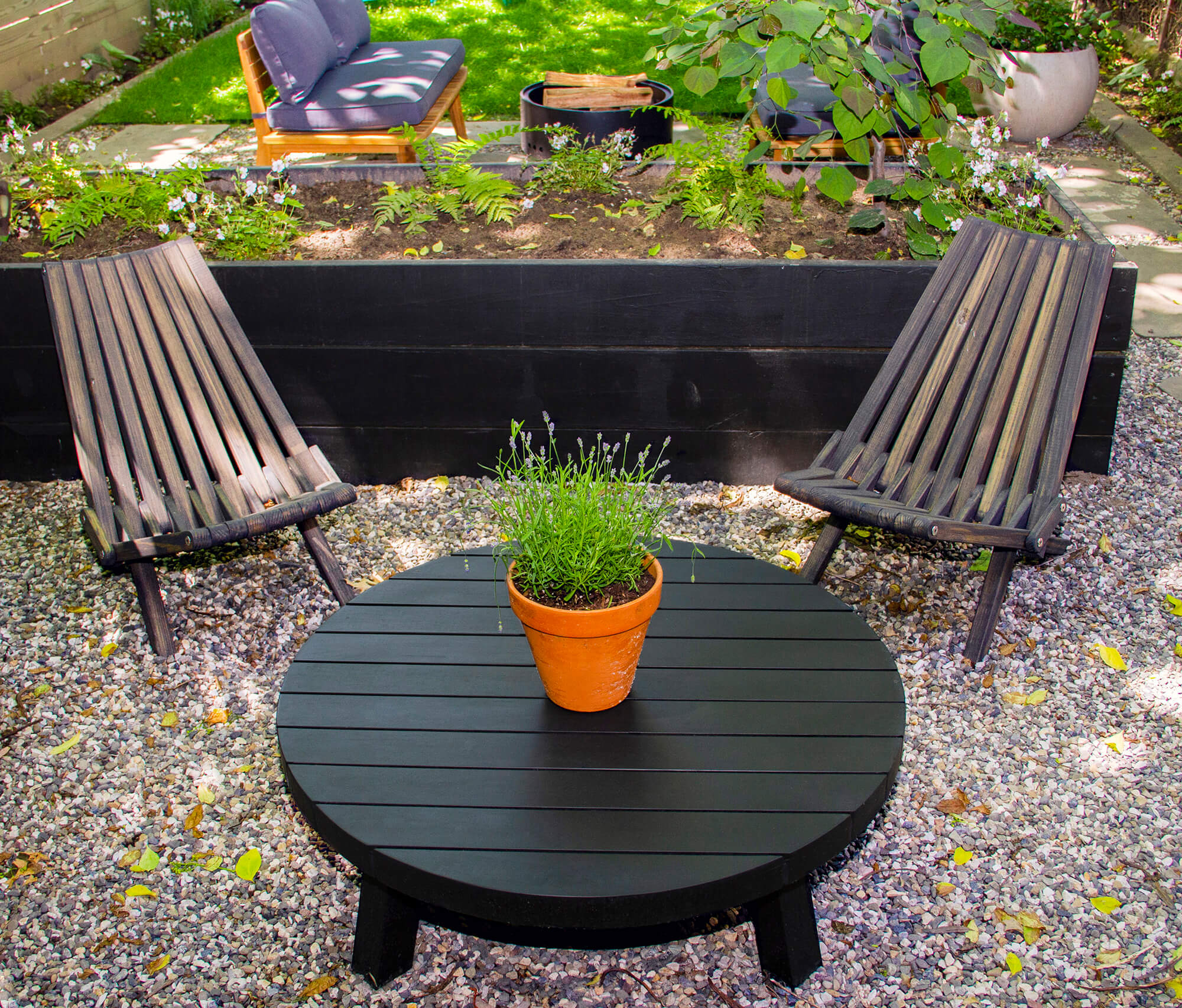
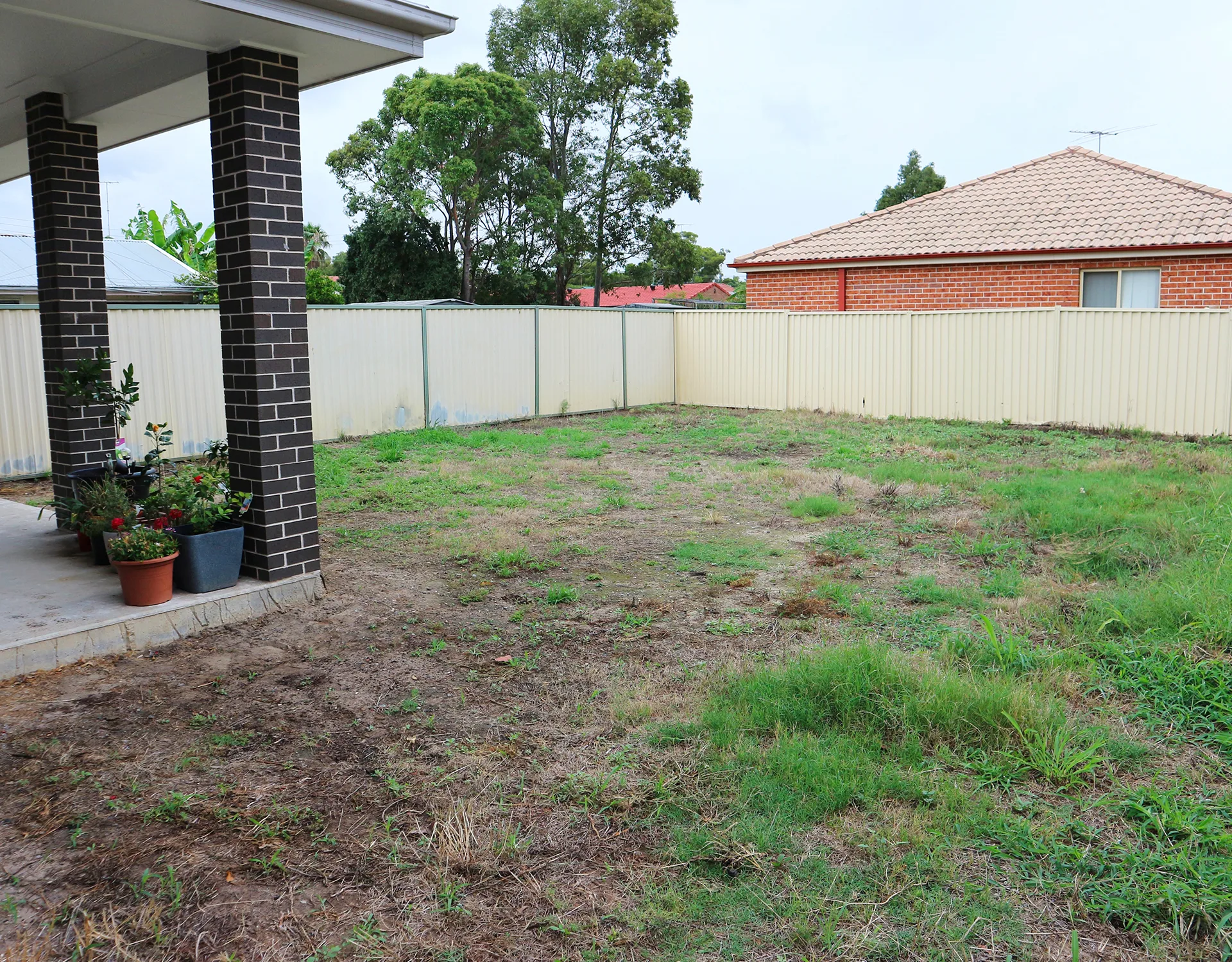
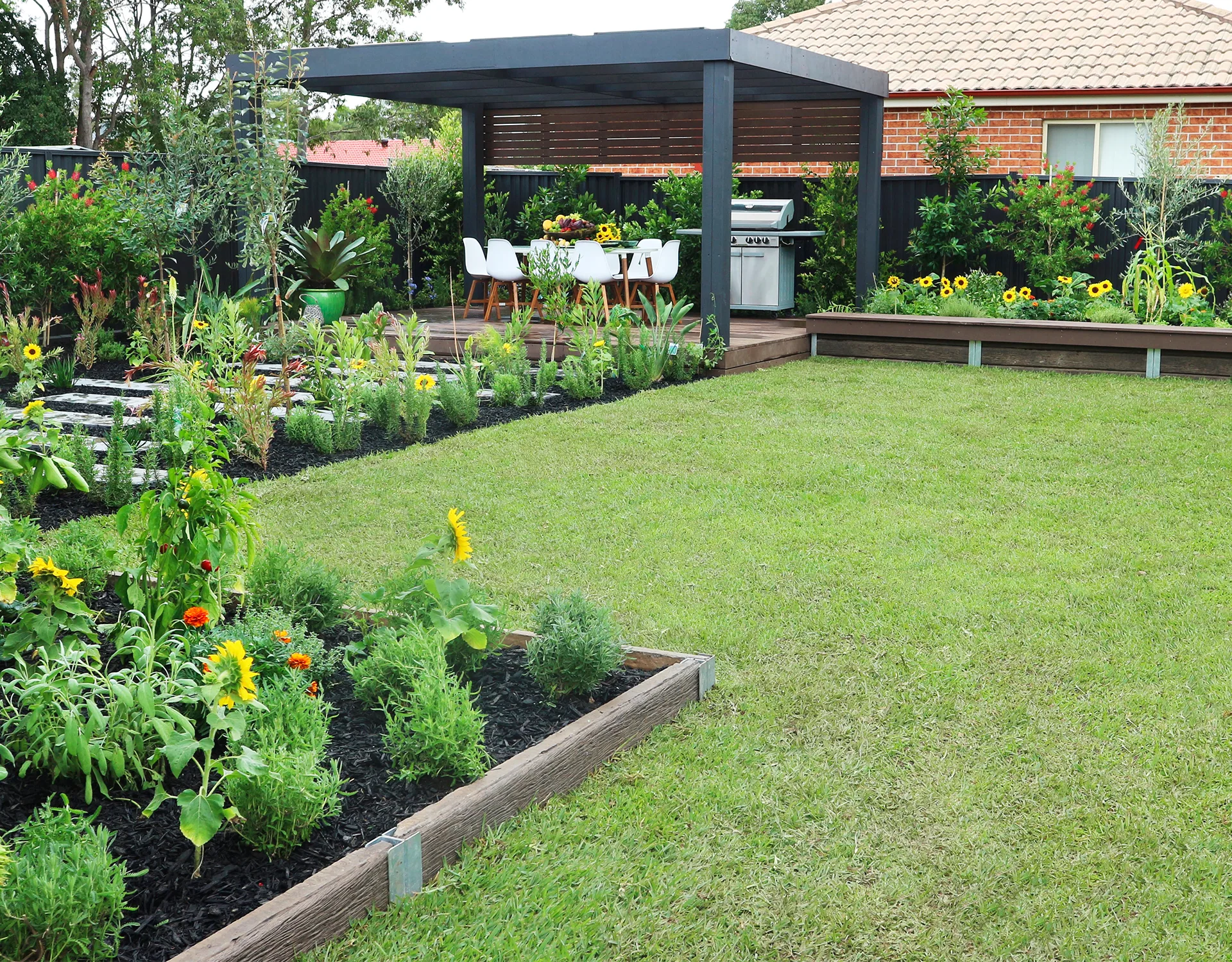
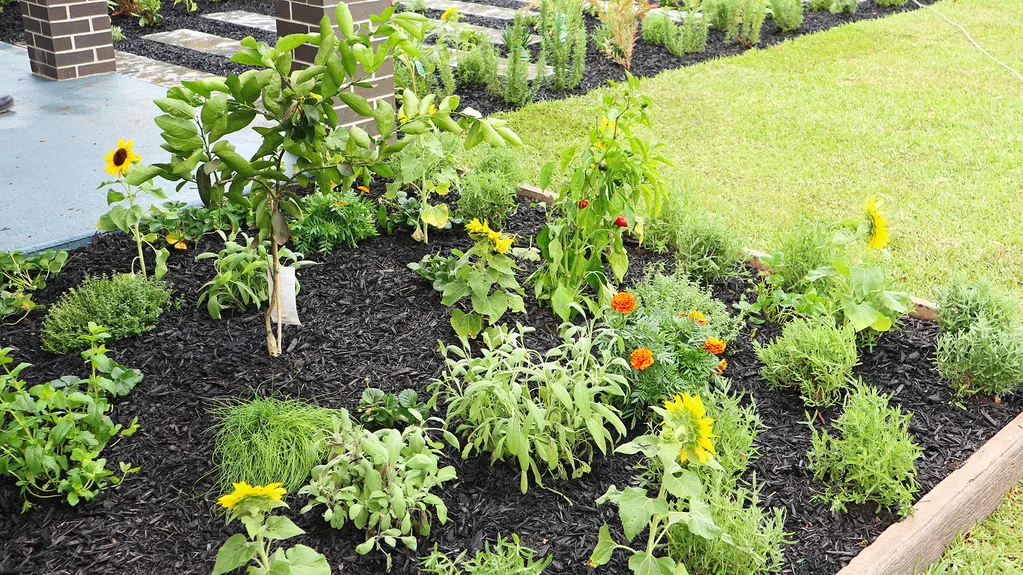
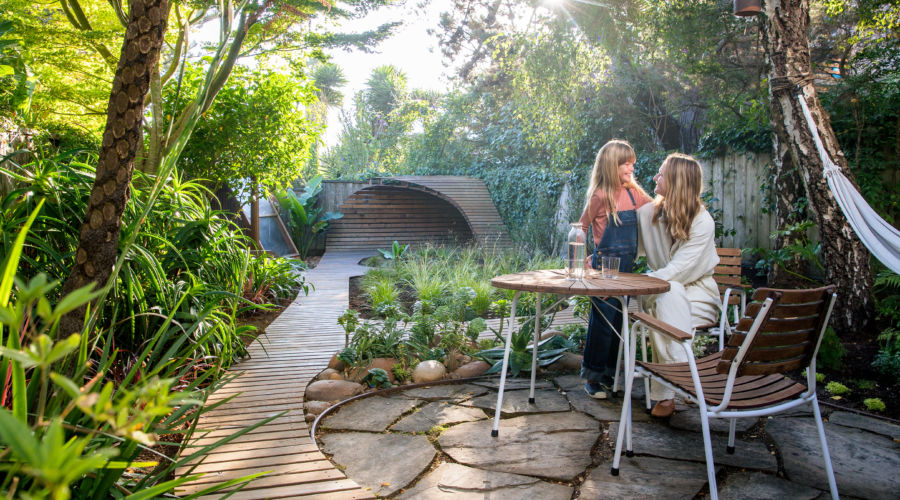
Homeowners are increasingly transforming their traditional lawns into more sustainable and biodiverse landscapes, often referred to as 'rewilding.' This movement involves replacing manicured turfgrass with native plants, grasses, and even fresh produce, creating environmentally beneficial and aesthetically pleasing spaces. A Redditor recently showcased a significant rewilding project, converting 900 square feet of turfgrass into a vibrant garden suitable for agricultural zone 6A, drawing widespread admiration from online communities.
Traditional lawns in the United States occupy approximately 40 million acres, and their upkeep demands substantial resources. This includes excessive irrigation, which depletes water resources, and the widespread use of fertilizers and pesticides. These chemicals are detrimental to pollinator populations, impacting their health and numbers. Furthermore, the regular mowing of these vast expanses contributes significantly to air pollution through the release of carbon dioxide and nitrous oxide, exacerbating climate change.
In contrast, native plants offer a superior alternative due to their inherent adaptation to regional climates. This adaptation means they require minimal maintenance, eliminating the need for frequent pruning, watering, fertilizing, or professional landscaping services. This shift can lead to substantial financial savings for homeowners, with potential reductions of $225 on water bills and $100 on fertilizers and pesticides annually. Beyond the economic benefits, native flora plays a crucial role in ecological restoration by attracting and supporting essential pollinators like bees, butterflies, and birds. These pollinators are vital for maintaining biodiversity and are responsible for pollinating 80% of the global food supply, leading to more abundant and healthier fruits and vegetables.
Several methods can be employed for rewilding a lawn. Homeowners can introduce environmentally friendly ground covers such as clover or buffalo grass, with even partial replacements yielding positive results. Another effective strategy is xeriscaping, which involves converting lawns to landscapes composed of soil, rocks, mulch, and drought-tolerant native plants. This method can reduce water consumption by 50-75% and promotes more efficient irrigation practices, such as using drip systems and soaker hoses to minimize water loss through evaporation.
The featured homeowner's transformation garnered enthusiastic responses from Reddit users, with many expressing their awe at the 'incredible' results and aspiration to undertake similar projects. The original poster revealed that while they initially began the arduous task of removing the turfgrass manually, they eventually rented a 300-pound rototiller from Home Depot to expedite the process, highlighting the physical demands of such a renovation if done without mechanical assistance.
#Rewilding #NativePlants #SustainableLandscaping #BackyardDesign #PollinatorGardens #Xeriscaping #EcoFriendlyHome #GardenTransformation #NoLawnsMovement #Rewilding #NativePlants #SustainableLandscaping #BackyardDesign #PollinatorGardens #Xeriscaping #EcoFriendlyHome #GardenTransformation #NoLawnsMovement
0 ความคิดเห็นรวม
 ยังไม่มีความคิดเห็น
คุณอาจจะชอบอีกด้วย

Backyard Makeover Reveal and Tour
Before & After: A Ranch House Remade
5 Great Backyards to Inspire Your Own Outdoor Renovation


18th-Century Lumberton Farmhouse Gets an Eclectic Makeover
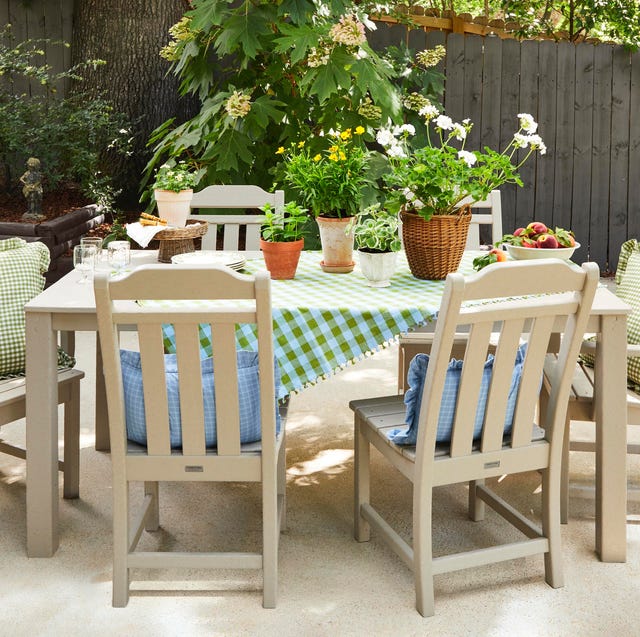
My 111-Year-Old Bungalow Finally Got the Outdoor Makeover It Deserves

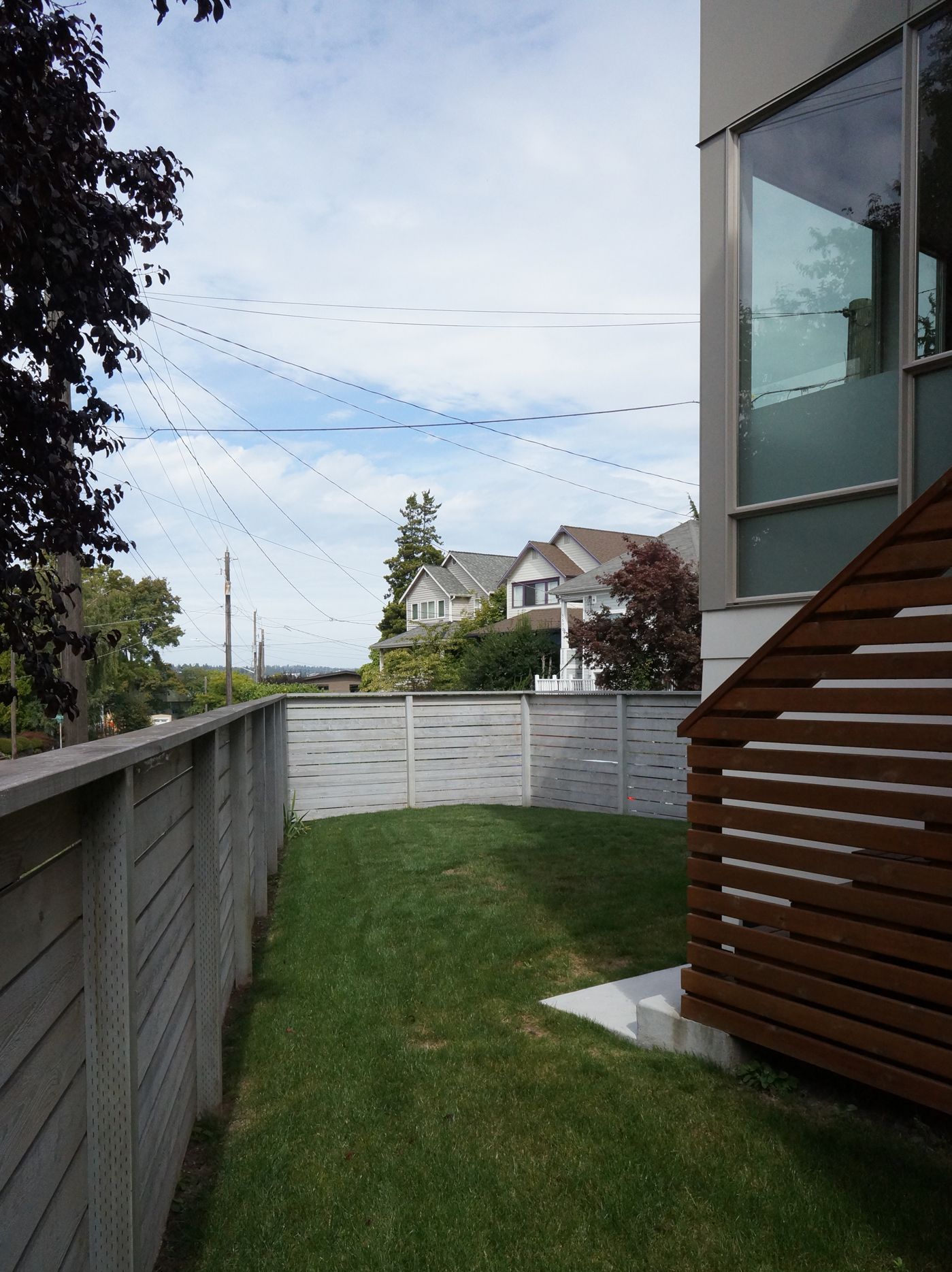
An Oddly Shaped Seattle Backyard Gets a Whole New Look

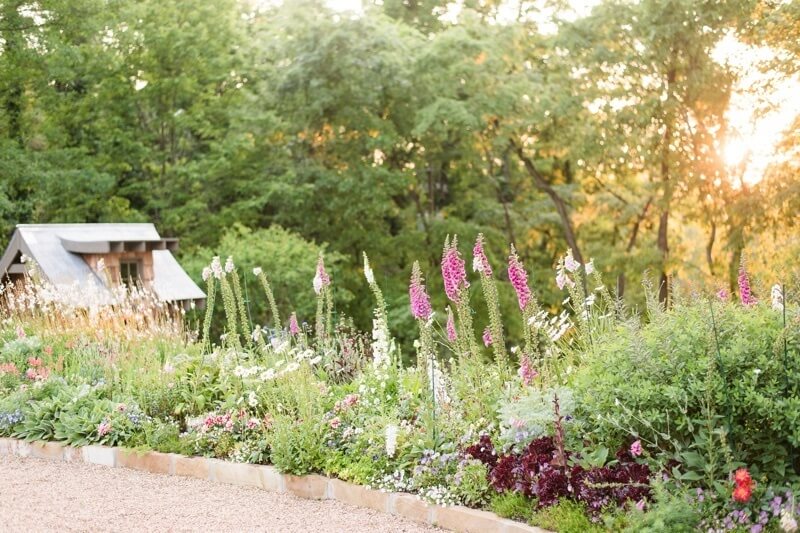
This May Be One of the Most Beautiful Yards You’ll Ever See!


Brooklyn Garden: From Weeds to Wonderful With Groundworks

An Amazing Ranch Home Transformation
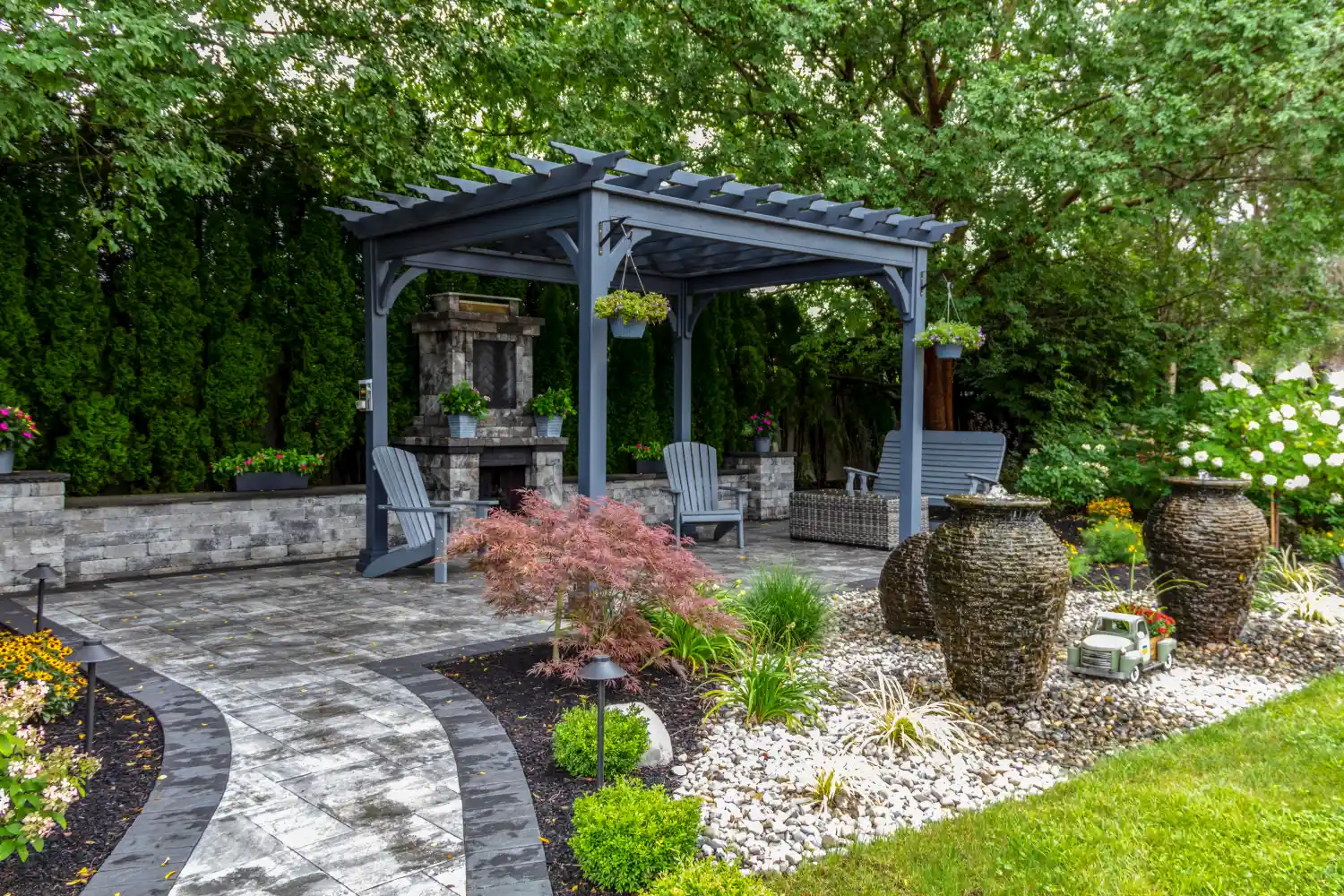
5 Backyard Design 'Upgrades' That Lower Your Home’s Value—and What to do Instead
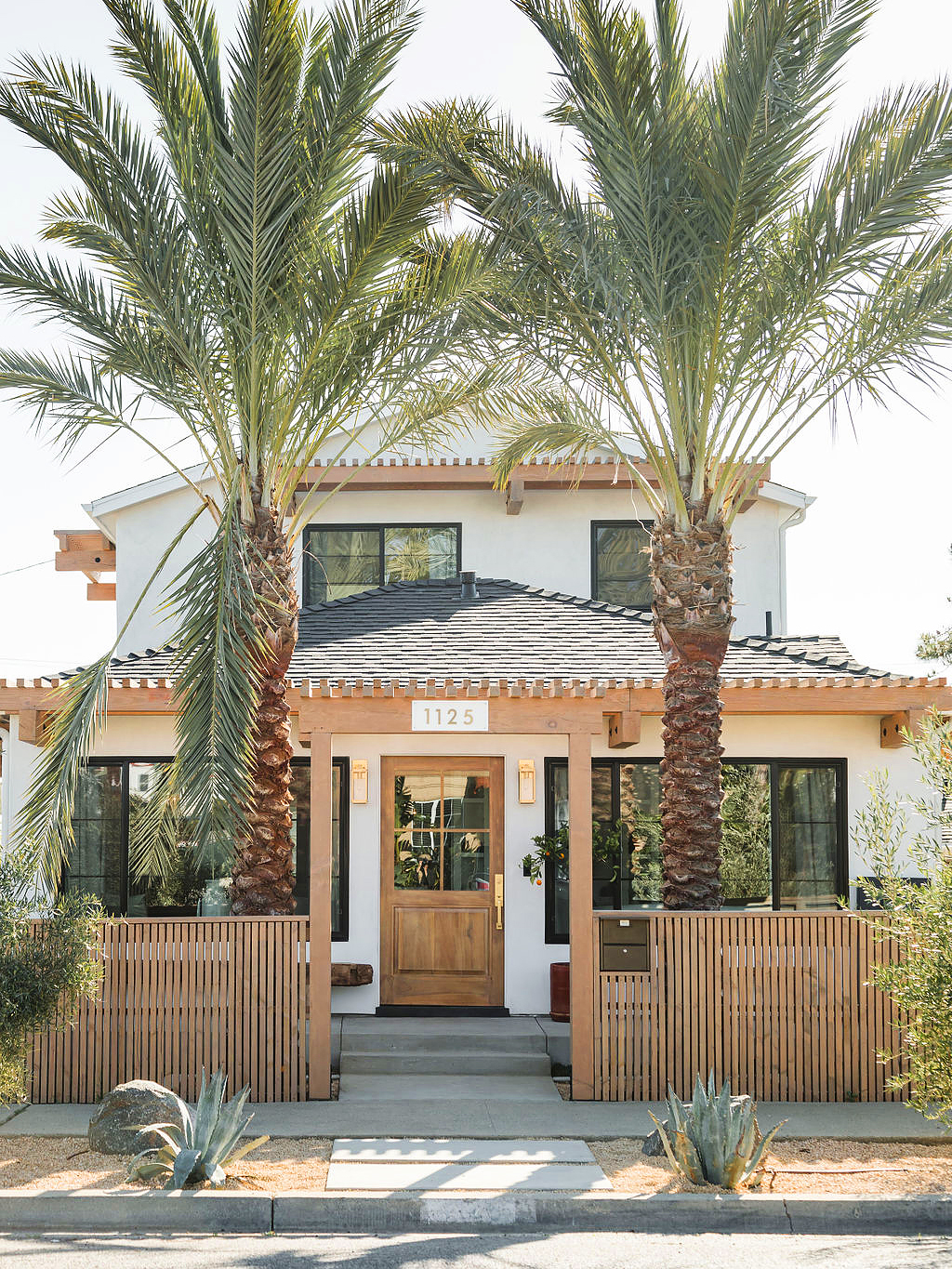
This SoCal Home Had Nowhere to Hang Outside—Now It Has 4 Decks and 5 Pergolas
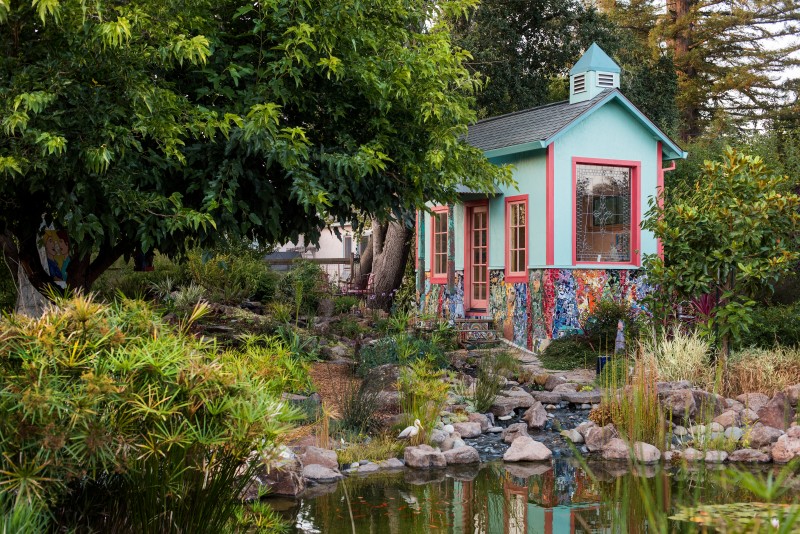
Creative Couple Transforms Sebastopol Ranch House Into Joyful Work of Art

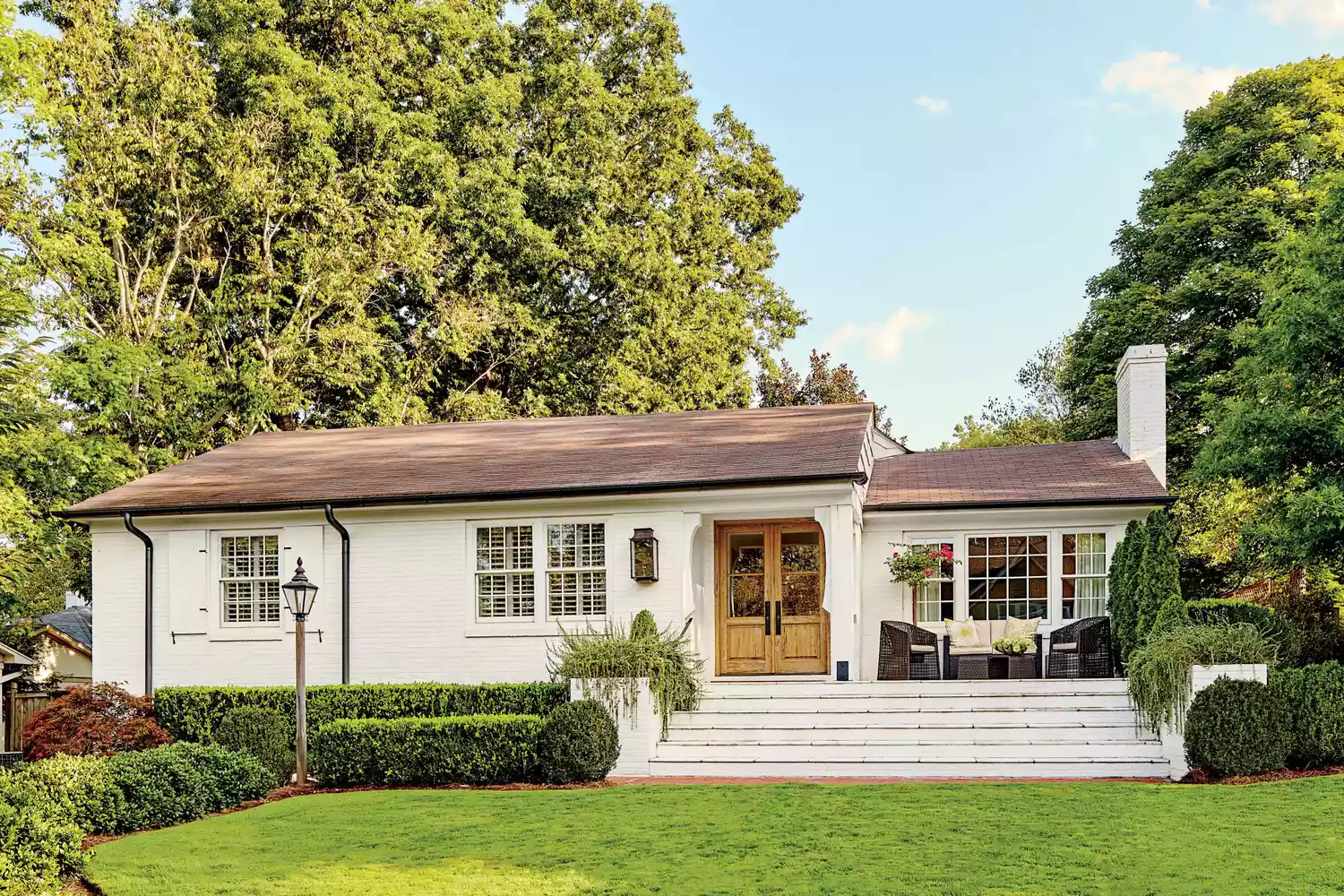
A 1950s Ranch-Style Home Gets A Dramatic Renovation
See How a Designer Took This Project From Abandoned Mobile Home to Modern Family Oasis
30 Years Later, This Homeowner Finally Built His Dream Childhood Treehouse

This San Francisco Cottage Has Seriously Cool Outdoor Features
Amazing transformation of a stark suburban backyard

Before & After: This $57K Ranch House Revamp Proves You Can Never Have Too Many Plants

Backyard Design Choices That Are Making It Harder For You To Sell Your House
What the Heck Is a Garden Room? (And Why Is Everyone Talking About Them?)