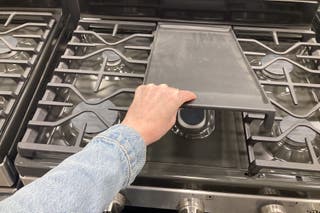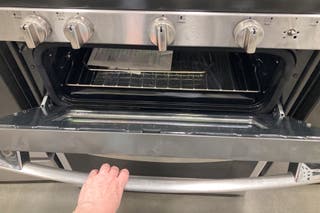
1/7
I Tried the Tesla of Induction Stoves. It Could Be the Future. | Reviews by Wirecutter
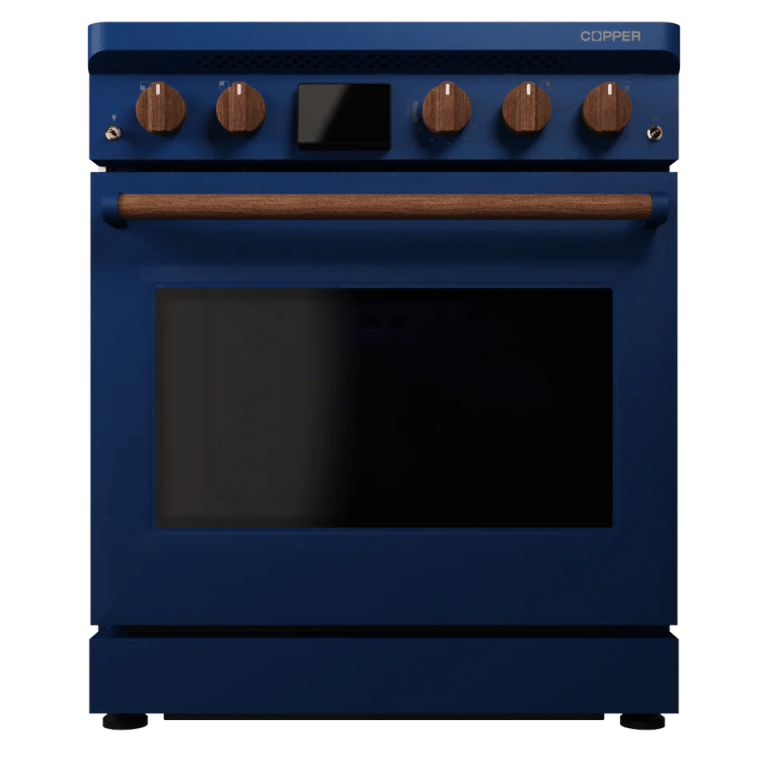
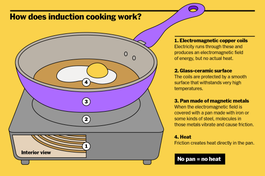
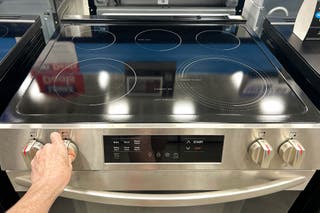
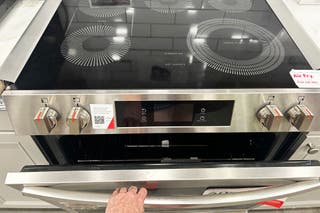
The article explores the Copper Charlie induction stove, a battery-assisted appliance designed to address the common hurdle of requiring a 240-volt outlet for induction cooktops. Many homes lack this electrical setup, making traditional induction stoves inaccessible without costly and time-consuming electrical upgrades. The Copper Charlie, however, operates on a standard 120-volt outlet, utilizing a rechargeable lithium-ion phosphate (LFP) battery, similar to those found in electric cars, to store and supply power for cooking.
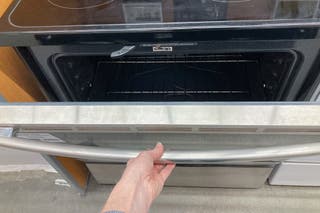
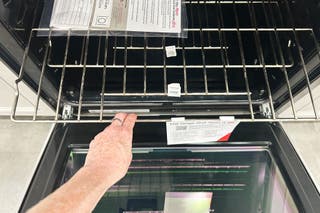
The author, a seasoned appliance expert, conducted a comprehensive evaluation of the Copper Charlie. The testing methodology mirrored that used for conventional induction cooktops, including simmering sauces at low temperatures, searing proteins at high heat, and boiling water to assess speed and evenness across various pot sizes. The stove's ability to handle multiple elements simultaneously was also tested, demonstrating its capacity for heavy cooking loads. The oven component was evaluated by baking cookies to check preheat times and temperature consistency. The results showed that the Charlie performed comparably to, and in some cases even faster than, traditional 240-volt induction cooktops, boiling 10 cups of water in under 10 minutes and preheating its oven to 350 degrees Fahrenheit in just four minutes. This performance was achieved even when operating multiple cooktop elements and the oven concurrently, indicating the effectiveness of its battery system in providing sustained power.
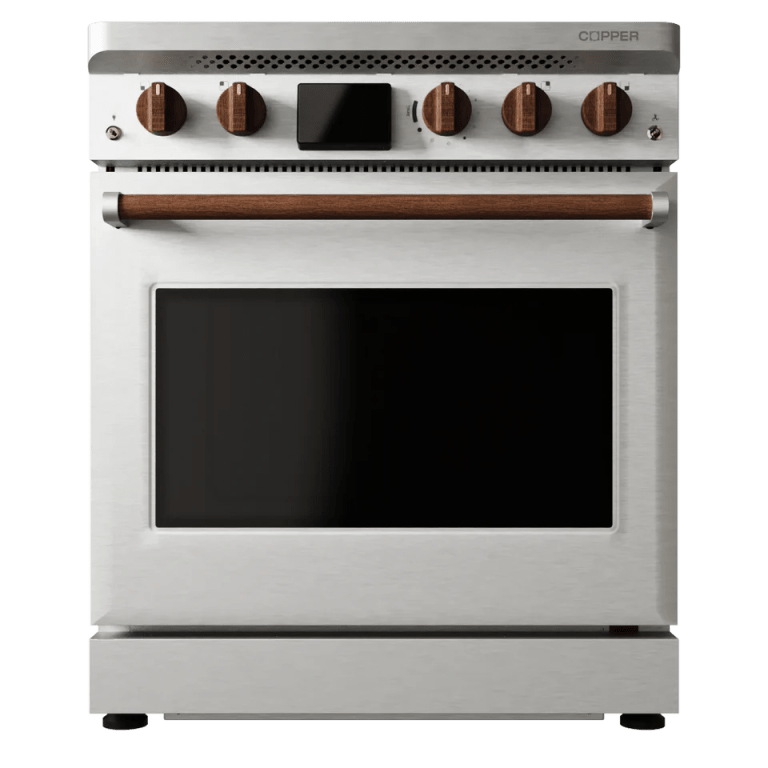
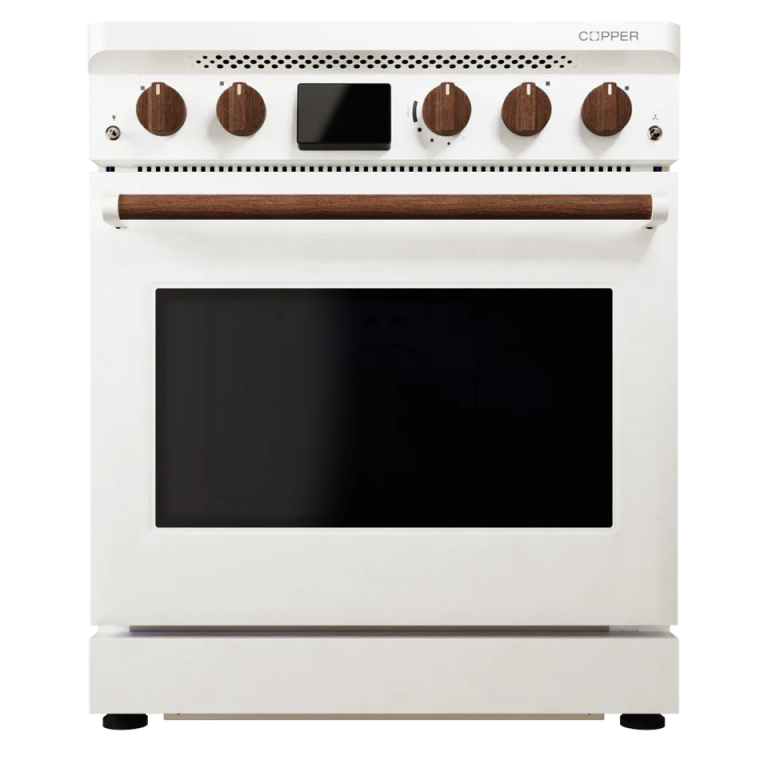
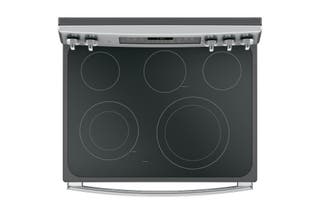
Beyond its core functionality, the Copper Charlie offers several notable features. It operates significantly quieter than most induction cooktops, as its battery-driven power supply mitigates the humming often associated with AC-powered induction units. The stove incorporates sturdy, large physical knobs for controlling the cooktop, a design choice that deviates from the common touchscreen interfaces of many modern induction ranges, which can be less user-friendly when wet or greasy. Aesthetically, the Charlie boasts a thoughtfully designed appearance, available in stainless steel, bright blue, and white finishes, with an optional upgrade to black-walnut wood handles and knobs. Its cooktop features a symmetrical, evenly spaced four-element layout, familiar to users of traditional gas and radiant-electric stoves, and each element has 21 heat settings for precise control. The stove is also Wi-Fi-enabled, allowing for future firmware updates and the addition of new features, and its smart charging system automatically optimizes battery charging during periods of lower electricity cost.
However, the article also highlights several drawbacks. A significant concern is the nascent stage of safety standards for battery-equipped stoves; existing UL Solutions certifications for electric ranges do not yet fully encompass this new technology. While Copper asserts it has tested the Charlie to relevant safety standards and its battery is UL certified, the lack of a specific UL certification for battery-equipped ranges is noted. The stove is also expensive, priced at $6,000 for the base model, though a 30% federal battery-storage technology tax credit can reduce the final cost. Despite its premium price, it lacks some common features found in cheaper ranges, such as air-fry or pizza modes, self-cleaning, or a basic timer. The company itself is a new startup, which poses potential risks regarding long-term service and support, and high demand means customers may face several months of waiting for delivery. Furthermore, the Charlie currently lacks Energy Star certification, disqualifying it from federal electric-appliance rebate programs.
Ultimately, the Copper Charlie is presented as a compelling option for consumers who desire an induction stove but are unable or unwilling to undertake a 240-volt electrical upgrade. Its performance, design, and innovative power solution make it a strong contender for those facing electrical constraints or seeking an alternative to gas stoves, particularly if the tax credit is utilized. However, potential buyers must weigh the high cost, the early stage of regulatory certification, and the risks associated with a new company and product against these benefits. For those with existing 240-volt hookups, more established induction ranges from larger brands may offer a more conventional and potentially more affordable solution with proven service and support.
#InductionStove #BatteryAssisted #CopperCharlie #KitchenAppliances #HomeTechnology #EnergyEfficiency #SmartHome #ApplianceReview #InductionStove #BatteryAssisted #CopperCharlie #KitchenAppliances #HomeTechnology #EnergyEfficiency #SmartHome #ApplianceReview
0 ความคิดเห็นรวม
 ยังไม่มีความคิดเห็น
คุณอาจจะชอบอีกด้วย

The Best Electric Induction Cooktops of 2026


10 Best Induction Cooktop Hob: Portable and built-in induction cooker

The 6 Best Electric Stoves and Ranges of 2025 | Reviews by Wirecutter
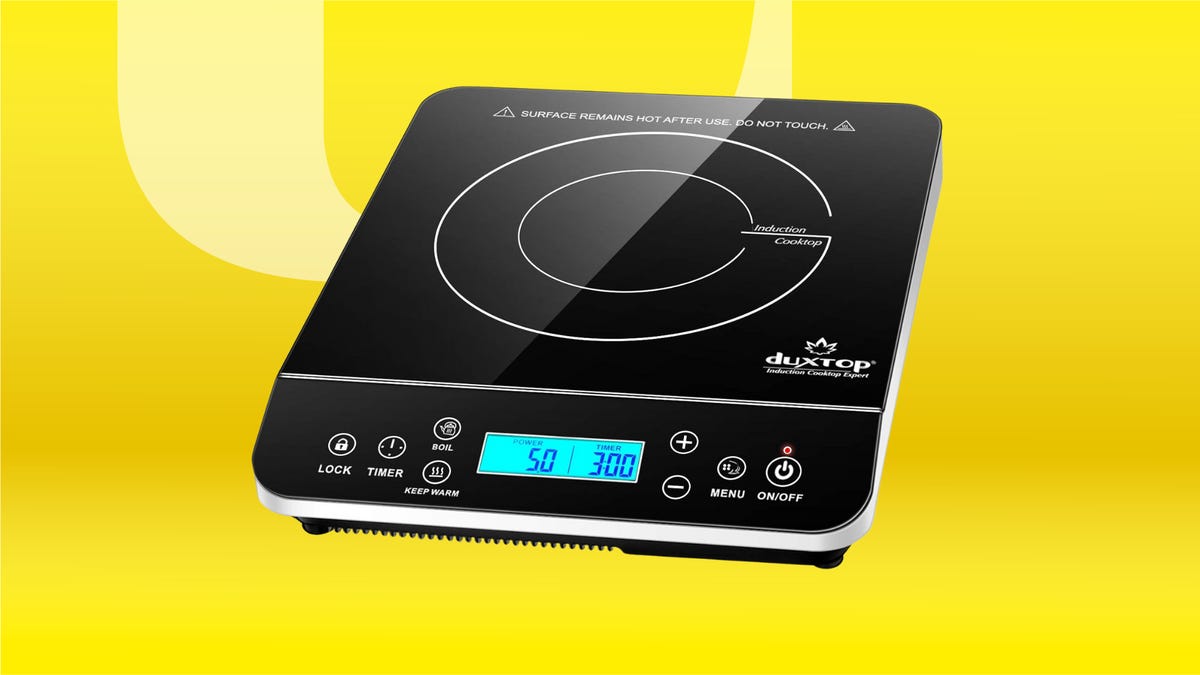
Prime Day Deal: This Portable Induction Cooktop Saved Me During a Kitchen Remodel and Right Now It's 21% Off

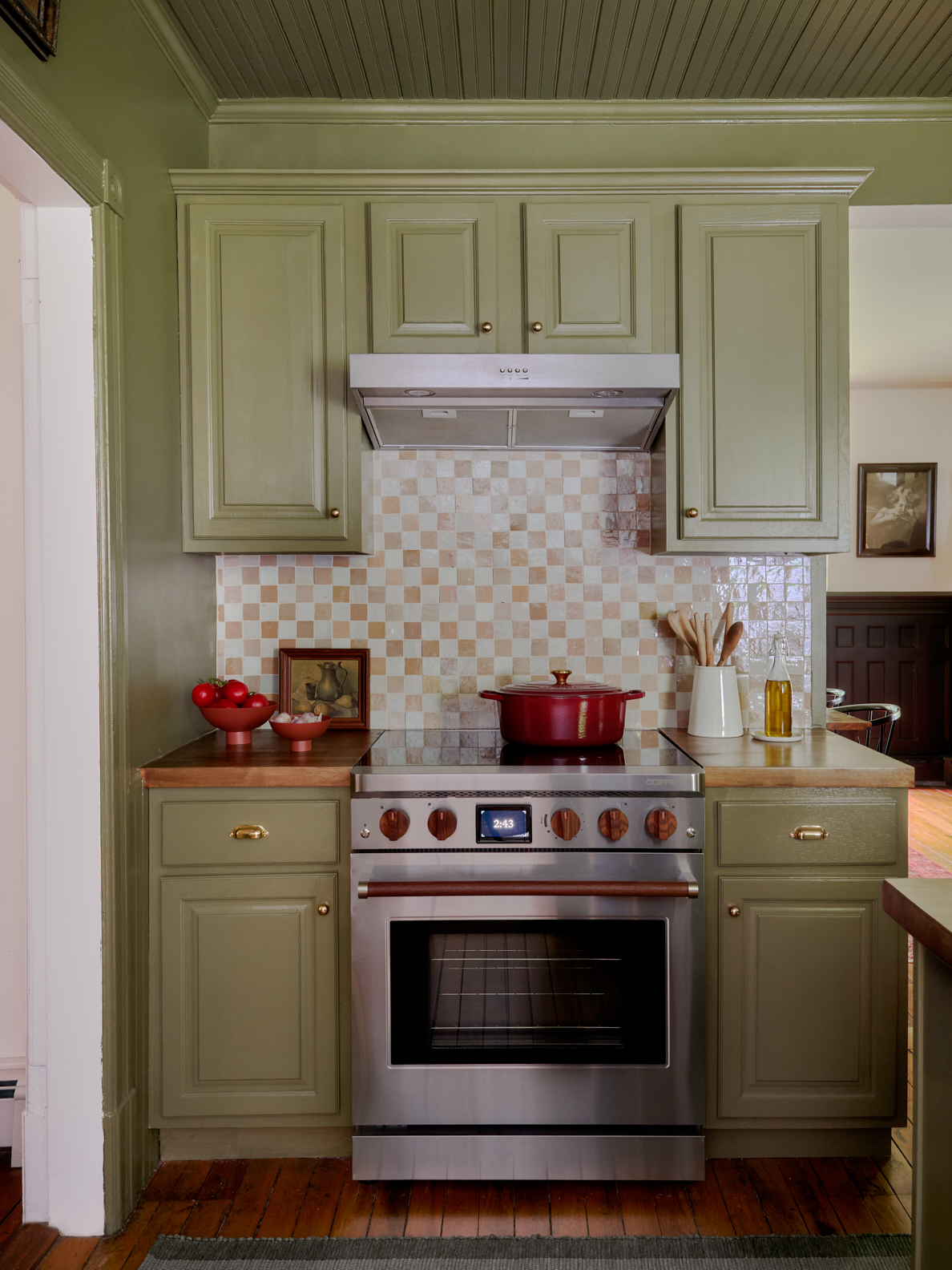
This Sleek Battery-Powered Range Converted Me to Induction for Life

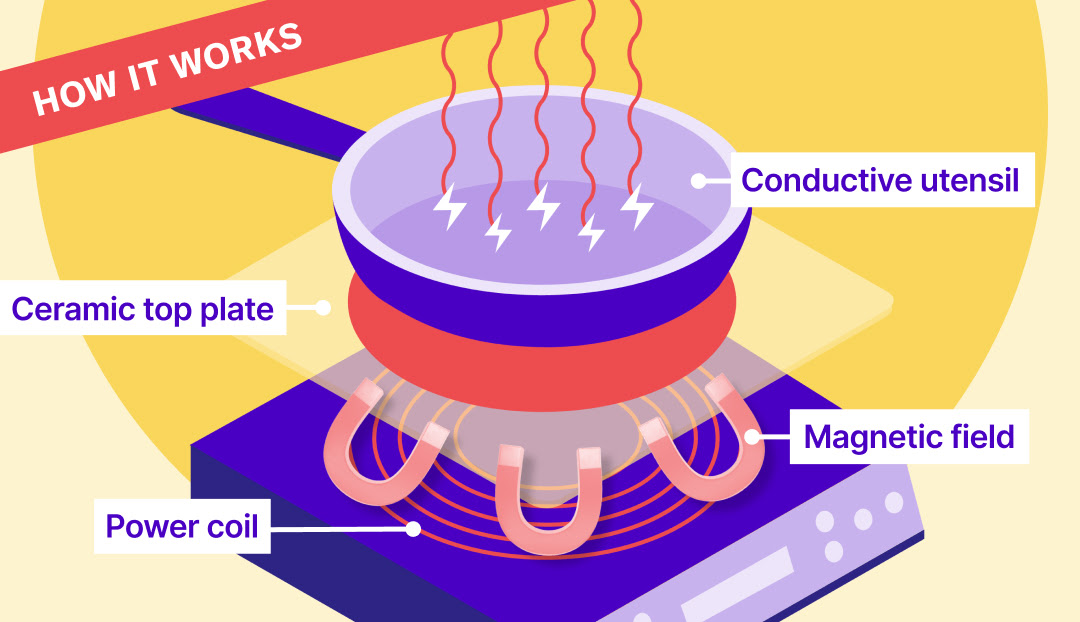
Induction 411

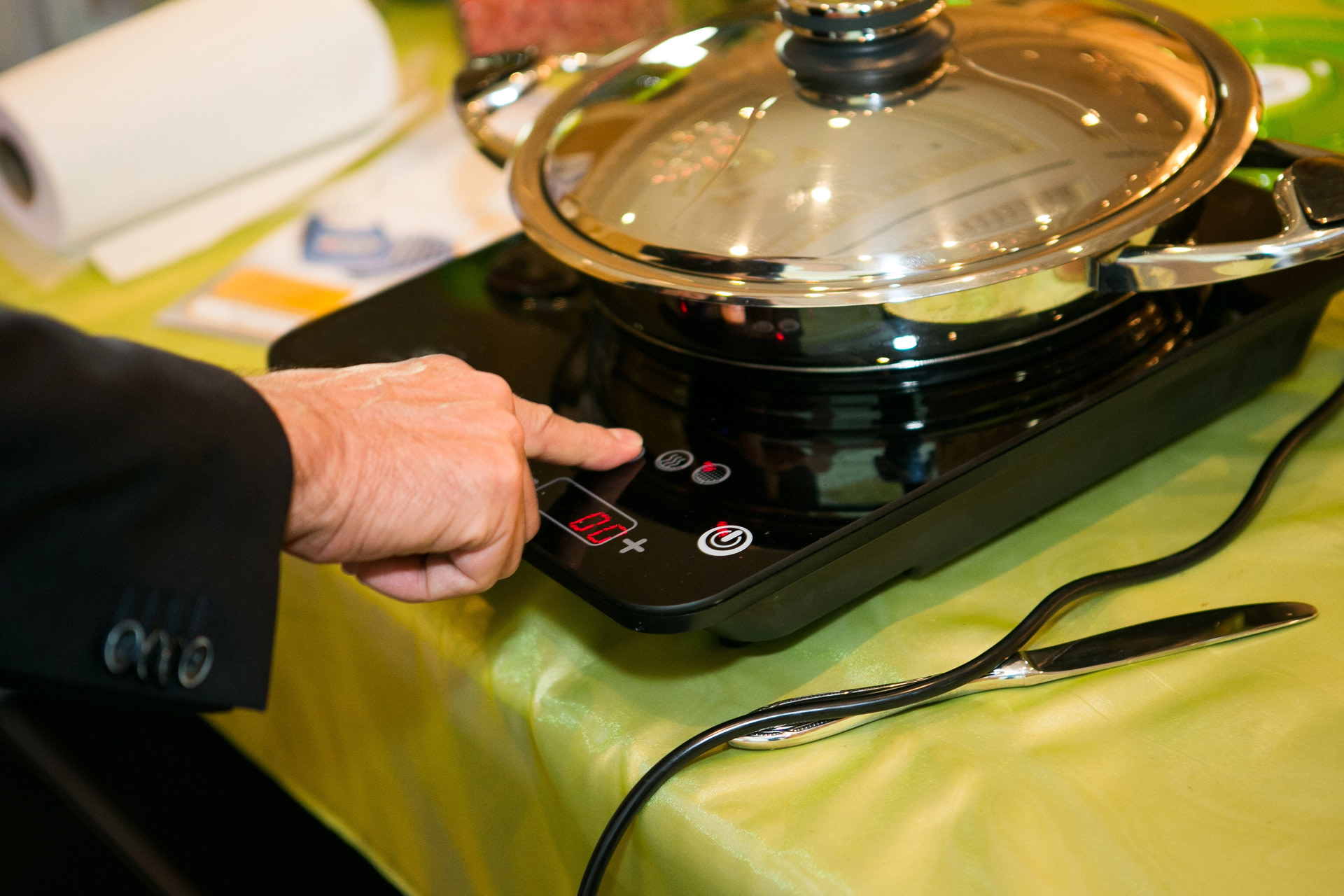
Home cook shares excitement after finding game-changing kitchen appliance on the cheap: 'Get one'


The best hobs to buy in 2025, including induction, ceramic and vented

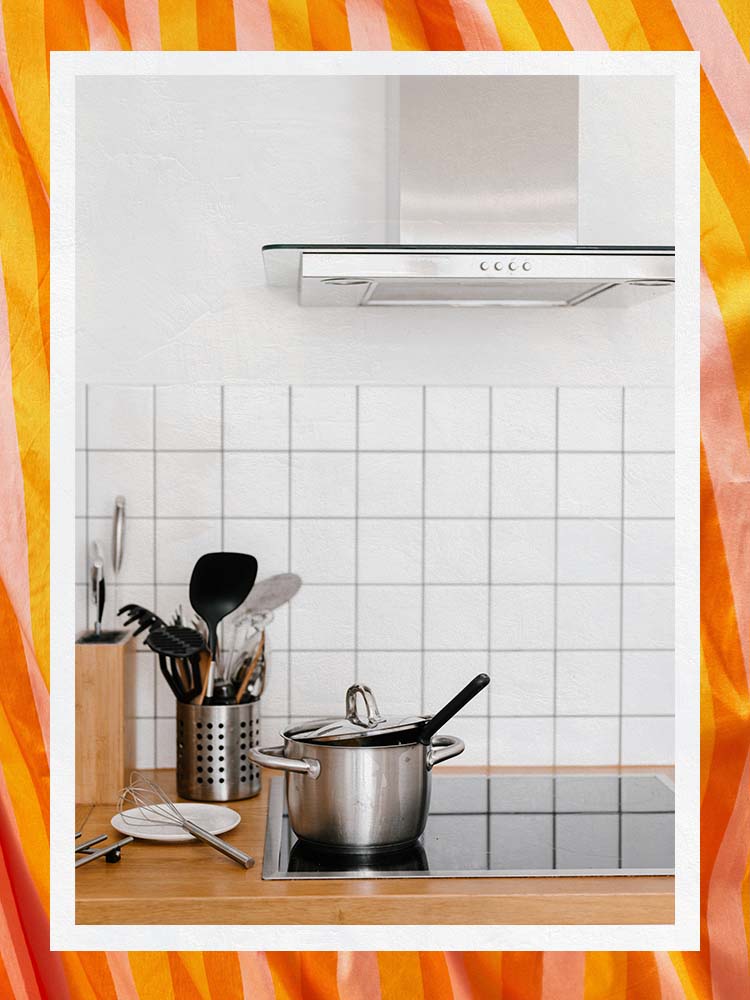
The Best Induction Cooktops Beat Gas in Heating Time and Eco-Friendliness
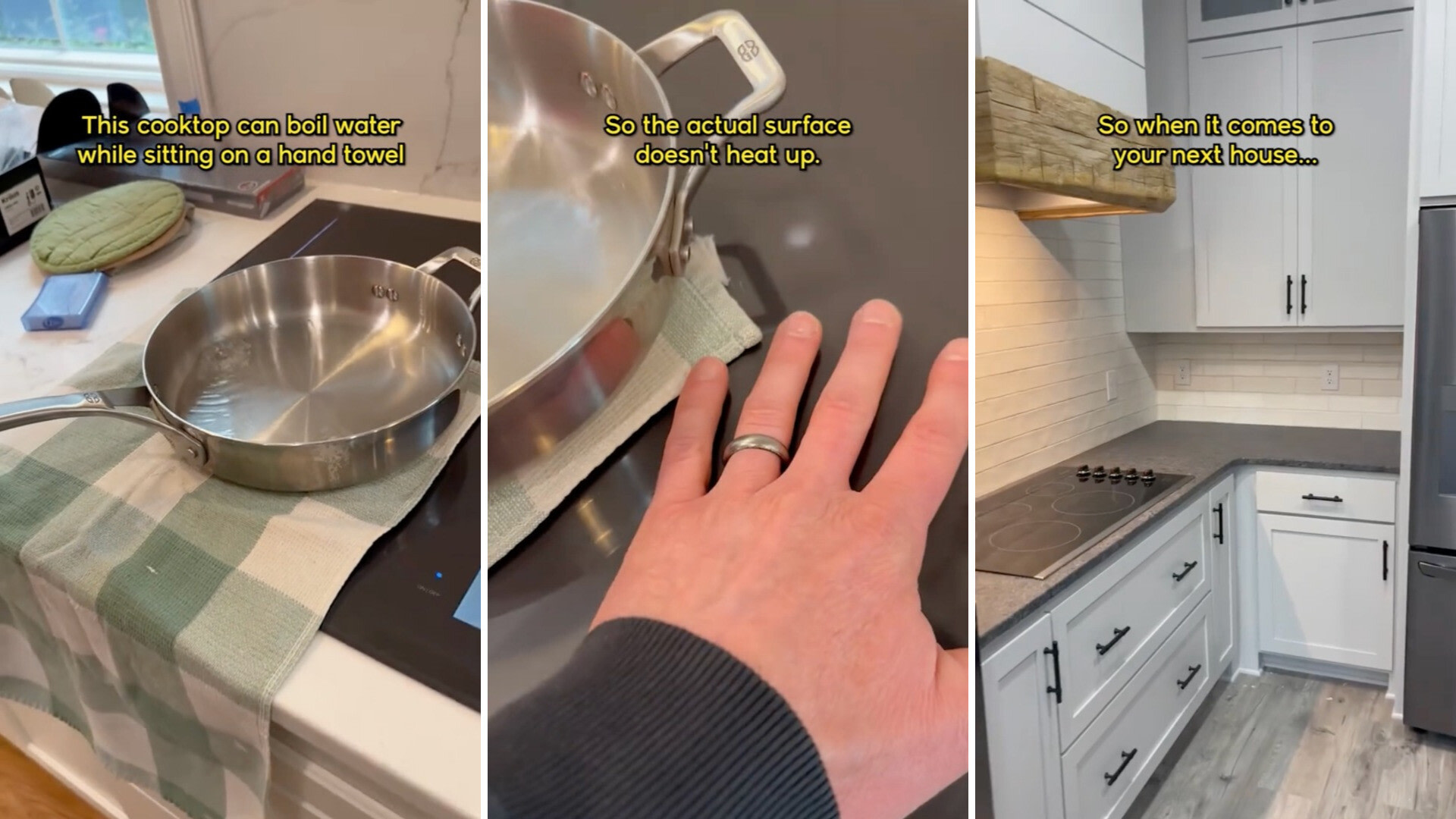
Homebuilder shares candid thoughts about the stovetop trend taking over modern kitchens: 'I didn't realize the benefits'

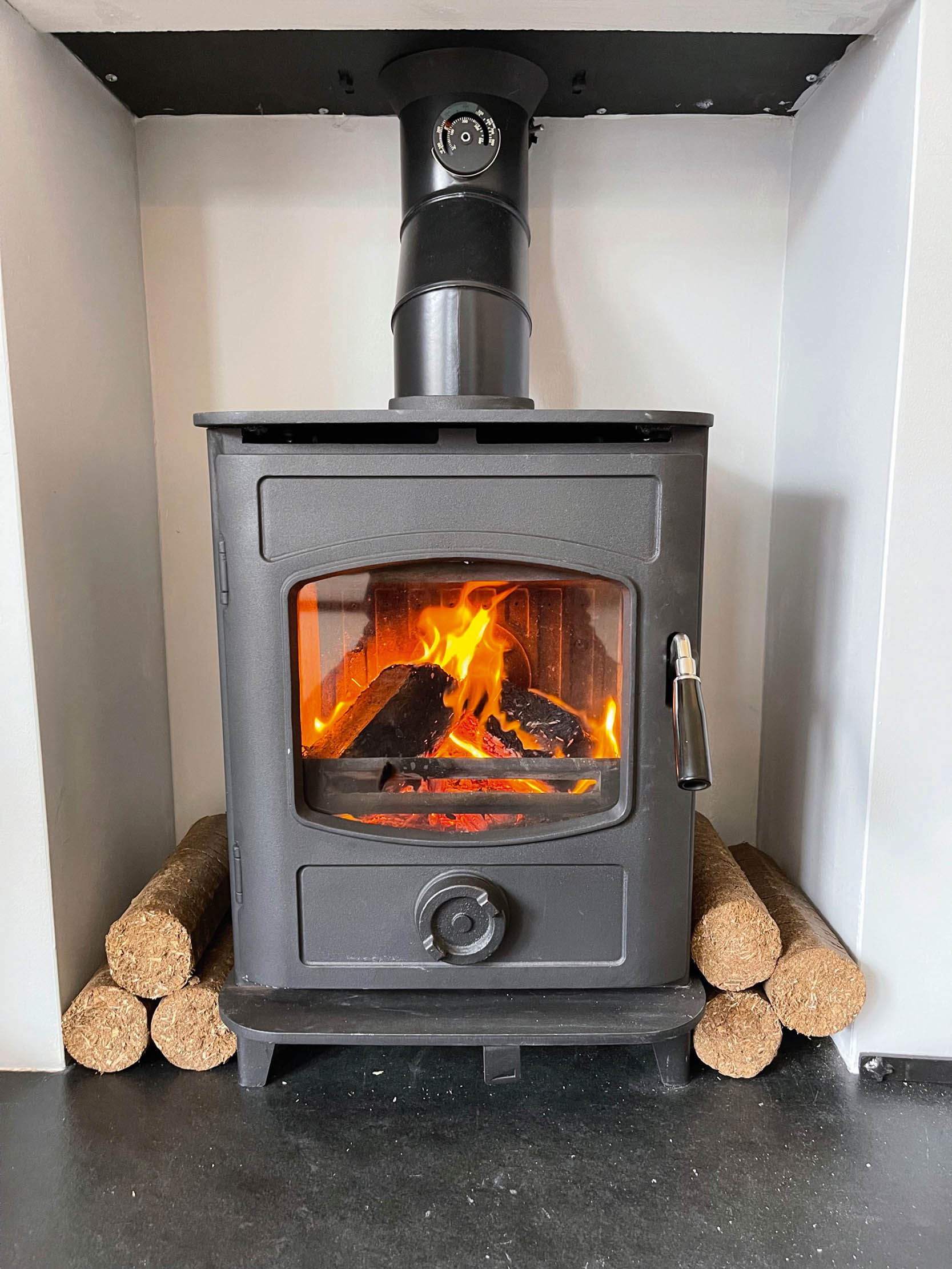
More heat, less fuel: How modern tech has lit up a new era of log-burning stoves

6 Sleek Slide-In Electric Ranges We Like
![New homeowner searches for kitchen advice after husband pushes for induction stove: 'I don't know anything about [it]'](https://gstatic.ideal.house/news/images/21754/0da49b46bb004440867185ebe7e66b47.jpg)
New homeowner searches for kitchen advice after husband pushes for induction stove: 'I don't know anything about [it]'
I Tried the Solo Stove Torch, and It Was Better Than I Expected

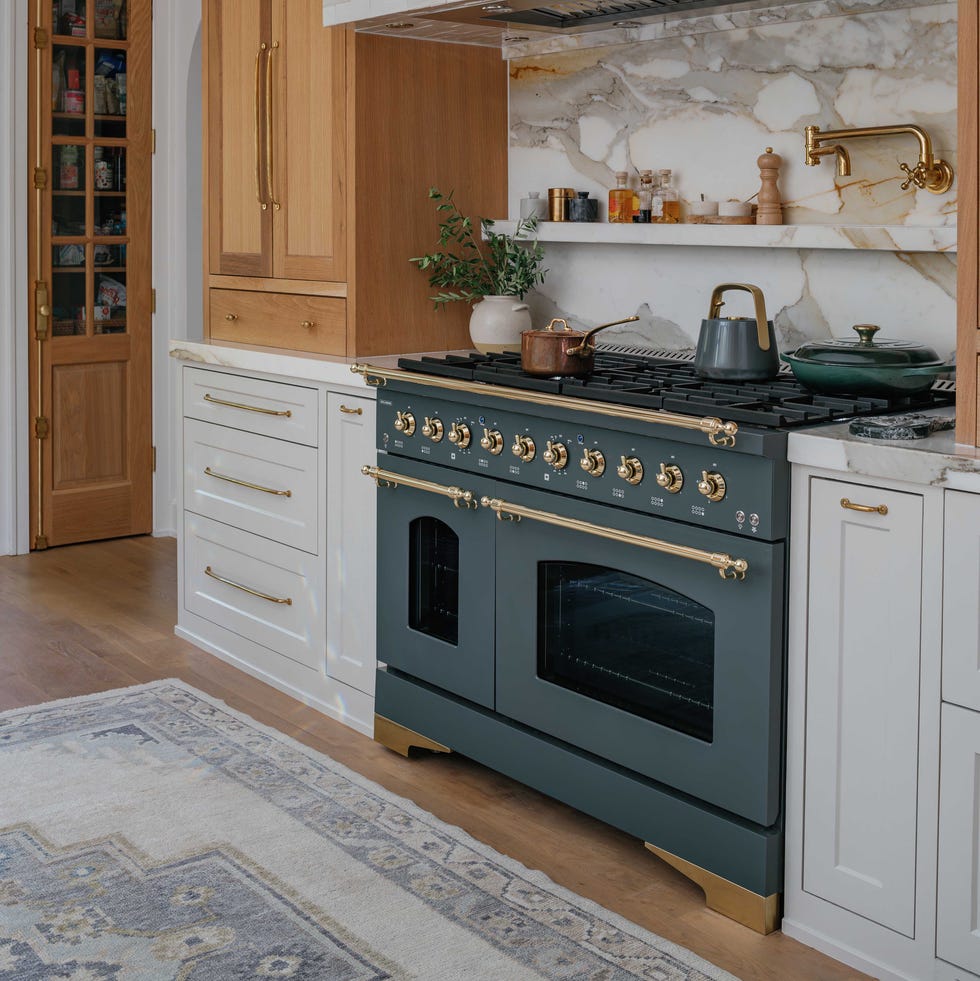
Why "Statement Stoves" Are Taking Over Kitchen Design, According to Experts

The 5 Best Gas Stoves and Ranges of 2026 | Reviews by Wirecutter

The Best Induction Cooktops Beat Gas in Heating Time and Eco-Friendliness


3 Induction Cooktops That Will Upgrade How You Cook

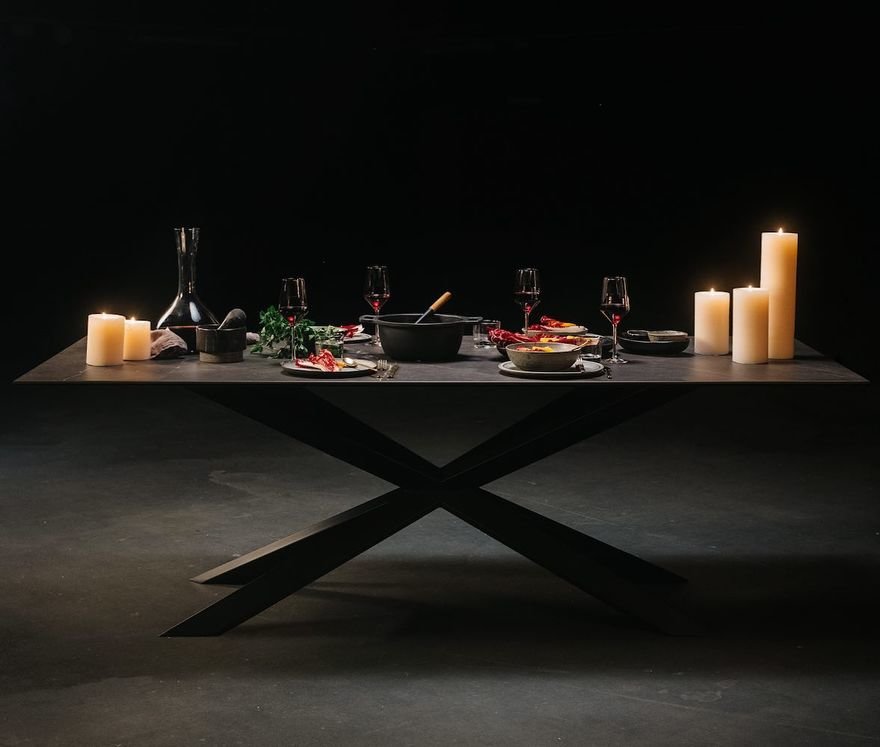
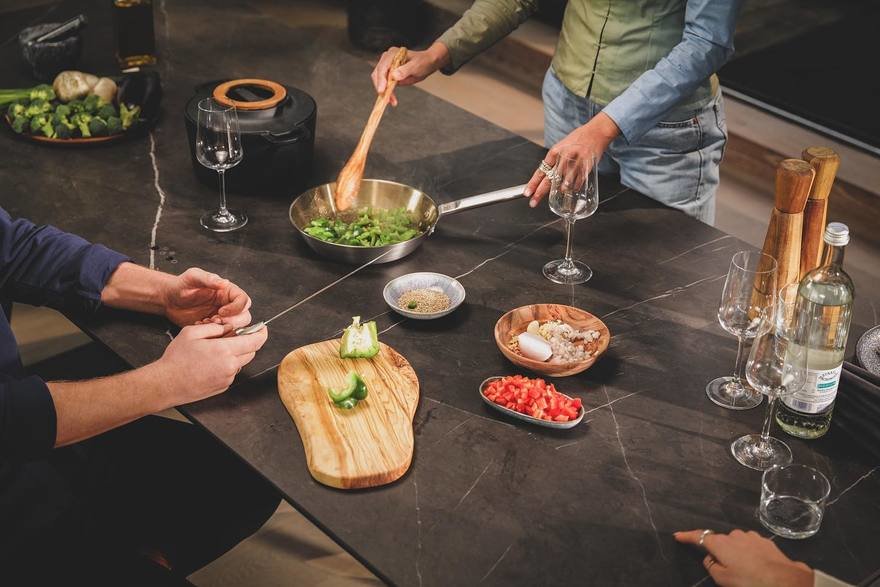
A Dining Table That You Can Cook On


Remodeling homeowner receives overwhelming advice on replacing a once-staple kitchen appliance: 'It's infinitely better'