1/10
This Sleek Battery-Powered Range Converted Me to Induction for Life
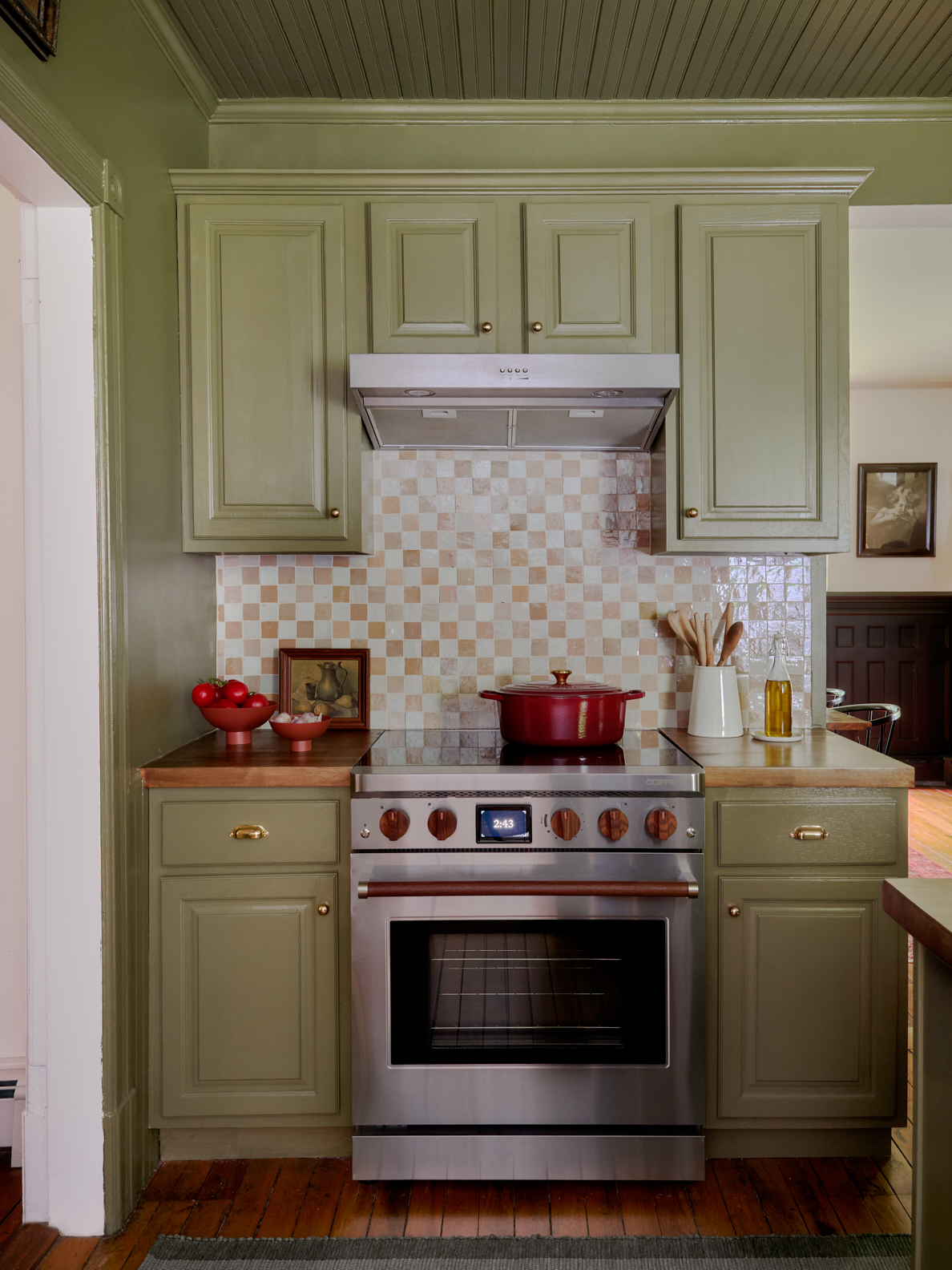
The author recounts their experience transitioning from a gas range to an induction range, specifically highlighting the benefits and features of the Copper Home Charlie induction range. Initially hesitant about gas ranges due to concerns about leaks, fossil fuel consumption, and cleaning difficulties, the author maintained a gas range in their Hudson Valley Victorian home for six years due to budget constraints and common perceptions that gas was the superior cooking method.
Over time, dissatisfaction with the gas range grew, citing issues with temperature control, excessive kitchen heat during cooking, and arduous cleaning. This led to a decision to explore alternatives during a kitchen update. Induction ranges emerged as an attractive option due to their reputation for easier cleaning, precise temperature control, and energy efficiency compared to standard electric stoves.
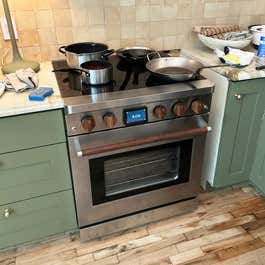
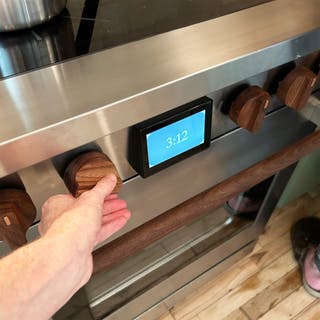
The Copper Home Charlie, a battery/electricity hybrid induction range, stood out during the search. The author was particularly drawn to its aesthetic, which combines classic and warm elements with modern design. Key design features include wood accents, a soft serif font display, and color options like azurite blue, sea salt white, and stainless steel. The author chose the stainless steel model and upgraded to California Black Walnut knobs and handle to complement their butcher block countertops, appreciating the tactile control offered by physical knobs over digital display screens.
A significant advantage of the Charlie range is its simplified installation process. Unlike many induction stoves that require a 240-volt outlet and electrical upgrades, the Charlie's battery assistance allows it to operate effectively with a standard outlet. This eliminated the need for costly electrician services; only a gas line capping and outlet recessing were required. Installation was quick, with the unit being slid into place and connected efficiently.
In terms of functionality, the author describes the induction cooking experience as superior to previous gas and radiant electric ranges. Dishes like roast chicken, red sauce, cookies, and peony syrup consistently turned out well, attributed to the precise temperature control and the range's ability to keep the kitchen cooler. The turbo preheat feature was also noted for its speed. The most innovative aspect is the lithium-ion battery, similar to those in high-end electric cars, which charges during off-peak hours to save money and reduce grid strain. This battery also provides backup power for approximately three to four meals during outages, a significant benefit for the author who experiences frequent power interruptions.
A minor challenge encountered was the need for induction-compatible cookware, as some existing pots and pans (aluminum, ceramic, fully copper) were not suitable. The article clarifies that this is a general requirement for induction cooktops and suggests a magnet test to check compatibility. Regarding cost, the Charlie range, starting at $5,999, is positioned as a mid-tier option, more expensive than entry-level models but less than luxury brands. The author justifies the price by the absence of high installation costs, the aesthetic upgrade, performance, and the unique battery-supported innovation that promises electricity bill savings. The overall sentiment is highly positive, emphasizing the design, cooking enjoyment, control, and cleanliness, concluding that the range would be a permanent fixture in any future home.
#InductionRange #KitchenAppliances #HomeRenovation #CookingTechnology #EnergyEfficiency #SmartHome #KitchenDesign #BatteryPowered #ProductReview #InductionRange #KitchenAppliances #HomeRenovation #CookingTechnology #EnergyEfficiency #SmartHome #KitchenDesign #BatteryPowered #ProductReview
0 comment in total
 No comments yet
You may also like

The Cordless Cult Favorite Lamp That's Changed The Way I Light My Home


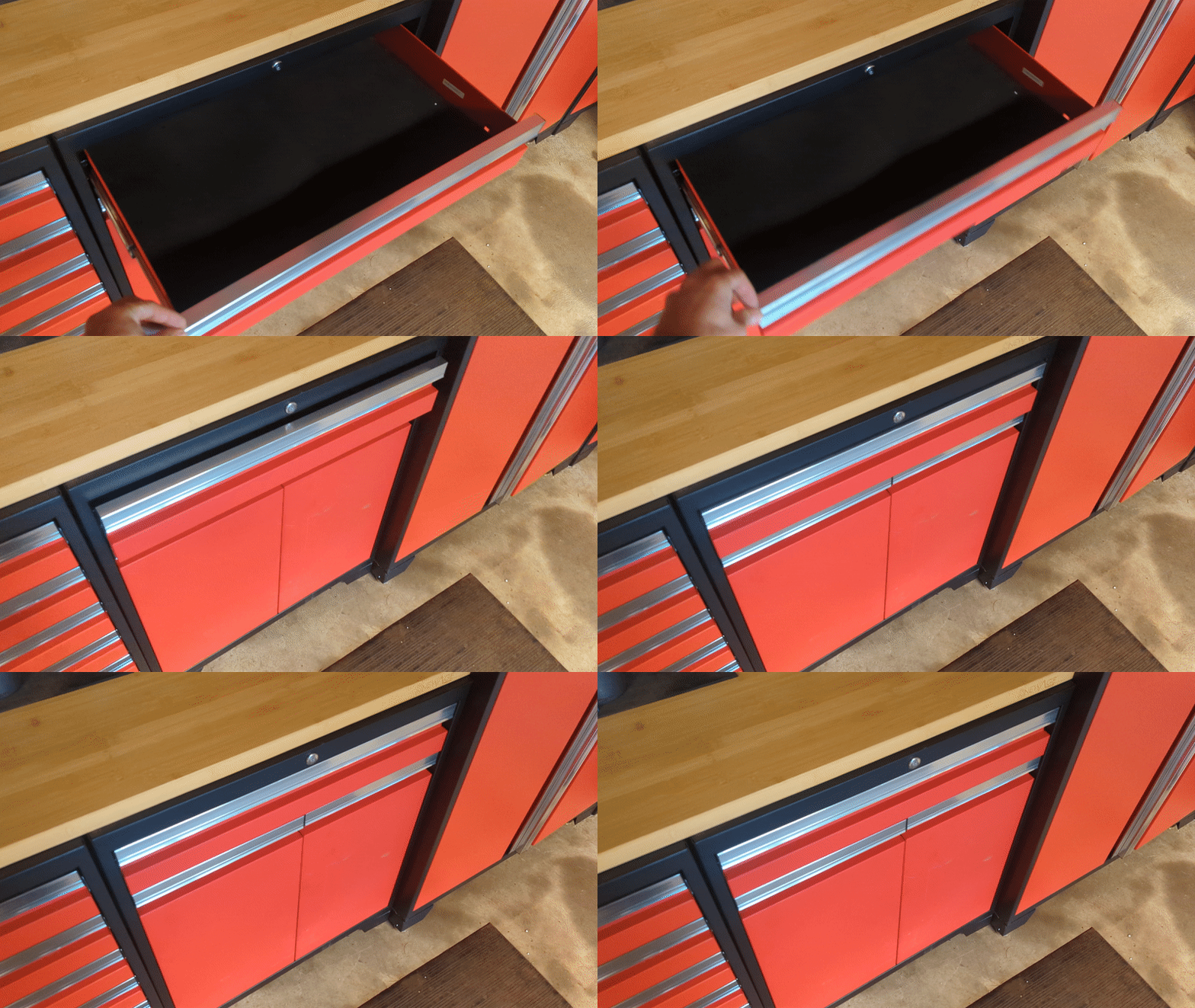
Initial Impressions: NewAge Product's Pro Series Garage Storage Revolutionized My Workshop

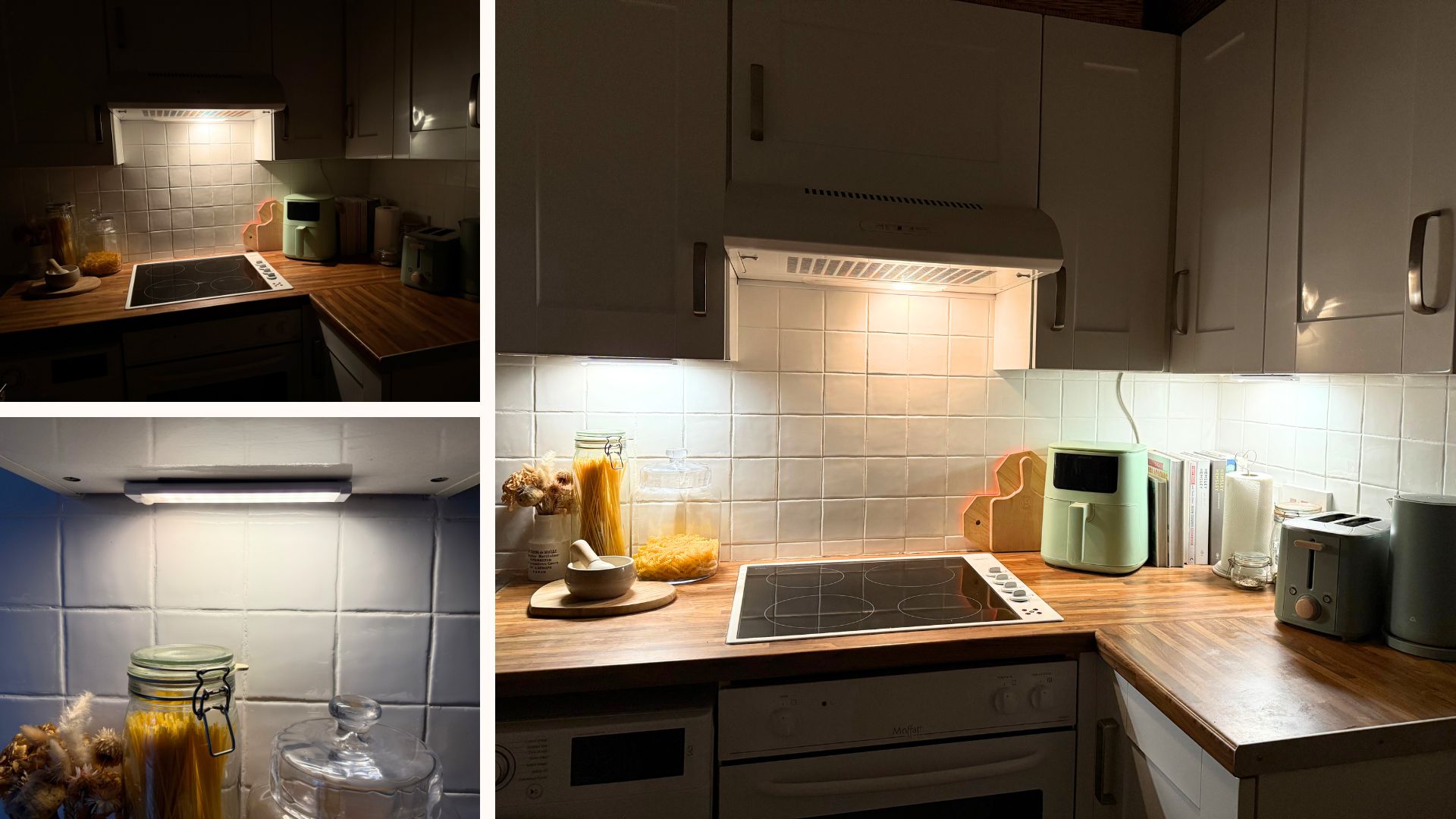
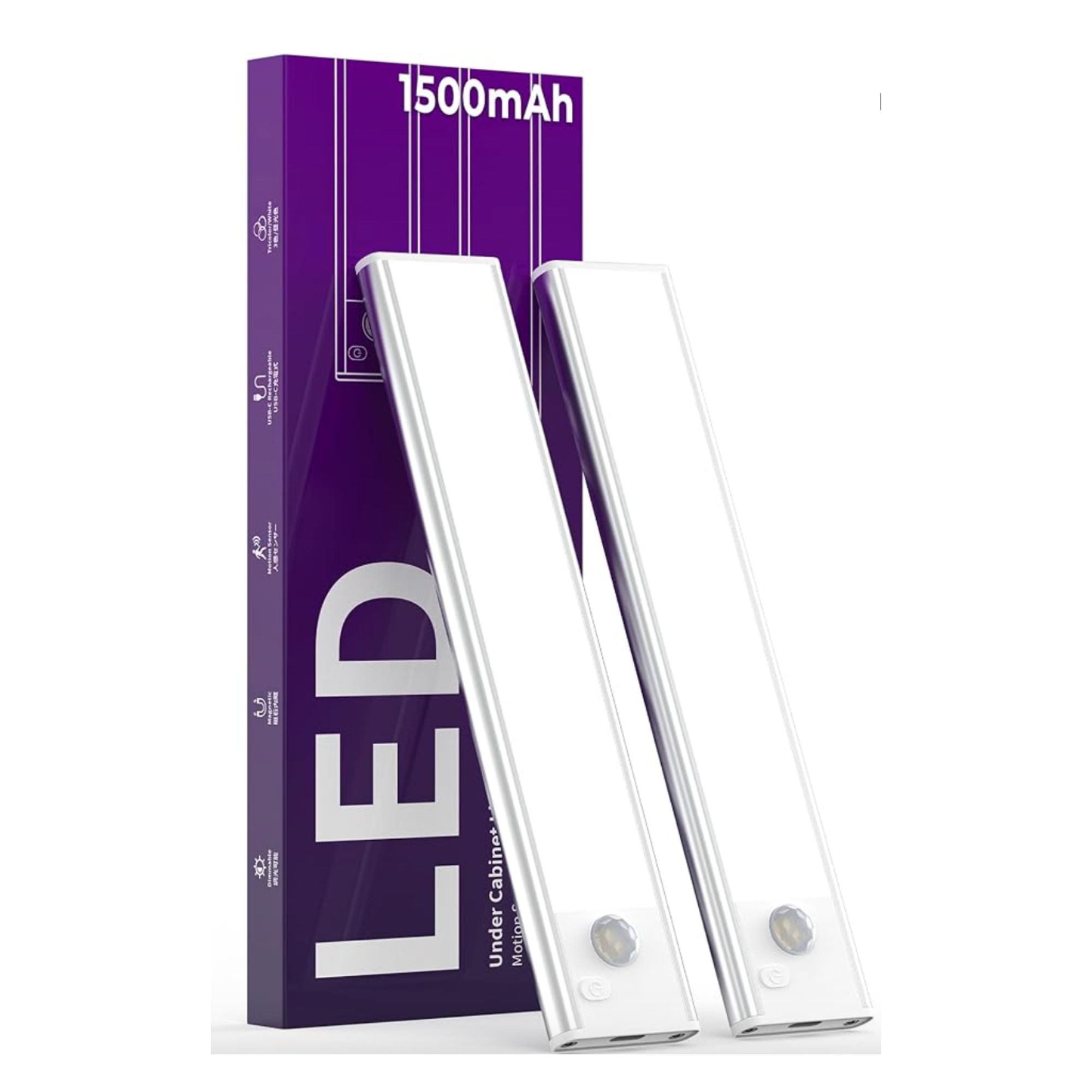
These rechargeable under-cabinet lights have transformed my kitchen – and they cost less than £15

Day 347: A Handy Appliance


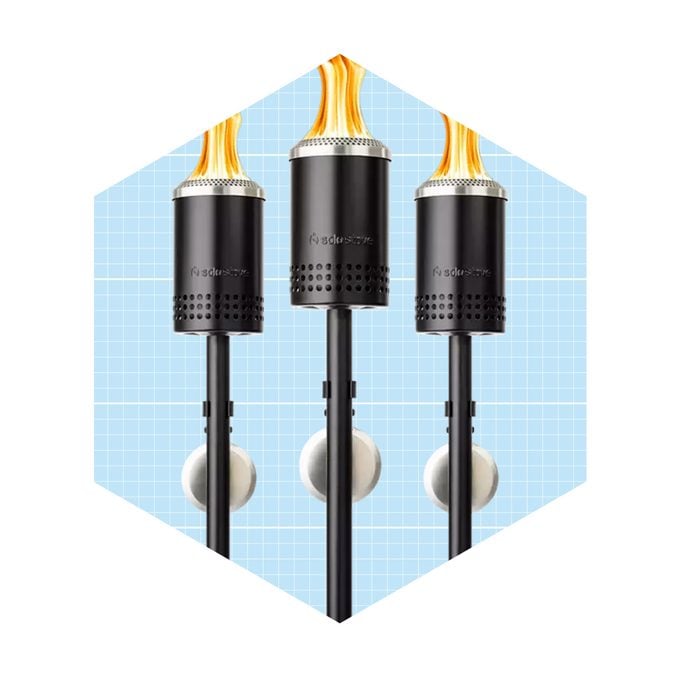
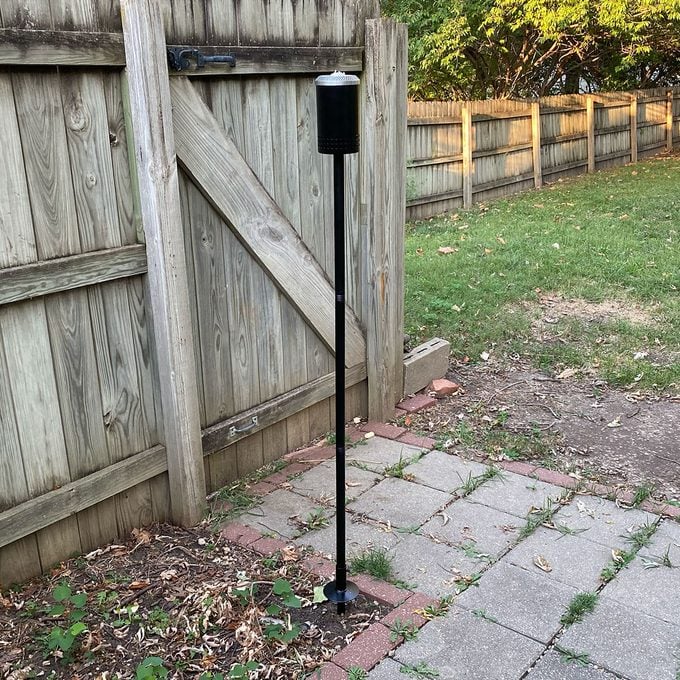
I Tried the Solo Stove Torch, and It Was Better Than I Expected

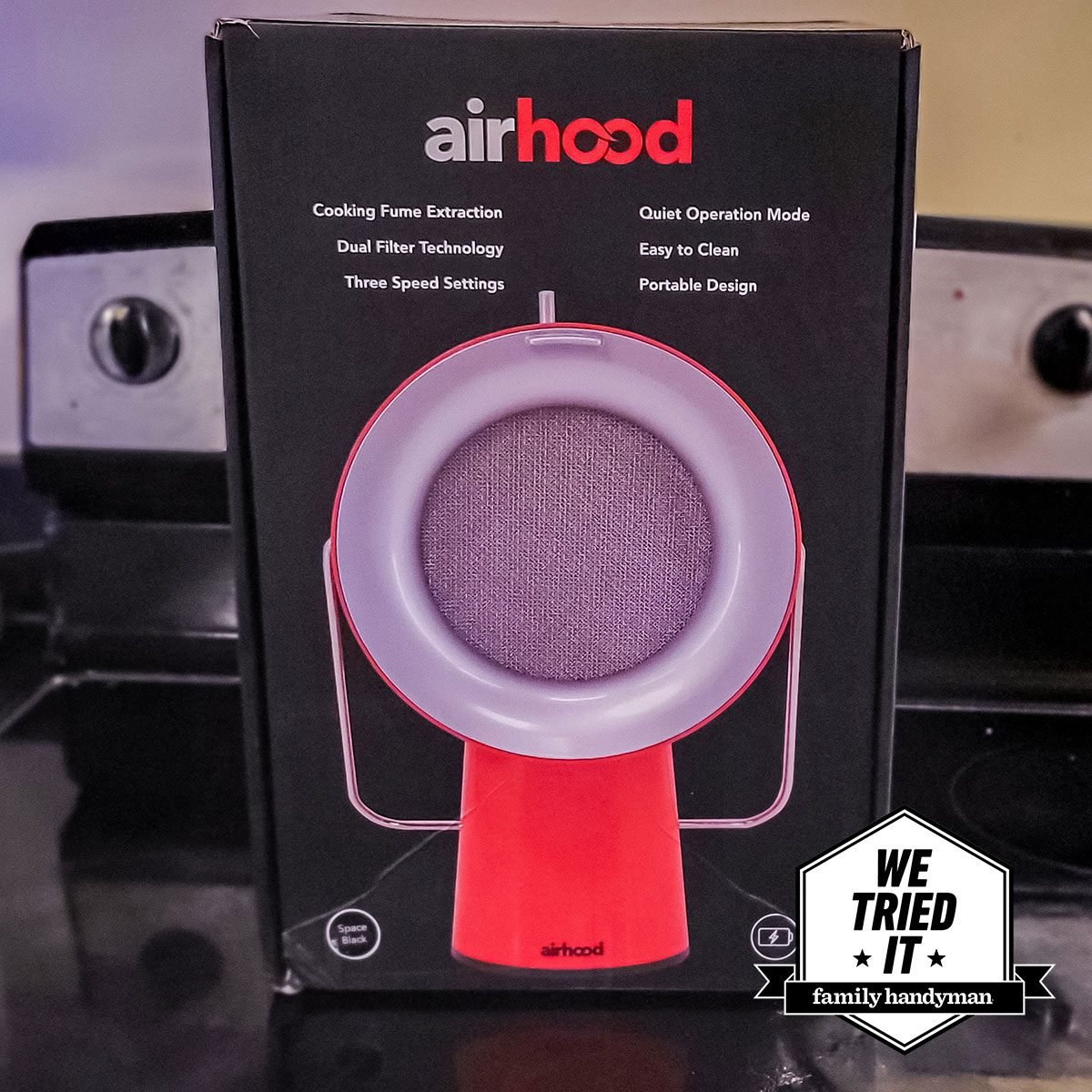
I Tried the AirHood Portable Kitchen Air Cleaner and It’s Life Changing

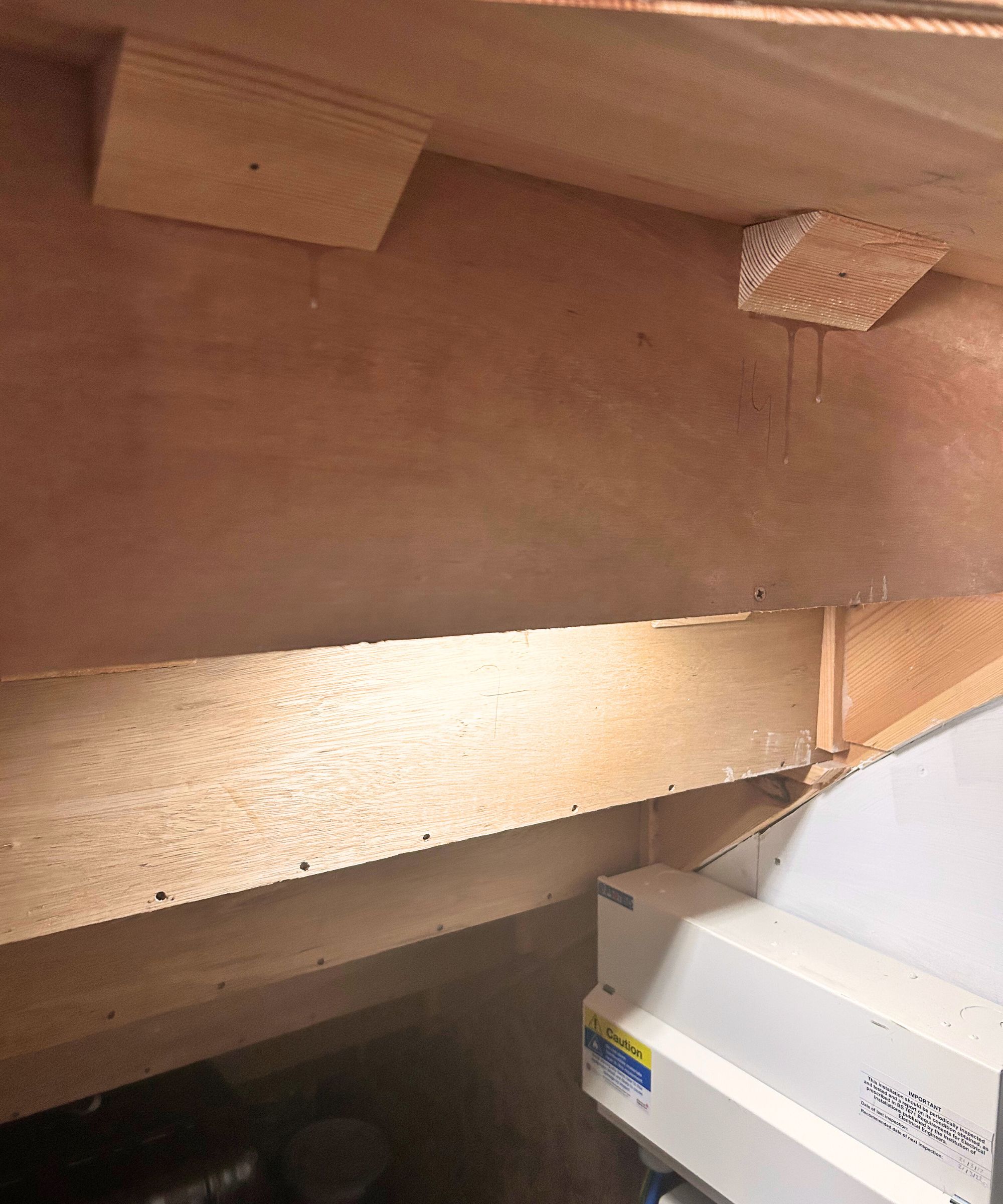
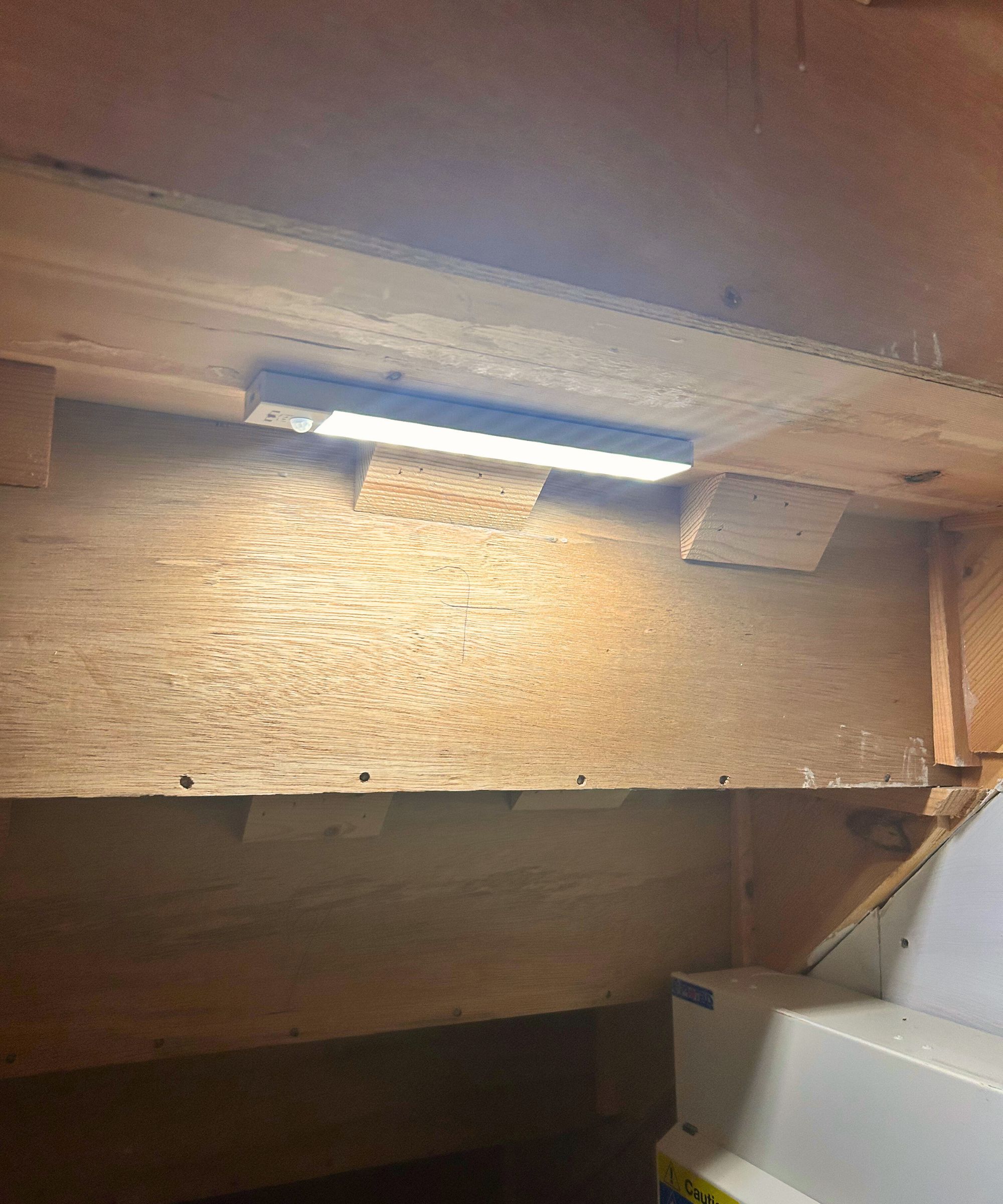
Bye-bye, wiring! I swear by these $10 energy-efficient rechargeable lights to illuminate my tiny under-the-stairs closet

I turned this smart light into a sunrise alarm clock — and it’s a game changer for my mornings


I just found out about PIR sensor lighting and it's changed my nightly routine

I Tried the Tesla of Induction Stoves. It Could Be the Future. | Reviews by Wirecutter

Portable Lamps Are Getting Better and Better, But This Anthro One Might Be My Favorite Yet