1/7
A Dining Table That You Can Cook On
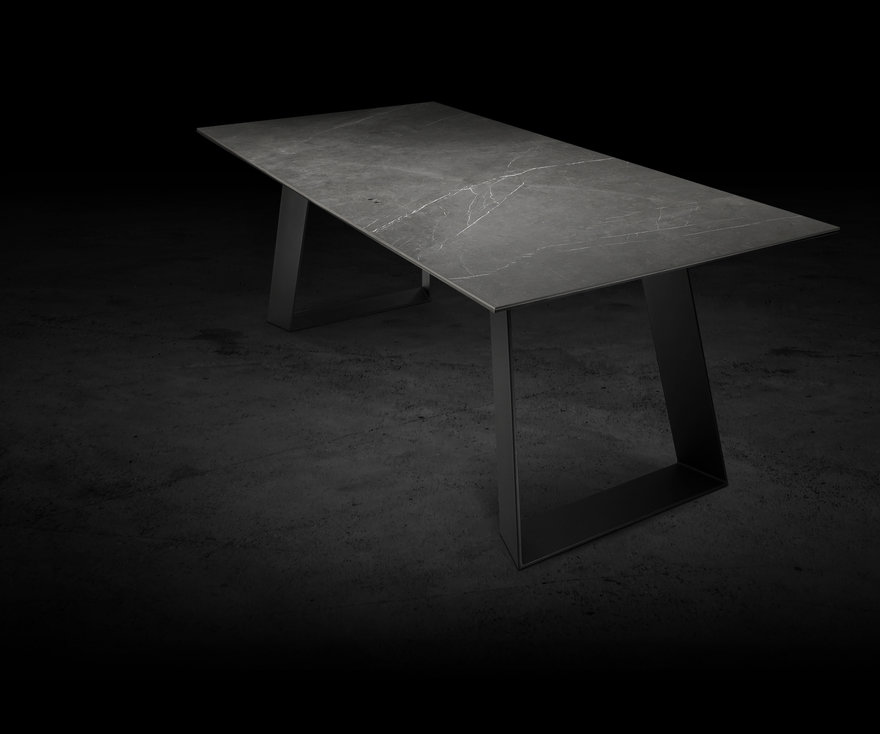
Atoll, a Berlin-based homeware company, has introduced an innovative dining table featuring integrated induction cooking surfaces. This design challenges traditional living space concepts by merging the cooking and dining experience onto a single surface. The table incorporates two unseen induction cooking zones, measuring 23cm (9 inches) and 17cm (6.7 inches) in diameter, seamlessly embedded within the ceramic tabletop. These induction coils allow for energy-efficient cooking directly on the table surface.
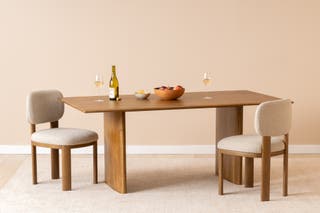
The cooking zones are operated via a discreet touch control panel located at the center of the table's long side. To address the user's need to locate the cooking areas, Atoll has incorporated small, barely visible filigree circles on the surface that mark the coil positions. One such marking is exemplified by a tiny white circle visible in a photograph, positioned south of purple onion skin.
Regarding cleanliness, a common concern in cooking environments, Atoll states that the ceramic surface is effortless to clean. Spilled food can be easily wiped away, allowing the table to revert to its intended aesthetic as a design object. Furthermore, the company suggests that the table surface can also function as a cutting board, though this might necessitate more frequent knife sharpening.
The article raises several practical questions about the product. One unaddressed query pertains to the power cord situation, as no information is provided regarding its integration or management. Another question, posed to the readers, explores the willingness to cook and eat on the same surface, considering potential inconveniences like cooking from a low, seated position or managing cooking messes directly on the dining area. However, the article acknowledges a significant potential benefit: such a design could be particularly advantageous for wheelchair users, offering a more accessible and integrated cooking and dining solution.
Comments from readers suggest a potential cultural acceptance in regions where communal dining and cooking, like French Raclette or Chinese Hot Pot, are popular. The concept of smaller units for future apartments is also highlighted as a possible area of popularity. Another comment proposes integrating this technology directly into solid surface countertops as an alternative to traditional cooktops, indicating broader applications for the hidden induction technology.
#FurnitureDesign #InductionCooking #SmartHomeware #KitchenInnovation #DiningExperience #HomeTechnology #SpaceSaving #FurnitureDesign #InductionCooking #SmartHomeware #KitchenInnovation #DiningExperience #HomeTechnology #SpaceSaving
0 comment in total
 No comments yet
You may also like
U-shaped Kitchen With Integrated Dining

The 8 Best Kitchen and Dining Room Tables of 2025, Tested and Reviewed


An Outdoor Space Made for Social Distancing, Down to the Dining Table

3 mistakes you're probably making with your dining room decor, according to an interior stylist

Found: The Best Modern Dinnerware Sets to Style Your Spring Table

If You Need A New Dining Table, Here Are 21 Excellent Options From Amazon


This $750 Dining Room Table Was the Most Clicked Last Month—Plus 6 Chairs to Go With It
Top dining table with chair and bench New Arrivals 6 Pieces Counter Height Dining Table Set Wood Rectangle Table with Shelf 4 Chairs and Bench Kitchen Dining Table Chairs Set for 6 Persons Gray

17 of the best dining tables and sets entertainers will love
How to Choose the Right Dining Table for Your Home (Published 2018)
11 Top-Rated Dining Tables for Every Style and Budget


A Kitchen With a View

Do We Really Still Need the Dining Table?
4 Best Kitchen and Dining Table Sets for Every Lifestyle
Best Dining Table Models in 2025: From Minimalist to Luxury Styles
The ultimate guide to buying the perfect dining table in Canada

Round vs rectangular dining room tables – which one is best for your space?


Our Favorite Dining Tables

5 things that always make a dining table look cluttered
Home decor: A dinner party prompts a dining room refresh