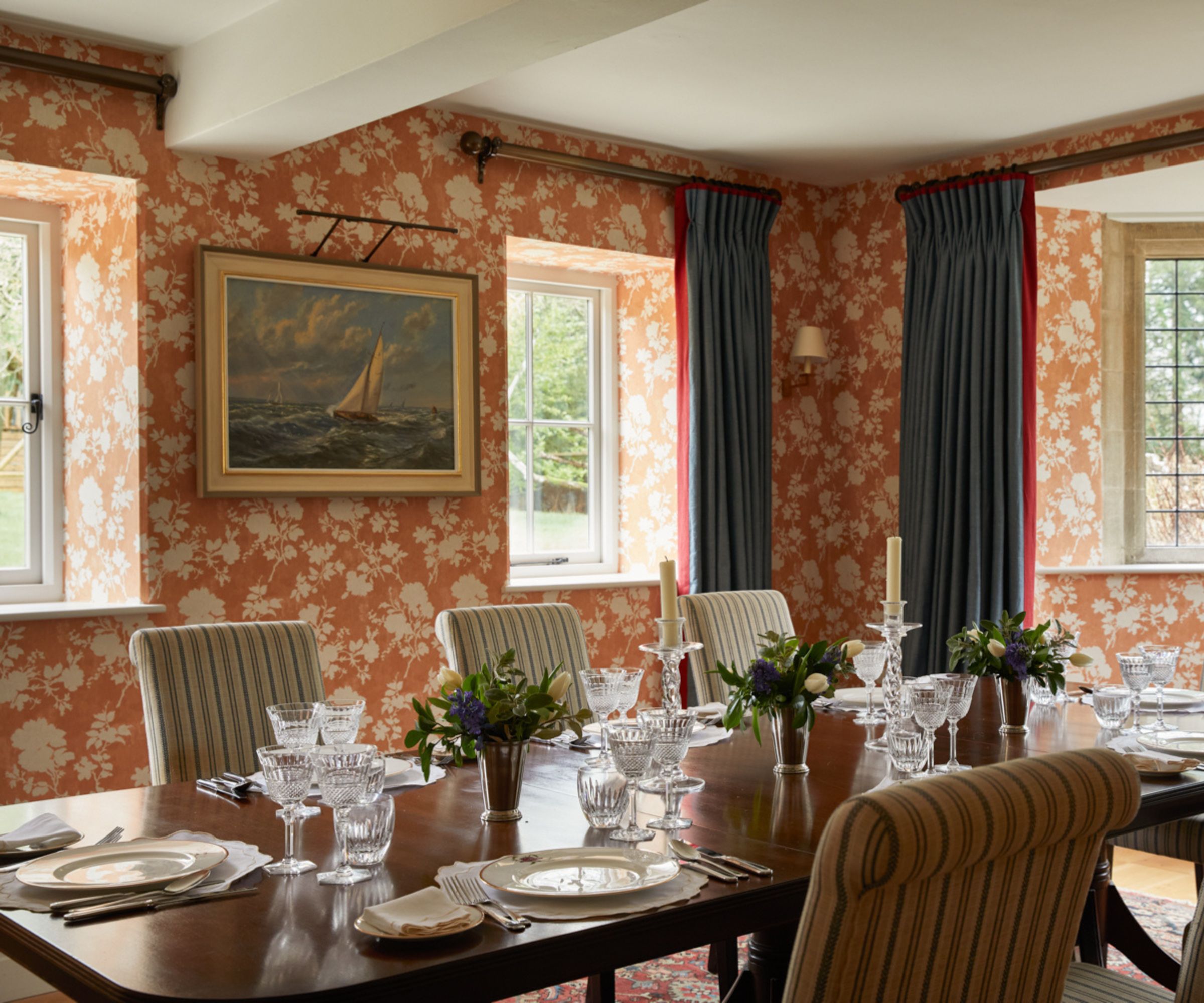
Home decor: A dinner party prompts a dining room refresh
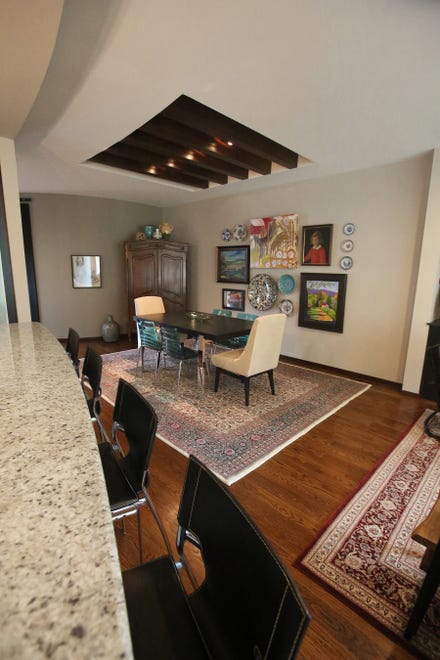
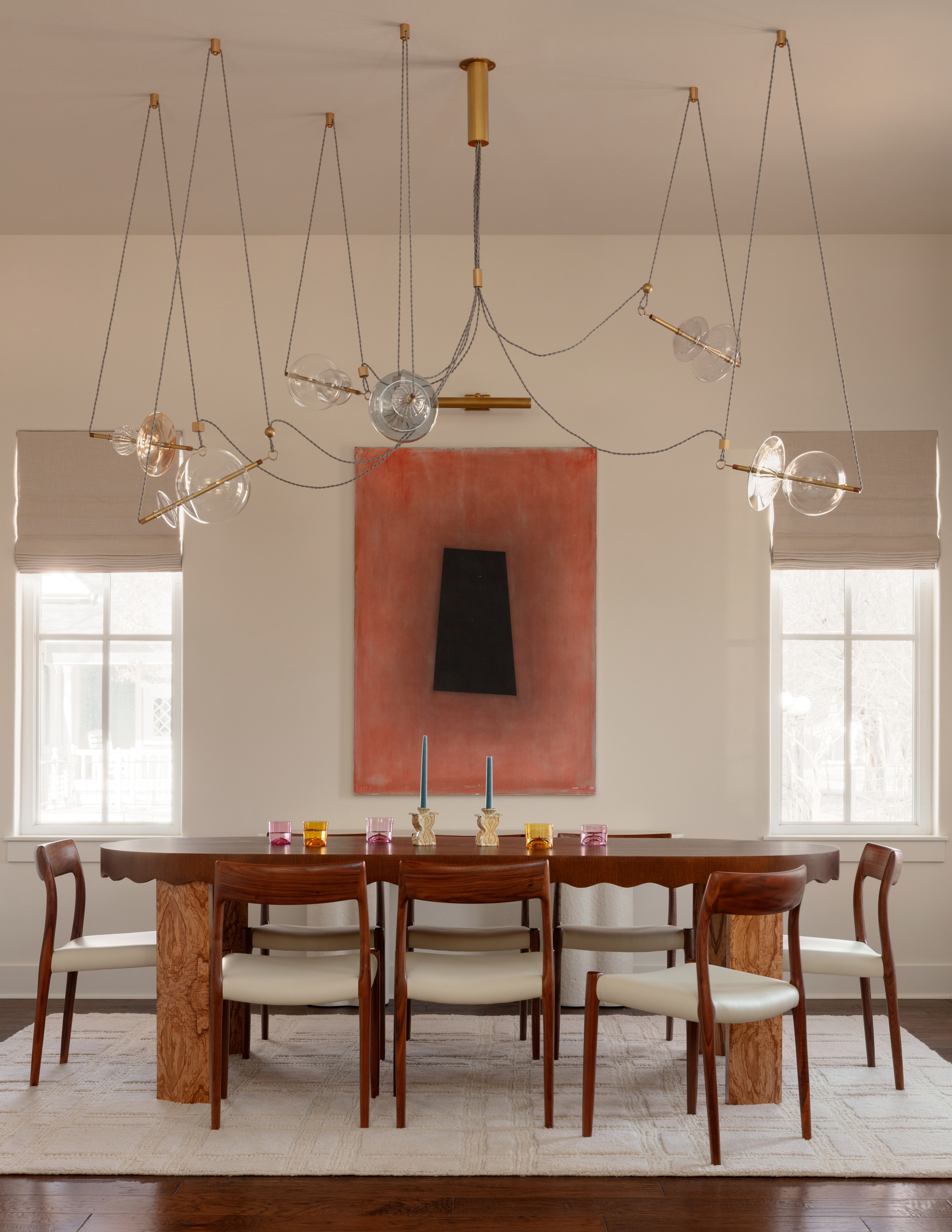
The article details a home decor refresh project undertaken in a dining room, initiated by the need to host a dinner party for a fundraiser. The author, a home design columnist, felt pressure to align her living space with her professional image. This incentive created a deadline for updating her dining room, a task she had been contemplating. To manage the event and the decor project, she secured the help of a chef for the dinner party and a Los Angeles-based interior designer, Christopher Grubb, for the room refresh. The approach to redecorating was grounded in practicality, focusing on making small, impactful refinements rather than a complete overhaul, working with existing furniture.
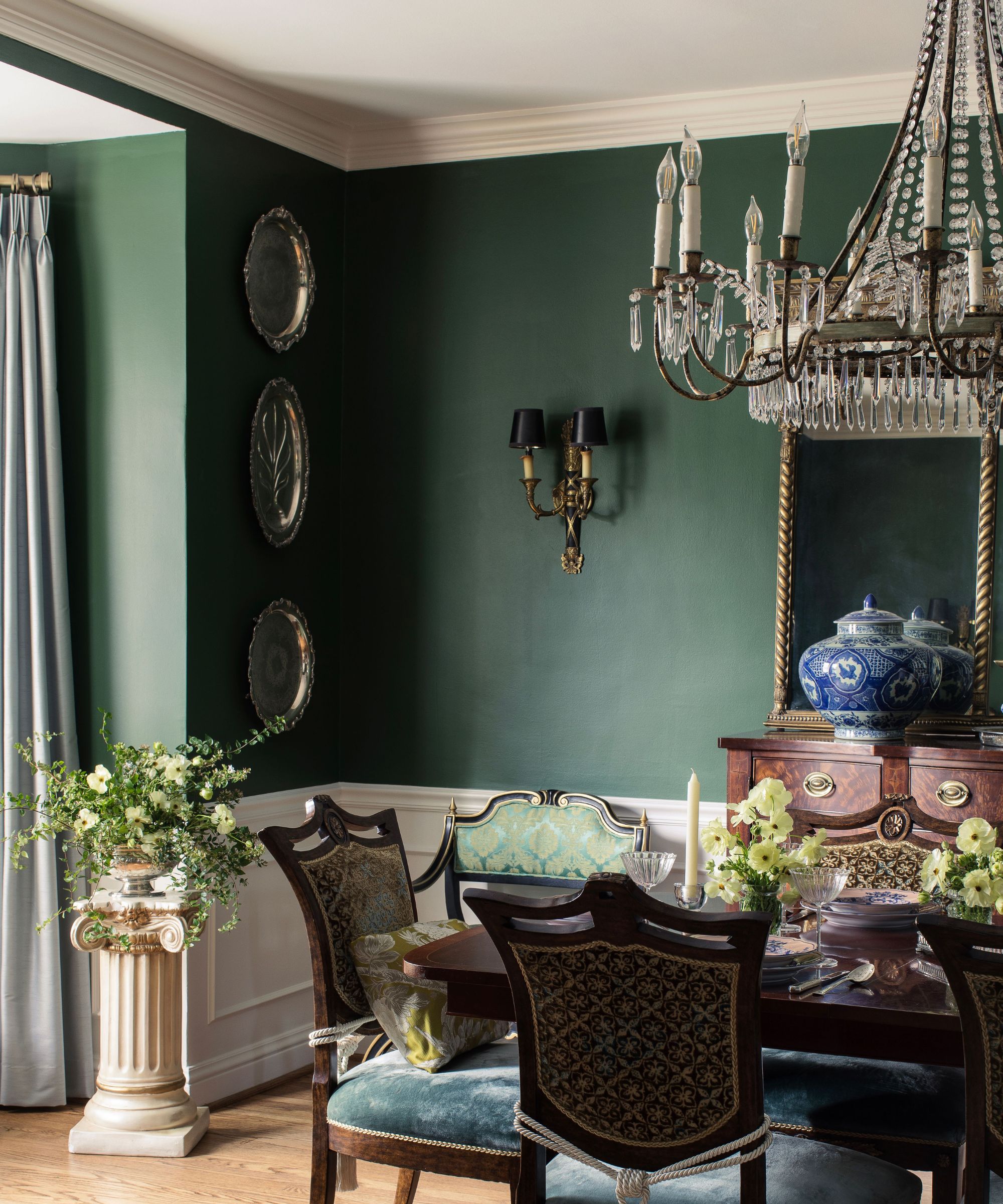
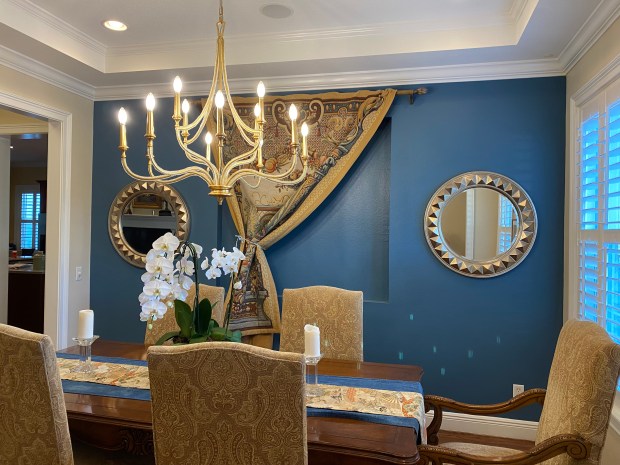
The transformation process involved several key steps, guided by the interior designer. The first refinement was the addition of lampshades to the dining room's chandelier. The author experimented with different styles before selecting black tapered shades, which, by directing light downward, created a more dramatic lighting effect. A significant structural change involved addressing an 'art niche' in the dining room's accent wall. Initially, a tapestry covered this 5-foot square, 3-inch deep niche. Following the designer's advice, the tapestry was removed, and the niche, which was deemed restrictive for art placement, was filled in by a drywaller to create a smooth surface. This decision was driven by a desire for a more contemporary aesthetic and greater flexibility in art display.
Following the niche's removal, the smooth back wall and ceiling were covered with sea-blue grasscloth wallpaper. This material choice was intended to enhance the room's intimacy and coziness, as well as to differentiate the dining alcove from the adjacent entryway by introducing texture and character. Another modification involved replacing the existing round mirrors that flanked the wall art with larger, vertical mirrors. This change aimed to give the illusion of increased ceiling height, contributing to a more transitional rather than traditional look, with simple frames selected to complement the updated style.
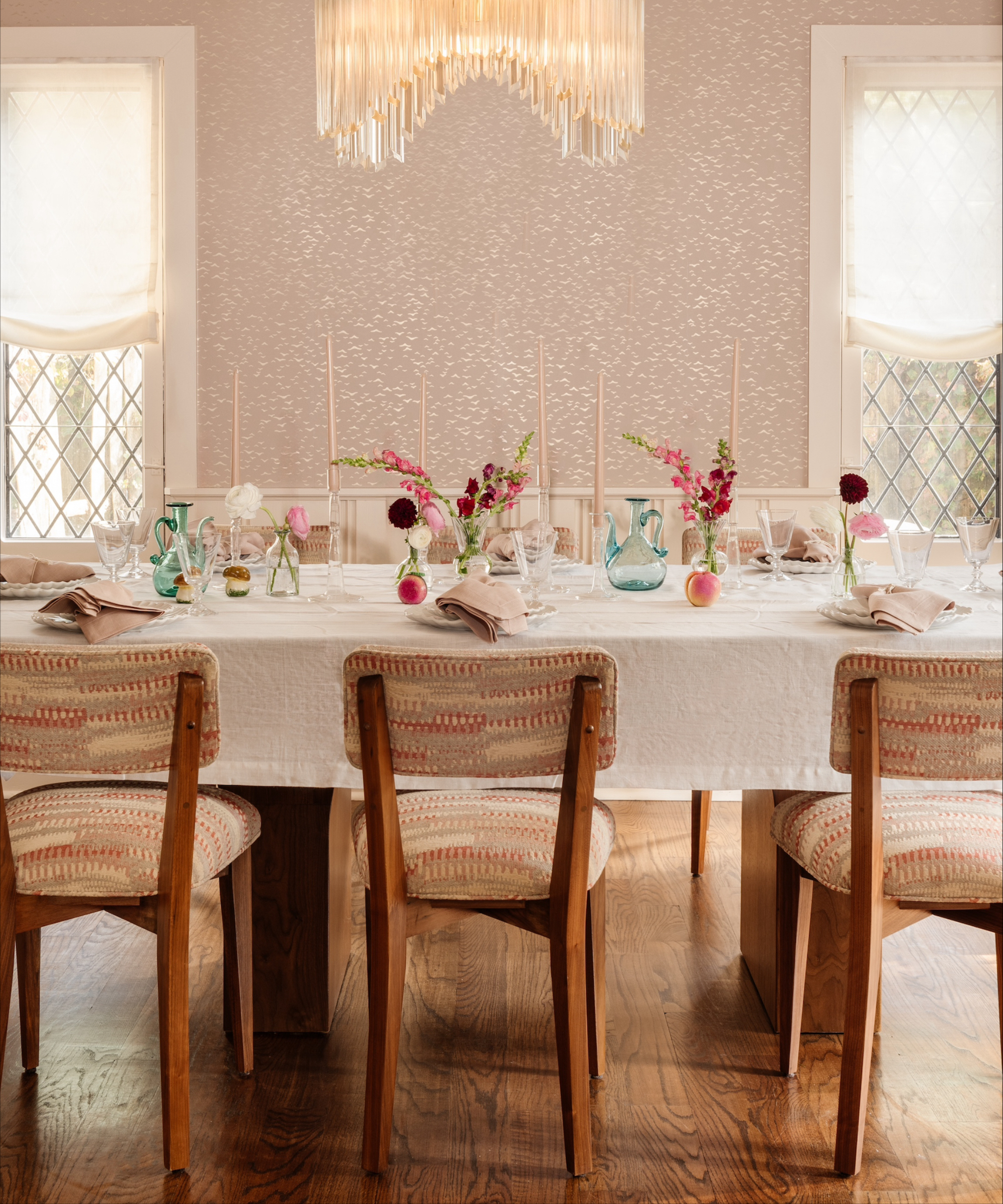
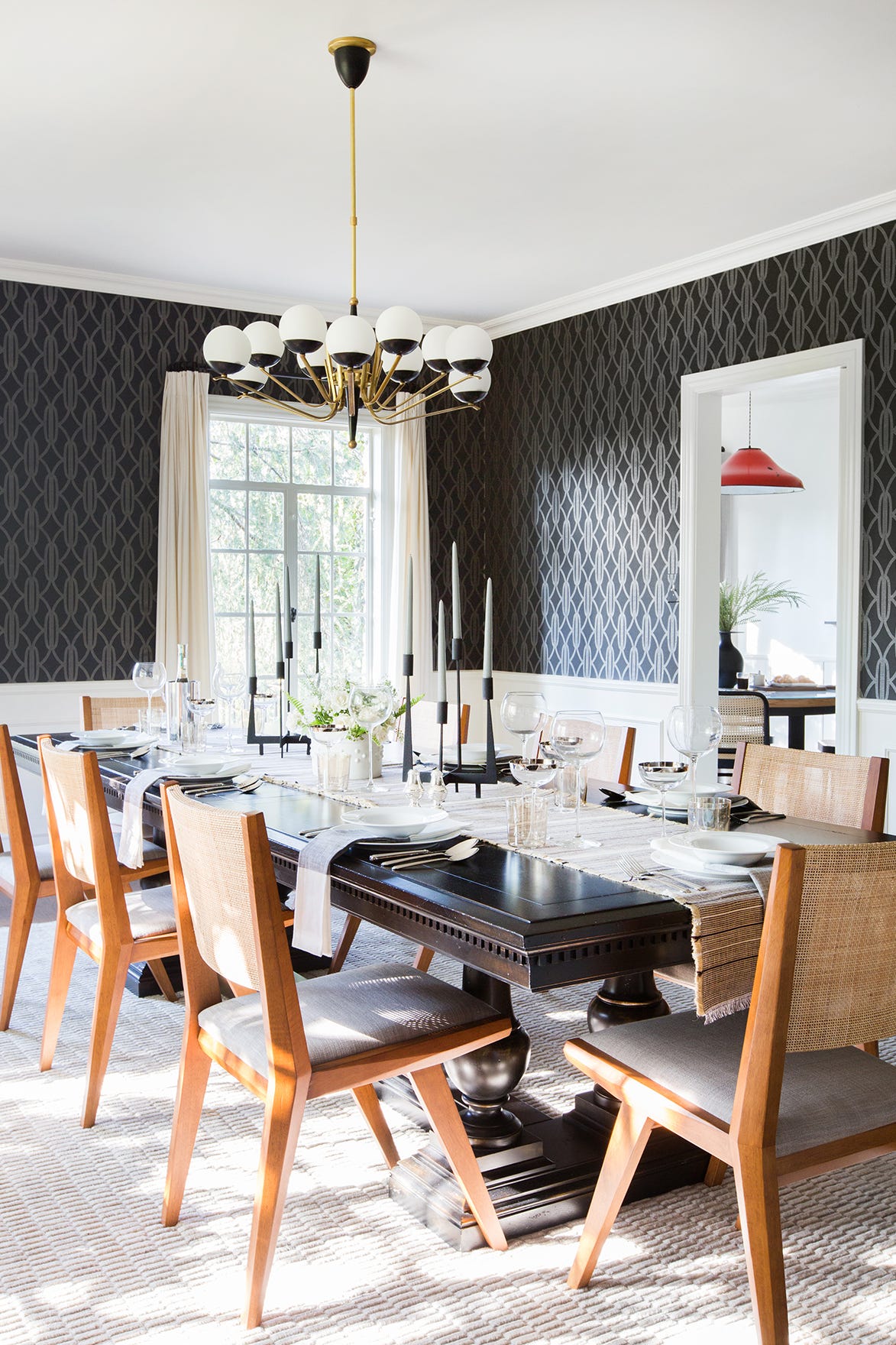
Regarding the dining chairs, the author faced a supply chain issue that prevented the timely arrival of new, contemporary seating for the entire table. Instead of compromising, she opted to recover the two existing armchairs at the table's ends. These were reupholstered in a bold zebra-print fabric and had their wooden frames painted black lacquer. These updated chairs, which typically reside in the living room, served as end chairs for the dinner party. The final stage of the refresh involved adding ambient touches: a fresh centerpiece of pale roses, patterned table linens, crystal, silver, and candles. These elements, combined with the presence of guests, completed the transformation, creating a harmonious and elegant dining experience. The author's journey illustrates how strategic, small-scale interior design adjustments can collectively achieve a significant aesthetic and functional upgrade, even under tight deadlines.
#HomeDecor #DiningRoomRefresh #InteriorDesign #HomeStyling #RoomMakeover #EventPlanning #DesignTips #FurnitureRefinishing #Wallpaper #HomeDecor #DiningRoomRefresh #InteriorDesign #HomeStyling #RoomMakeover #EventPlanning #DesignTips #FurnitureRefinishing #Wallpaper
0 comment in total
 No comments yet
You may also like
The Dining Room Design Trend That Elevates Every Dinner Party

Are Formal Dining Rooms Out of Style? Designer's Discuss

Designers Say These 5 Dining Room Clichés Are Going Out of Style

Rethinking dining room layout and creating a cozy bar

Homestyle: Dining rooms that mix it up

This Art-Filled Dining Room Is a Conversation Starter

Creating a dramatic dining room inspired by candlelit dinners
These Gorgeous Dining Rooms Are Guaranteed to Strike up Conversation

McGee & Co’s Dining Sale Event Is Perfectly Timed for Hosting Season – 9 Chic Finds to Elevate Your Holiday Table
7 Dining Room Design Mistakes That Could Ruin Your Next Dinner Party

Dining room furniture for illuminating suppers
SEE IT: 1 room, 3 ways: three dining rooms we love in Louisville
Dining Refresh With Studio McGee For Target
These Designer-Approved Dining Room Ideas Will Elevate ANY Entertaining Space
How to update an outdated dining room — 9 ways to transform this key space

Interior Designers Have Spoken: These are the Dining Room Trends to Know About for 2026
10 Easy-to-Make Dining Room Mistakes That Are Killing the Vibe — And How to Fix Them Before Your Next Dinner Party

Is the Formal Dining Room Over? Designers Share Their Honest Take

12 modern dining room décor ideas to impress your guests

Room Envy: A retro dining room gets a midcentury remodel