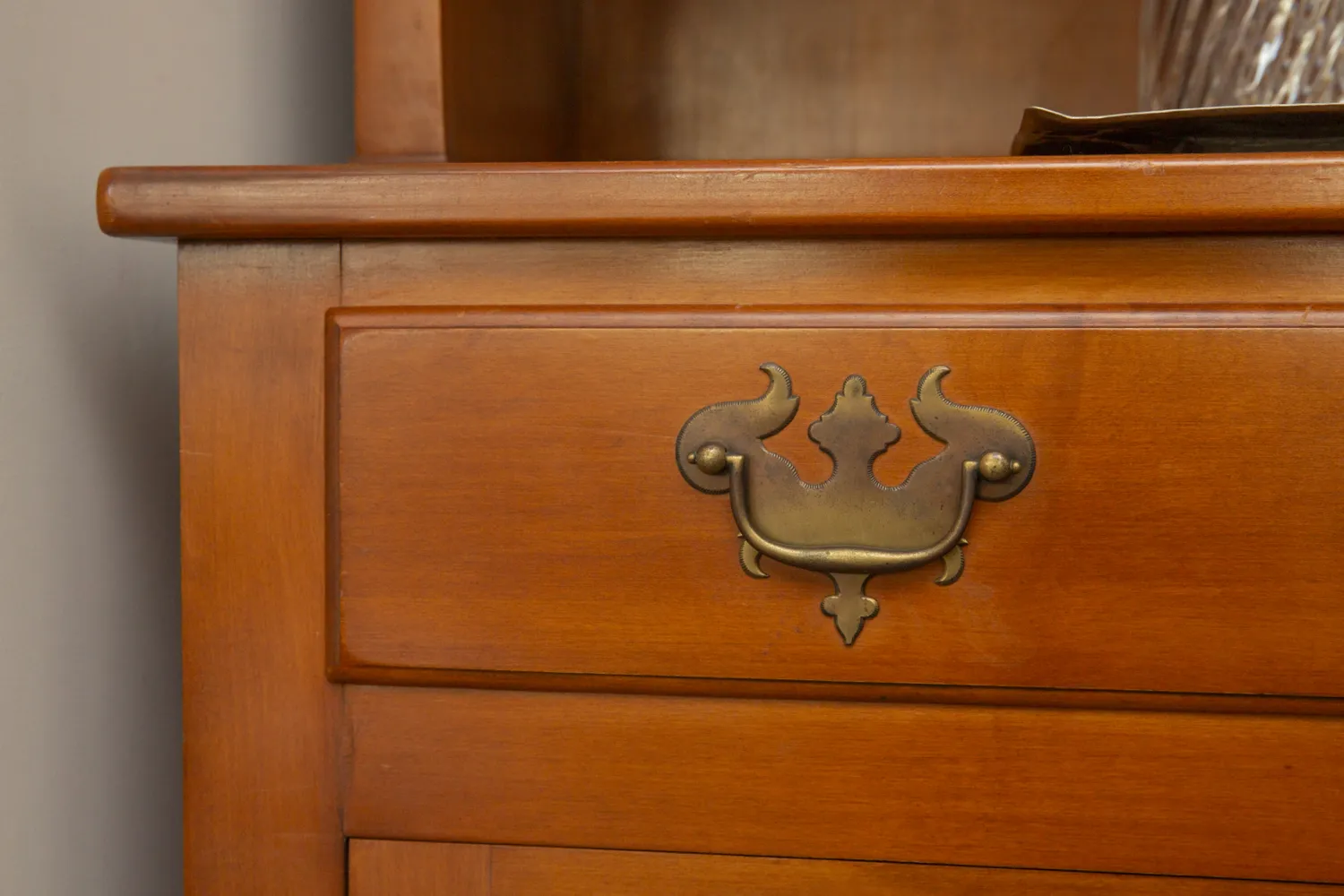
How to Remove Orange Tones From Wood Furniture for a Modern Look
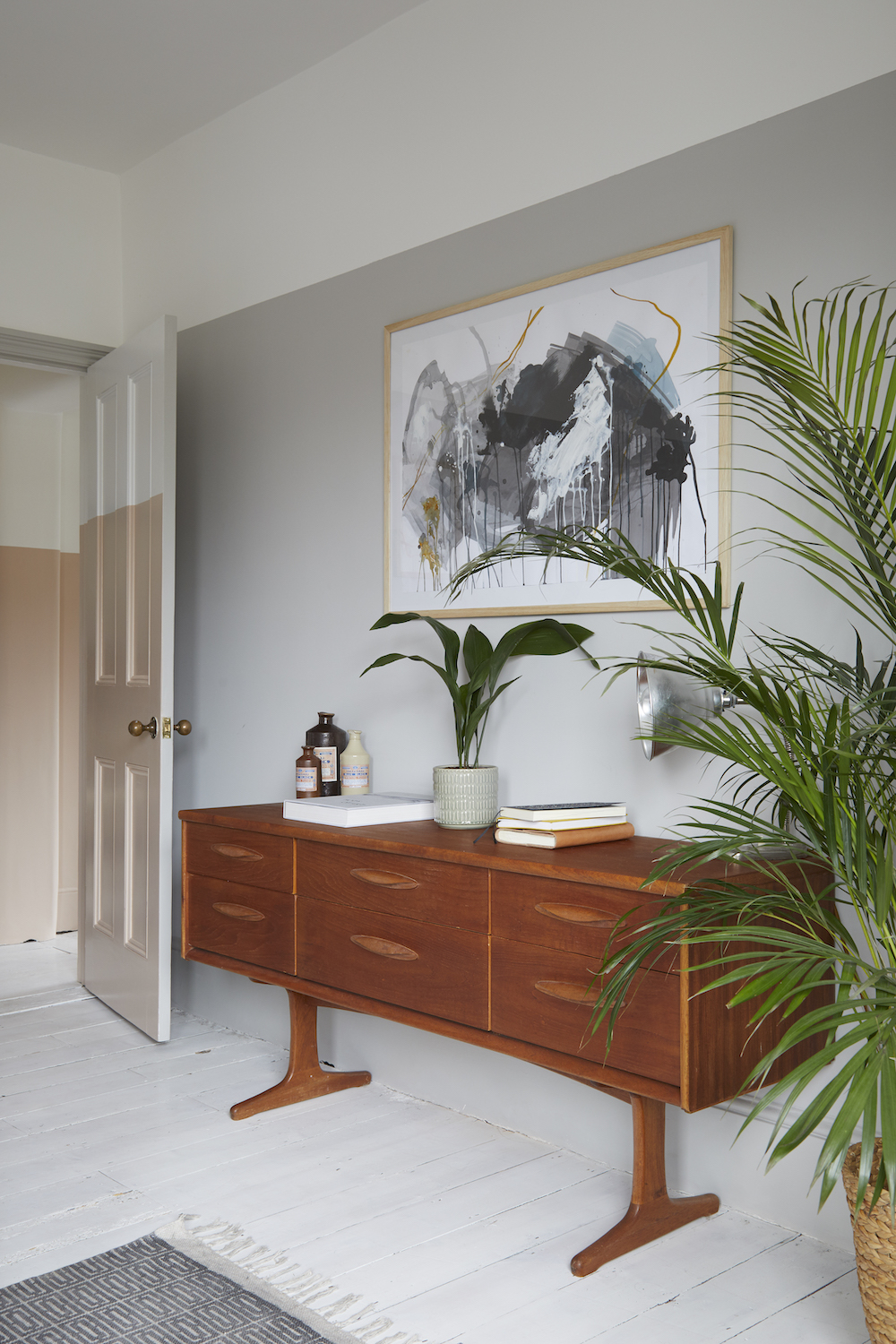
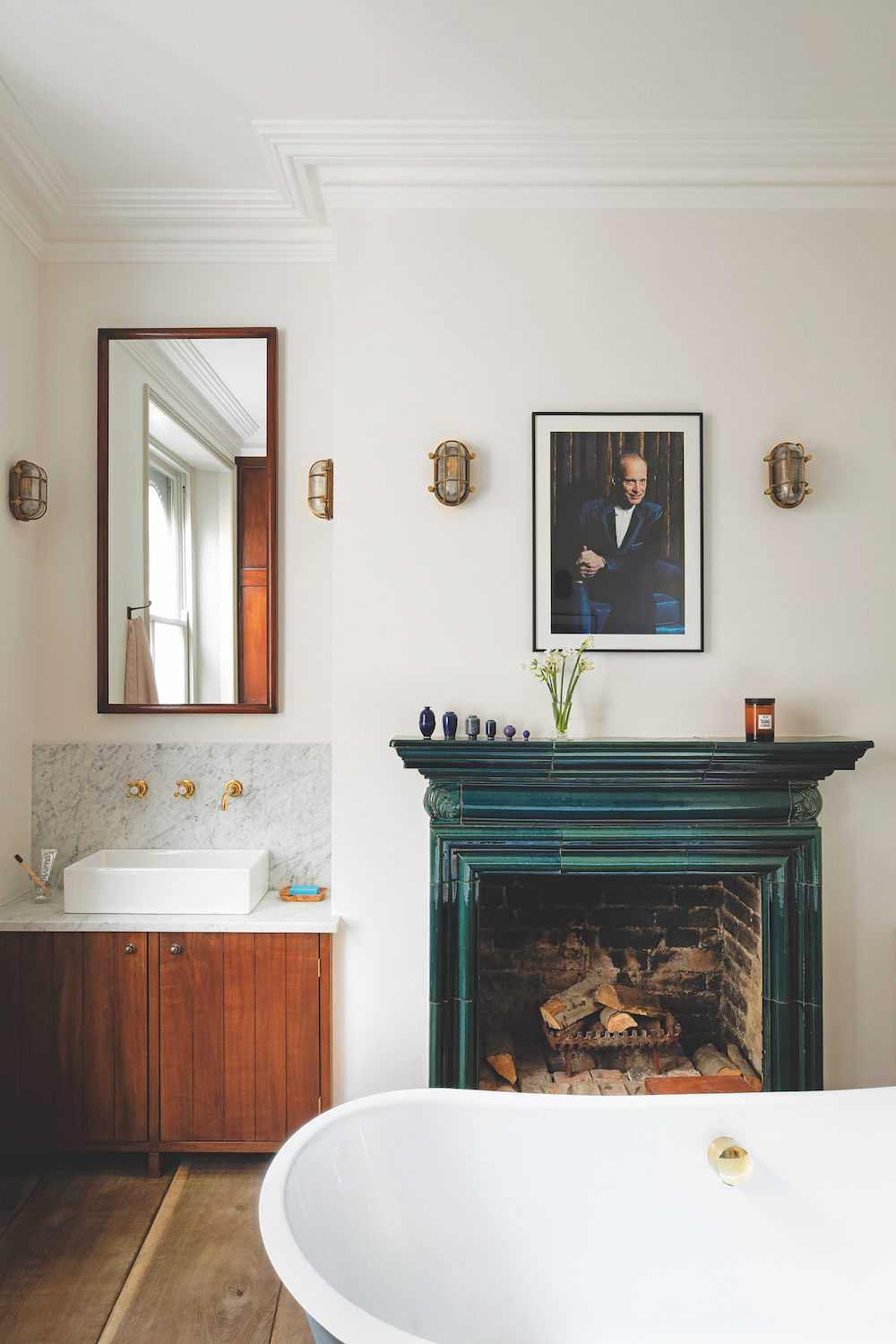
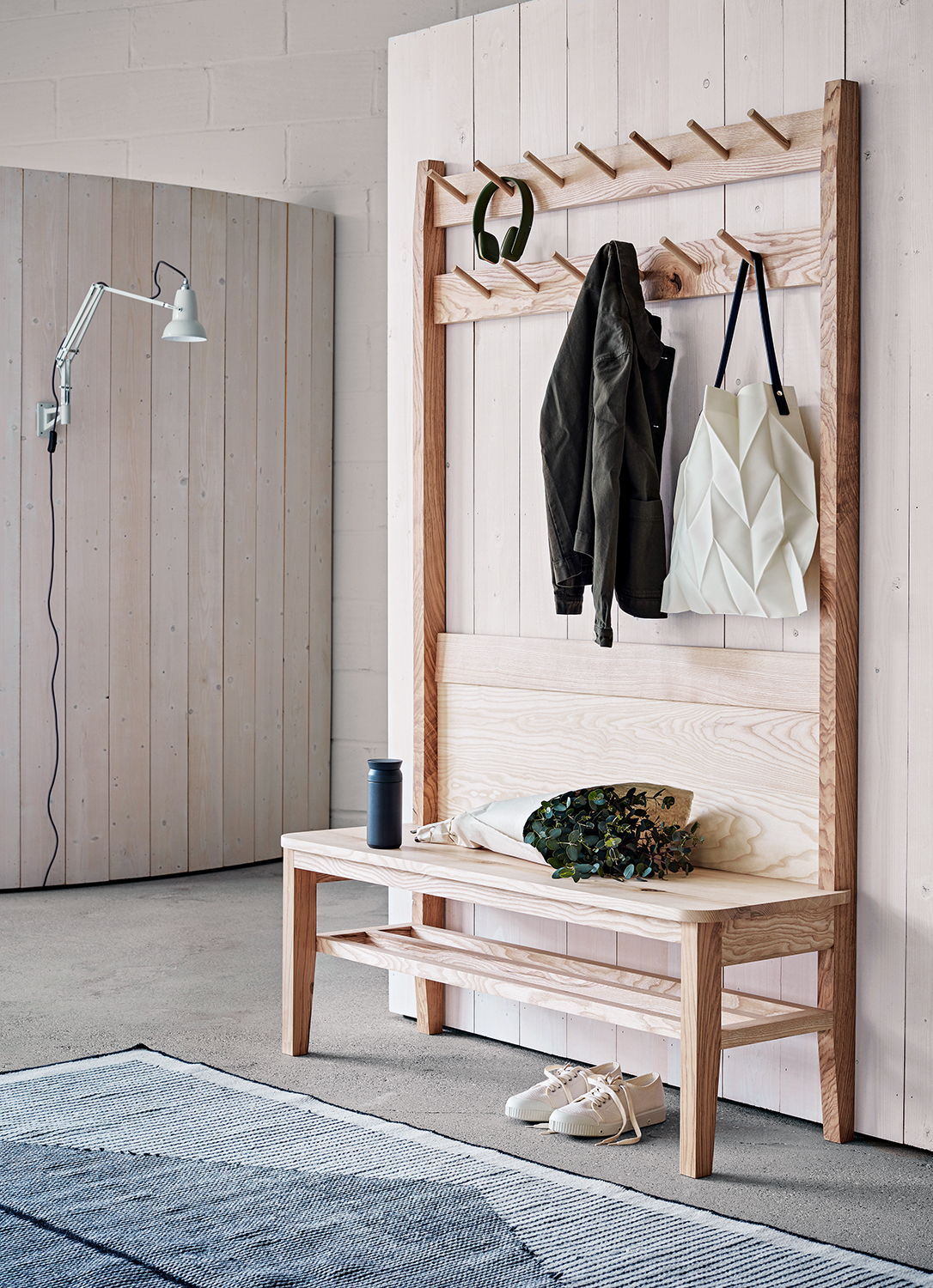
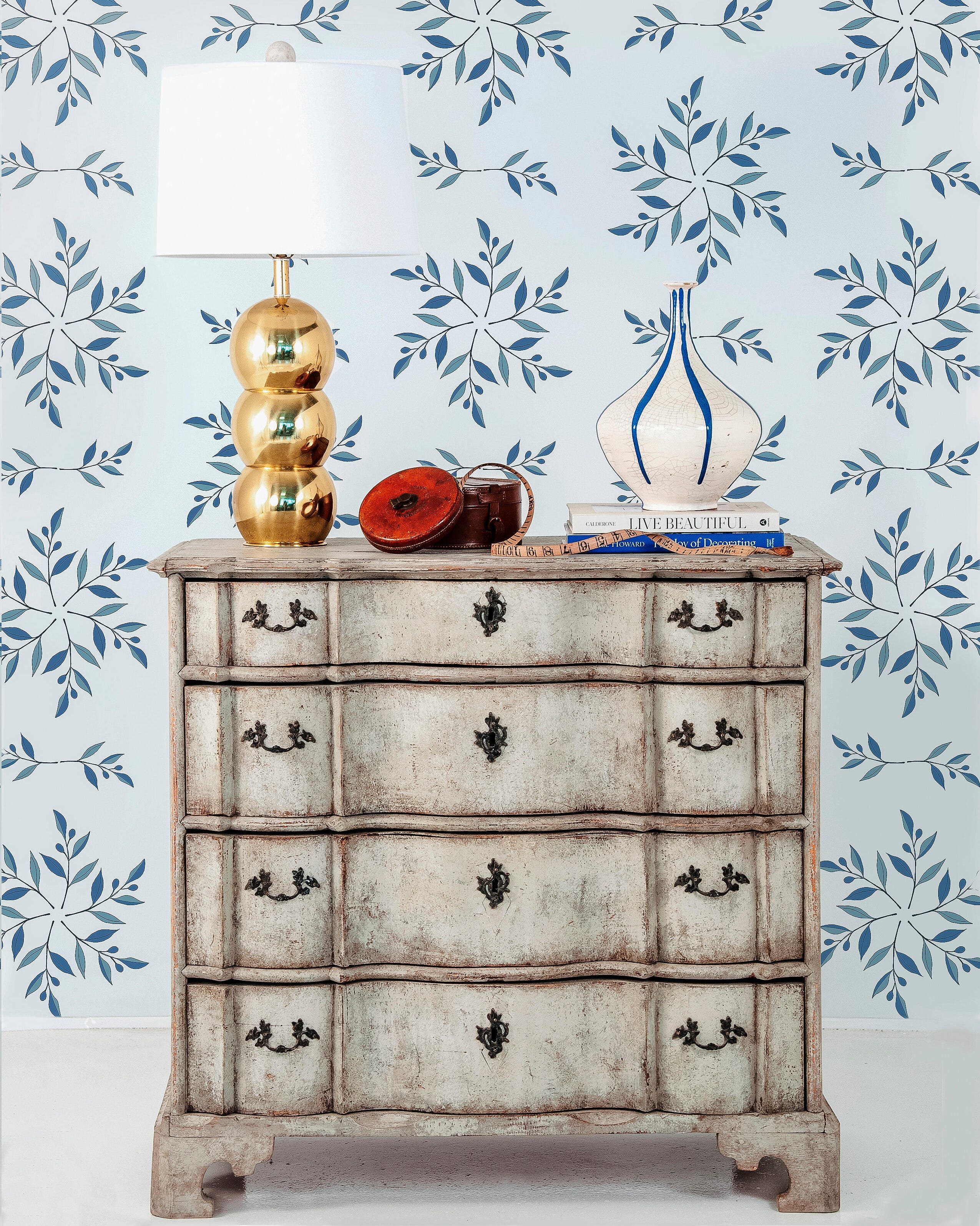
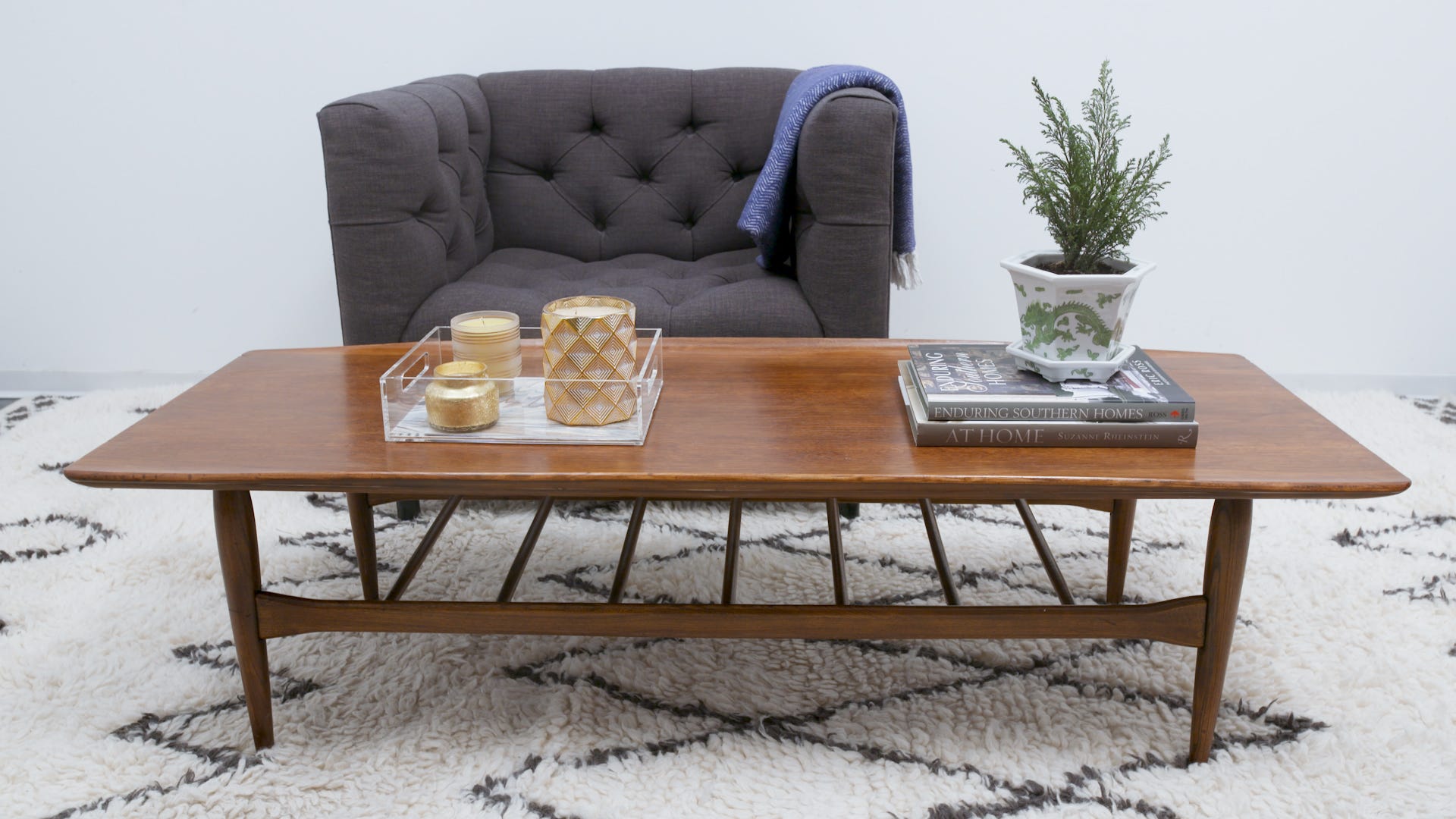
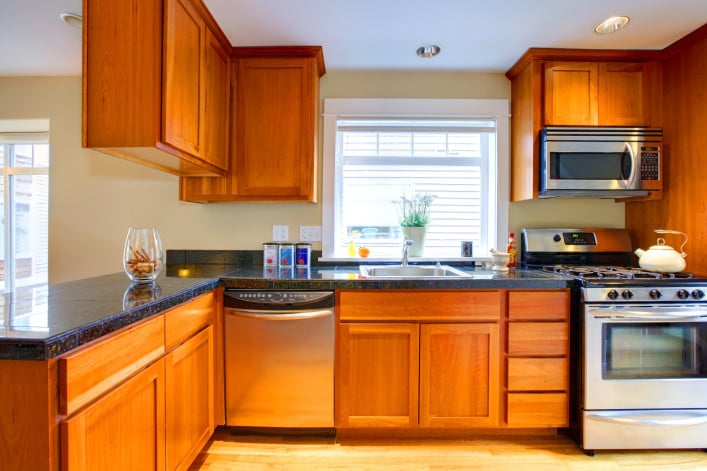
Wood furniture sealed with oil-based varnish or aged polyurethane often develops an orange or amber tone over time due to oxygen and ultraviolet ray exposure. This natural darkening, common with traditional finishes like varnishes, oils, and shellacs, can make furniture appear dated if a warmer aesthetic is not desired. To achieve a more modern look, there are two primary approaches: cooling down the existing tone without full refinishing or undertaking a comprehensive refinishing process.
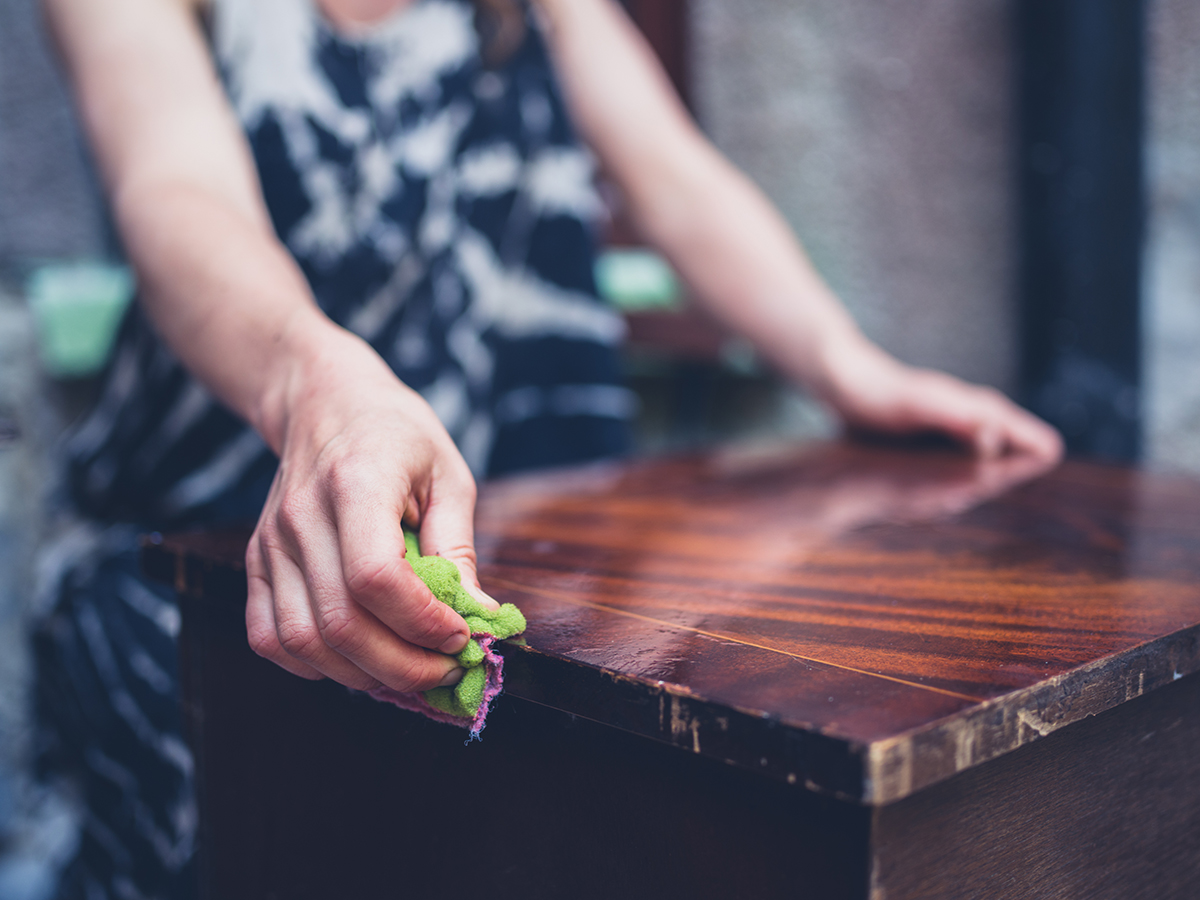
For those seeking a less intensive solution, neutralizing the orange tone with a blue-green dye toner is recommended. This method requires a light hand to achieve balance without masking the wood's natural beauty. The process begins with a light scuffing of the furniture surface using 220-grit sandpaper and a gray sanding pad, followed by wiping the surface clean with a damp cloth to remove dust. A thin wash coat of blue-green dye toner is then applied to neutralize the orange. Once the desired color balance is achieved, the piece is sealed with a clear, waterborne topcoat, which is chosen for its non-yellowing properties.
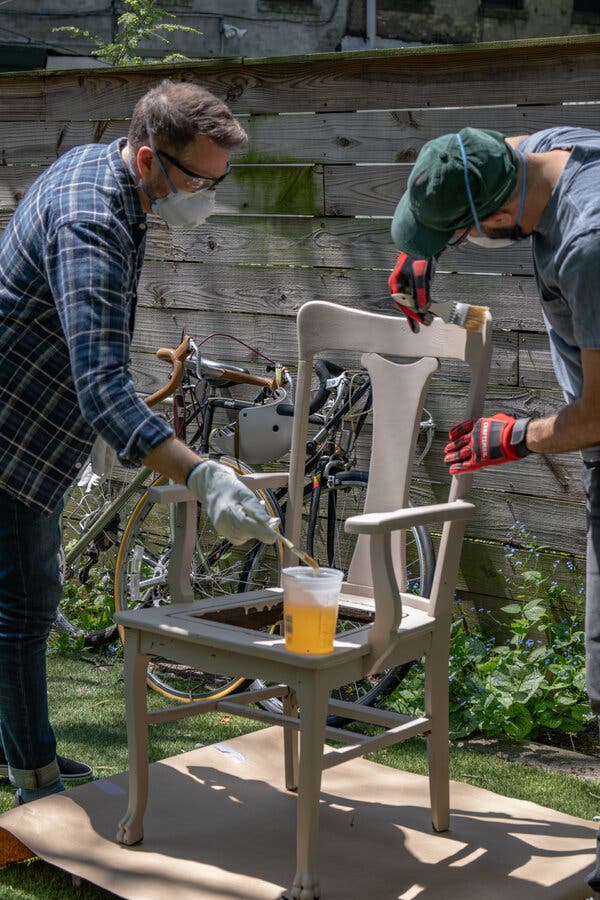
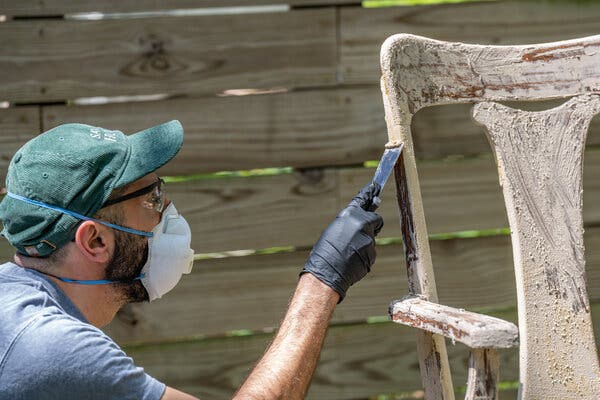
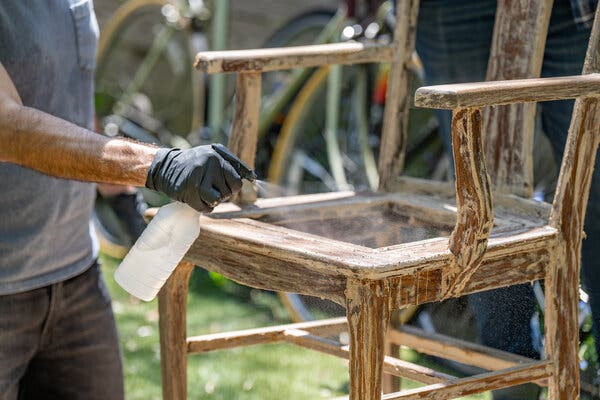
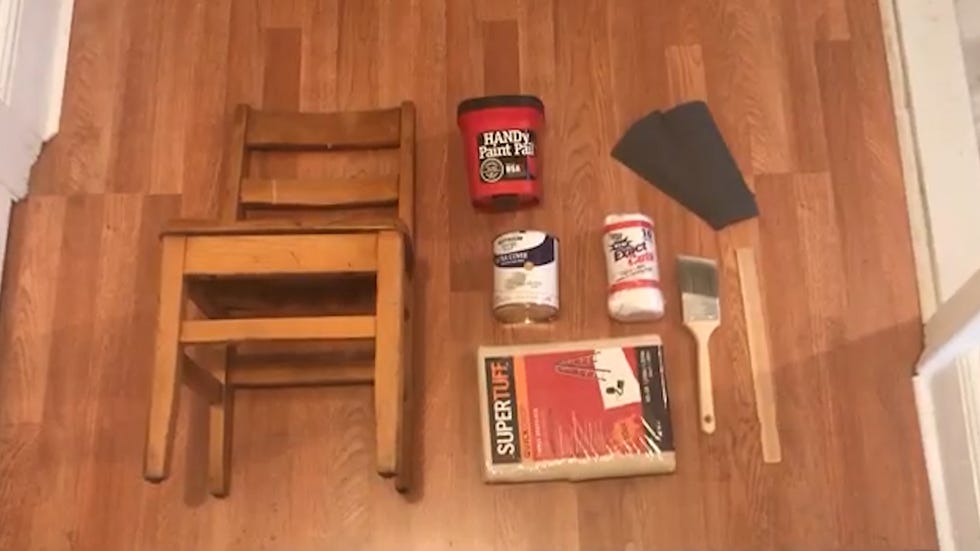
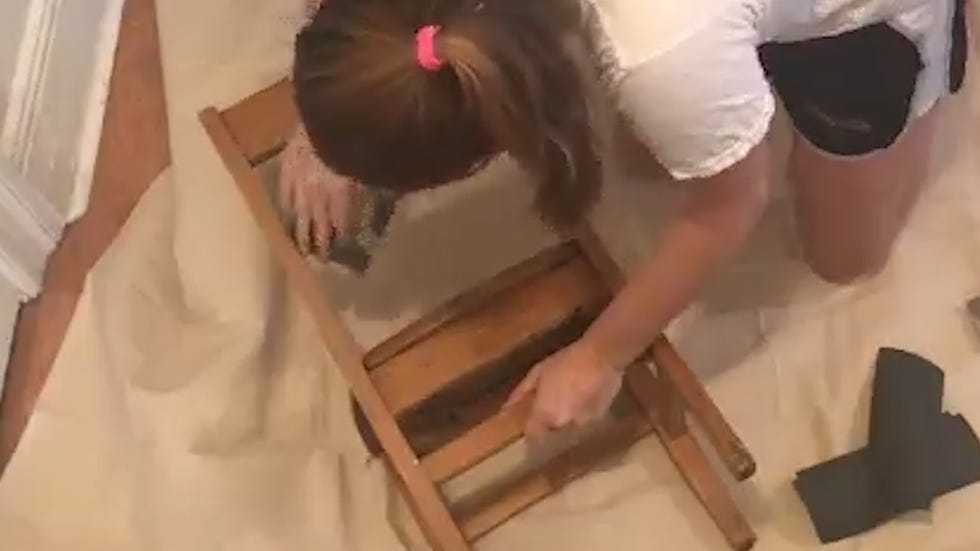
When a more thorough transformation is desired, full refinishing is the most effective method for eliminating orange pigment. This multi-step process starts with cleaning the wood using a TSP substitute or mild cleaner and a sponge or cloth. After cleaning, mineral spirits are used to wipe the wood, and the piece is allowed to dry completely. The existing finish is then sanded down, starting with 120-grit sandpaper and gradually progressing to 220-grit, taking care not to sand through the wood itself. Any iron or water stains are treated with oxalic acid, followed by rinsing with distilled water and complete drying.
The next crucial step involves using a two-part wood bleach. Part A is applied, allowed to react, and then followed by part B to neutralize warm wood pigments, with specific instructions varying by product. Once the desired lightness is achieved, an equal parts vinegar and water mixture is used to neutralize the surface, halting the bleaching process. The wood is then left to dry overnight. The following day, a light sanding with 180-grit sandpaper prepares the surface for the final step: applying a water-based clear finish to preserve the wood's newly achieved tone.
Preventing wood from turning orange inevitably in some cases, as oil-based products are prone to ambering over time due to UV light exposure. A key preventative measure is to keep wood furniture away from direct sunlight, as UV rays accelerate the color-changing process. By following these steps, individuals can modernize their wood furniture, achieving a contemporary look and maintaining the desired aesthetic over time.
#WoodFurniture #FurnitureRefinishing #HomeDecor #DIYHomeProjects #WoodCare #InteriorDesign #ColorCorrection #WoodFurniture #FurnitureRefinishing #HomeDecor #DIYHomeProjects #WoodCare #InteriorDesign #ColorCorrection
0 ความคิดเห็นรวม
 ยังไม่มีความคิดเห็น
คุณอาจจะชอบอีกด้วย
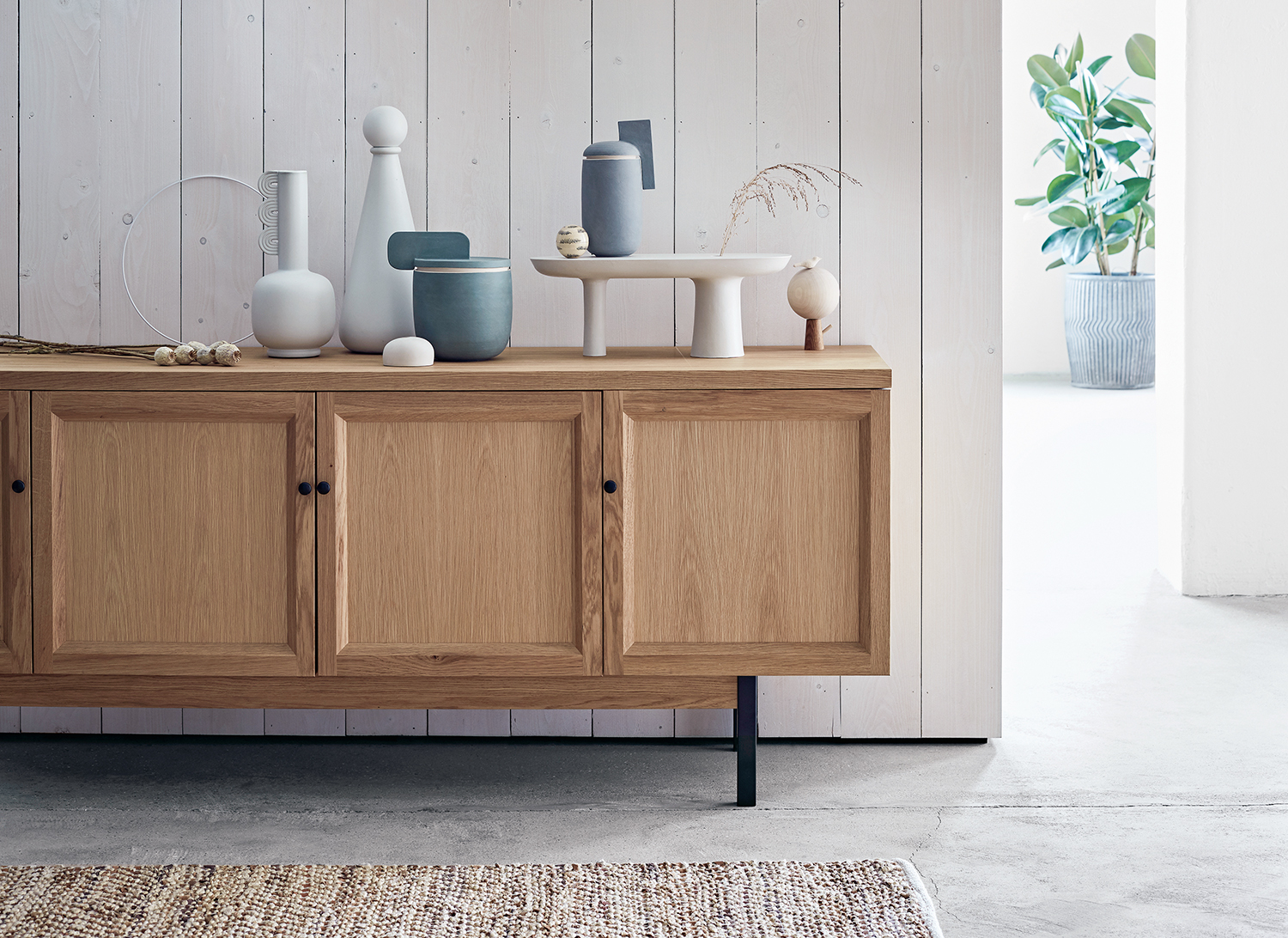
How to refinish wood furniture - easy ways to totally overhaul your decor

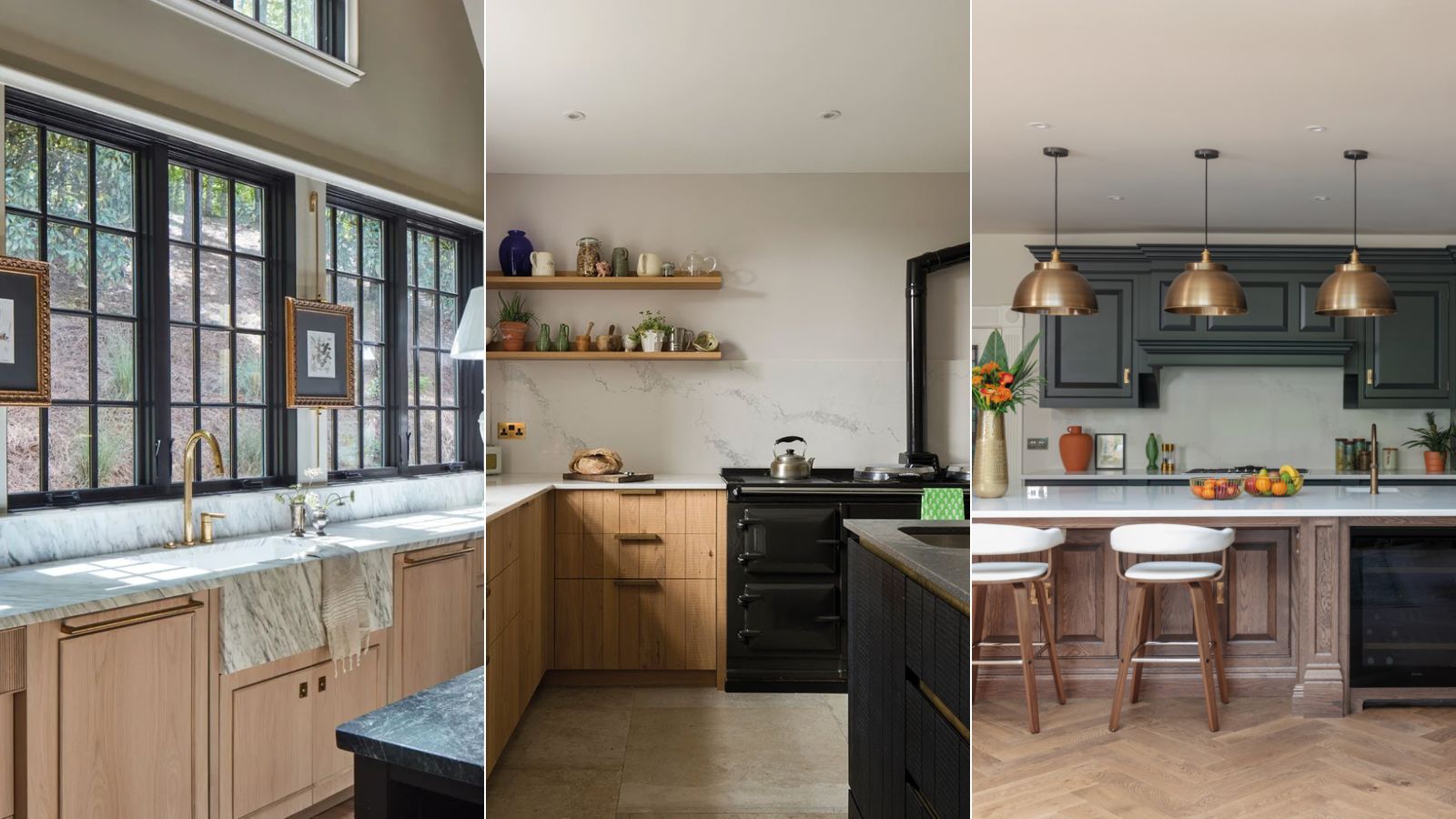
How to make oak kitchen cabinets look modern, according to designers

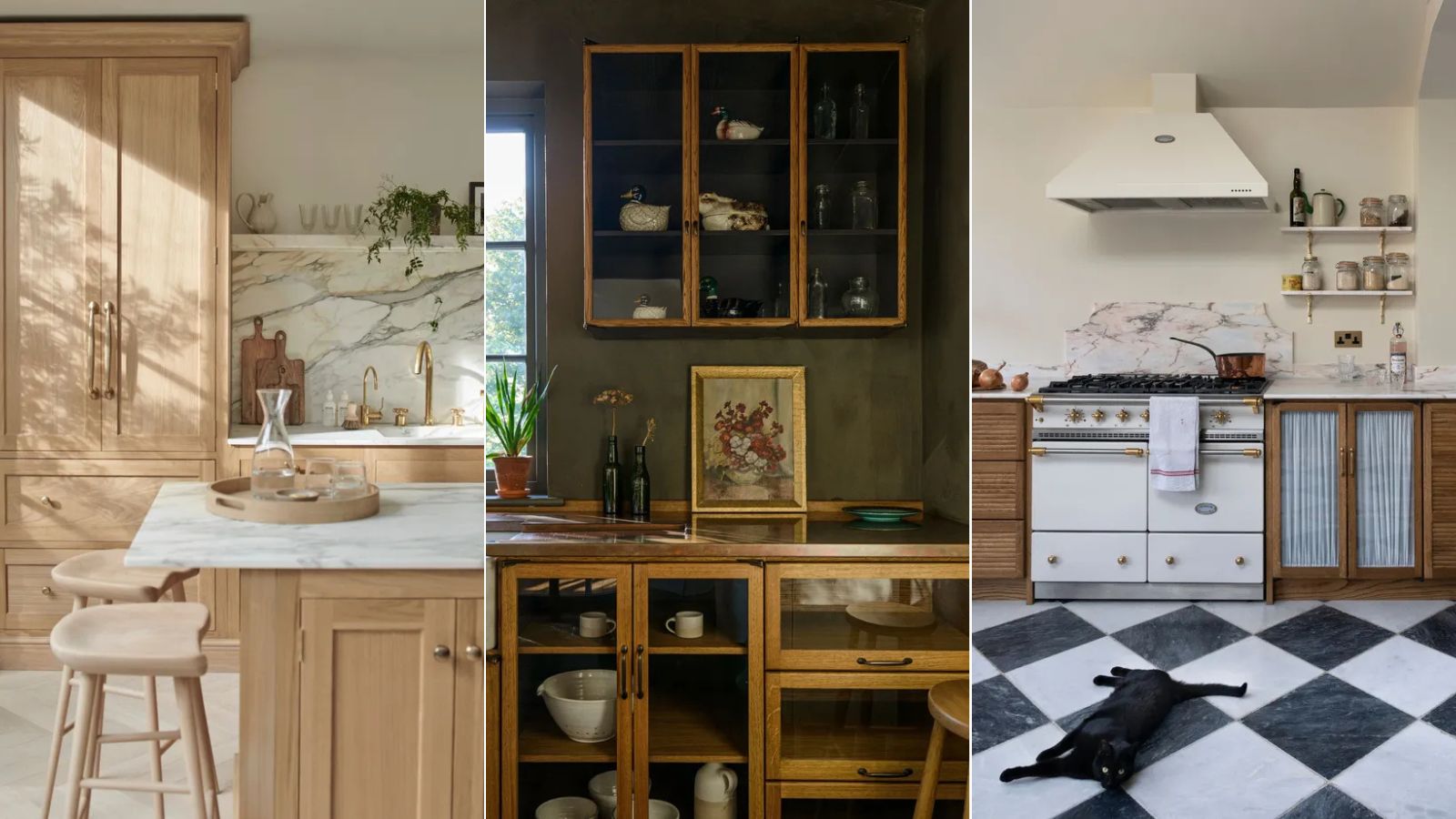
The best colors to pair with oak kitchen cabinets, according to interior designers
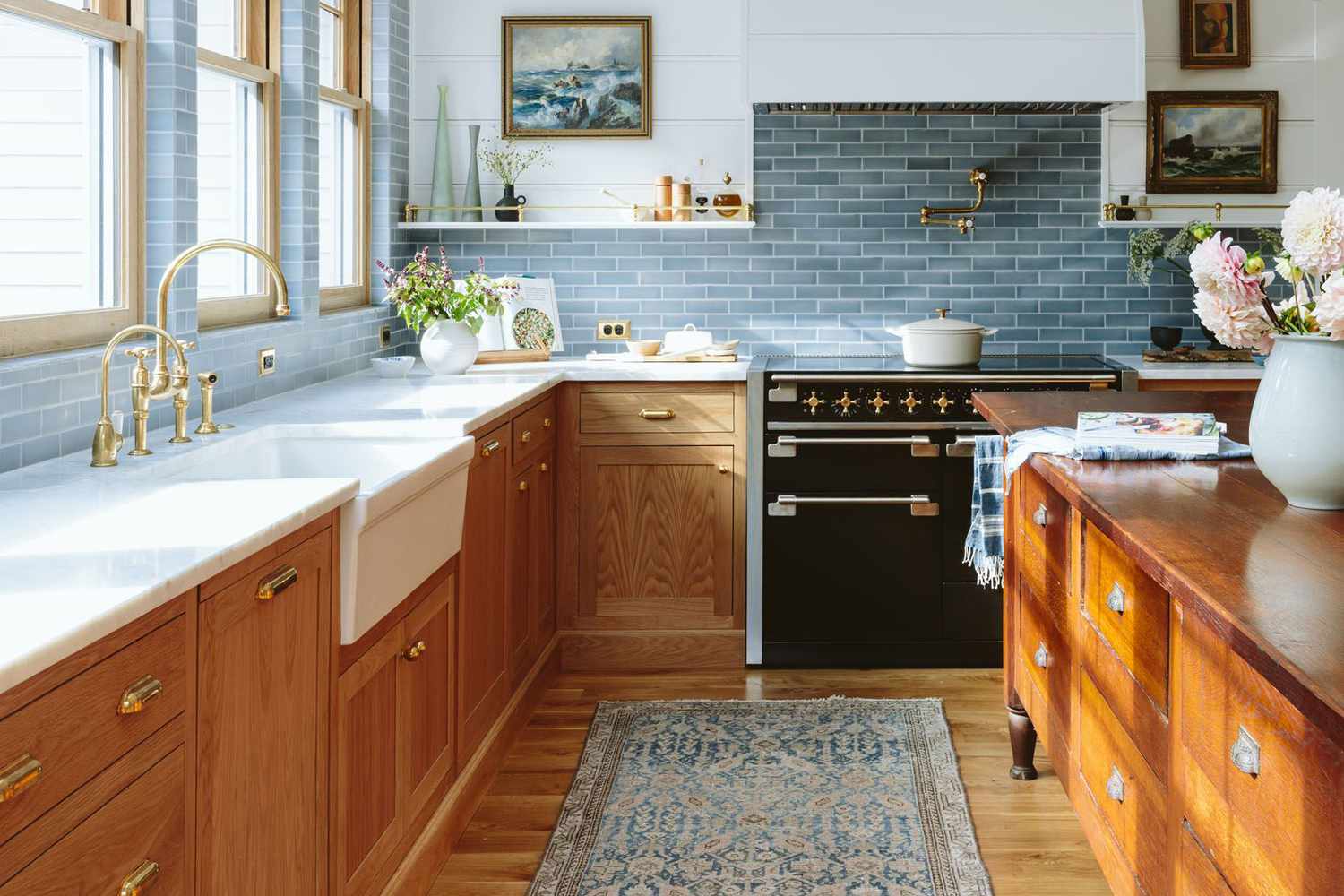
Turn Your Oak Cabinets From Dated to Modern With These 8 Affordable Ideas

How to Modernize Antique Furniture for a Characterful and Cohesive Look
20 orange room design ideas

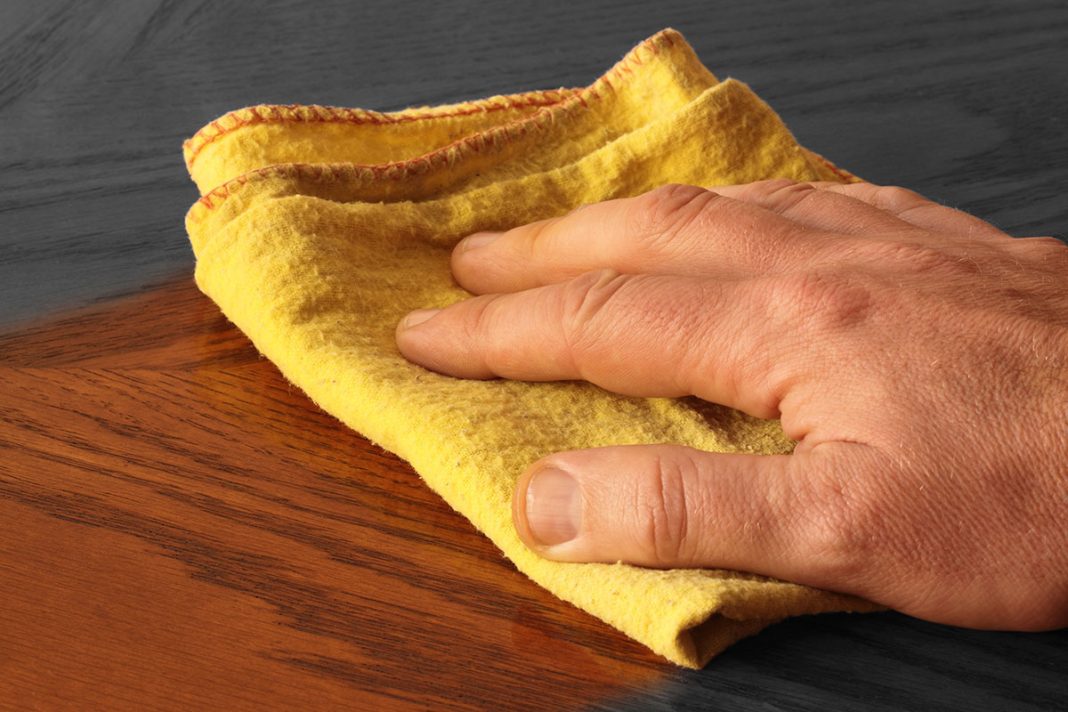
How to Clean Water and Surface Stains on Antique Furniture

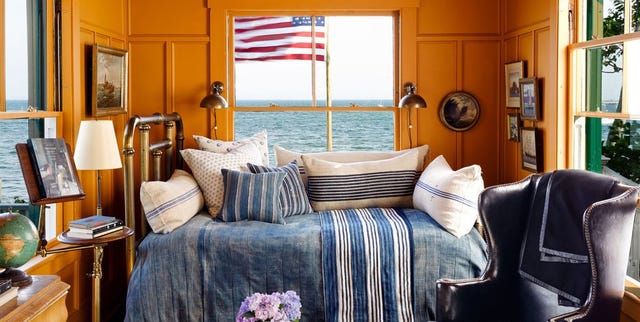
15 Energizing Orange Paint and Decor Ideas

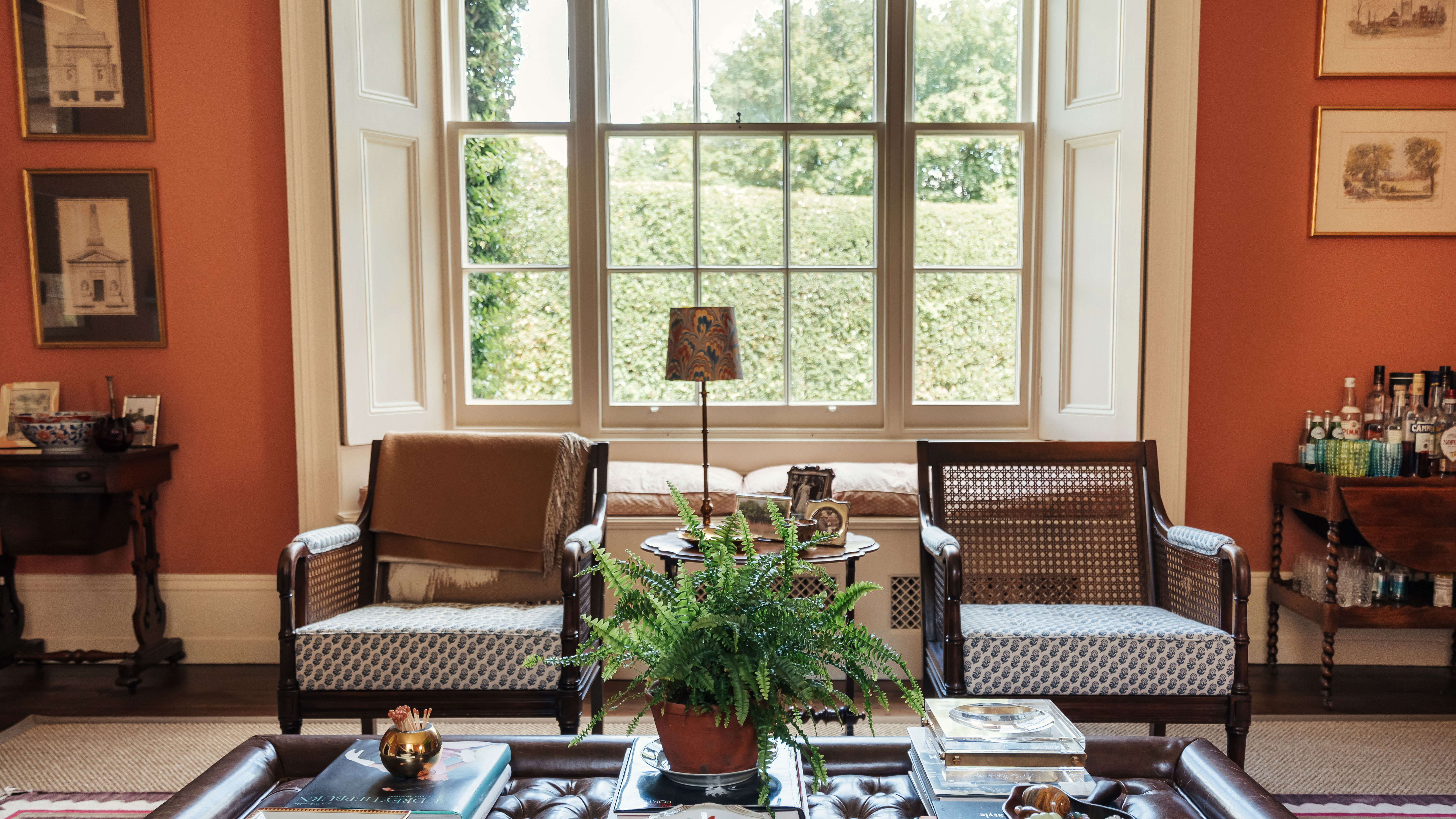
Decorating with orange – how best to use this vibrant and versatile color in interior schemes
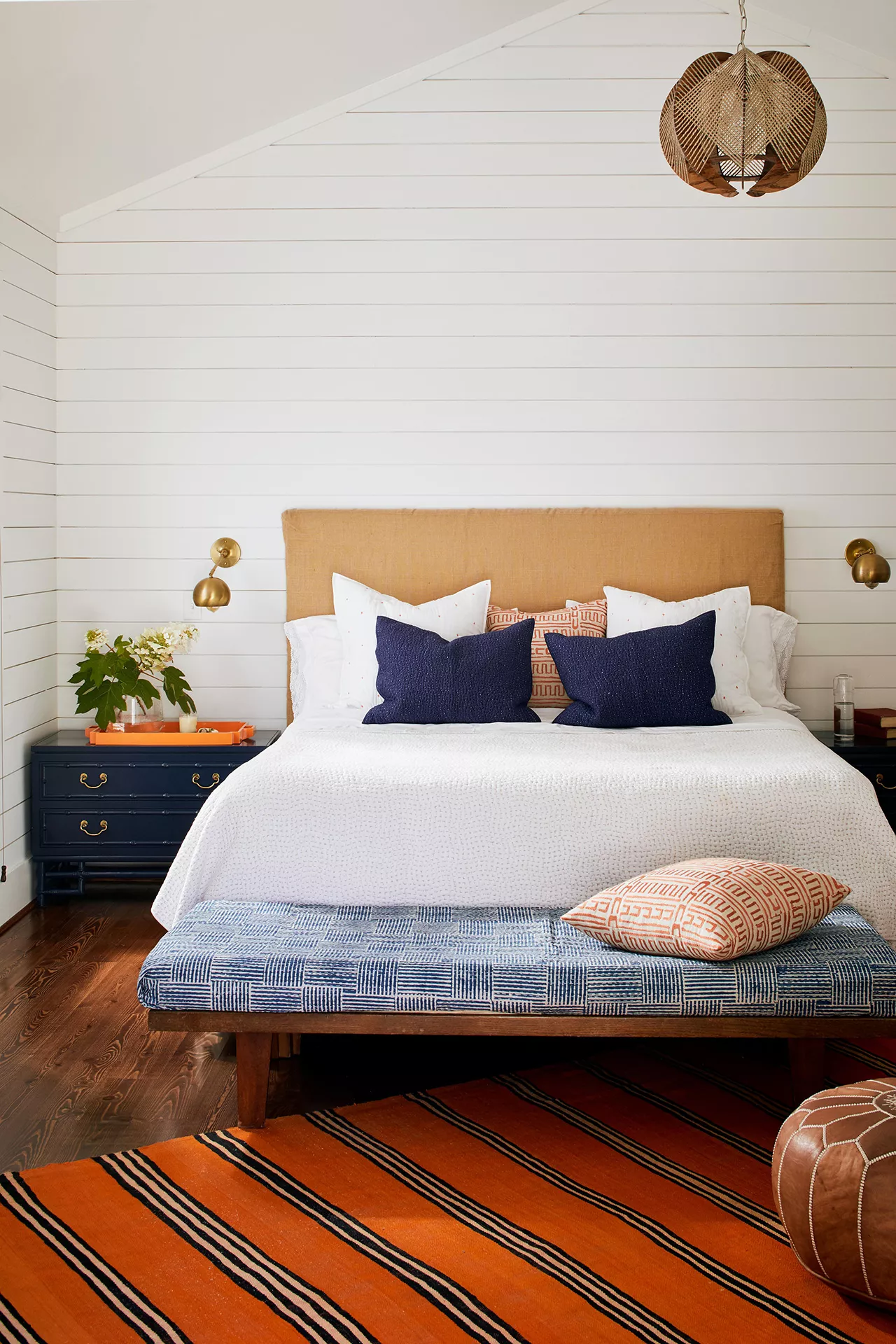
30 Bright, Bold Colors That Go with Orange

Restoring a Chair Is Easier Than You Think. Ask the Brownstone Boys. (Published 2024)
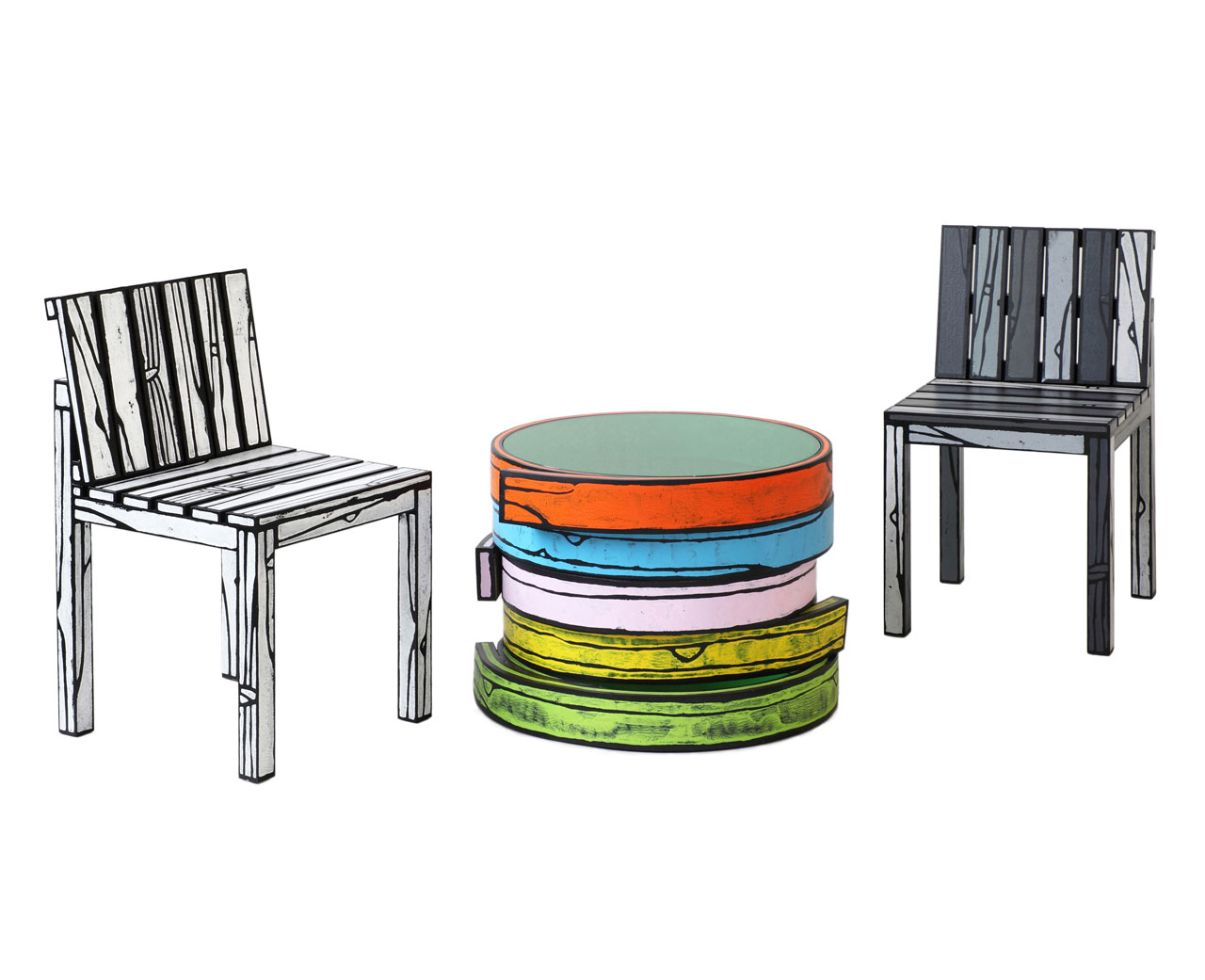
Colorful Wood Grain Furniture by Wrong Woods

How to fix your dated orange wood cabinets and floors—even if you rent
Expert's clever olive oil hack to 'protect and rejuvenate' furniture
Is It a Crime to Paint Antique Furniture?
The Right Way To Whitewash Wood Furniture
20+ Ideas for Styling with Orange as an Accent
Follow These DIY Steps to Remove and Refresh Your Kitchen Cabinets

We Found the Chic Orange Sofas of Your Dreams
Do You Have a Kitchen with Oak Cabinets? Try These Design Tips