1/16
Decorating with orange – how best to use this vibrant and versatile color in interior schemes
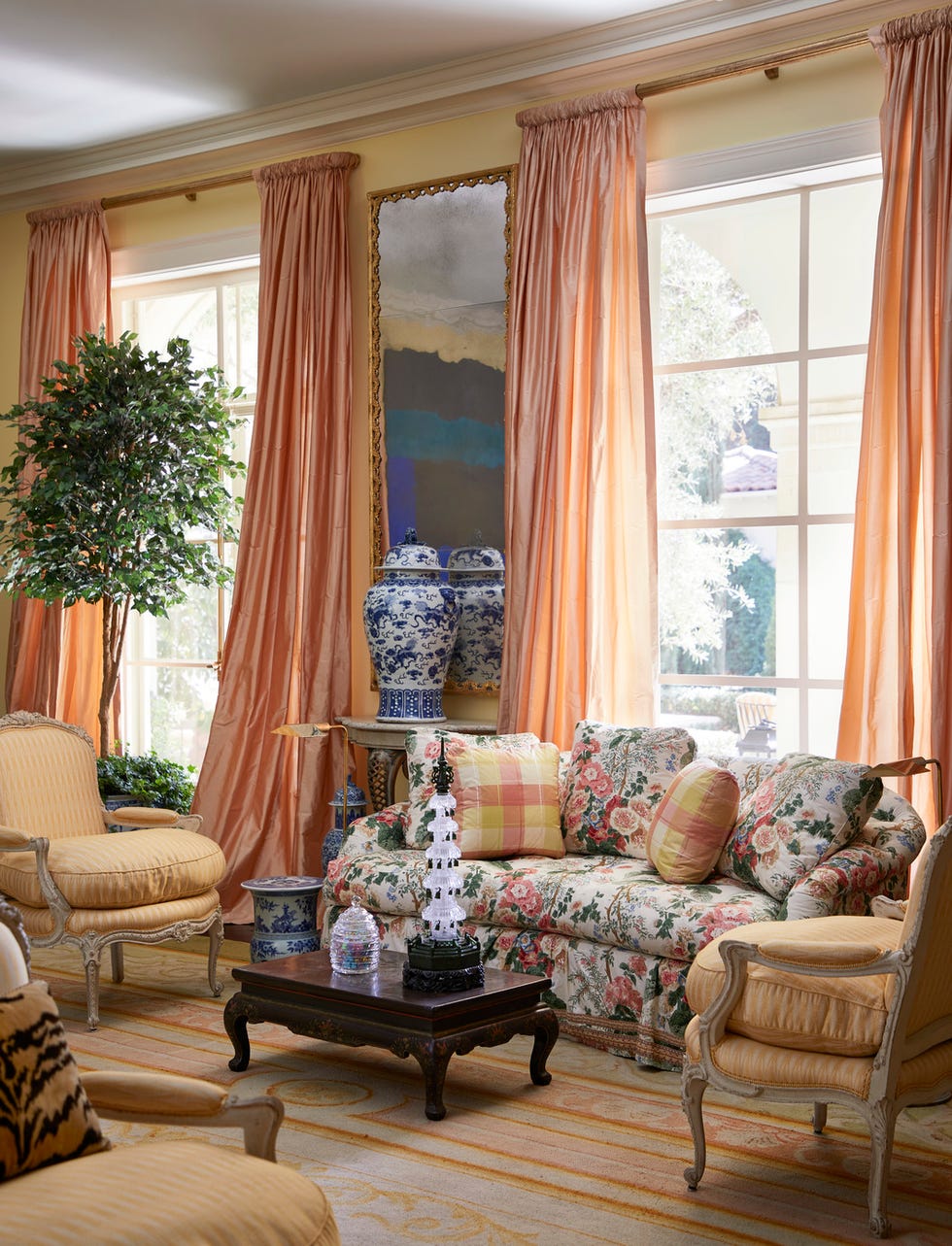
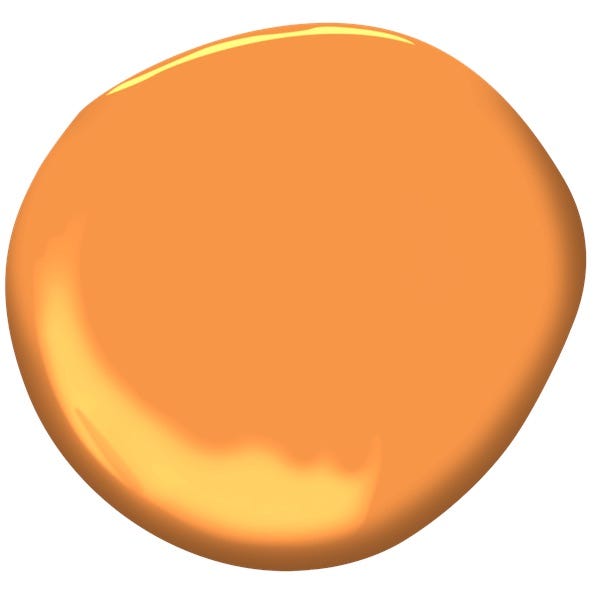
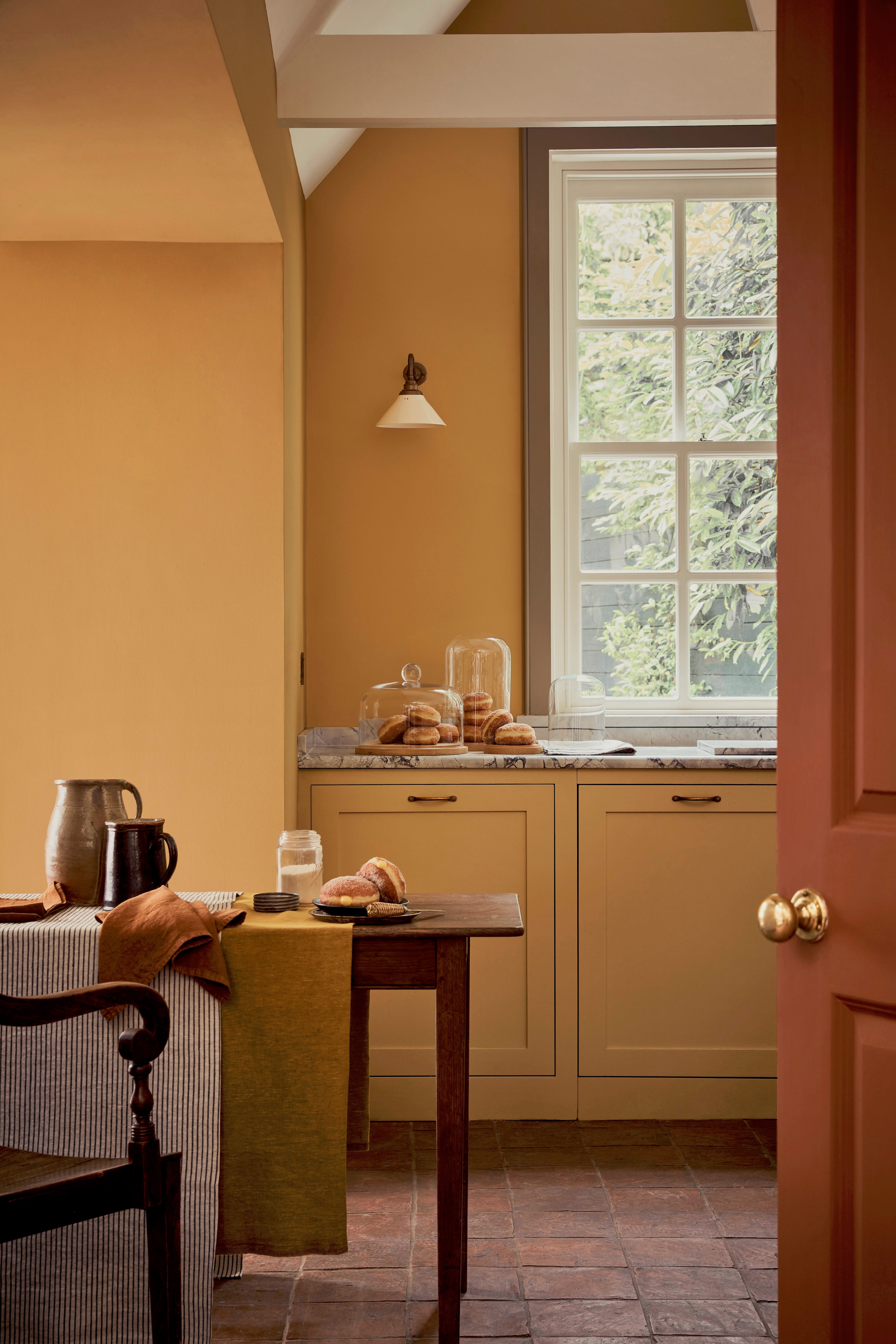
Orange, a warm and vibrant color, offers diverse applications in interior design, capable of imparting a contemporary edge, sophisticated spice, or a cozy, country-style mood. It is a versatile shade that can be uplifting and warming during colder months, and zesty and vibrant in summer, contributing a joyous element to any space. The spectrum of orange ranges from bold, bright, and zesty tones to more subdued burnt orange hues with hints of red and yellow, providing a smokier and relaxed aesthetic. Regardless of the chosen tone, orange infuses decorating schemes with energy and warmth.
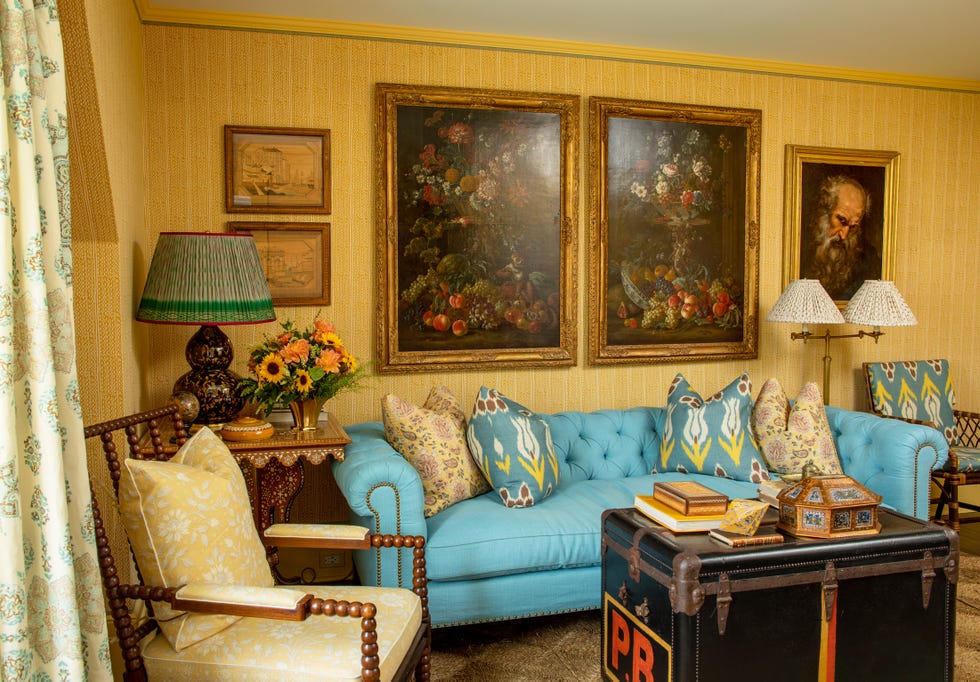
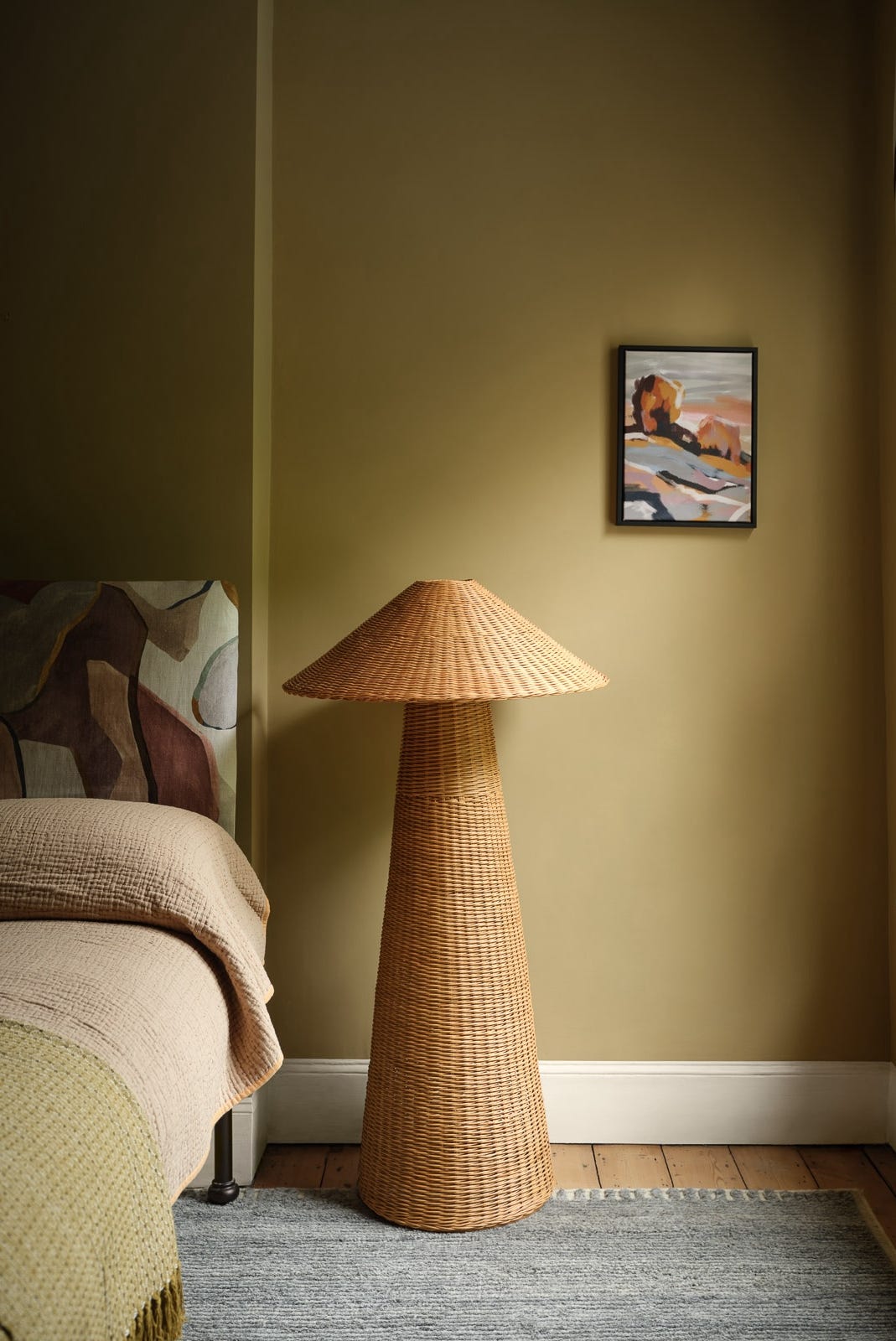
Successfully incorporating orange into interior design requires careful consideration, as overuse or an inappropriate shade can lead to an overwhelming result. When handled skillfully, orange can achieve surprising elegance. The color is gaining popularity among interior designers as an effective way to invigorate interiors. While it was widely used in the 1970s for flamboyant, geometric, and floral designs, contemporary approaches often favor burnt orange for a more collaborative and less dominating presence, frequently paired with textures like velvet, corduroy, hessian wall coverings, and rattan, echoing its 1970s appeal.

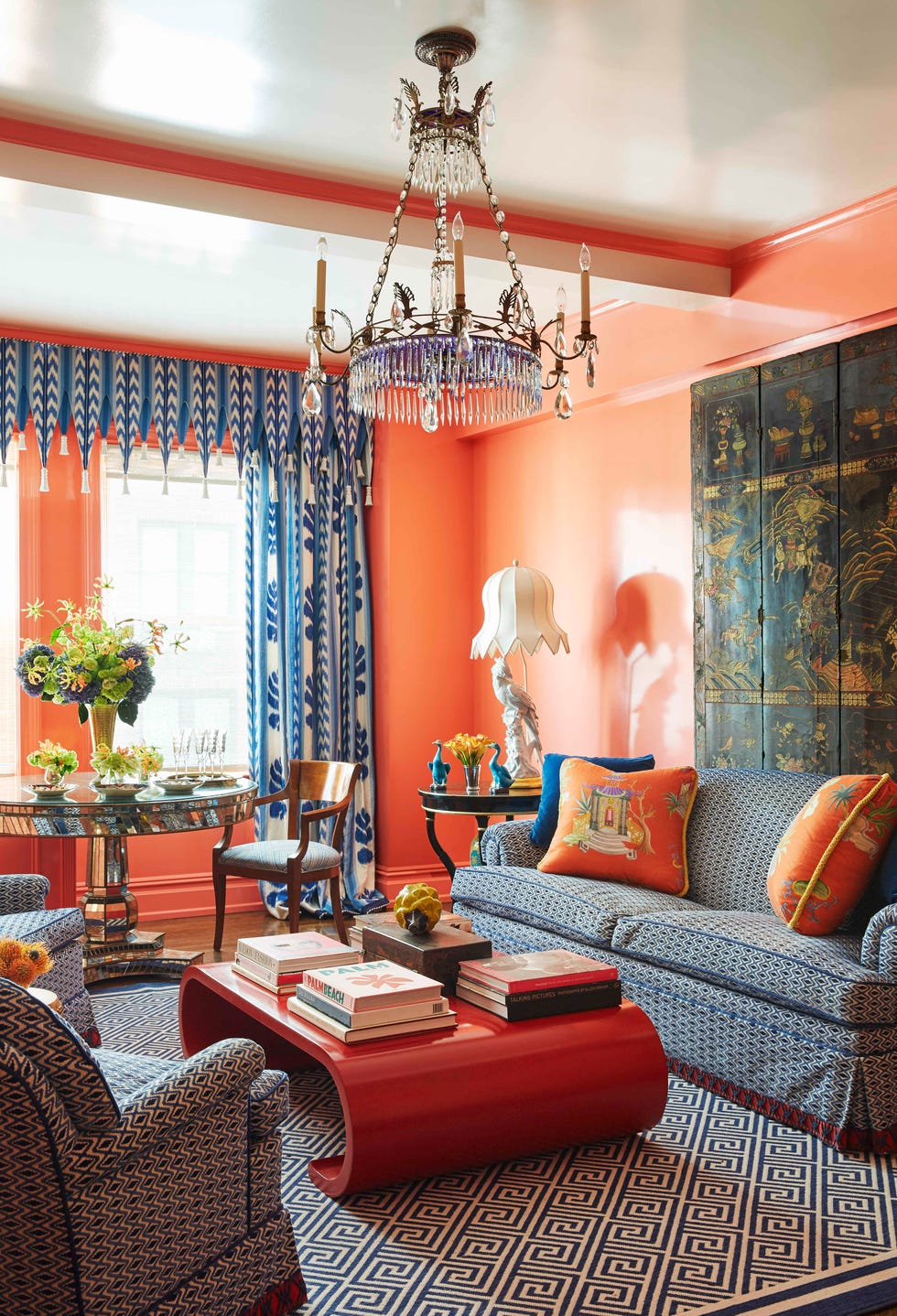
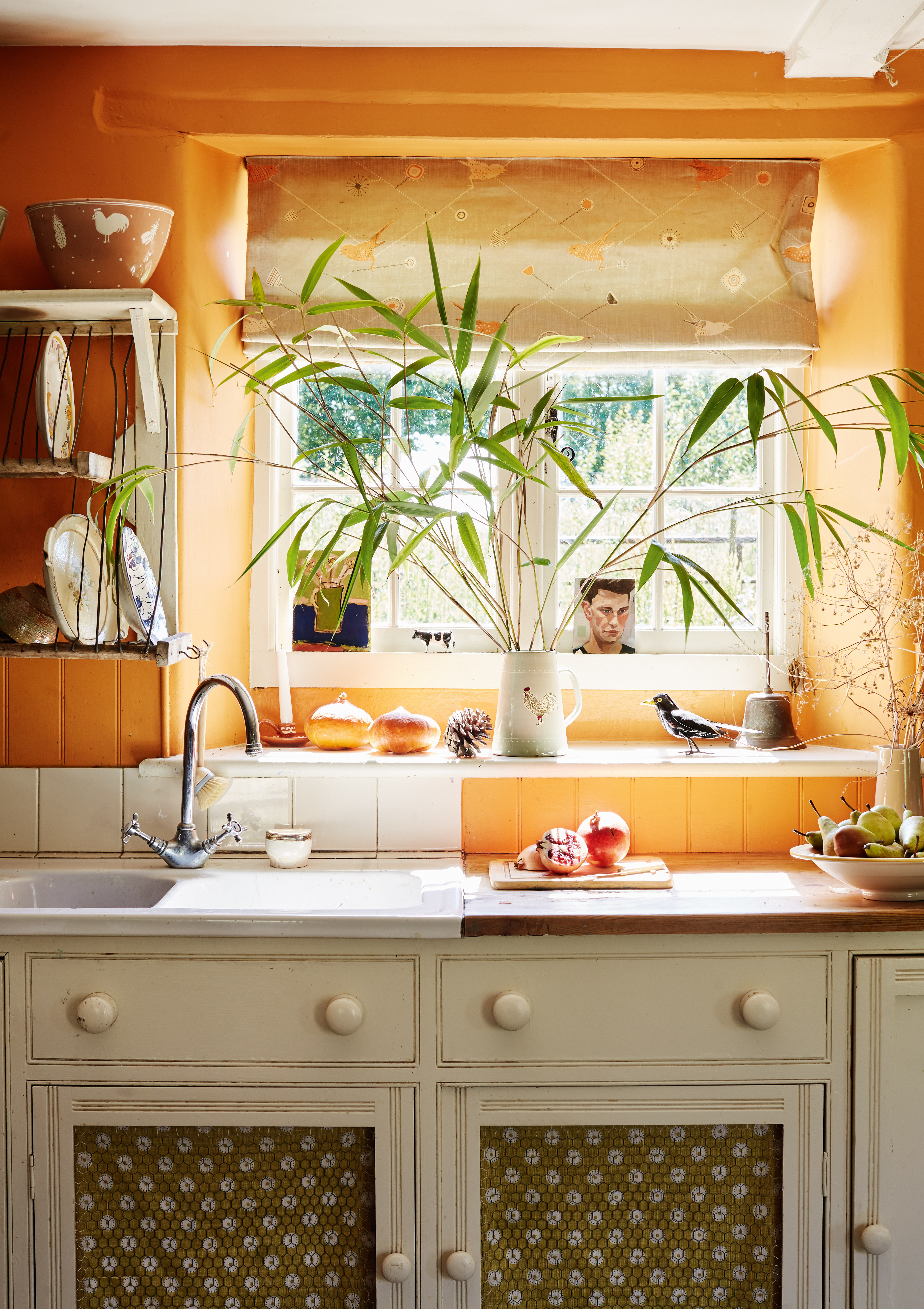
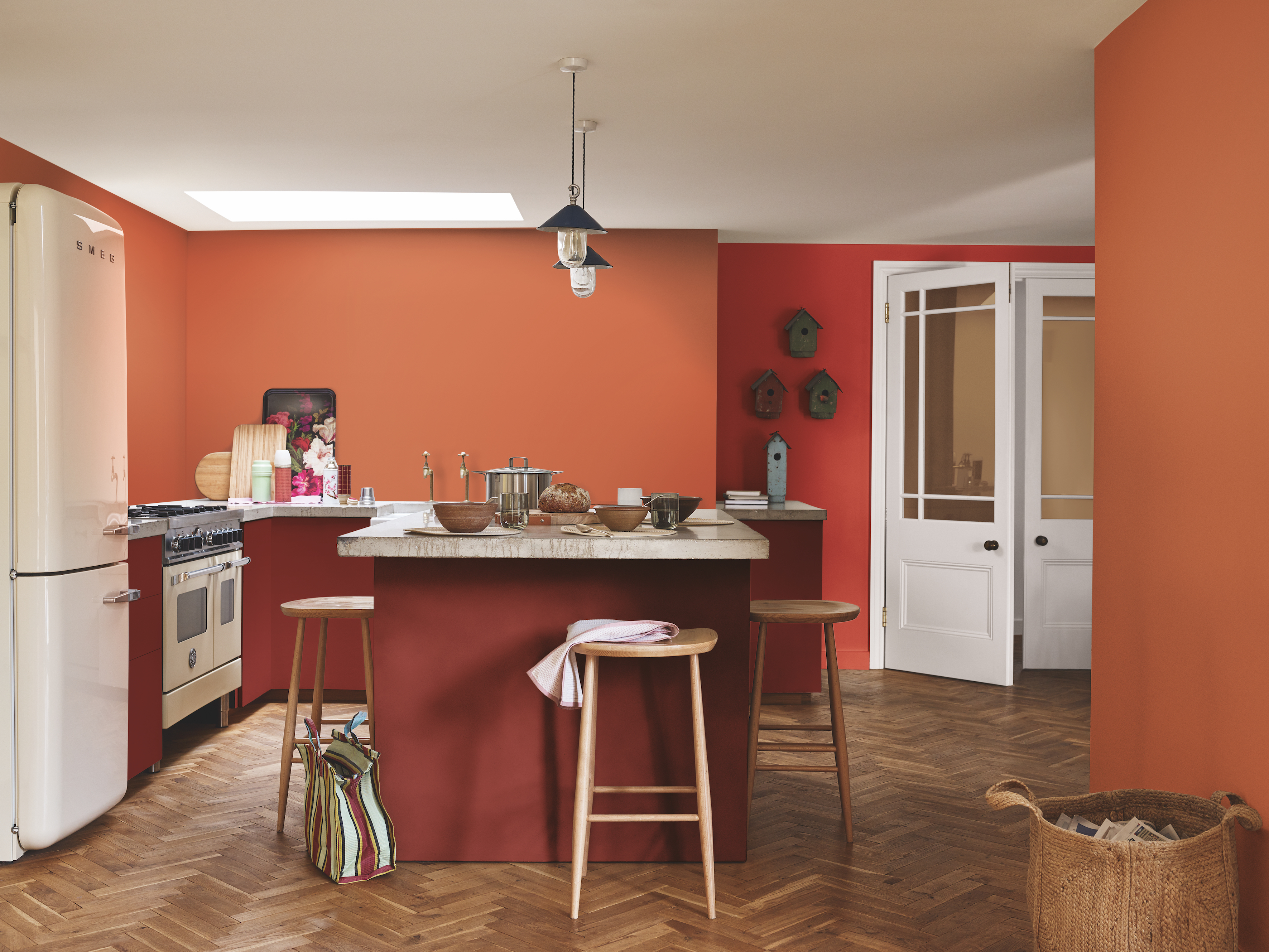
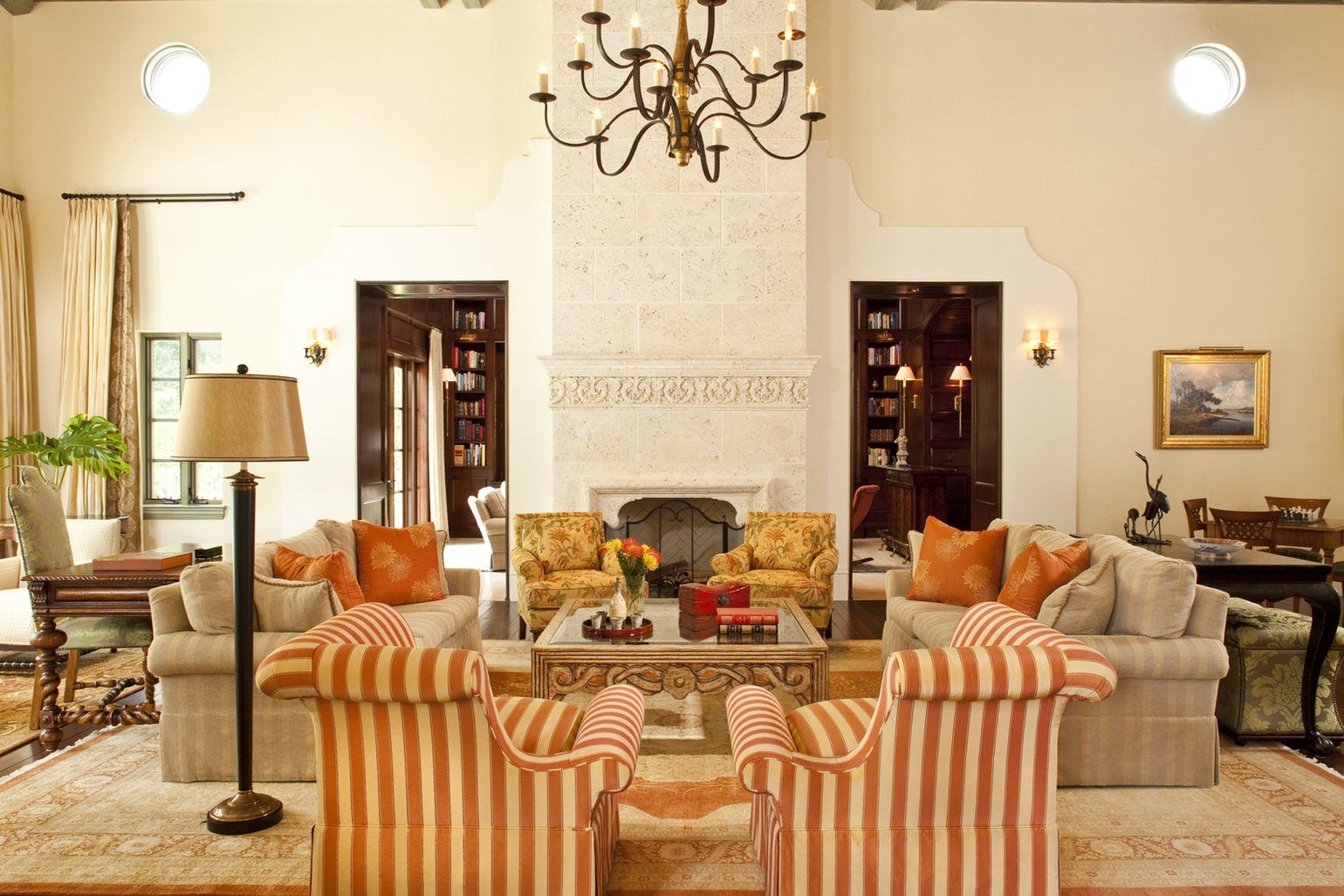
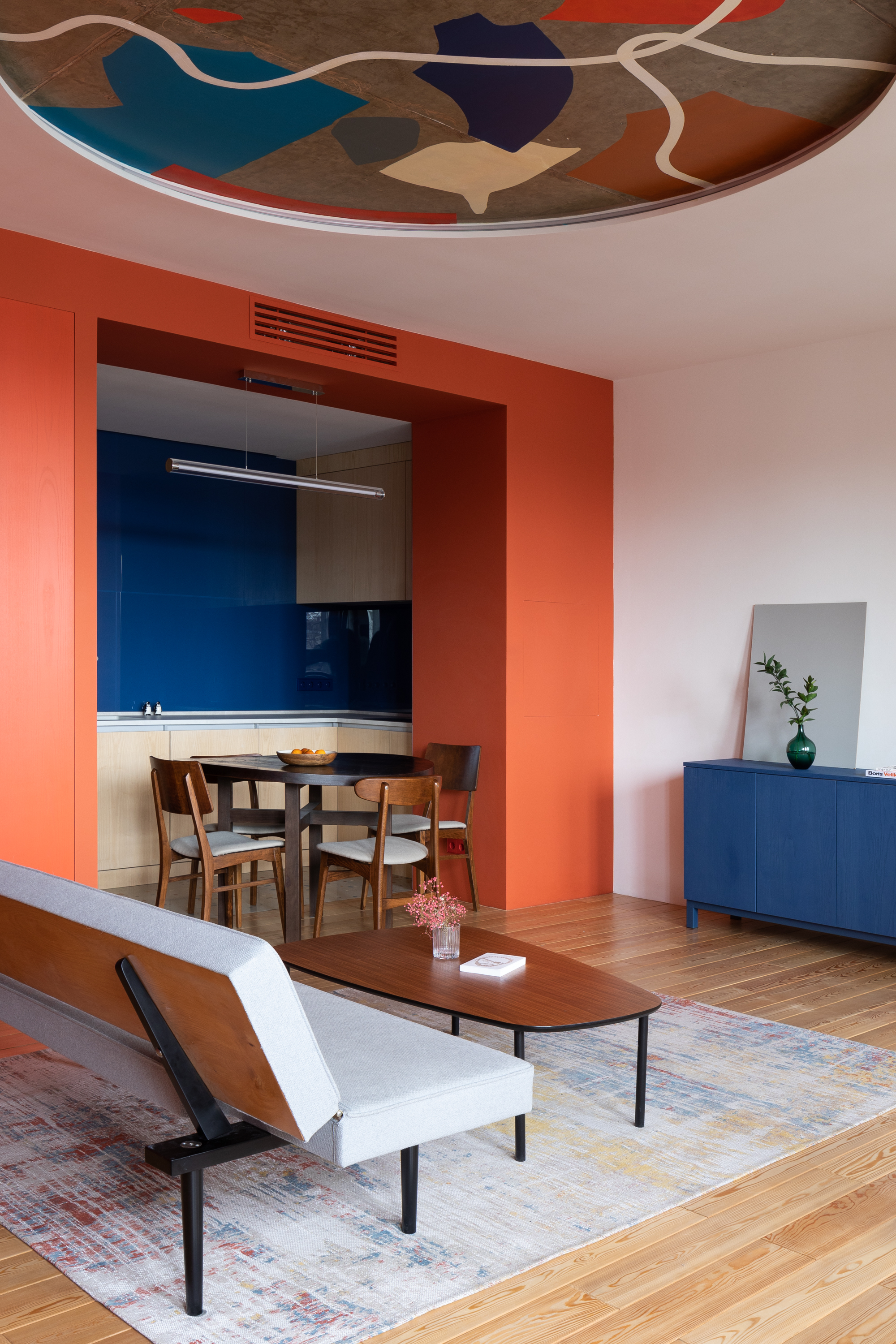
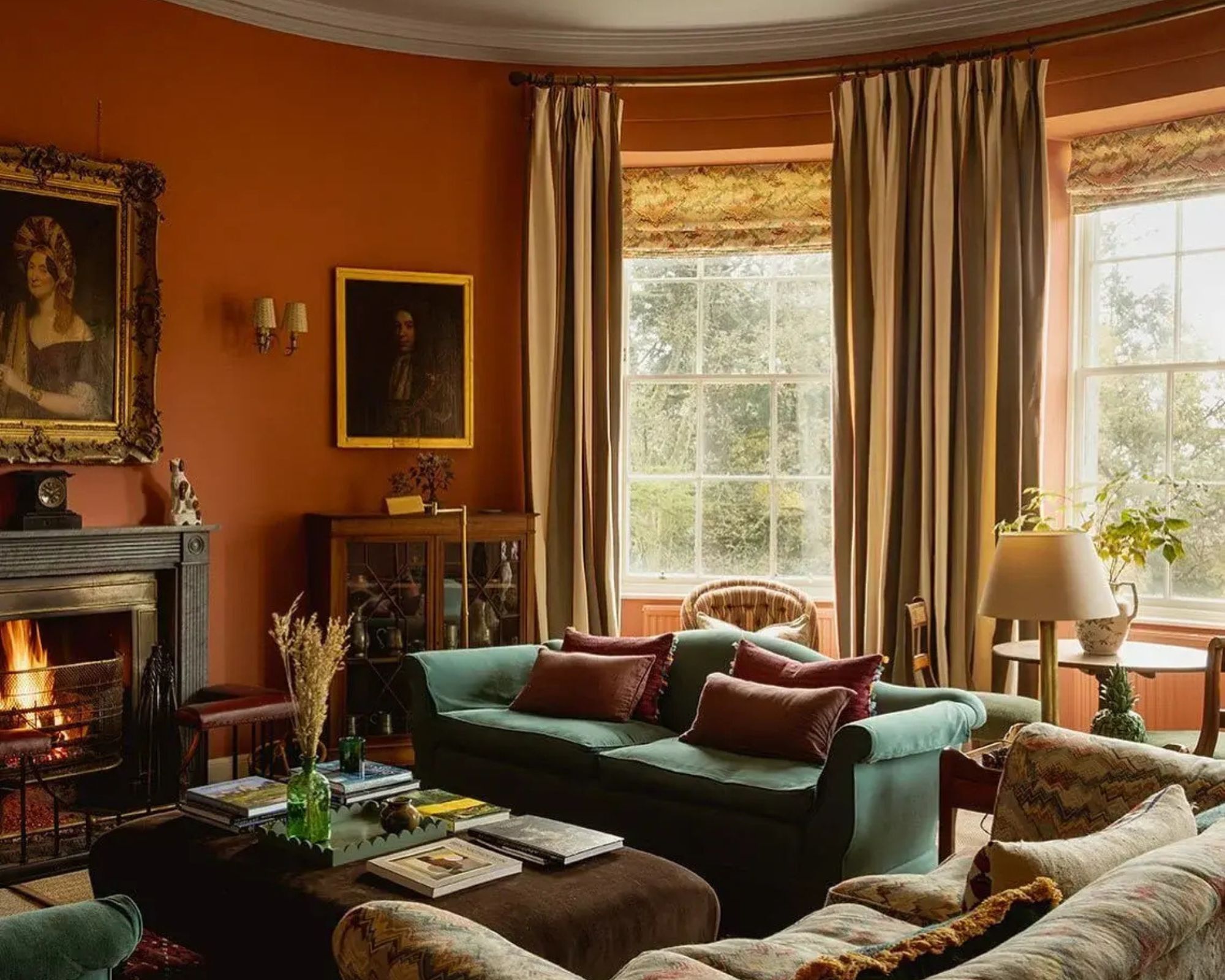
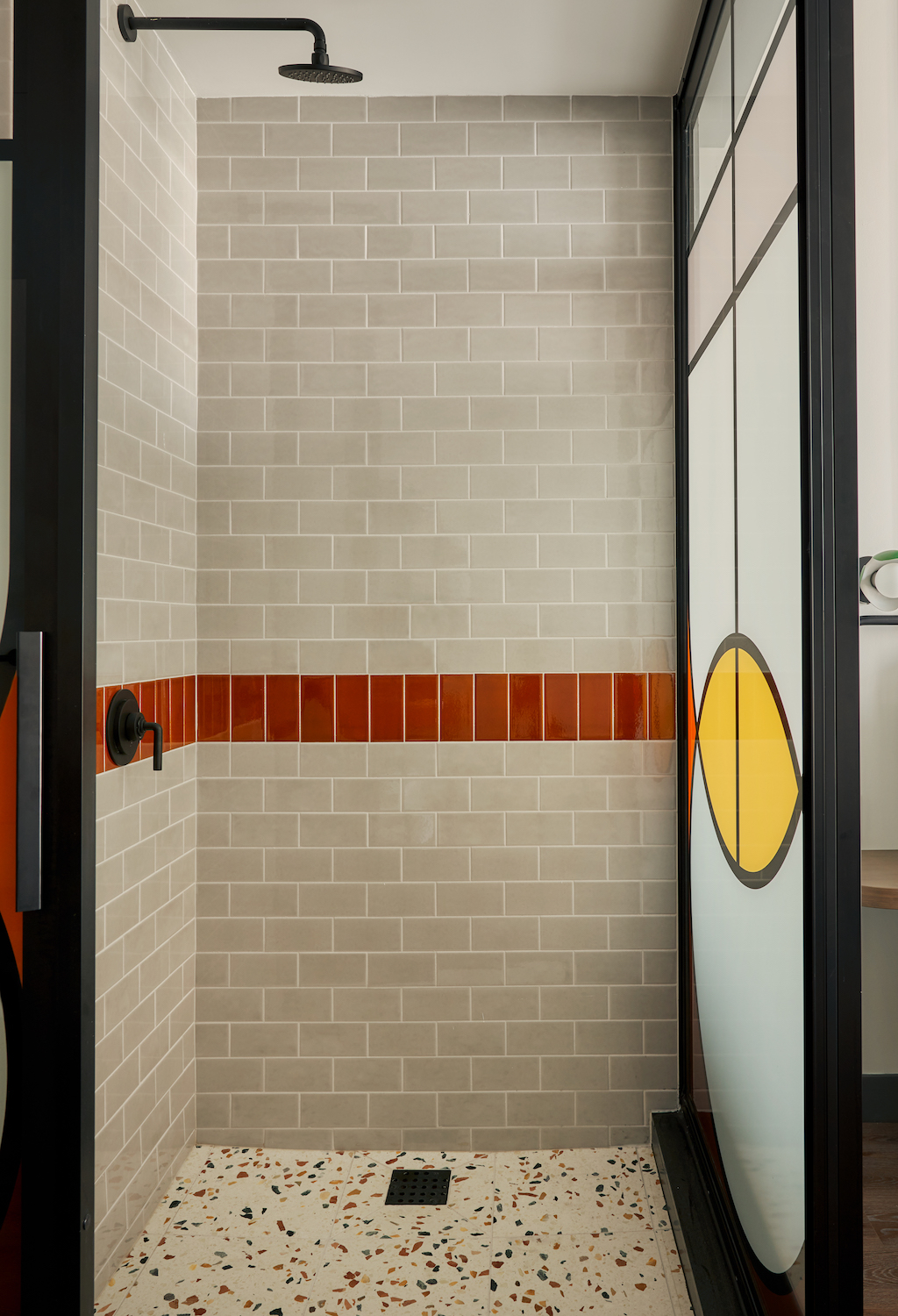
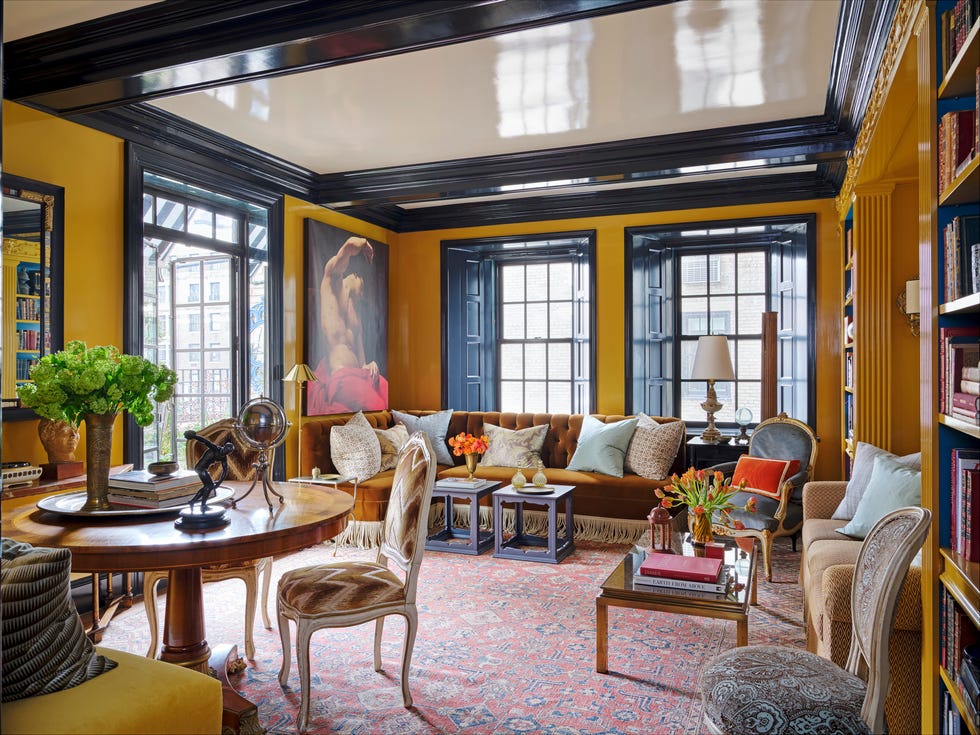
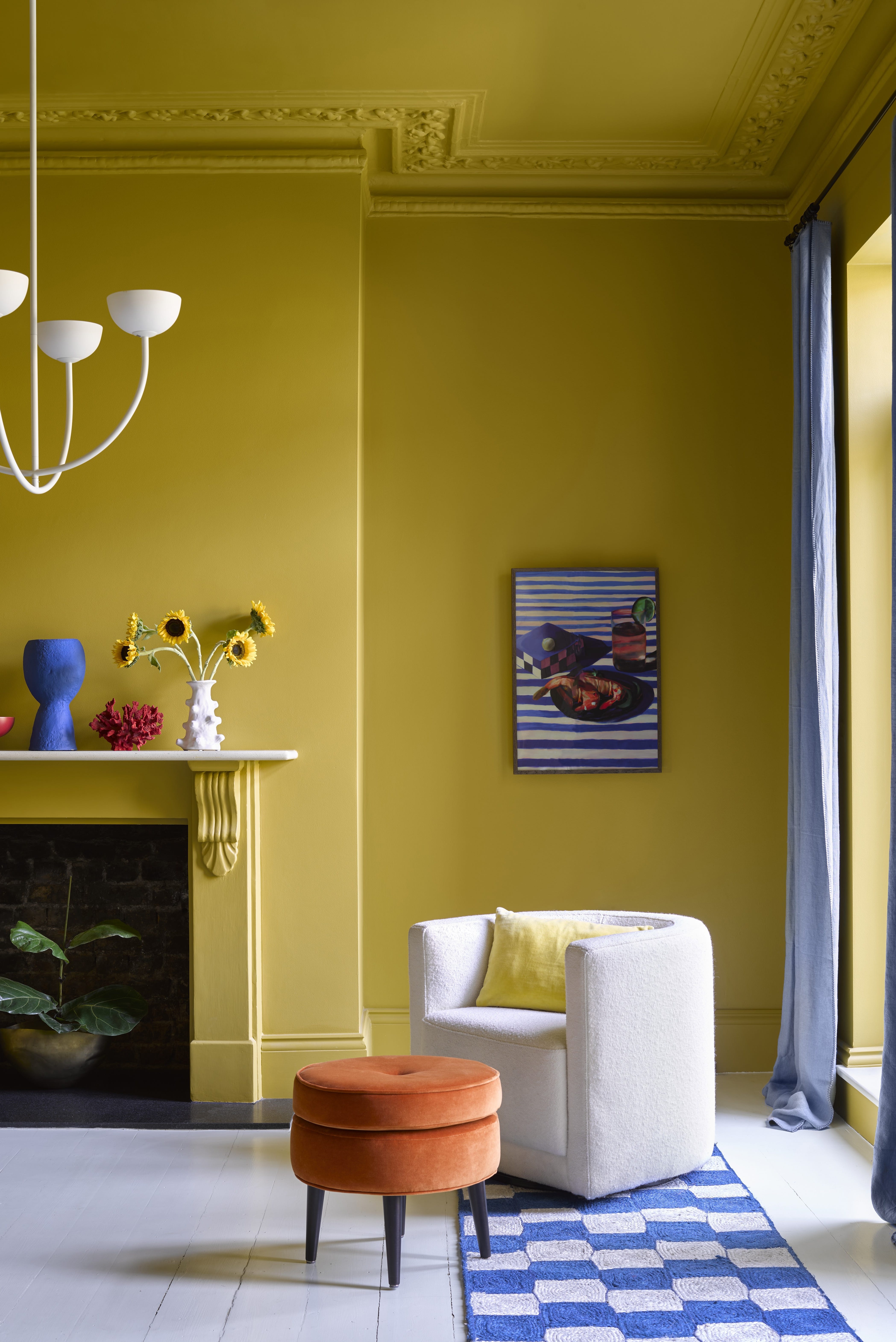
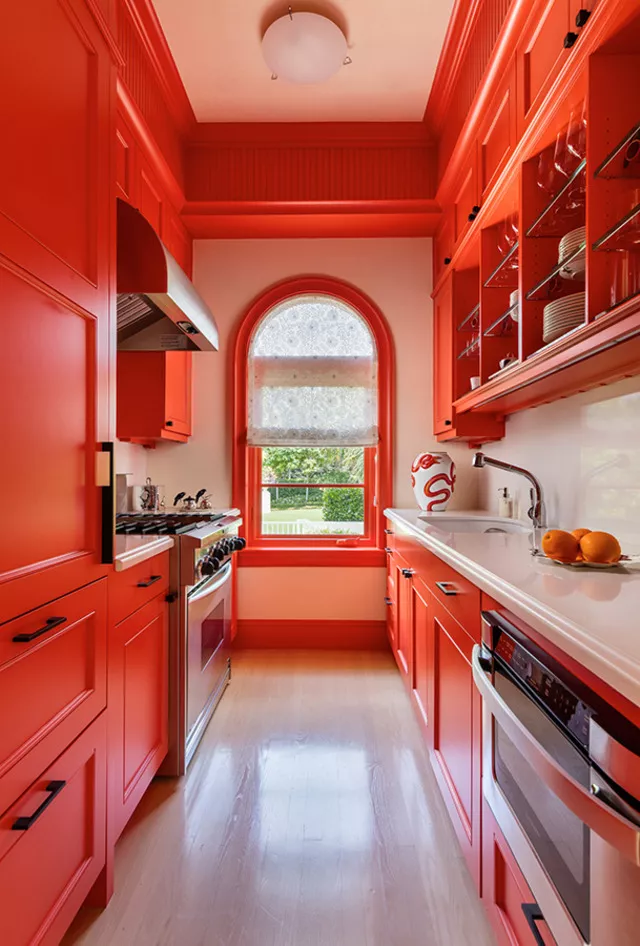
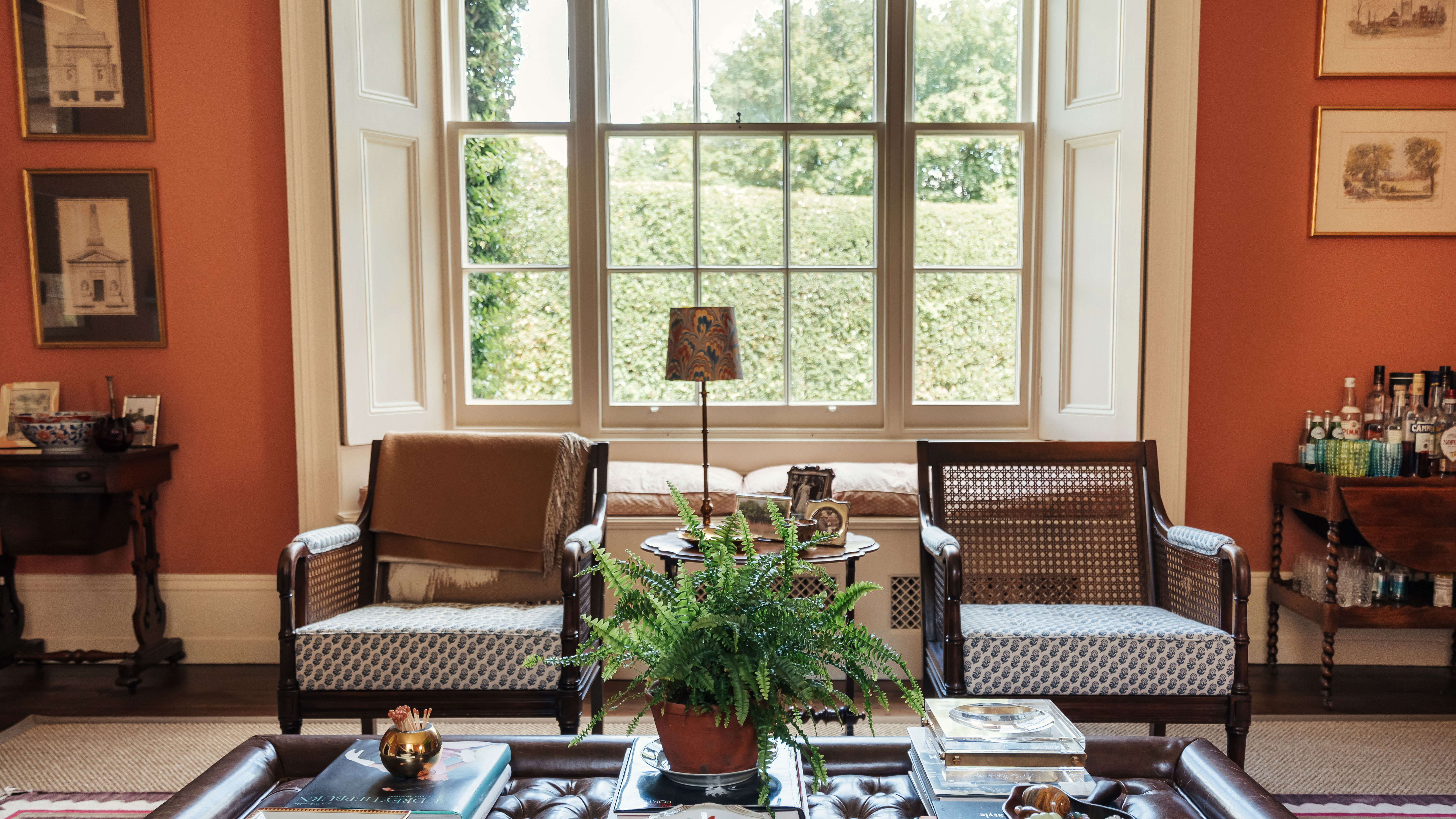
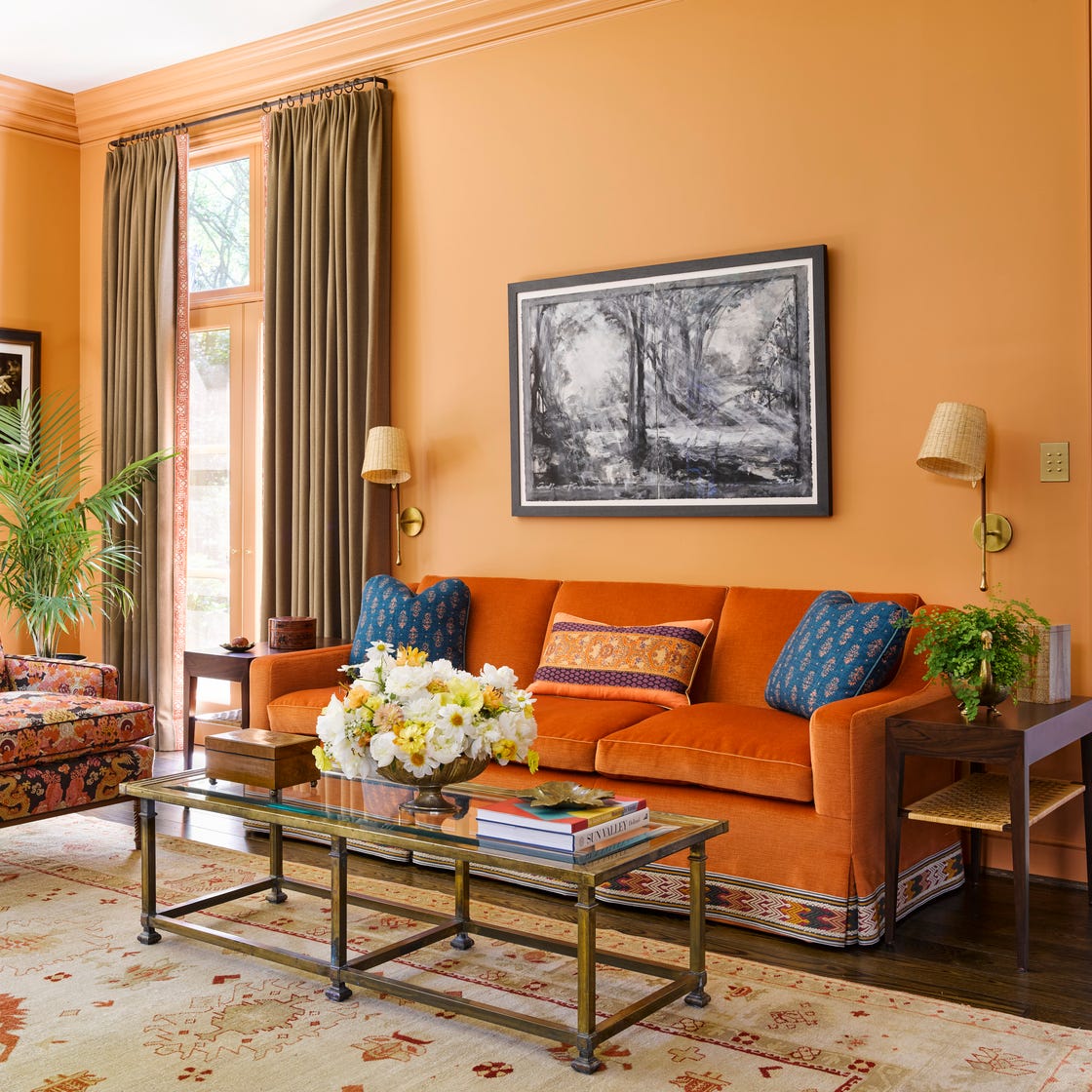
Key to decorating with orange is determining the right amount and placement. For those comfortable with bold colors, painting an entire wall in orange can create a striking, year-round fall color scheme. Alternatively, a more subtle approach involves using orange as an accent color in furniture, window treatments, textiles, and accessories to enhance an existing design. The tone of orange also plays a crucial role; zesty shades are excellent for adding cheer to spaces like kitchens, while richer, deeper tones such as terracotta, rust, and fiery paprika are ideal for creating a cozy atmosphere in living rooms and studies.
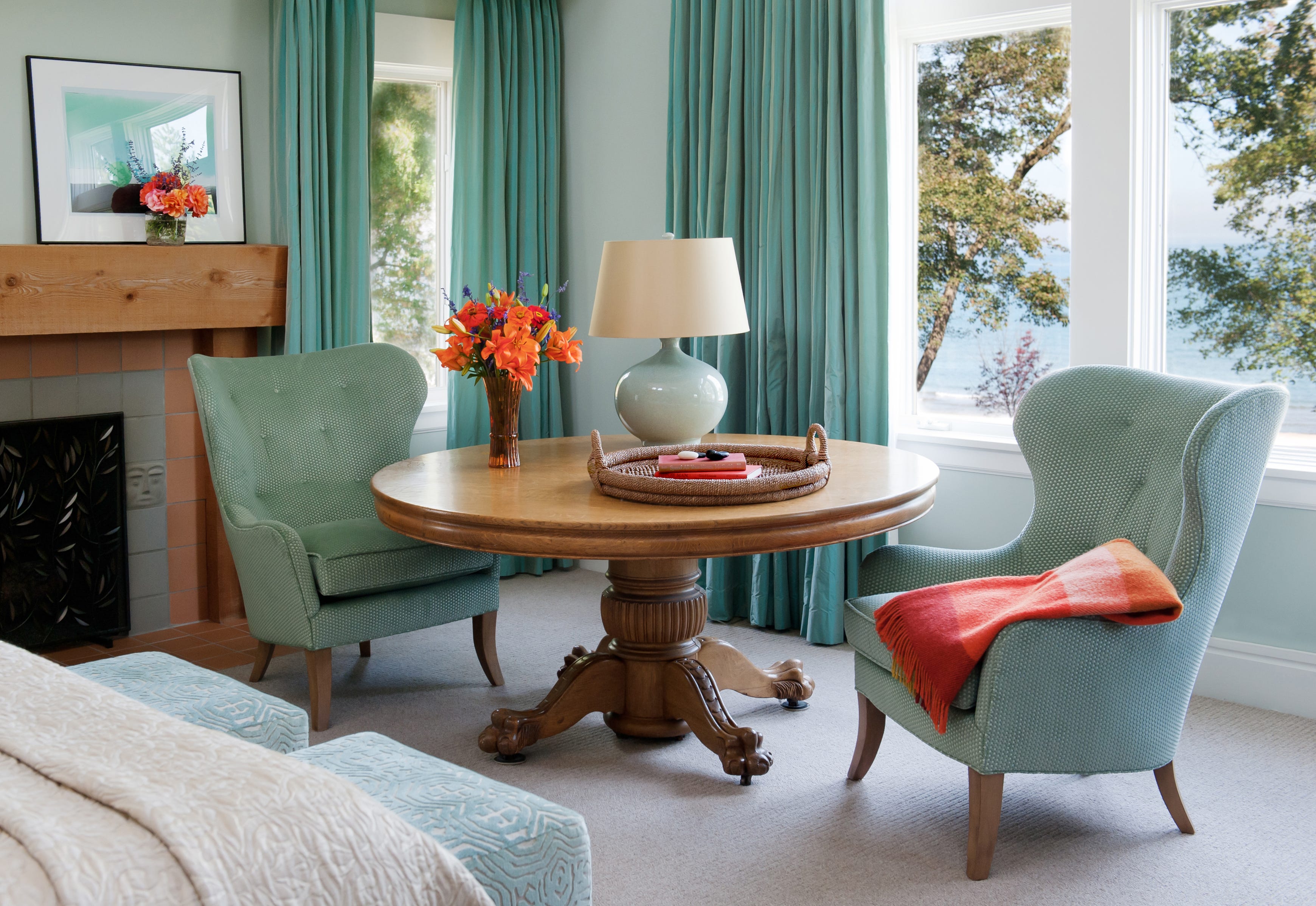
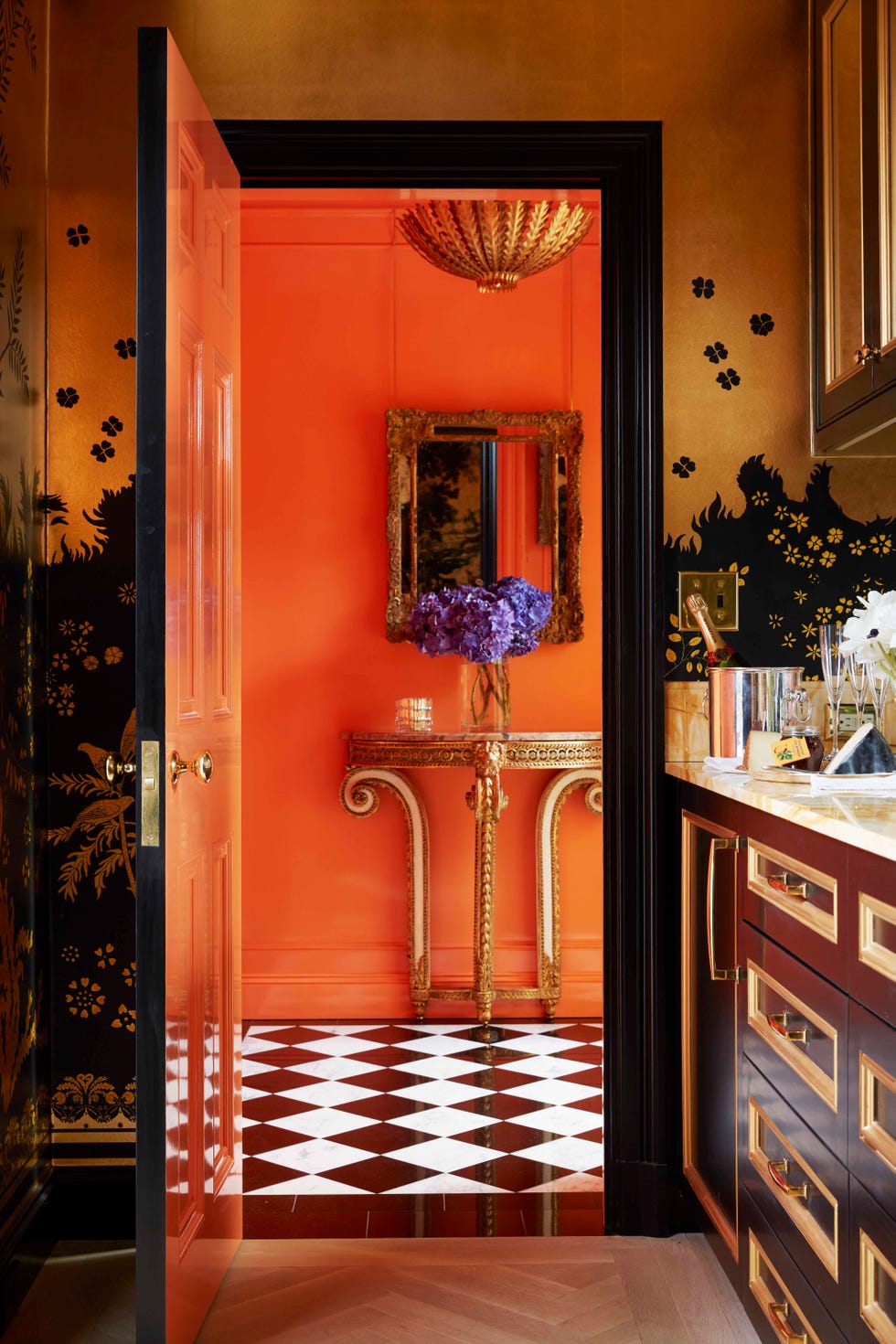
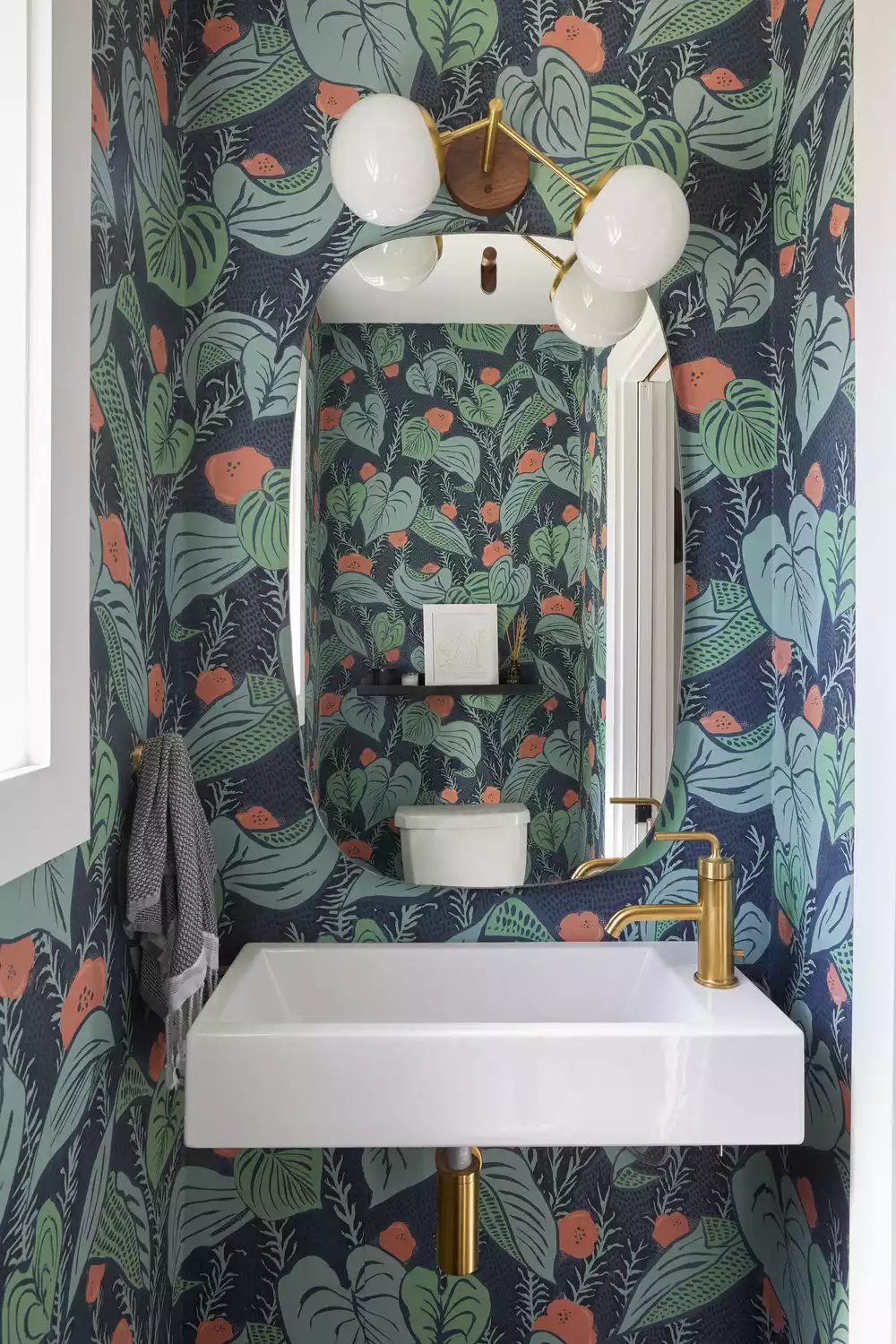
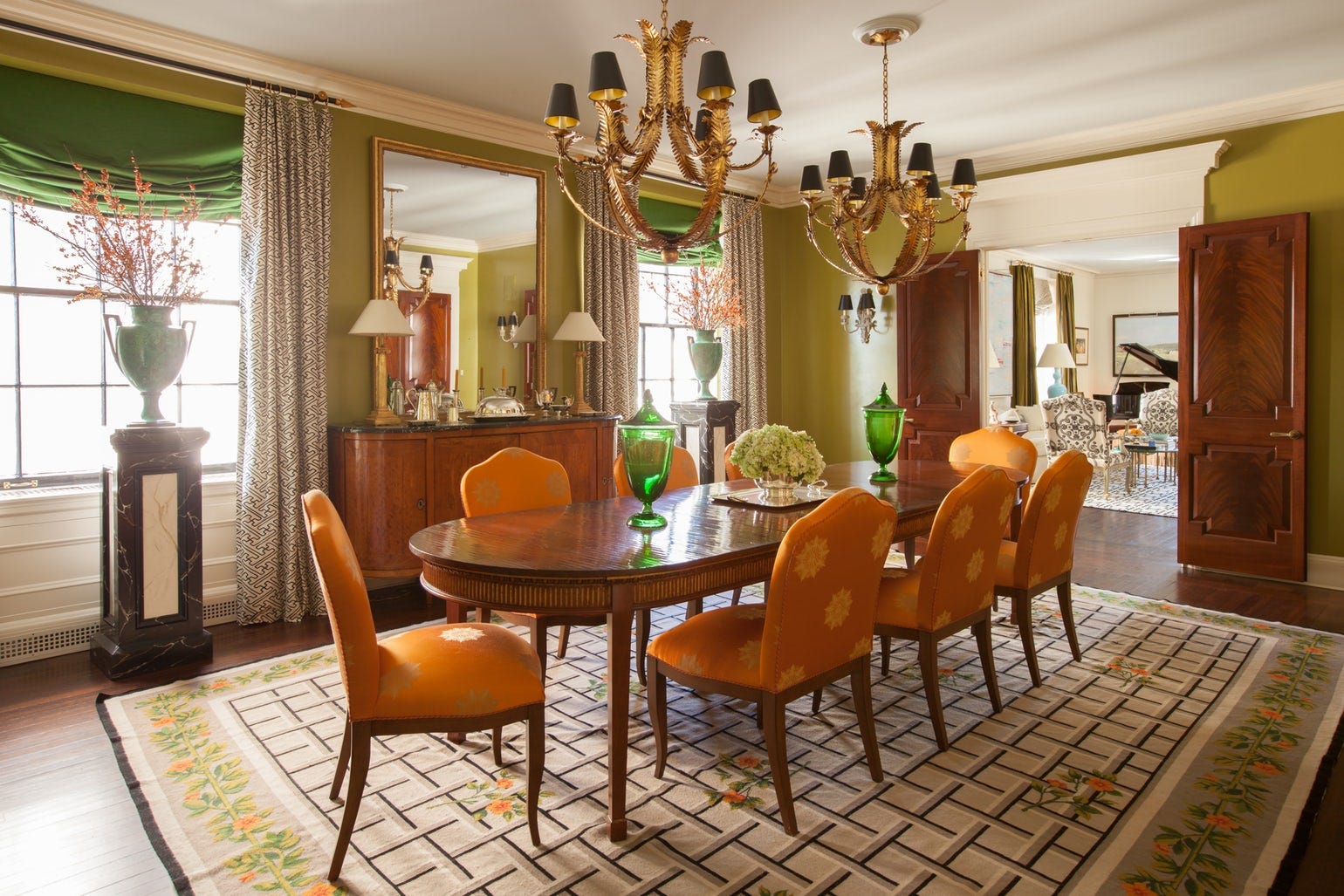
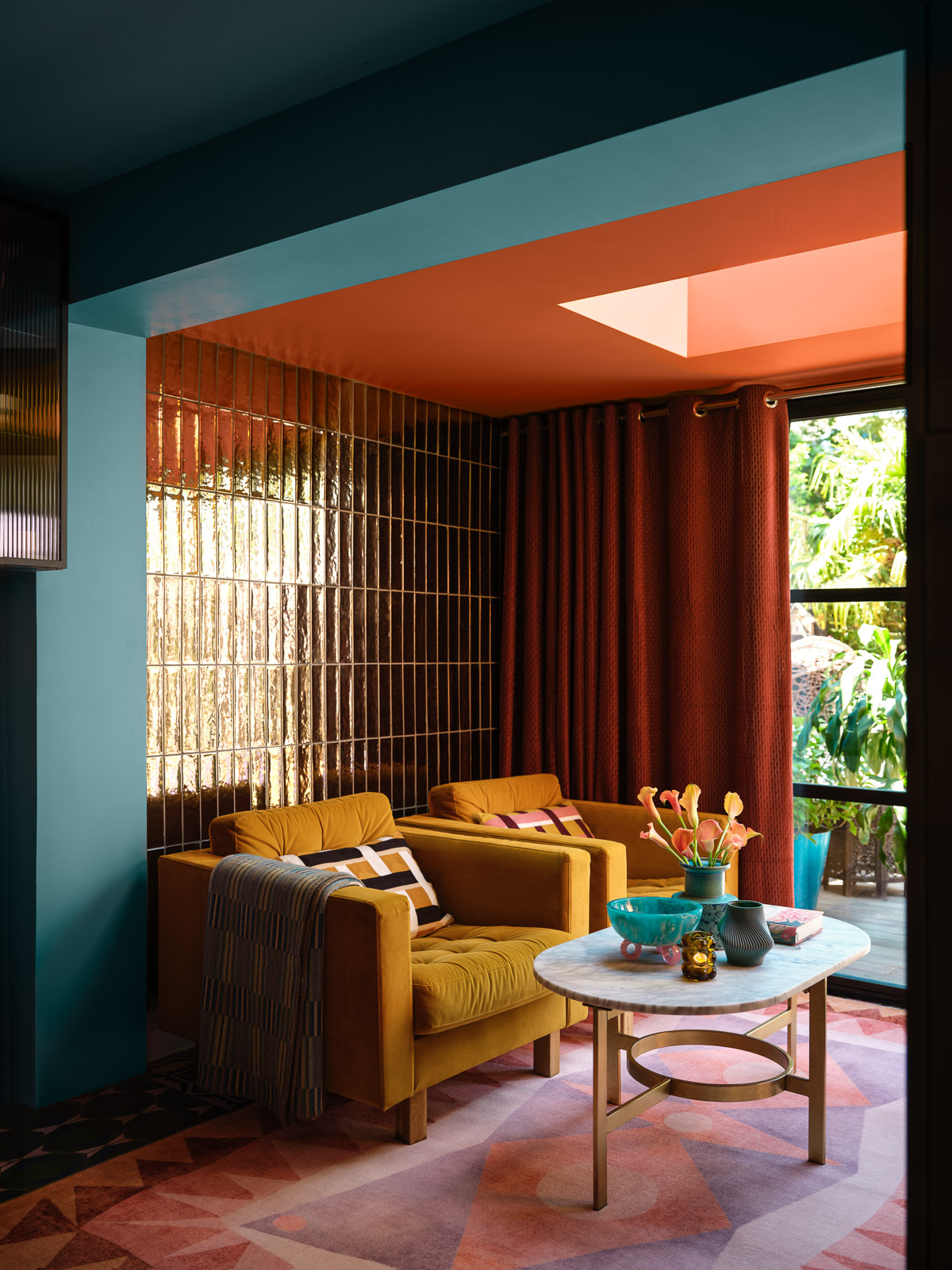
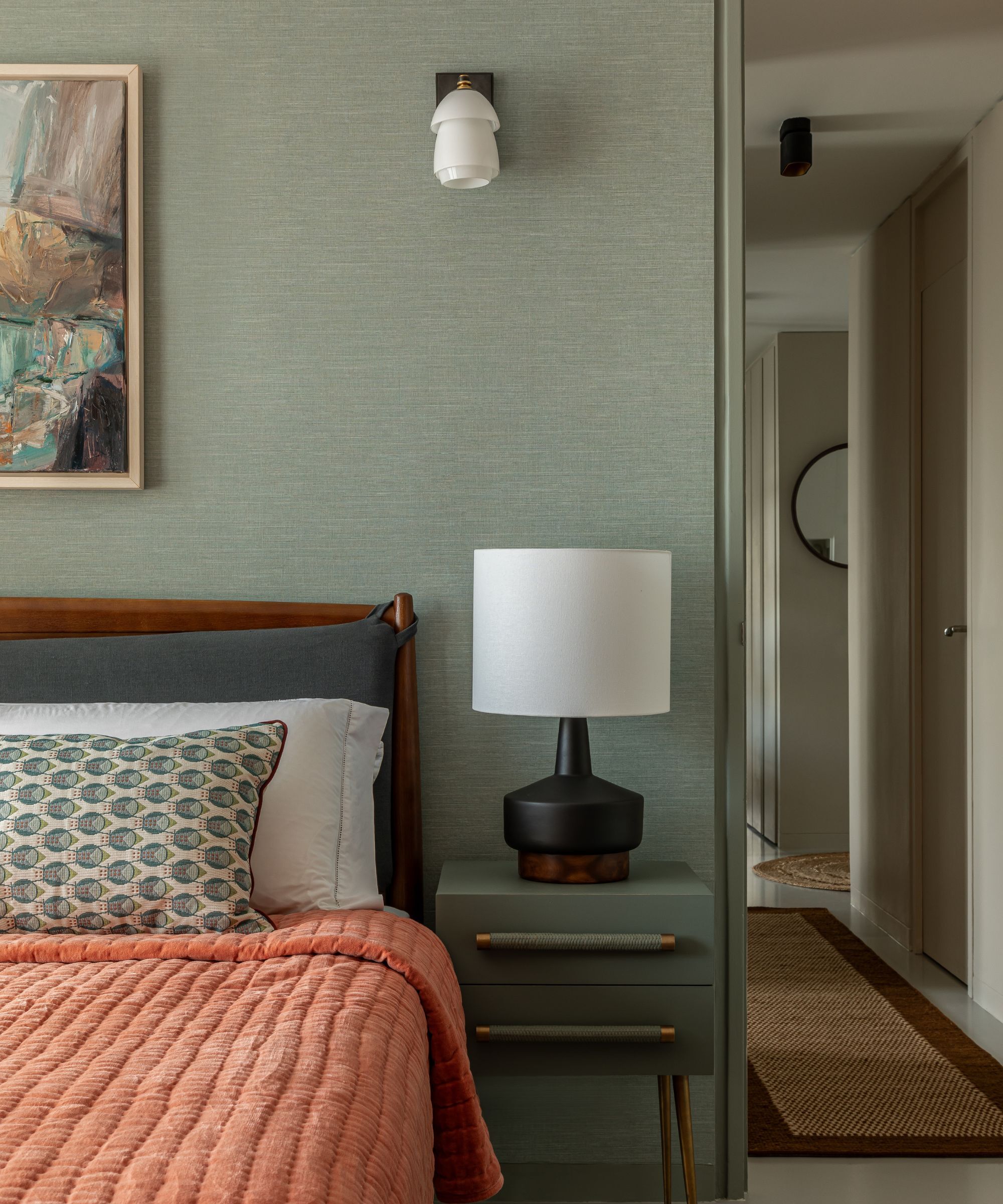
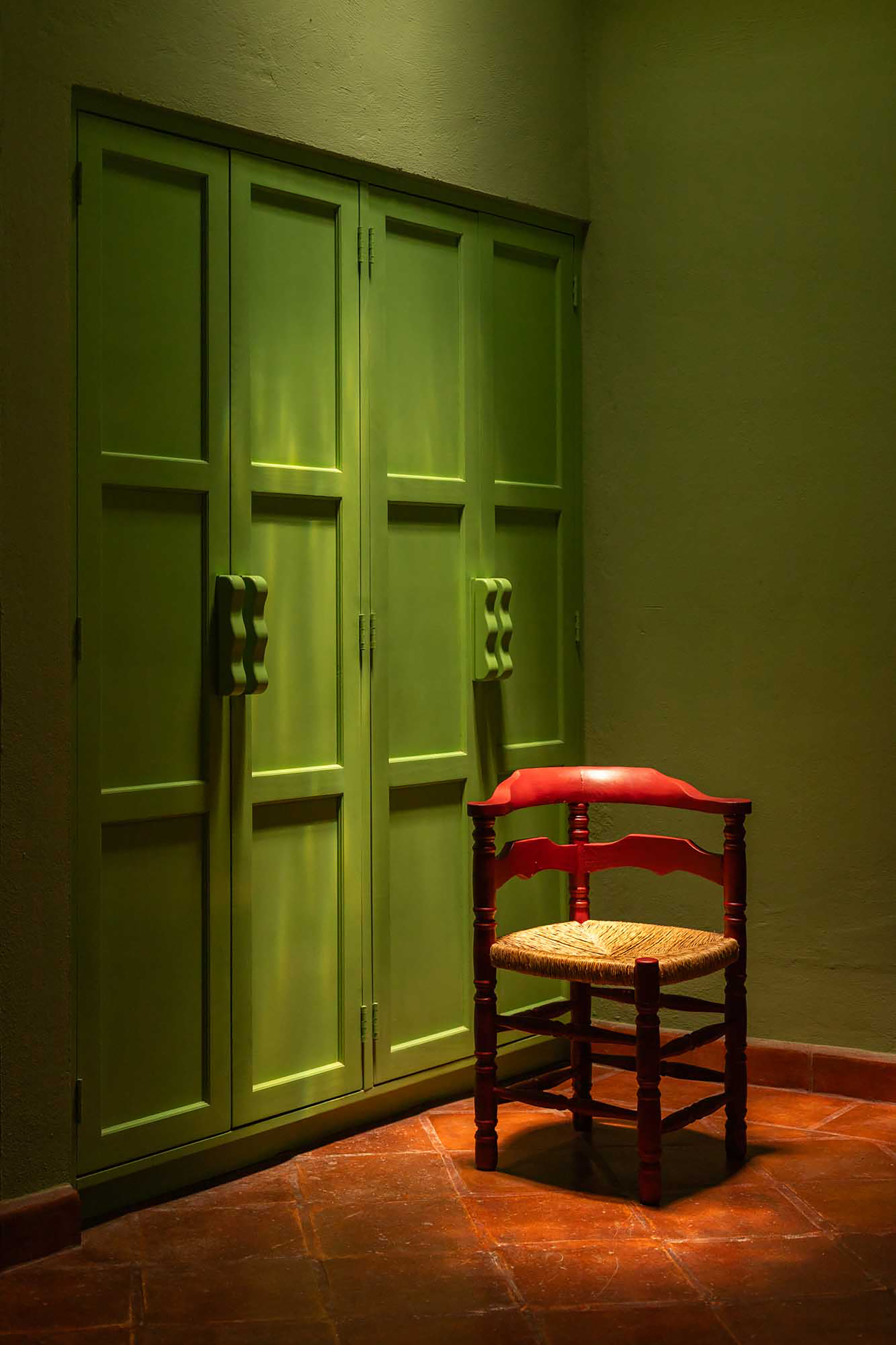
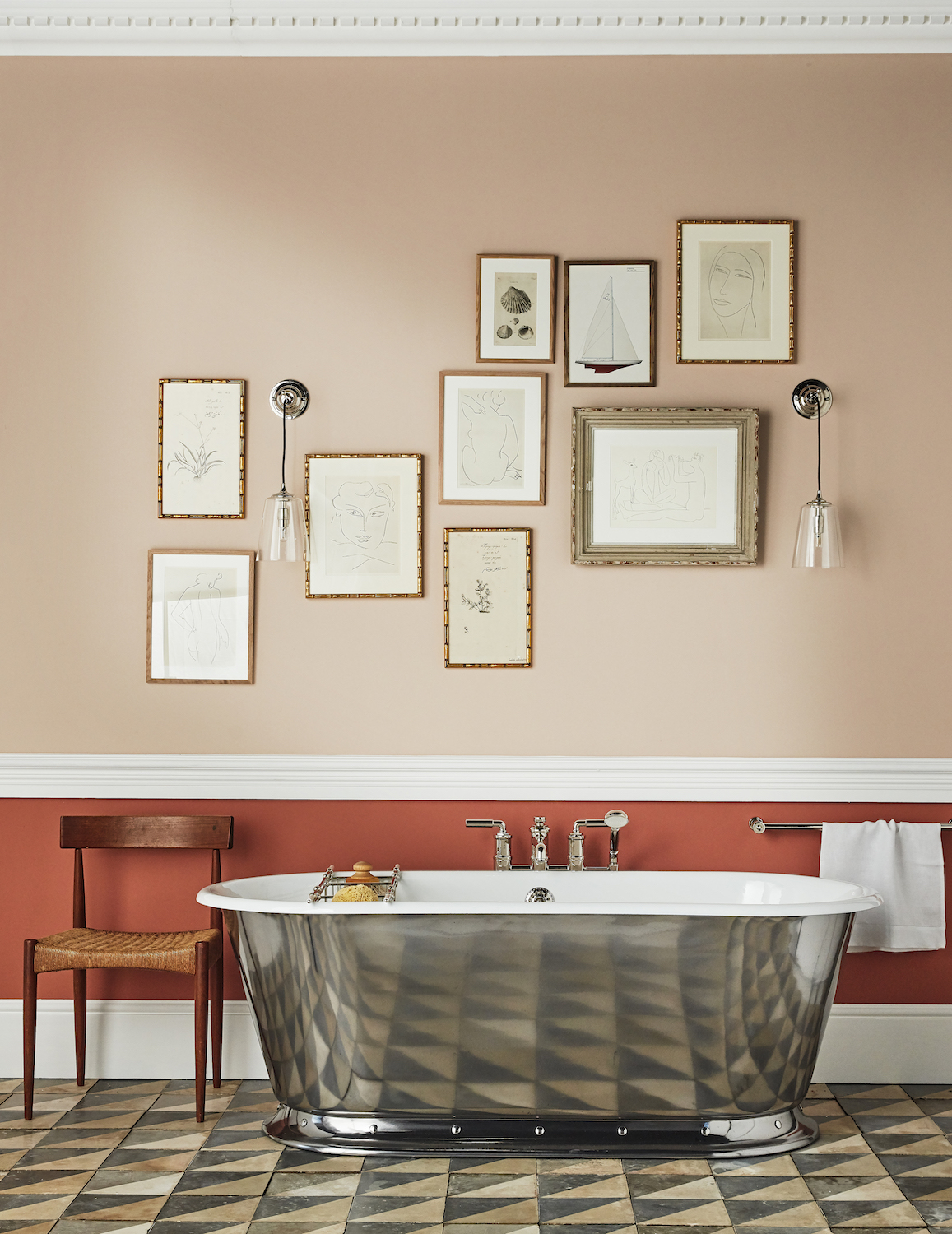
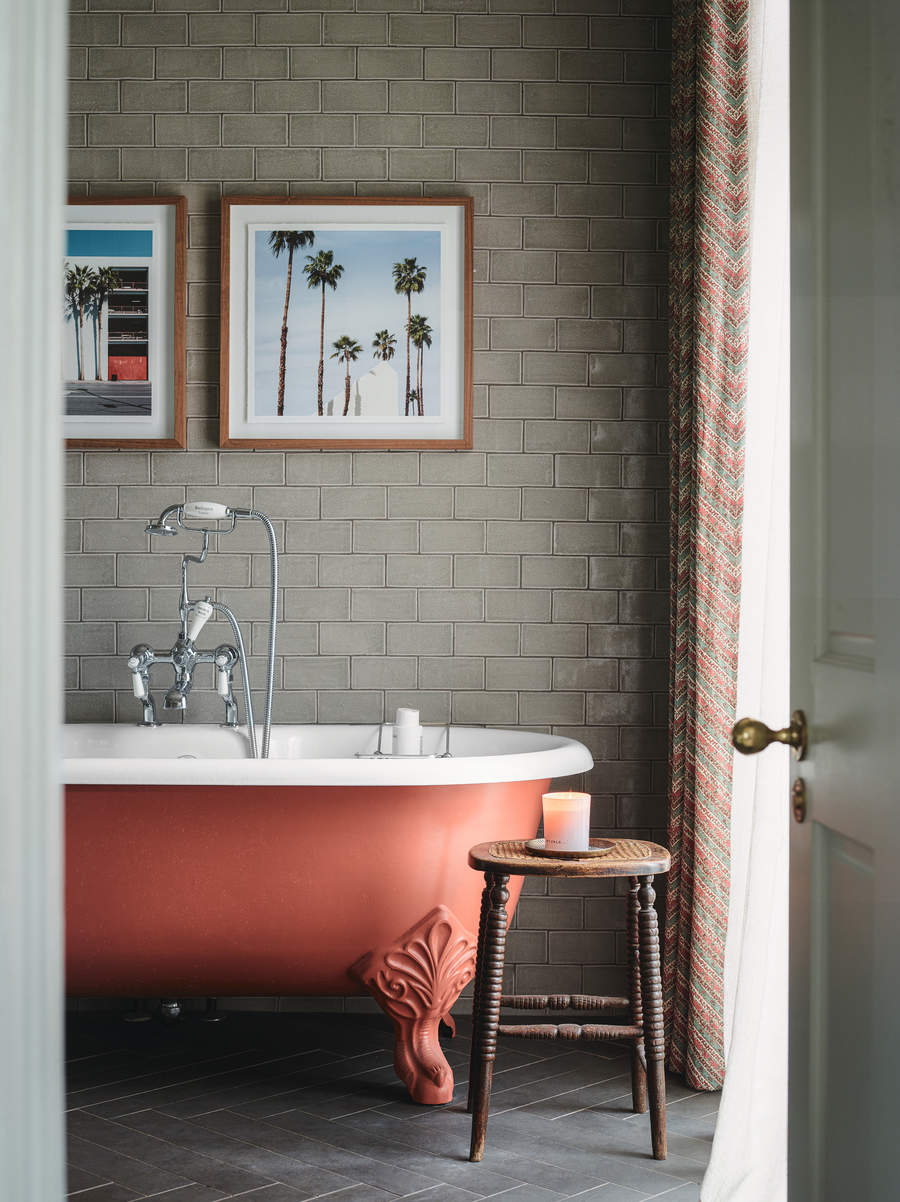
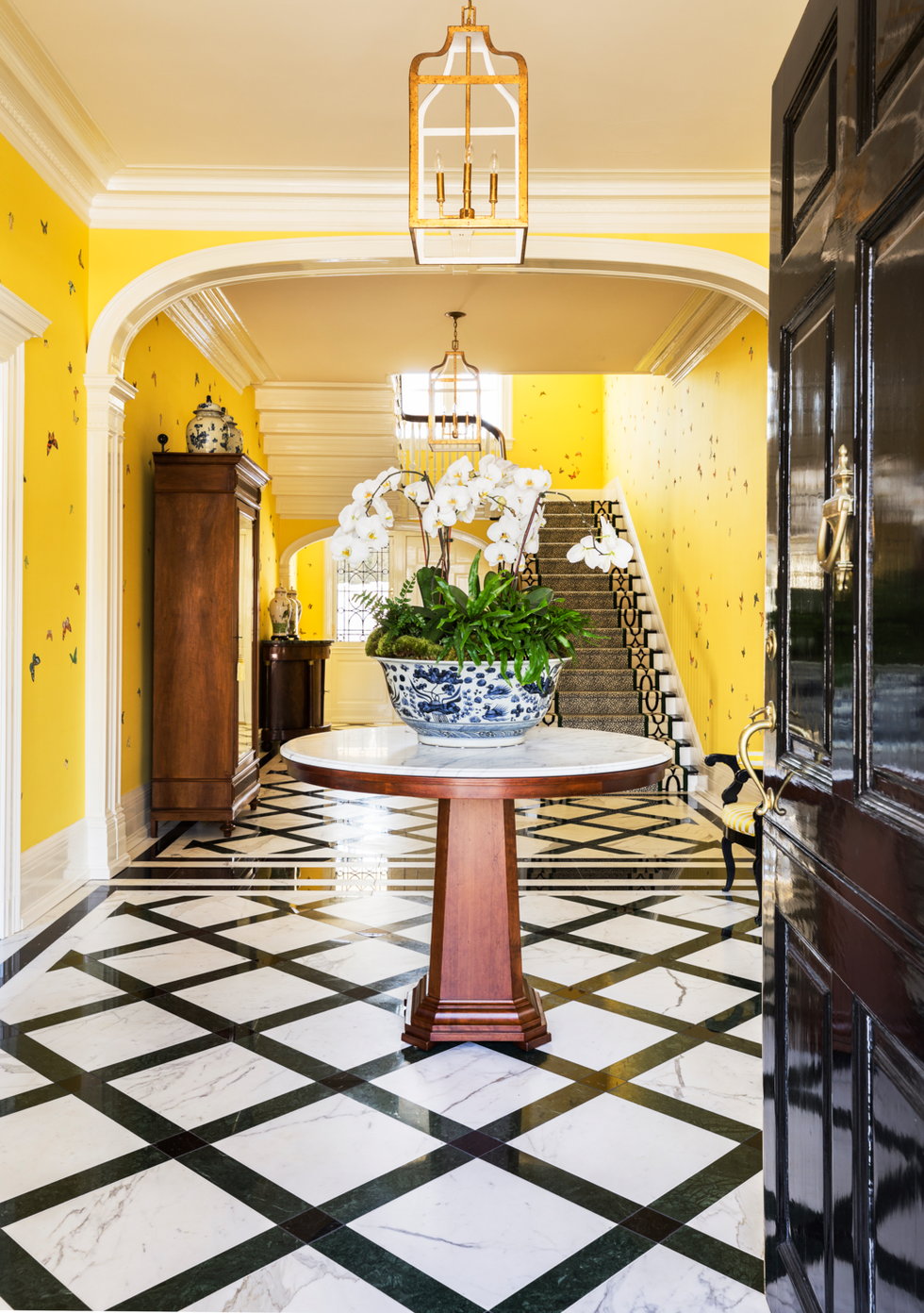
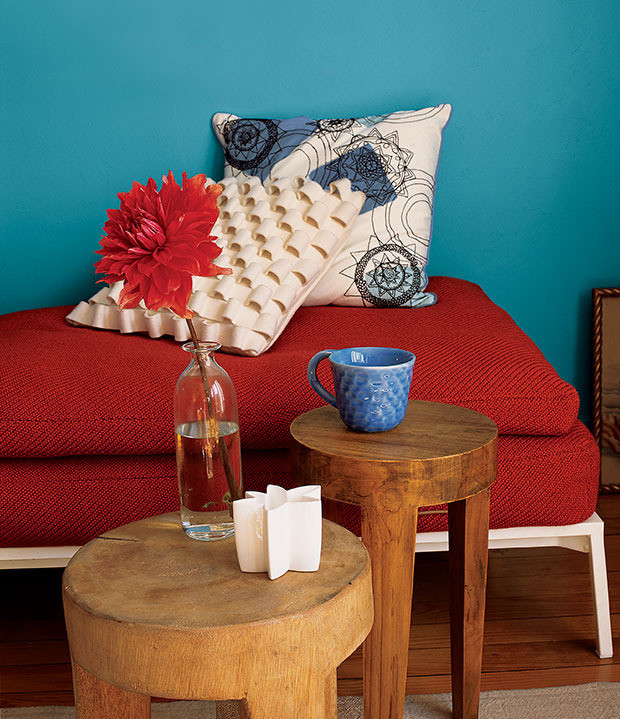
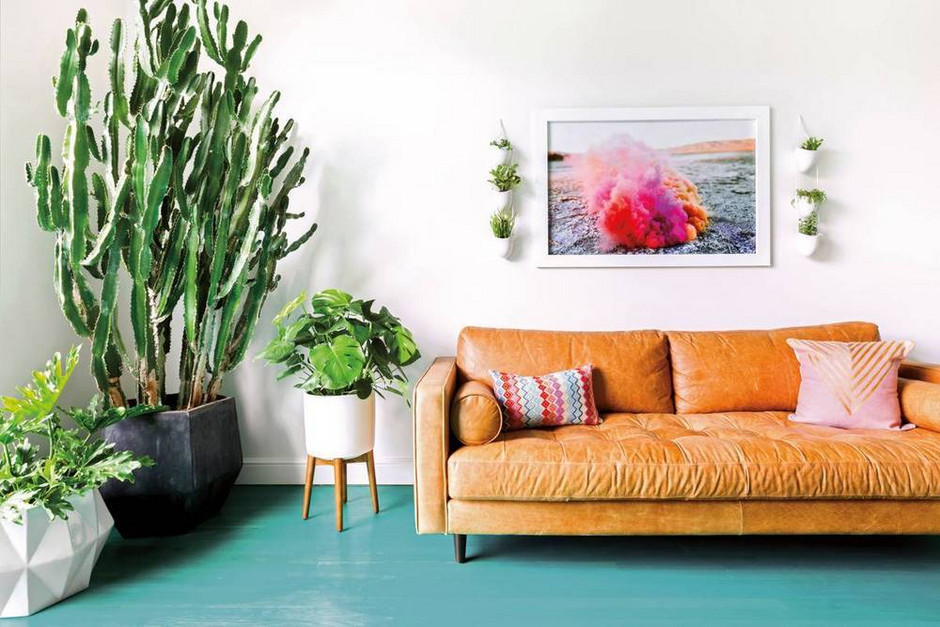
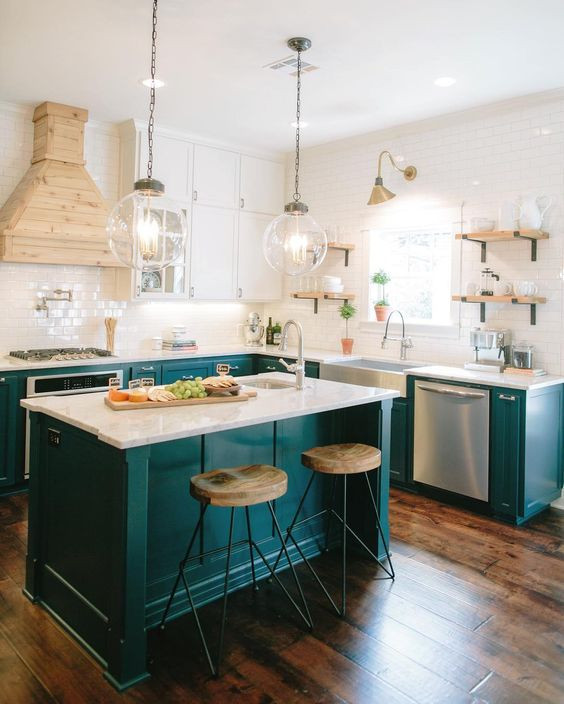
Practical applications of orange include using wallpaper with a detailed orange print in a home office to inspire productivity and creativity. In bathrooms, orange walls can psychologically enhance warmth, particularly when combined with thoughtful accessories and plants. Incorporating orange upholstery, such as luxurious burnt orange velvet dining chairs, can introduce a measured pop of color into a neutral scheme. Orange also pairs effectively with contrasting colors; for instance, adding burnt orange accents to a teal scheme creates a dynamic and enduring decoration. Understanding the color wheel helps in identifying complementary shades. For impactful statements, bold orange walls in areas like hallways can create a warm and joyful welcome.
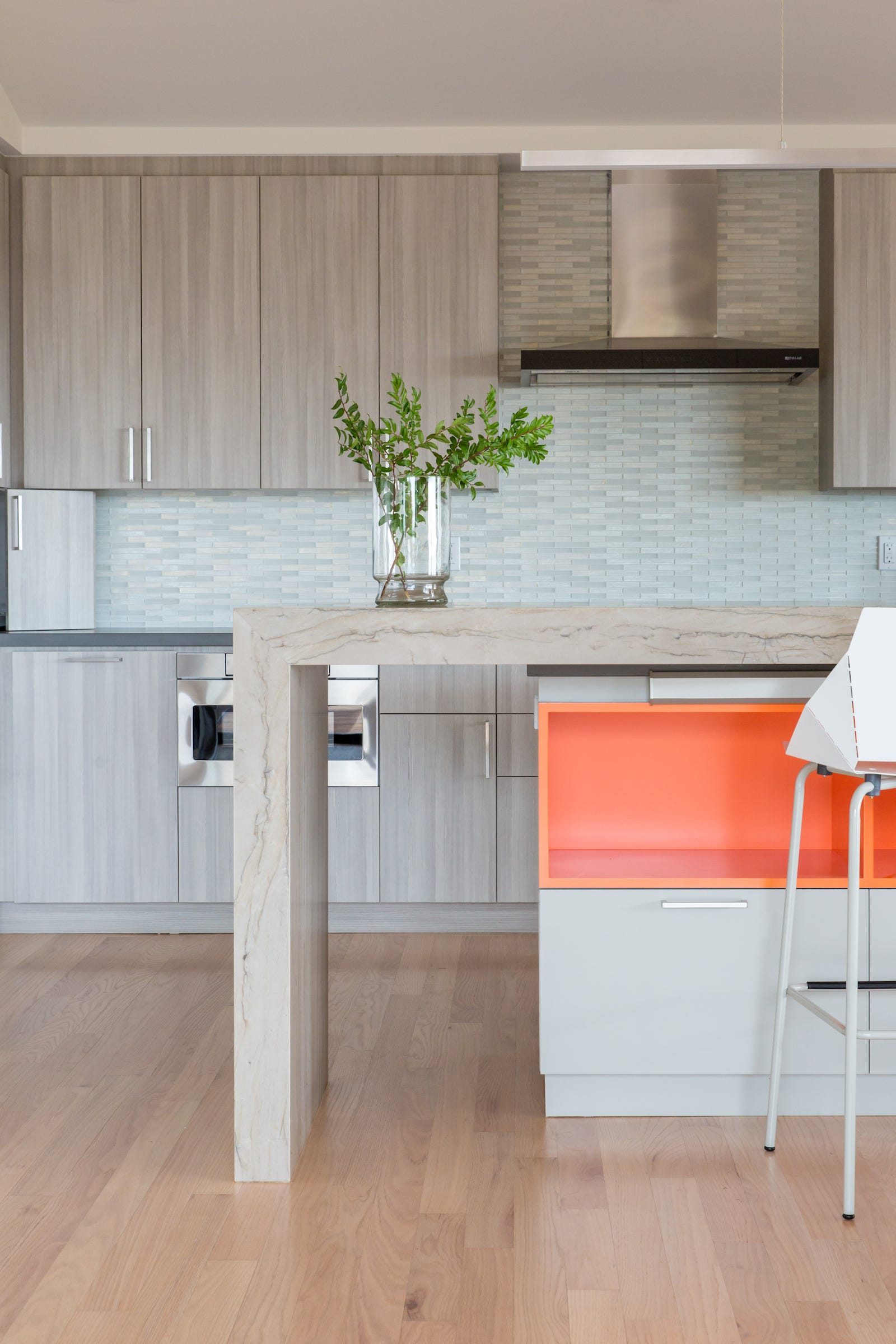
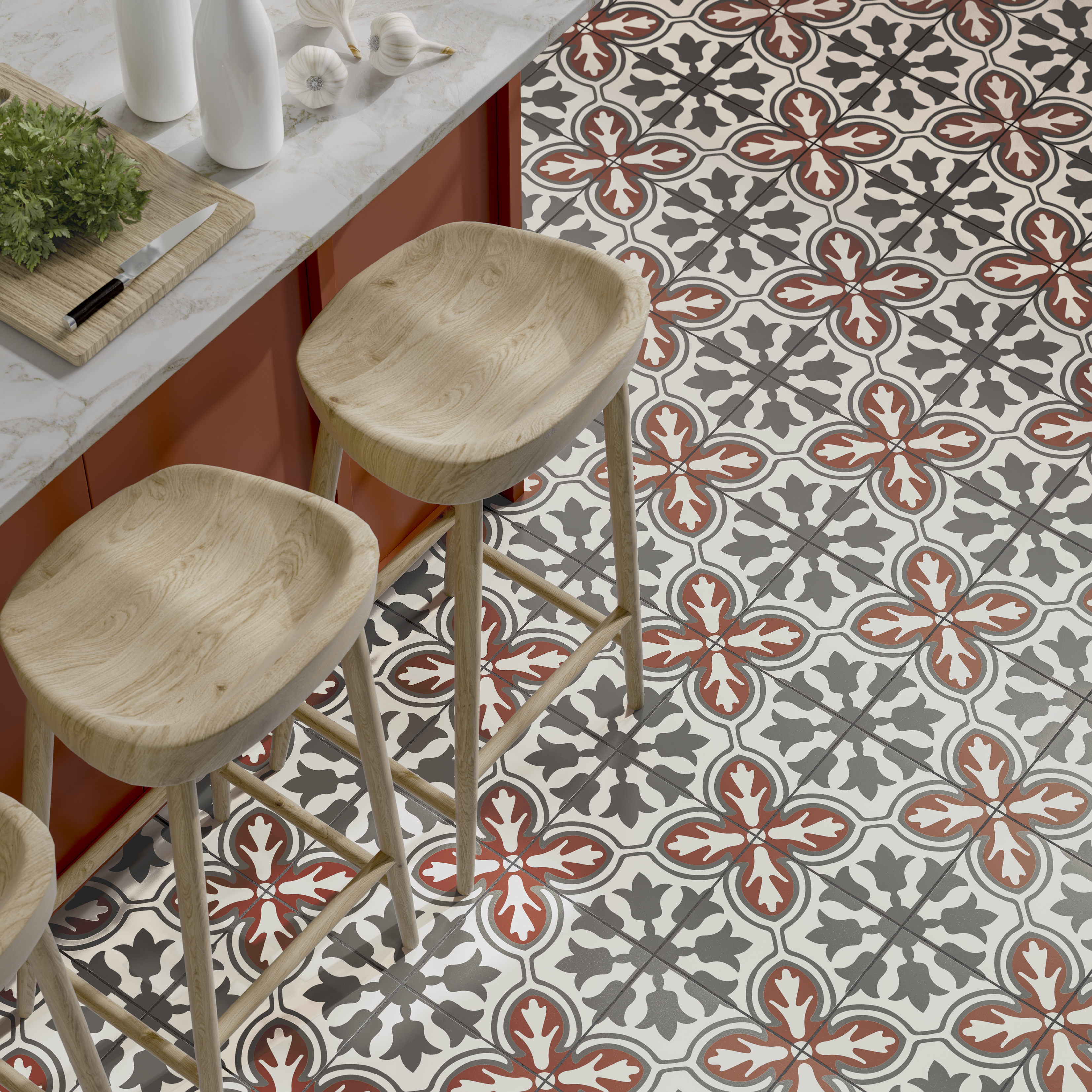
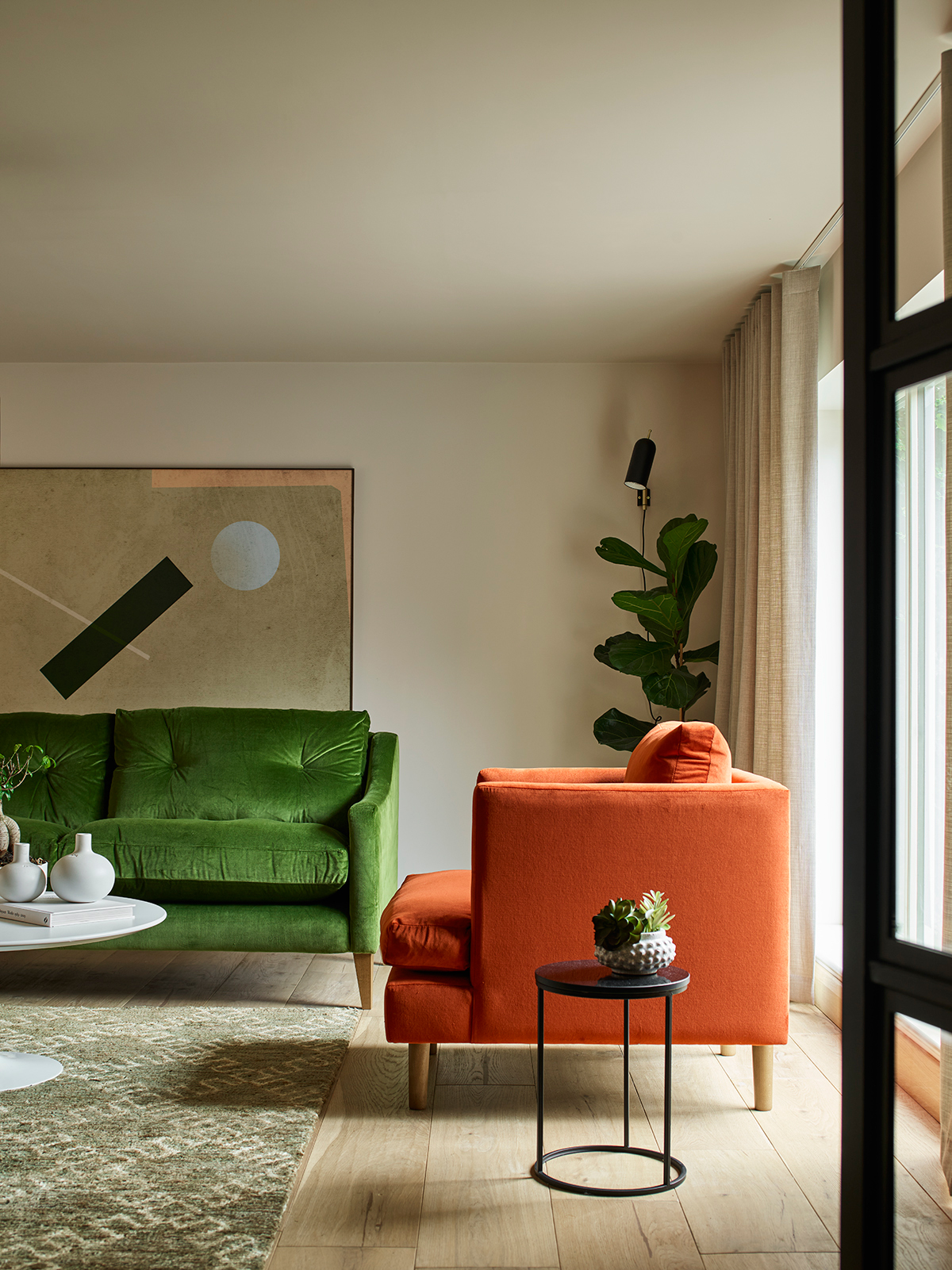
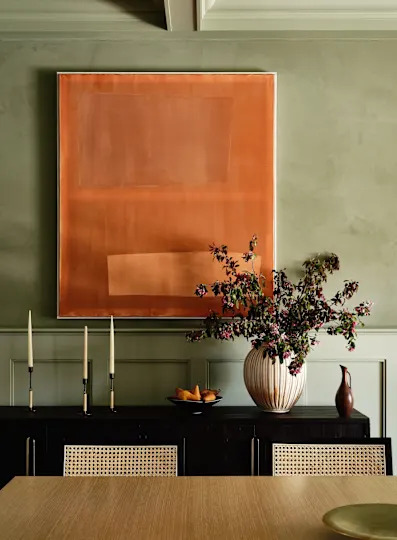
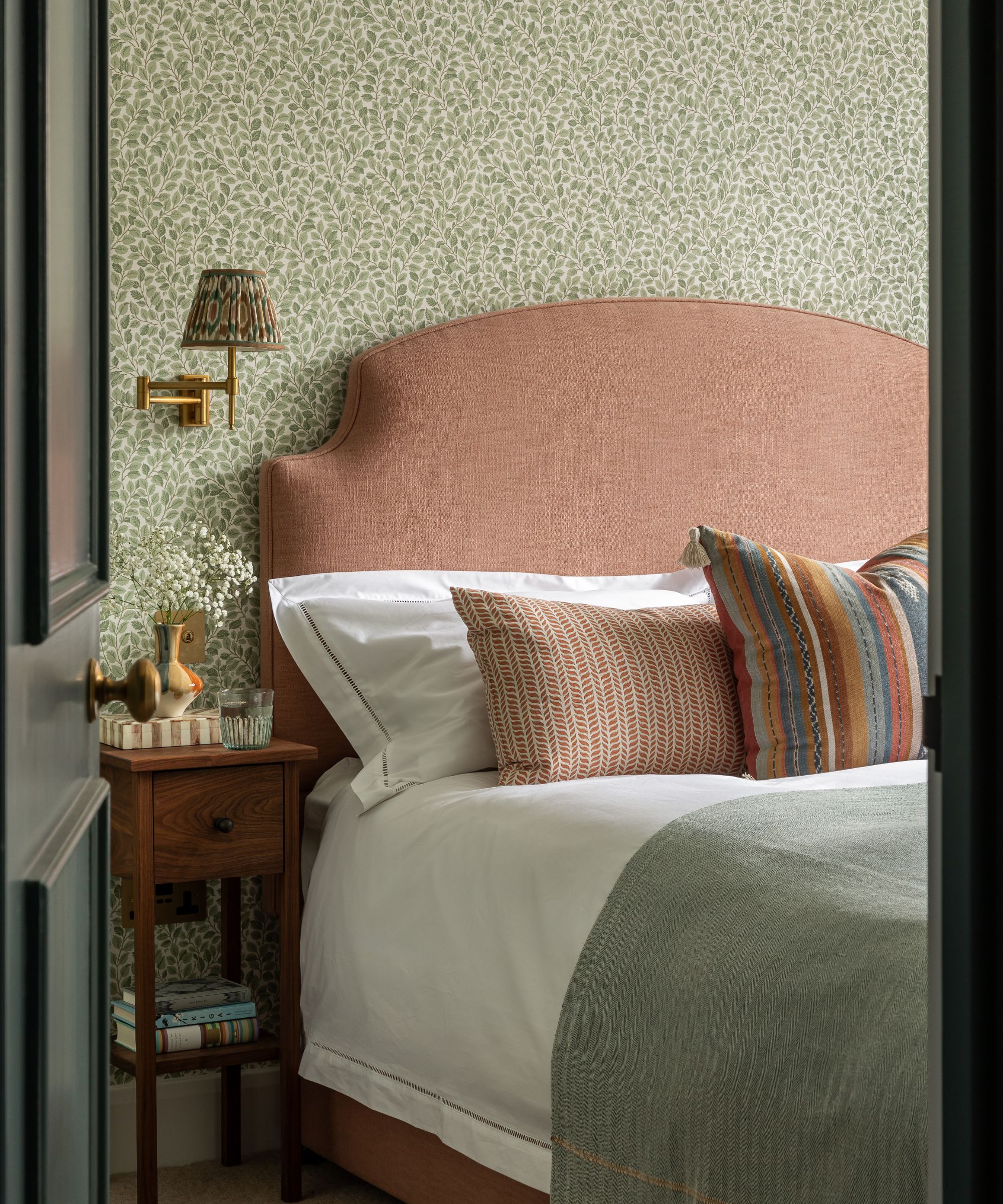
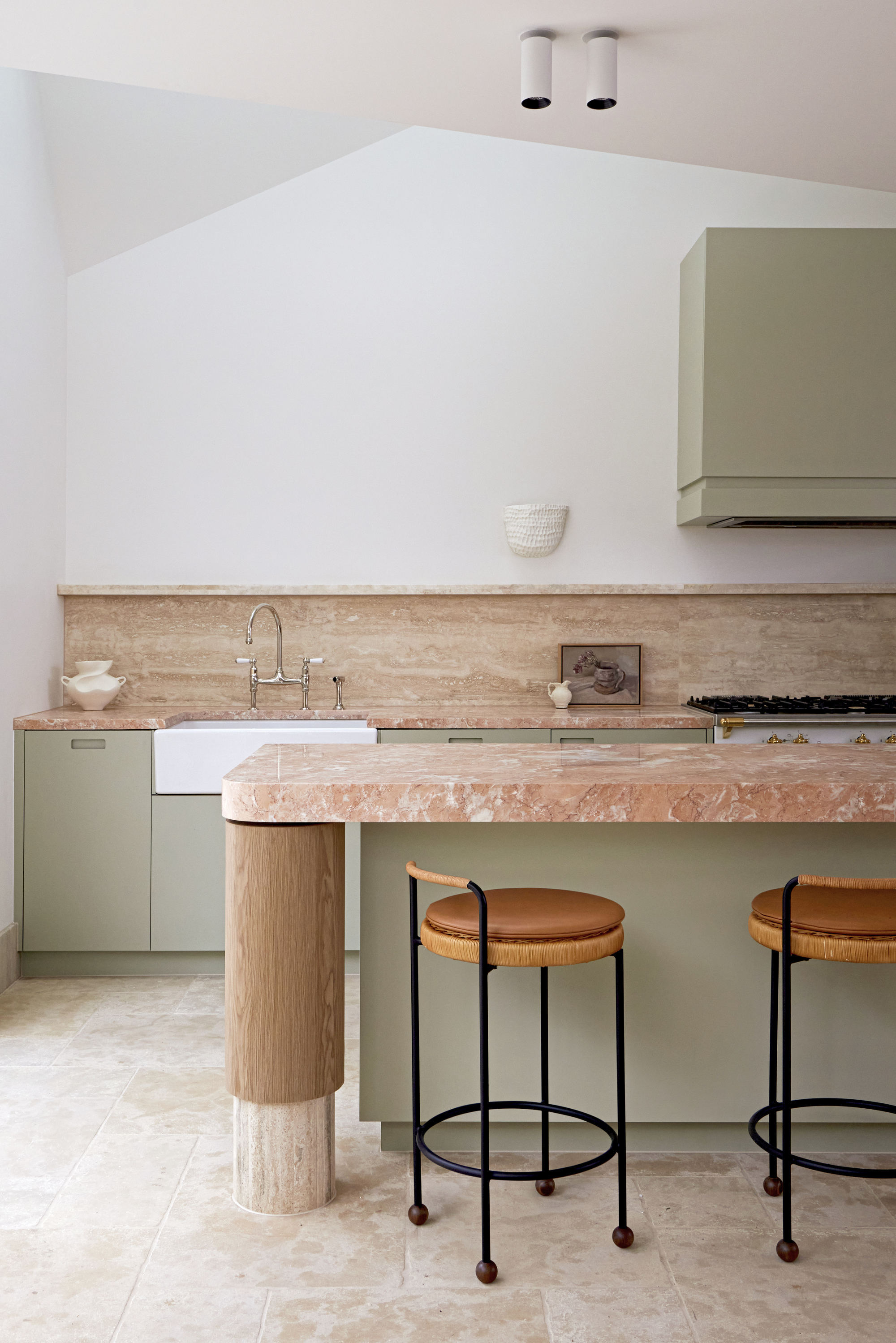
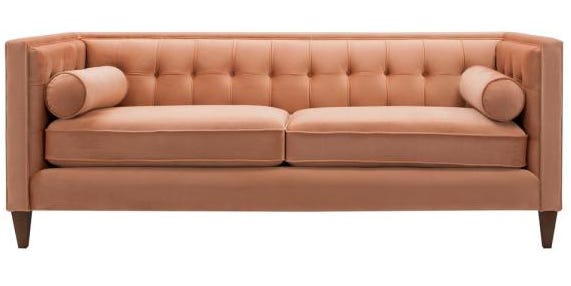
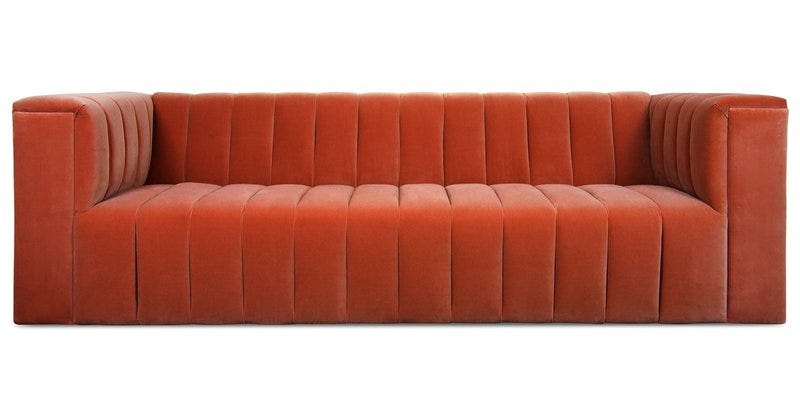
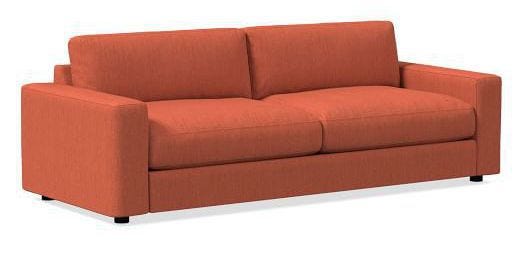
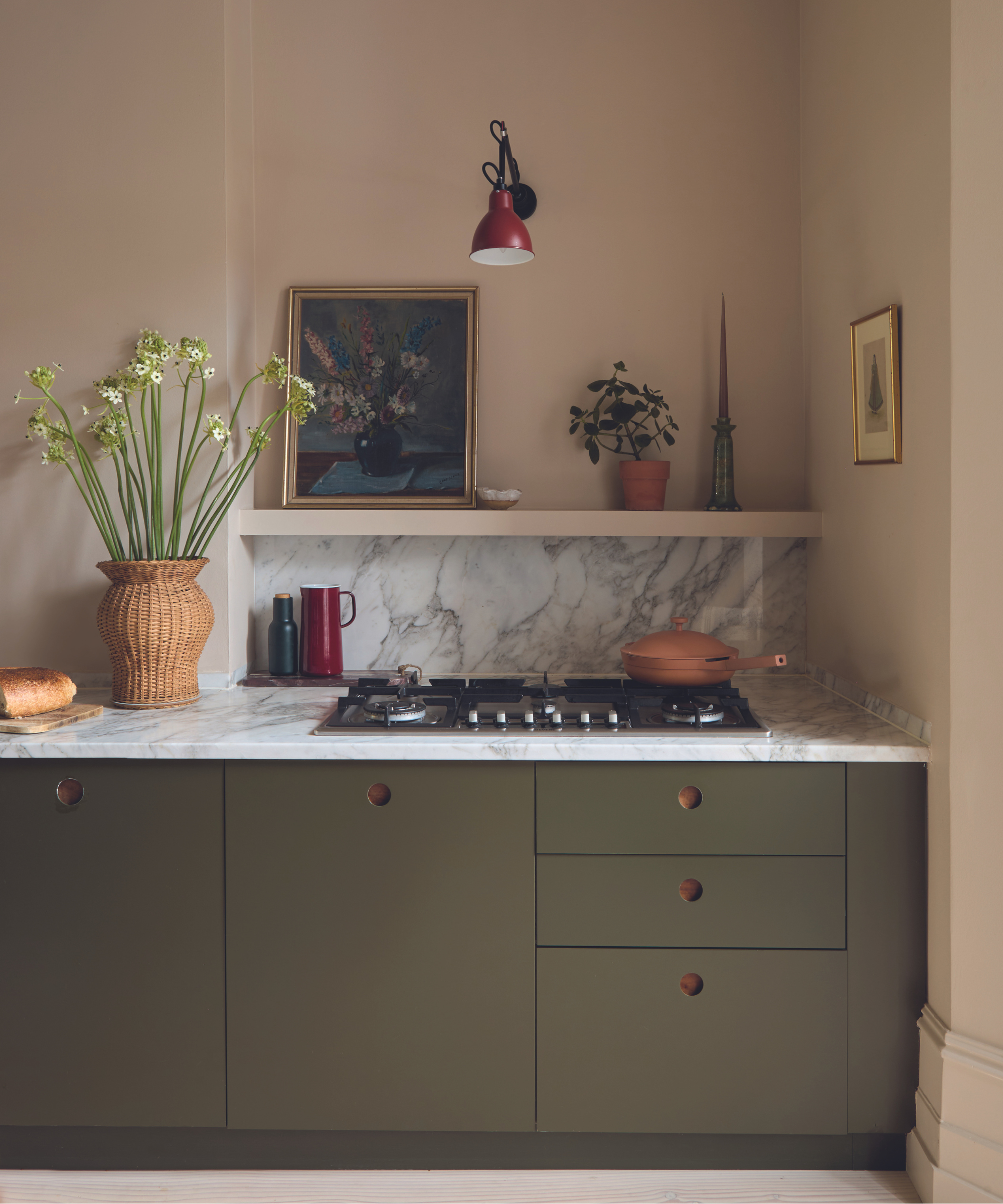
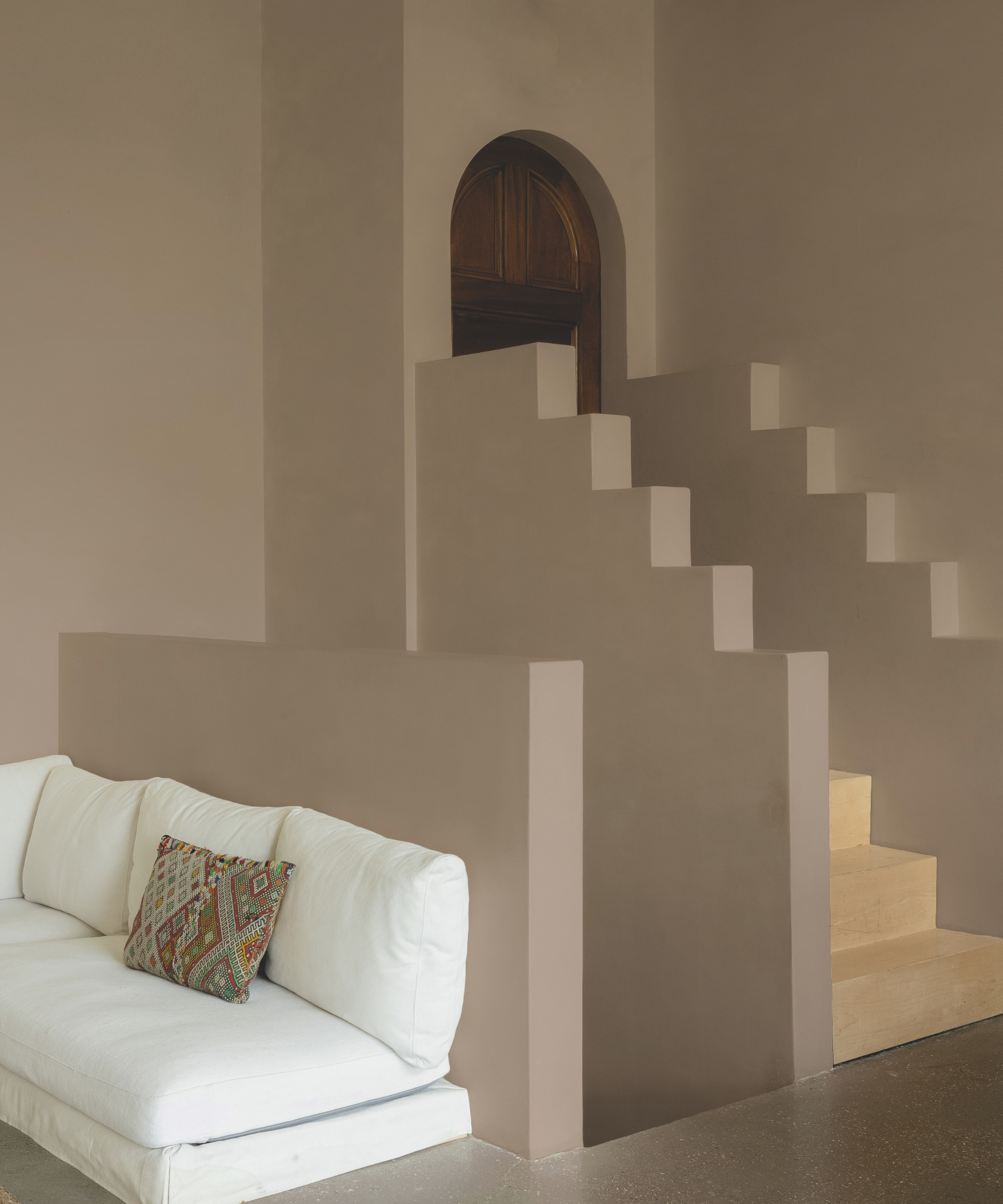
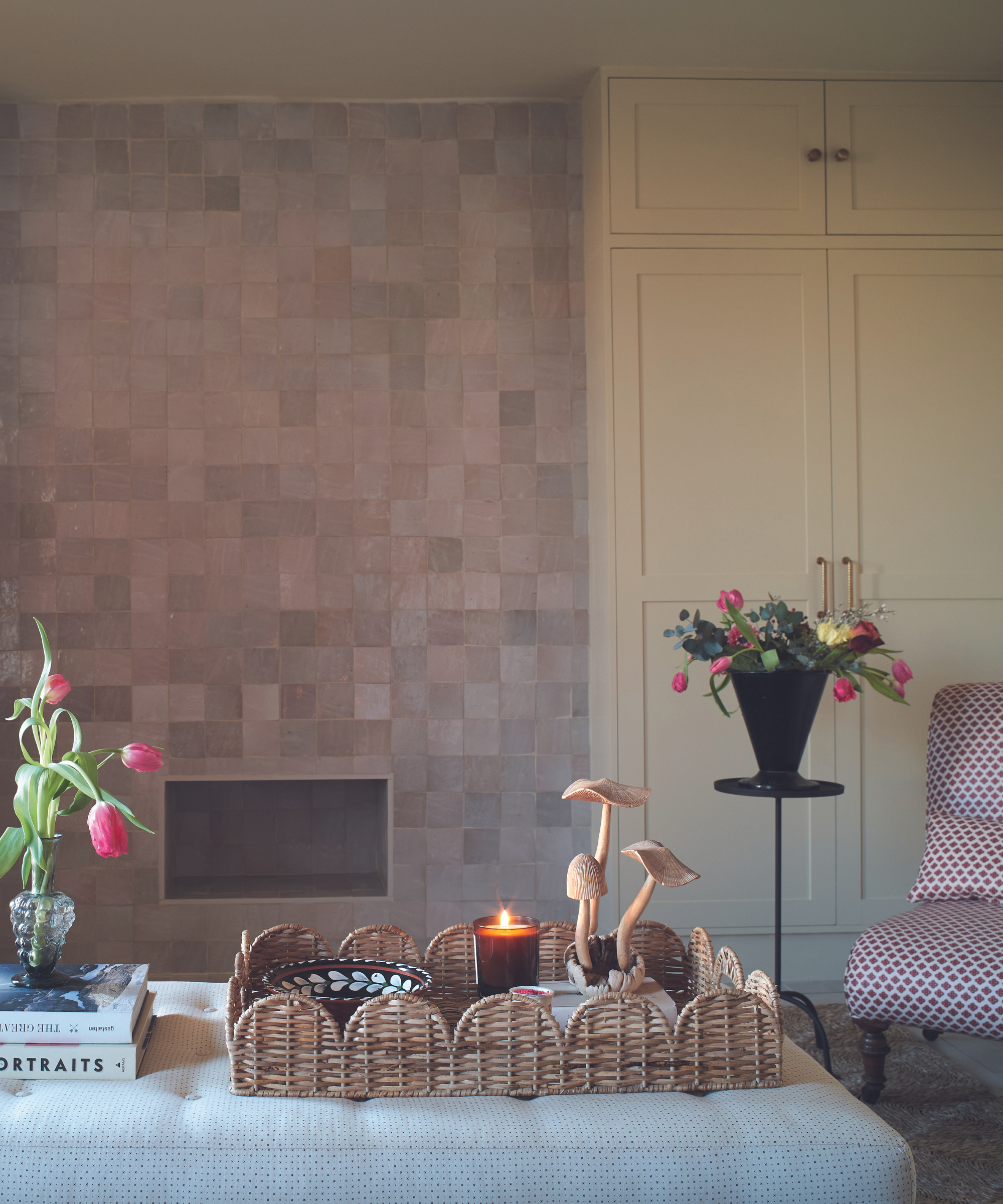
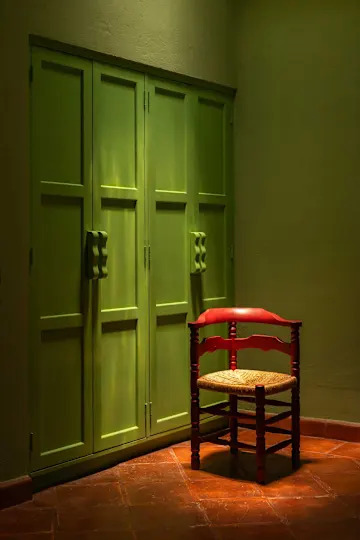
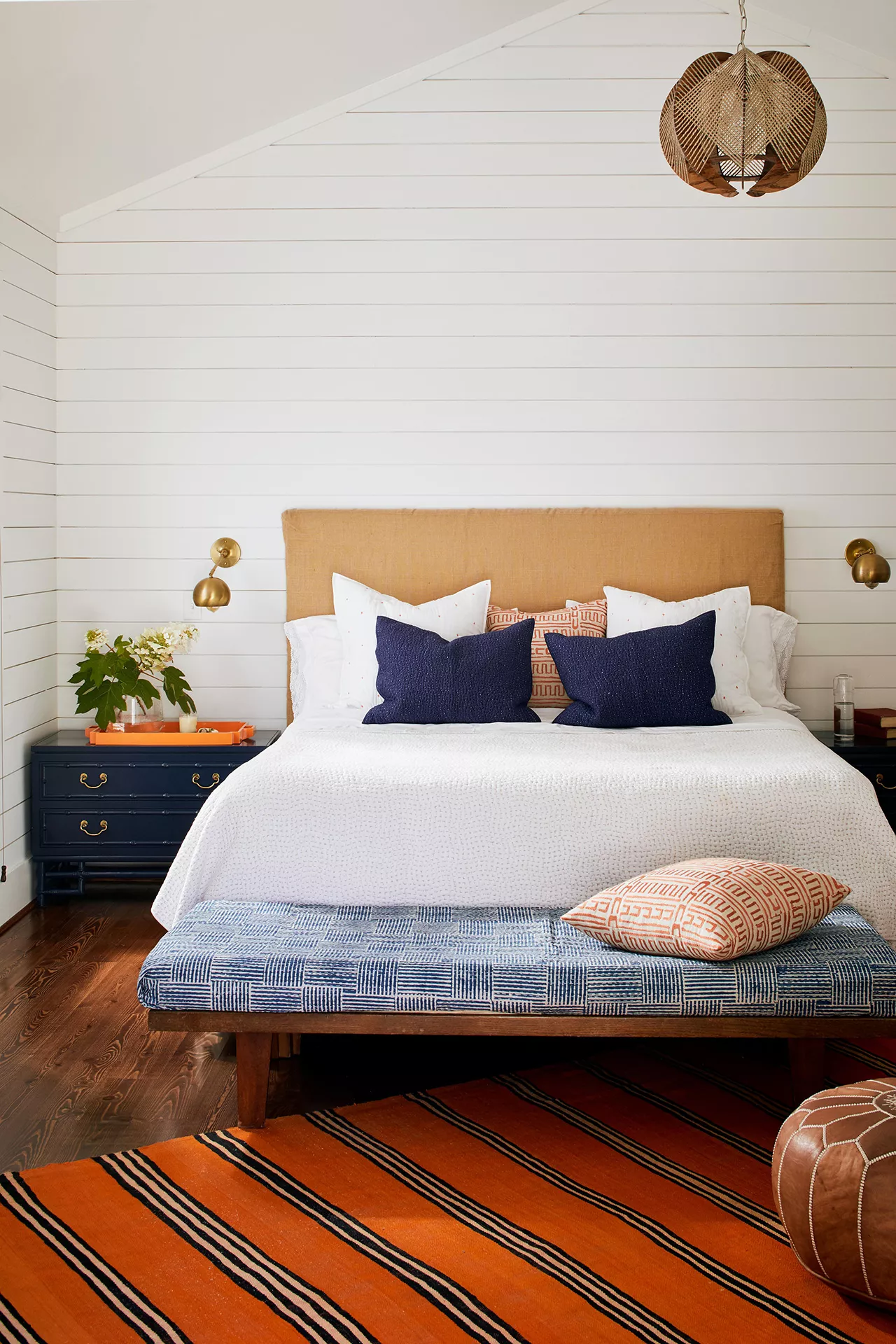
To achieve a cozy feel, rich, rusty tones of orange, particularly those with strong red undertones like paprika, can be paired with natural materials such as wood and textural linen. Layering different tones and textures of orange within a single room prevents a flat appearance; combining two orange paint tones and selecting a patterned rug can add depth. Orange can also be balanced with softer colors like pastel pink for a playful yet elegant contrast. In kitchens, a splash of orange on an island can be a less overwhelming way to incorporate the color, while vibrant orange walls can serve as an effective backdrop for large-scale floral prints. For a country aesthetic, terracotta tones with a textured finish can create a warm and relaxed feel. Finally, orange acts as a superb accent color for dark schemes, such as a black living room, where a vibrant orange sofa can warm up the space and provide a luxurious texture, especially when upholstered in velvet. Using orange accessories, particularly alongside green, can also provide a warming accent, and ornate orange wallpapers can add personality to small spaces like cloakrooms. A vibrant orange stair runner can also create an eye-catching focal point in transitional areas.
Orange is a versatile color for decorating, suitable for various styles and moods, from vibrant and joyful to cozy and sophisticated. Its ability to partner with numerous colors—from neutrals and pastels to bold tones like black and teal—makes it highly adaptable. Interior designers frequently incorporate orange in diverse ways, whether through bold splashes, room-drenching hues, or subtle accents in furnishings and accessories, emphasizing its role in creating lively and personalized interiors.
#InteriorDesign #OrangeDecor #ColorSchemes #HomeDecor #AccentColor #BurntOrange #WallColor #Upholstery #DesignTips #InteriorDesign #OrangeDecor #ColorSchemes #HomeDecor #AccentColor #BurntOrange #WallColor #Upholstery #DesignTips
0 comment in total
 No comments yet
You may also like

20+ Ideas for Styling with Orange as an Accent

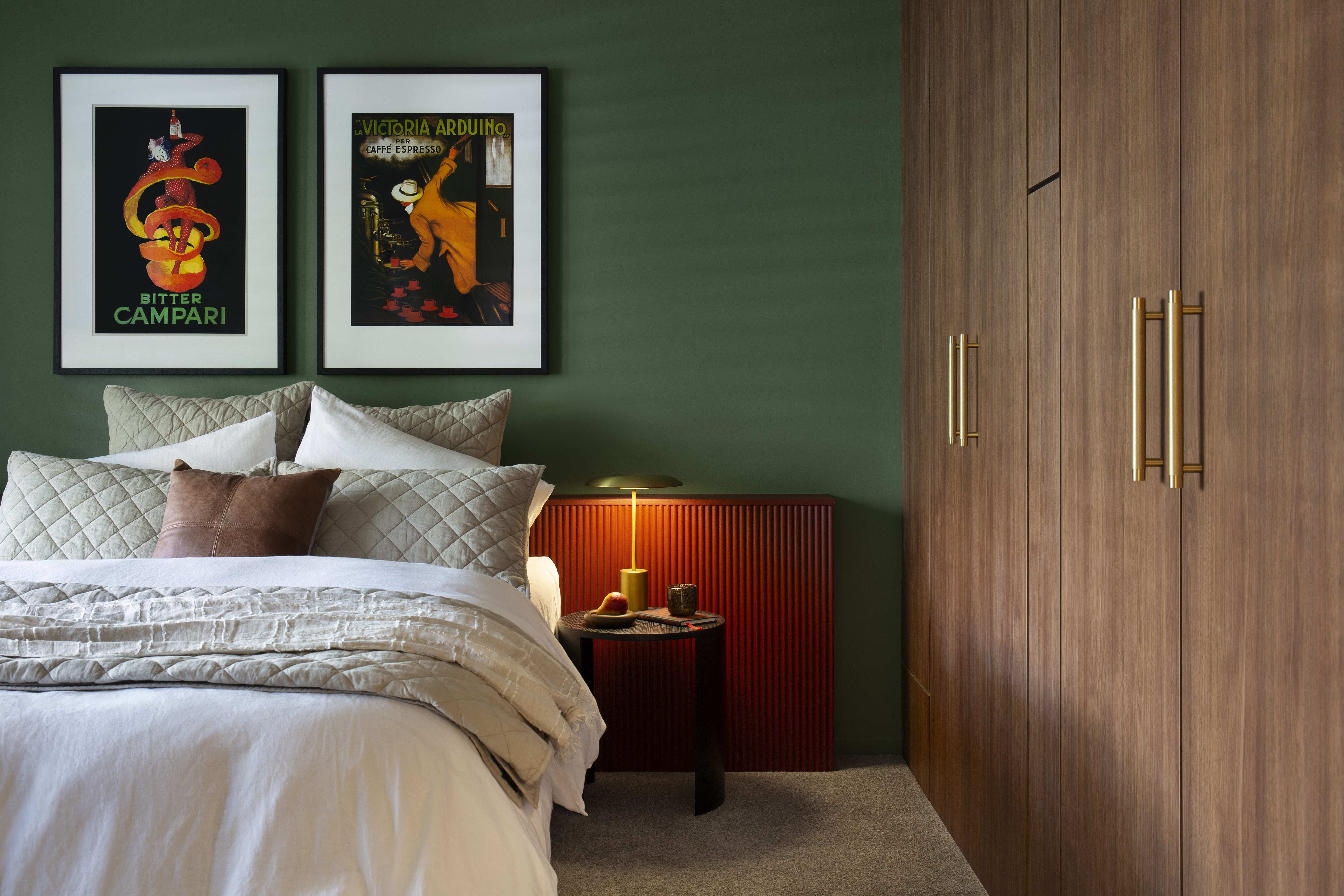
What Colors Go With Orange? 10 Harmonious Hues to Pair With This Zesty Shade

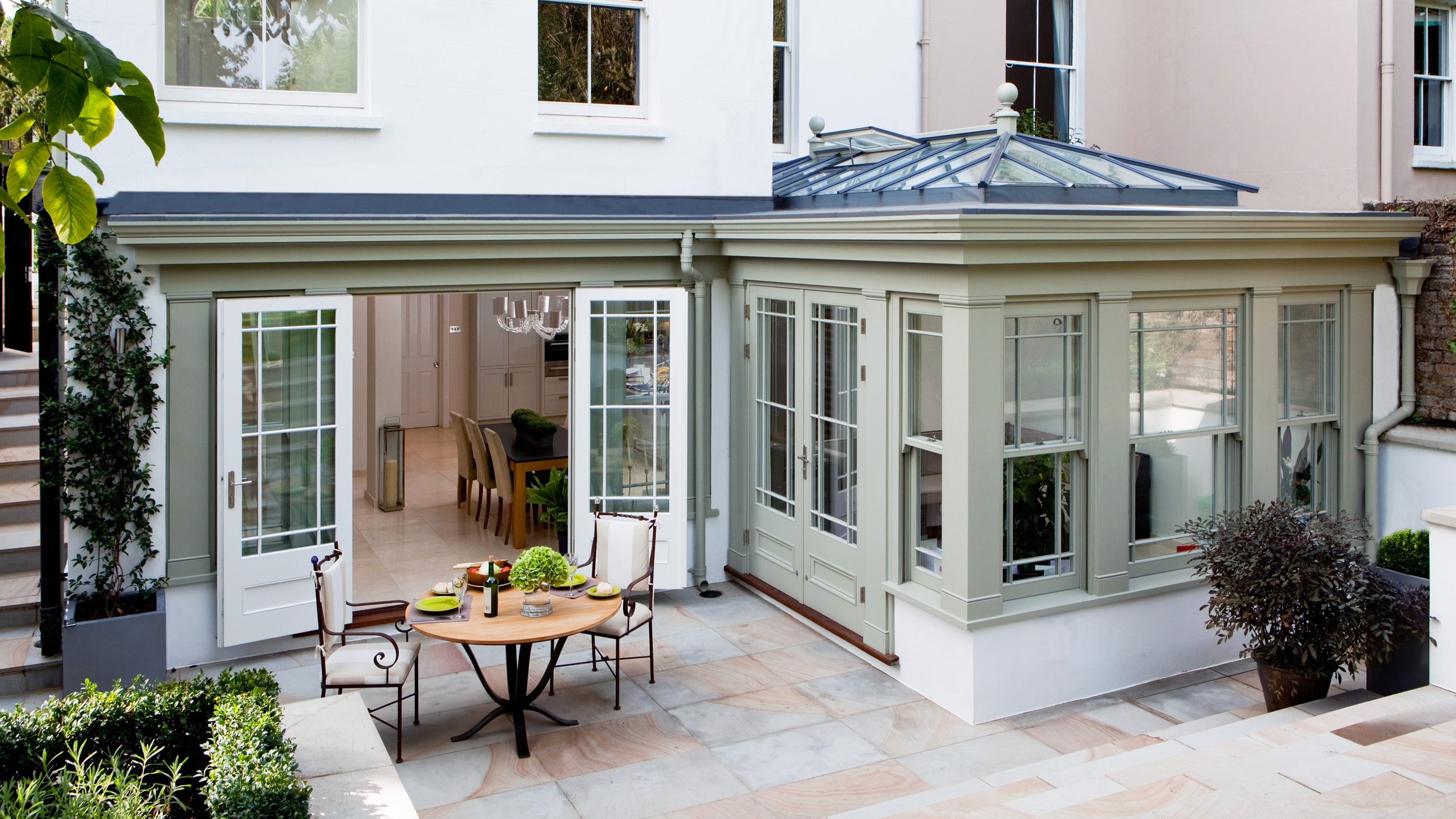
Orangery ideas: 19 designs, plus costs and planning advice

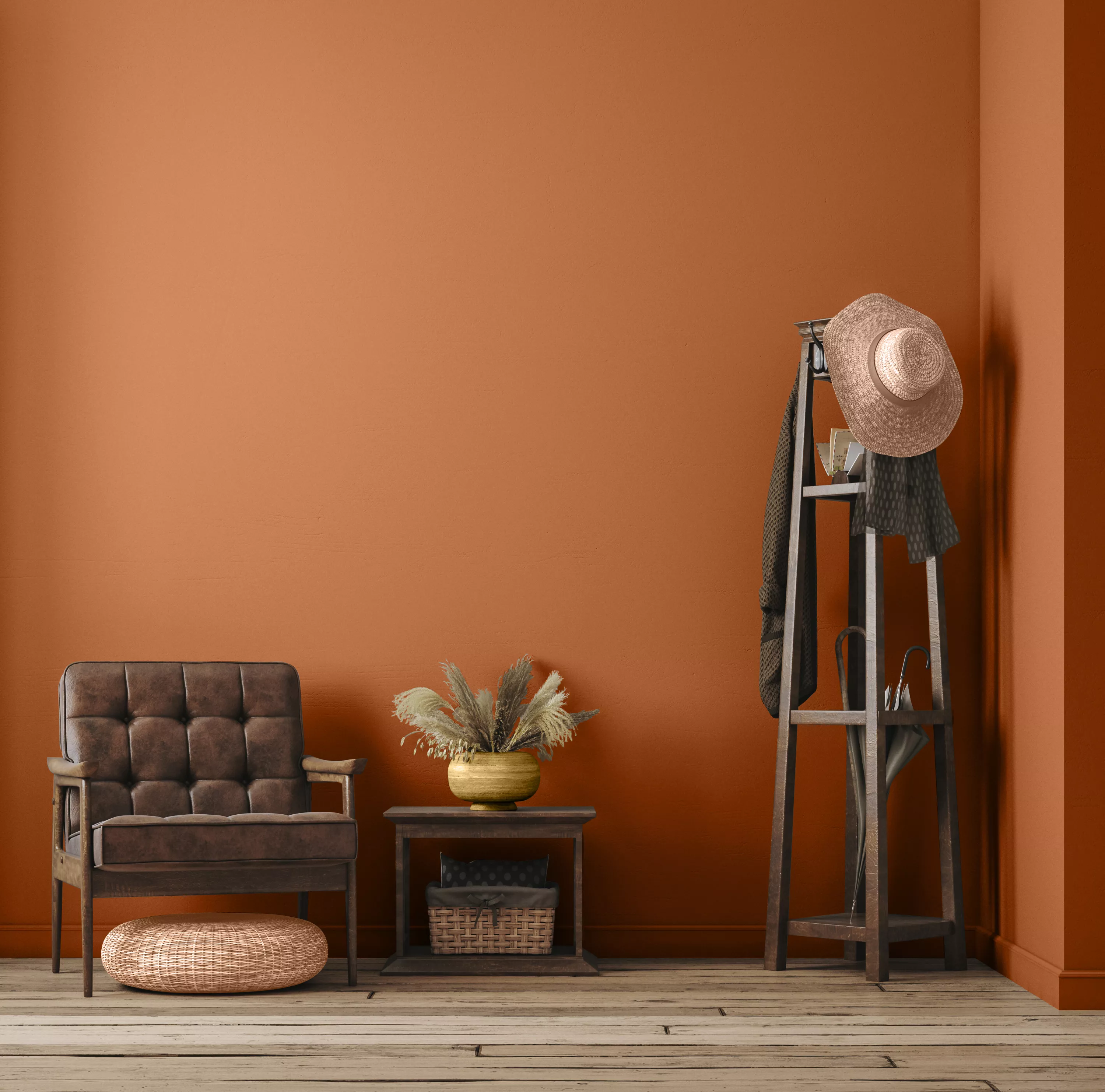
9 Best Orange Paint Colors for a Vibrant Home

Orange Deserves a Spot in Your Home—Here's How Designers Use It

How to Make Orange and Green Work Together — It Can Be "Dynamic and Joyful", but Only If You Get It Right

30 Bright, Bold Colors That Go with Orange
10 Ways To Decorate With The World’s Favorite Color
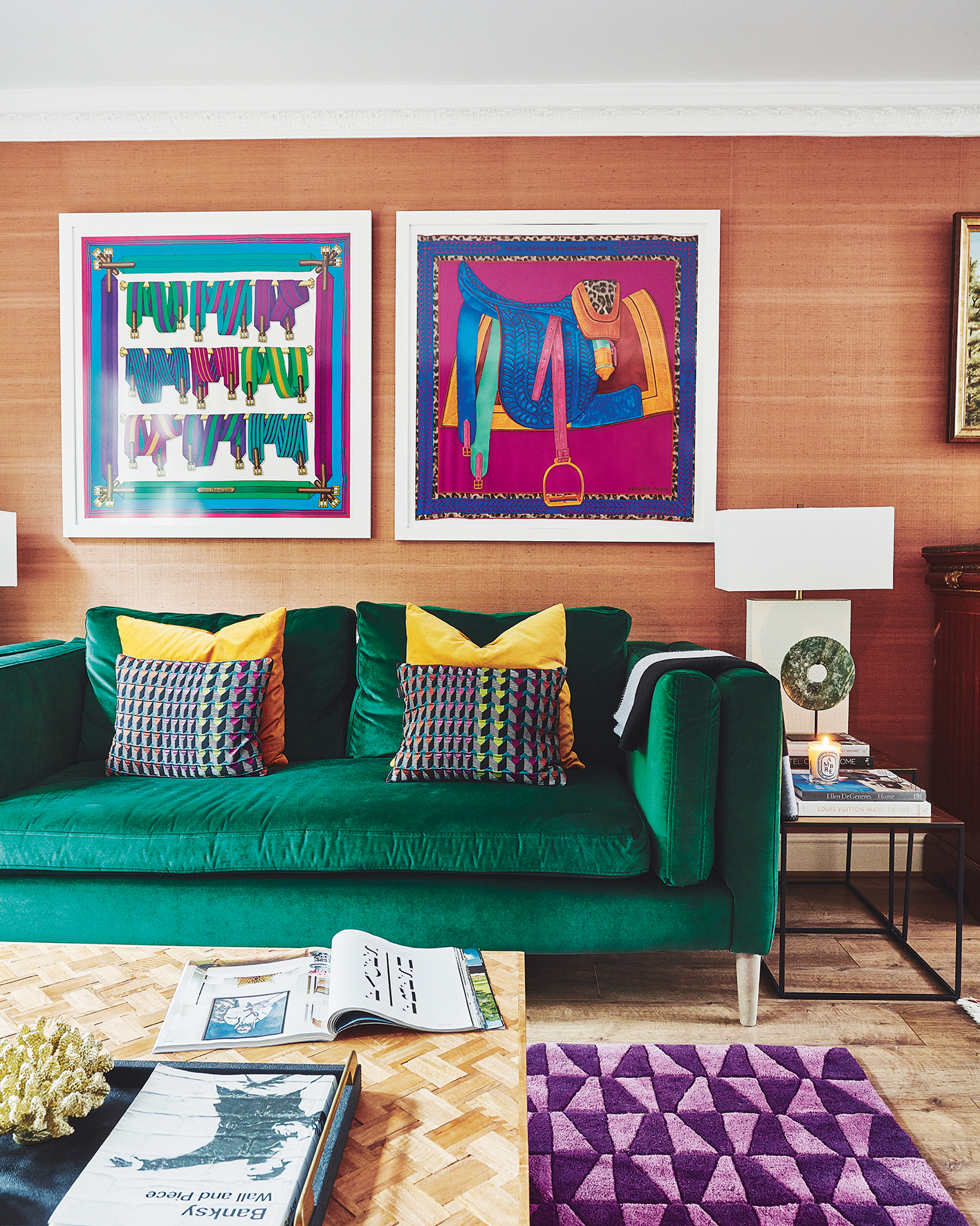
20 orange room design ideas

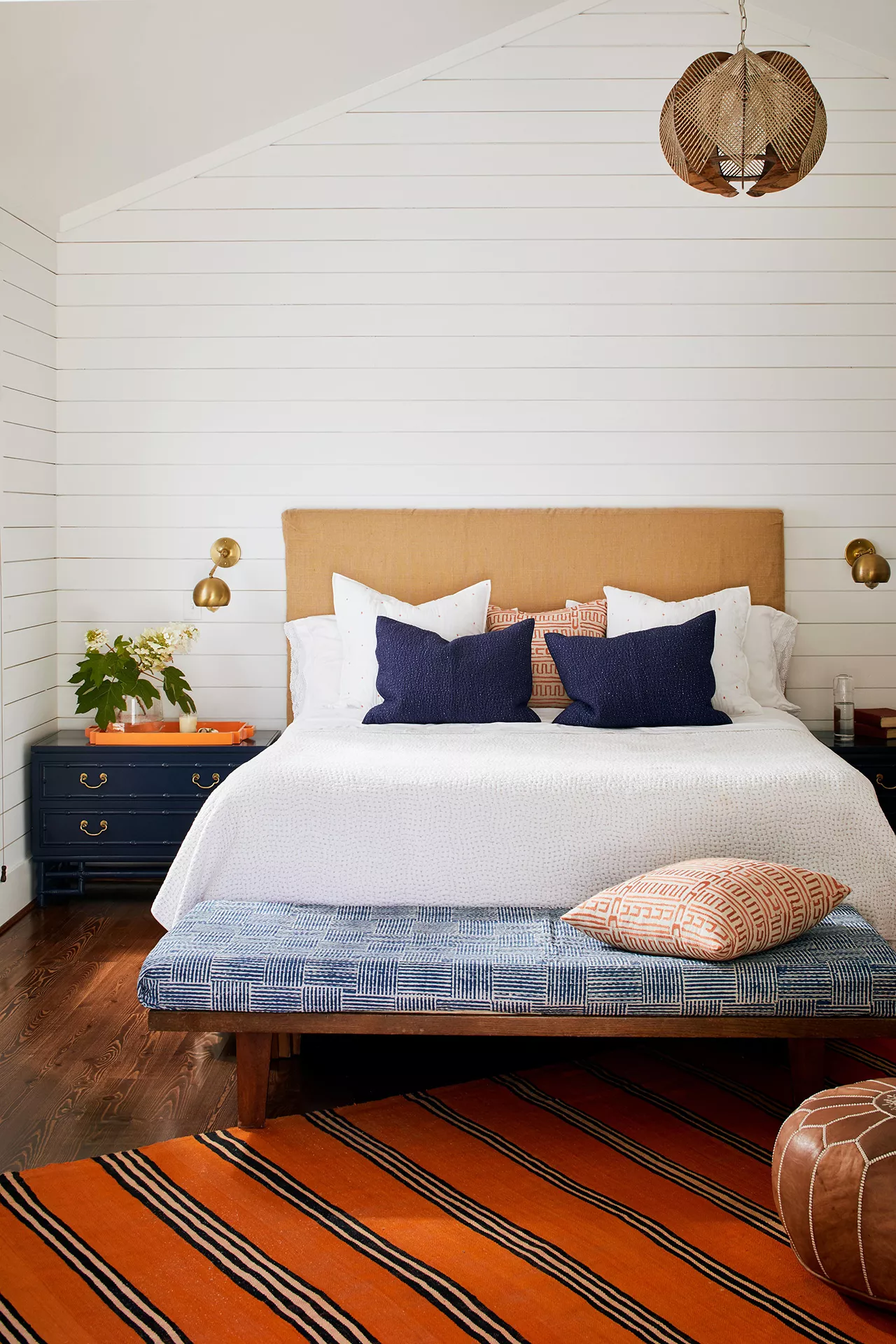
30 Bright, Bold Combinations of Colors That Pair with Orange
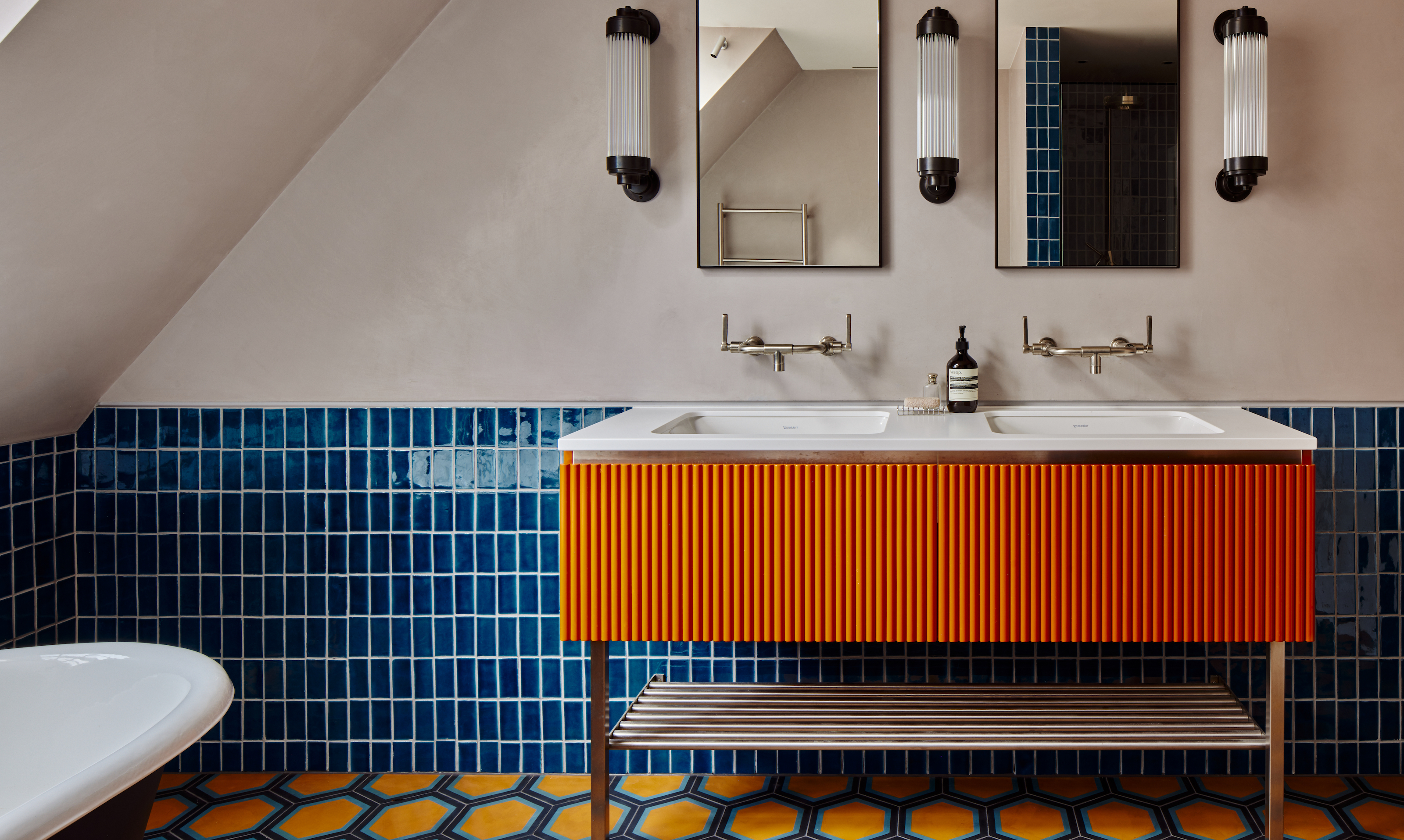
Orange bathrooms are trending - these 10 show how to use this color to create a perfect sanctuary
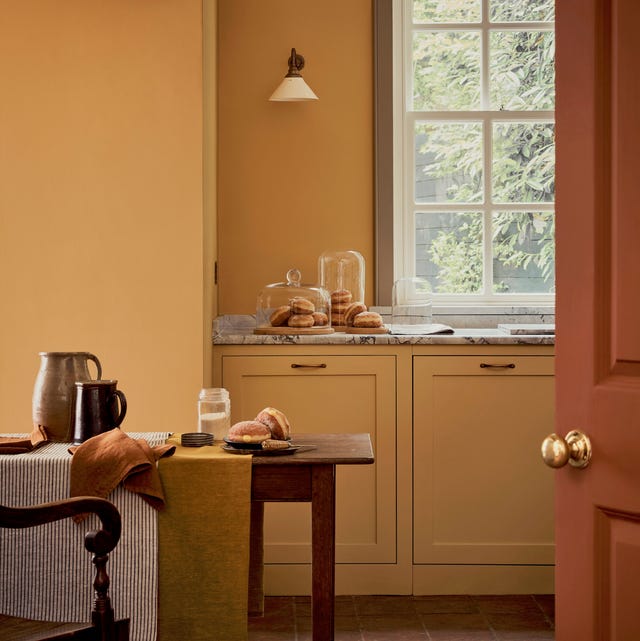
Decorating with yellow: 13 ways to use this sunshine shade at home
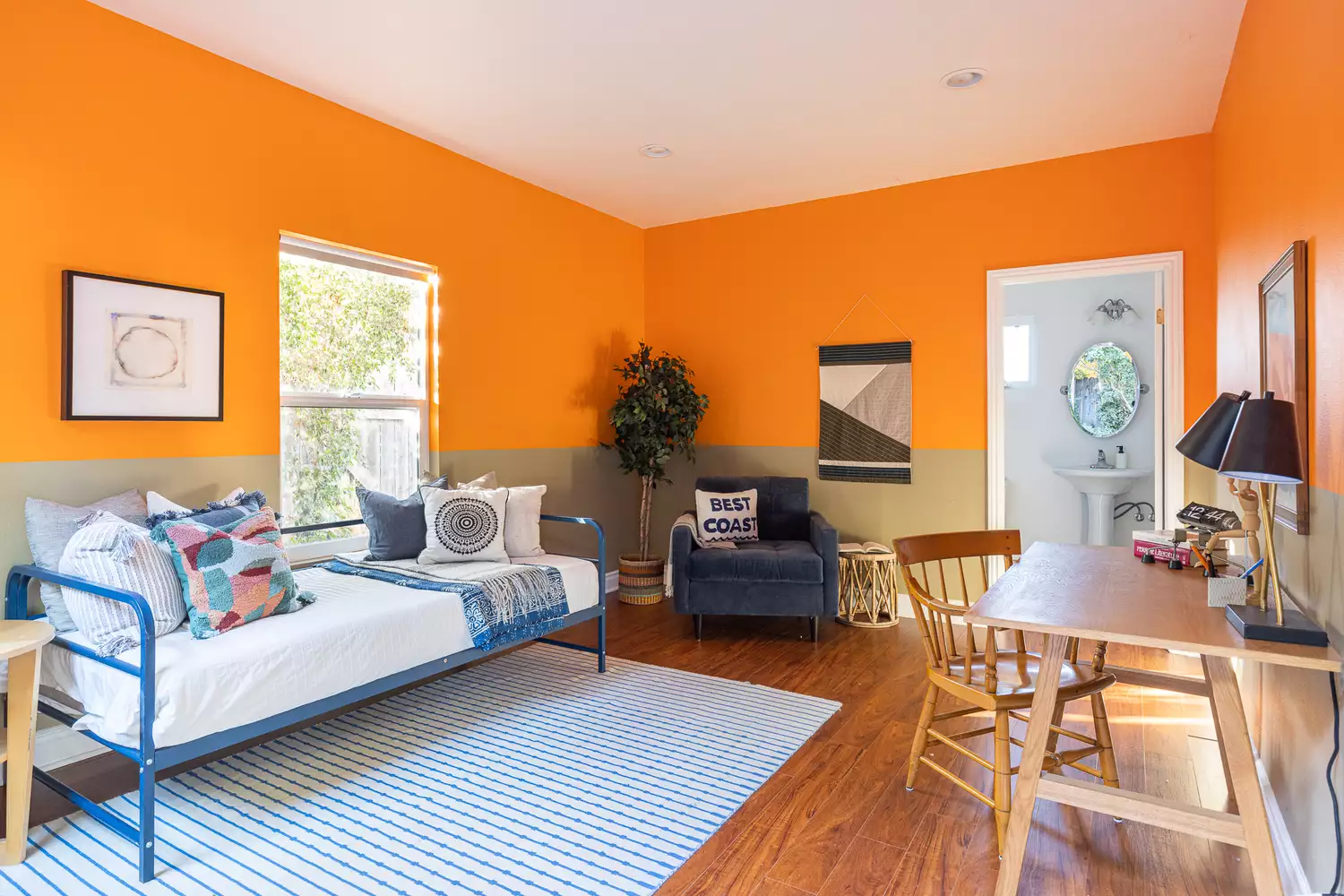
30 Best Colors That Go With Orange

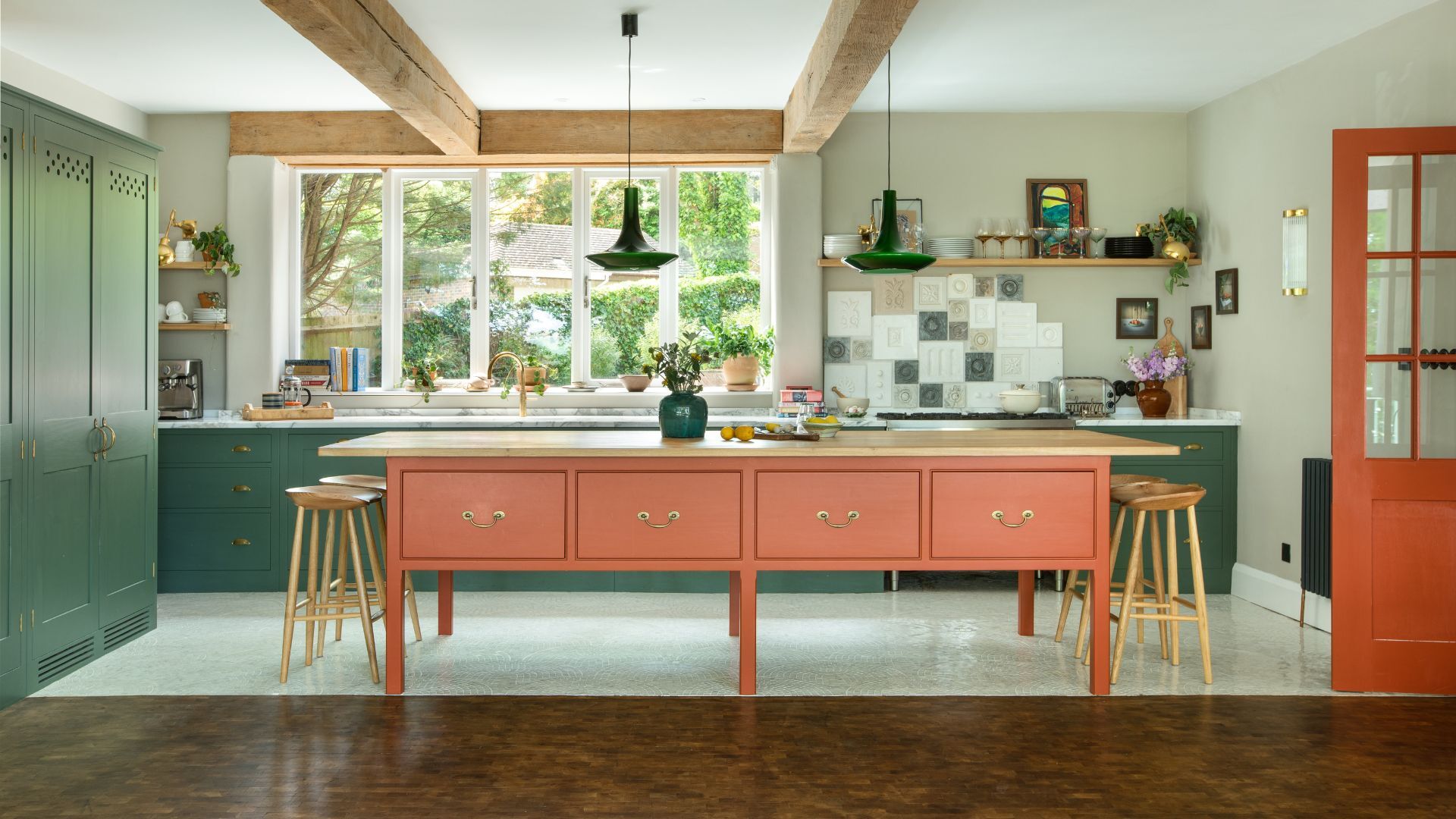
Orange and green is the bold color pairing quietly transforming homes in 2025 – here's 4 reasons why
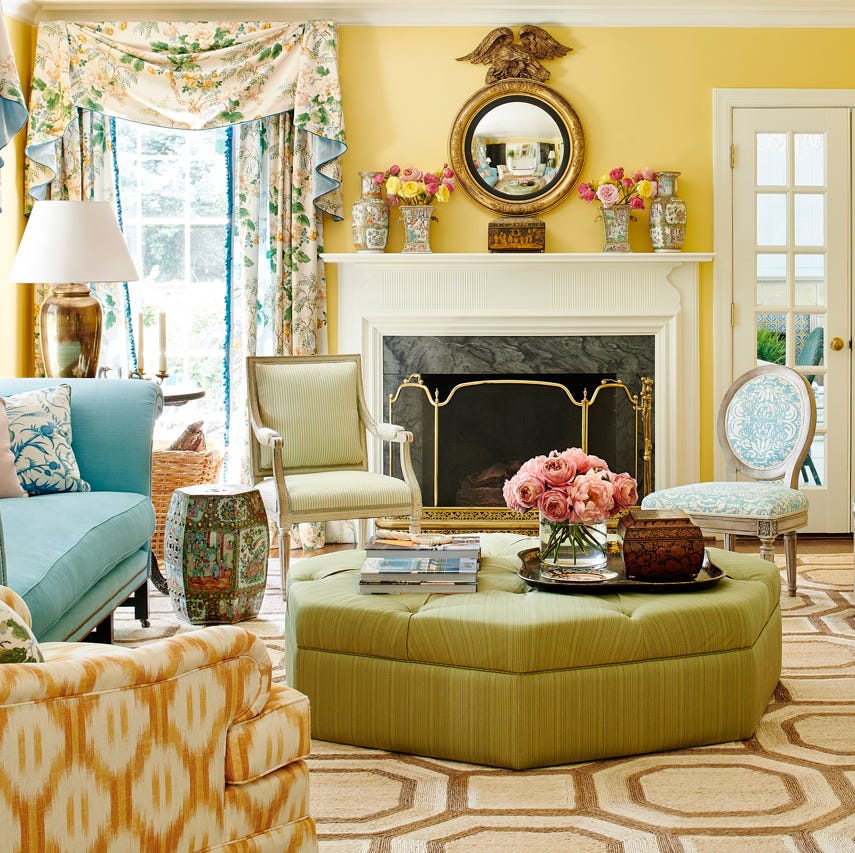
How to Decorate with Yellow the Right Way, According to Designers

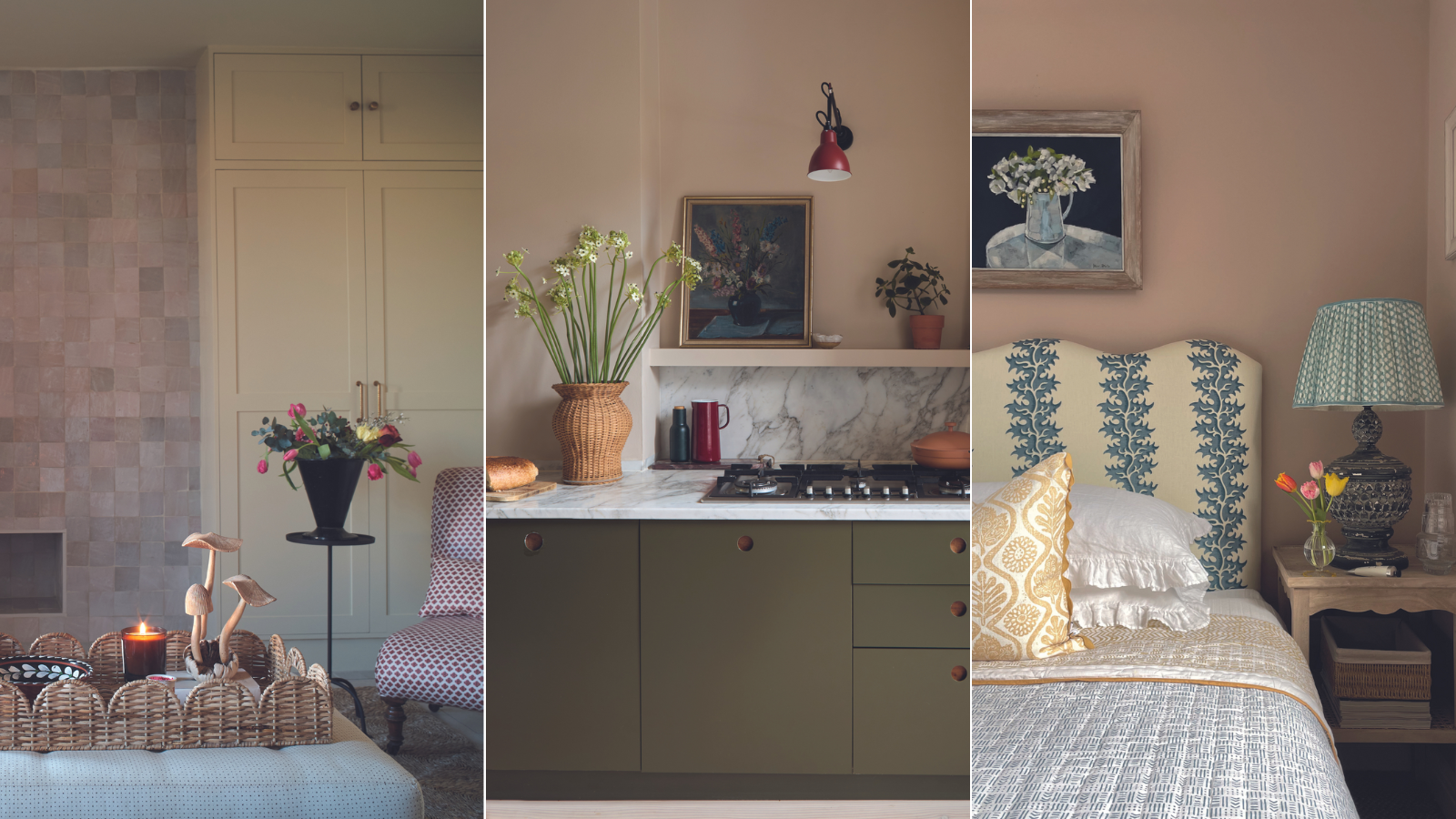
How to decorate with plaster pink tones – 5 ways to bring this timeless yet trendy hue into your home
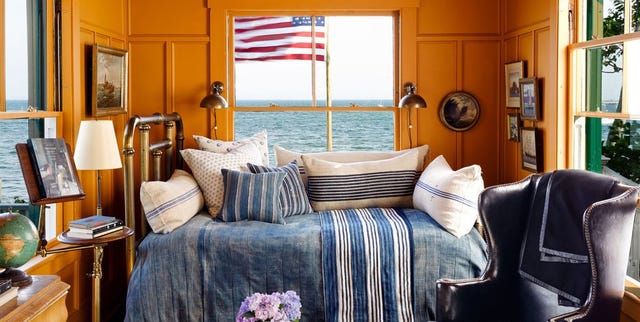
15 Energizing Orange Paint and Decor Ideas
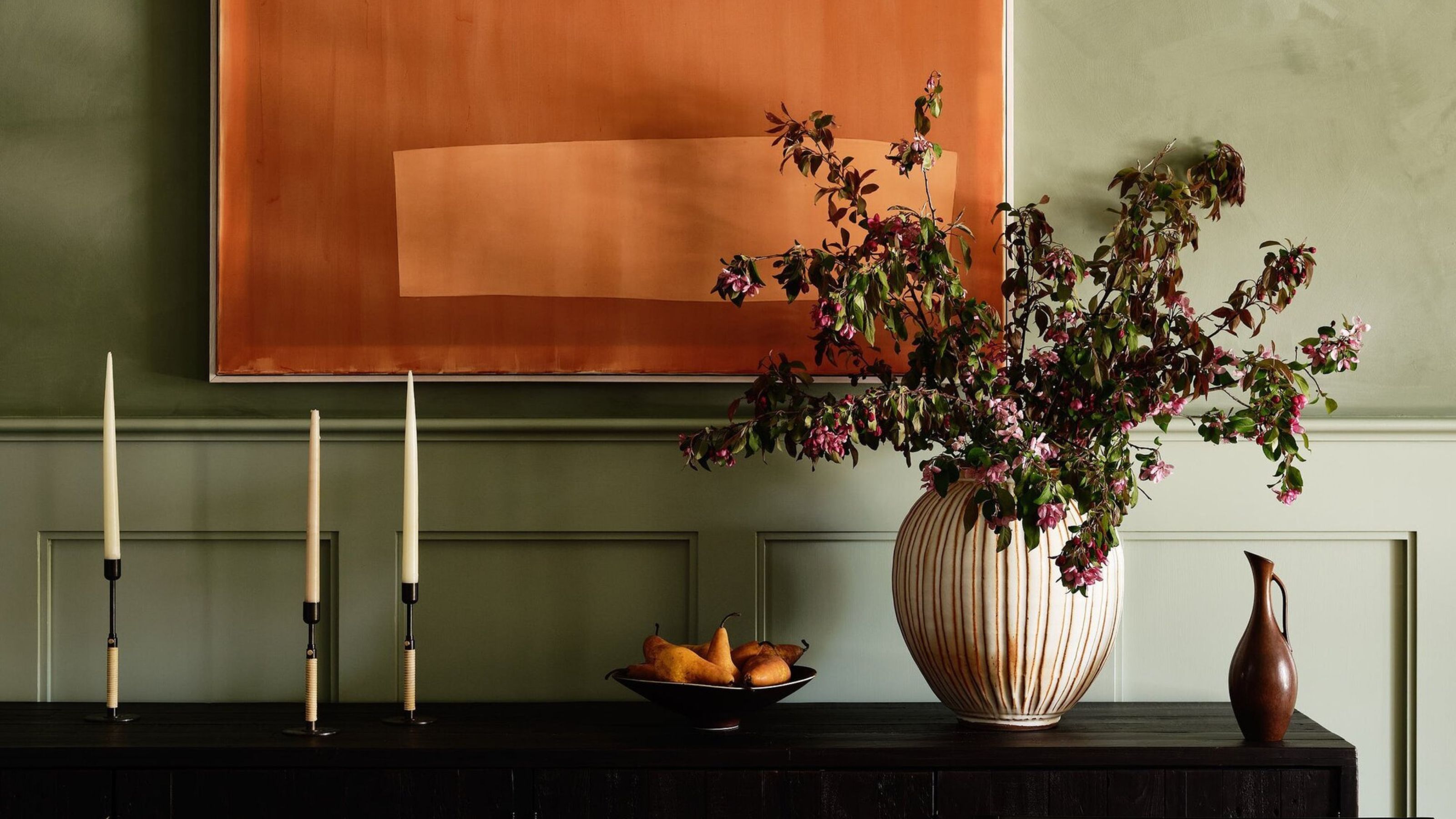
How to Make Orange and Green Work Together — It Can Be "Dynamic and Joyful", but Only If You Get It Right

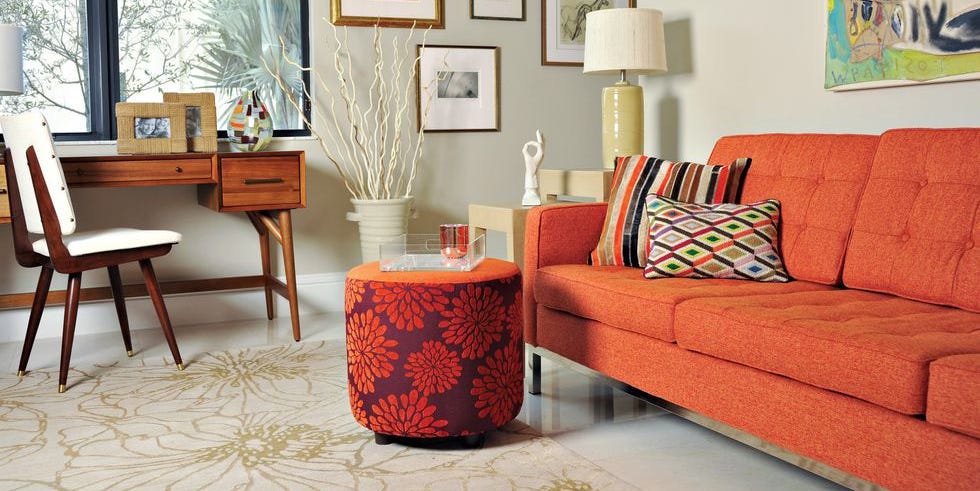
We Found the Chic Orange Sofas of Your Dreams
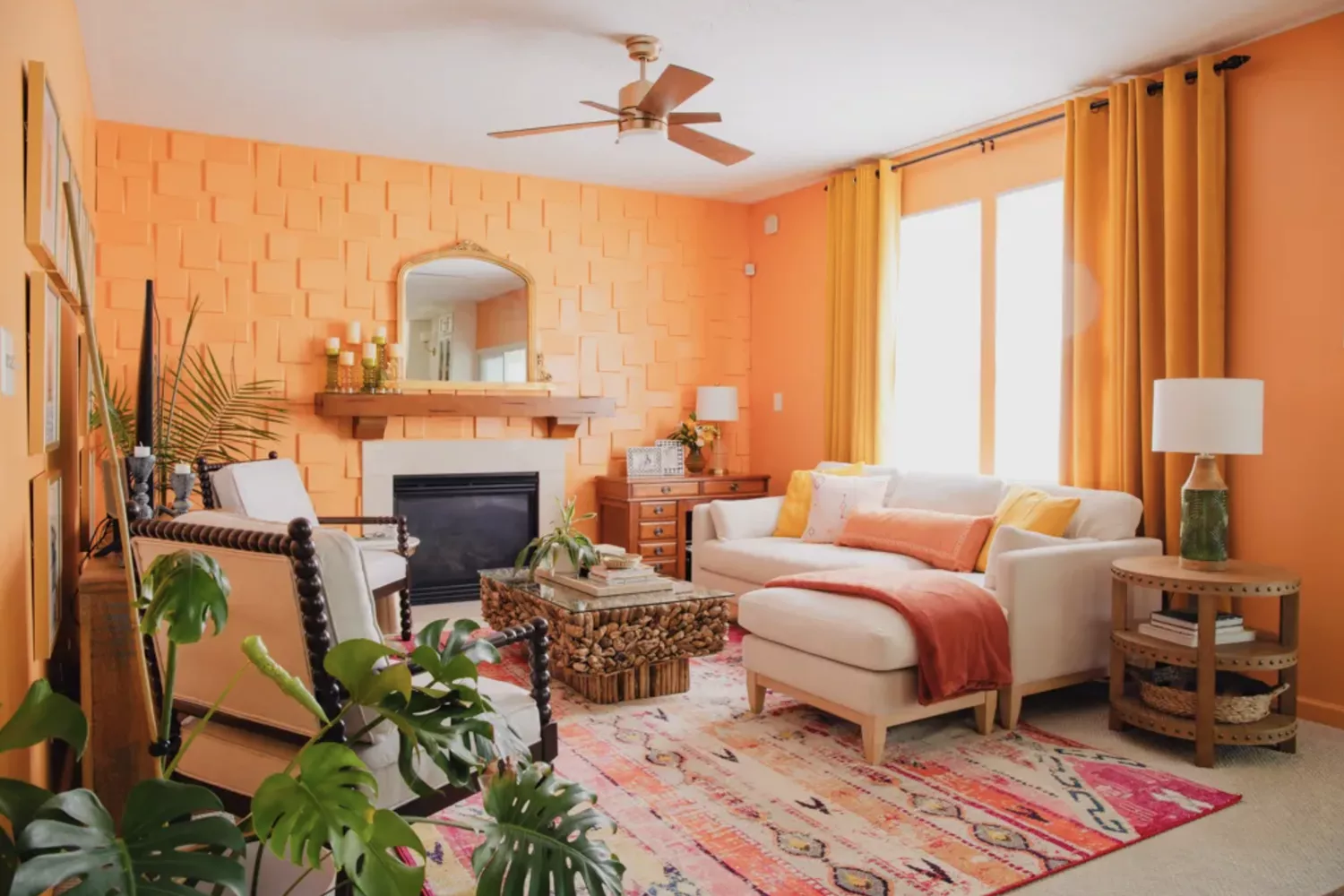
Cheer Up Any Space With These Designer-Approved Orange Paint Colors