1/18
How to layer lighting – expert tips to create the perfect soft yet practical scheme for every room
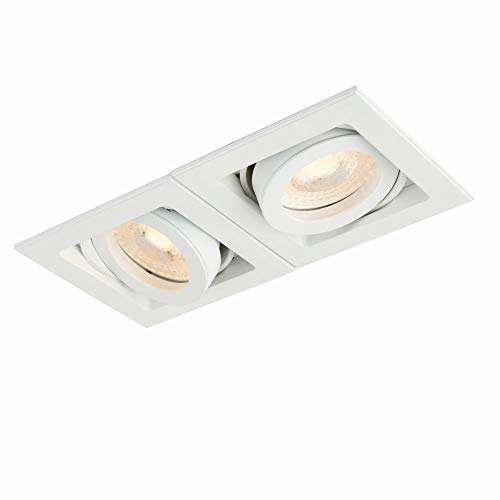
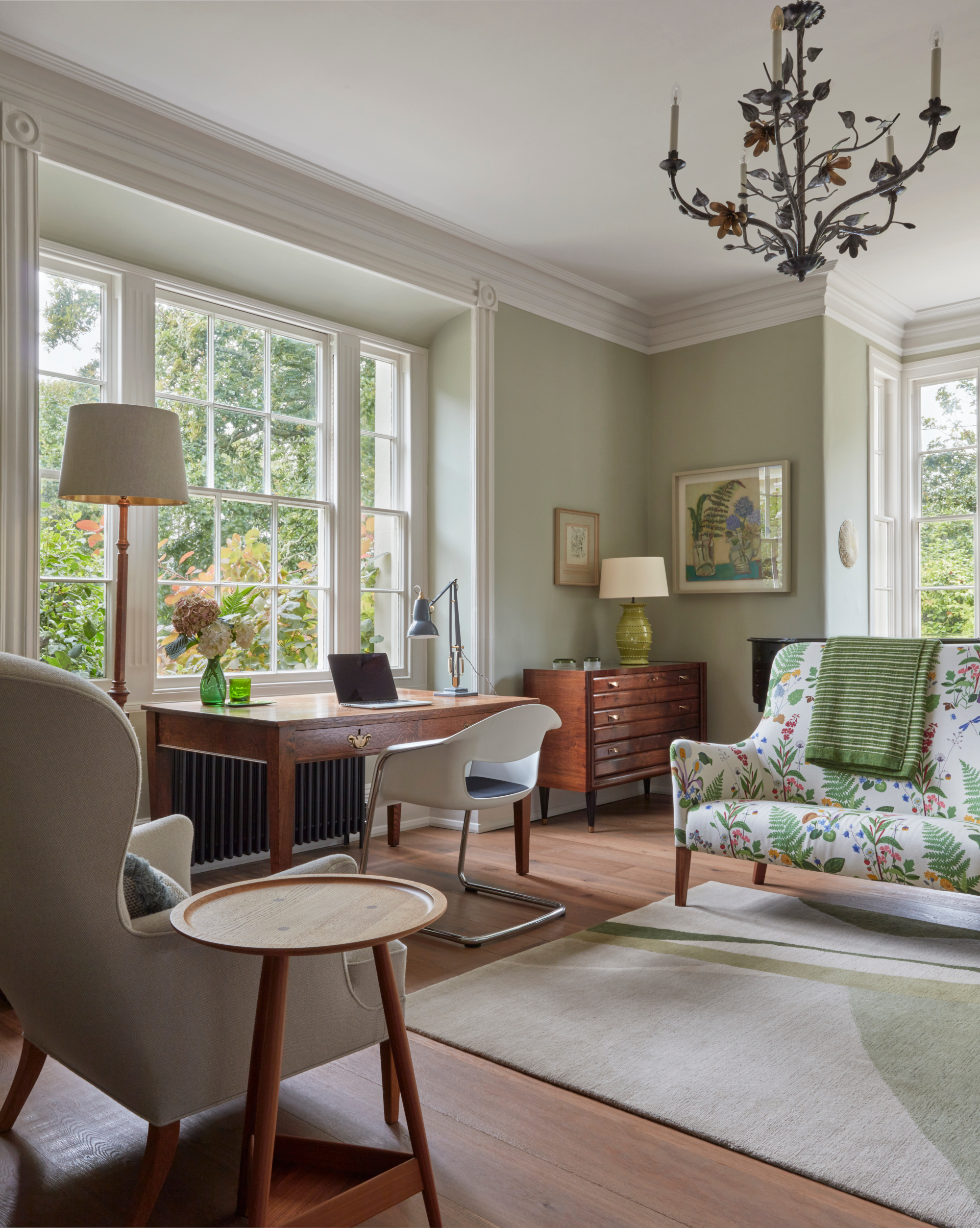
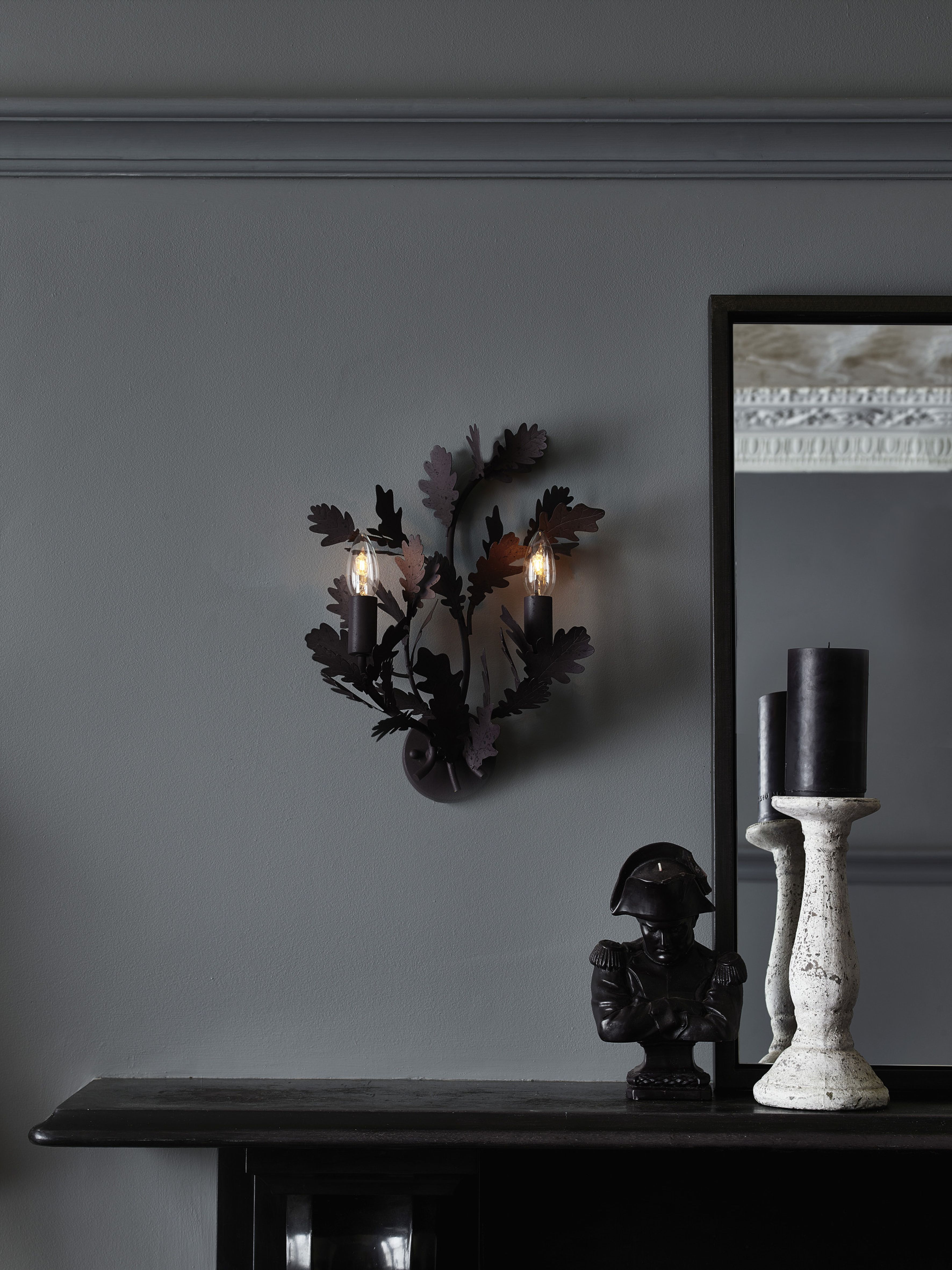
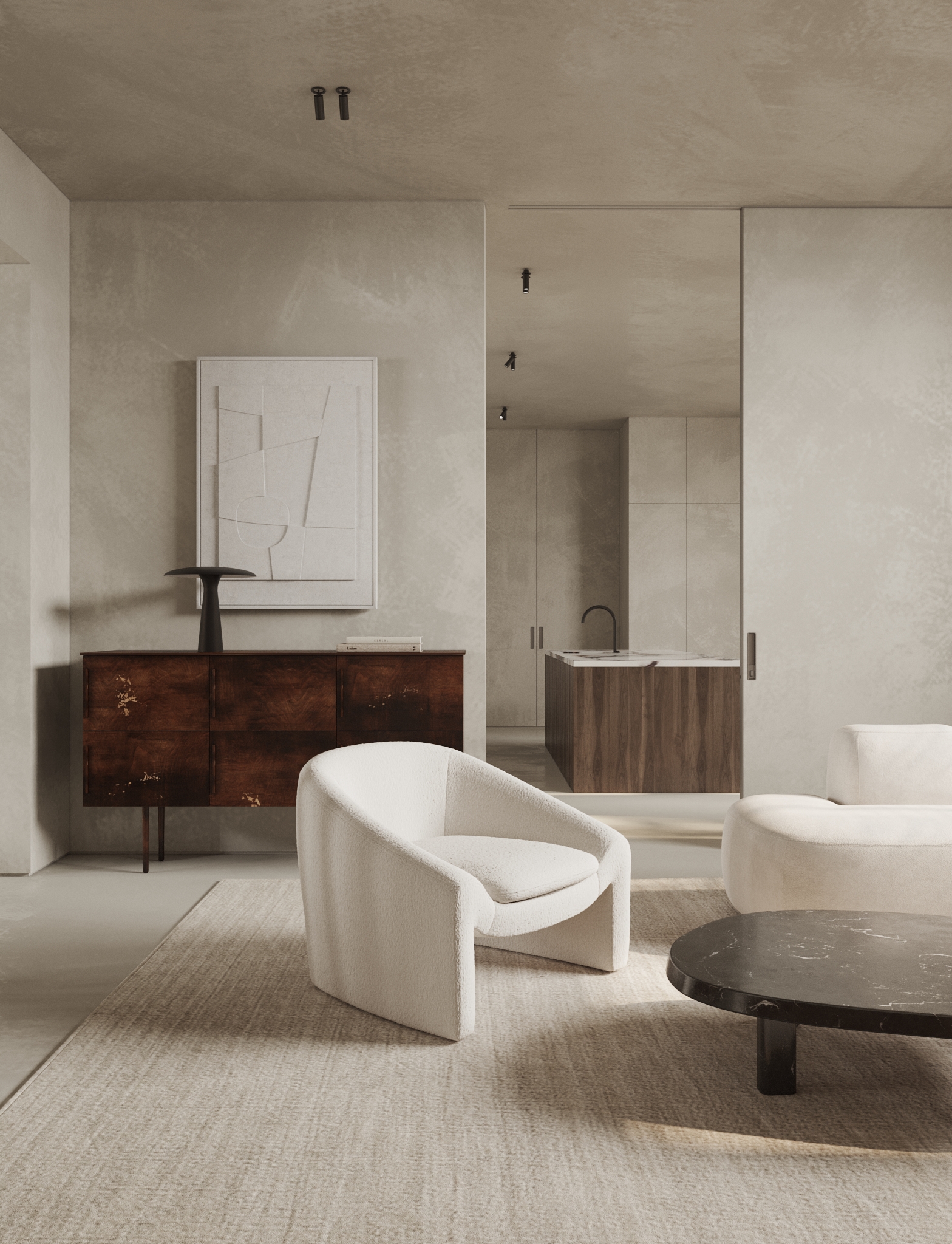
Layered lighting is a fundamental aspect of interior design, moving beyond a single light source to create functional, flexible, and comfortable living spaces. It involves combining multiple light sources to achieve a desired mood and purpose within a room, enhancing its functionality and aesthetic appeal. This approach often integrates three main types of lighting: ambient, task, and accent lighting. Ambient lighting serves as the primary illumination, typically from ceiling pendants or downlights, providing the base light for navigation. Task lighting offers focused illumination for specific activities, such as desk lamps for working or pendant lights over kitchen islands for food preparation. Accent lighting is primarily decorative, highlighting architectural features or artwork, commonly seen in picture lights or wall sconces.
Effective layered lighting requires early planning, especially during remodels, to ensure proper wiring for independent operation of different light types. This allows for tailoring the lighting to various functions and times of day. For instance, kitchens and bathrooms may require brighter ambient and more extensive task lighting due to their practical nature, while living rooms and bedrooms benefit from softer ambient and accent lighting to create cozy atmospheres. Hollie Moreland, Creative Director at David Hunt Lighting, emphasizes the importance of a multi-layered approach to accommodate the diverse activities that now occur in homes, from reading nooks to workspaces.
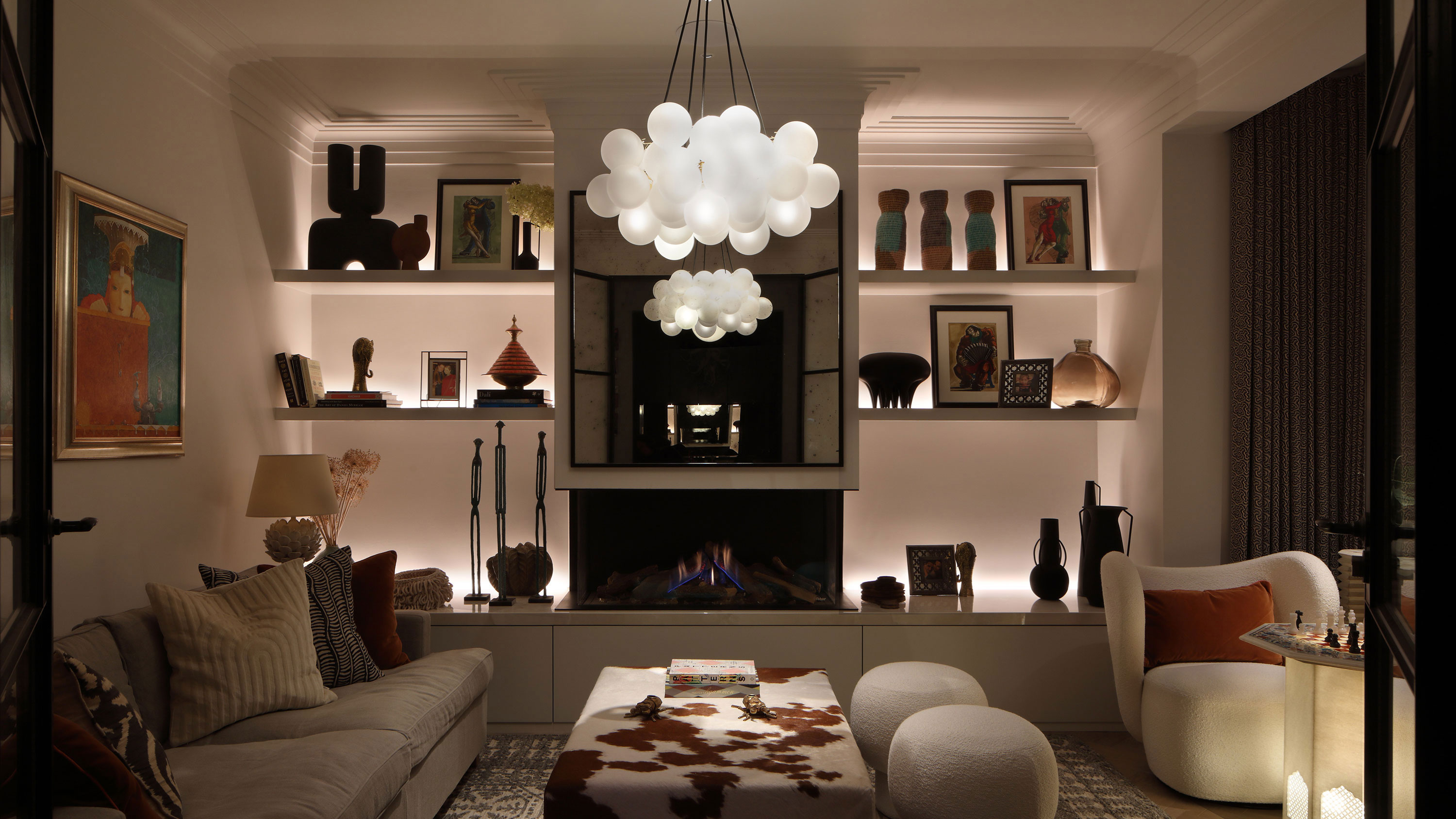
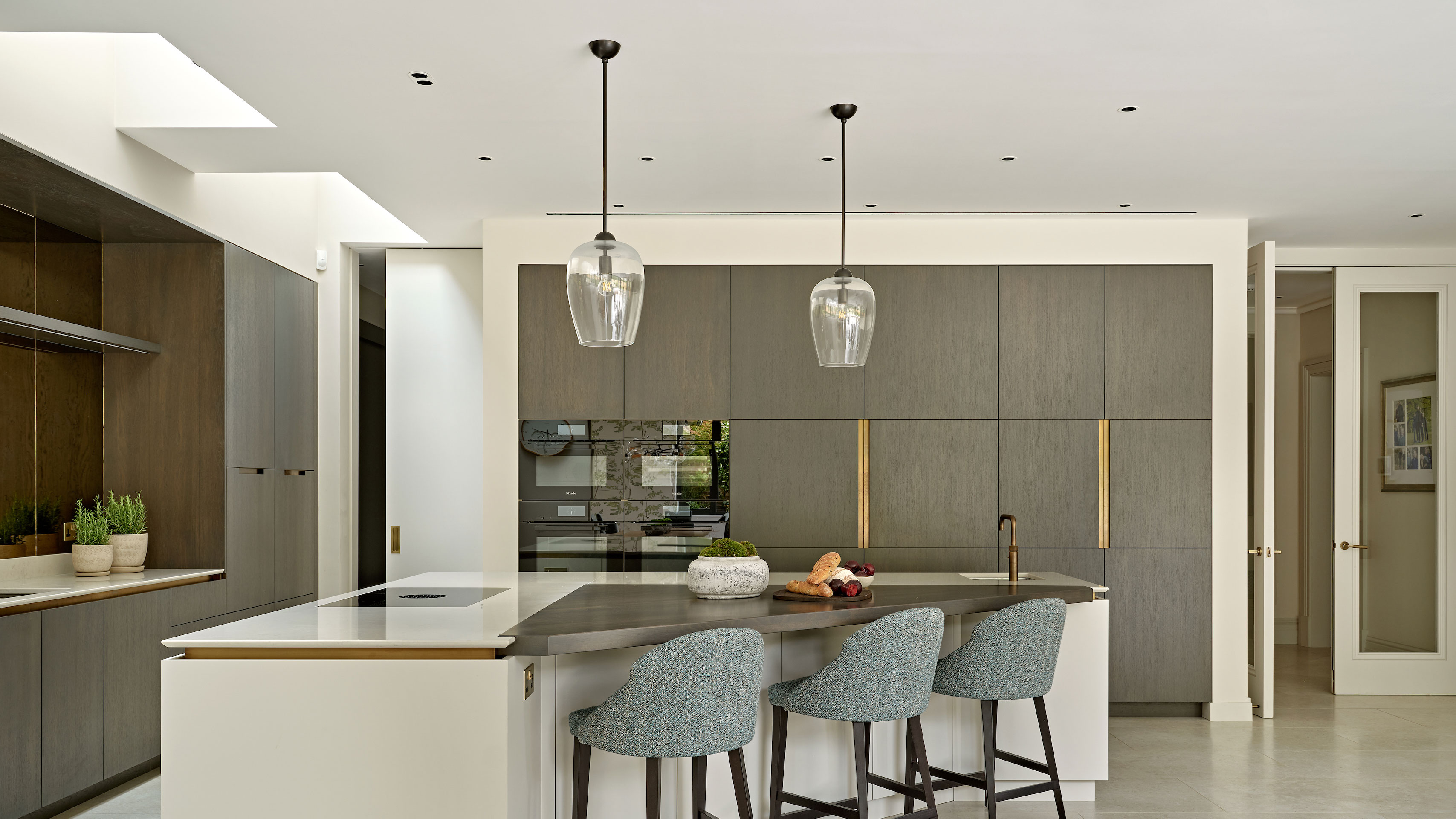
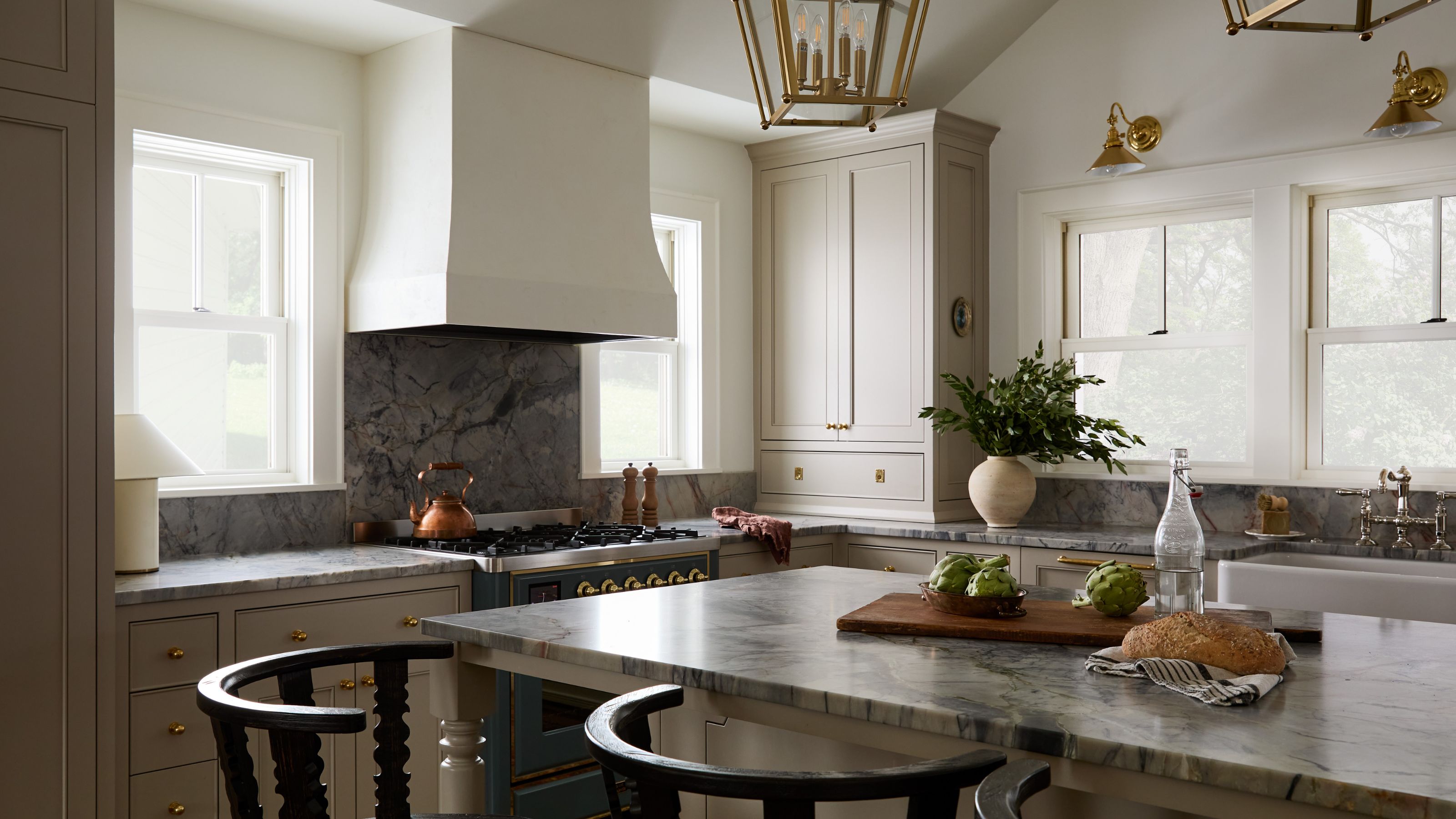
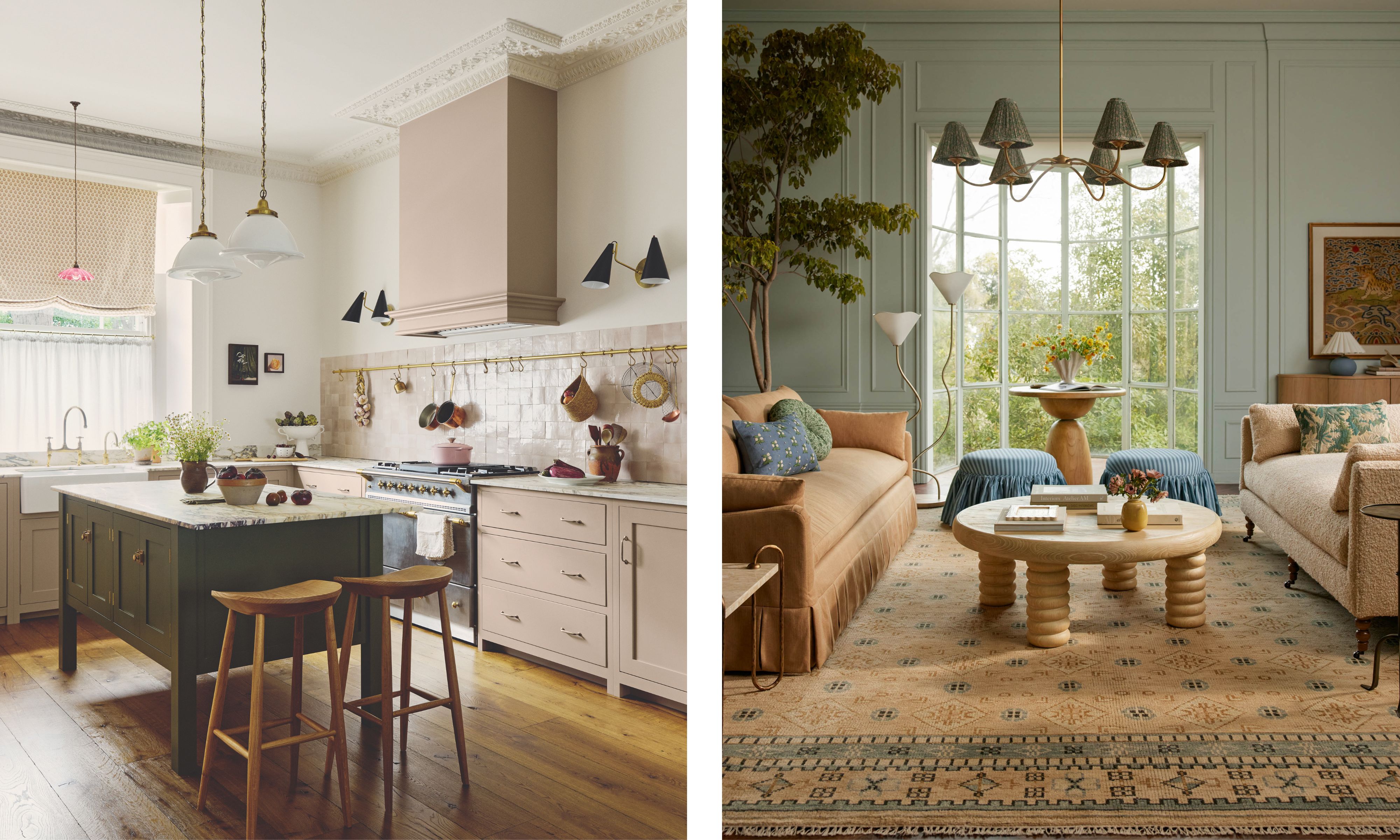
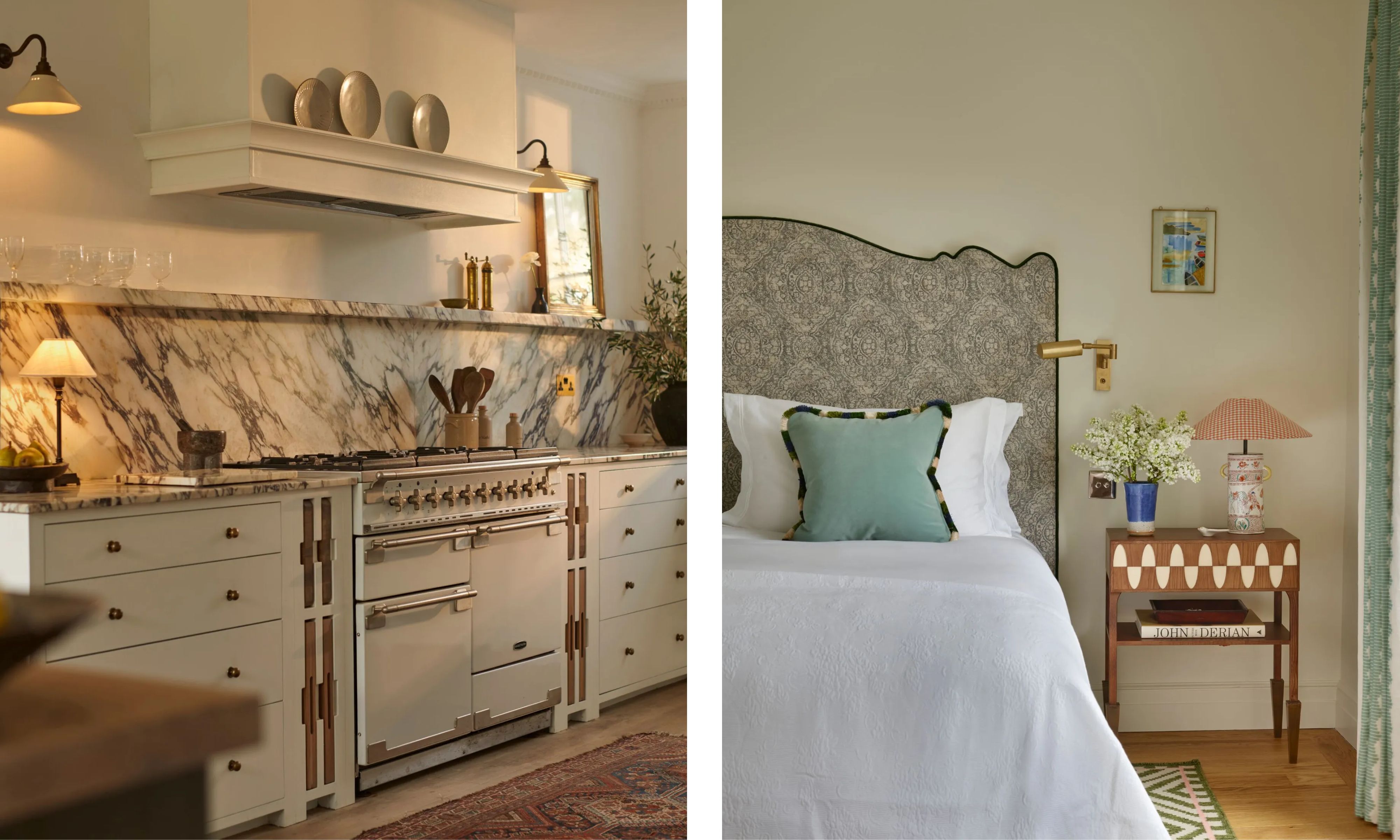
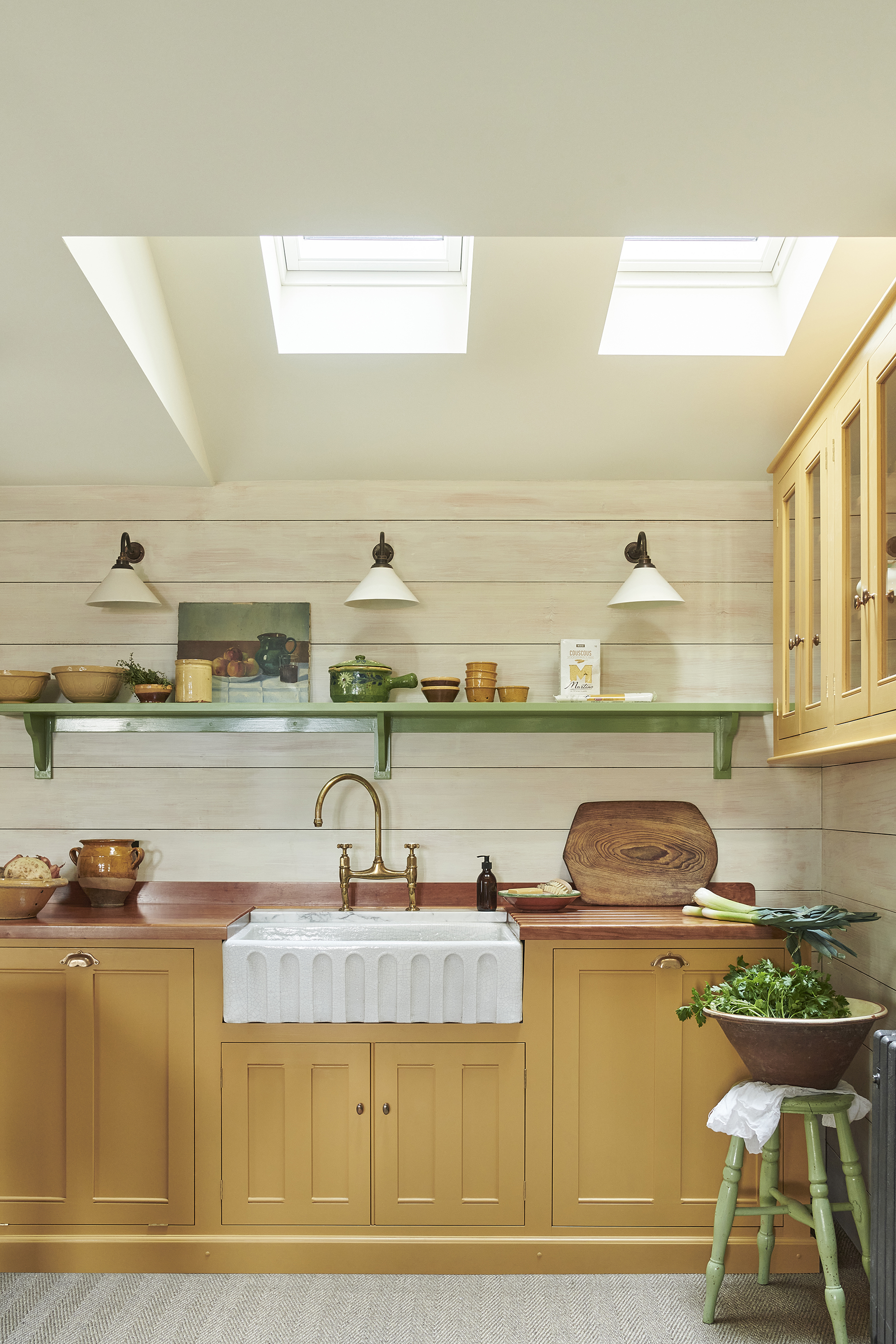
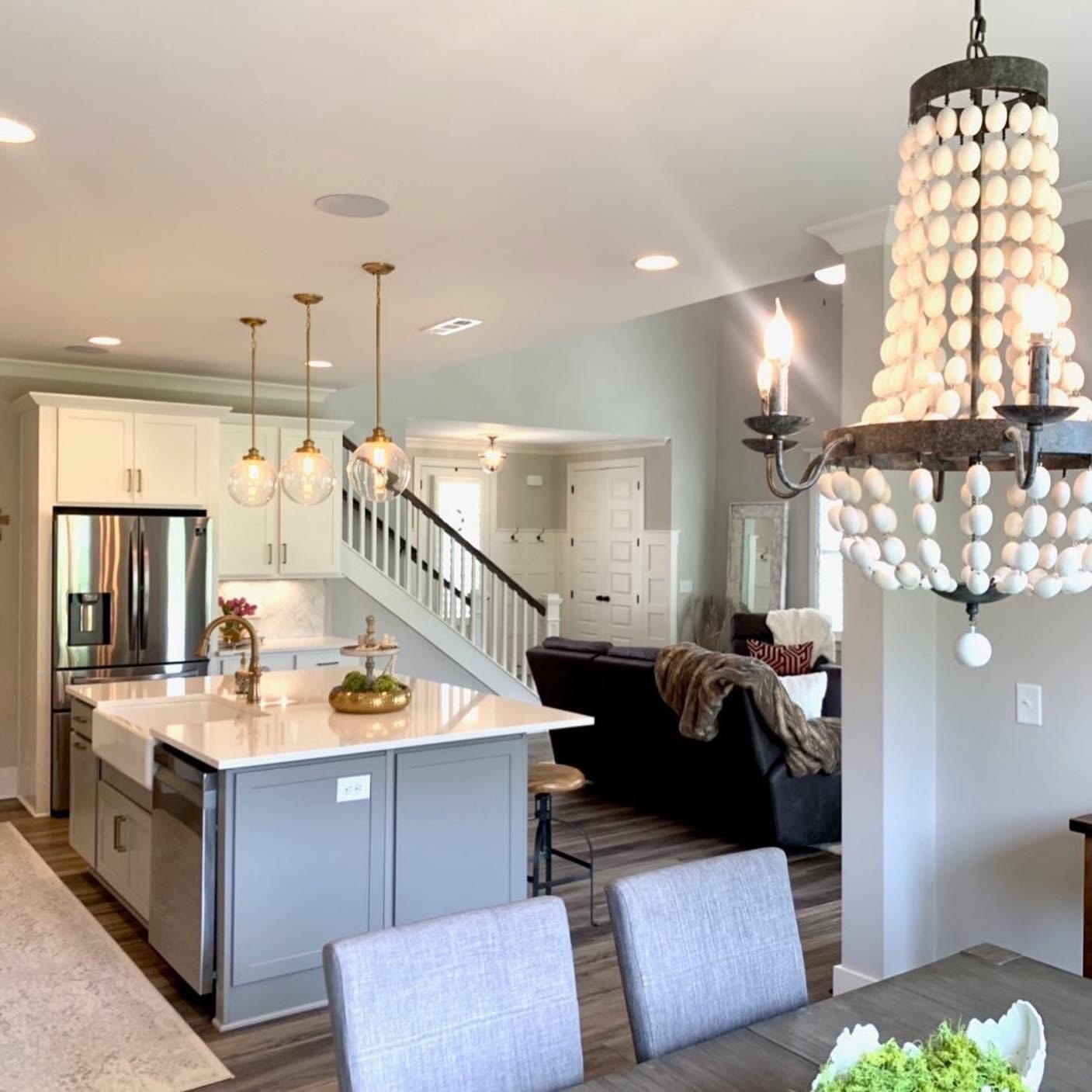
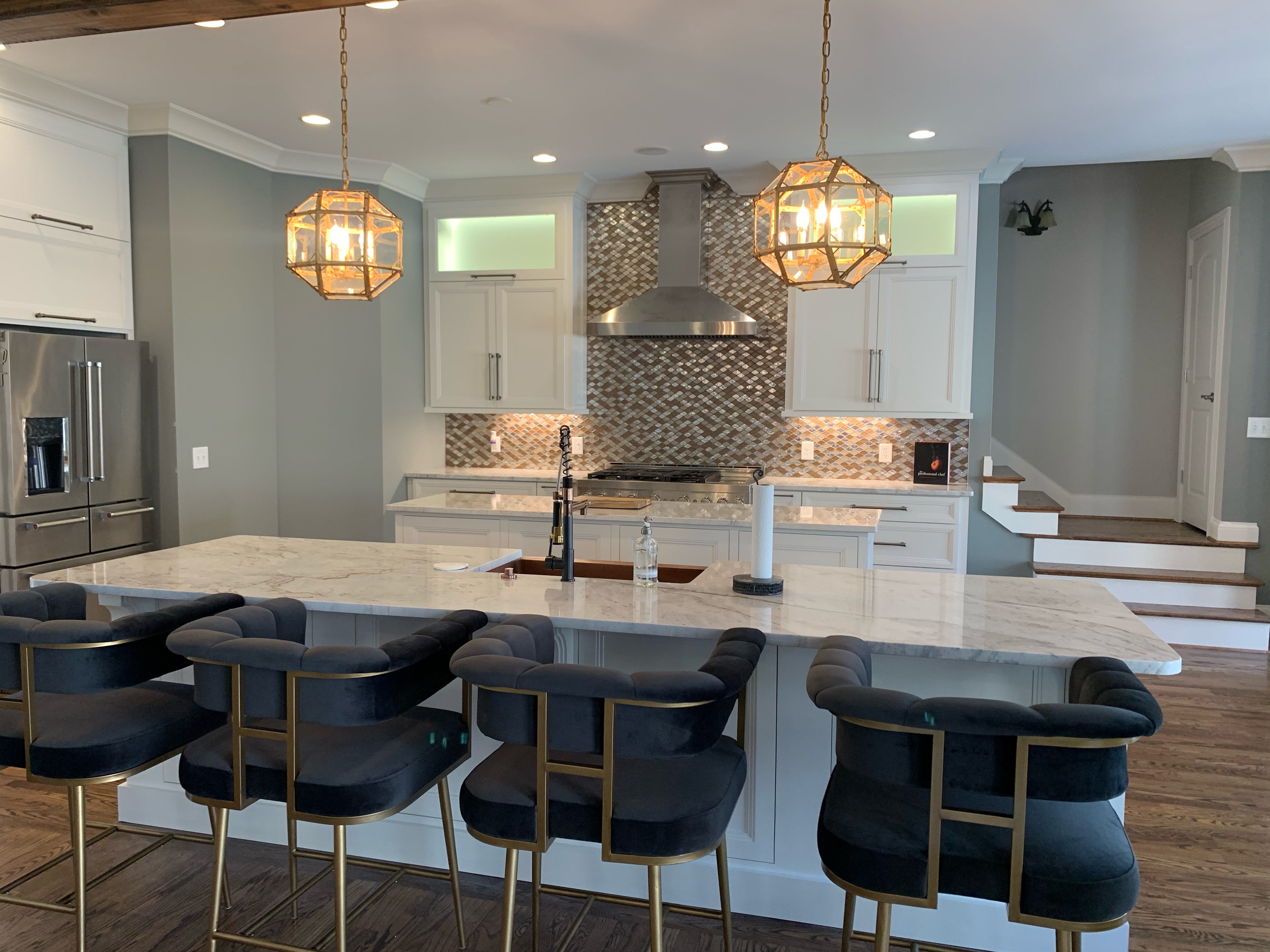
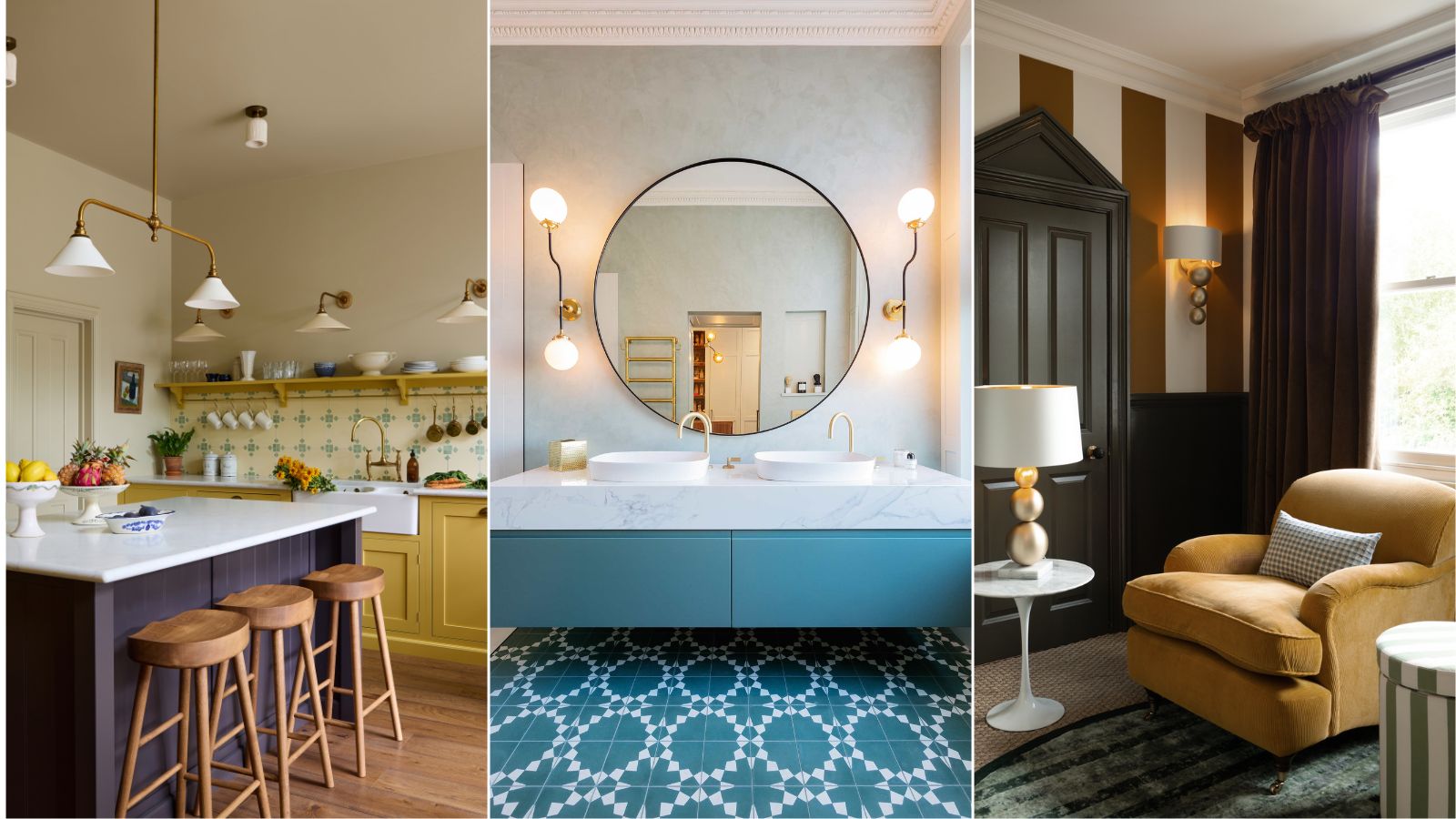
In kitchens, the evolution from purely practical spaces has led to more flexible layered lighting schemes. Ambient lighting can be achieved through recessed spotlights, pendant lights, or even adjustable track lighting. Task lighting is crucial for work surfaces, with under-cabinet lights recommended to eliminate shadows. Decorative pendant lights over kitchen islands or dining tables can serve both functional and aesthetic purposes, with careful consideration given to their height to prevent glare. Accent lighting, such as LED strip lights in glazed cabinets or along shelves, adds to the room's ambiance and highlights decorative items.
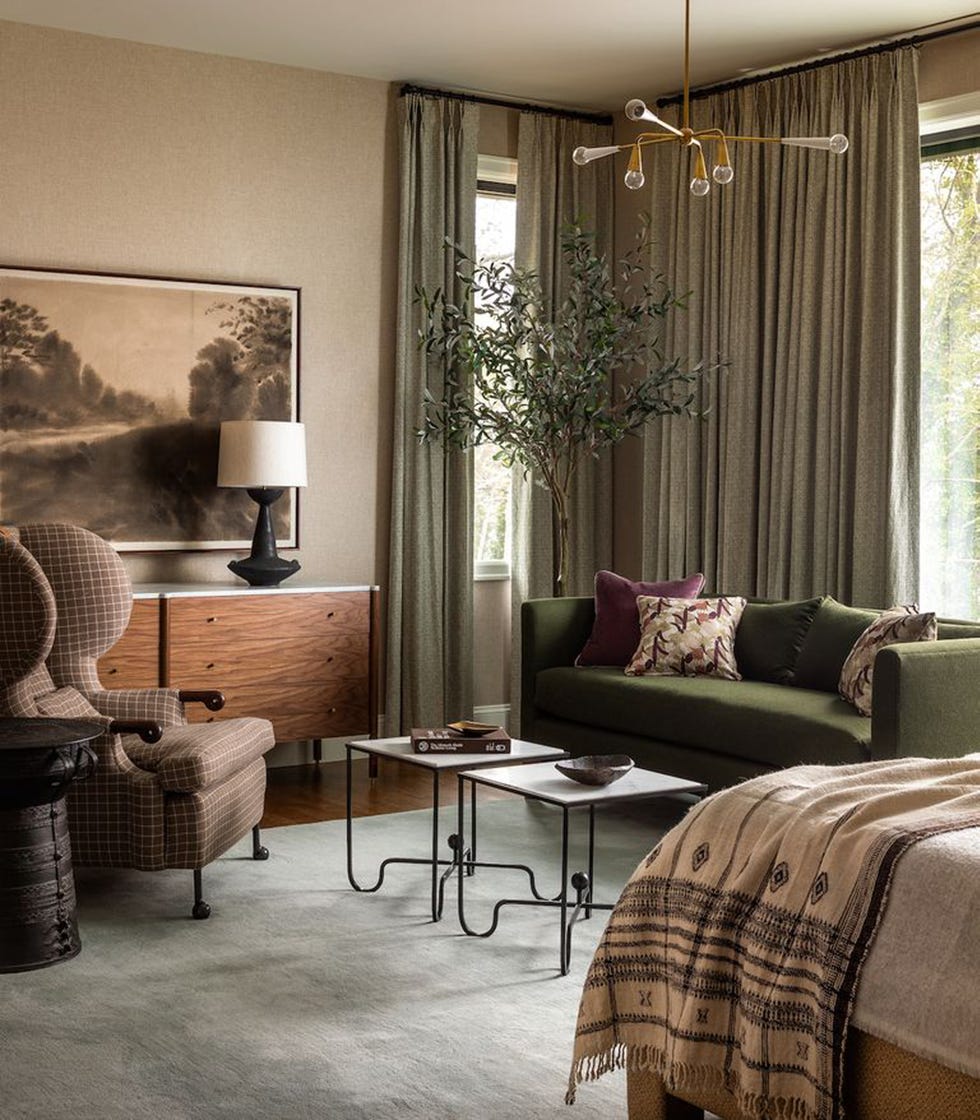
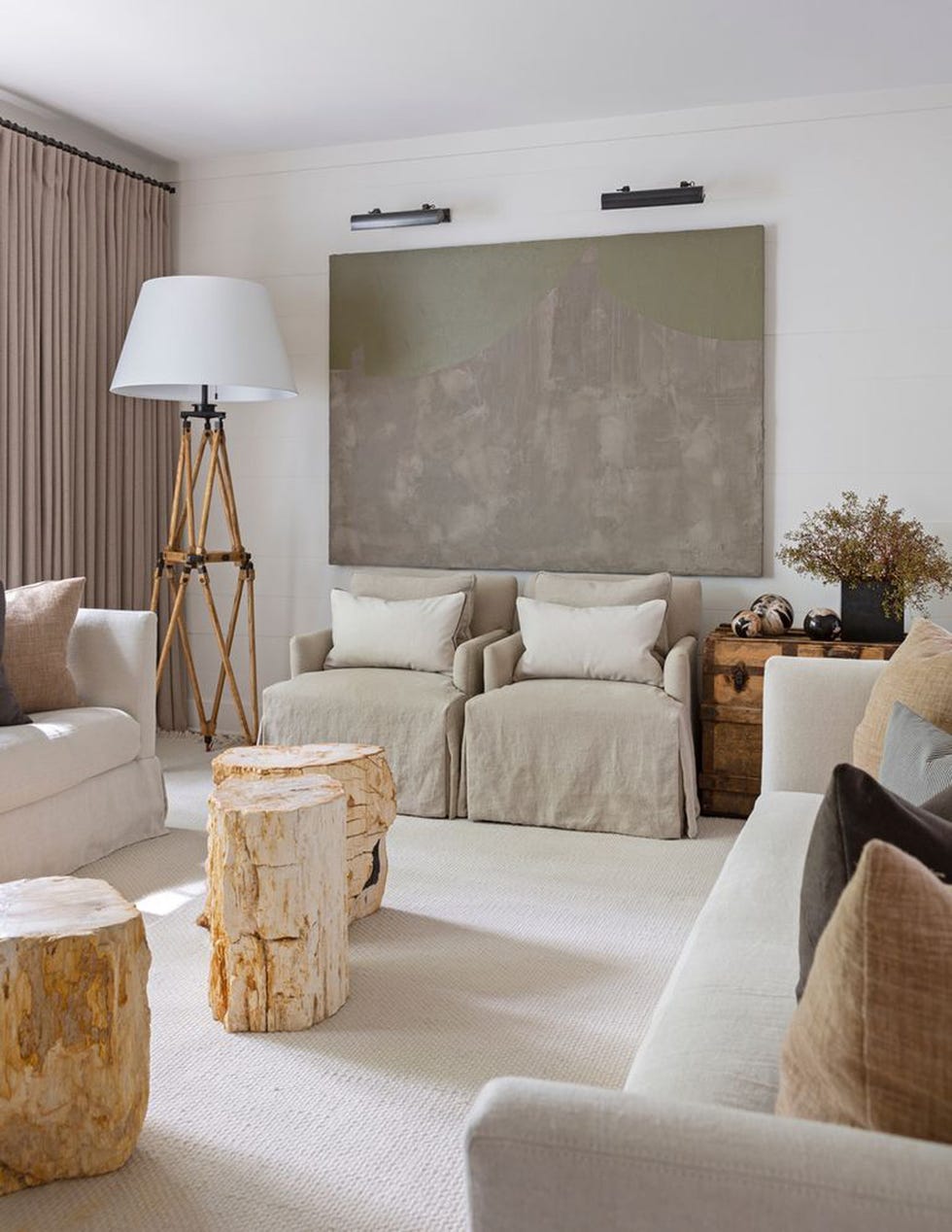
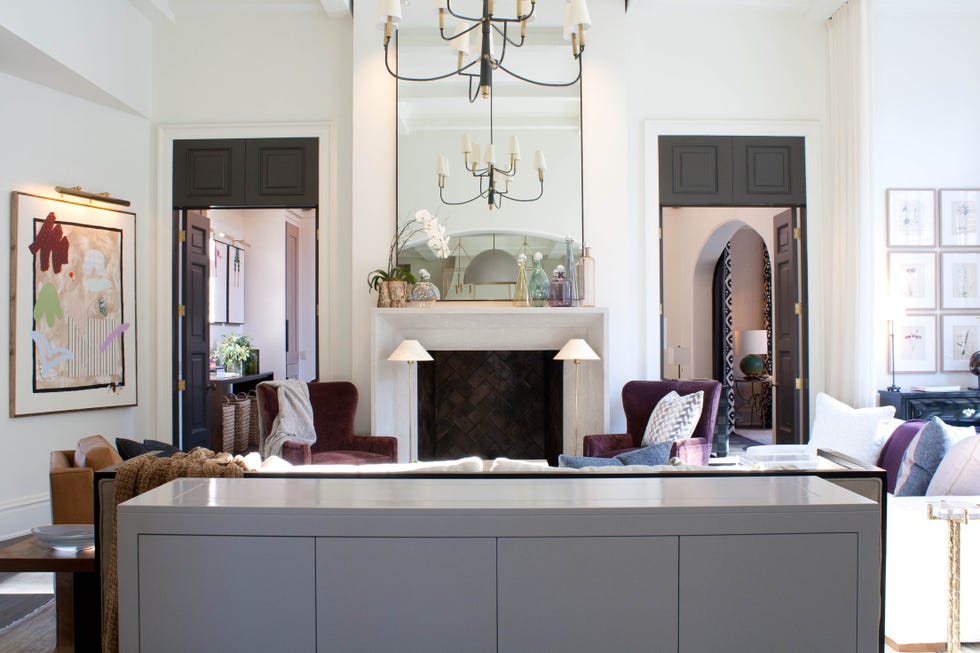
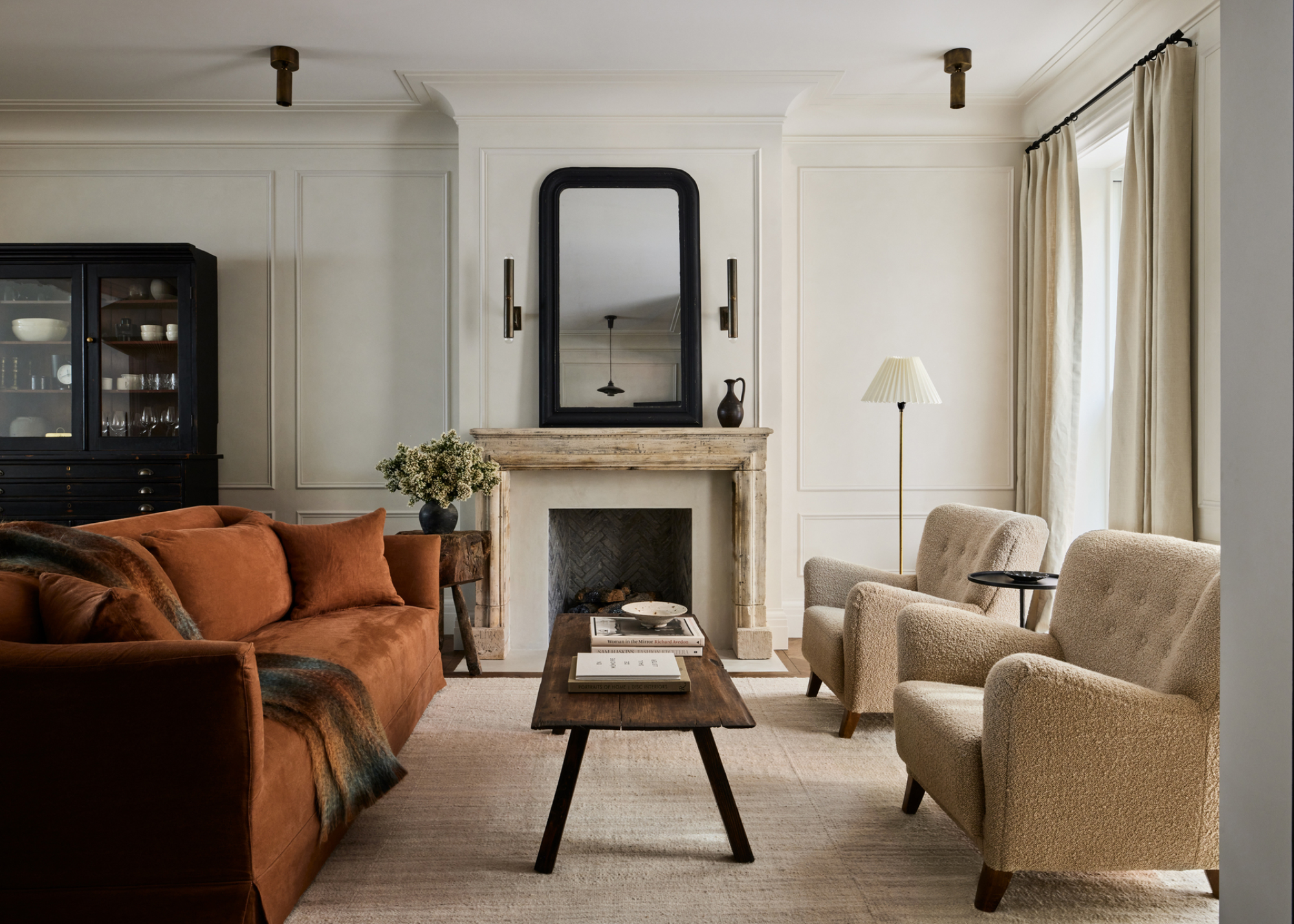
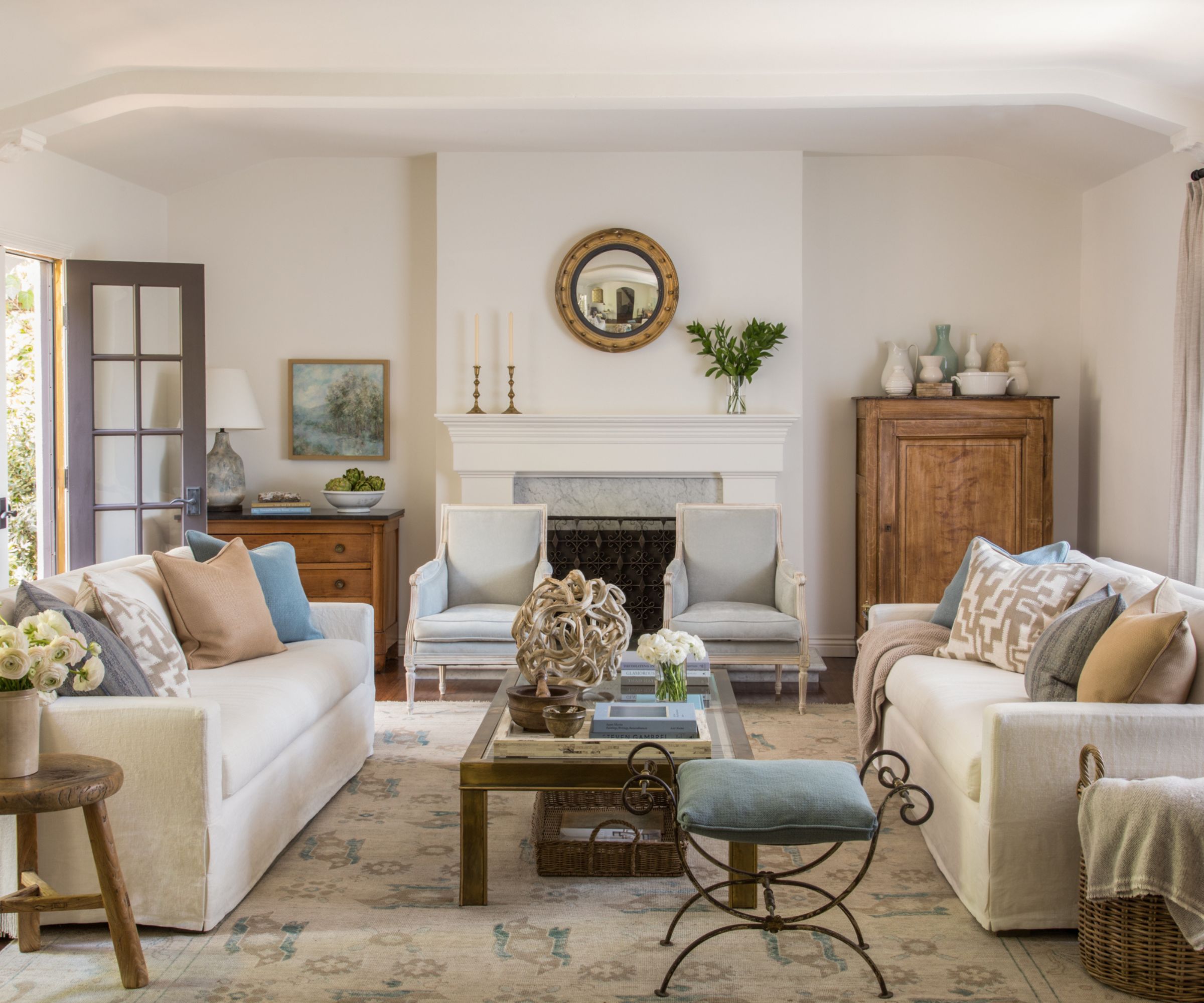
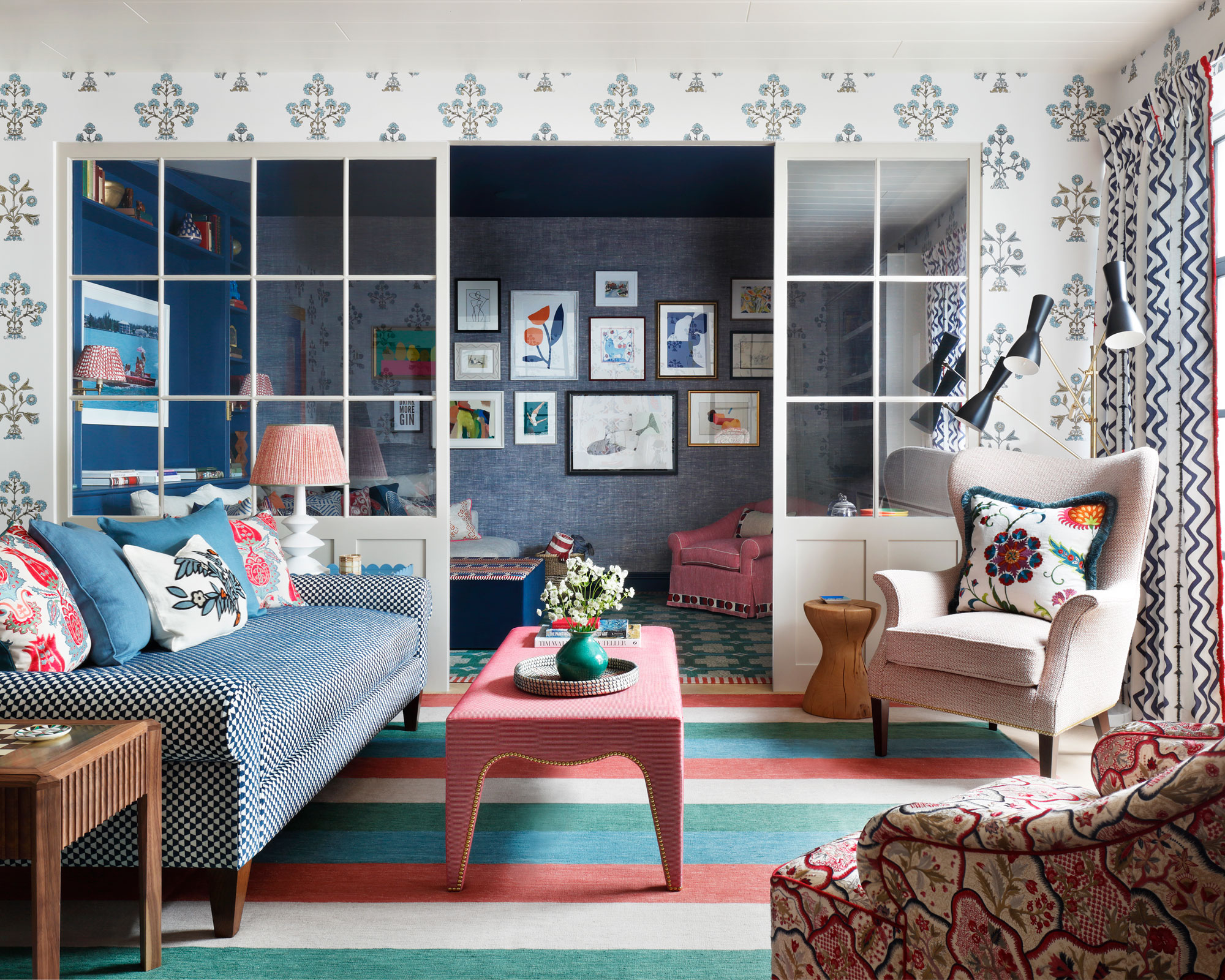
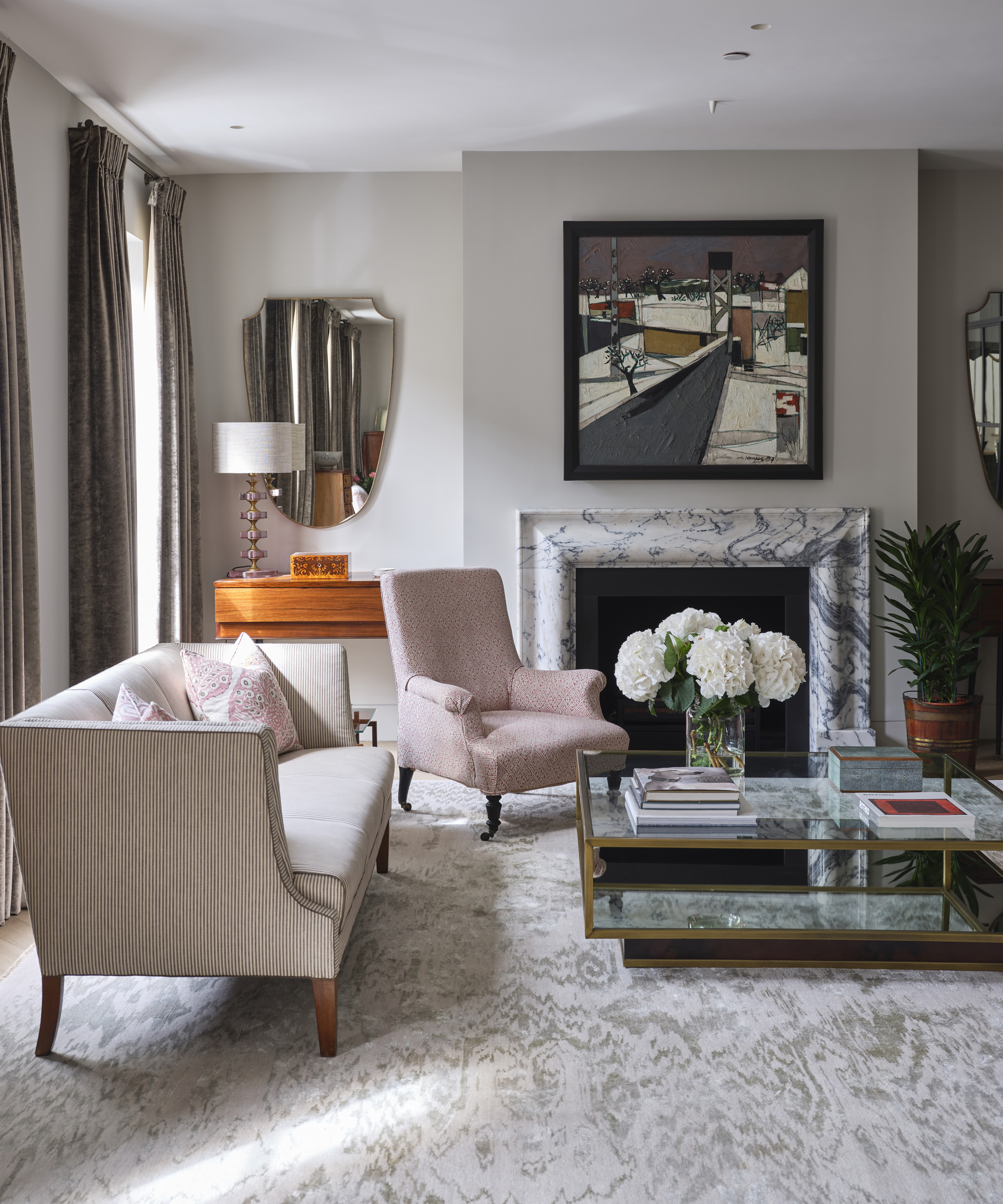
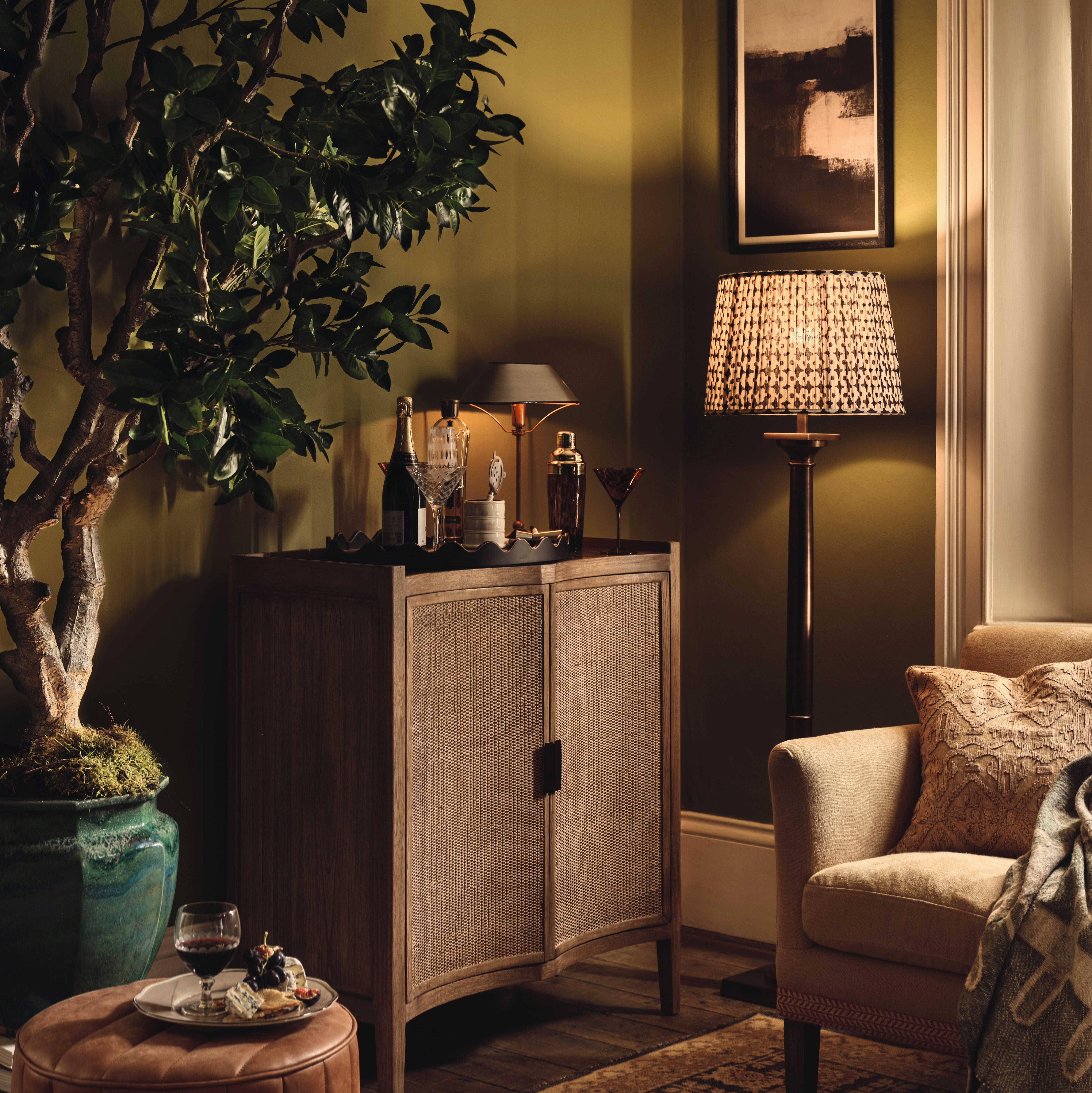
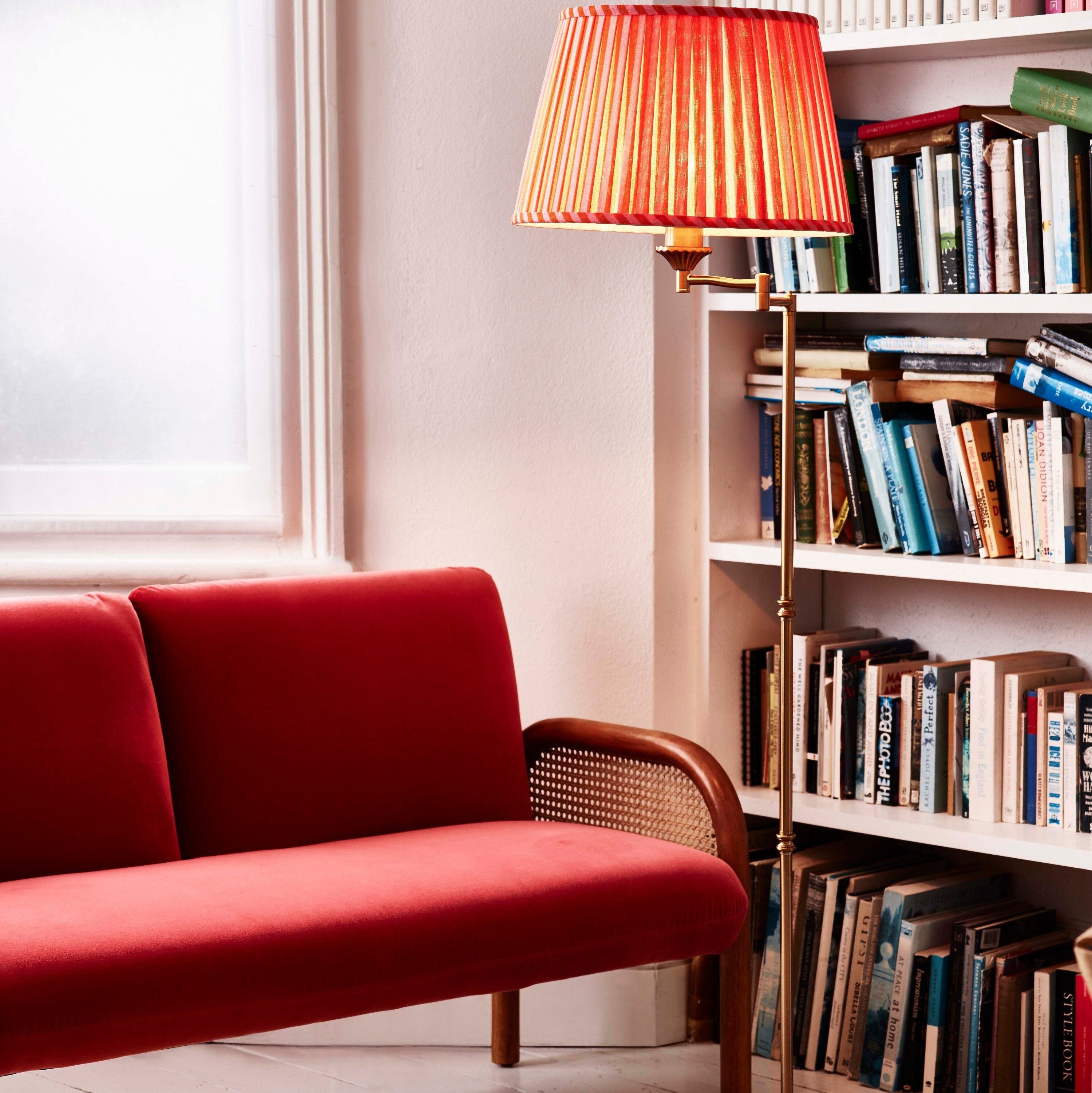
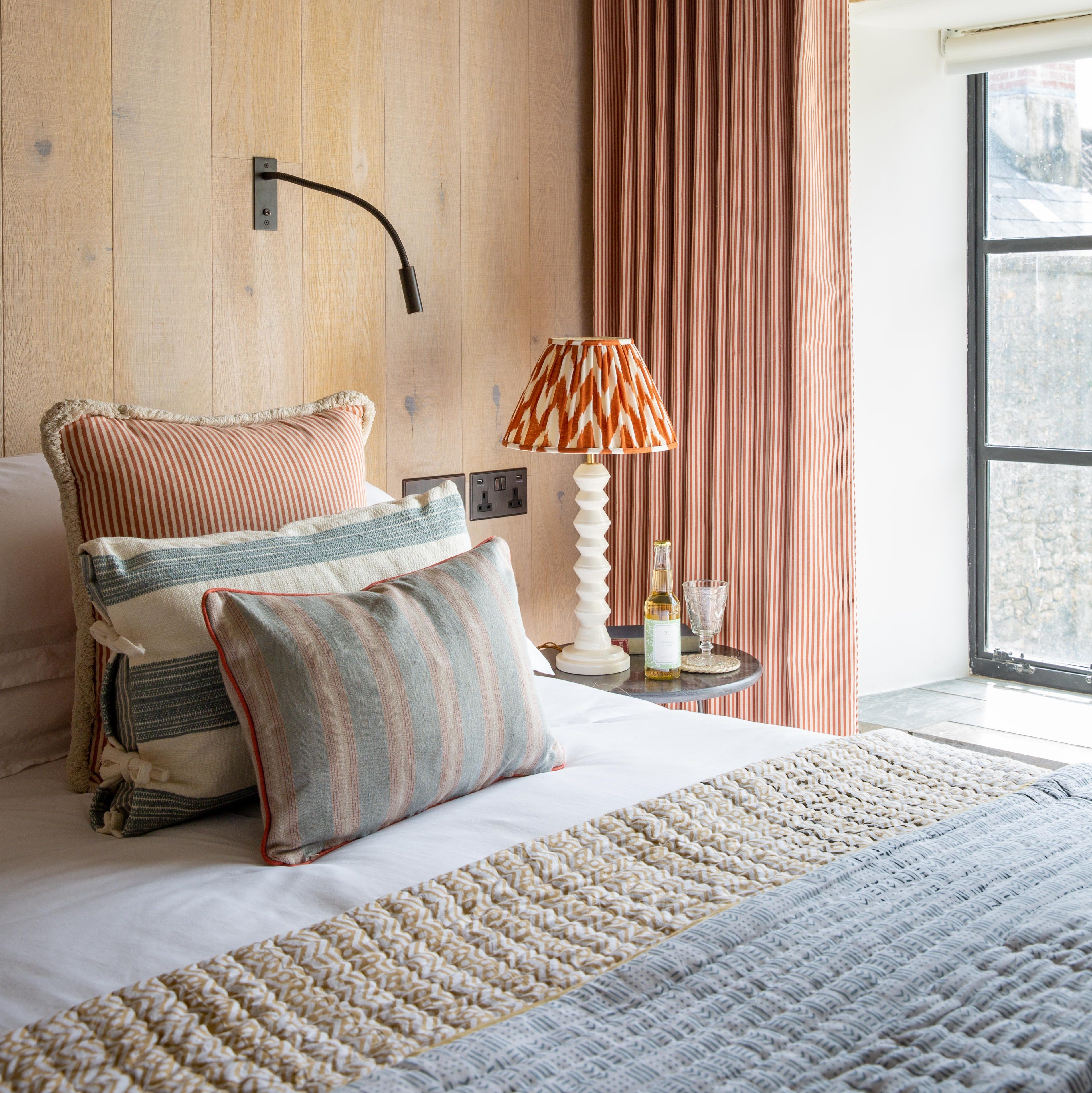
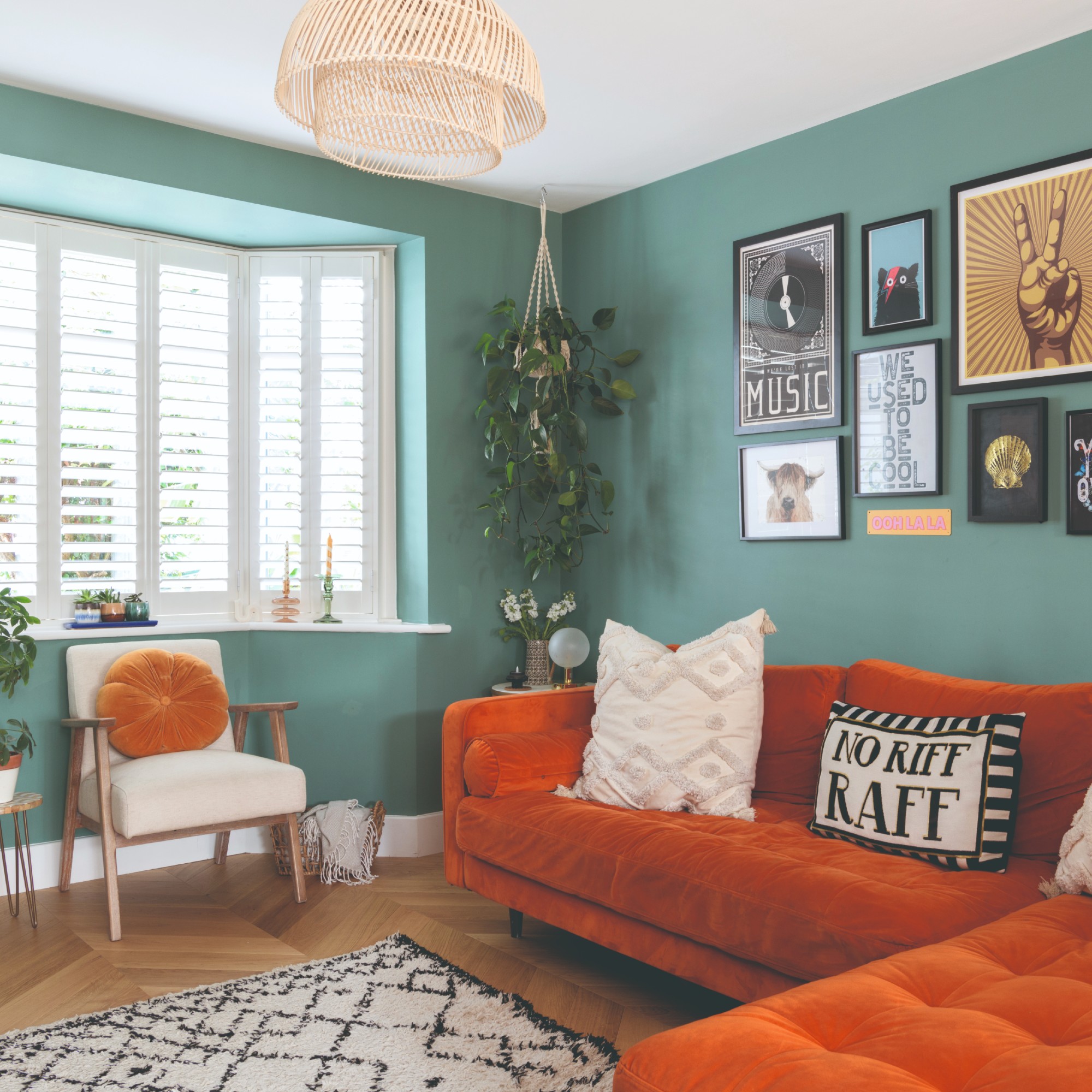
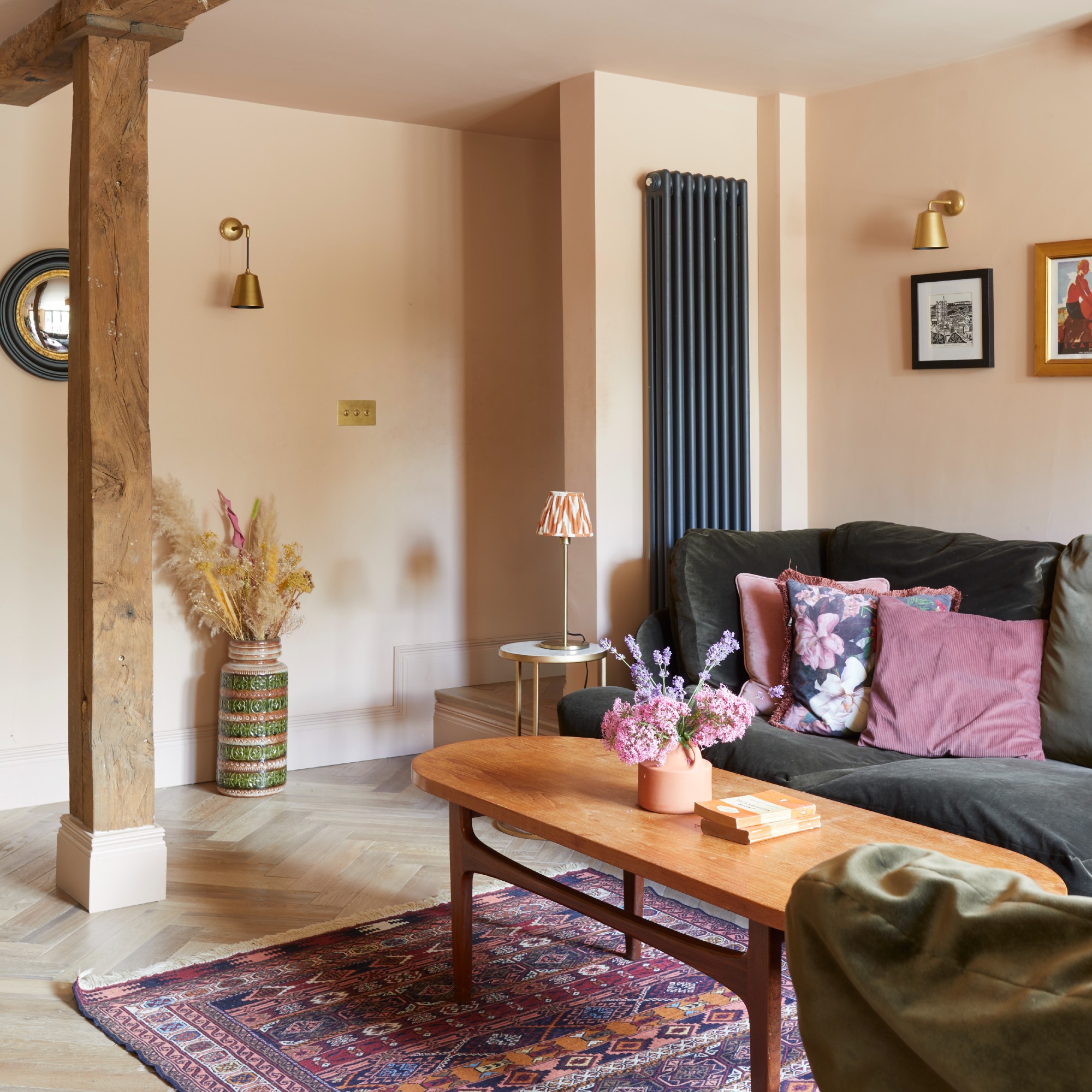
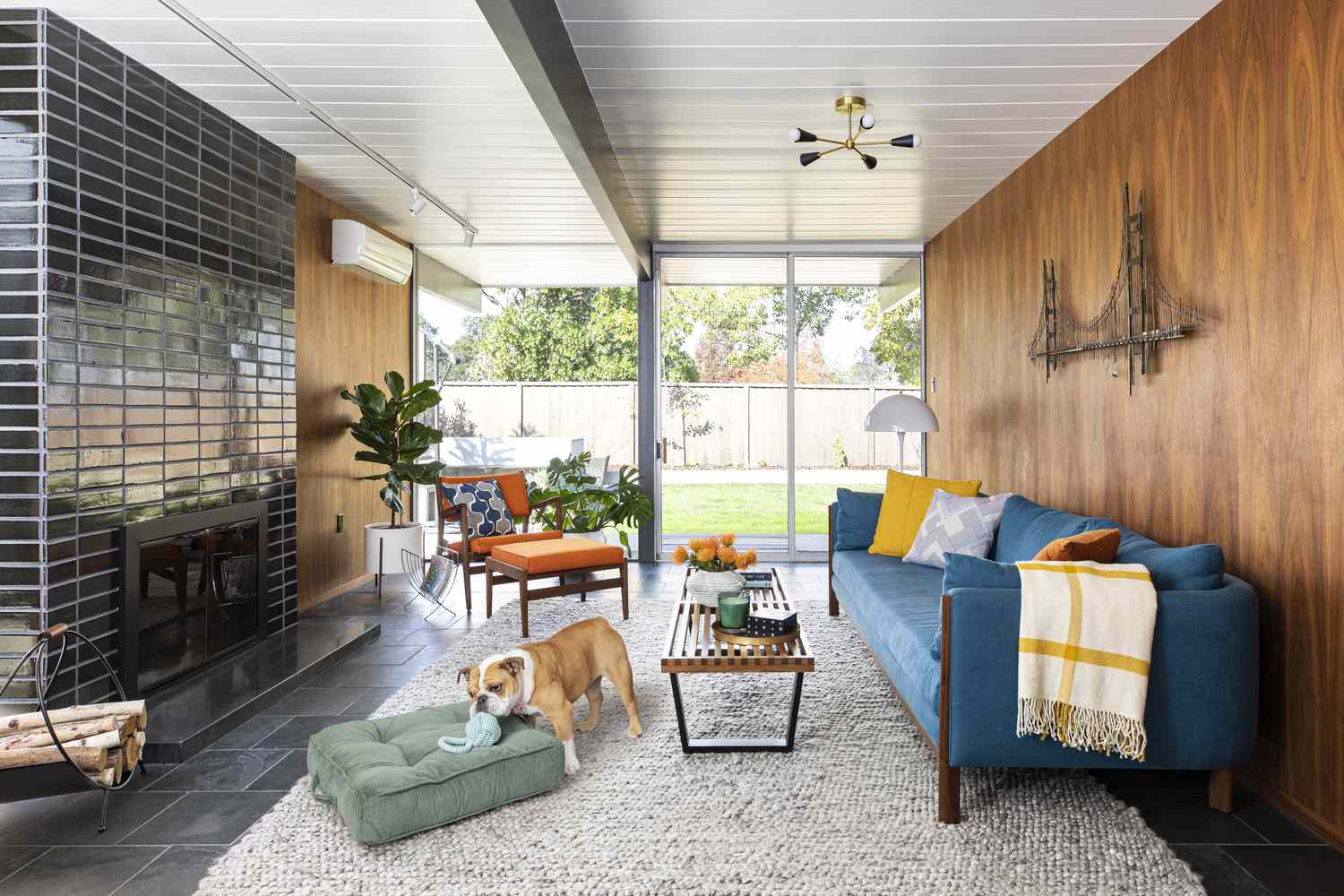
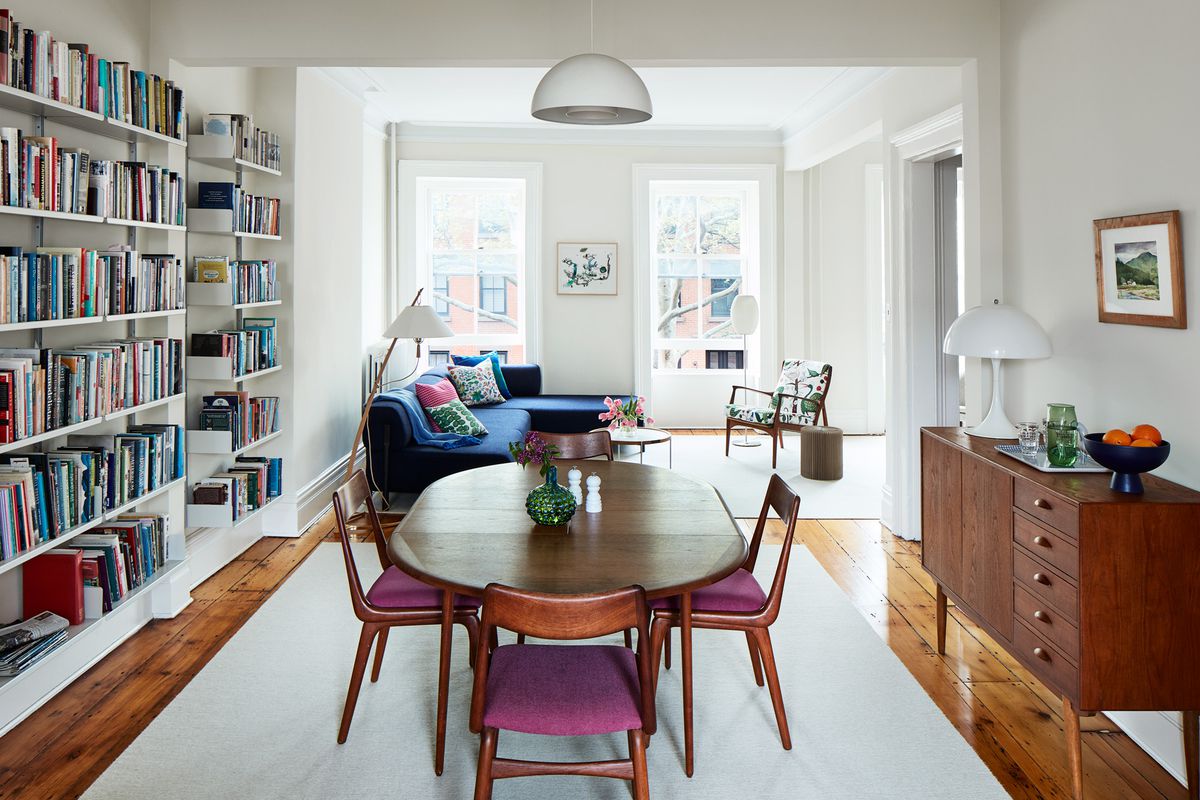
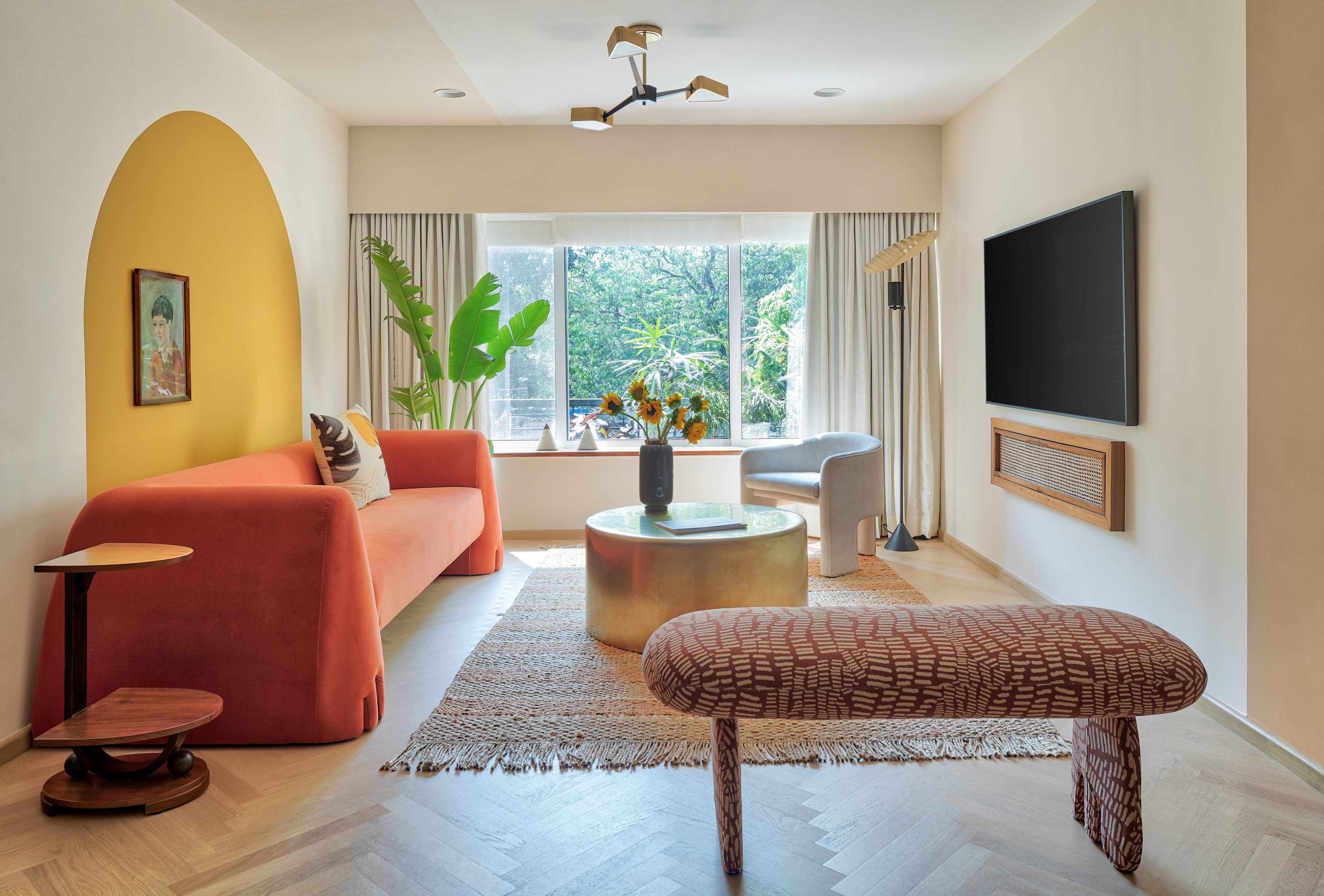
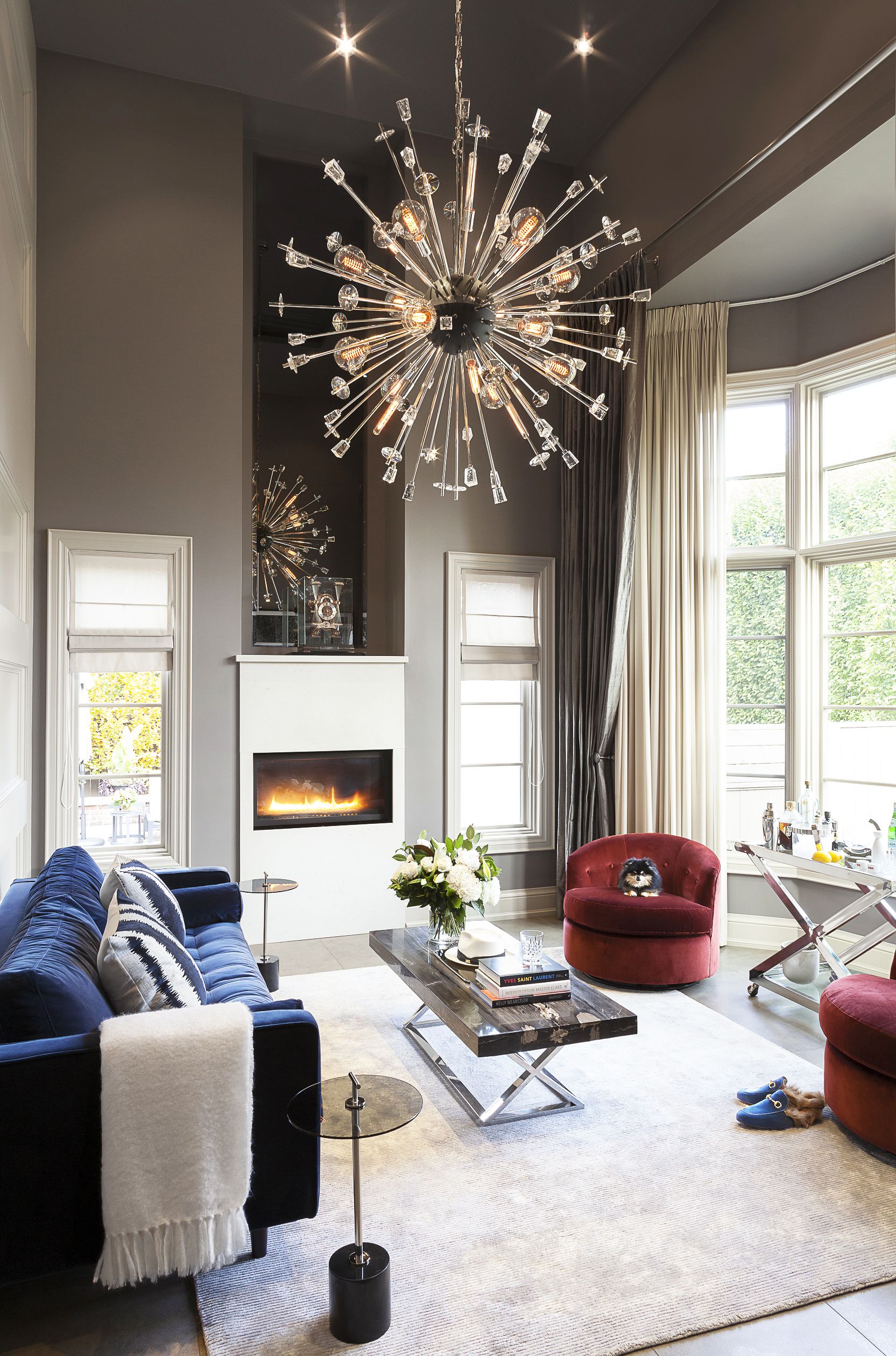
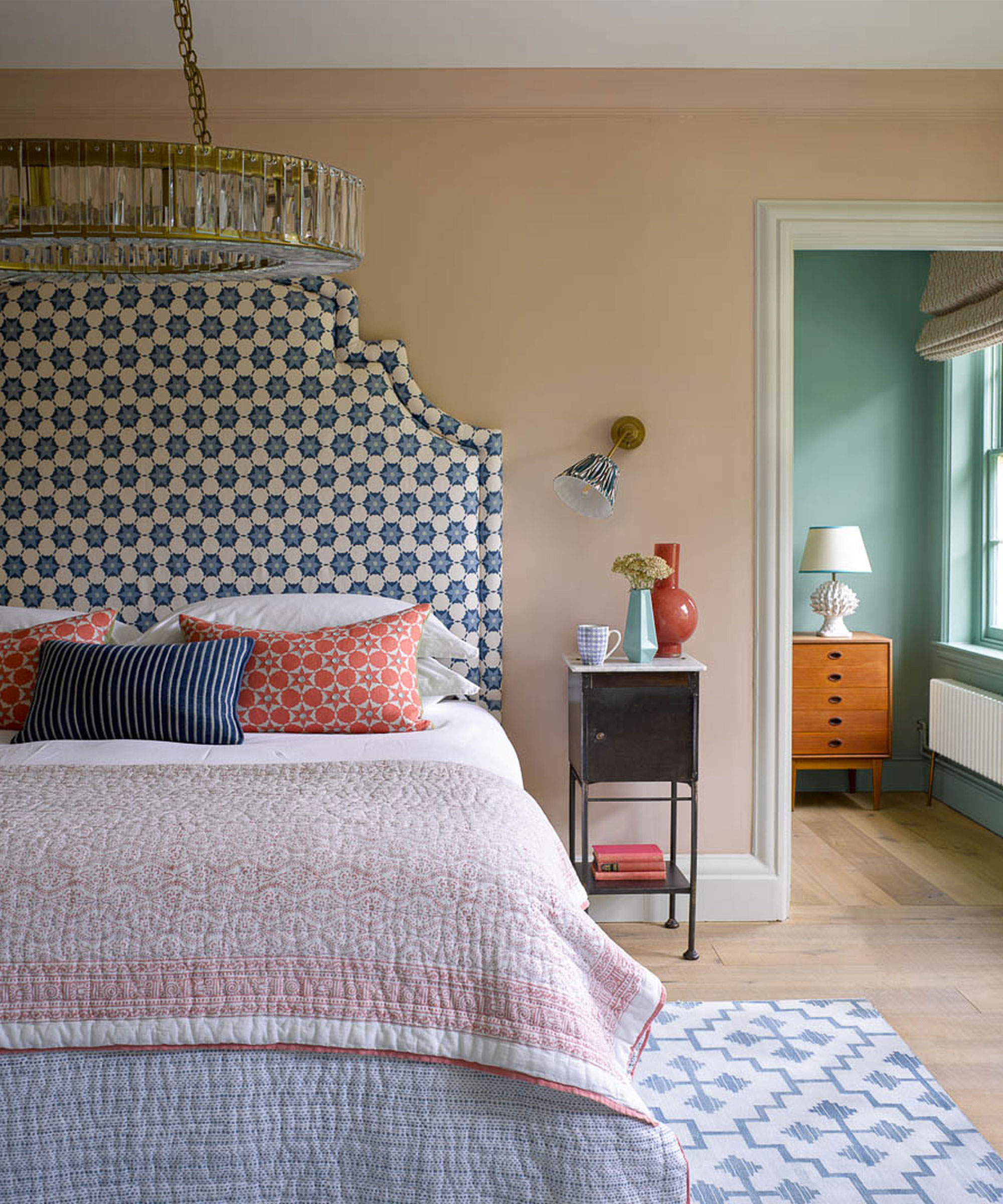
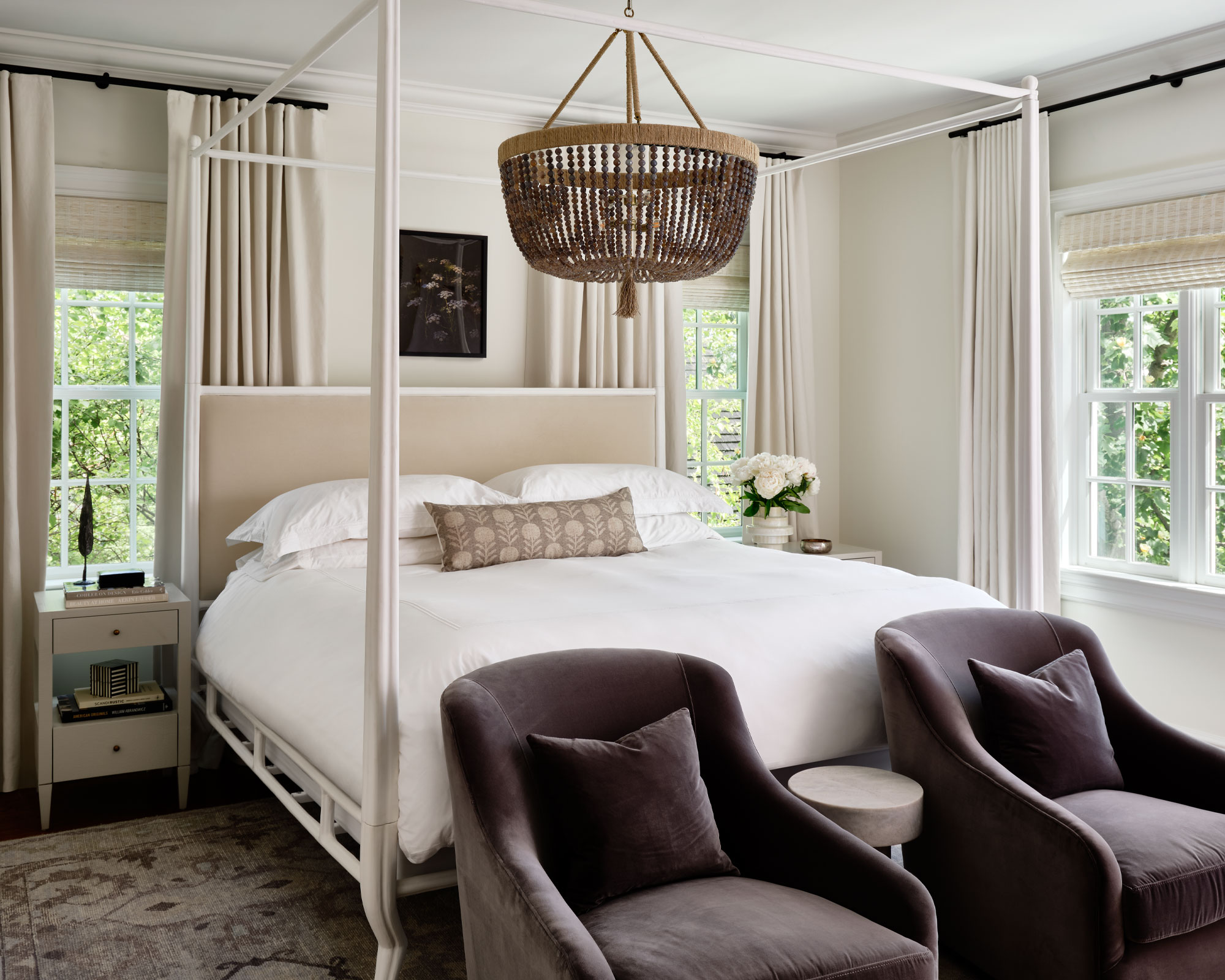
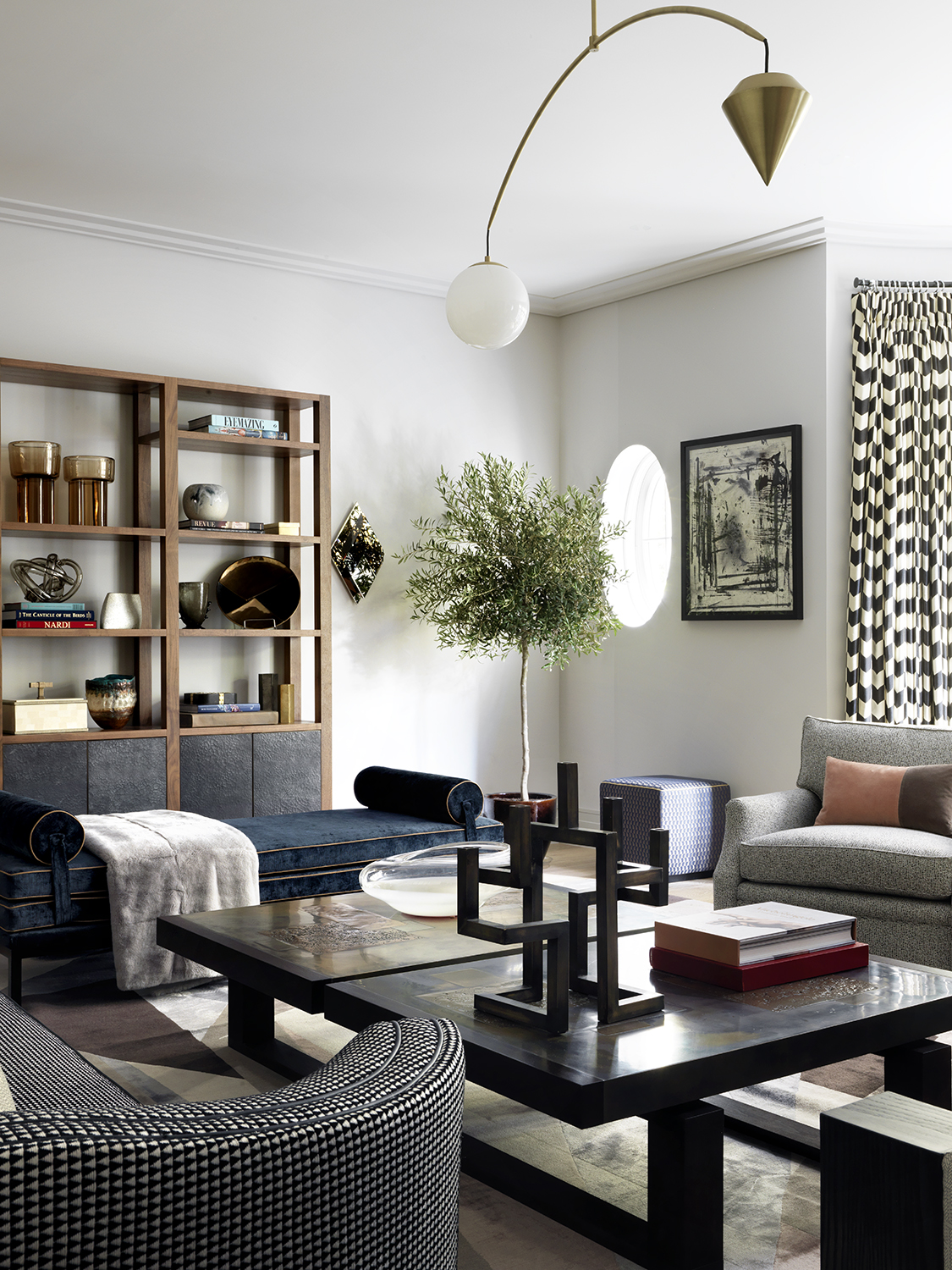
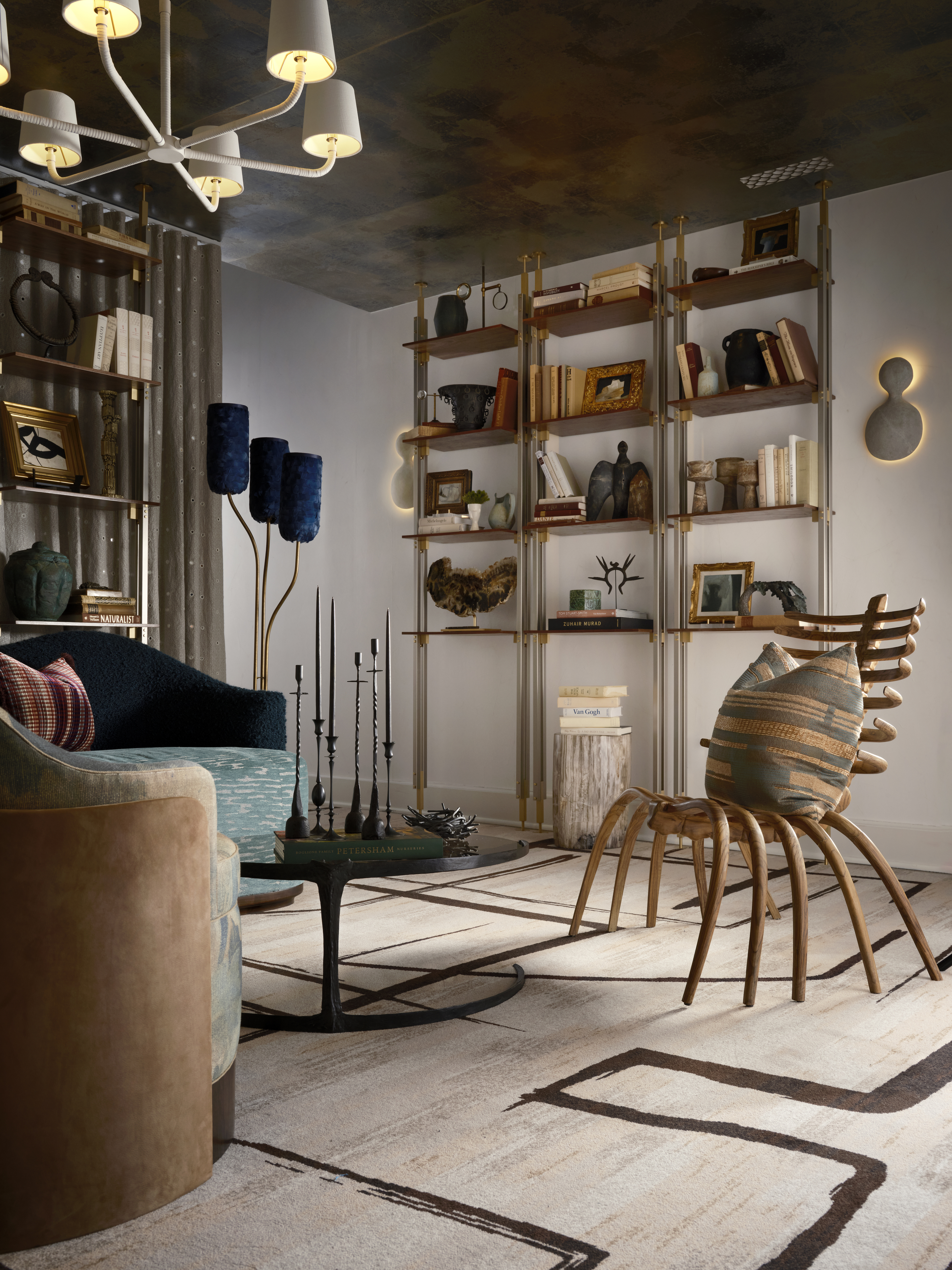
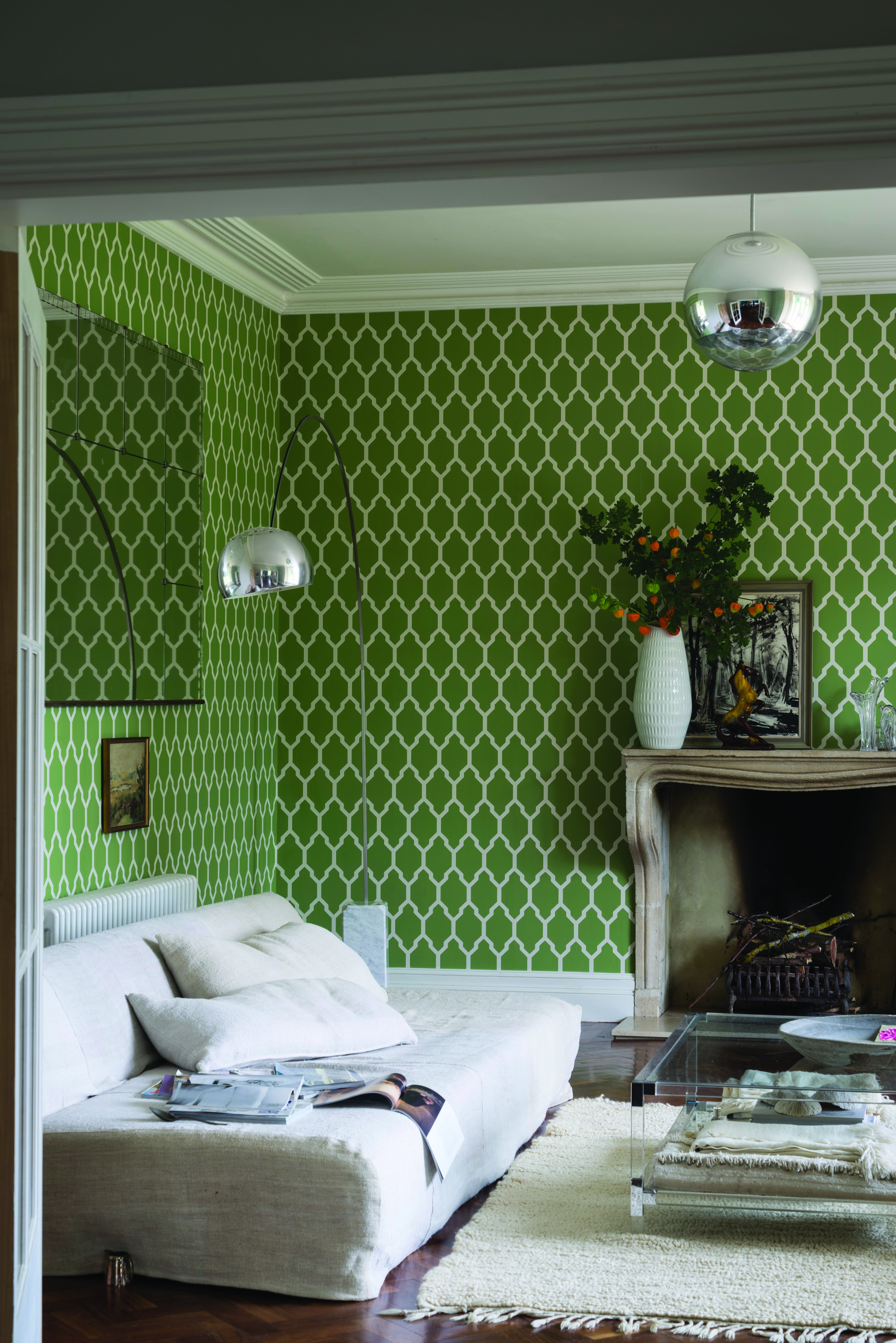
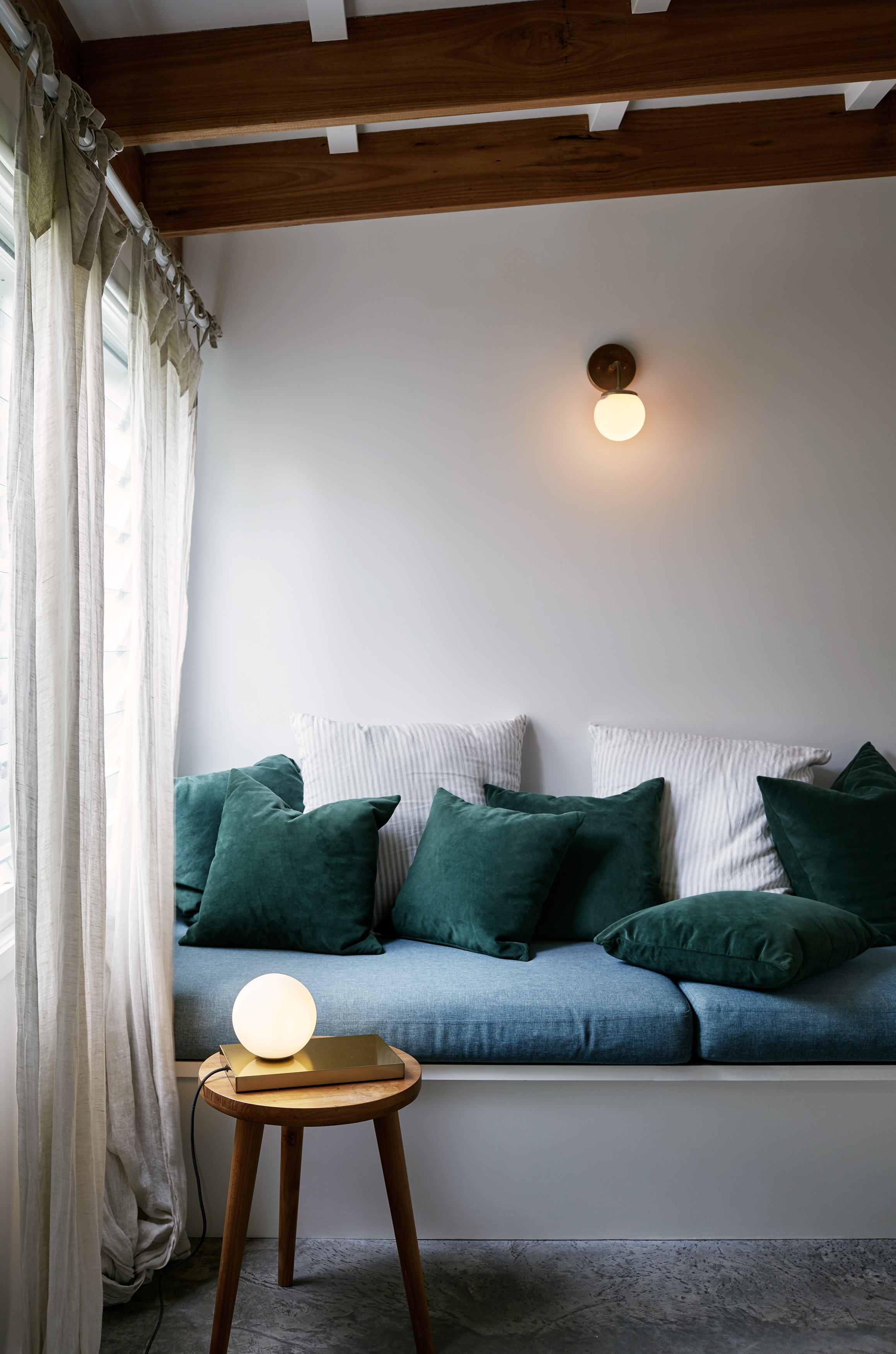
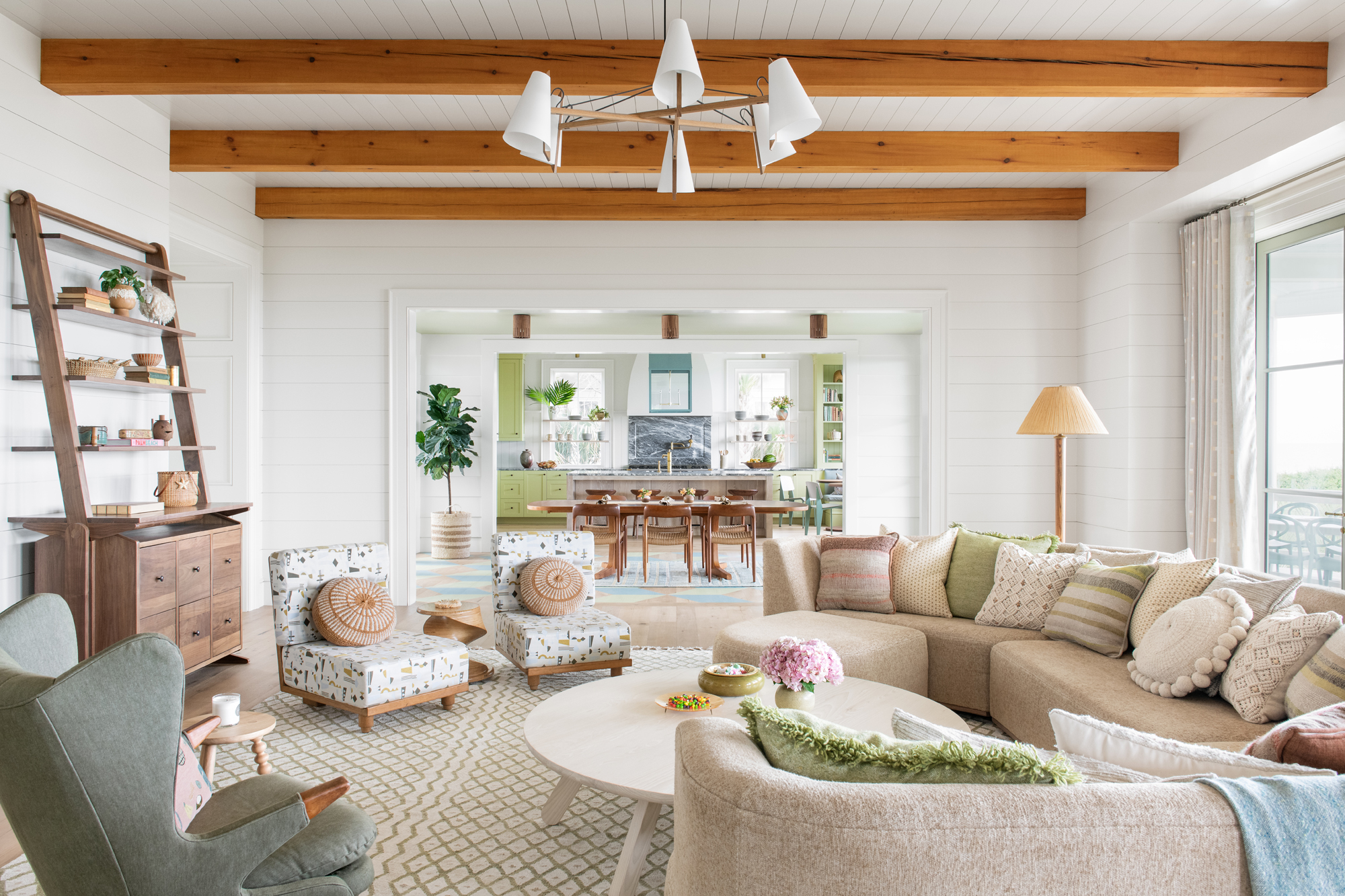
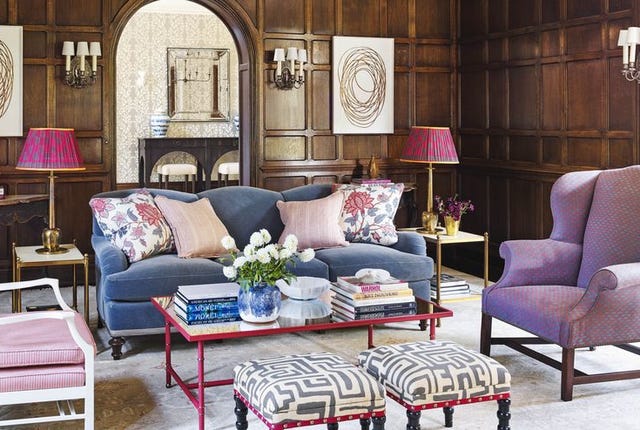
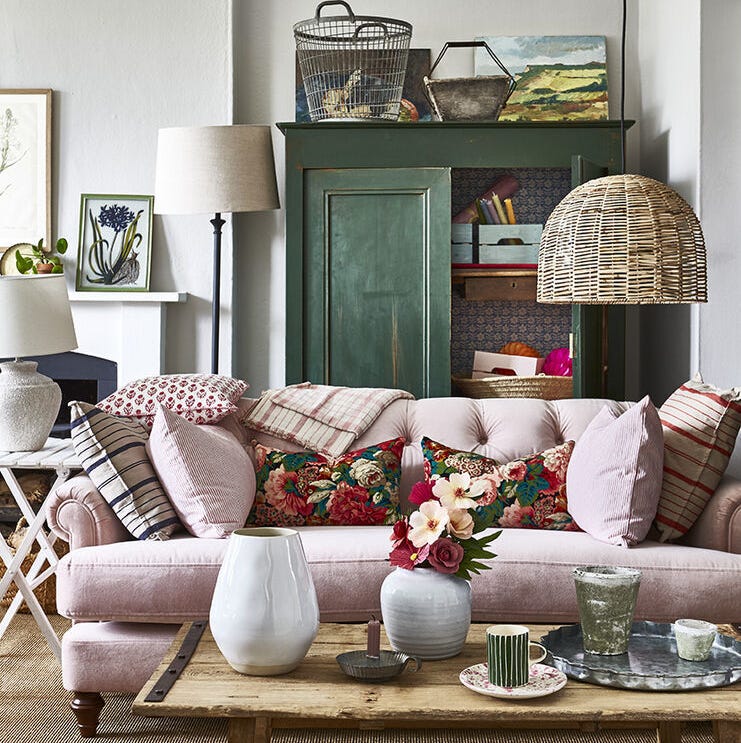
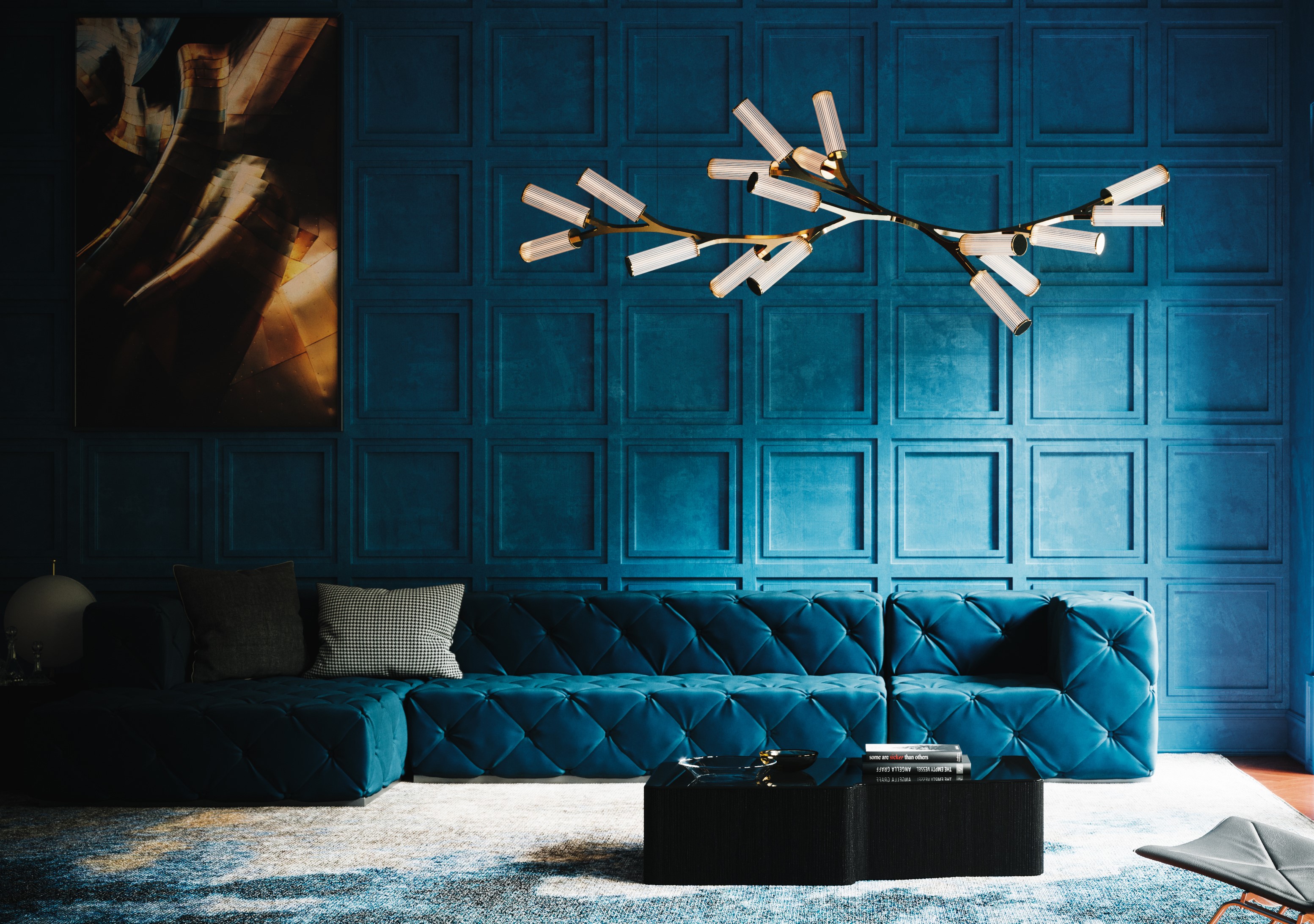
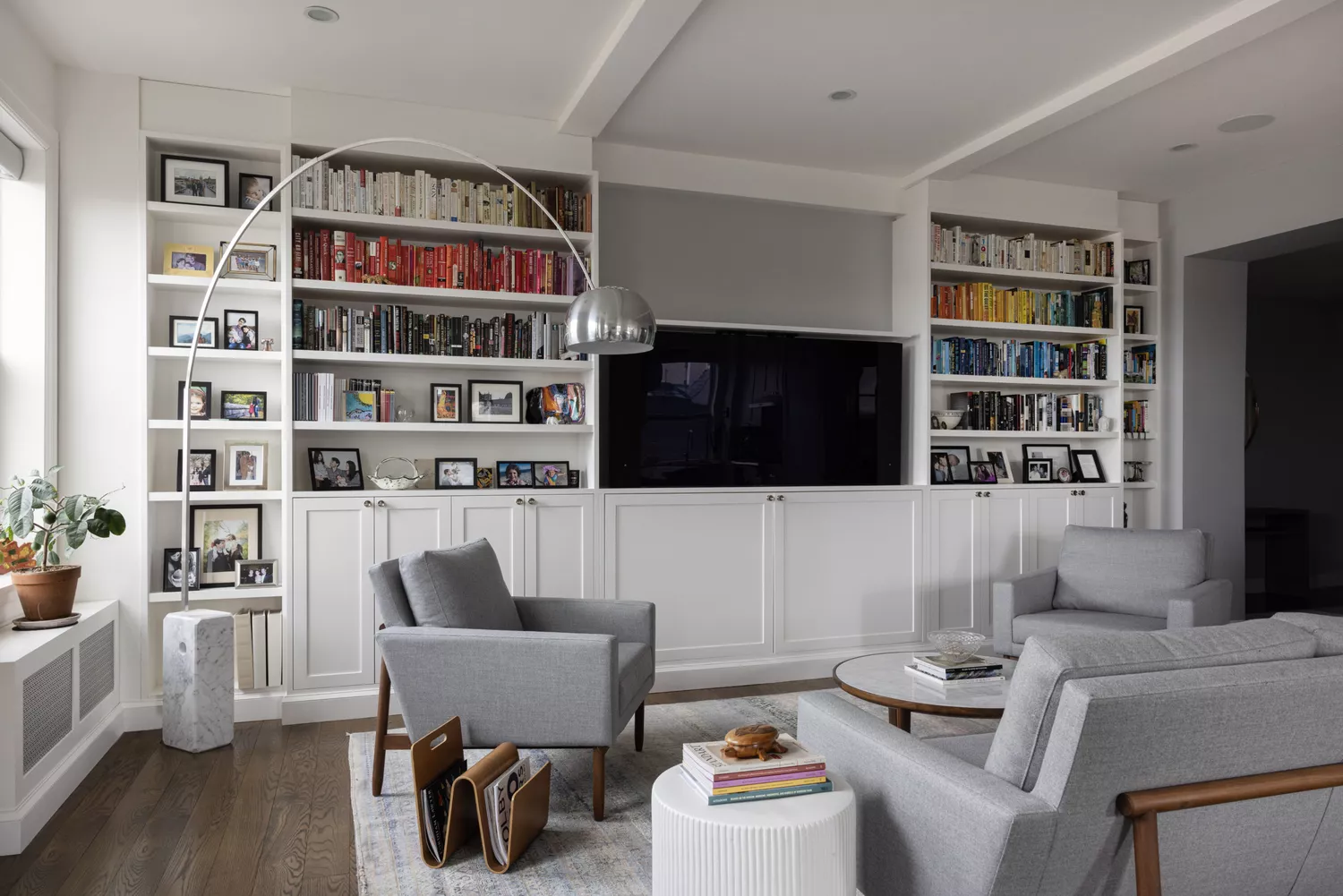
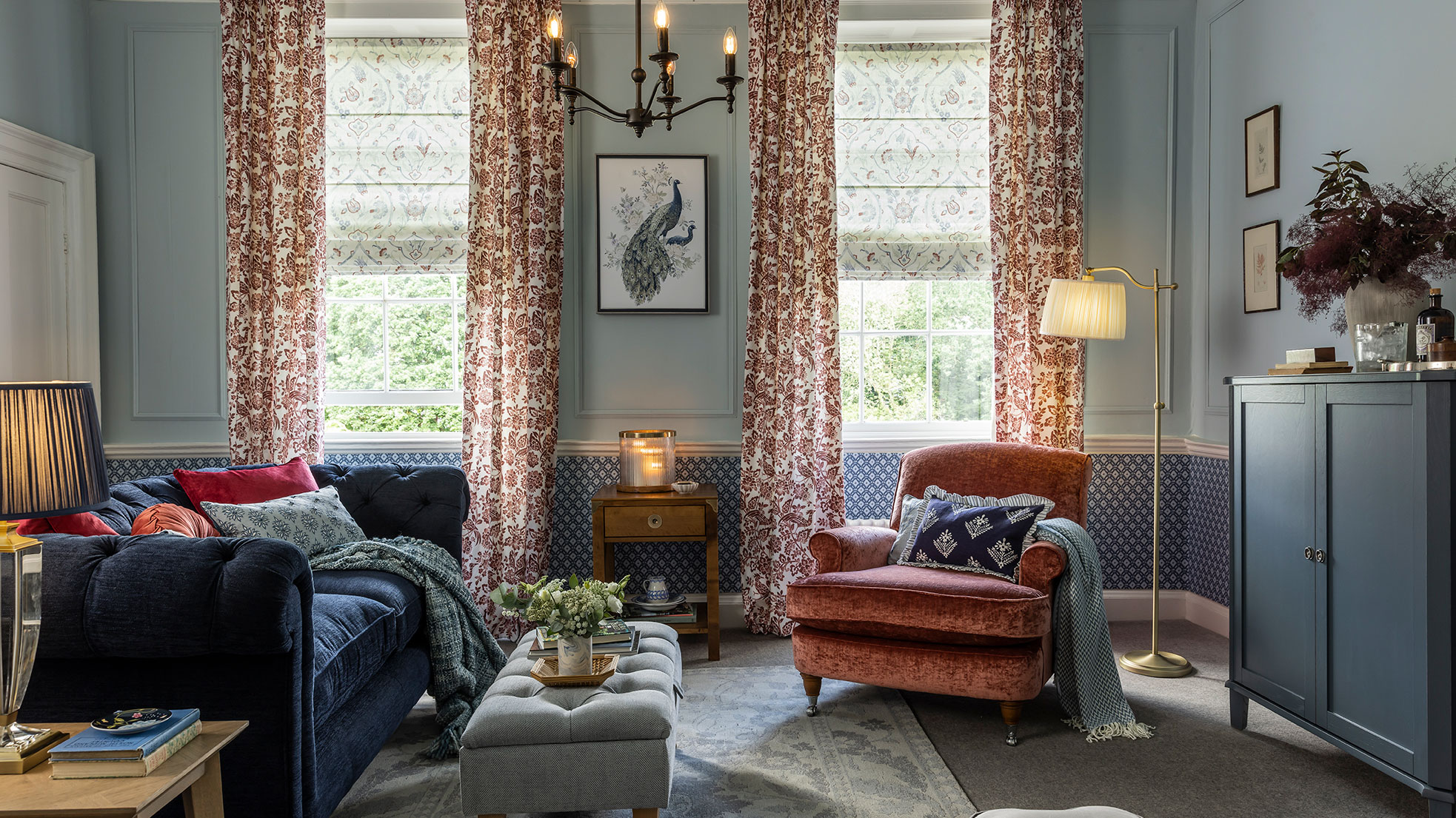
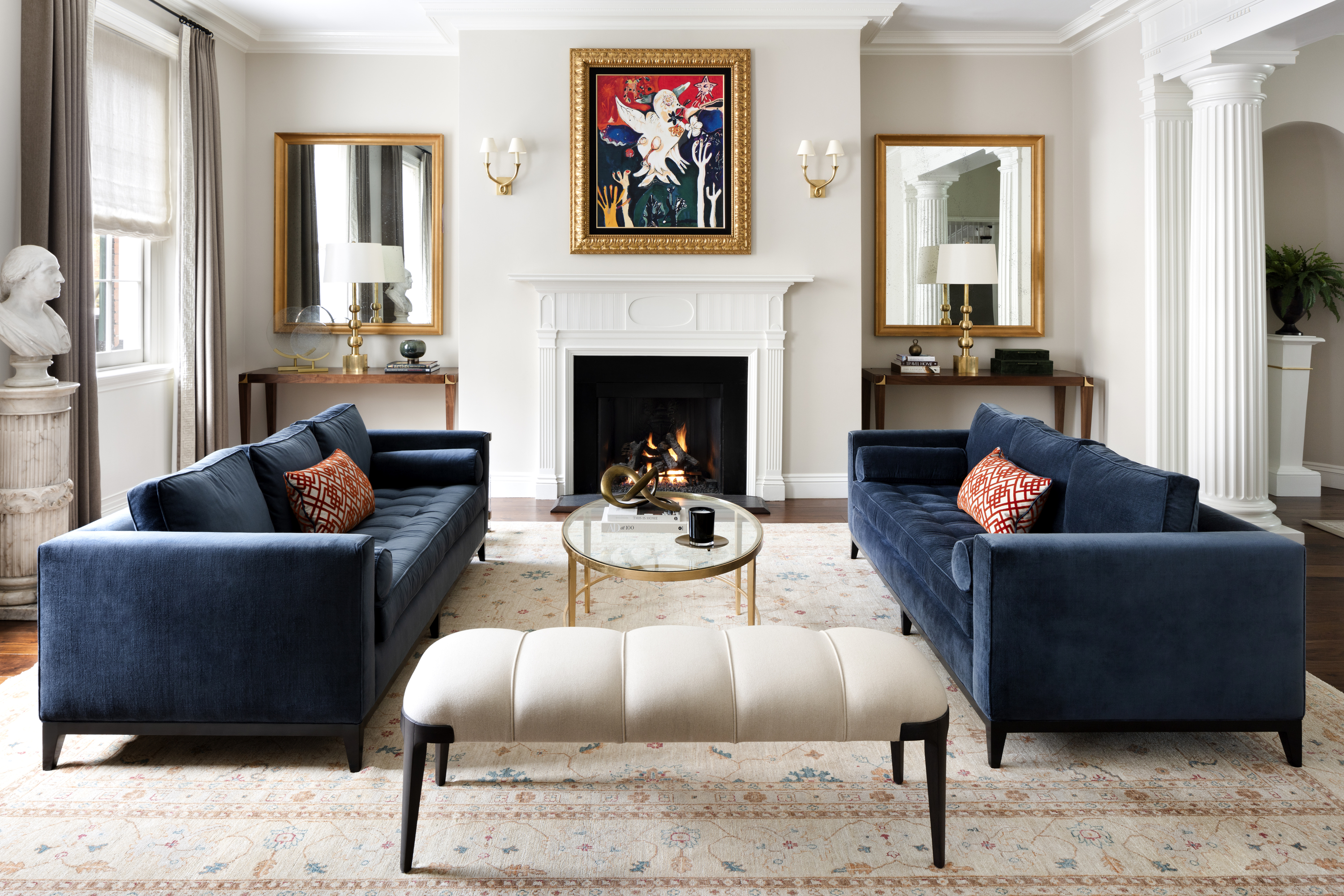
Living rooms generally prioritize creating a warm and inviting atmosphere. Designers often advise against relying solely on a single overhead light, which can create a flat and uninviting space. Instead, a combination of table lamps, floor lamps for reading nooks, and wall sconces for a soft glow is recommended. Accent lighting can be used to showcase artwork and collectibles. Bedrooms, being spaces for relaxation, require lower levels of ambient light. Reading lights by the bed, whether wall-mounted or hanging, along with supplementary table lamps, contribute to a warm glow. For lower ceilings, flush mount lights or strip lighting can be effective, making ceilings appear taller. Dressing areas may benefit from mirrors with integrated LED lighting or wall lamps on either side to provide soft, flattering light and avoid harsh shadows. Wardrobe lighting is also beneficial for both functionality and mood.
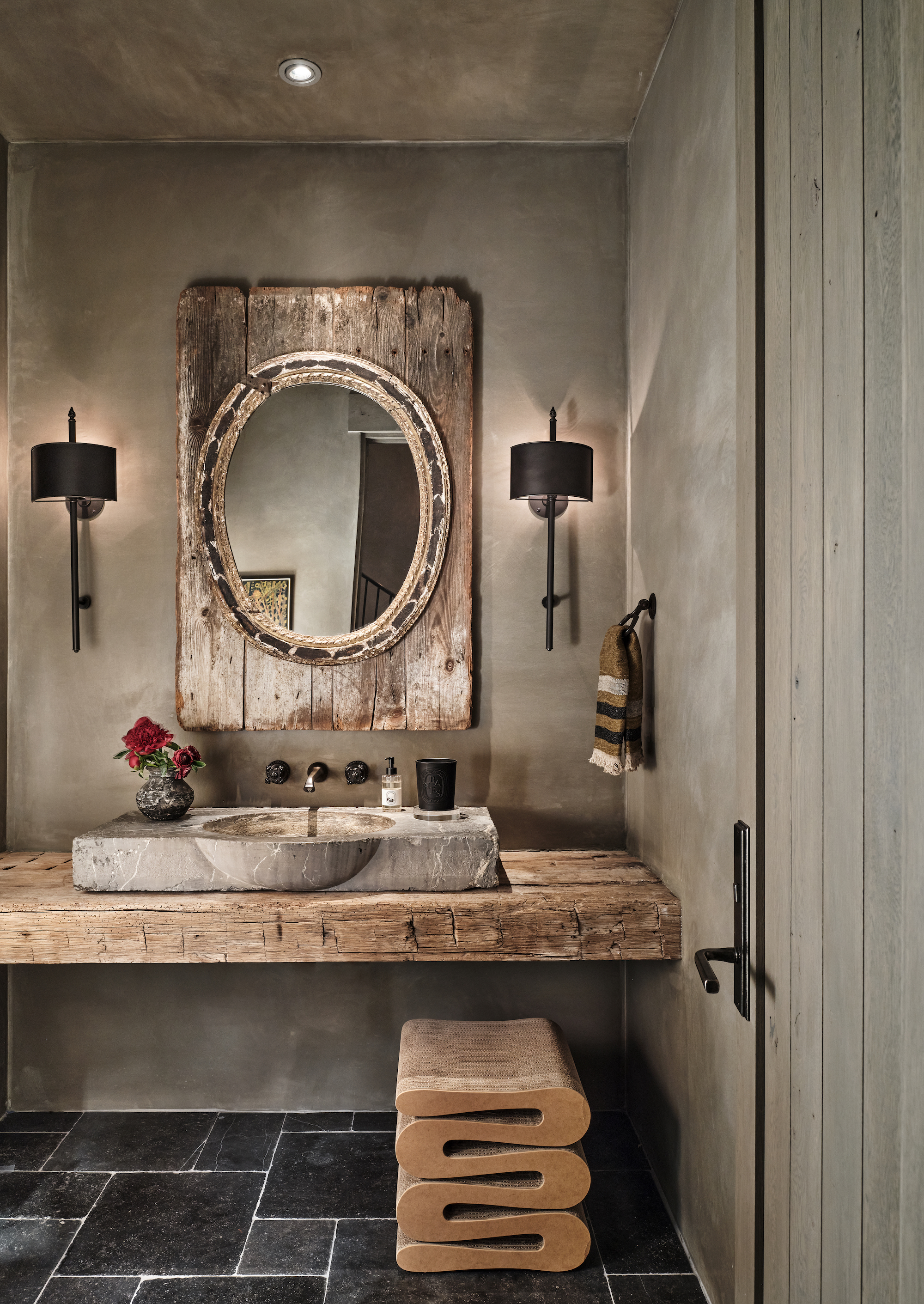
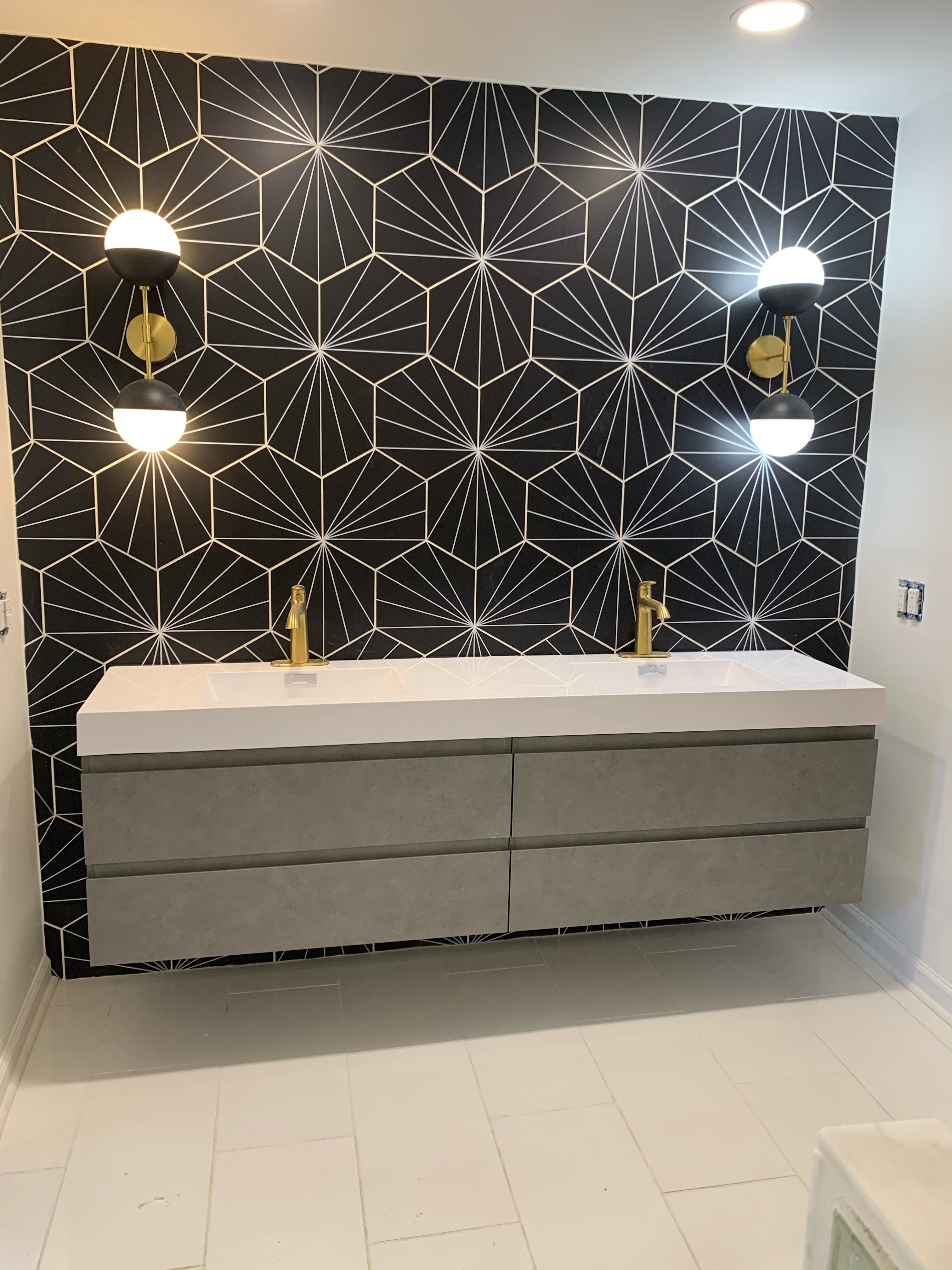
Bathroom lighting benefits from good ambient and task lighting, especially around showers and sinks, but can be elevated with additional decorative lighting for a spa-like feel. While bright light is useful for grooming, softer lighting in the evenings creates a relaxing sanctuary. Decorative wall lights on either side of a mirror offer task lighting and enhance the room's character. Highlighting alcoves or floating vanities with strip lighting further contributes to a serene atmosphere. However, it is crucial to select bathroom-specific light fittings that comply with safety regulations.
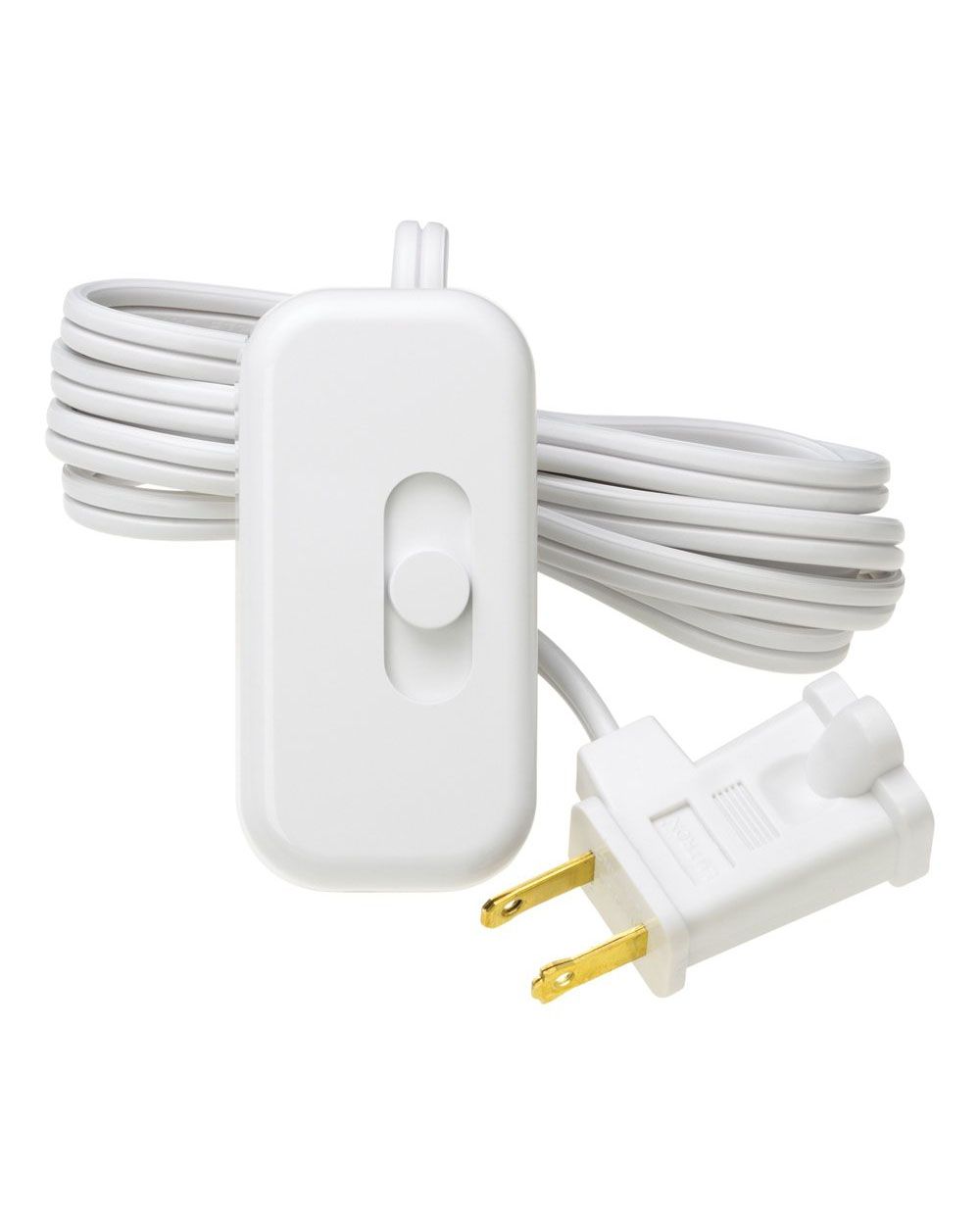
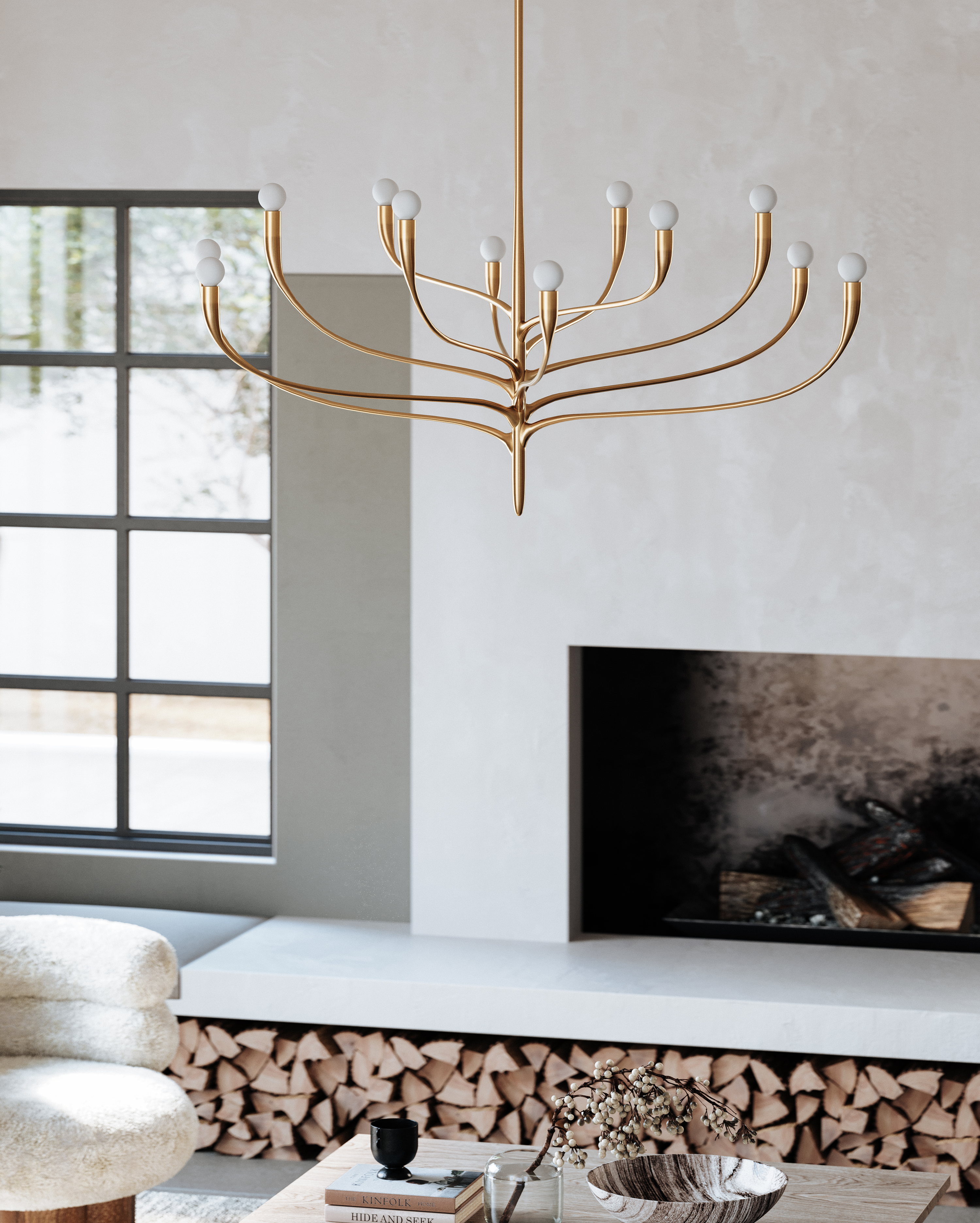
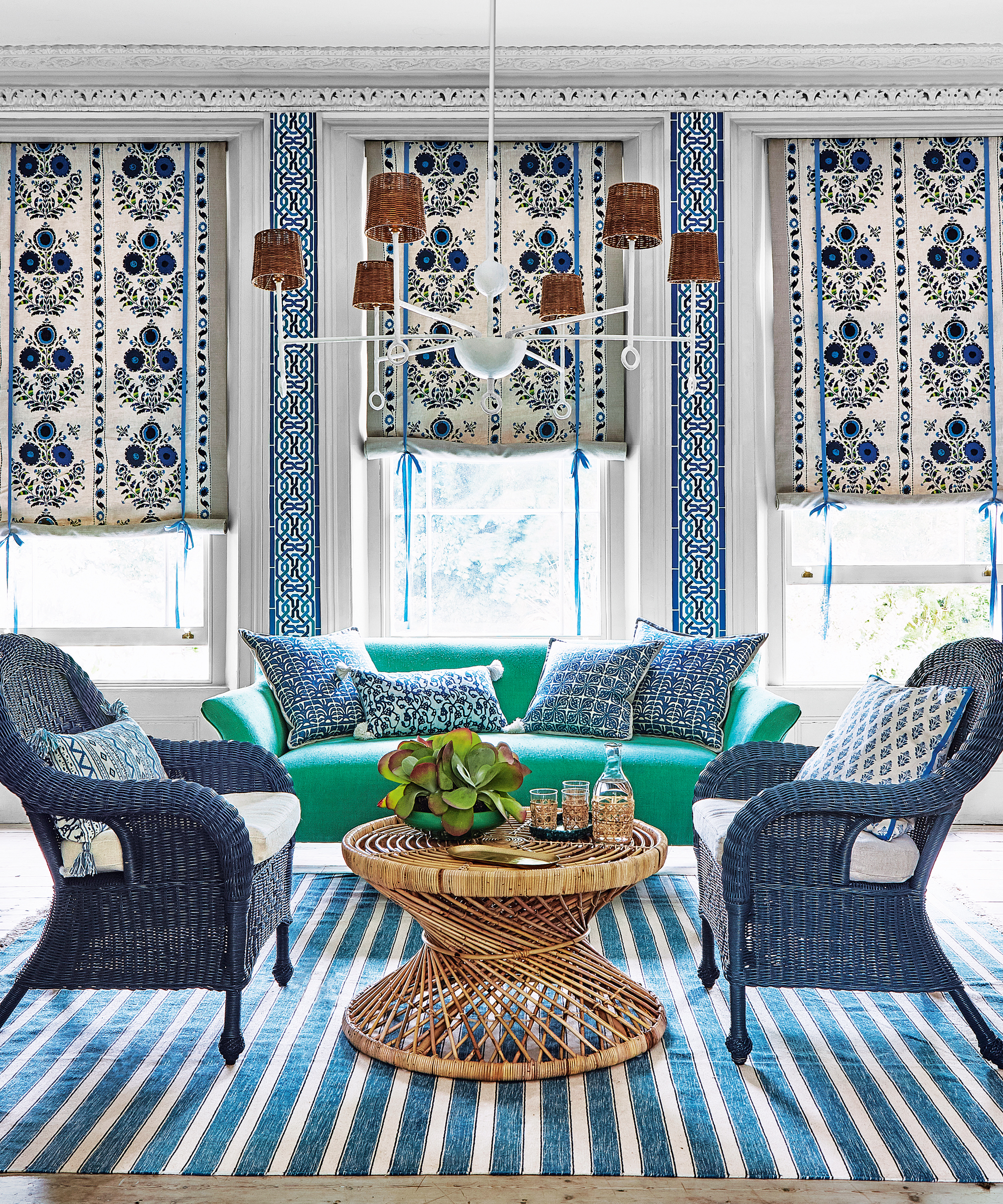
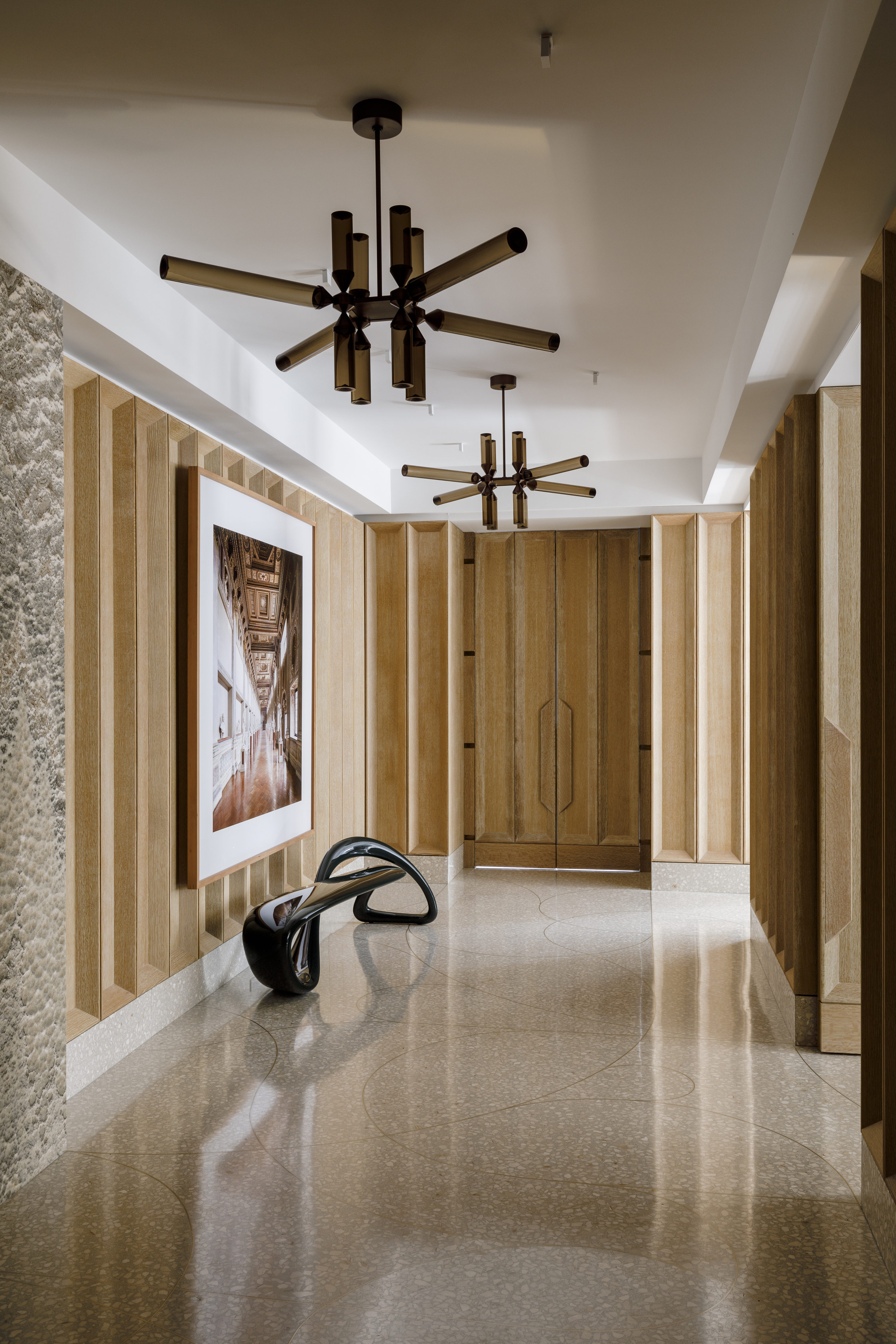
Several general tips apply to layering lighting in any room. Wiring lights on multiple electrical circuits allows for independent control of different light types, enabling diverse moods throughout the day. Installing dimmer switches provides flexibility to adjust light intensity from bright task lighting to a soft, relaxed glow. Positioning lights at various levels creates a pleasing visual composition and ensures that light is distributed effectively. Considering the color temperature of bulbs is also important, with warmer tones (2200K-2700K) being ideal for cozy and inviting residential settings. Moving away from standard grid-patterned spotlights in favor of a combination of decorative fittings, such as pendants and wall lighting, can add more interest and functionality. Finally, portable, rechargeable lights offer versatility, bringing warm pools of light to dark corners without the need for fixed sockets or extensive rewiring.
#LayeredLighting #InteriorDesign #HomeLighting #AmbientLighting #TaskLighting #AccentLighting #KitchenLighting #LivingRoomLighting #BedroomLighting #BathroomLighting #LightingTips #LayeredLighting #InteriorDesign #HomeLighting #AmbientLighting #TaskLighting #AccentLighting #KitchenLighting #LivingRoomLighting #BedroomLighting #BathroomLighting #LightingTips
0 ความคิดเห็นรวม
 ยังไม่มีความคิดเห็น
คุณอาจจะชอบอีกด้วย
Designers Share Their Best Tips for Acing Ambience in the Living Room with Lighting
‘Lamp layering’ is the secret trick designers use to elevate their interiors
How do I make my living room lighting feel cozy? 10 tricks designers use to give a space that all-important glow

5 Easy, Designer-Approved Lighting Hacks to Brighten Up Your Home

What is layered lighting and how can it transform your home from so-so to stunning?

Living room lighting ideas – 33 easy ways to use lights and lamps to add style and create a cosy mood
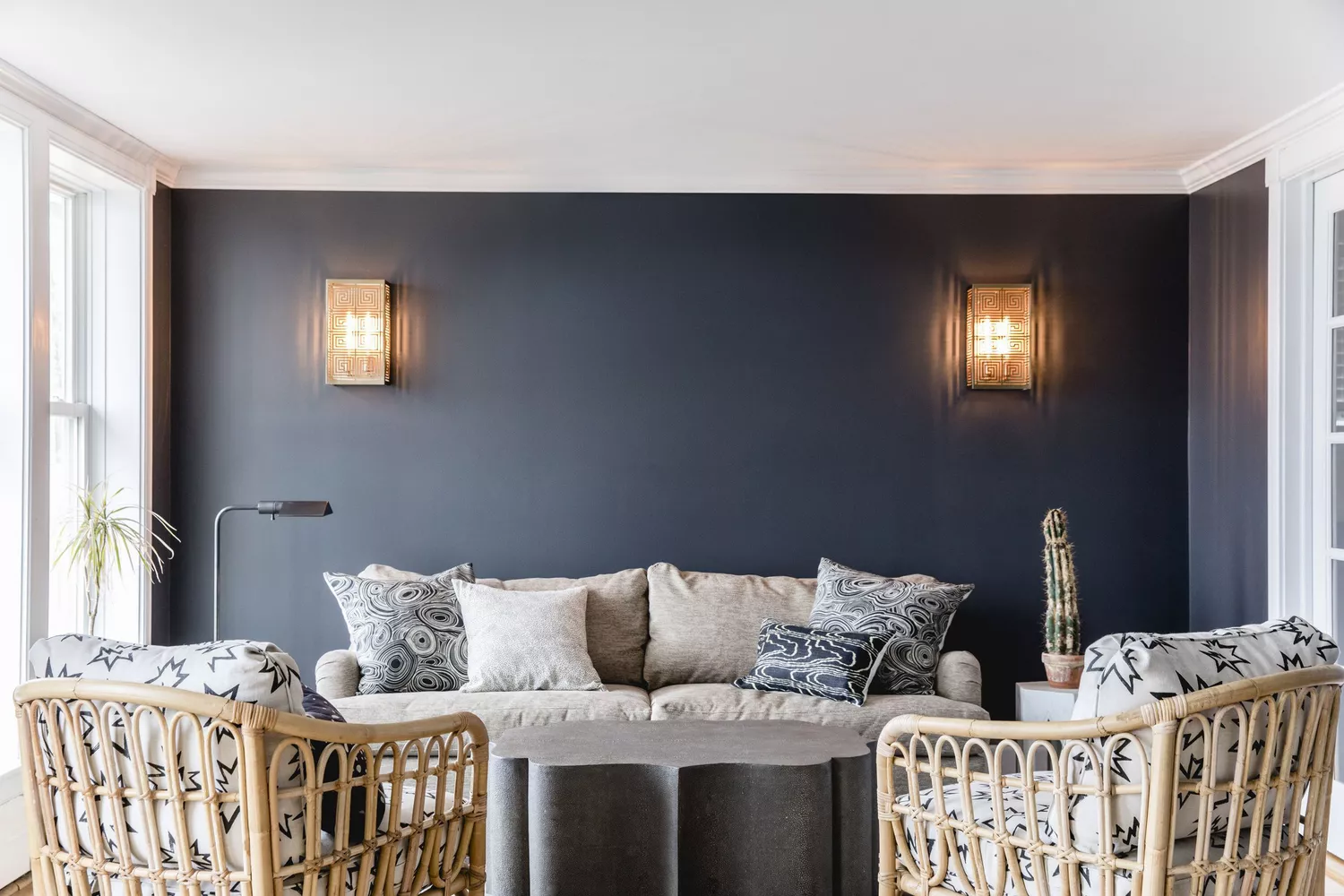
14 Tips for Lighting Your Home Like a Designer Before Daylight Savings Ends
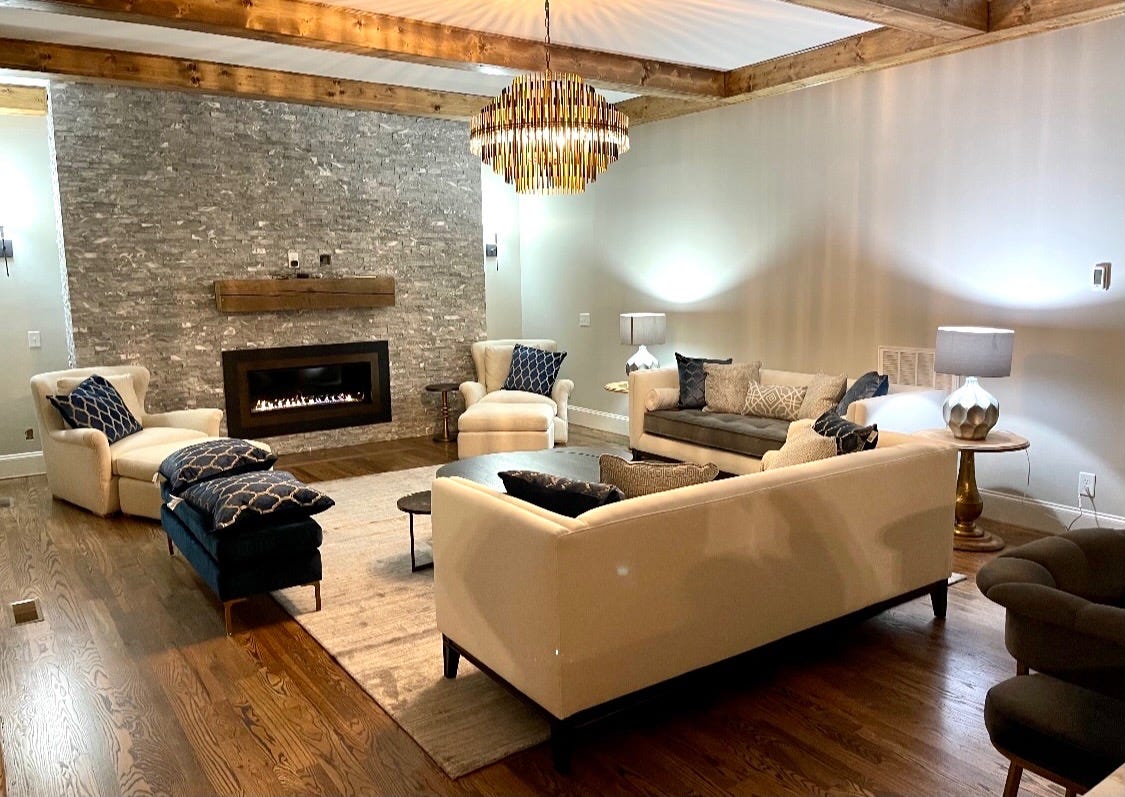
Proper lighting can add drama and coziness to any space

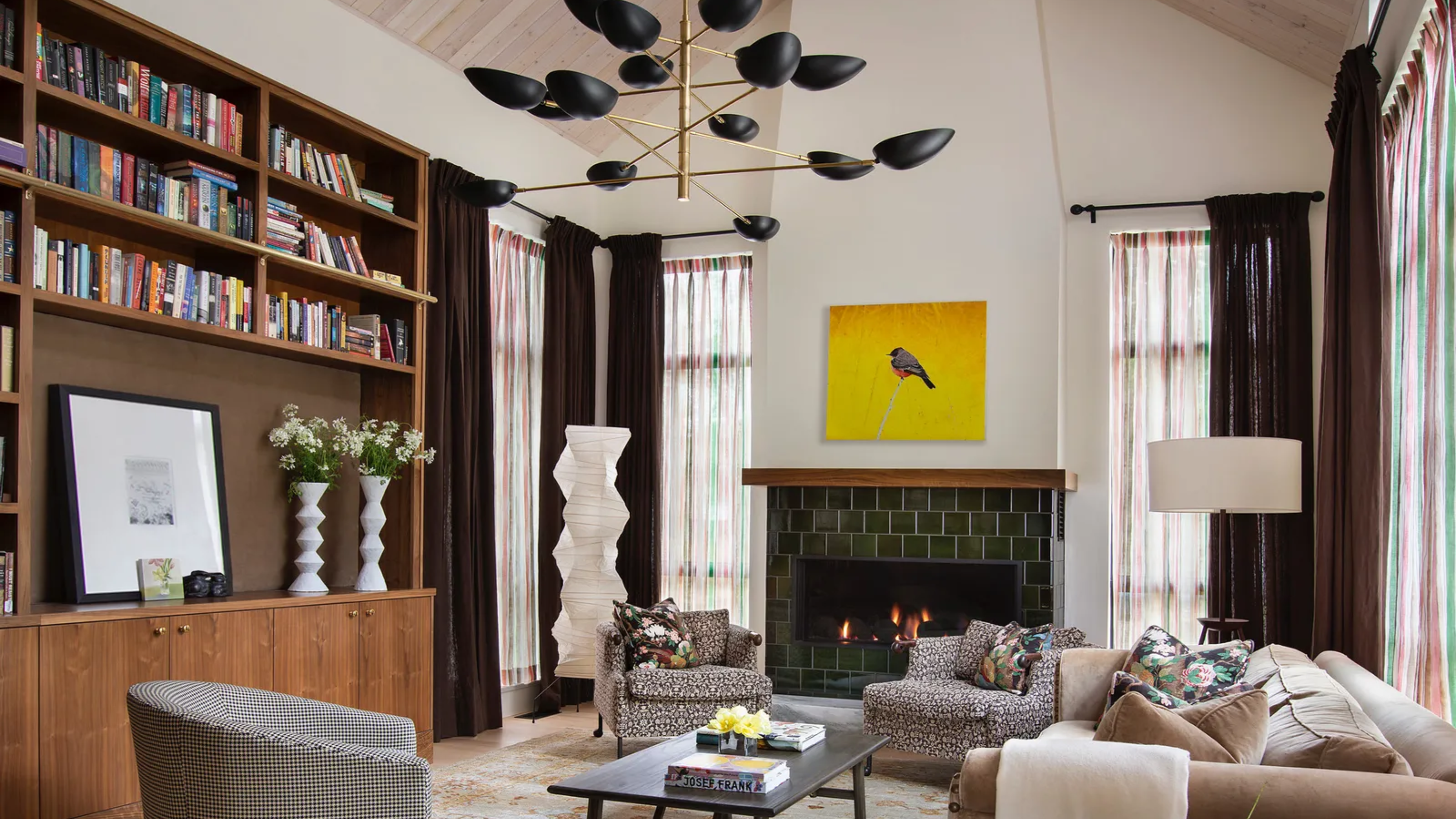
5 Types of Lighting Designers Would Never Use —They're Harsh and Unflattering and Here's Why

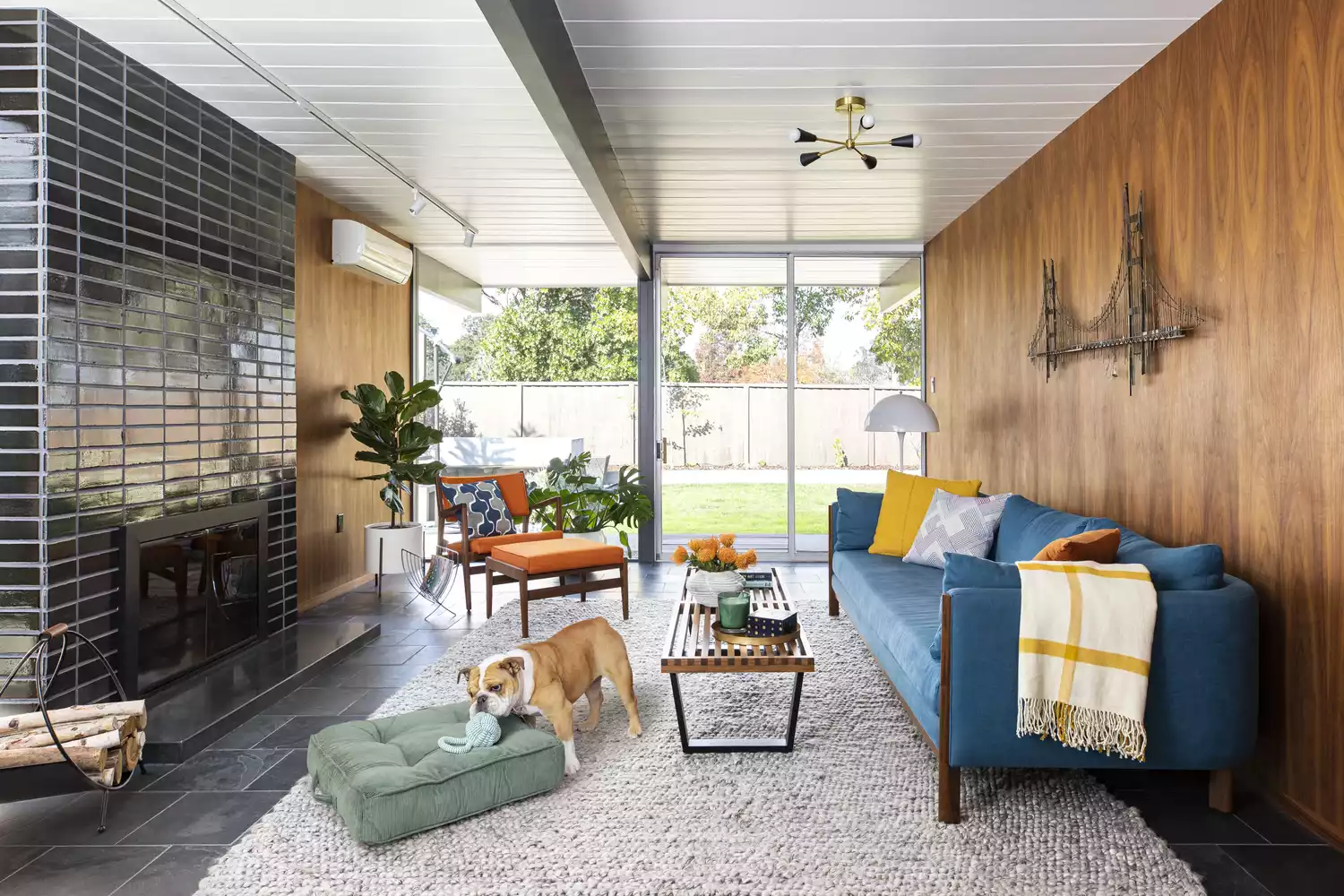
6 Genius Rules for Decorating Your Living Room That Designers Swear By
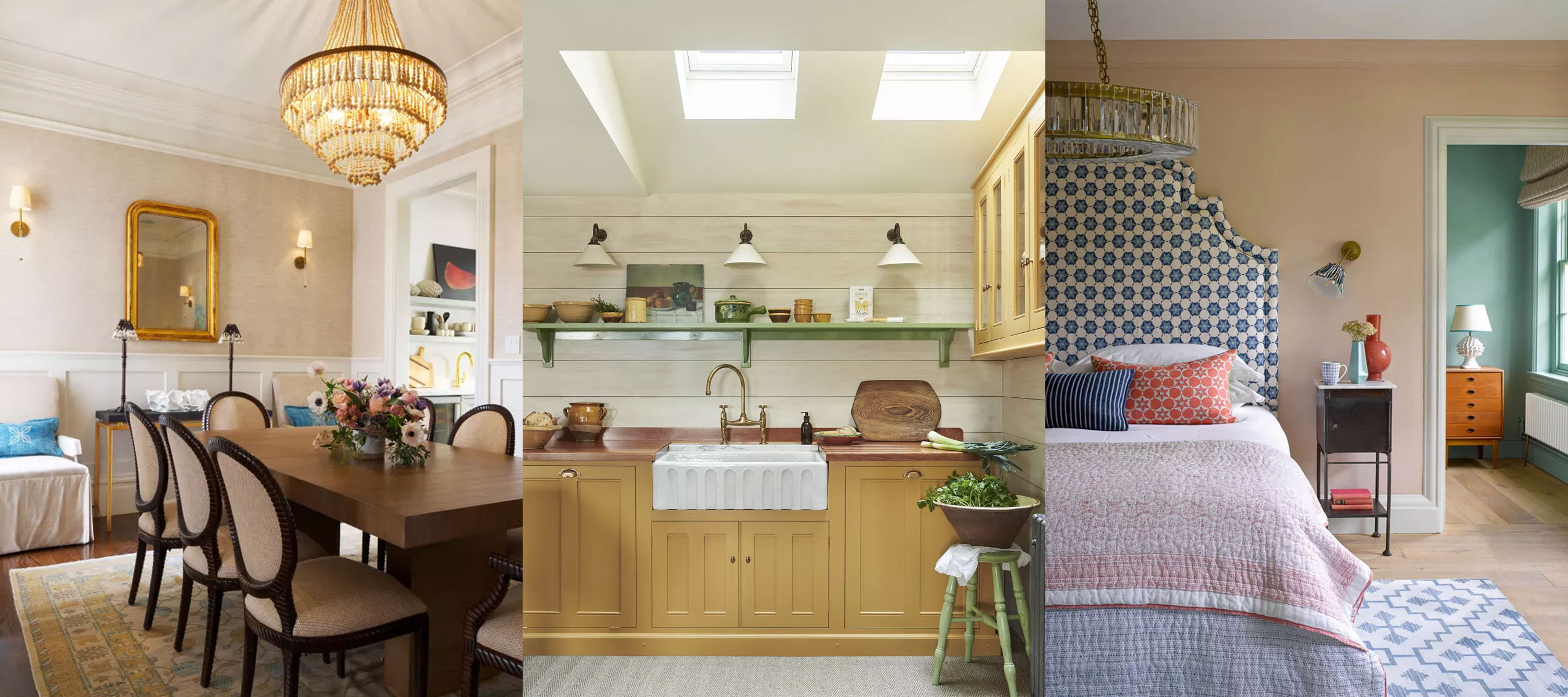
5 outdated lighting trends designers say to avoid – and the designs and techniques to use, instead
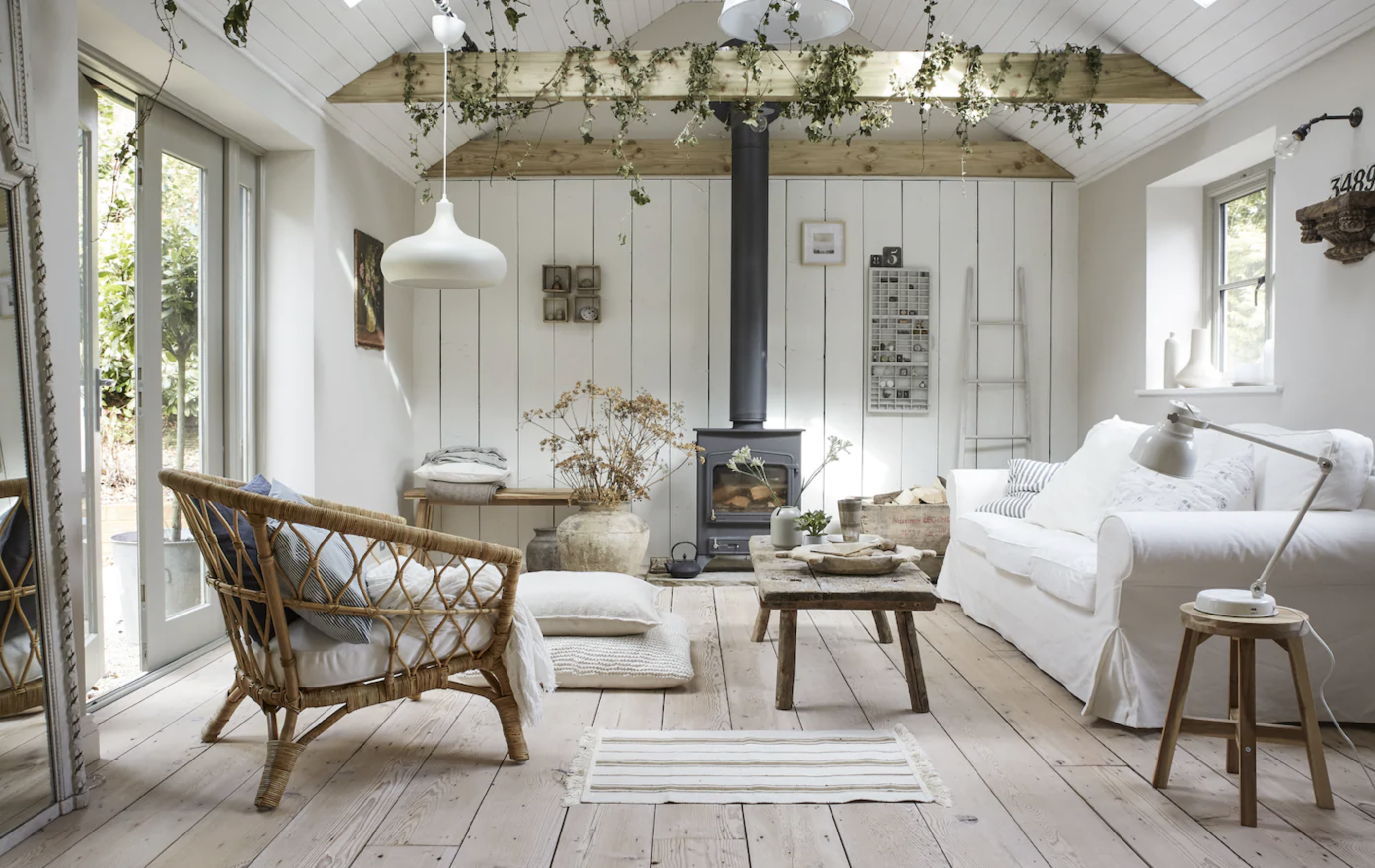
21 living room lighting ideas and expert tips to getting it right

How to create the perfect mood lighting for every corner of your home: Expert shares his top style solutions | Hindustan Times

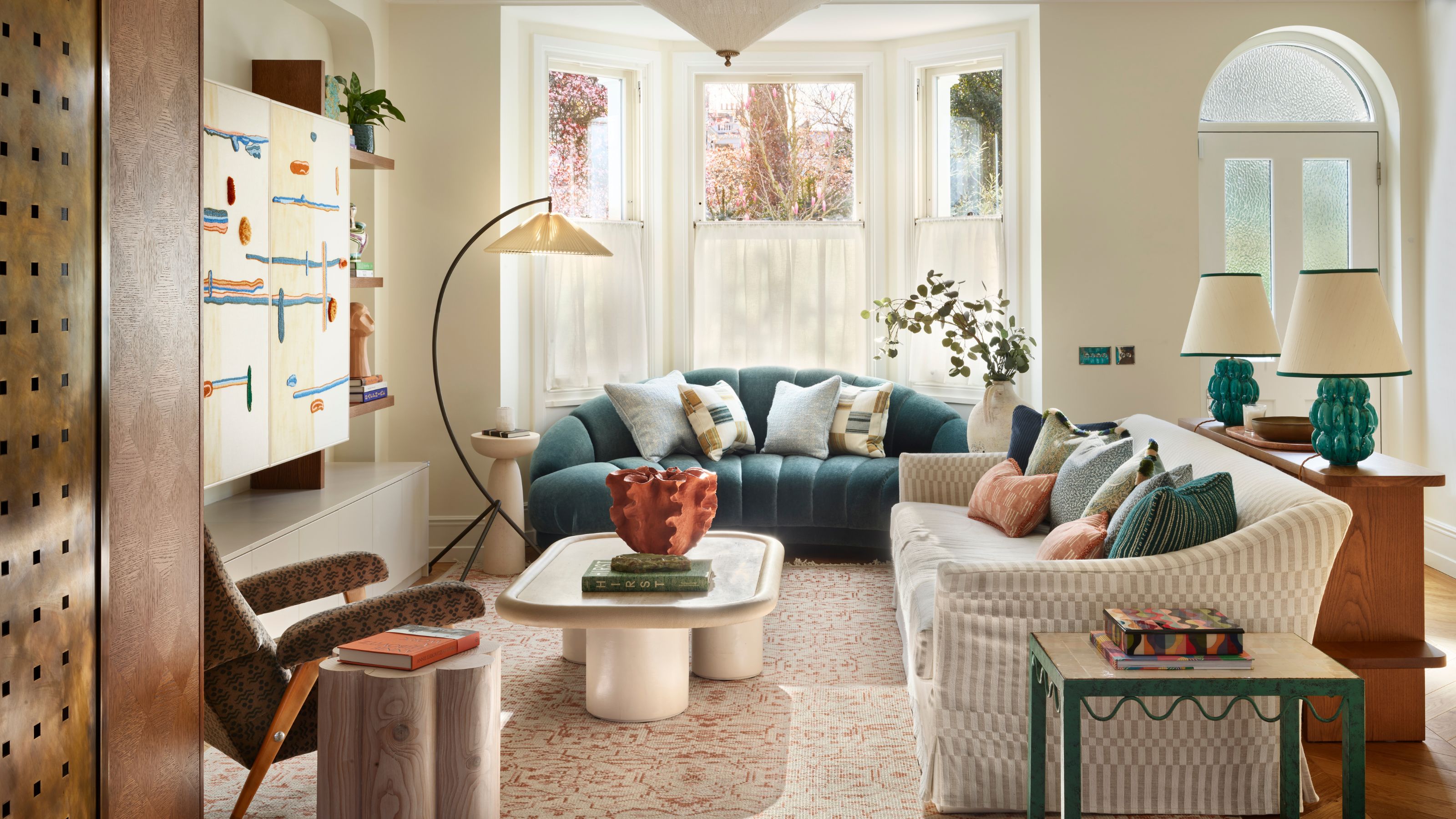
The Library: All the Basics You Need to Know About Lighting Before Starting Your Next Project, According to the Experts
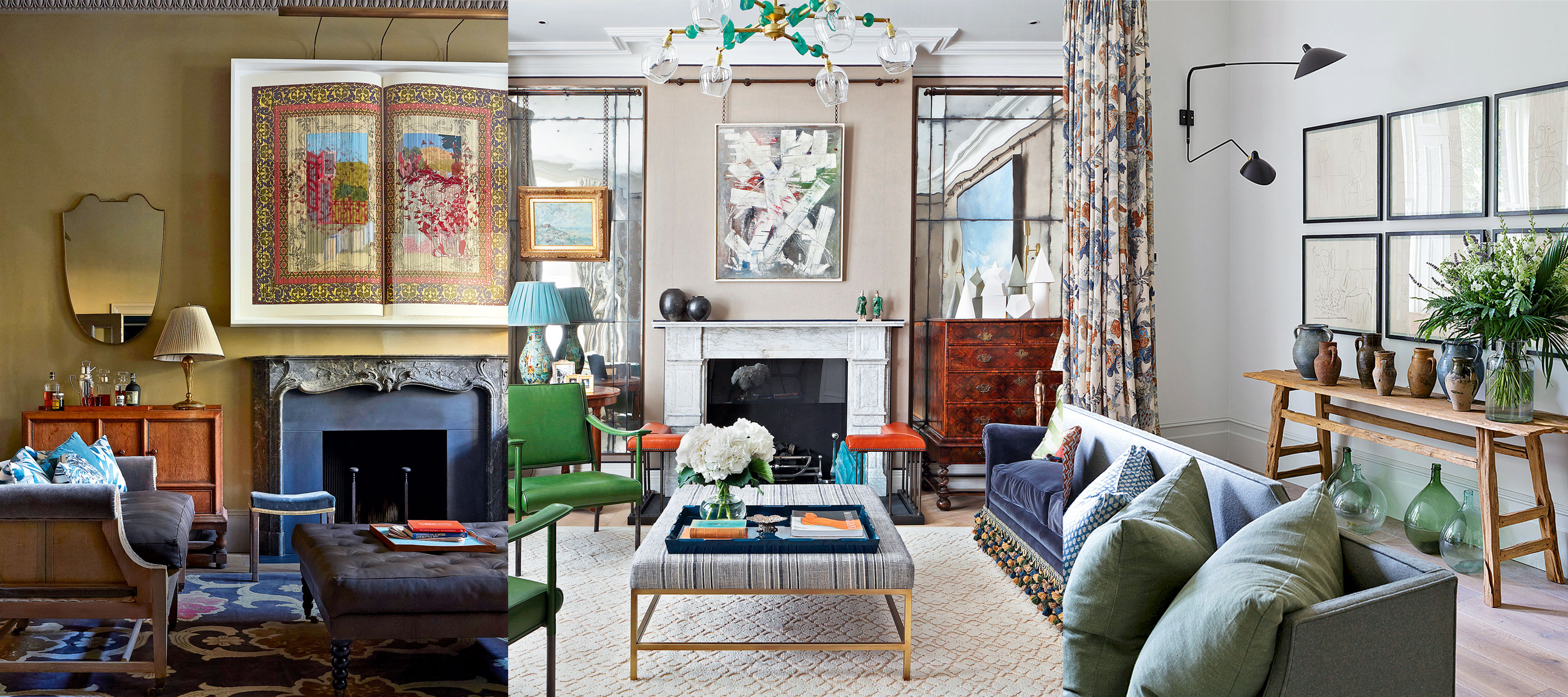
Living room lighting ideas – 39 ways to decorate and illuminate your space
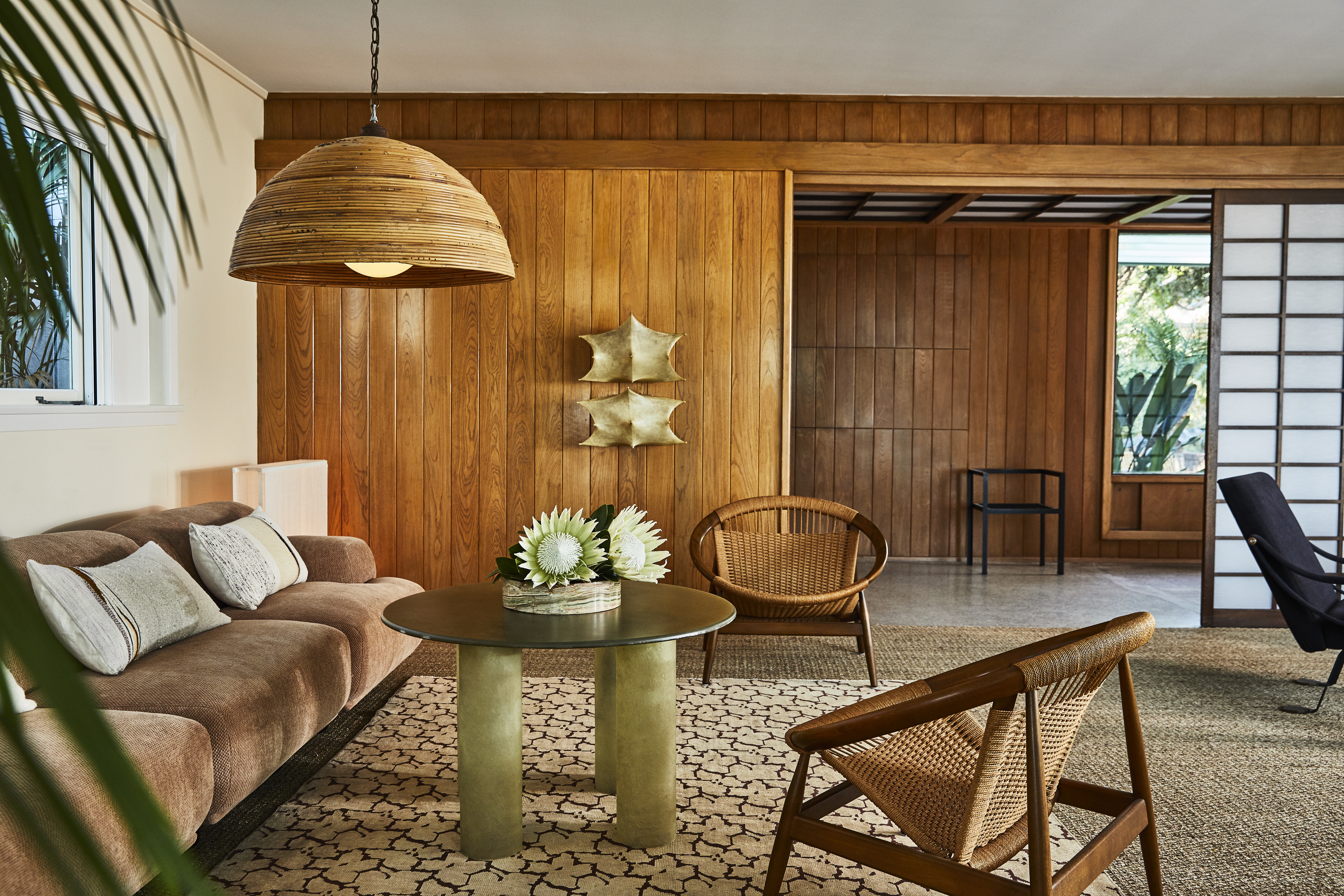
Should light fixtures match throughout a house? The answer is more nuanced than you'd expect
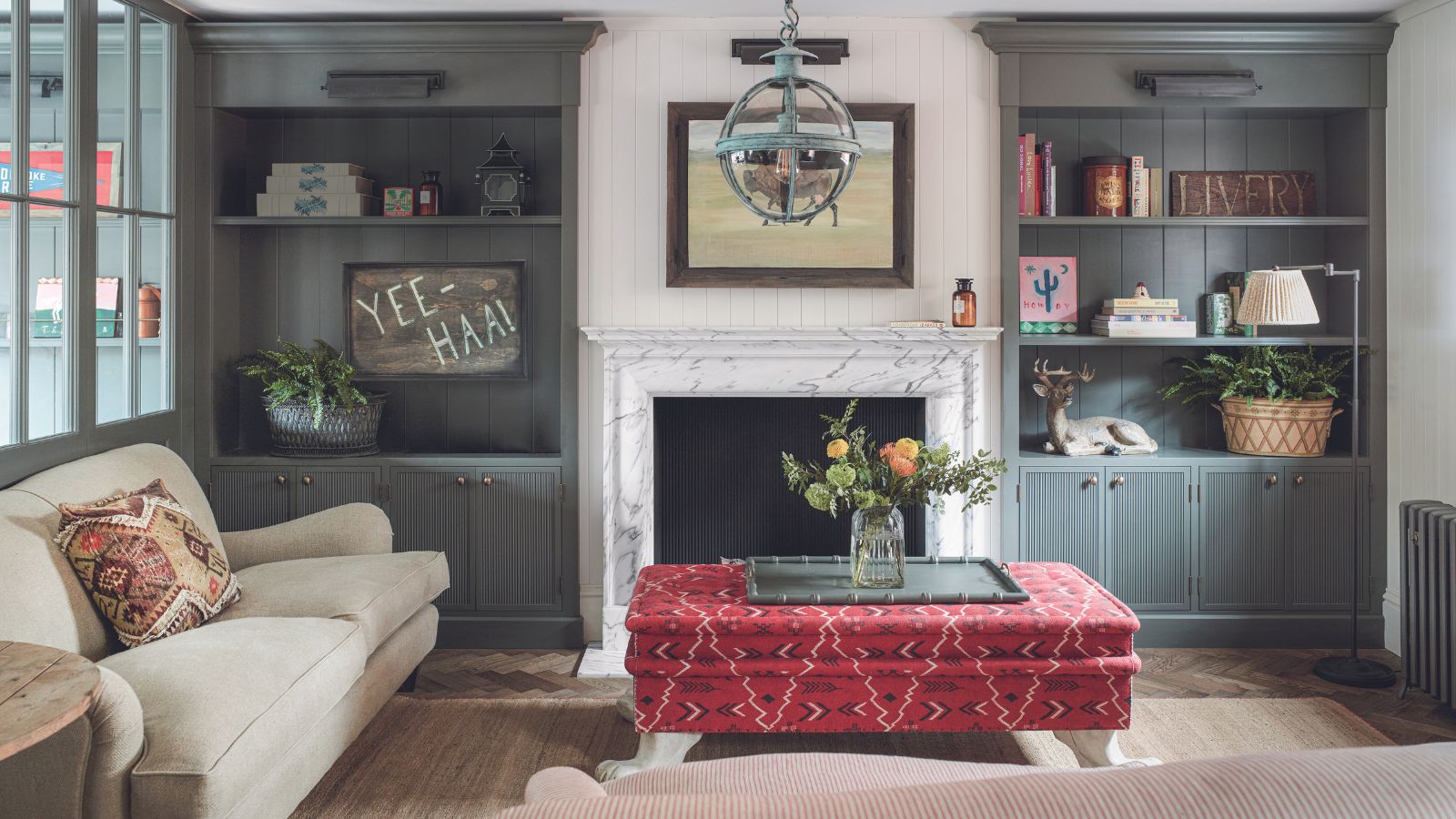
How to make a living room lighter – an interior designer's 10 tips for a creating brighter space
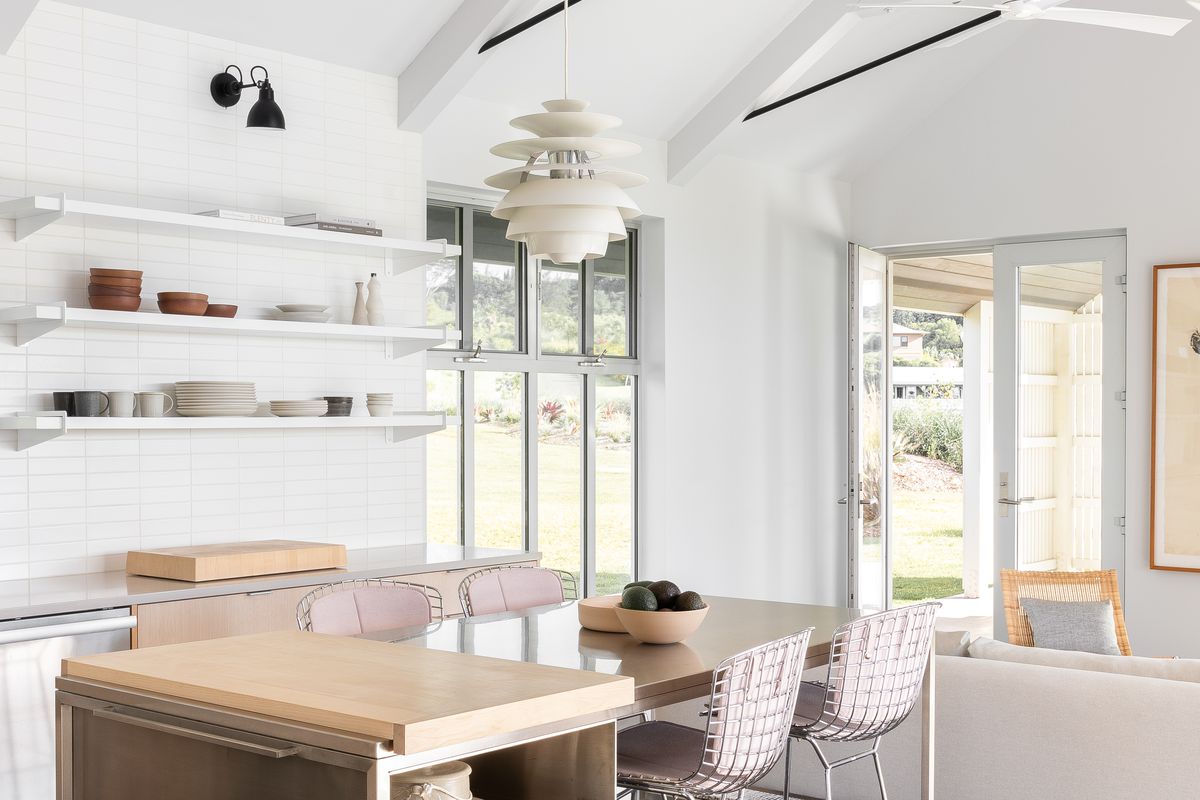
Pro tips to improve your home’s lighting—without an electrician
How to Make a Lighting Scheme Feel Cozy — 4 Expert-Recommended Ideas To Try
12 Living Room Lighting Ideas That Set the Perfect Ambience