How To Choose The Best Siding For Your Home
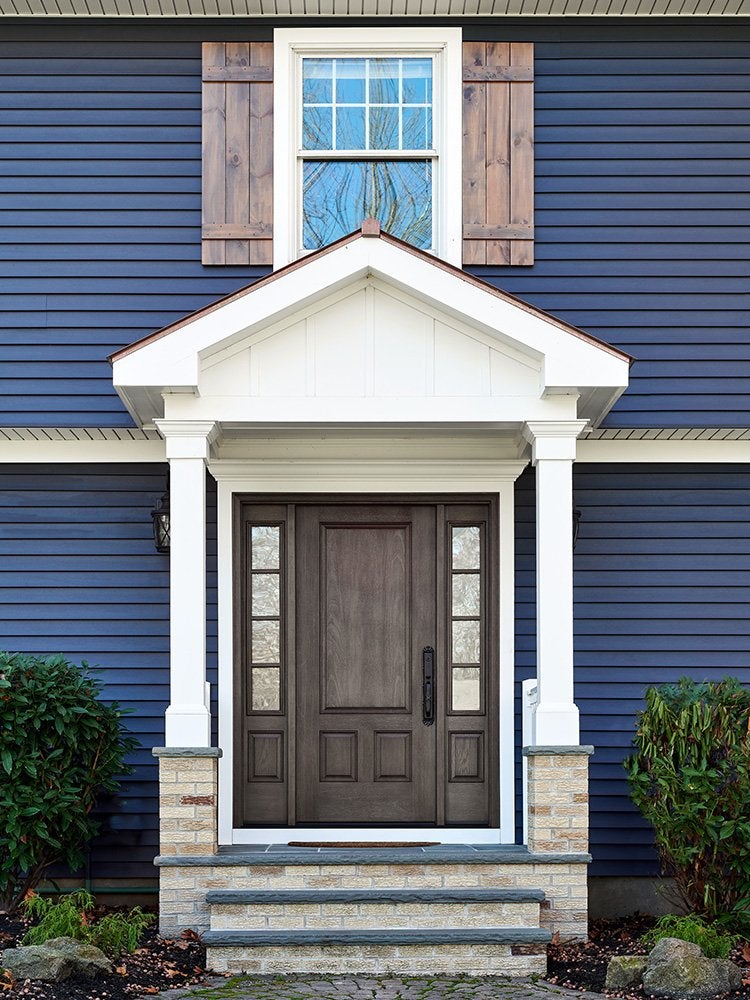
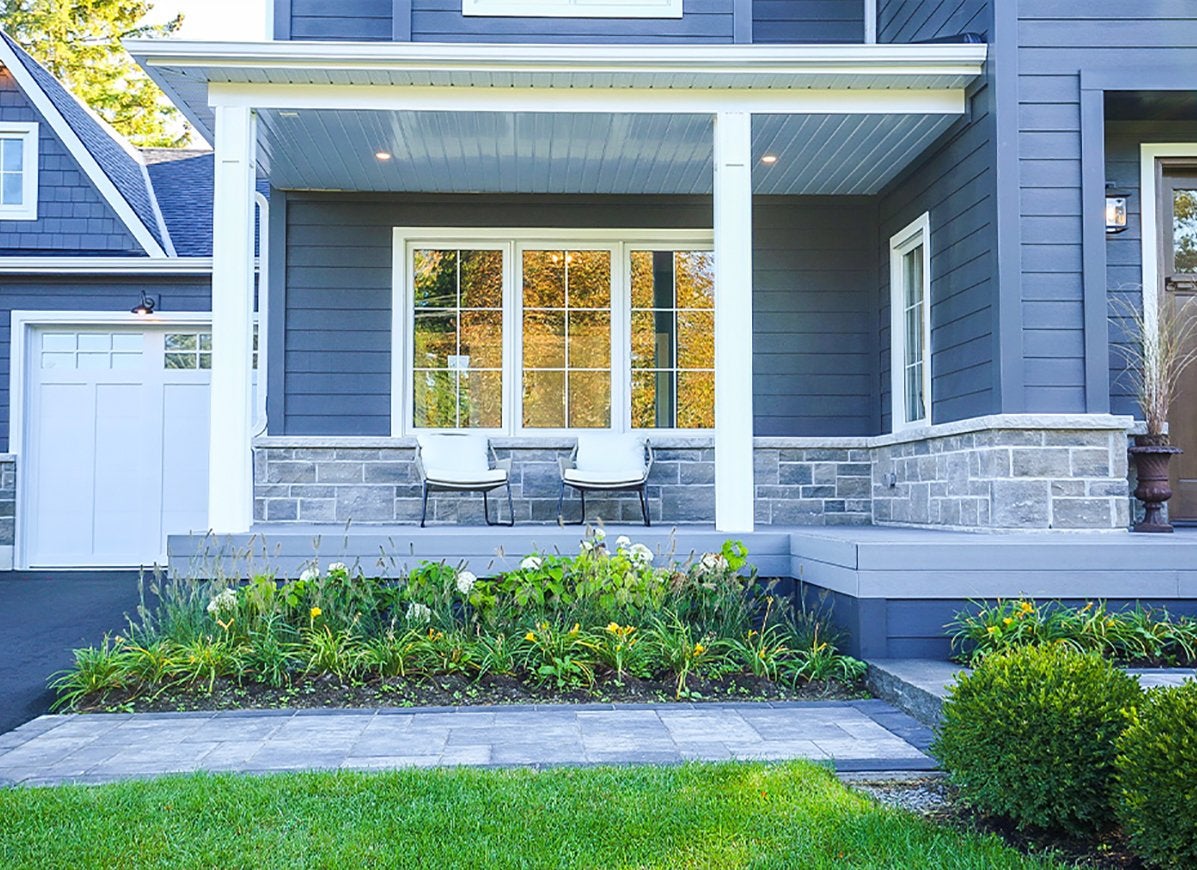
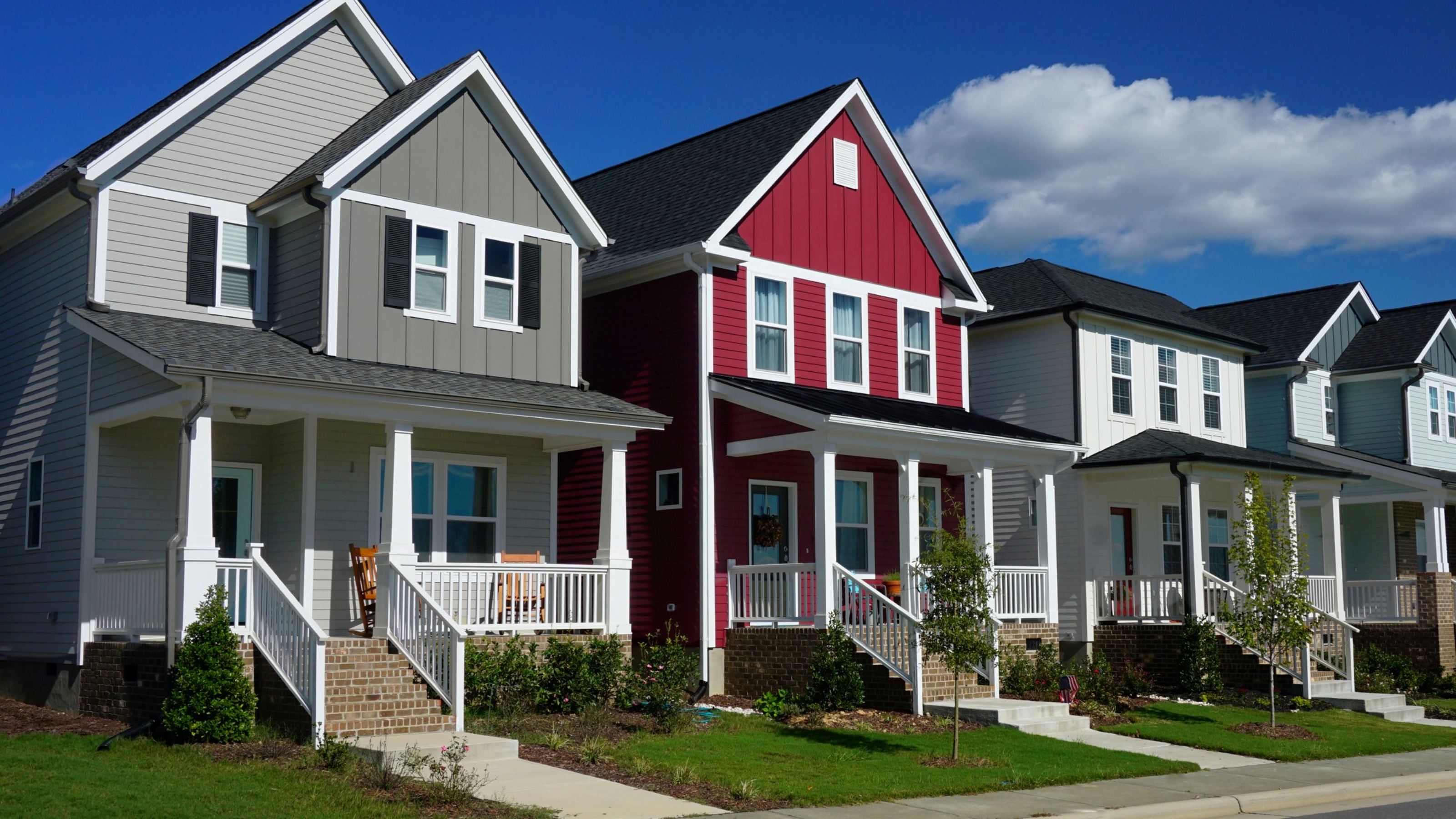
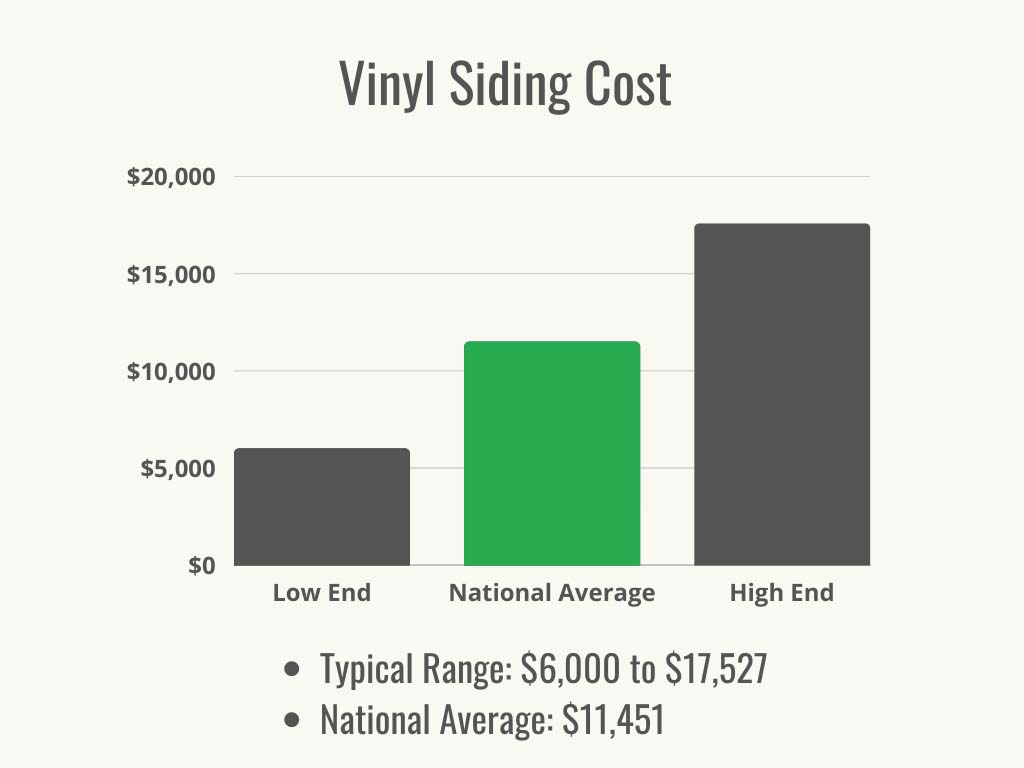
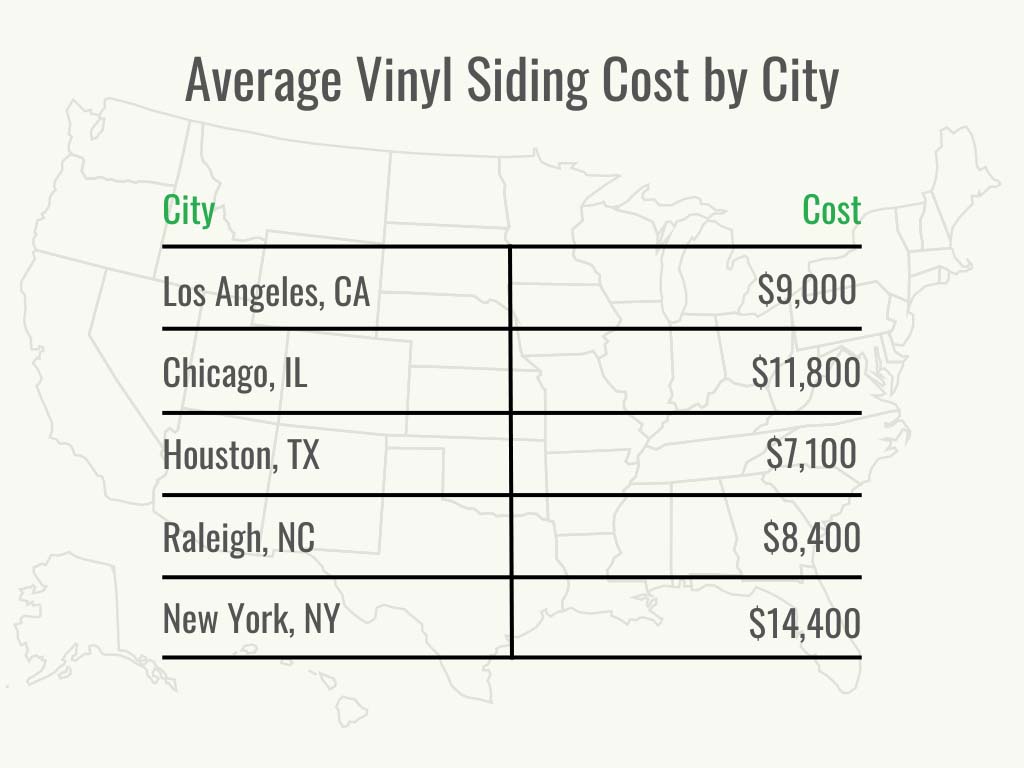
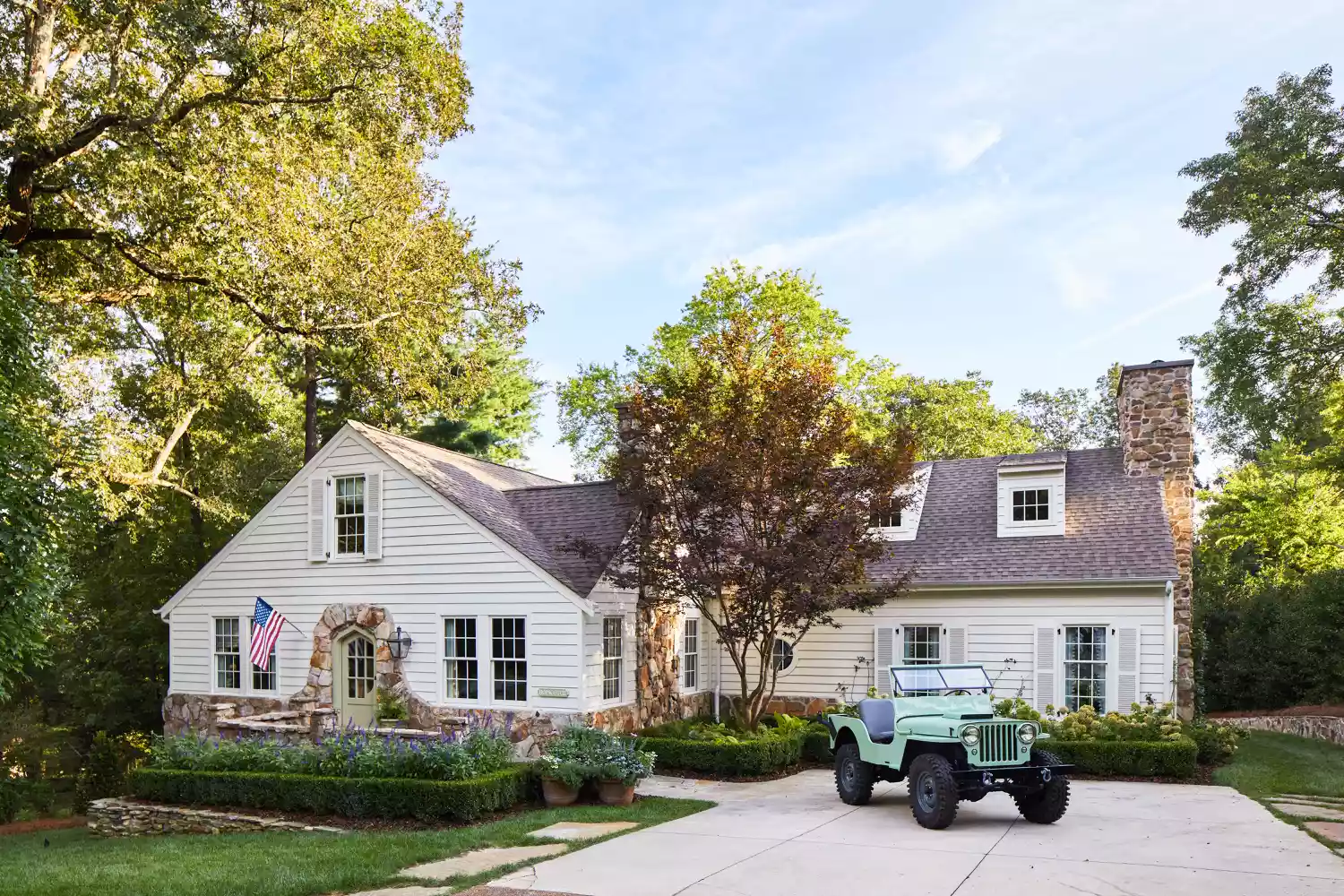
The choice of exterior siding significantly impacts a home's curb appeal and protection against elements. When selecting siding, various factors such as budget, architectural style, neighborhood context, and climate must be considered. Siding costs can range from $5 per square foot for vinyl and some wood types to $50 per square foot for premium natural stone. Budgetary constraints help narrow down options, but personal and architectural style, as well as adherence to neighborhood architectural review board stipulations, are also crucial. The home's environment, including seasonal temperatures, rainfall, wind, and humidity, dictates how different siding types will perform.
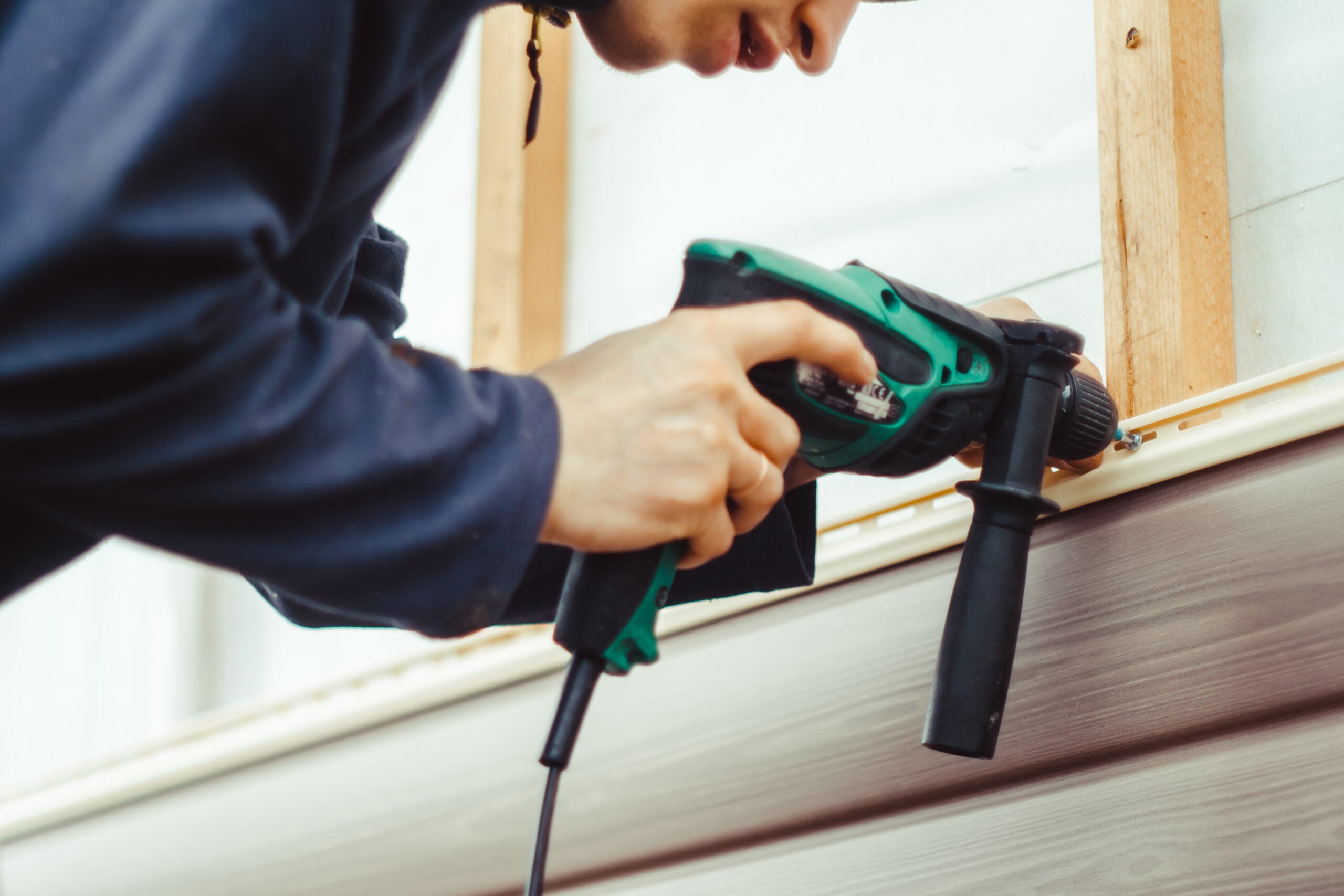
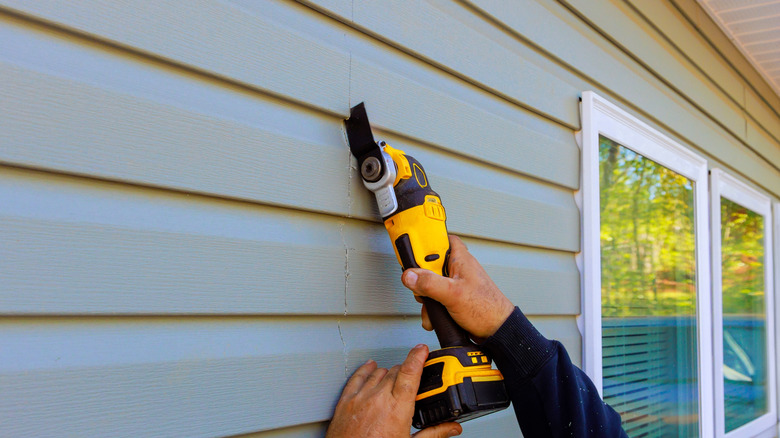
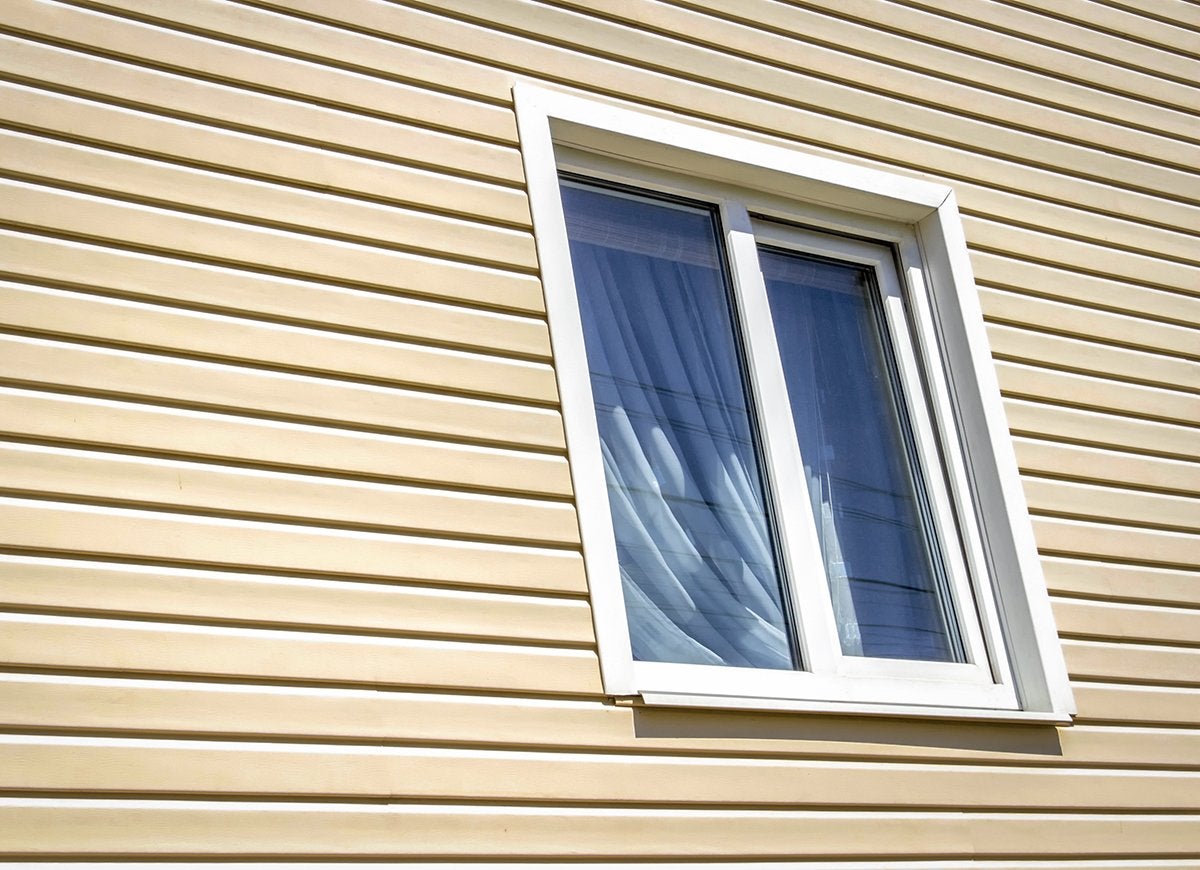
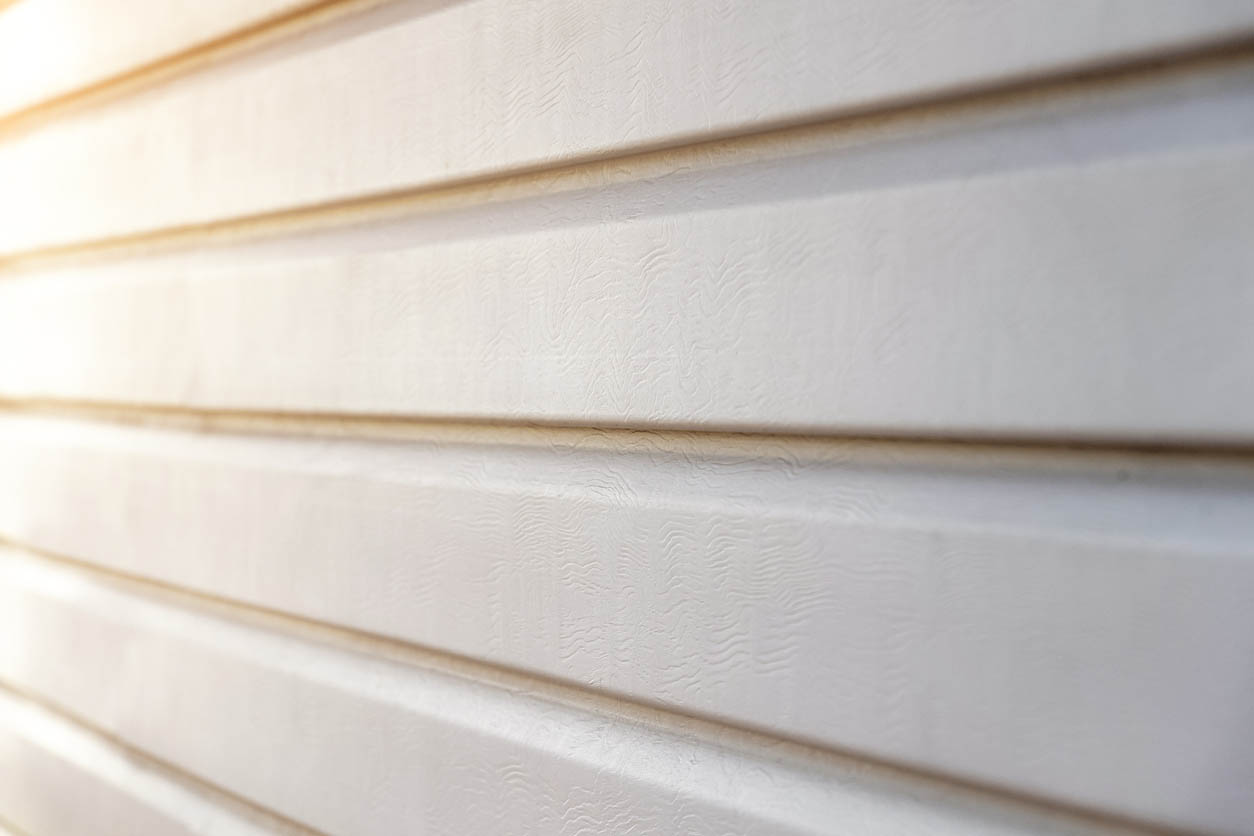
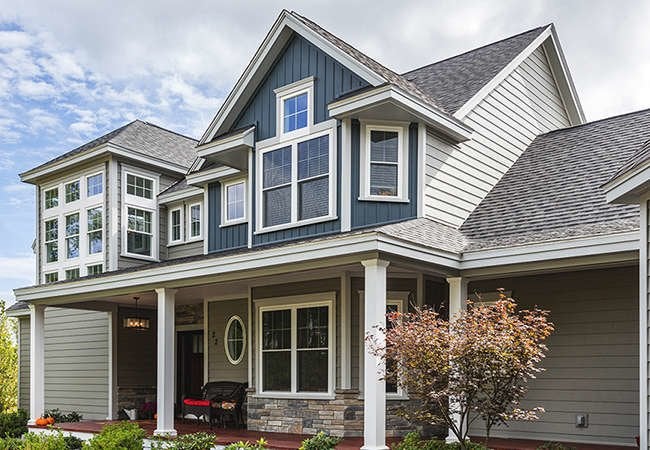
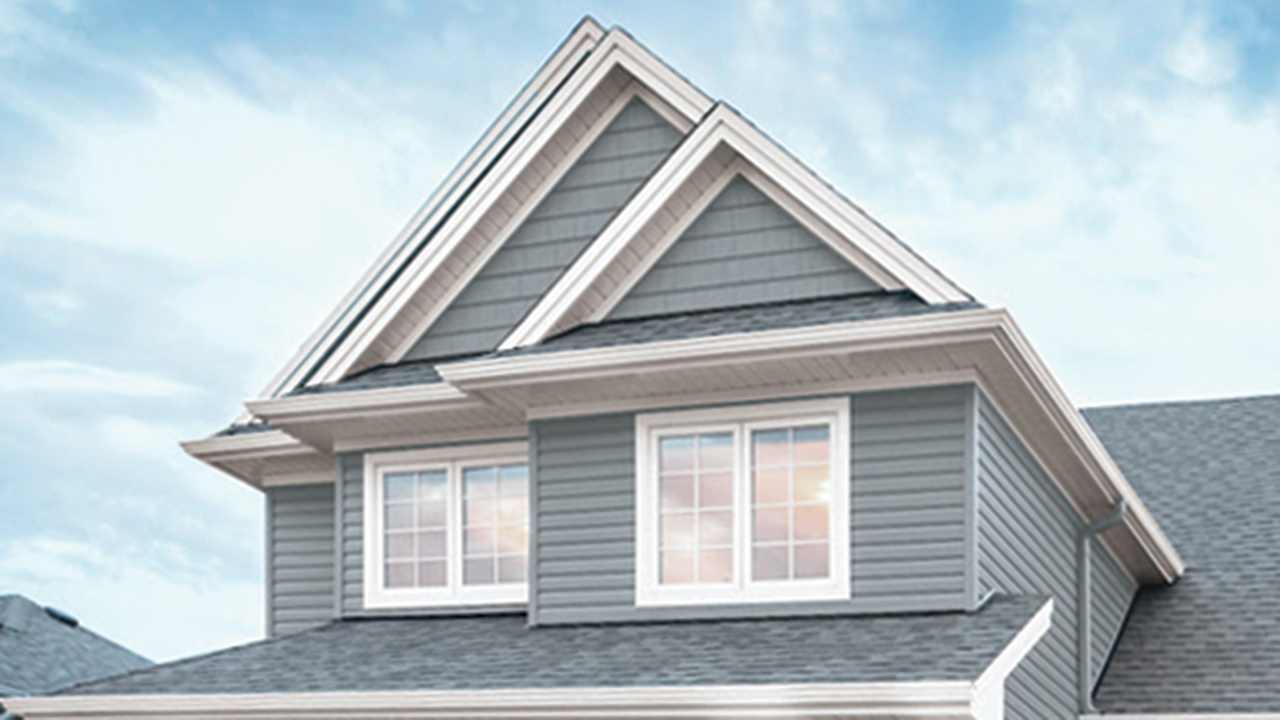
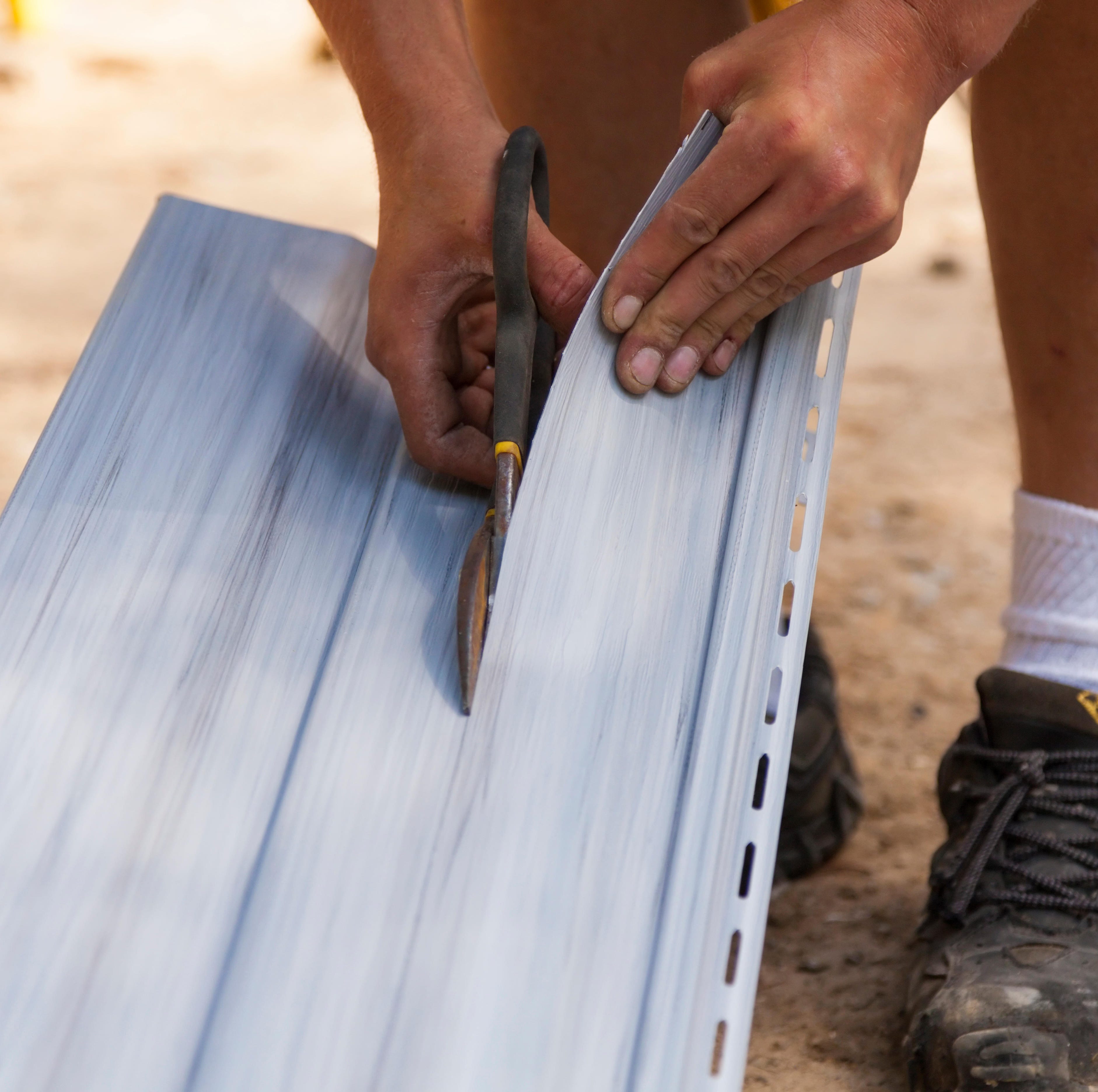
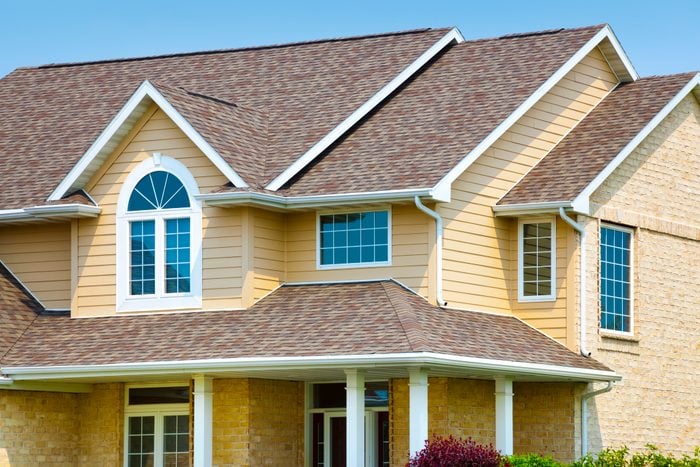
Vinyl siding, introduced in the 1950s, is a cost-effective and energy-efficient option. It is low maintenance, easy to clean, and can last for decades without repainting. However, it is prone to fading in sunny climates, susceptible to damage in extreme temperatures (becoming brittle in cold or warping in heat), and carries a fire risk. It also offers a less sophisticated finish compared to other materials. Vinyl is best suited for budget-conscious homeowners and newer constructions, but often not for historic homes or neighborhoods with strict architectural guidelines.
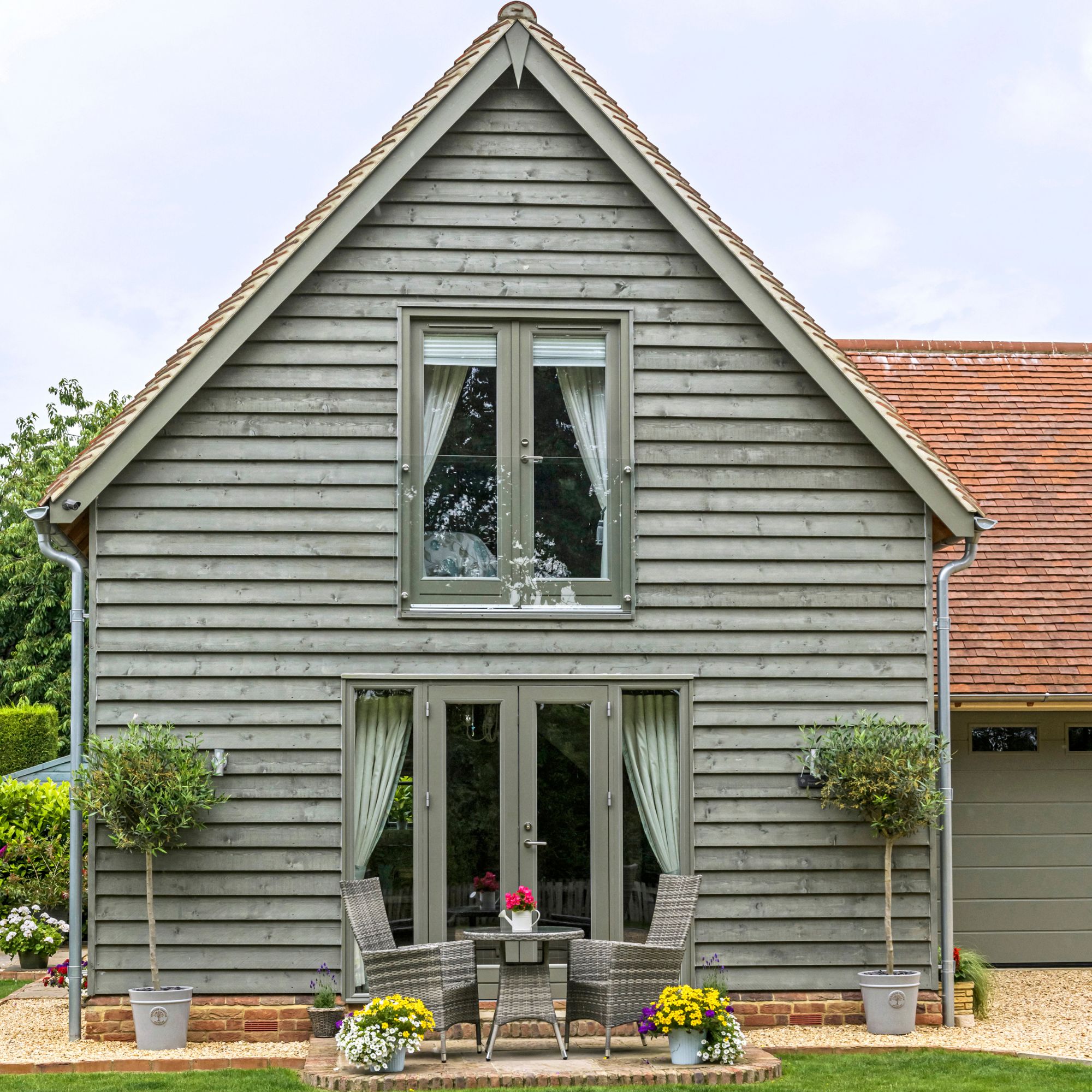
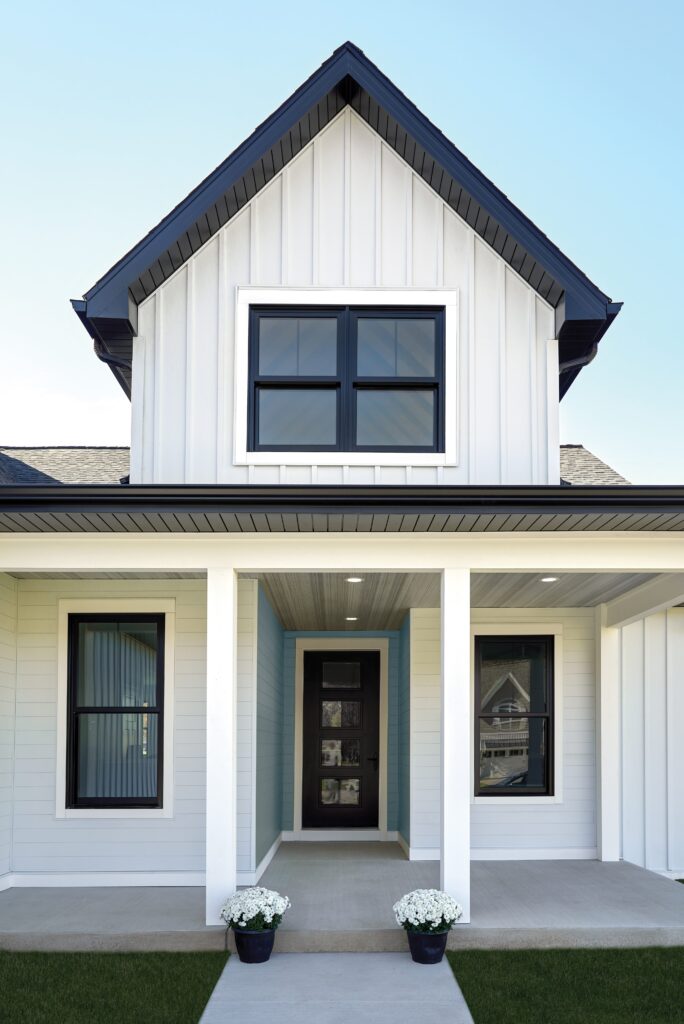
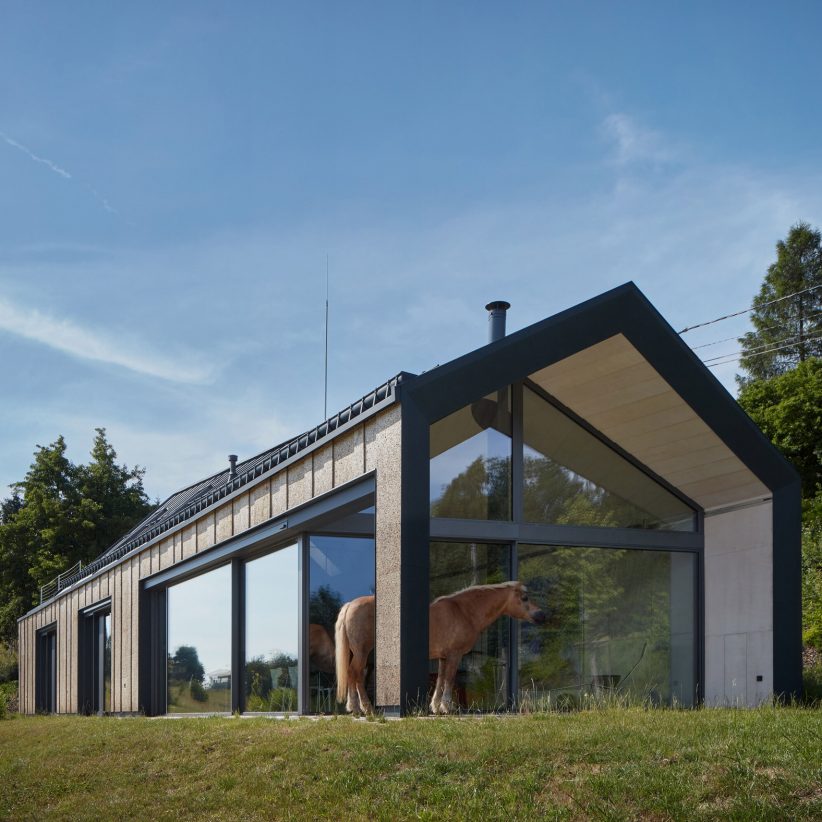
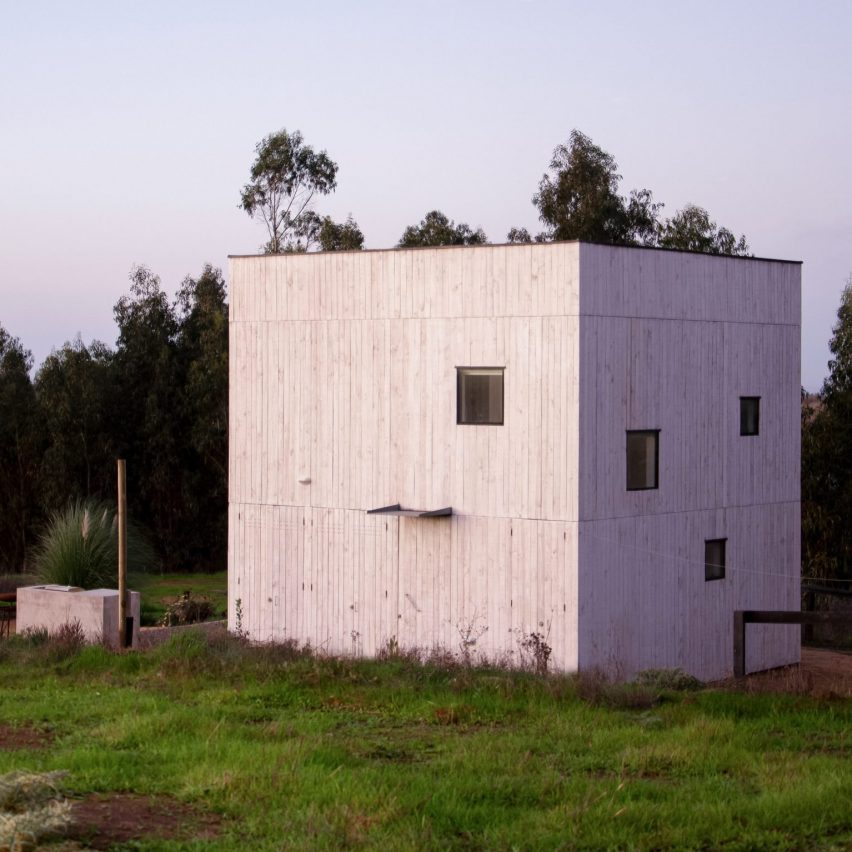
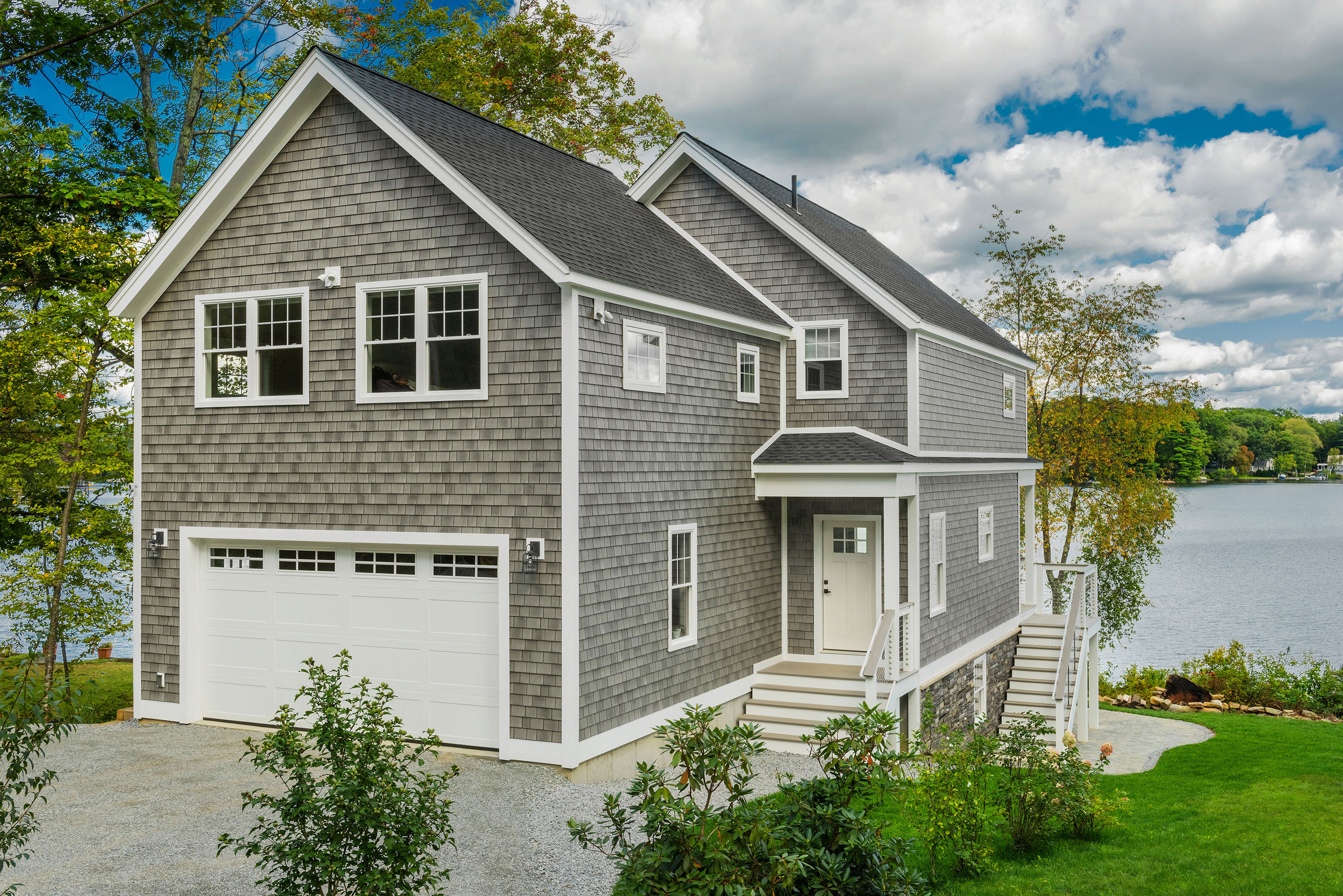
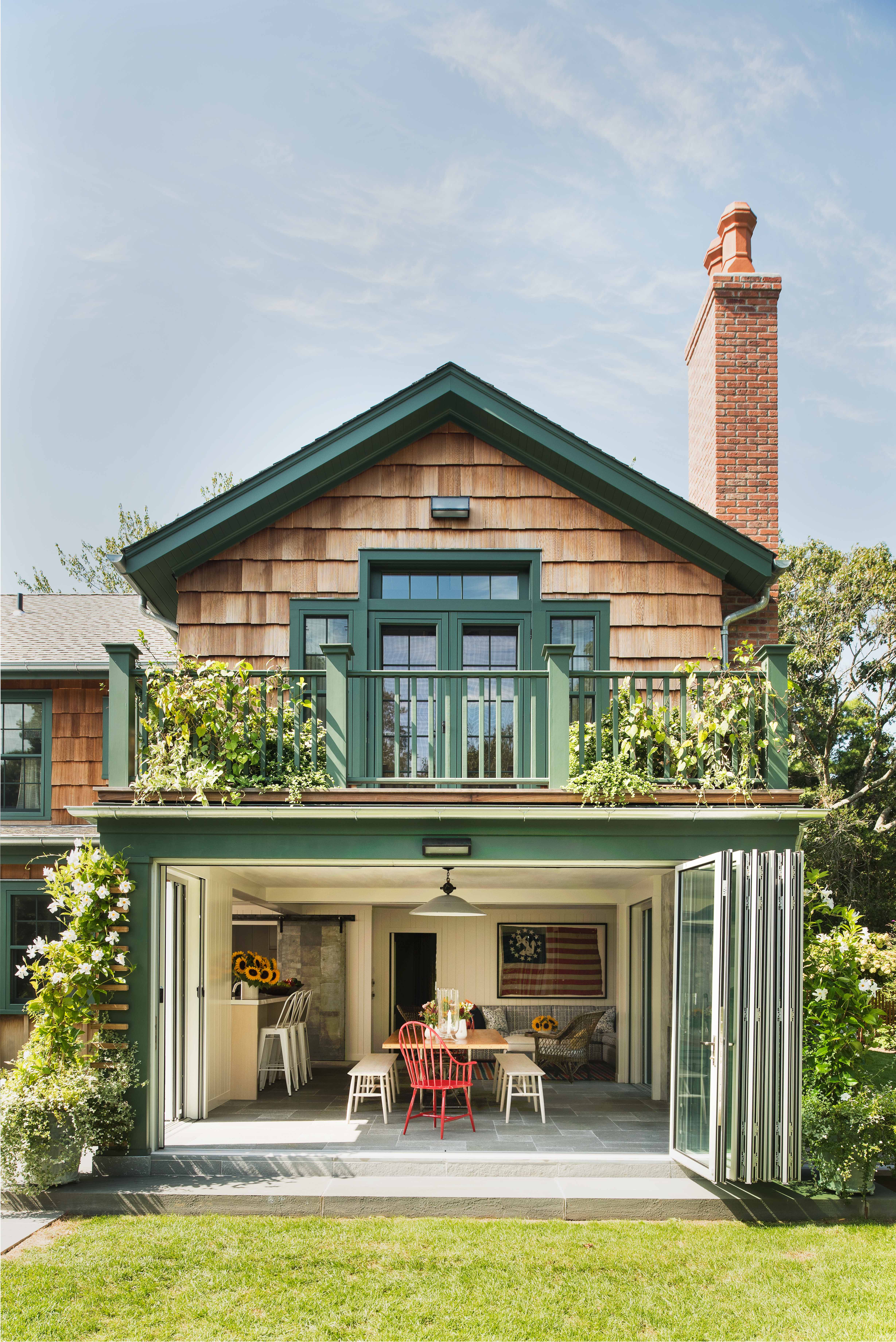
Natural wood siding provides warmth and classic curb appeal. It offers versatility in wood types and styles like clapboard, board and batten, shingles, and shakes, with nearly unlimited finish options including natural weathering, staining, or painting. Wood is a sustainable option if harvested responsibly. Its drawbacks include vulnerability to moisture, leading to warping, rot, mold, and mildew if not installed correctly. It requires frequent maintenance, is susceptible to insect damage, and poses a higher fire risk. Wood siding is favored for its aesthetic appeal, especially when stained to highlight its natural beauty, and complements various architectural styles, particularly historic structures.
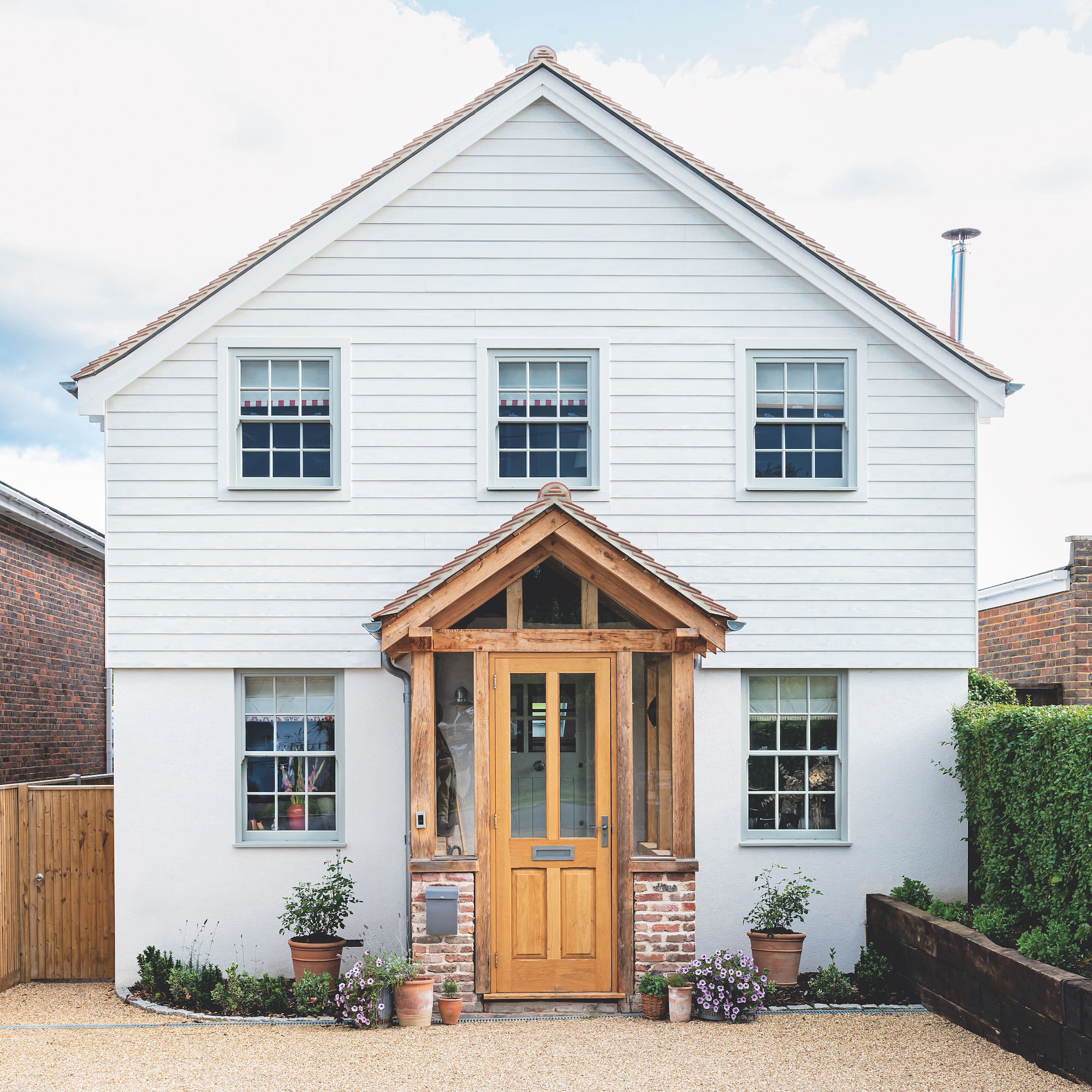
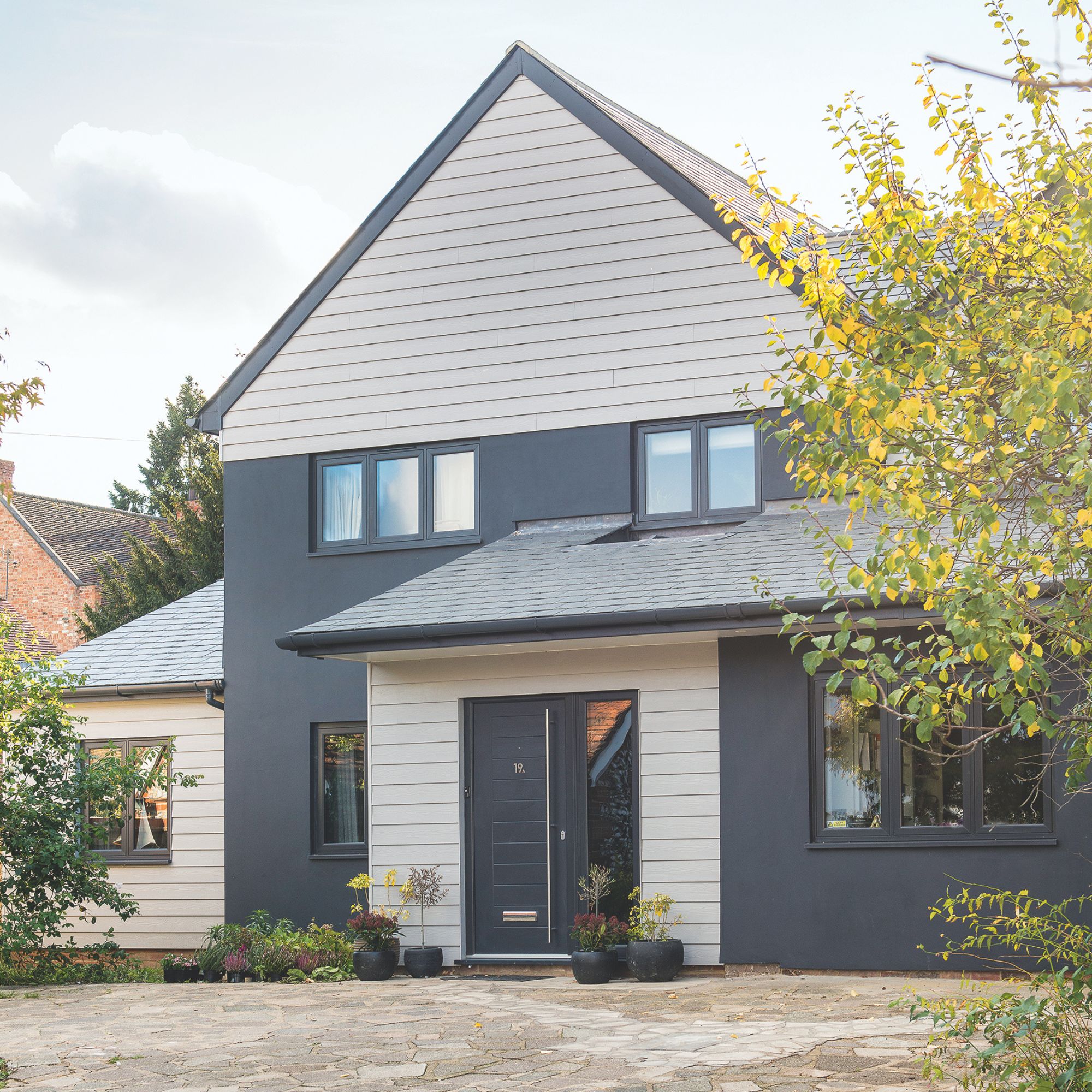
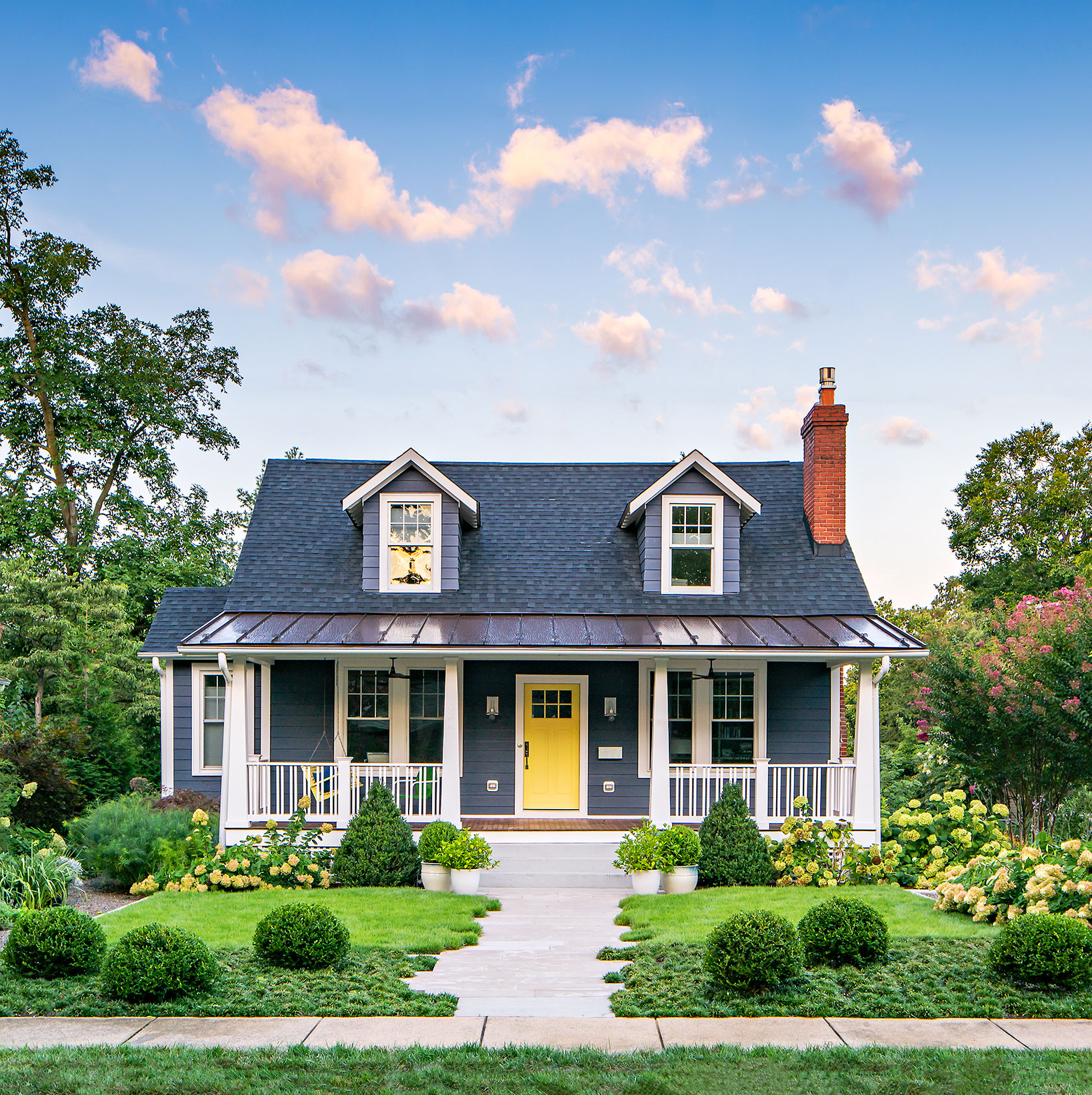
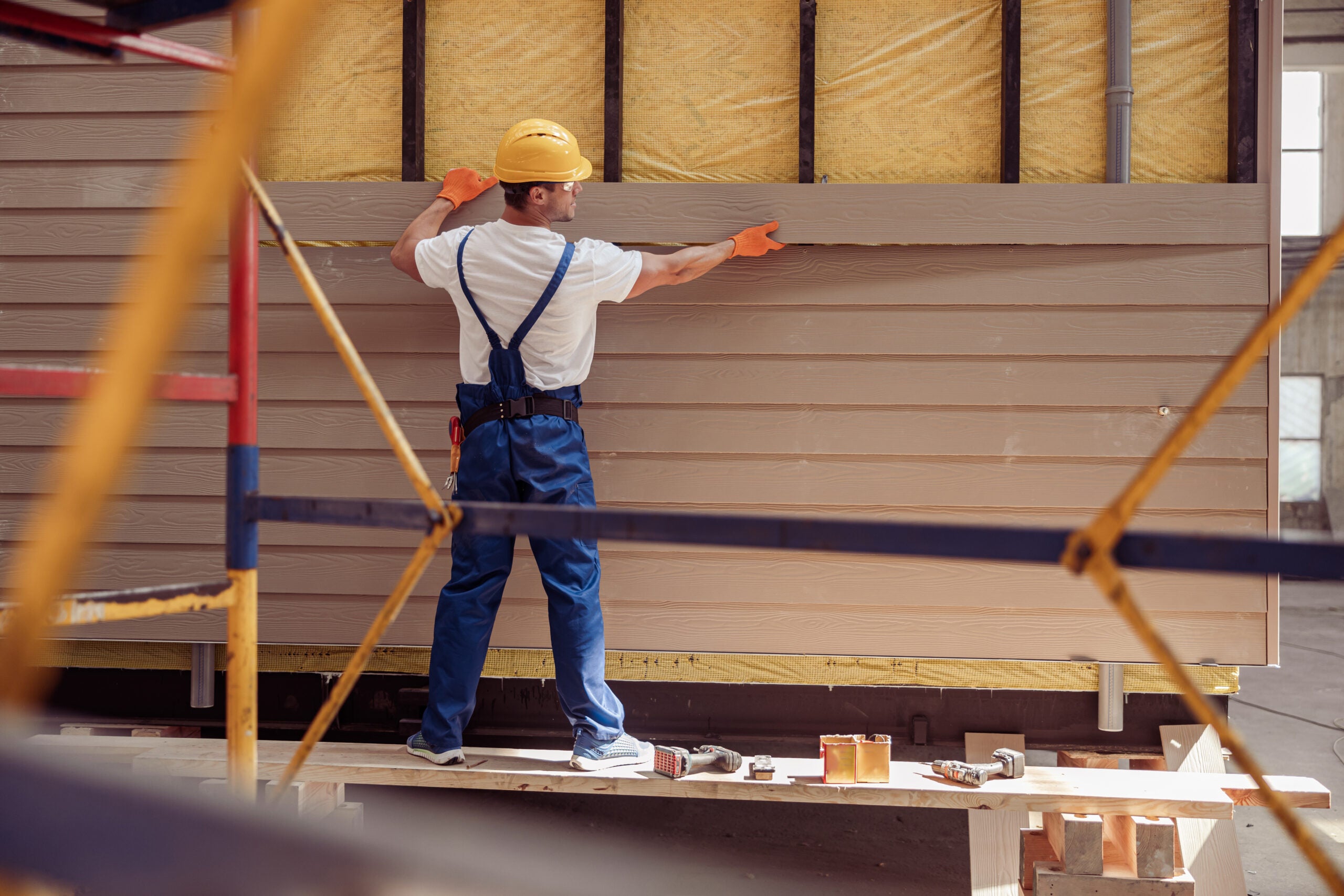
Fiber cement siding, often associated with James Hardie products, offers the aesthetic appeal of wood without many of its disadvantages. It is extremely durable, resisting water damage, mold, mildew, warping, and rot, and is FEMA Class 5 certified for flood damage resistance. It is noncombustible, making it suitable for fire-prone areas, and resistant to pests. Fiber cement is low maintenance, often needing repainting only after twenty years, and comes in various styles and colors to mimic wood. While more expensive upfront than other manufactured sidings and requiring professional installation, its durability and versatility provide significant long-term value. It is suitable for almost any home style and environment.
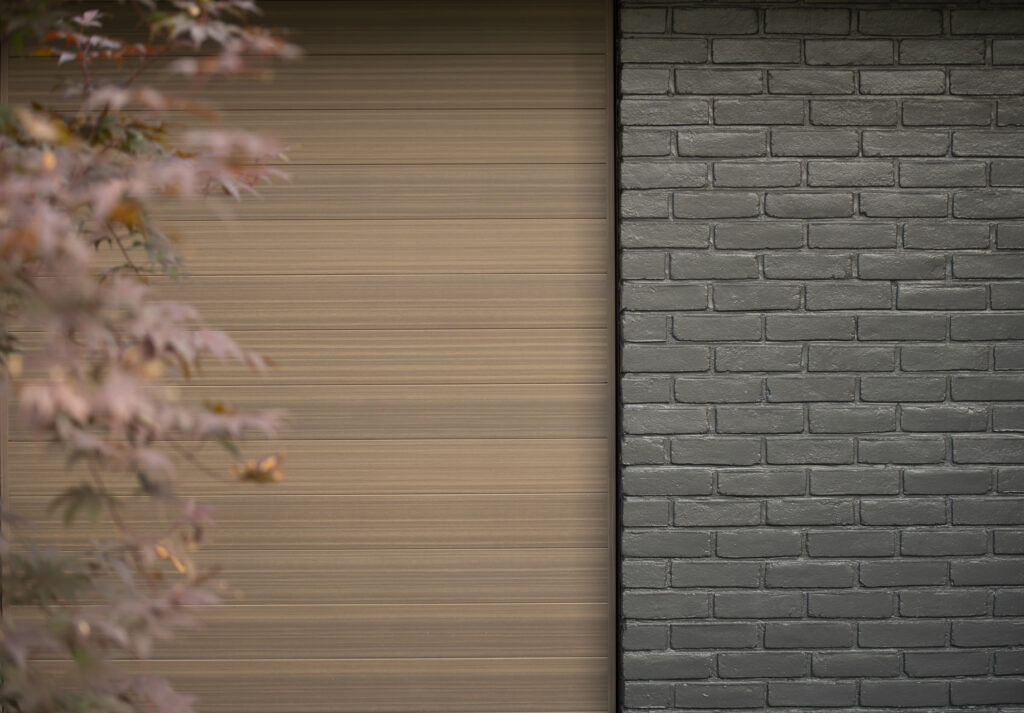
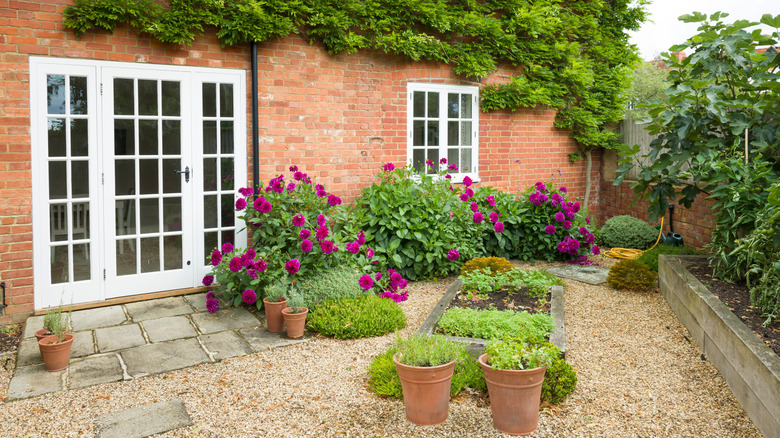
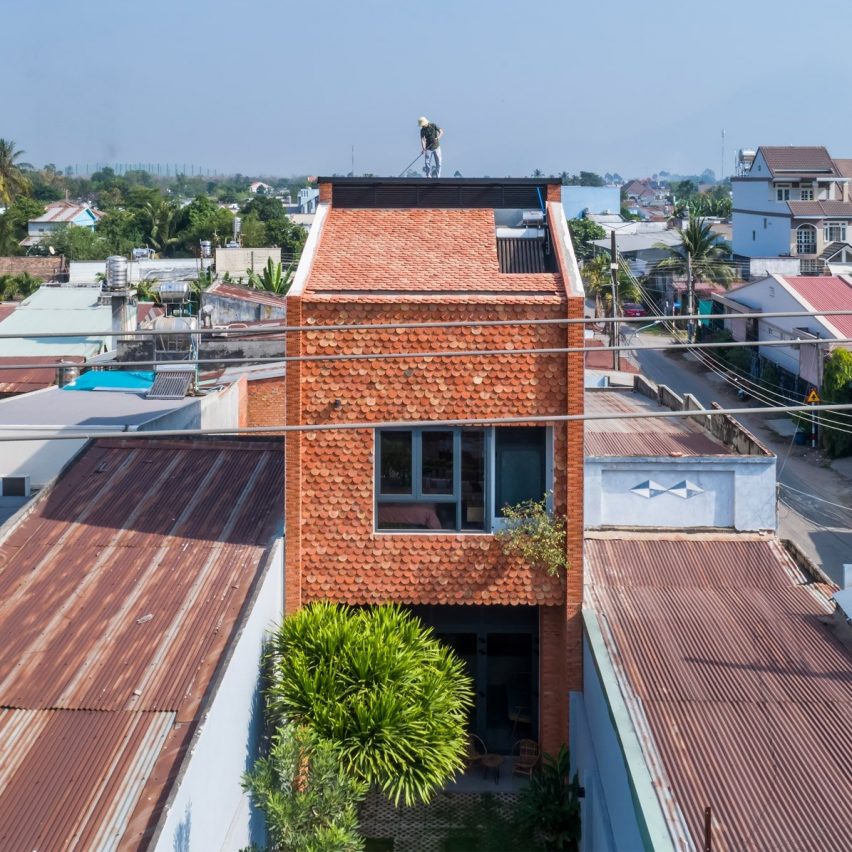
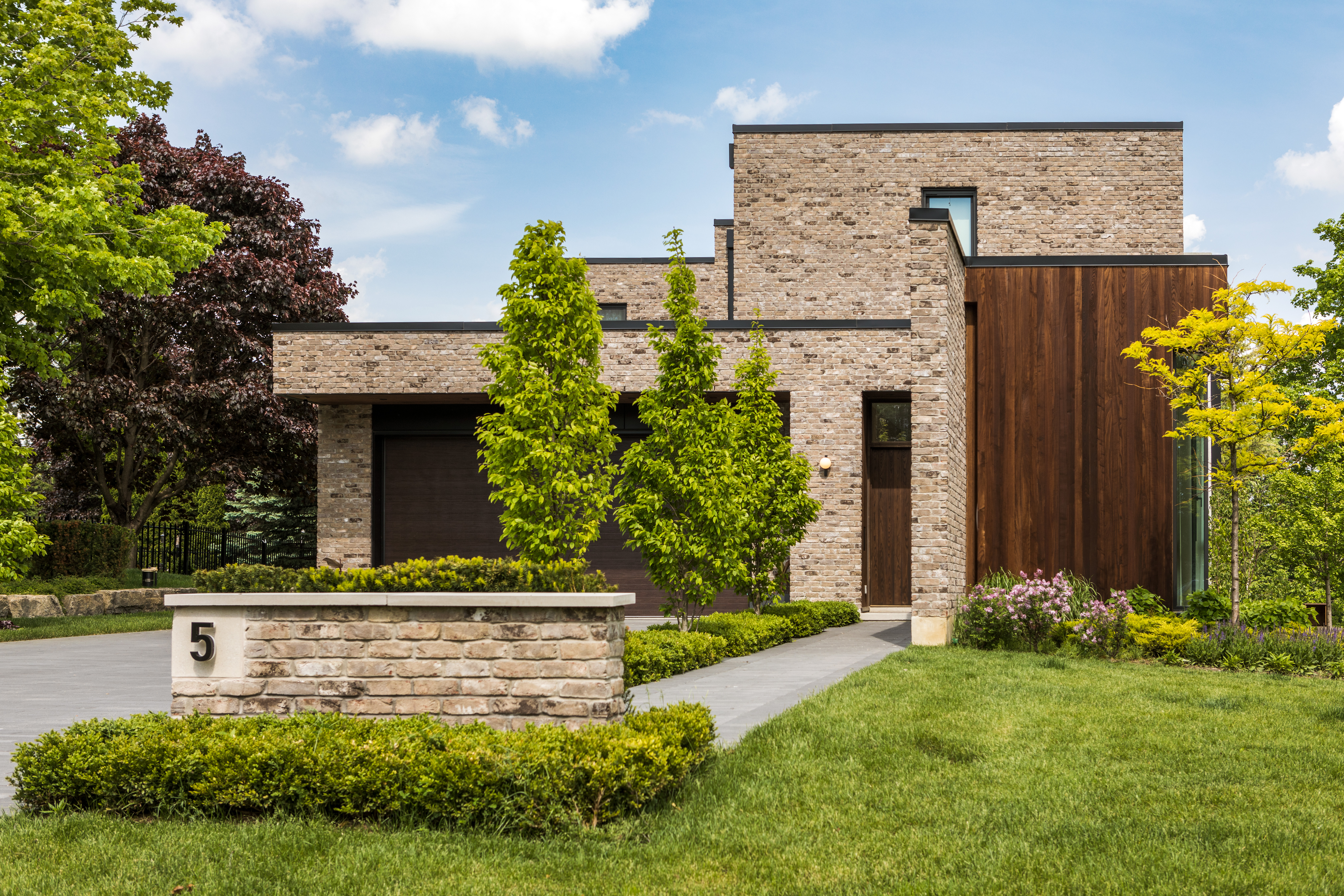
Brick siding offers timeless curb appeal, longevity, and durability, potentially lasting centuries with proper maintenance. It is a natural material with a low carbon footprint, available in various natural hues and can be painted. Brick is low maintenance, requiring only annual pressure washing, and is fire-resistant. The main disadvantages are its high cost, both for materials and labor, and the need for professional installation to prevent mold, moisture, and pest issues. Brick is well-suited for most environments and climates, and if a full brick exterior is too costly, it can be used as an accent or along the foundation.
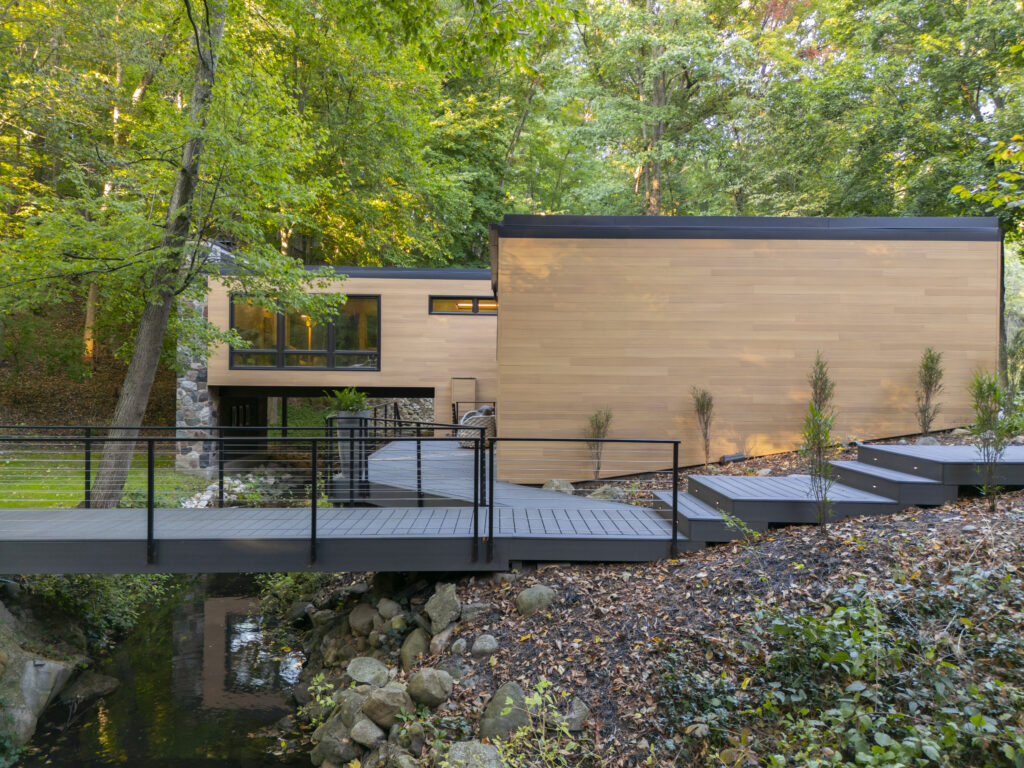
Engineered wood siding is a newer product created by binding wood fibers and resin, treated with zinc borate to prevent pest infestations and mold. It mimics traditional wood aesthetics, is less expensive than natural wood and fiber cement, and offers durability against water damage, warping, mold, mildew, and pests. It requires low maintenance, resisting peeling and chipping, and is fire-resistant. However, it lacks the natural beauty of real wood, and cracks can allow moisture penetration, necessitating professional installation. Engineered wood performs well in most environments, particularly humid ones, offering a durable alternative to traditional wood.
Stucco, a mixture of cement, sand, lime, and water, is praised for its durability and dependability, lasting decades with proper care. It is highly versatile, allowing for various shapes, textures, and colors, including pre-stained options to prevent chipping. Stucco is noncombustible, low maintenance, and resistant to pests. It is more cost-effective than brick or stone. However, it is labor-intensive and requires professional installation. Cracking can occur, requiring timely repairs to prevent moisture damage. Stucco complements most architectural styles and performs best in hot, arid climates, though it can be used in wetter areas with increased maintenance.
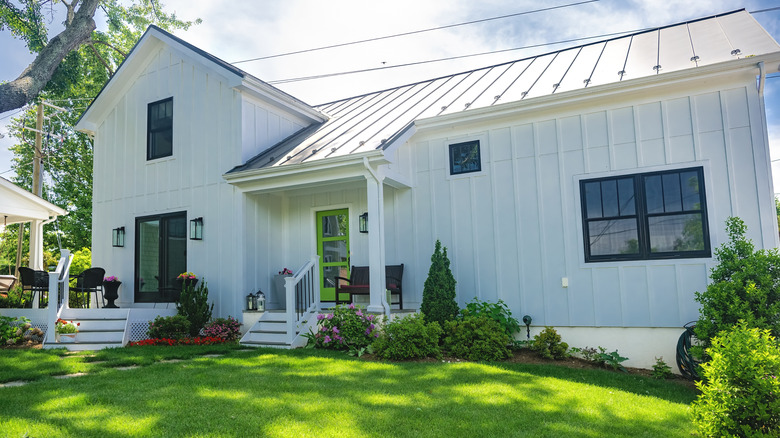
Metal siding offers longevity and affordability, with minimal maintenance requirements, and is fire and pest resistant. Its cost varies significantly based on the metal type (aluminum, steel, zinc). Recent advancements have improved its product diversity and versatility, with options like steel siding mimicking wood. A disadvantage is that metal siding does not insulate as well as other solutions, making it less ideal for extreme weather conditions. The quality and maintenance needs vary by metal type, and repairs typically require professional help. While metal siding designed to replicate wood may lack the character of real wood, it is an excellent choice for maximizing cost-effectiveness and minimizing maintenance, especially for contemporary projects.
#SidingOptions #HomeExterior #CurbAppeal #BuildingMaterials #HomeImprovement #ArchitecturalStyles #MaintenanceTips #ConstructionGuide #SidingOptions #HomeExterior #CurbAppeal #BuildingMaterials #HomeImprovement #ArchitecturalStyles #MaintenanceTips #ConstructionGuide
0 ความคิดเห็นรวม
 ยังไม่มีความคิดเห็น
คุณอาจจะชอบอีกด้วย
Revamp Your Exterior with Our How-to Guide to Installing Siding Shingles

The Best Siding Nailers

15 Shed Building Mistakes and How to Avoid Them

Engineered Siding: Everything You Need to Know
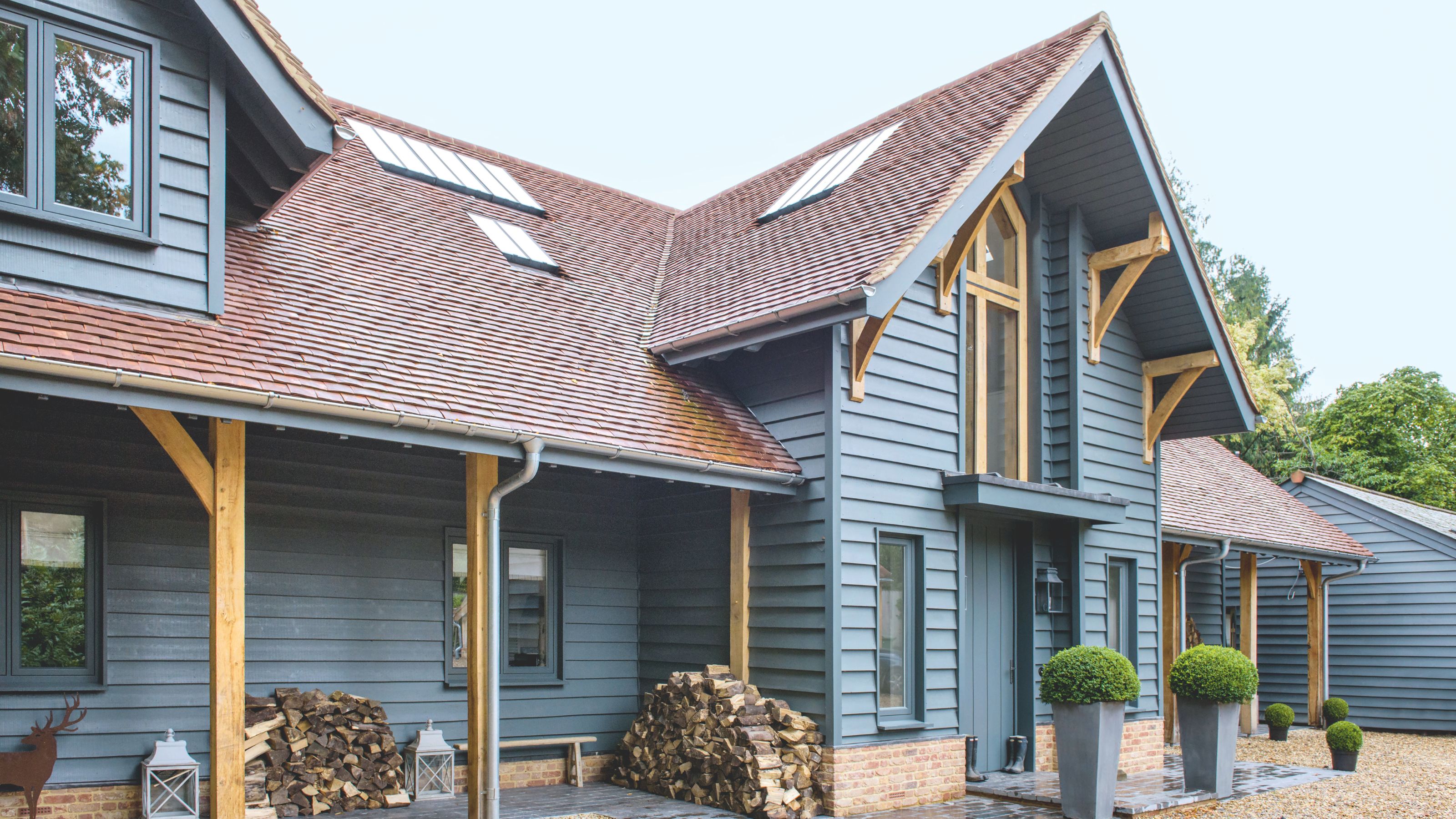
5 things to know before cladding your home's exterior
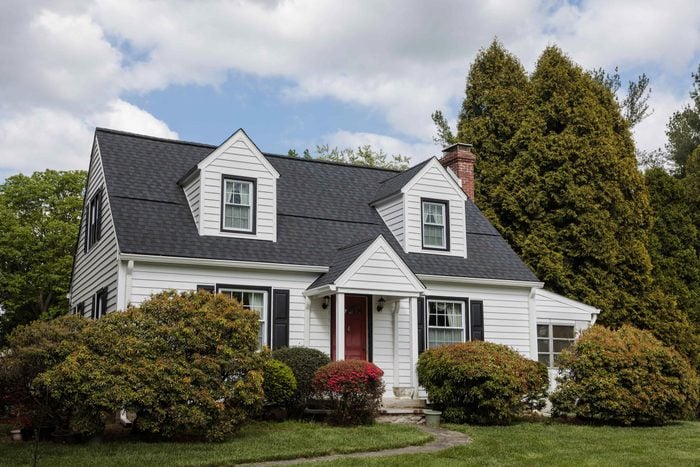
8 Vinyl Siding Colors That'll Never Go Out of Style
Blog Section
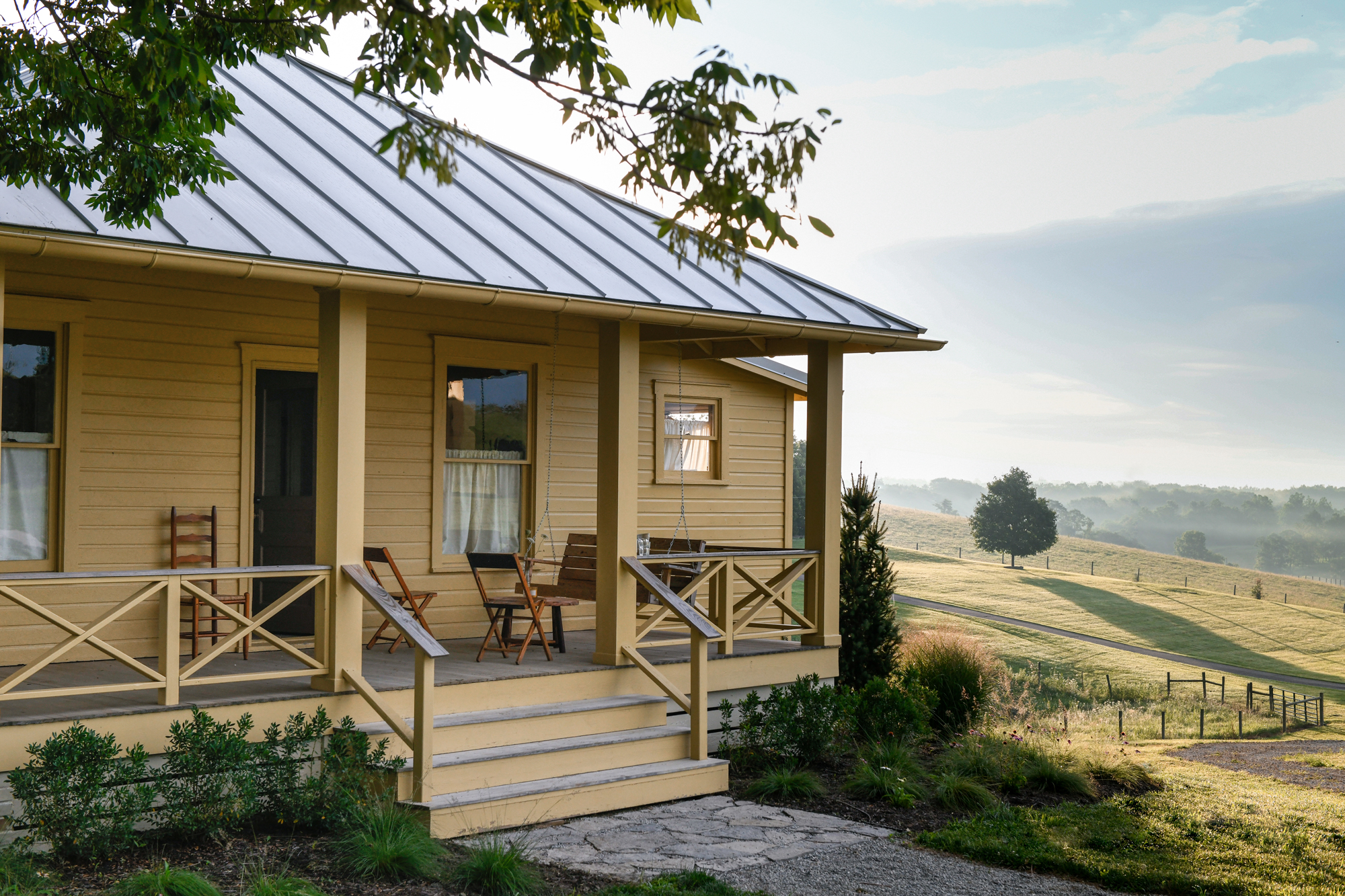
7 rules designers always follow to find the best exterior paint for your home

Is Quality Edge Vesta® Steel Siding Right For Your New Home?
Your Guide To Choosing The Right Siding Color, According To Experts
Distinctive house cladding from Dezeen's Pinterest
Vinyl Siding: Costs and Key Considerations, Explained (2025)
New Construction: What you need to know about siding your home
These Classic Vinyl Siding Colors Deliver Curb Appeal for Years
11 front of house design ideas to add instant curb appeal

Product Picks: July 2022

The Backyard Home Trend That Needs To Go (And What We Recommend Instead)
You Can Save Thousands of Dollars With a DIY Vinyl Siding Installation
6 Best Exterior Paints for Your Home, According to Experts

8 Best Vinyl Siding Brands of 2022