How AI Empowering Concrete Contractors to Build Smarter
The construction industry, particularly concrete work, faces significant challenges in project planning and execution, often leading to costly deviations from initial plans. Concrete construction is inherently high-stakes due to its complex, interconnected activities and the unforgiving nature of concrete pours, where errors can result in extensive rework, delays, and budget overruns. Traditional planning methods, such as Gantt charts, are often insufficient for conveying critical information to all team members, leading to miscommunication and workflow disruptions. Many construction professionals prefer visual representations over abstract schedules, and current solutions like comprehensive 3D Building Information Models (BIM) are often too expensive and resource-intensive for many contractors.
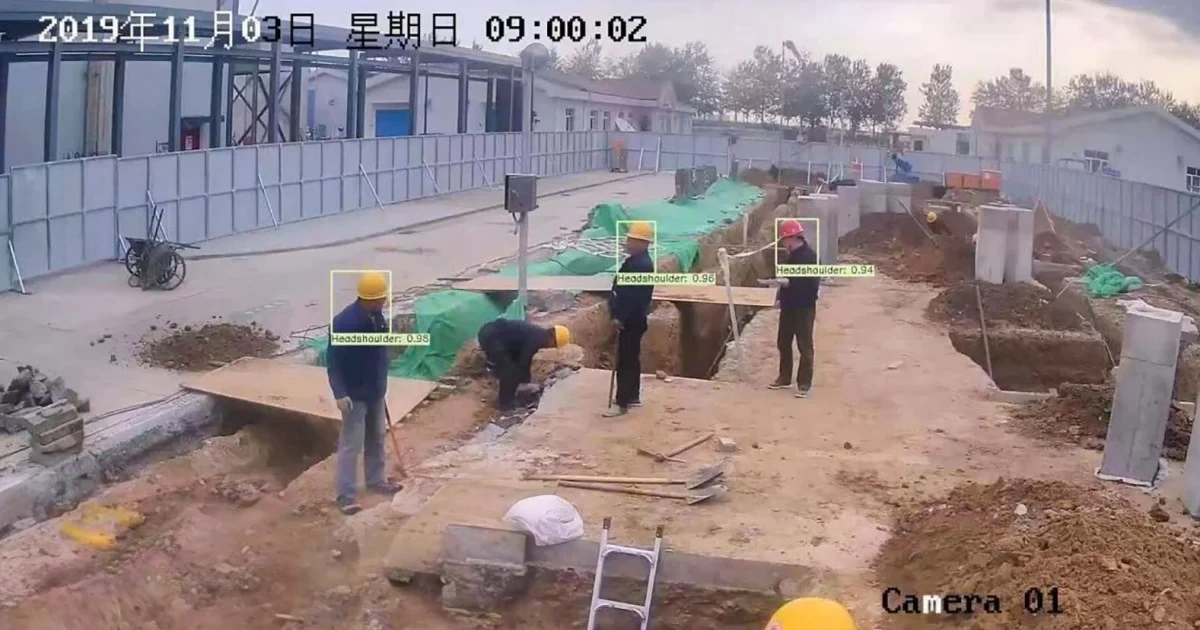
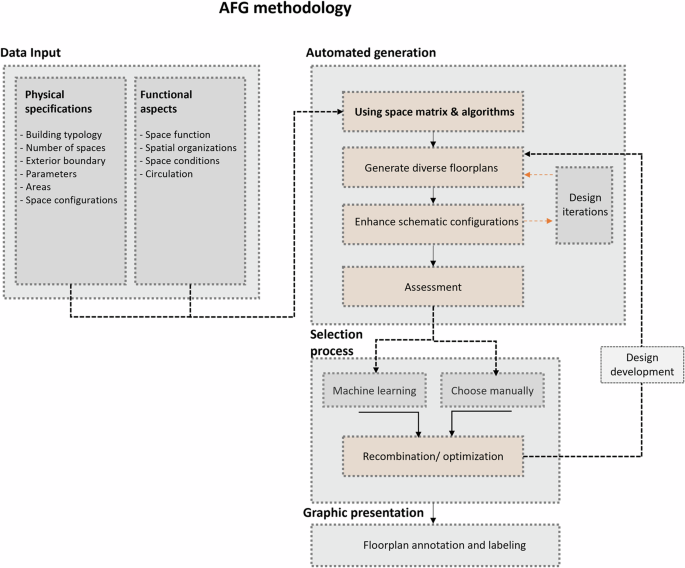
Artificial Intelligence (AI) technology is emerging as a transformative tool to address these issues in concrete construction. AI-driven software can analyze schedules to identify risks and predict potential incidents, enhancing project foresight. Computer vision and imaging technologies automatically capture site progress, while embedded sensors in concrete, combined with AI platforms, monitor curing conditions and predict strength gain. Generative scheduling, powered by AI, allows for rapid simulation of various scheduling scenarios, providing teams with data to make faster, more accurate decisions. However, the effectiveness of AI is contingent on the quality of data input and organized processes.
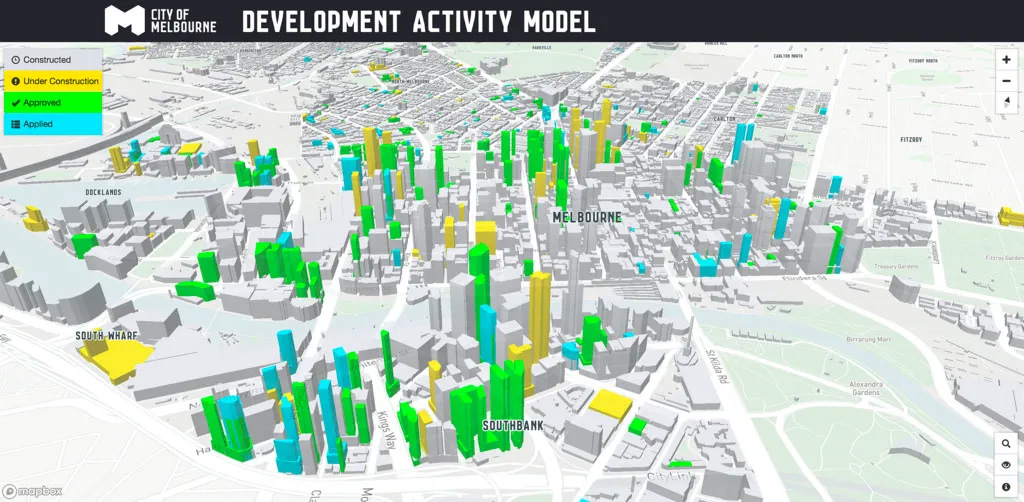
To bridge the gap between traditional Gantt charts and expensive BIM models, lightweight, intuitive visual planning tools are gaining traction. These tools enable project teams to upload schedules and drawings to visualize Gantt charts in 2D over a site layout, color-coding scopes by crew, equipment, activity, or phases. Filters help teams focus on critical paths, and AI can optimize these paths, exploring alternative sequencing options to reduce project durations or costs. Such visual software improves communication among field professionals, allowing them to understand daily schedules, communicate changes, and coordinate with subcontractors more effectively. Digital visual workspaces also facilitate the organization of field photos for as-built records, forming a 2D digital twin.
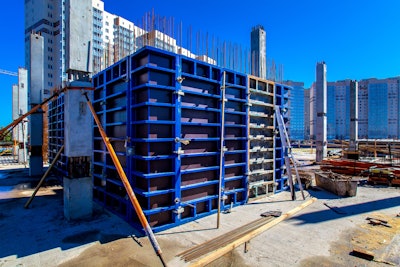
AI is not intended to replace human expertise but to augment it, empowering concrete contractors to make better, faster decisions. It helps in optimizing resource allocation and utilization, such as formwork, crews, and equipment, which were previously estimated based on experience and instinct, often leading to over- or underutilization. For instance, an AI tool helped a concrete subcontractor reduce the required formwork for a 60-ft. below-grade excavation by 40%, enabling a lower, winning bid and increased profit margins. Another example shows AI’s ability to compare materials, revealing that quick-set concrete could reduce project duration by 50 days and lower costs by 3.5% on a high-rise project, despite its higher material price. Predictive analytics, utilizing historical safety data and site imagery, can also identify high-risk activities and flag congested zones during critical pour windows.
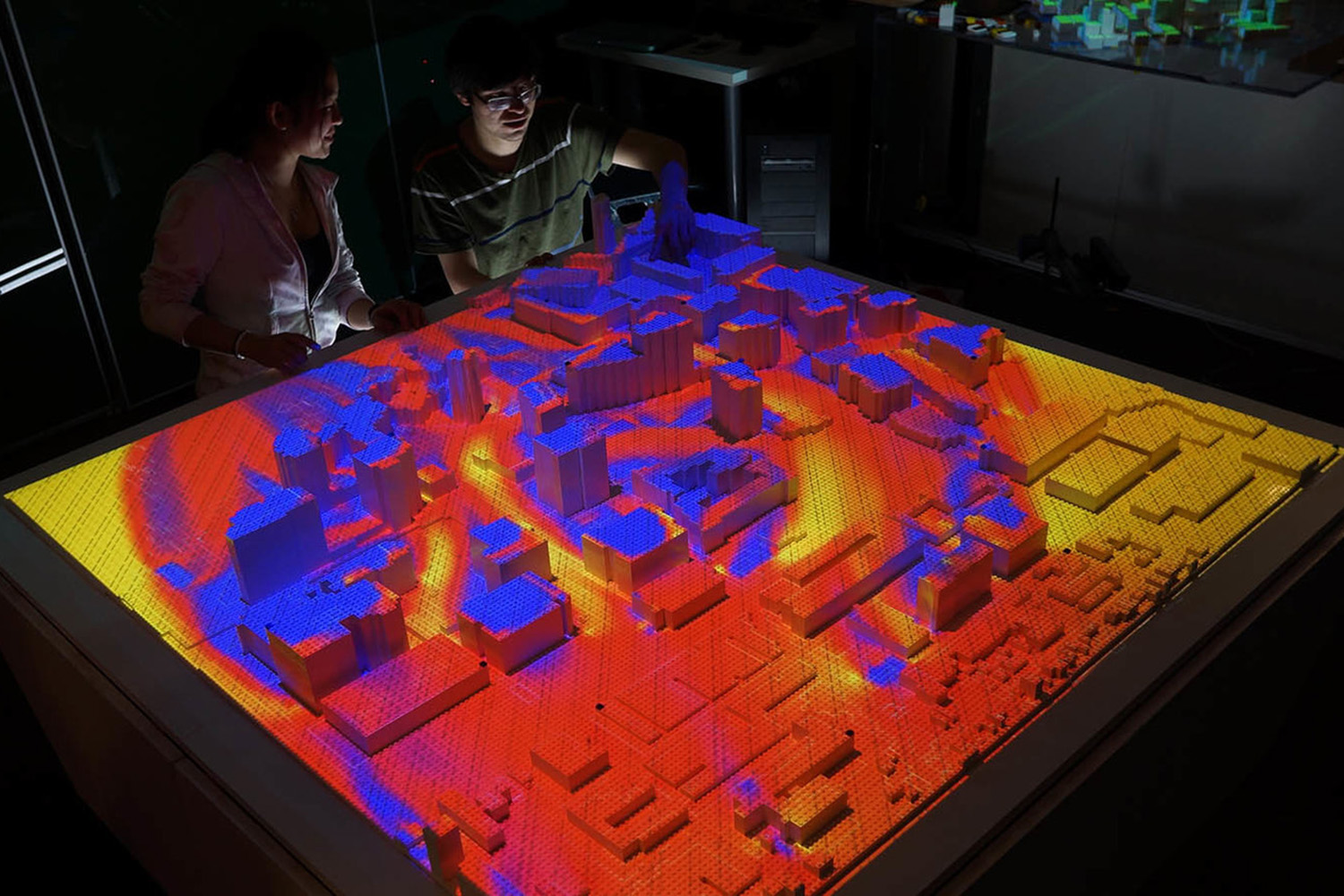
AI enables proactive jobsite management by recommending adjustments based on project priorities like minimizing downtime, hitting milestones, or controlling costs. Traditional reactive decision-making, often involving simply adding more labor or materials, is frequently inefficient. AI tools can analyze numerous “what-if” scenarios in minutes, identifying the most efficient and risk-aware strategies. This allows teams to find the optimal balance of efficiency and focus their time on strategic decision-making rather than solving complex problems manually under pressure with incomplete data. Ultimately, AI provides the critical information needed to adapt to inevitable changes and make smart job site decisions that enhance productivity and project success.
#ArtificialIntelligence #ConcreteConstruction #ProjectManagement #GenerativeScheduling #ConstructionTechnology #SiteManagement #WorkflowOptimization #ResourceAllocation #PredictiveAnalytics #ArtificialIntelligence #ConcreteConstruction #ProjectManagement #GenerativeScheduling #ConstructionTechnology #SiteManagement #WorkflowOptimization #ResourceAllocation #PredictiveAnalytics
0 ความคิดเห็นรวม
 ยังไม่มีความคิดเห็น
คุณอาจจะชอบอีกด้วย

Bitable: AI in the design and build world


Material Guide: The Benefits of Building With Concrete


10 Revolutionary AI Tools Reshaping Architectural Design

Concrete With 3D Printed Foam Forms

Exploring the Impact of AI on Sustainable Building Design and Construction

This 3D-Printed Starbucks Cafe in Texas Is Just Like Its Coffee - Industrial And Rapidly Manufactured


Tilt-Up Concrete: A Unique Opportunity for the Resurgence of Craftsmanship in Construction

8 AI-powered architectural rendering programs you should try

Six examples of fabric-cast concrete that are breaking the mould

The 10 Biggest Concrete Contractors in the U.S. in 2023
Seismic Retrofitting Concrete - Q and A with Kyle Tourje of Alpha Structural Inc.
How can AI and simulation tools transform sustainable building design?

20 Years of Concrete Contractor Magazine
The Transformative Power of AI in Architecture Design

The Best Concrete Bonding Agents for Your Project

How AI-Powered Rendering Crushes Bottlenecks in Architecture and Interior Design


Sustainable Concrete Panel Construction | Spotlight on Nexii and Vero Building Systems

Asian Paints introduces Archi Concrete to the world | AD India

A review of artificial intelligence methodologies in computational automated generation of high performance floorplans

form found design explores robotics + fabric in façade construction