Home Textile Industry News: Growth and Challenges in 2025
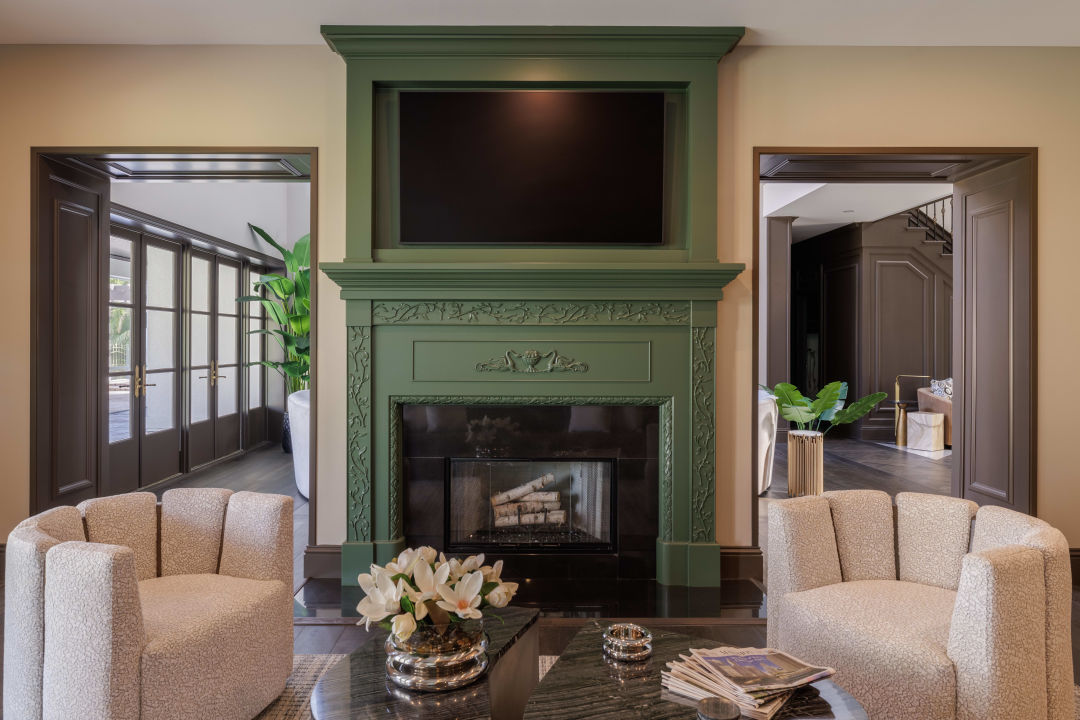
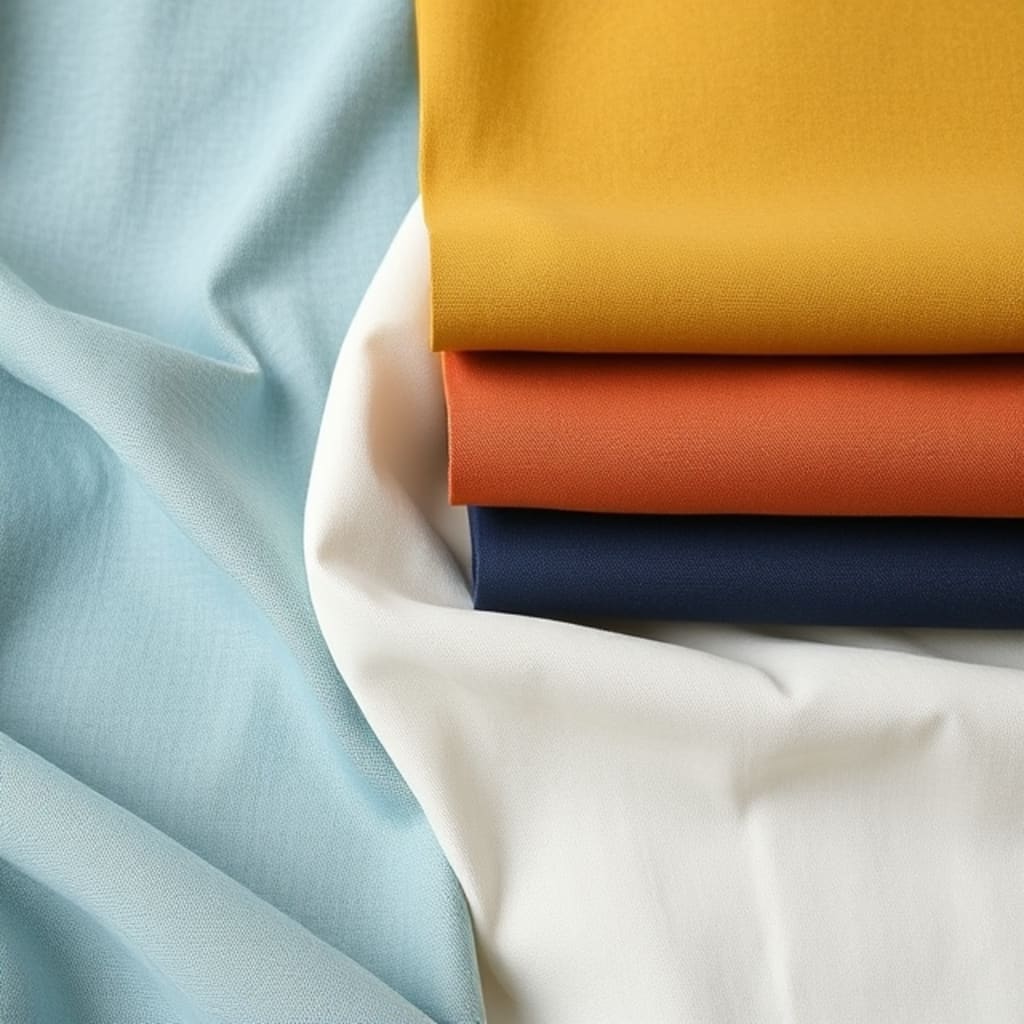
The home textile industry is undergoing significant transformation in 2025, driven by evolving consumer preferences, technological advancements, and global economic shifts. The market is experiencing robust growth, fueled by increased interest in high-quality, durable, and aesthetically pleasing products. A primary factor is the surge in home renovations and interior design trends, as consumers invest more in home décor for comfort, aesthetics, and functionality, often influenced by social media. The e-commerce boom has also democratized access to a wide range of global and local brands, with direct-to-consumer models thriving by offering customized, affordable, and sustainable textile products. Furthermore, there is a rising demand for sustainable and organic textiles, with eco-friendly fabrics like organic cotton, bamboo, and hemp gaining popularity as consumers prioritize ethical and chemical-free production.
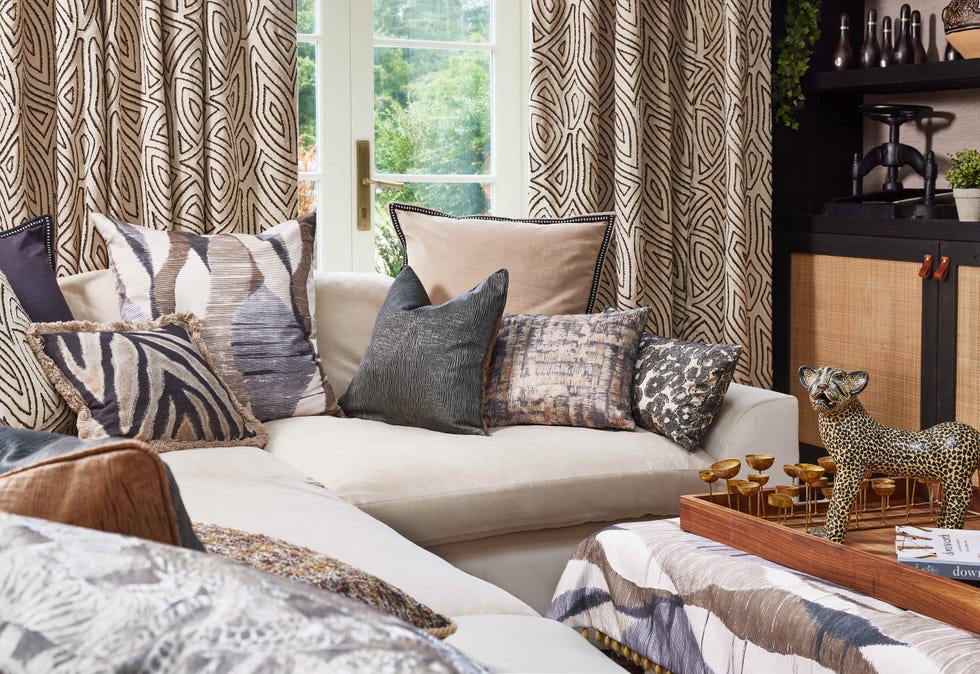
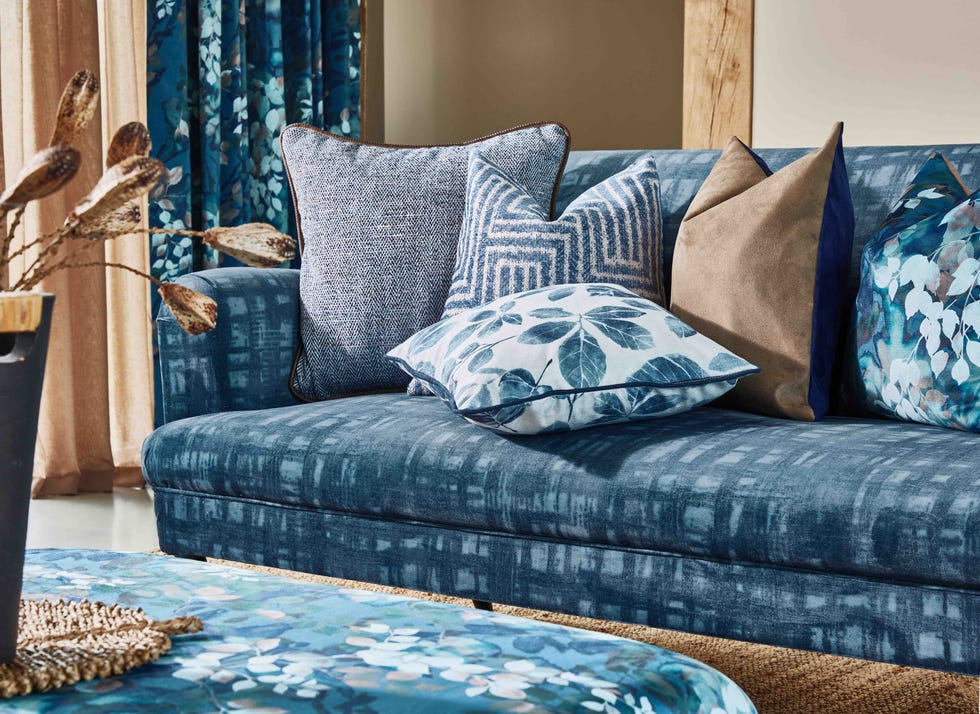
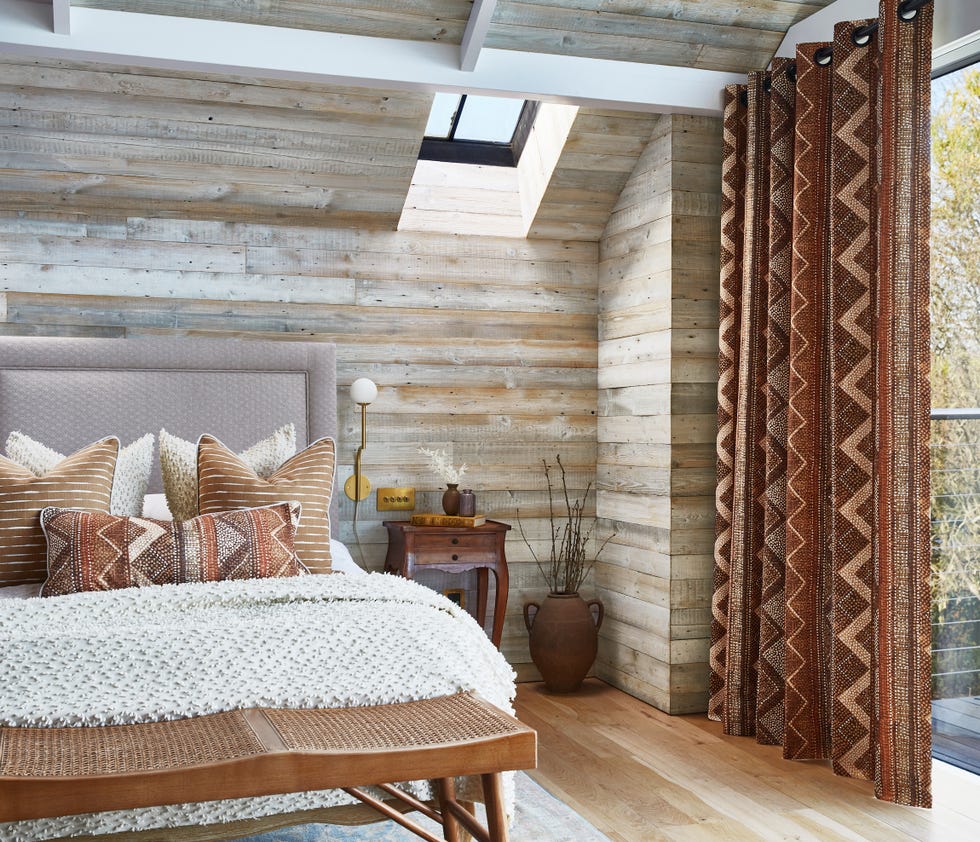
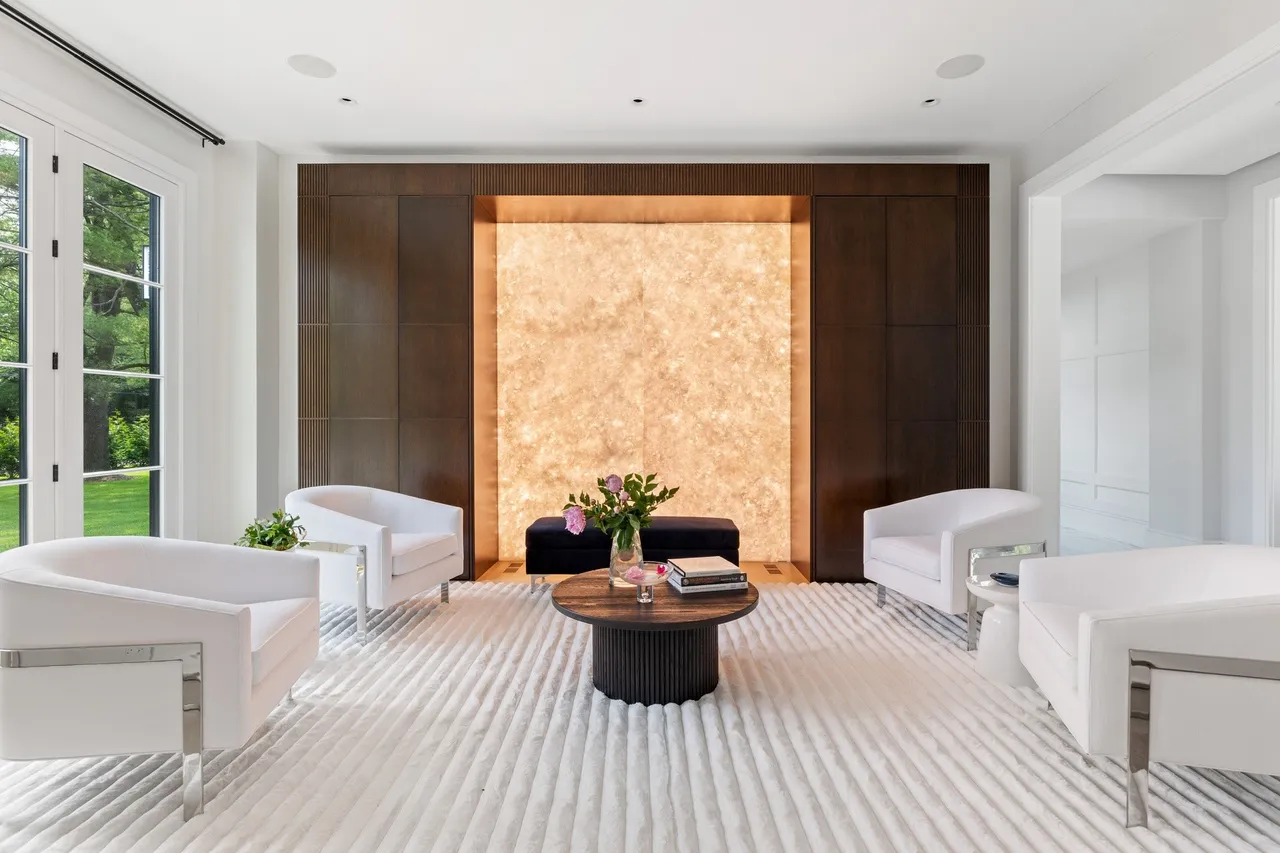
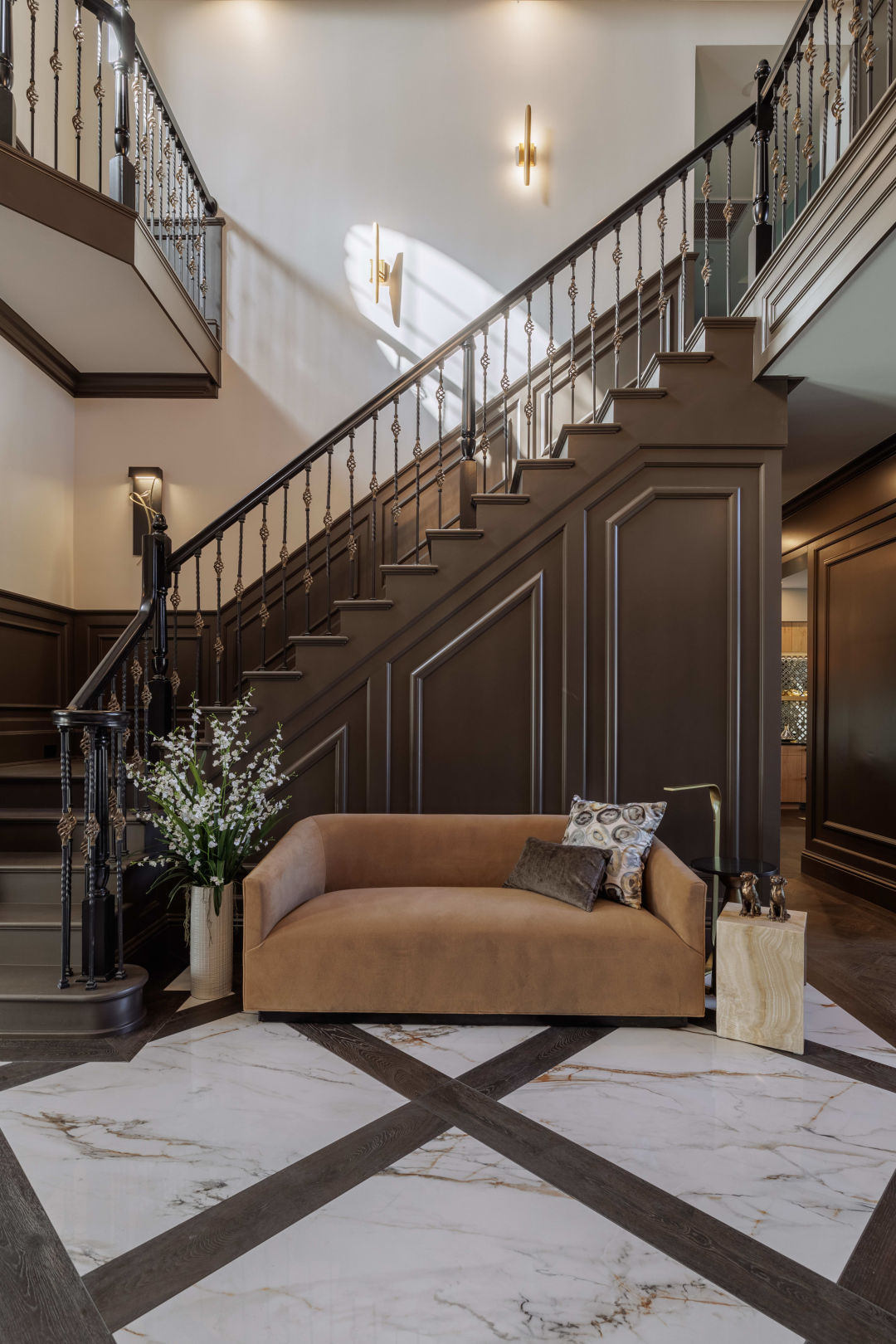
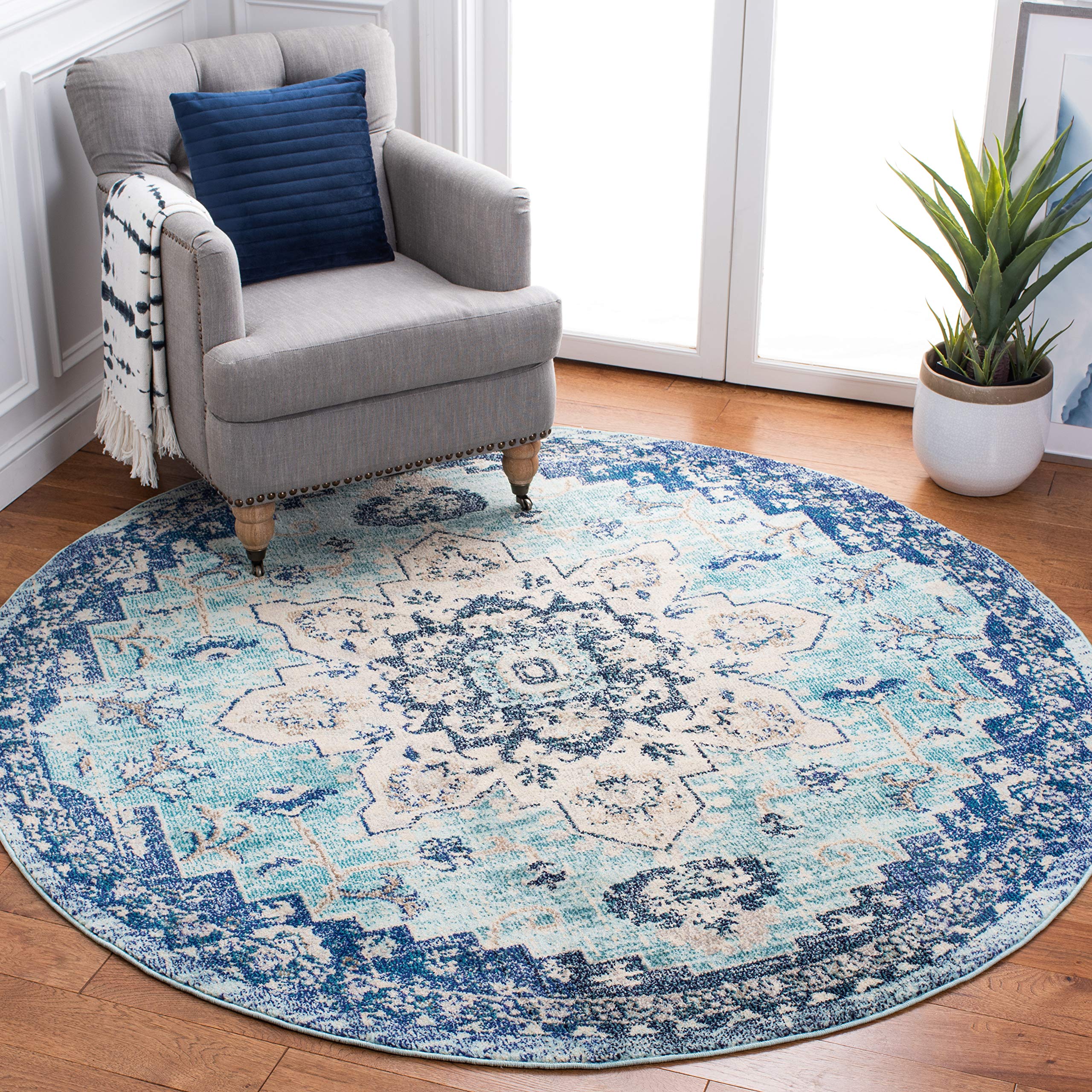
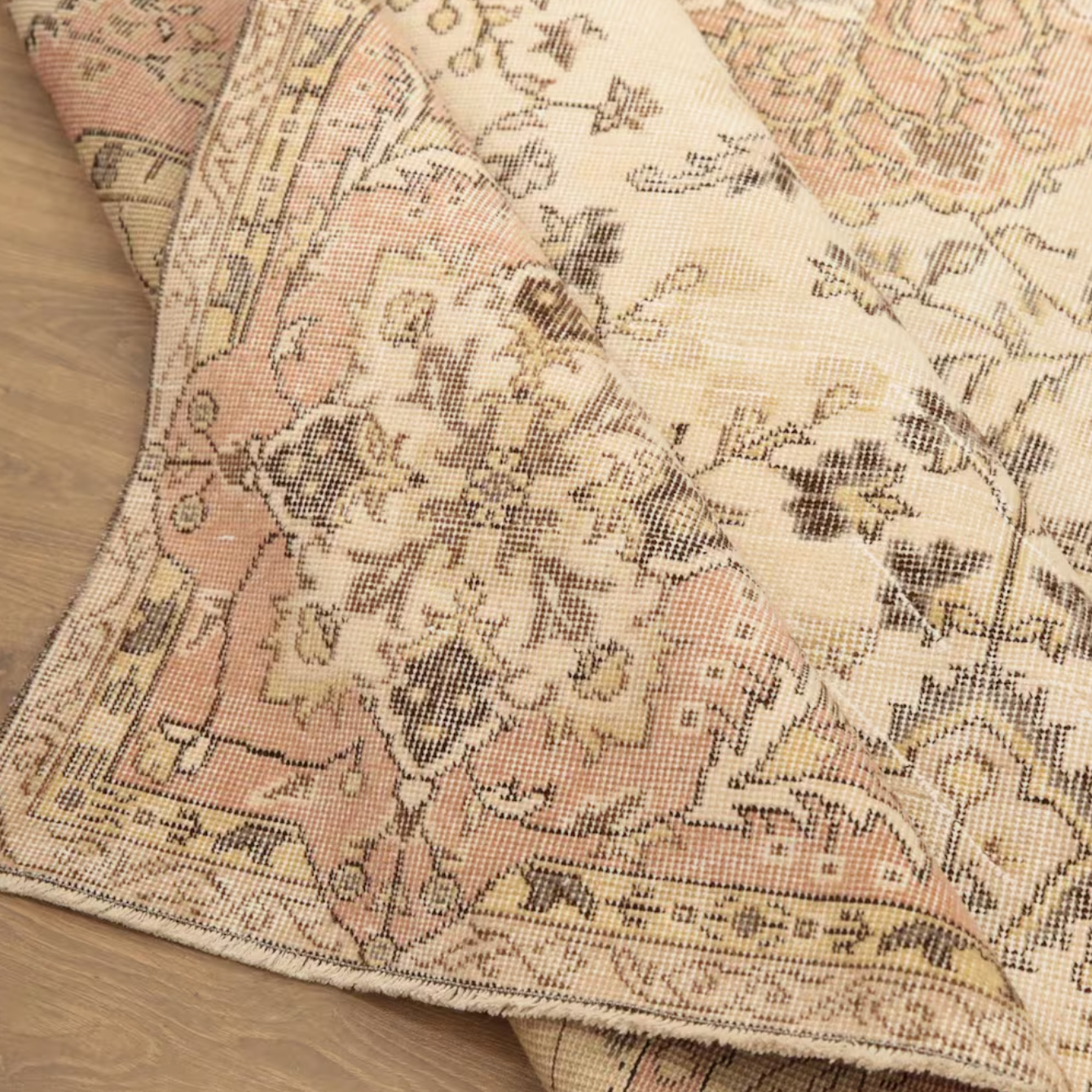
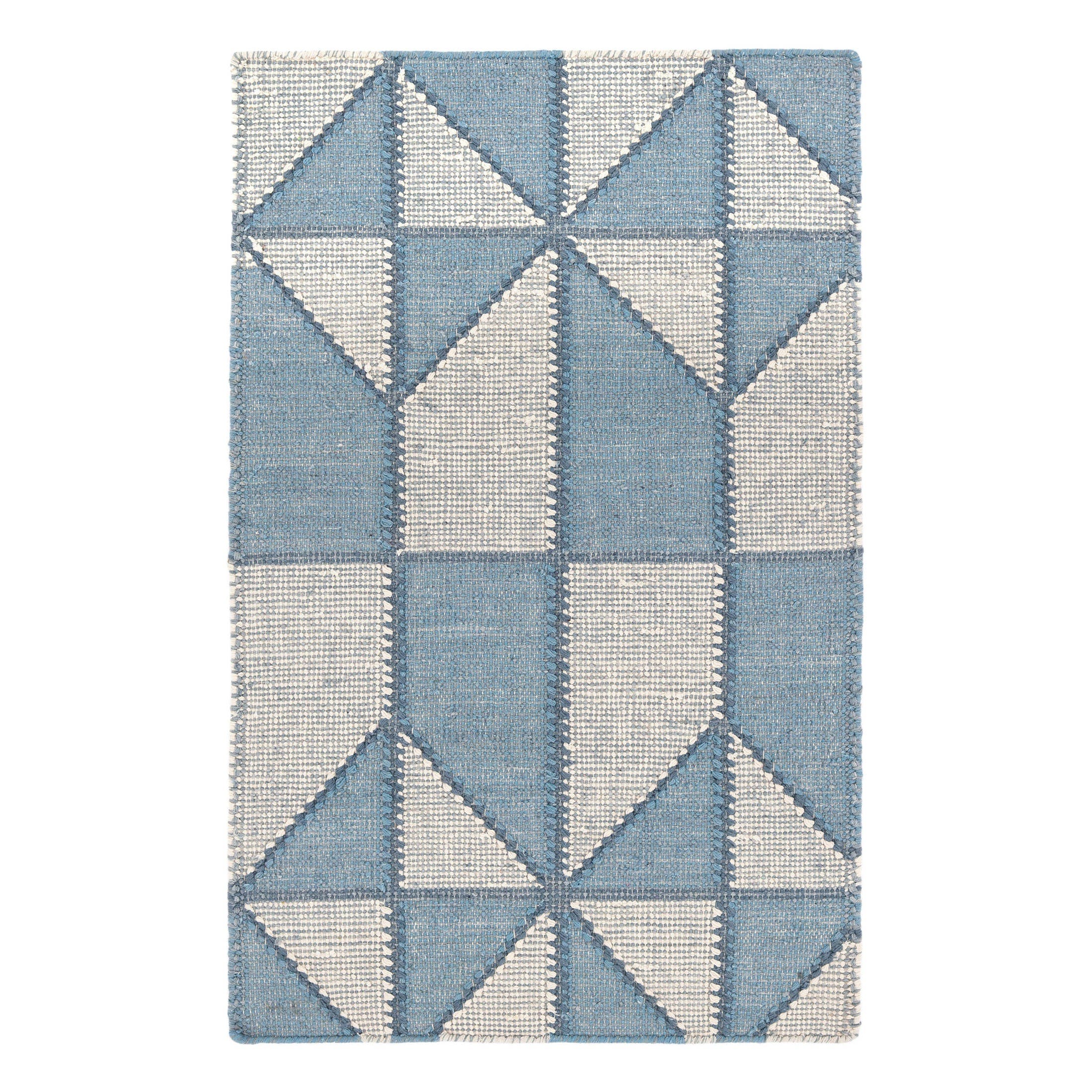
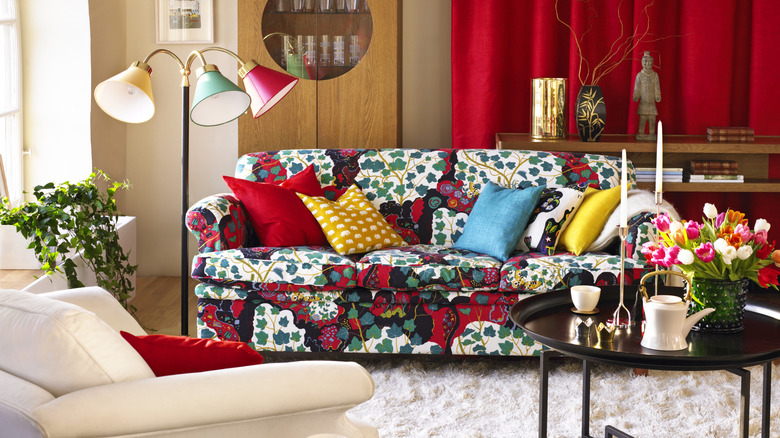
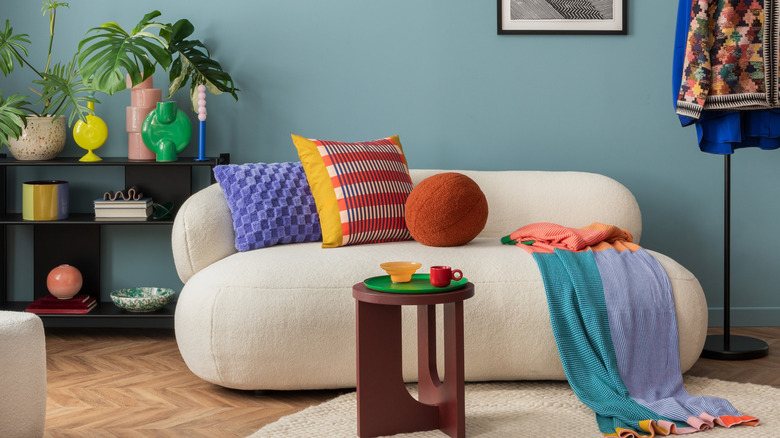
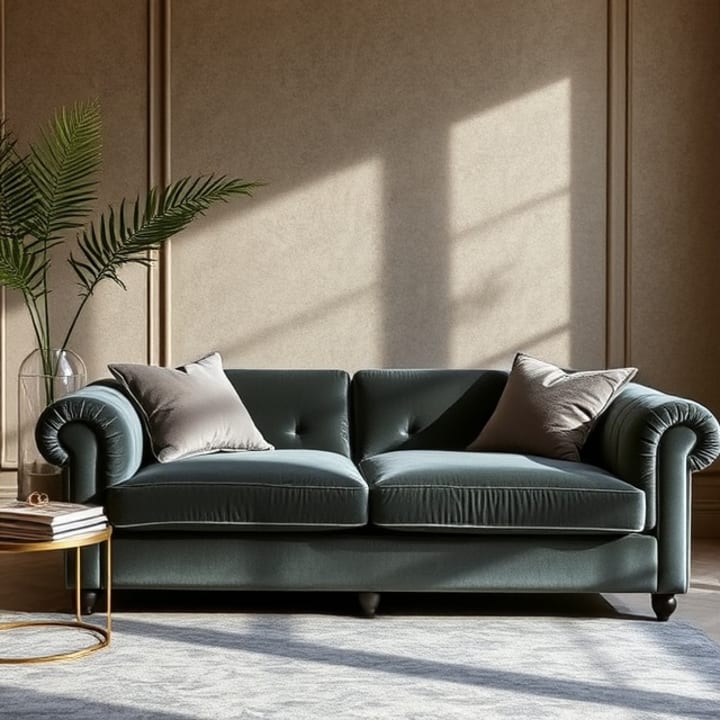
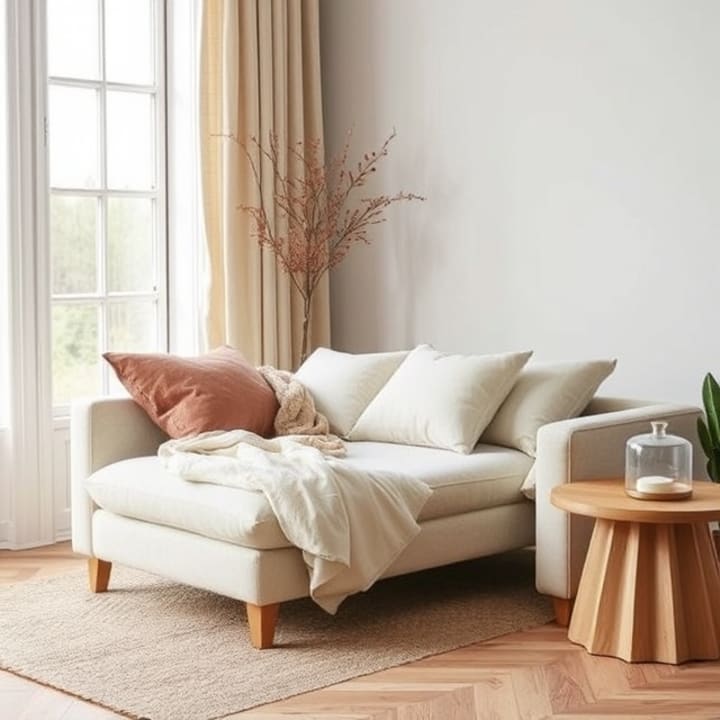
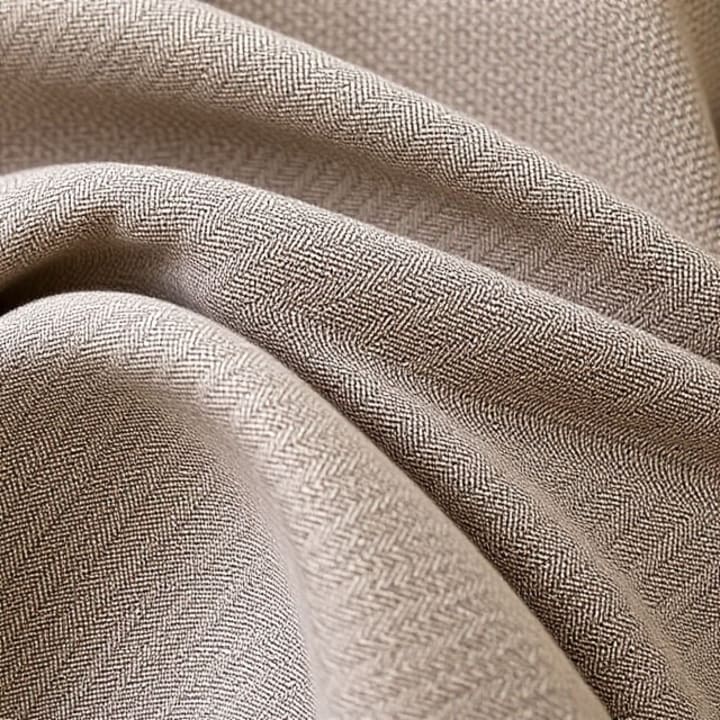
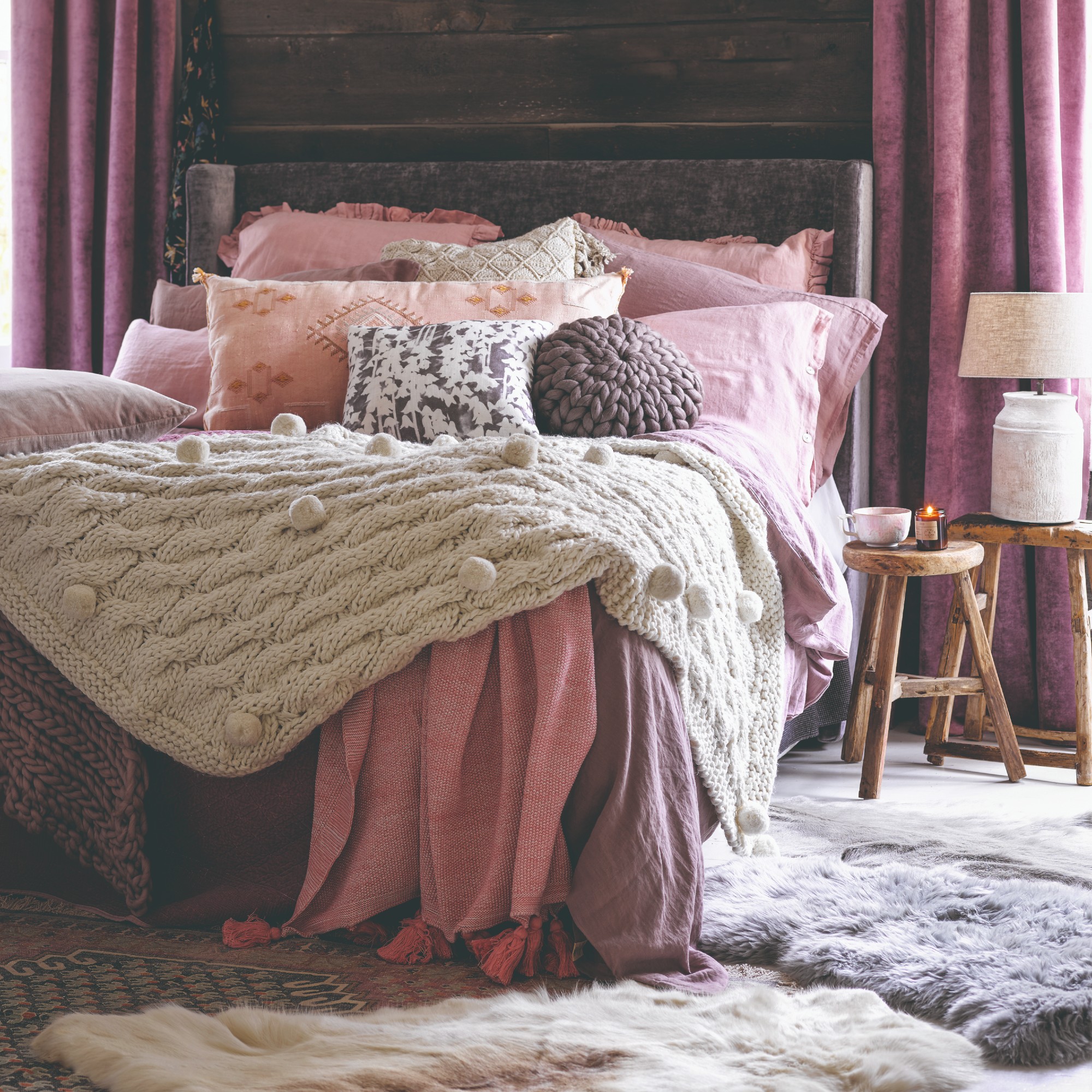
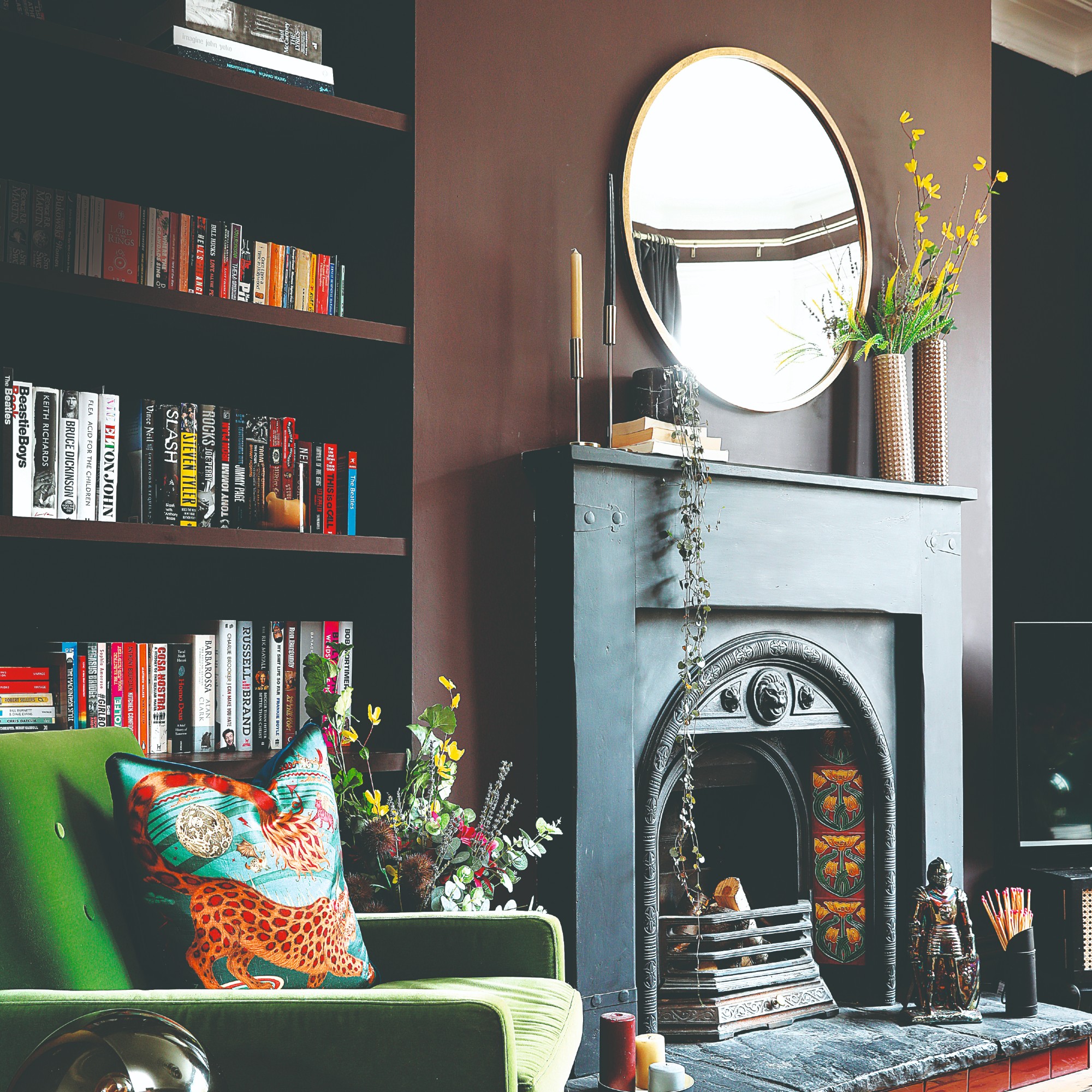
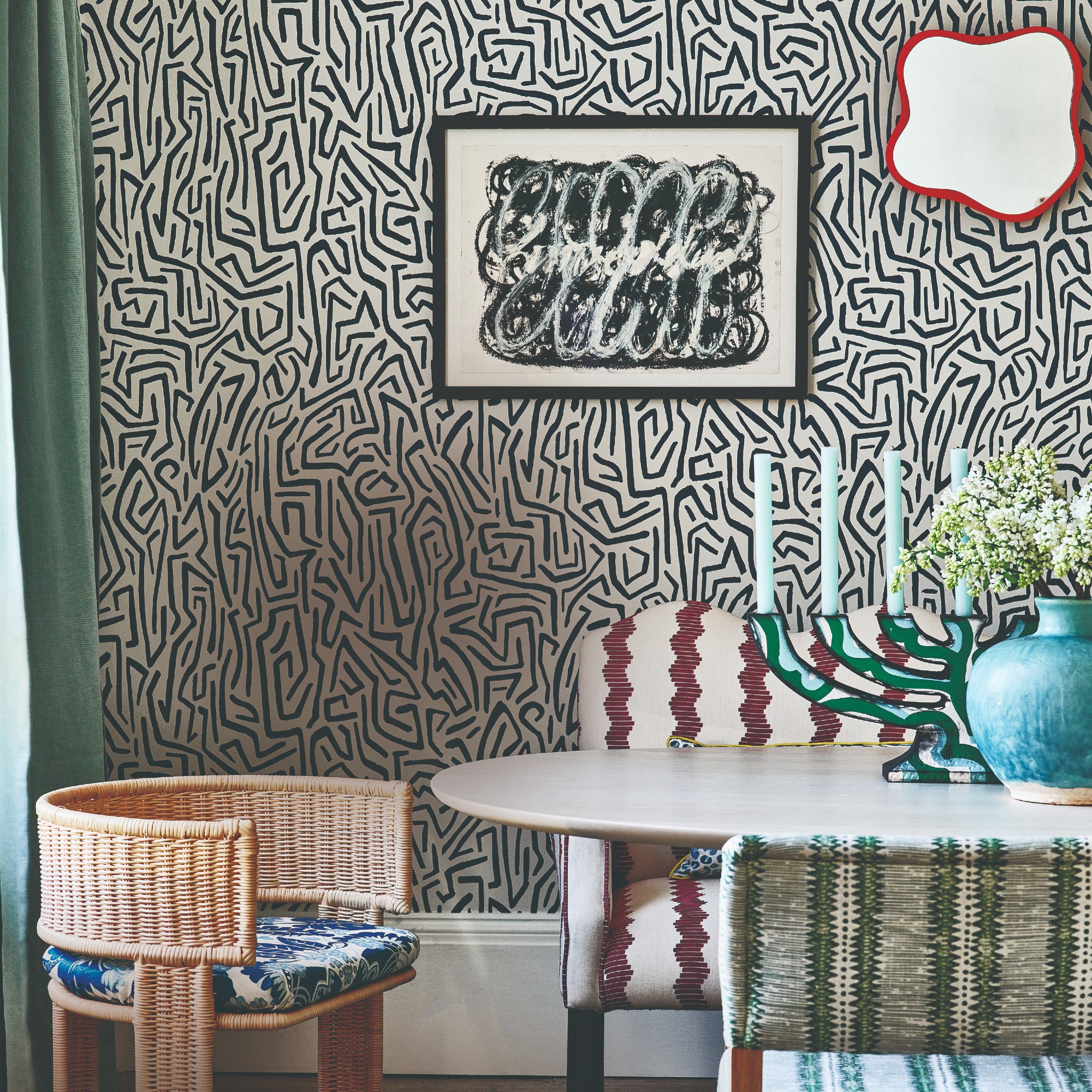
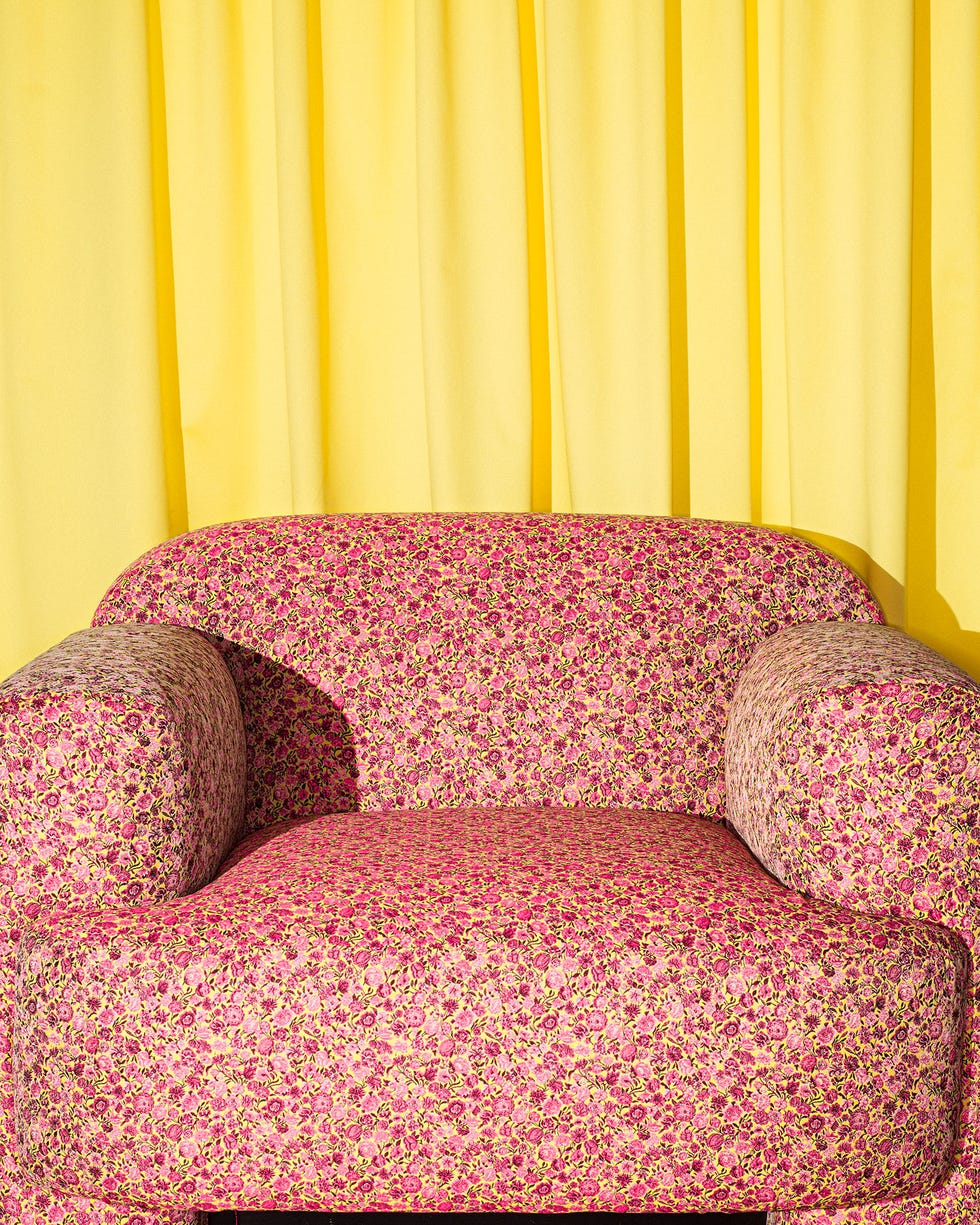
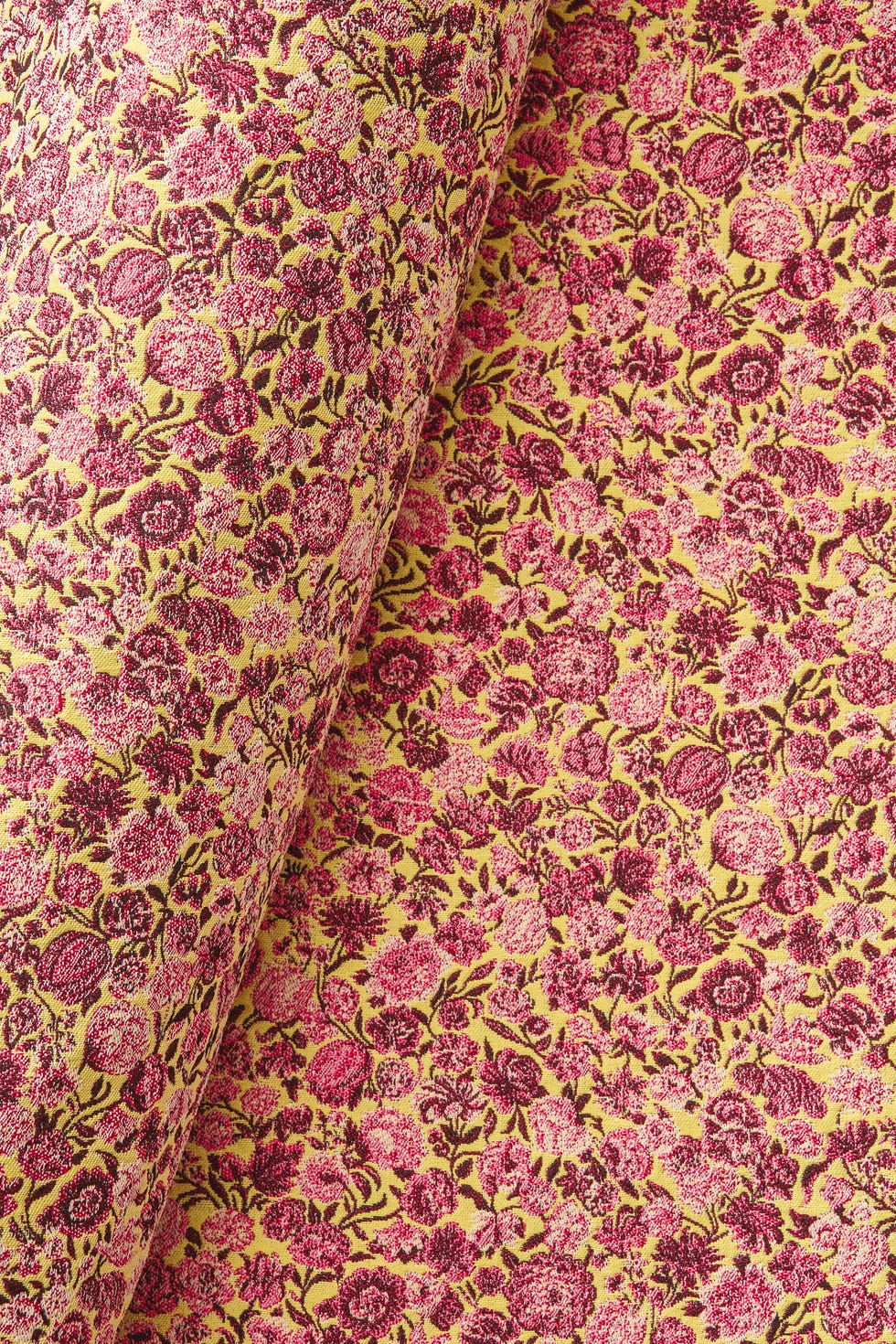
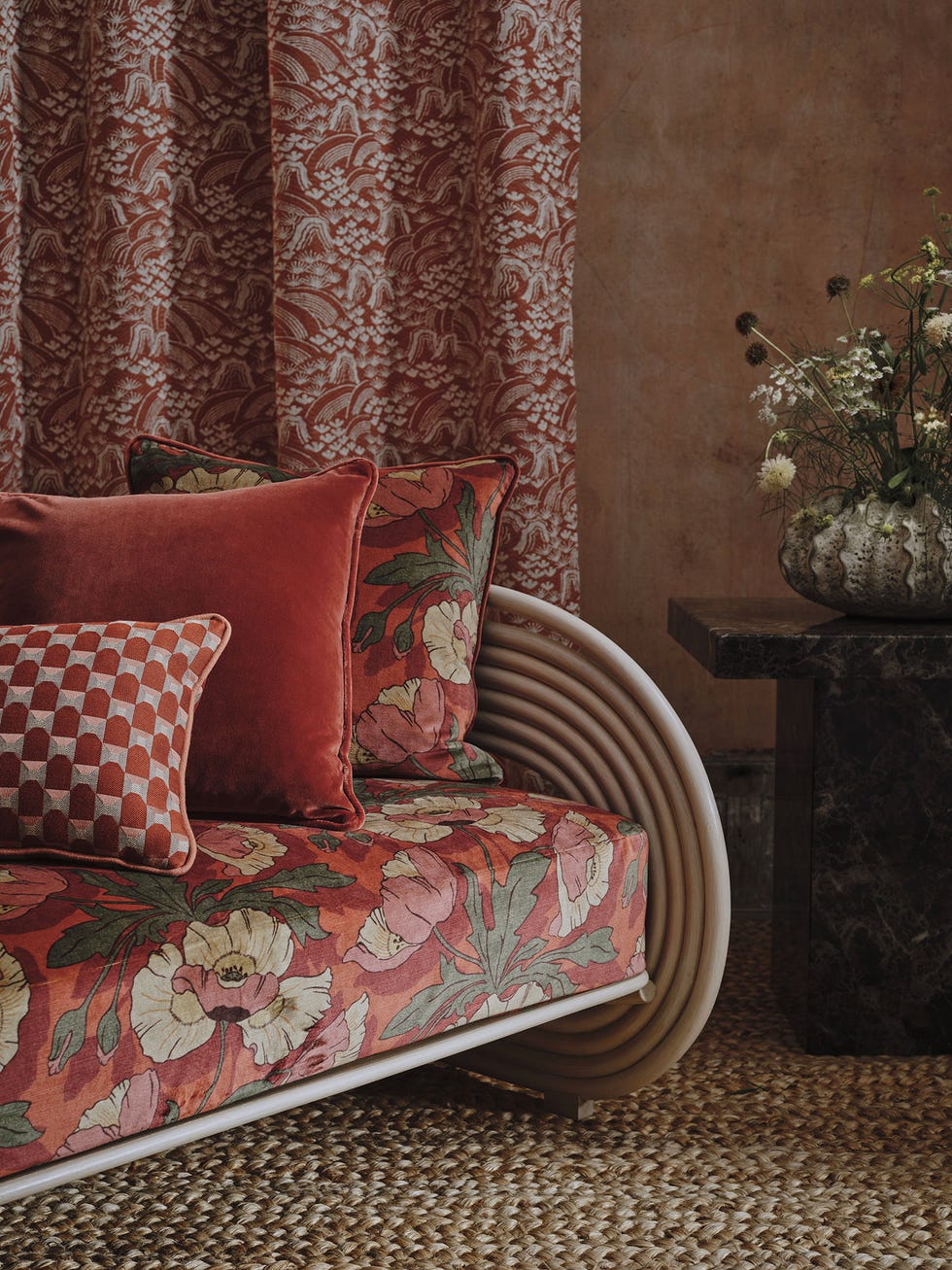
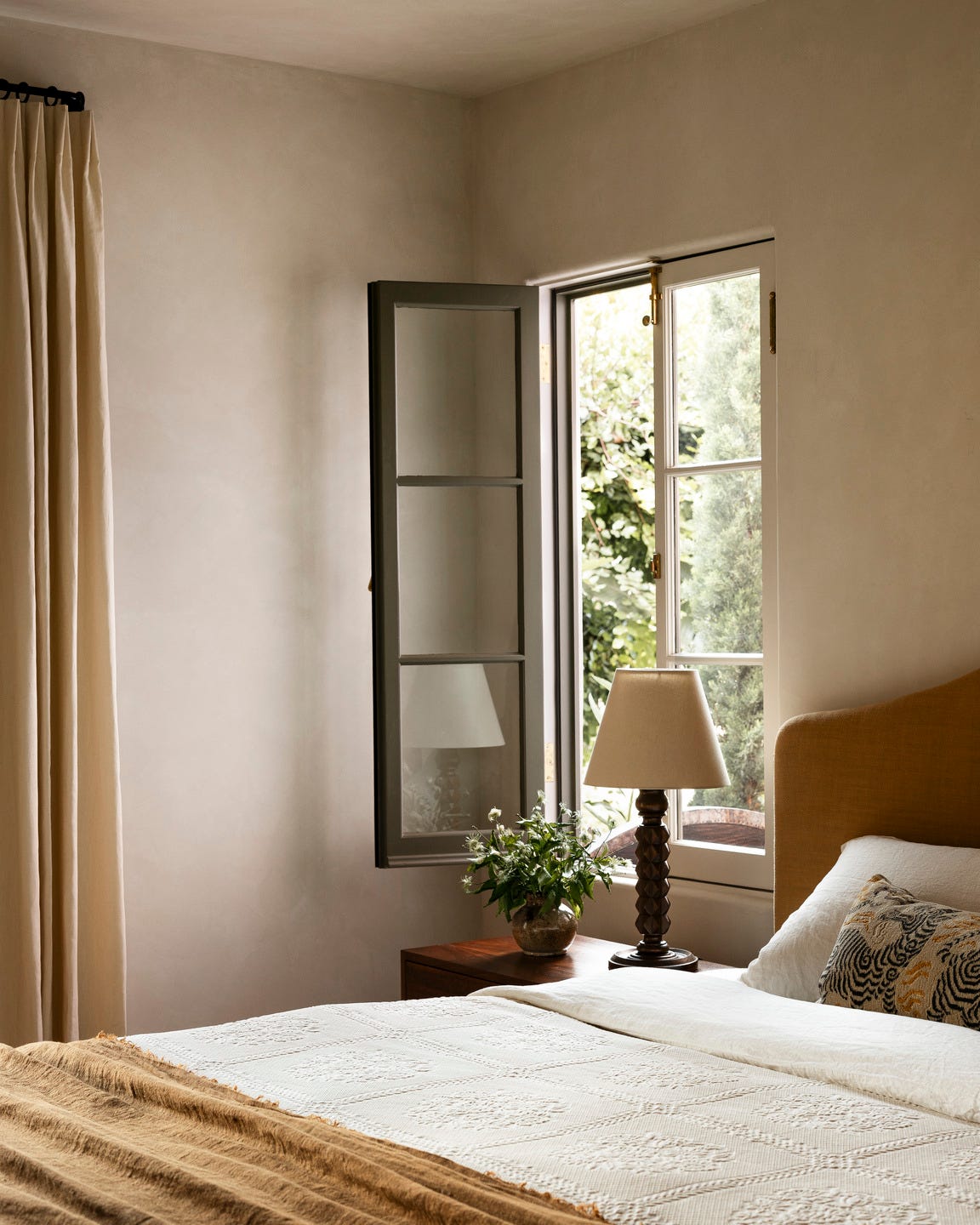
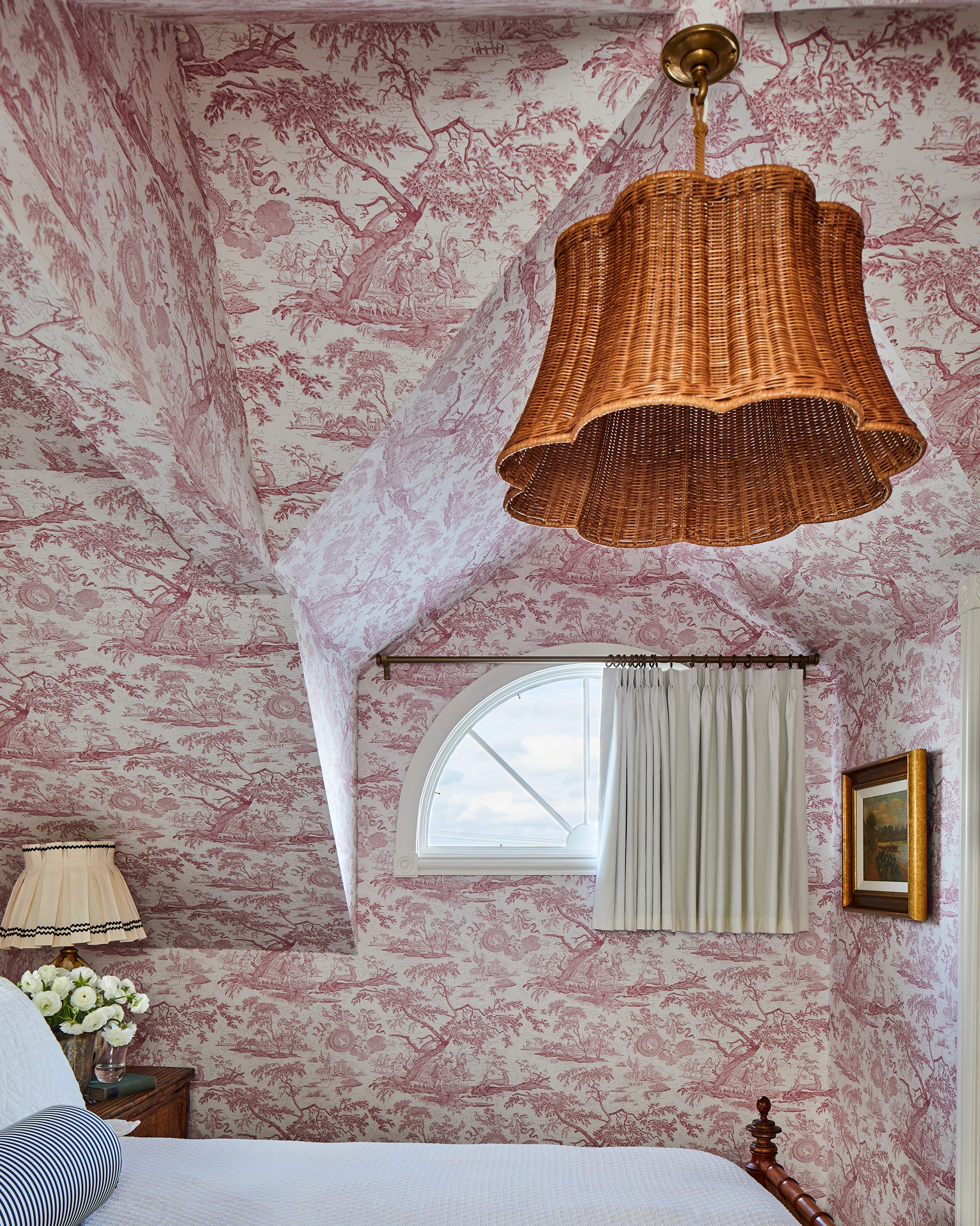
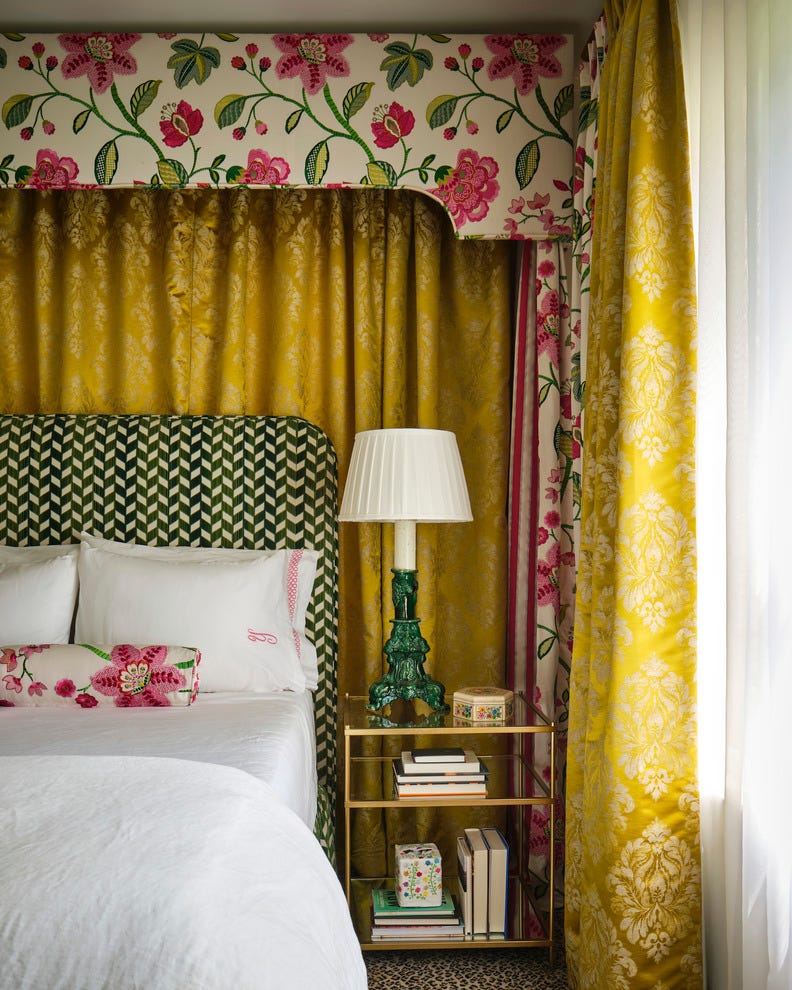
Key trends shaping the industry include the integration of smart and functional textiles, such as temperature-regulating, antimicrobial, odor-resistant, self-cleaning, and stain-resistant materials utilizing advanced nanotechnology. Customization and personalization are also crucial, with brands offering monogrammed bedding, personalized curtains, and made-to-order upholstery to meet consumer desires for unique items. Sustainability remains a major focus, with increasing use of biodegradable fabrics and plant-based dyes, and innovations like Tencel and recycled polyester. Design trends are split between minimalism, characterized by clean lines and neutral colors, and maximalism, which features bold patterns and vibrant colors. The growth of luxury and premium home textiles is also notable, driven by an expanding middle class and increased disposable income.
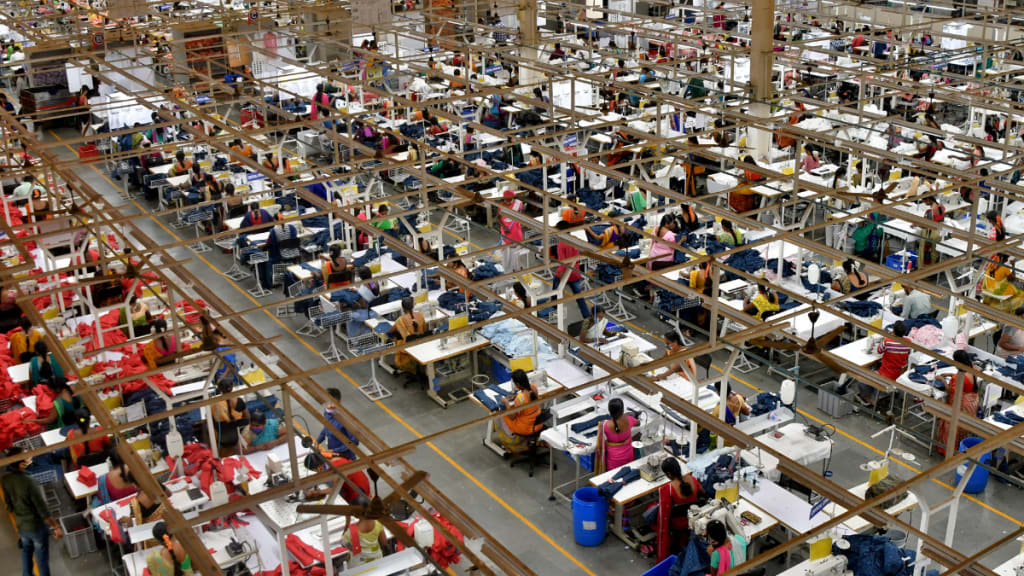
Despite this growth, the industry faces several challenges. Supply chain disruptions, including global logistics issues, shipping delays, and raw material shortages, continue to impact production and pricing. Rising raw material costs for fibers like cotton and silk, influenced by climate change and trade policies, coupled with higher production costs for sustainable materials, contribute to affordability concerns. Labor shortages in manufacturing regions and rising wages in key textile-producing countries also affect efficiency and overall costs. Environmental regulations are becoming stricter globally, pushing manufacturers to invest in sustainable practices and eco-friendly technologies to address waste management and water-intensive production. The market is also experiencing increased competition and saturation due to the proliferation of small, independent brands and direct-to-consumer models, necessitating innovation and differentiation for established brands.
However, significant opportunities for growth and innovation exist. Expanding into emerging markets, particularly in Asia and Africa, presents lucrative prospects due to their growing middle classes. Companies prioritizing sustainable practices, ethical sourcing, and eco-friendly materials will gain a competitive advantage, supported by certifications like GOTS and OEKO-TEX. Digital transformation is key, with investments in AI-driven recommendations, virtual showrooms, and augmented reality for customer experience. Collaborations with designers and influencers can also broaden reach and create buzz. The future of the industry is poised for further sustainable innovations, widespread adoption of tech-integrated textiles, AI-driven personalization, and a hybrid retail model combining online and offline experiences. Success will depend on balancing tradition with innovation, ensuring comfort, style, and sustainability are central to product offerings.
#HomeTextileIndustry #MarketTrends #Sustainability #SmartTextiles #ECommerceGrowth #SupplyChainChallenges #ConsumerPreferences #InteriorDesign #ProductInnovation #HomeTextileIndustry #MarketTrends #Sustainability #SmartTextiles #ECommerceGrowth #SupplyChainChallenges #ConsumerPreferences #InteriorDesign #ProductInnovation
0 ความคิดเห็นรวม
 ยังไม่มีความคิดเห็น
คุณอาจจะชอบอีกด้วย
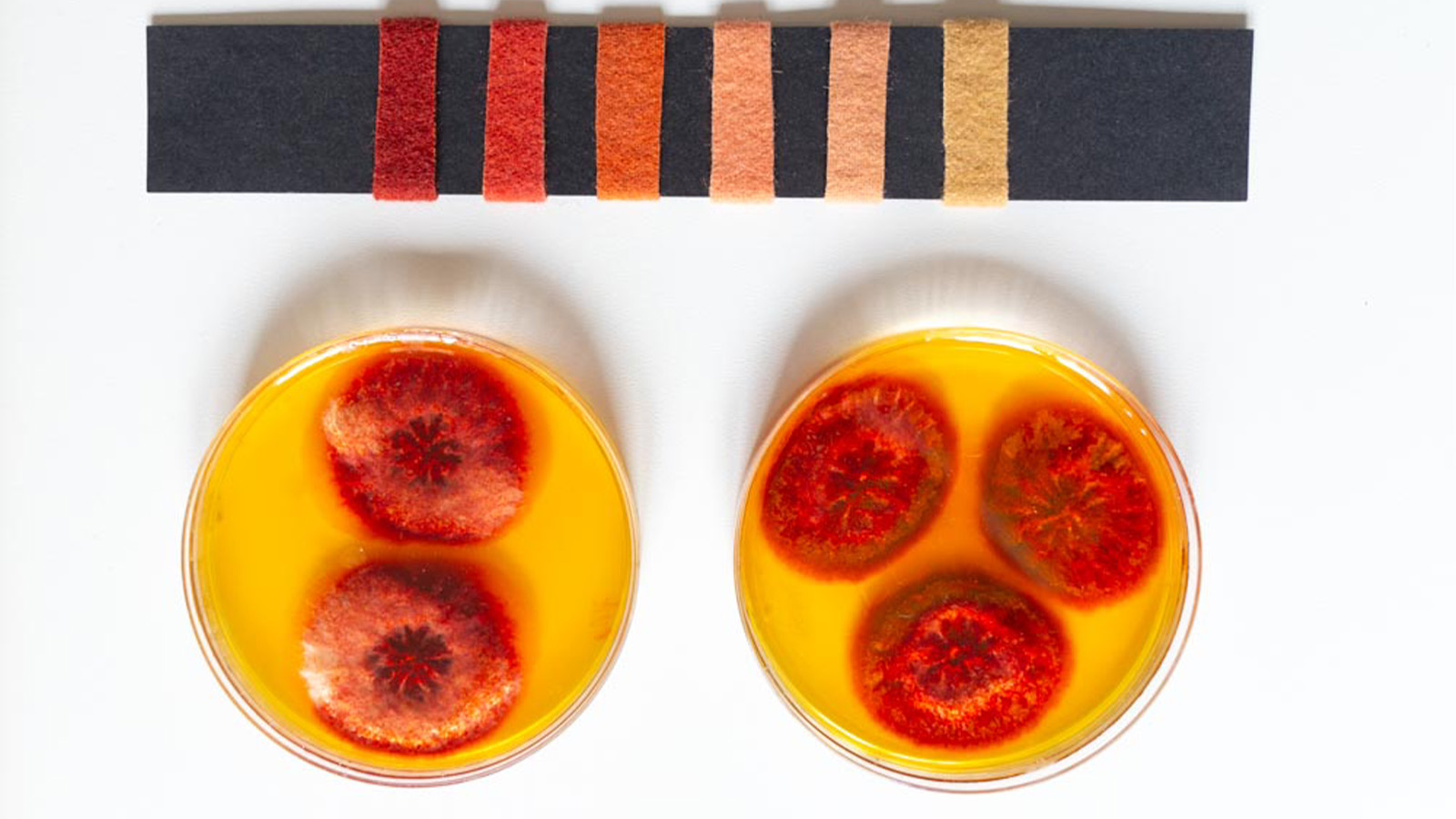
15 highlights from Heimtextil: spot the textile trends for 2025

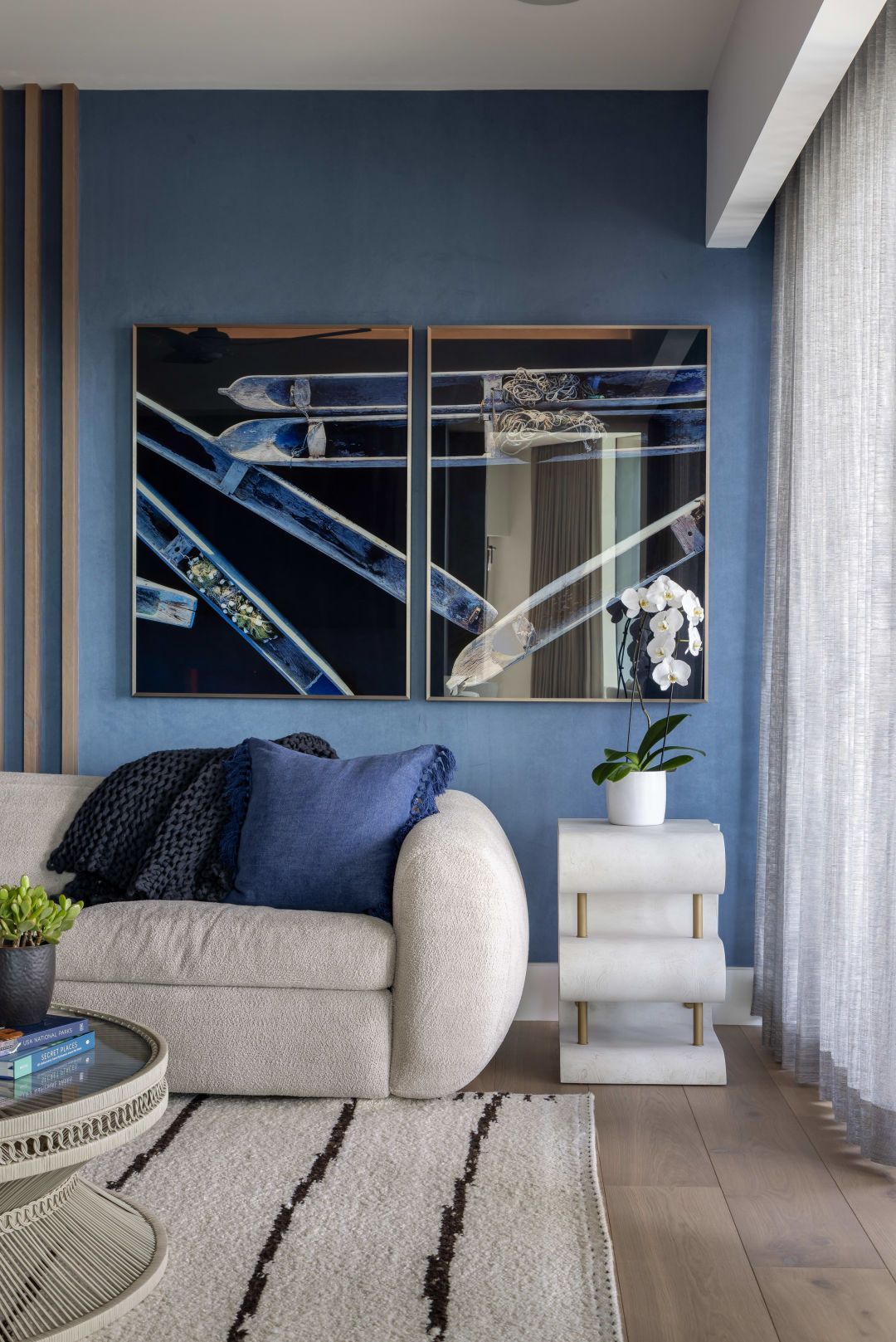
These Are the Home Design Trends You Need to Know About in 2025
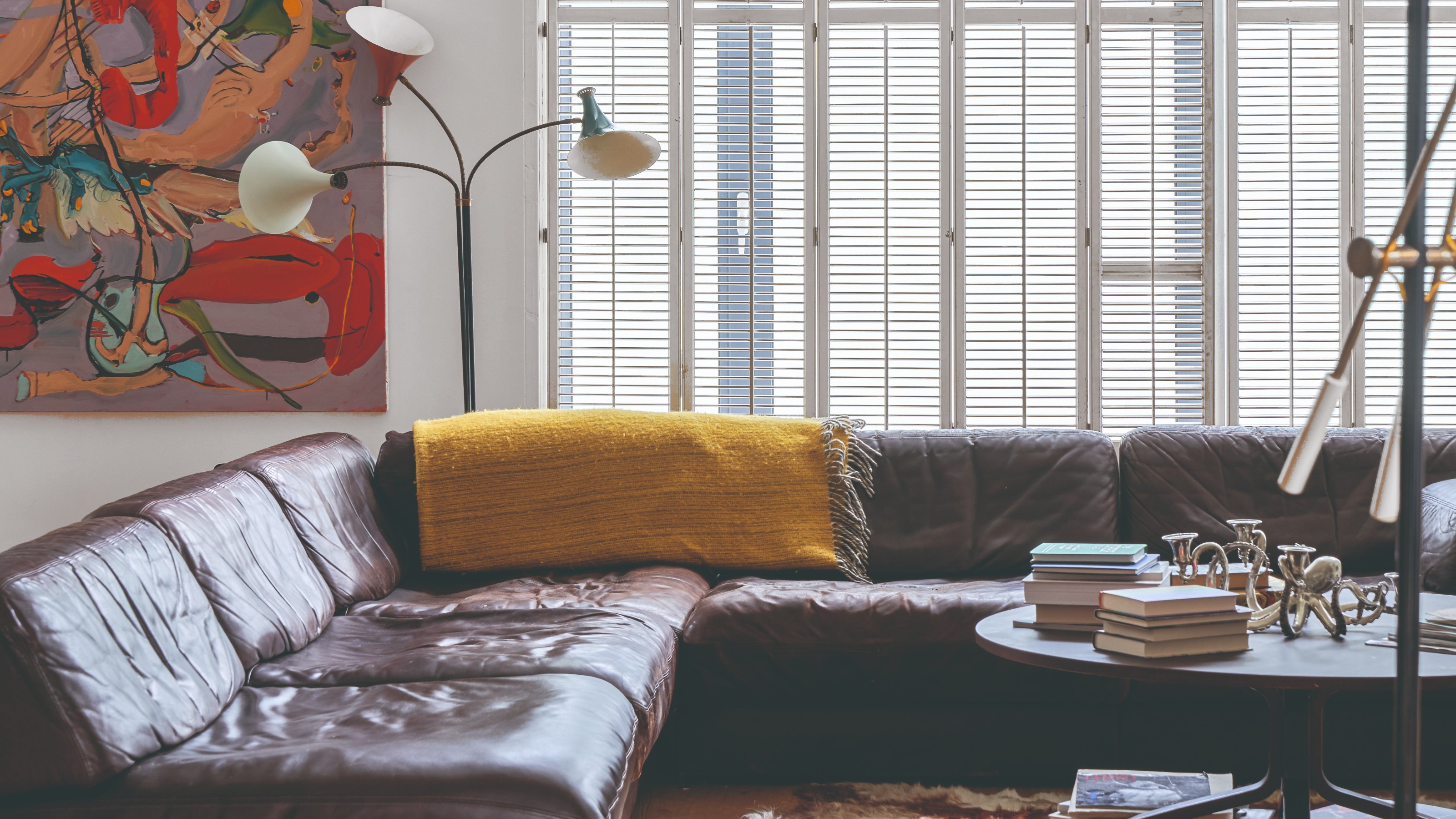
The biggest home decor trends that interior experts say you’ll be championing in your home in 2025
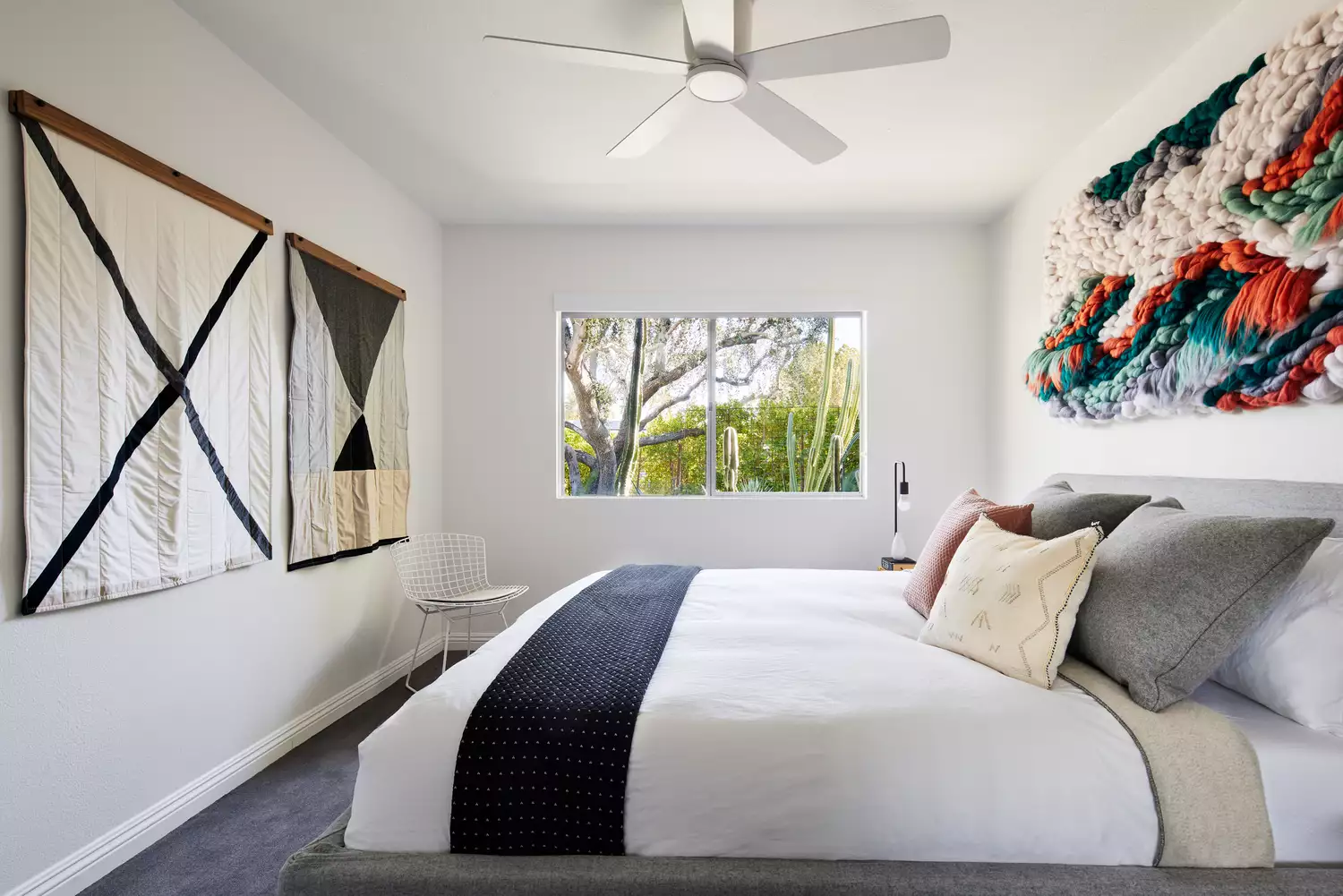
Fabric Wall Décor Is One of the Biggest Design Trends of 2025

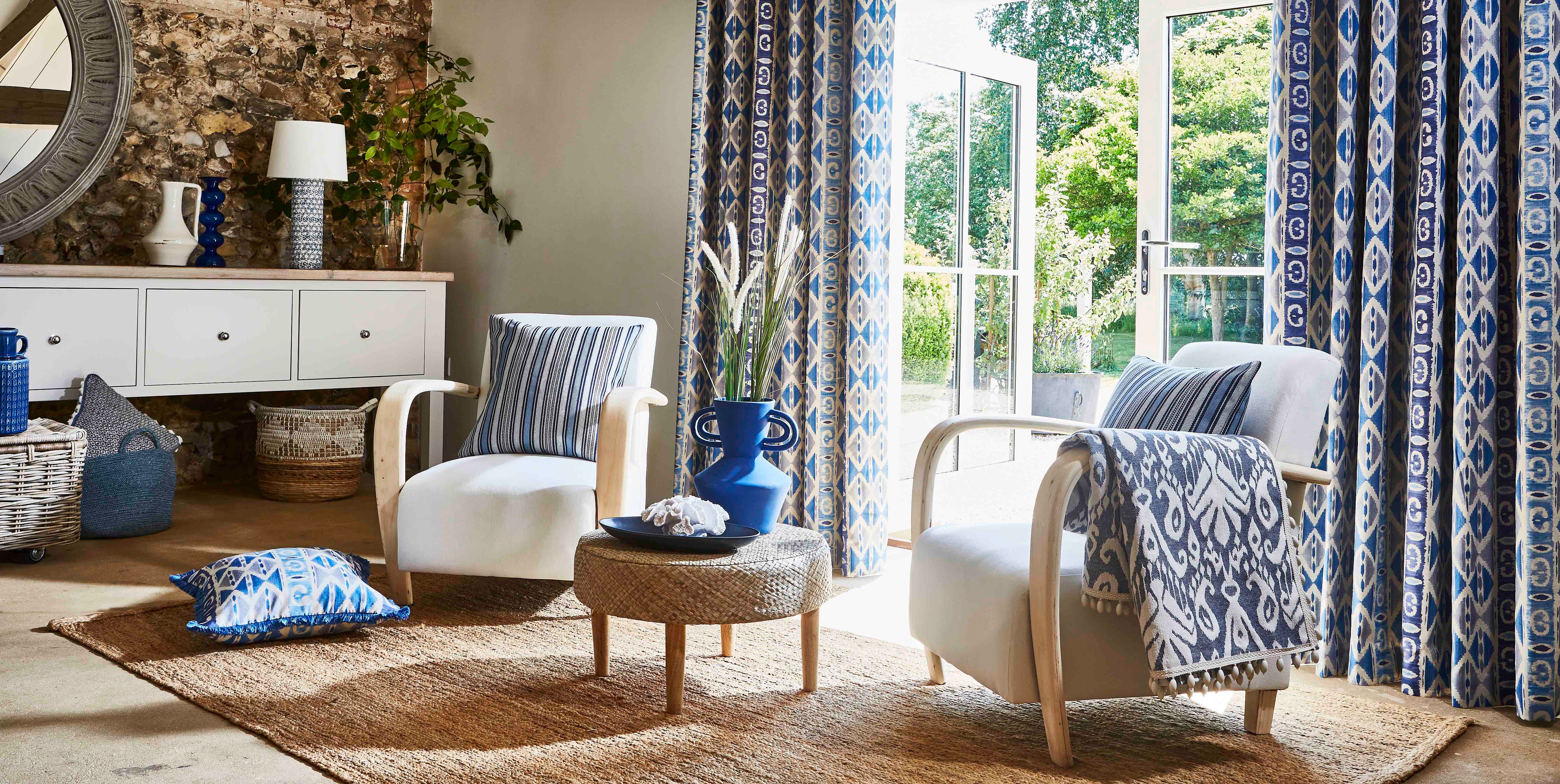
These are set to be the biggest fabric trends of 2025
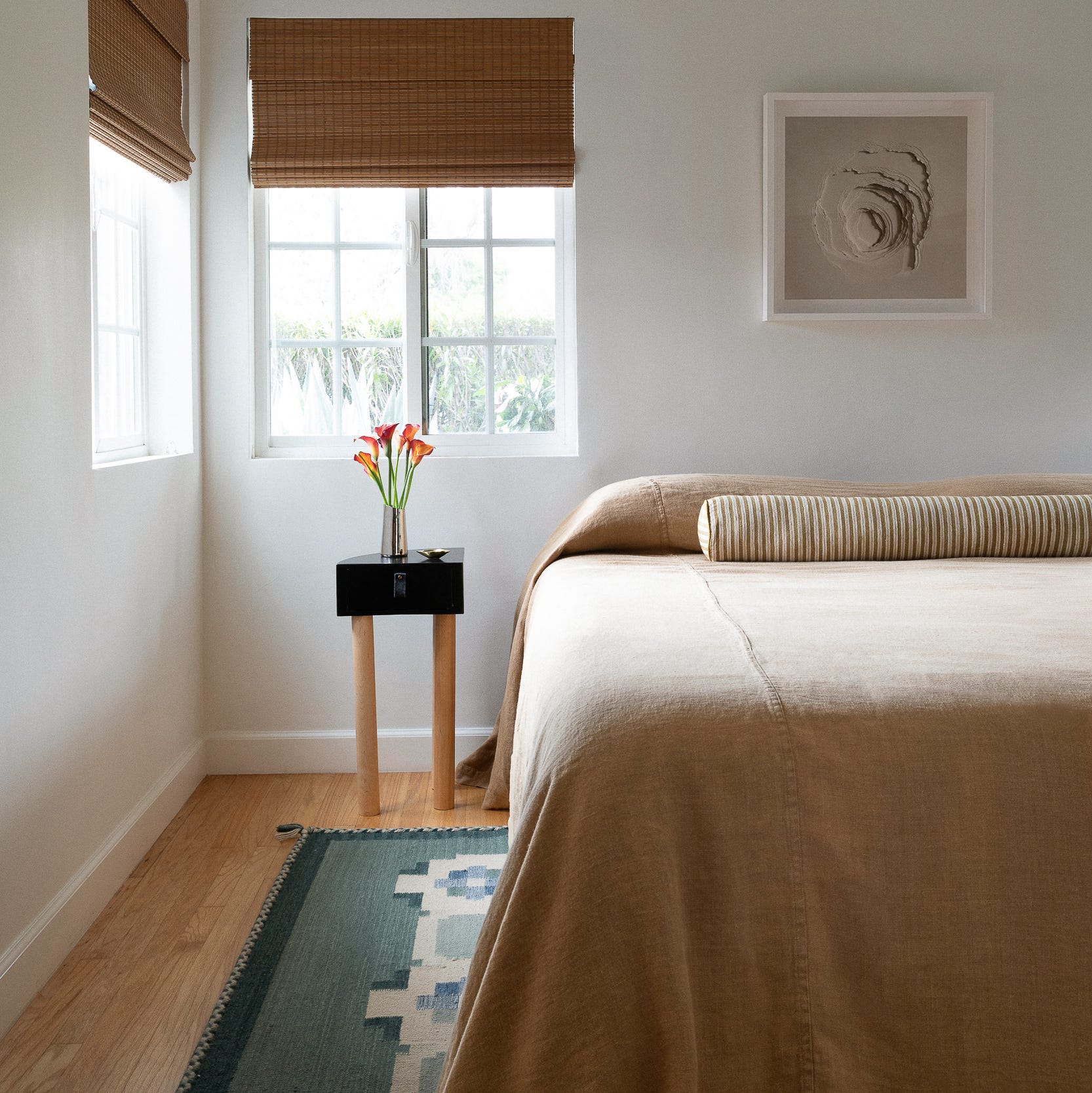
Designers Have Spoken: Here Are the Top Rug Trends of 2025

Spring 2025 Bedding Trends: Embracing Maximalism in Home Textiles

Twelve fabric-covered gadgets that show how technology can be more cosy
Hottest Home Trends in 2025
Home textiles: The big opportunity

The Furnishing Fabrics of 2024

The Biggest Interior Design Trends for 2025

Transforming Home Comfort
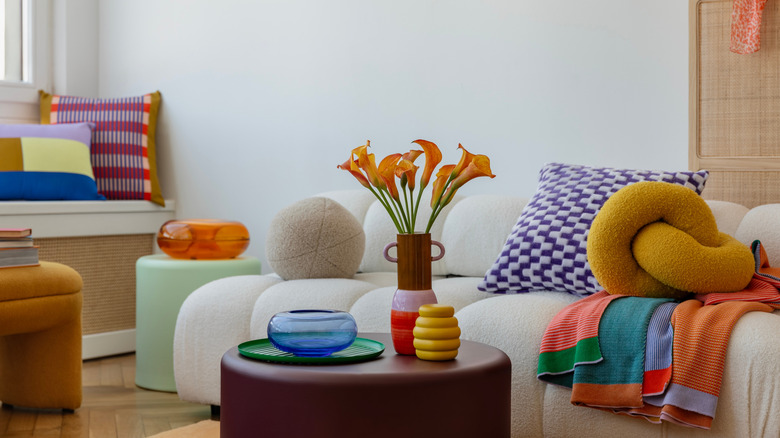
The 2025 Interior Design Fabric Trend That's A Maximalist's Dream
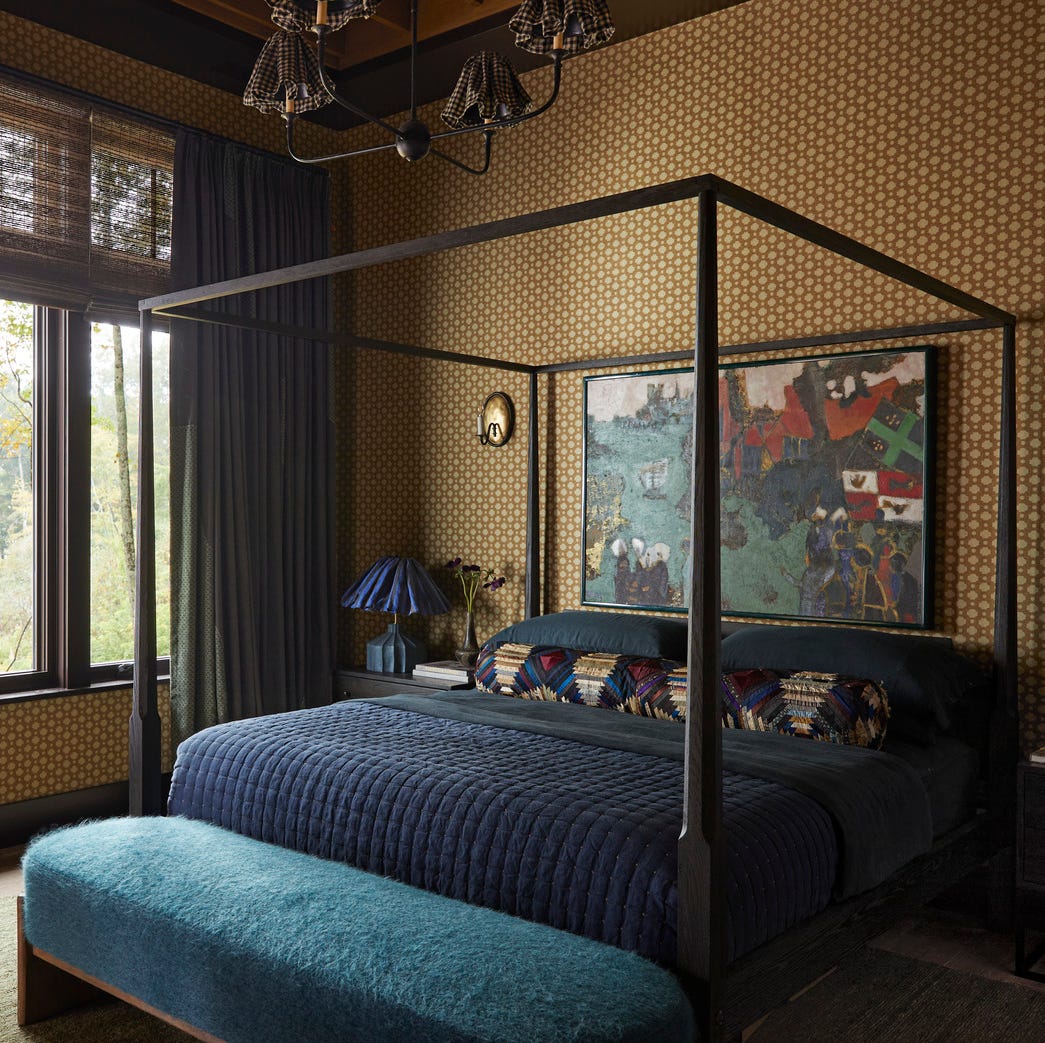
These Are the Top Bedroom Trends for 2025, According to Designers

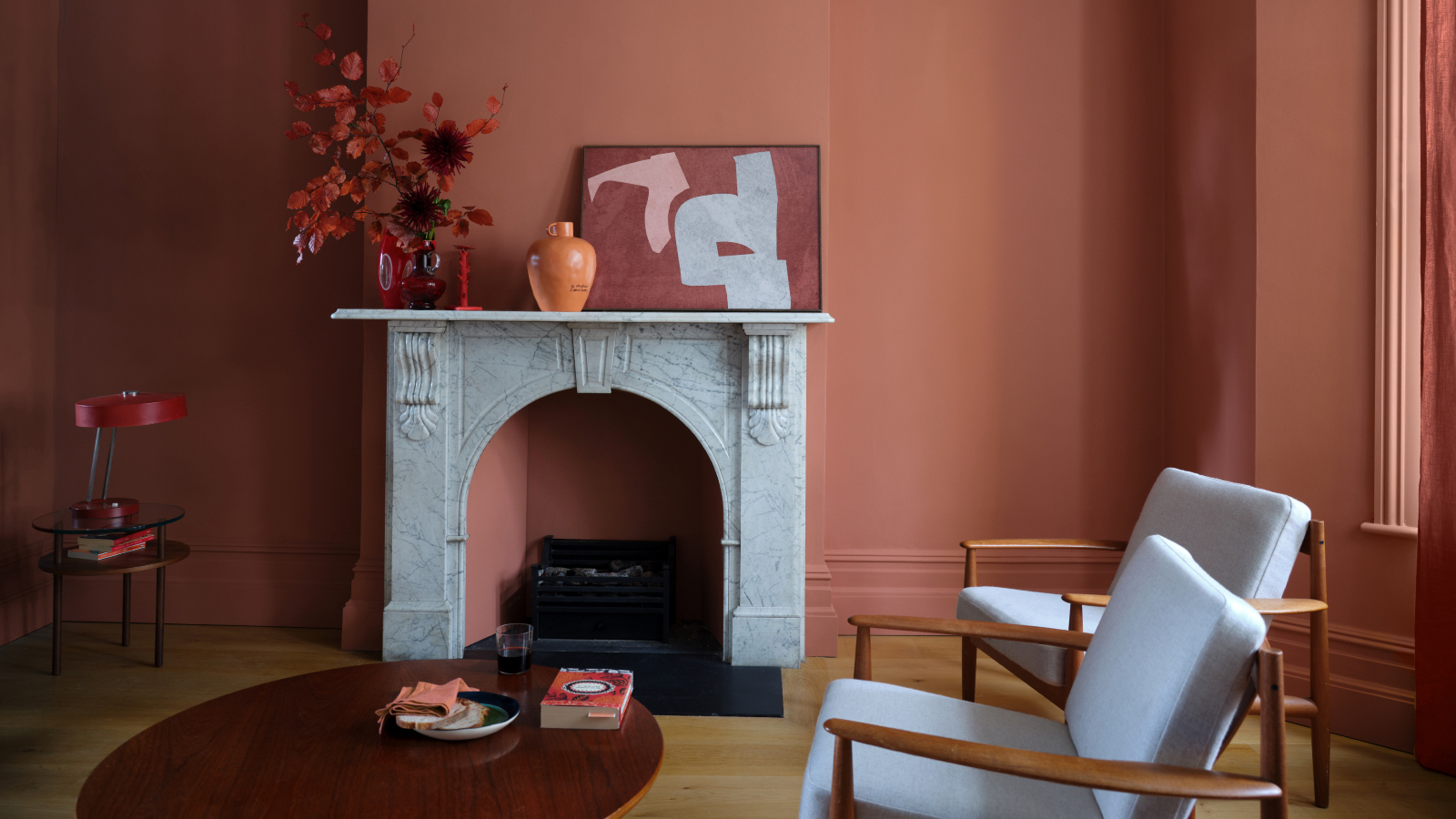
5 DIY trends experts predict will be big in 2025

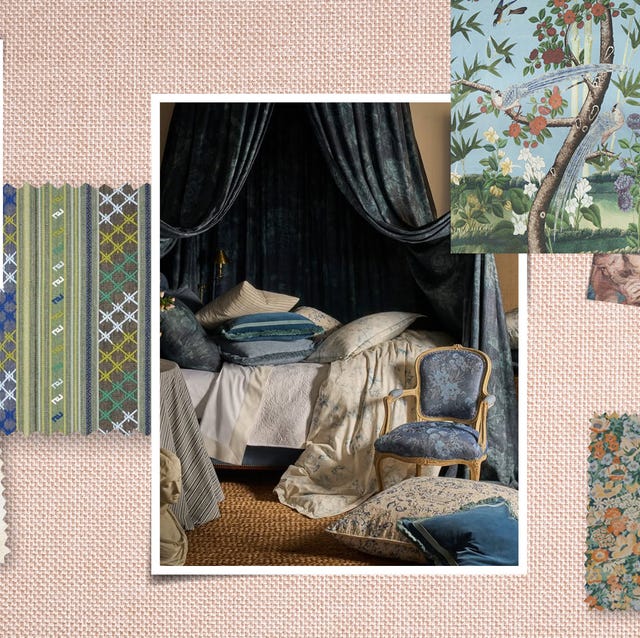
These 5 Textile and Wallpaper Trends Will Dominate the Design World in 2025

The Best Upholstery Fabrics of 2025: Comfort, Durability, and Style
10 Hottest Home Design Trends to Watch for 2025

Revisiting home lighting trends for 2025