Do Radiator Covers Save Energy or Waste It?
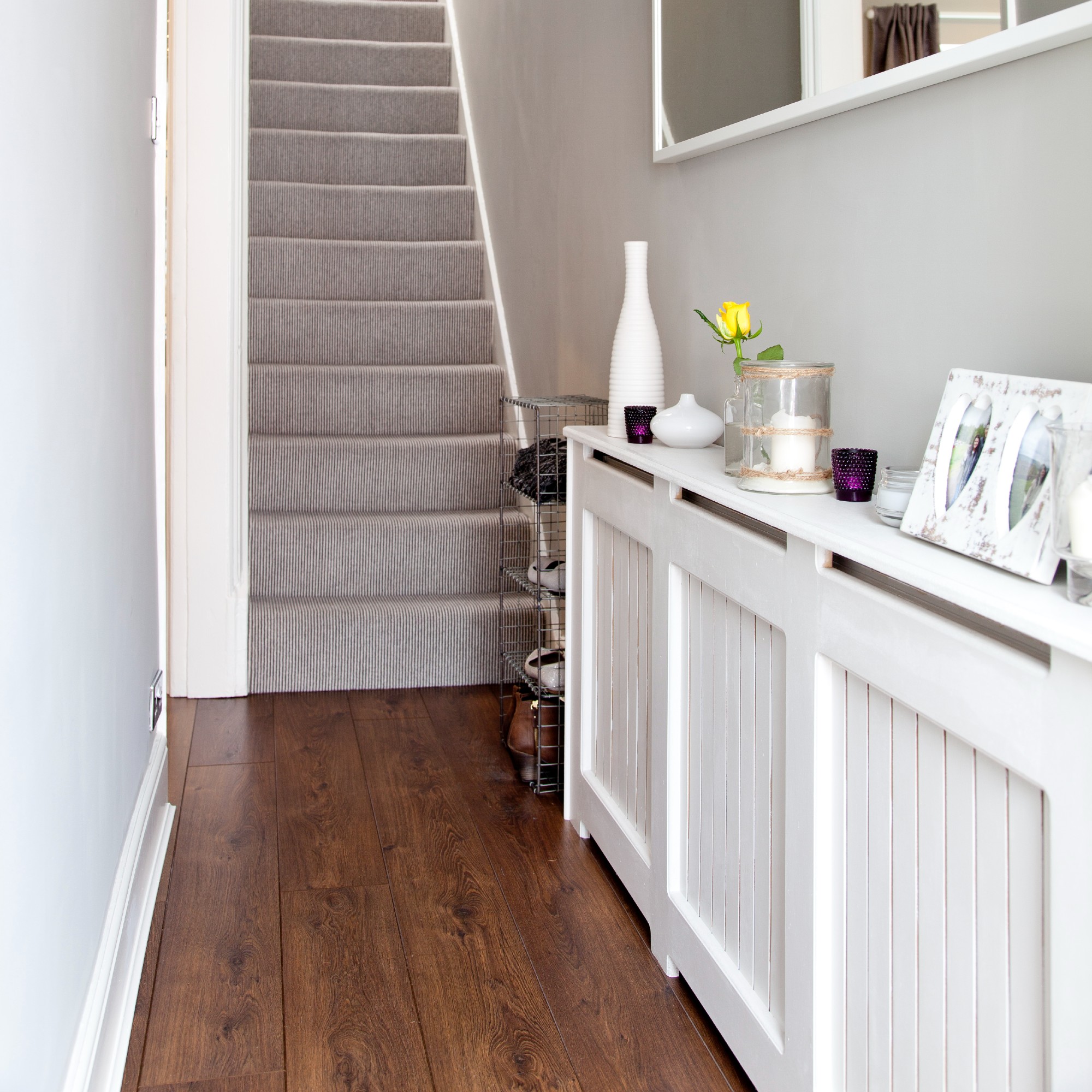
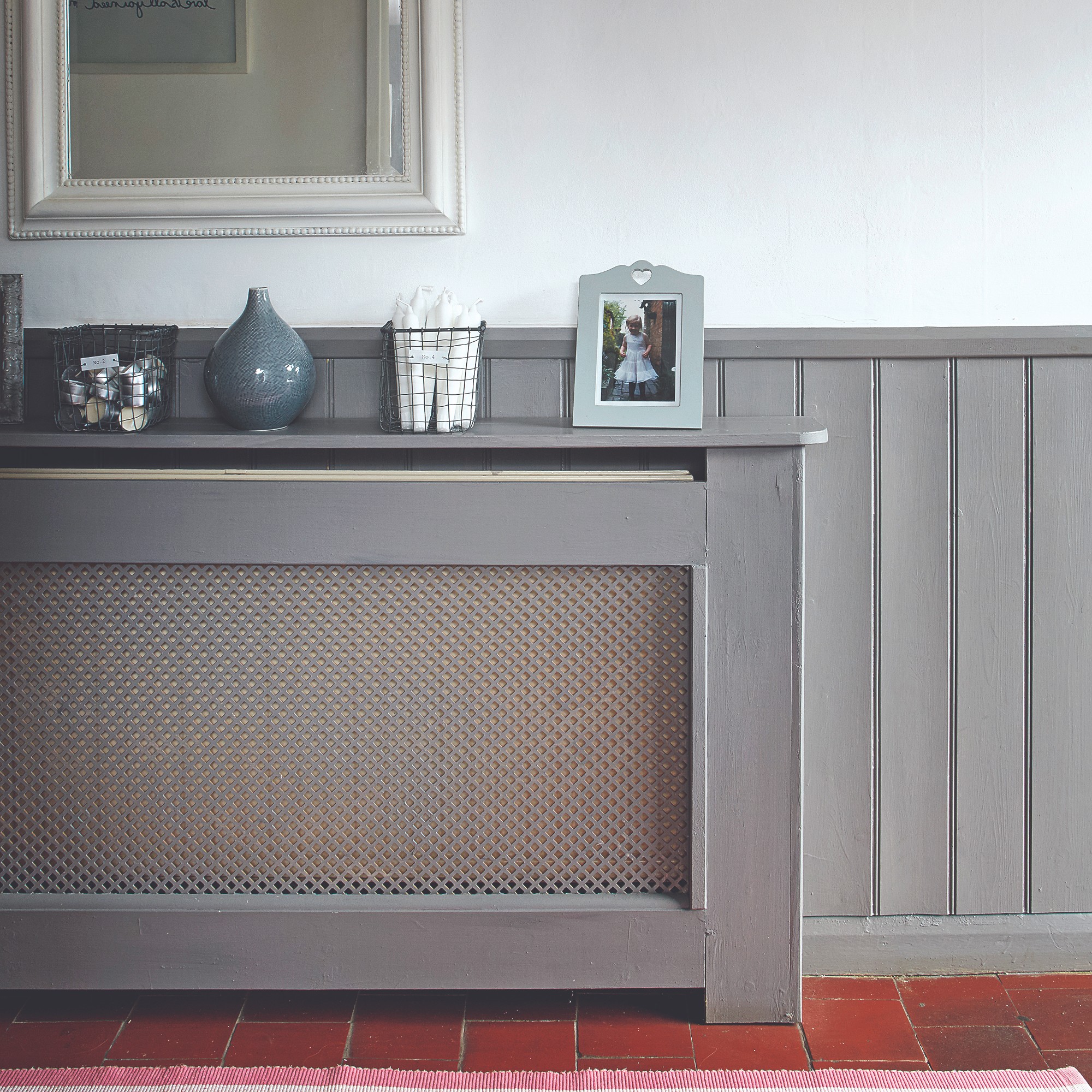
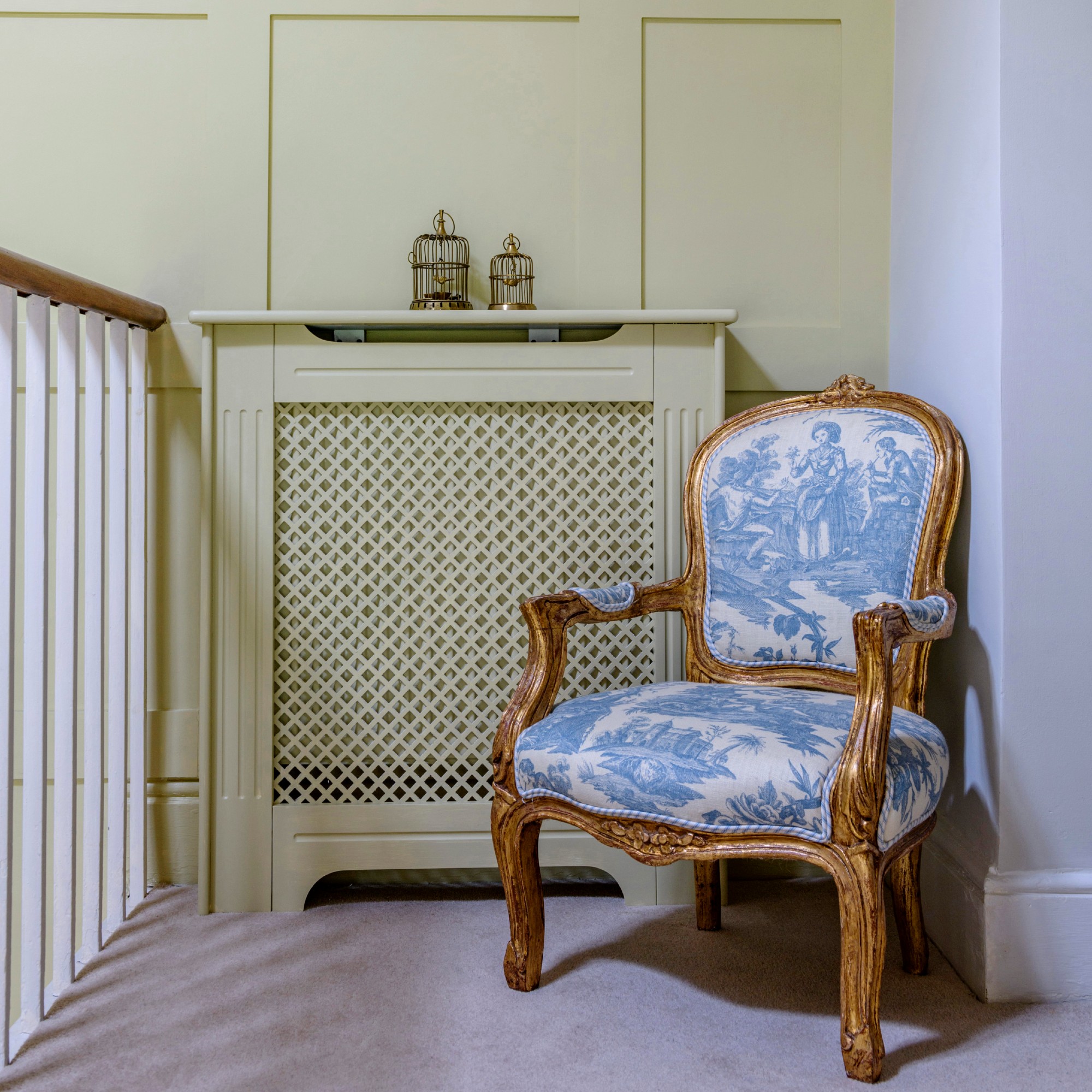
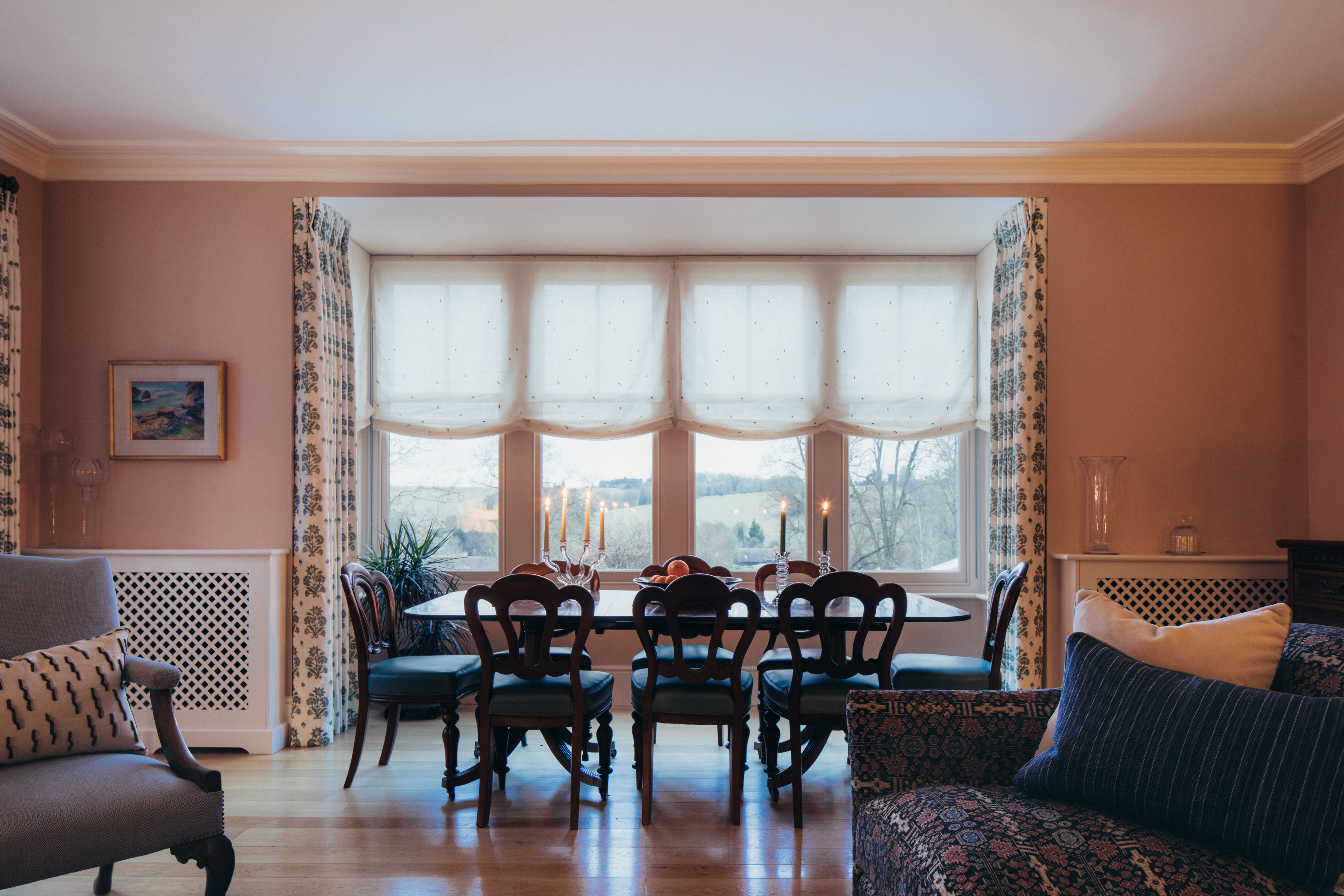
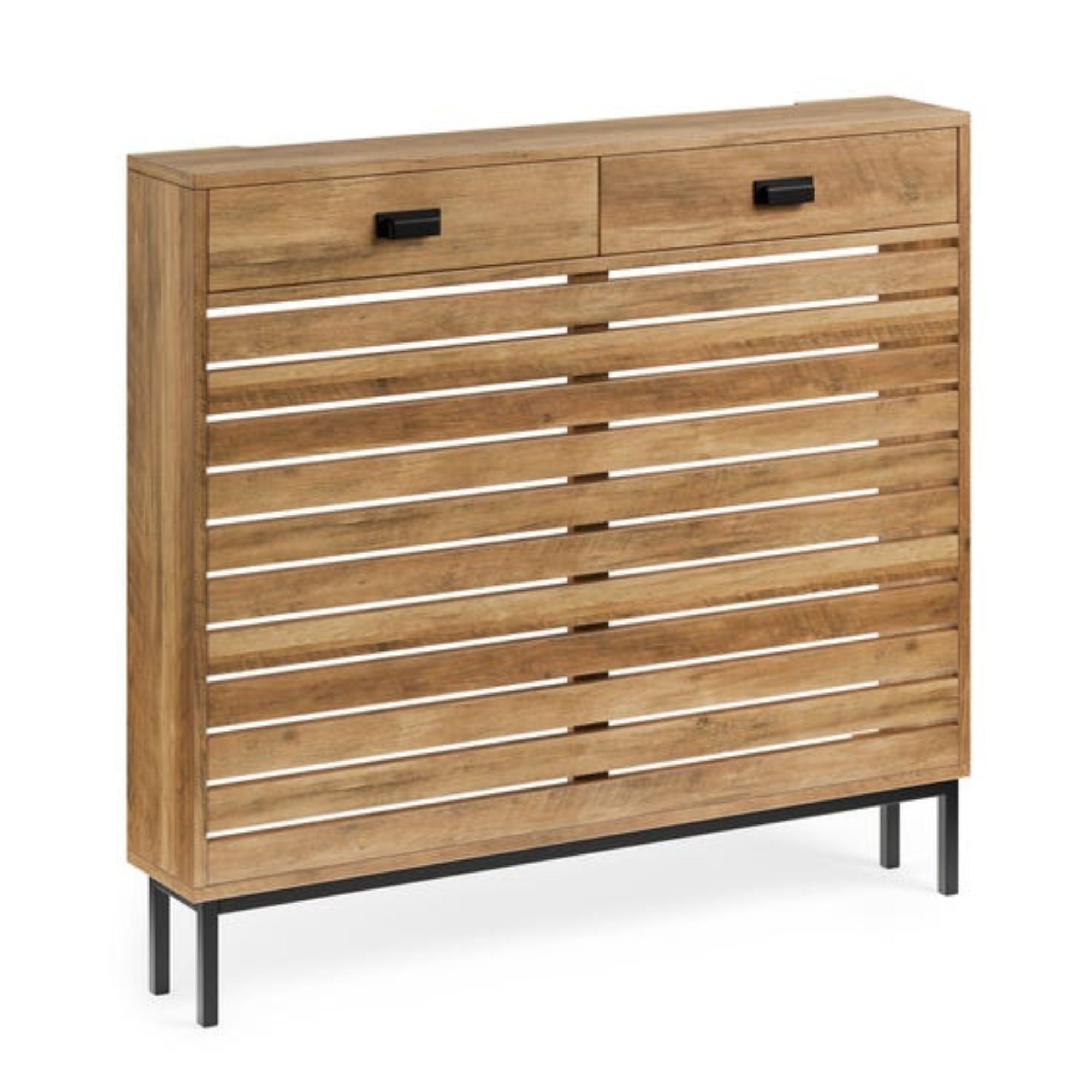
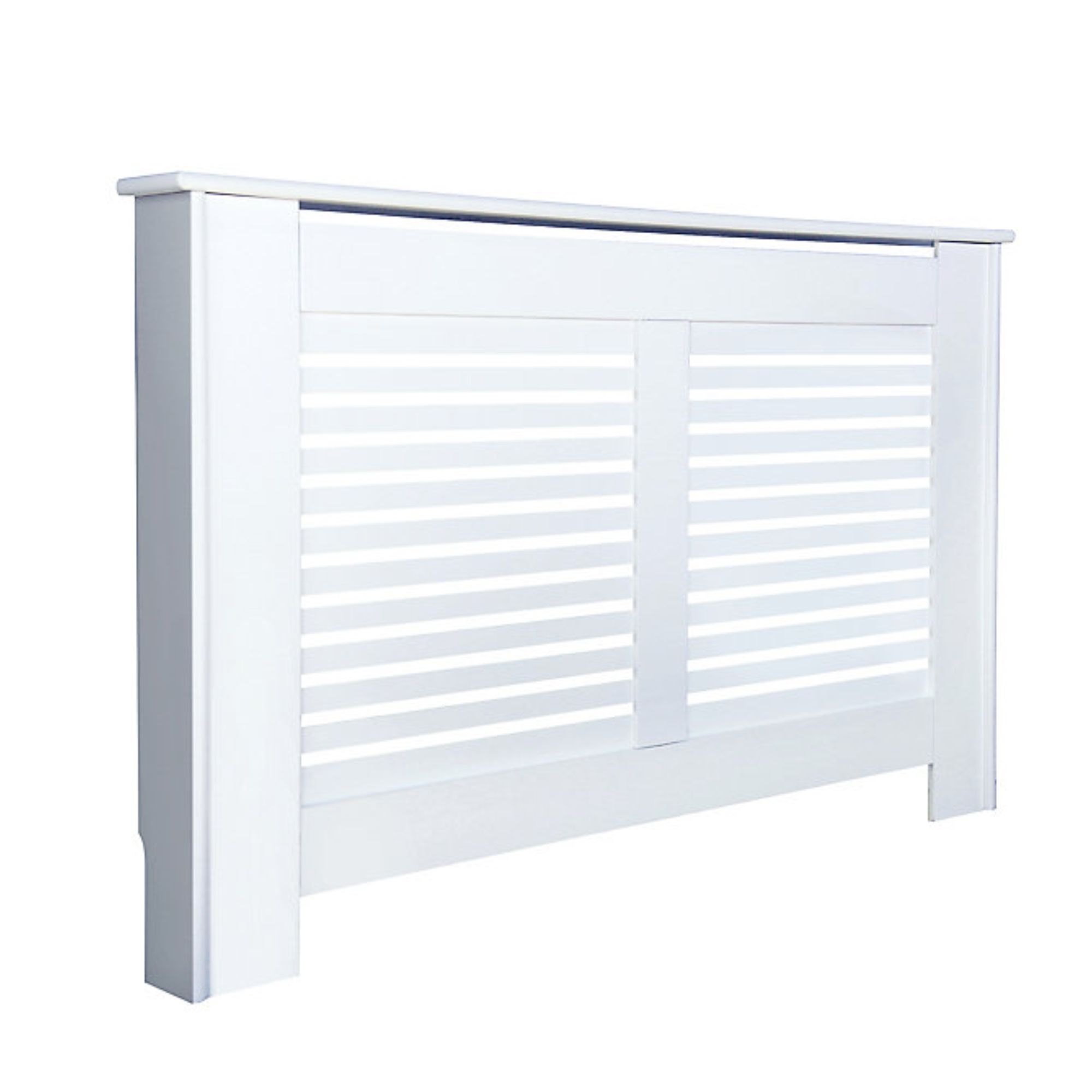
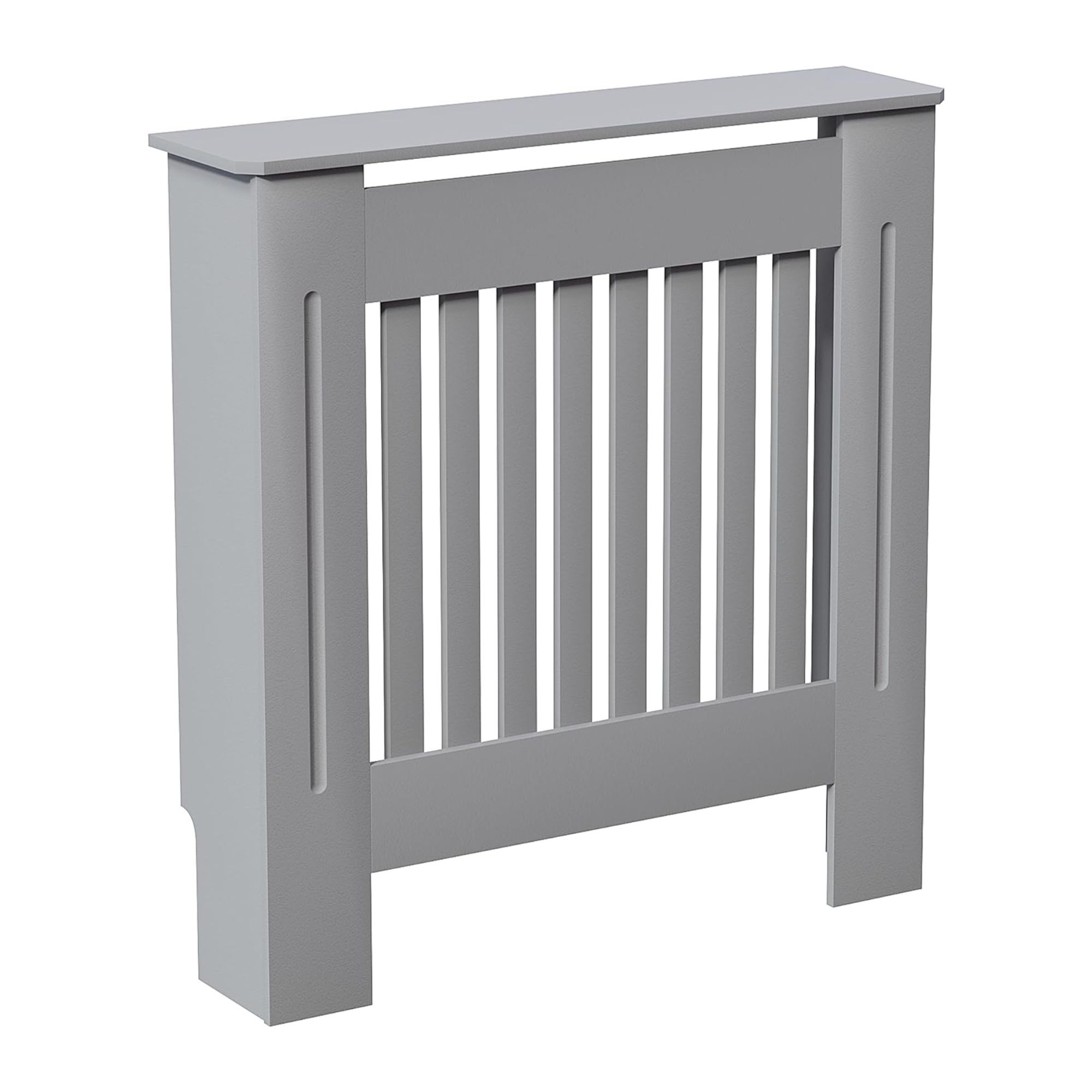
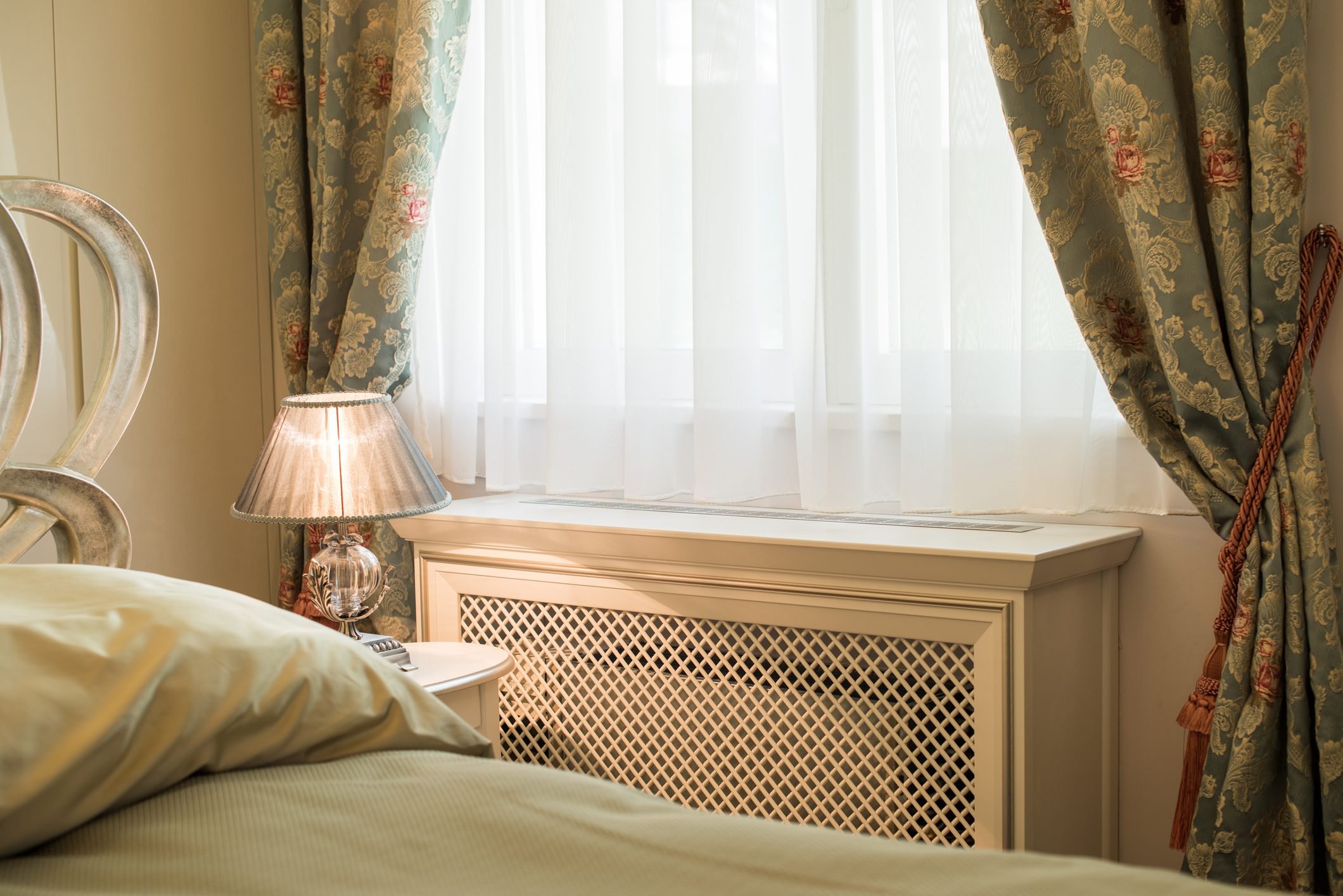
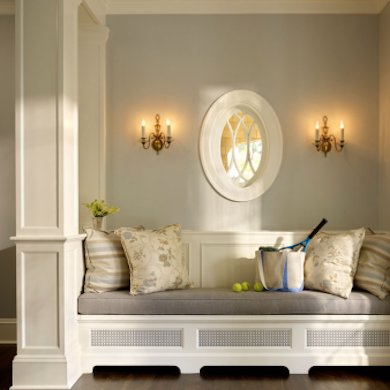
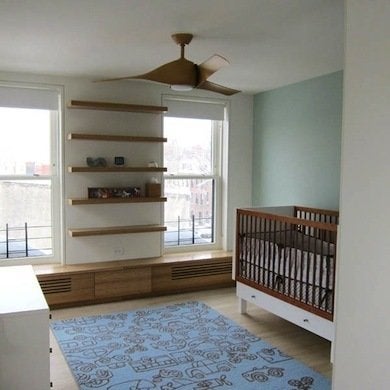
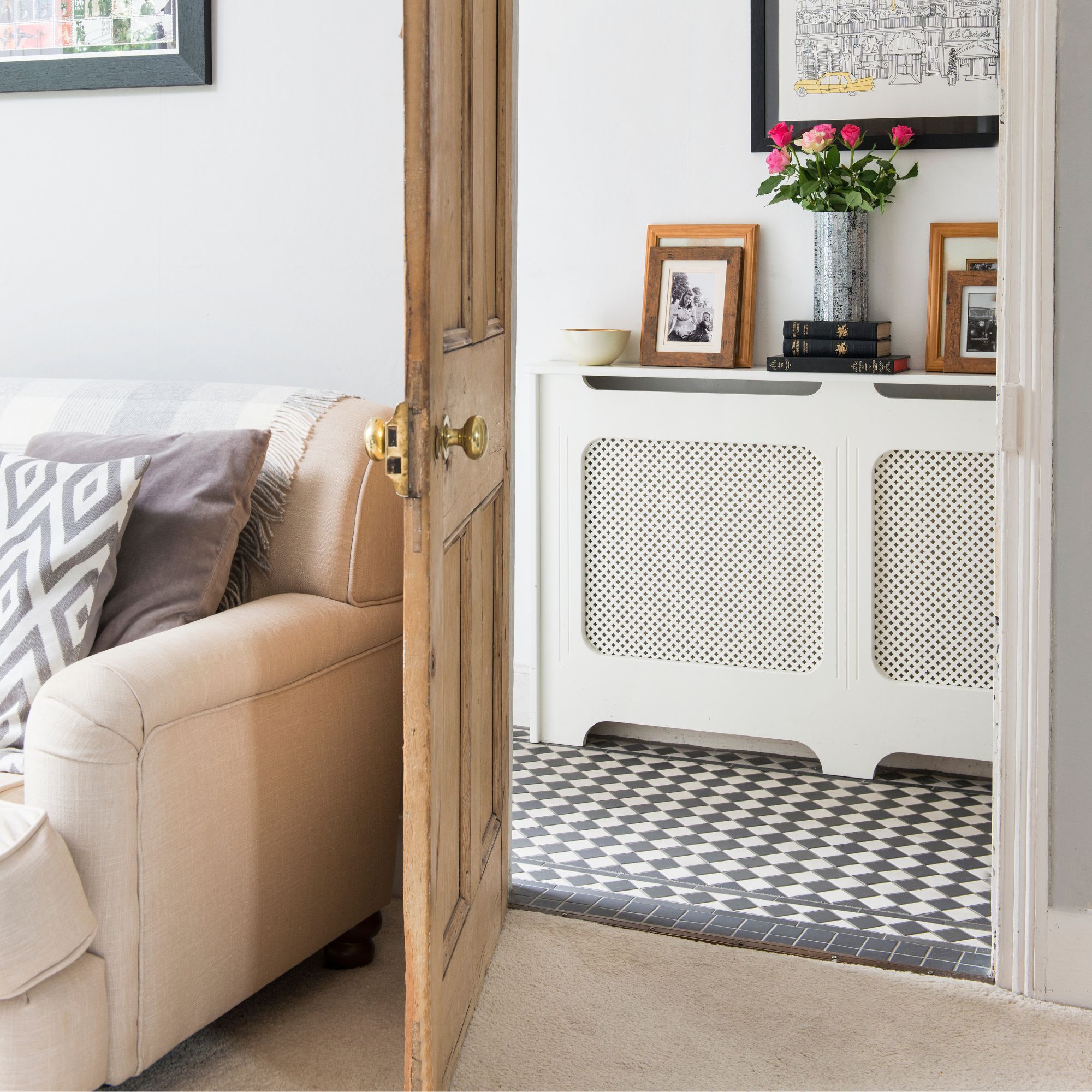
The effectiveness and energy efficiency of radiator covers are a subject of debate, particularly in older homes equipped with traditional heating systems. While some proponents suggest radiator covers offer benefits such as reclaiming surface space for decorative items and potentially redirecting heat, a deeper understanding of how radiators operate reveals potential drawbacks.
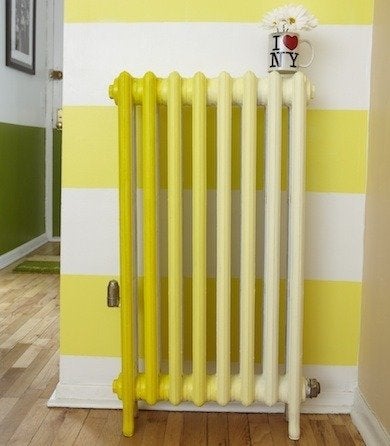
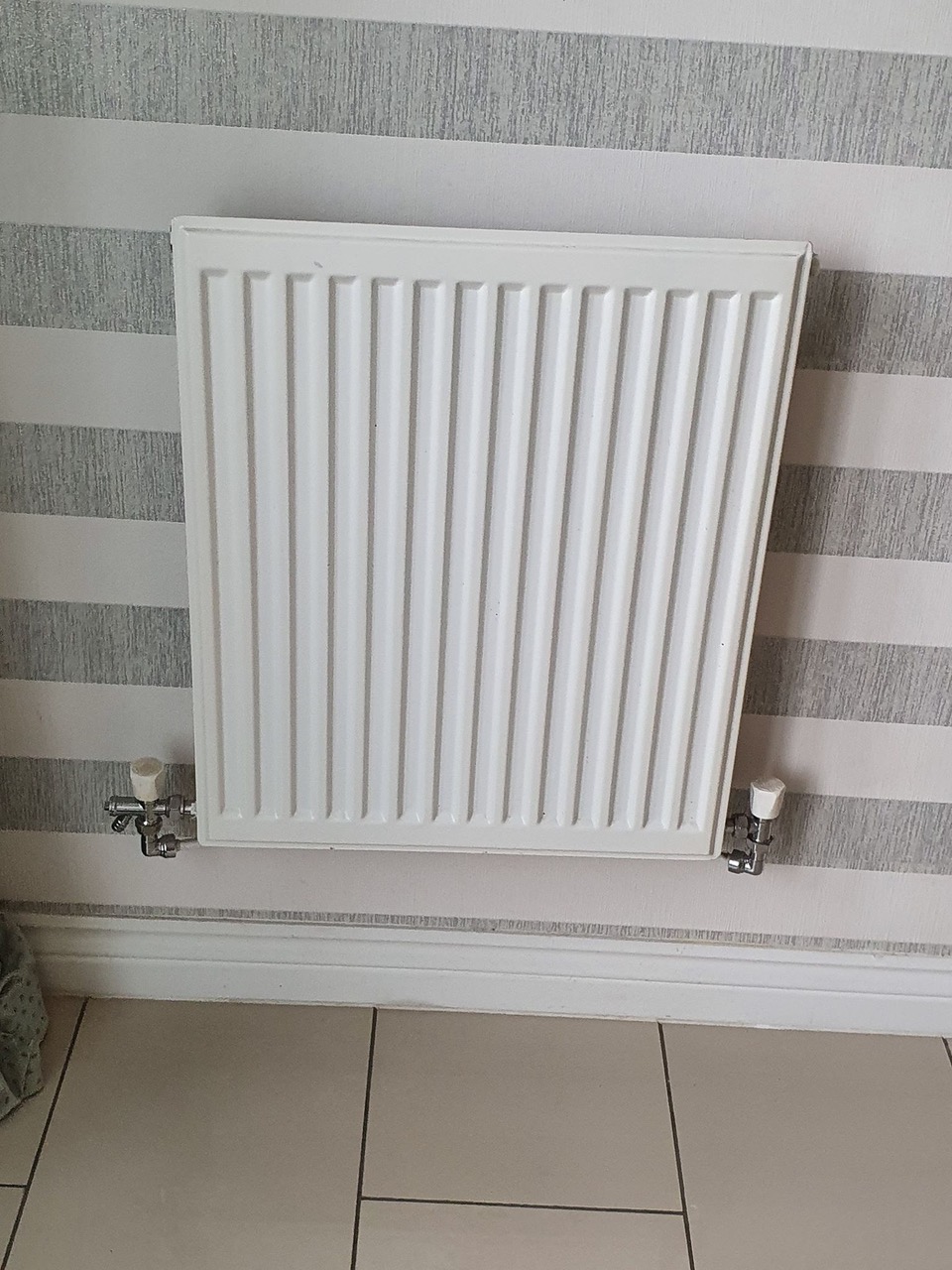
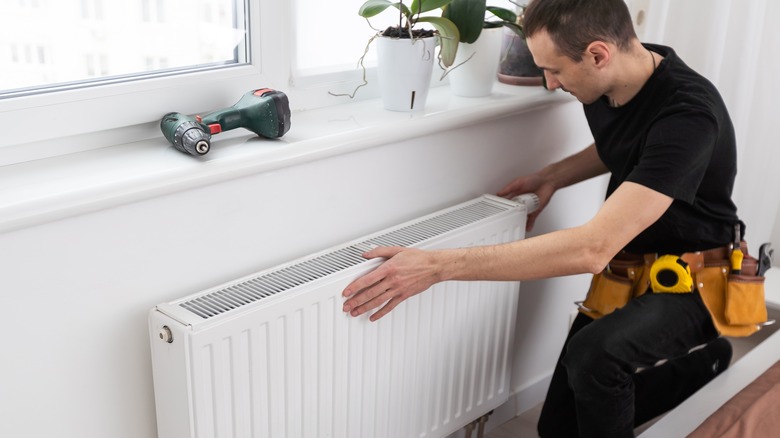
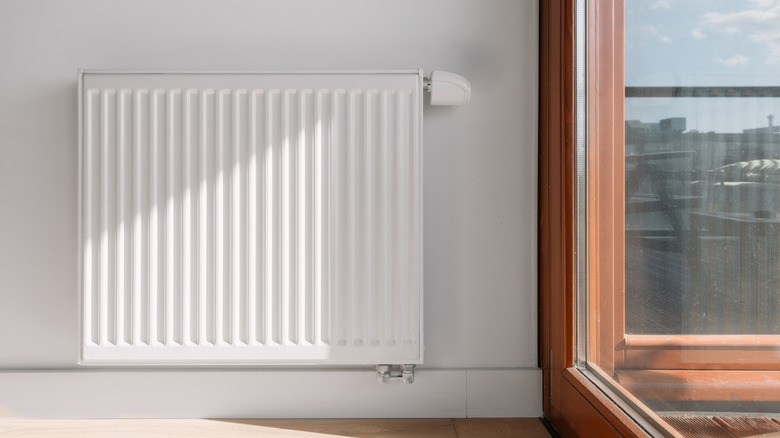
Radiators, despite their name, primarily transfer heat through convection rather than radiation. Convection involves the circulation of air, where air warmed by the radiator rises, circulates through the room, and then descends as it cools, creating a continuous heating cycle. The design of traditional radiators, especially those with fins, is specifically engineered to maximize surface area contact with air, facilitating this convective process. Any obstruction to this airflow, such as a radiator cover, can significantly impede the natural circulation of heat.
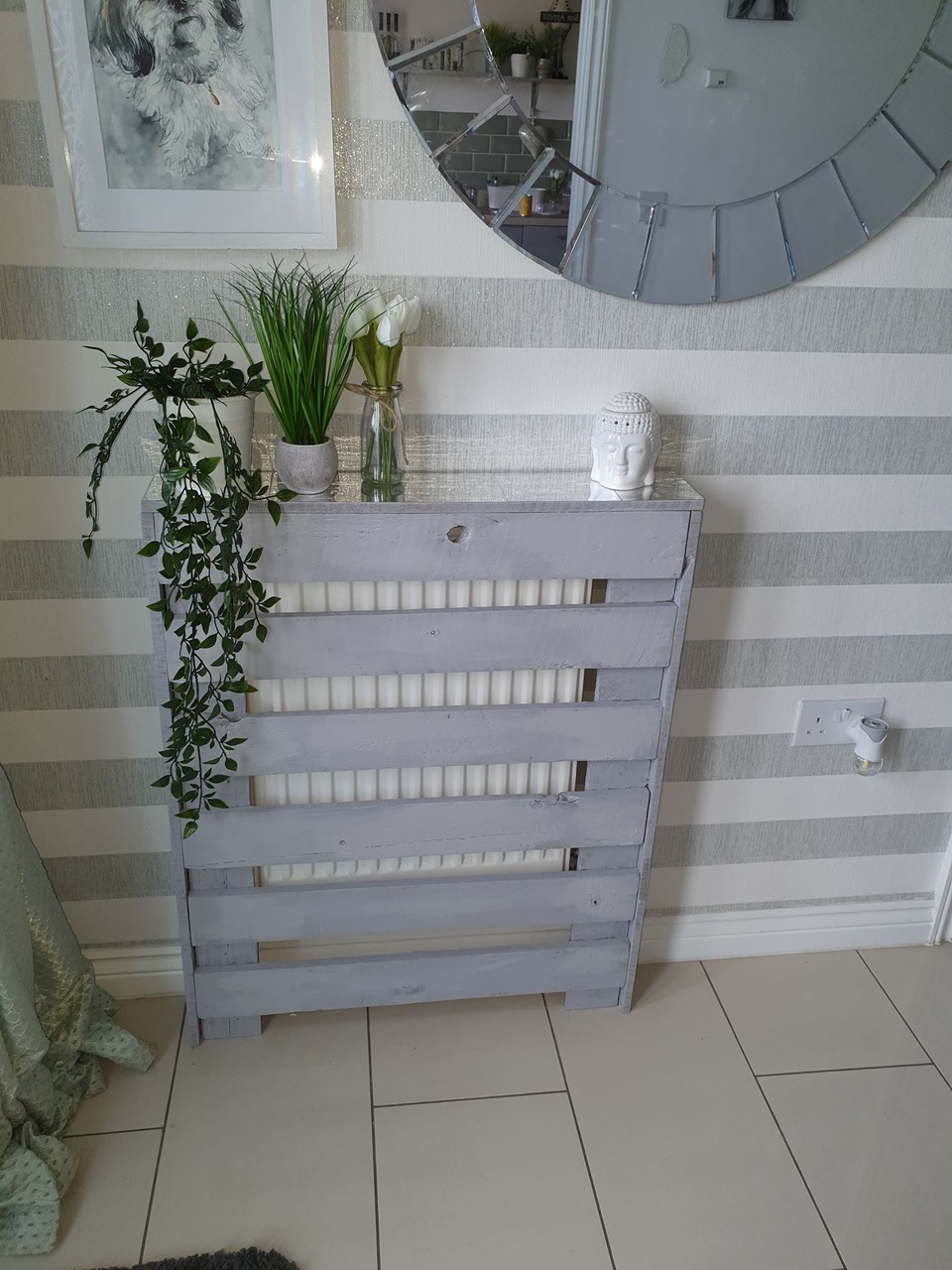
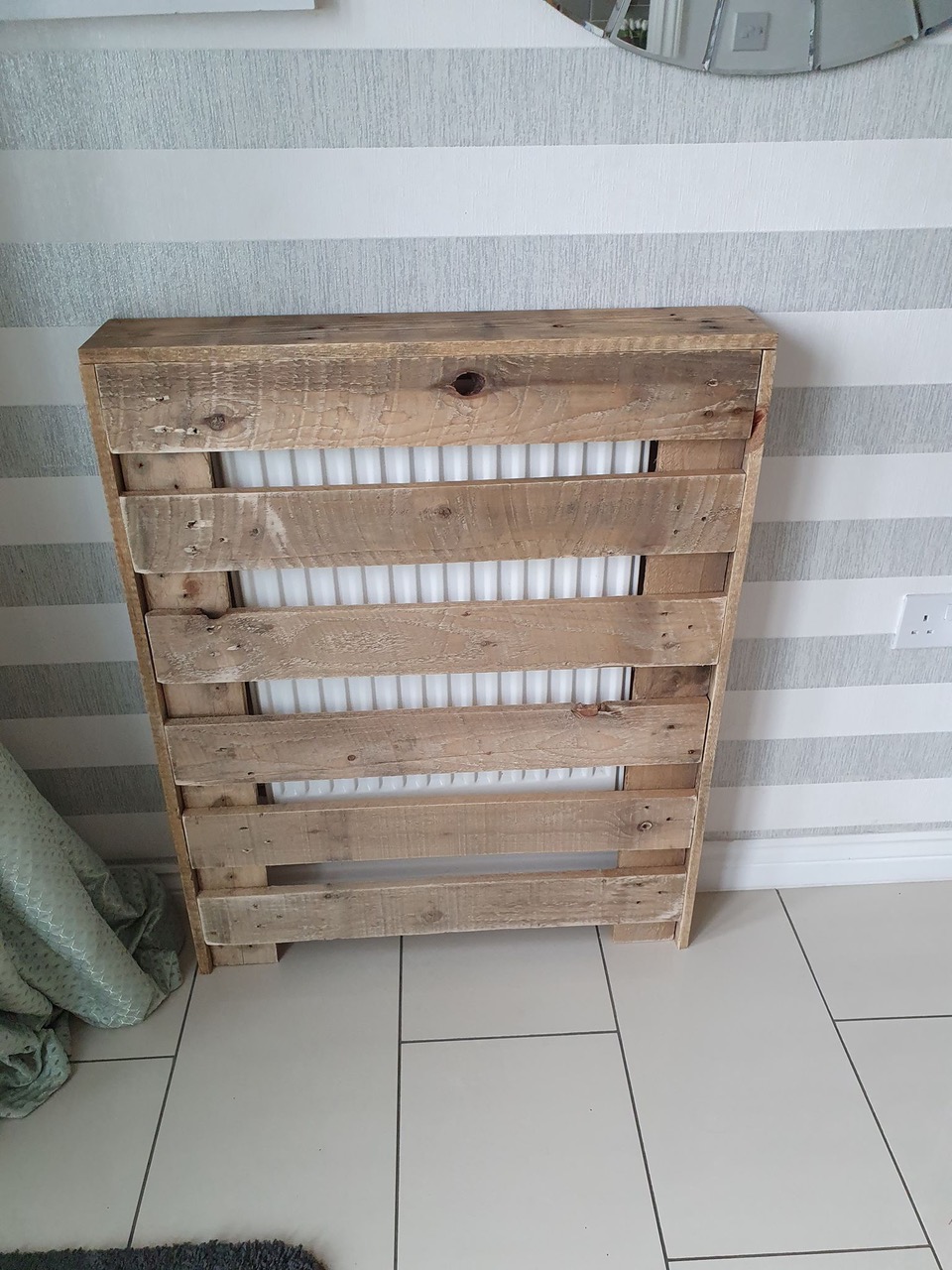
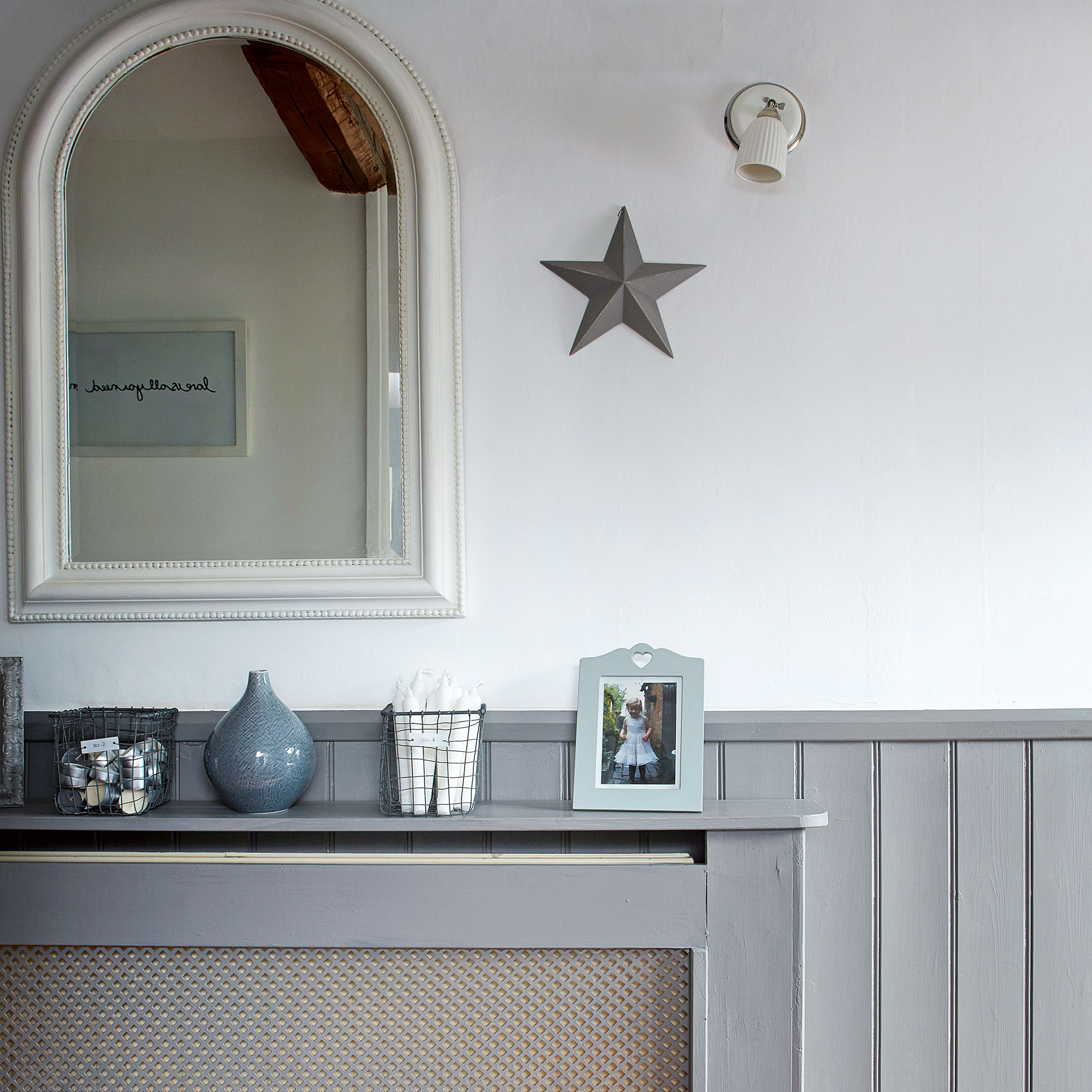
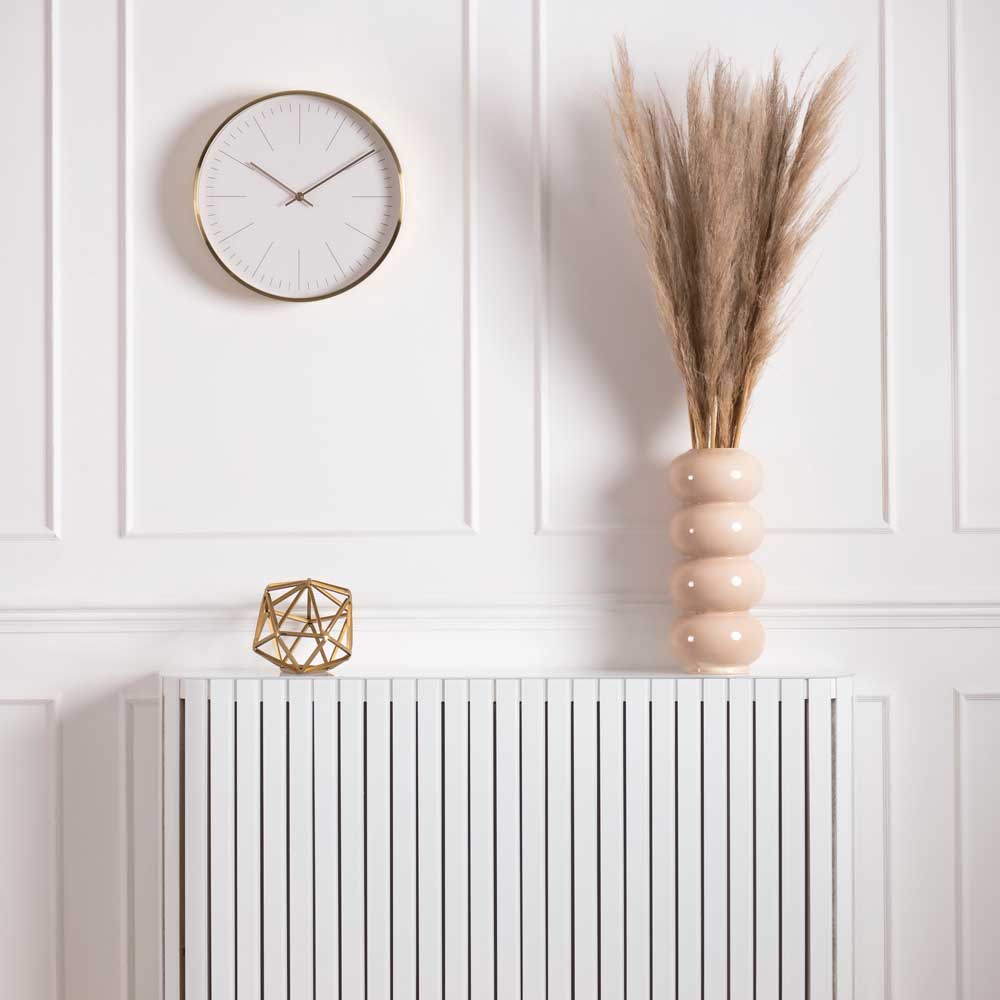
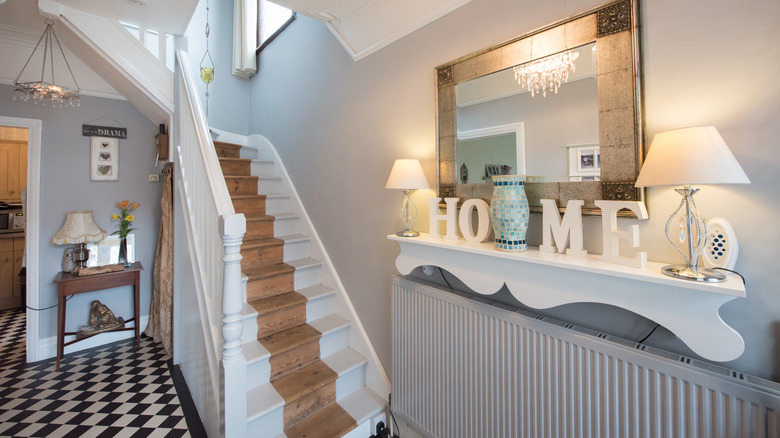
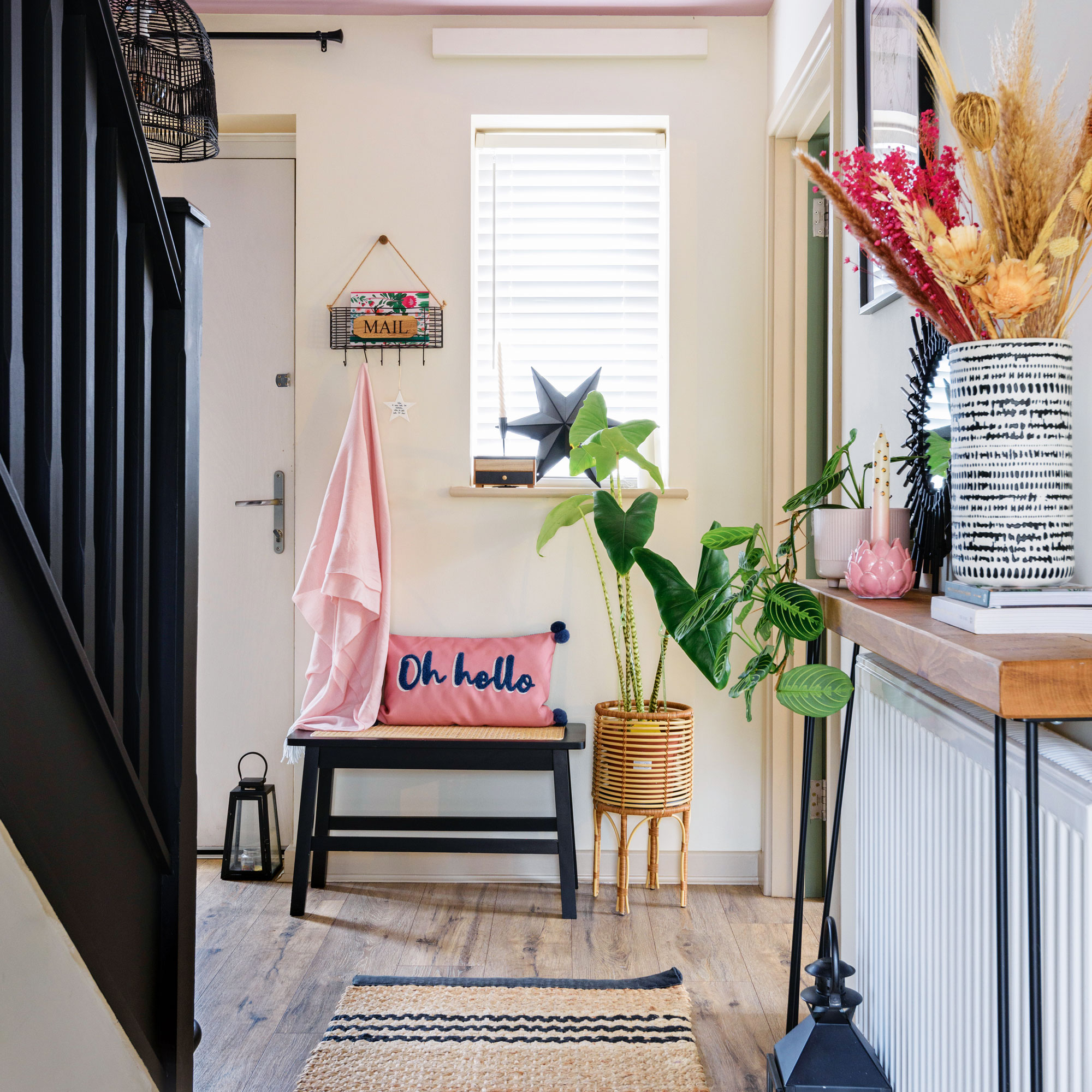
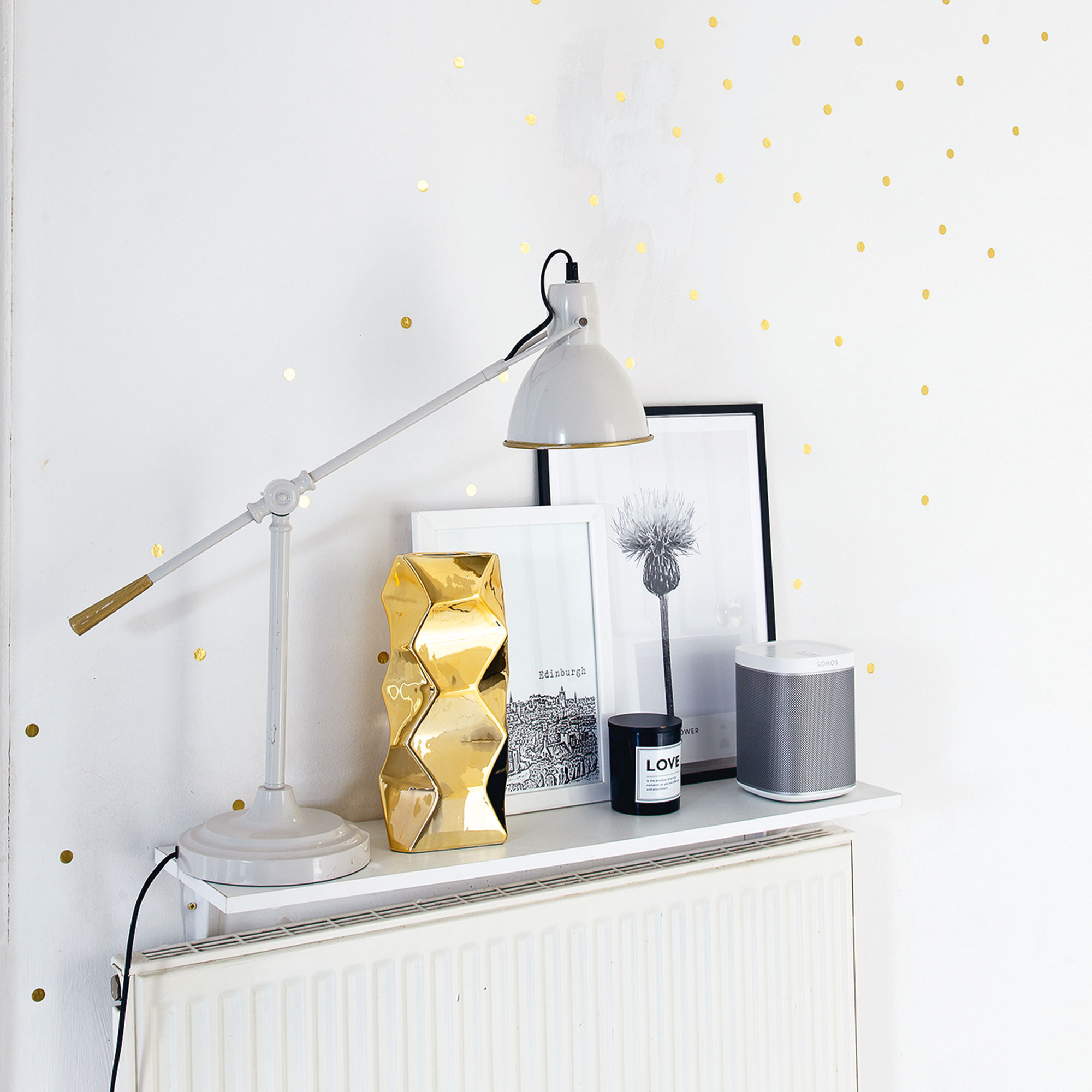
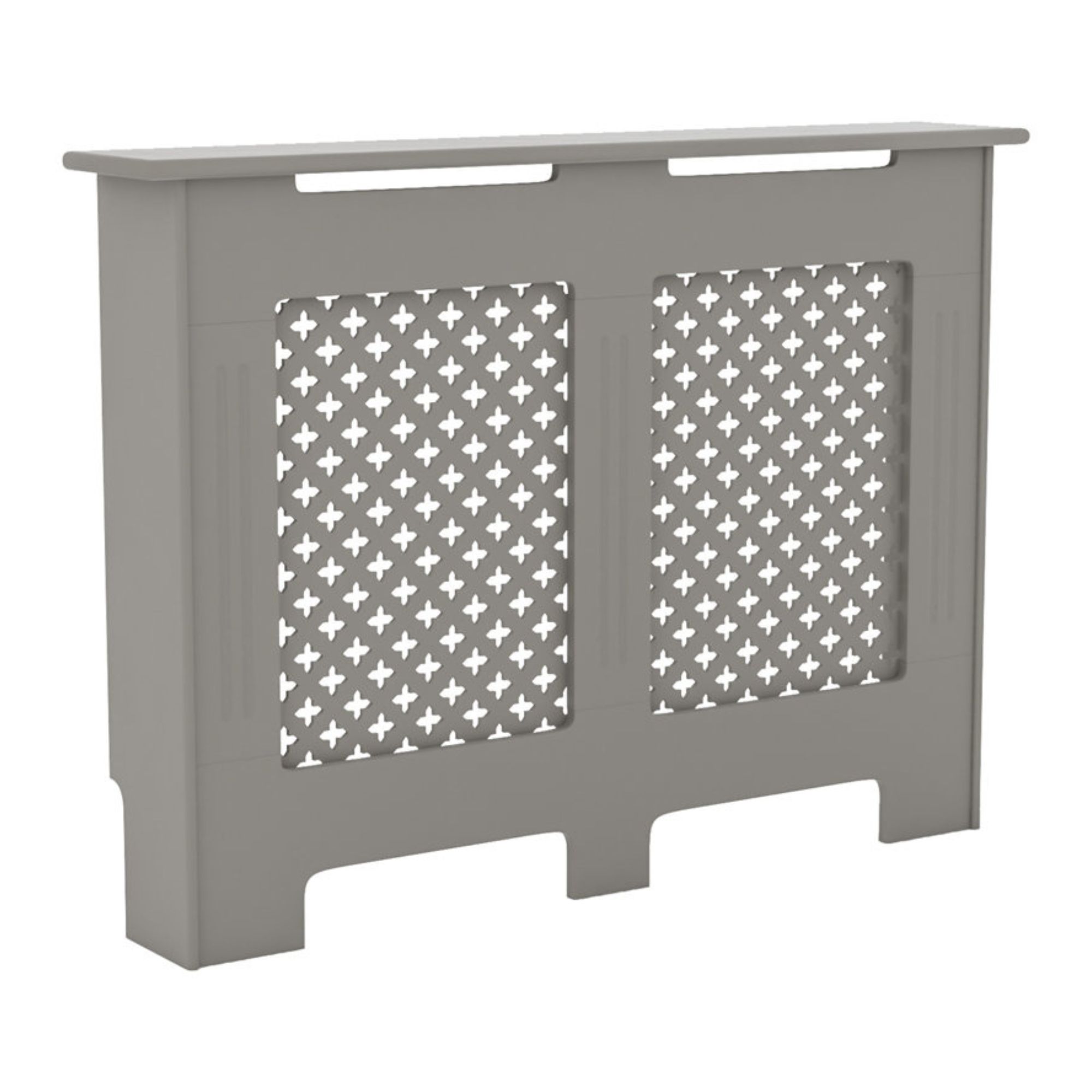
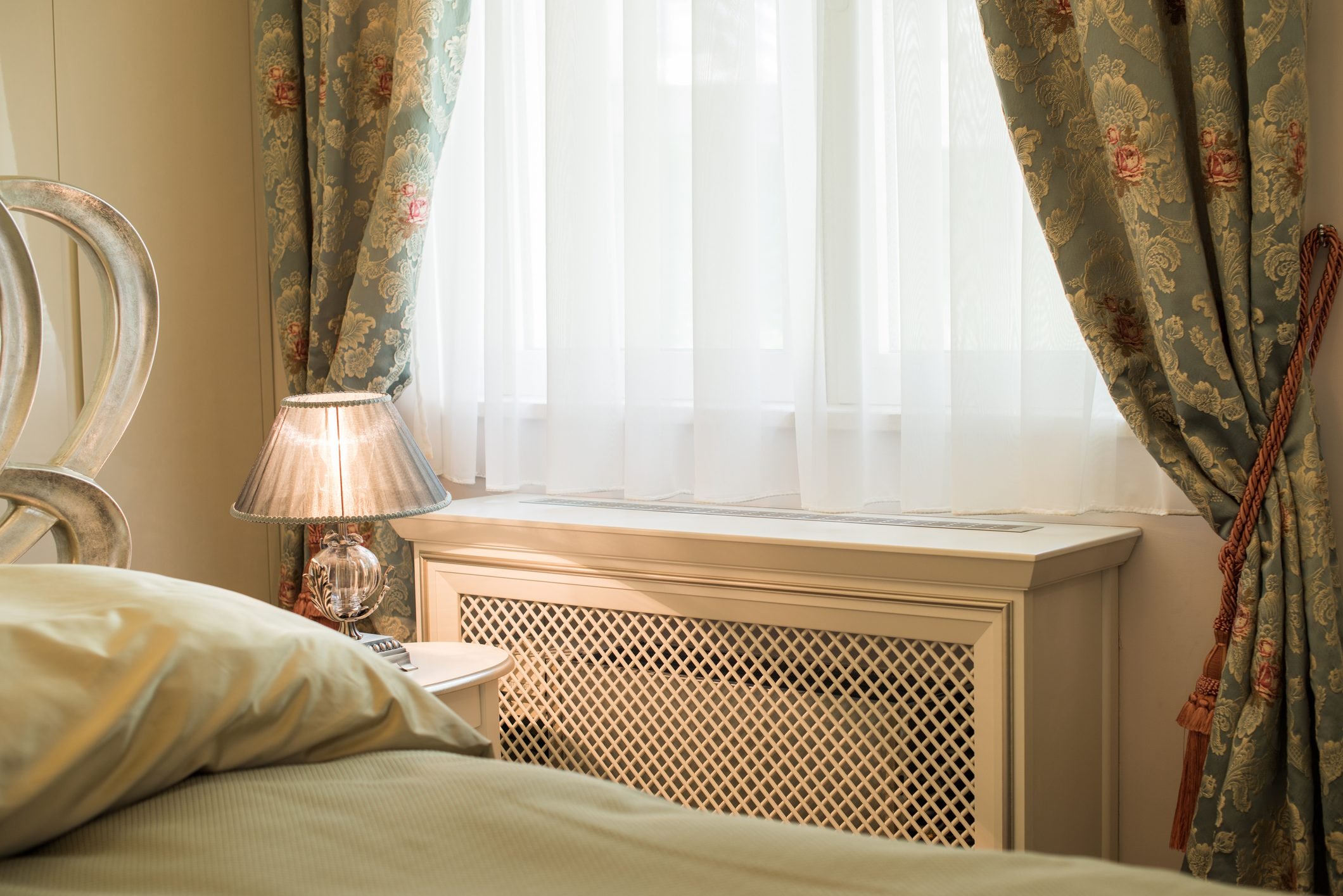
One argument in favor of radiator covers suggests that a proper reflective backing can distribute heat more efficiently by pushing it into the living space instead of allowing it to go directly to the ceiling. While reflective backings can indeed help by bouncing radiated heat back into the room, especially heat that would otherwise be absorbed by the wall, they do not mitigate the loss of convective heat. Blocking the upward convective flow with a cover, particularly one used to hold items like books or plants, counteracts the radiator's primary heating mechanism. The intended path for convective heat is upward towards the ceiling, where it can then circulate throughout the room.
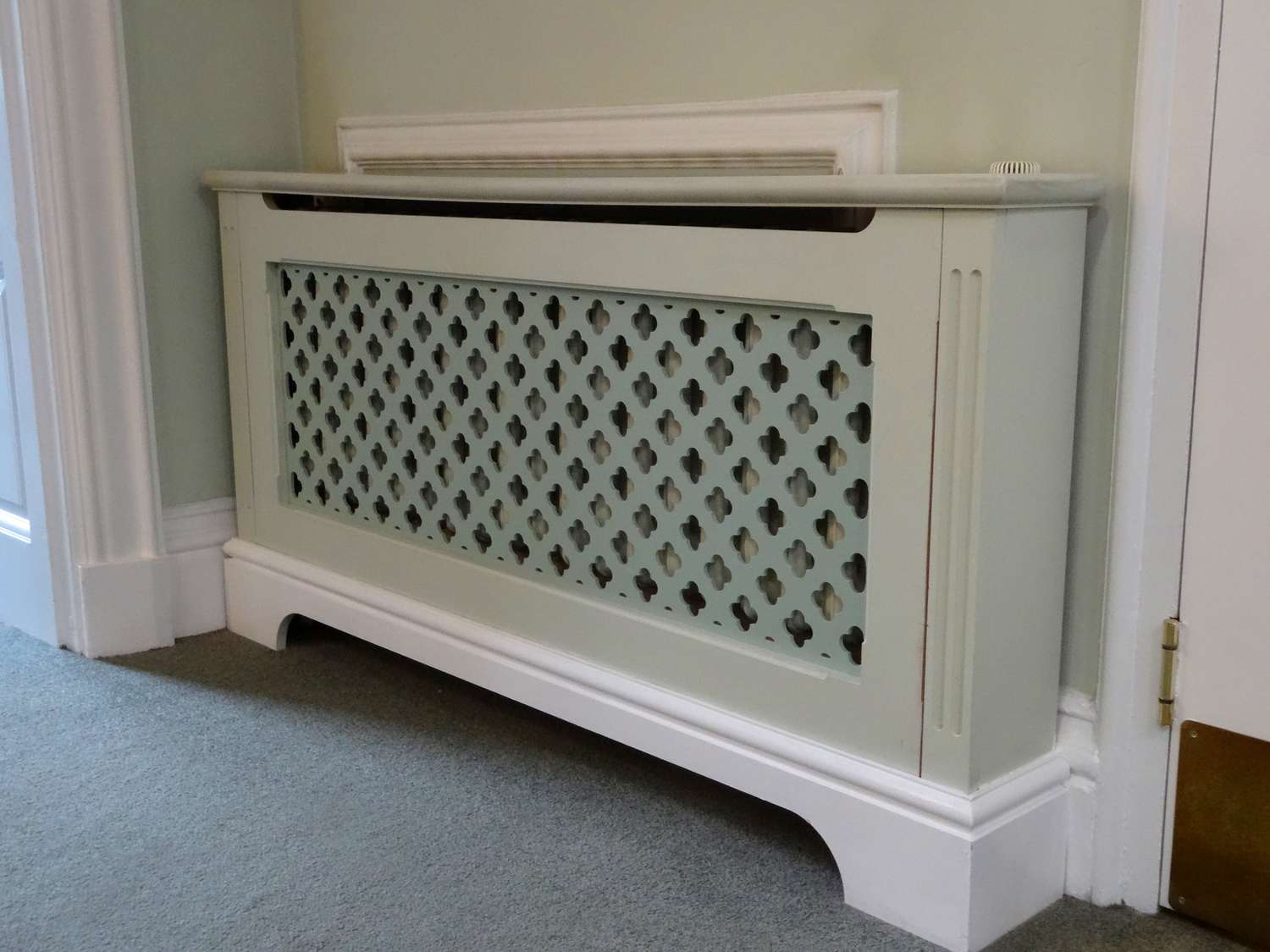
Historically, radiators in buildings constructed after the 1918 flu epidemic were often oversized. Health officials at the time advocated for open windows to prevent disease spread, leading to heating systems designed to keep interiors warm even with continuous fresh air exchange. In modern contexts where windows are typically closed during colder months, these older, powerful radiators might be considered excessive. In such scenarios, a radiator cover could reduce the effective heat output, potentially by as much as 30%, which might be seen as a way to prevent overheating and save energy. However, this reduction in heat output is due to decreased efficiency, not improved performance.
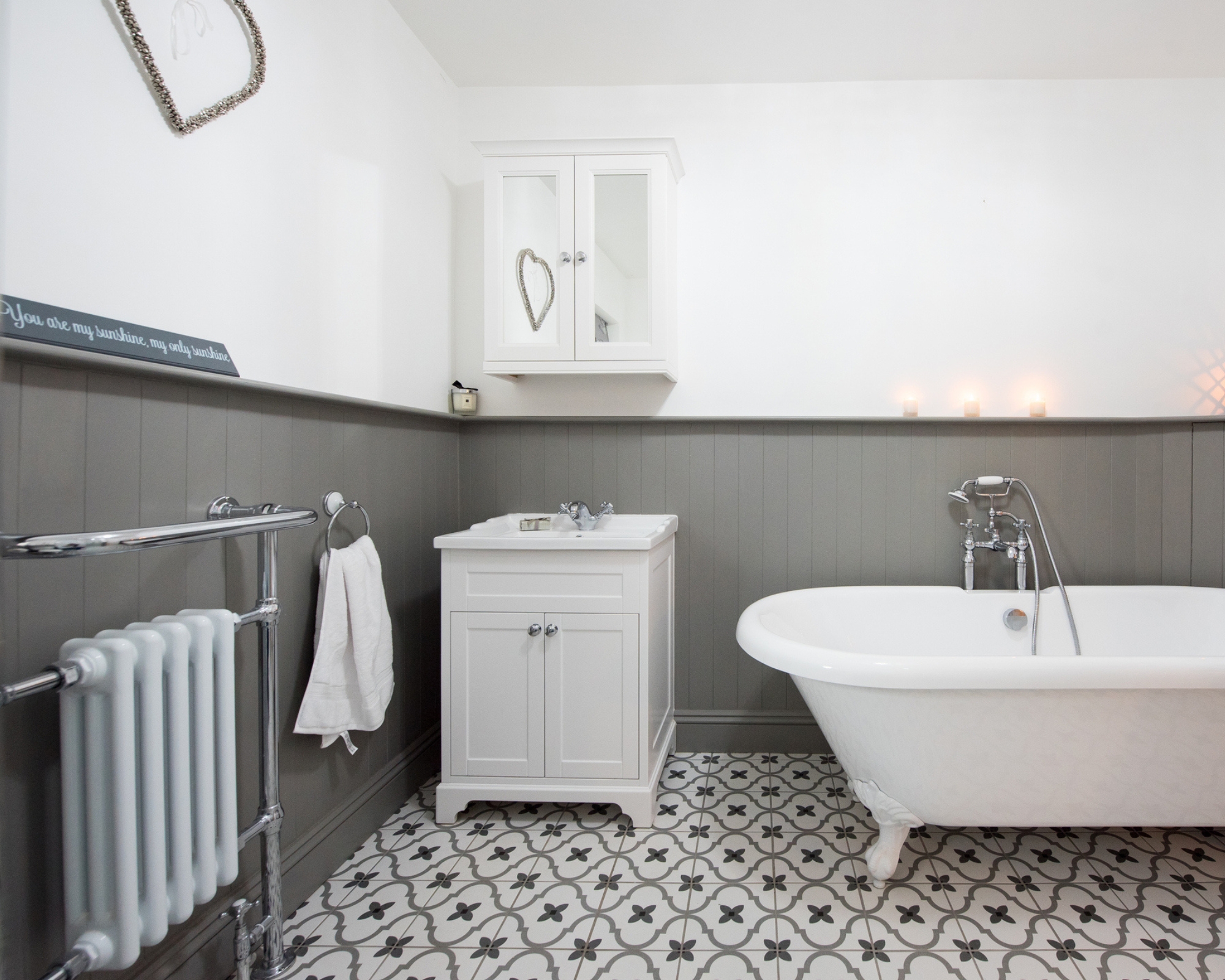
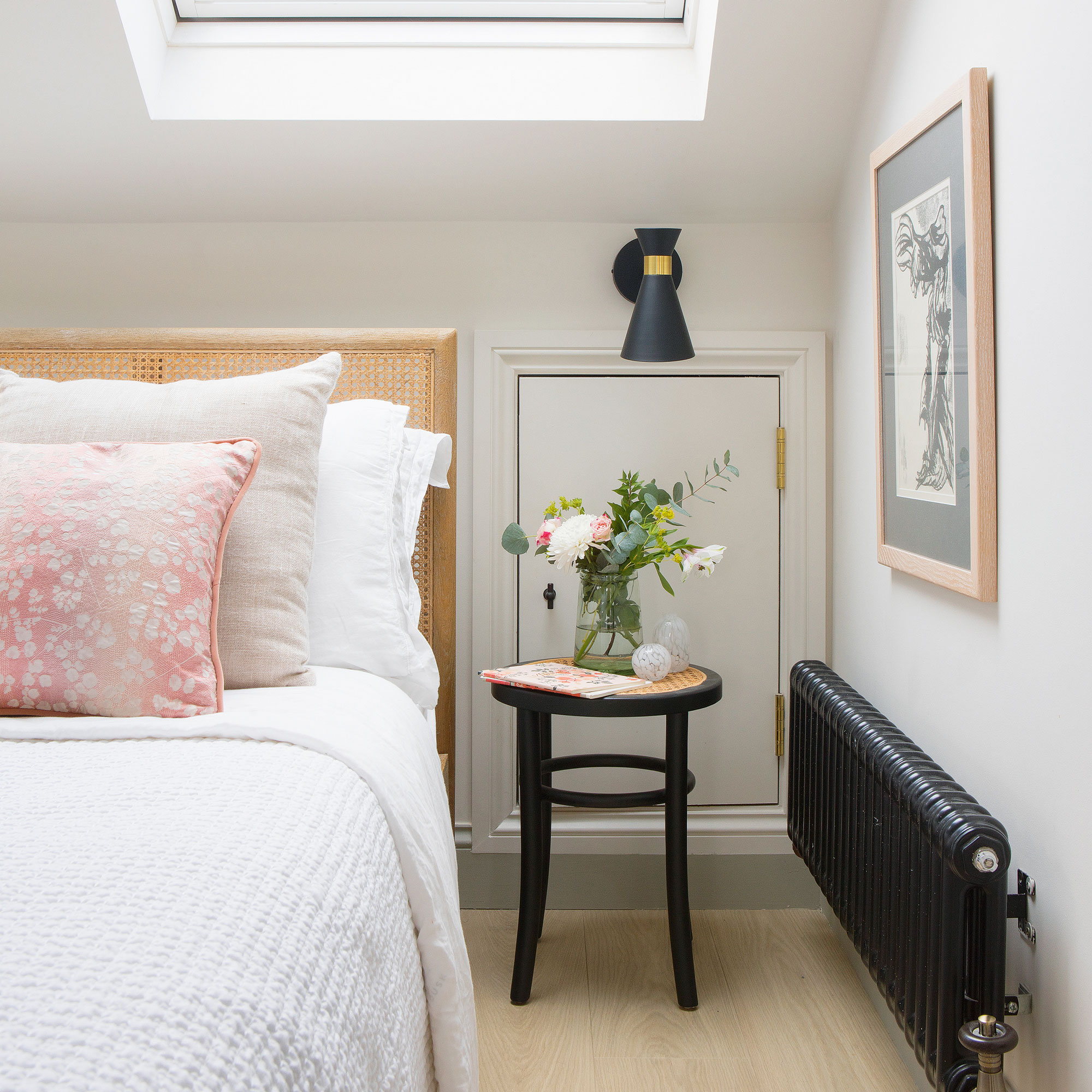
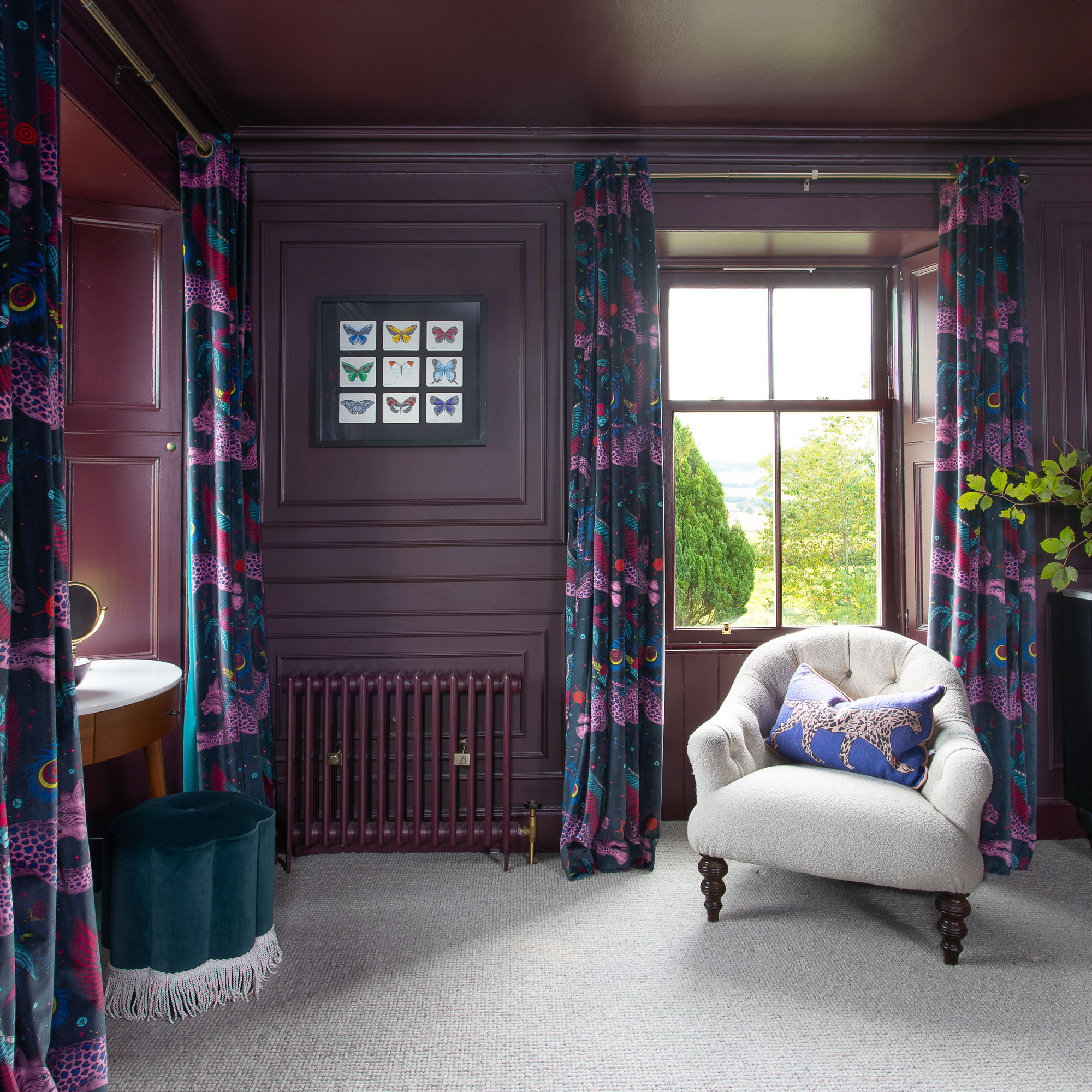
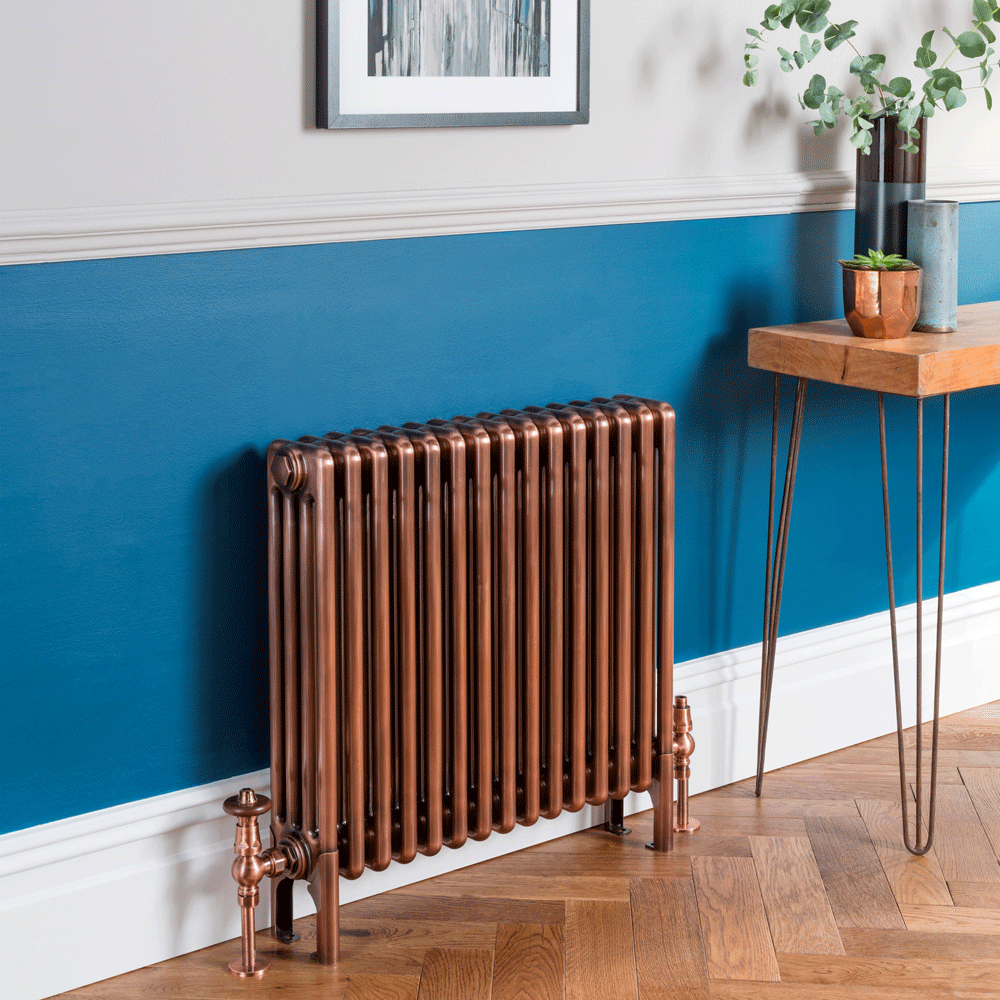
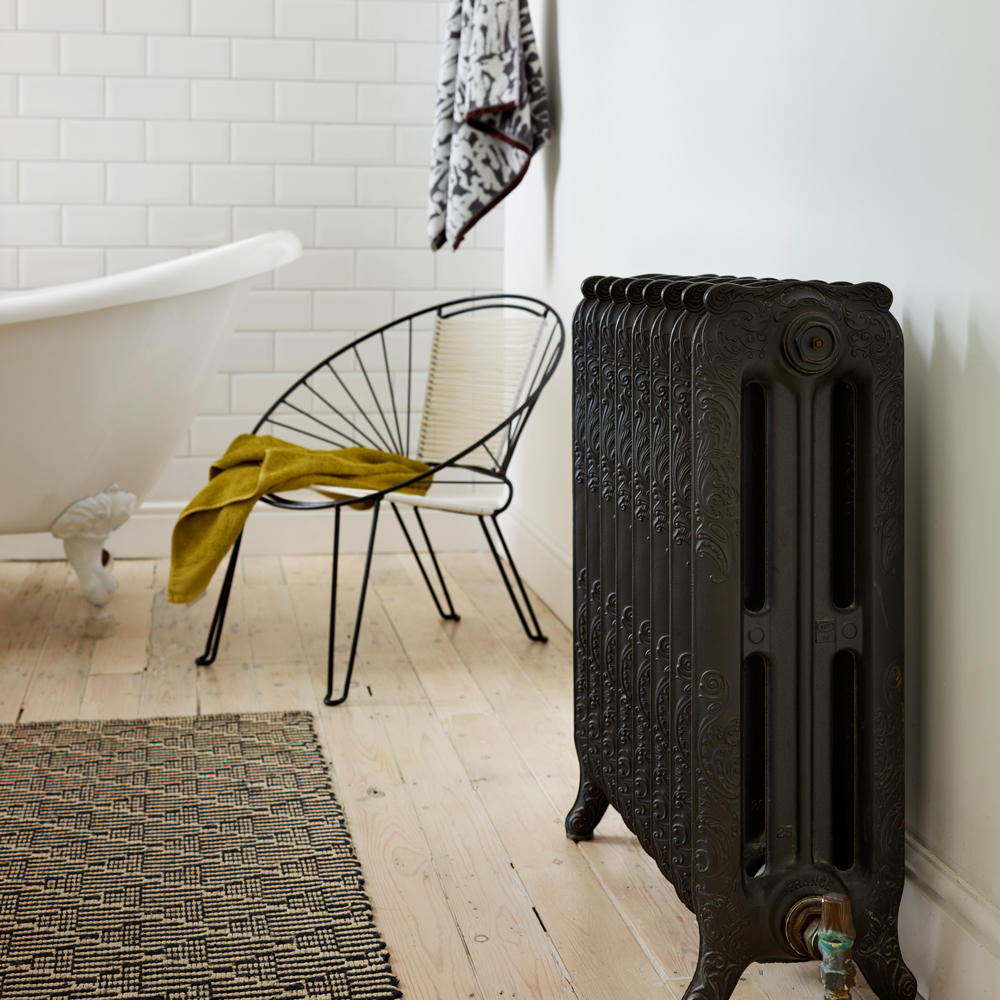
Modern radiators, such as copper-finned units, often include integrated covers, sometimes with dampers, to manage heat distribution. These covers are typically necessary because the radiators themselves can become dangerously hot to the touch. In contrast, traditional cast iron radiators connected to hydronic systems usually do not require covers for safety, though caution is still advised as they can reach high temperatures. Cases of burns from radiators underscore the importance of safety, especially in homes with children. Some experts suggest that landlords might consider covering radiators in apartments with young residents as a precautionary measure.
Ultimately, radiators are designed to expose the largest possible surface area to air currents to promote efficient heat transfer through convection. Fins are oriented perpendicular to the wall to maximize this effect. Any element that obstructs this airflow inherently reduces the radiator's efficiency. While radiator covers might offer aesthetic benefits or address safety concerns, their impact on energy efficiency is generally negative, as they interfere with the natural convective heating process.
#RadiatorCovers #EnergyEfficiency #HomeHeating #ConvectionHeating #HomeDesign #SustainableLiving #InteriorDesign #RadiatorTypes #RadiatorCovers #EnergyEfficiency #HomeHeating #ConvectionHeating #HomeDesign #SustainableLiving #InteriorDesign #RadiatorTypes
0 ความคิดเห็นรวม
 ยังไม่มีความคิดเห็น
คุณอาจจะชอบอีกด้วย
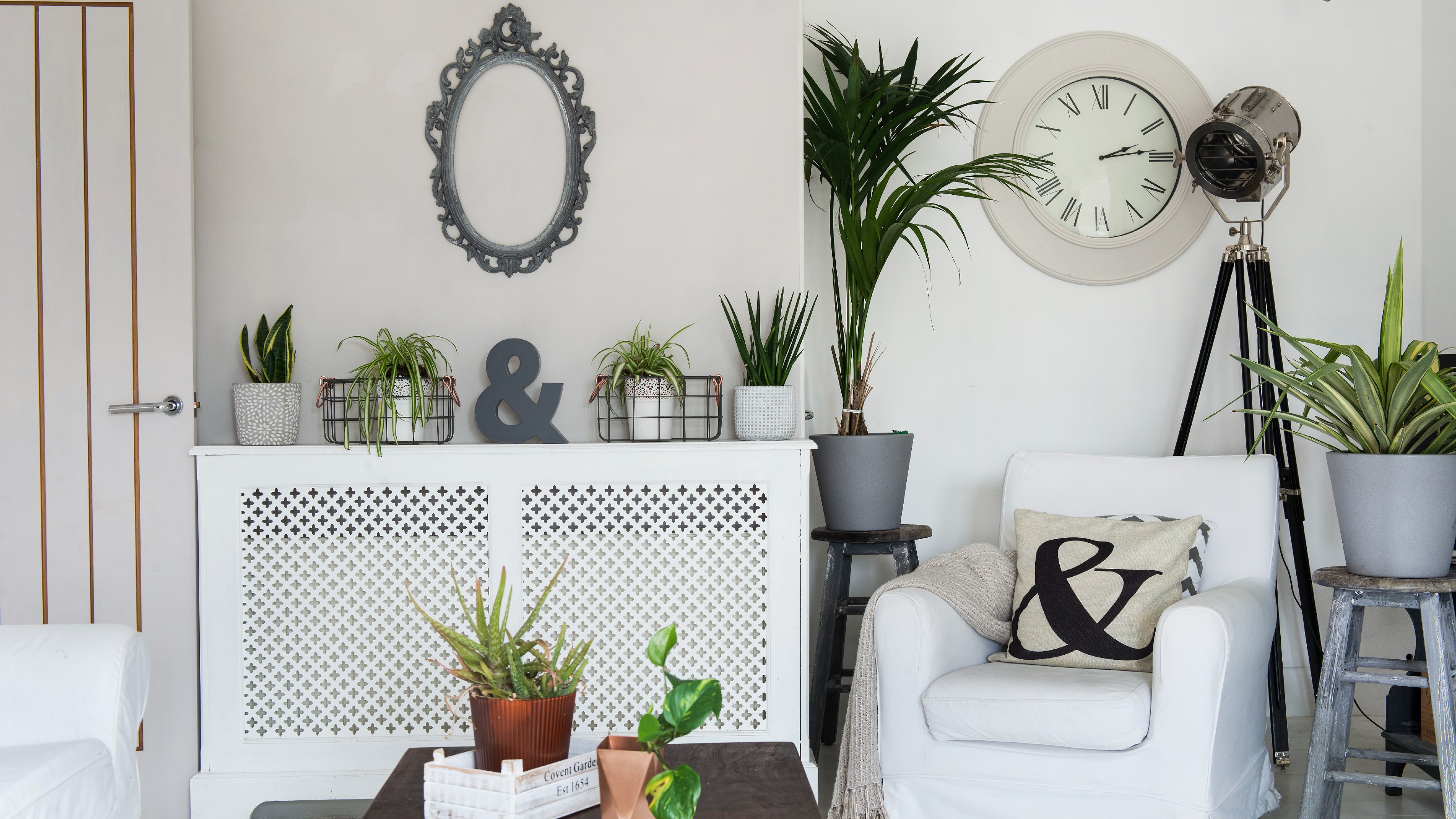
Do radiator covers block heat? Experts explain what impact they can have on energy bills
3 home design choices that were increasing my heating bills

Thrifty gran shares how she gave her radiators a makeover for free

Radiant heating can add a blanket of comfort, as well as long-term savings for the home
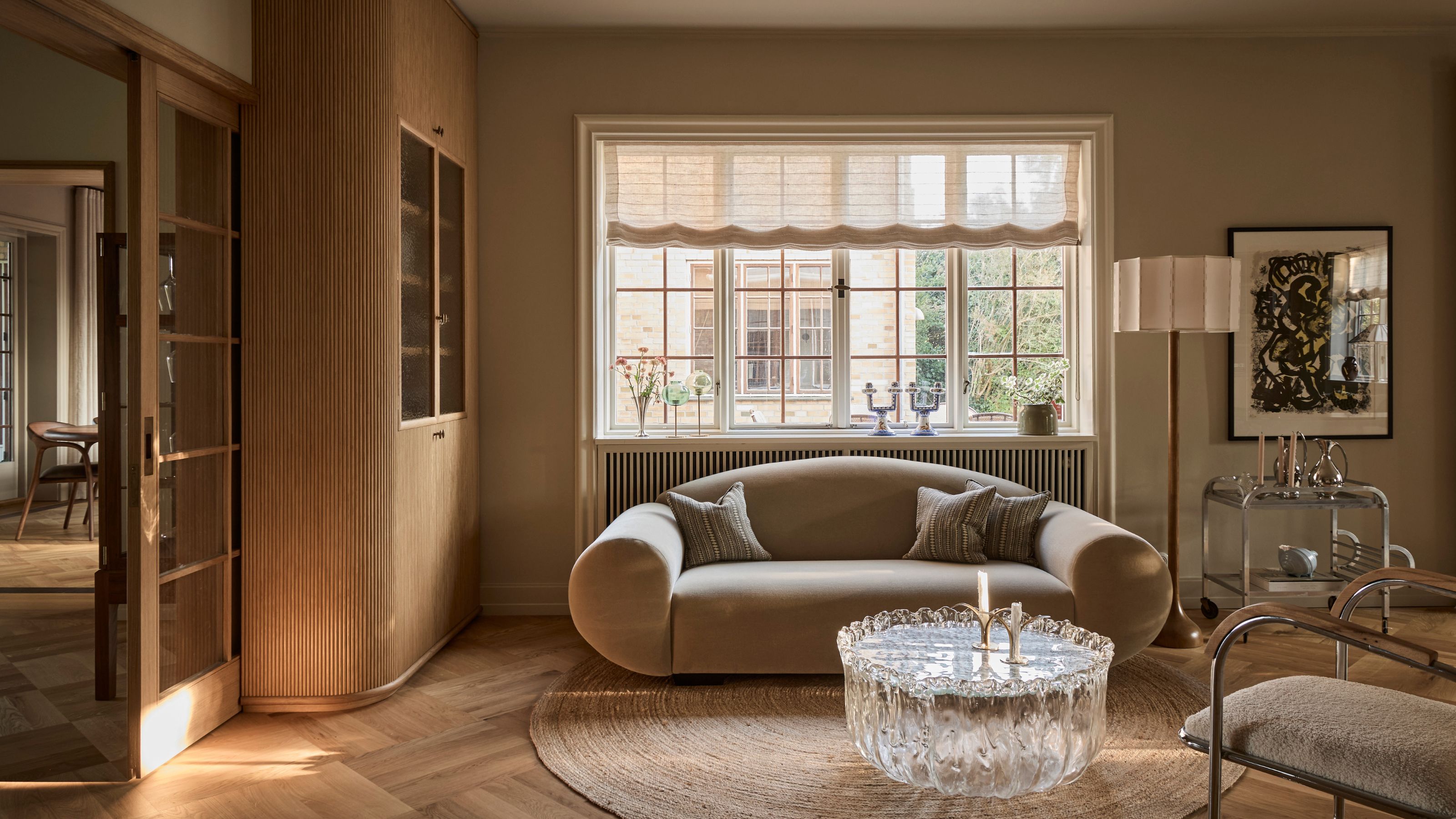
Do Radiator Covers Block Heat? Heating Experts Break It Down

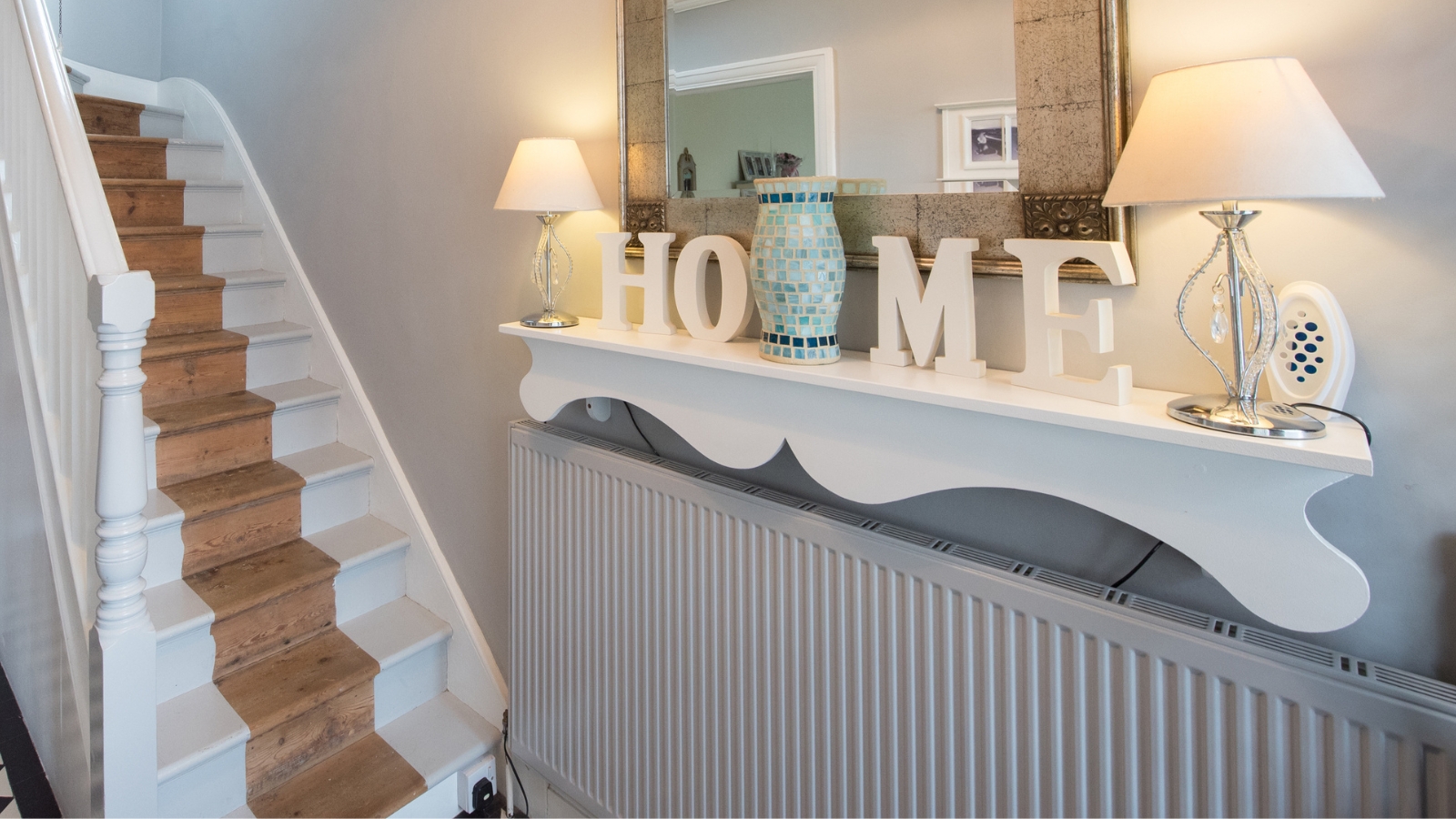
Are shelves over radiators a good idea? Our experts share pros, cons and what to consider if you go for it

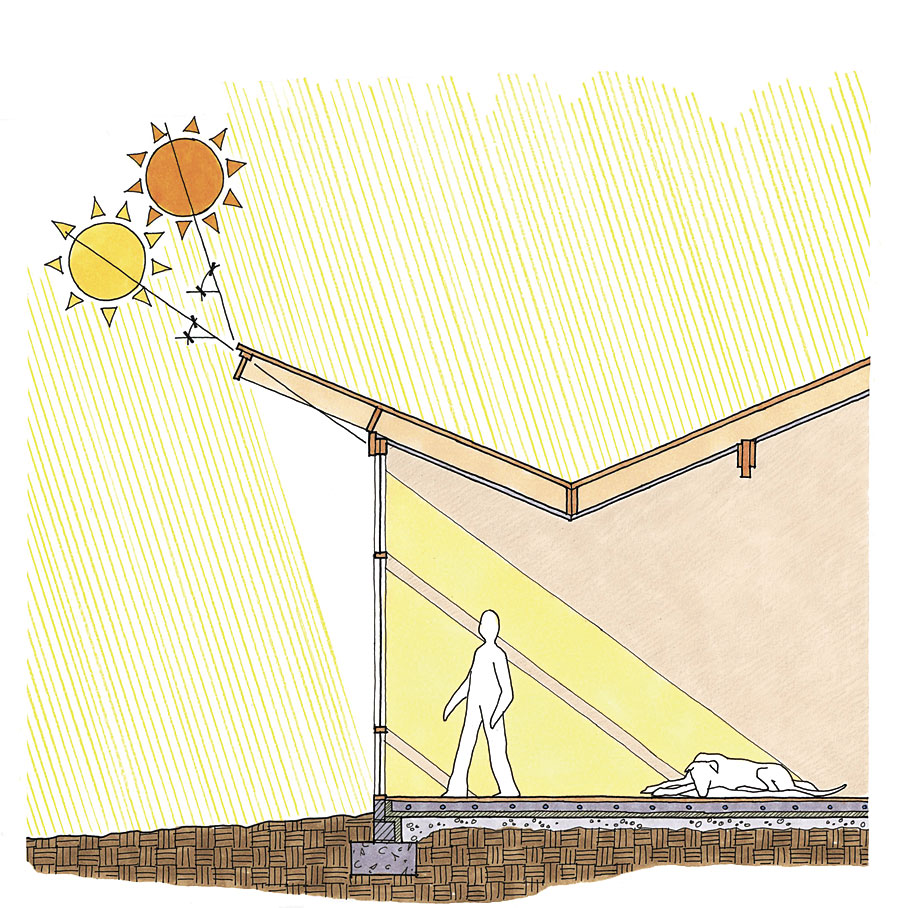
Does Passive-Solar Design Actually Save Energy?
Can Installing A Shelf Over A Radiator Impact How Well It Heats Your Home?
The best radiator covers – modern, rustic and affordable options to disguise your heating in style
Block the Sun and Lower Your Energy Costs With Window Coverings
This smart panel heater costs just pennies to run — it’s so effective I’ve been using it every day in lieu of my radiators
This radiator add-on could slash your energy bills by 40 per cent according to energy experts
Radiator Covers Buyer’s Guide: Why Use, Types (Wood, Metal &; More), Costs Etc.

Radiant Barriers
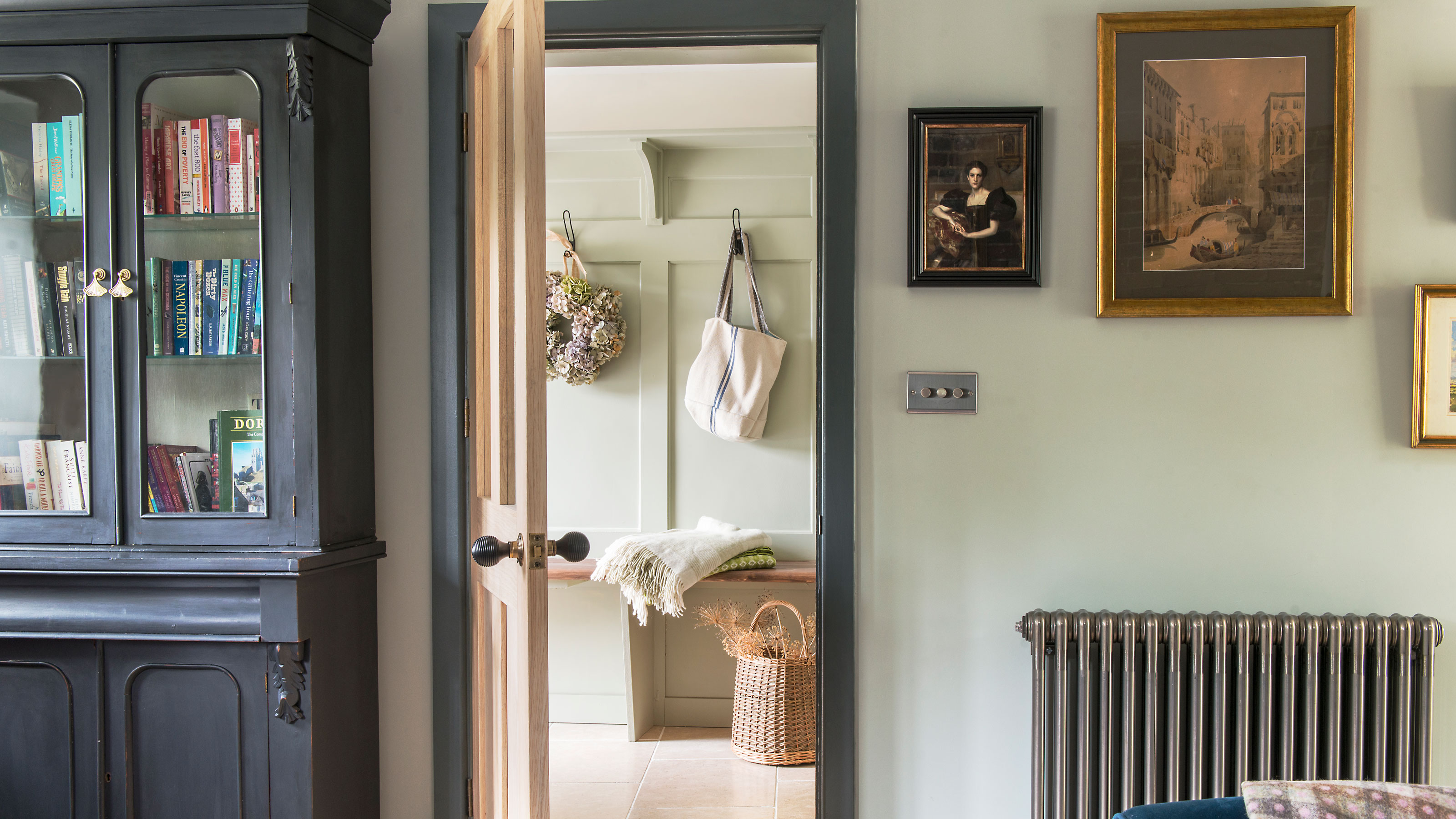
6 clever ways to make a radiator look good – there is no excuse for an ugly radiator to sabotage your scheme
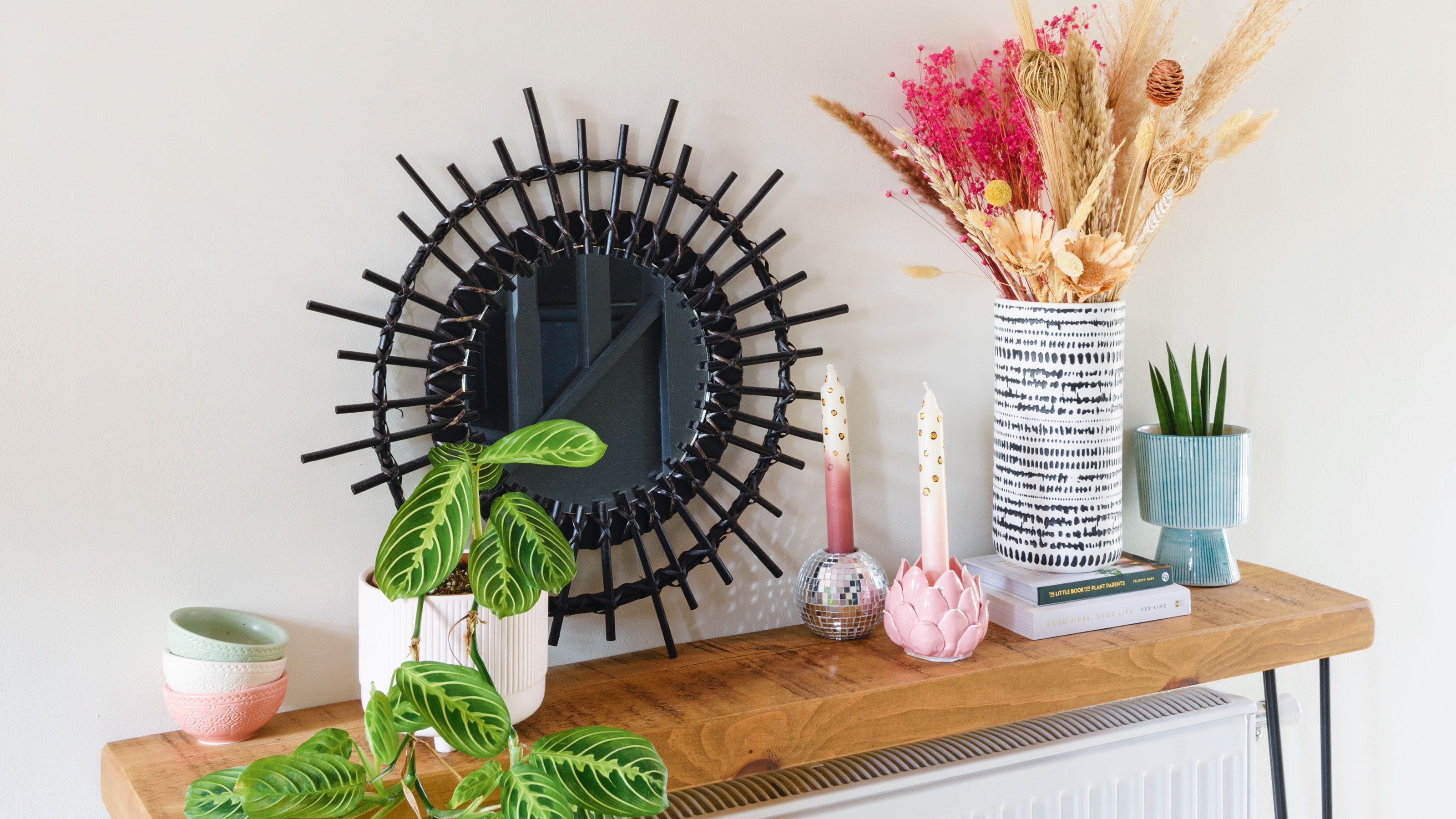
Heating experts want you to put this one item above your radiators this winter to heat up a room quickly and efficiently
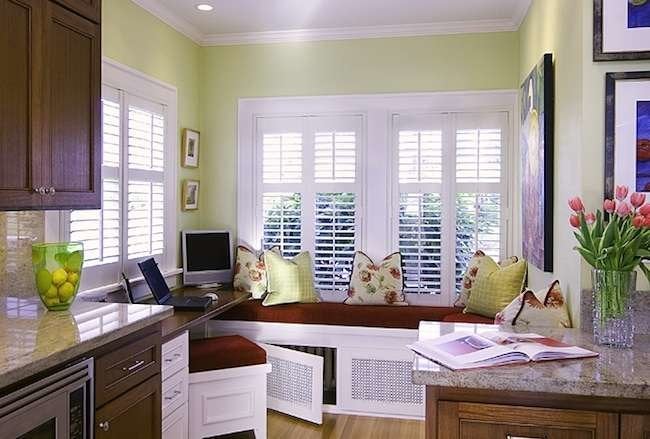
11 Stylish Ways to Enhance—or Hide—Your Radiators
Are infrared heaters cheap to run? For targeted heat they could be better value than an oil-filled radiator, say experts
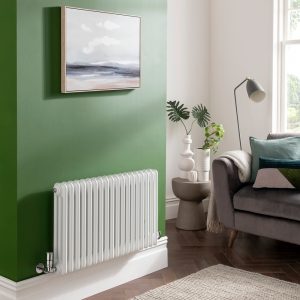
Expert warns this popular DIY radiator cover hack could be increasing your heating bills
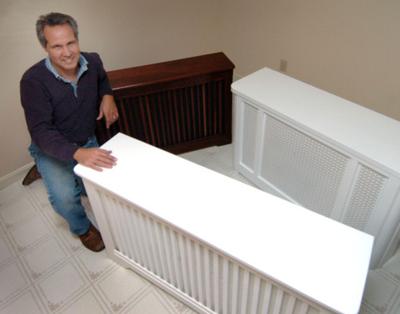
Take cover / Turn your unsightly radiator into a thing of beauty with an enclosure