1/2
Does Passive-Solar Design Actually Save Energy?
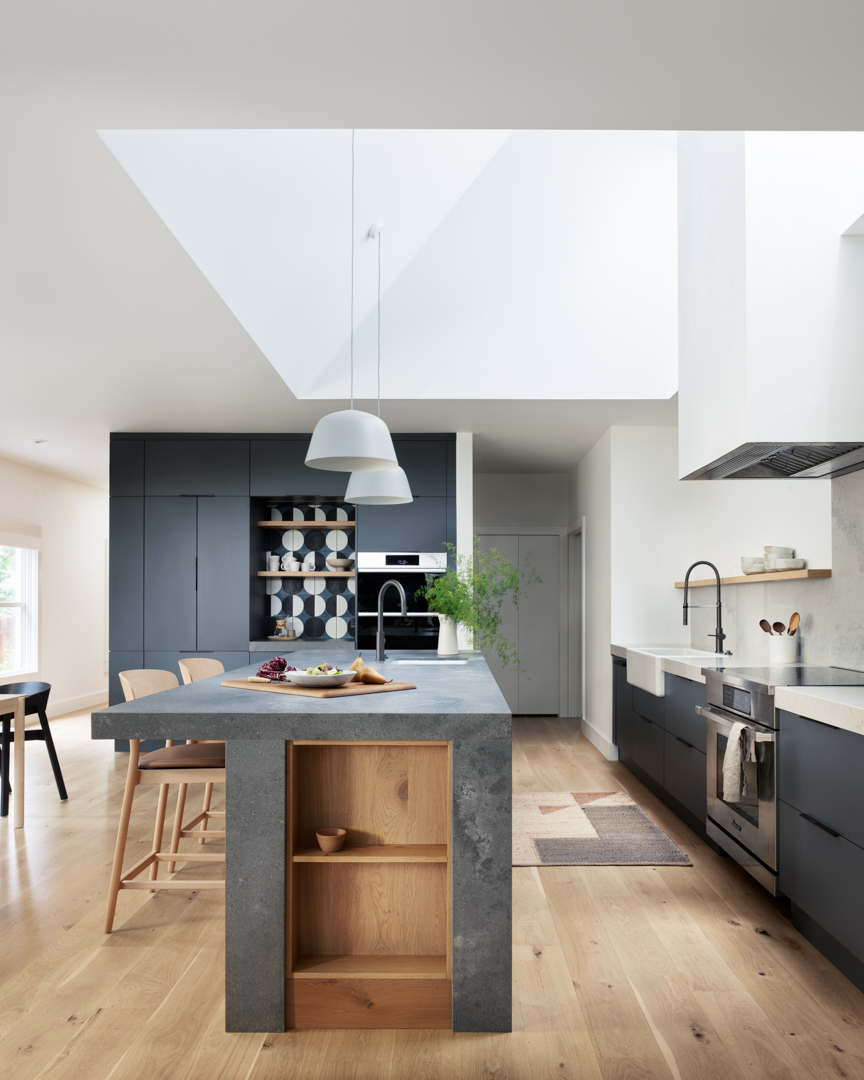
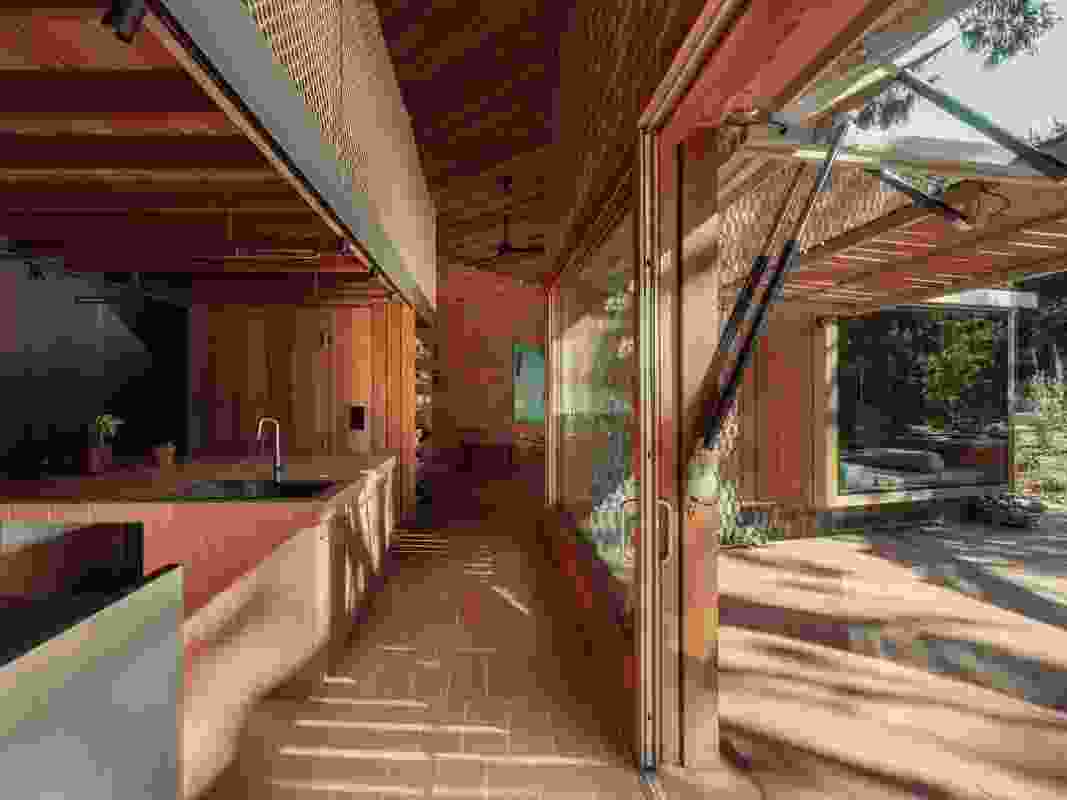
The relevance of passive-solar design principles, which gained prominence in the 1970s, is re-evaluated in the context of modern, better-insulated, and more airtight homes. The article questions whether these traditional design tenets, emphasizing solar orientation, south-facing windows, and thermal mass, still yield significant energy savings or if they are outdated concepts.
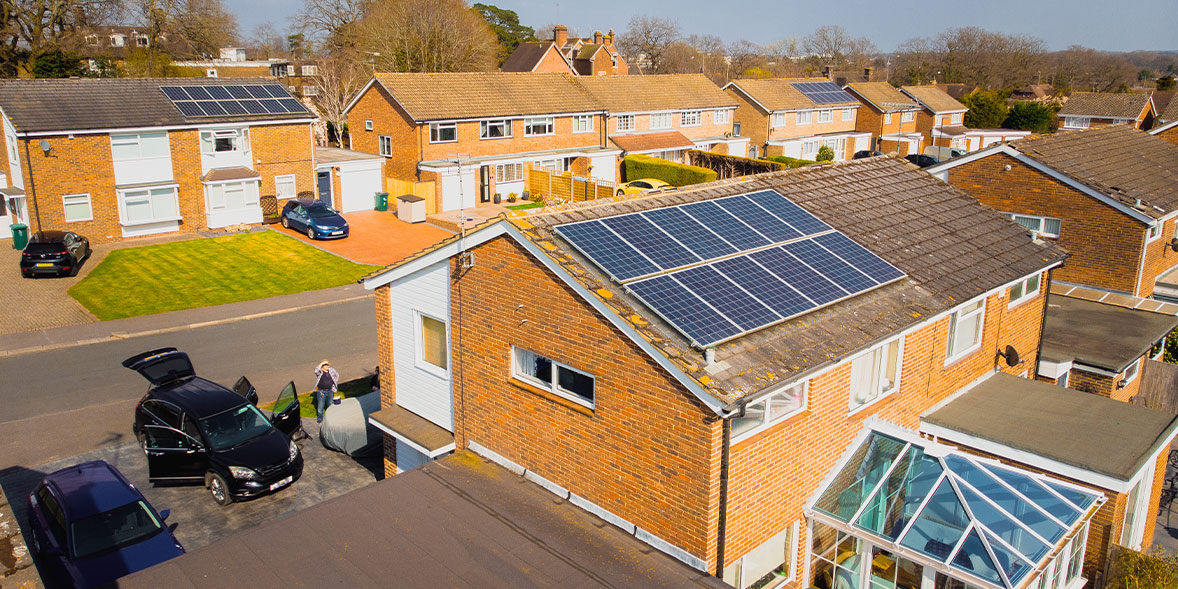
The first principle discussed is orienting the long axis of a house in an east-west direction. While conventional wisdom suggests this optimizes southern exposure for heat gain, energy modeling indicates it doesn't necessarily save energy due to heat loss in all directions, especially at night. Although extra south-facing glass collects heat on sunny days, it loses heat faster than an insulated wall on cloudy days. However, an east-west orientation can still be beneficial for maximizing daylight in rooms and optimizing roof space for photovoltaic (PV) arrays.
Next, the article examines the placement of frequently used rooms on the south side and utility rooms on the north. While this layout may not directly save energy, it can improve occupant comfort by providing cheerful, sunny living spaces. It's noted that in mixed or hot climates, this principle might be disregarded in favor of shade. A cautionary point is raised regarding potential glare in passive-solar homes with excessive south-facing glazing.
The third principle concerns maximizing south-facing glazing while minimizing north-facing windows. This idea is challenged by research suggesting that the cost of extra south-facing windows often outweighs the value of the heat they collect. Funds might be better invested in other energy-saving measures. The advice is to limit south-facing glazing to functional and aesthetic needs. The notion that north-facing windows are inherently bad is also refuted, especially if they offer desirable views.
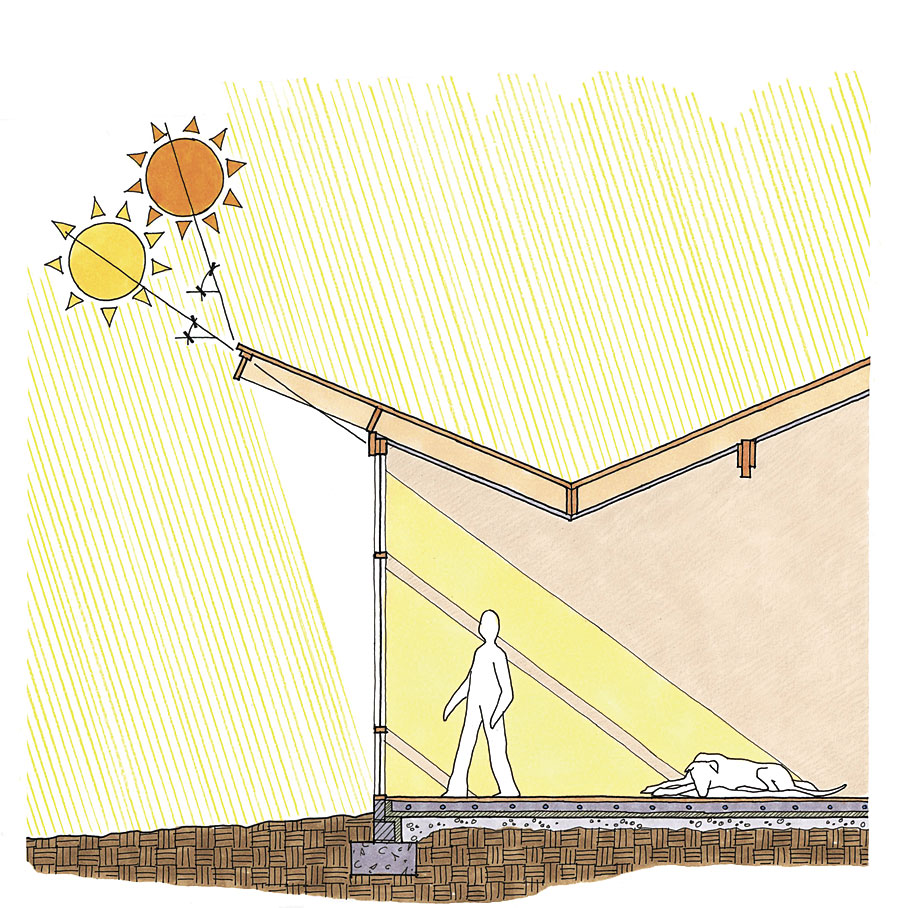
Regarding roof overhangs on the south side, designed to shade summer sun and allow winter sun, the article acknowledges their intent but points out their inherent imperfection. The sun's varying angles throughout the day and year, particularly in spring and fall, make it difficult to design an overhang that perfectly achieves both shading and solar gain. Imperfection in this area is deemed acceptable, especially when coupled with windows that have a low solar heat-gain coefficient (SHGC).
Finally, the concept of incorporating extra interior thermal mass to absorb heat from windows is critically reviewed. Thermal mass is presented as expensive and complicating to remodels. Its slow response to temperature changes can sometimes lead to discomfort, keeping a home cold when warmth is desired or hot when cooling is preferred. While thermal mass can reduce air-conditioning loads in hot climates for homes with high-mass exterior walls, its benefits can often be achieved more affordably through additional insulation.
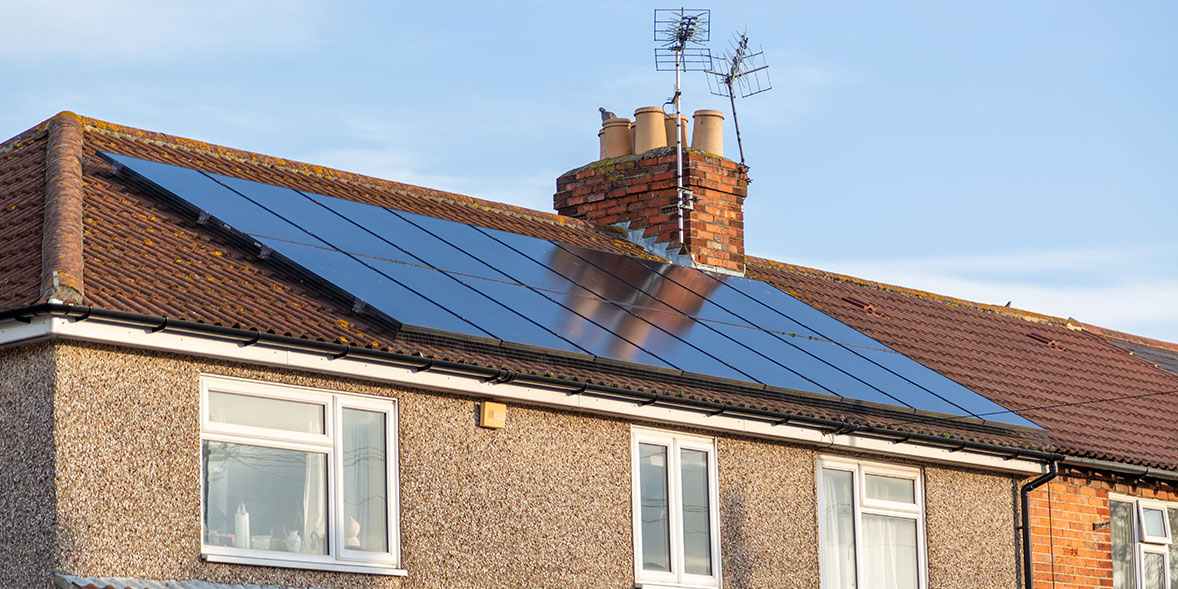
The article concludes by highlighting that modern, well-insulated, and airtight homes are more susceptible to overheating with extensive south-facing glazing. The energy required for space heating now represents a smaller portion of a home's total energy budget compared to the past, with domestic hot water often requiring more energy. Investing in a PV array is suggested as a more effective way to generate useful energy than relying on south-facing windows for heat. The author references building scientists who advocate for very low SHGC windows (around 0.2) to prevent overheating, even in cold climates, and suggest that solar energy collection should be left to PV systems. The article concludes that while passive solar principles were once vital, they require re-evaluation and adaptation in contemporary, energy-efficient housing design.
#PassiveSolarDesign #EnergyEfficiency #HomeInsulation #WindowGlazing #ThermalMass #BuildingOrientation #OverhangDesign #SolarHeatGain #NetZeroEnergy #PassiveSolarDesign #EnergyEfficiency #HomeInsulation #WindowGlazing #ThermalMass #BuildingOrientation #OverhangDesign #SolarHeatGain #NetZeroEnergy
0 comment in total
 No comments yet
You may also like
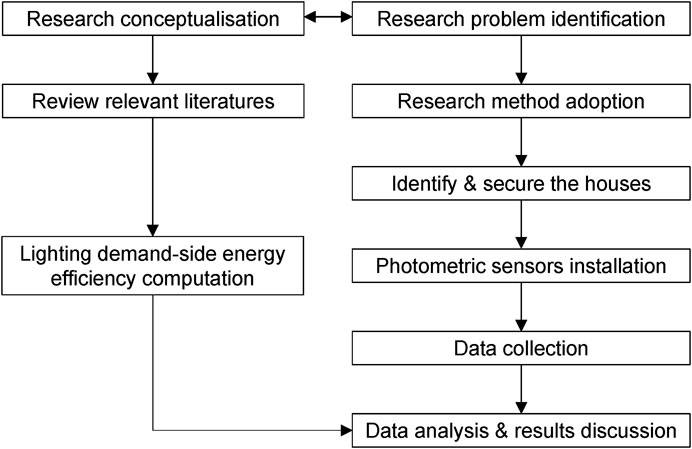
Passive Solar and Conventional Housing Design: A Comparative Study of Daylighting Energy Efficiency Potential
![Homeowner shares personal utility costs one year after swapping their gas boiler for a heat pump: 'Hope that [this] is helpful for someone'](https://gstatic.ideal.house/news/images/5791e9b0f91d49288ec66c1fc4ccecd4.jpg)
Homeowner shares personal utility costs one year after swapping their gas boiler for a heat pump: 'Hope that [this] is helpful for someone'

Best Solar Shingles for 2025

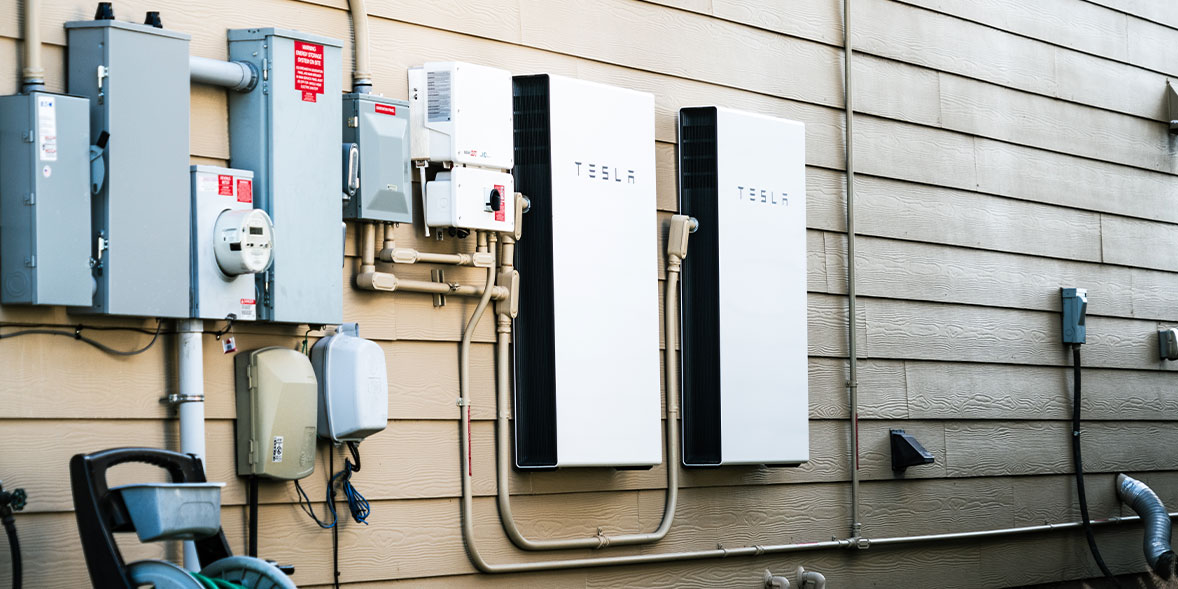
Solar Panel Battery Storage: Can You Save Money Storing Energy?
9 sustainable features you should consider for your eco-friendly remodel
Block the Sun and Lower Your Energy Costs With Window Coverings
Passive Design Strategies for Energy Efficient Buildings in the Arabian Desert
It's not a good idea to put solar panels on pergola or shed

3 sustainable features to consider for your next renovation

Do Radiator Covers Save Energy or Waste It?
In Texas, a Passive House Blends Style and Sustainability

Patios Stay Lit 'All Night' with These Solar-Powered Lights, and They're 52% Off

Reverse brick veneer case study: Solar Sellew by Positive Footprints

Shade Factor for an architect’s own home
HVAC installer shows how he used solar power to spite utility company: 'Been a good year'