1/7
A Sebastopol Couple Turned Their Home Into One of the Most Sustainable in the Nation
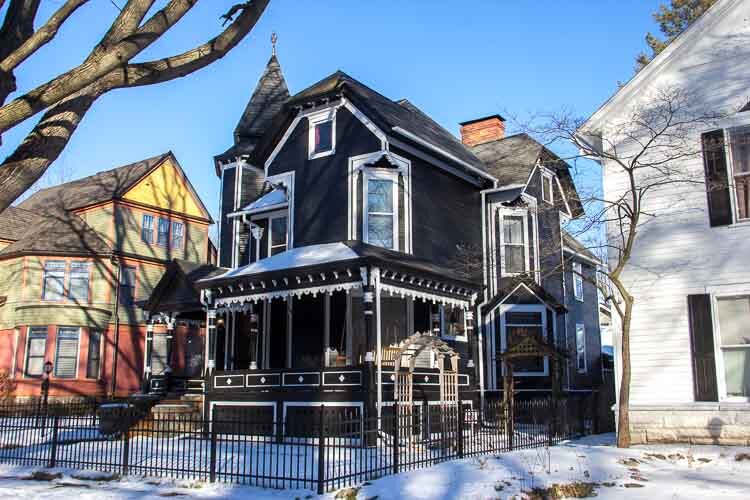
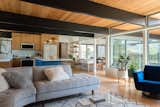
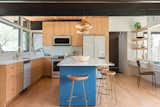
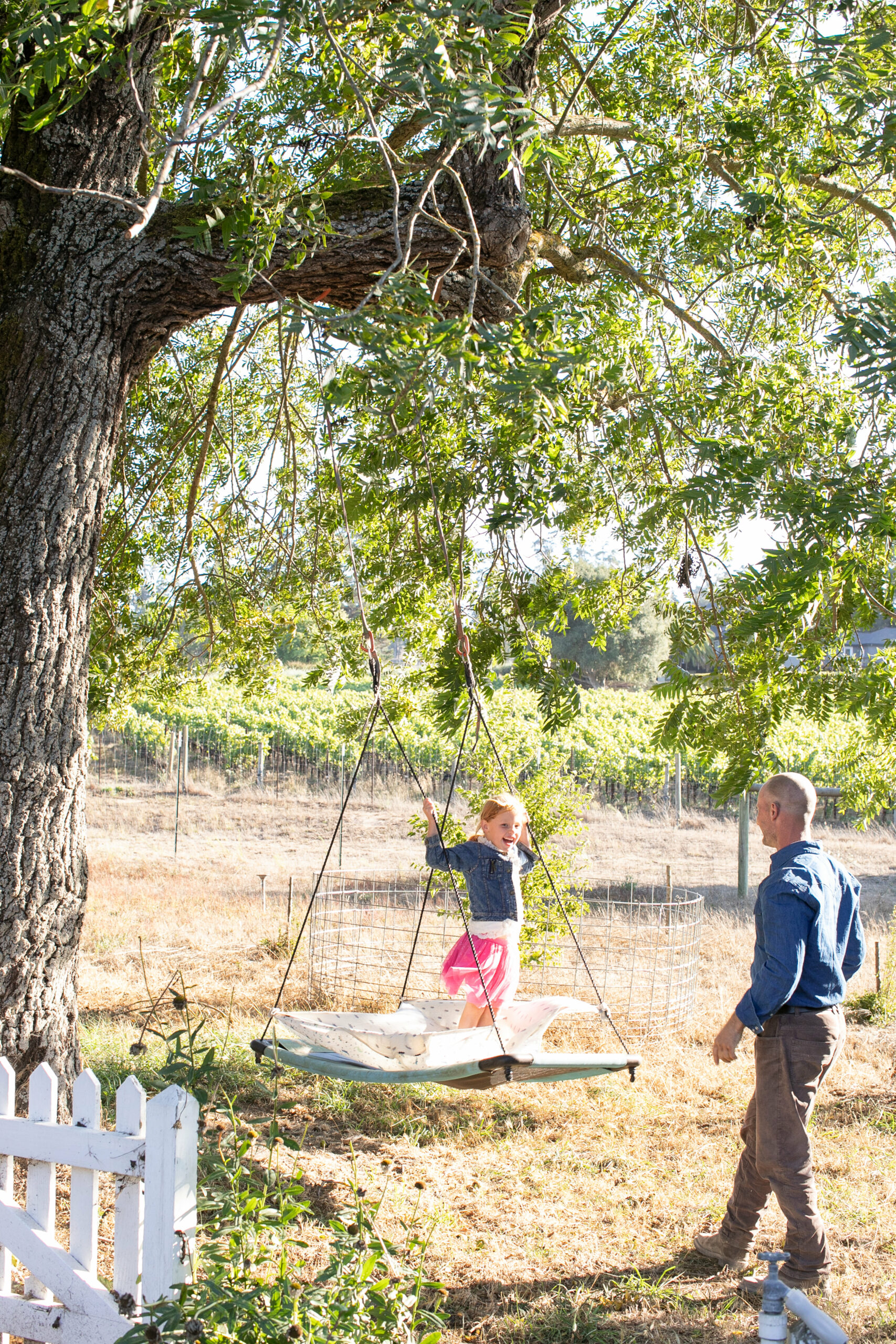
The article highlights the journey of Kristin and Jason Nichols, a Sebastopol couple, who have meticulously transformed their 1980s home into one of the most sustainable residences in the nation. Their commitment to eco-conscious living began even before their marriage in 2017, stemming from a shared spiritual path and a desire to live harmoniously with nature. They reside on a compact homestead called Windhorse Orchard, featuring 50 fruit trees and a large garden, where they raise their two children, Eve and Ryo, in a lifestyle that prioritizes handmade experiences over modern gadgetry.
For five years, the Nicholses have focused on making their home ultra-energy- and water-efficient, incorporating non-toxic fixtures and materials. This endeavor is particularly challenging due to the limited availability of such products. Their ambitious goal is to achieve certification under two of the world's most rigorous green building standards: the Passive House Institute and the Living Building Challenge. The Passive House certification emphasizes extremely low energy consumption and superior indoor air quality through measures like air tightness, thermal insulation, and mechanical ventilation. The Living Building Challenge, administered by the International Living Future Institute, promotes regenerative building practices across seven areas: place, water, energy, health and happiness, materials, equity, and beauty. The couple has completed the necessary work for both and is currently collecting data to prove compliance with the Living Building Challenge requirements.
Geof Syphers from Sonoma Clean Power, an organization that has supported the Nicholses with information, assistance, and rebates, acknowledges the exceptional difficulty of meeting the Living Building Challenge standards, noting that few projects succeed due to material limitations. Jason Nichols, an ecological landscape designer, developed an interest in sustainable housing after observing student-built sustainable homes in Washington, D.C., in 2007. His move to California deepened his appreciation for local ecology and reinforced his belief that sustainability extends beyond human-centric views.
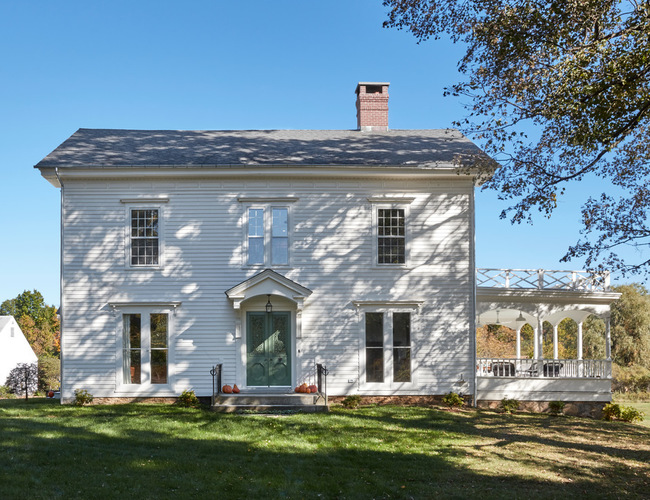
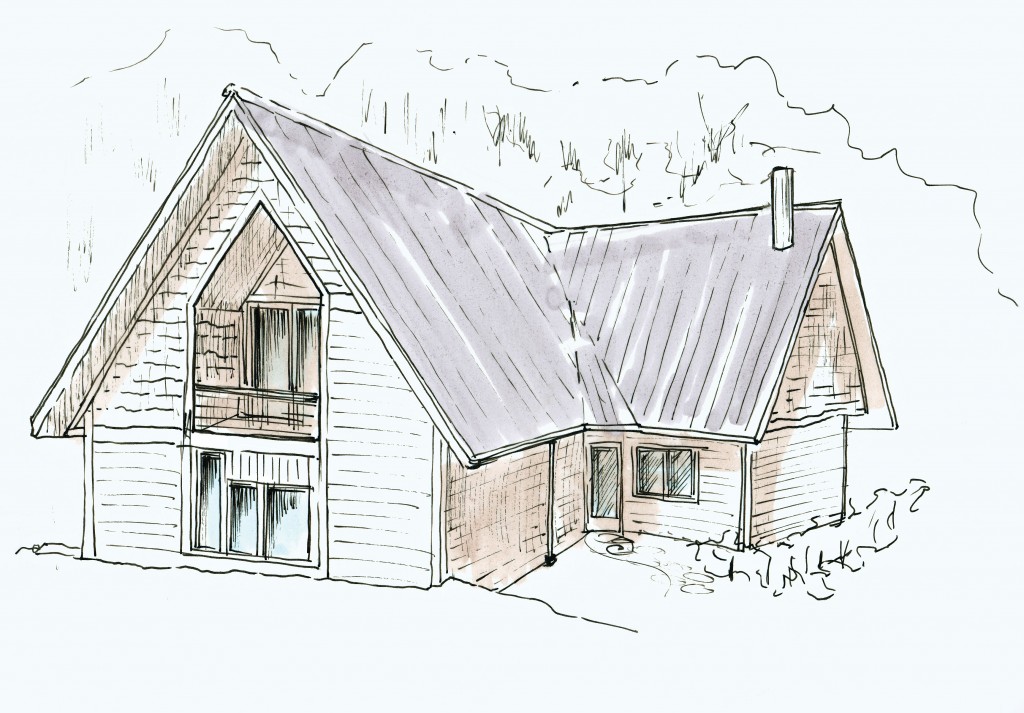
Kristin, an engineer with experience in waste-to-energy conversion in Germany, readily embraced Jason's vision. Driven by concerns about climate change and environmental degradation, they sought an existing home for renovation rather than building new, deeming it more sustainable. After evaluating approximately 50 properties, they selected a 2,300-square-foot home on 3.5 acres, which, despite being larger than initially desired, offered a well, septic system, and ample land for their ambitious ecological goals. Kristin, who is pursuing an architect's license, has largely overseen the design aspects of the renovation, working within the home's original footprint, including an octagonal turret from the 1980s.
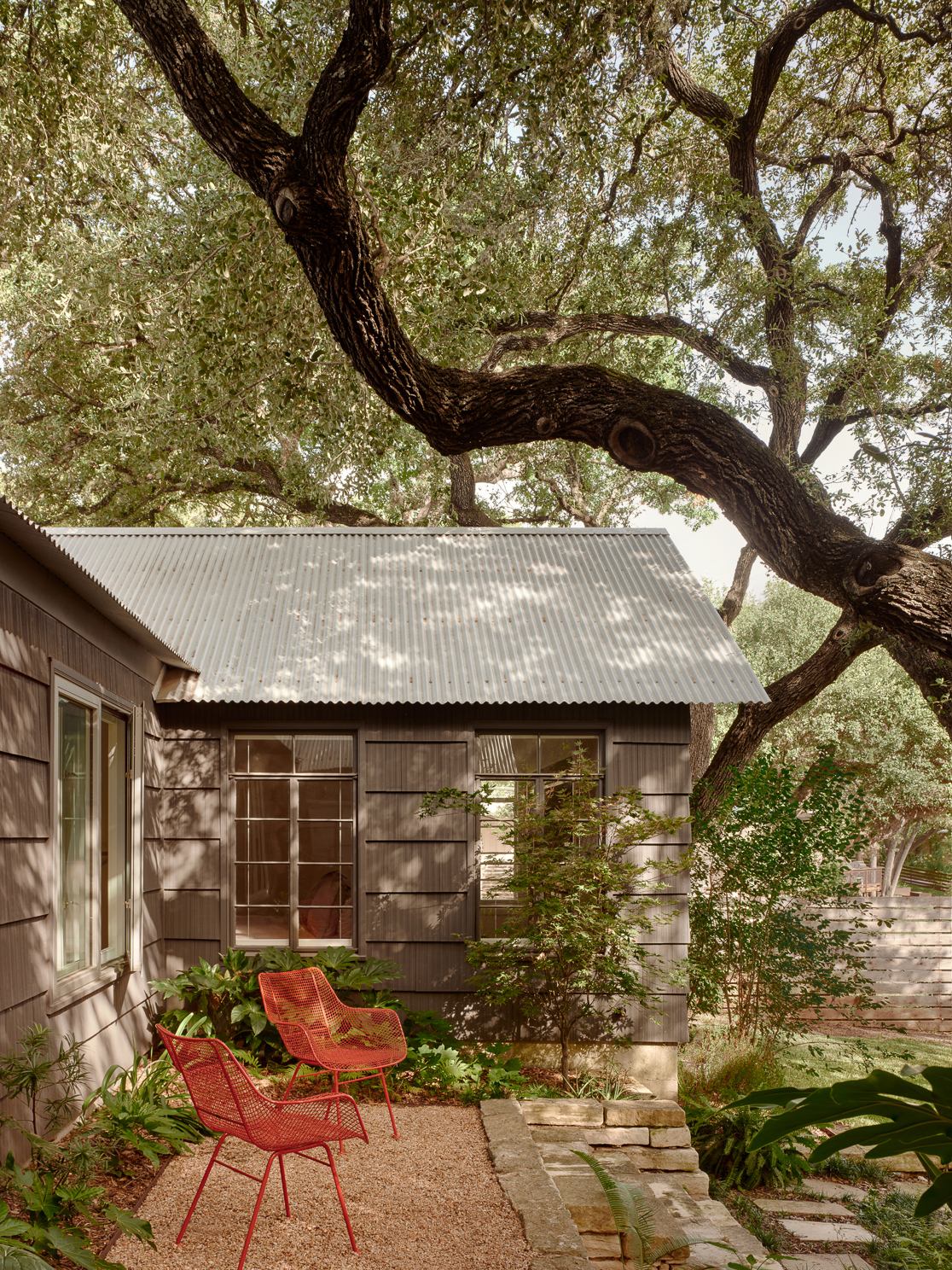
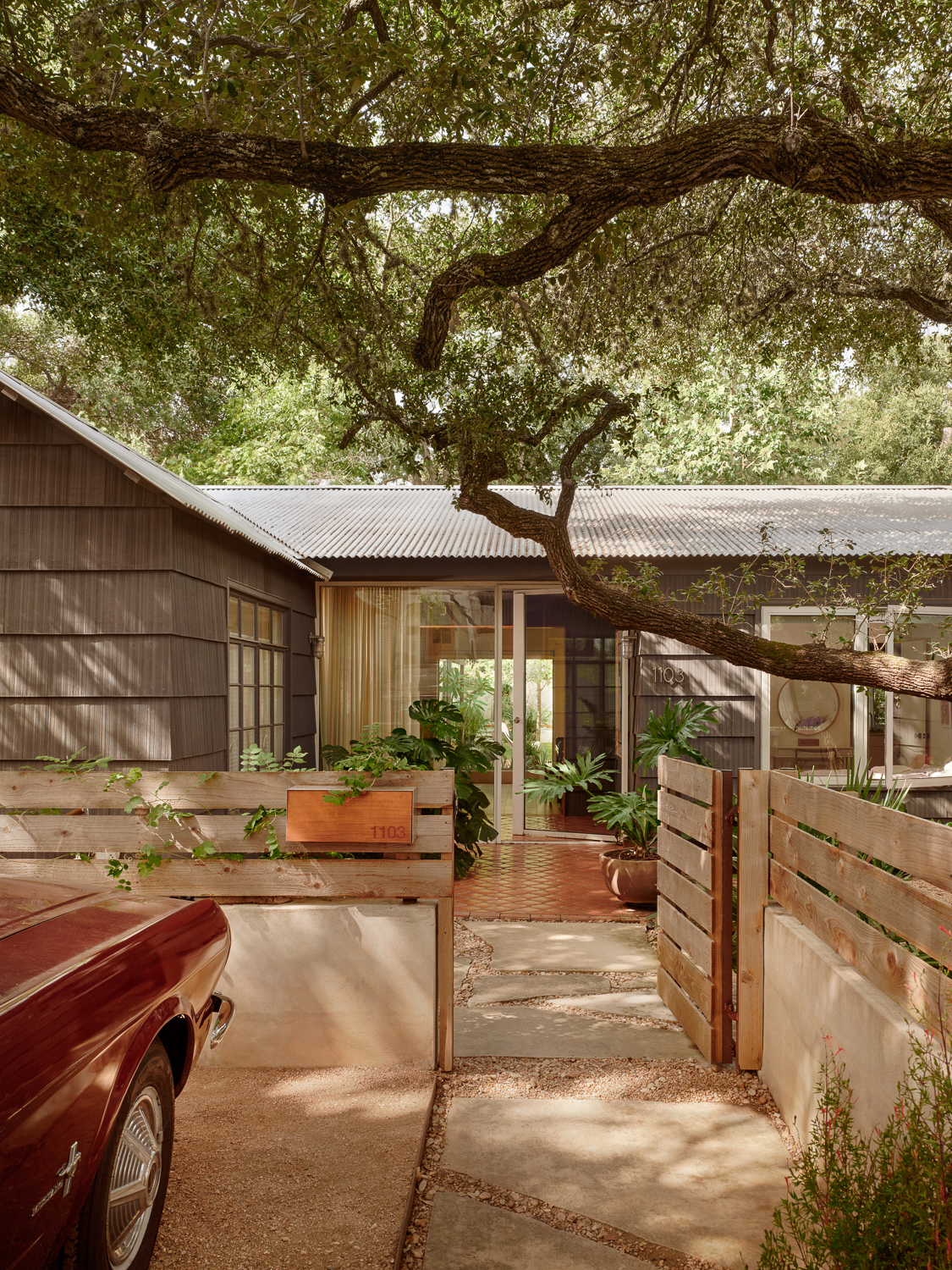
The renovation efforts have included installing triple-pane windows, insulated doors, and non-toxic, compostable sheep's wool insulation to achieve an airtight structure that minimizes heating and cooling needs. They replaced the siding and roof with Zincalume Plus, a fire and termite-resistant material made from recycled content. Reclaimed, sustainably harvested wood was used for new decks. A greywater system recycles water for irrigation, and a vacuum-flush toilet significantly reduces water consumption. Their sustainable ethos pervades their daily life, from buying bulk dry goods to reduce packaging waste, refilling soap containers, using cloth diapers washed in an energy-efficient machine, and purchasing second-hand or natural-fiber clothing.
The interior remodeling is ongoing, but they have already replaced a gas stove with an induction model and updated their refrigerator with an energy-efficient one. Leftover construction materials are repurposed for garden beds. They monitor indoor air quality using an Awair Element sensor, ensuring healthy carbon dioxide and VOC levels. While their budget was not minimal, the Nicholses contend that the slightly higher cost of sustainable materials is offset by significant energy savings—up to 90% compared to typical buildings—and increased product longevity. Rebates from Sonoma Clean Power helped finance energy-efficient appliances and upgrades. The home offers year-round comfort, requiring minimal heating in winter. The Nicholses aim to be community influencers, sharing their knowledge through an active website and open house tours. Kristin plans to specialize in designing sustainable homes and landscapes once licensed, advocating for a regenerative approach to living as a means to combat climate change and promote overall planetary health.
#SustainableHome #GreenBuilding #PassiveHouse #LivingBuildingChallenge #EcoFriendlyLiving #HomeRenovation #Sebastopol #SonomaCounty #NetZero #SustainableHome #GreenBuilding #PassiveHouse #LivingBuildingChallenge #EcoFriendlyLiving #HomeRenovation #Sebastopol #SonomaCounty #NetZero
0 ความคิดเห็นรวม
 ยังไม่มีความคิดเห็น
คุณอาจจะชอบอีกด้วย
Creative Couple Transforms Sebastopol Ranch House Into Joyful Work of Art

How They Pulled It Off: Making a Midcentury Home Sustainable for the Next Century

New Homeowners Finally See Potential in This 200-Year-Old Farmhouse


Promotion: Meet the local flooring business turning houses into homes

Couple turn their cramped house into beautiful open plan living-space
These Newlyweds Turned Their First Home Into a Cozy Bungalow
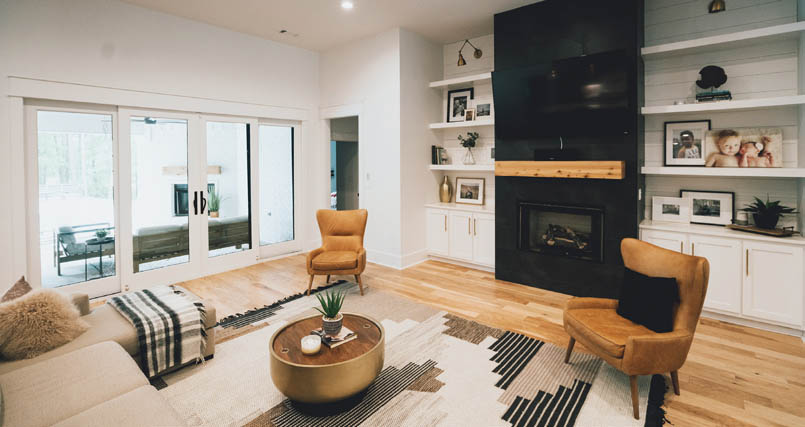
New construction: Couple enjoys home’s open design


Step Inside One Couple’s Game-Changing Live/Work Loft
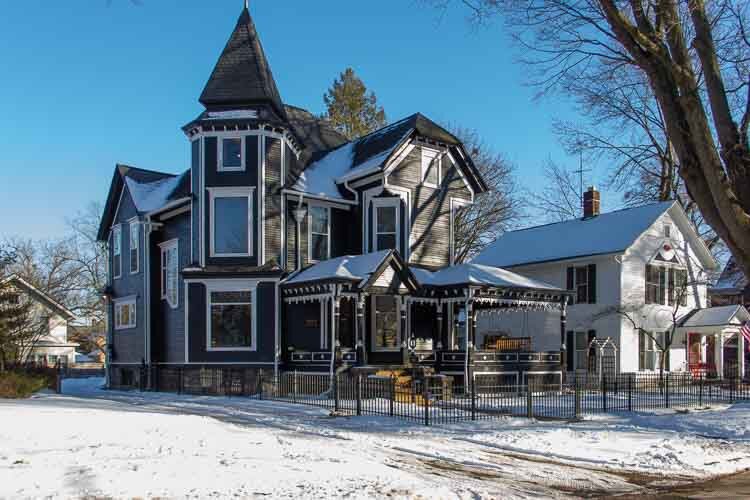
Young couple is putting energy into historic home renovations in the Stuart Neighborhood


A Seattle family ditches a ’60s kitchen for one that works for the whole family
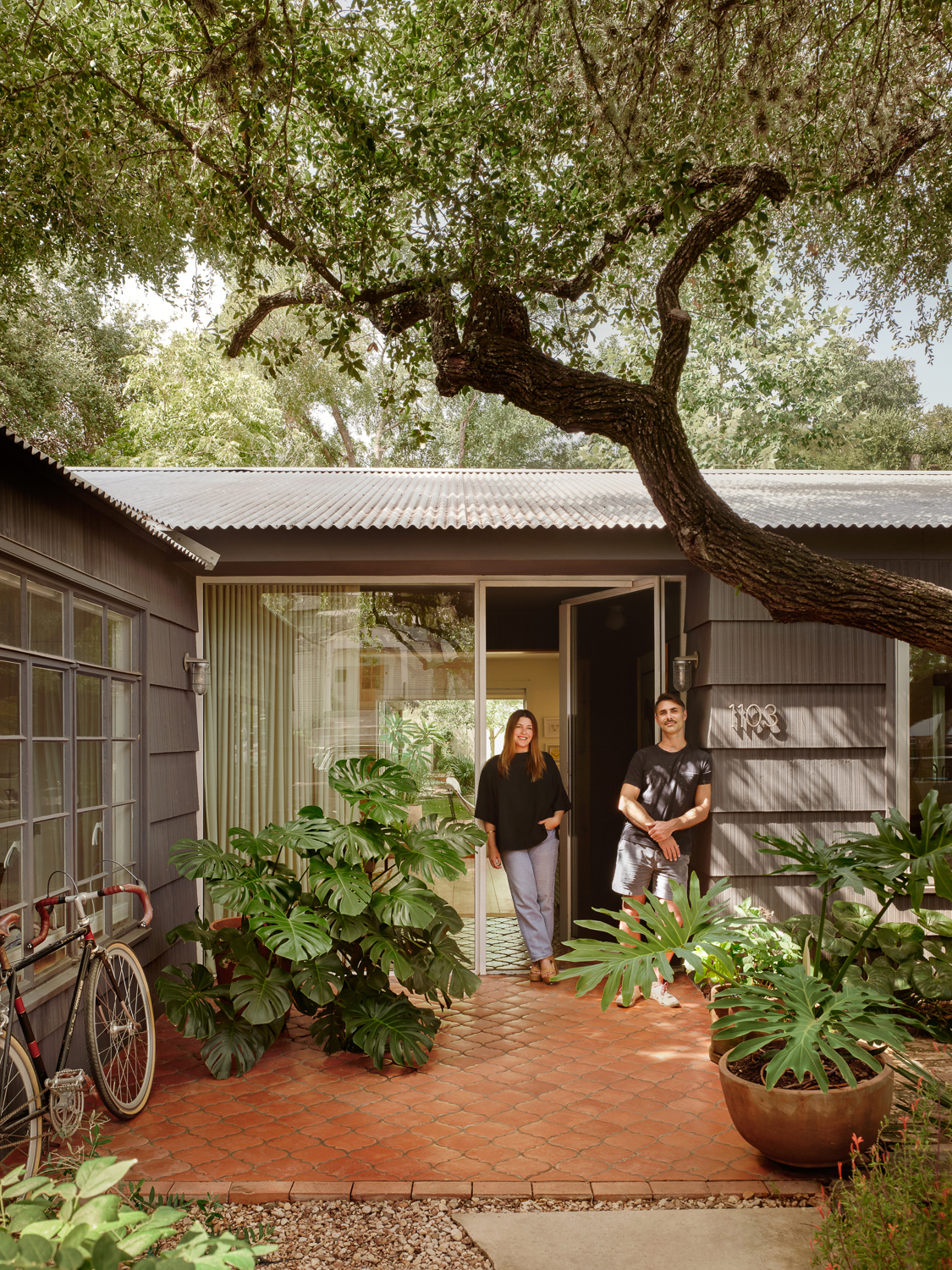
7 Years of Design Decisions Went Into This Architect Couple’s Breezy Bungalow

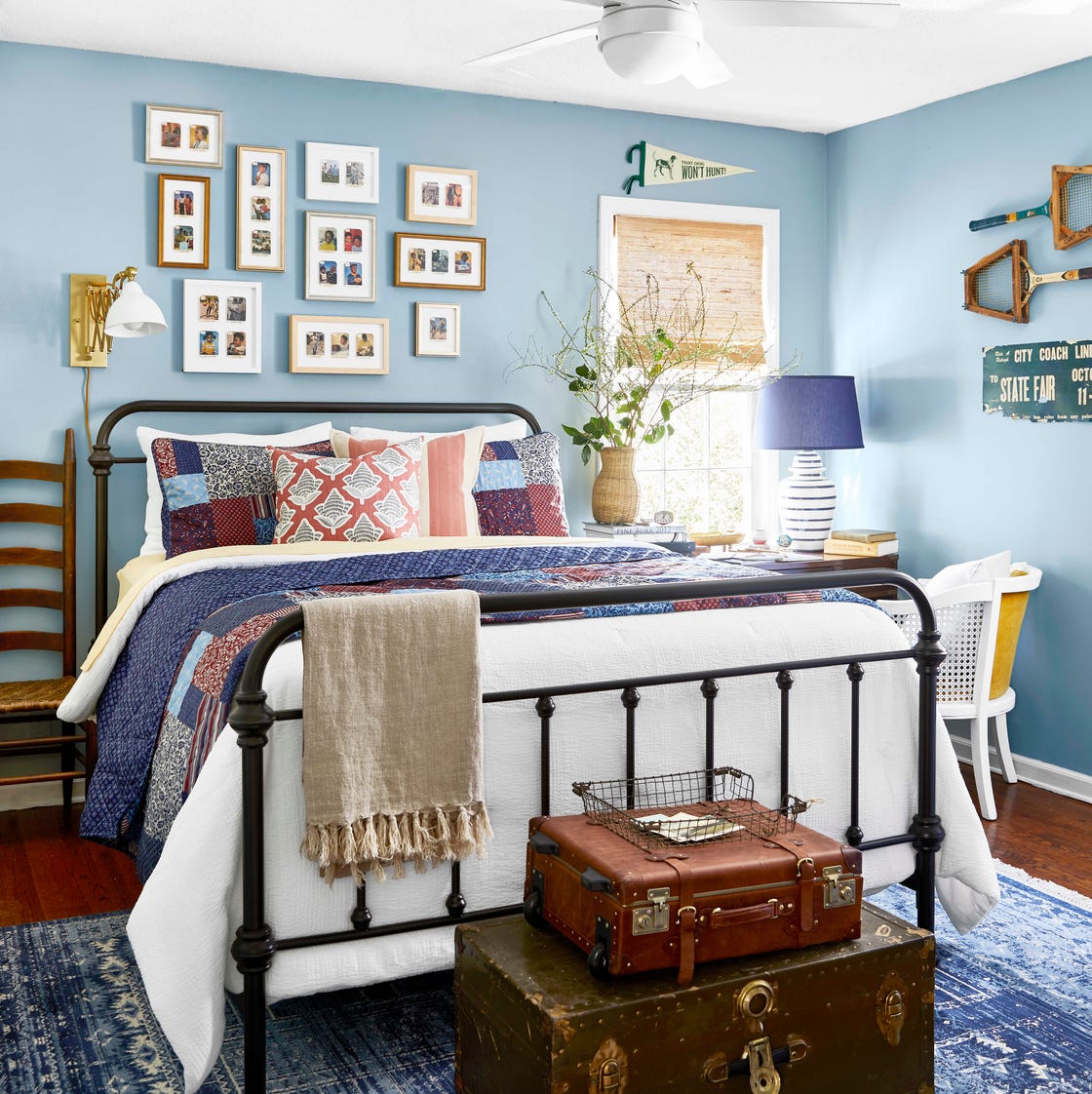
See How a DIY-Loving Couple Transformed Their Bedroom, Bathroom, and Laundry Room
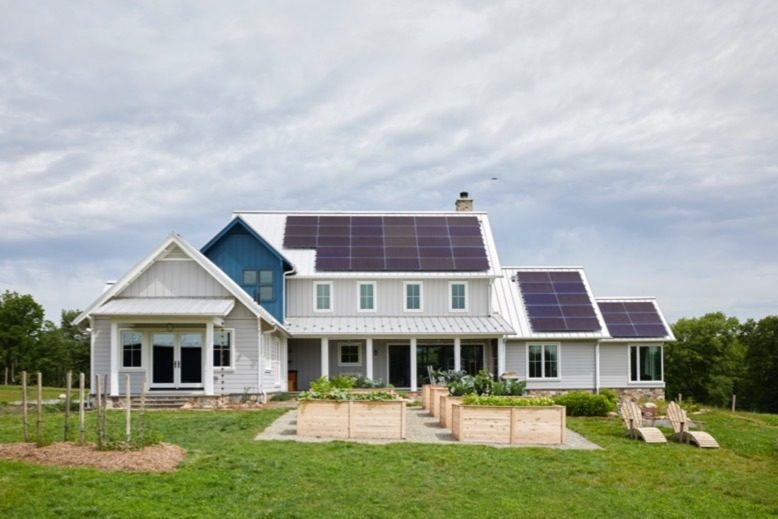
How This Hunterdon County Couple Created a Super-Sustainable Home
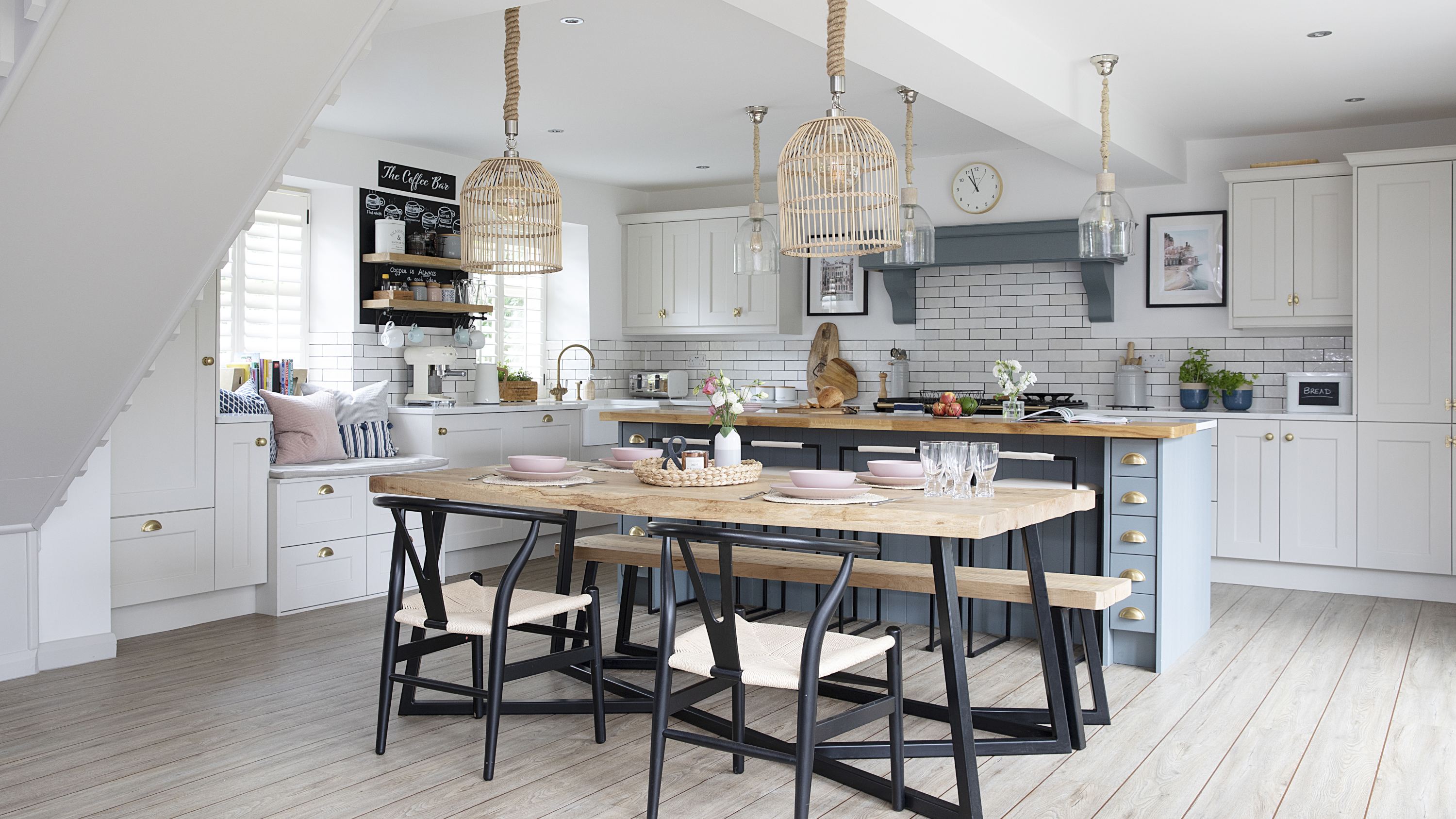
this DIY-savvy family makes the case for open-plan living

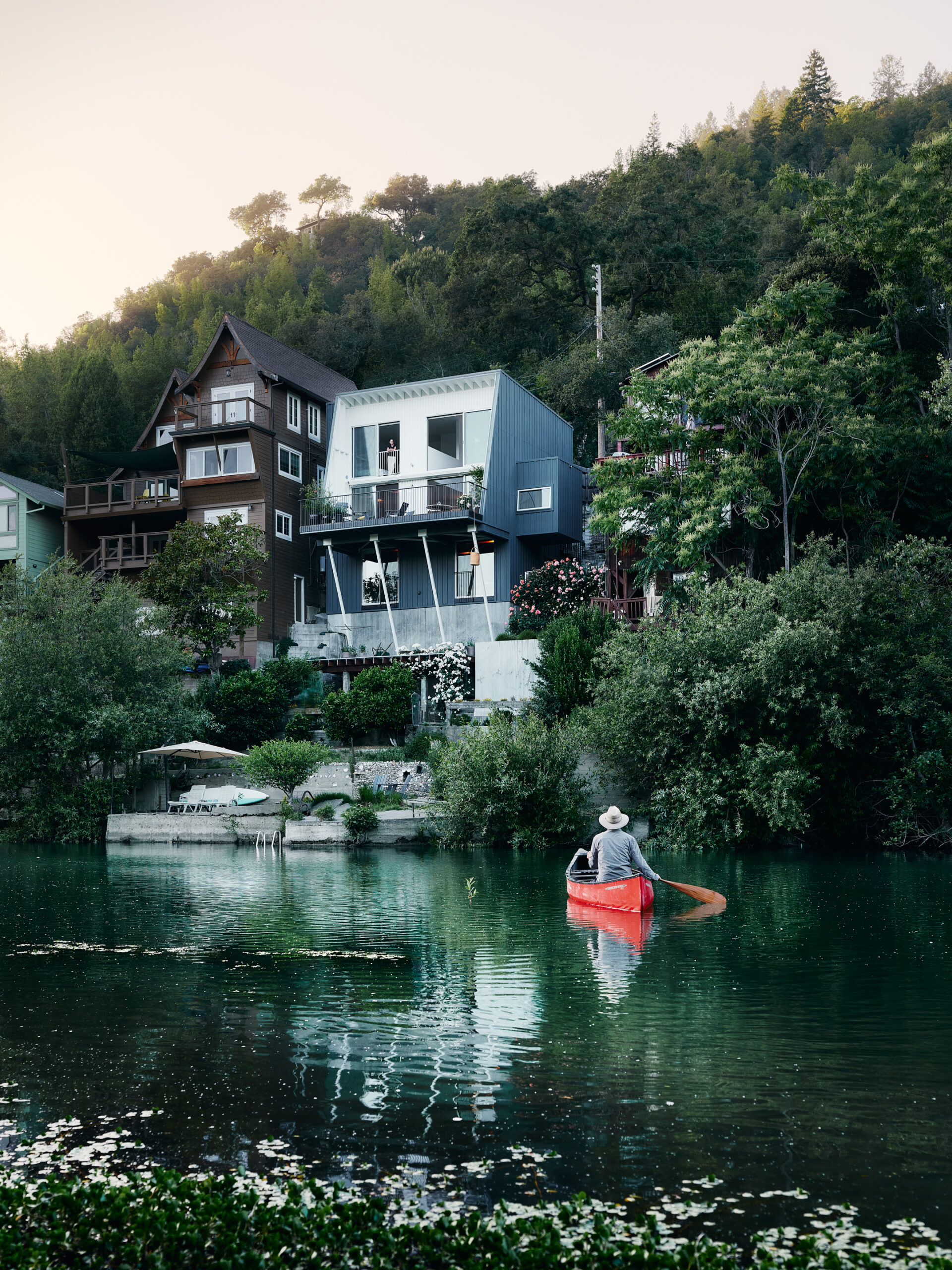
‘Like Finding Pompeii’: Local Architect Couple Reimagines Russian River Retreat, Uncovers Hidden Gems

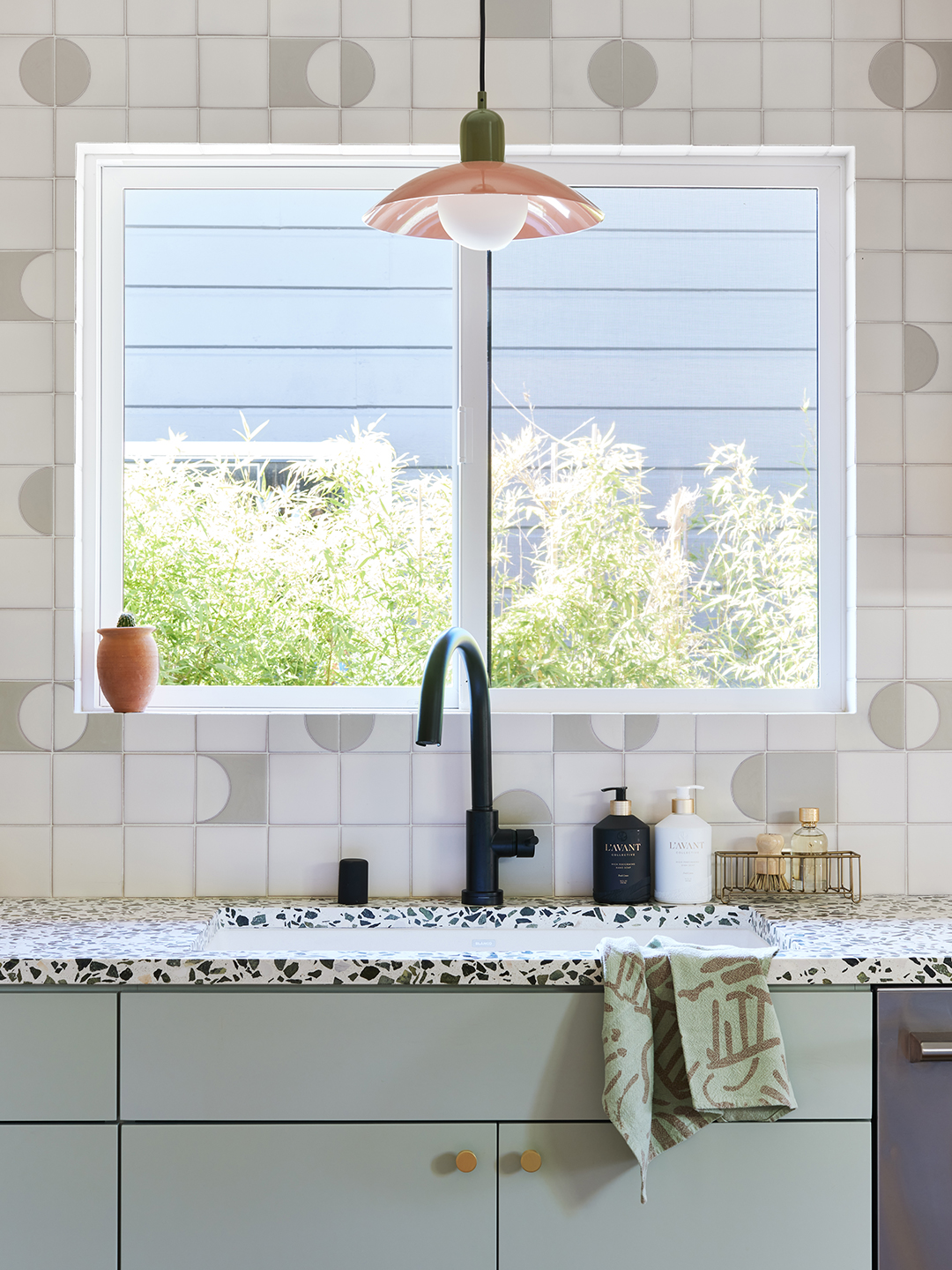
This Couple Bought Their Longtime Rental House and Immediately Brightened Up the Galley Kitchen
How They Pulled It Off: A Terrace House Gets a Sustainable Glow-Up—With Help From Its Homeowners
A Globetrotting Couple’s Light and Bright Tiny Home Is Born Out of a Love for Adventure
Sustainable Homes
Home Tour: An engineer husband & finance wife's top-floor condominium in Sembawang