5 Ways to Clean and Protect Your Floors
Maintaining clean and well-protected floors is crucial year-round, not only for aesthetic appeal but also for ensuring a healthy indoor environment. This is especially important for households with infants, where tracked-in contaminants like de-icing chemicals, oils, and even lead-containing soil can pose health risks. Lead exposure, for instance, can occur through hand-to-mouth behaviors or by infants putting toys from the floor into their mouths, as highlighted by Dr. Aparna Bole, a pediatrician and former chair of the American Academy of Pediatrics’ Council on Environmental Health and Climate Change. The article outlines five expert-backed strategies to keep floors pristine and safeguard household health.
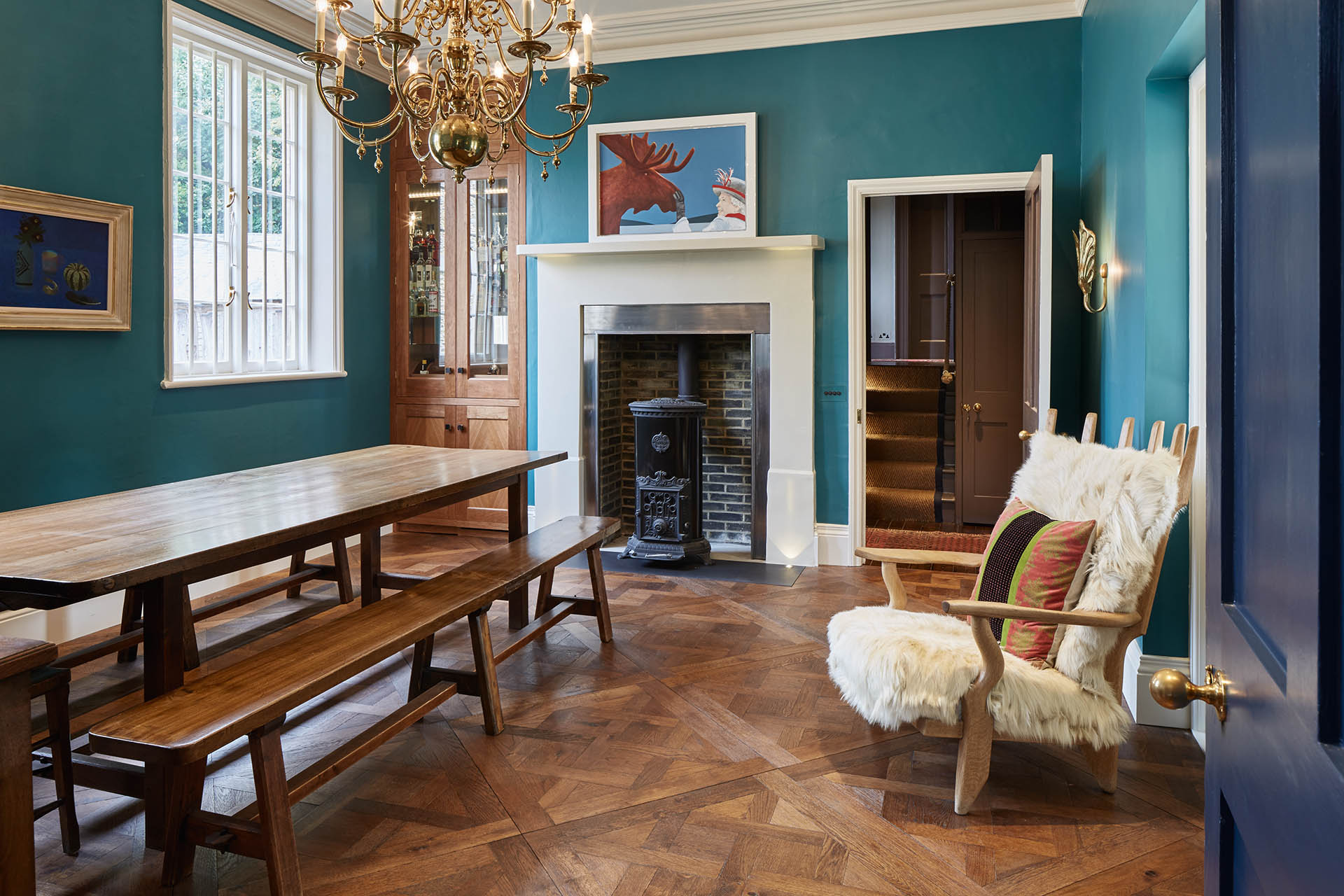
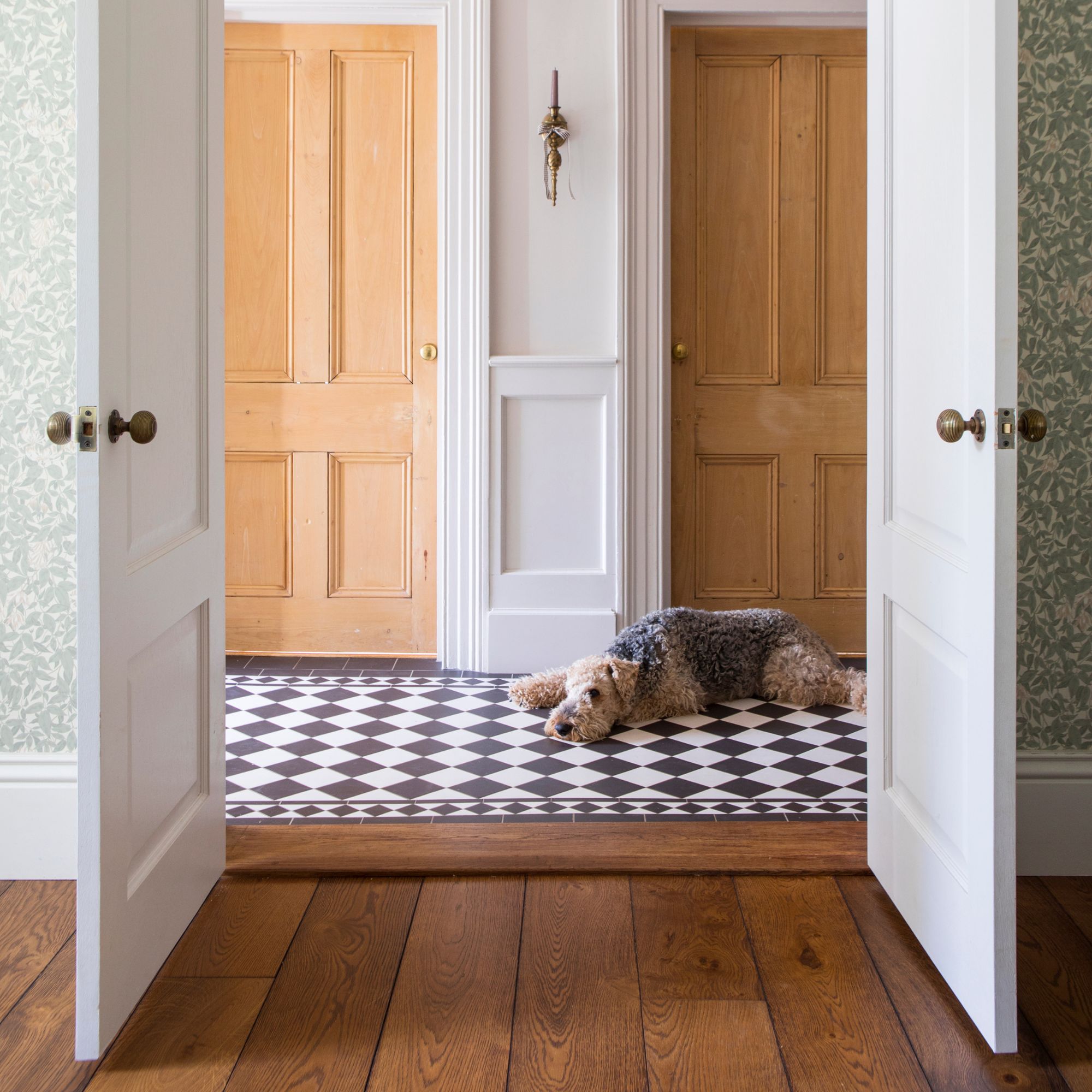
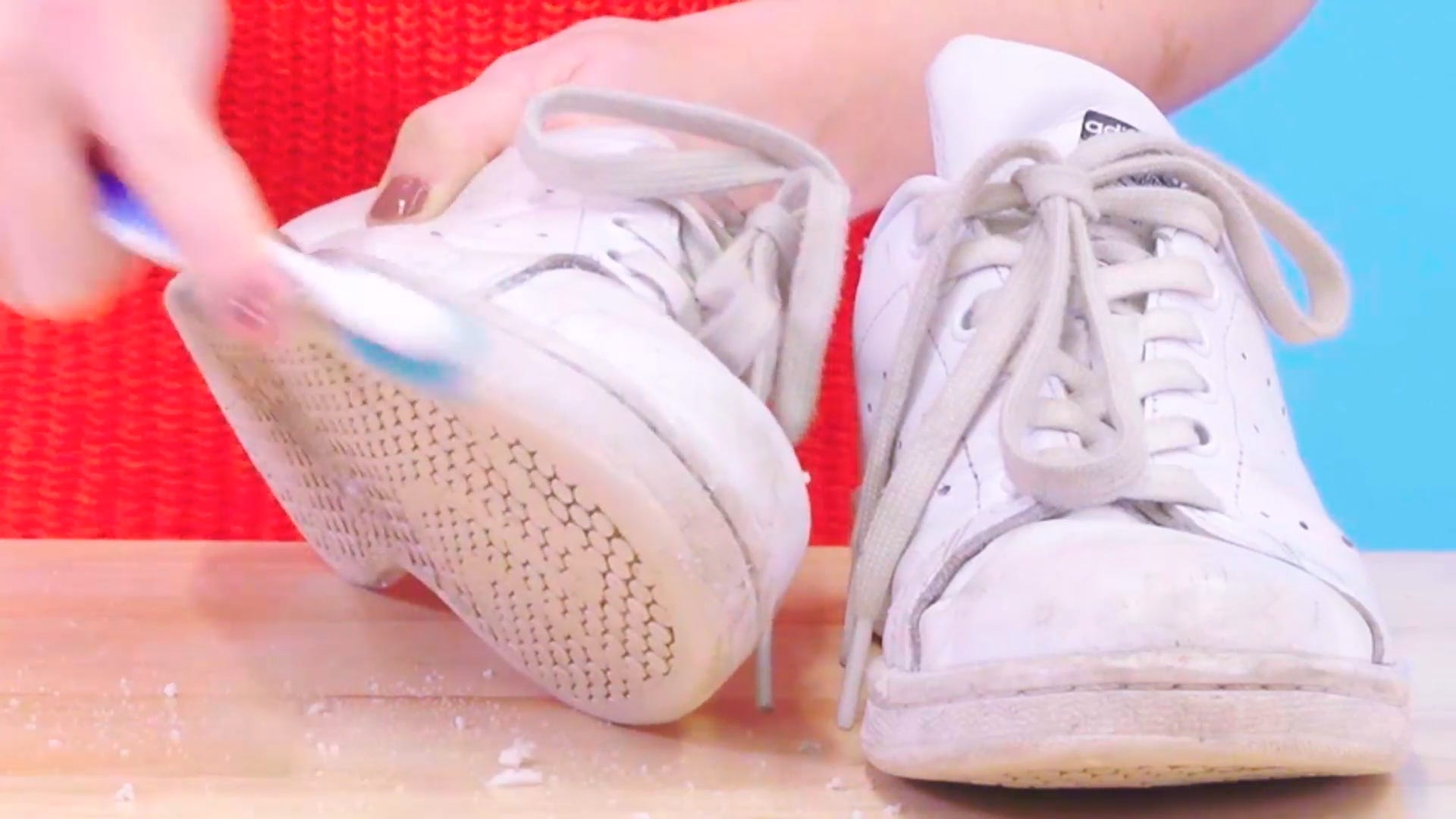
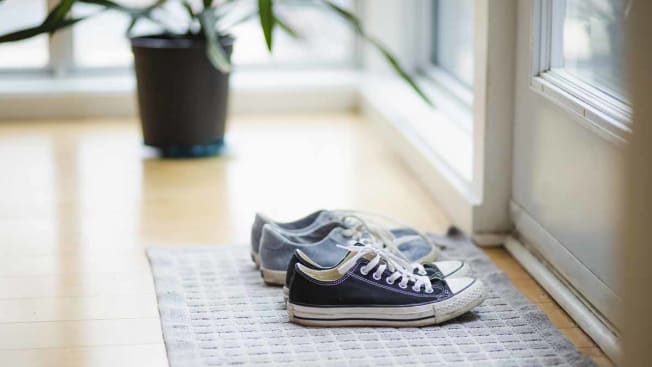
The first strategy involves establishing a "no-shoes policy" inside the home, a common practice in many countries but less so in the U.S. This simple rule significantly reduces the amount of grit, dirt, and harmful substances carried indoors. Examples from Germany and Argentina illustrate its cultural adoption, emphasizing the importance of preventing outdoor footwear from contaminating living spaces. Practical tips for implementing this policy include placing shoe racks near the entrance, offering cozy slippers or socks for family and guests, and using disposable paper slippers for workers. For pet owners, cleaning paws at the door or using pet booties can prevent tracking in dirt. Additionally, it is recommended to keep a chair or bench near the entrance for ease of shoe removal and to specifically ask visitors to remove high-heeled shoes, which can cause significant damage to wood floors due to their concentrated pressure.
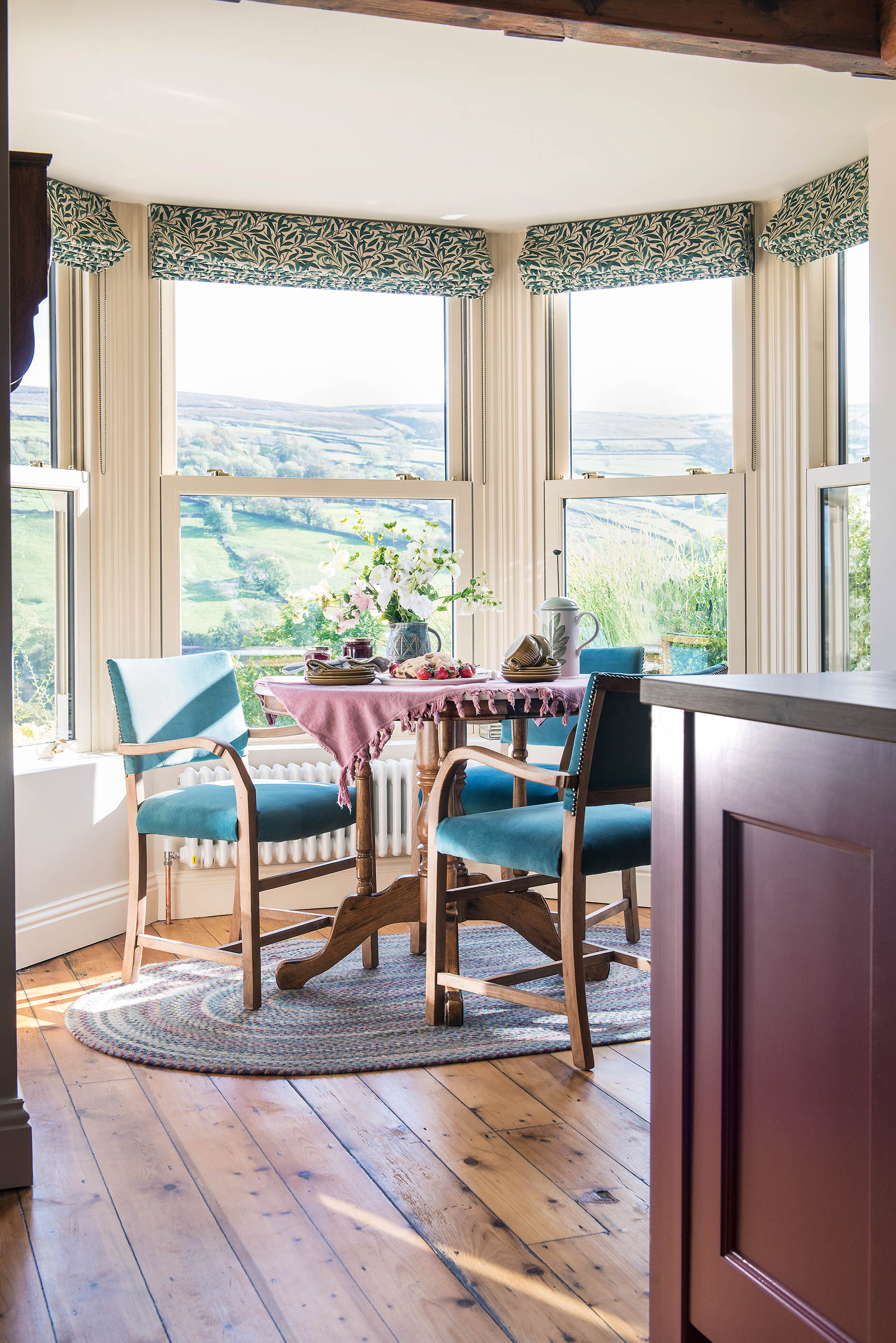
The second strategy, "Be Strategic," focuses on proactive measures to minimize floor damage and dirt accumulation. This includes placing boot scrapers outside the front door to remove mud and grime, and using doormats both indoors and out. The article notes that boot-scraping coir doormats are affordable, starting around $25, and mentions various decorative options. For kitchens with wood floors, mats placed in front of the sink and range can protect against wear and tear from foot traffic, with cushioned versions also offering ergonomic benefits. Furthermore, using plastic or felt protectors under furniture legs is advised to prevent scratches, and furniture should always be lifted, not dragged, when rearranged. To protect wood floors from UV damage, keeping shades down when possible is recommended, as UV rays can degrade some flooring materials over time.
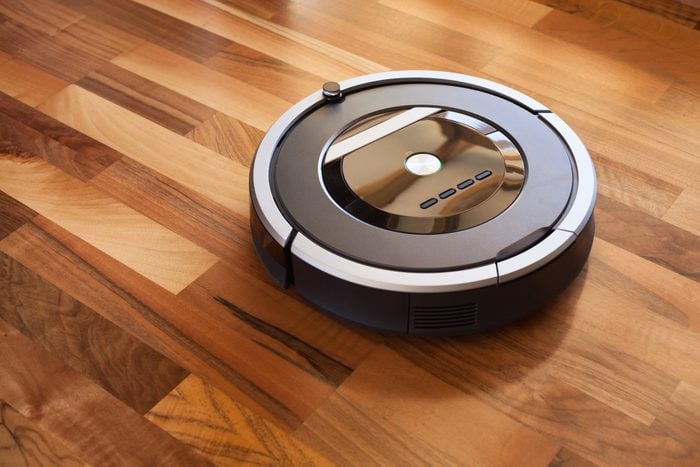
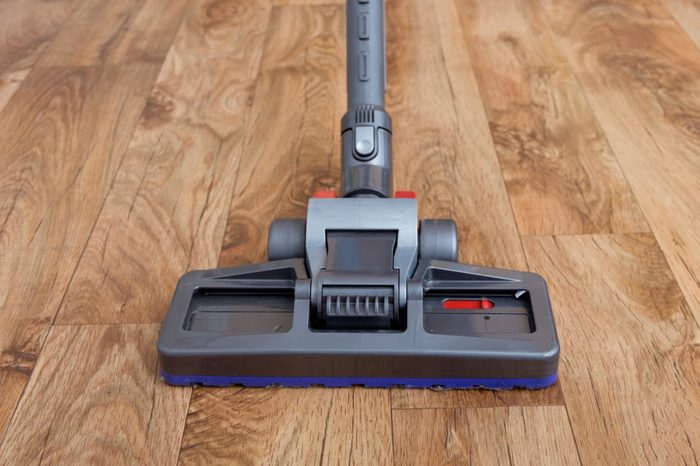
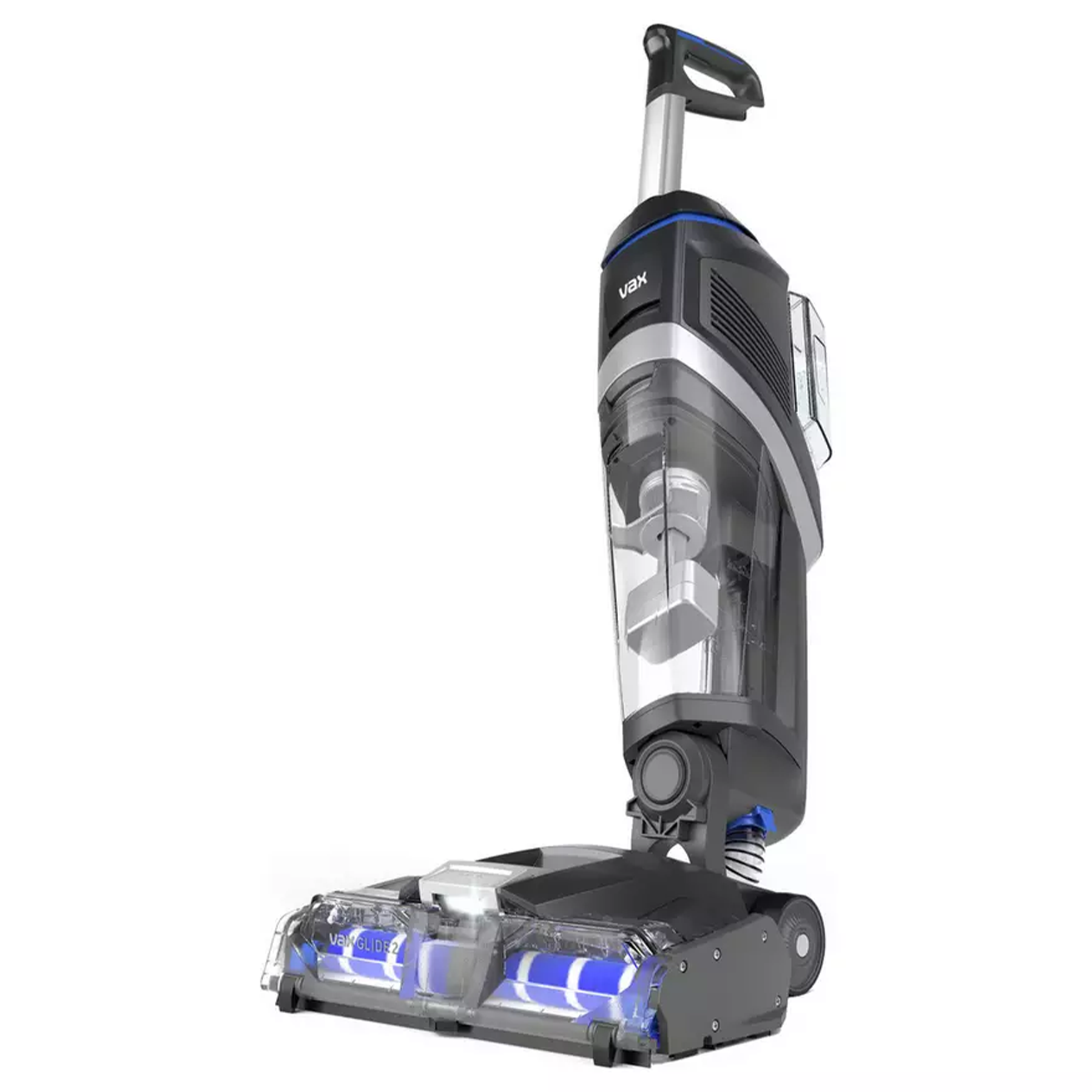
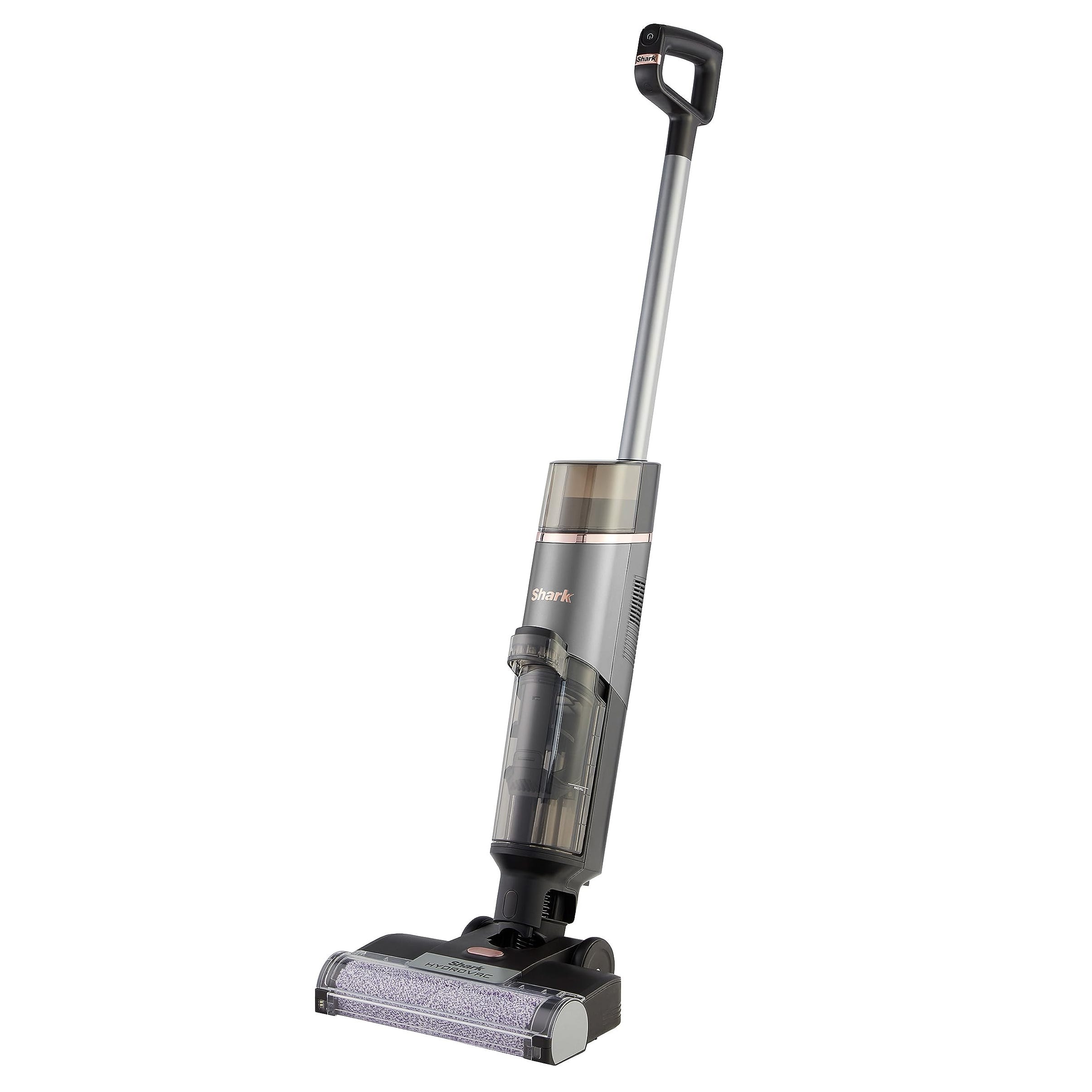
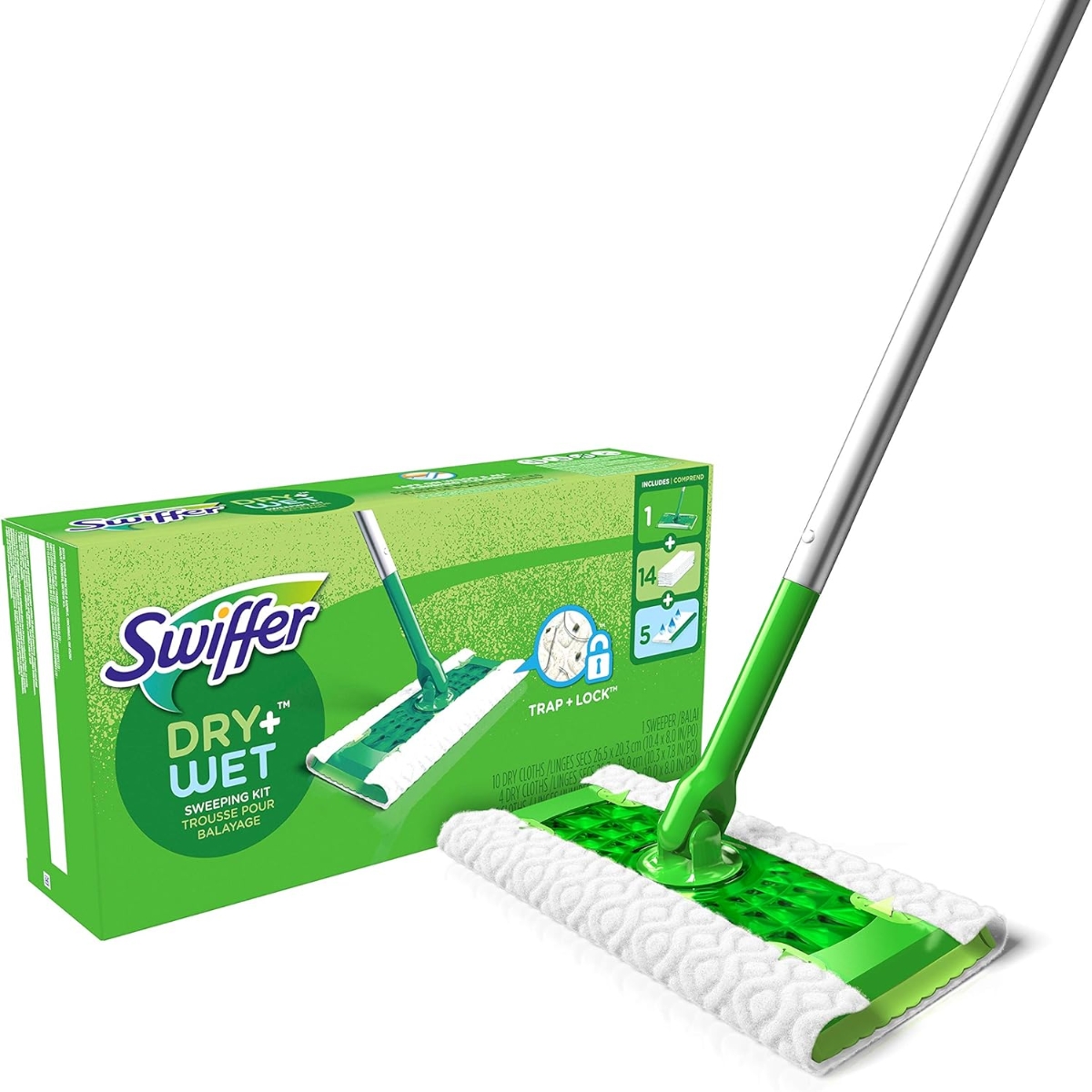
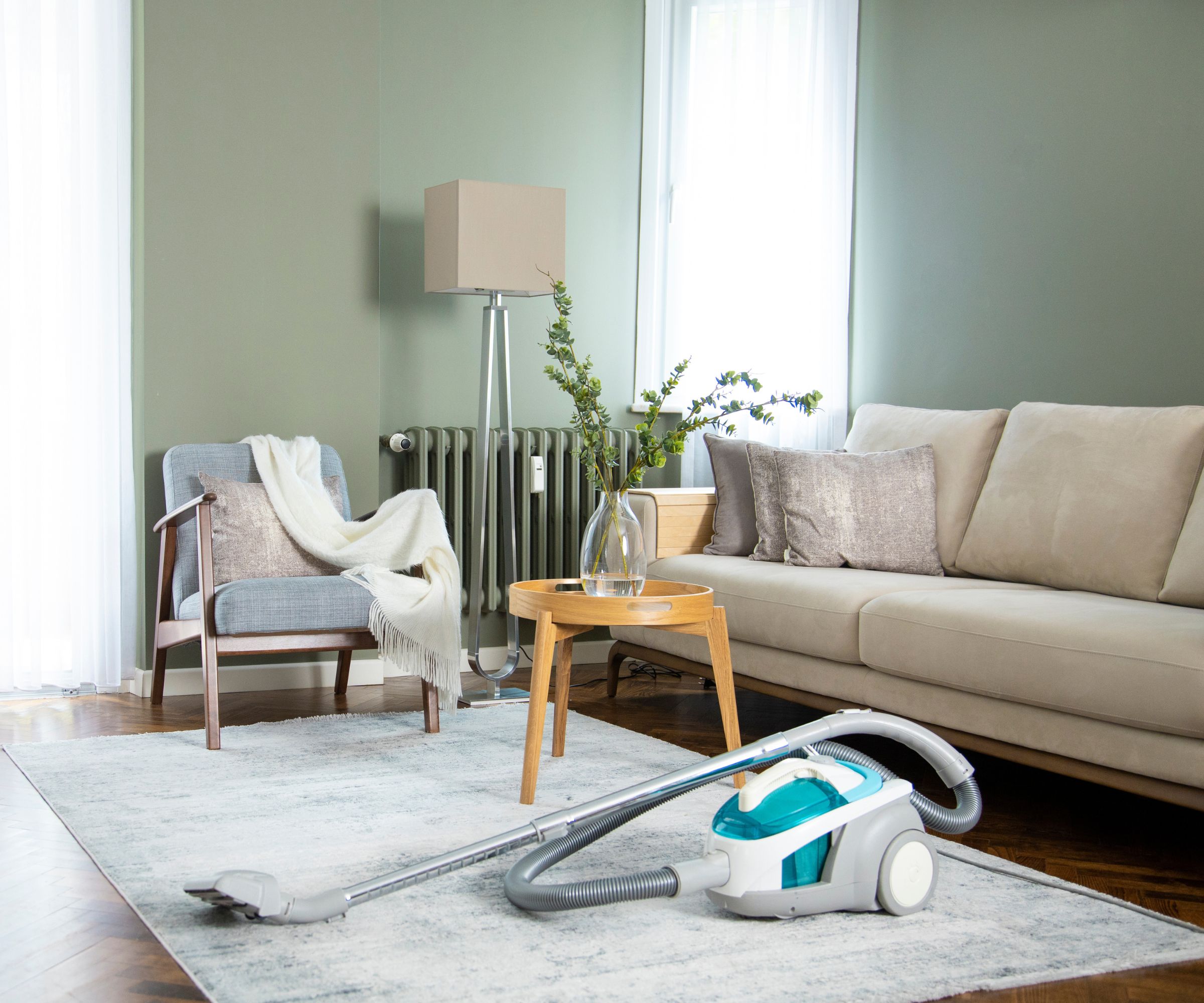
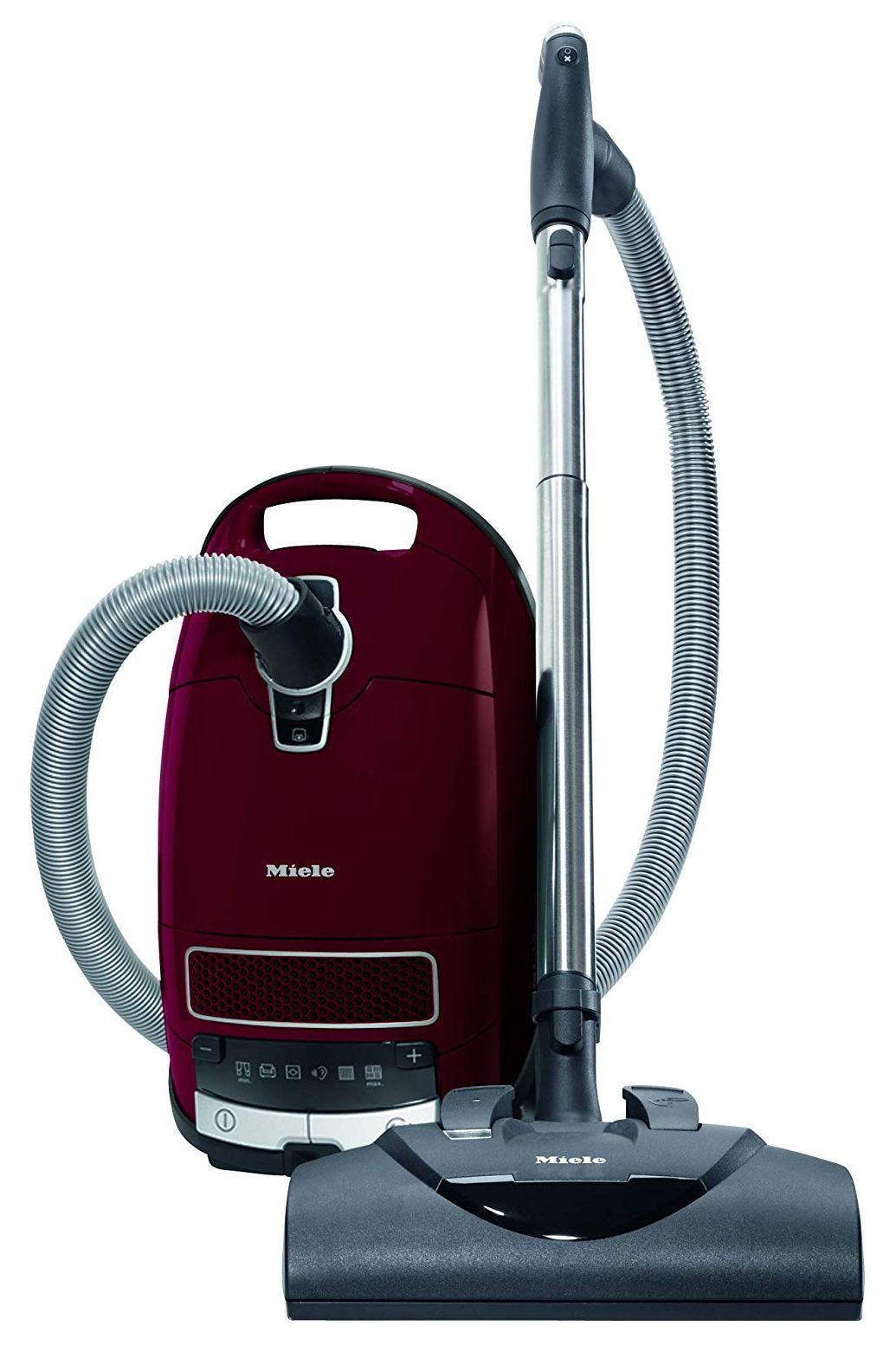
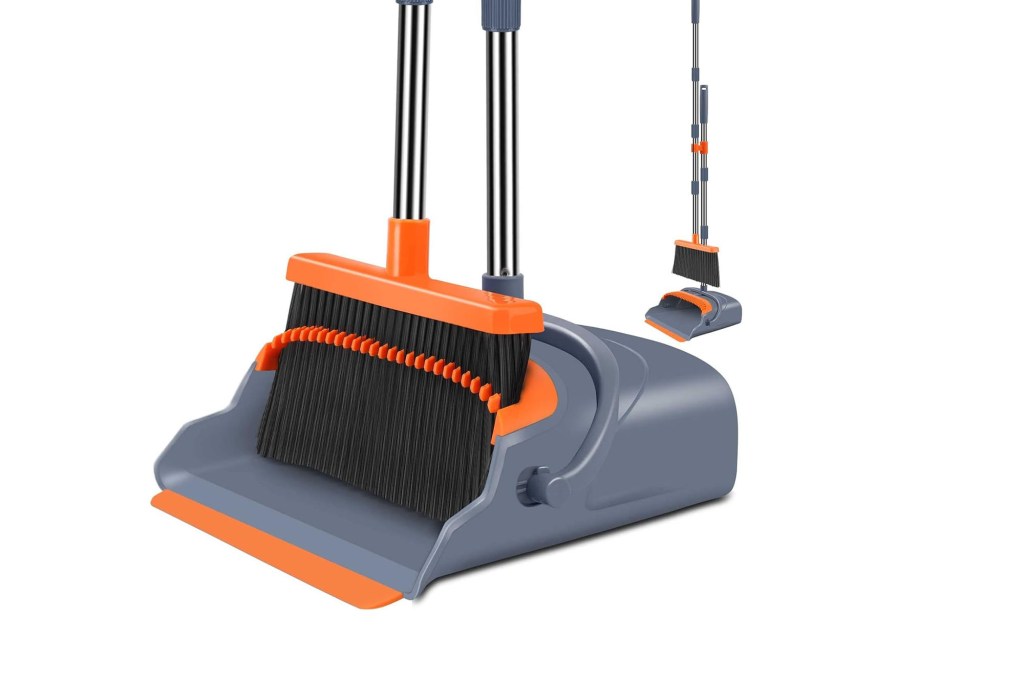
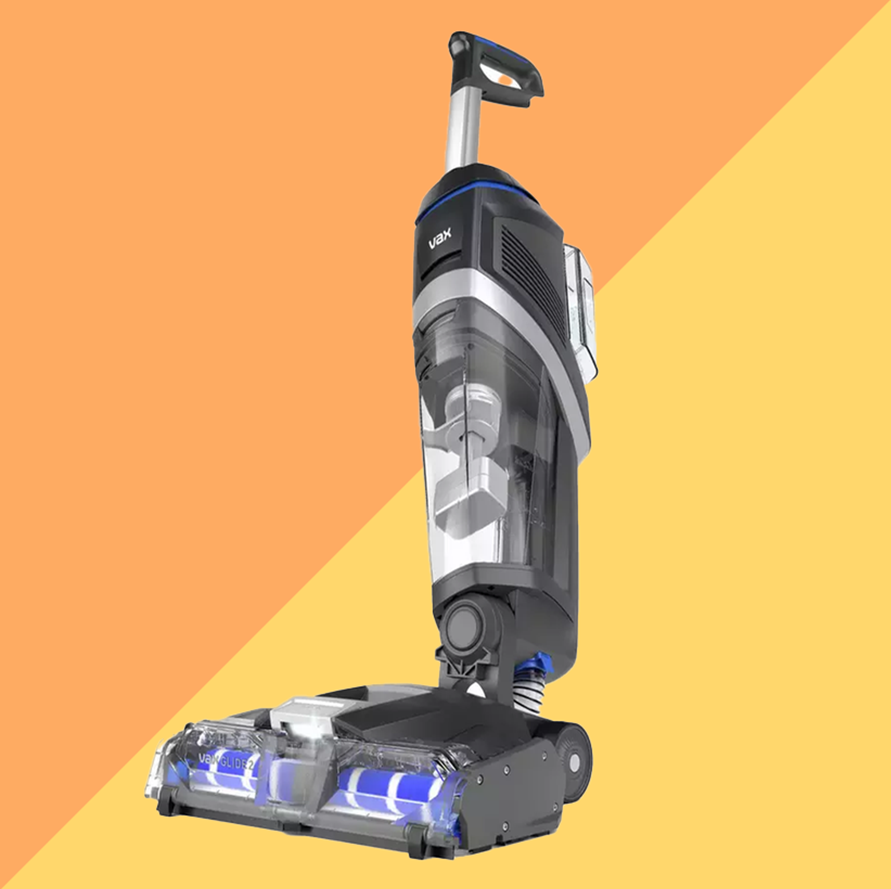
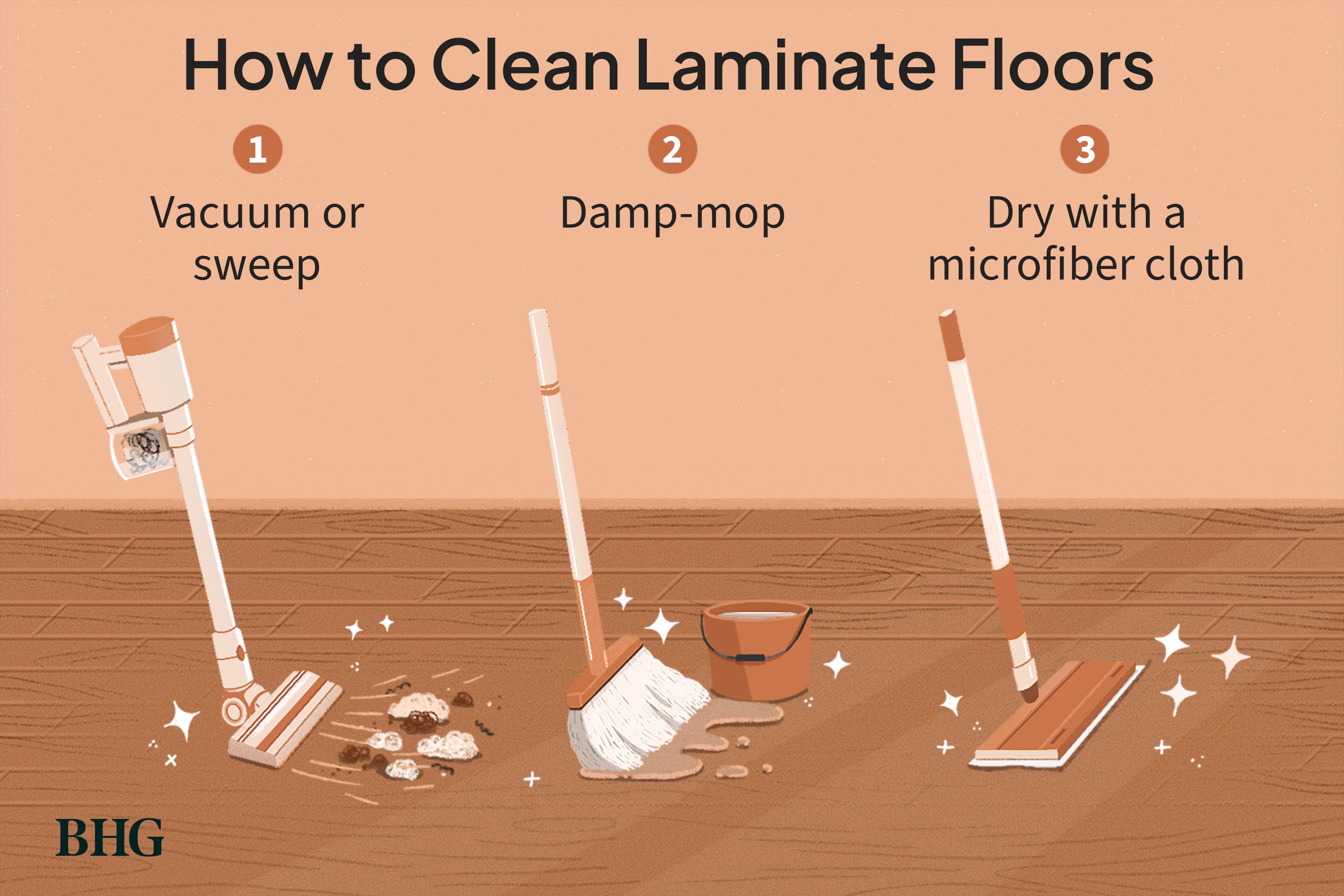
Regular sweeping and vacuuming, the third strategy, is essential for preserving the integrity of a floor’s finish. For vinyl and laminate floors, frequent sweeping or vacuuming removes hard dirt particles that can cause scratches. For ceramic and porcelain, any broom works, while wood and other delicate flooring types benefit from soft-bristle brooms. If floorboards have beveled edges that trap debris, vacuuming is preferable. When vacuuming, it is crucial to use a soft-roller attachment or disable the brush roll to prevent scratches. If turning off the brush roll isn't an option, setting the vacuum to a "low" or bare-floor setting will slow its rotation. The article suggests stick vacuums as a convenient alternative to upright models for bare floors, and also mentions canister vacuums as effective, albeit potentially heavier and pricier, options.
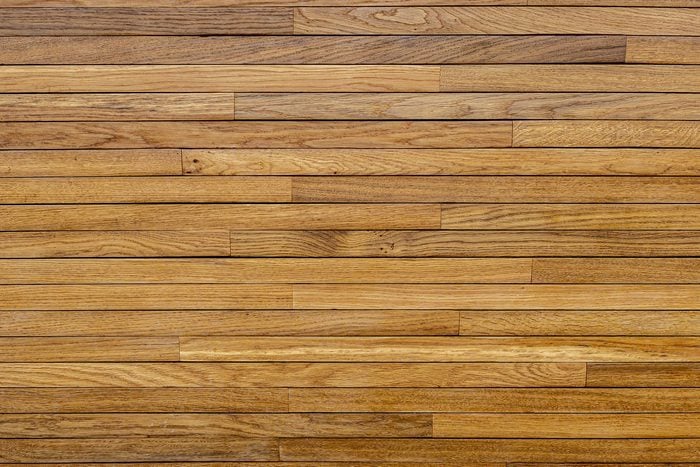
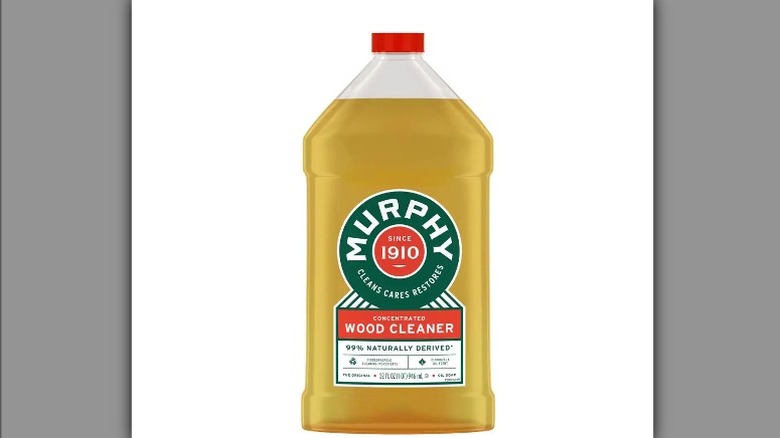
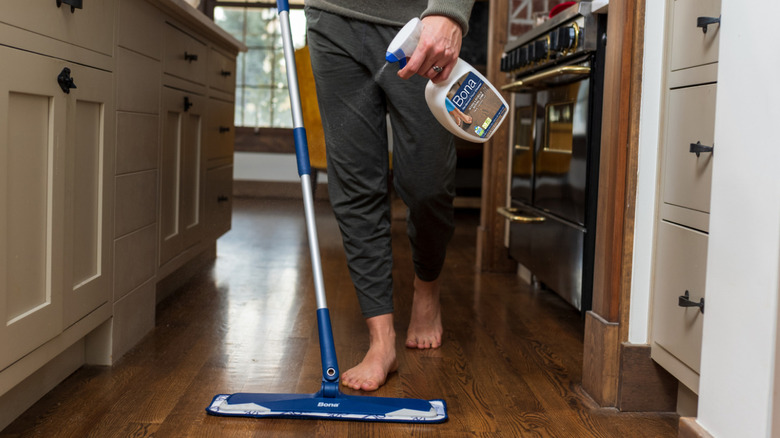
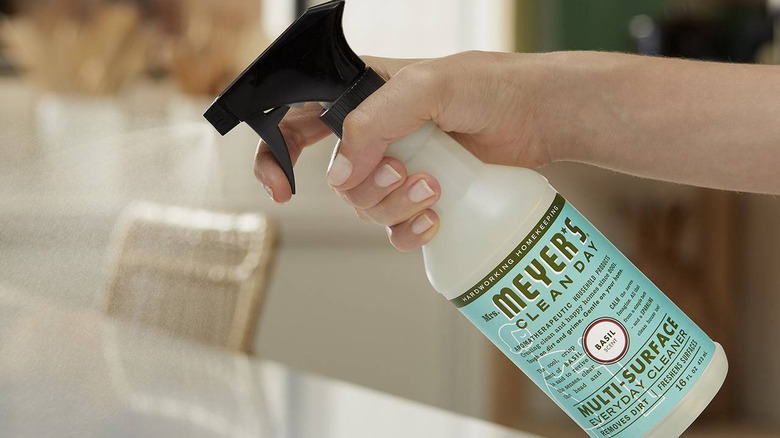
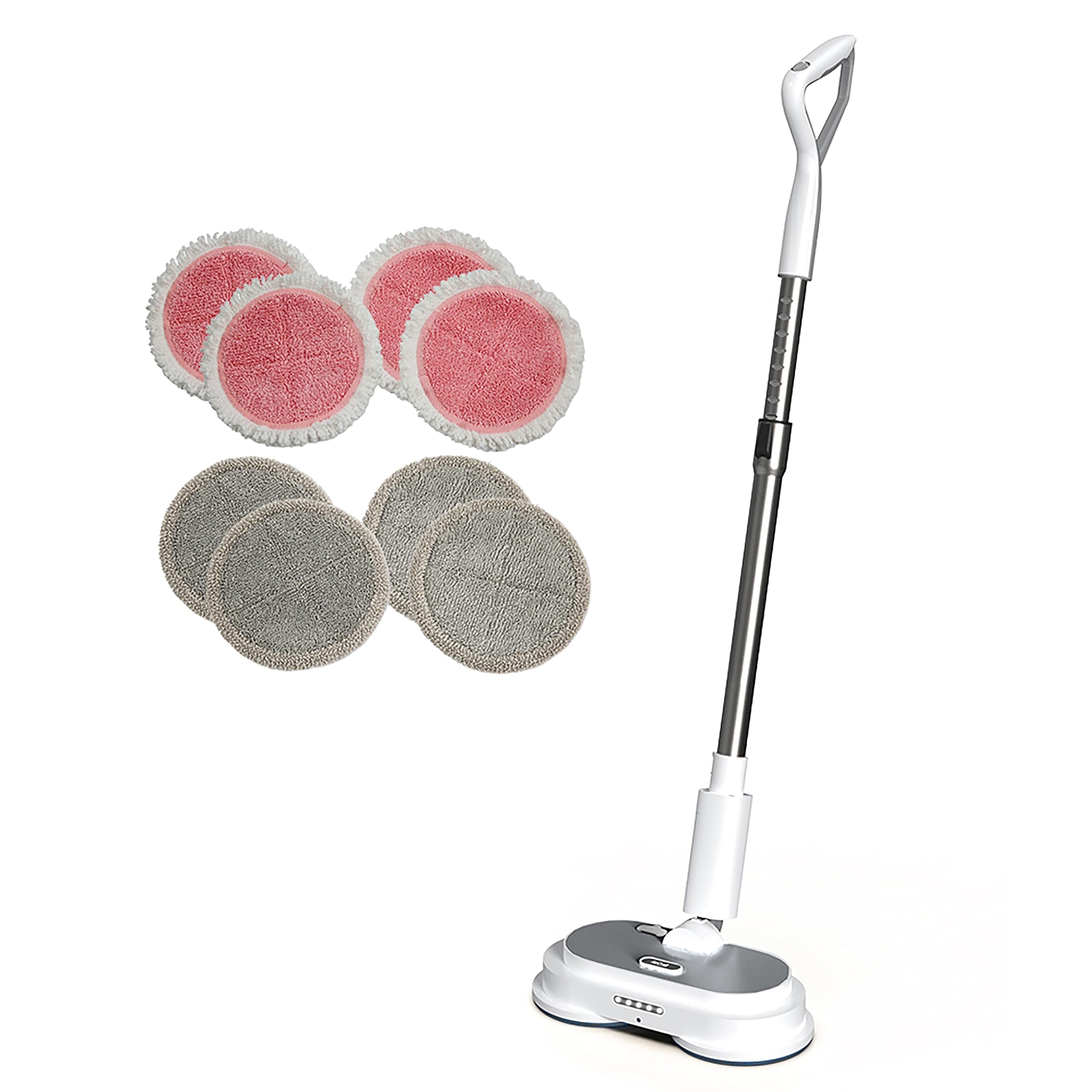
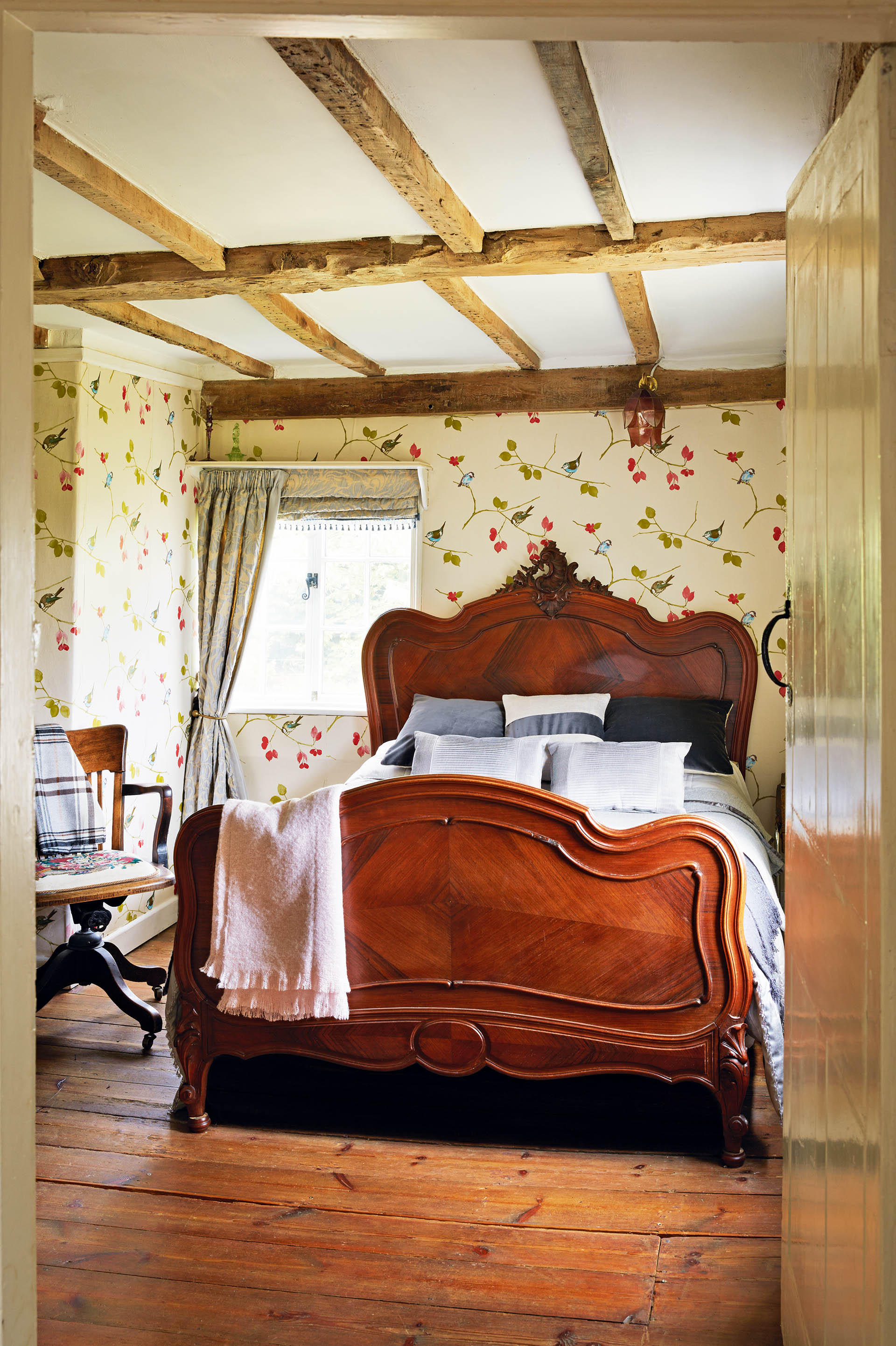
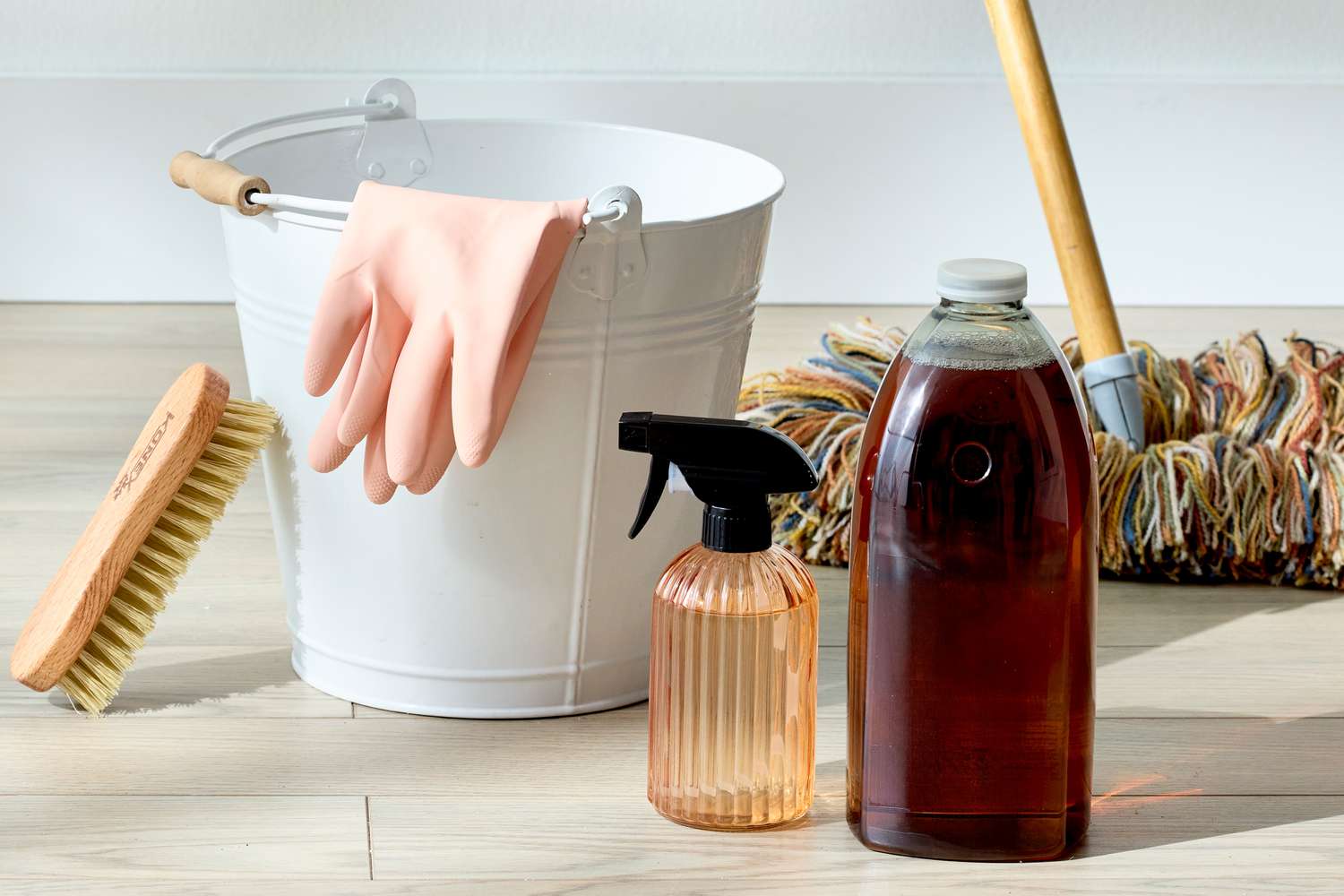
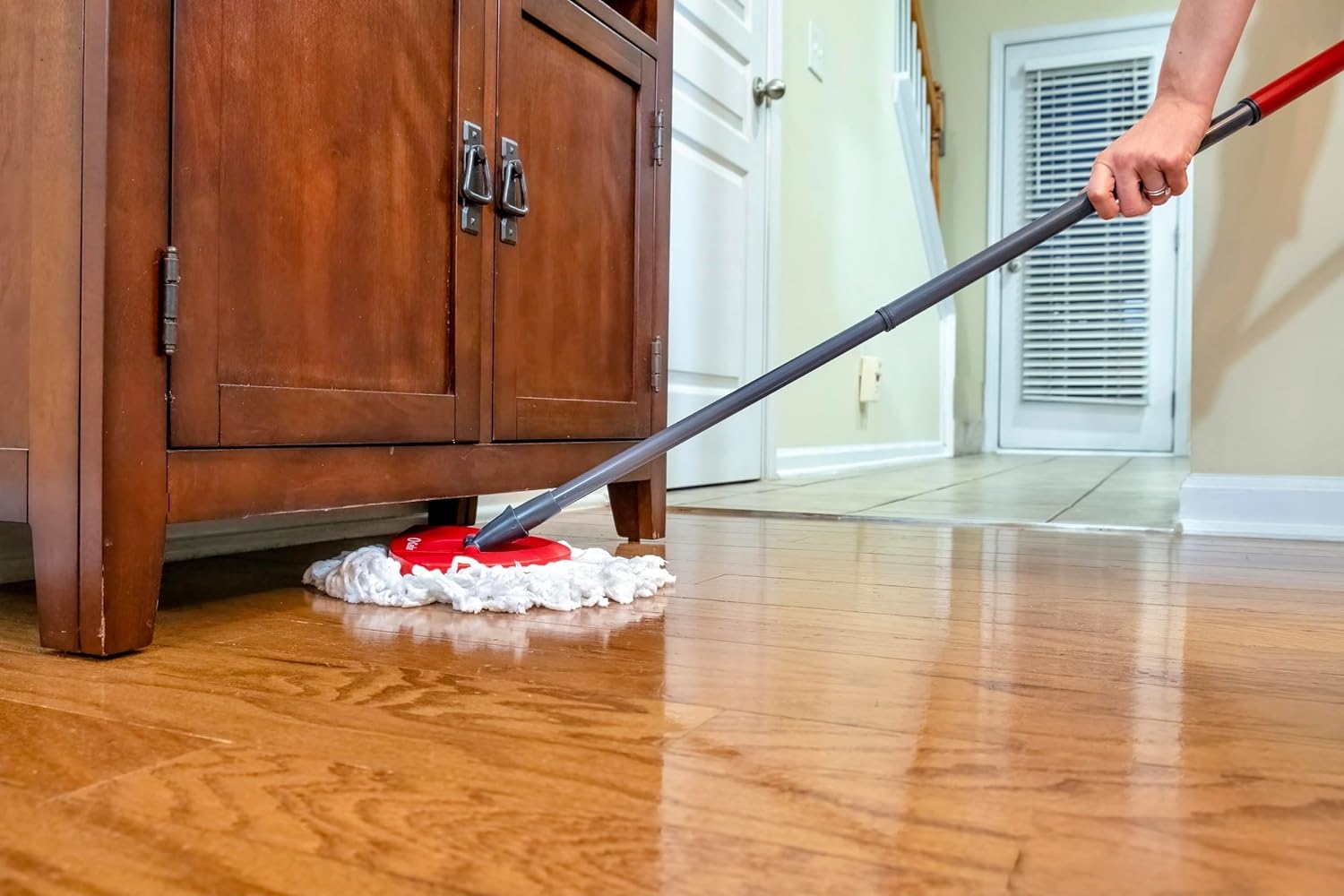
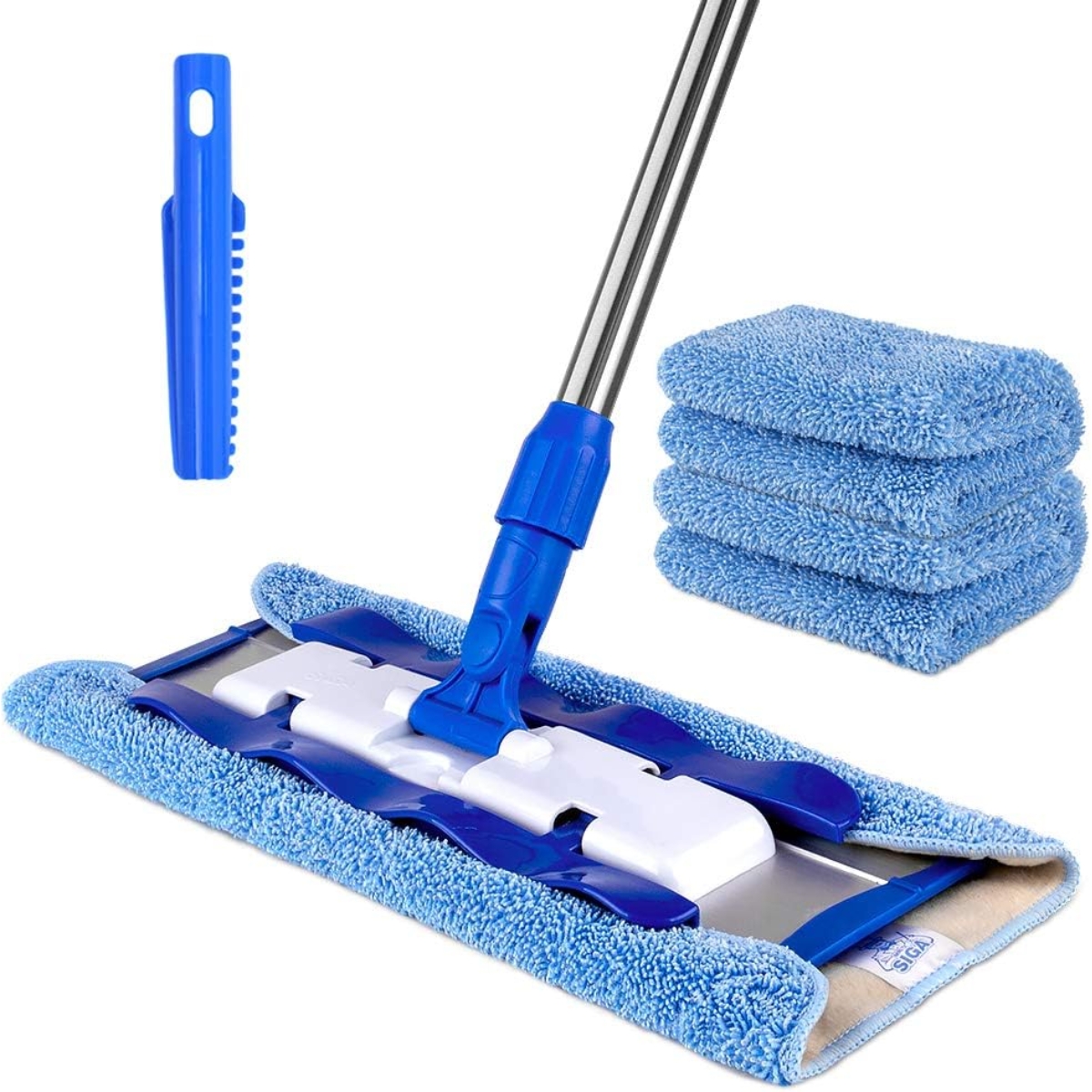
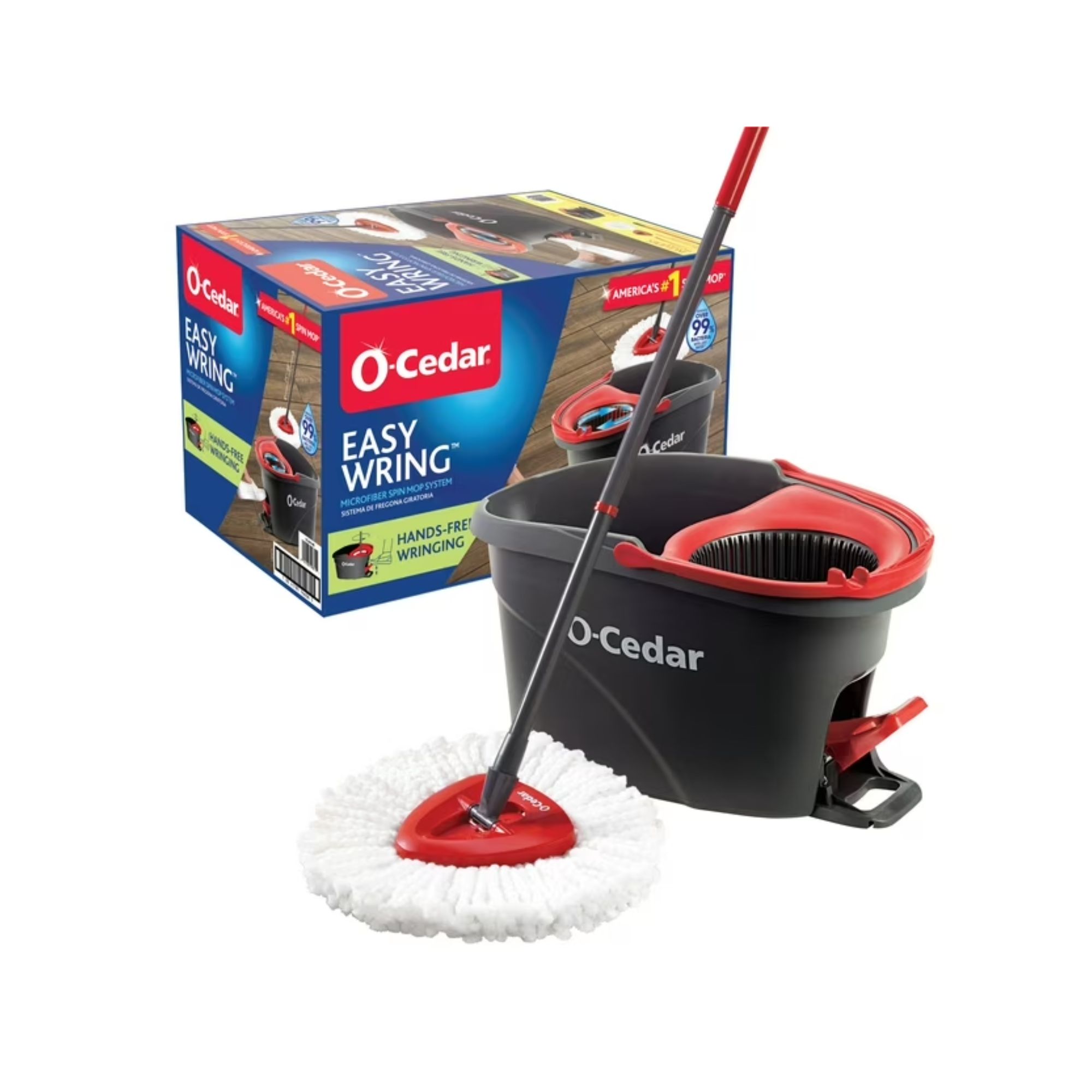
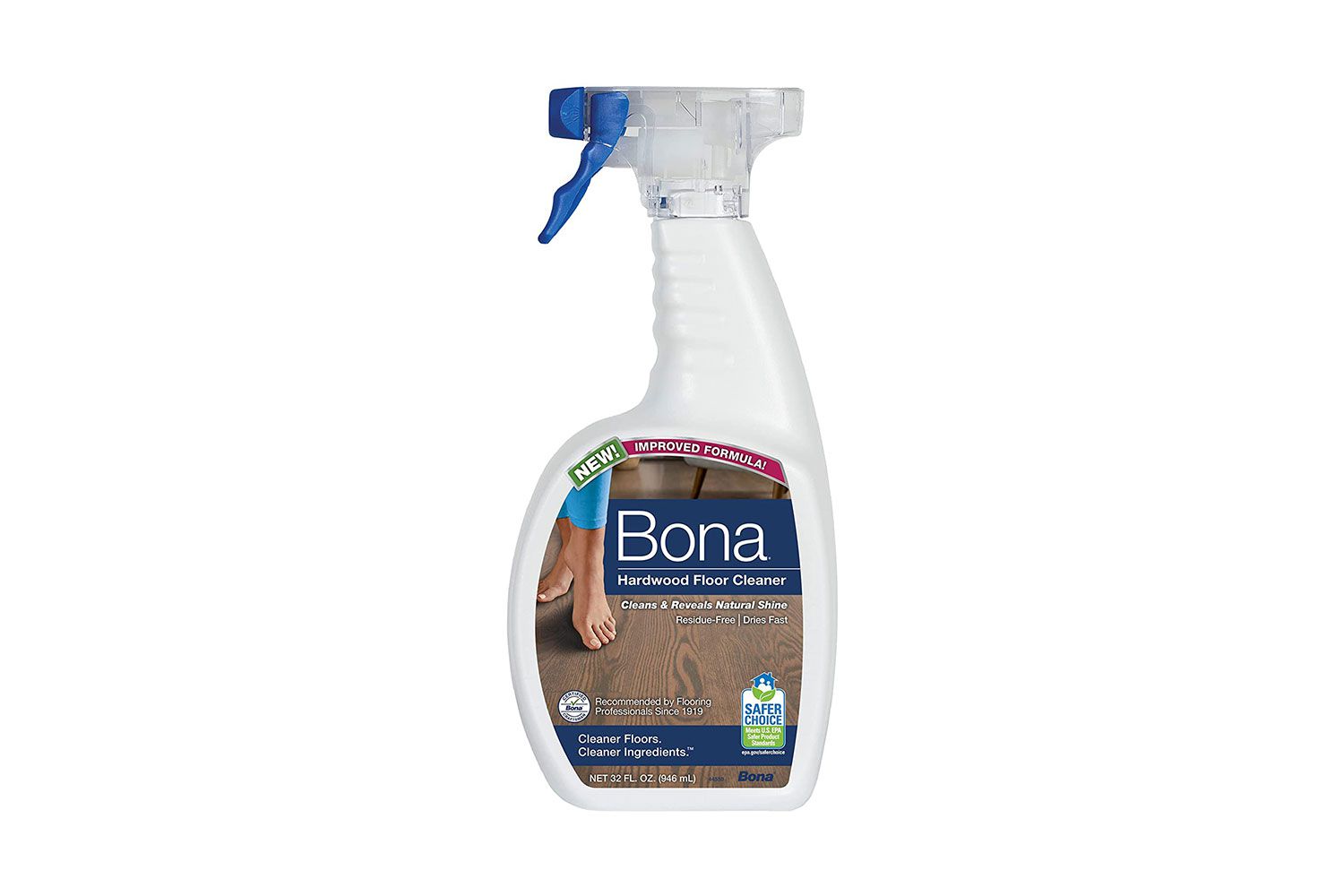
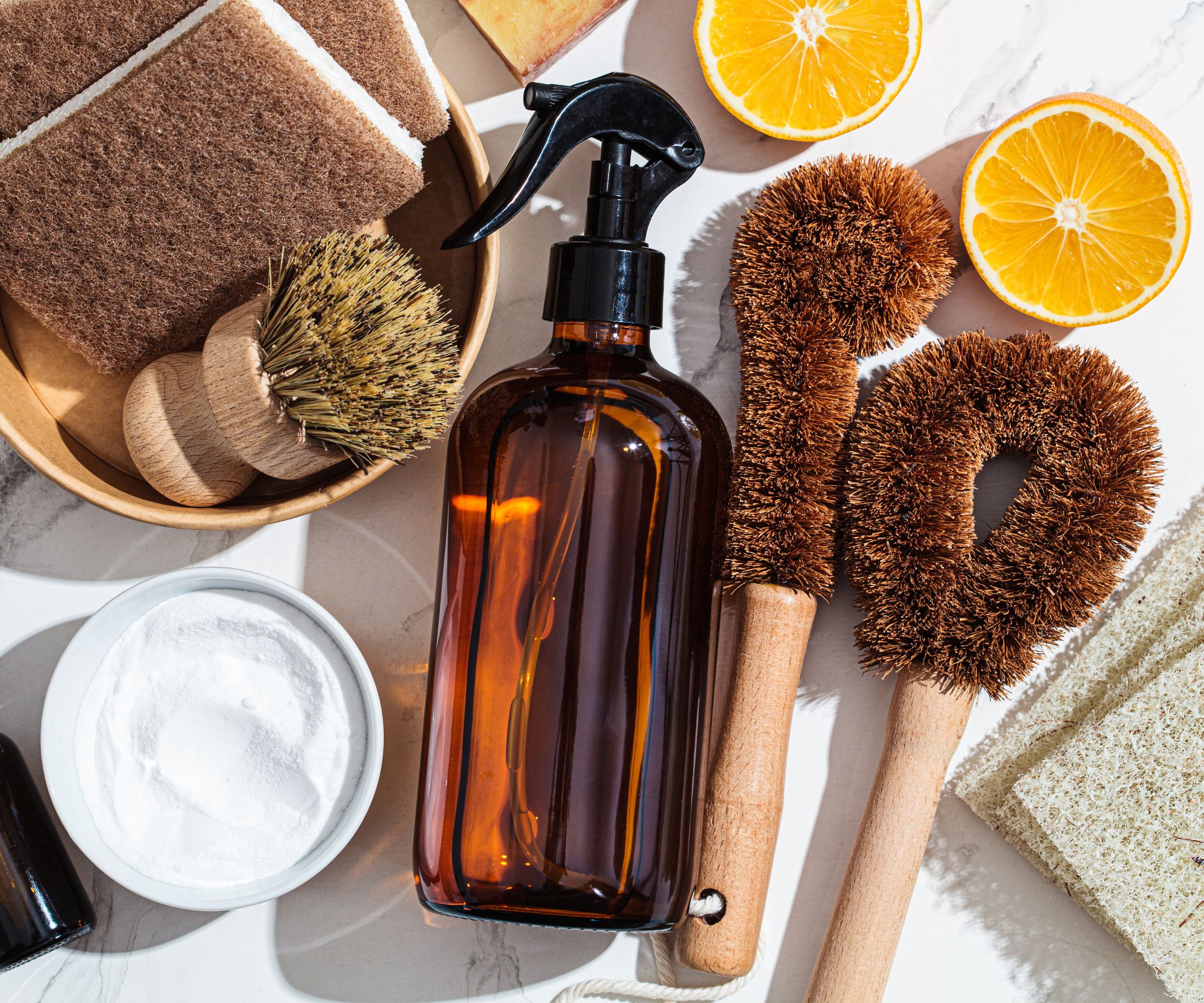
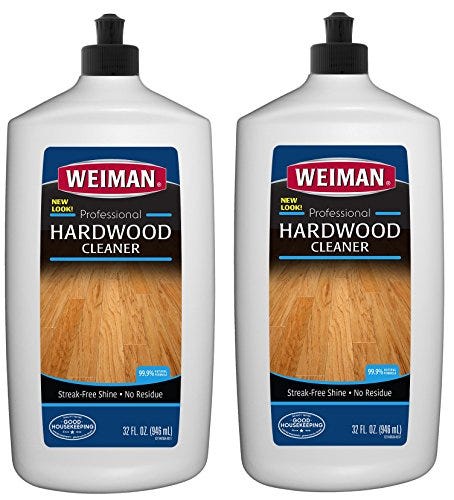
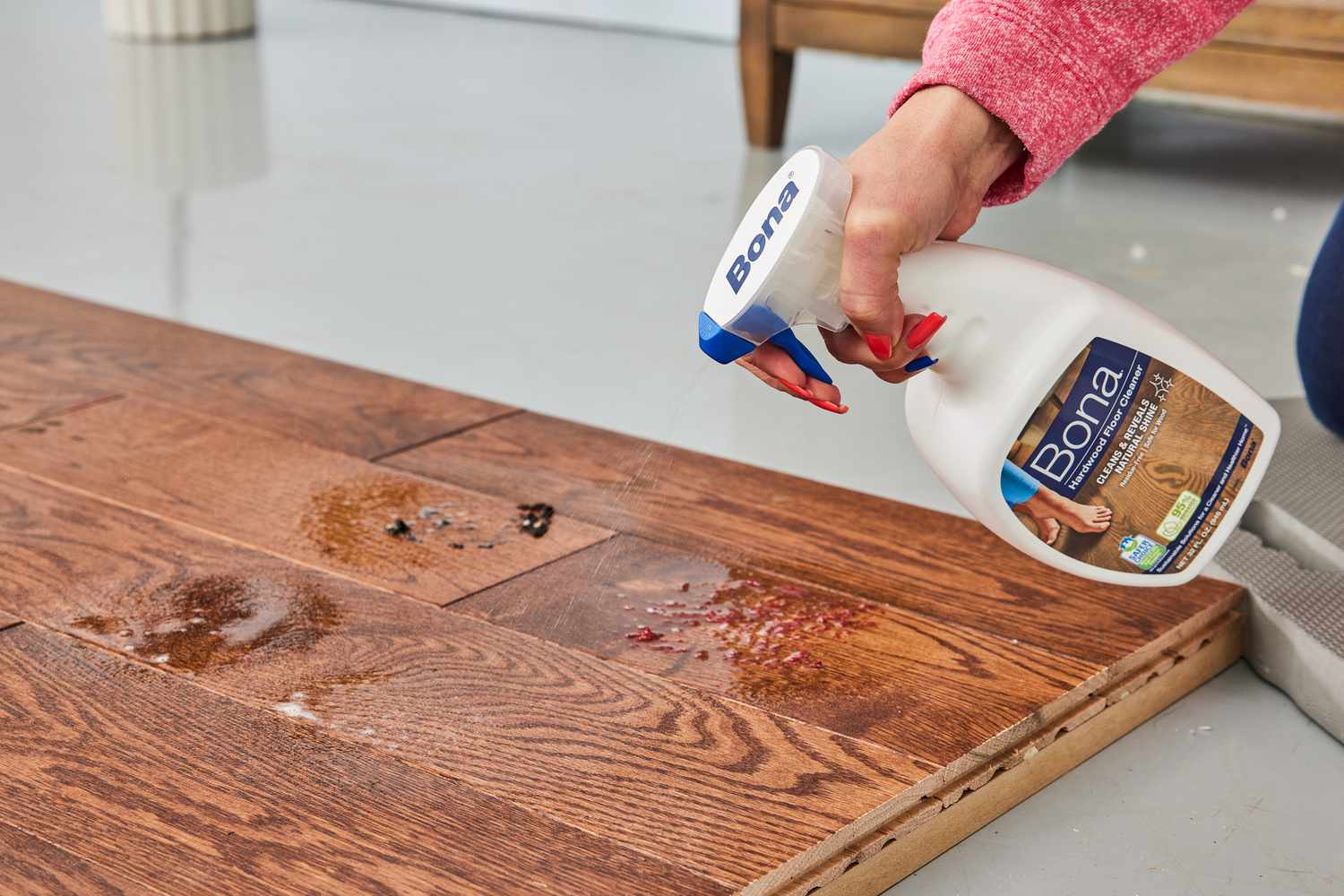
Periodical deep cleaning constitutes the fourth strategy, tailored to the specific flooring material. For non-wood flooring, water alone might suffice for spot stains, as most modern flooring materials resist deep penetration. Before using commercial liquid cleaners, their suitability for the specific flooring type should be verified by checking labels or testing on an inconspicuous area. For wood flooring, the cleaning method depends on the finish. Wax-finished floors require a solvent-based cleaner and liquid wax, while polyurethane-finished floors can be cleaned with a solution of distilled white vinegar and warm water or a specialized water-based cleaner like Bona. Regardless of the finish, products intended for vinyl or tile should never be used on wood, as they can dull the finish and create slip hazards. Caution is also advised against using sponge mops with hard metal edges and steam mops on wood floors, which can cause warping.
The final strategy, using a humidifier, specifically addresses the protection of wood floors. In cooler, drier seasons, especially in northern regions, excessive dryness can lead to floorboard shrinkage, causing gaps and creaking. Maintaining indoor humidity between 30 and 40 percent with a humidifier prevents this and also protects wood furniture and leather goods from cracking. Humidifiers should be chosen based on room size to ensure optimal coverage. These five practices collectively promote healthier, longer-lasting floors in any home environment.
#HomeMaintenance #FloorCare #CleaningTips #IndoorEnvironment #WoodFlooring #HealthyHome #HouseholdSafety #ApplianceRecommendations #ConsumerReports #HomeMaintenance #FloorCare #CleaningTips #IndoorEnvironment #WoodFlooring #HealthyHome #HouseholdSafety #ApplianceRecommendations #ConsumerReports
0 ความคิดเห็นรวม
 ยังไม่มีความคิดเห็น
คุณอาจจะชอบอีกด้วย
I swear by this incredibly easy 5-step method for cleaning real wood floors

12 best hard floor cleaners for keeping your flooring fresh

The Secret to Keeping Your Hardwood Floors Pristine? It’s One of Our 6 Best Cleaners

How to clean hardwood floors the right way

How to Clean Every Type of Floor Quickly and Easily

How to clean hardwood floors – experts reveal the best techniques
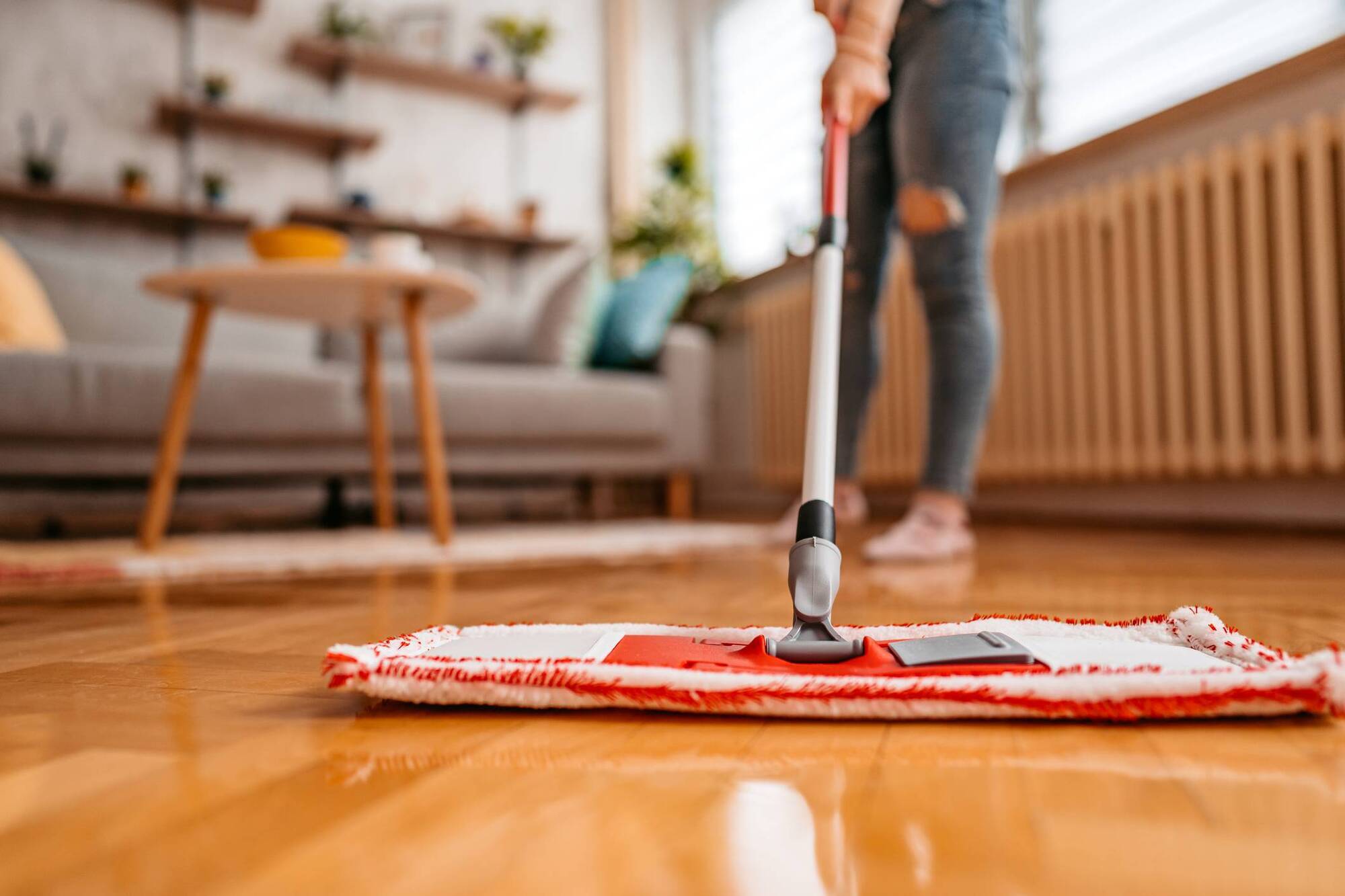
Home: How to clean wood flooring without causing damage

How to Clean Tile Floors—From Ceramic to Cement Surfaces

You're cleaning your bathroom floor wrong, experts warn – here's how to get it right
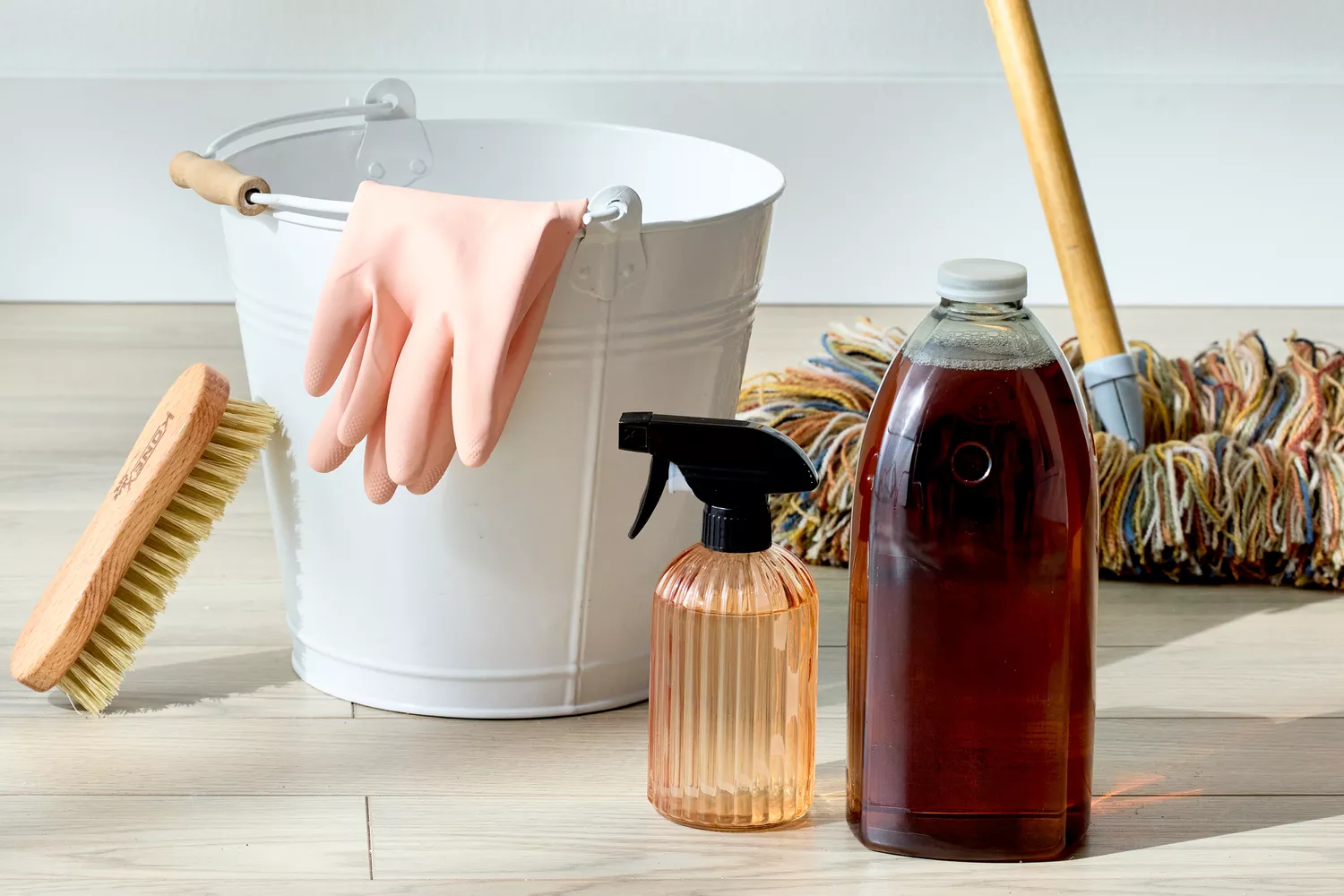
6 Things You Should Never Use to Clean Wood Floors (Unless You Want to Ruin Them)

How to clean laminate floors for extra shine – and what to avoid to protect the floor's surface for years
The 12 best hardwood floor cleaners of 2024, per expert testing
The 5 Best Mops To Safely Clean Your Laminate Floors
After 24 Hours of Hands-On Testing, These Are Our 5 Best Mops for Keeping Wood Floors Spotless


5 flooring sounds you shouldn't ignore - and what they mean
How to restore hardwood floors without sanding – a step-by-step guide
10 Top Hardwood Floor Cleaners To Keep Them Looking Like New

I thought my mop was just OK – until a professional cleaner taught me the right way to use it
The One Way You Should NEVER Clean Laminate Floors

How to Clean Laminate Floors to Protect Their Shiny Finish