1/17
16 herb garden ideas for productive (and beautiful!) beds, borders and planters
Cultivating a herb garden can be both productive and aesthetically pleasing, whether you have a large garden or limited outdoor space. This guide explores various approaches to growing herbs, from traditional methods to creative, space-saving solutions, offering inspiration for every gardener. Herbs are not only affordable and easy to grow but also add fresh ingredients to your kitchen and enhance the visual appeal of your garden.
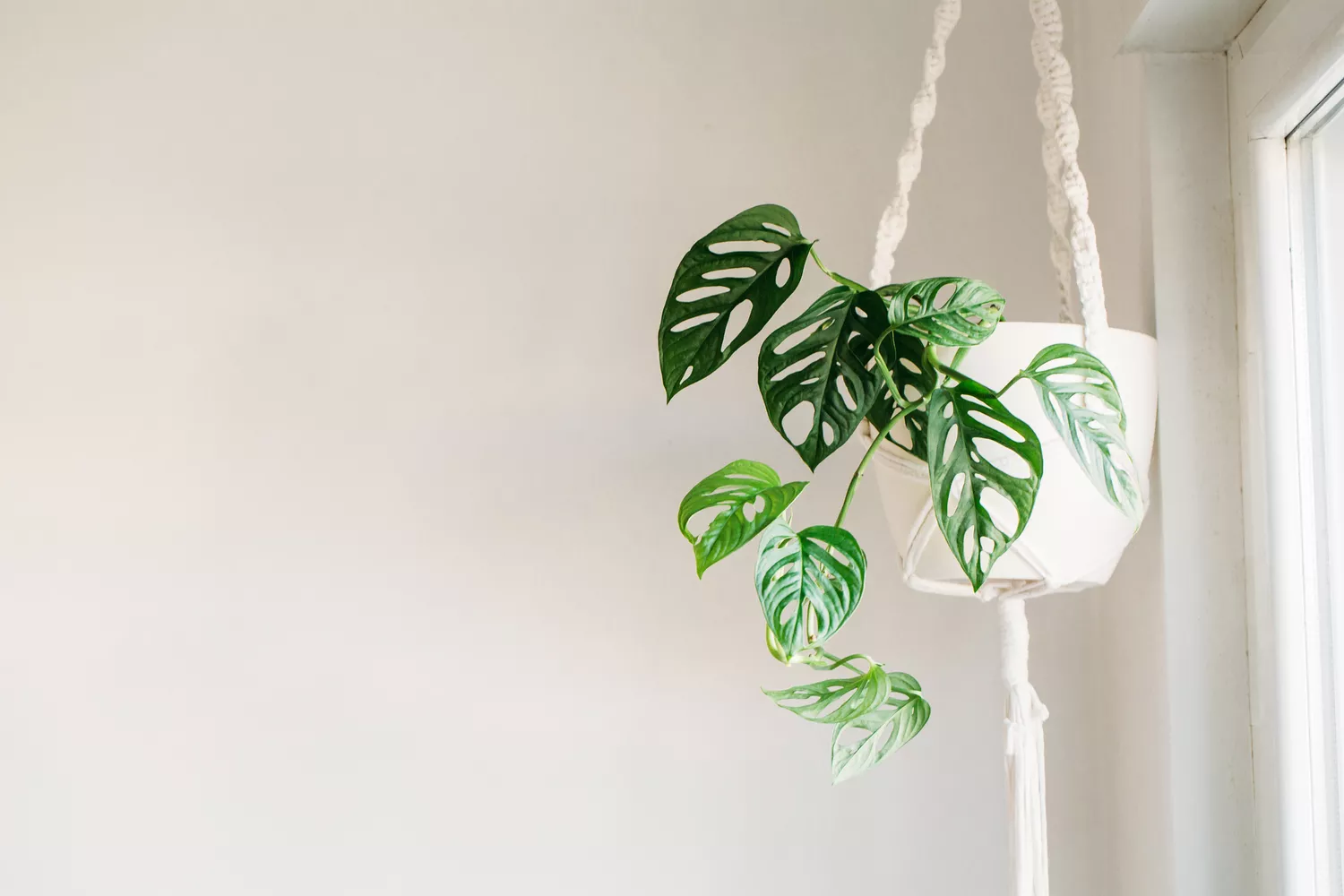
One effective method is to plant herbs in hanging baskets, which are not exclusively for flowers. Varieties like basil, especially when paired with tomatoes, thrive in well-drained hanging baskets, provided common hanging basket mistakes such as overcrowding are avoided. This method is particularly suitable for Mediterranean herbs that require ample drainage.
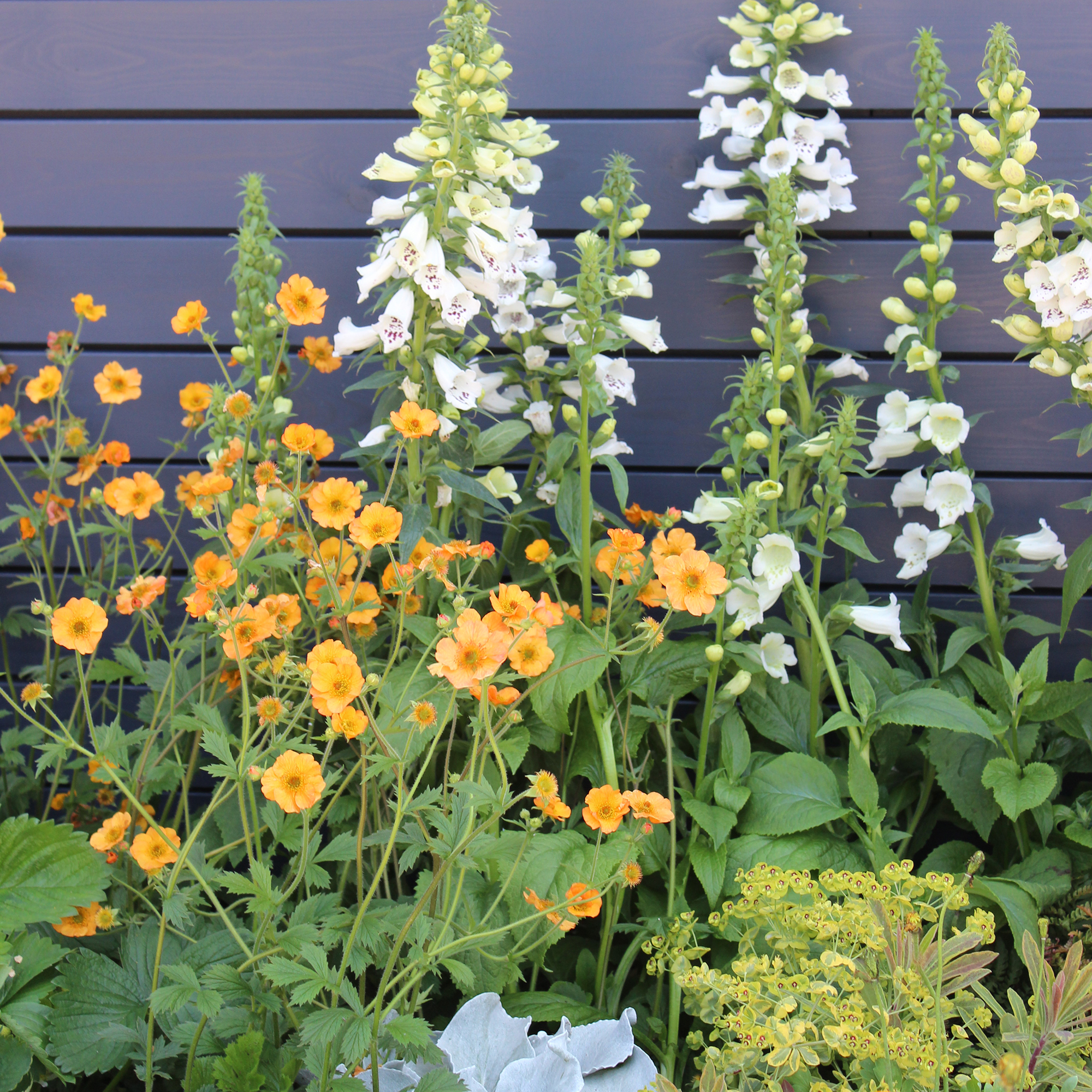
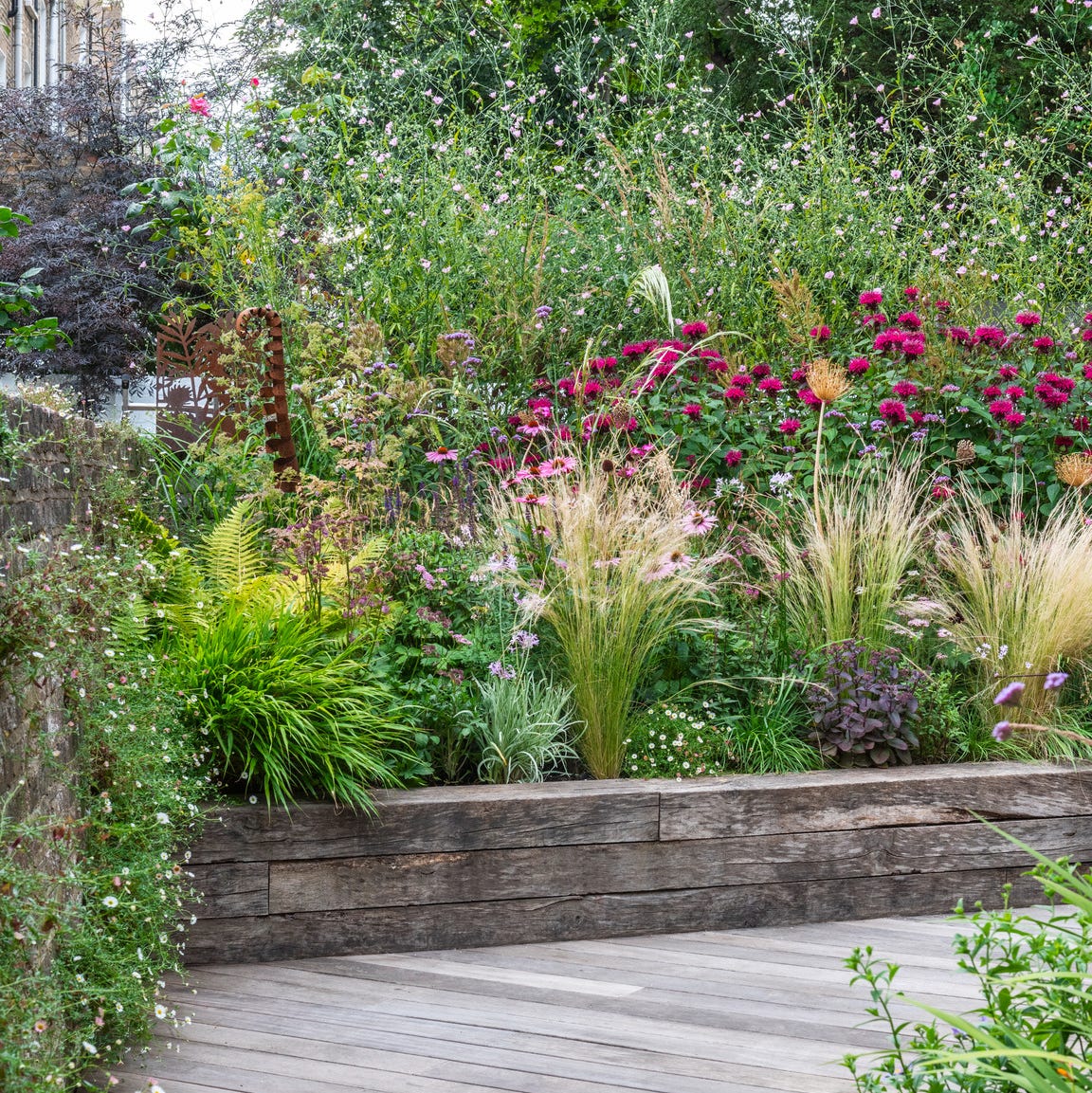
For a less formal look, consider incorporating herbs directly into borders. Experts suggest that herbs like borage, hyssop, and fennel can add charm to informal garden designs, serving as attractive plants in their own right rather than being confined to traditional herb patches.
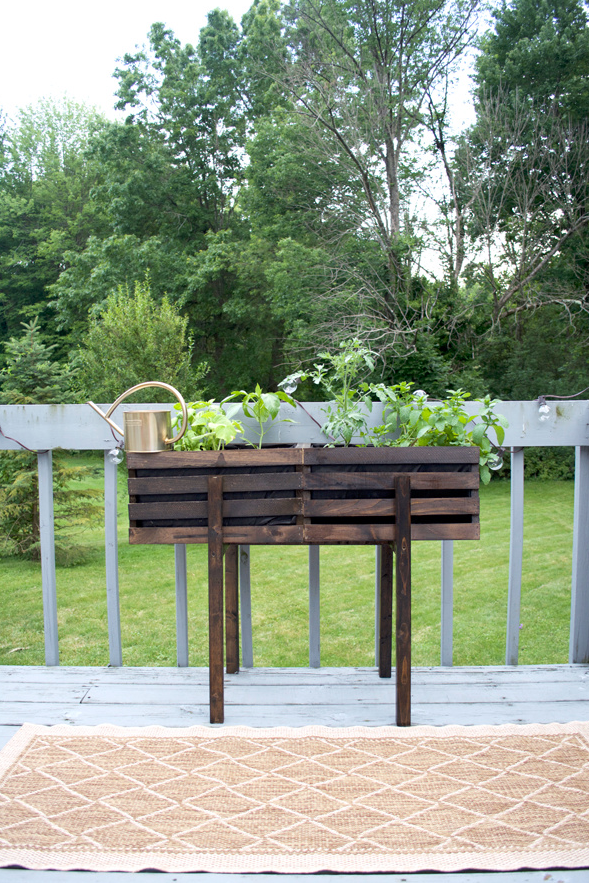
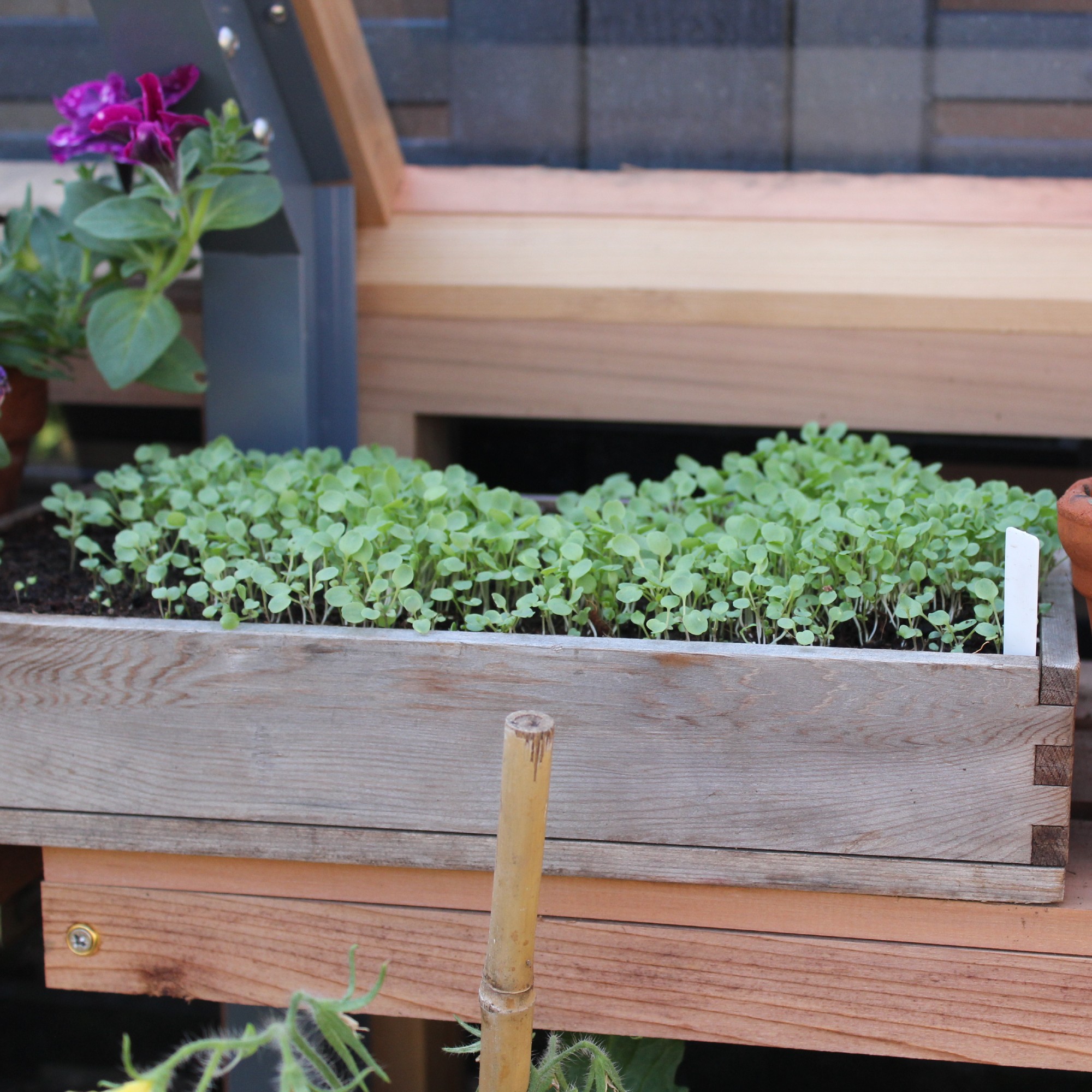
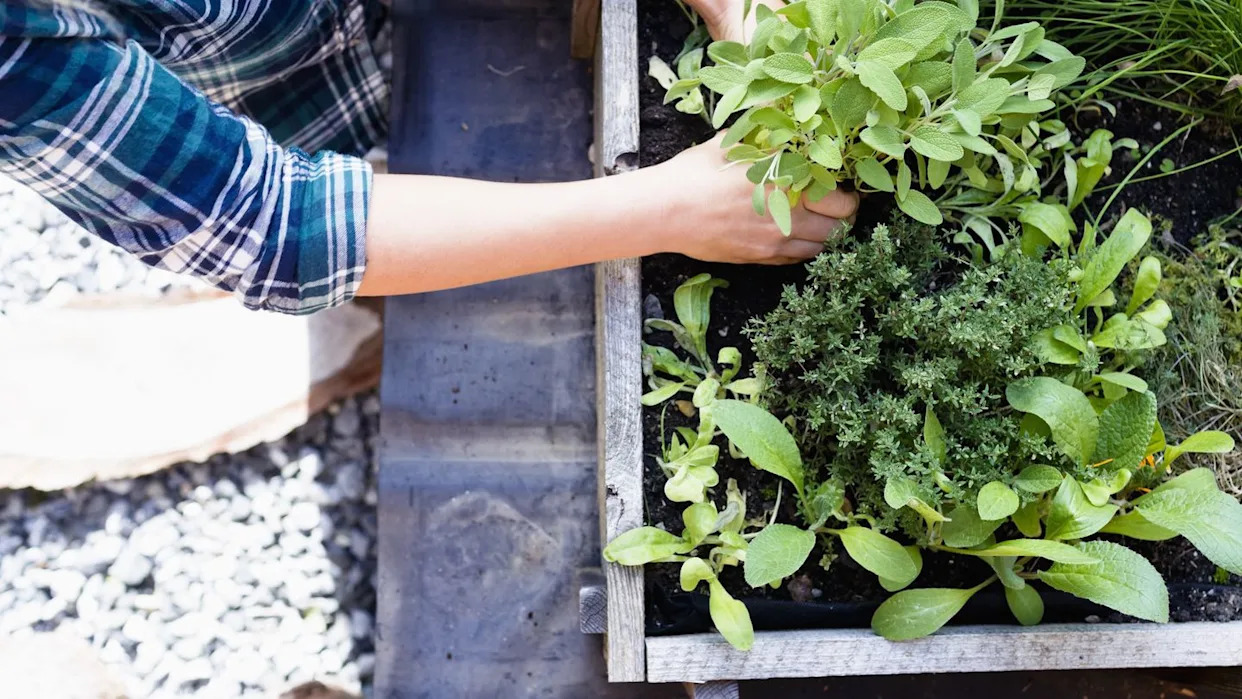
Raised troughs offer a convenient solution, especially when placed near a back door. These self-contained units simplify harvesting and maintenance by elevating the plants, reducing the need to bend. The elevated position also helps deter garden pests like slugs and snails. However, fast-growing herbs like mint should be grown in separate pots to prevent them from overpowering other plants within the trough. Alternatively, upcycling old furniture, such as a chest of drawers, into a planter can provide a unique and affordable raised bed.
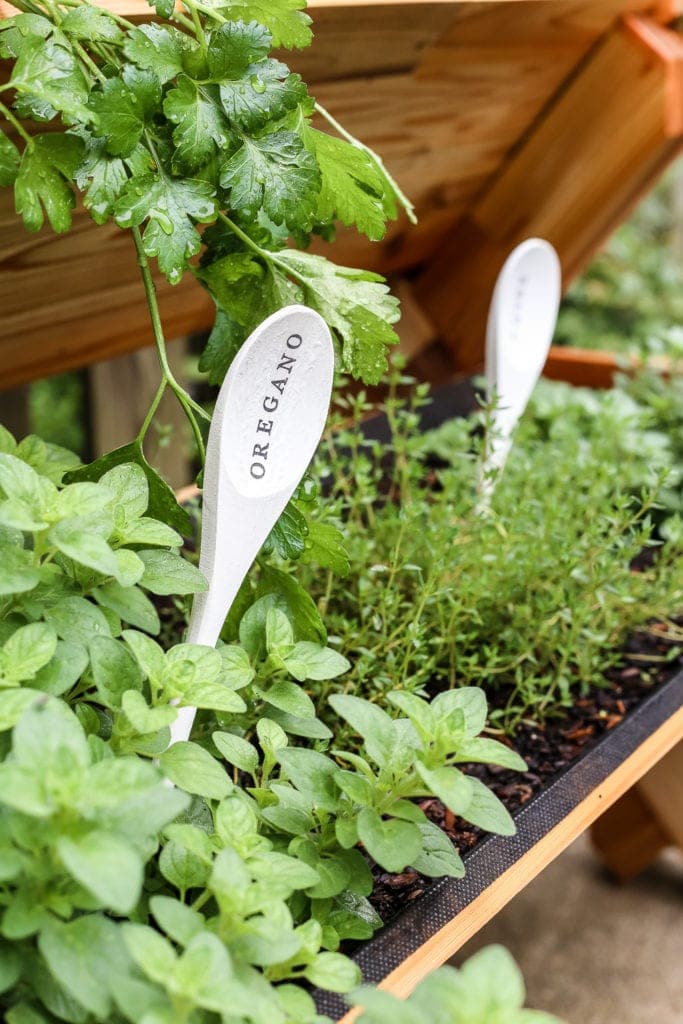
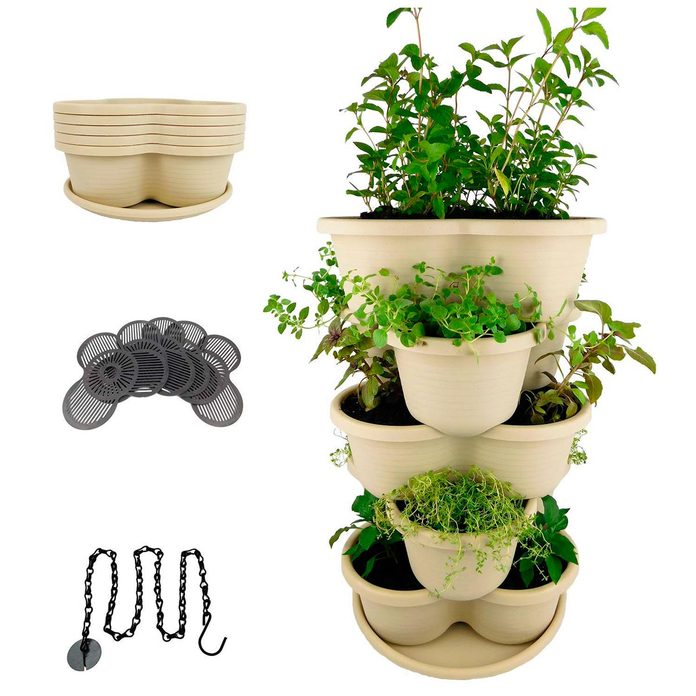
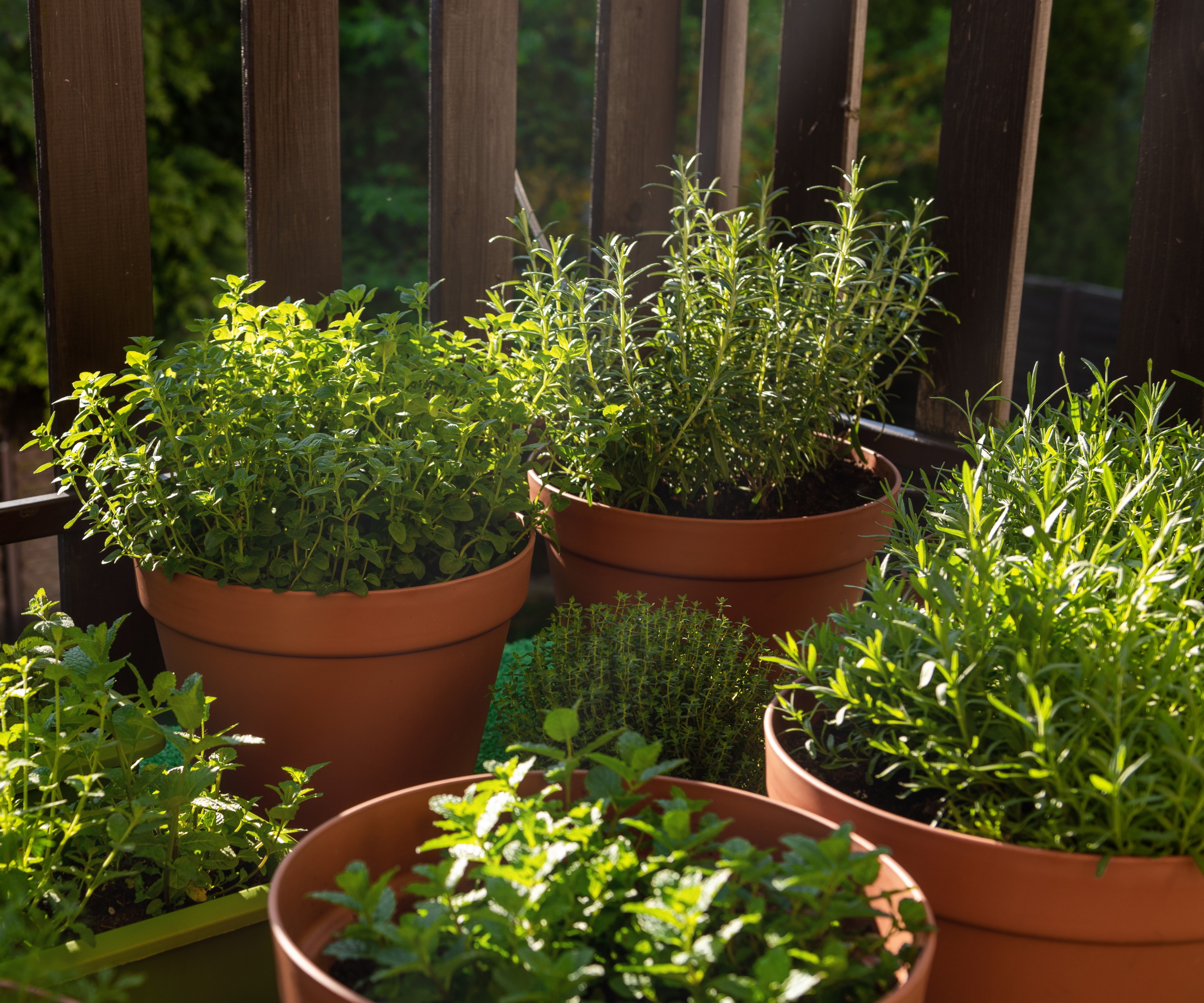
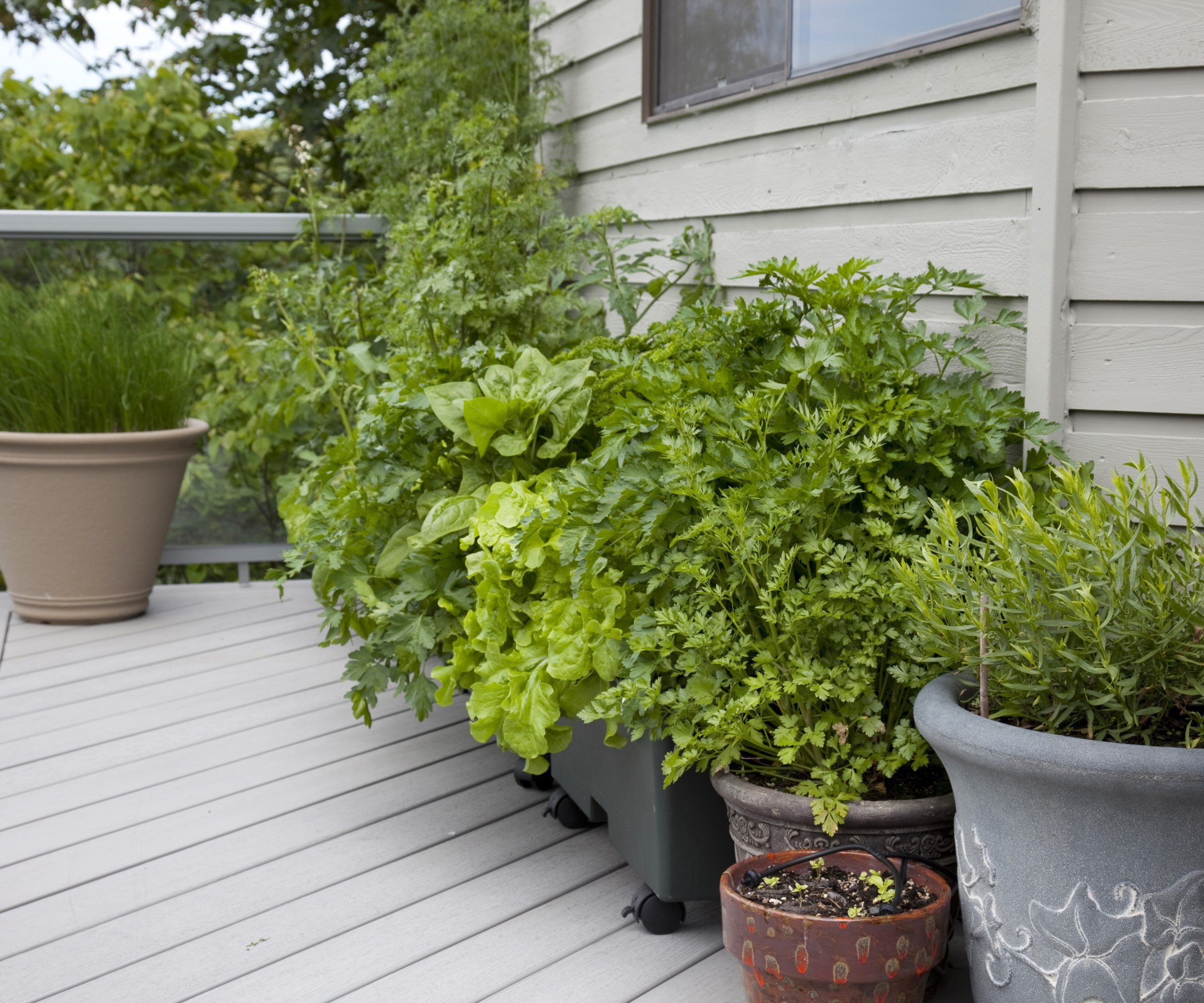
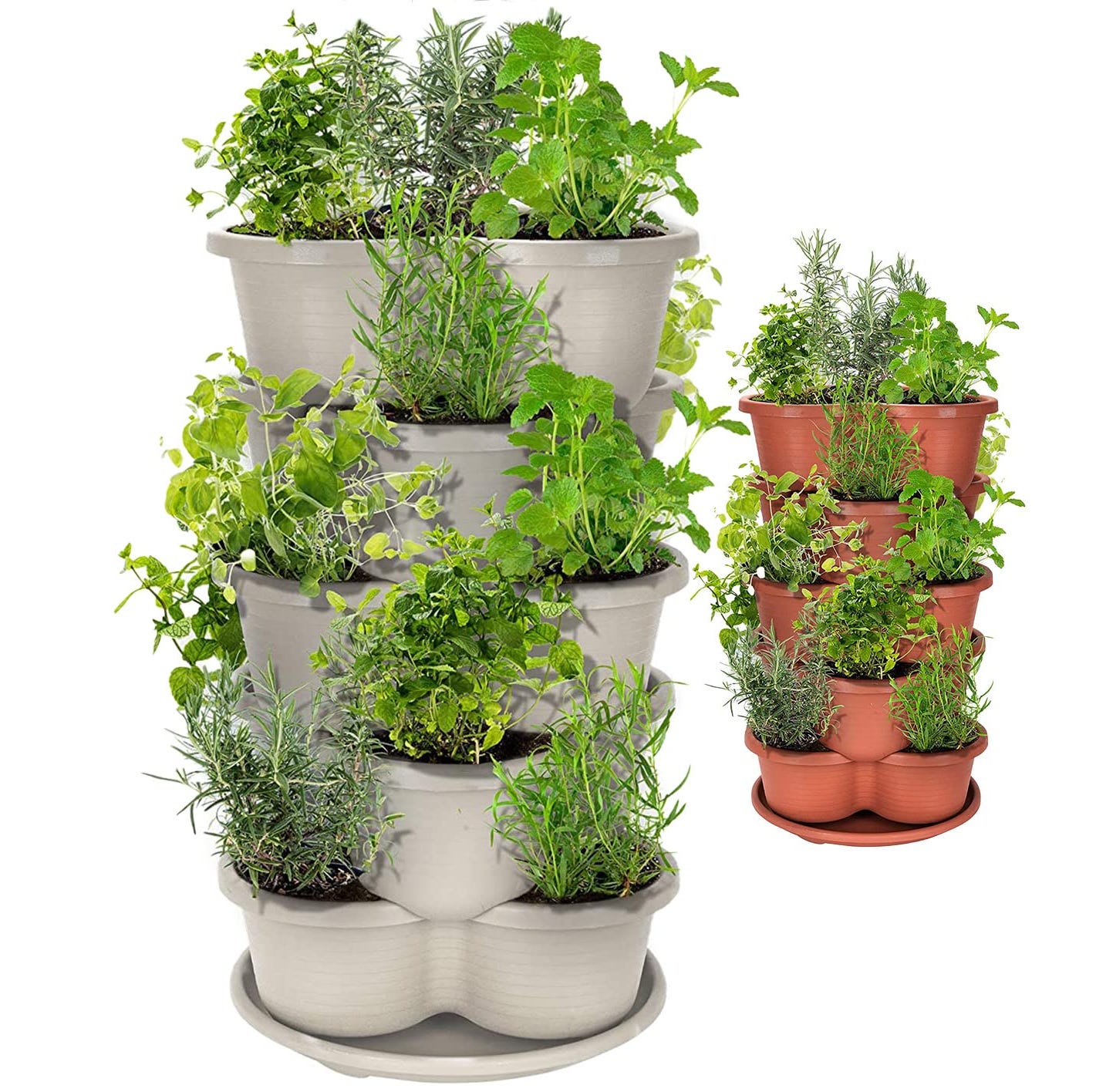
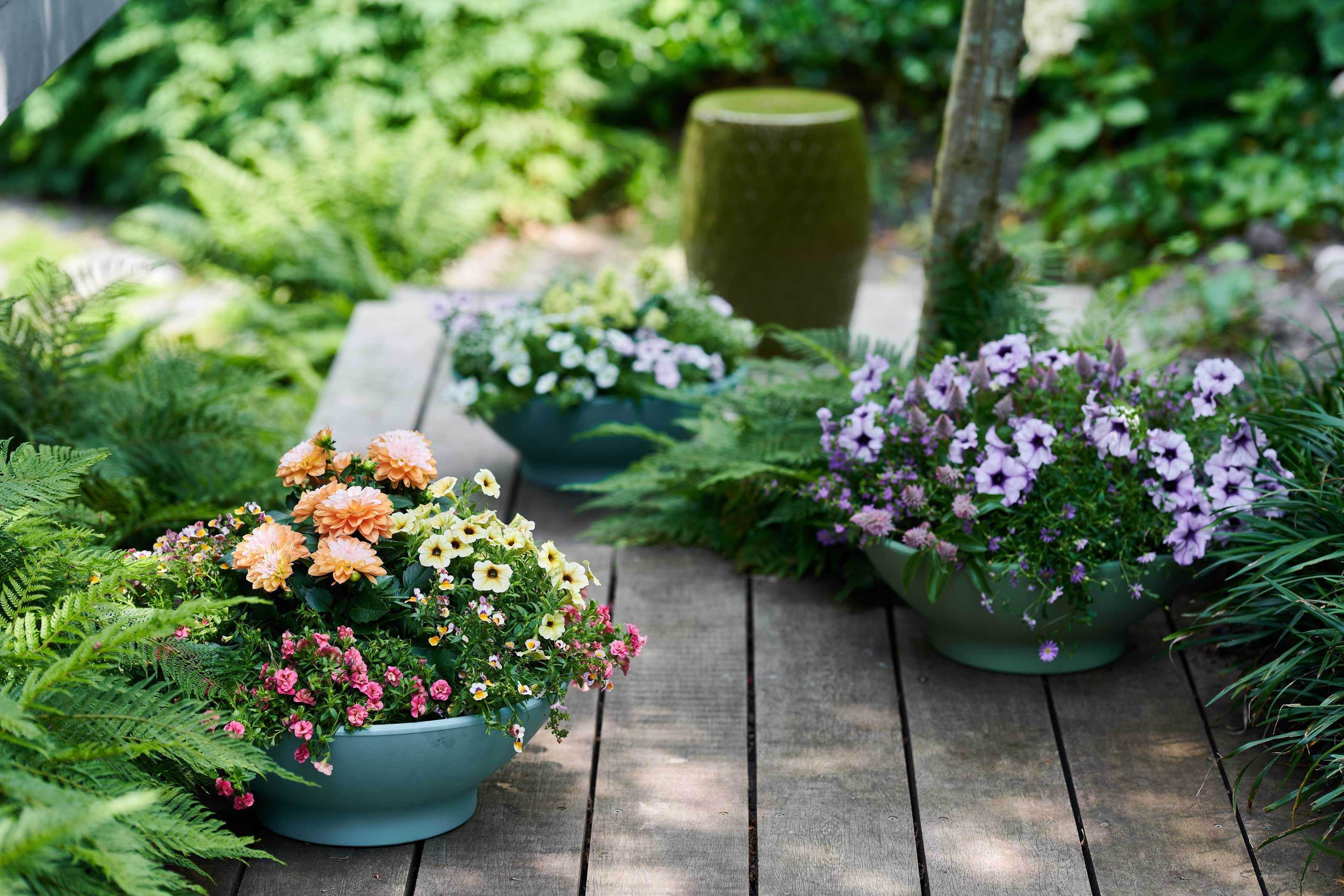
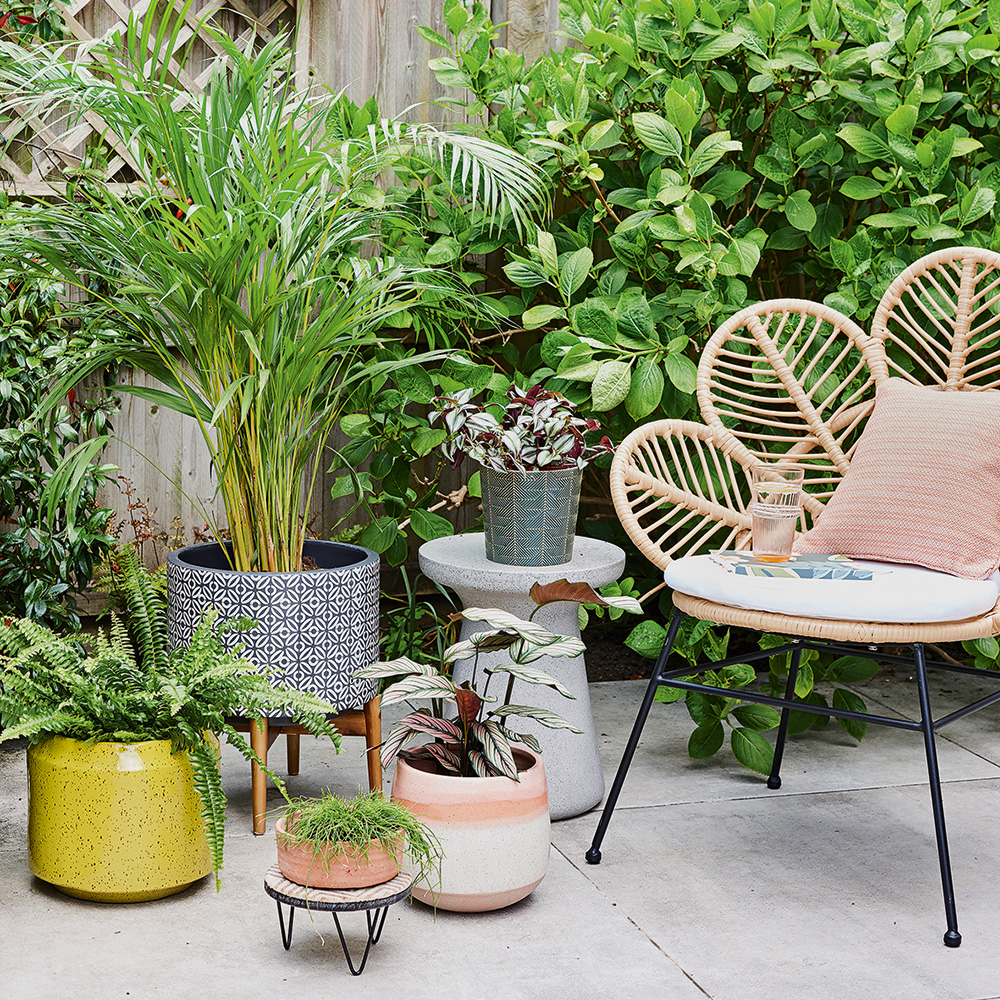
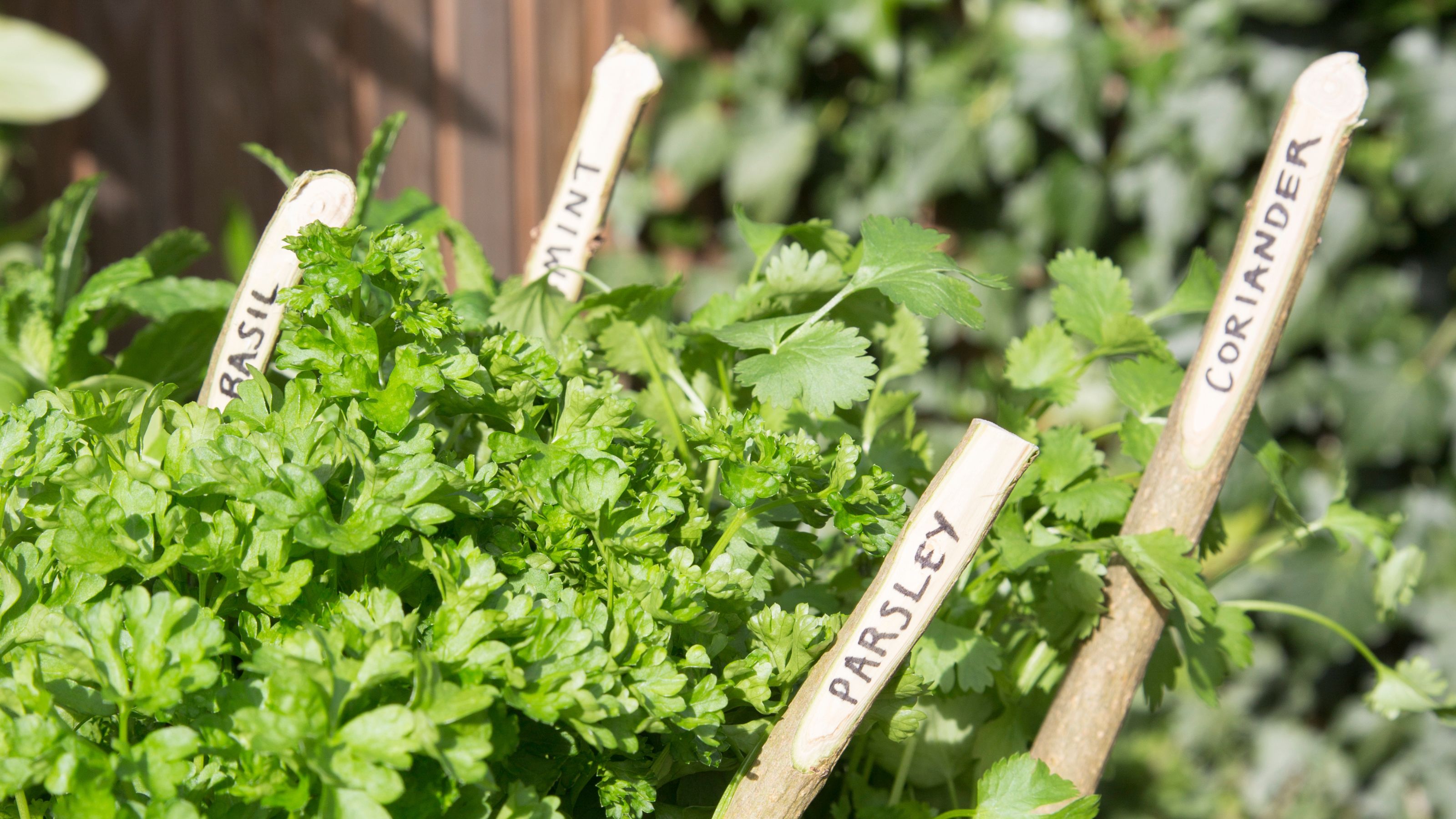
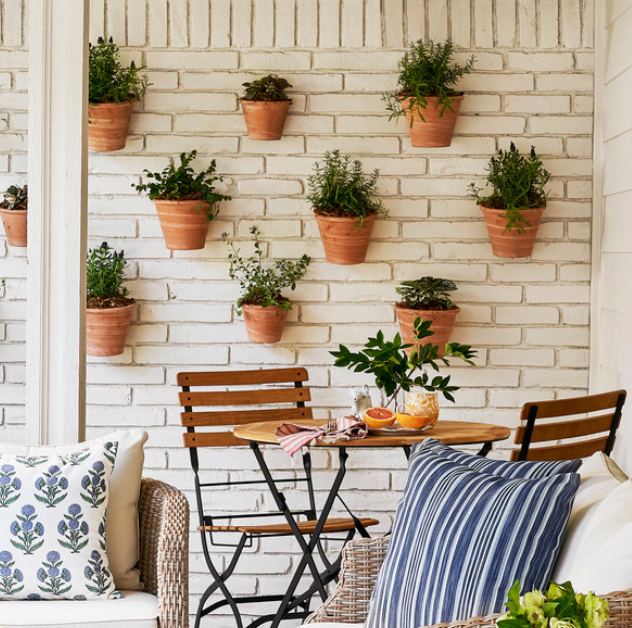
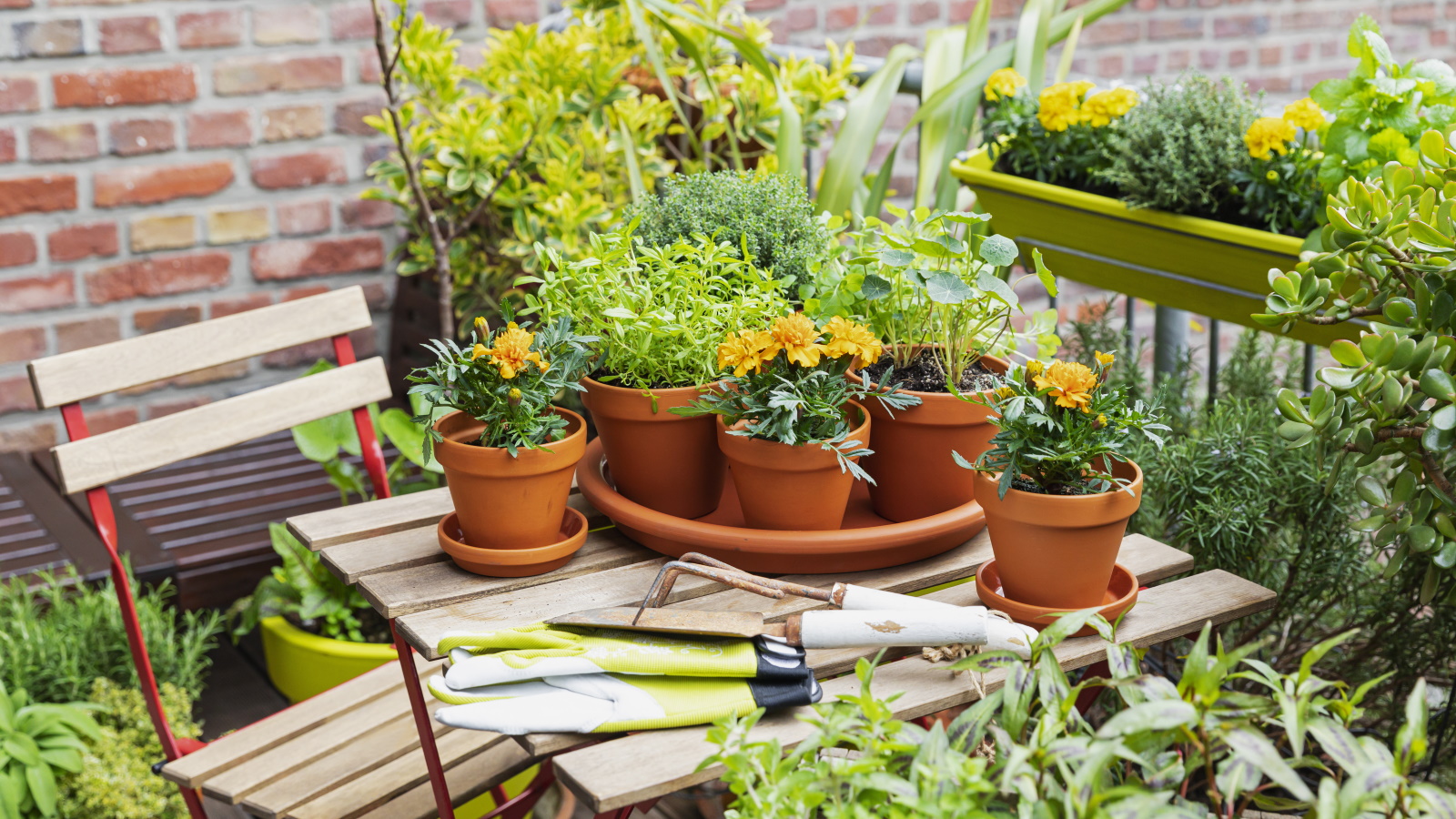
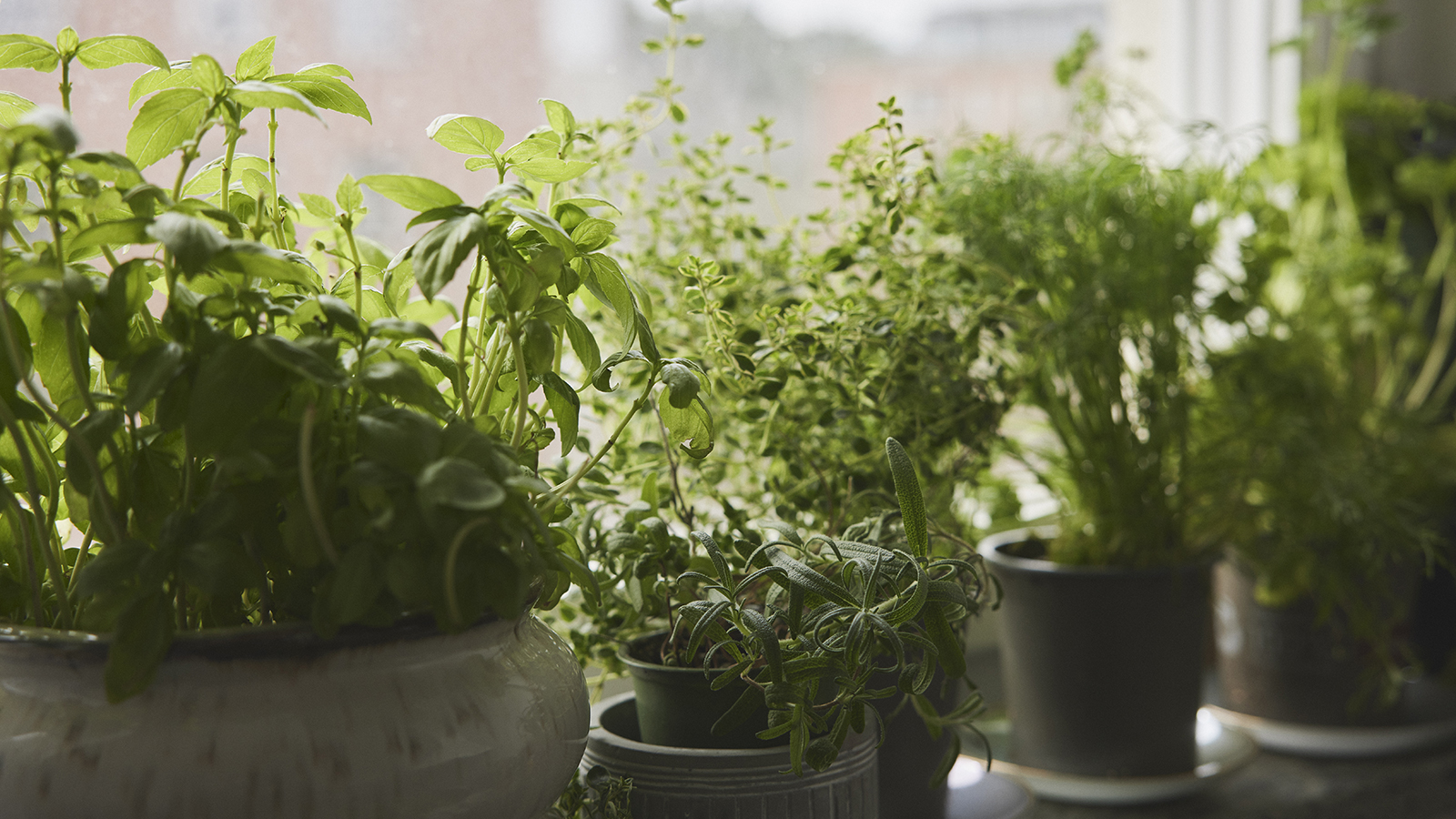
Growing herbs in pots is another versatile option, allowing for easy relocation based on sun exposure or weather conditions. Terracotta pots can evoke a Mediterranean garden feel. Herbs like thyme, sage, rosemary, French tarragon, and oregano thrive in sunny spots, while parsley, chervil, and sorrel prefer shade. Tender herbs should be brought indoors during winter.
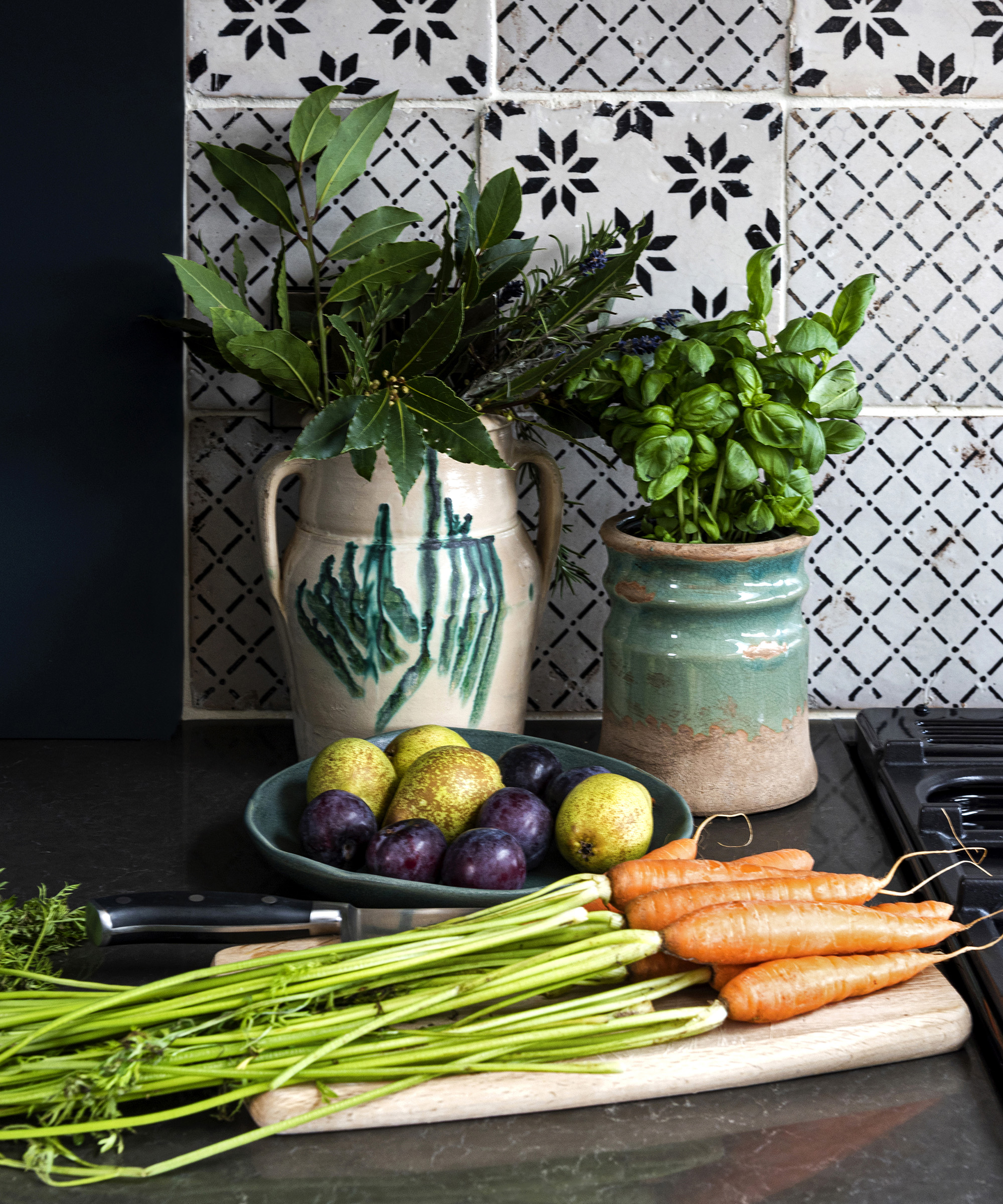
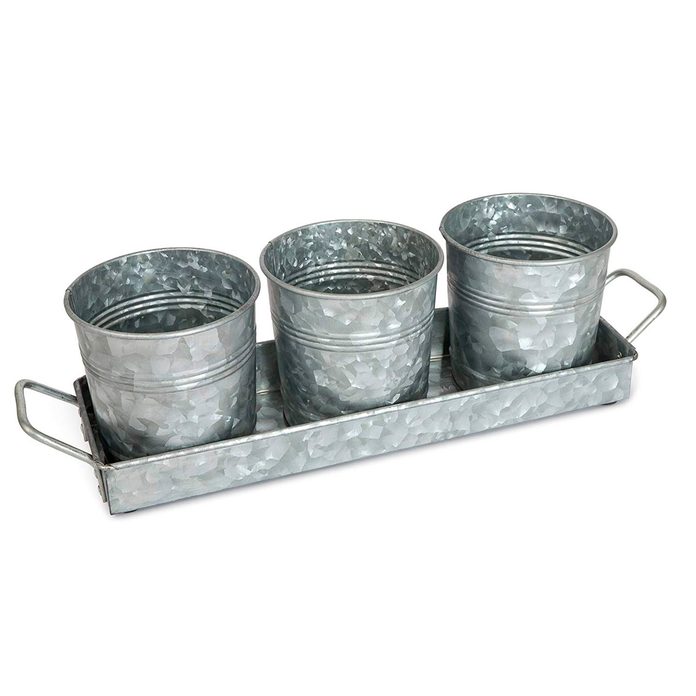
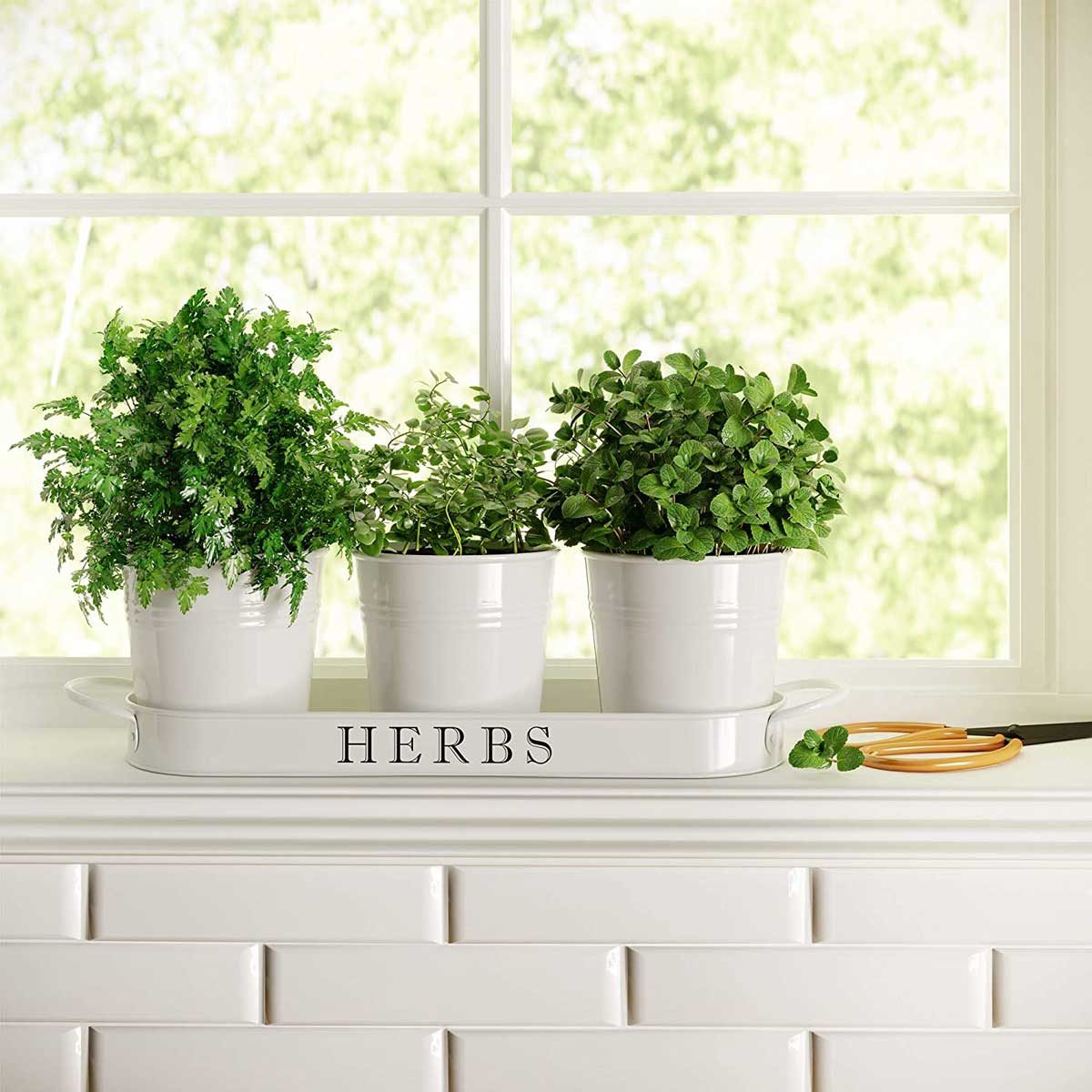
For a decorative touch, vintage tins can be repurposed as herb containers, adding aesthetic value to kitchen ideas. When placing these indoors or outdoors, ensure proper drainage by drilling holes if not using an inner pot. Integrating potted herbs into an outdoor kitchen setup provides convenient access for cooking and enhances the culinary experience.
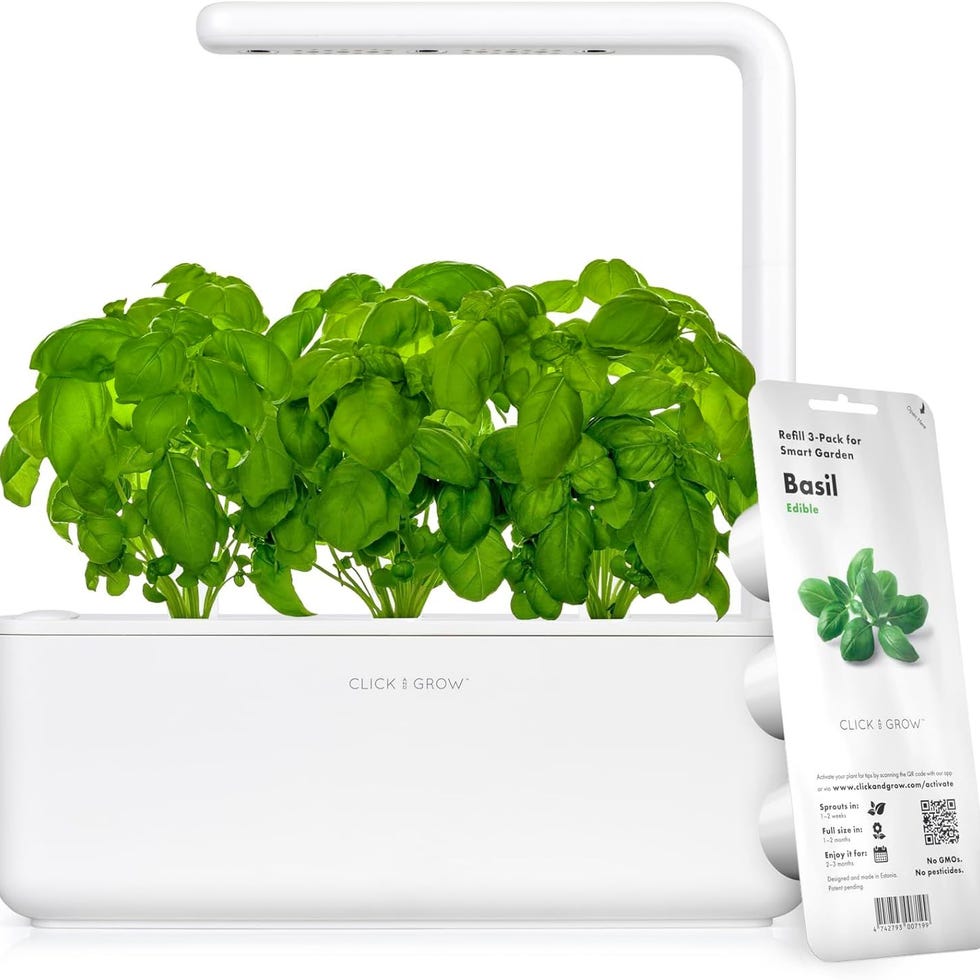
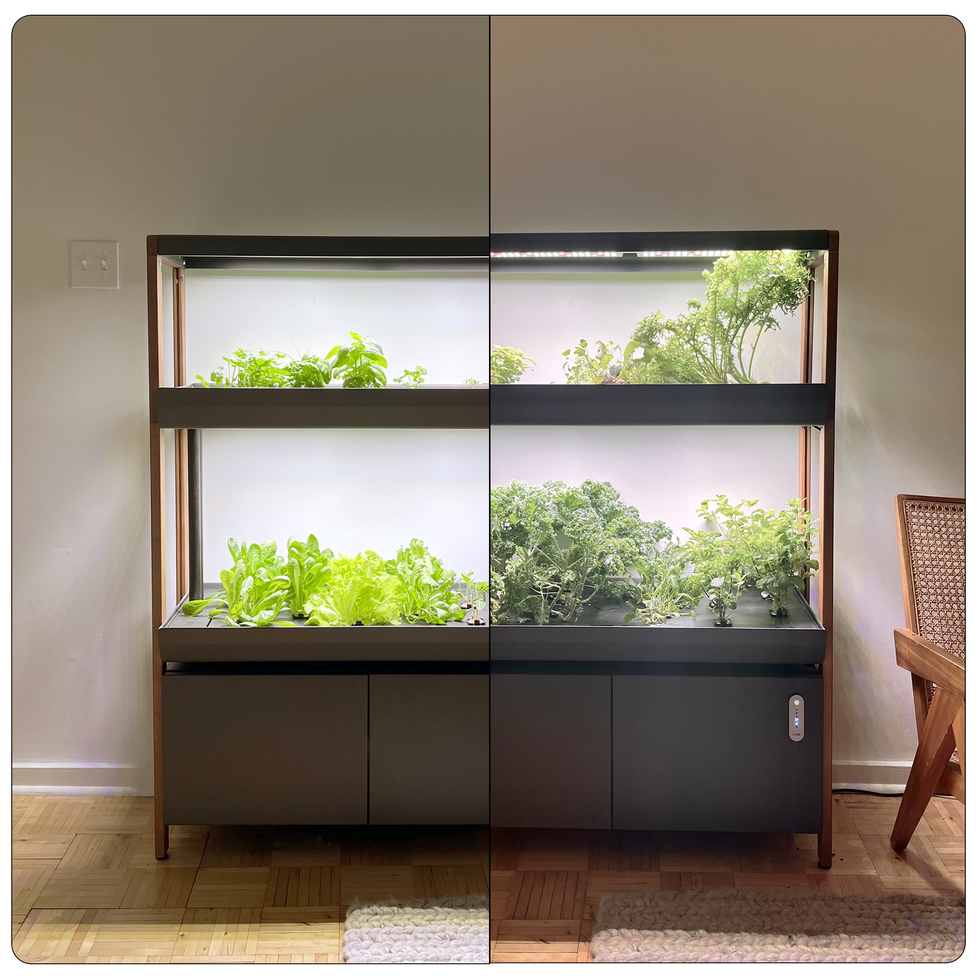
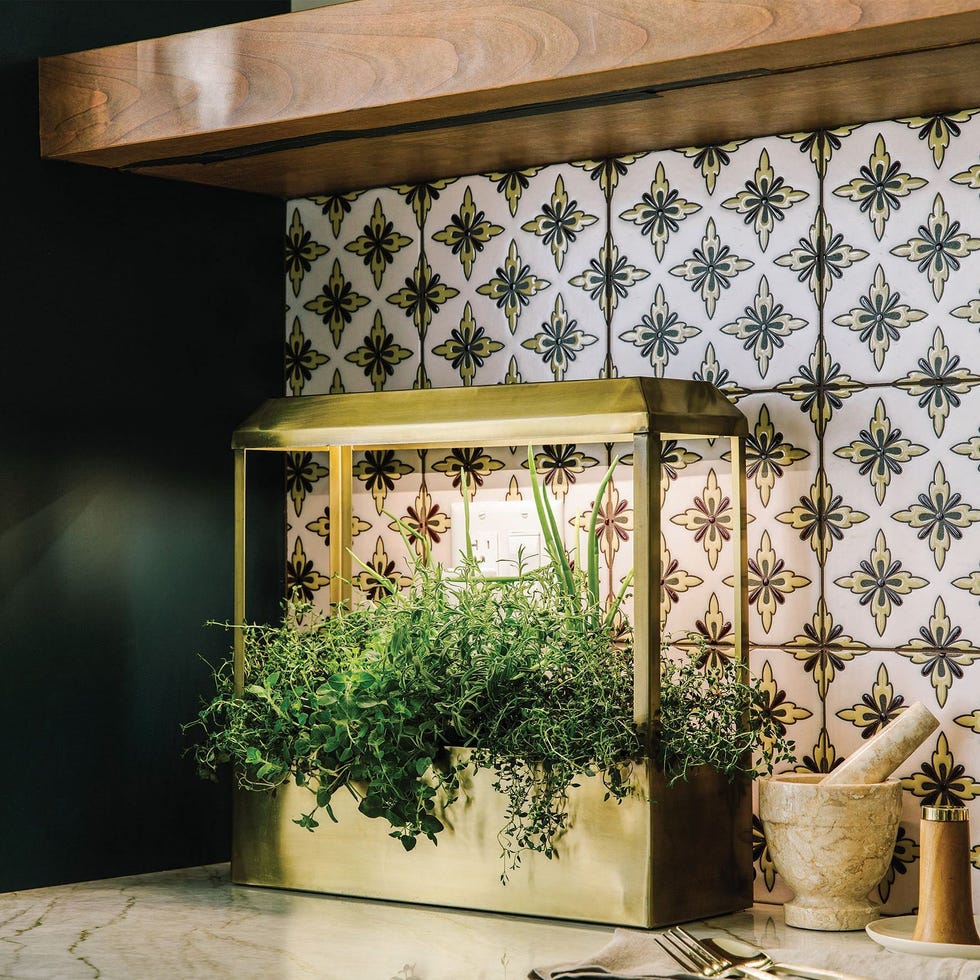
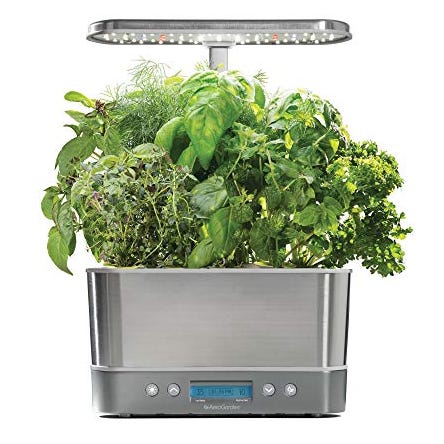
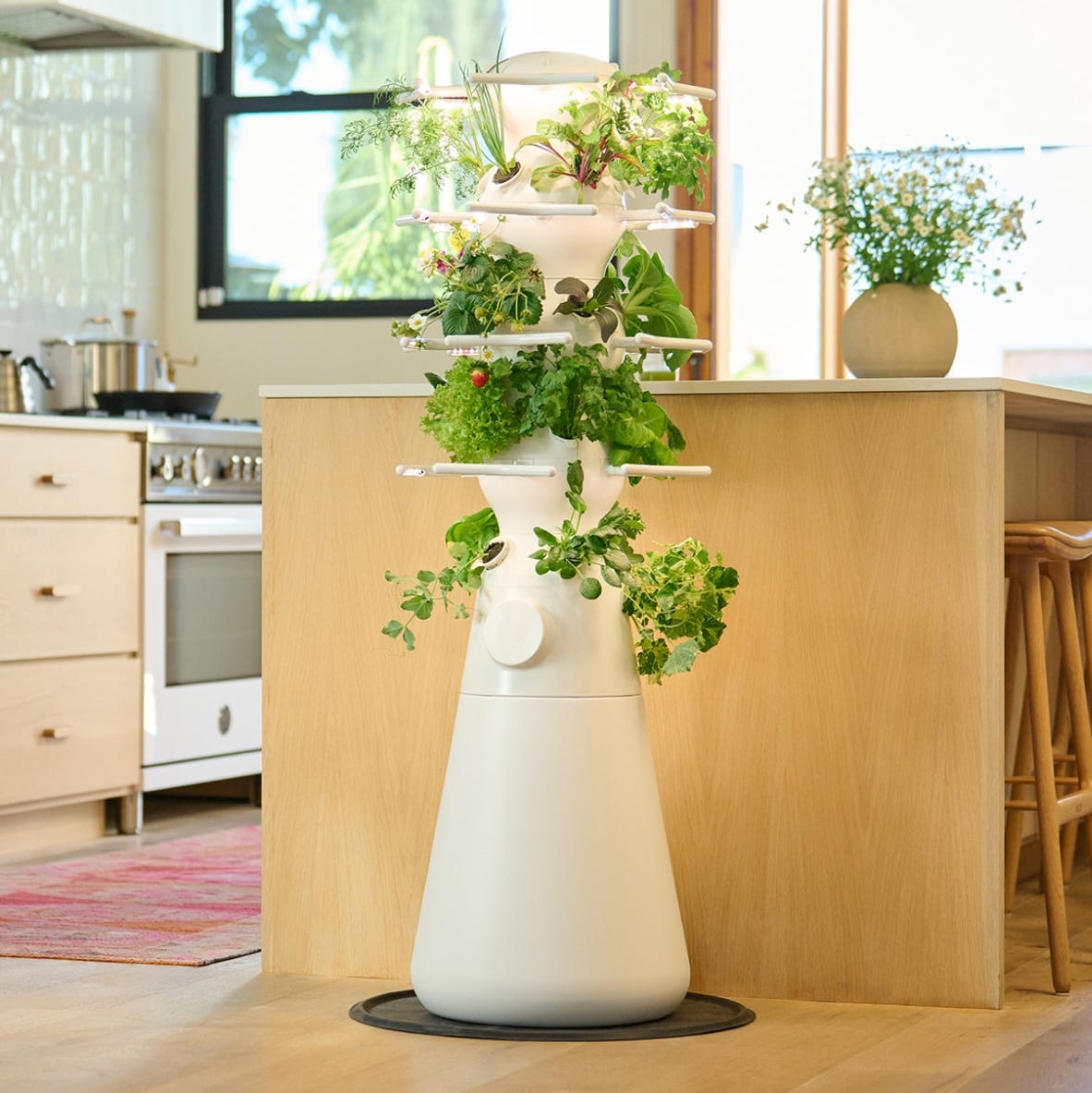
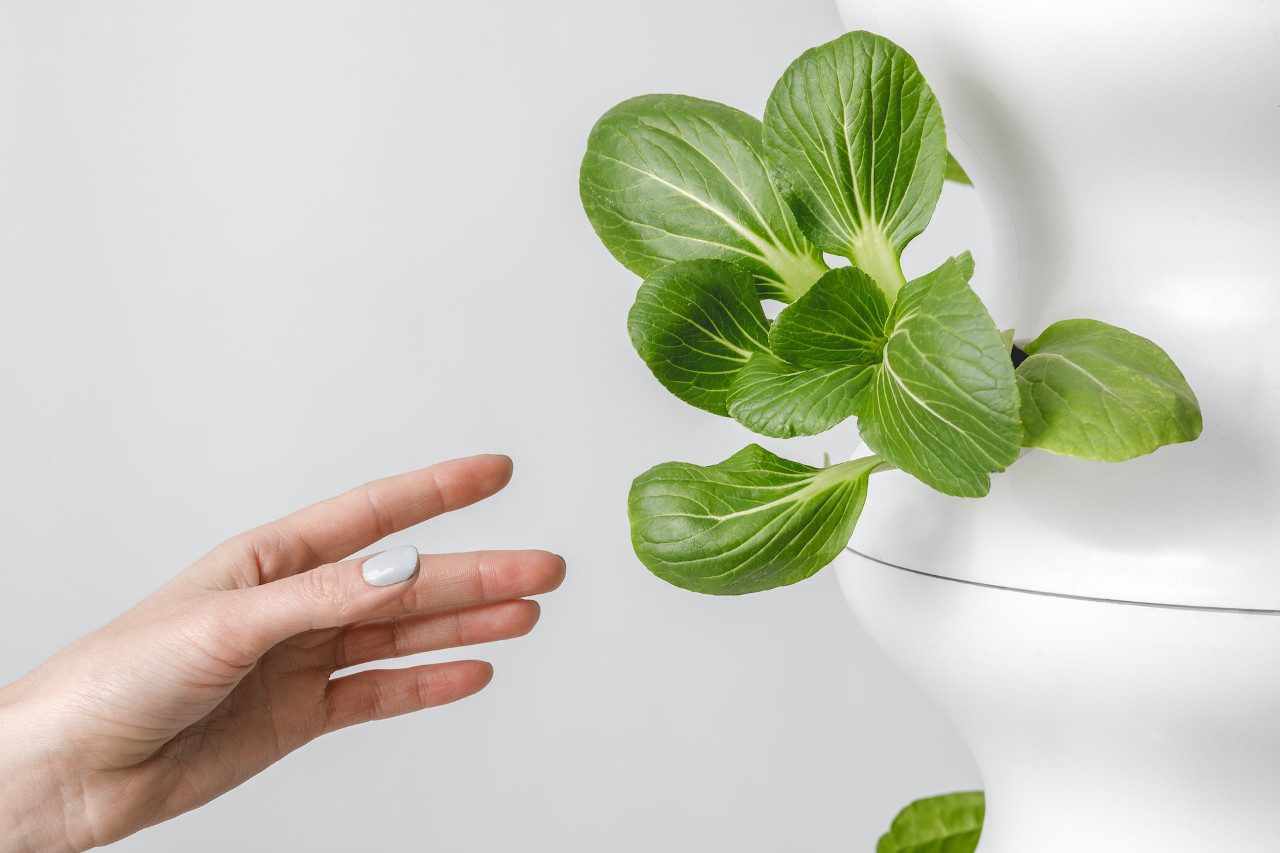
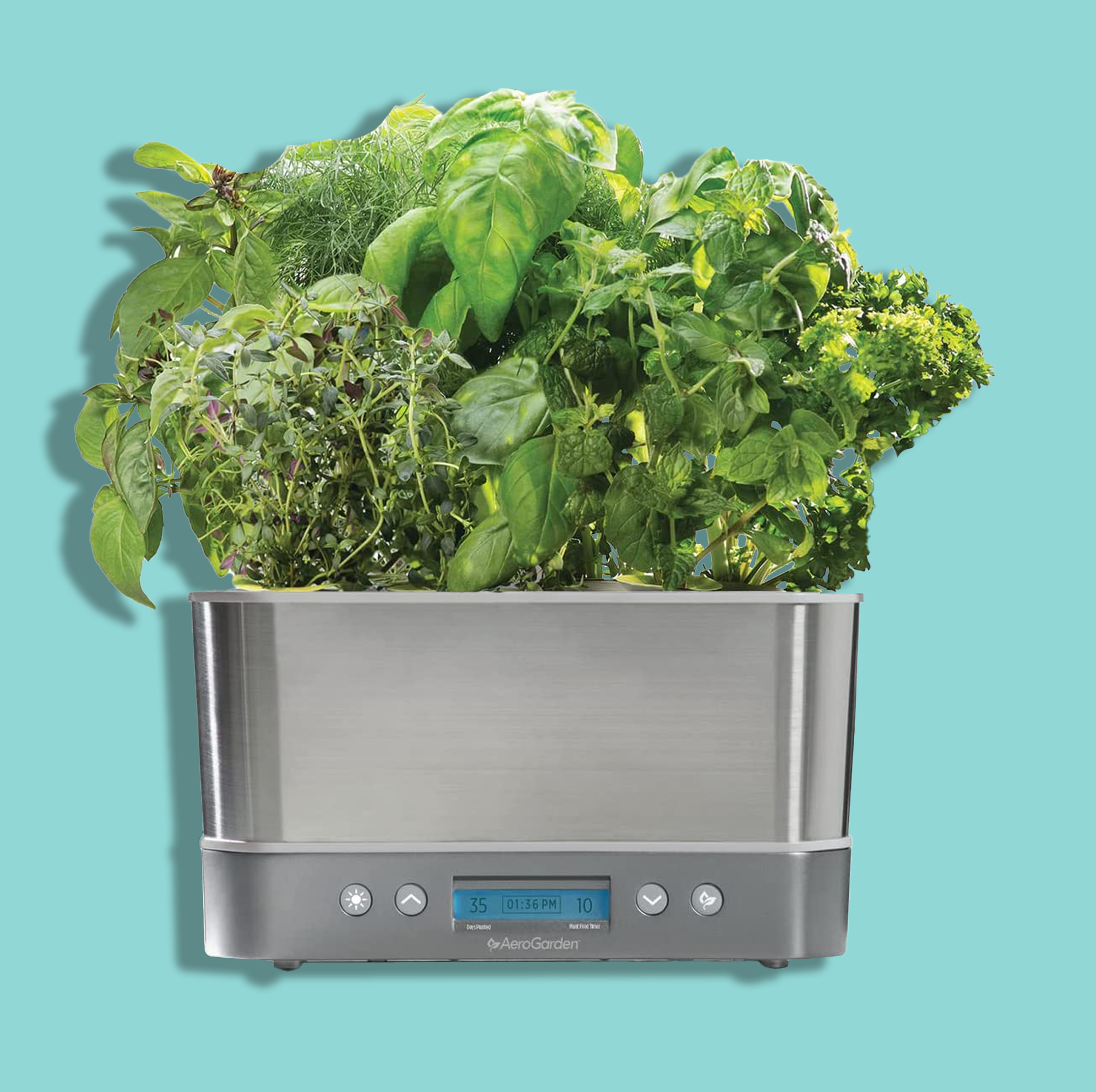
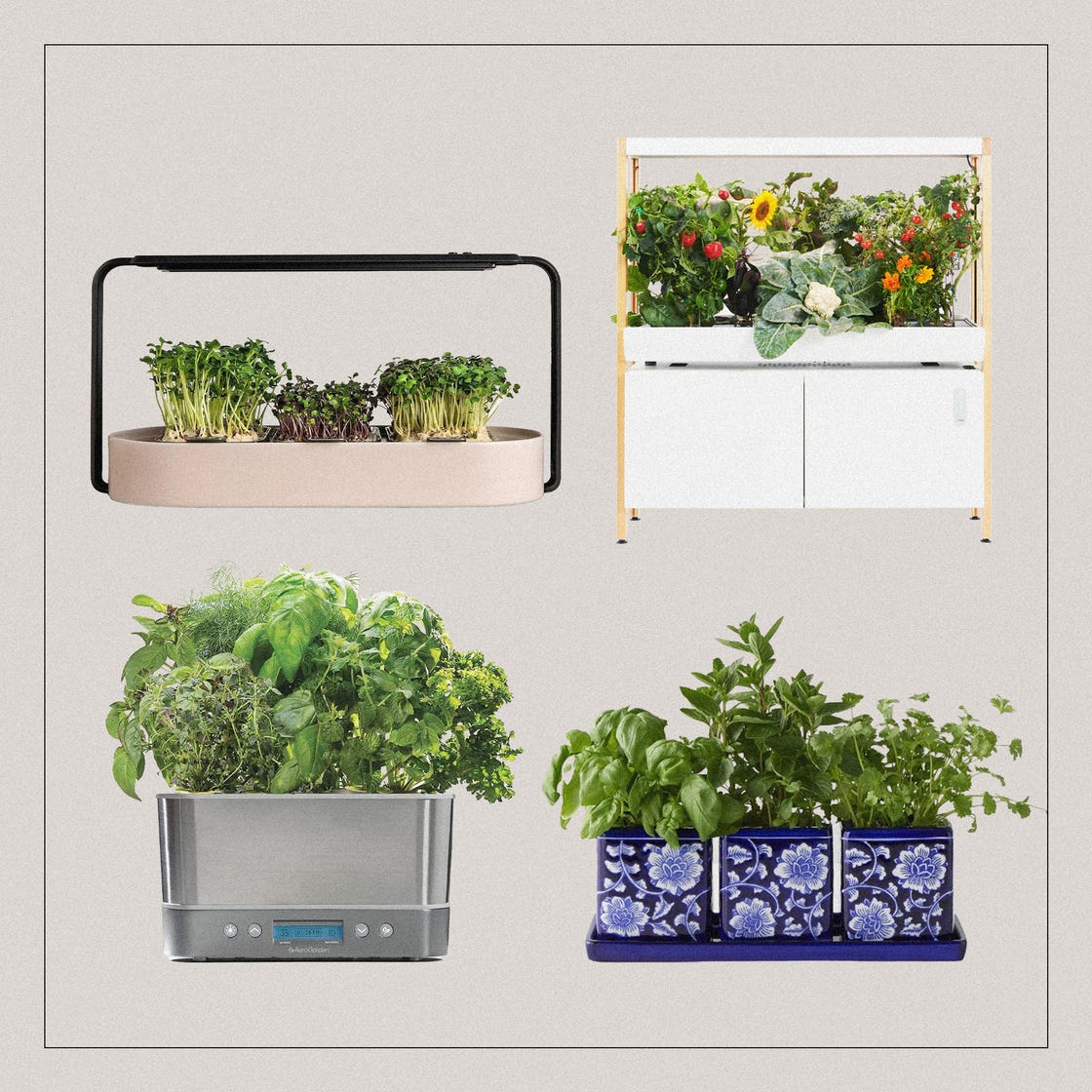
Hydroponics presents a soilless method for growing herbs, ideal for kitchen countertops. These systems allow herbs to grow from seeds using only water, eliminating dirt and reducing maintenance. They provide an oxygen-rich environment for roots, maximizing nutrient uptake and plant potential.
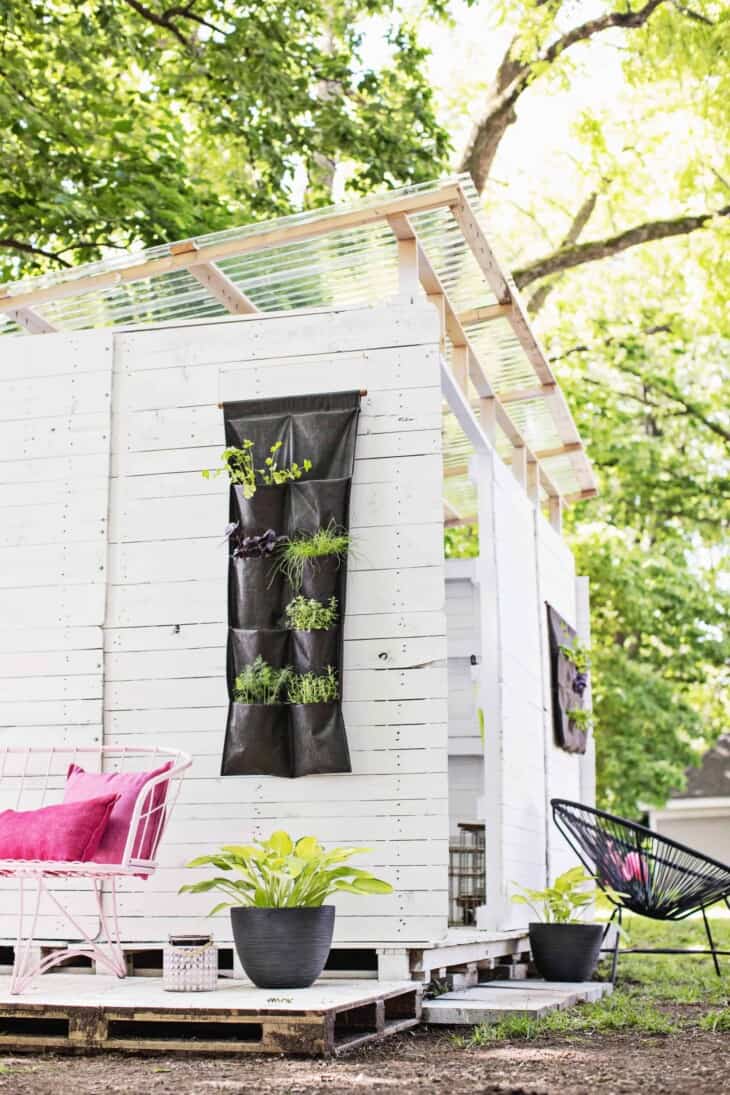
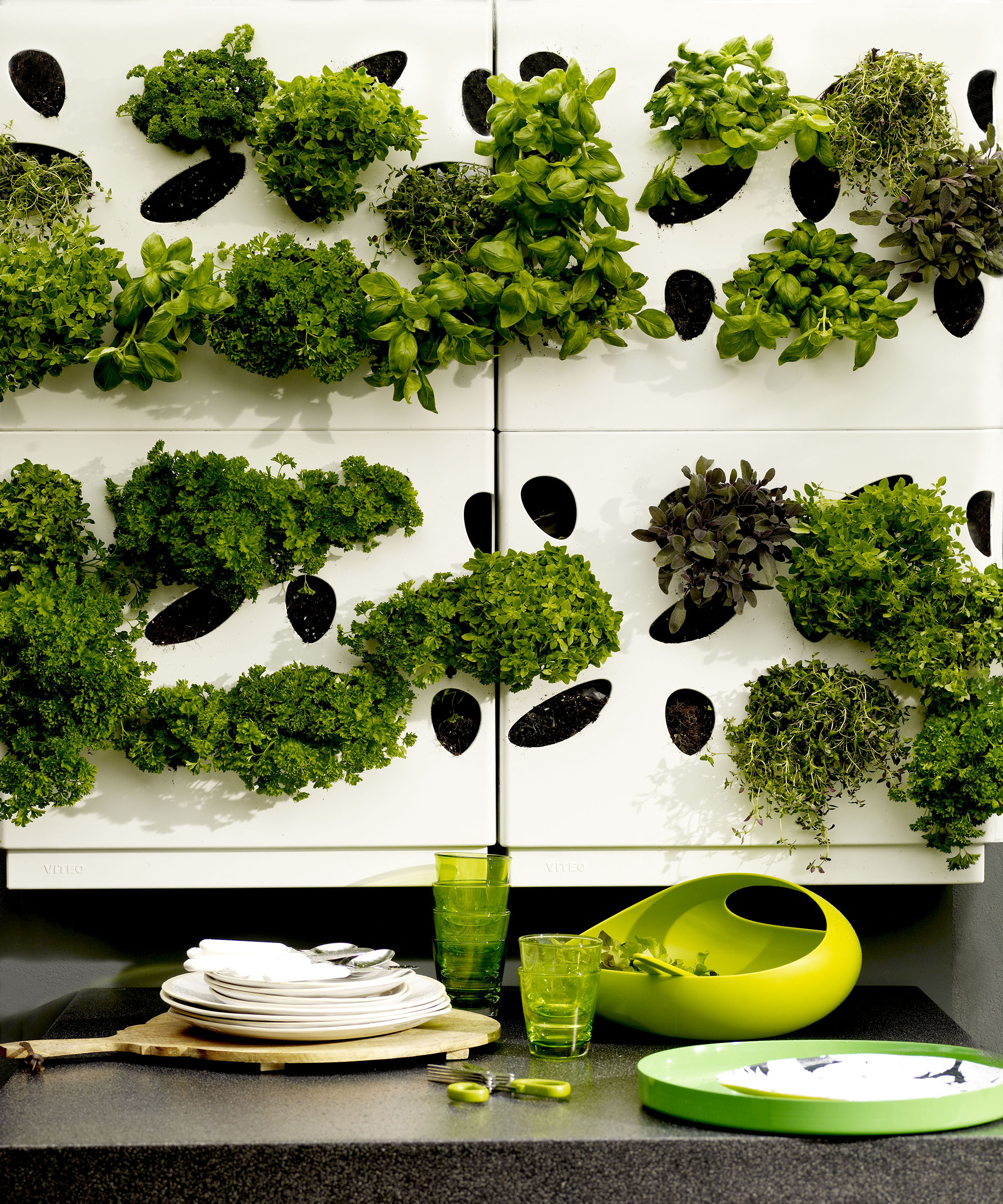
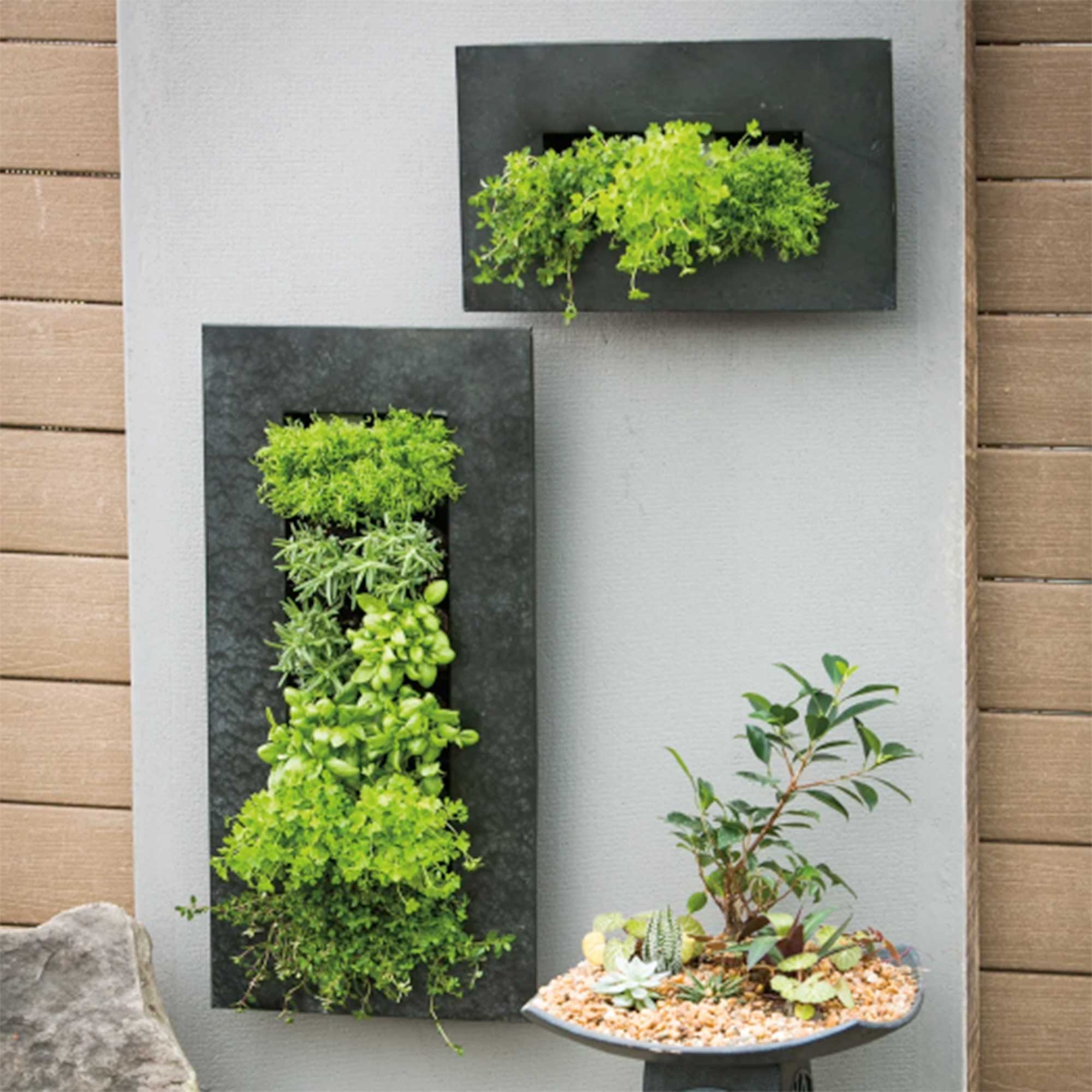
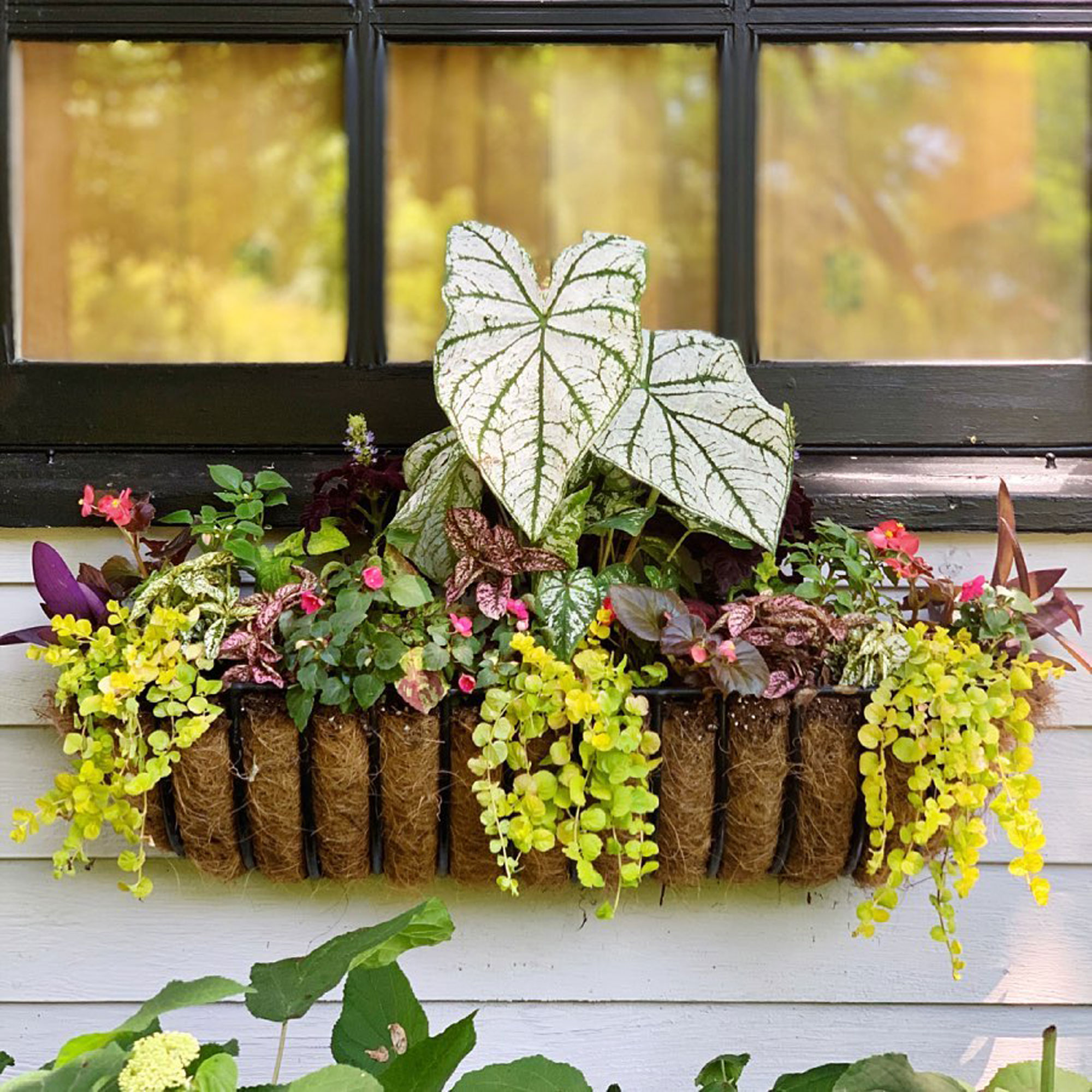
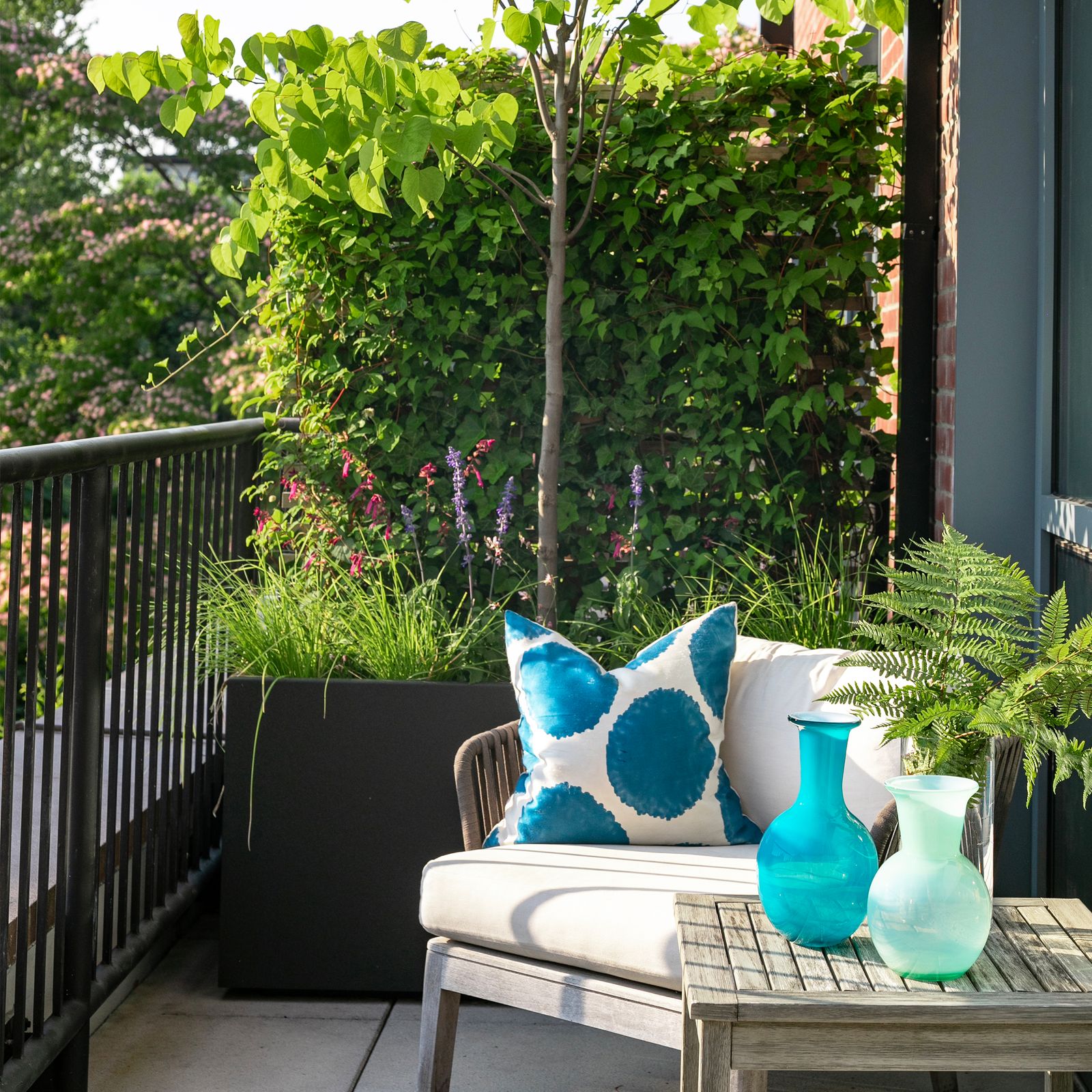
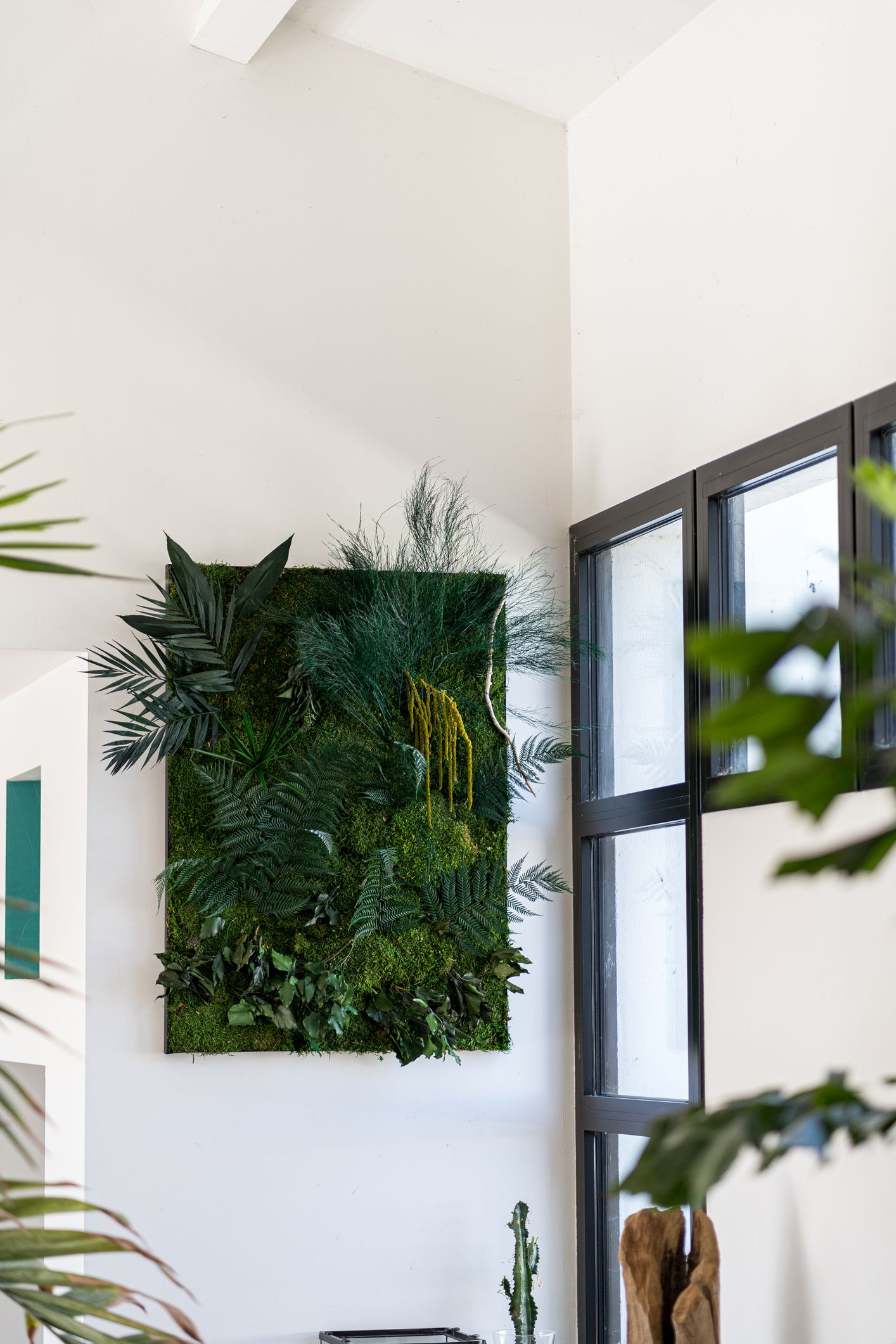
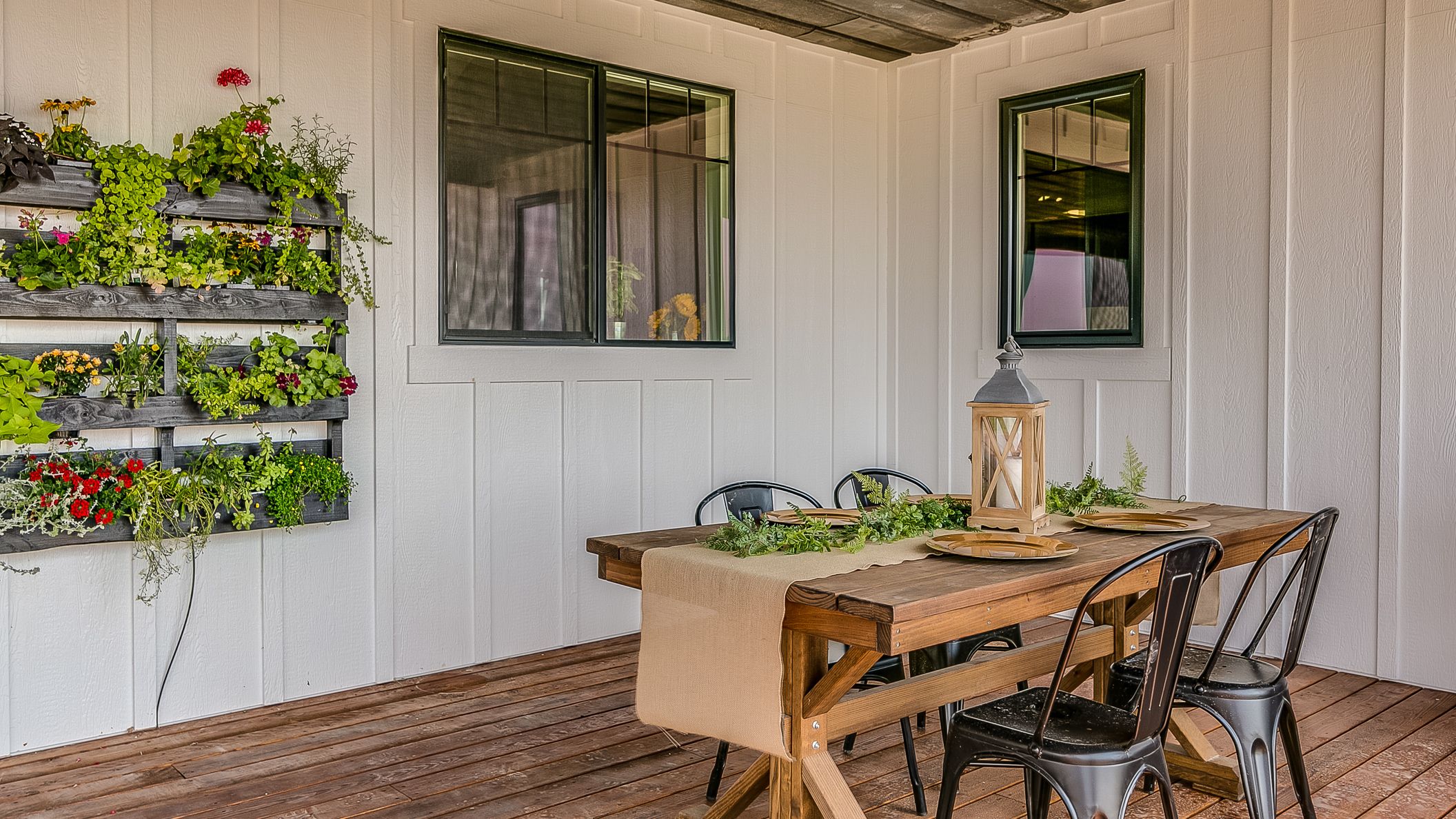
For those with small gardens or balconies, window boxes are an excellent space-saving solution. They can be attached to walls, windowsills, or railings, offering a compact way to grow herbs without occupying floor space. Careful consideration of weight is necessary for balcony installations. Indoor vertical planting systems, using jars on a wall, can also maximize space in a kitchen, creating an edible living wall.
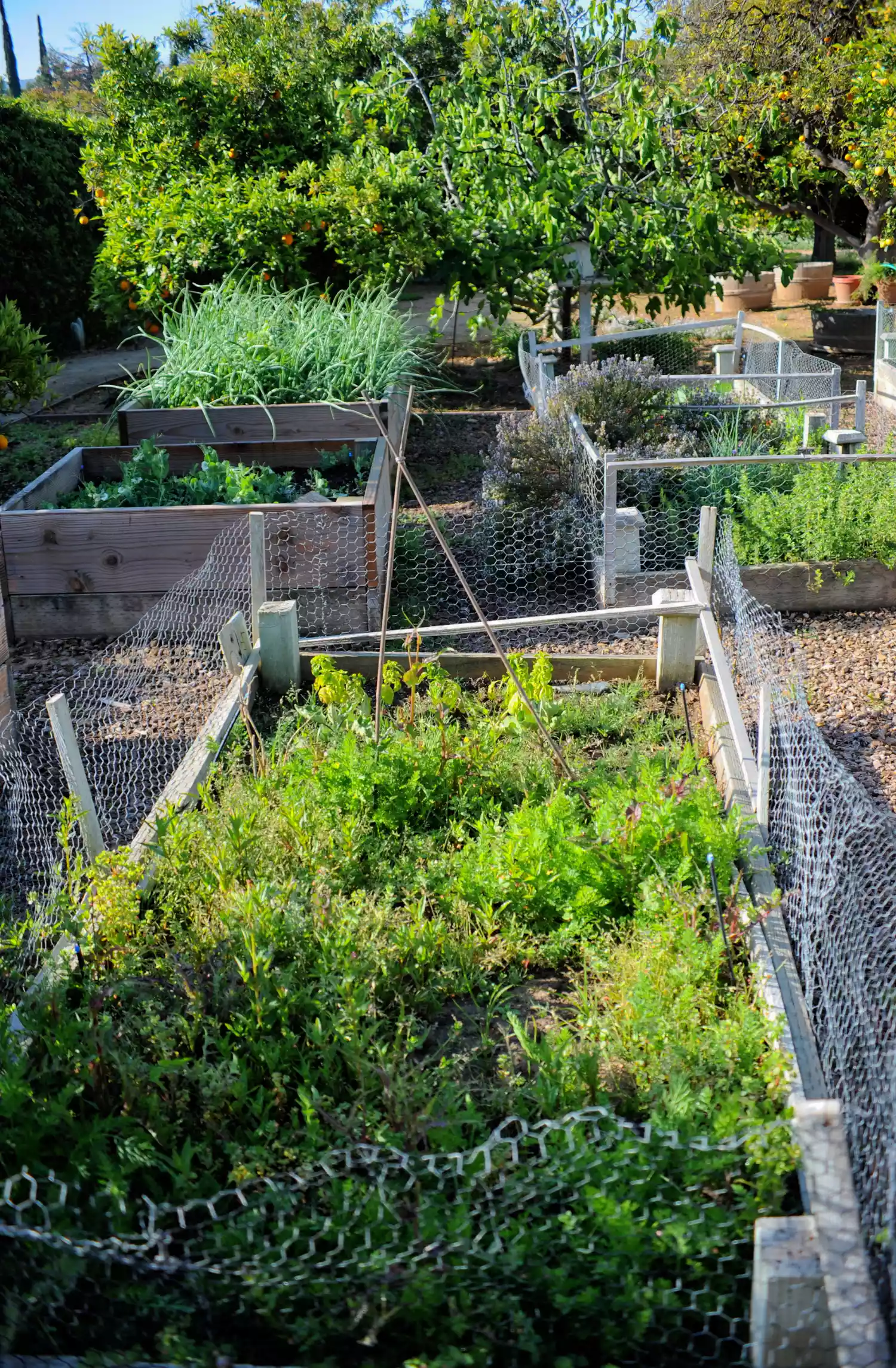
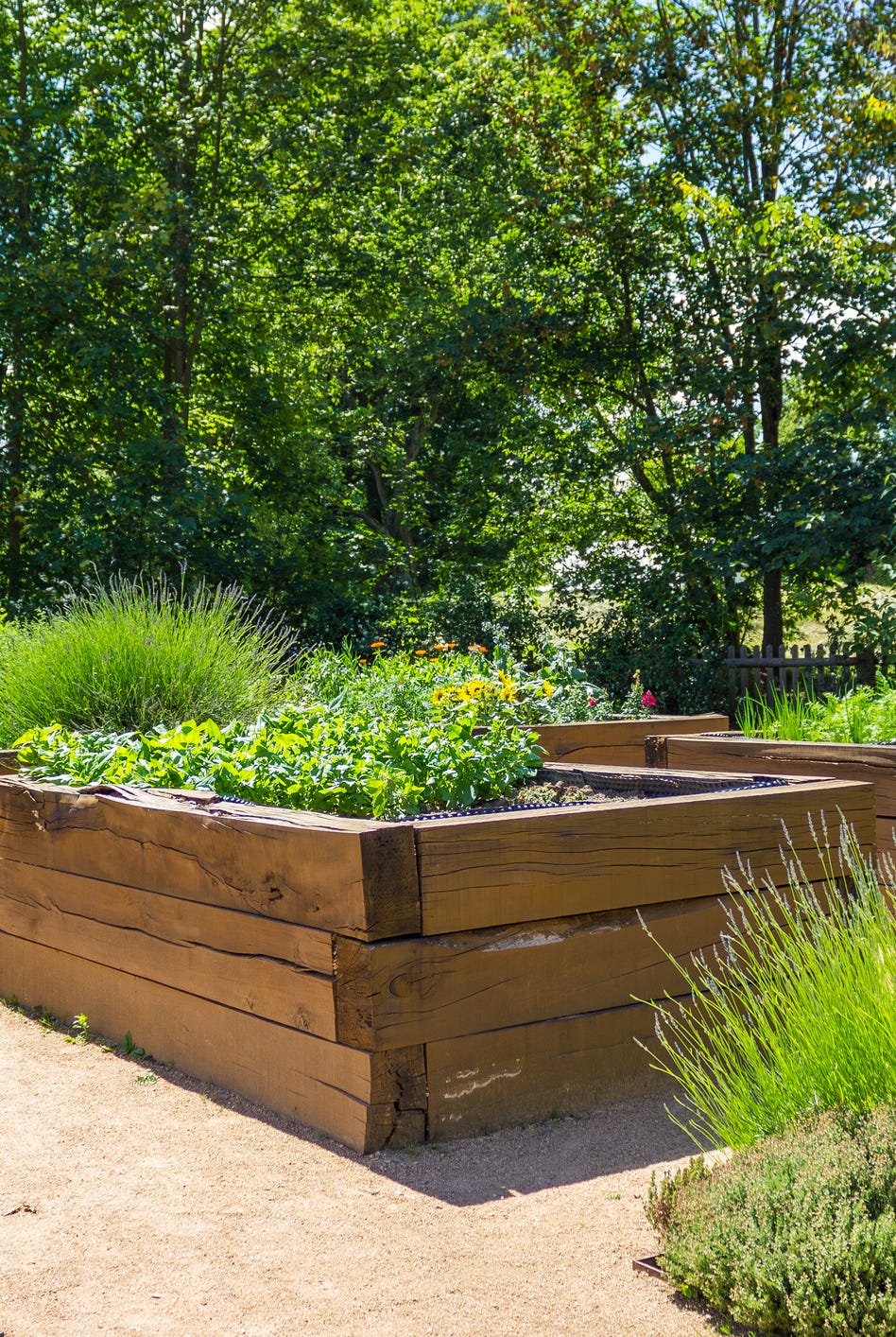
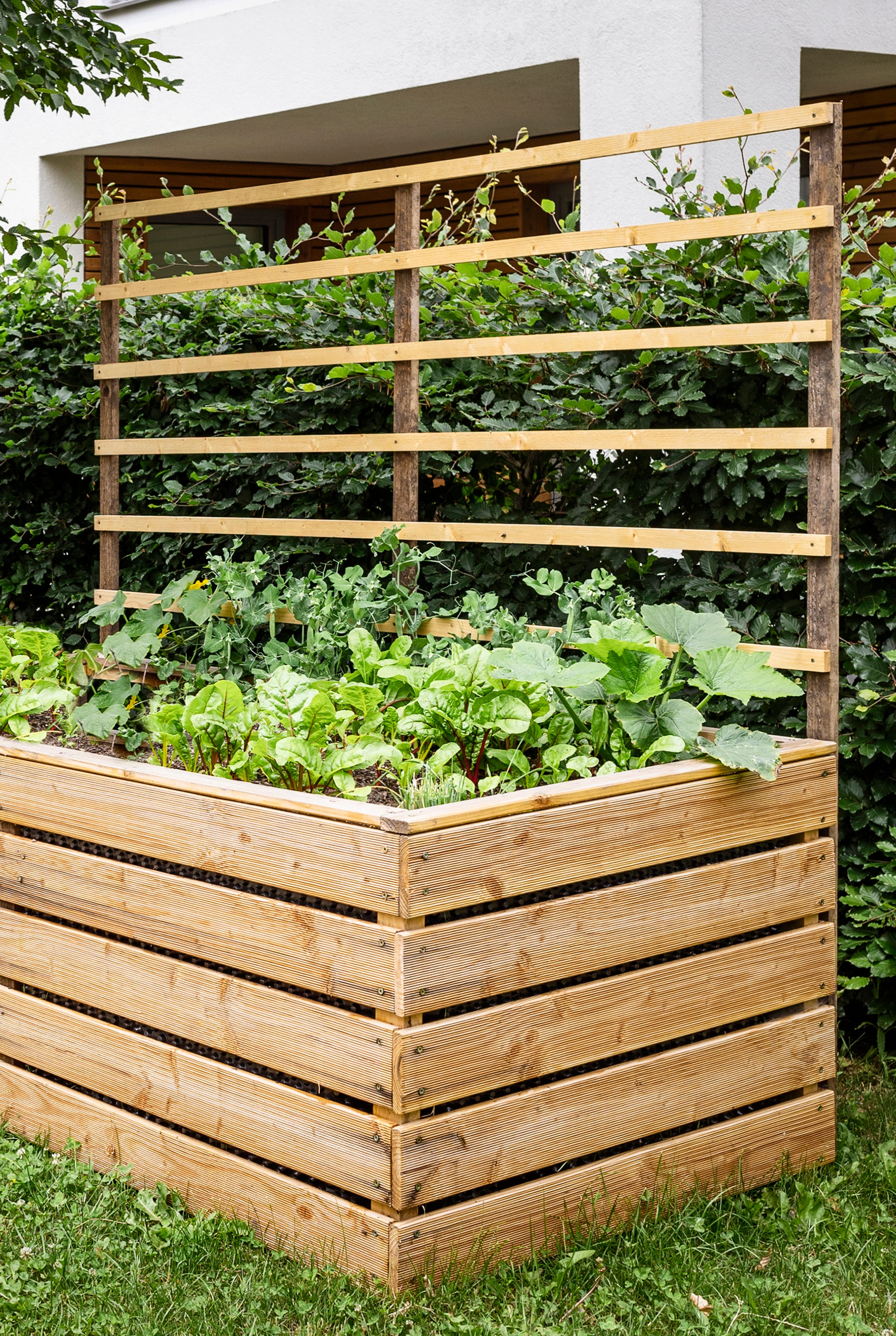
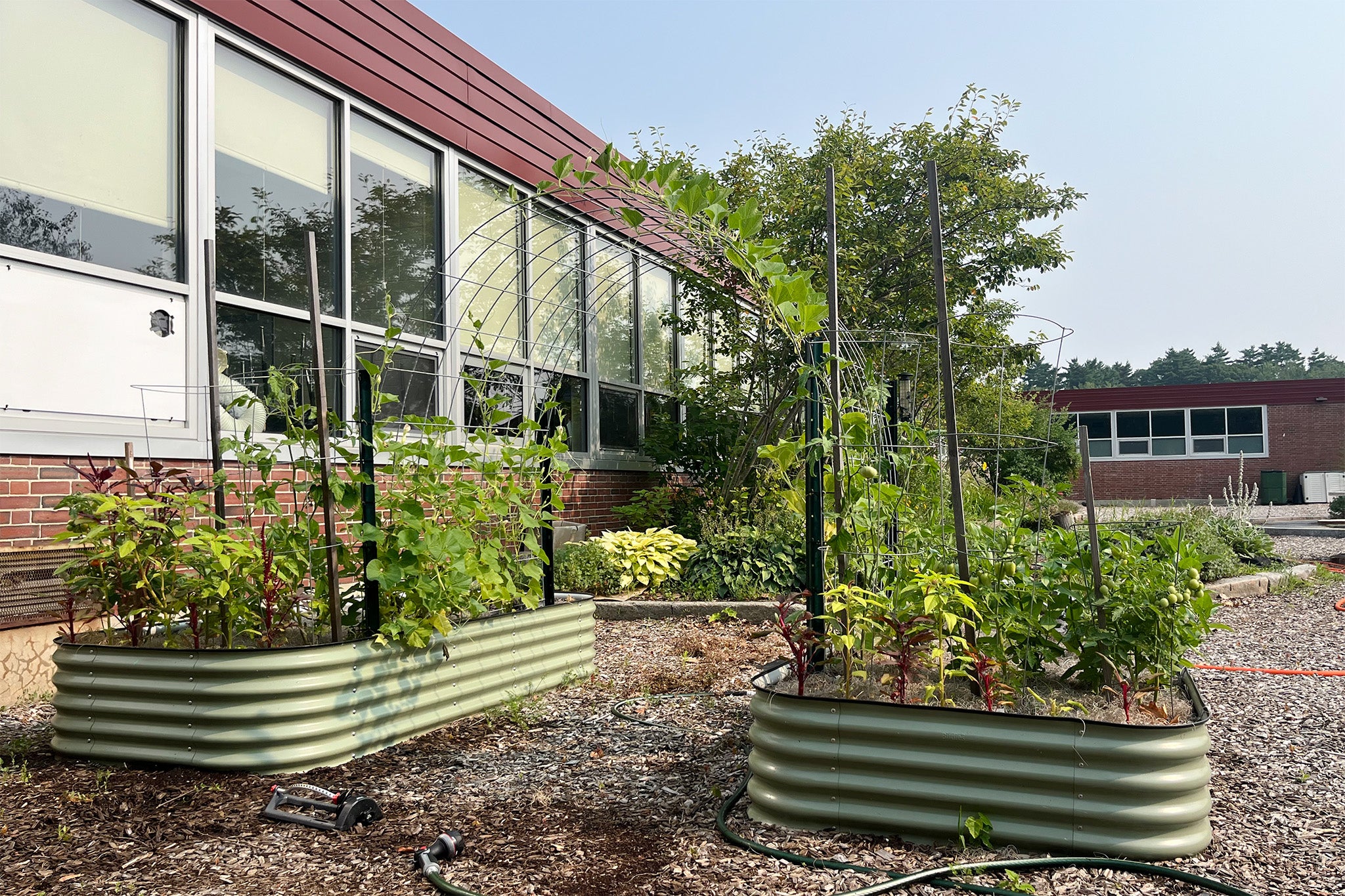
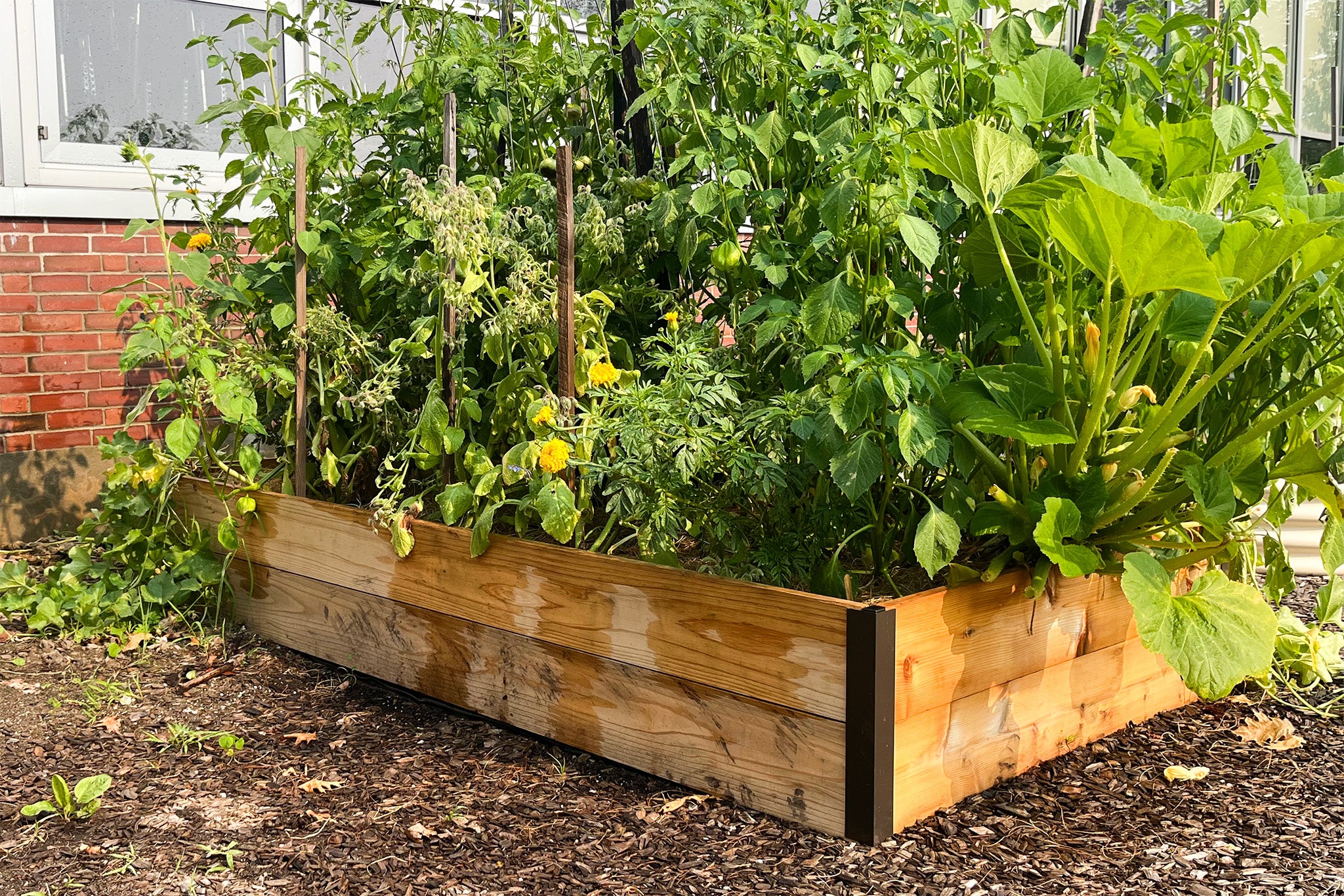
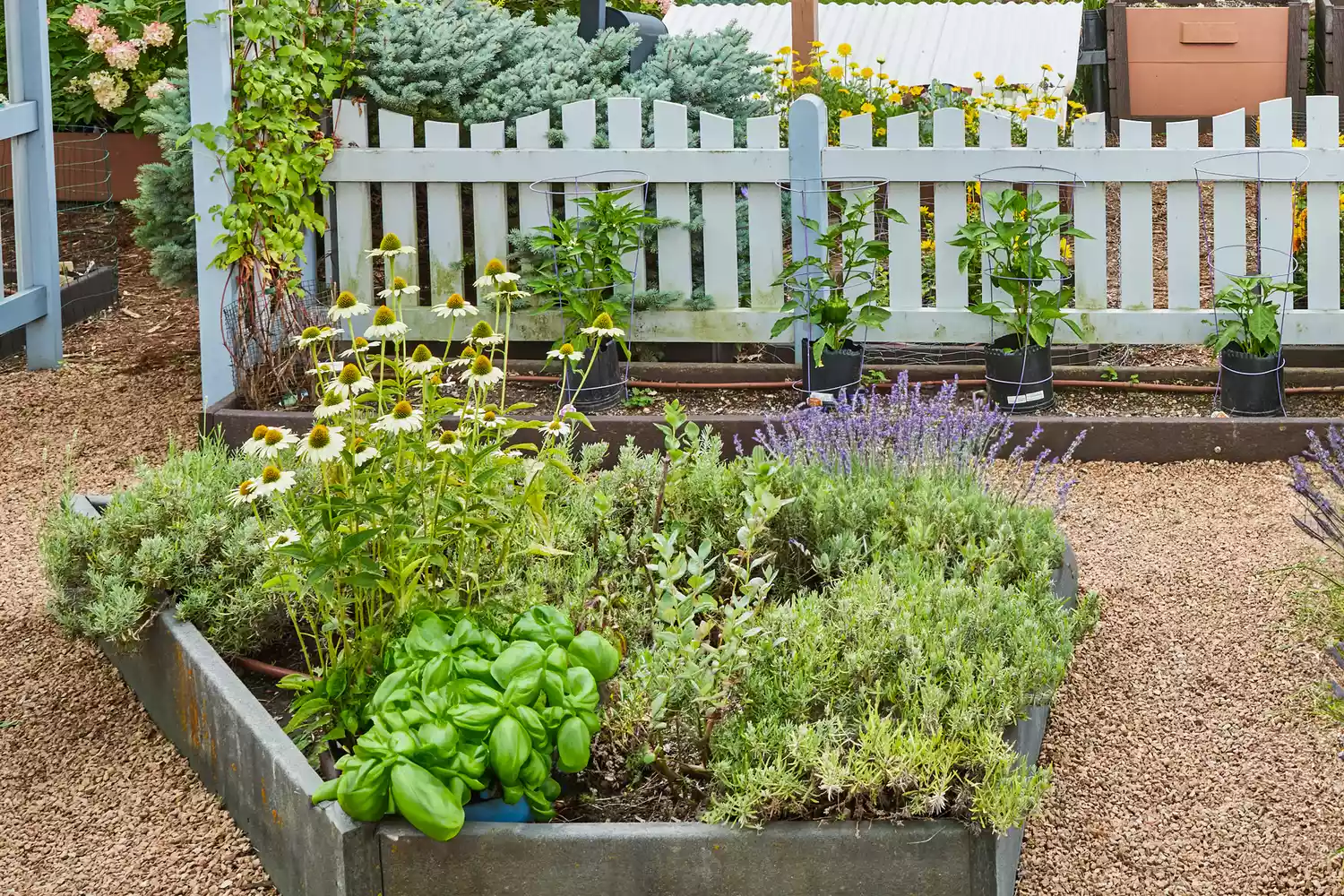
Larger gardens can benefit from raised beds, which help organize planting and control growing conditions. Premade options are available, or beds can be built for a more cost-effective approach. Planting herbs in garden borders not only adds beauty but also provides useful culinary ingredients. However, invasive herbs like mint should be contained in pots. Regular sowings are recommended to maintain a continuous supply.
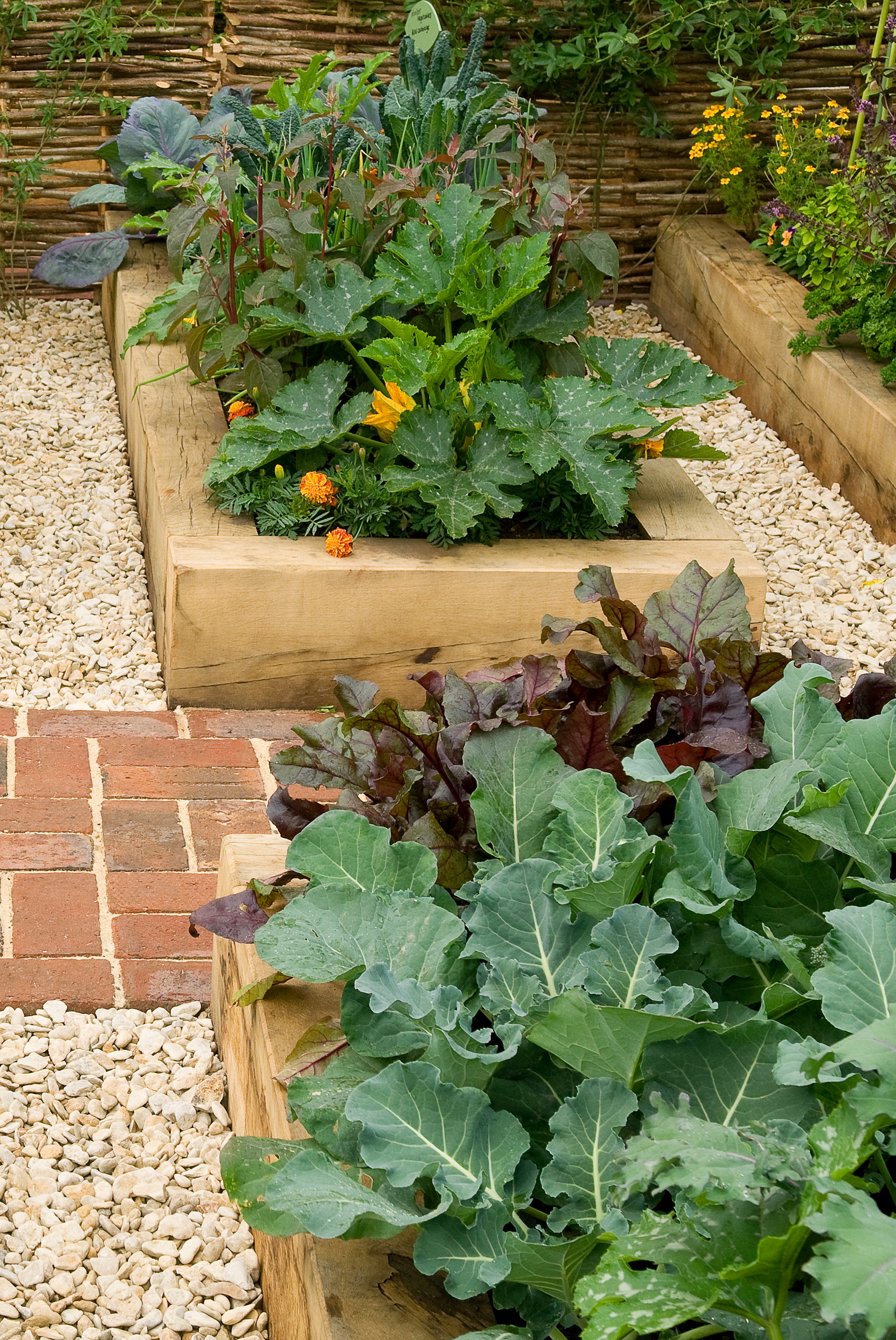
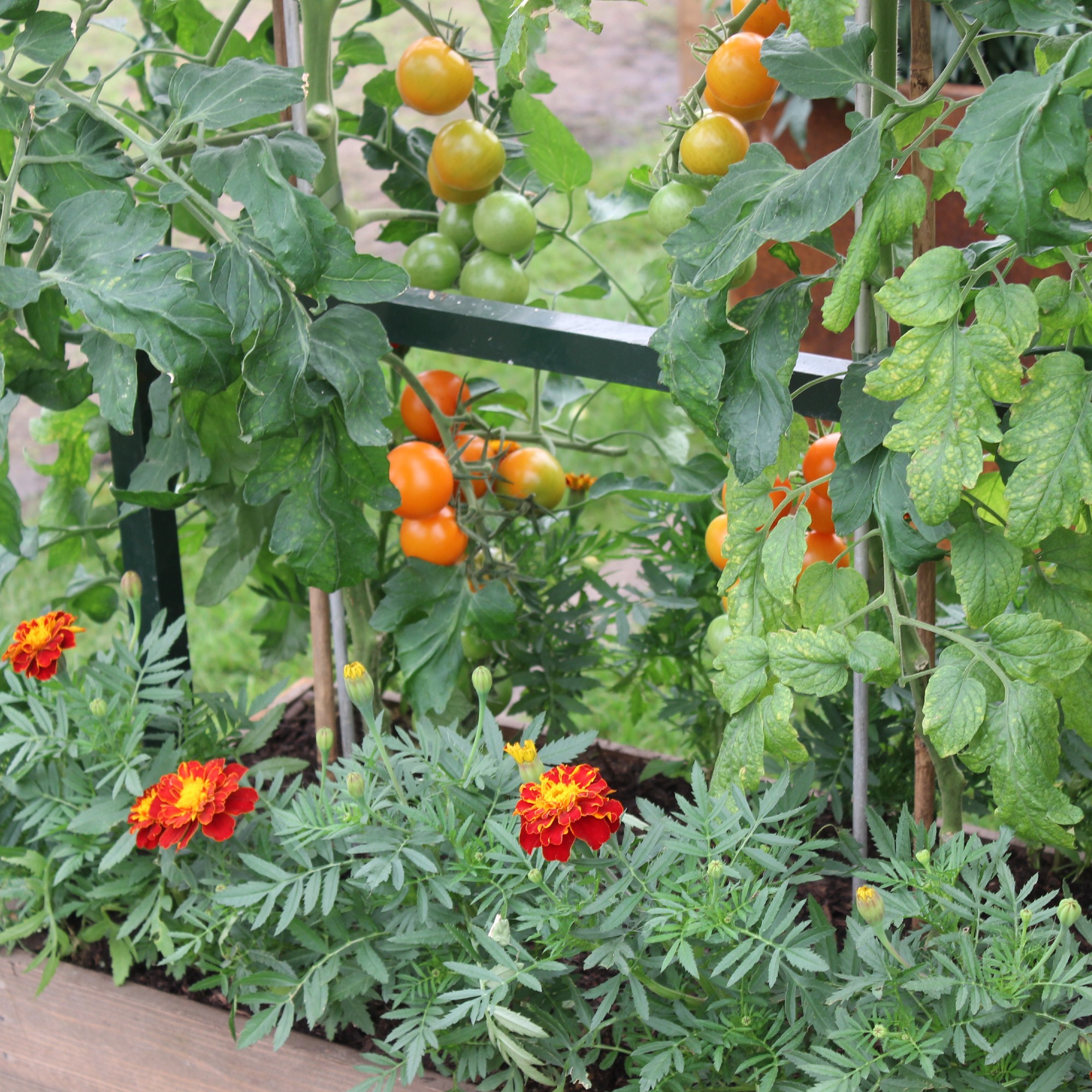
Lining vegetable patches with herbs offers multiple benefits, including attracting pollinators like bees to improve crop yield and deterring pests with their strong aromas. Planting herbs in gaps and cracks of paving or walls can prevent weeds, creating a low-maintenance, fragrant cottage garden look. Suitable herbs include Erigeron, chamomile, and lavender.
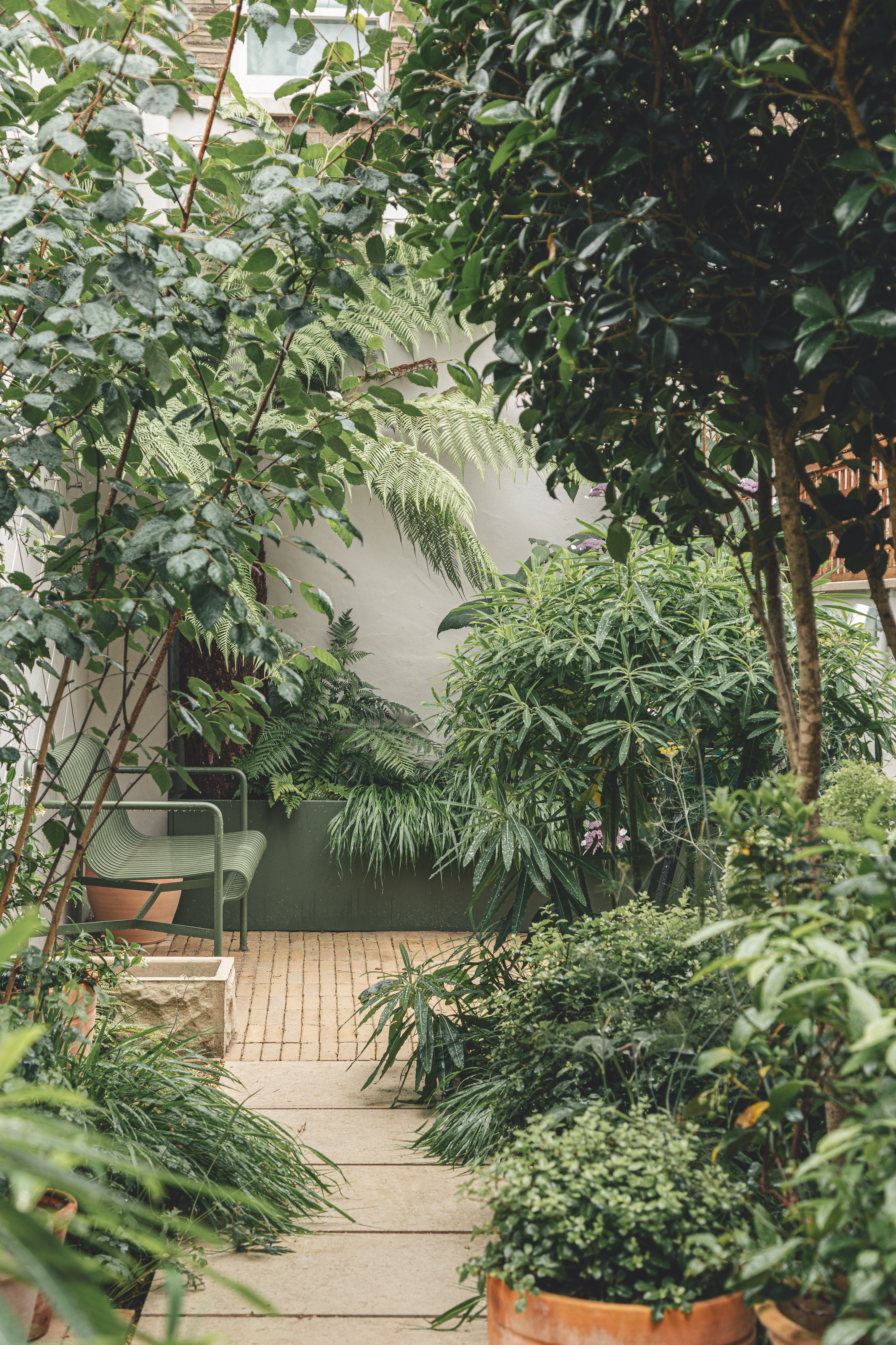
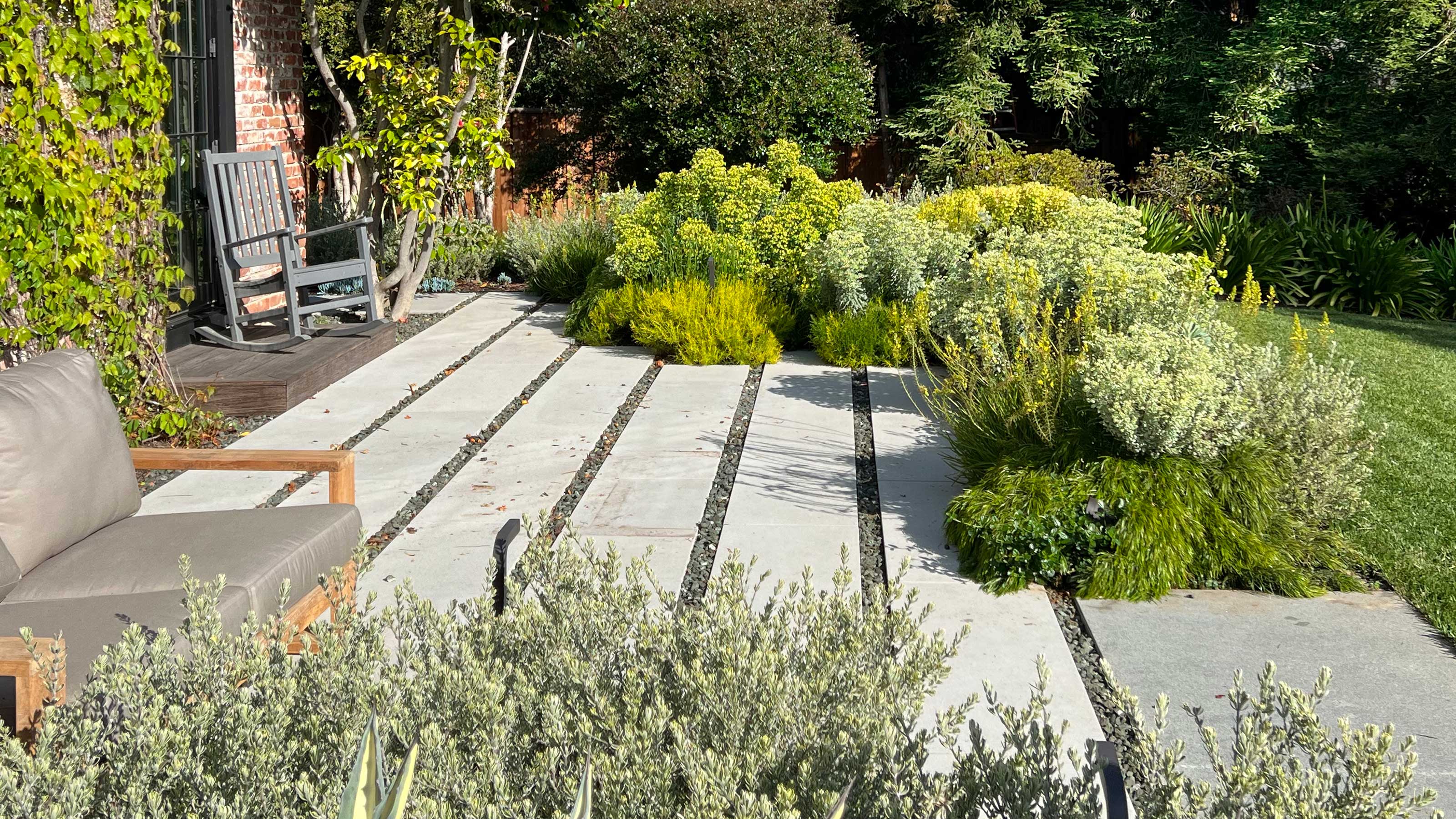
Positioning herbs along paths can create a sensory garden, releasing their scent when brushed against. Sunny, sheltered courtyards or pots by the back door are ideal spots for fragrant herbs. For year-round harvesting, growing herbs in a greenhouse extends their season, especially for warmth-loving varieties from Mediterranean climates. This method often results in increased yield, necessitating knowledge of how to preserve herbs, such as freezing them.
Finally, integrating a built-in herb planter into an outdoor table provides immediate access to fresh herbs for cooking, even in limited spaces. This simple update combines functionality with design.
#HerbGardenIdeas #ContainerGardening #RaisedBeds #VerticalGardening #OutdoorKitchen #Hydroponics #SensoryGarden #CompanionPlanting #DIYGarden #HerbGardenIdeas #ContainerGardening #RaisedBeds #VerticalGardening #OutdoorKitchen #Hydroponics #SensoryGarden #CompanionPlanting #DIYGarden
0 ความคิดเห็นรวม
 ยังไม่มีความคิดเห็น
คุณอาจจะชอบอีกด้วย
The Easiest DIY Herb Garden Ideas for Any Space

How to create a balcony herb garden – for a floral and fragrant outside space

'It mimics nature's randomness' - this simple gardening trick is how landscape designers make a backyard look more put together

Grow Herbs, Vegetables, Flowers, and More with Our Favorite Outdoor Planters

Indoor herb garden ideas – how to display herbs artfully and practically in your home
12 Best Indoor Herb Gardens, Tested and Reviewed
12 Hacks to Make Growing Your Own Herbs a Breeze
15 Vertical Garden Ideas, From Living Walls to Botanical Libraries

These Indoor Herb Gardens Will Help You Save Space and Time in the Kitchen

These Creative DIY Herb Garden Ideas Will Have You Cooking in No Time
Grow your garden anywhere this summer with these raised bed ideas

Indoor garden ideas: 9 ways to create a plant-filled haven
38 Clever Herb Garden Ideas for Indoor or Outdoor Spaces

16 Courtyard Gardens Ideas to Maximize Your Small Space and Inspire Your Dreamy Al Fresco Moments
Raised Garden Bed Options to Optimize Your Garden

Easy garden ideas – 34 low-maintenance ways to enhance your outdoor space
10 Best Herb Garden Planters and Kits of 2025

8 Incredible Indoor Garden Ideas
Budget garden ideas – 32 ways to create your dream space without breaking the bank
16 Low-Light Hanging Plants to Try Growing