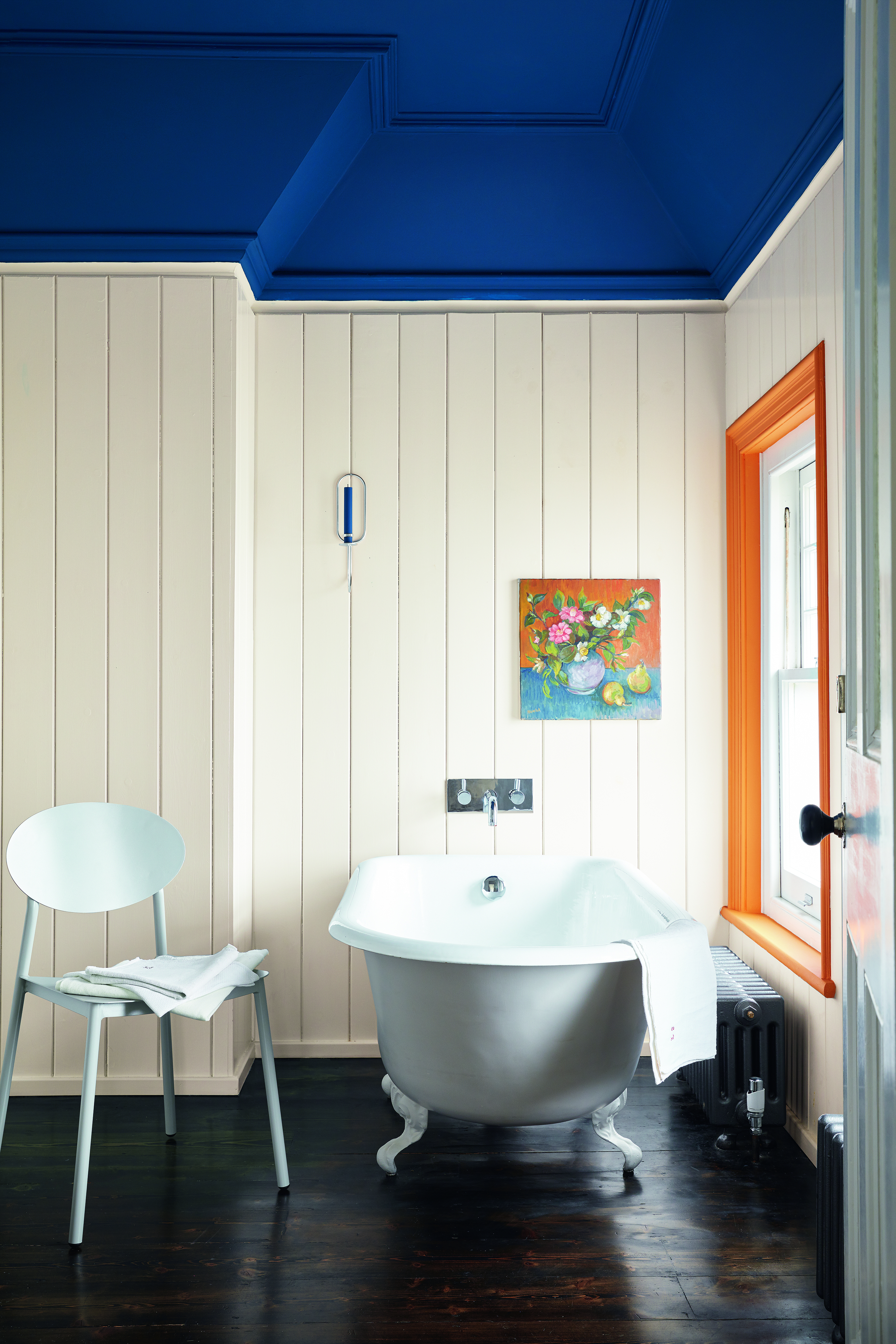
1/5
Yes, You Should Absolutely Paint Your Ceiling
The article proposes that painting ceilings is an overlooked method for introducing color and enhancing interior design, suggesting that this technique is both simple and impactful. It begins by noting that while many homeowners focus on painting walls, door frames, and kitchen cabinets, the ceiling often remains a neglected, bland, off-white surface. The author argues that painting the ceiling is a straightforward process, despite initial perceptions of complexity.
To facilitate this process, designer Nicole Gibbons, founder of Clare Paint, offers three primary tips. First, she advises painting the ceiling before tackling the walls, ensuring the ceiling paint dries for 24 hours to prevent smudging or mixing. Second, Gibbons recommends using a flat finish for ceiling paint, as it effectively conceals imperfections and minimizes glare from artificial lighting. Third, she instructs painters to apply the color using a roller in a single, consistent direction to avoid streaks and achieve a smooth, uniform appearance.
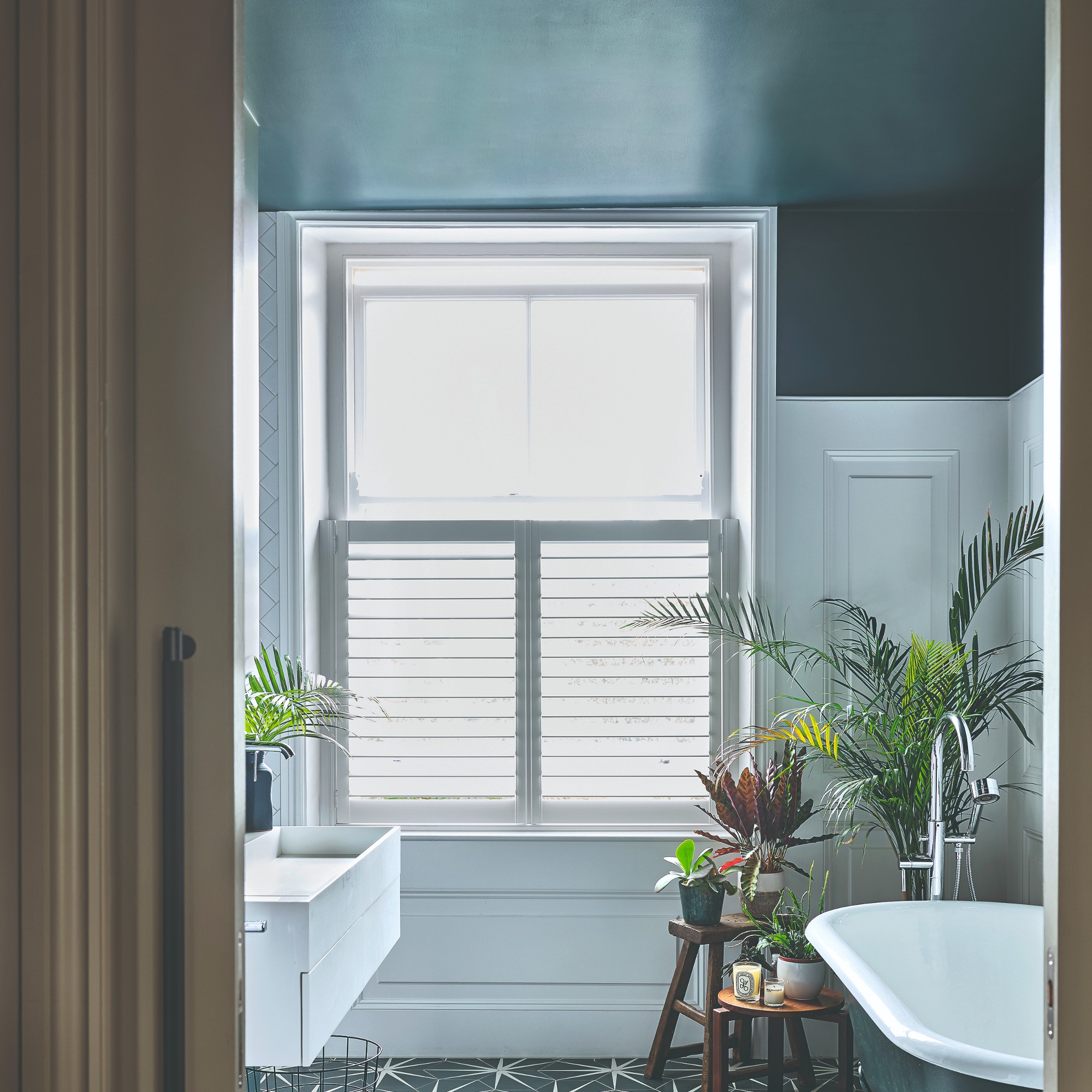
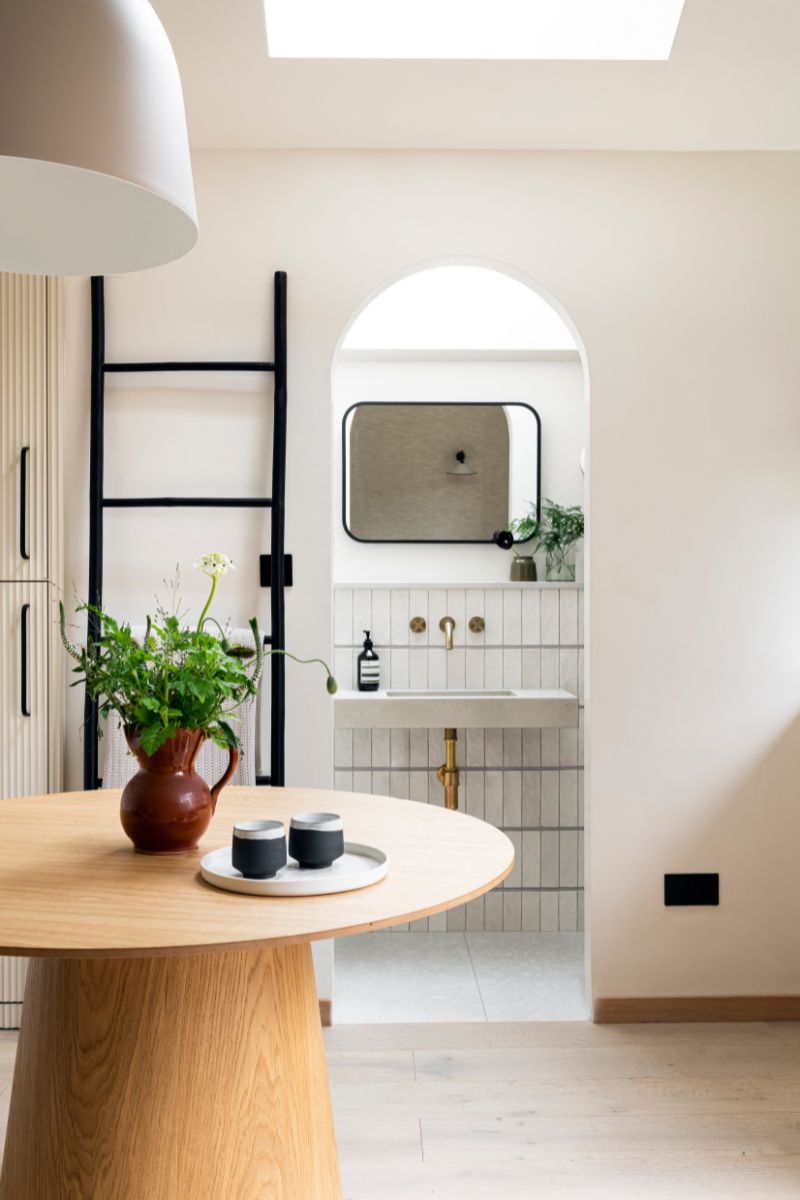
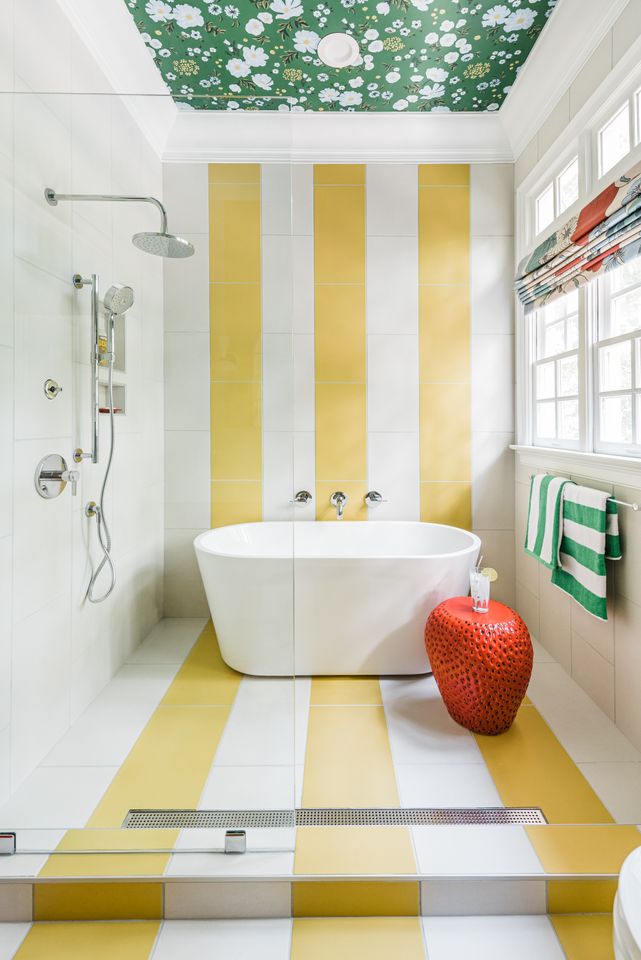
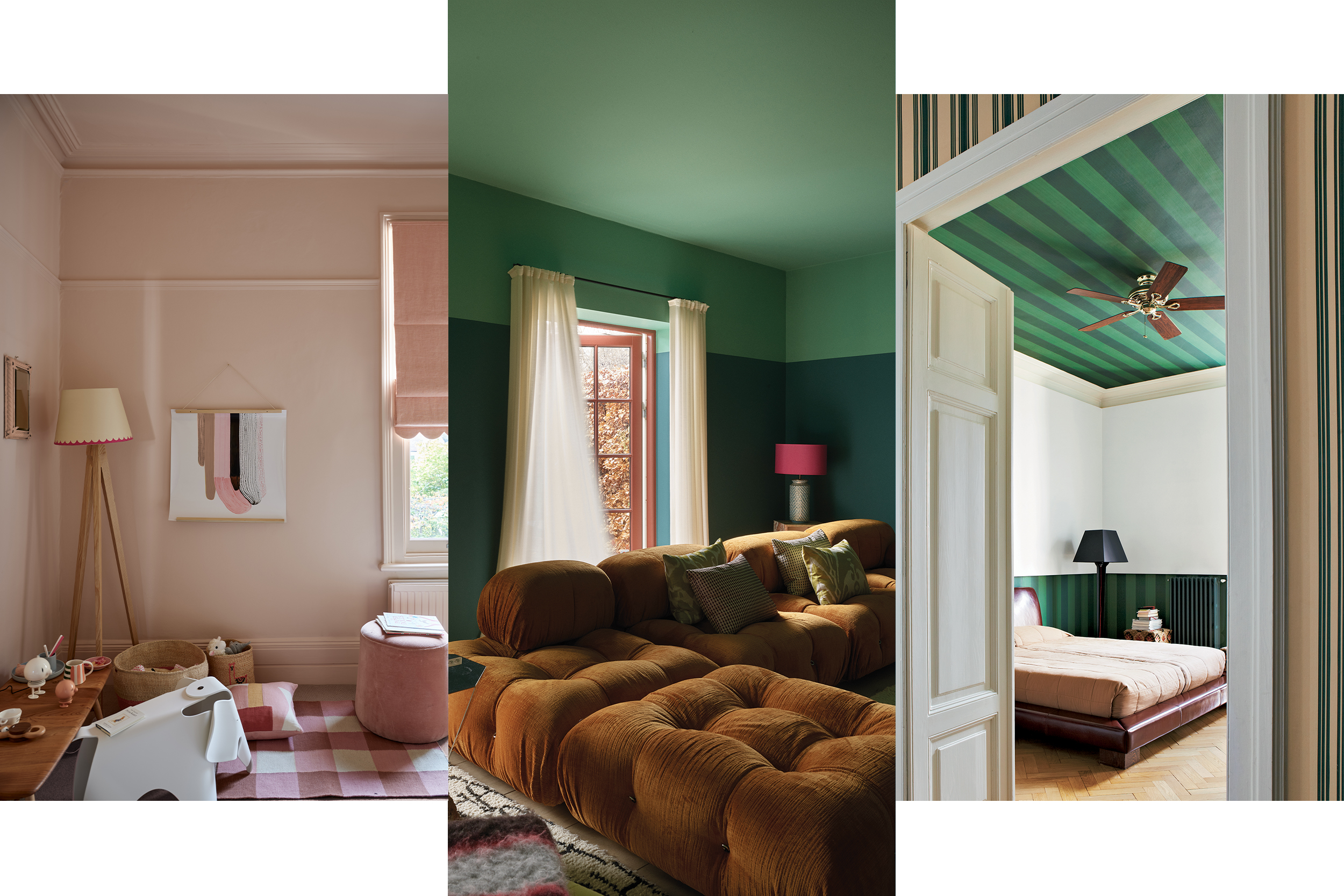
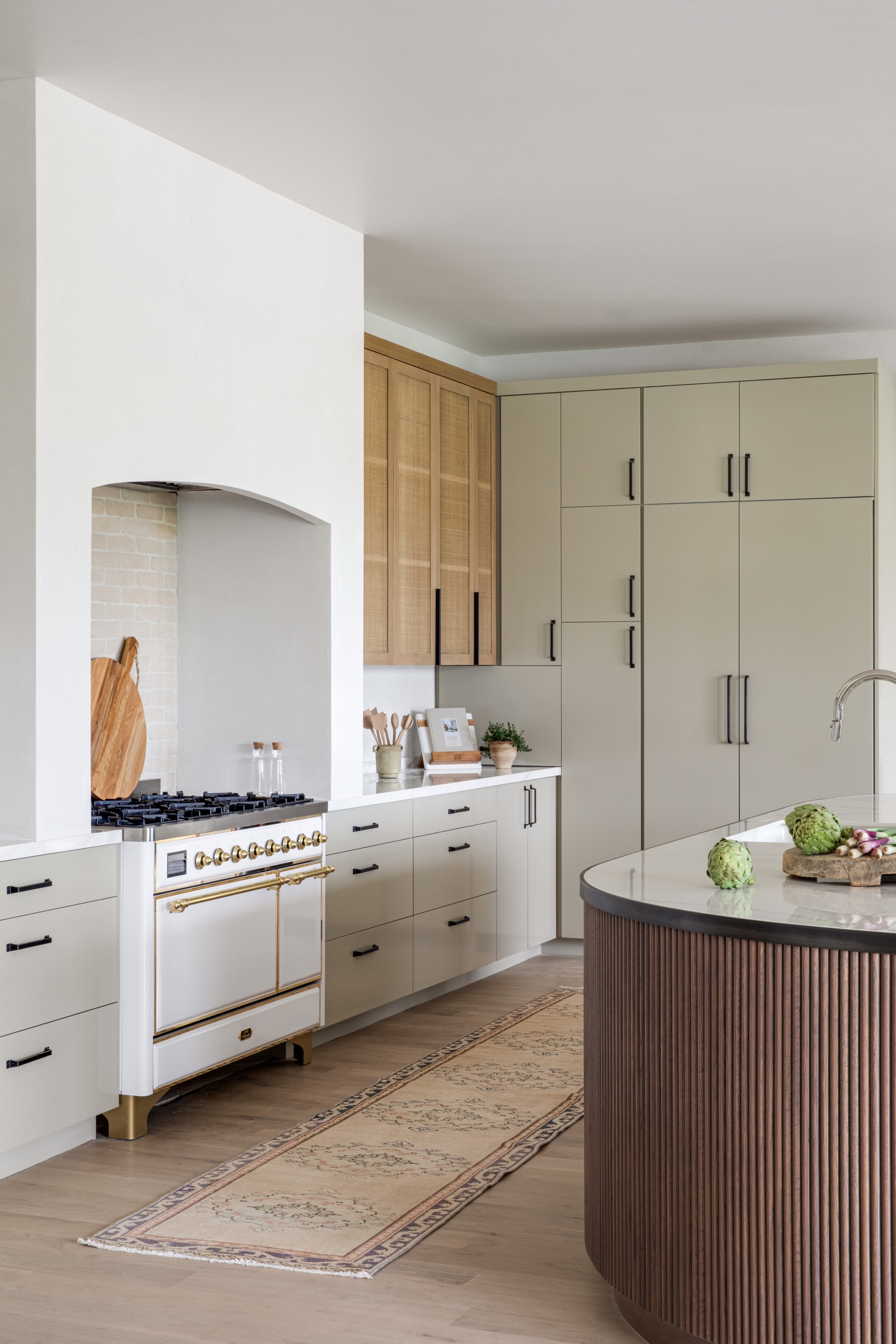
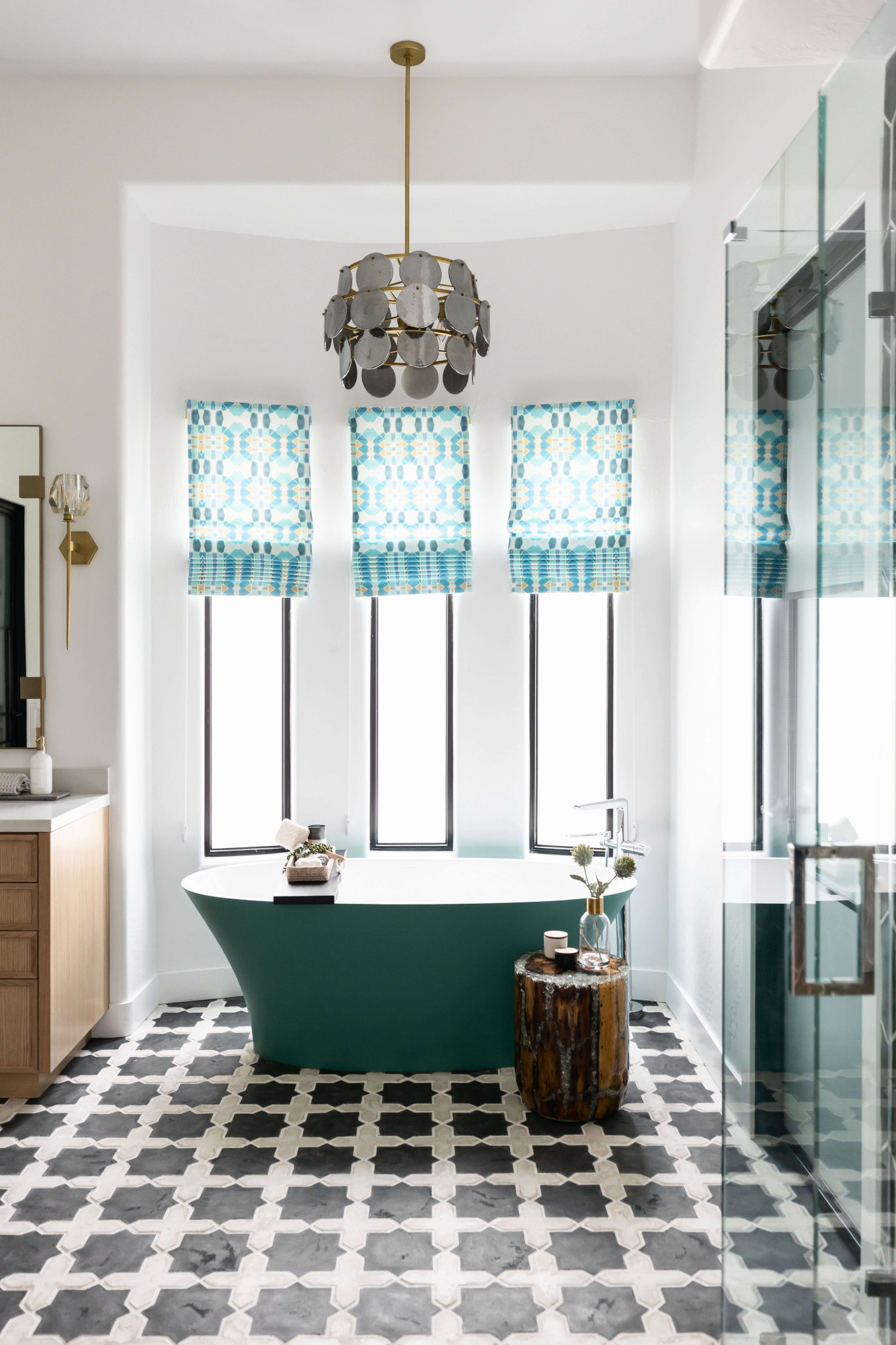
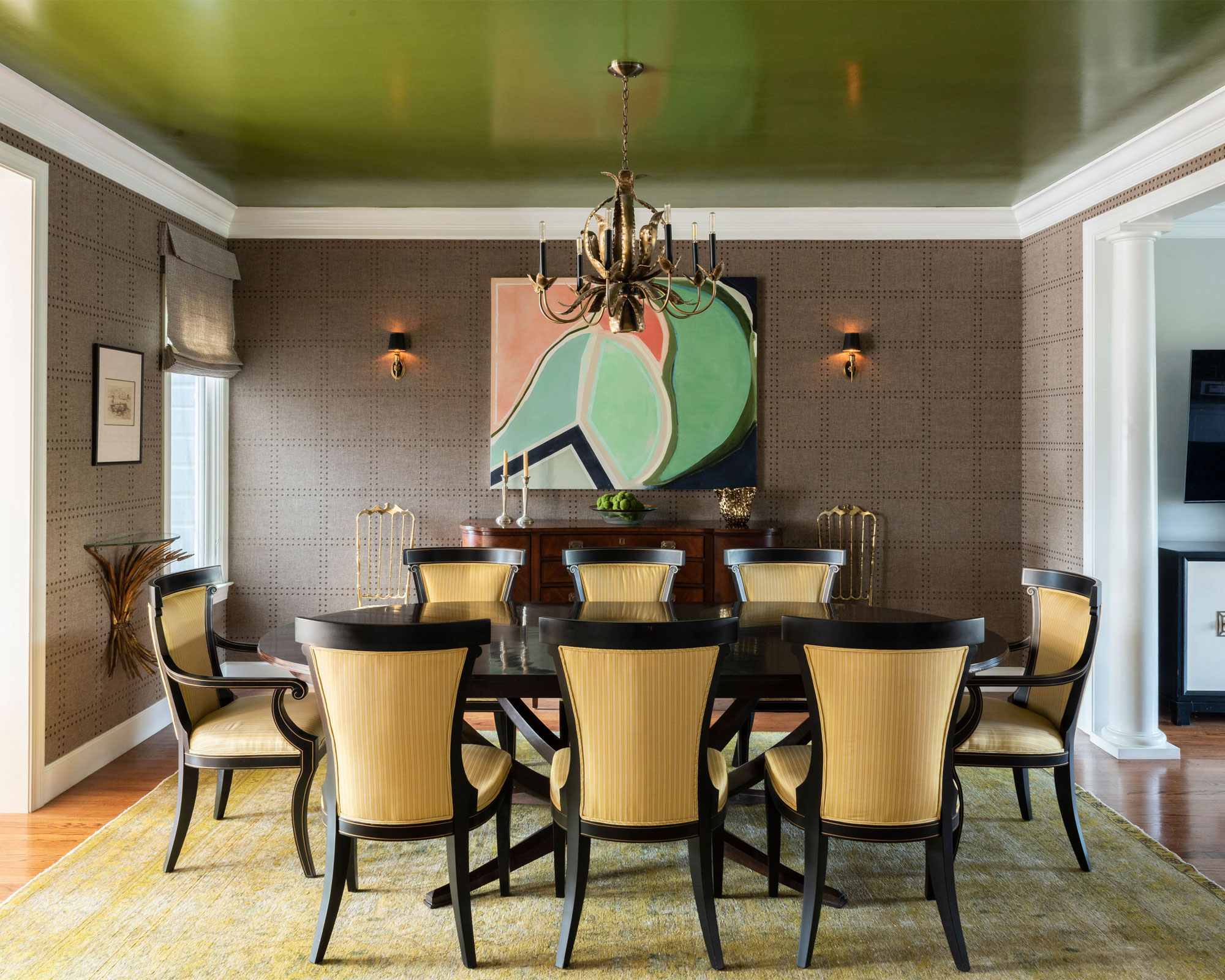
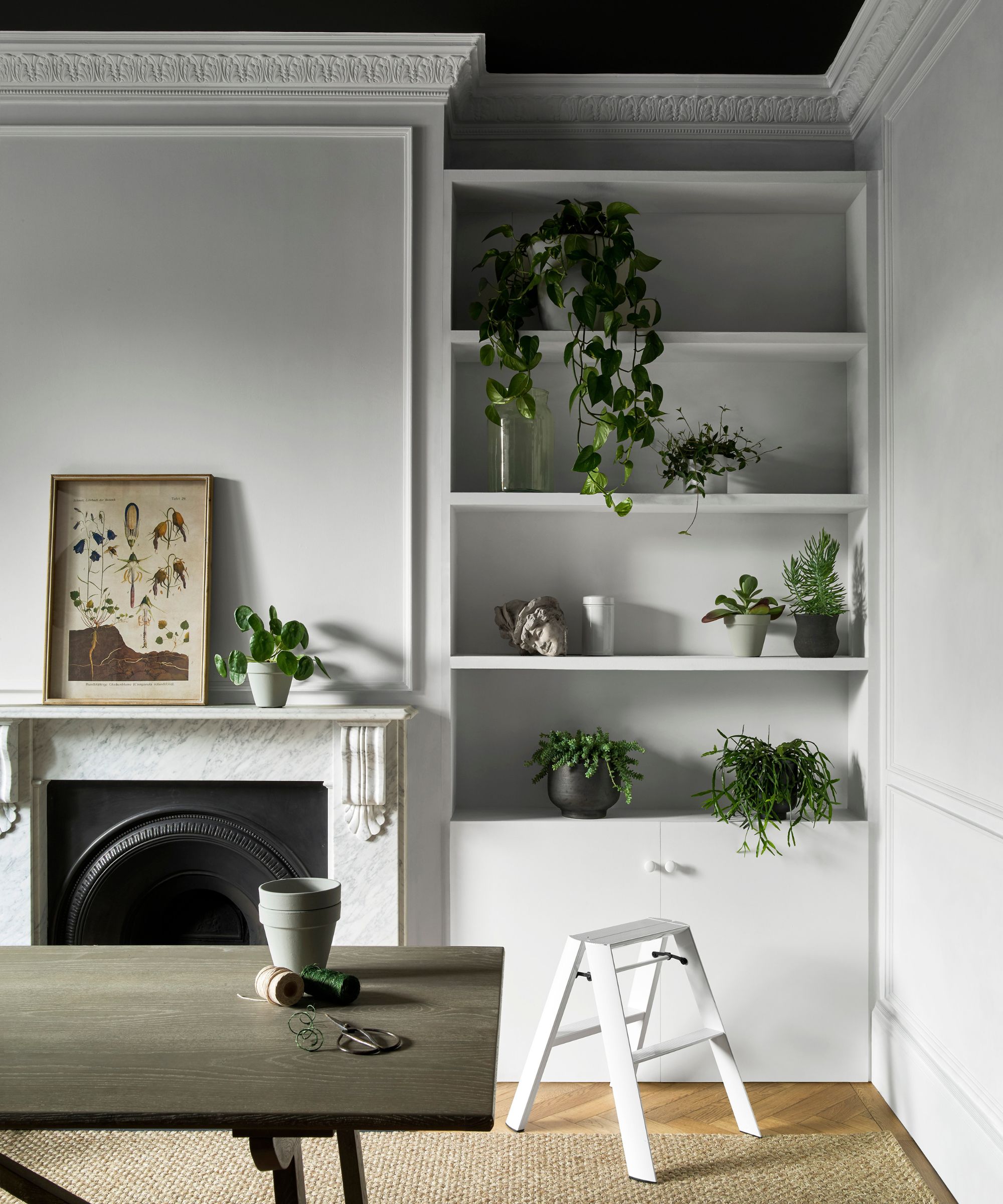
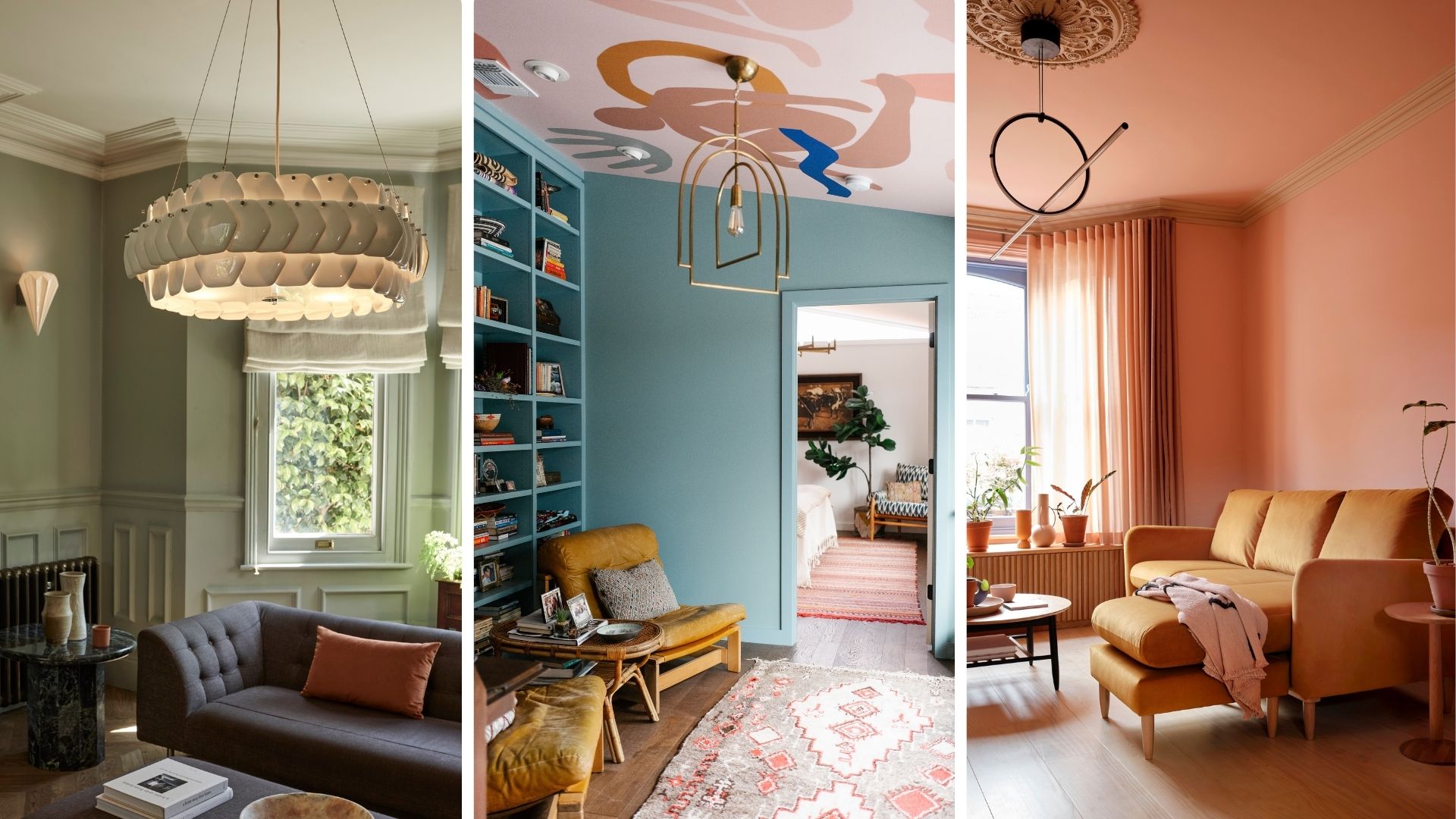
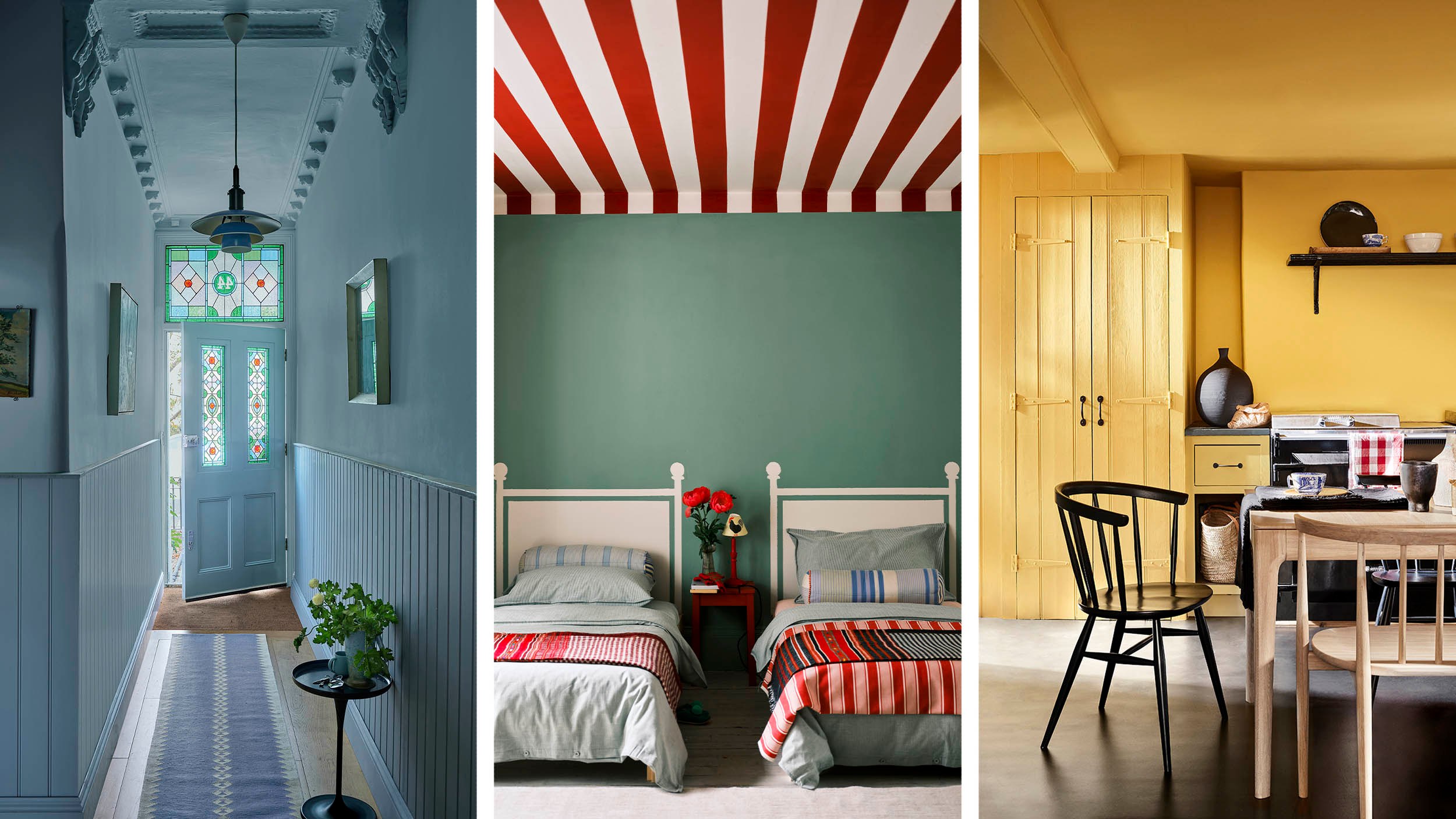
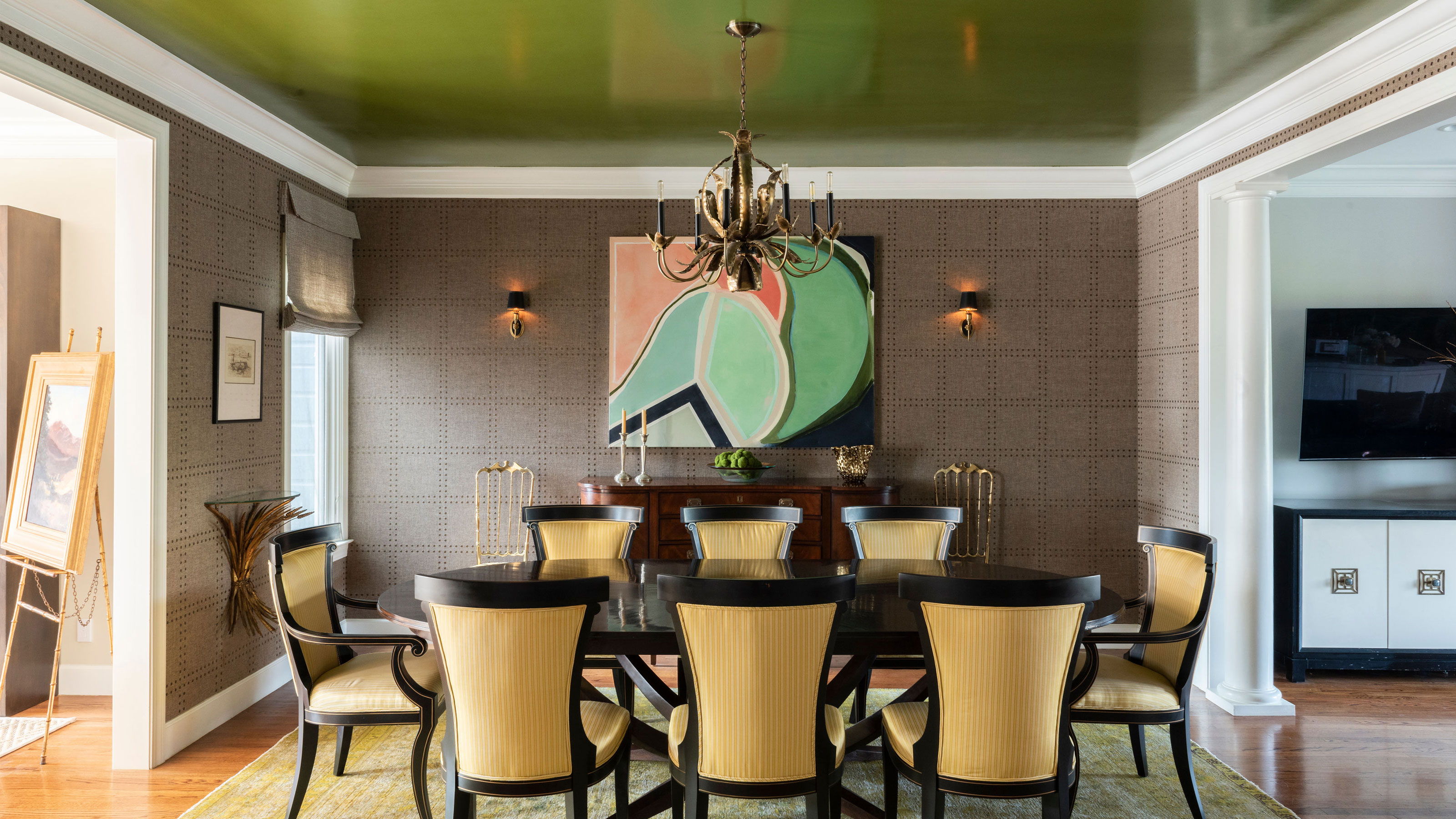
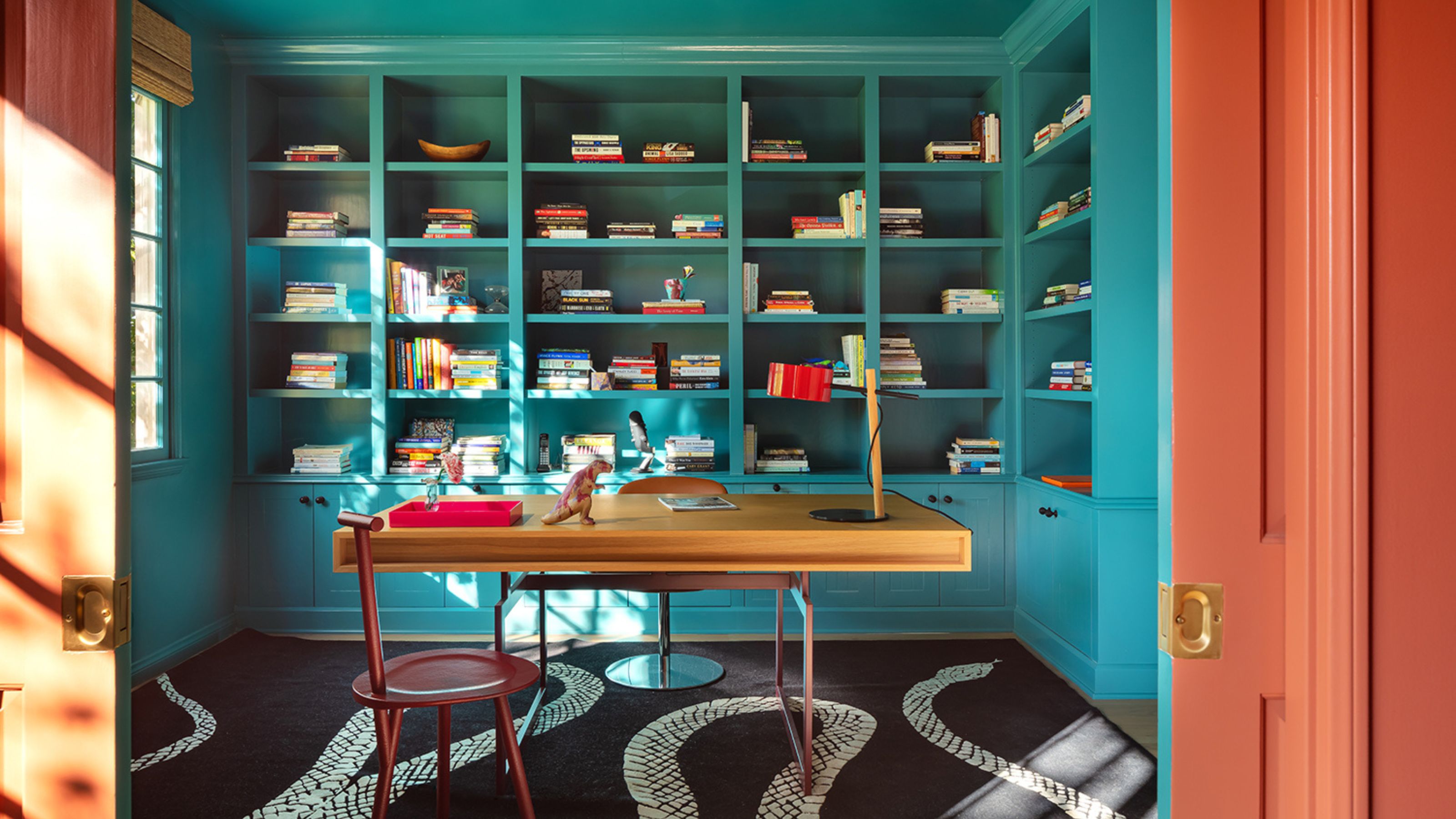
Following these technical guidelines, the article showcases six distinct examples of painted ceilings to inspire readers, illustrating how different approaches can transform a space. The first example, "The Beginner," suggests starting with a small area, such as a bathroom, and pairing a colored ceiling with simple white walls for a subtle introduction to the concept. This approach is ideal for those hesitant to commit to a bold change.
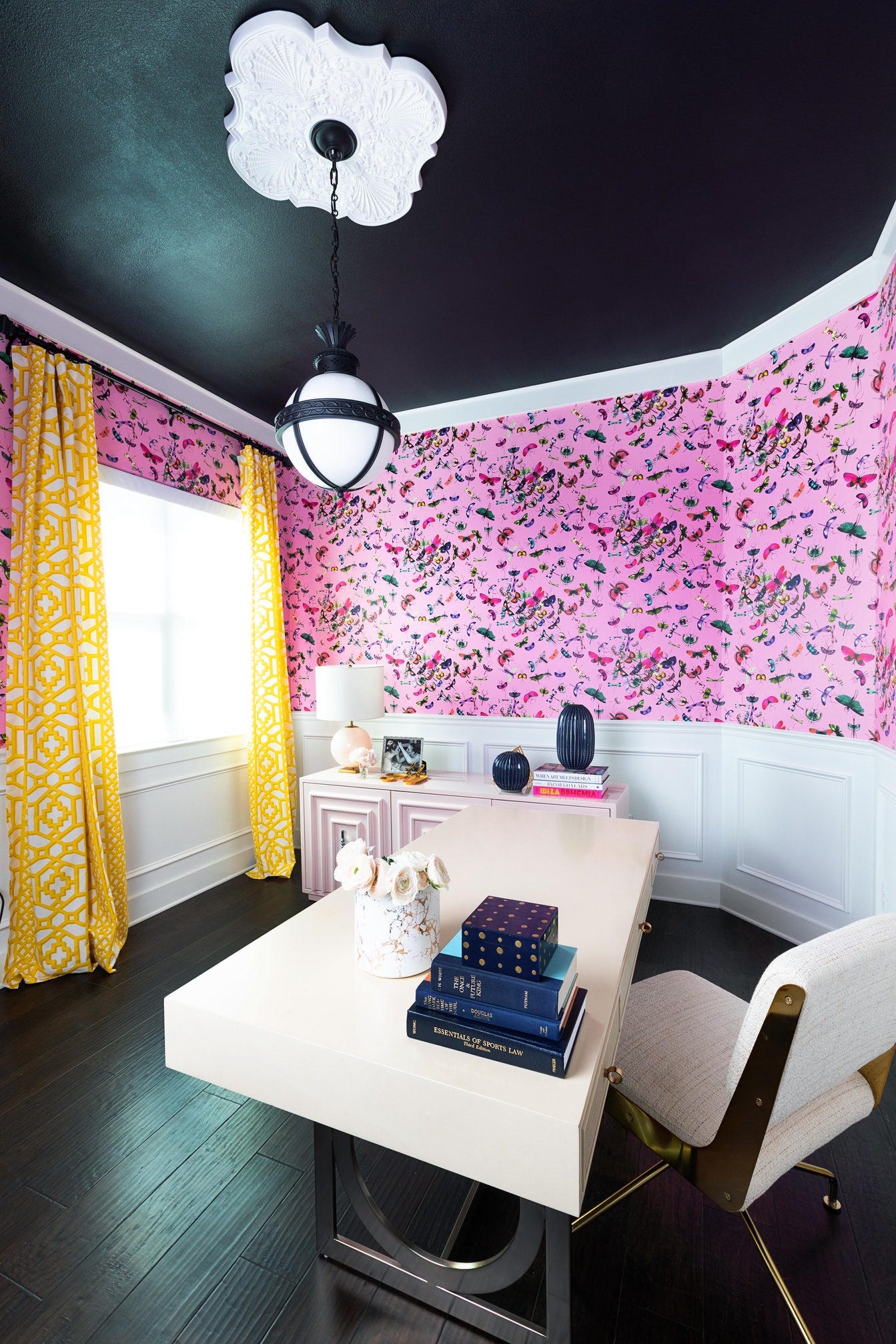
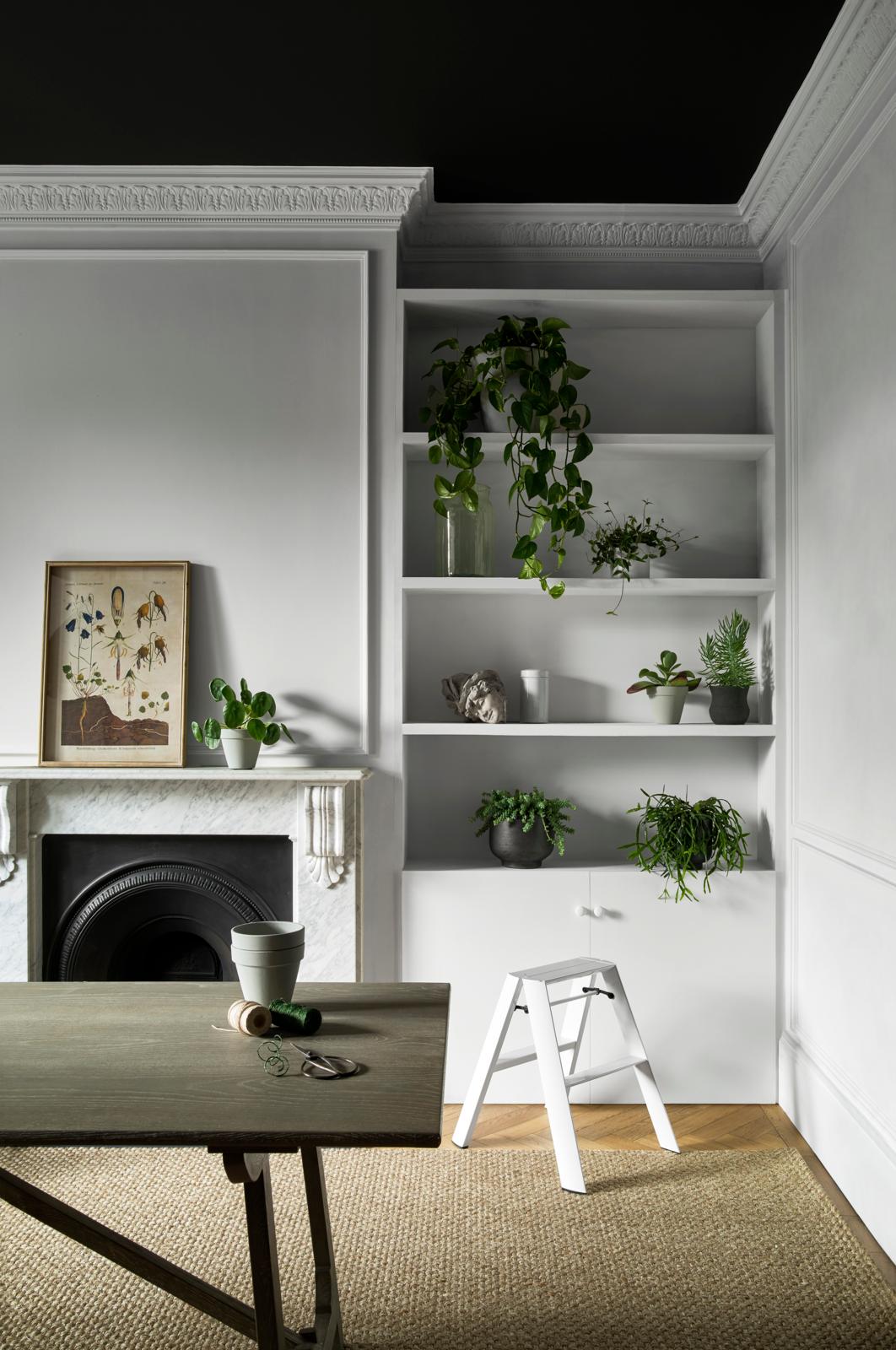

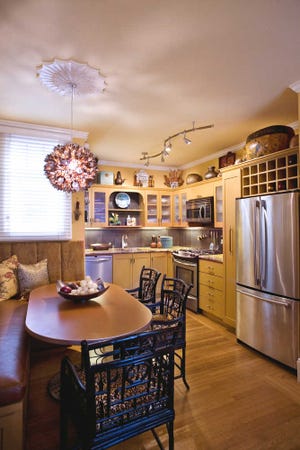
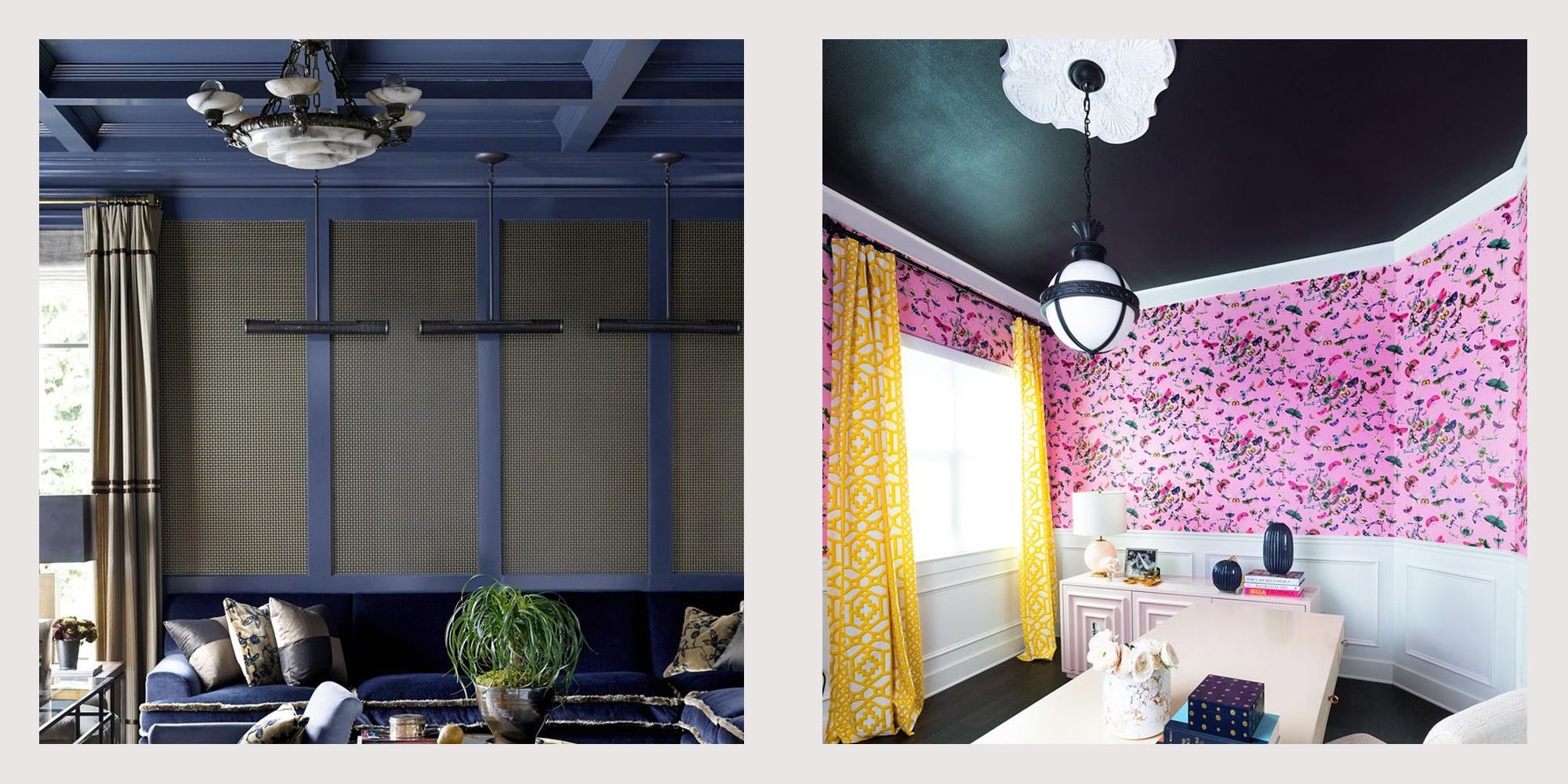
"The Cover-up" demonstrates how ceiling paint can be used to camouflage less-than-desirable features, particularly in rental properties. By extending the ceiling color over unsightly light fixtures, medallions, and cords, the space achieves a more cohesive and polished look. This method offers a practical solution for enhancing visual harmony without extensive renovations.
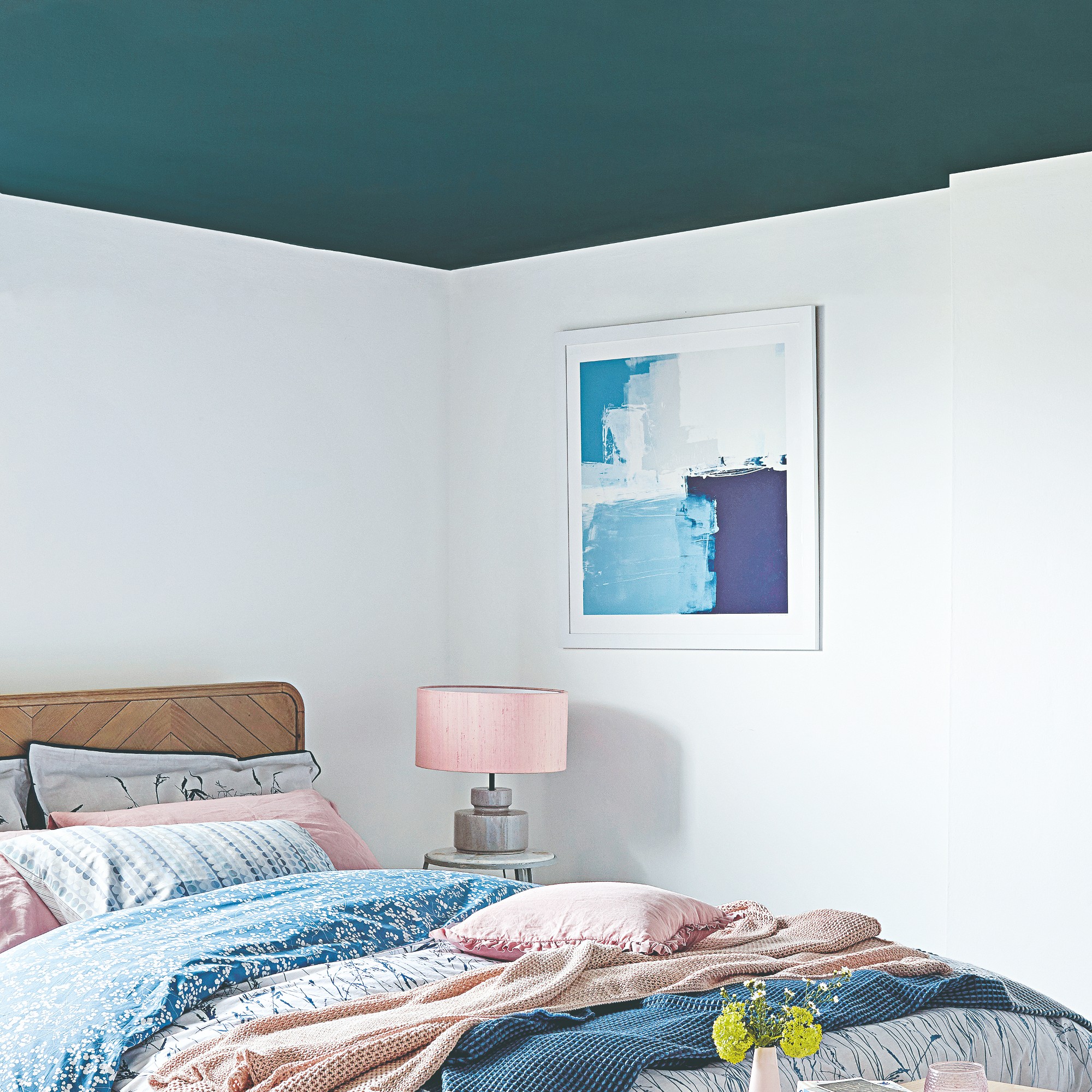
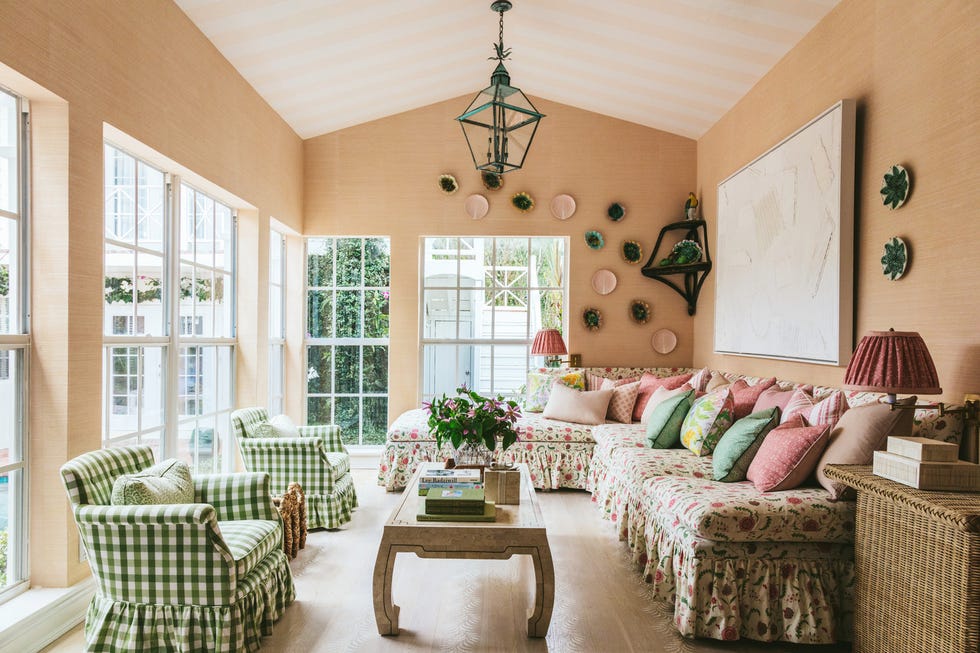
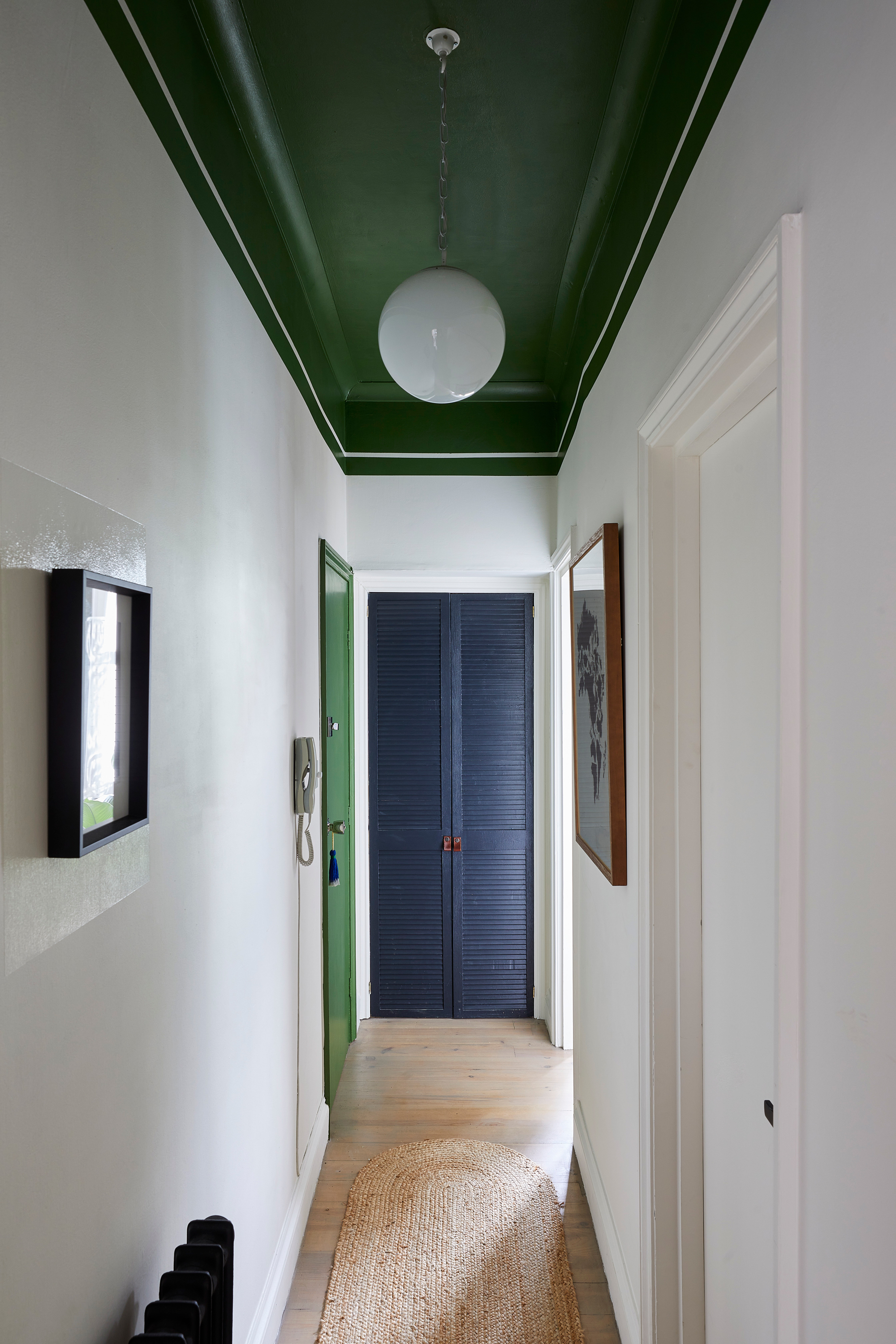
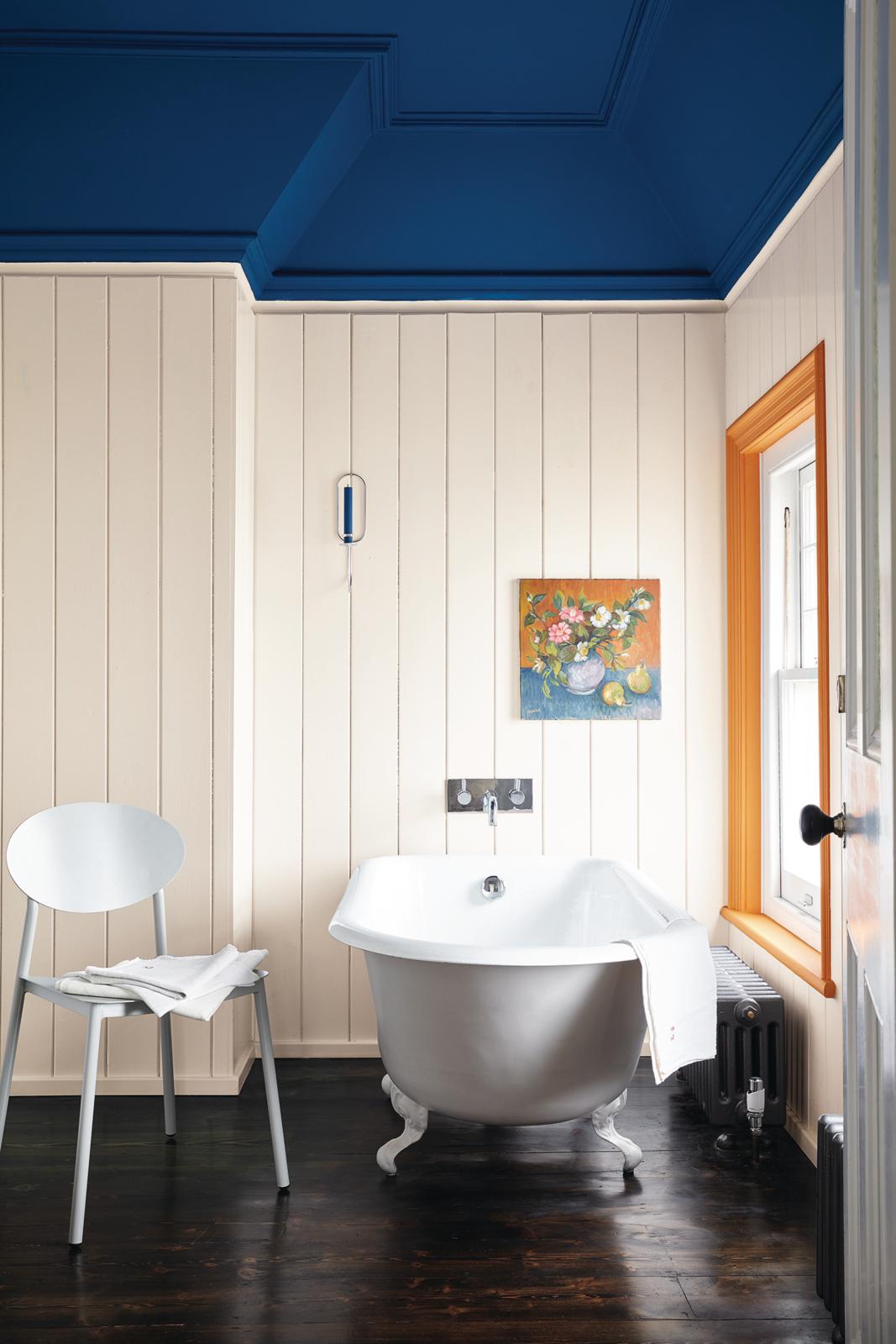
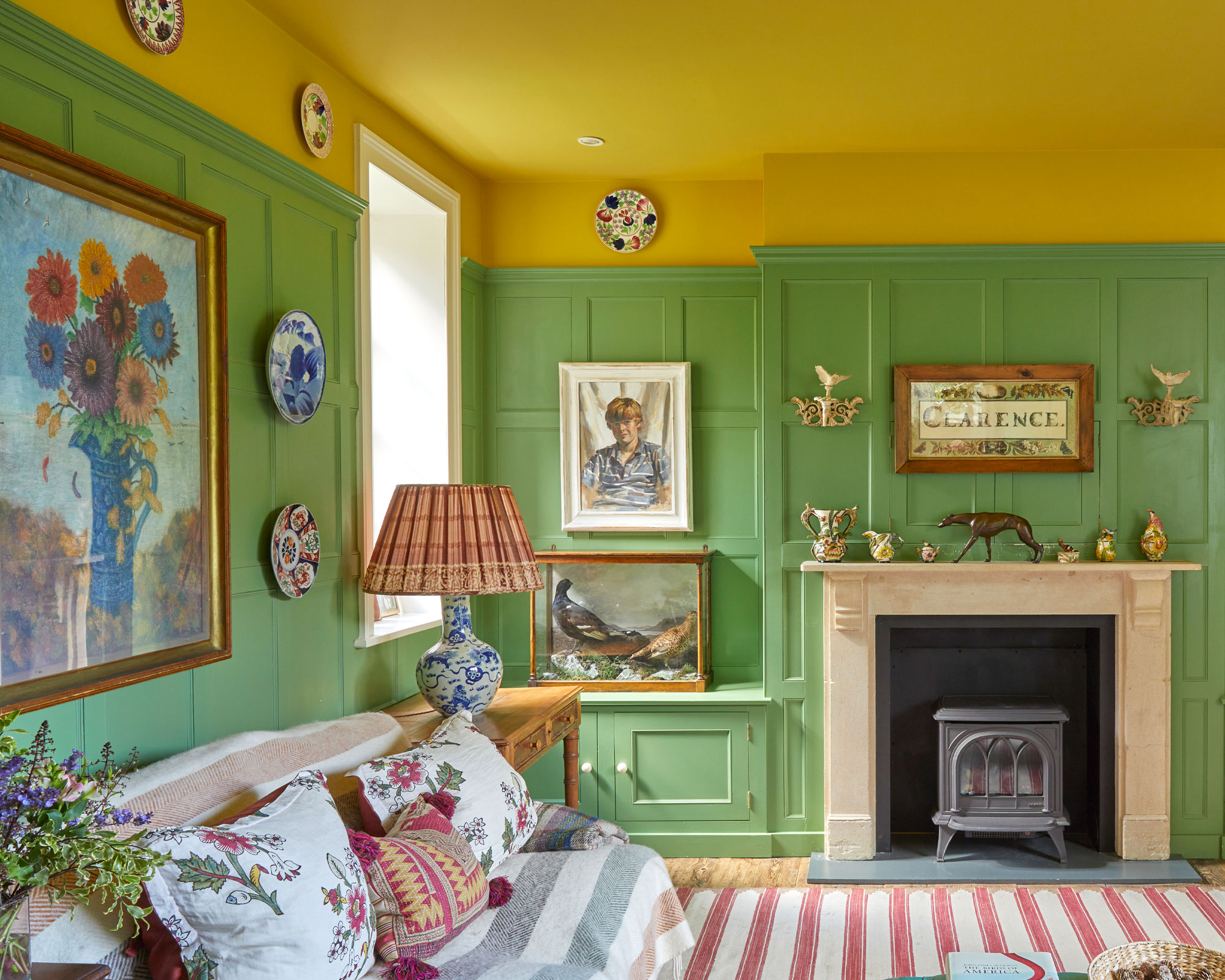
"The Compromise" introduces a high-contrast design by extending a bold ceiling color, such as emerald green or blue, halfway down the walls. This technique creates a visually striking effect when combined with bright, modern finishes like white subway tiles, adding depth and drama to the room while maintaining a contemporary aesthetic.
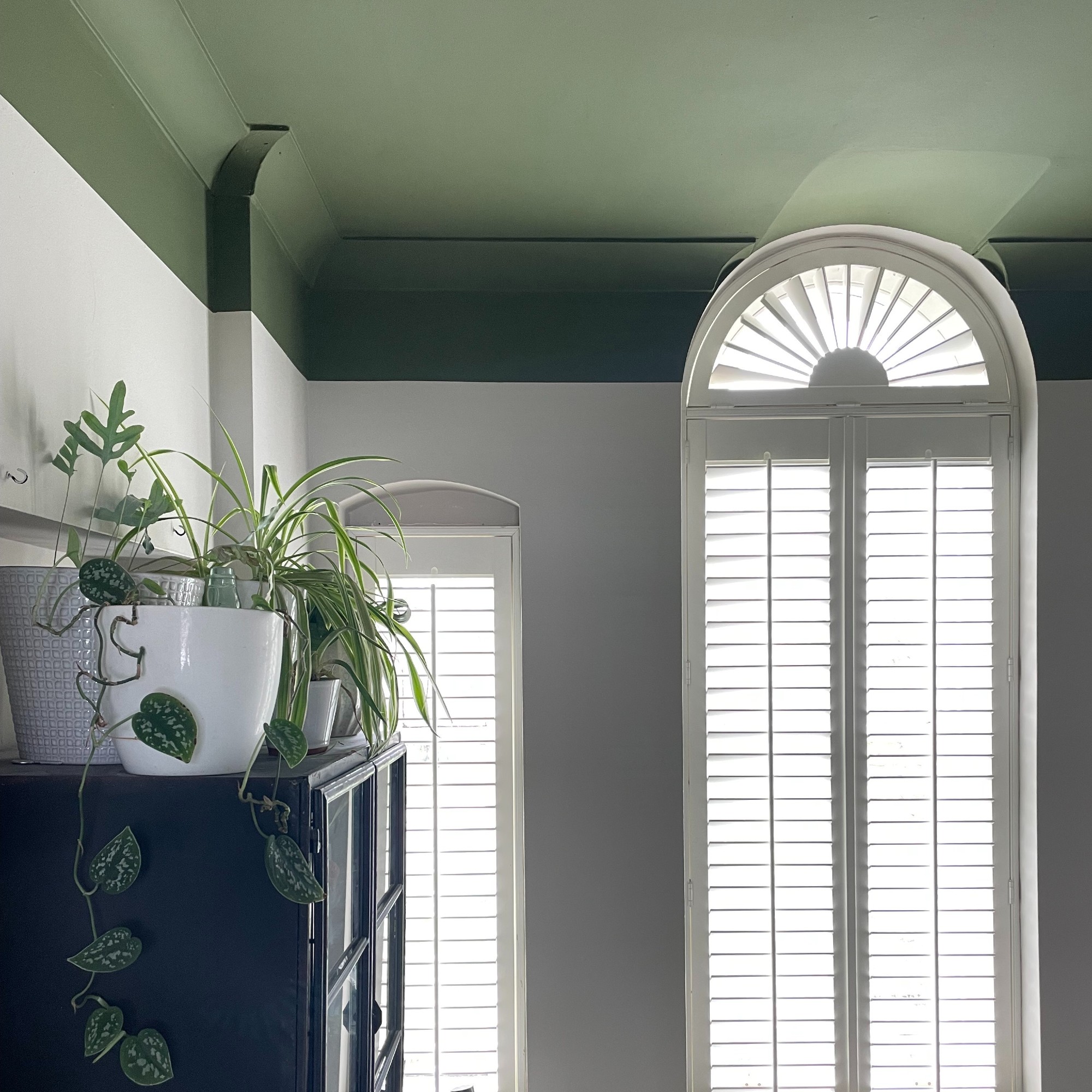
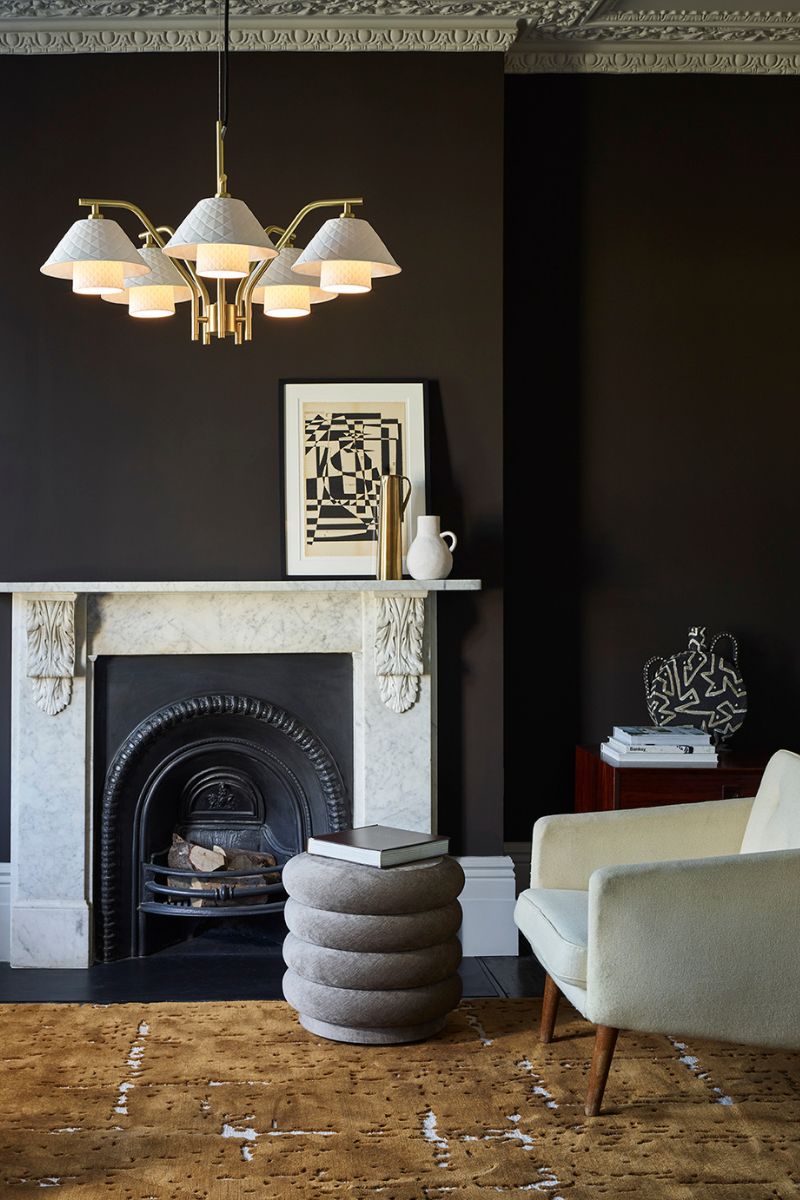
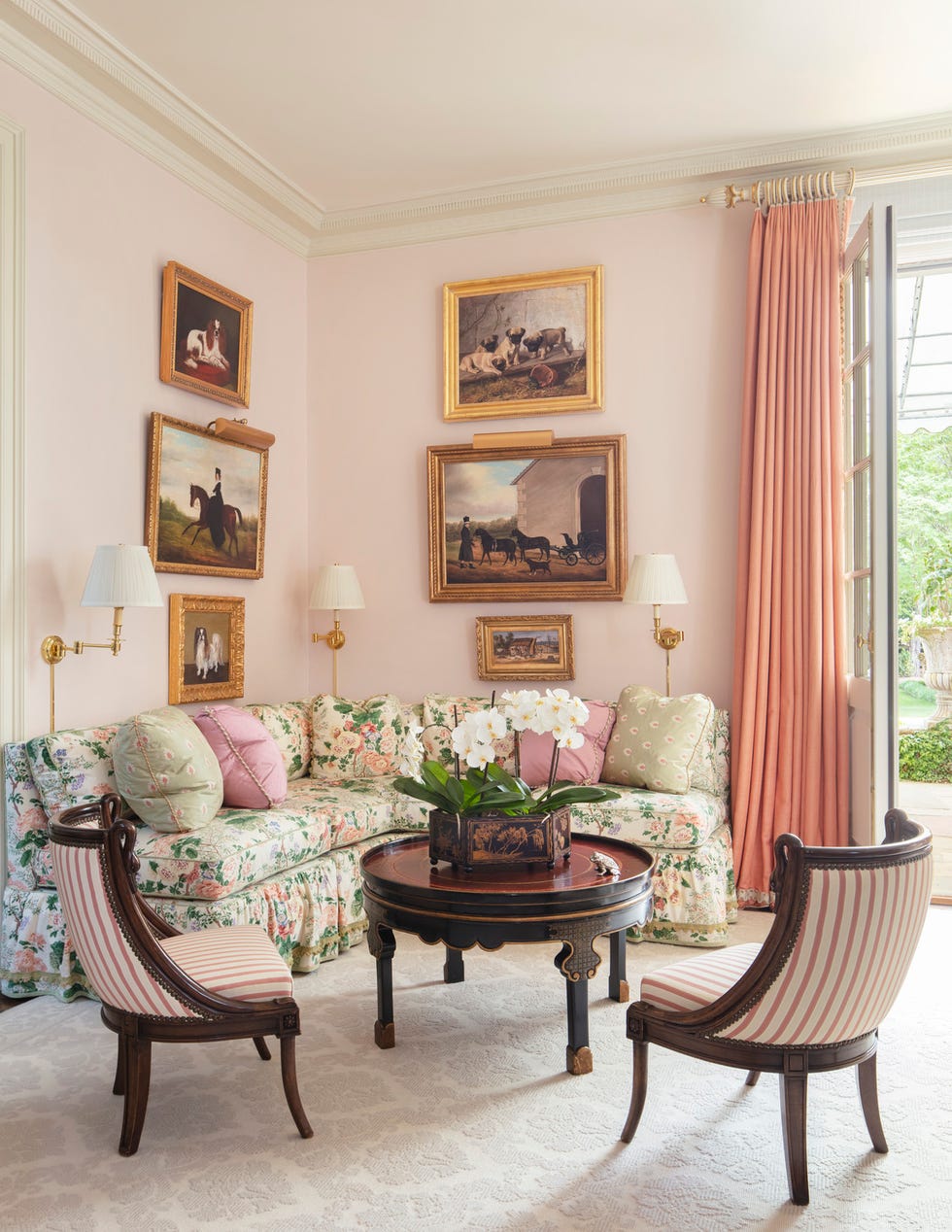
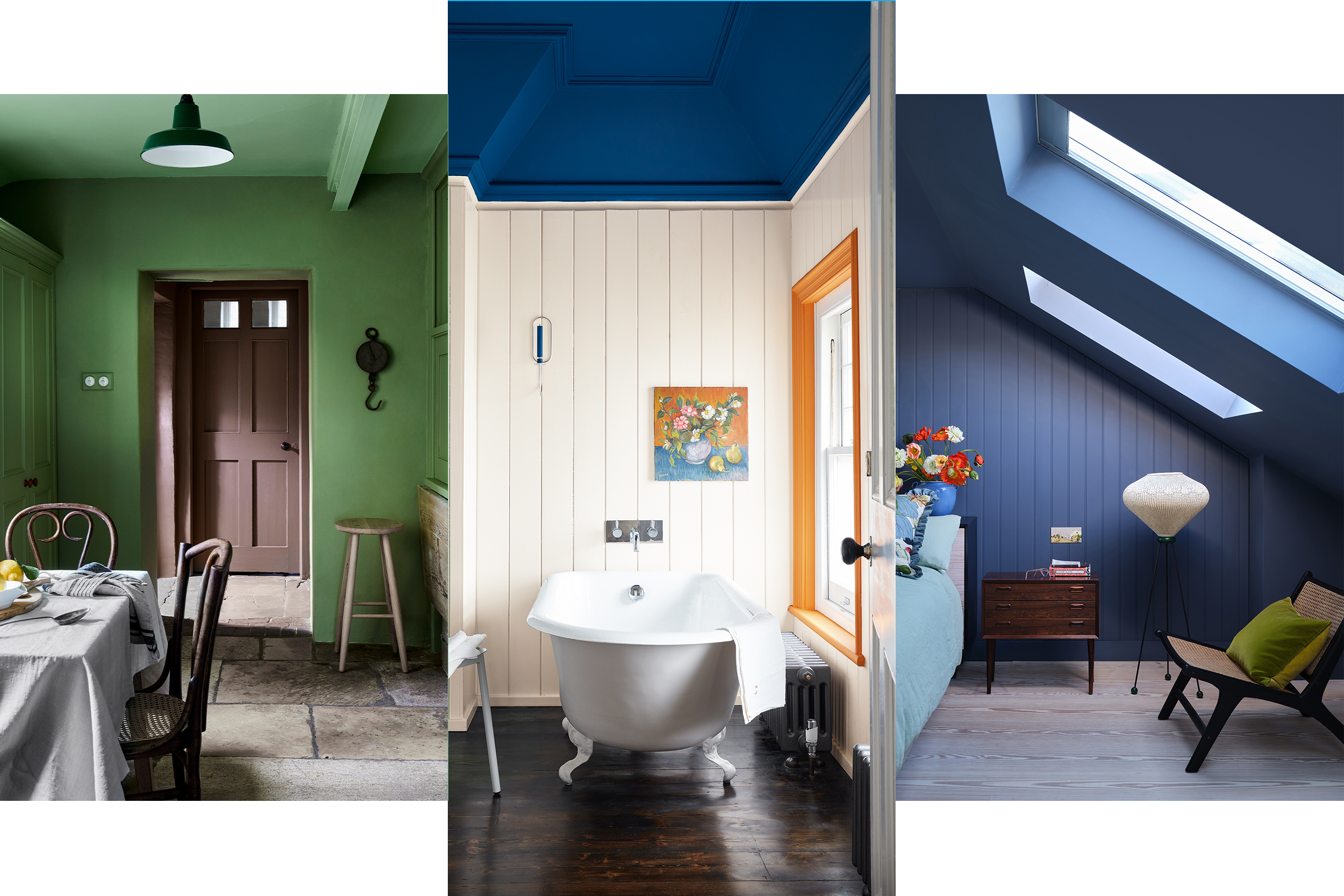
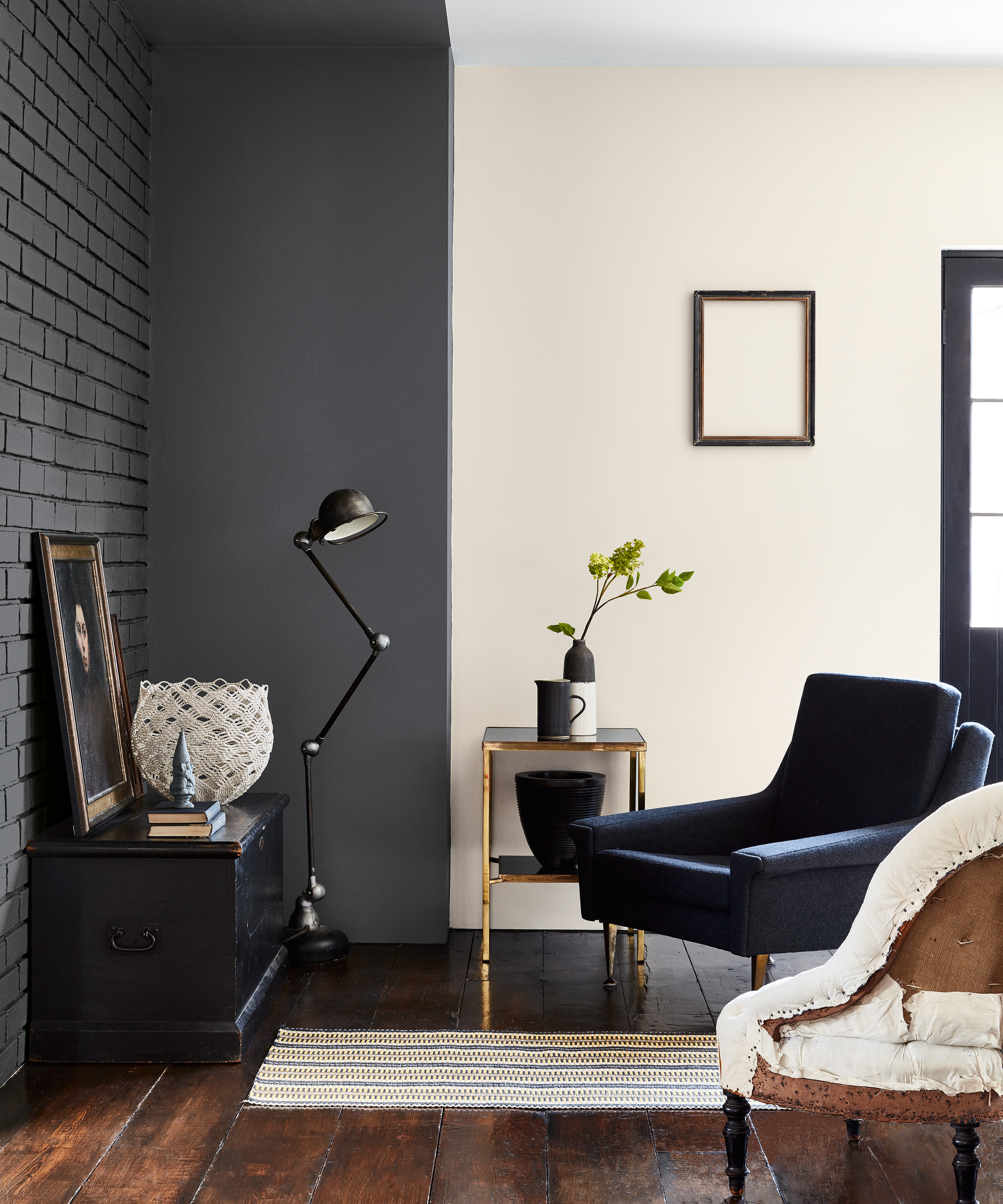
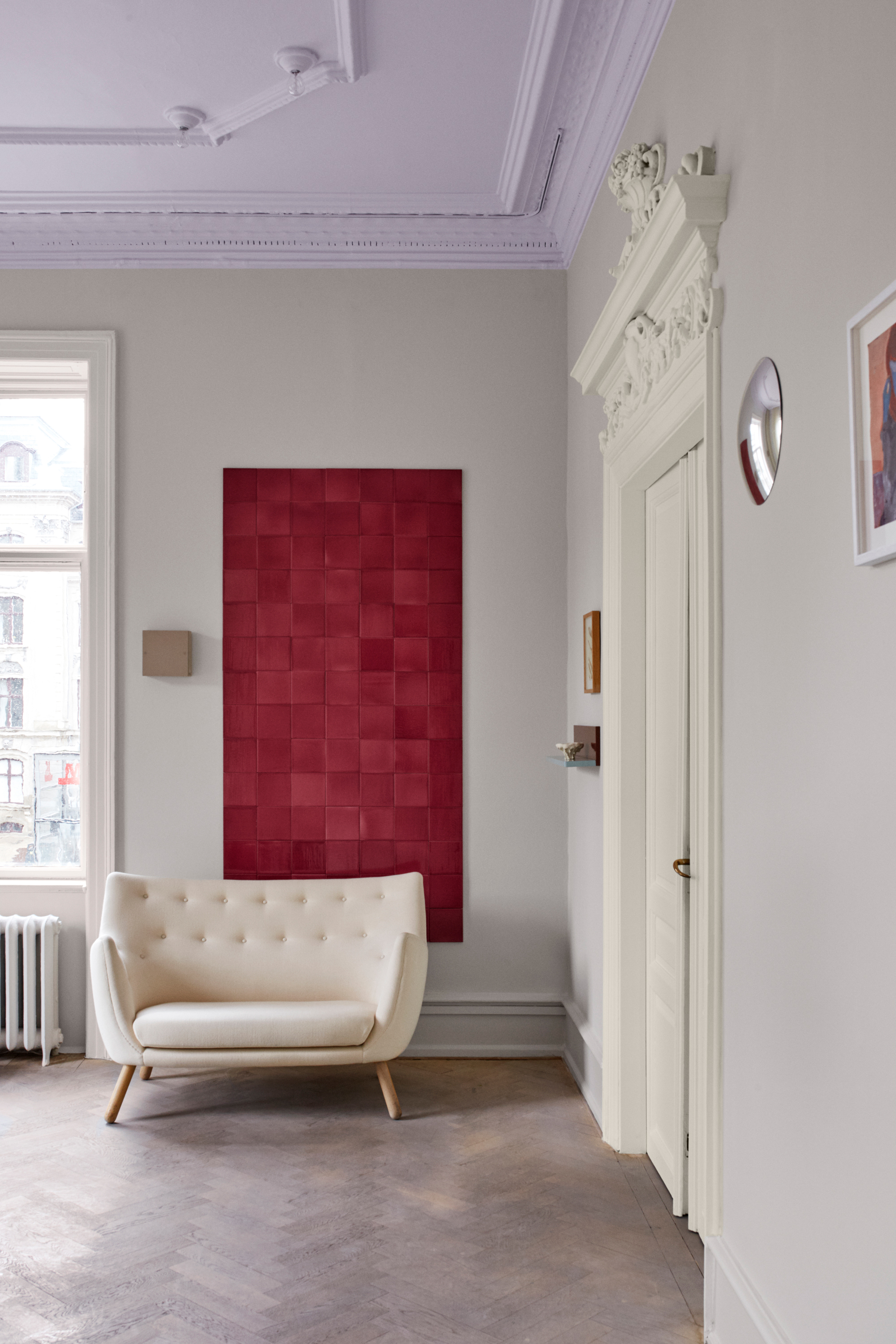
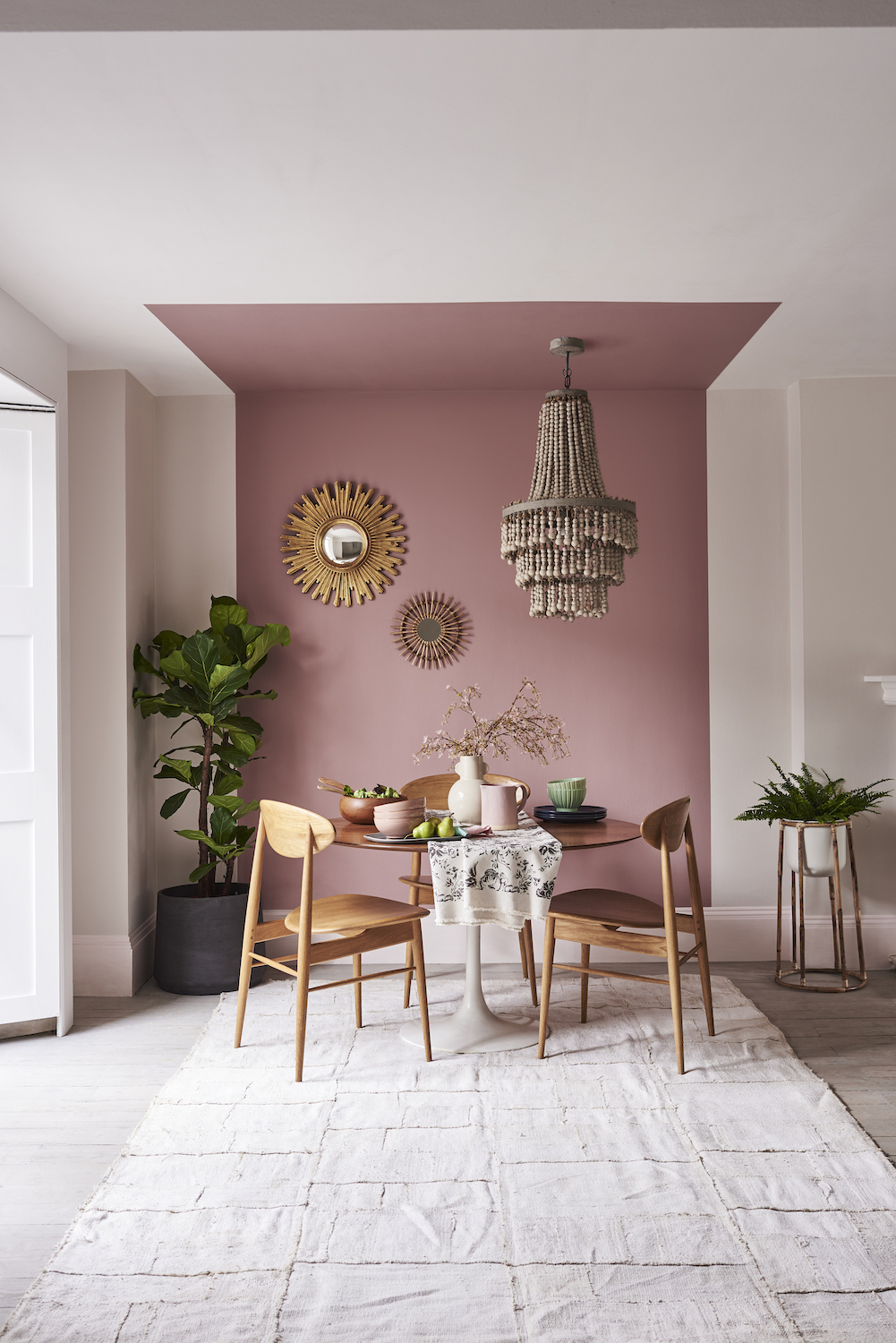
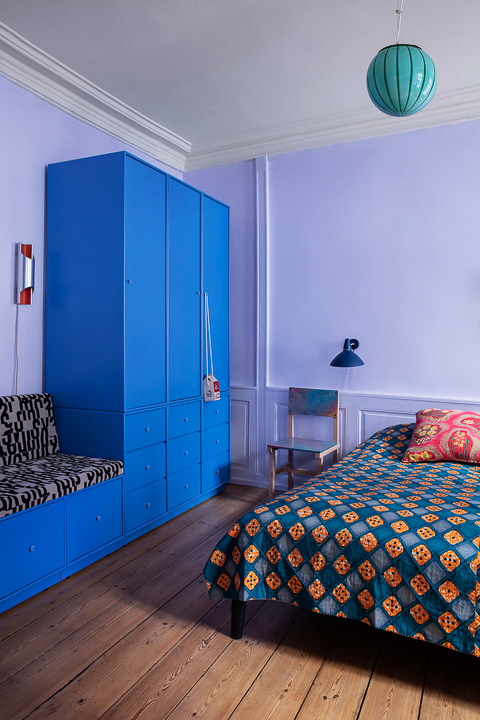
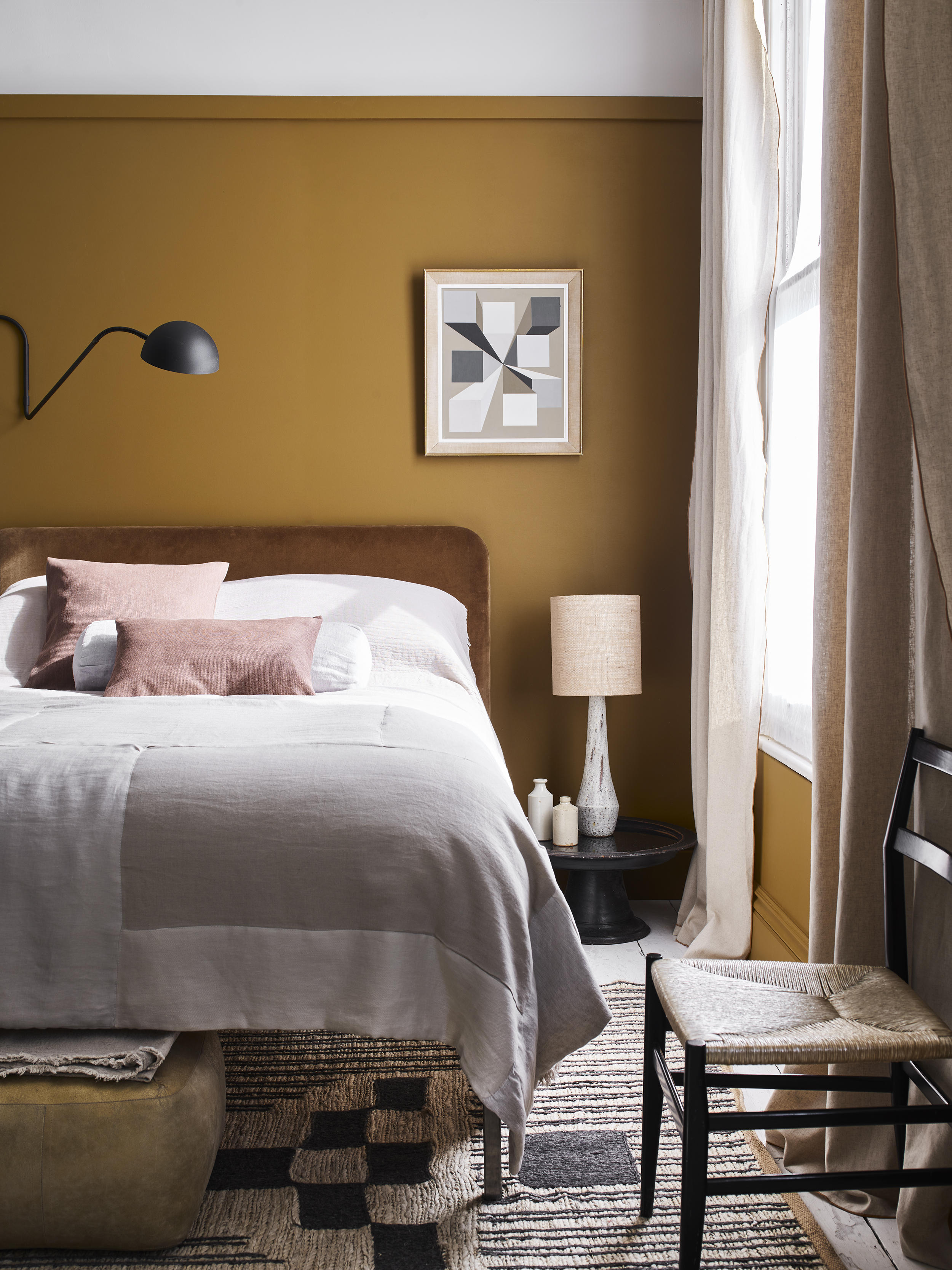
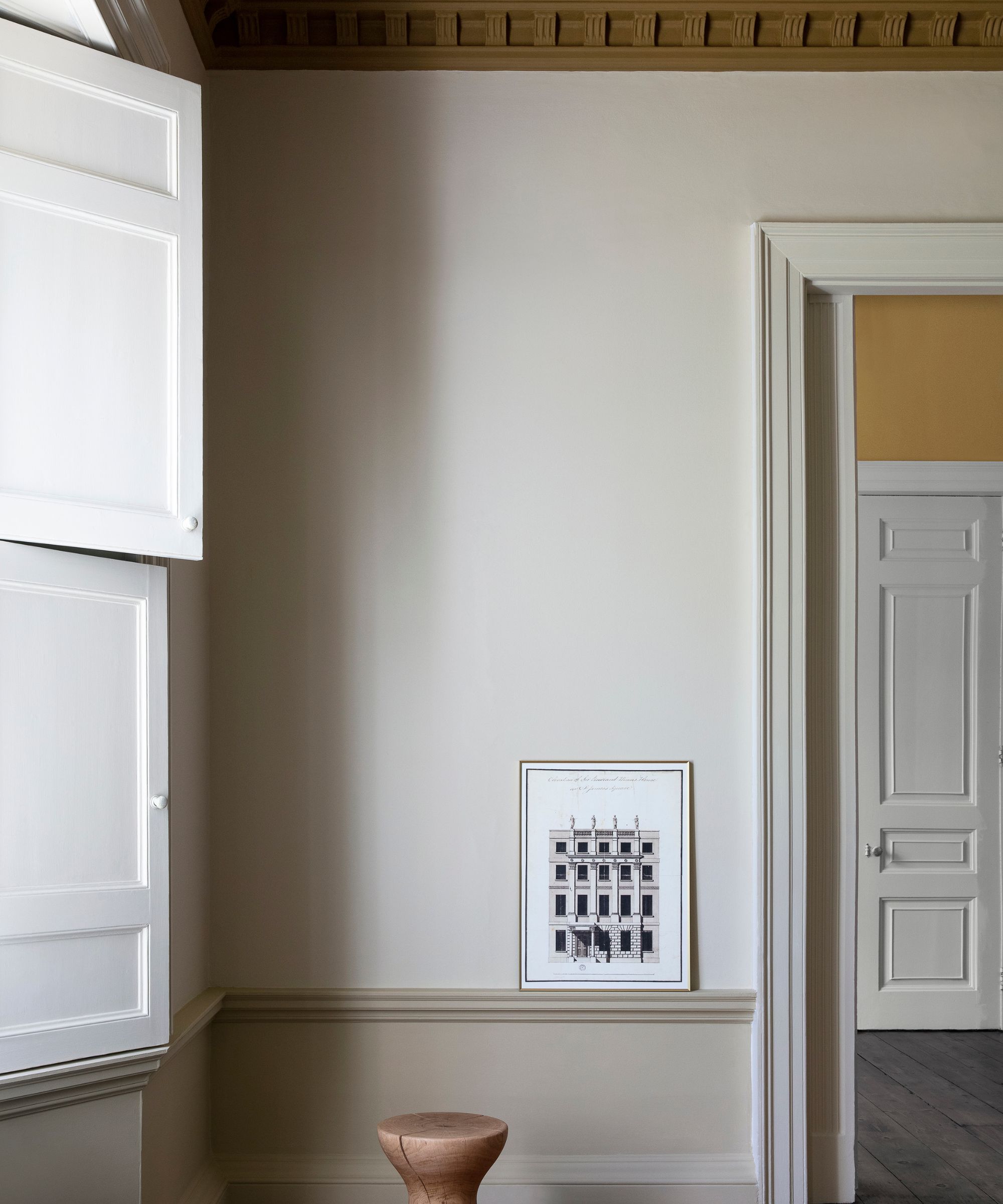

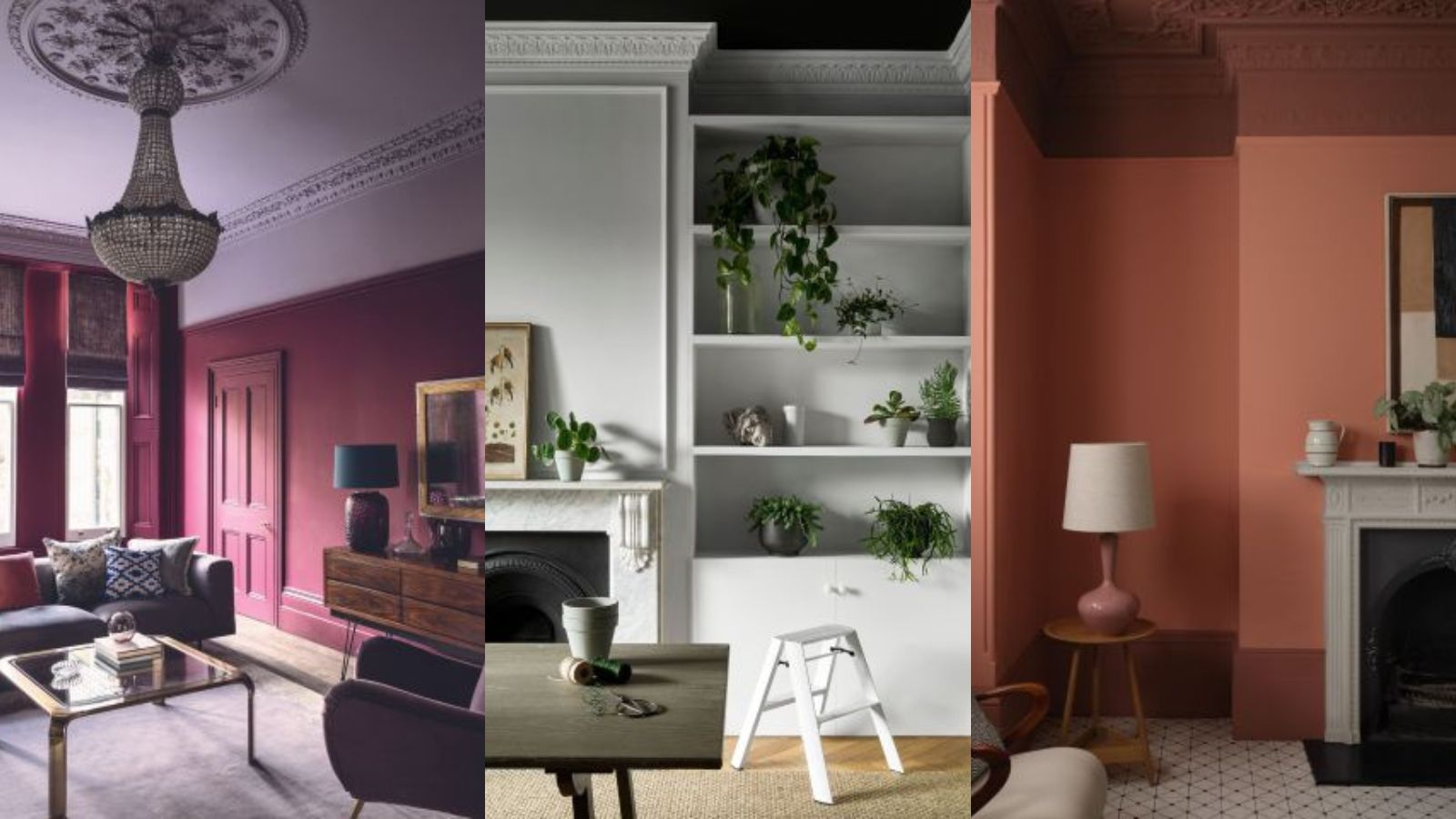
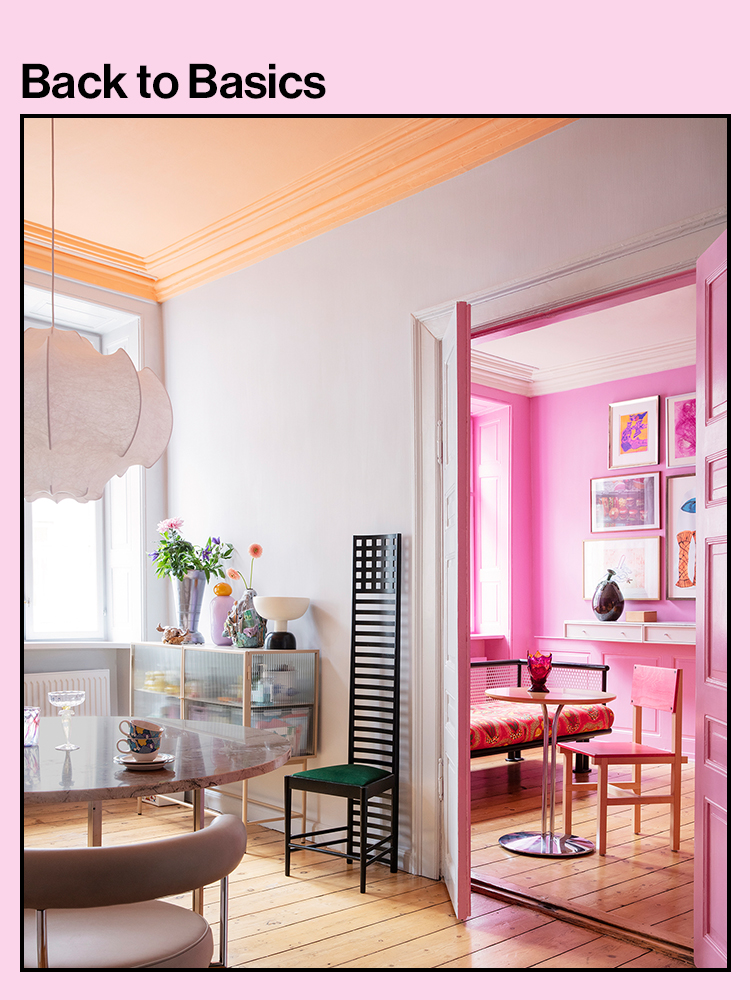
"The Trio" explores a color-blocked strategy, utilizing three complementary shades for the molding, walls, and ceiling. This technique, when executed with dusty or muted hues and balanced with minimalist decor, can create a powerful visual impact and a sophisticated ambiance, demonstrating the versatility of multi-tone approaches.
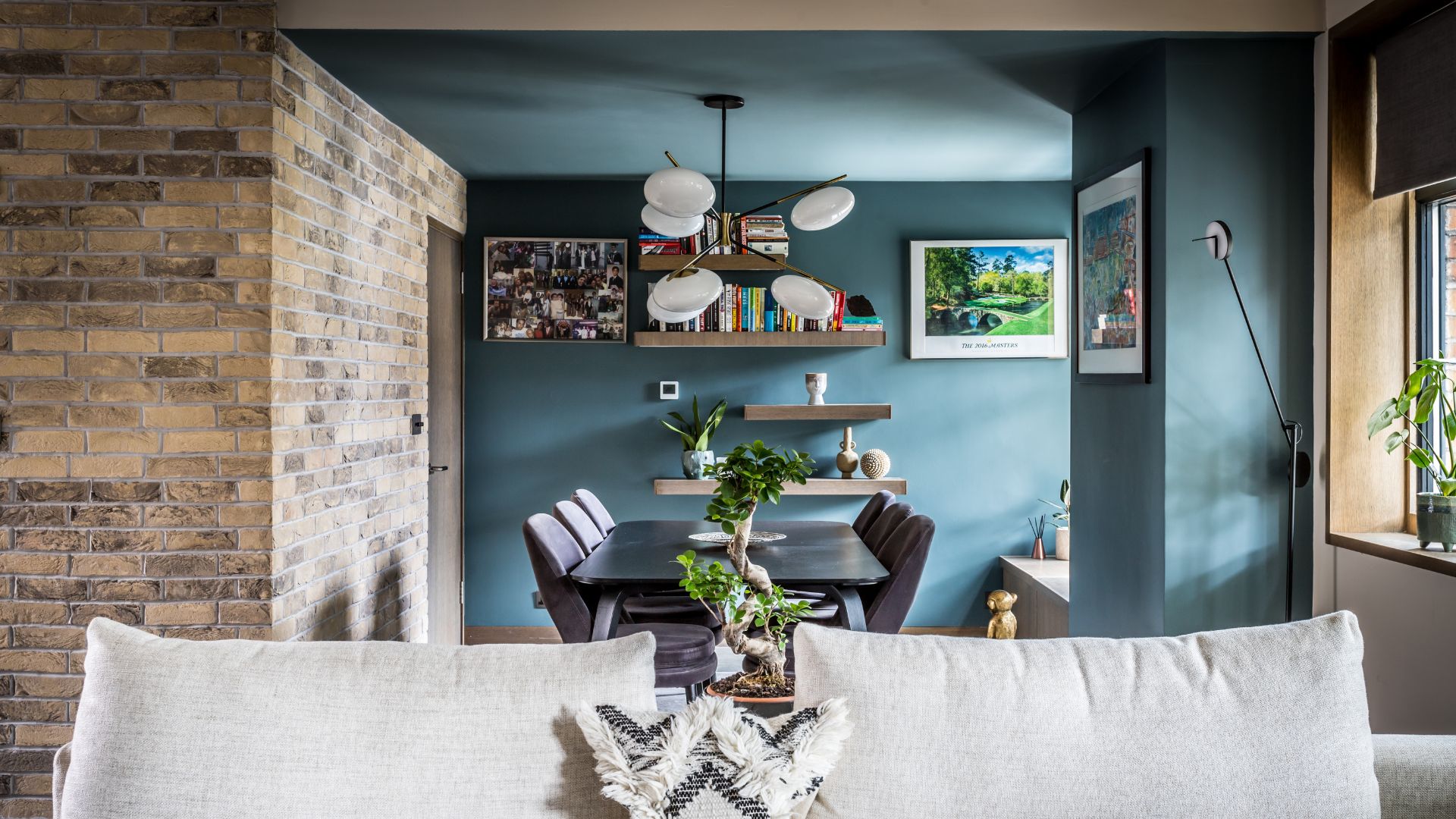
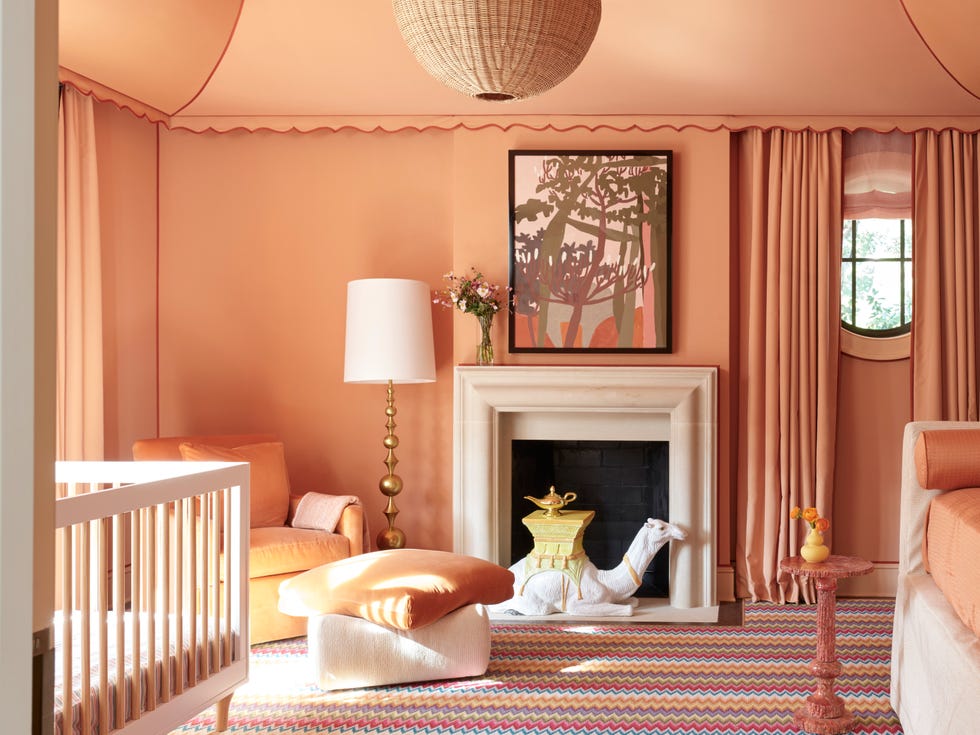
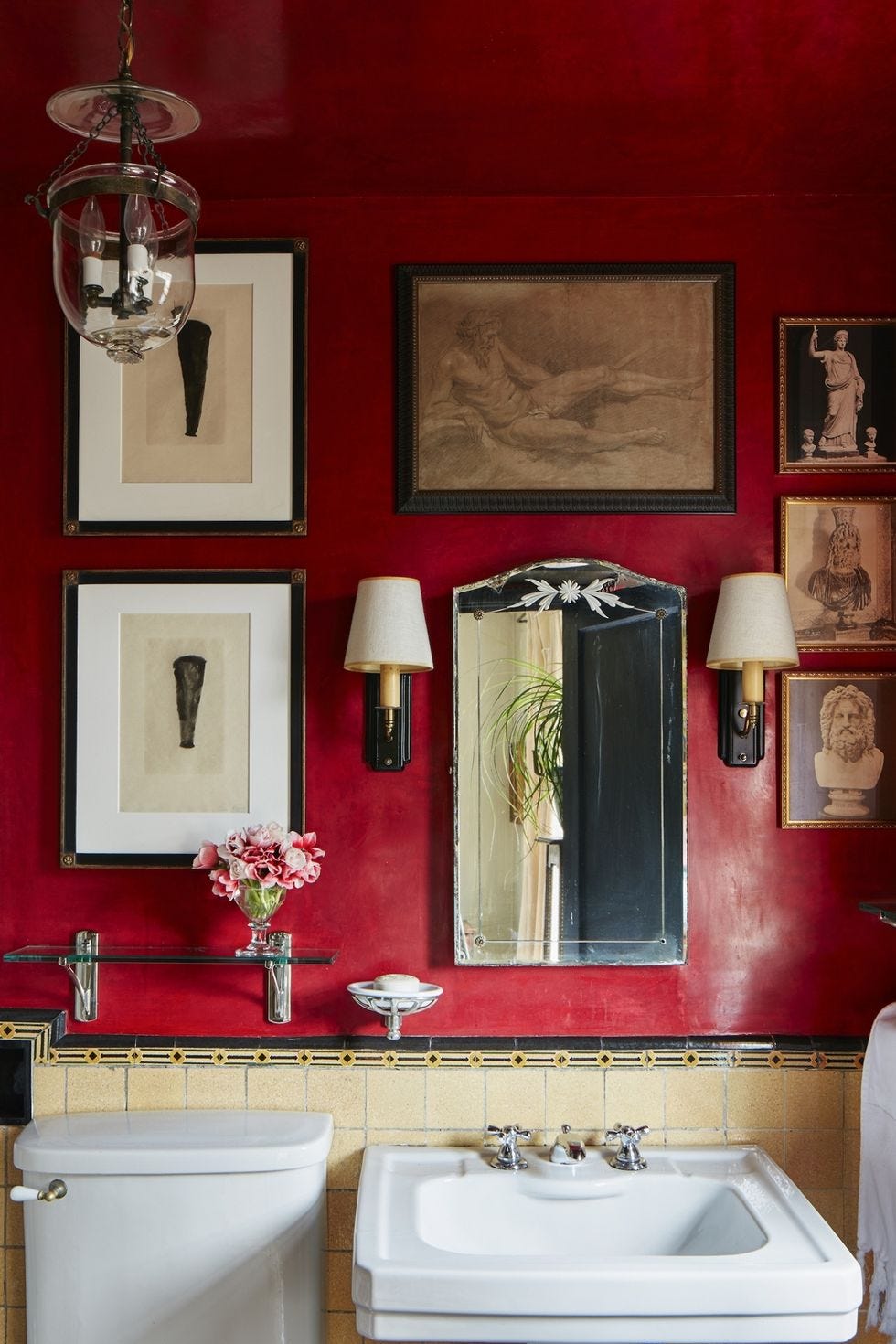
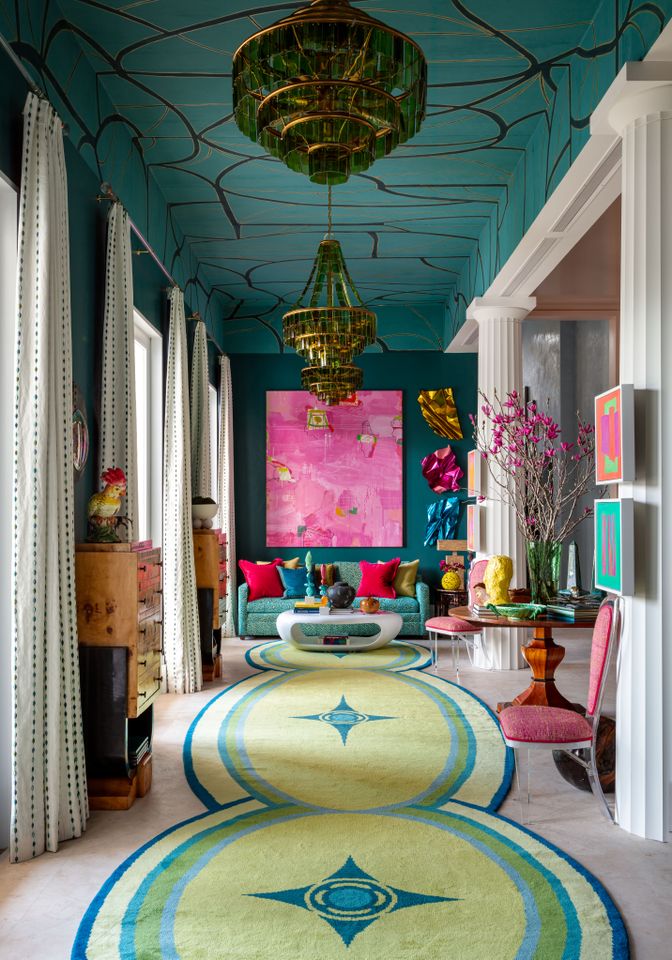
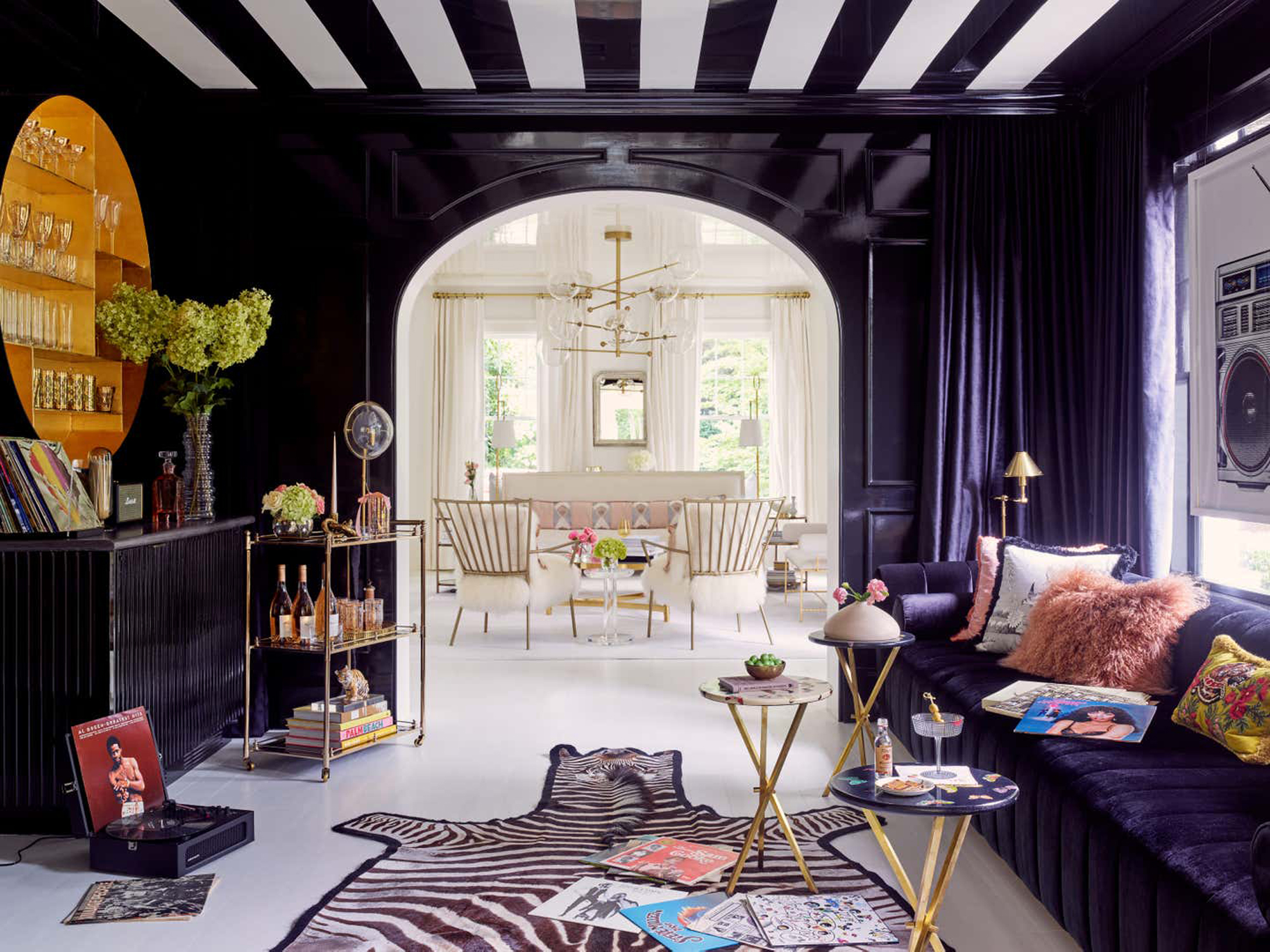
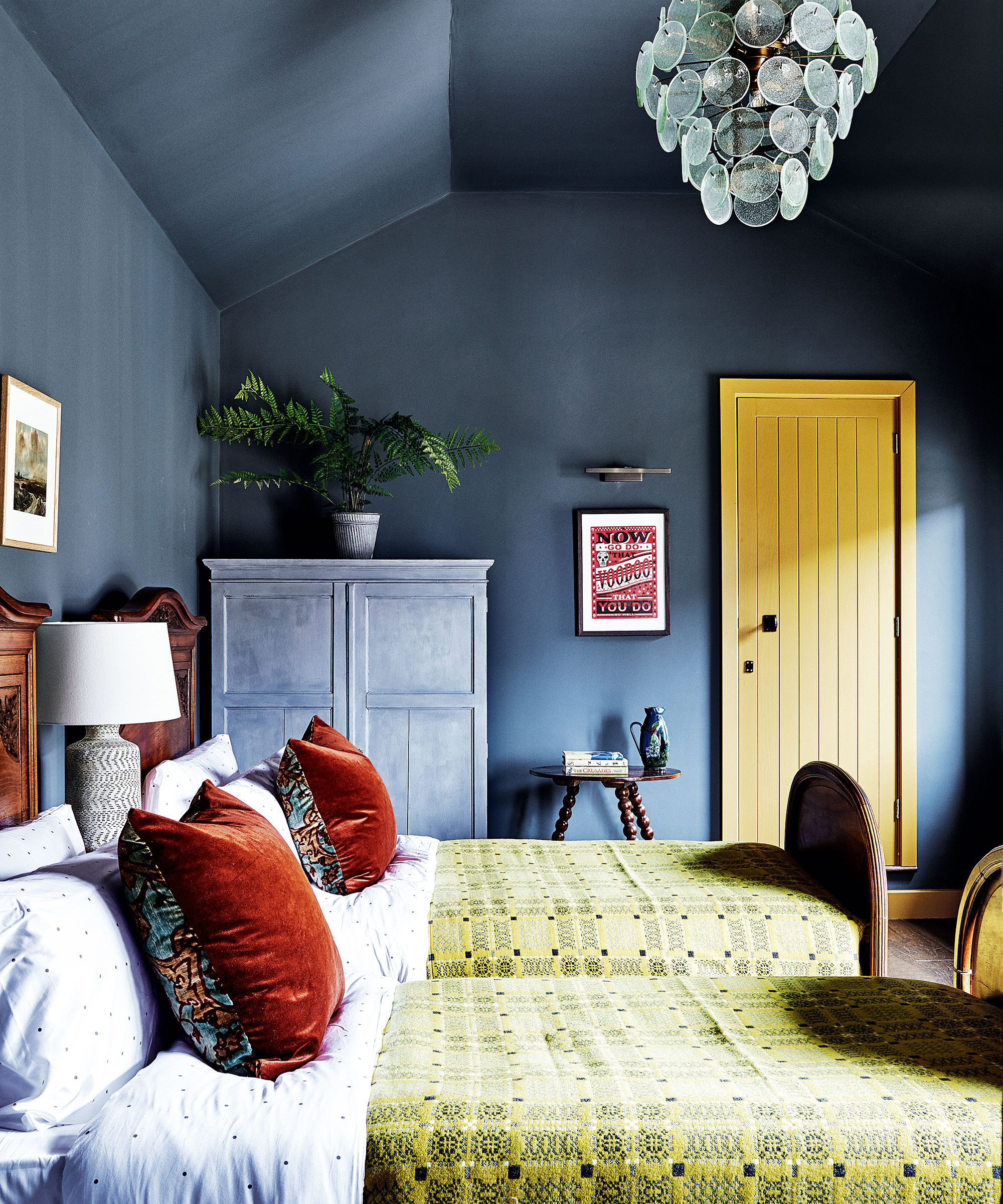
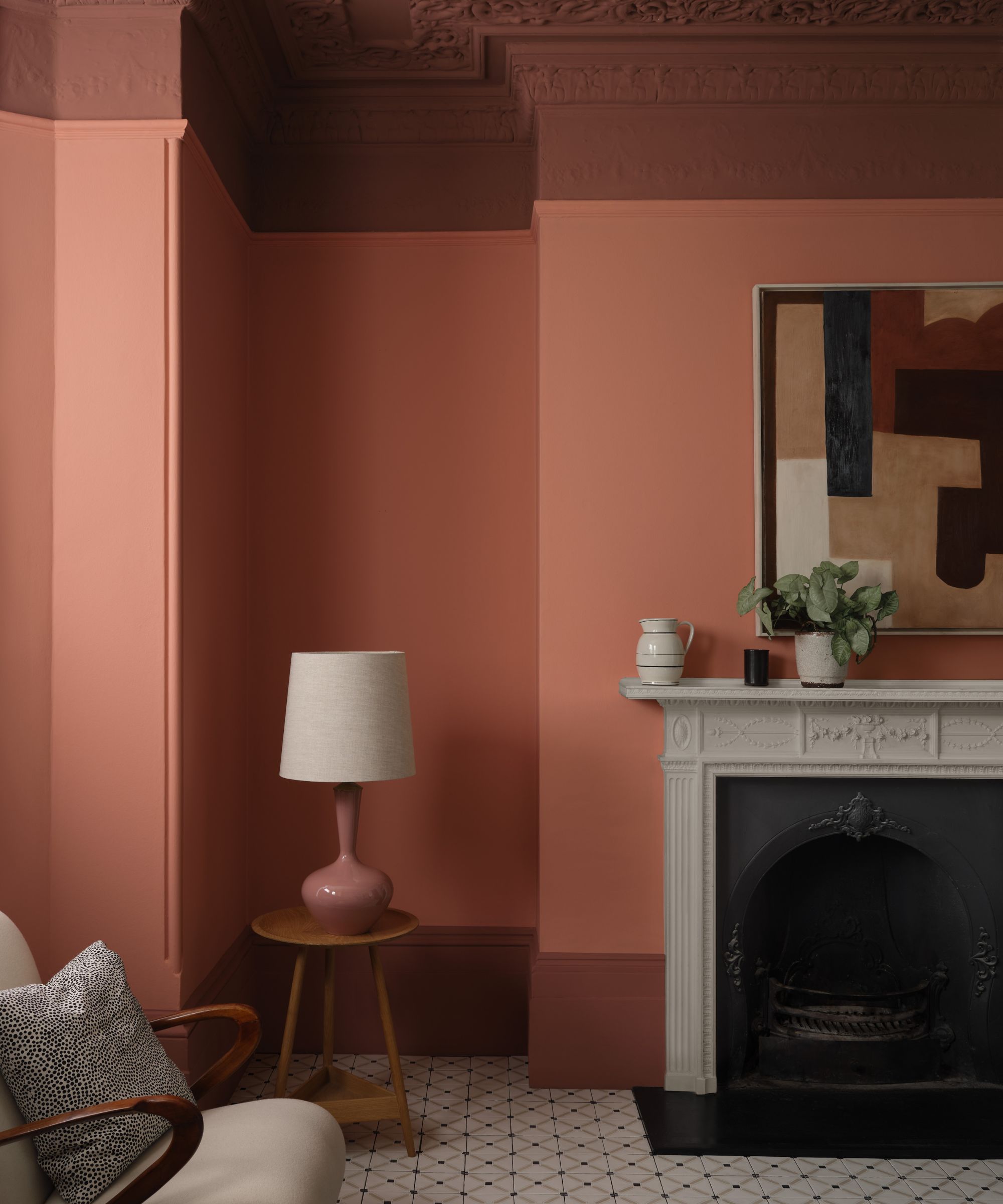
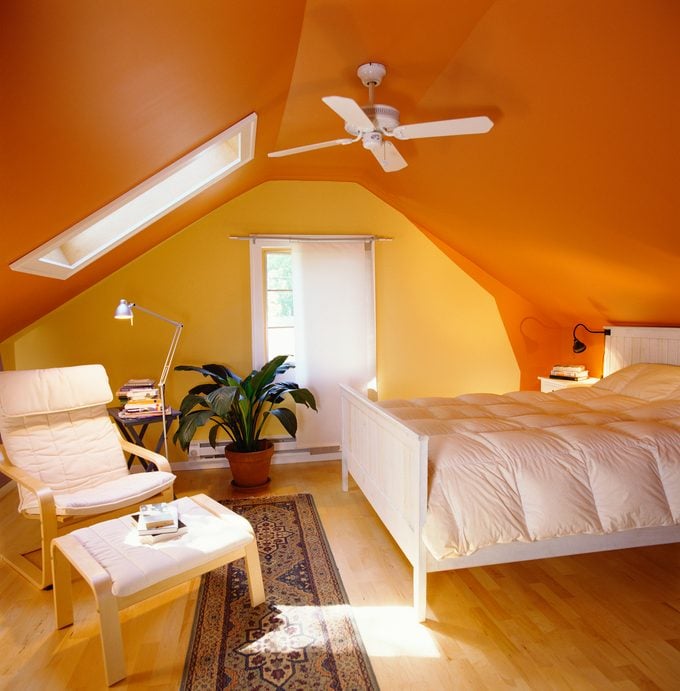

"The Monochrome" advocates for a unified color scheme where walls and ceilings are painted the same color. This method instantly imbues a room with a dramatic and enveloping feel, creating a cohesive and immersive environment. The article prompts consideration of whether to extend this monochrome theme to accent pieces or introduce contrasting elements.
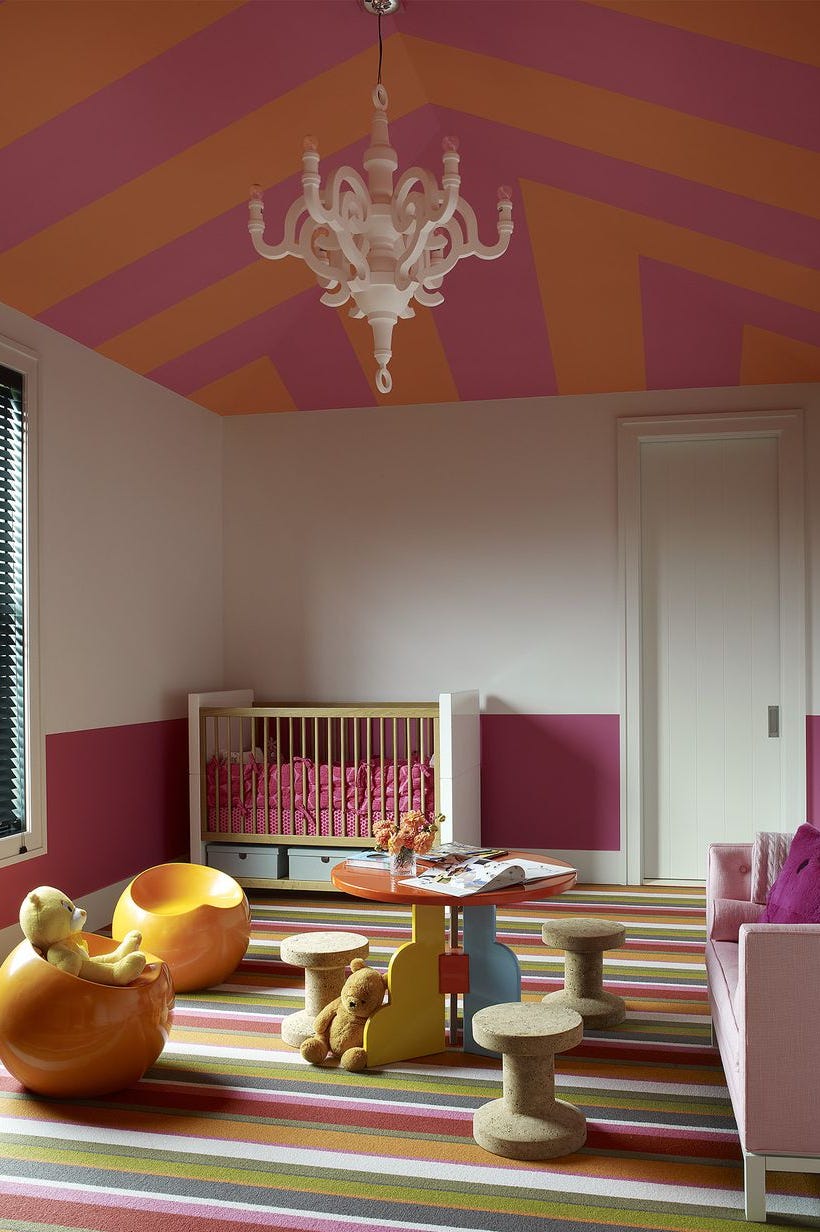
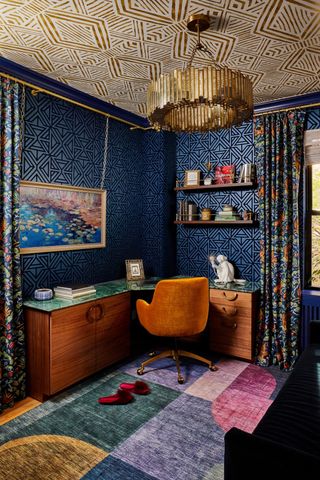
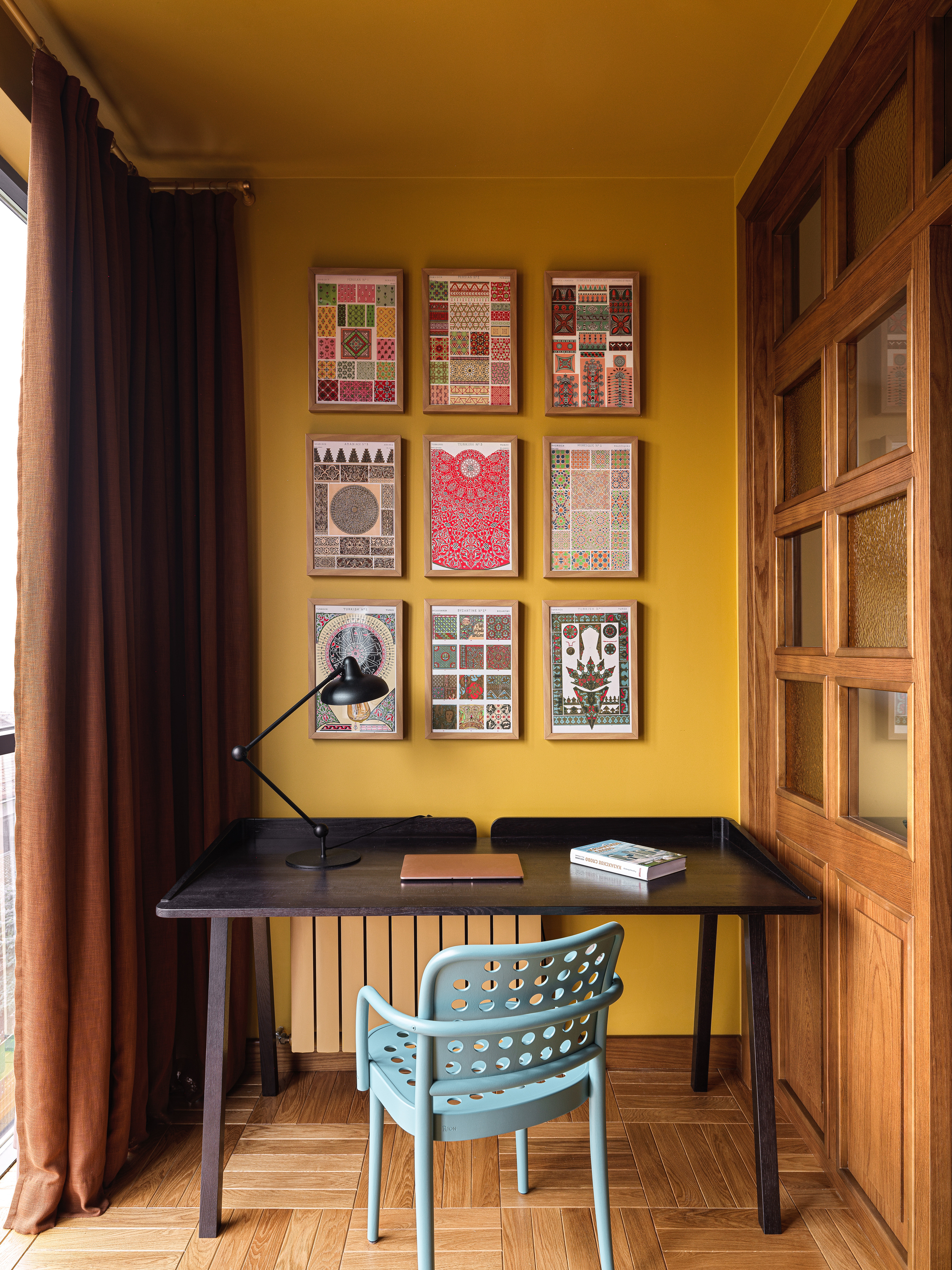
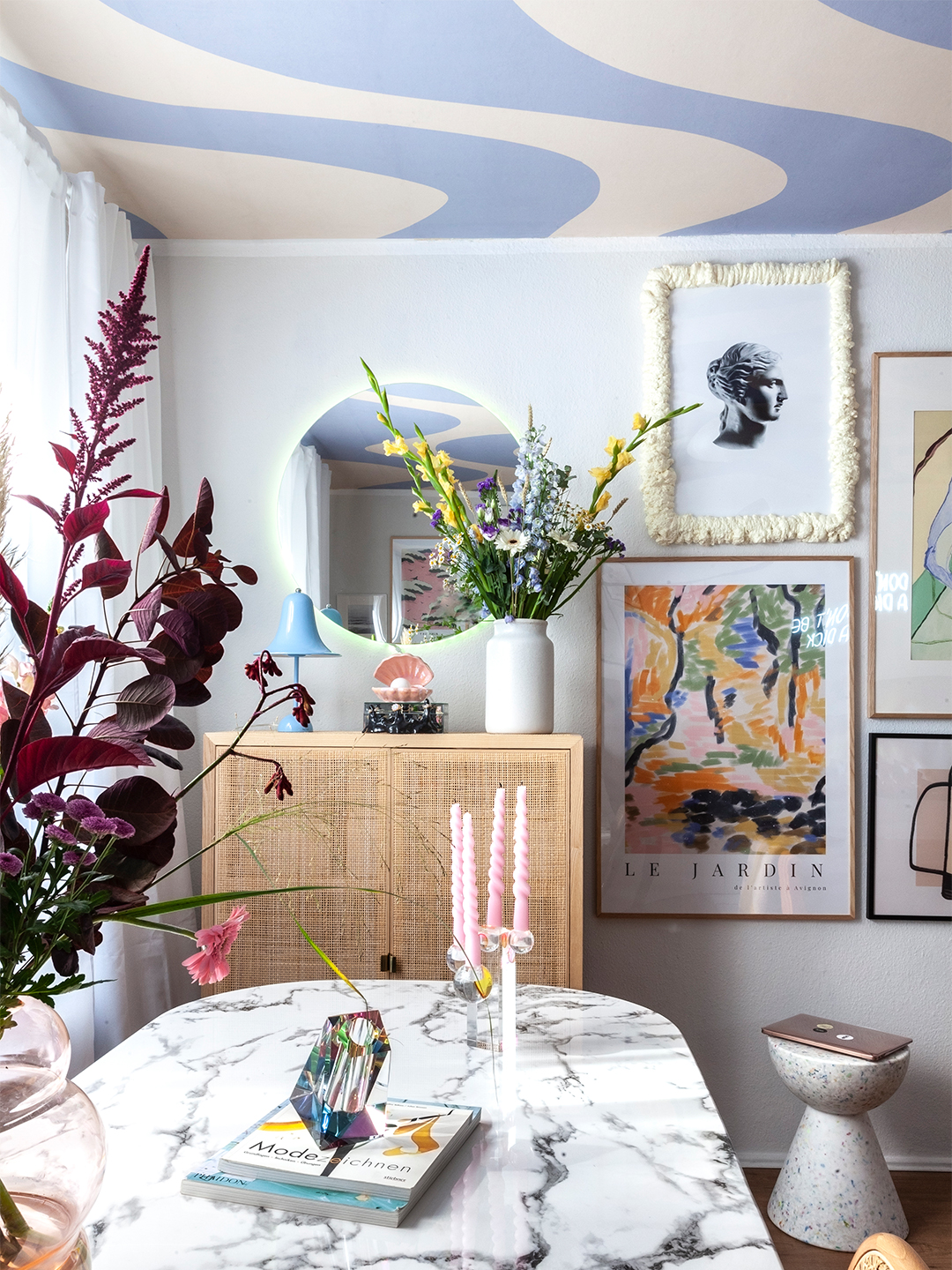
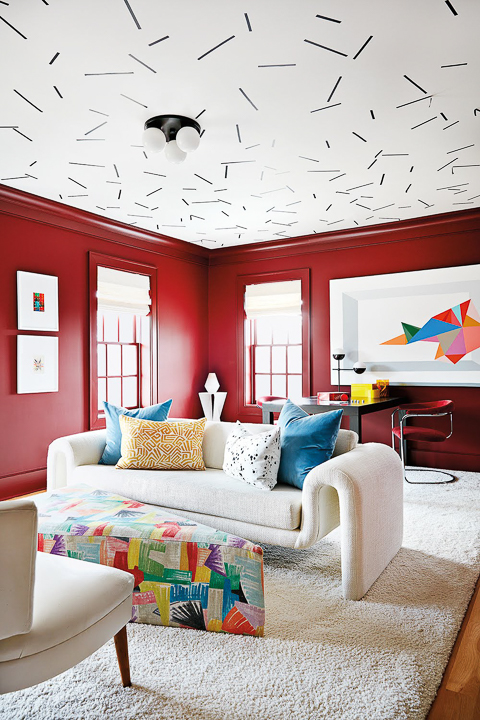
Finally, "The Art Installation" is presented for those with greater confidence, encouraging the use of patterns on the ceiling. Simple geometric patterns, such as squares, allow for the incorporation of multiple favorite colors, with a neutral shade to unify the design. This approach transforms the ceiling into a focal point, akin to an artistic display.
The article concludes by referencing additional resources for paint ideas, including articles on using navy creatively, painting door frames, and incorporating color-blocked walls, further emphasizing the transformative potential of paint in home design.
#CeilingPaint #InteriorDesign #HomeImprovement #ColorTheory #DIYHomeDecor #PaintTips #DesignInspiration #CeilingPaint #InteriorDesign #HomeImprovement #ColorTheory #DIYHomeDecor #PaintTips #DesignInspiration
0 комментариев всего
 Комментариев пока нет
Вам также может понравиться
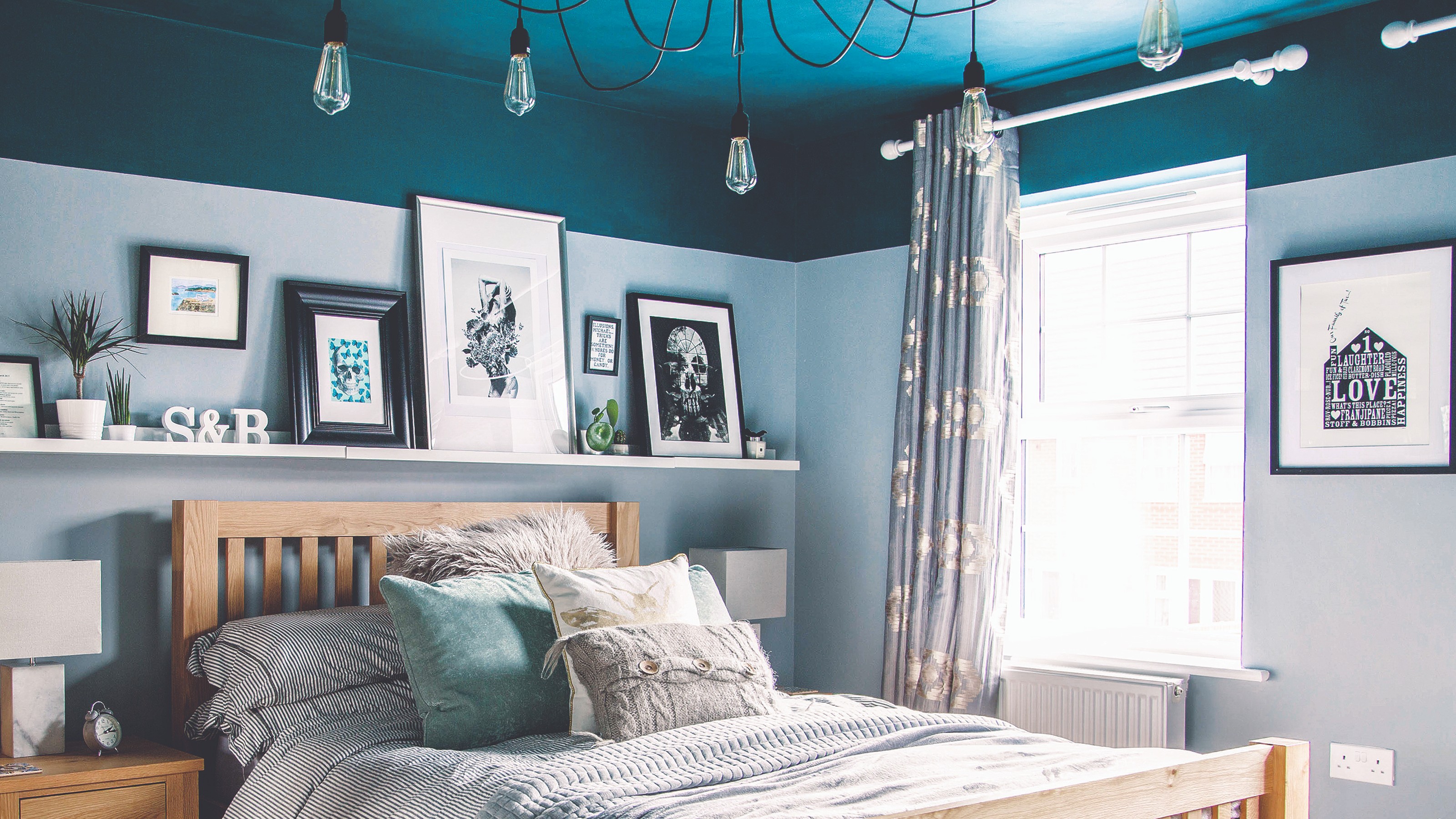
Should you paint your ceiling a different colour to the walls? Experts explain why everyone should consider it
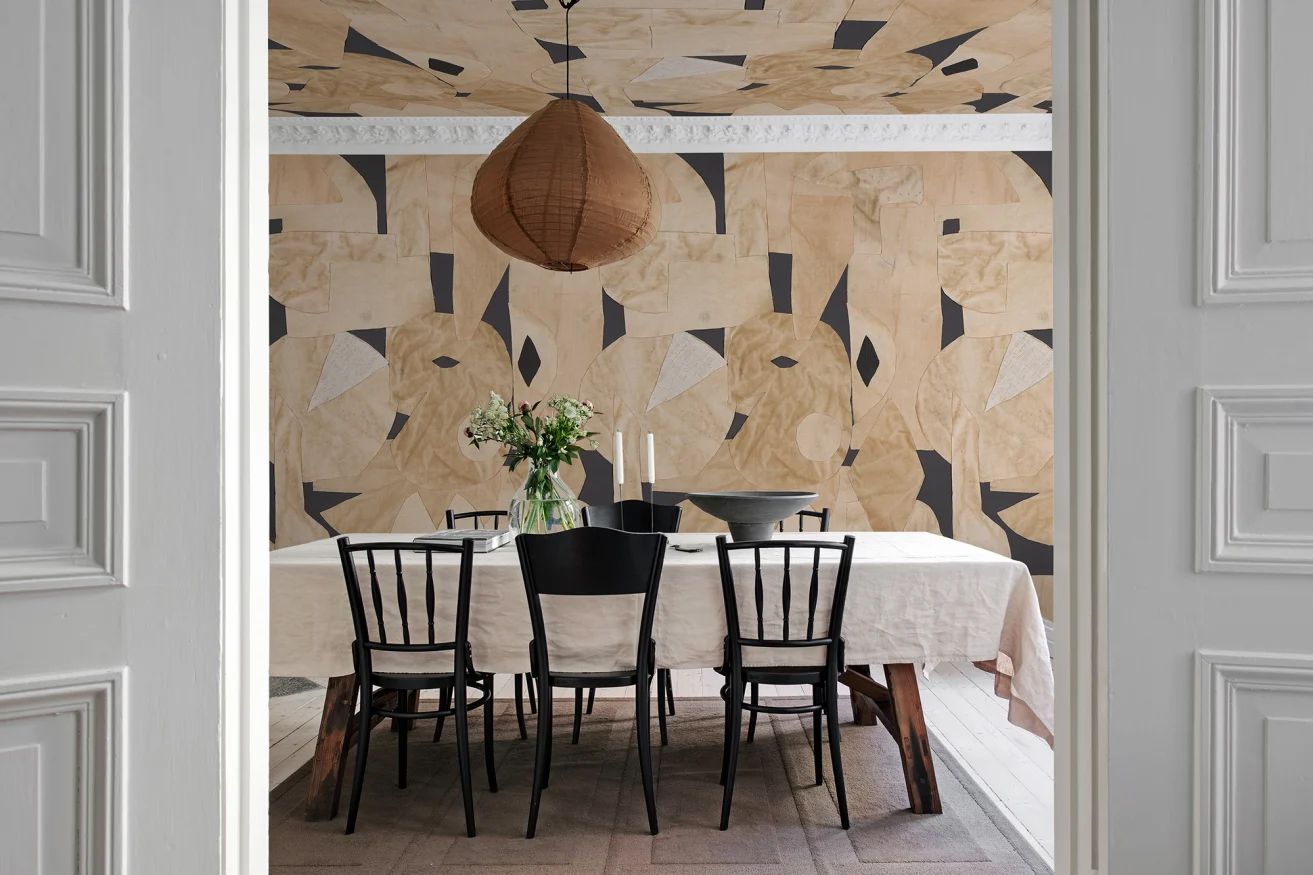
Should You Put Wallpaper on the Ceiling? Here’s What Designers Recommend
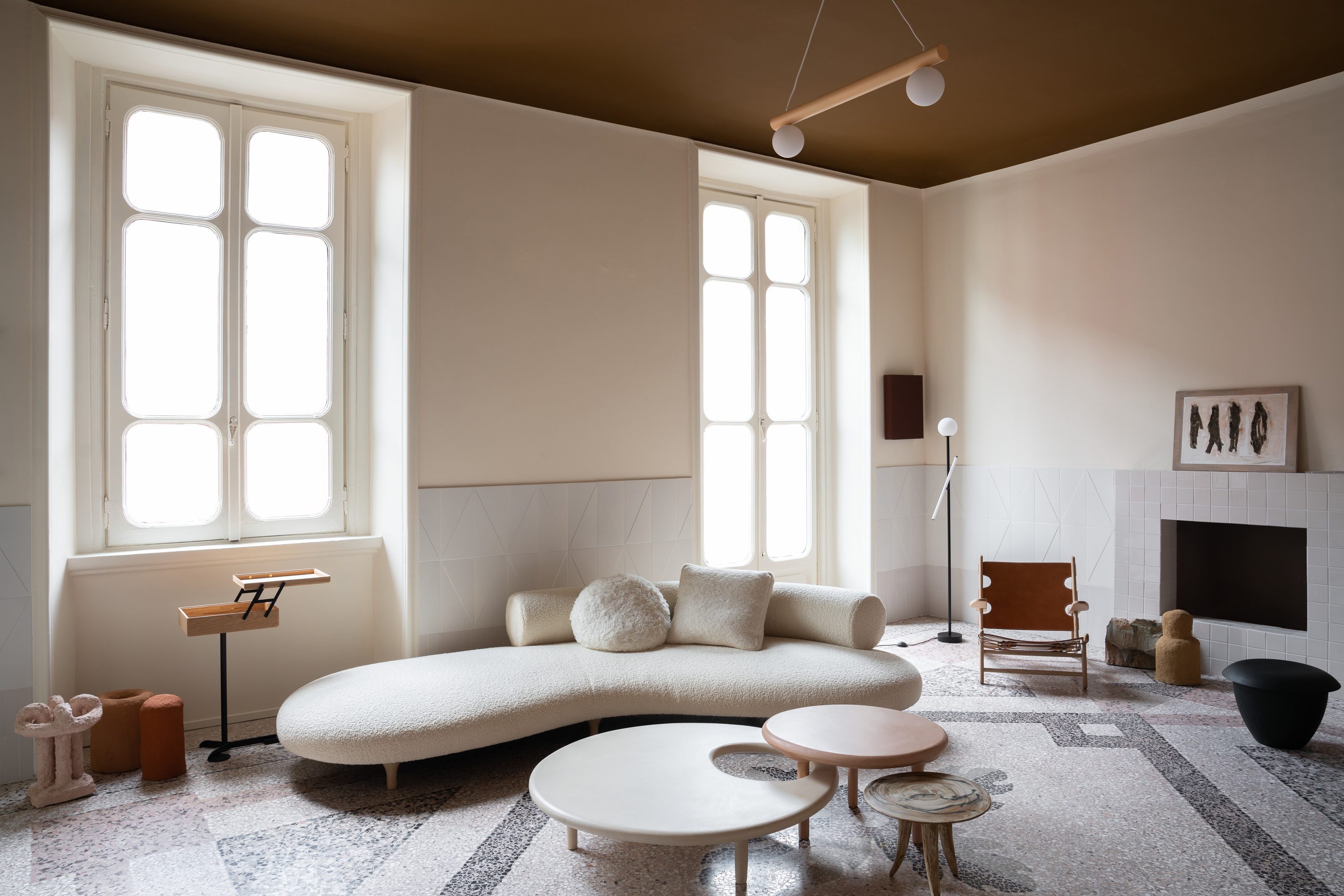
Painted ceiling ideas – 10 of the best ways to give this decorating trend an unexpected twist


What you need to know before painting your home's ceiling - with one surprise twist
When you should and shouldn't paint your ceiling, according to interior designers

Painting the ceiling with colour is a trend that is looking up
Remember ceiling when decorating rooms
Ceiling paint ideas – 10 ways to make your fifth wall wonderful

You Should Seriously Consider Painting Your Ceiling Pink—Here's Why

Should You Paint the Ceiling and Walls the Same Color? Interior Designers Share Their Thoughts

How to paint a ceiling - the expert guide to giving the fifth wall a fresh look
5 reasons why you should never paint a ceiling white, reveals a leading paint and color expert

So You Want to Paint Your Ceiling? Read This First

Should You Paint Ceilings and Walls the Same Color? Experts Give Their Verdict
How to Paint a Ceiling, From Picking a Color to Actually Getting It Up There
Should I Put Up a Ceiling Medallion? Our Experts Give a Verdict on Whether This "Elegant" Finish is in Style
Trend Alert: Here’s How To Perfect The Painted Ceiling Look


5 Best Ceiling Paints

Should ceilings be glossy or flat? A paint expert lifts the lid on getting this vital touch just right

This Painted Ceiling Trend For 2023 Is So Chic