1/10
What is layered lighting and how can it transform your home from so-so to stunning?
This expert-led guide explains the concept of layered lighting and its transformative effect on home interiors, moving beyond the common mistake of relying on a single light source. Layered lighting involves combining various light sources and levels to achieve optimal functionality and aesthetics, making an interior scheme adaptable, full of character, and warmth, suitable for both traditional and contemporary looks.
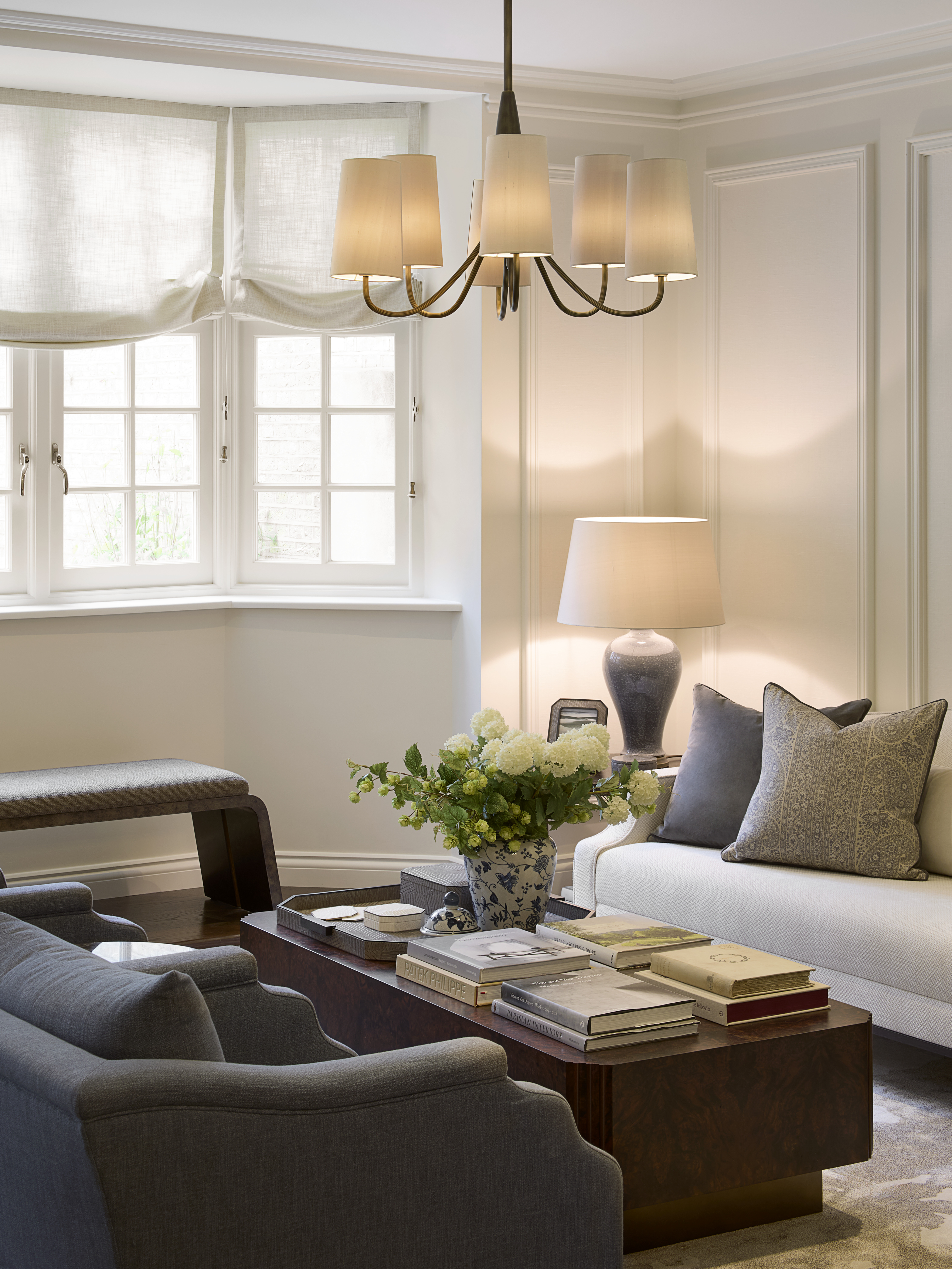
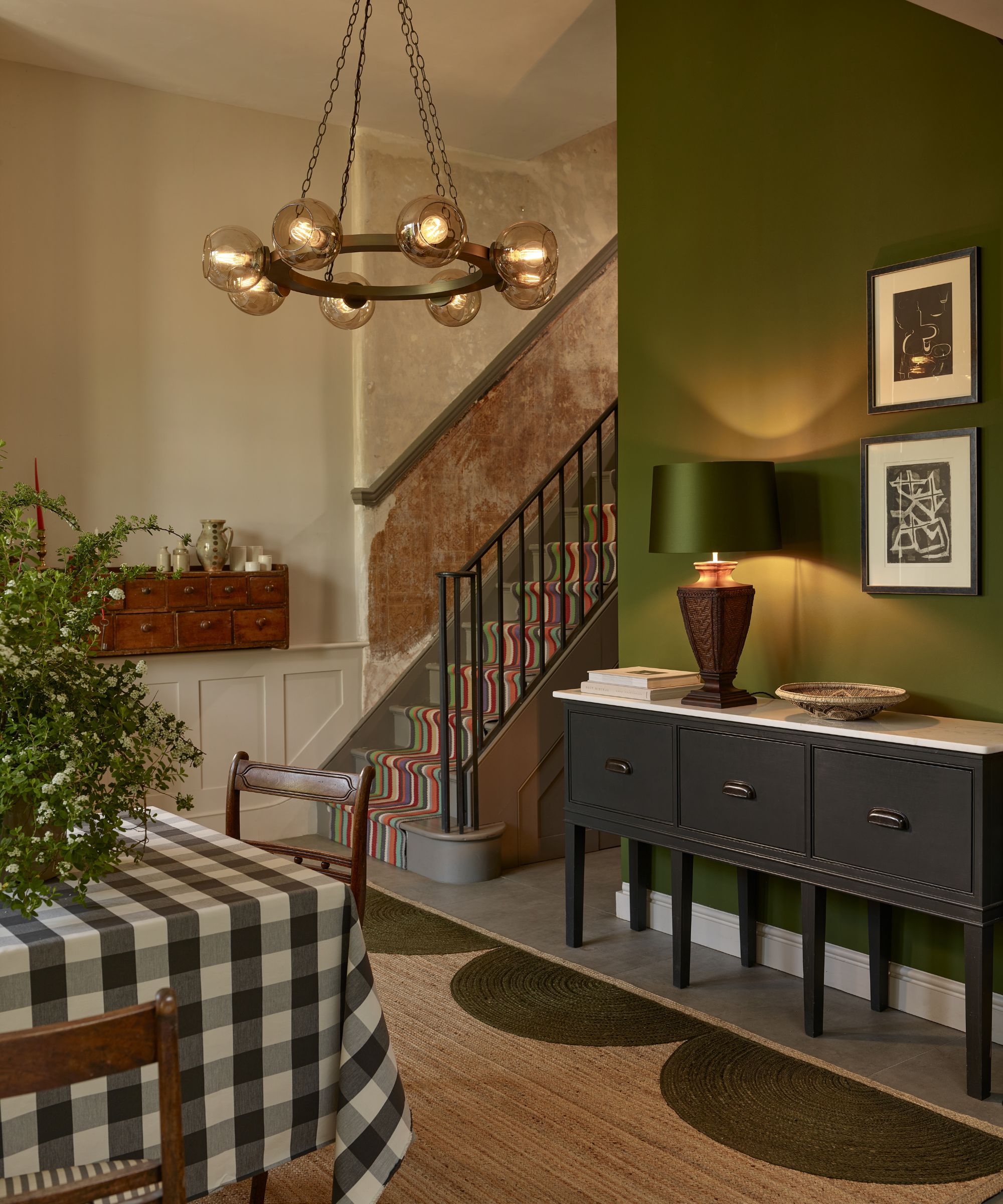
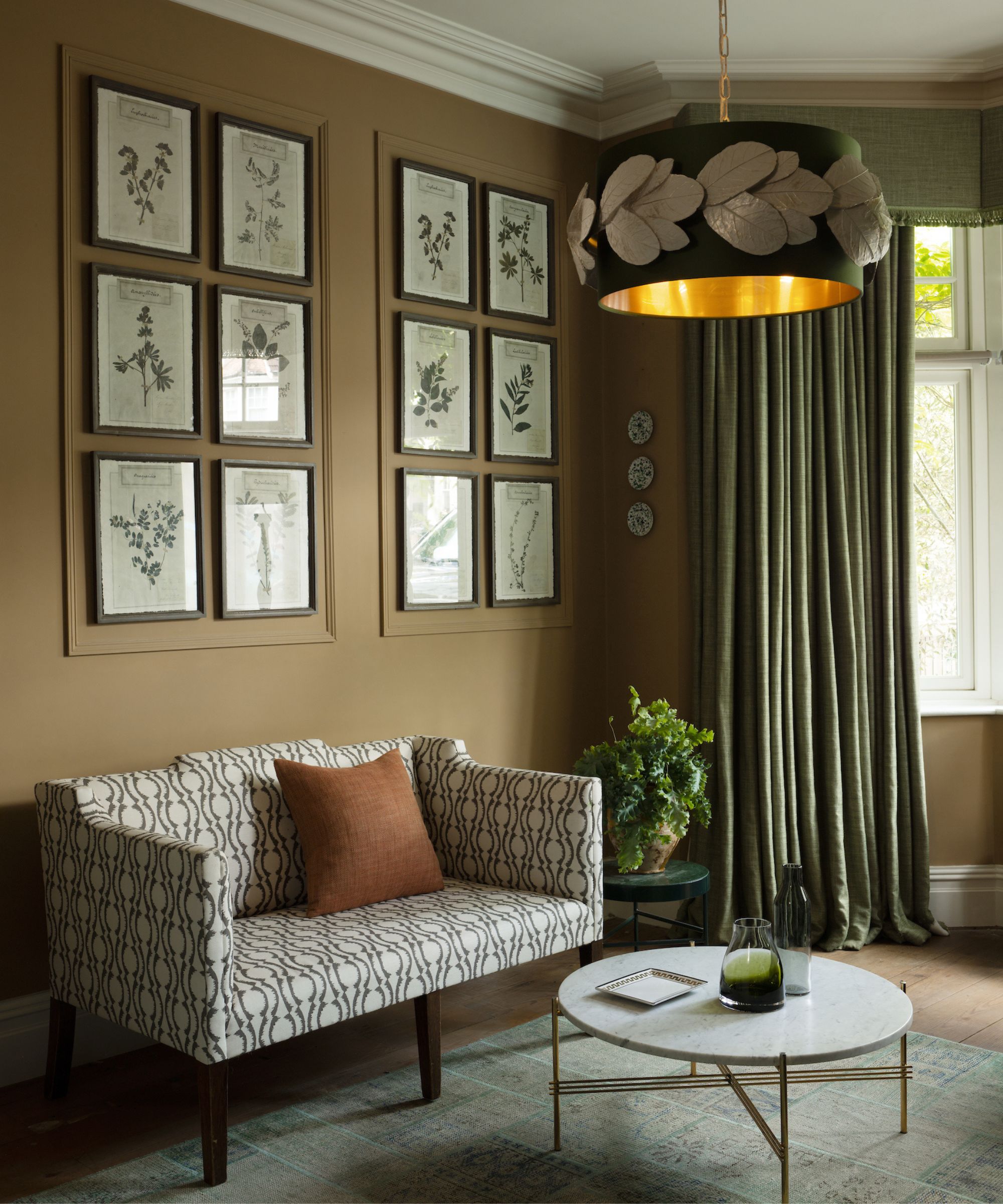
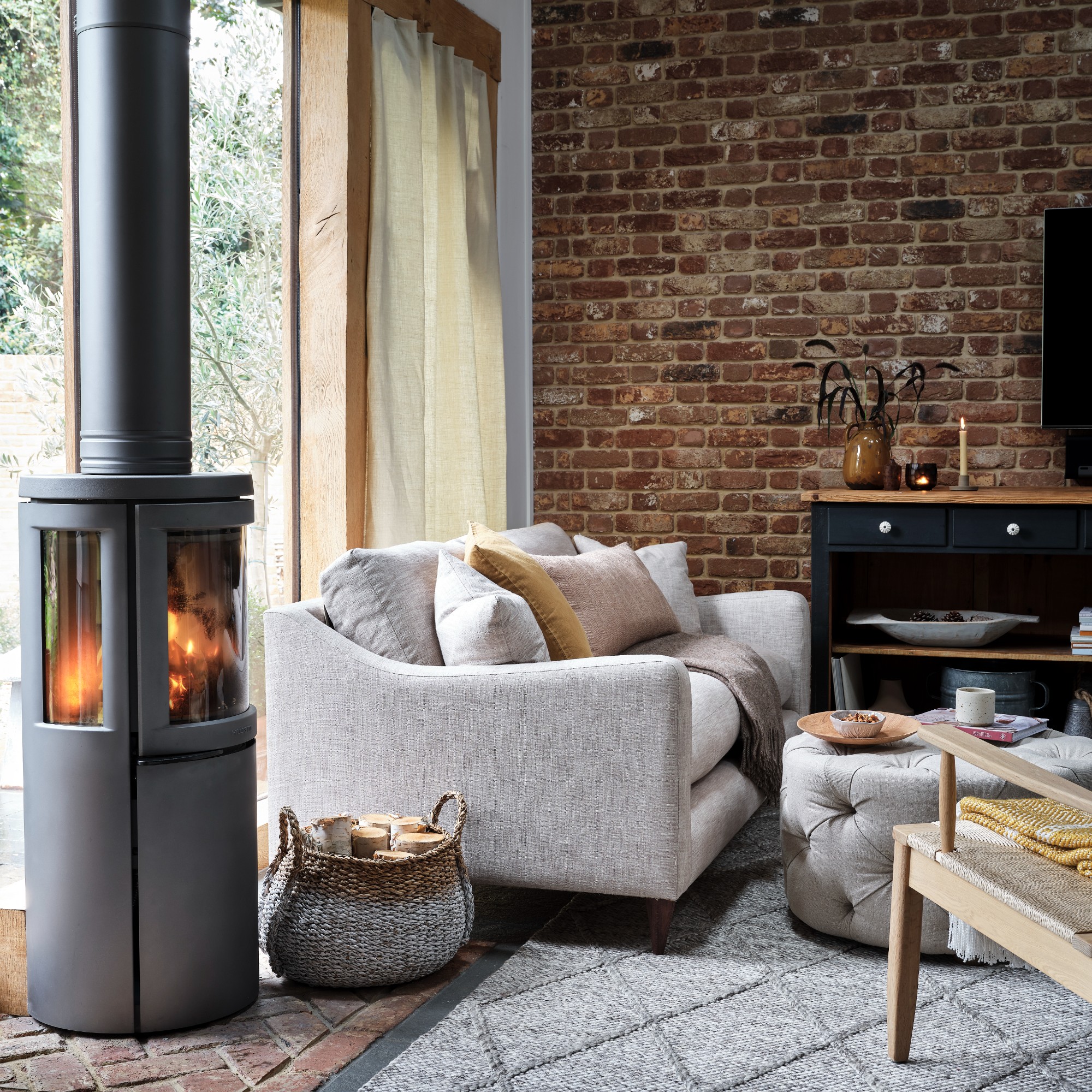
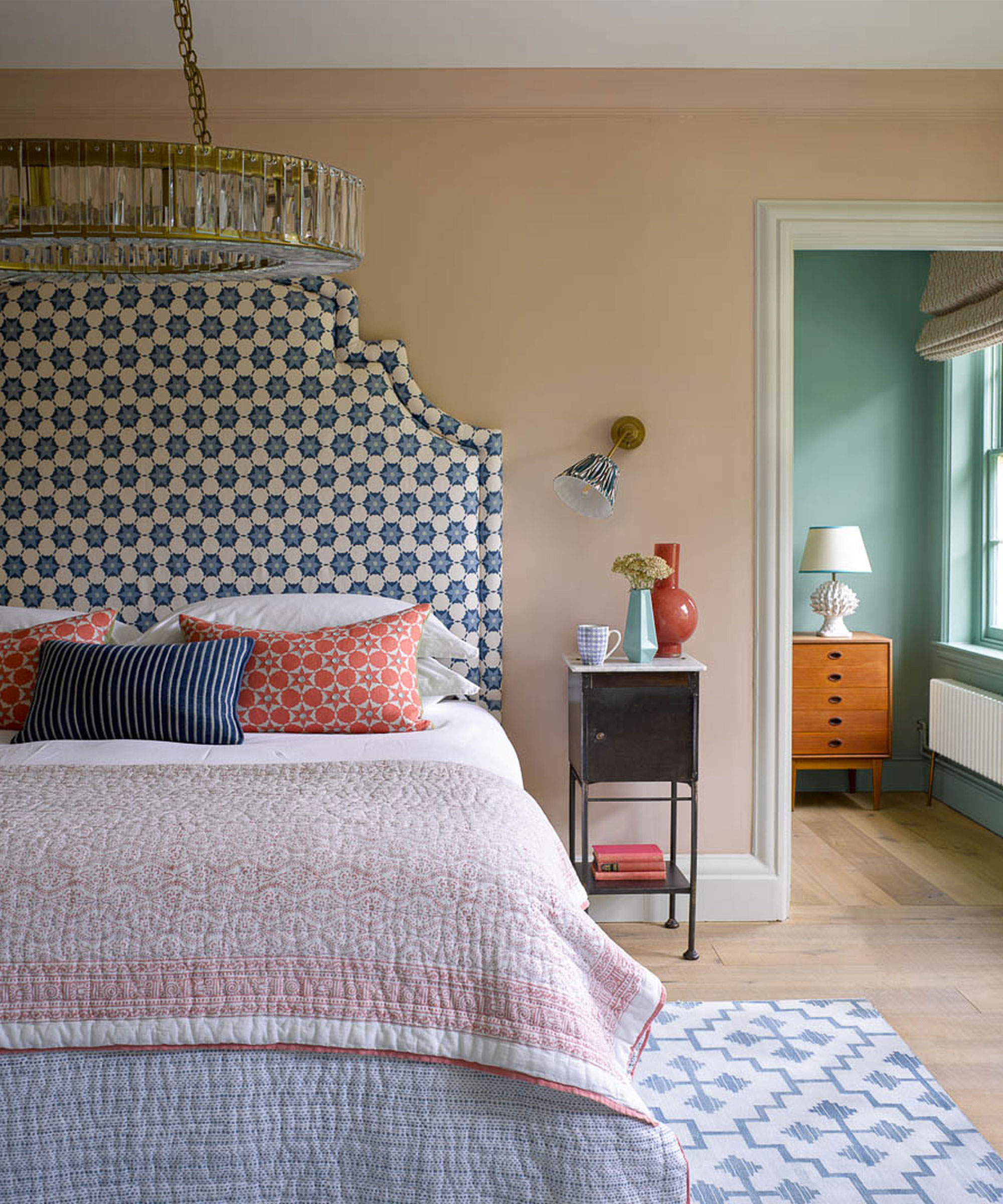
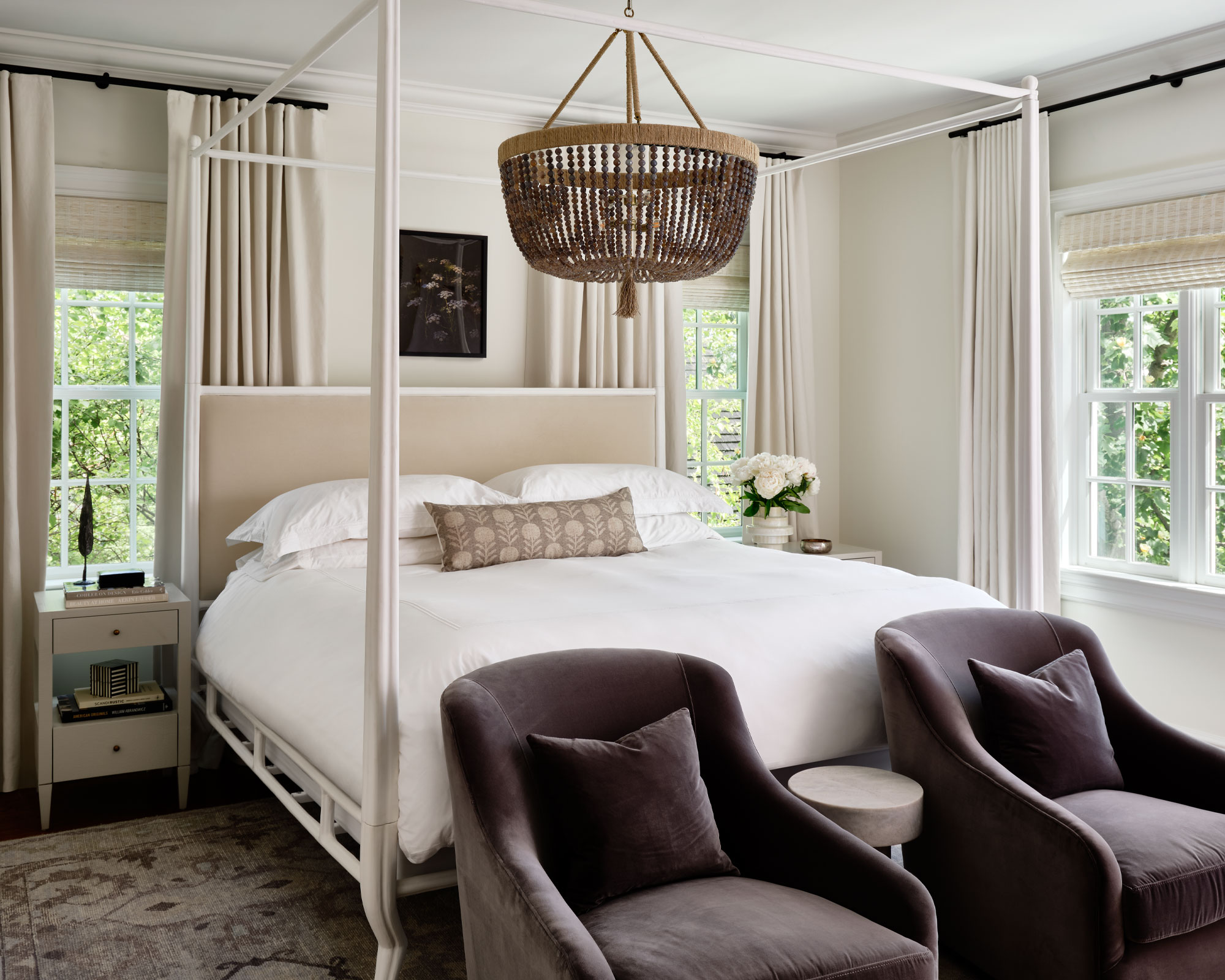
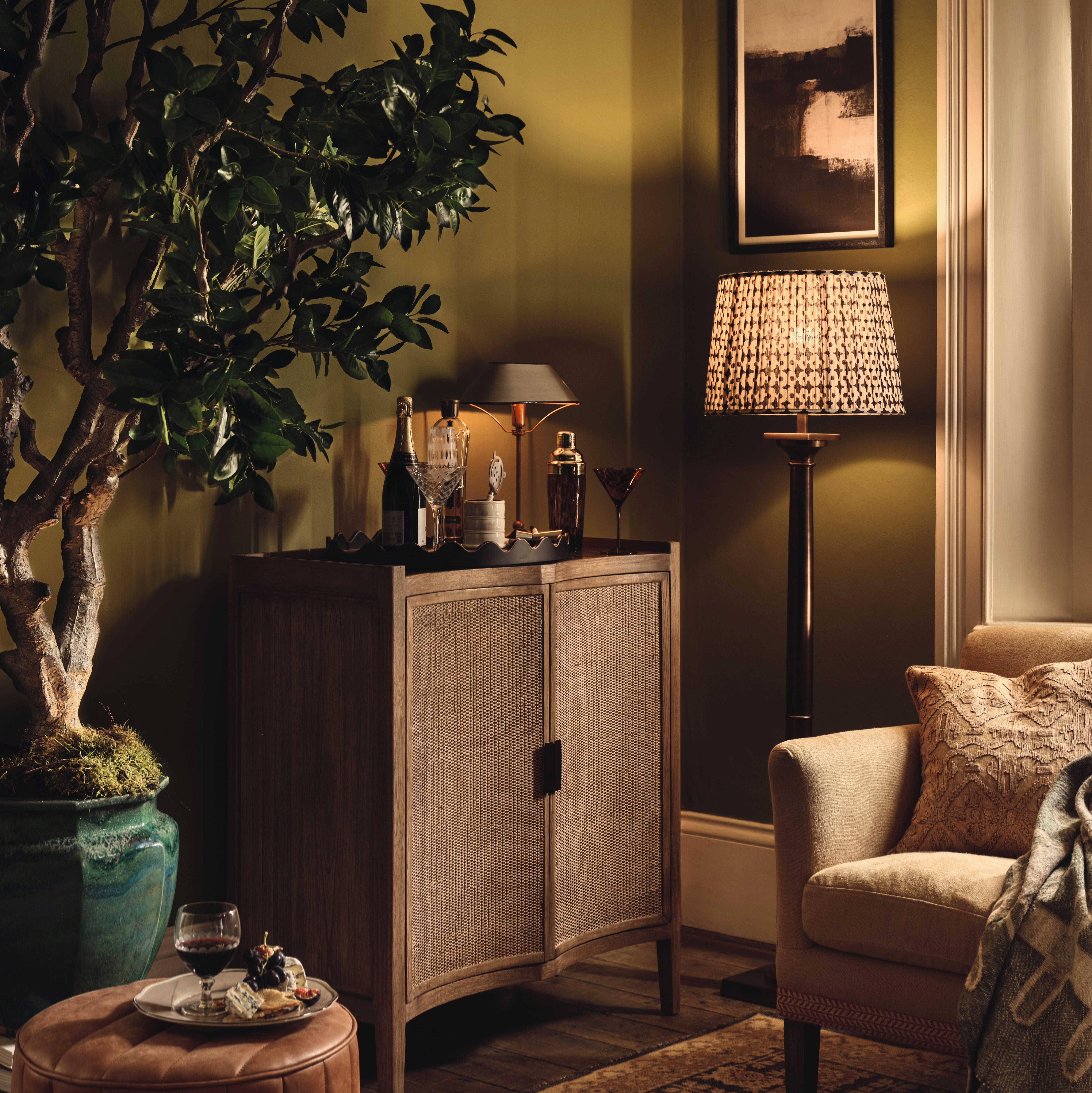
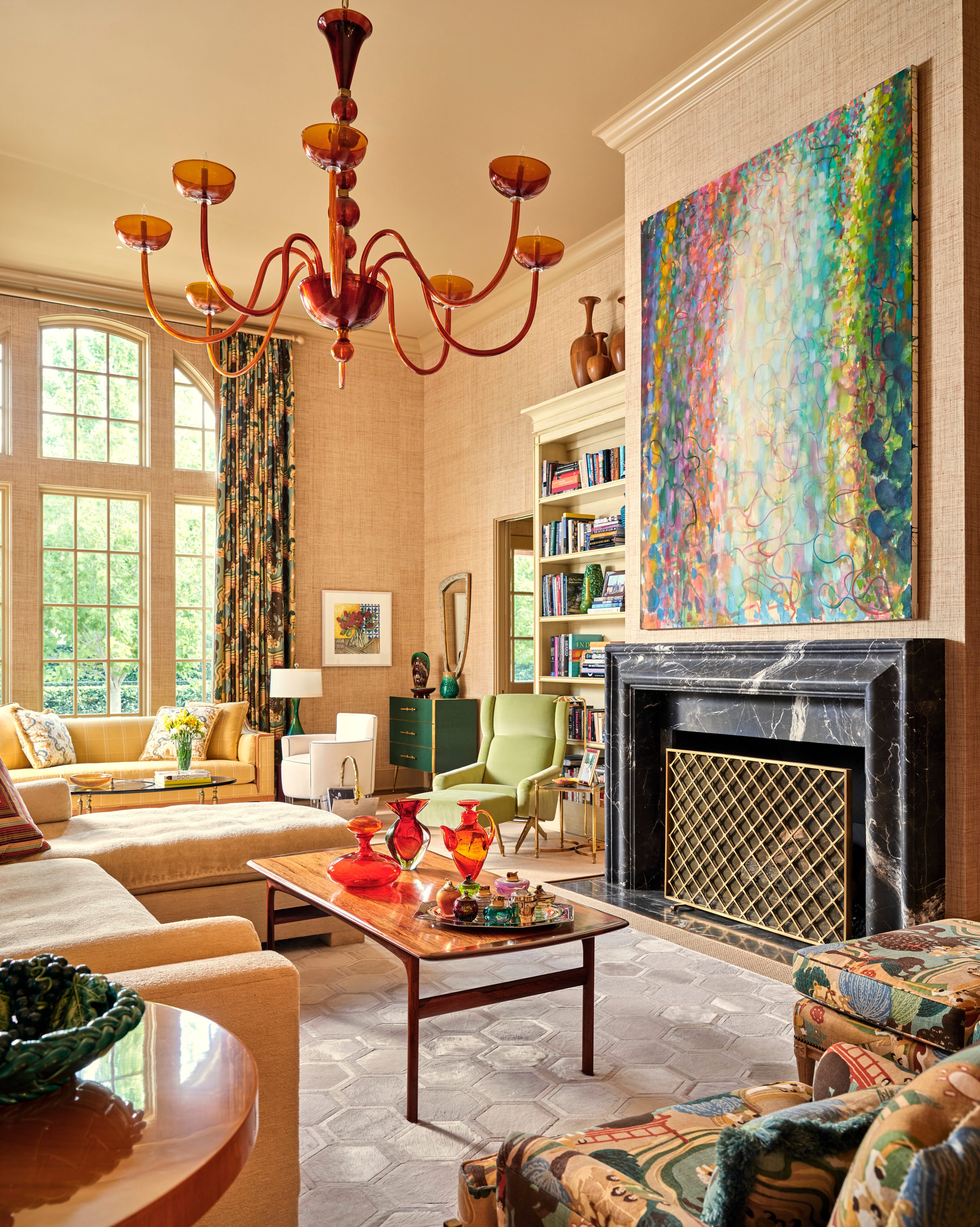
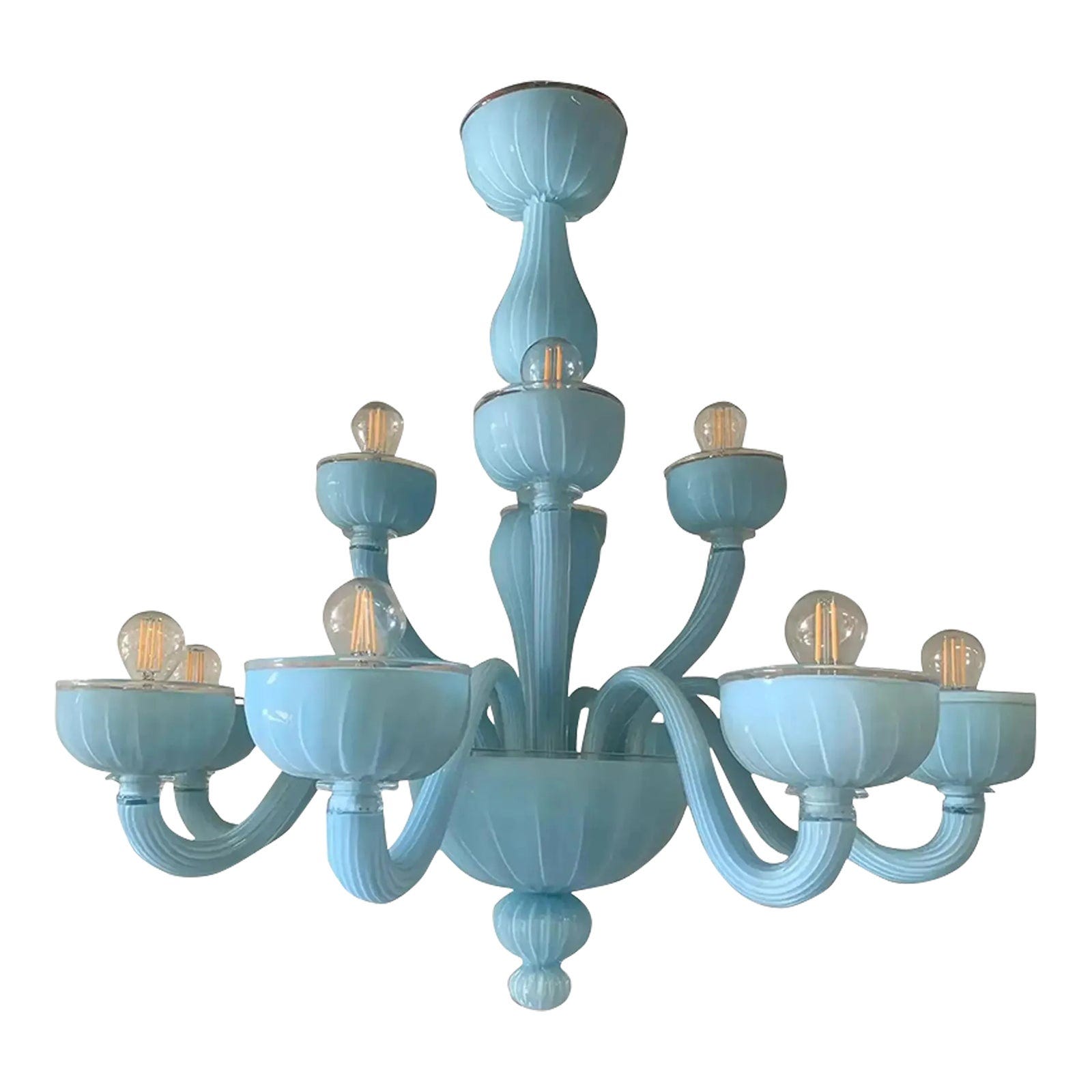
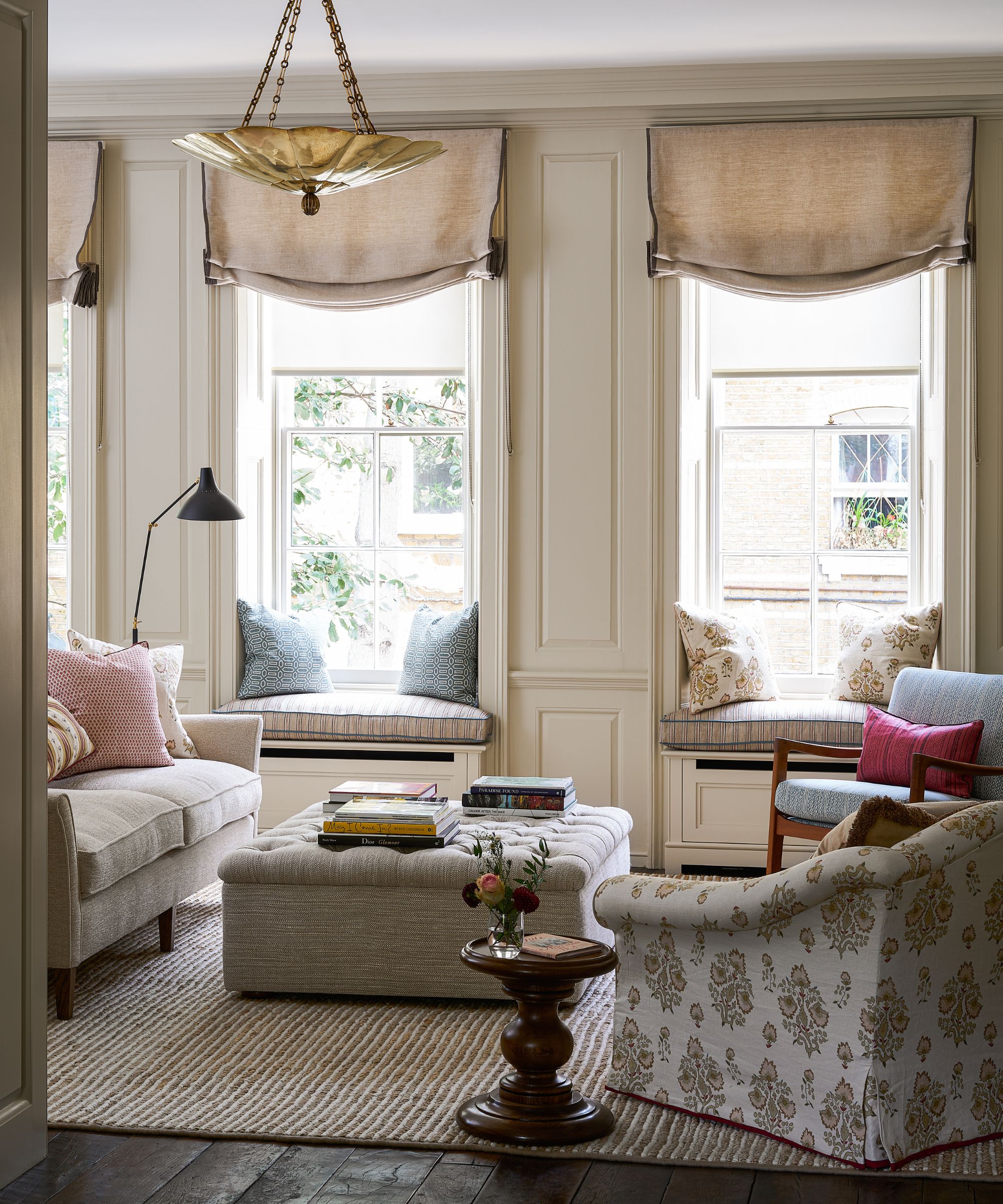
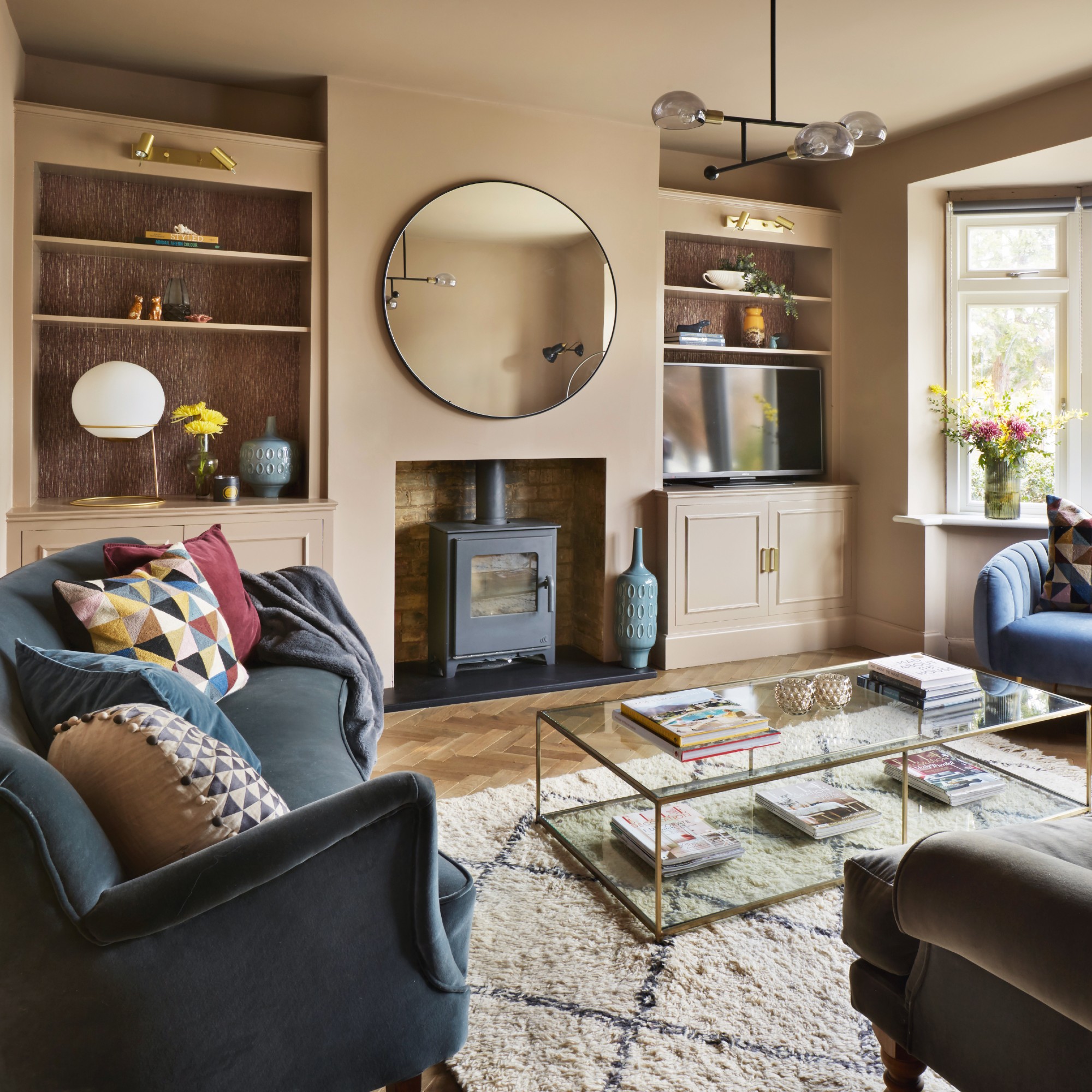
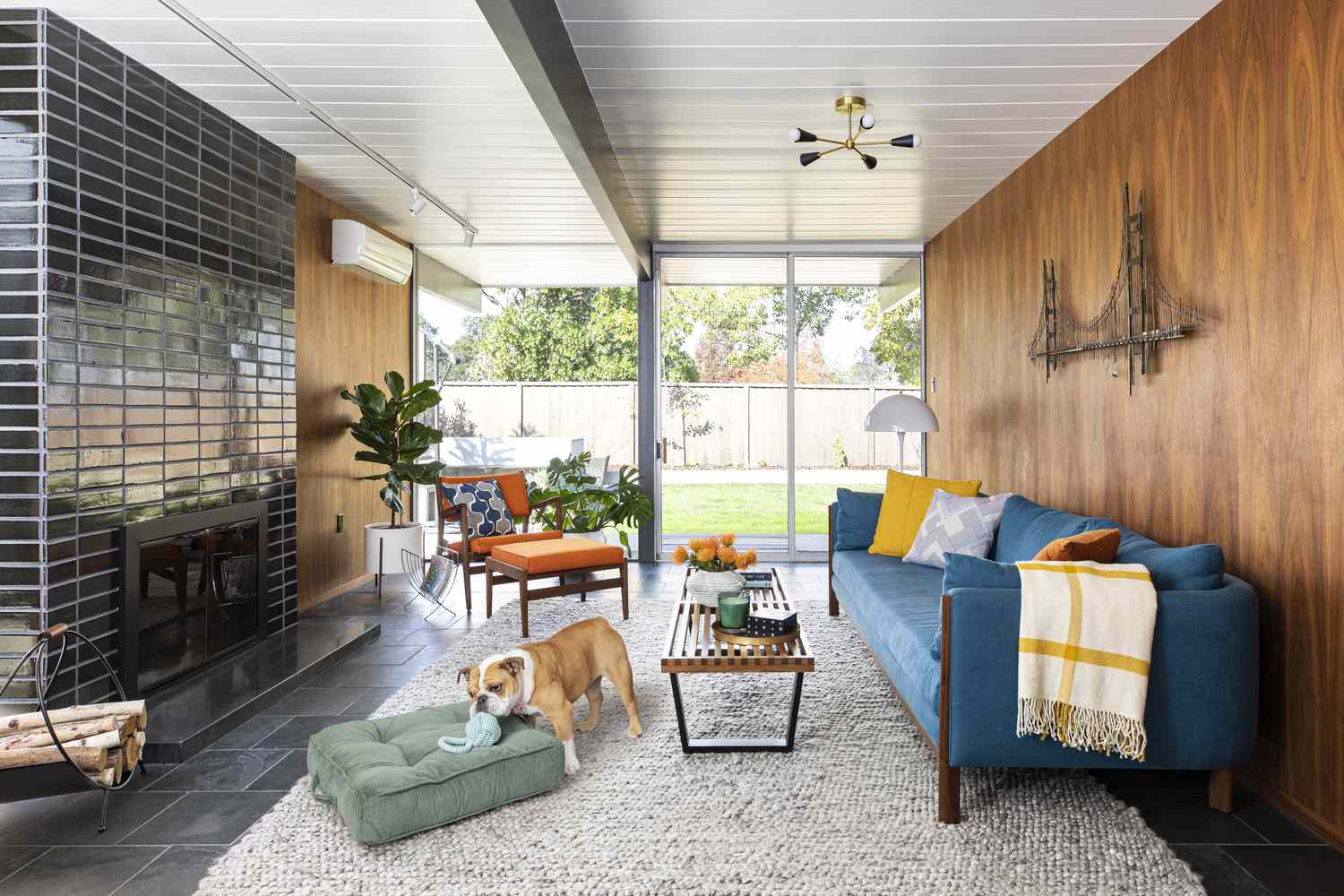
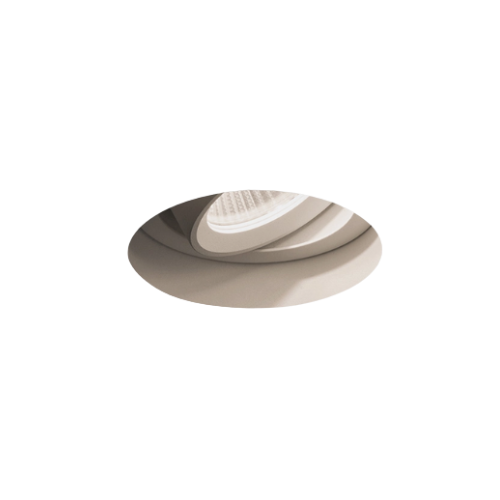
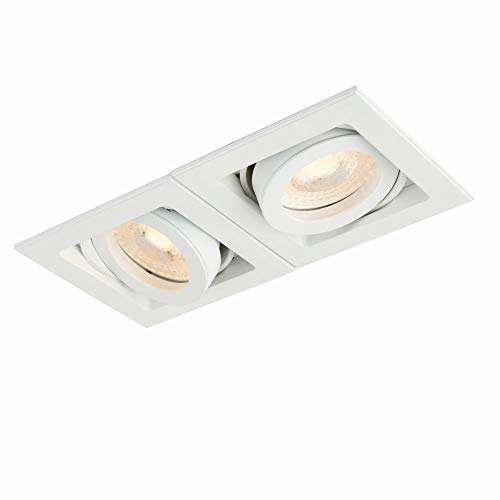
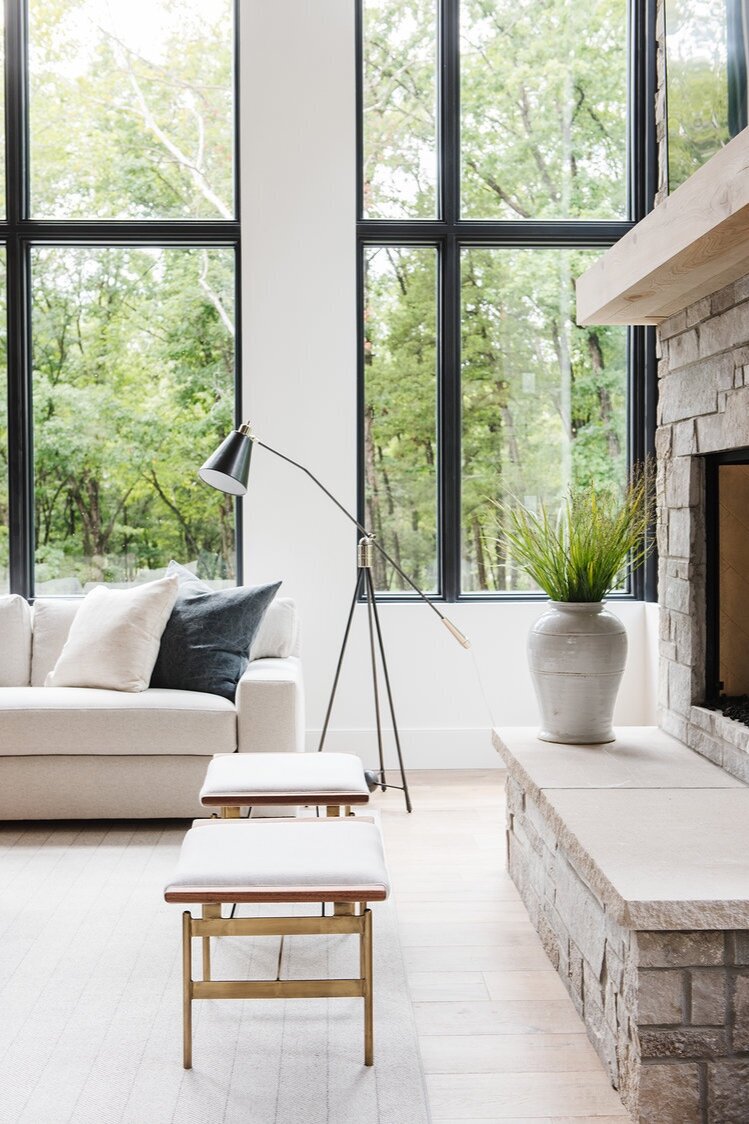

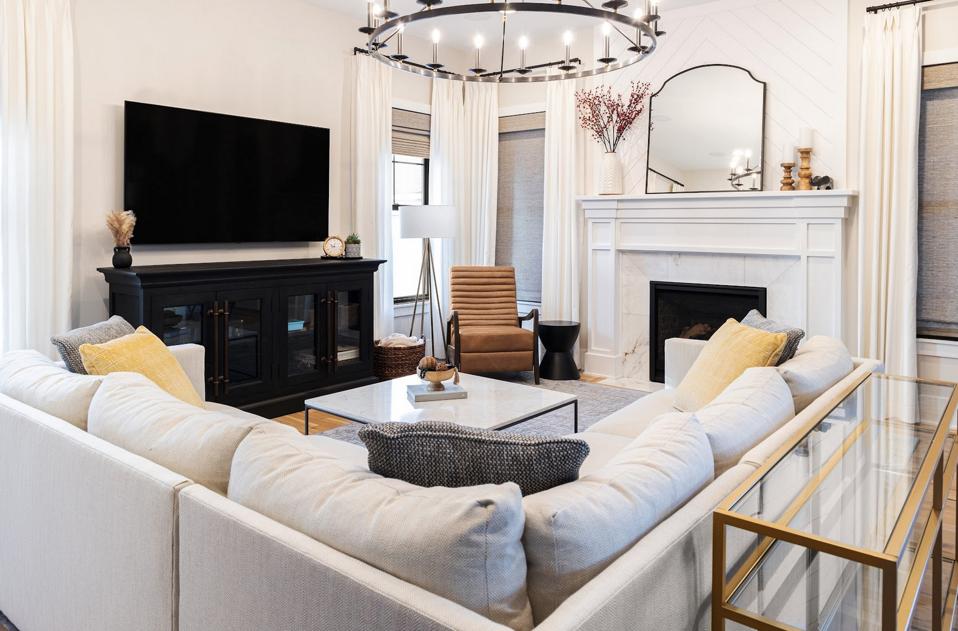
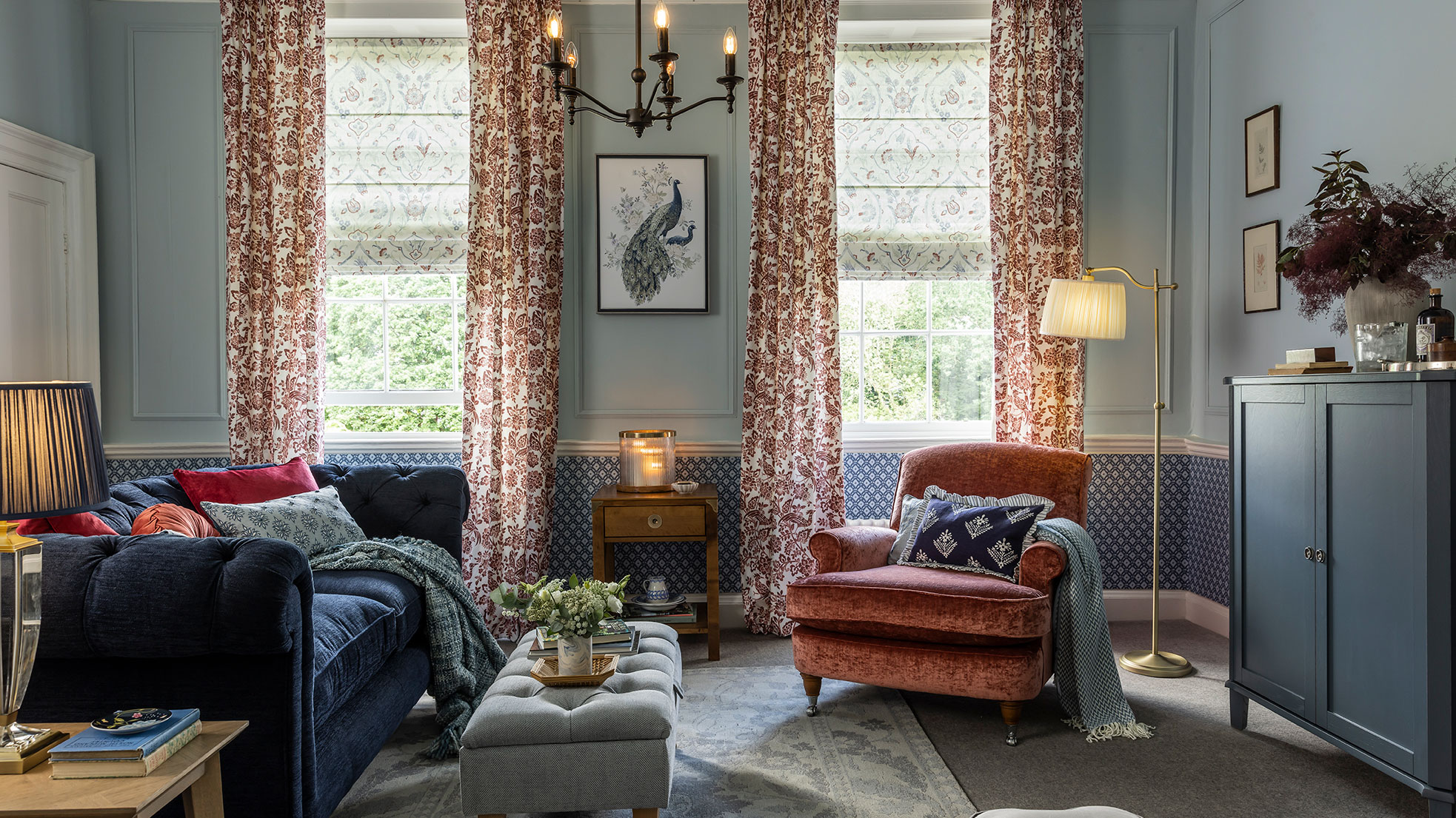
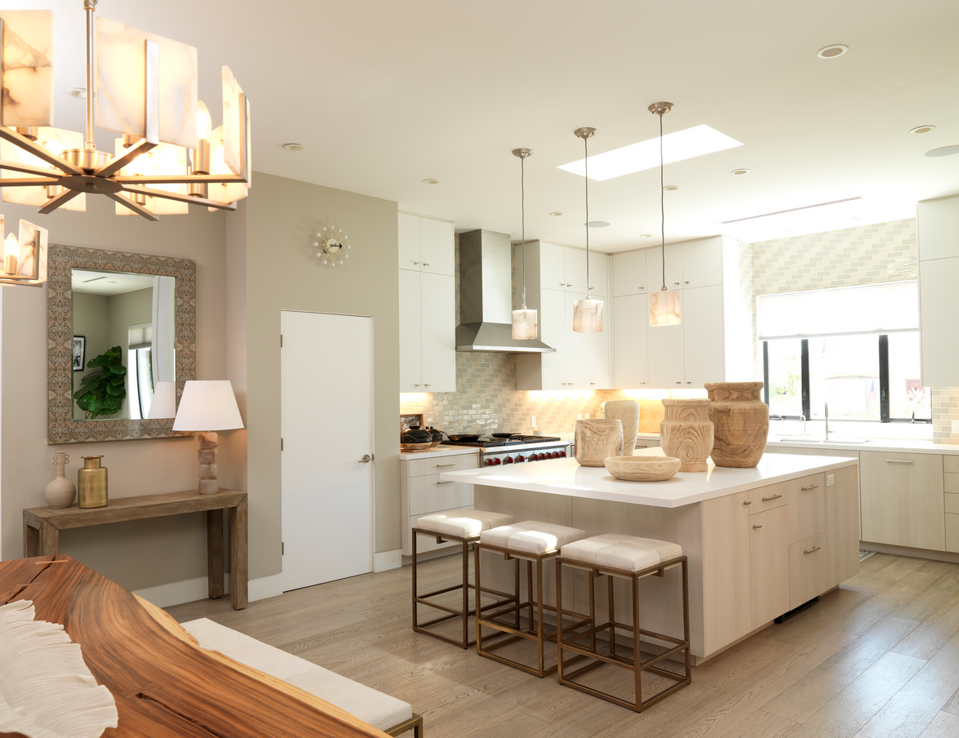
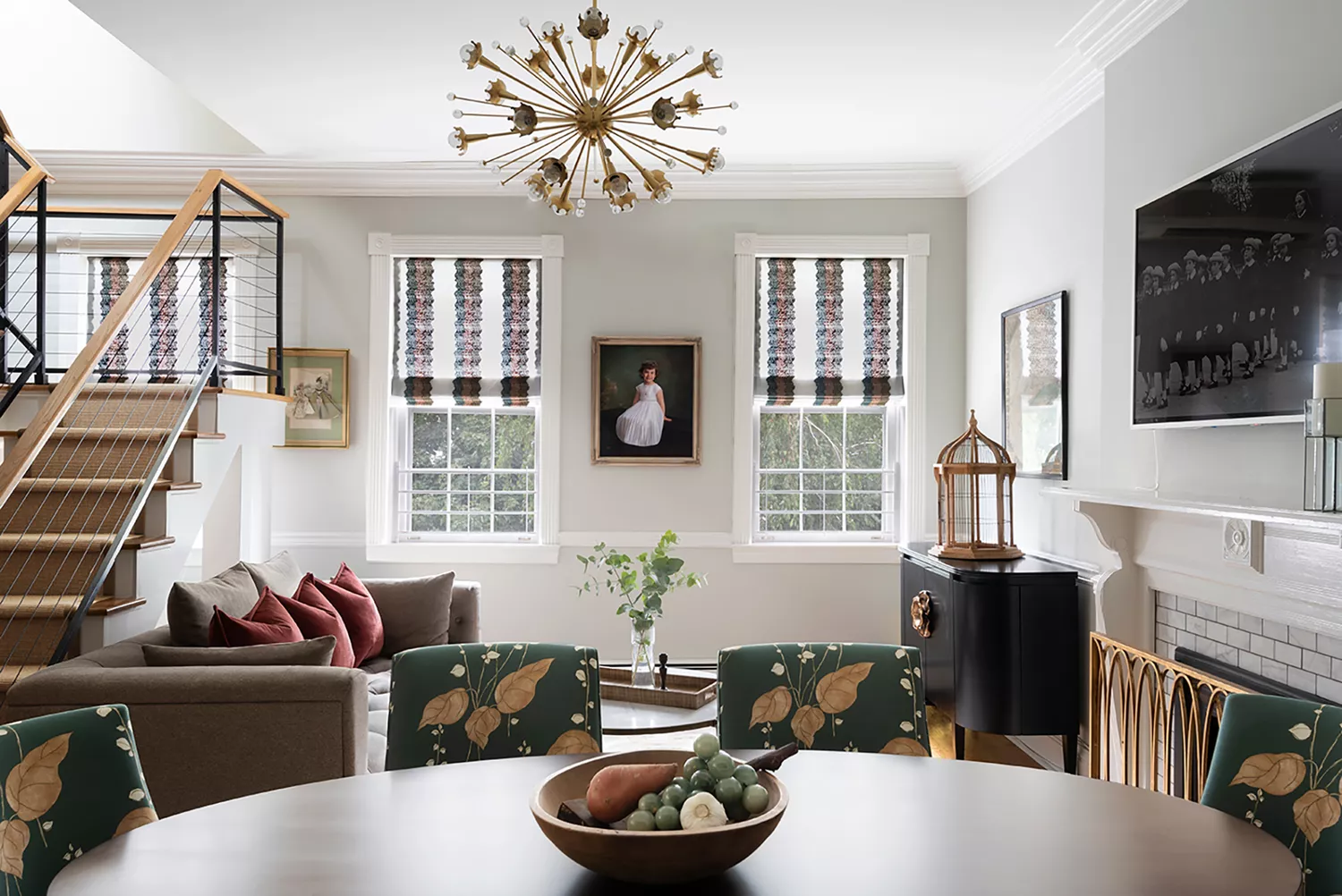
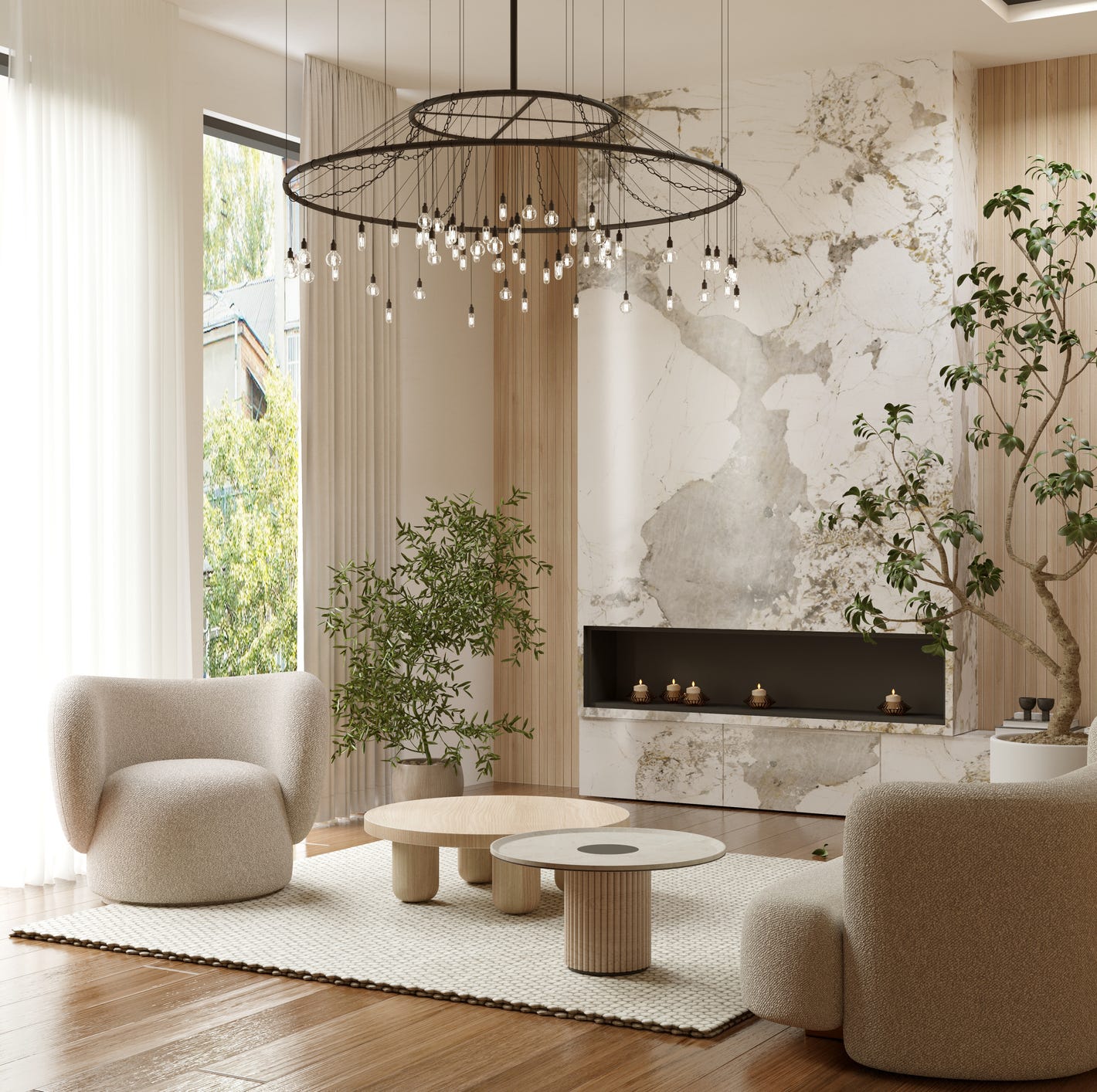
Layered lighting schemes are built upon three key types of lighting: ambient, task, and accent. Ambient lighting, also known as general or background lighting, serves as the foundation. It provides overall illumination for a room, similar to the base color of paint on walls. Examples include chandeliers, recessed lights, or ceiling-mounted fixtures that spread light throughout the entire space. When selecting ambient lighting, it is important to consider how it will form the backdrop for the room's overall atmosphere.
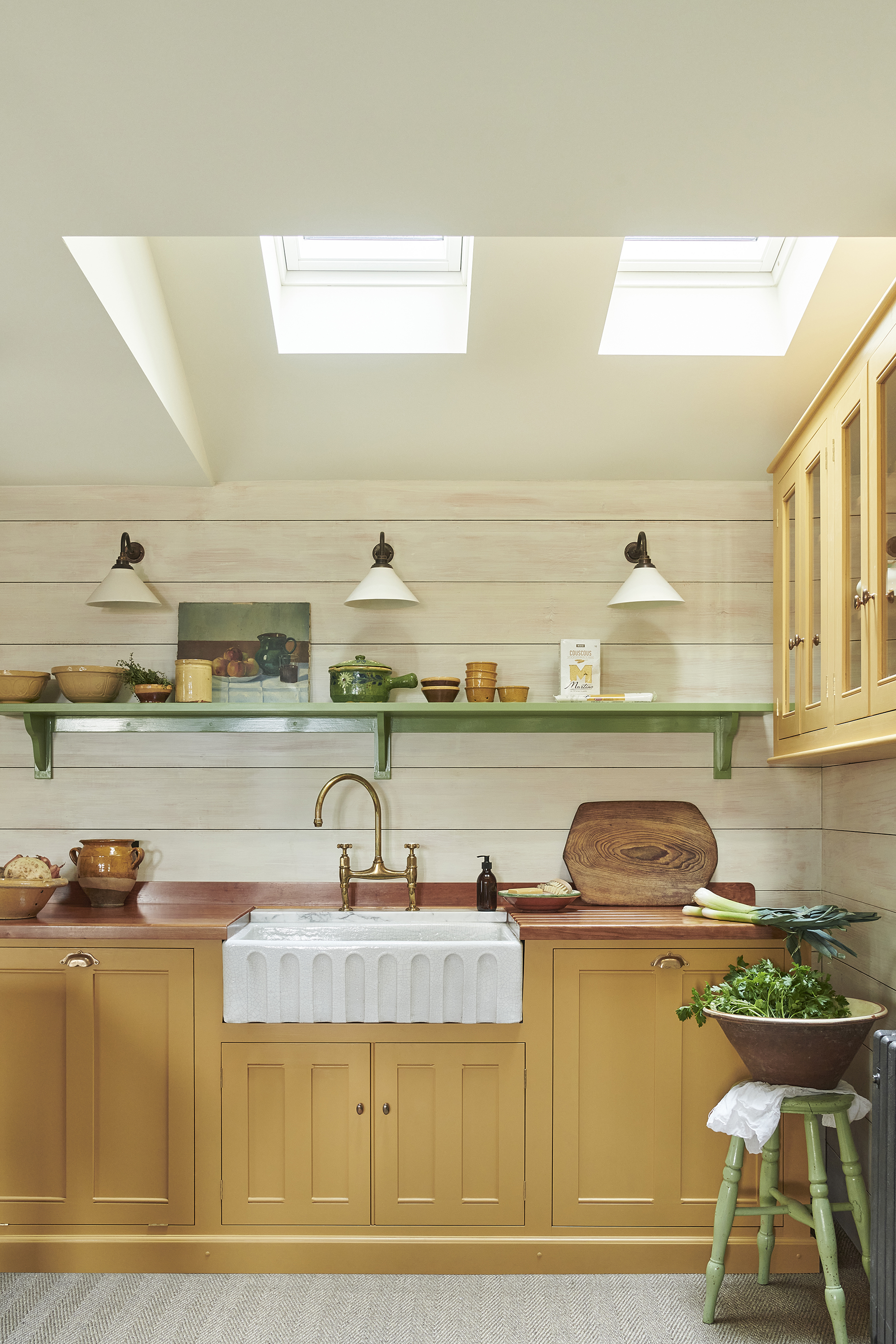
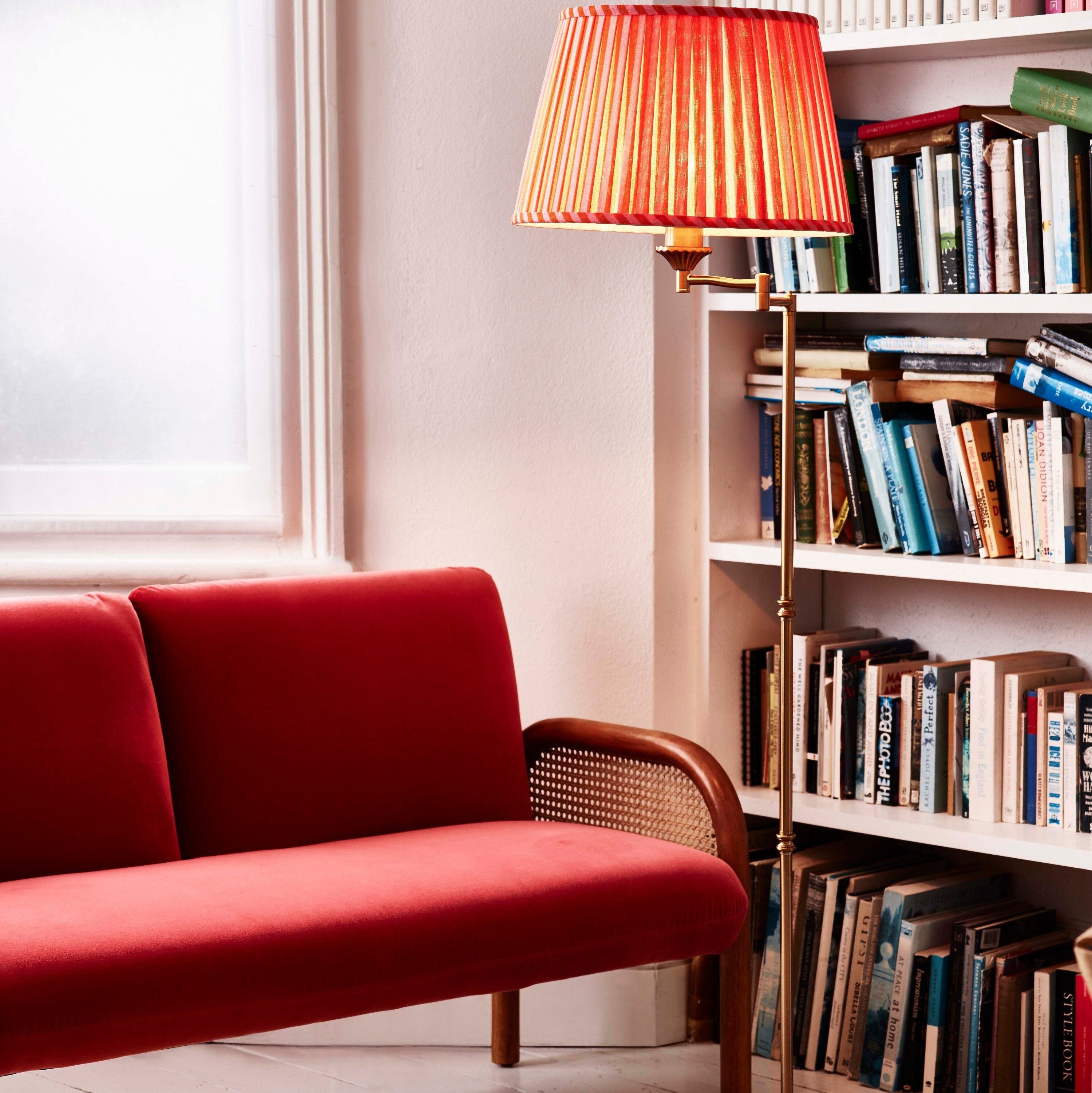
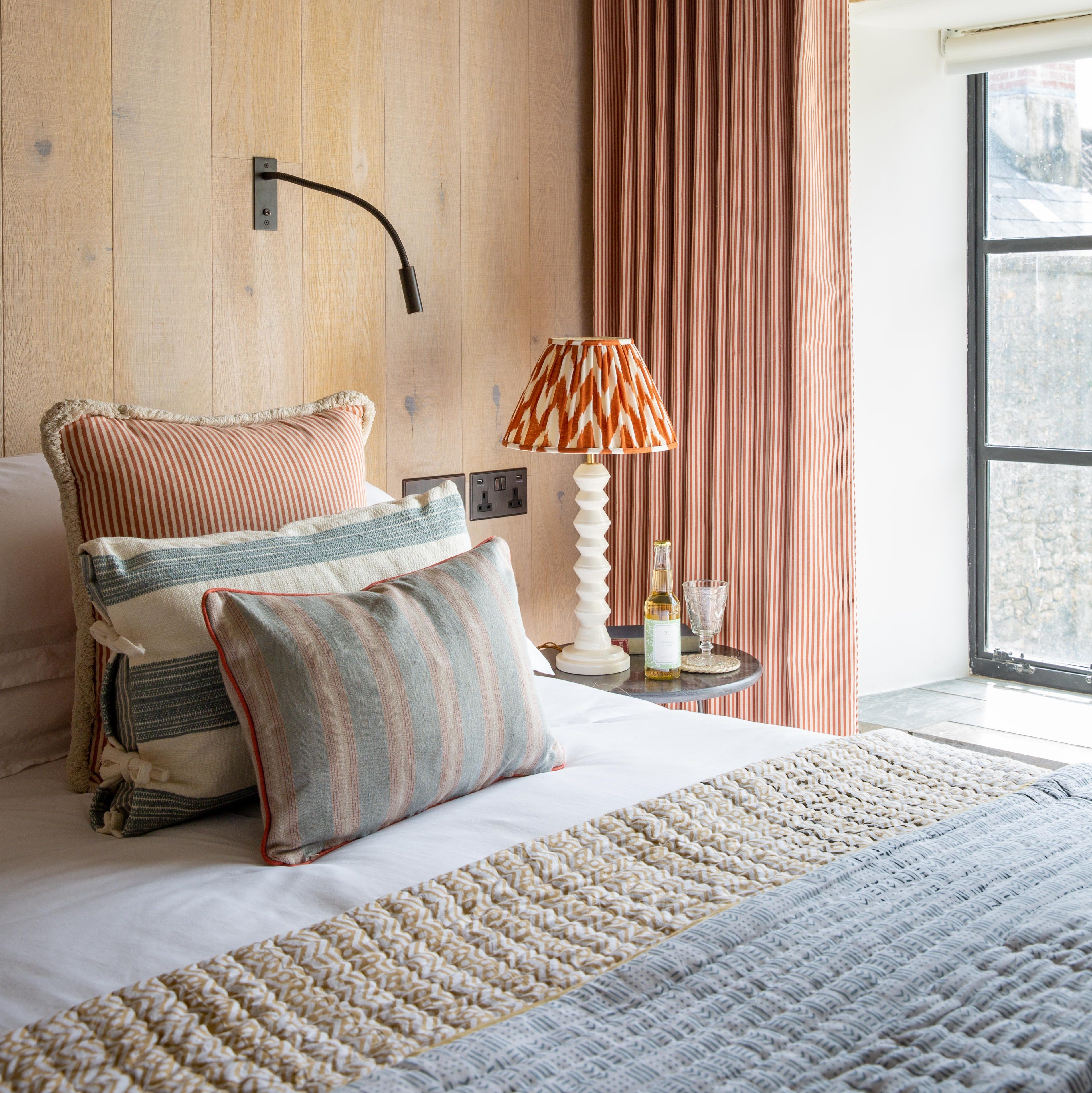
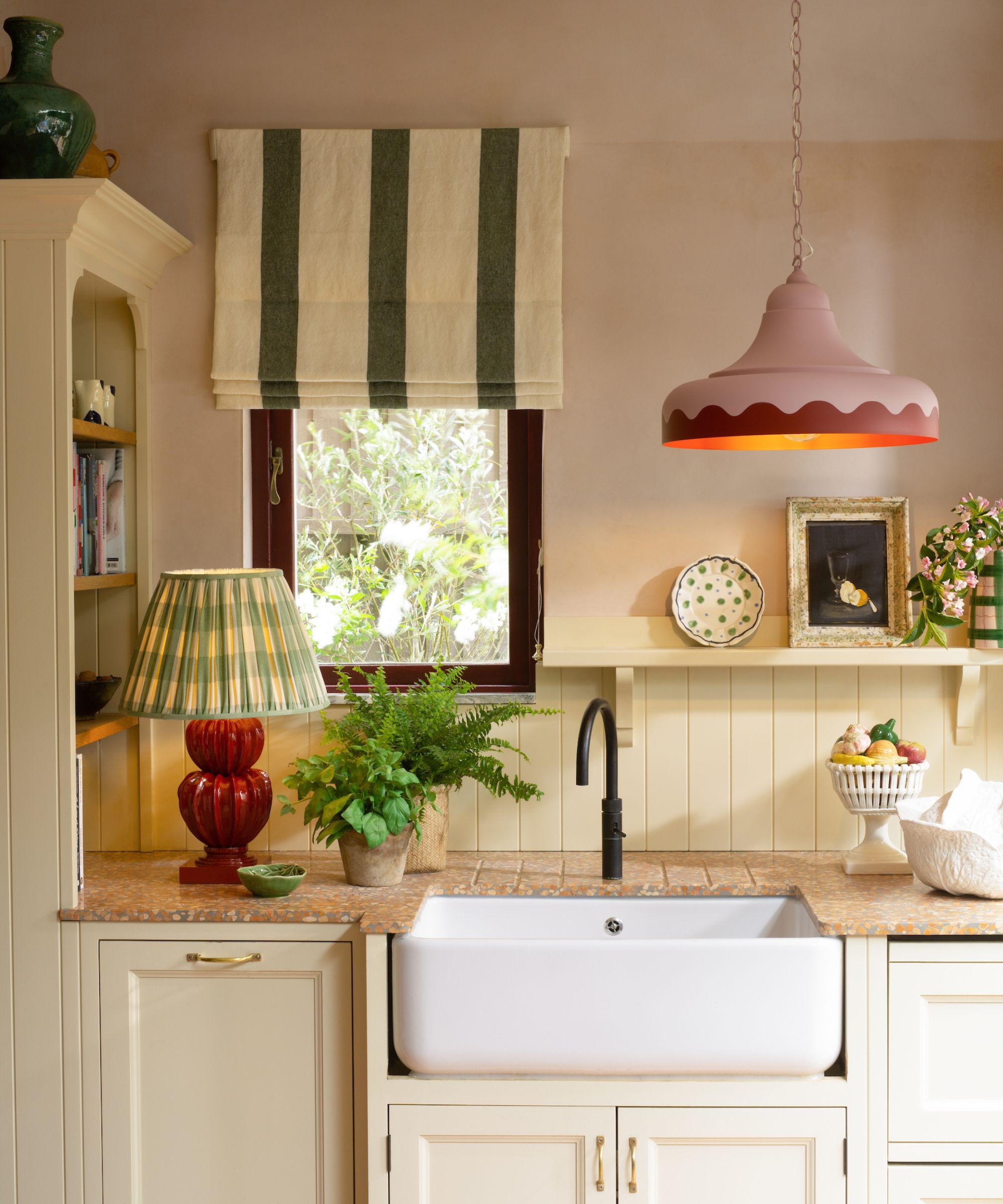
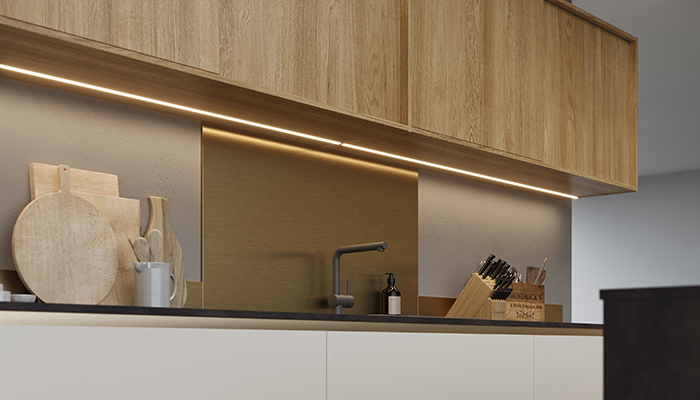
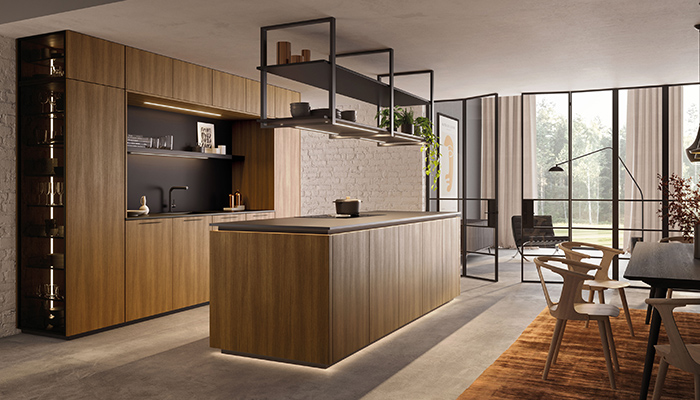
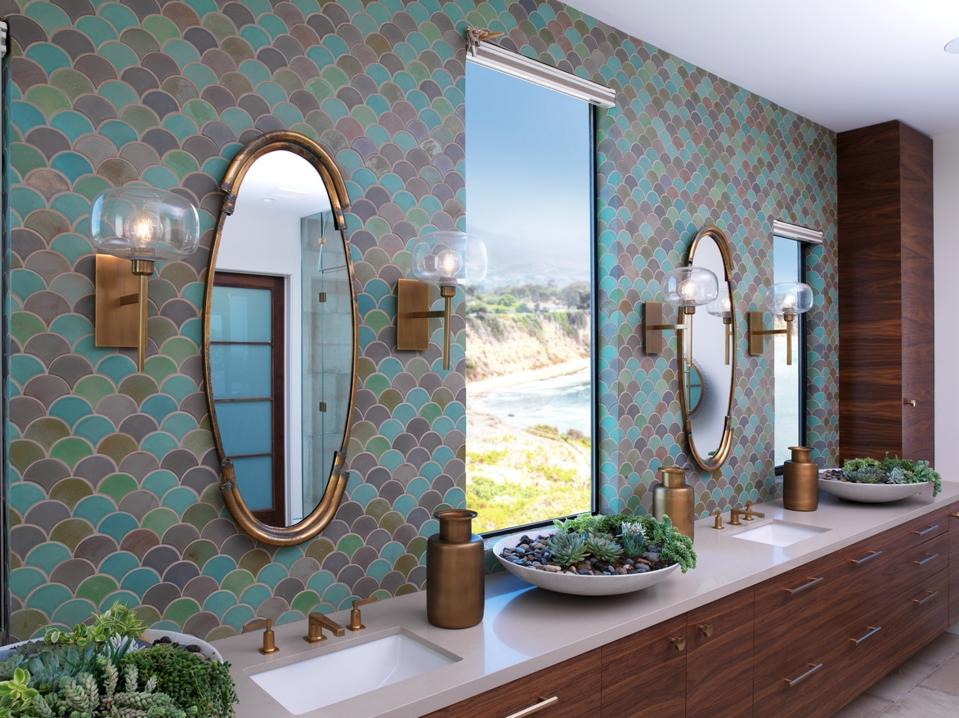
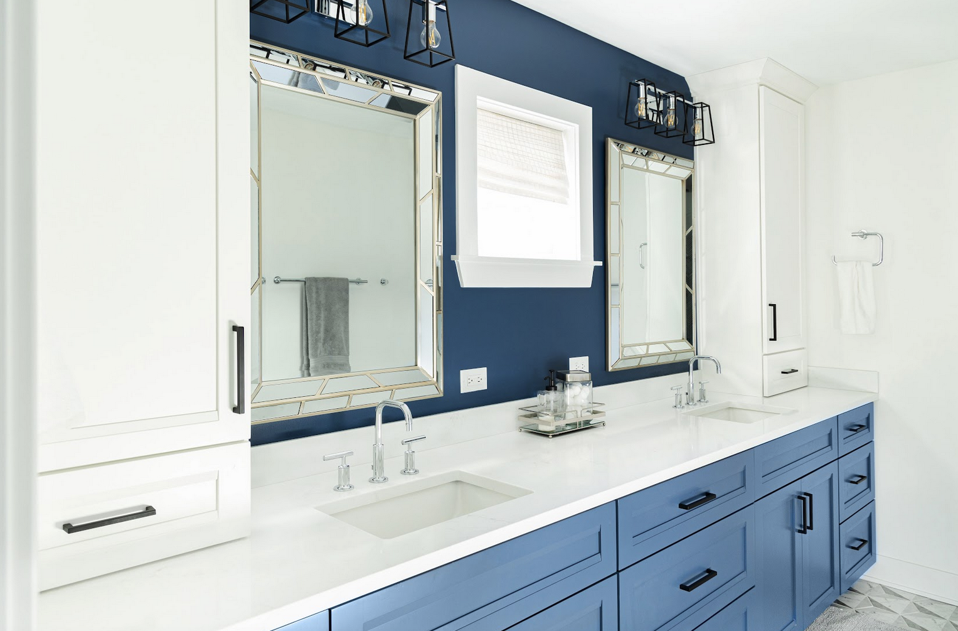
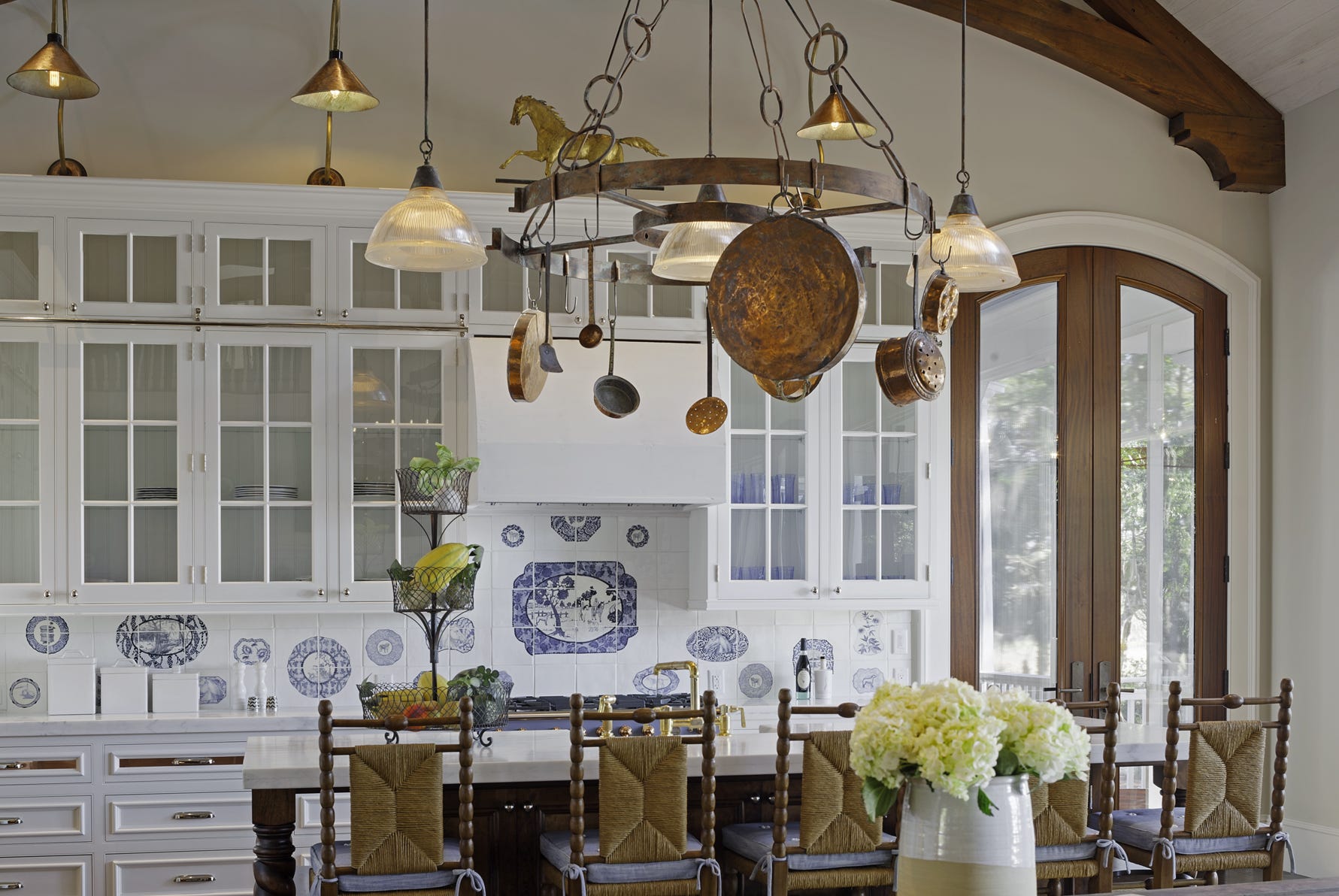
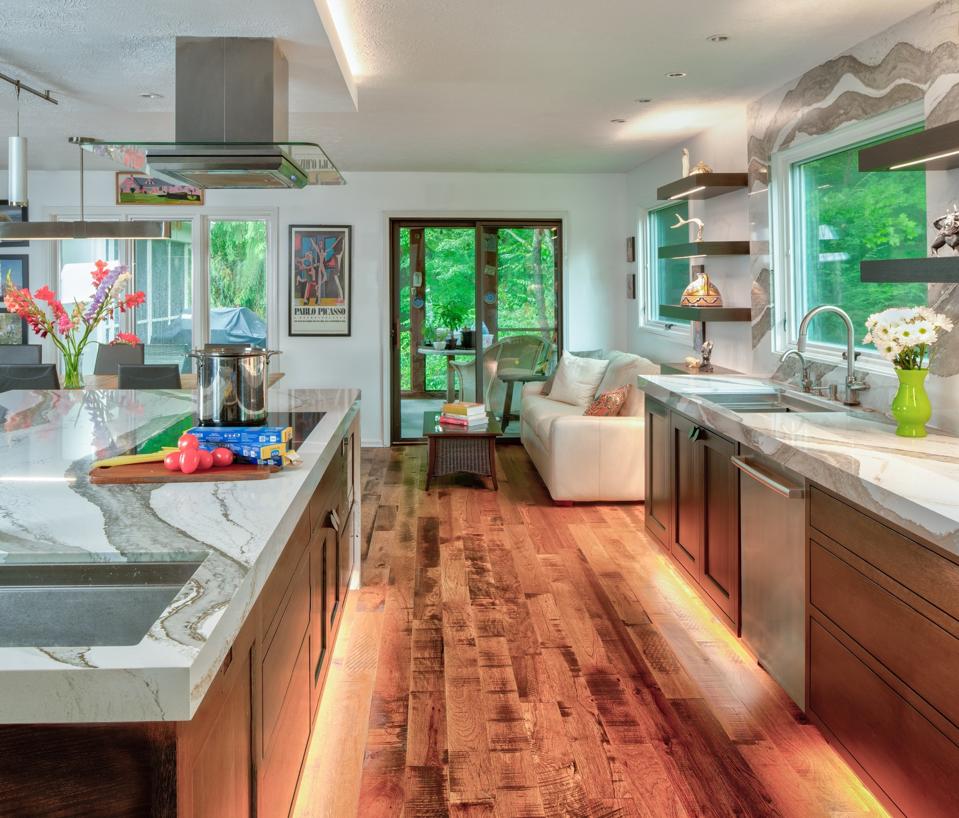
Task lighting is designed to be focused and direct, specifically aimed at facilitating particular activities such as reading, cooking, or applying make-up. It is considered essential for the day-to-day functionality of a home. Examples include under-cabinet lights in kitchens, desk lamps, and vanity lights in bathrooms. While primarily functional, task lighting can also contribute to the overall ambience of a room, providing a cozy glow even when not directly used for a specific task.
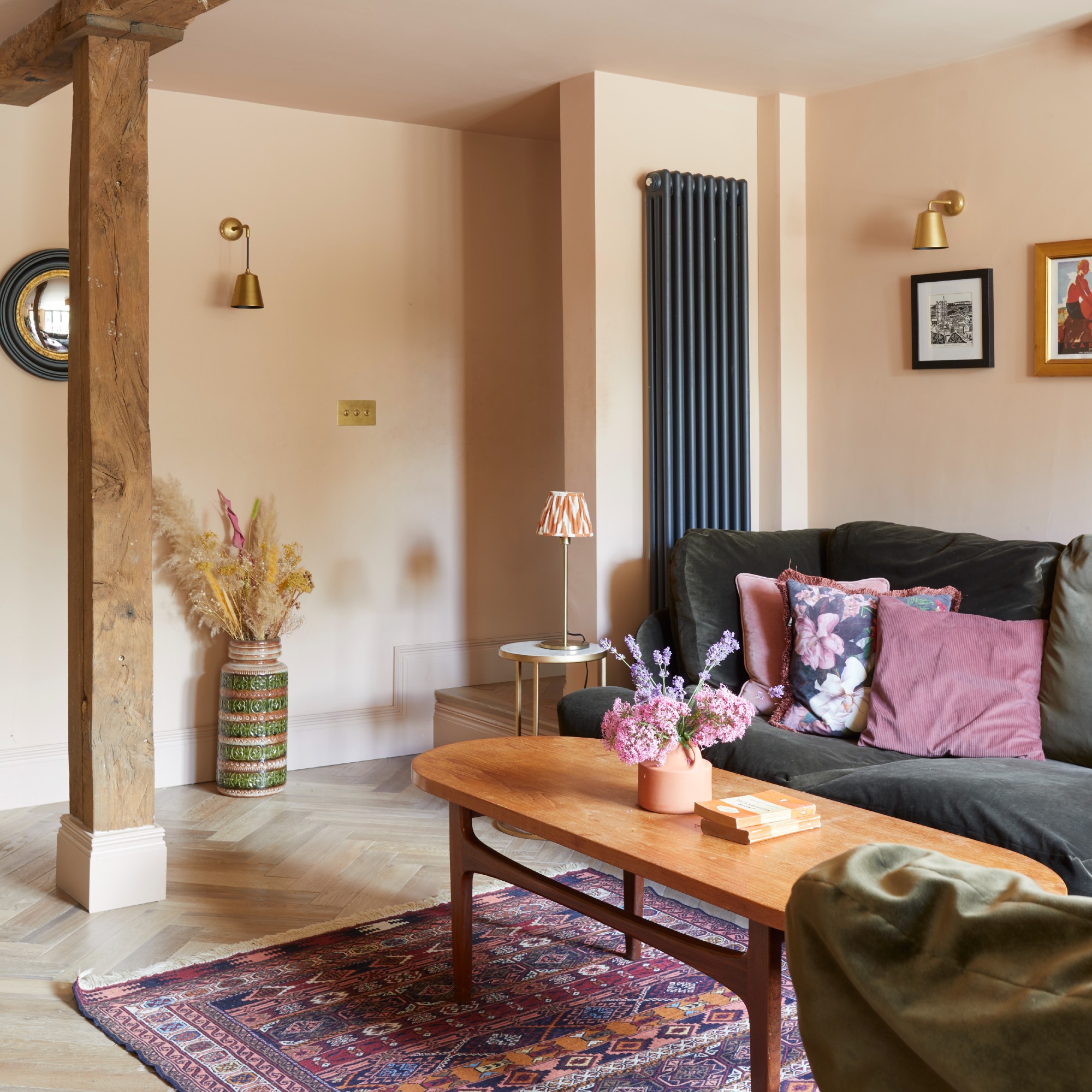
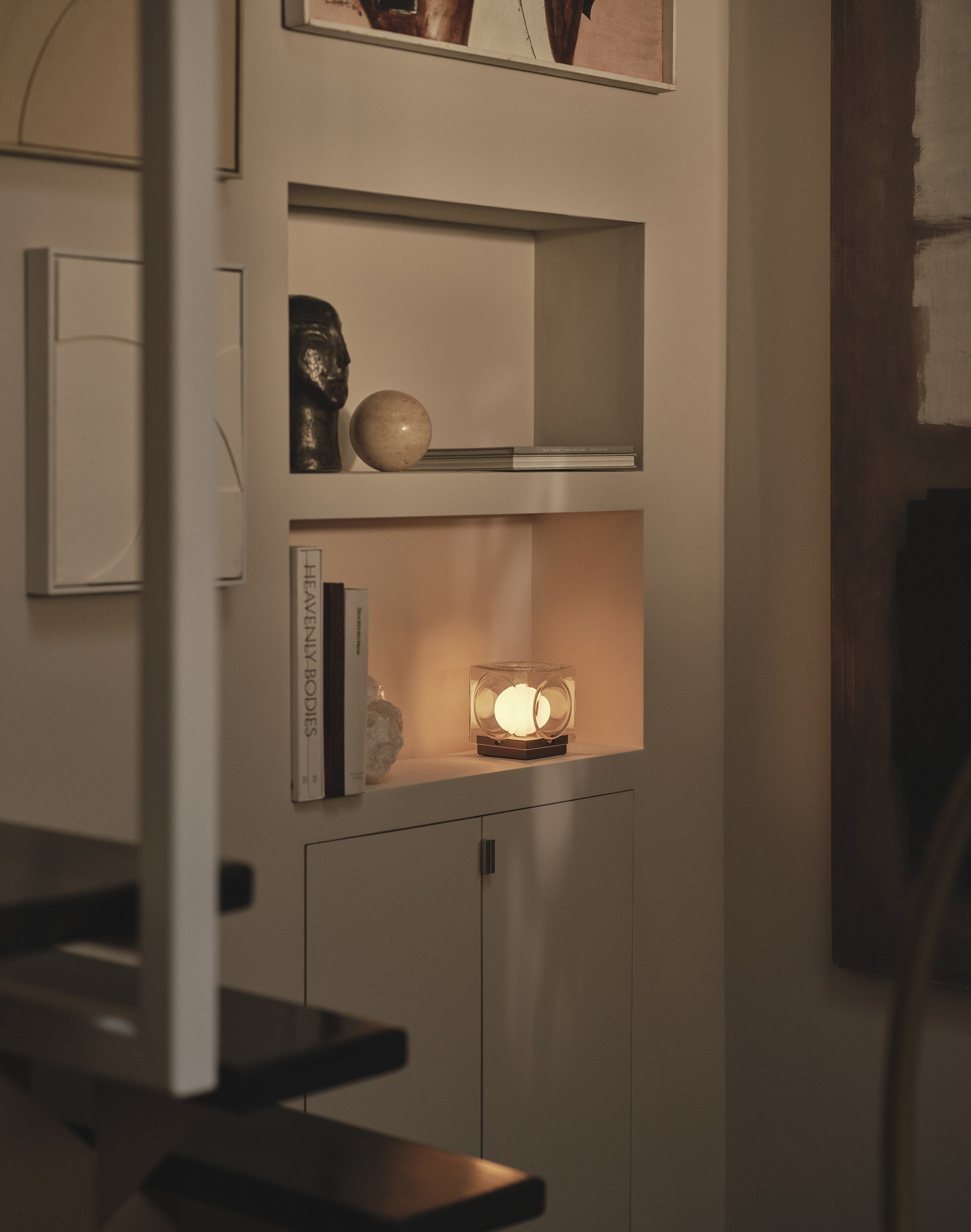
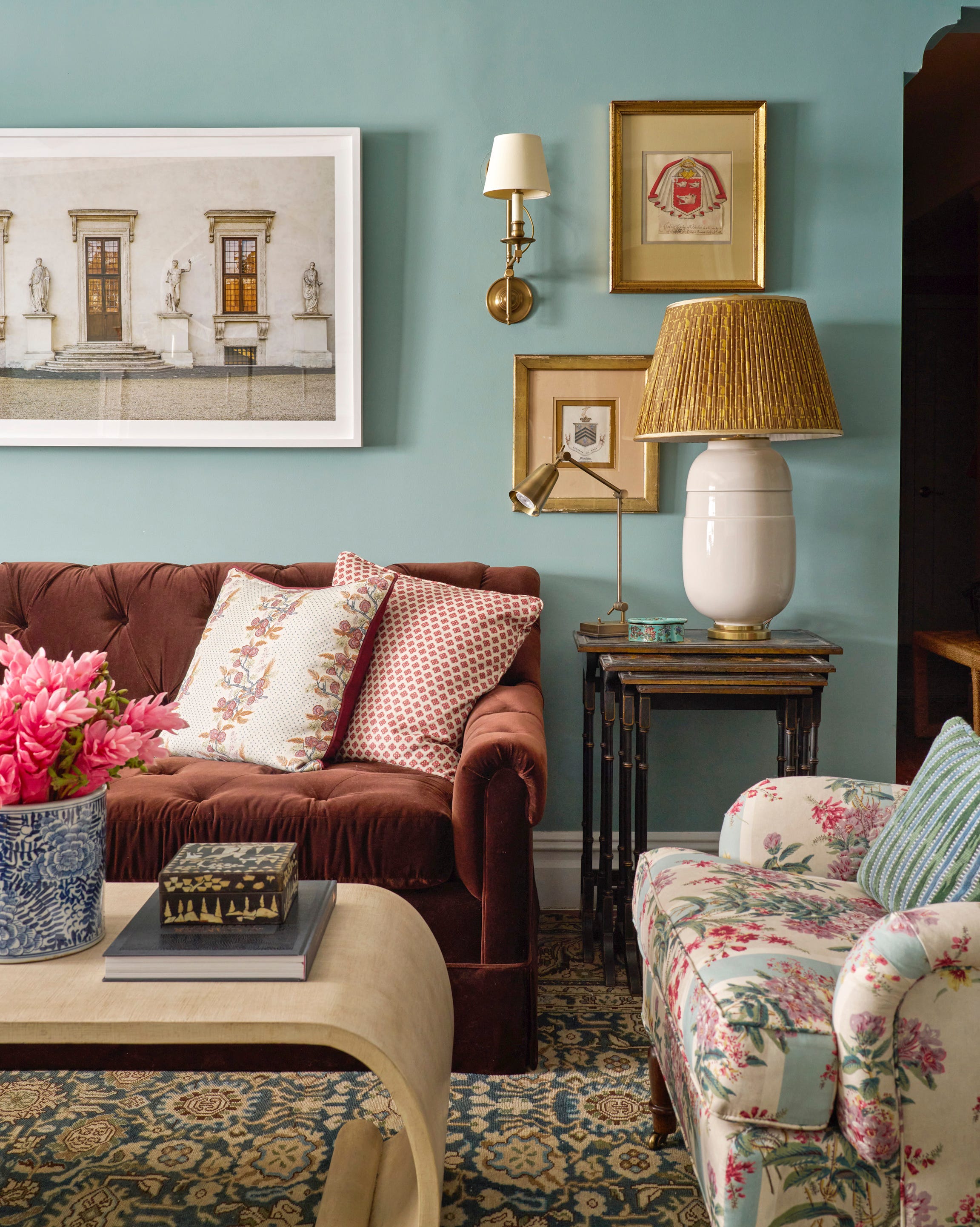
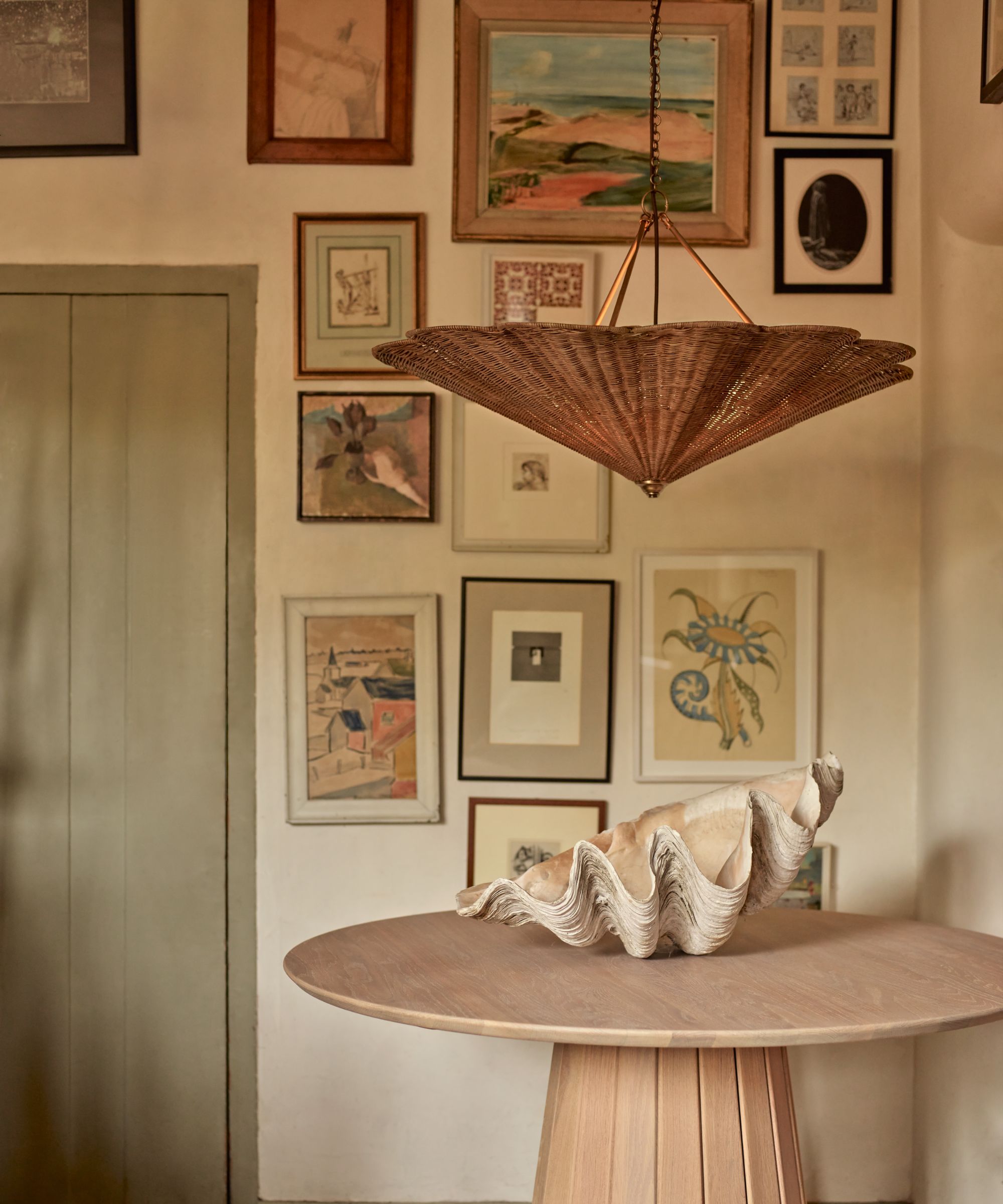
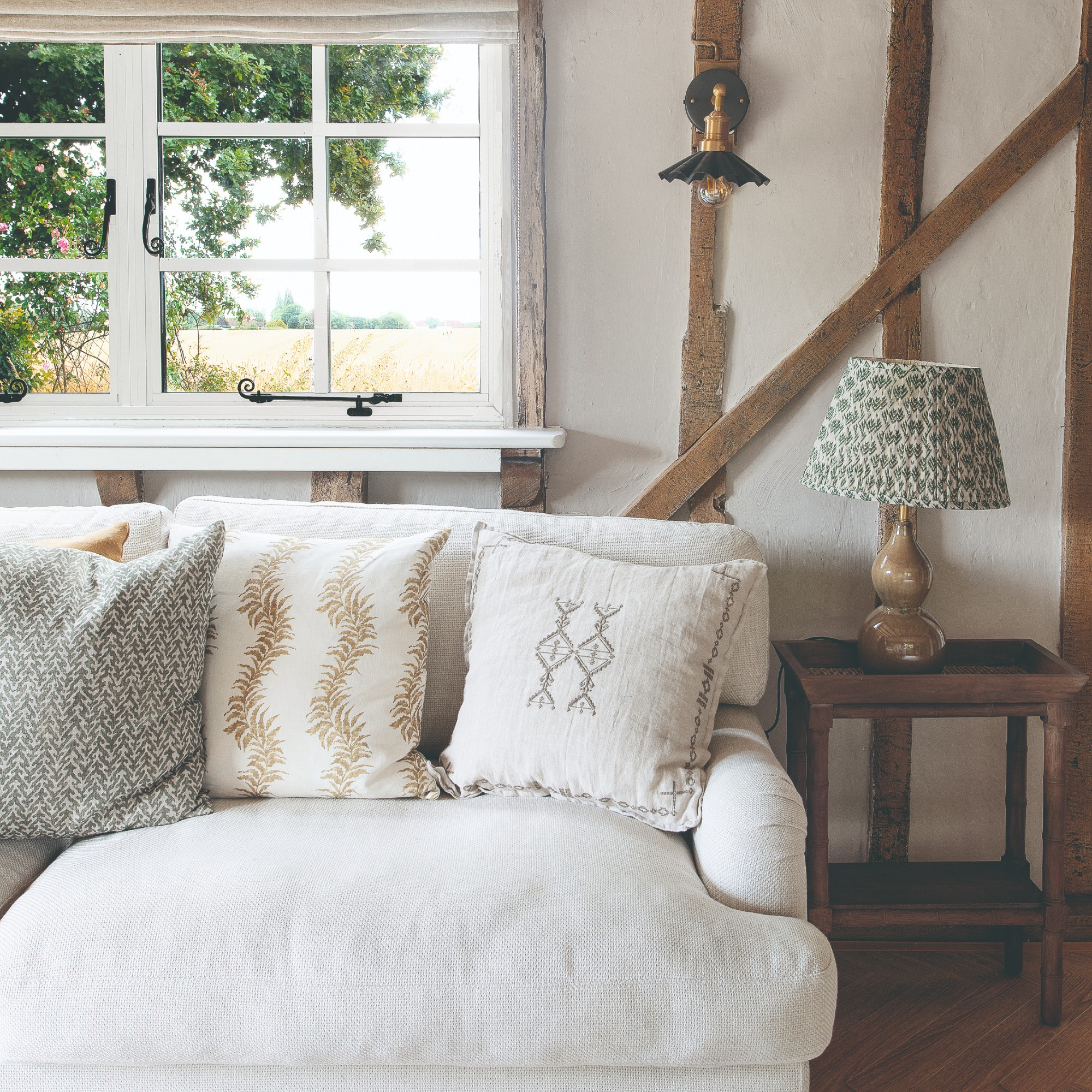
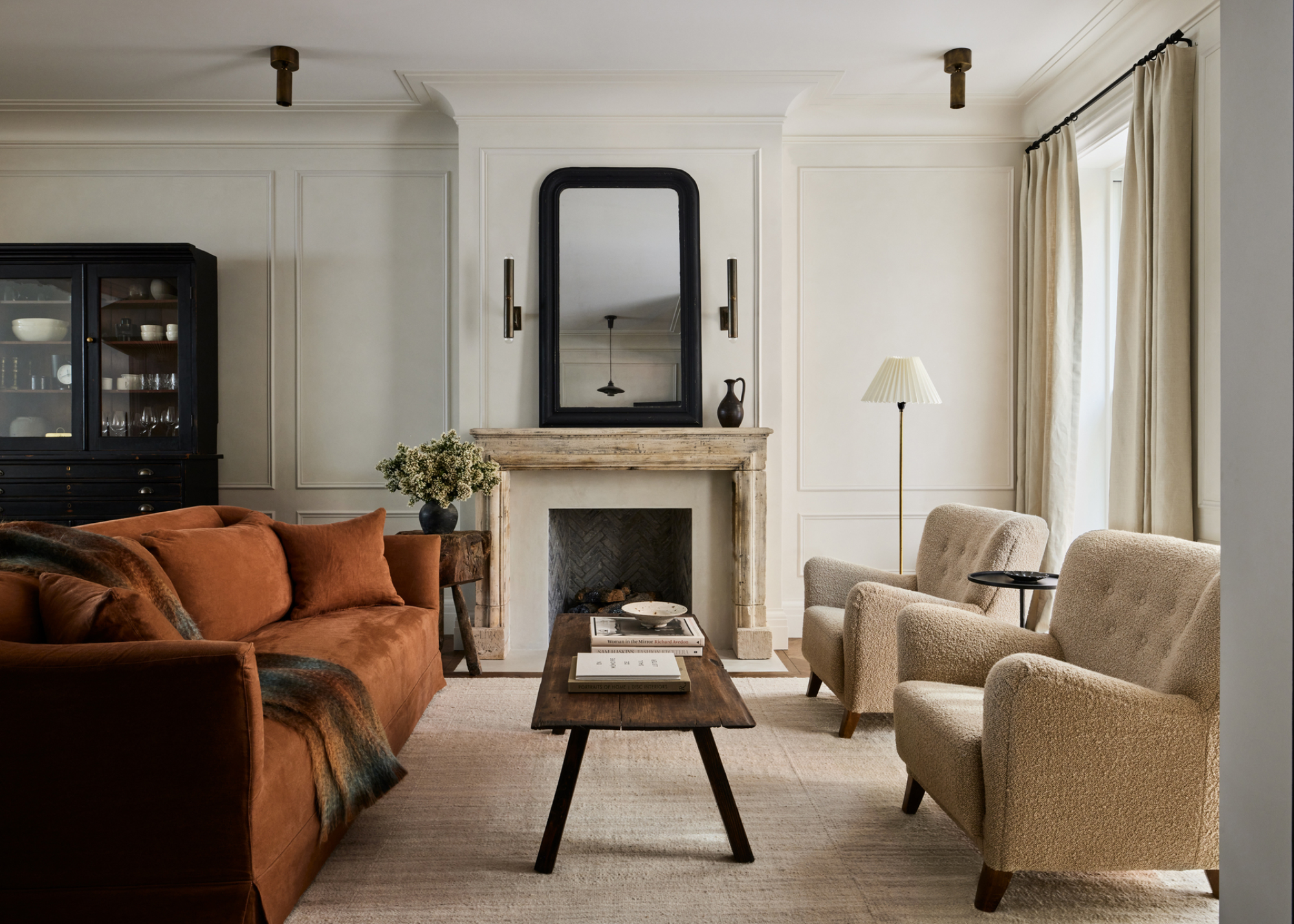
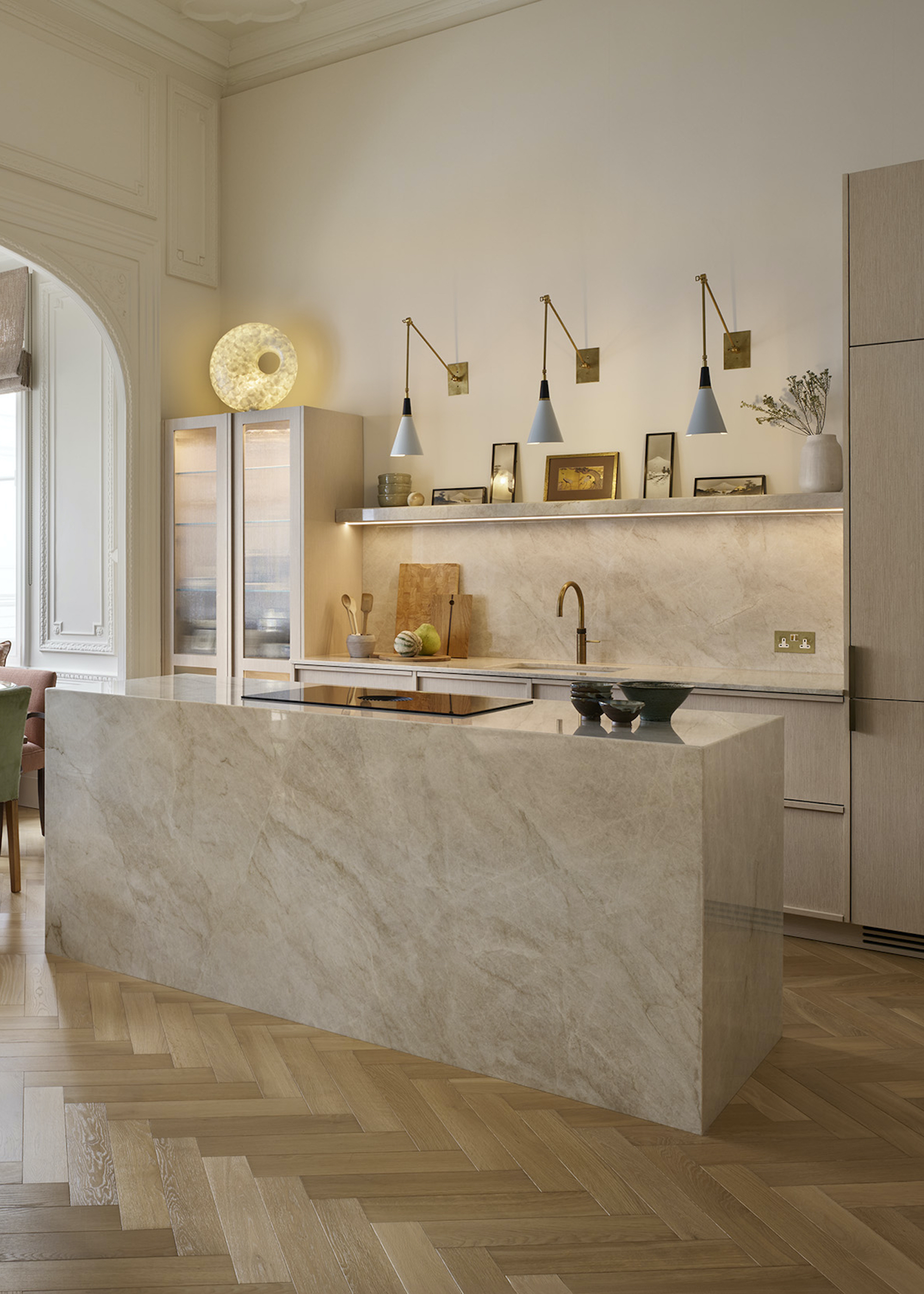
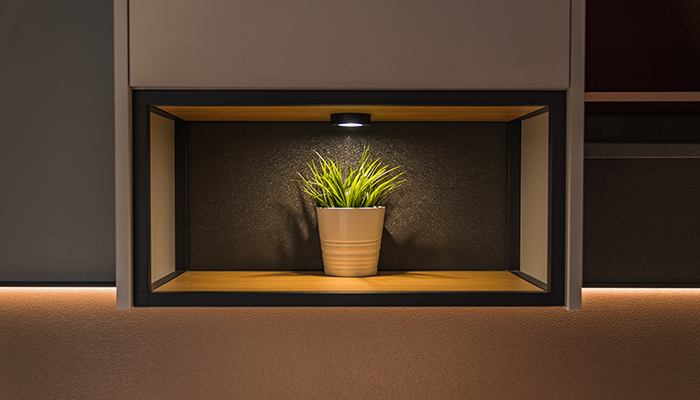
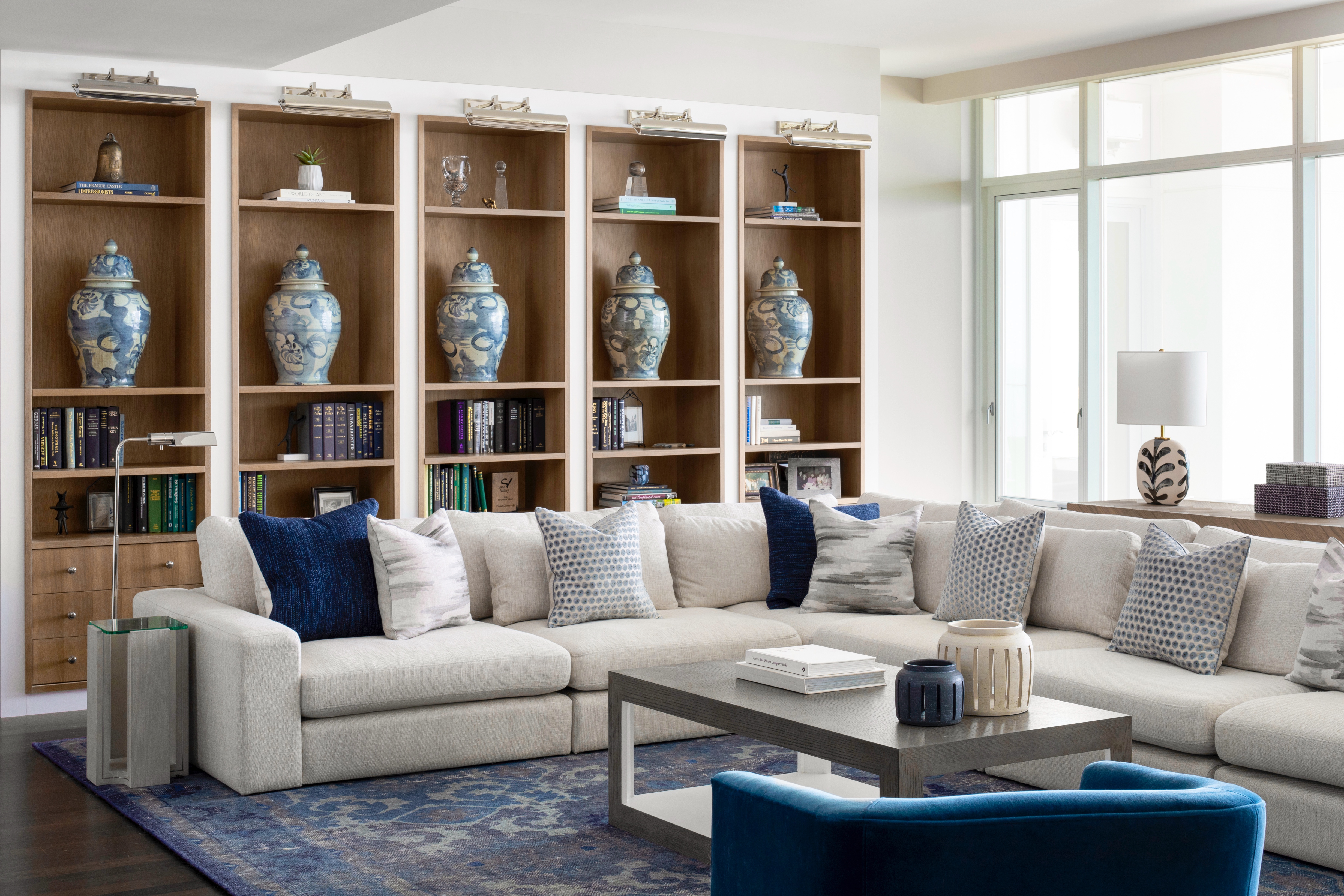
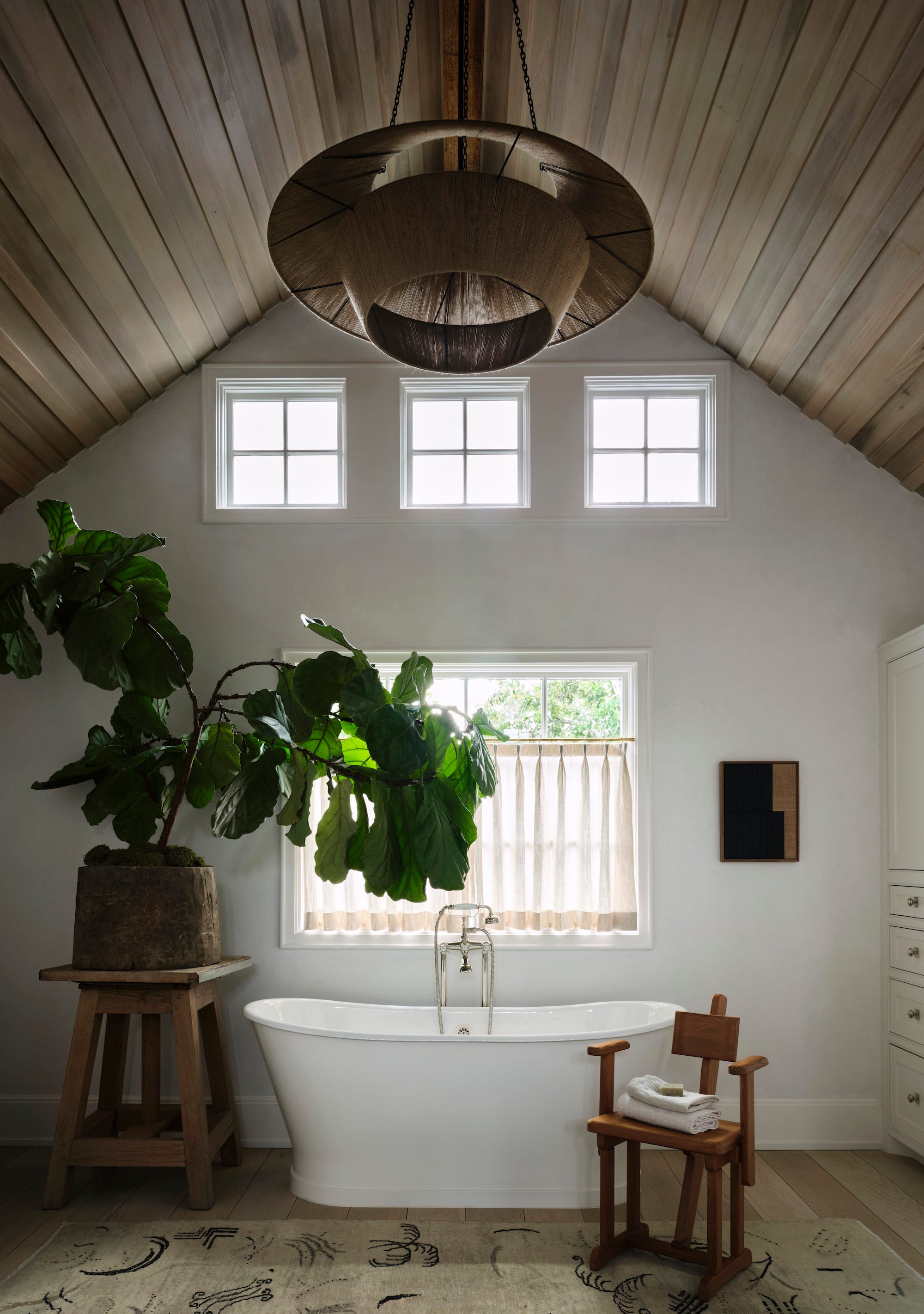
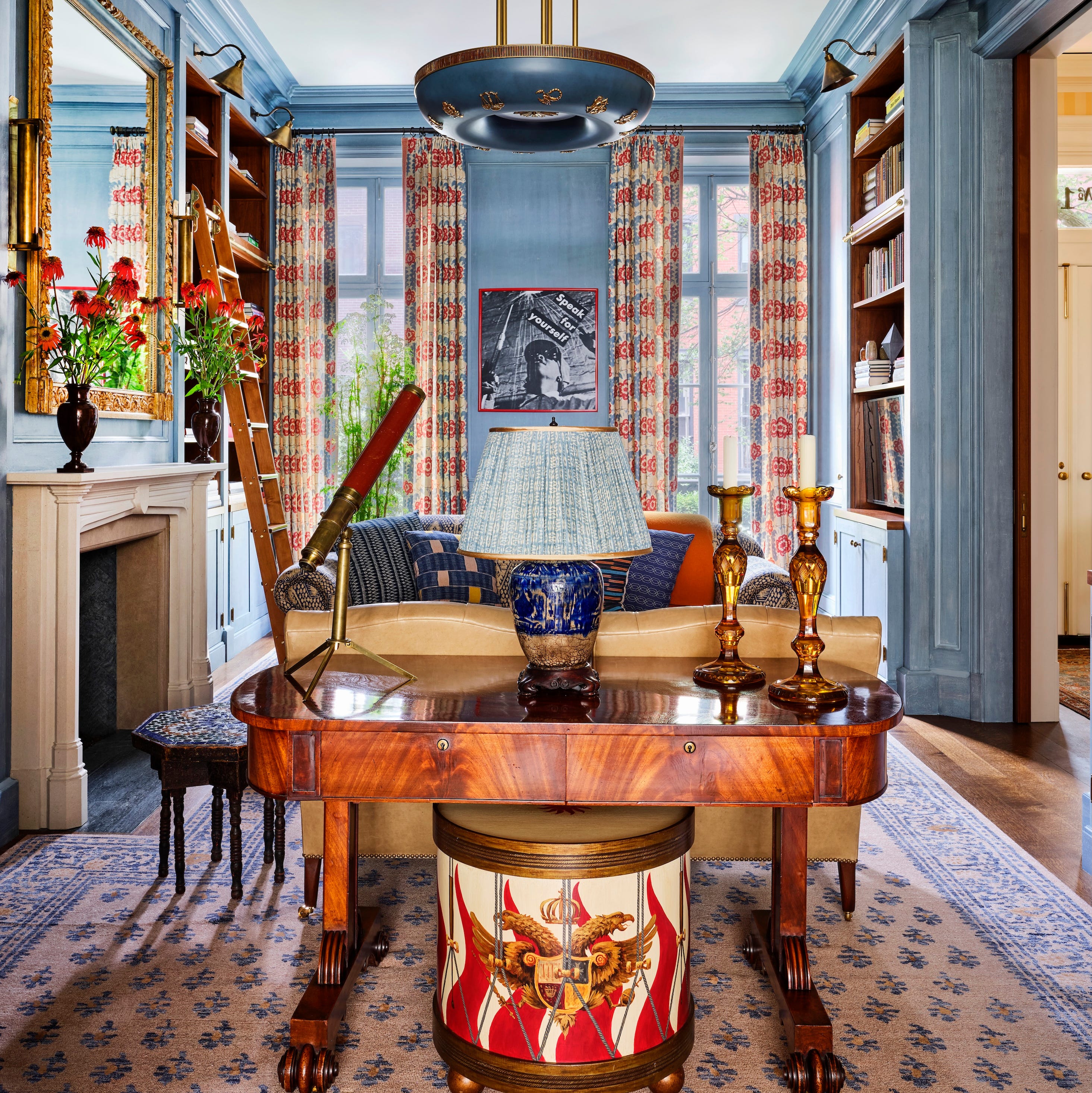
Accent lighting, also referred to as architectural lighting, is used to create depth and highlight specific features like architectural details, artwork, or decorative objects. It adds drama and contrast, drawing attention to the finer details, textures, and structural elements of a room. Wall sconces, picture lights, and LED strips are common forms of accent lighting. Larger fixtures can also be used to create the illusion of a more expansive space and add sophistication, bringing out the personality of a room.
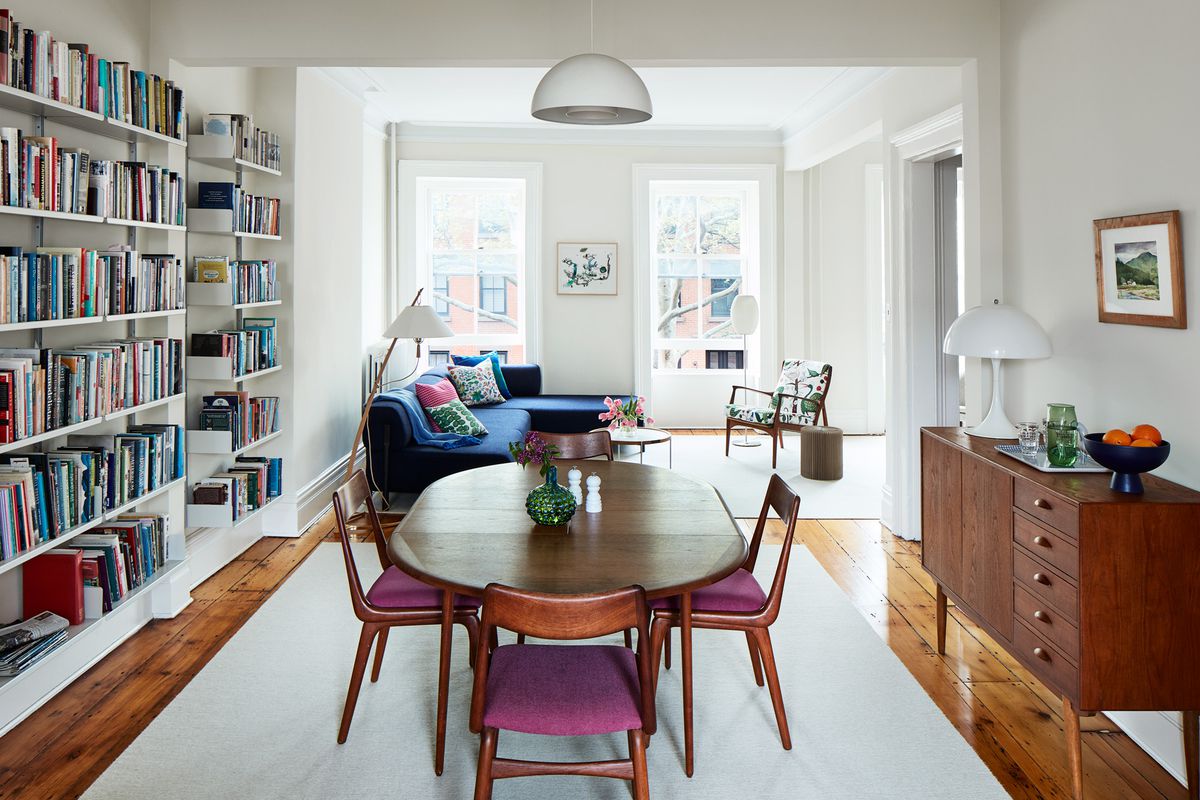
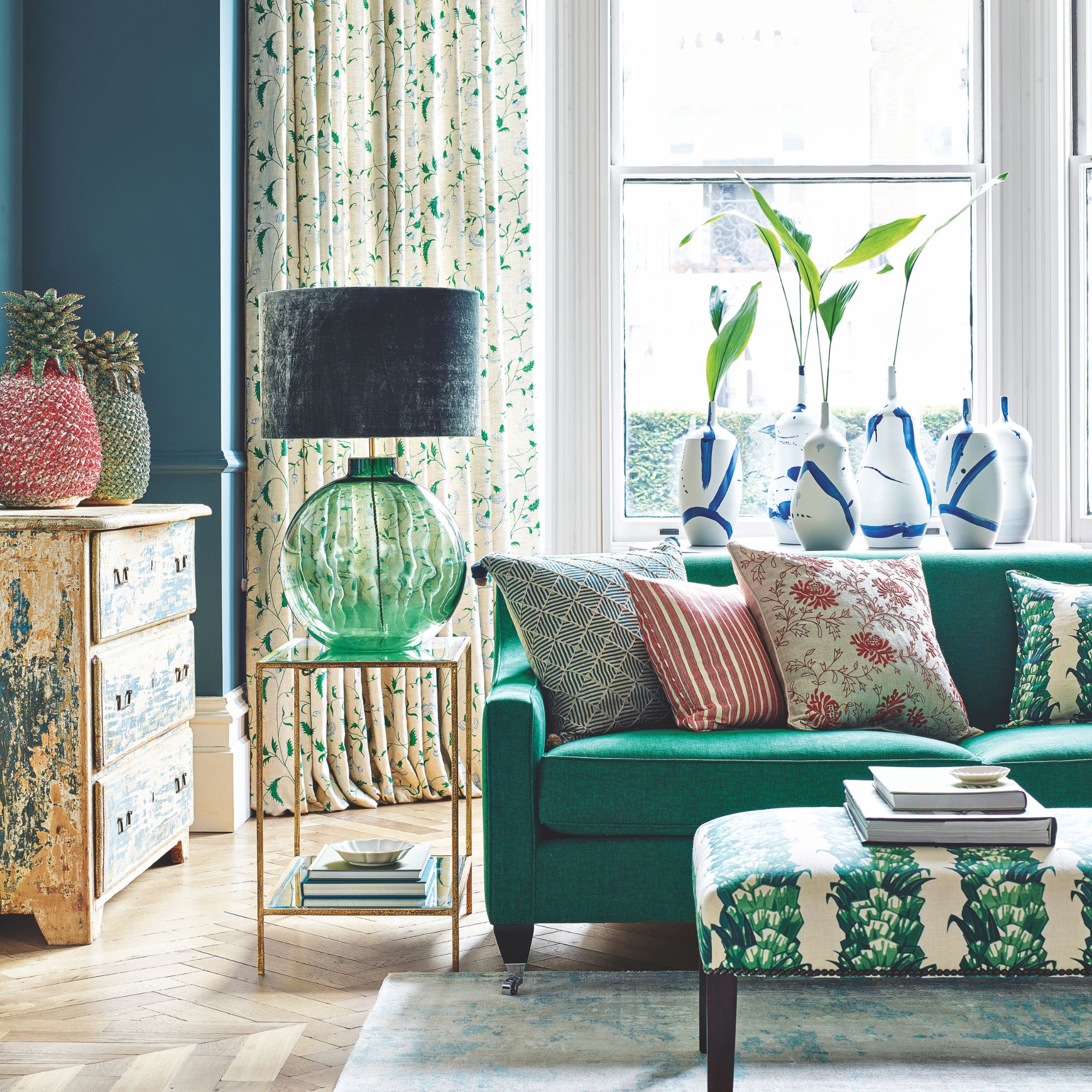
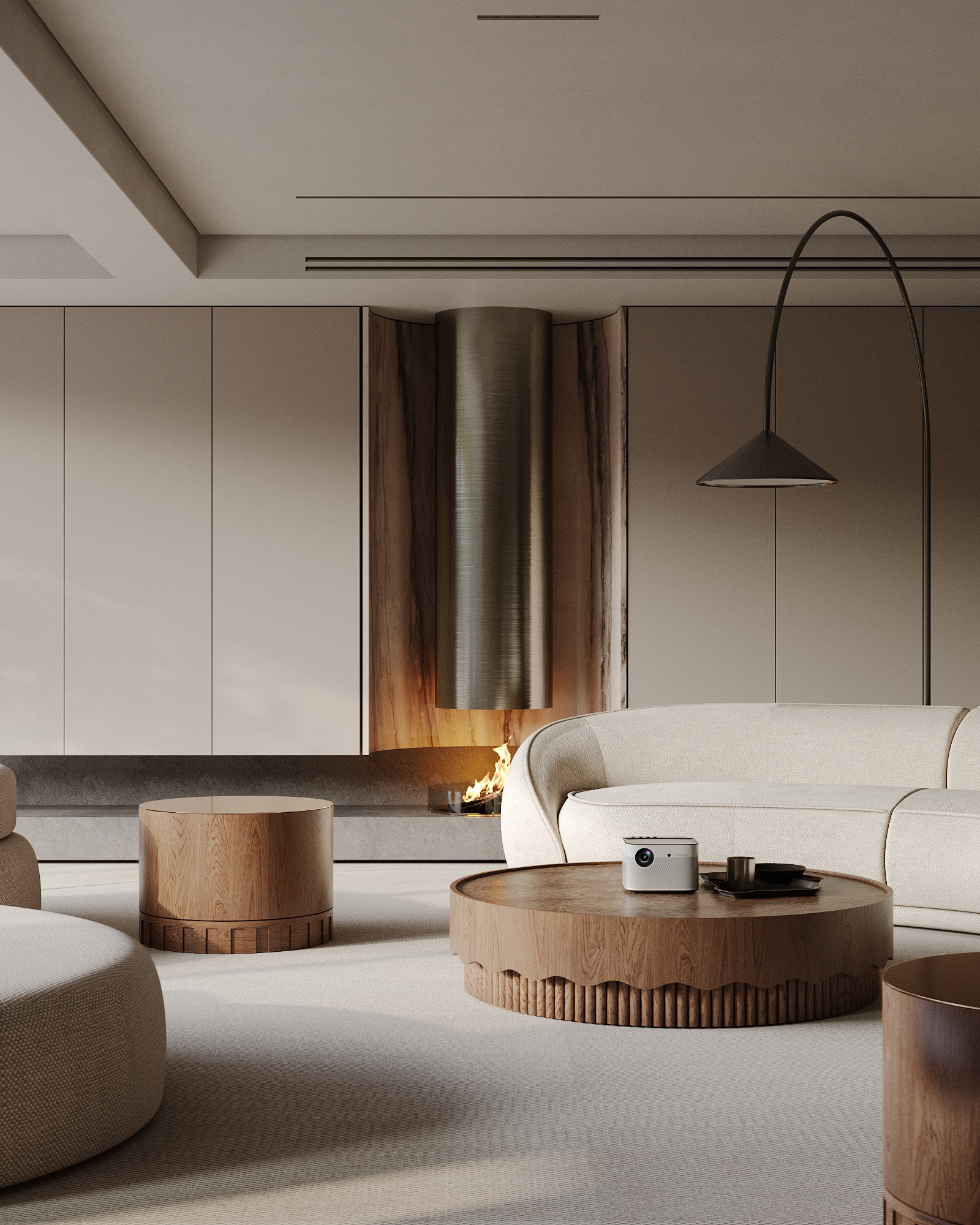
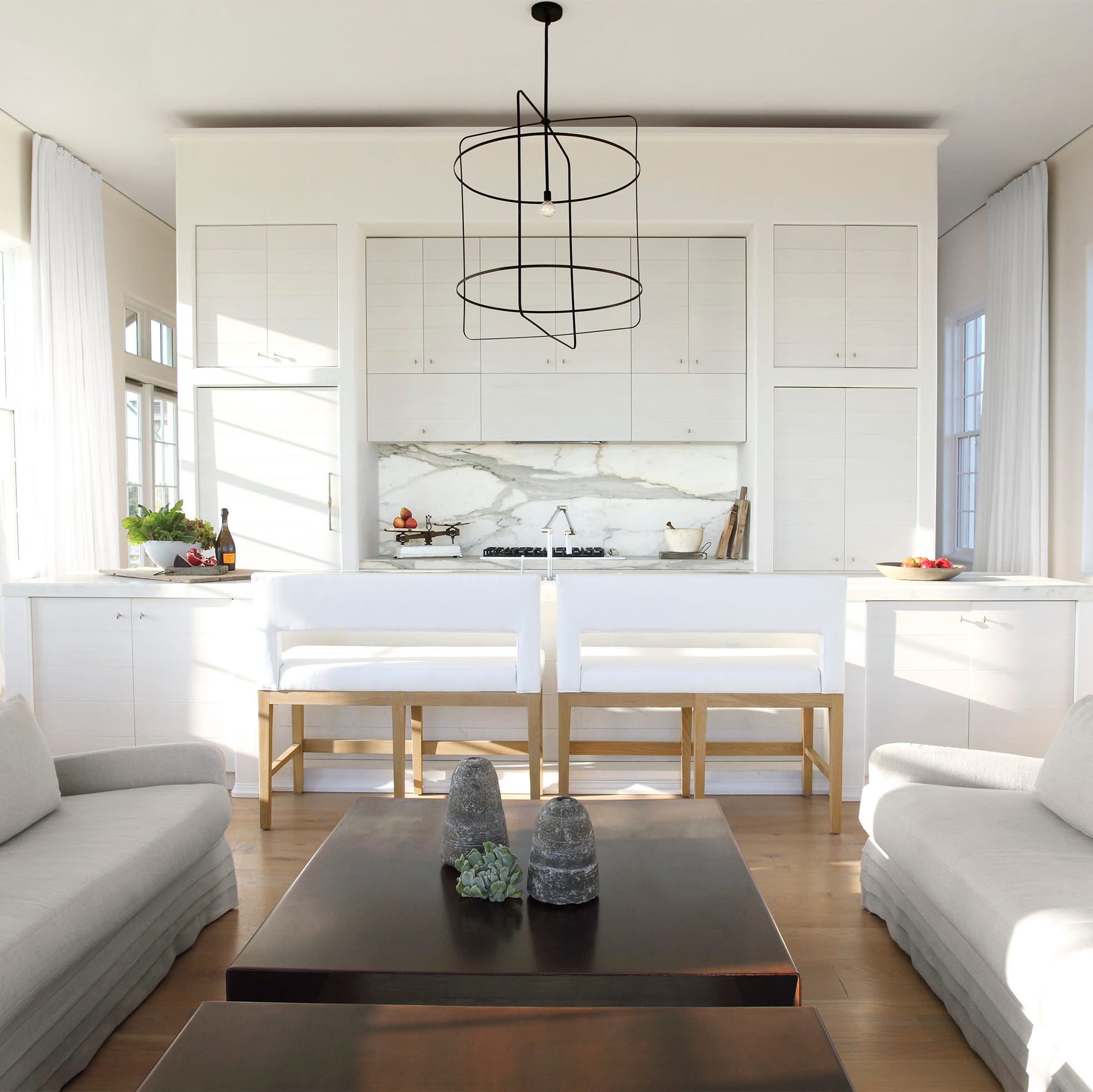
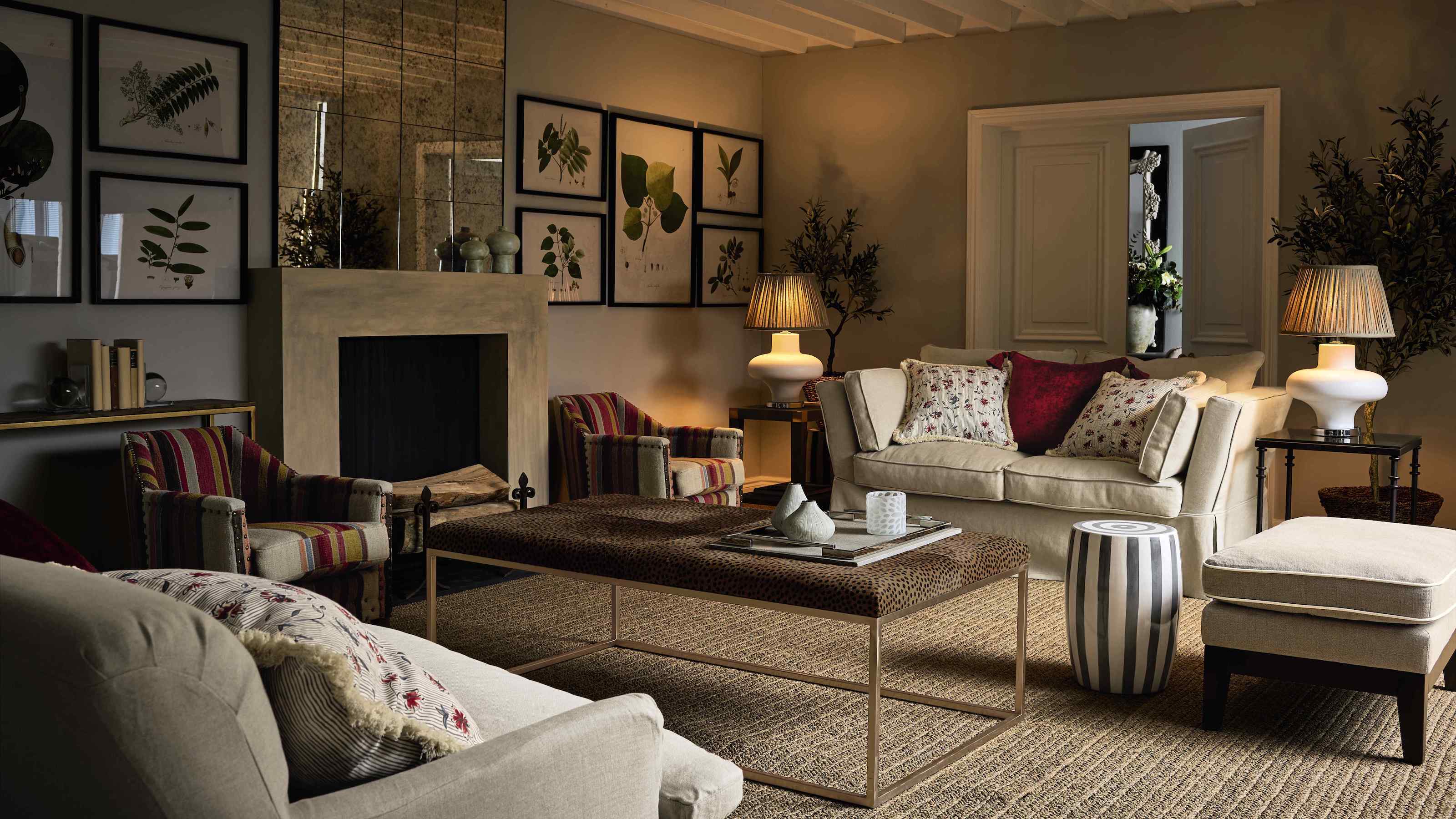
Implementing layered lighting successfully involves combining these three types with independent controls to adjust their intensities. Spaces have become more dynamic, with various activities taking place in different rooms, making adaptable lighting crucial. The recommendation is to have at least three light sources per room, in addition to the built-in overhead light, to provide flexibility in light levels. Different rooms have different lighting requirements; for instance, living rooms benefit from a combination of ambient and task lighting with accent lighting for details. Bedrooms require soft ambient lighting with bedside or wall-mounted task lights, and dimmer switches for atmosphere. Kitchens need strong task lighting for food preparation, such as under-cabinet and pendant lights, alongside ambient lighting for overall illumination. Bathrooms also prioritize task lighting around mirrors for grooming, with overhead ambient lighting and accent lights to enhance decor. Additionally, understanding light color temperature, measured in Kelvins, is crucial, with warmer temperatures (2800k-3000k) recommended for residential spaces to create a cozy feel.
#LayeredLighting #InteriorDesign #HomeLighting #AmbientLighting #TaskLighting #AccentLighting #LightingTips #HomeDecor #ResidentialLighting #LayeredLighting #InteriorDesign #HomeLighting #AmbientLighting #TaskLighting #AccentLighting #LightingTips #HomeDecor #ResidentialLighting
0 комментариев всего
 Комментариев пока нет
Вам также может понравиться
How to layer lighting – expert tips to create the perfect soft yet practical scheme for every room

5 Things You Should Be Lighting in Your Home to Make Your Rooms Look More Expensive

5 affordable ways to make your living room lighting look much more expensive than it actually is
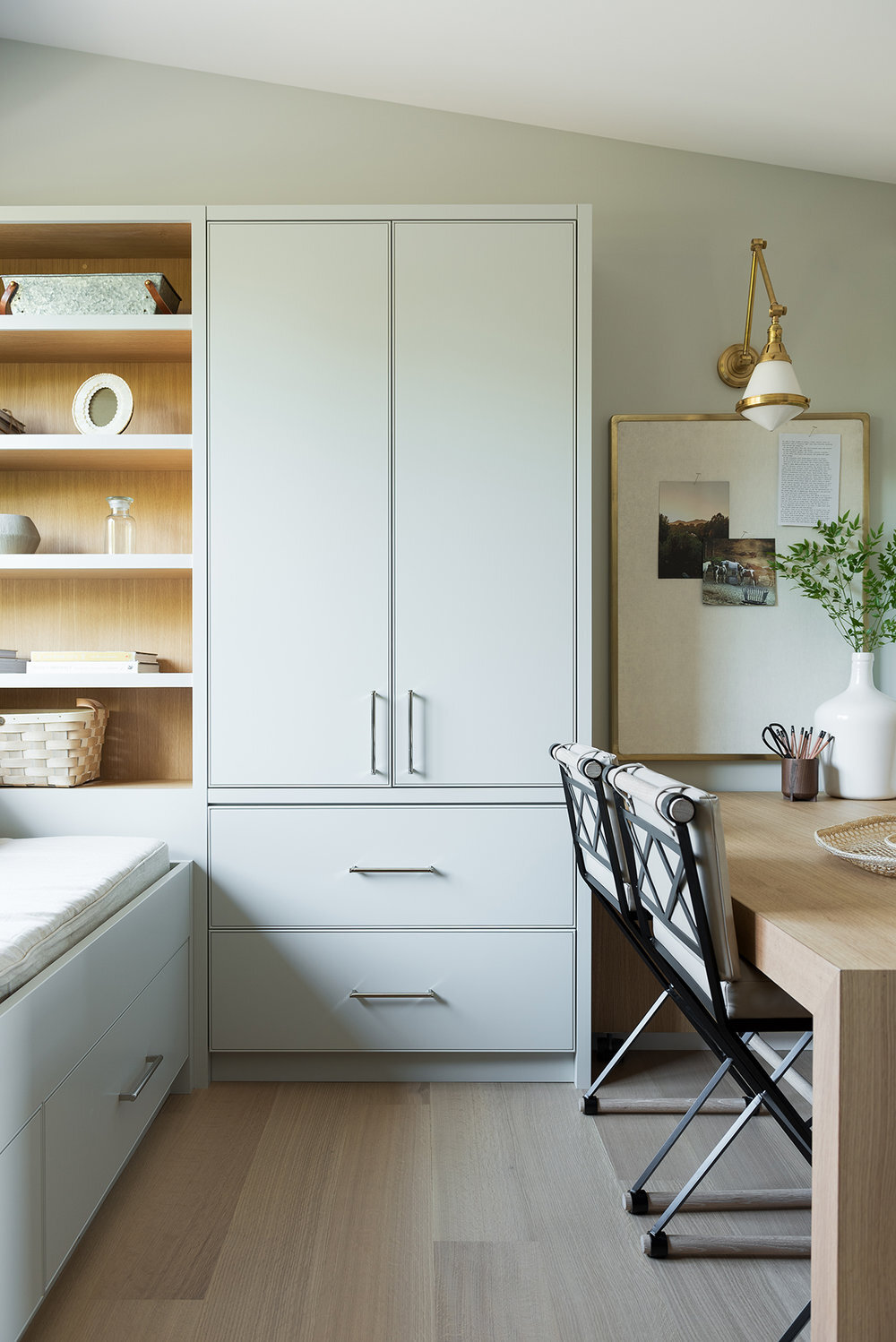
Why Accent Lighting Is So Important
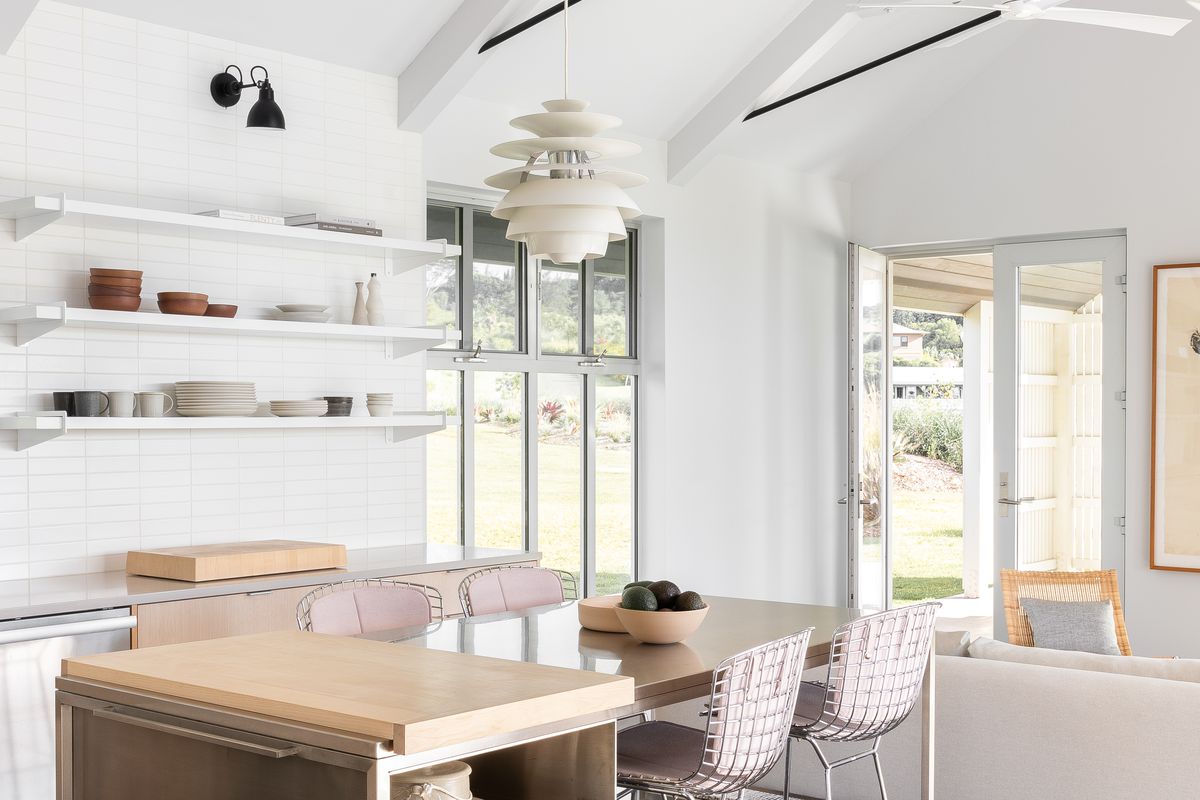
Pro tips to improve your home’s lighting—without an electrician
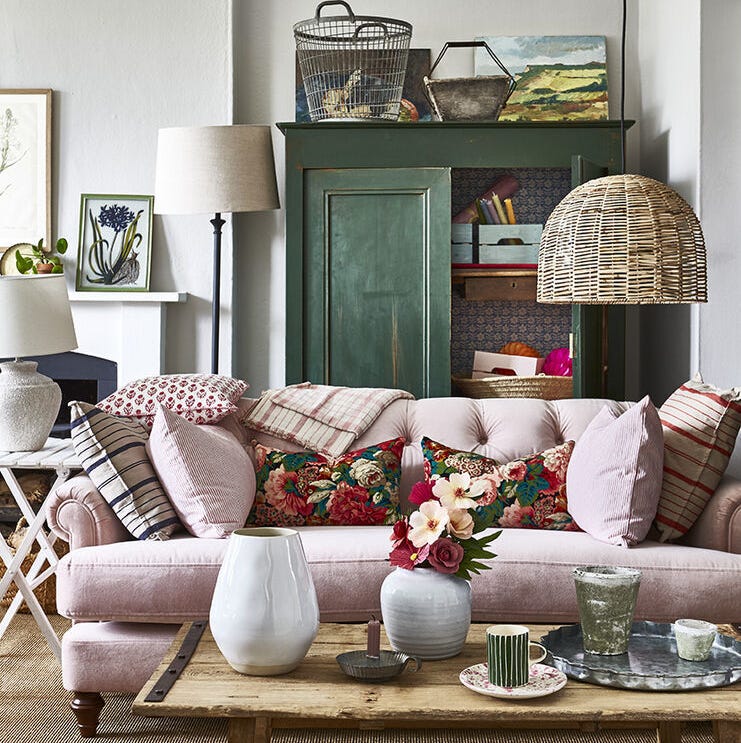
‘Lamp layering’ is the secret trick designers use to elevate their interiors
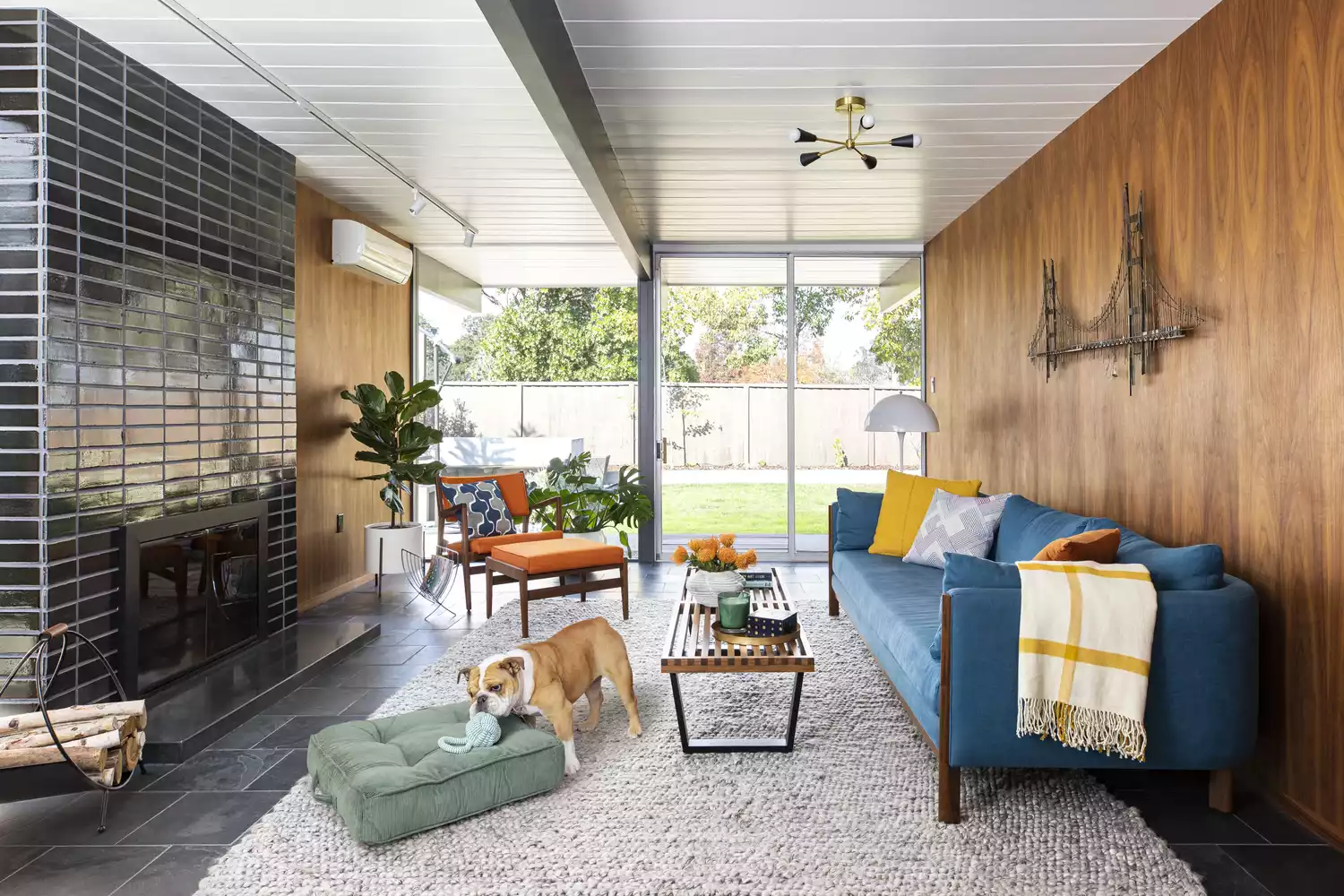
6 Genius Rules for Decorating Your Living Room That Designers Swear By

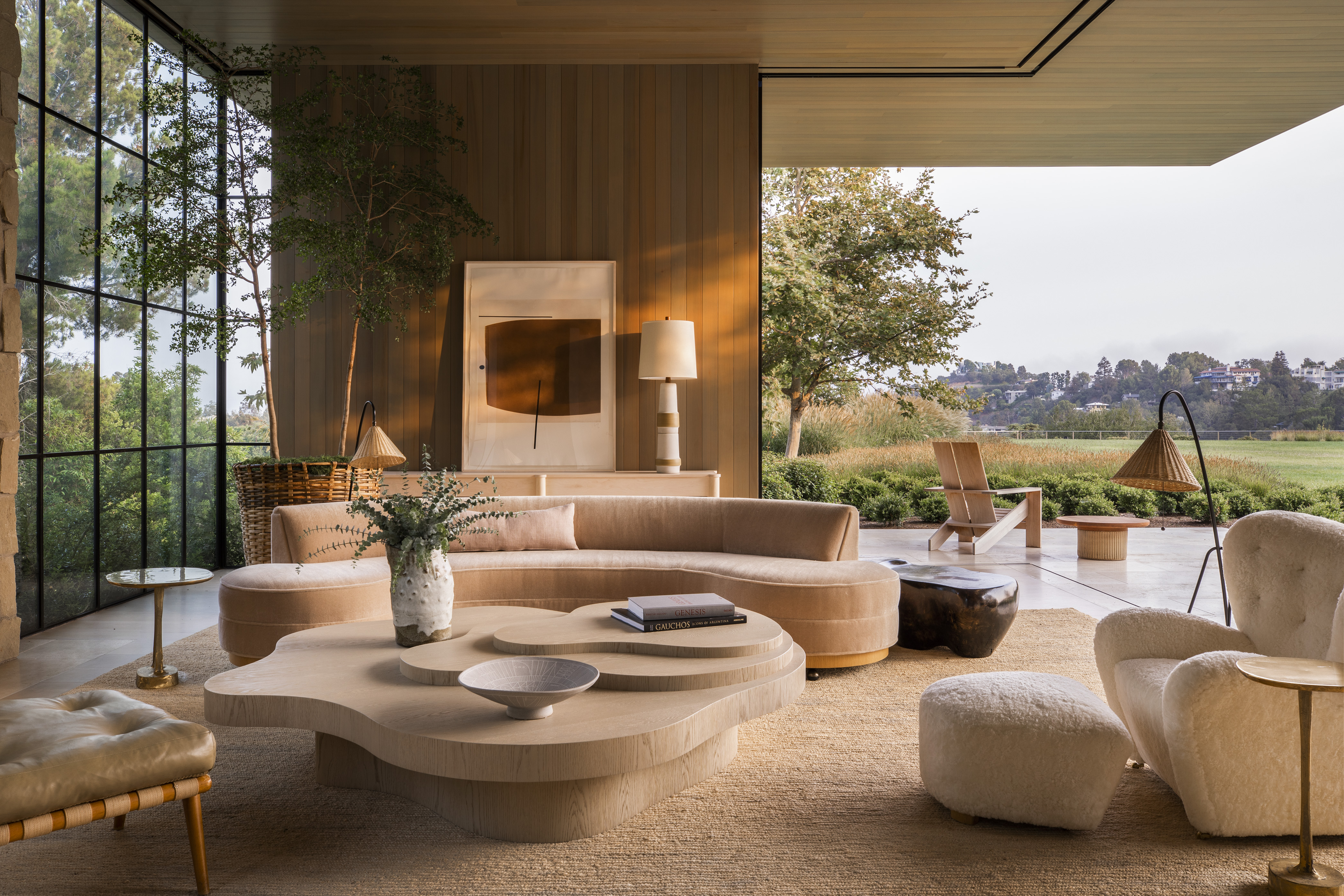
4 ways designers are lighting rooms in 2024 that feel so much cozier and richer than what we're used to
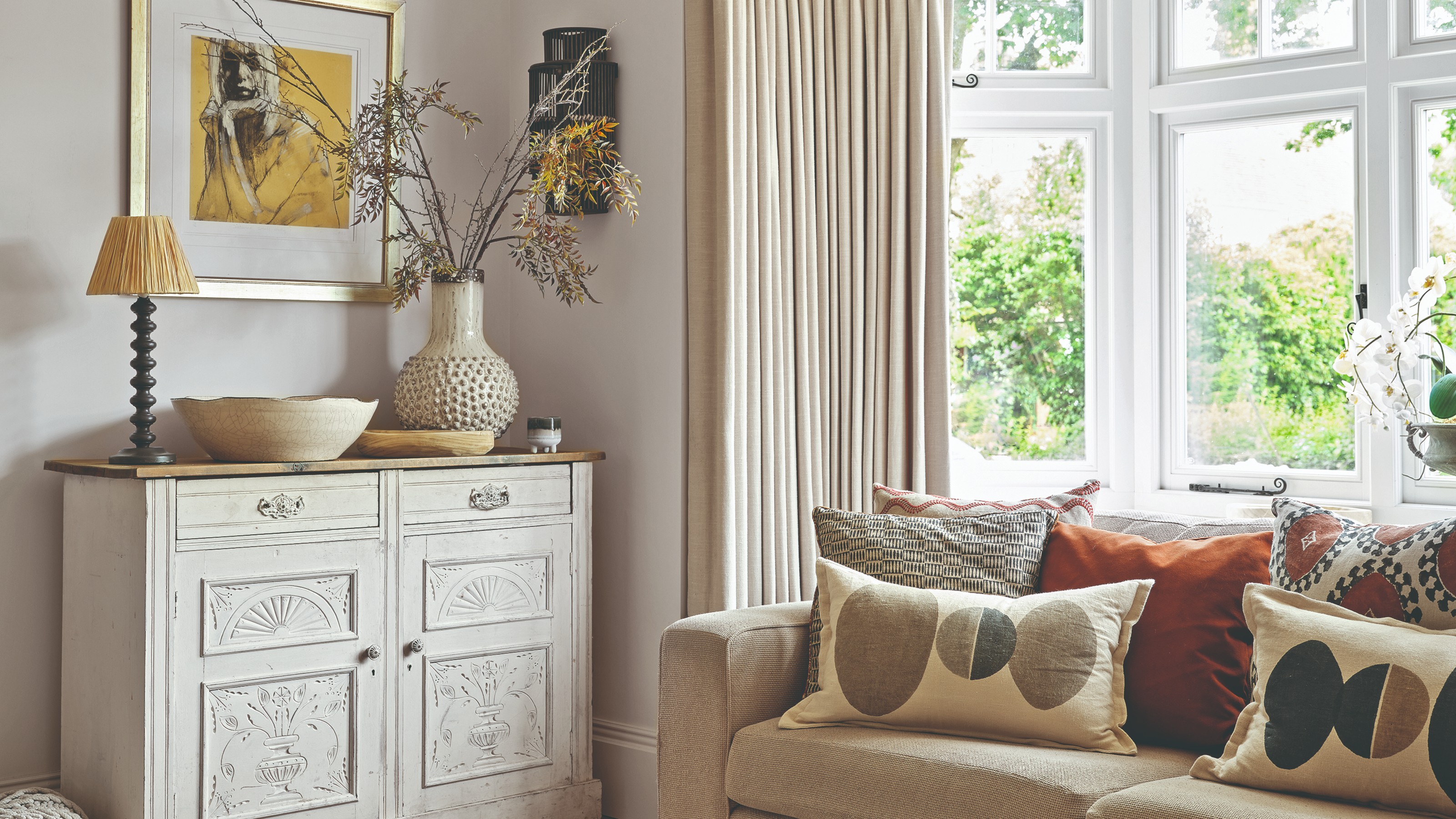
Living room lighting ideas – 33 easy ways to use lights and lamps to add style and create a cosy mood
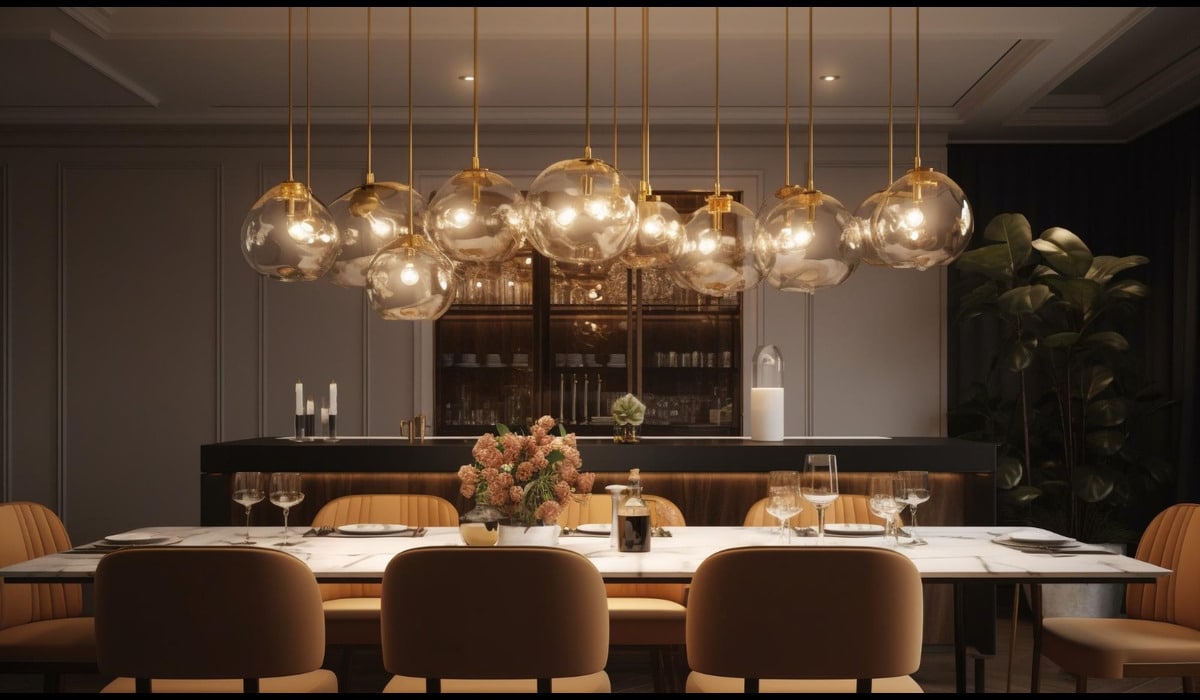
Modern Home Lighting Trends 2025: Ideas That Transform Every Room
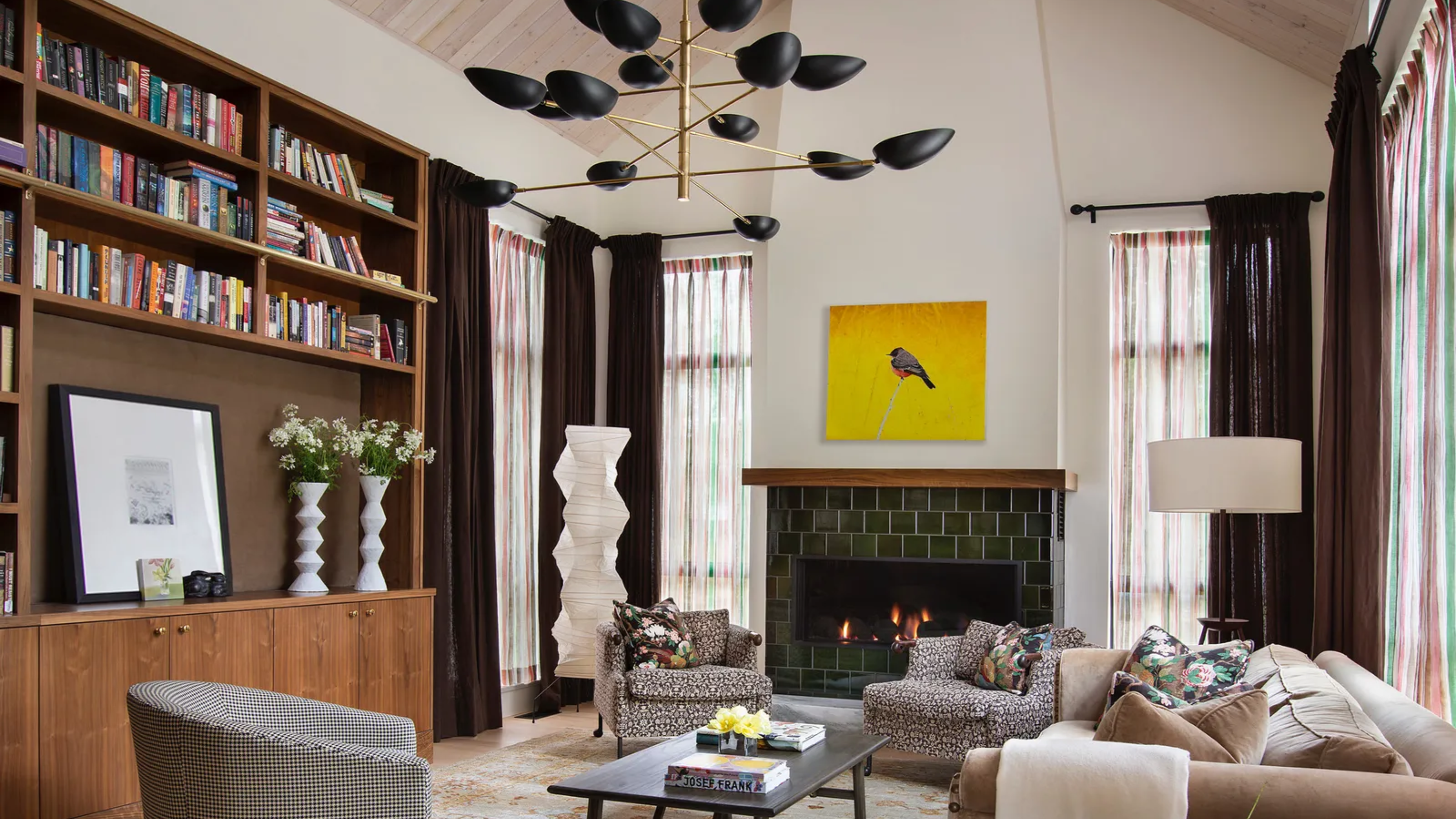
5 Types of Lighting Designers Would Never Use —They're Harsh and Unflattering and Here's Why
These Task, Accent, And Ambient Lighting Tips Can Transform Your Home

12 Living Room Lighting Ideas That Set the Perfect Ambience

These Lighting Trends Will Be Everywhere in 2026, According to Designers

The Lighting Golden Rule for Switch Circuits
These Are the 7 Biggest Lighting Trends for 2024

5 outdated lighting trends designers say to avoid – and the designs and techniques to use, instead
Does this hated feature still have a place in our homes? Designers on what they really think of the 'big light' debate
Kitchen focus: Why great lighting is key to a successful design
What Design Pros Need You To Know About Lighting Your Home Today