1/2
We Asked Designers How to Style Glass Cabinets So They Don't Look Cluttered and We're Taking Notes
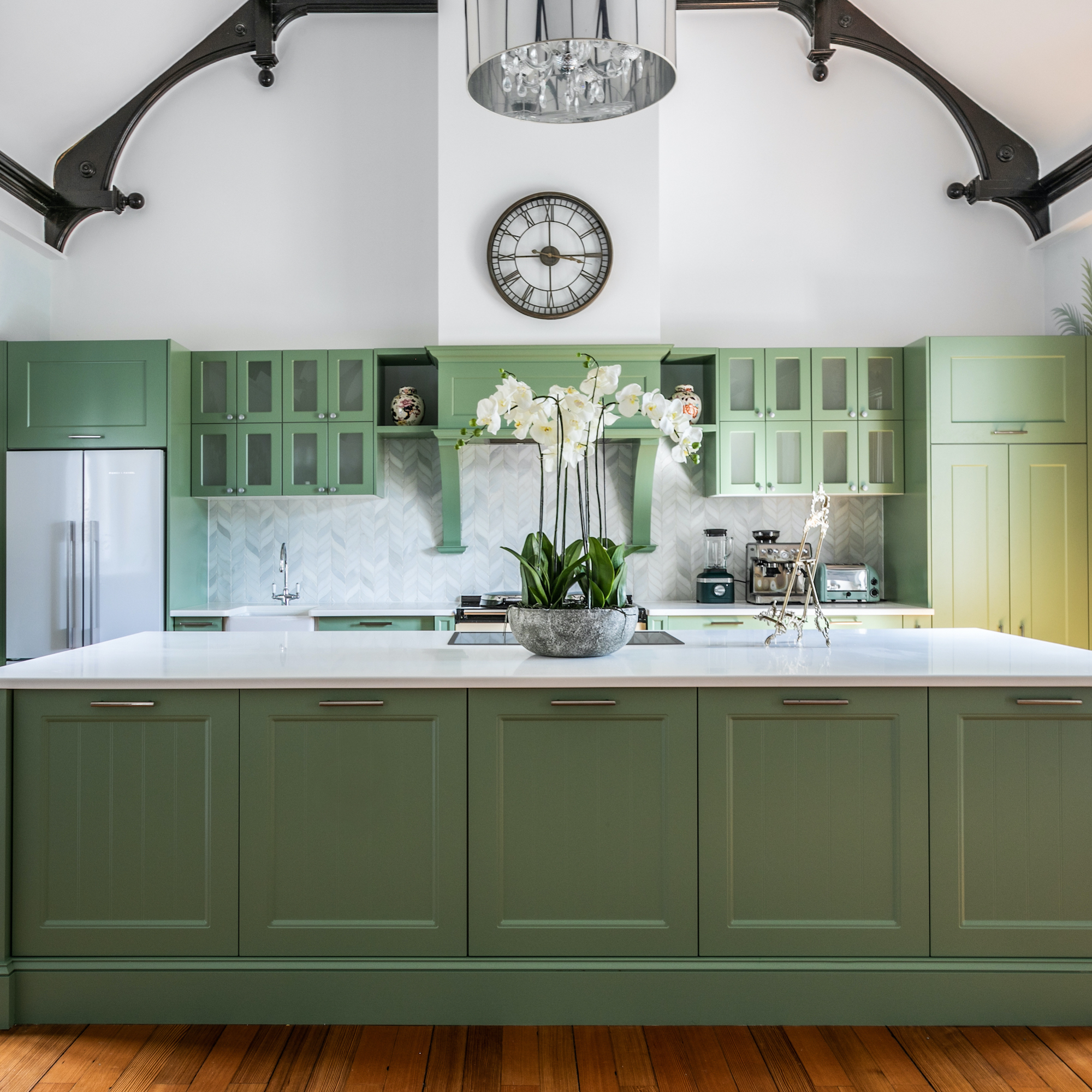
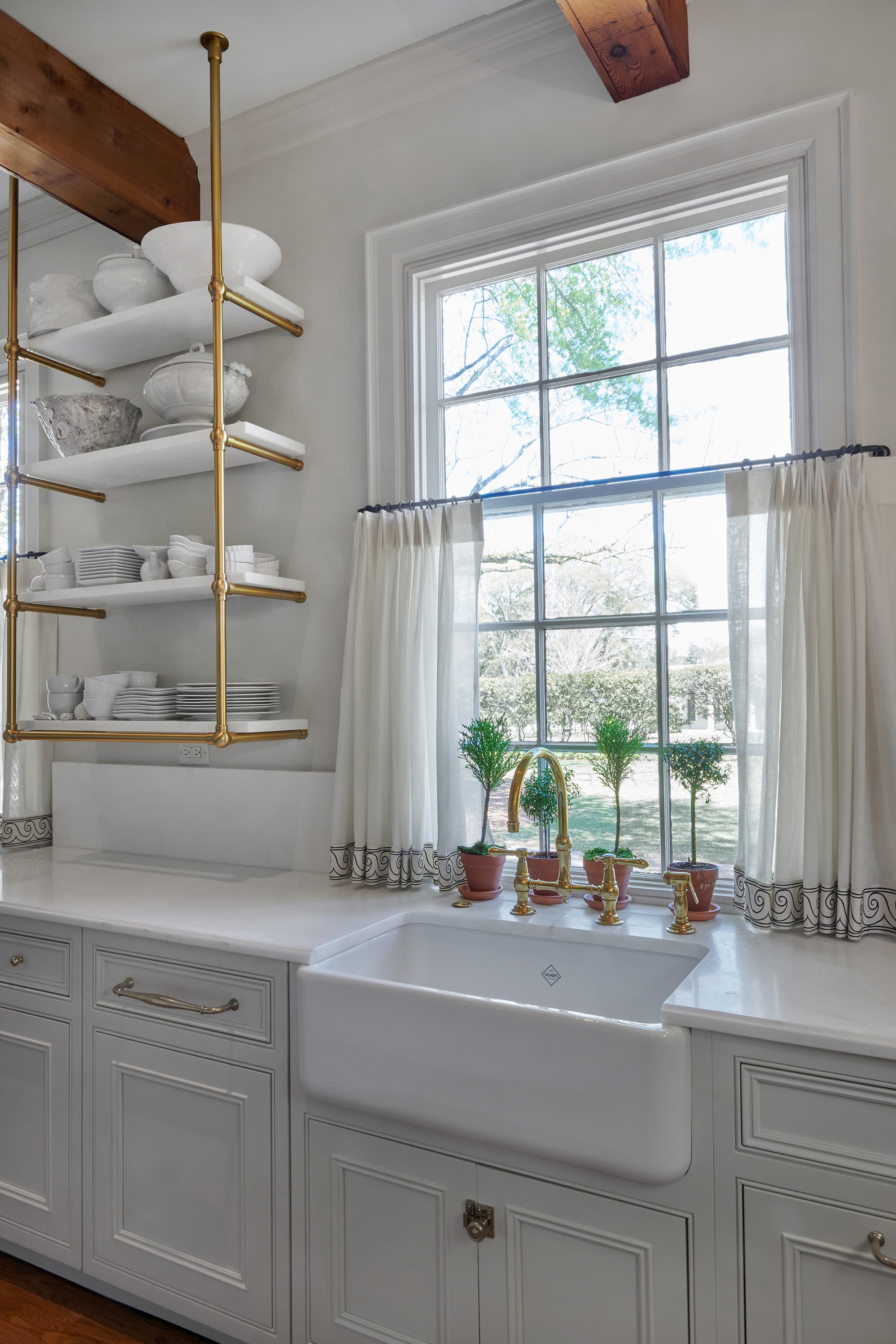
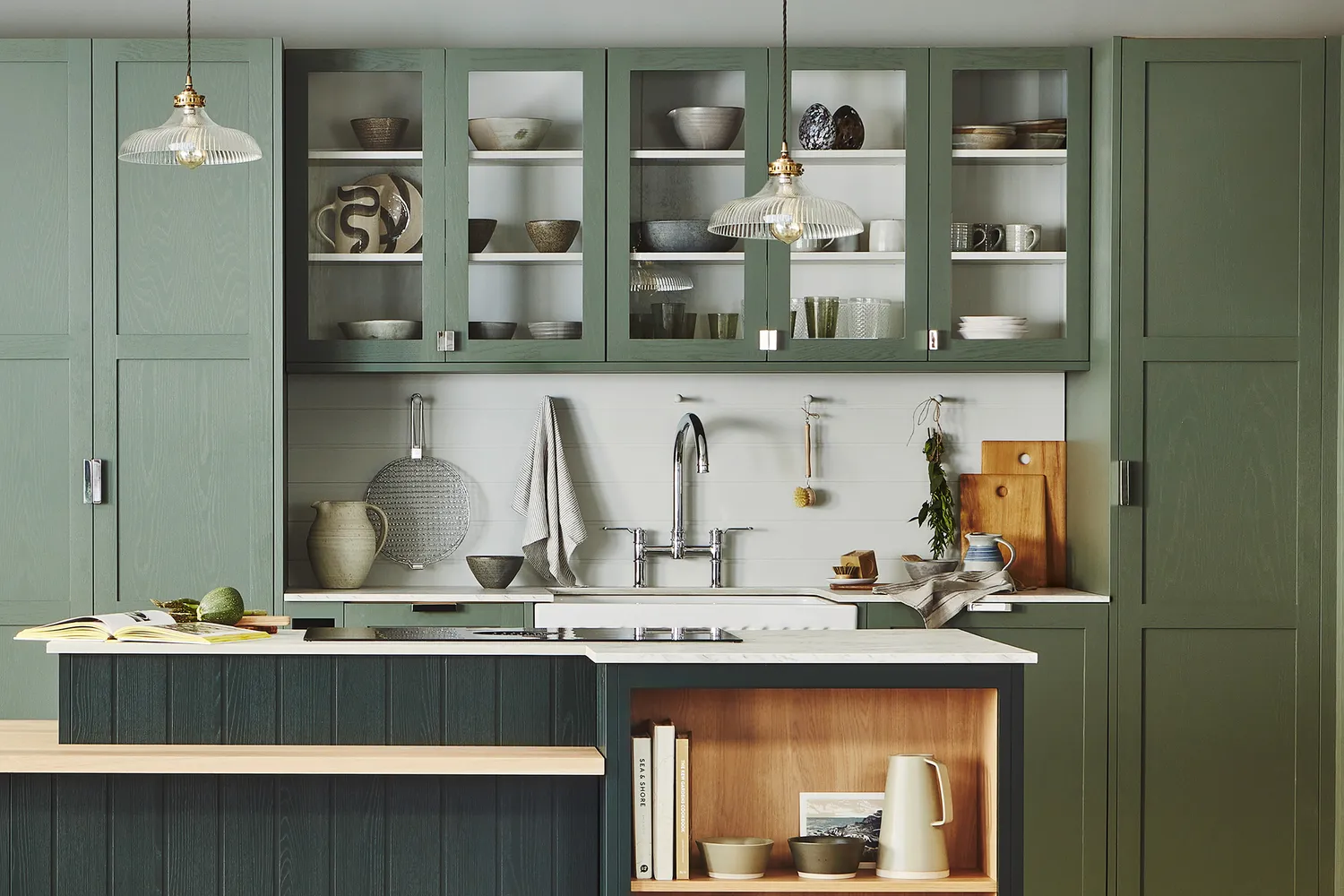
Glass-front kitchen cabinets offer both functional storage and aesthetic appeal, and when styled correctly, they can enhance any kitchen's design, from modern to farmhouse or traditional. These cabinets can lighten the visual weight of a bank of cabinetry, providing an opportunity to display special serving vessels or keep everyday dishware accessible without appearing chaotic. Interior designers Aurora Espinoza and James Yarosh offer several key strategies to achieve an organized and stylish look.
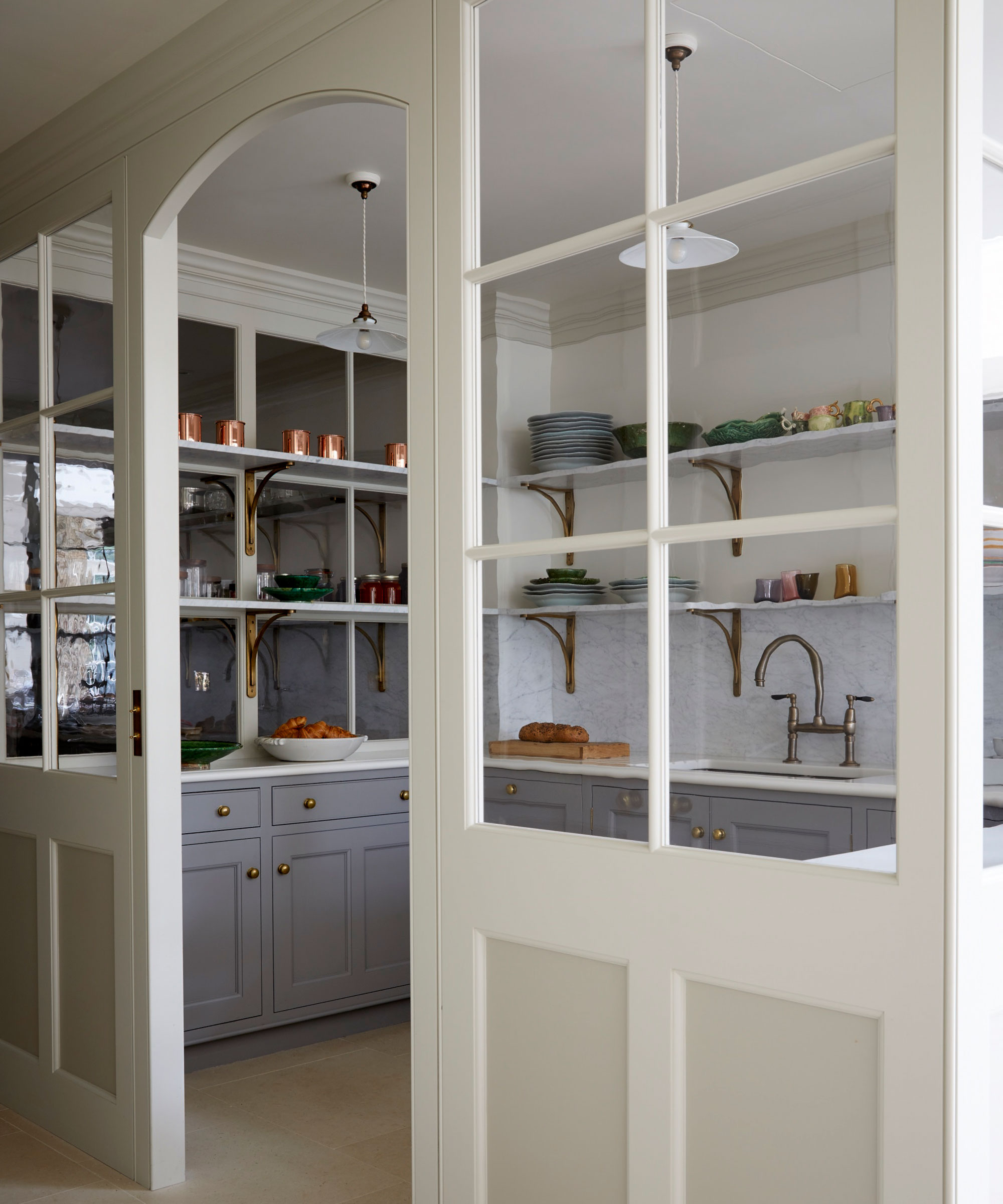
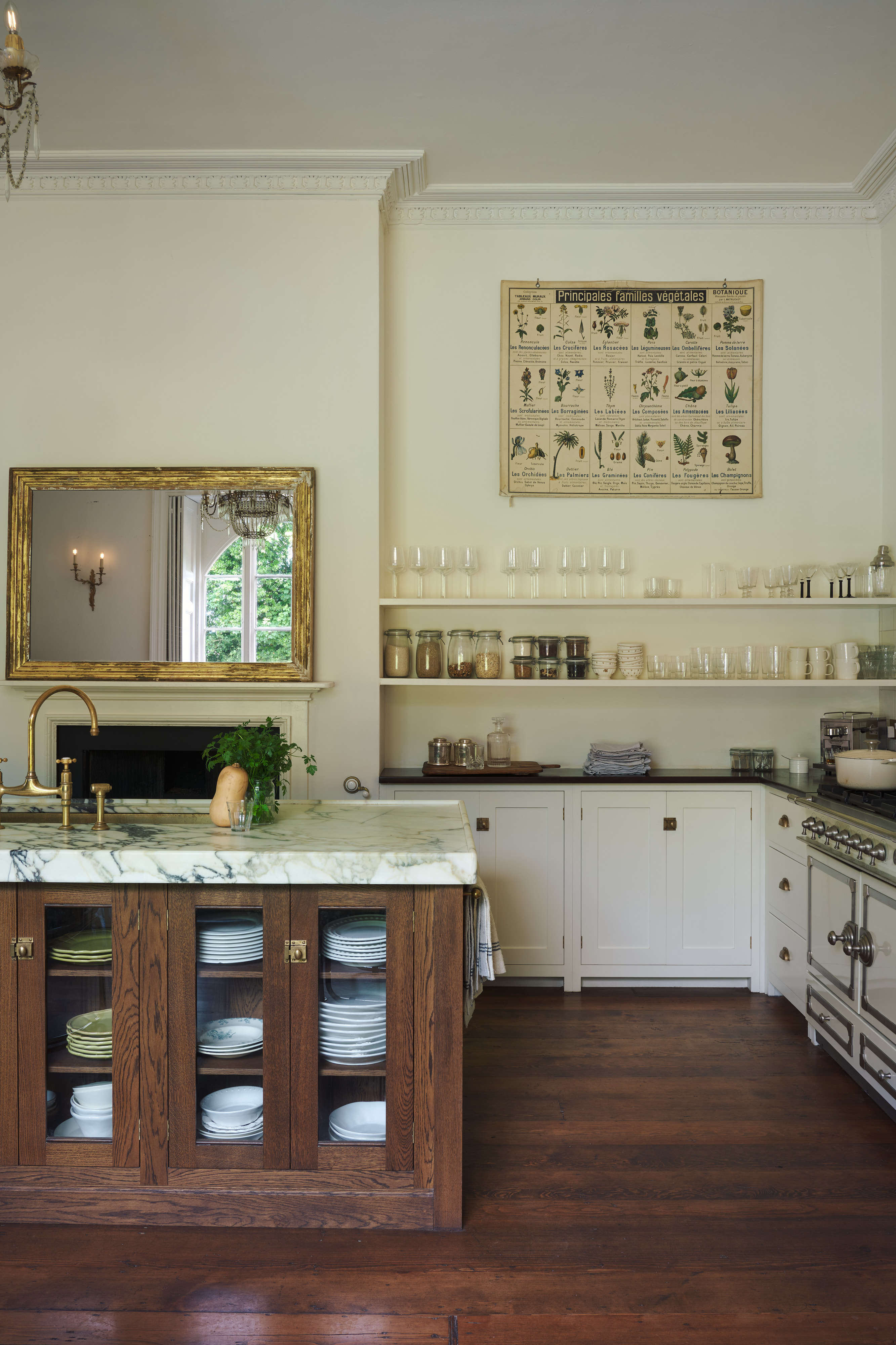
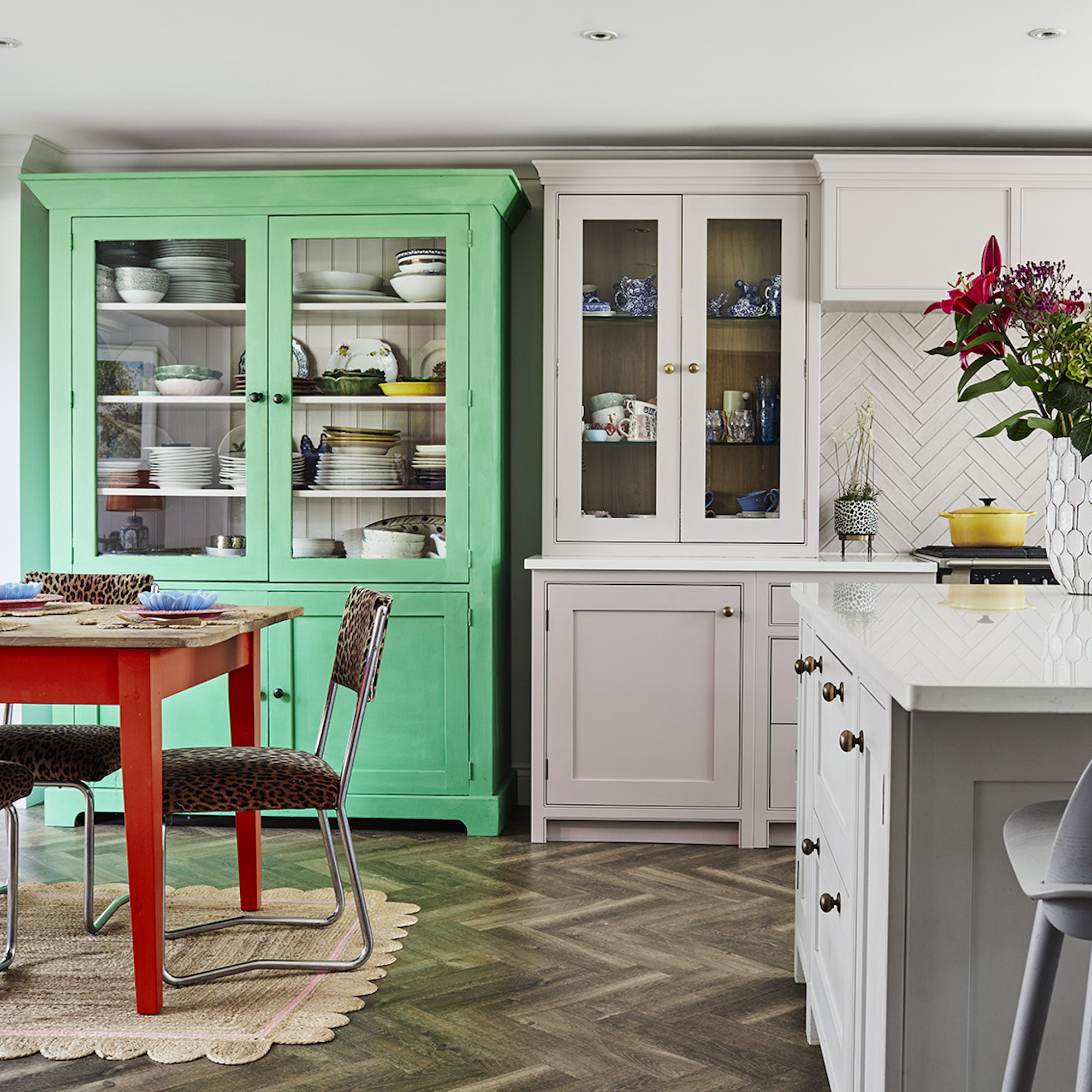
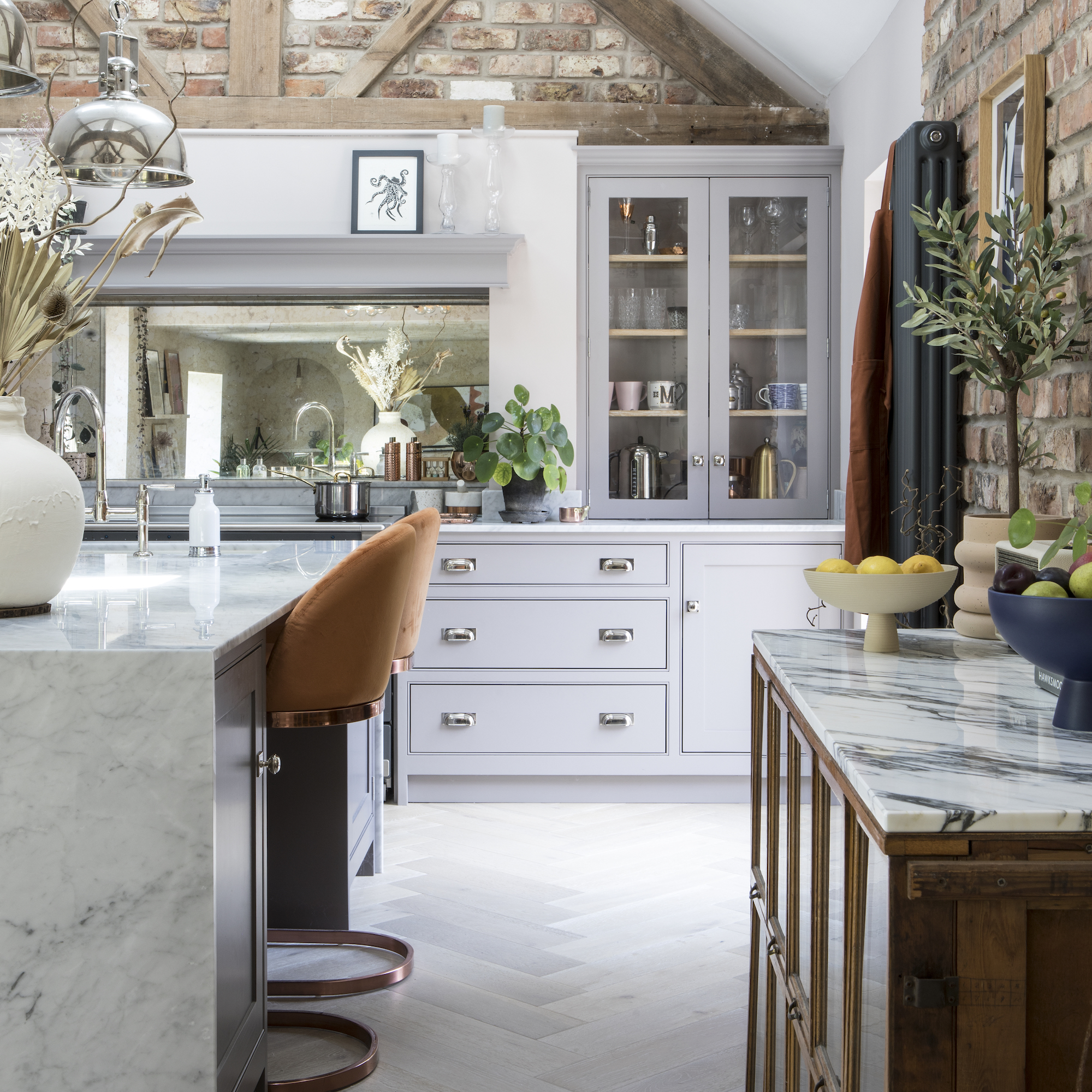
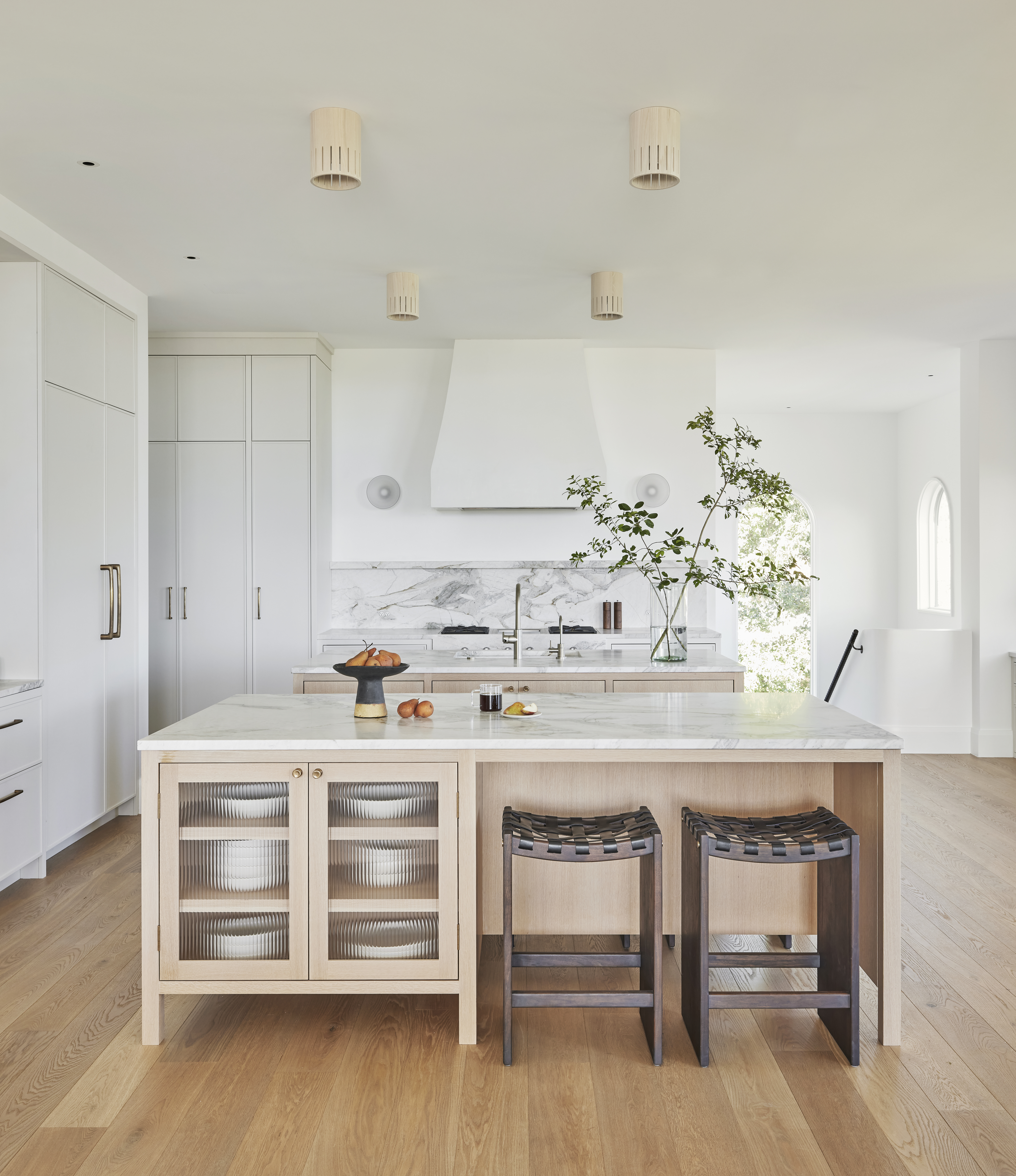
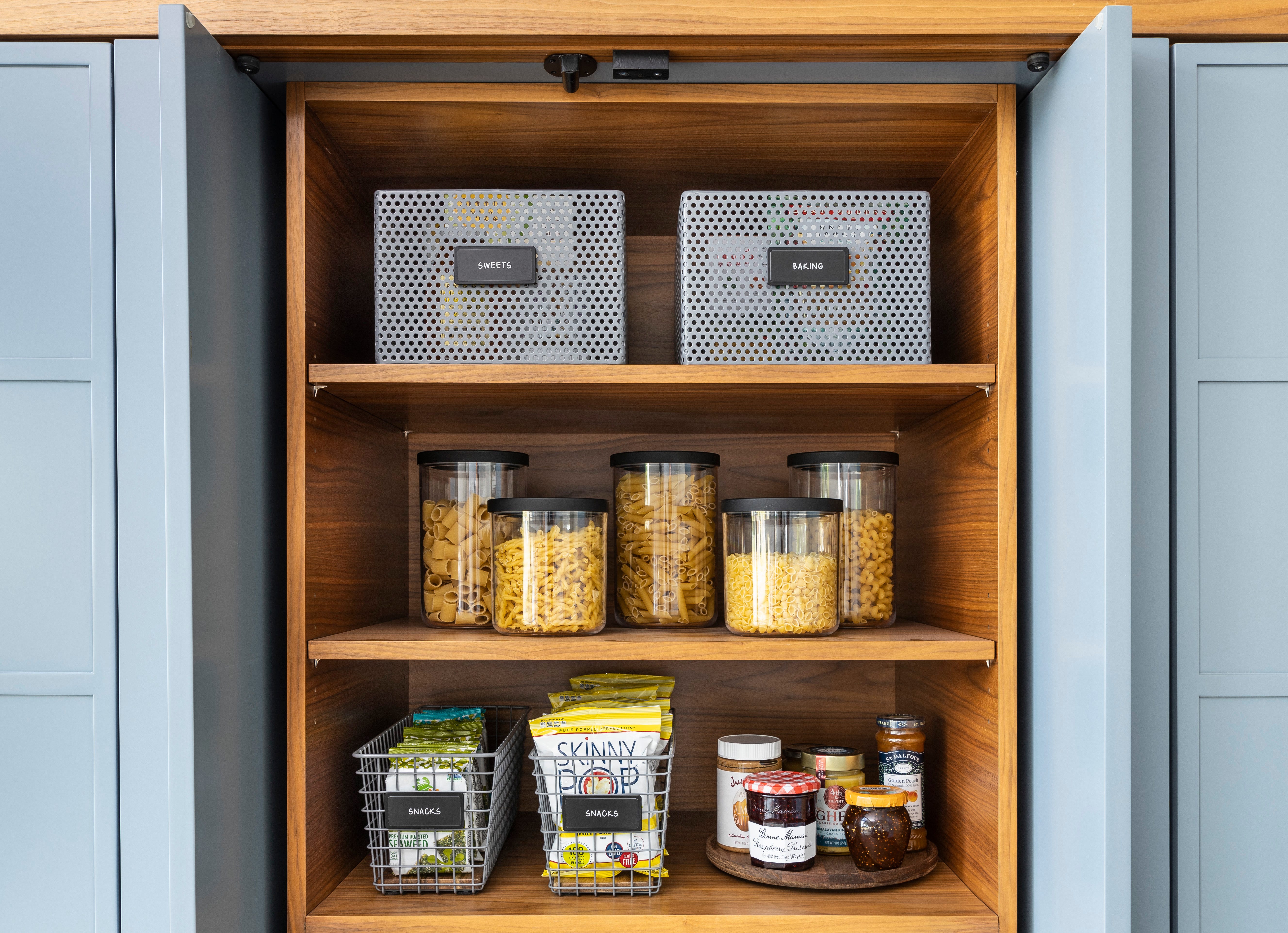
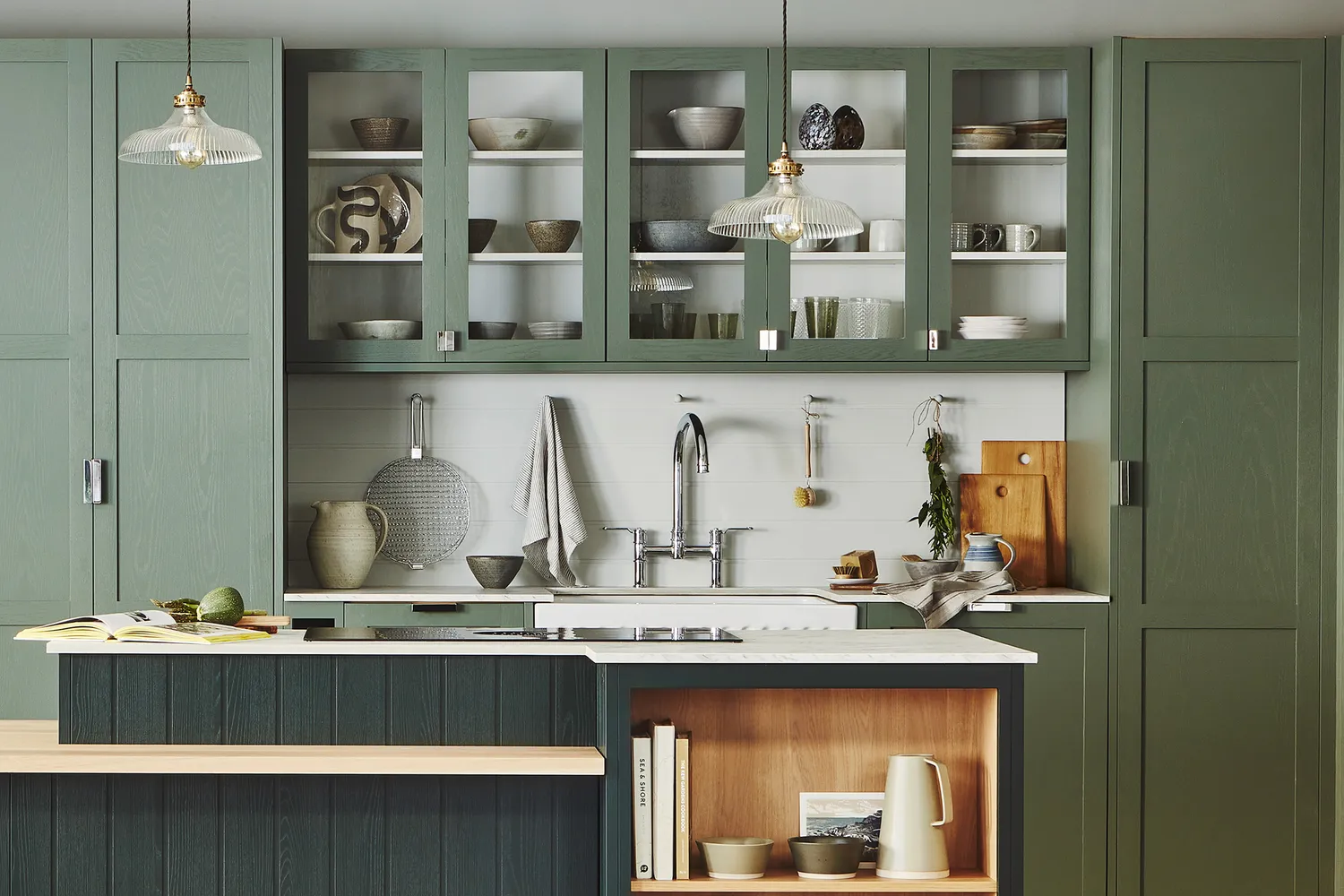
A fundamental principle for styling glass-front cabinets is to ensure every item has a designated place. According to Espinoza, glass-front cabinets are most effective when strategically used to showcase fine dishware, transforming ordinary storage into a design element. Maintaining organized and balanced contents is crucial for a clean, harmonious appearance that elevates the overall kitchen design. Grouping similar items together is an effective way to create order. This can involve creating an open pantry aesthetic behind glass doors, with separate zones for items like mugs and condiments, preventing a jumbled look.
Lighting the interiors of glass cabinets can significantly enhance their display. Espinoza notes that internal lighting adds warmth and elegance, effectively highlighting the displayed items. For renters, practical solutions like LED strips or puck lights can illuminate cabinet contents, with LED strips providing even lighting and puck lights offering targeted illumination. Another styling technique involves painting the cabinet backs in a contrasting color to make collections of decorative pottery or serving dishes stand out. James Yarosh advises that higher shelves, which are less frequently accessed, can be more thoughtfully curated and styled, while lower shelves should remain functional for daily use.
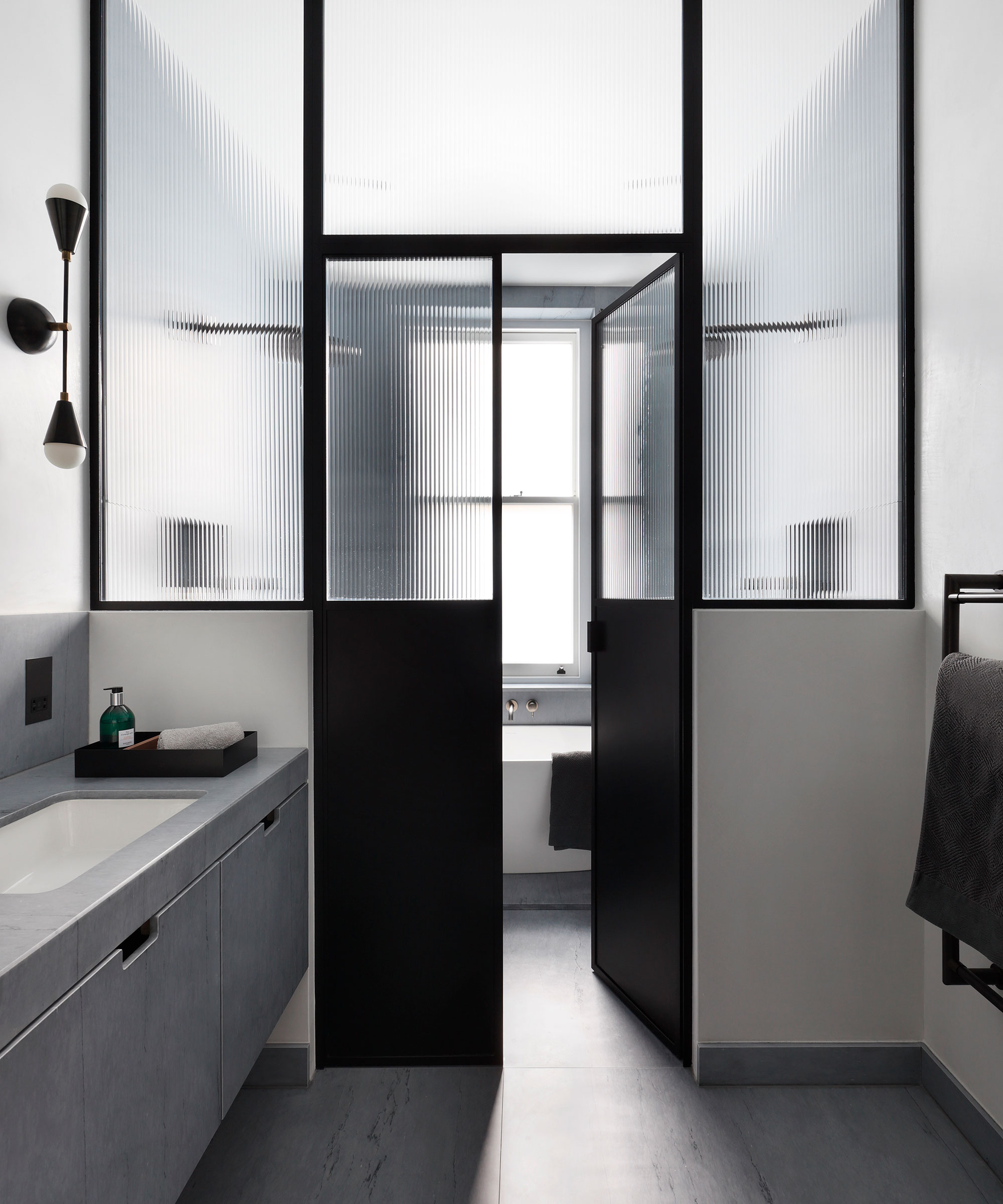
Color-blocking is another method to organize diverse collections of dishware, glassware, or serving pieces. Yarosh suggests grouping items by tone or hue, arranging darker pieces on one shelf and medium-toned items on another, to create a sense of structure and harmony from a distance. For those seeking a softer visual effect, textured glass doors, such as fluted, ribbed, or reeded glass, can provide a semi-opaque look. Yarosh explains that reeded glass, for instance, gently obscures items behind it, reducing the need for perfect styling every day.
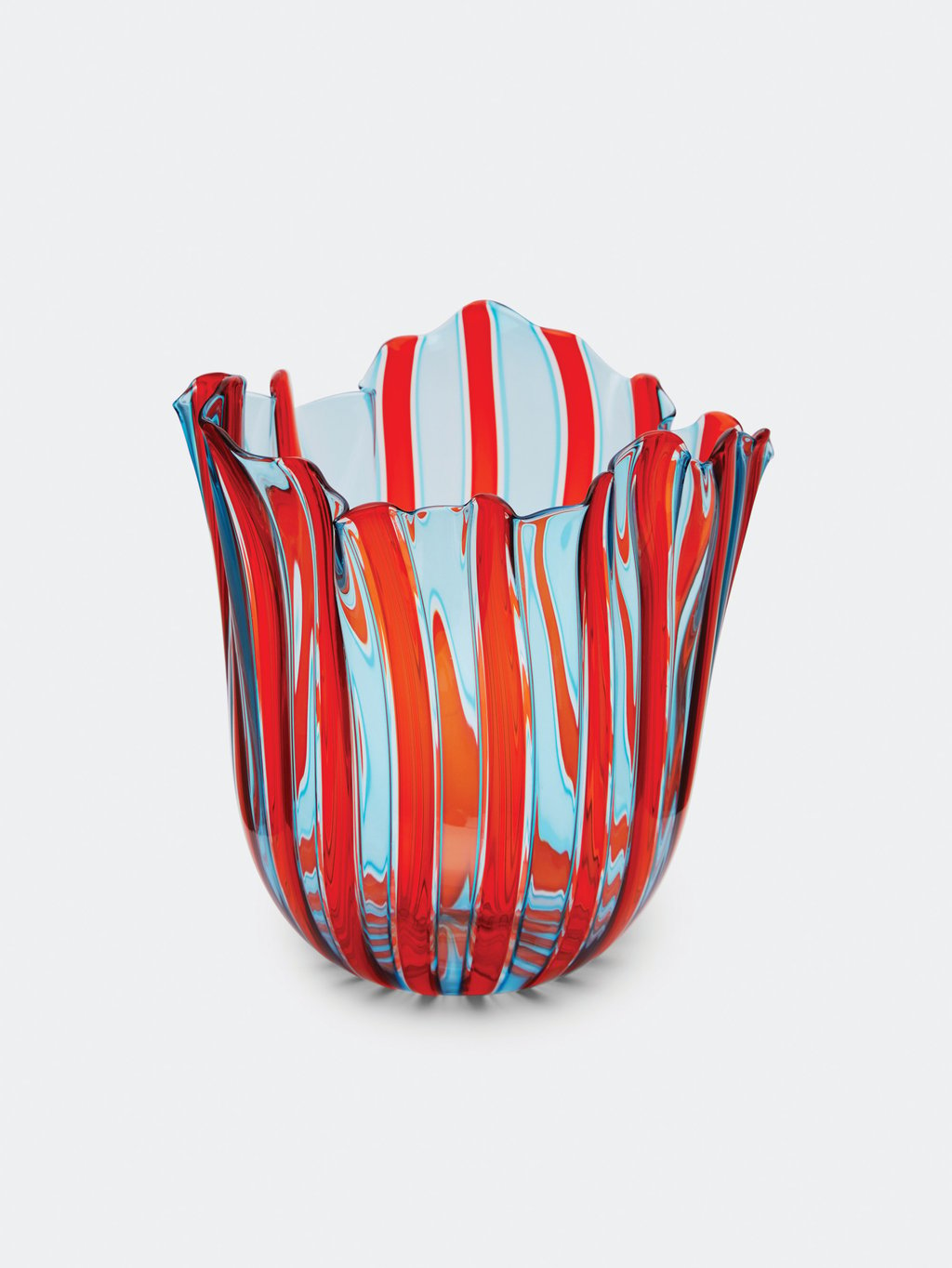
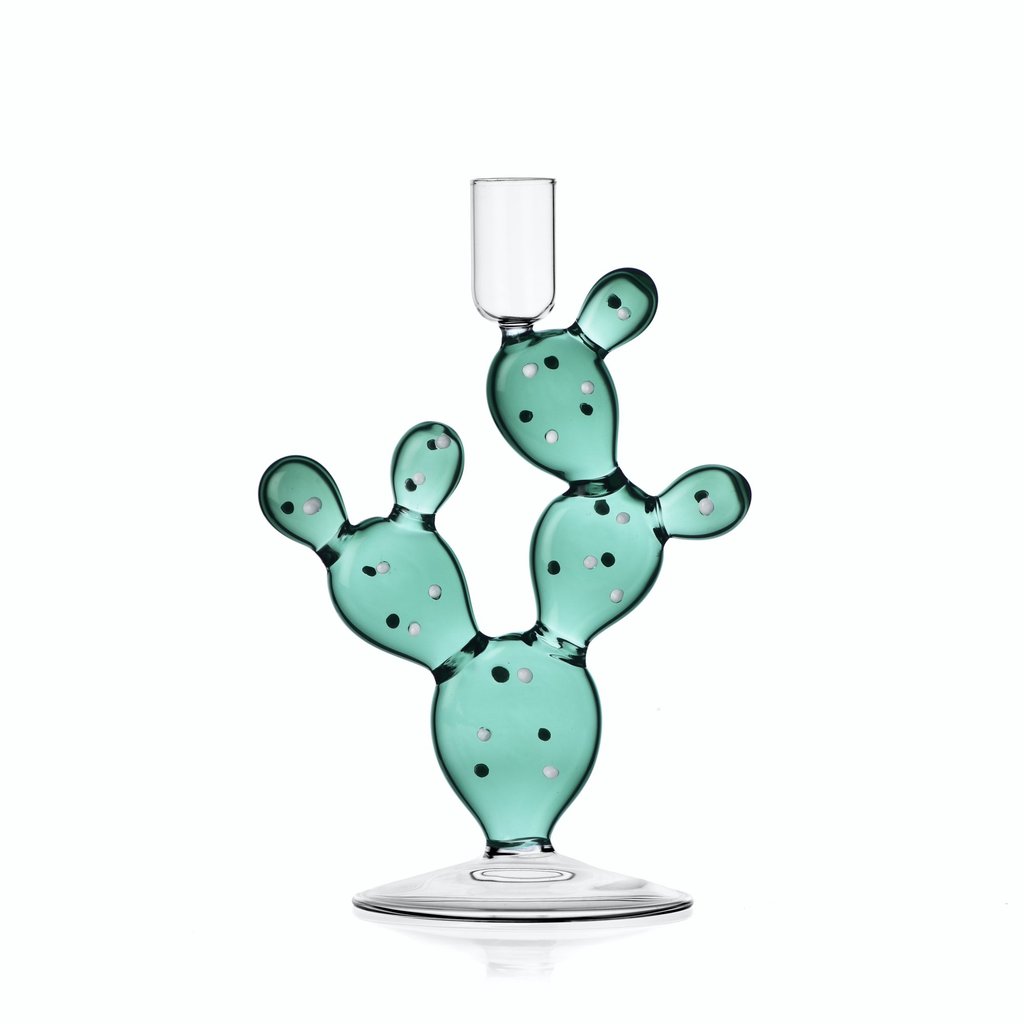
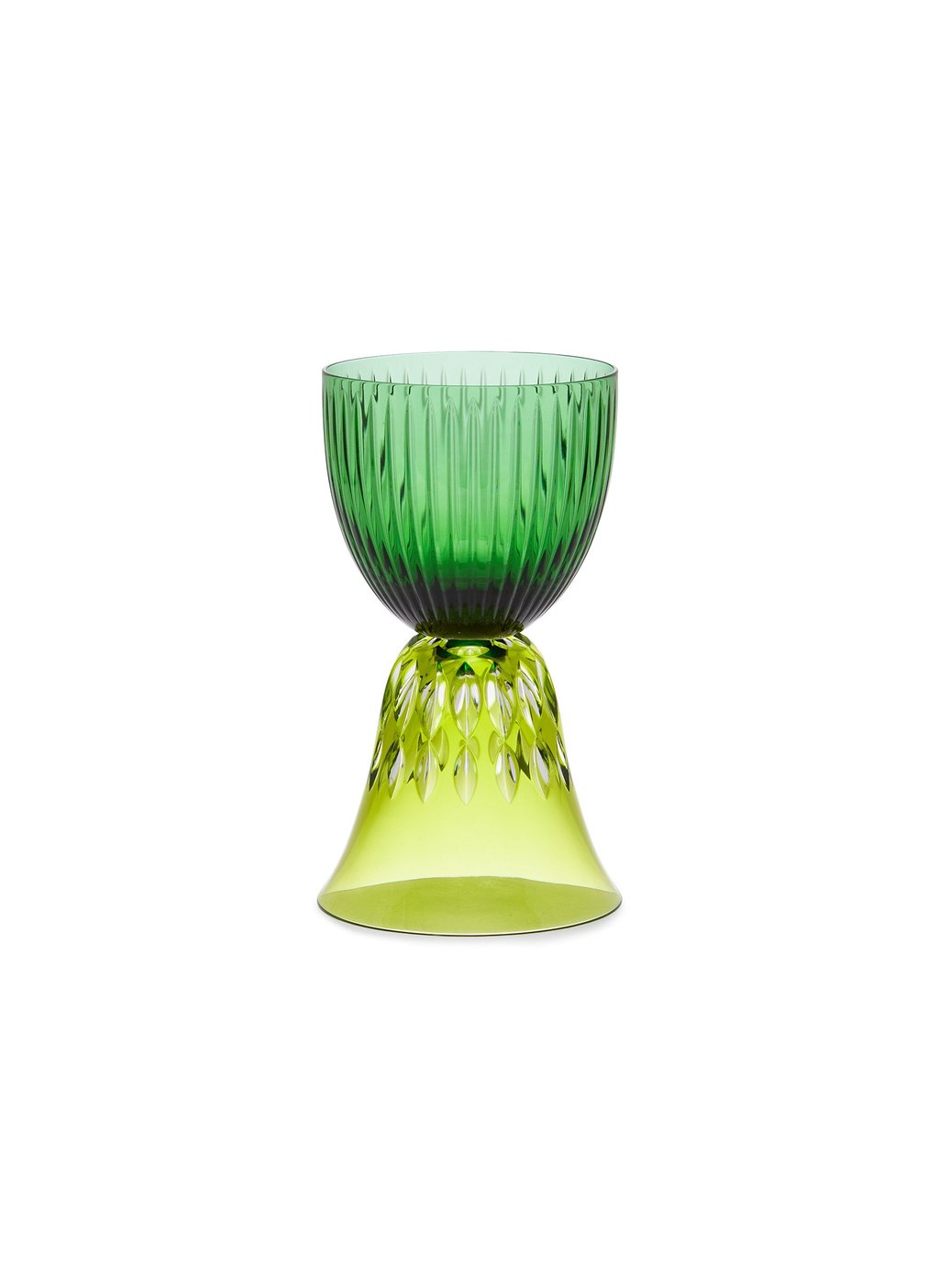
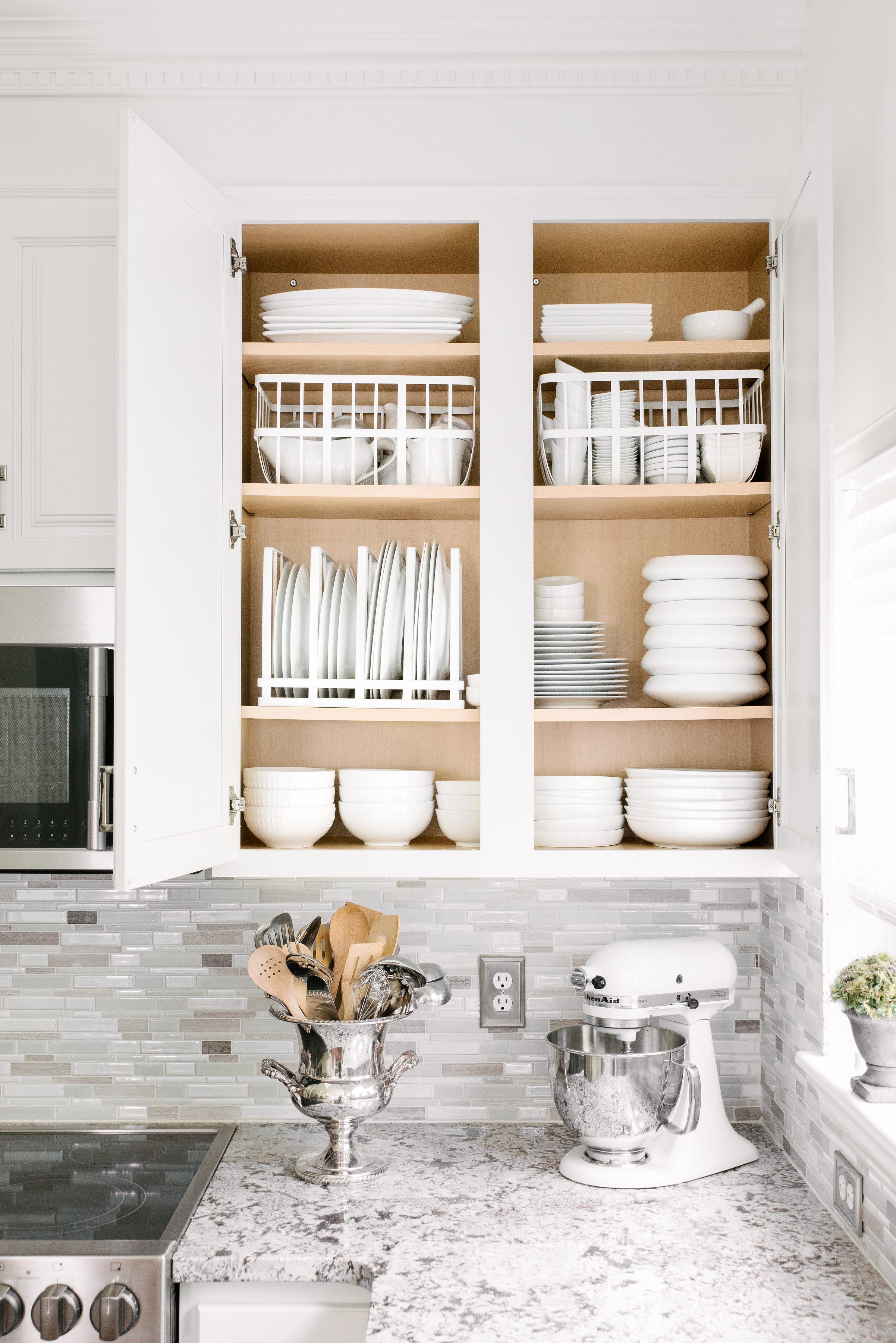
To achieve a cohesive display, using all-white dishware is a versatile option. This allows for mixing and matching pieces of various styles, sizes, heights, and shapes without making the display appear busy. Alternatively, colorful glassware can be used to energize kitchens with neutral palettes, especially when placed behind opaque, frosted, or tinted glass doors that offer some coverage while still hinting at the contents. These design choices collectively contribute to a well-styled and uncluttered glass-front cabinet display, blending functionality with aesthetic appeal.
#GlassCabinets #KitchenDesign #InteriorDecorating #HomeOrganization #KitchenStorage #DesignTips #HomeDecor #GlassCabinets #KitchenDesign #InteriorDecorating #HomeOrganization #KitchenStorage #DesignTips #HomeDecor
0 комментариев всего
 Комментариев пока нет
Вам также может понравиться
Homestyle: Glass and mirrors
9 designer-approved ways to turn your kitchenware into decor that deserves to be seen

Glass Is Red-Hot: Here Are 6 New Collections to Know

5 Styling Tricks Designers Always Use to Make Any Room Look Instantly Finished
An Expert Explains How To Perfectly Style Your Trendy Curiosity Cabinet

We’re Taking a Shine to These Glass Tile Bathrooms
We Asked Designers What Makes a Kitchen Look Cramped and We Wish We Knew This Sooner
Decluttering Experts Share Their Best Kitchen Cabinet Organization Ideas

Glass partition walls – how to replace internal walls and create a timeless design feature
We Asked Designers What Makes a Dining Room Look Cramped and We Wish We Knew This Sooner
'Get This Element Right, and Add The Perfect Finish to Your Kitchen,' Say Designers

We Asked 6 Designers Their Favorite Way to Dress Up a Kitchen Window, and They Did Not Disappoint
How Designers Style Glass-Front Cabinets to Look Curated Not Cluttered
10 Stunning glass kitchen cabinet ideas - The timeless trend that's going nowhere
How modern designers are transforming glassware with creative touches

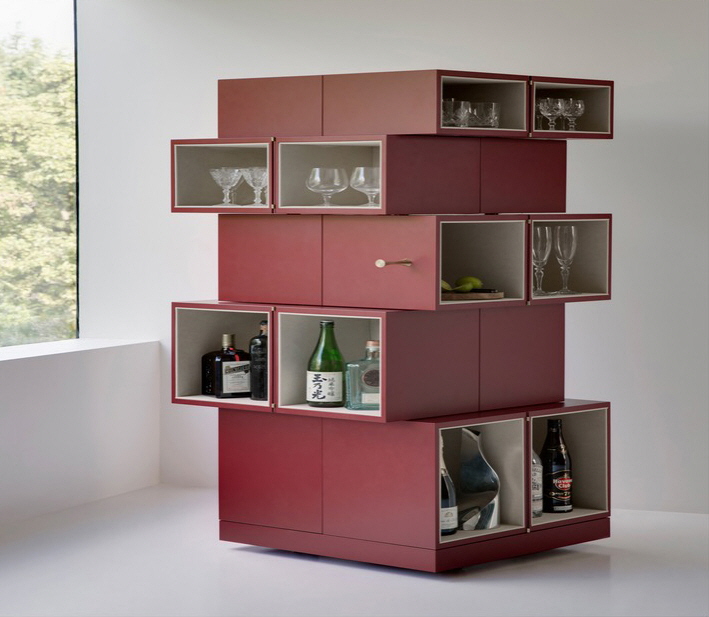
The Transforming Cubrick Cabinet Comes from "Chaos Technique"

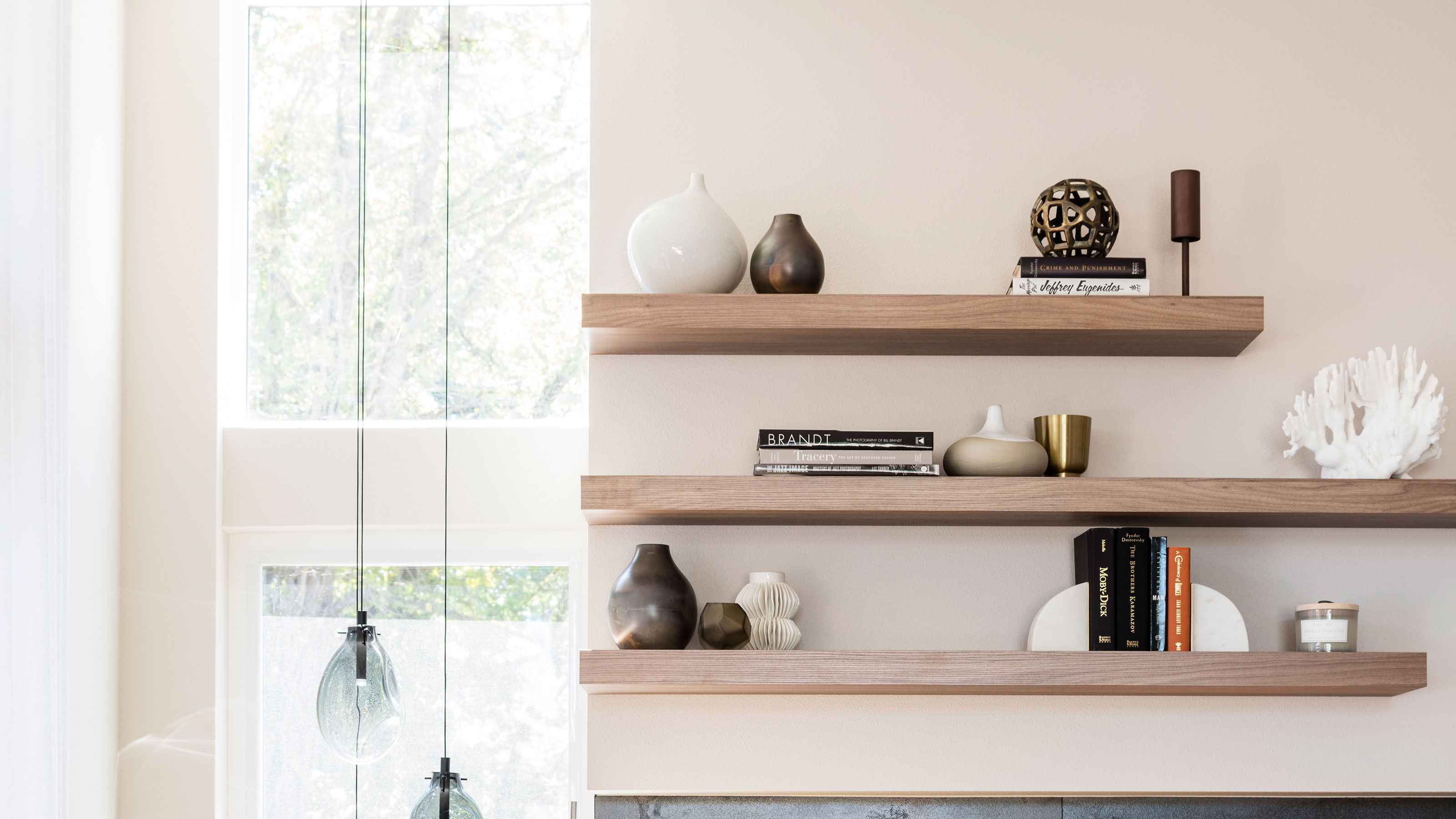
I asked an interior designer how to style shelves, and I learned 4 awesome tips

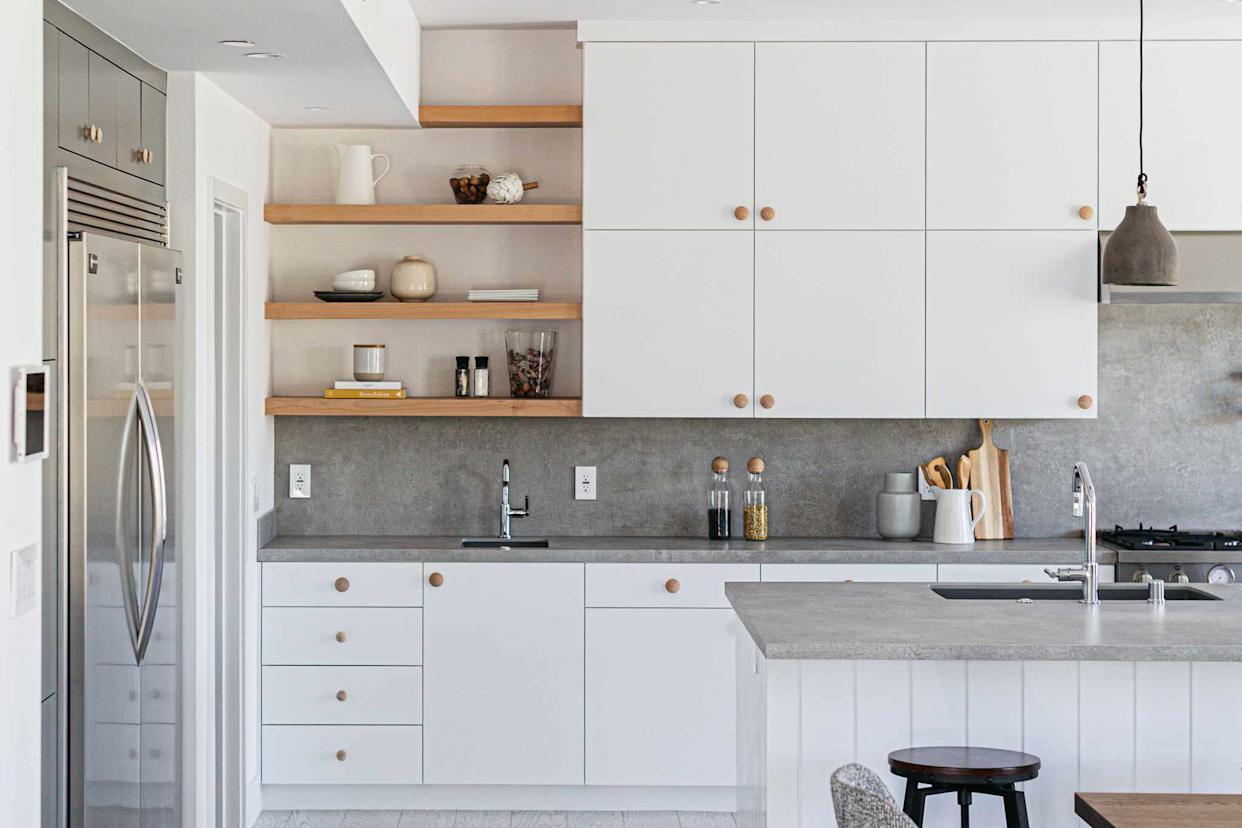
Are Open Shelves Finally Out of Style in 2026? Designers Weigh In
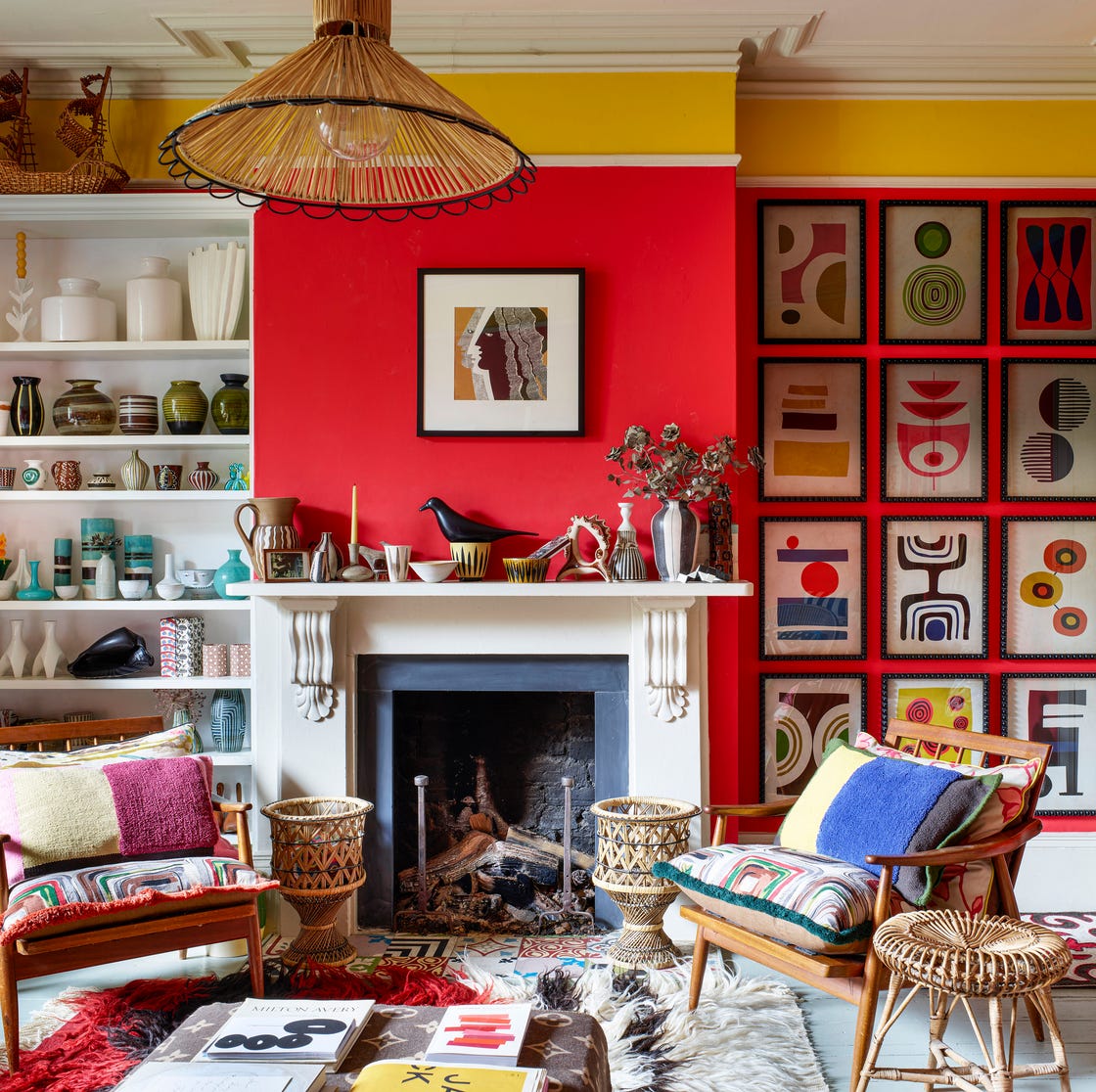
"Cluttercore" Is Trending—Here's How to Make It Feel Intentional, According to Designers

We Asked Designers Which Paint Colors Make a Room Feel Stuffy—And We're Repainting ASAP