1/3
Sea levels are rising, here’s how to floodproof your home
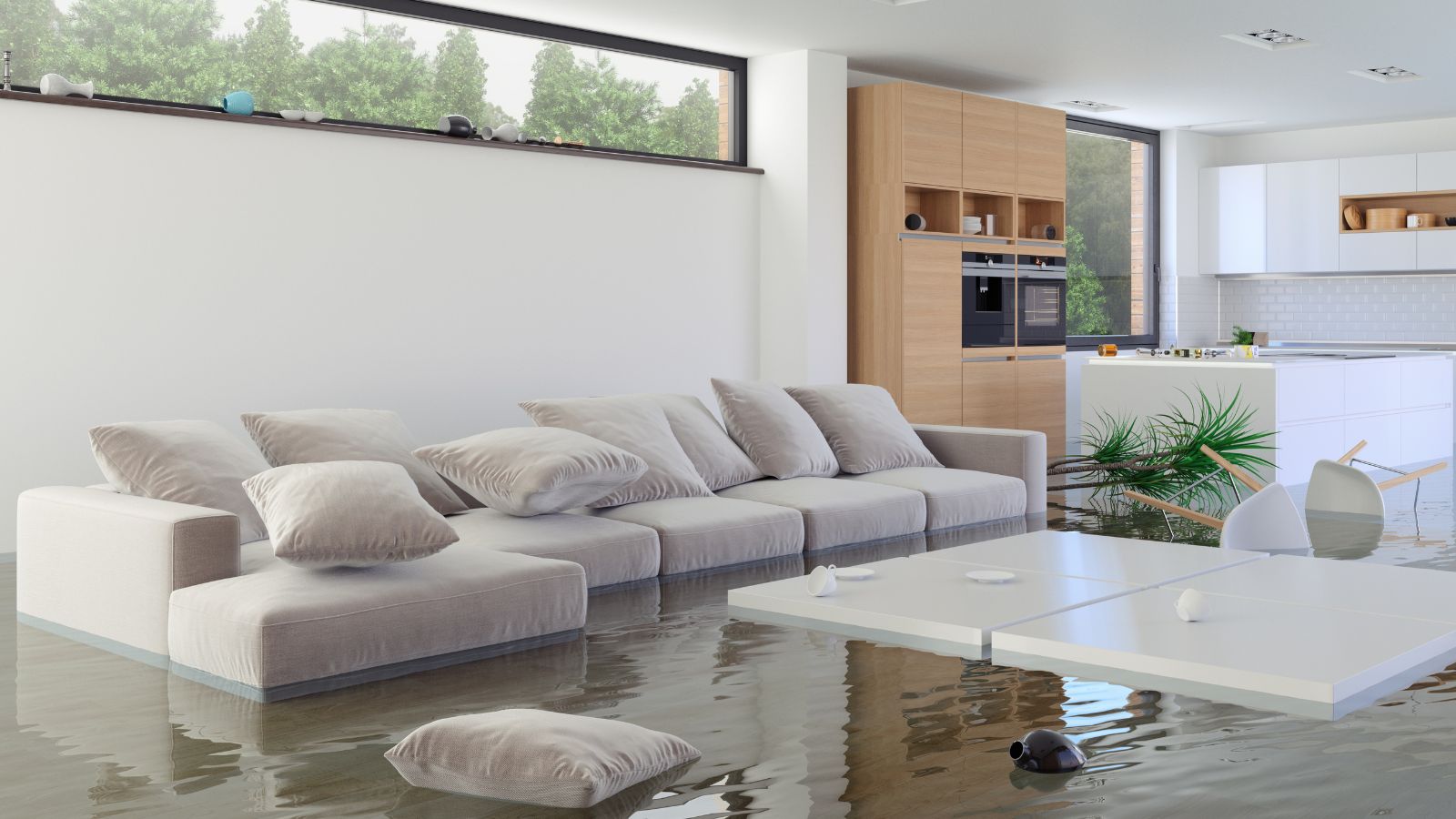
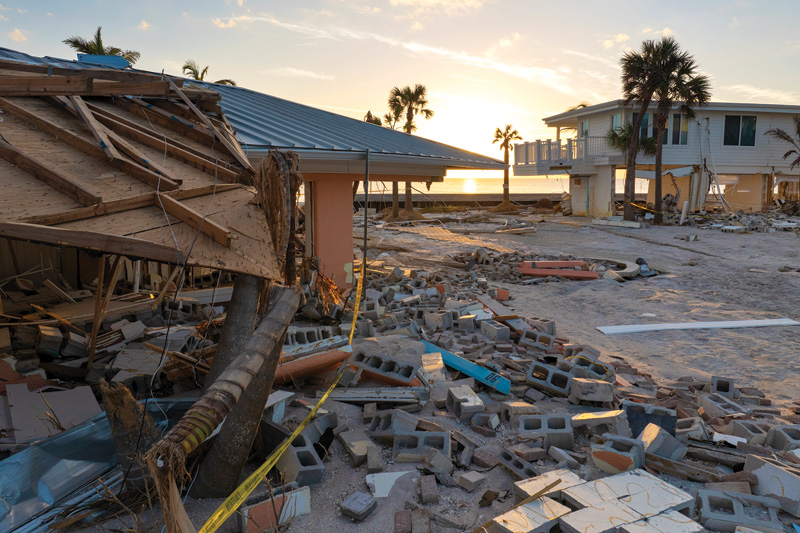
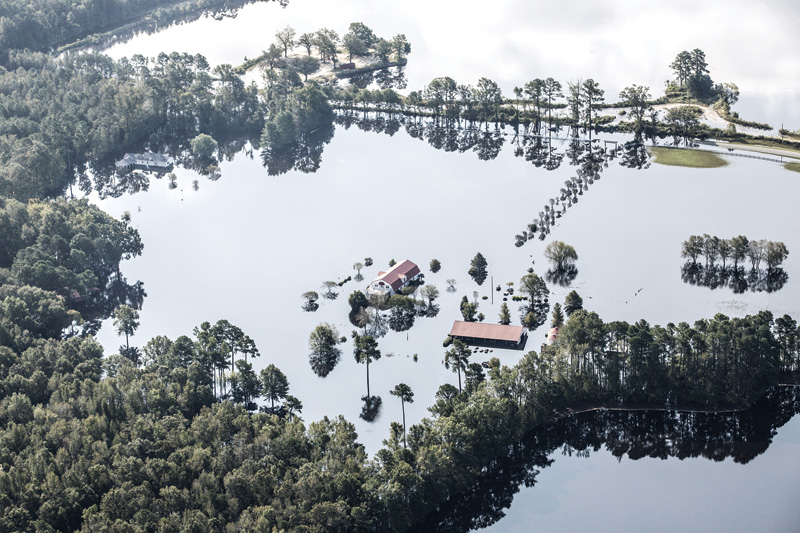
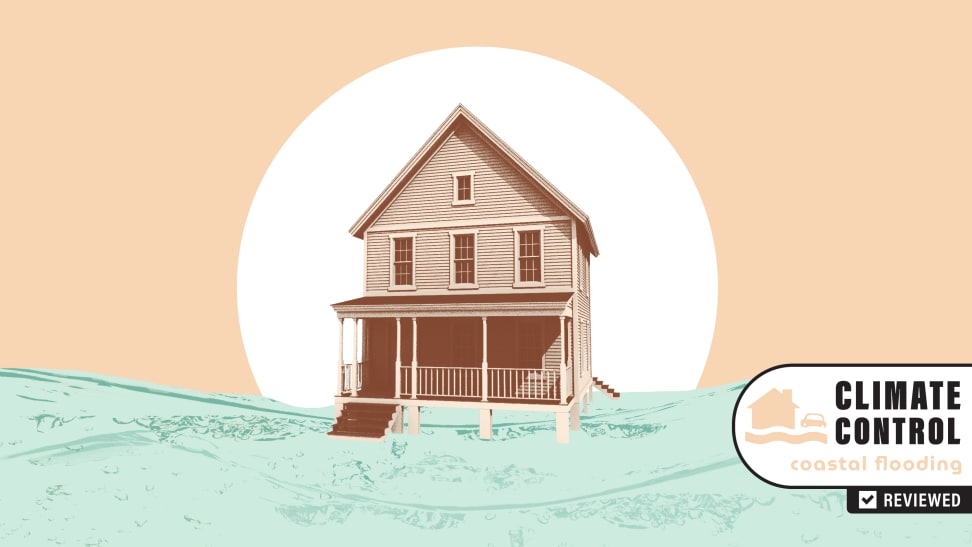
With rising sea levels, coastal flooding is increasing in frequency and intensity due to climate change and global warming. This poses a significant threat to homes, especially those located on the East and West Coasts of the United States, which are experiencing higher water levels and coastal erosion. It's crucial for homeowners to understand the distinction between temporary storm surges and long-term water inundation and to implement effective floodproofing strategies. This article provides guidance for those living in flood zones or owning coastal vacation homes on how to prepare their properties for rising sea levels.
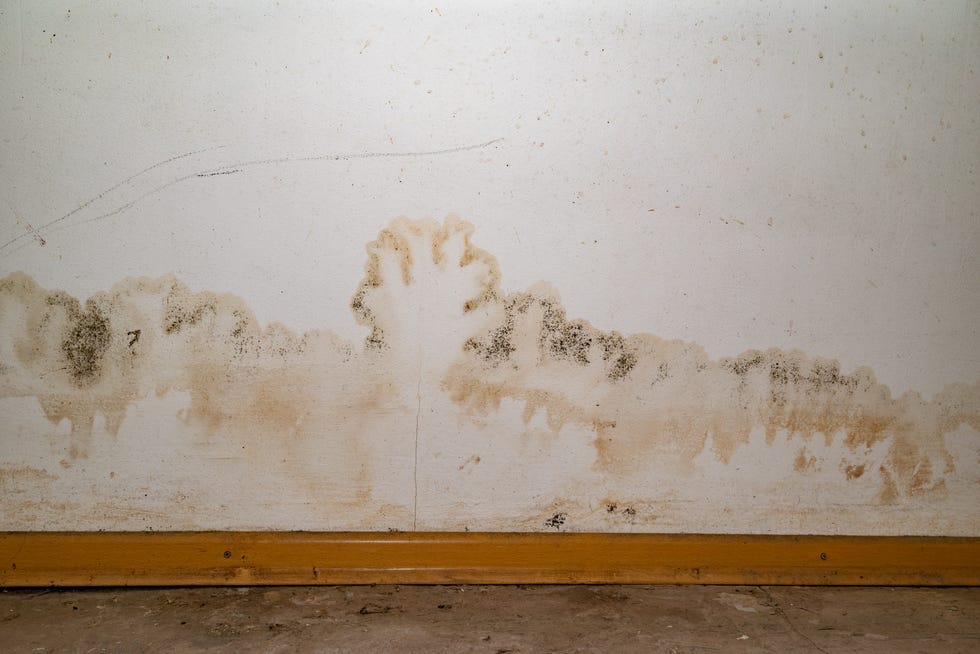
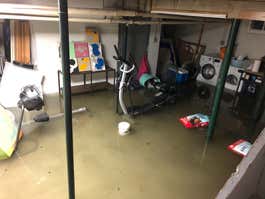
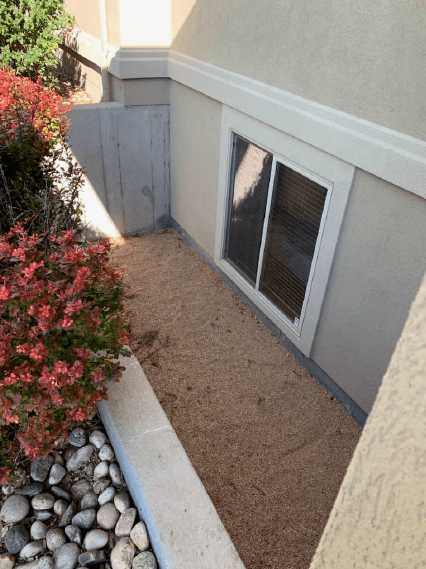
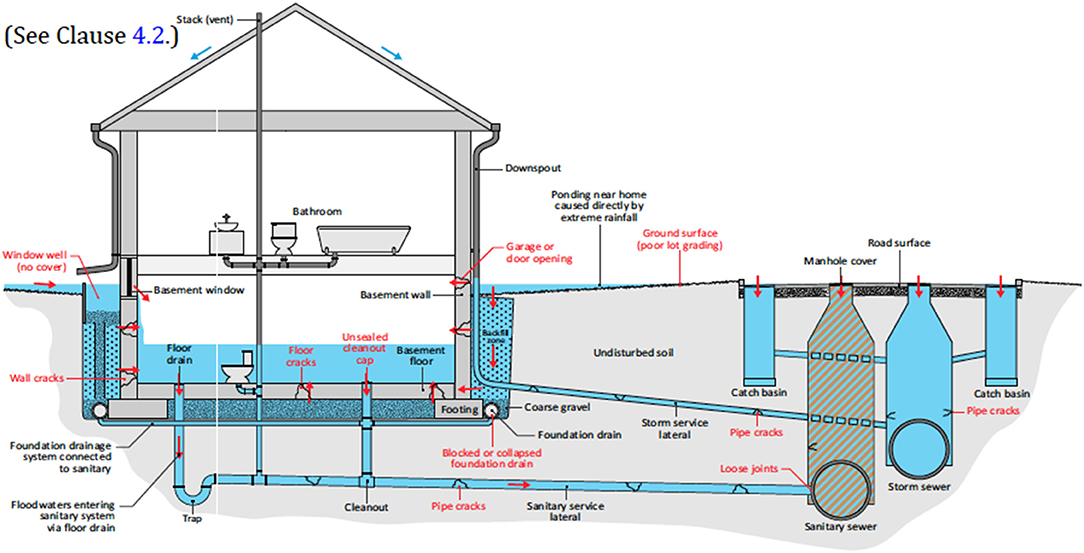
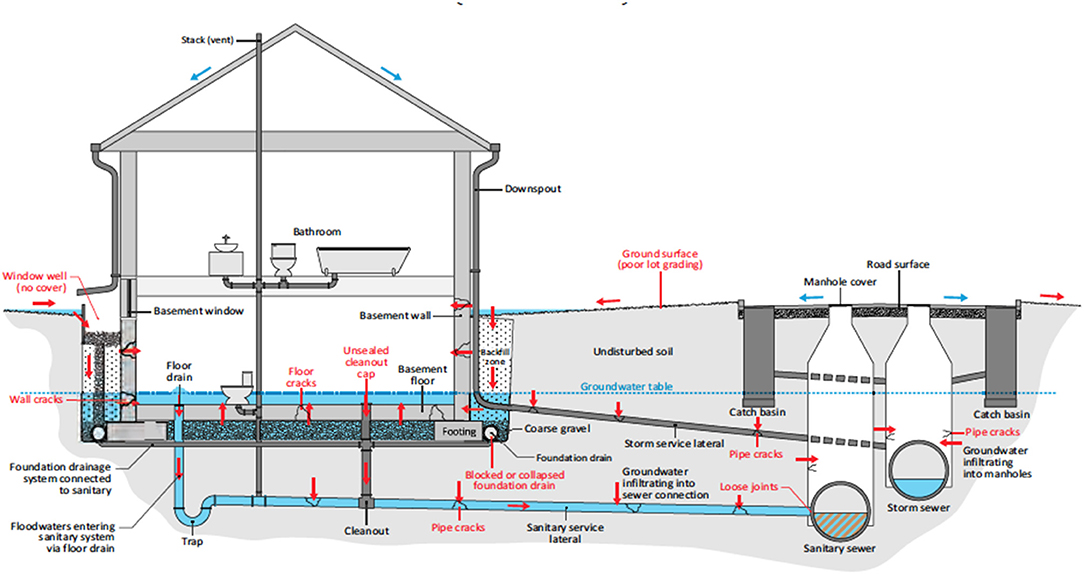
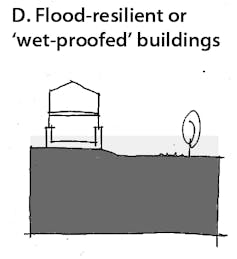
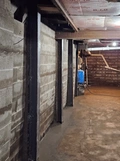
Two primary floodproofing methods are discussed: wet floodproofing and dry floodproofing. Wet floodproofing involves taking measures to allow floodwaters to enter specific enclosed areas of a house, primarily to mitigate the effects of hydrostatic pressure. This method reduces the load on the house and prevents structural damage by ensuring water levels inside and outside the home rise and fall simultaneously. It typically involves constructing or retrofitting foundations with openings to facilitate water flow into basements or attached garages. Essential considerations for wet floodproofing include restricting its use to non-living spaces due to water contamination risks and using flood-resistant materials like concrete, stone, masonry block, and pressure-treated lumber. Vulnerable materials such as drywall and carpeting should be avoided. Proper maintenance of foundation openings, ensuring they are free from debris, is vital for water flow. HVAC, electrical components, and oil/propane tanks must be secured above the home's base flood elevation (BFE). Post-flood cleanup involves disinfecting contaminated surfaces with agents like Clorox bleach or Pine-Sol and using a wet/dry shop vacuum to prevent mold and mildew.
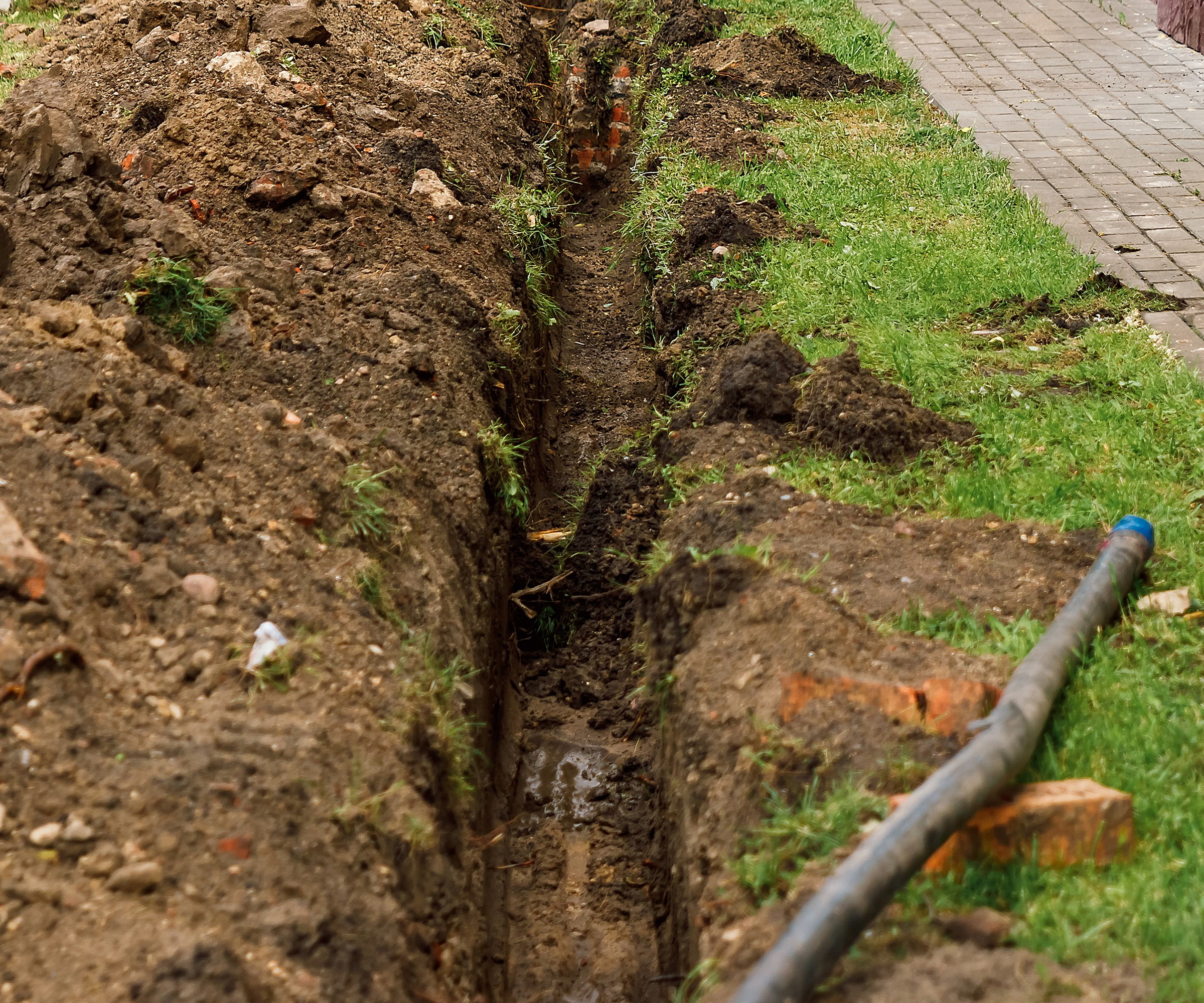
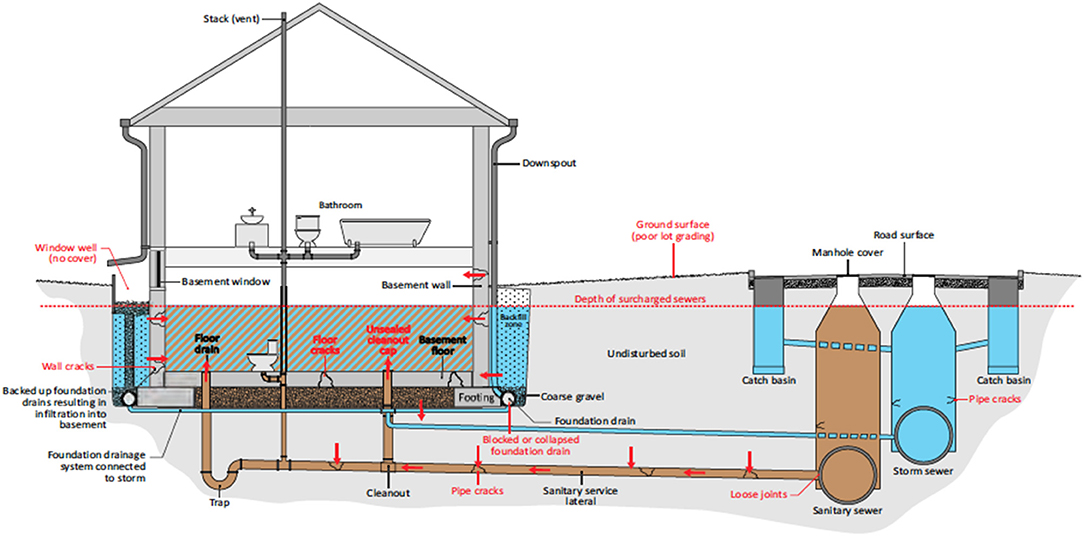
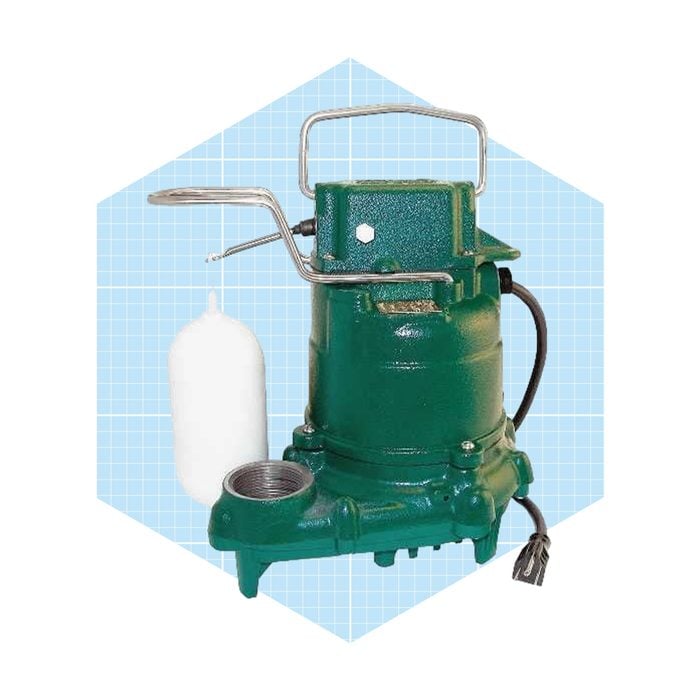
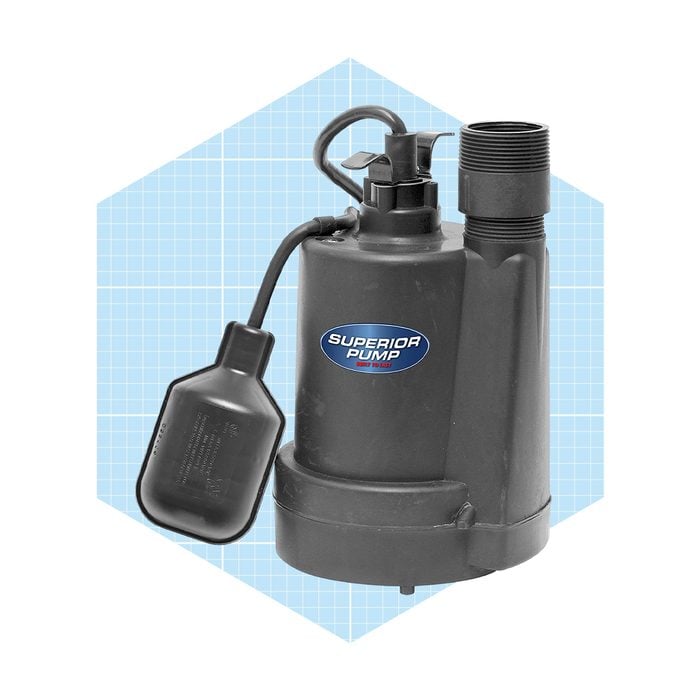
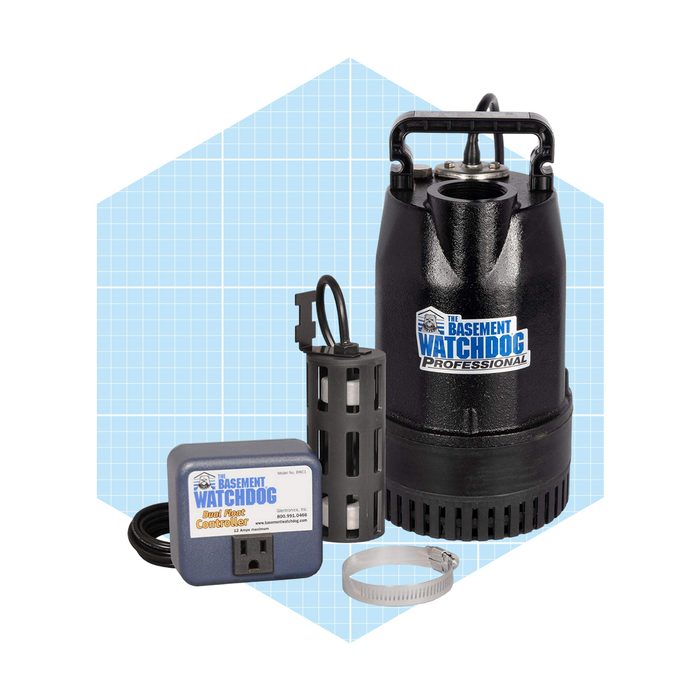
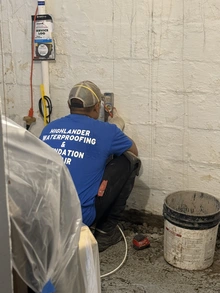
Dry floodproofing, on the other hand, aims to seal a home to keep floodwaters out. This method involves making all areas below the building’s flood protection level watertight using materials like plastic or rubberized sheeting and special waterproofing compounds applied to exterior walls and floors. A drainage line, plumbing check valves, and a sump pump are typically installed to manage any water penetration. Dry floodproofing is recommended for homes where flooding is not expected to exceed three feet and does not alleviate hydrostatic pressure, meaning structural damage remains a possibility. Both wet and dry floodproofing require professional construction and installation of waterproof materials.
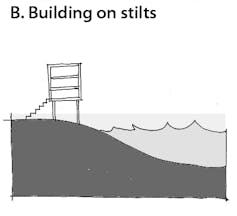
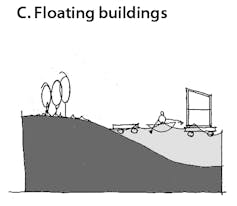
Beyond these methods, homeowners can consider elevation or relocation as more robust alternatives. Elevating a home involves rebuilding a new foundation at a higher level, while relocation moves the home to higher ground or a different plot of land. These are often the most dependable measures for protecting homes from deep or coastal flooding, especially when flood depths exceed six feet. Homeowners who have previously sustained flood damage may be eligible for federal Hazard or Flood Mitigation Grant programs to cover the costs of these preventive repairs. Given the ongoing impact of climate change and extreme weather, preparing homes with these flood mitigation tactics is crucial to prevent significant property loss and protect against natural disasters.
#Floodproofing #RisingSeaLevels #CoastalFlooding #ClimateChange #HomeProtection #WetFloodproofing #DryFloodproofing #PropertySafety #NaturalDisasterPreparedness #Floodproofing #RisingSeaLevels #CoastalFlooding #ClimateChange #HomeProtection #WetFloodproofing #DryFloodproofing #PropertySafety #NaturalDisasterPreparedness
0 комментариев всего
 Комментариев пока нет
Вам также может понравиться

When Rivers Rise Fast – Flood-Smart Living: Simple Steps to Protect your Home
Ways to protect your home from flooding – safeguard your space from storms

6 ways to future-proof your home against extreme weather – your home (and wallet) will thank you
My House Flooded . . . Now What?
7 ways to flood-proof your home during Thailand’s storm season

Worried about your basement flooding? Install these temporary measures before heavy rainfall
My Basement Flooded…What I Wish We’d Have Known to Better Prepare, and What We Learned

6 Best Sump Pumps to Flood-Proof Your Basement


Floodproofing a house — 12 things experts say you can do
So Your Basement Is Severely Flooded. Now What?
How To Keep Floodwaters From Entering The House Through The Front Door And Bathroom
Living with water: four buildings that will withstand flooding

What to Do If Your Basement Floods During a Storm, According to Experts

The BEST Ways to Protect Your Home From Water Damage, According to Experts
Hurricanes and flooding: Advancing building strategies for resilience
Highlander Waterproofing and Foundation Repair - Tribune-Review

Everything I Did to Flood-Proof My Old House | Reviews by Wirecutter

How Can Architecture Combat Flooding? 9 Practical Solutions


Reducing Urban Flood Risk Through Building- and Lot-Scale Flood Mitigation Approaches: Challenges and Opportunities

Tag: climate