1/7
Jacquard Fabric: Here’s Your 101 Explainer
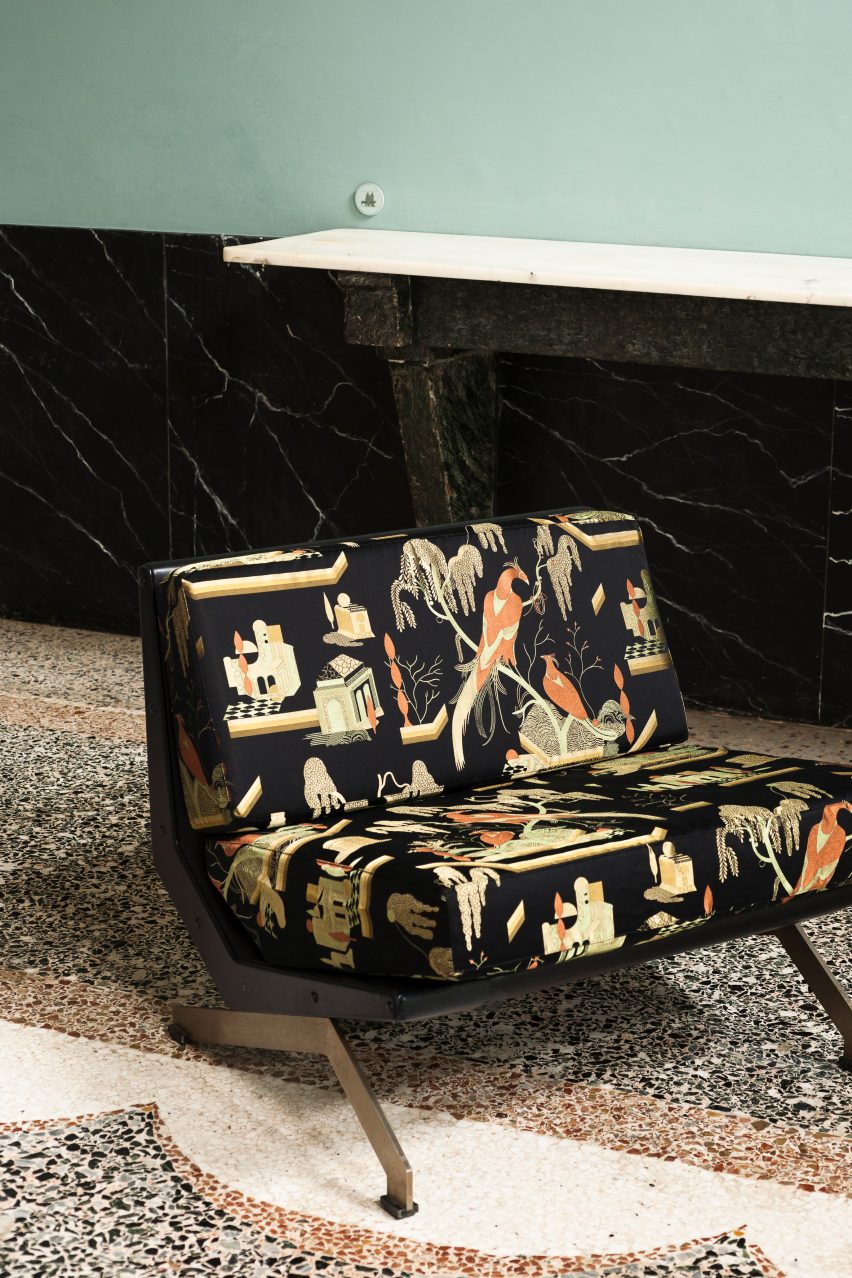
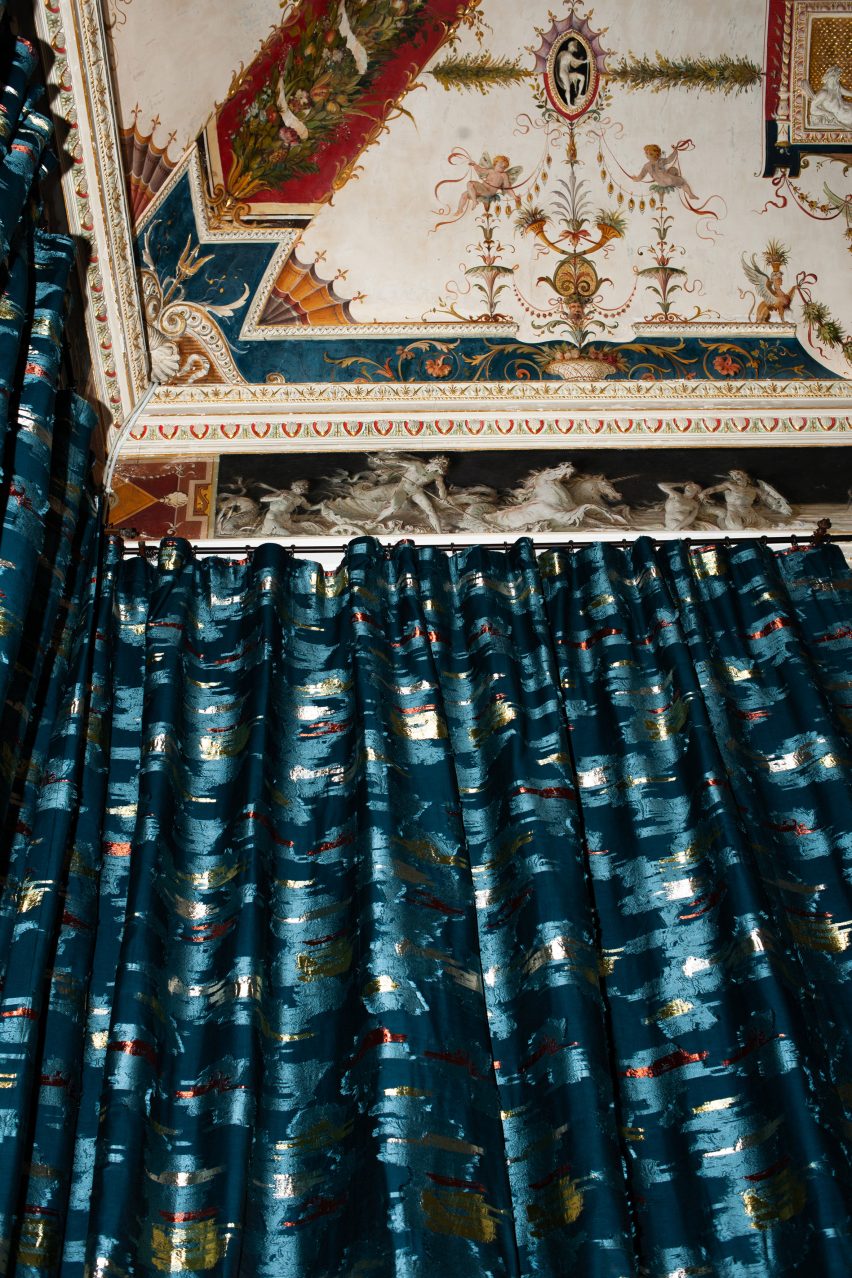
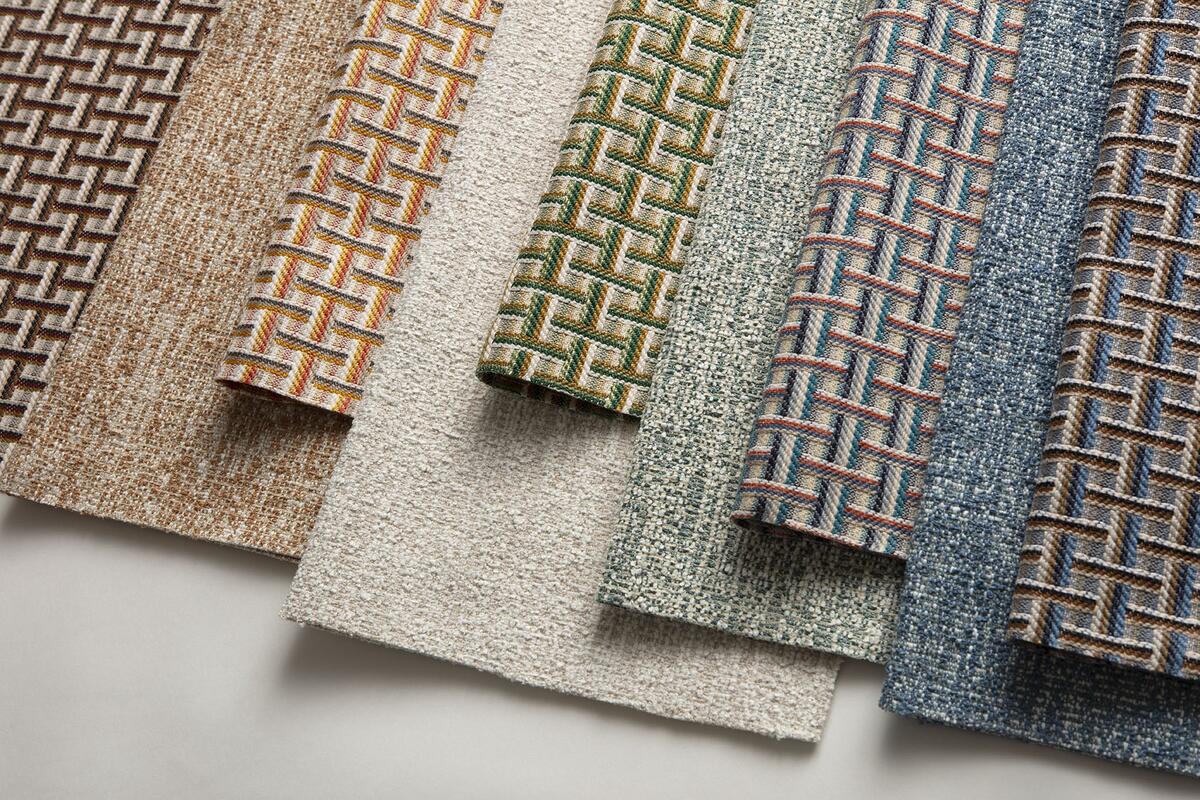
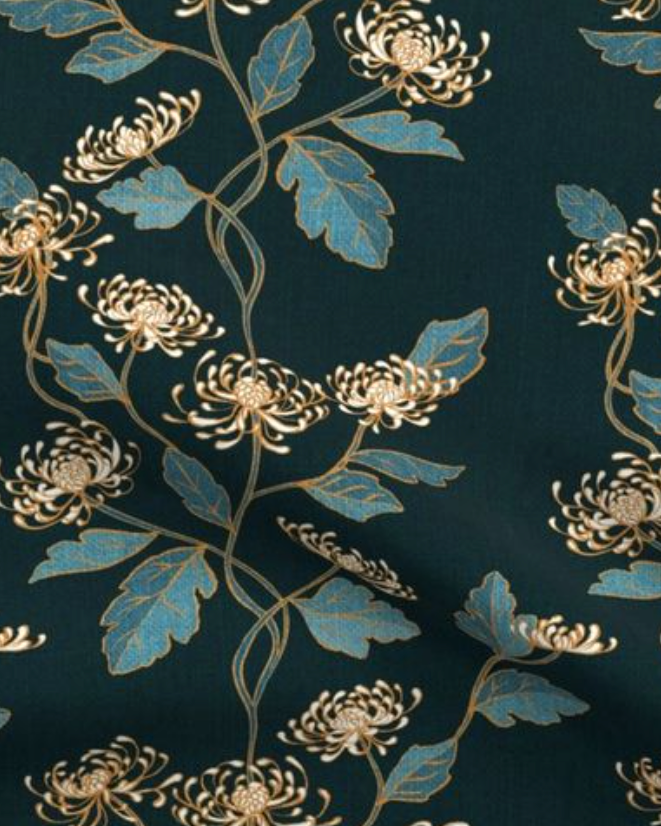
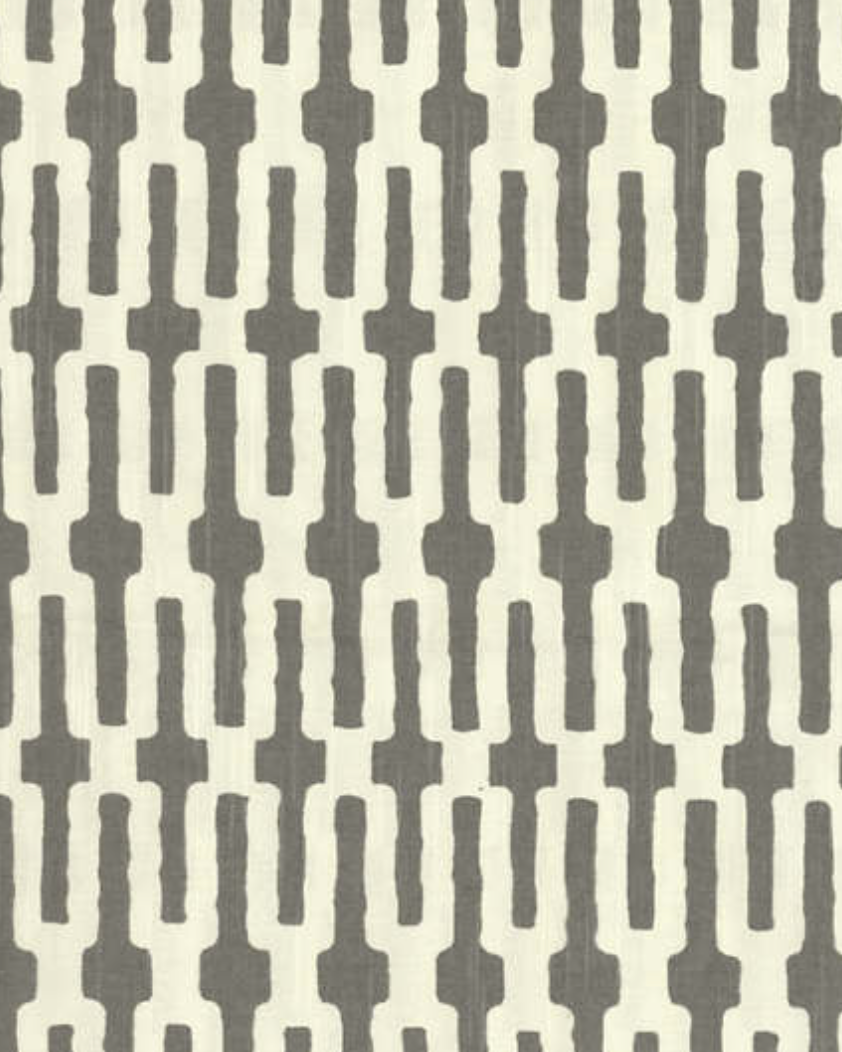
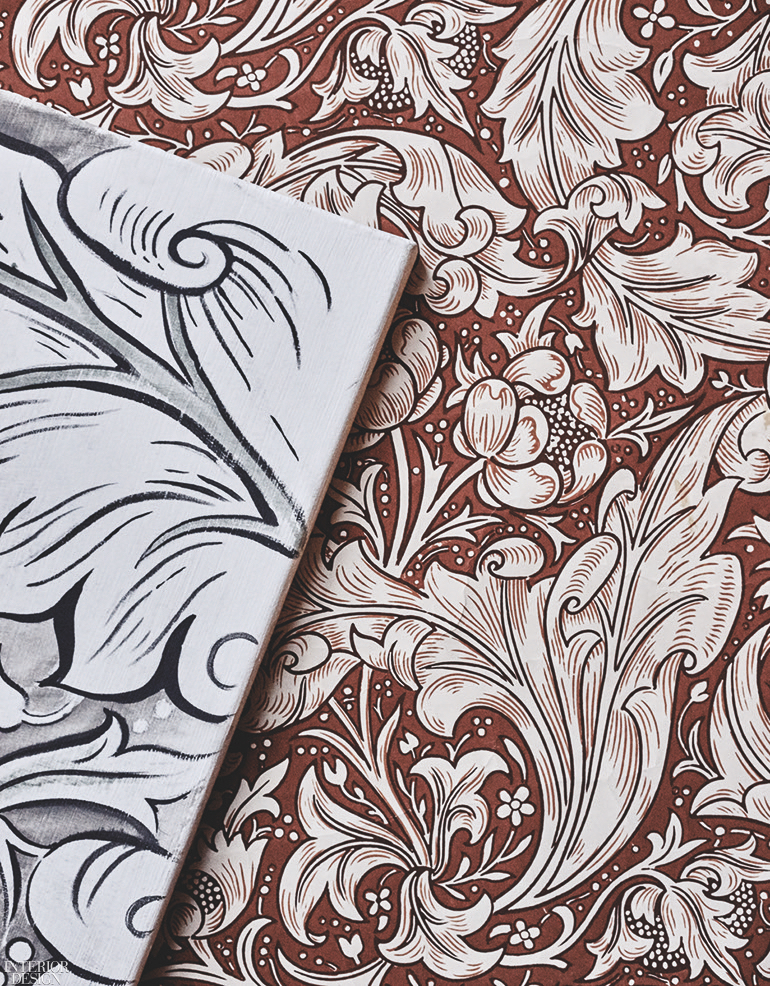
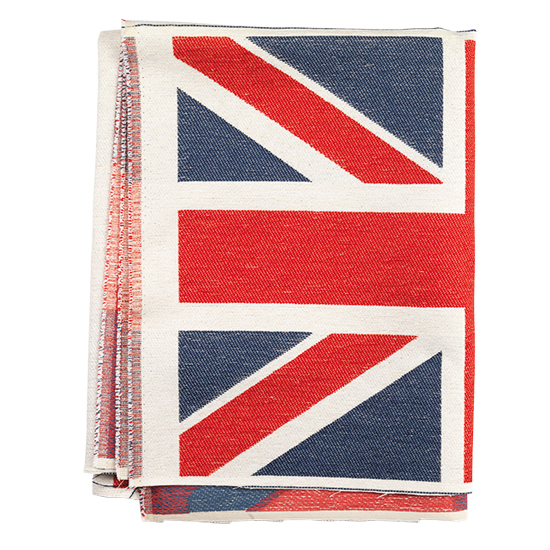
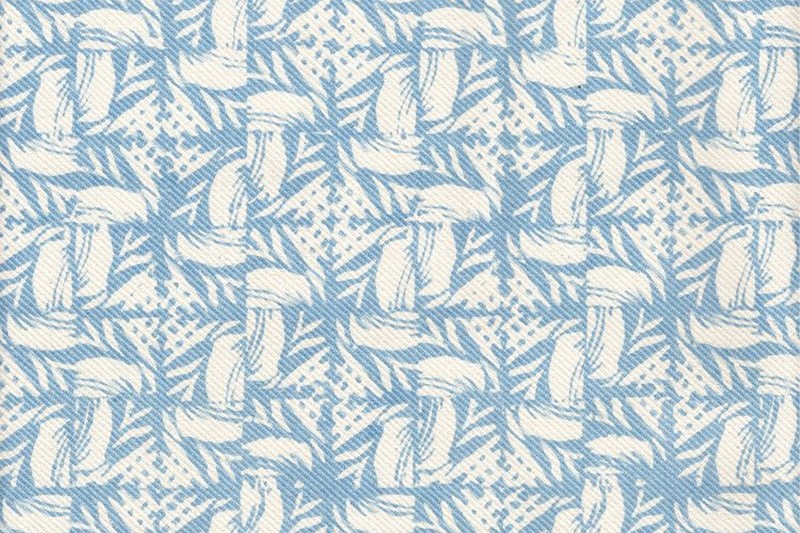
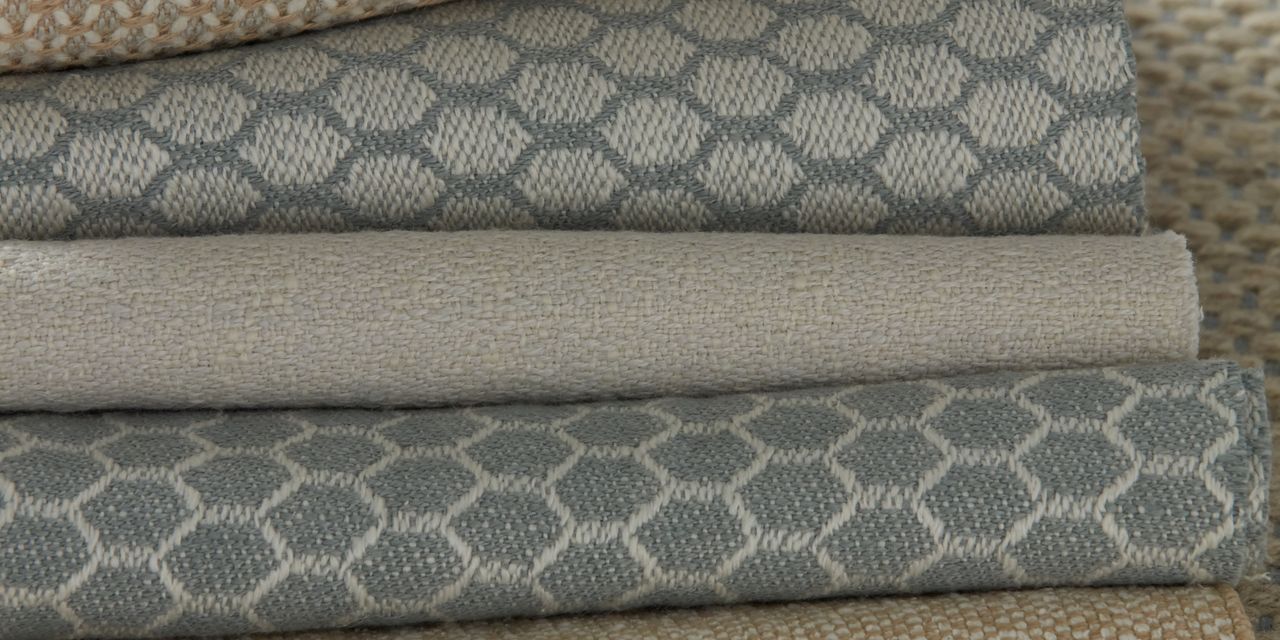
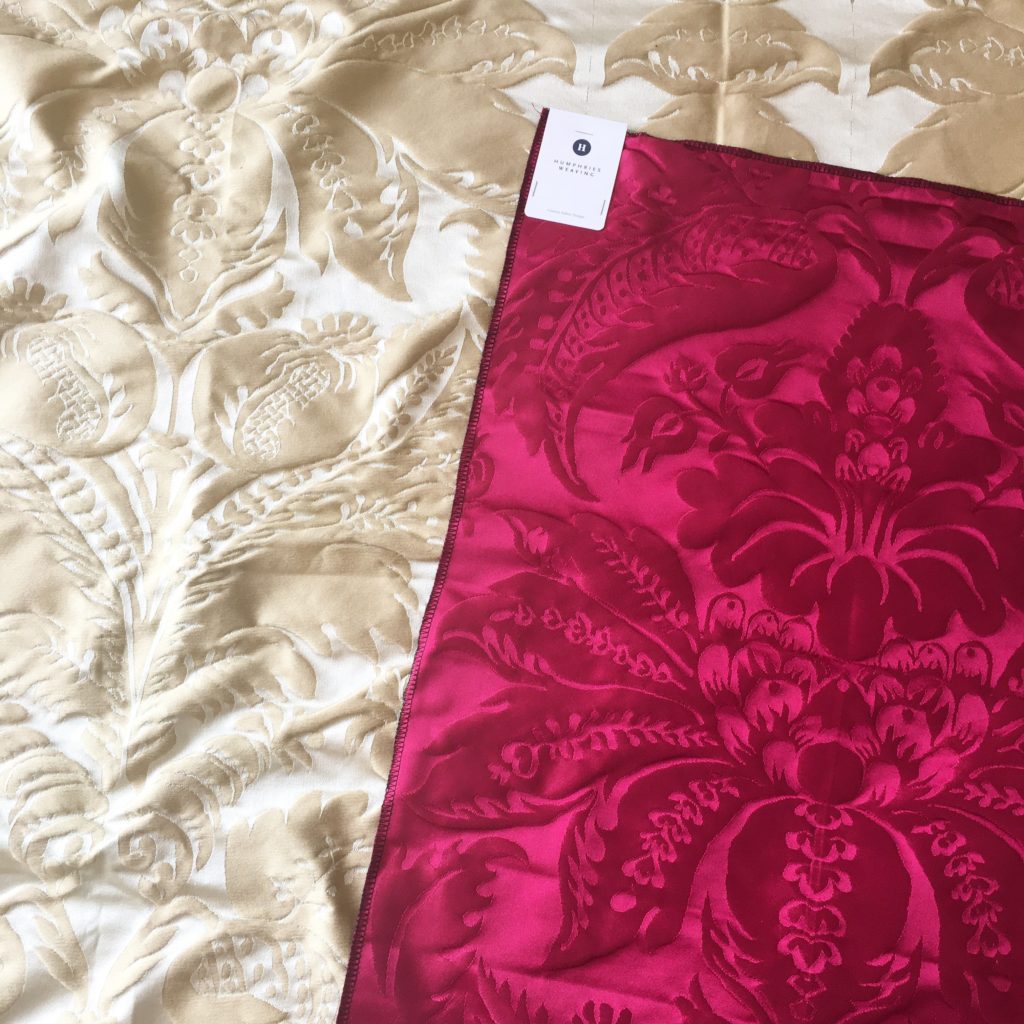
Jacquard fabric is renowned for its durability, intricate patterns, and ornate aesthetic, and has maintained its popularity since its inception in the early 1800s. The term 'jacquard' does not refer to a specific material or print, but rather to a weaving method that creates raised motifs directly into the fabric using a specialized loom known as the jacquard loom. Unlike most fabrics where patterns are applied after weaving, jacquard patterns are an integral part of the fabric's construction. This unique process ensures that patterns, such as those in cotton jacquard, are less prone to warping or fading compared to surface-printed designs. Sarah Henry, executive director of La Manufacture Cogolin, highlights that this method results in a fabric of superior quality and distinctiveness, noting its capacity to blend graphic patterns with textures or to function purely as a textured material. Jacquard can be produced from nearly any fiber, ranging from luxurious silks and organic linens to common cottons.
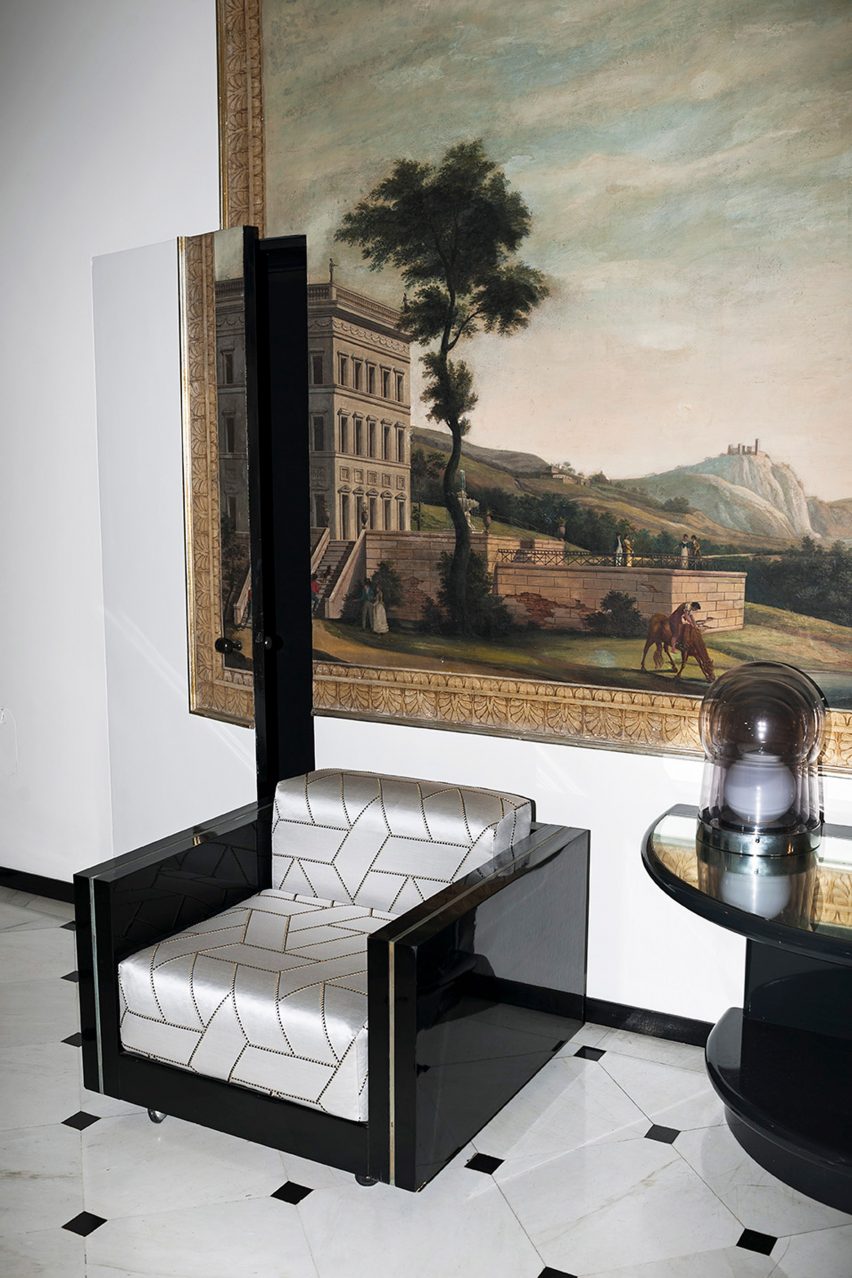
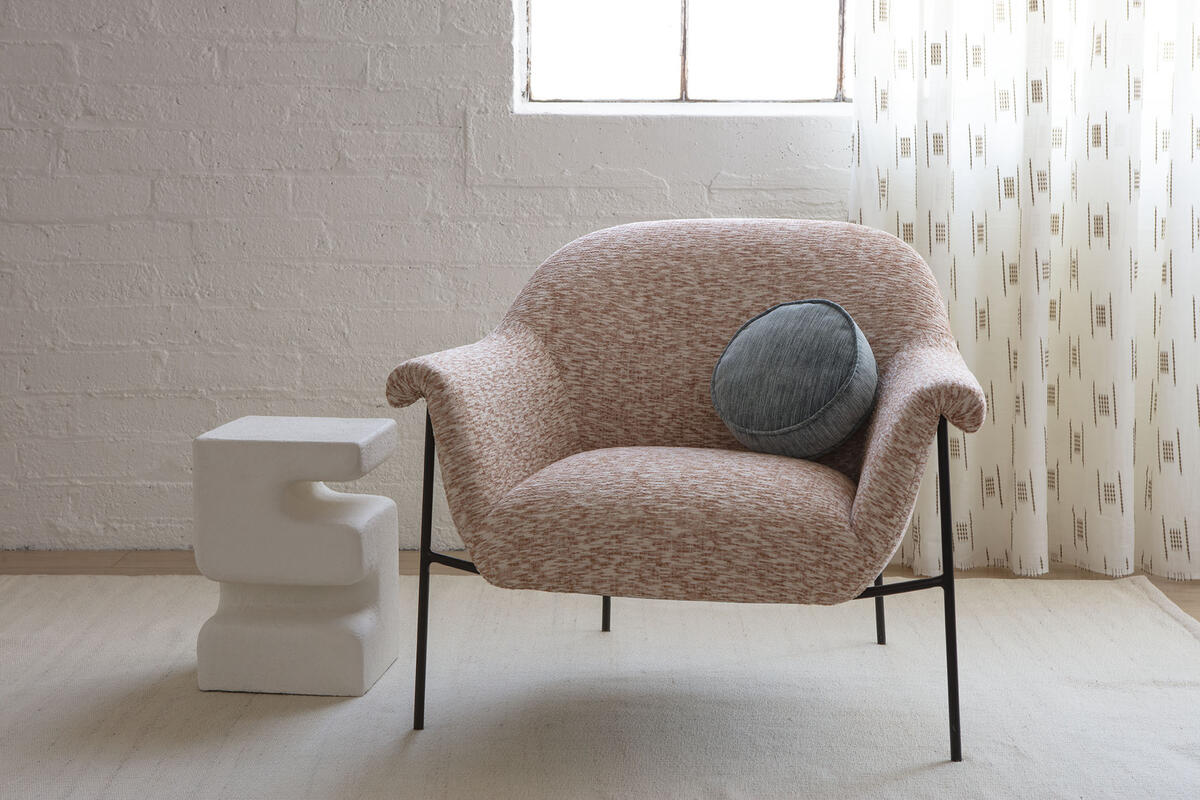
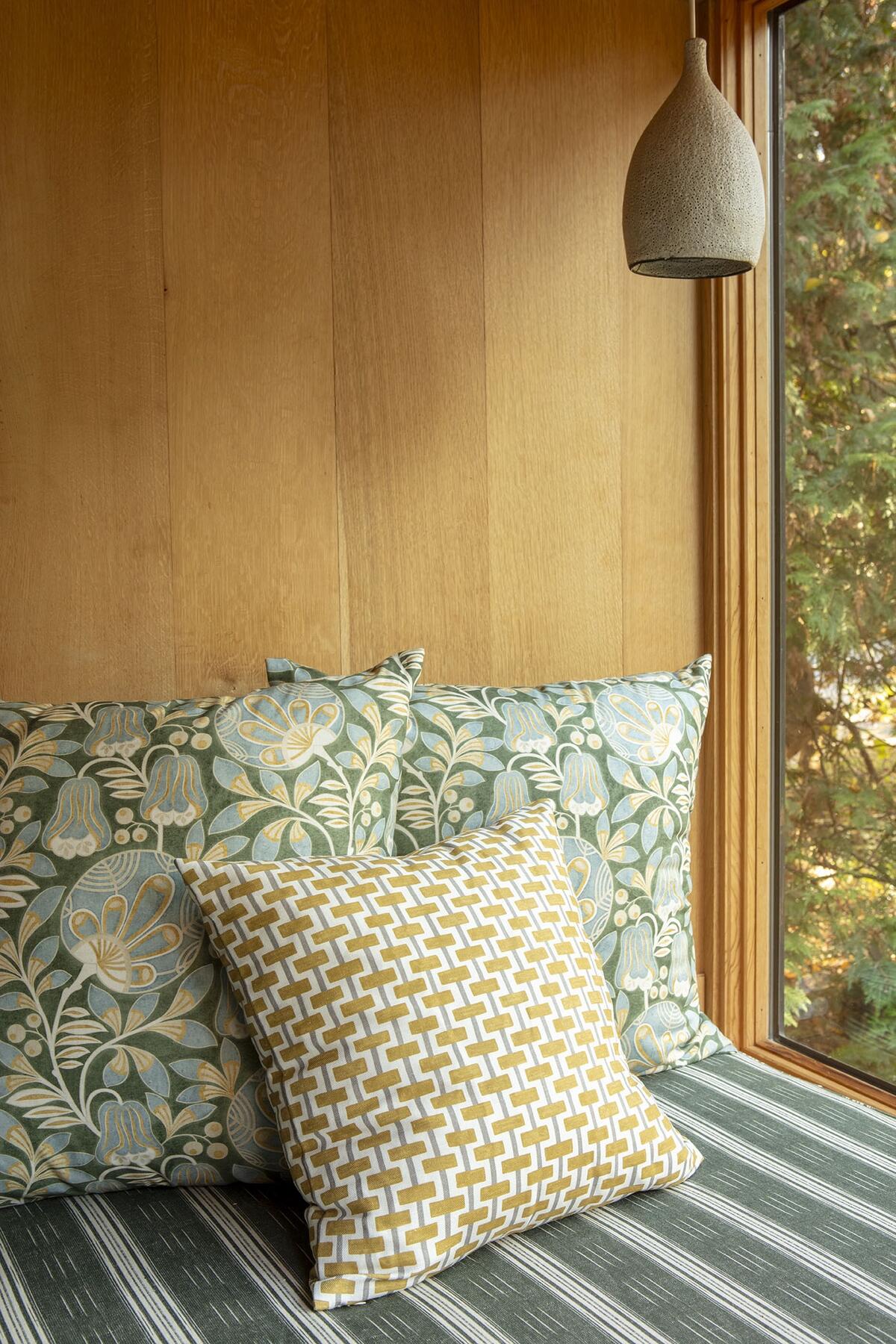
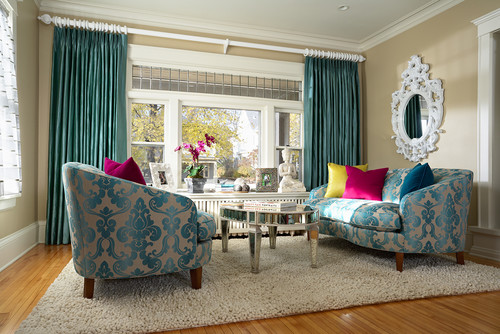
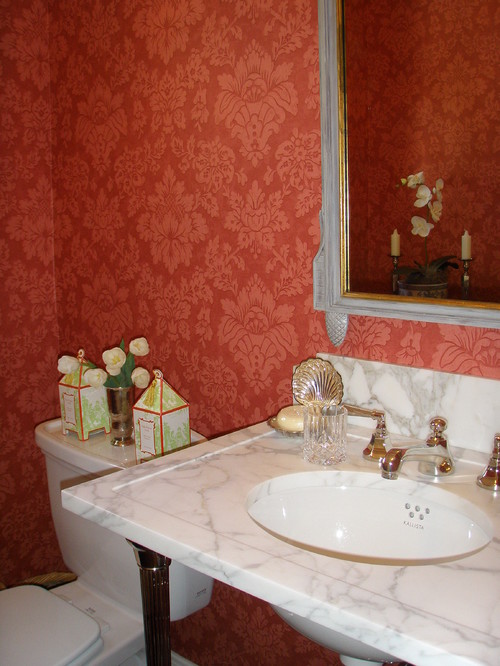
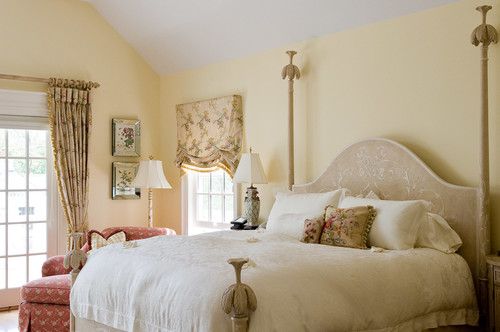
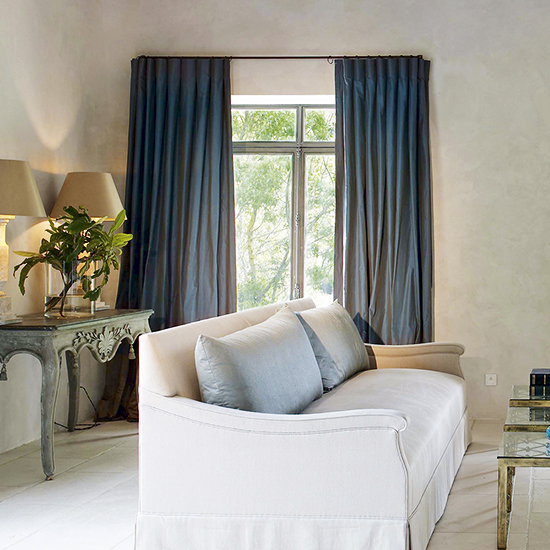
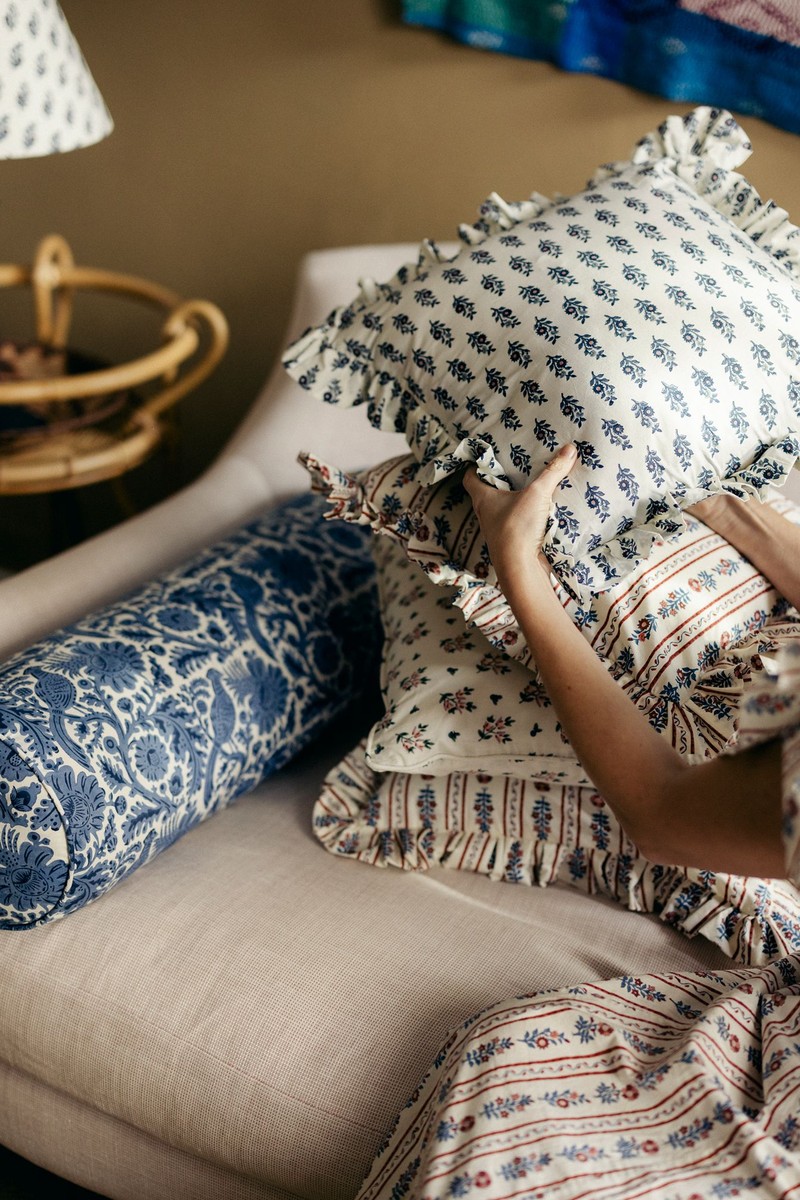
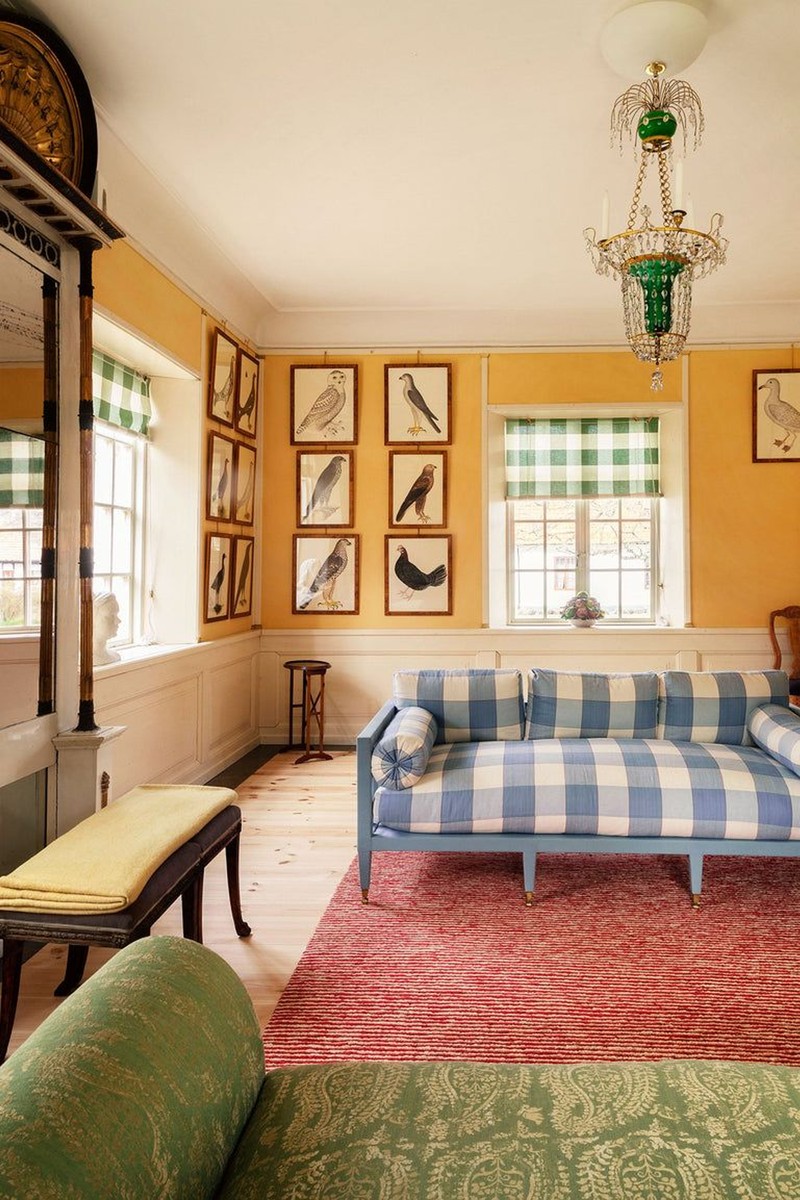
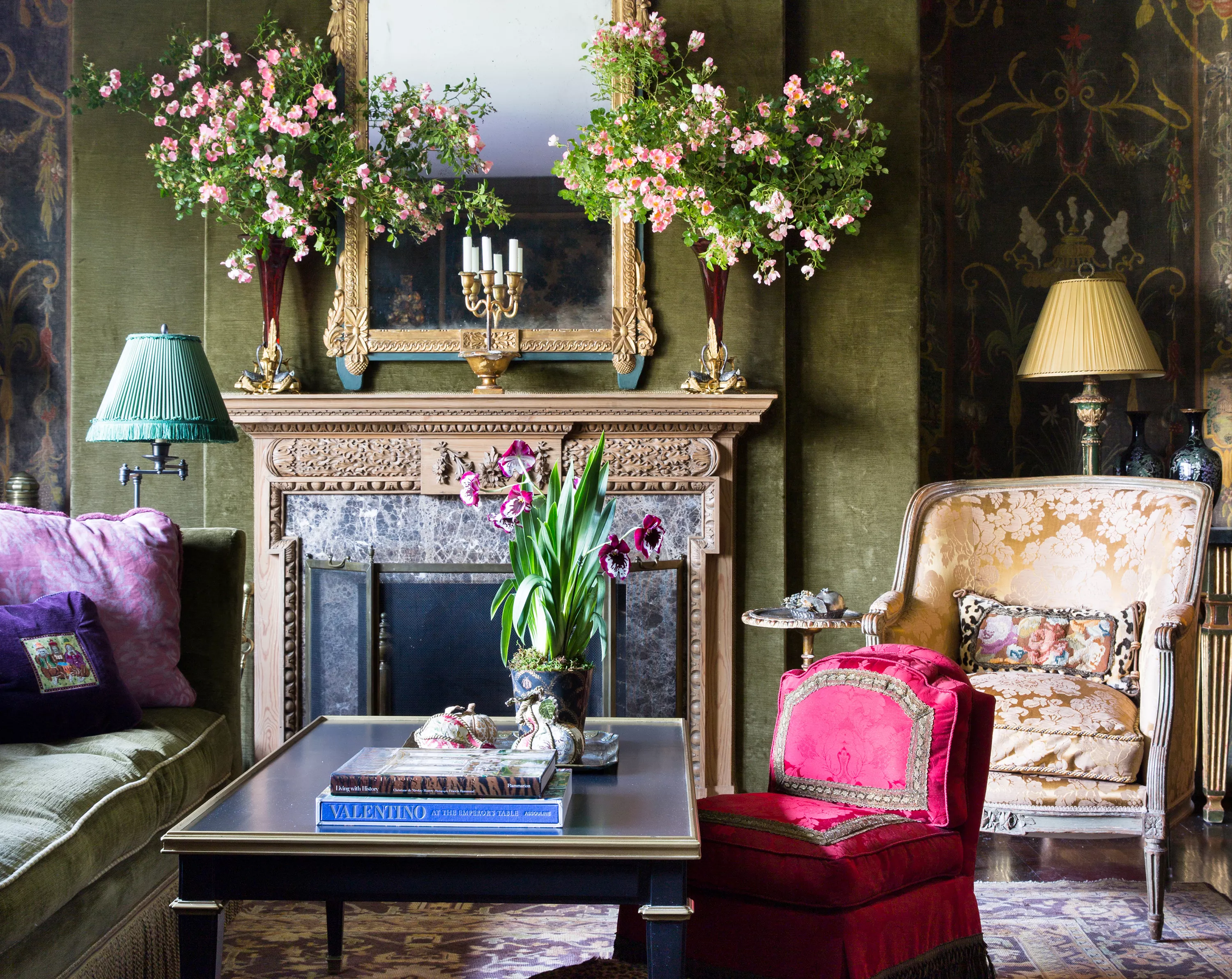
Contemporary designers frequently incorporate jacquard into various interior styles, including elegant couches, upholstered banquettes, throw pillows, and metallic placemats. Its textural surfaces and luxurious connotations make it a favored choice. Textile artists and fashion designers like Diane Von Furstenberg and Marc Jacobs often utilize jacquard and damask prints in their creations. Randy Kemper, head of design at Ingrao, Inc., emphasizes that jacquard weaving introduces a rich complexity to fabrics, enriching rooms and upholstery, and that the technique adds texture to solid fabrics, making them suitable for modern interiors. Jonathan Savage, of Savage Interior Design, primarily uses jacquards for upholstery due to their structured nature, which prevents wrinkling and maintains a refined appearance, ideal for clean-lined and formal spaces. He prefers contemporary, organic jacquard patterns over traditional damask, advising against overuse.
High-end decor companies and textile brands specialize in jacquard weaving. La Manufacture Cogolin, for example, produces sophisticated jacquard area rugs by combining velvet with thicker yarns to achieve three-dimensional textures. The company's jacquard weaving history in Paris dates back to the 1920s, with current production utilizing 19th-century jacquard handlooms modified to weave patterned rugs more efficiently, a change that helped the company remain viable.
The jacquard loom, named after its French inventor Joseph Marie Jacquard, revolutionized textile production by automating the creation of elaborately patterned fabrics. Pre-jacquard, the drawloom, likely originating in China around the second century BC, allowed for pattern creation by manually raising and lowering warp threads. However, this process was labor-intensive, required multiple weavers, and resulted in costly fabrics accessible only to the wealthy. The invention of the power loom by Edmund Cartwright in 1785 facilitated mass production of simple fabrics but lacked the decorative capabilities of handwoven textiles.
Jacquard's innovation, patented in 1800 and perfected by 1804, replaced the manual labor of the drawboy with a programmable system using interchangeable punch cards. These cards served as instructions for the loom, controlling which warp threads were raised to create specific patterns, akin to a player piano. This system offered unprecedented design flexibility and allowed for precise replication of intricate patterns. The jacquard loom's punch card system significantly influenced other fields, notably inspiring Charles Babbage's design of the first mechanical computer in the 1820s. Babbage recognized the potential of Jacquard's binary code concept (hole vs. no hole) for mathematical calculations. Ada Lovelace further expanded on this, suggesting that the machine could manipulate various types of data, laying the groundwork for modern computer programming. The profound impact of Jacquard’s invention extends beyond textiles, fundamentally changing how we interact with technology and shaping the digital age.
#JacquardFabric #TextileHistory #HomeDecor #InteriorDesign #WeavingTechnology #TextileManufacturing #DesignInnovation #FabricPatterns #JacquardFabric #TextileHistory #HomeDecor #InteriorDesign #WeavingTechnology #TextileManufacturing #DesignInnovation #FabricPatterns
0 комментариев всего
 Комментариев пока нет
Вам также может понравиться
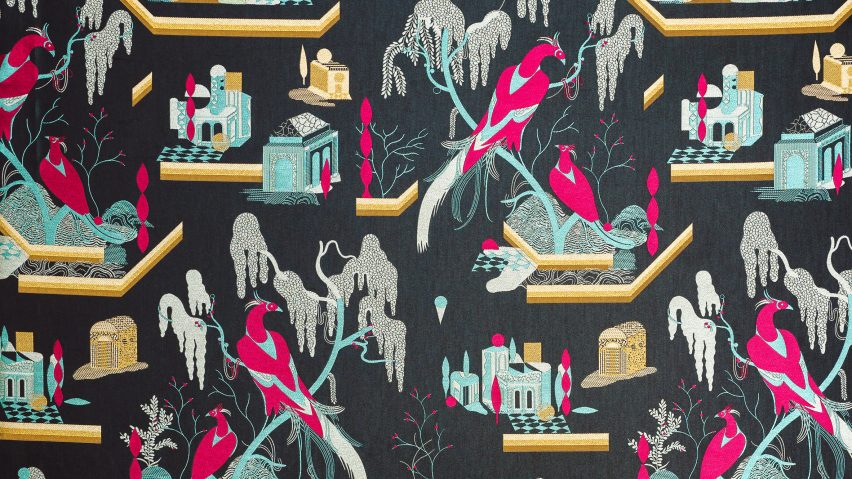
The Art of Jacquard textile collection by Dedar
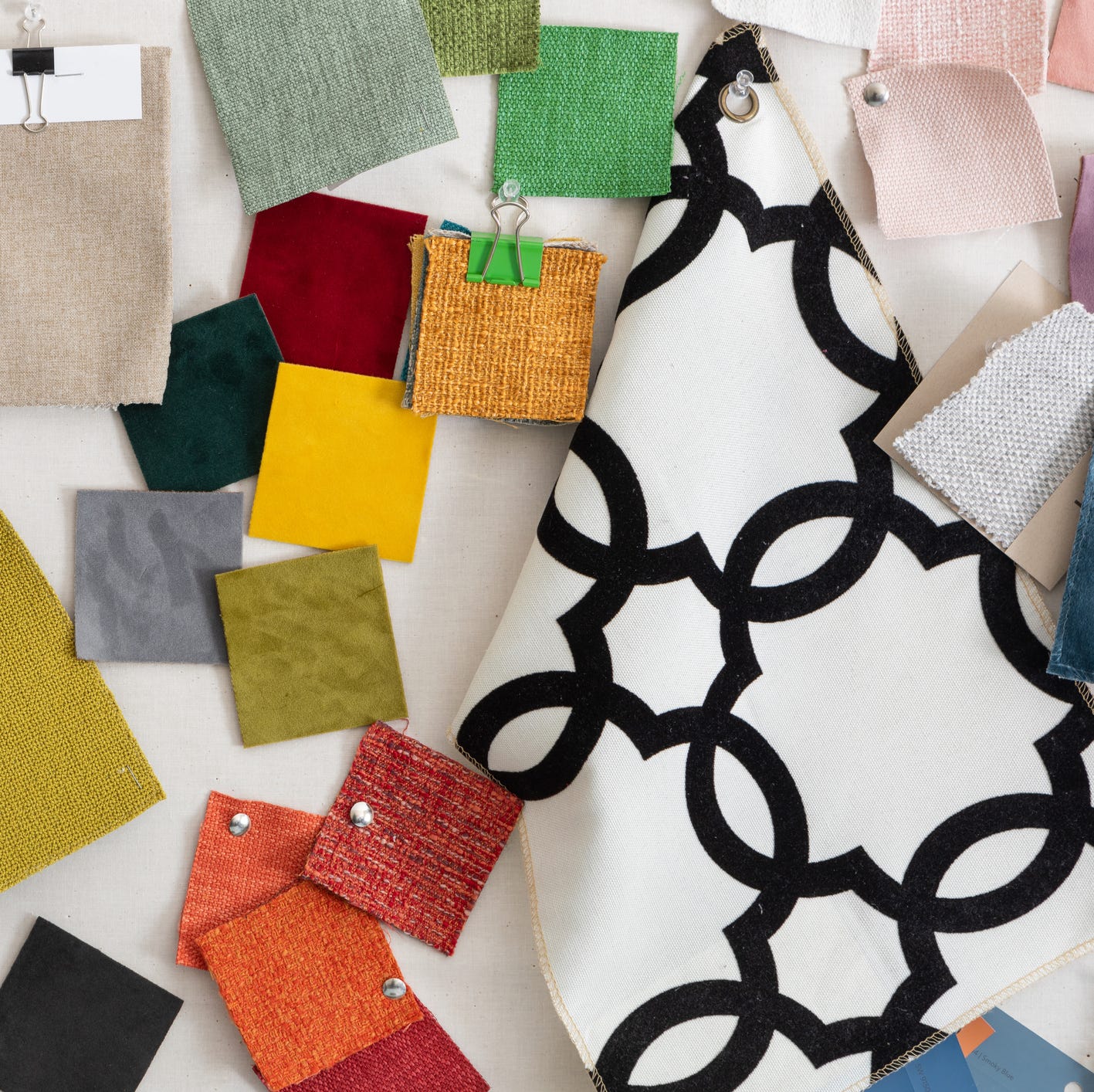
15 Places to Buy Fabric Online, From Budget Finds to Designer Faves

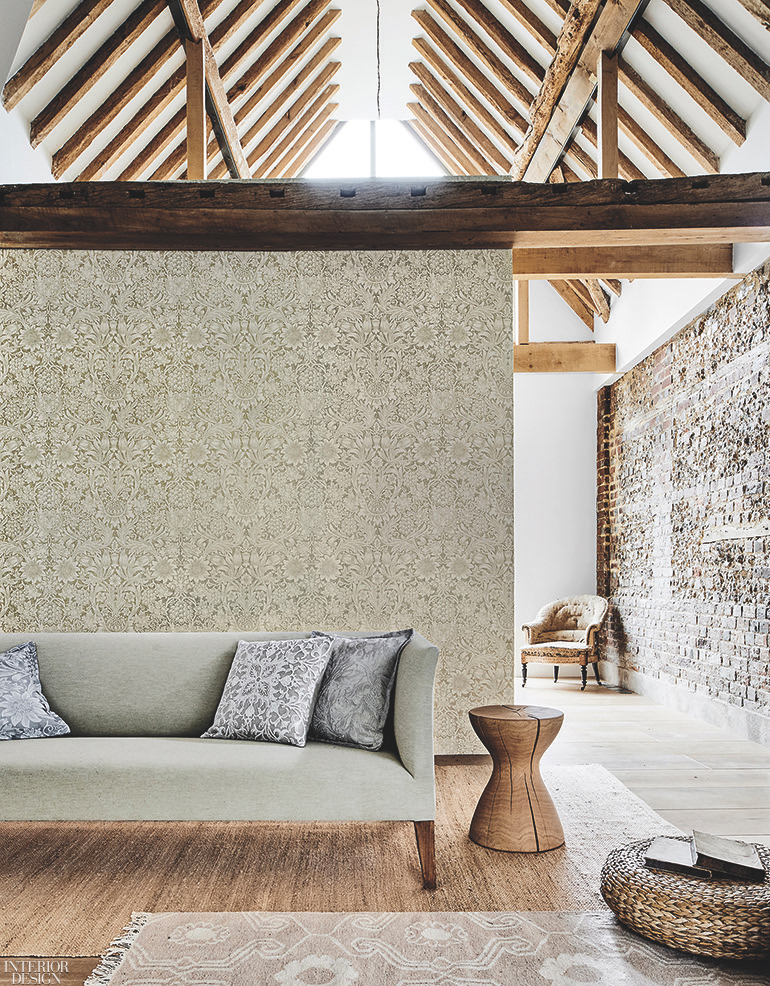
Fabric: Style Library

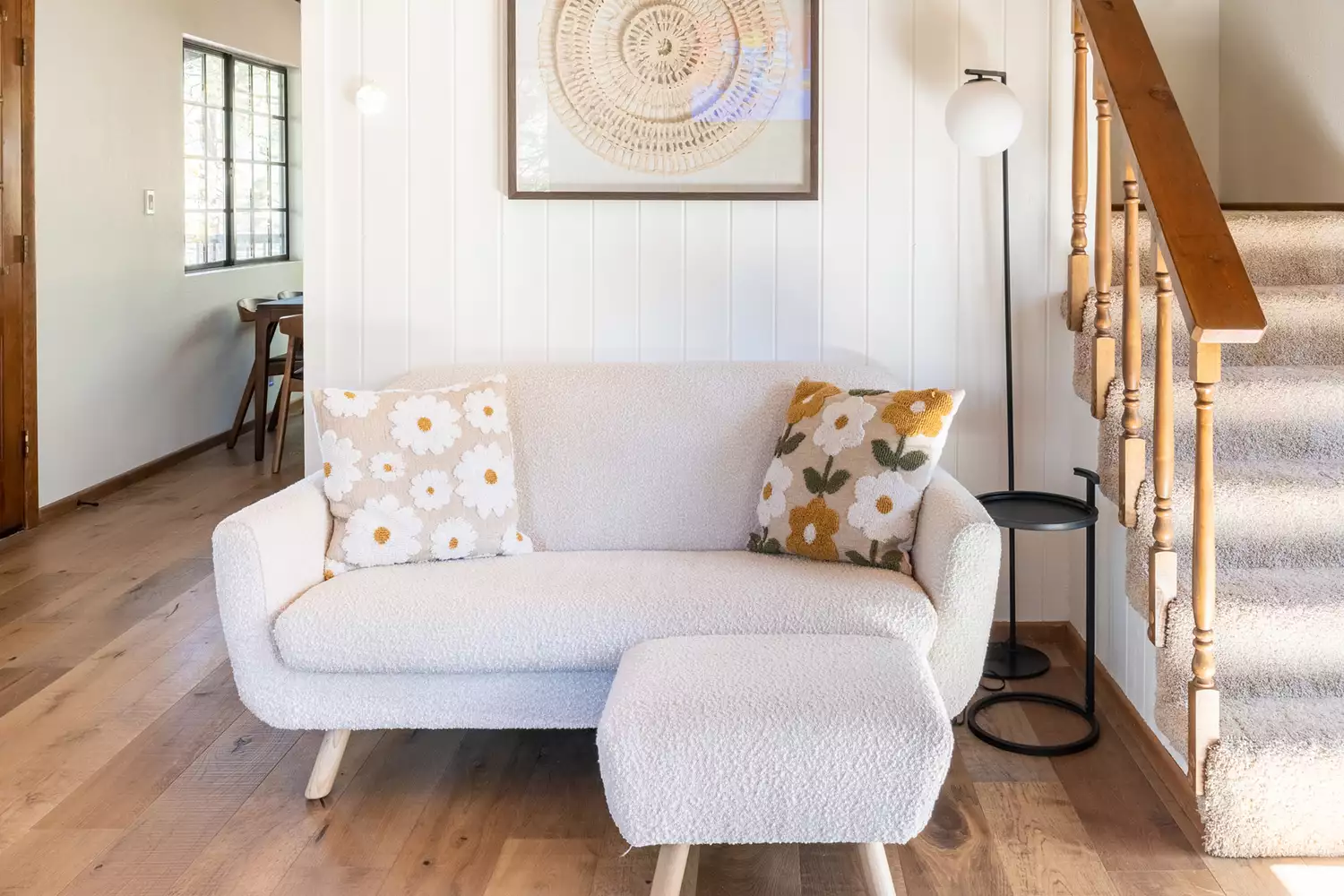
Everything You've Ever wanted to Know About Bouclé Fabric


The definitive textiles primer: Pollack’s fabric expert talks fibers, yarns and more

Knowing the Ropes Explores the Textile Through a New Lens
You Need to Know About These Online Sources for Affordable Fabric
The New Fabric Launches Worth Knowing About
The Best Online Fabric Stores Today
9 Best Places to Buy High-Quality Fabric Now That JOANN Is Closing

Missing JoAnn Fabrics? The 13 Best Places To Buy Upholstery Fabric Now

Best Chicago fabric stores for sewing projects, patterns and more

What Is Jacquard Fabric? Experts Explain Why It's So Popular Right Now

British Textile Week 2021: Humphries Weaving

The Best Fabric Stores in Toronto
The 10 Best Fabric Dyes for Clothing, Upholstery and More

A Wild Guide to Gingham, Jacquard, Damask, and Other Fabric Patterns
The Best Online Fabric Stores to Make Your Sofa Look Bespoke

Celia Rufey answers your fabric questions
Quilt school - 4 Jun 2025 - Today's Quilter Magazine