1/14
Interior designer Summer Thornton's 12 hallway decor rules – for truly standout transitional spaces
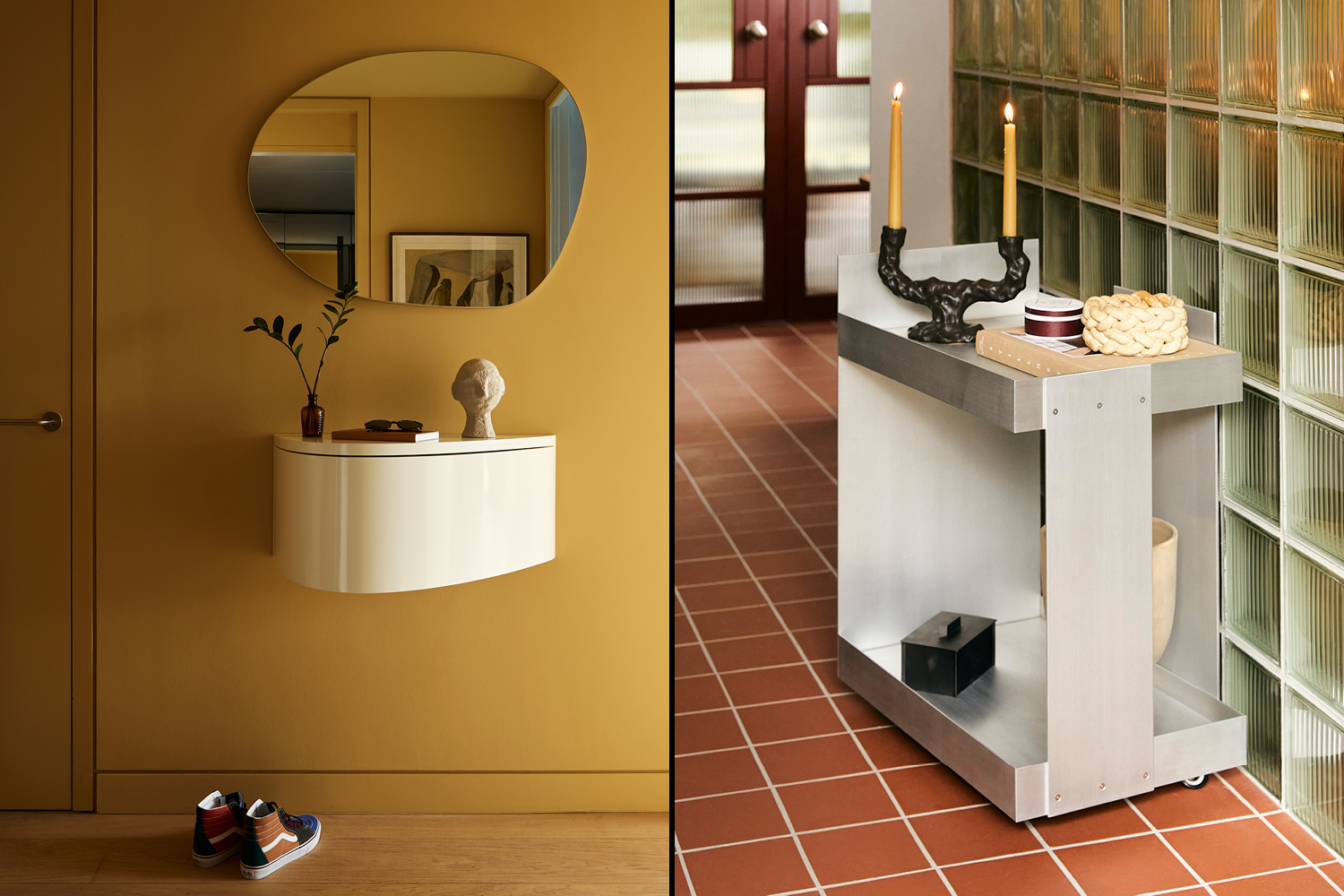
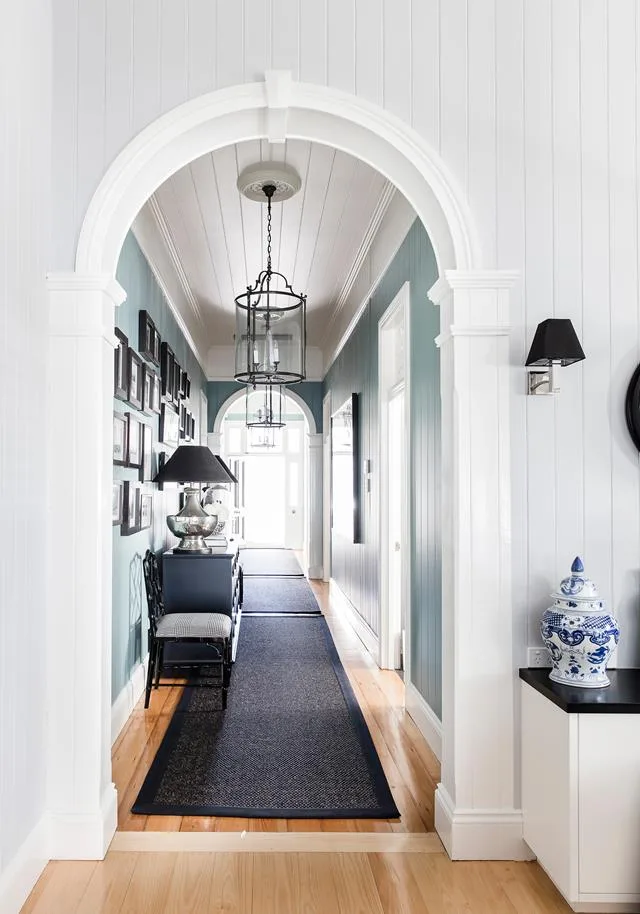
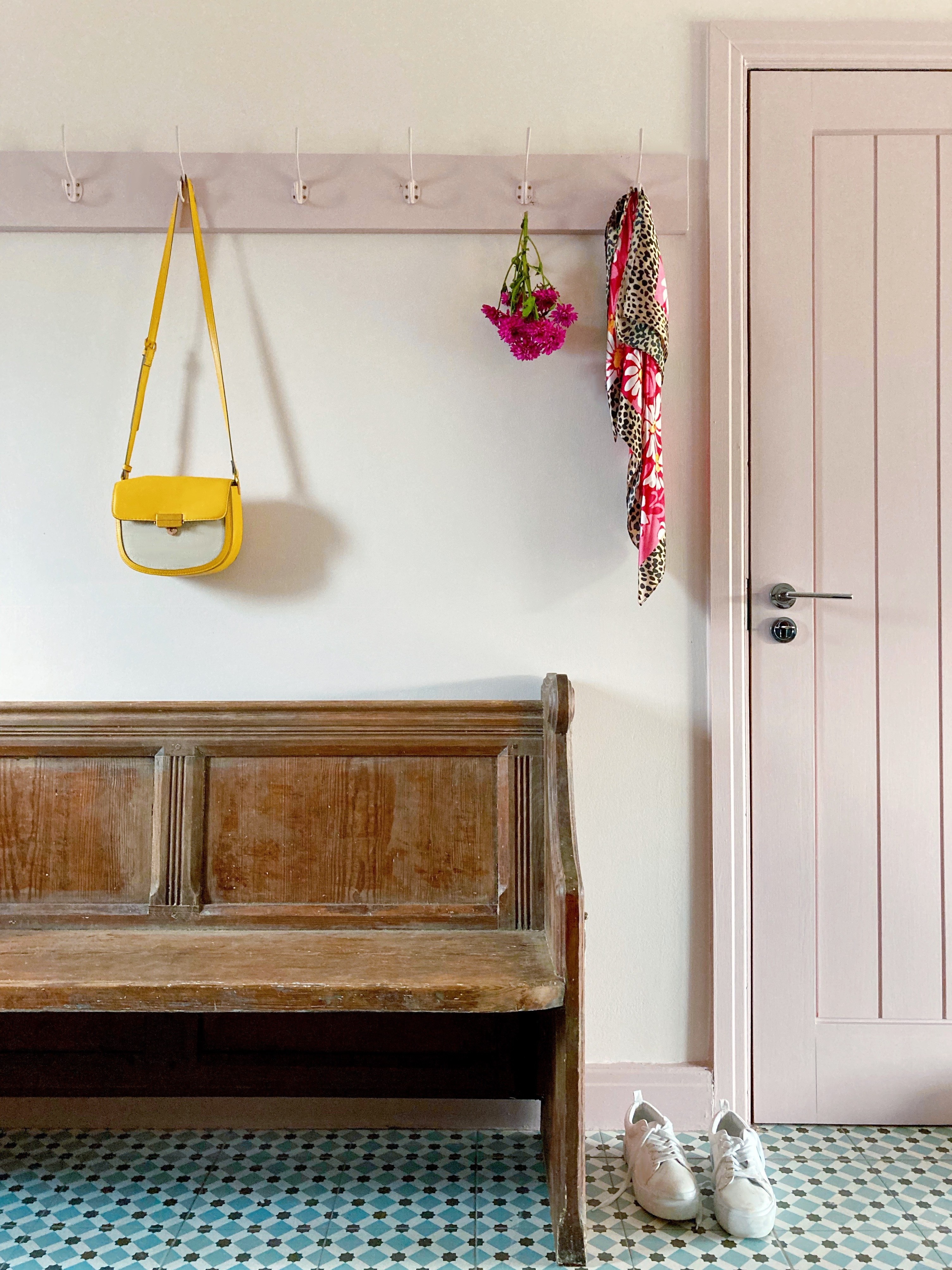
Hallways, often considered mere transitional spaces, offer significant opportunities for homeowners to infuse personality and create memorable first impressions. Interior designer Summer Thornton emphasizes the importance of making these areas vibrant and welcoming, transforming them from overlooked passages into integral parts of a home's design narrative. She advocates for treating hallways as dynamic spaces that can reflect a home's overall aesthetic and surprise guests with unexpected design elements. Thornton's approach centers on maximizing the visual and functional potential of hallways through a combination of bold choices and practical considerations.
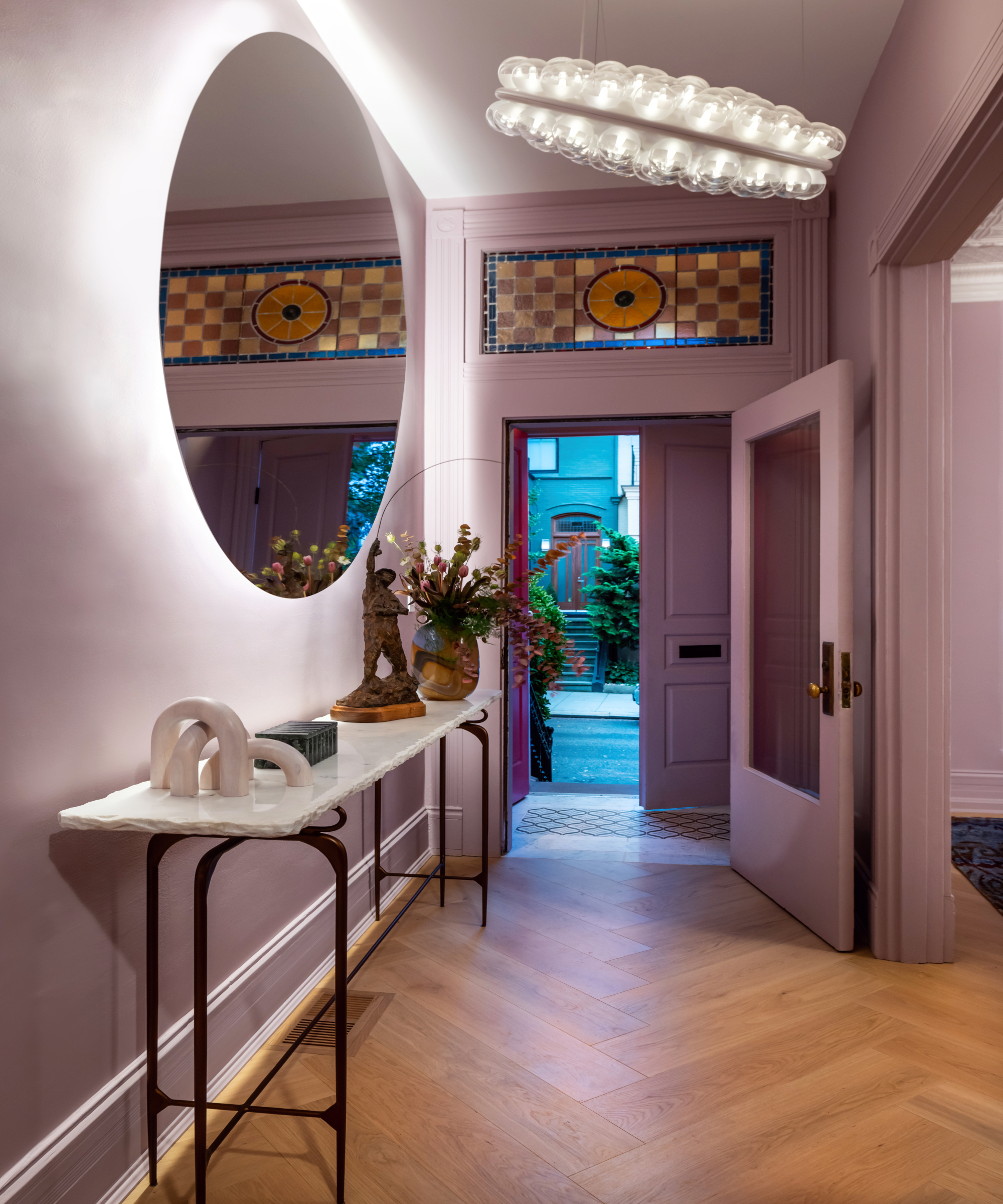
One key recommendation is the strategic use of gloss paint. Thornton suggests applying high-gloss lacquer treatments to hallway walls, noting their ability to bounce light, create a sense of depth, and brighten even windowless spaces. She cites an example where a dark, windowless hallway was transformed into an ethereal space using lavender lacquer combined with integrated lighting and a painted floor. This technique enhances luminosity and adds a luxurious sheen to the walls.
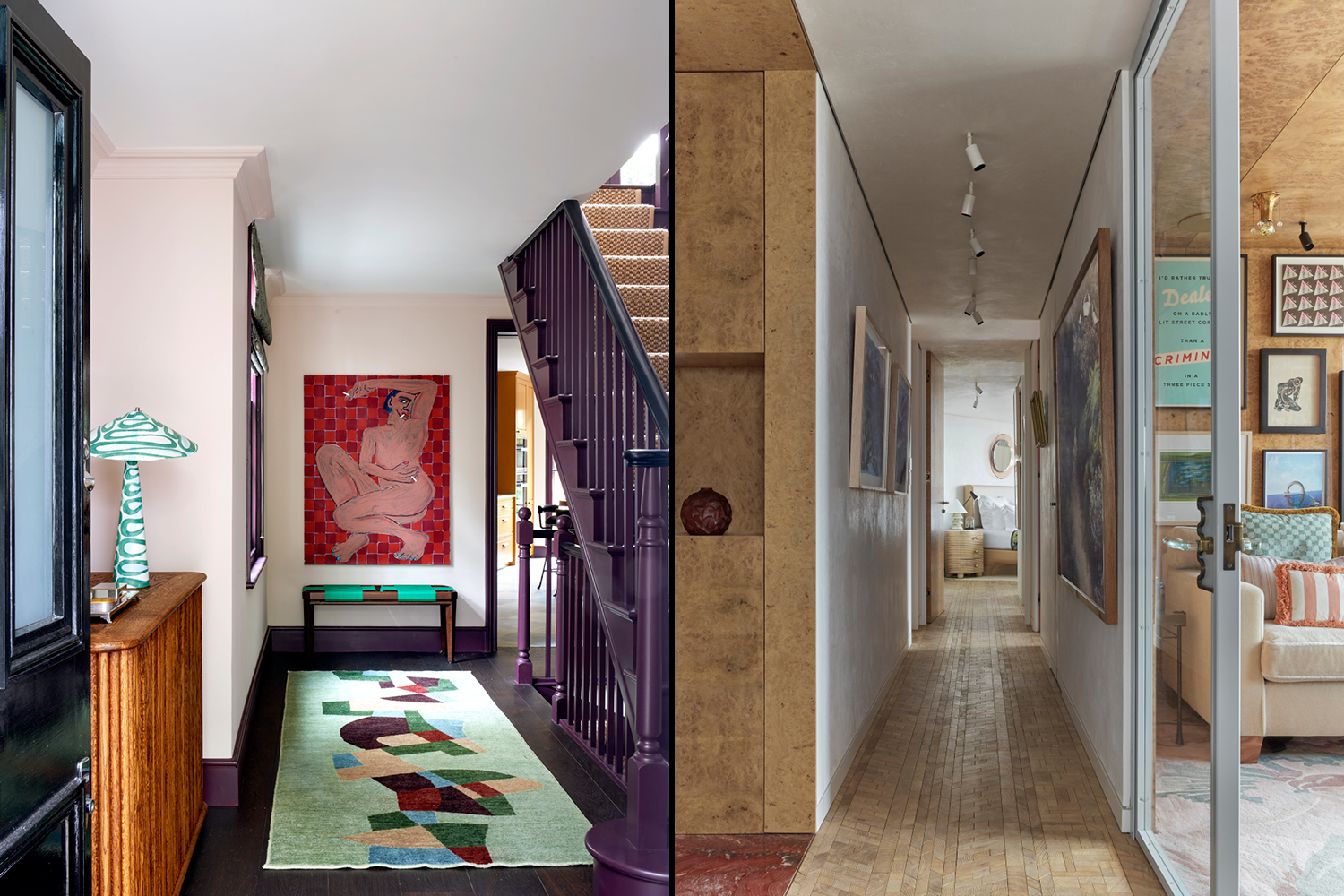
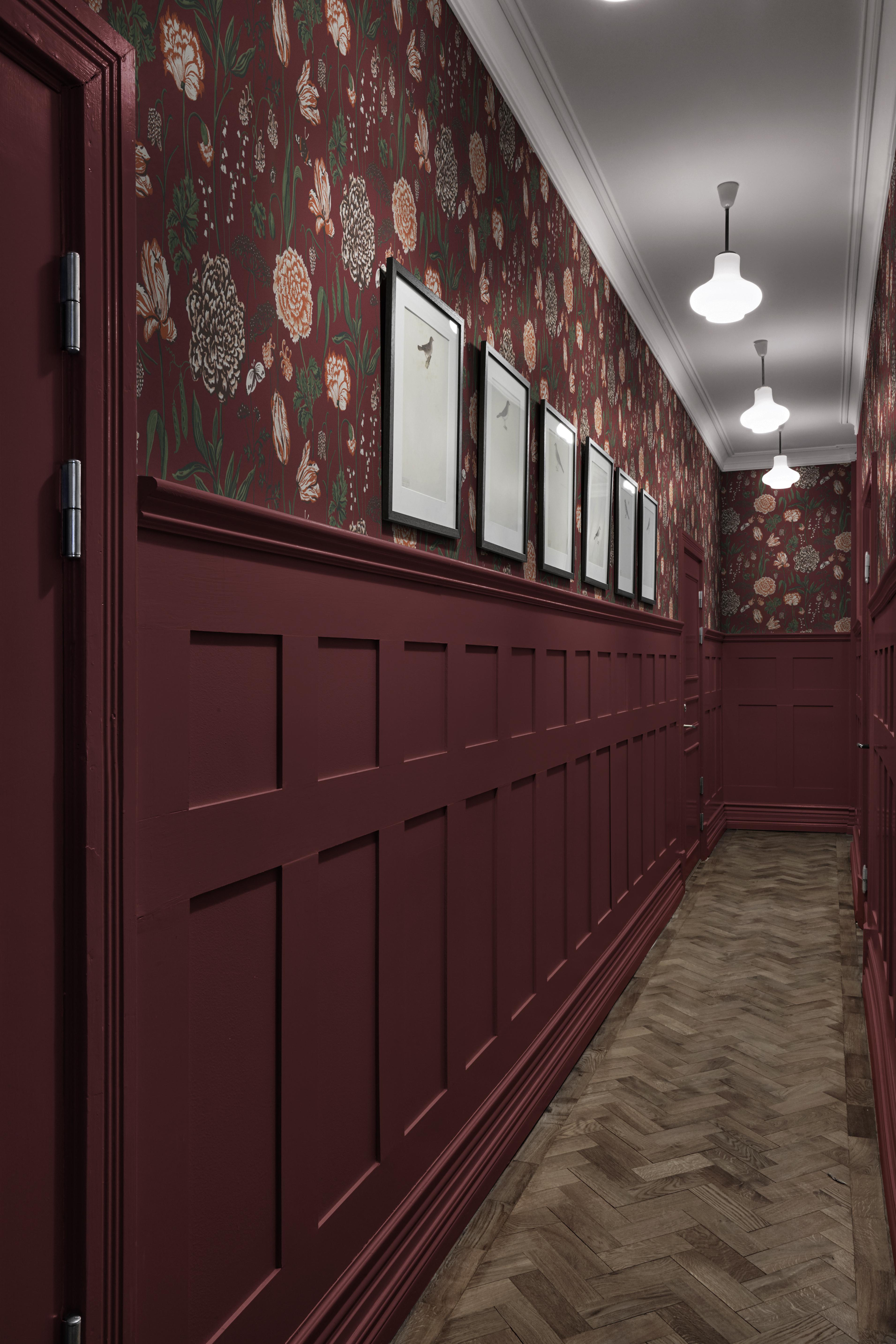
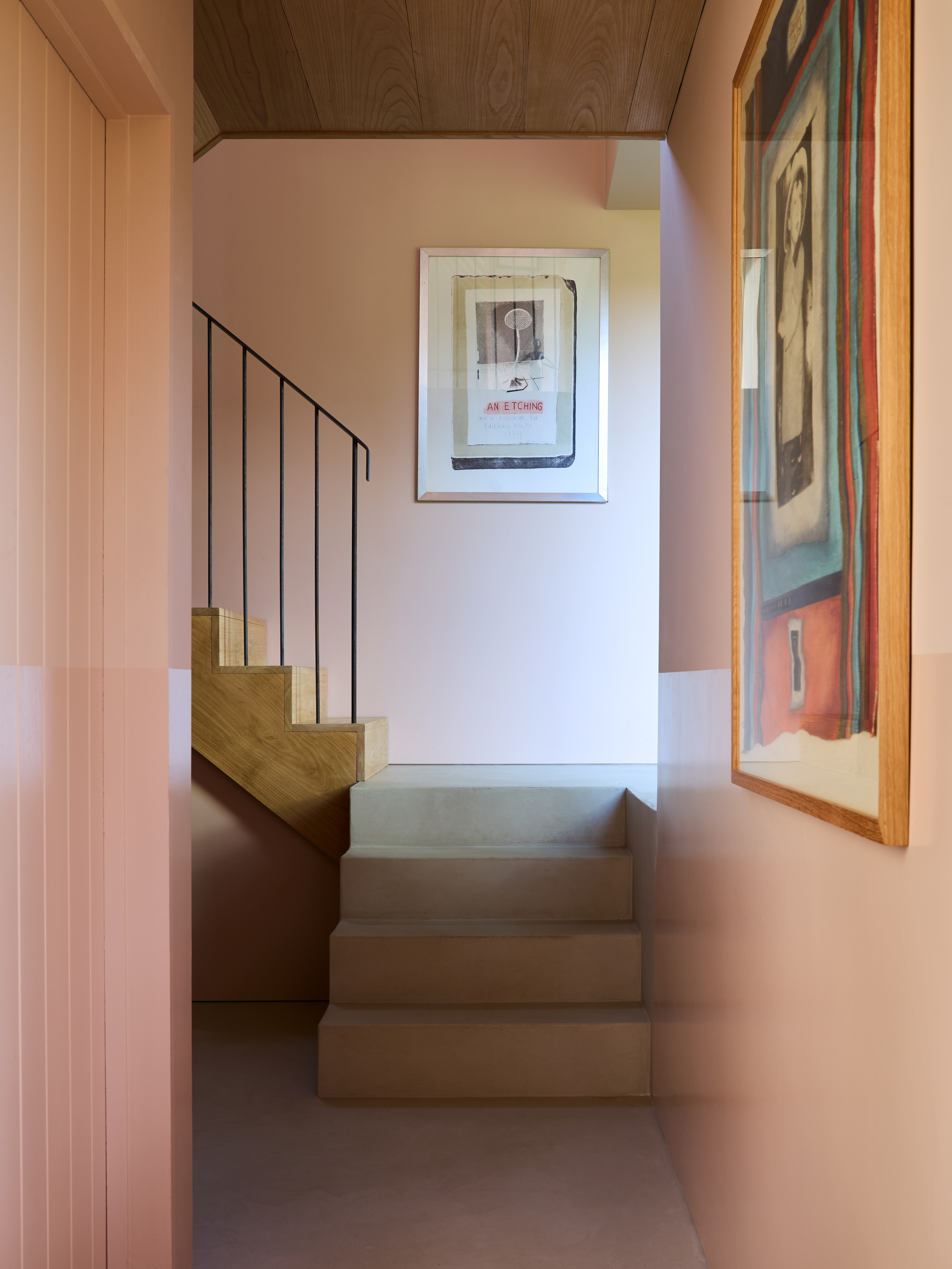
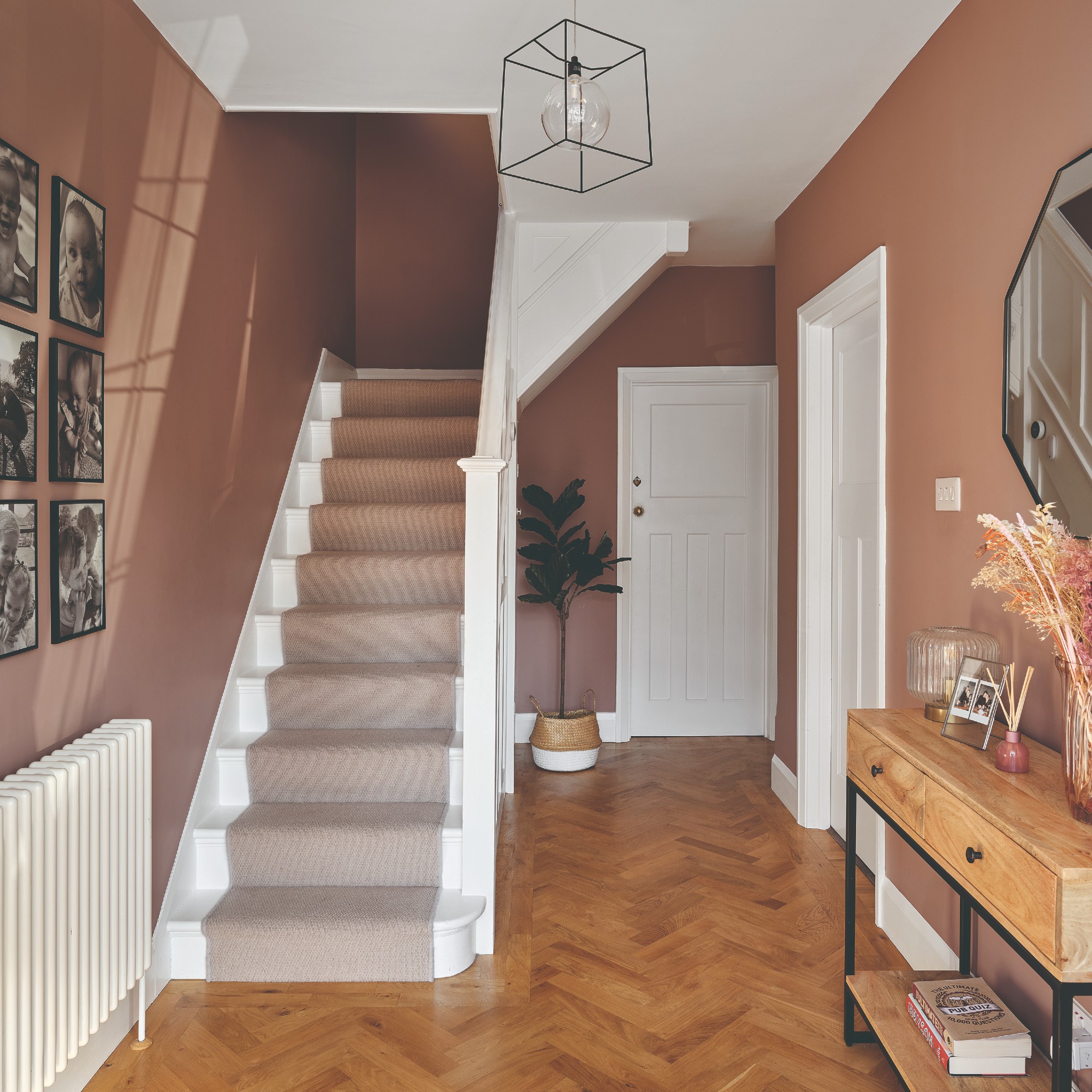
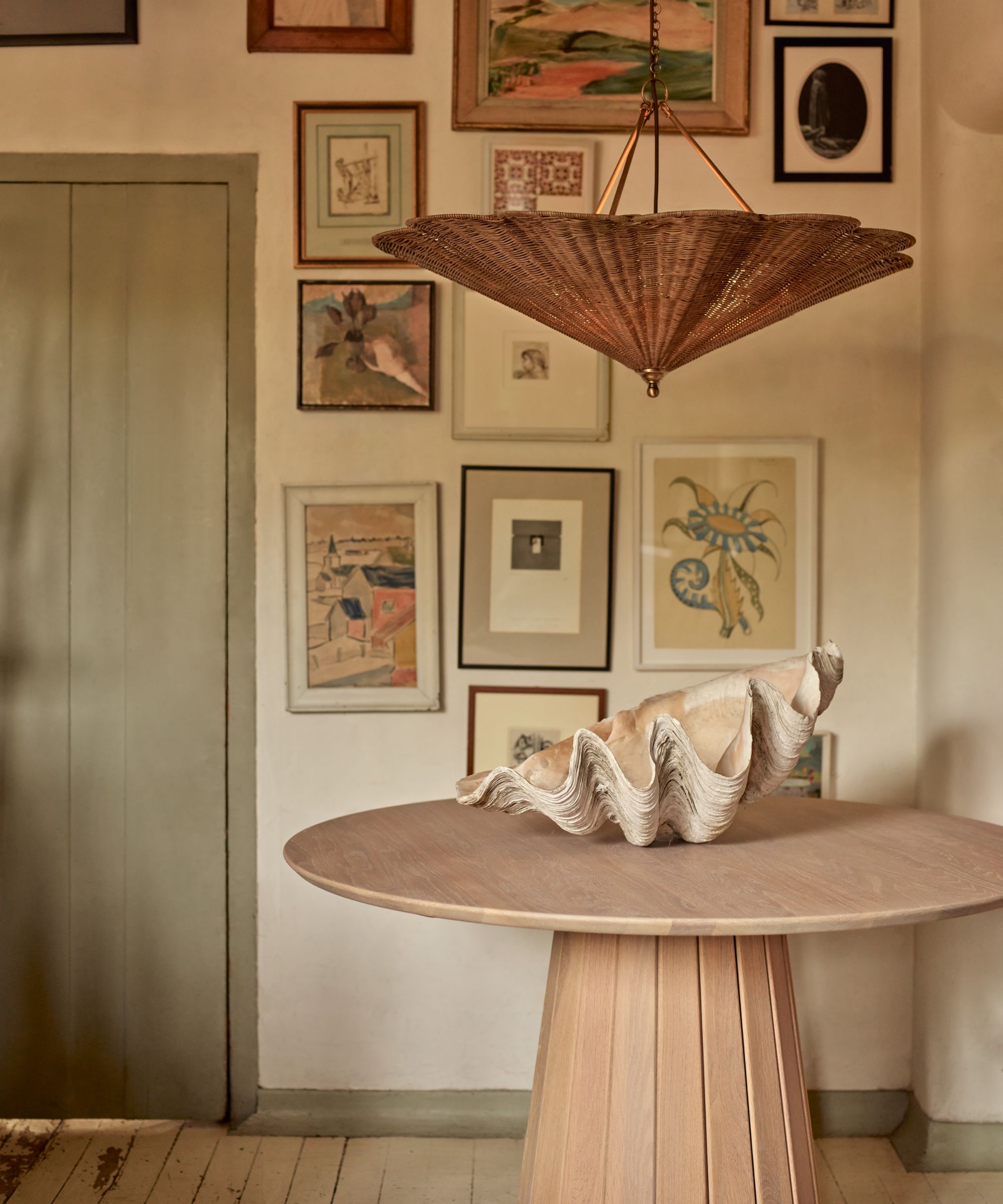
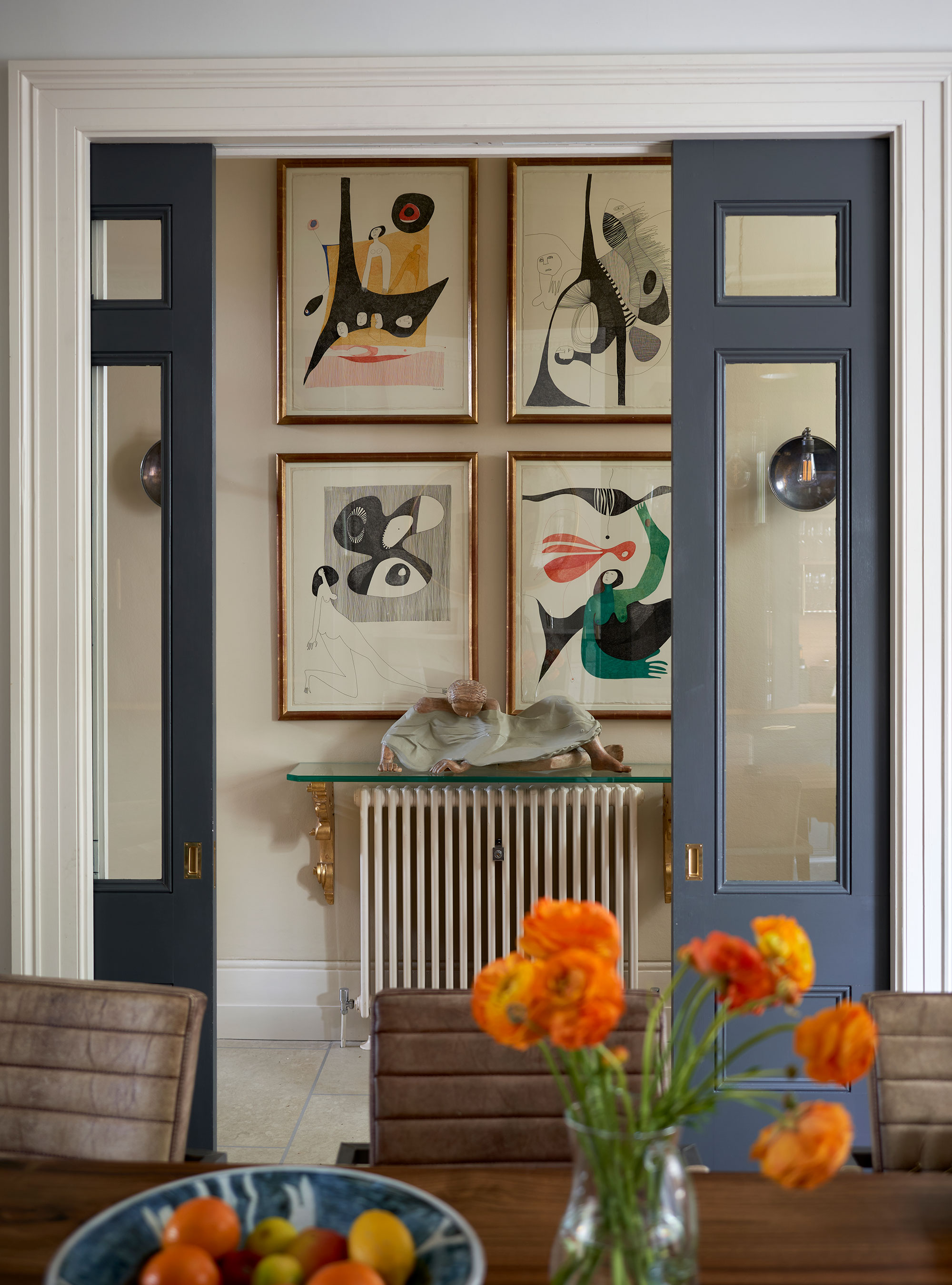
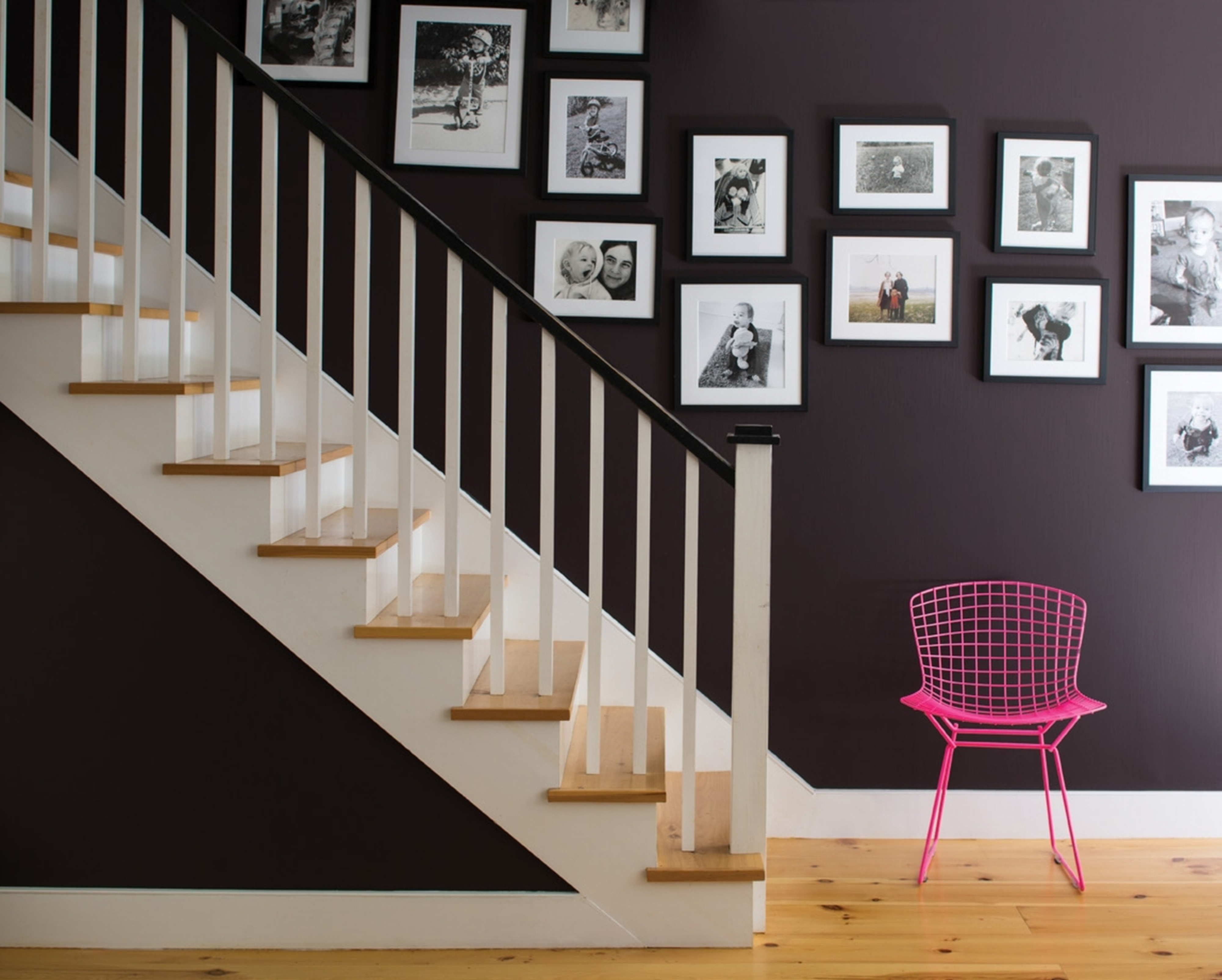
Another effective strategy is to utilize hallways as gallery spaces. Thornton encourages homeowners to embrace this opportunity to display artwork, family photos, or a rotating collection of pieces on floating shelves. This personalizes the space and allows for frequent updates to the decor. She believes that hallways are not areas to be understated but rather platforms for making bold, personal statements.
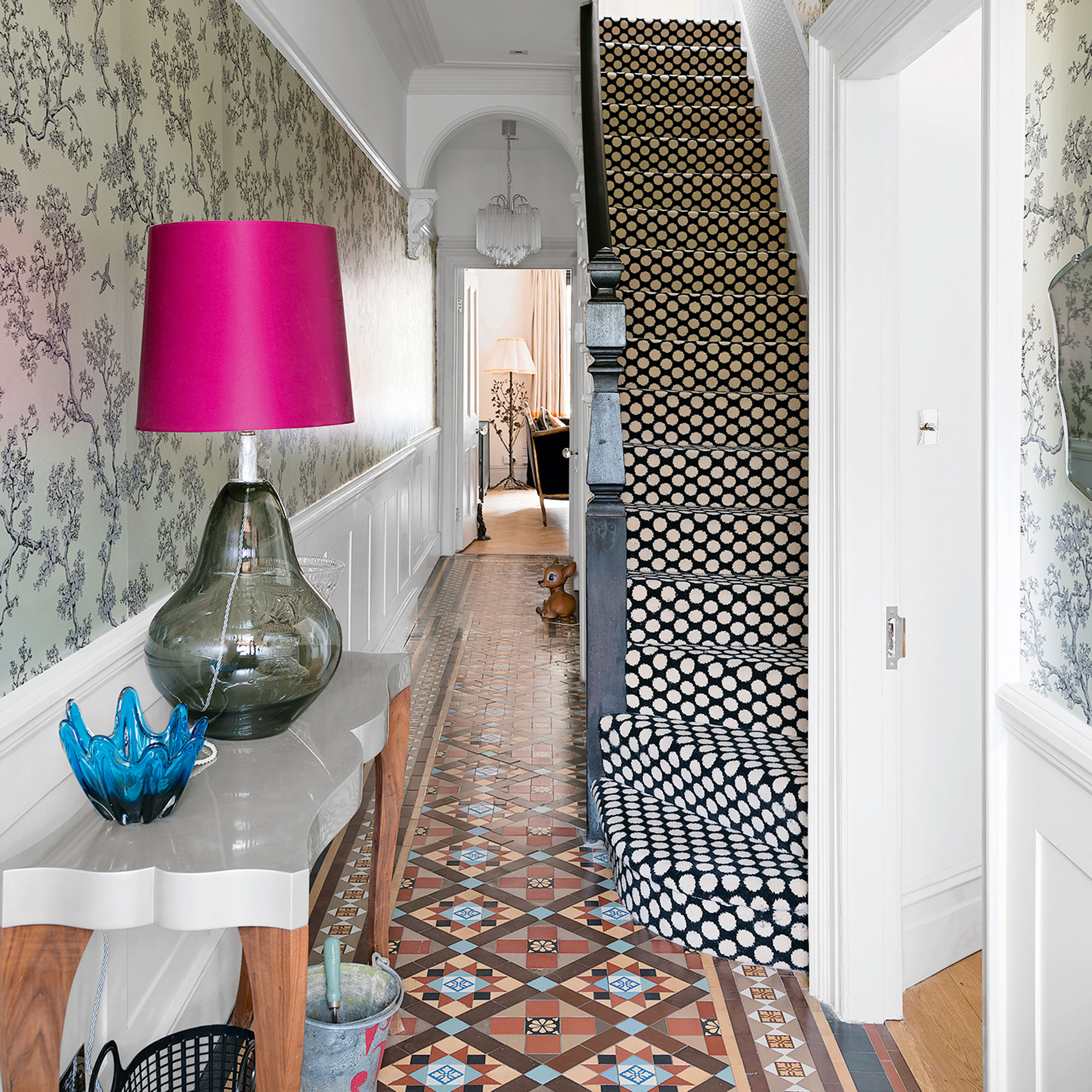
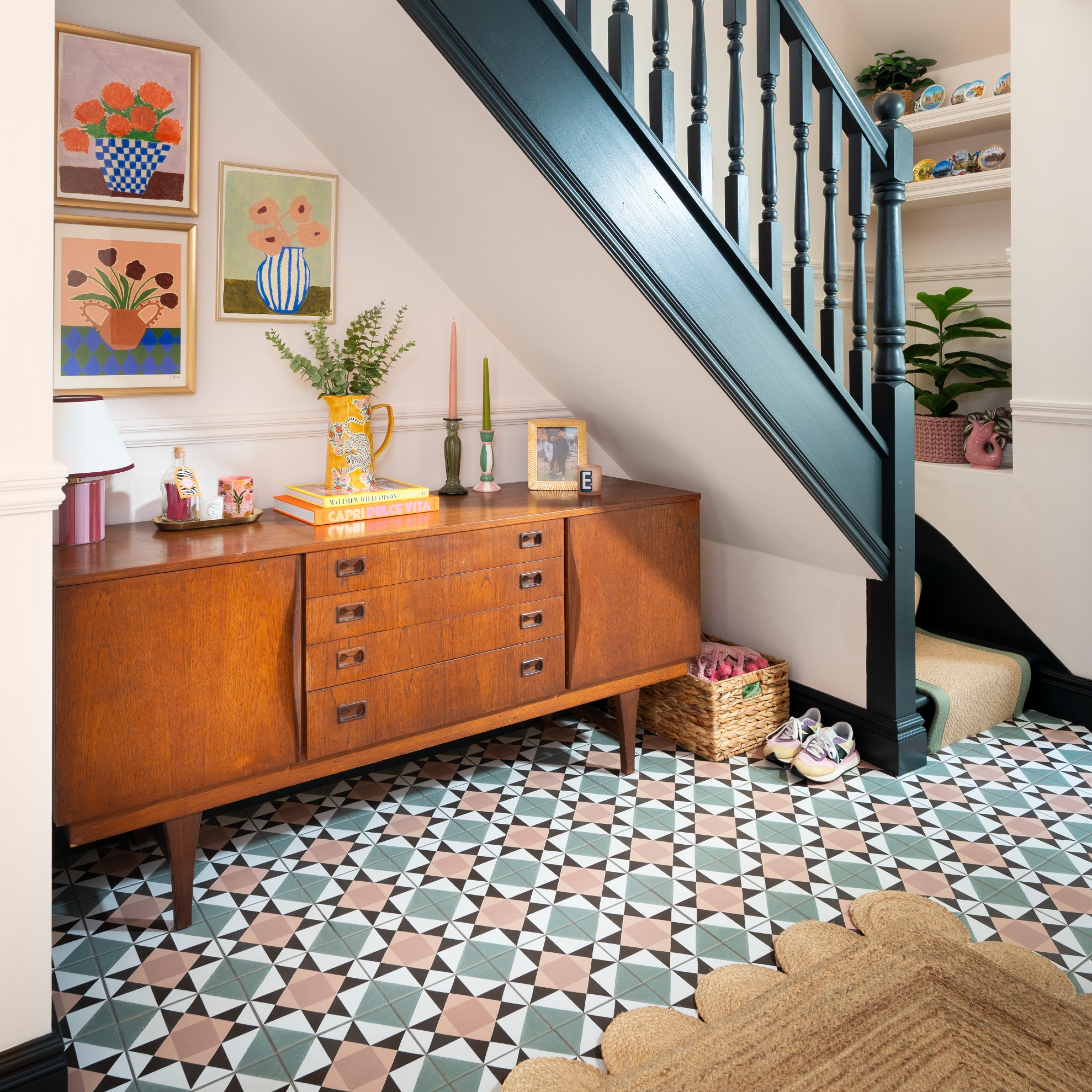
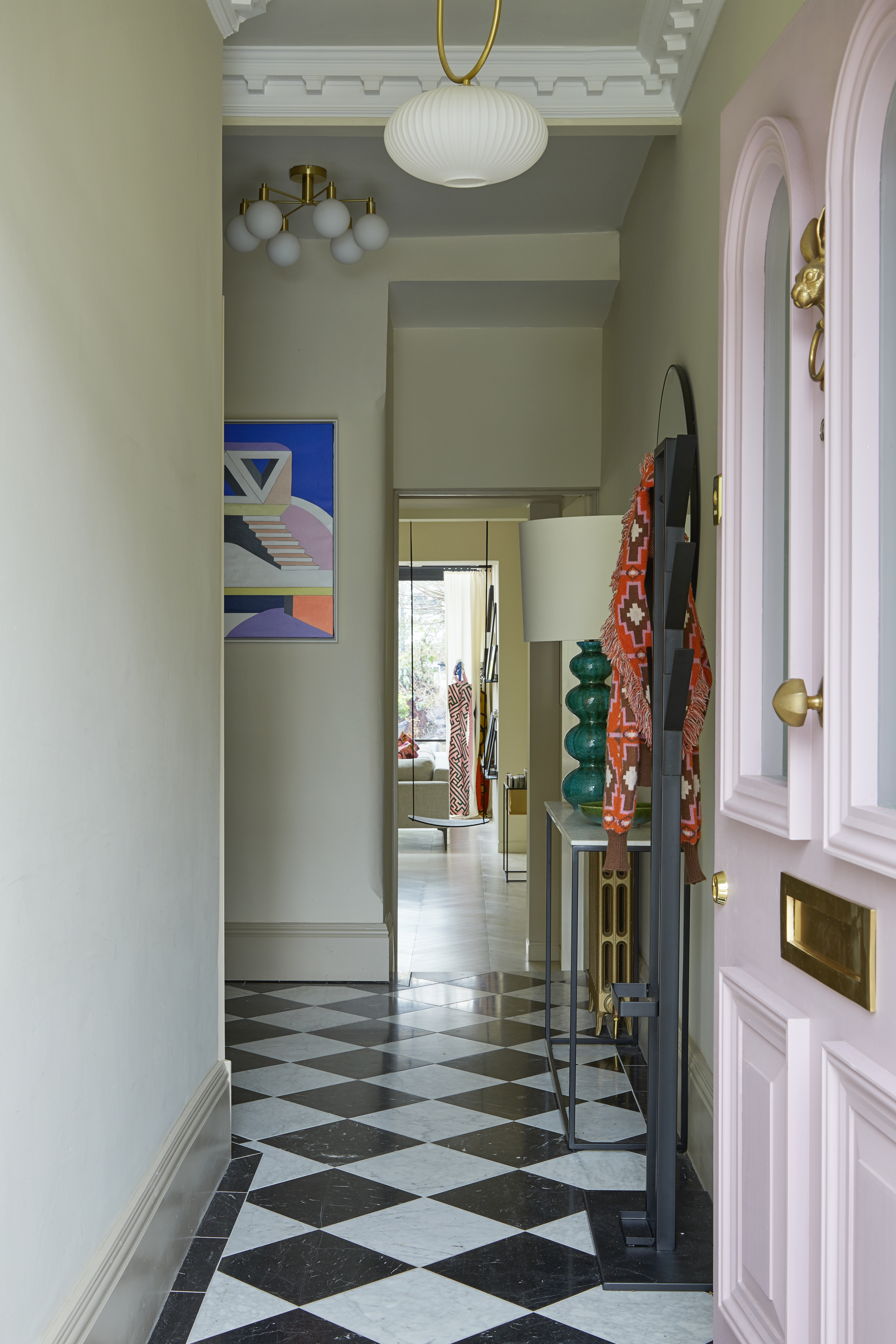
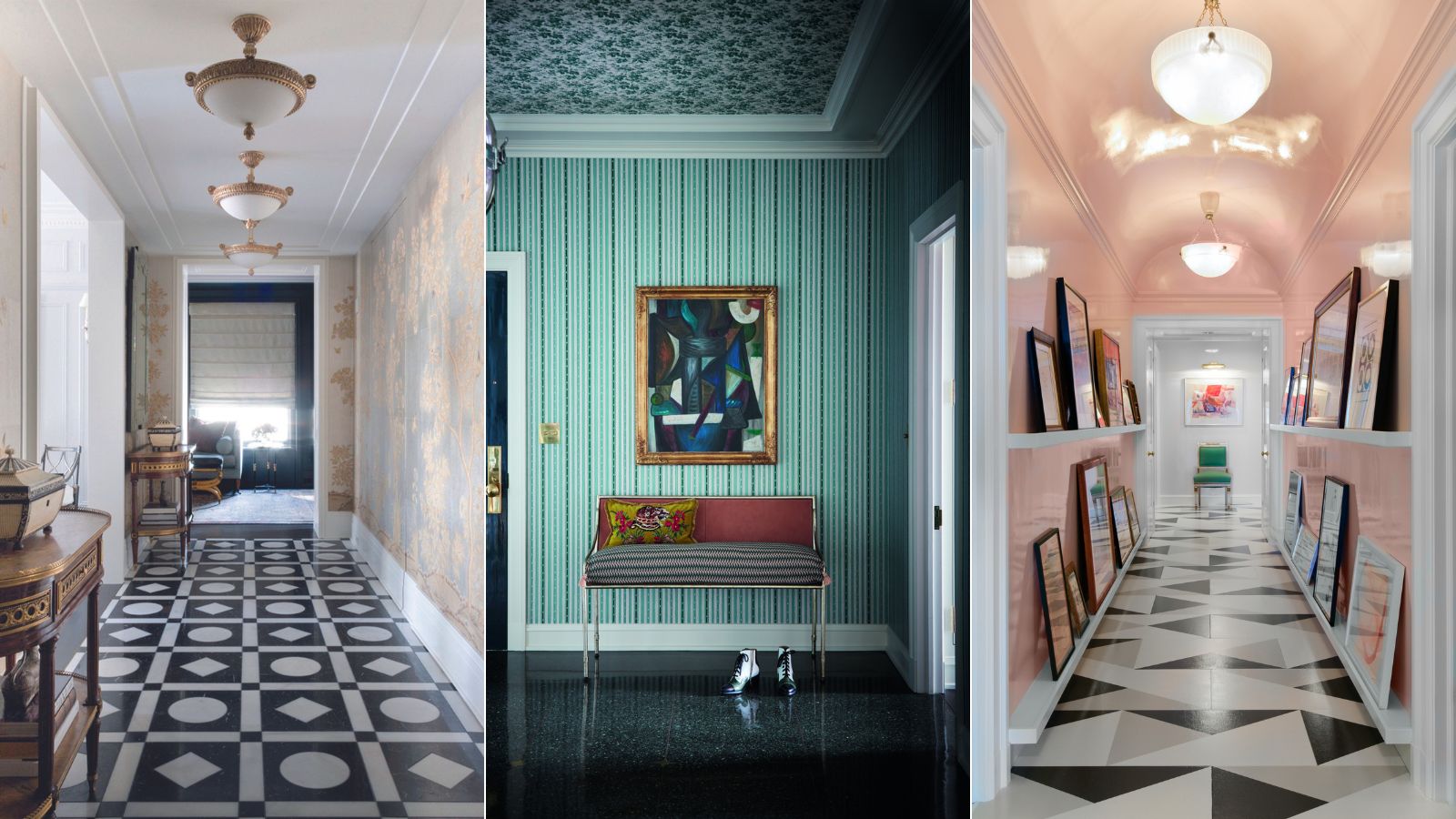
The floor choice in a hallway can significantly impact its overall drama and aesthetic appeal. Thornton recommends using patterned flooring to create visual interest and guide the eye along the length of the hall. She illustrates this with a project where a long hallway was revitalized with a unique geometric painted floor, demonstrating how an unconventional floor can become a focal point.
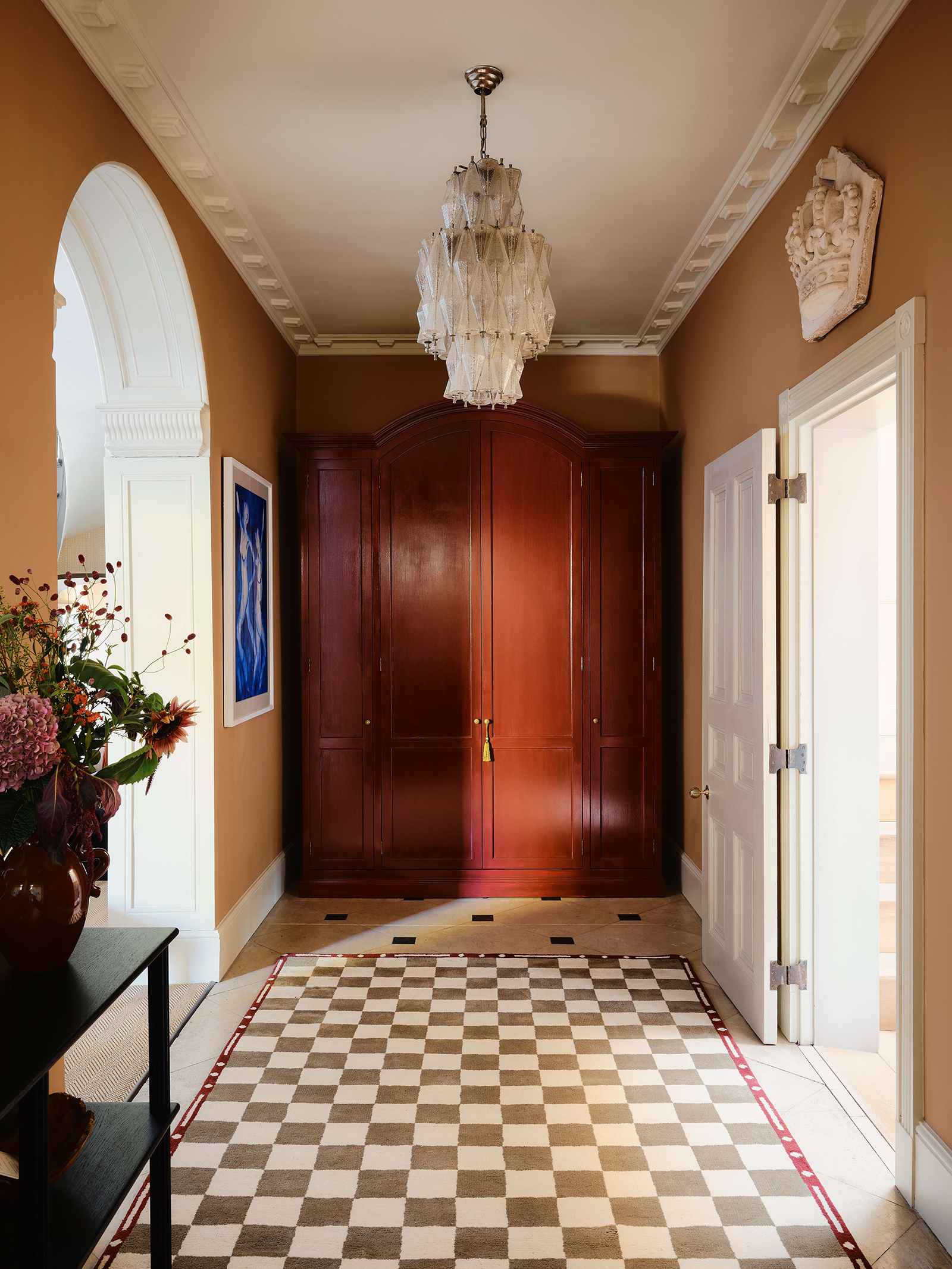
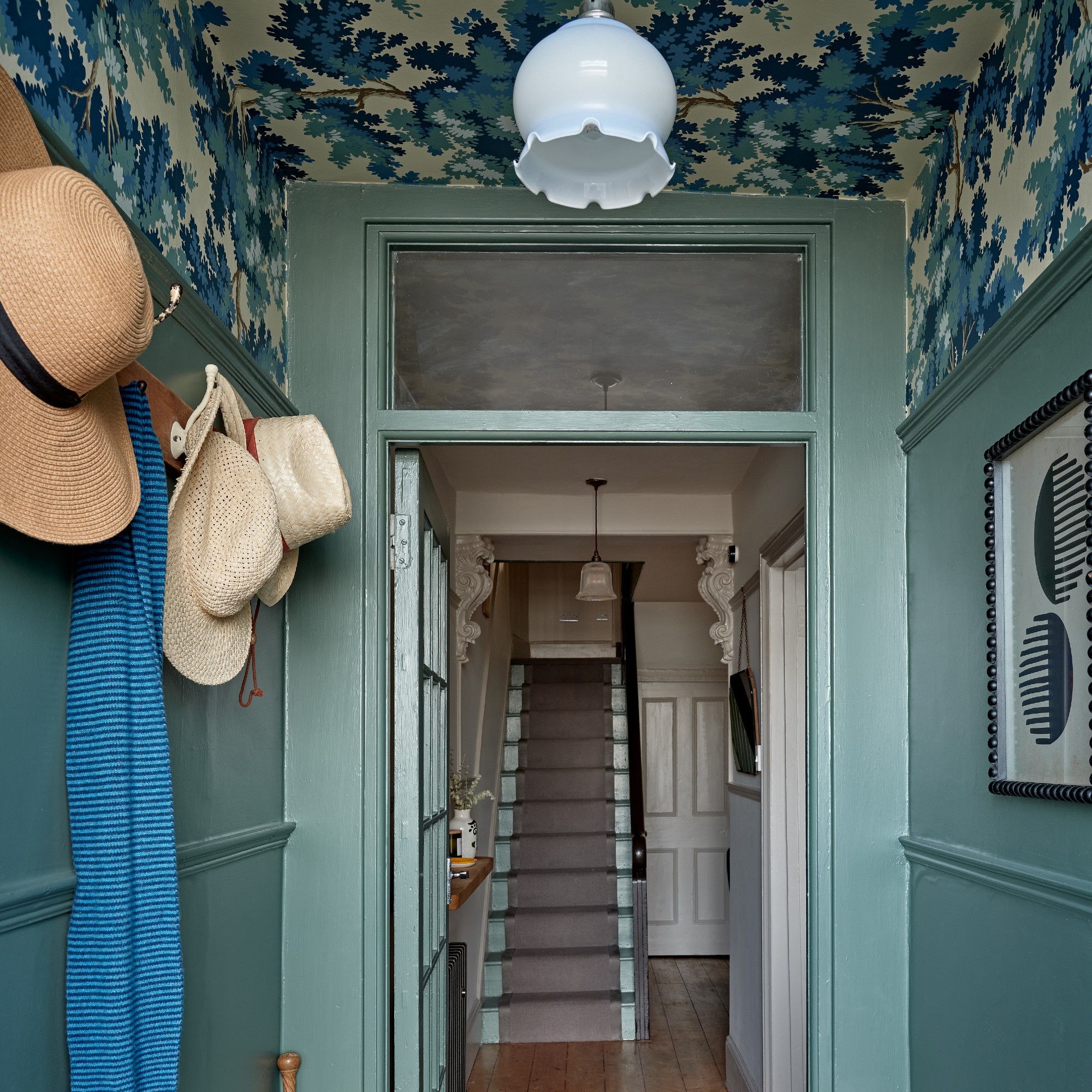
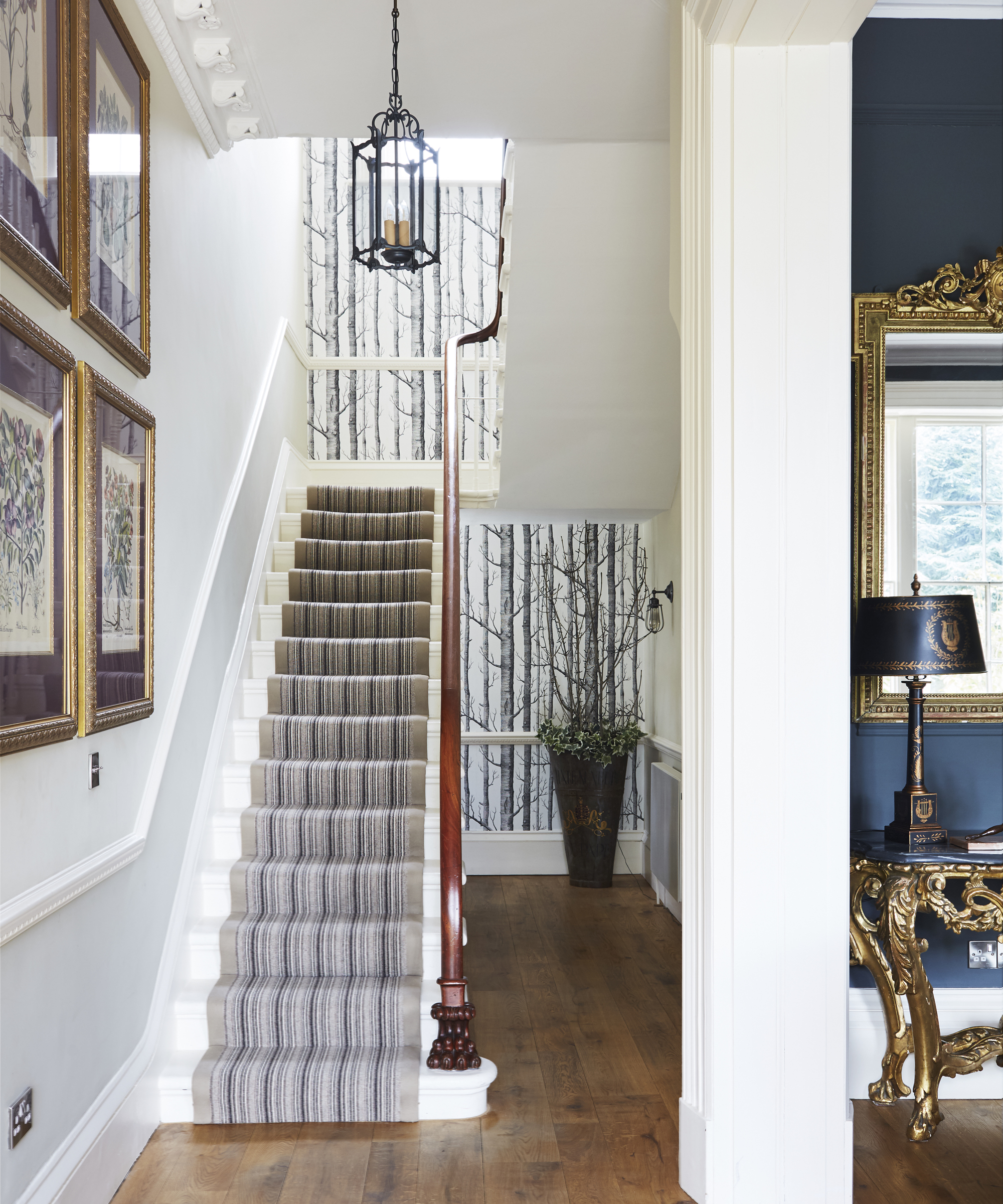
Ceilings also present an often-missed opportunity for design. Thornton suggests wallpapering ceilings or using lacquered finishes to draw the eye upward, add intrigue, and create the illusion of greater height. Furthermore, she emphasizes celebrating existing architectural details or introducing new ones, such as intricate lighting fixtures, to enhance the character of the space. Her philosophy is to be proactive in adding architectural elements if none are present.
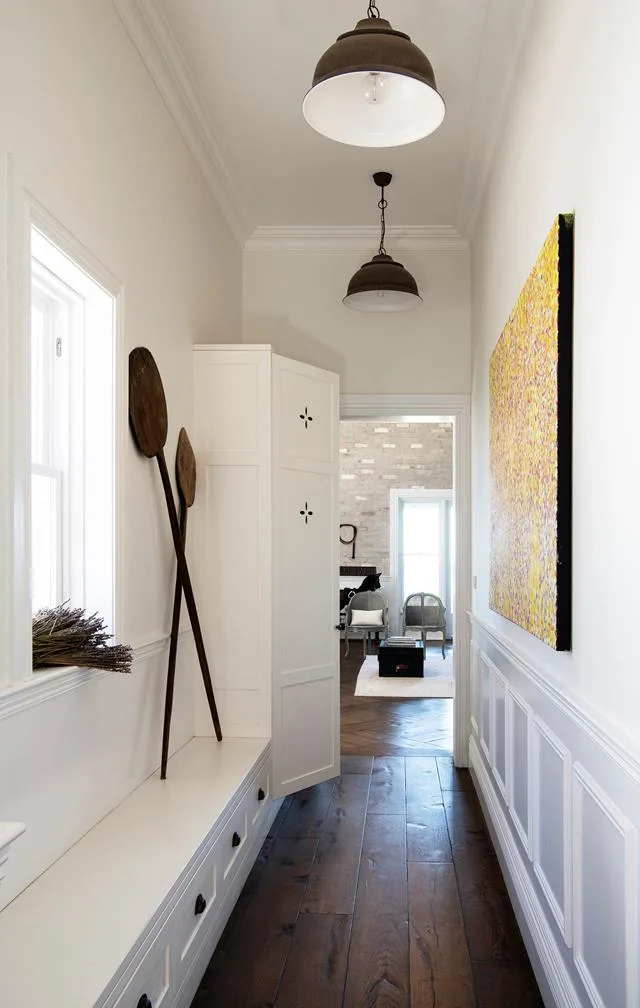
Lighting plays a crucial role in hallways, serving both functional and decorative purposes. Thornton advises making a statement with lighting, especially in areas lacking natural light. Repeating pendants or lanterns can be effective in hallways with high ceilings, while sconces can add drama where height is limited. Thoughtful lighting can transform the mood and visibility of a hallway.

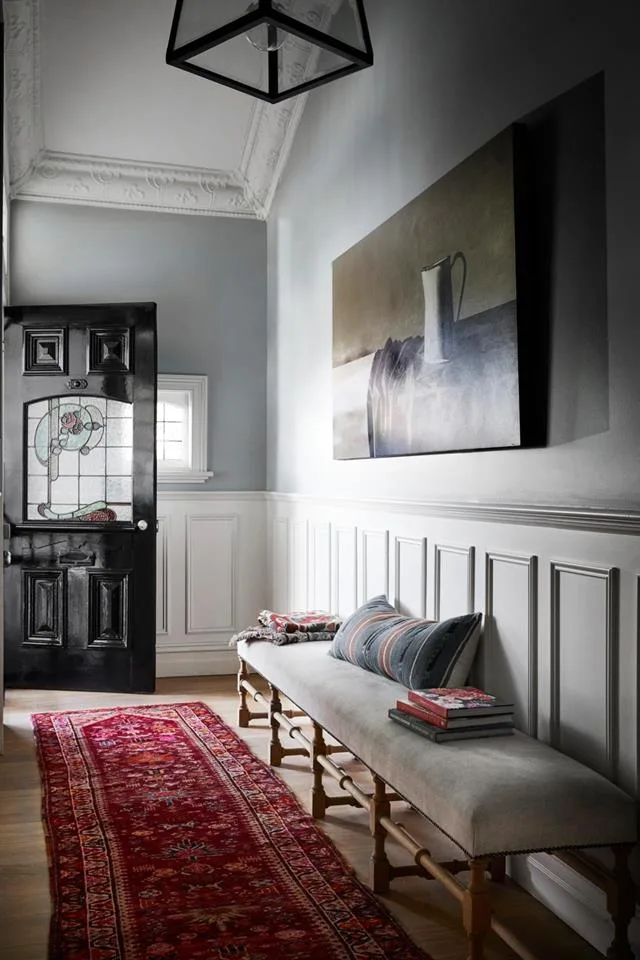
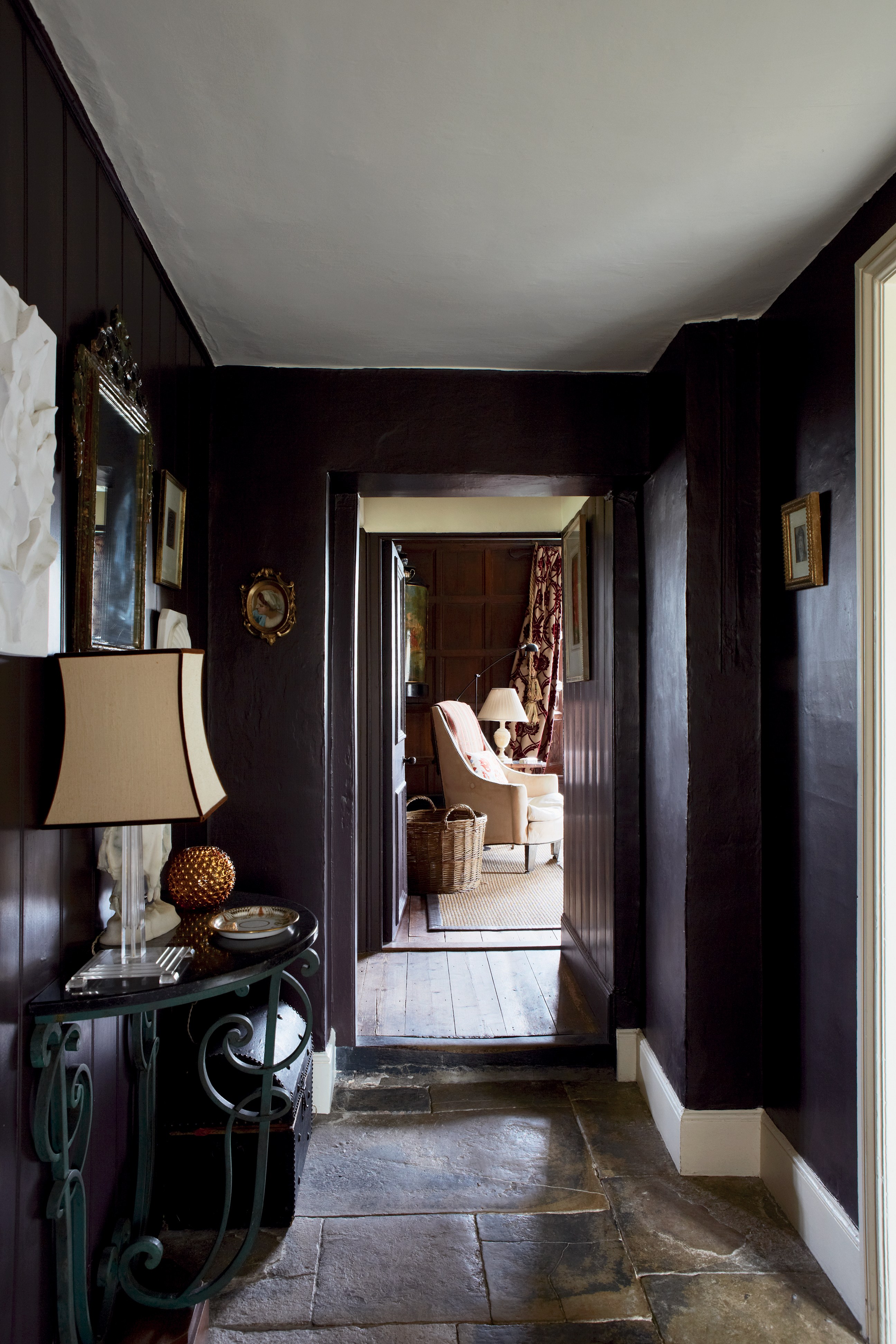
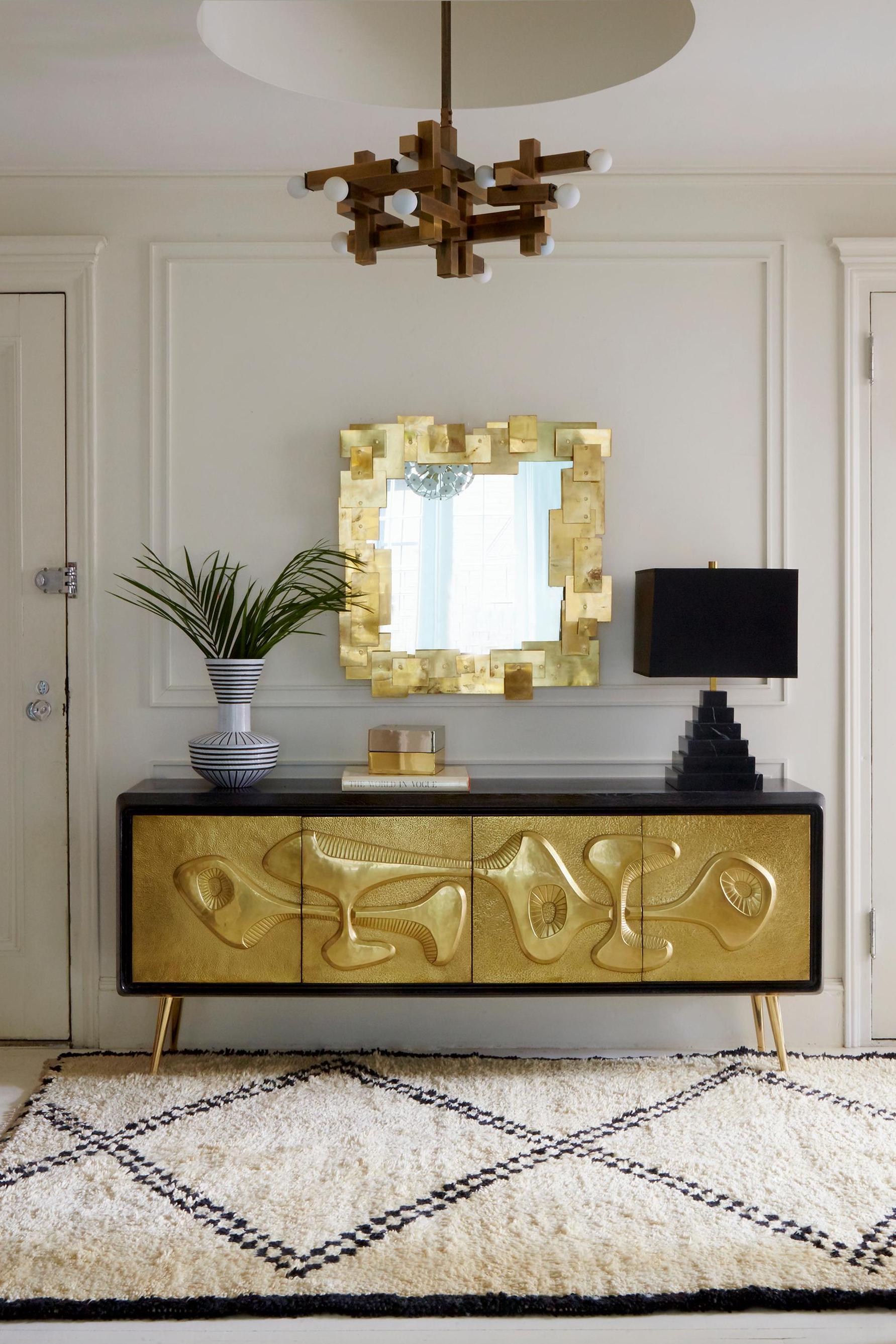
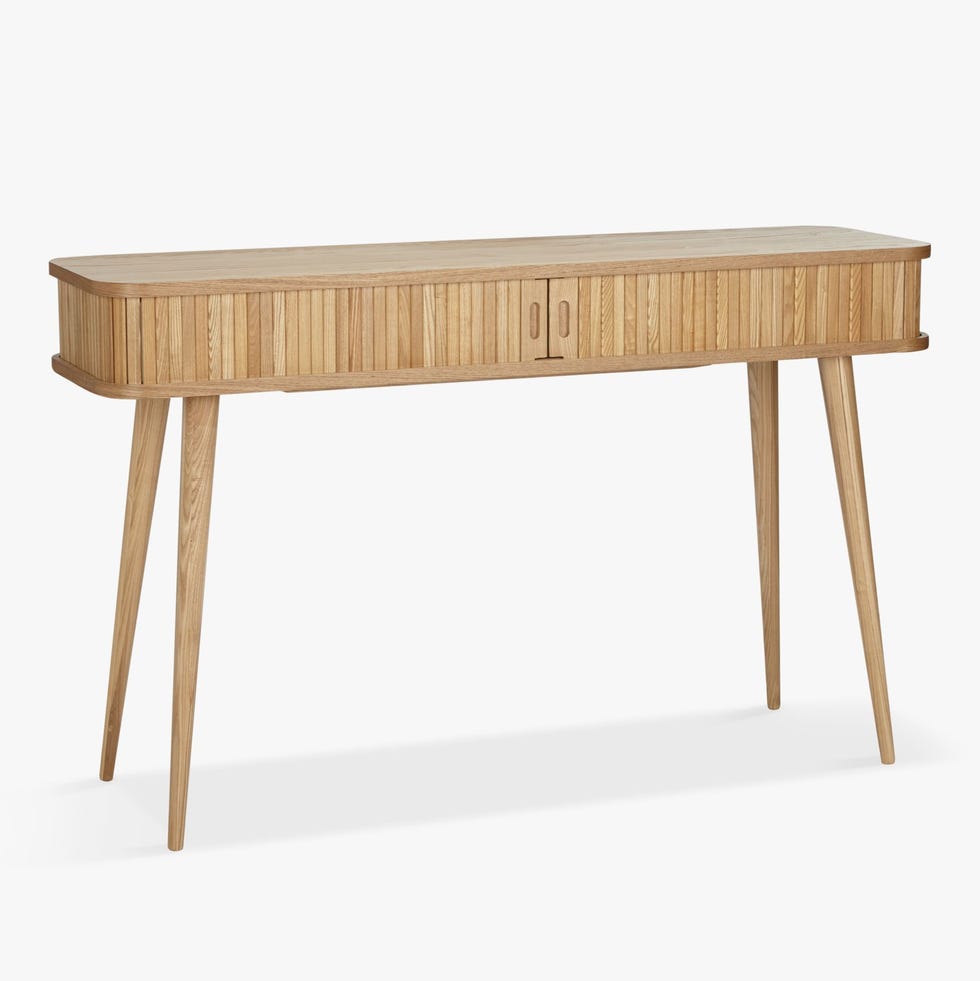
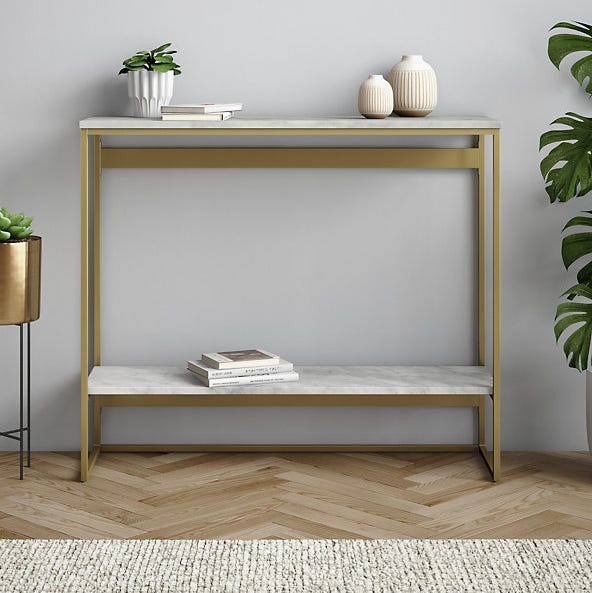
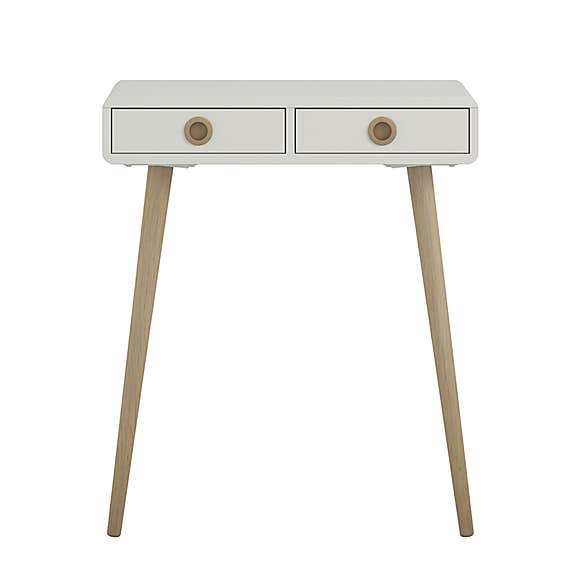
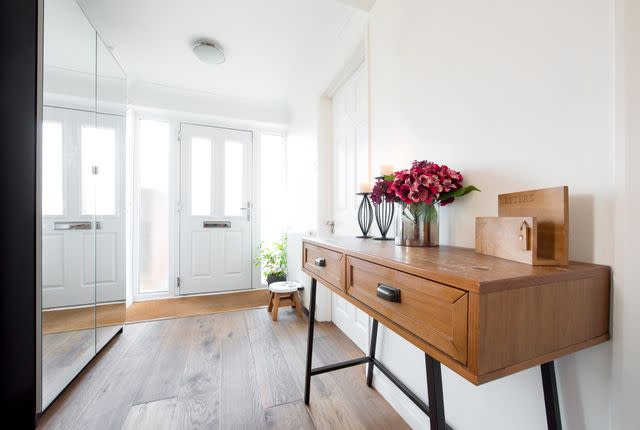
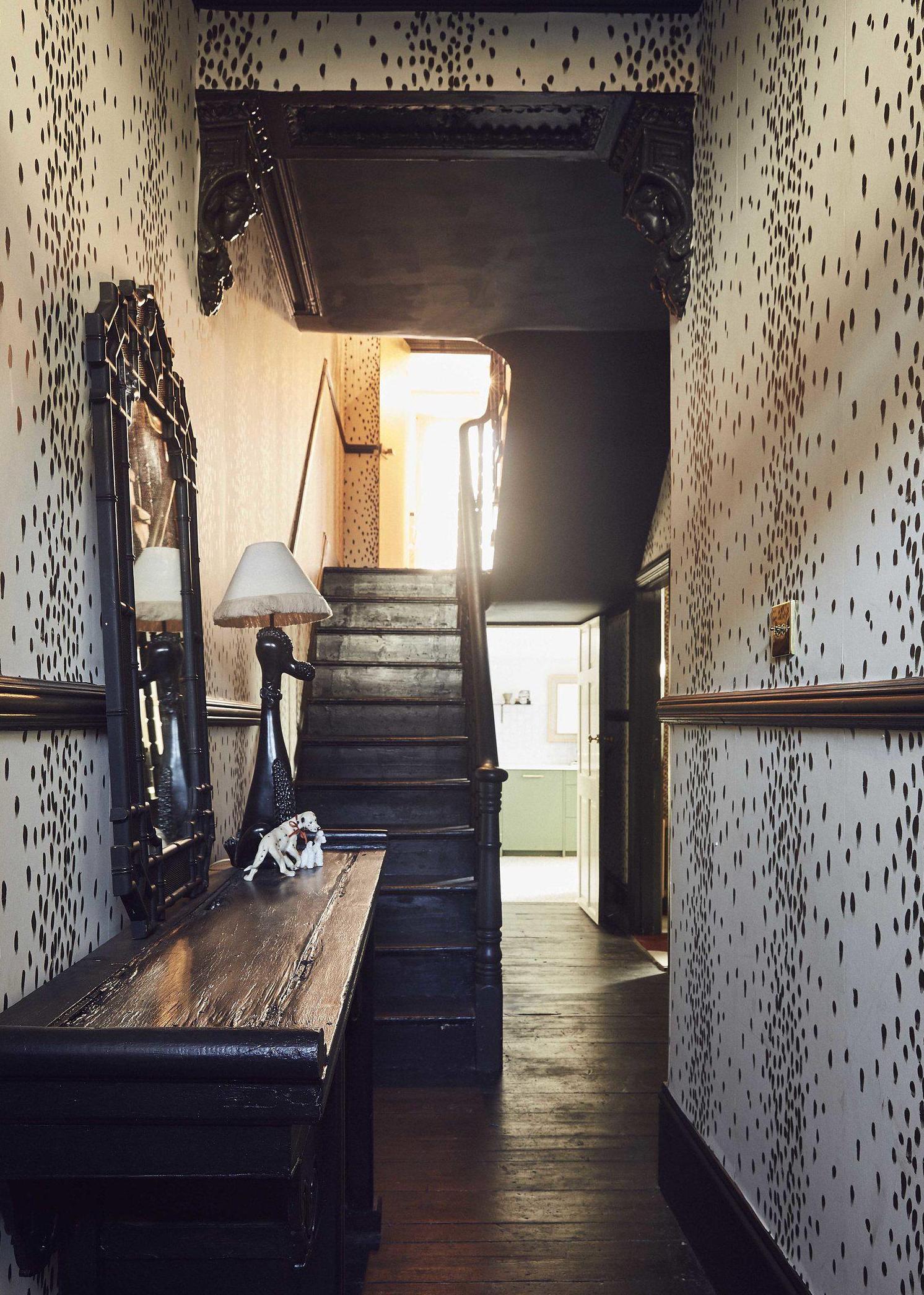
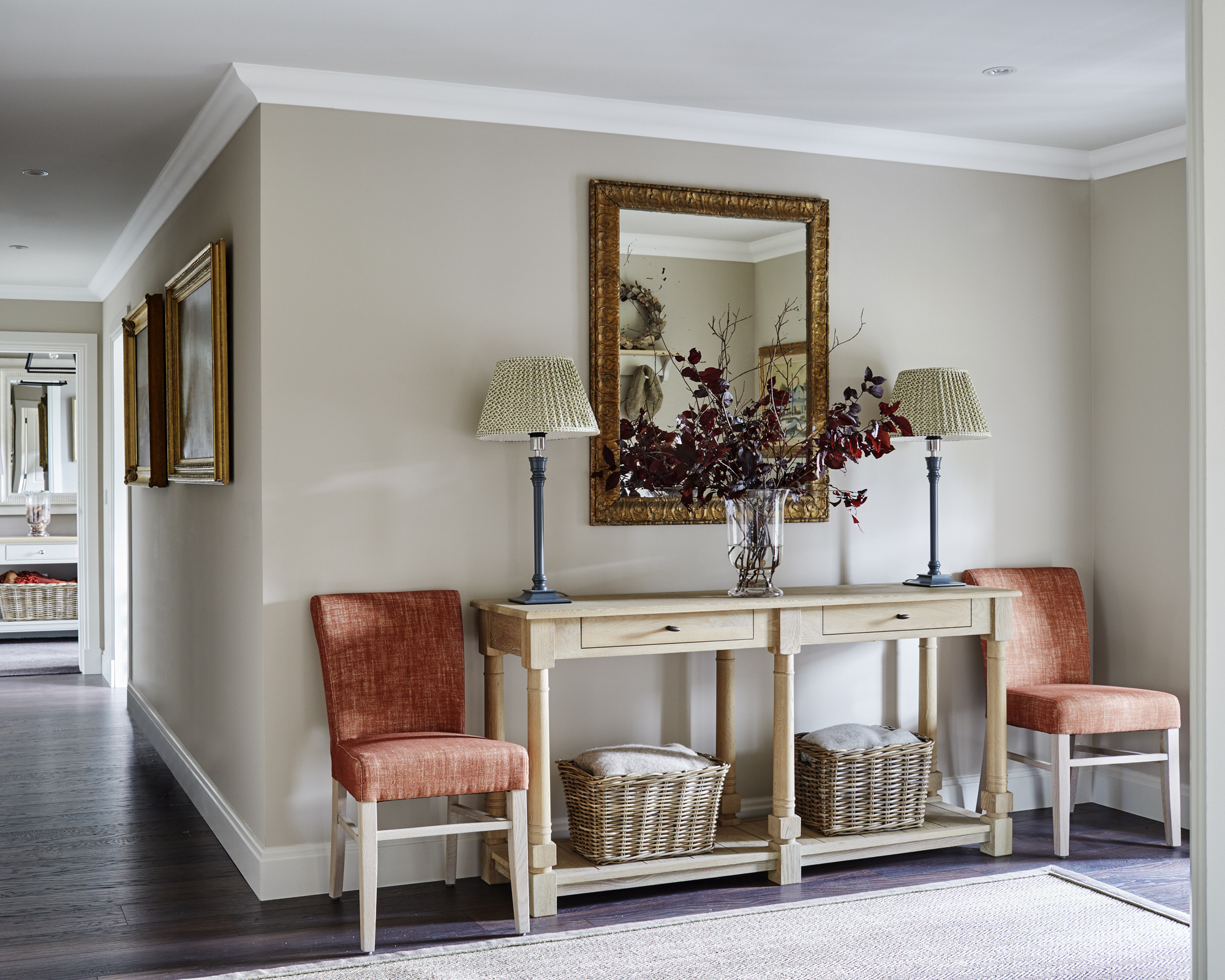
Integrating noteworthy furniture is another way to elevate a hallway. Thornton recommends using antique or lavish furnishings, not just in living areas, to make the hallway feel like a proper room rather than just a thoroughfare. This also provides opportunities for styling console tables or other pieces, adding to the curated feel of the space.
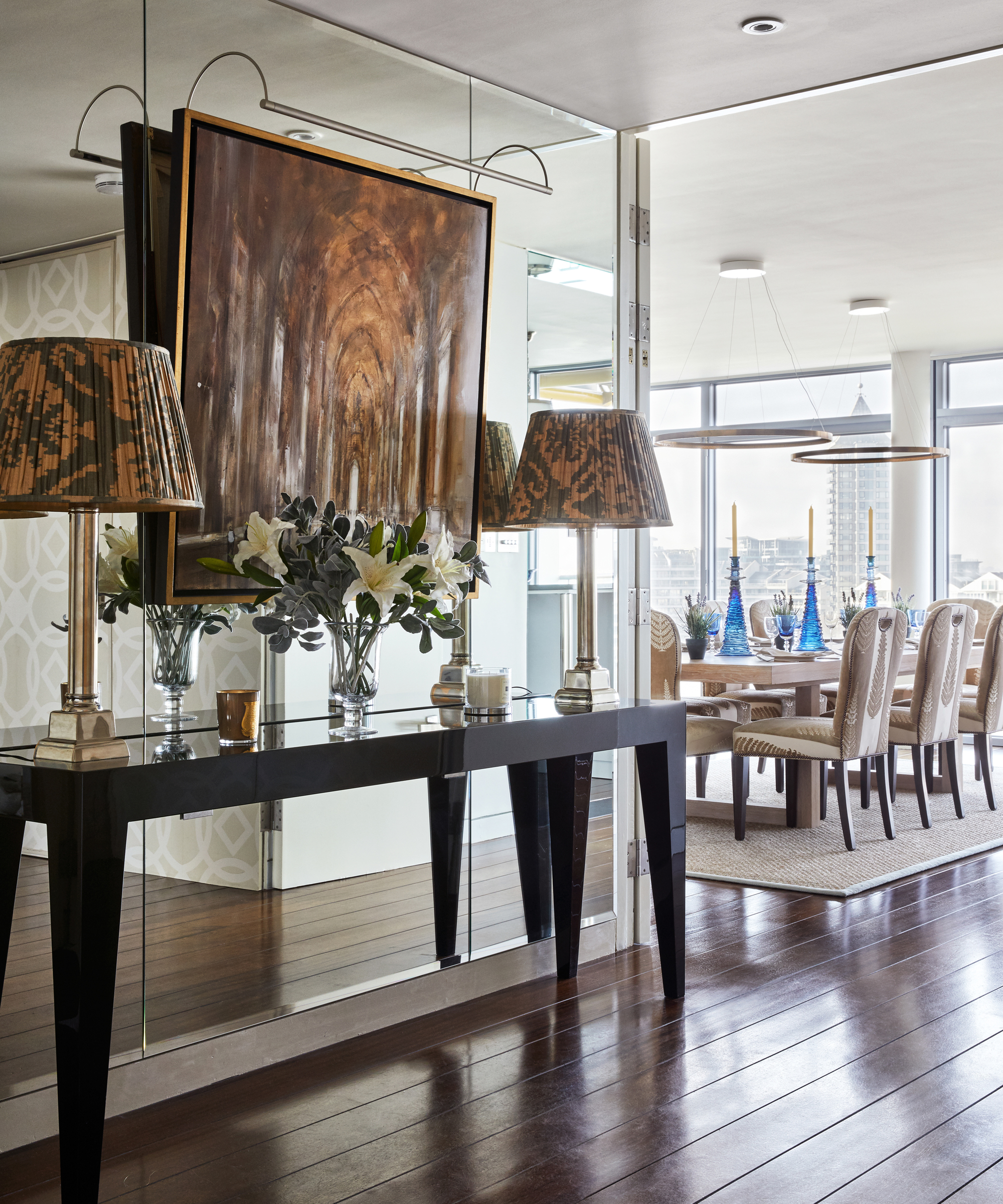
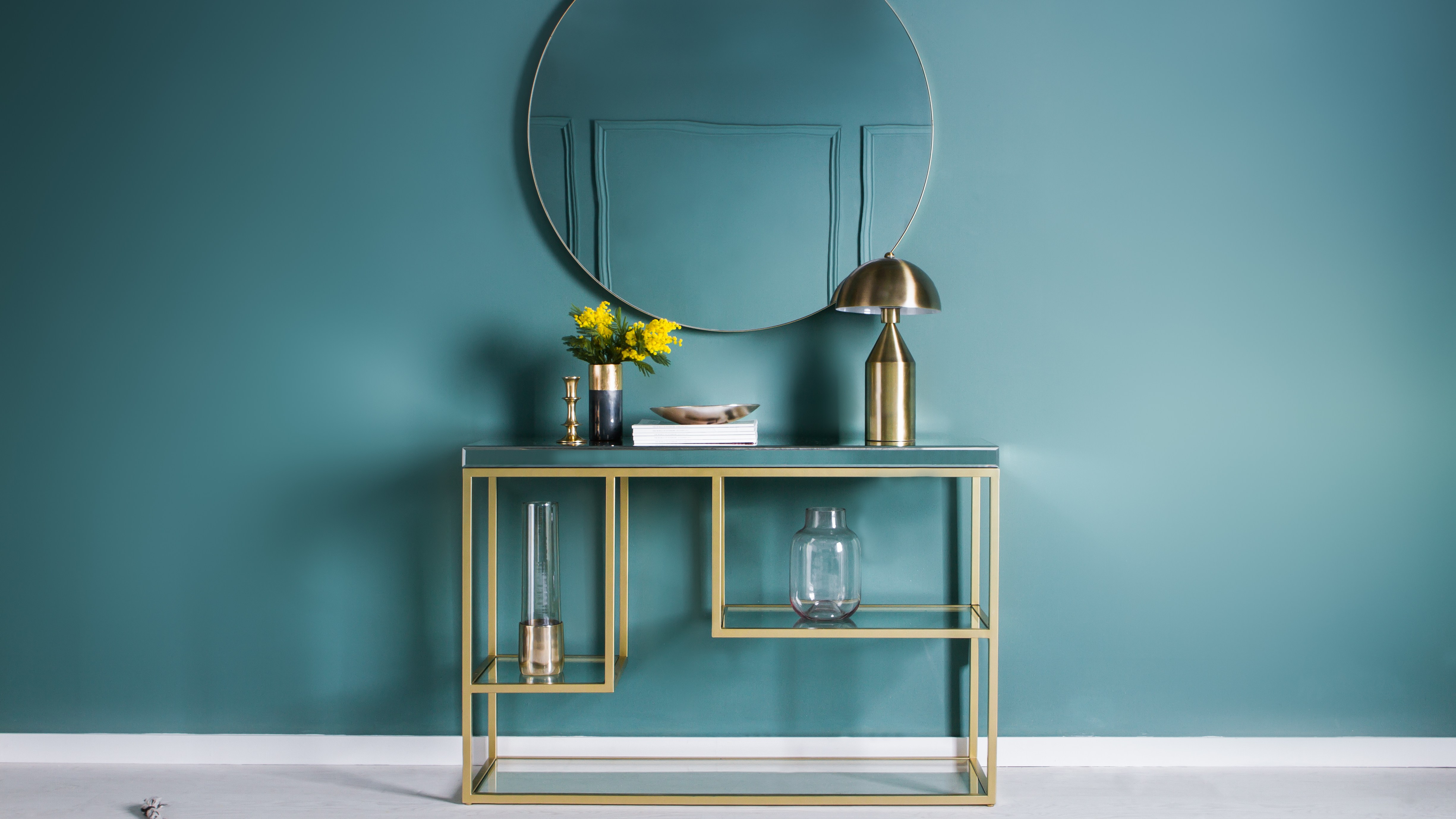
Unconventional uses for hallways are also explored, such as installing a mini-bar. Thornton suggests that even small console tables can be transformed into well-stocked bar areas, making hallways multifunctional and surprising. Mirrors are highlighted as essential tools for dark corridors, as they effectively bounce light and create the illusion of larger spaces. Custom-made, large mirrors are particularly recommended, along with polished tiles and brass inlays to maximize light reflection.
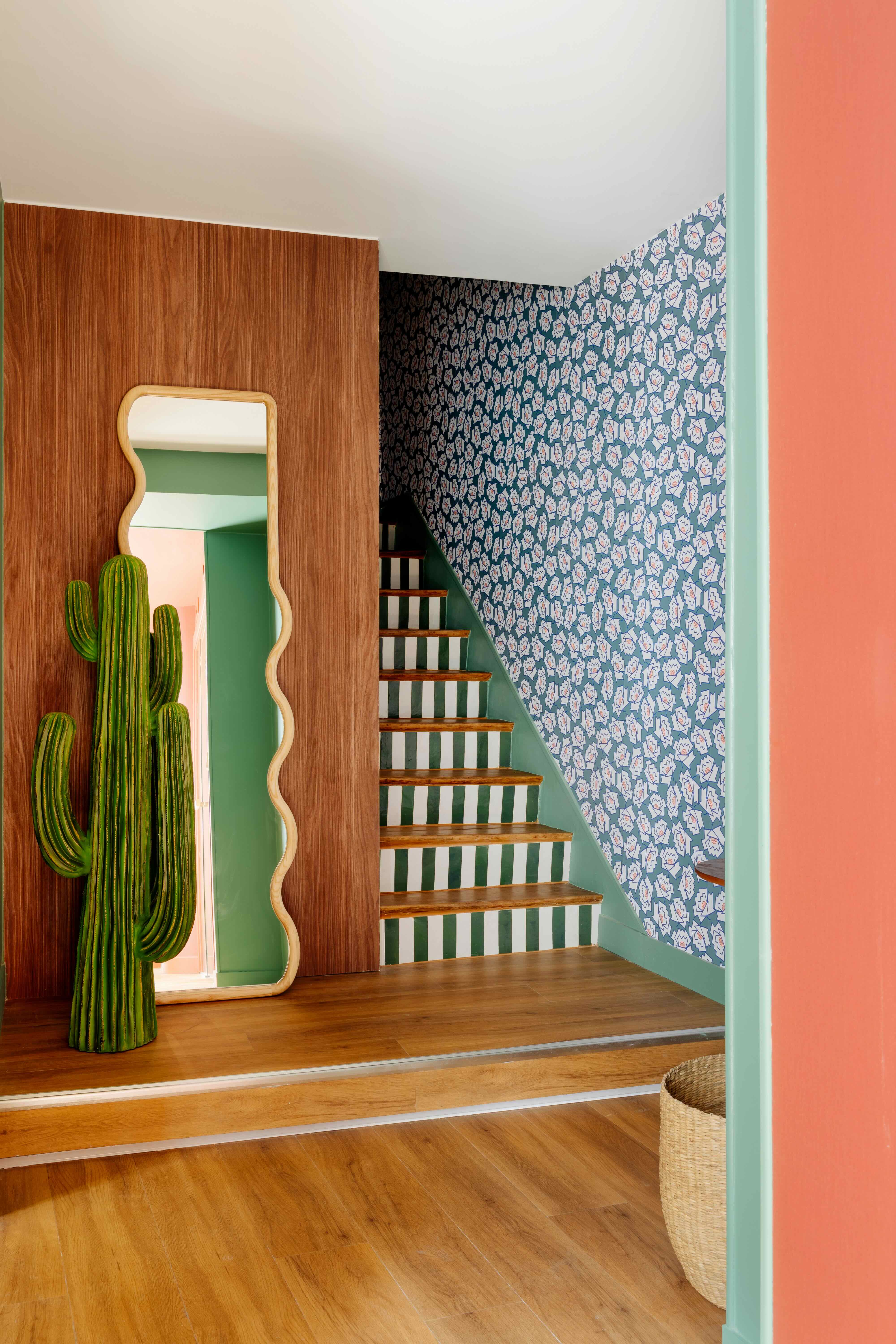

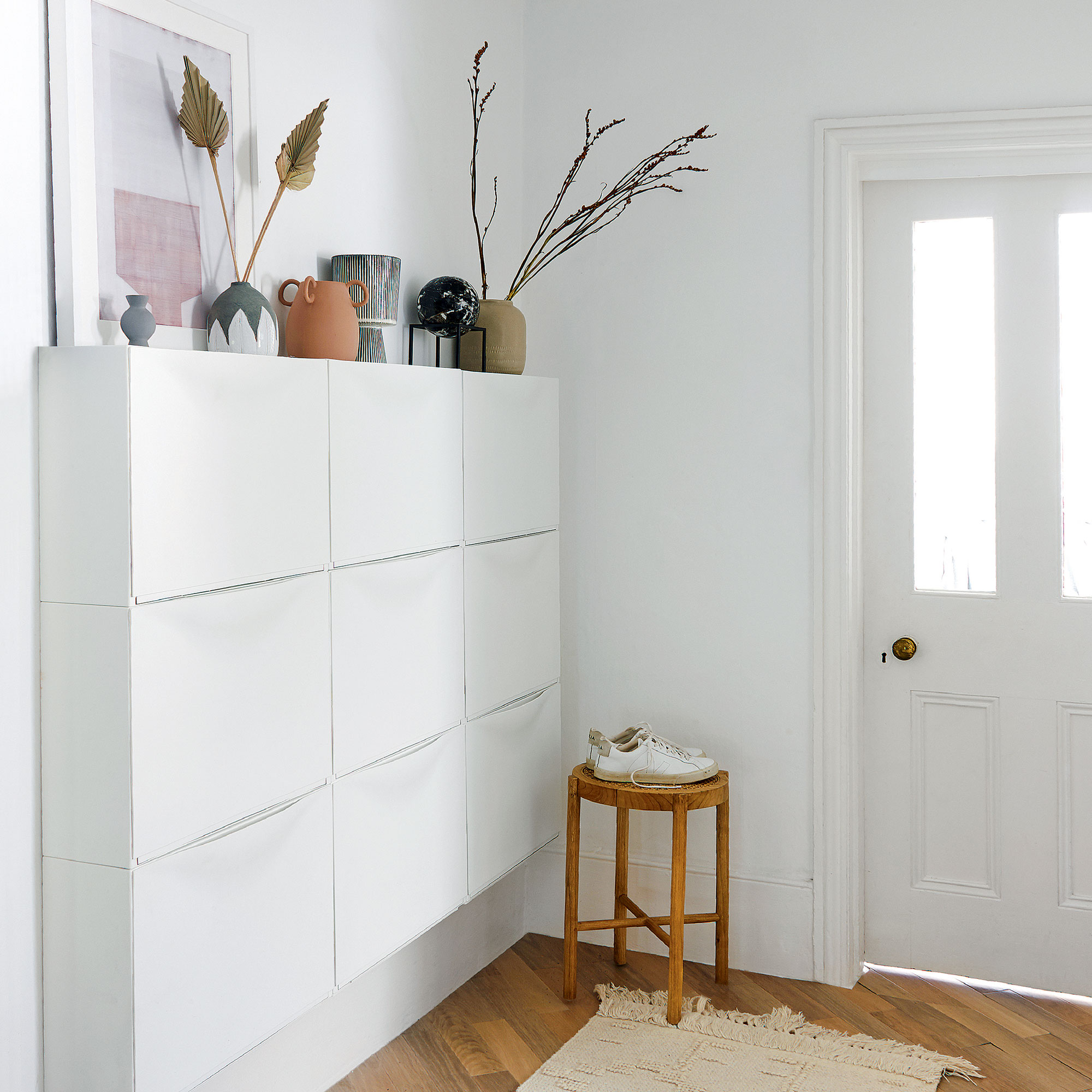
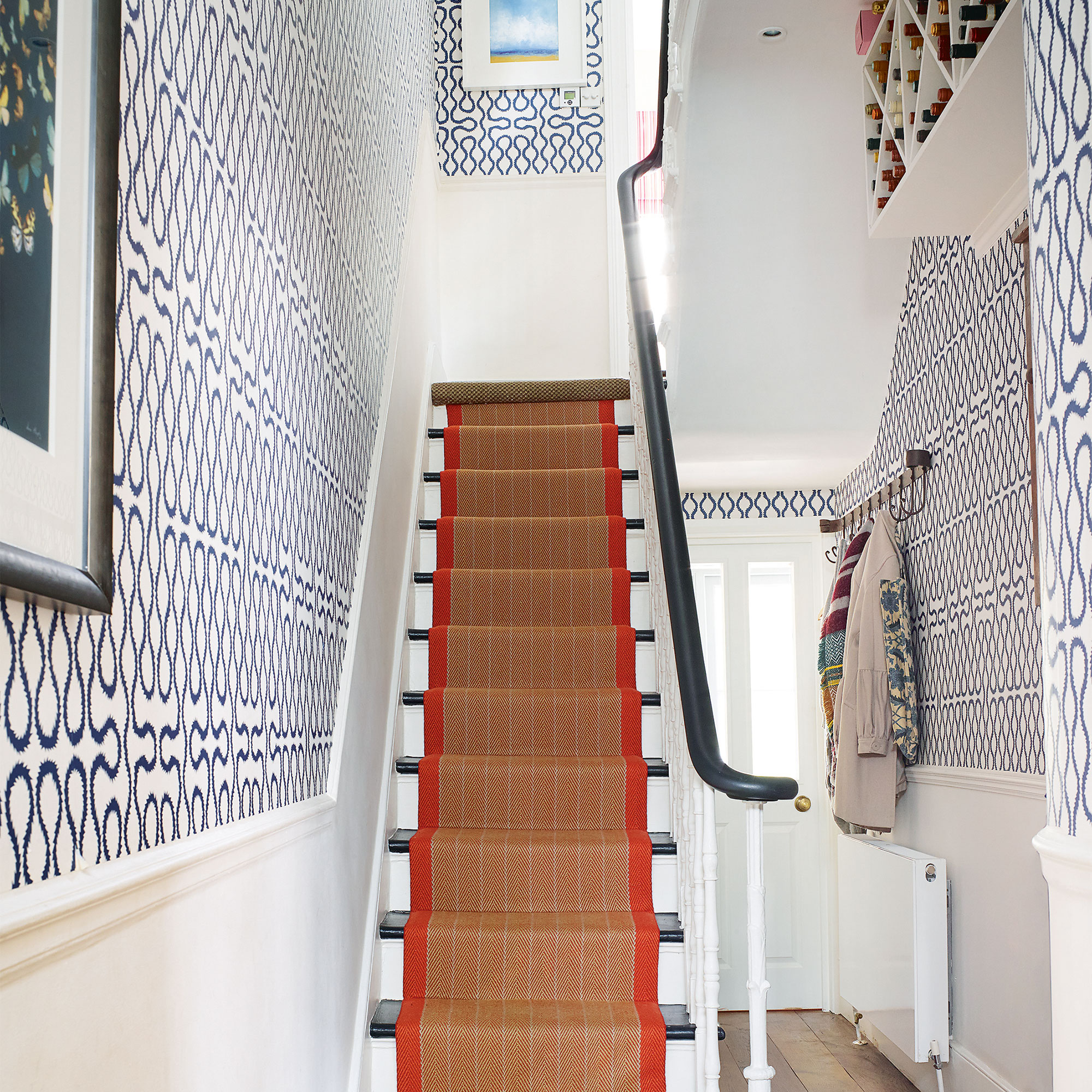
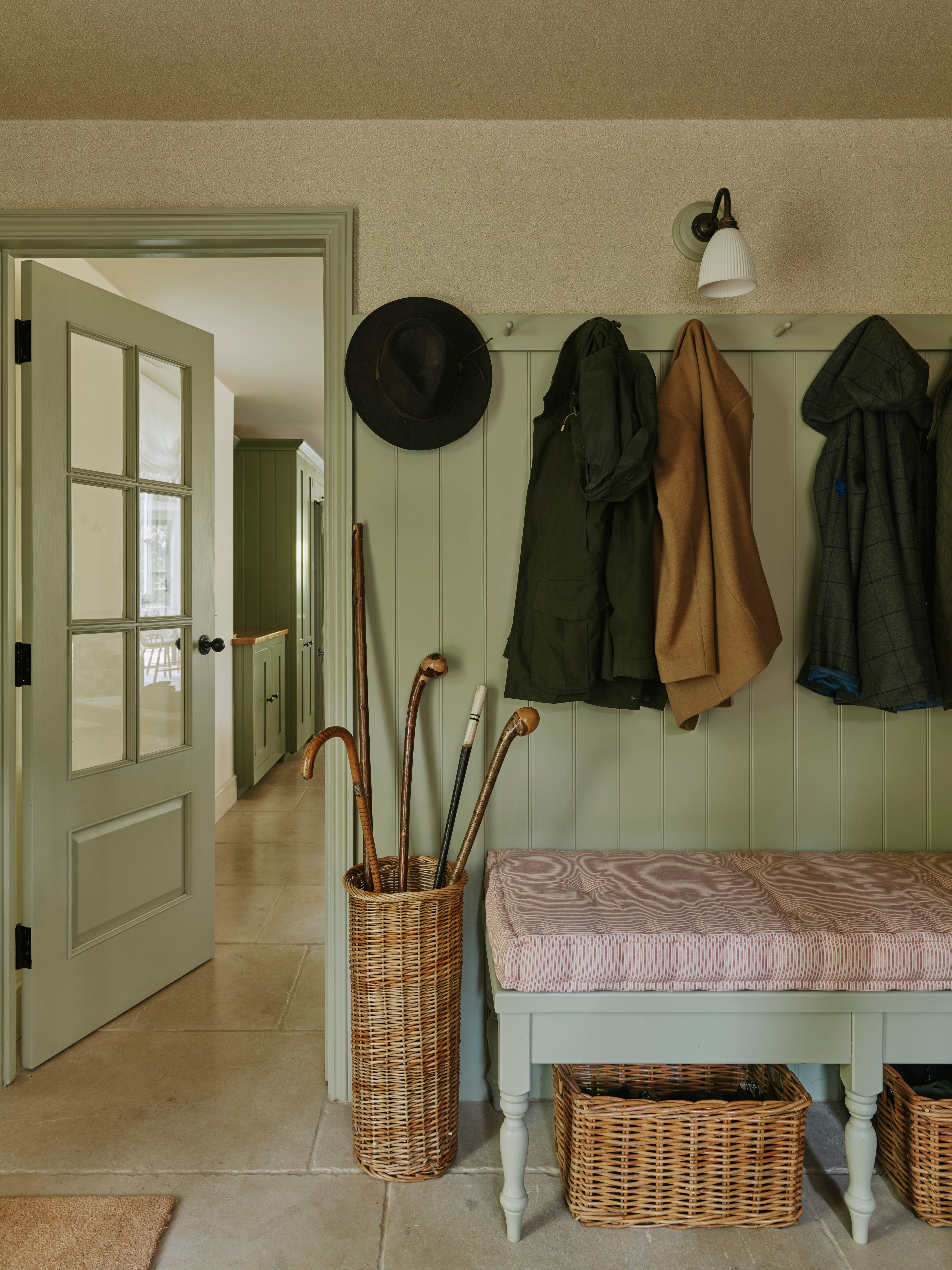
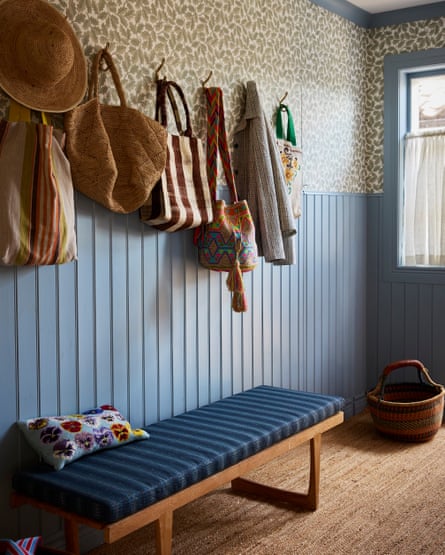
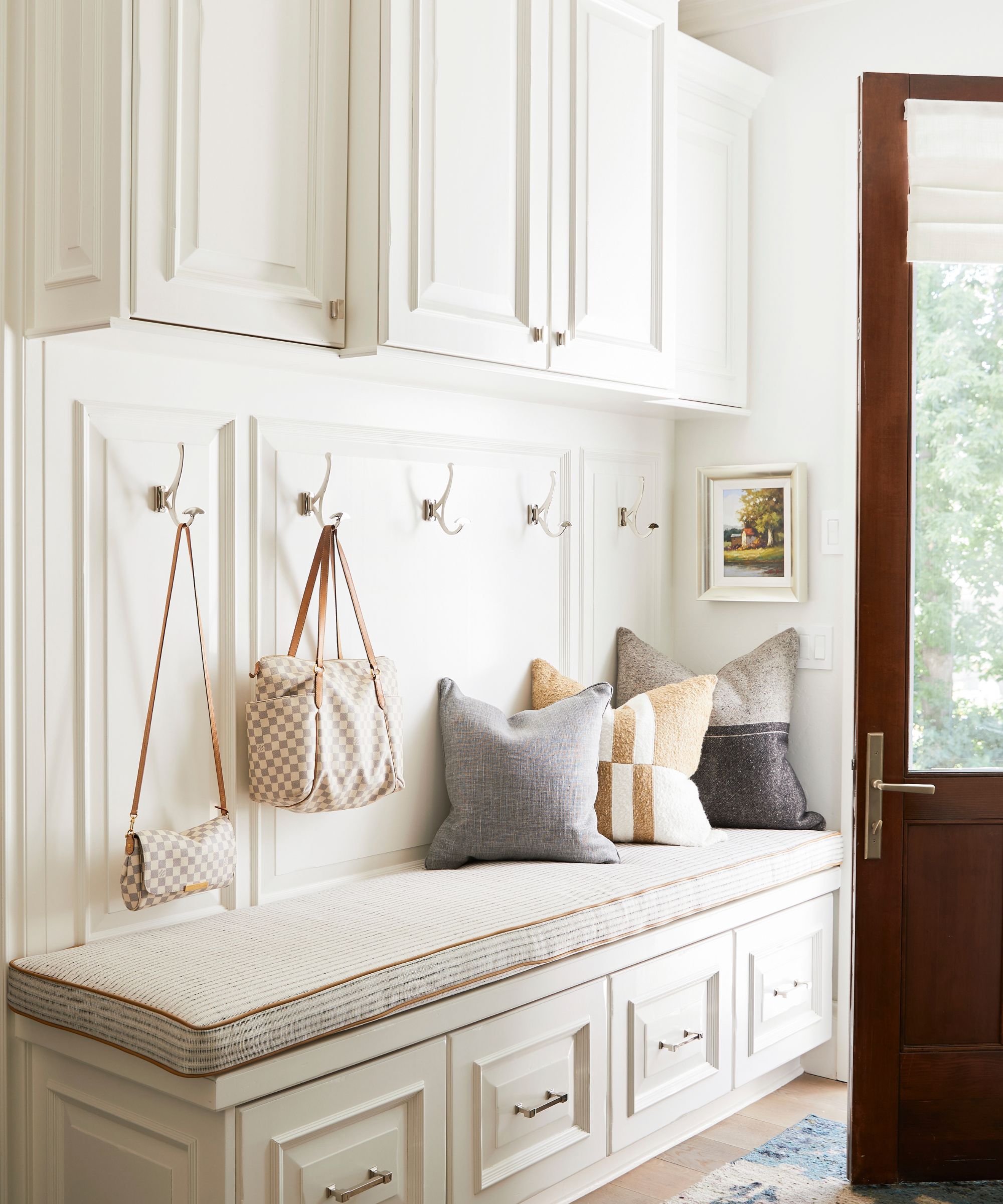
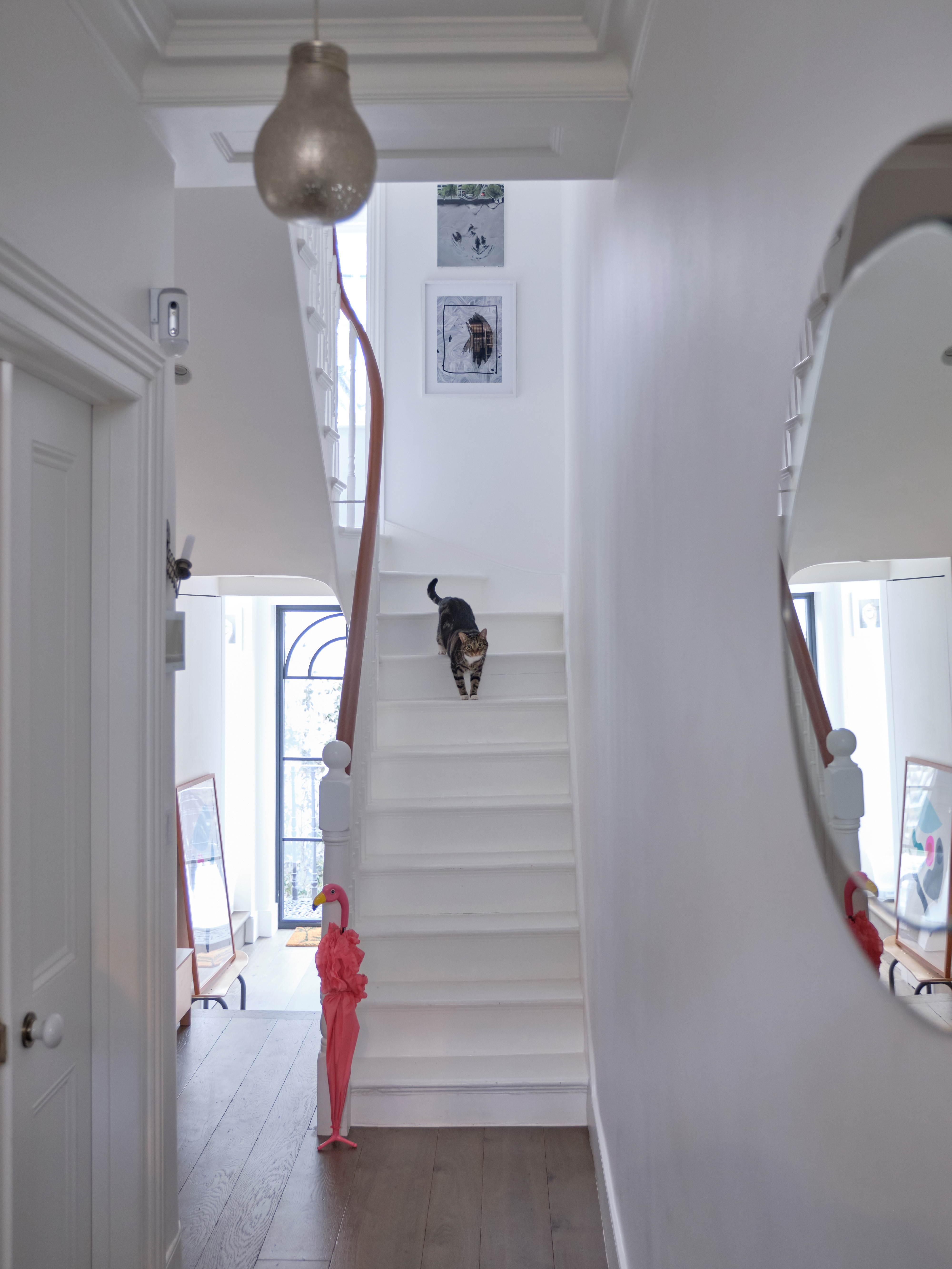
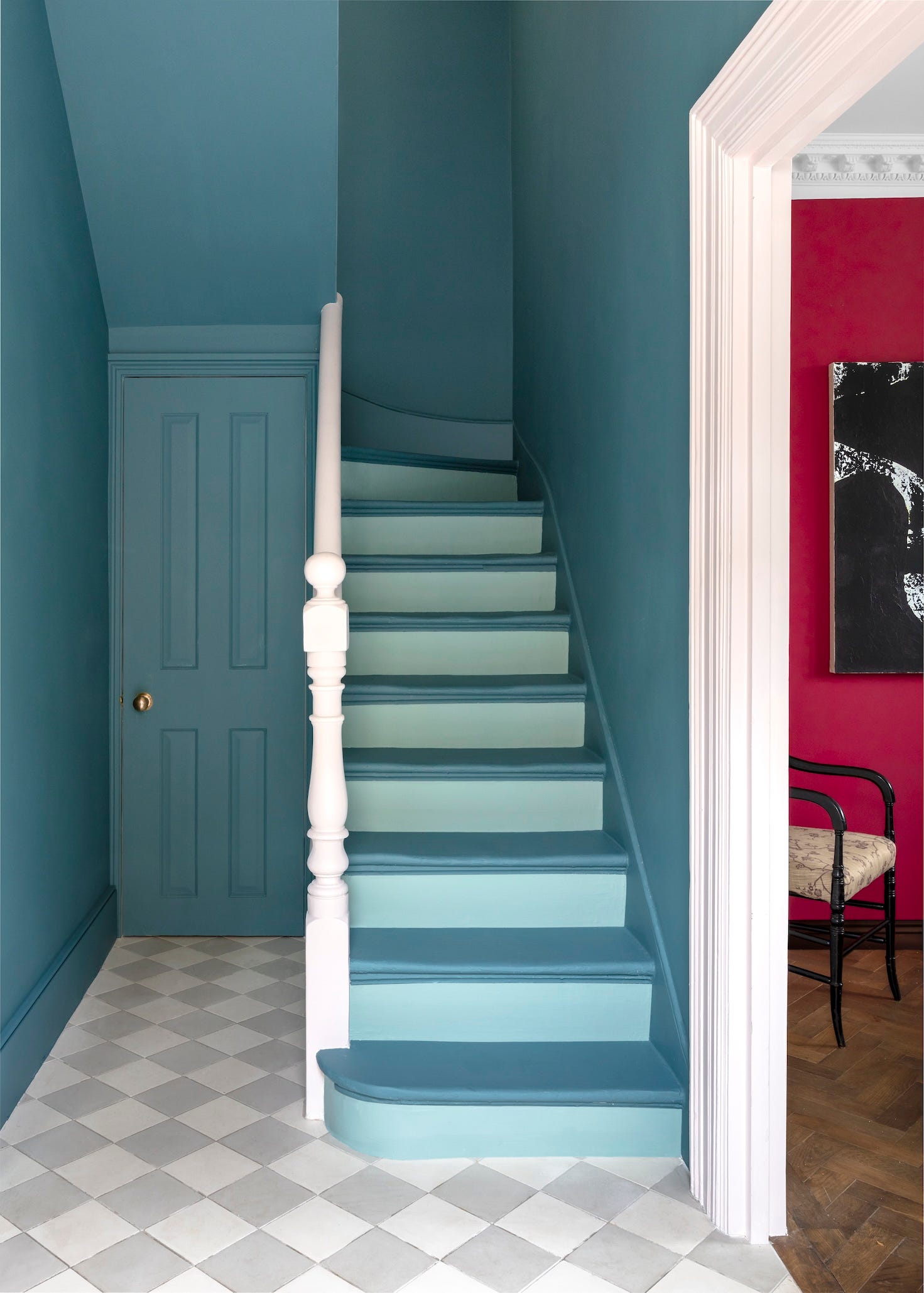
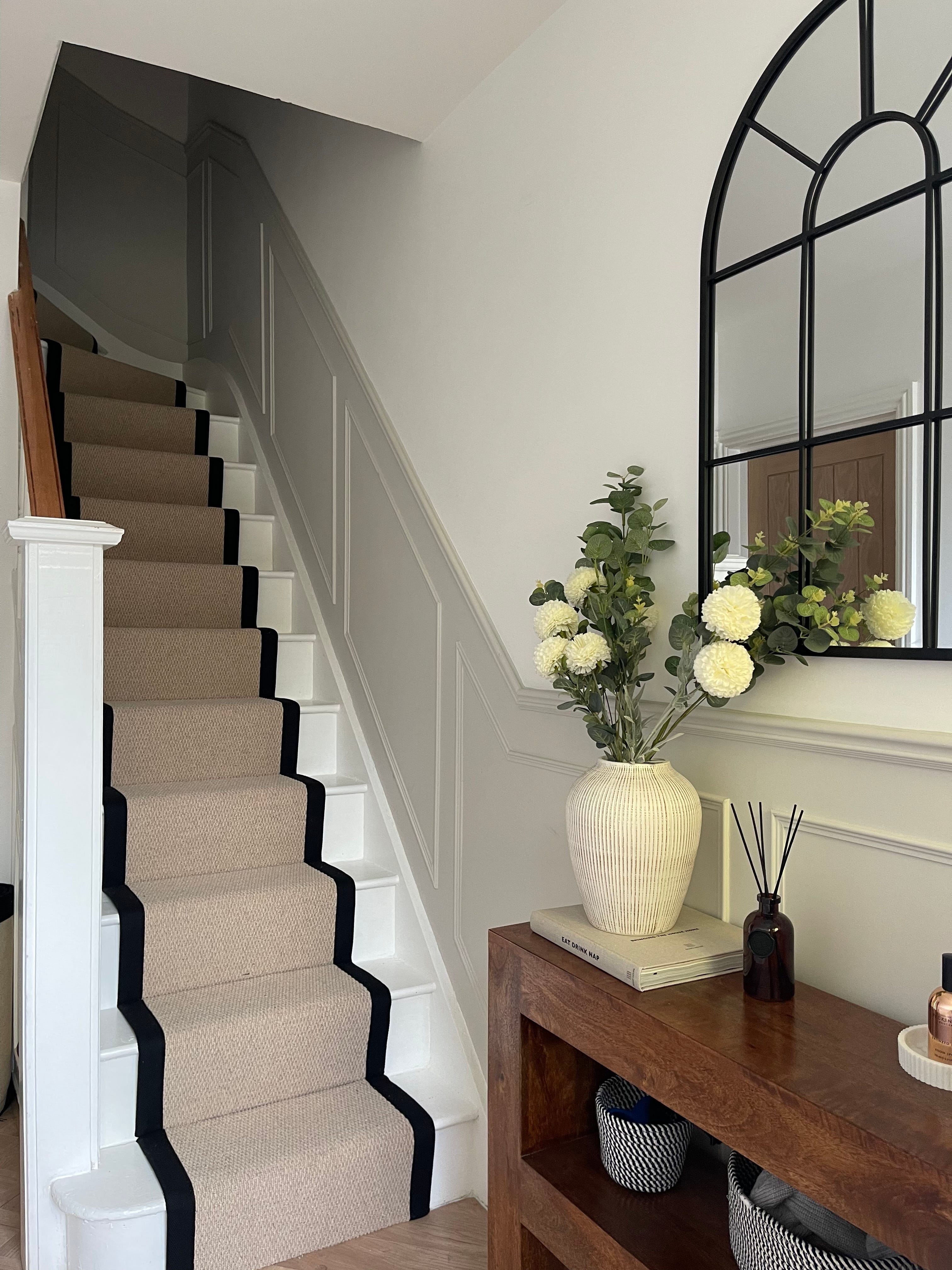
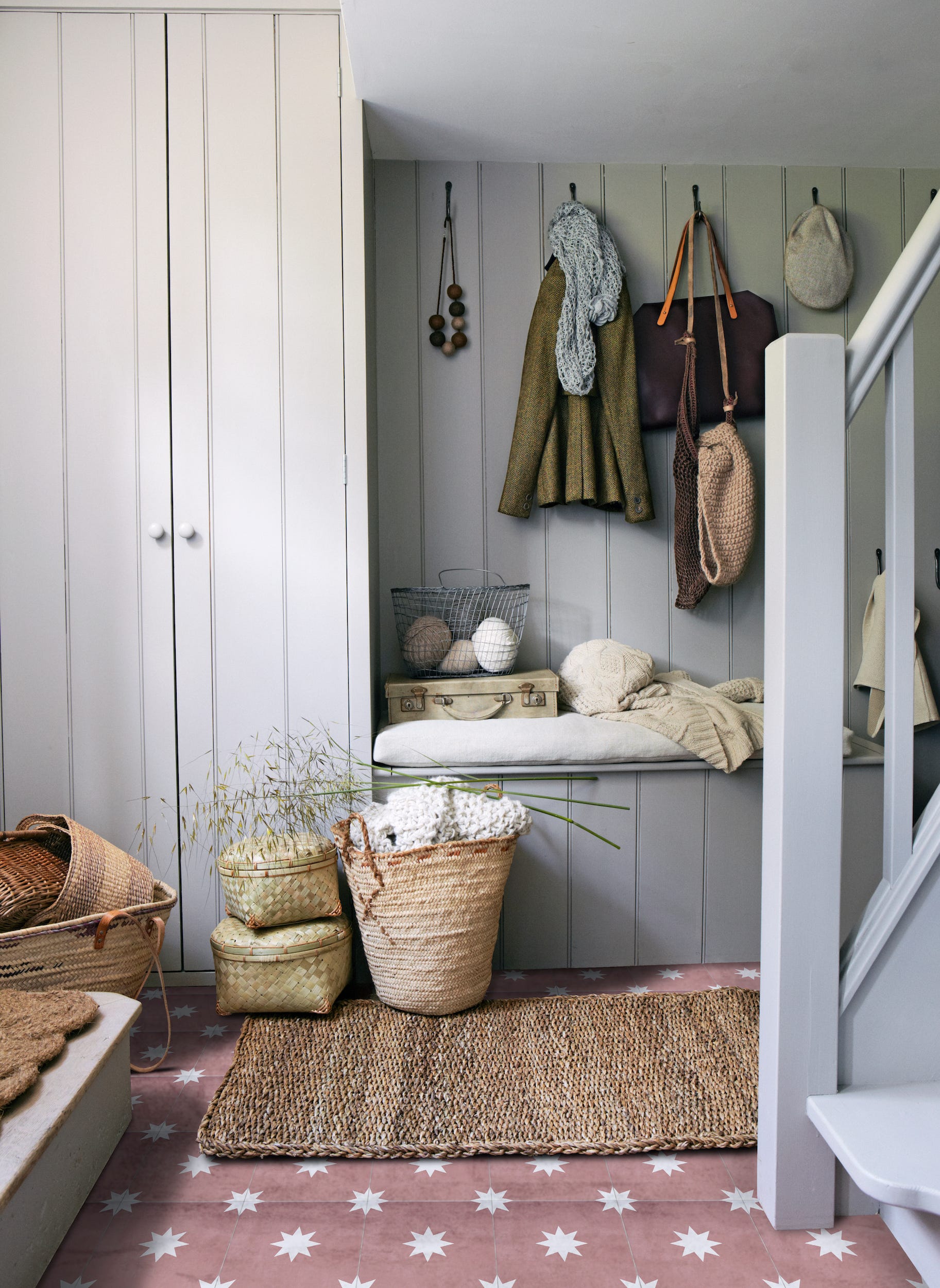
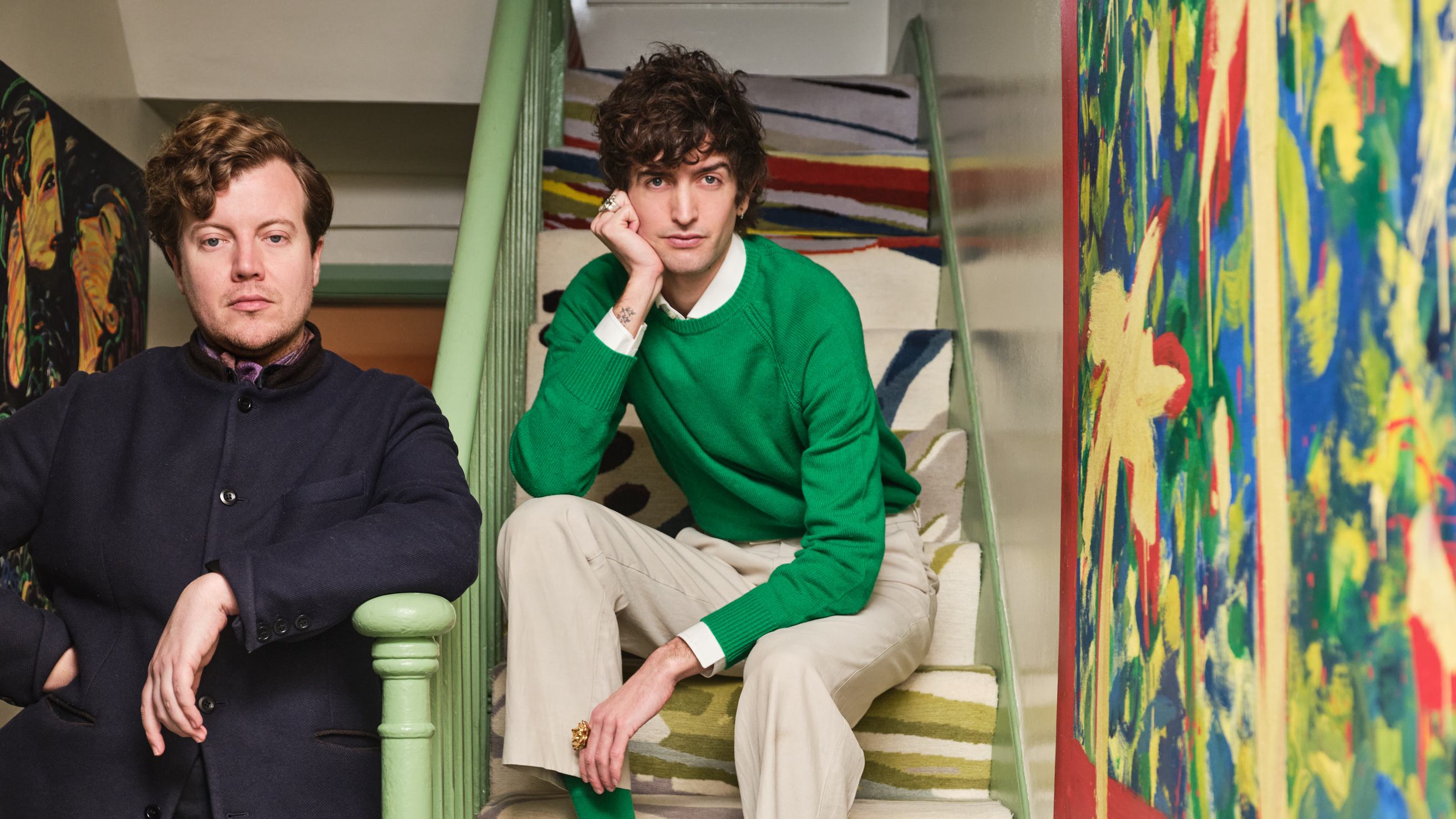
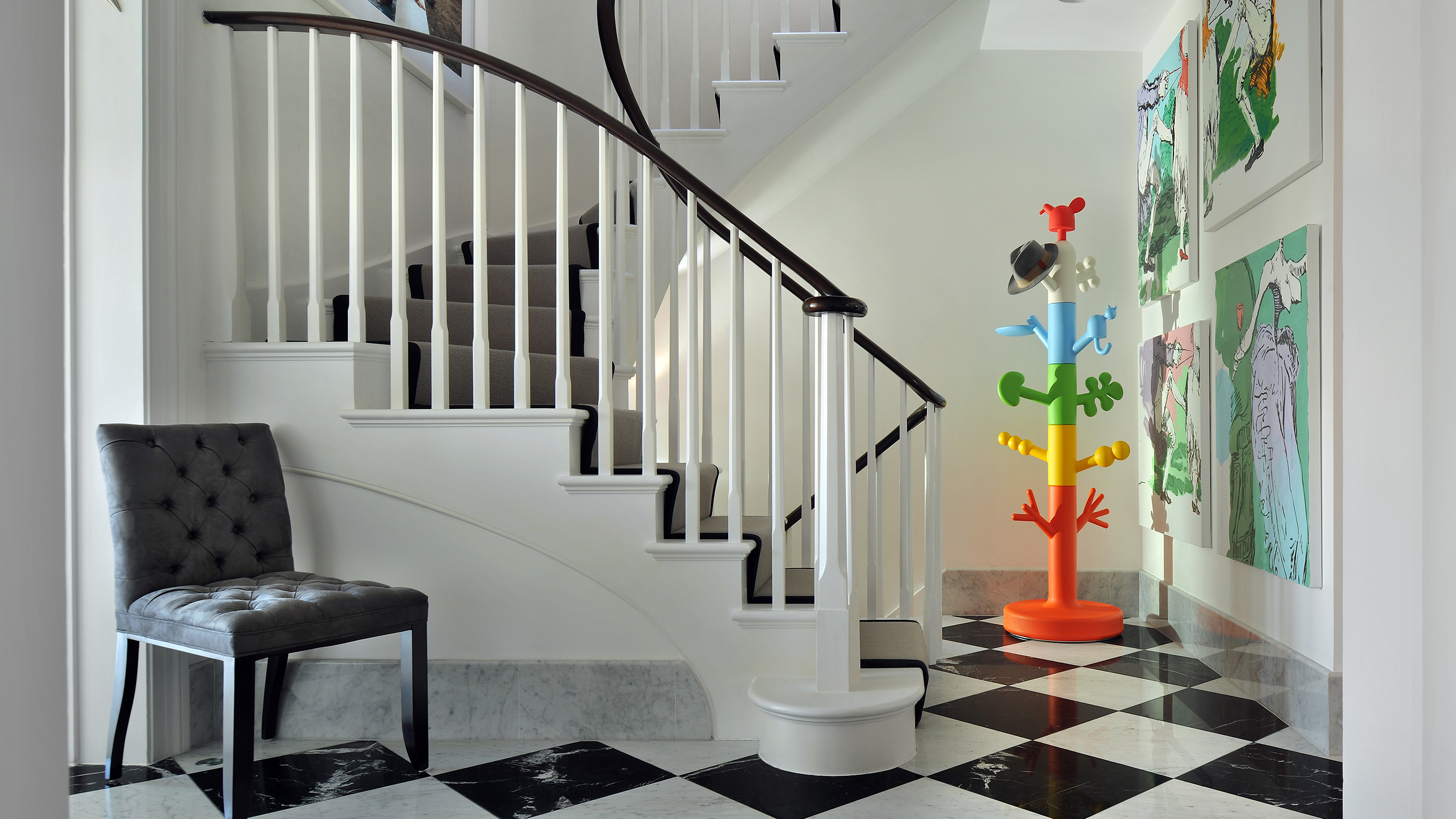
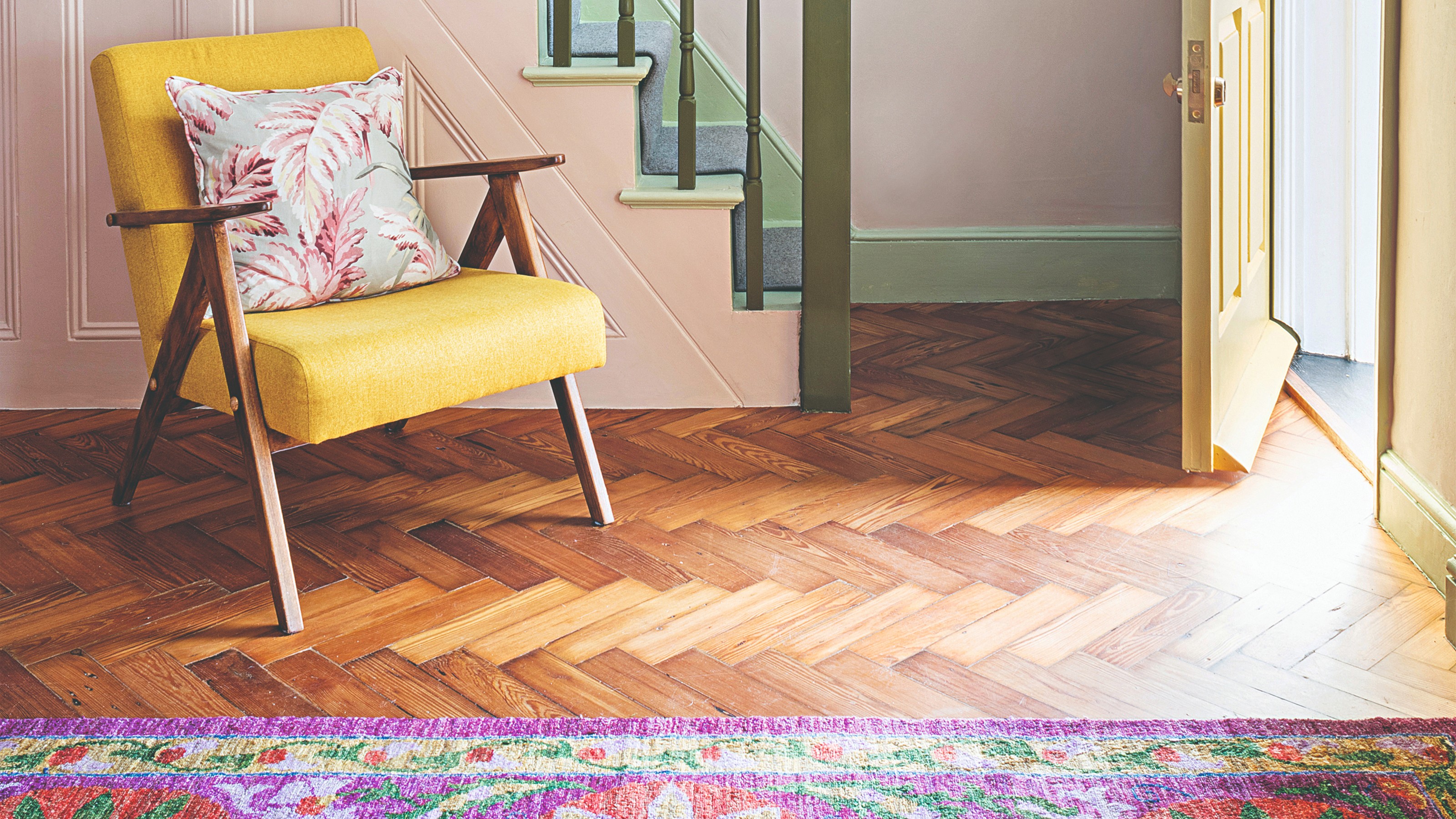
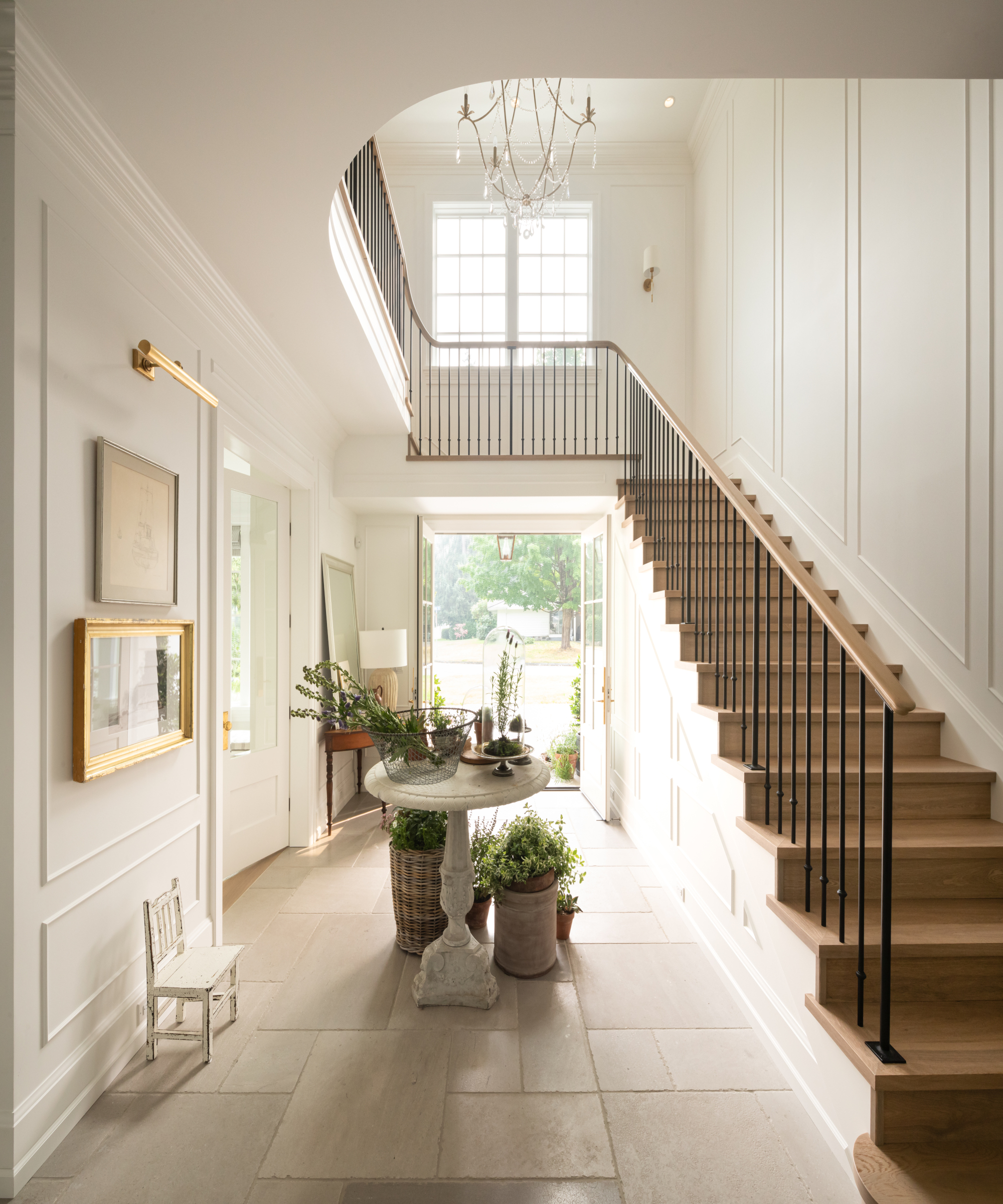
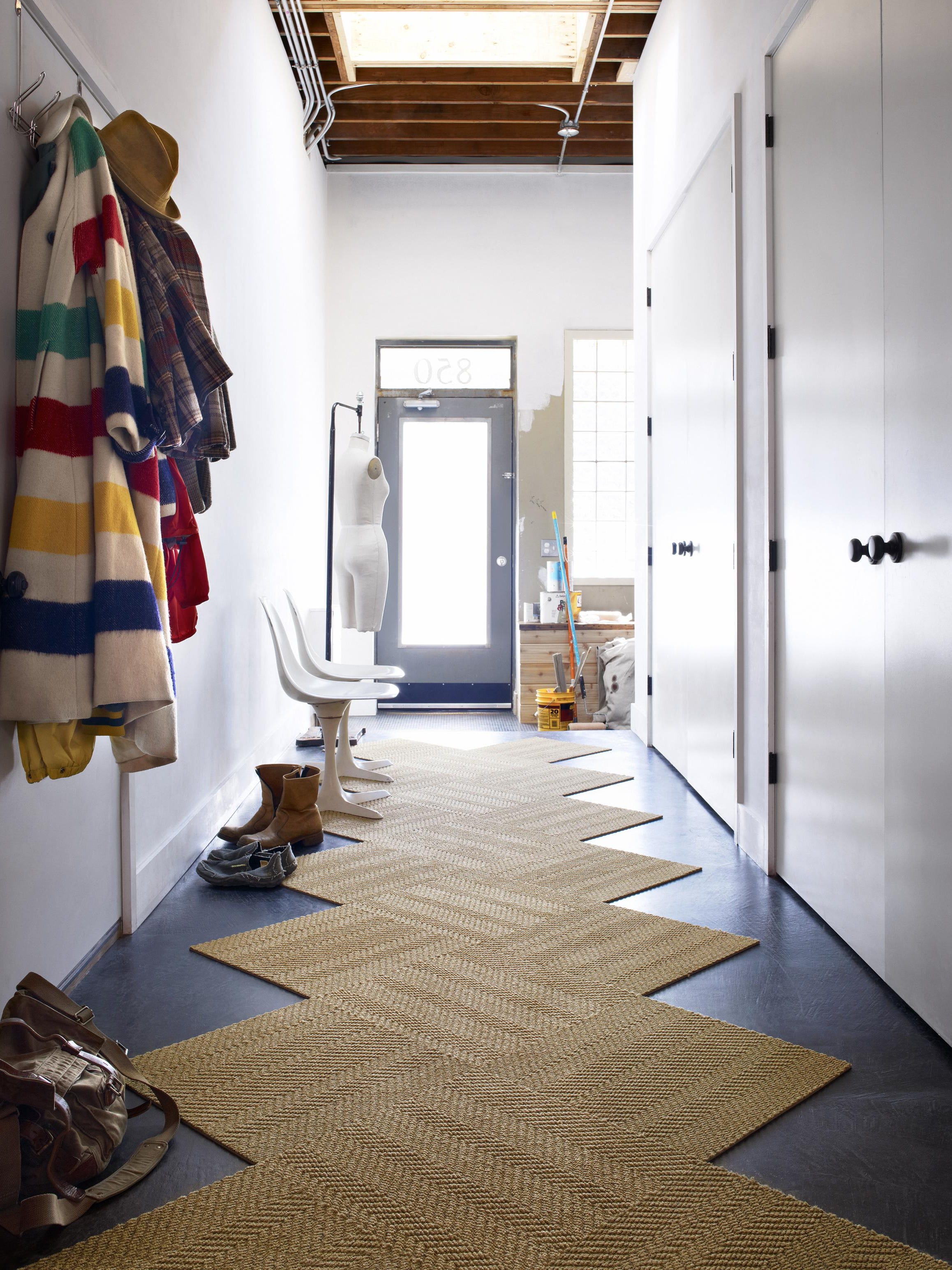
Staircases, often central to hallways, should be considered as key design elements. Thornton suggests using them to create visual impact, for instance, by incorporating bright pops of color on stair risers for a graphic effect. Finally, practical considerations like flooring and storage are addressed. Thornton advises choosing practical, hard-wearing flooring, especially in high-traffic areas, and softening them with durable rugs or runners. For storage, she suggests dedicated mudrooms or closets, and for situations where space is limited, natural baskets are recommended for corralling clutter, ensuring the hallway remains organized and visually appealing.
#HallwayDecor #InteriorDesign #SummerThornton #TransitionalSpaces #GlossPaint #GalleryWall #PatternedFlooring #CeilingWallpaper #ArchitecturalDetails #HallwayLighting #FurniturePlacement #SmallHomeBar #HallwayMirrors #StaircaseDesign #HallwayStorage #HallwayDecor #InteriorDesign #SummerThornton #TransitionalSpaces #GlossPaint #GalleryWall #PatternedFlooring #CeilingWallpaper #ArchitecturalDetails #HallwayLighting #FurniturePlacement #SmallHomeBar #HallwayMirrors #StaircaseDesign #HallwayStorage
0 комментариев всего
 Комментариев пока нет
Вам также может понравиться
Hallway ideas: Interior design inspiration for ‘posh’ halls
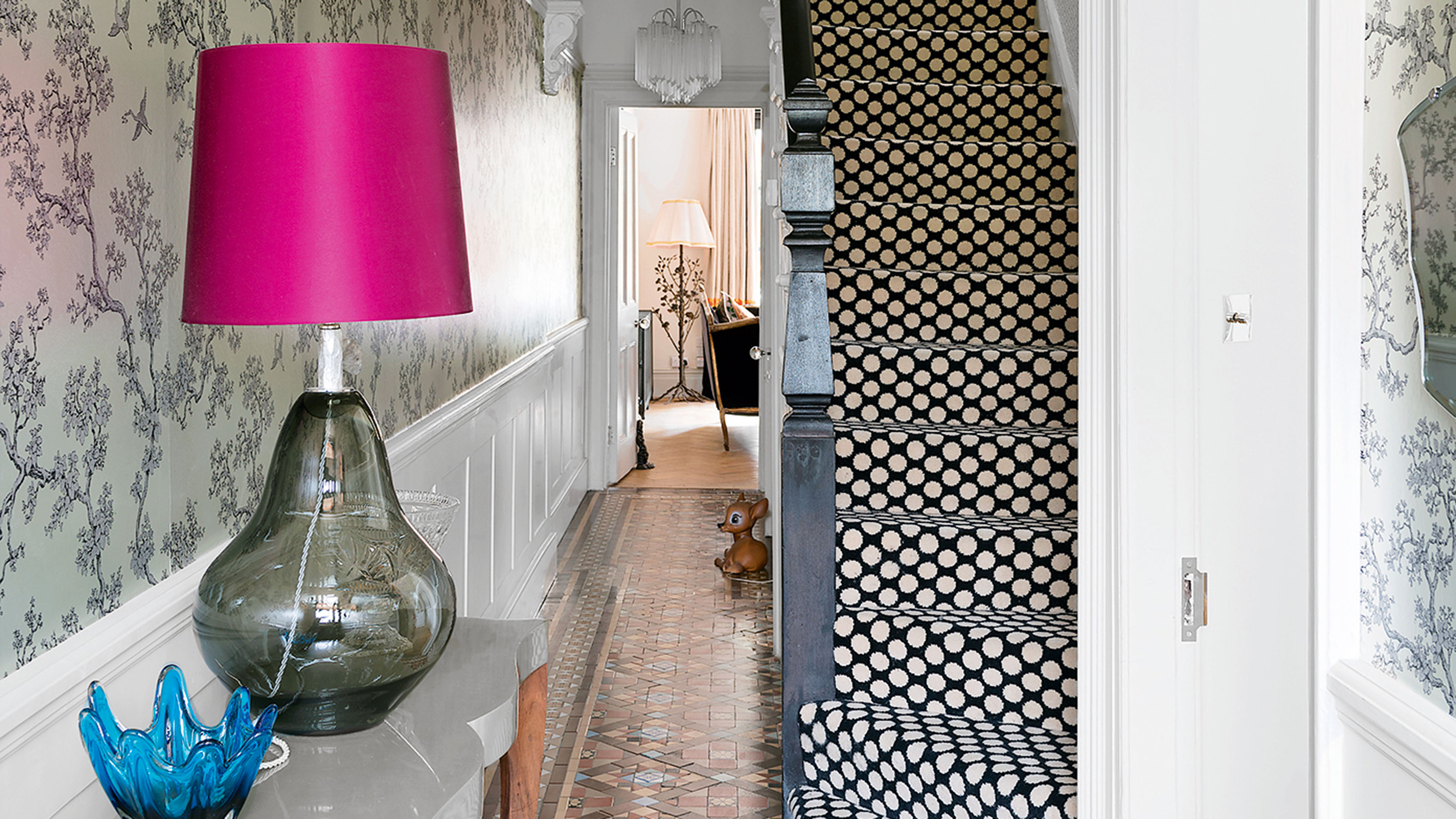
Long hallway ideas – 10 ways to make the most of your space
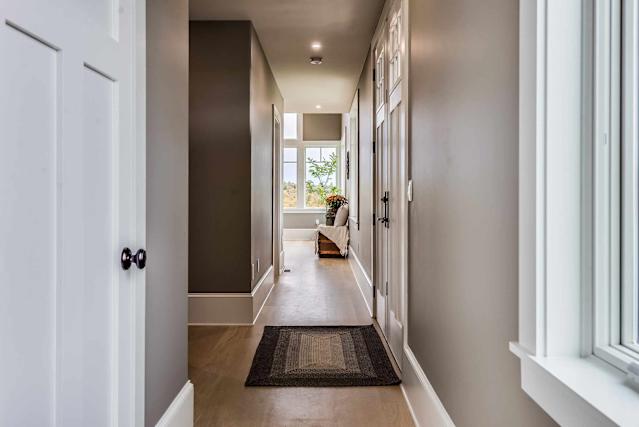
6 Things That Always Make Your Hallway Feel Narrow, According to Designers

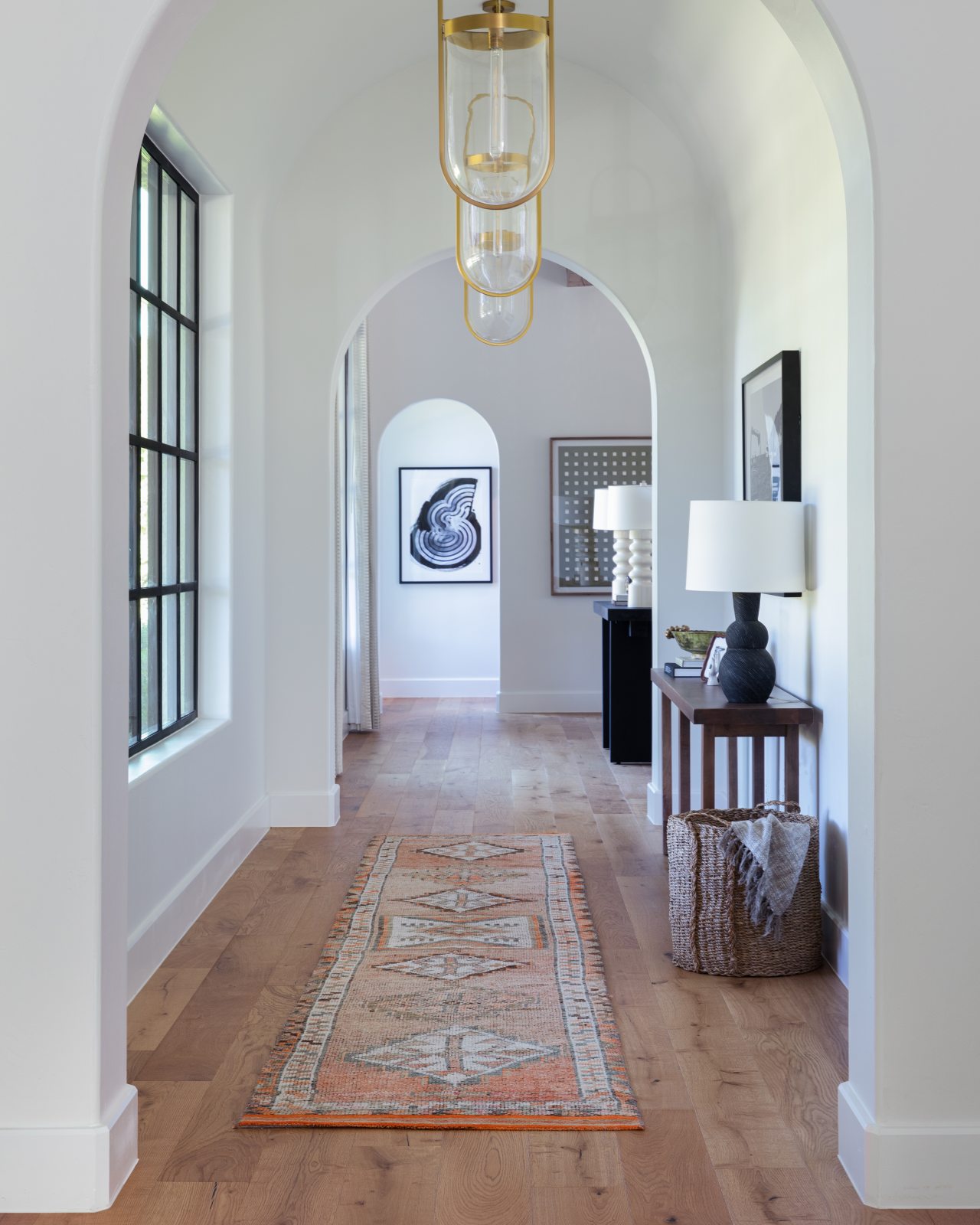
How to Avoid the 5 Worst Hallway Design Mistakes

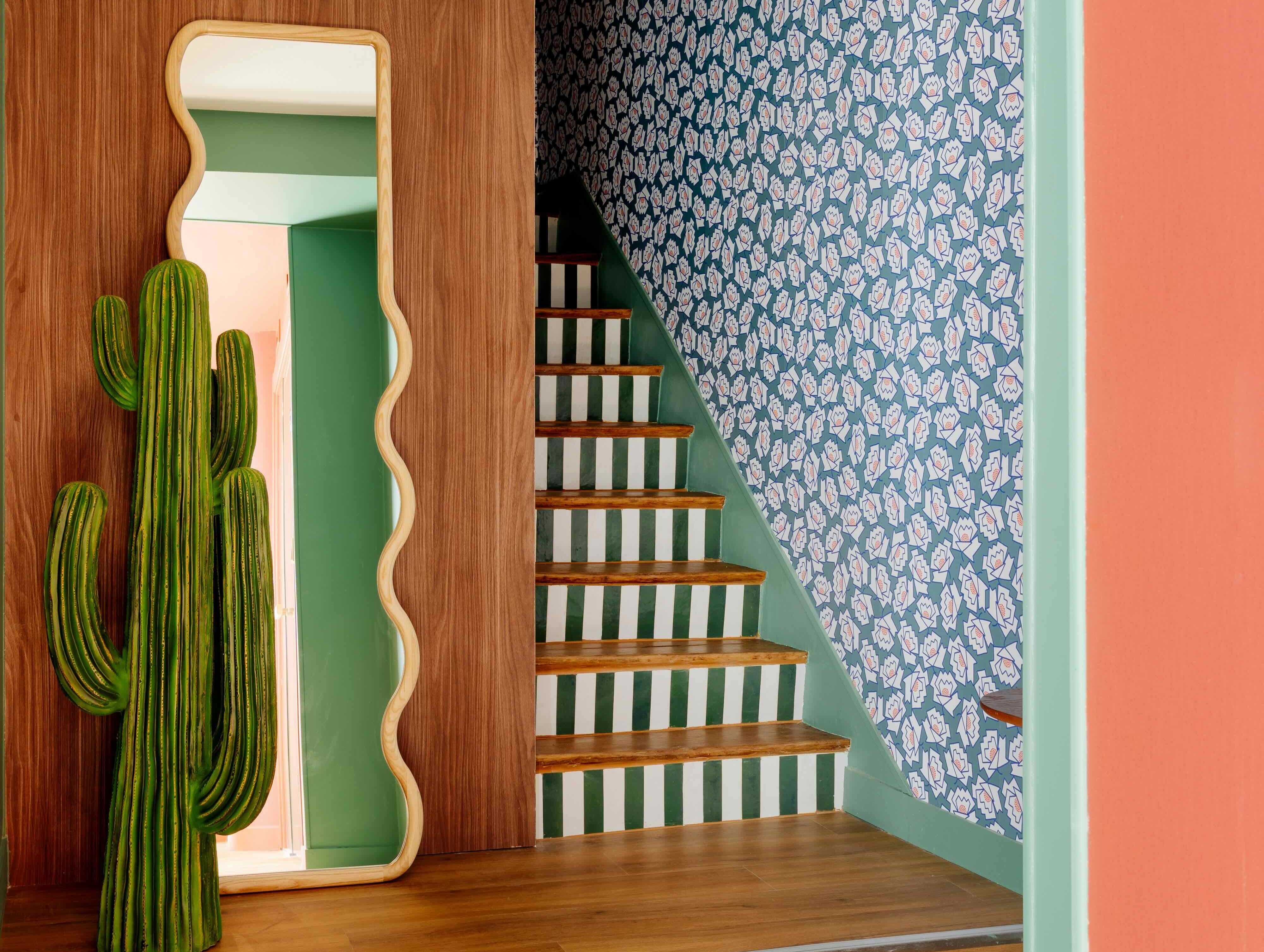
22 of the hottest decorating ideas for hallways

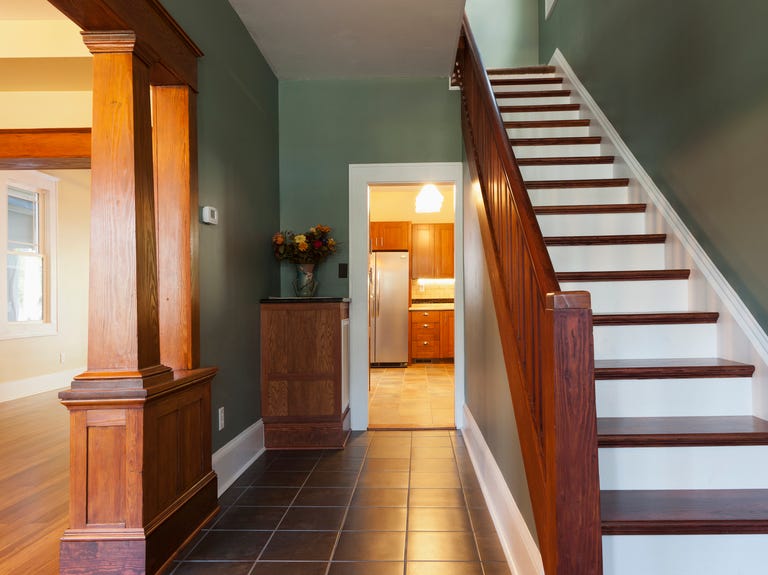
Hallway decor ideas to make your space look amazing

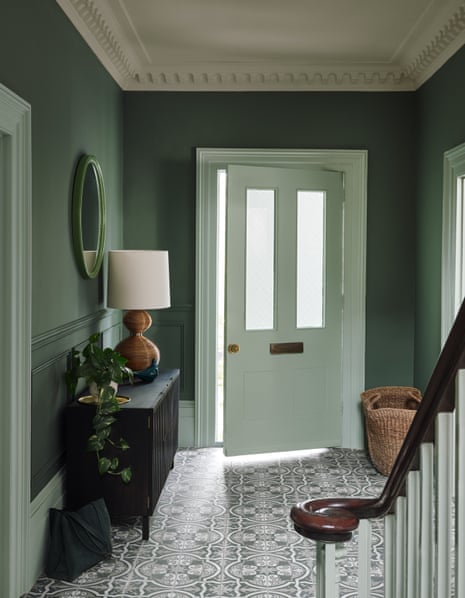
Making an entrance: the experts share design ideas for your hallway

15 Modern Hall Decoration Ideas For Home In 2023
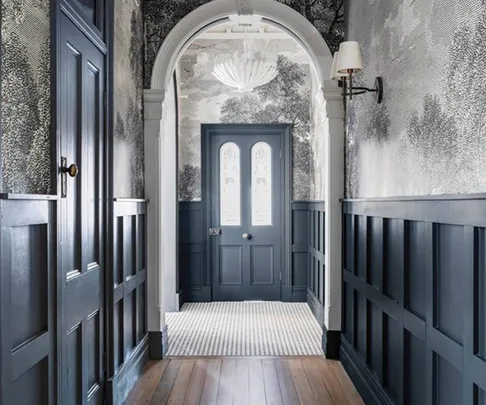
14 stylish hallway designs we’d love to come home to

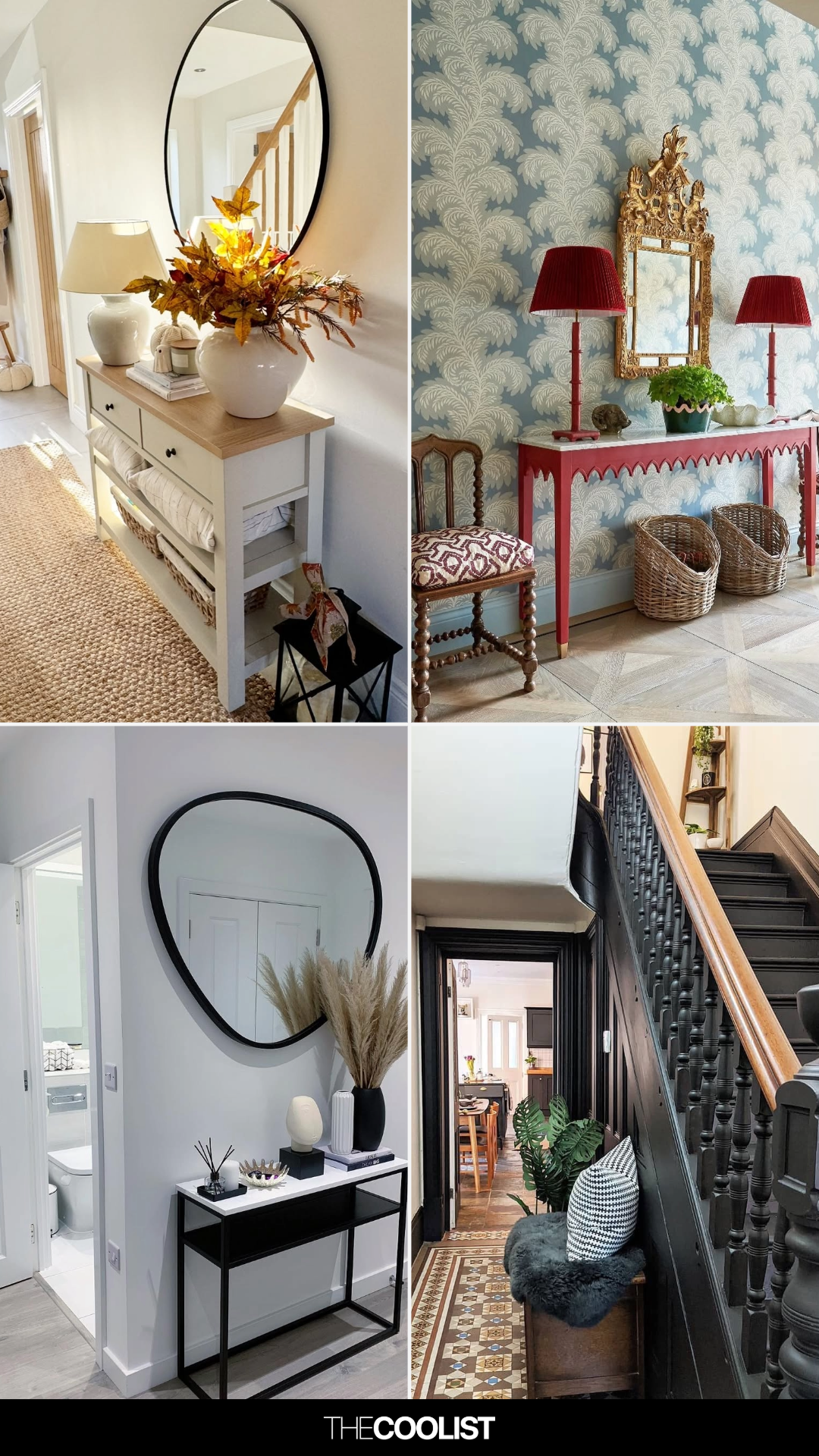
28 Hallway Decorating Ideas That Fix the “Long, Boring Hallway” Problem Almost Instantly

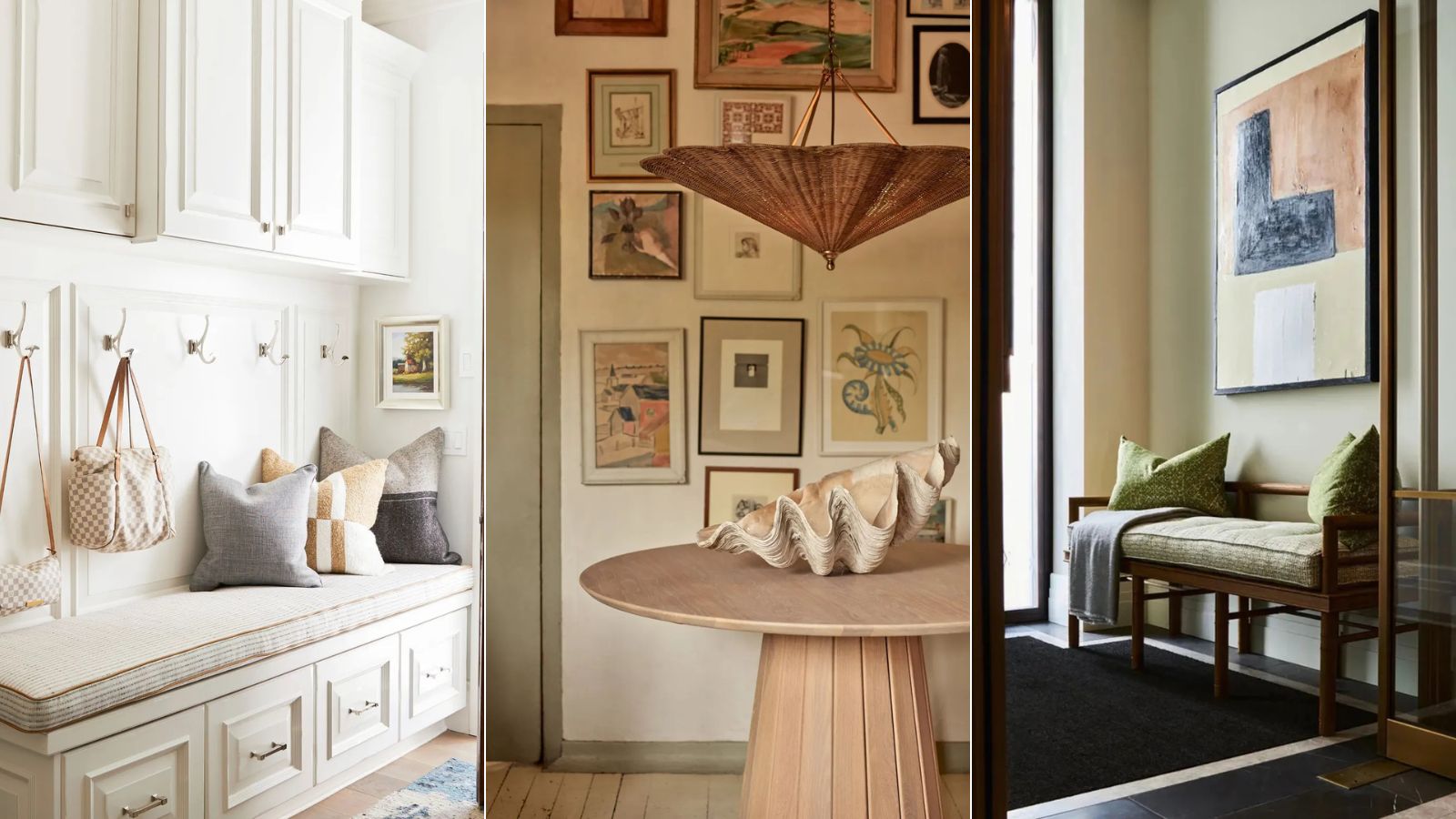
What makes an entryway look cheap? 6 mistakes to immediately switch out in 2025
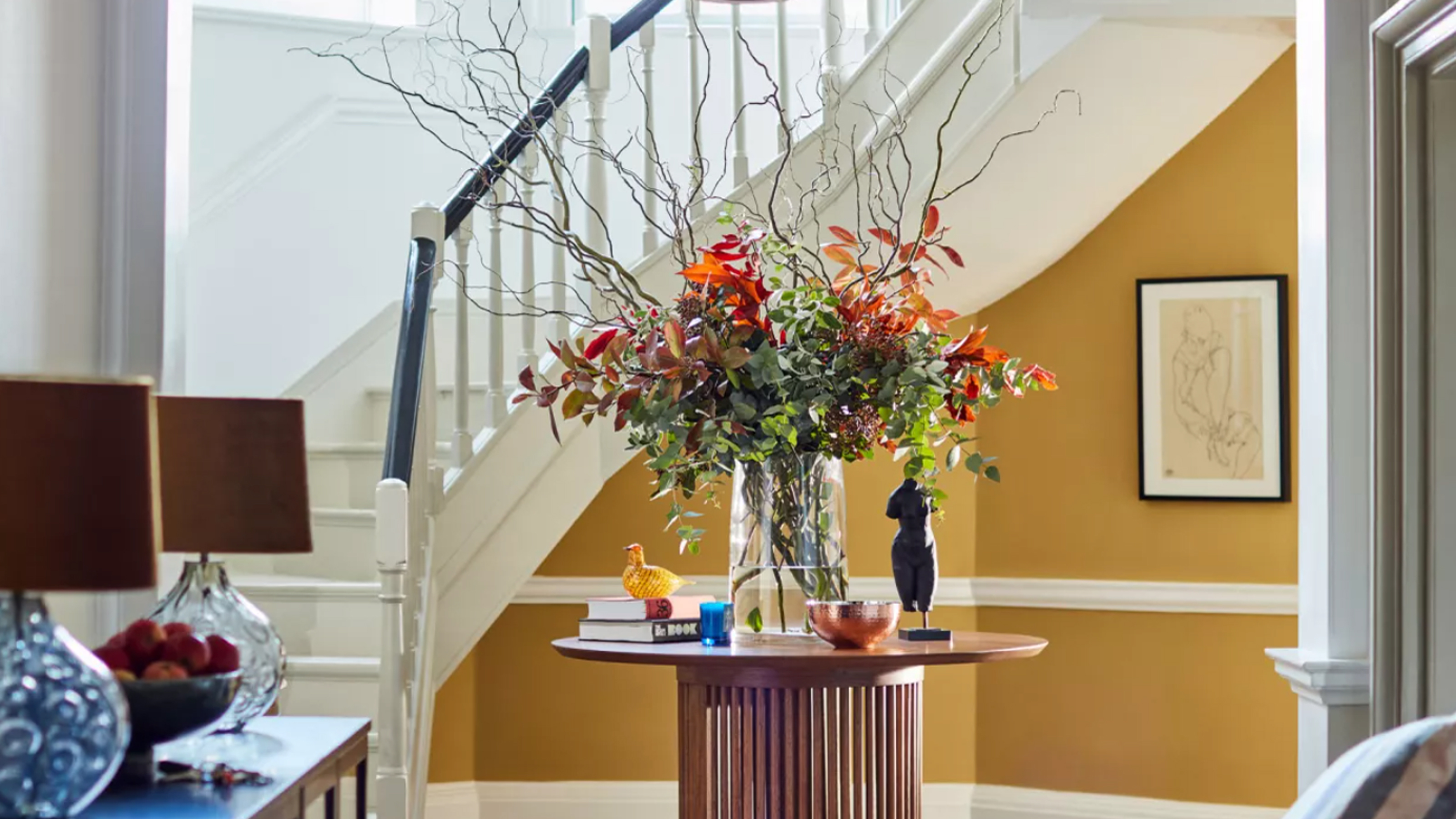
Staging a hallway – top tips from real estate professionals
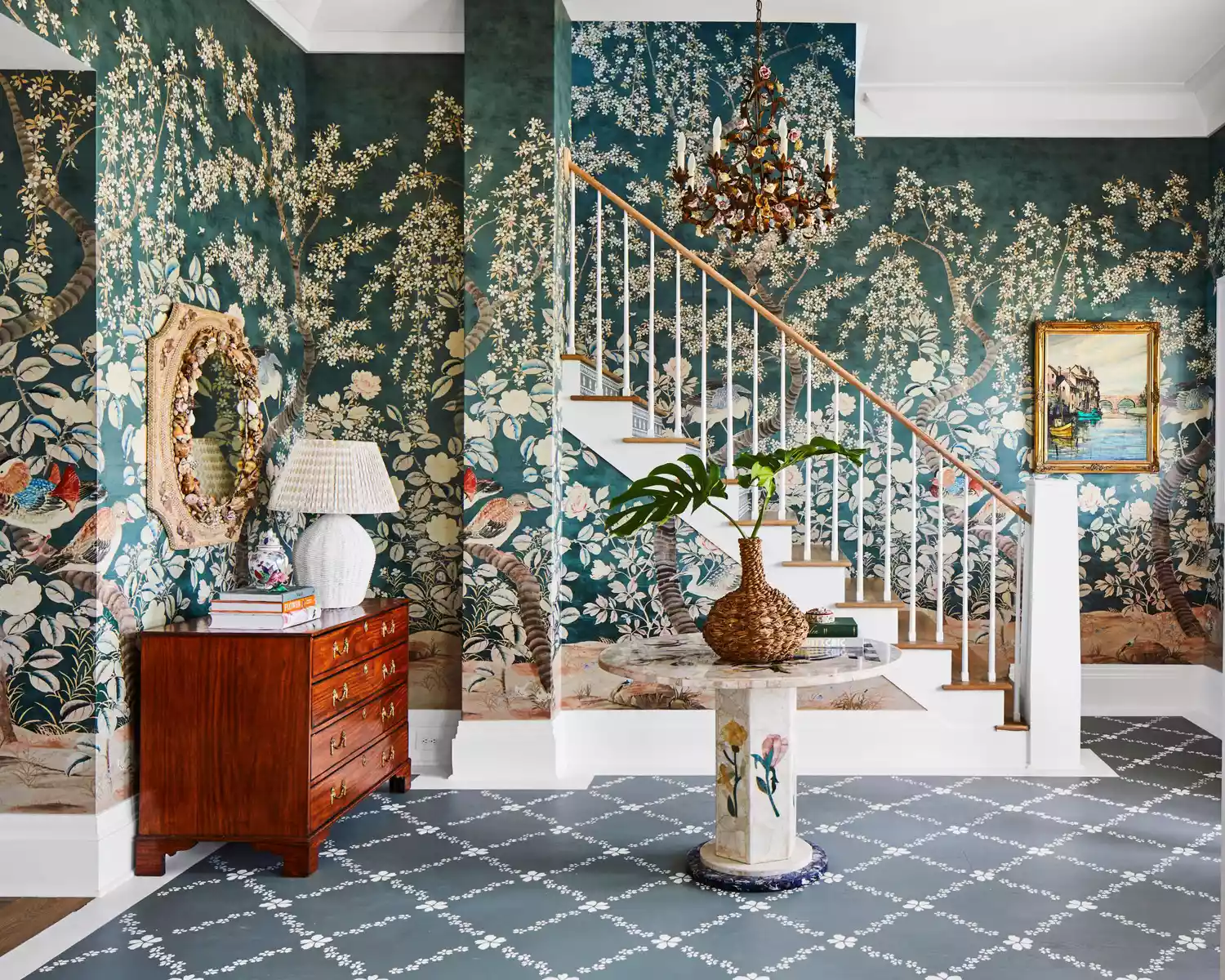
14 Hallway Decor Ideas To Add Style To Every Part Of Your Home
13 reasons everyone hates your hallway — and ideas to fix it
How to give your hallway a stylish makeover
14 stylish staircase ideas to upgrade your space
How a hall can be star of the show
I asked 6 interior designers what every hallway needs, and they all agreed on these 4 things
Hallway ideas – 25 clever design tricks and color schemes for a fresh and modern style

Hallways: Take break from the bland