How-To: Create Your Own Gallery Wall
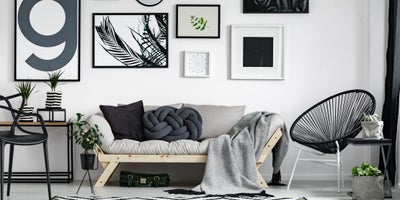
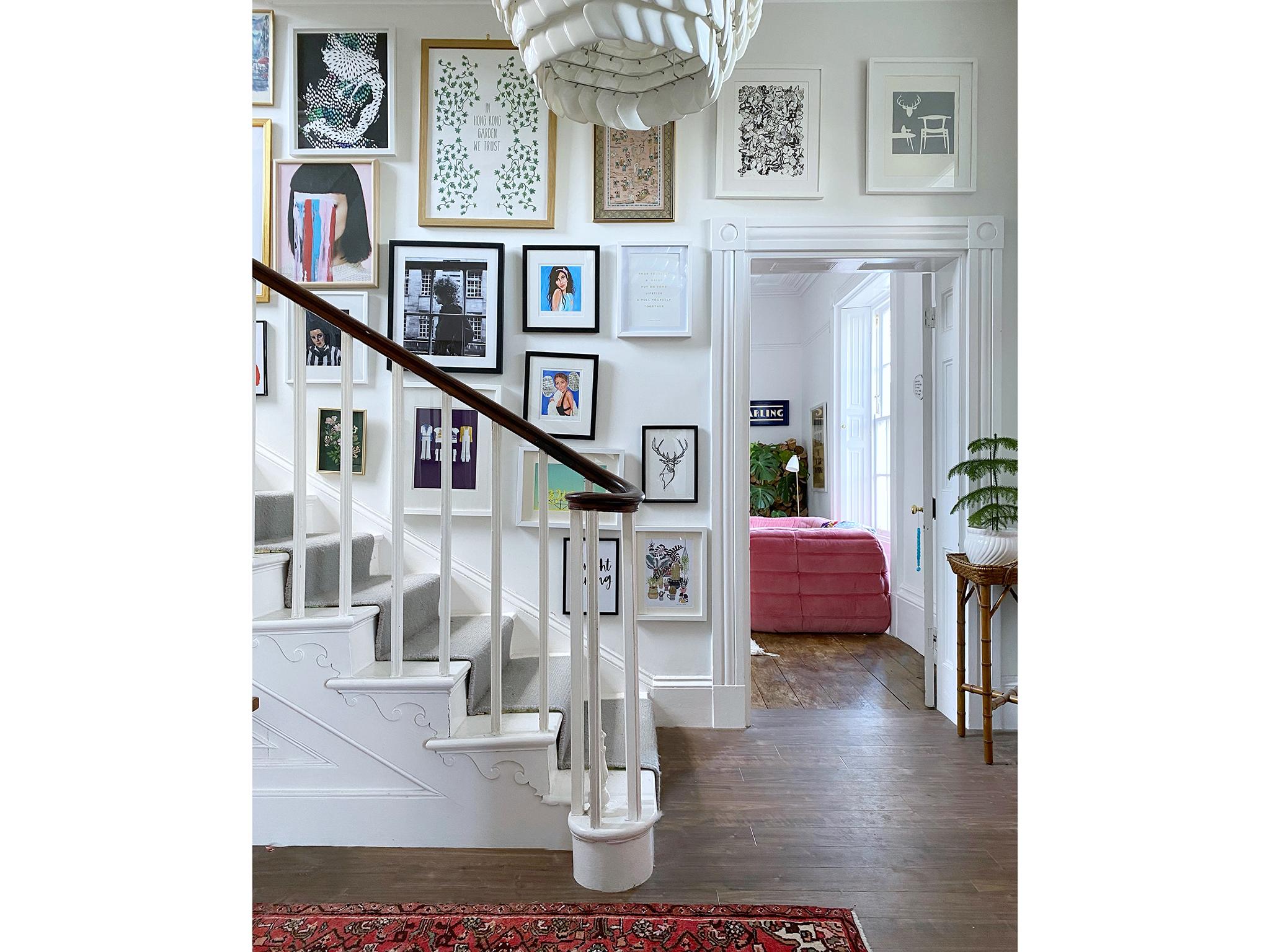
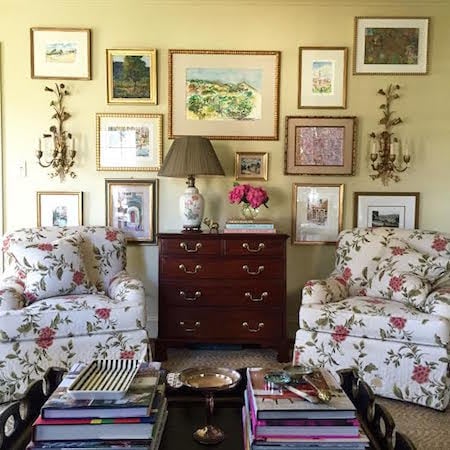
This article provides guidance on creating a gallery wall, drawing insights from two Charlotte-based interior designers, Cathy Austin of Catherine M. Austin Interior Design and Caroline Brackett of CBB Interiors. Gallery walls, defined as strategic wall hangings primarily composed of art, three-dimensional structures, and frames concentrated into a major focal point, are a popular element in home decoration. The article addresses the common apprehension associated with assembling a gallery wall and offers practical tips to achieve a stylish result.
The first piece of advice from the experts is to avoid rushing the process. Brackett suggests that it is not necessary to acquire all pieces before starting; instead, decorators can begin with a small collection and expand it over time as new pieces are discovered and loved. This approach allows for organic growth and personalization of the display.
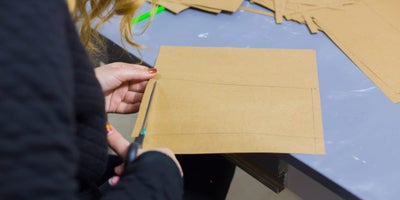
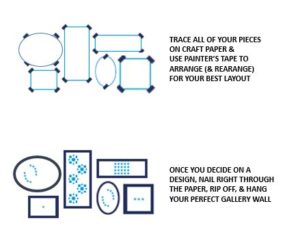
To ensure proper placement and arrangement, Brackett offers a unique method: creating templates out of newspaper that match the size of each item intended for the wall. These templates can then be taped to the wall to visualize the layout. Once the desired arrangement is achieved, nails can be driven through the paper, which is then removed, leaving perfectly positioned hanging points.
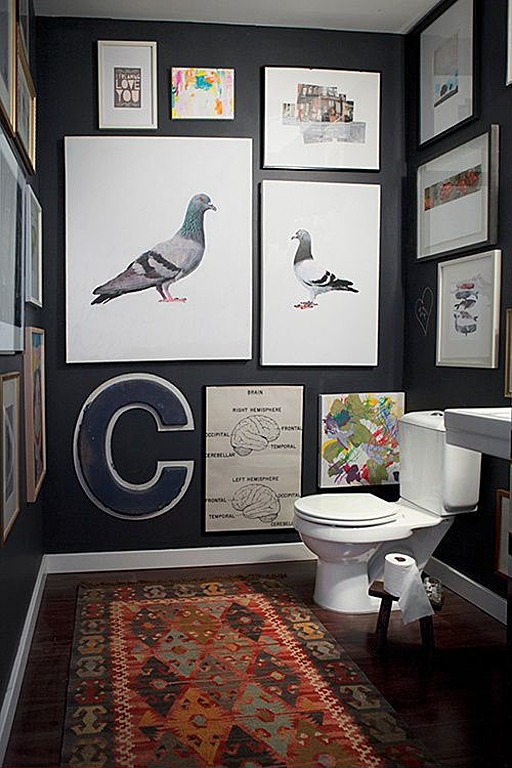
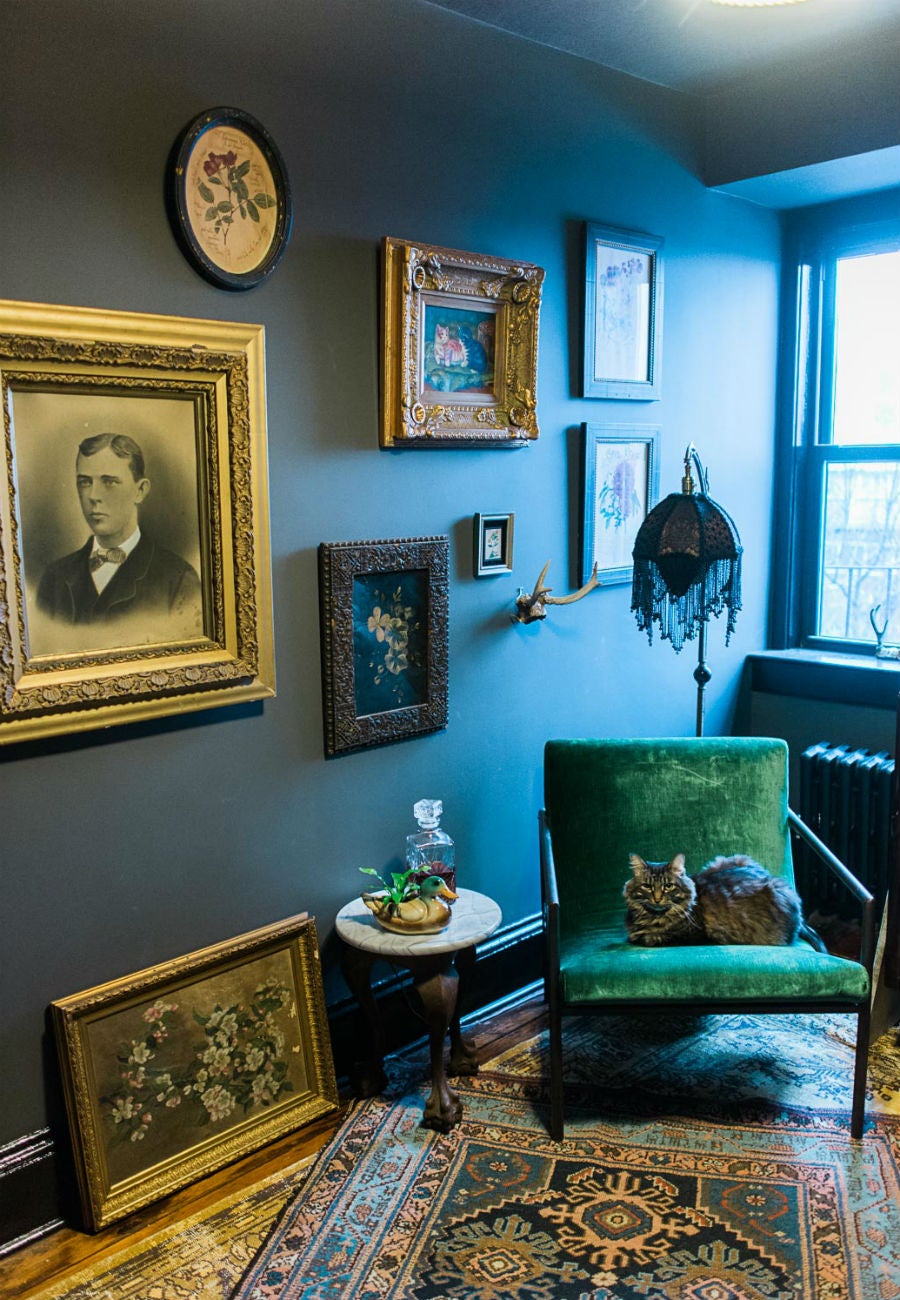
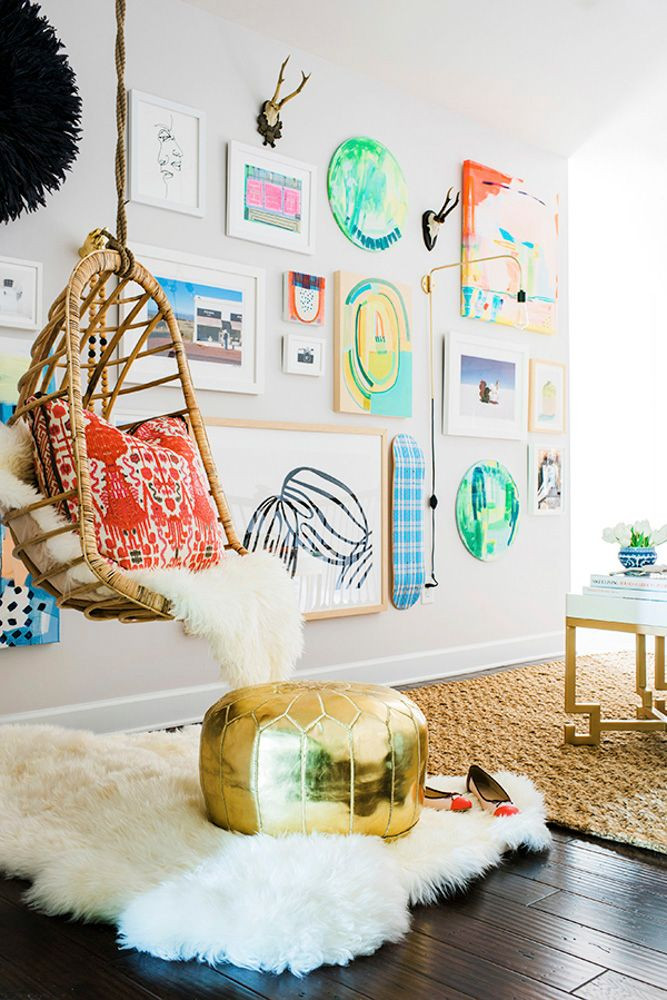
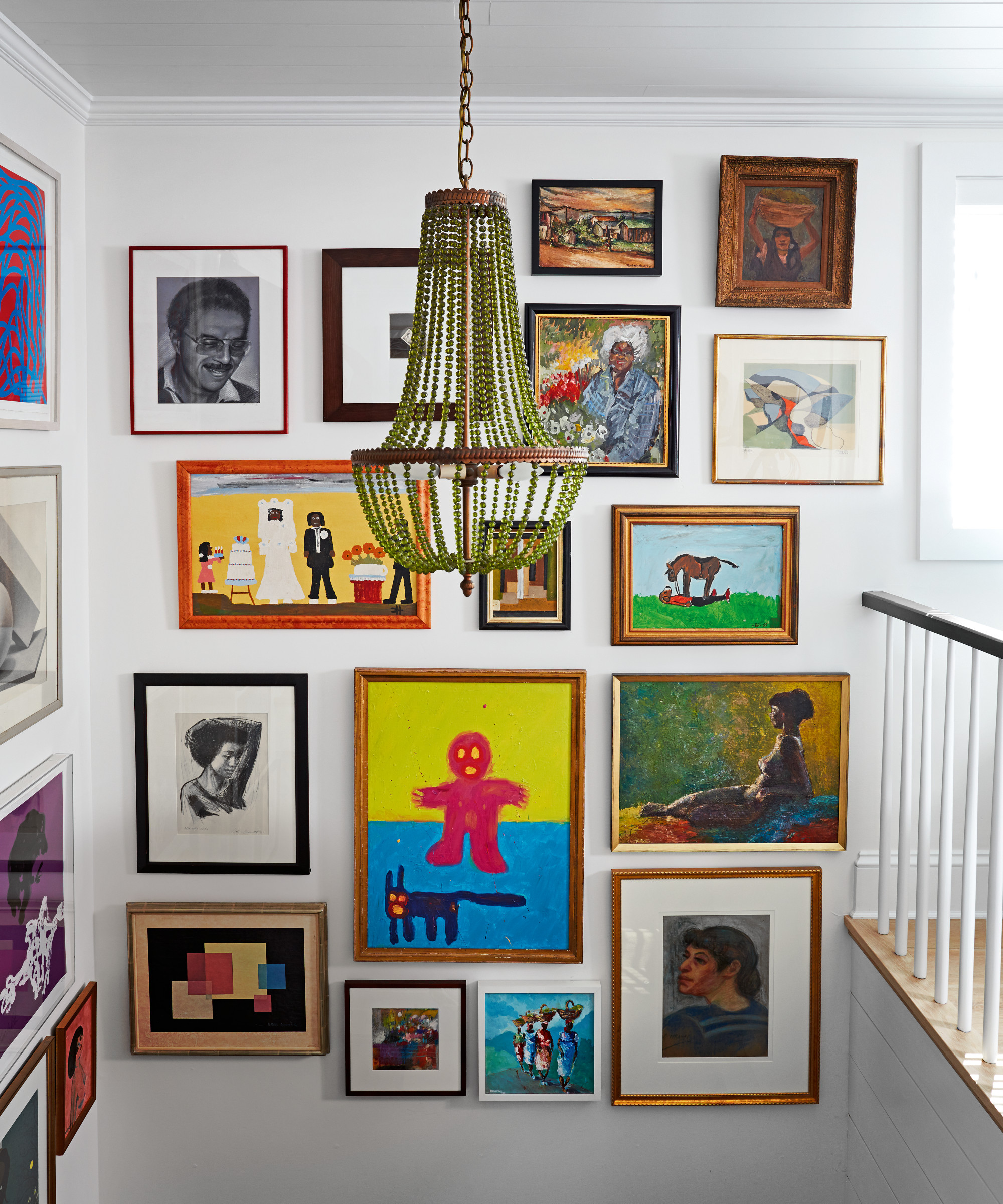
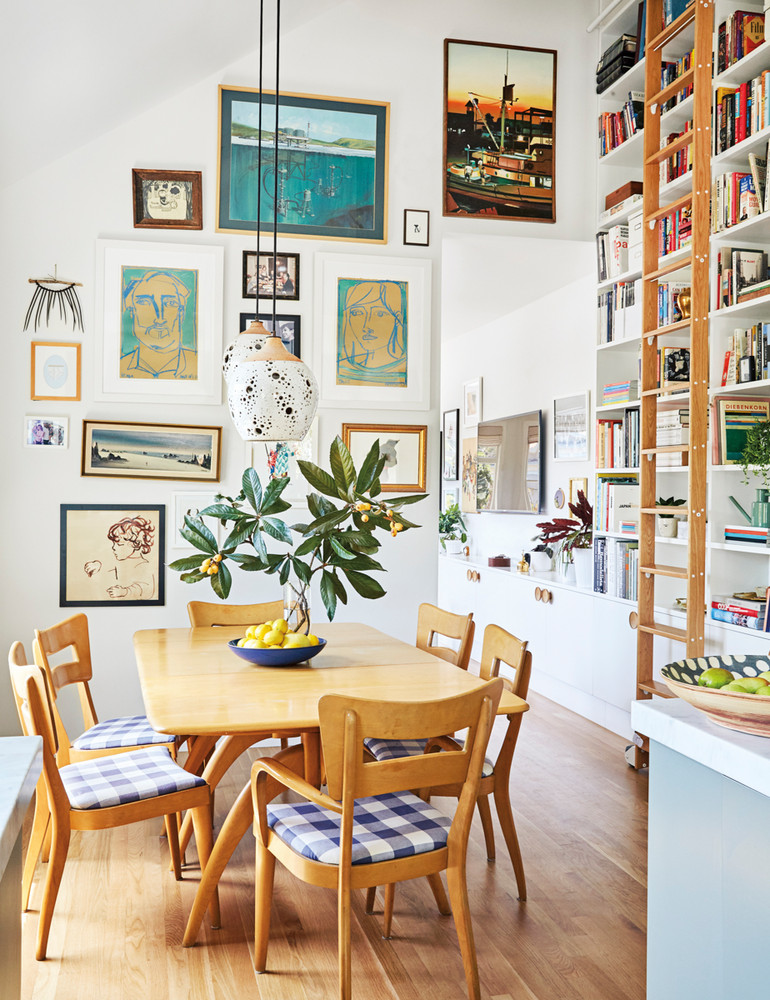
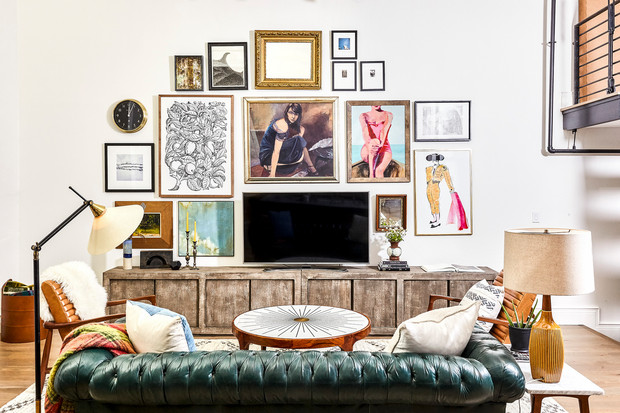
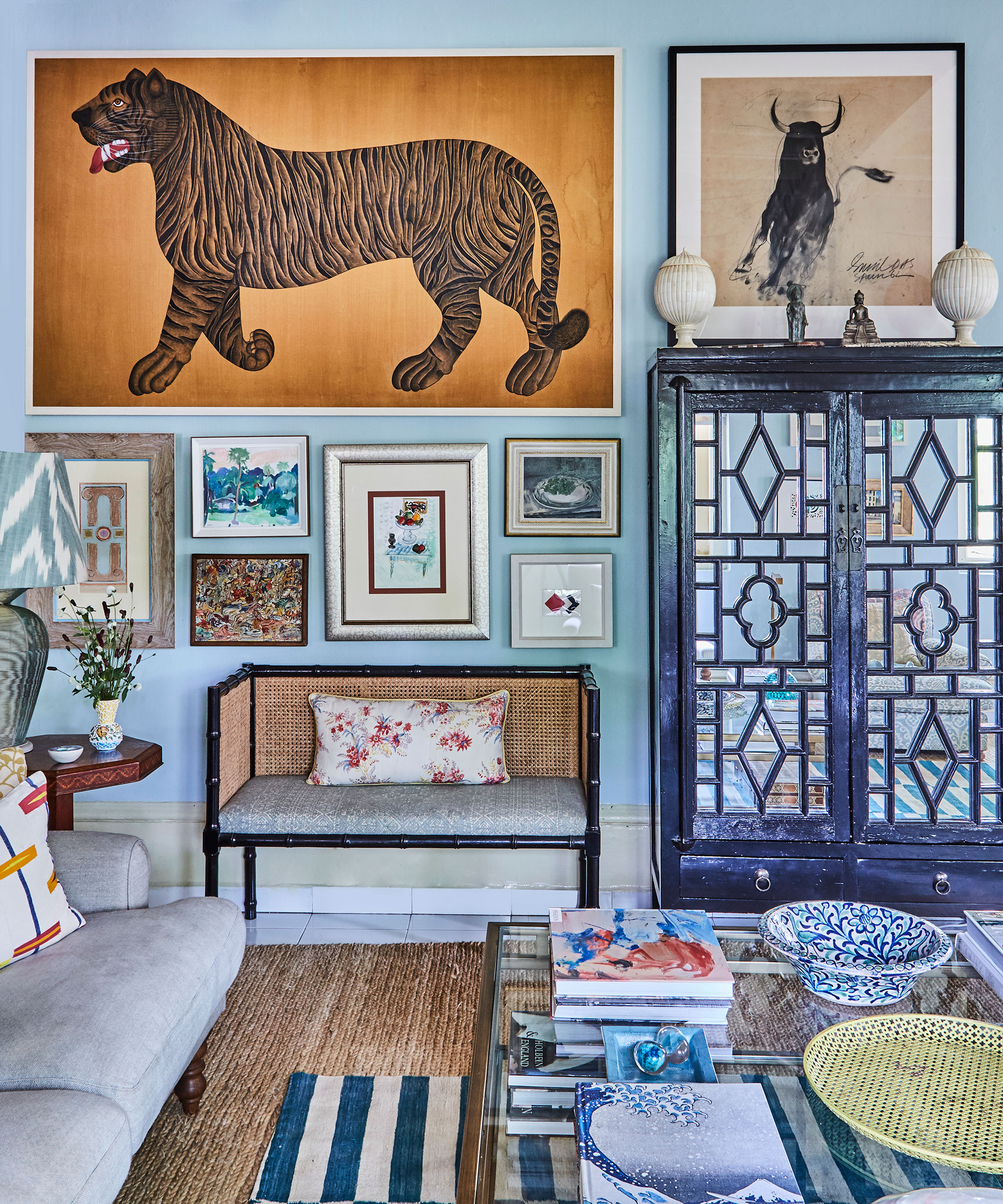
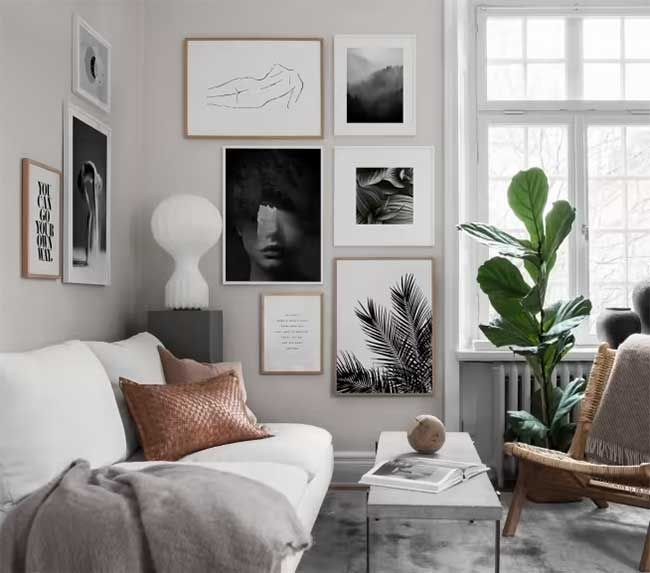
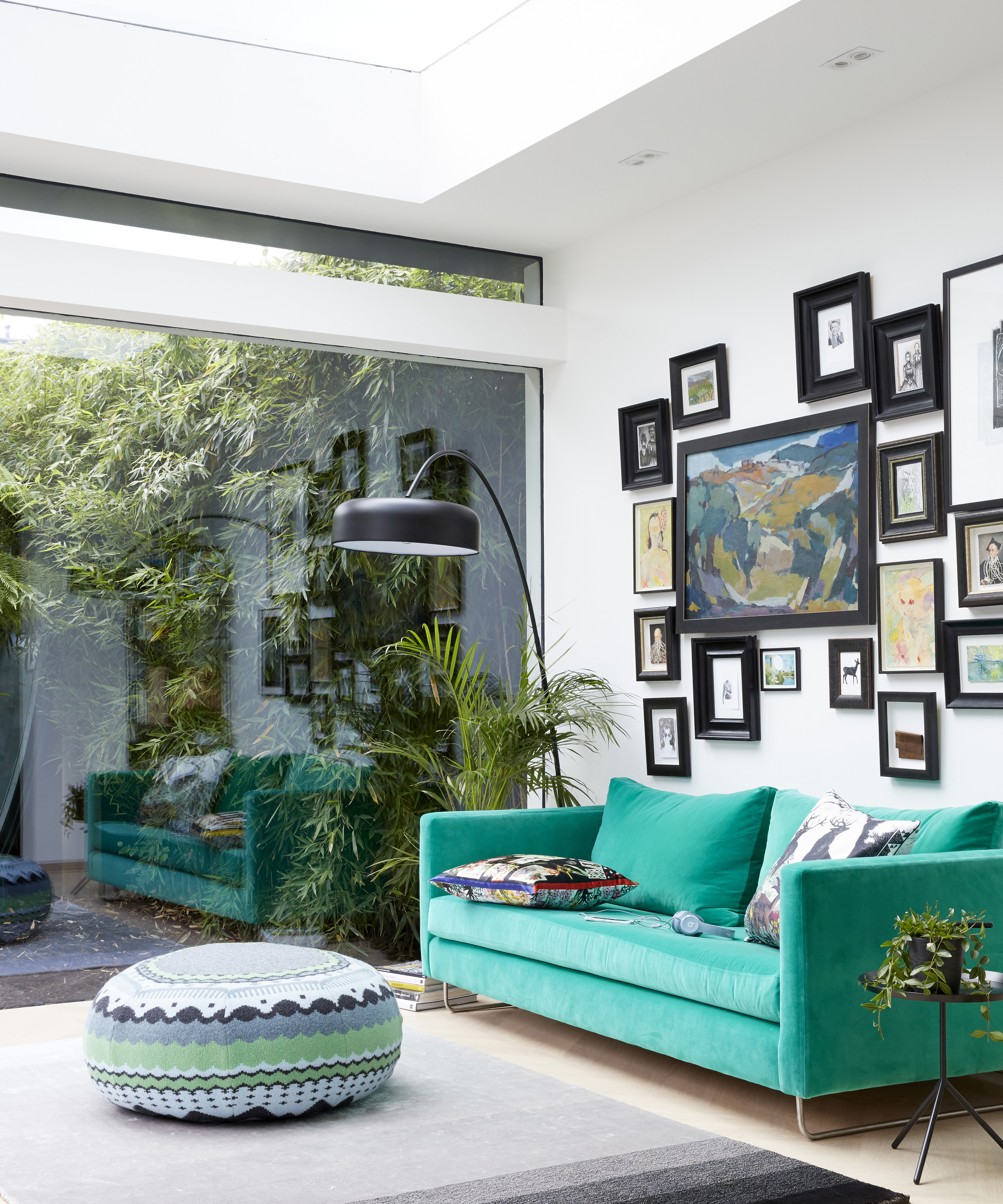
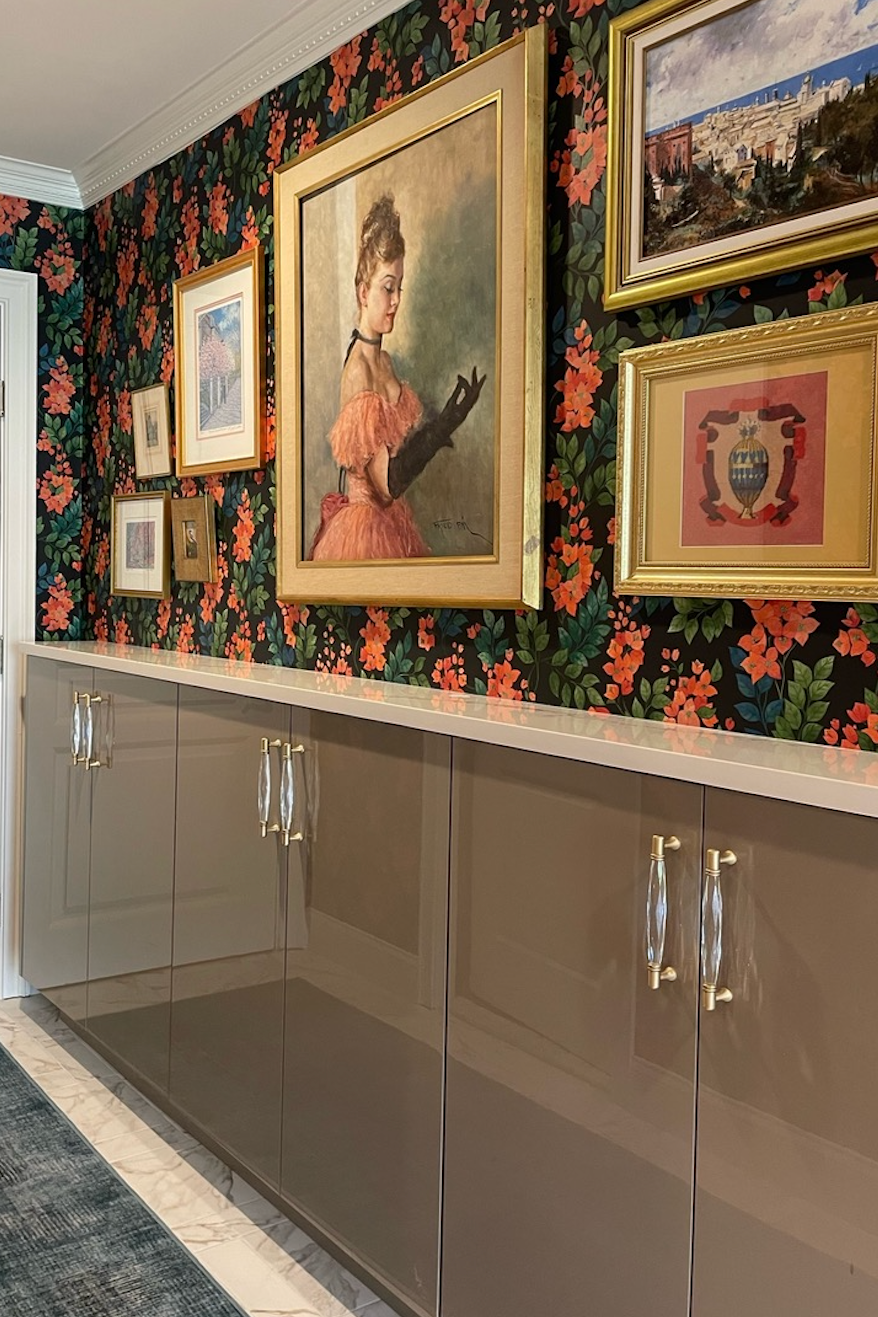
A crucial step in designing a gallery wall is establishing a focal point. Both designers recommend starting with one larger piece and then building the rest of the arrangement around it. Brackett specifically advises working outwards from this central piece in an asymmetrical manner, contributing to a more dynamic and less rigid appearance.
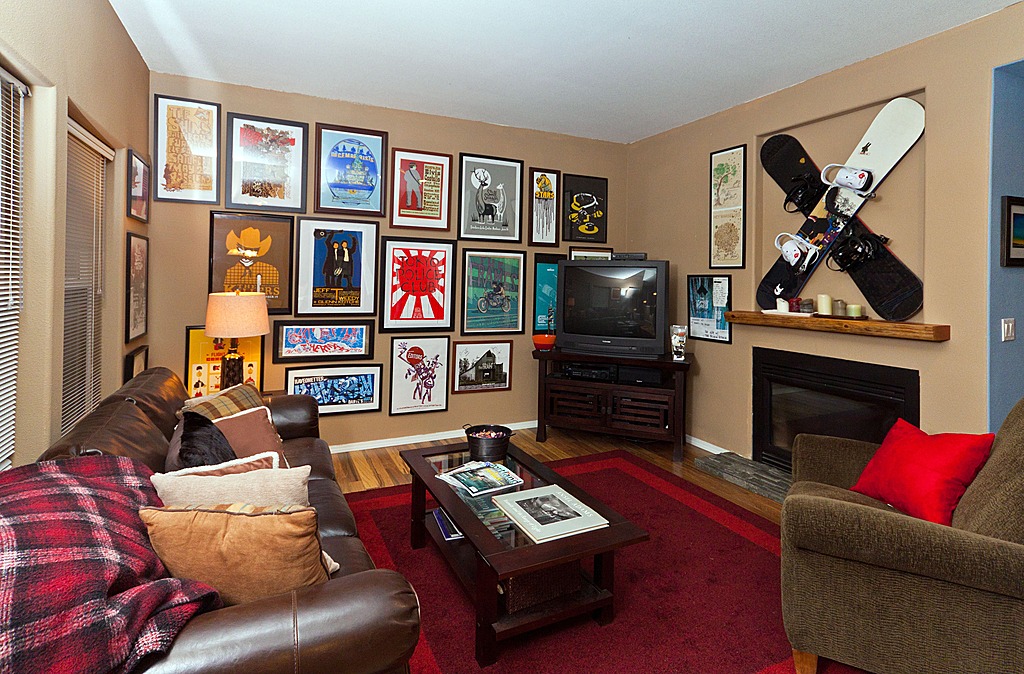
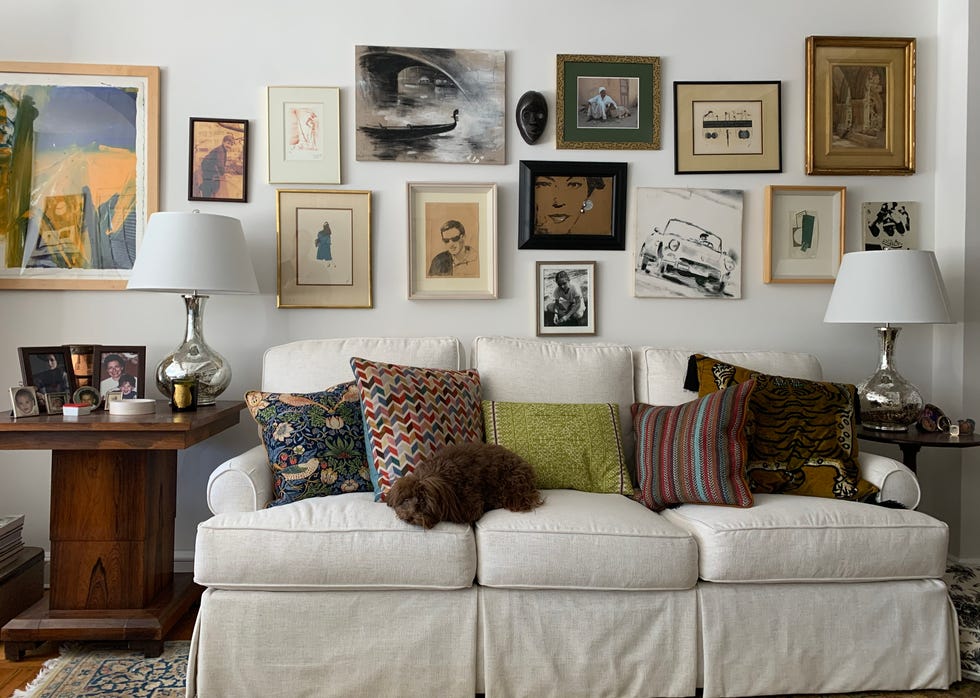
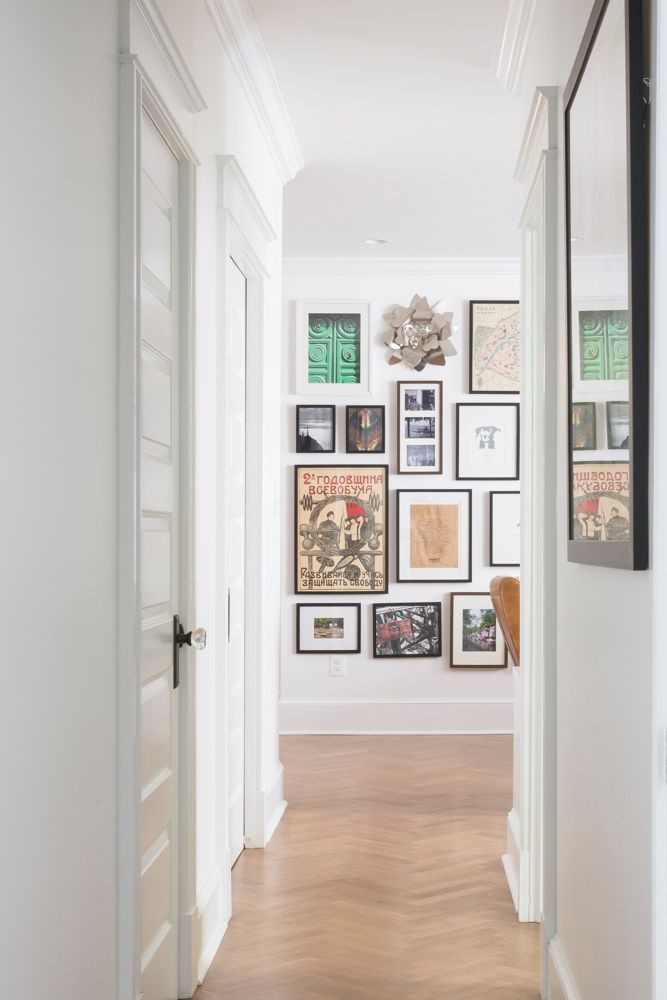
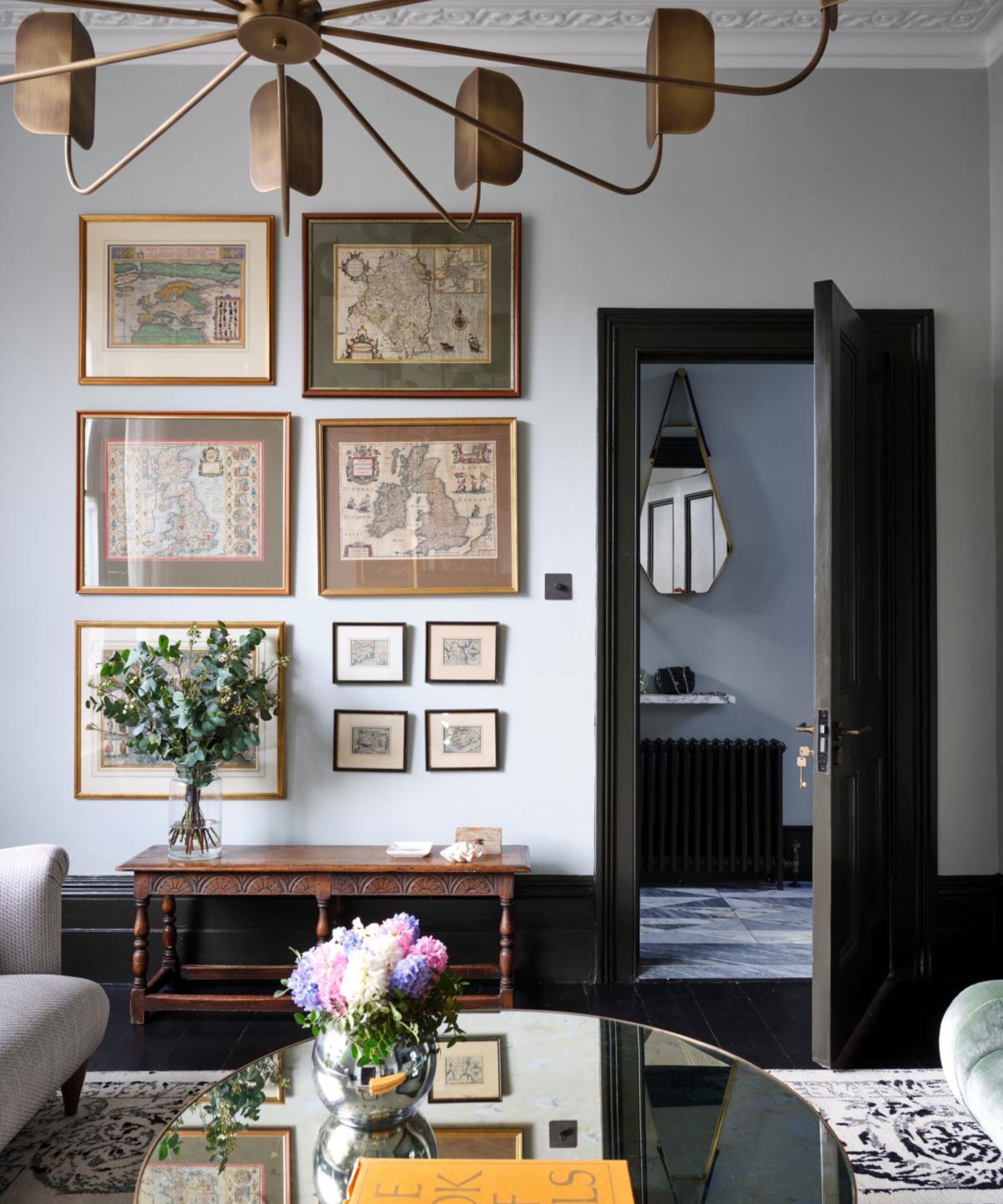
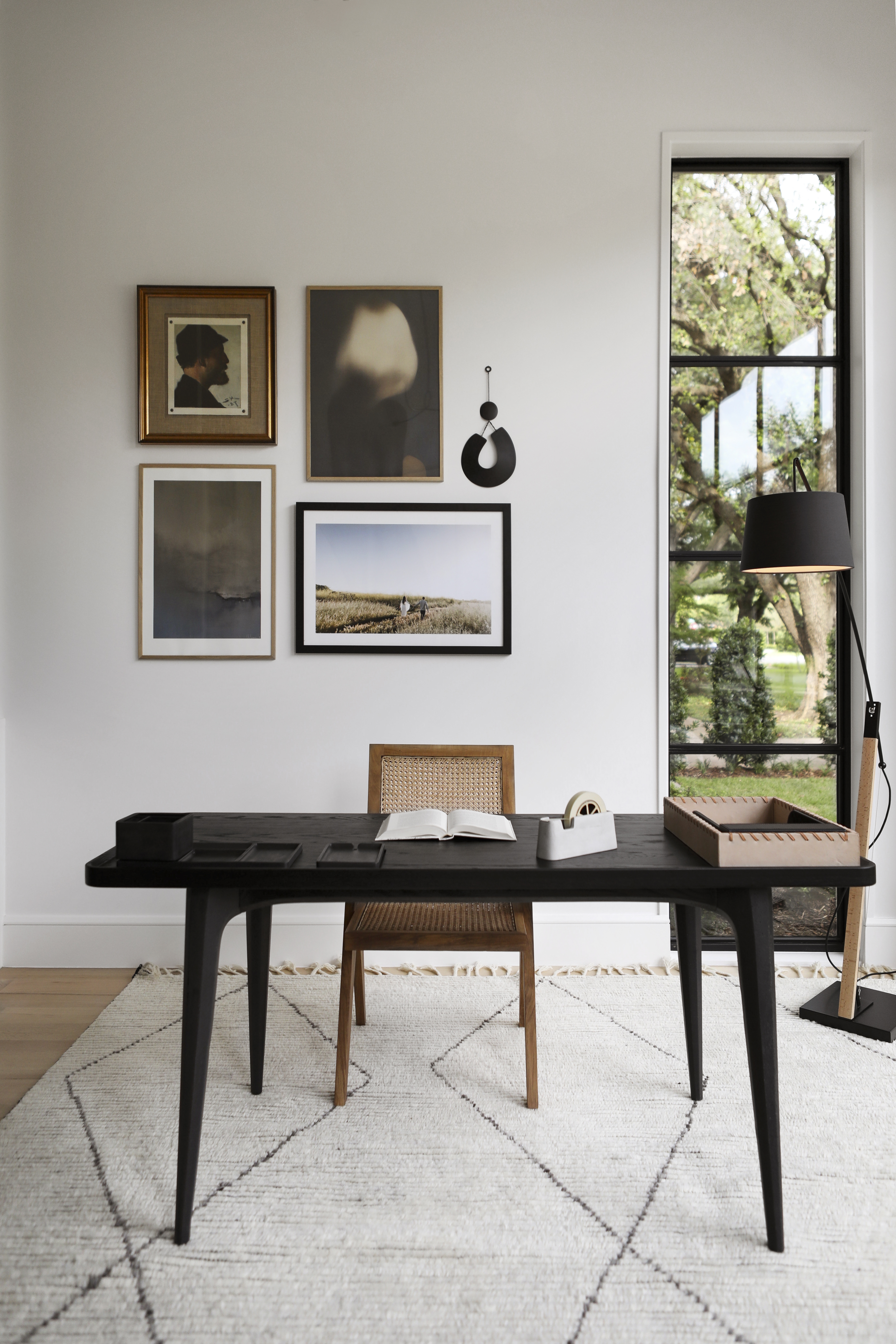
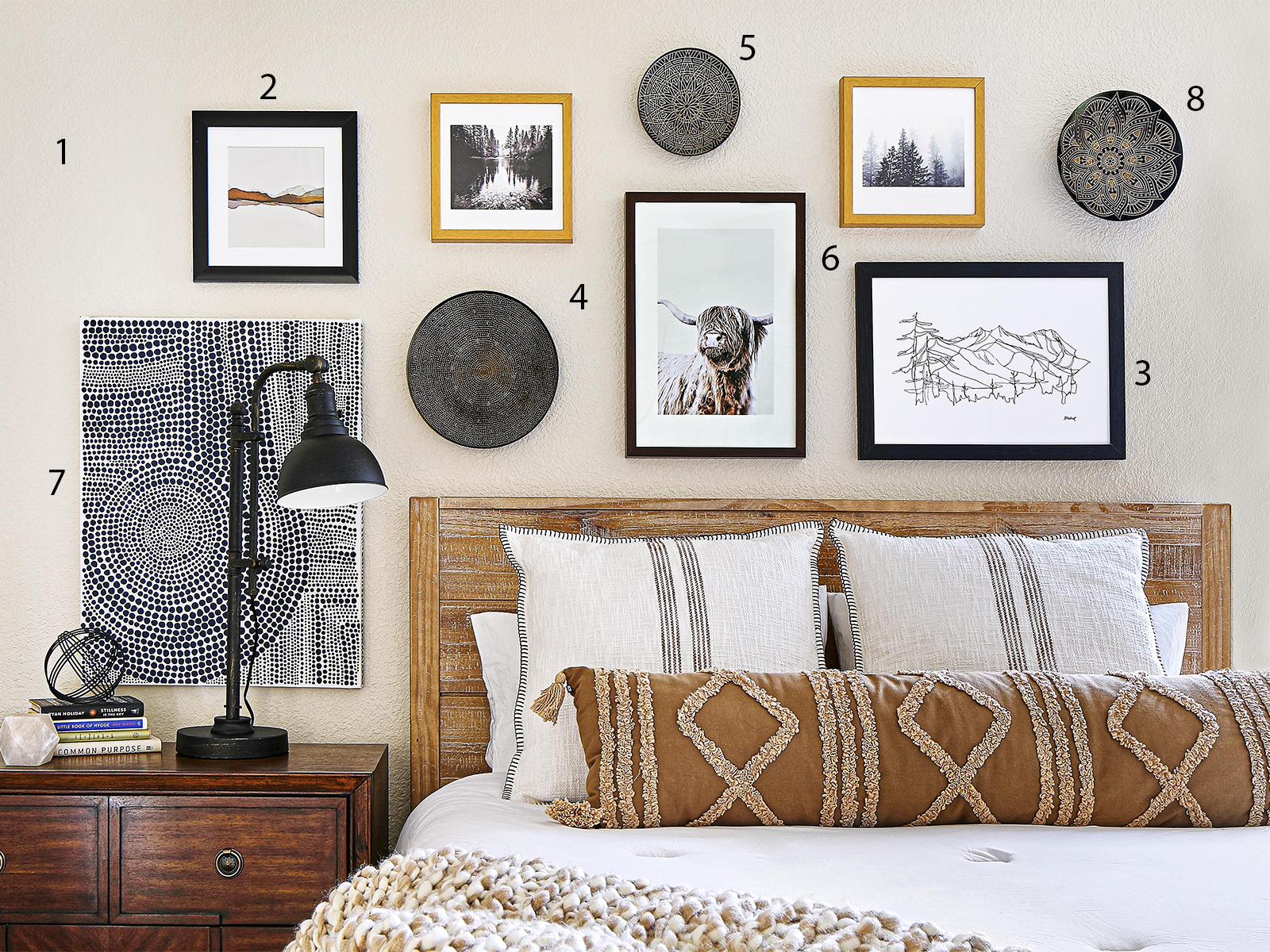
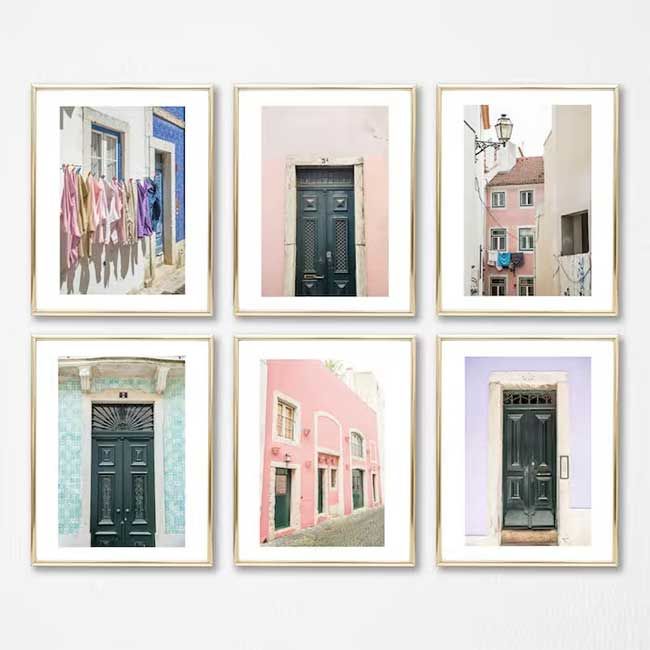
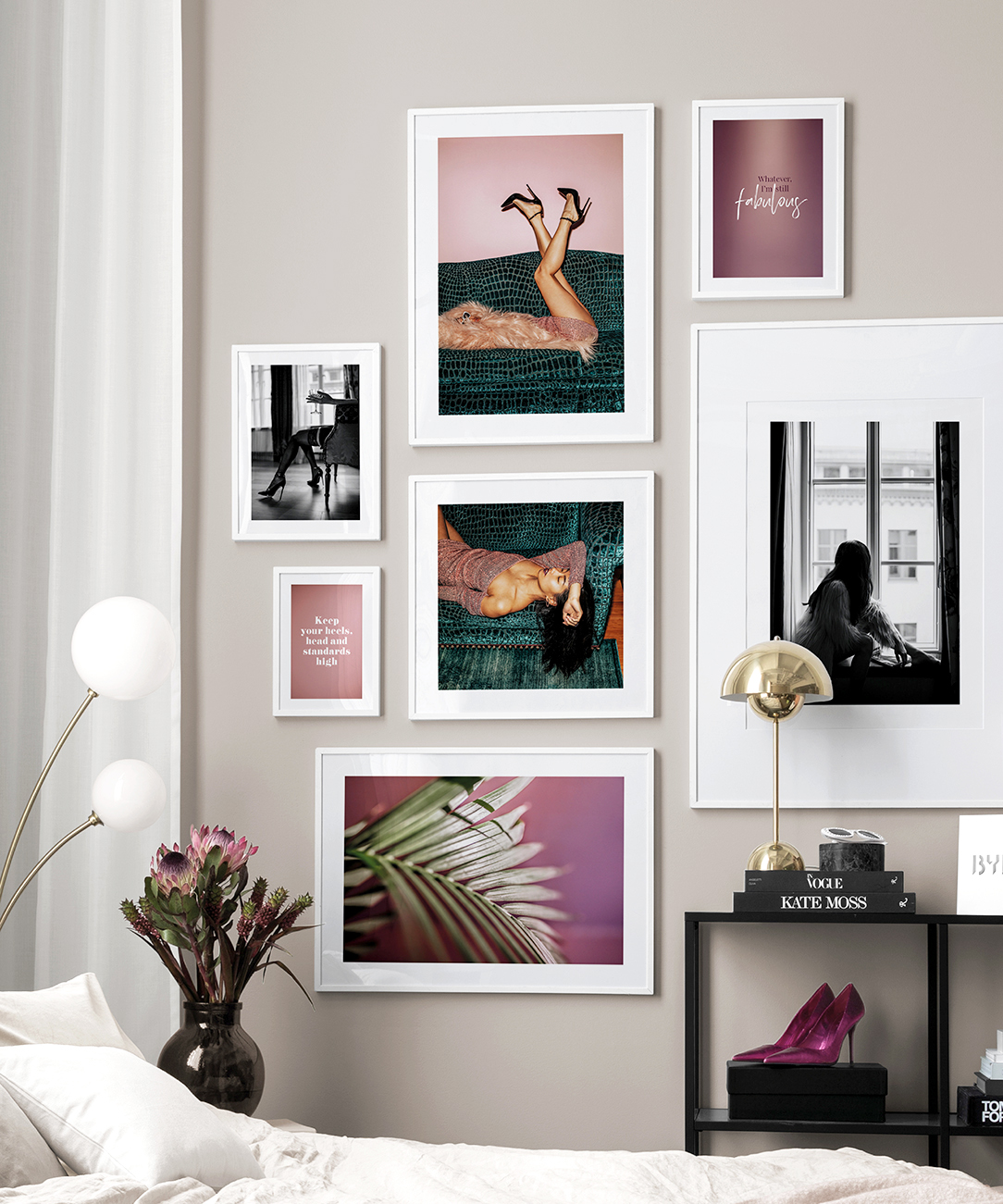
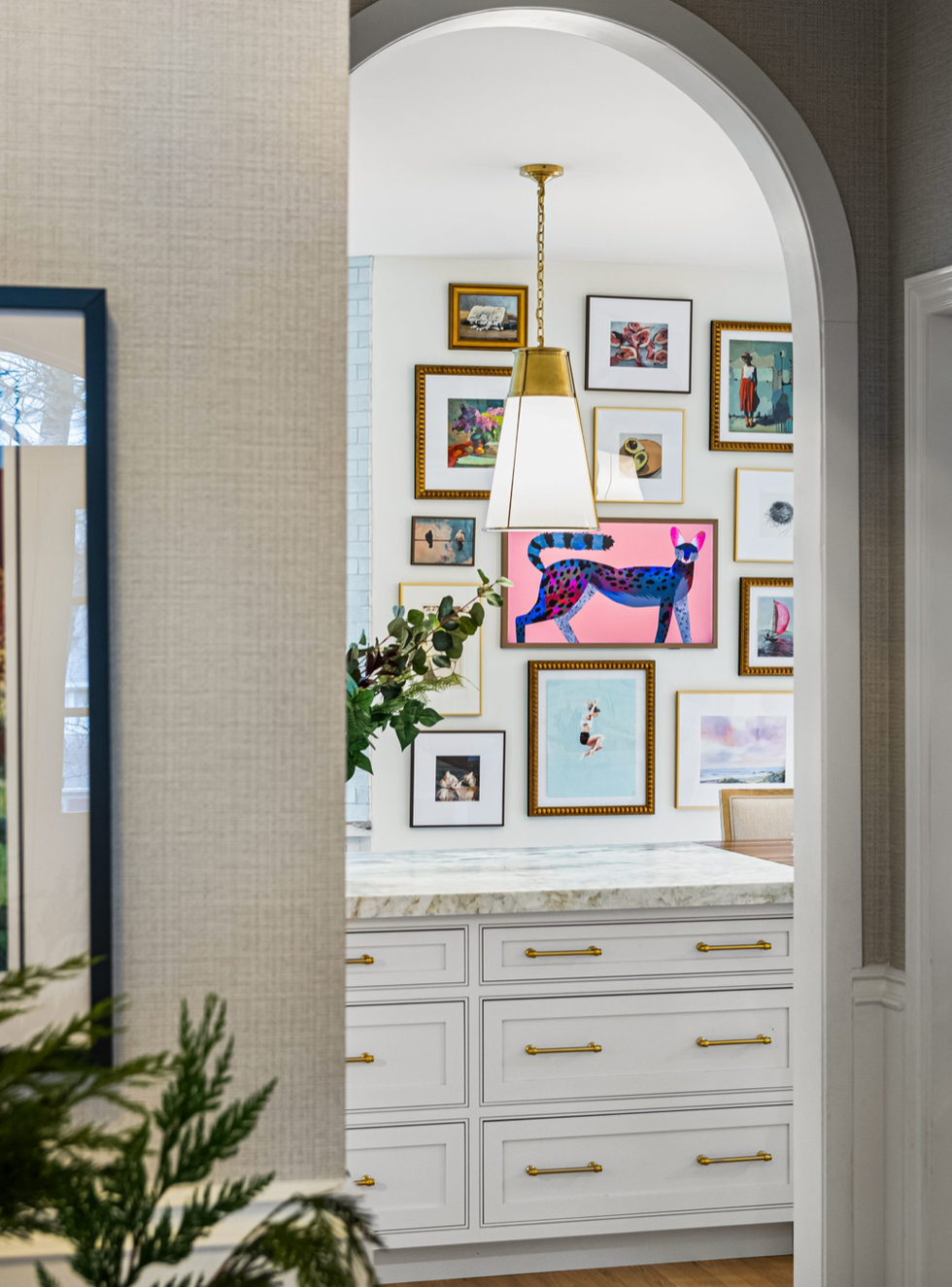
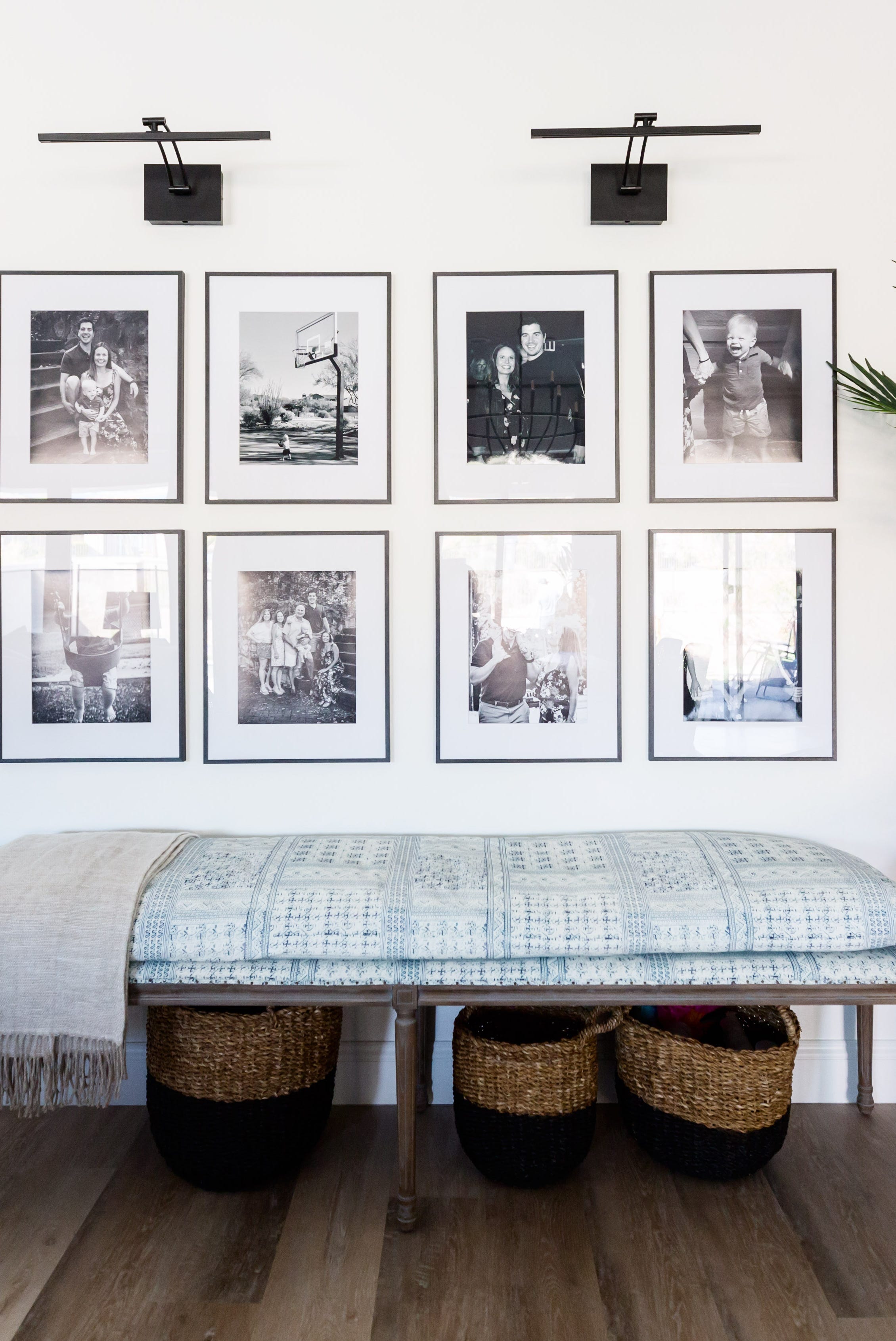
Spacing between items is another important consideration. Austin recommends maintaining a distance of 2 to 3 inches between pieces. This spacing can be adjusted based on the overall size of the wall and the scale of the collection, ensuring that the display appears cohesive and balanced without feeling cluttered or too sparse.
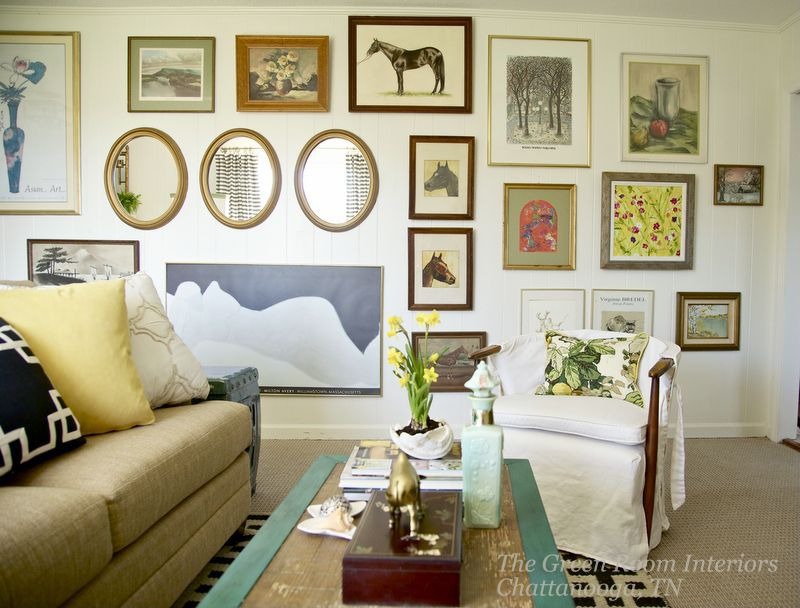
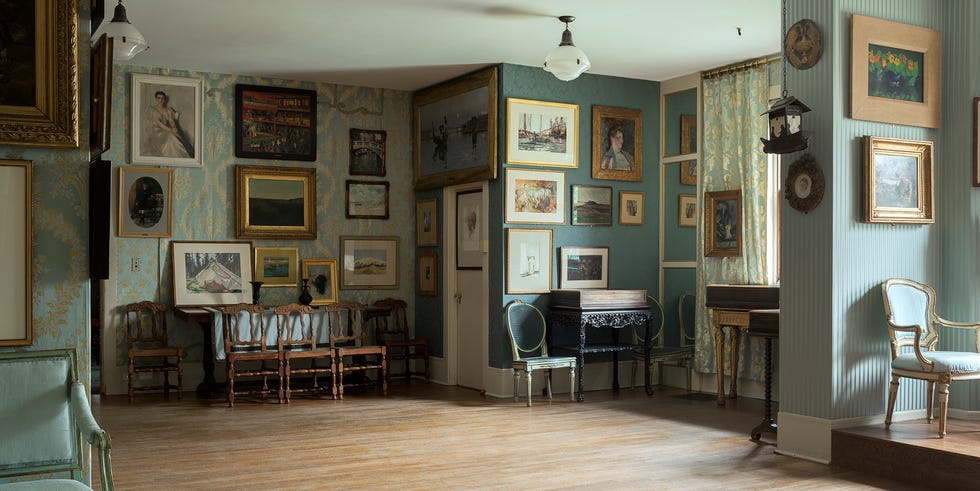
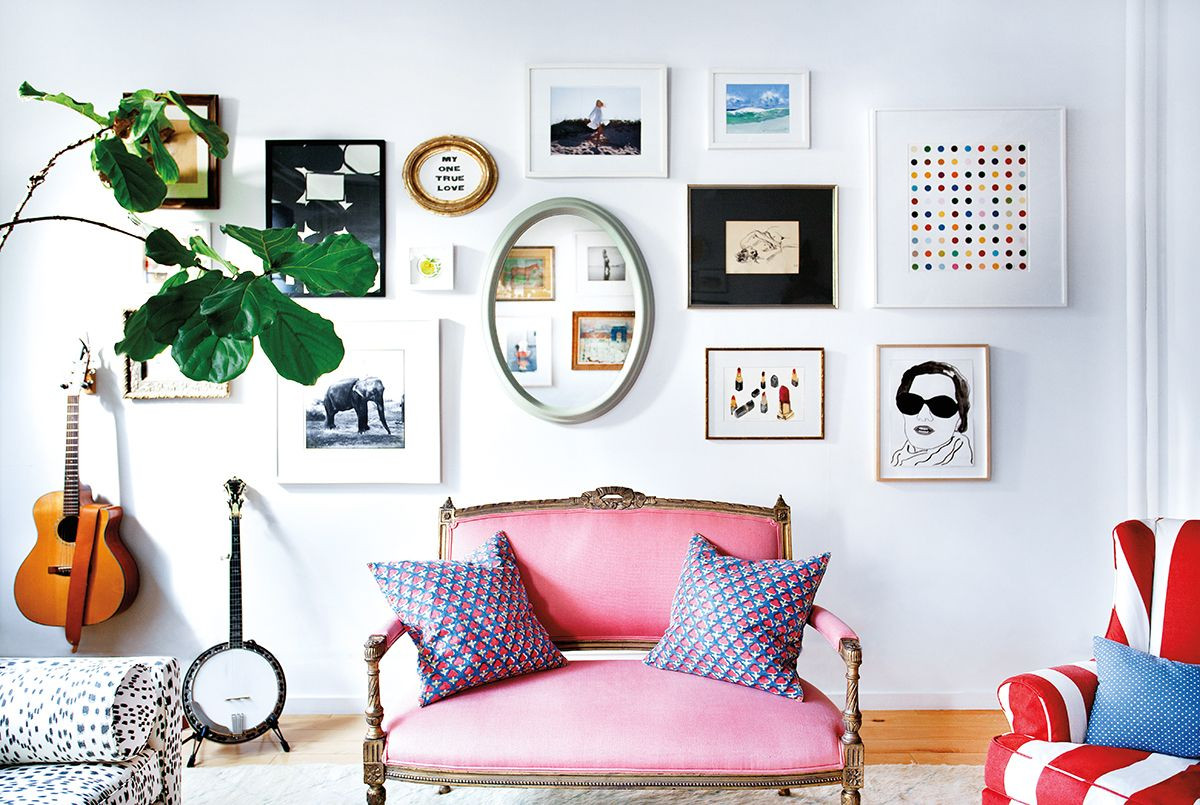
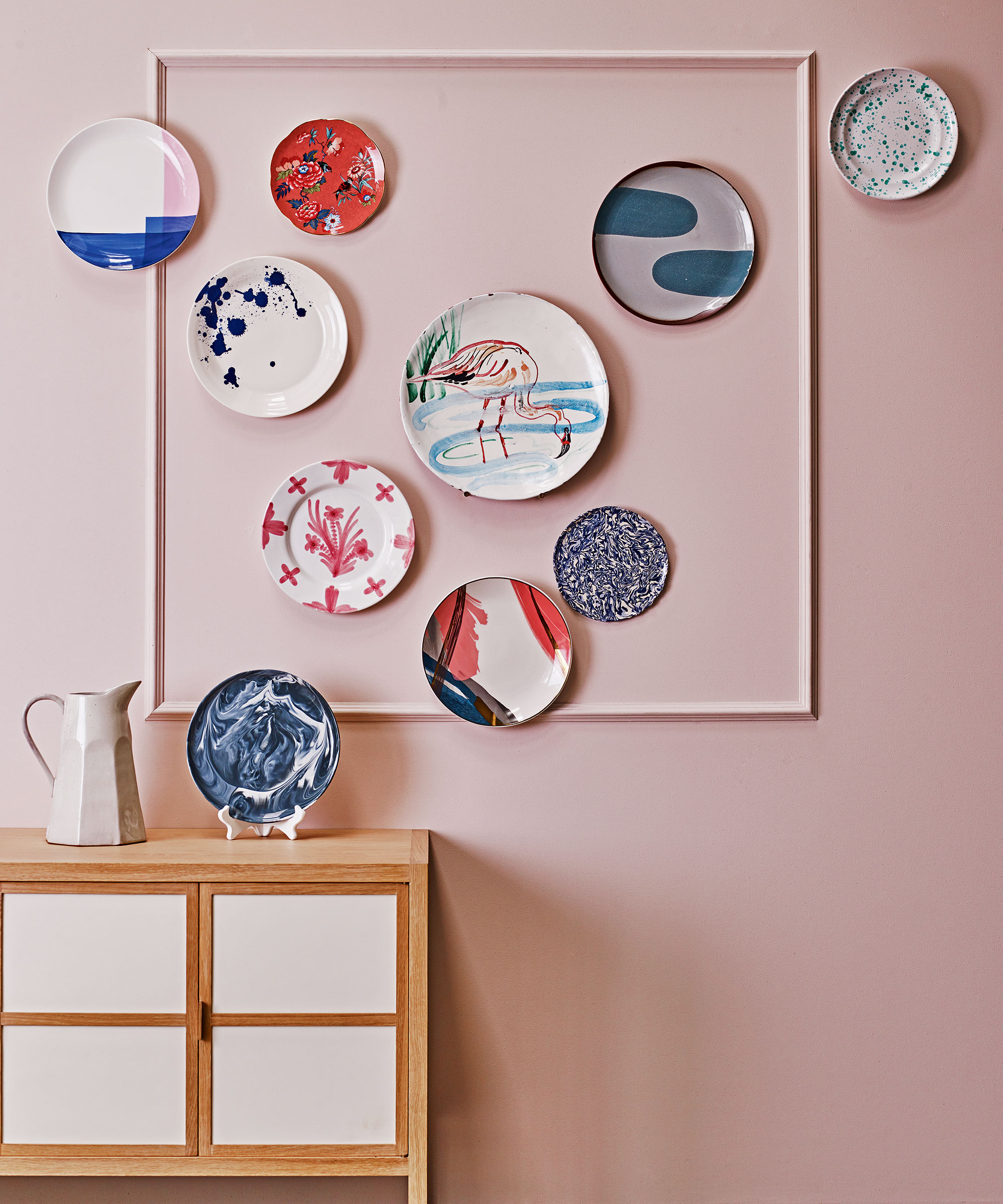
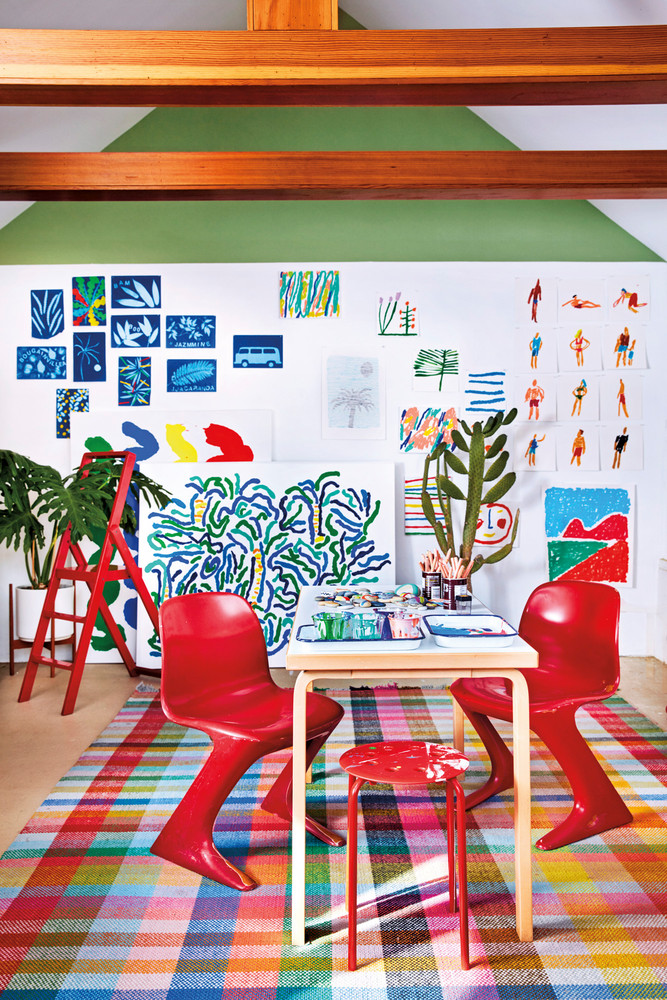
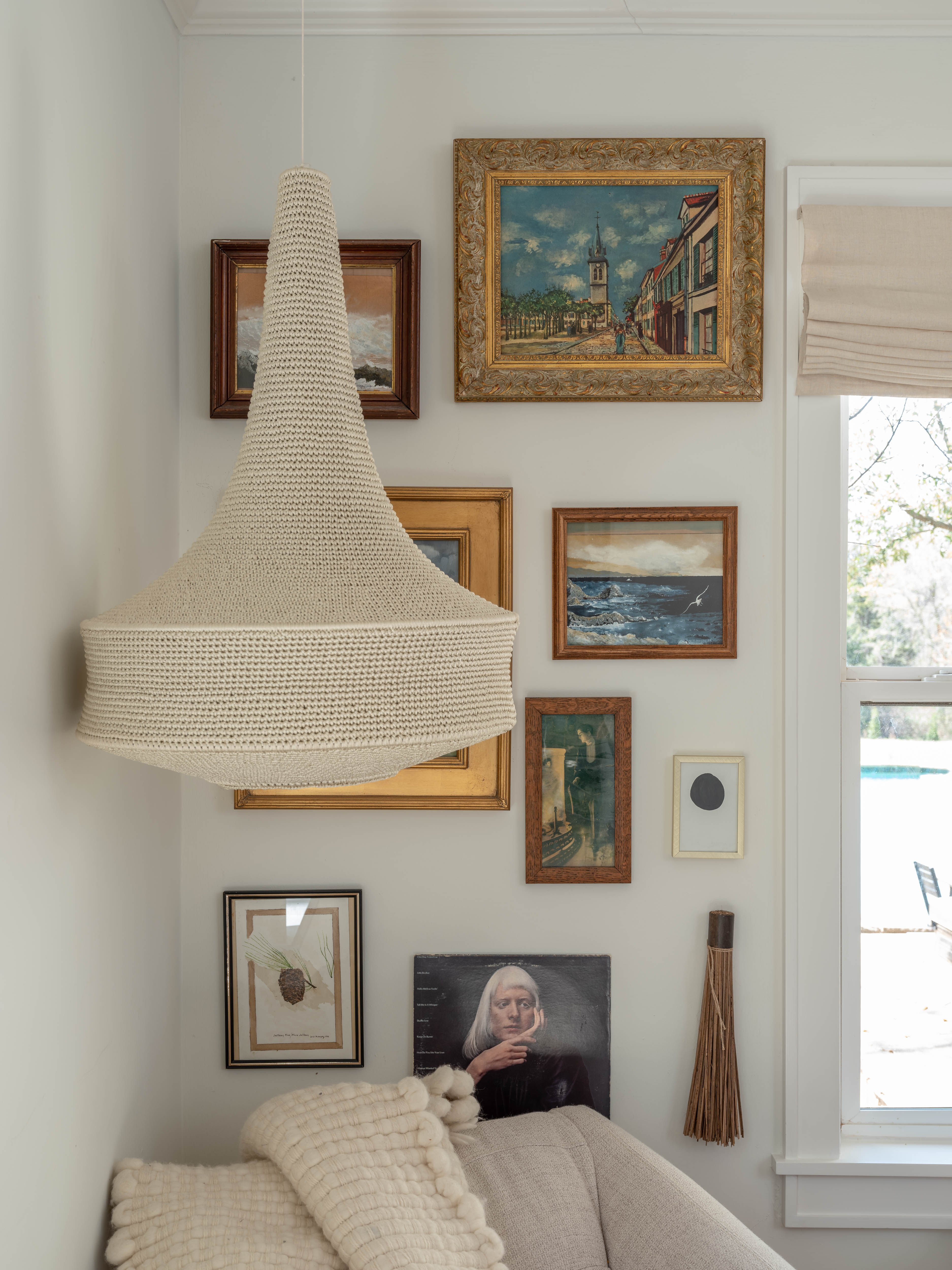
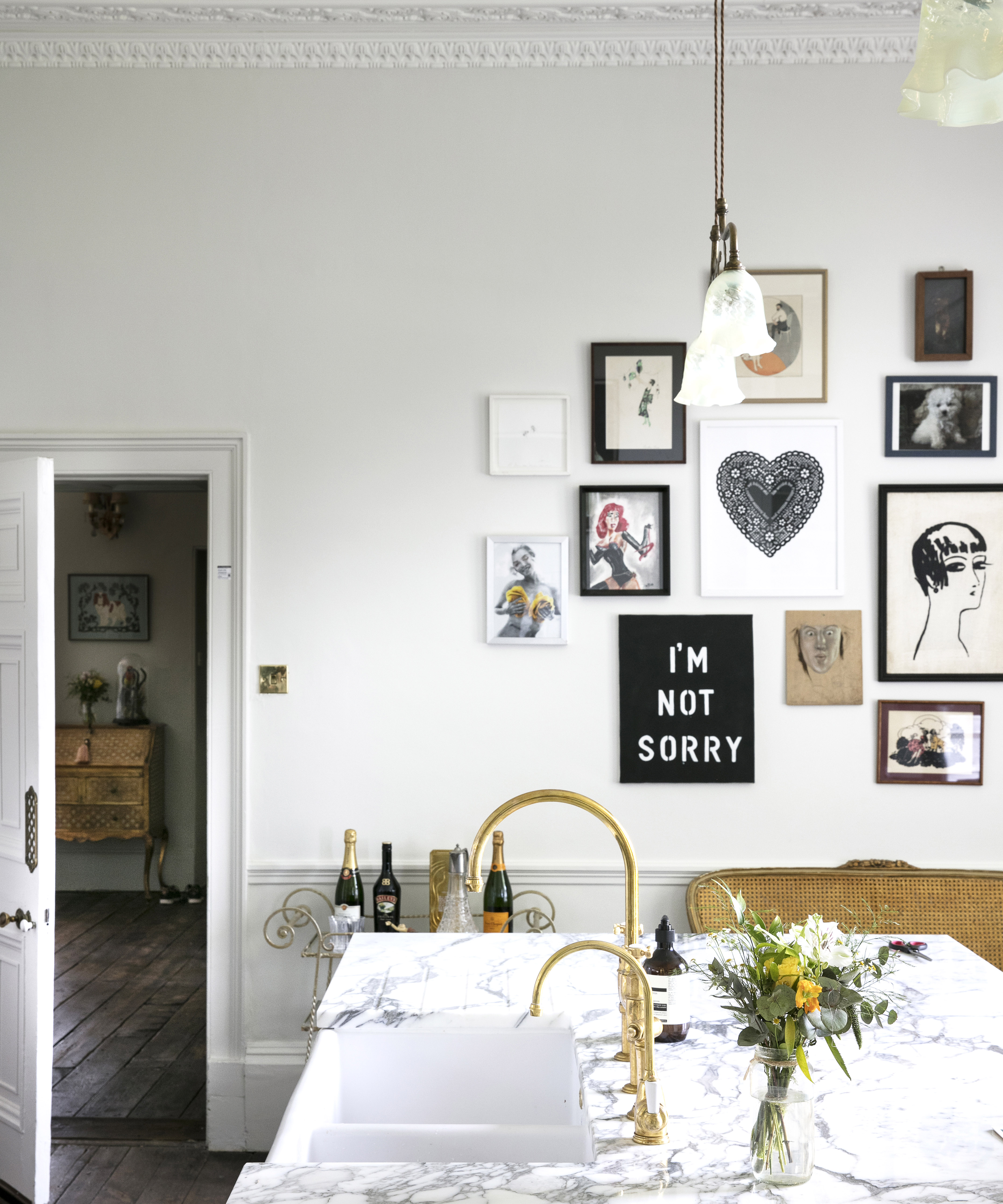
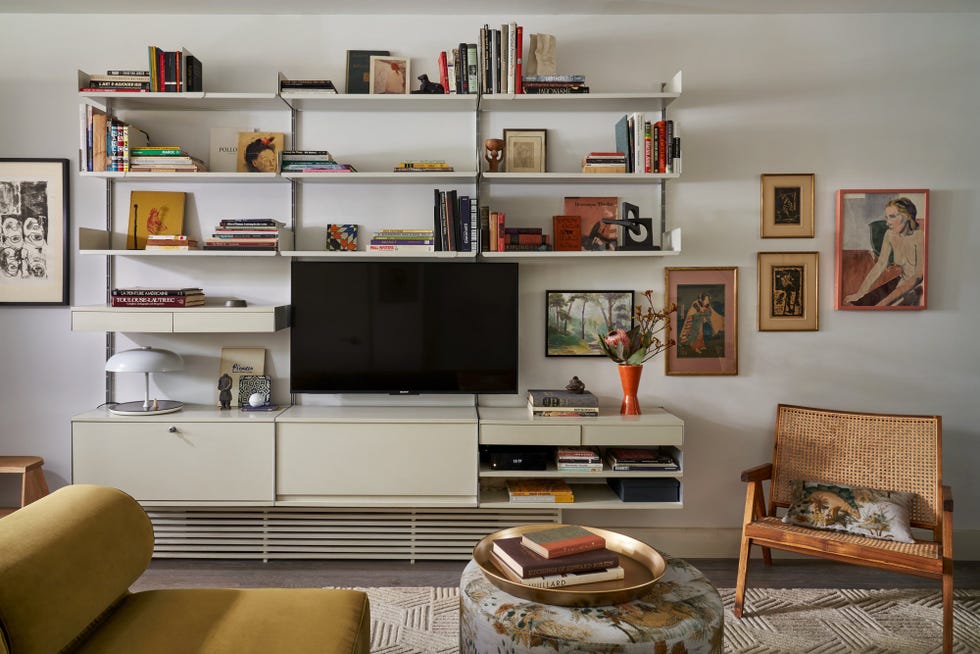
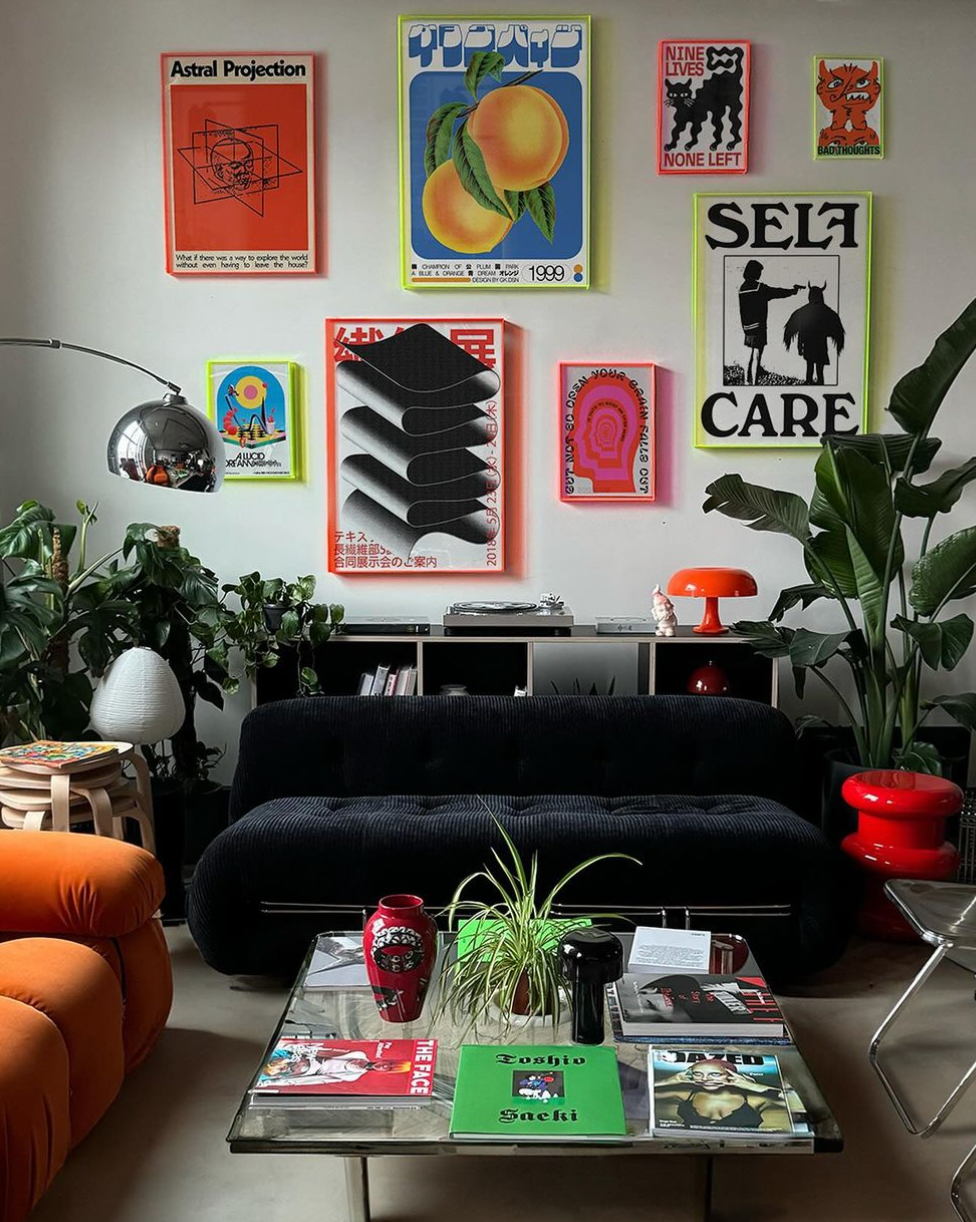
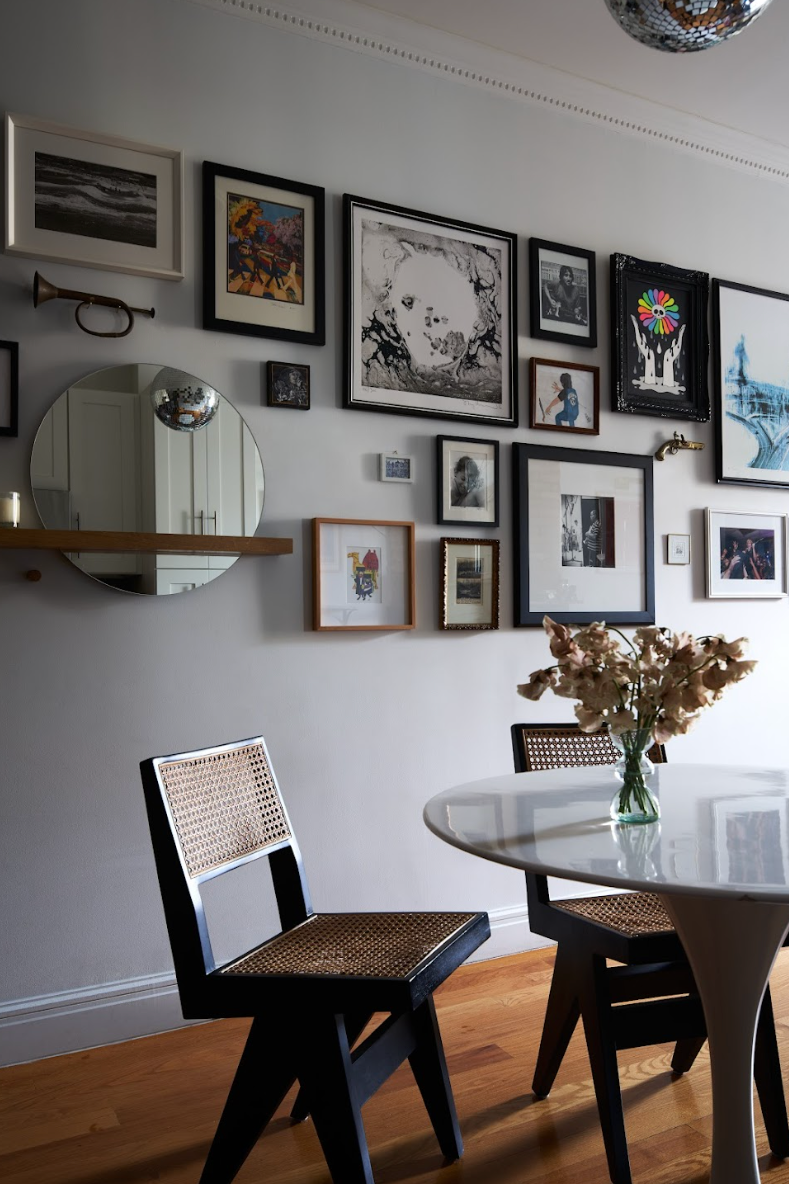
Variety in the collection is highly encouraged by both experts. Austin suggests incorporating a mix of sizes and mediums to create visual interest. Brackett adds that using mats with similar colors can help maintain consistency across diverse items. The article notes that mirrors, brackets, and 3-D art are all suitable additions, promoting a rich and textured display.
Finally, Austin emphasizes the importance of enjoying the creative process and not striving for absolute perfection. She posits that irregularities in arrangement and the presence of negative space can often enhance the interest and unique character of a gallery wall. This advice encourages decorators to embrace an experimental approach and personal expression rather than adhering strictly to conventional layouts. The article, published in January 2016, aims to equip home decorators with the confidence and practical knowledge needed to create their own custom gallery walls.
#GalleryWall #HomeDecoration #InteriorDesign #DIYHomeDecor #DesignTips #CathyAustin #CarolineBrackett #CharlotteDesign #WallArt #GalleryWall #HomeDecoration #InteriorDesign #DIYHomeDecor #DesignTips #CathyAustin #CarolineBrackett #CharlotteDesign #WallArt
0 комментариев всего
 Комментариев пока нет
Вам также может понравиться
How to create a gallery wall in your home
how to style a 3D gallery wall
5 common gallery wall mistakes designers warn to always avoid – to create the chicest of displays

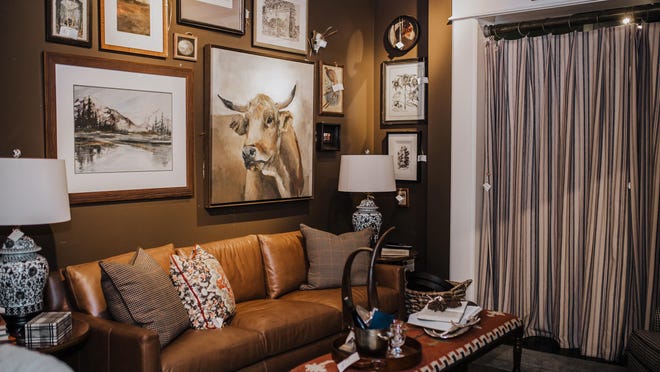
Style at Home: Creating the perfect gallery wall

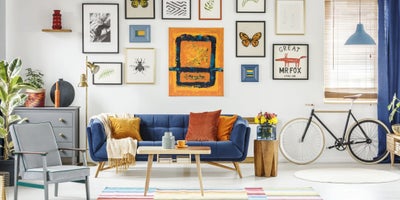
to create a gallery art wall - Ideas & Advice

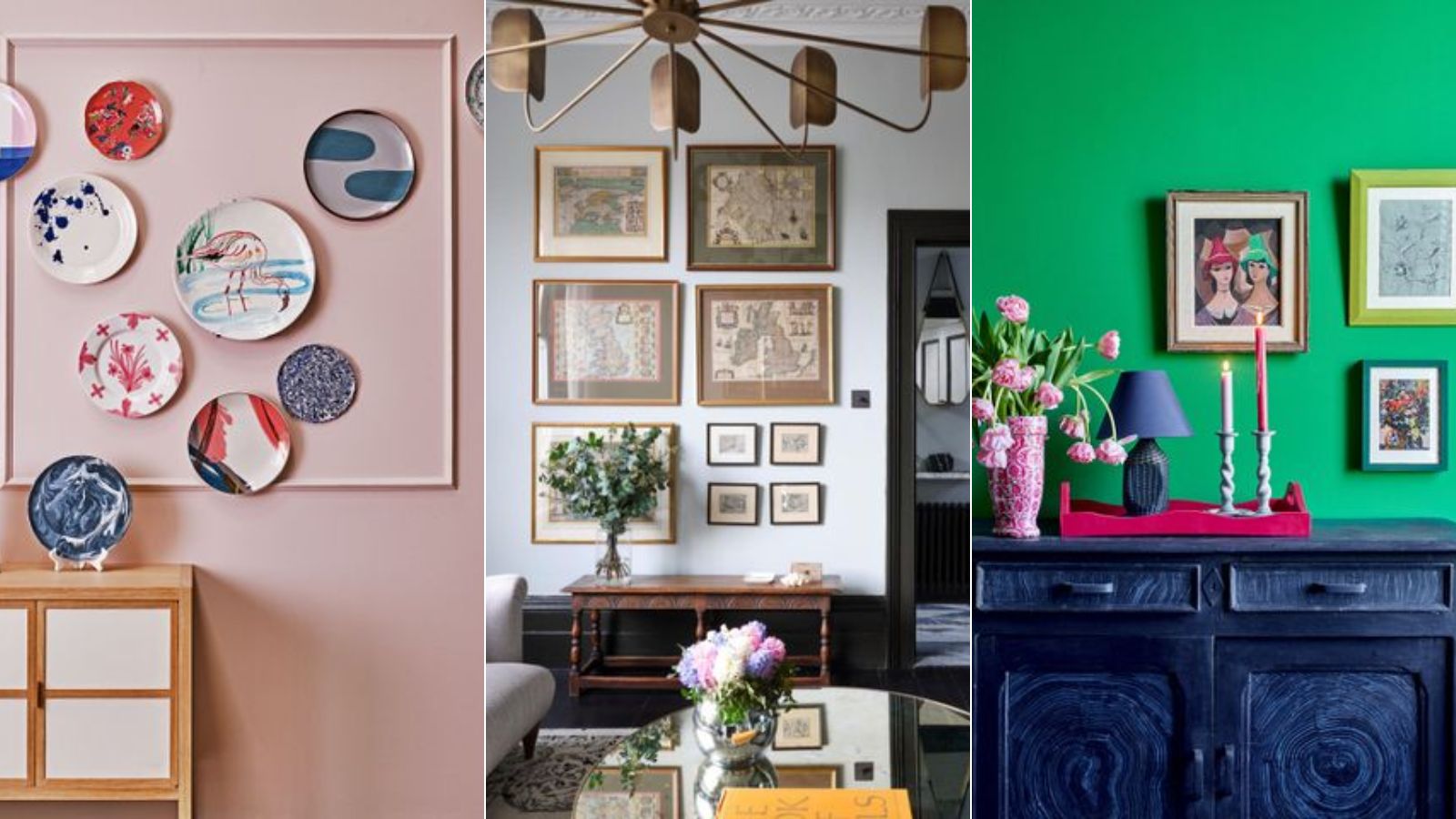
7 DIY tips for how to hang a gallery wall from experts
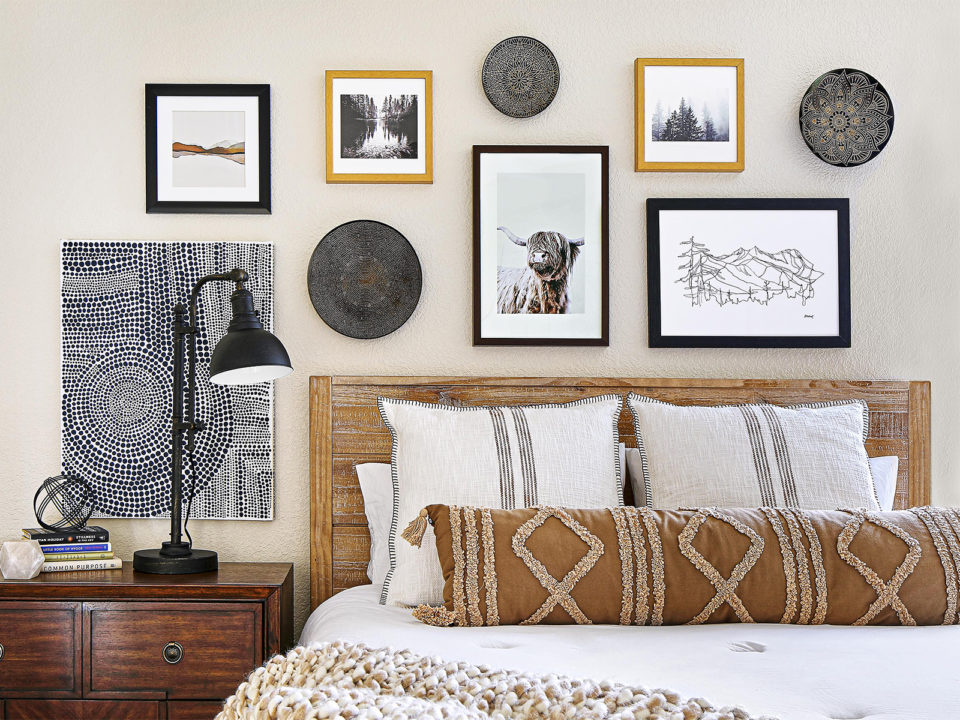
How to Create a Gorgeous Gallery Wall in Your Home

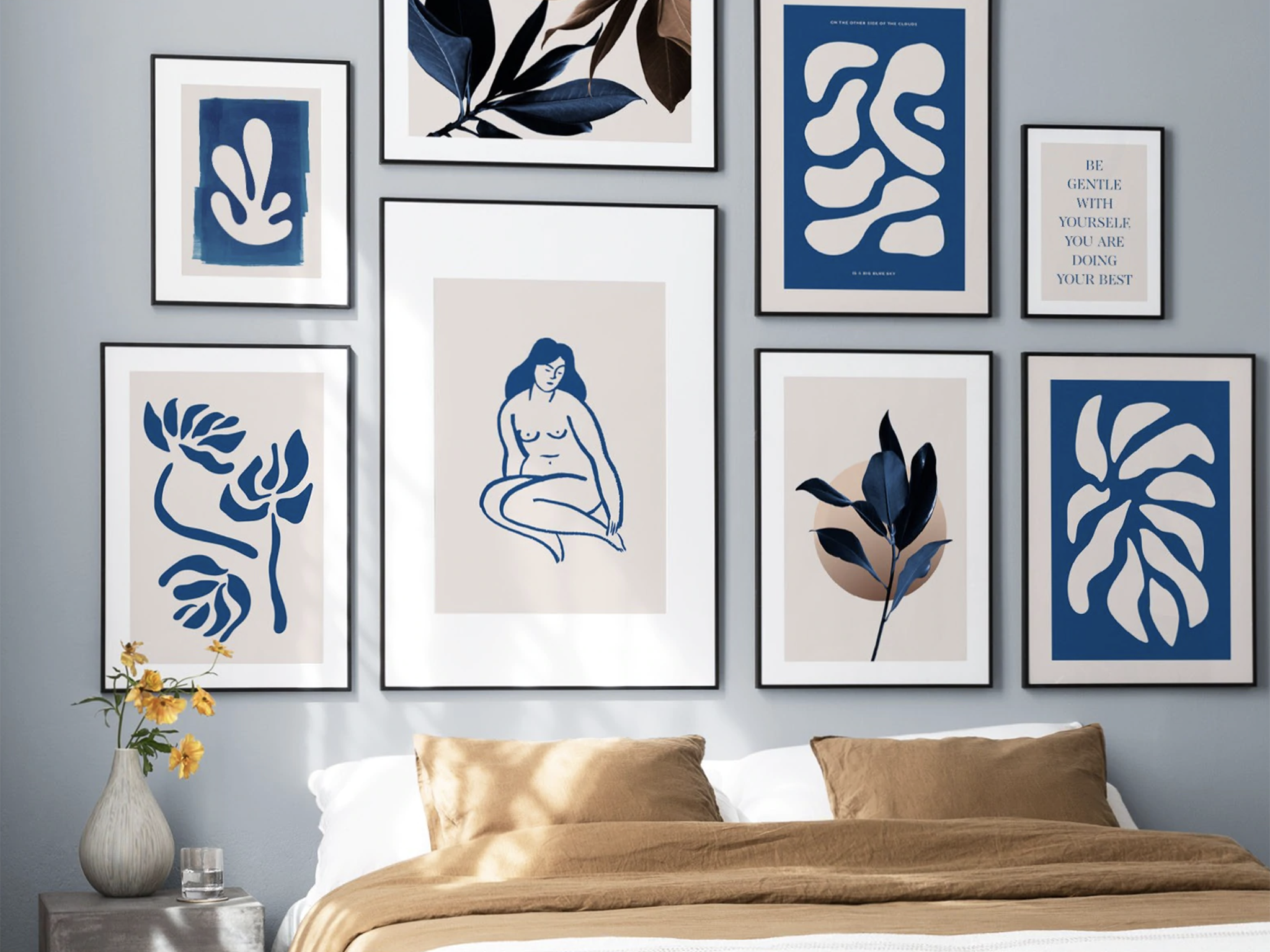
This Room Divider Doubles as a Gallery Wall for Your Art

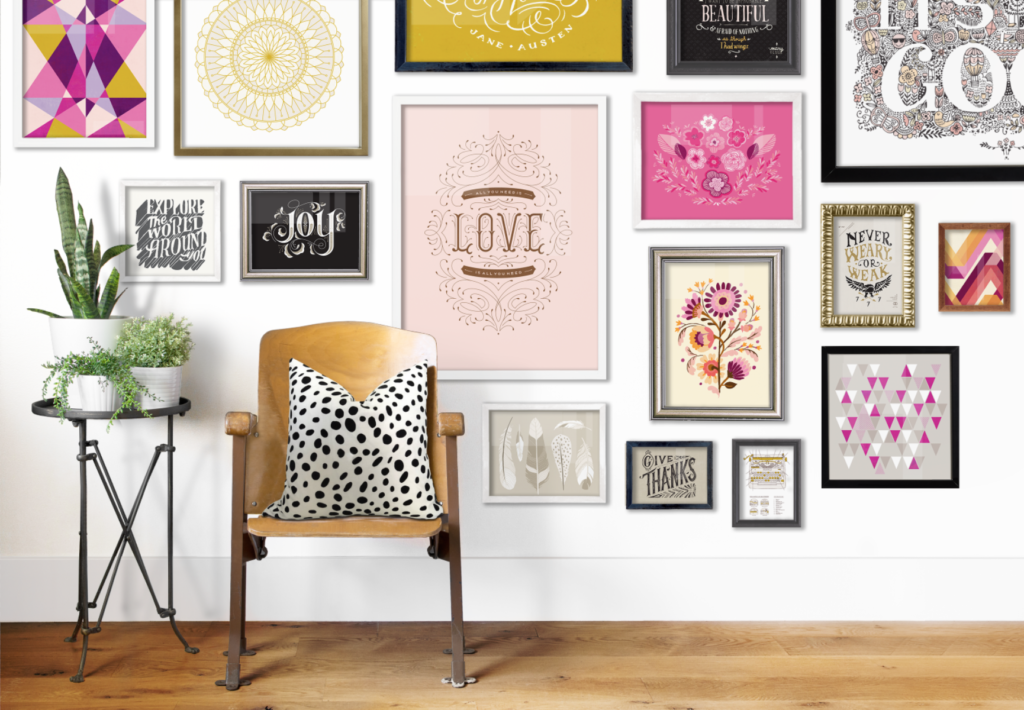
How to create an Instagram-worthy gallery wall: Interiors experts on framing and displaying your art
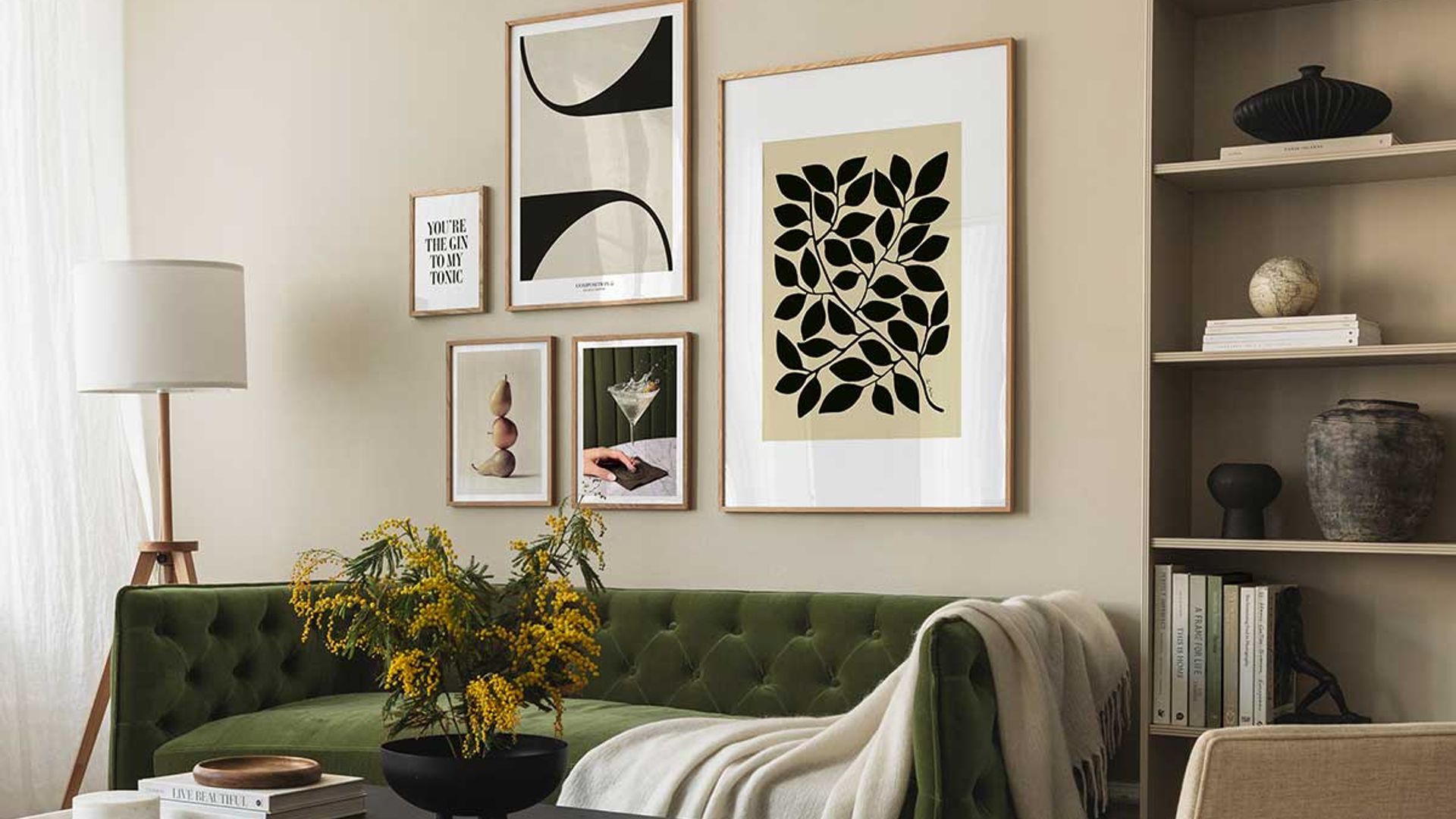
How to build a gallery wall for your home

Where to buy the best wall art to create a spectacular gallery wall

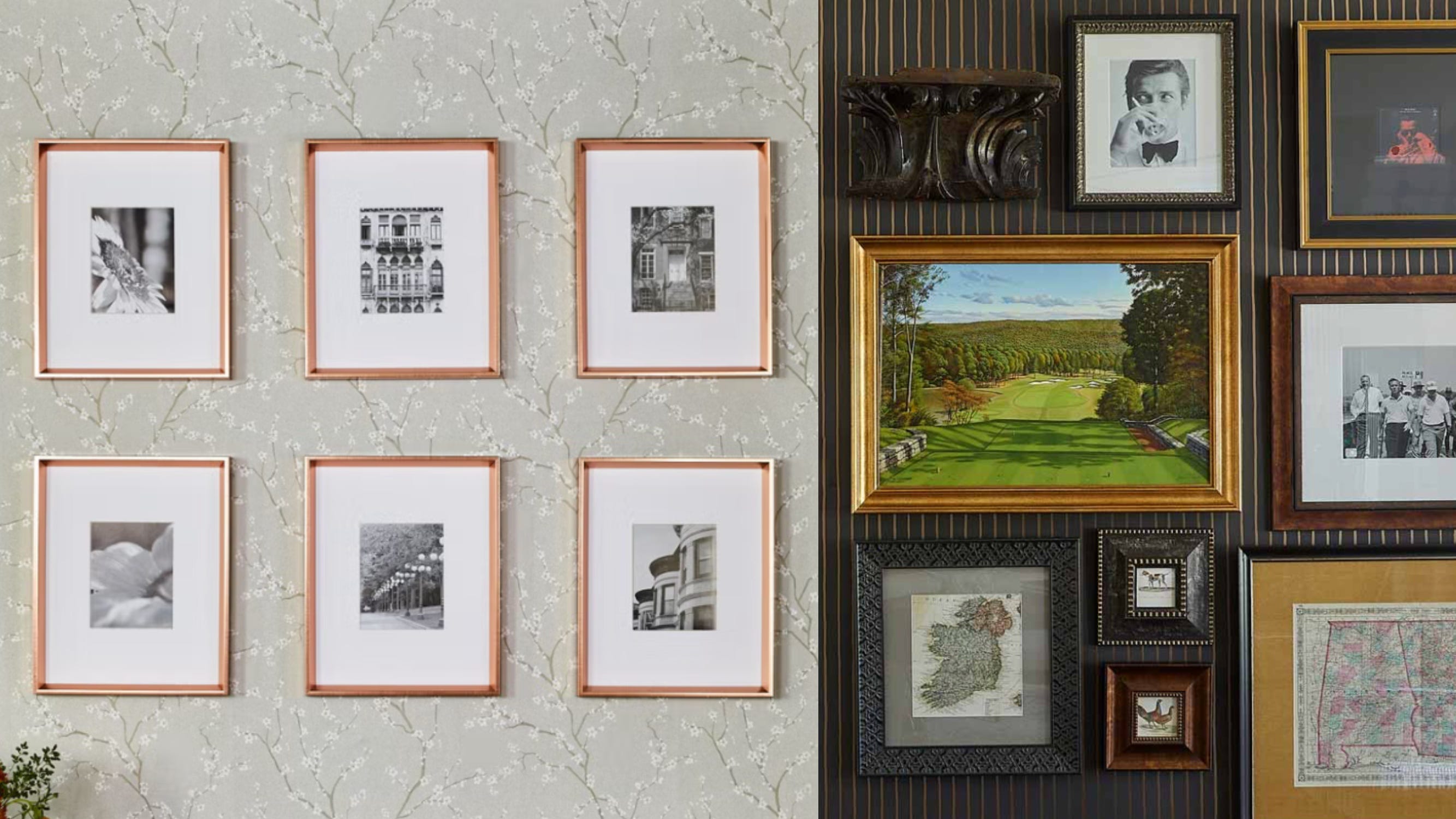
Matching or Mismatched Gallery Wall? Big-Time Designers Have a VERY SPECIFIC Preference

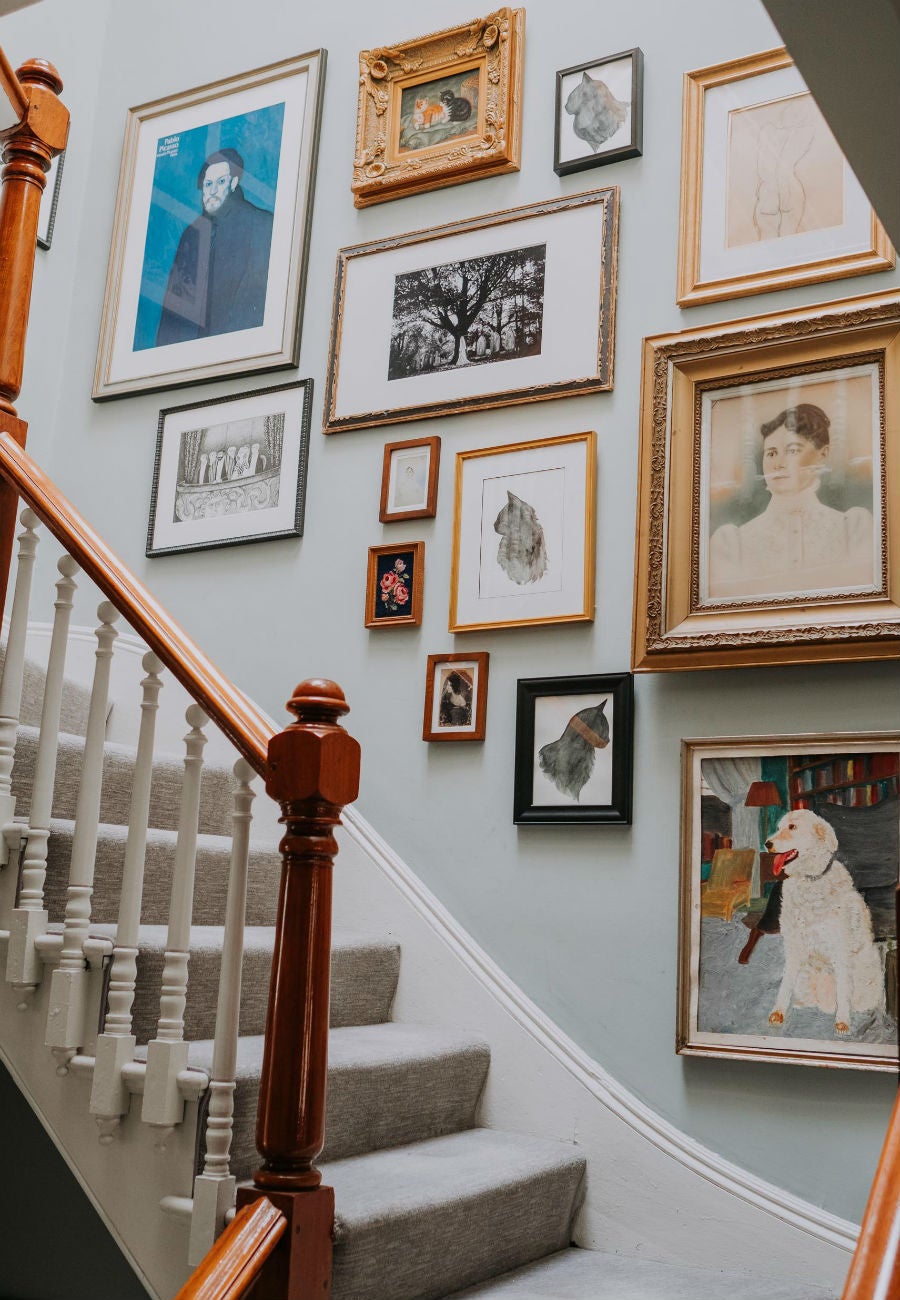
Ask The Expert: How To Create A Gallery Wall

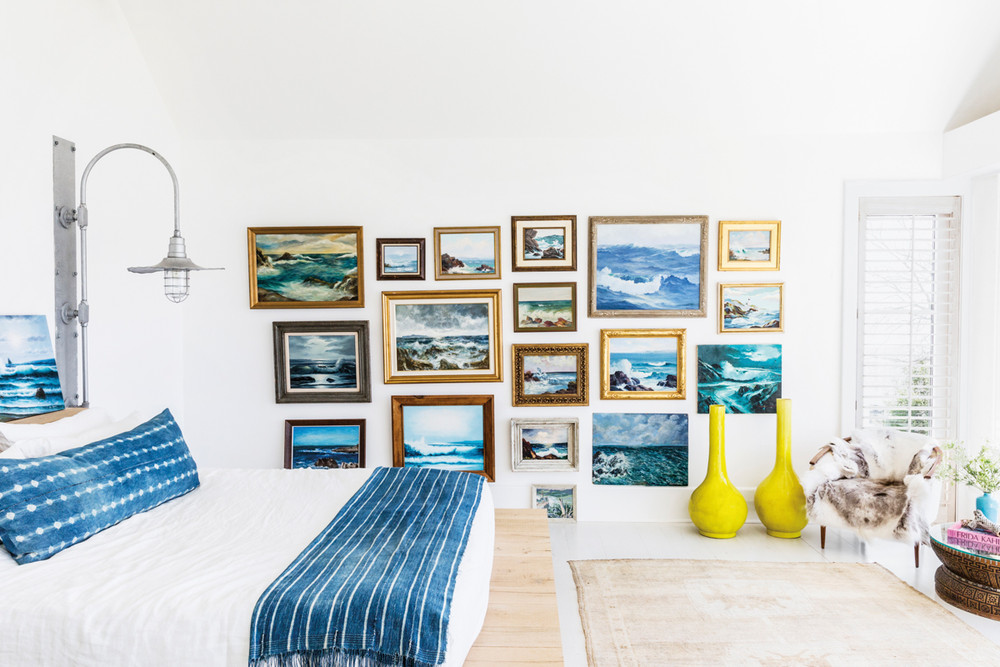
The Best Gallery Wall Ideas Right Now


9 Things (Other Than Photos) That Look Great In A Gallery Wall
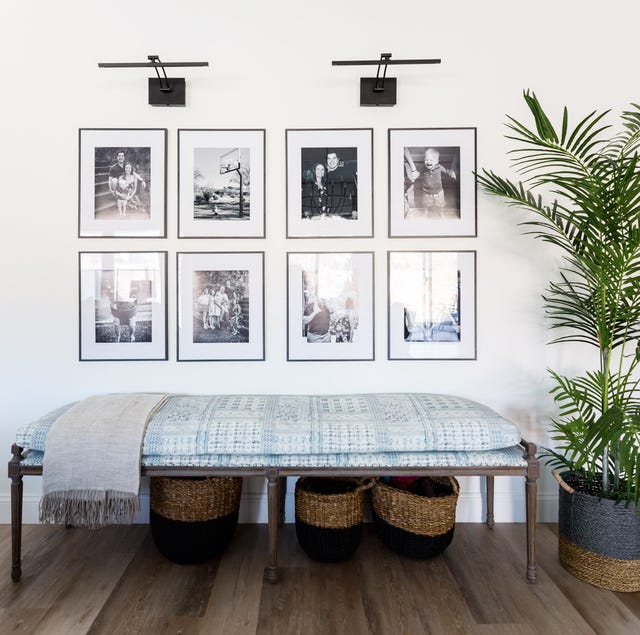
This Blogger Shows You How to Make a Sliding Collage Photo Frame in Just 30 Minutes

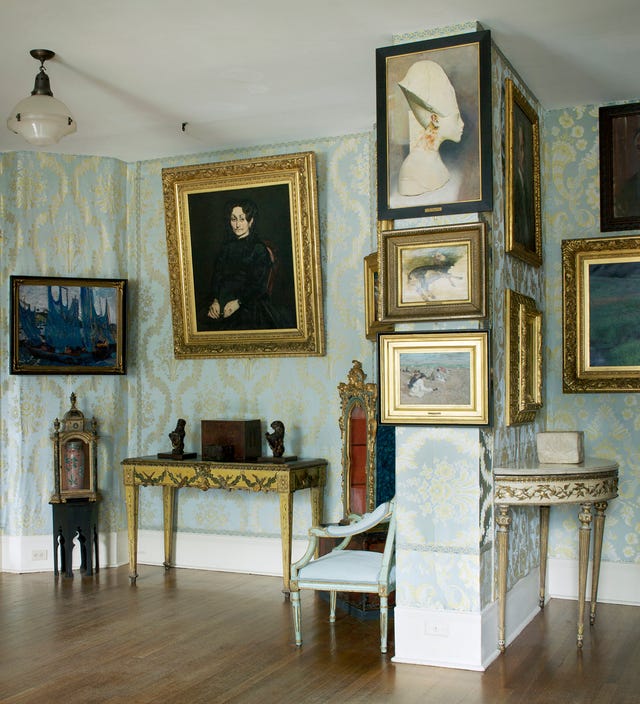
How to Make a Gallery Wall Like an ELLE Decor Editor
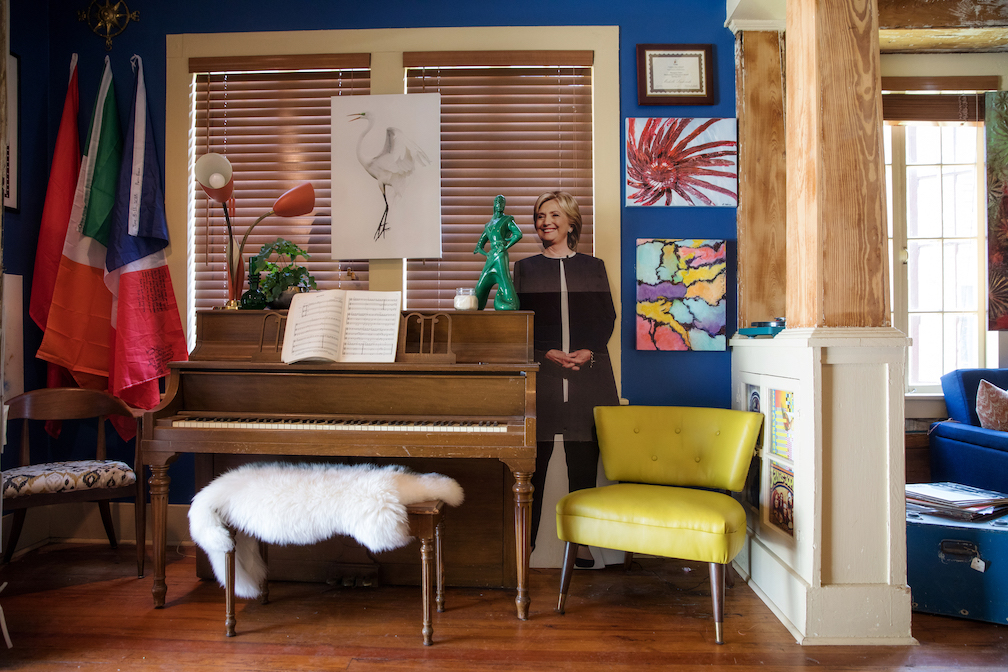
The key to building a great gallery wall is, well, thinking a little off-the-wall

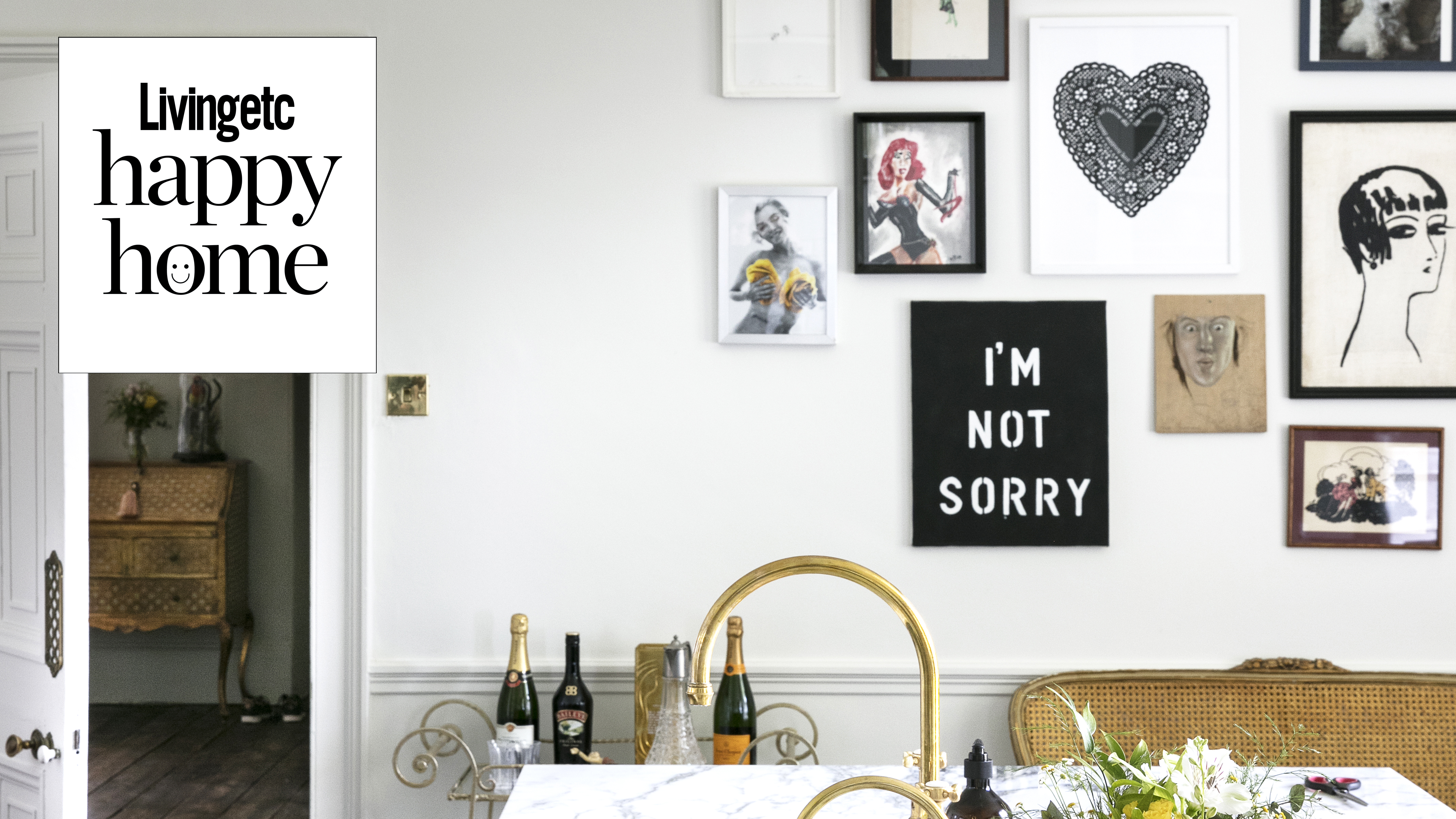
Expert tips for creating a happy gallery wall without sacrificing style

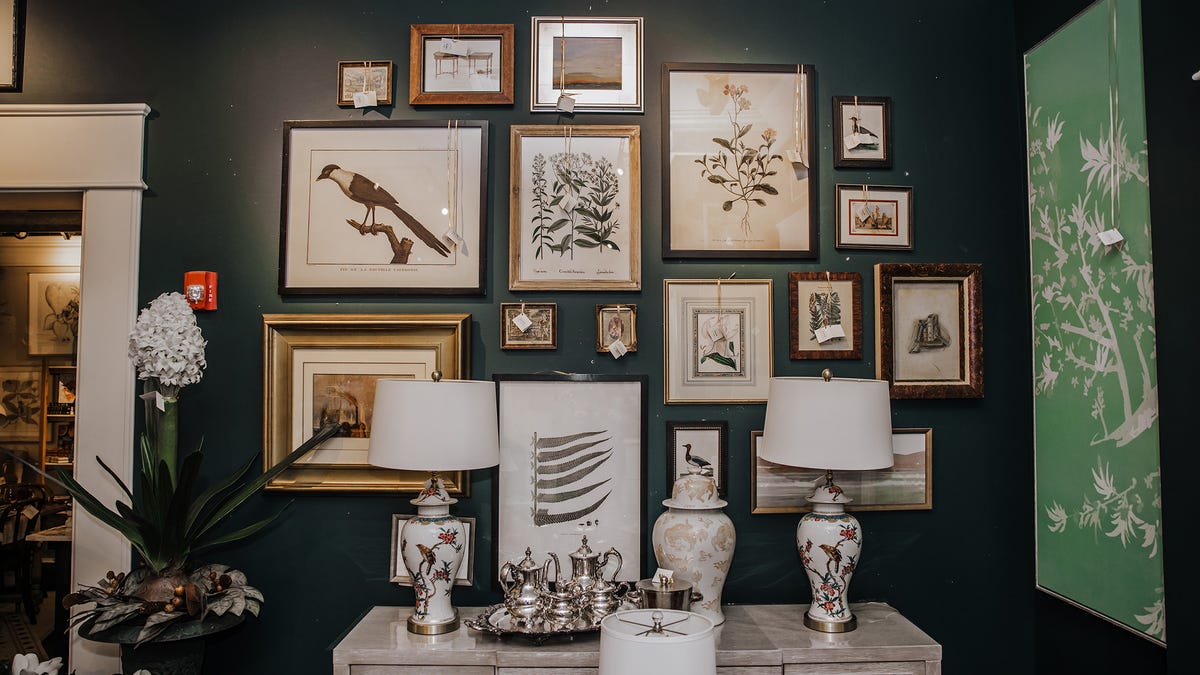
Style at Home: Creating the perfect gallery wall